Thursday through Saturday, October 1-15—Taking Care of Business, Part 1

The month of October began with warm temperatures.  In an attempt to get to know neighbors better, we “hosted” an happy hour at the ramp next door to the house, and had several neighbors show up.  Seemed like everyone had a good time.  Perhaps this is something we can continue when weather and schedules allow. 

September 23 through October 21 is birthday month for our family, beginning with Kay on September 23, Karyn on October 6, Jenny on October 13, Kayden on October 16, and Ridge on October 21—whew!

In early October, I had a second spinal injection, and followed up with high dose flue and pneumonia injections—not a fun day—and I overdid it as usual, resulting in “quiet” time for the next few days.  And then, remember the motorhome issue with the brakes?  We finally made arrangements to have it towed to the nearest Ford, and the humongous tow truck hauled it away on October 7.  The next day, I was fitted for a new CPAP mask.

151010 USA2 003

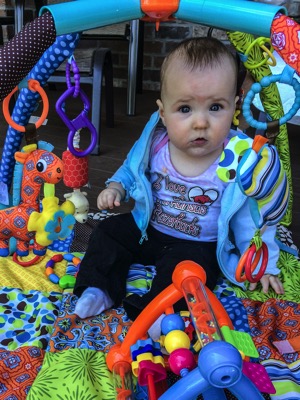
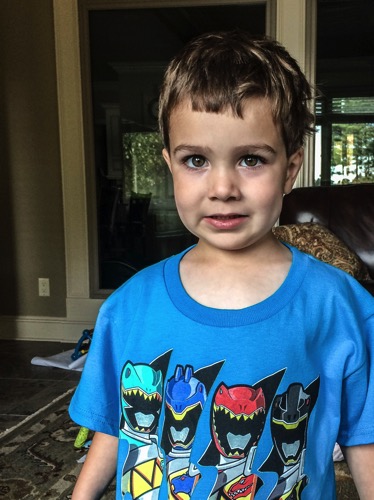
Ridge and baby sister Aker visited us for an overnight stay early in the month.  We sure enjoy them, and getting on the floor to play is a piece of cake; it is the getting up that is becoming harder and harder!

151011 USA2 004


151013 USA2 001

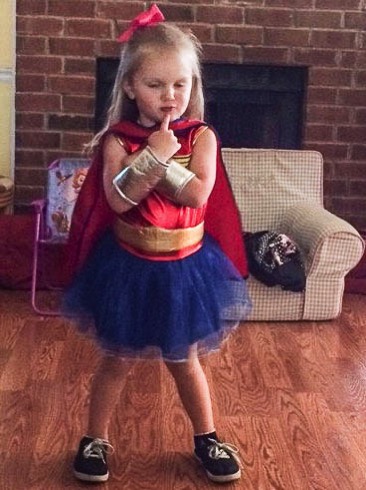
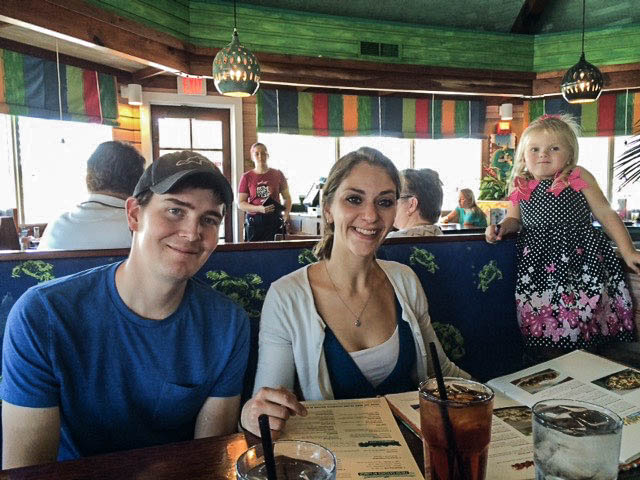
On October 13 we traveled to Memphis to celebrate Jenny’s birthday, and of course, visit with Harper.  She was quite animated, and her vocabulary is increasing everyday.  

151013 USA2 002

While there, we went to Costco to shop and have my hearing aids adjusted, and lo and behold if the guy didn’t change receivers, and completely screw up my ability to hear with the hearing aids.  I kept telling him that I couldn’t hear out of my left ear, but he seemed not to hear me.  We will wait until we get back in the Rio GrandeValley and get them re-adjusted.

Tuesday through Wednesday, September 1-30—Where Has the Month Gone

When we last posted, we were spending our last evening in Prague, Czech Republic.  The plane was delayed in arriving and leaving Prague for the US, and to make a long story short, we ended up spending the night in New York City, courtesy of Delta Airlines.  Suffice to say, they are not even close to being our favorite company, and we will look for other airlines in the future.  We arrived home Tuesday, a few hours later than originally planned, tired from the air travel and lack of sleep in New York.  And, on Wednesday, we quietly celebrated our 15th wedding anniversary.  150904 E 006We had house guests—Jenny, Harper, Brian, and Brian’s parents—over Labor Day weekend, but we were poor hosts, too tired to do much of anything except cook and do dishes.  Anyway, they all seemed to have a good time, but we missed getting to spend quality time with Harper.  On Sunday, Karyn, Ridge, Aker, and Matt came for lunch, and we had all the little ones together for the first time in a couple of years.  How good is that!  The rest of the month sort of got away from us as we settled into a non-routine routine engaging in some of the many social activities in the Village, catching up with old friends, attending a myriad of medical appointments, and taking care of personal business.

150906 E 015

We did have a bit of a harrowing experience while “exercising” the motorhome.  After filling up with gasoline at the Walmart on the west side of the Village, we began smelling something burning, like electrical wires, clutch, or brakes near the RV storage facility.  We stopped the motorhome outside the storage building, and noted smoke coming from the front passenger wheel.  Upon further examination, the bottom part of the wheel was glowing red and a small flame was observed.  I put out the fire, and felt the other front wheel, and it too was very hot and smoking.  We backed the motorhome back into its space, and allowed the wheels to cool.  Because the chassis is a Ford, I phoned their motorhome number, relayed the story, and will now make arrangements to have it towed to the nearest dealer with a lift large enough to handle a 35 foot, 24,000 pound motorhome.  Ain’t life fun?  Harry is right in that the more toys one has, the more work there is to do!

Friday through Monday, August 28-31—Grand European Tour: Prague, Czech Republic

The Czech Republic is another landlocked country in Central Europe, bordered by Germany, Slovakia, Austria, and Poland. It was part of Czechoslovakia from 1918 following the collapse of the Austro-Hungarian Empire at the end of WW I.  It was occupied by Germany during WW II, and liberated in 1945 by U.S. and Russian forces.  Shortly thereafter, Czechoslovakia became a Communist party state, and after an uprising in 1968, was occupied by the Soviet Union until the collapse of the Communist bloc in 1989.  In 1993, it peacefully dissolved into the Czech Republic and Slovakia, though citizens were never given an opportunity to vote.  Though democratic only 26 years, the Czech Republic with a population over 10.5 million people is significantly developed with a high income economy, and high living standards.  I would be remiss not to mention the murder of about 80% of the Jews living in what is now the Czech Republic in Nazi death camps.  Many of the remaining moved away, and only about 5,000 pa what was once a population of over 100,000.  I am afraid that neither our kids nor grand kids will know or understand the horrors of the Nazis or of the KGB of the Communist bloc (wasn’t Putin a high ranking KGB official); our guides in Slovakia, Hungary, and the Czech Republic—all women—made it abundantly clear to us.
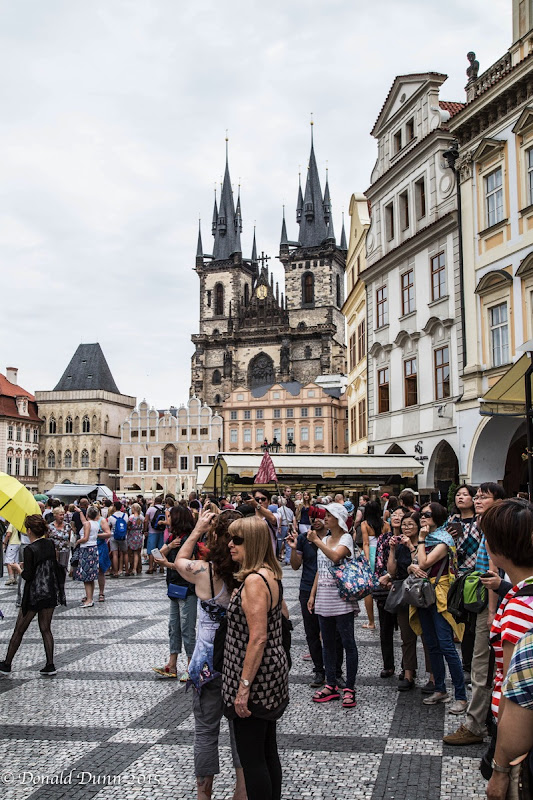
150829 E 012

Prague is the capital of the Czech Republic.  It has a population of about 1.25 million people, and has the lowest unemployment rate in the European Union.  It perhaps is, and has been for 1100 years, the economic, cultural, and political center of Central Europe. At one time it was the home of two Holy Roman Emperors, and thus the capital of the Holy Roman Empire. Prague survived much of the destruction and devastation experienced in other European cities, so many of their historic structures remain.  Consequently, its large historic center was named an UNESCO World Heritage Site in 1992.

Meeting  Sue and Chuck in the lobby after our arrival in Prague Friday afternoon, we all walked to the “new” town square.  It was a lively, crowded place filled with people, street musicians, sidewalk coffee houses and cafes, and even a protest march.  We enjoyed good Czech beer at one of the beer houses, and Kay and Sue each had a great Czech sausage with mustard, onions, and kraut from one of the sidewalk vendors.

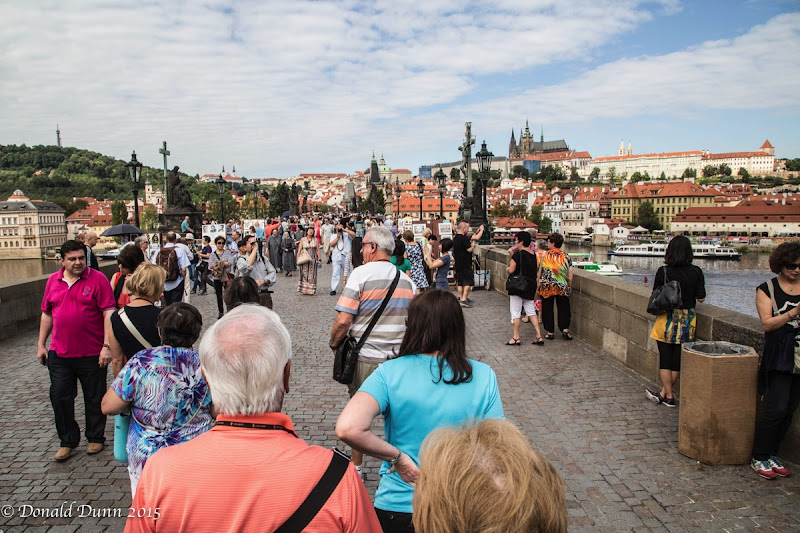
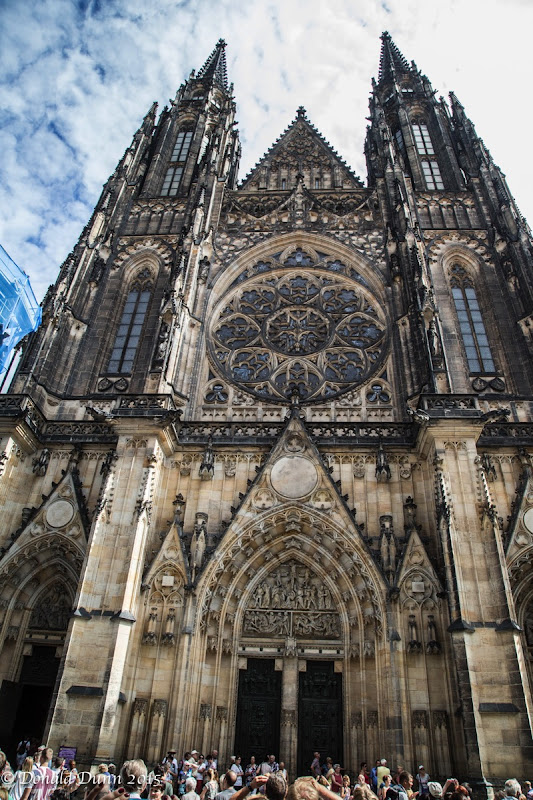
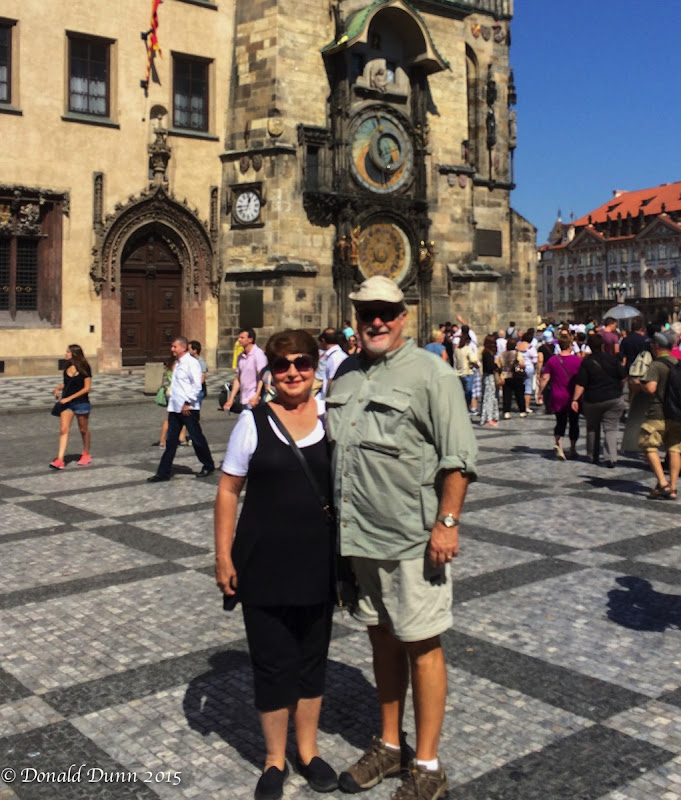
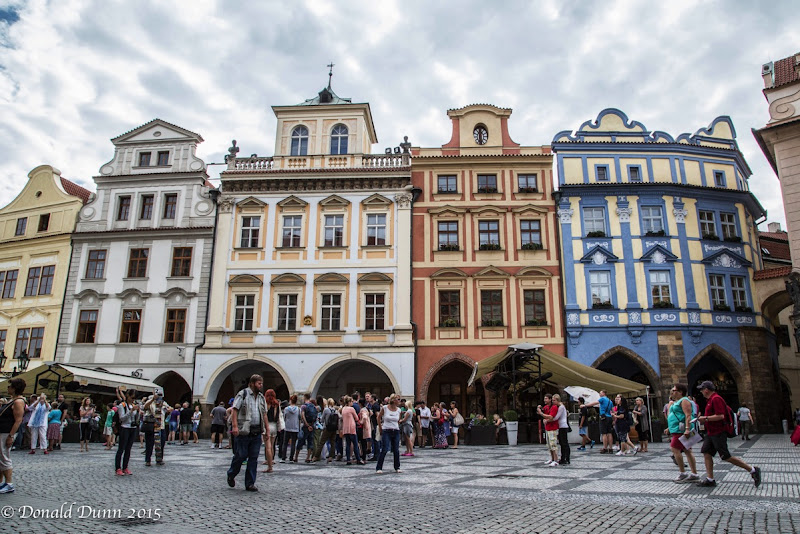
After an unpleasant breakfast at the hotel—both the food, including scrambled eggs and sausage, and coffee were cool—we joined other Viking customers for a 4-1/2 hour walk/bus tour of Prague. We walked through the Old Town Square, Prague Astronomical Clock, Jewish Quarters and Old Jewish Cemetery, across the Charles Bridge to the Lennon Wall where a bus took us past the largest arena in the world seating over 250,000 people to the inner courtyards of Prague Castle where we briefly toured the inside of St. Vitus Cathedral.  Though not empty, the streets of the city were much less crowded than they were as the day wore on.  In fact, the inner courtyards of Prague Castle were “packed”.  Our guide was the best yet; she was knowledgeable and articulate, and the pace of the tour was perfect, even timing the chimes of the astronomical clock correctly.  She had visited the US many times, guided for the U.S. Embassy, and spoke first hand of living under communist oppression.
 

150830 E 045

150829 E 010

150829 E 020

150829 E 033

We rested the remainder of the afternoon before meeting Sue and Chuck for a walk to Old Town Square where we ate a sausage prepared in one of the many outdoor kitchens lining the streets.  We then walked to the New Town Square, enjoying street musicians and other sights and sounds along the way.

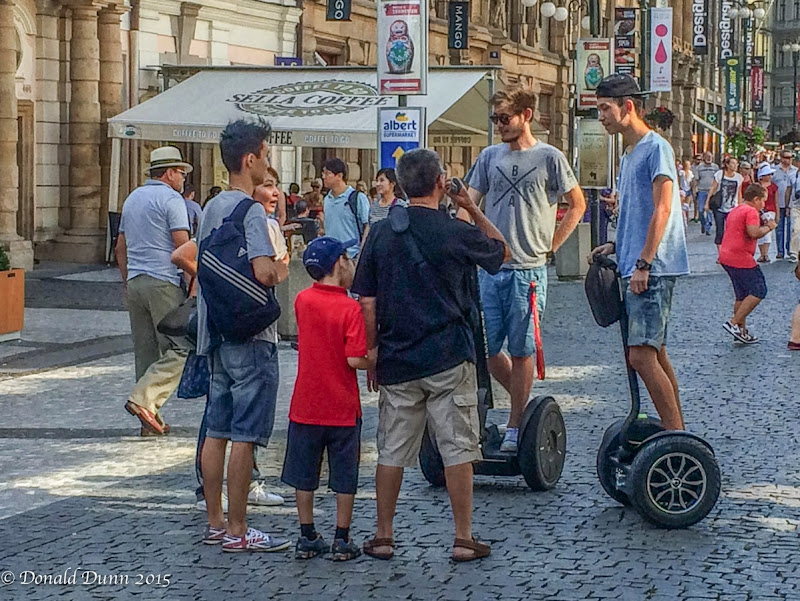
Sunday was a free day, and allowed for a lazy morning.  Once again, breakfast at the hotel was less than satisfactory.  Along with Sue and Chuck, we strolled the streets back to New Town Square with Kay and Sue shopping along the way, then to Old Town Square, and then back New Town Square for a Czech sausage on a bun with catsup, mustard, kraut, and onions.  Segways are everywhere, and a nuisance.  Worn out, we returned to the hotel for rest and relaxation.
150830 E 041

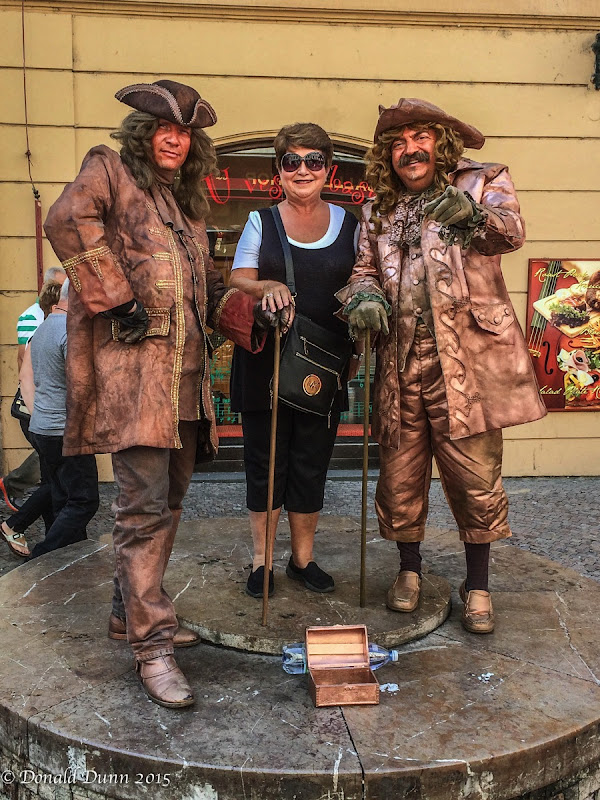
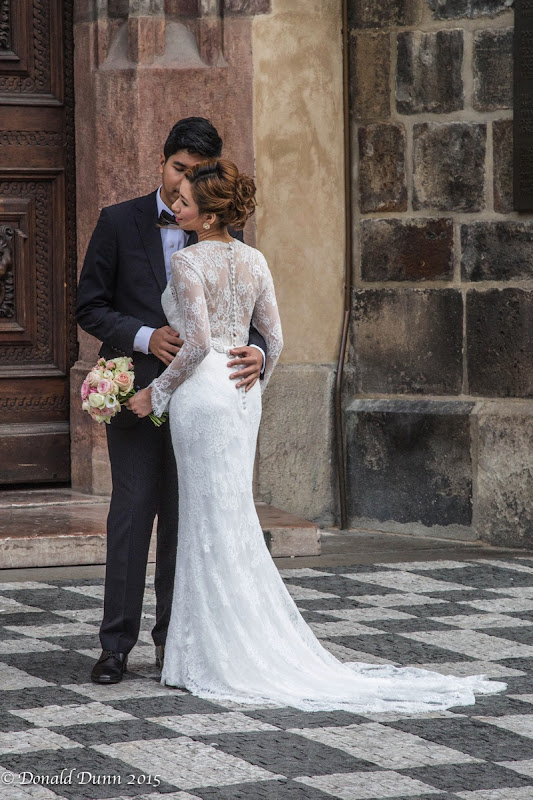
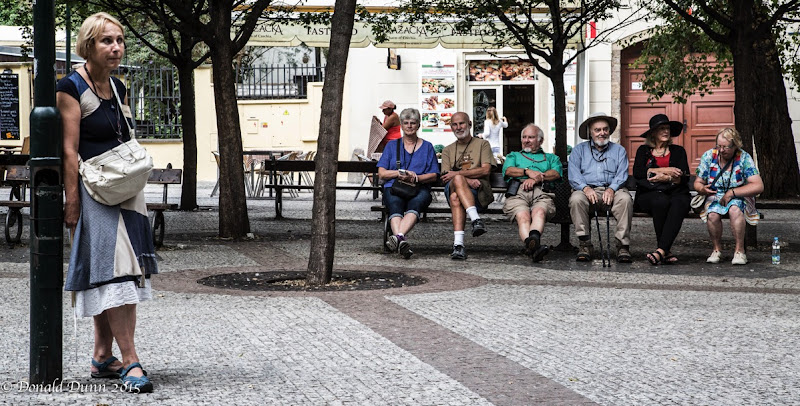
People watching was a hoot.  Prague is a very cosmopolitan city, filled with people from every corner of the globe.  Here, we saw more Asians and more Muslims than anywhere on the trip.  Everywhere we went we saw hordes of young people.  In Prague, more than any other city we visited, a high “jiggle” factor was observed.  It seems like the women, both young and old alike, wear bras that provide little support!  And no slips or lined garments appear to be worn as one can’t help but notice scanty panty lines under the tight skirts, pants, and shorts!  Perhaps it’s the close proximity to Paris, but we have not seen this elsewhere.  And for you women, there are more than a few tall, lean, and strong looking young Czech men roaming the streets.  All looked like college basketball players, but the ones I spoke with preferred boxing.
150829 E 004

KAY’S TAKE:   Friday evening we walked a few blocks from our hotel to the new city center.  Lots of shops, lots of outdoor cafes/beer gardens.  We strolled several blocks, taking in the sites, window shopping, etc.  then we saw our friends, Chuck & Sue.  We sat with them and drank Czech beer and ate a Czech sausage.  The people watching was great.  

Saturday morning we took Viking’s Prague city tour and it was fantastic!  What an incredible old city.  Beautiful structures everywhere you turned.  I felt like I had been transported back to the 1500’s.  It’s an old city preserved but repurposed and enjoyed by this century.  The crowds can be somewhat overwhelming sometimes.  We walked for almost 4 hours – saw the astronomical clock (amazing) the Jewish Pogram & cemetery, many cathedrals, the opera hall, the old new synagogue, the Charles Bridge, and the Prague castle and St. Vitus’ Cathedral.  Our guide, shown below on the left, was perhaps the most interesting and knowledgeable yet.  Fantastic!  She often guides for the U.S. embassy. 
150829 E 008

150830 E 043

We did the same Saturday night except in the old town market. 

Sunday morning we slept a little later and again tried the breakfast buffet.  I did find the omelet station.  Mine was as bland as can be imagined even though I asked for tomatoes, mushrooms, onions, & cheese.  It tasted more like an egg white omelet or perhaps an egg from an anemic chicken.  Coffee was warm, but again the cappuccino was Luke warm.  A mediocre buffet offering, to be sure.  We walked the old town again with the Mercers, shared several dark beers, shopped or mostly window shopped, and ate a Czech sausage roll.  The day was sunny and quite warm – I suspect near 90*.  There were three street musicians dressed up in leather pants, shirtless, singing and playing ancient looking pipes.  They looked and sounded like ancient Moguls or something.  Very good and entertaining.  A festival for children was going on near the new square.  School is starting this week, so this is the last weekend of their summer holiday.  Lots of families out today.  Many Czech women, young and older, don’t appear to wear bras.  More bouncing than we normally see.  LOL.   Amazingly, we see the exterior of a large grand old building and it’s been repurposed inside into many modern, chic, upscale shops, as in an inside mall.  There are dozens in walking distance of us.  Oh, yes, we saw a super market sign a block from us and at first we couldn’t find it.  Donald noticed a directional sign pointing down to the subway.  That’s where the grocery store was!  Get off the subway and stop for groceries on your way home!  Who knew?

These Europeans love their outdoor bistros, patios, and beer gardens.  They don’t appear to have air conditioning in many of the restaurants, and at least outside they have the chance of a breeze.  People watching is a major activity.  There are people here from countries all over the world.  It’s a microcosm – perhaps all great cities are.  Any way, we have loved Prague!  Can’t imagine how awful it must have been for them under communist rule; but they’ve been independent for 25 years now and their economy appears to be doing quiet well.  And Tourism isn’t in the top three!  

Well, it’s our last night in Europe.  We fly out around noon tomorrow (August 31), fly to JFK, then Atlanta, then LR.  We get in very late – we’re staying in a hotel near the airport and then good friend Pam will transport us home.  Tired puppies, I’m sure!  It’s been a trip of a lifetime.
Friday, August 28–Epilogue, Grand European Tour Aboard the Viking Gefjon

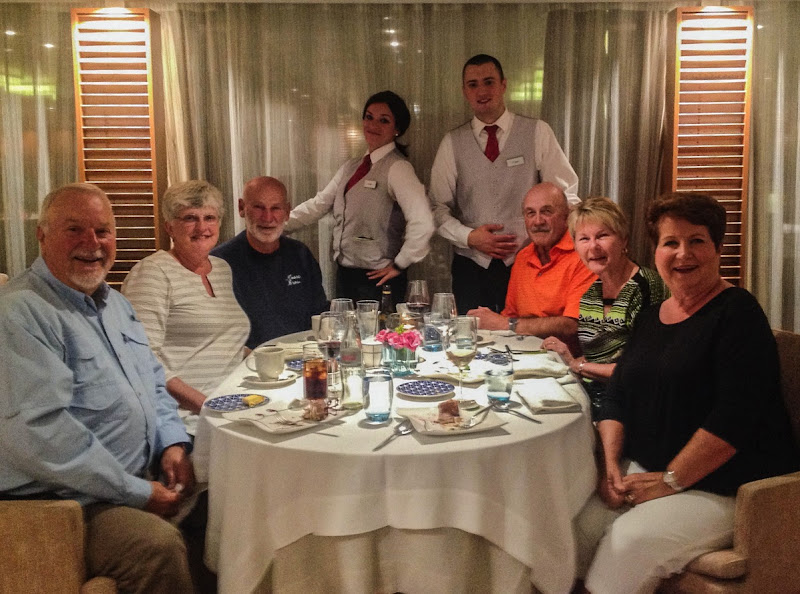
KAY’s TAKE:  Because Europe had a mild winter (not much snow ) and a warmer than usual summer, the rivers are lower and apparently Viking and other river cruise lines have had to cancel trips.  Some they have attempted but had to switch river ships & passengers.  We, however, were blessed with some rain that helped our ship travel the entire 1100 miles from Amsterdam to Budapest.  We were spoiled as much as possible by Viking.  It was wonderful.  The food was good and we ate too much, but it wasn’t exceptional.  However, our wait staff was great!  We loved Dasan (Serbian) and Andrea (Slavakian).  They were the best in the entire dining room.
150827 E 012

The lunches, especially, were fairly bland.  We enjoyed free wine & beer at any meal.  Which was great!  All excursions were great except one – an extra one that we chose in lieu of the regular city tour.  All of the regular excursions were included in the price of the cruise.  We really had some fabulous guides who spoke excellent English, were very knowledgeable and interesting.  The only optional excursion that I wish we had done was the concert in Vienna.  It cost extra.  Everyone said it was wonderful.  It’s a good thing I did not buy a ticket because I got food poisoning the day before and I didn’t feel like going for sure.  Can’t remember throwing up that hard ever – dry heaved for several hours later.   One thing about the ship that was especially great, is they have many 110 outlets in the guest cabins.  We were able to charge 2 iPhones, 2 iPads, and Donald could use his cpap machine all without using a converter.  Same for my curling iron.  Did I mention that the bathroom tile floors were heated?  We have those at home also.  Viking just did a lot of things on the ship and the excursions that made the trip so great.

150817 E 002

I didn’t bring enough clothes.  I packed and then took about half out.  A mistake.  I needed 6-8 (only brought 3 ss/4ls) more short sleeve tops, 2-3 jackets/sweaters (only took 1), a pair of jeans (took 4 capris & 2 slacks), 3 more pair of shorts (only took 1), and 2-3 more casual dressy outfits for dinner meals.  She also should have brought some costume jewelry and scarves to dress up or change some inter matching outfits.  Lesson learned!  Also could have used a pair of sandals.  Although tennis shoes were necessary for walking during the city tours because of all the cobblestone streets.

DONALD’S TAKE:  Everything about Viking’s Grand European Tour was classy from the moment we boarded until we walked the gangplank leaving.  Much of my opinion regarding life aboard the Viking Gefjon was expressed in an earlier blog entry.  The Catepillar engines, perhaps designed and built under the direction of good friend Jim Passe, hummed quietly as they powered the long boat 1100 miles through Europe.

I, too, did not bring enough clothes.  In hindsight, I would have brought more shorts as they were allowed everywhere we went, including cathedrals, and more golf shirts, several pair of ankle socks (I borrowed a pair from Kay and wore them the whole trip); this would have prevented daily washing.  An additional pair of casual dress slacks and a sports coat would have also been welcomed.   And, I would have used the boat’s laundry service more.  I didn’t need the extra big camera and lens, though a really good small camera would have been welcomed as the crowds were overwhelming.  Only one credit card was needed, and it should be a VISA or MasterCard.  I should have made a paper copy of our passports to carry as we were strongly  discouraged from carrying the real thing; they remained in the room’s safe.  We used Euros the entire trip, and found $500 to be more than sufficient, though we didn’t buy souvenirs, etc. 

All the onboard lectures, special music, and events were a “must see”; I missed a couple and regret it.  And, we should have bought the inexpensive (about 6€) river map at the start of the trip rather than the middle.

150826 E 007

Germany was my favorite country, perhaps because of all the bike trails along their rivers; we saw bicycles everywhere on the trip.

150821 E 005

Germany’s small villages were among our favorite stops.  We were in more cathedrals and Catholic churches than most practicing US Catholics visit in a lifetime.  I was overwhelmed by the opulence of these churches and the many palaces we toured. Viewing the scenic countryside from the sun deck was a welcome change.  I wish we could have spent more time in Vienna–one day was not enough–and Bratislava did nothing for me.

English was spoken practically everywhere, and we found the people of the various countries to be very friendly.  Despite what one hears from biased media in the US, we are liked and appreciated overseas, at least in the countries visited, as is President Obama (not a political statement, but an observation).  Also, unlike the U.S., most “public” restrooms, including those in shops and cafes, require a fee of 0.5€ (50 cents), or a voucher showing a purchase.  Most are clean and free of undesirables.

While I would not do this particular trip again–been there and done that–I would definitely sail with Viking, and hope we can tour Europe many more times.

150818 E 003

Friday, August 28–End of the Grand European River Tour and Budapest, Hungary to Prague, Czech Republic (Day 15)

150827 E 011
This morning we said goodbye to new friends Sid and Karen and to the wonderful Viking Gefjon staff; meeting and visiting with Sid and Karen was a highlight of the trip.
We boarded a bus for an almost 8-hour ride to Prague.  The bus was comfortable enough, hut the tour guide and two bus drivers talked constantly, and proved quite annoying, as we were provided very little information about places along the route.  Also, the “rest” stop was at a service station, and 7 other tour buses stopped as well–talk about crowded conditions!  And, lunch (on our own unbeknownst to us, was at another service station ill prepared for the crowd.  We had chicken schnitzel and chips, the only food we recognized.  Again, our guide was of little assistance.  As we drove through Hungary, Slavakia, and the Czech Republic, we were struck by the occasional conglomerates of very plain “faceless” high rise apartments dotting the otherwise mostly rural countryside.  It was a side of Slavakia, and Bratislava in particular, of which we had not been informed, perhaps unintentionally, when the Viking Gefjon stopped there earlier in the week.  The seemingly endless rolling hills of sunflower fields, with occasional corn fields scattered about, reminded us of South Dakota.  And, as we rode further north in the Czech Republic, “deer” stands abounded, and they were exactly like those familiar to us in Arkansas.
We arrived at our hotel in Prague, and thankfully were the first to check-in.  Our room, with two 3/4 beds, was quite spacious, except for the bathroom, which was handicap enabled; the bathroom itself was large but the shower was minuscule, particularly for a big ol’ boy like me.

Thursday, August 27–Budapest, Hungary (Day 14)

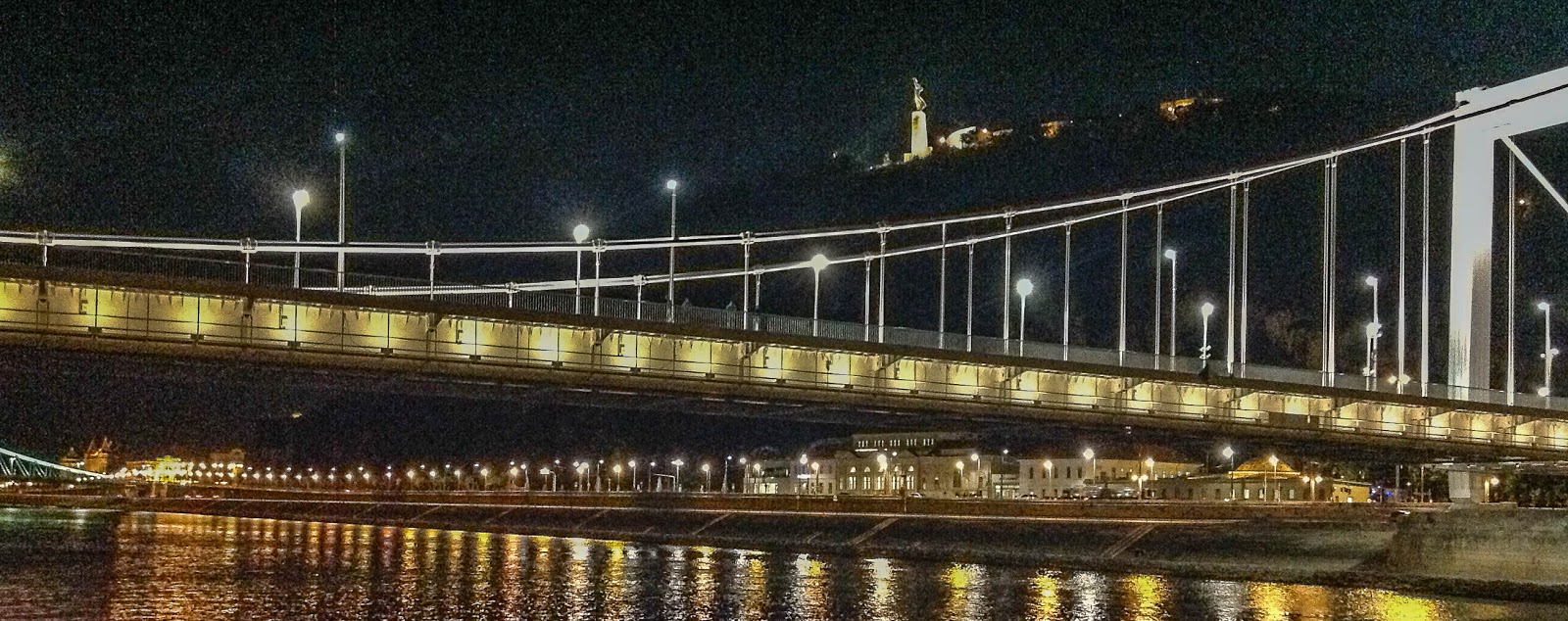
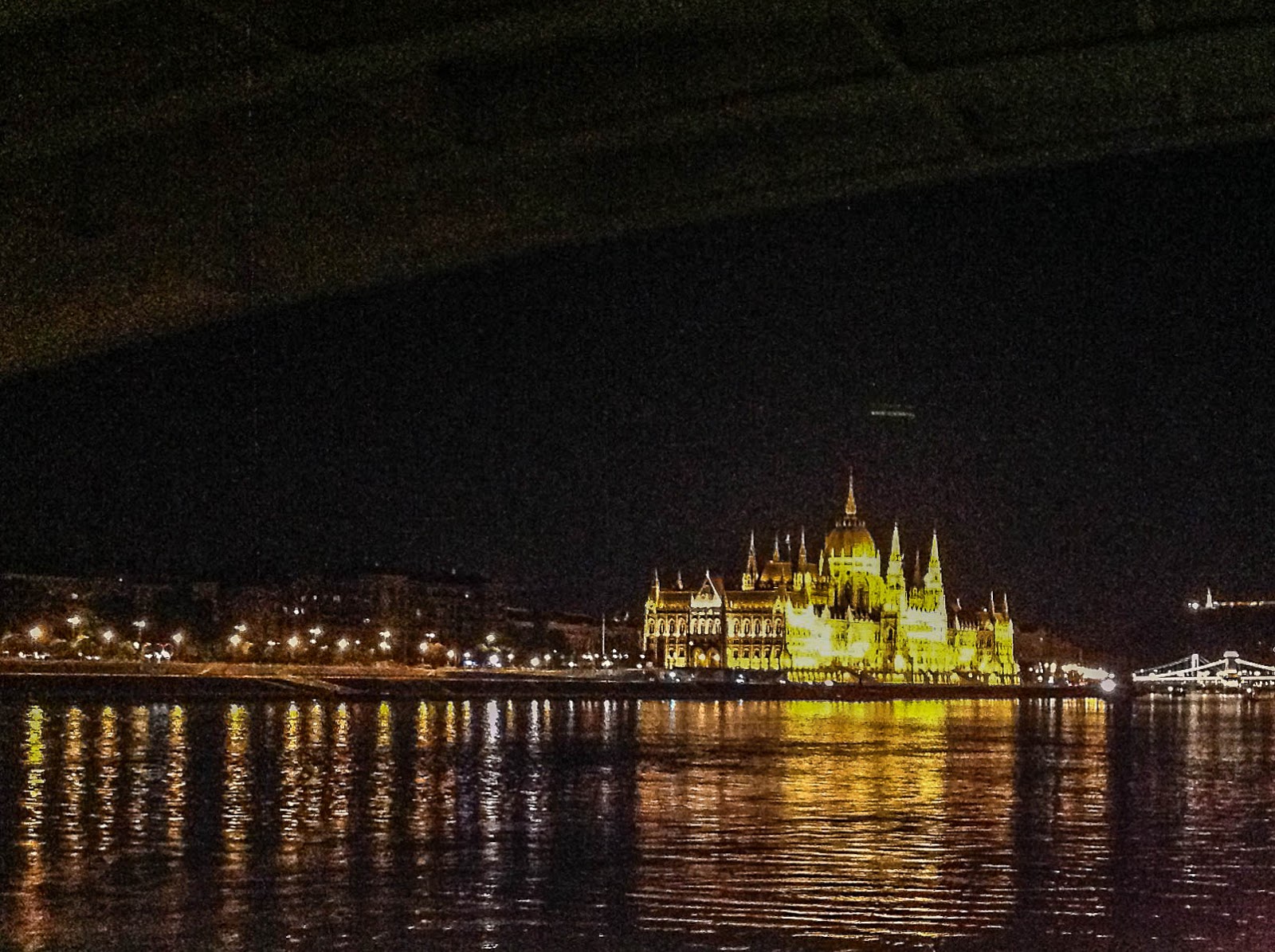
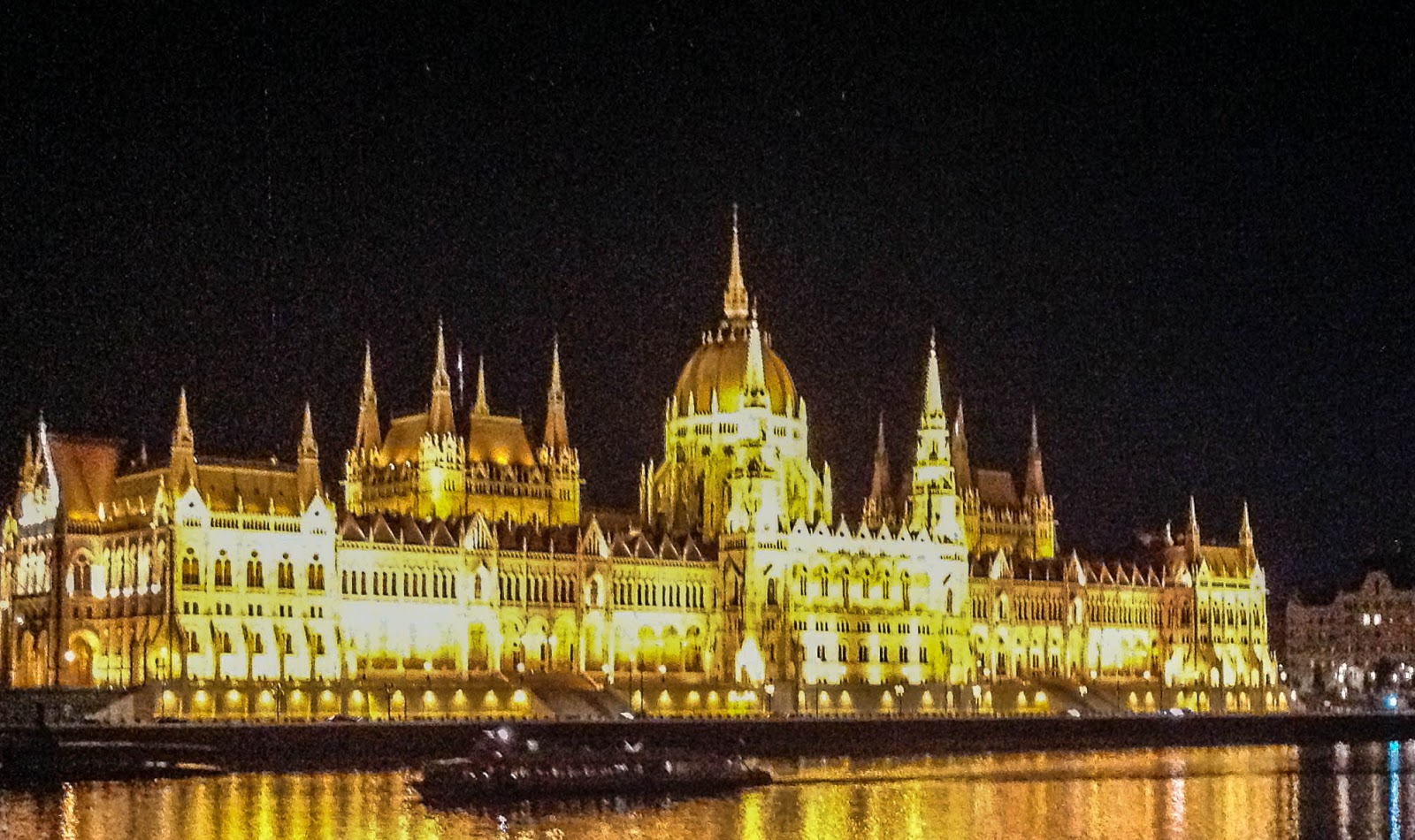
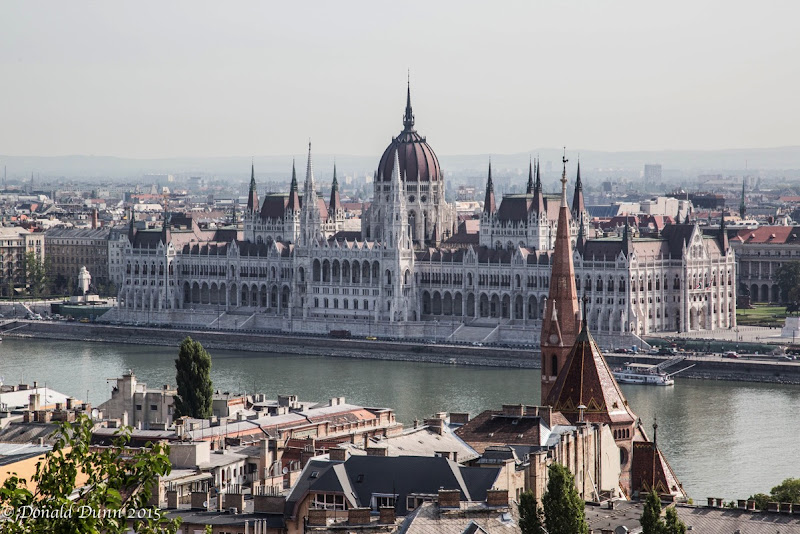
Budapest, as seen from the Viking Gefjon, as we entered the city last night.  It is perhaps the most beautiful night skyline in the world.

Hungary, with a population of almost 10 million people, lies in the heart of Europe, landlocked, and bordered by Austria, Slovakia, Romania, Serbia, Montenegro, Croatia, and Slovenia.  Its size and population were considerably diminished following WW I when it lost about 70% of its territory and half its population.  And again, as part of the defeated Axis powers in WW II, Hungary suffered significant damage, and became a part of the Communist Bloc as a consequence of defeat of Germany and the resulting treaty among the Allied powers.  According to our guide, the people of Hungary suffered significantly under the harshness of Communist rule which ended in 1989.
150827 E 001
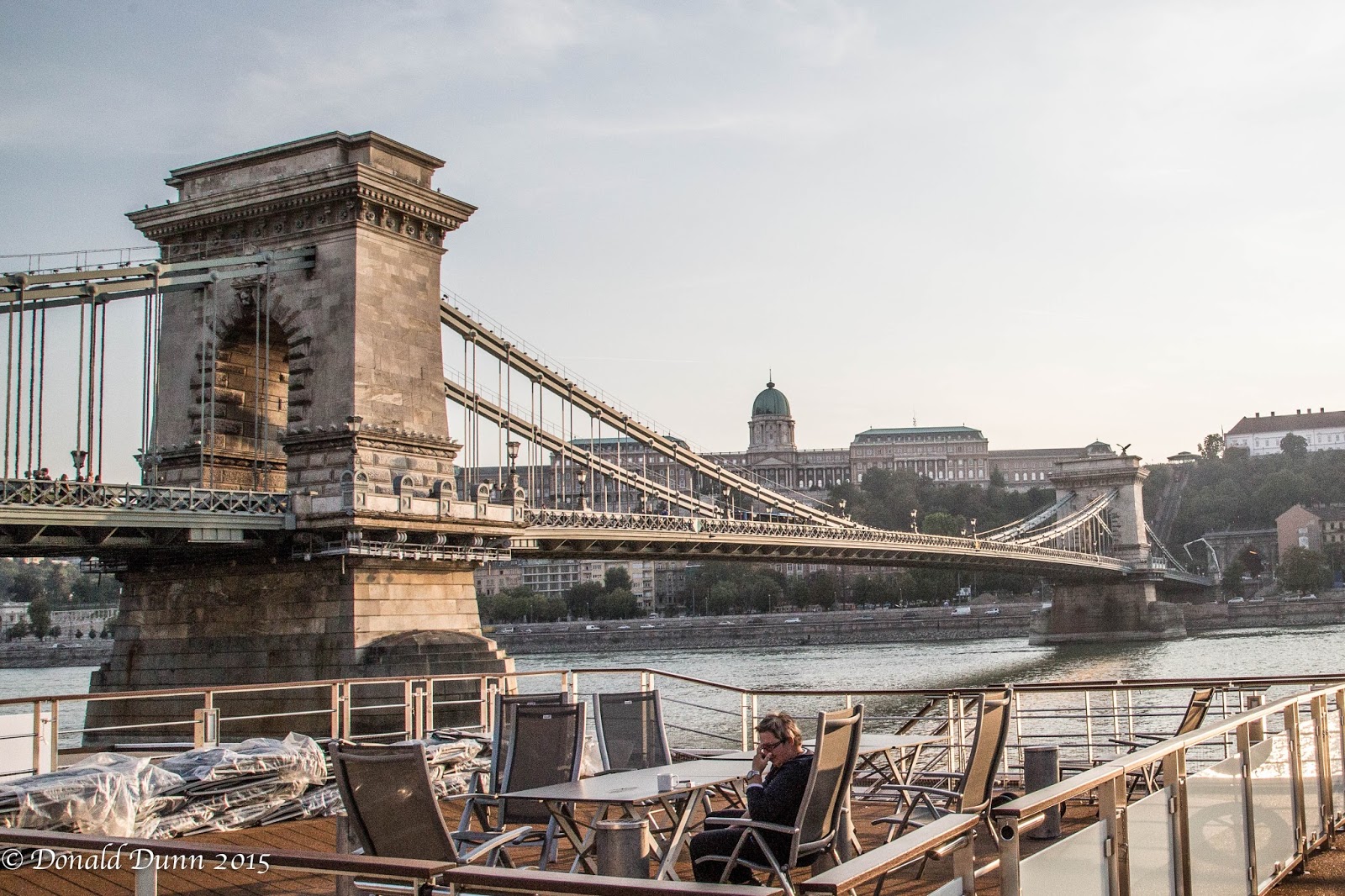
Budapest, pronounced Budapesht, derives its name from buda, meaning hills, and pest (pesht), meaning flatlands.  It has a population of over 1 million people. It’s architecture is of baroque, neoclassical, Art Nouveau, and communist style, the latter being very plain, colorless, and prefabricated.  Notable structures include the Chain Bridge, Hungarian Parliament Building, Buda Castle, and Matthias Church, to name but a few.  The view of the Danube riverfront and the Buda Castle District was named an UNESCO World Heritage Site in 1987.

150827 E 008
Typical of other large European cities, it is very cosmopolitan with a plethora of designer shops, book shops, art and music venues, and coffee shops and sidewalk cafes.  It is home to Dohany Synagogue, the largest in Europe.  Budapest also has some 80 thermal springs, and Turkish baths abound.  Budapest and Hungary are, by far, the least affluent city and country, respectively, that we have visited as wages are about 20% of surrounding countries.  As a consequence, and with now open borders, they are losing many of their young people to Middle and Western European cities.
150827 E 010
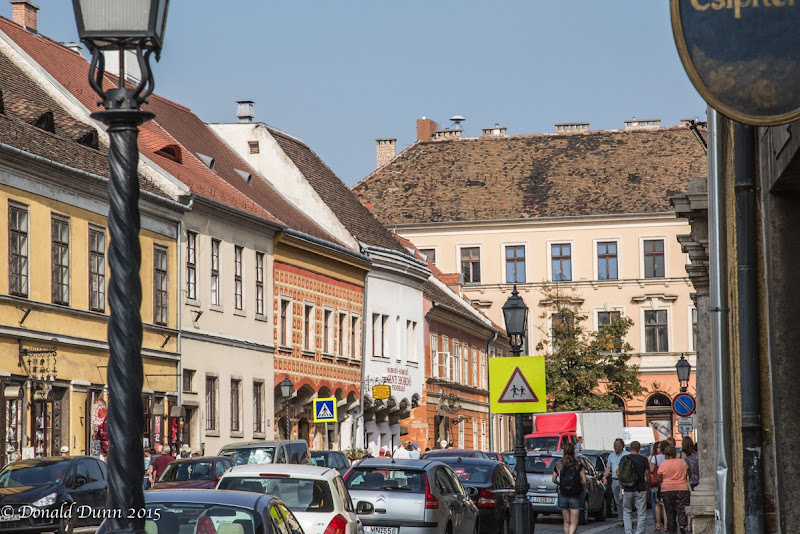
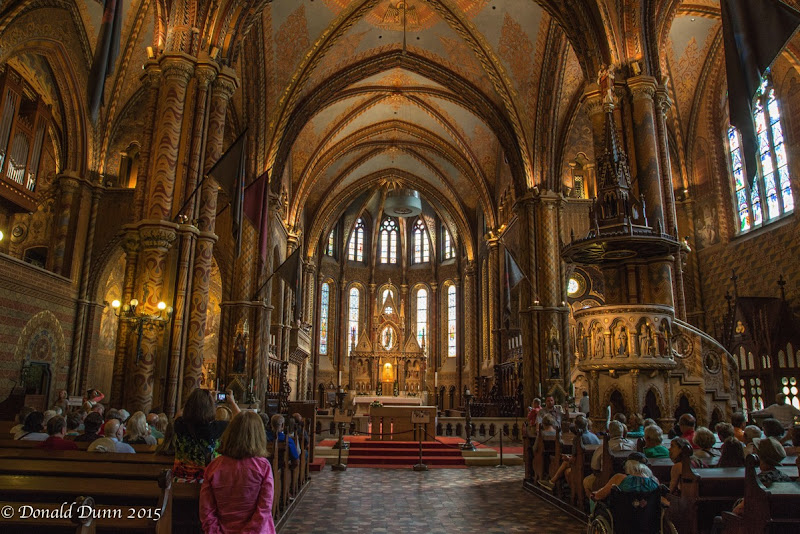
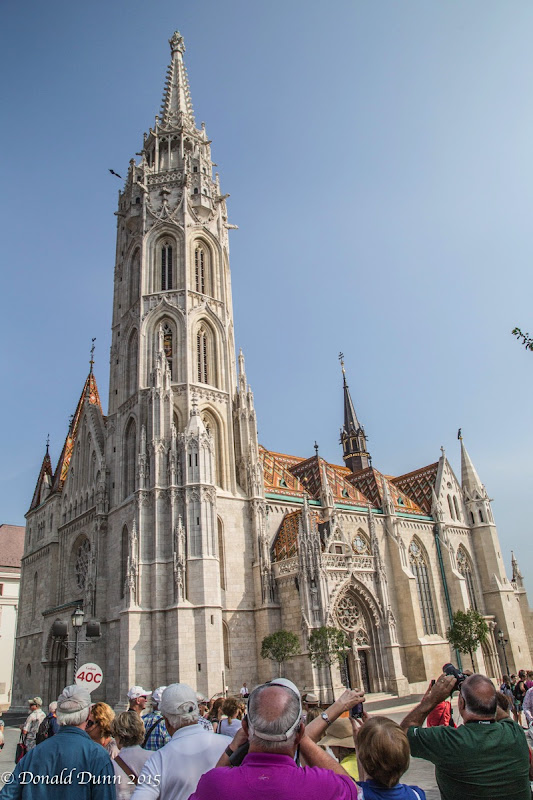
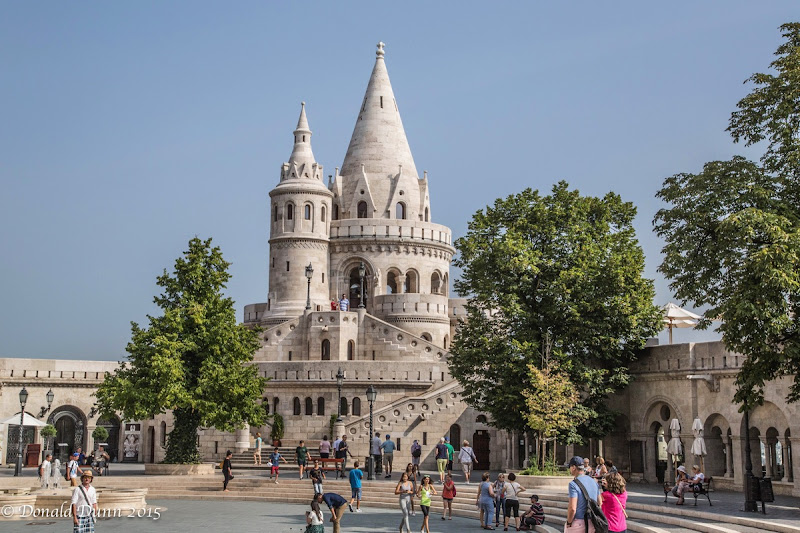
Our combination bus/walking tour took us to both Buda and Pest, through the historic Heroes’ Square, along Fishermen’s Hill to Fishermen’s Bastion, and to Matthias Church–too much and too much to do in the short span of 4 hours.
150827 E 002

150827 E 011

150827 E 005

150827 E 016

Wednesday, August 26—Bratislava, Slovakia (Day 13)

Today, we are in Slovakia, part of the former Czechoslovakia.  A communist state under the control of the Soviet Union, Czechoslovakia underwent a “Velvet Revolution” in 1989 with the fall of communism, and separated into the Slovakia and the Czech Republic in 1993.  Slovakia—bordered by Austria, Czech Republic, Hungary, Poland, and Ukraine—is a member of both NATO and the European Union, and its currency is the euro.  Surprisingly, Kia autos are manufactured in Slovakia as are other automobile brands.  As with most other European countries, school is mandatory until age 14, and then technical school or college (for those who qualify) is free.

150826 E 005

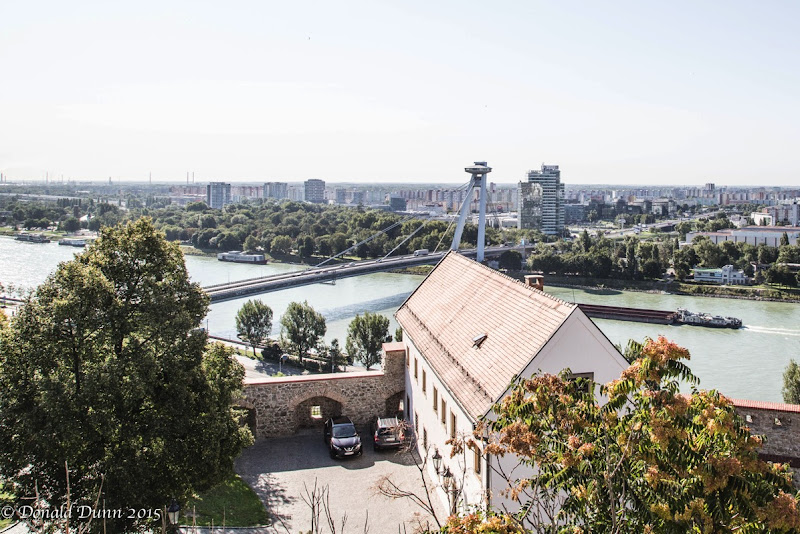
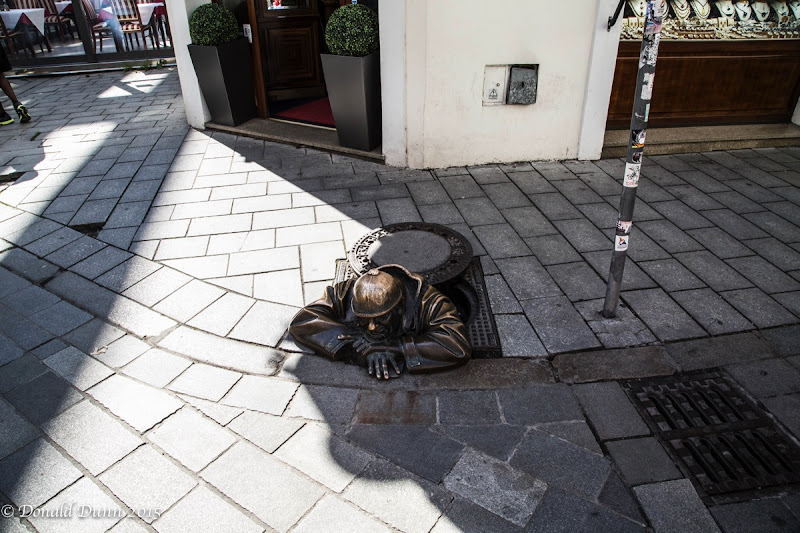
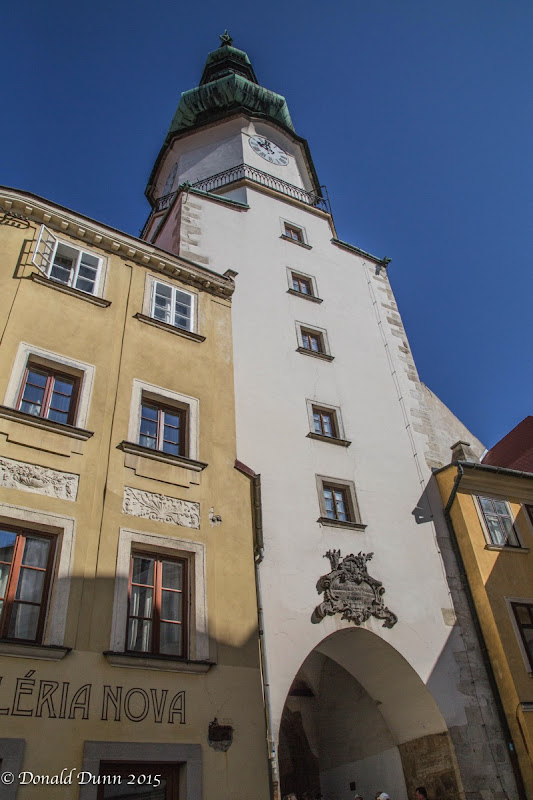
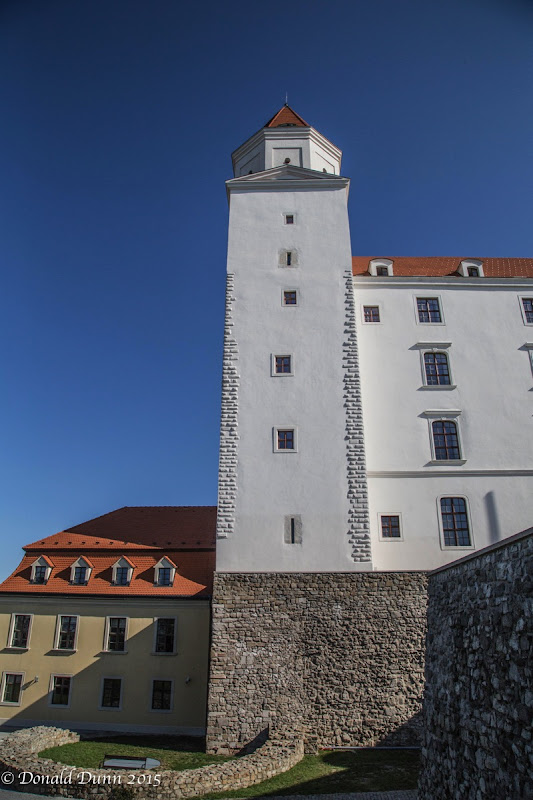
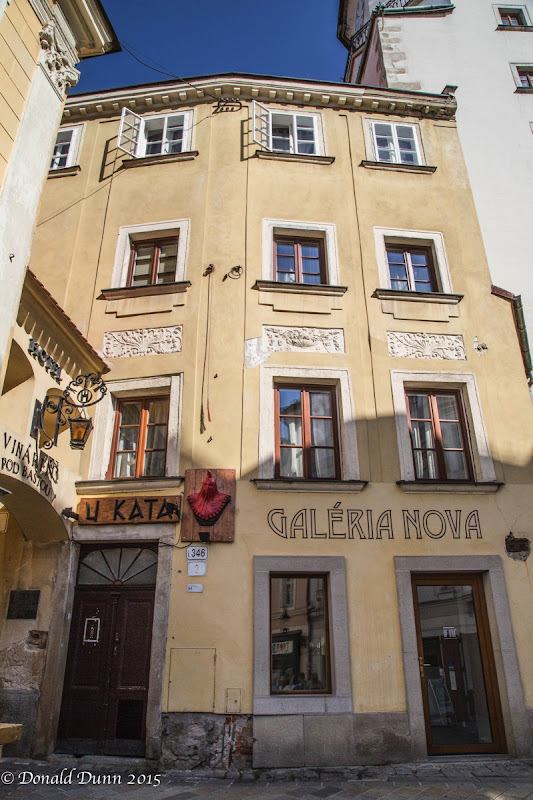
Bratislava is the capital of Slovakia.  It is a typical small European capital city, with a mix of rococo/baroque and contemporary architecture.  Our guide was quite open about her objection to the modern buildings and structures versus the opulent architecture of earlier times.  Our escorted bus/walking tour took us on streets occupied by foreign embassies (according to the Slovakian guide, the US ambassadorship is vacant until a new US president is elected), expensive residences, and the historic city center containing additional embassies. 

150826 E 014

150826 E 012

150826 E 007

150826 E 011

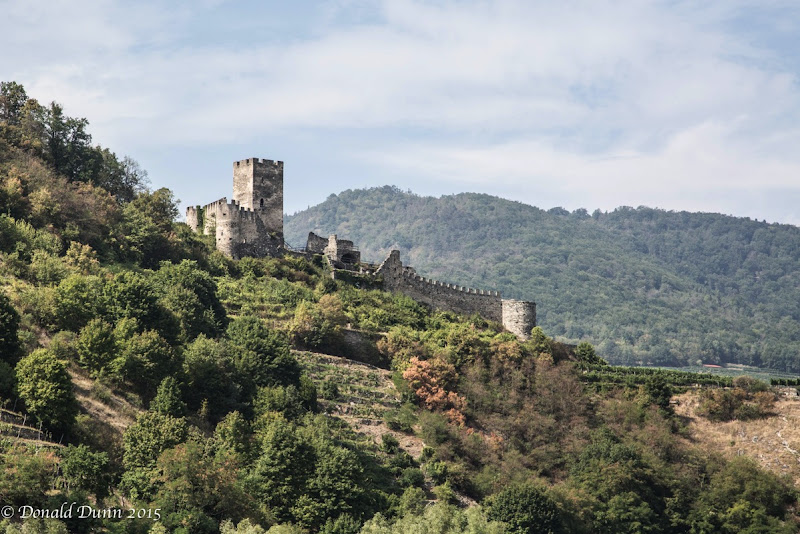
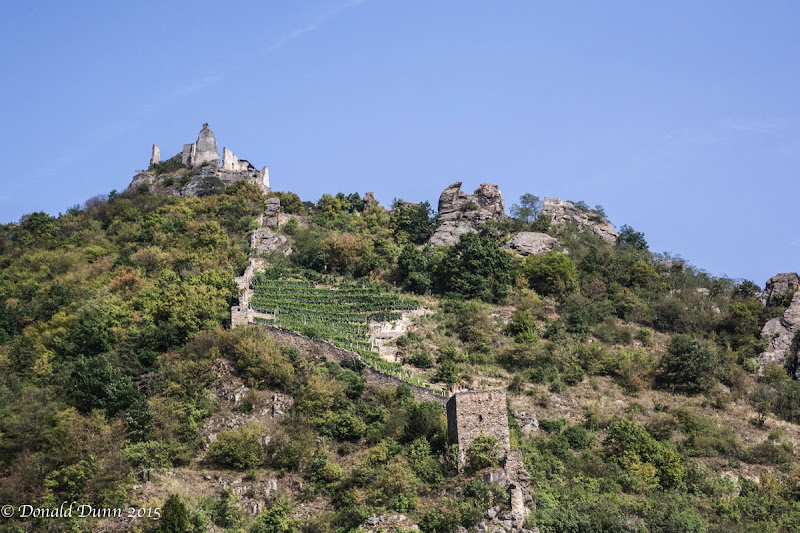
The Viking Gefjon continued sailing downstream on the Danube, through yet another extraordinarily scenic reach of the trip.  This stretch of the Danube yielded a landscape dotted with ruined castles, farms, villages, some vineyards, and a steep forested gorge, among the most scenic areas we have seen on the tour.

And then, after dinner, with darkness overtaking the skies, we sailed into a brightly lit Budapest riverfront about 11 pm, perhaps the prettiest capitol city in Europe.

Tuesday, August 25—Vienna, Austria (Day 12)

150825 E 017

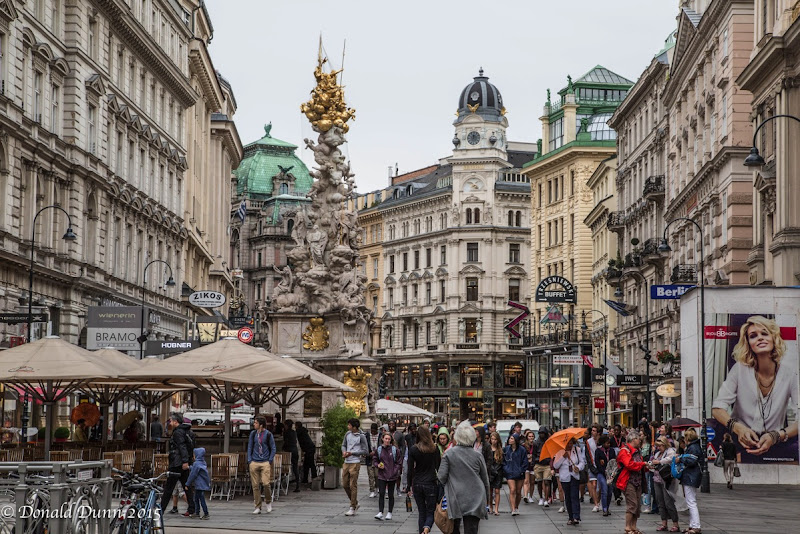
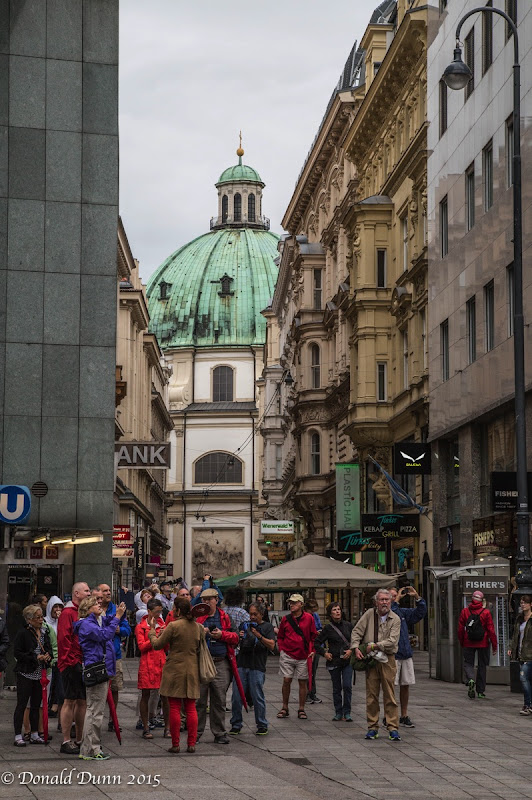
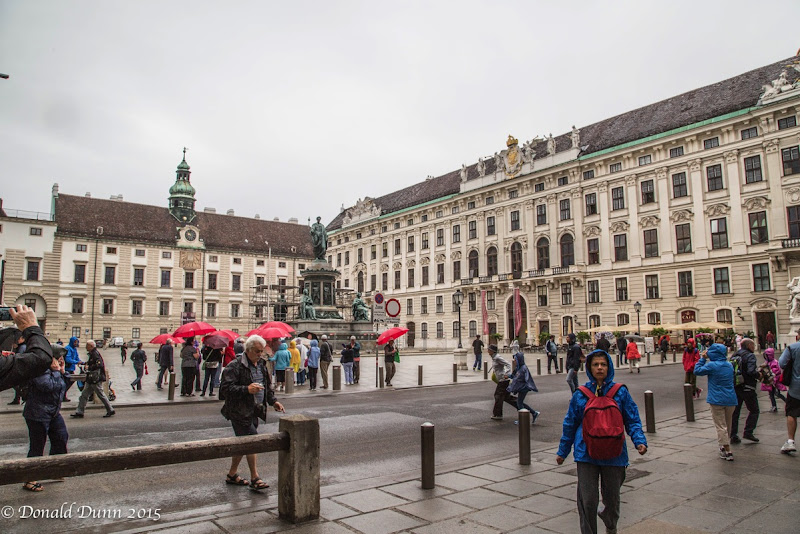
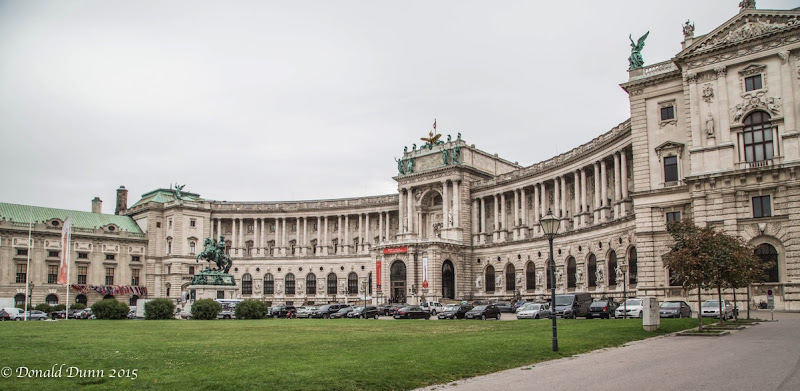
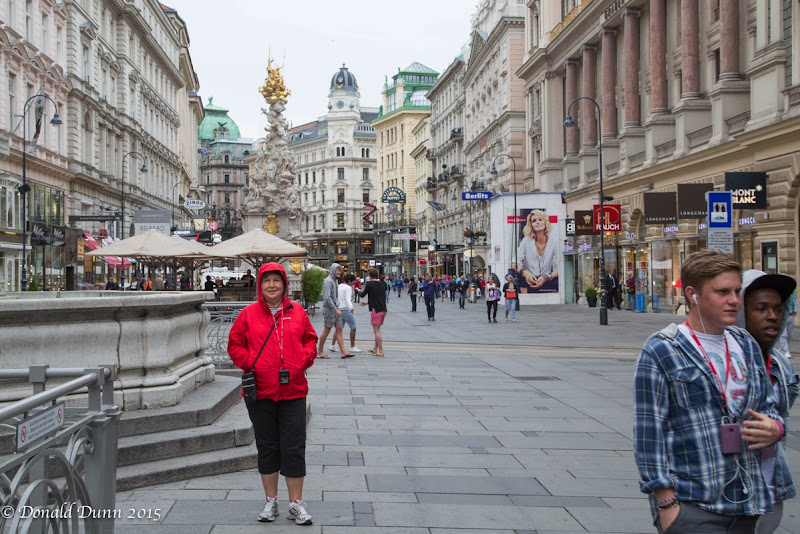
Arriving in Vienna early this morning, the Viking Gefjon tied up along the waterfront, some distance from city center.  Vienna was at one time the seat of the Hapsburg Monarchy and the center of the Holy Roman Empire.  Today, it is home to about 1.5 million people, and has the appearance and feel of the world’s large cities like New York, with many high-end shops and stores.  It is considered one of the world’s greatest centers of art, music (Haydn, Mozart, Beethoven, Liszt, and Strauss) and architecture.  In fact the architecture was quite interesting—and controversial among Austrians—with buildings of rococo, baroque, gothic, and ultra modern style and design adjacent to each other.  Vienna is home to great coffee, pastry, and chocolate, and we did sample the apple strudel and sachertorte, a chocolate cake with apricot marmalade between layers, and both were good.

150825 E 023

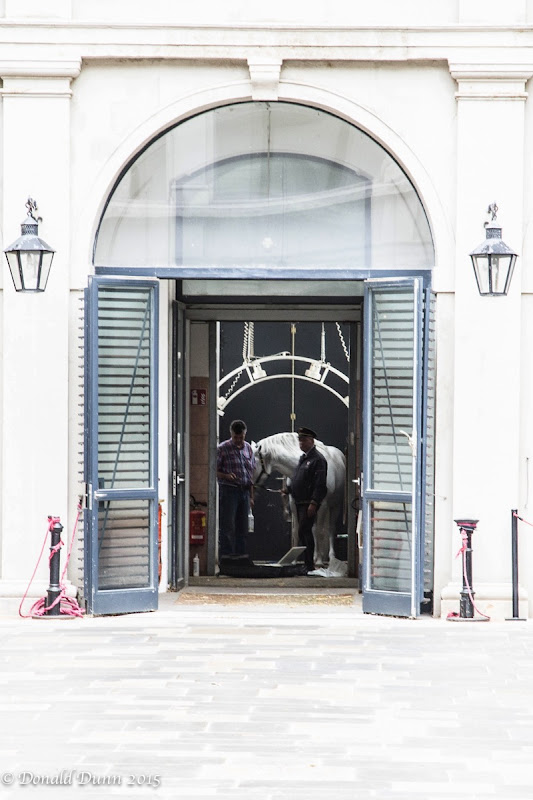
There was too much to see and do in Vienna, so we chose a simple guided walking excursion that featured Schonbrunn, the luxurious summer palace of Empress Maria Theresa, yet another UNESCO World Heritage Site.  (Lipizzan stallions are also stabled here.)

150825 E 005

150825 E 004

150825 E 011

One could spend significant time in Vienna, as there are many historic sites and museums, including the Museum of Fine Arts, the Albertina Museum, and the Belvedere Museum. Vienna is also home to Wiener Riesenrad, the world’s oldest Ferris wheel and the tallest from 1920 to 1985.

Fortunately, we returned to the boat after the walking tour as Kay got extremely sick, probably from food poisoning.  A few hours of privacy and sleep, and she bounced back good as new.

150825 E 019

Monday, August 24—Emmersdorf and Krems, Austria (Day 11)

150824 E 025

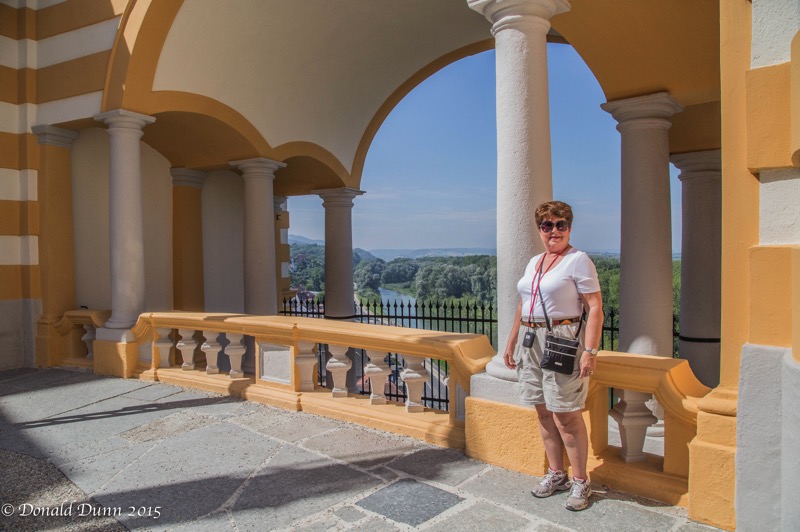
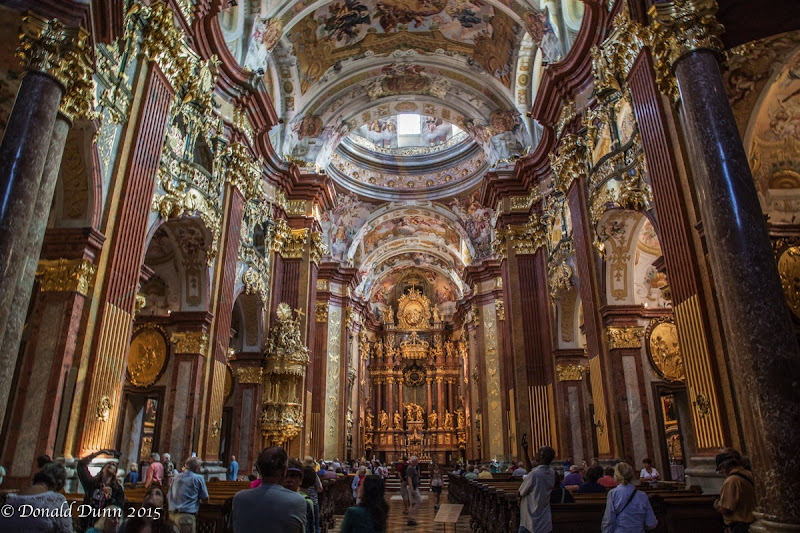
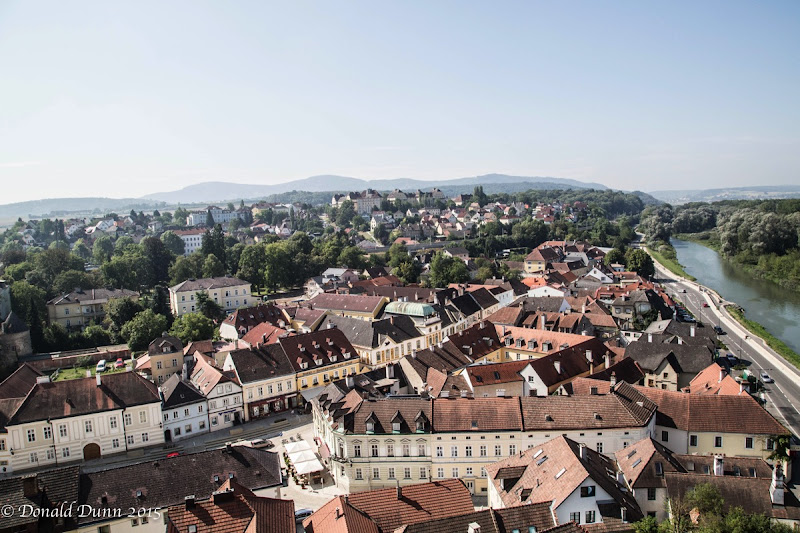
The Viking Gefjon arrived early at Emmersdorf.  Emmersdorf is best known as the location of 900-year old Melk Abbey overlooking the Danube River Valley.  Melk Abbey dates to the 11th century when it was presented to the Benedictine monks who turned it into a fortified abbey.  Today’s abbey was built in the early 1700s in the baroque style to serve as a royal palace for Maria Theresa with ceremonial courts, guest apartments, grand halls, and a magnificent library containing around 80,000 medieval manuscripts.  Also, a 700-student school run by the monks still exists here.  Black-robed Benedictine monks still stroll amid the marble sculptures and frescoed walls, though we saw none.  While the interior was awesome, I thought the exterior was breathtaking.


150824 E 023

150824 E 006

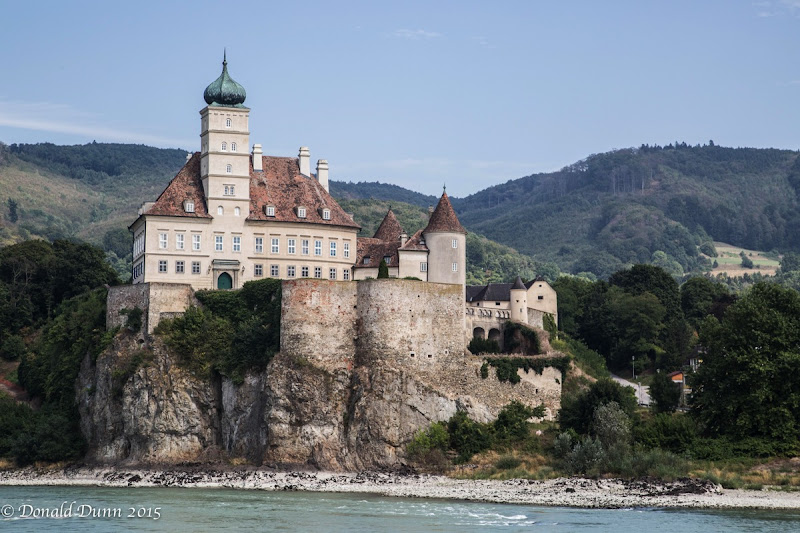
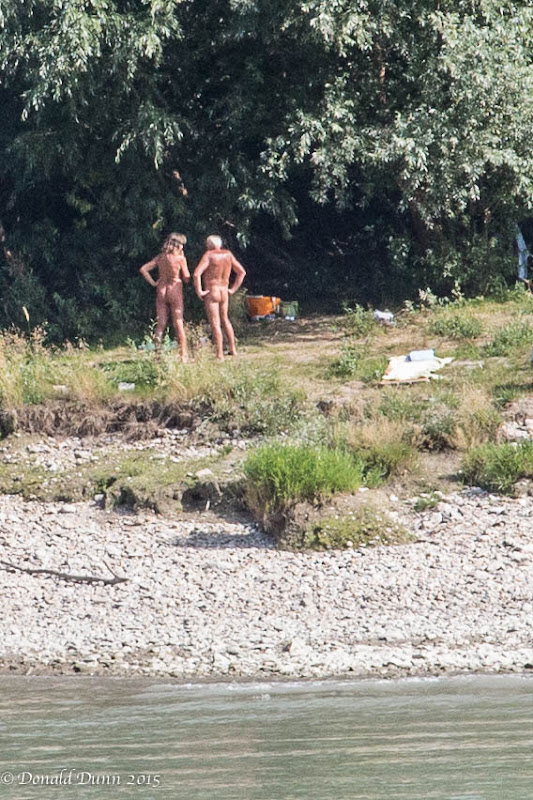
We departed Emmersdorf at mid-afternoon, sailing downstream to Krems through what is known locally as “the Wachau”, a spectacular river valley surrounded by steep, forested mountains dotted by castles (including the one in which Richard the Lionhearted was held captive), vineyards, medieval villages, and occasional nude sunbathers.  The valley is, of course, a UNESCO World Heritage Site, and was perhaps the most scenic sailing of the trip.

150824 E 029

150824 E 033

150824 E 035

150824 E 037

Nothing was scheduled for Krems, though we caught a shuttle bus from the boat to the city center for a brief, unaccompanied walking tour.  Krems is another village along the Danube of medieval heritage with several cafes and shops in the small city center.  This was the least impressive stop on the Grand European Tour to date.

Sunday, August 23—Passau, Germany (Day 10)

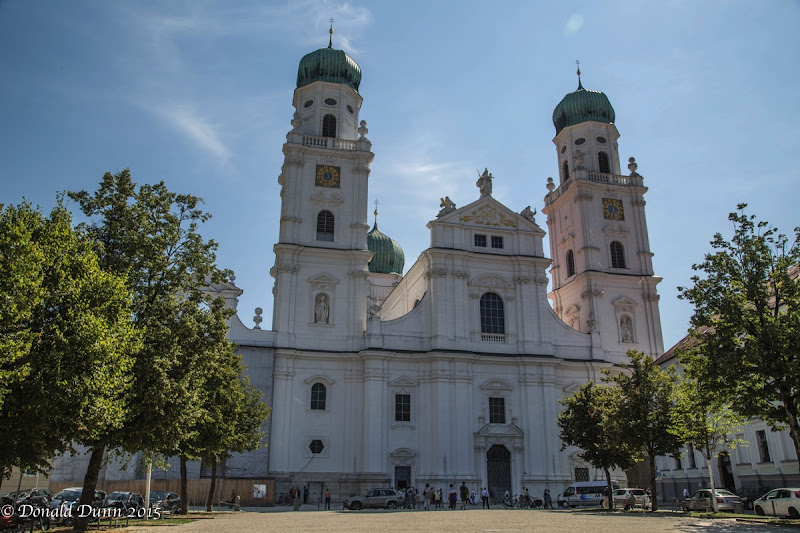
After sailing downstream on the Danube River through the night, we stopped at Passau, a relatively small but historic city (population of 50,000) in southern Bavaria, and our last German city as it lies near Germany’s border with Austria.  Passau was an important medieval city for the salt trade.  The salt, “white gold” as it was called, was mined in the Alpine, and transported to Passau for processing.  The entrepreneurs became very wealthy and powerful.  The salt trade was lost in 1707 when all salt imports to Passau were forbidden.  Fires ravaged the city in the 17th century, but it was rebuilt to reflect the baroque character one sees when walking by the churches and patrician houses.  Passau is also home to St. Stephen’s Cathedral, located on the highest point in Old Town.  Dating back to medieval times, the cathedral is home to the largest “pipe” organ in the world, outside of the US—17,974 pipes, 233 stops, and 4 carillons.

150823 E 022

Passau is known as the “City of Three Rivers” as it lies at the confluence of the Inn, the Danube, and the Ilz Rivers.  Each of the rivers is a different color—the blue Danube, the dark green of the Inn which flows in from the north, and the turbid light brownish gray from the Ill flowing from the Swiss Alps to the south (colored by significant glacial flour).

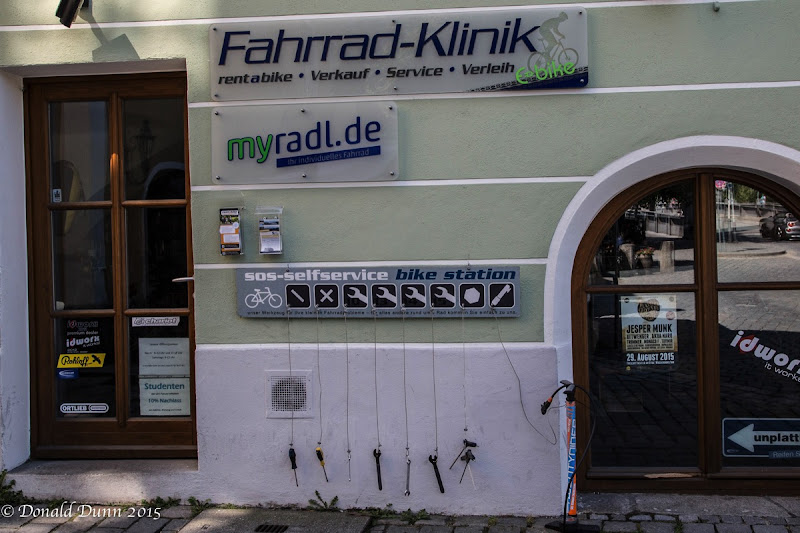
Once again, bicycles were everywhere.  We were particularly impressed with a free, self-service bicycle repair center.

150823 E 031

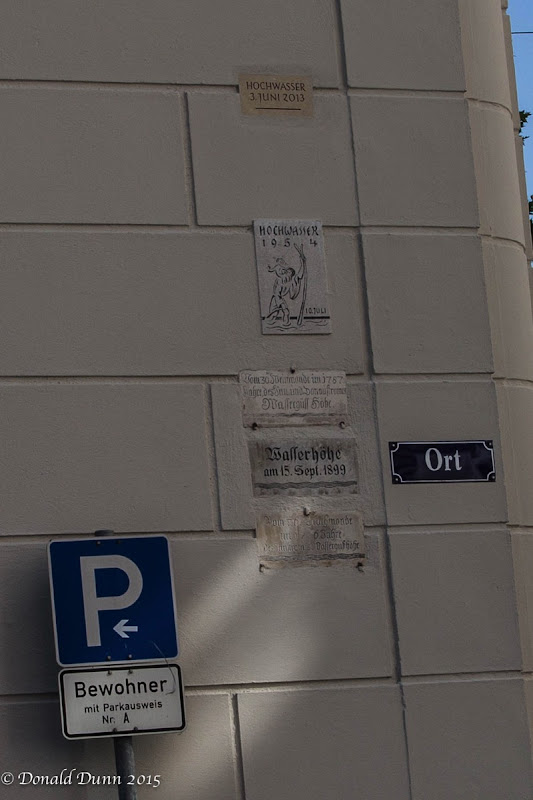
Due to its location at the confluence with the three rivers, Passau is subject to severe flooding.  Historic floods have struck the city over the many centuries since records were kept.  Surpassed only by the flood in the 14th century, 2013 flooding devastated the city and much rebuilding is ongoing.  Note the lower right hand corner of the building shown in the photo below, and then the following photo shows flood levels!

150823 E 002

150823 E 003

After leaving Passau, we sailed about 1.8 miles (3 kilometers) crossing into Austria, and saying goodbye to Germany.  Germany was a pleasant surprise, as I expected a heavy industrialized countryside.  Instead, many of the cities we visited were quaint, and abounded with cafes and medieval churches.  Except for the few old cities along the rivers, much of the countryside is rural, and bike paths/trails can be found on at least one side, if not both, of the lands adjoining the rivers, and these are heavily used; also, one sees many bicycles in the cities.  If our health holds, Kay and I are considering a bicycle tour somewhere in Europe.  The Viking Gefjon provided great meals, so we consequently ate on board and not in the cities; however, the umbrella-clad sidewalk cafes looked awesome, and throughout Bavaria, locals enjoyed sausages, beer, wine, pastries, and ice cream.  In total, our experience in Germany was fantastic, and we will return if time and travel priorities allow.