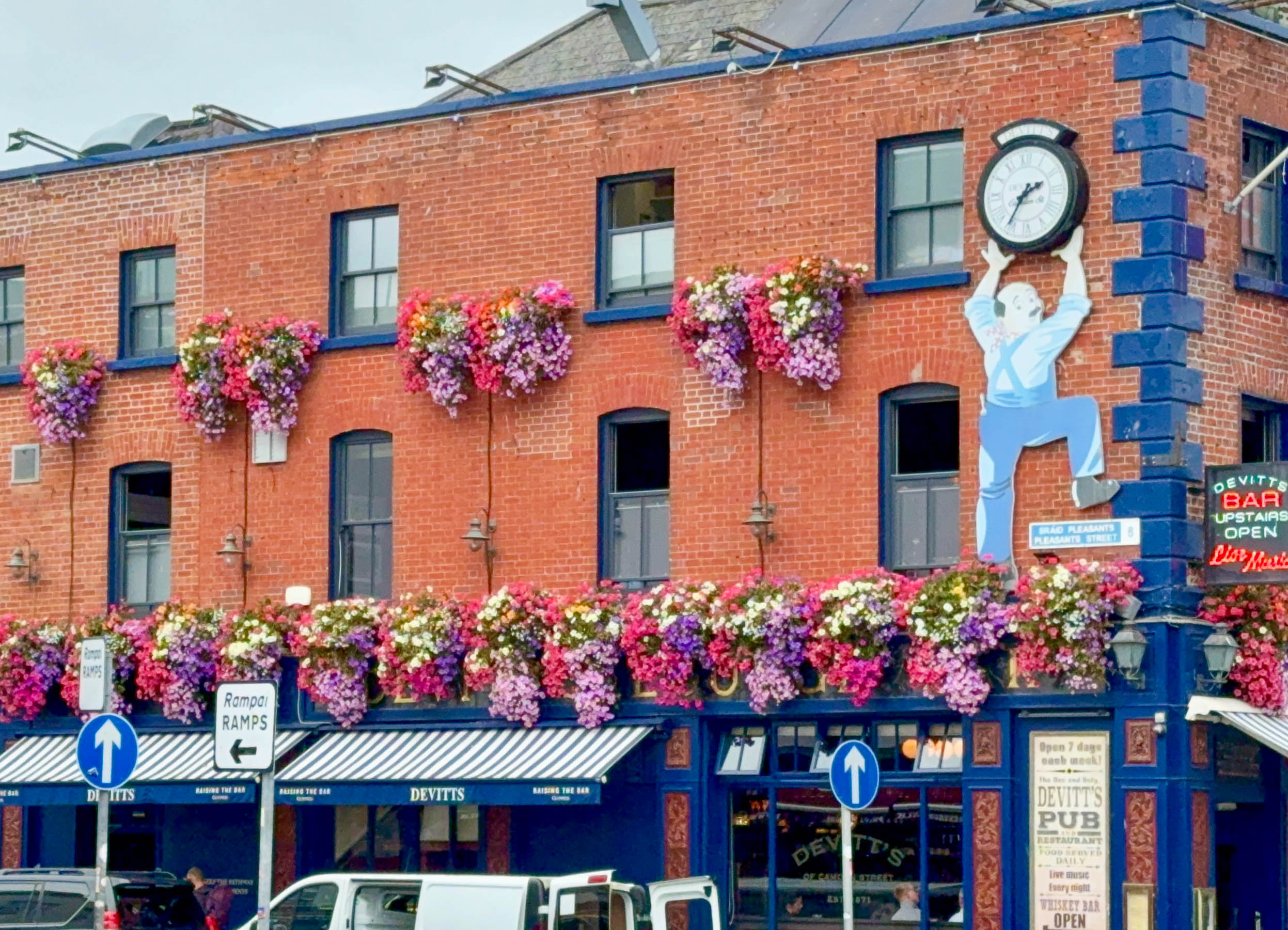
On our first full day in Dublin, we did a short field trip exploring Dublin’s rich heritage. The old storefronts proved most interesting.
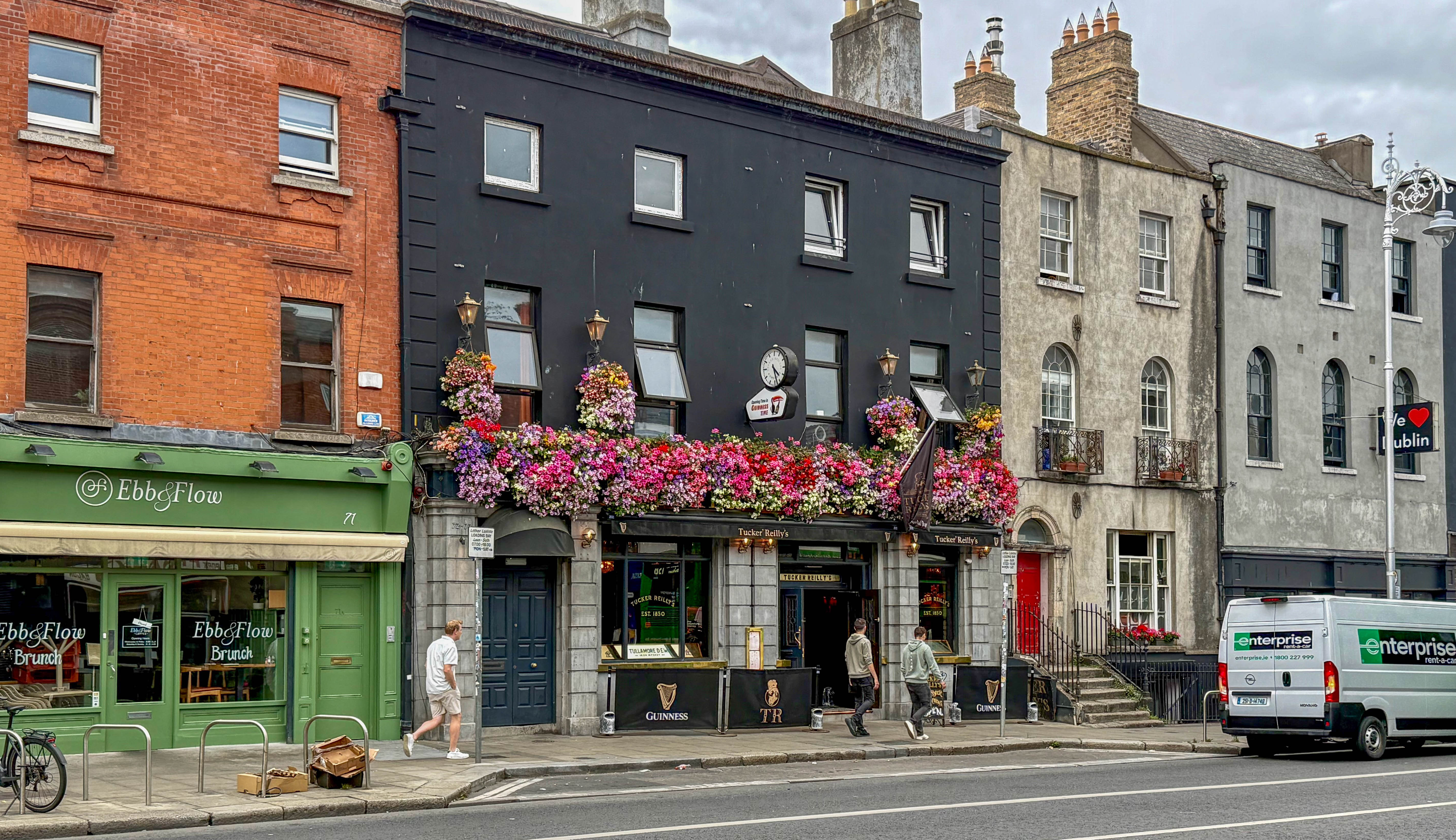
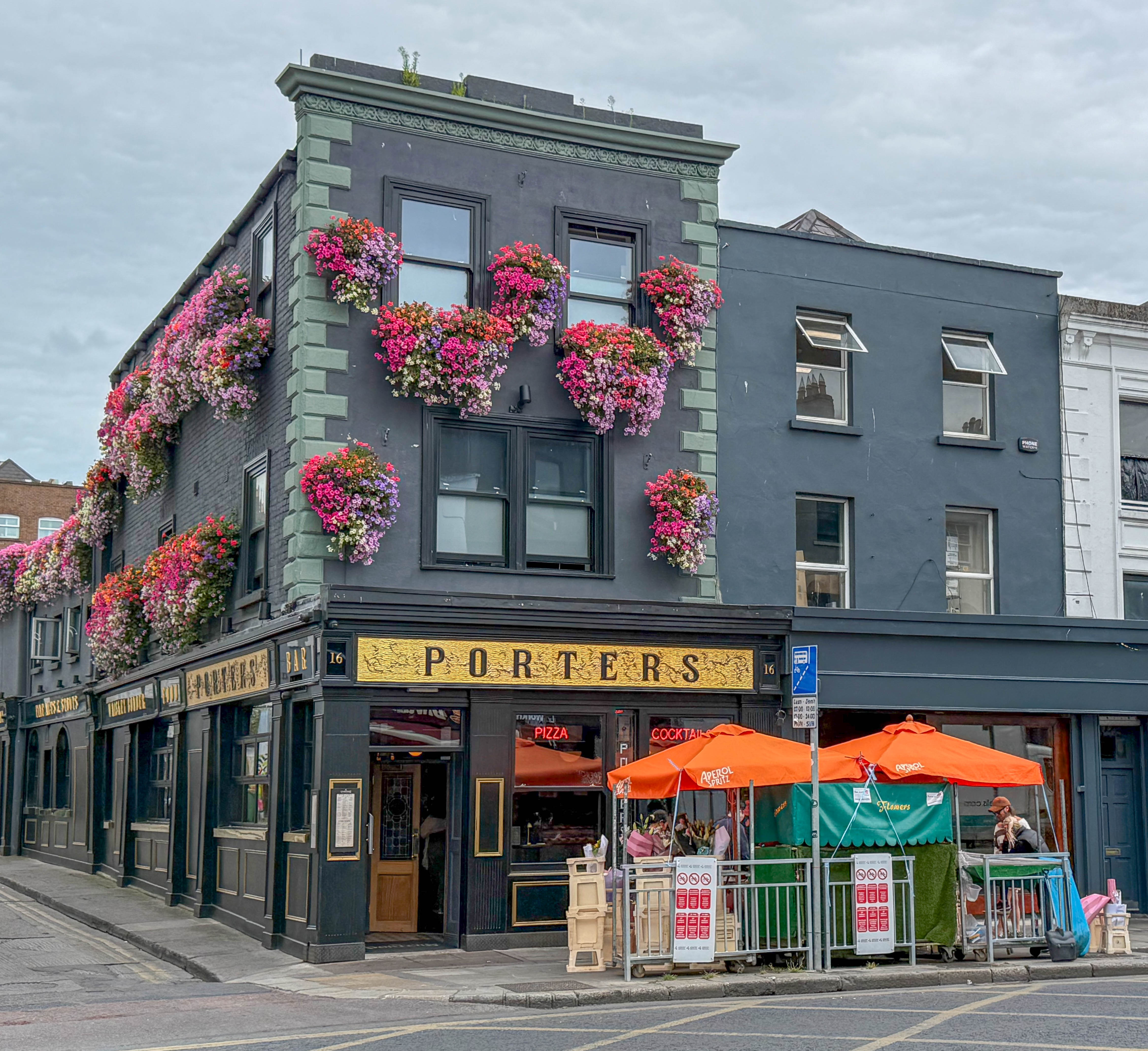
We stopped at a pub, Porter’s, for a Guinness and lunch.
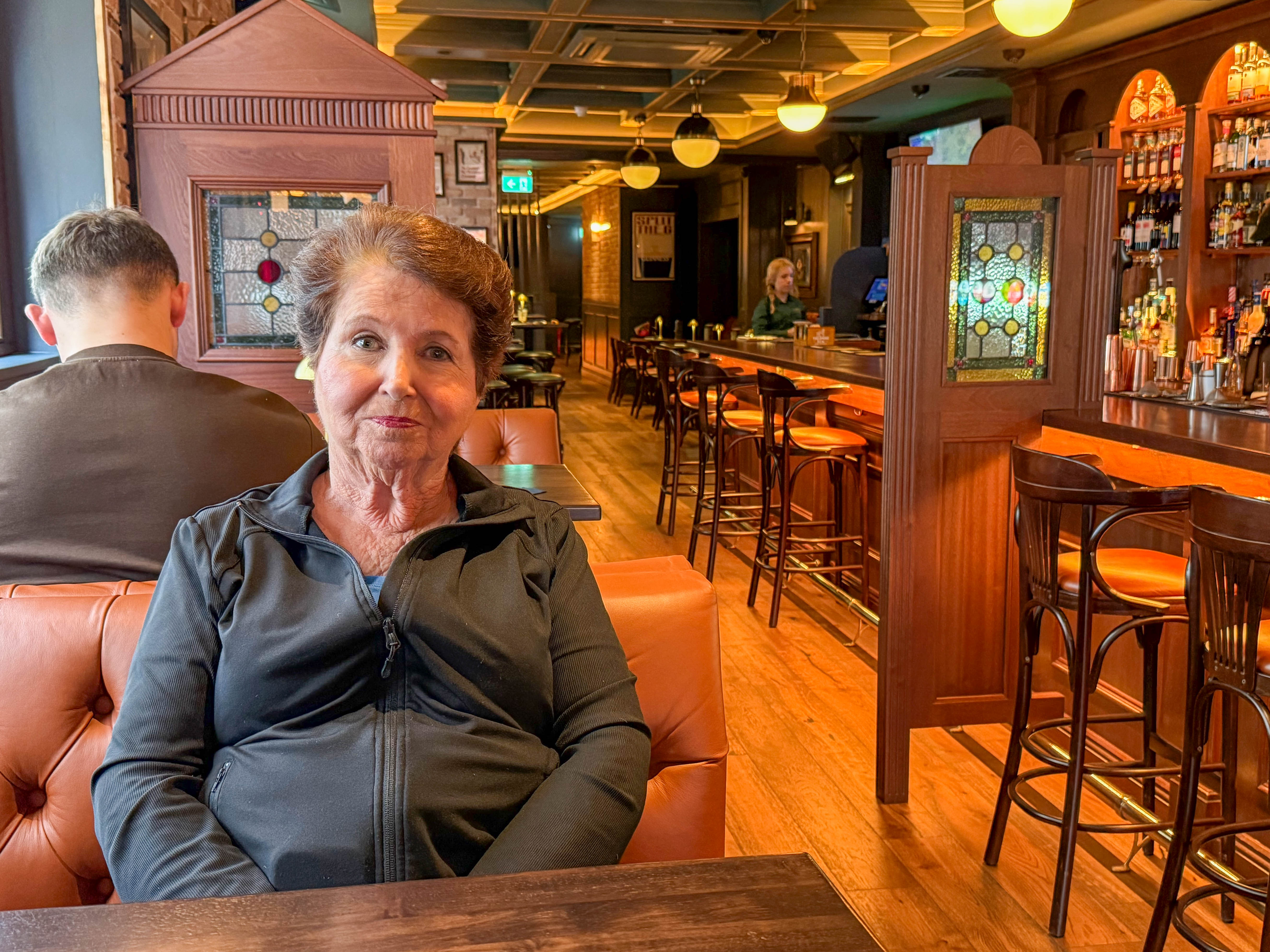
Interestingly, the young man behind Kay turned and joined in our conversation regarding how to drink Guinness beer, and advised us that we were doing it all wrong; that we had to wait for all the bubbles to rise to the top. And in fact, it did taste smoother. But, it does take quite some time for the bubbles to rise to the top, and the bartender will fill the pint about half full, then set it aside for a few minutes before filling it the rest of the way, And then, after being served, one waits a couple more minutes for the last draw to “settle”.
I succumbed to the peace and quiet of the hotel room while Kay and the other tour group members attended a short theatre performance. Later in the afternoon, Kay and I stayed close to the hotel, and mostly rested.
On Tuesday, August 18 (Day 13 of the trip), our Road Scholar group was bused to visit the Kilmainham Gaol Prison Museum in Dublin, the most famous and historic prison museum in Ireland.
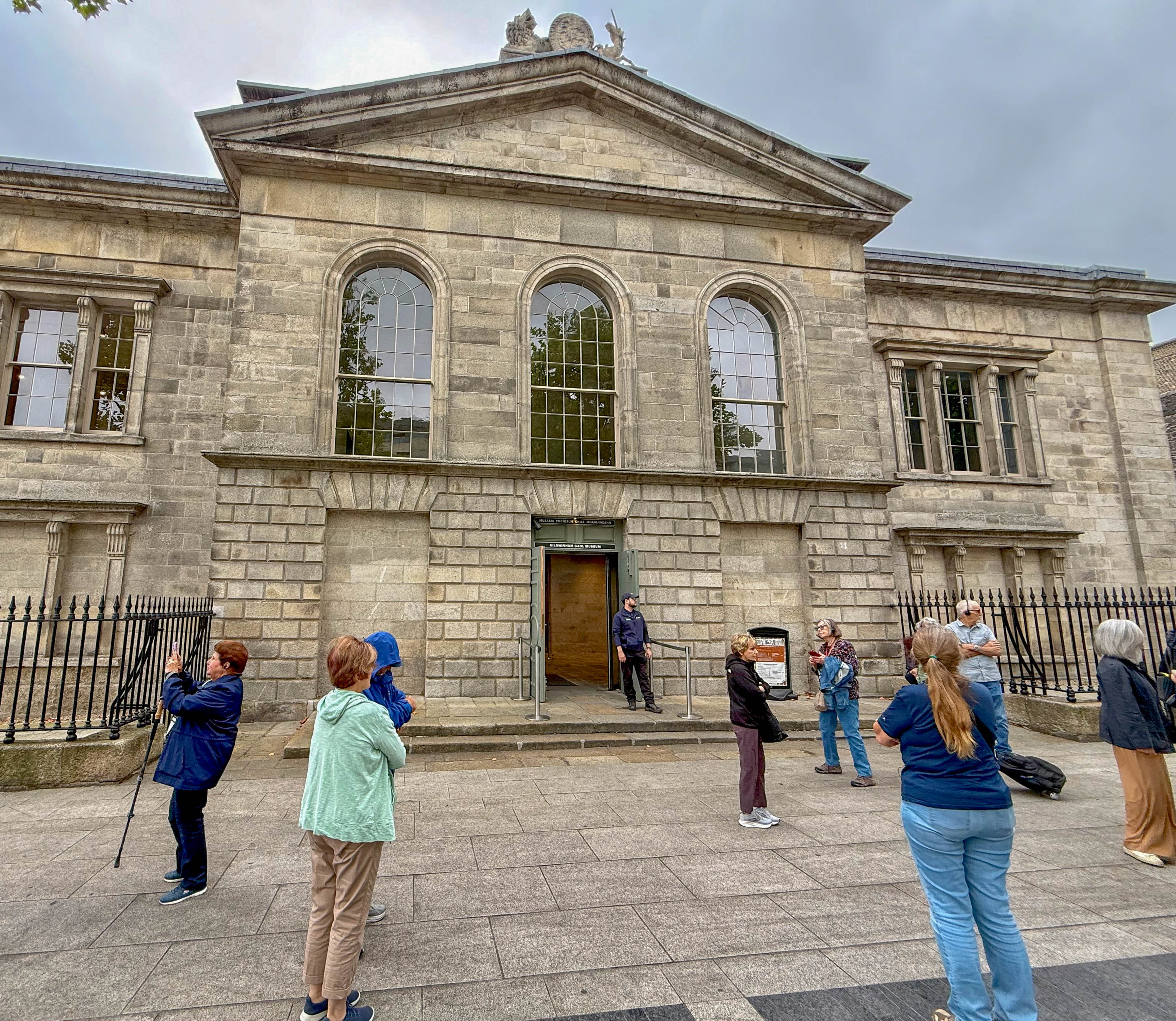
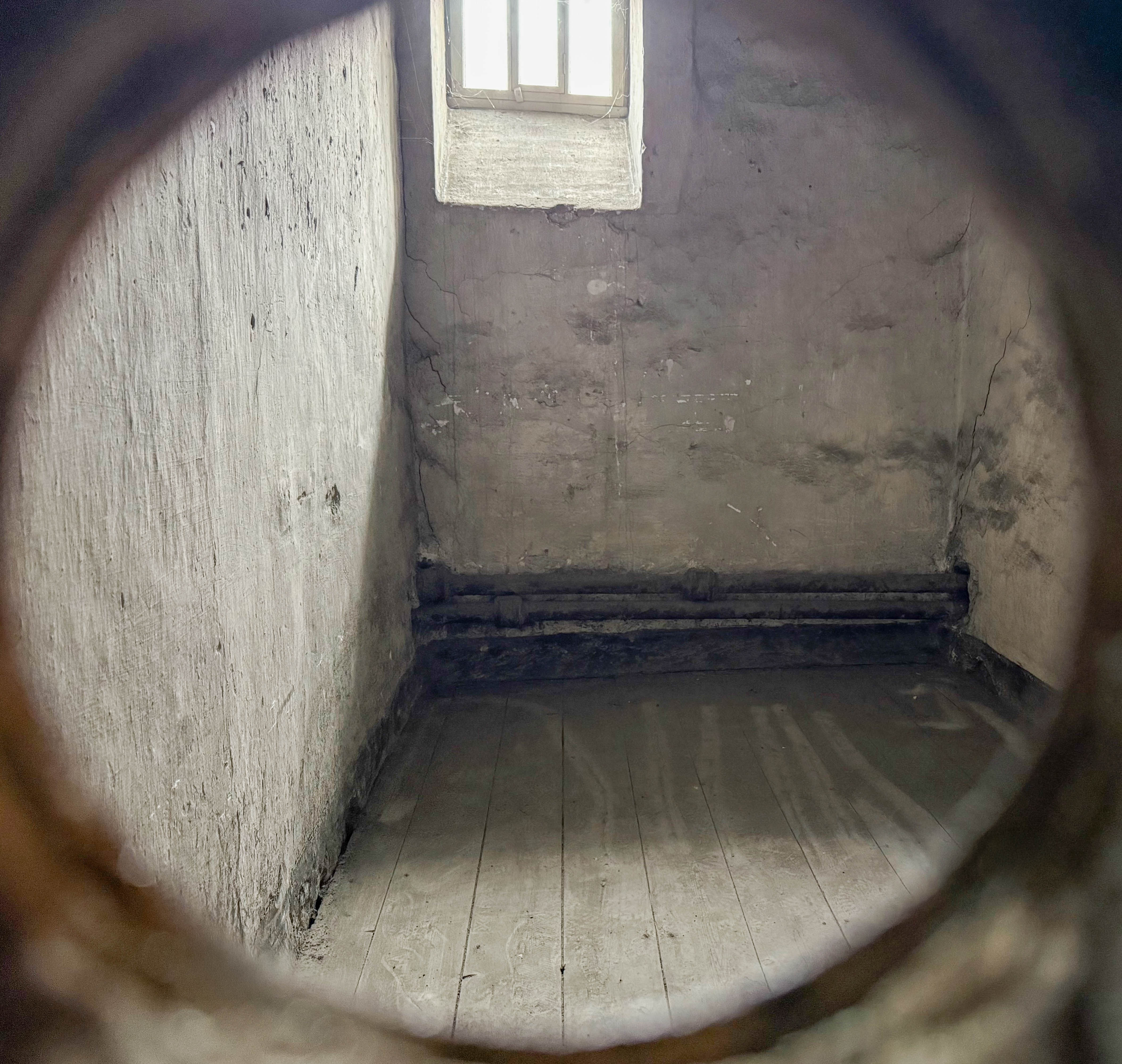
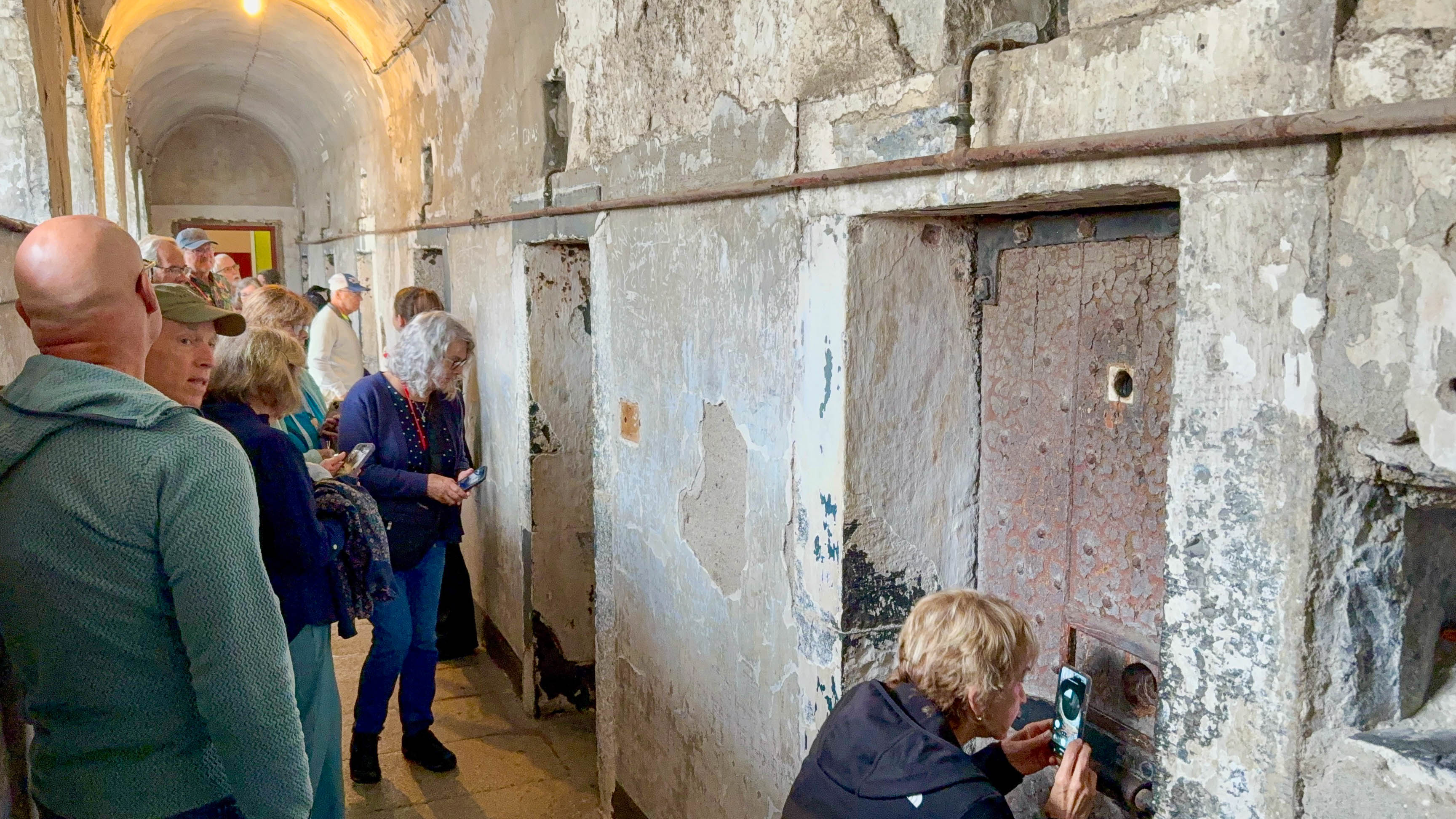
Kilmainham Gaol opened in 1796 as the new County Gaol for Dublin. For over 100 years Kilmainham Gaol held thousands of men, women and children for crimes that ranged from minor offenses to being involved in some of the most momentous events in Irish history. There was no segregation of prisoners; men, women and children were incarcerated up to 5 in each cell, with only a single candle for light and heat.
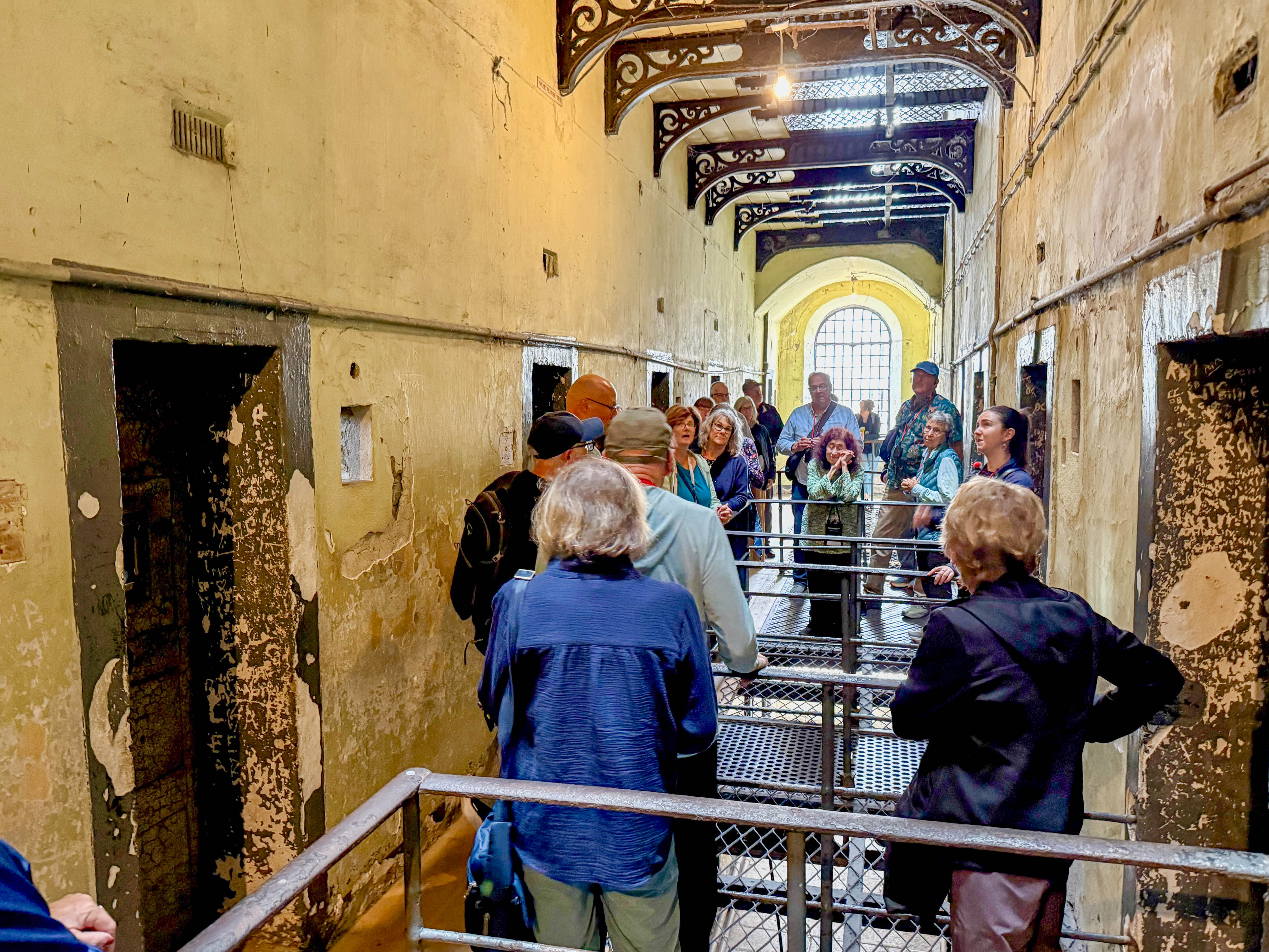
Most of their time was spent in the cold and the dark, and each candle had to last for two weeks. Its cells were roughly 300 square feet in area.
Children were sometimes arrested for petty theft, the youngest said to be a three-year-old child, while many of the adult prisoners were transported to Australia.
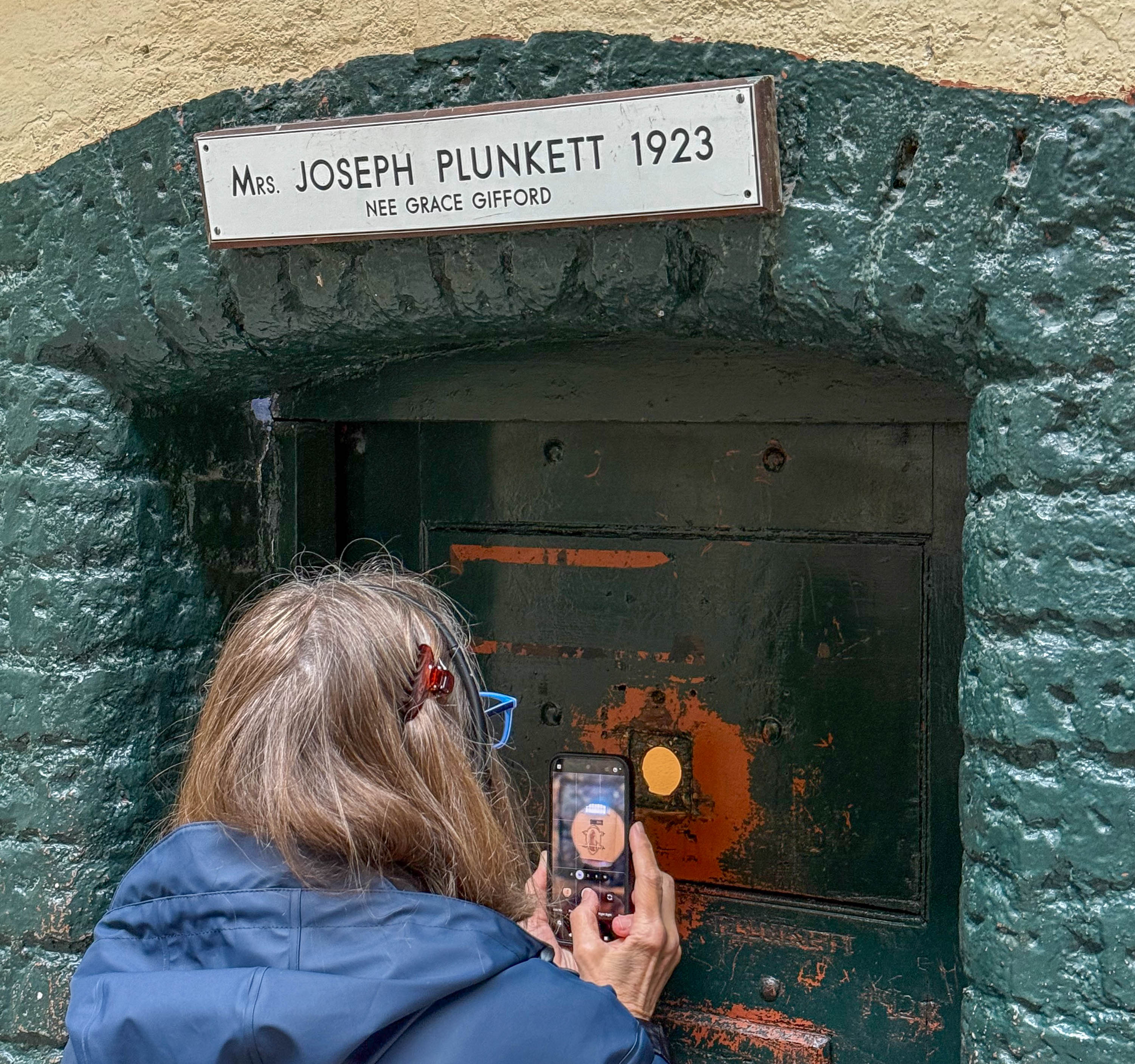
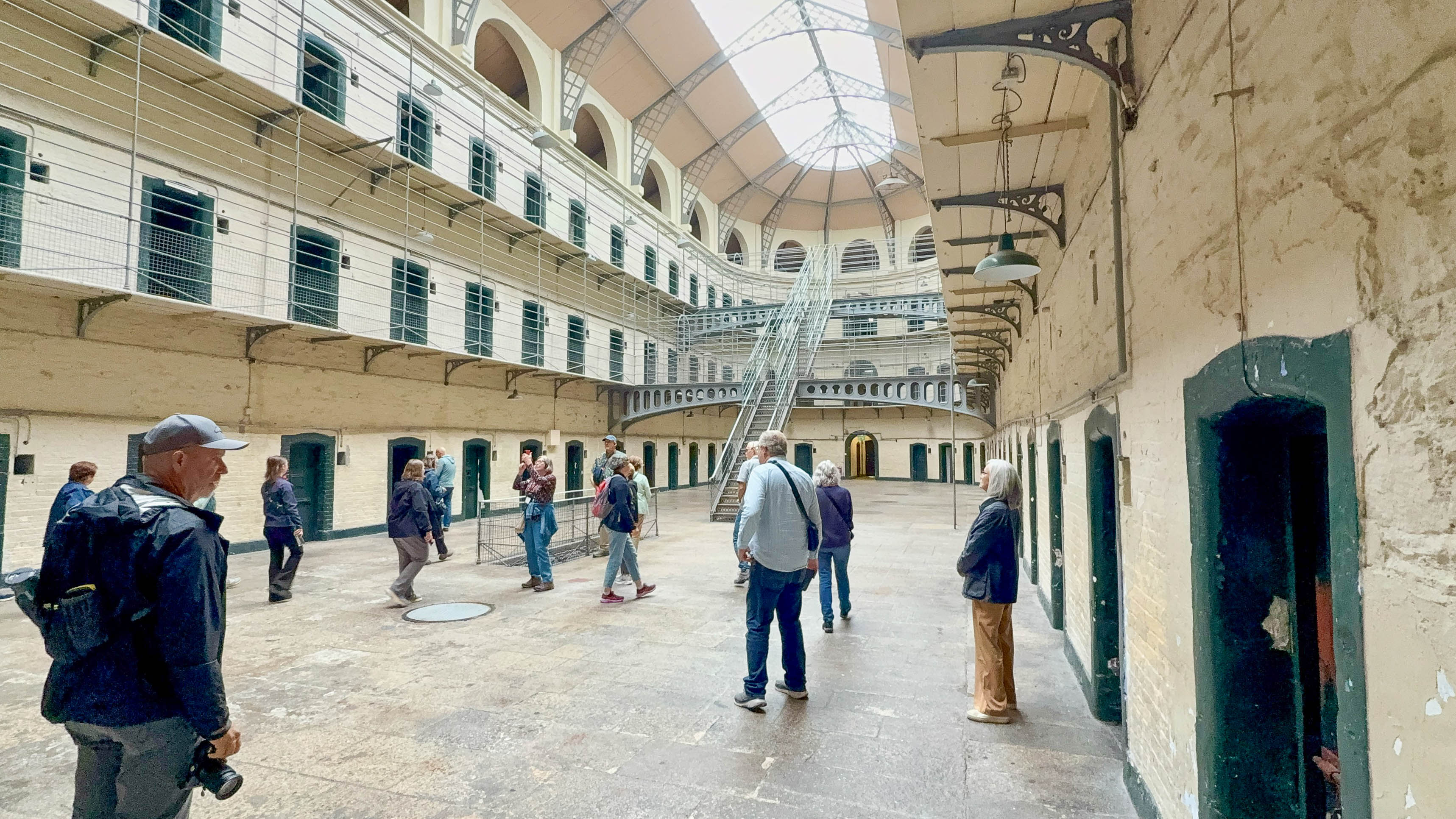
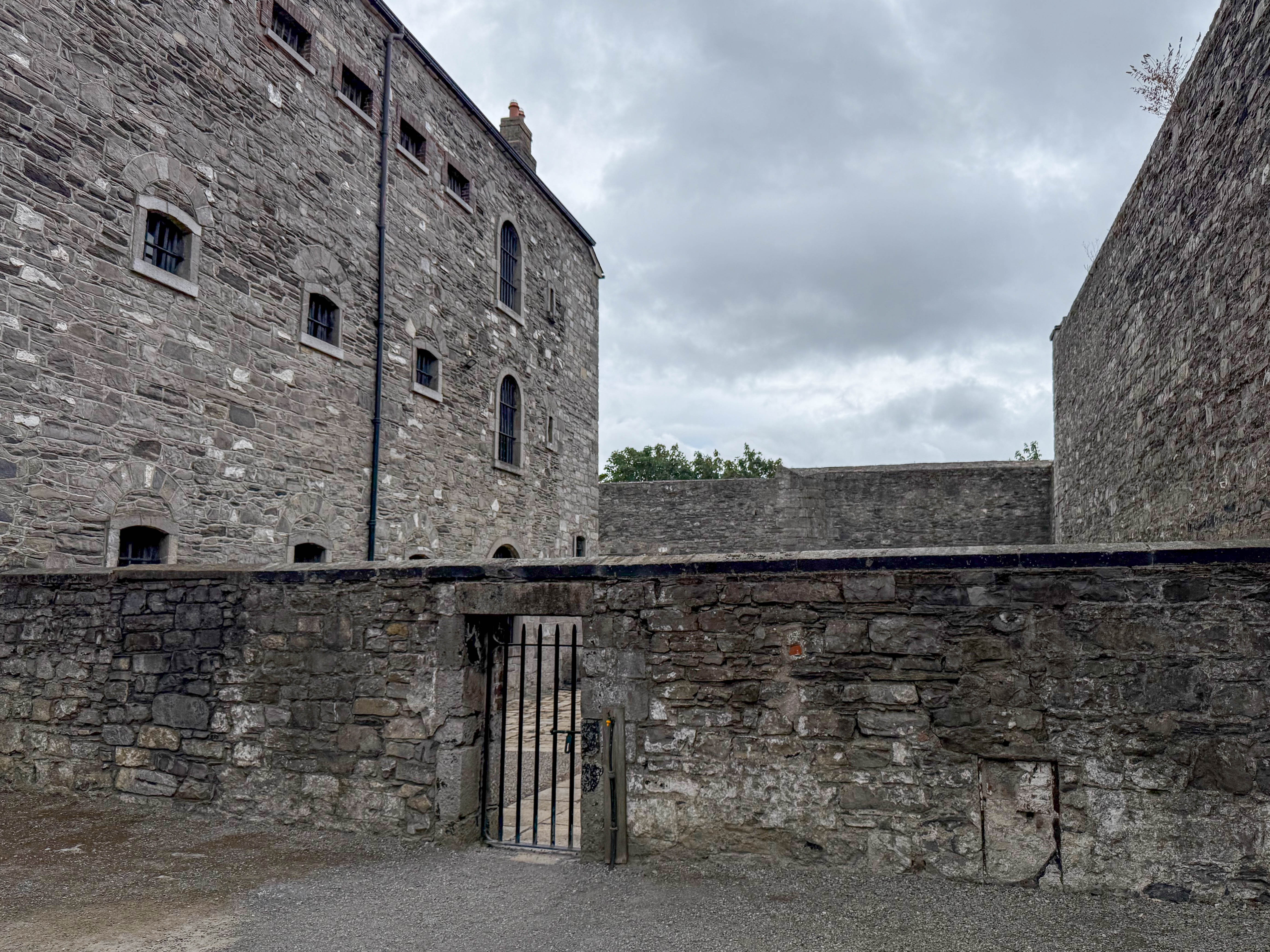
While most of the prisoners were common criminals, it also held political prisoners involved in Ireland’s struggle for independence. Included among those held here were leaders of the 1916 Easter Rising, 14 of whom were executed by firing squad in the Stonebreaker’s yard (the cross marks the spot).
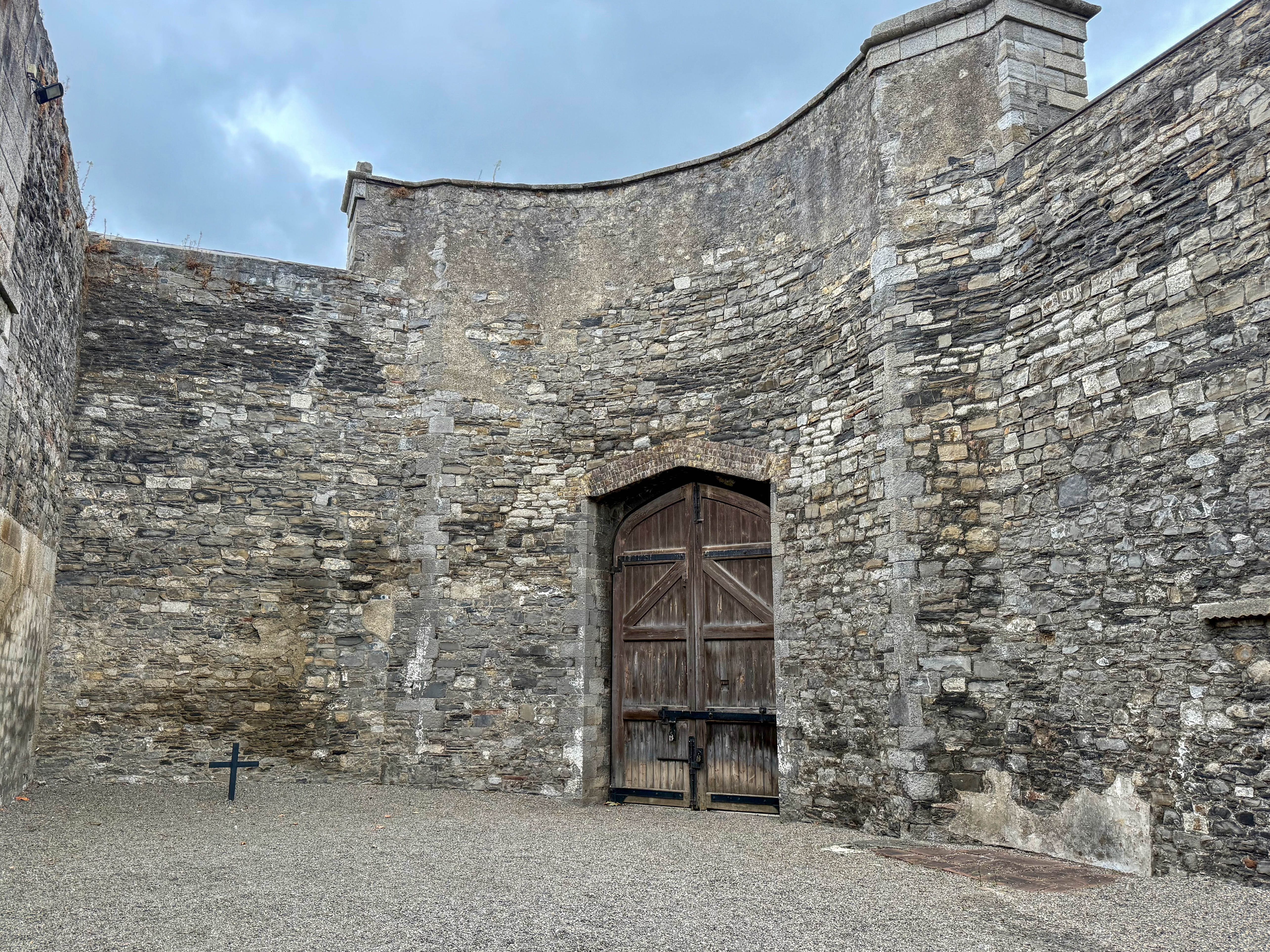
Originally, public hangings took place at the front of the prison. And then in 1891, a small hanging cell was built in the prison; it was located on the first floor, between the west wing and the east wing. And lastly, was execution by firing squad in the Stonebreaker’s yard (the cross marks the spot).
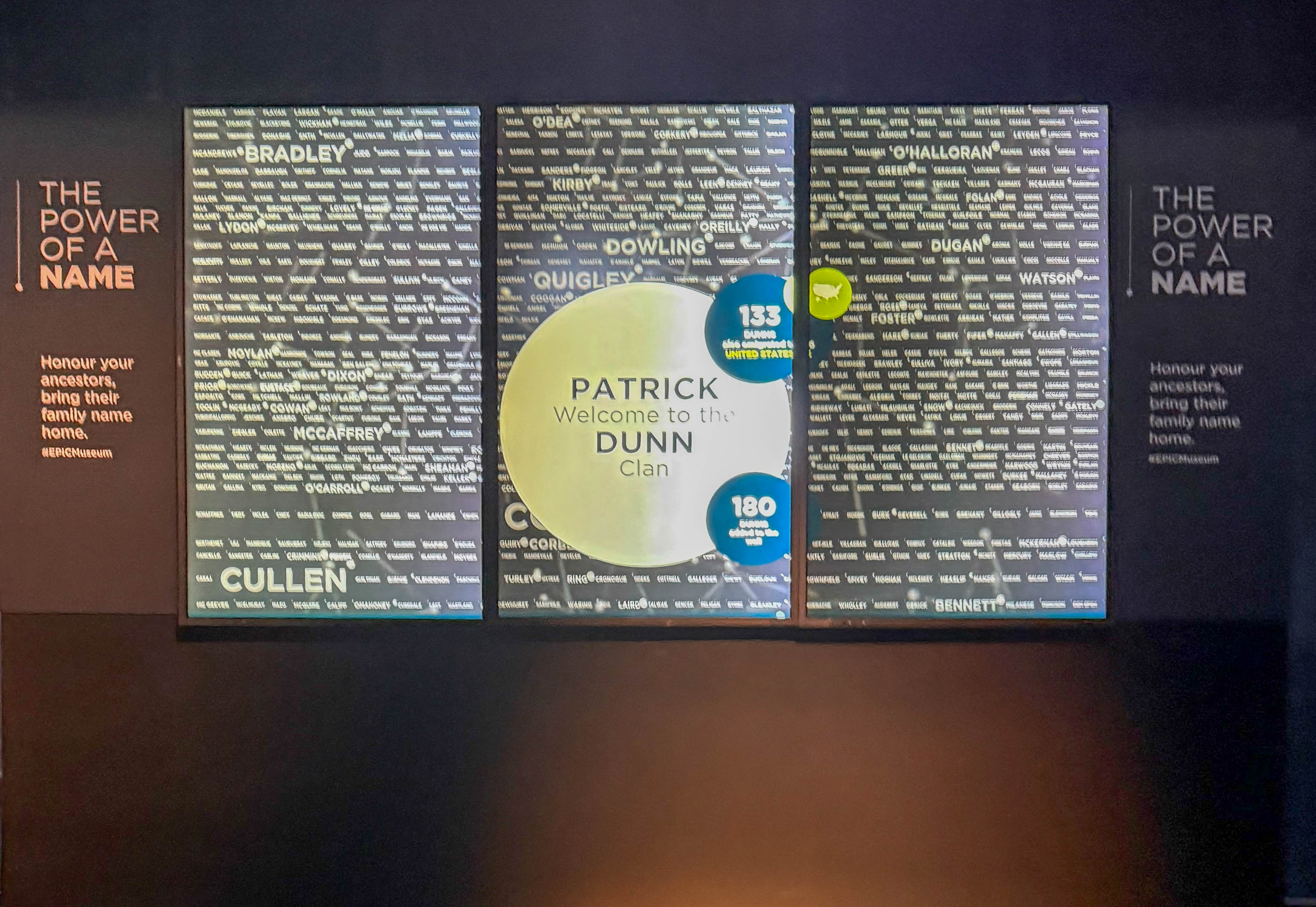
Later in the morning we toured EPIC, The Irish Emigration Museum. A world-renowned, the fully digital museum explored the history of Ireland and its global impact, and particularly the migration of Irish women and men to the US, Australia, and other countries. Unlike traditional museums, it is the world’s first completely digital museum, using 20 high-tech, motion-sensor galleries to tell the powerful stories of the 70 million people worldwide who claim Irish heritage.
Kay and I walked back to the hotel, enjoying the sights and sounds of Dublin, where we spent the remainder of the day.