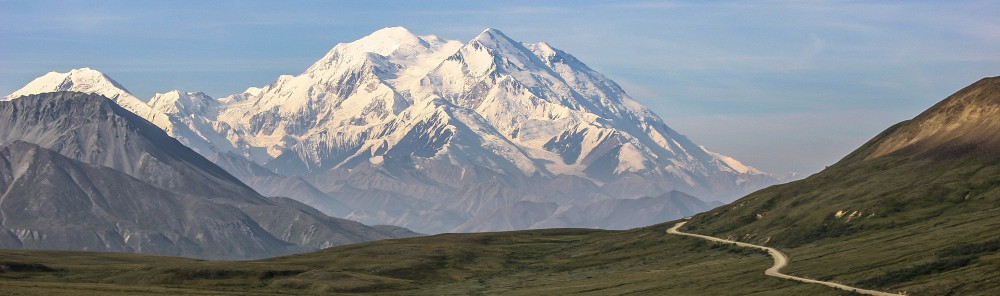
After the breakfast buffet and checking out of the hotel, we boarded the motor coach and were enroute to County Donegal with stops at Sligo and Drumcliffe. County Donegal possesses one of Ireland’s most untouched and ruggedly beautiful landscapes. Riding through the countryside, it is obvious that County Donegal has been largely untouched by the passage of time. And, as with the other parts of the Irish island, the Donegal people are renowned for their warmth and hospitality.
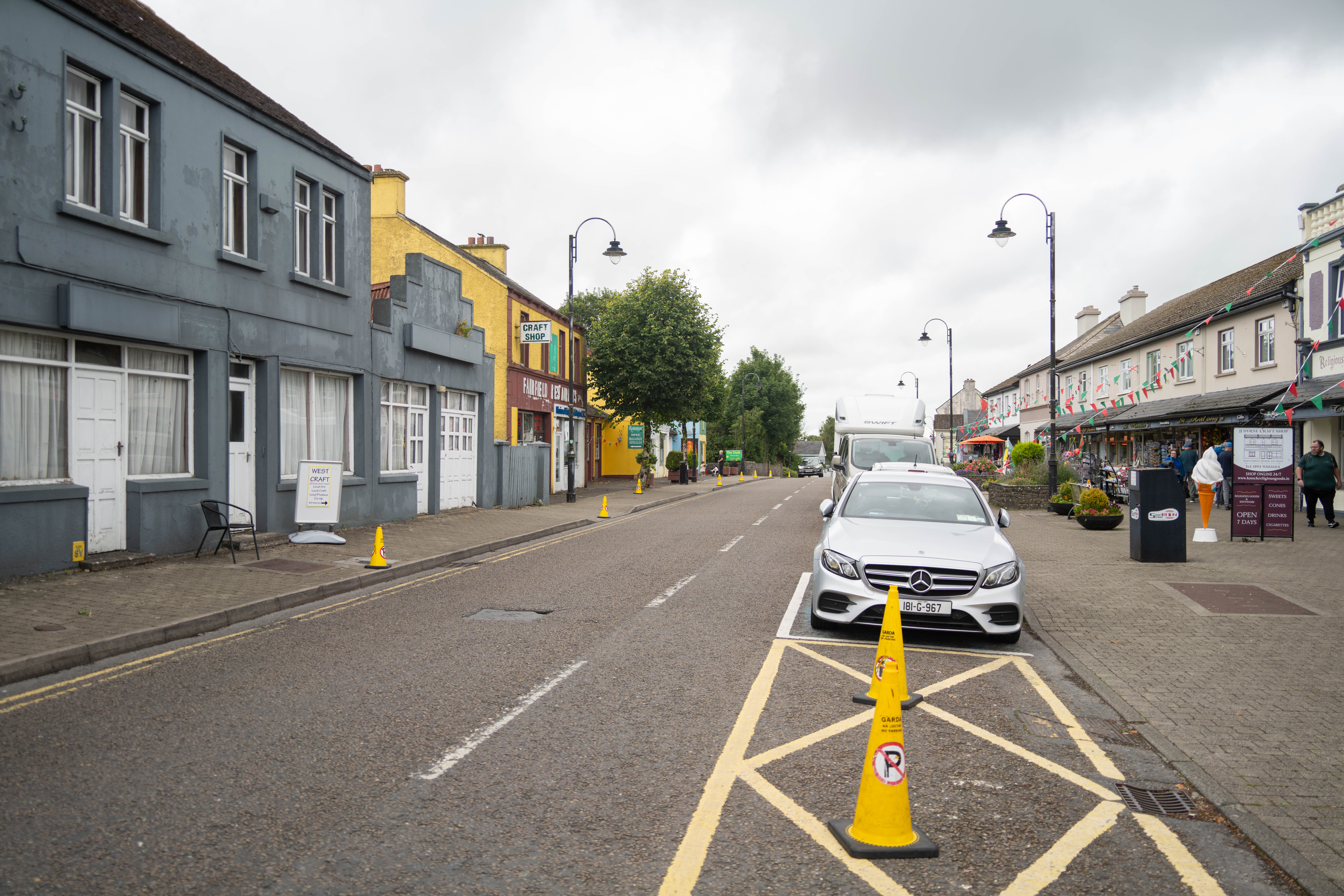
A “comfort” stop was made at Knock Shrine, a major Roman Catholic pilgrimage site located in the village of Knock, County Mayo, Ireland.
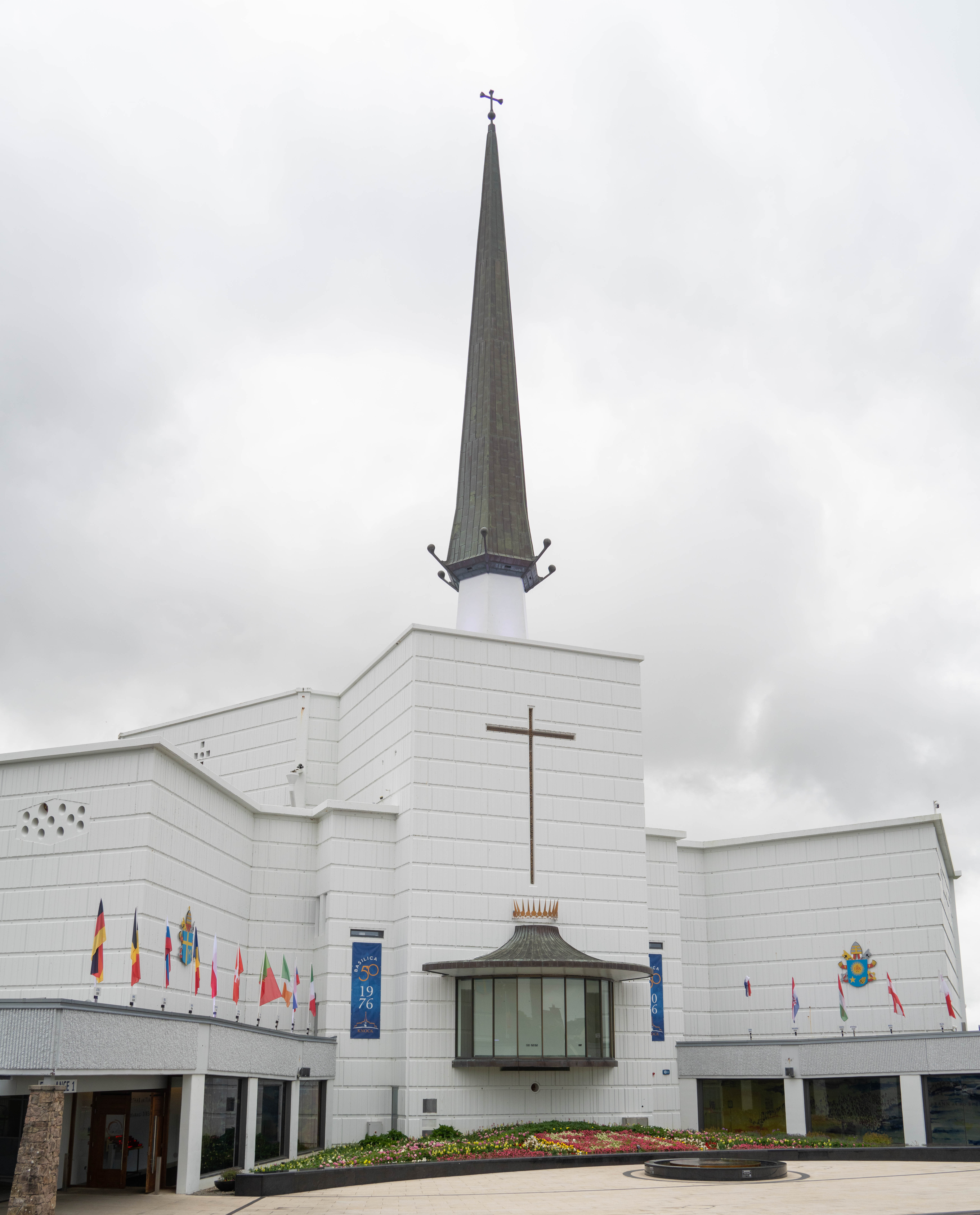
It is officially recognized as an International Eucharistic and Marian Shrine. Knock Shrine is most famous for a heavenly apparition appearing against the gable wall of the parish church. On August 21, 1879, fifteen villagers reported seeing the Blessed Virgin Mary, Saint Joseph, Saint John the Evangelist, and a lamb standing on an altar surrounded by angels. The apparition occurred during a period of severe economic distress and famine fears in Ireland, serving as a beacon of hope and consolation. One of the key attractions on the ground was the Apparition Chapel; this chapel was built around the original gable wall of the old parish church, housing a stunning white marble carving of the apparition scene.
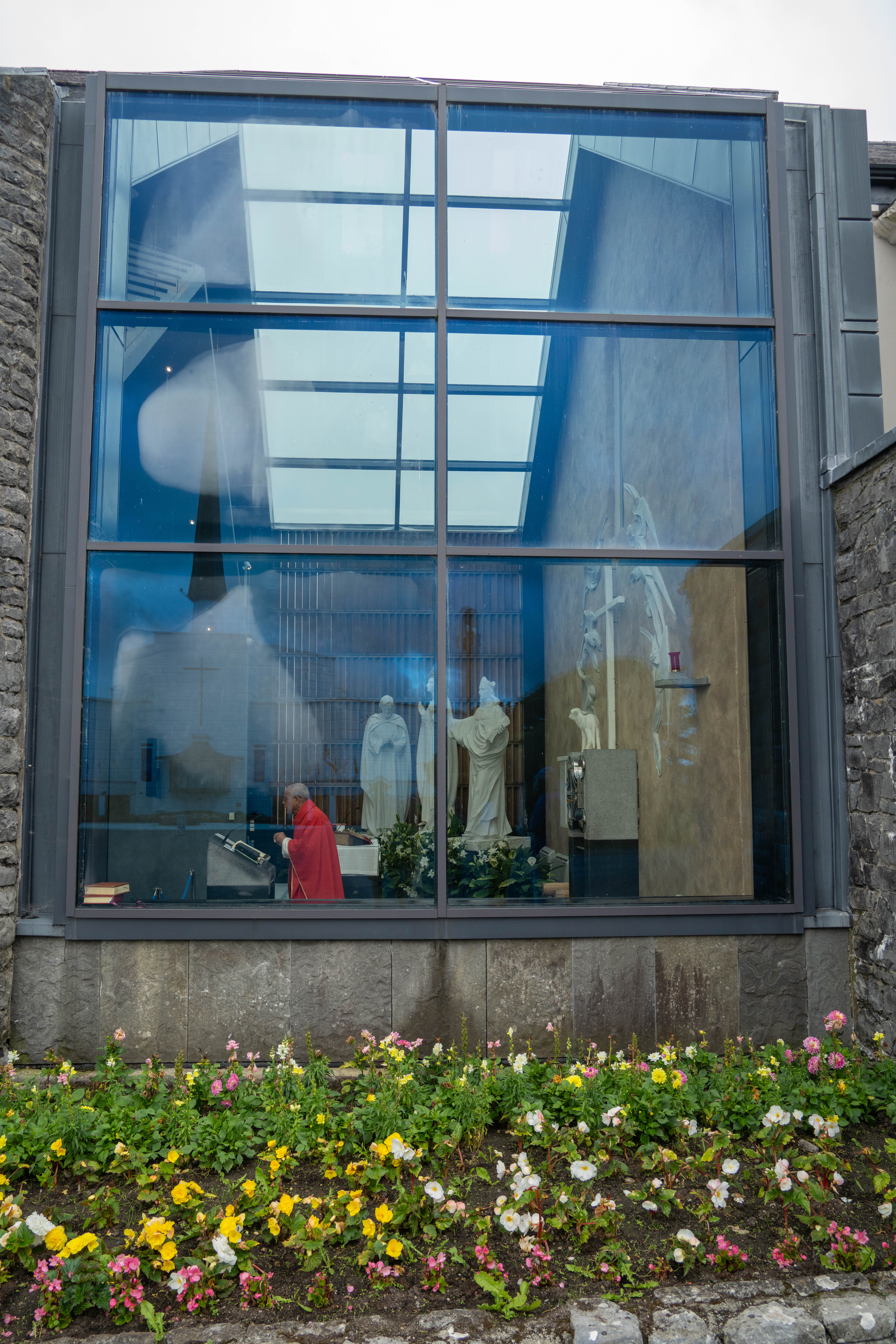
Another key attraction was the Knock Basilica, a massive, modern church capable of holding approximately 10,000 people.
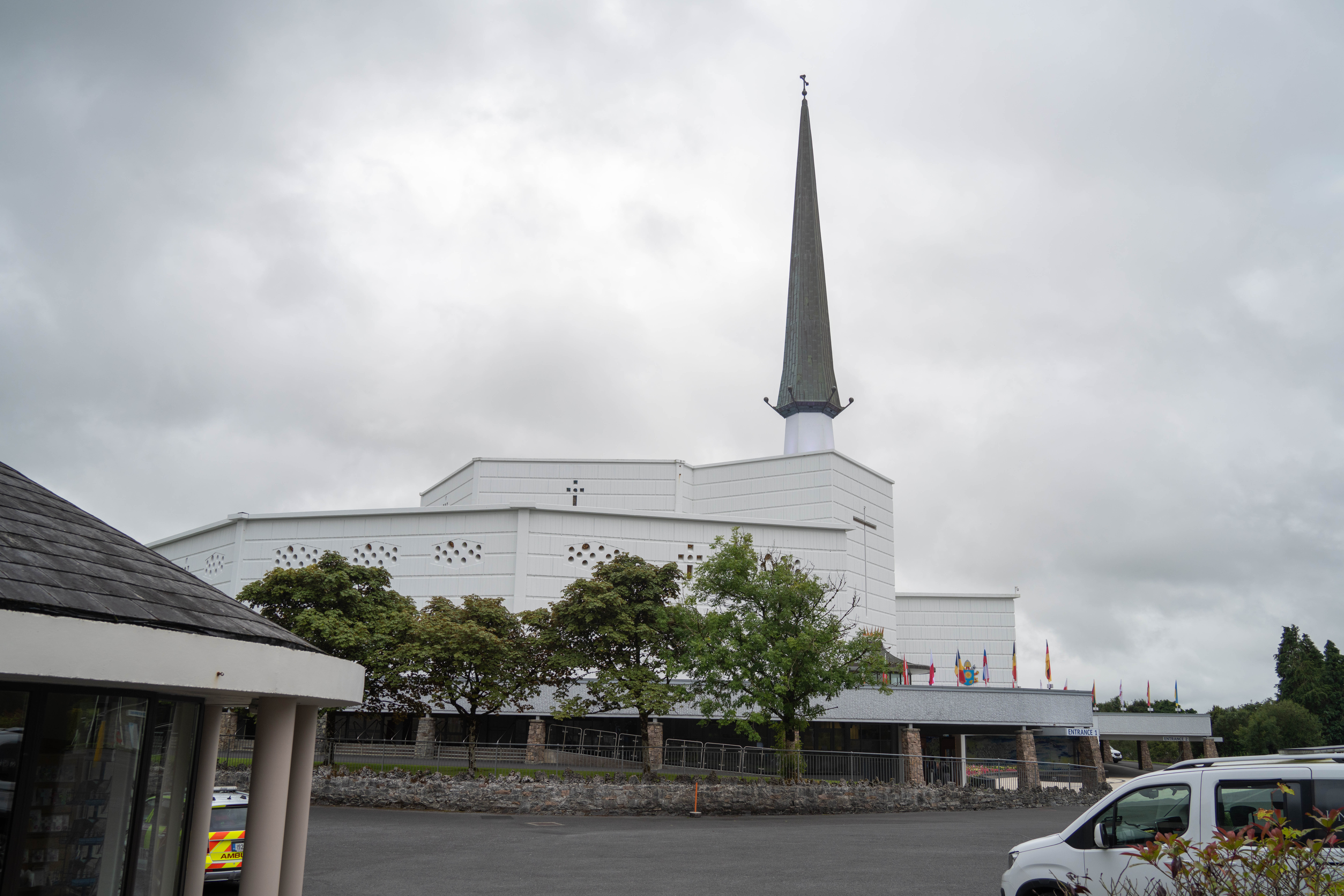
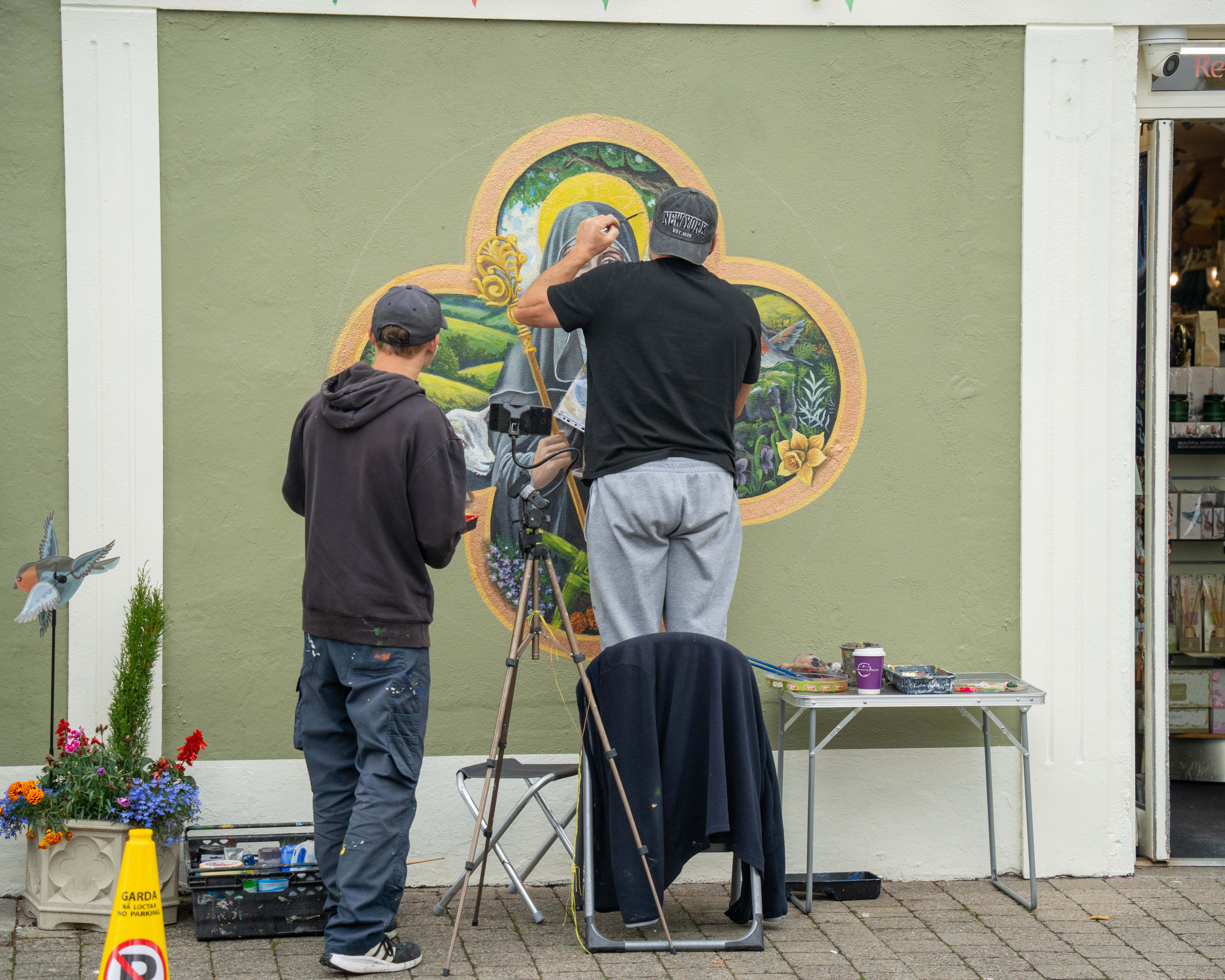
The Basilica grounds were surrounded by stores and shops selling religious artifacts.
Another stop was at Sligo, a charming Irish coastal seaport located along the iconic Wild Atlantic Way.
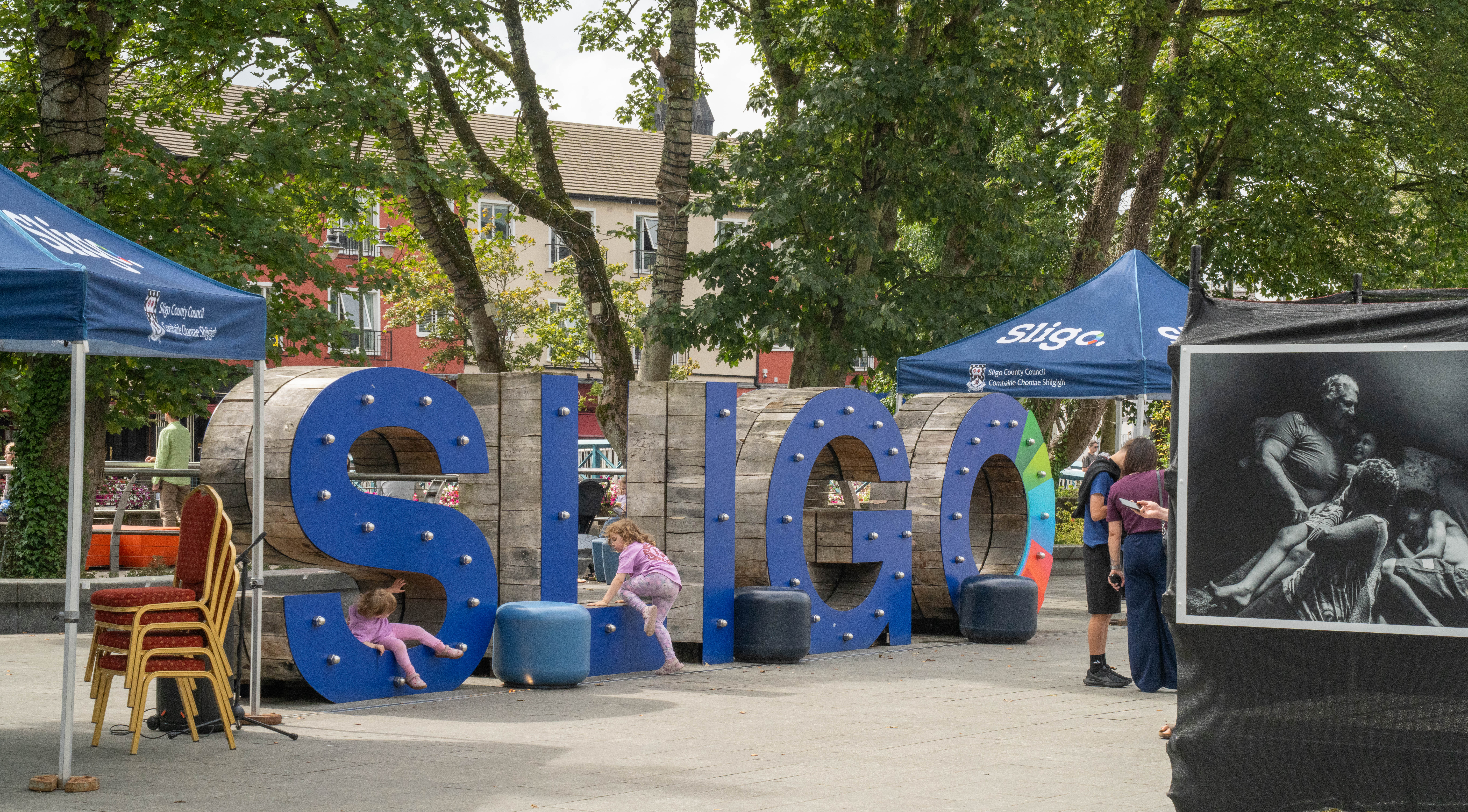
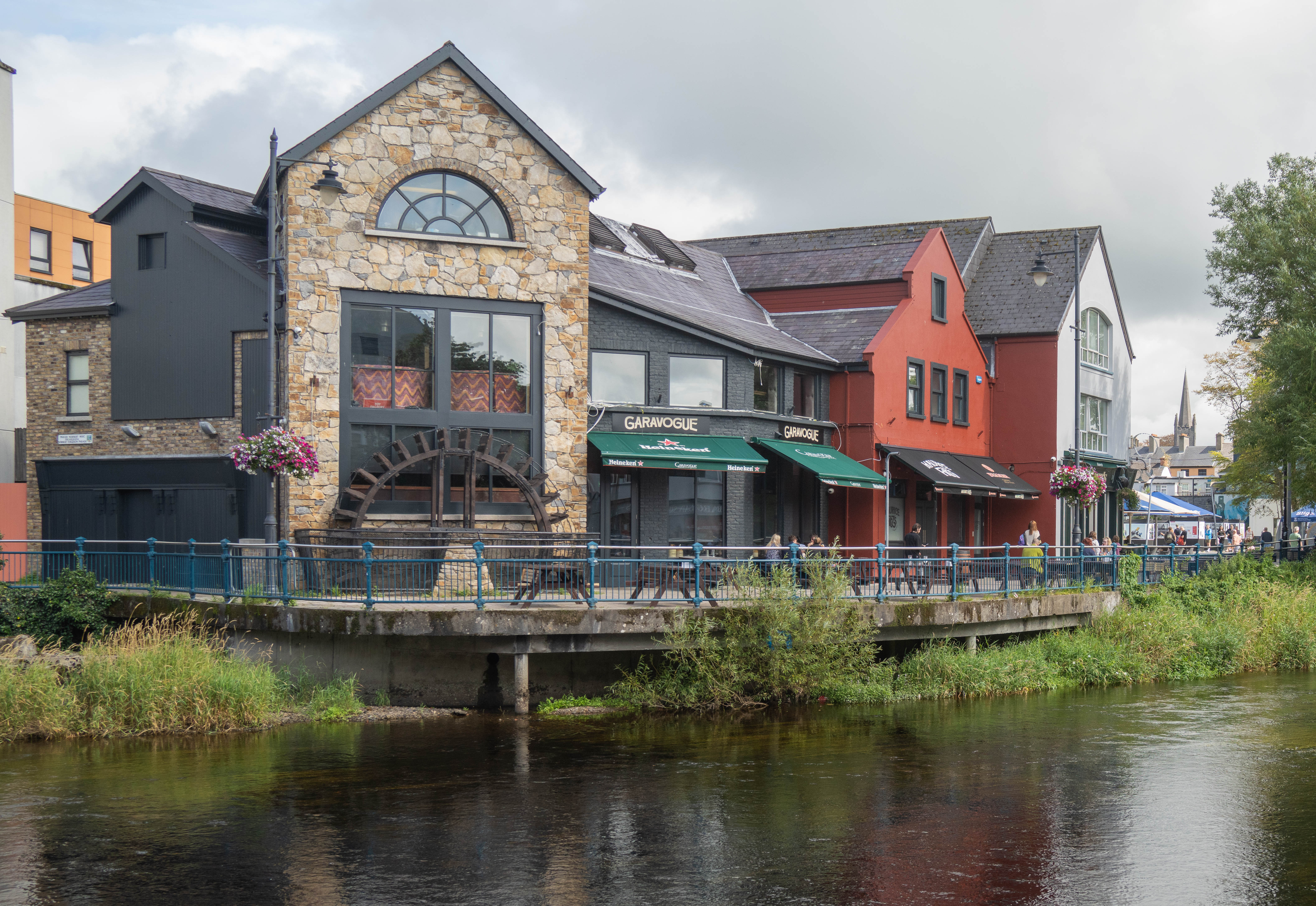
It represents a blend of a small urban center, but with breathtaking natural landscapes as it is framed by dramatic mountains and rugged coastlines.
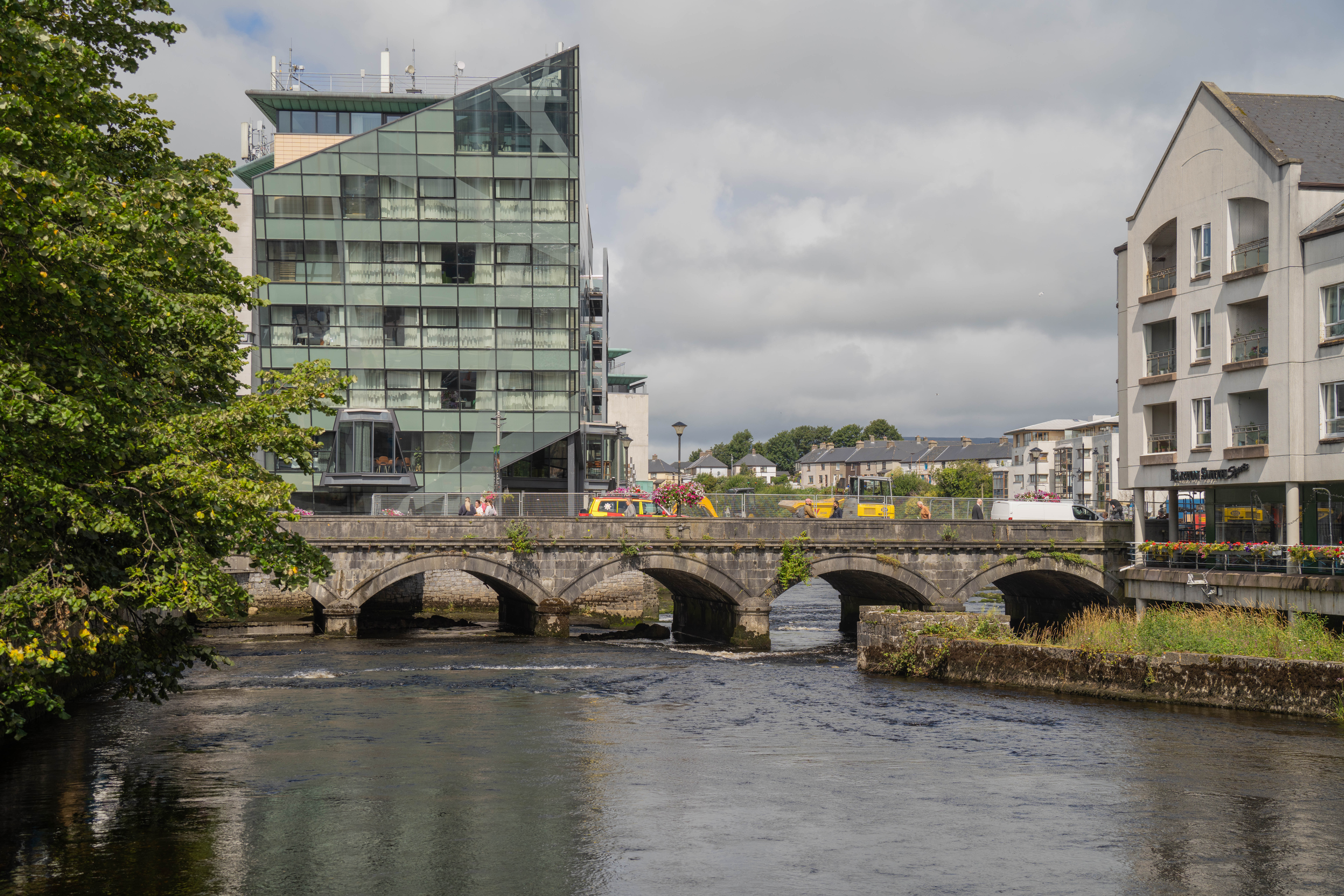
It was at a pub in Sligo (if memory serves us correctly) that we had the best seafood chowder ever, filled with fresh North Atlantic delicacies.
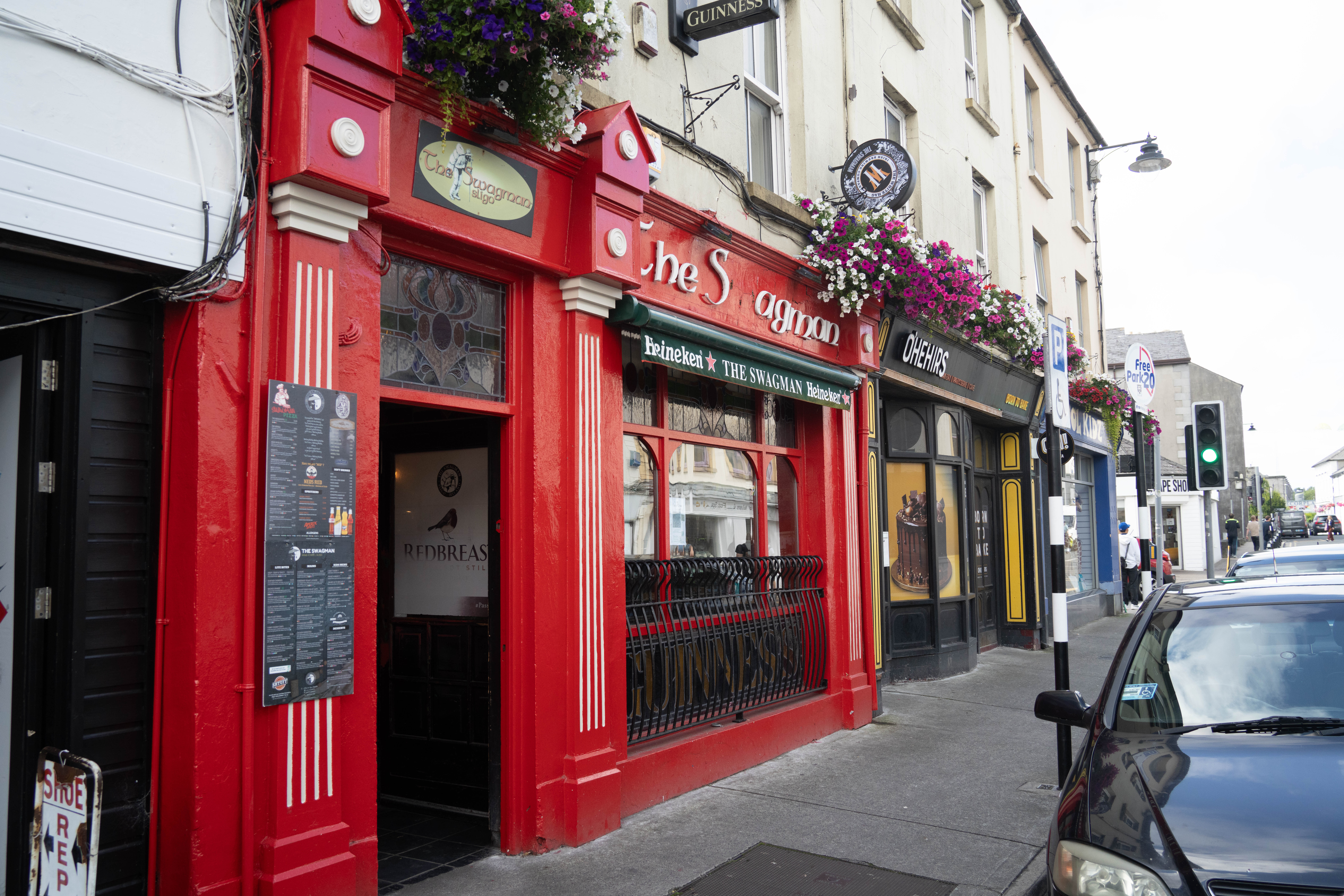
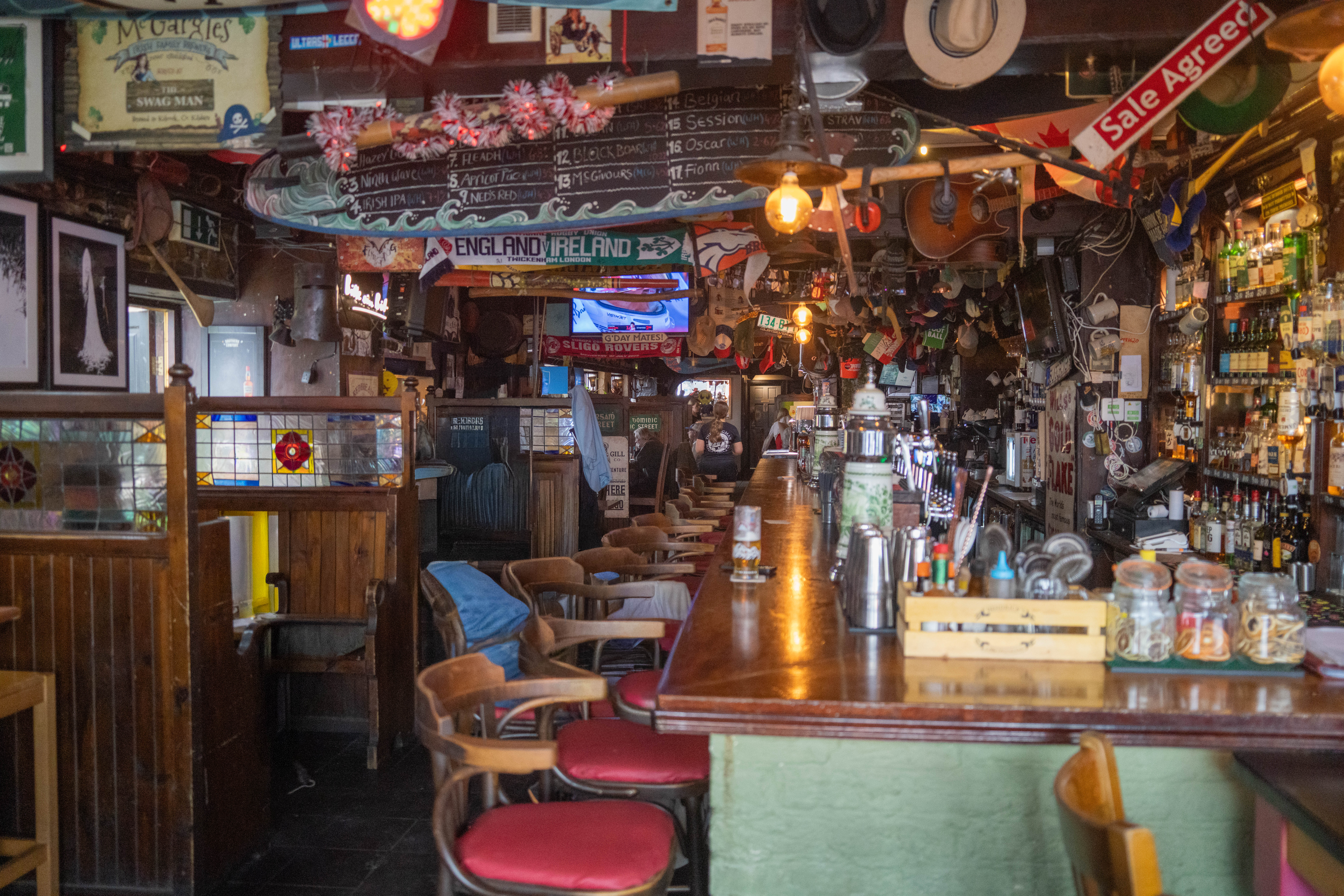
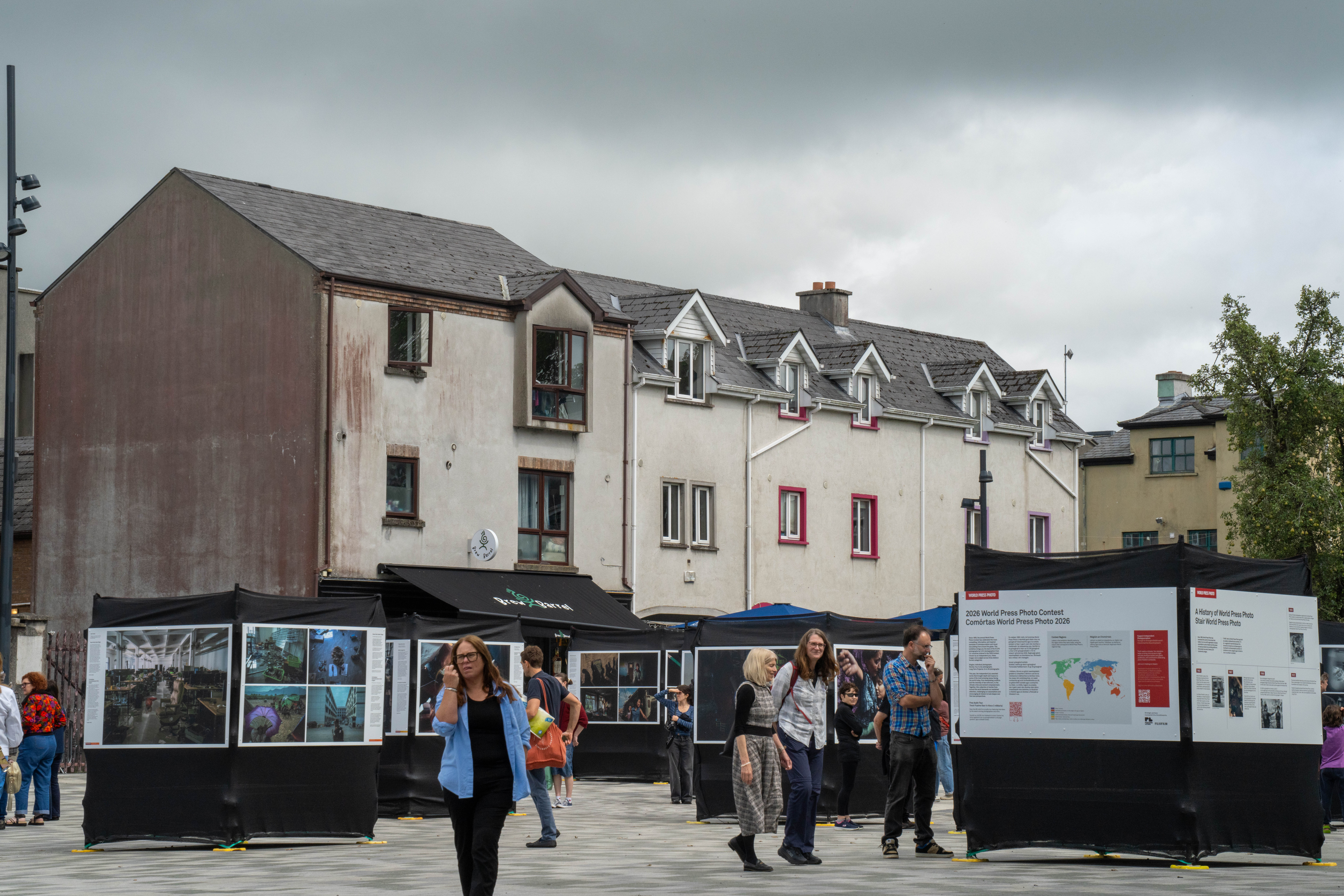
Sligo is rich in Celtic history, is a legendary traditional music scene, and has a deep connection to the Nobel Prize-winning poet W. B. Yeats, who drew lifelong inspiration from the area’s folklore and scenery. While in Sligo, I walked through the 2026 World Press Photo Contest; interesting!
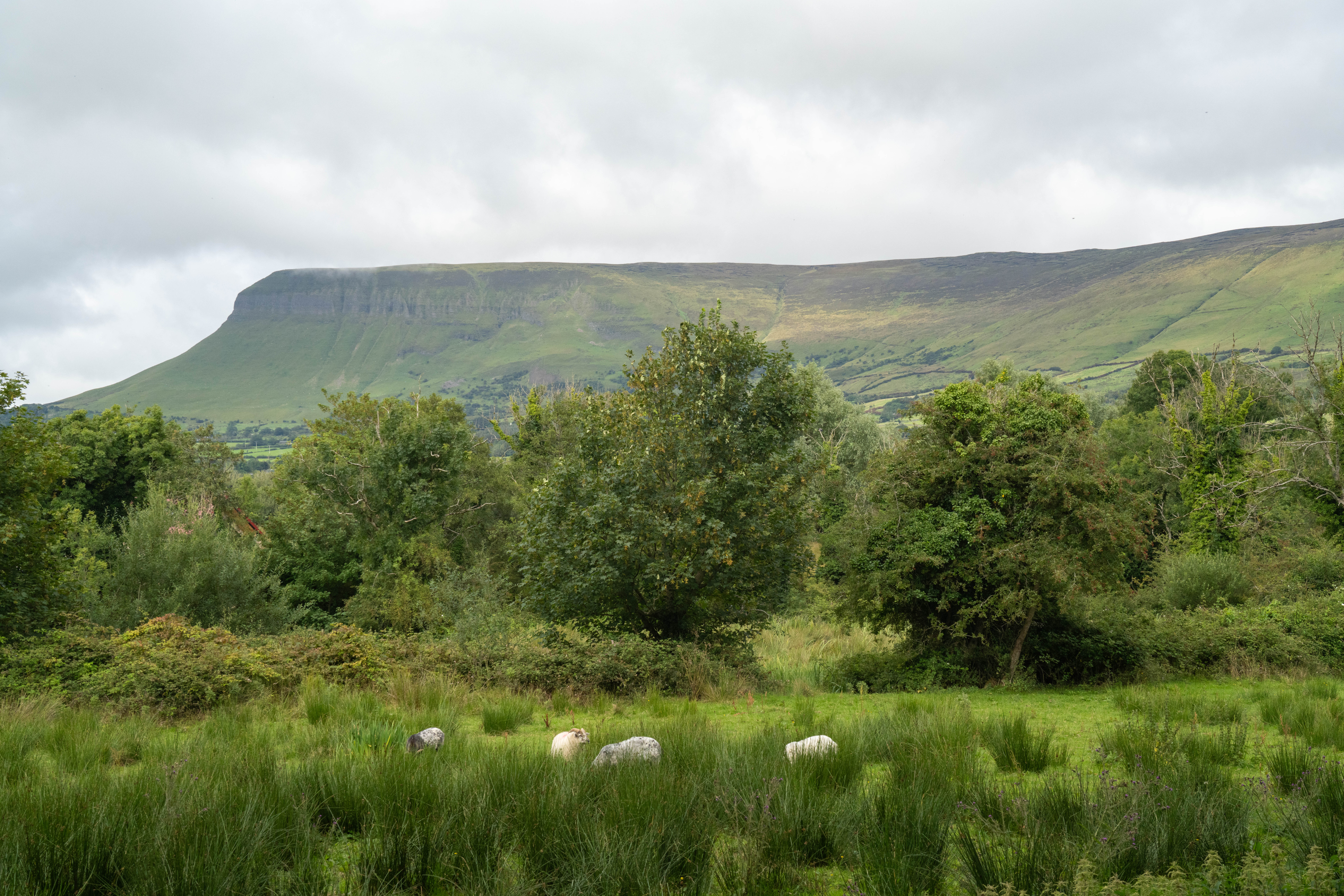
Our next stop, five miles north of Sligo, was at Drumcliffe, lying in the shadow of the flat-topped Ben Bulben mountain.
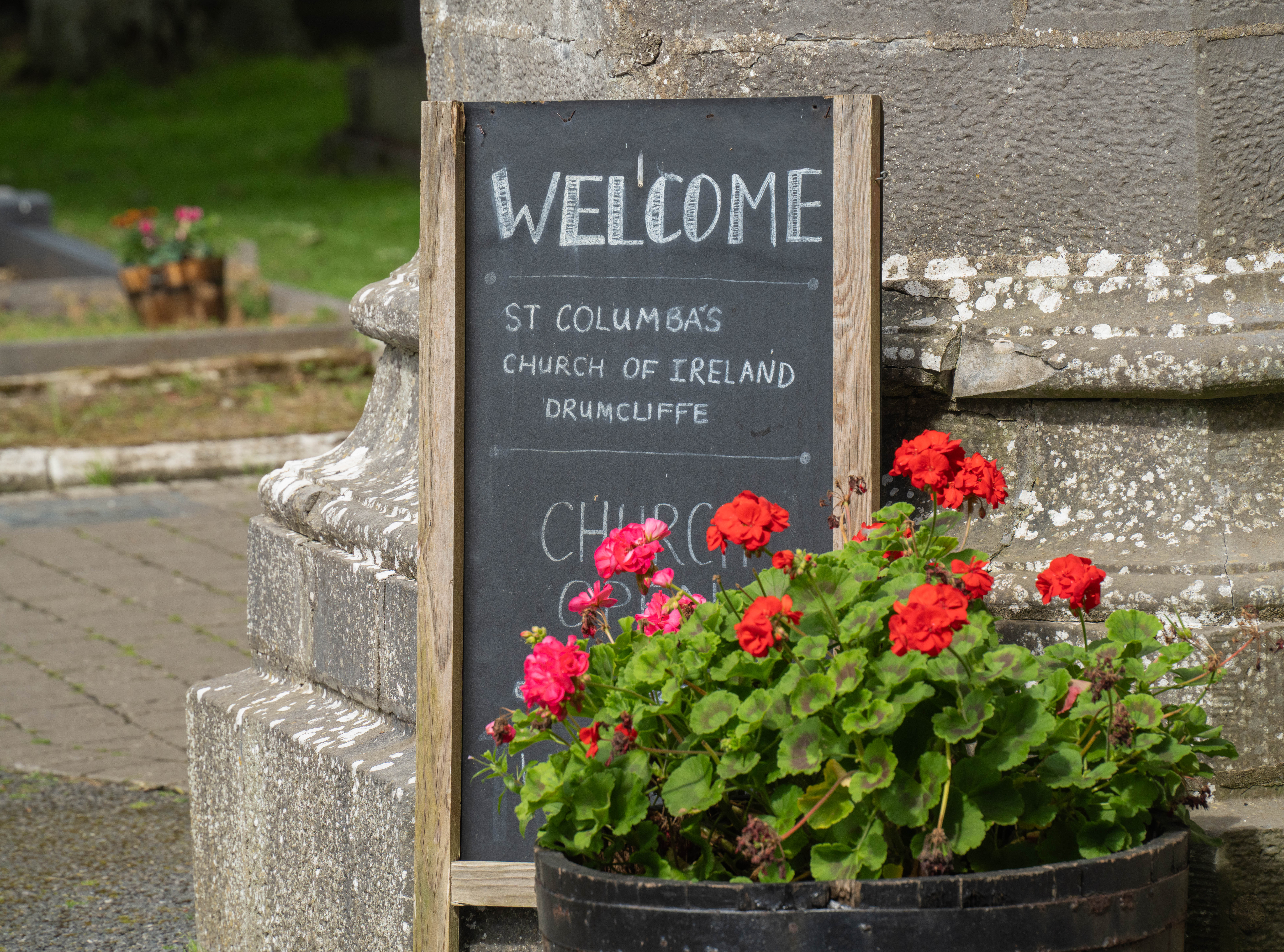
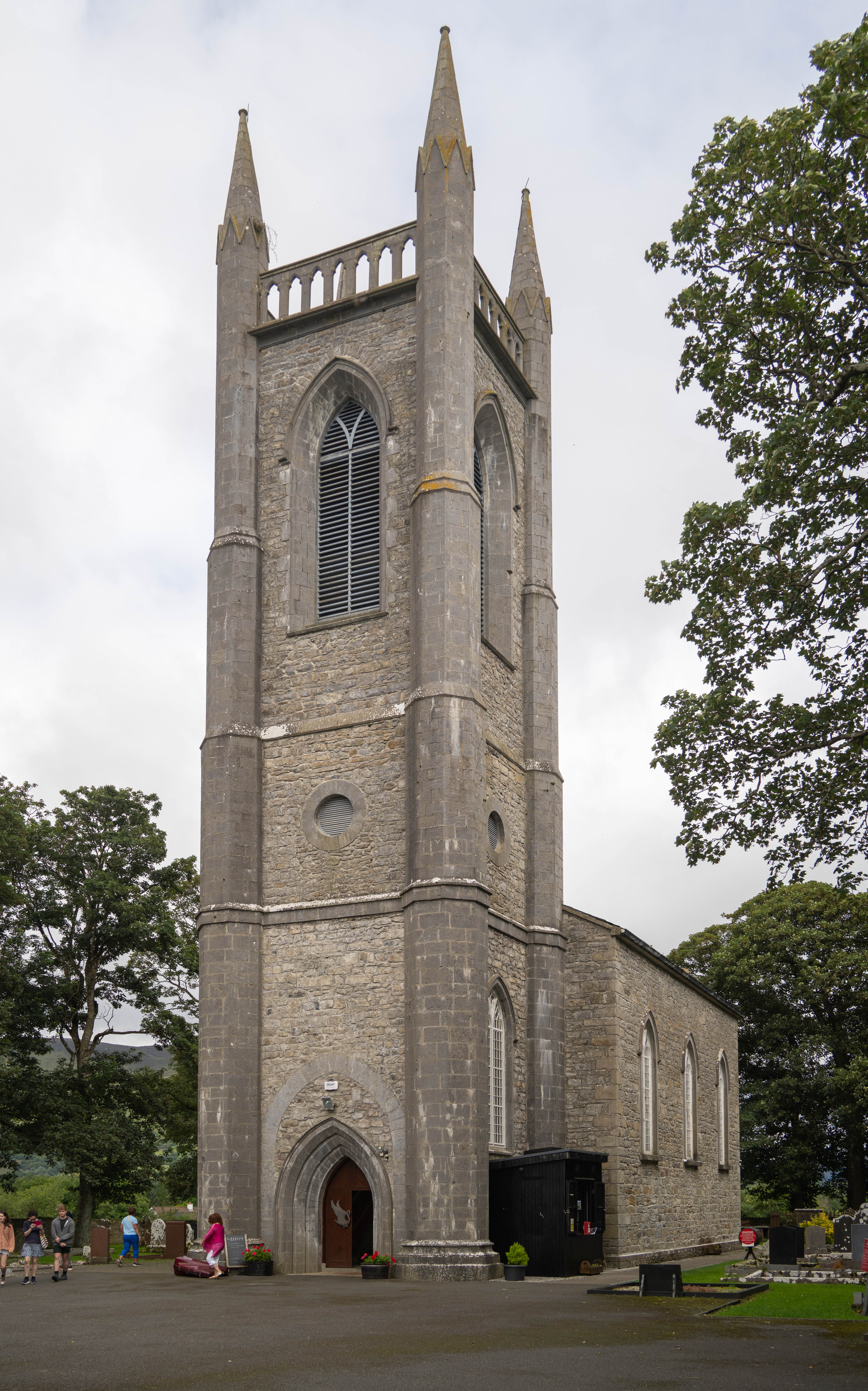
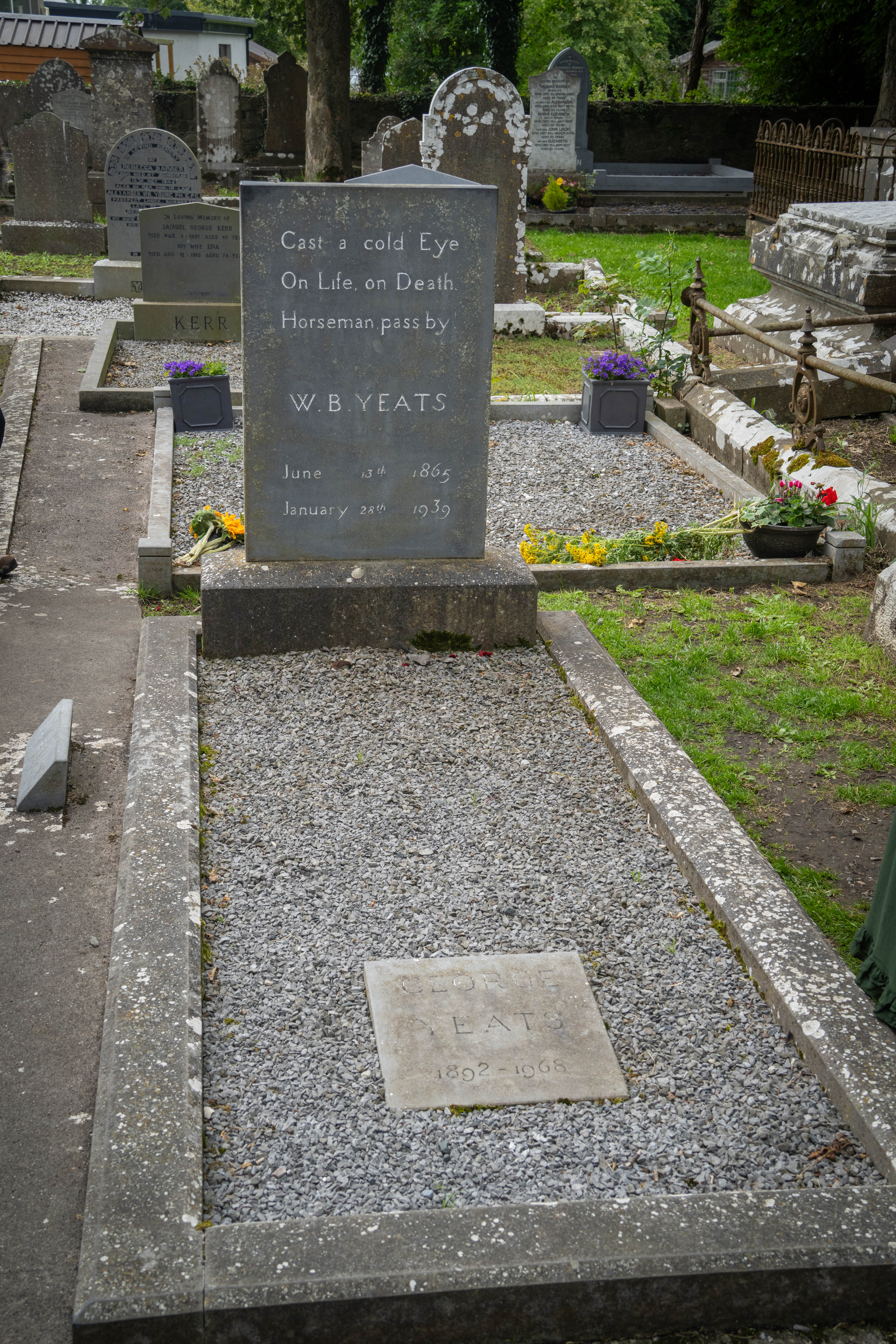
Drumcliffe is the final resting place of W.B. Yeats. Yeats, a Nobel Prize winner, is remembered as an important cultural leader, a major playwright, and one of the very greatest poets of the century. He is buried in the churchyard of St. Columba’s Church. Founded in 574 AD, St. Columba Church is a 6th-century monastic site; the grounds hold a deeply rooted Christian history.
Yeats’ simple headstone bears his self-penned, haunting epitaph: “Cast a cold eye on life, on death. Horseman, pass by!”.
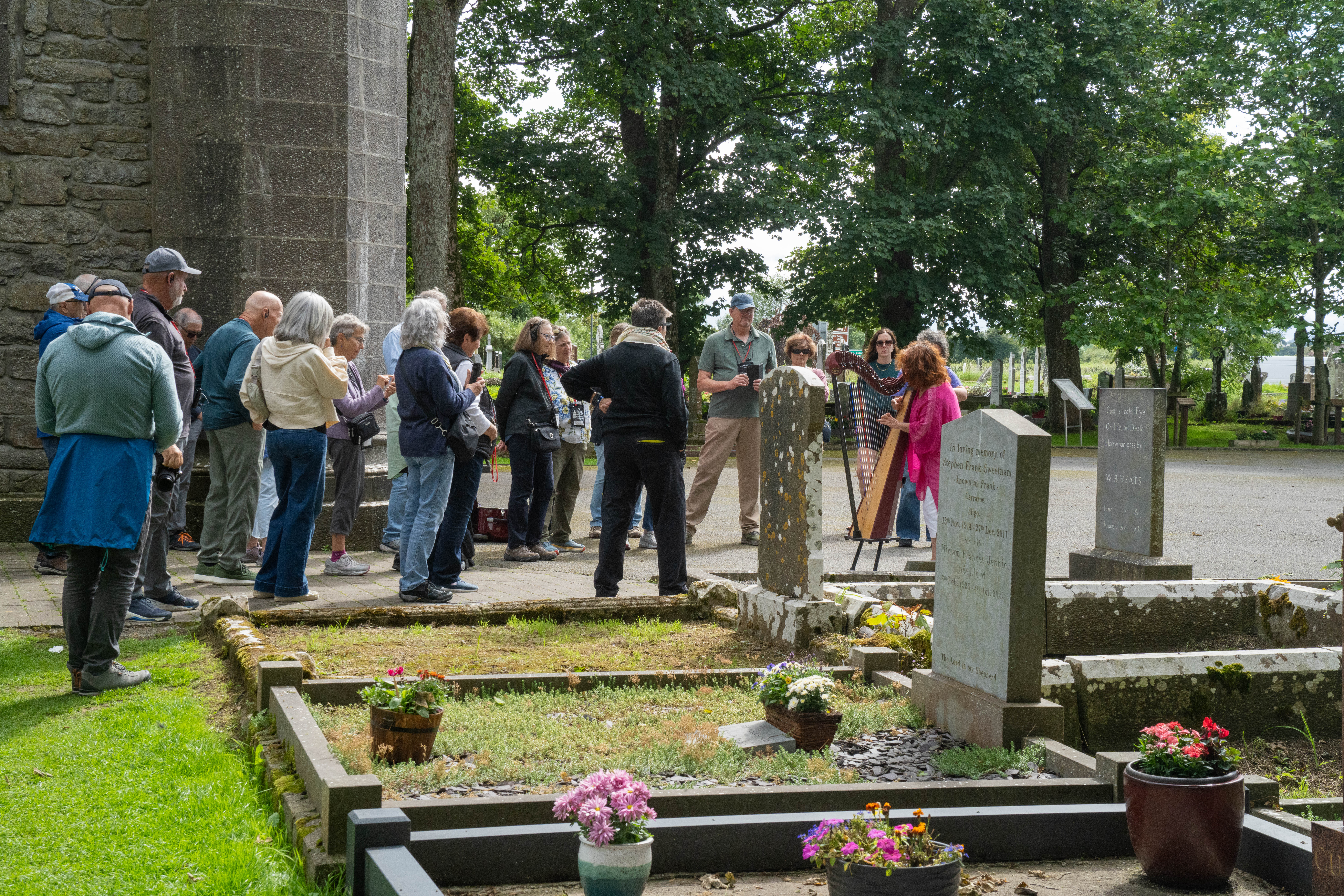
While visiting the churchyard, we were entertained by a local harpist.
After this last stop, the motor coach continued to our hotel in Donegal where we checked in, had dinner, and were entertained by a couple of local musicians who regaled us with a performance of traditional Irish music.


