Tuesday, August 11, 2026 (Day 6, Part 2)—The Cliffs of Moher, the Burren, and then to Galway

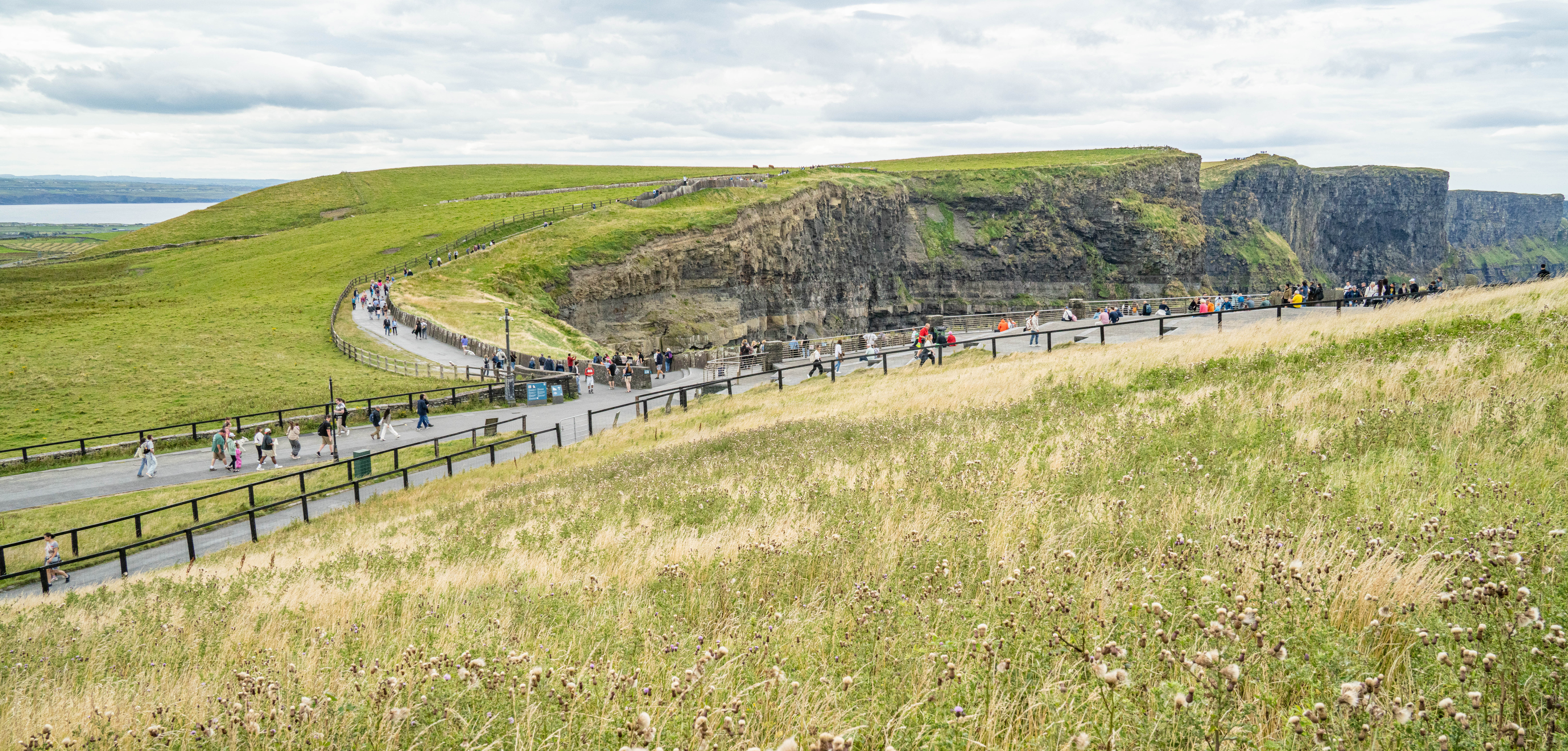
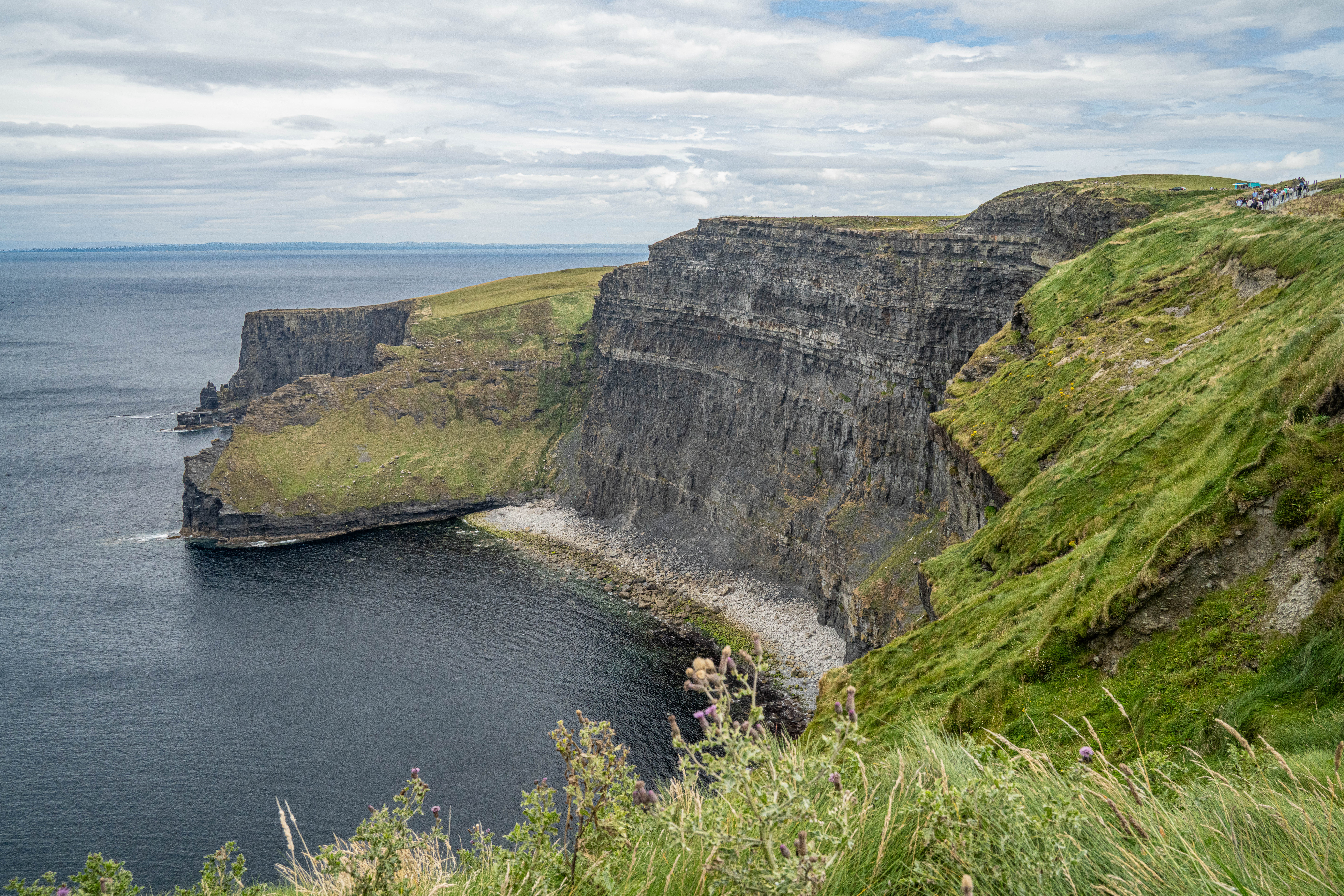
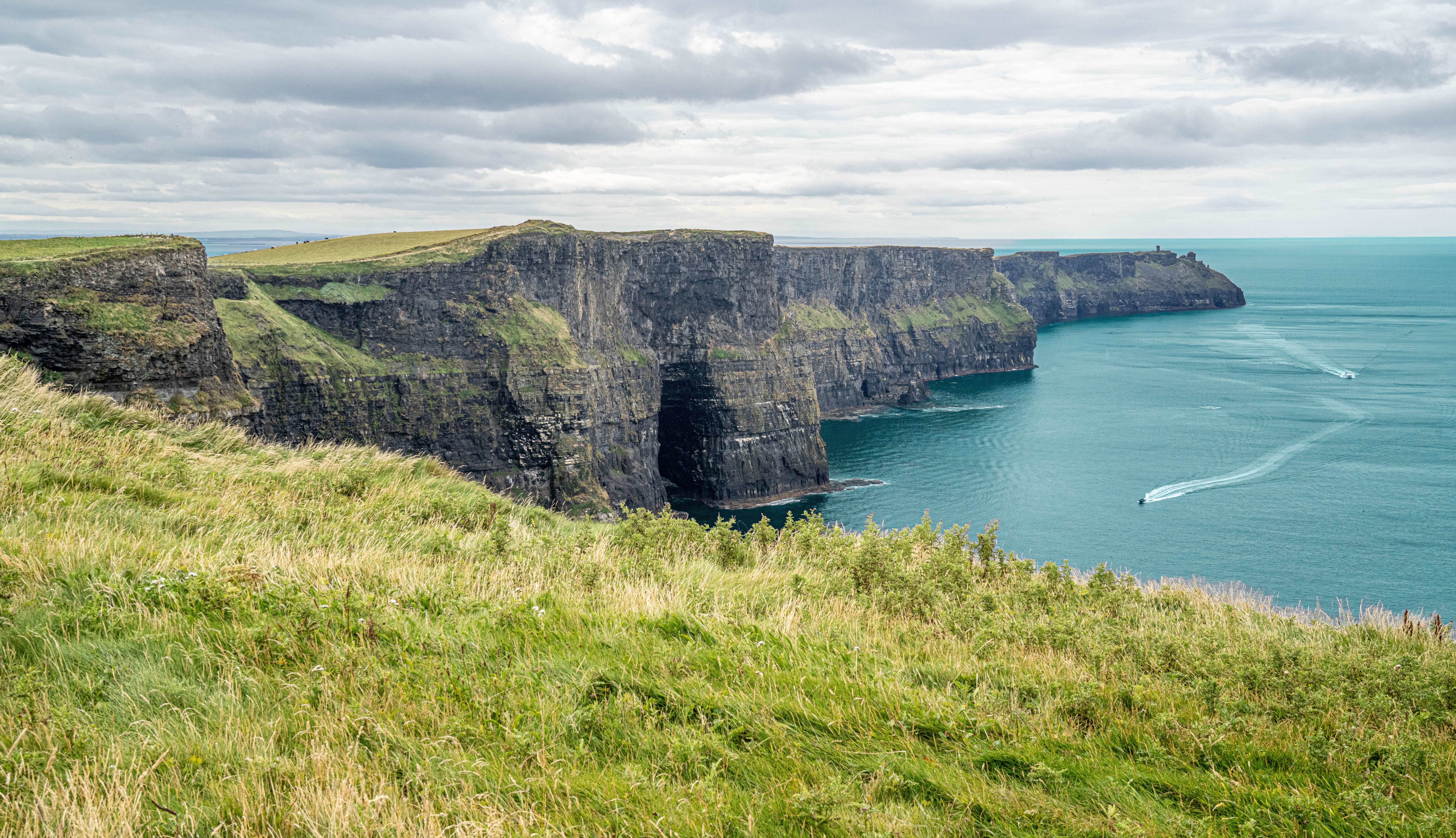
From Adare, we traveled to the famous Cliffs of Moher, perhaps Ireland’s most visited tourist attraction (after the Guiness Brewery).
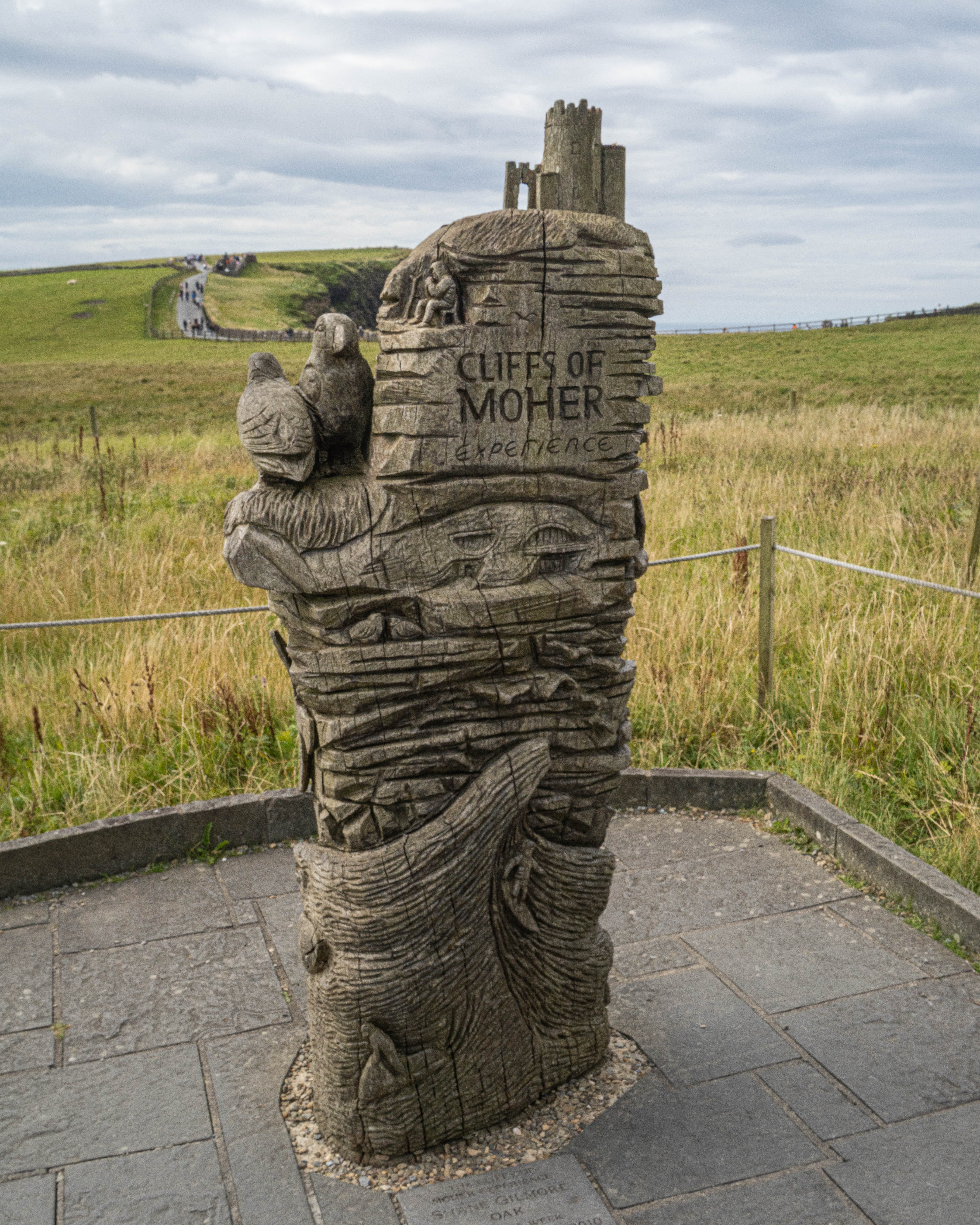
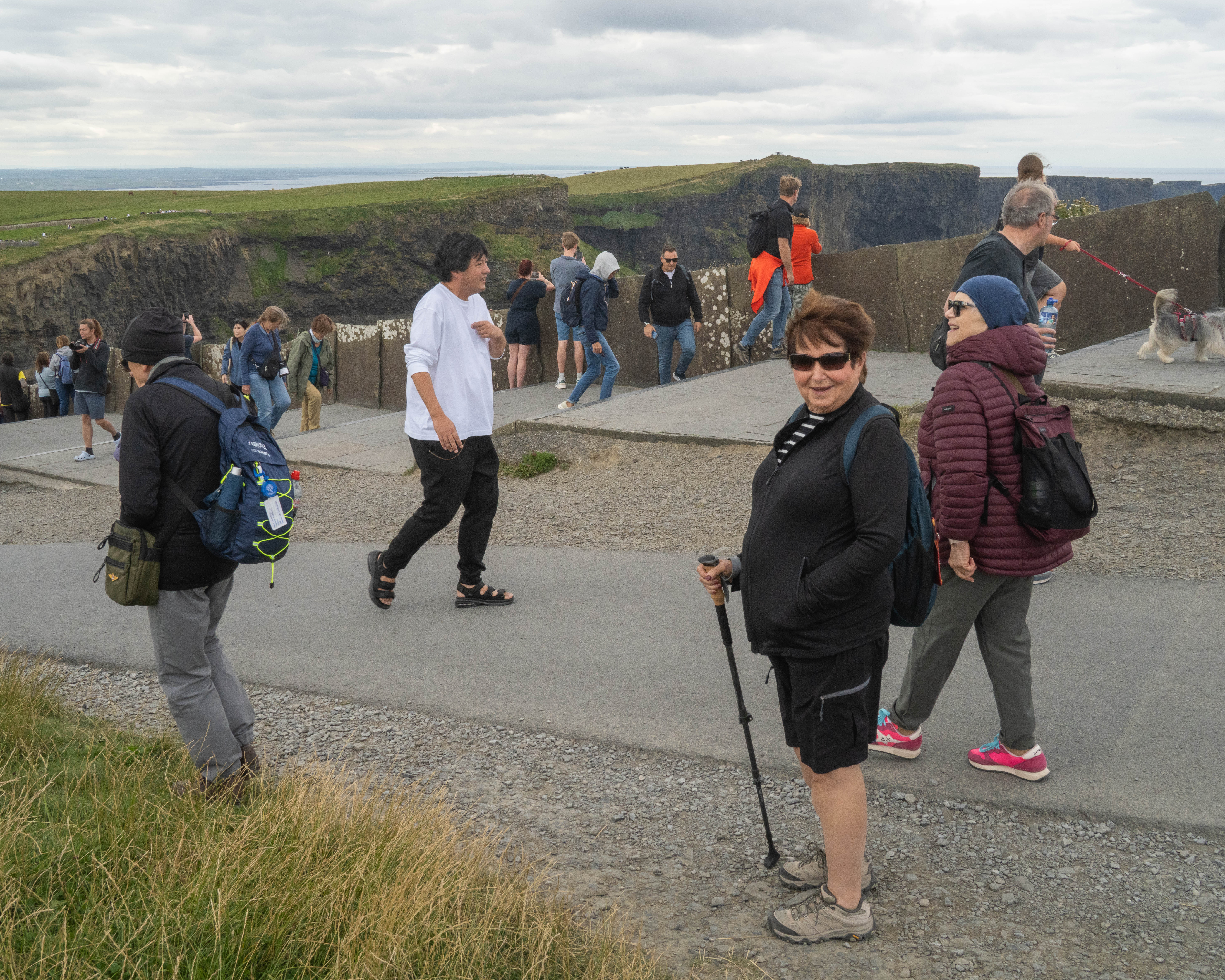
The Cliffs of Moher stretch for just over 8 miles along the wild Atlantic coast of County Clare. Rising up to 702 feet at their highest point, these dramatic shale and sandstone cliffs form part of a UNESCO Global Geopark where continuous, volatile force of coastal erosion reshapes the cliffside. We walked most of the half mile of 800 meters of protected, paved paths and viewing platforms, stopping often to take photos. 
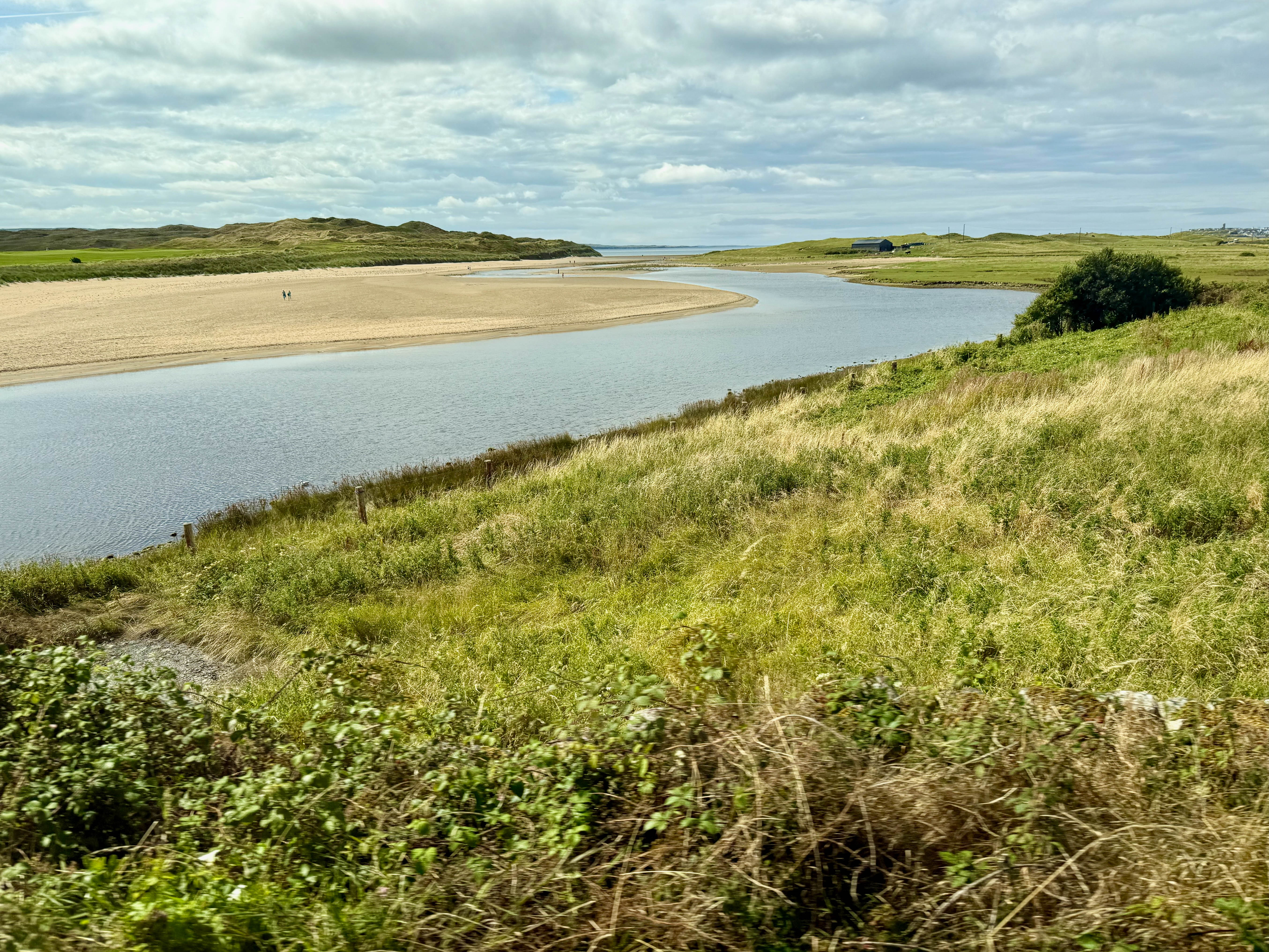
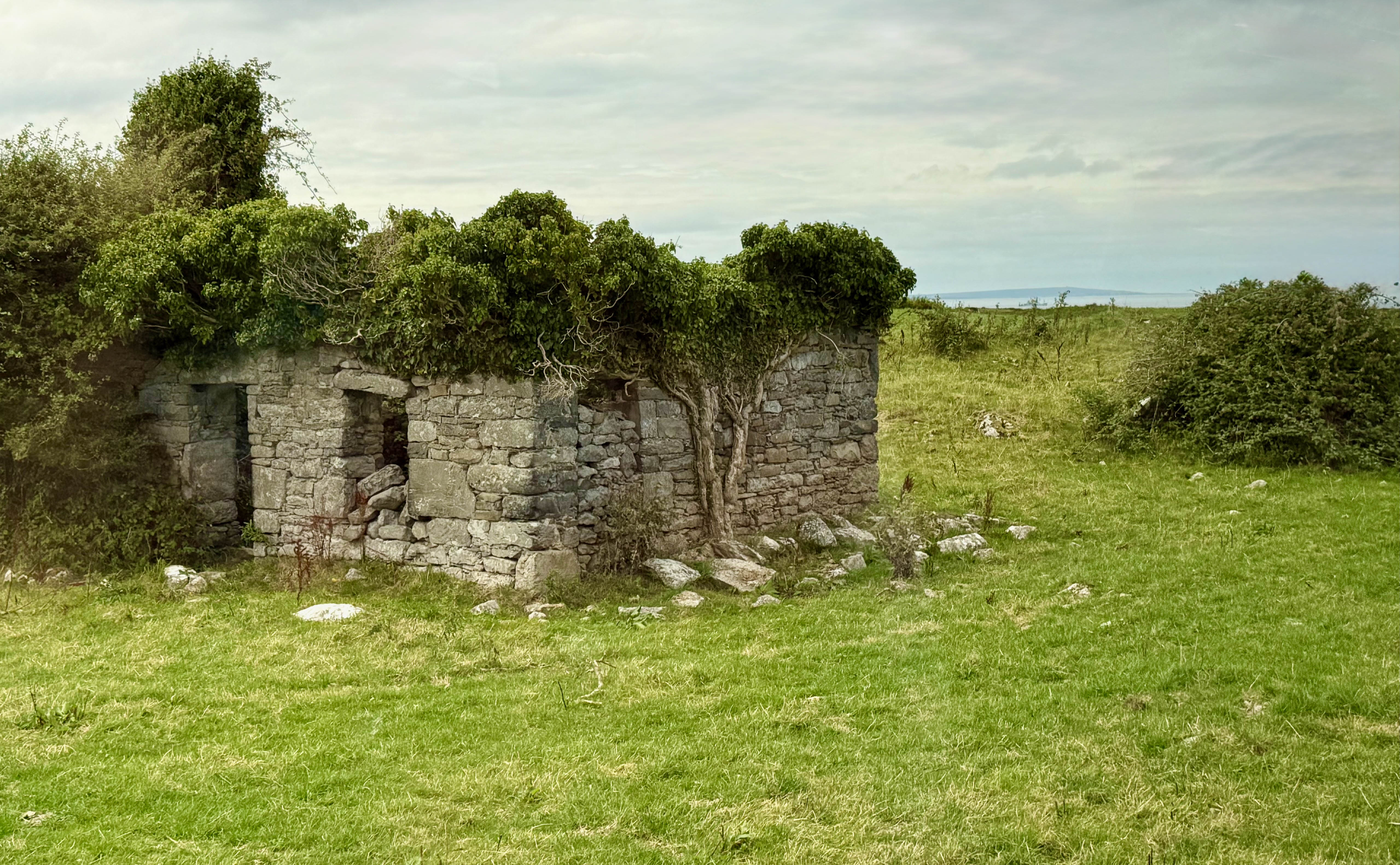
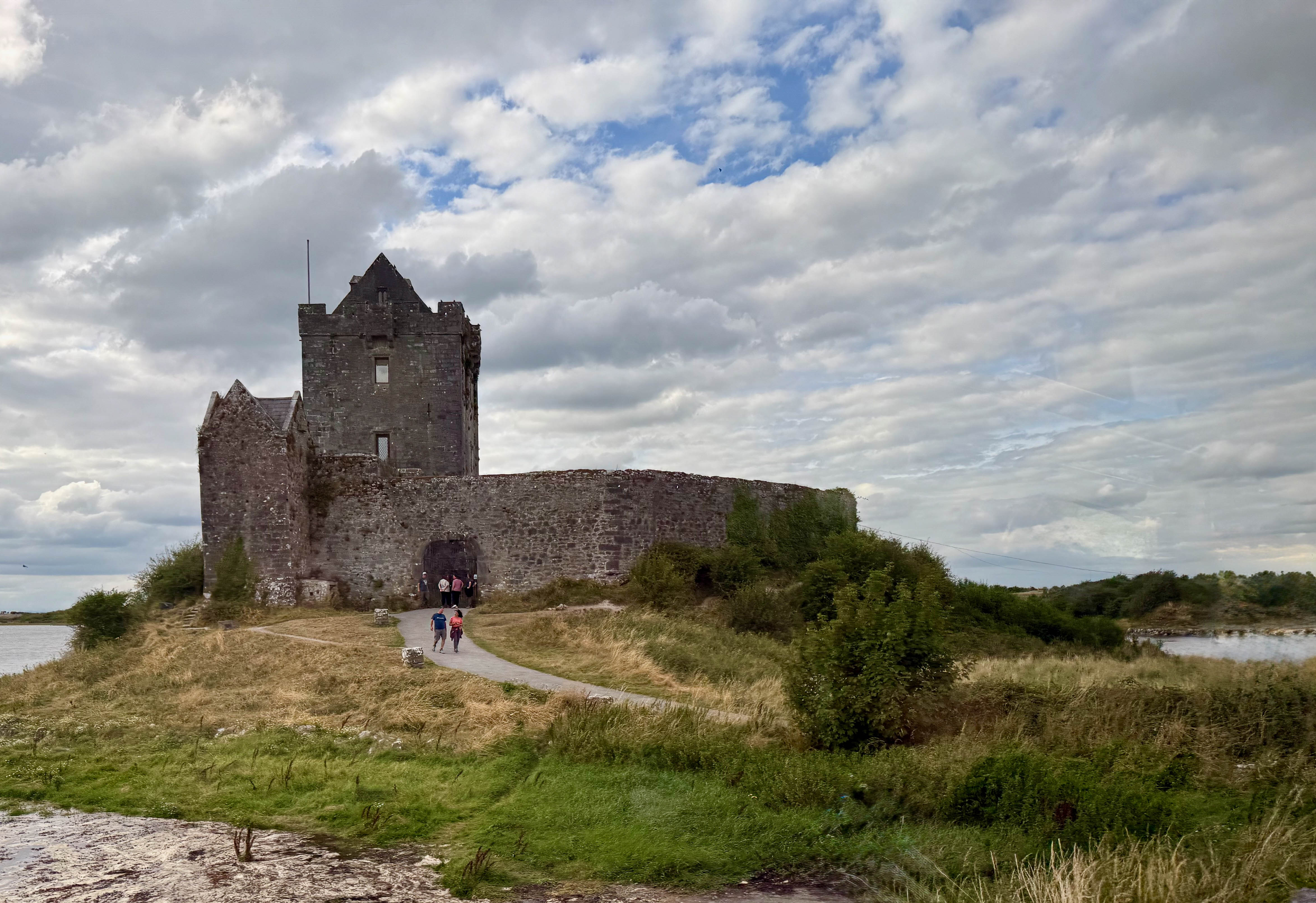
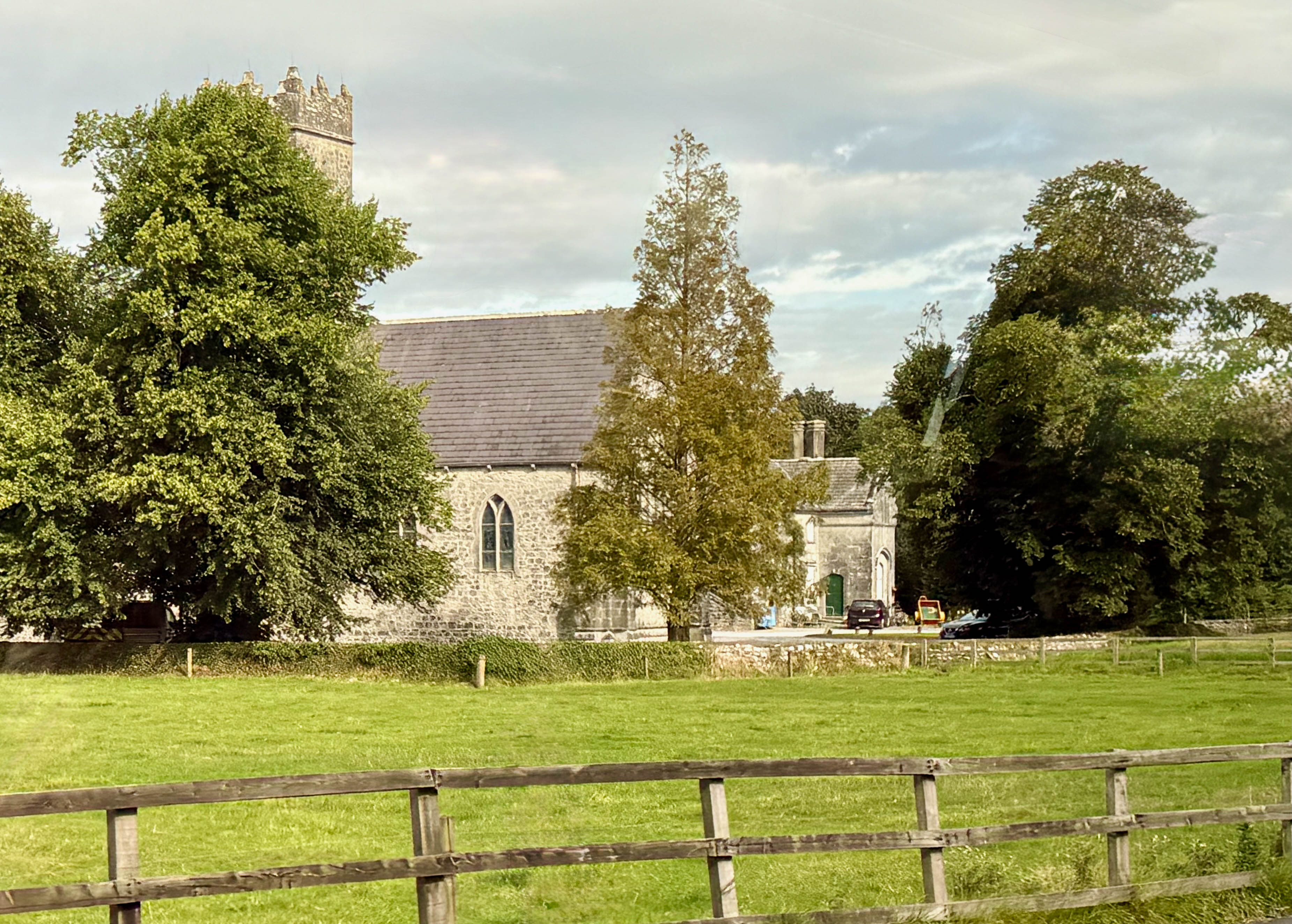
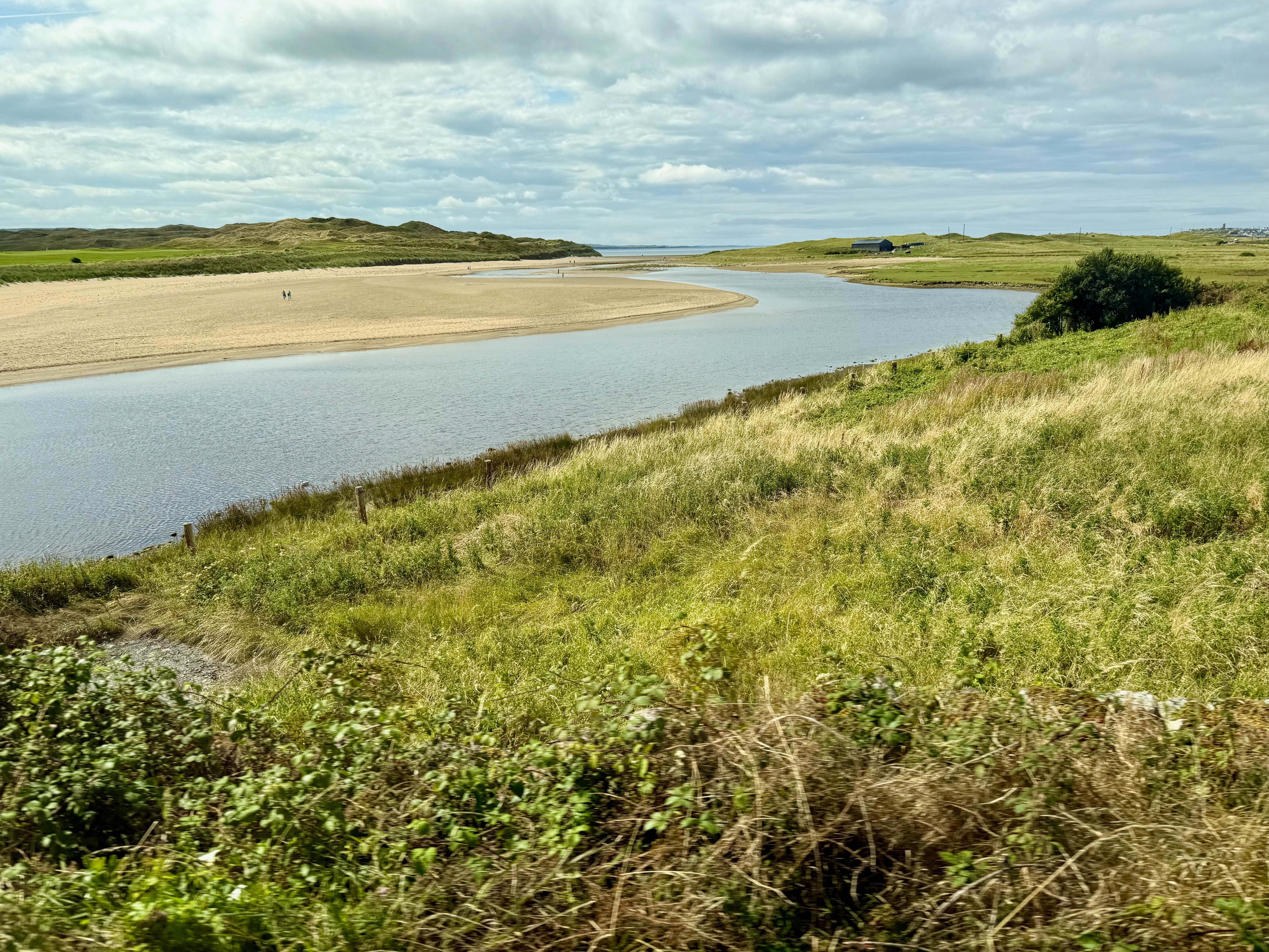
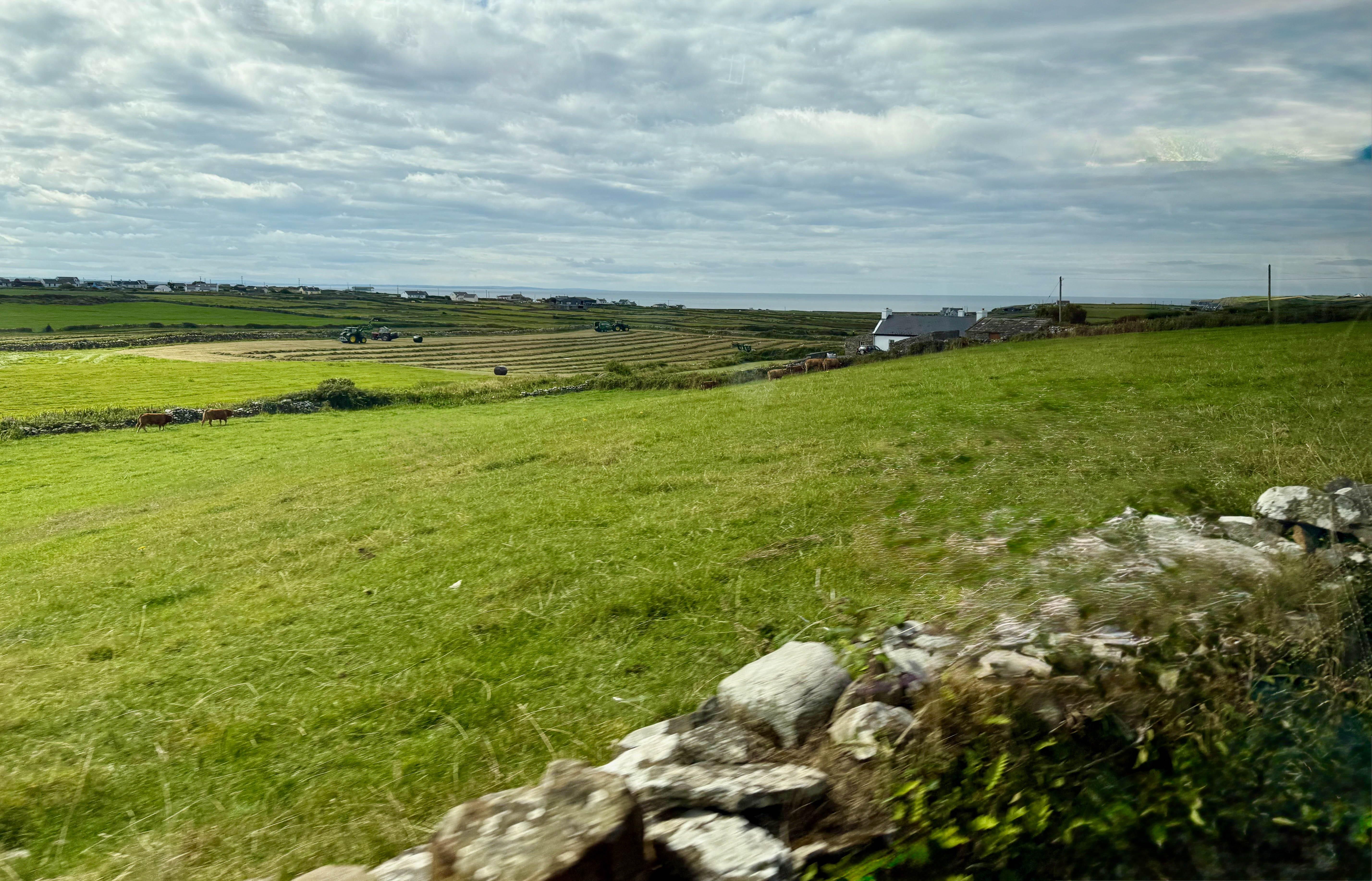
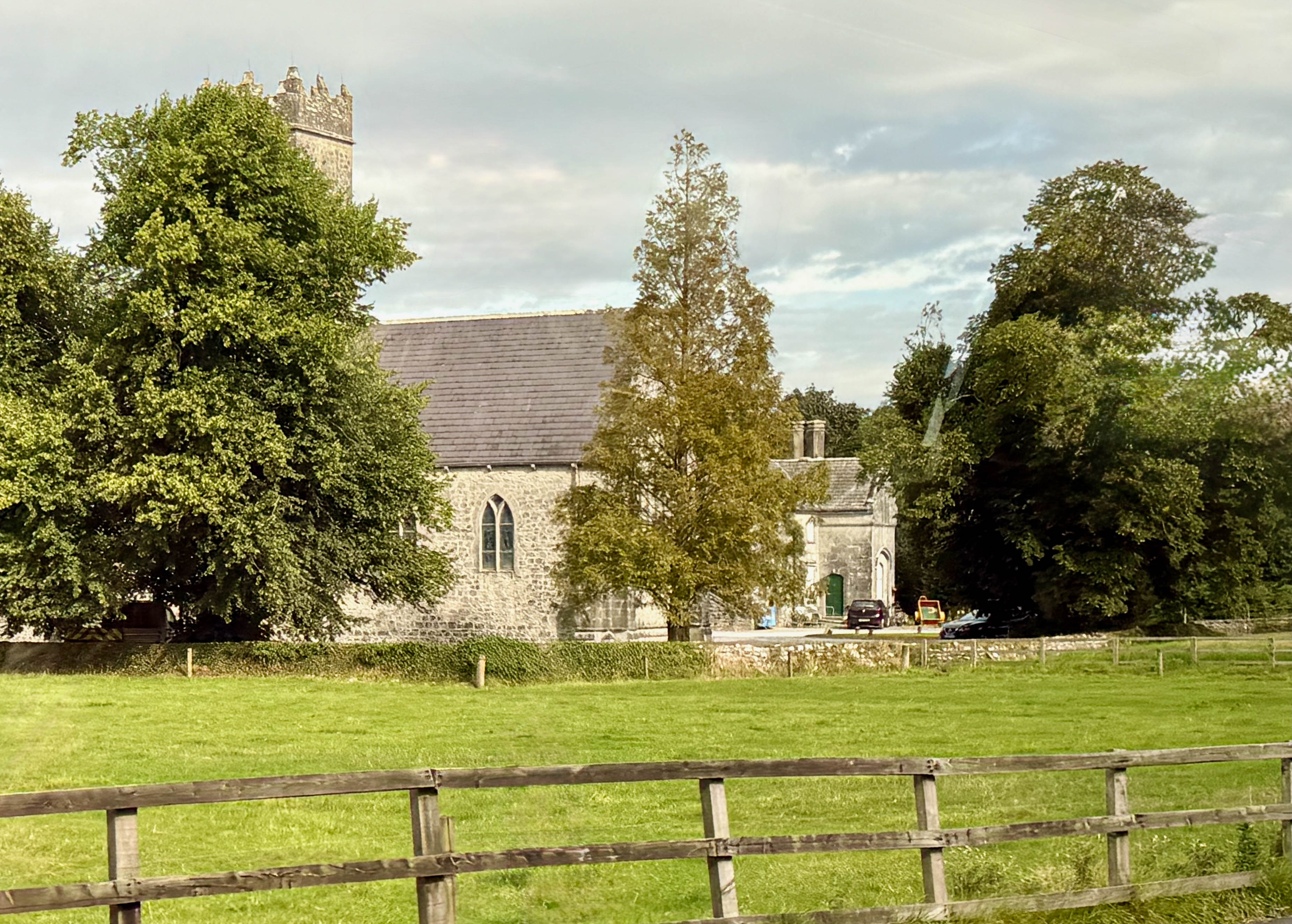
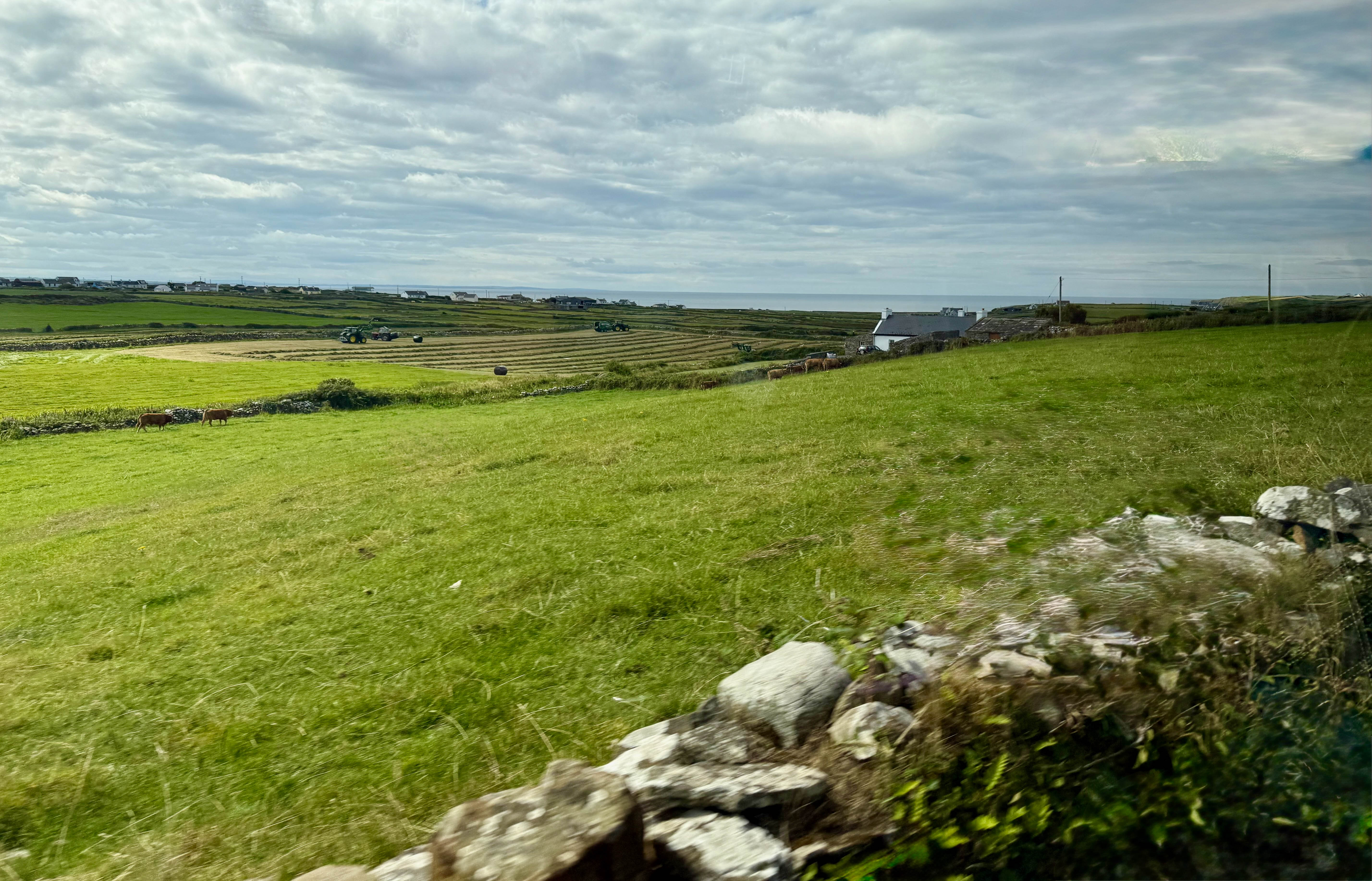
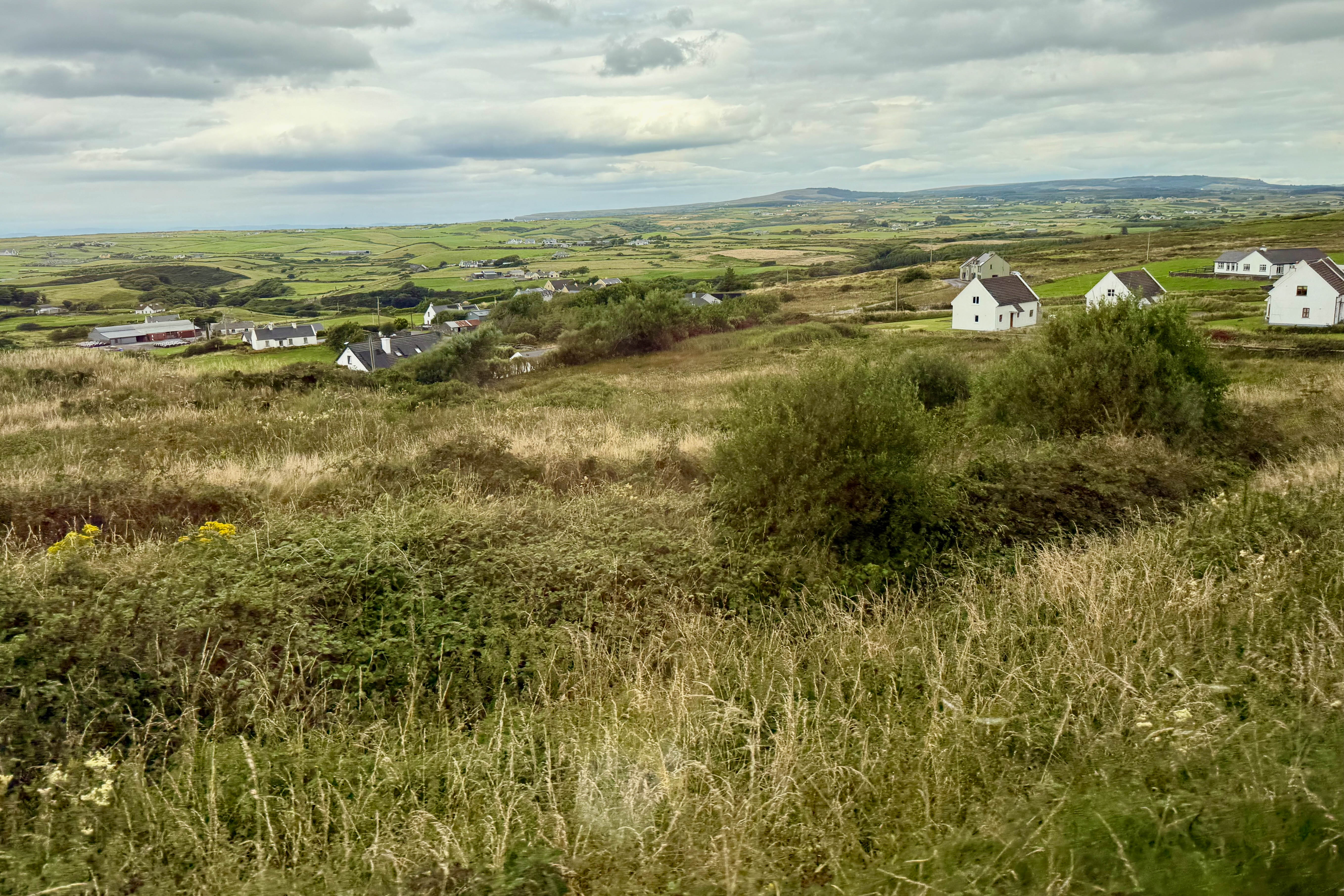
As we traveled along the Wild Atlantic coast, the narrow winding road offered unsurpassed scenery. Old churches, castle remains, long unused rock houses, and green pastures were seen. (Click on an image to enlarge it.)
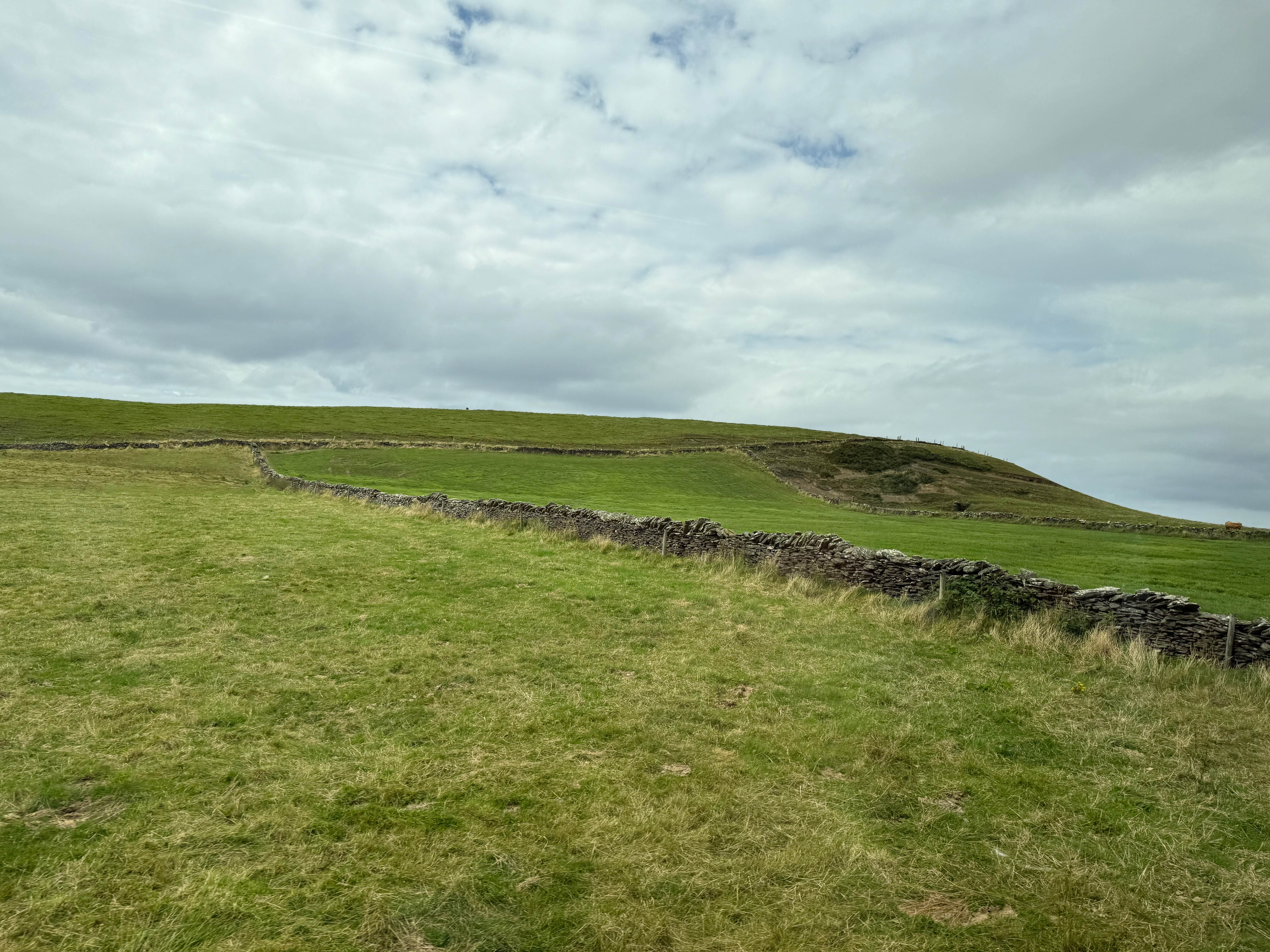
After the Cliffs of Moher, the motor coach took our tour group to the Burren National Park, and along with the Cliffs of Moher the area is recognized as the UNESCO Burren and Cliffs of Moher Global Geopark.

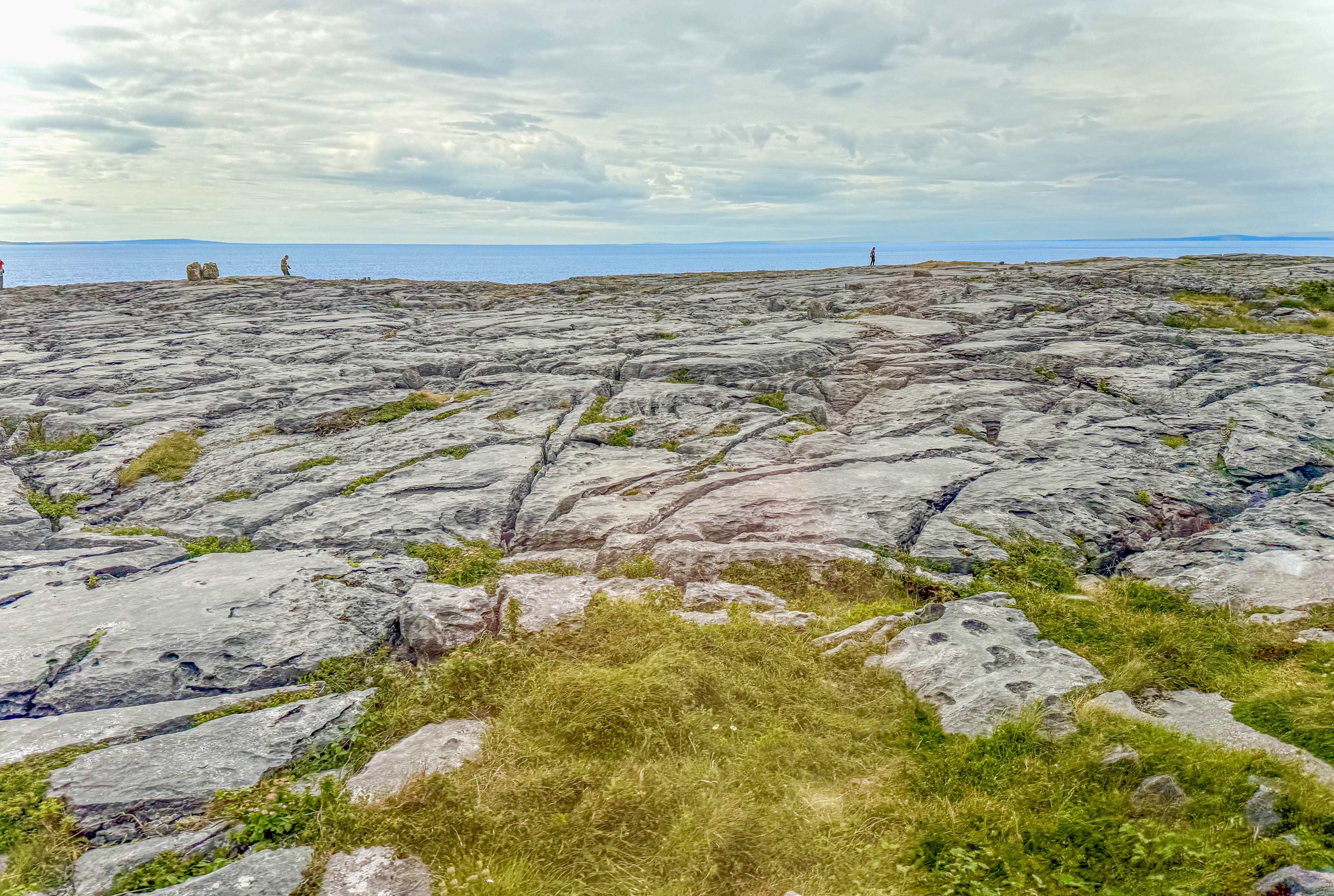
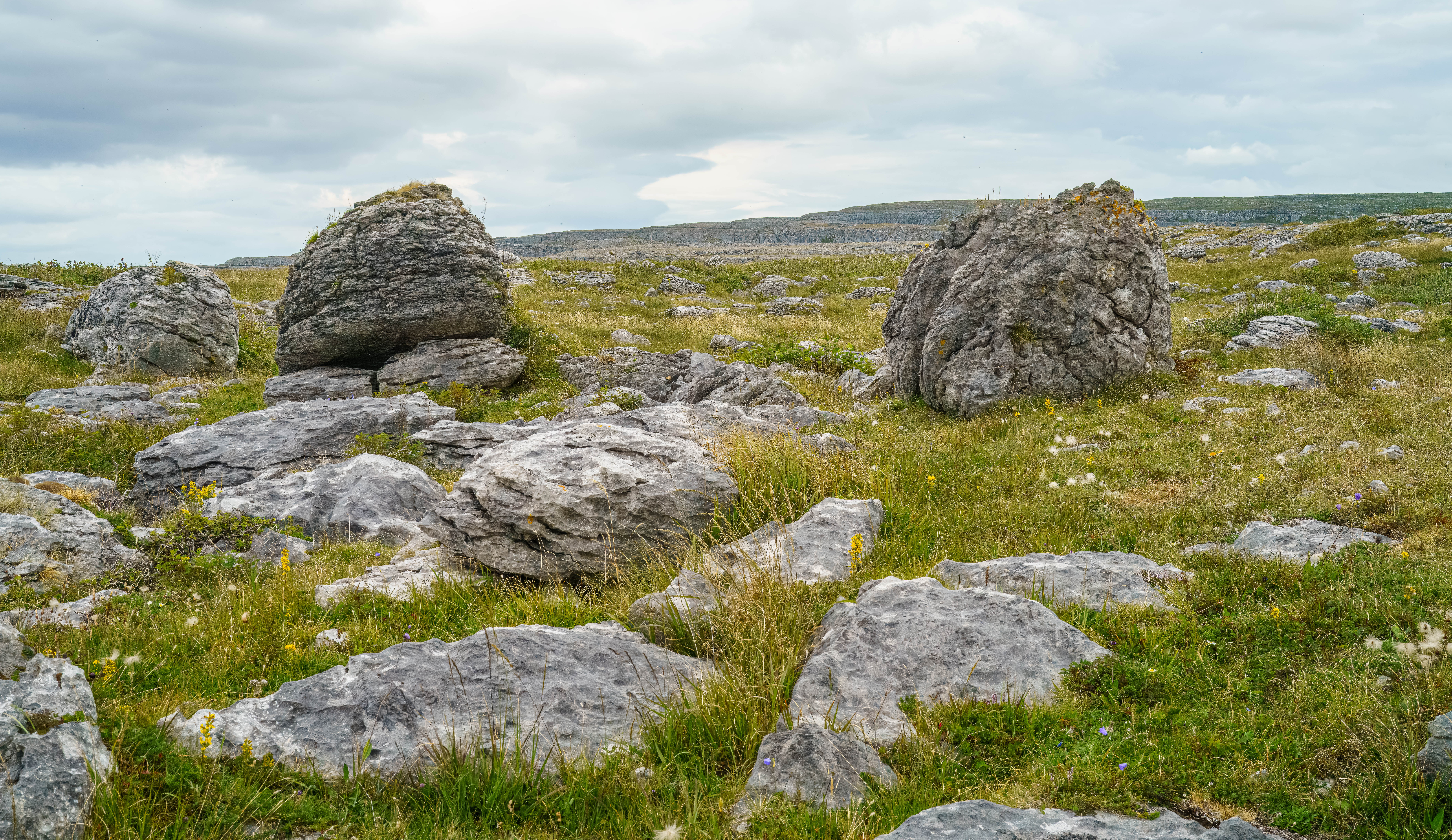
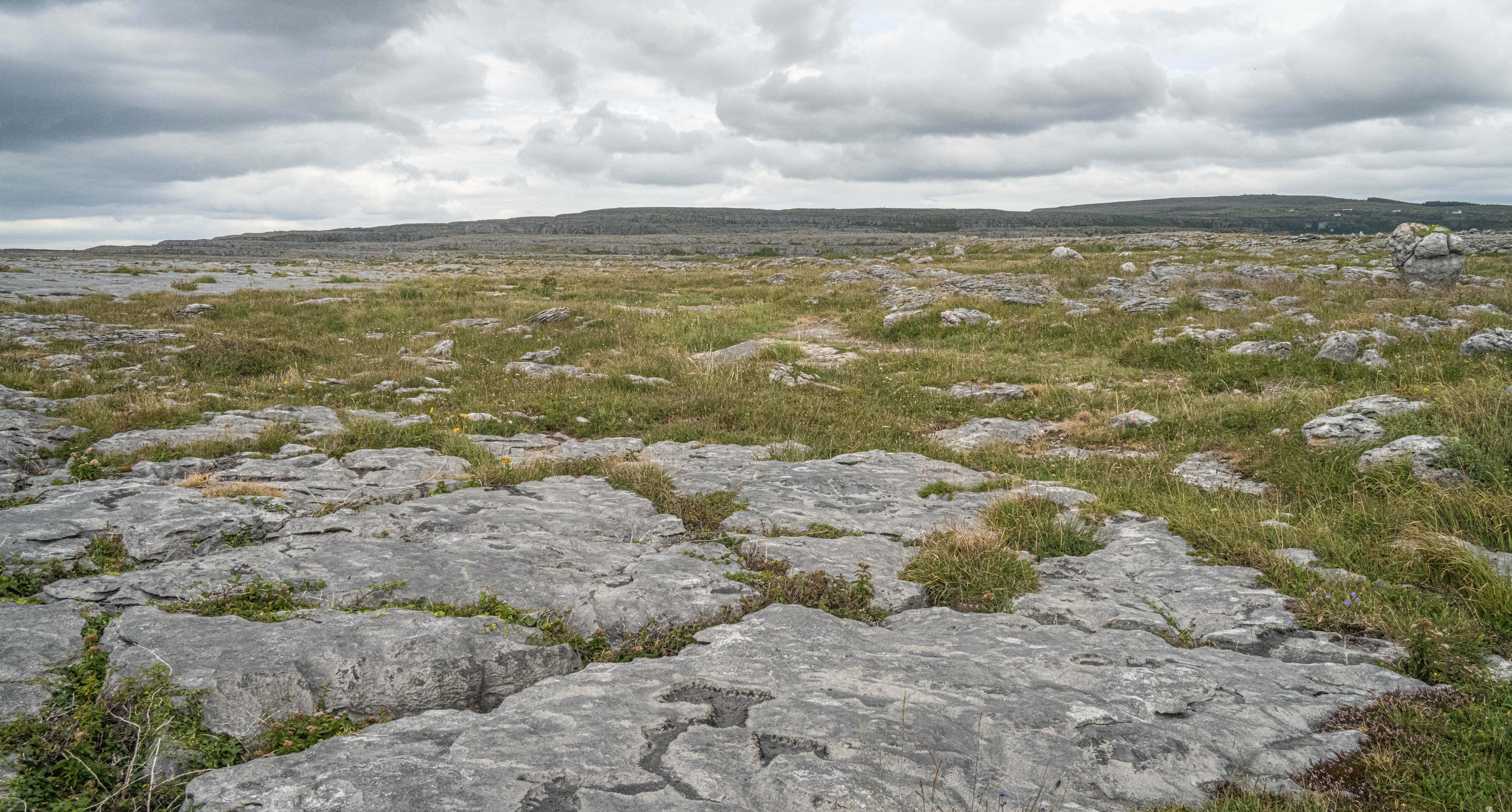
The Burren (from the Irish Boíreann, meaning “rocky place”) is a vast, out-of-this-world looking glaciated karst landscape located in northwest County Clare, Ireland. It covers roughly 200 square miles and is famous for its cracked limestone pavements, subterranean caves, unique biodiversity, and thousands of years of human history.

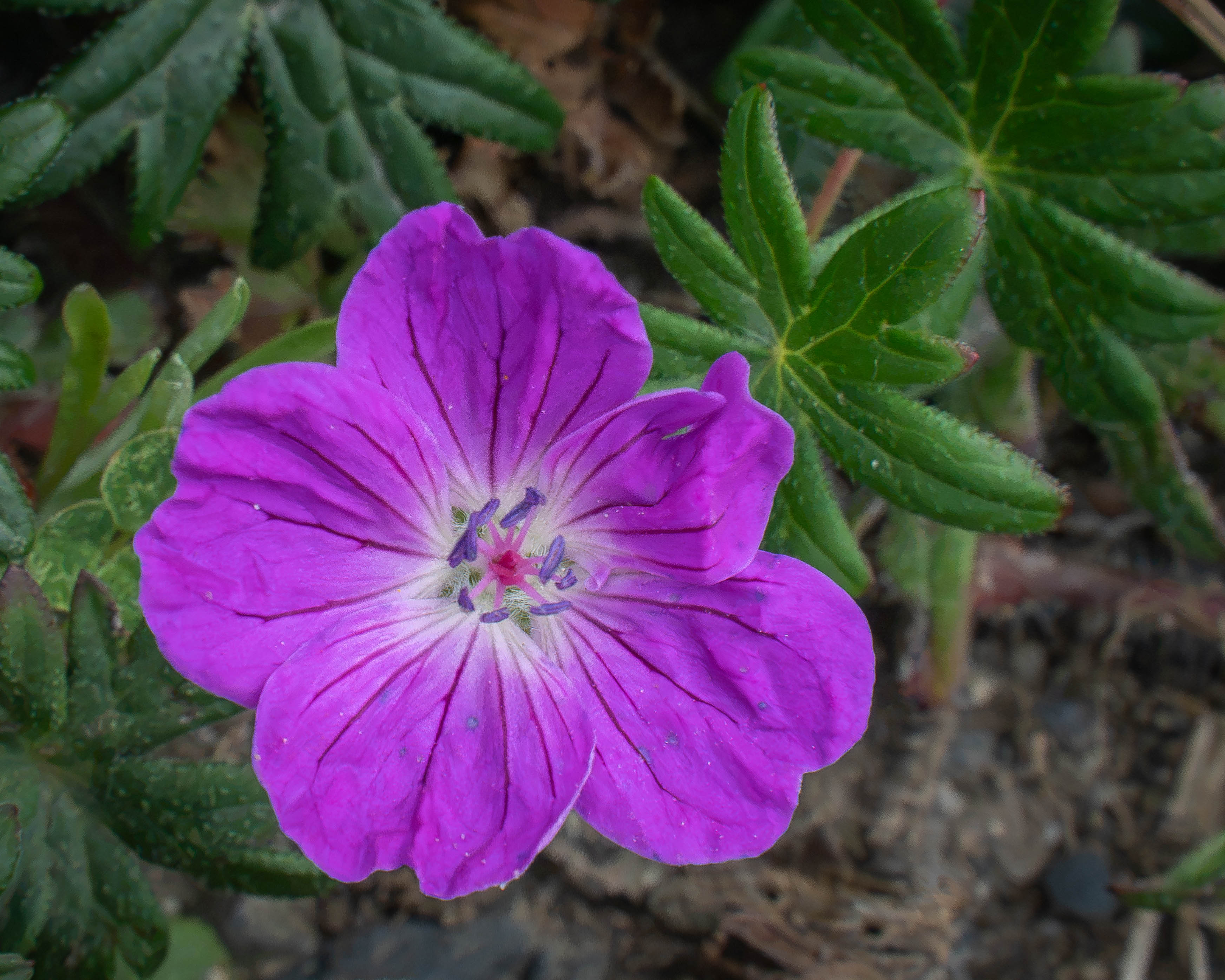
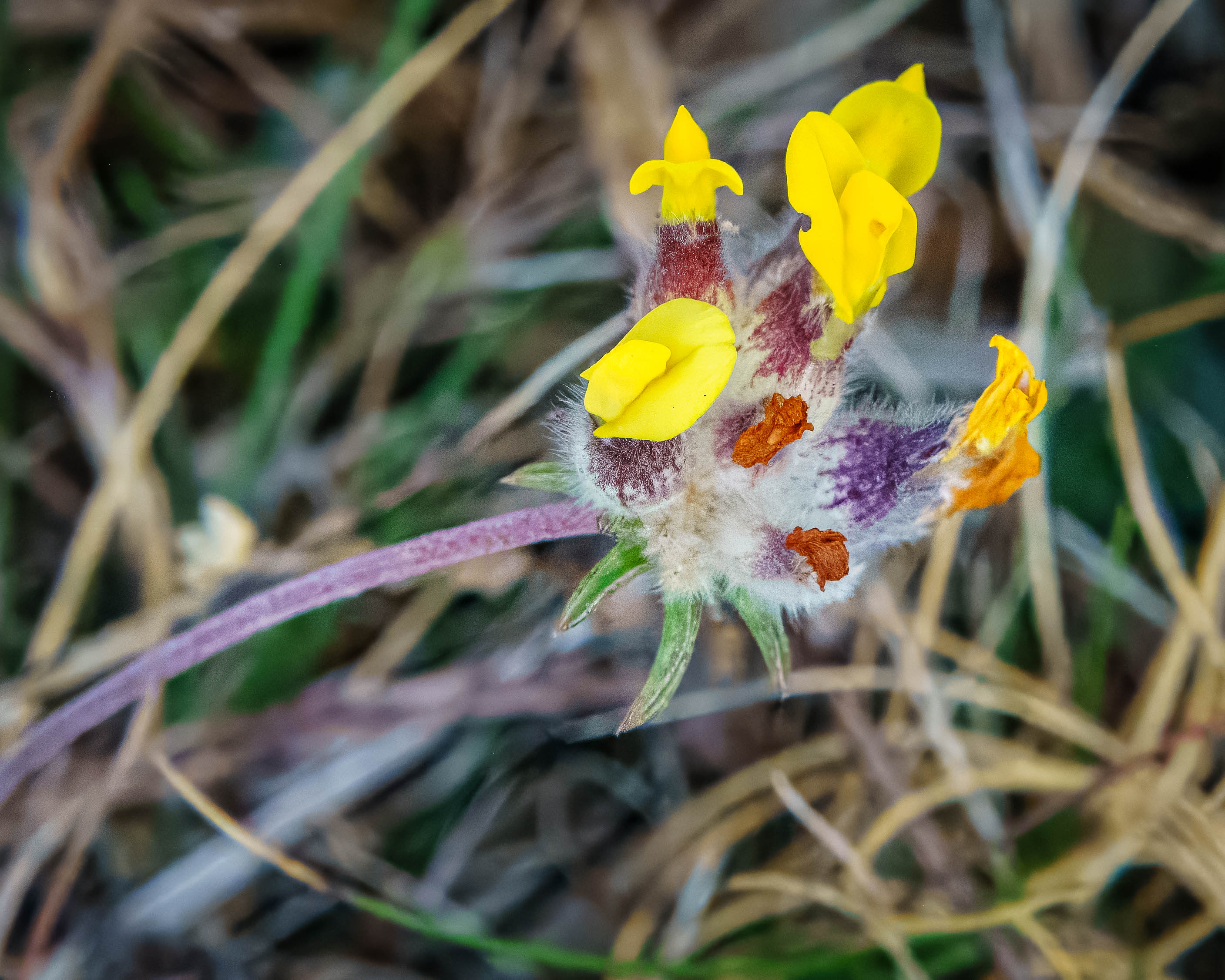
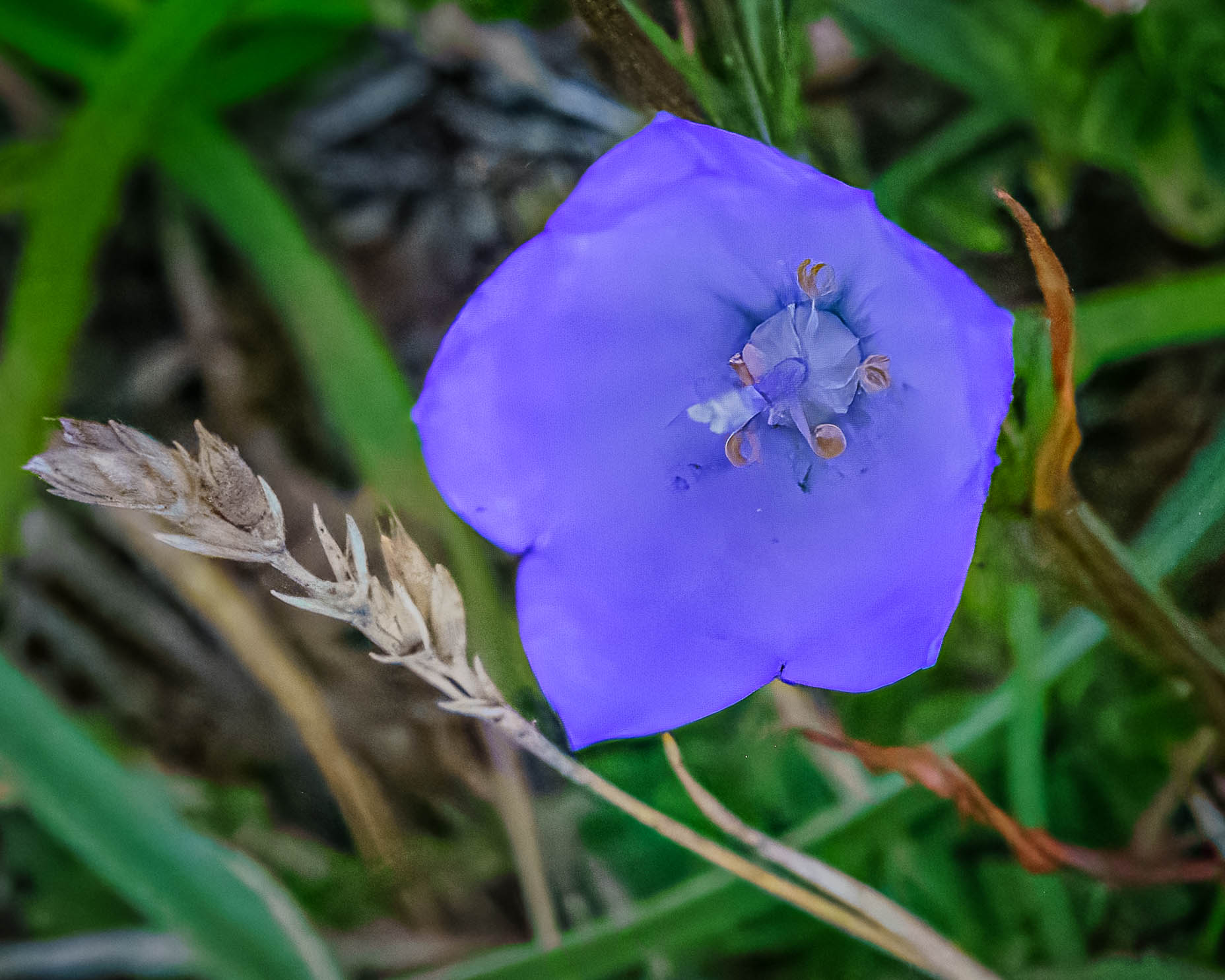
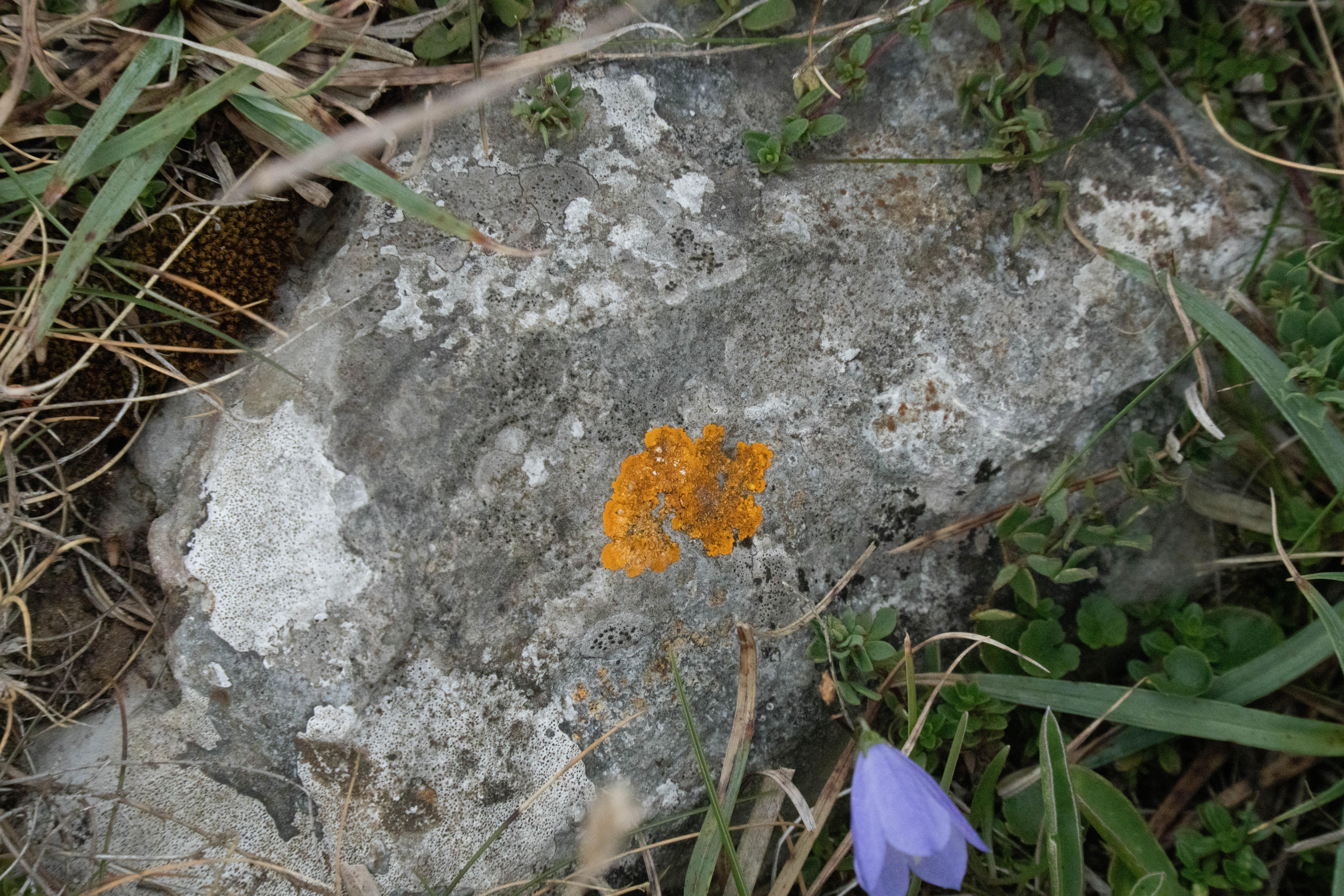
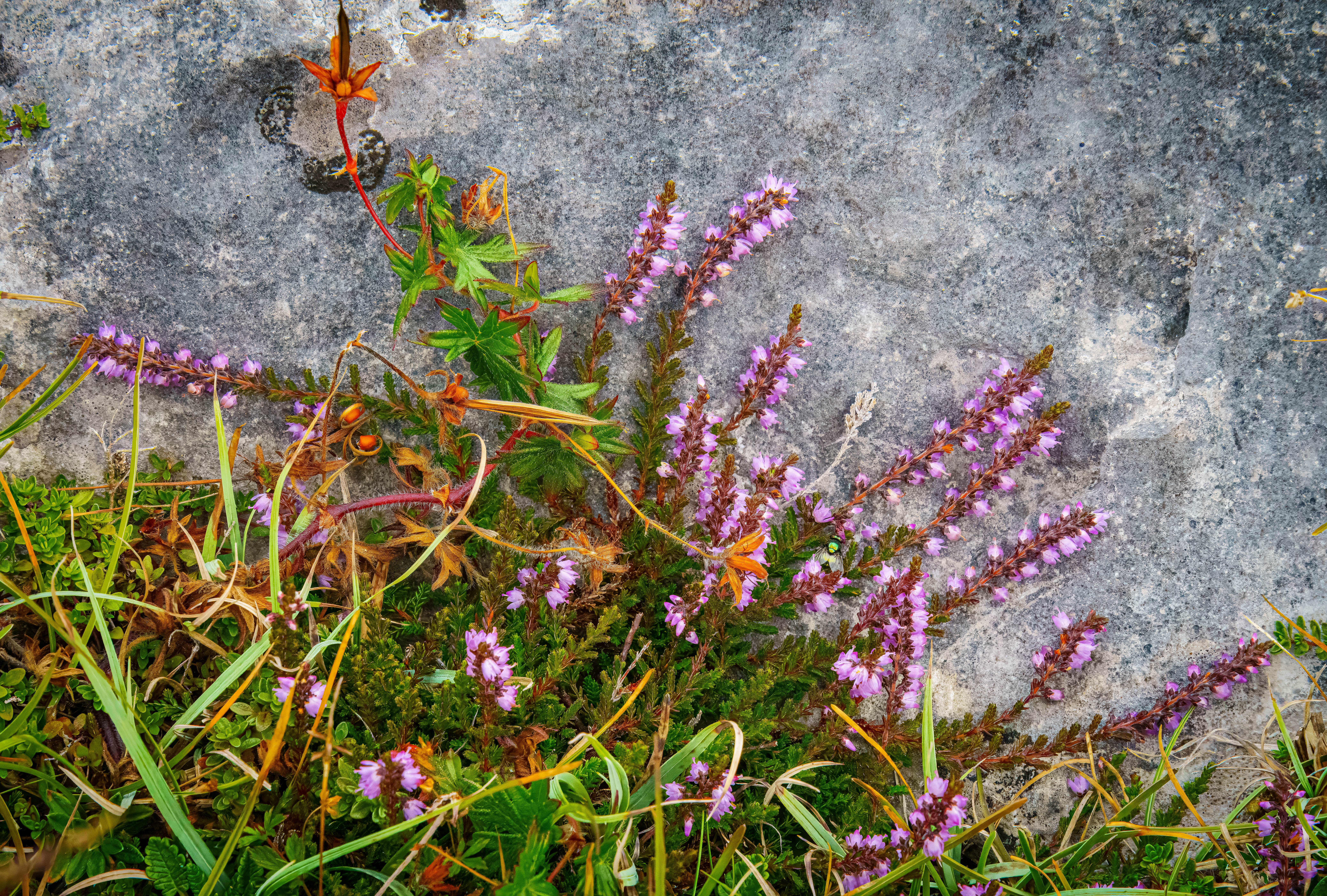
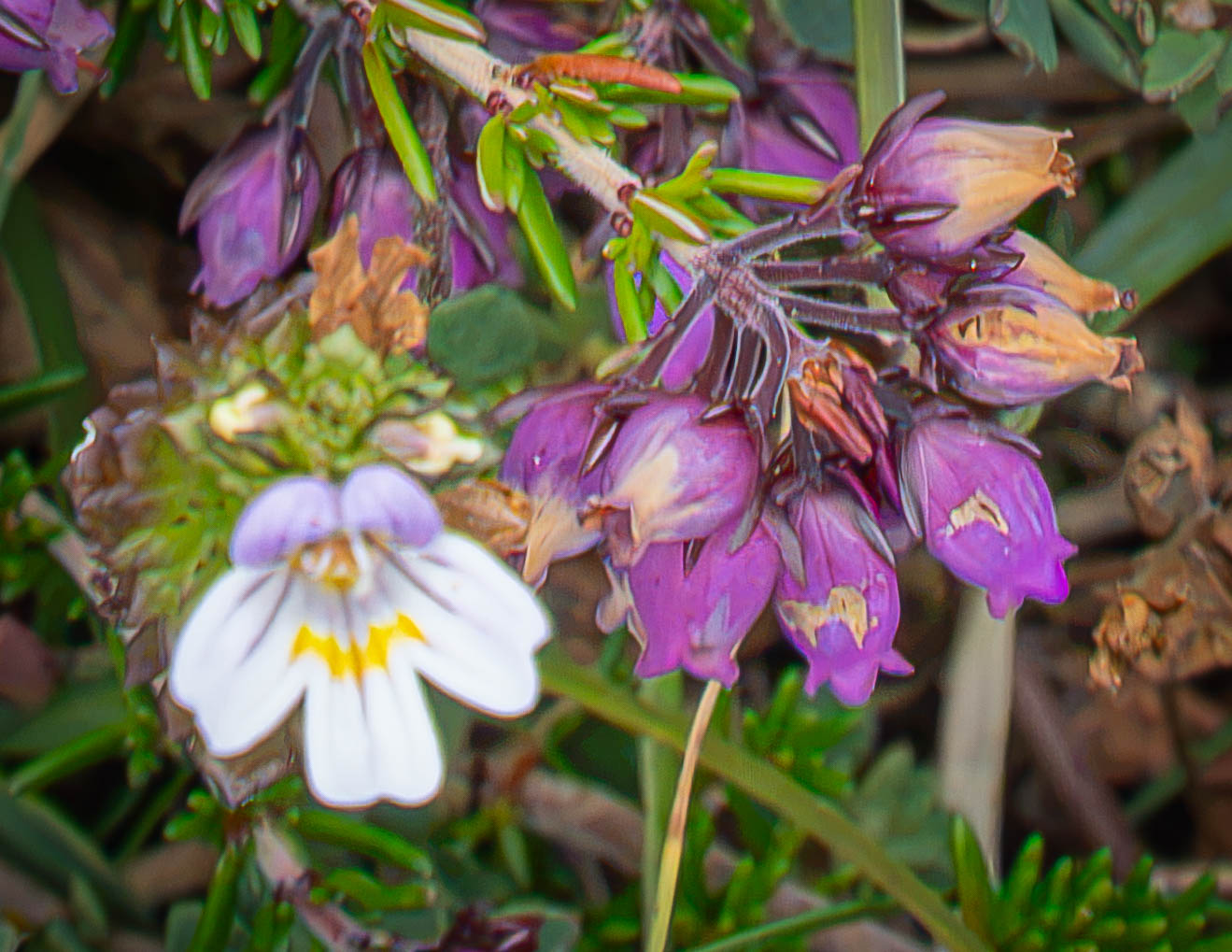
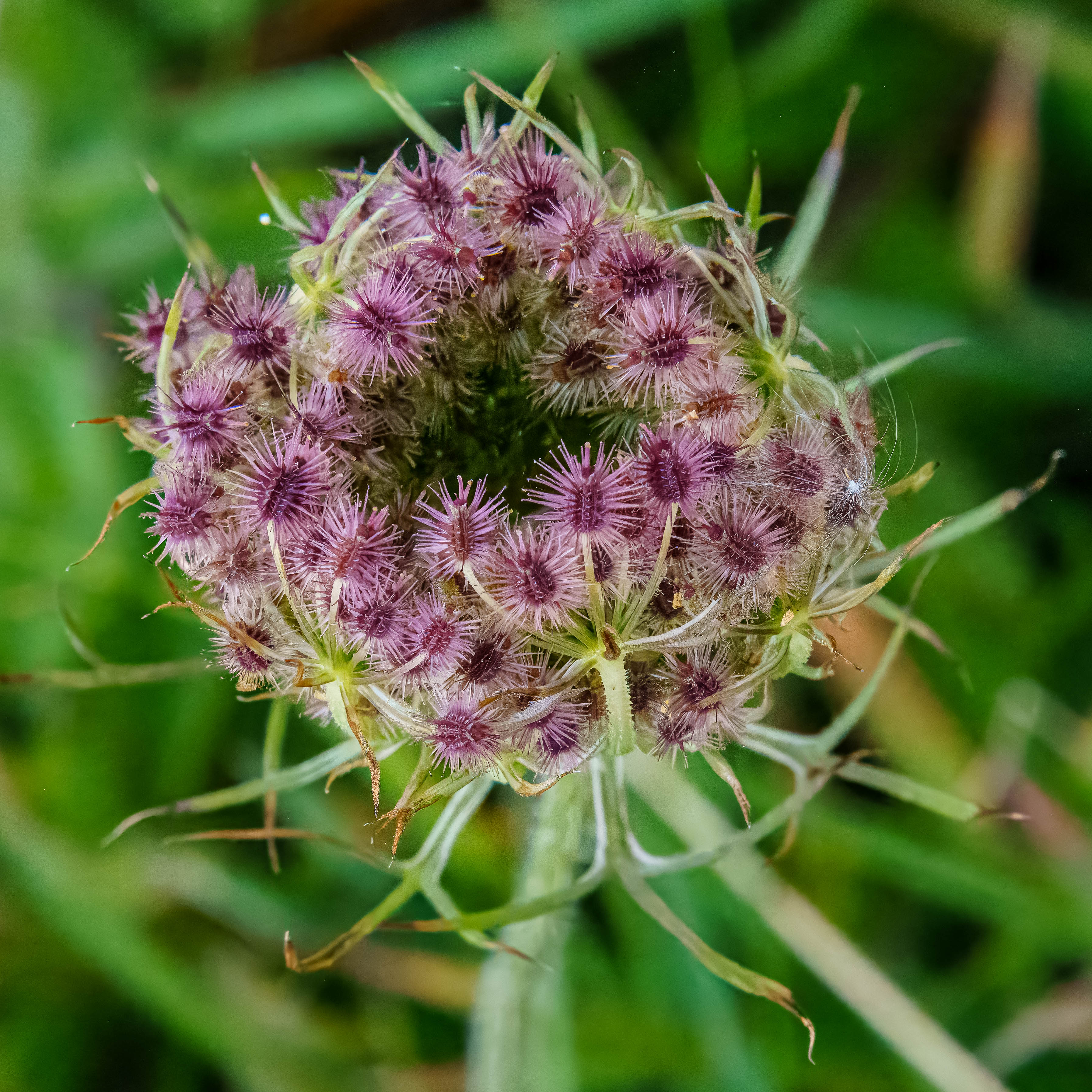
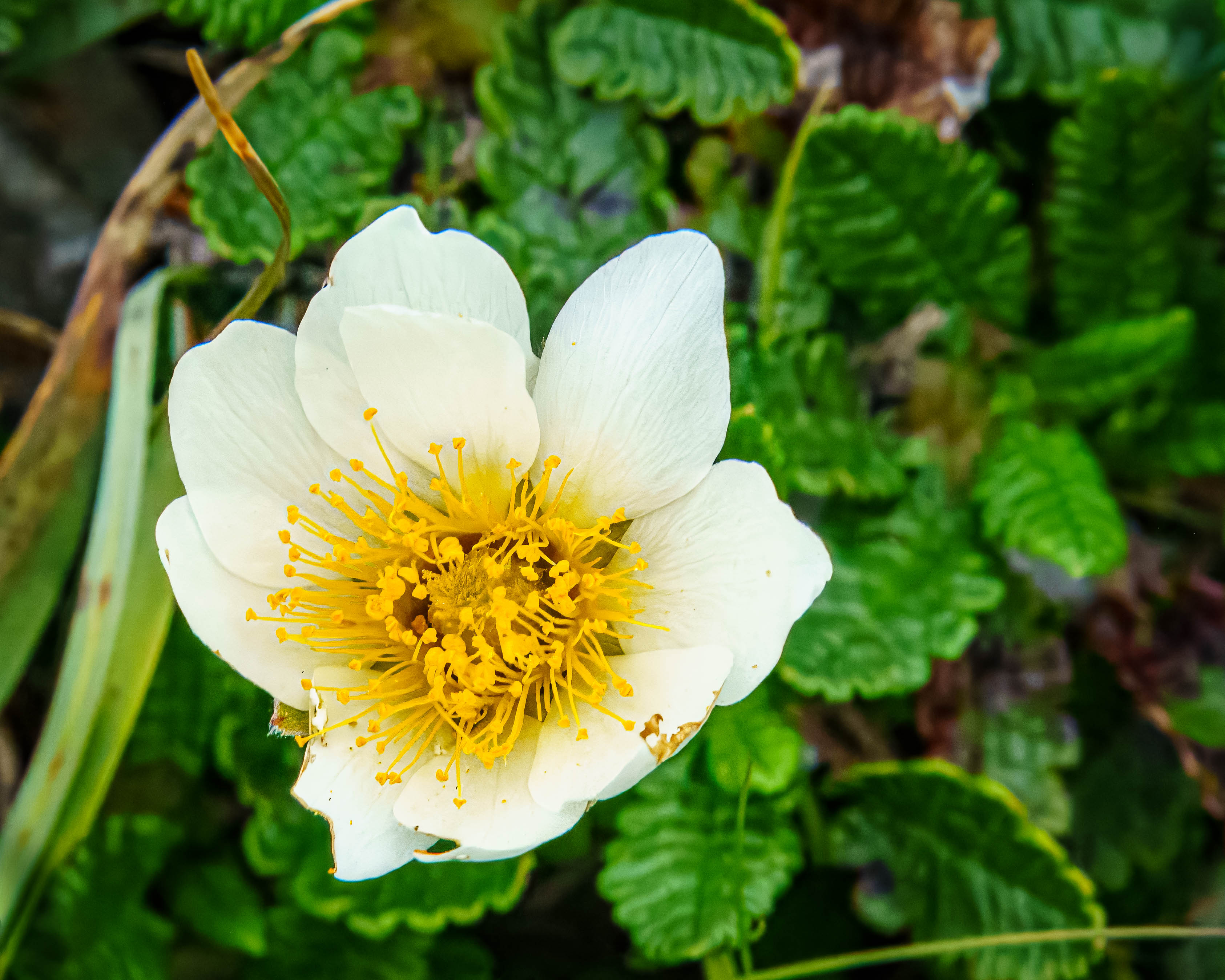
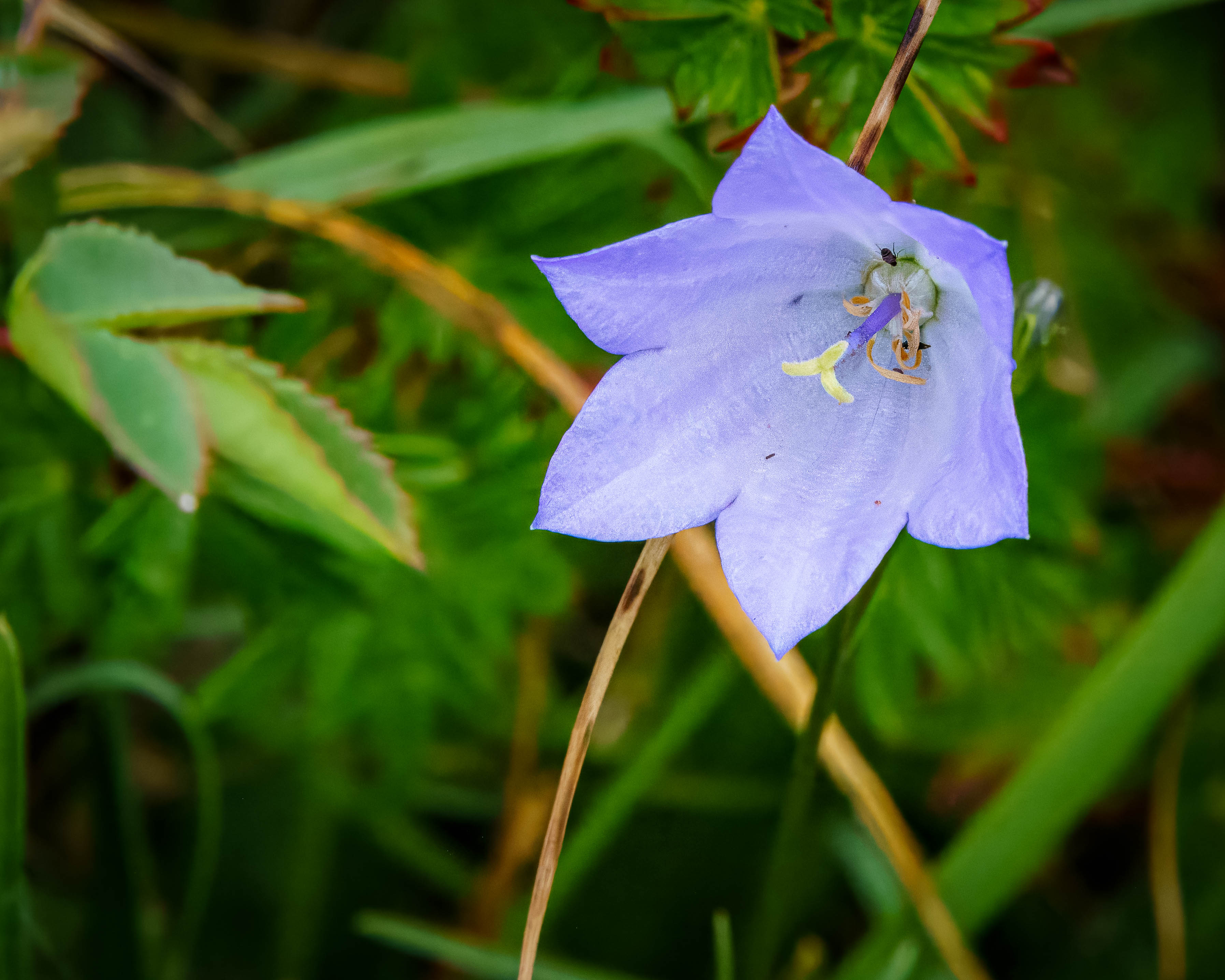
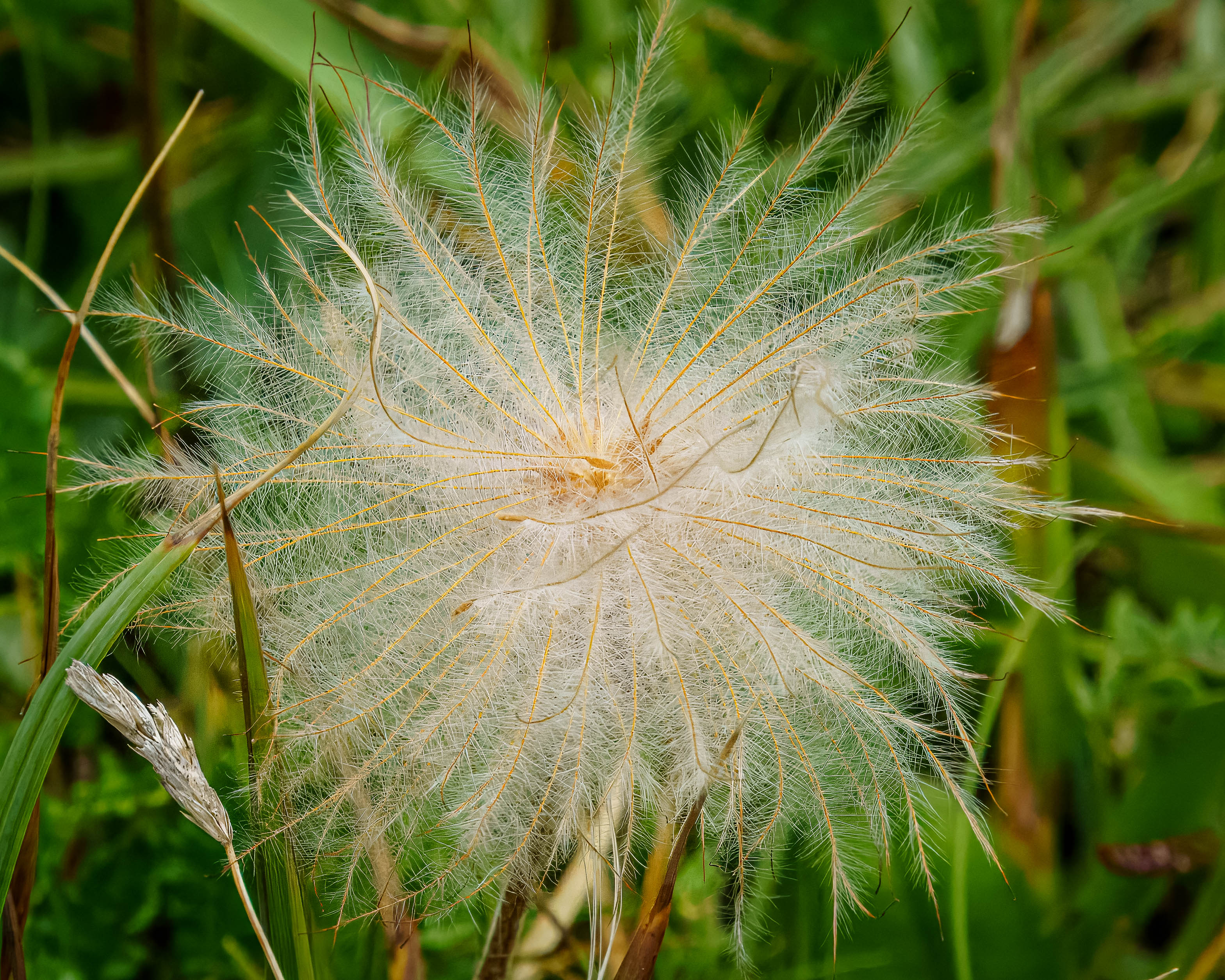
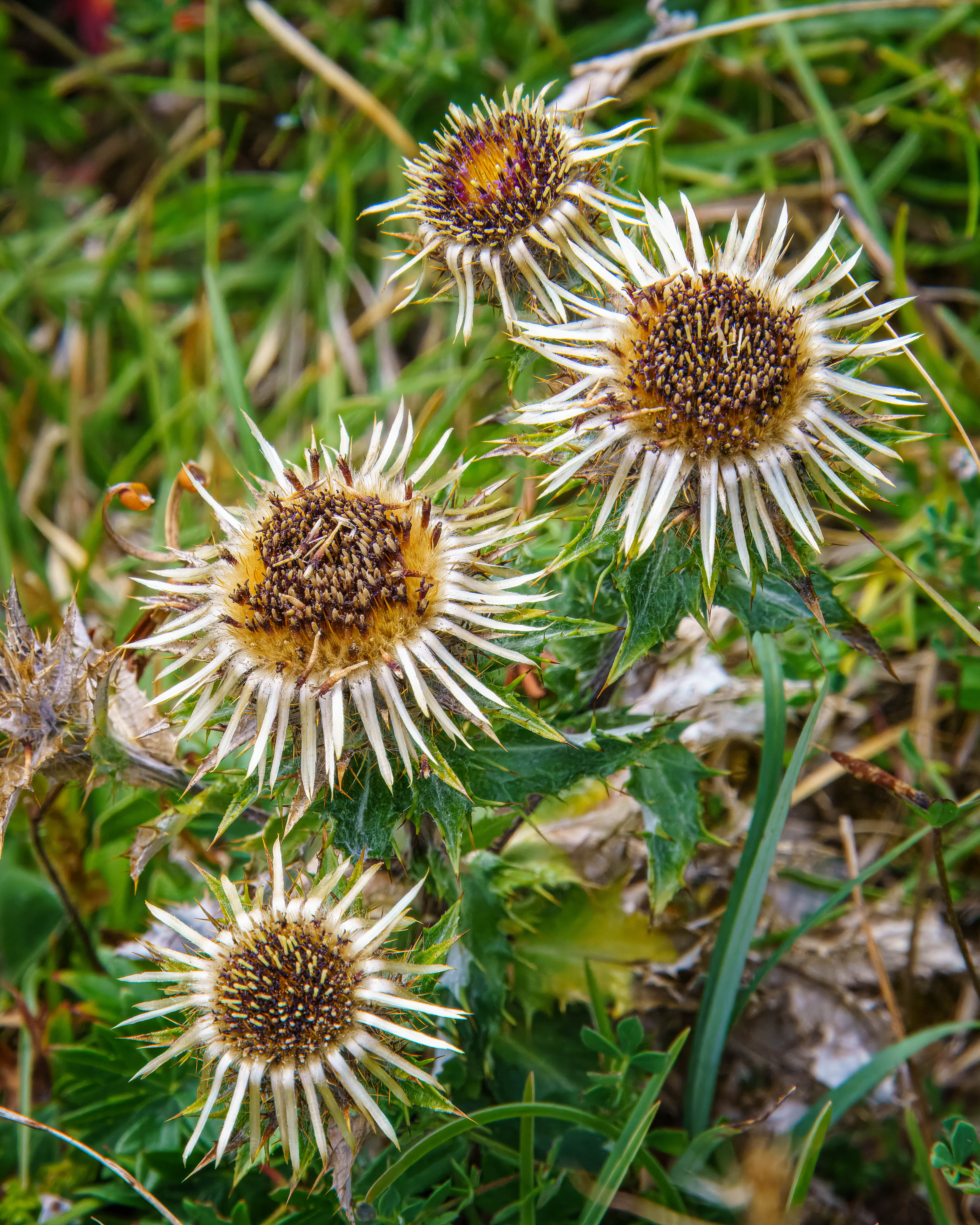
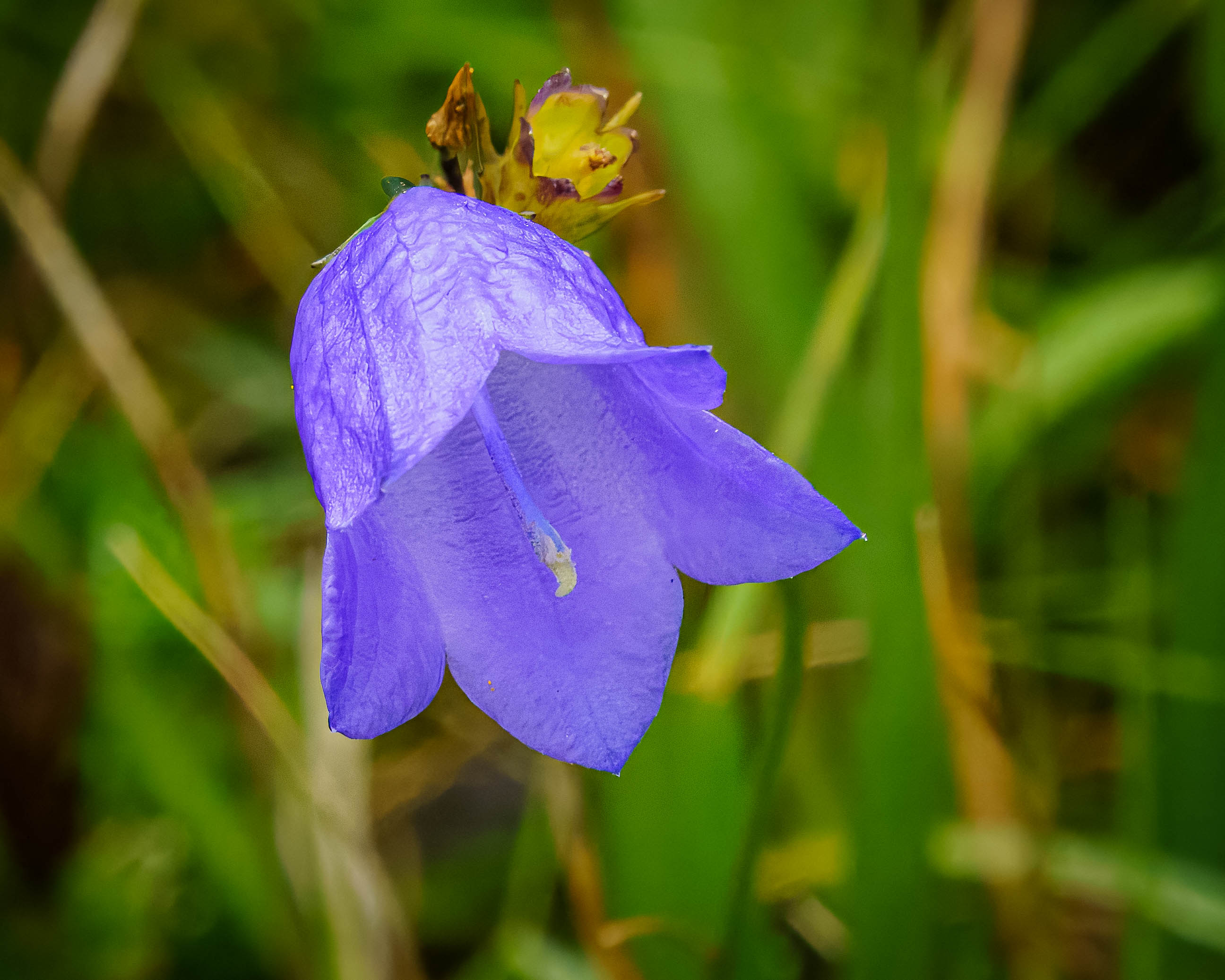
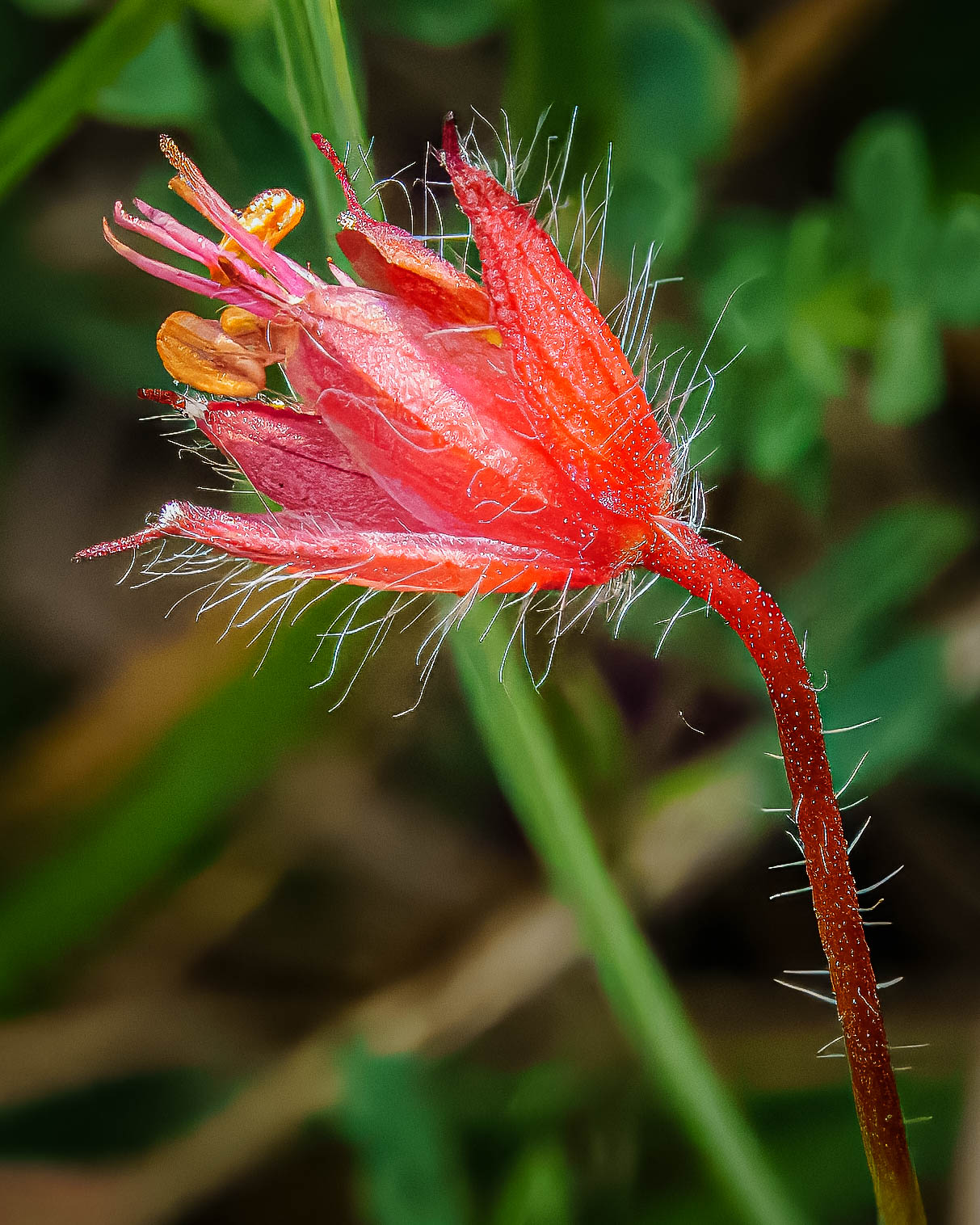
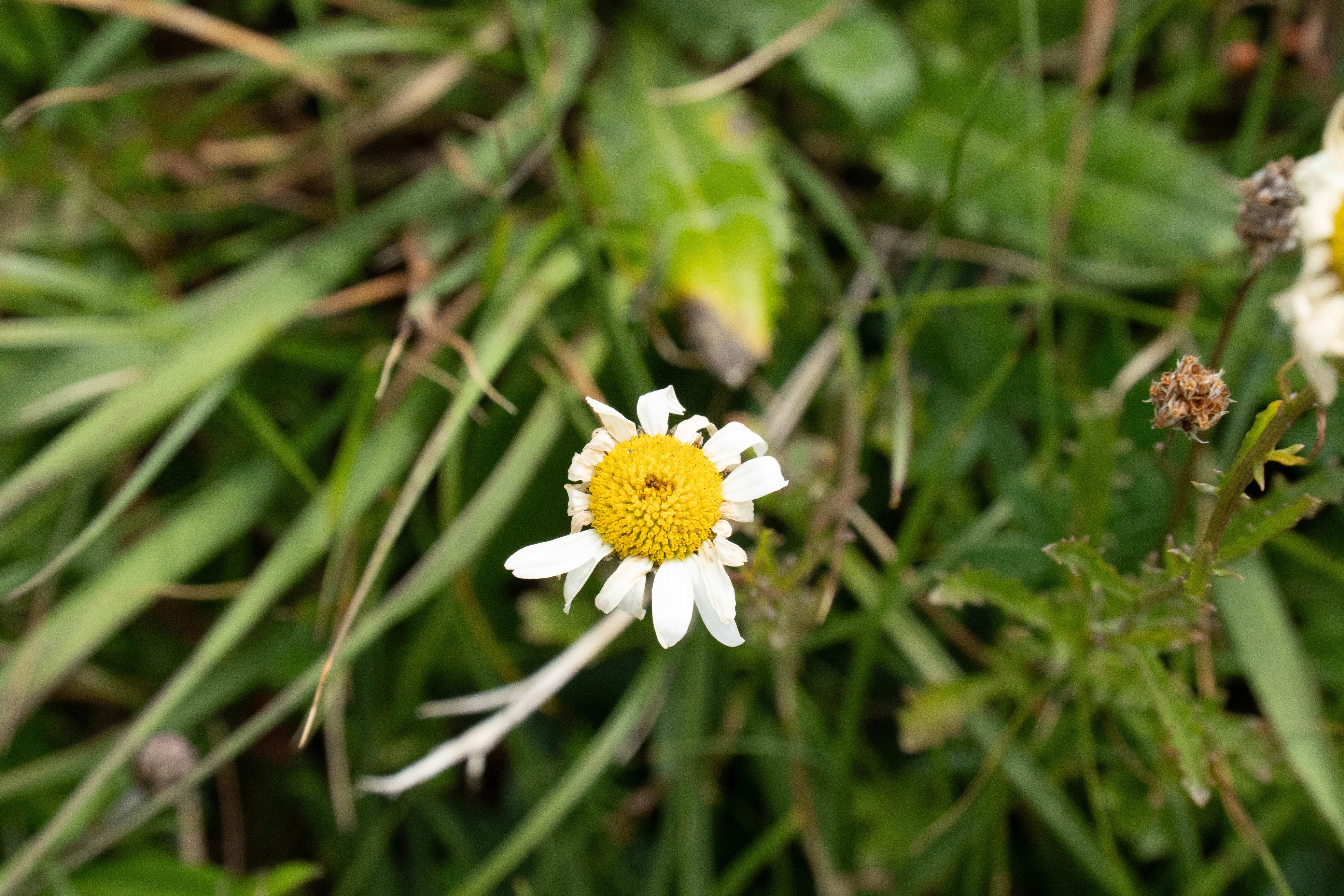
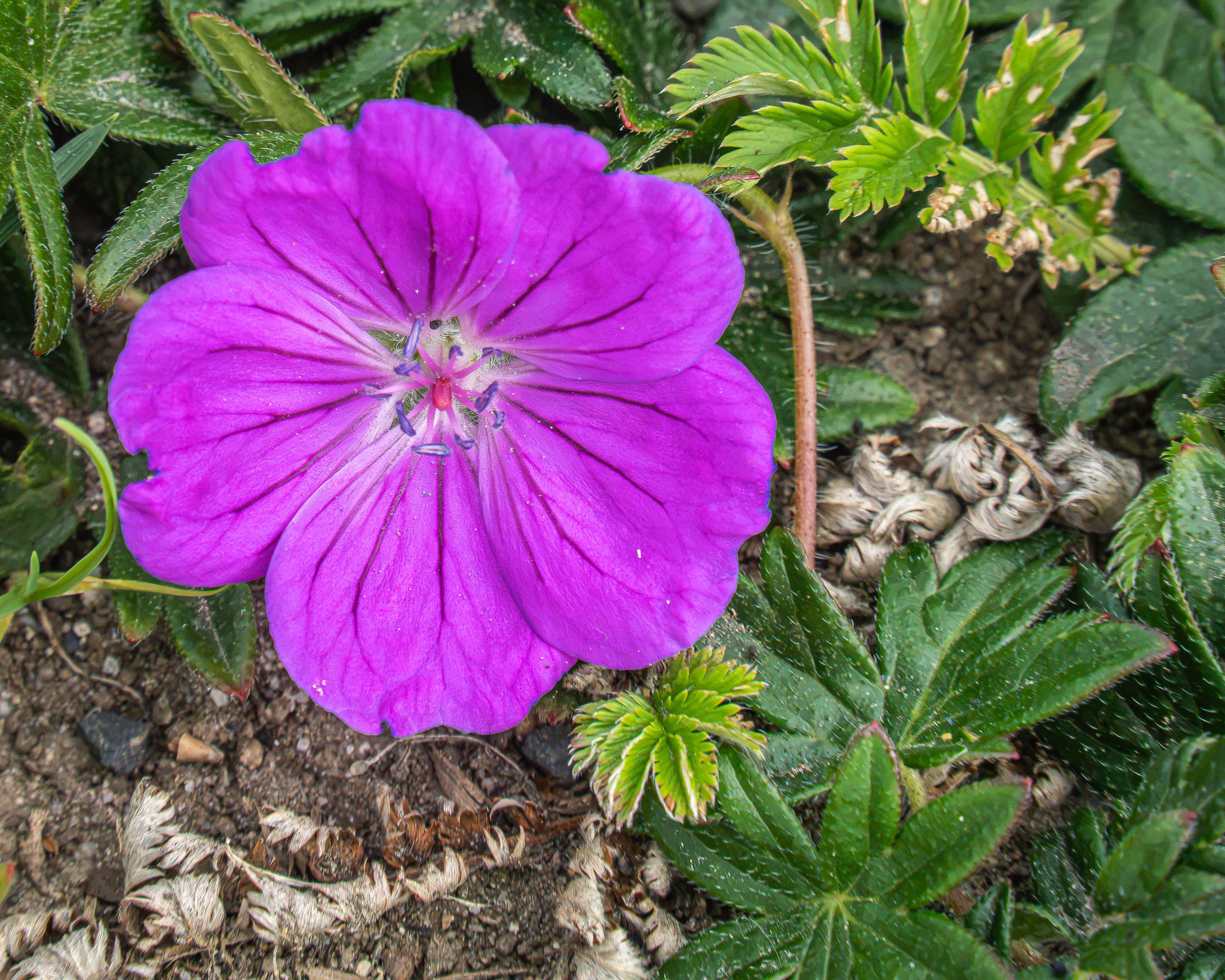
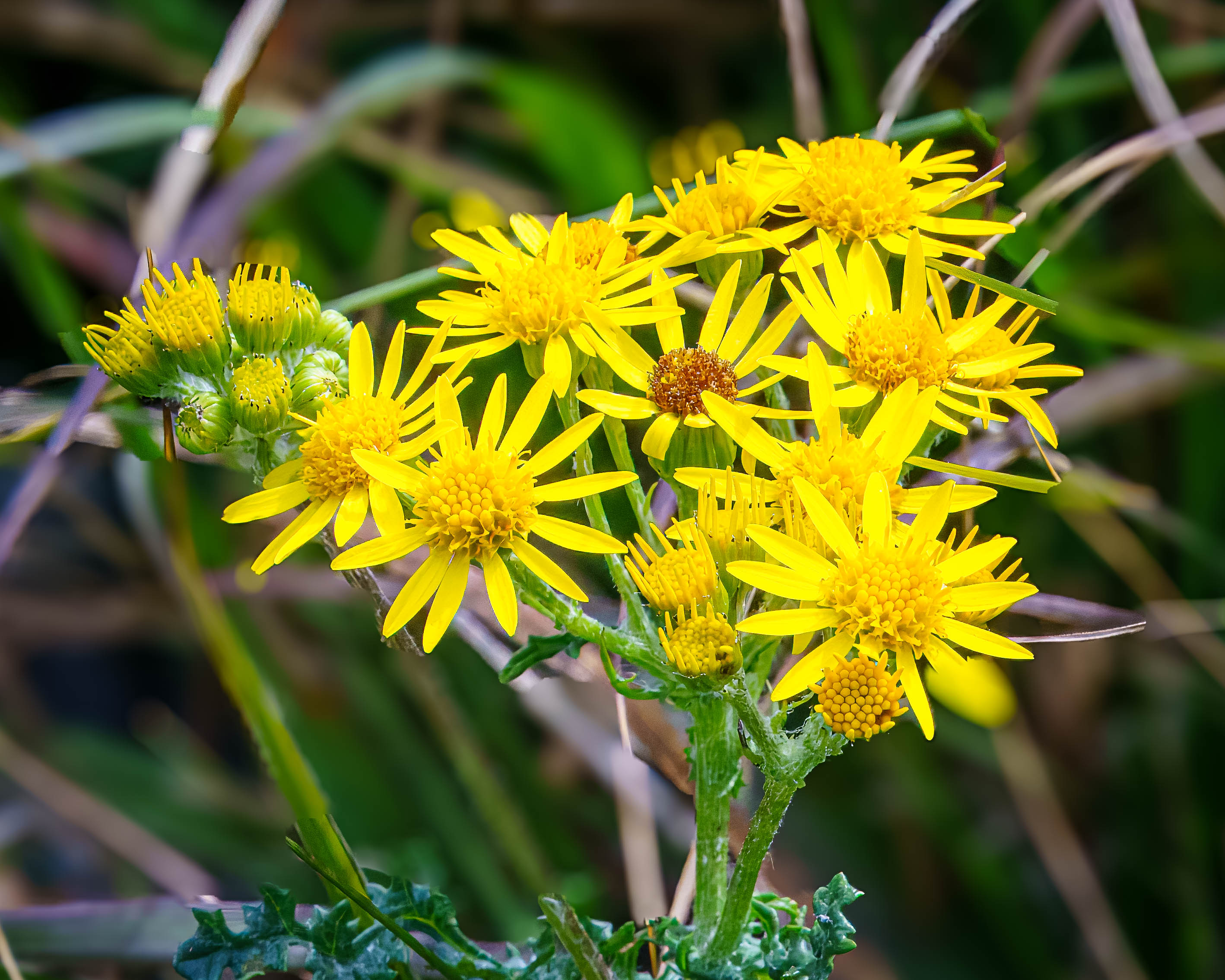
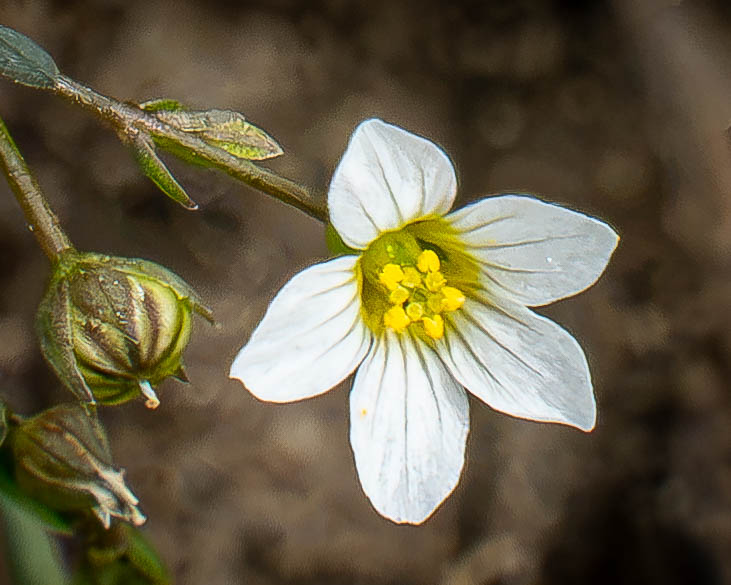
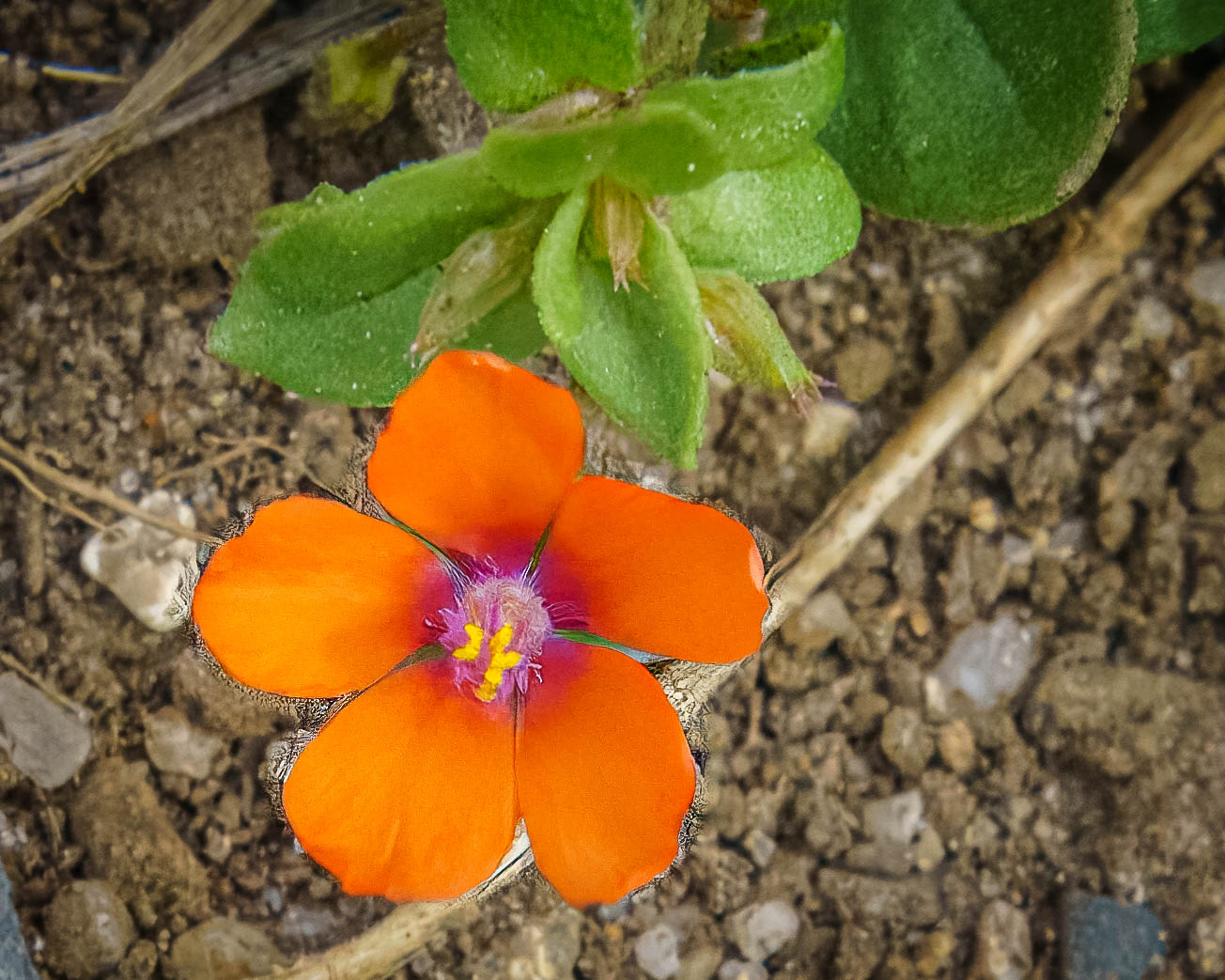
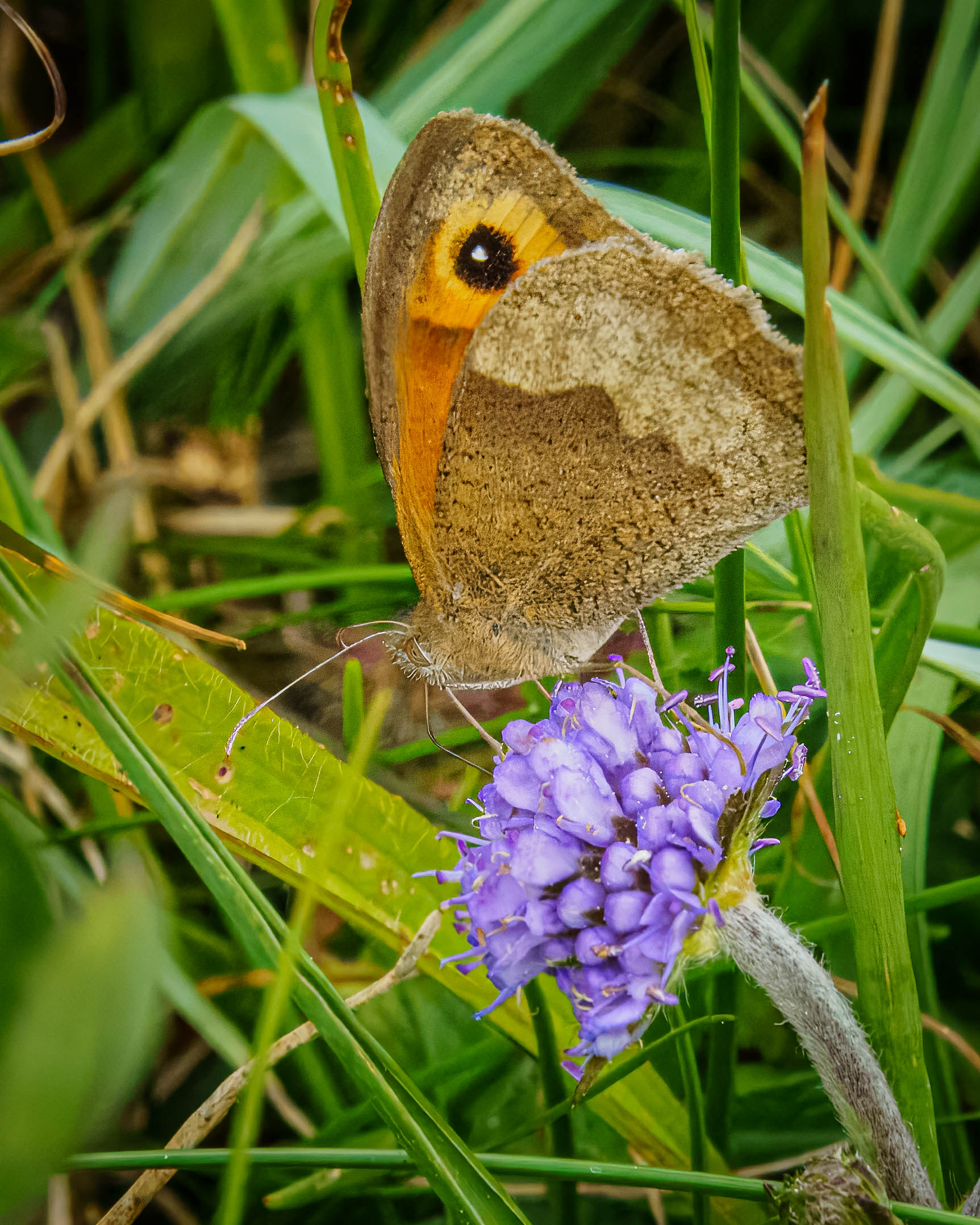
Our local guide focused on the area’s ecology, and particularly the flora (I was like a kid in a candy shop). Despite its barren appearance, the Burren is a thriving ecological hotspot. The deep grikes provide a sheltered, humid microclimate that allows contrasting plant species to grow side-by-side. It is the only place in the world where Arctic, Alpine, and Mediterranean flora share the same ecosystem. We saw several species comprising part of the vibrant population of blue gentians, mountain avens, and 23 varieties of native Irish orchids blooming directly out of the rock. (Click on an image to enlarge it.)
We completed our transfer to Galway by motor coach, checked in to the hotel, and enjoyed a late dinner before retiring for the evening.

Tuesday, August 11, 2026 (Day 6, Part 1)—Adare and the Cliffs of Moher

Somewhat used to the routine, we arose from bed, had a quick hotel room coffee, and packed suitcases and placed them outside the room for portage and transfer to Galway. And then it was off to another big breakfast.

After breakfast, the motor coach departed Killarney with an ultimate destination of Galway.

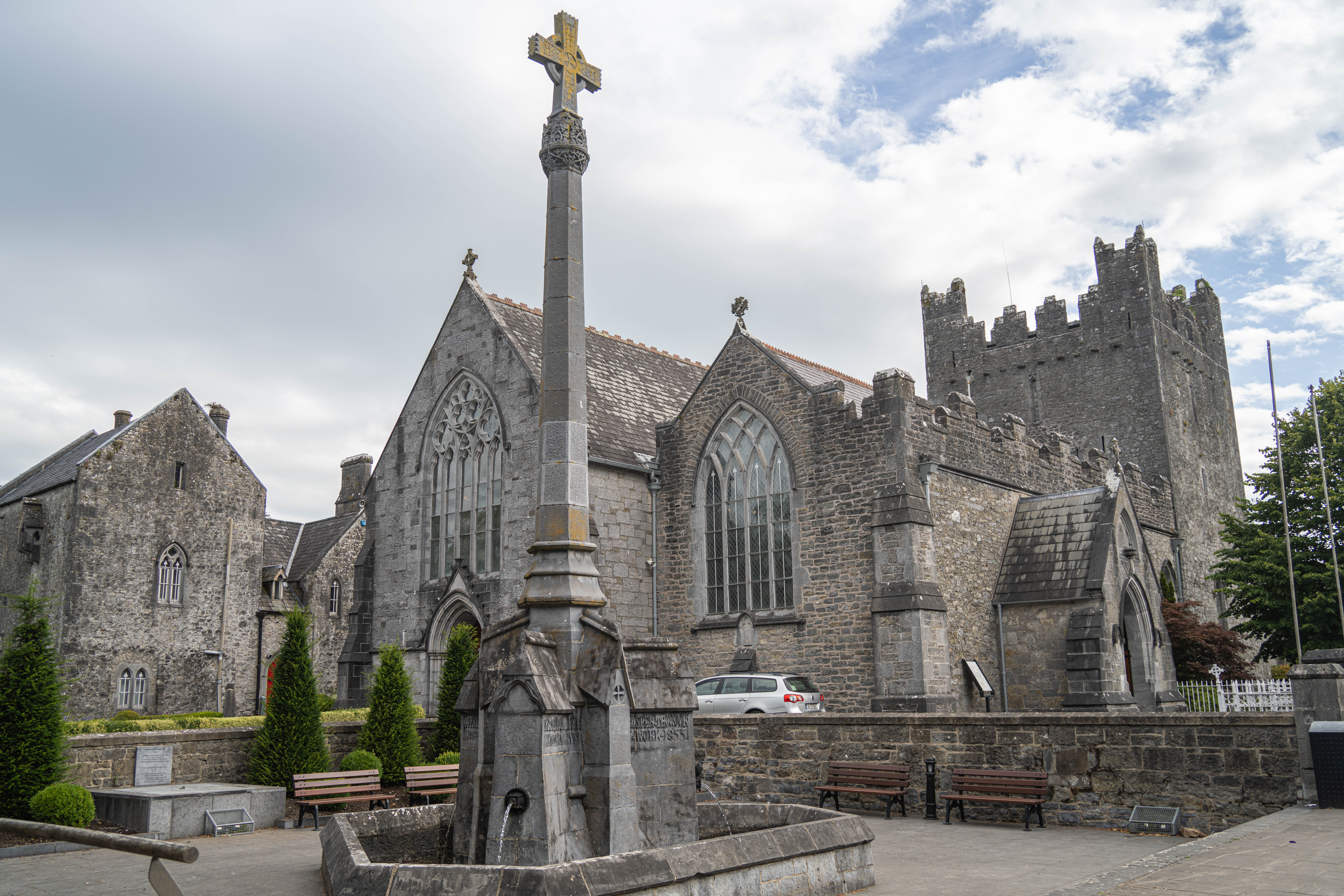
A “comfort stop” was made in Adare.

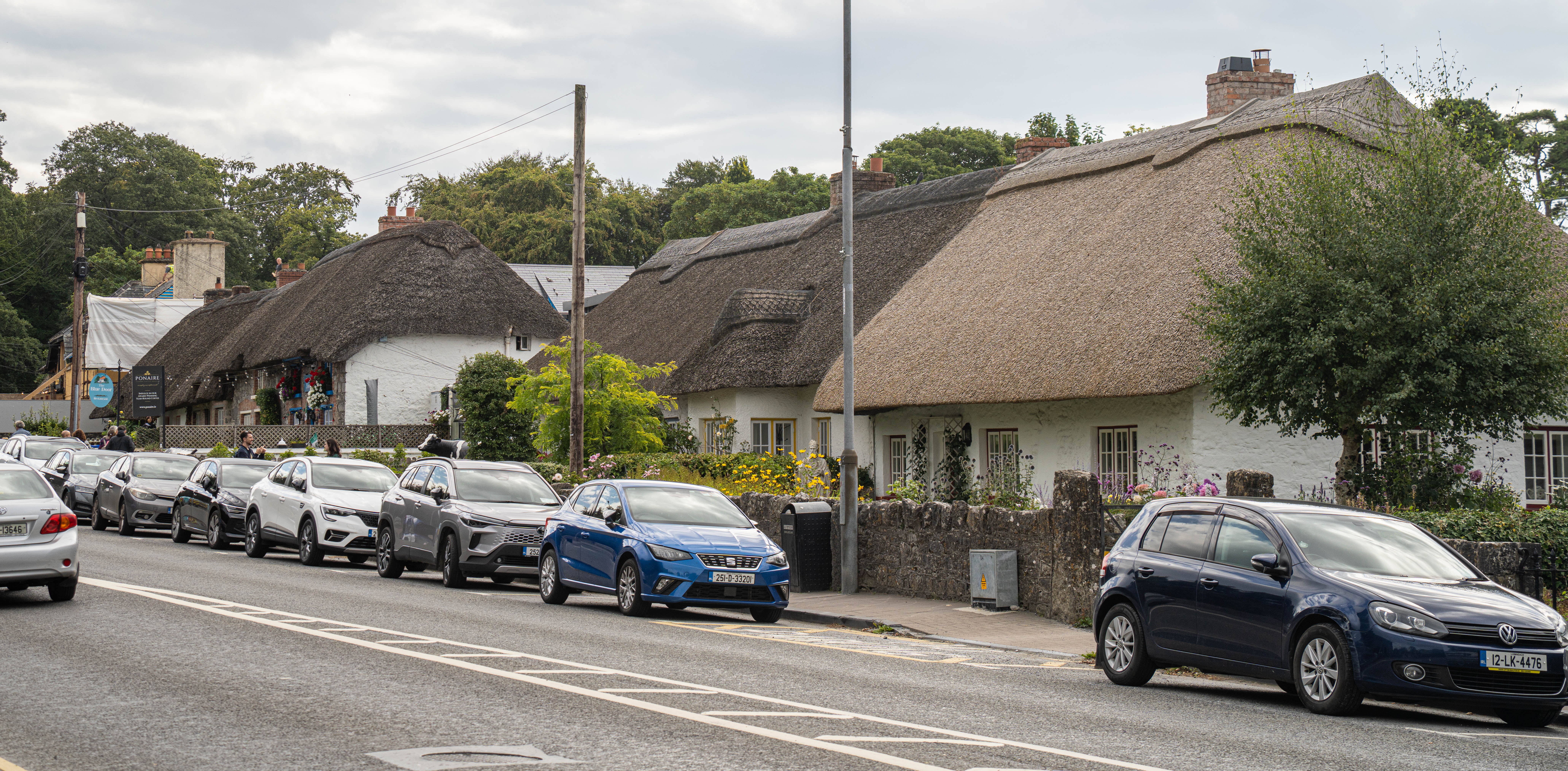
Adare is picturesque village located in County Limerick, Ireland, roughly 10.5 miles southwest of Limerick City.  Renowned as “Ireland’s prettiest village” and designated as an official heritage town, it is famous for its distinct architectural character, blending beautifully preserved 19th-century thatched-roof cottages with rich medieval history. Adare will also host the 2026 Ryder Cup.

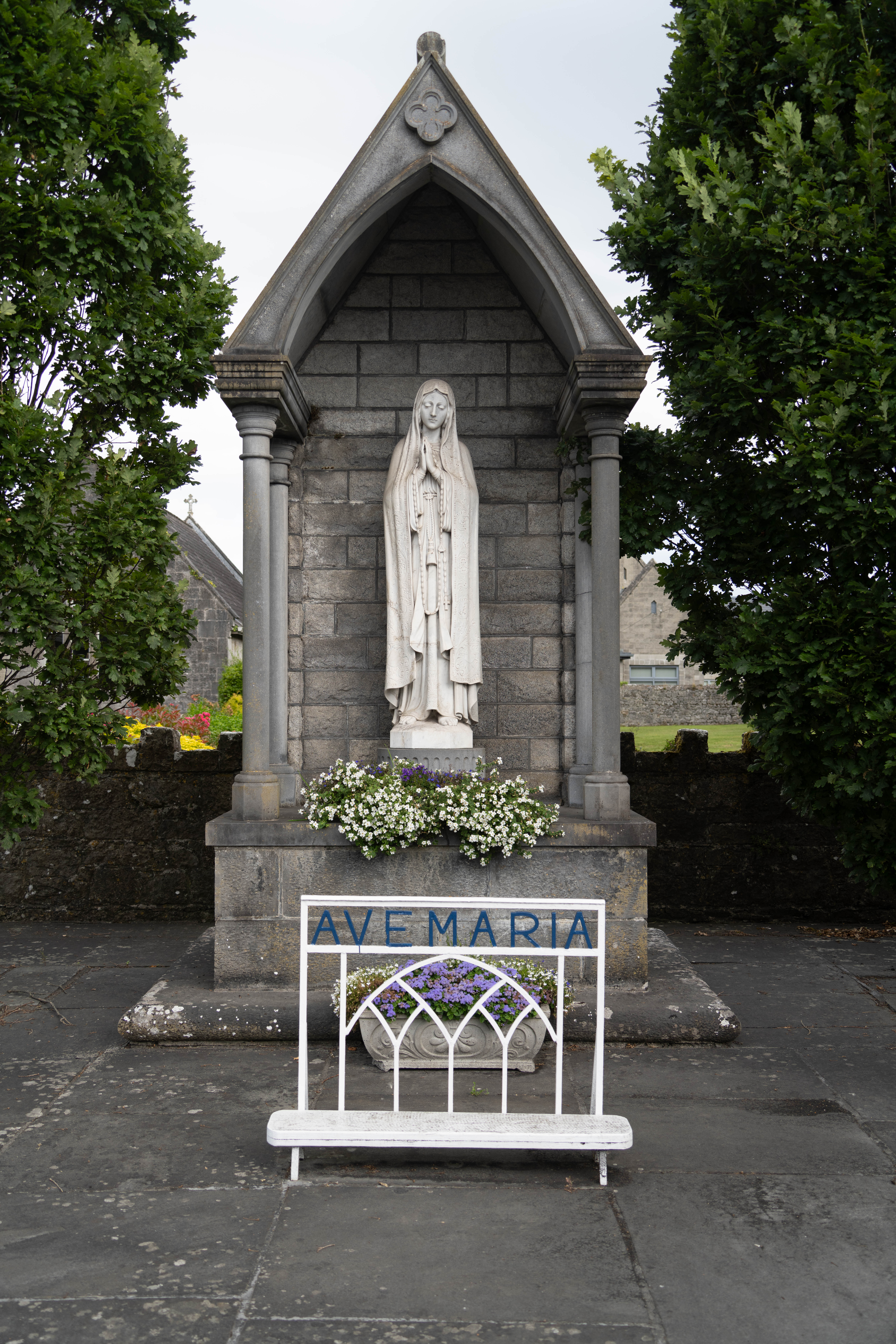
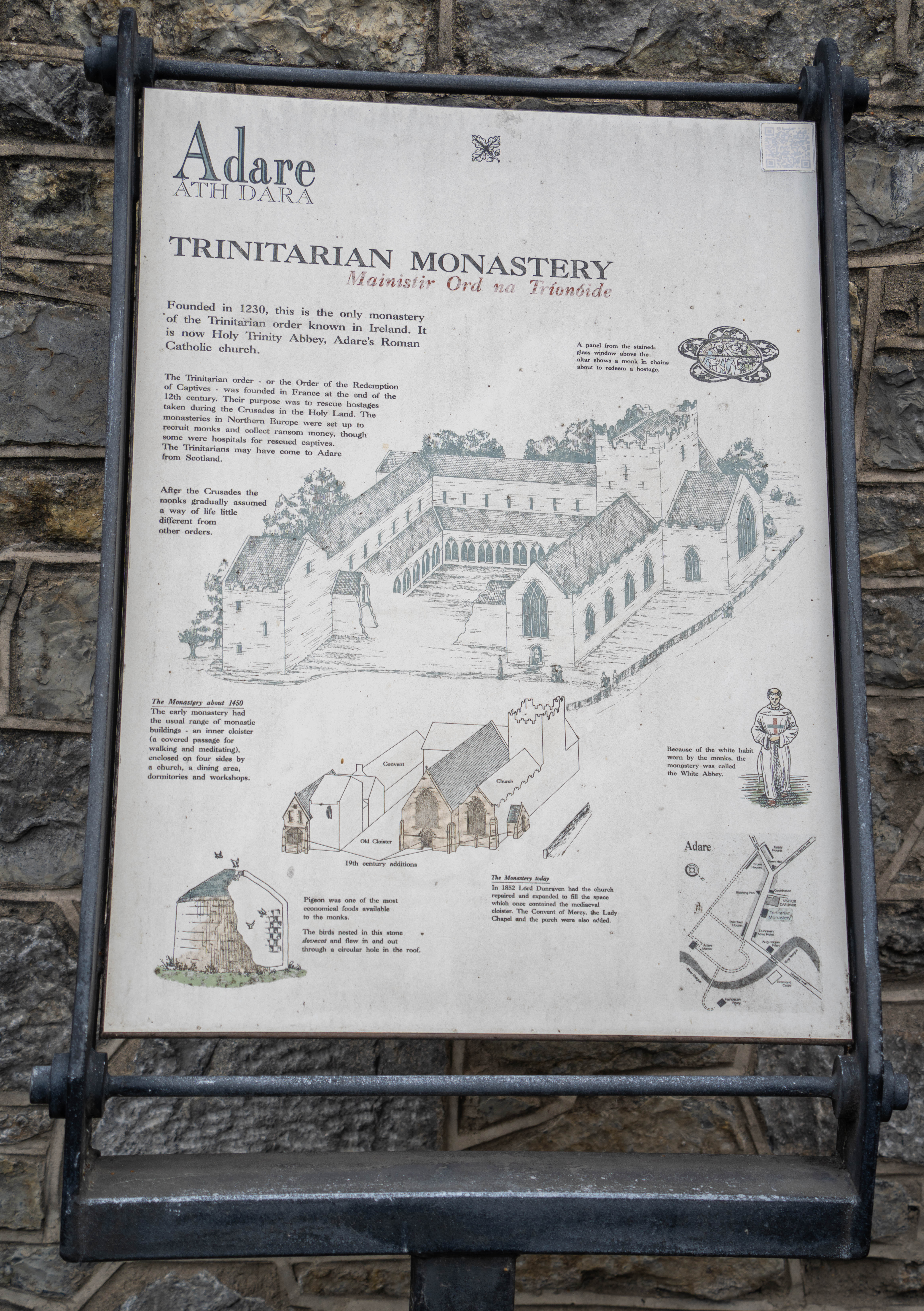
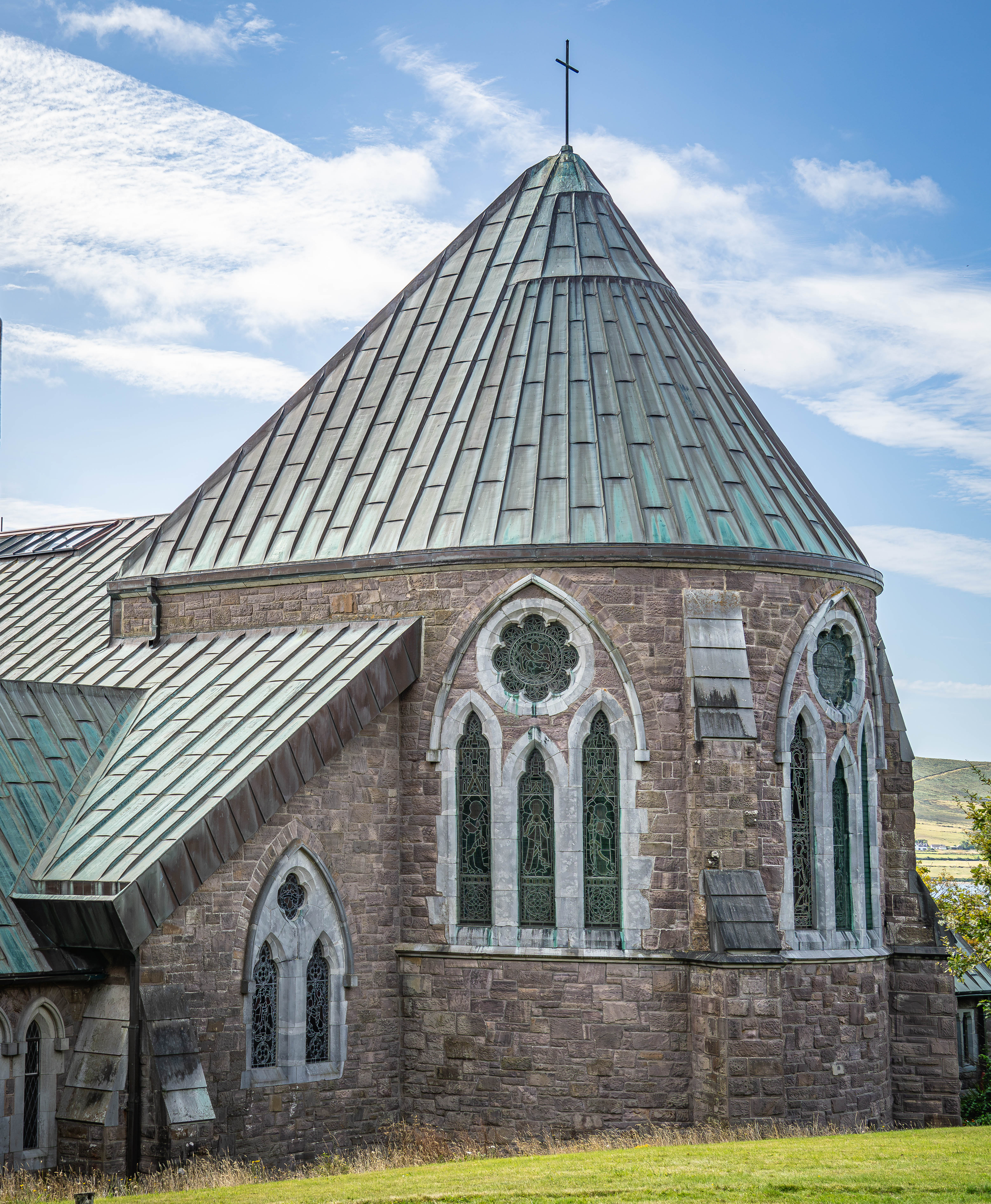
The village also boasts a collection of historically preserved monastic buildings, including the 13th-century Holy Trinity Abbey (the only historical Trinitarian monastery in Ireland, now a Catholic church) and the 14th-century Augustinian Friary.

Built by the Dunraven estate in the 1820s, thatched cottages—iconic, flower-framed structures—line Main Street and have been converted into premium craft shops, boutiques, and cafes.

The Burren will be discussed in Day 6, Part 2 to follow.

Monday, August 10, 2026—Killarney National Park

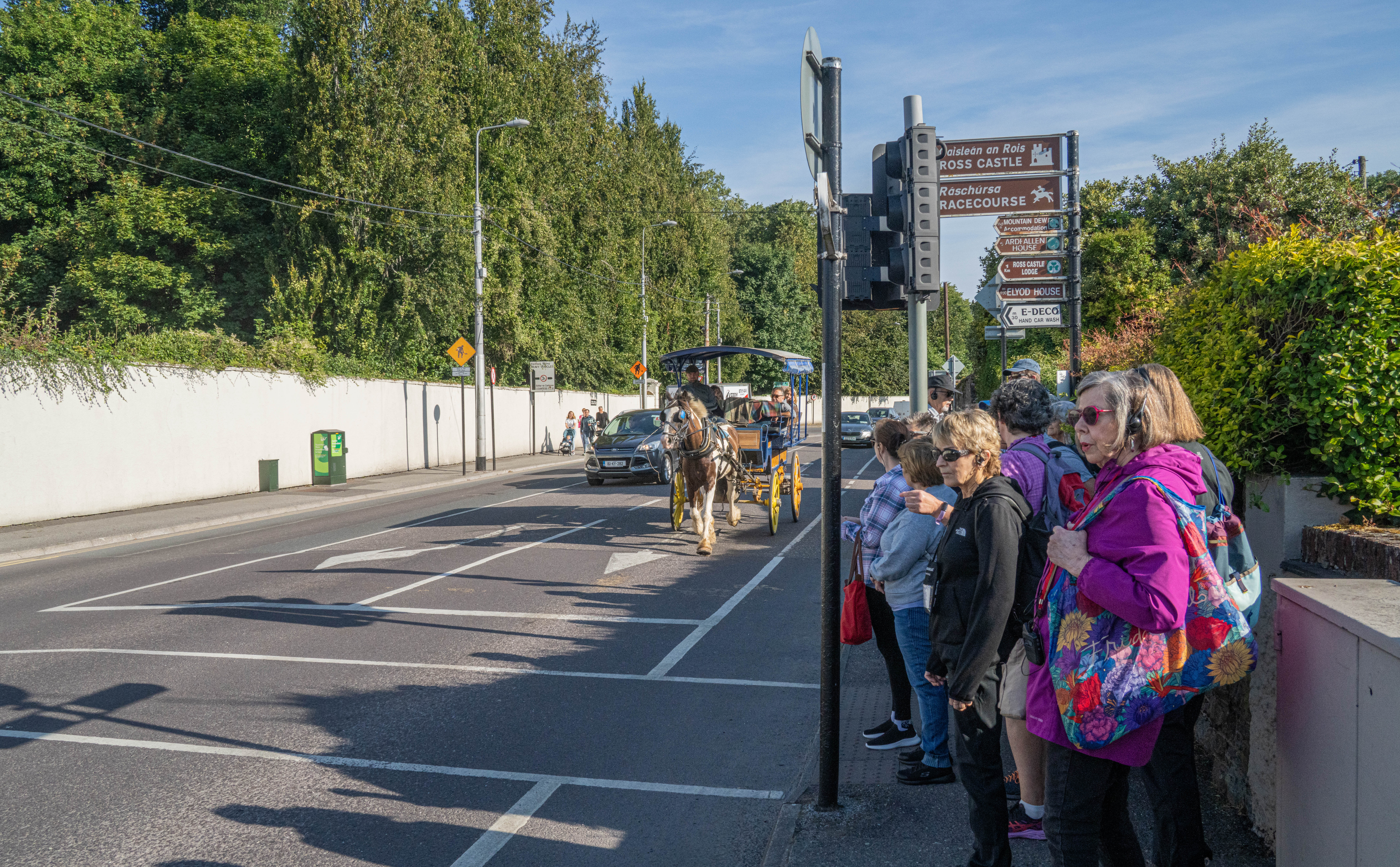
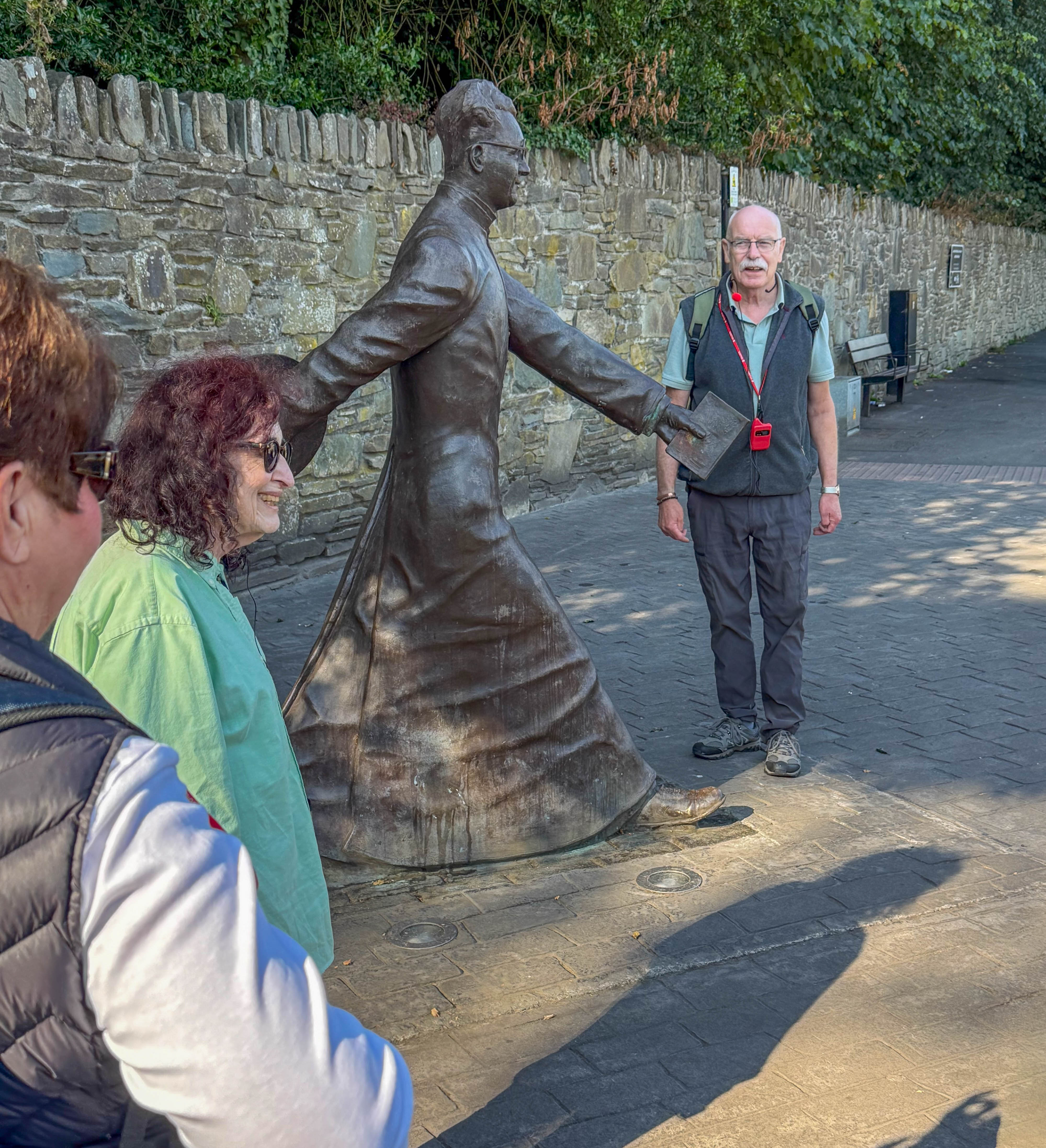
After breakfast, we walked a bit to near Killarney National Park, our tour destination for the day. There, we met our local expert guide.

Killarney National Park sits adjacent to the city, and is a sprawling 26,000-acre UNESCO Biosphere Reserve. (NOTE: Twinned with Glacier National Park in Montana, USA, Killarney National Park has been designated as a Biosphere Reserve by the United Nations Educational, Scientific and Cultural Organization (UNESCO) for work in conservation and research.) As Ireland’s very first national park, it protects the country’s only wild herd of native red deer (which we didn’t see), its largest remaining stands of ancient oak woodland, and the world-famous Lakes of Killarney. Nestled at the foot of the Macgillycuddy’s Reeks—Ireland’s highest mountain range—the park seamlessly blends rugged natural landscapes with centuries of rich Irish heritage.

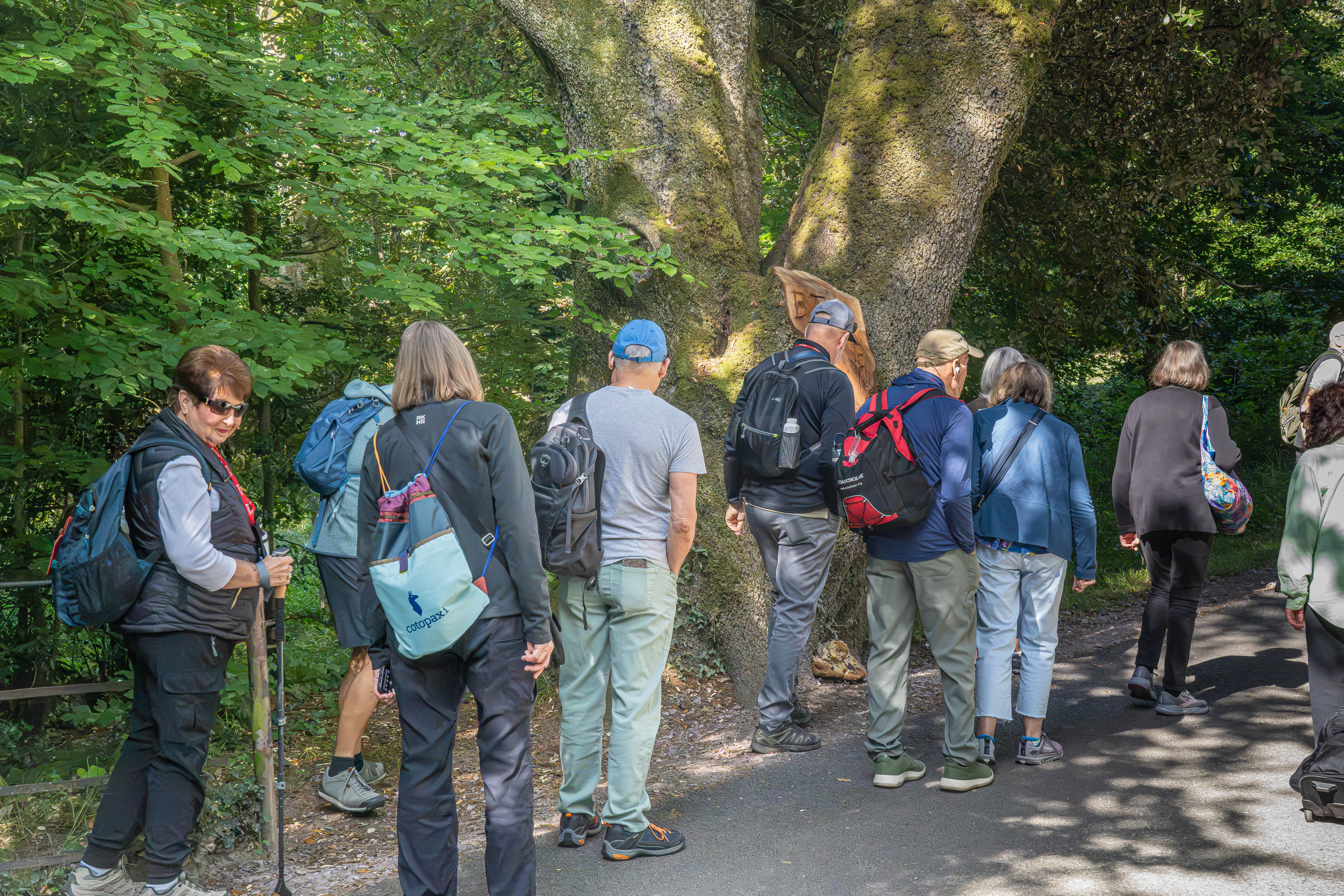
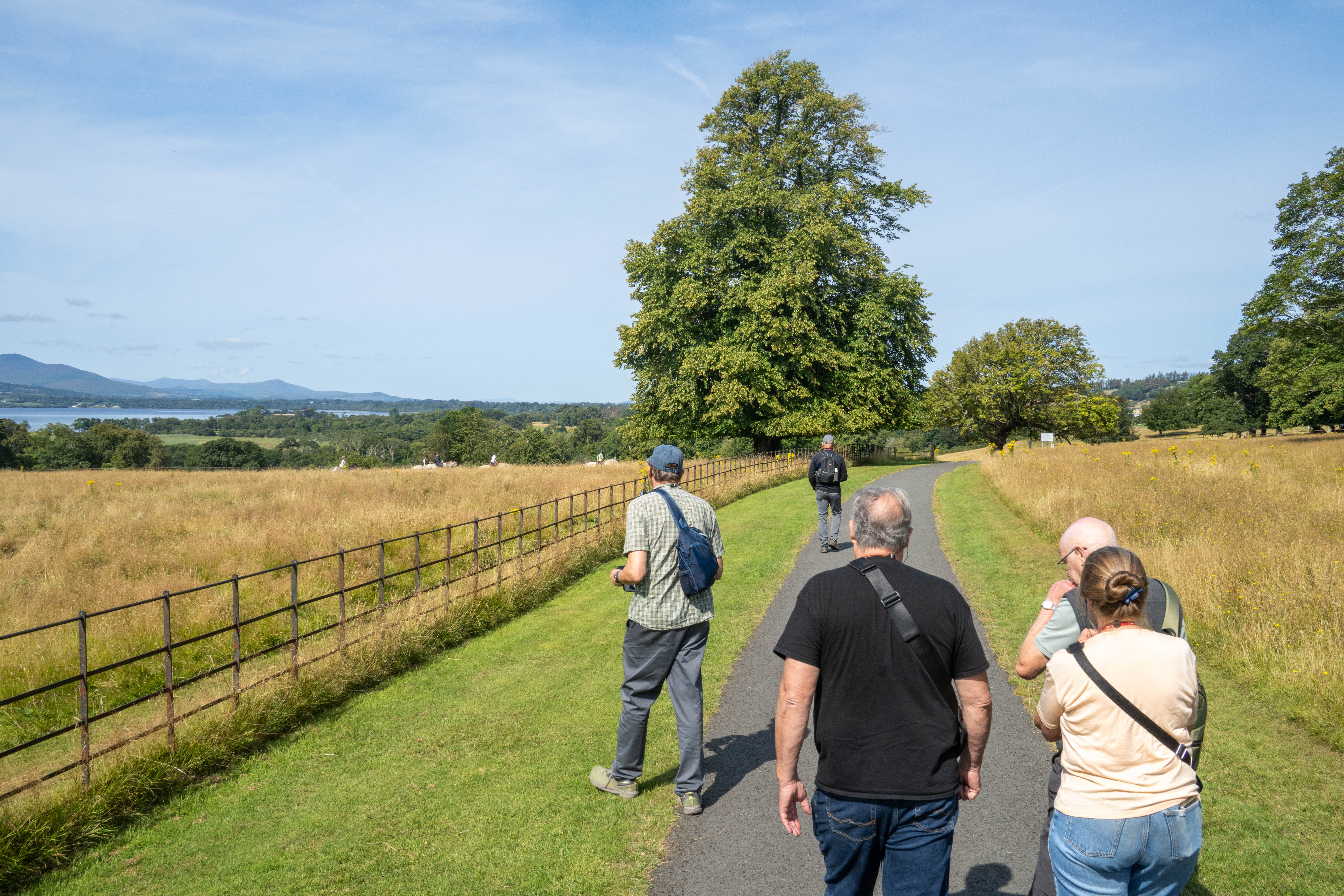
As we walked along the park’s perimeter, the guide pointed our the various flora and its importance to the ecosystem.As the group walked along the trail, the guide pointed out that Rhododendrons were nuisance plants inasmuch as they grow disproportionately large and tall, some becoming trees, shading out native trees and shrubs.

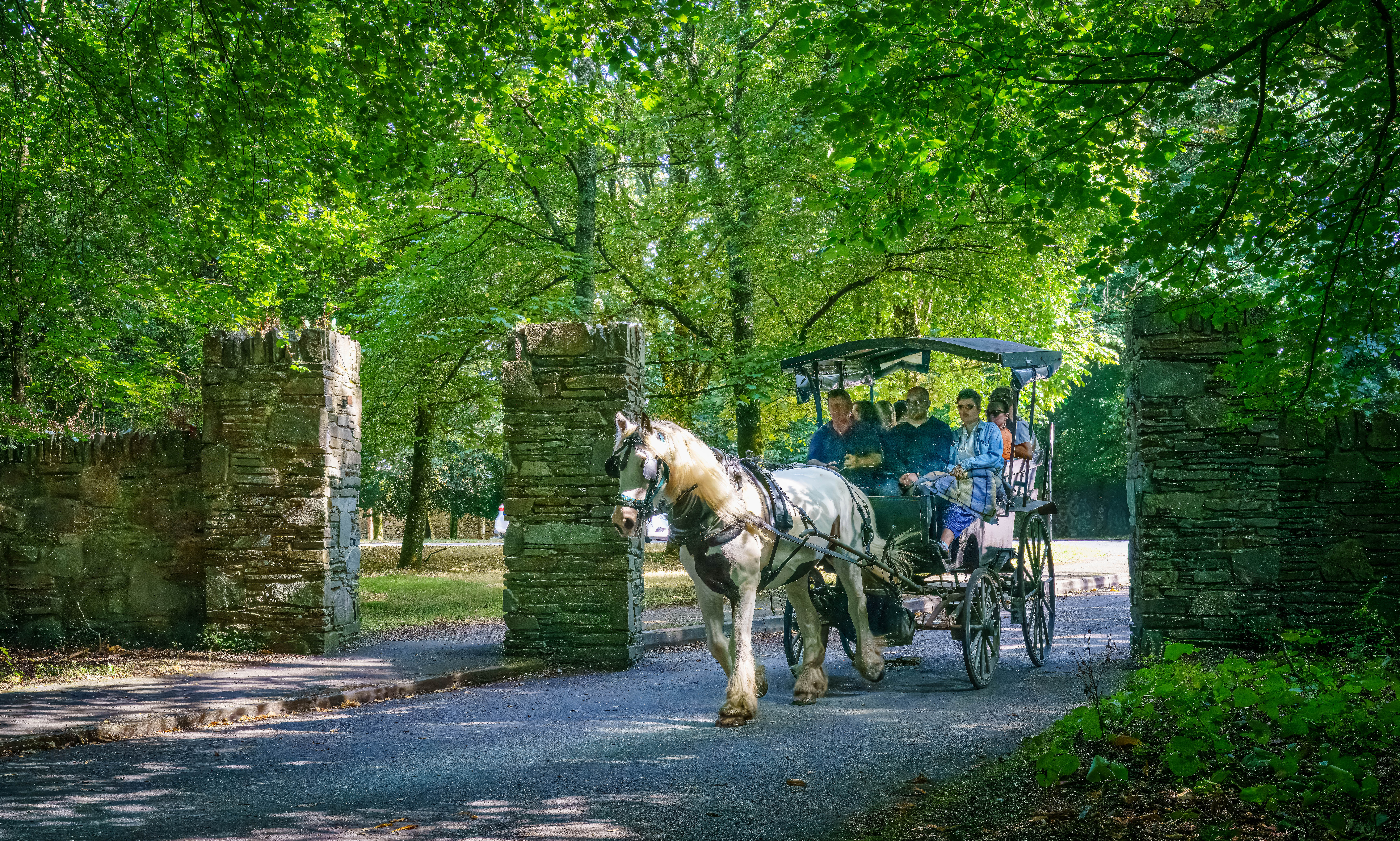
And, we had to make way for the numerous horse-drawn carriages, locally known as “jaunting cars”.

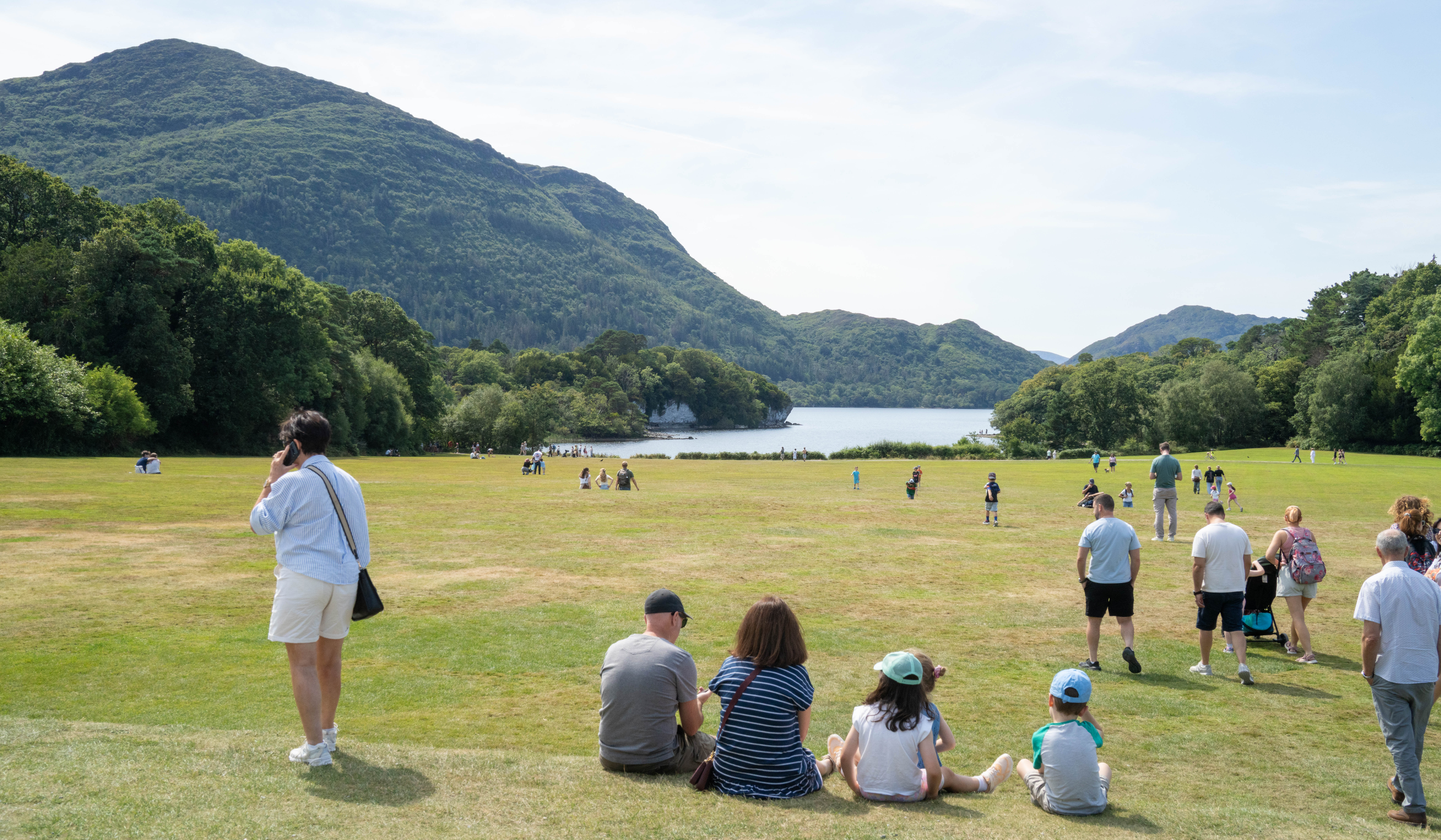
Much of the trail overlooked the beautiful lake(s) in the background.

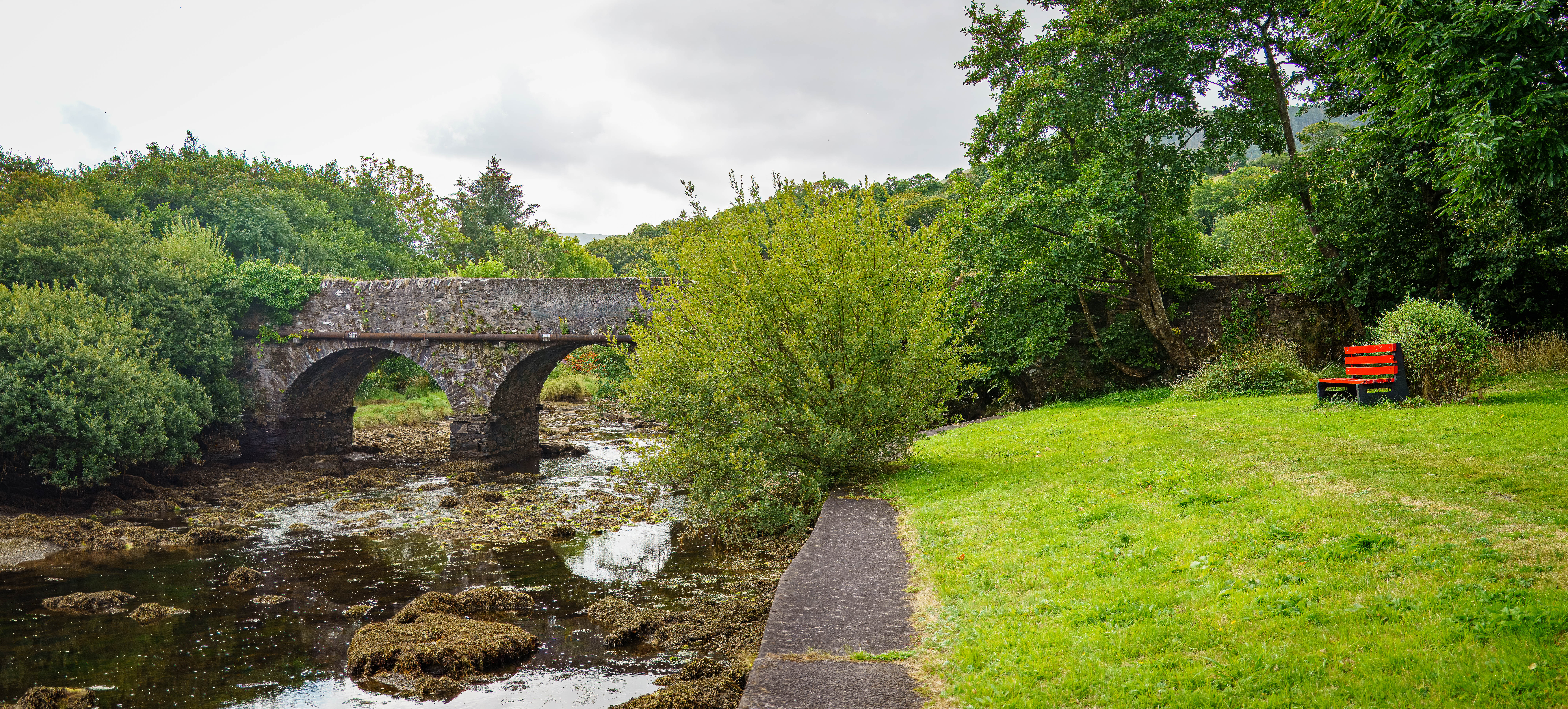
Killarney National Park has many heritage sites including Killarney House and Gardens, Muckross House and Gardens, Copper Mines, Innisfallen, Muckross Abbey, the Briceen and Old Weir Bridges.

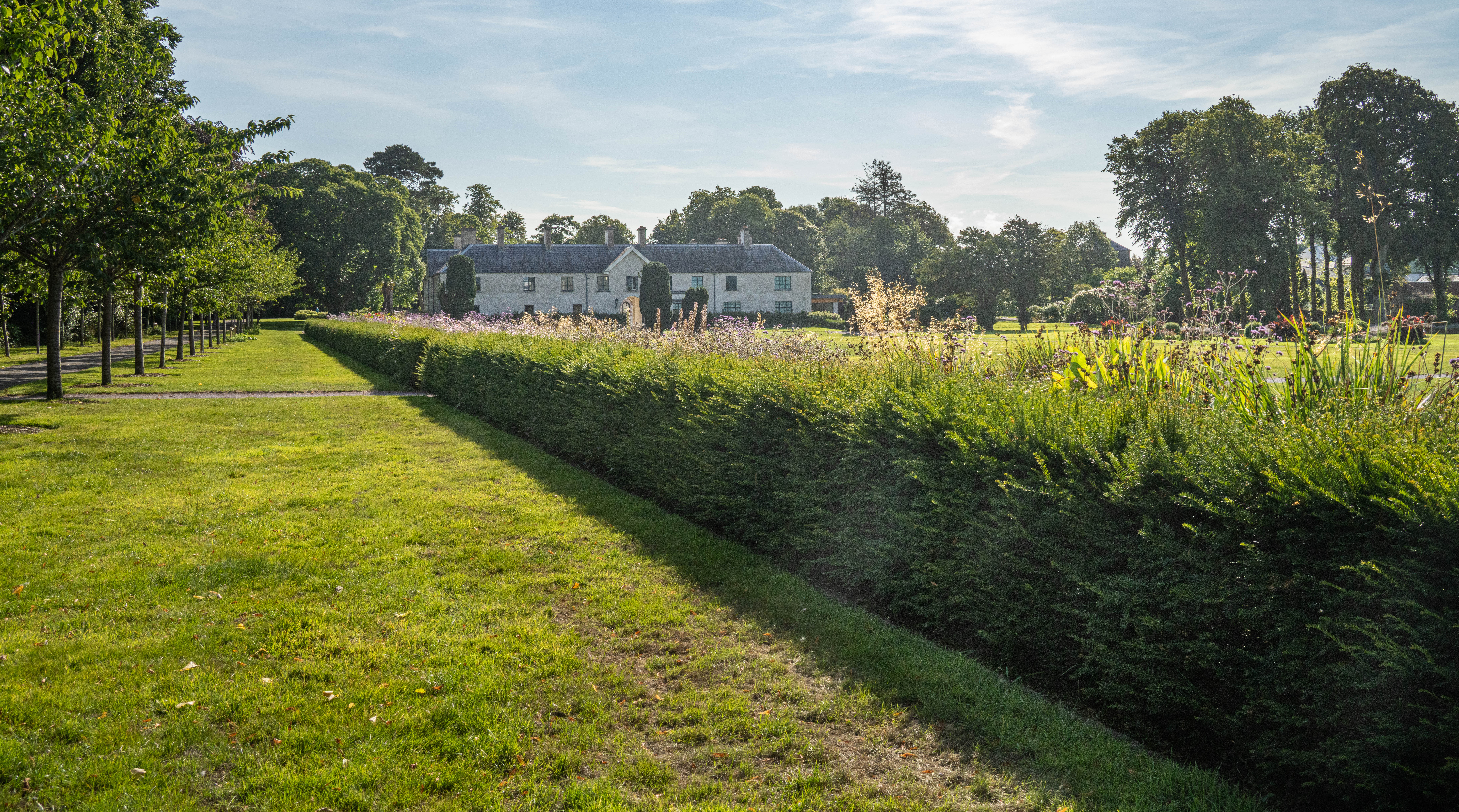
Killarney House and Gardens serves as the primary visitor center for Killarney National Park. This beautifully restored 18th-century residence offers a mix of historical period rooms, a vast multimedia exhibition about the park’s biodiversity, and meticulously manicured formal gardens with stunning views of the MacGillycuddy’s Reeks mountain range.

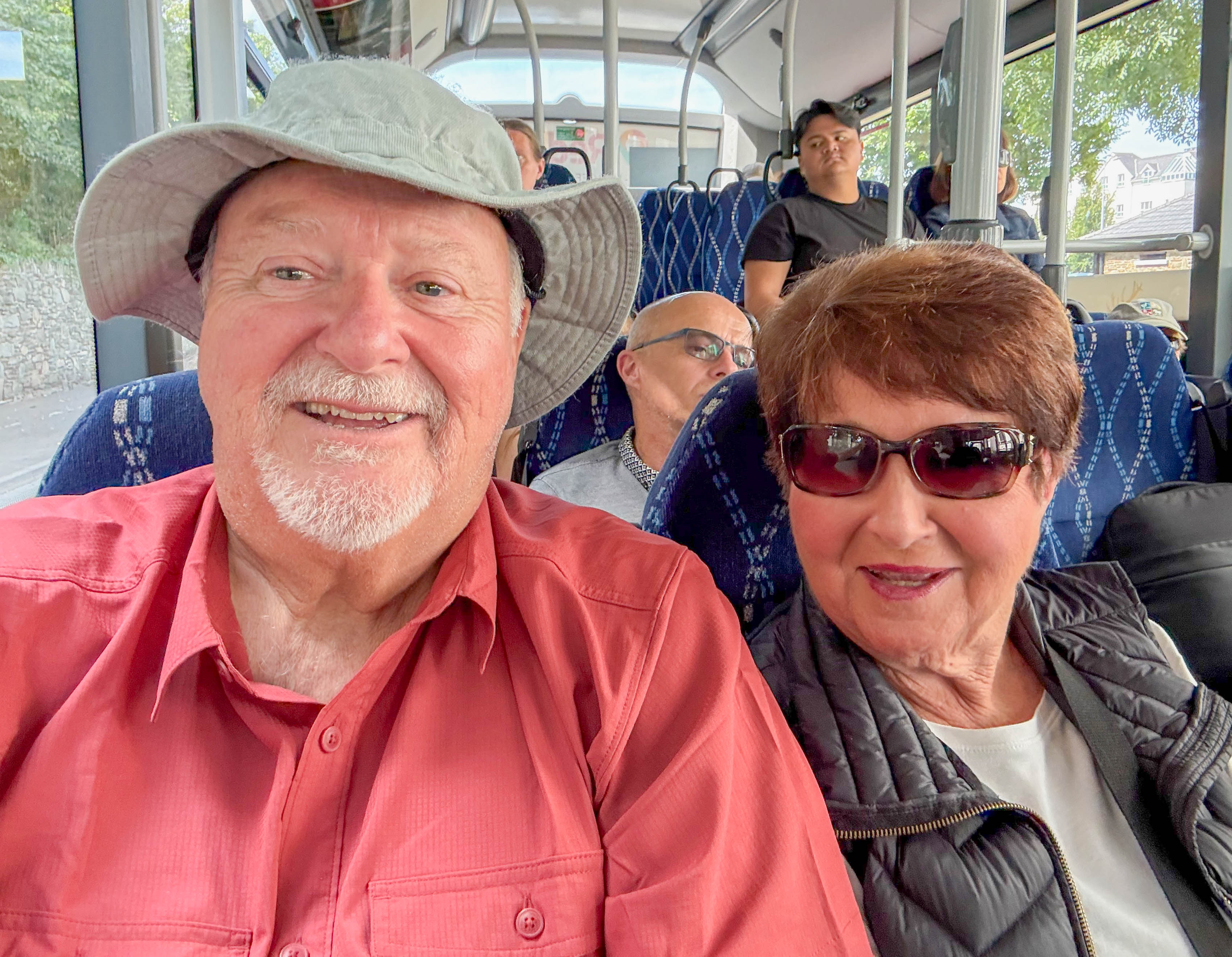
A “Red Bus” ride took us to Muckross House and Gardens.

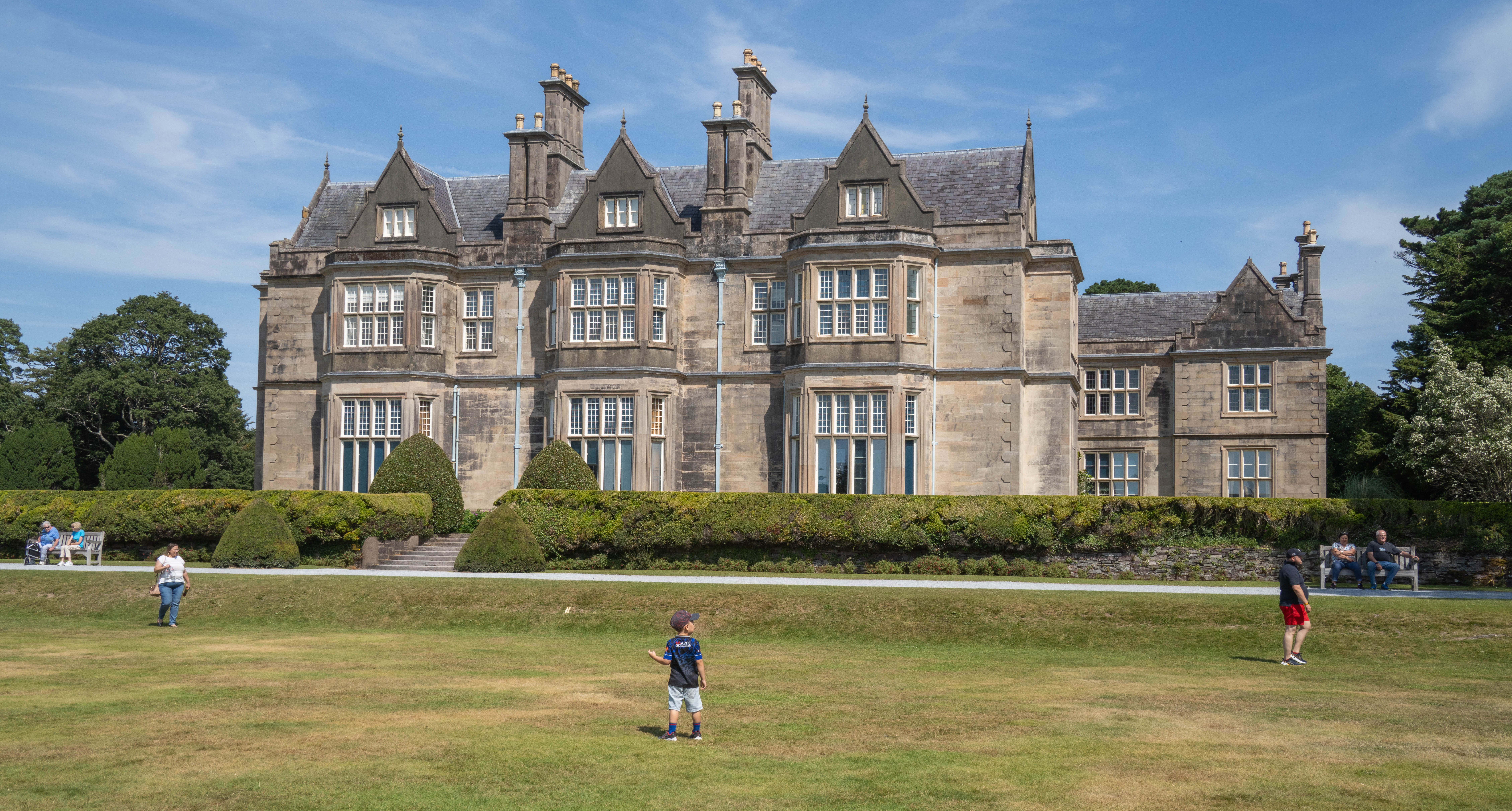
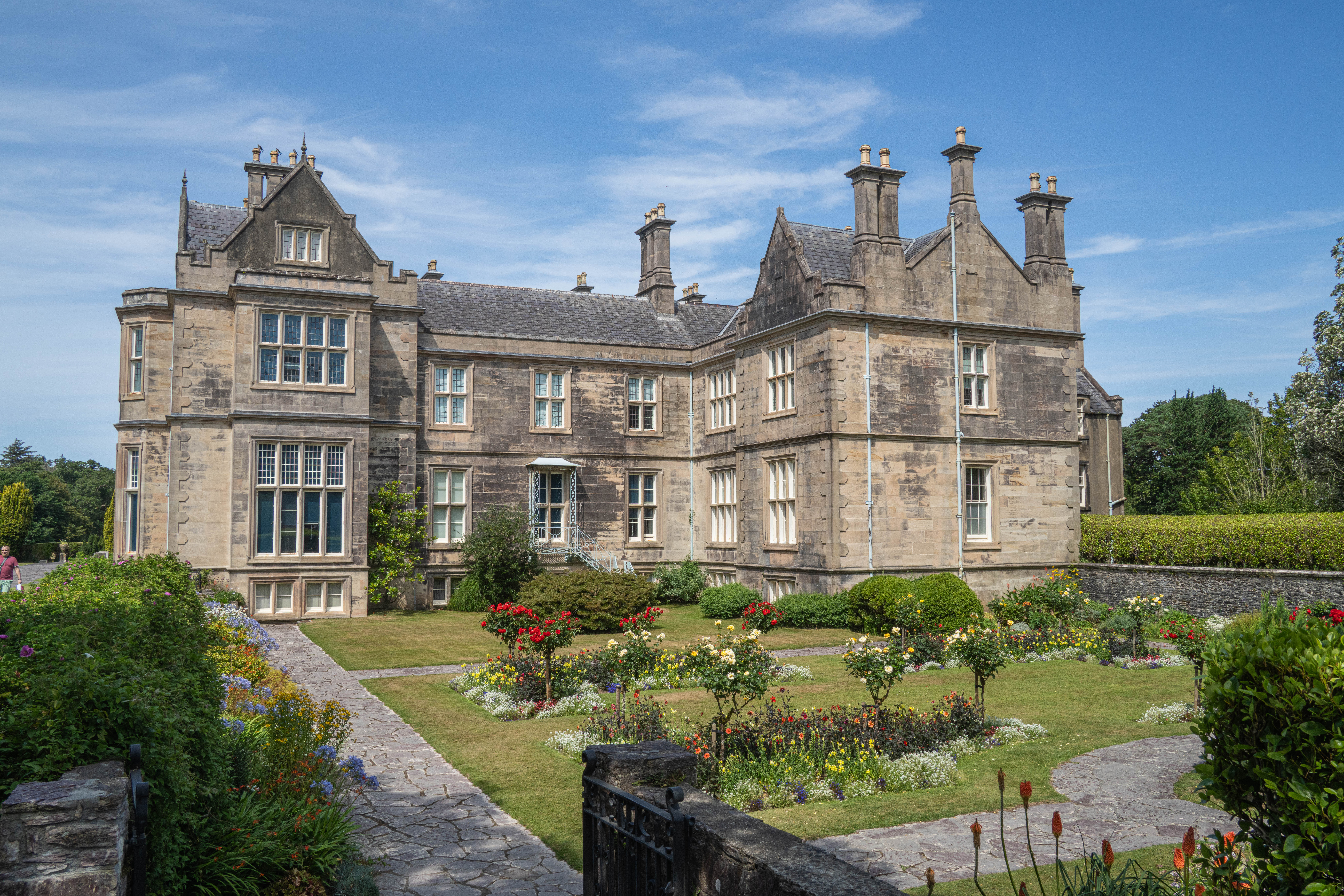
Muckross House is a magnificent 19th-century Victorian mansion located on the Muckross Peninsula within the spectacular Killarney National Park in County Kerry, Ireland. Built in 1843 in the Tudor architectural style, it features 65 rooms and is famous for its stunning lakeside views, extensive gardens, and its history—including a famous visit by Queen Victoria in 1861. In 1932, the estate was gifted to the Irish nation, and this is when Killarney National Park became the country’s very first National Park.

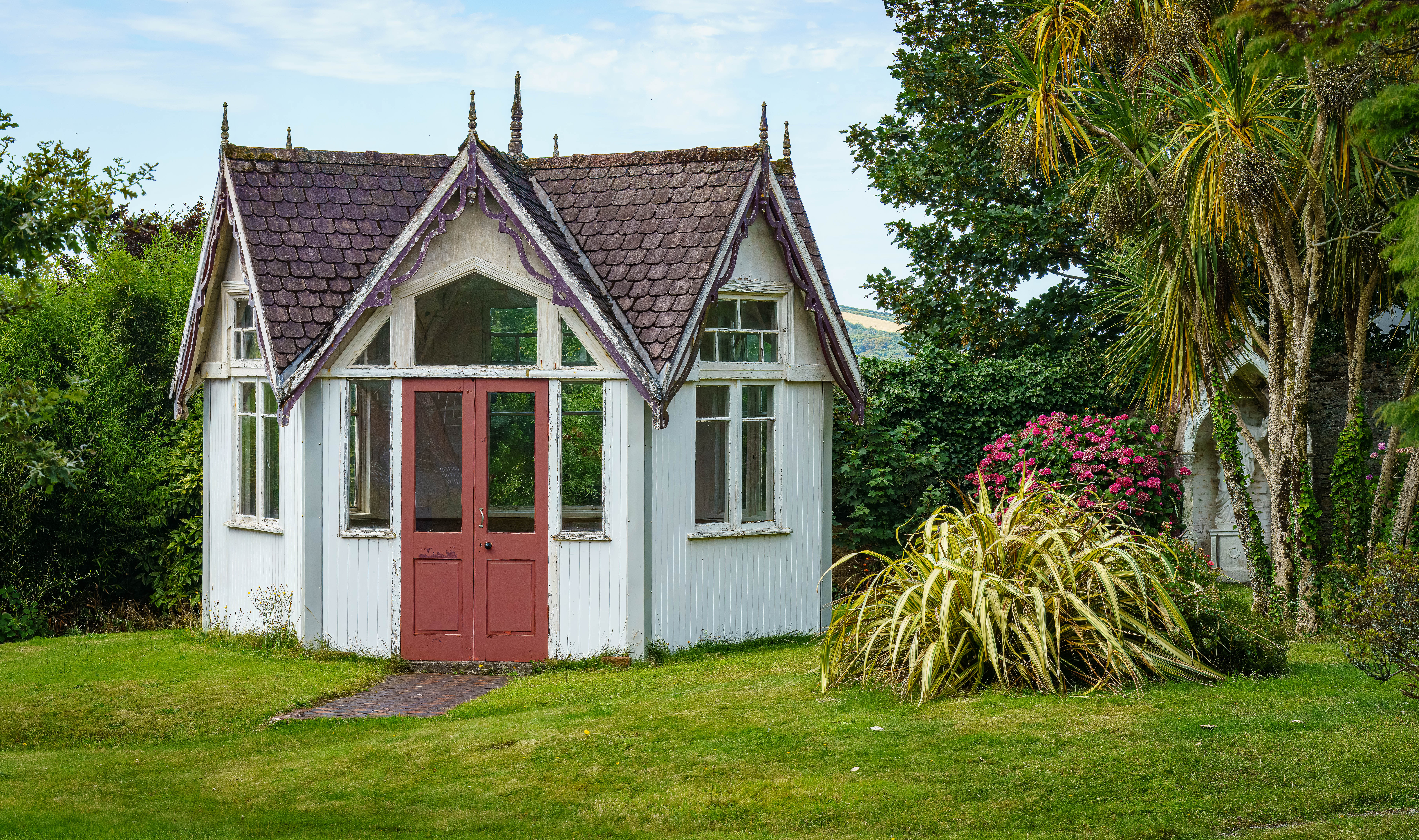
The formal garden at the rear of the mansion were spectacular.

The manicured lawn (front yard in Arkansas talk) provided great green space for families to enjoy.

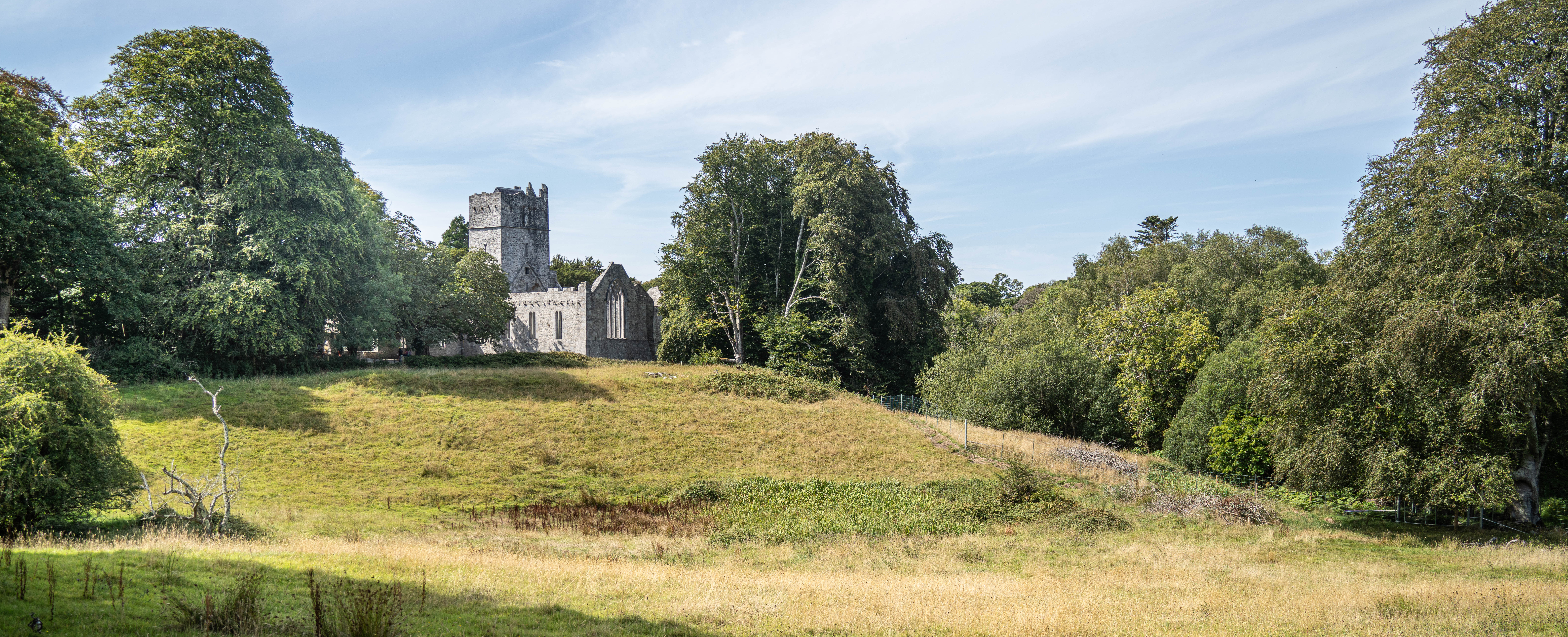
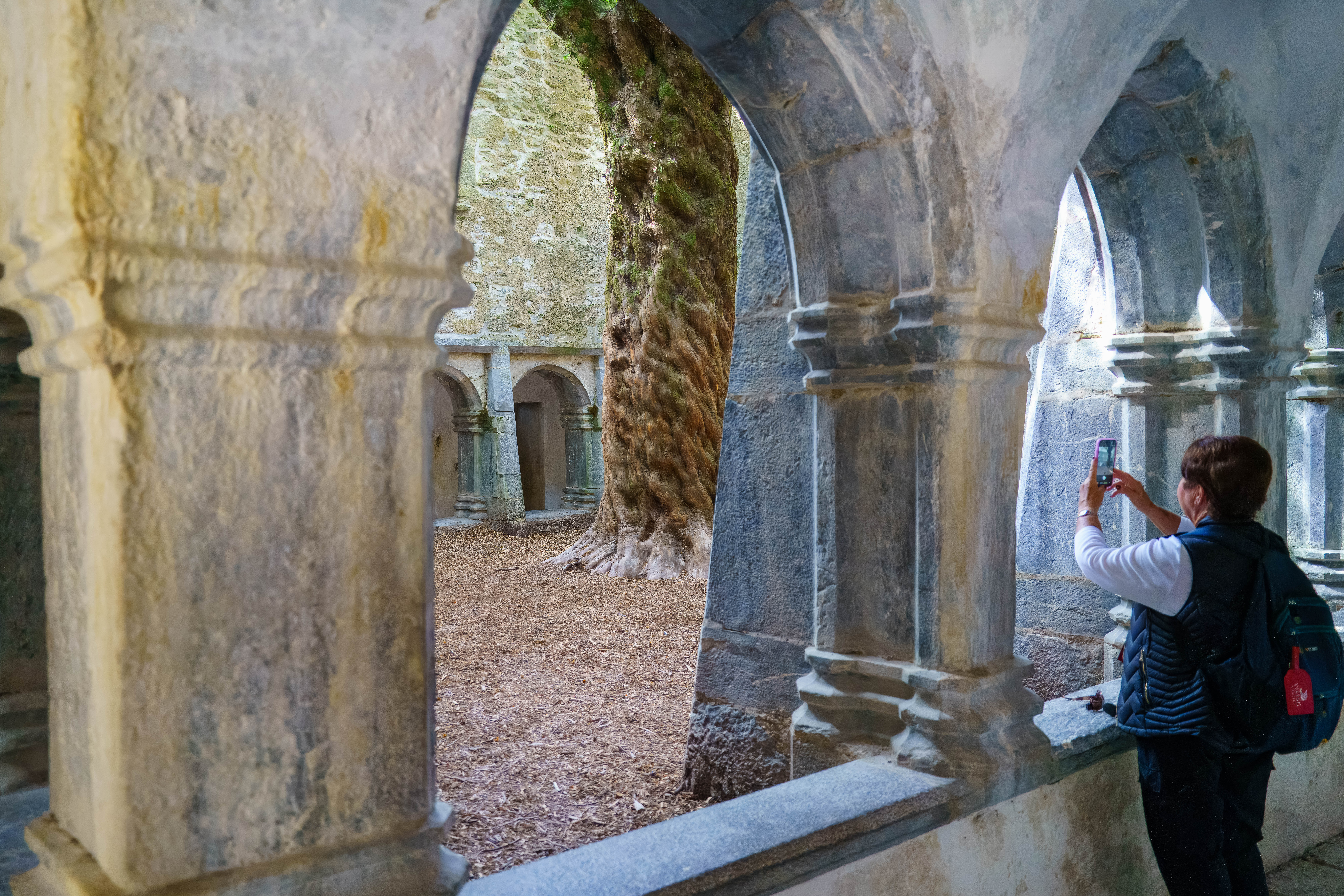
A half mile walk (hike) took us to Muckross Abbey.

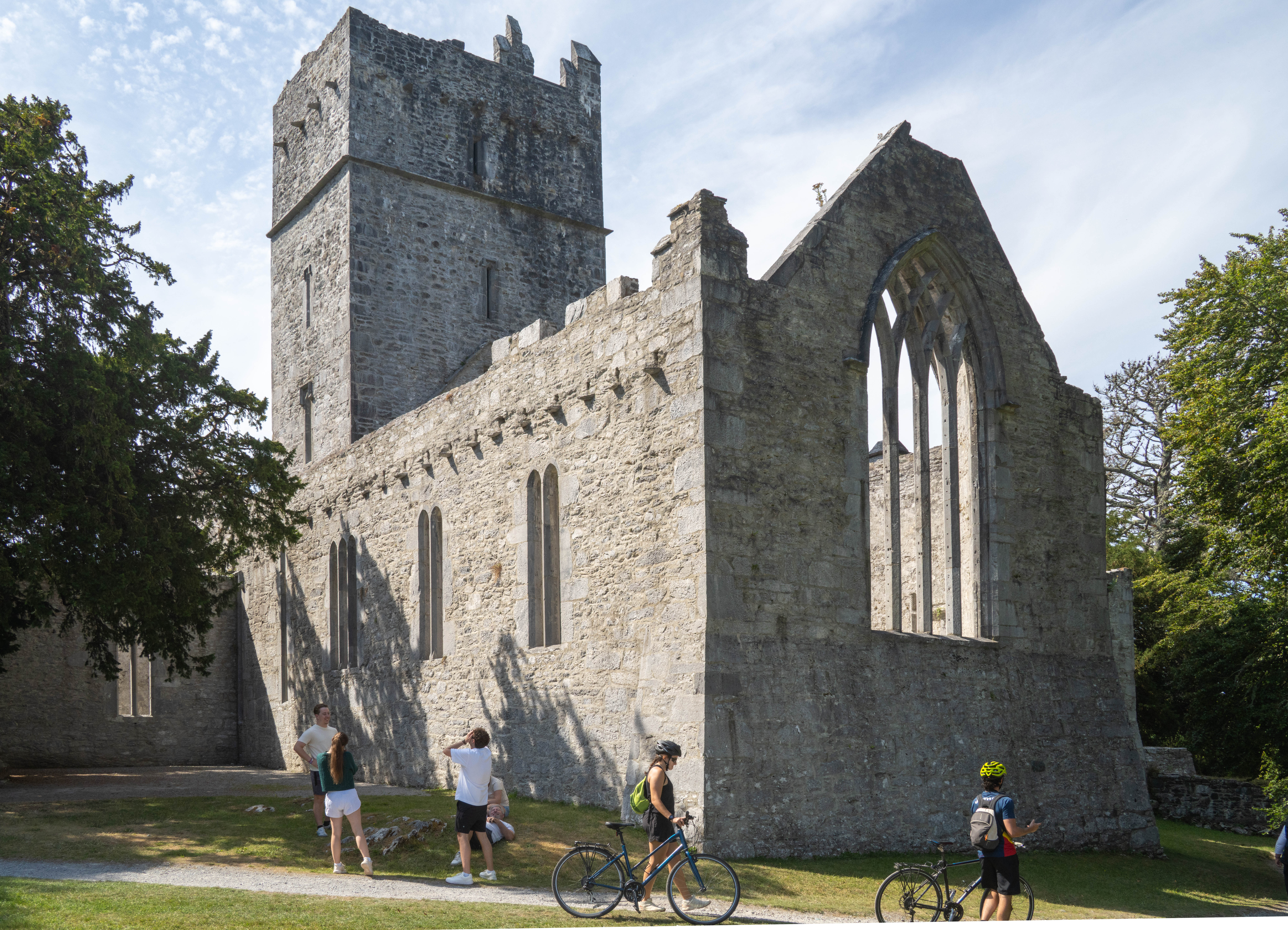
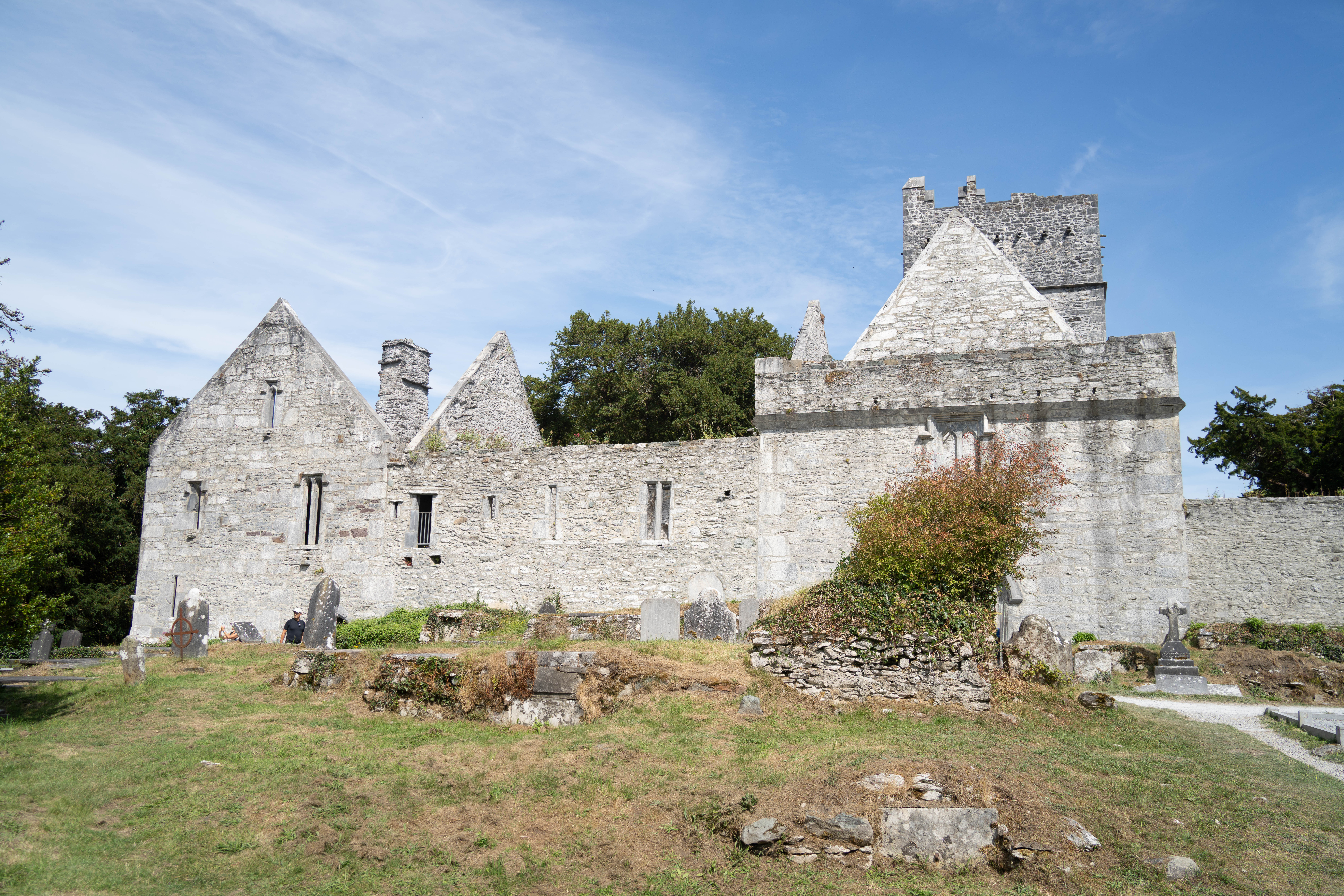
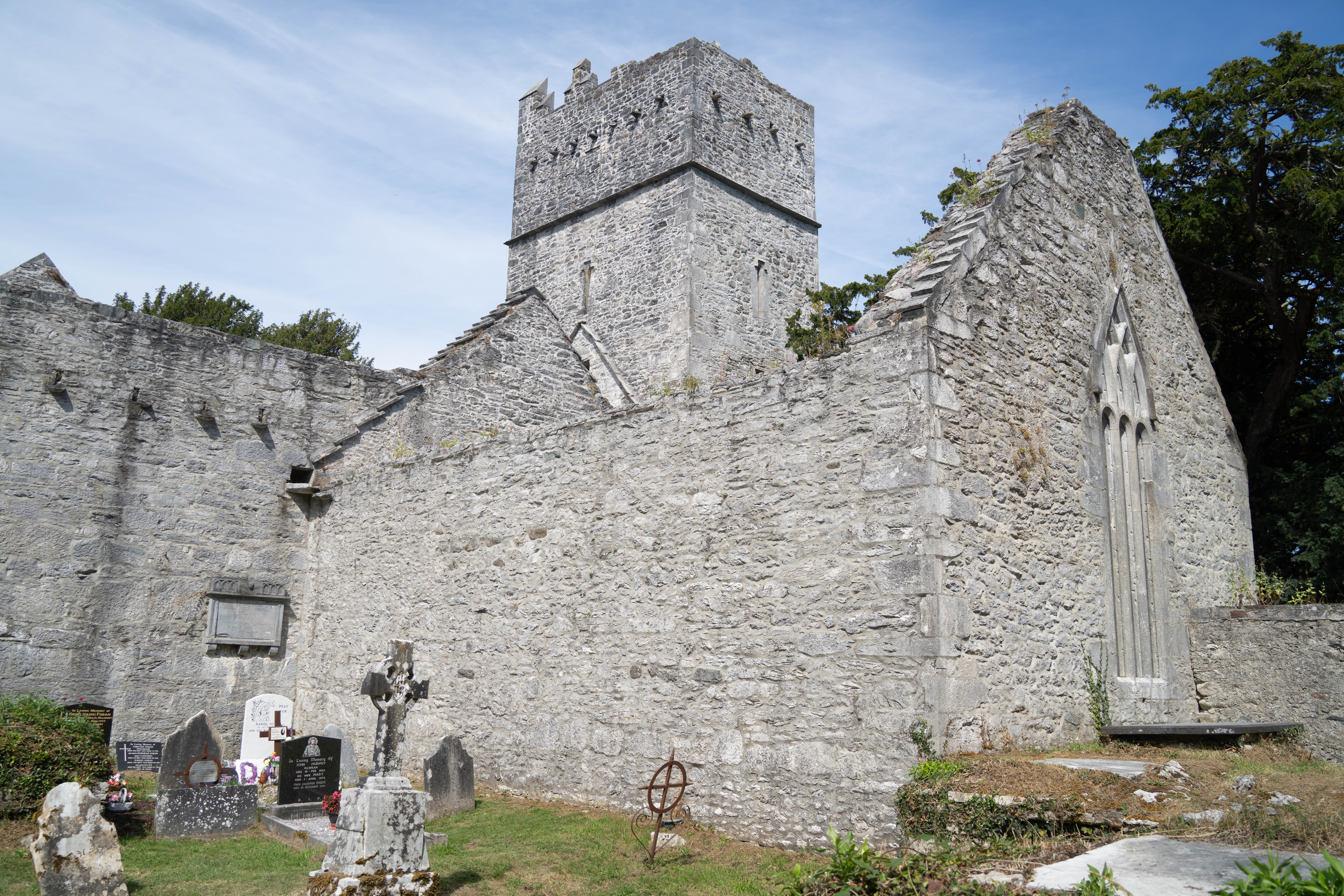
The Abbey is a remarkably well-preserved 15th-century ruined Franciscan friary located within the heart of the National Park. The current stone structure was built in 1448 for the Observantine Franciscans by the local chieftain Donal McCarthy Mor. The friary endured centuries of brutal raids. The monks were driven out, and parts of the structure were burned down, in 1652 by Oliver Cromwell’s forces.

A massive, towering yew tree grows directly out of the center of the interior cloister courtyard. Local folklore estimates it is over 500 years old—making it nearly as old as the stone walls built around it.

Unlike many medieval ruins whose upper tiers are completely lost, visitors can safely climb narrow, winding stone staircases to explore the friars’ old living quarters, dormitory, and dining halls.

An Historic Graveyard borders the ruins. It serves as the final resting place for historic Gaelic clan chieftains (like the O’Donoghues) and several legendary 17th- and 18th-century Kerry poets. 

Back at the hotel, we had dinner and and early bedtime.

Sunday, August 9, 2026 (Day 4)—The Famous Ring of Kerry

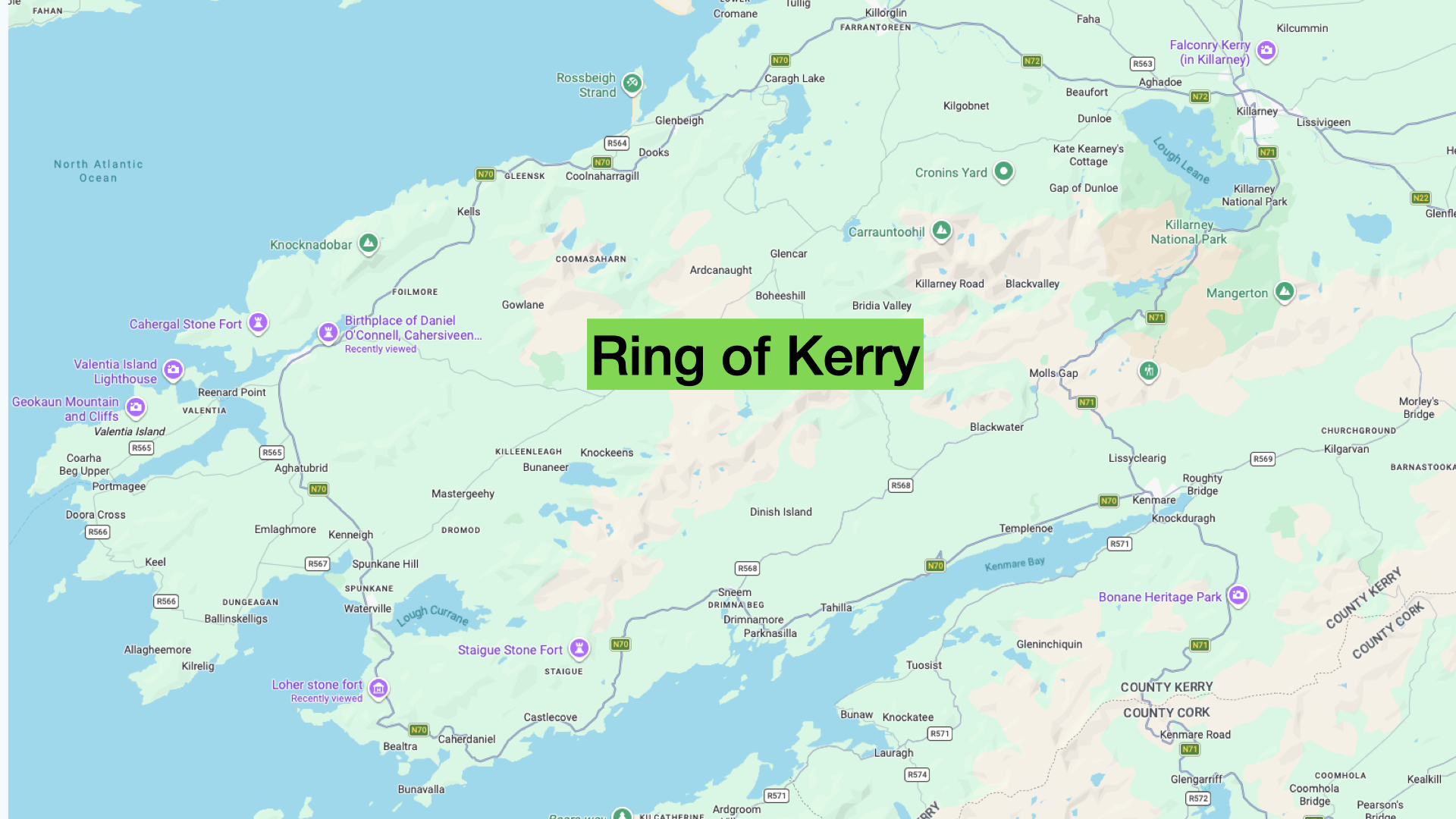
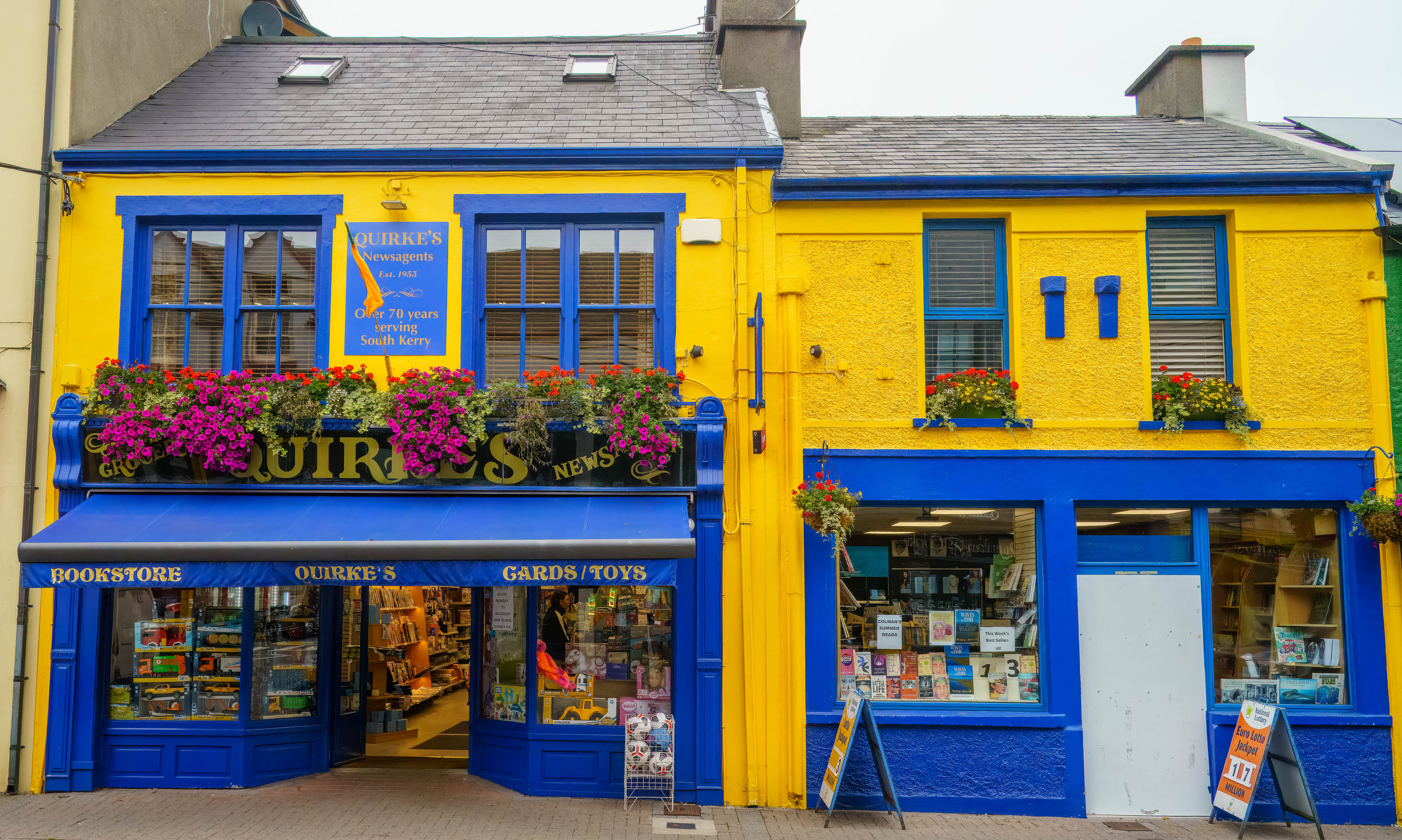
Day four of the tour featured the Ring of Kerry, a notorious 111-mile circular drive around the Iveragh Peninsula through dramatic coastal cliffs, sweeping mountain passes, sparkling lakes, and colorful, traditional Irish villages.

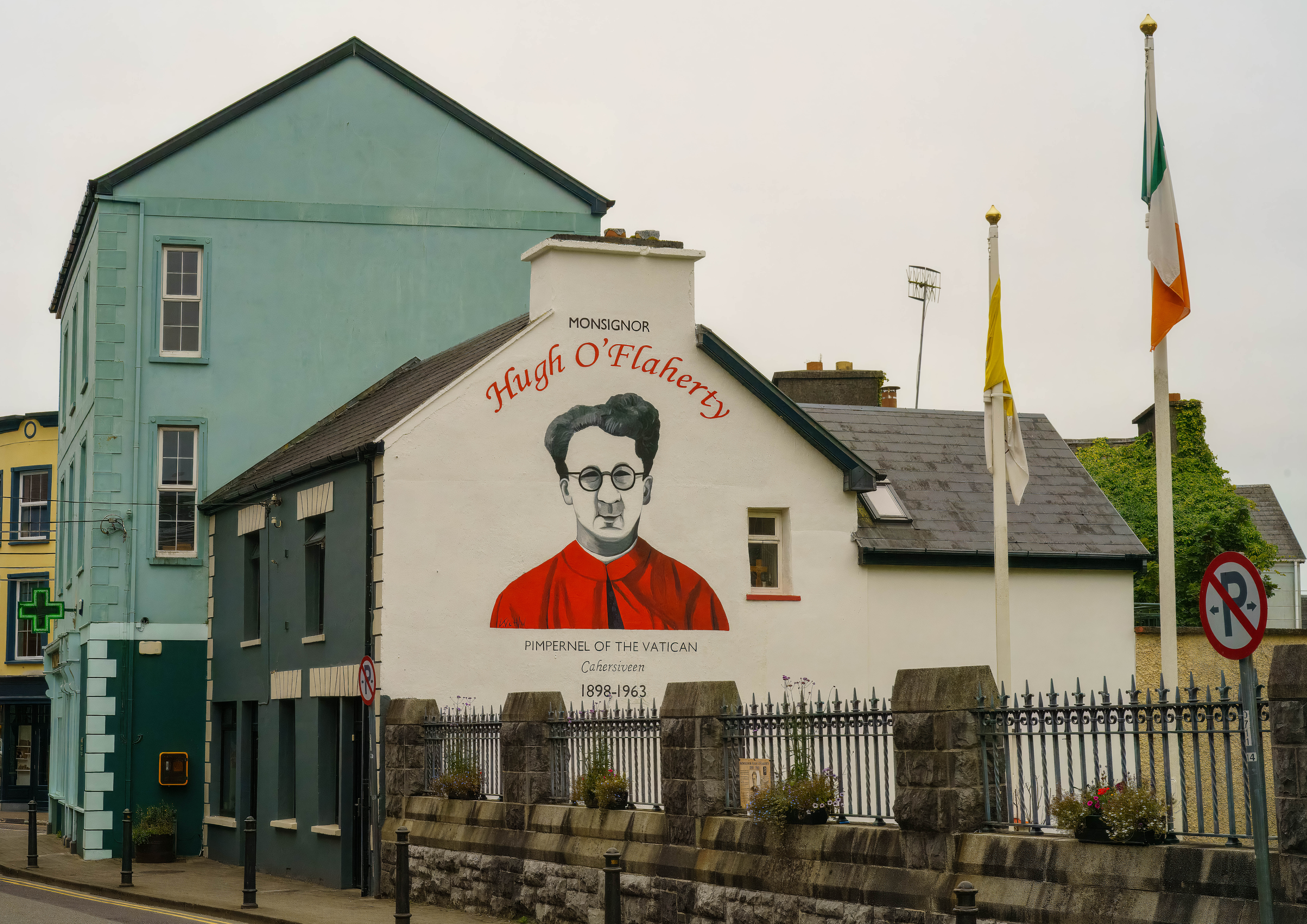
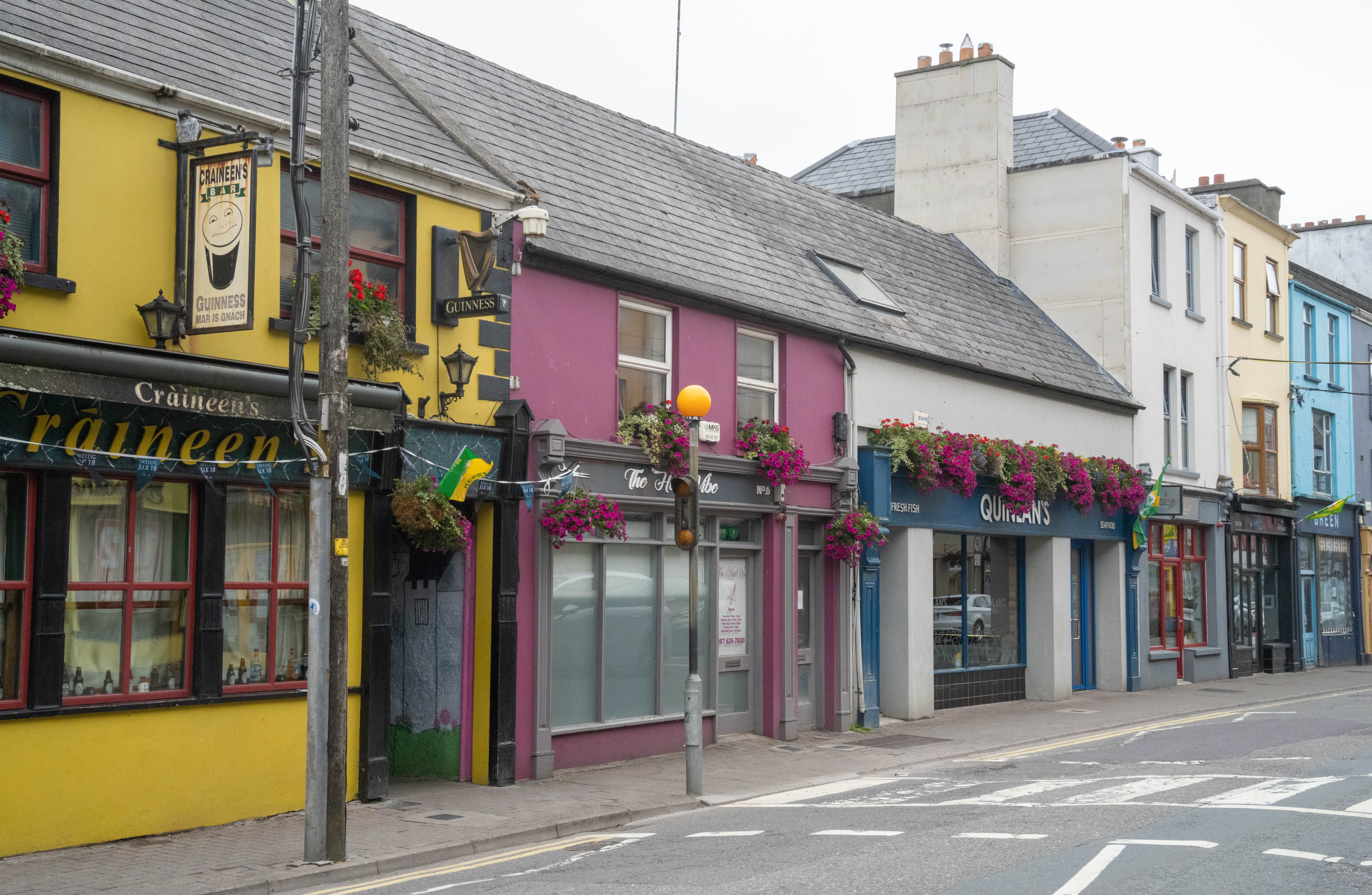
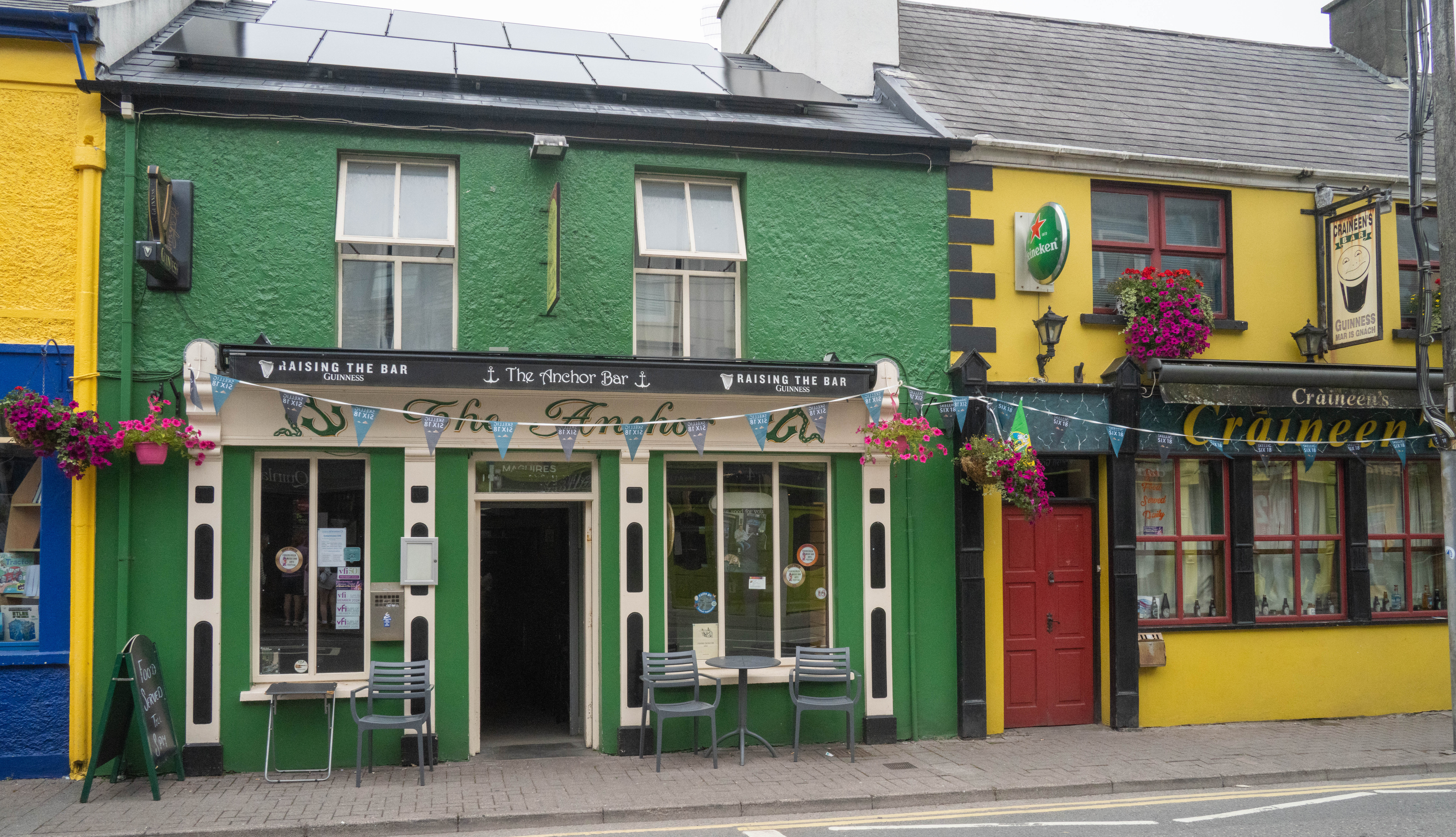
The roads are well-maintained but notoriously narrow, winding, and bordered by stone walls or hedges. The “Ring of Kerry” drive begins and ends in Killarney, and exposed us to green mountains, blue lakes, old castles, and wild ocean views, passing through the towns of Glenbeigh, Cahersiveen, Waterville, and Sneem. 

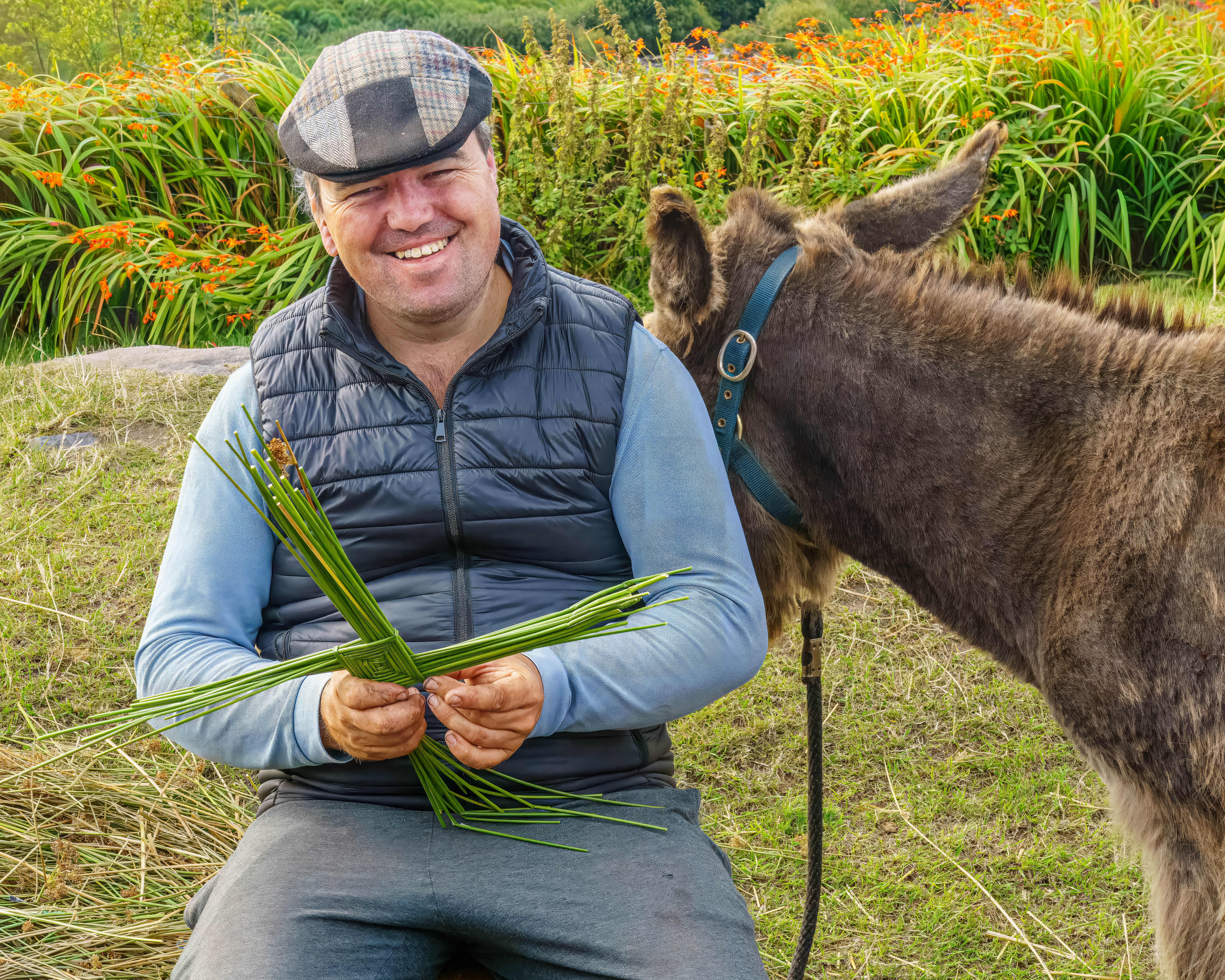
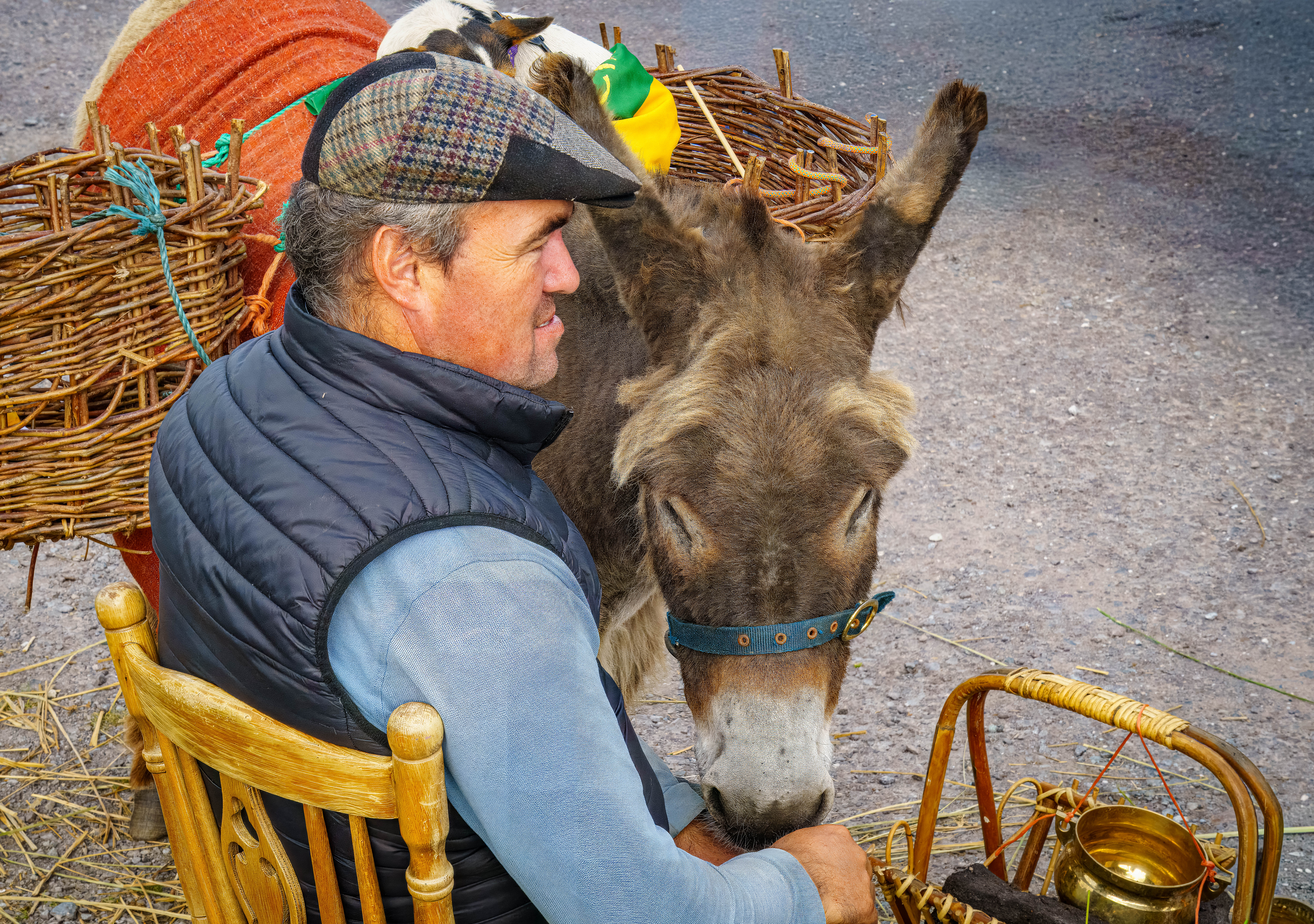
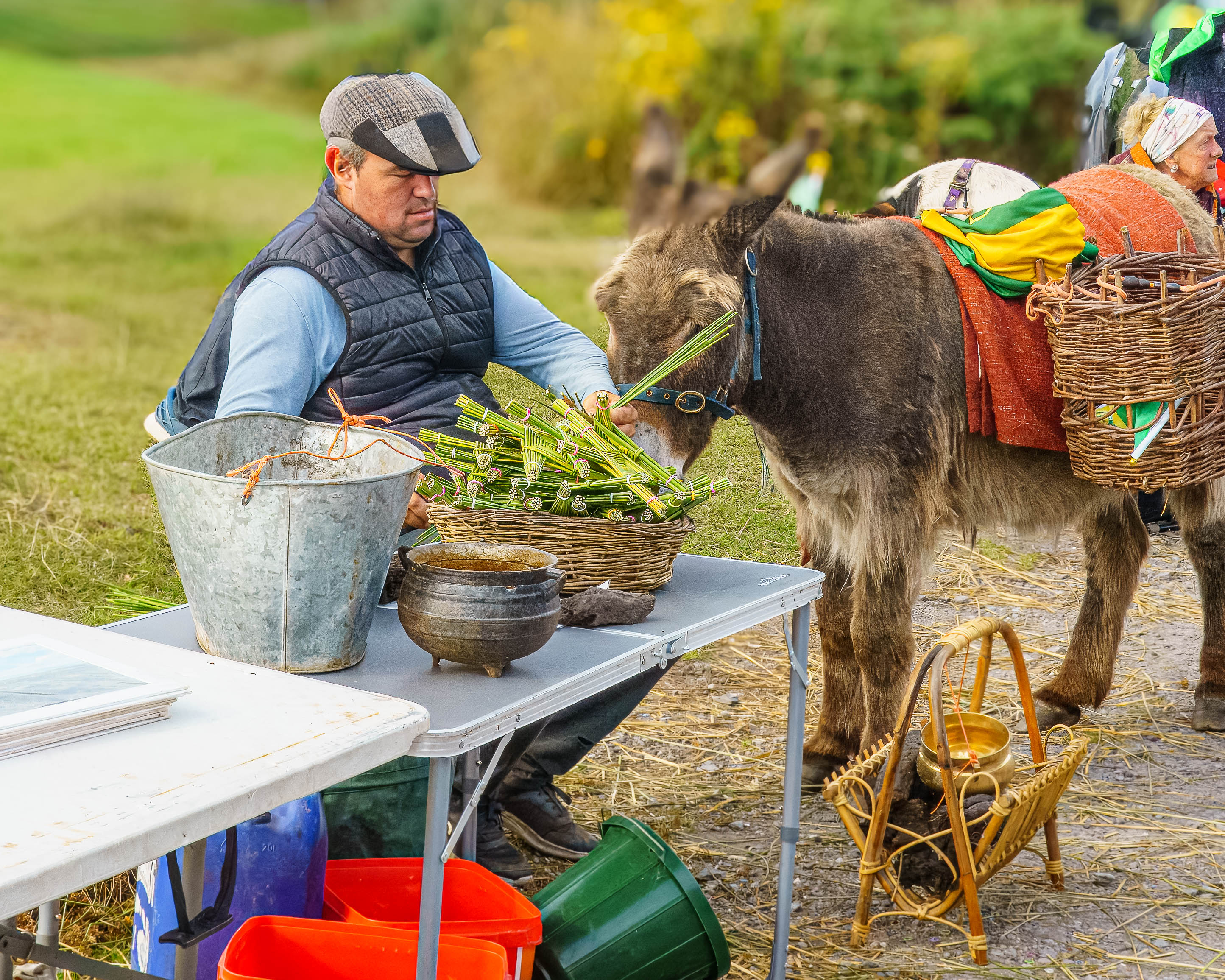
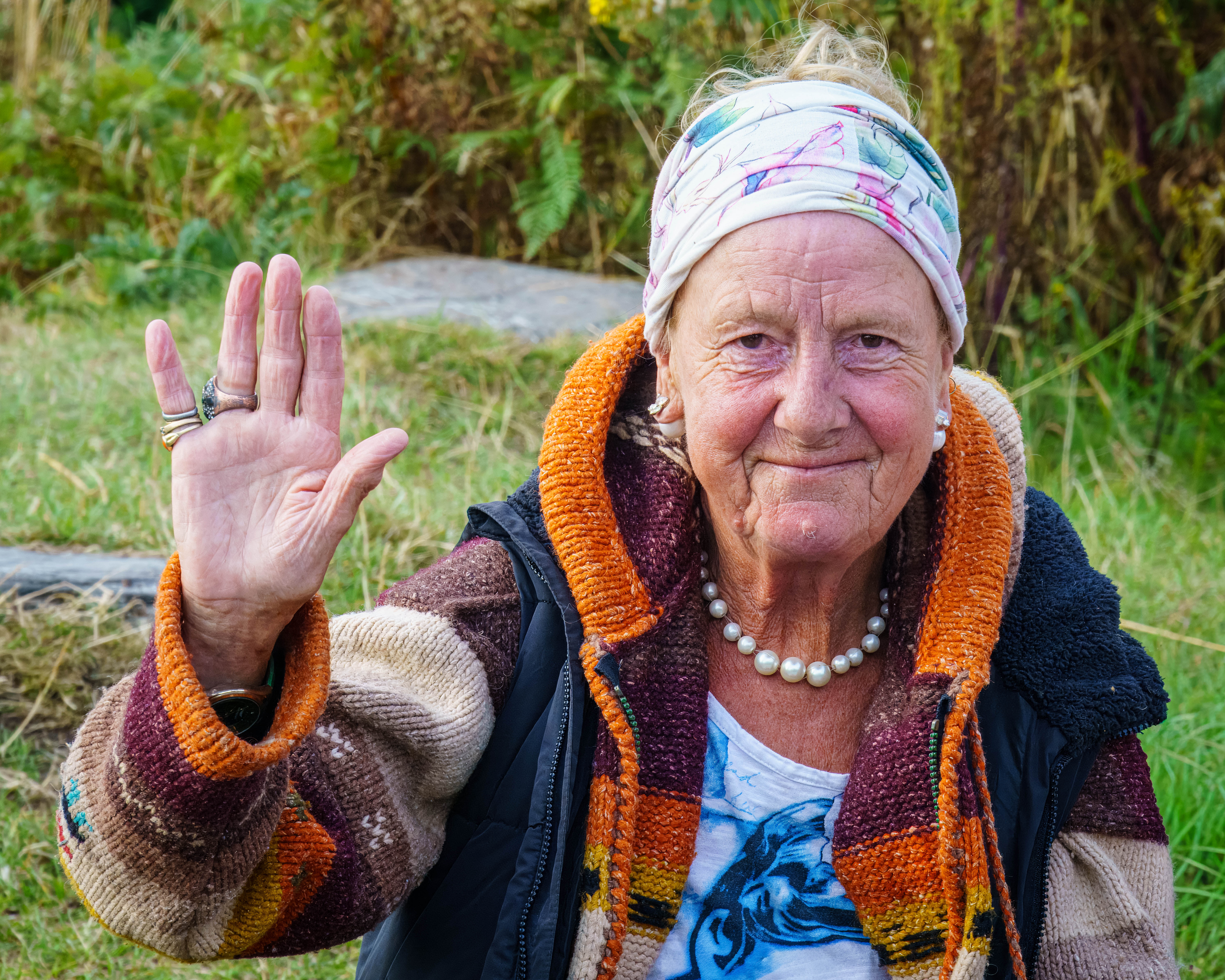
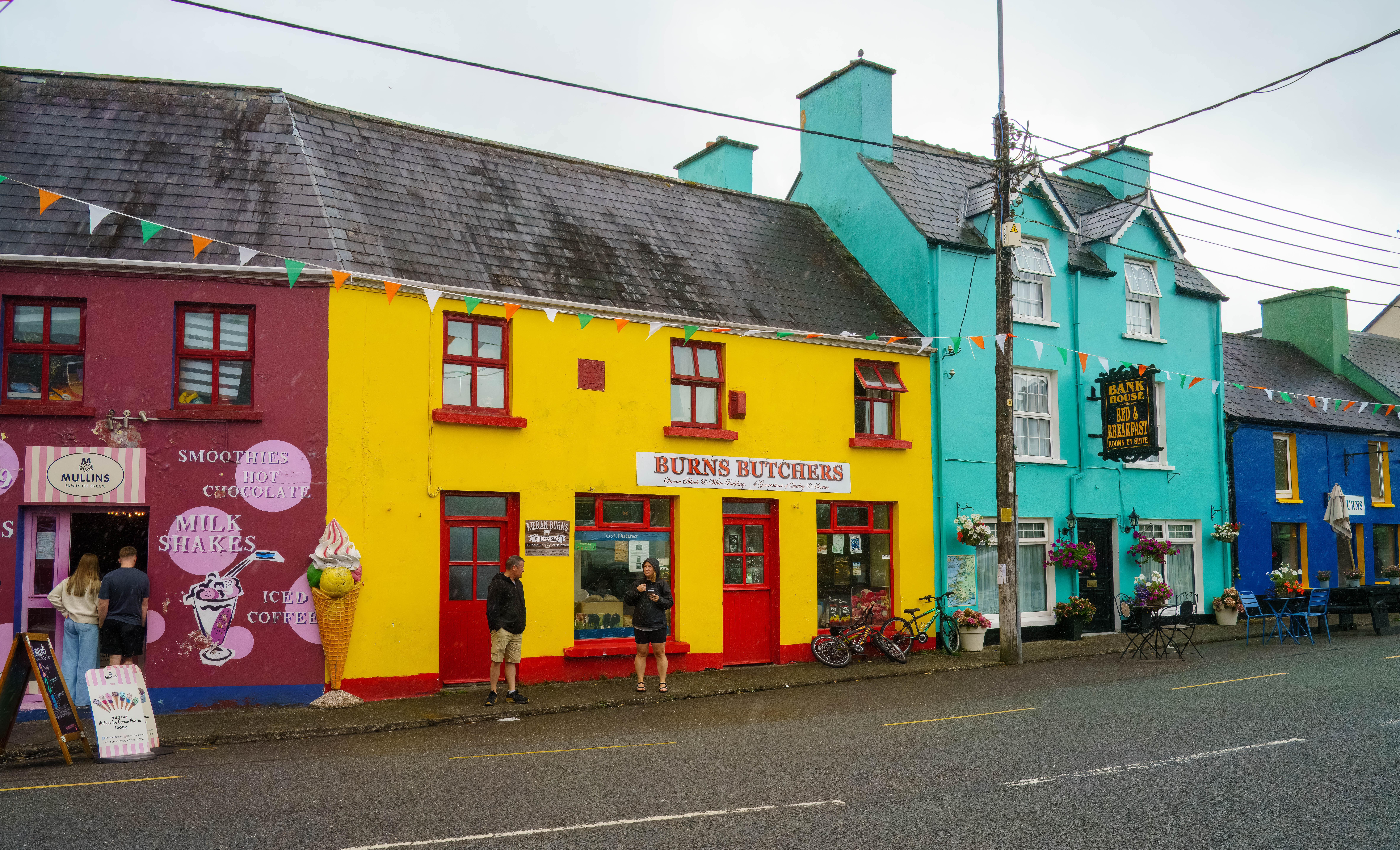
Our first stop was a roadside tourist “market” with a couple of colorful local characters, not counting the ass.

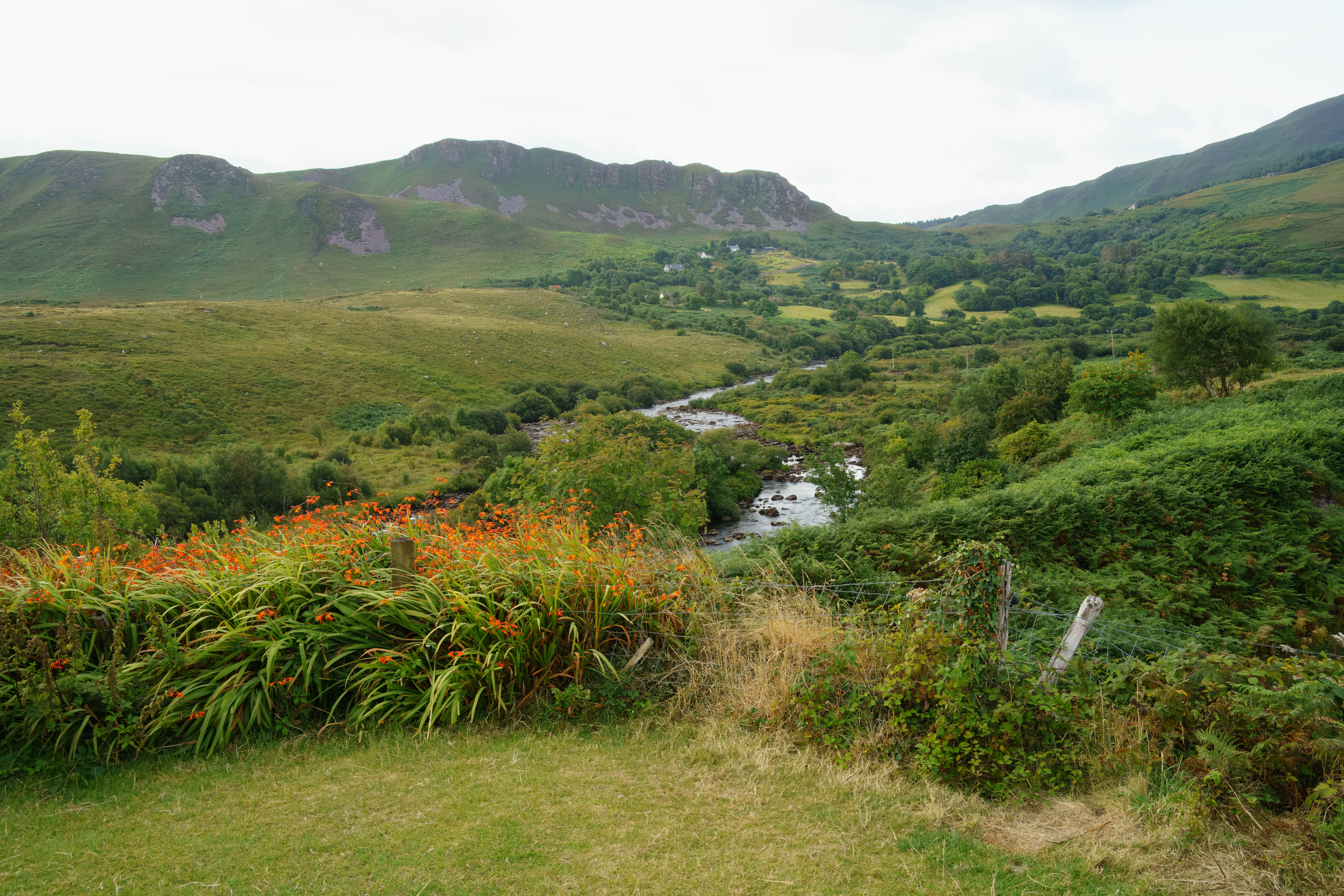
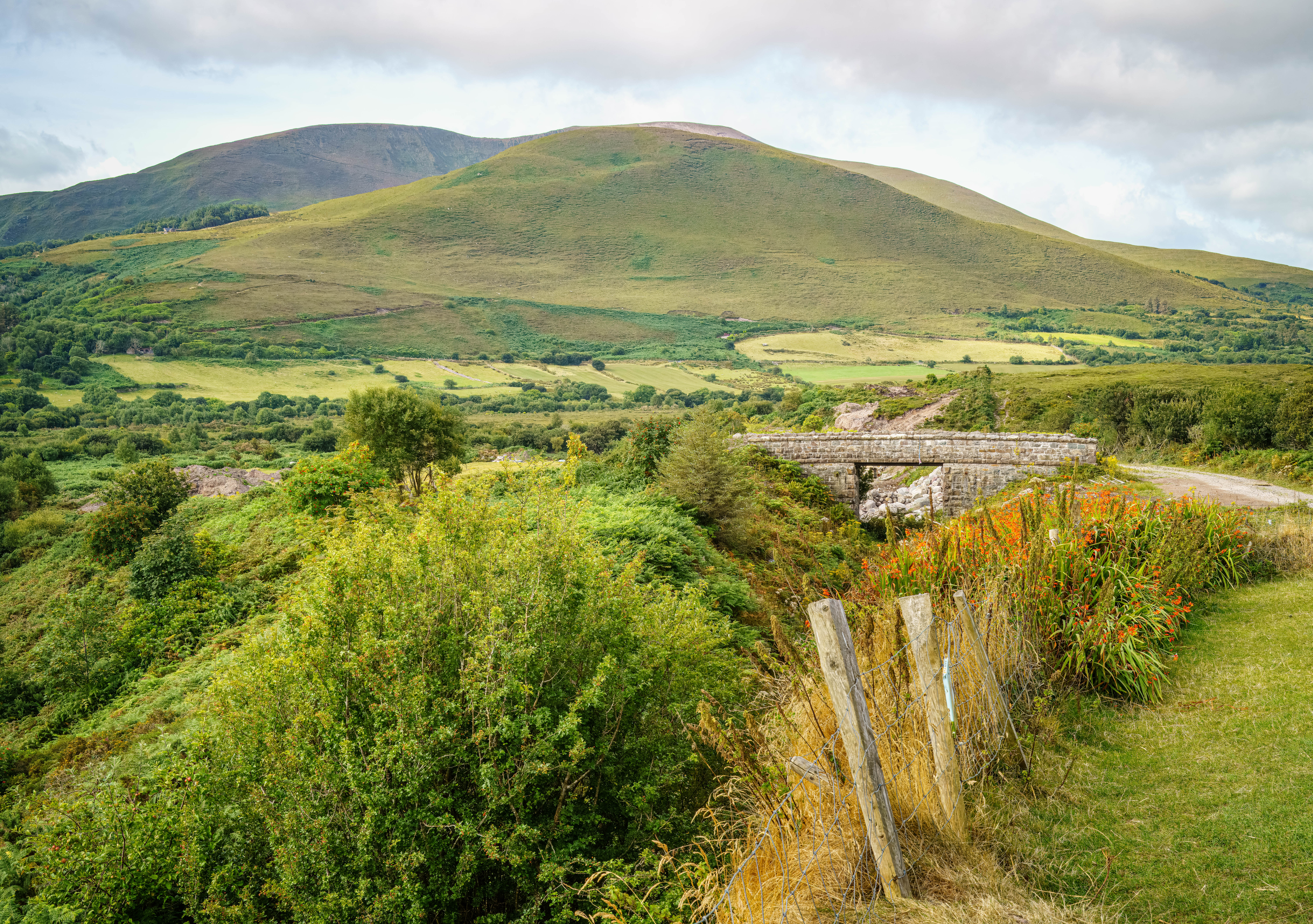
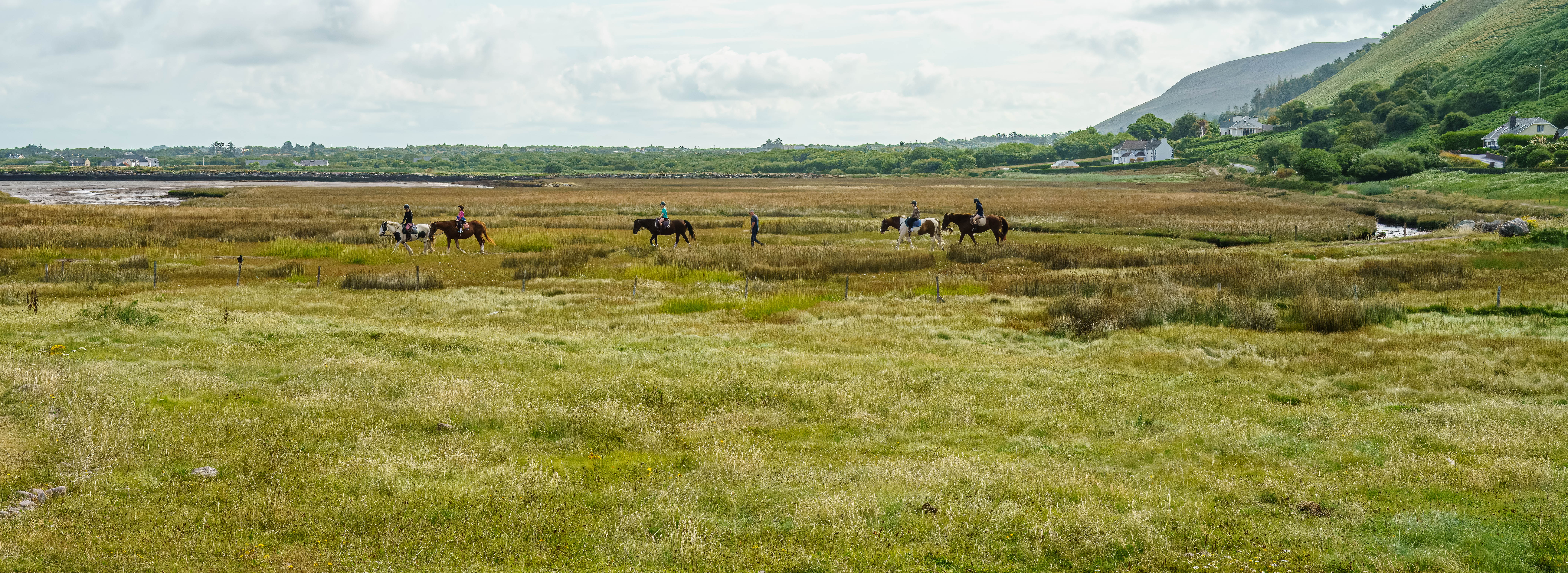
And the landscapes were quite scenic. 

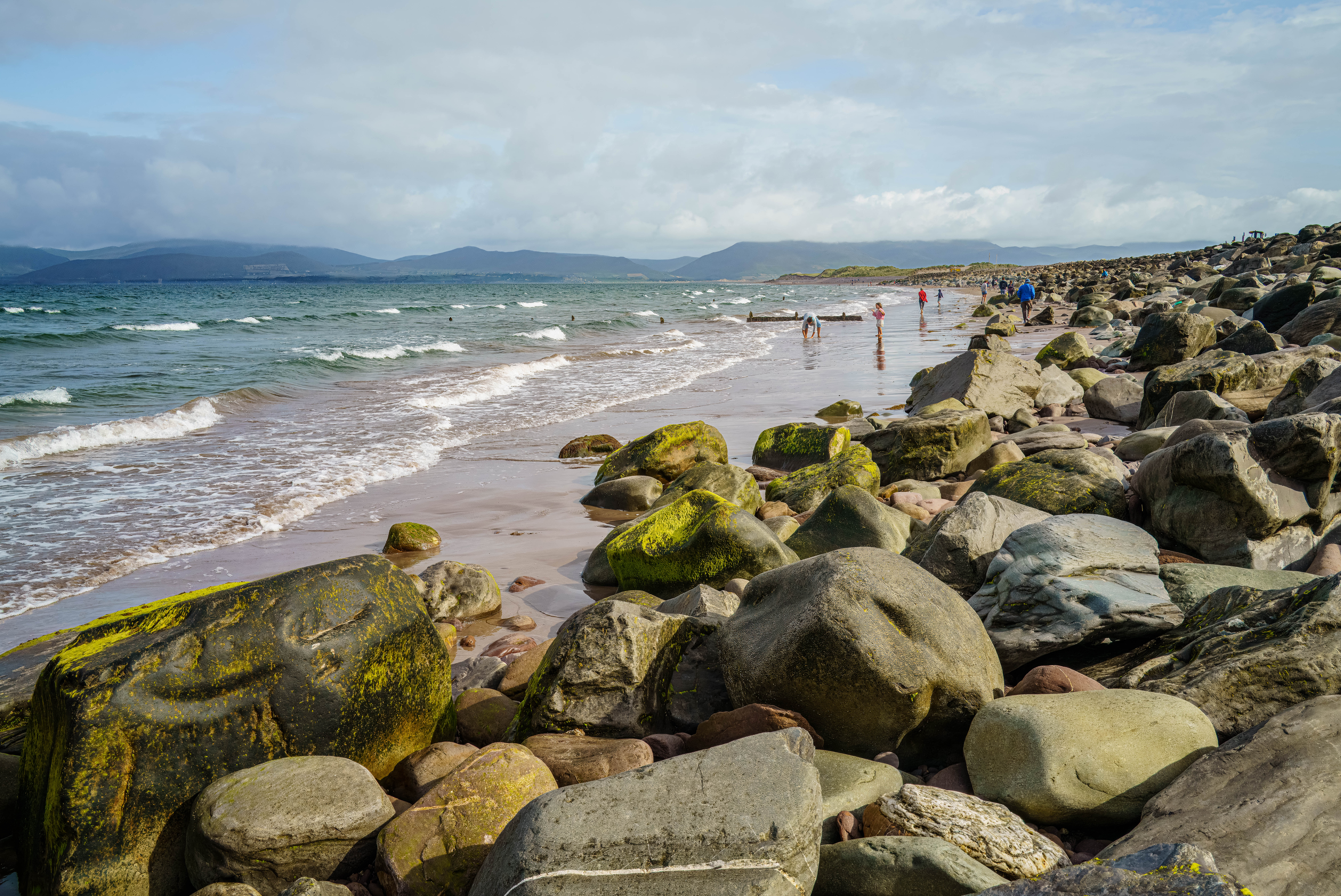
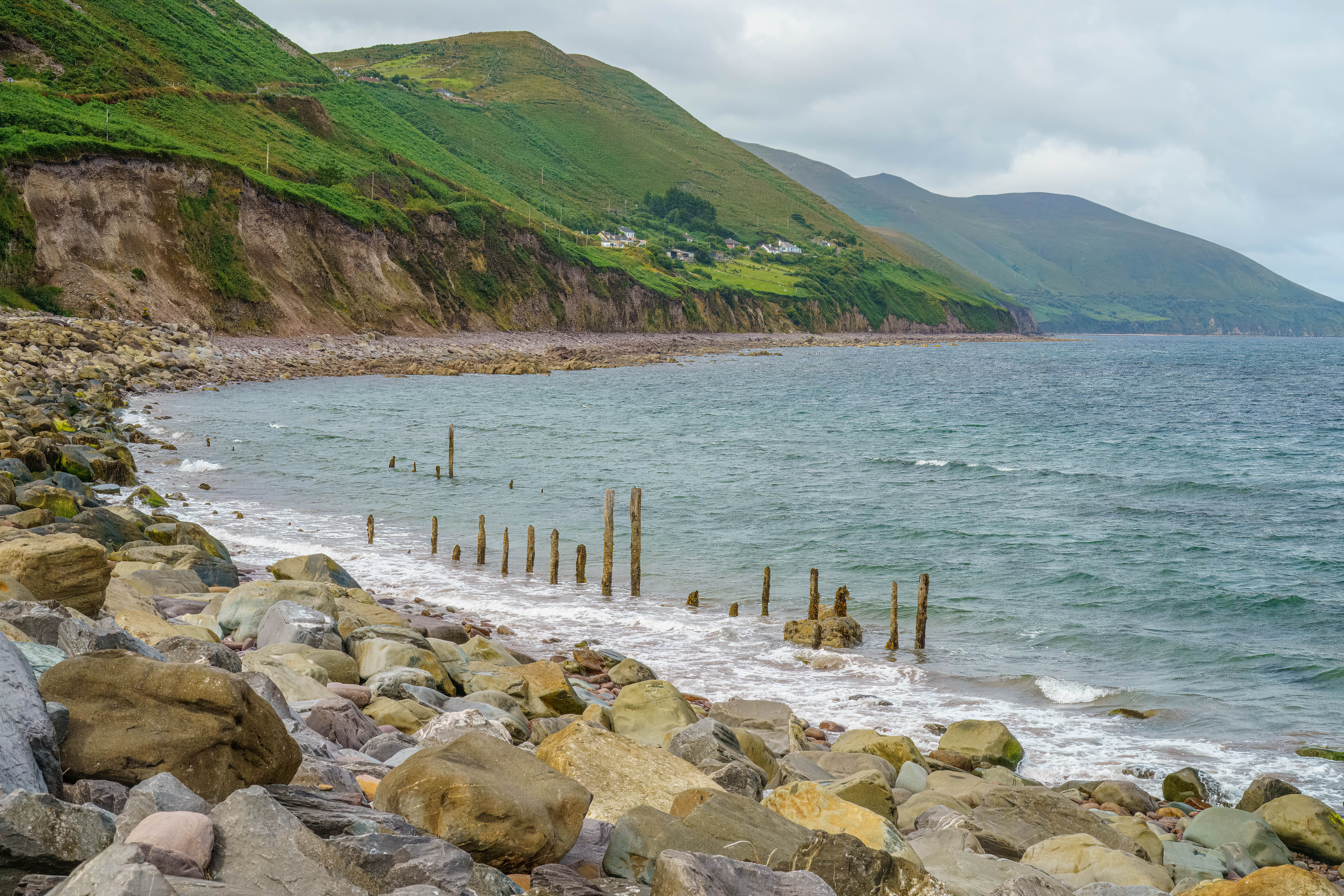
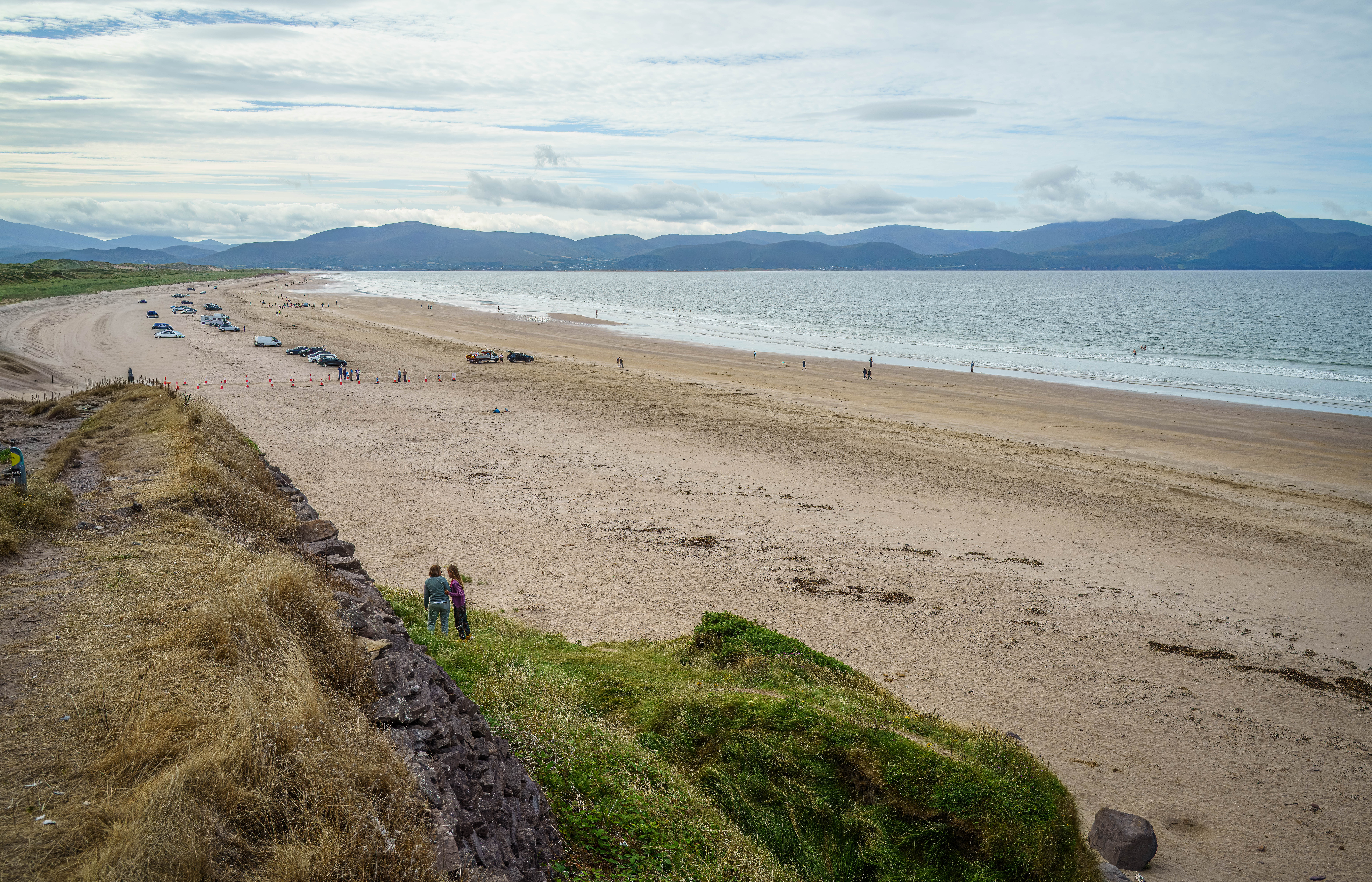
We stopped in Rossbeigh and visited the dramatic Blue Flag Beach.

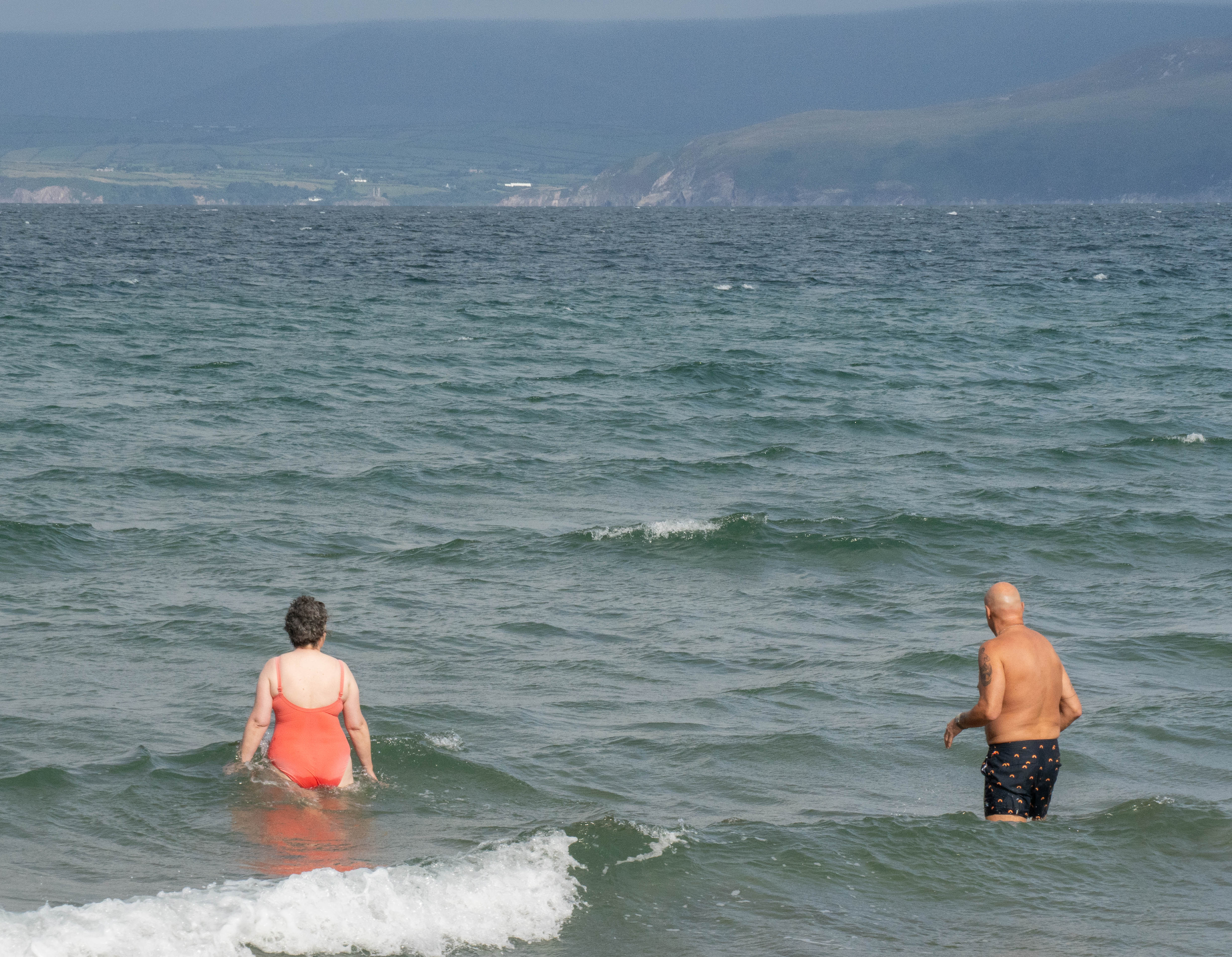
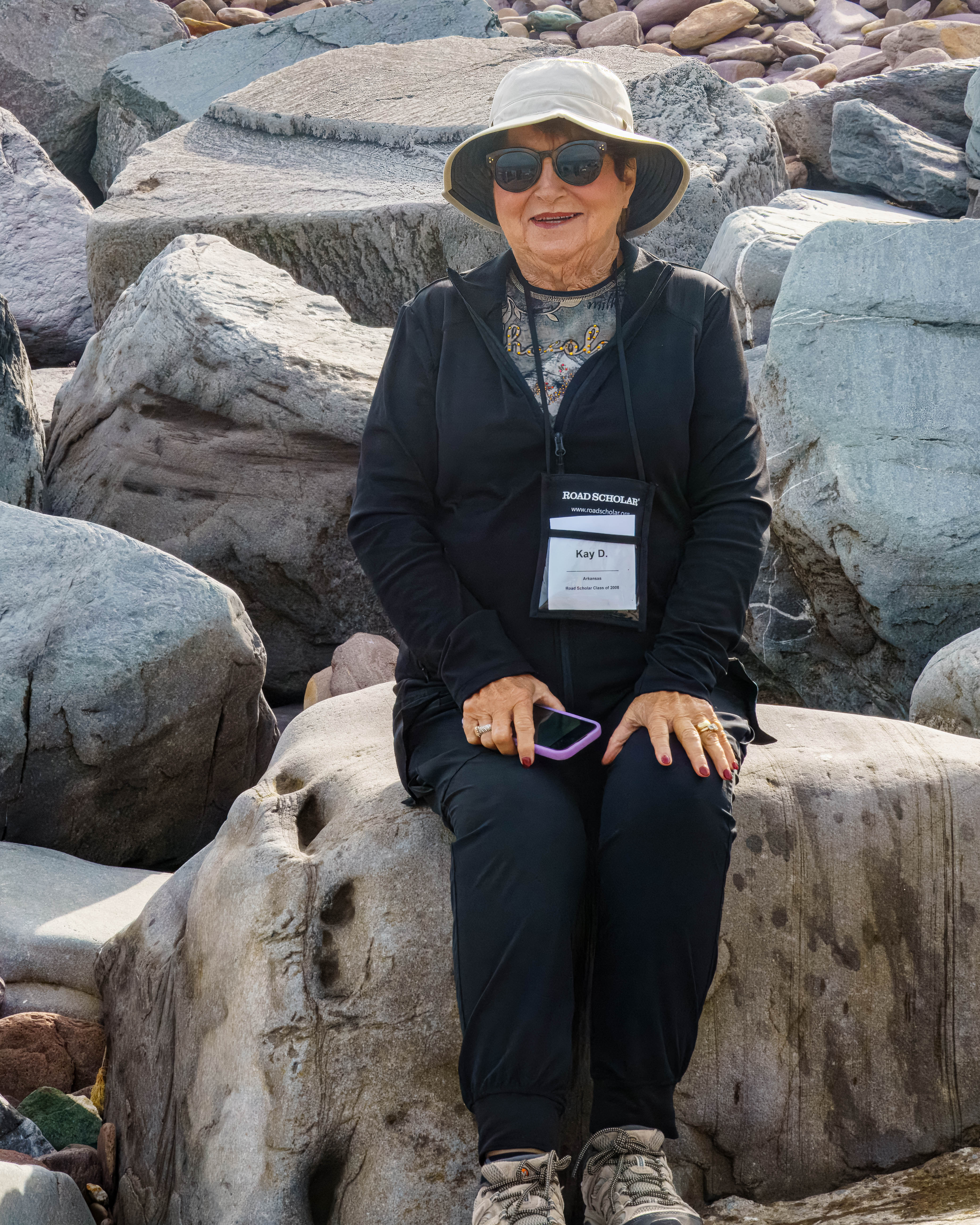
Even our tour director and one of the group opted to swim; Kay said, “No way!”

Since it harbors all kinds of marine life and seabirds, it is a designated natural heritage area and a Special Area of Conservation.

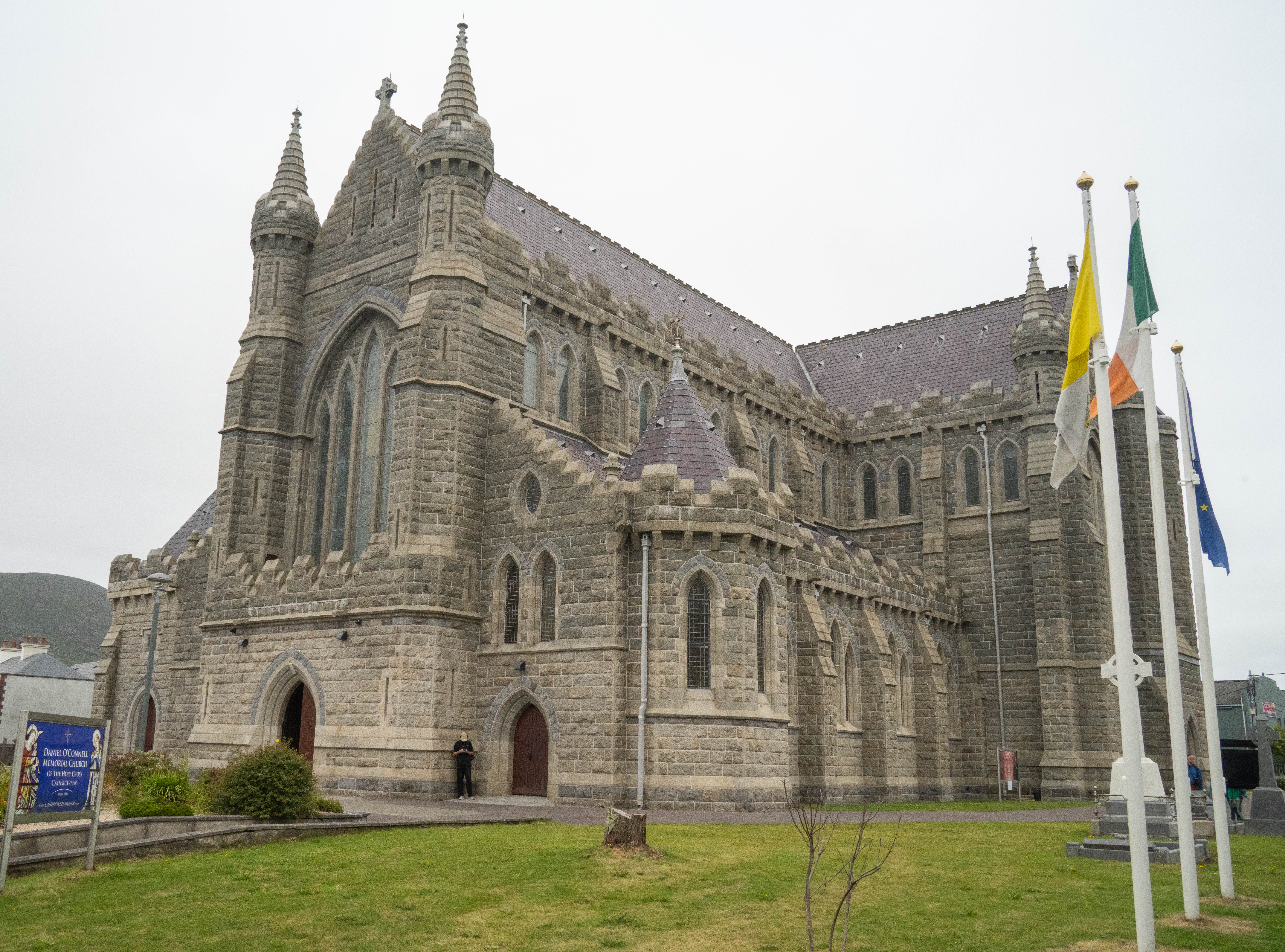
Another stop was at the Daniel O’Connell Memorial Park in Cahersiveen. The park provided a serene escape from the hustle and bustle of touring.

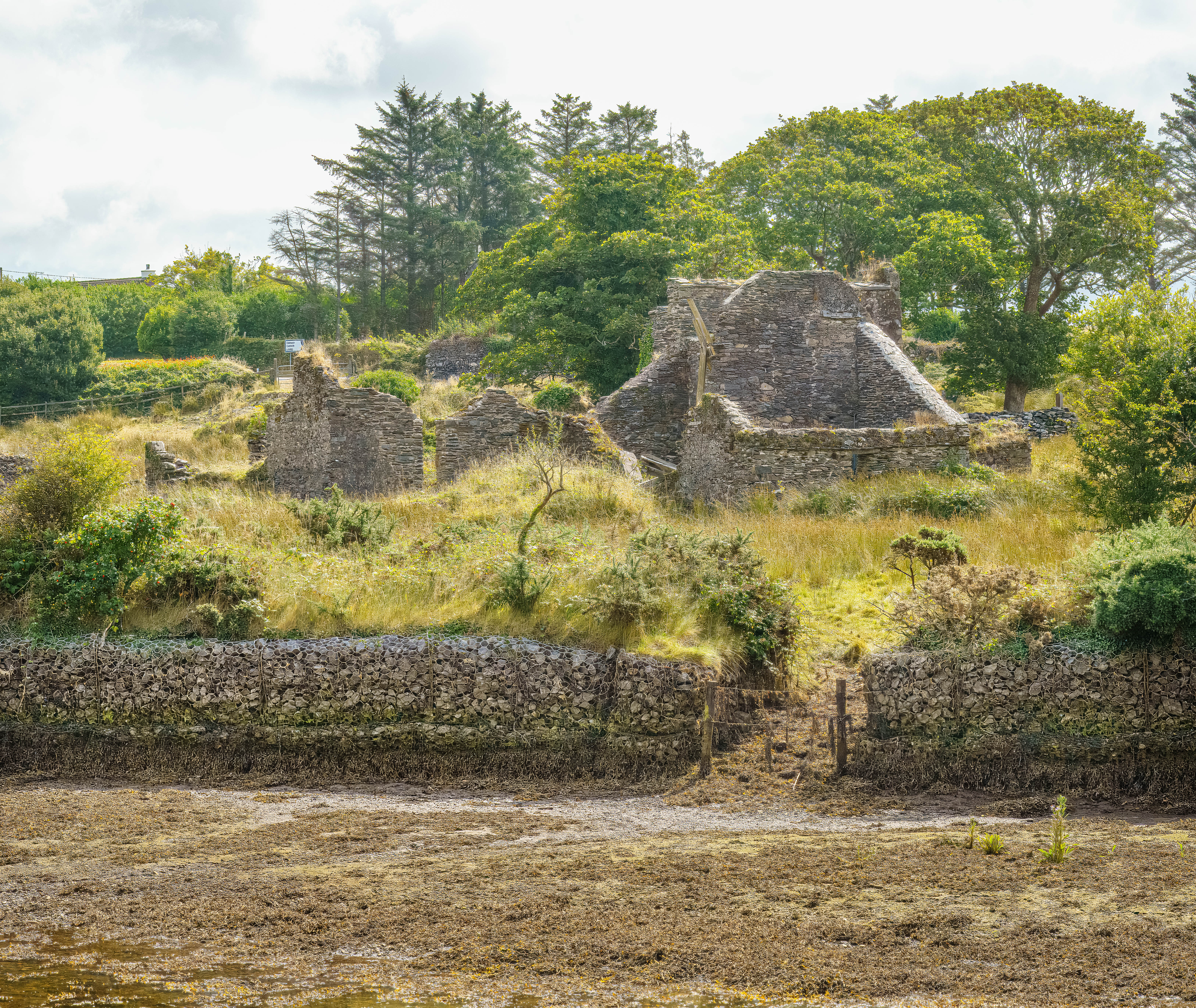
The park looks directly across the Carhan River toward the ruins of Carhan House, where Daniel O’Connell was born. Daniel O’Connell was known as “The Liberator” or “The Emancipator”, and was a monumental Irish political leader, lawyer, and statesman who revolutionized 19th-century constitutional nationalism. He is most celebrated for securing Catholic Emancipation in 1829, granting Irish and British Roman Catholics the legal right to sit in the Westminster Parliament and hold public office. 

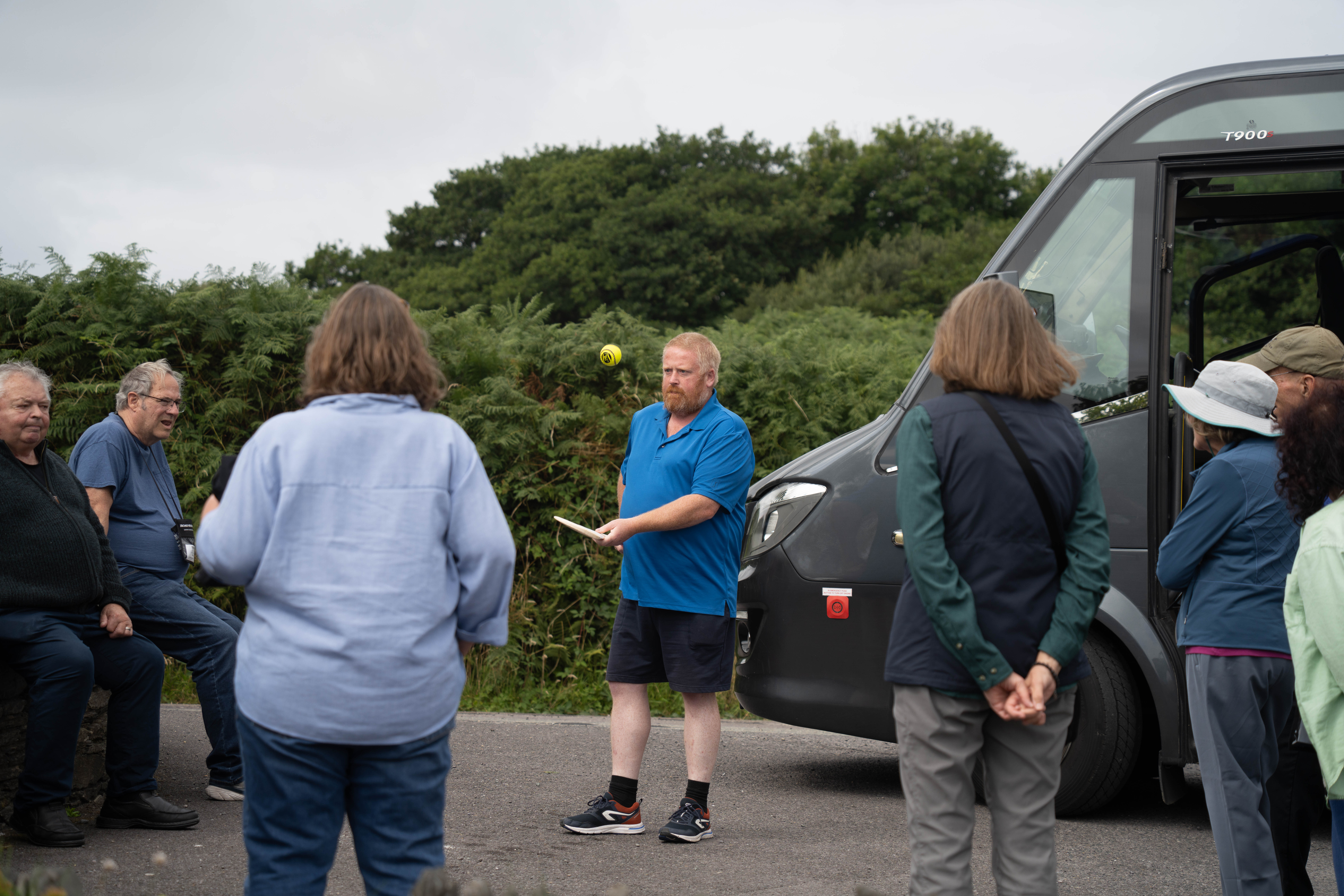
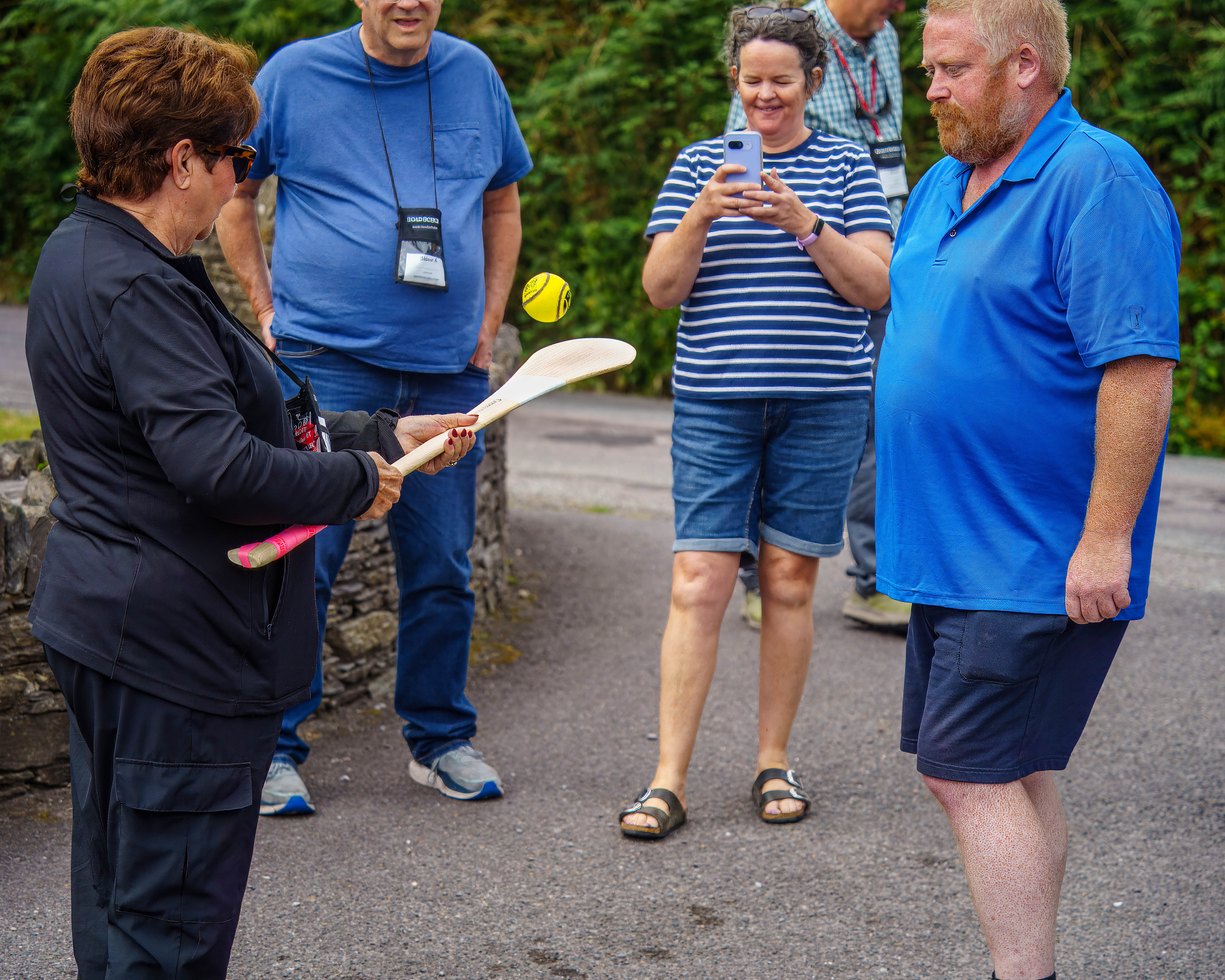
While waiting to board the motor coach, the driver demonstrated equipment used in hurling. 

Hurling is national indigenous game; it is an ancient, fast-moving bat-and-ball sport played with a wooden bat made out of ash called a hurly and a small ball, slightly smaller than an American baseball, called a sliotar. Later that evening, Kay and I watched a women’t hurling match, and it’s not only fast and furious, but dangerous as well. Kay demonstrated her hurling acumen for the rest of the group.

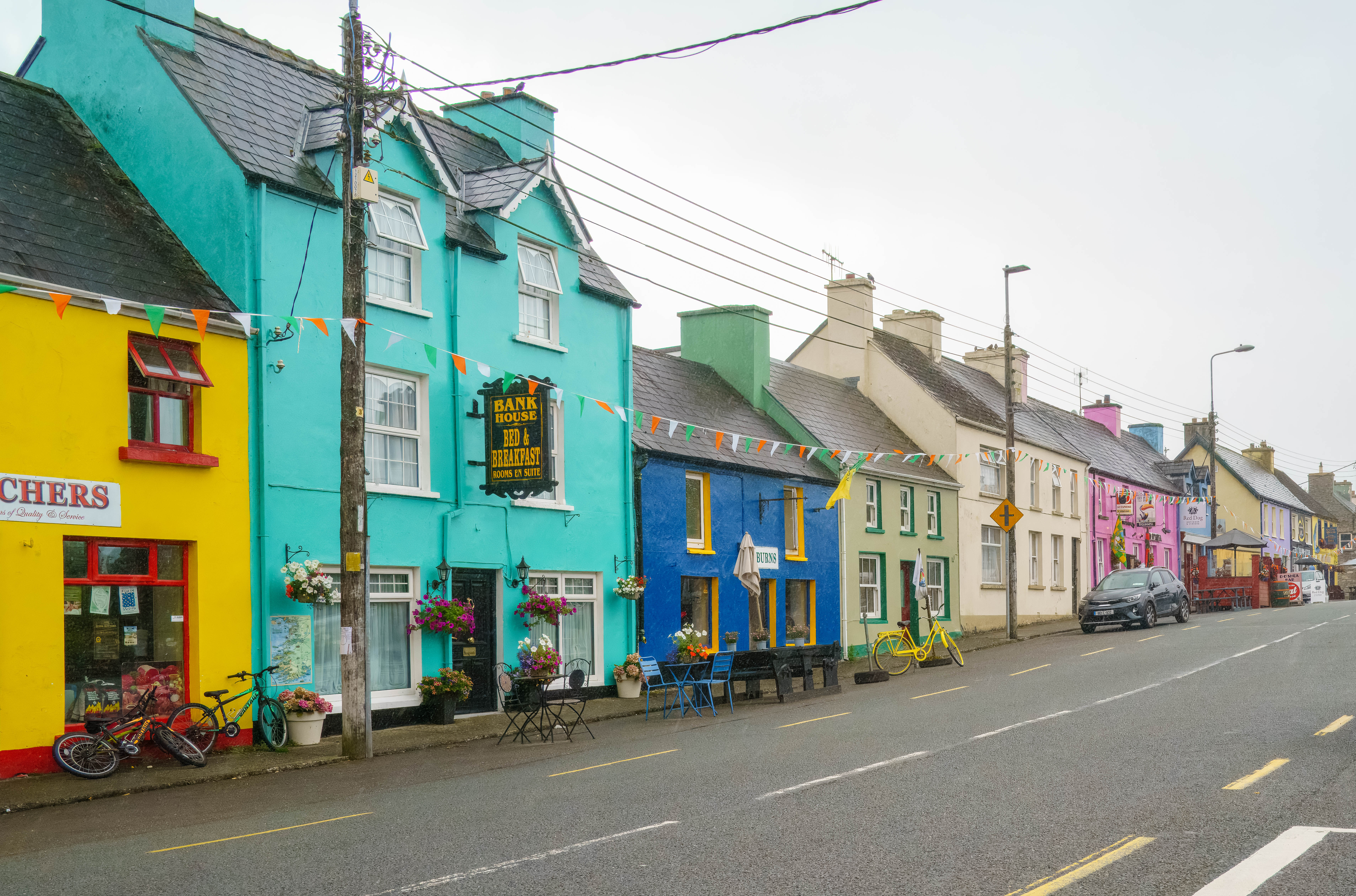
Following a typical (big) Road Scholar lunch, we made our way to the village of Sneem, a picturesque village on Iveragh Peninsula along the Wild Atlantic Way and the Ring of Kerry. (Click on an image to enlarge it.)
From Sneem, we continued the motor coach trip around the Ring of Kerry. Along the way we passed the Loher Stone Fort.

Large tour buses are legally required to drive counterclockwise (heading towards Killorglin first) due to the narrow roads. Apparently, several RVs and tour buses failed to get the “memo” and drove the wrong way, resulting in traffic chaos and accidents on the narrow roads. Our driver did a miraculous job of handling the many detours and difficult maneuvering spaces, and plaudits to our group for not complaining or bitching.

After five hours of bus riding and over two miles of walking, we had dinner at the hotel and retired for the evening.
Saturday, August 8, 2026 (Day 3)—Ireland’s History and the Dingle Peninsula

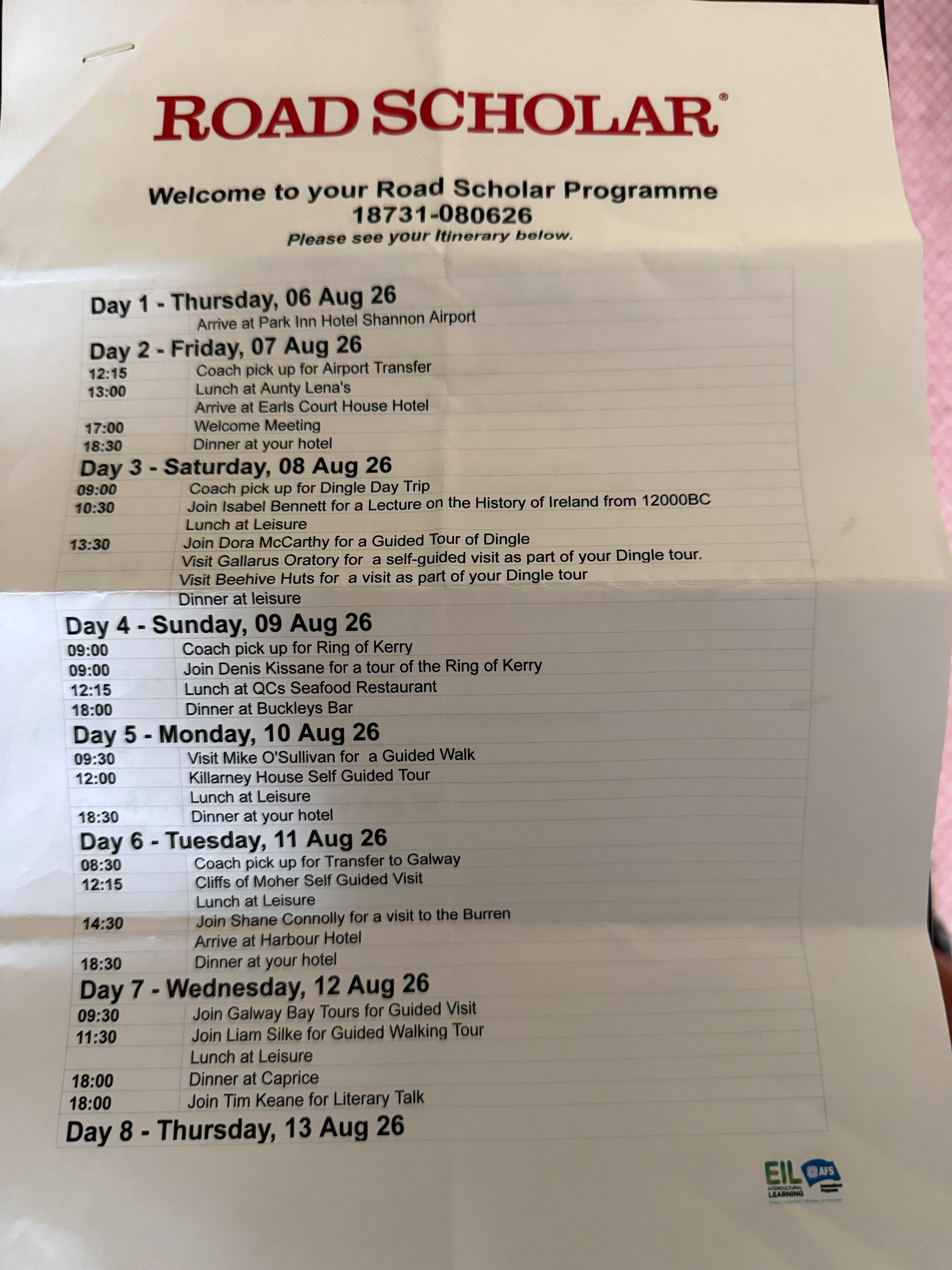
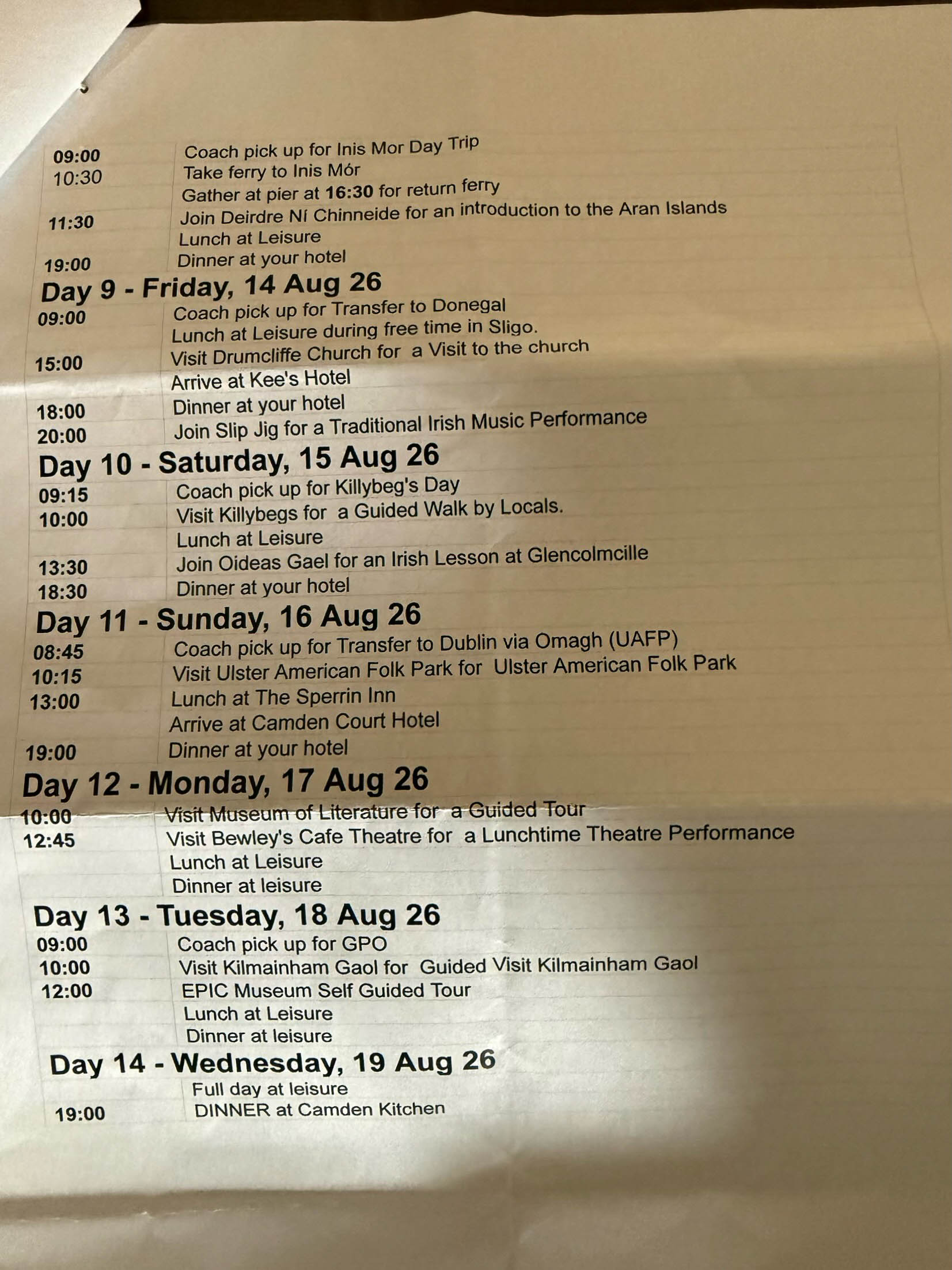
After a buffet breakfast, we adjourned to a meeting room where a detailed itinerary of the tour’s activities was provided.

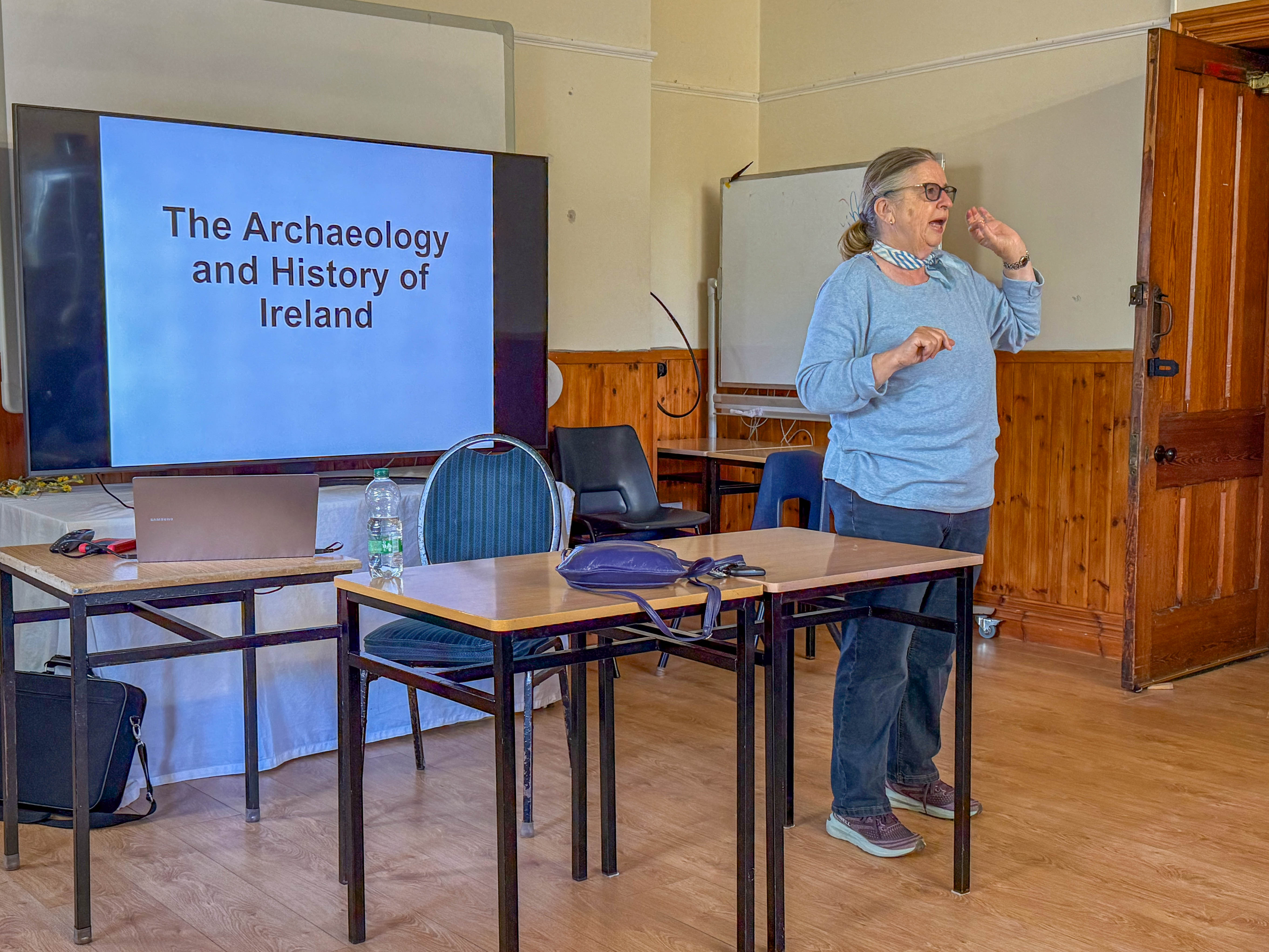
Afterwards, a lecture on Irish history was presented by a local expert.

When taken in full, the last couple hundred years was a sad time in the country’s history.

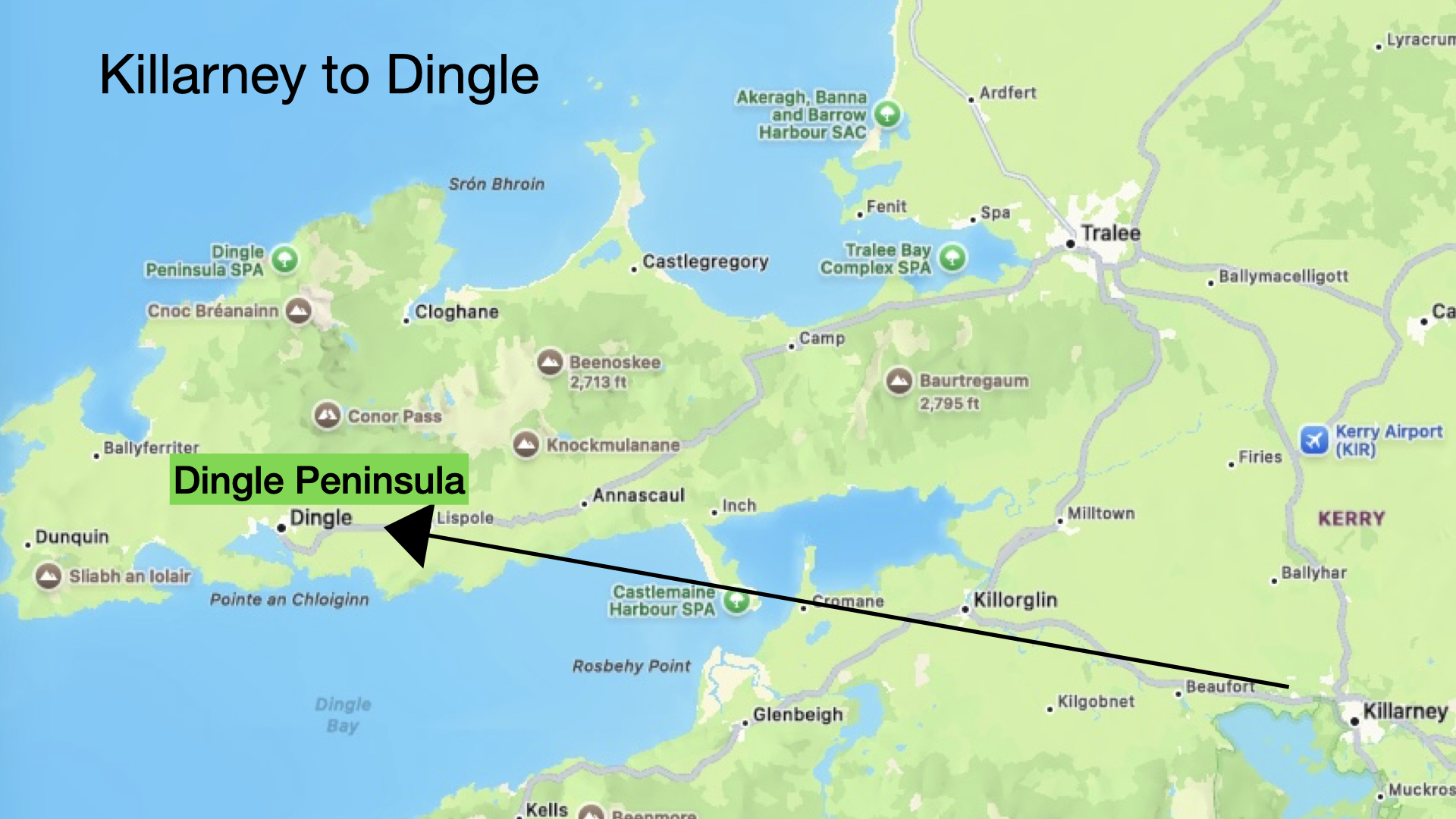
After a couple hours of “free time”, we were driven to the Dingle Peninsula via motorcoach to view “the most beautiful place on earth” as once cited by National Geographic magazine.

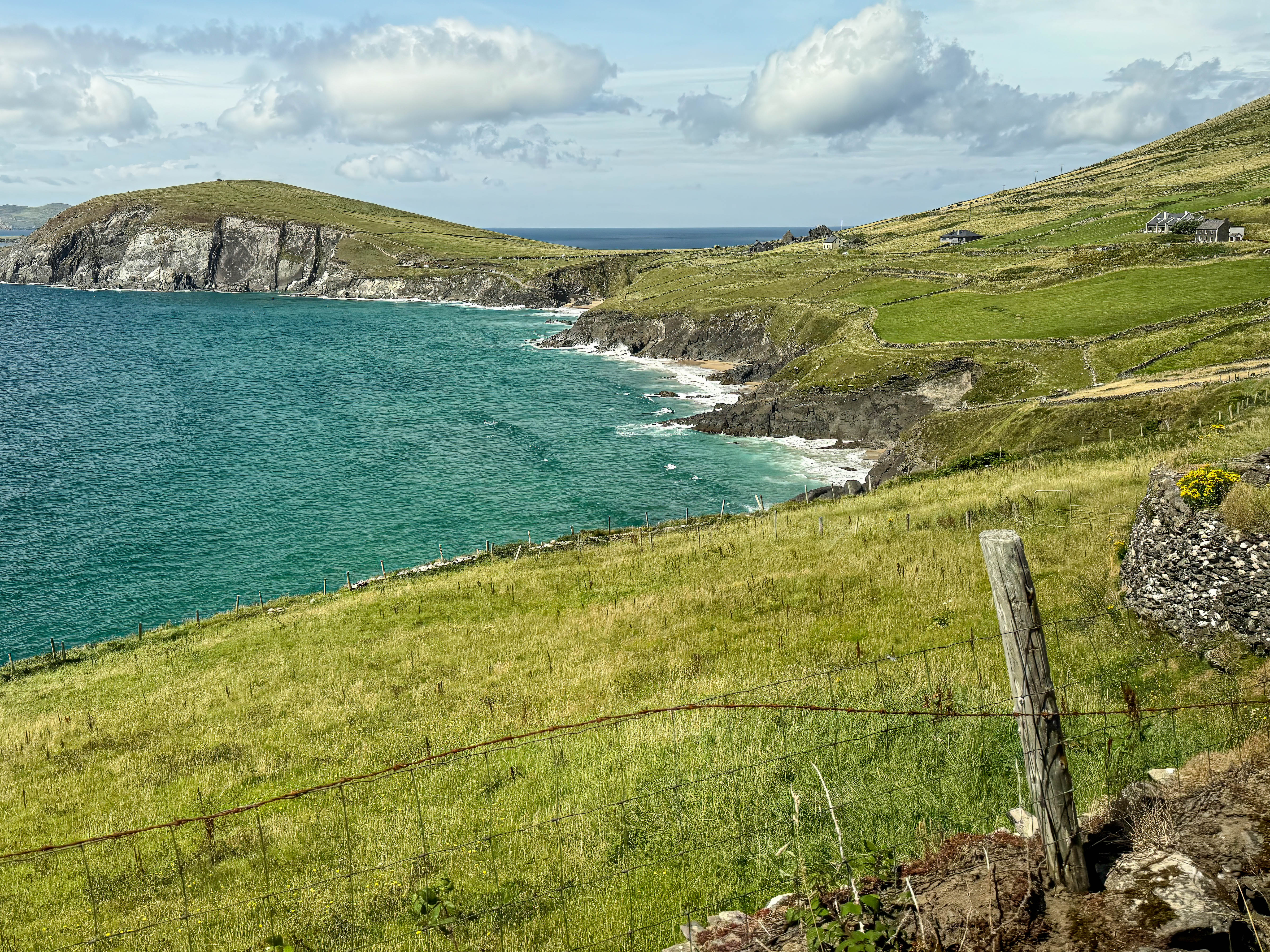
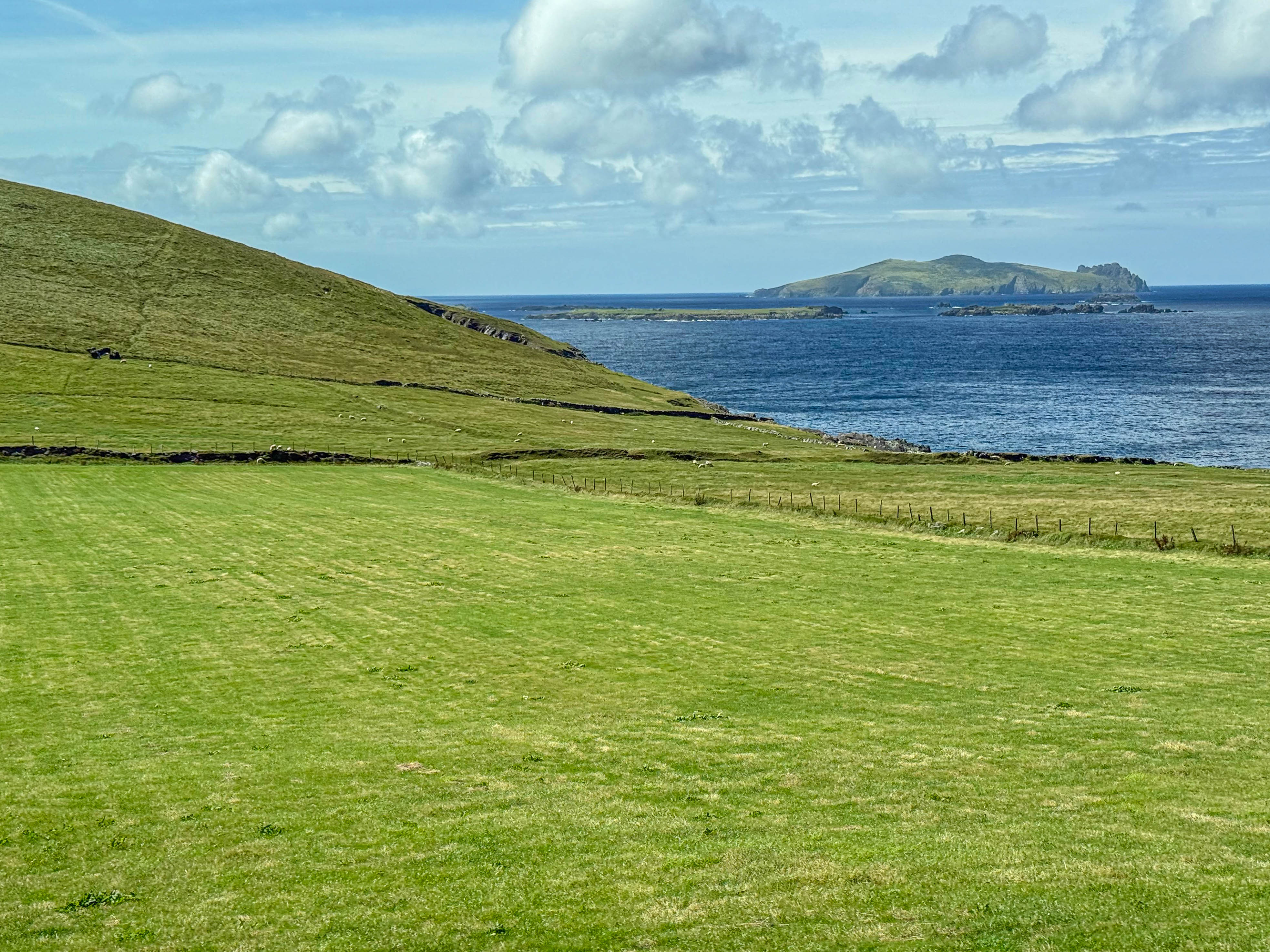
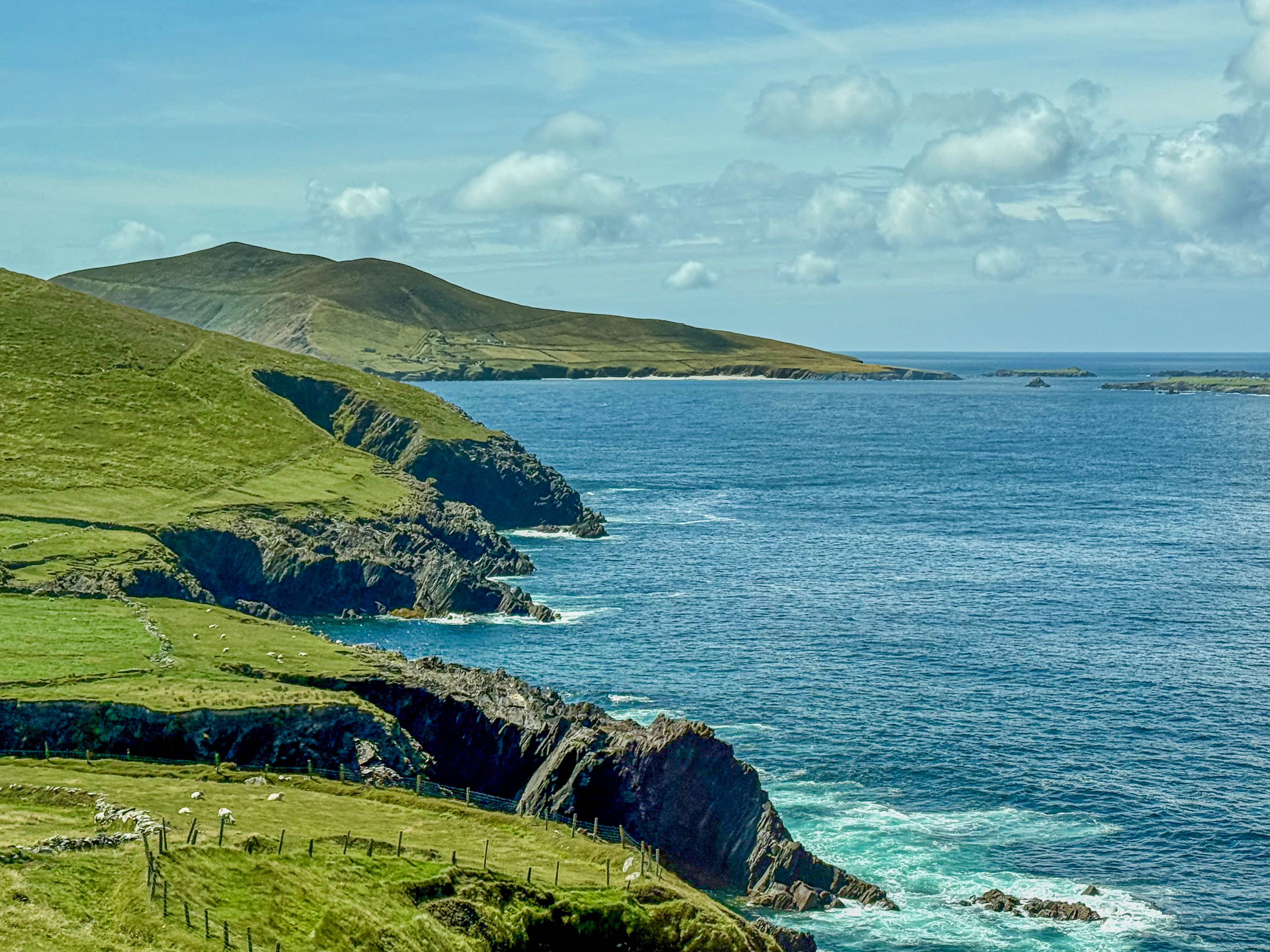
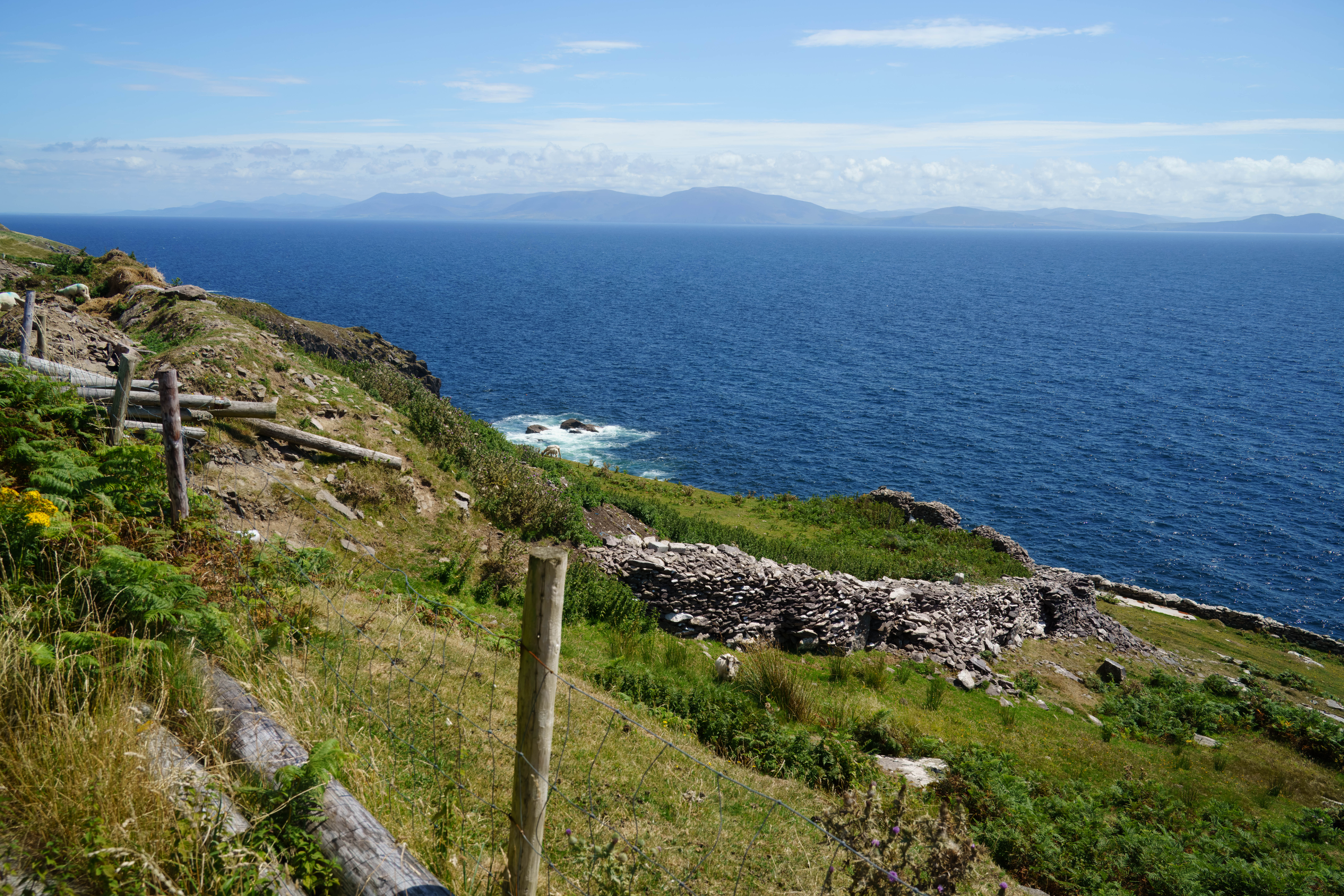
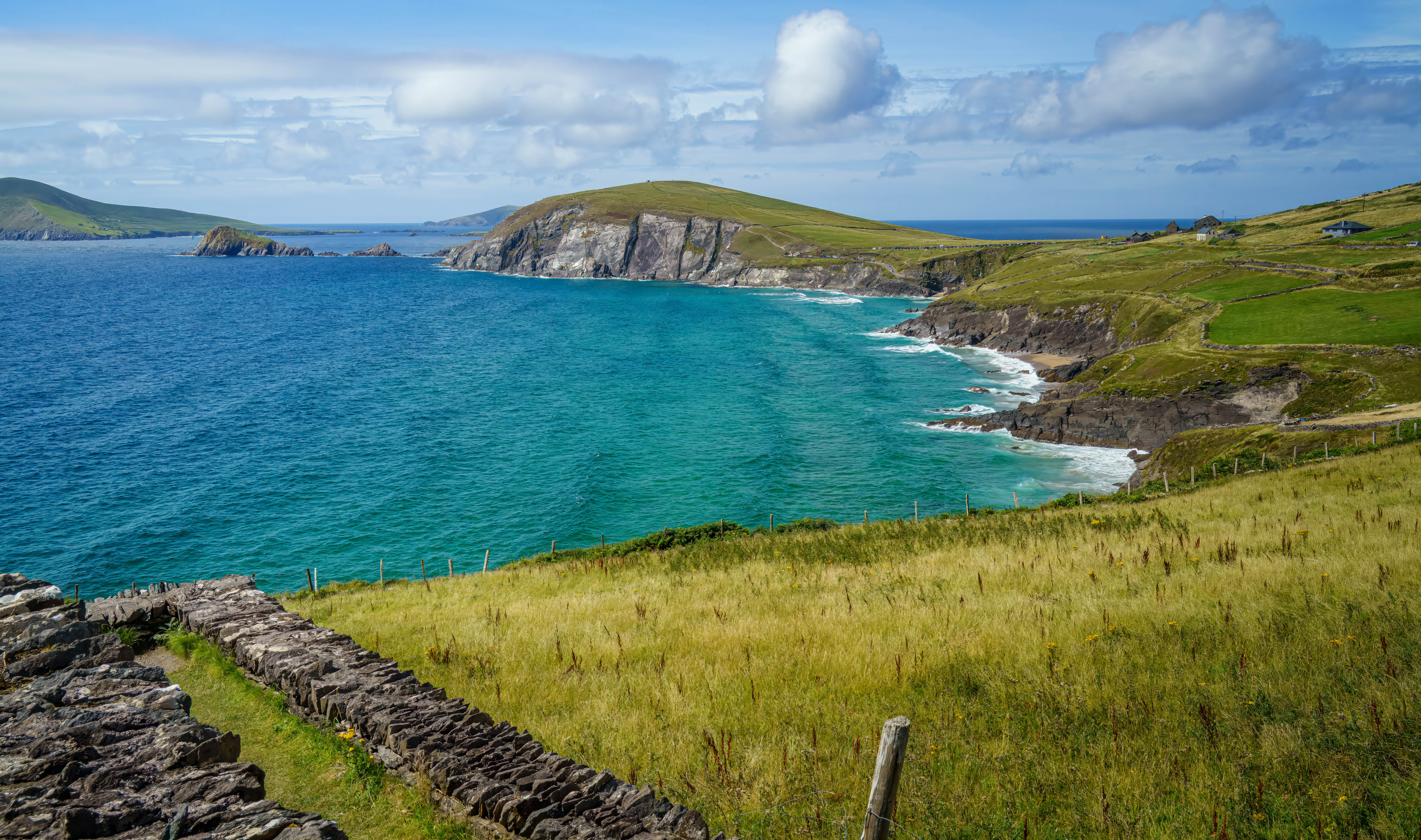
The narrow, winding roads exposed the pastoral countryside broken abruptly by rugged cliffs along the seaside intermixed with wide gently curving beaches. (Click on an image to enlarge.)

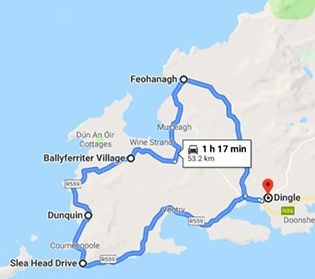
The resulting sea scape was incredibly beautiful. Slea Head Drive, a world-famous 24-mile circular drive located on the western tip of the Dingle Peninsula was breathtakingly beautiful.

Slea Head Drive

The local expert discussed the area’s rich archaeological heritage and unique culture, the latter owing to a Gaeltacht— an area where the Irish language is widely spoken at home, in the workplace, and at school. Our group leader, Shiela, explained the importance of the Irish Gaelic language and ways in which the local governments and communities have made efforts towards its preservation, particularly since the establishment of the Irish Free State in the 1920s.

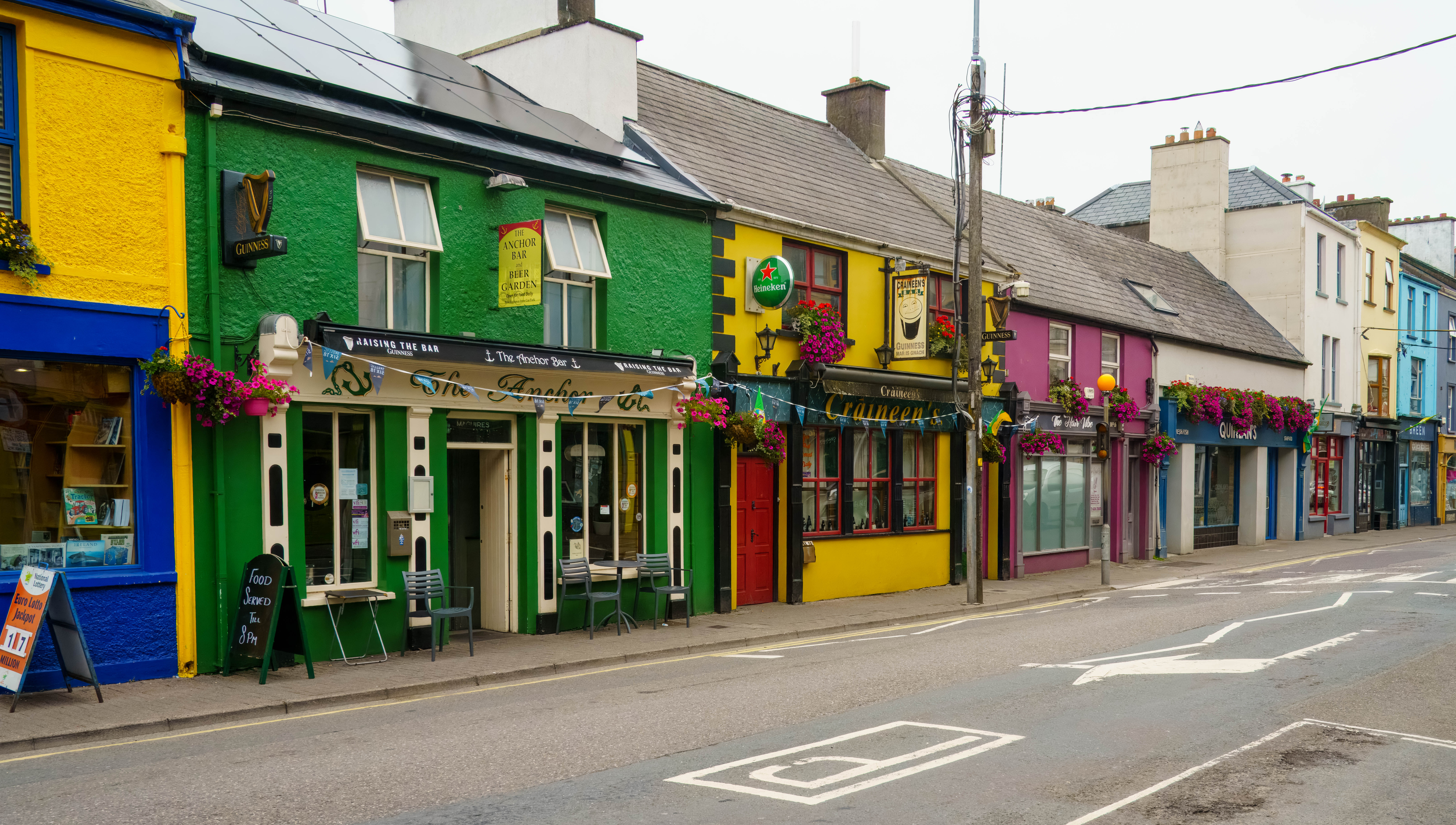
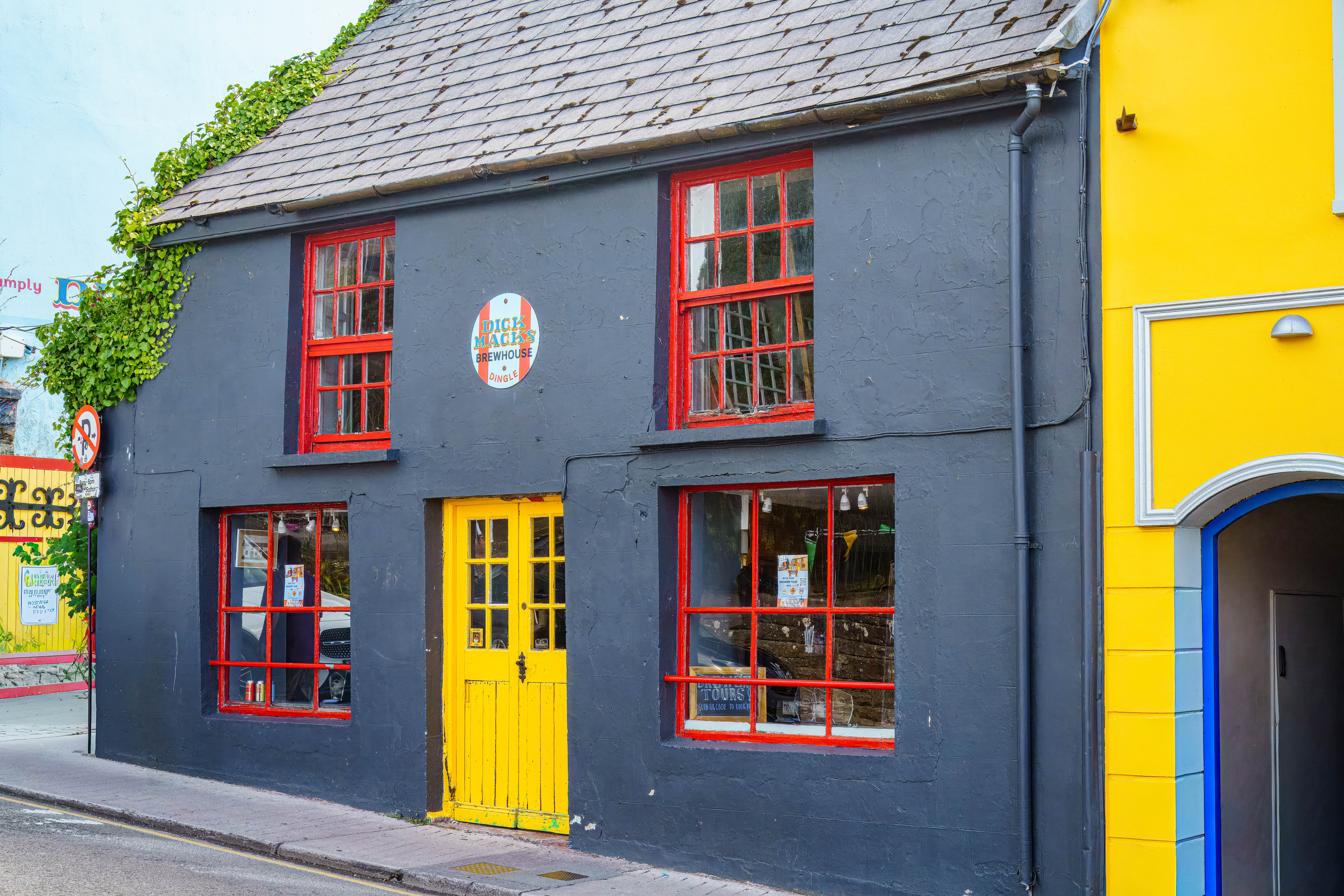
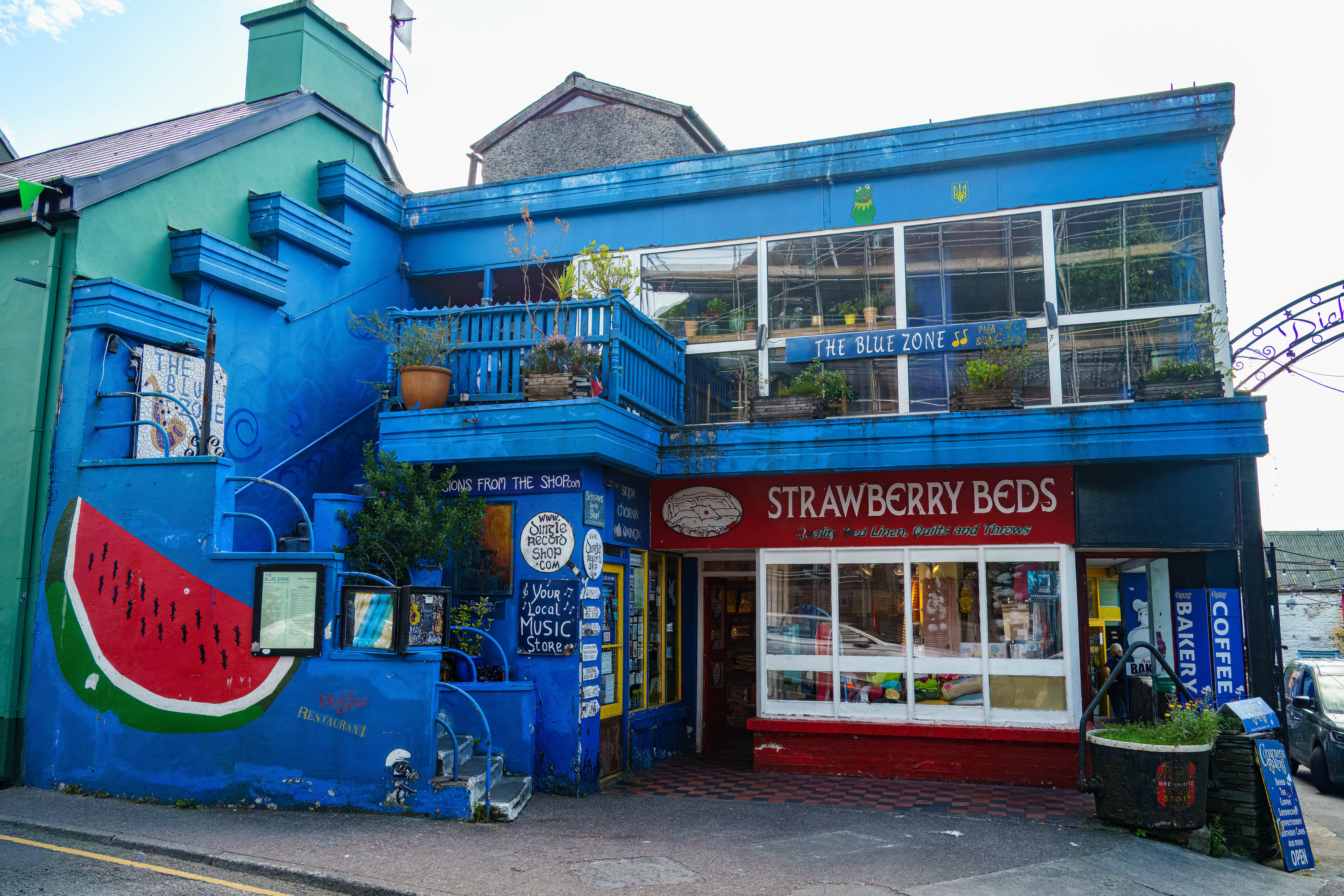
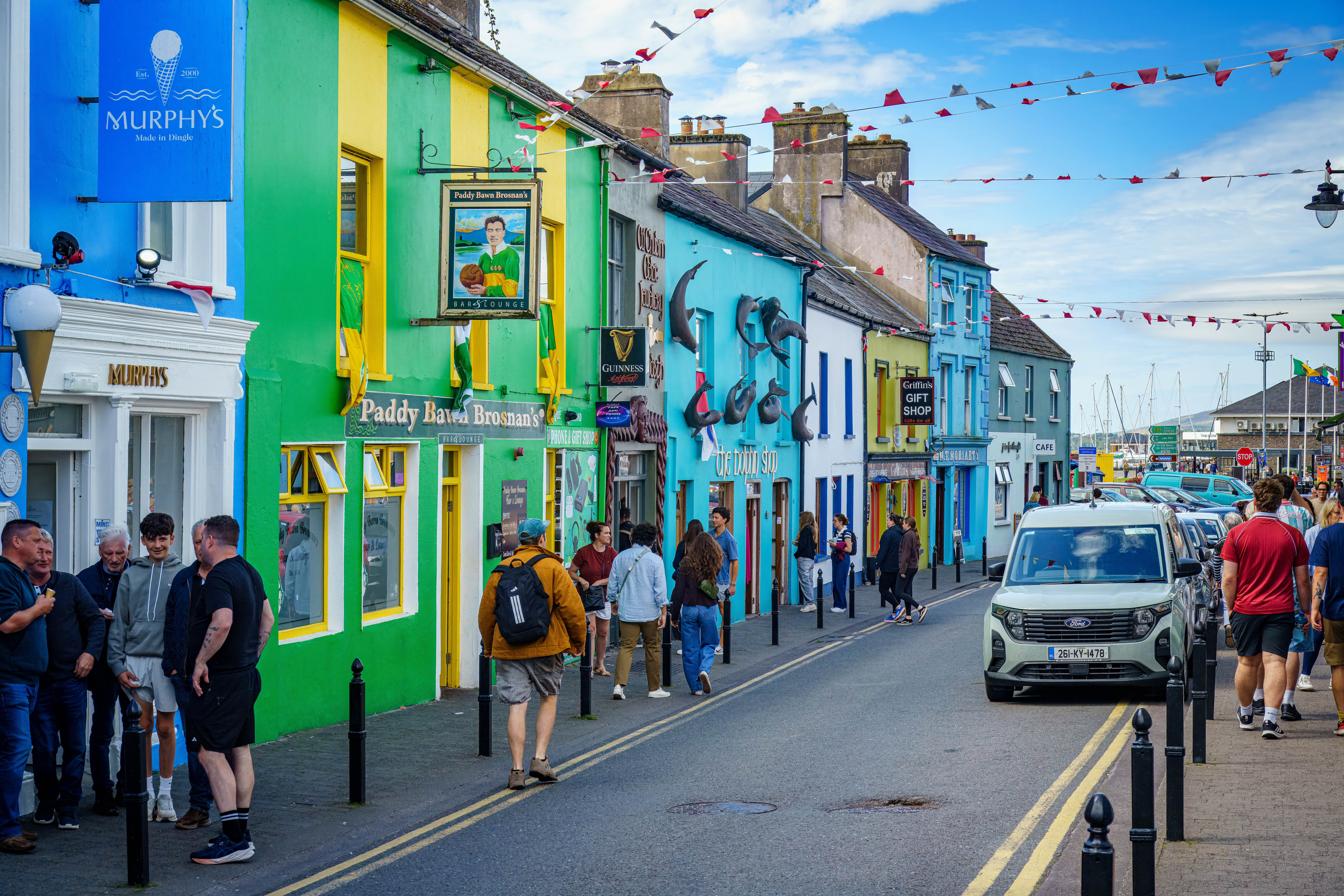
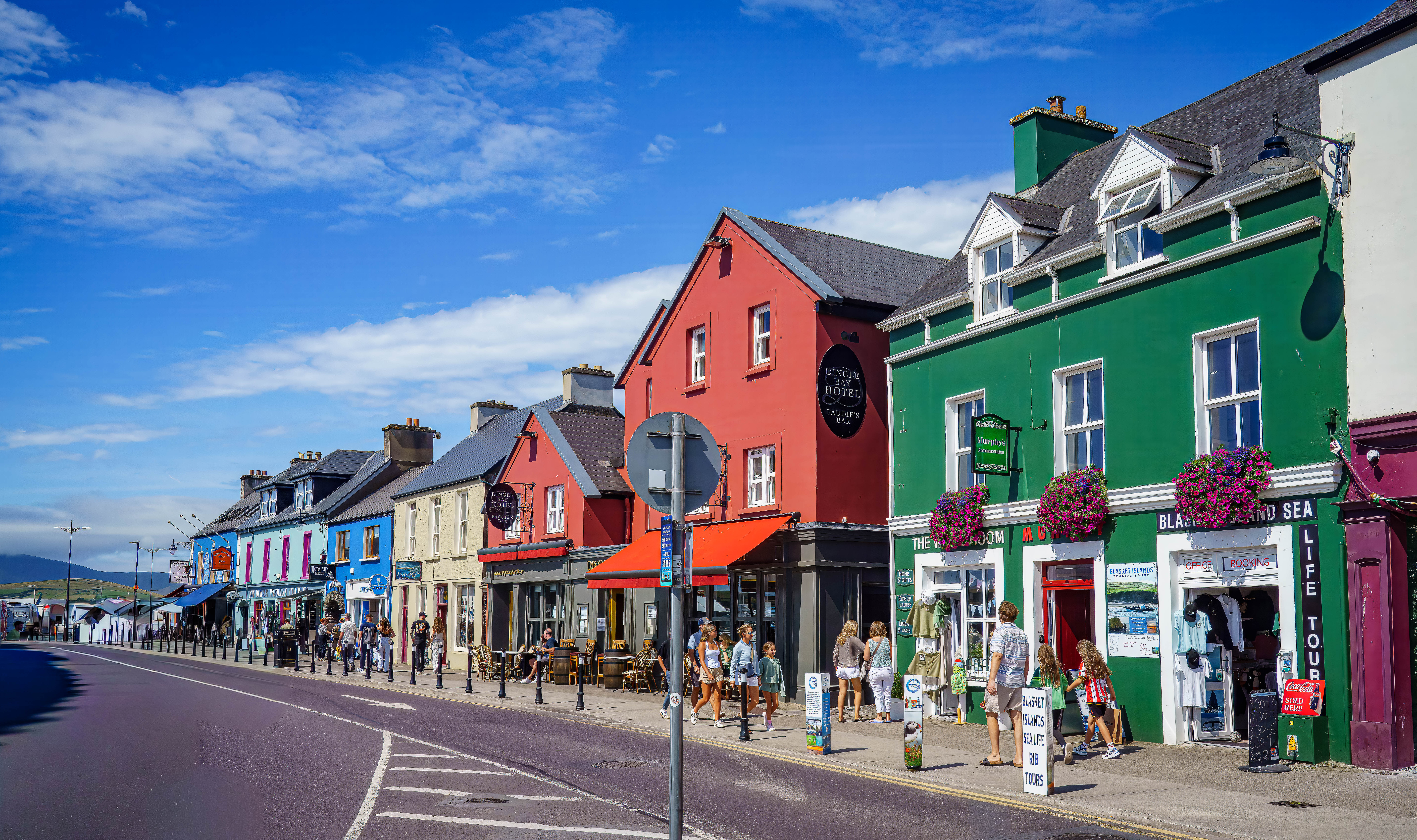
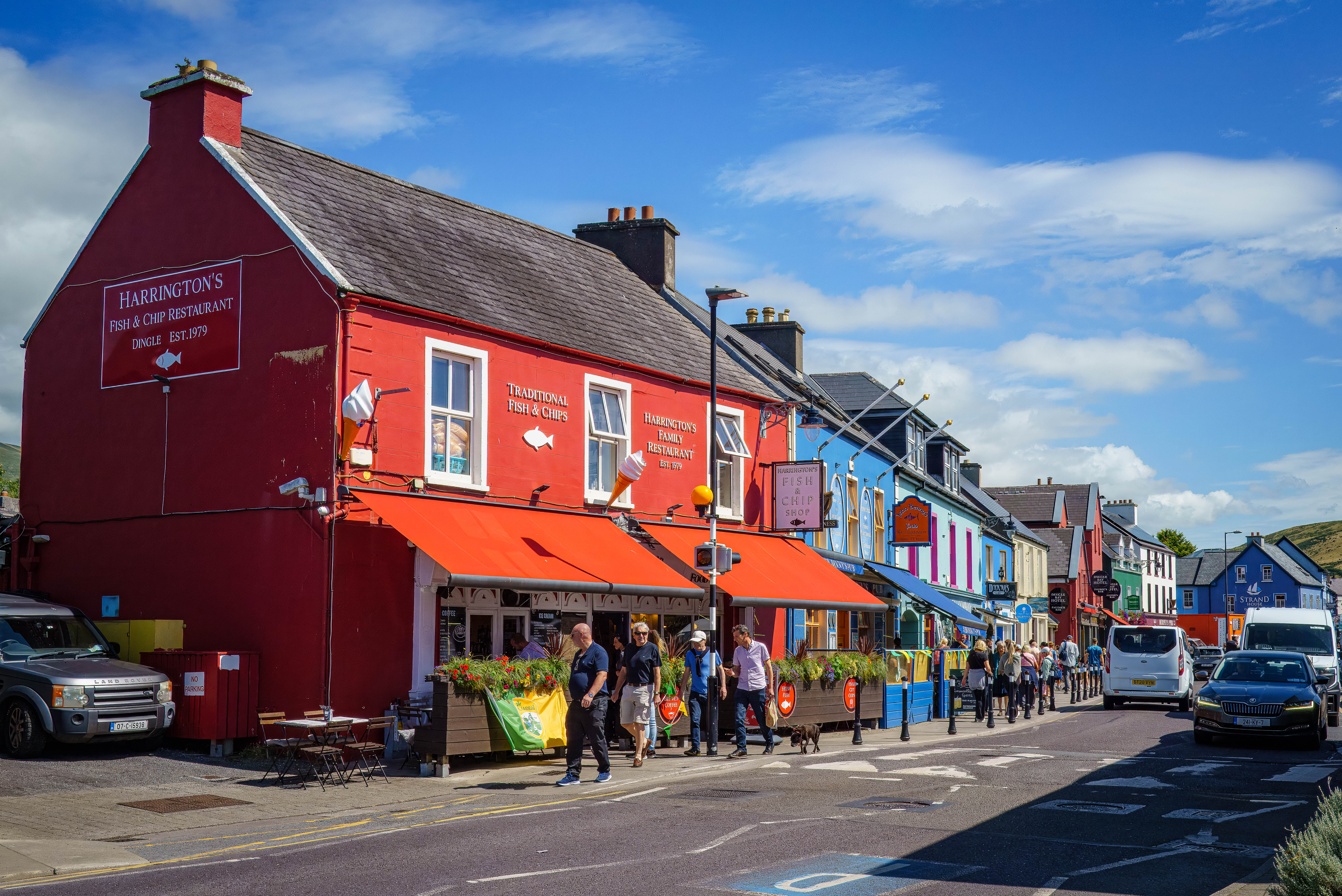
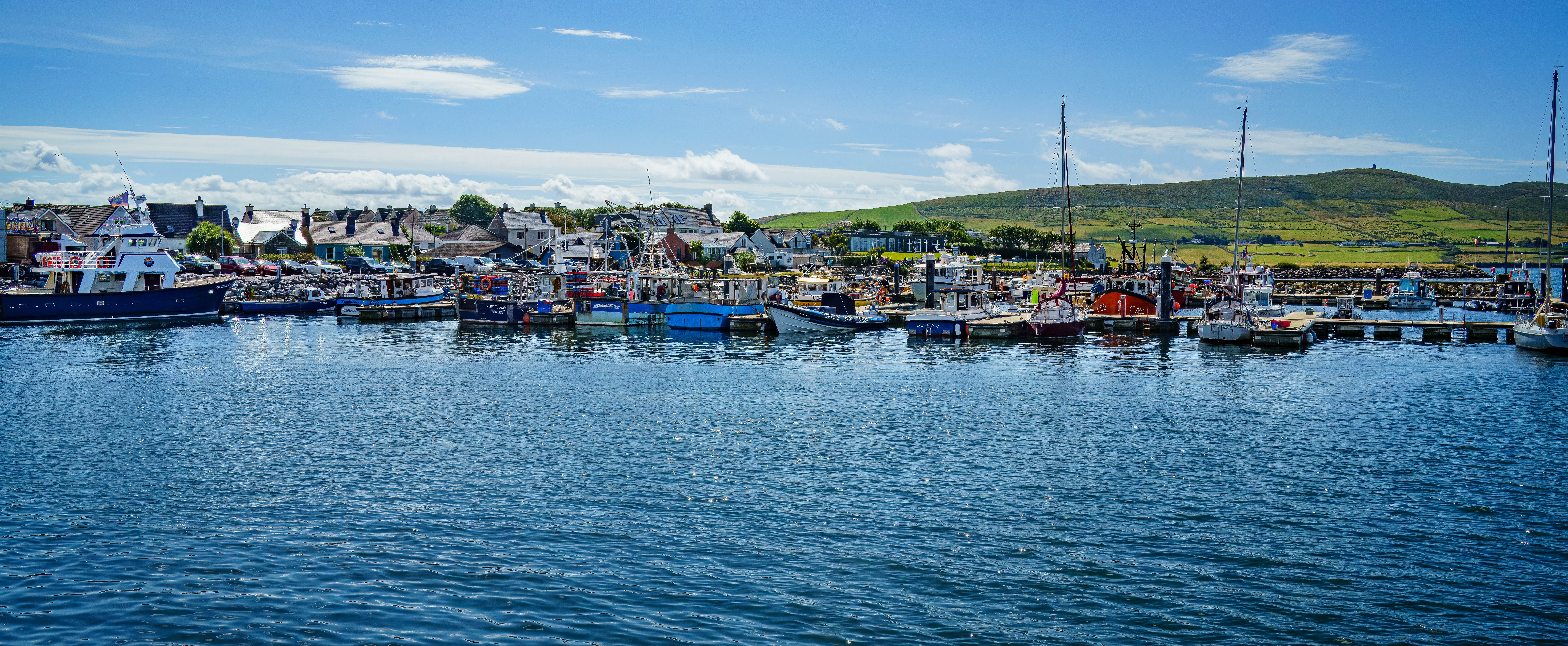
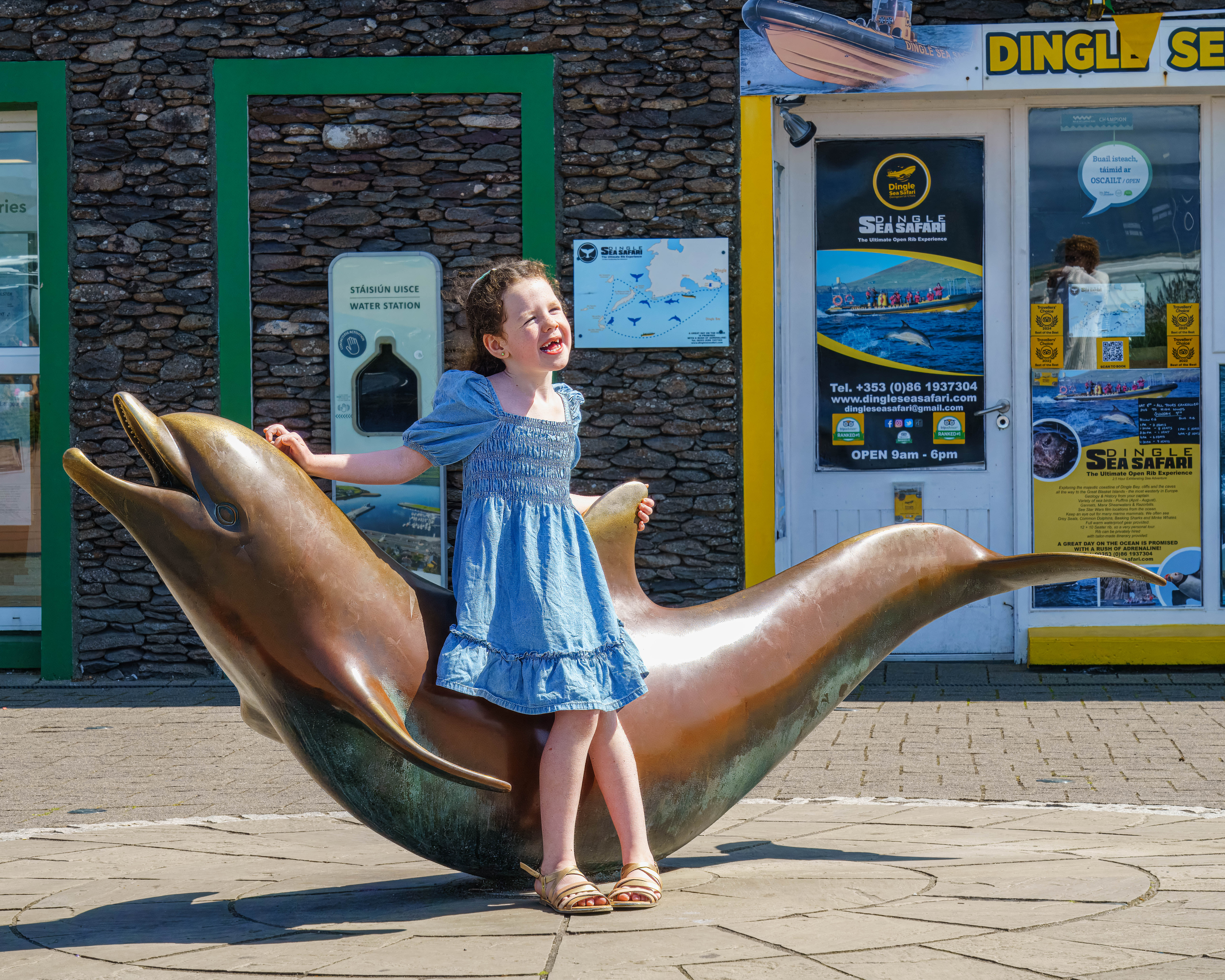
We had a stopover in Dingle Town—with its colorful, pastel building facades. Dingle is a fishing port and the only major town on the Dingle Peninsula. (Click on an image to enlarge.)

Following our free time in Dingle Town, the tour continued along the Slea Head Drive to view more sights along “Wild Atlantic Way”. (Click on an image to enlarge.)

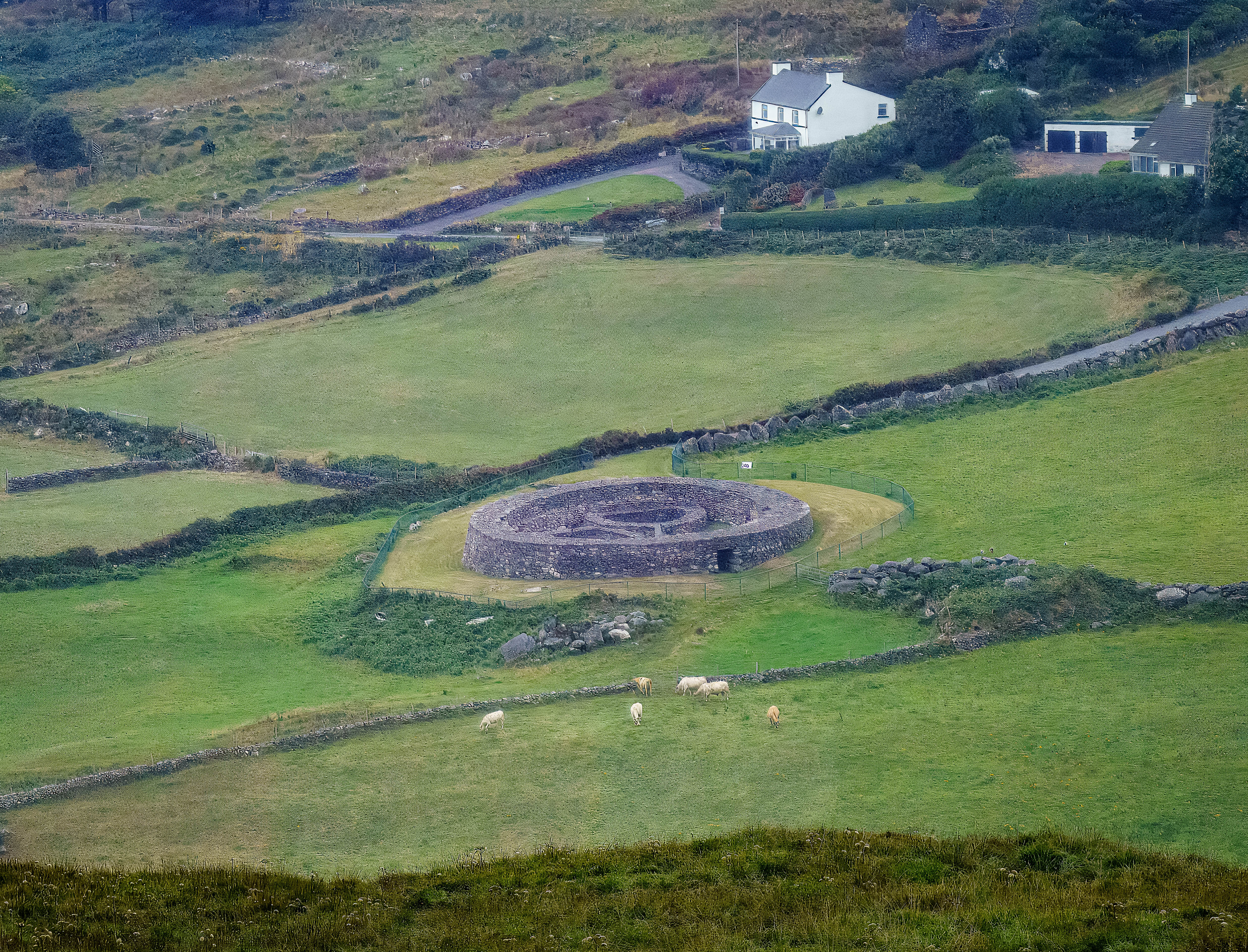
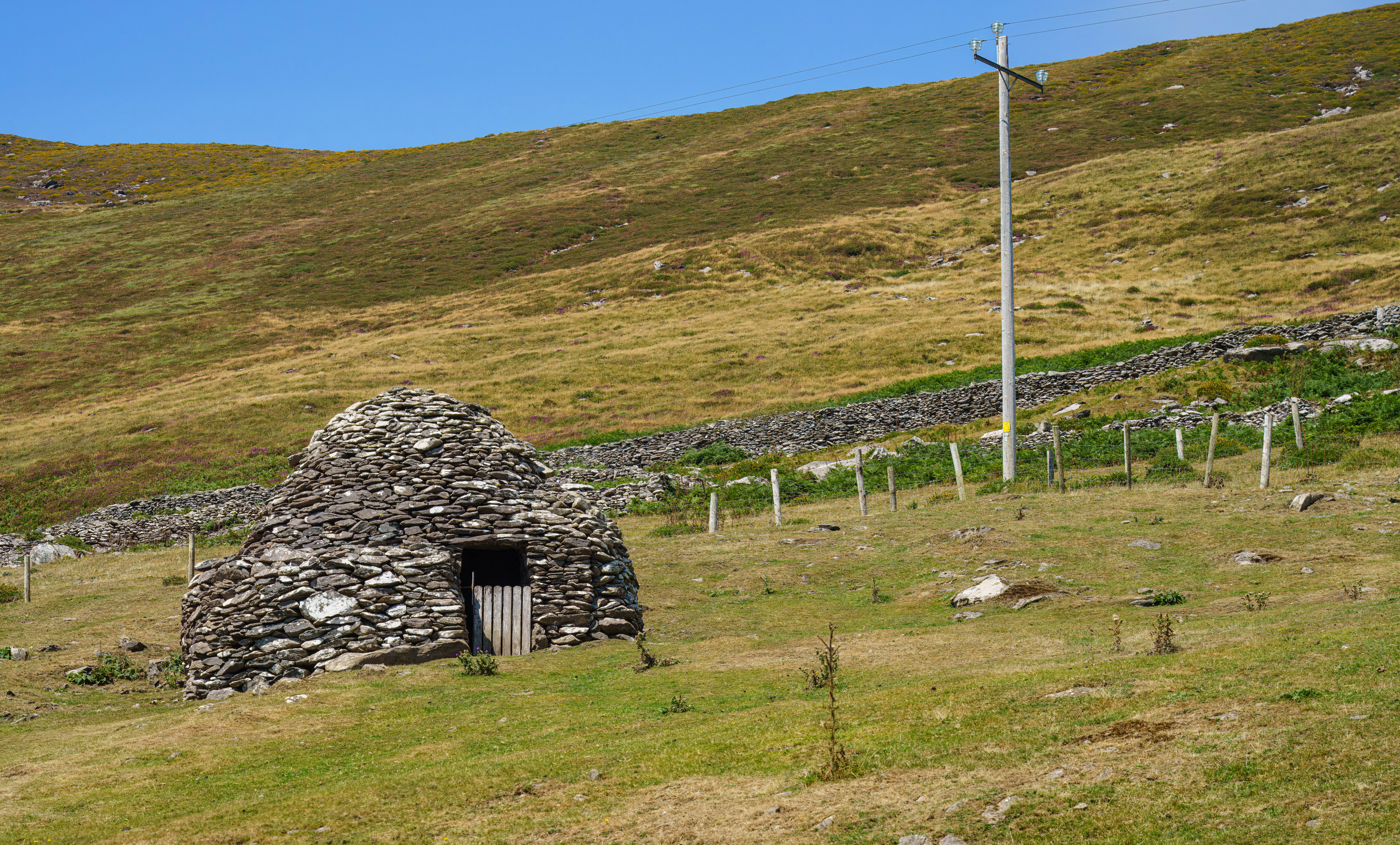
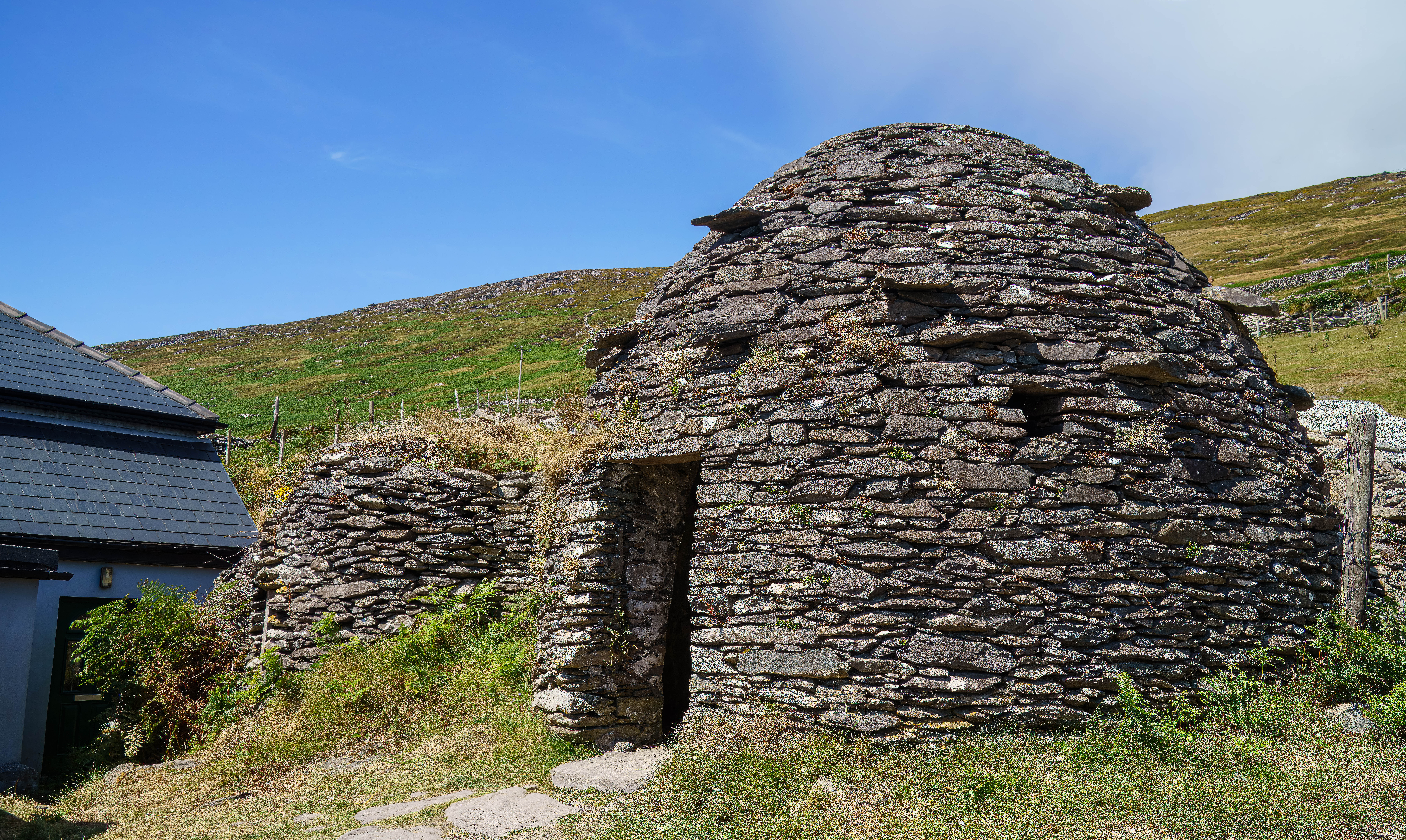
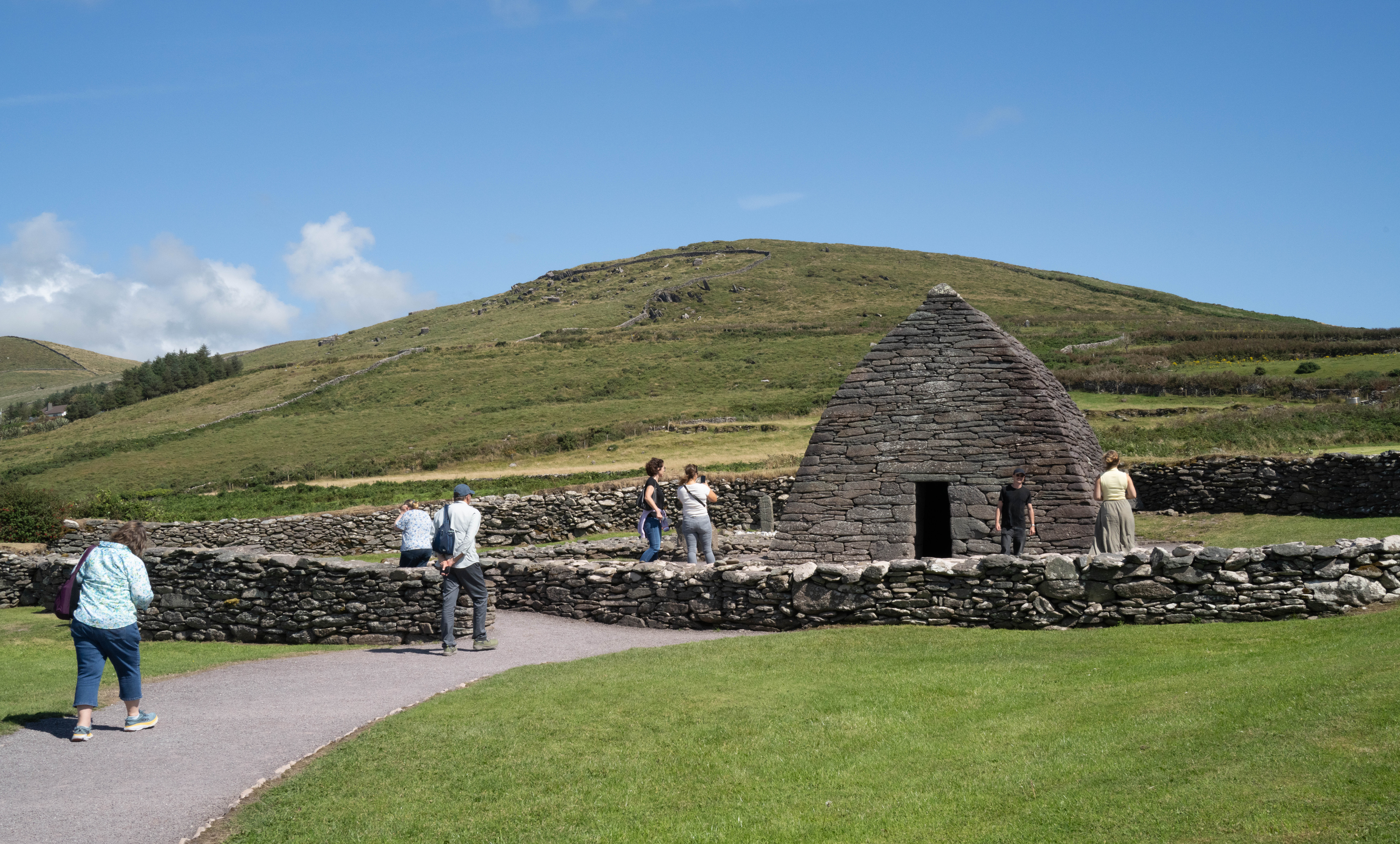
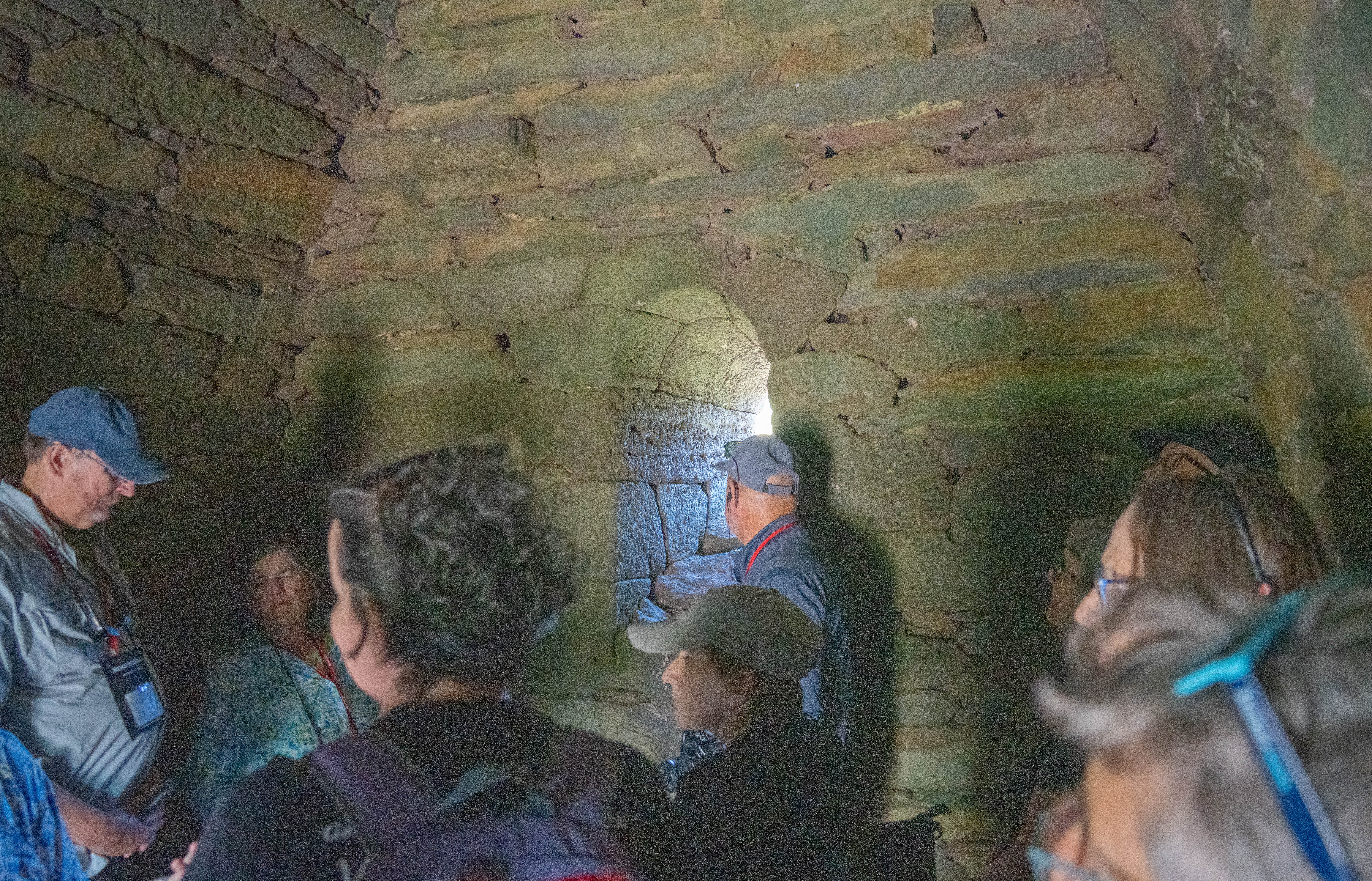
Many ancient stone structures were observed as the local guide discussed their prehistoric and medieval construction. Included were the beehive huts (clocháns) and the mysterious Gallarus Oratory.

The Beehive huts, or clochain, are ancient dry stacked stone dwellings with corralled roofs. These structures dated roughly fin the 7th to 12th centuries, serving as early Christian monastic hermitages or local shelters.

The Gallarus Oratory is an ancient stacked stone church on the Dingle Peninsula. It is shaped like an upturned boat, and features an ingenious corbelled stone roof built without mortar. It dates from the early Christian or medieval period (approx. 8th to 12th century) and remains completely waterproof (sort of).

Gallarus Oratory
Gallarus Oratory

We returned to the hotel a bit tired after our field trip (about 100 miles and 4 hours of motor coach riding, and three miles of walking). The remainder of the afternoon was free.

Thursday and Friday, August 6-7, 2026 (Days 1 and 2)— “The Best of Ireland: The Coast, the Countryside and Dublin”

We departed for the airport in Little Rock Thursday morning about 8 AM, stopped in Benton to drop off a return to Amazon, and made our way to long-term parking at the airport. Promptly picked up, we were delivered to the departure area for check-in and checking luggage. And then, we waited. The Road Scholar program, “The Best of Ireland: The Coast, the Countryside and Dublin” had officially begun.

Flight form Little Rock, AR to Chicago, IL

The United Airlines flight to Chicago was on time, delivering us to O’hare shortly after lunch.

O’Hare International Airport, Chicago

And then just after 6 PM, we boarded a small international jet bound to Shannon Airport in Ireland. We were assigned middle seats, and yes, they were small and cramped for the 7+ hour flight. Neither of us slept on the “overnight” flight. We arrived just after 7 AM, Ireland time Friday, August 7, collected luggage, and met other Road Scholar participants for a buffet breakfast. Of course, I stopped and photographed an Irish butterfly, Small Tortoiseshell, along the way.

Small Tortoiseshell butterfly

We were subsequently transferred to Earls Court House Hotel in Killarney with a “comfort” stop along the way. Check-in was efficient and the luggage was delivered to the room. 

Comfort Stop between Shannon and Killarney

We met with the other members of our Road Scholar tour group before dinner for a glass of wine and orientation. It became obvious at the beginning of this meeting that our group would be very compatible and fun-loving. 
It’s Going to be a Great Group

The Group Leader, Eileen Cameron, greeted everyone and lead introductions. And then she reviewed the up-to-date program schedule, discussed roles and responsibilities, logistics, safety guidelines, emergency procedures, and answered questions. She will accompany us throughout the program and deal with logistics, deliver informal talks, conduct some field trips, and serve as an information resource on program-related topics. 

Program Orientation

A buffet dinner followed, and then it was off to bed to catch up on sleep as we had to have our luggage outside the room for portage at 7:30 AM.

Saturday through Wednesday, August 1-5, 2026—Preparing to Travel

These early first days of August were spent preparing for our next travel adventure. The travel camera, lens, and accessories were cleaned and assembled, including extra SD cards; maps for the locales to be included in the tour were downloaded; plans, including photo ops, for our free time were developed and printed to our iPhones using ChatGPT; a blog post was prepared and transmitted; and luggage and Apple Air Tags were readied. 

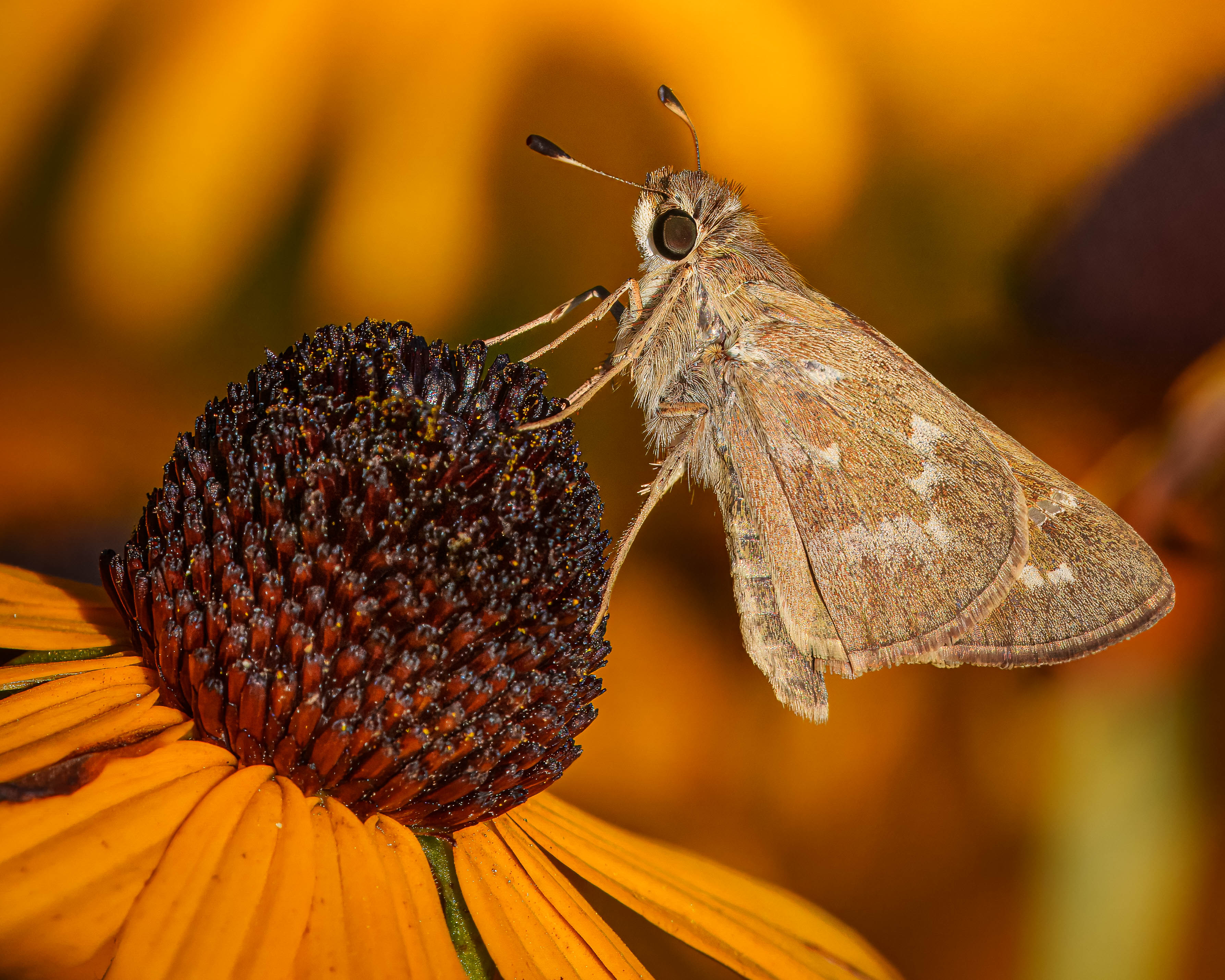
I did manage to capture a couple of butterflies on Monday, August 3: a Sachem Skipper and a Viceroy.

After so many trips, packing and readying the house to be away was both more efficient and accomplished a bit quicker. Wednesday morning, August 5, began with a haircut, followed by moving hanging plants to irrigated beds, applying herbicide to “weeds”, lowering temperature of and dosing  hot tub, downloading books and podcasts, creating music playlists, charging electrical devices, cleaning and temporarily storing hummingbird feeders, cleaning and servicing hearing aids, performing re-boarding activities, and packing. 
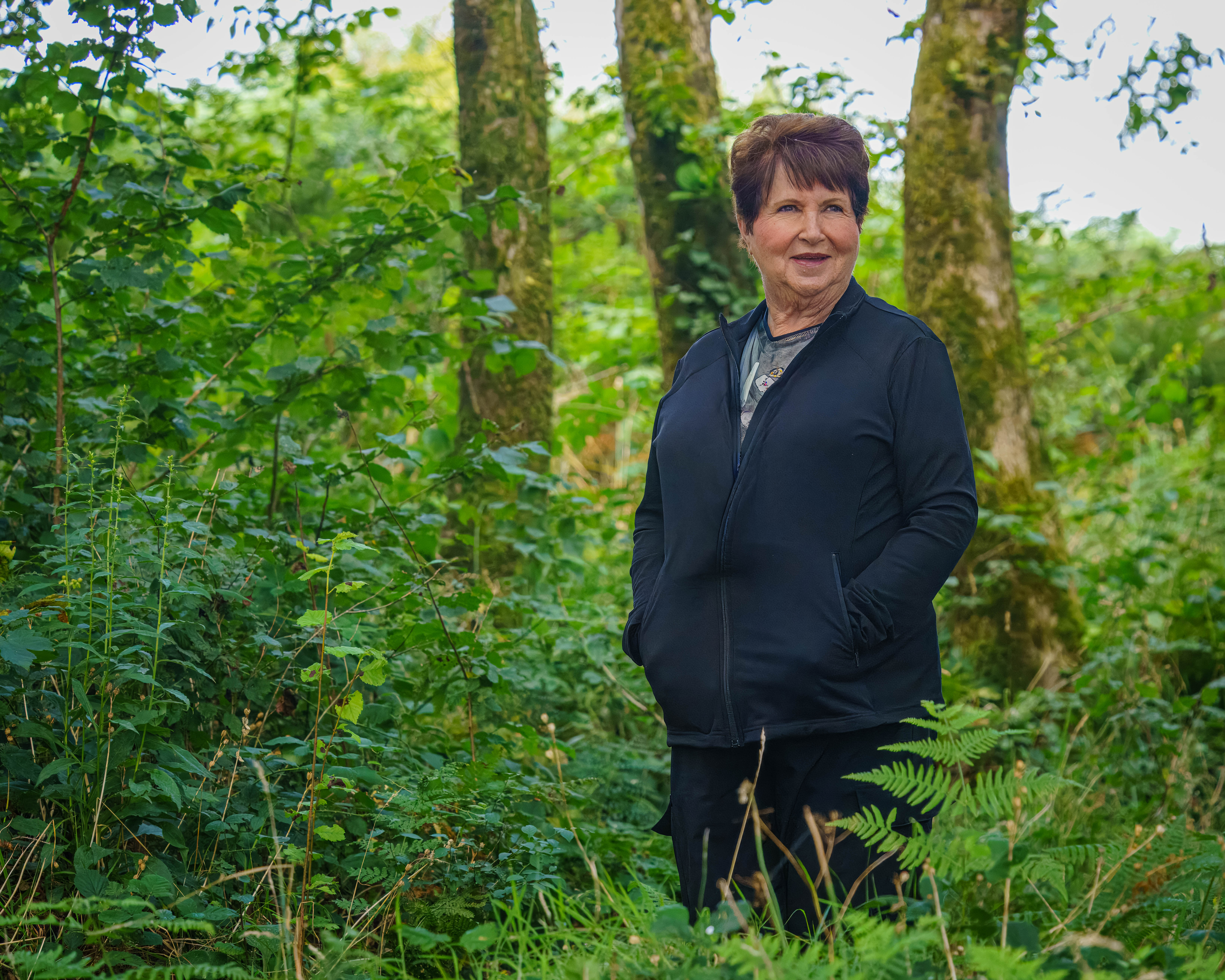
We were ready to travel!