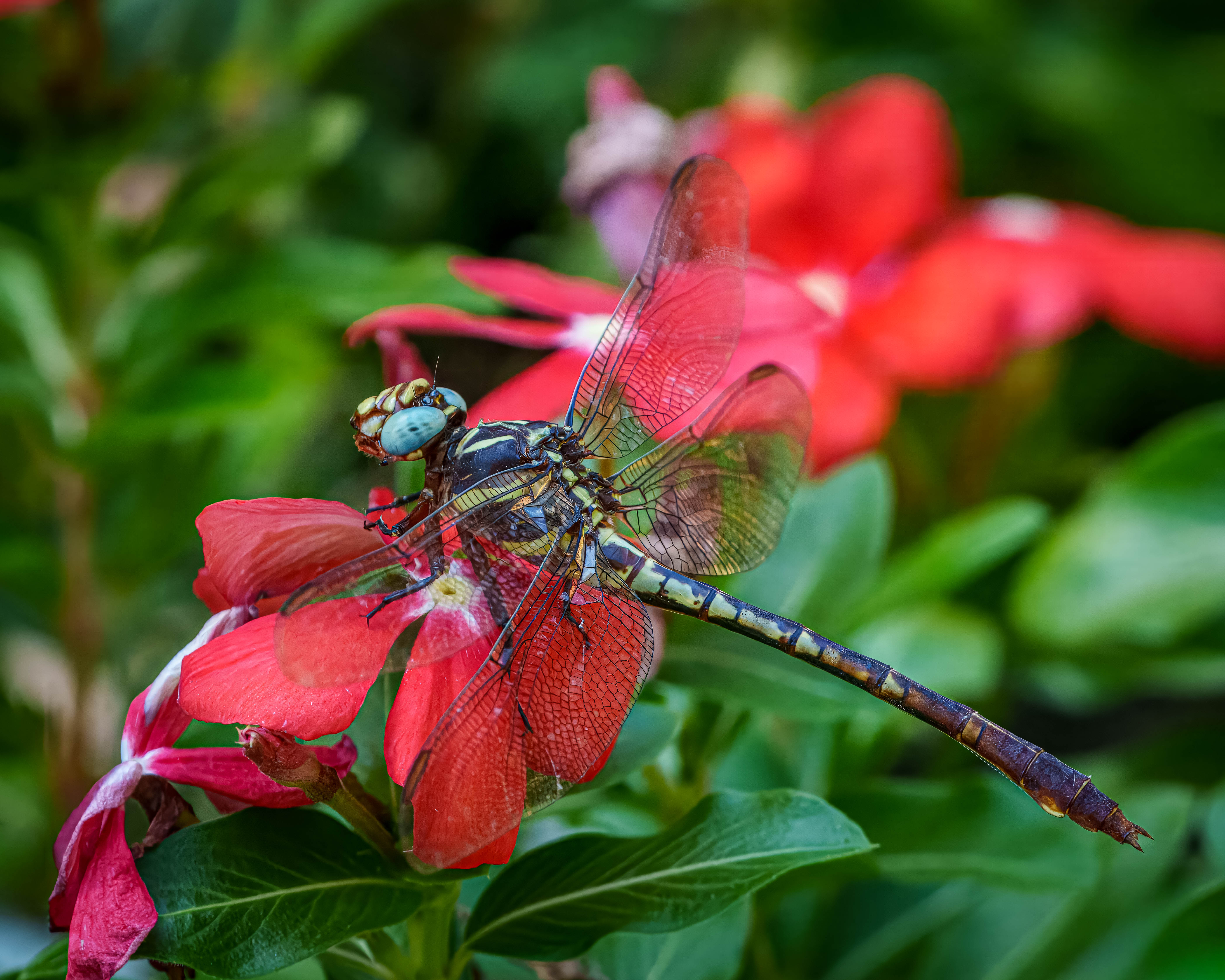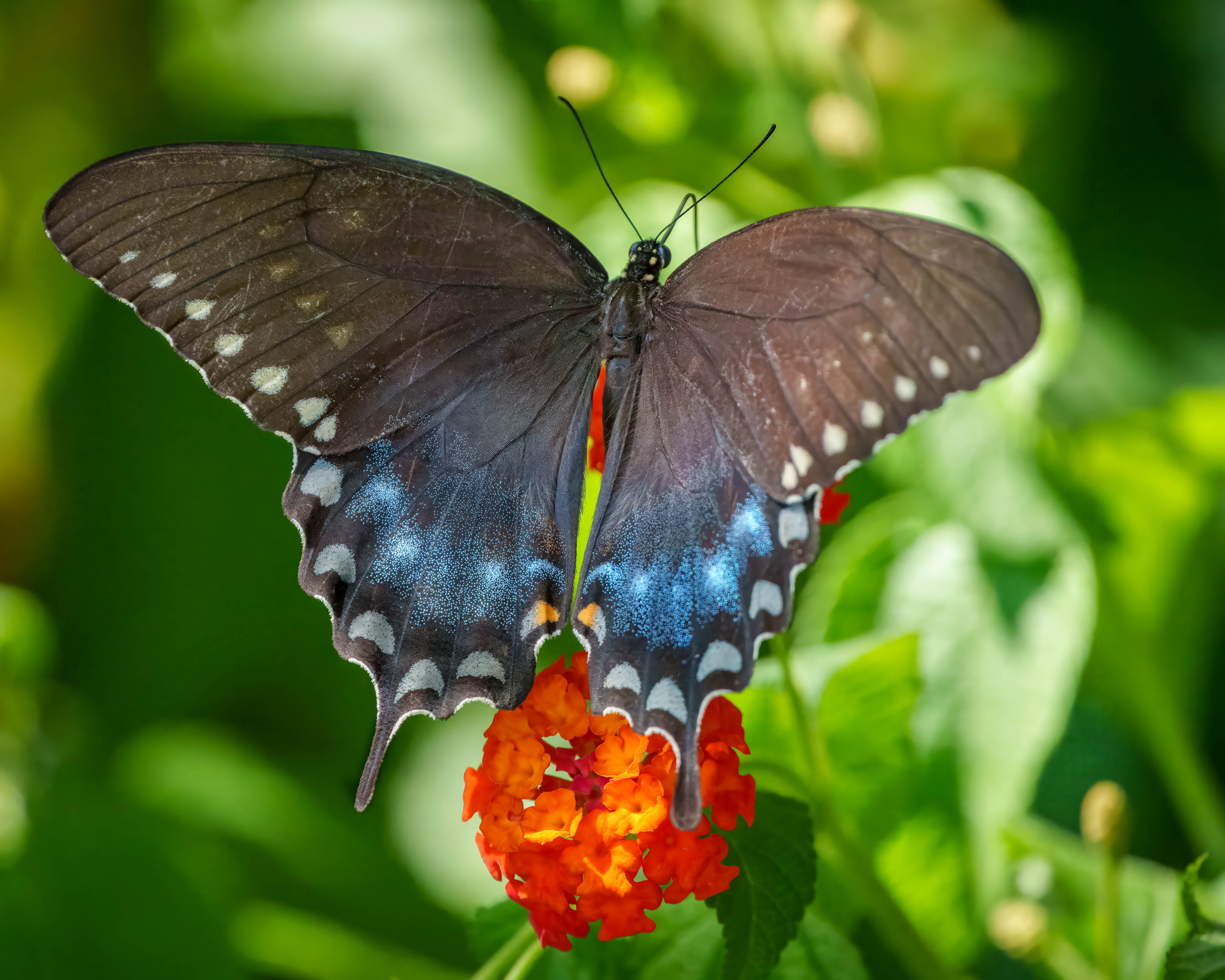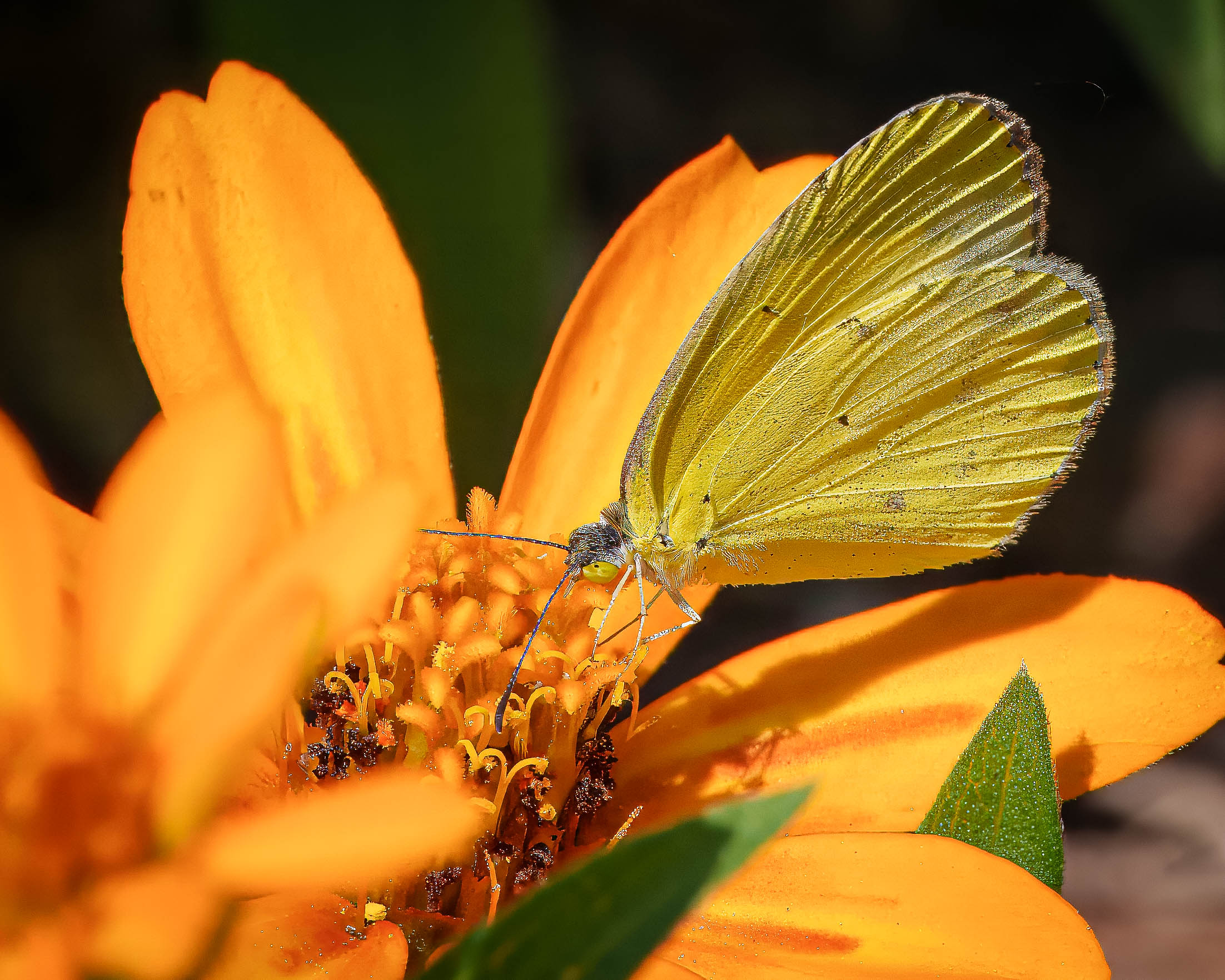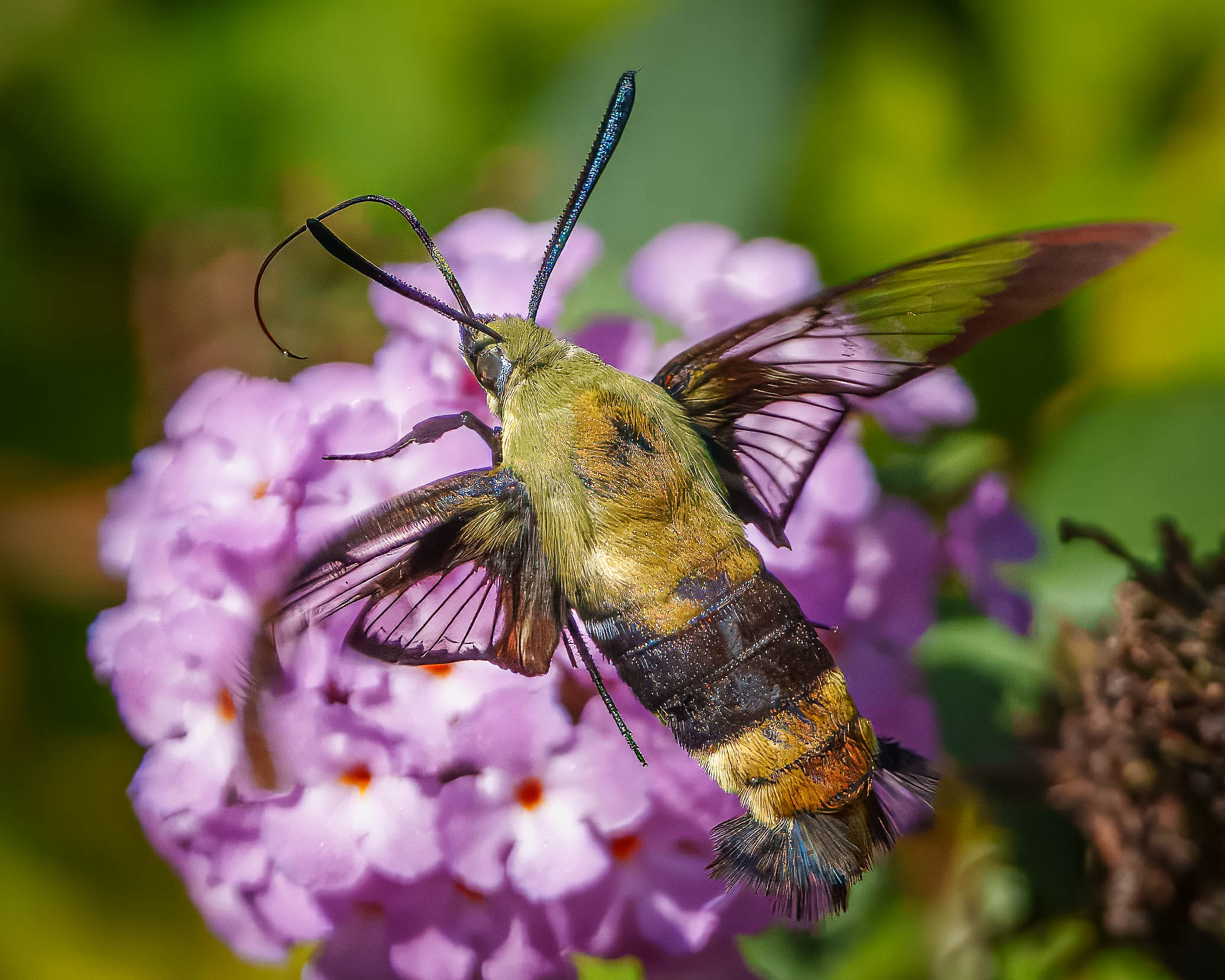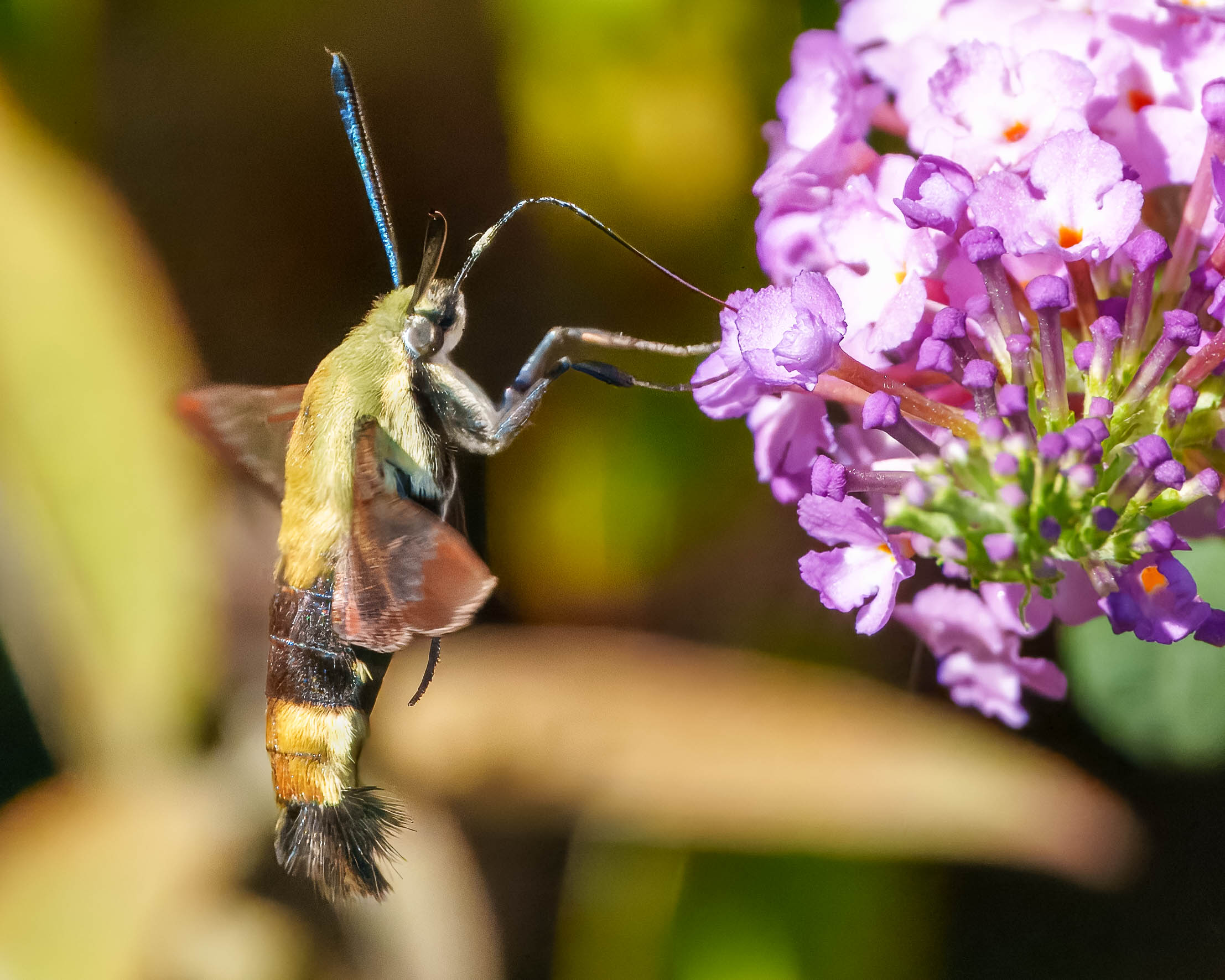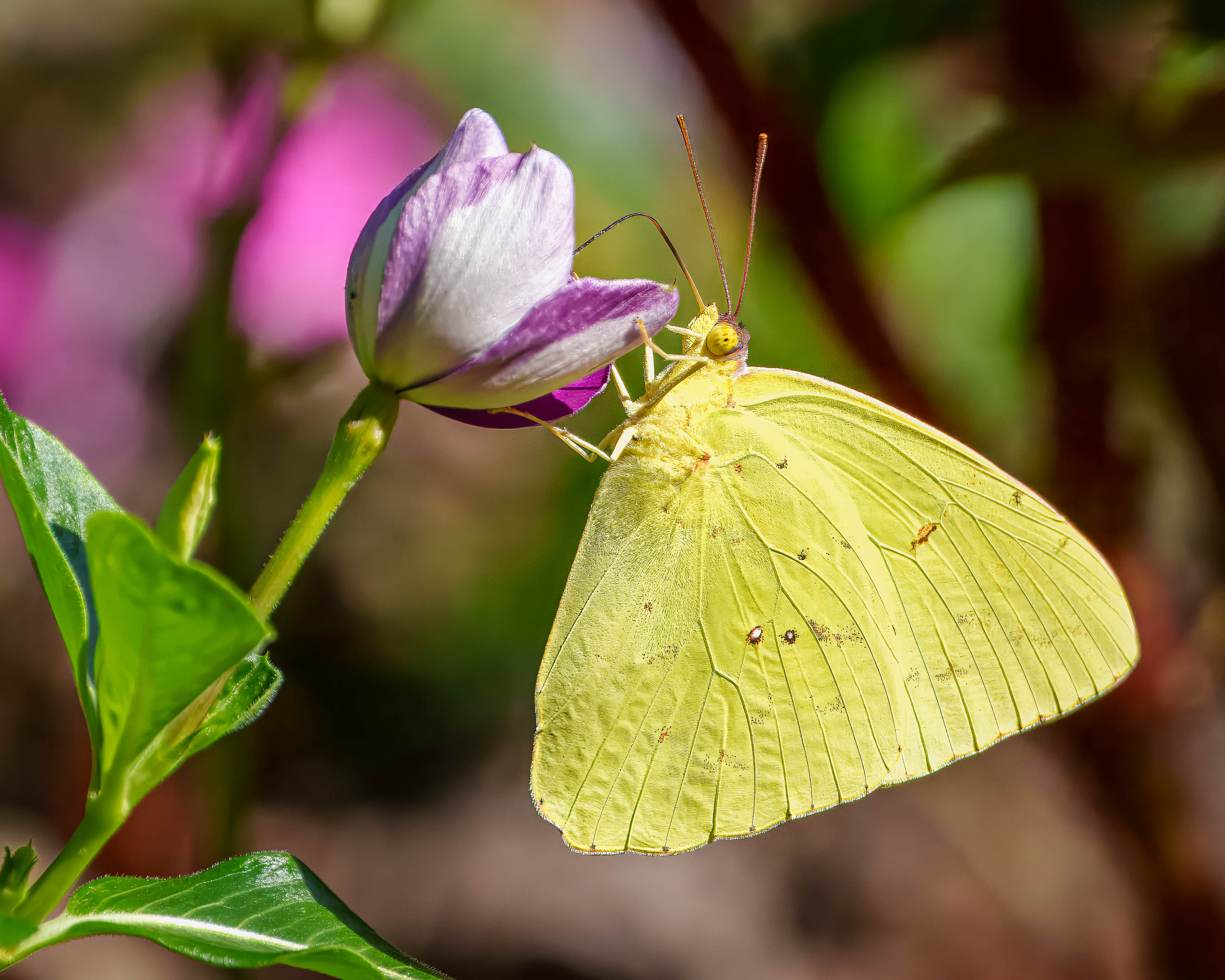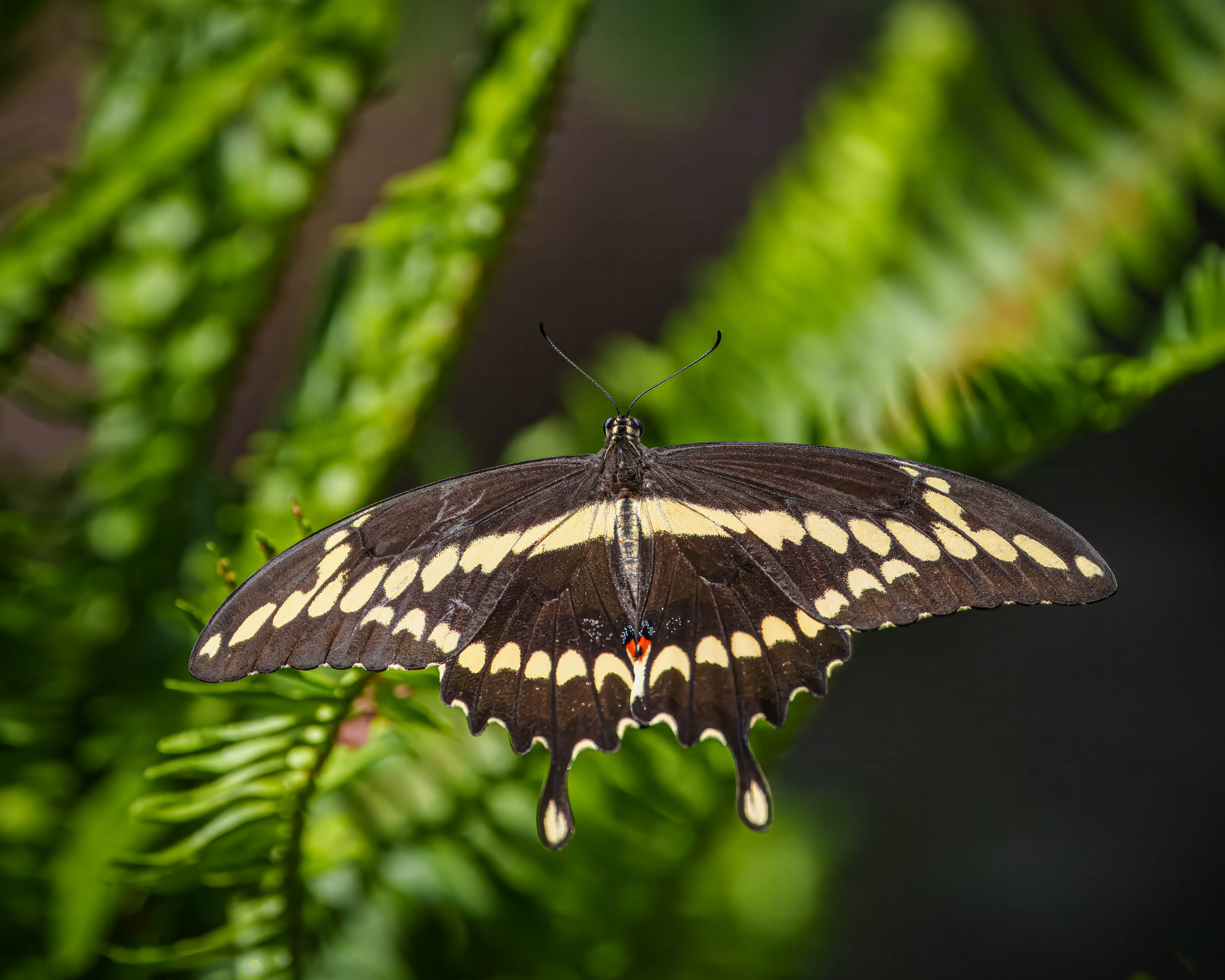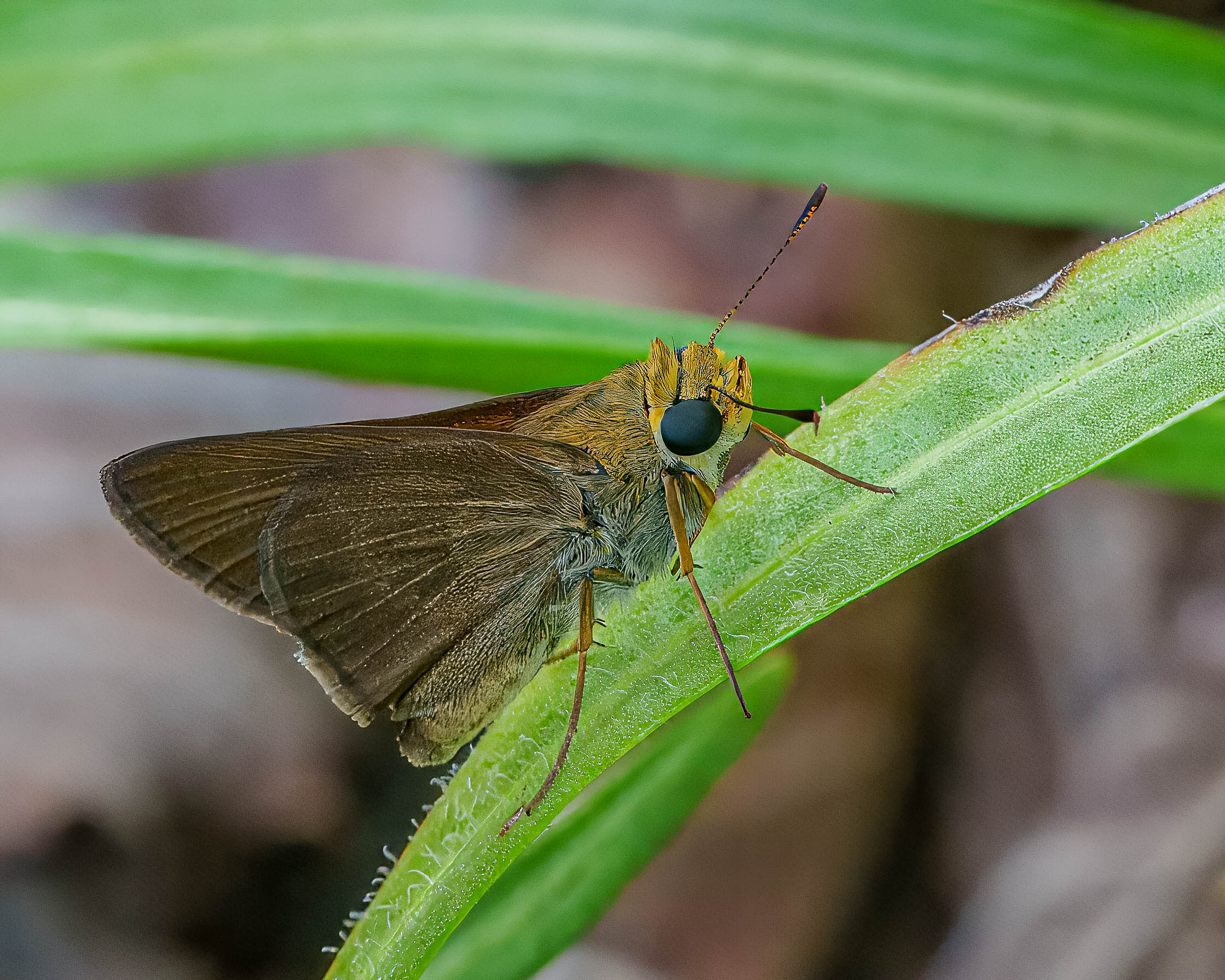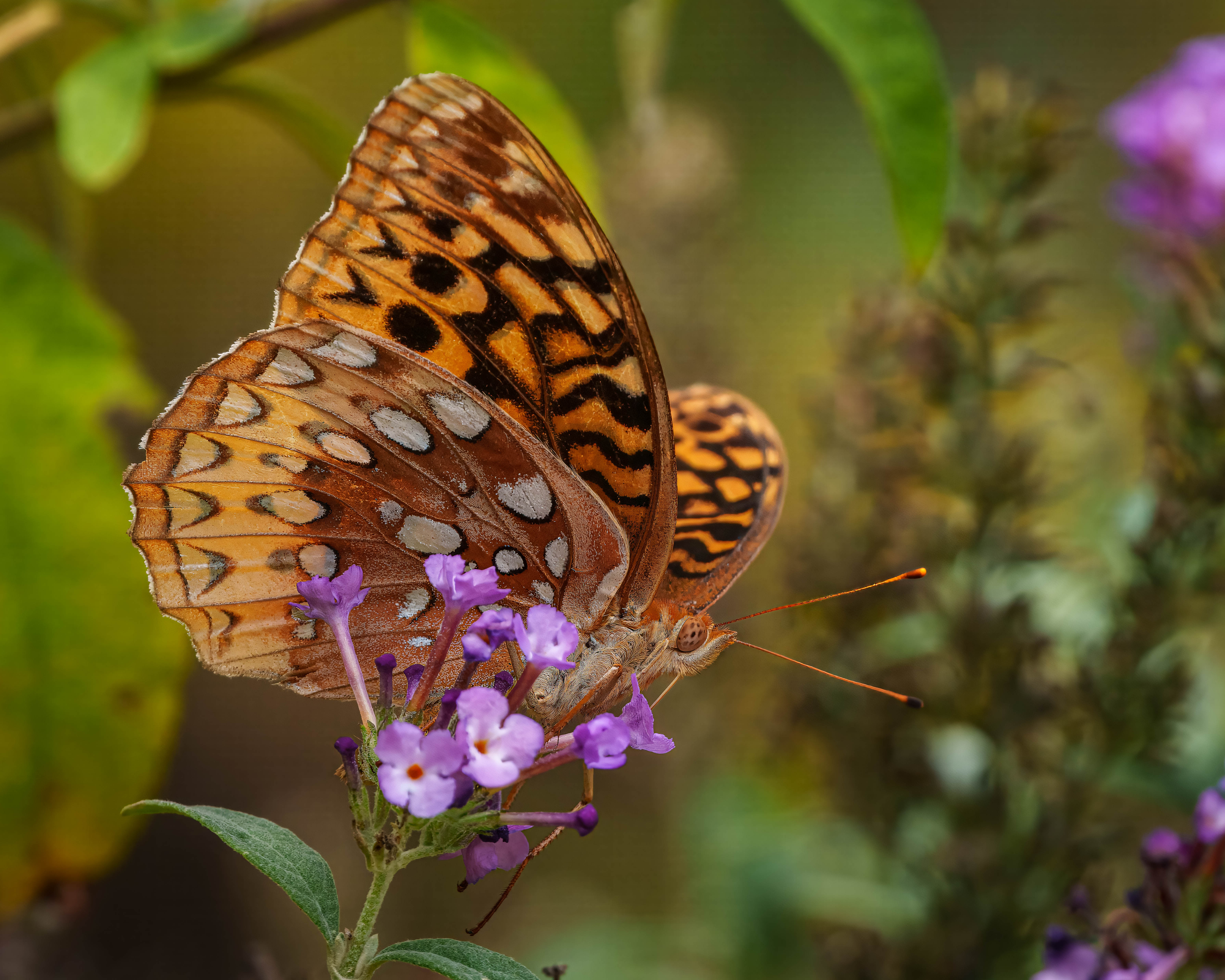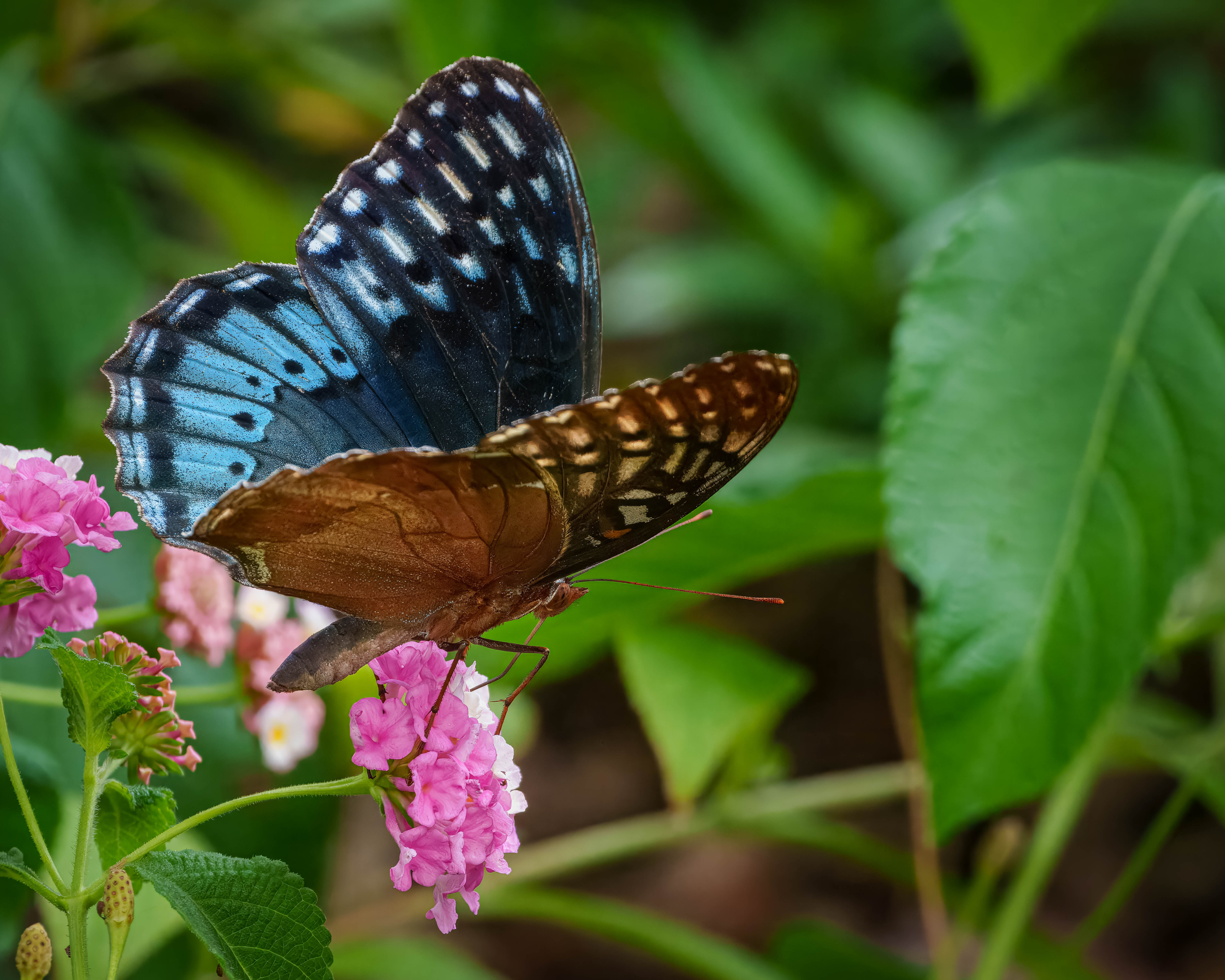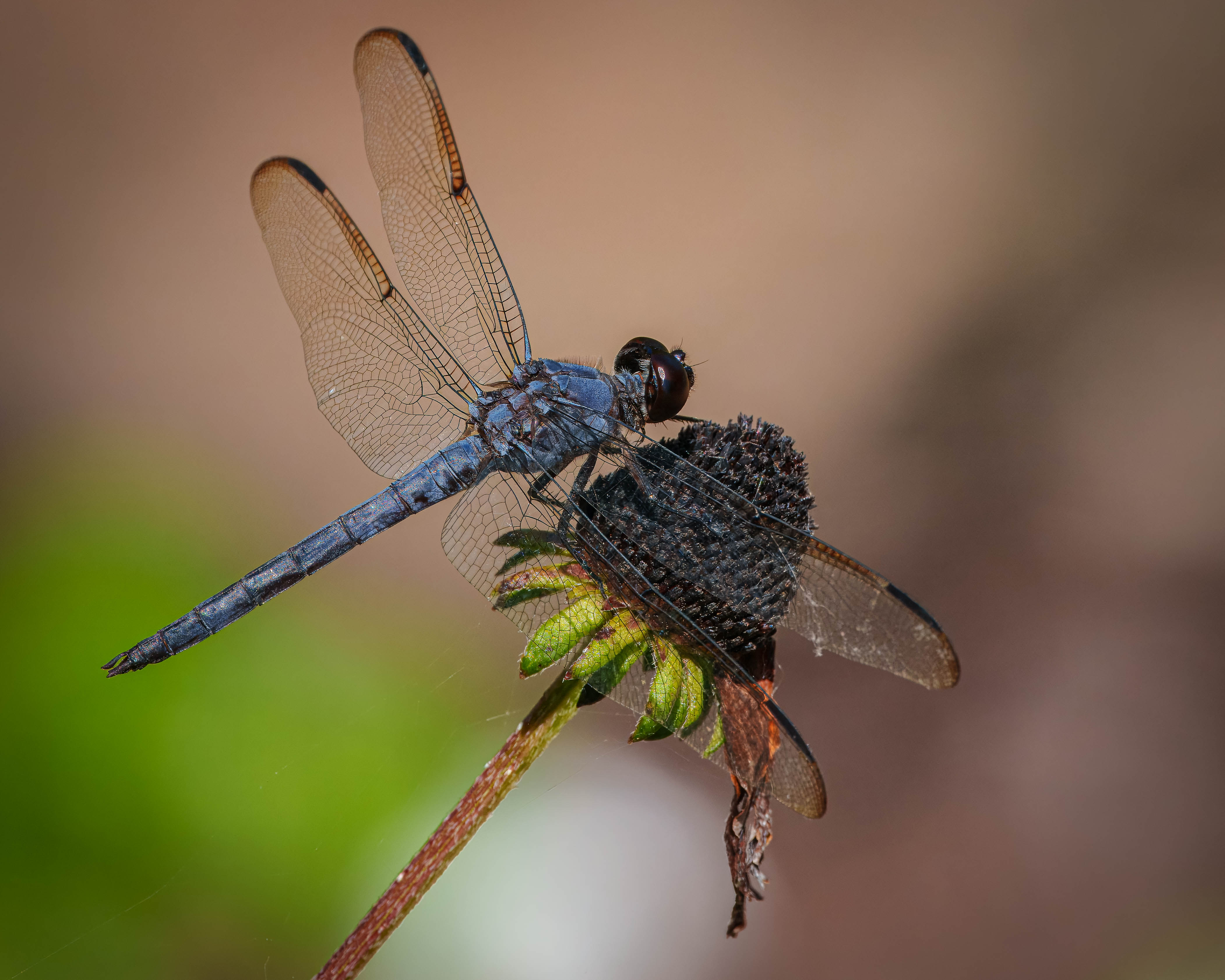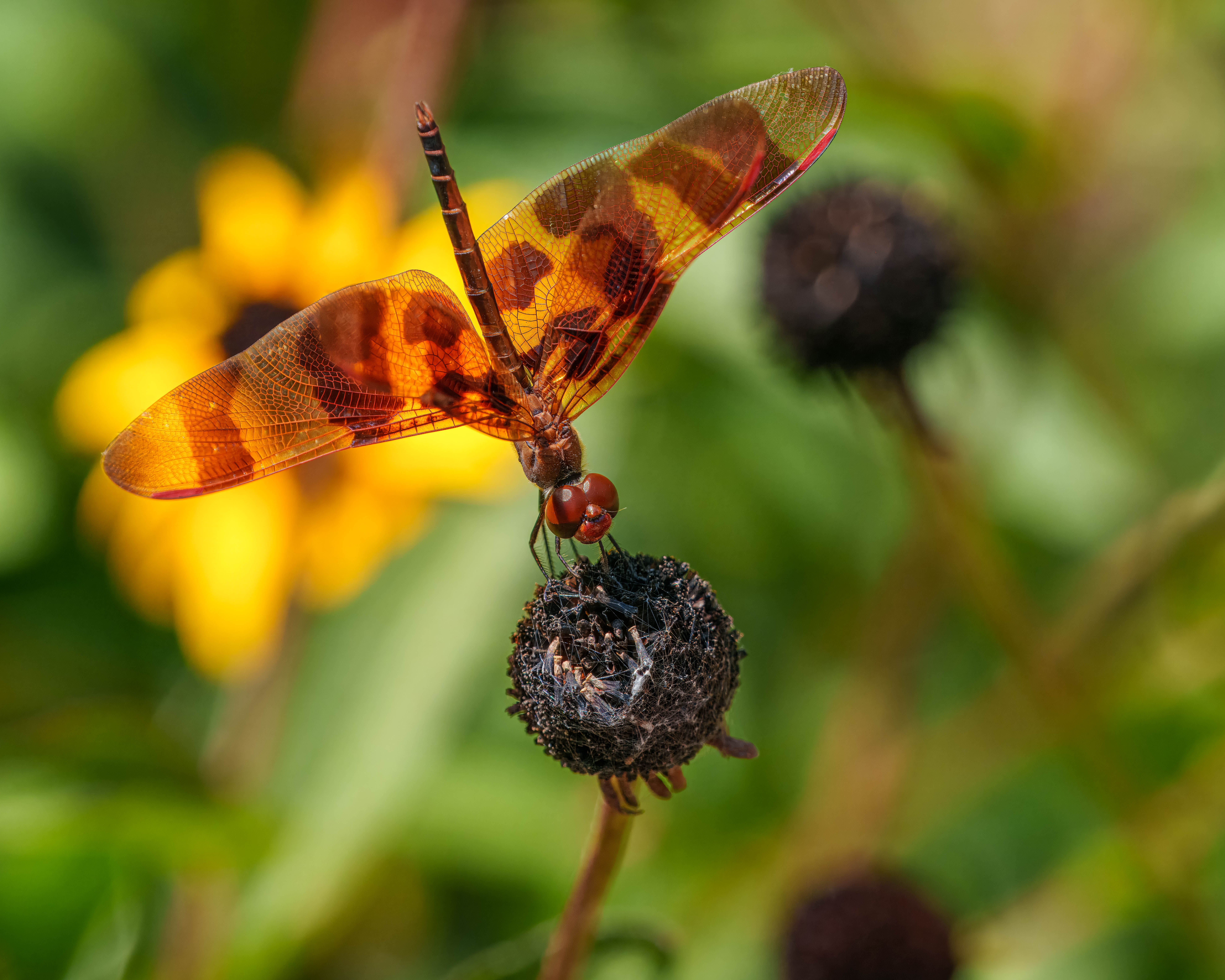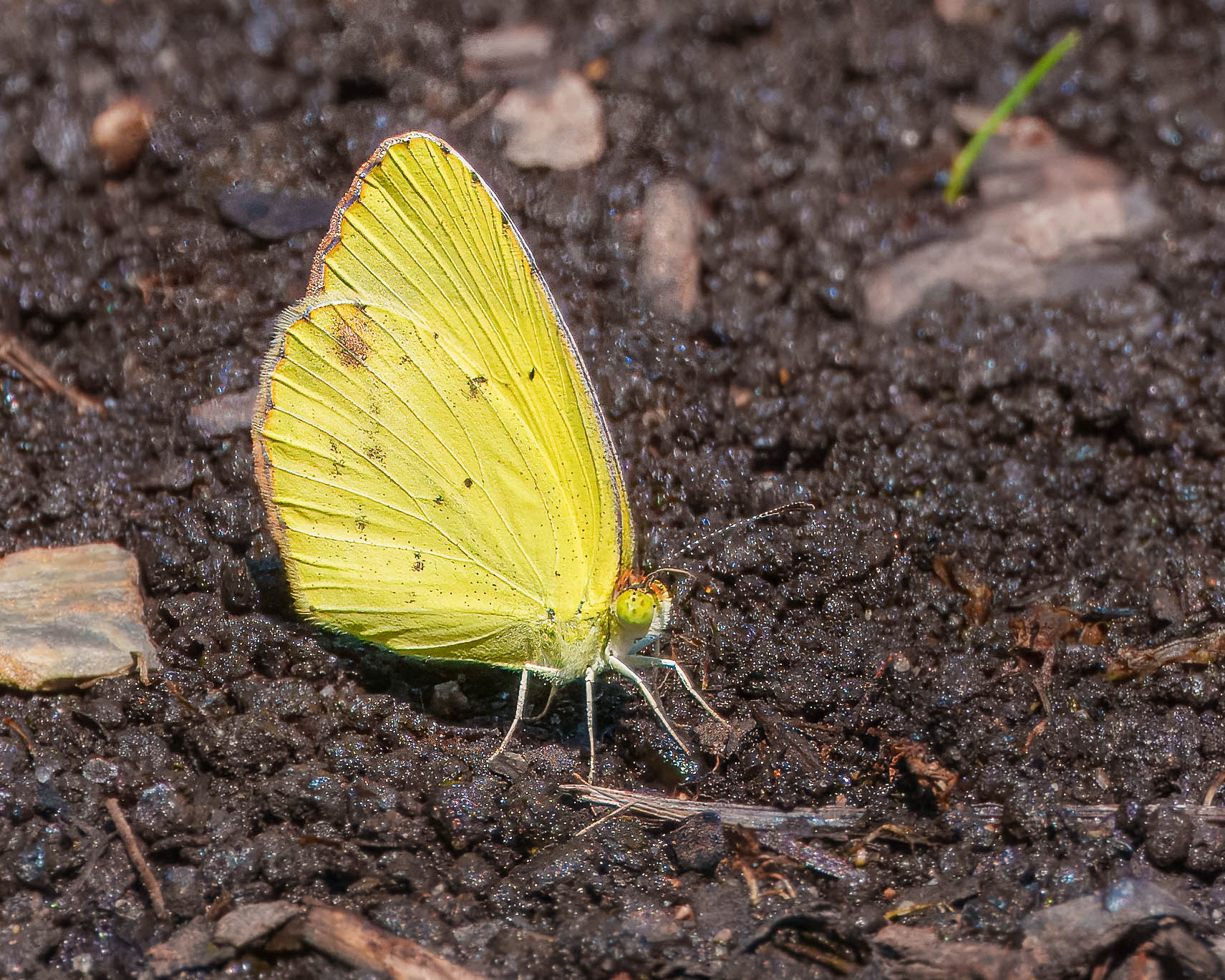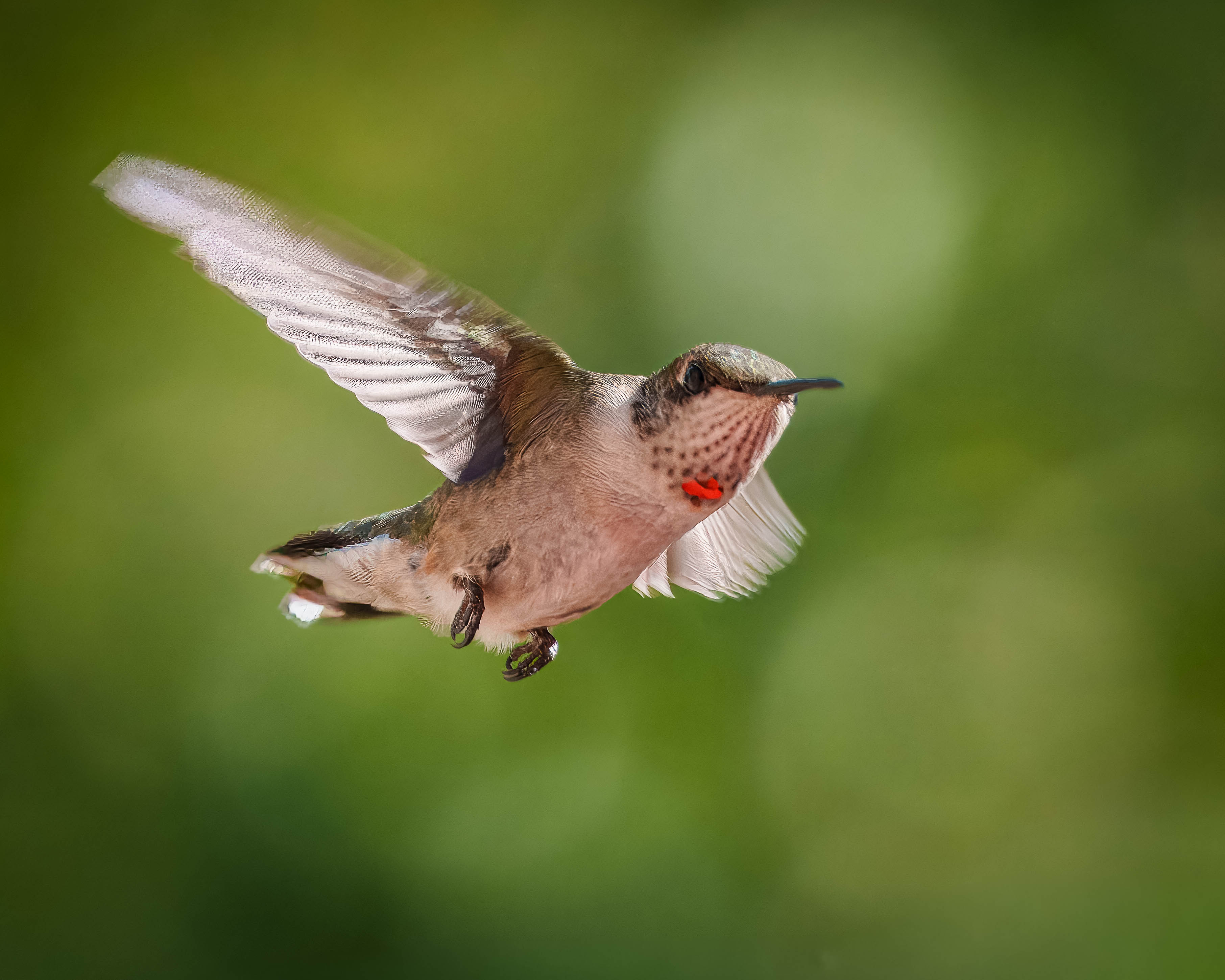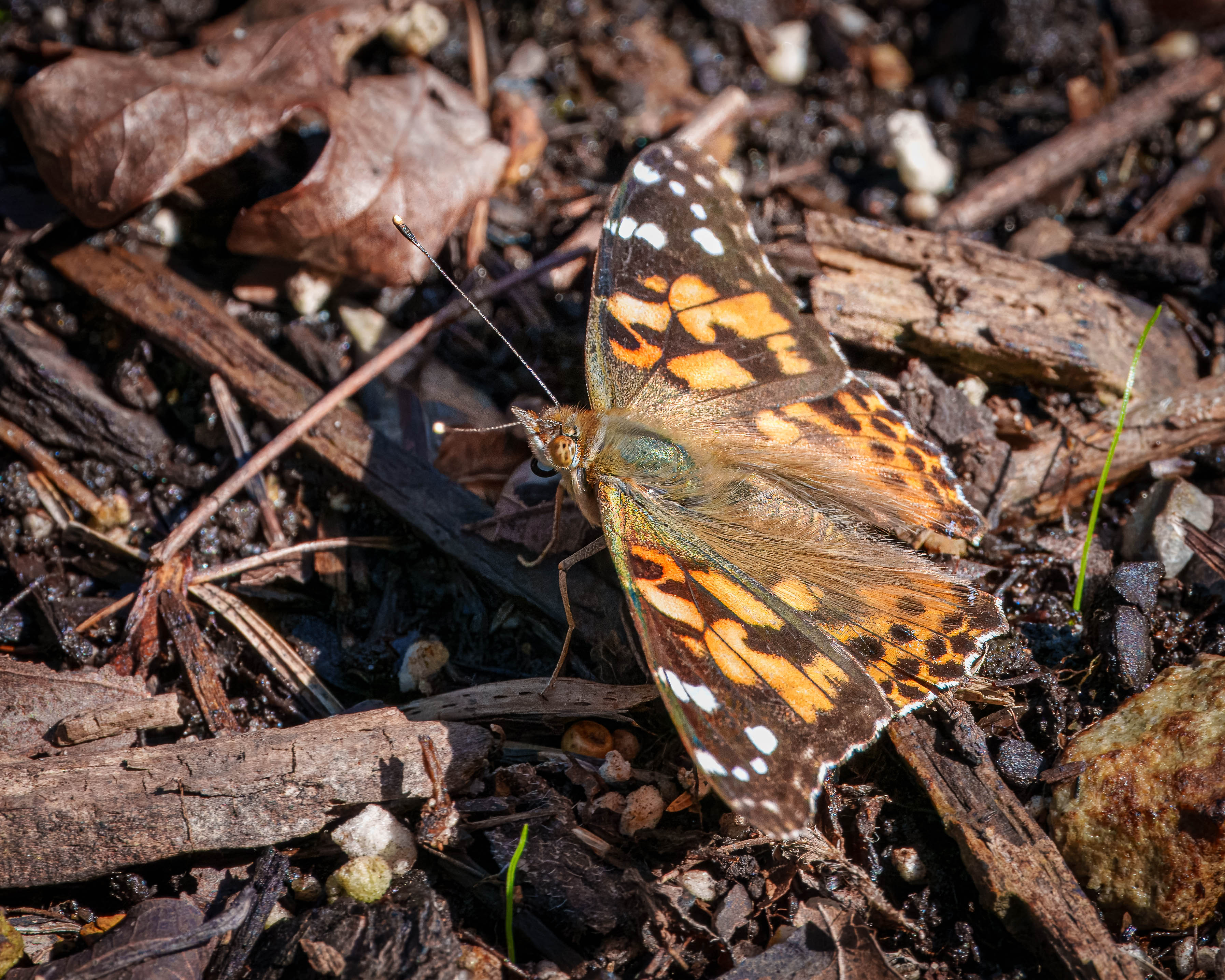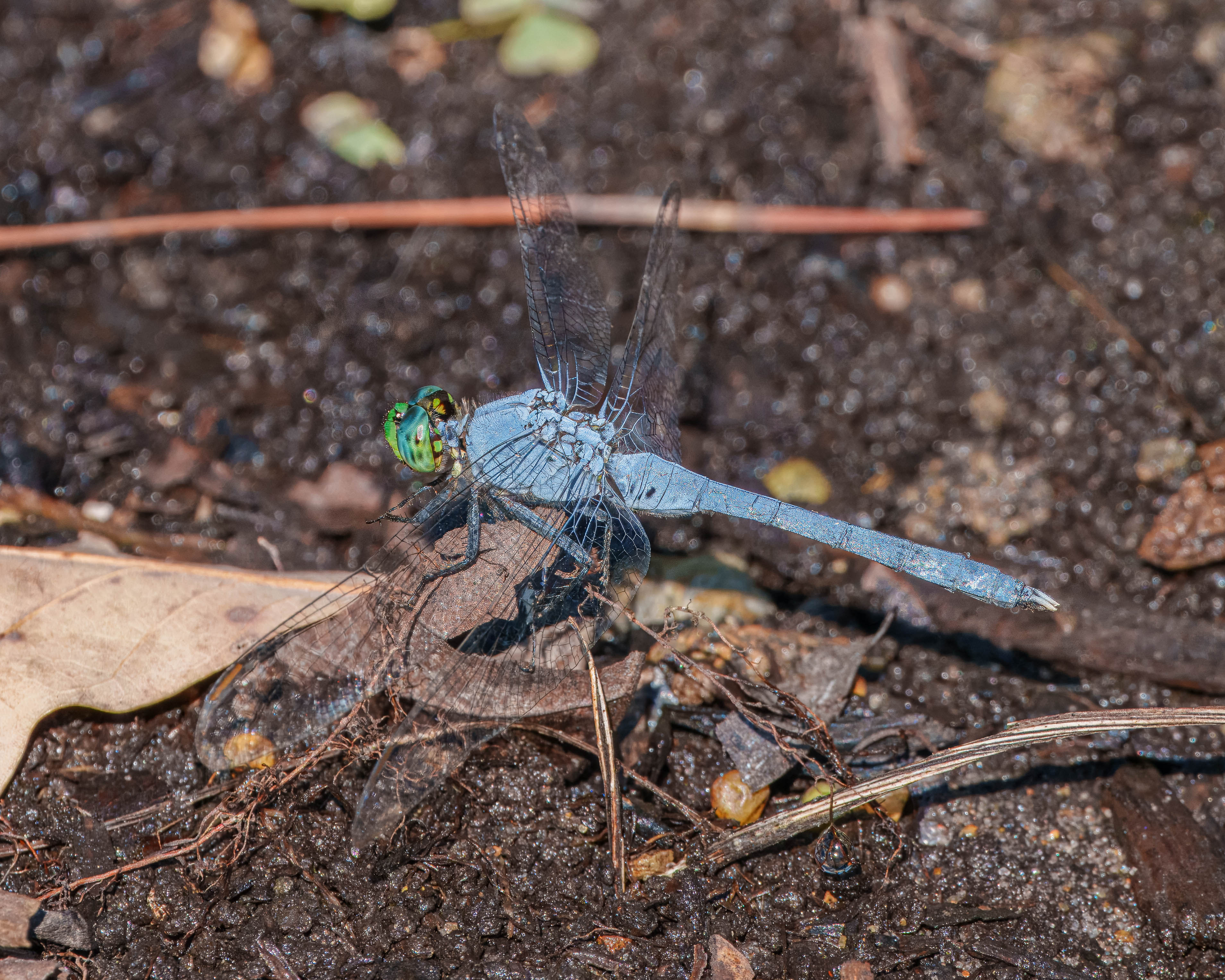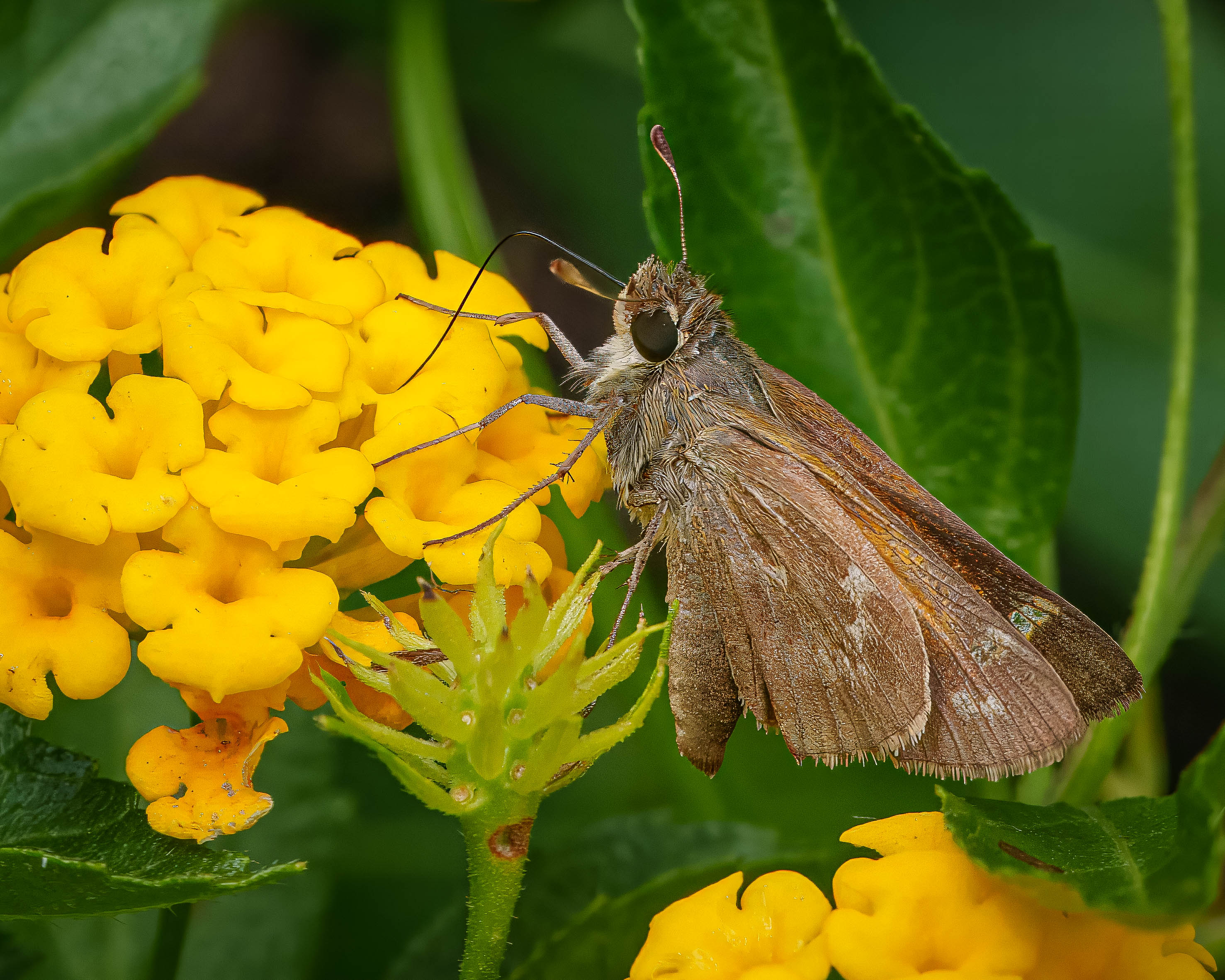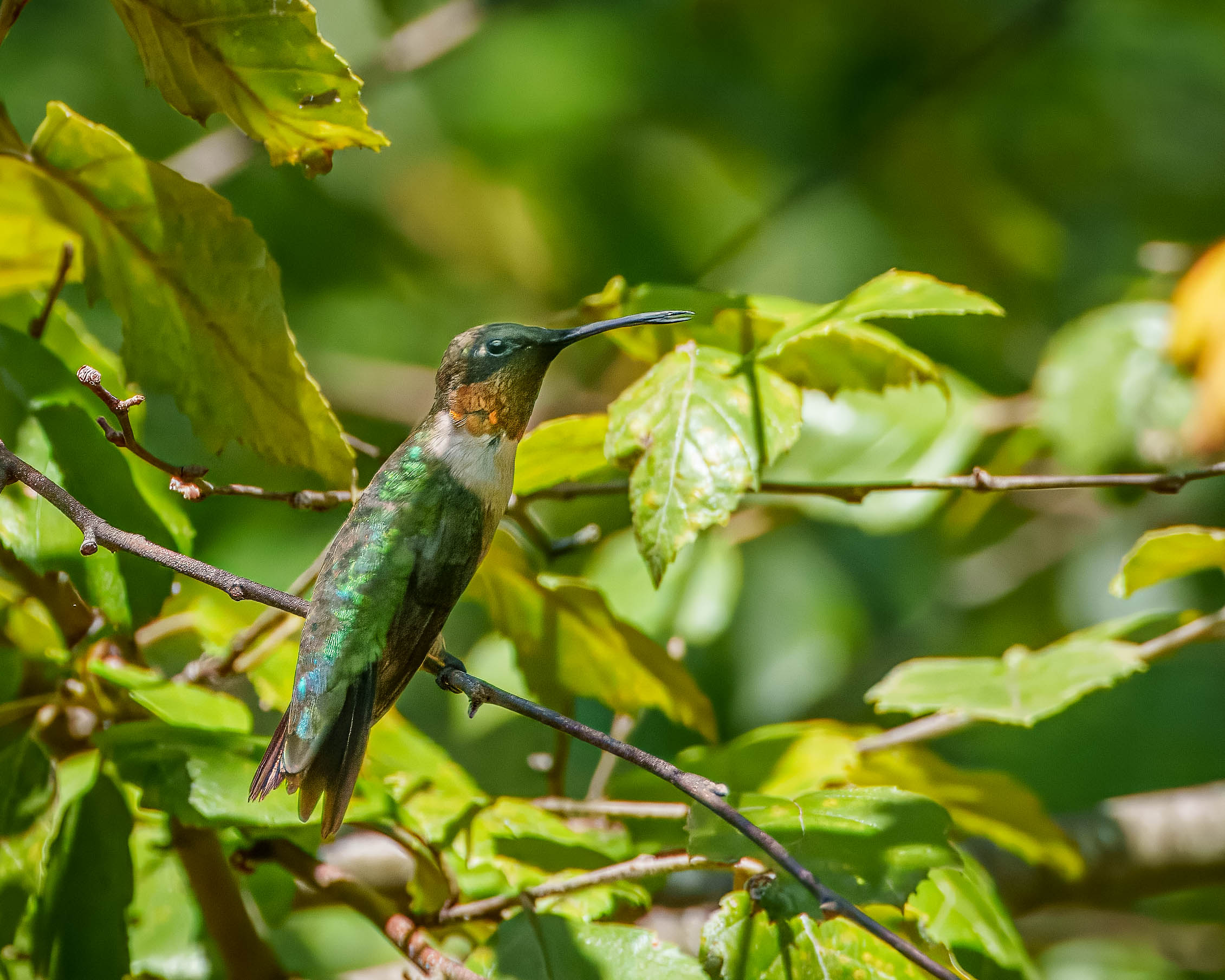
It seems like good time to report on the status of the pollinator garden.
The “garden” was started in the spring of 2024, and a lot of attention went into the number and species of plantings. And the flora did well. There were 44 species of butterflies observed that year. My observations consisted of about three walk-arounds, comprising 15-30 minutes each, typically around noon.
Yard Butterflies 2024
- Red Admiral
- Gray Hairstreak
- Common Buckeye
- American Lady
- Variegated Fritillary
- Question Mark
- Hoary Edge Skipper
- Fiery Skipper
- Eastern Tailed-blue
- Dun Skipper
- Pearl Crescent
- Northern Brokendash
- Zebra Swallowtail
- Pipeline Swallowtail (observed, not photographed)
- Southern Cloudywing, June 6
- Horace’s Duskywing
- Cloudless Sulphur
- Gray Hairstreak
- Variegated Fritillary
- Eastern Tiger Swallowtail (not photographed)
- Clouded Skipper
- Pipeline Swallowtail
- Crossline Skipper
- Sachem Skipper
- Silver-spotted Skipper
- Orange Sulphur
- Red-spotted Purple
- Little Yellow
- Hackberry Emperor
- Sleepy Orange
- Painted Lady
- Phaon Skipper
- Long-tailed Skipper
- Great Spangled Fritillary
- Gulf Fritillary
- Red-banded Hairstreak
- Red Admiral
- Monarch
- Common Checkered-Skipper
- Dainty Sulphur
- Diana Fritillary
- Delaware Skipper
- Giant Swallowtail
- Spicebush Swallowtail
The garden was expanded in 2025, increasing it’s size by about 50 percent. Again, due diligence was made in the number and species of plants added to supplement the perennials from 2024. Perhaps it was a lack of attention and maybe a few less days of observations, but only 27 species of butterflies were recorded.
Yard Butterflies 2025
- American Lady, May 22
- Little Glassywing, May 22
- Hoary Edge Skipper, May 28
- Common Buckeye, May 28
- Horace’s Duskywing, May 28
- Fiery Skipper, May 28
- Orange Sulphur, May 28
- Dun Skipper, May 29
- Tawny-edged Skipper, May 29
- Southern Broken-dash
- Diana Fritillary, May 30
- Hackberry Emperor, May 30
- Spring Azure, June 2
- Pearl Crescent, June 4
- Delaware, June 20
- Silver-spotted Skipper, July 15
- Little Yellow, July 15
- Monarch, July 15
- Clouded Skipper, July 15
- Pipeline Swallowtail, July 23
- Red-banded Hairstreak
- Painted Lady, Aug 1
- Northern Brokendash, Aug 6
- Giant Swallowtail, Aug 9
- Eastern Tiger Swallowtail, Aug 10
- Summer Azure, Aug 27
- Eastern Tailed-blue, Oct 1
And now, late September 2026 as the pollinator season is winding down, the count for this year stands at 38. Admittedly, less effort in plantings occurred this year, and both the number and variety of plants were down. And the deer and rabbits were relentless, eating new buds nightly. While 37 seems like a good number, it appeared that there were far fewer butterflies than in previous years, including those years before installation of the garden. One of the highlights of the year was the number of Diana Fritillaries observed over the course of the summer, stretching from late May to mid-September. Another highlight was the maturing of several Butterfly Weed plants.
Yard Butterflies 2026
- Spicebush Swallowtail, Apr 5
- Spring Azure, Apr 14
- American Lady, May 3
- Northern Cloudywing, May 15
- Great Spangled Fritillary, May 20
- Northern Brokendash
- Fiery Skipper
- Monarch Caterpillar, May 21
- Gray Hairstreak
- Monarch
- Northern Cloudywing, May 26
- Diana Fritillary (male)
- Common Buckeye, May 29
- Diana Fritillary (female), Jun 2
- Pipeline Swallowtail, Jun 3
- Juvenal’s Duskywing
- Red-banded Hairstreak
- Eastern Tailed-blue
- Dun Skipper
- Pearl Crescent
- Southern Cloudywing
- Red-spotted Purple
- Horace’s Duskywing
- Silver-spotted Skipper
- Byssus Skipper
- Realkirt’s Blue
- Phaon Crescent
- Great Spangled Fritillary (Jul 3)
- Hoary Edge
- Southern Brokendash
- Variegated Fritillary
- Sachem Skipper (Aug 3)
- Viceroy
- Little Yellow
- Painted Lady
- Cloudless Sulphur
- Giant Swallowtail
- Clouded Skipper
For 2027, we will attempt to increase both the number and variety of flowers, including more Marigolds and adding Zinnias. We may also try to “start” a butterfly bush or two over the course of the winter.