After awakening, showering, etc. our luggage was repacked and moved to just outside the hotel room door for portage. And then after breakfast, we were driven, via motor coach, to Dublin by way of the Ulster American Folk Park. We passed through County Tyrone, one of the six counties of Northern Ireland, a new country for the both of us. Northern Ireland is a separate country from the Irish Republic; it is a part of the United Kingdom, AND as such uses the pound as its monetary system, and uses both the metric system and imperial system. The Irish Republic is an INDEPENDENT country, is part of the European Union, and follows their monetary (euros) and measurement system (strictly metric).
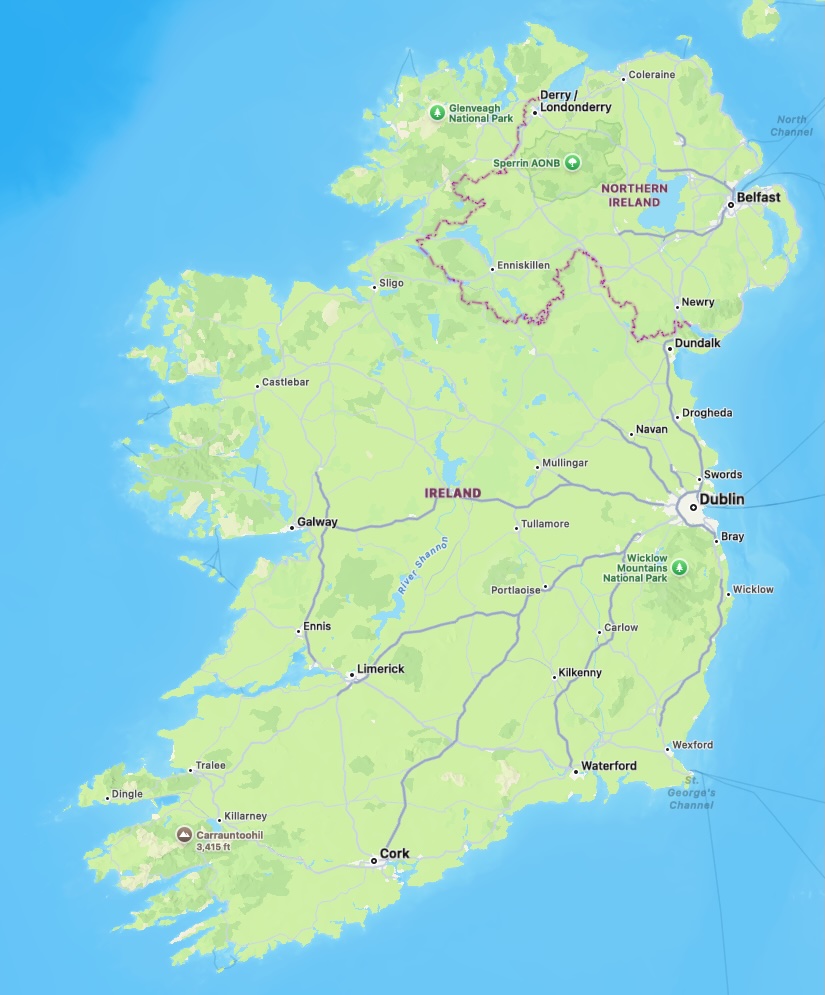
And here is more on the geopolitical lesson we learned on the trip. The United Kingdom is a sovereign country, Great Britain is a geographic island, and England is one of the individual countries located on that island. The full name of the United Kingdom is the United Kingdom of Great Britain and Northern Ireland and includes the following countries: England, Scotland, Wales, and Northern Ireland. Great Britain, on the other hand, is a geographic landmass, the largest island in the British Isles, and includes England, Scotland, and Wales, BUT DOES NOT INCLUDE Northern Ireland. England is, thus, a specific constituent country.
There was little difference when crossing the boundary from the Irish Republic into Northern Ireland, except that speed limit signs were posted in miles per hour rather than kilometers per hour.
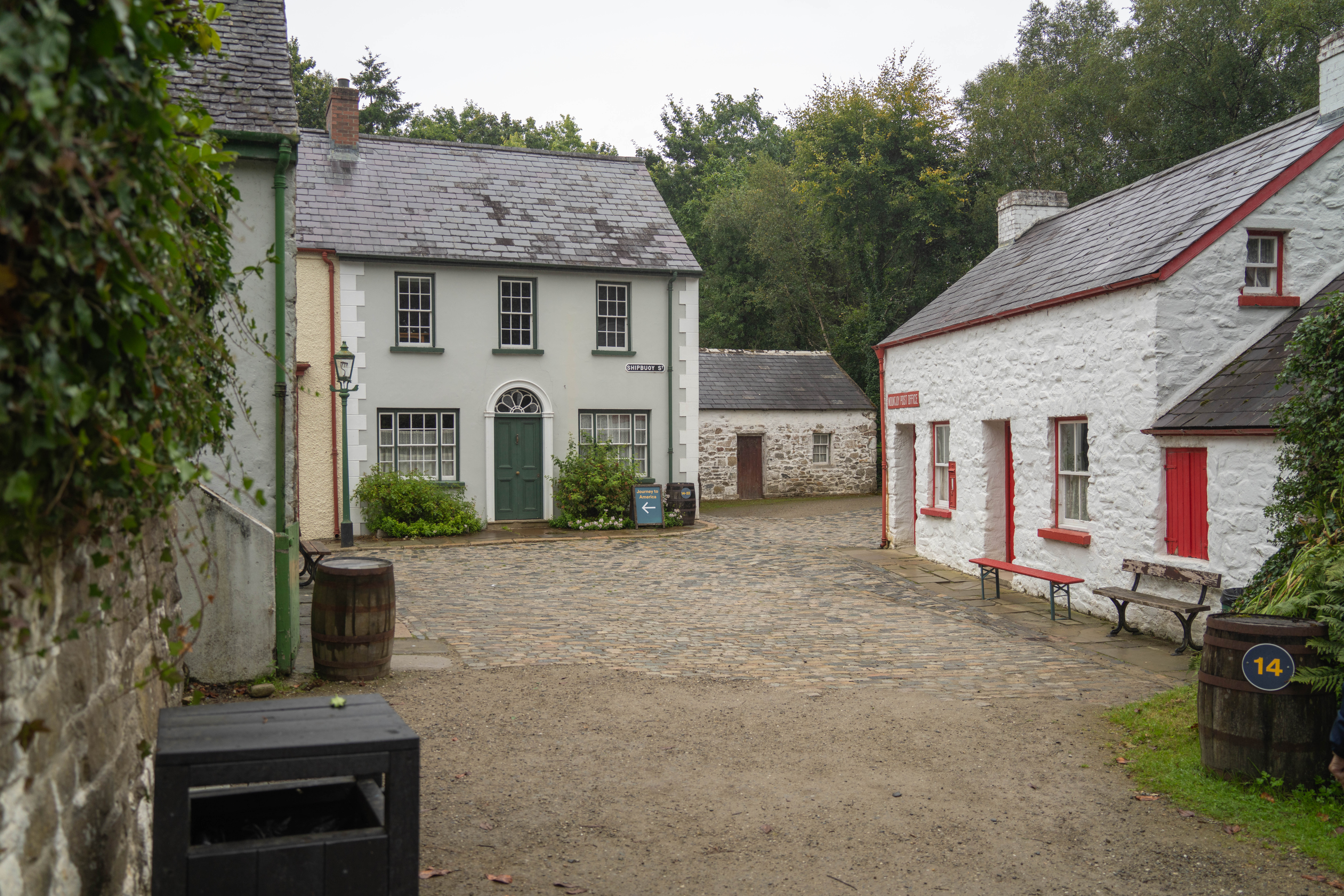
We made our way to the Ulster American Folk Park in Northern Ireland.
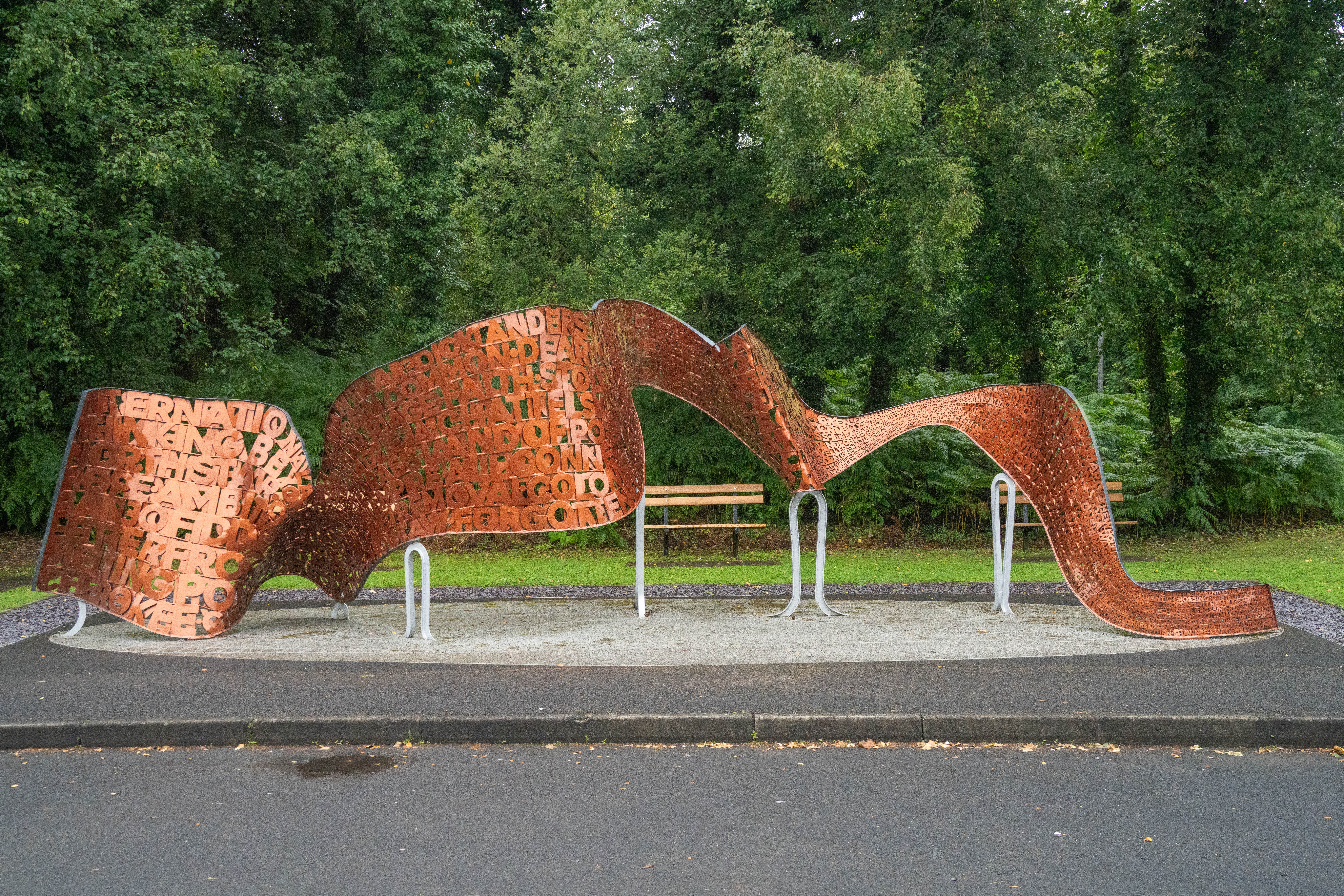
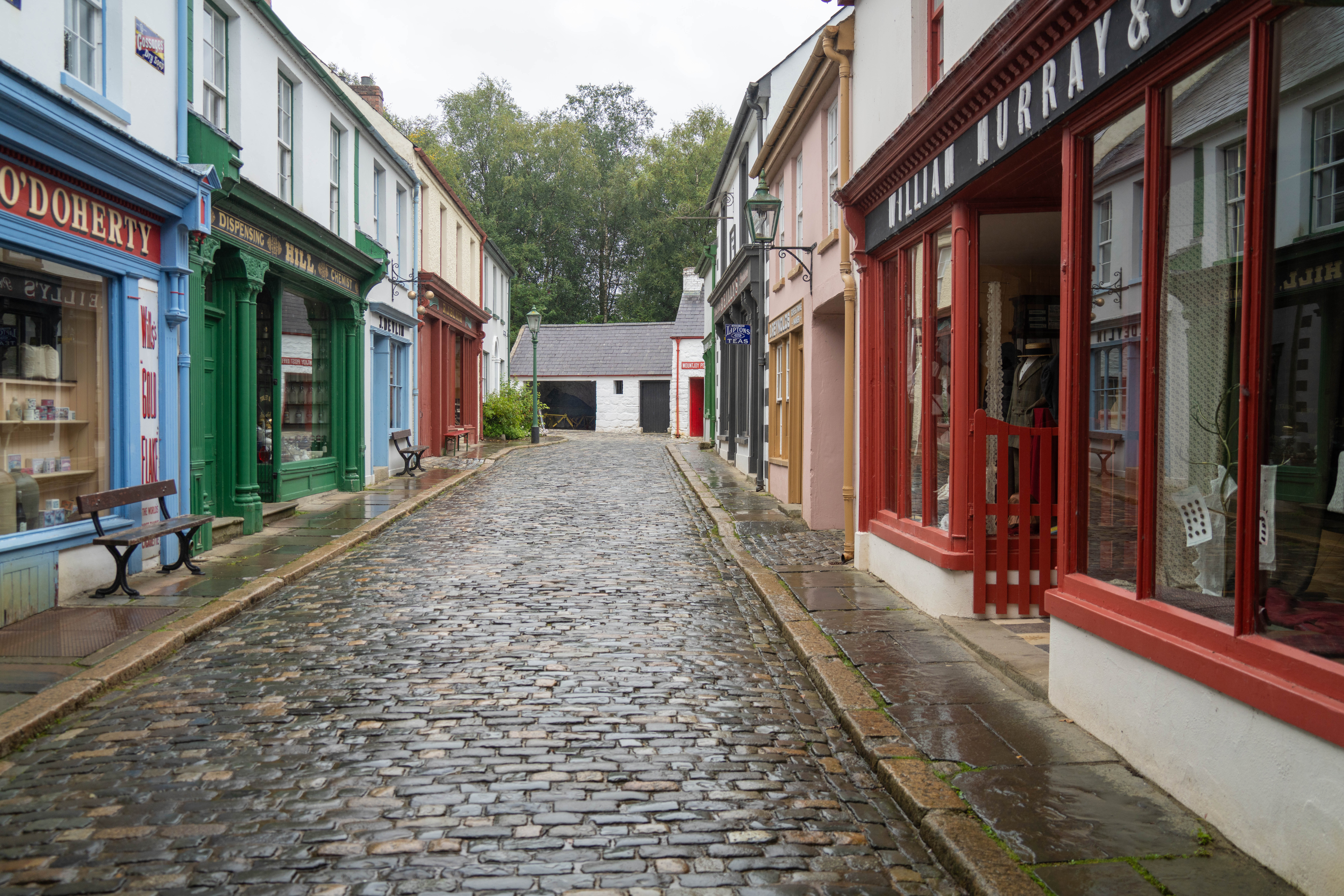
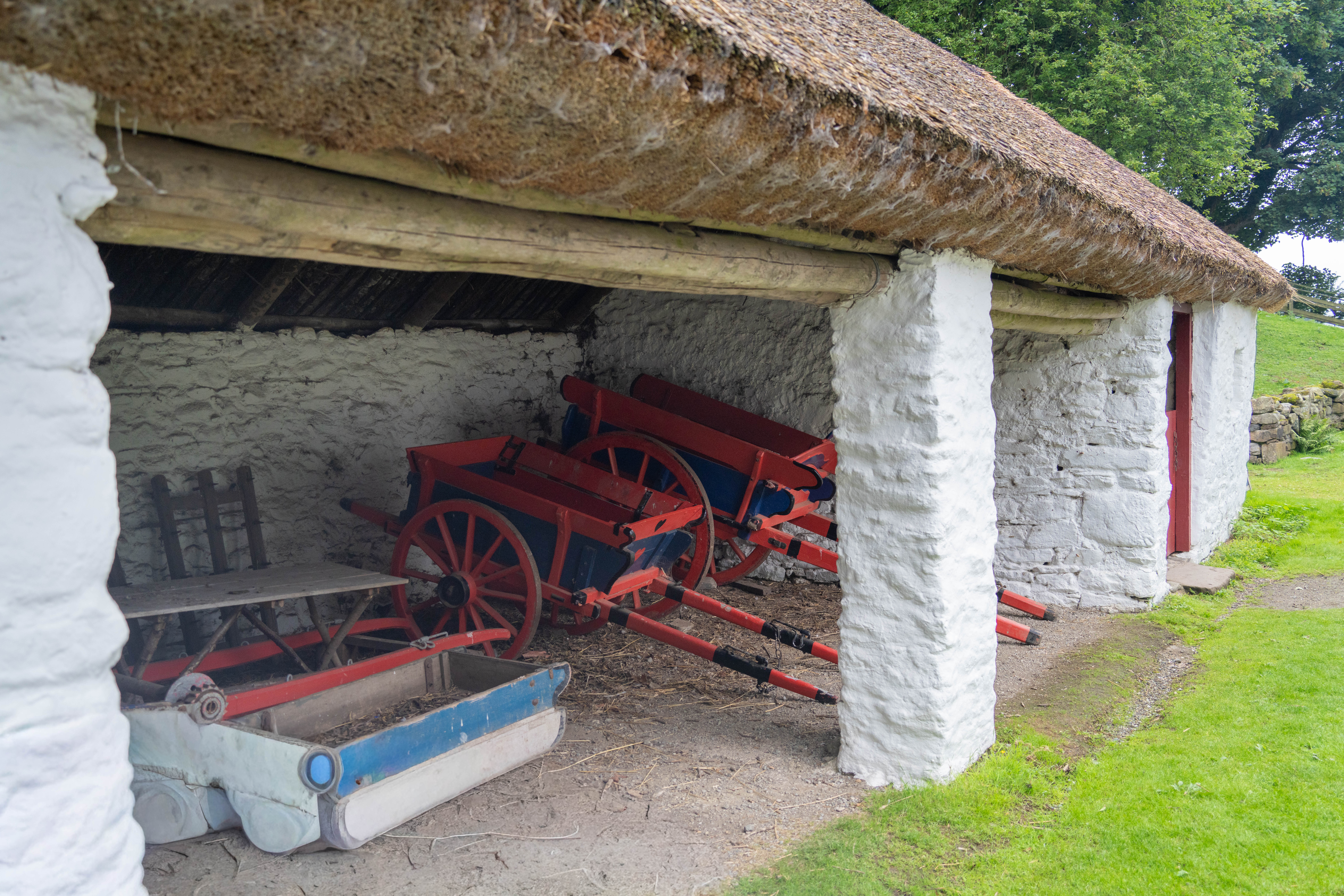
The park is a 40-acre open-air museum that chronicles the historical journey of millions of Irish emigrants who left Ulster for North America during the 18th and 19th centuries. (My great, great grandfather and grandmother were emigrants from Ireland.) The museum is uniquely designed to take visitors on a physical and chronological journey, starting in the thatched cottages of the Old World and ending in the log cabins of the American frontier.
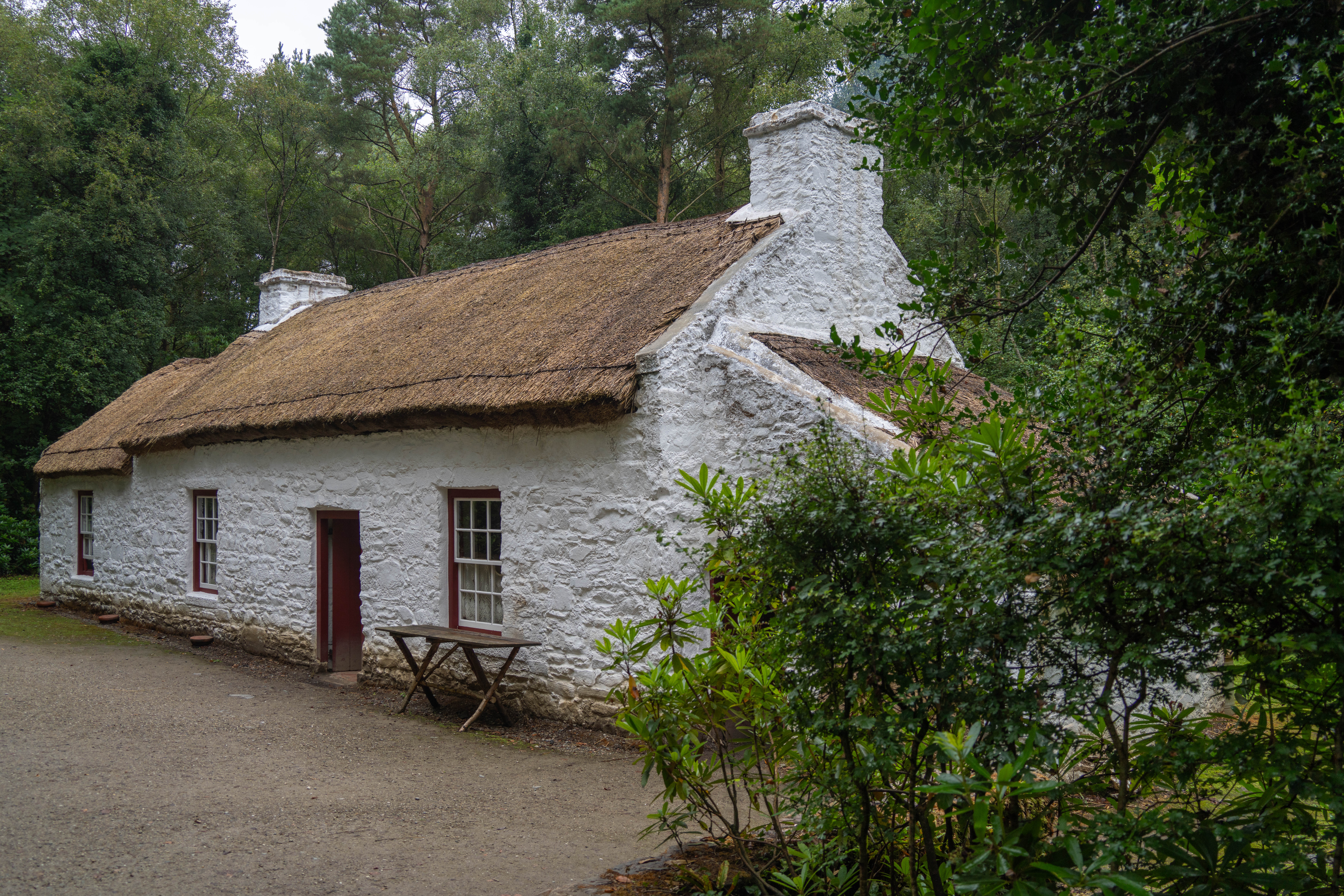
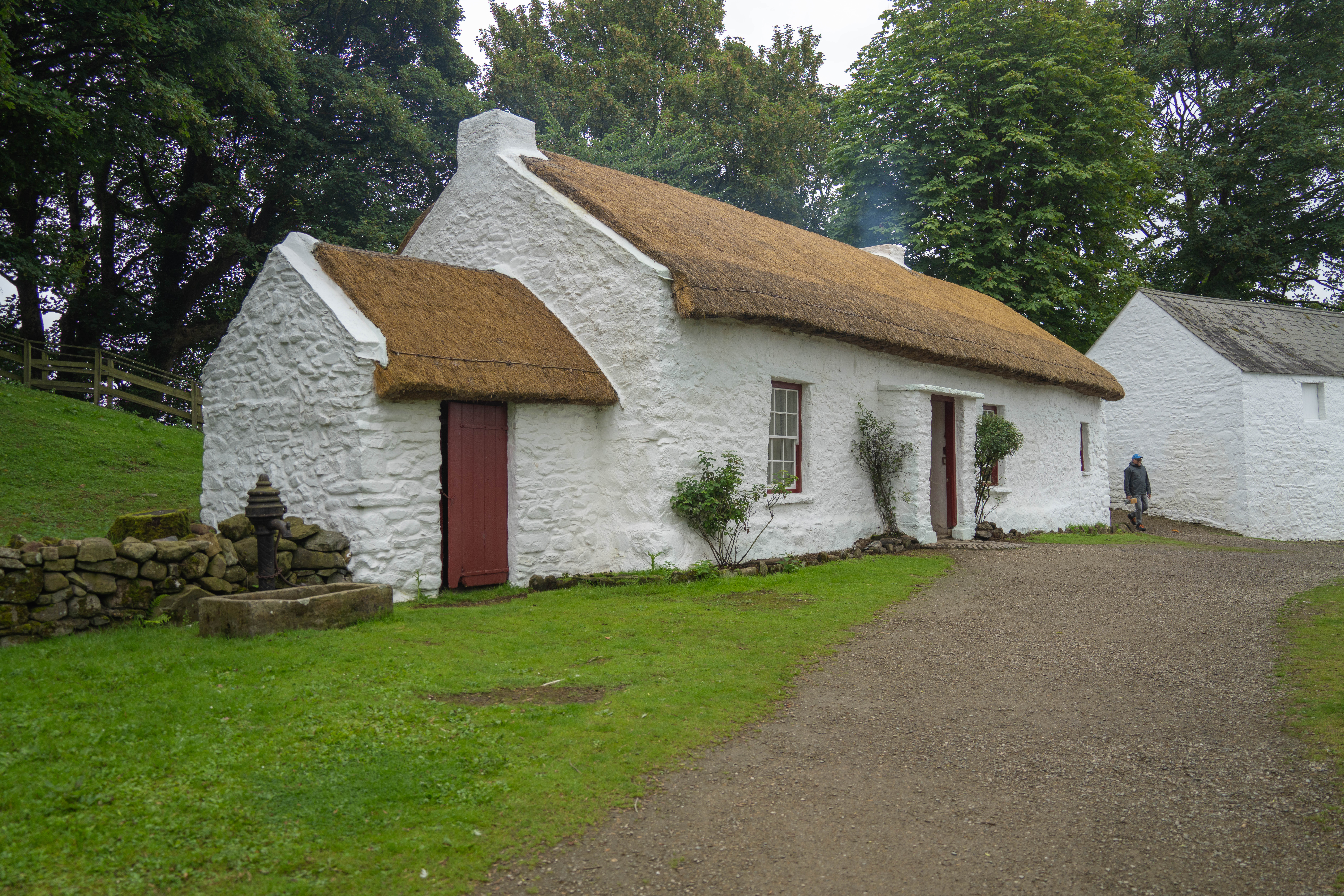
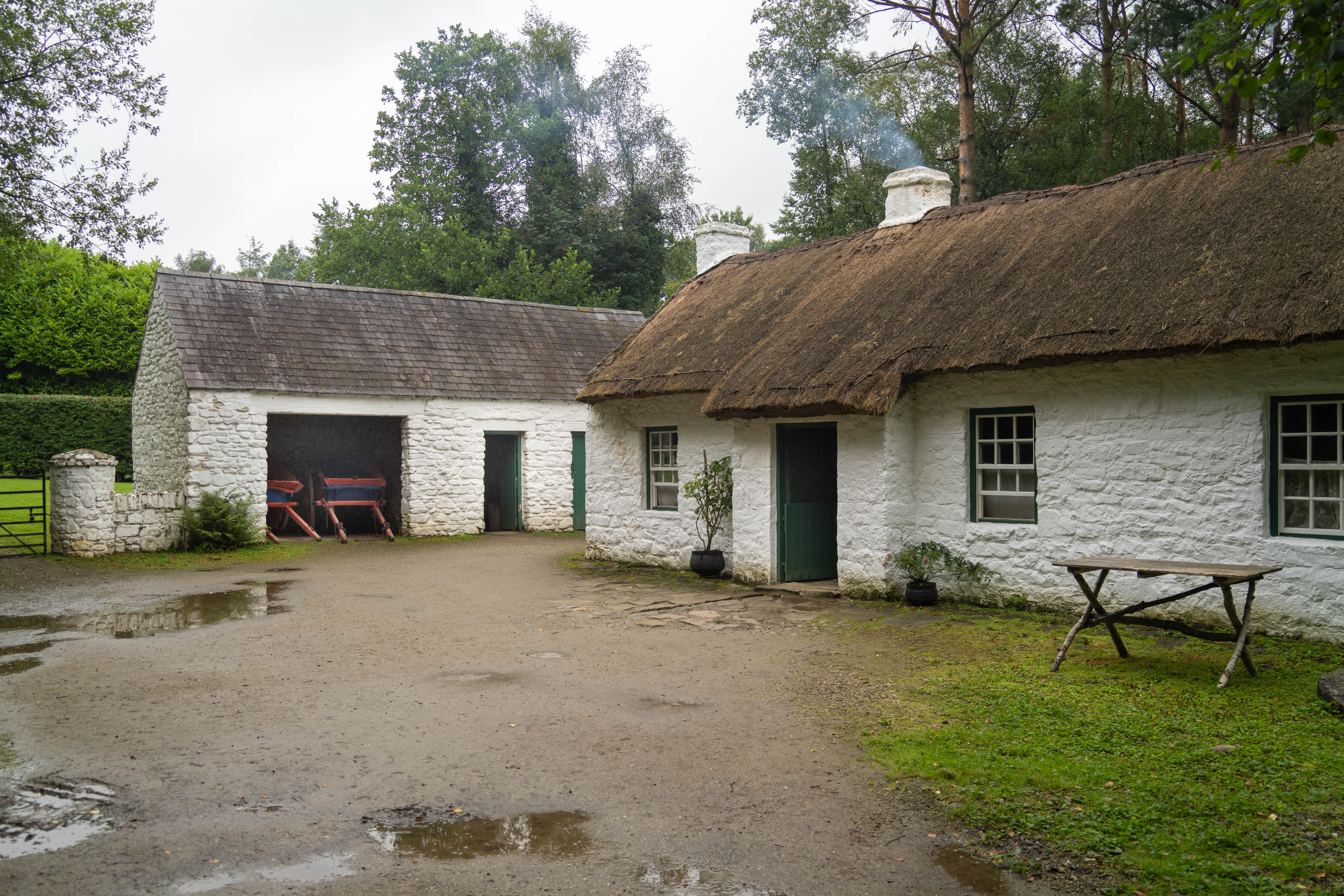
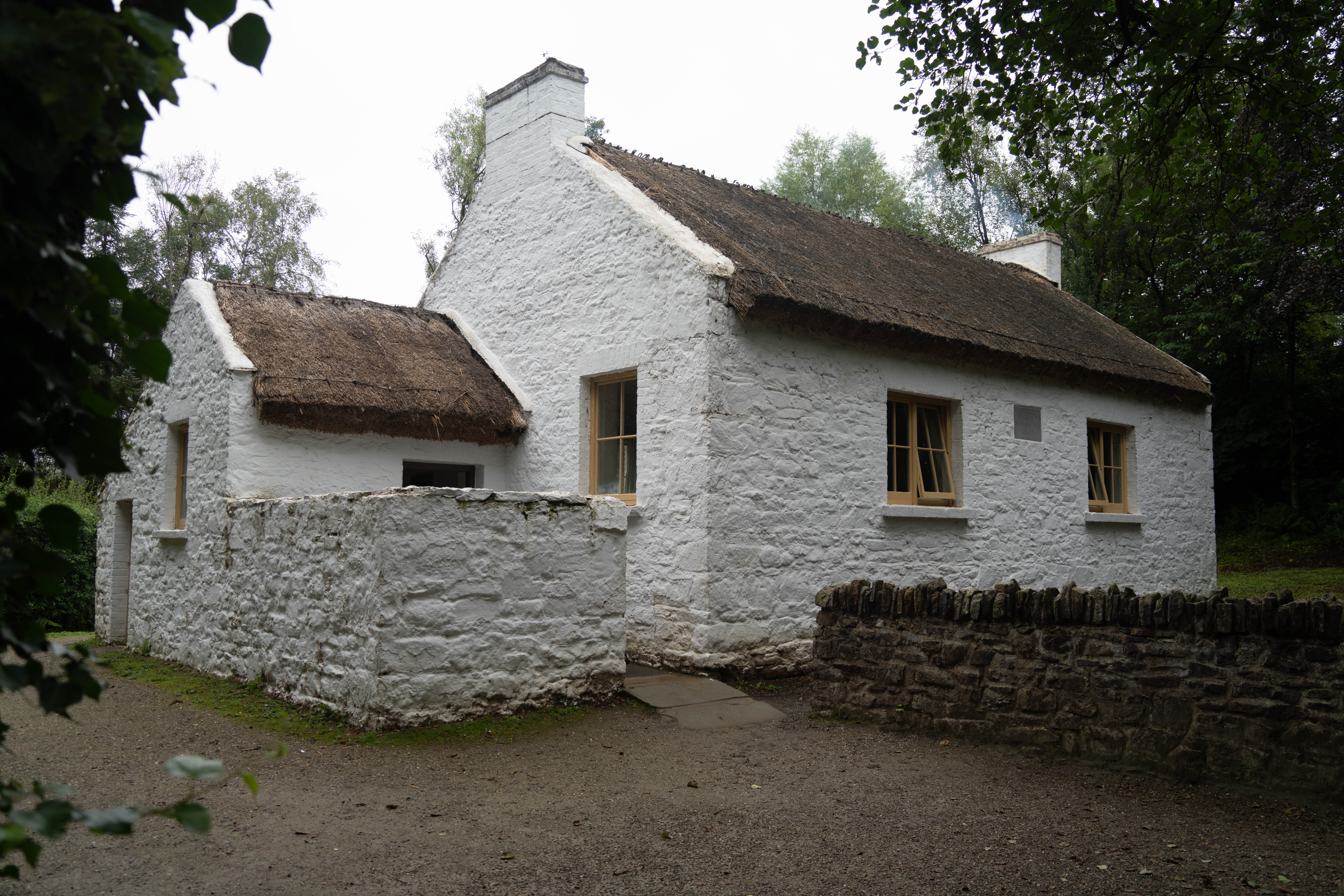
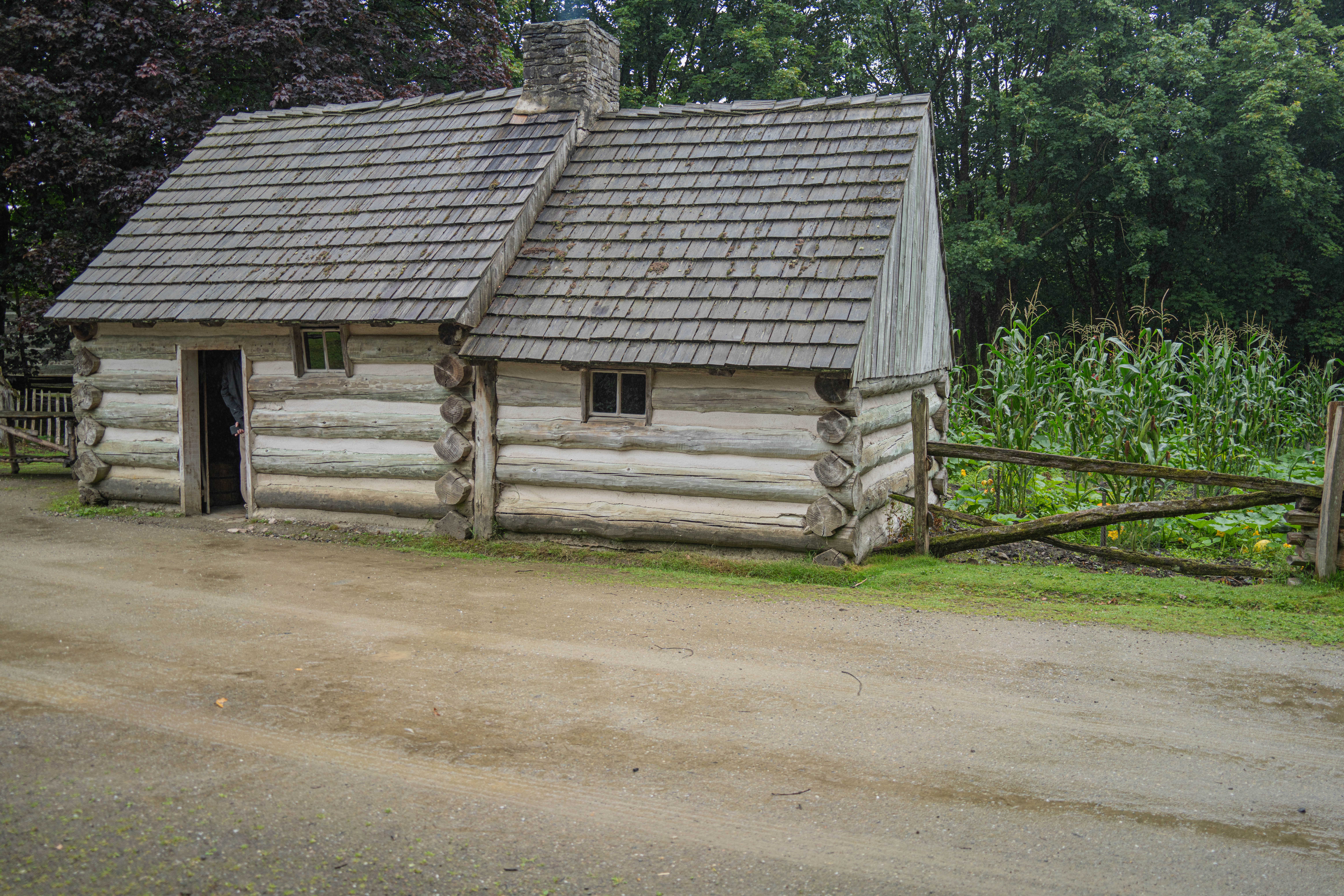
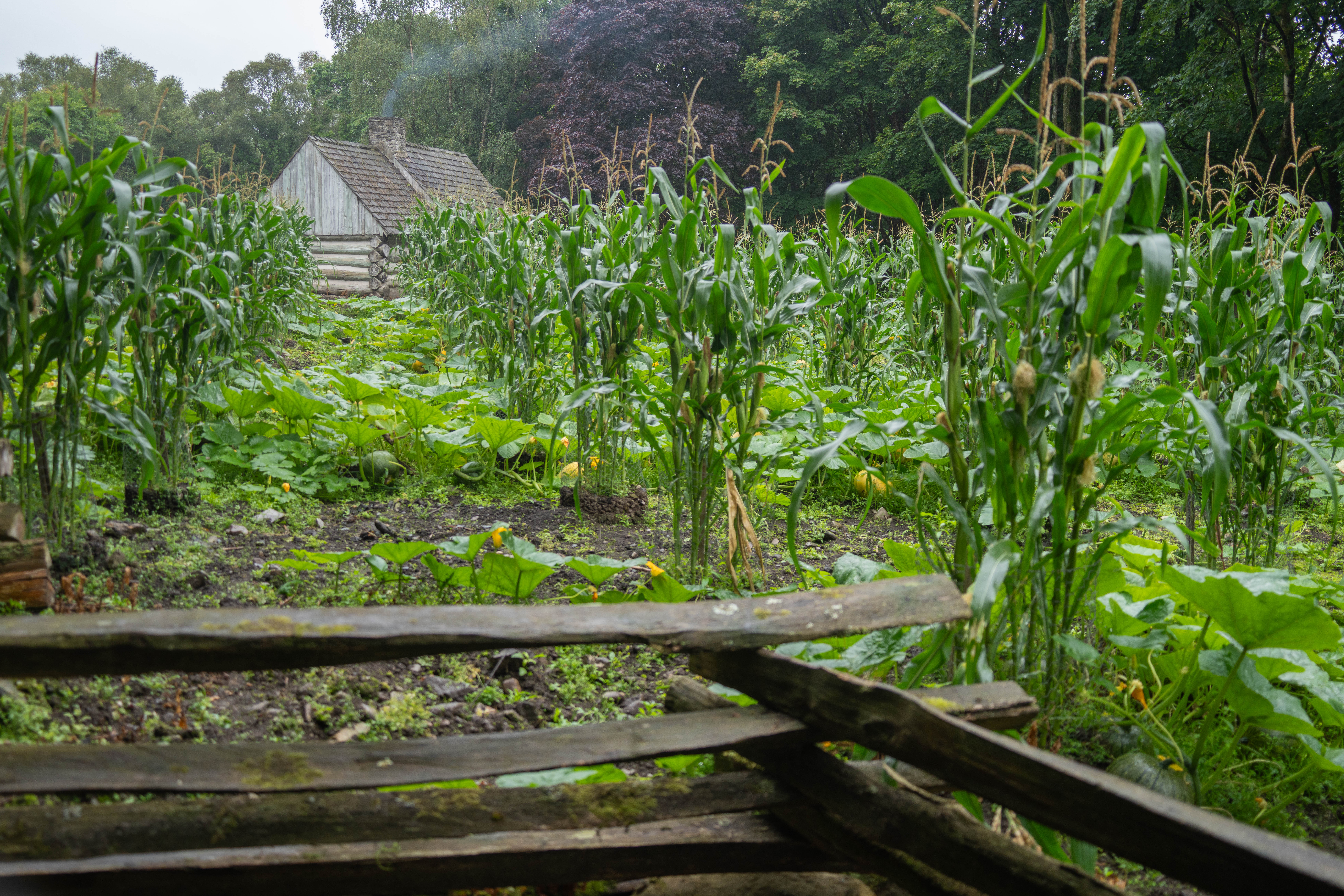
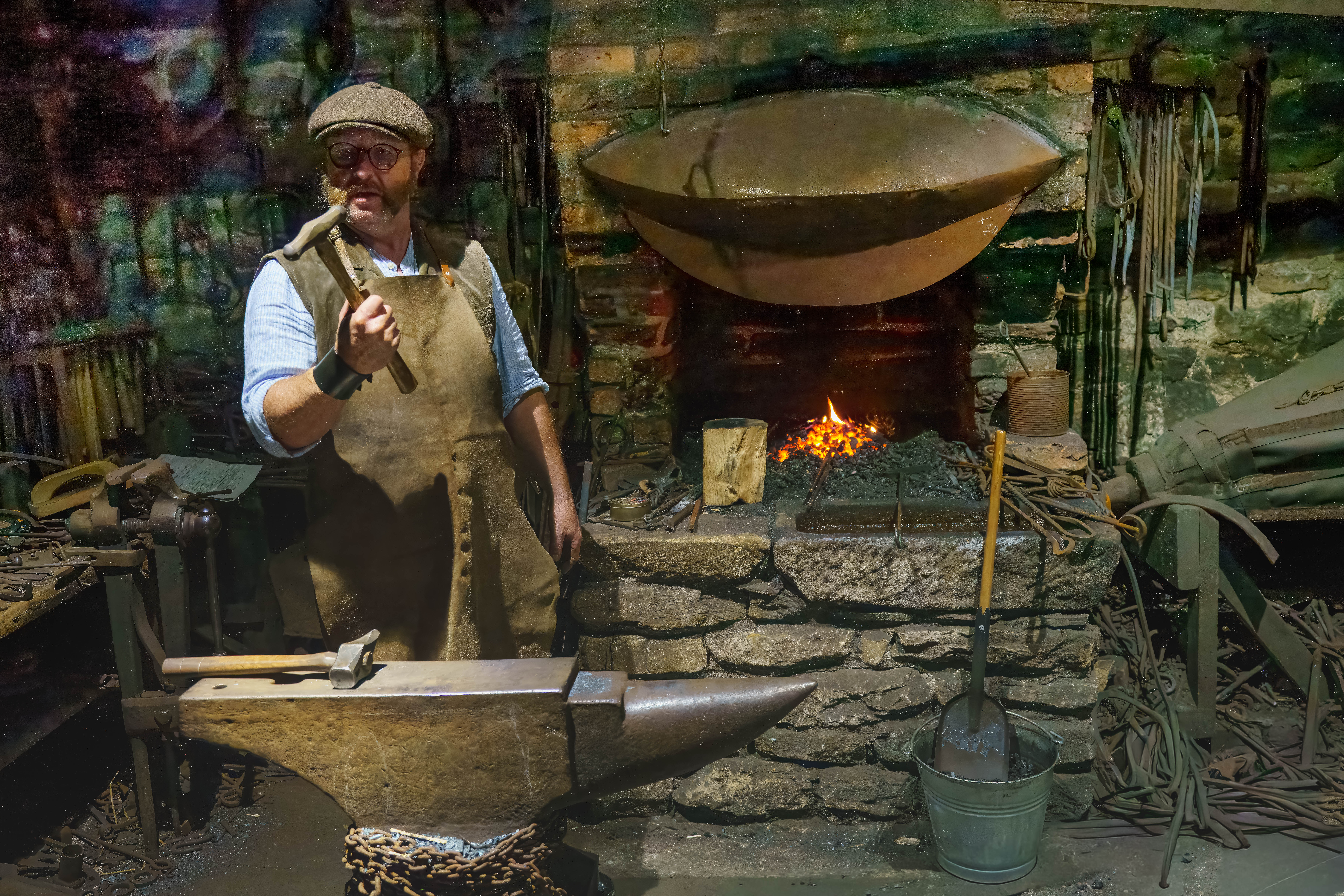
Volunteers in period costumes demonstrated day-to-day tasks of the era.
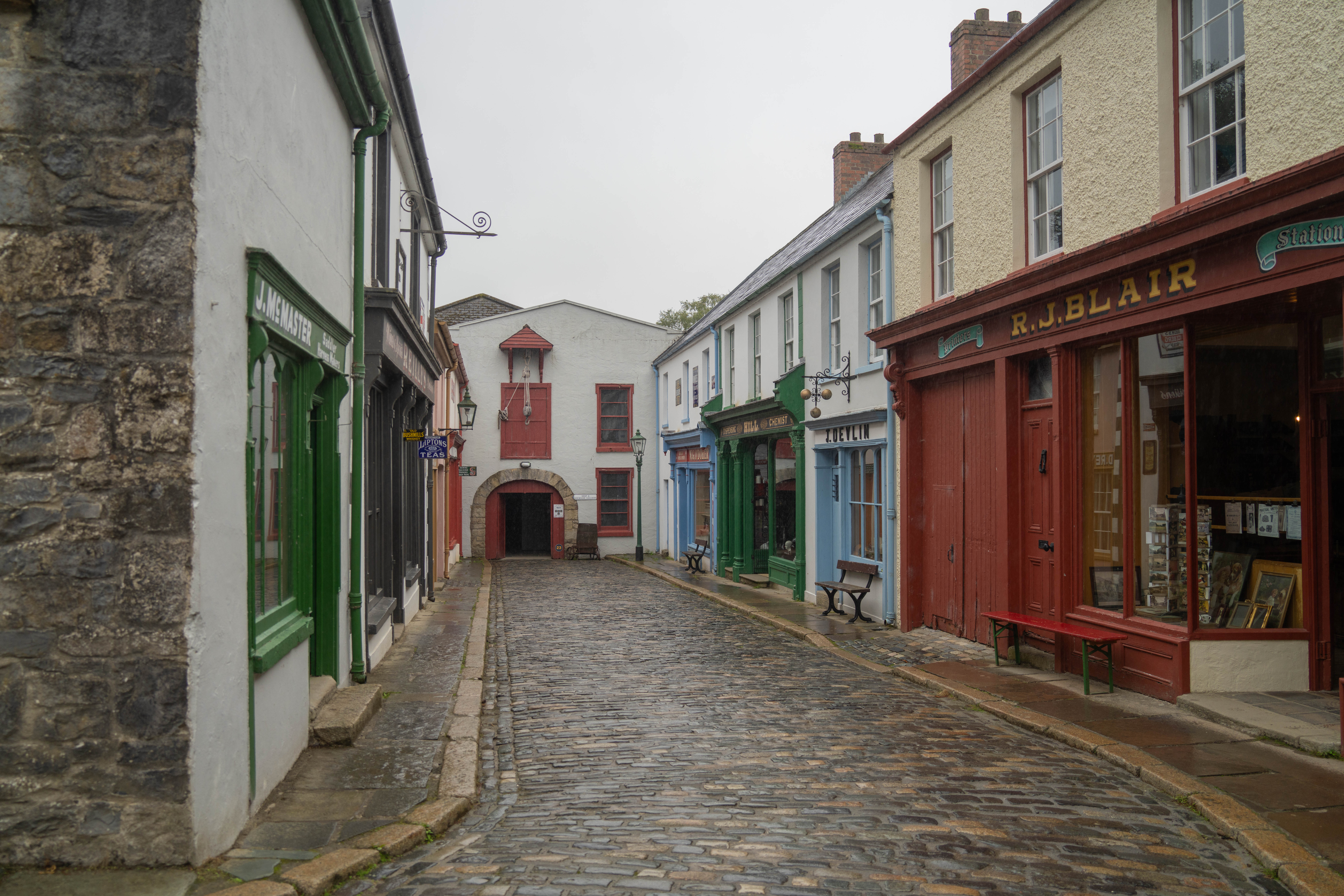
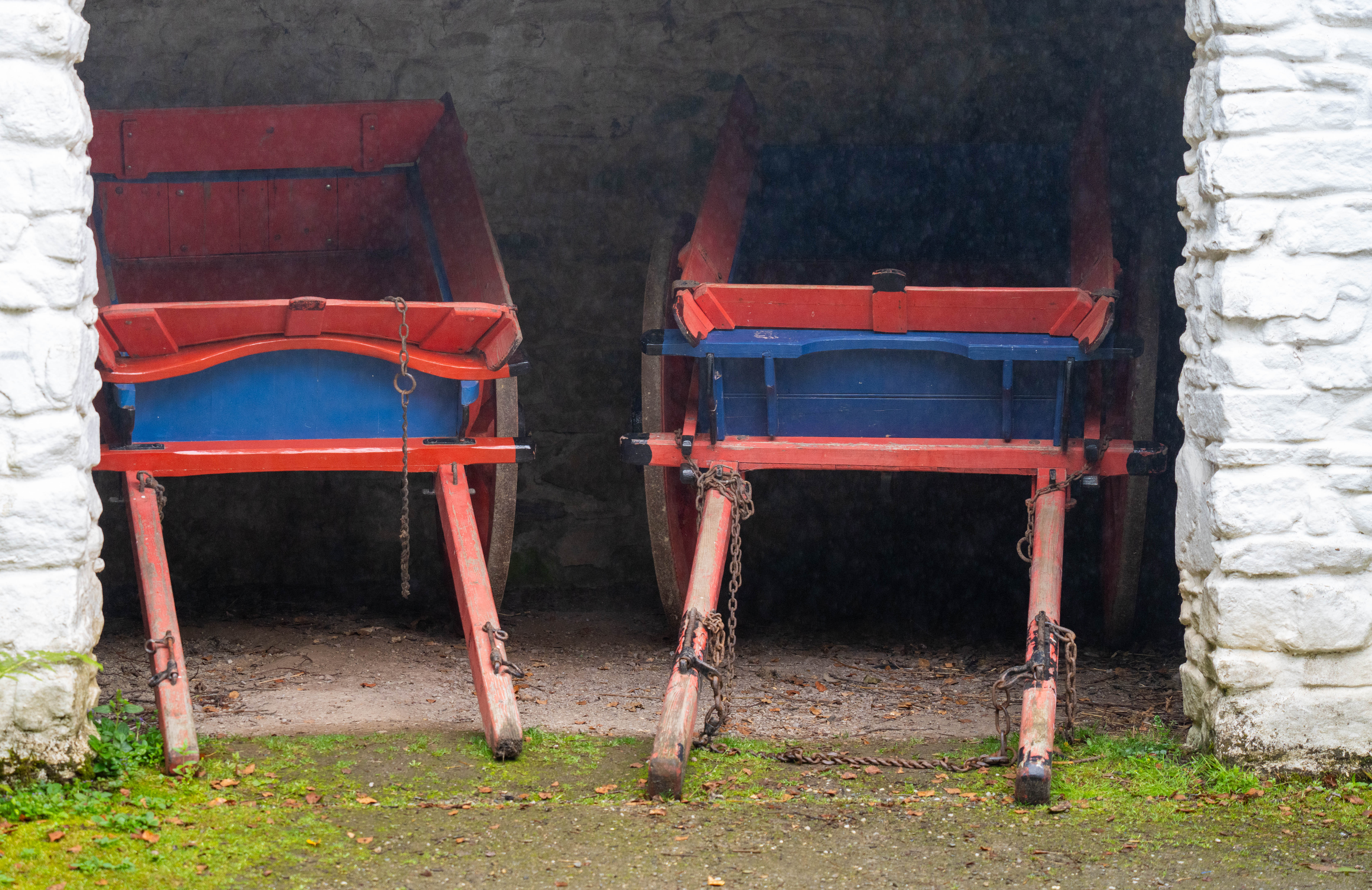
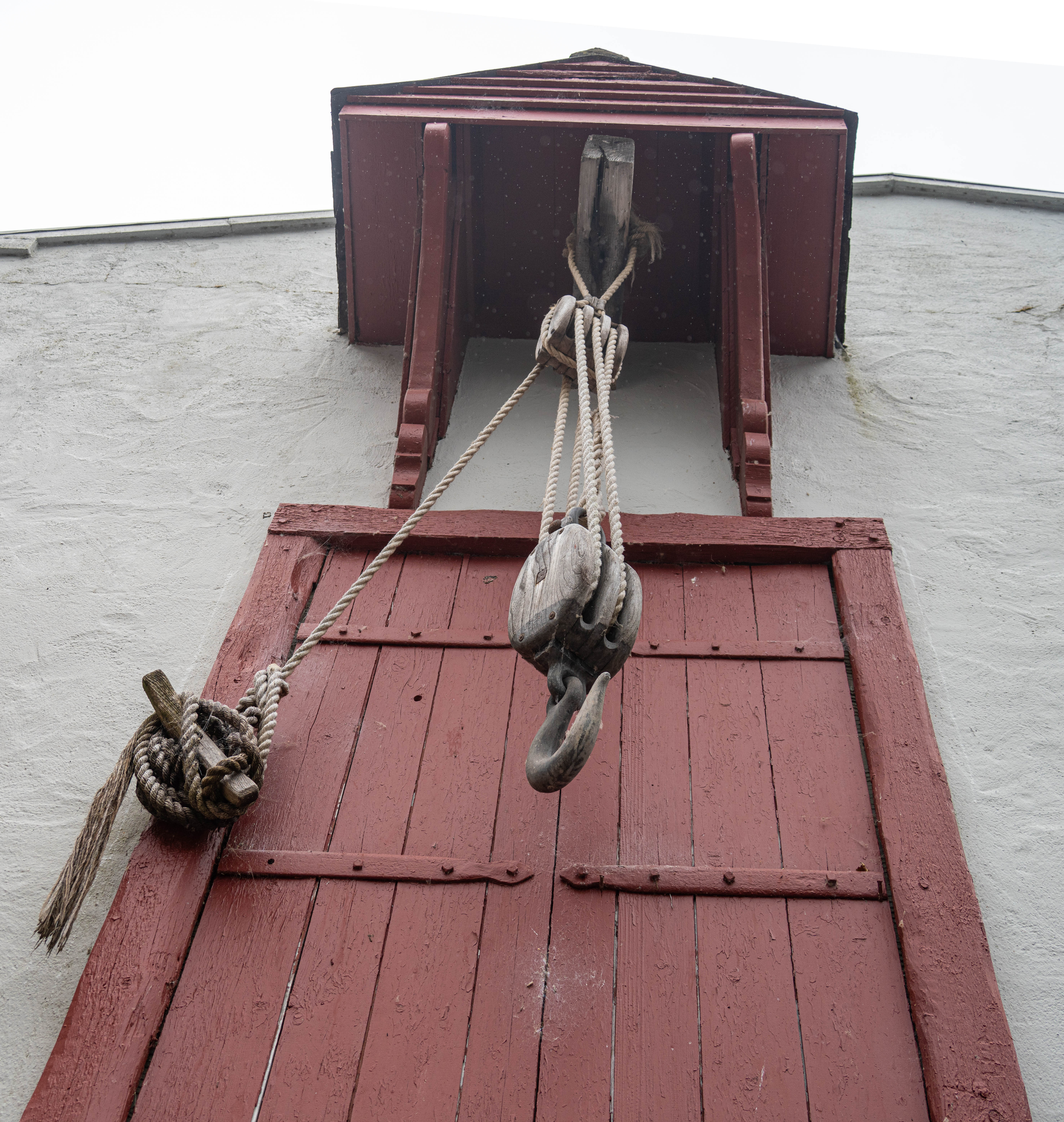
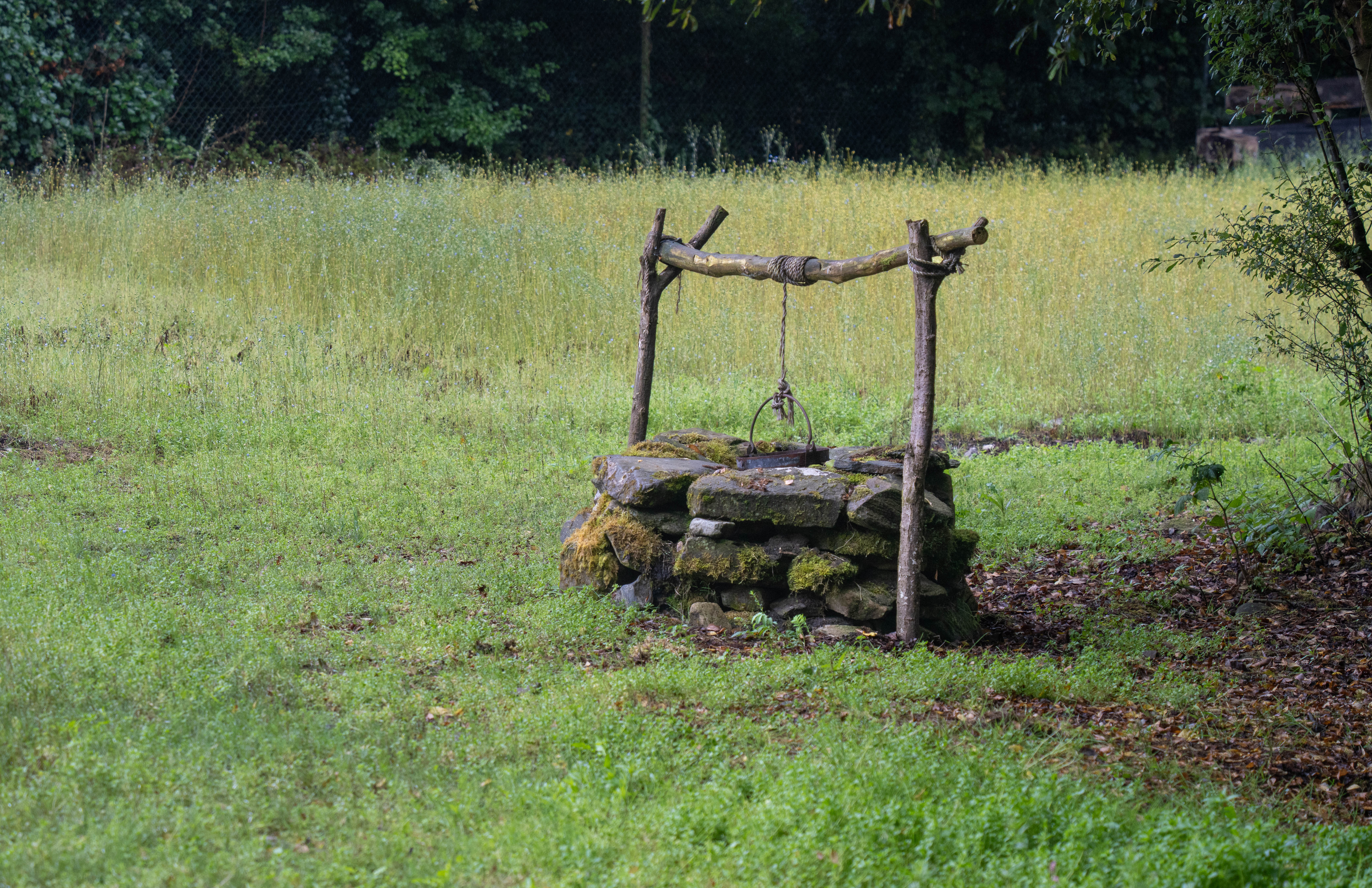
In total, site consisted of period housing, industry, and even a full-scale sailing ship.
After visiting the Folk Park, we were driven to a local restaurant for a BIG Sunday lunch. Thankfully, I did not eat because there was entirely too much food—in fact, it was much like our traditional Thanksgiving meal.
After lunch we completed the transfer to Dublin, the capital and largest city of the Irish Republic. Upon arrival, we checked in to our hotel, relaxed a bit, had the usual three-course dinner, and settled in to our rooms for the evening.

