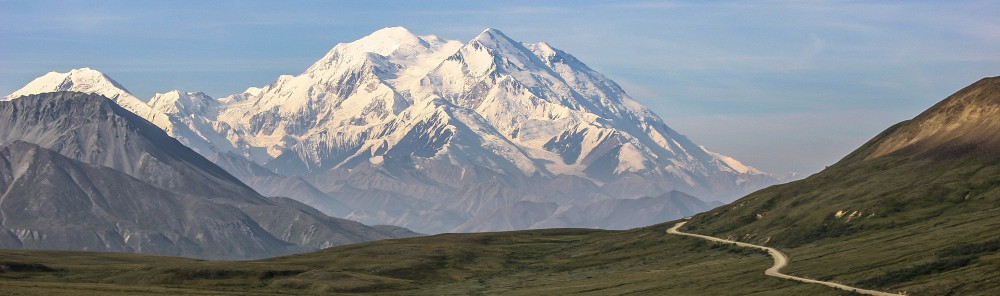
Thursday, August 13, 2026 (Day 8)—Inis More (Aran Islands)

After breakfast, the motor coach took us along the Connemara coast to the village of Rossaveel. At the village’s harbor, we boarded a ferry and sailed to Inis Mor, the largest of the Islands of Aran.
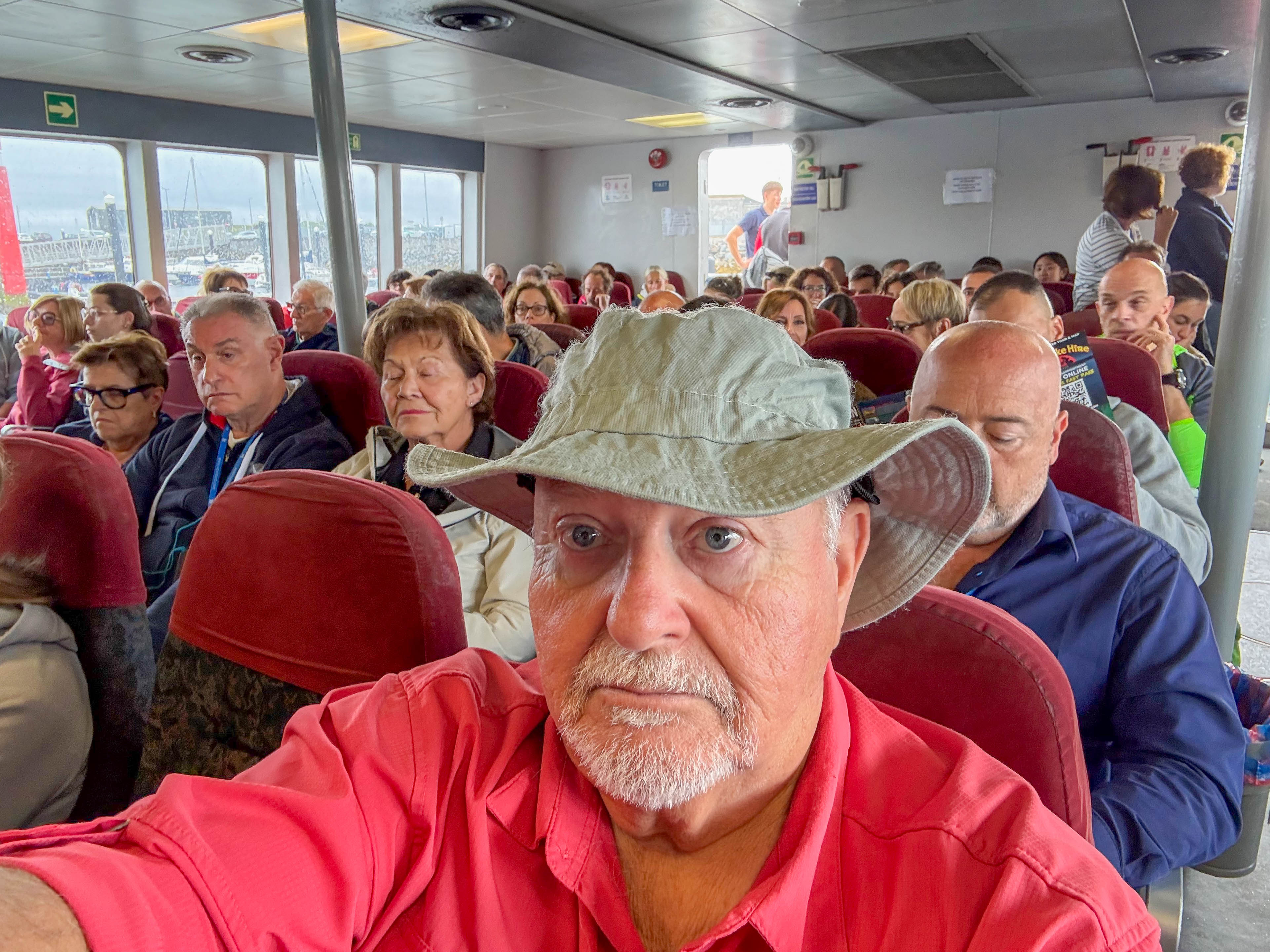
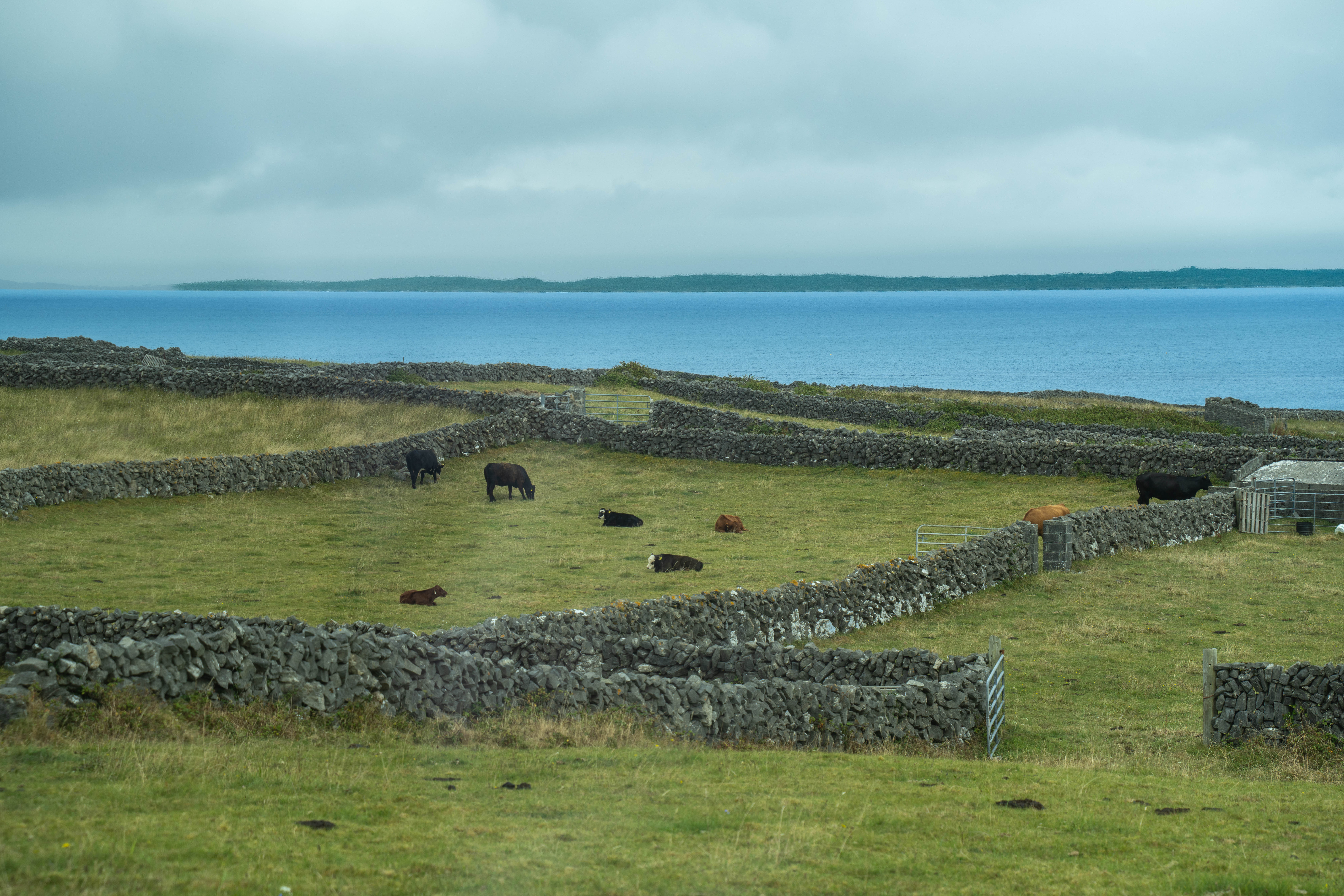
The Aran Islands are a group of three rugged limestone islands located at the mouth of Galway Bay off the west coast of Ireland. Known for their sheer Atlantic cliffs, maze-like network of hand-built drystone walls, and deep-rooted Celtic heritage, they are a prominent Gaeltacht region where the Irish language (Gaeilge) is spoken daily. 

From the pier, we walked perhaps a half mile to the community center to experience a talk about the area’s civilization and history by one of Inis Mor’s most notable residents.
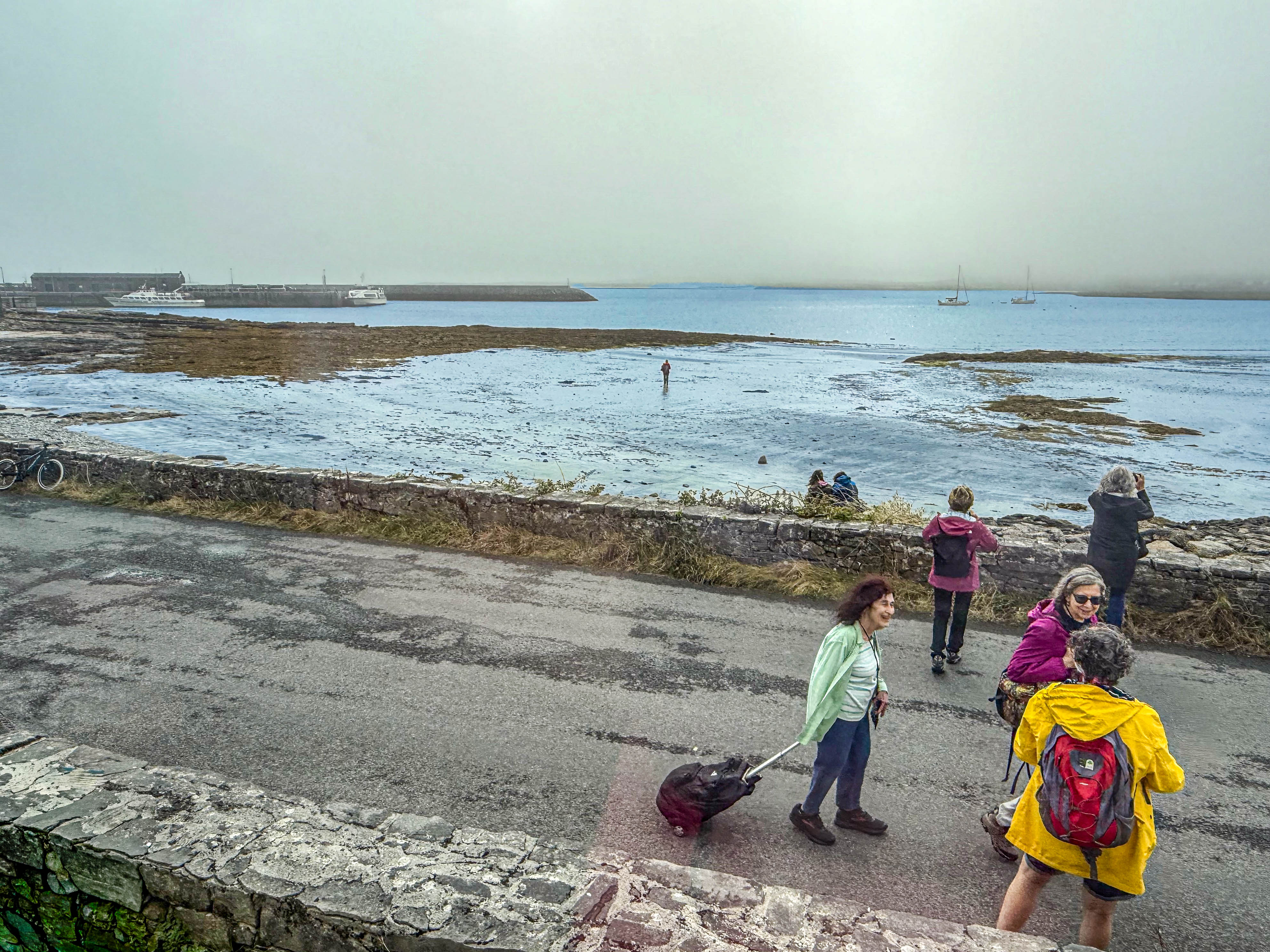
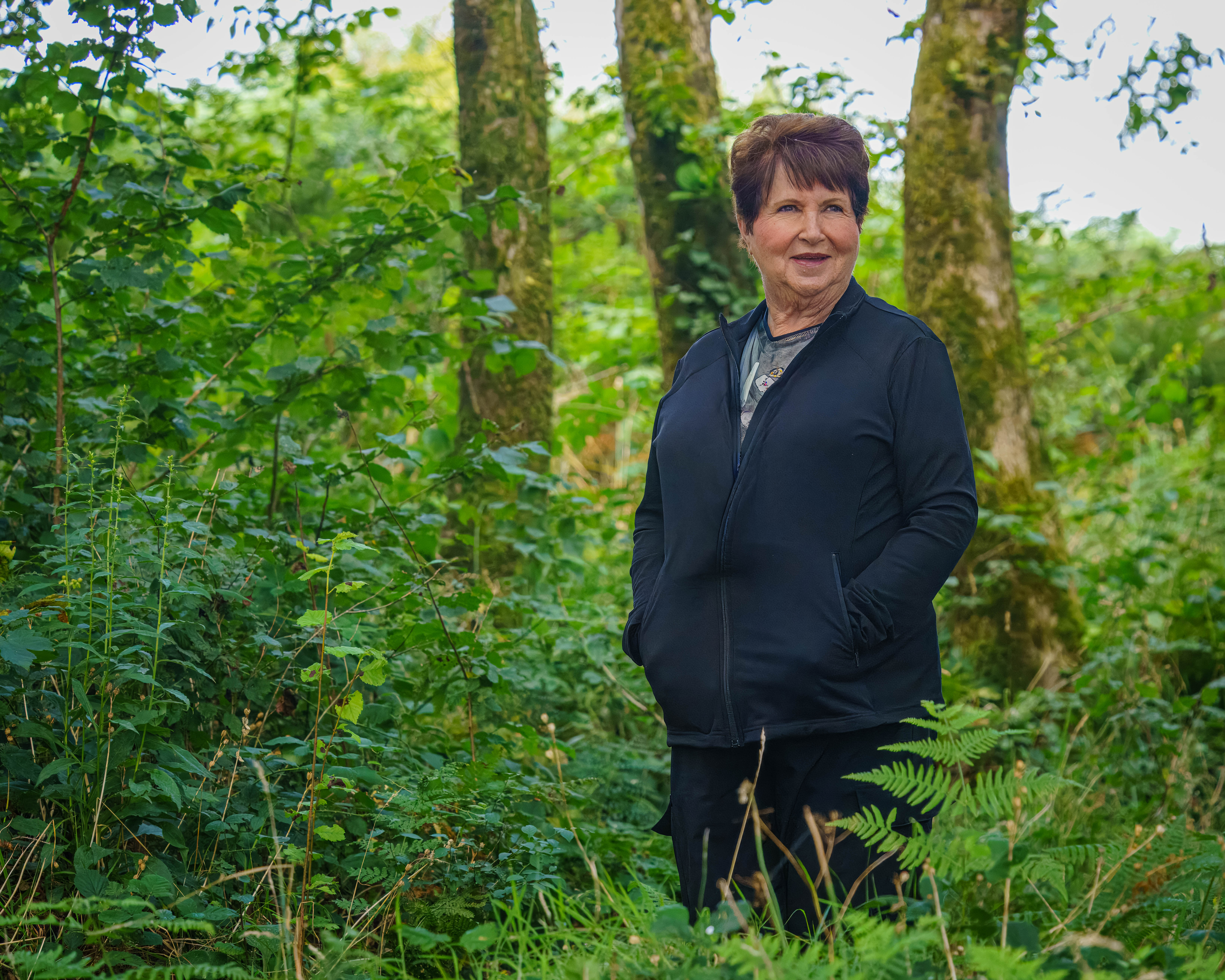
At the community center, we were met by Dierdre Ni Chinneide, an acclaimed Irish singer and composer. (She’s also a psychotherapist, spiritual director, and workshop facilitator). Dierdre Ni Chinneide lectured on Inis Mor, this last remnant of authentic Gaelic civilization, where Christian ruins stand side by side with remarkable Pagan relics. After the talk, she sang a beautiful song, exposing her delightful and engaging voice. It’s no wonder she is considered Ireland’s leading singer. She has two albums: Celtic Passage and I Will Sing for You available for sale.
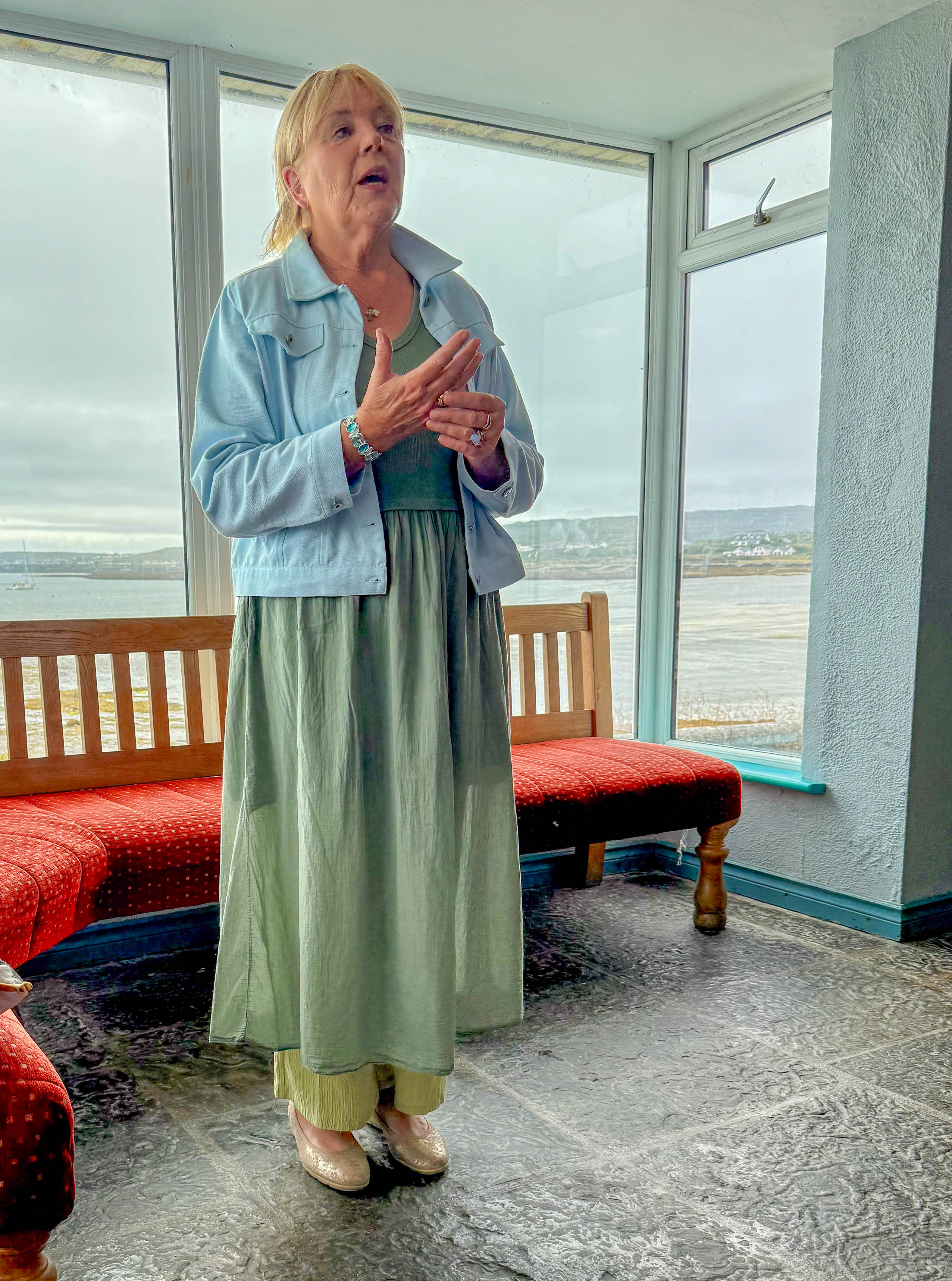
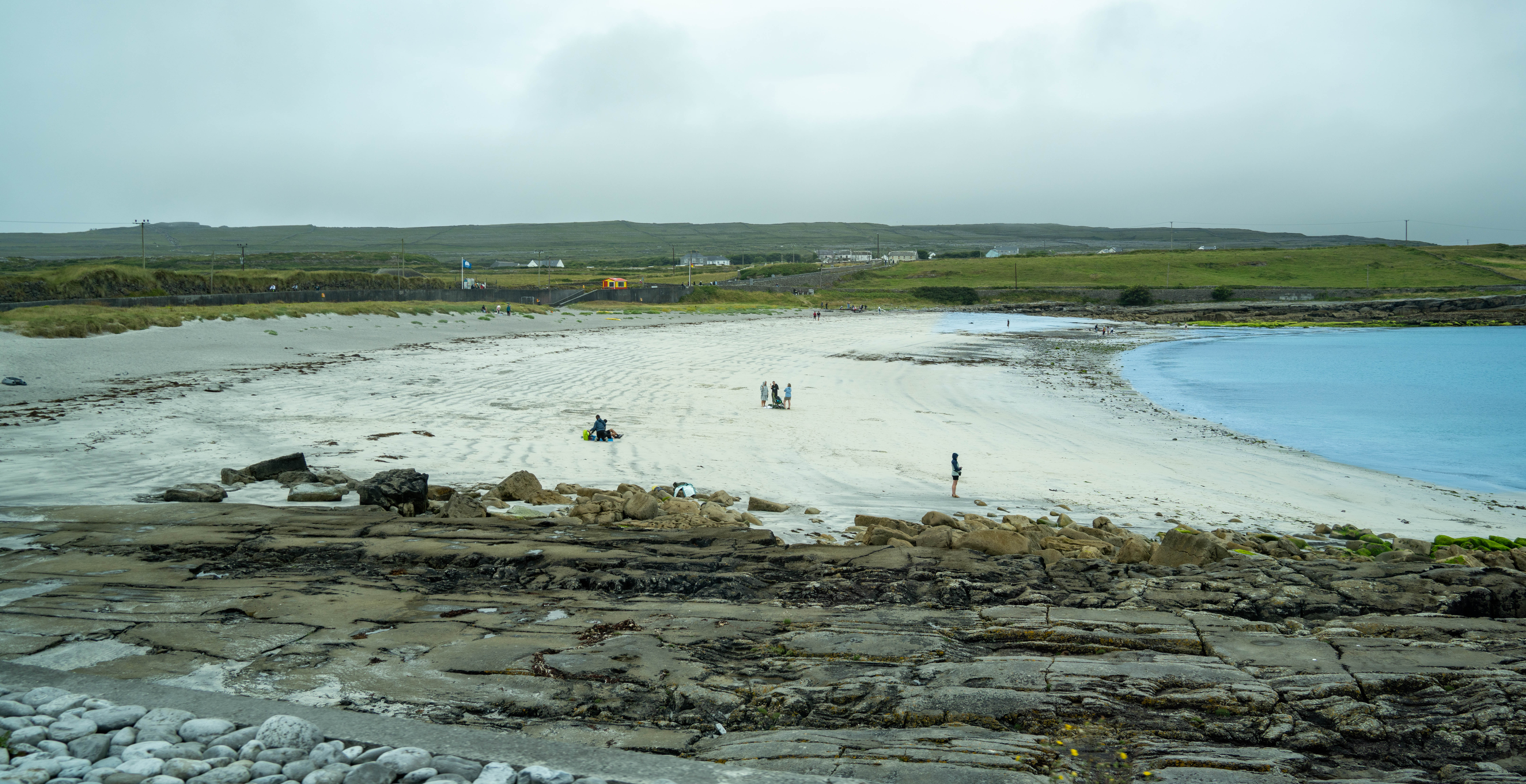
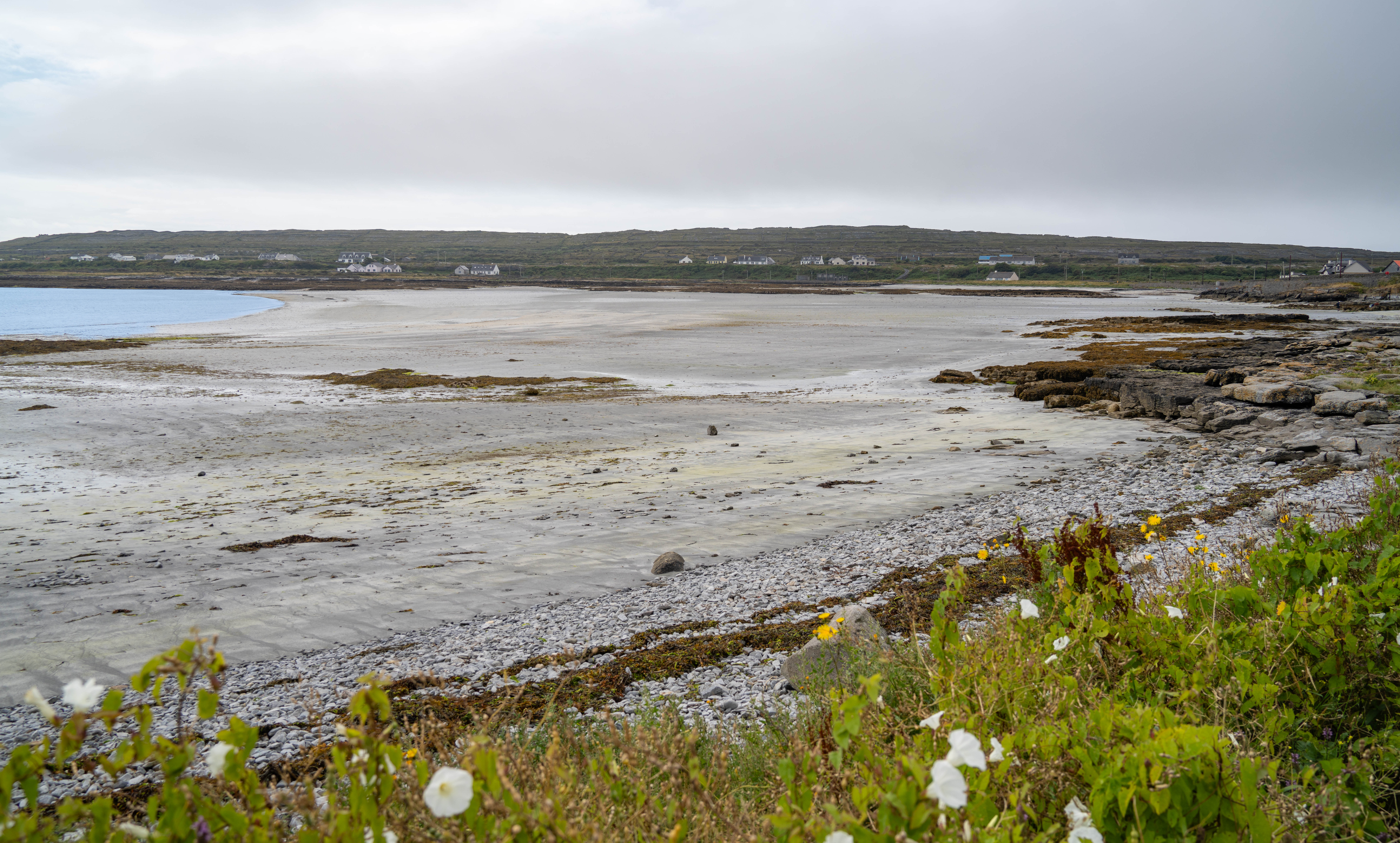
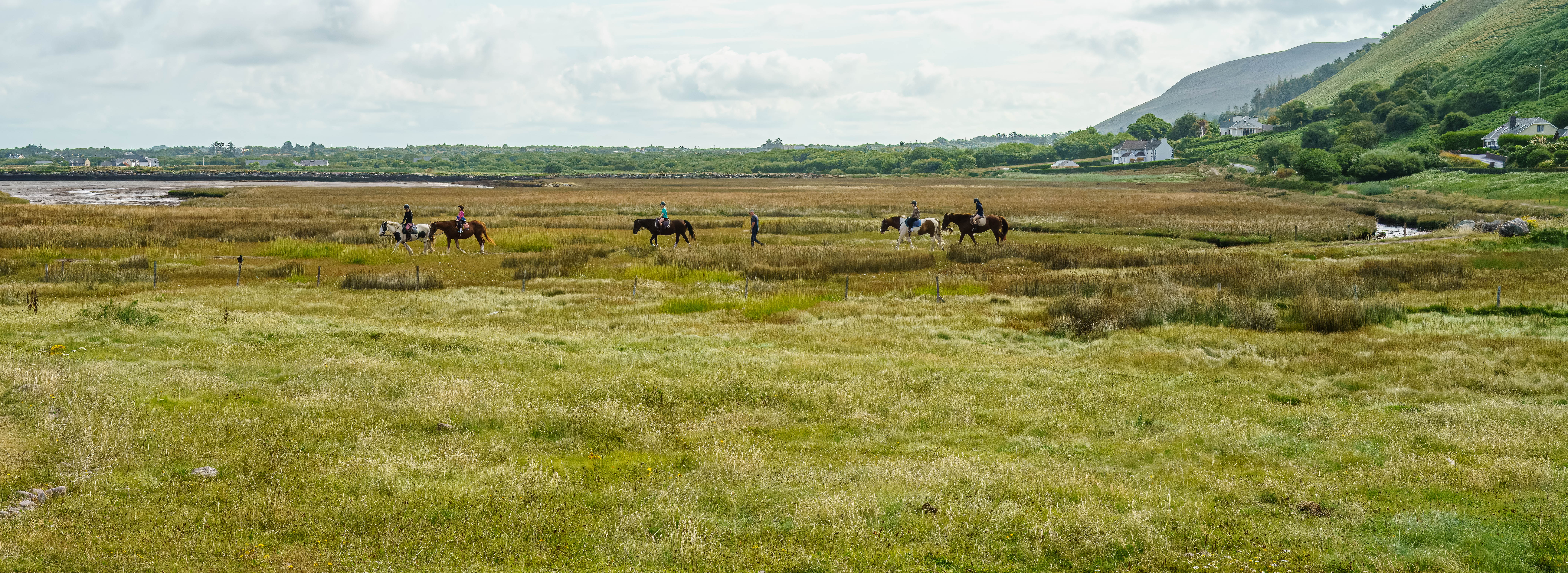
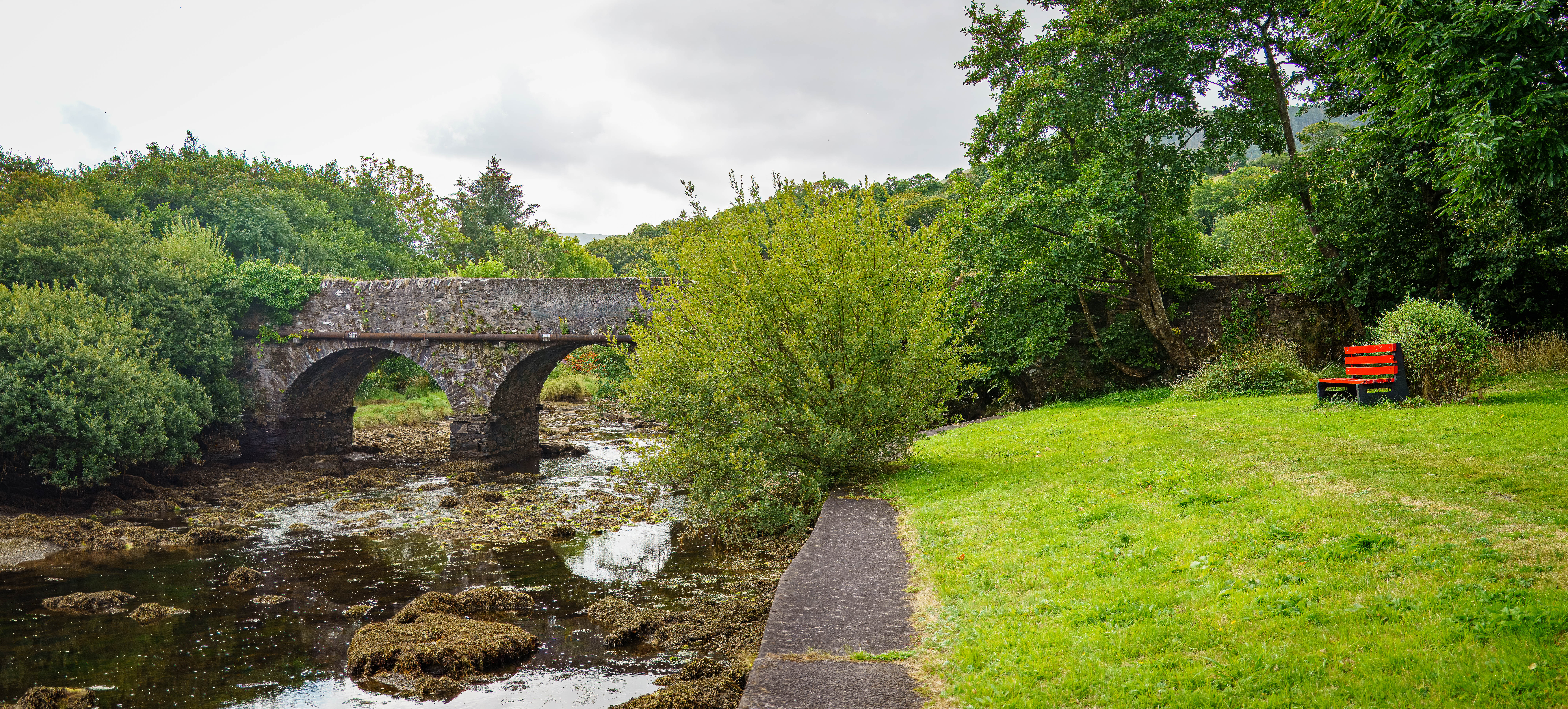
Afterwards, we had the rest of the morning free, and set out in mini-van to explore the island. The beautiful Irish countryside yielded an infinite number of photo-worthy scenic views.
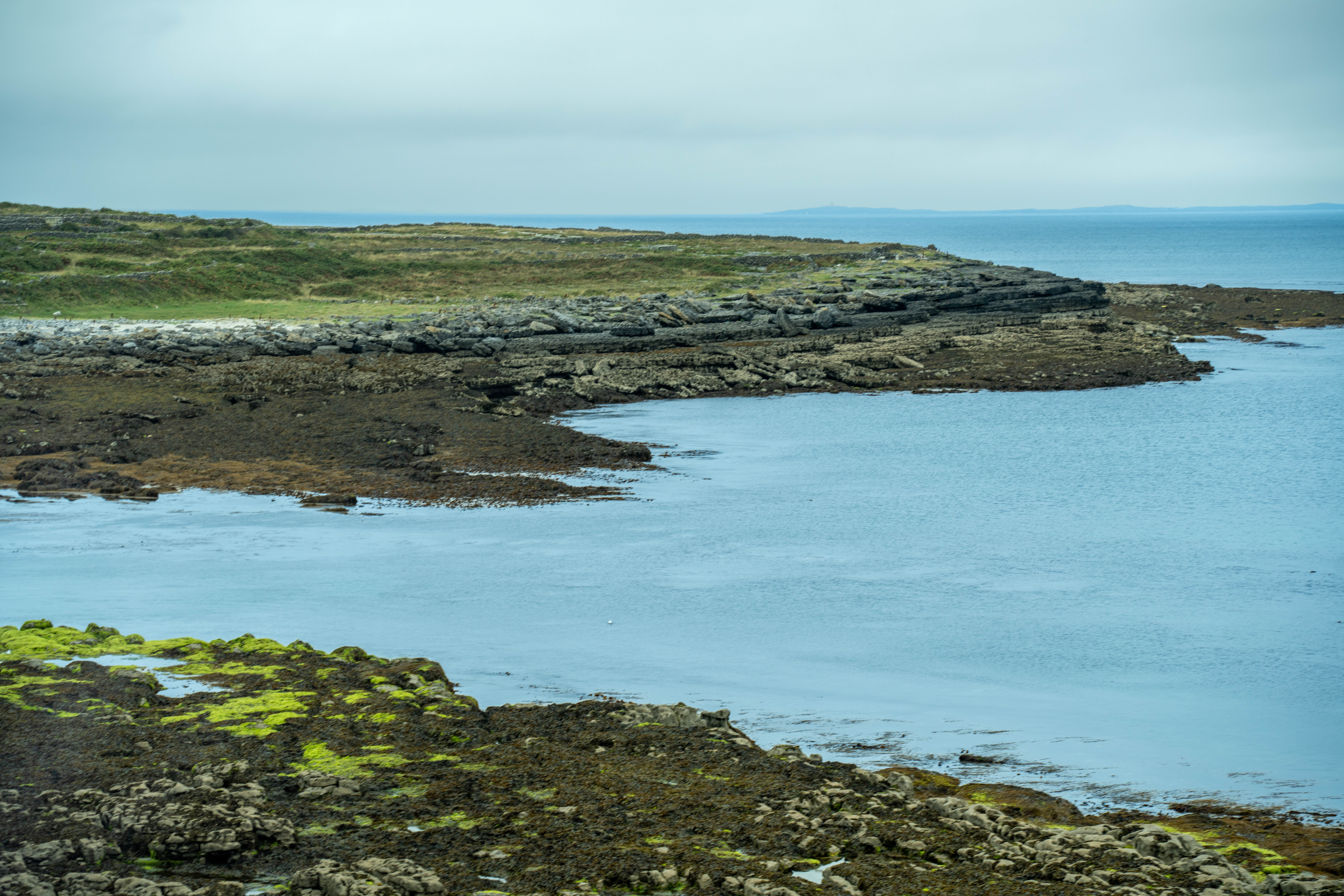
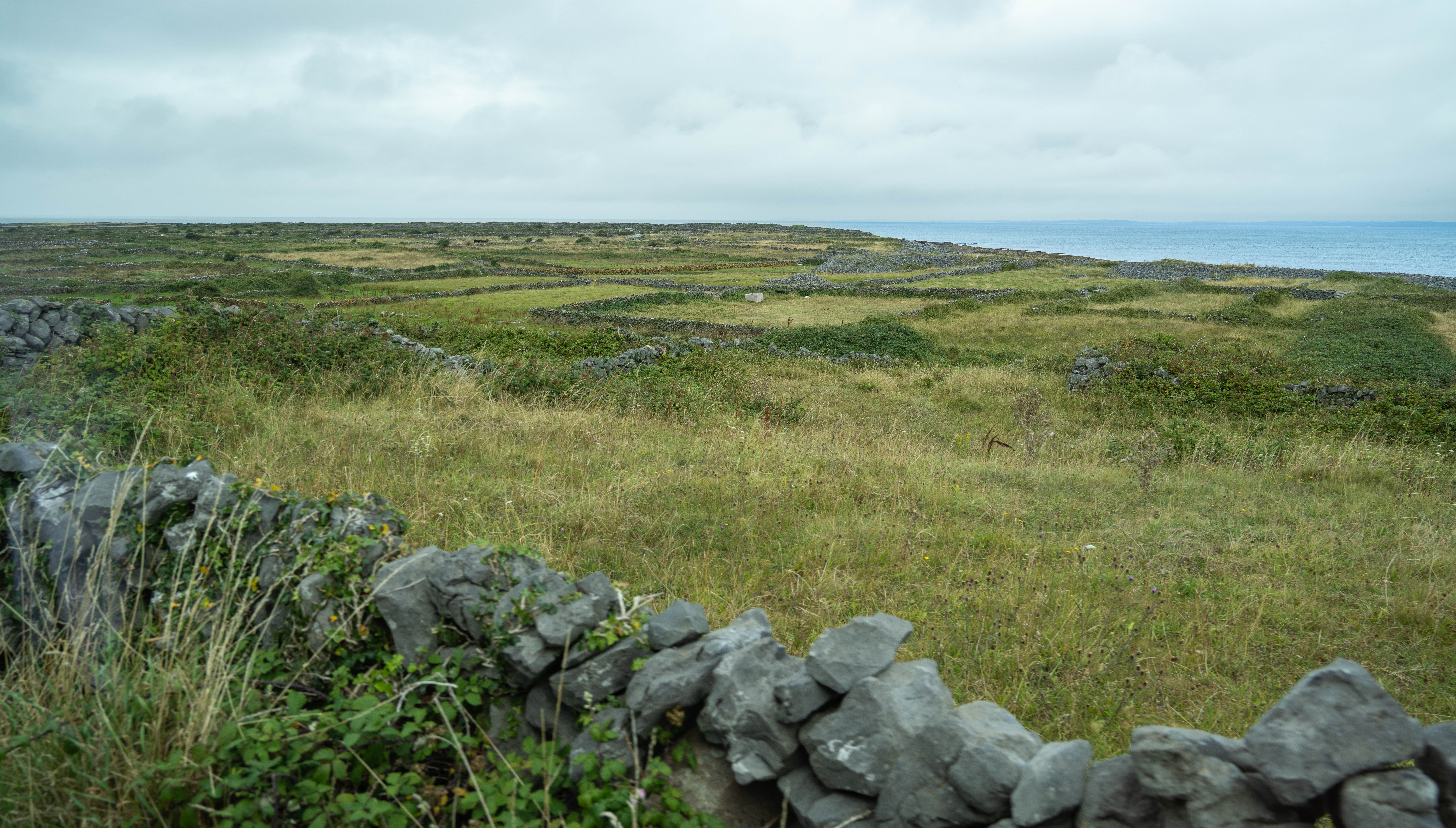
Our intent was to visit a couple key sites on the island, First was the Wormhole, a breathtaking, naturally formed rectangular rock pool into which the sea ebbs and flows through underground channels. Second was a world-renowned 3,000-year-old prehistoric hillfort perched precariously on the edge of a sheer 100-meter-high cliff. We found the sites to be a bit sketchy (slippery path, too far to hike, etc.) and crowded beyond comfortable. The views along Inis Mor’s narrow, winding roads did provide some interesting views.
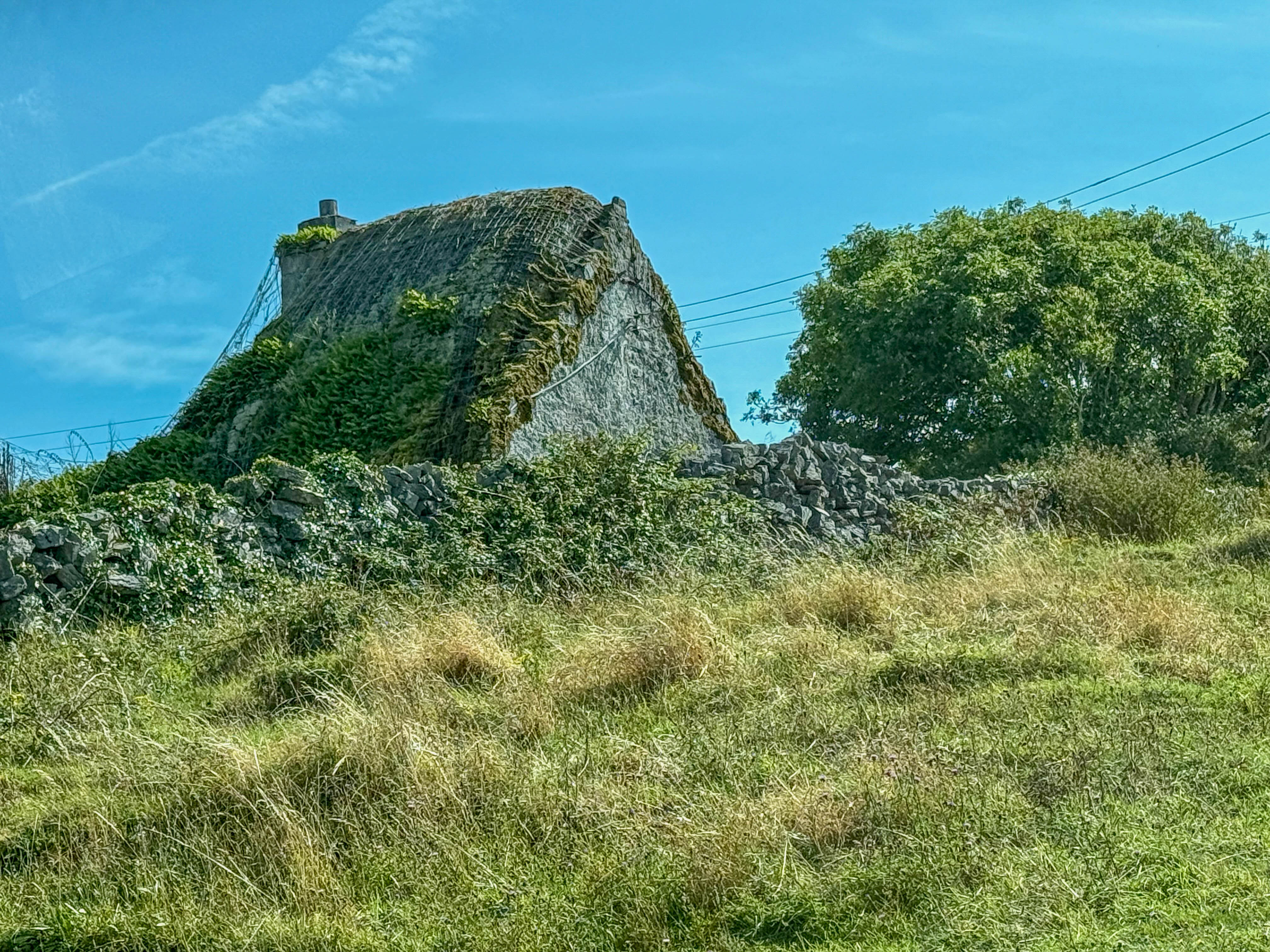
The mini-van driver was friendly, accommodating, and sang a couple of songs, but he overcharged us compared to what we’d been told by other drivers! Kay had to pay in what USD she had available which was still a bit short.

All in all we found Inis Mor to be underwhelming and a huge disappointment. We met the rest of our fellow tourists at the Inis Mor harbor waiting on the ferry to carry us back to the mainland.
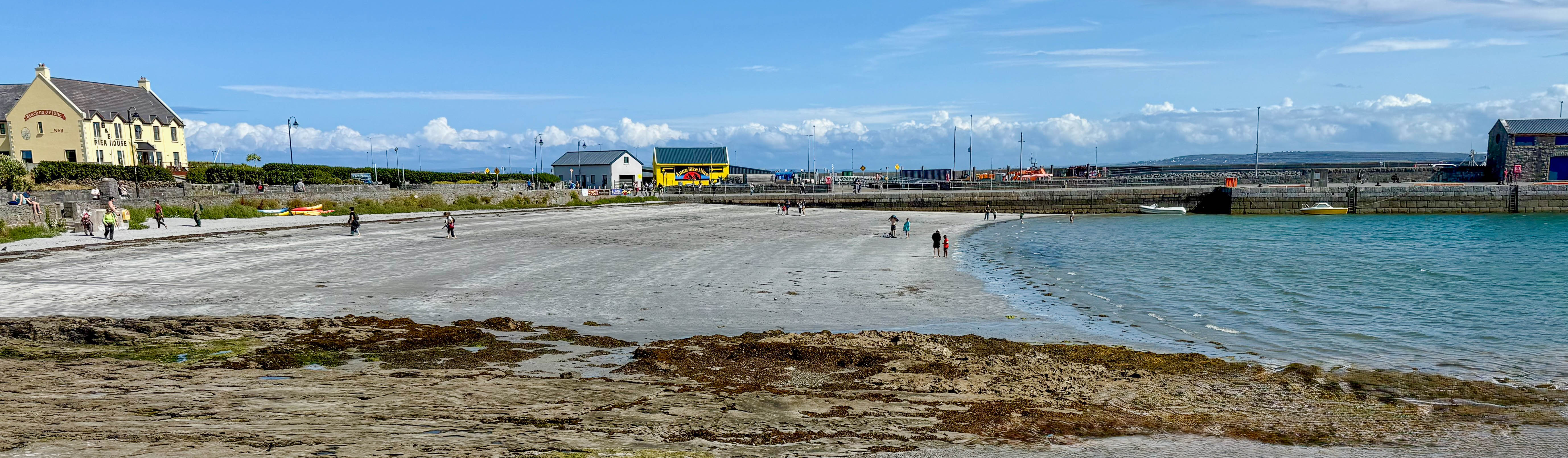
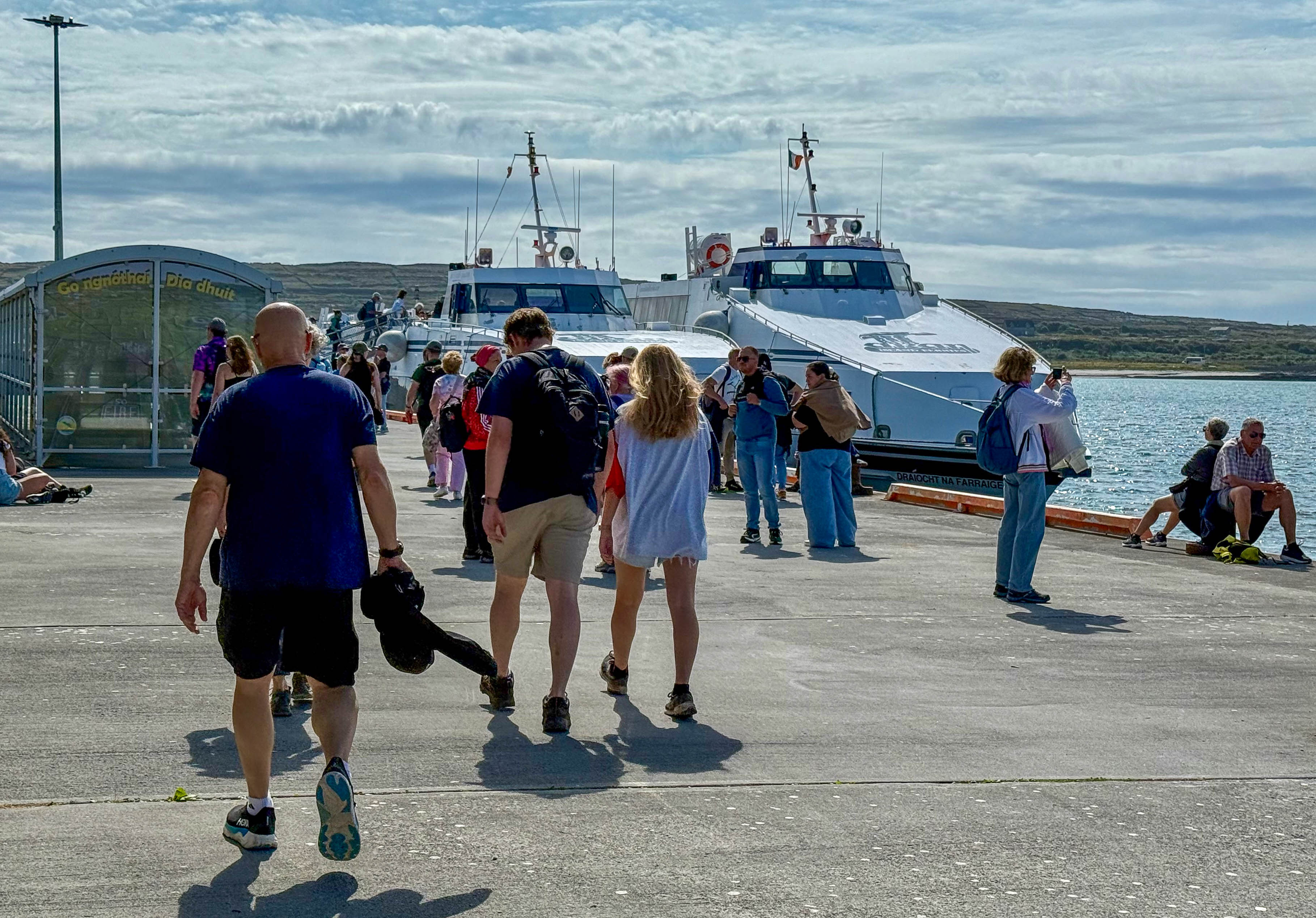
We returned to Galway via the ferry and motor coach, and enjoyed dinner with the rest of the tour group.
Wednesday, August 12, 2026 (Day 7, Part 2)— Galway City Center and Gaelic Poetry

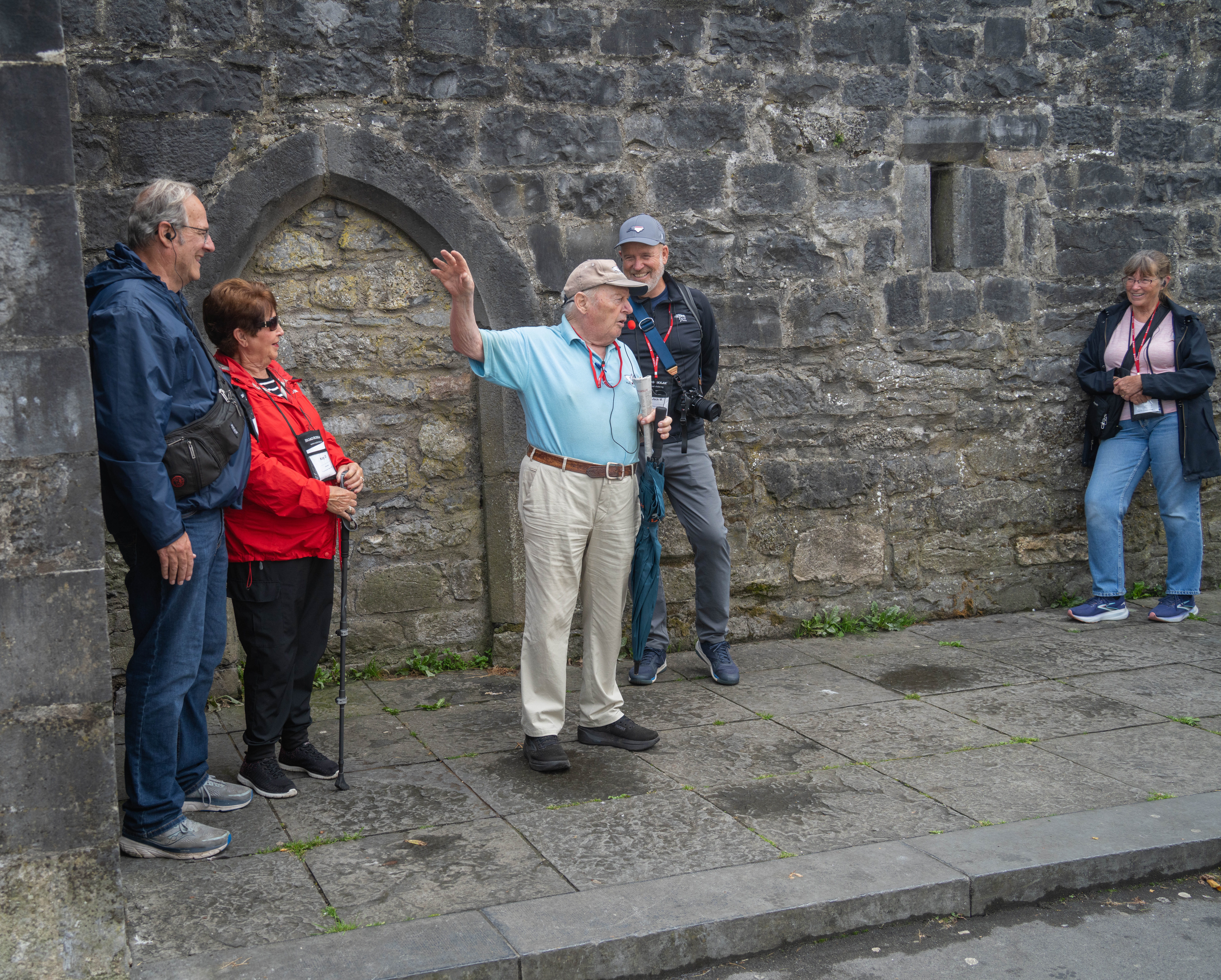
After the heavy meal of seafood chowder at The Kings Head Pub, we met the rest of the group for a tour of the Old City of Galway. This tour covered over 800 years of medieval history, starting from the central Eyre Square and winding through narrow lanes down to the waterfront Spanish Arch. Our very knowledge expert local guide led us on pedestrian-only cobblestone streets into the medieval heart of the “City of the Tribes”. This was one of the most educational tours on the trip.

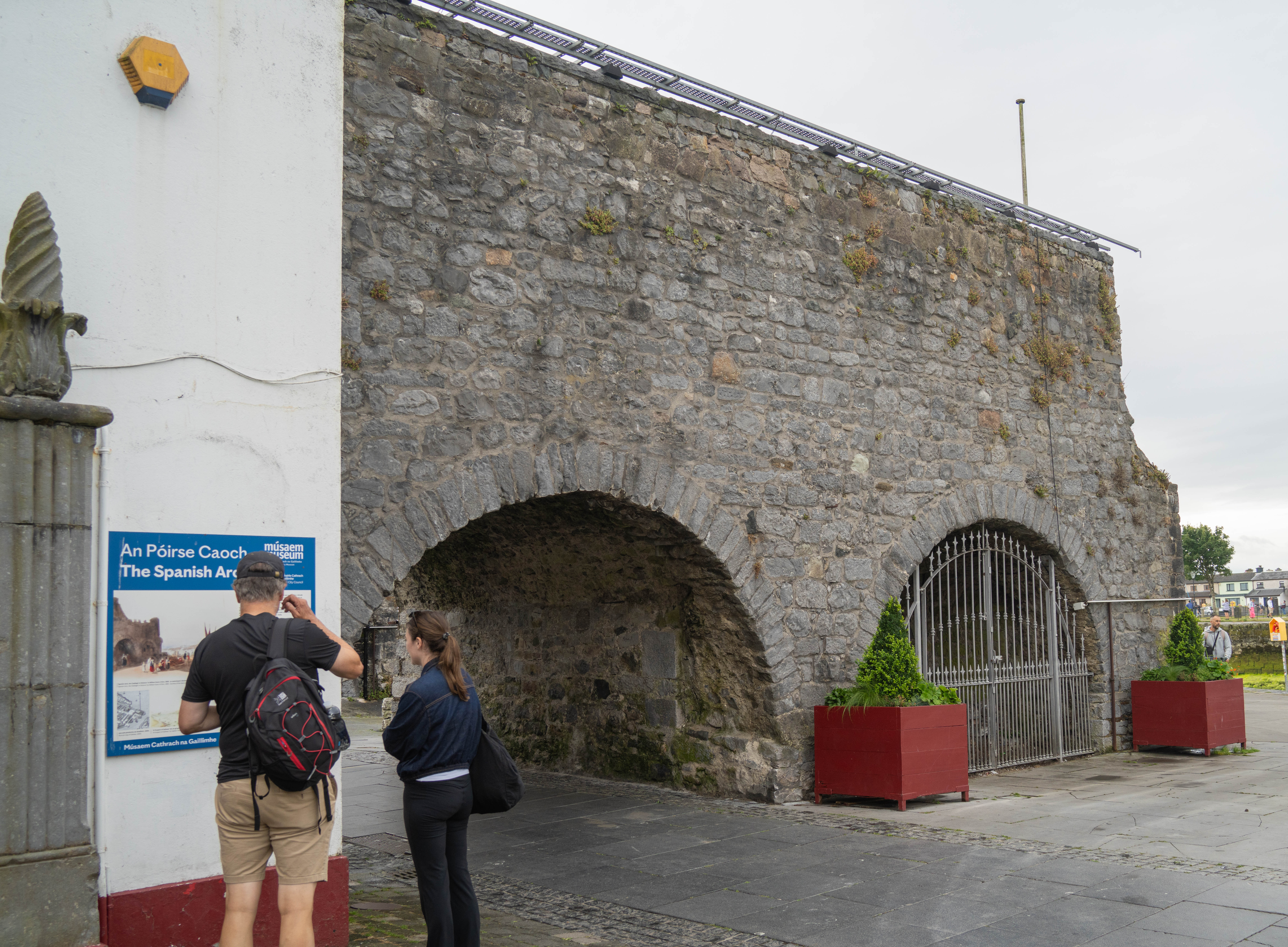
As we begun the Old City tour, we strolled under the Spanish Arch, one of the first notable icons of the Old City. The Spanish Arch is a 16th century fortification—city wall—standing at the edge of the River Corrib where ocean-going merchant ships used to unload wine and spices.

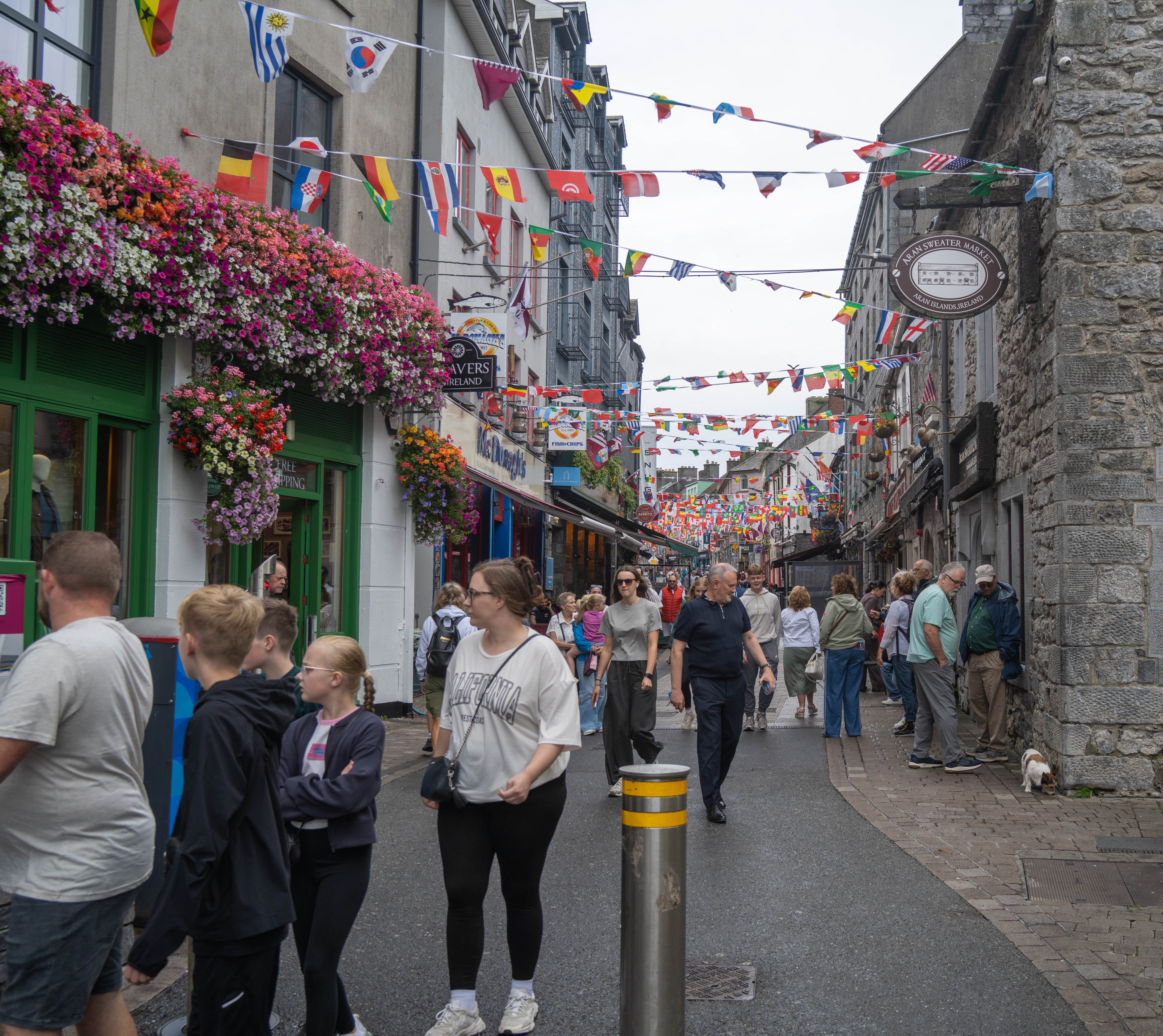
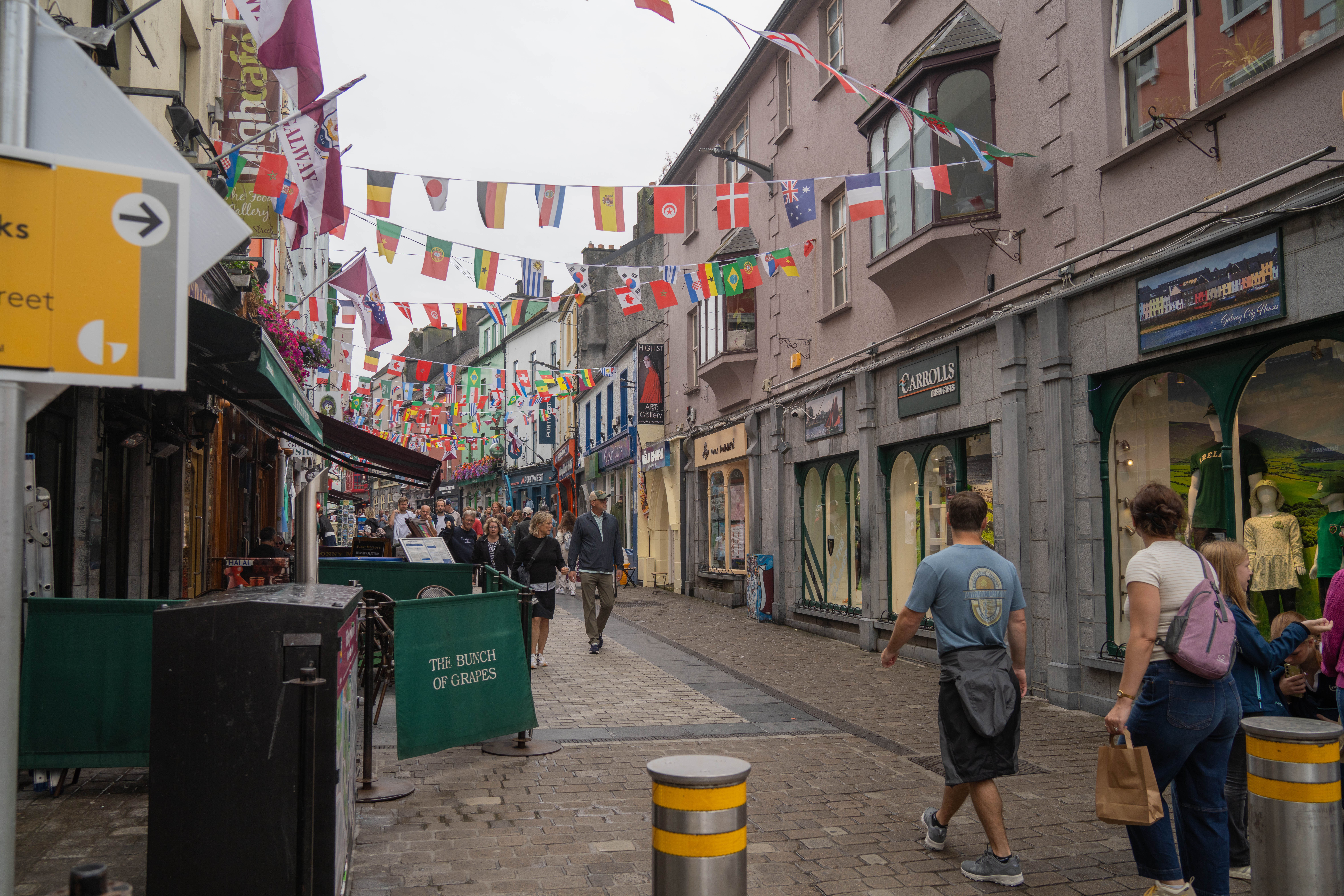
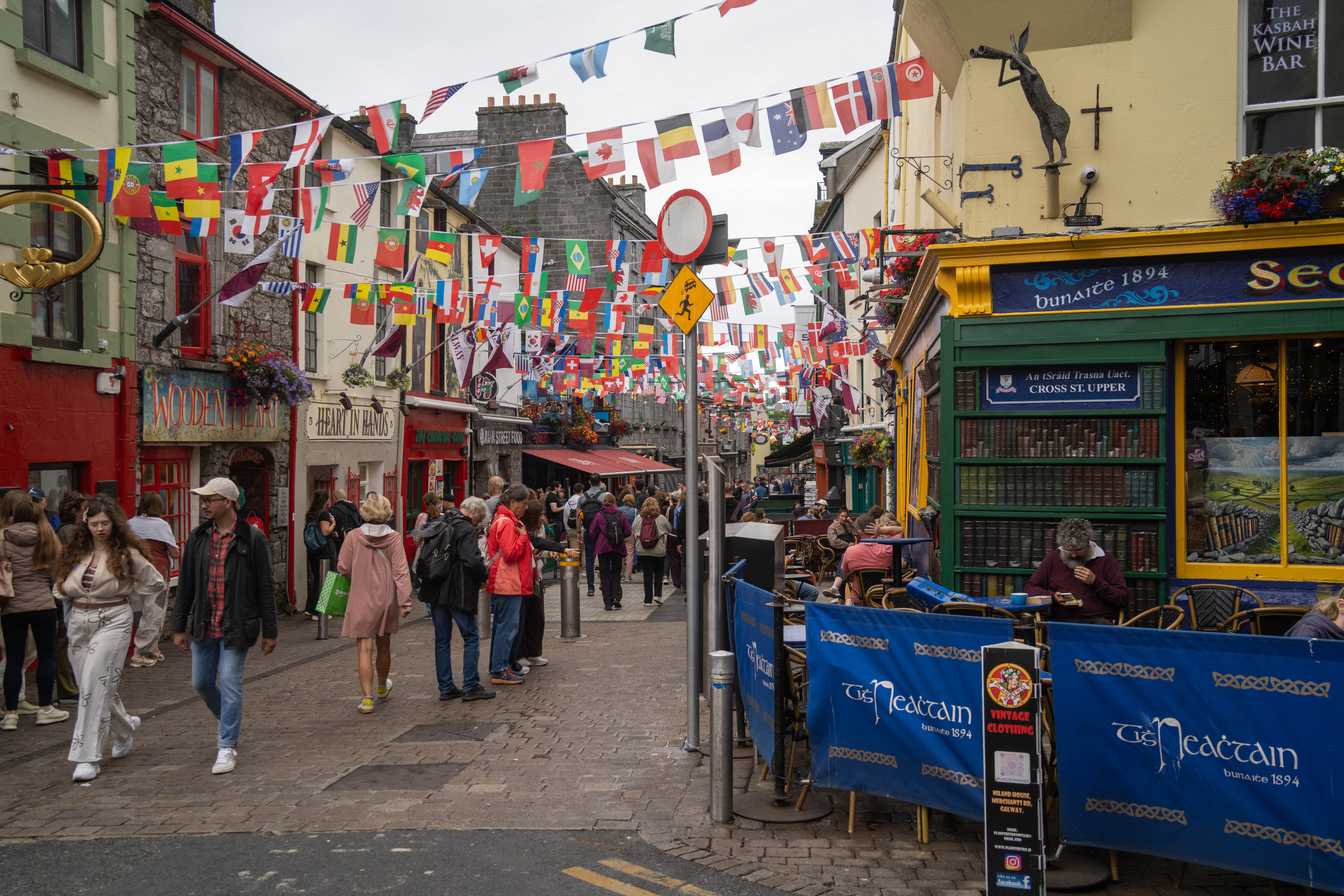
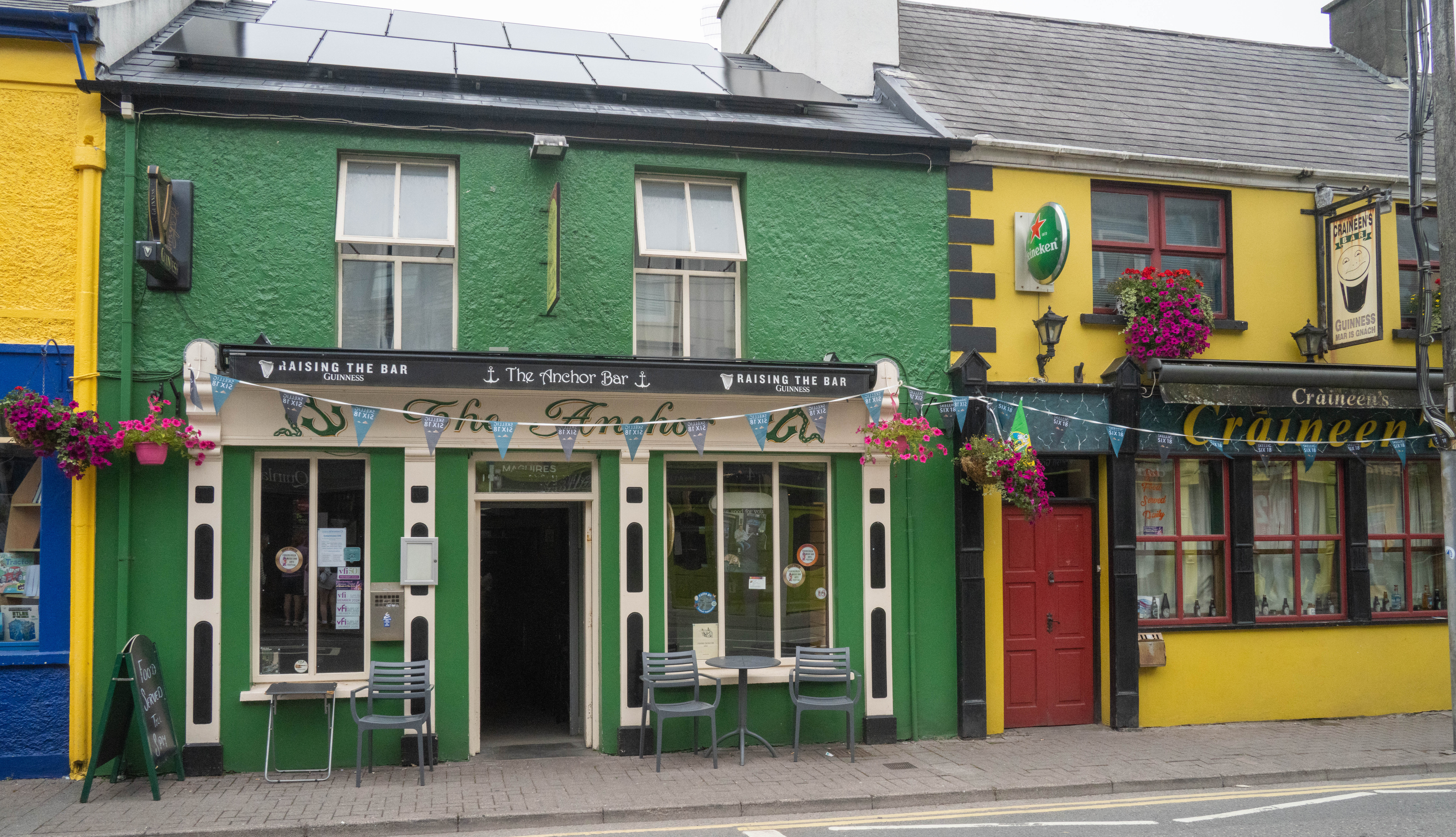
Eyre Square is the heart of the Old City and is the medieval heart of Ireland’s cultural capital, a maze of vibrant pedestrian streets and medieval stone fortifications. Among the notable area in the Old City, the Latin Quarter and High Street forms the vibrant epicenter of Old Galway. sIt is characterized by cobblestone pedestrian-only streets, brightly colored storefronts, and historic pubs.

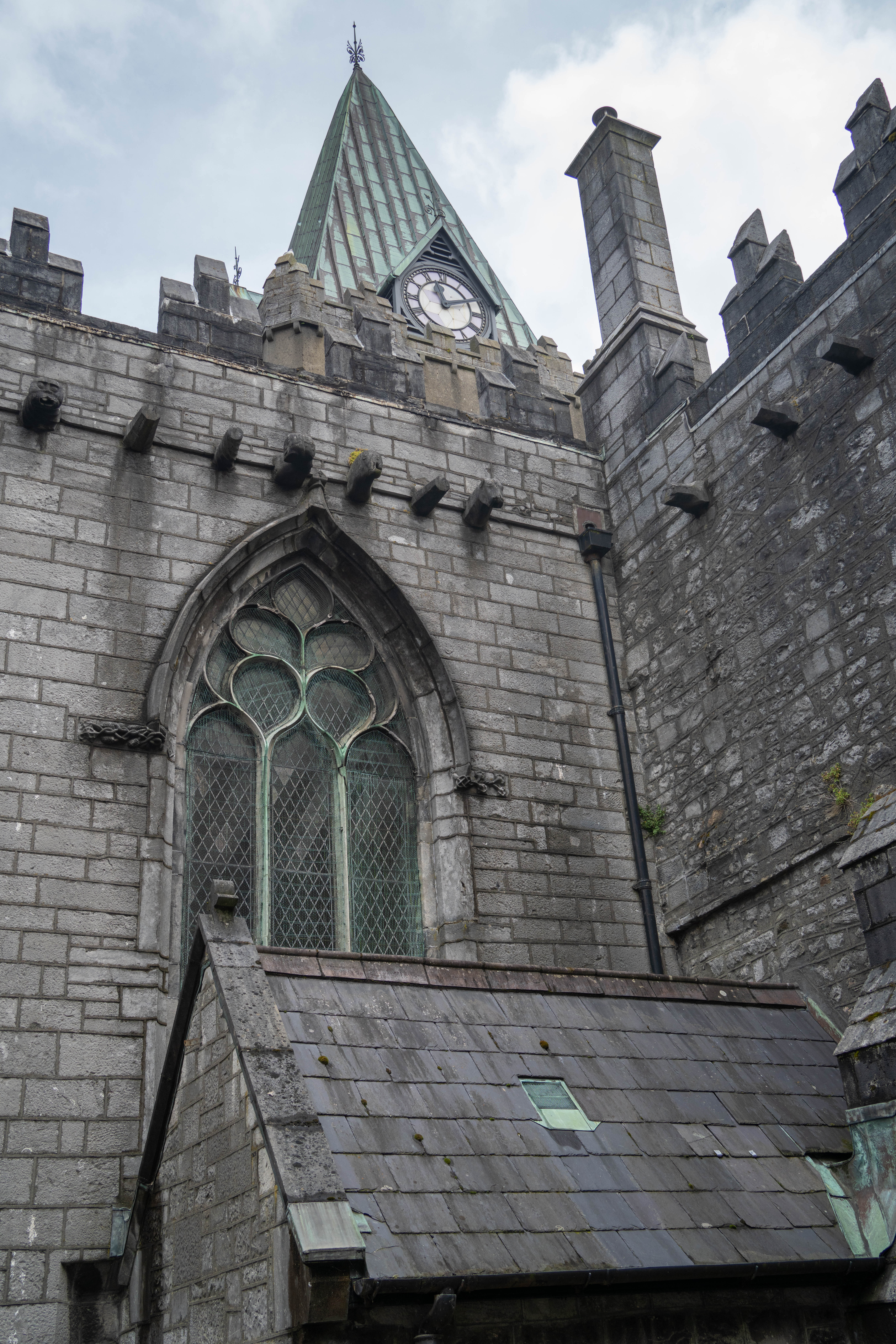
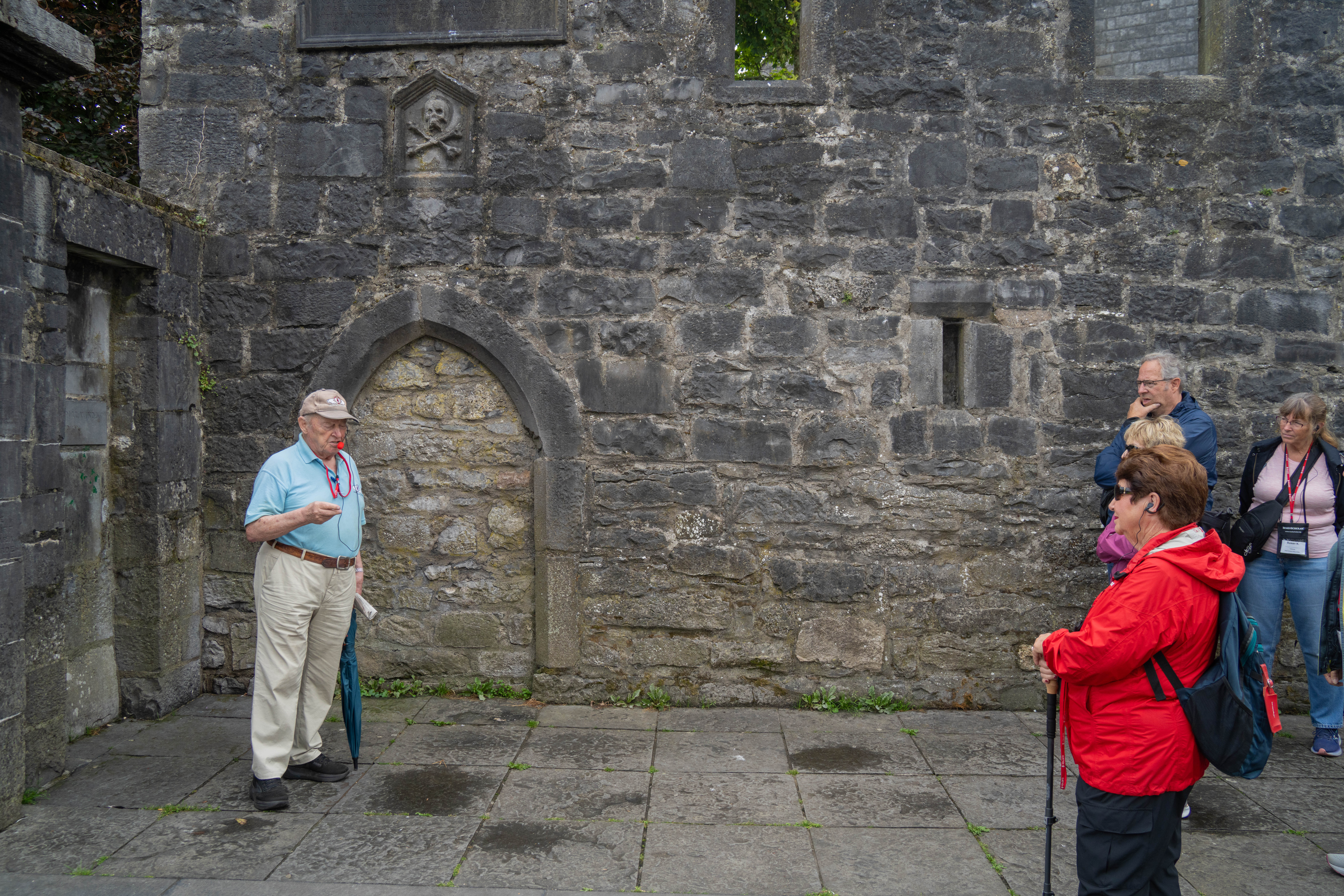
We walked past Collegiate Church of St. Nicholas. Built in 1320, it is the largest continuous medieval parish church still in active use in Ireland.

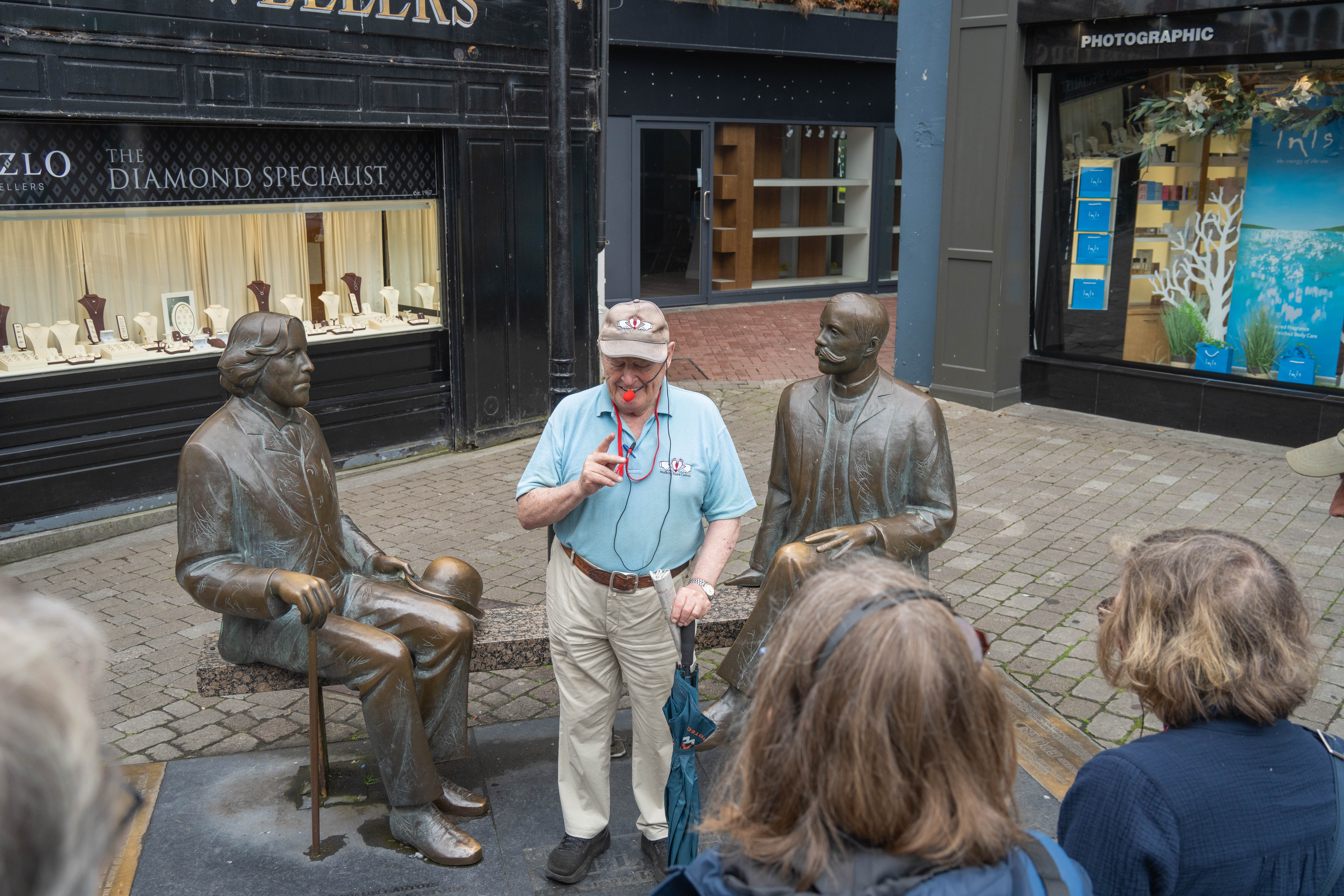
And there was this statue of Oscar Wilde and Eduard Vilde, depicting a fictional meeting between two famous late 19th-century writers who shared a similar surname but never actually met in real life.

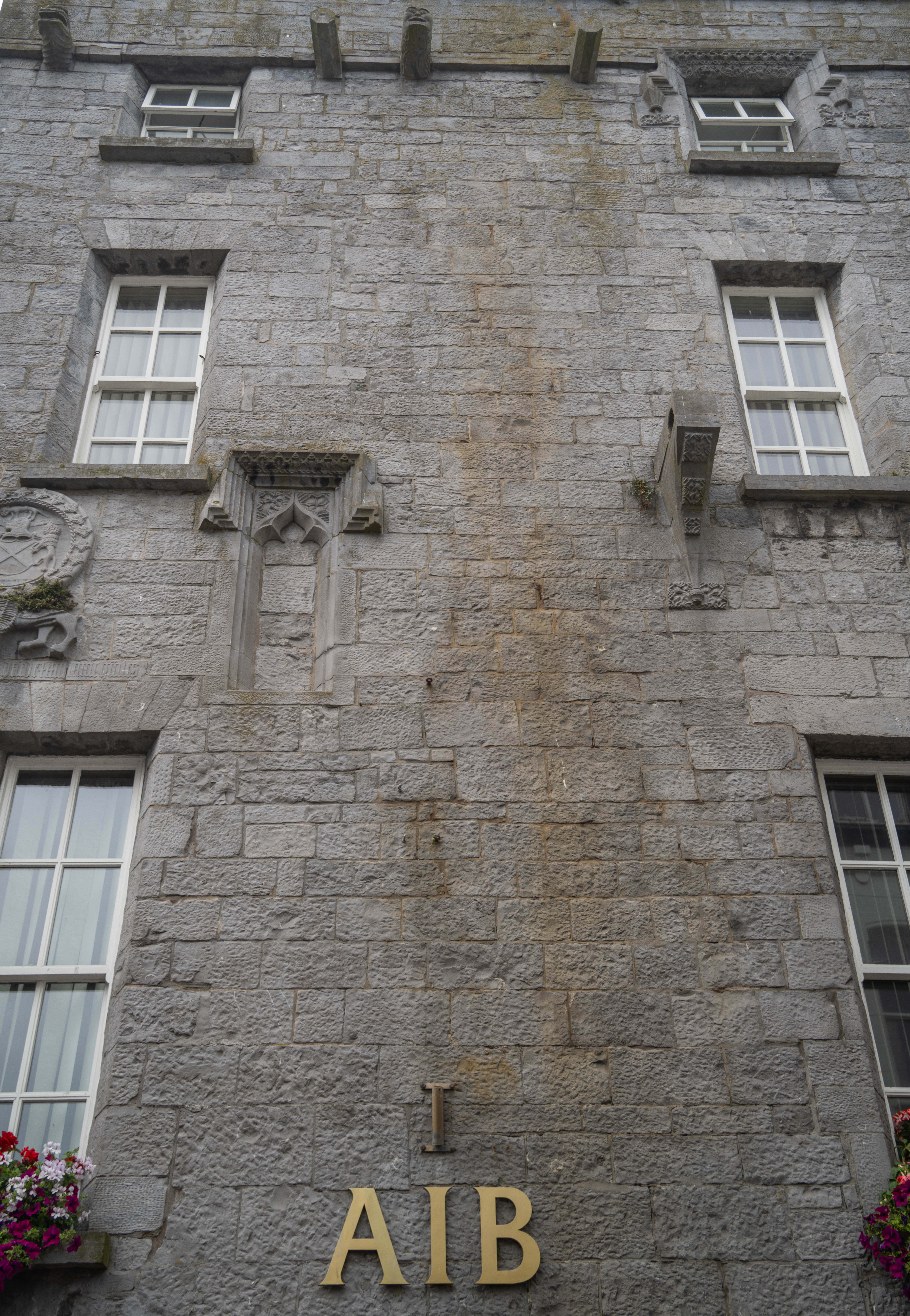
And, near the end of the walking tour we passed by Lynch’s Castle, standing as Ireland’s finest surviving example of a fortified medieval townhouse, and noted for its ornate limestone carvings and gargoyles.

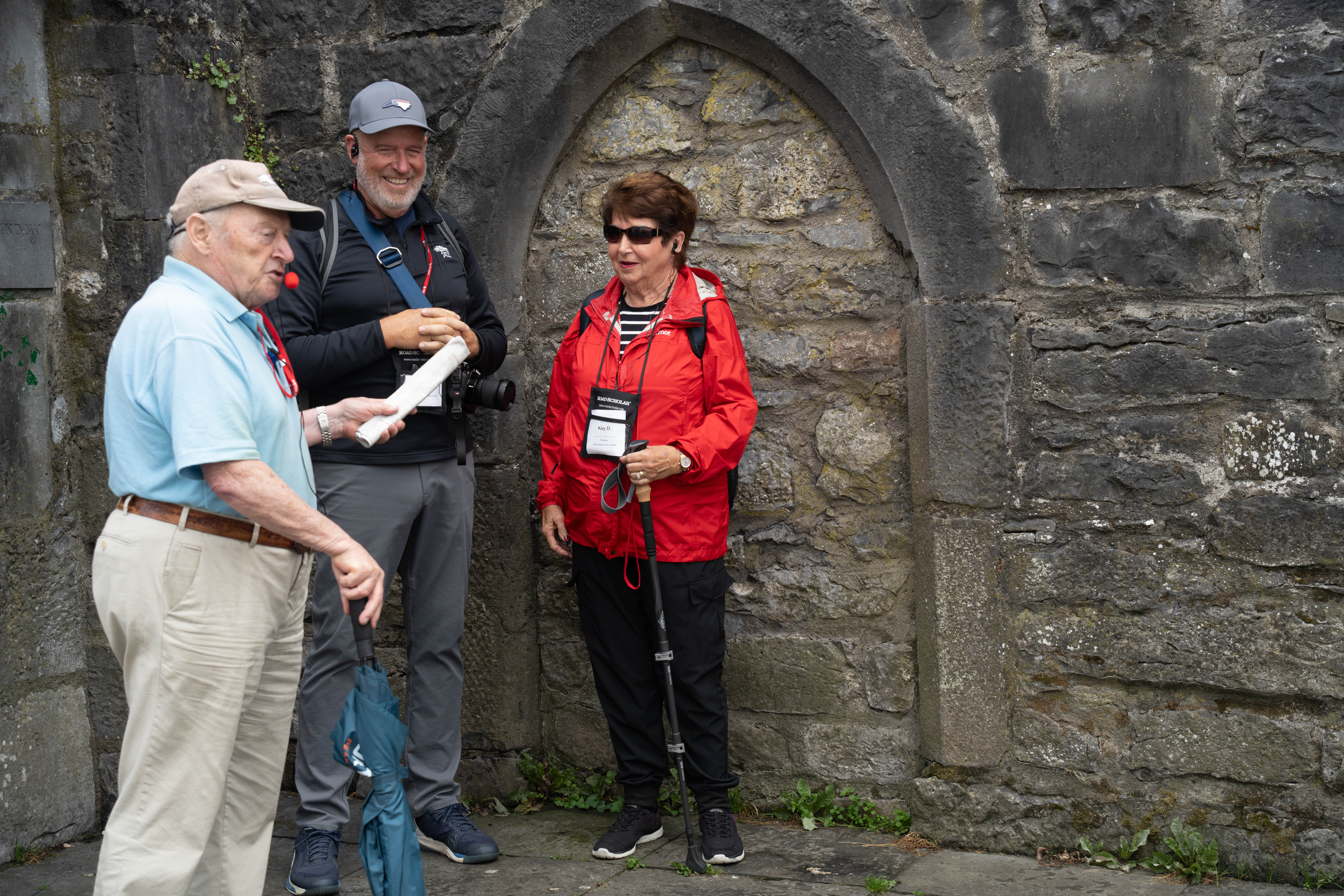
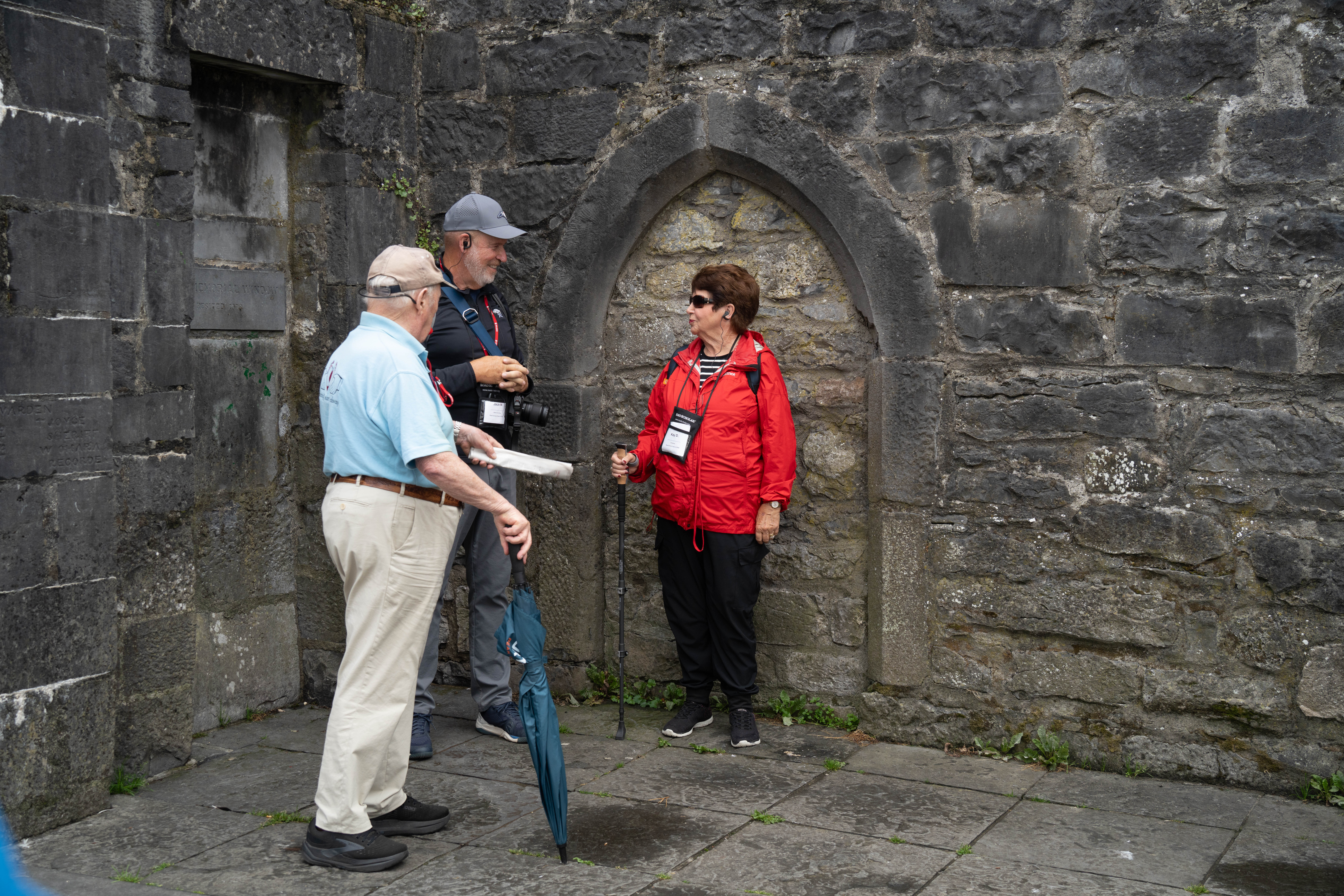
Regarding Lynch’s Castle, as part of the tour, Kay participated in a reenactment of a historic tryst in Galway. This refers to the famous 1493 legend of Agnes Browne and her two suitors in Galway, which led to a fatal jealous clash and a dramatic mayoral execution. 

Agnes Browne was engaged to Walter Lynch, the son of James Lynch FitzStephen, the powerful mayor and magistrate of Galway. A young Spanish merchant named Gomez from Cadiz was staying with the family as a guest of trade and caught the attention of local women, making Walter intensely jealous. Convinced Agnes was unfaithful, Walter spied Gomez leaving her house one night and stabbed him to death in a fit of rage. Mayor James Lynch tried and convicted his own son, ultimately executing him from a window of his own house when local crowds prevented a standard public hanging. You can still see the Lynch Memorial Window today near St. Nicholas’ Church.

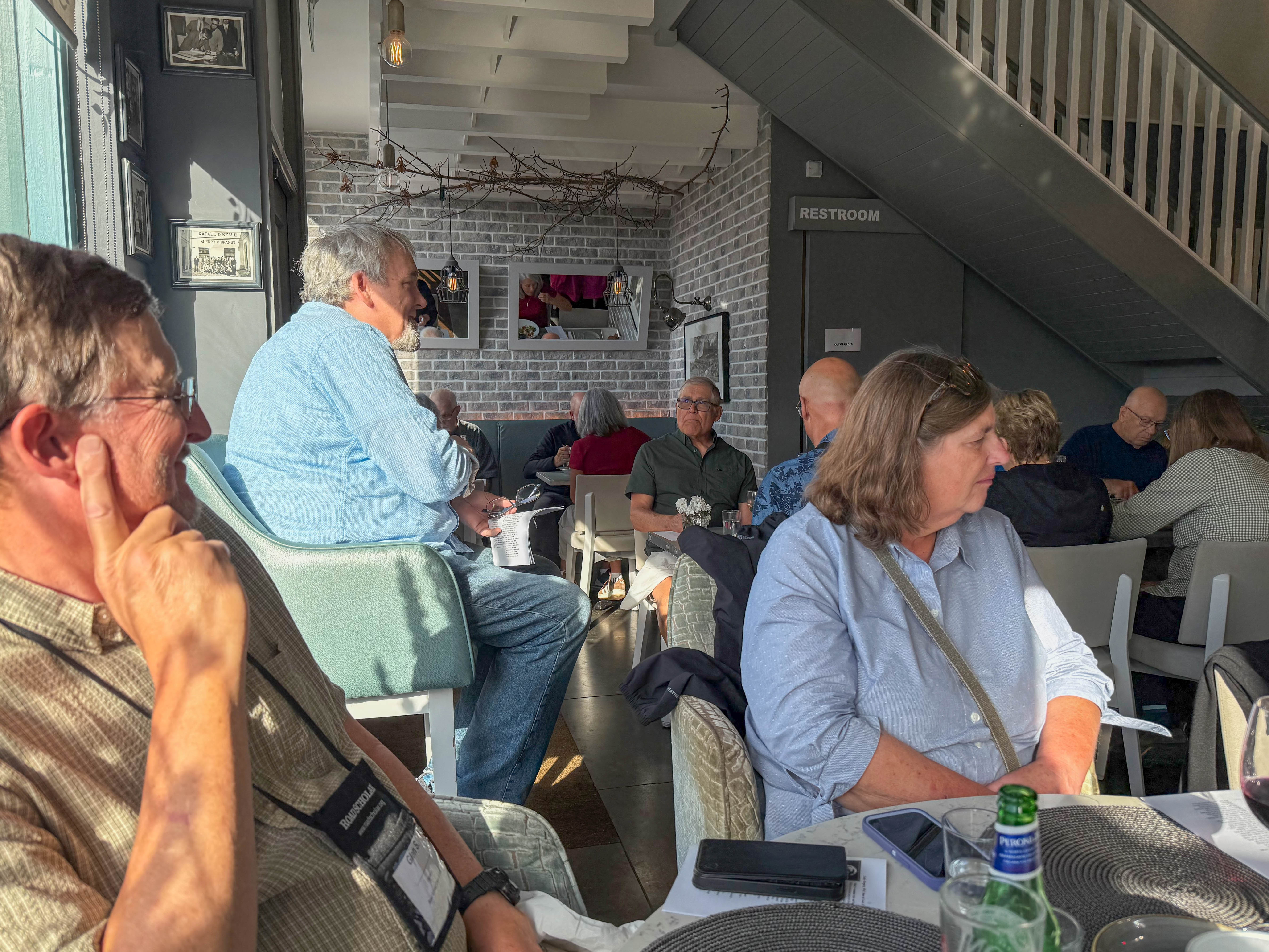
As if the Old City tour wasn’t enough, we were treated to fine dining at an upscale restaurant where the meal was preceded by poetry reading by a local college faculty member.

Sunday, August 9, 2026 (Day 4)—The Famous Ring of Kerry

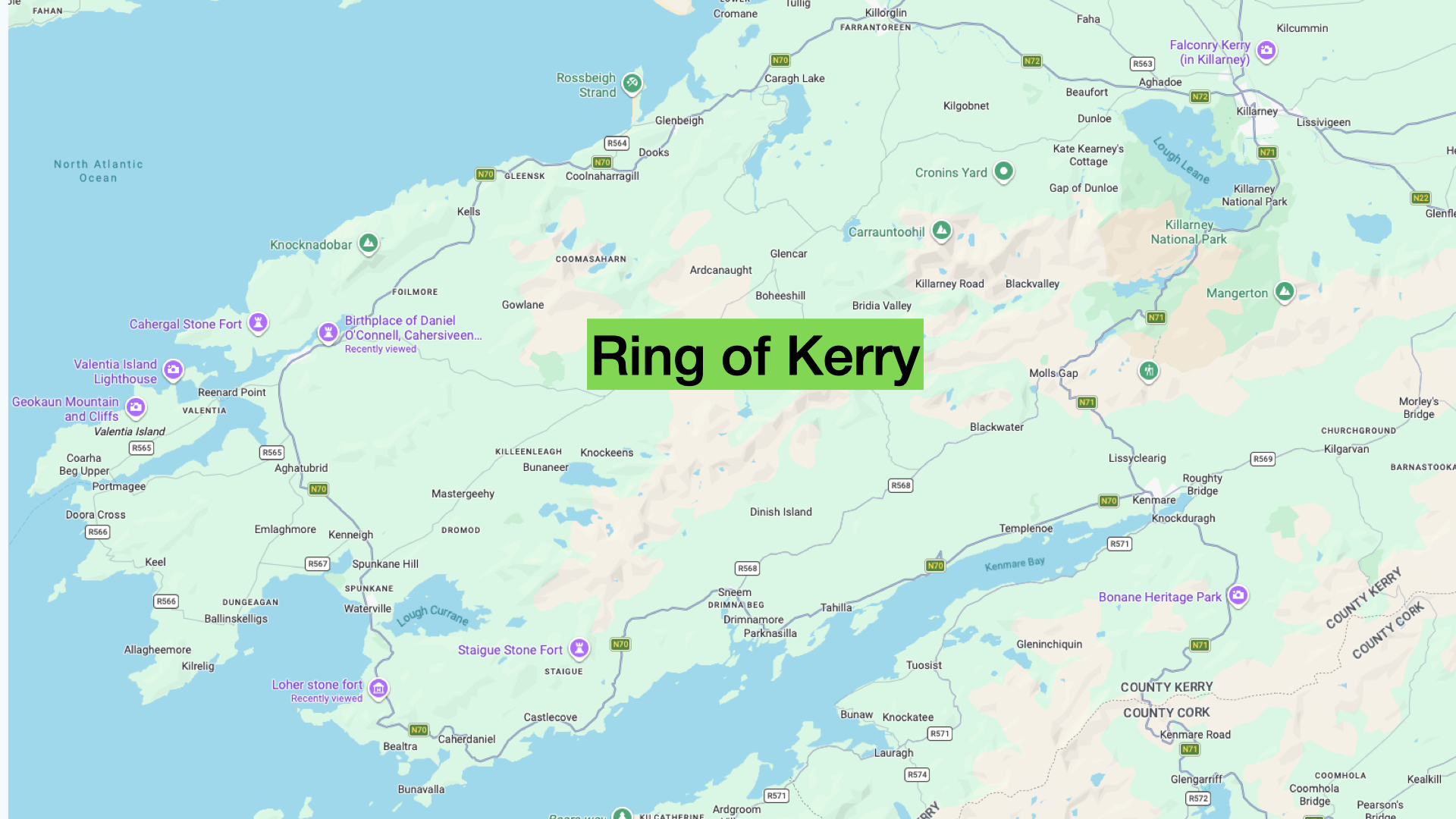
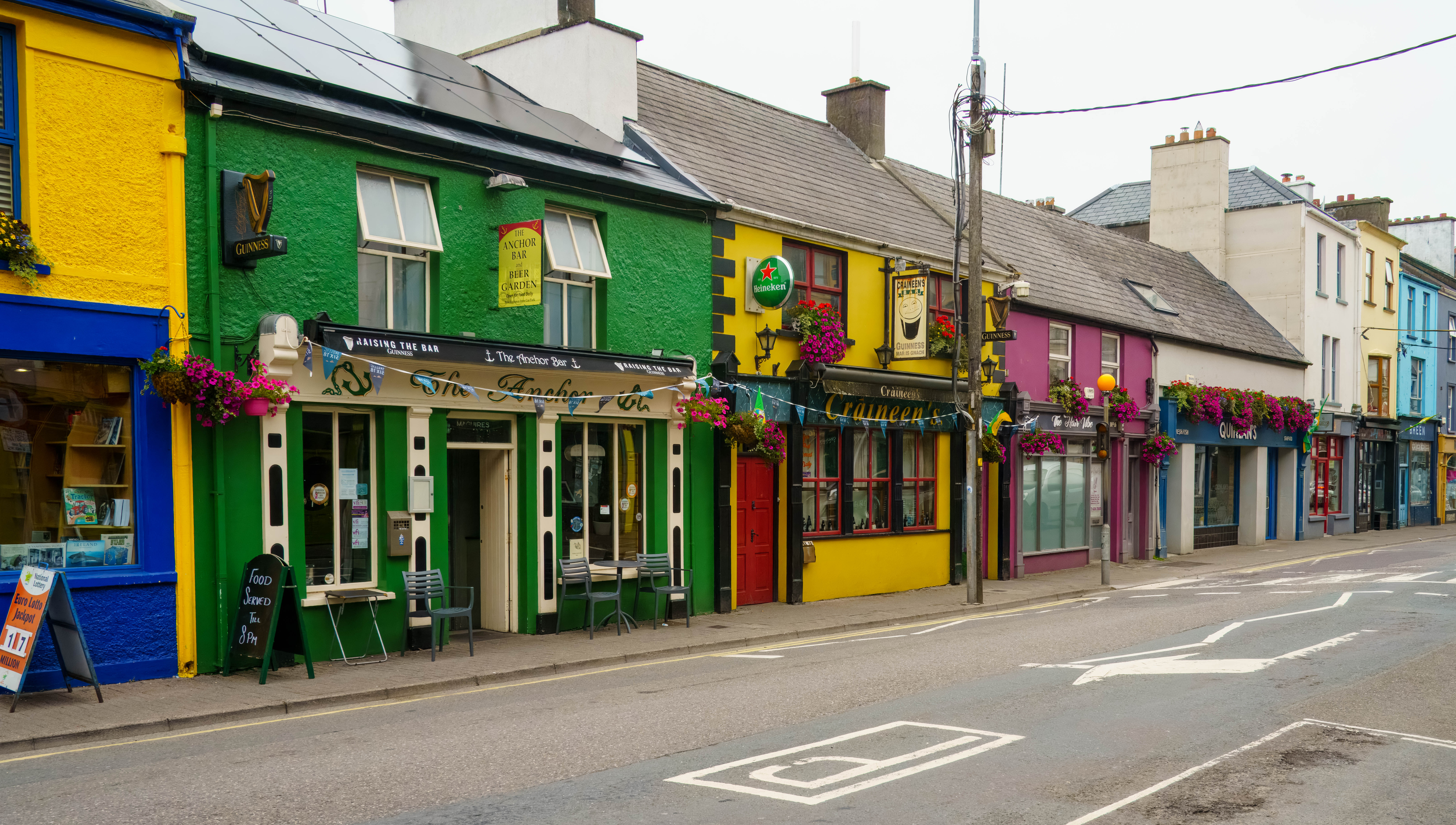
Day four of the tour featured the Ring of Kerry, a notorious 111-mile circular drive around the Iveragh Peninsula through dramatic coastal cliffs, sweeping mountain passes, sparkling lakes, and colorful, traditional Irish villages.

The roads are well-maintained but notoriously narrow, winding, and bordered by stone walls or hedges. The “Ring of Kerry” drive begins and ends in Killarney, and exposed us to green mountains, blue lakes, old castles, and wild ocean views, passing through the towns of Glenbeigh, Cahersiveen, Waterville, and Sneem. 

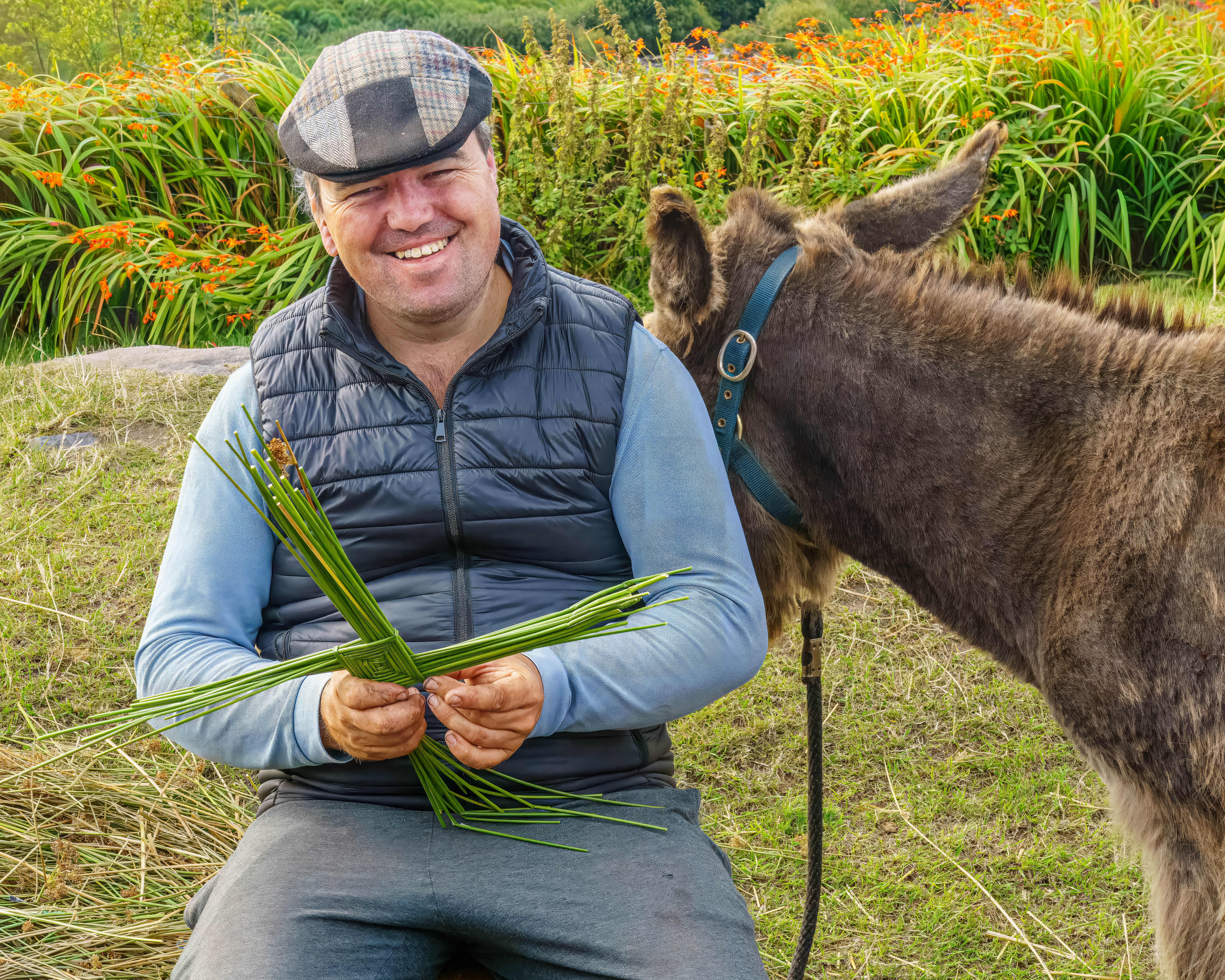
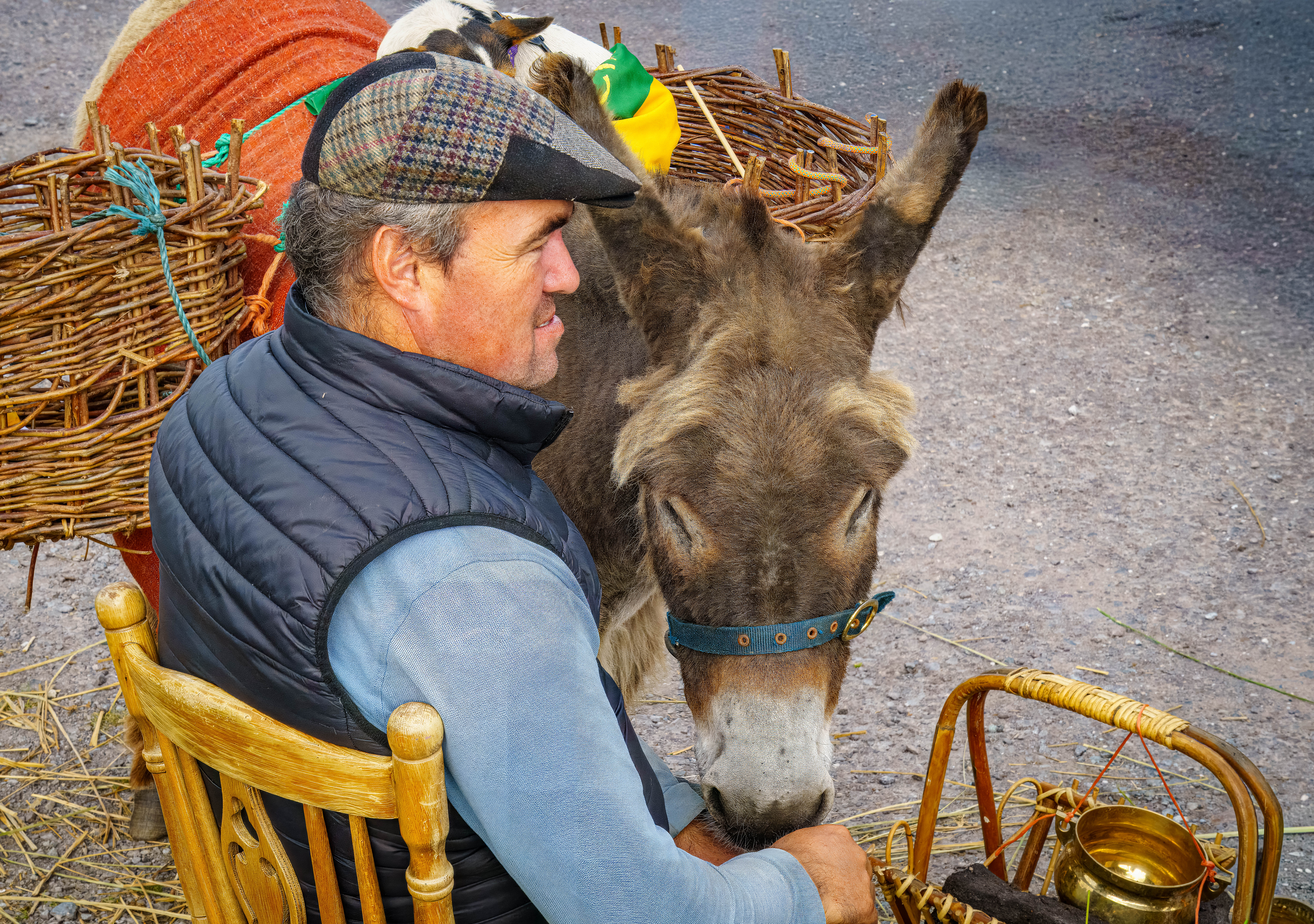
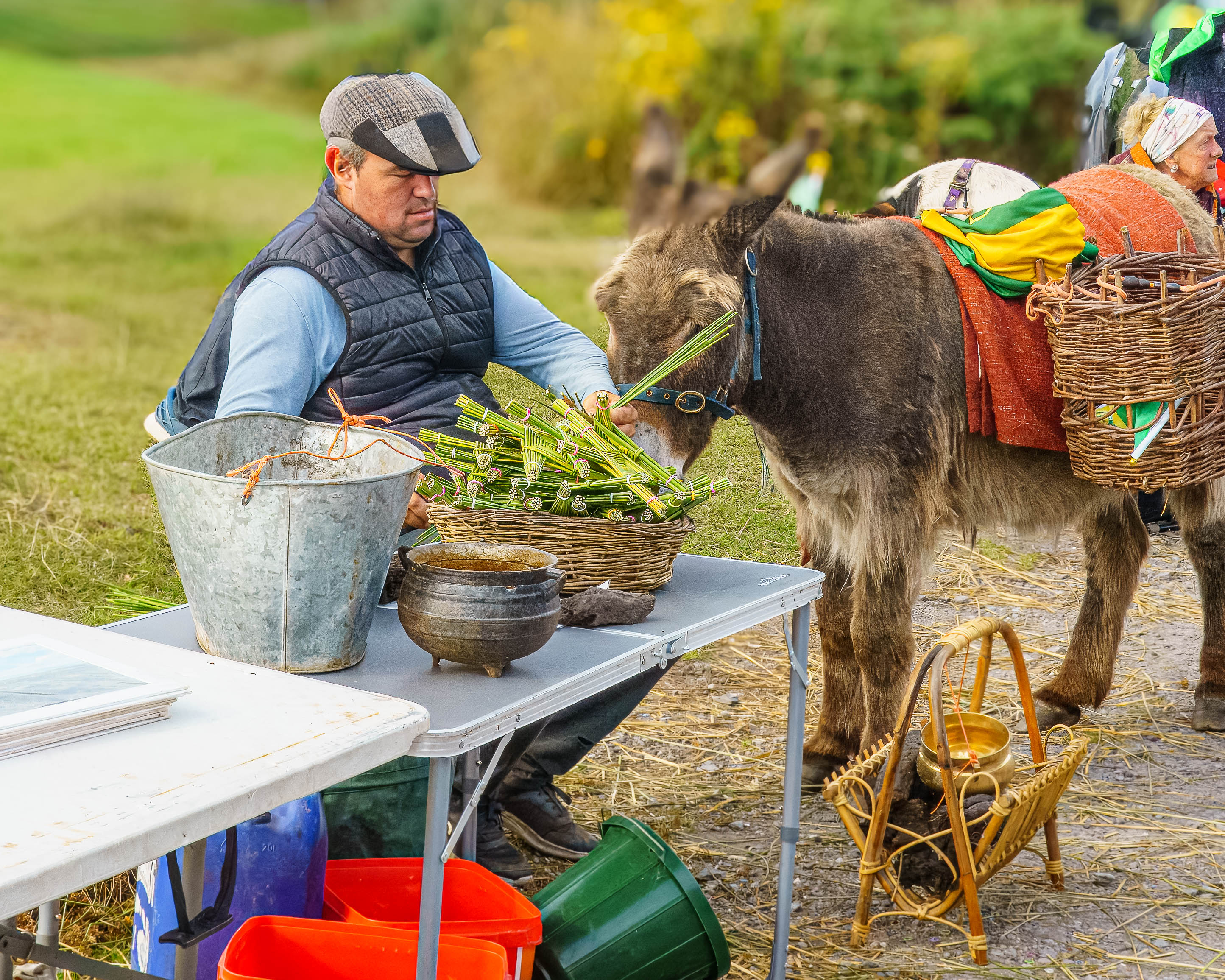
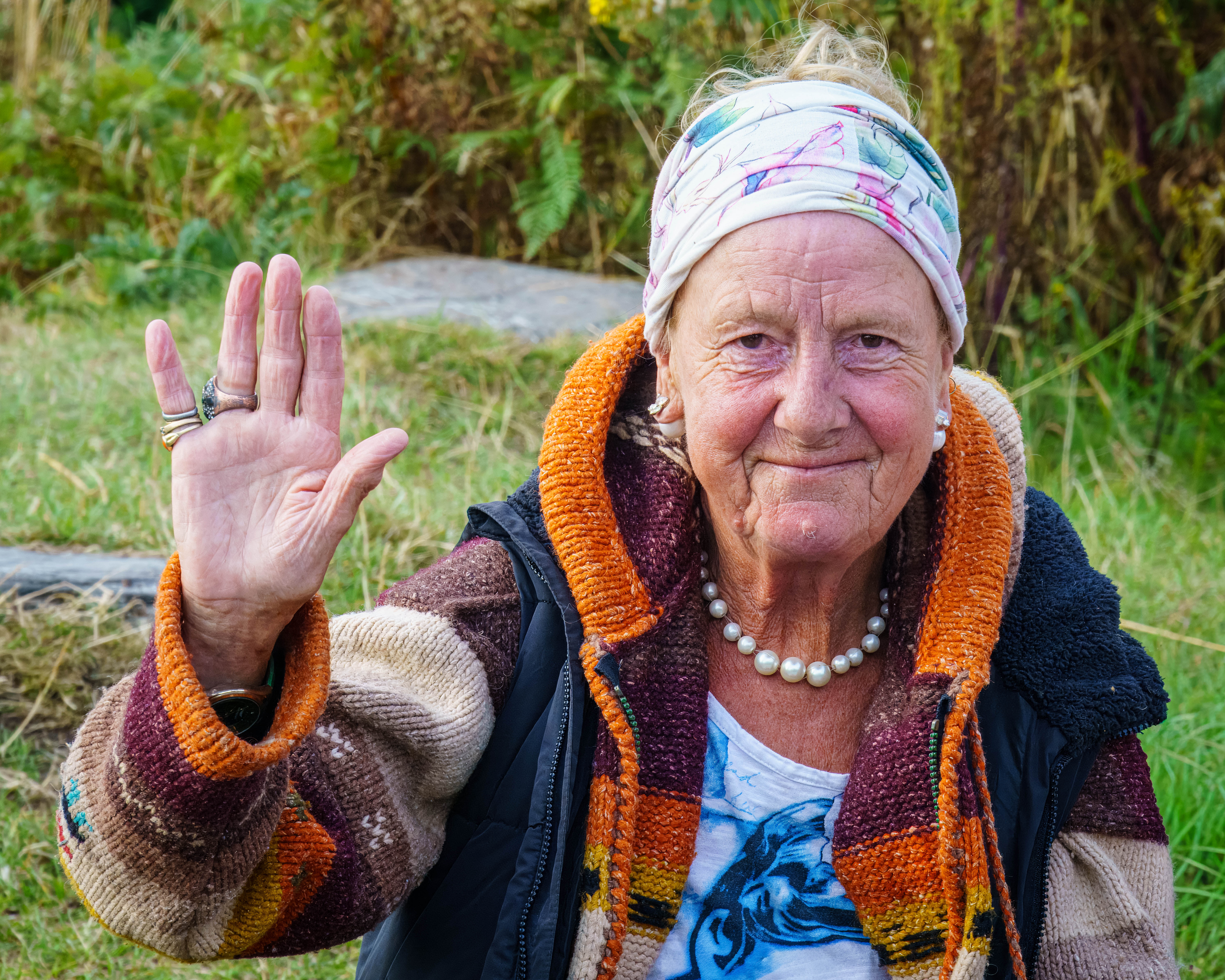
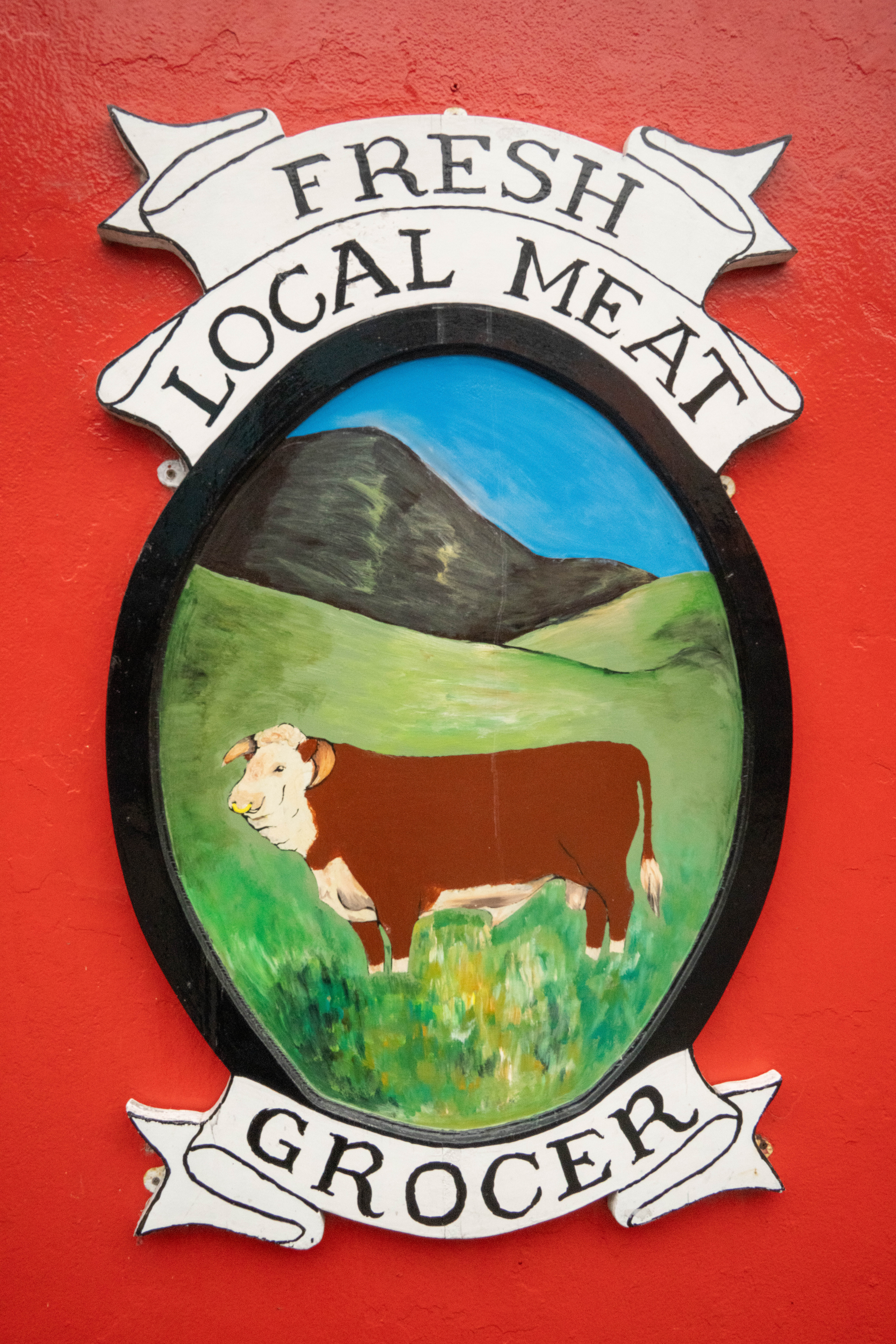
Our first stop was a roadside tourist “market” with a couple of colorful local characters, not counting the ass.

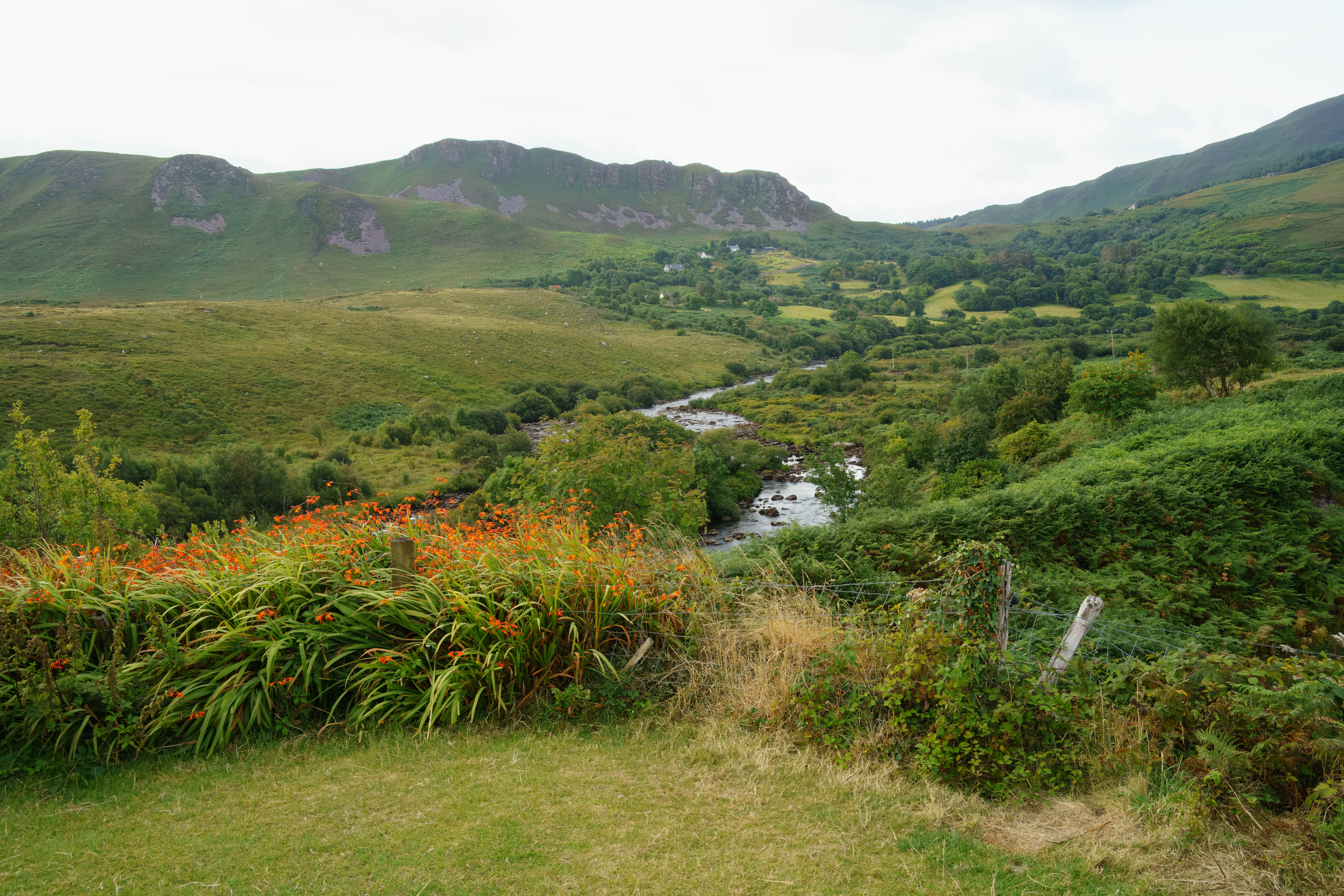
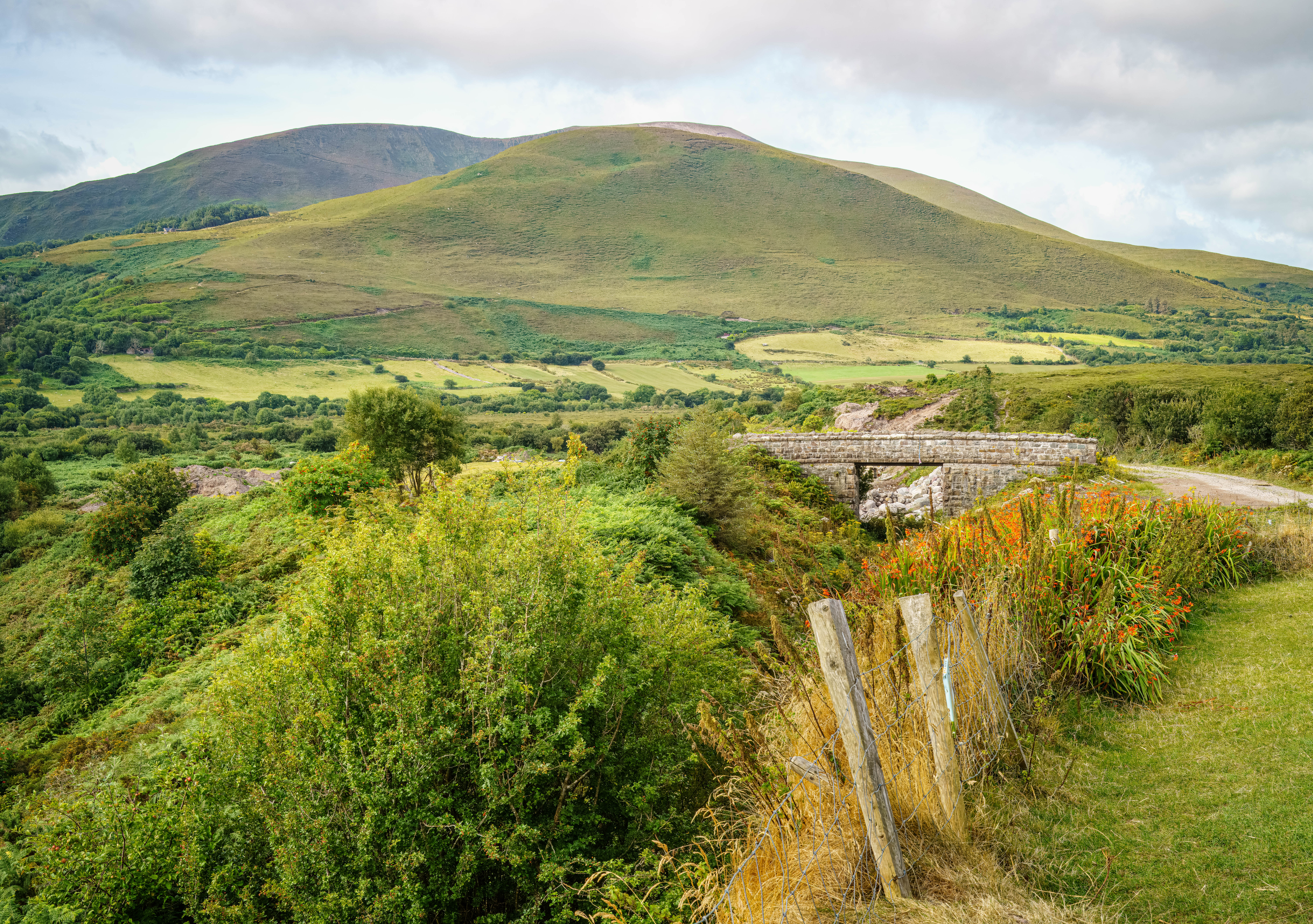
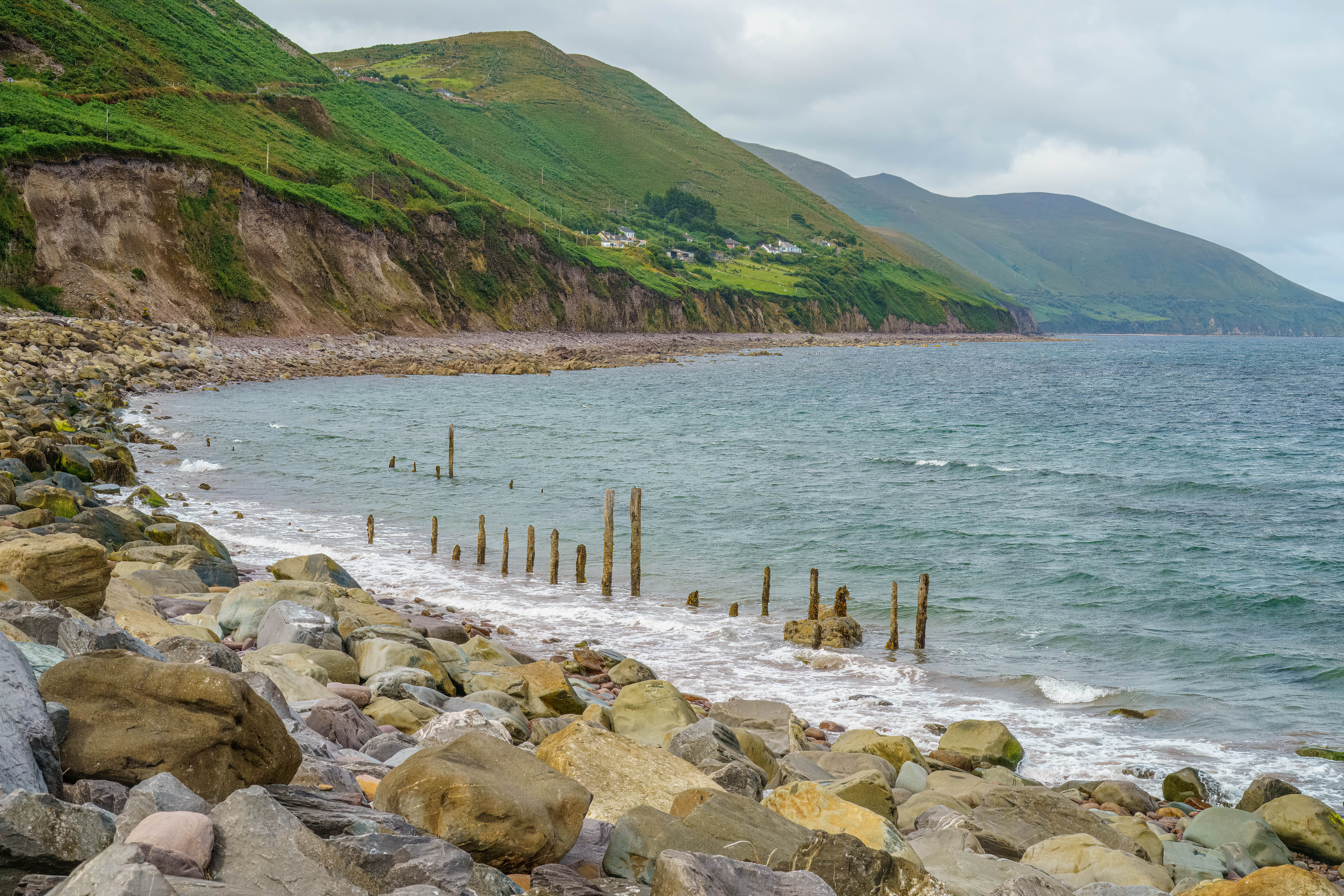
And the landscapes were quite scenic. 

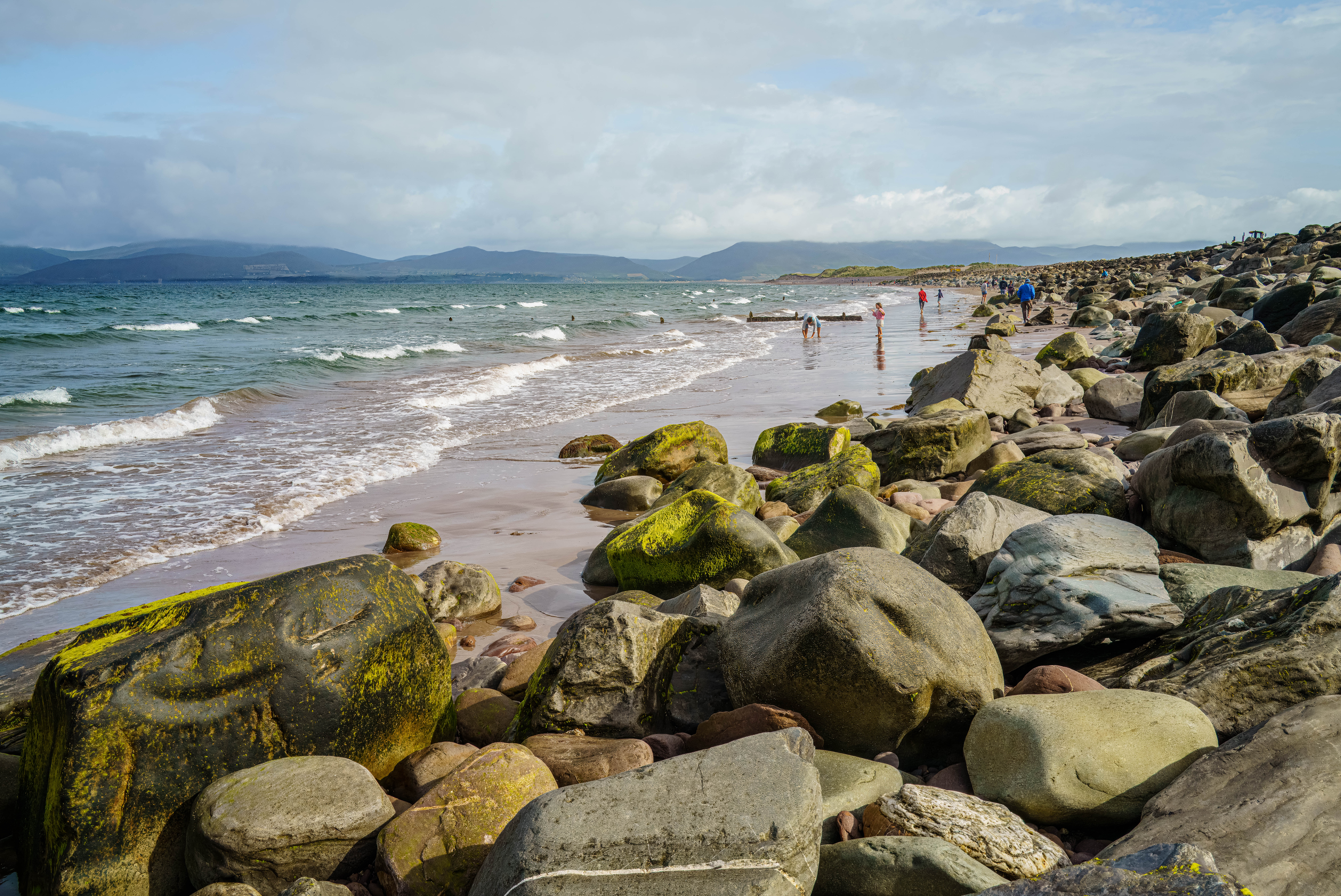
We stopped in Rossbeigh and visited the dramatic Blue Flag Beach.

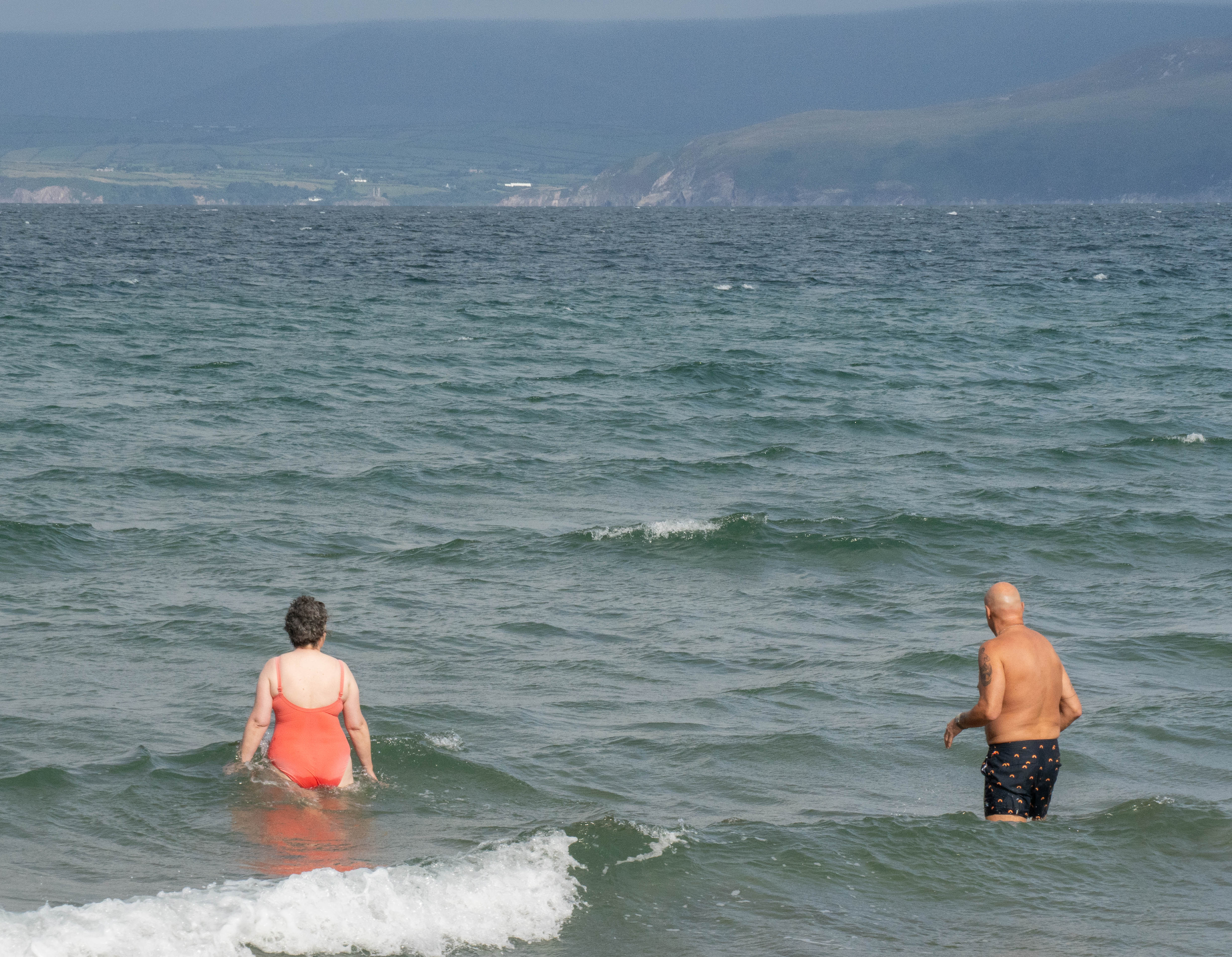
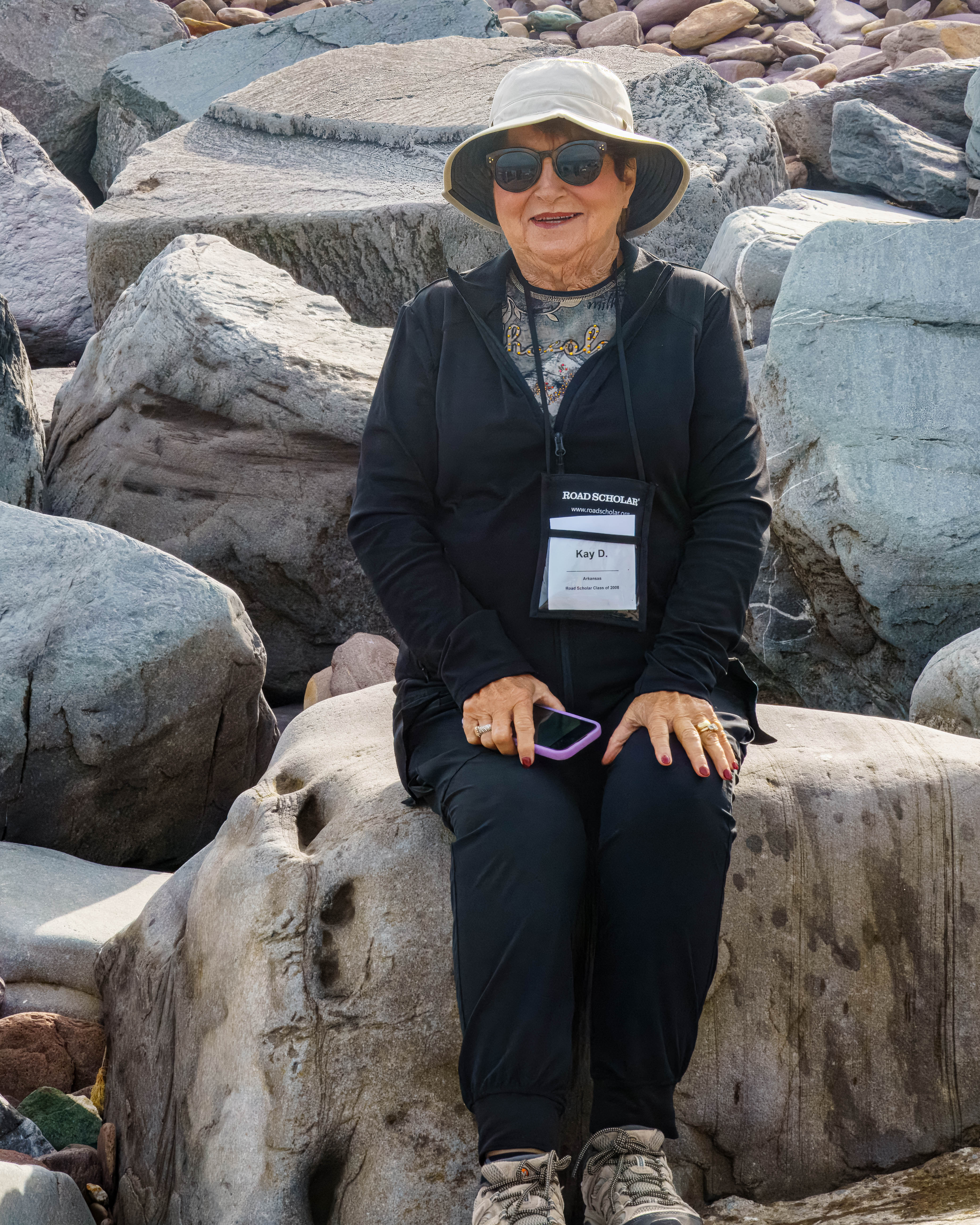
Even our tour director and one of the group opted to swim; Kay said, “No way!”

Since it harbors all kinds of marine life and seabirds, it is a designated natural heritage area and a Special Area of Conservation.

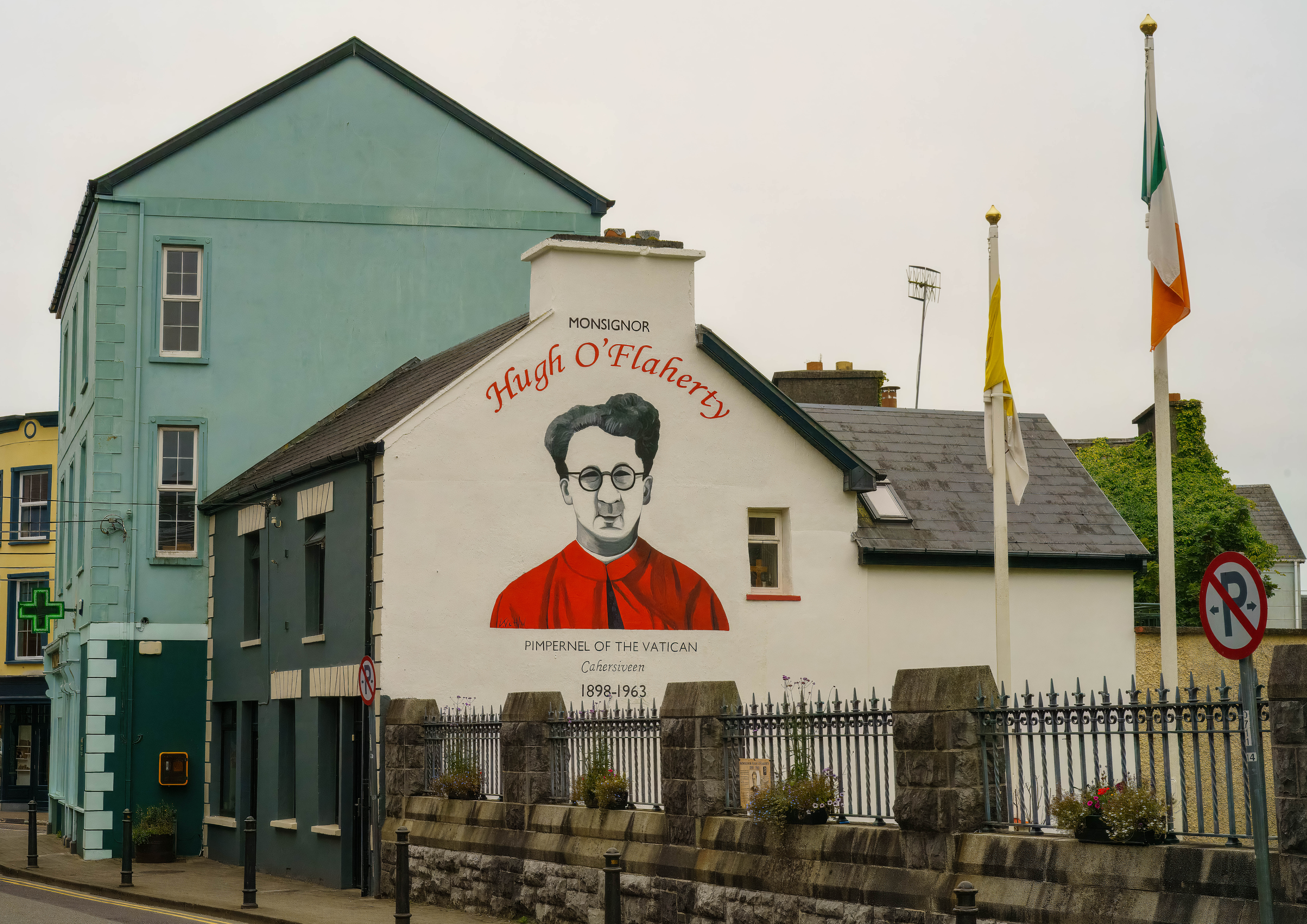
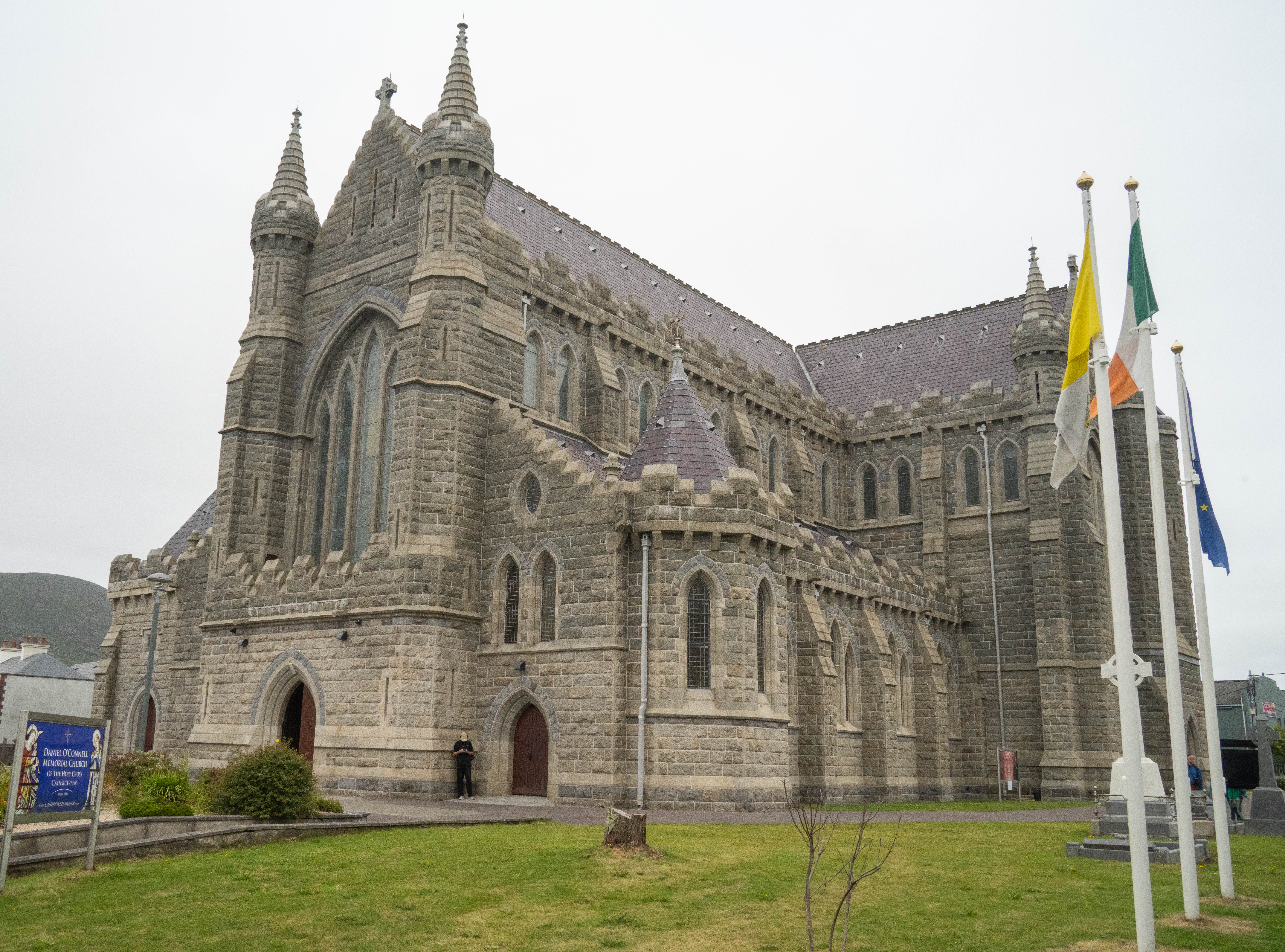
Another stop was at the Daniel O’Connell Memorial Park in Cahersiveen. The park provided a serene escape from the hustle and bustle of touring.

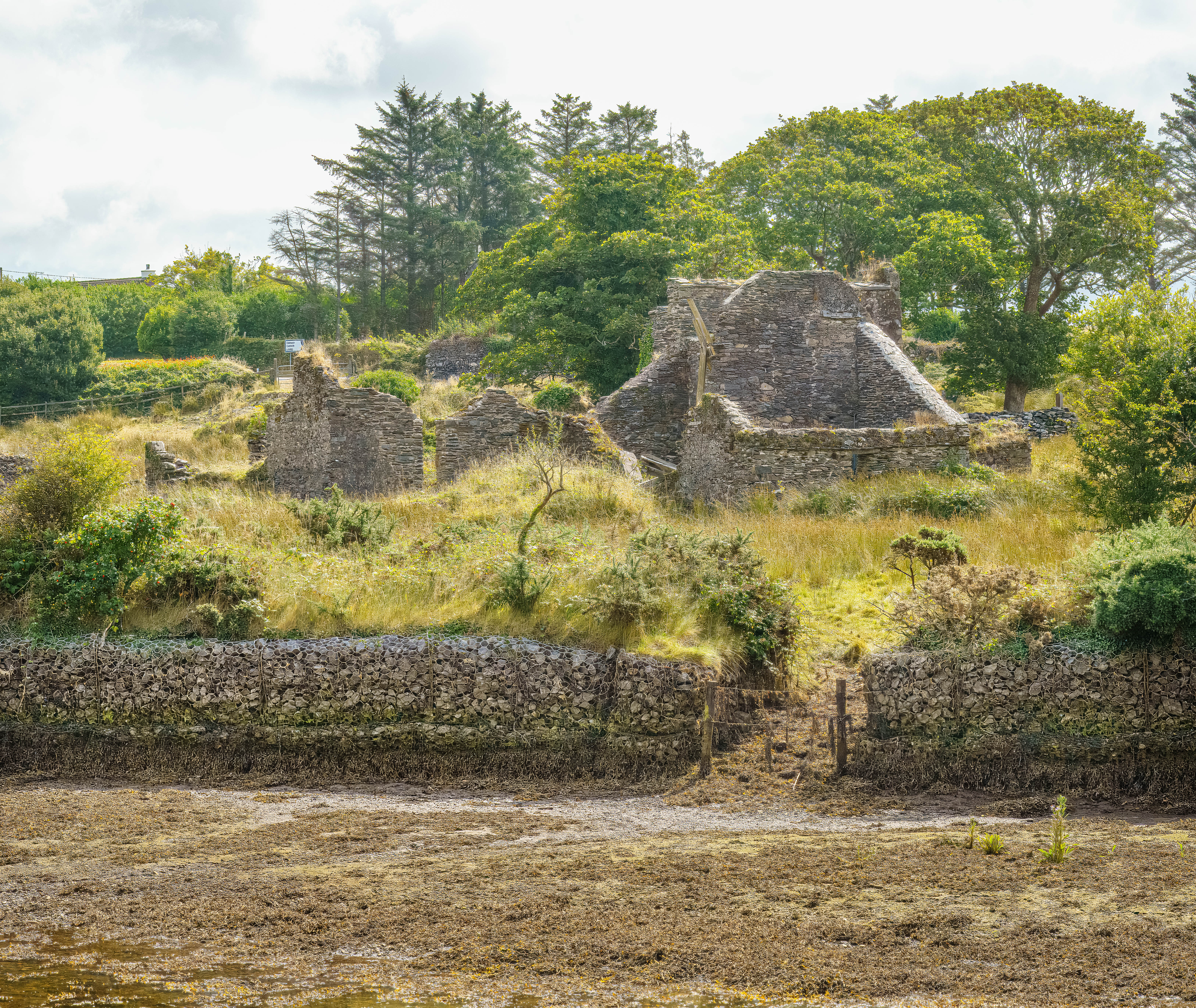
The park looks directly across the Carhan River toward the ruins of Carhan House, where Daniel O’Connell was born. Daniel O’Connell was known as “The Liberator” or “The Emancipator”, and was a monumental Irish political leader, lawyer, and statesman who revolutionized 19th-century constitutional nationalism. He is most celebrated for securing Catholic Emancipation in 1829, granting Irish and British Roman Catholics the legal right to sit in the Westminster Parliament and hold public office. 

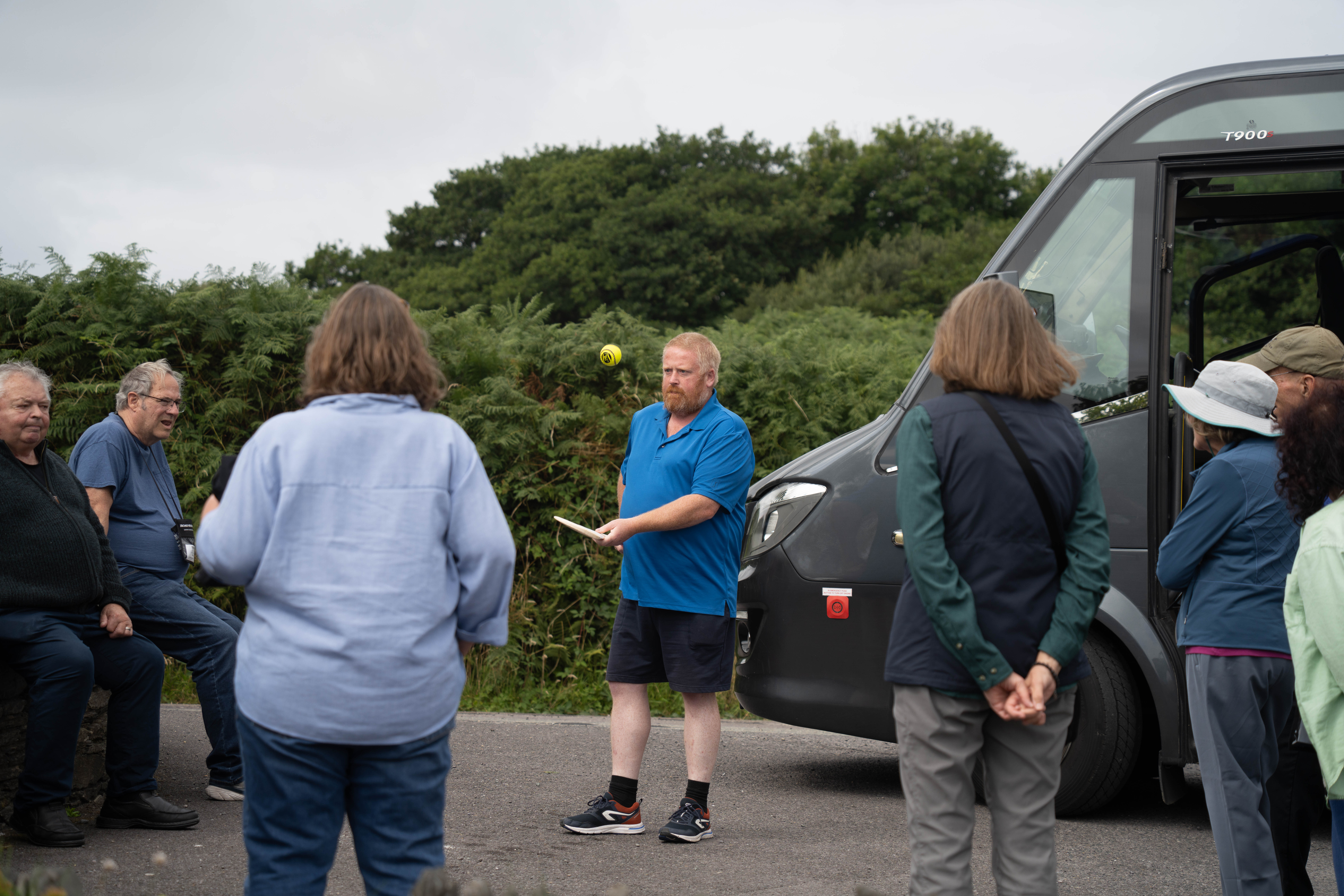
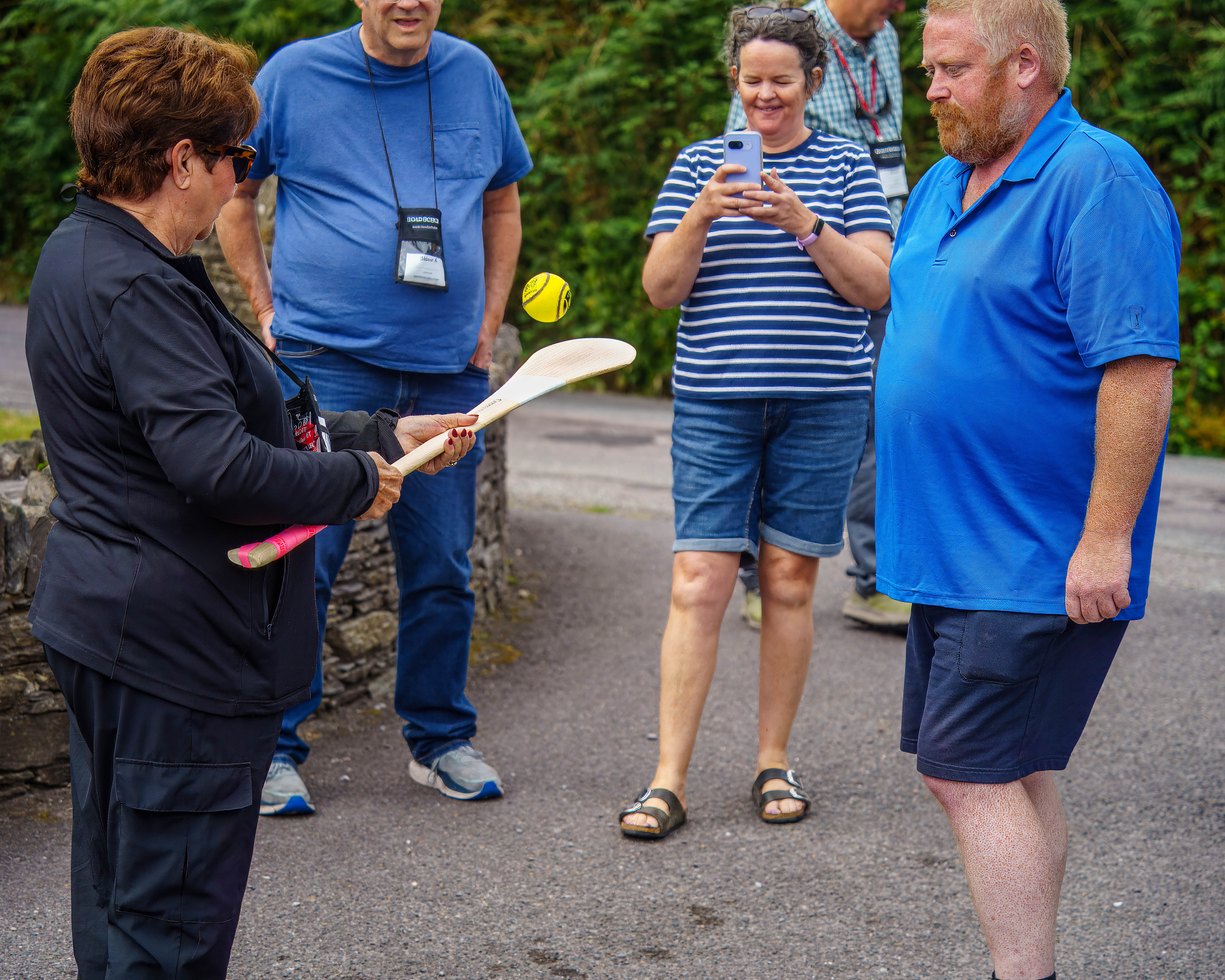
While waiting to board the motor coach, the driver demonstrated equipment used in hurling. 

Hurling is national indigenous game; it is an ancient, fast-moving bat-and-ball sport played with a wooden bat made out of ash called a hurly and a small ball, slightly smaller than an American baseball, called a sliotar. Later that evening, Kay and I watched a women’t hurling match, and it’s not only fast and furious, but dangerous as well. Kay demonstrated her hurling acumen for the rest of the group.
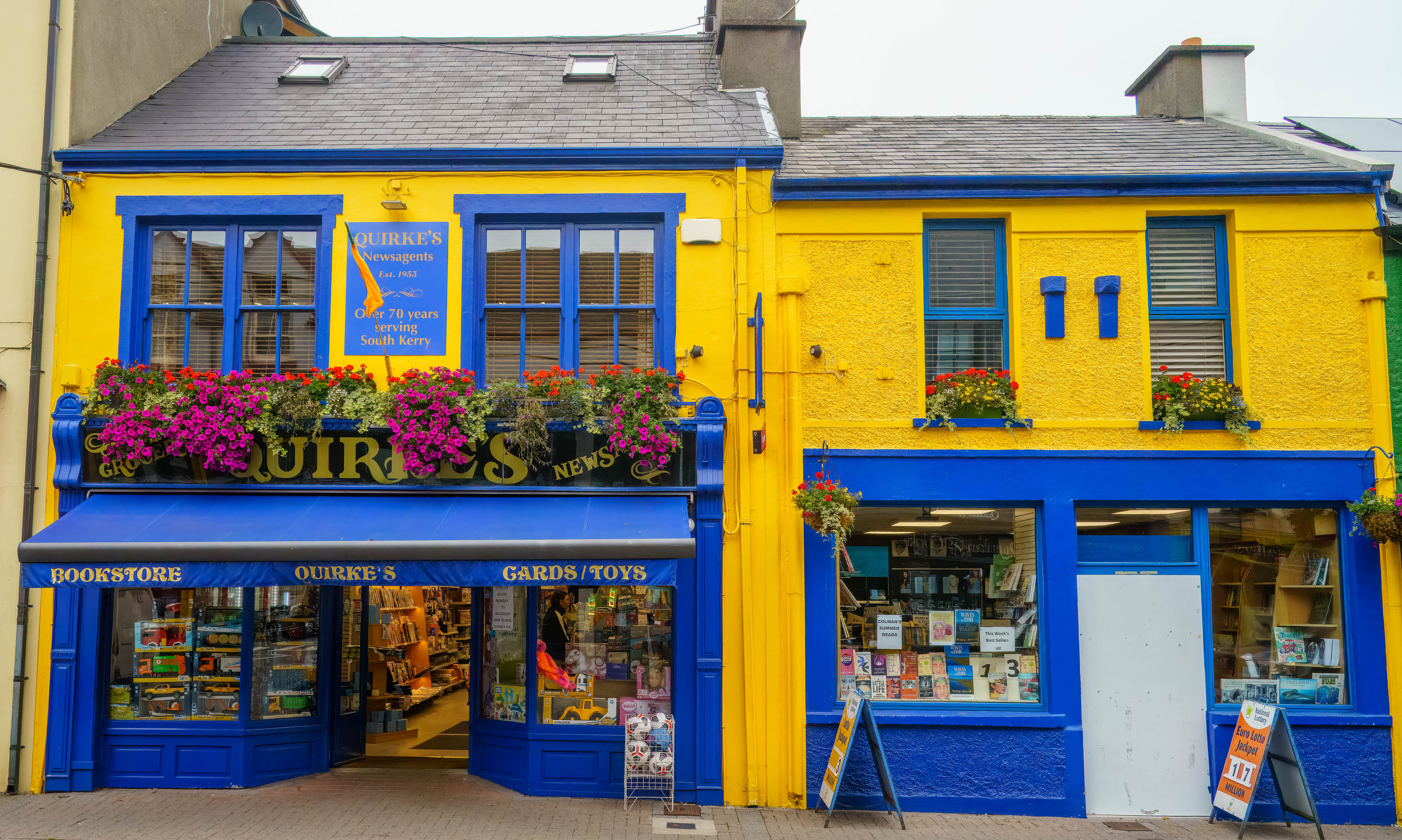
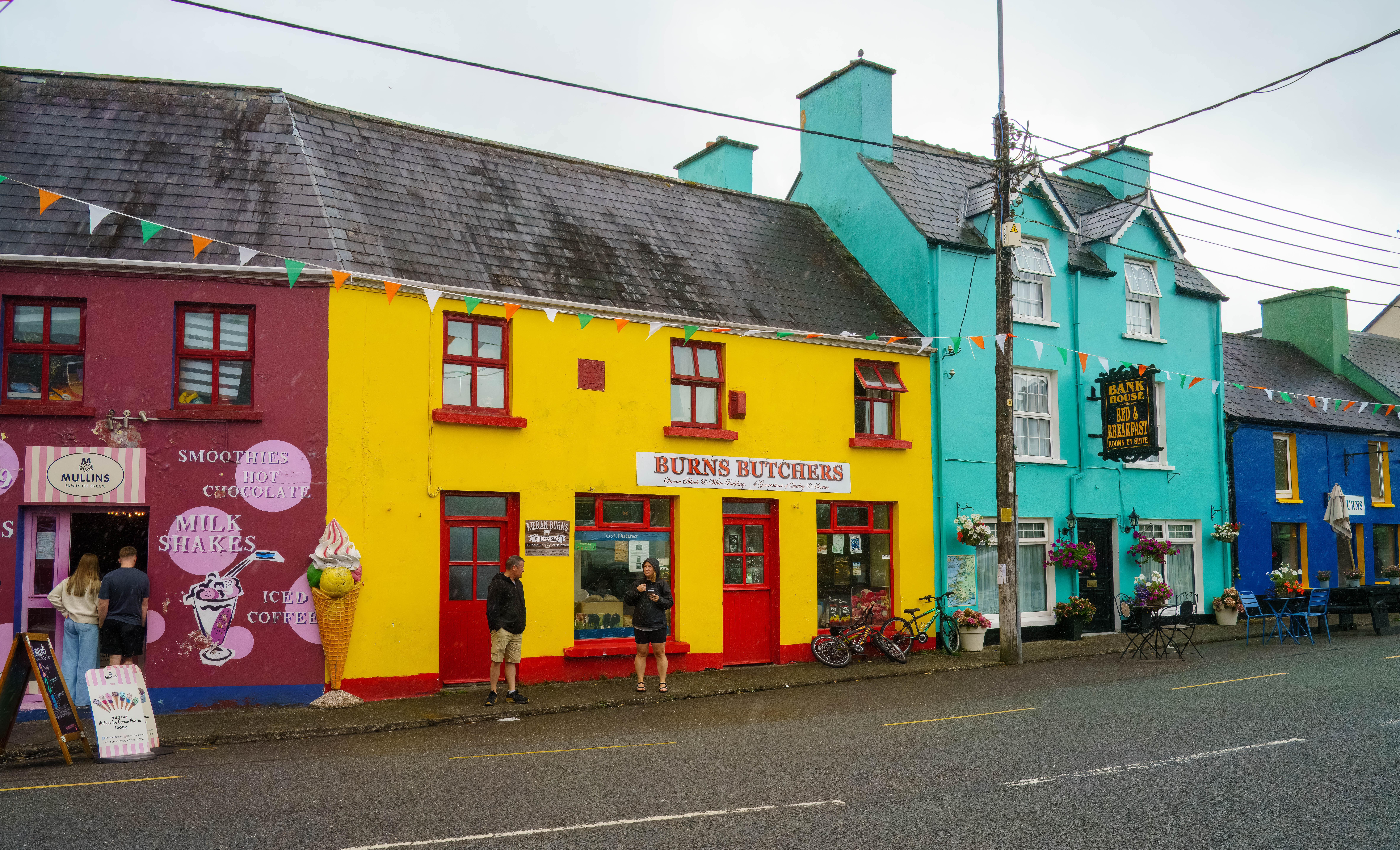
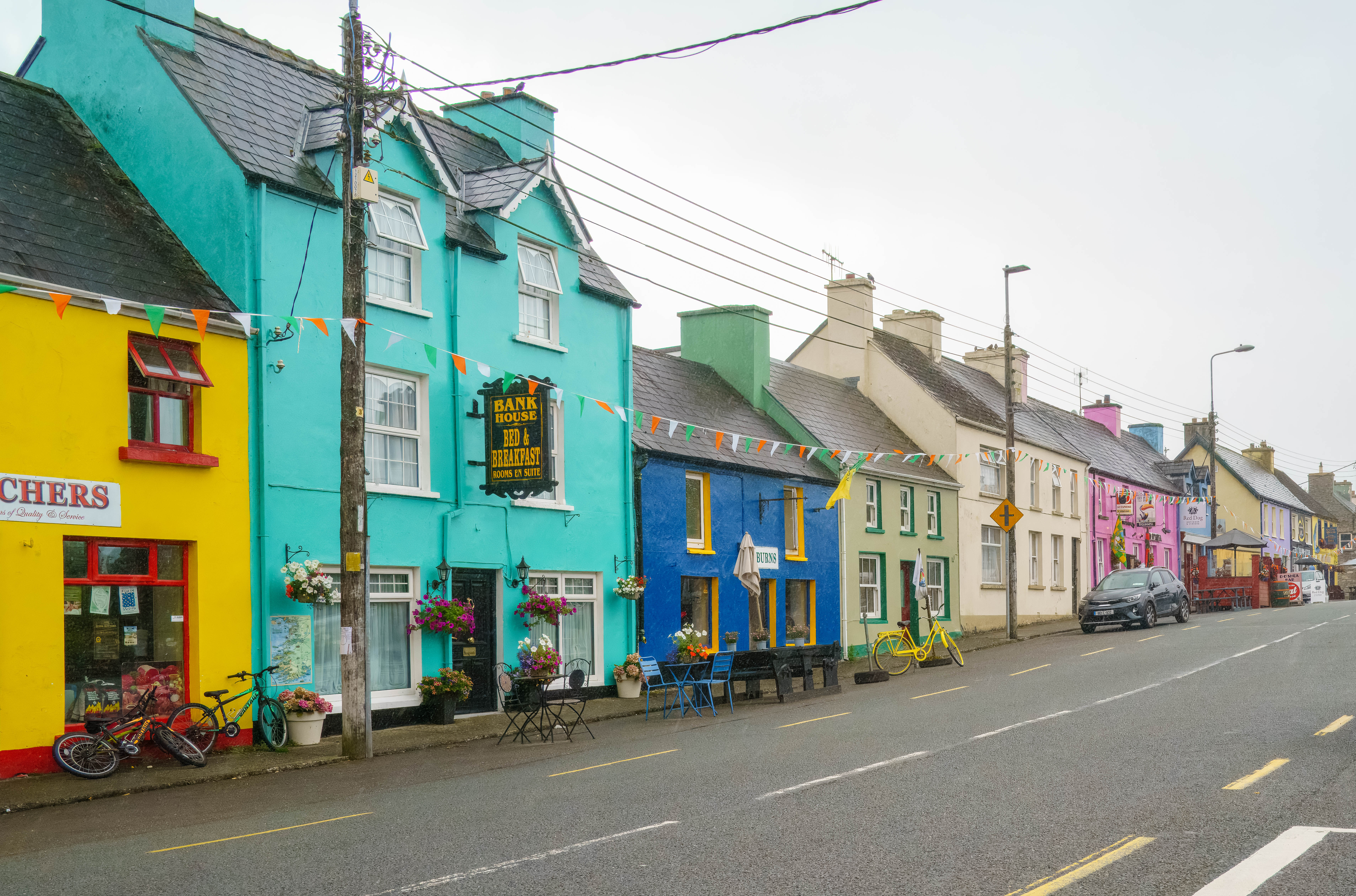
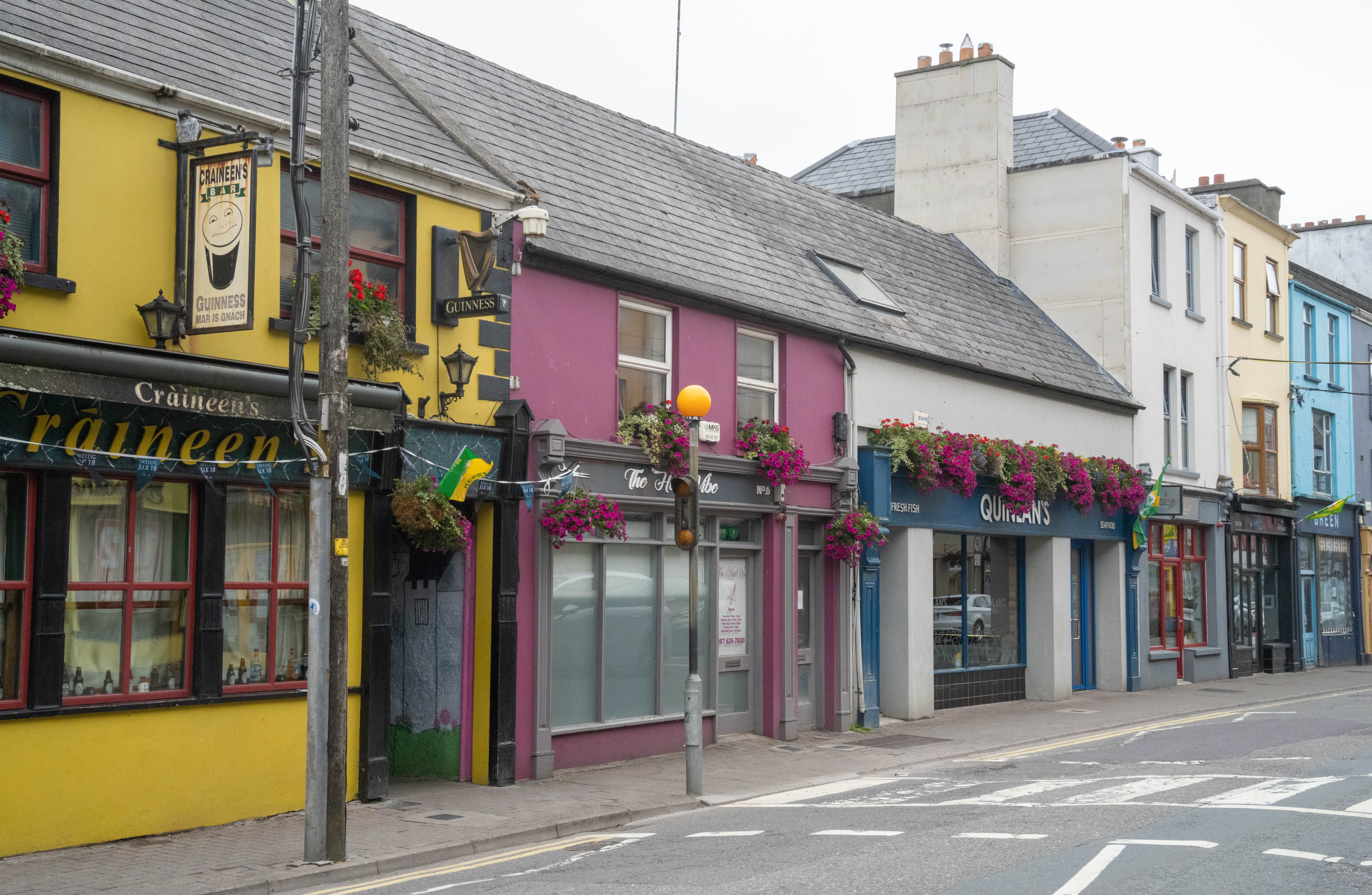
Following a typical (big) Road Scholar lunch, we made our way to the village of Sneem, a picturesque village on Iveragh Peninsula along the Wild Atlantic Way and the Ring of Kerry. (Click on an image to enlarge it.)
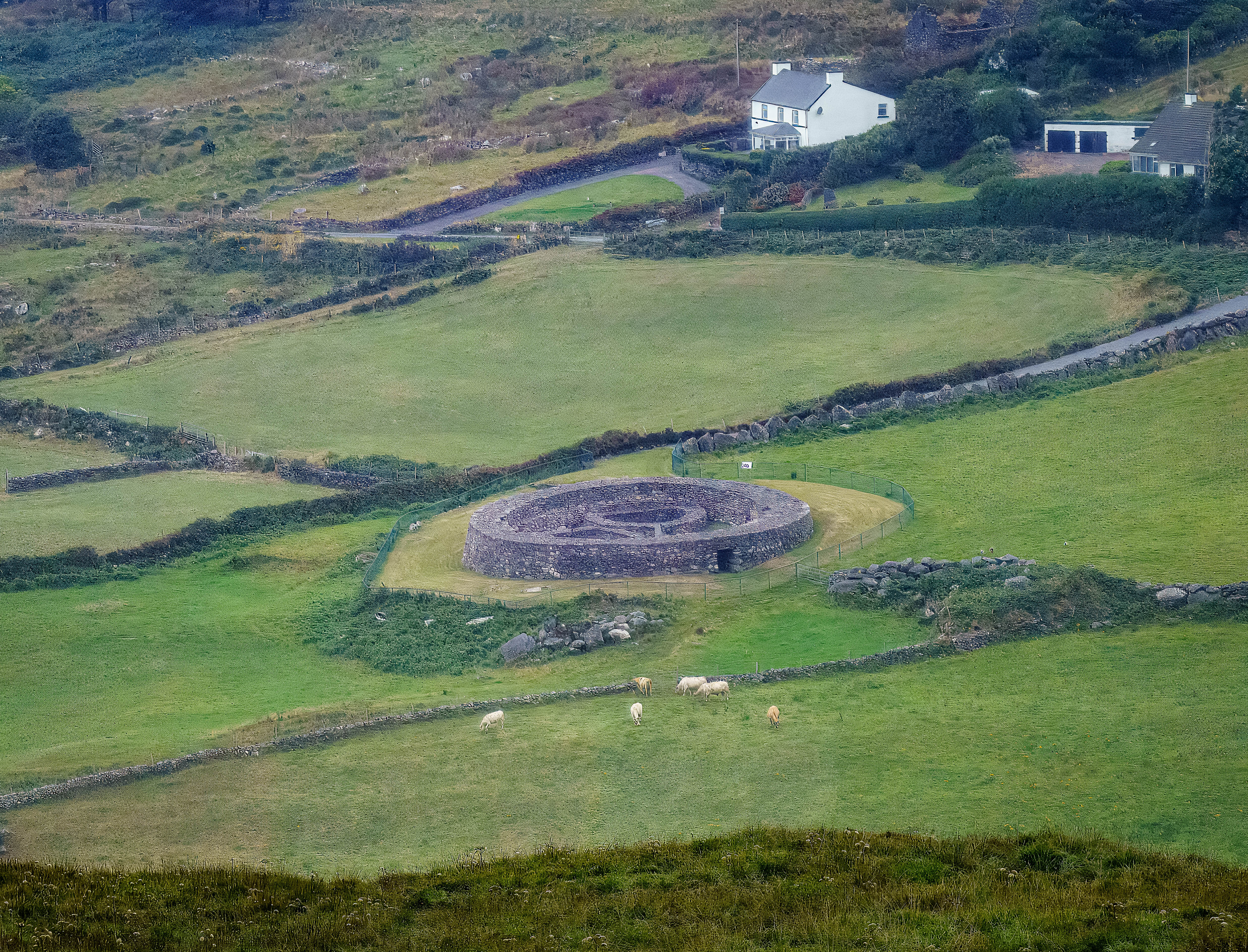
From Sneem, we continued the motor coach trip around the Ring of Kerry. Along the way we passed the Loher Stone Fort.

Large tour buses are legally required to drive counterclockwise (heading towards Killorglin first) due to the narrow roads. Apparently, several RVs and tour buses failed to get the “memo” and drove the wrong way, resulting in traffic chaos and accidents on the narrow roads. Our driver did a miraculous job of handling the many detours and difficult maneuvering spaces, and plaudits to our group for not complaining or bitching.

After five hours of bus riding and over two miles of walking, we had dinner at the hotel and retired for the evening.