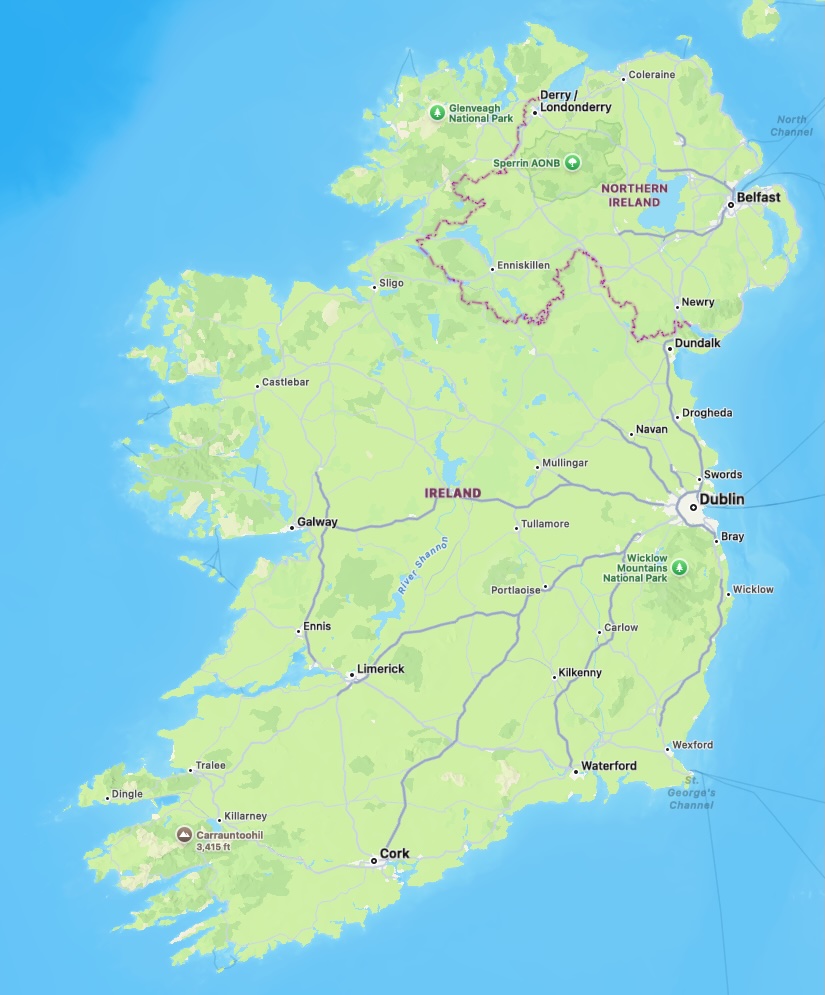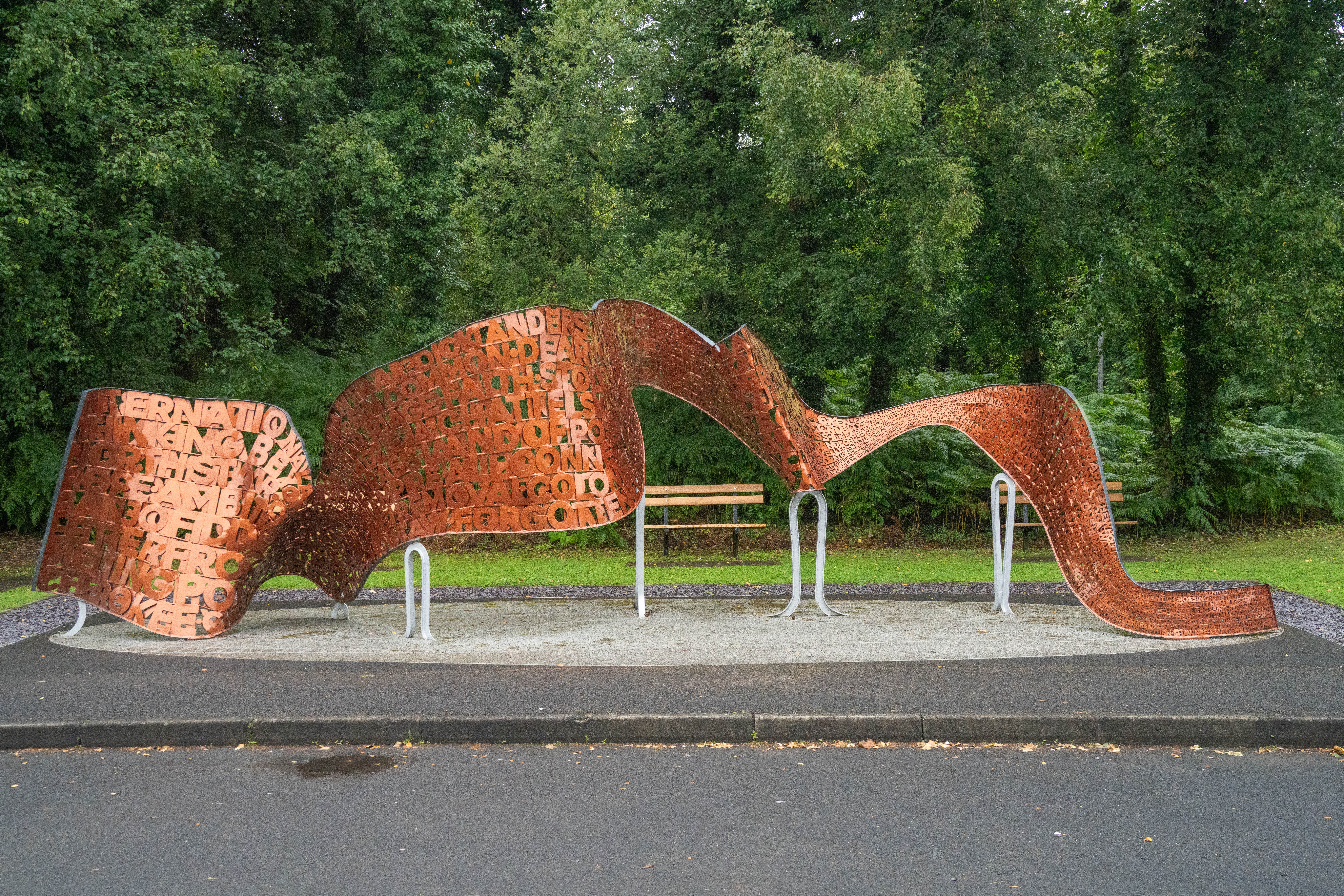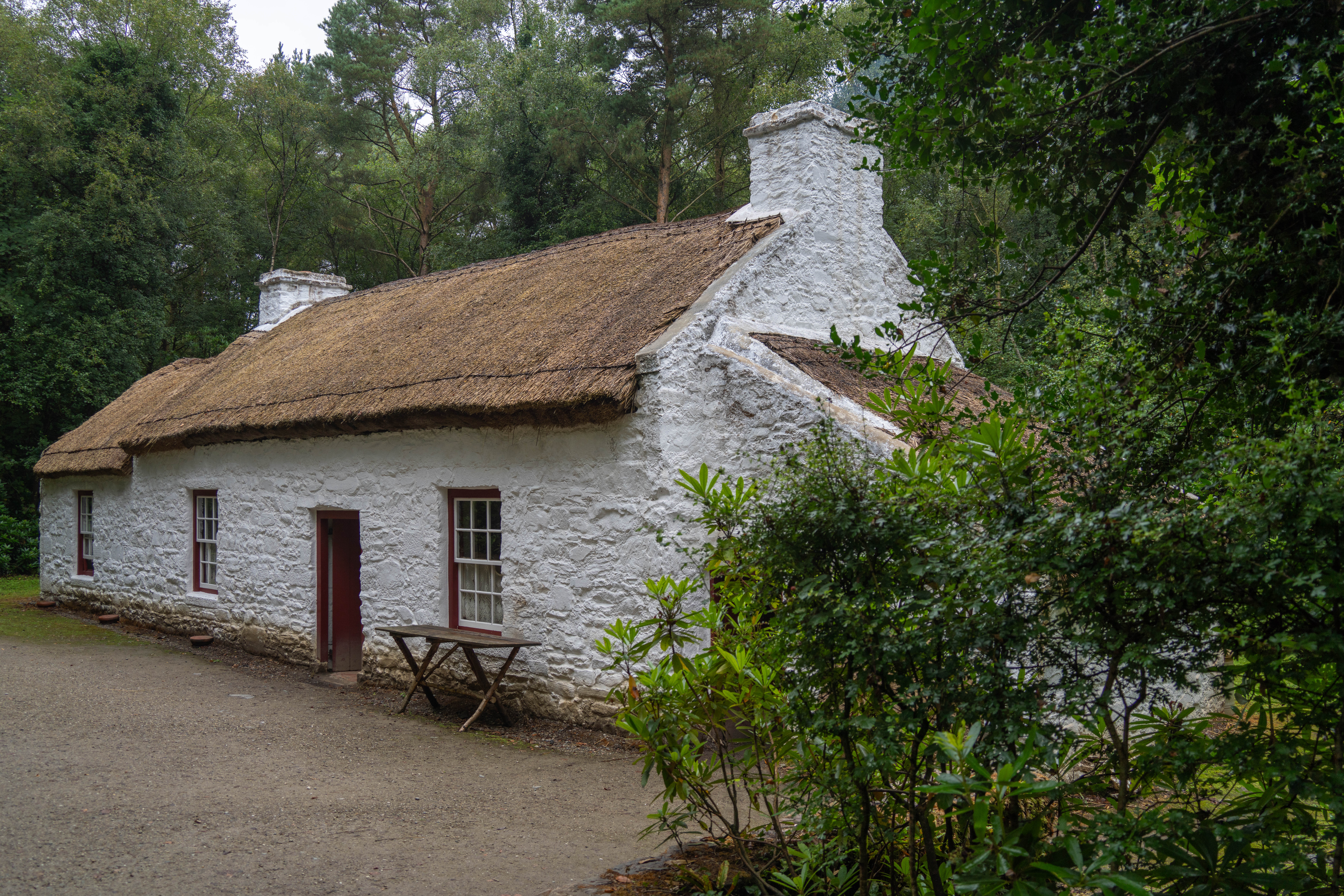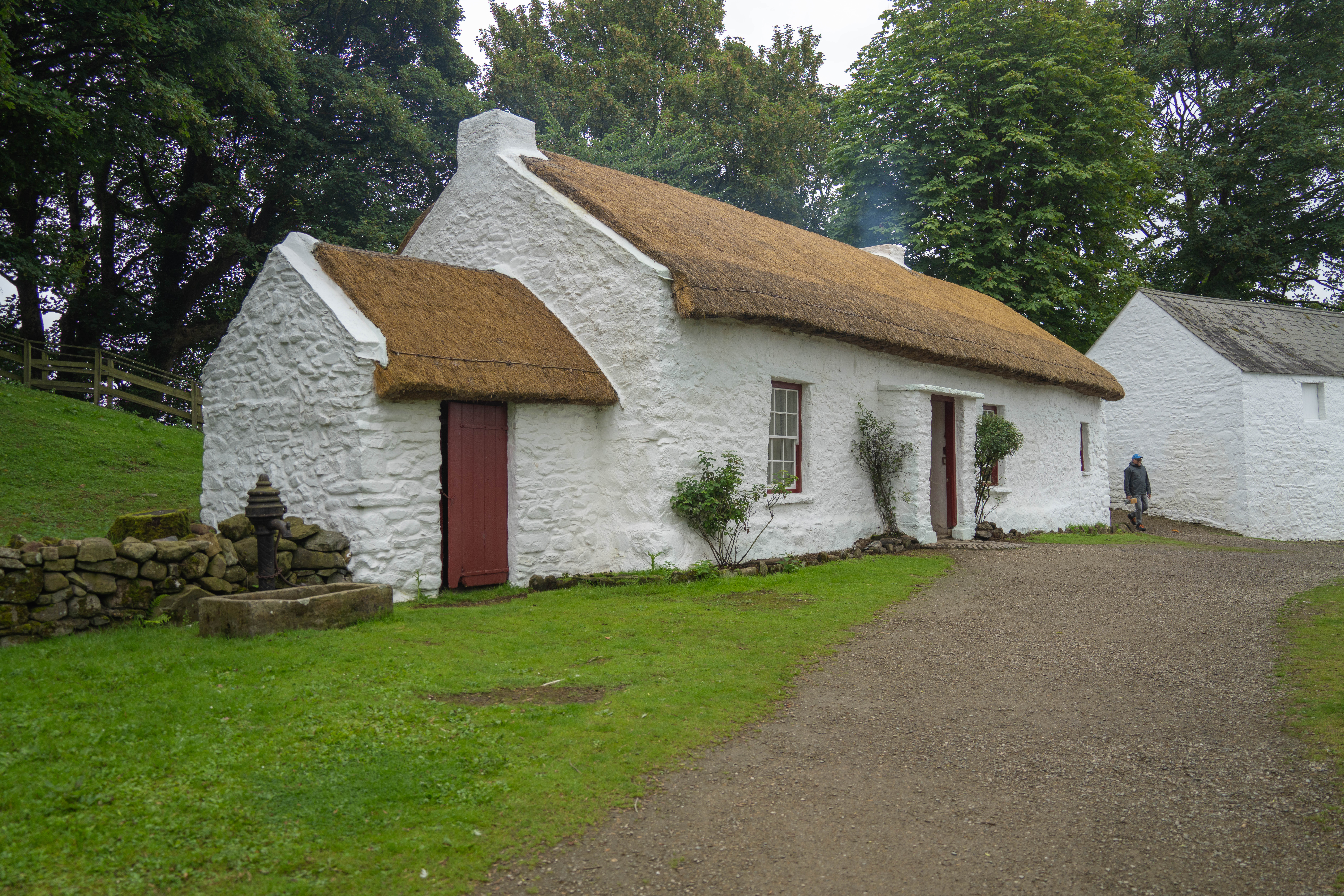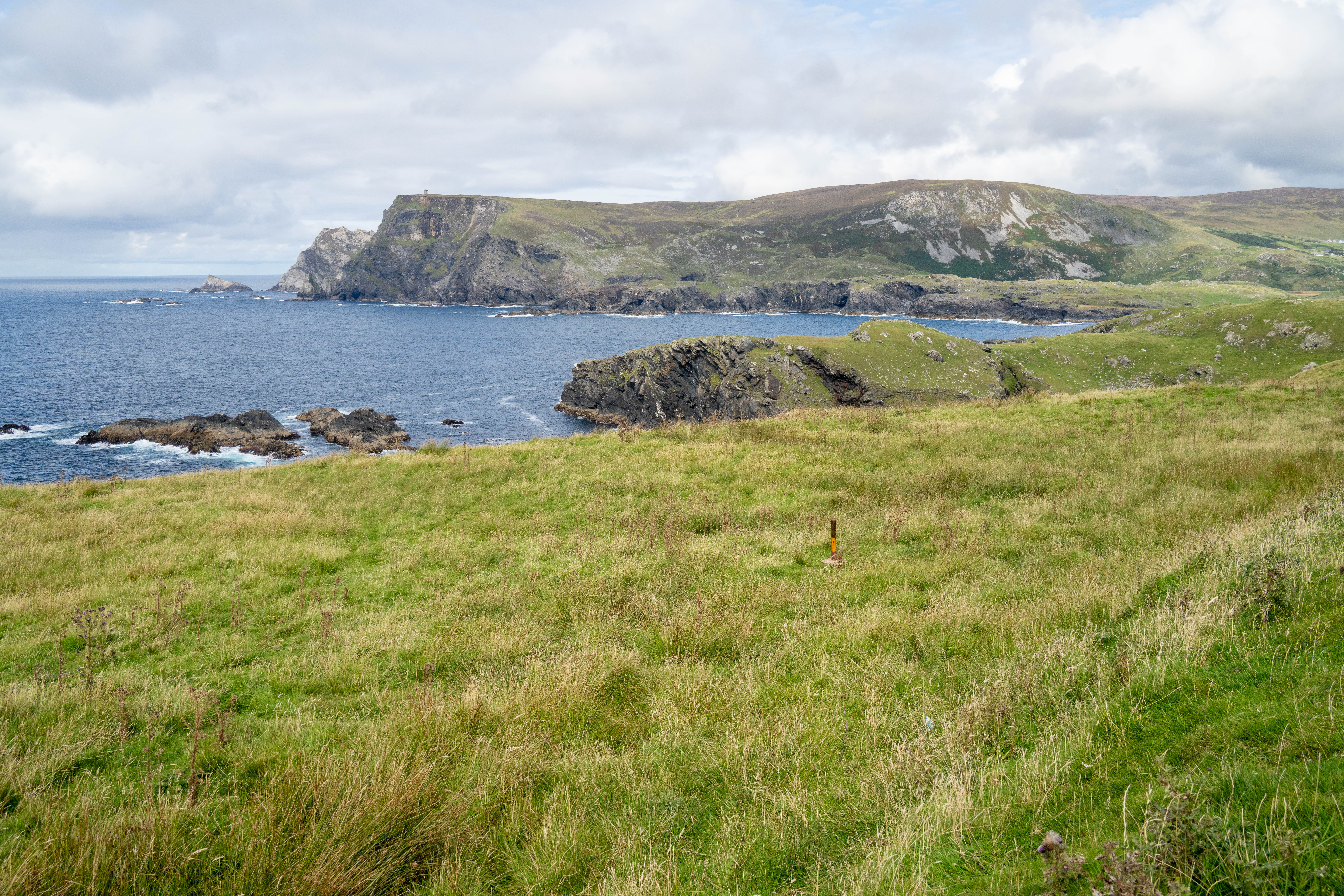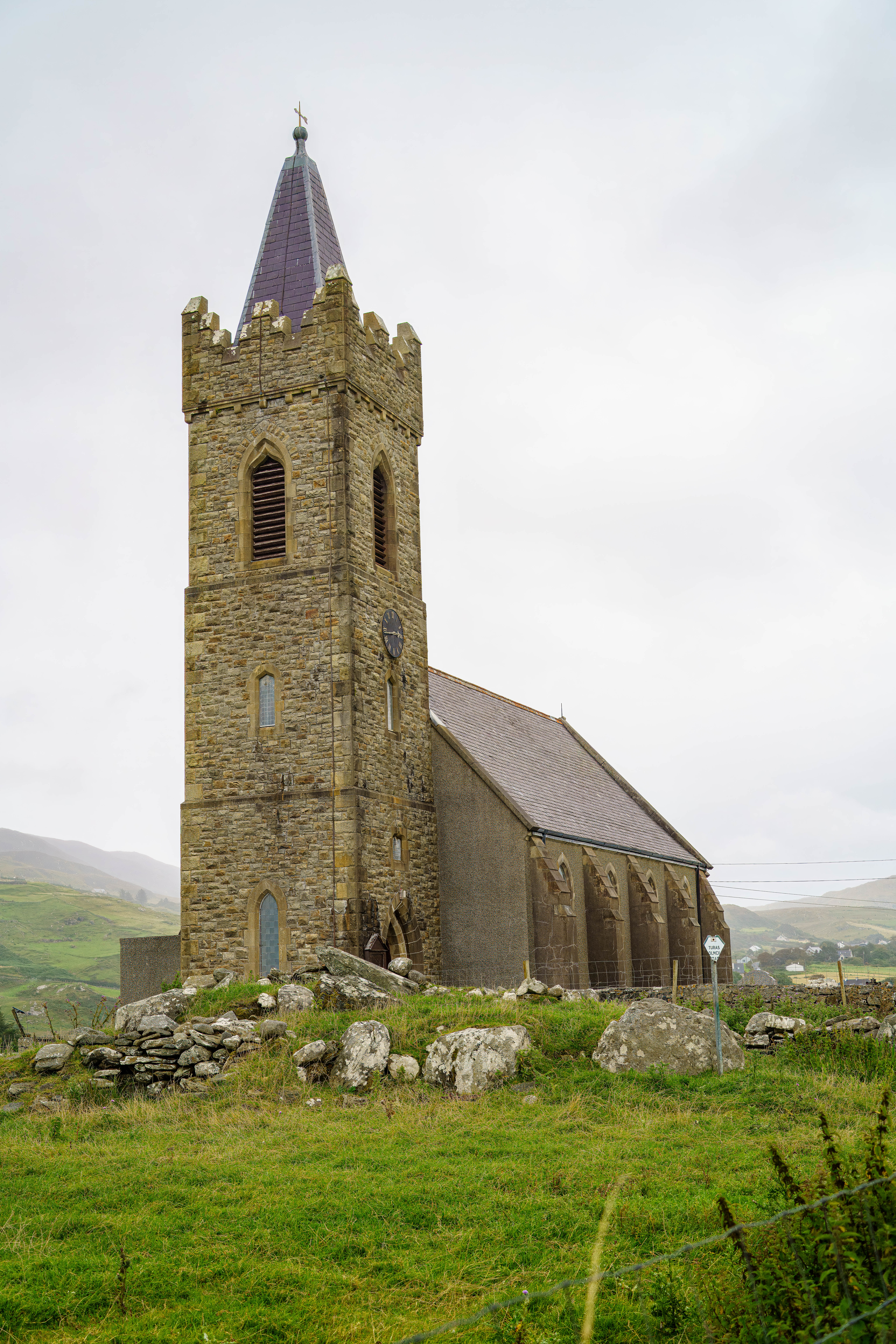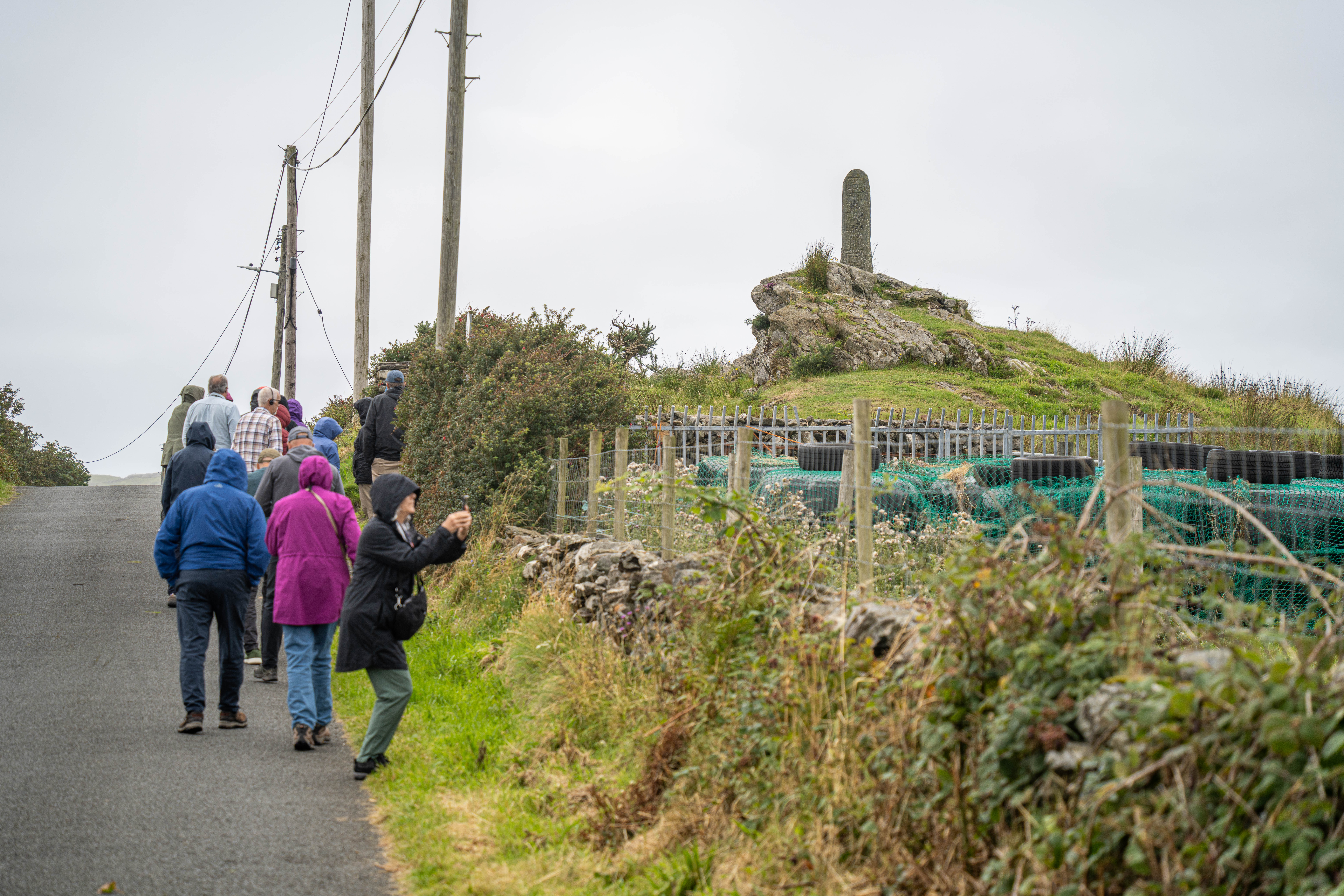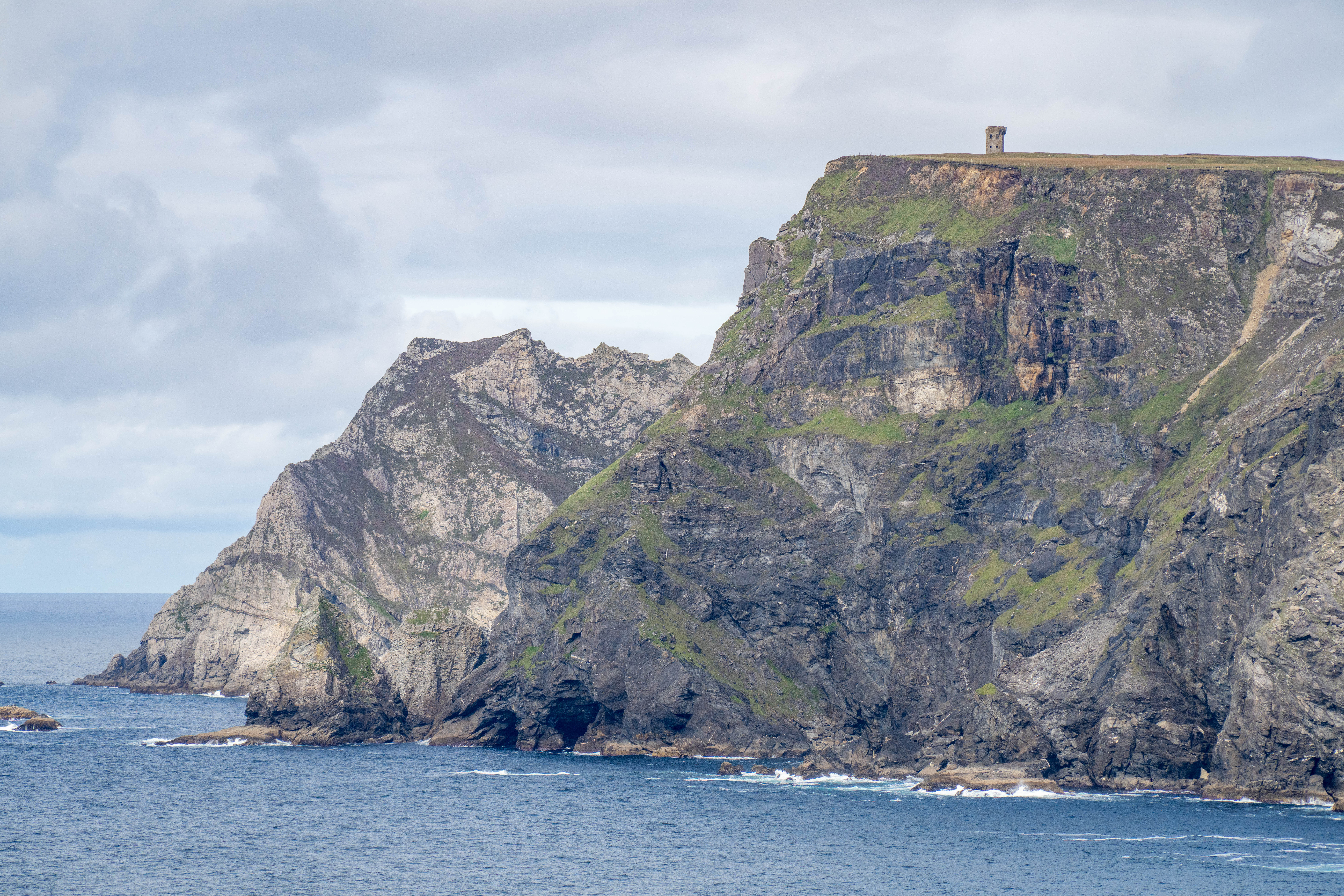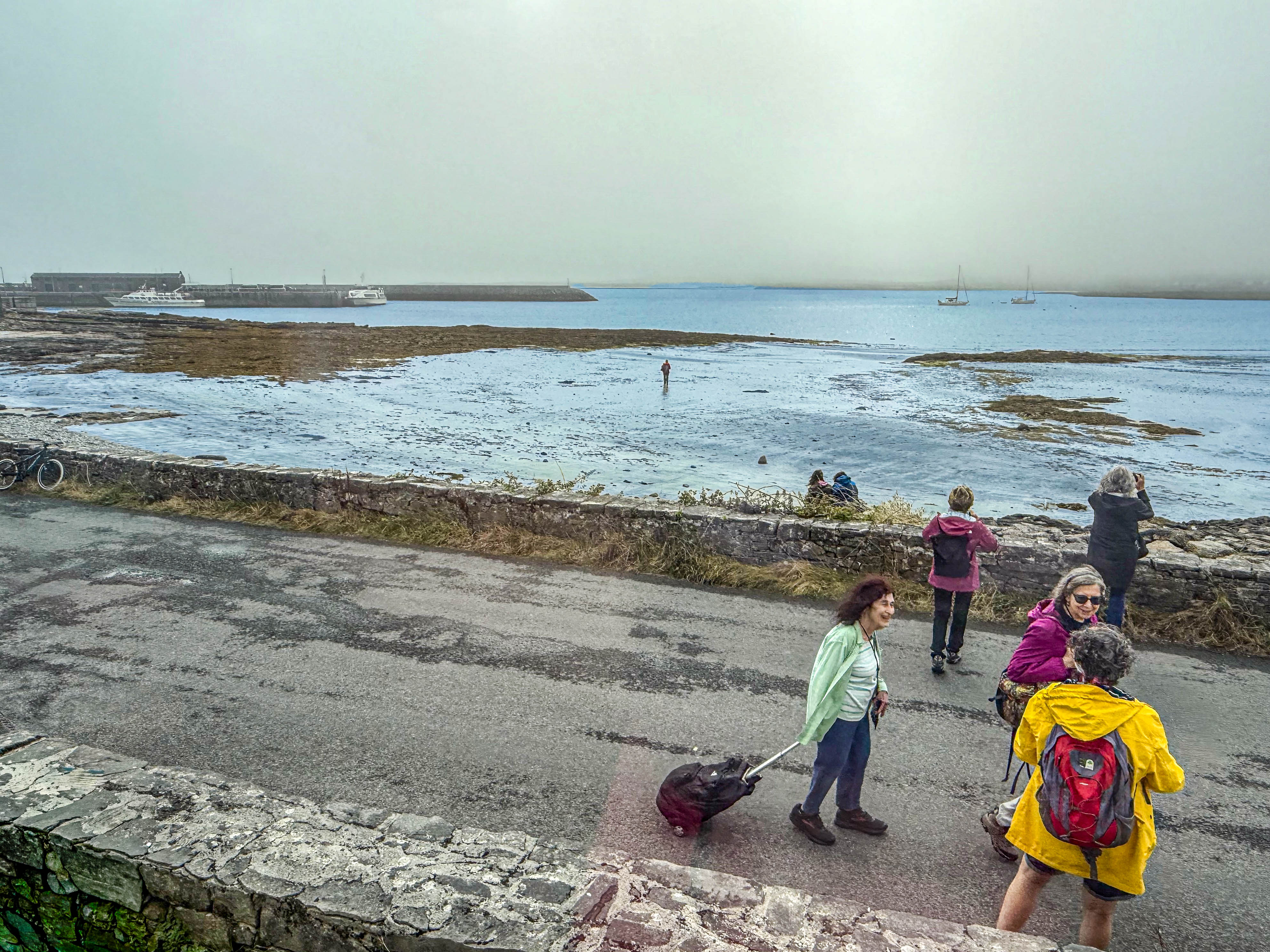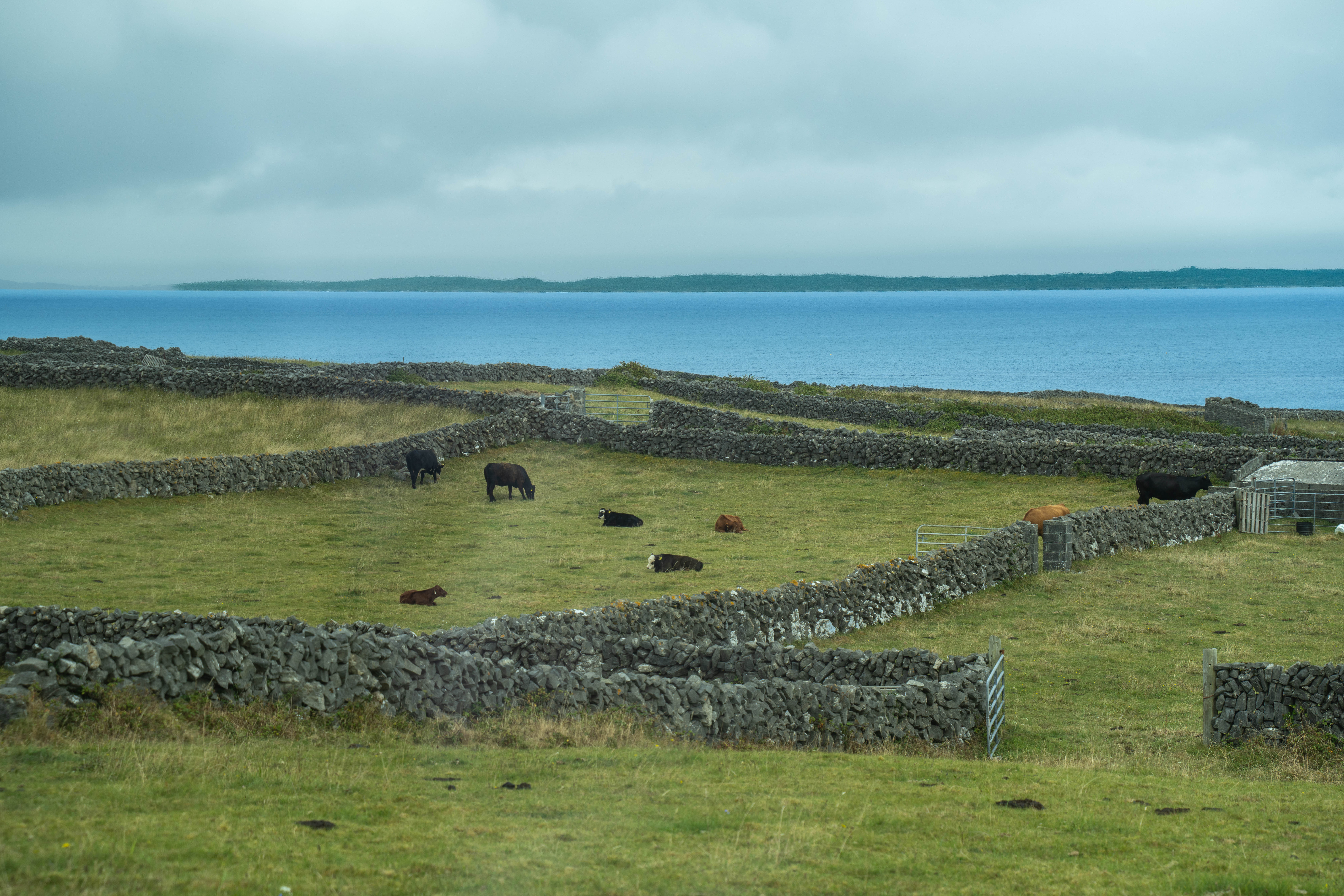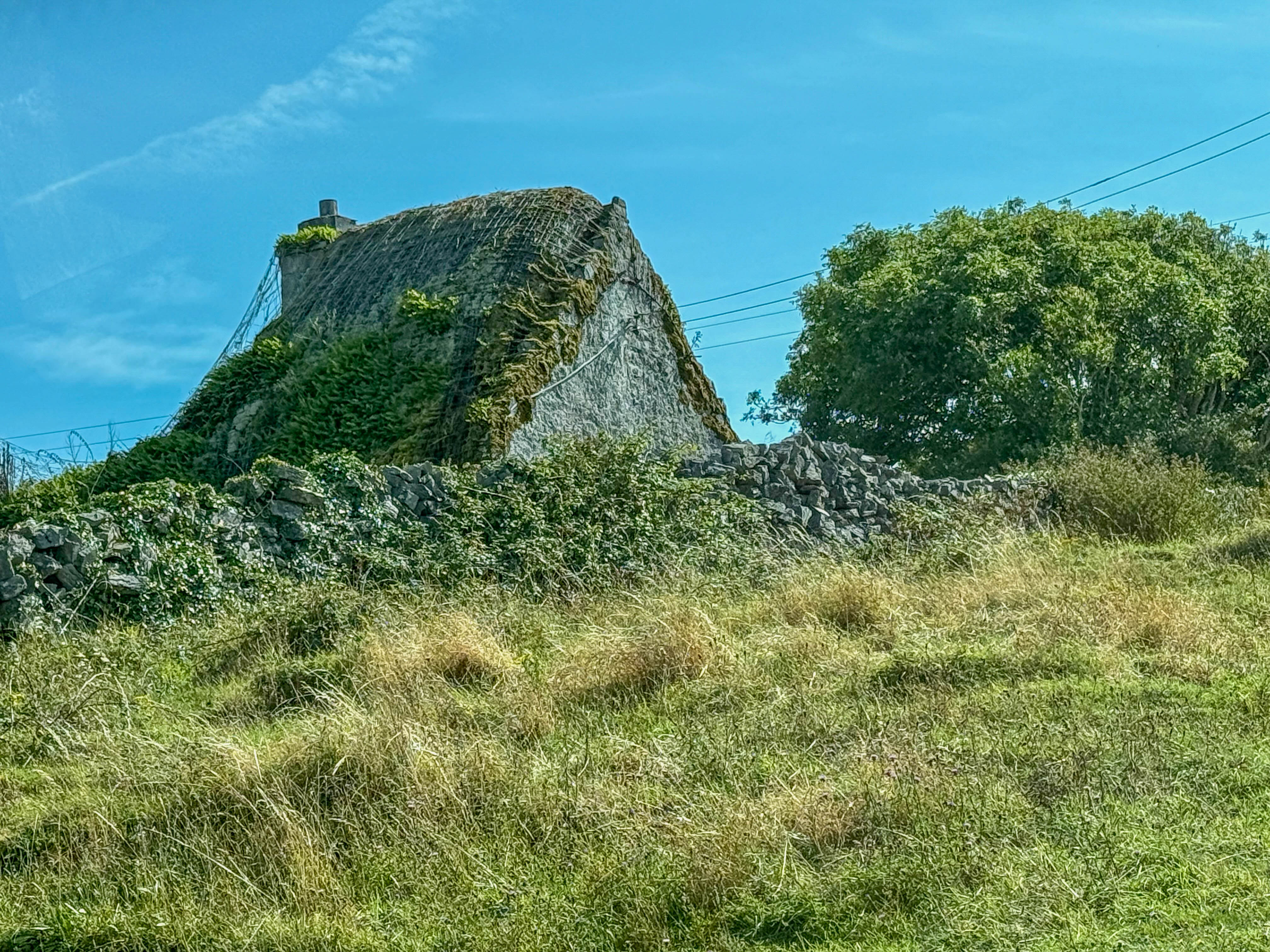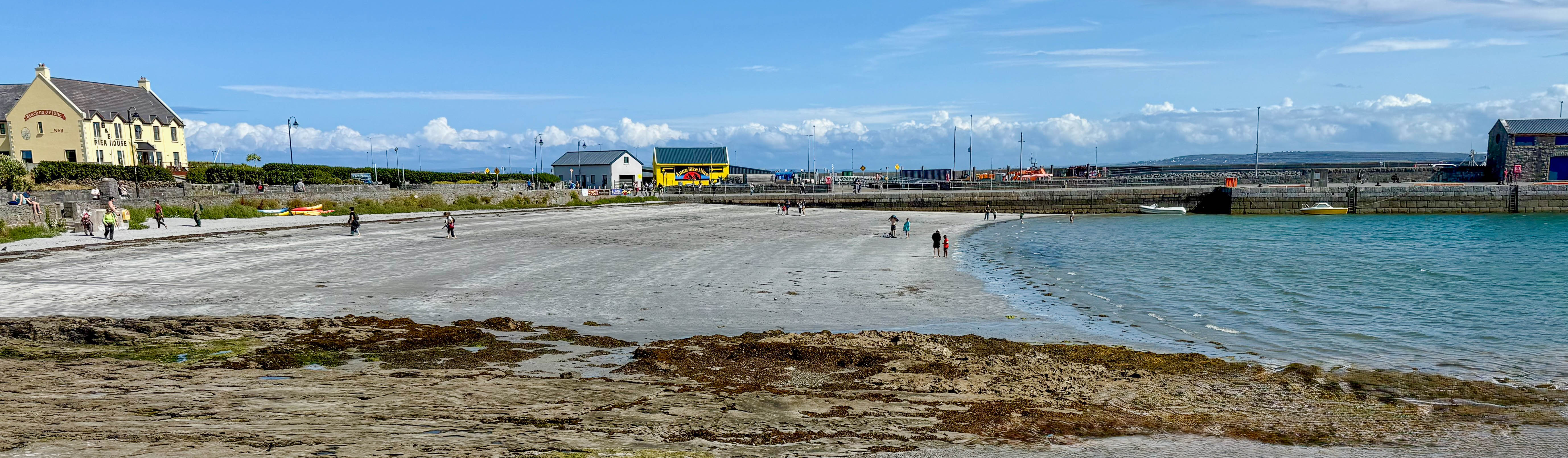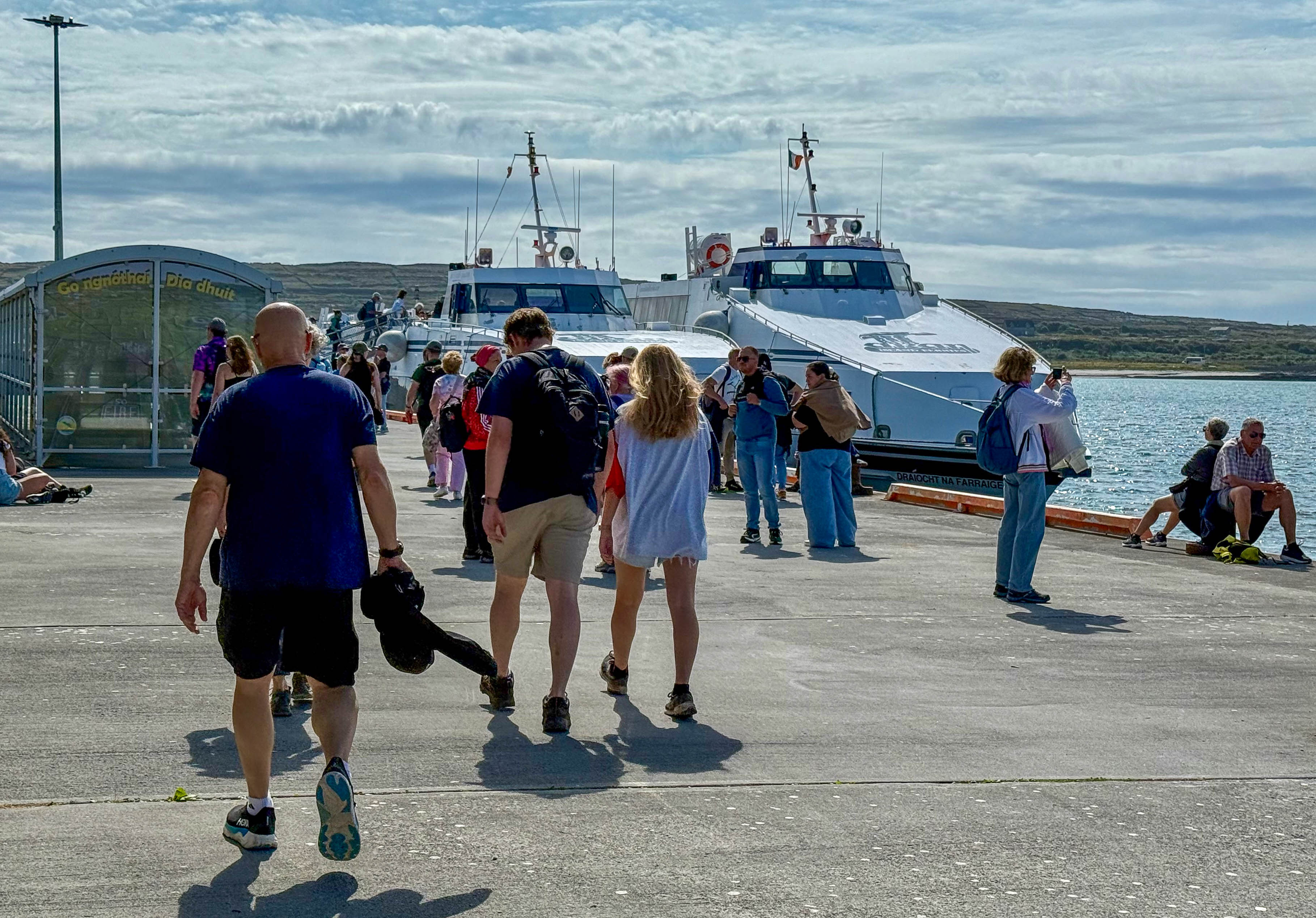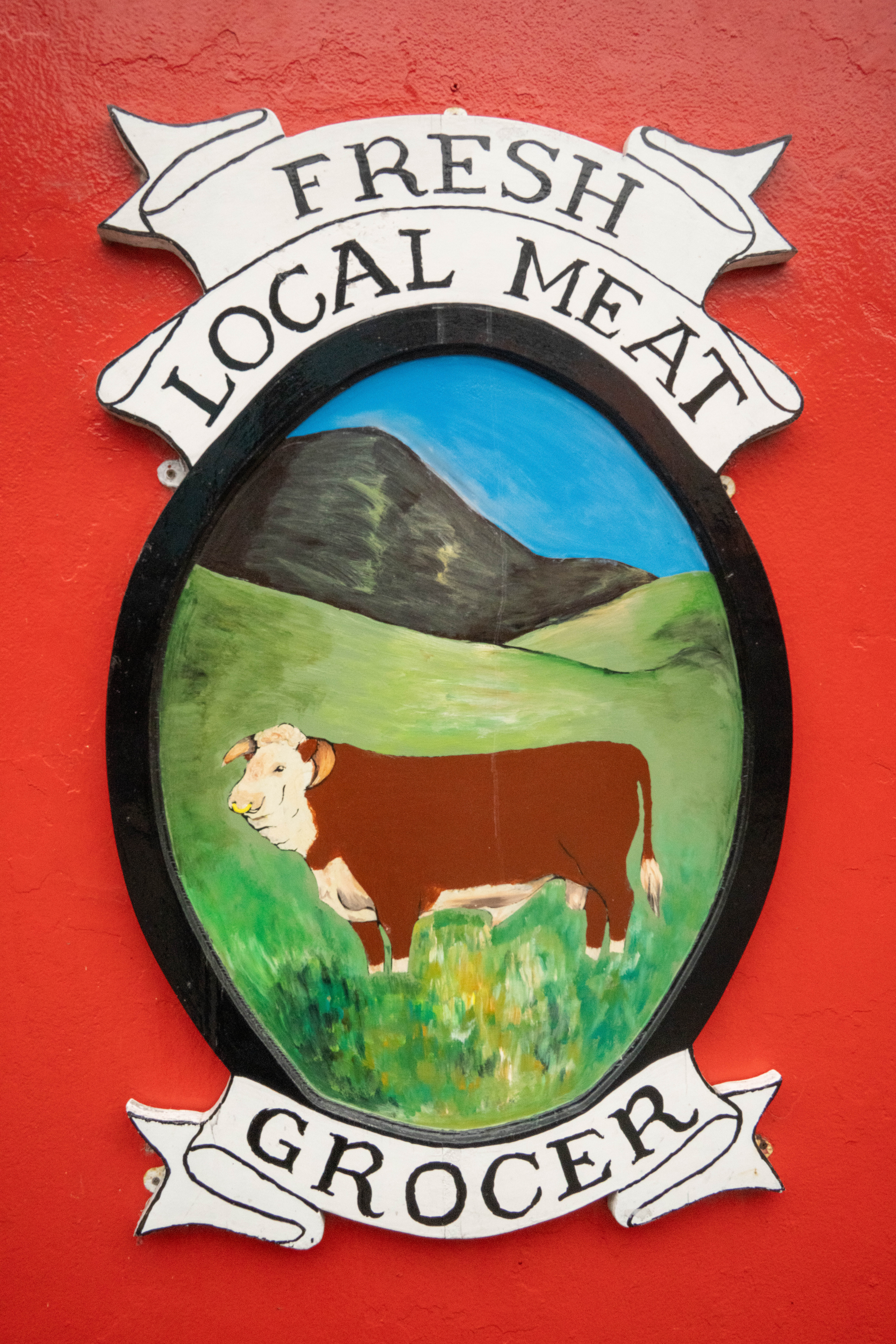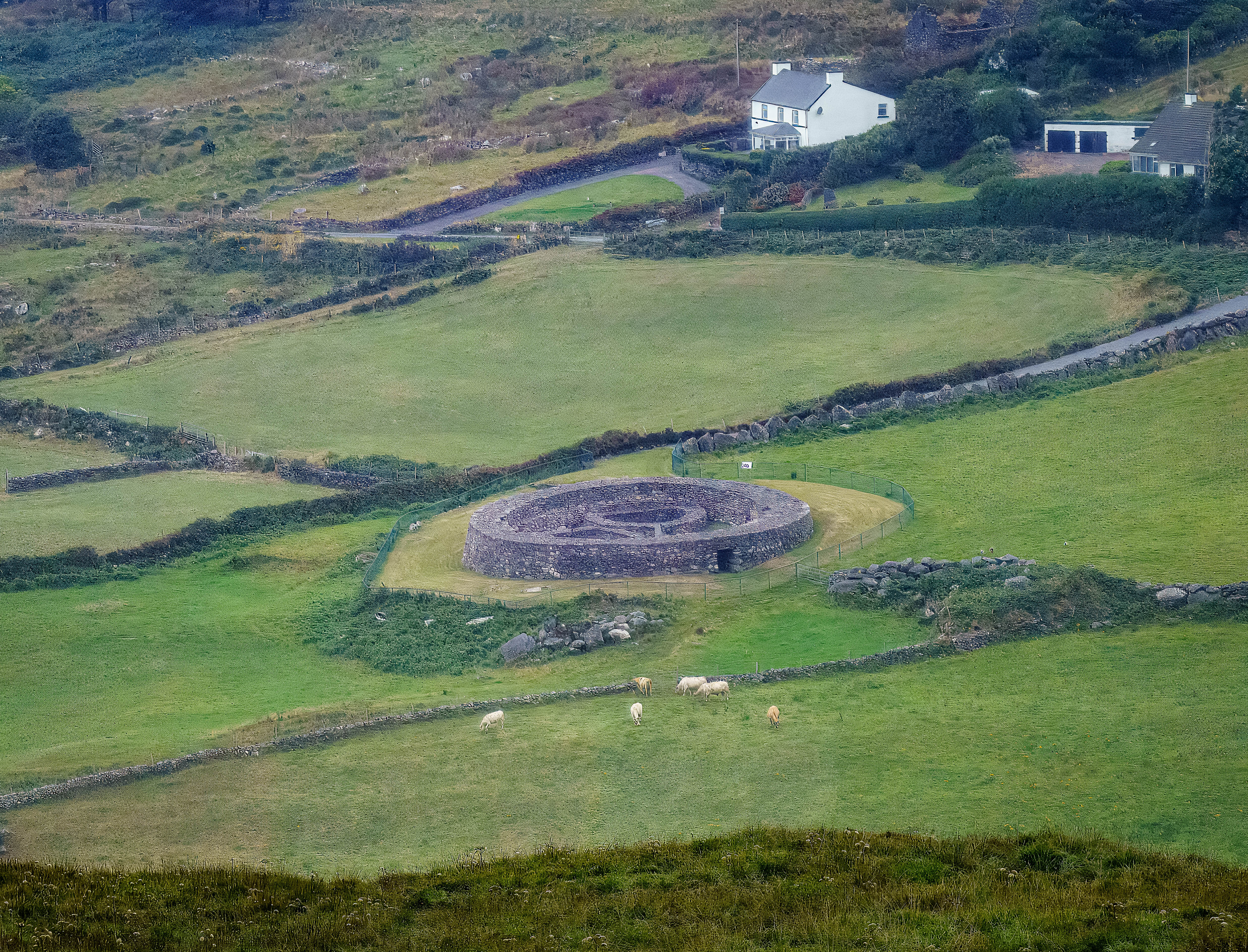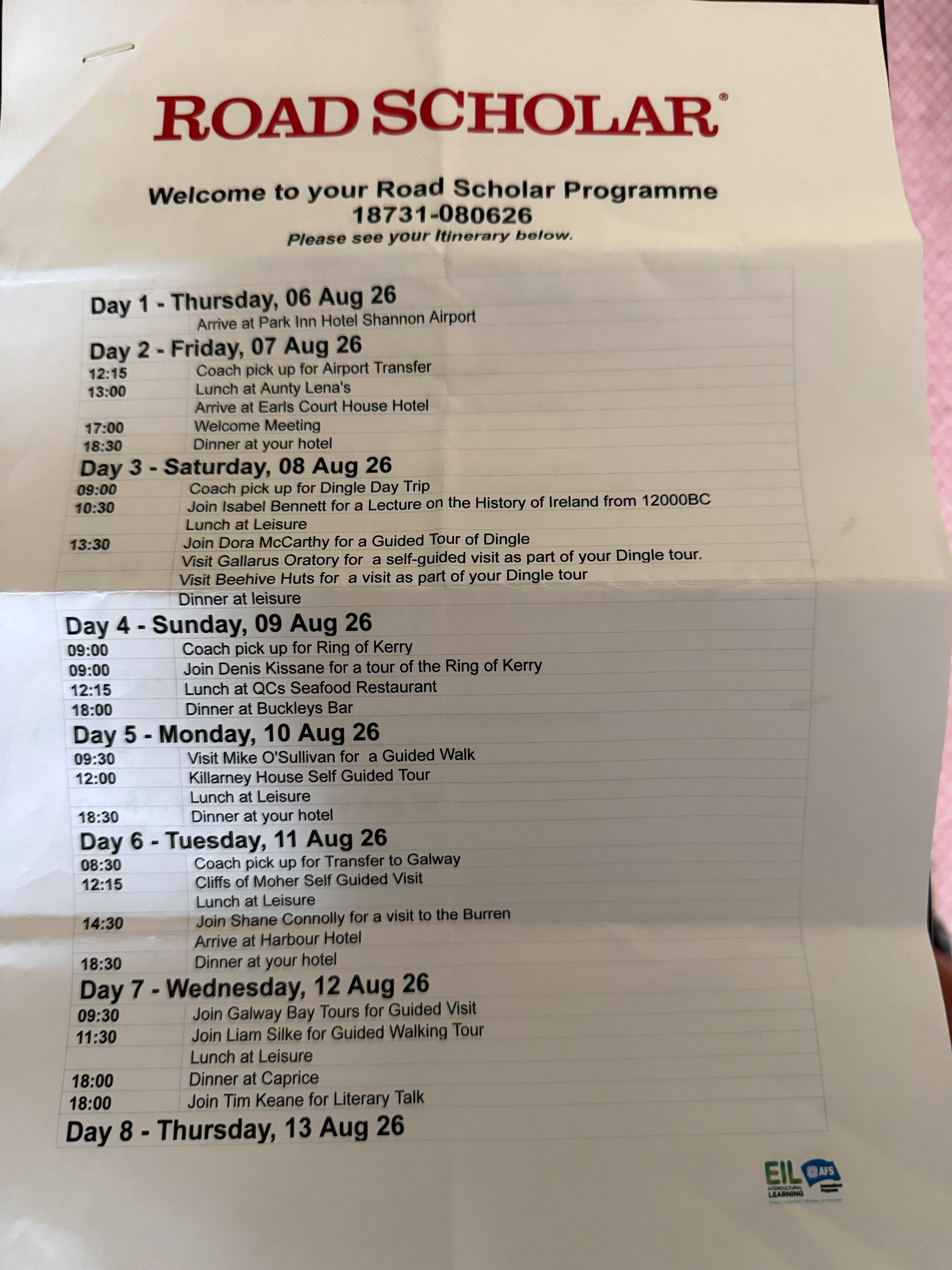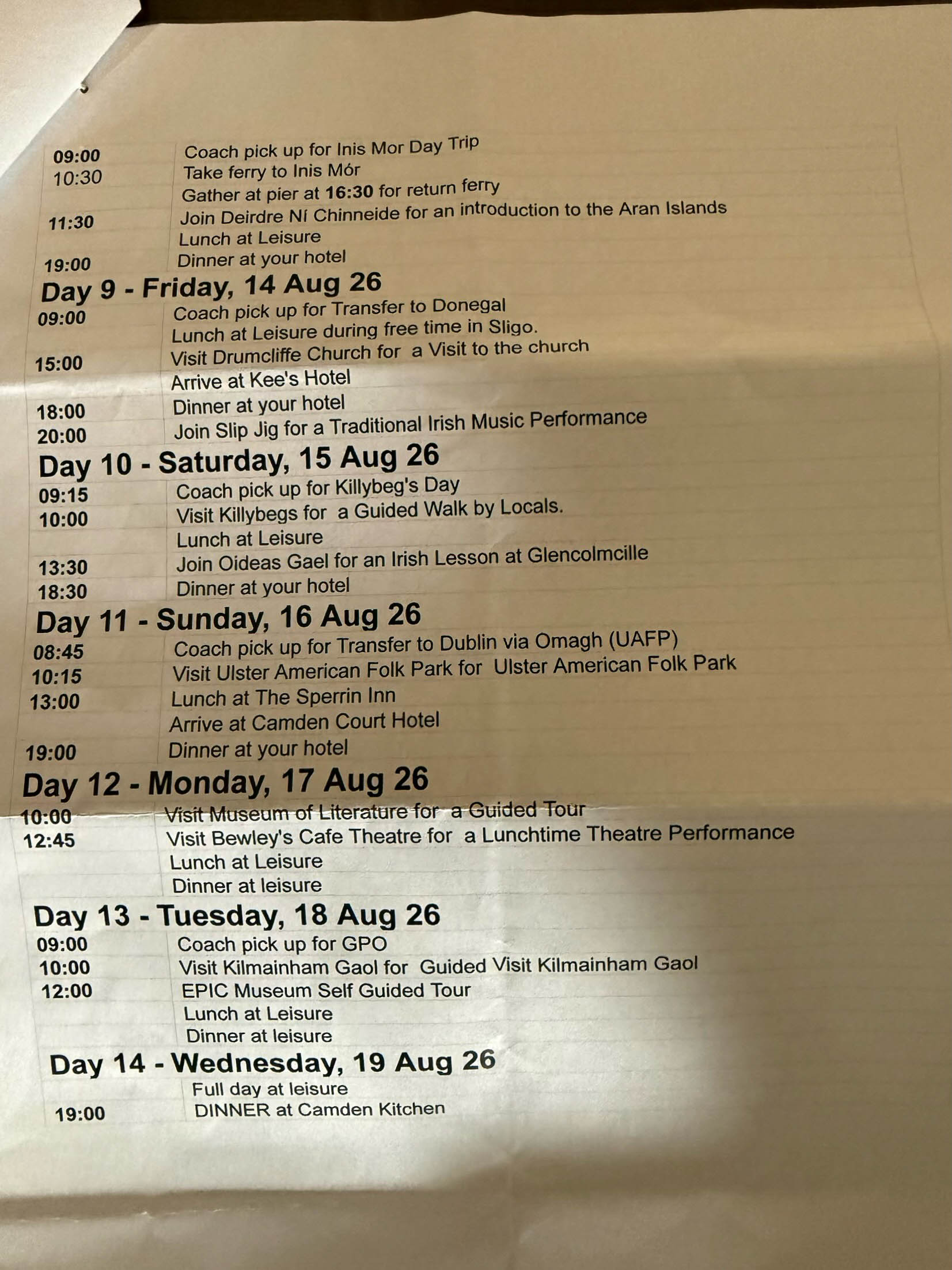
Wednesday, August 12, 2026 (Day 7, Part 2)— Galway City Center and Gaelic Poetry

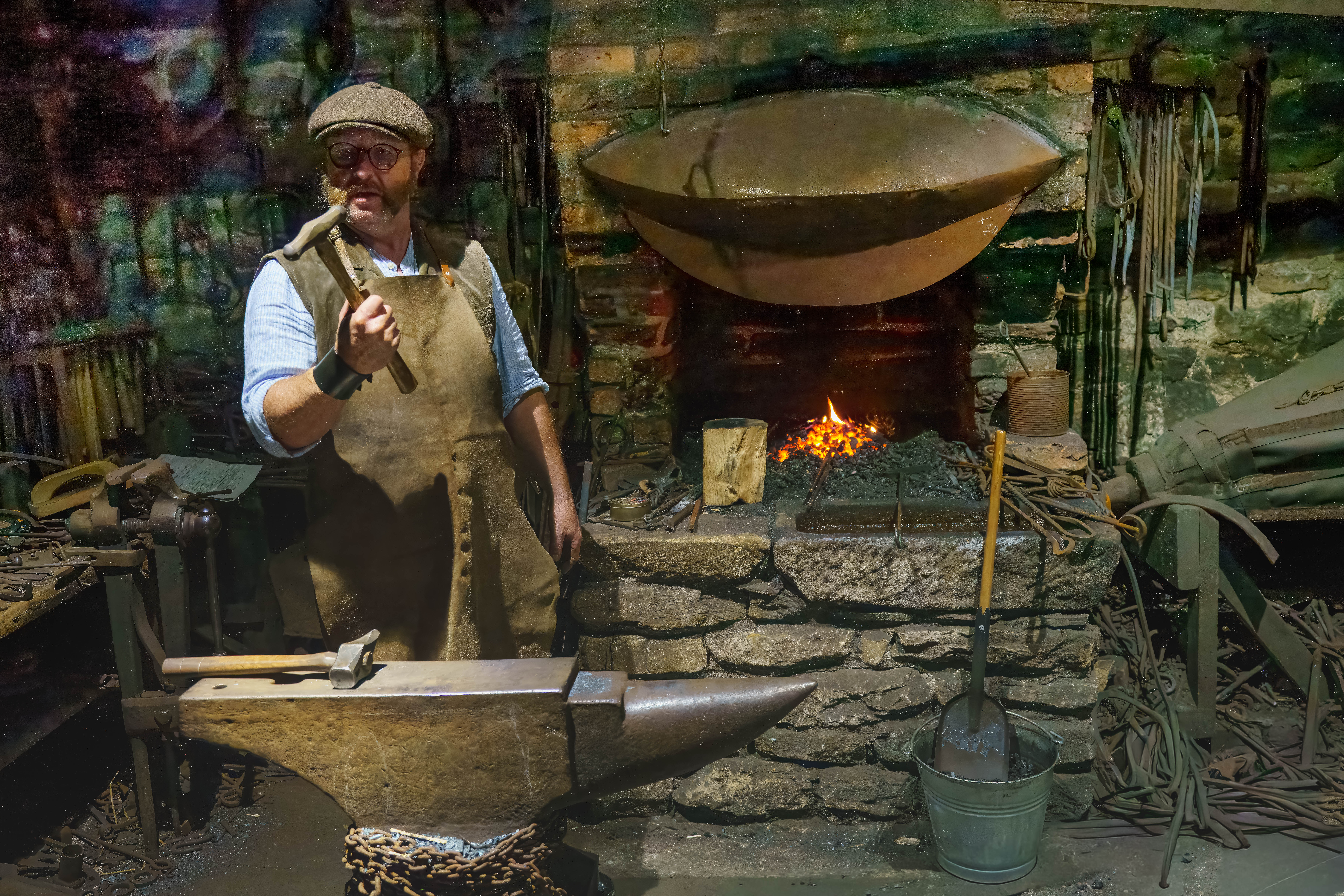
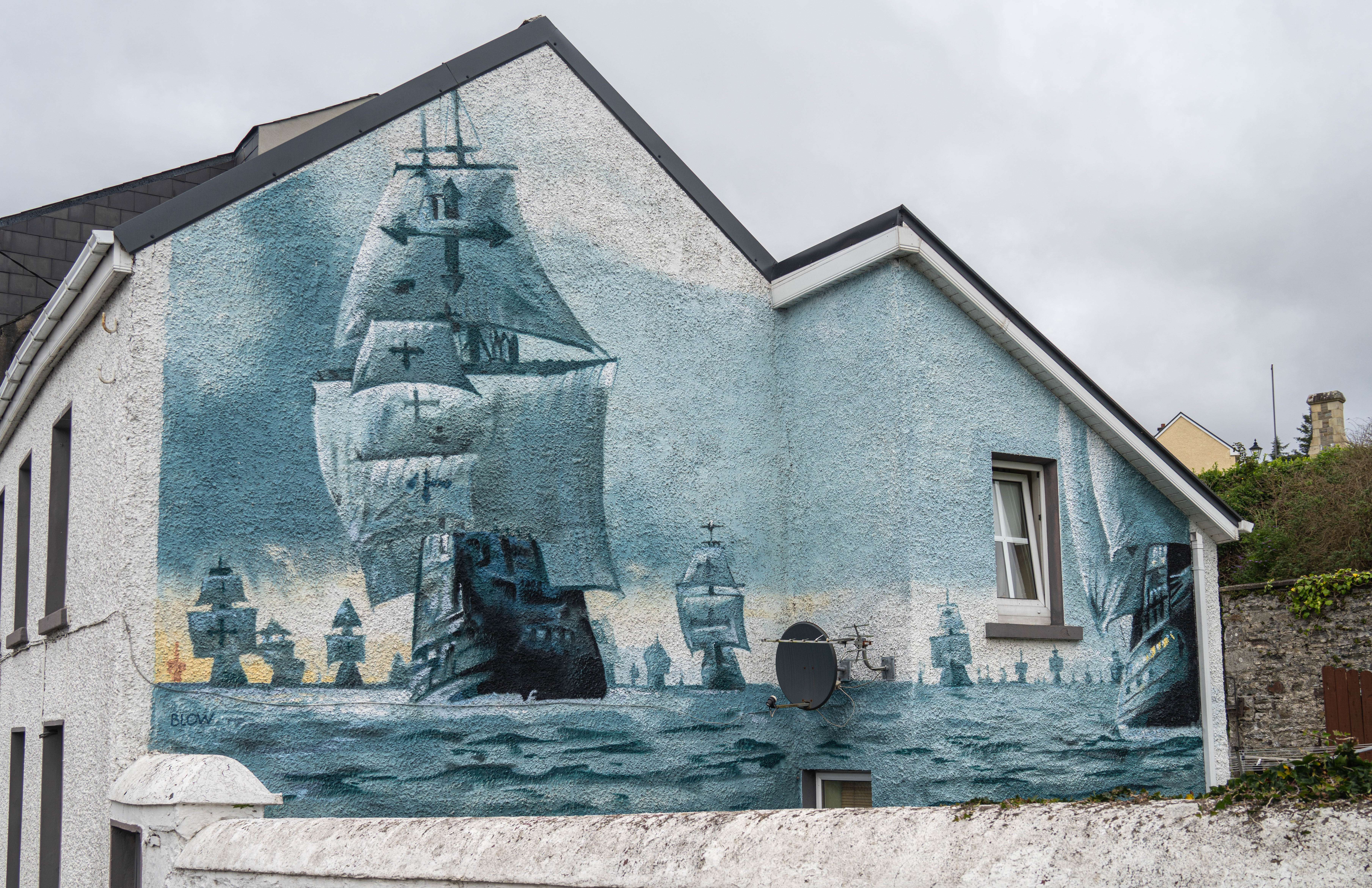
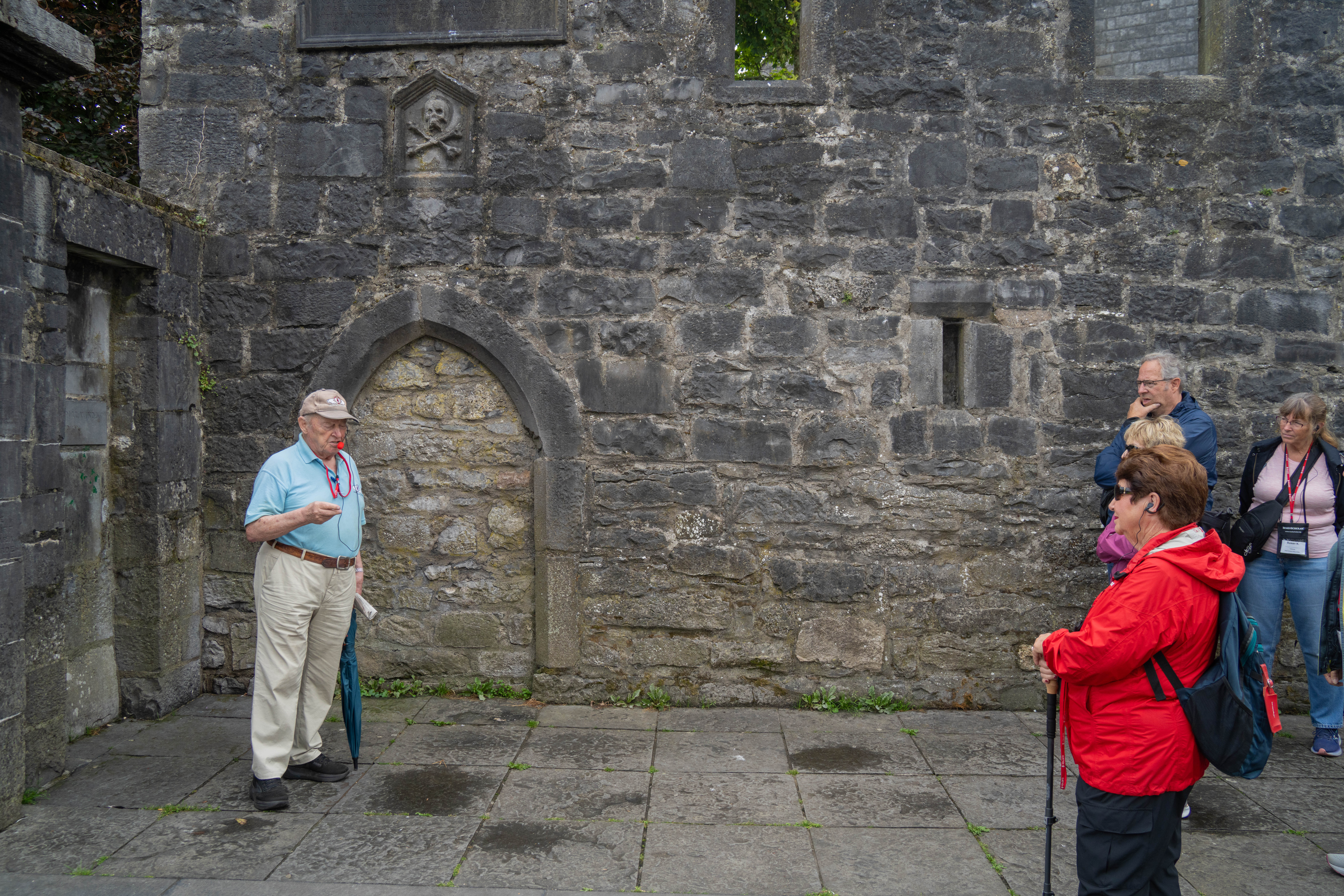
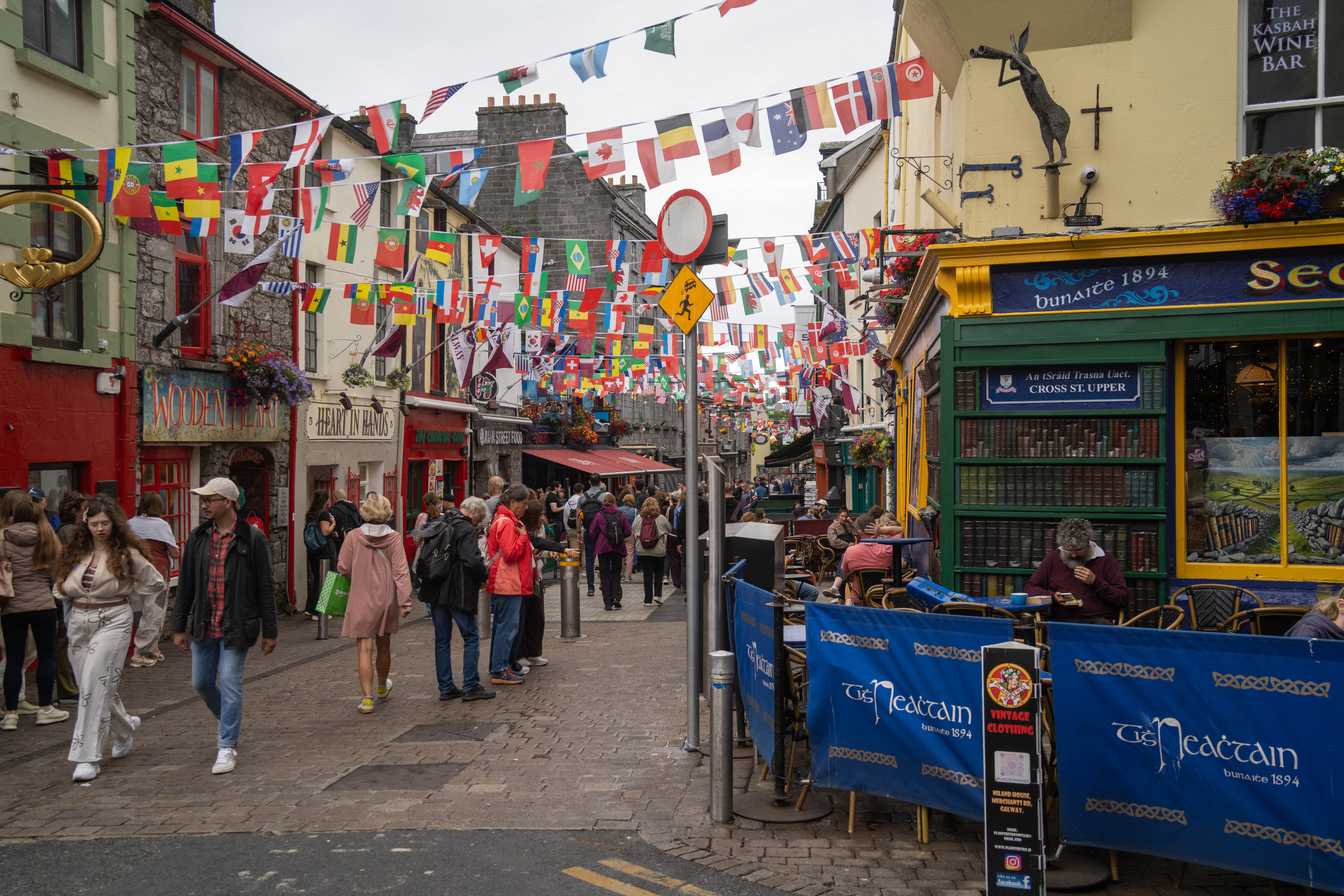
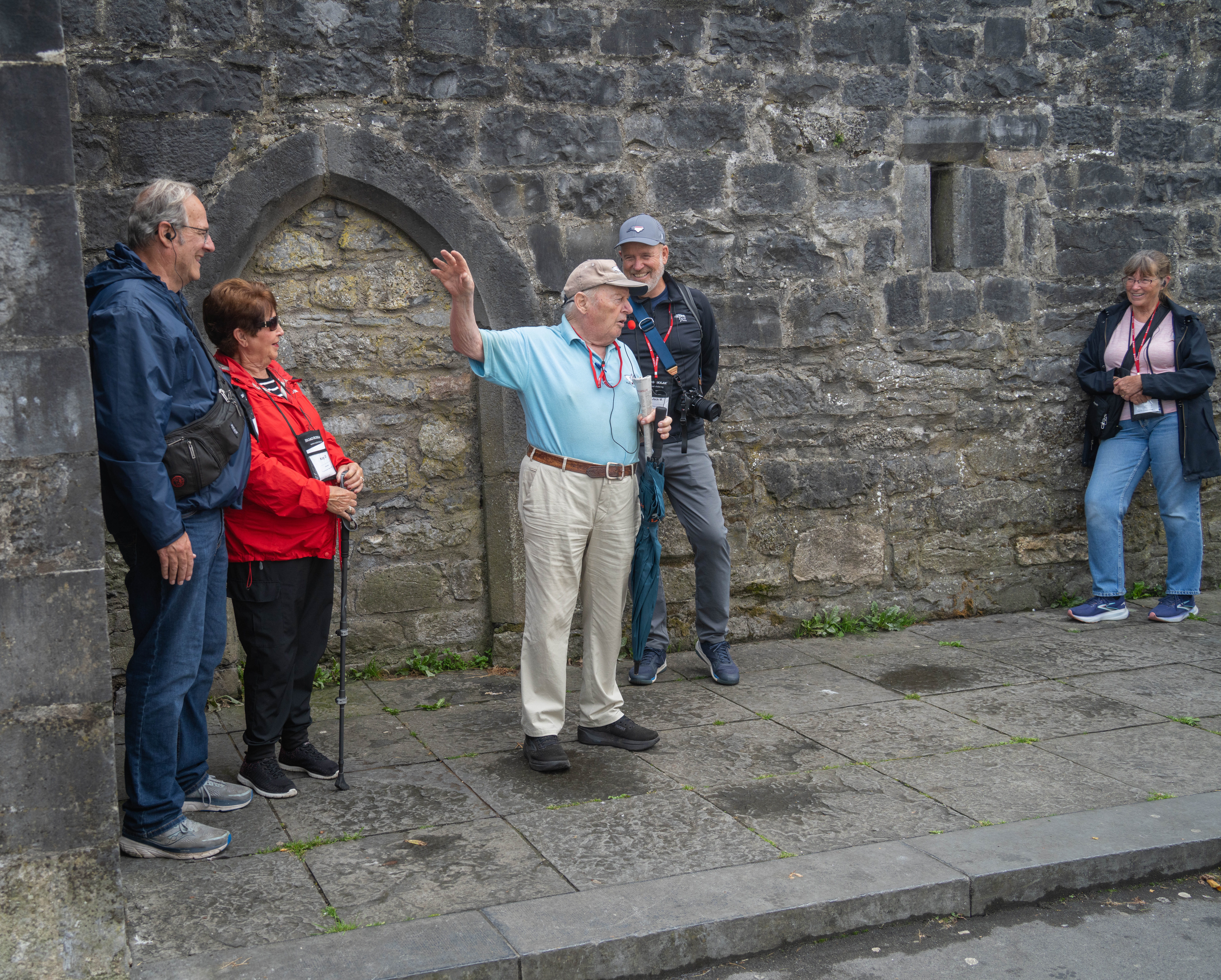
After the heavy meal of seafood chowder at The Kings Head Pub, we met the rest of the group for a tour of the Old City of Galway. This tour covered over 800 years of medieval history, starting from the central Eyre Square and winding through narrow lanes down to the waterfront Spanish Arch. Our very knowledge expert local guide led us on pedestrian-only cobblestone streets into the medieval heart of the “City of the Tribes”. This was one of the most educational tours on the trip.

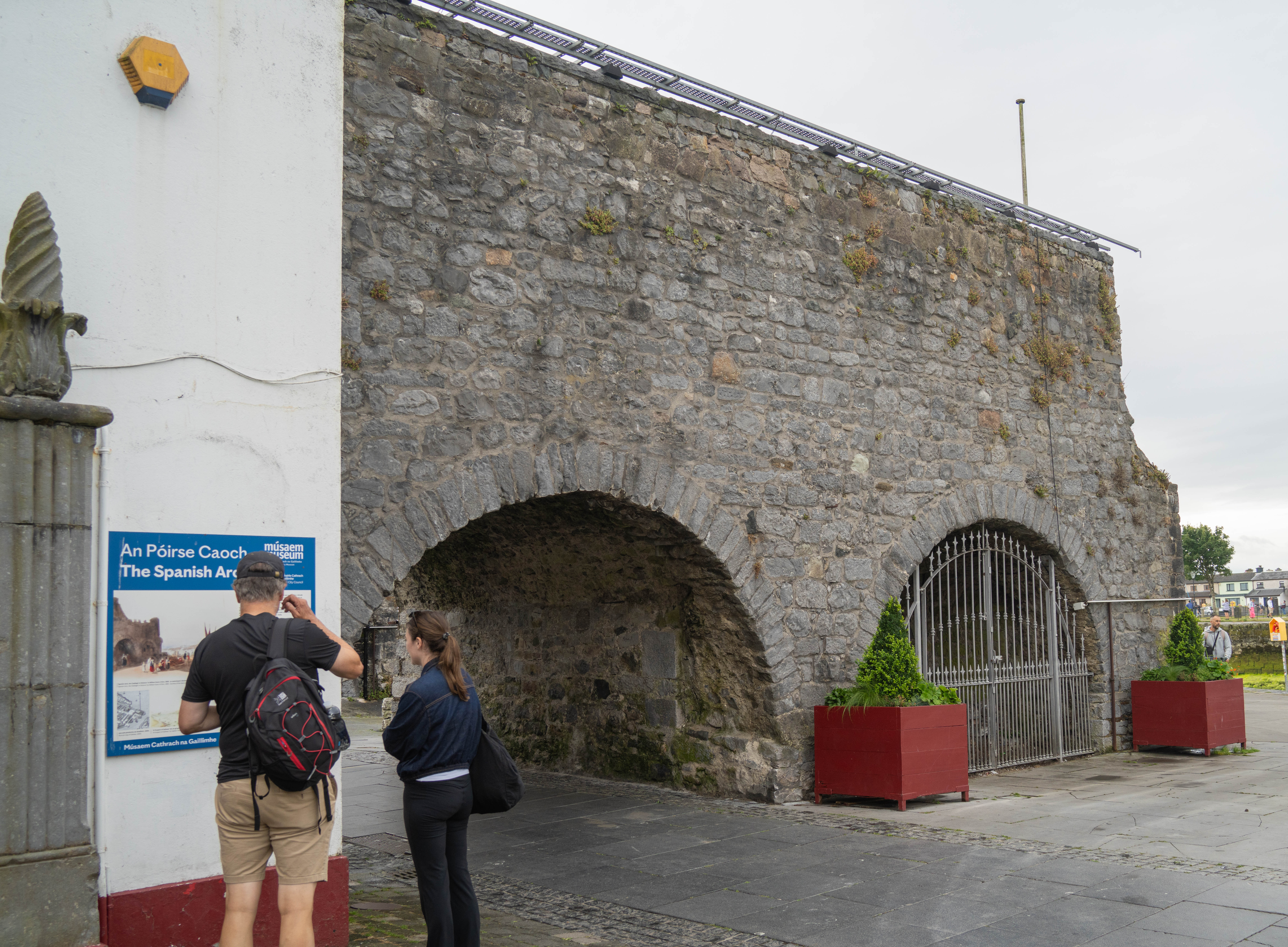
As we begun the Old City tour, we strolled under the Spanish Arch, one of the first notable icons of the Old City. The Spanish Arch is a 16th century fortification—city wall—standing at the edge of the River Corrib where ocean-going merchant ships used to unload wine and spices.

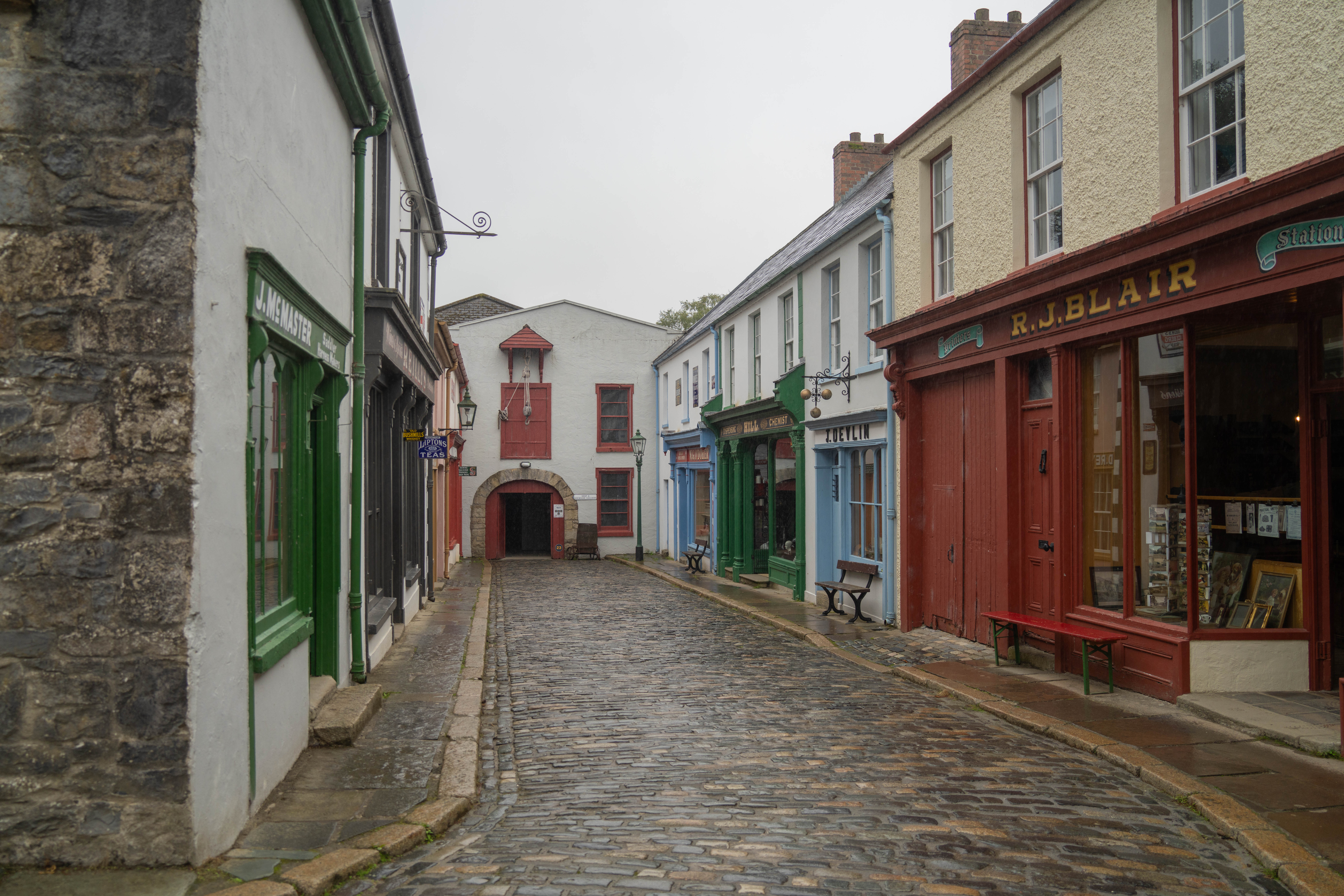
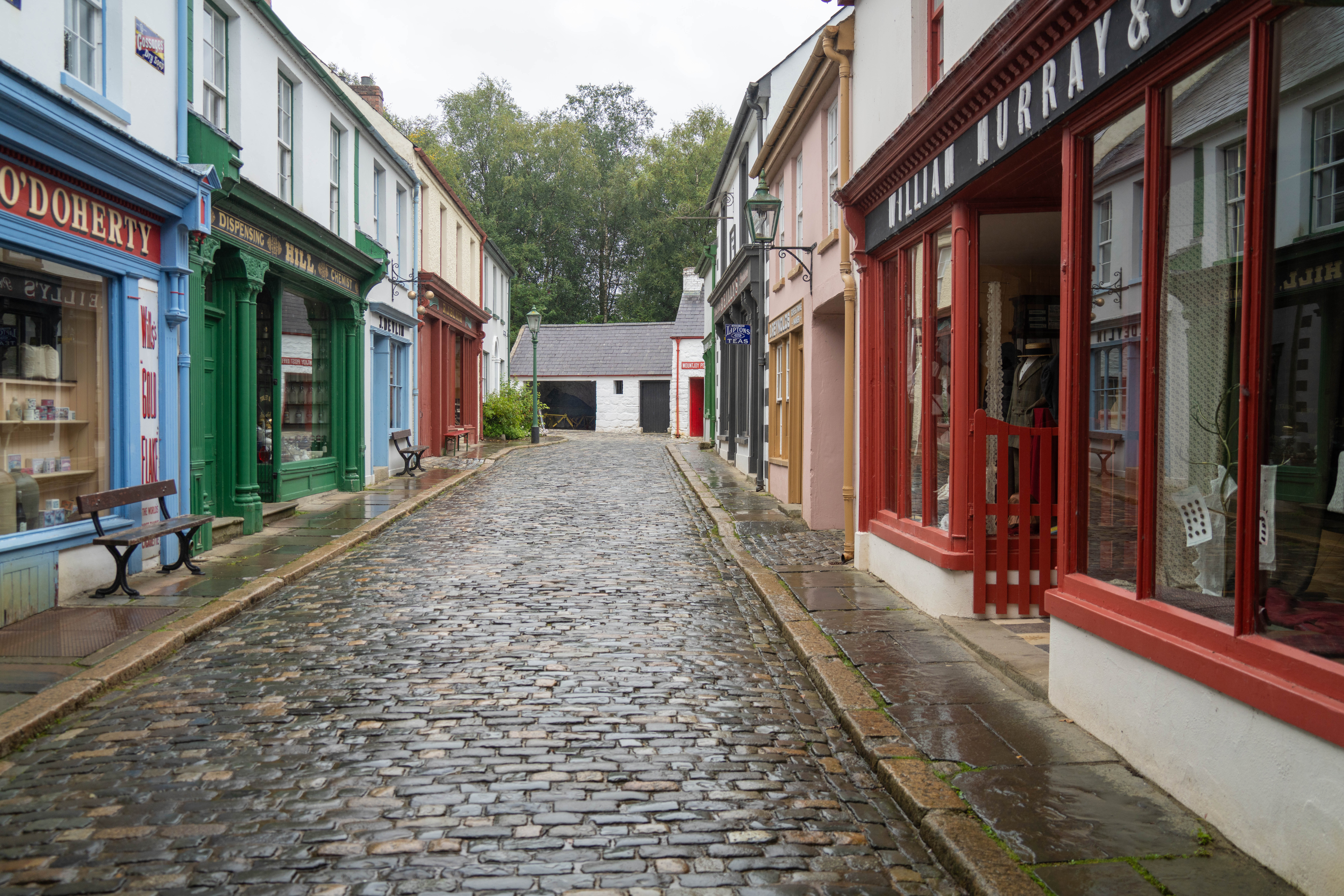
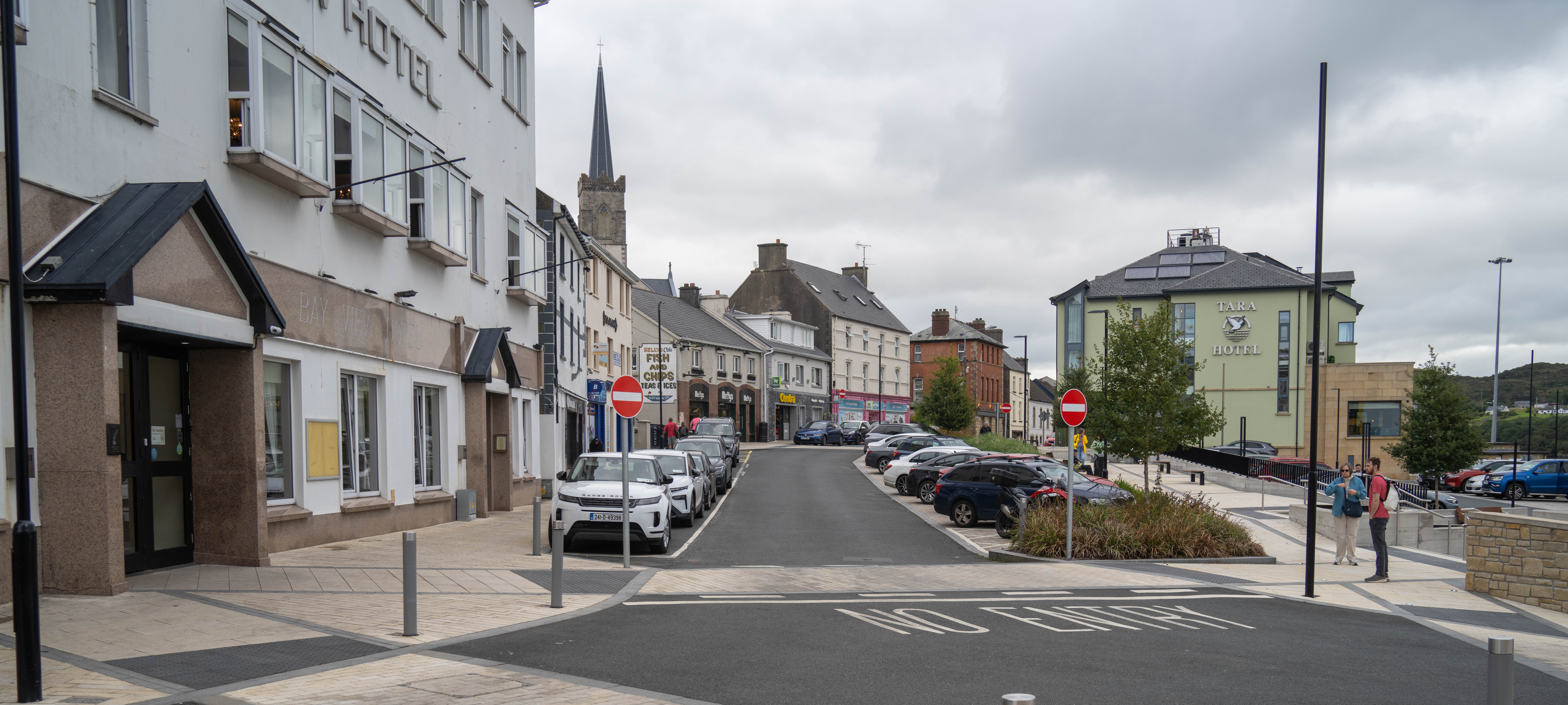
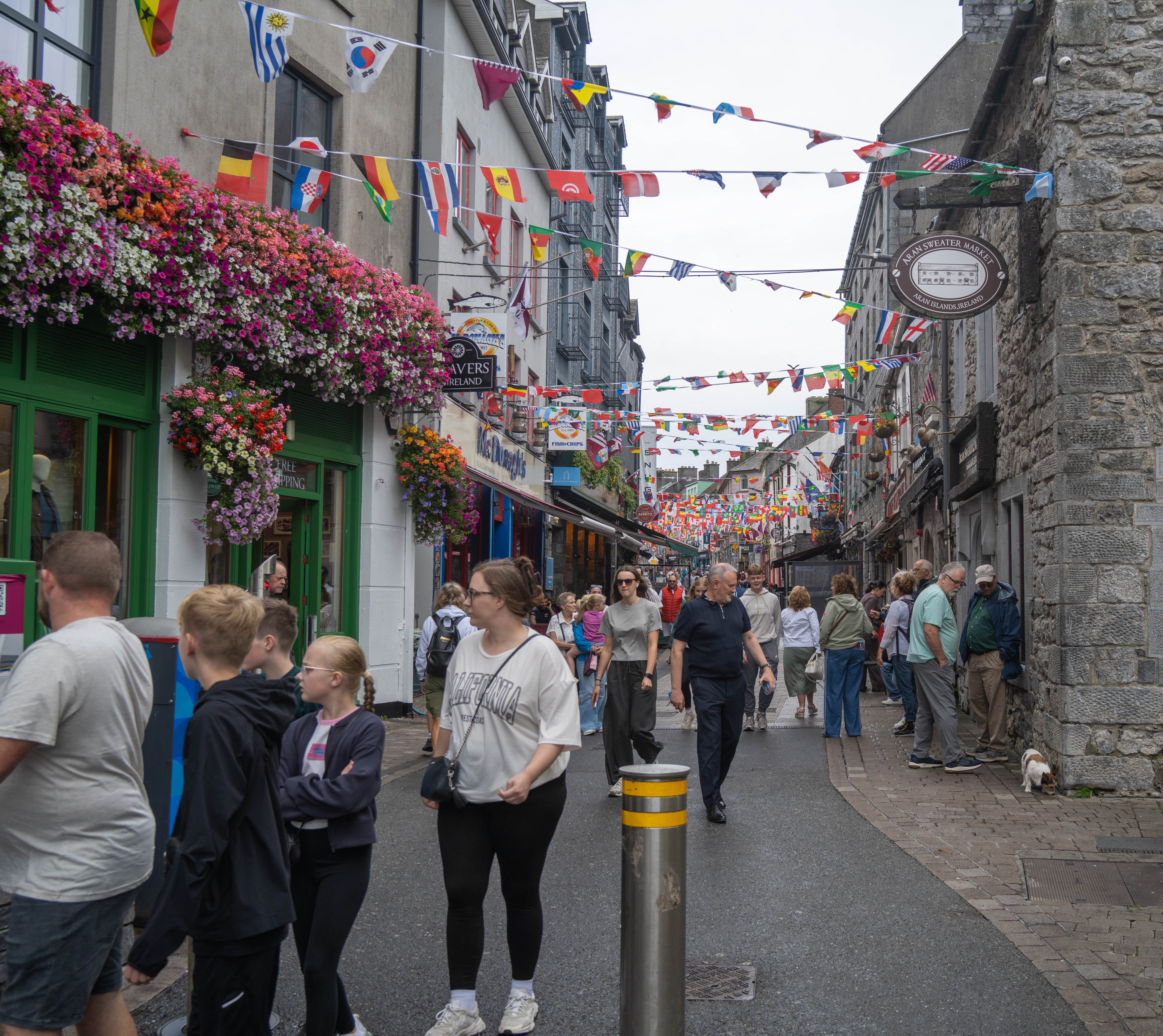
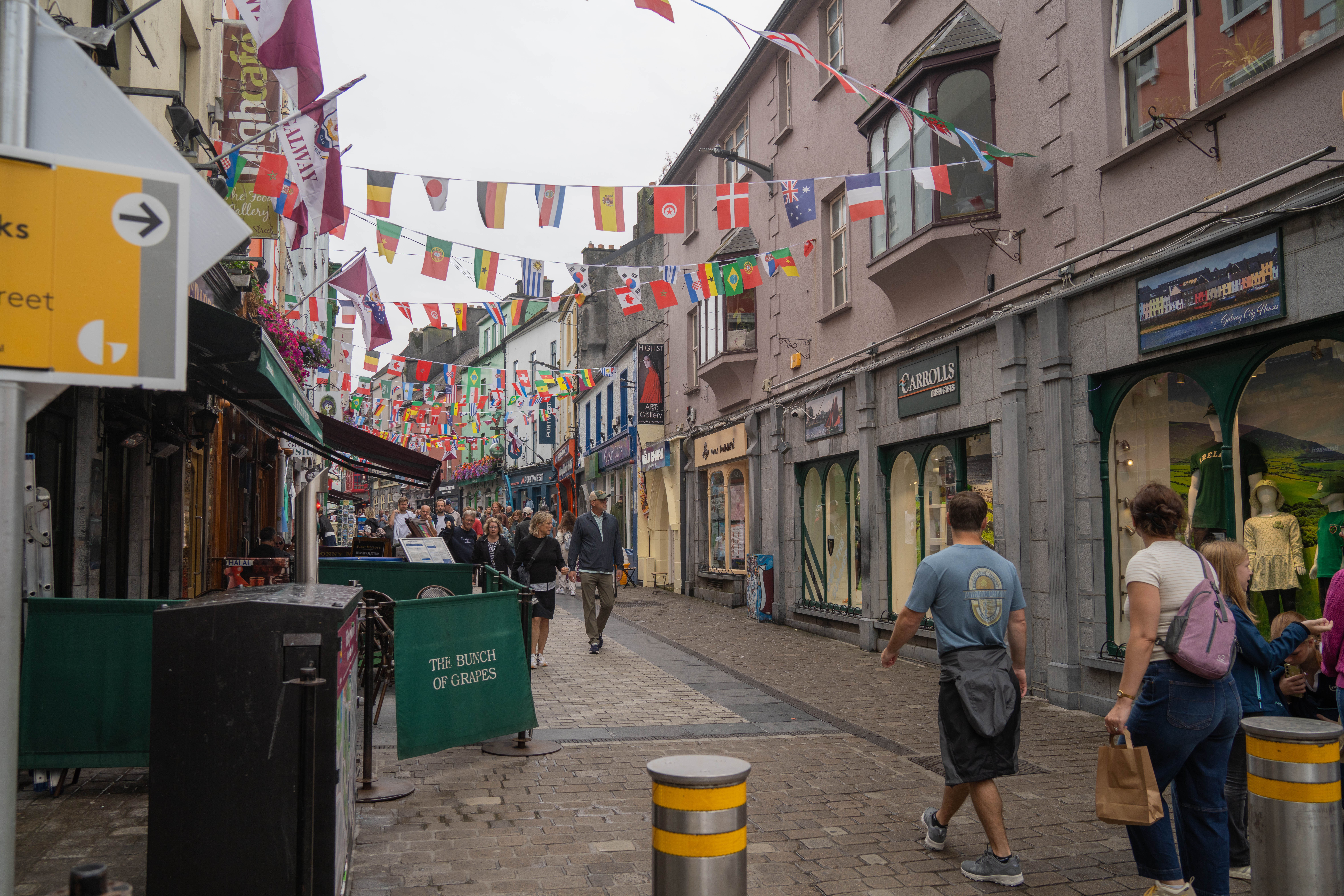
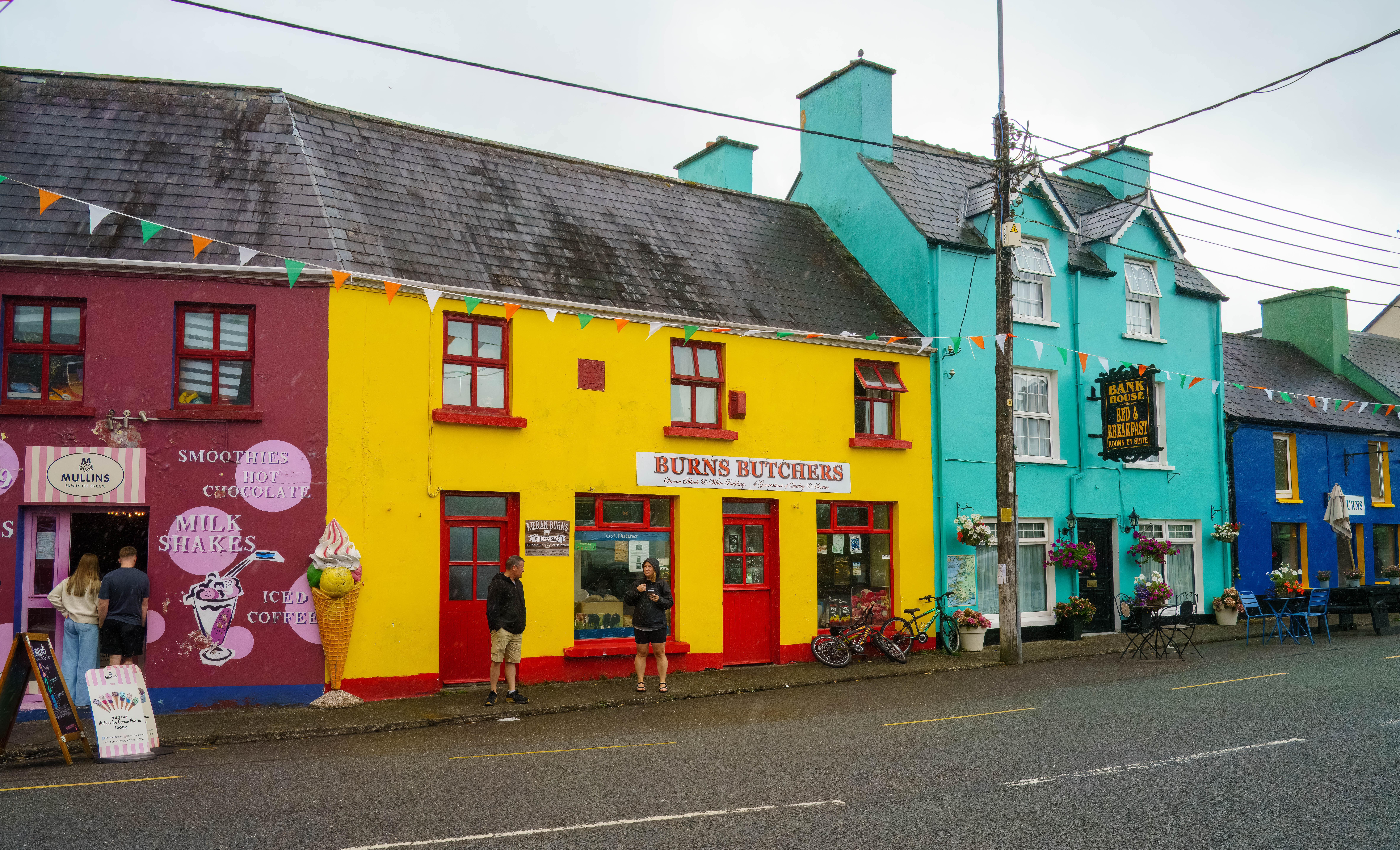
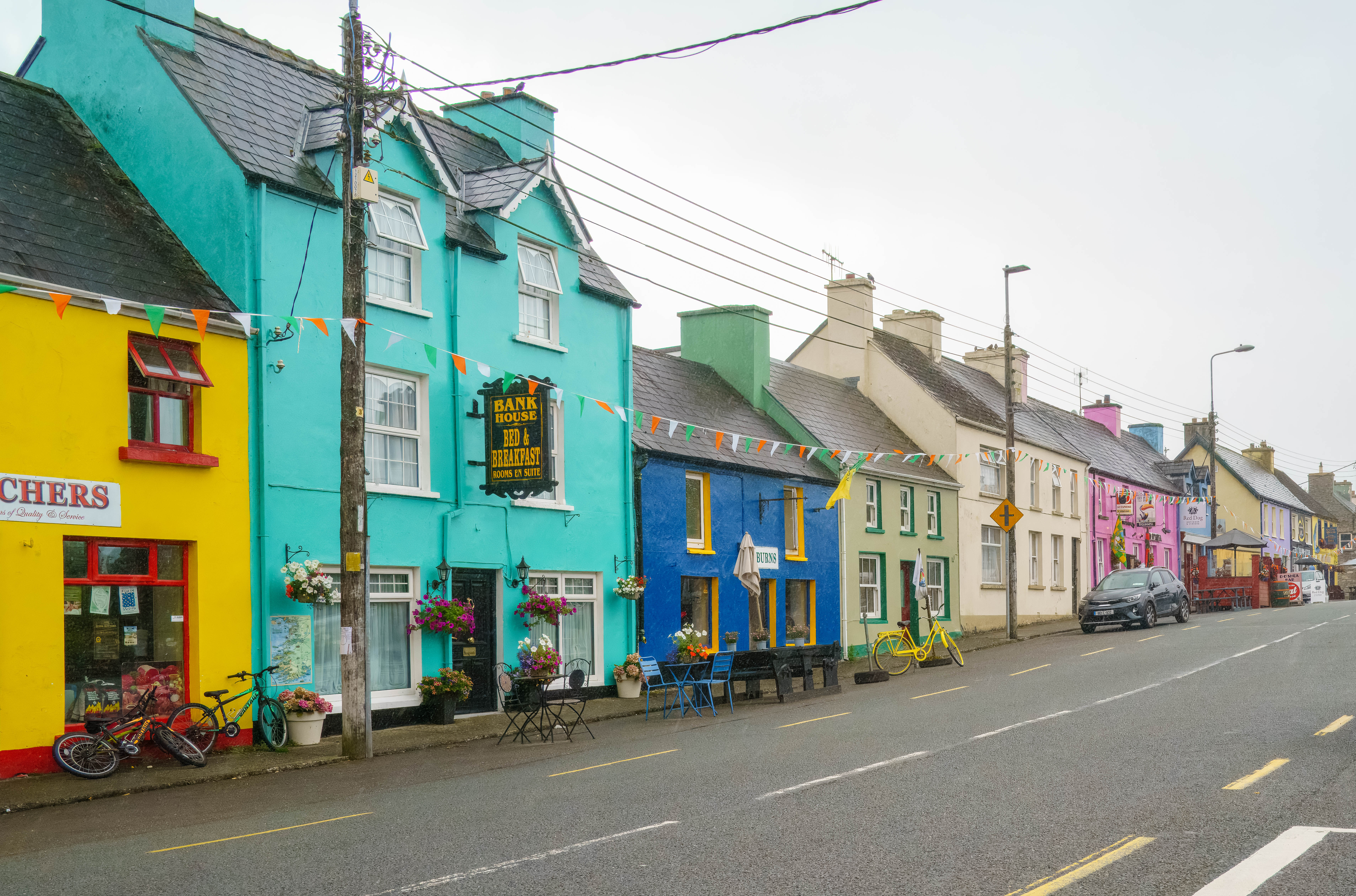
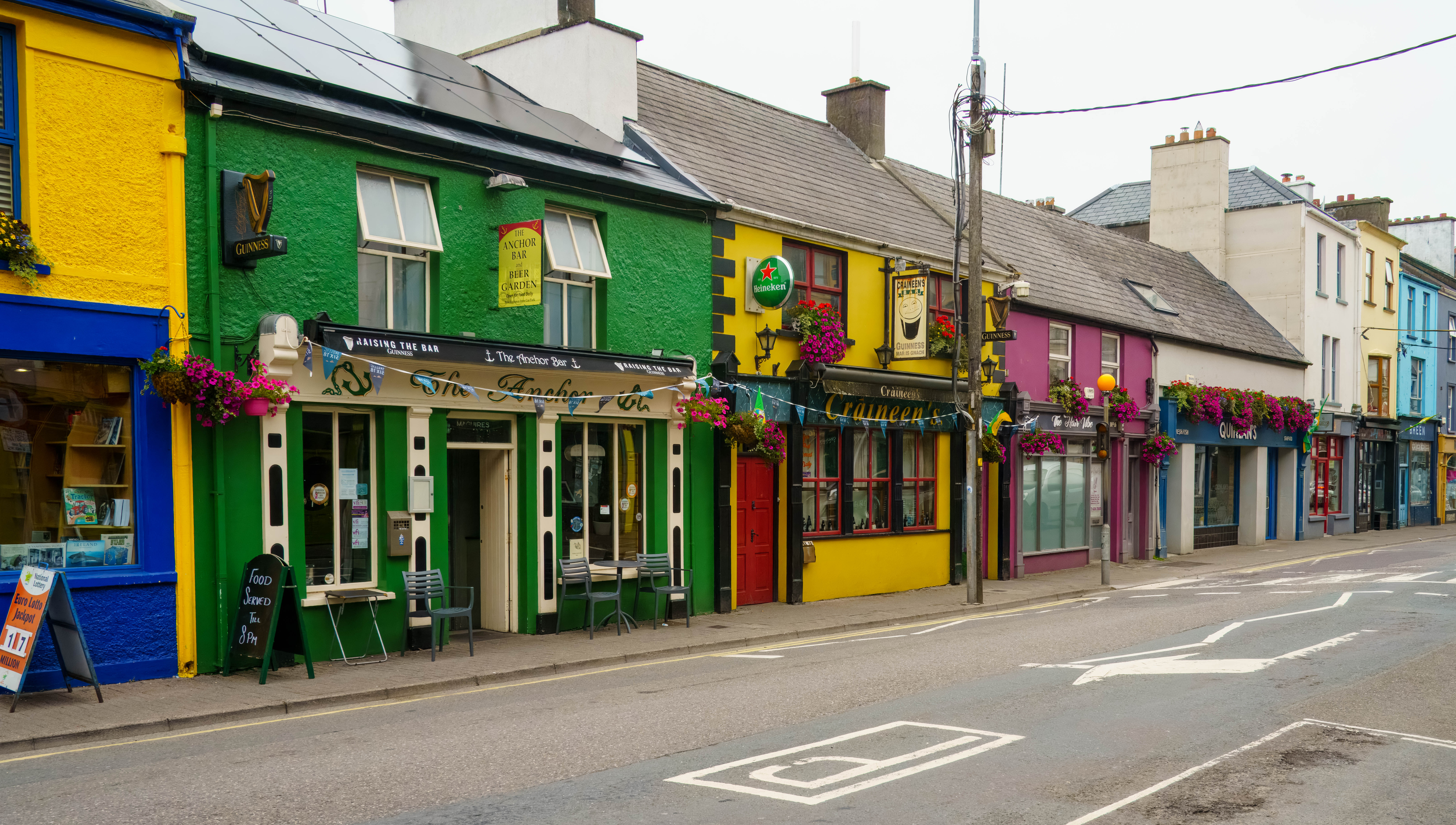
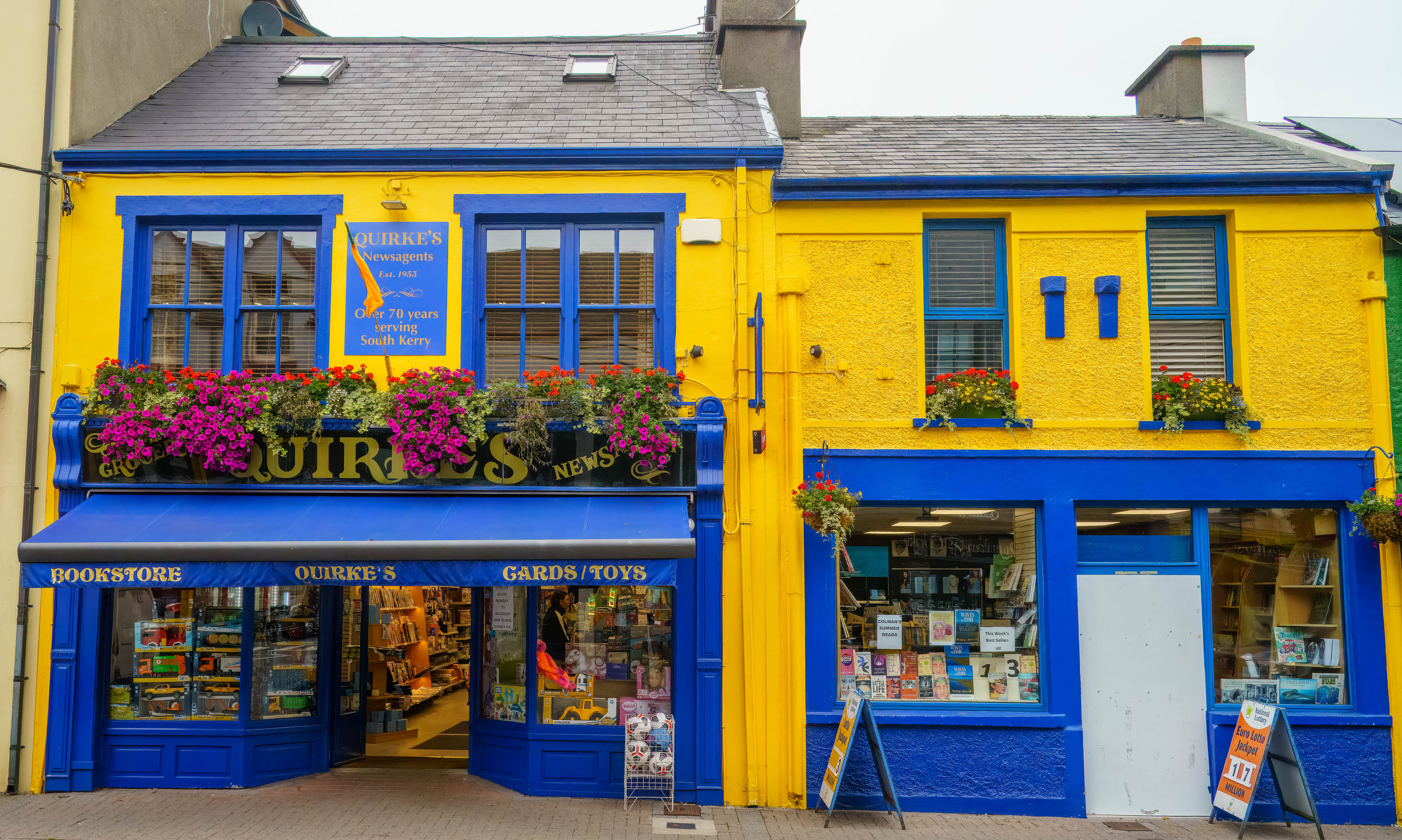
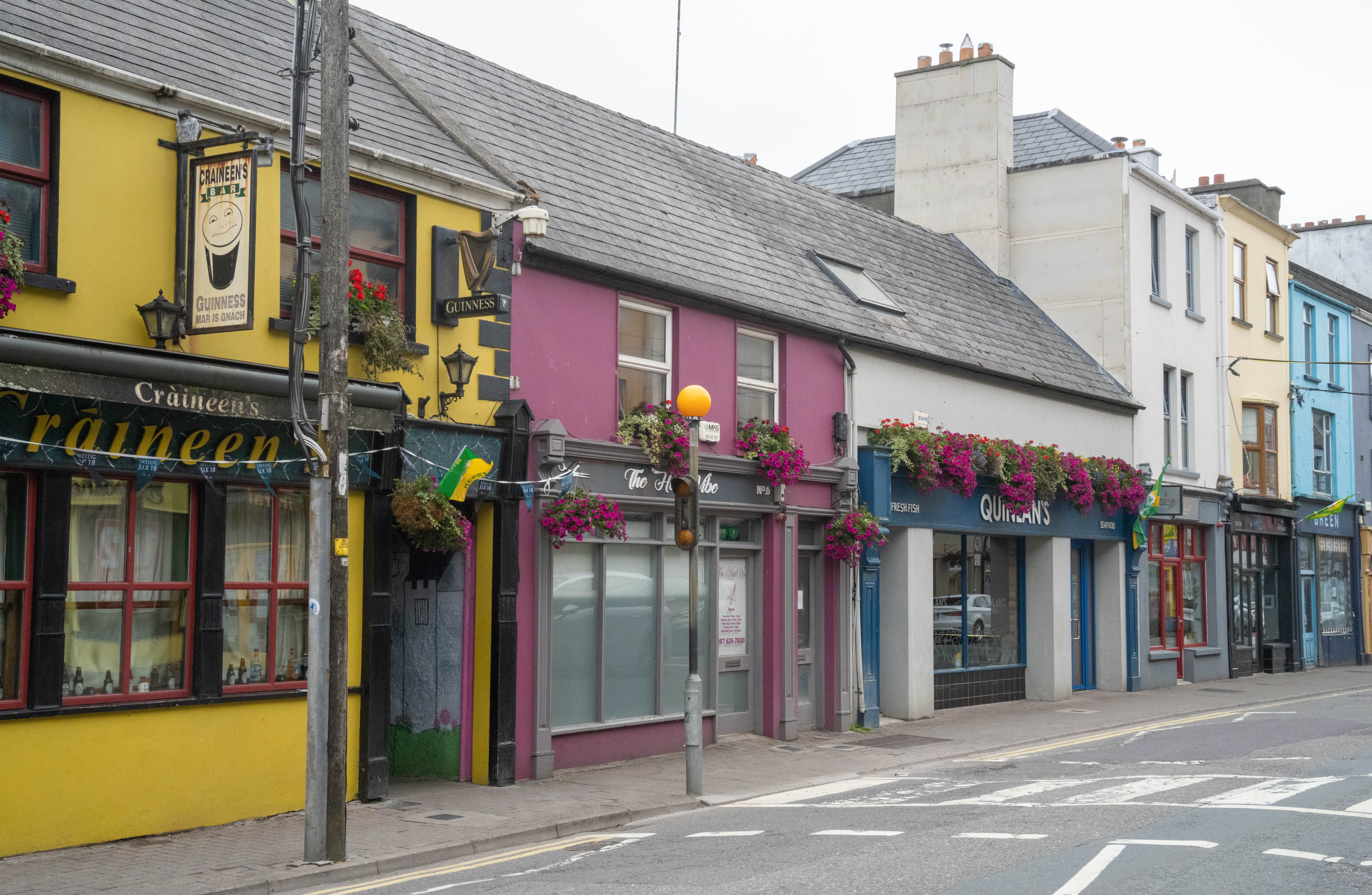
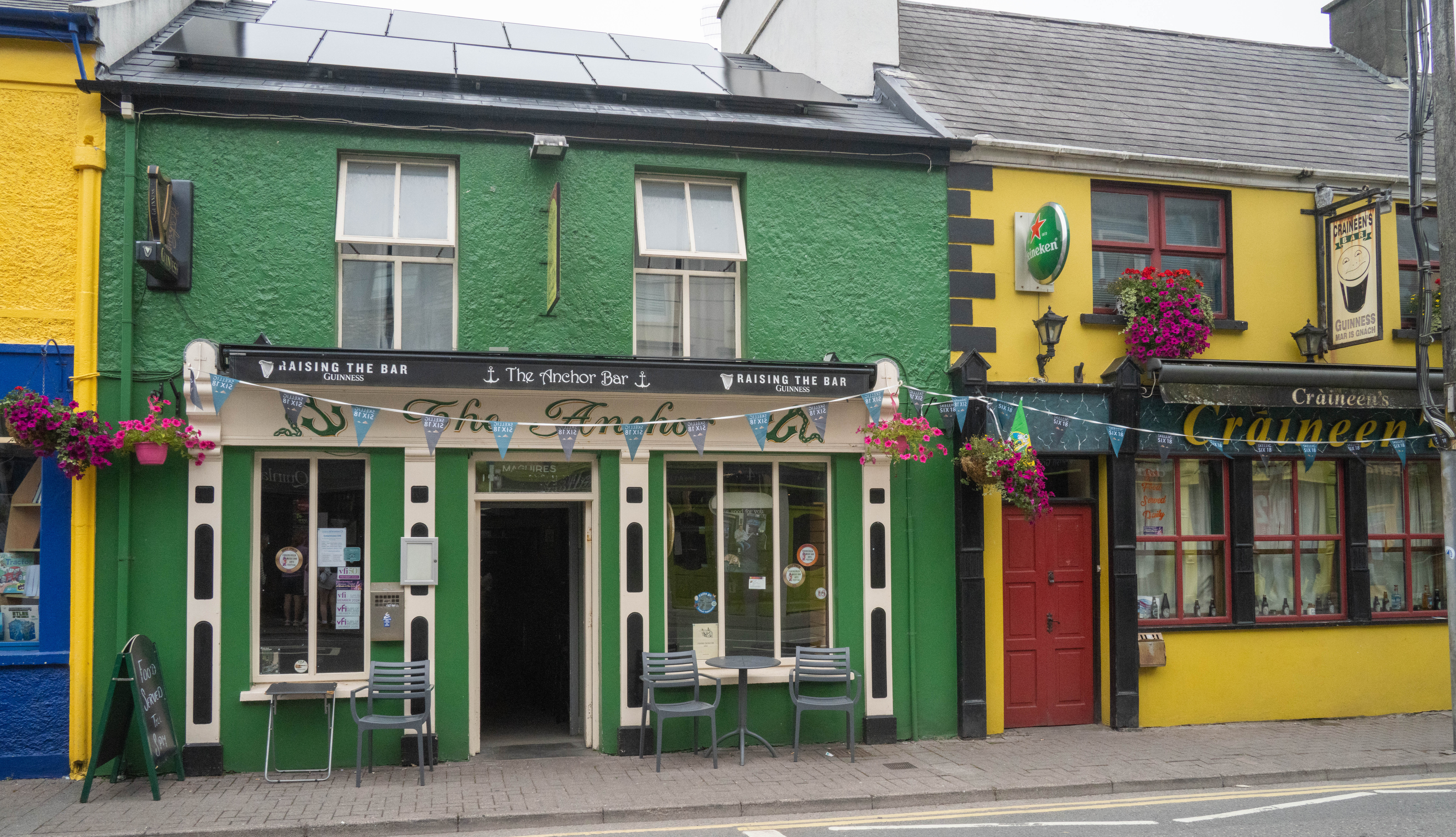
Eyre Square is the heart of the Old City and is the medieval heart of Ireland’s cultural capital, a maze of vibrant pedestrian streets and medieval stone fortifications. Among the notable area in the Old City, the Latin Quarter and High Street forms the vibrant epicenter of Old Galway. sIt is characterized by cobblestone pedestrian-only streets, brightly colored storefronts, and historic pubs.

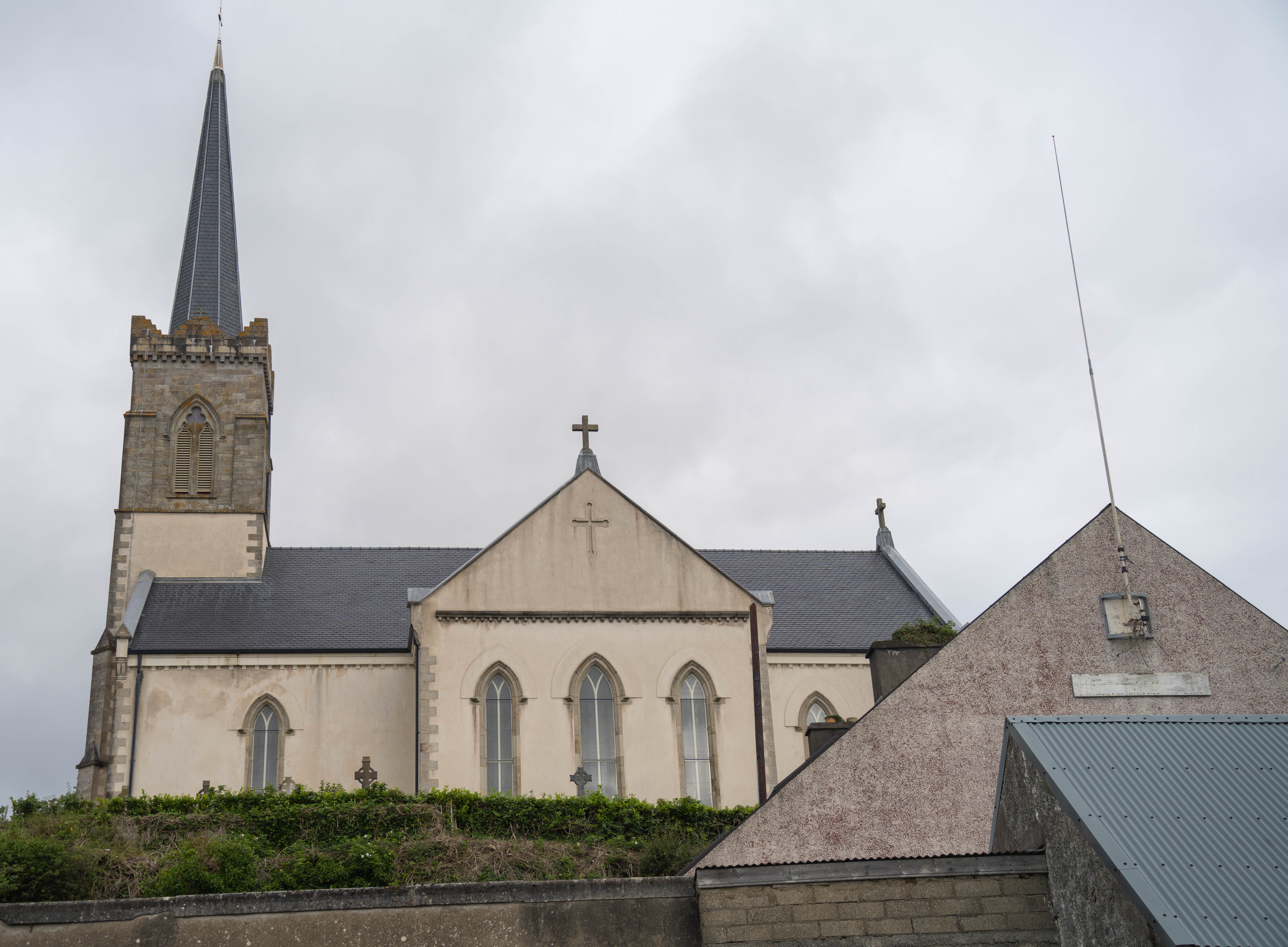
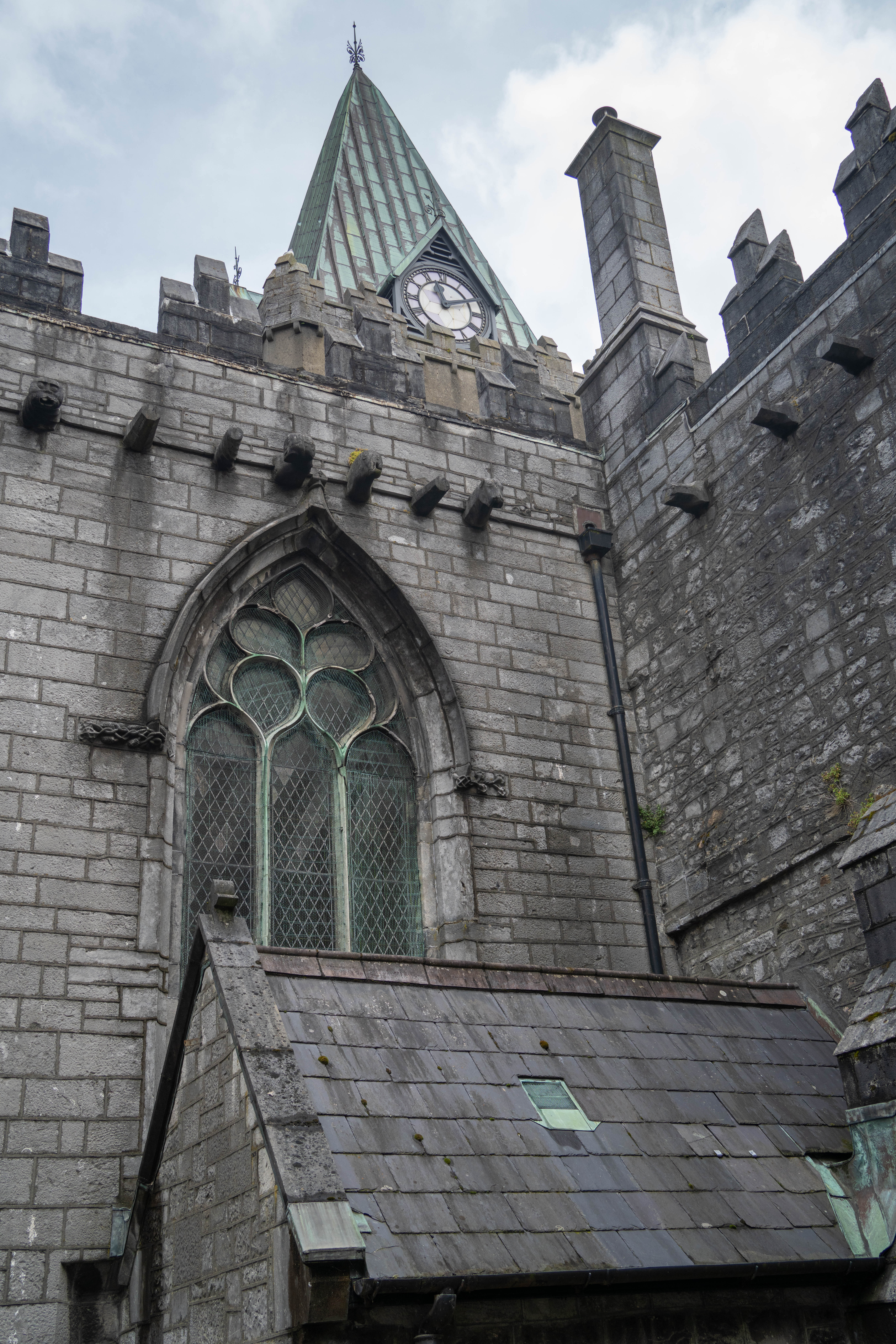
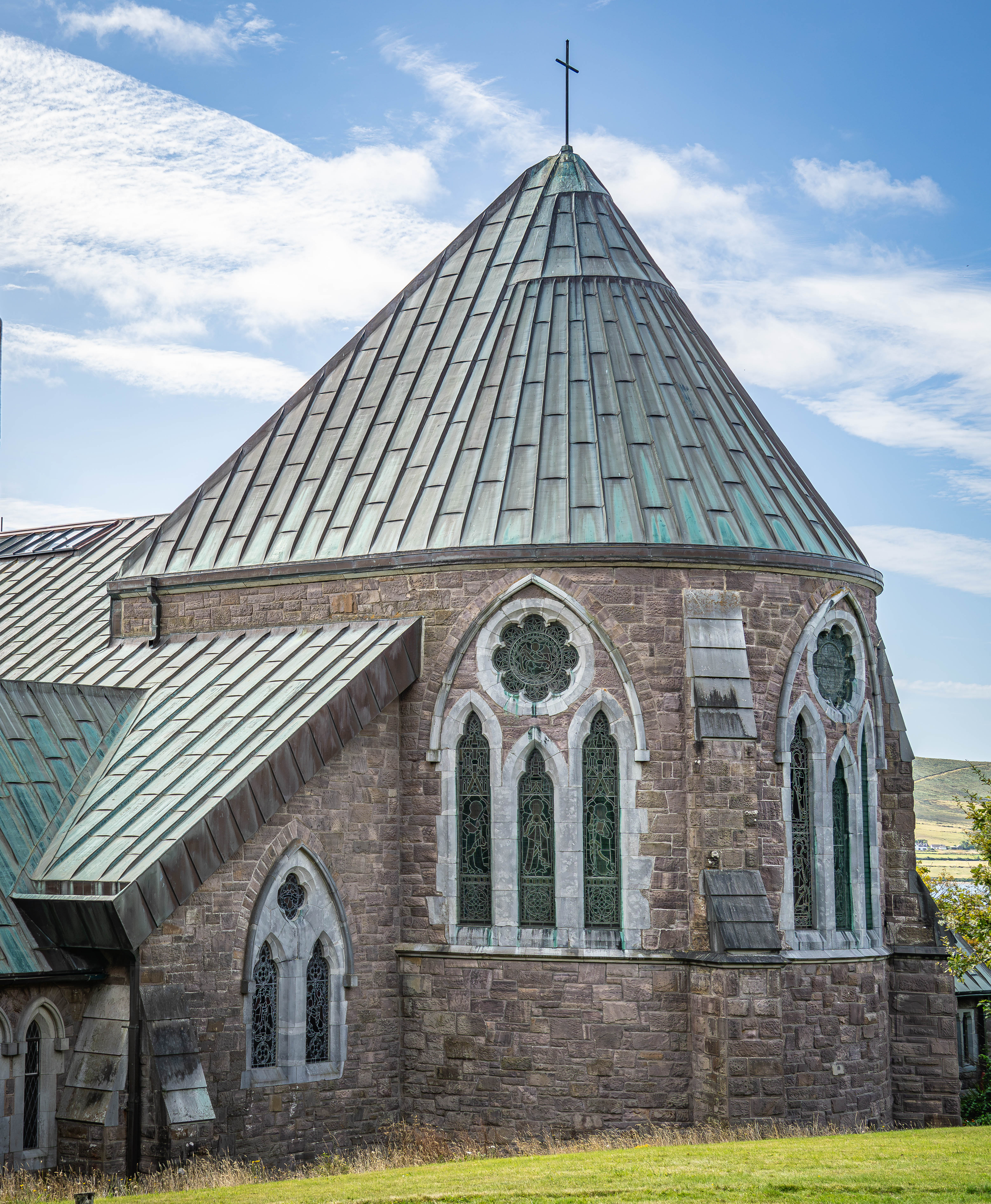
We walked past Collegiate Church of St. Nicholas. Built in 1320, it is the largest continuous medieval parish church still in active use in Ireland.

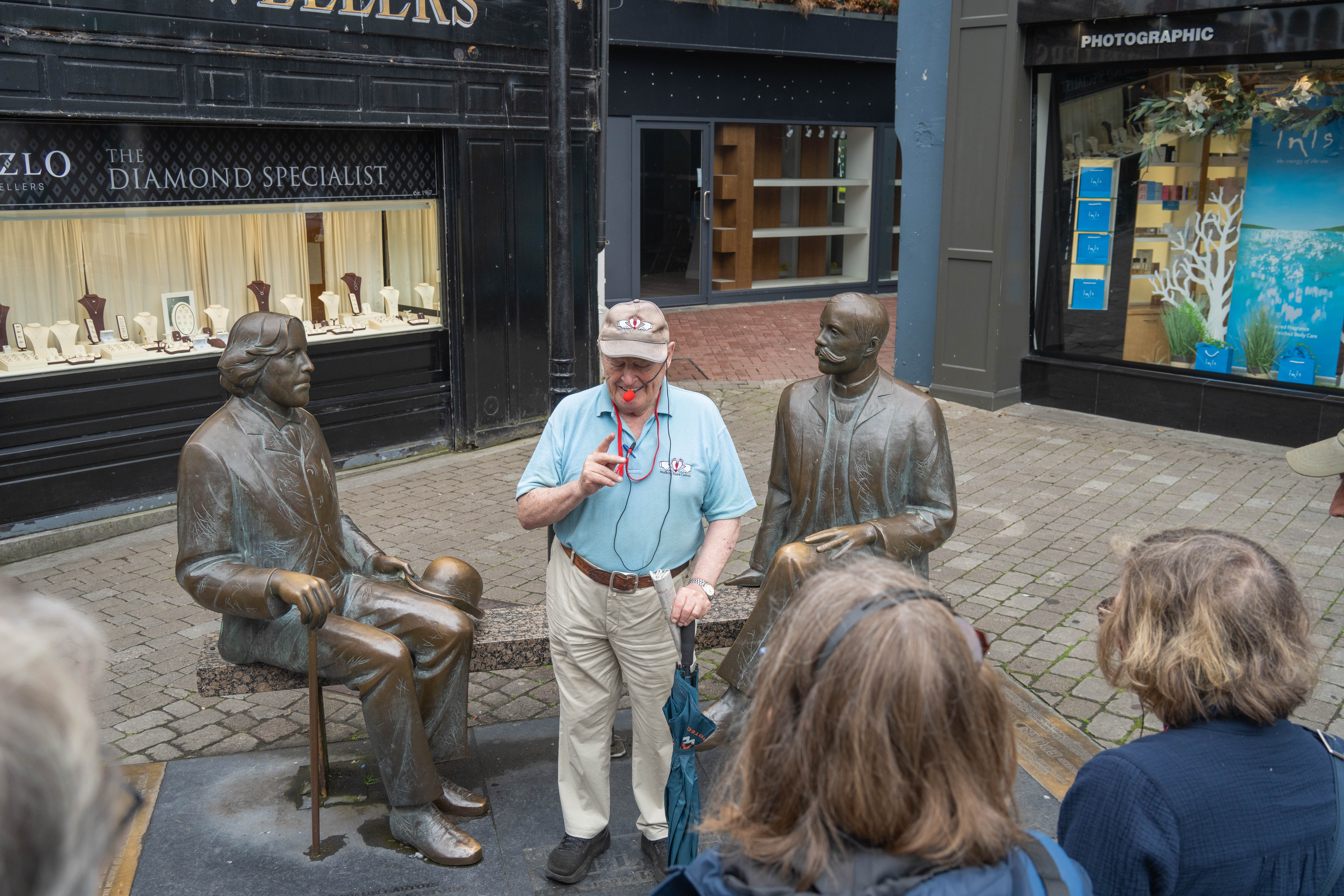
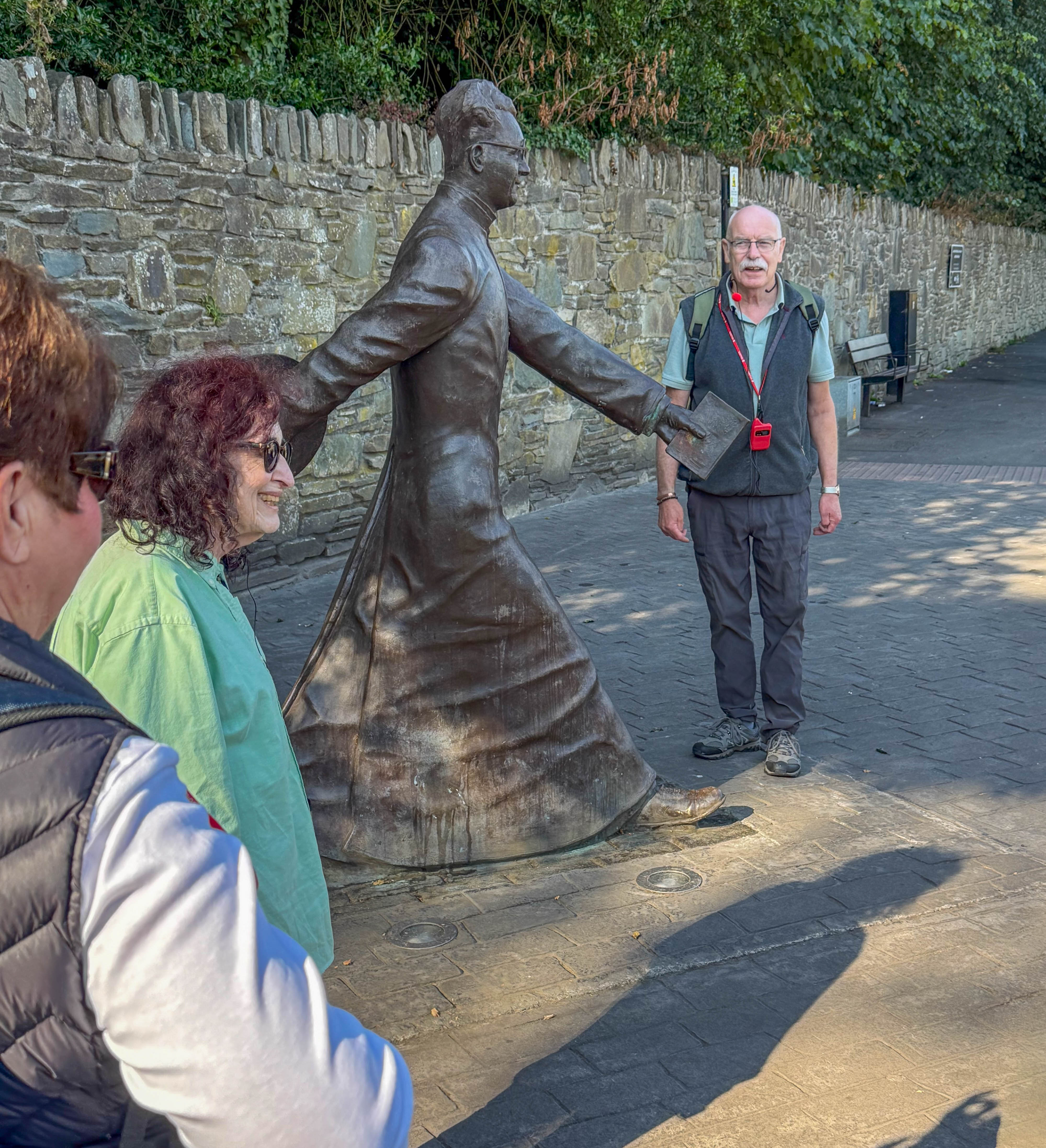
And there was this statue of Oscar Wilde and Eduard Vilde, depicting a fictional meeting between two famous late 19th-century writers who shared a similar surname but never actually met in real life.

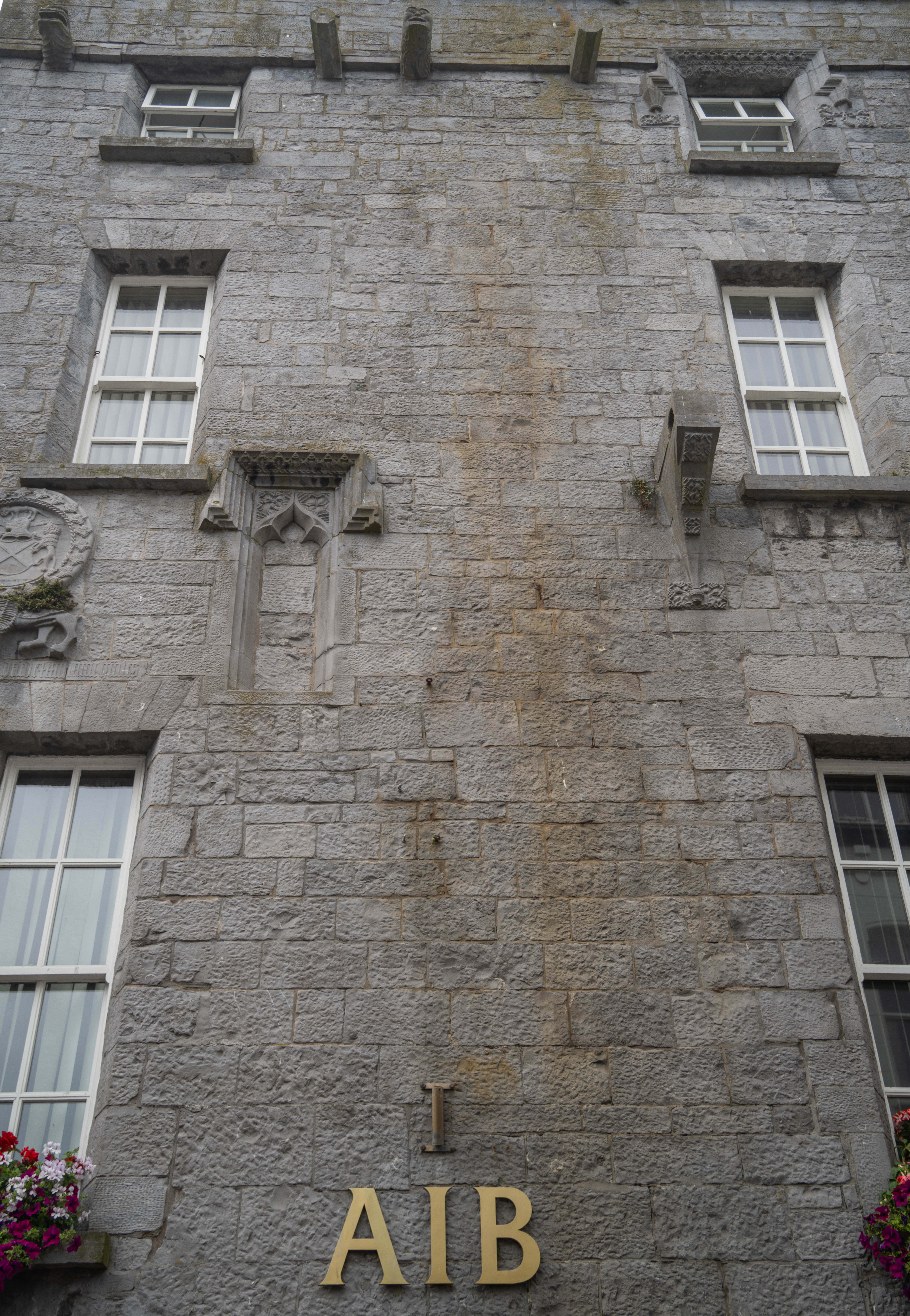
And, near the end of the walking tour we passed by Lynch’s Castle, standing as Ireland’s finest surviving example of a fortified medieval townhouse, and noted for its ornate limestone carvings and gargoyles.

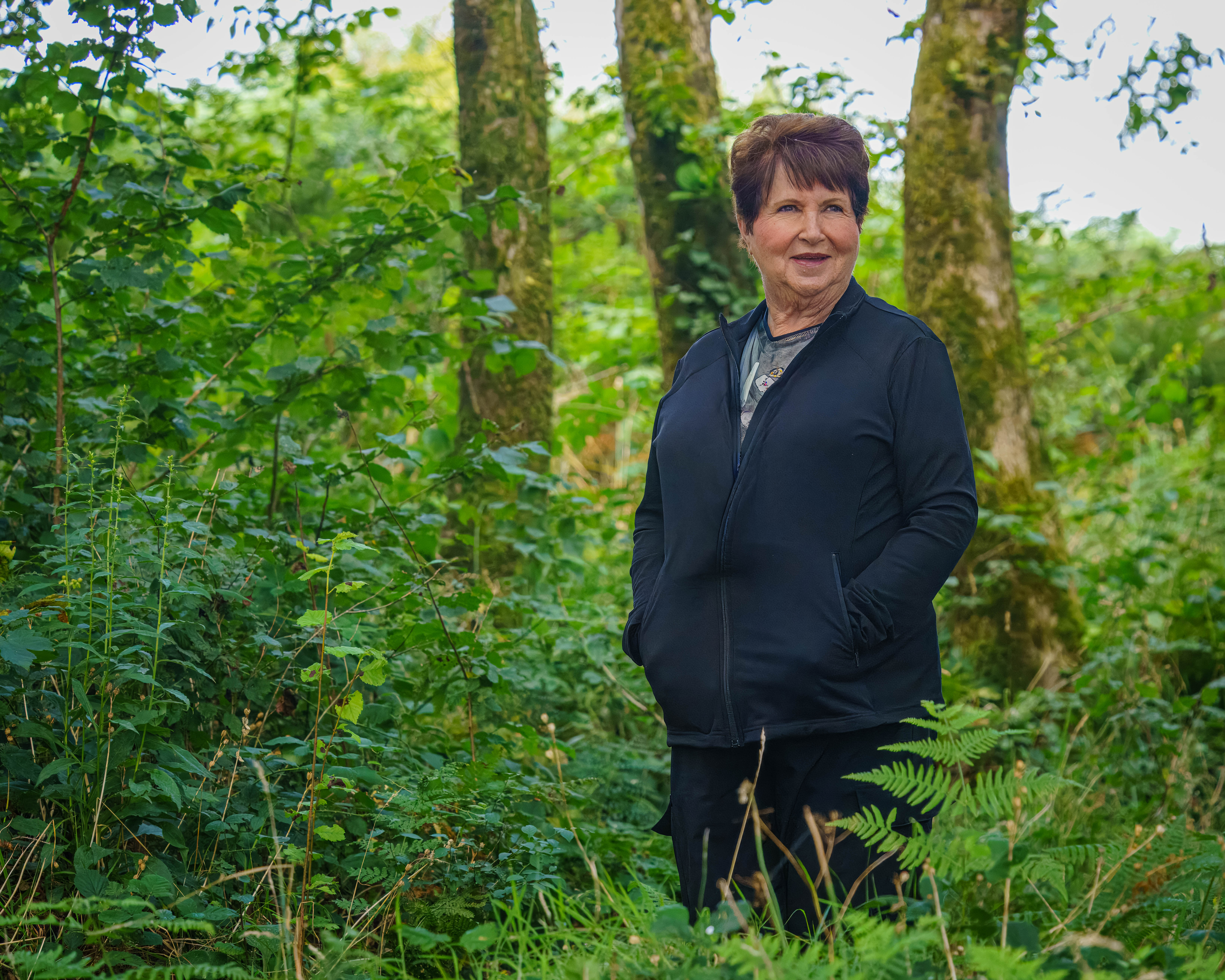
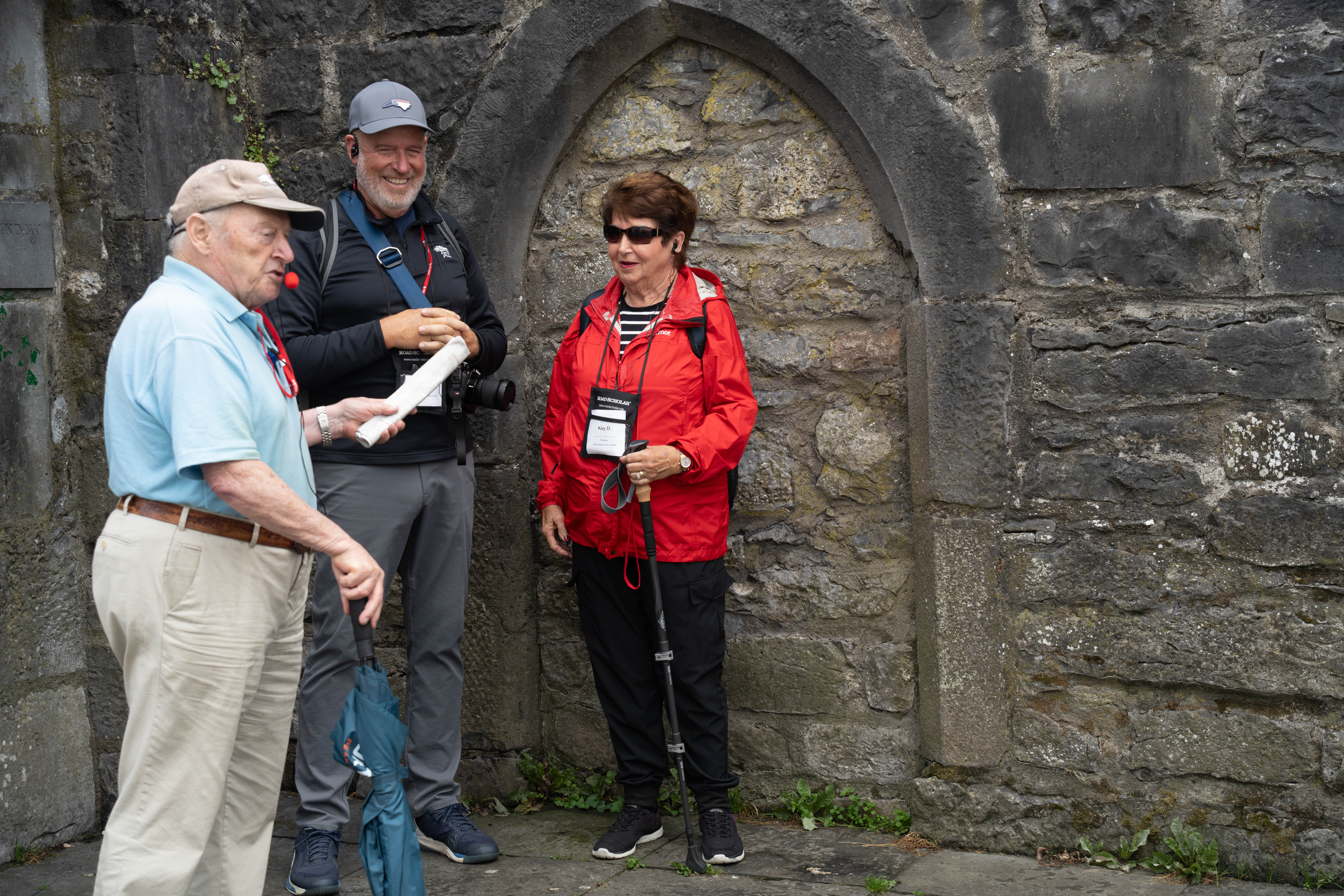
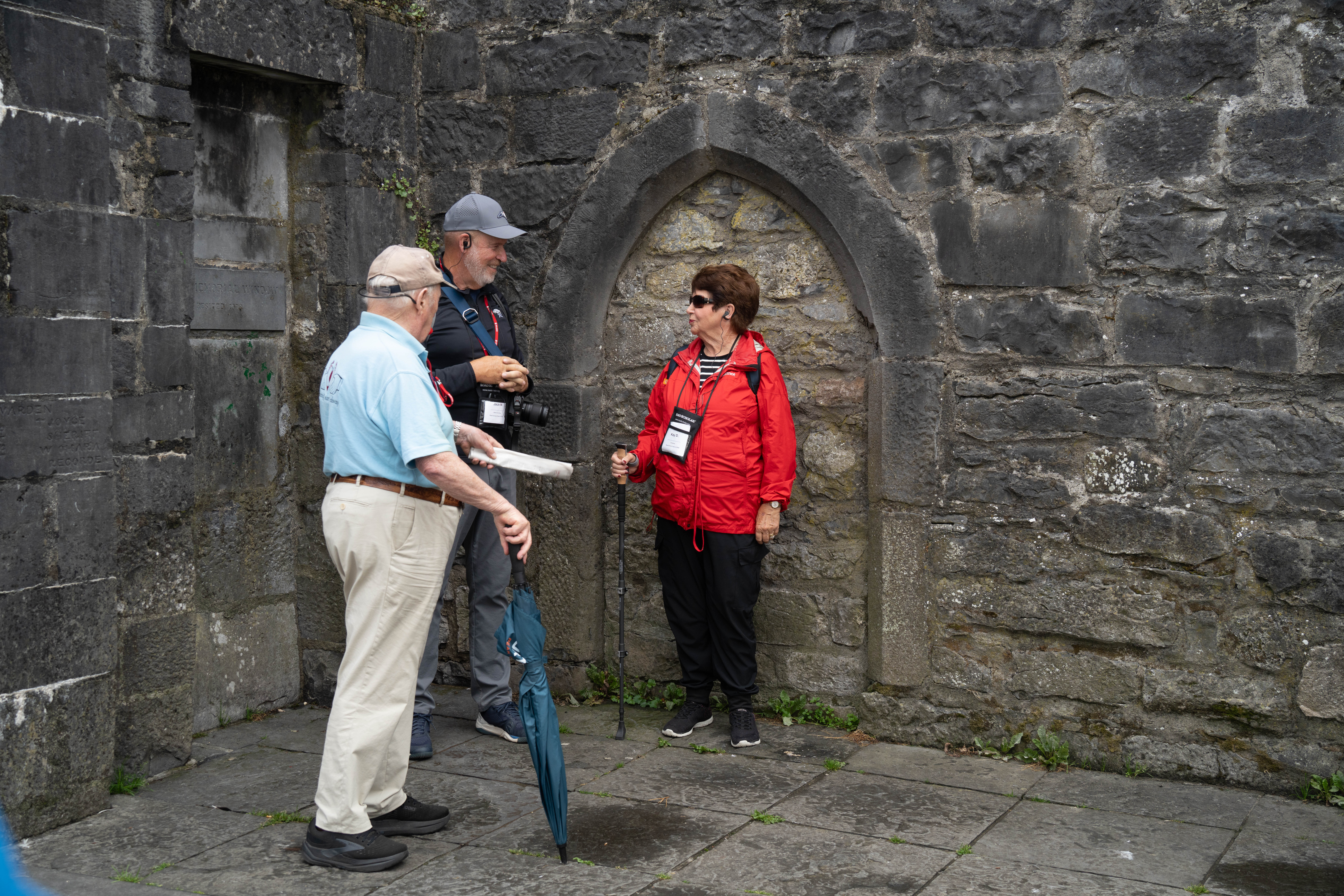
Regarding Lynch’s Castle, as part of the tour, Kay participated in a reenactment of a historic tryst in Galway. This refers to the famous 1493 legend of Agnes Browne and her two suitors in Galway, which led to a fatal jealous clash and a dramatic mayoral execution. 

Agnes Browne was engaged to Walter Lynch, the son of James Lynch FitzStephen, the powerful mayor and magistrate of Galway. A young Spanish merchant named Gomez from Cadiz was staying with the family as a guest of trade and caught the attention of local women, making Walter intensely jealous. Convinced Agnes was unfaithful, Walter spied Gomez leaving her house one night and stabbed him to death in a fit of rage. Mayor James Lynch tried and convicted his own son, ultimately executing him from a window of his own house when local crowds prevented a standard public hanging. You can still see the Lynch Memorial Window today near St. Nicholas’ Church.

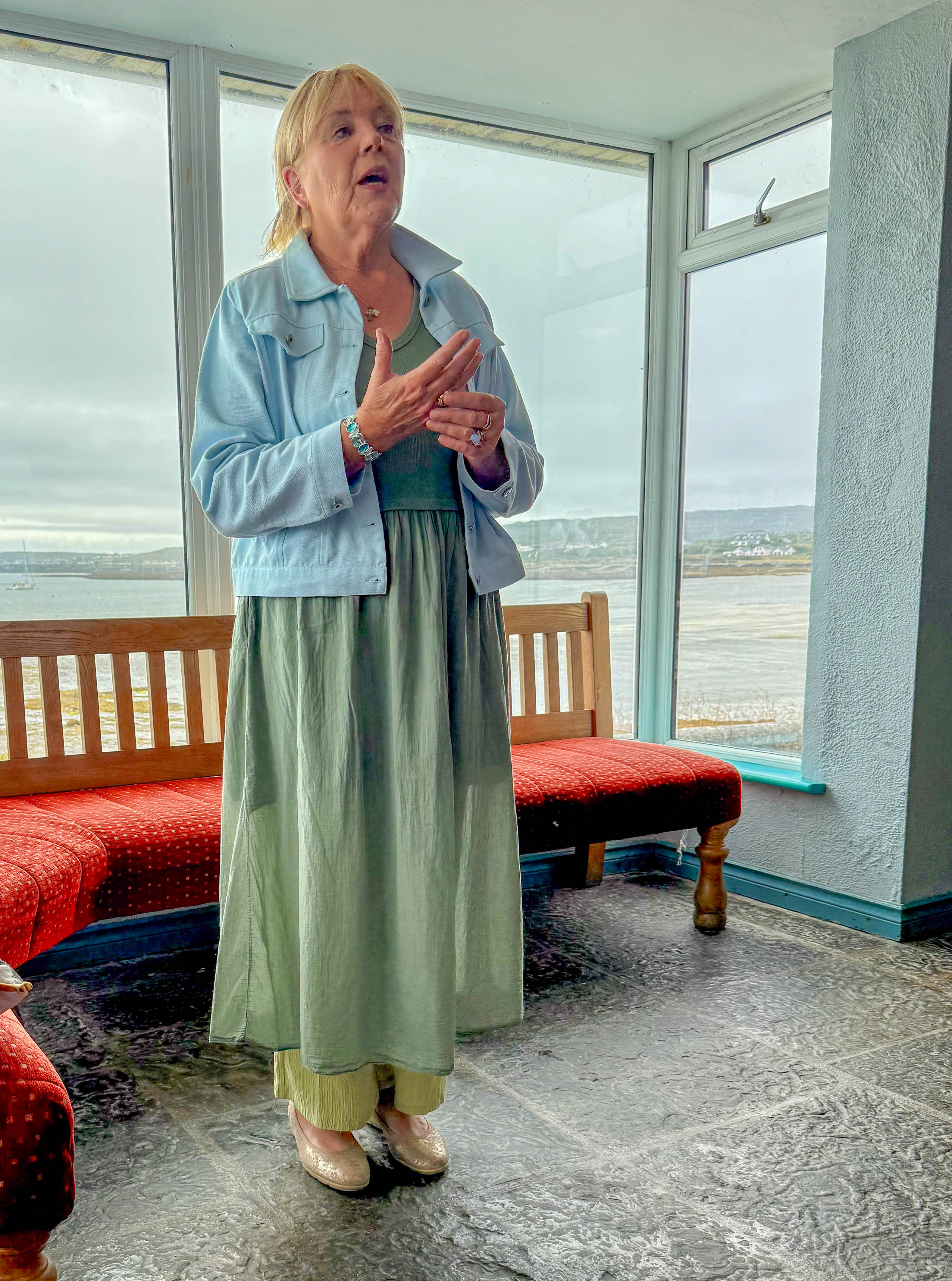
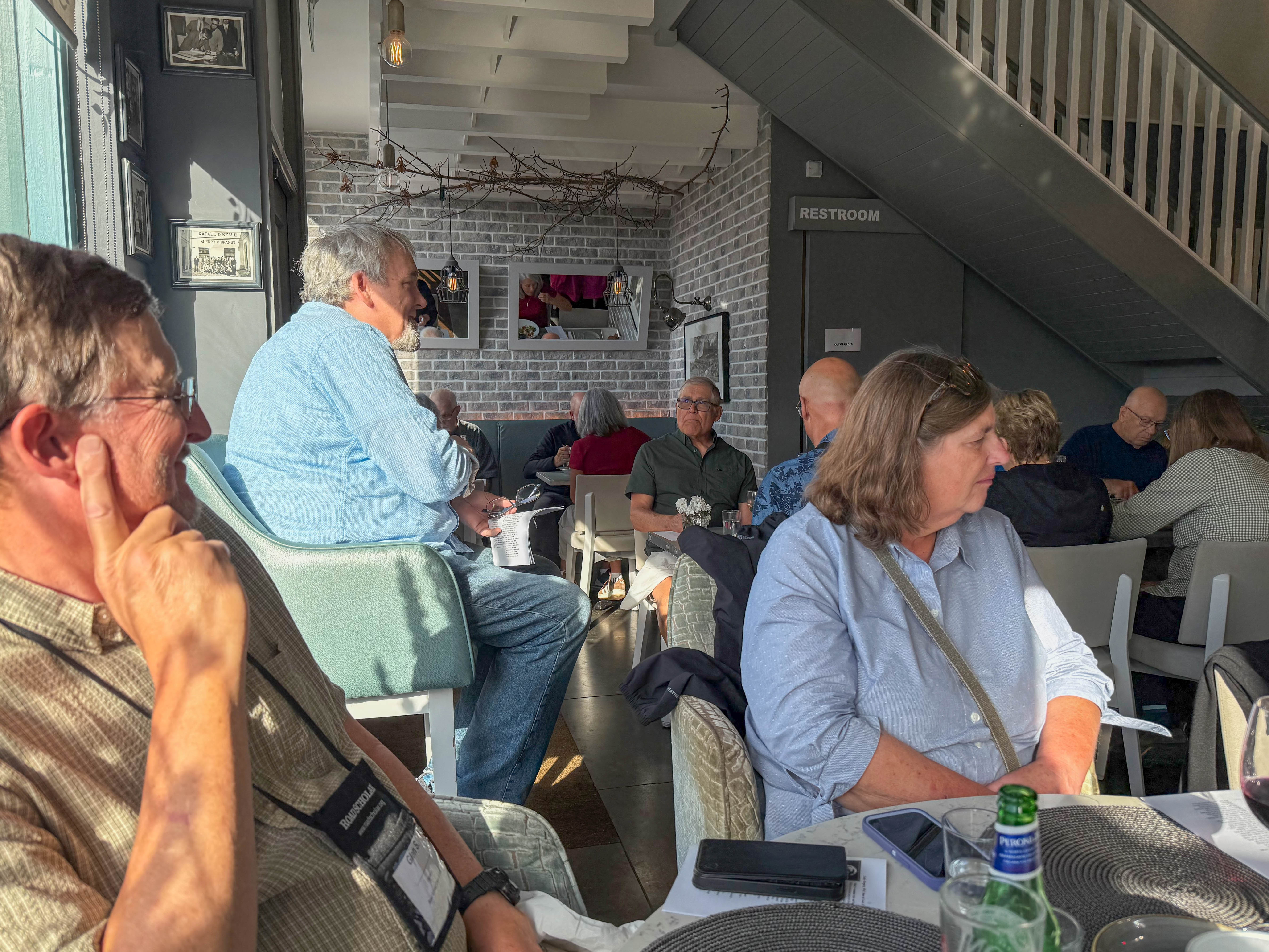
As if the Old City tour wasn’t enough, we were treated to fine dining at an upscale restaurant where the meal was preceded by poetry reading by a local college faculty member.

Tuesday, August 11, 2026 (Day 6, Part 2)—The Cliffs of Moher, the Burren, and then to Galway

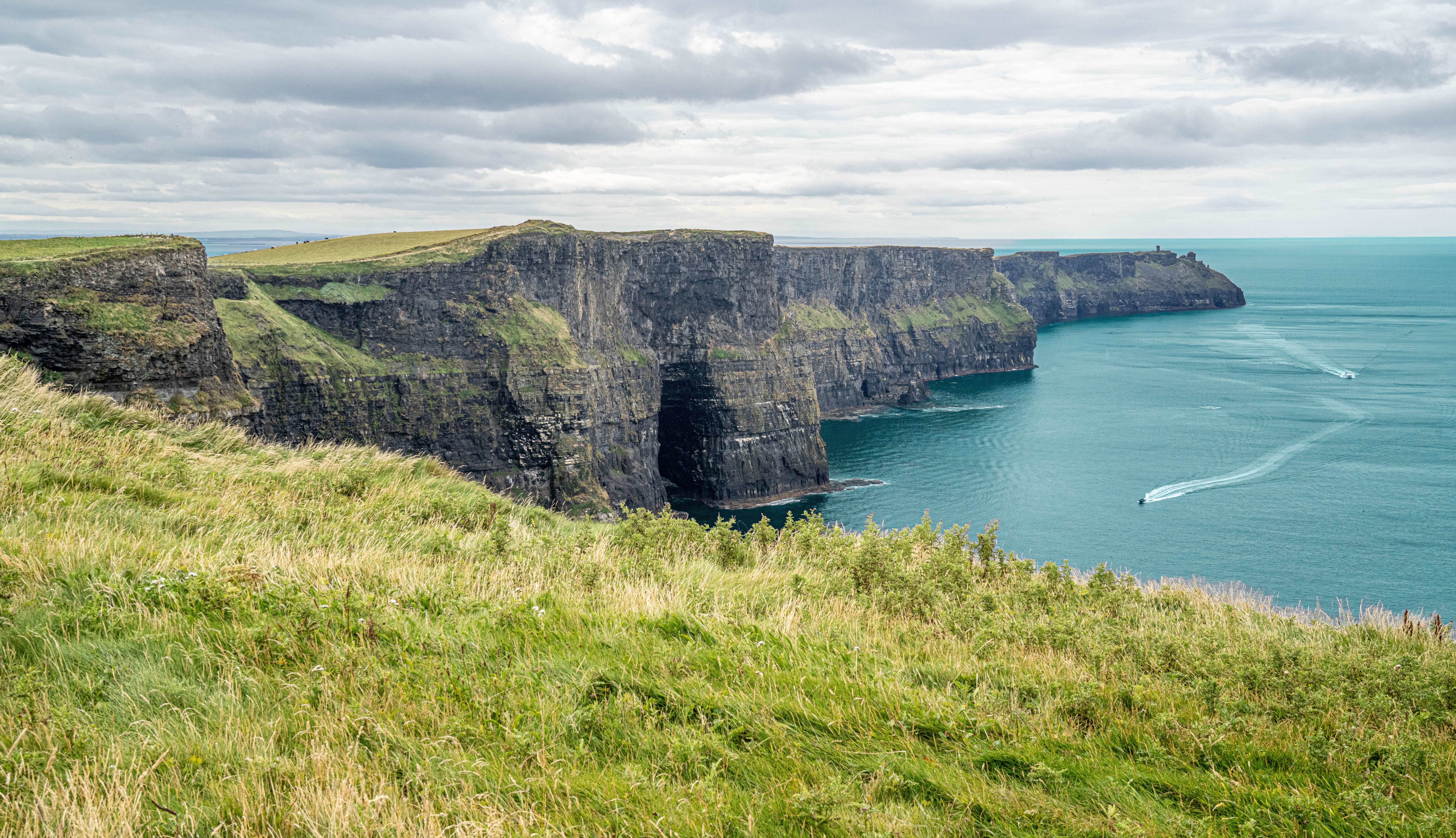
From Adare, we traveled to the famous Cliffs of Moher, perhaps Ireland’s most visited tourist attraction (after the Guiness Brewery).

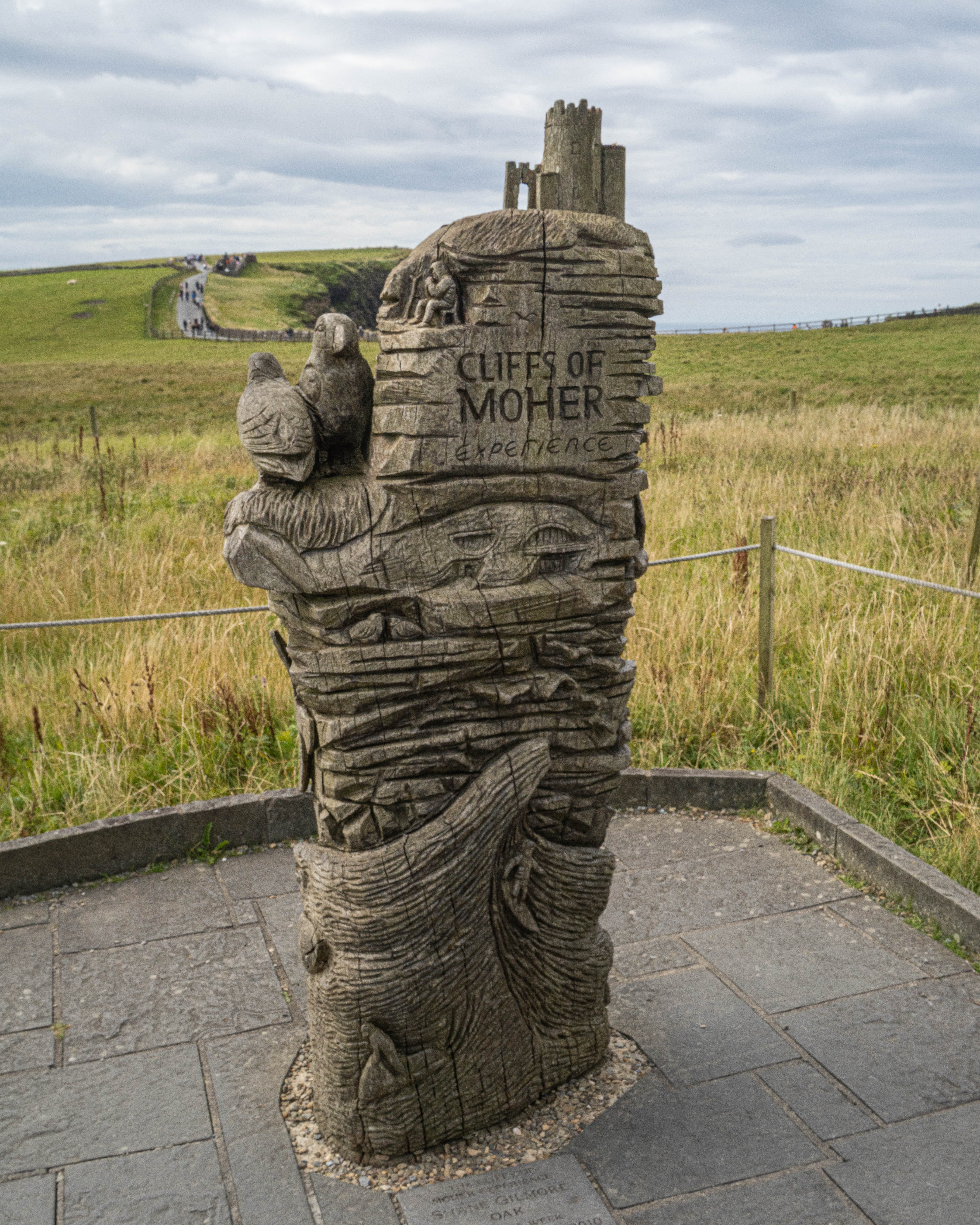
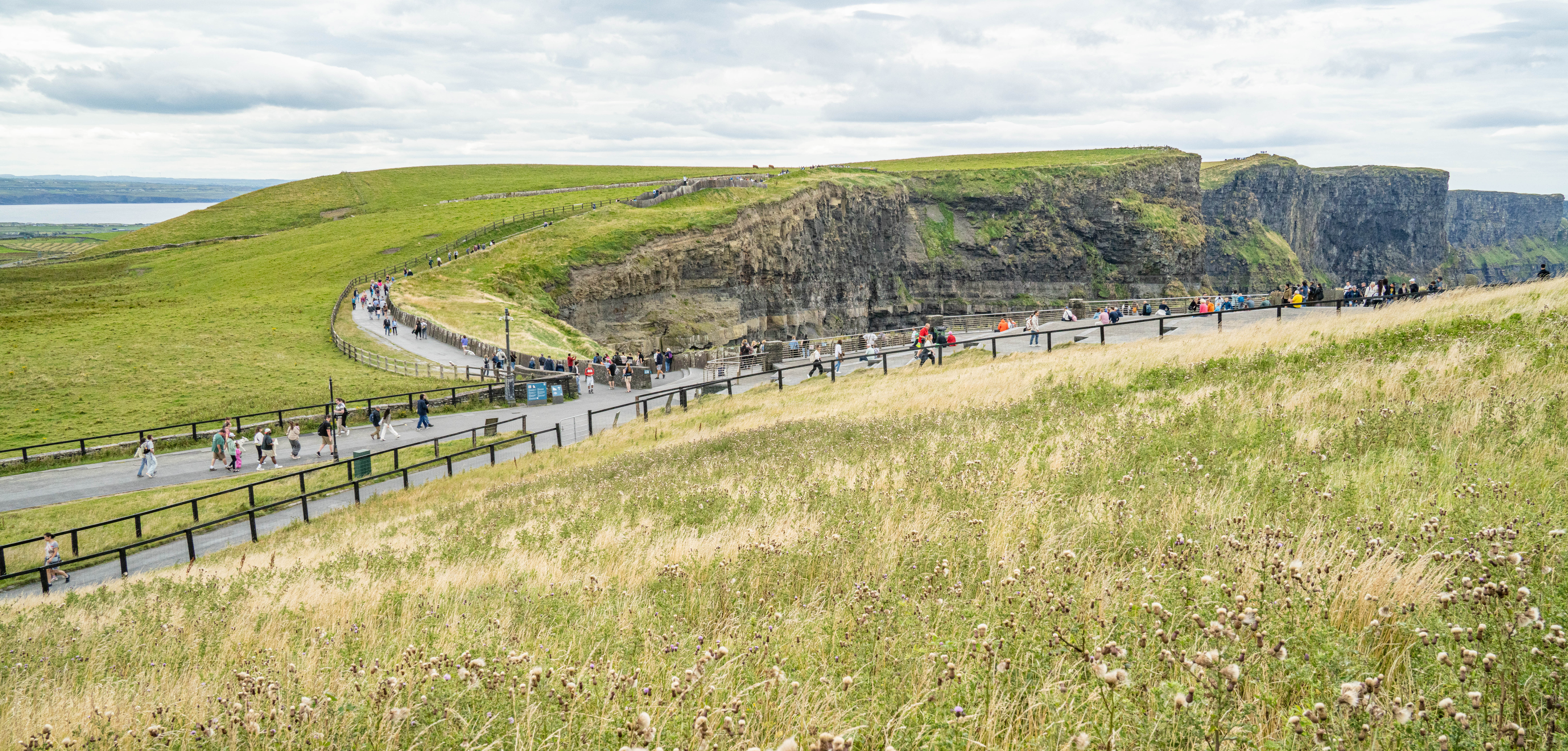
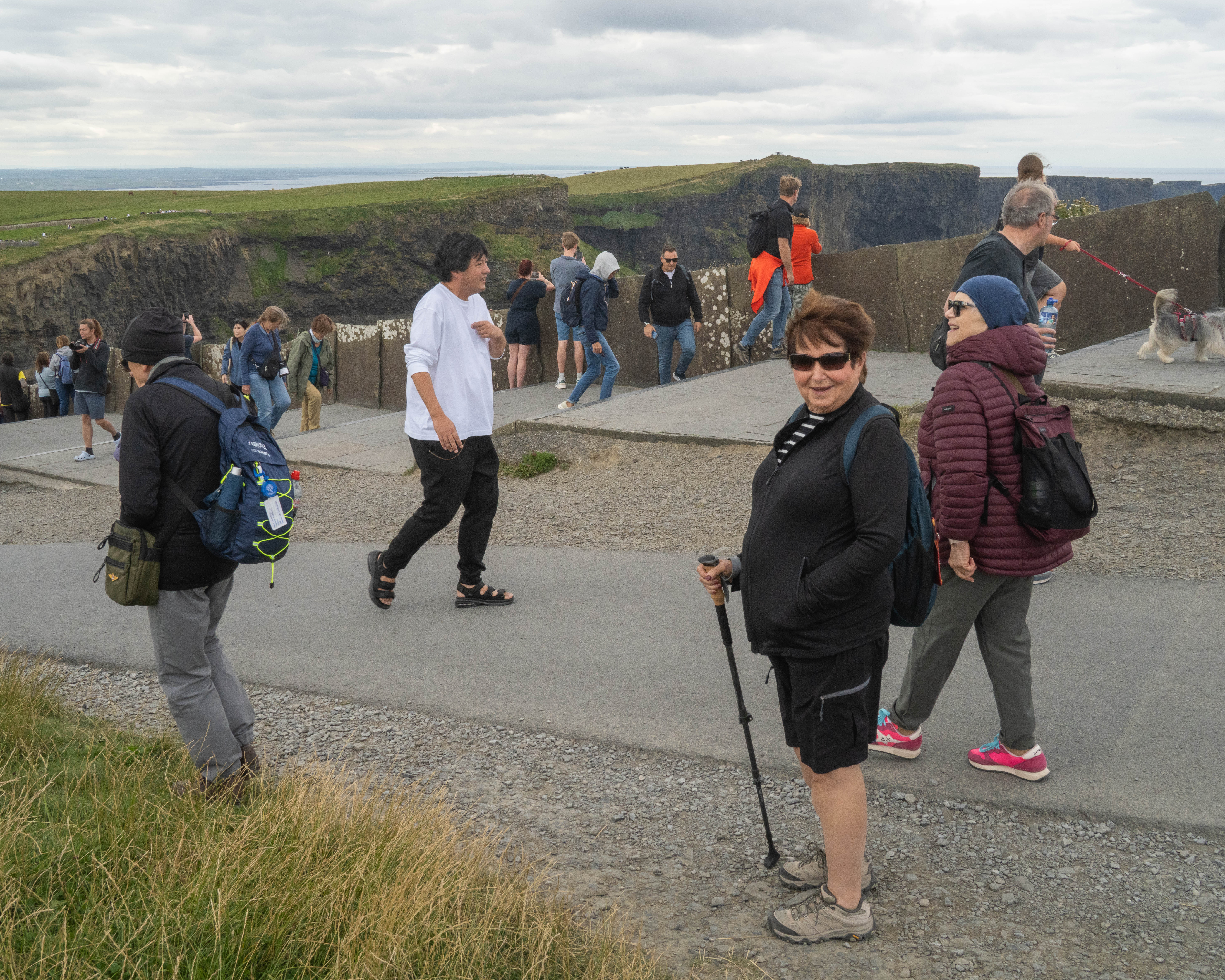
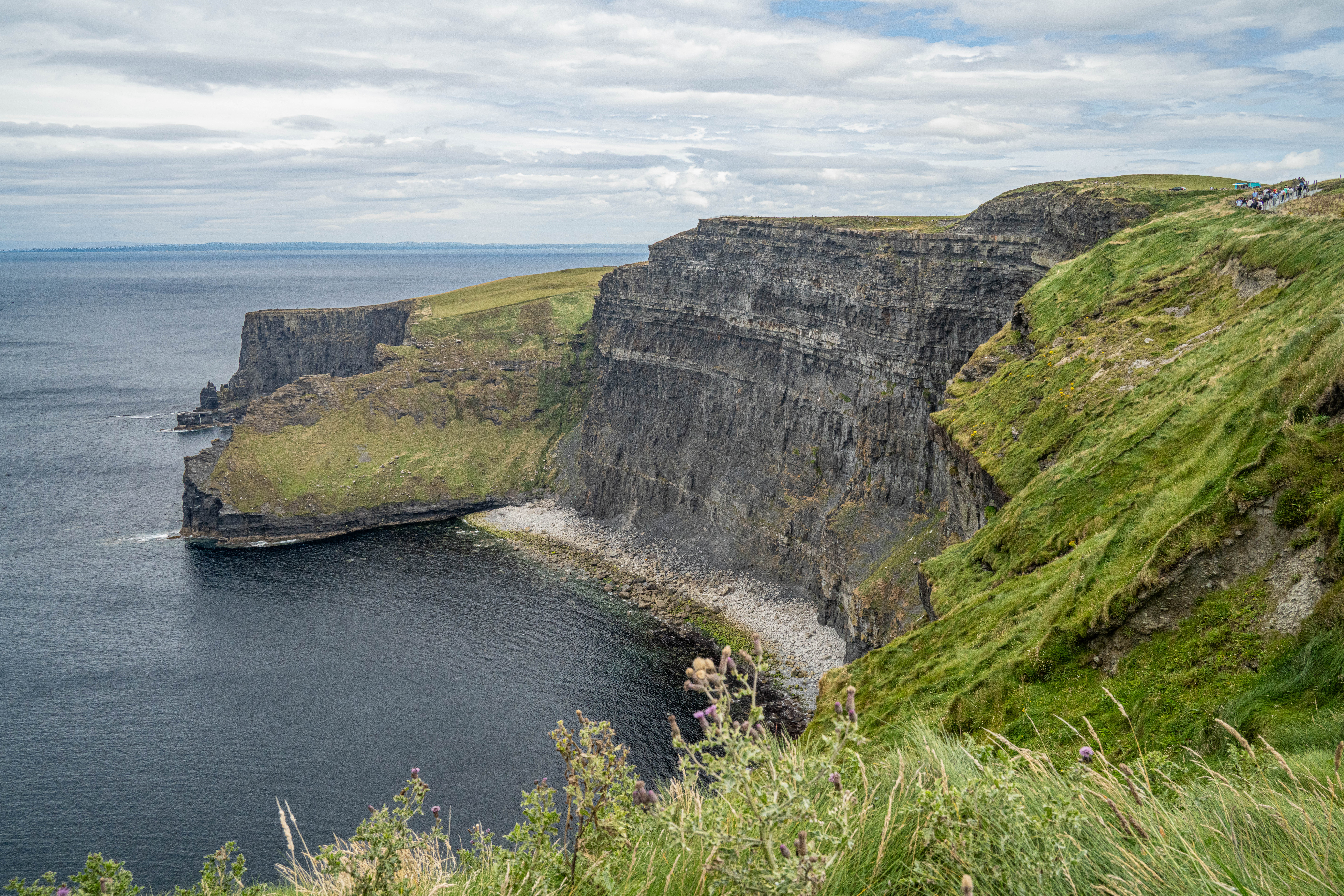
The Cliffs of Moher stretch for just over 8 miles along the wild Atlantic coast of County Clare. Rising up to 702 feet at their highest point, these dramatic shale and sandstone cliffs form part of a UNESCO Global Geopark where continuous, volatile force of coastal erosion reshapes the cliffside. We walked most of the half mile of 800 meters of protected, paved paths and viewing platforms, stopping often to take photos. 

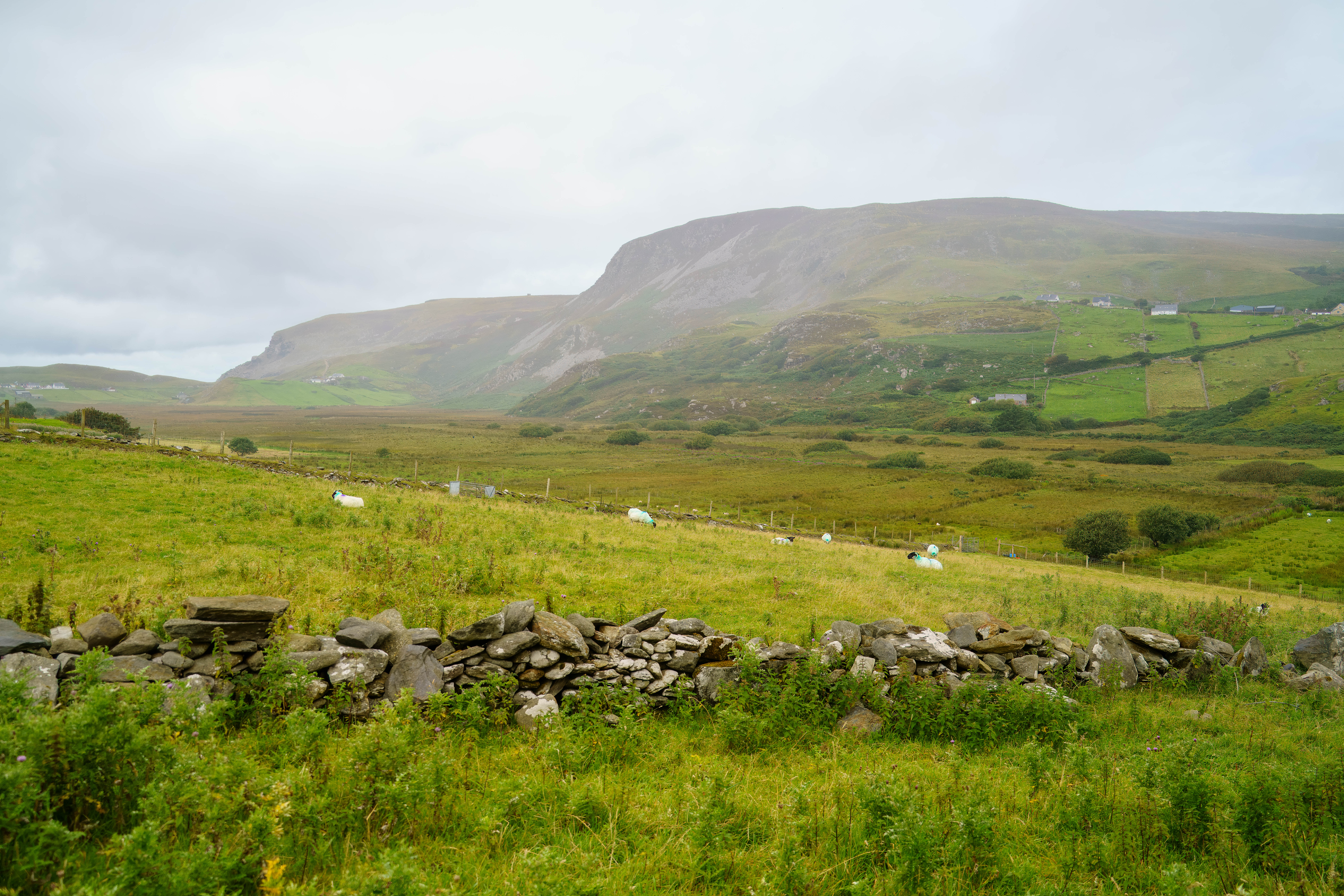
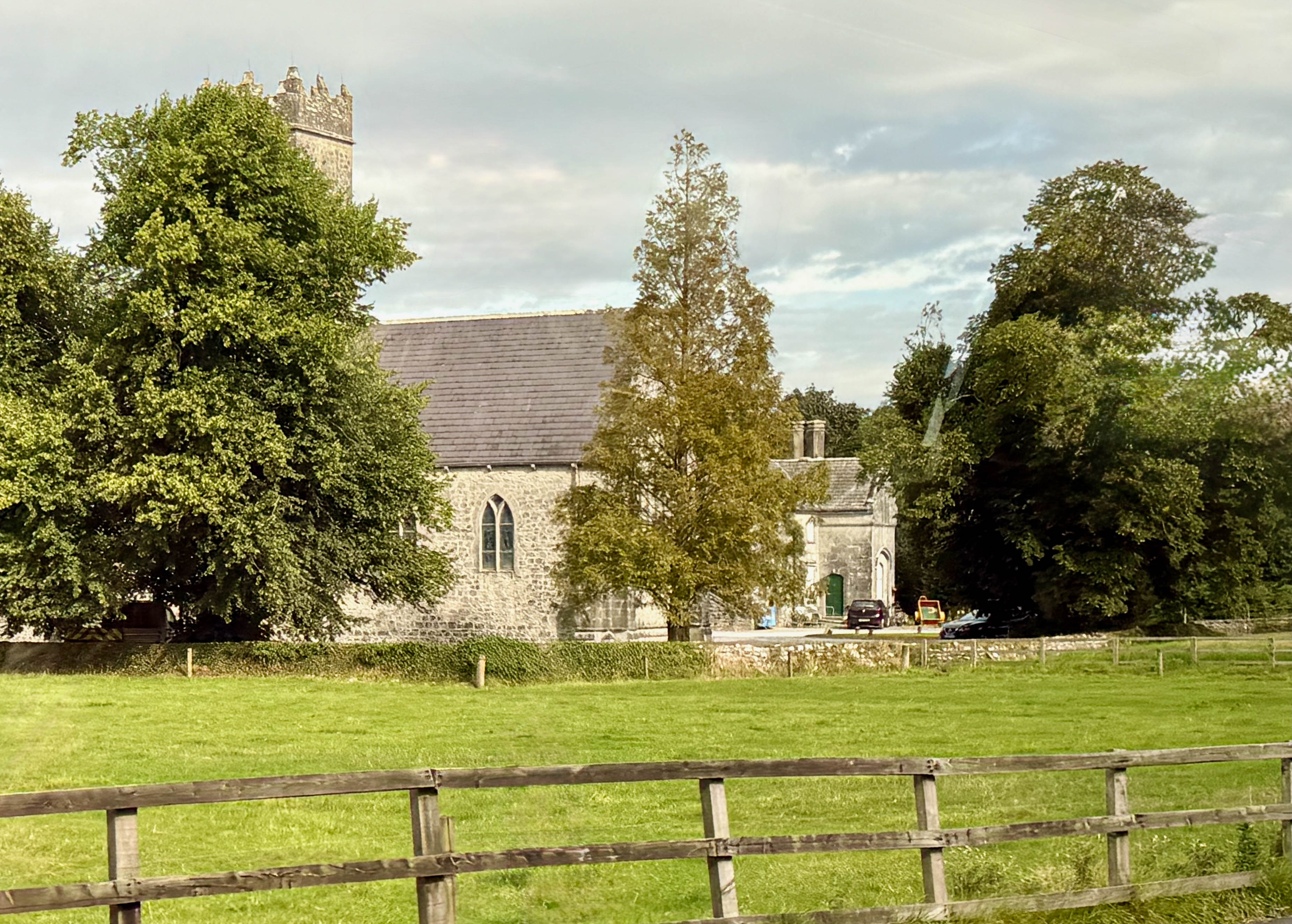
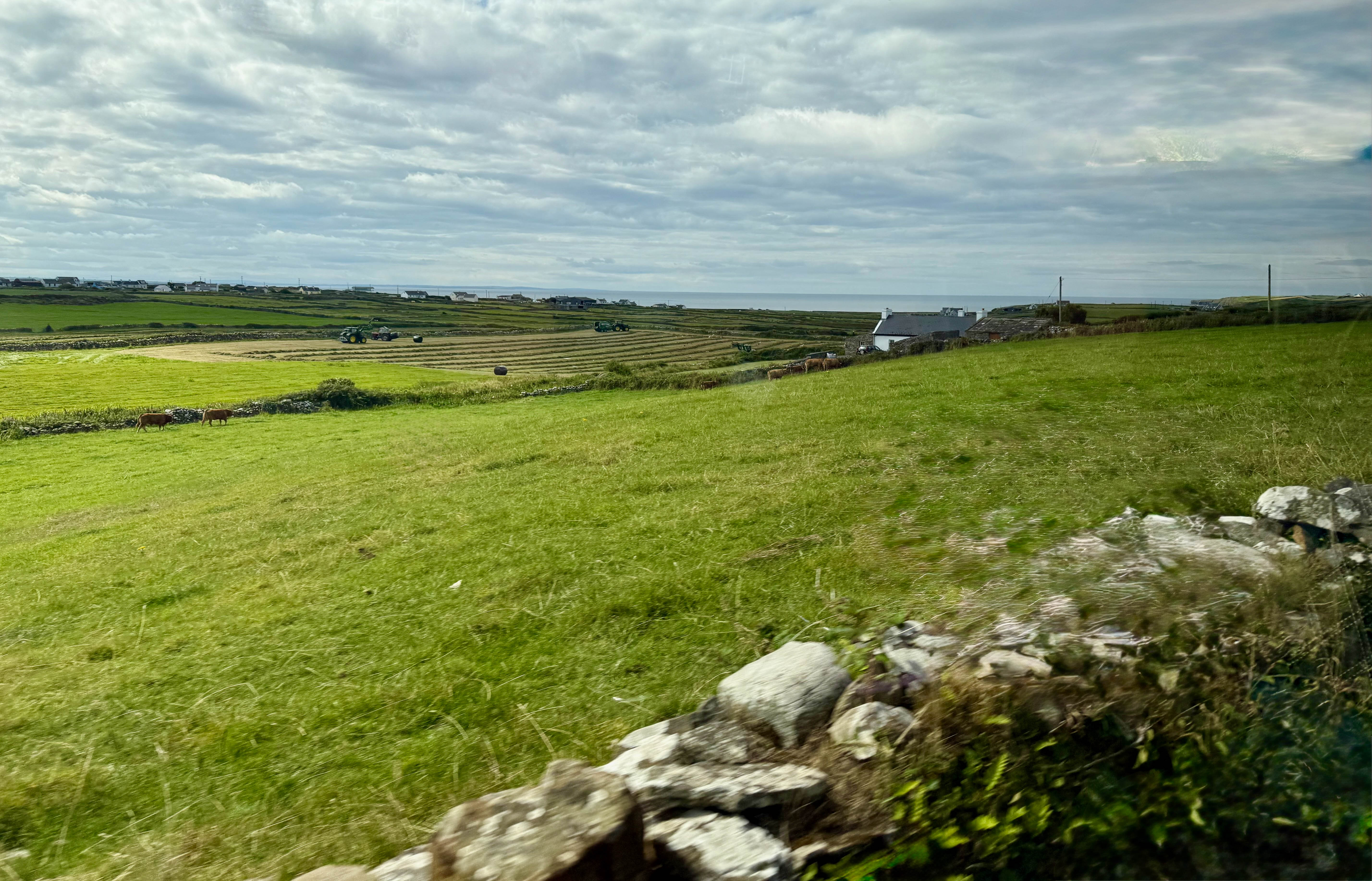
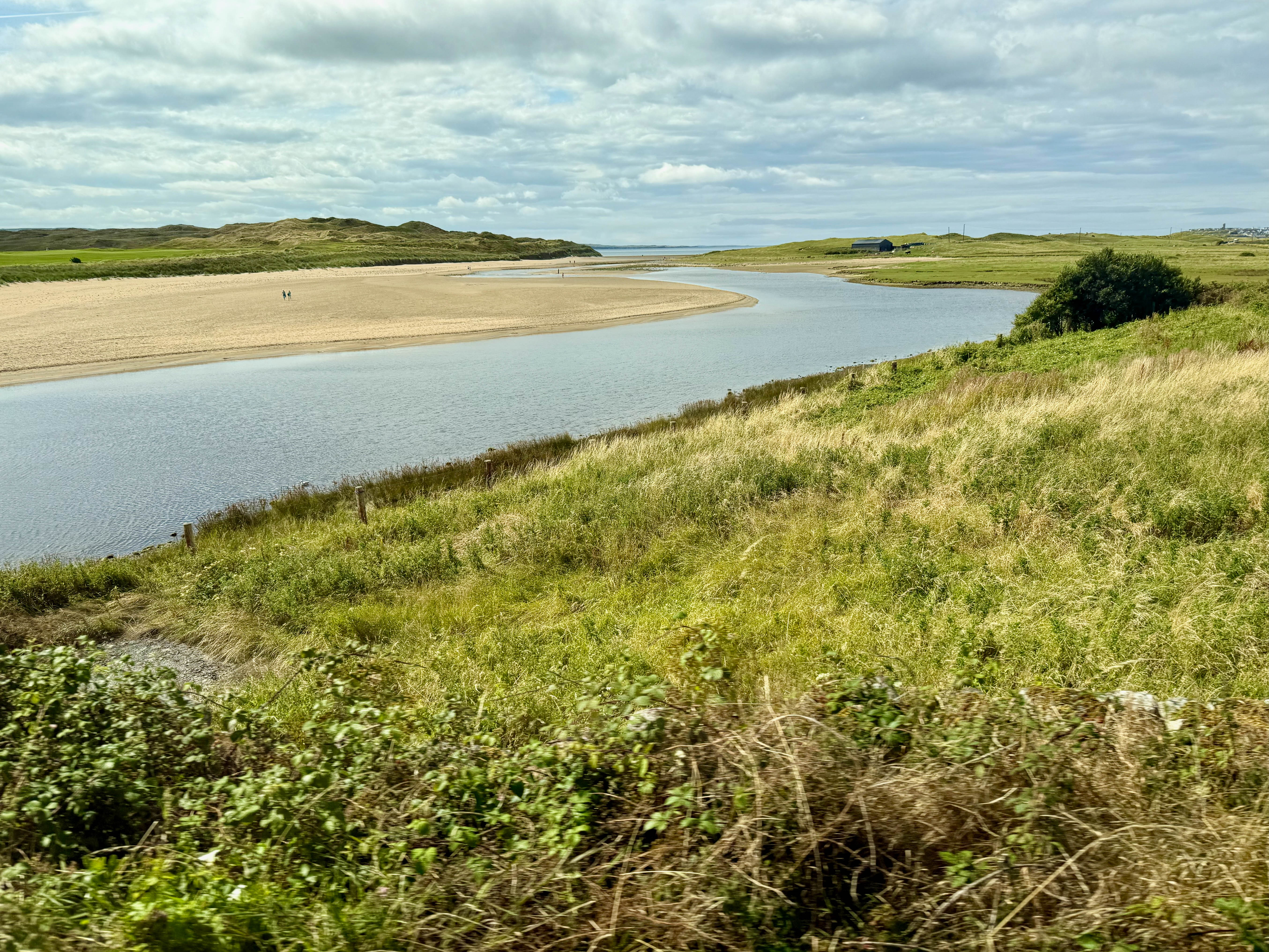
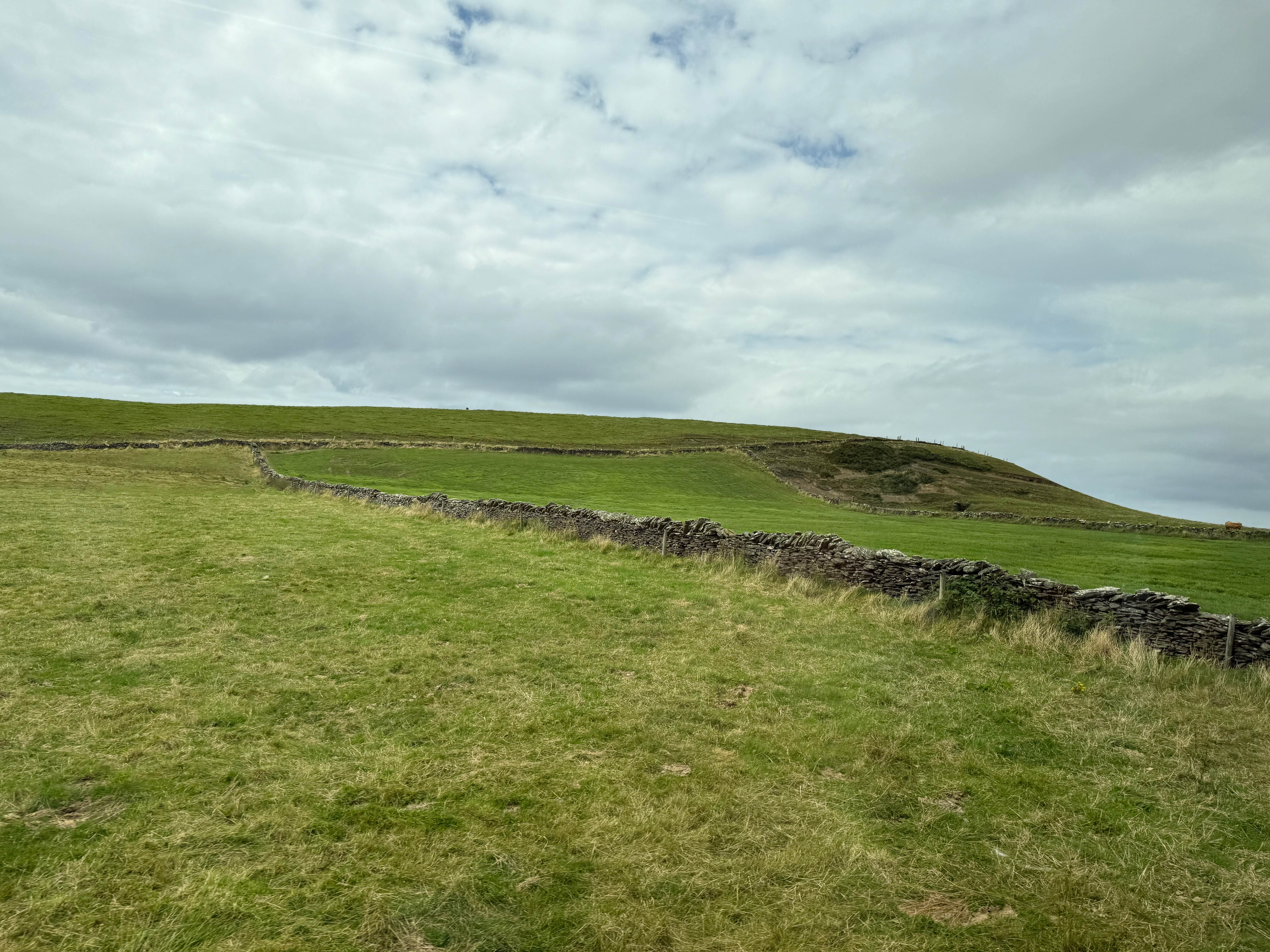
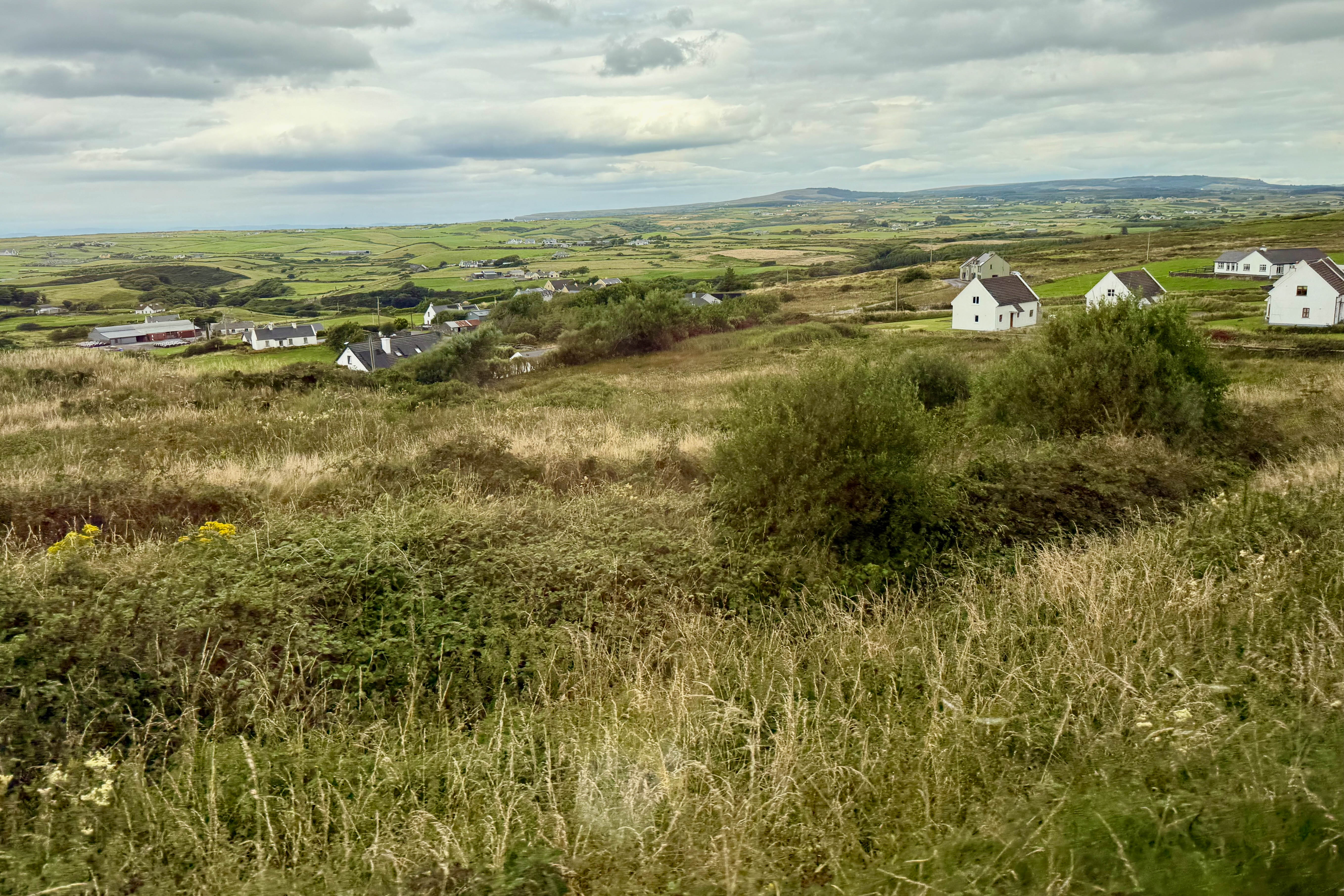
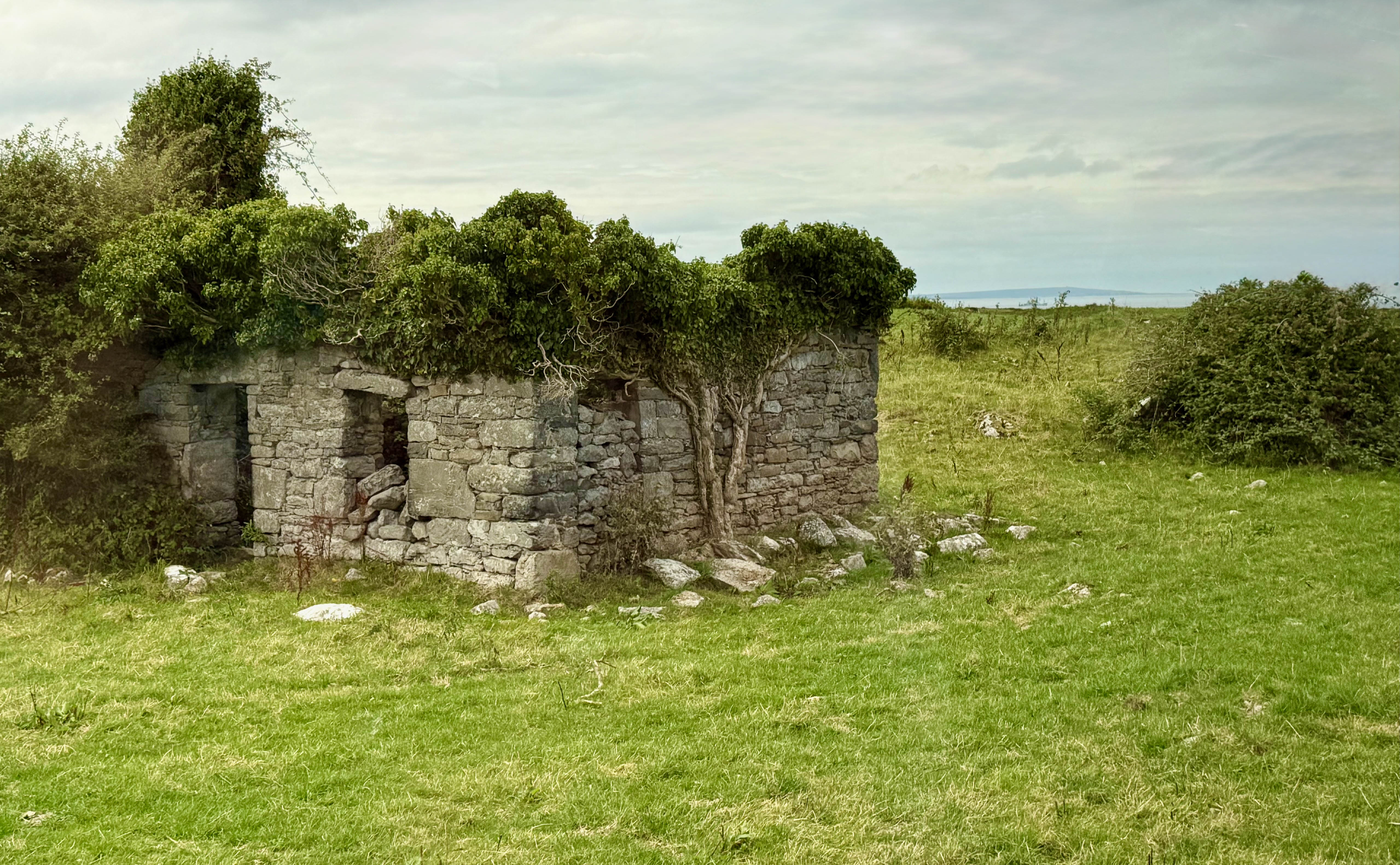
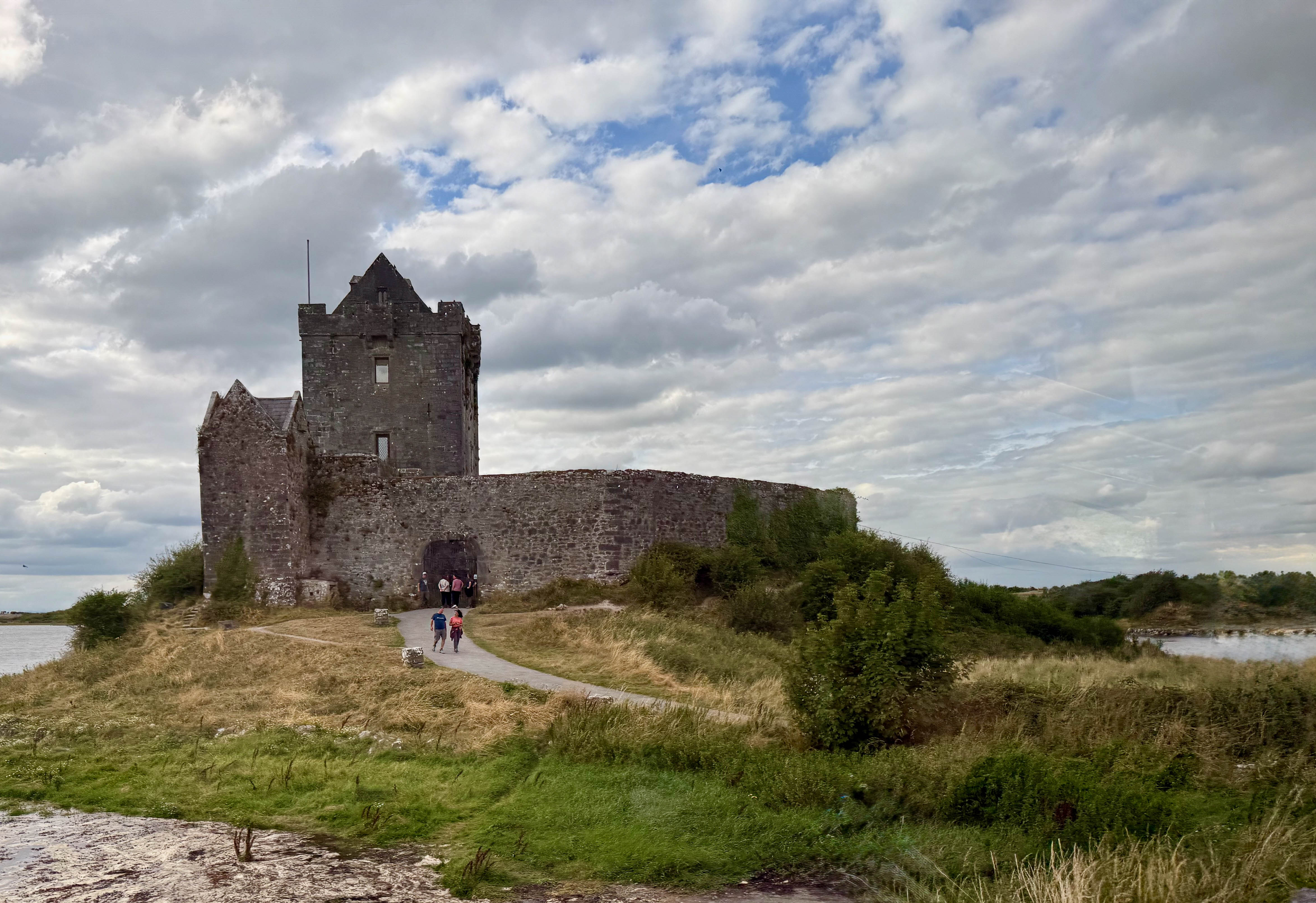
As we traveled along the Wild Atlantic coast, the narrow winding road offered unsurpassed scenery. Old churches, castle remains, long unused rock houses, and green pastures were seen. (Click on an image to enlarge it.)

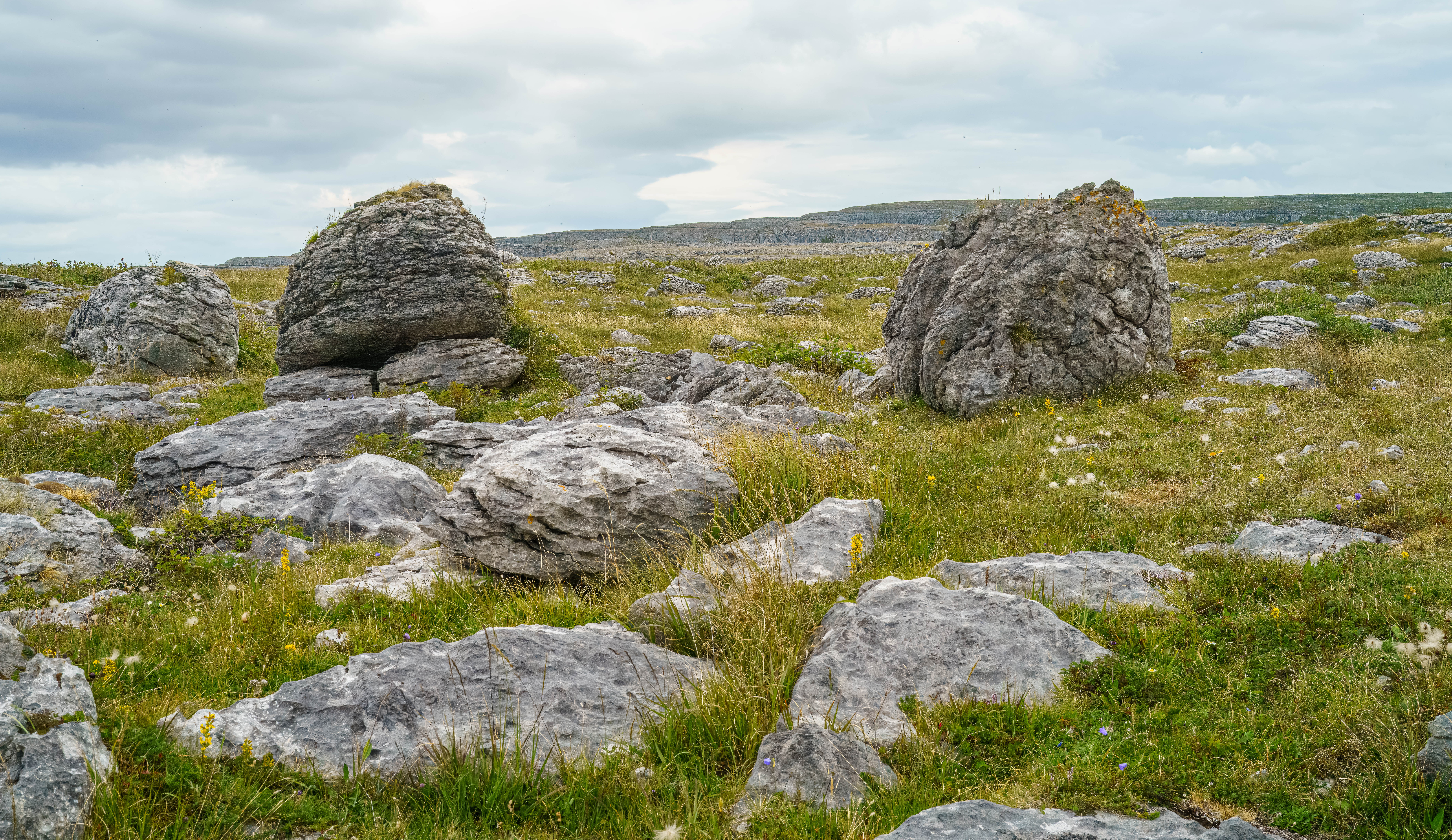
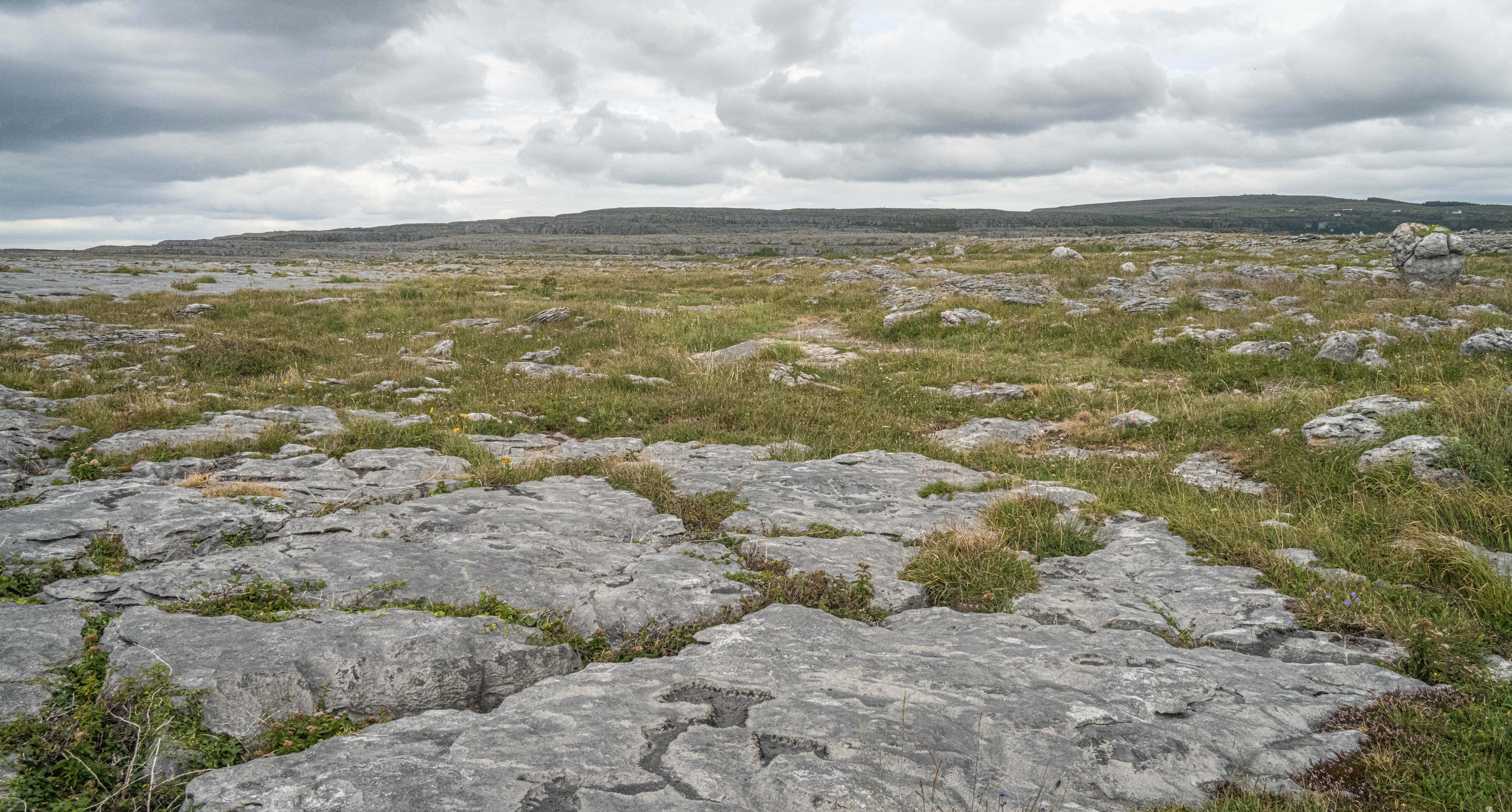
After the Cliffs of Moher, the motor coach took our tour group to the Burren National Park, and along with the Cliffs of Moher the area is recognized as the UNESCO Burren and Cliffs of Moher Global Geopark.

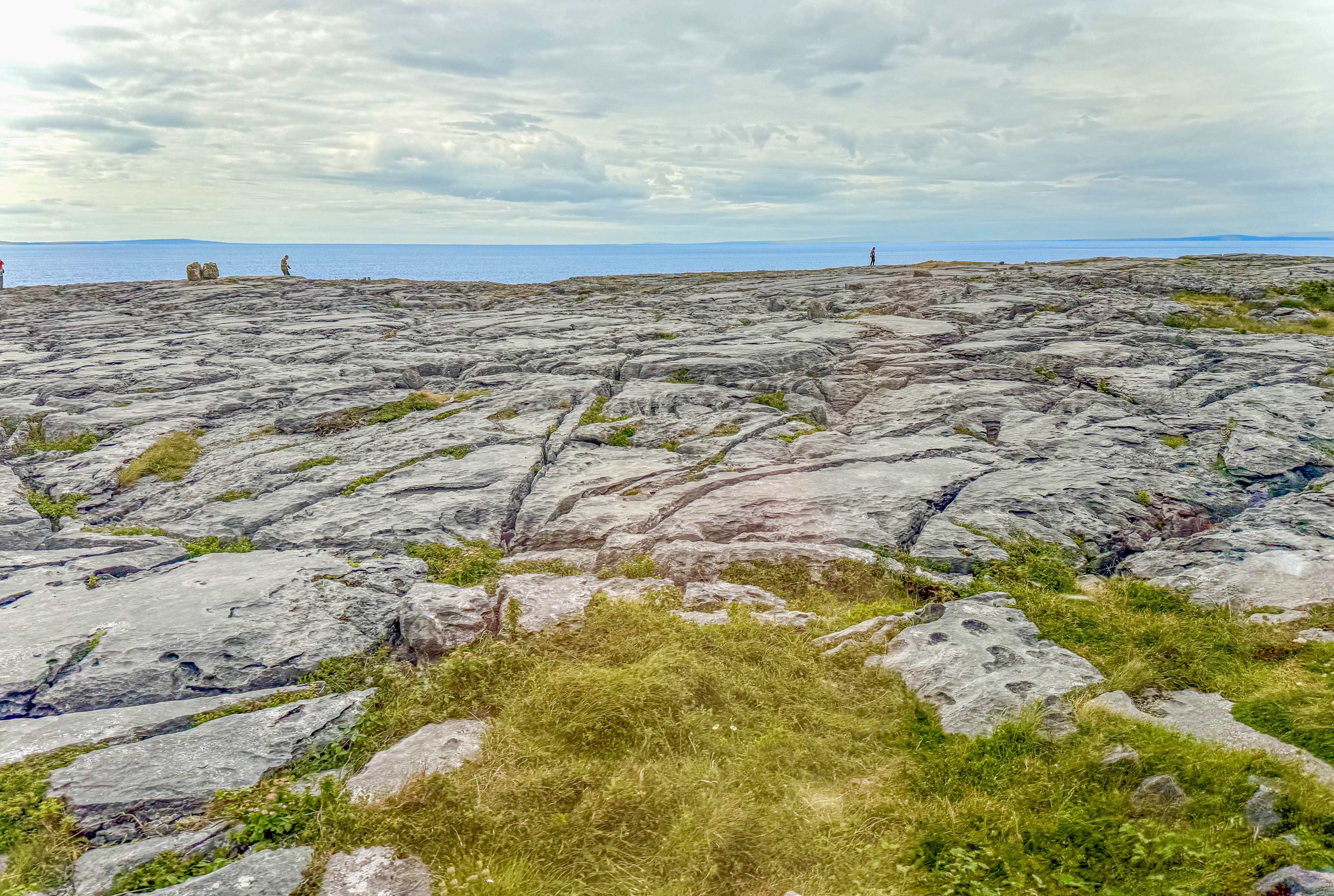
The Burren (from the Irish Boíreann, meaning “rocky place”) is a vast, out-of-this-world looking glaciated karst landscape located in northwest County Clare, Ireland. It covers roughly 200 square miles and is famous for its cracked limestone pavements, subterranean caves, unique biodiversity, and thousands of years of human history.

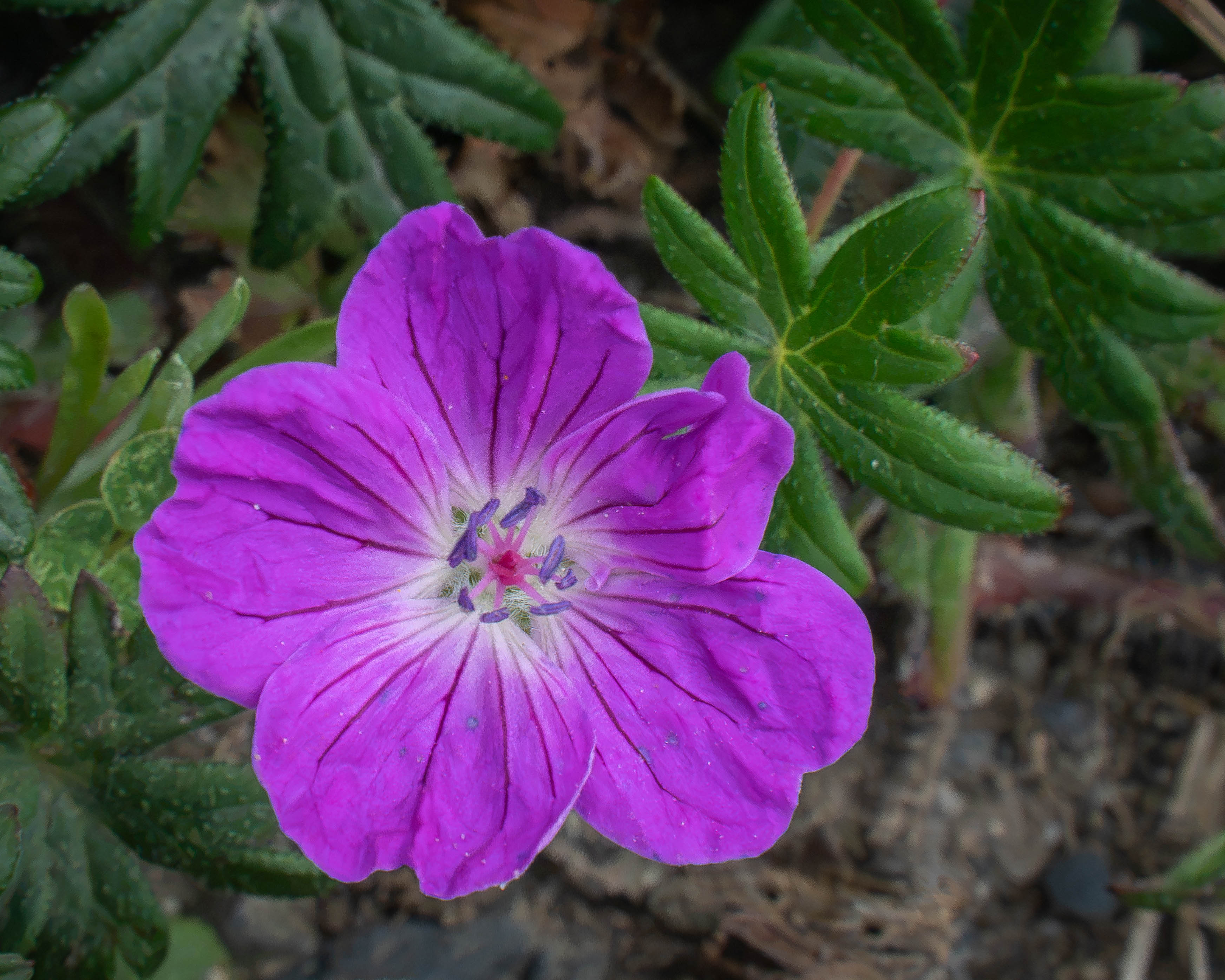
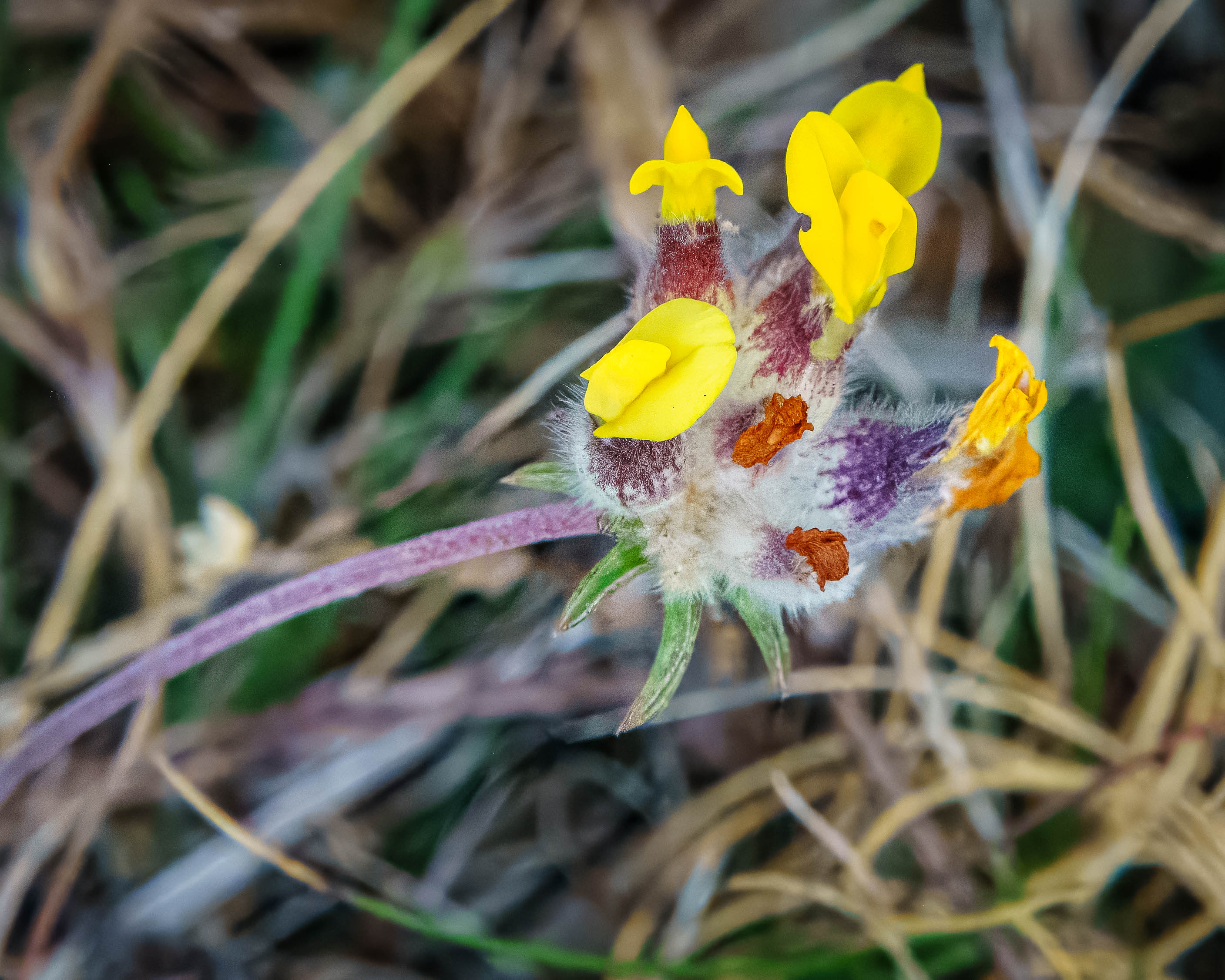
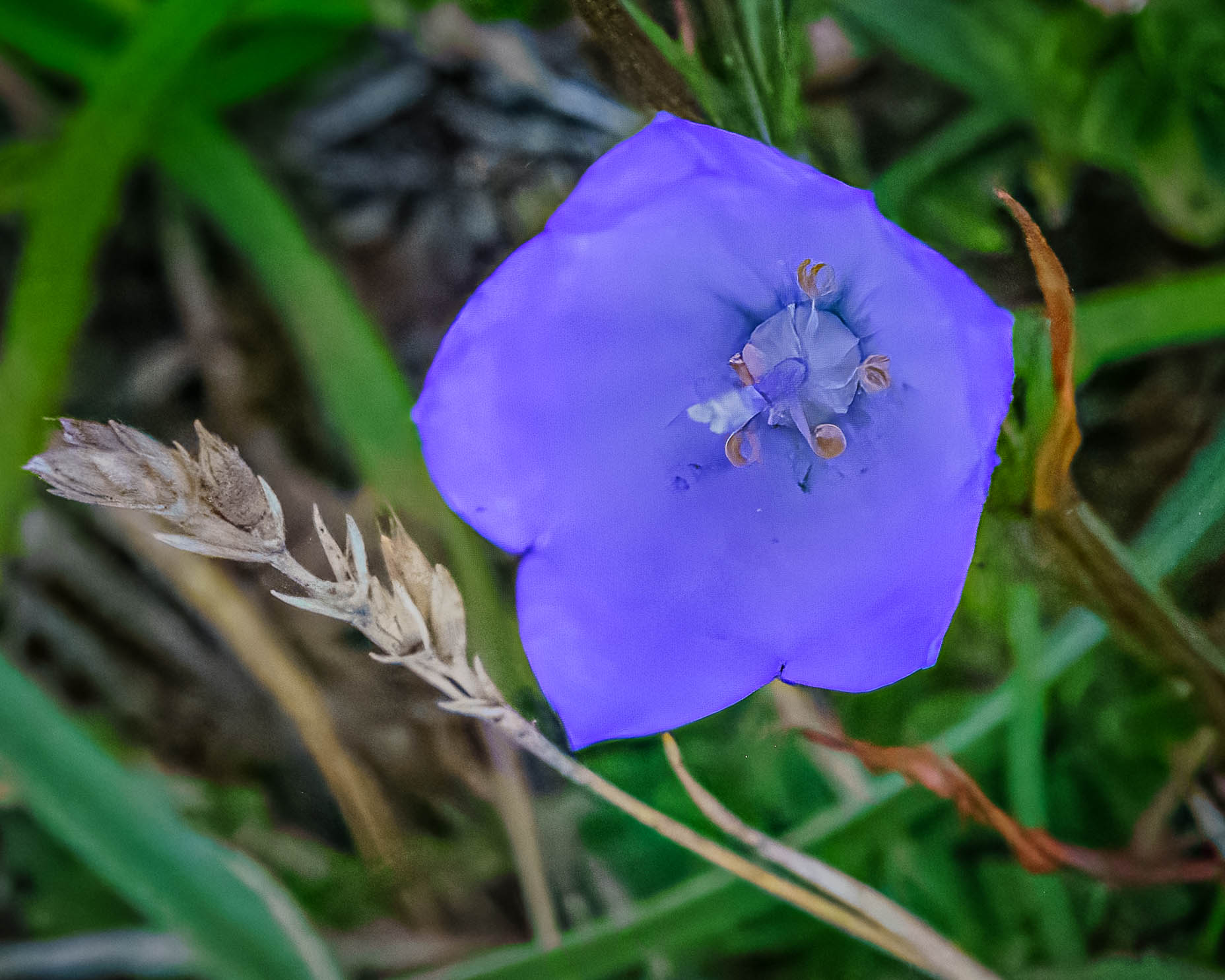
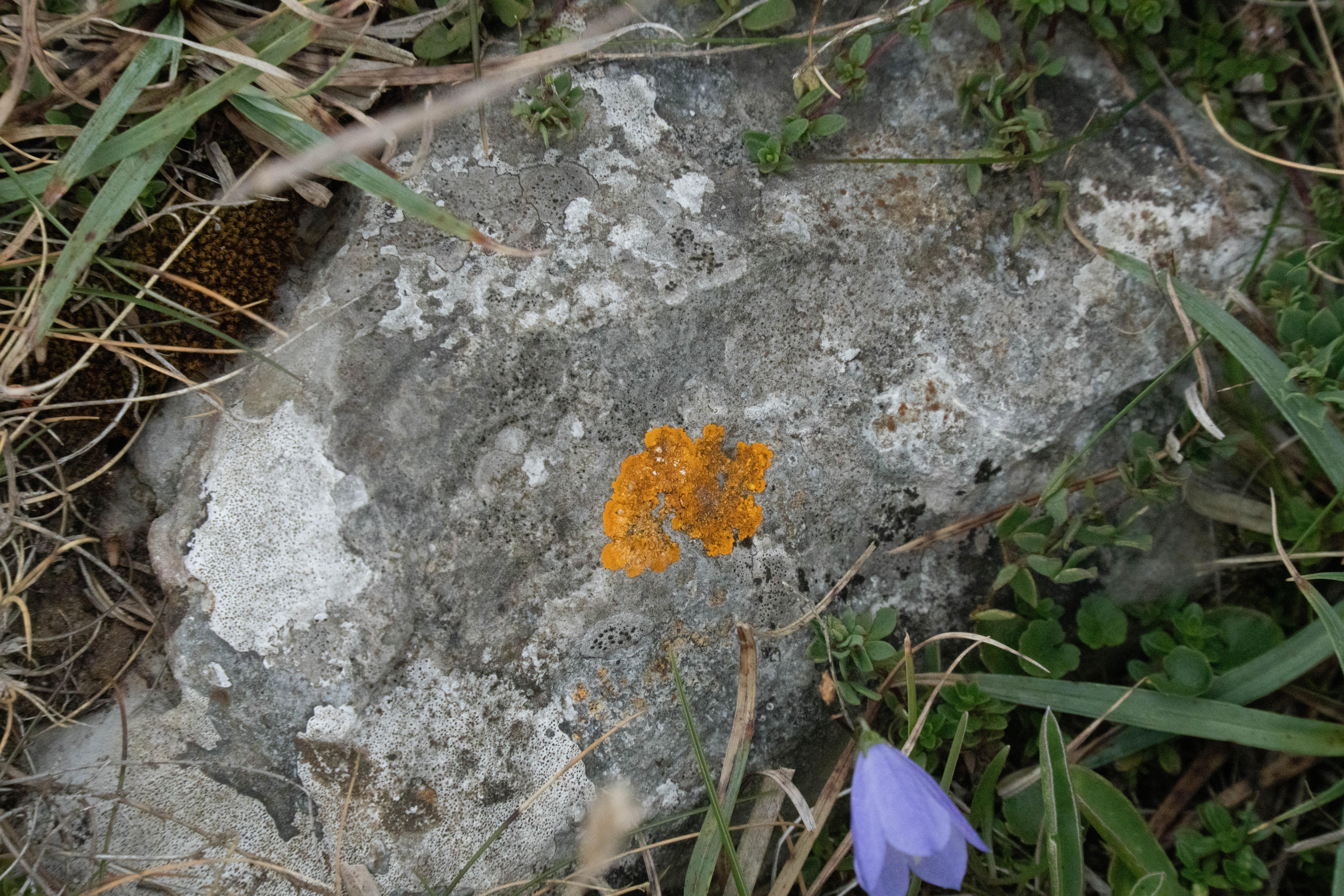
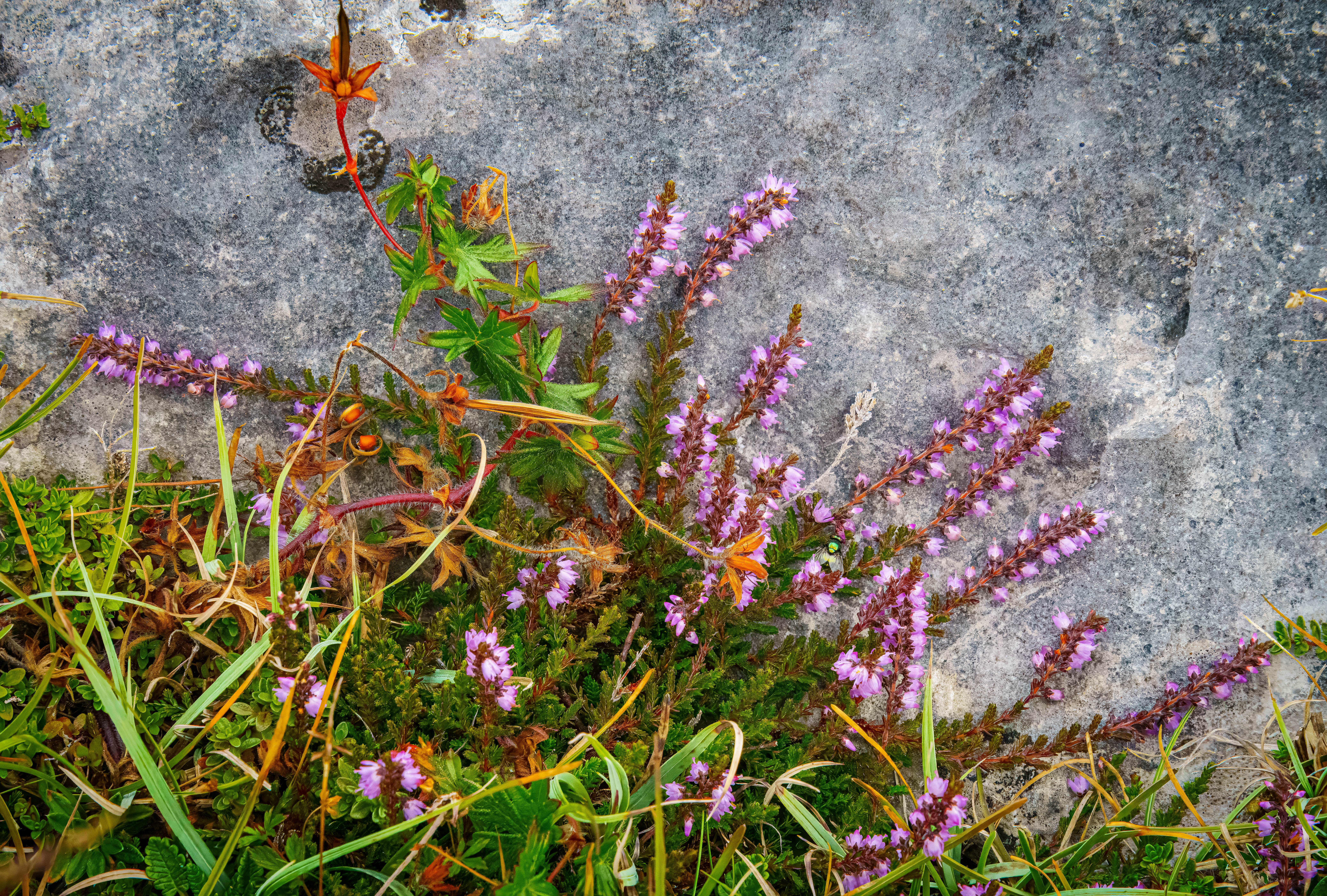
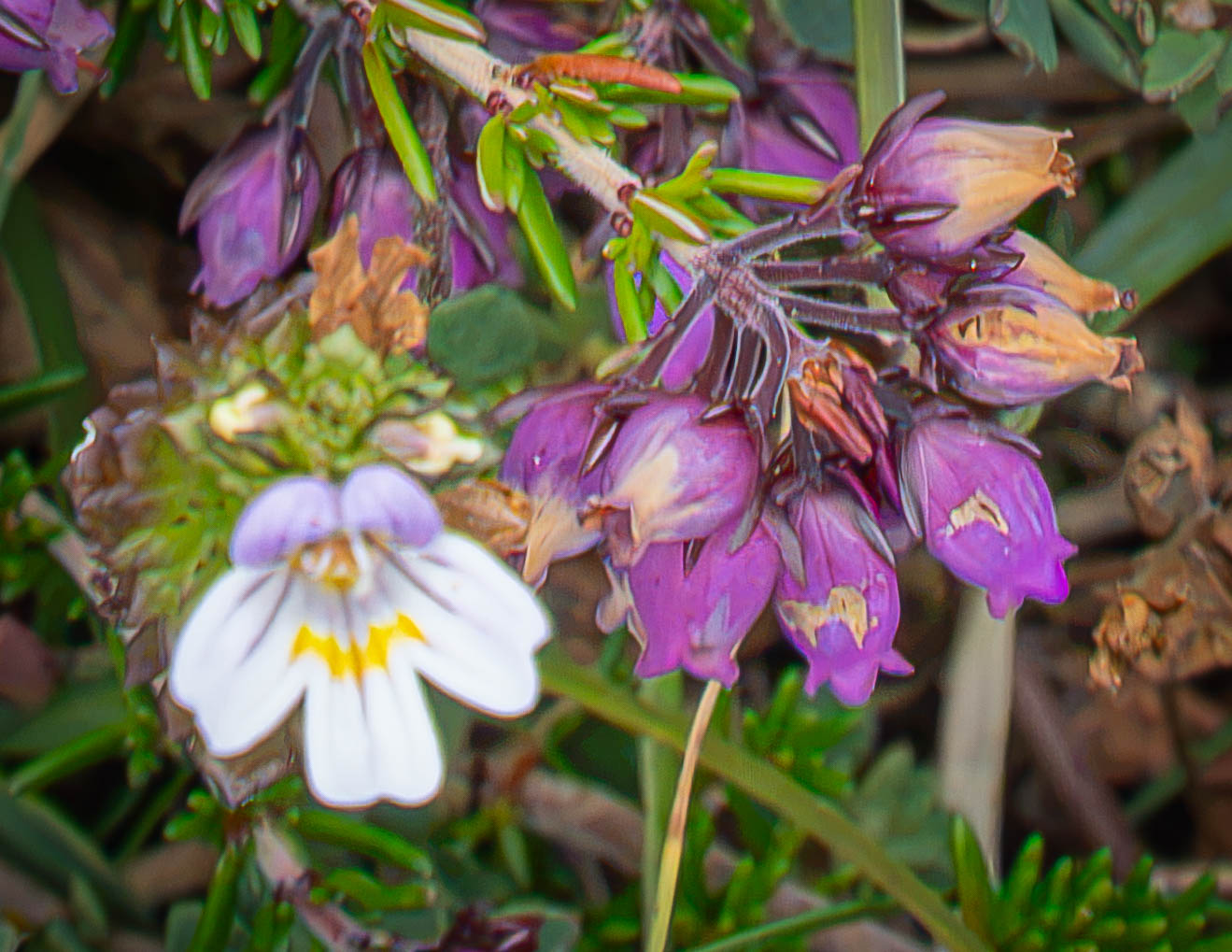
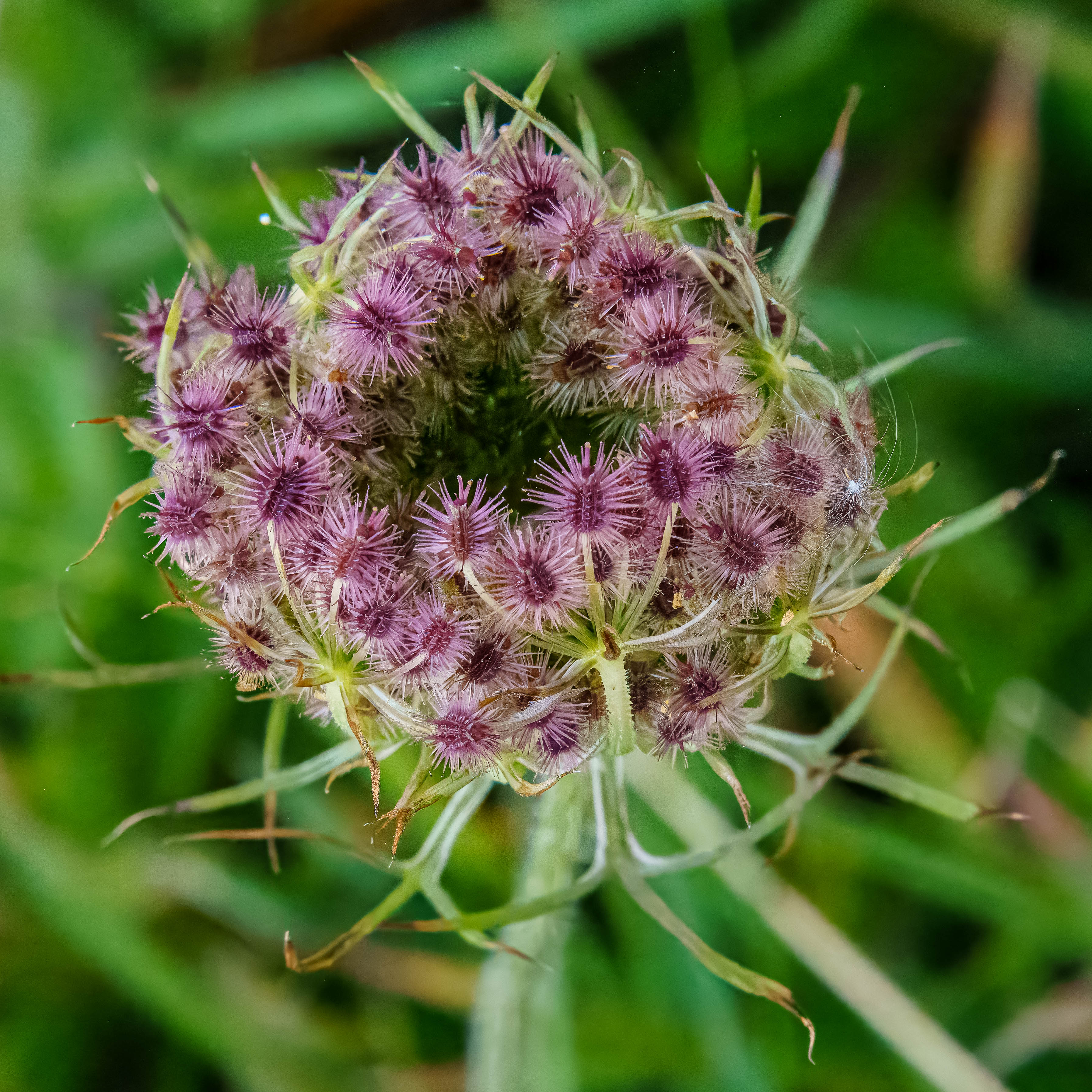
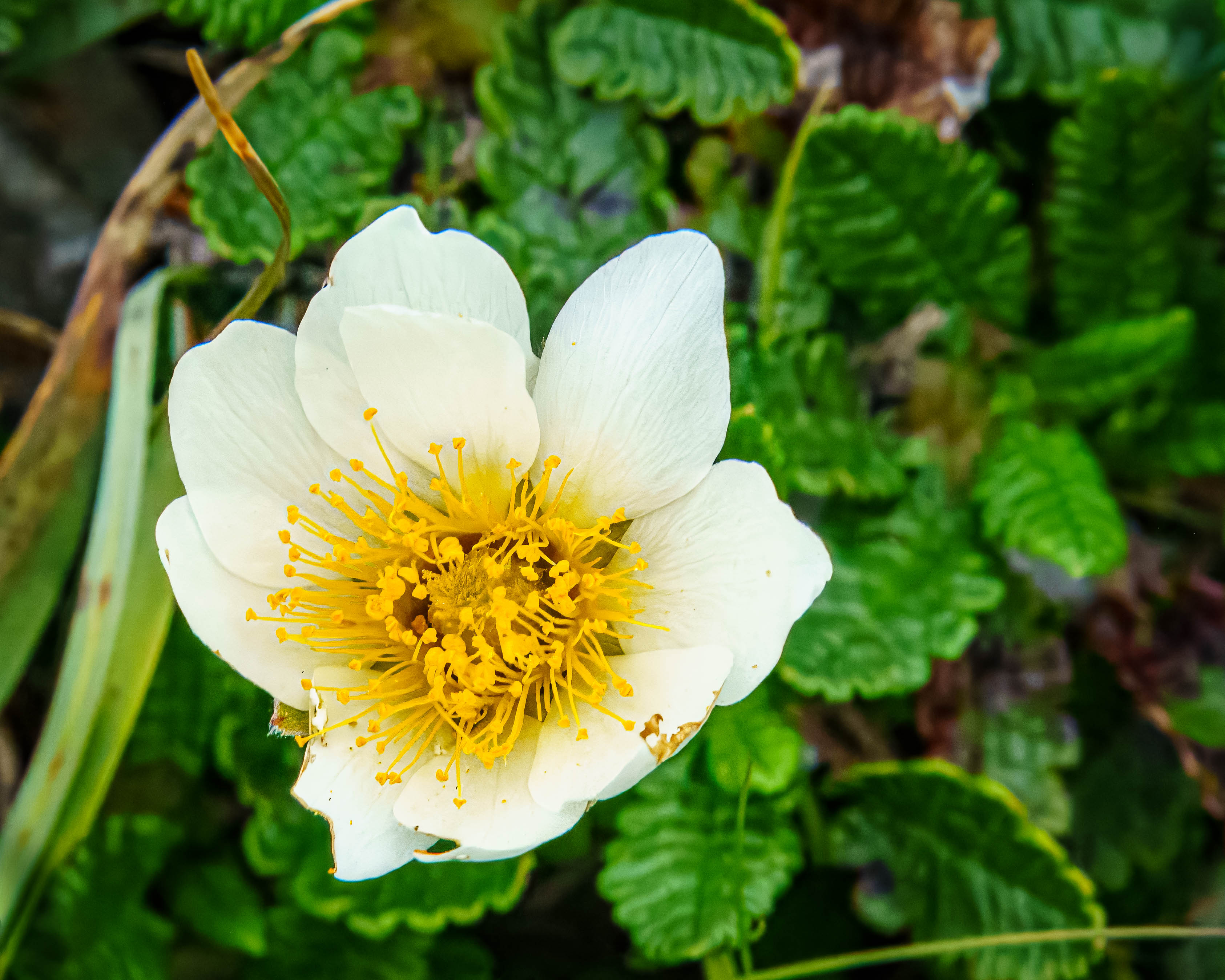
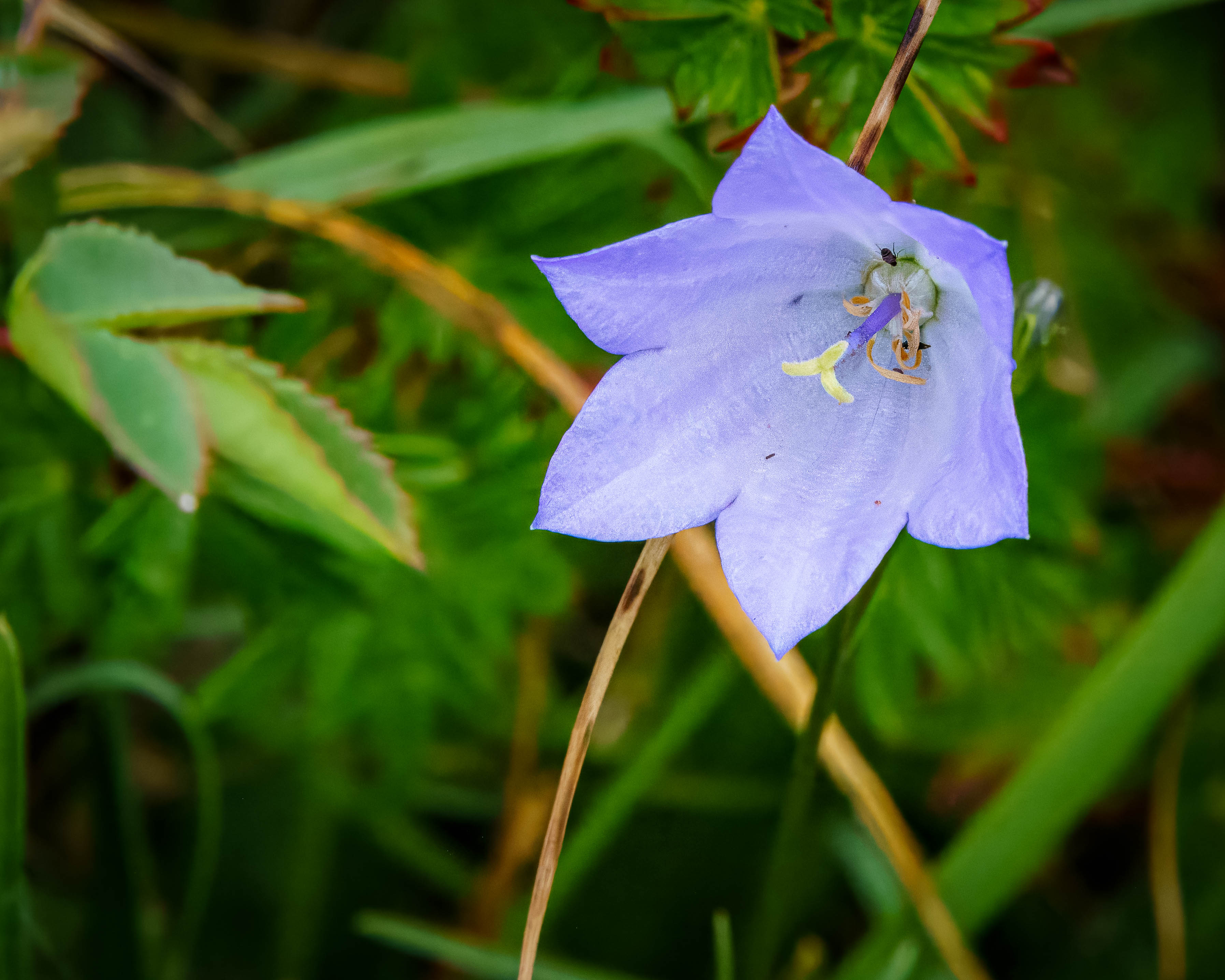
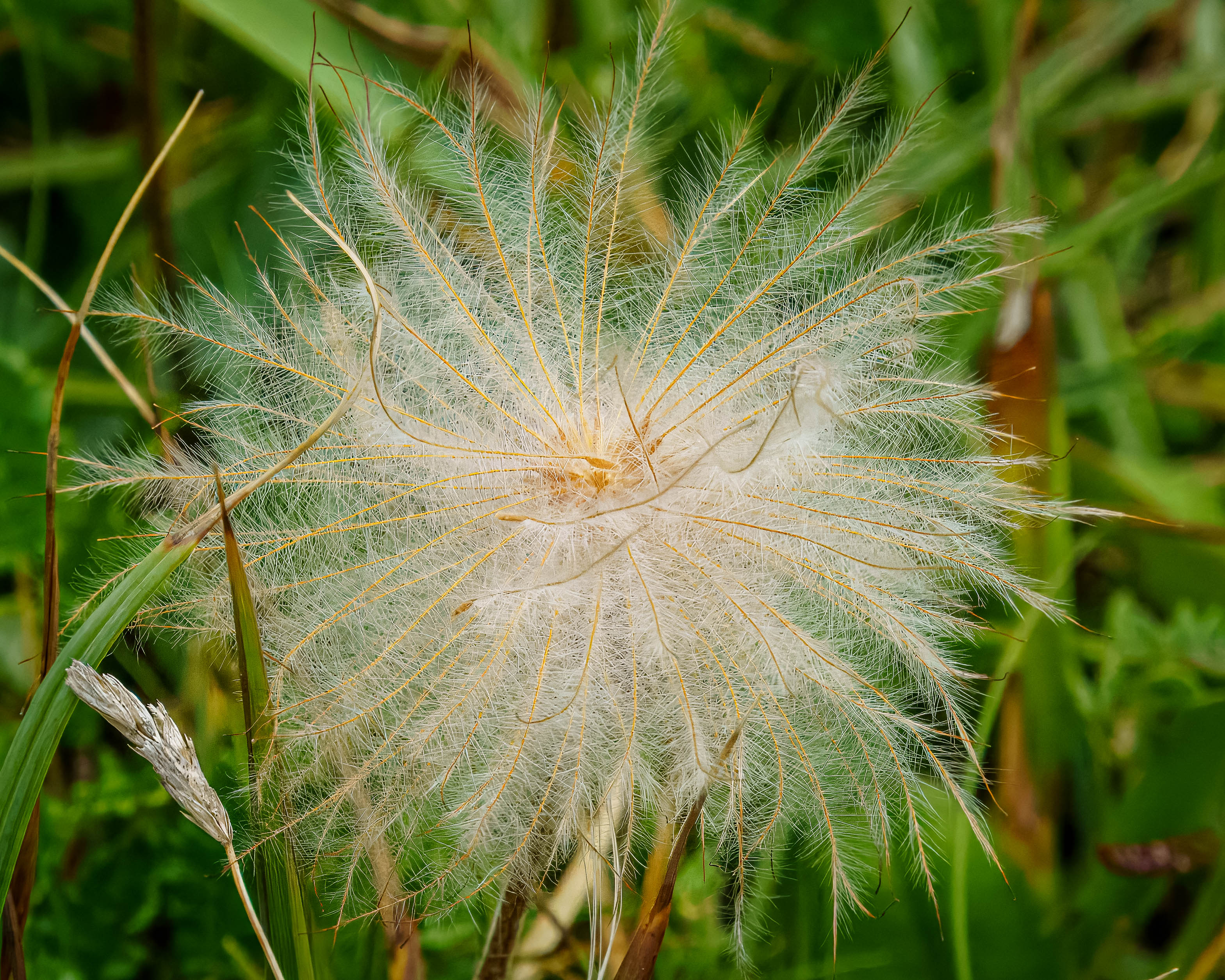
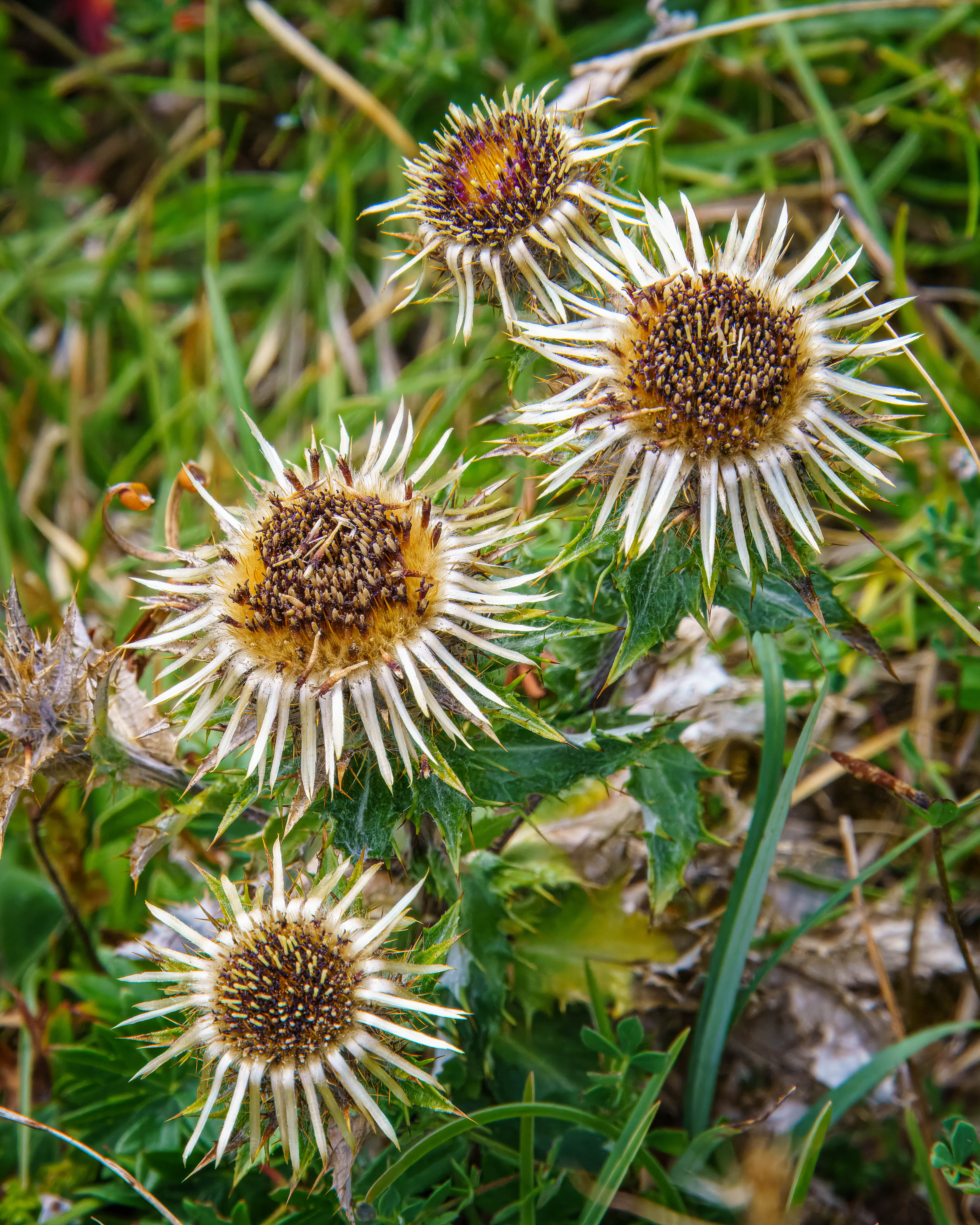
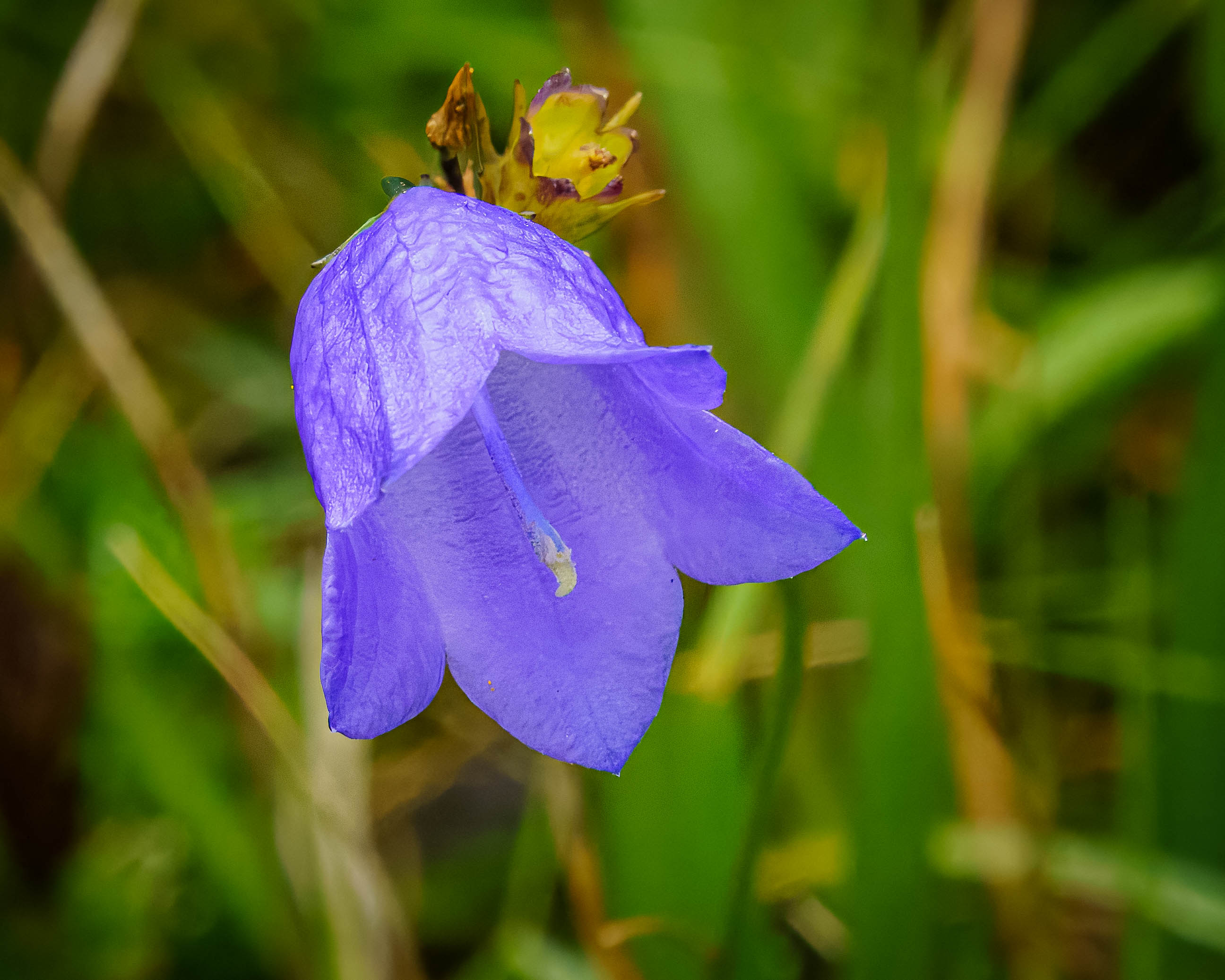
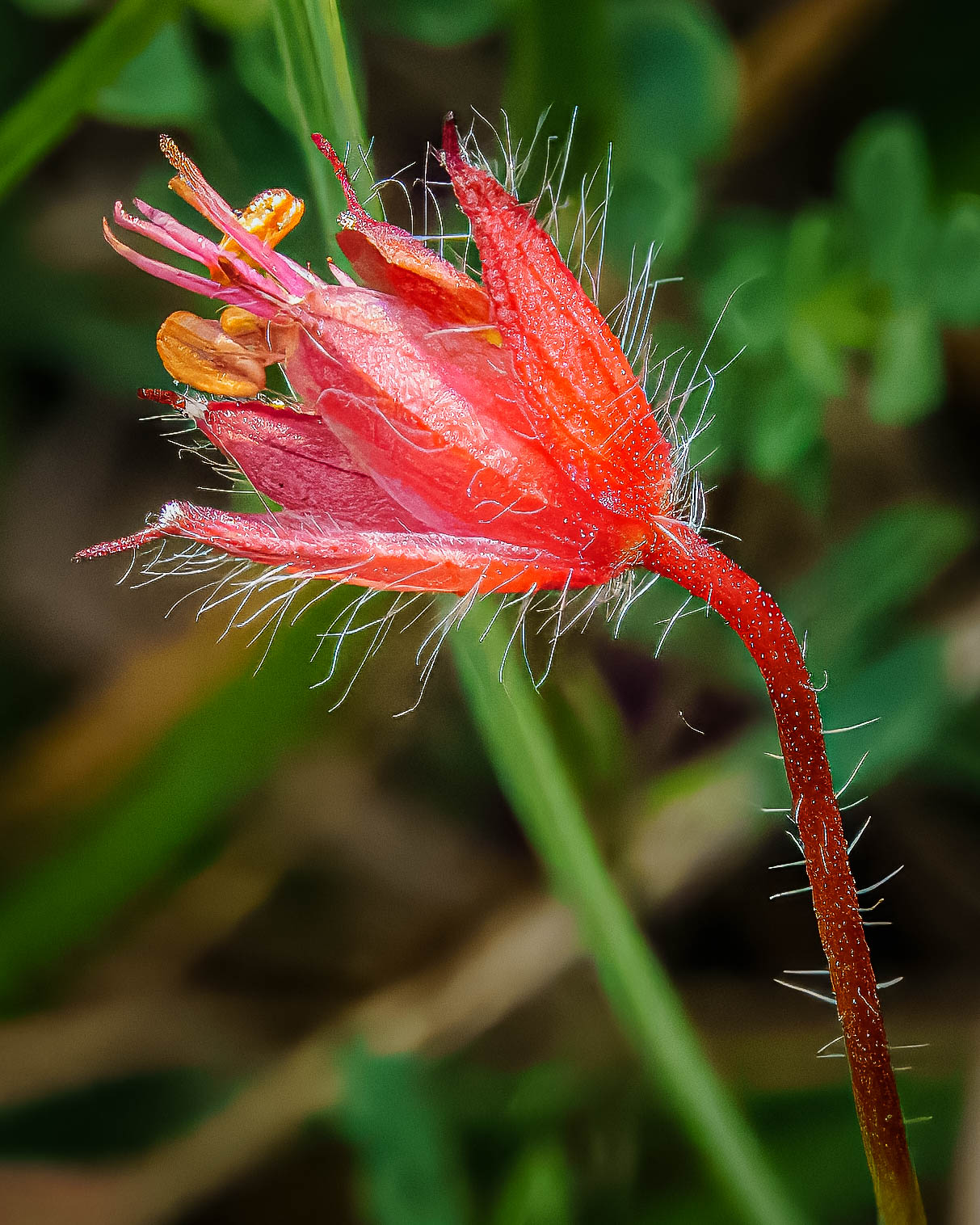
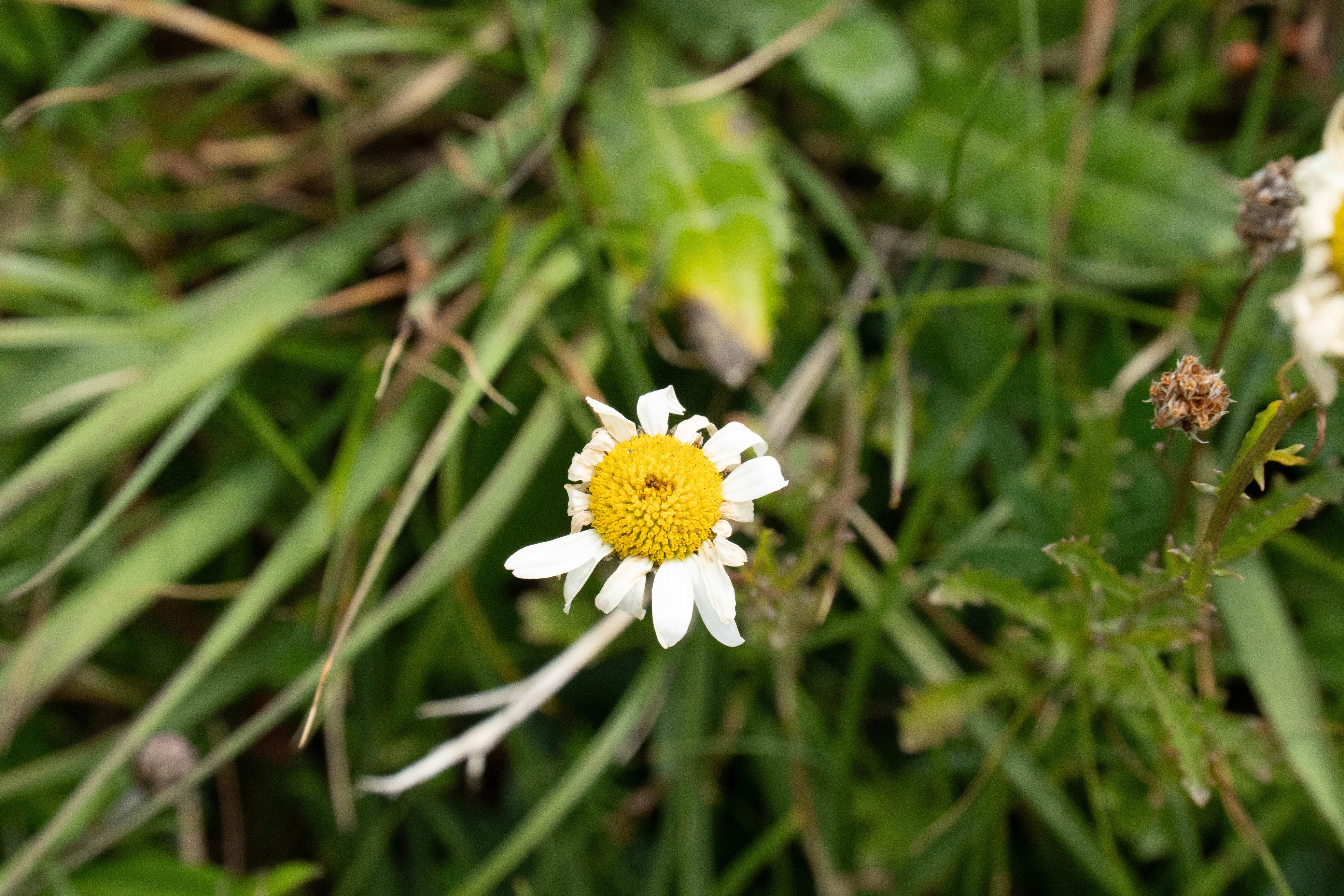
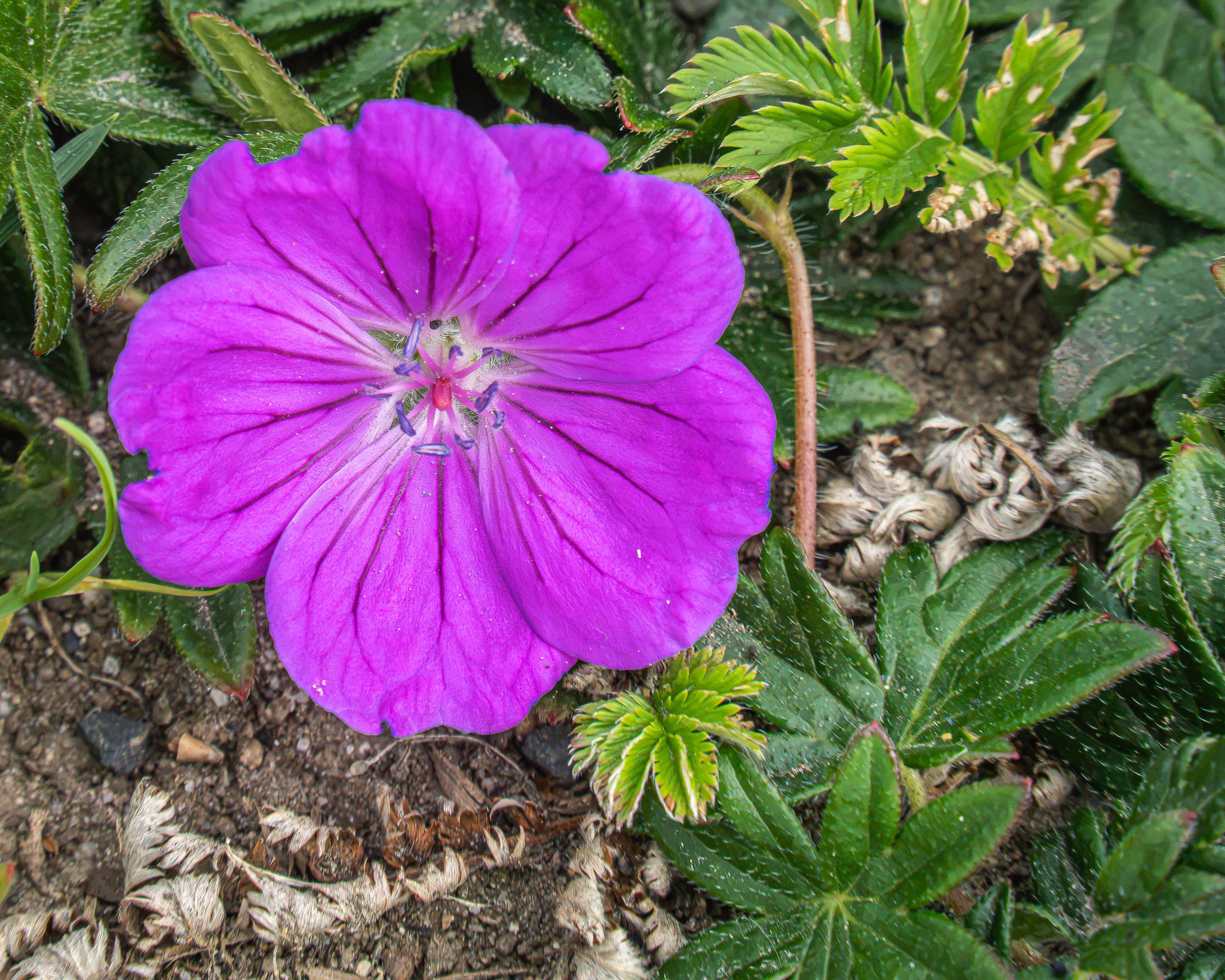
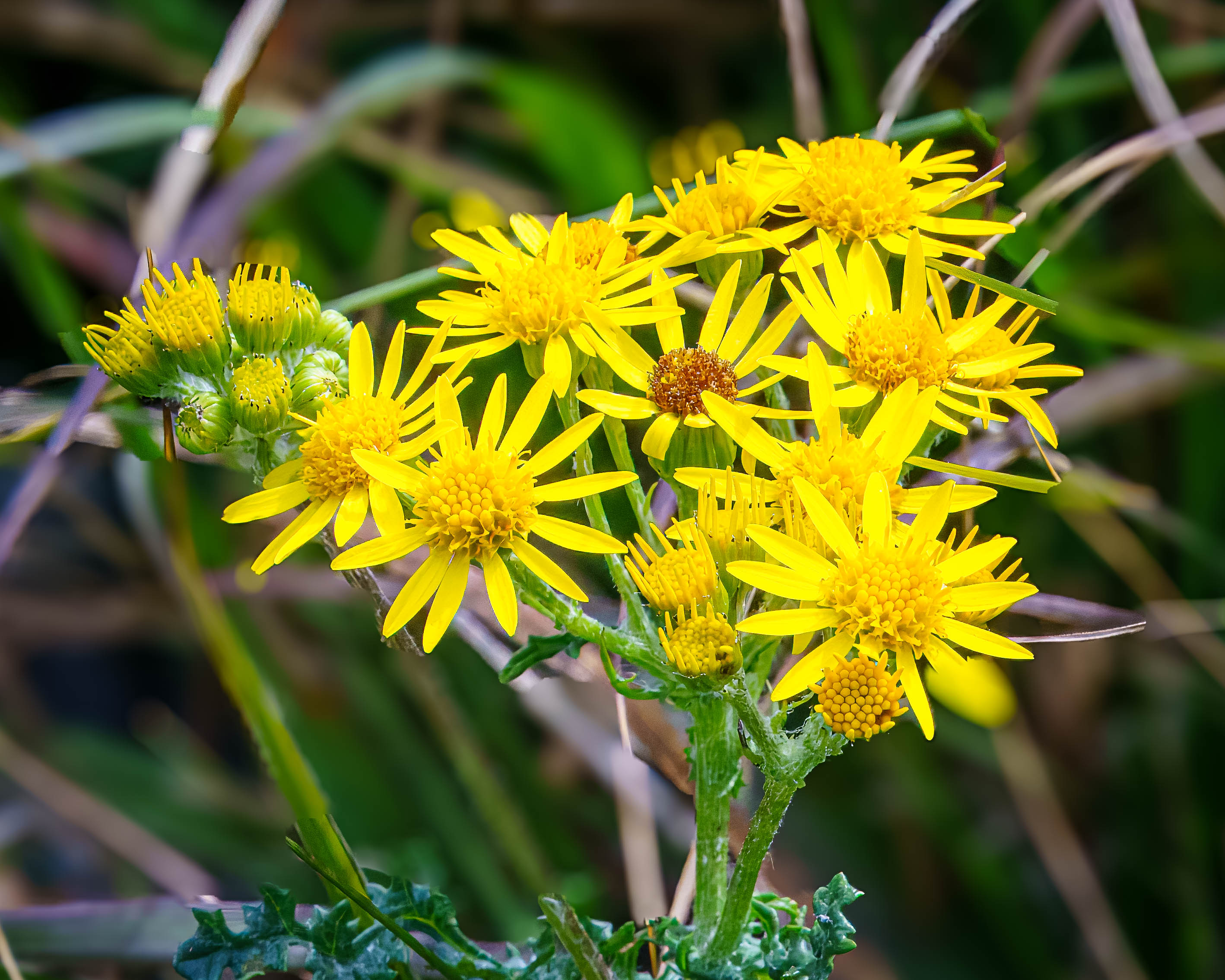
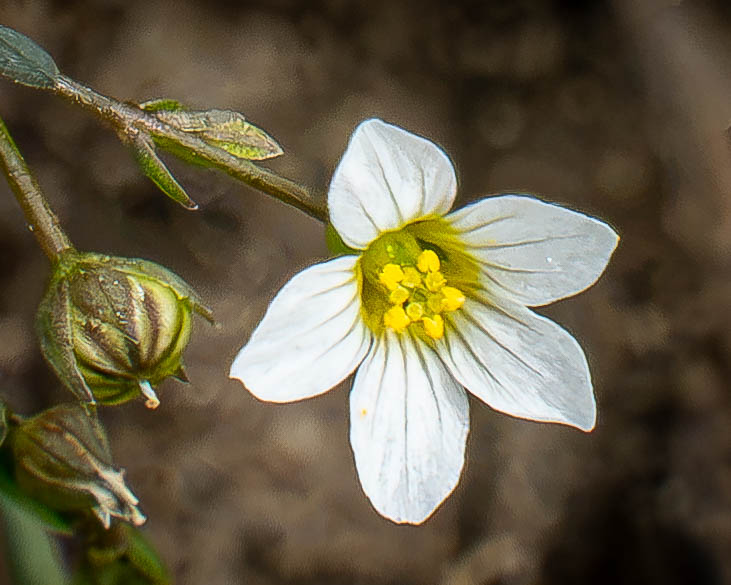
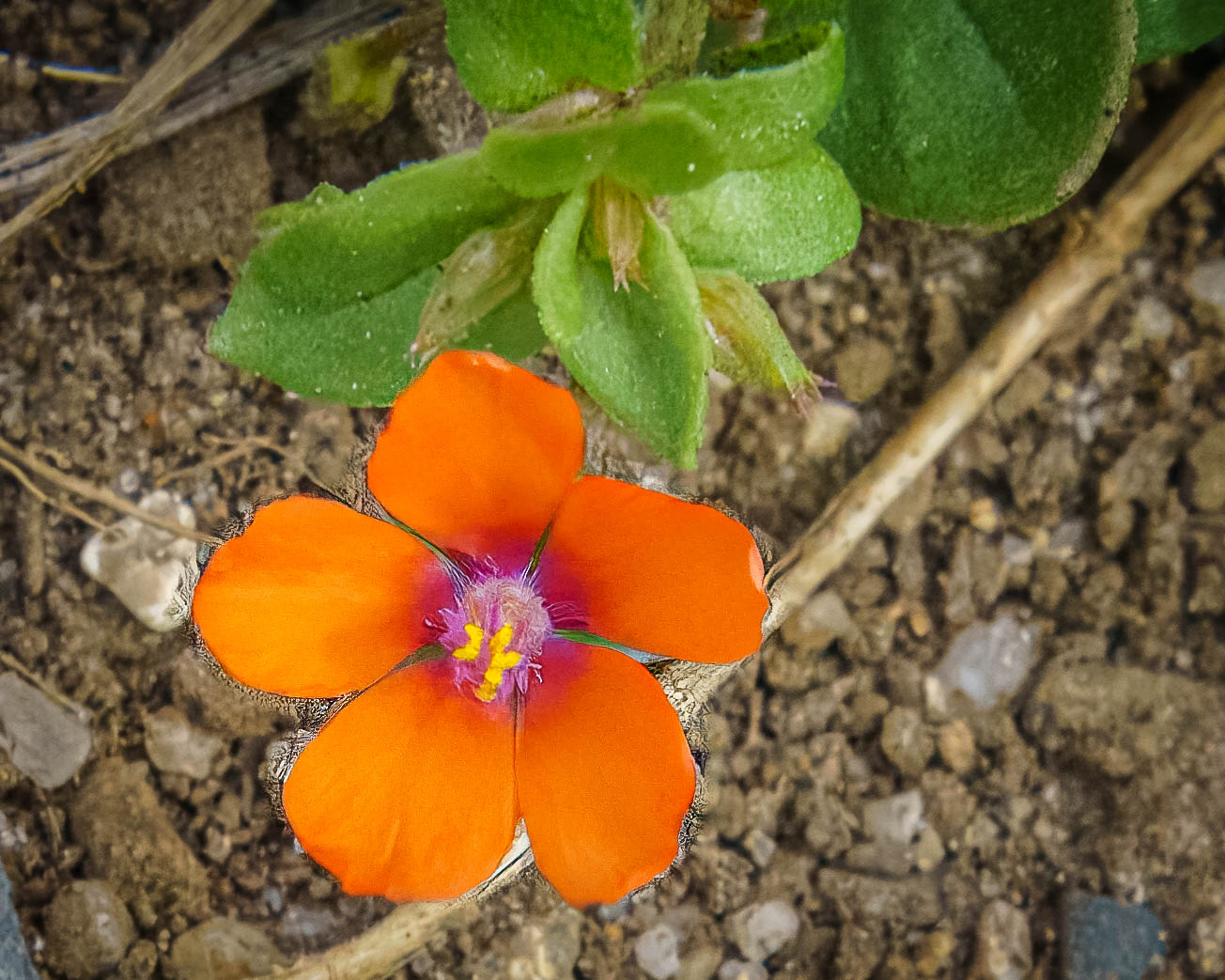
Our local guide focused on the area’s ecology, and particularly the flora (I was like a kid in a candy shop). Despite its barren appearance, the Burren is a thriving ecological hotspot. The deep grikes provide a sheltered, humid microclimate that allows contrasting plant species to grow side-by-side. It is the only place in the world where Arctic, Alpine, and Mediterranean flora share the same ecosystem. We saw several species comprising part of the vibrant population of blue gentians, mountain avens, and 23 varieties of native Irish orchids blooming directly out of the rock. (Click on an image to enlarge it.)

We completed our transfer to Galway by motor coach, checked in to the hotel, and enjoyed a late dinner before retiring for the evening.
Monday, August 10, 2026—Killarney National Park

After breakfast, we walked a bit to near Killarney National Park, our tour destination for the day. There, we met our local expert guide.

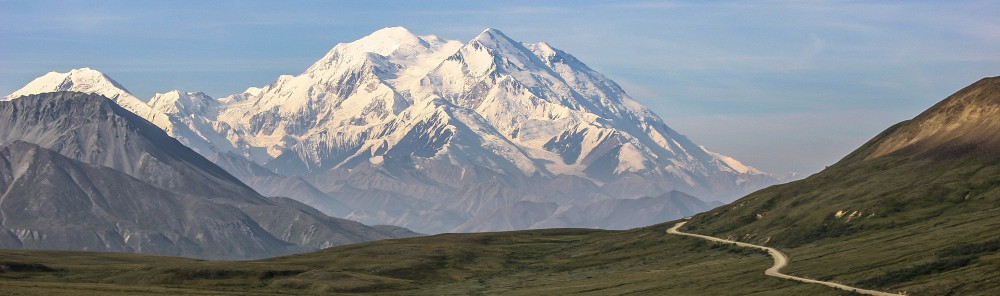
Killarney National Park sits adjacent to the city, and is a sprawling 26,000-acre UNESCO Biosphere Reserve. (NOTE: Twinned with Glacier National Park in Montana, USA, Killarney National Park has been designated as a Biosphere Reserve by the United Nations Educational, Scientific and Cultural Organization (UNESCO) for work in conservation and research.) As Ireland’s very first national park, it protects the country’s only wild herd of native red deer (which we didn’t see), its largest remaining stands of ancient oak woodland, and the world-famous Lakes of Killarney. Nestled at the foot of the Macgillycuddy’s Reeks—Ireland’s highest mountain range—the park seamlessly blends rugged natural landscapes with centuries of rich Irish heritage.

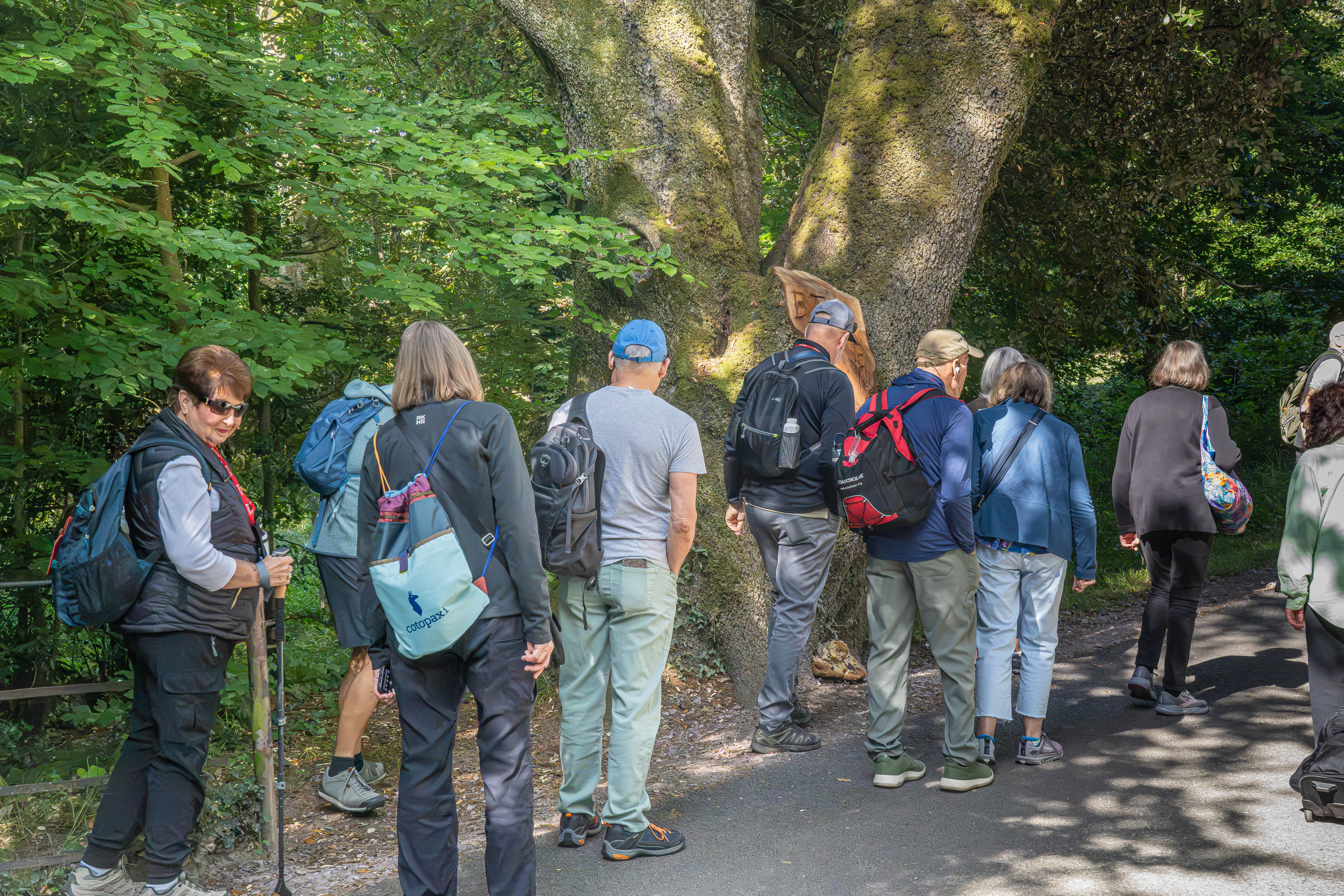
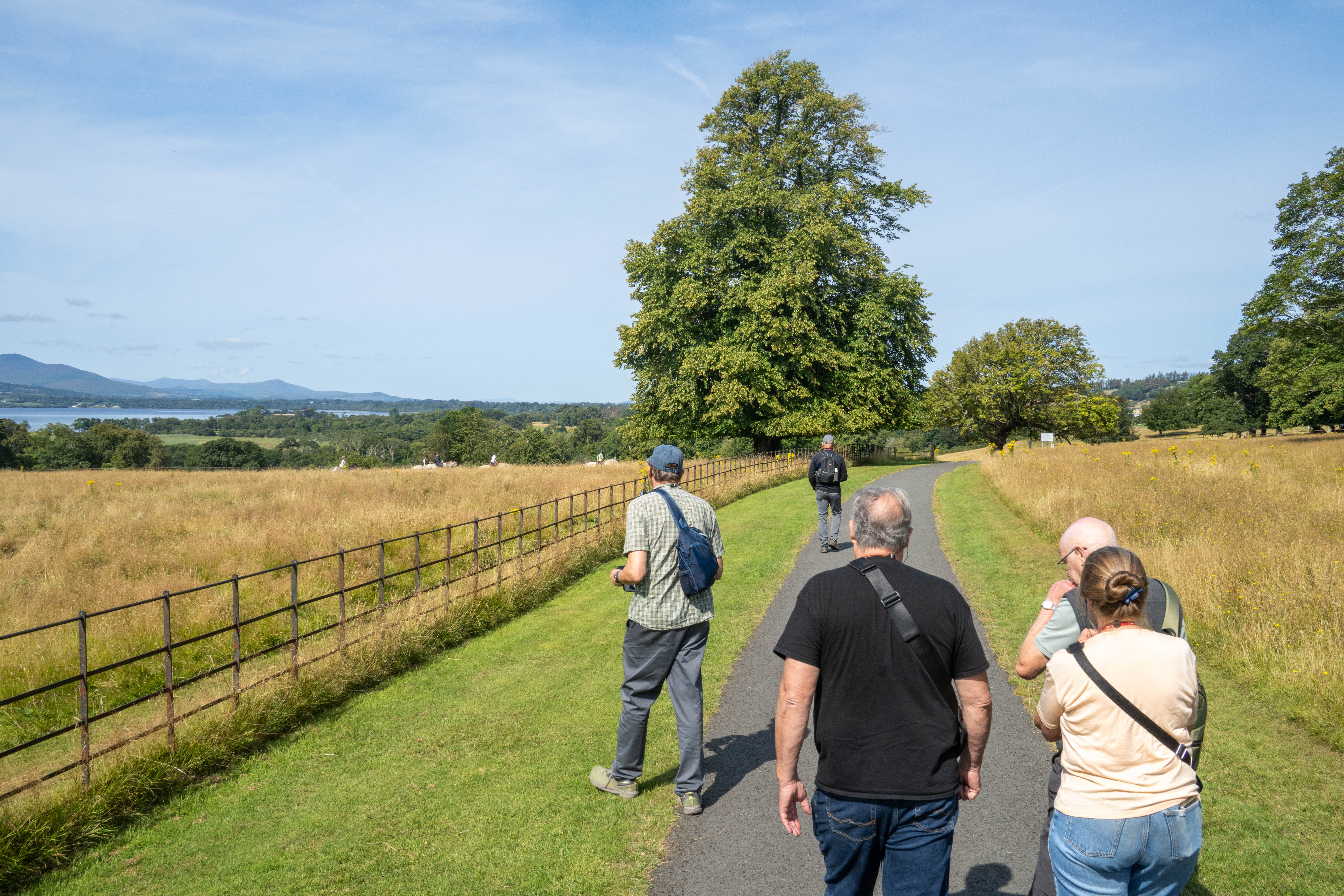
As we walked along the park’s perimeter, the guide pointed our the various flora and its importance to the ecosystem.As the group walked along the trail, the guide pointed out that Rhododendrons were nuisance plants inasmuch as they grow disproportionately large and tall, some becoming trees, shading out native trees and shrubs.

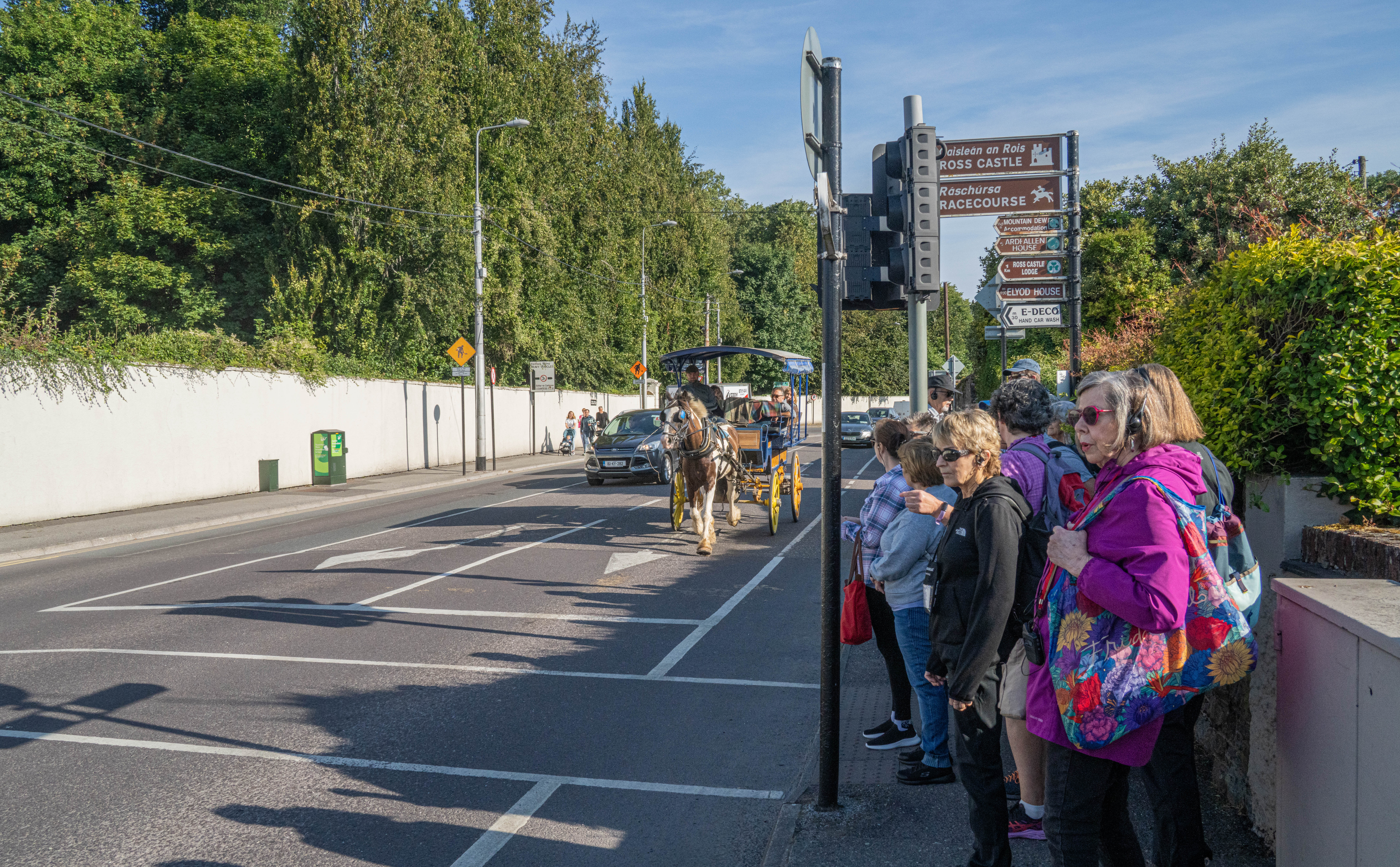
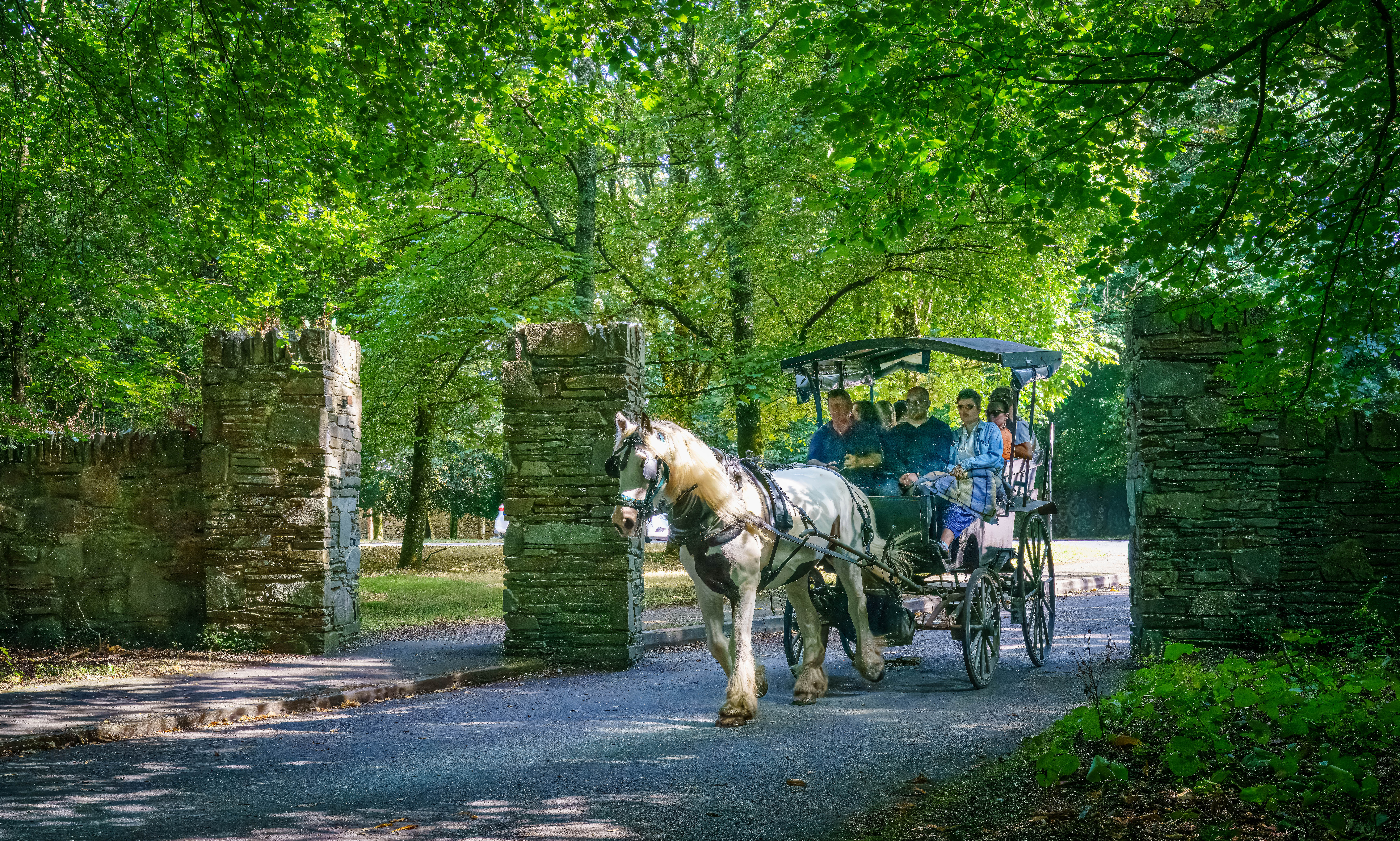
And, we had to make way for the numerous horse-drawn carriages, locally known as “jaunting cars”.

Much of the trail overlooked the beautiful lake(s) in the background.

Killarney National Park has many heritage sites including Killarney House and Gardens, Muckross House and Gardens, Copper Mines, Innisfallen, Muckross Abbey, the Briceen and Old Weir Bridges.

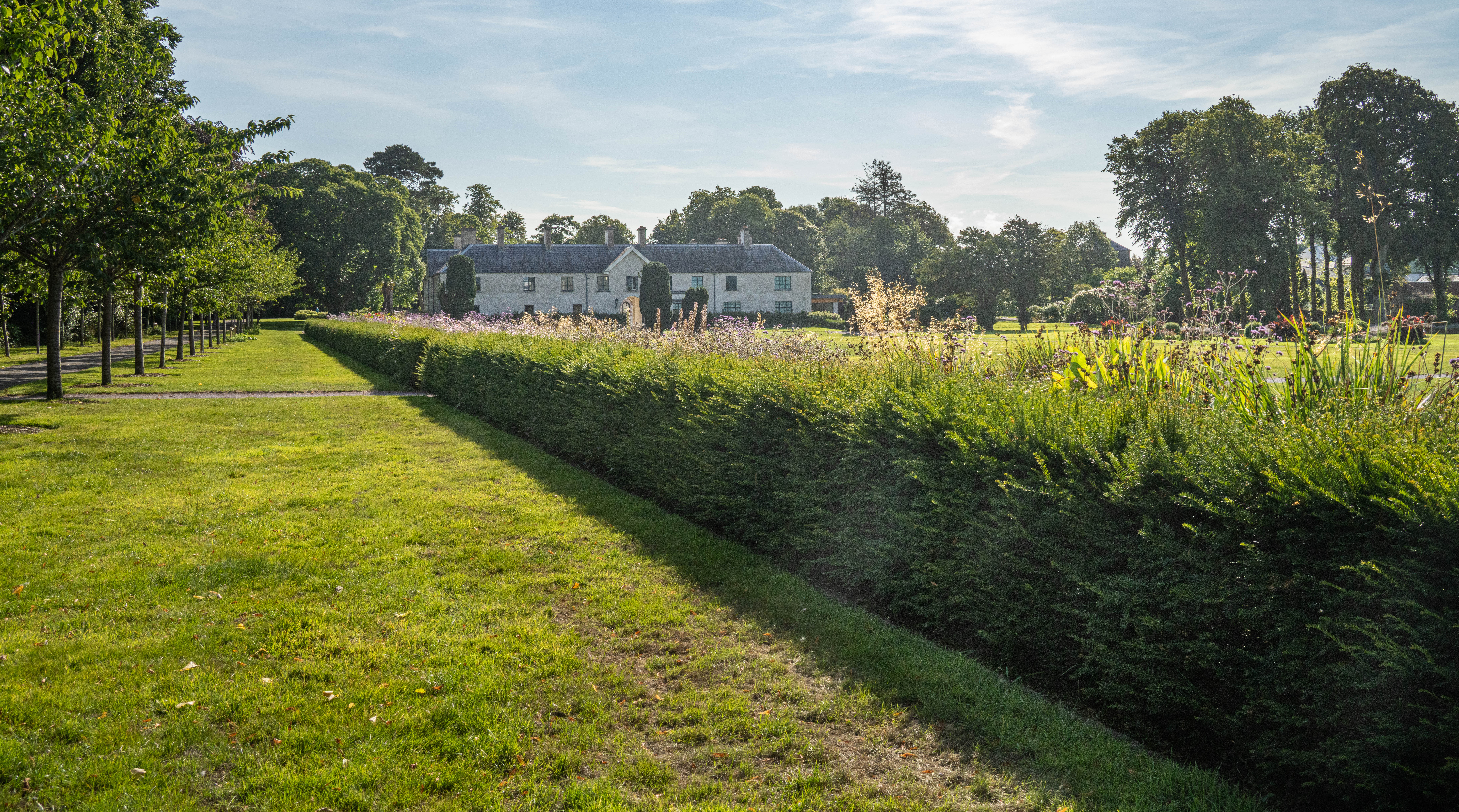
Killarney House and Gardens serves as the primary visitor center for Killarney National Park. This beautifully restored 18th-century residence offers a mix of historical period rooms, a vast multimedia exhibition about the park’s biodiversity, and meticulously manicured formal gardens with stunning views of the MacGillycuddy’s Reeks mountain range.

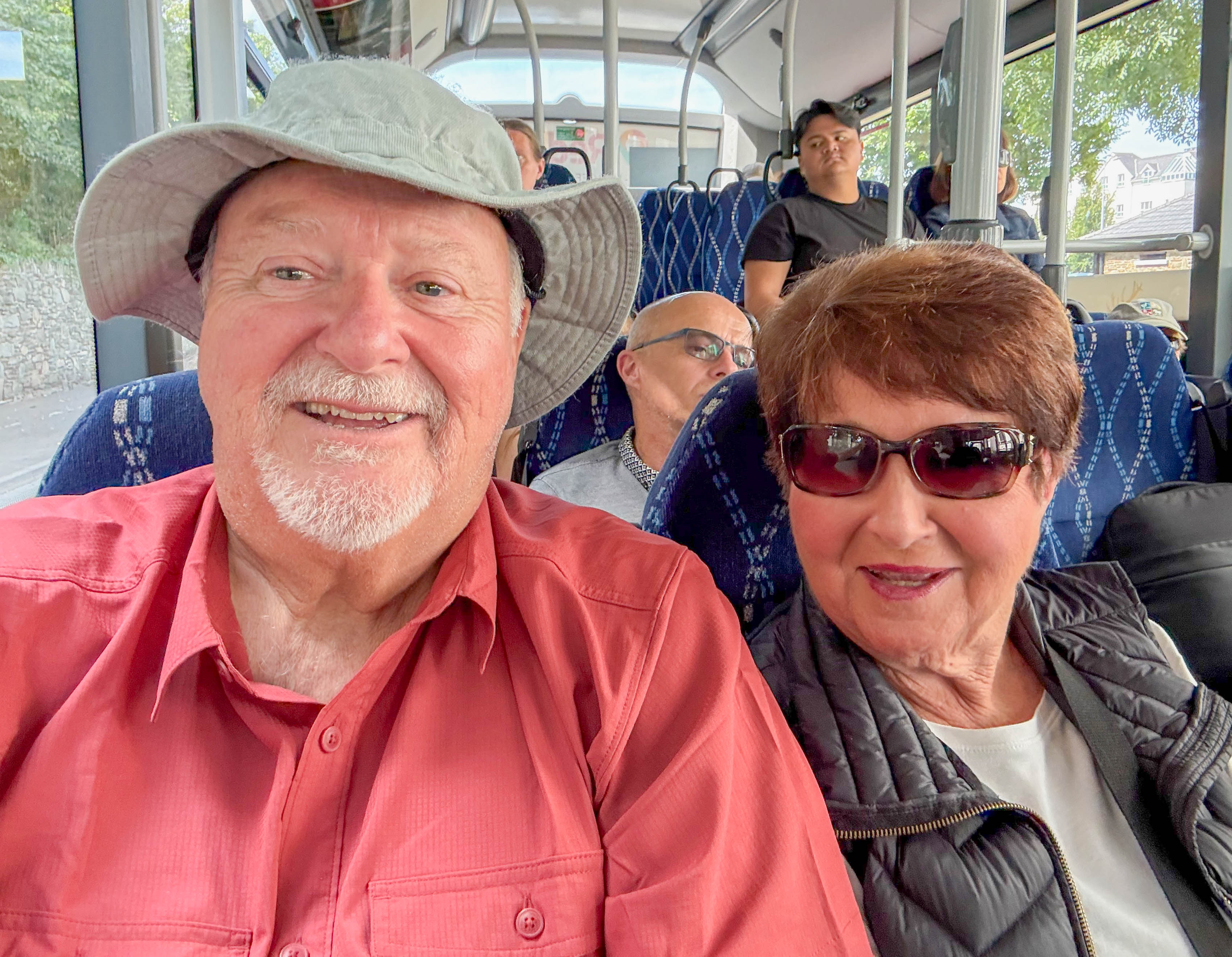
A “Red Bus” ride took us to Muckross House and Gardens.

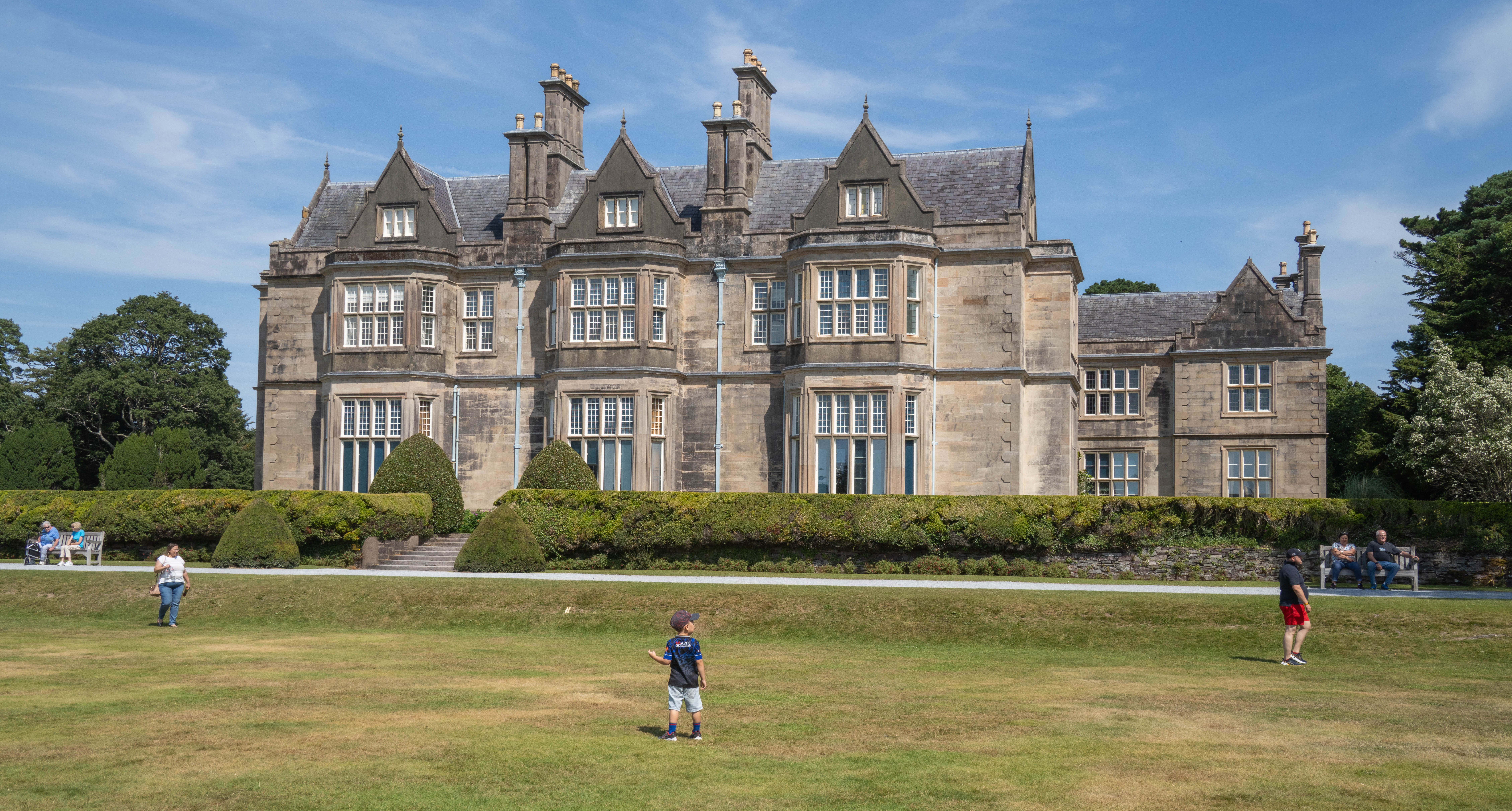
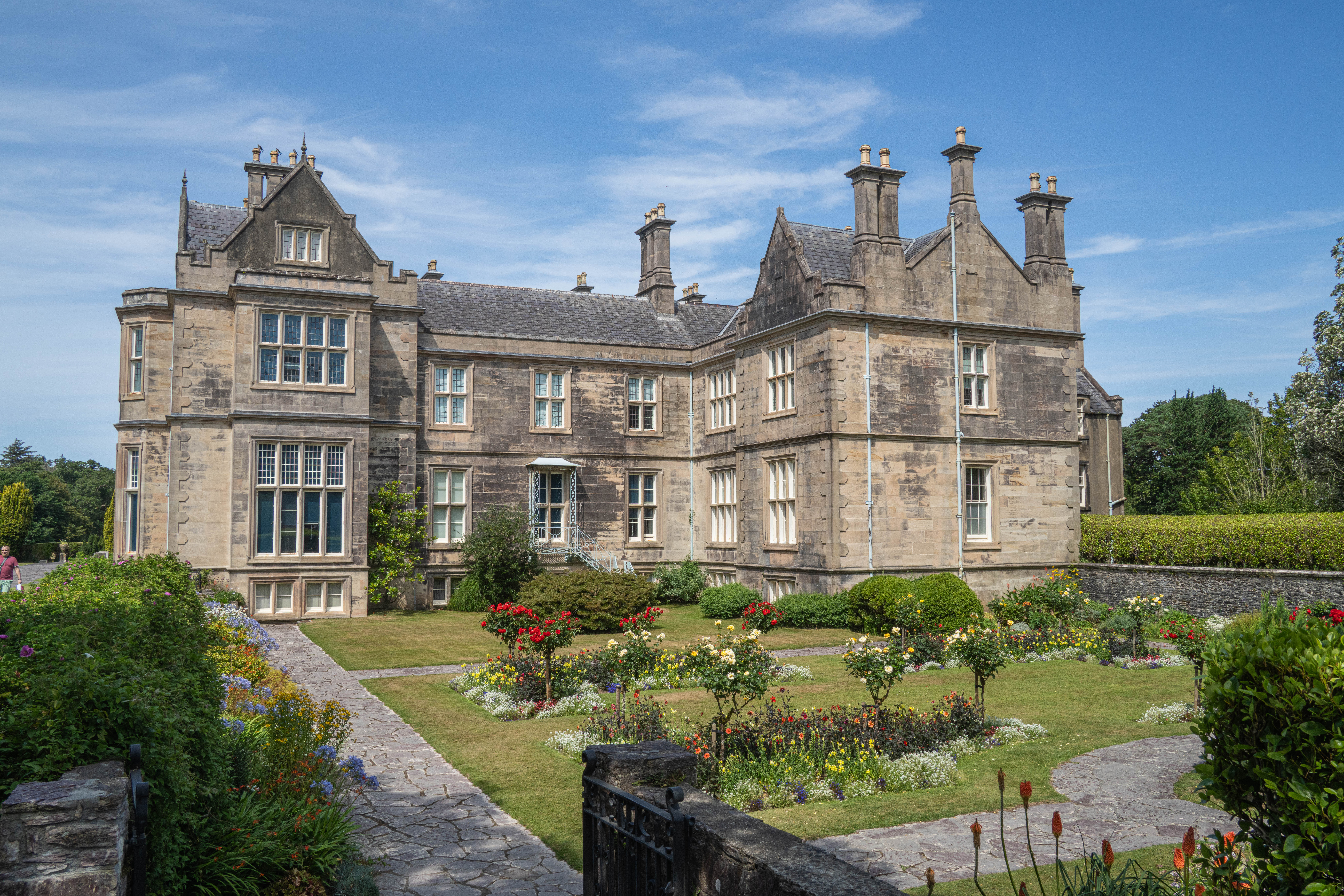
Muckross House is a magnificent 19th-century Victorian mansion located on the Muckross Peninsula within the spectacular Killarney National Park in County Kerry, Ireland. Built in 1843 in the Tudor architectural style, it features 65 rooms and is famous for its stunning lakeside views, extensive gardens, and its history—including a famous visit by Queen Victoria in 1861. In 1932, the estate was gifted to the Irish nation, and this is when Killarney National Park became the country’s very first National Park.

The formal garden at the rear of the mansion were spectacular.

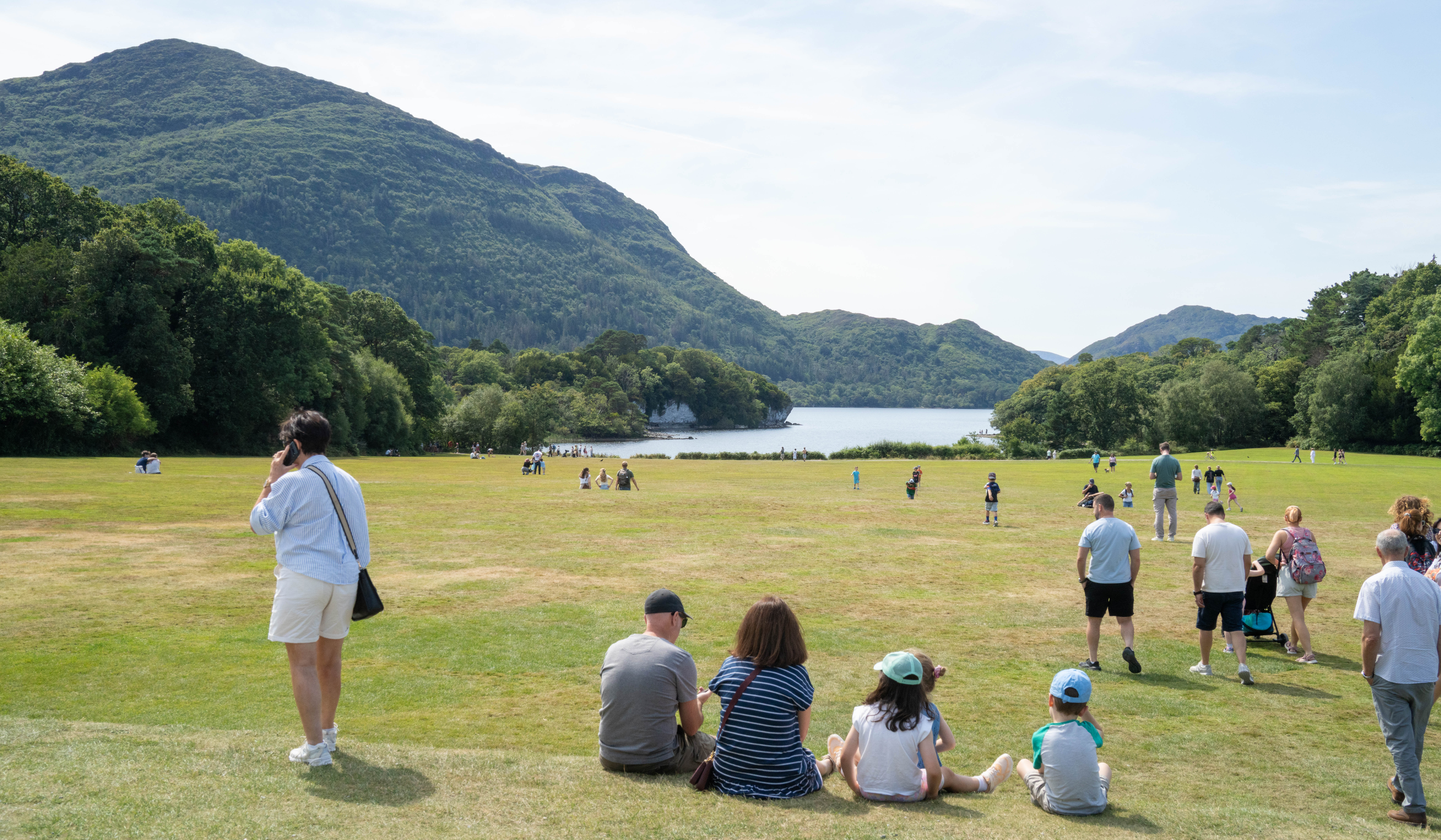
The manicured lawn (front yard in Arkansas talk) provided great green space for families to enjoy.

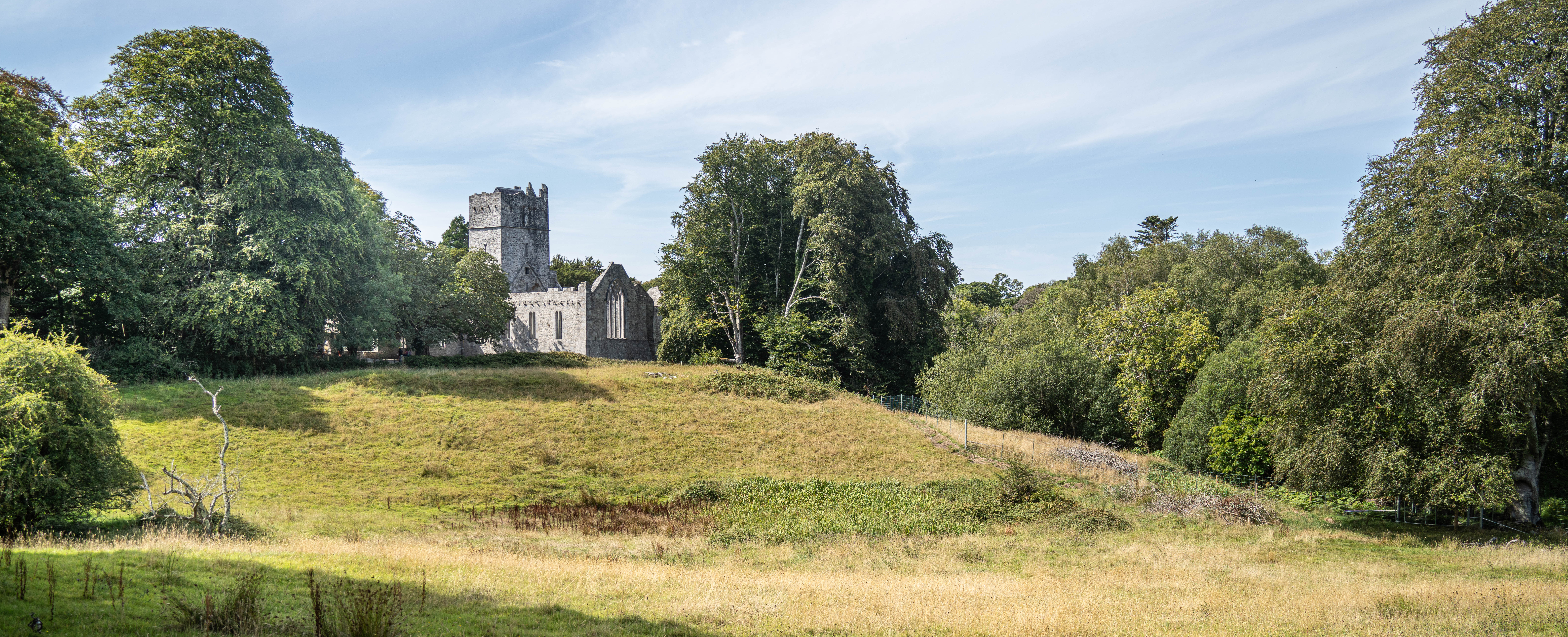
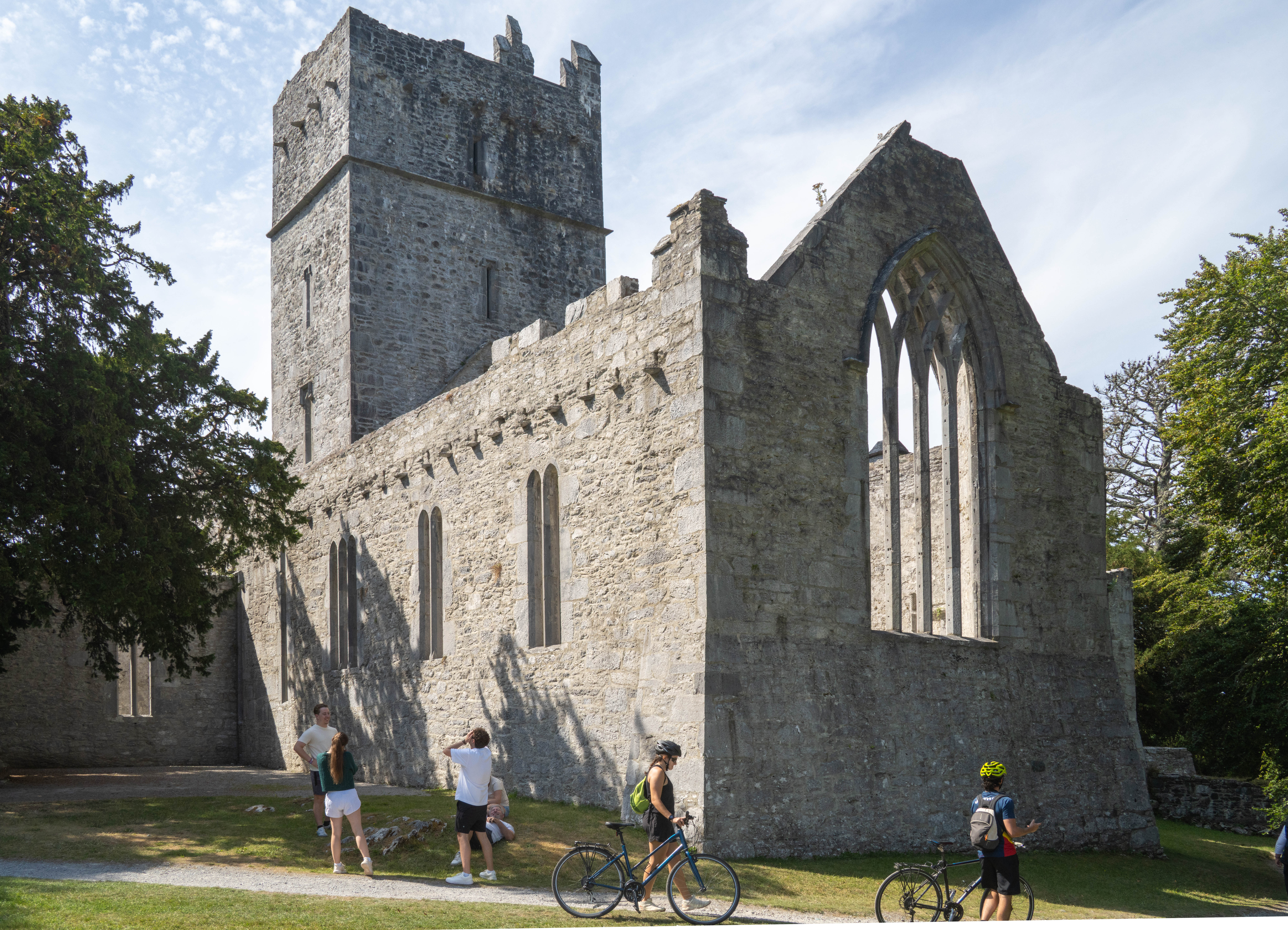
A half mile walk (hike) took us to Muckross Abbey.

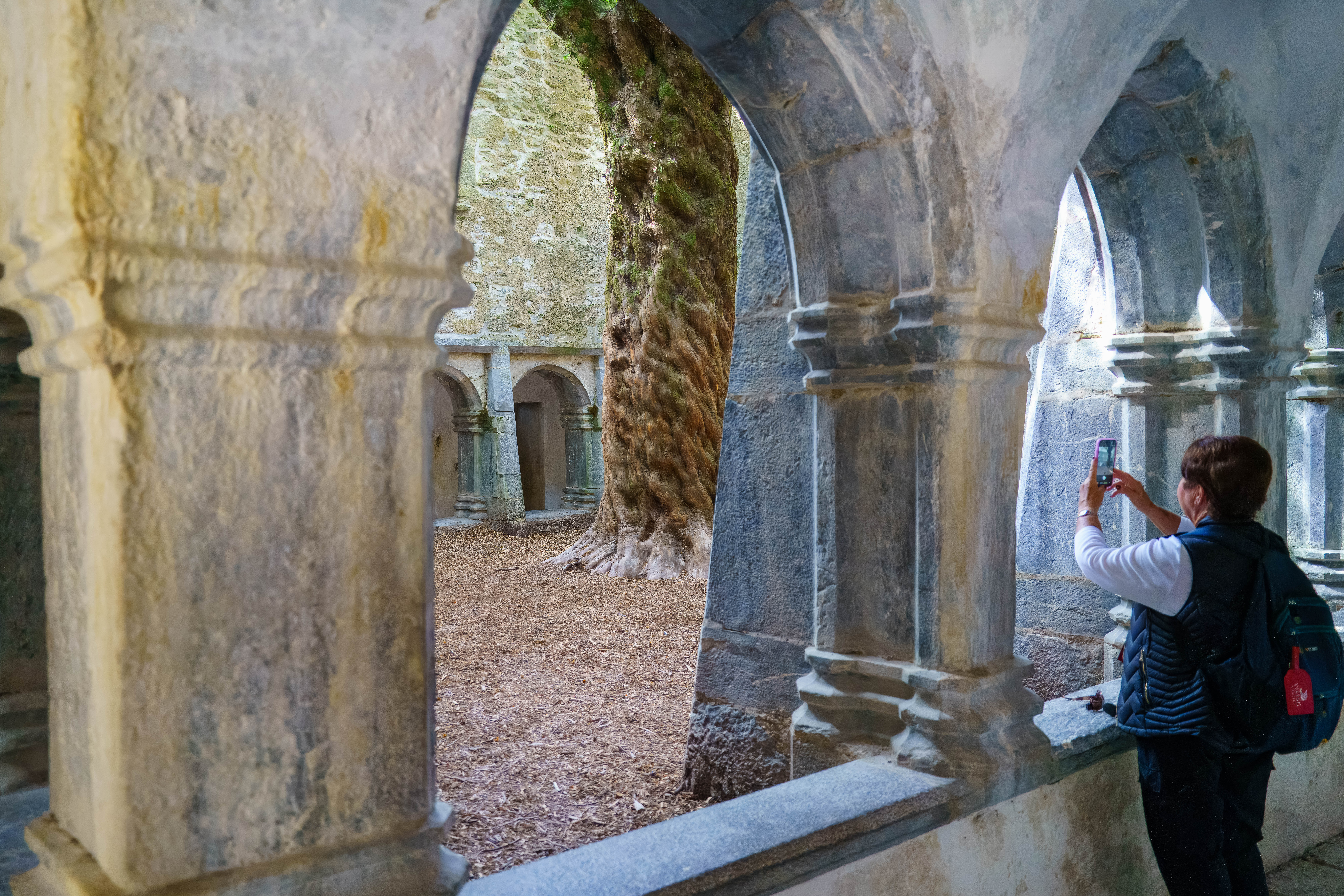
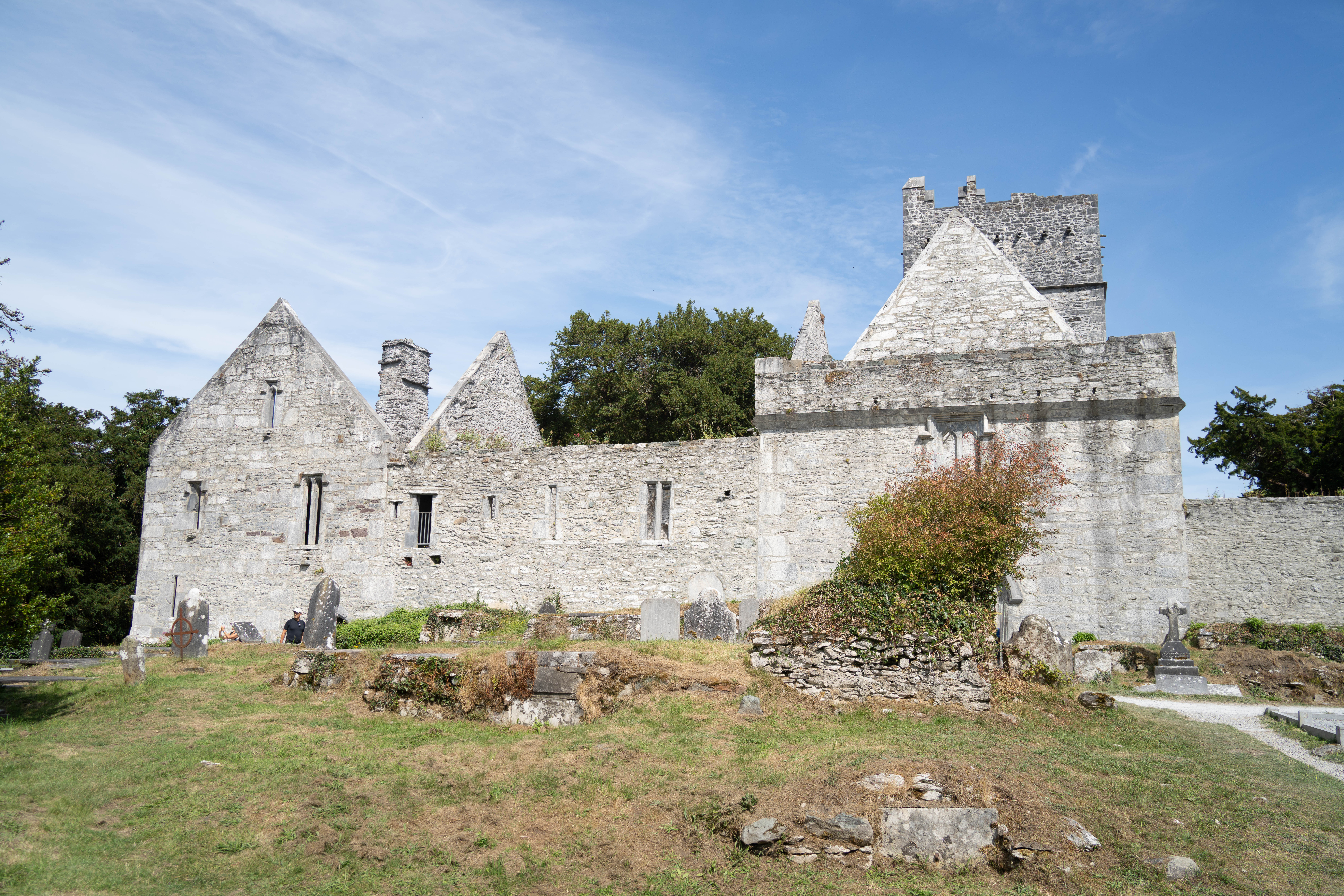
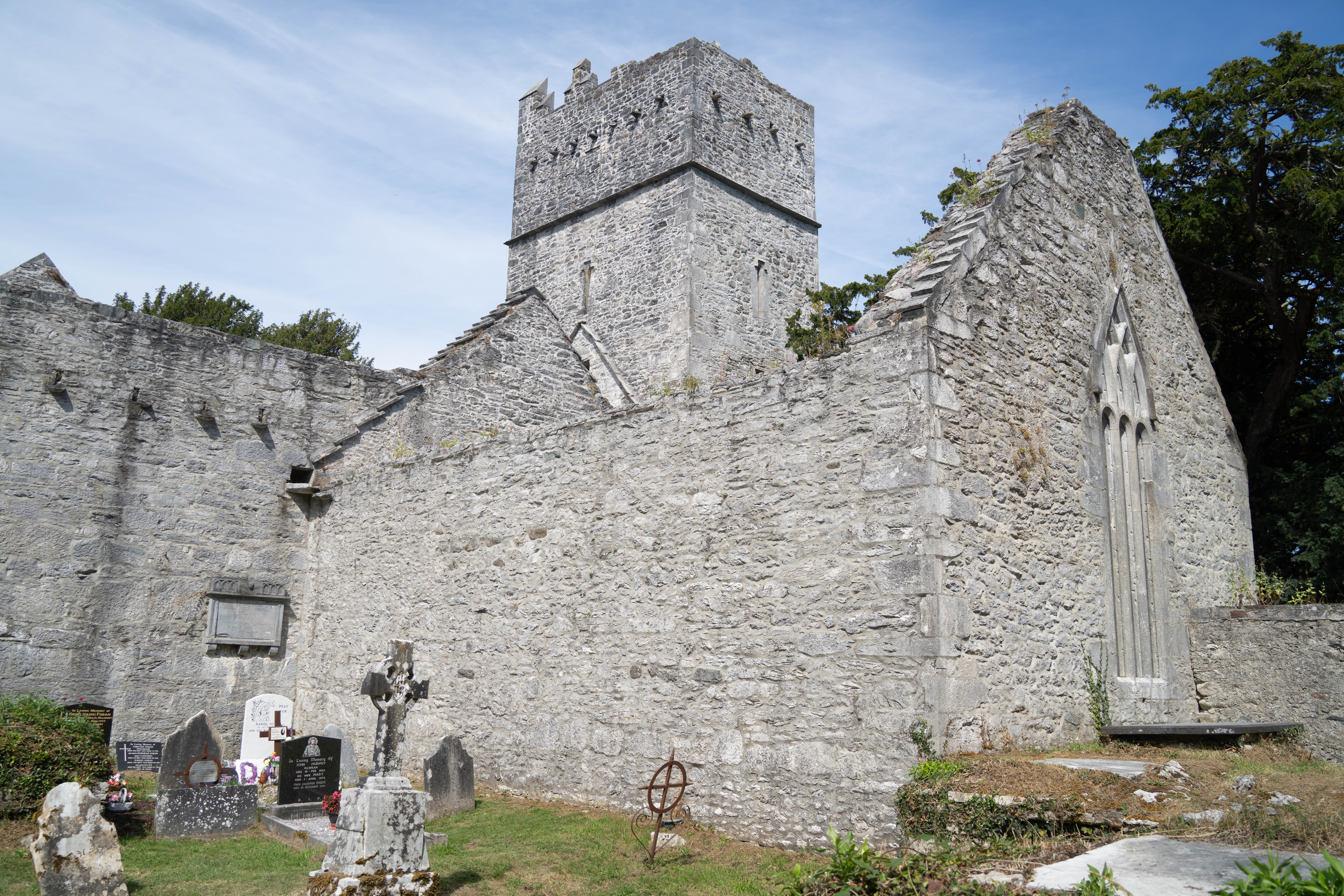
The Abbey is a remarkably well-preserved 15th-century ruined Franciscan friary located within the heart of the National Park. The current stone structure was built in 1448 for the Observantine Franciscans by the local chieftain Donal McCarthy Mor. The friary endured centuries of brutal raids. The monks were driven out, and parts of the structure were burned down, in 1652 by Oliver Cromwell’s forces.

A massive, towering yew tree grows directly out of the center of the interior cloister courtyard. Local folklore estimates it is over 500 years old—making it nearly as old as the stone walls built around it.

Unlike many medieval ruins whose upper tiers are completely lost, visitors can safely climb narrow, winding stone staircases to explore the friars’ old living quarters, dormitory, and dining halls.

An Historic Graveyard borders the ruins. It serves as the final resting place for historic Gaelic clan chieftains (like the O’Donoghues) and several legendary 17th- and 18th-century Kerry poets. 

Back at the hotel, we had dinner and and early bedtime.

Sunday, August 9, 2026 (Day 4)—The Famous Ring of Kerry

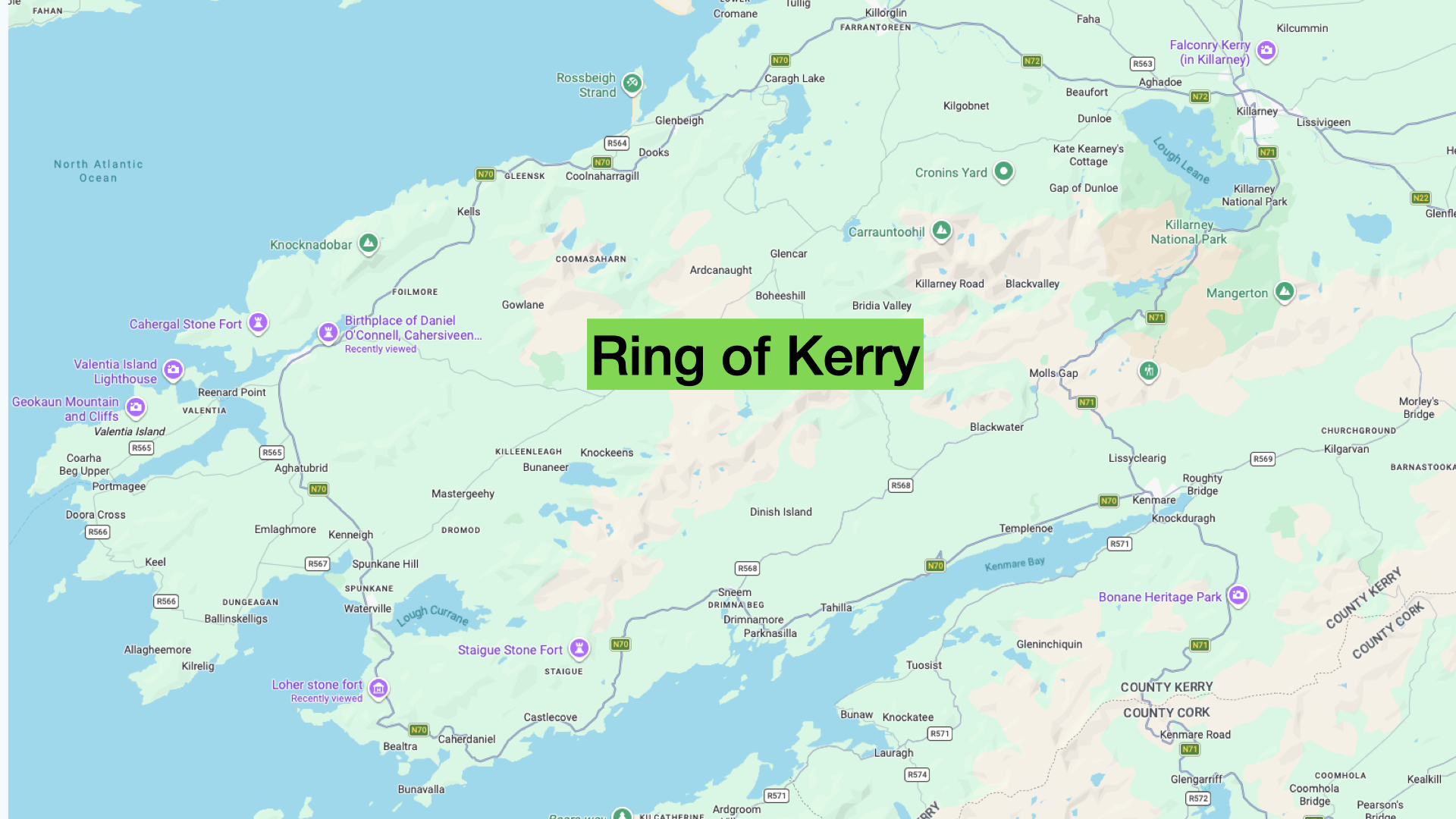
Day four of the tour featured the Ring of Kerry, a notorious 111-mile circular drive around the Iveragh Peninsula through dramatic coastal cliffs, sweeping mountain passes, sparkling lakes, and colorful, traditional Irish villages.

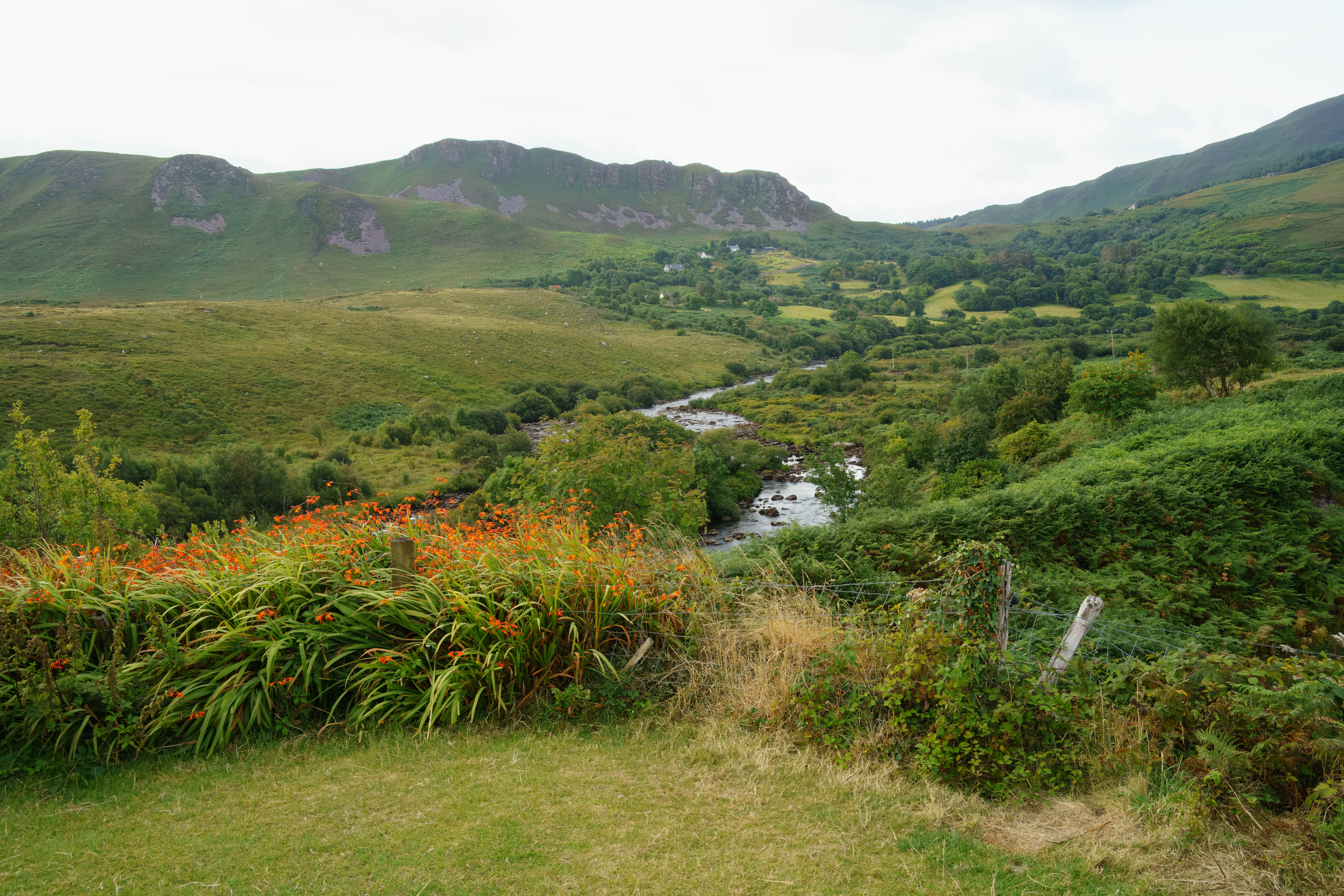
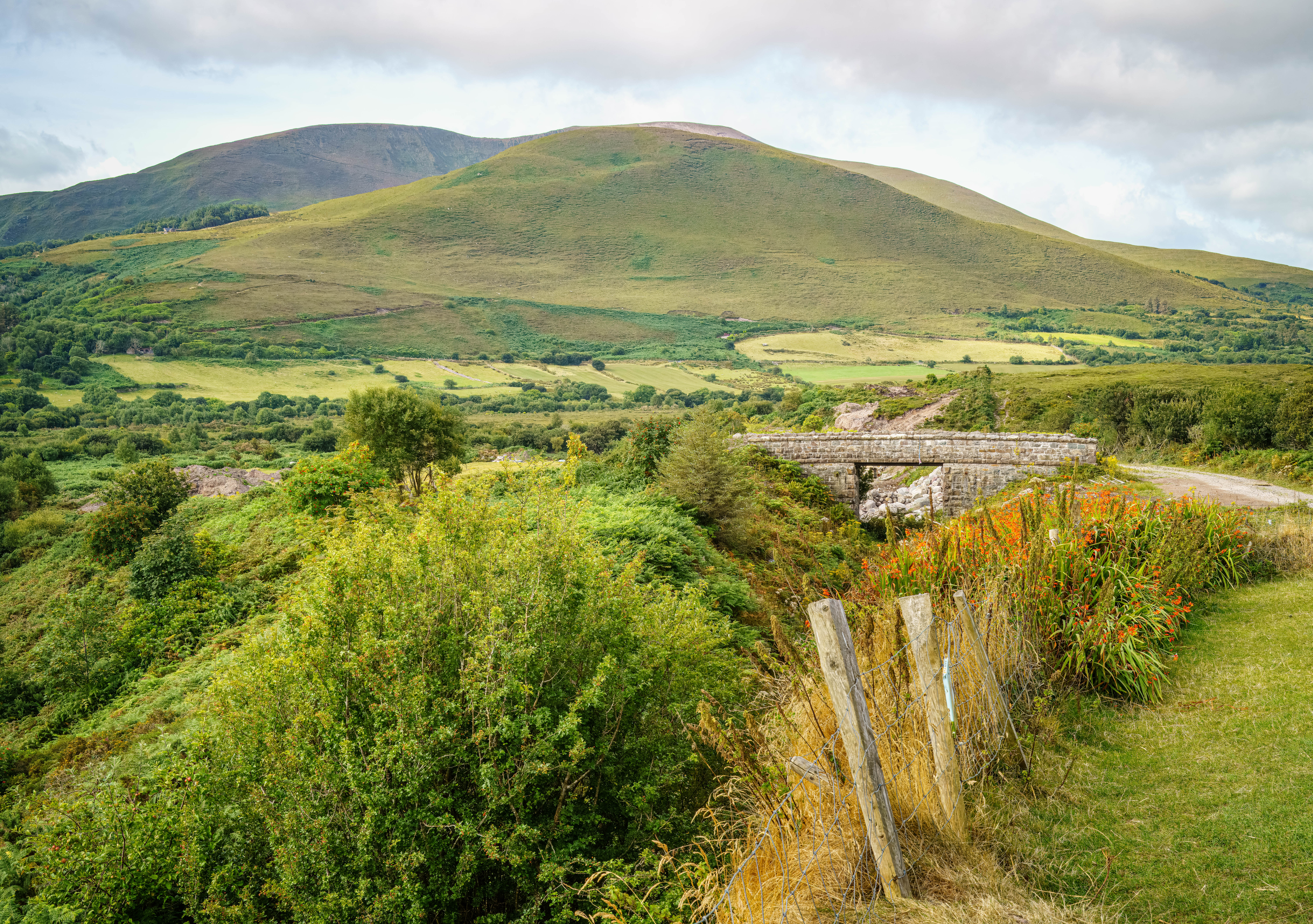
The roads are well-maintained but notoriously narrow, winding, and bordered by stone walls or hedges. The “Ring of Kerry” drive begins and ends in Killarney, and exposed us to green mountains, blue lakes, old castles, and wild ocean views, passing through the towns of Glenbeigh, Cahersiveen, Waterville, and Sneem. 

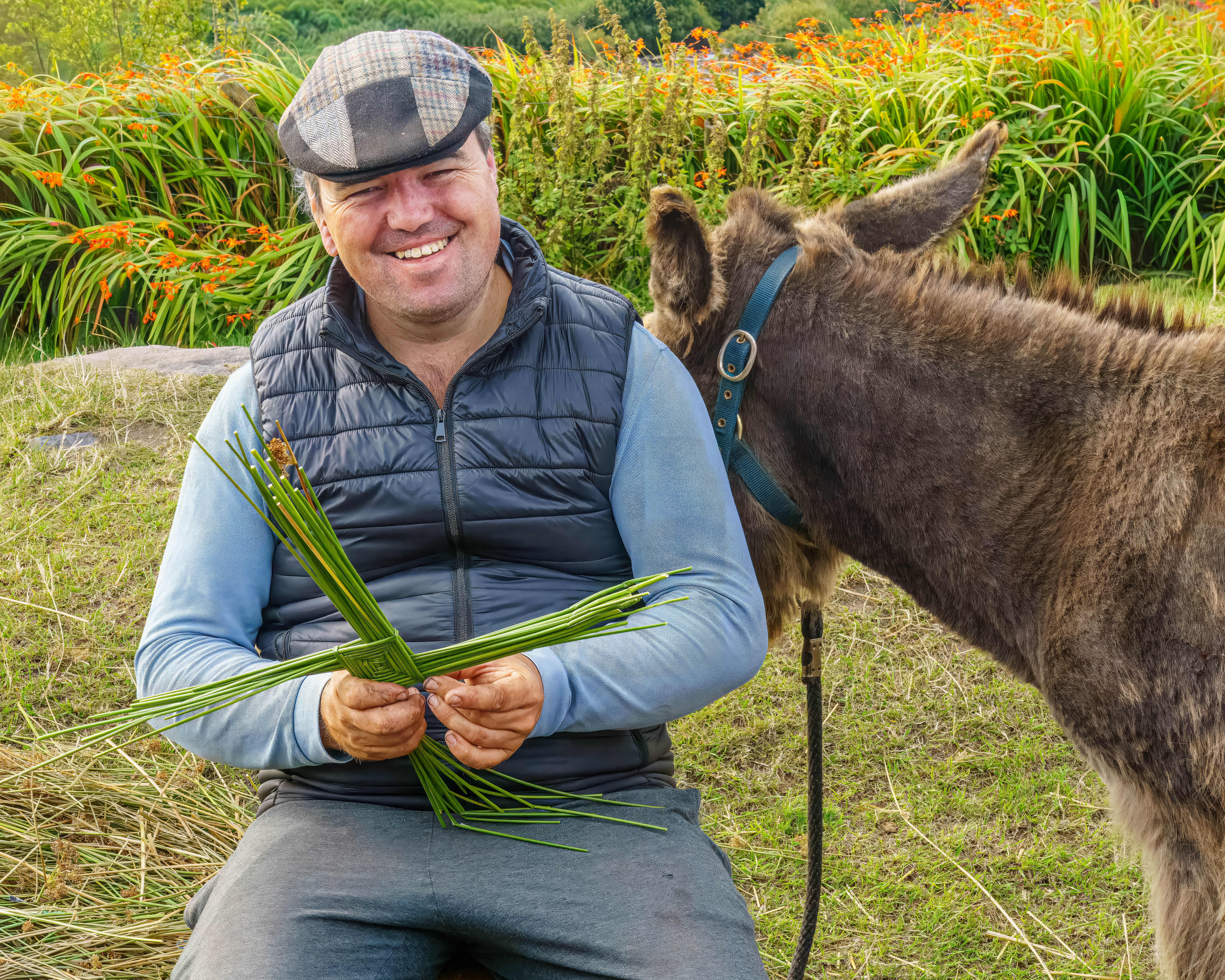
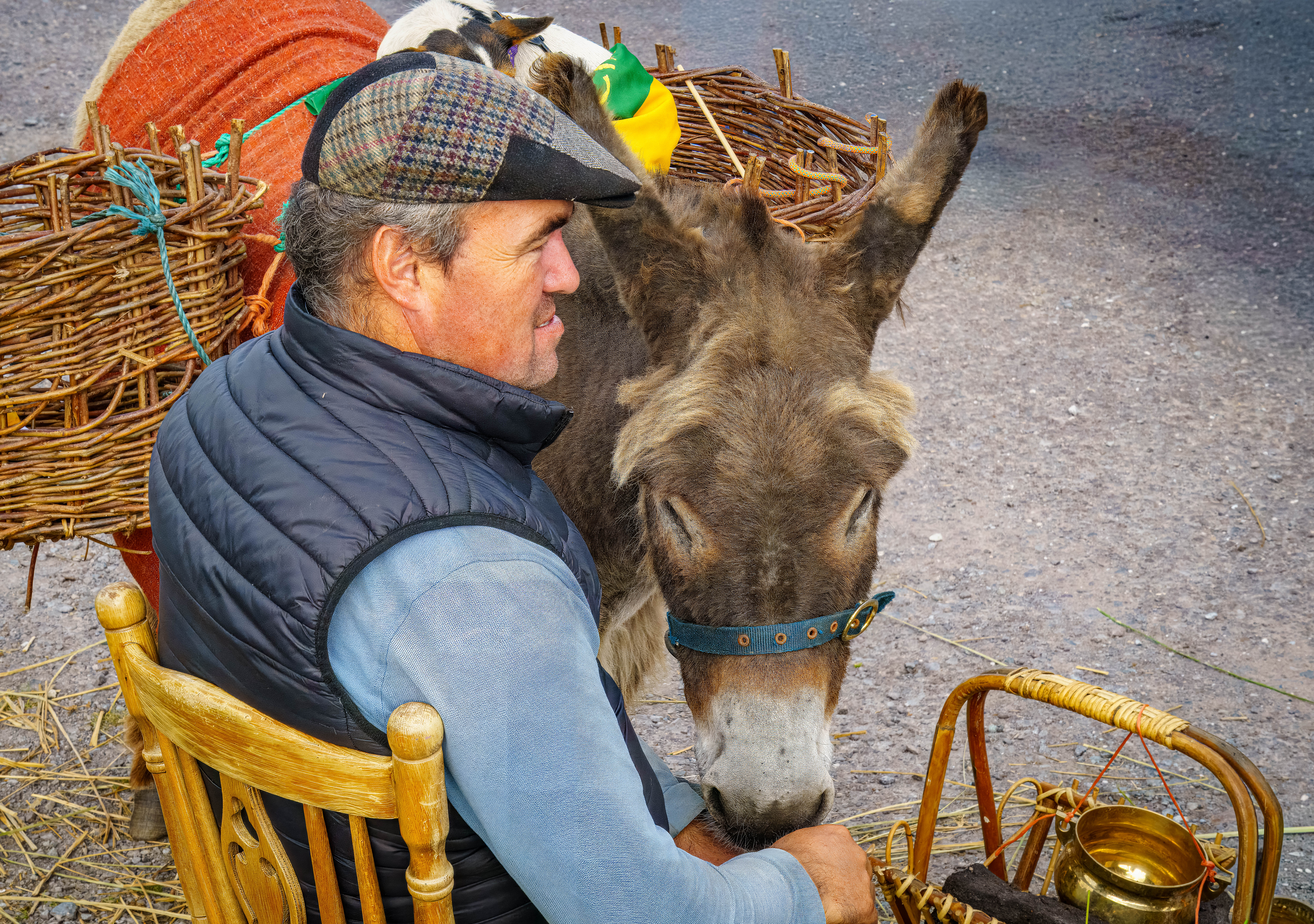
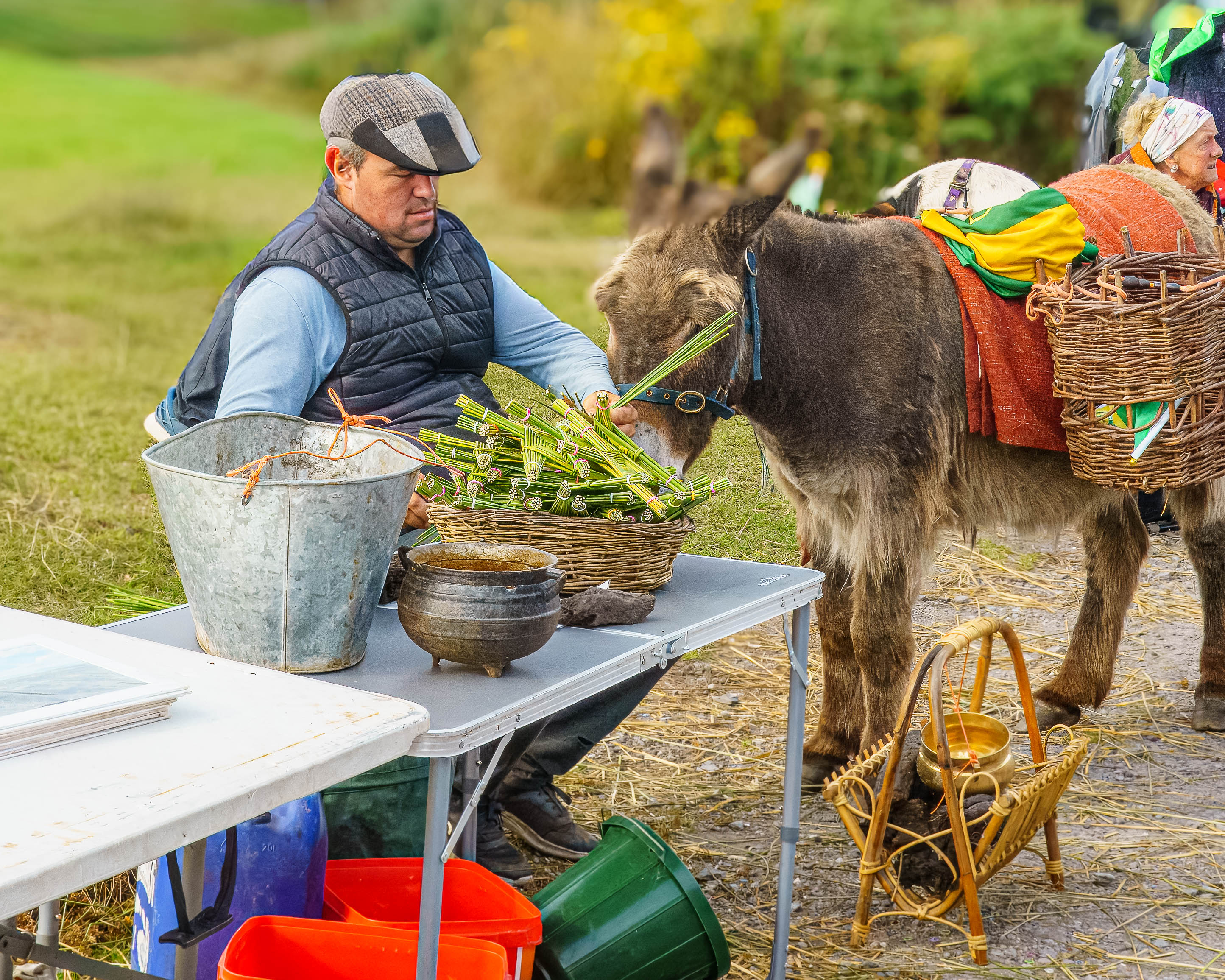
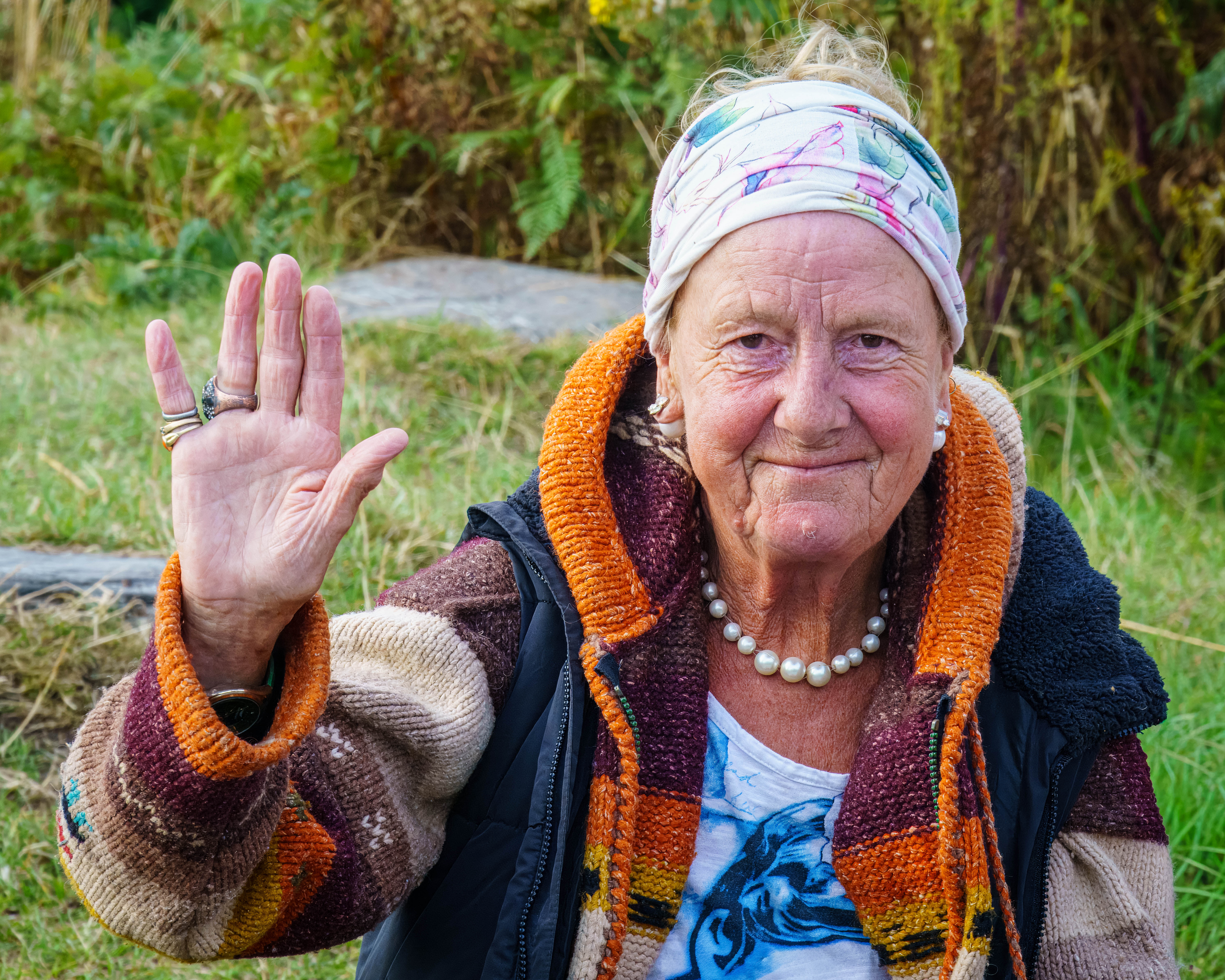
Our first stop was a roadside tourist “market” with a couple of colorful local characters, not counting the ass.

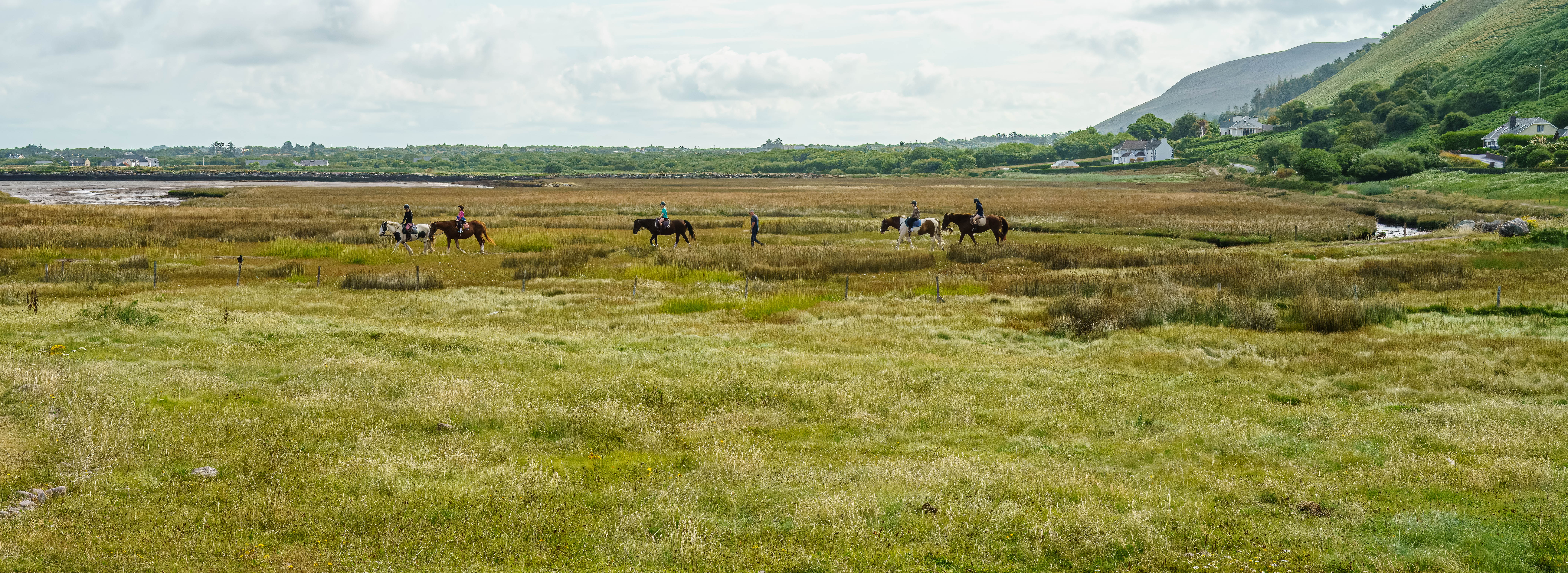
And the landscapes were quite scenic. 

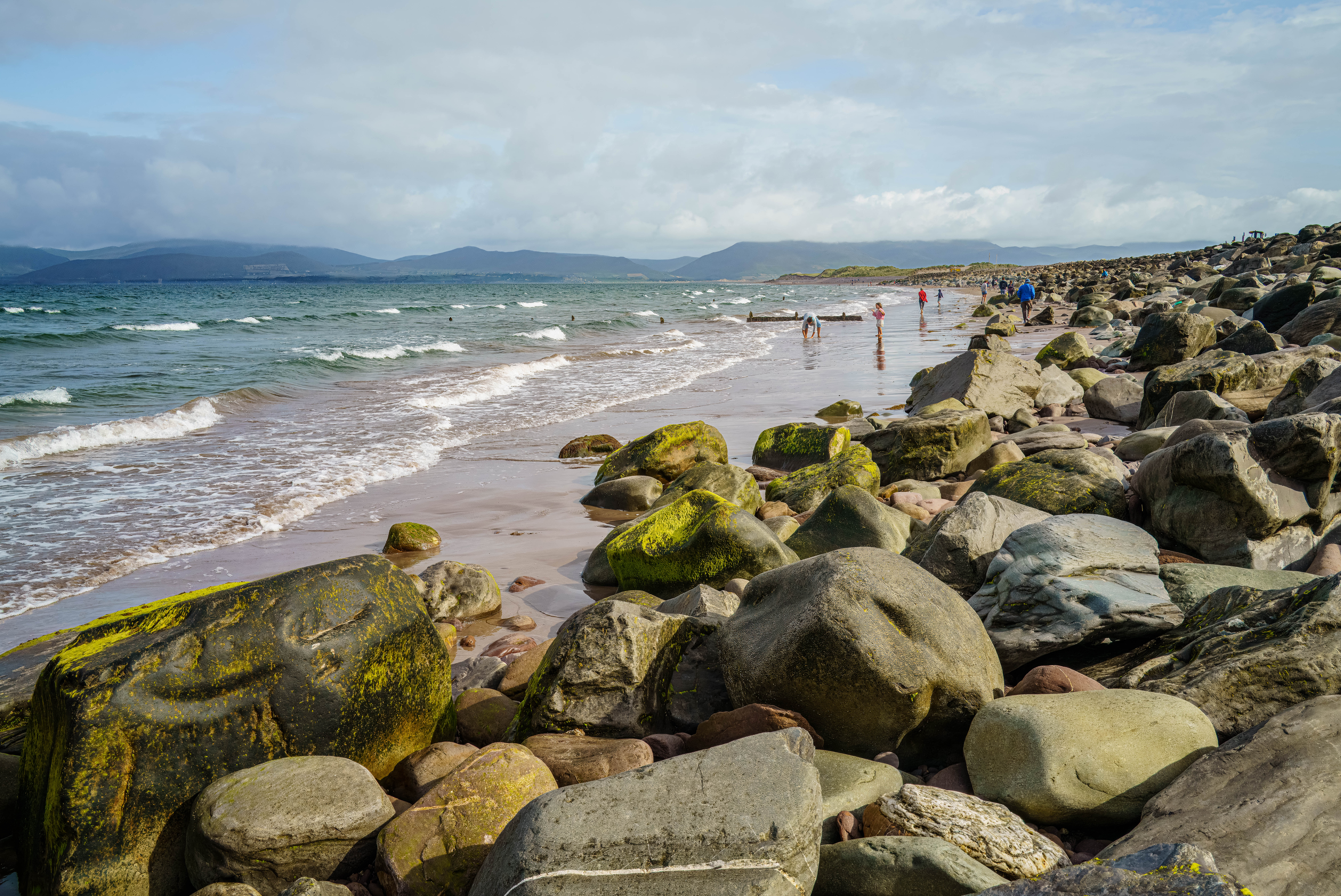
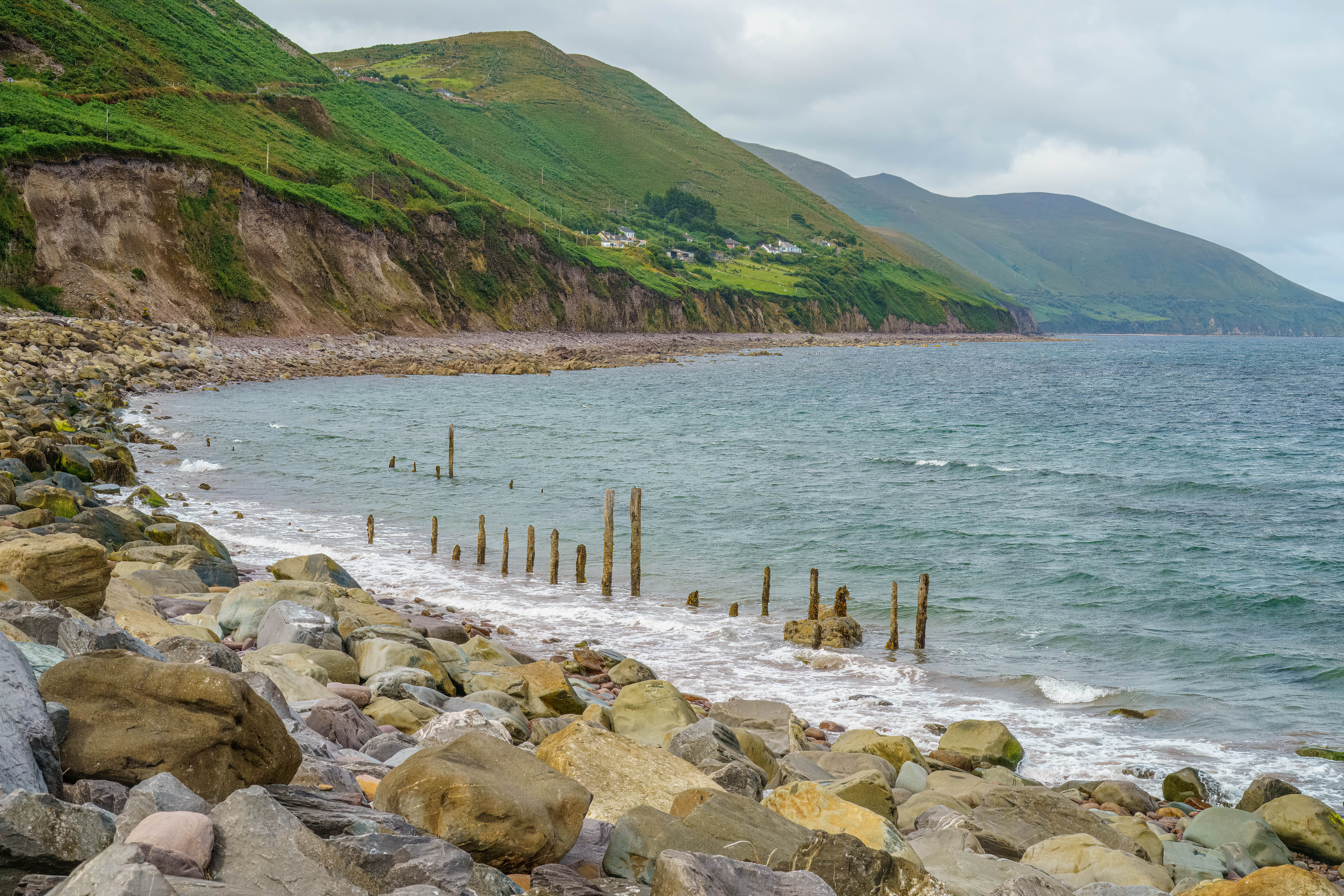
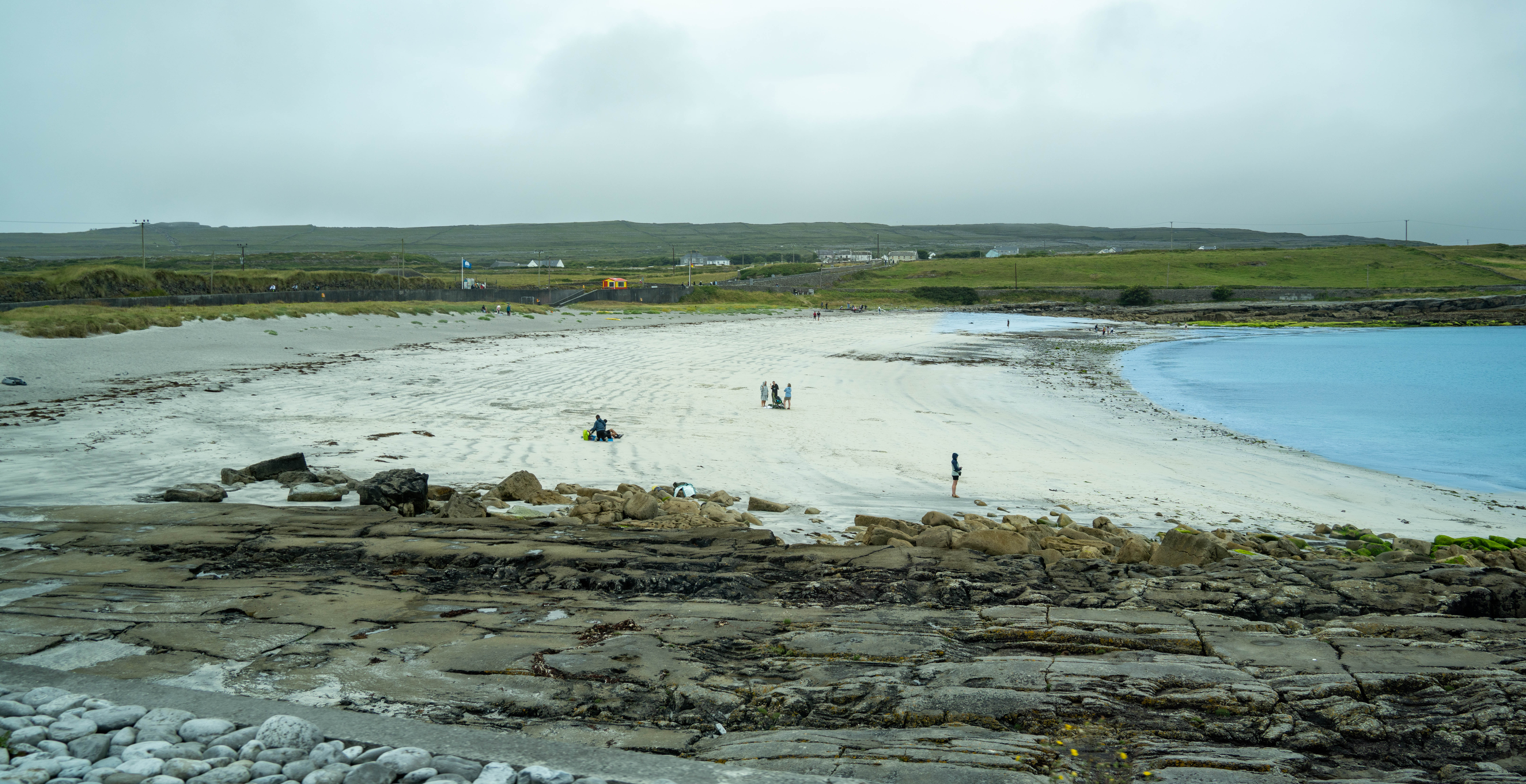
We stopped in Rossbeigh and visited the dramatic Blue Flag Beach.

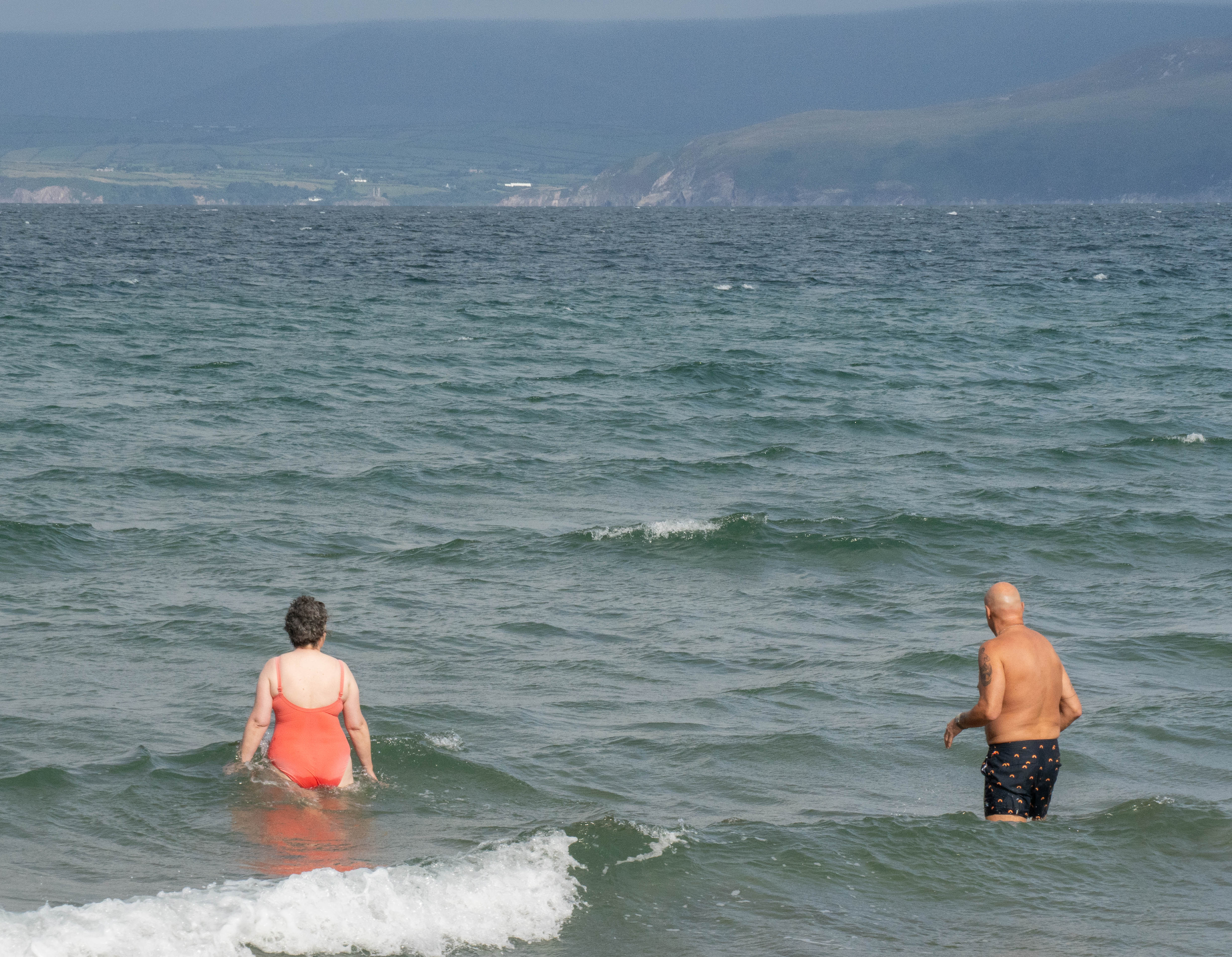
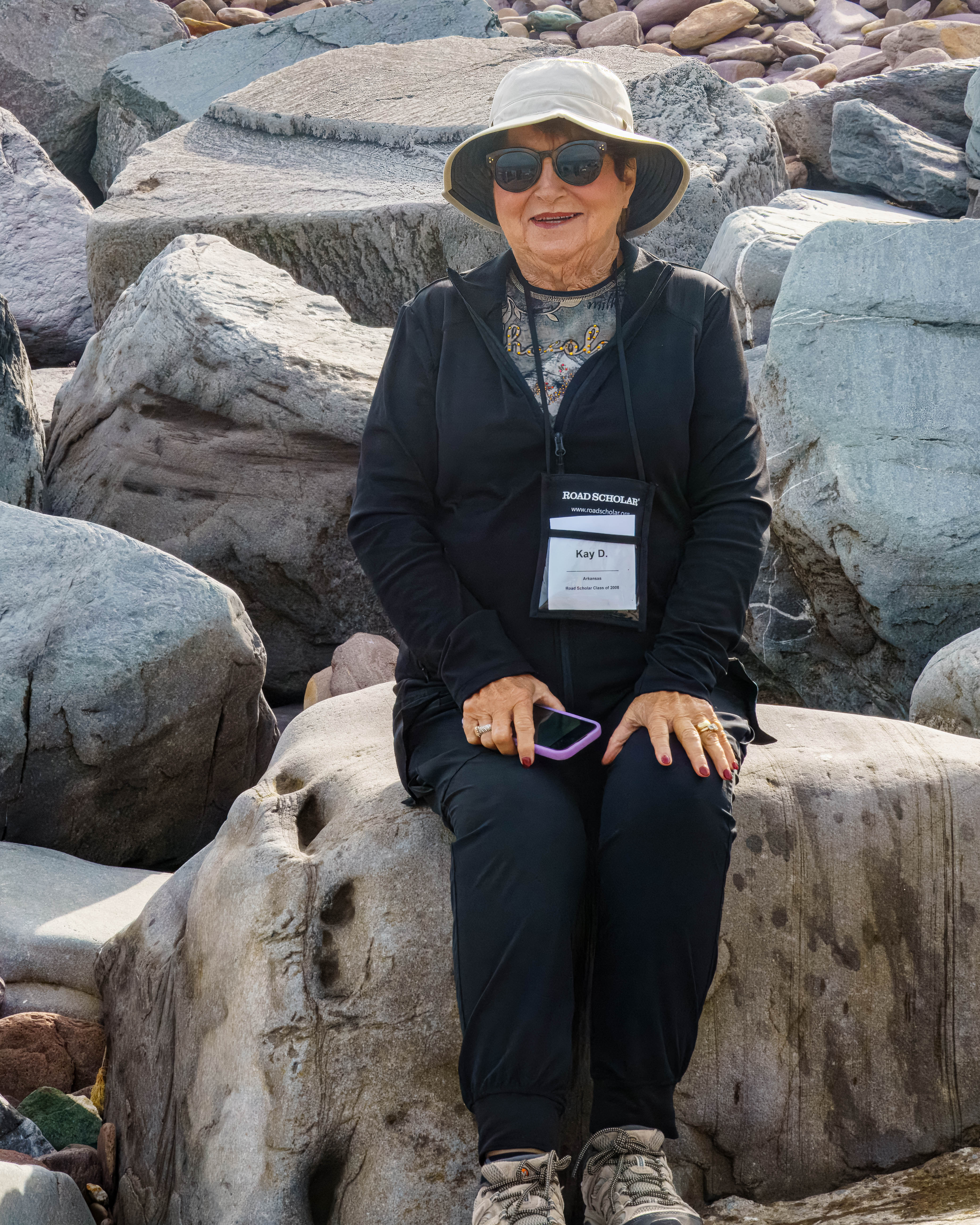
Even our tour director and one of the group opted to swim; Kay said, “No way!”

Since it harbors all kinds of marine life and seabirds, it is a designated natural heritage area and a Special Area of Conservation.

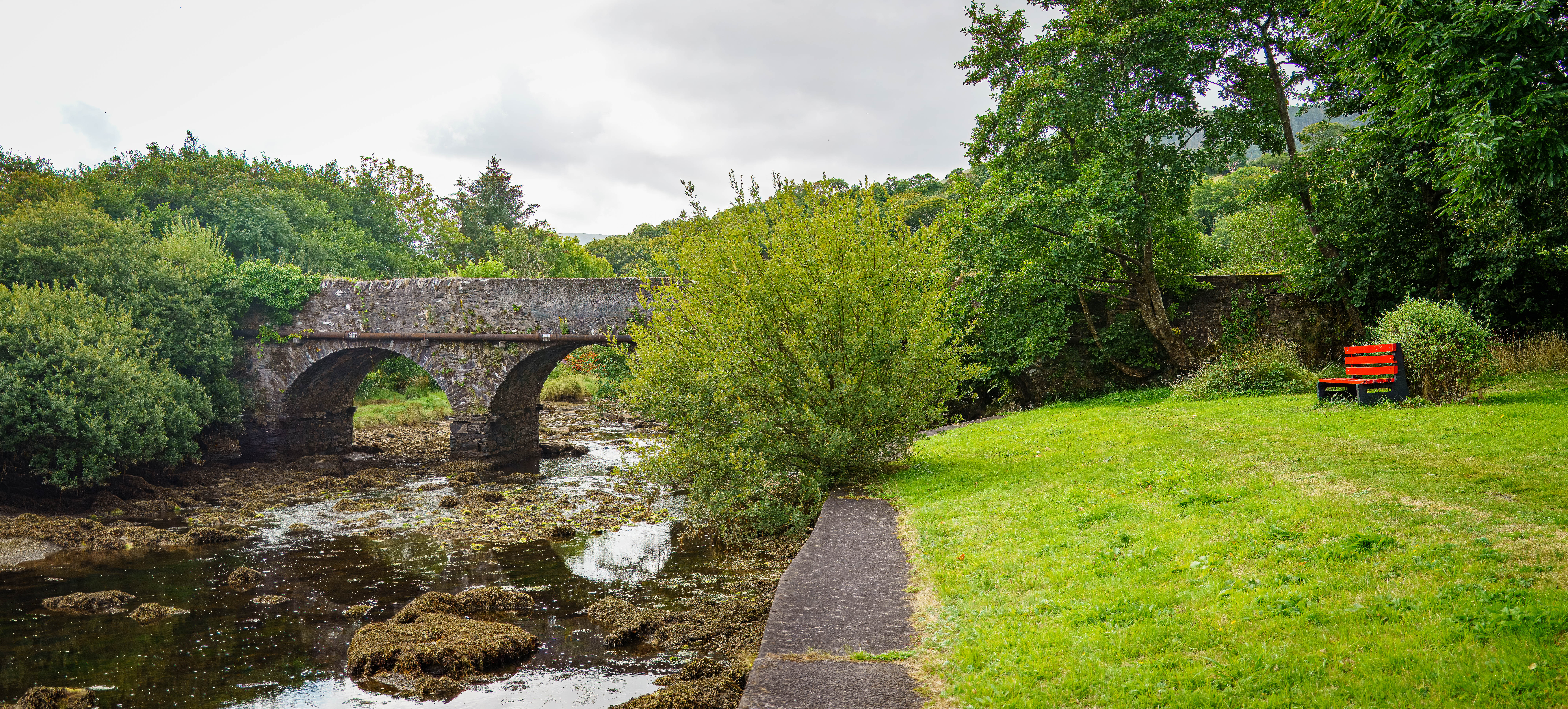
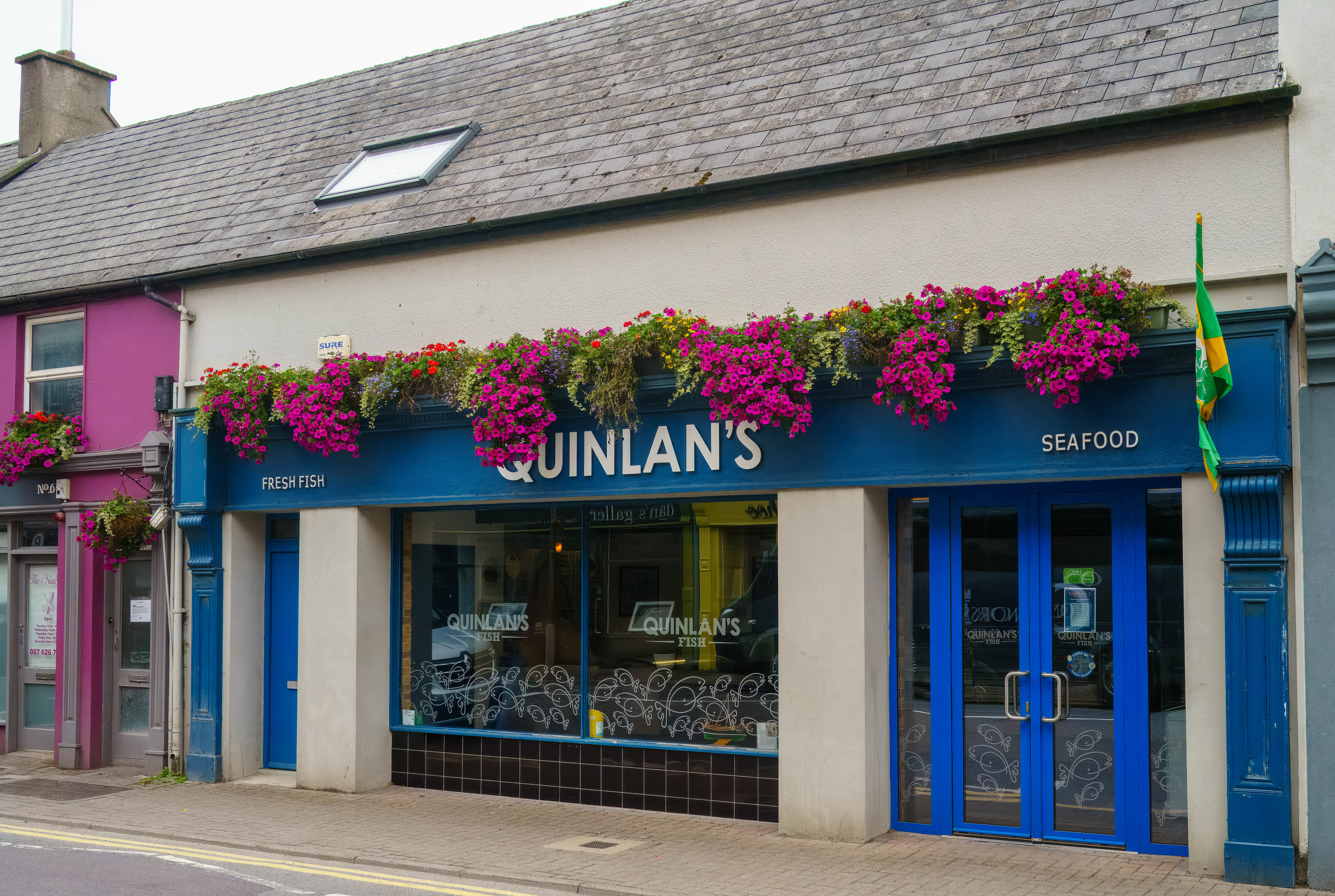
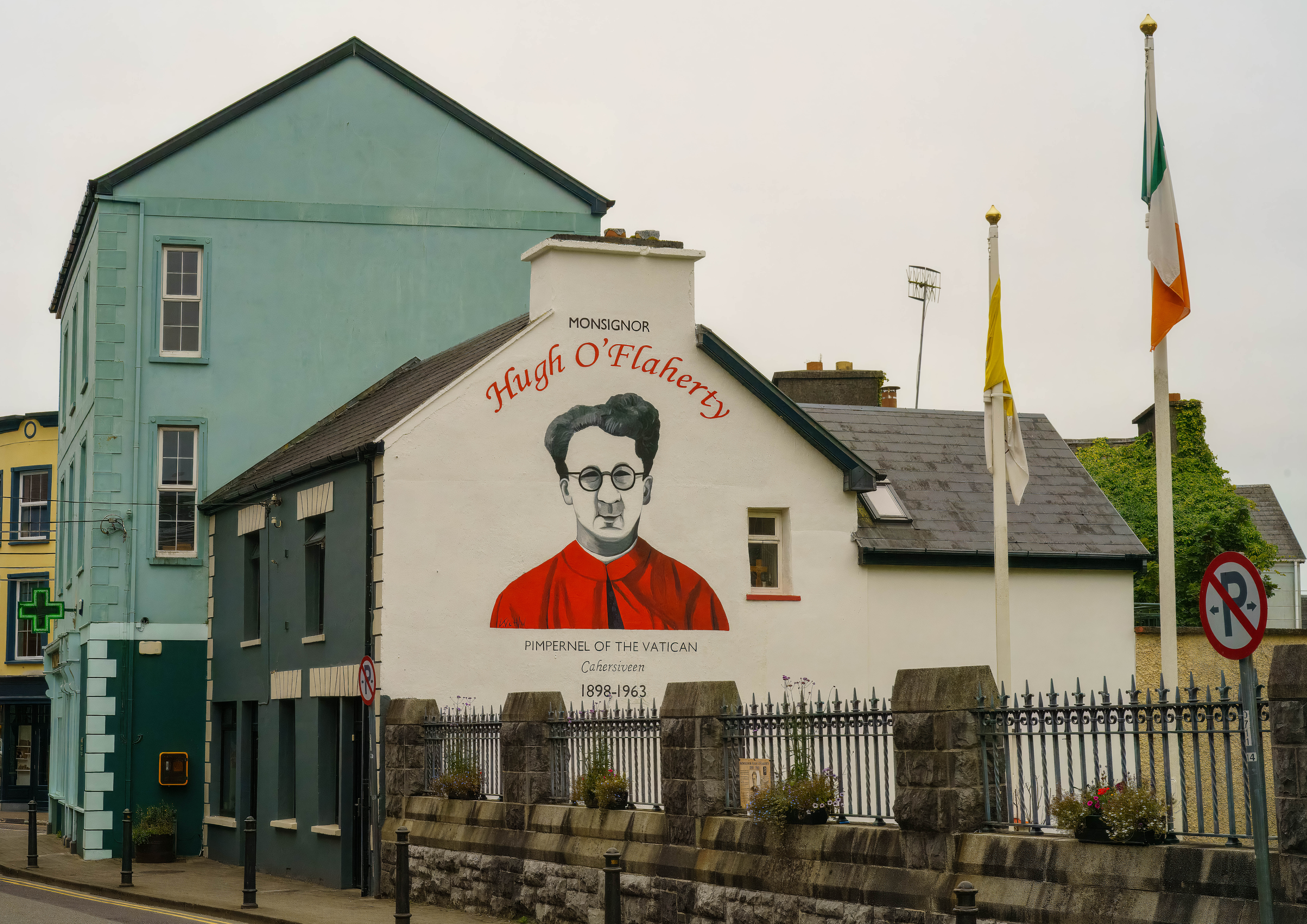
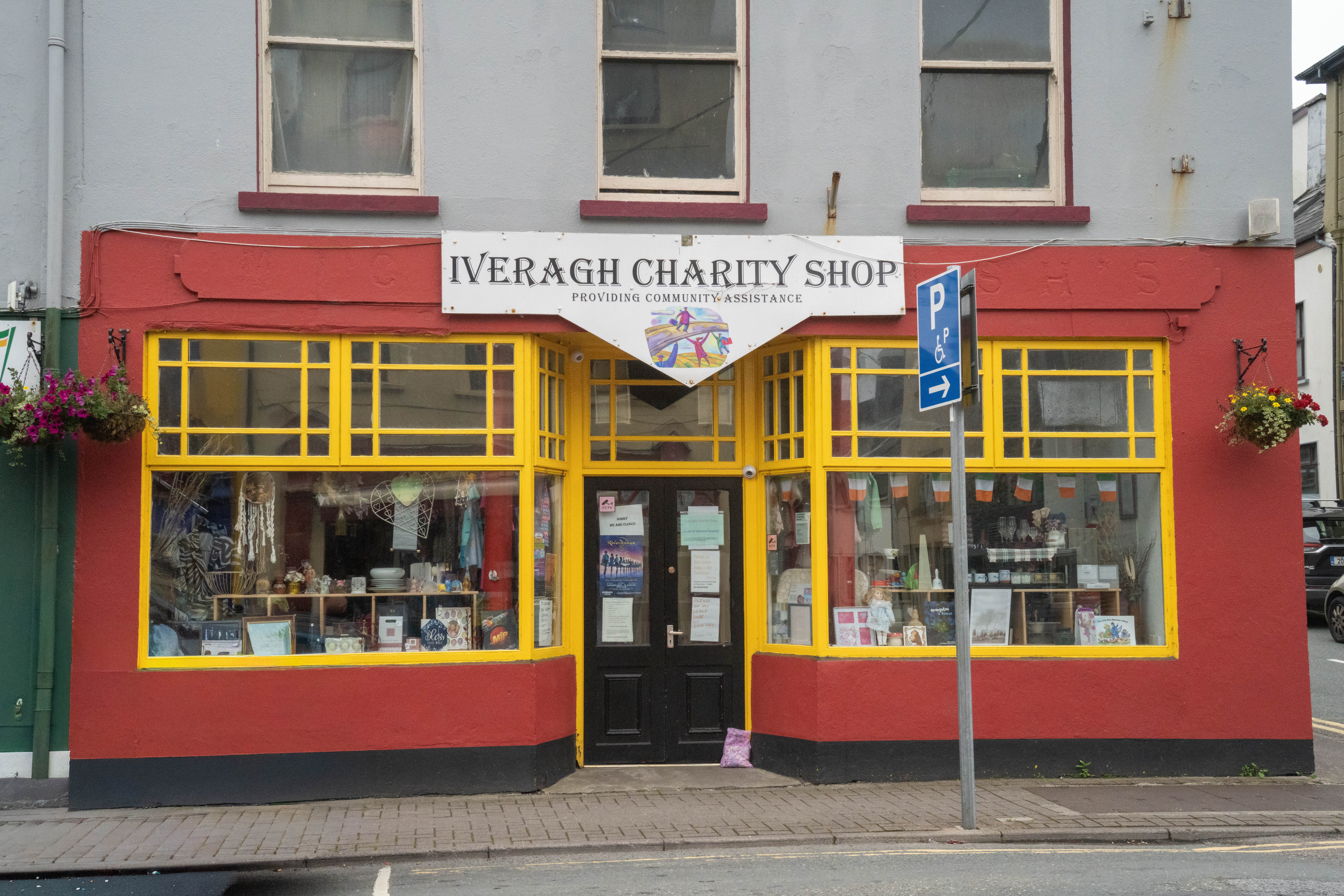
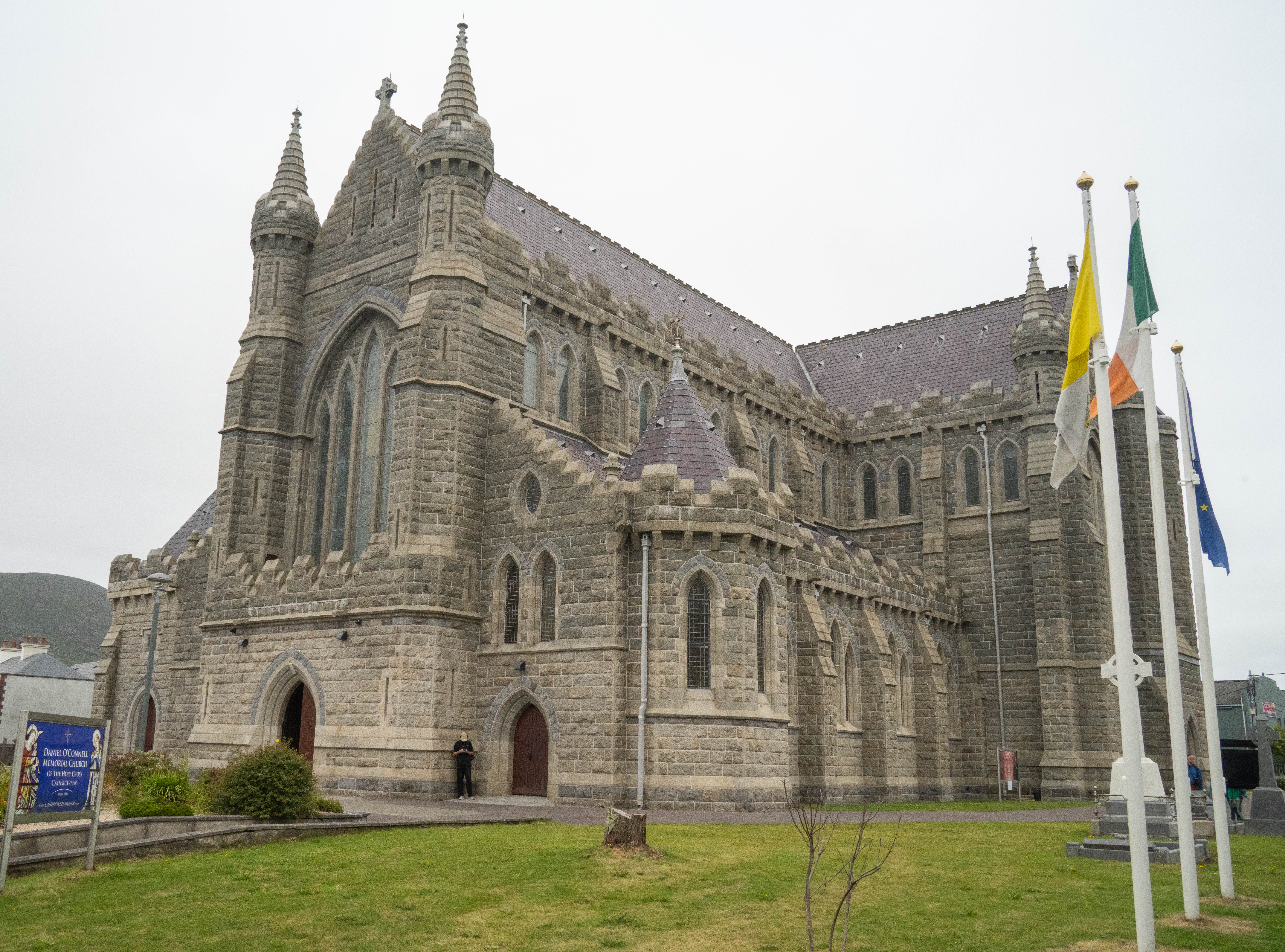
Another stop was at the Daniel O’Connell Memorial Park in Cahersiveen. The park provided a serene escape from the hustle and bustle of touring.

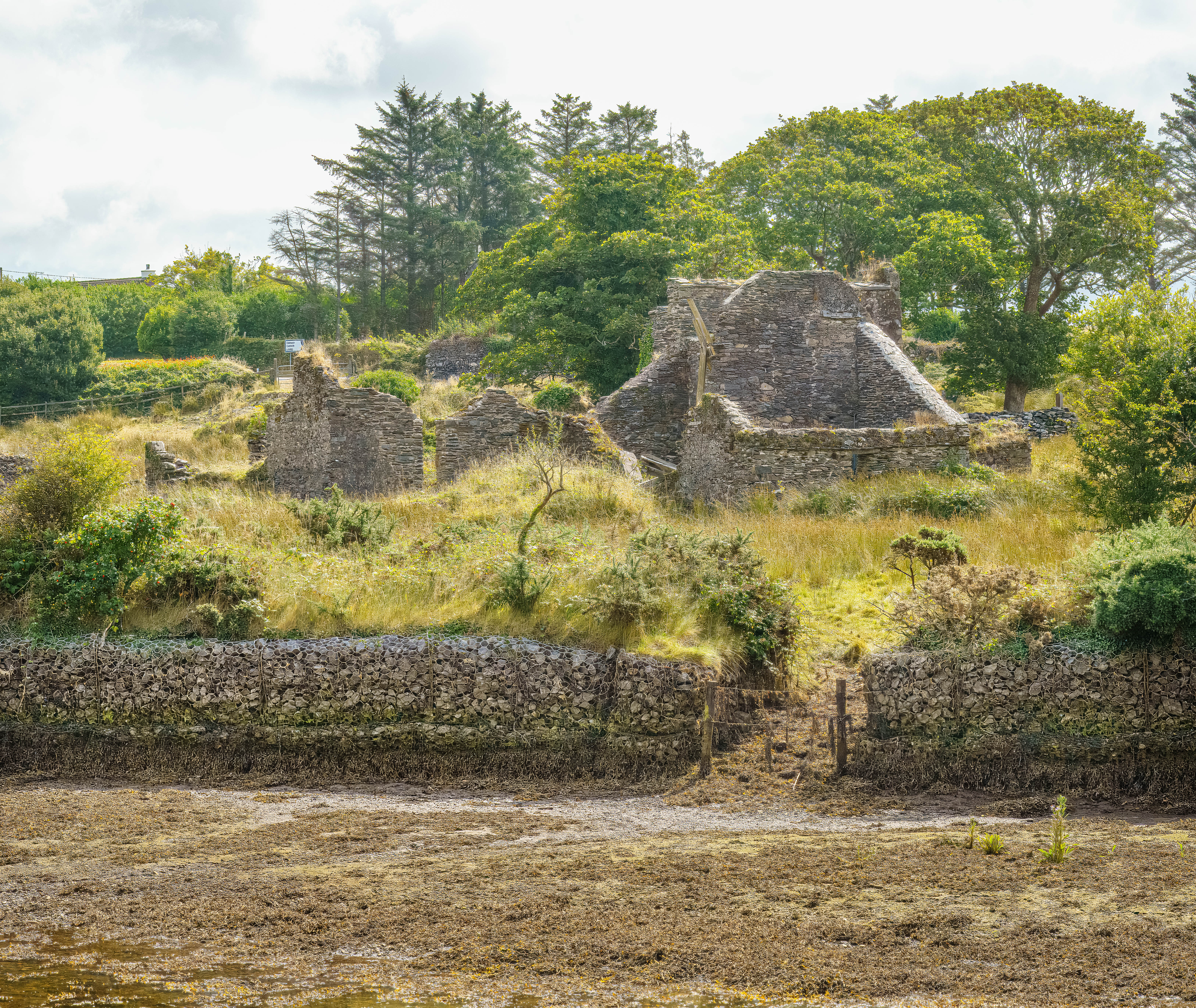
The park looks directly across the Carhan River toward the ruins of Carhan House, where Daniel O’Connell was born. Daniel O’Connell was known as “The Liberator” or “The Emancipator”, and was a monumental Irish political leader, lawyer, and statesman who revolutionized 19th-century constitutional nationalism. He is most celebrated for securing Catholic Emancipation in 1829, granting Irish and British Roman Catholics the legal right to sit in the Westminster Parliament and hold public office. 

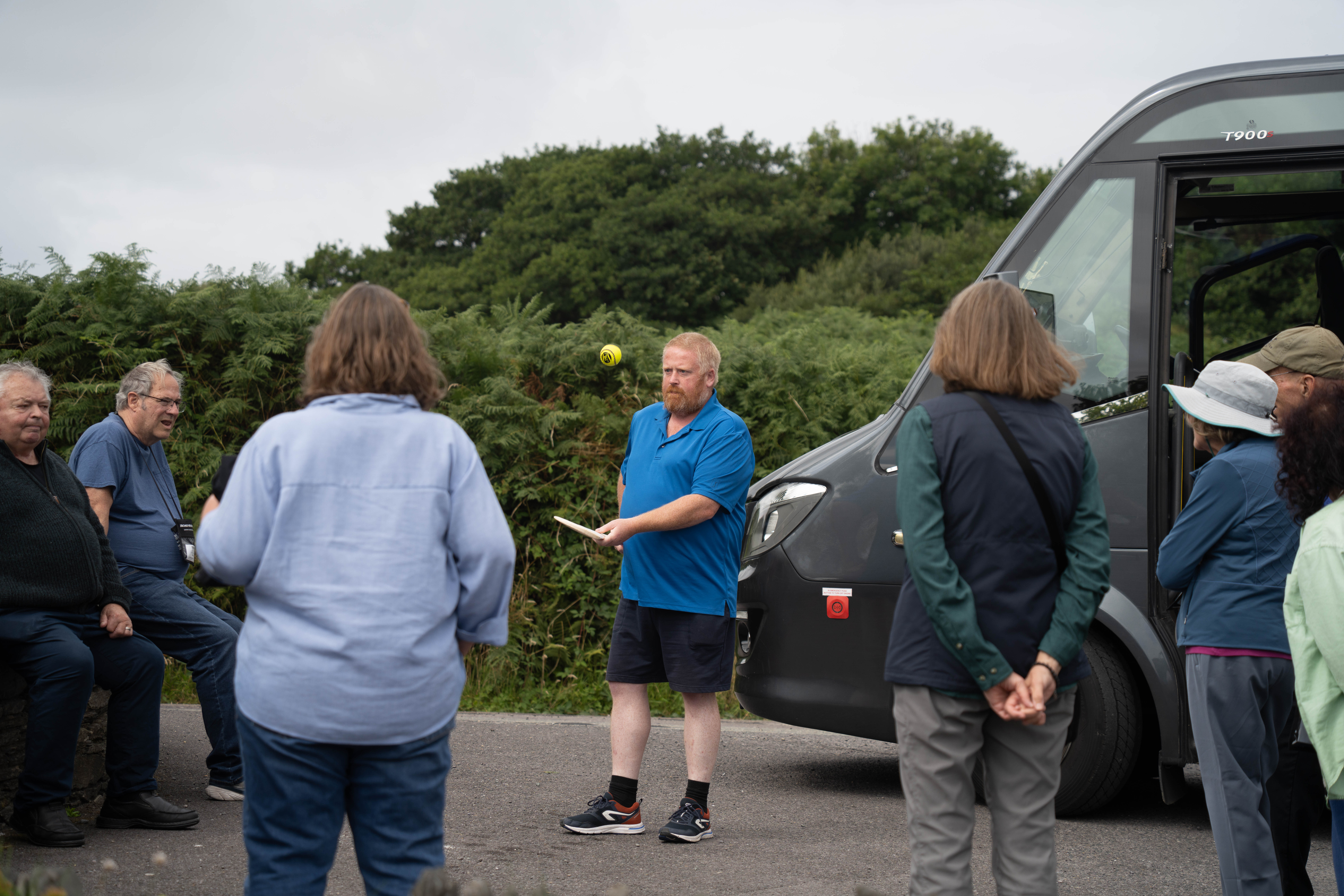
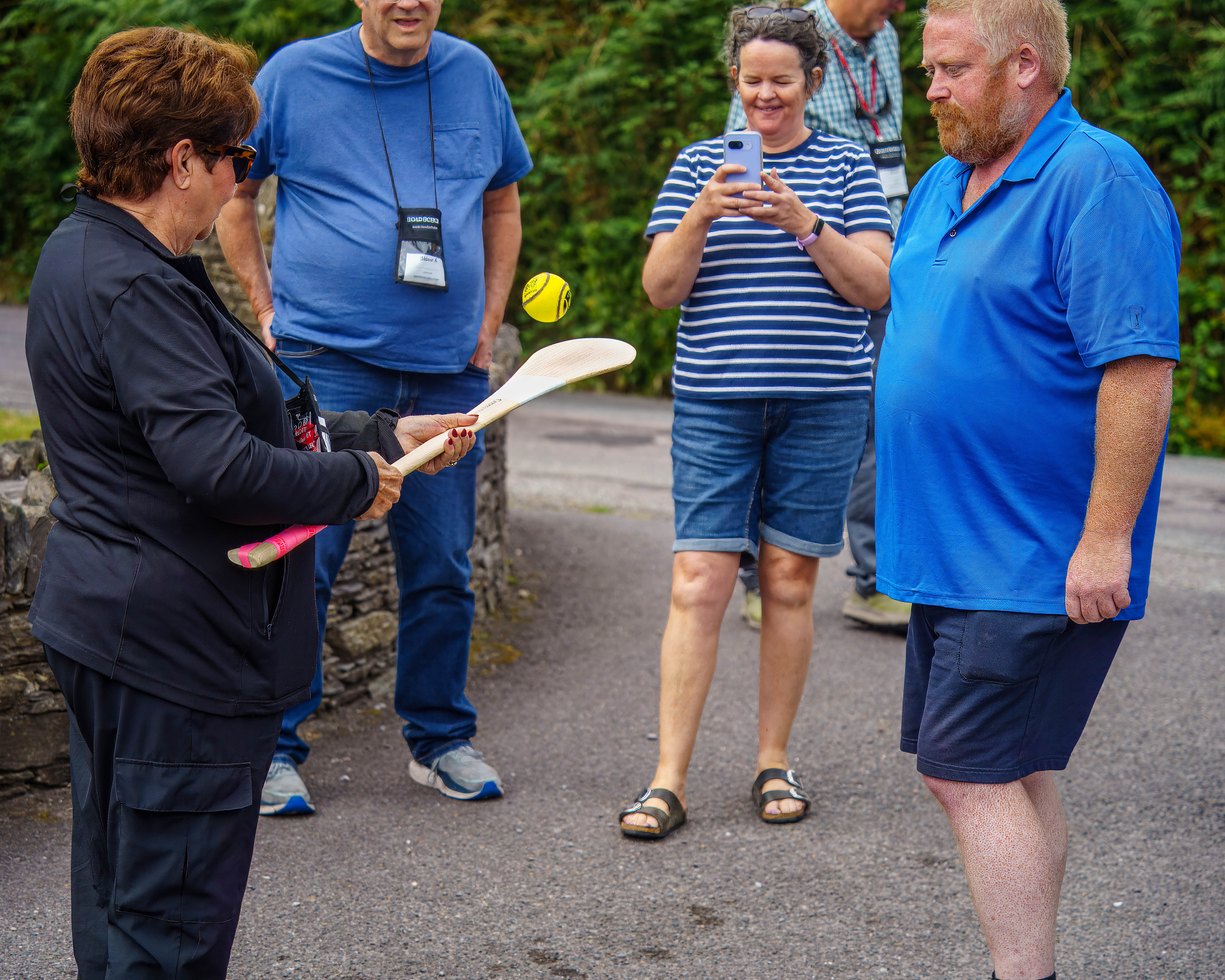
While waiting to board the motor coach, the driver demonstrated equipment used in hurling. 

Hurling is national indigenous game; it is an ancient, fast-moving bat-and-ball sport played with a wooden bat made out of ash called a hurly and a small ball, slightly smaller than an American baseball, called a sliotar. Later that evening, Kay and I watched a women’t hurling match, and it’s not only fast and furious, but dangerous as well. Kay demonstrated her hurling acumen for the rest of the group.

Following a typical (big) Road Scholar lunch, we made our way to the village of Sneem, a picturesque village on Iveragh Peninsula along the Wild Atlantic Way and the Ring of Kerry. (Click on an image to enlarge it.)

From Sneem, we continued the motor coach trip around the Ring of Kerry. Along the way we passed the Loher Stone Fort.

Large tour buses are legally required to drive counterclockwise (heading towards Killorglin first) due to the narrow roads. Apparently, several RVs and tour buses failed to get the “memo” and drove the wrong way, resulting in traffic chaos and accidents on the narrow roads. Our driver did a miraculous job of handling the many detours and difficult maneuvering spaces, and plaudits to our group for not complaining or bitching.

After five hours of bus riding and over two miles of walking, we had dinner at the hotel and retired for the evening.
Saturday, August 8, 2026 (Day 3)—Ireland’s History and the Dingle Peninsula

After a buffet breakfast, we adjourned to a meeting room where a detailed itinerary of the tour’s activities was provided.

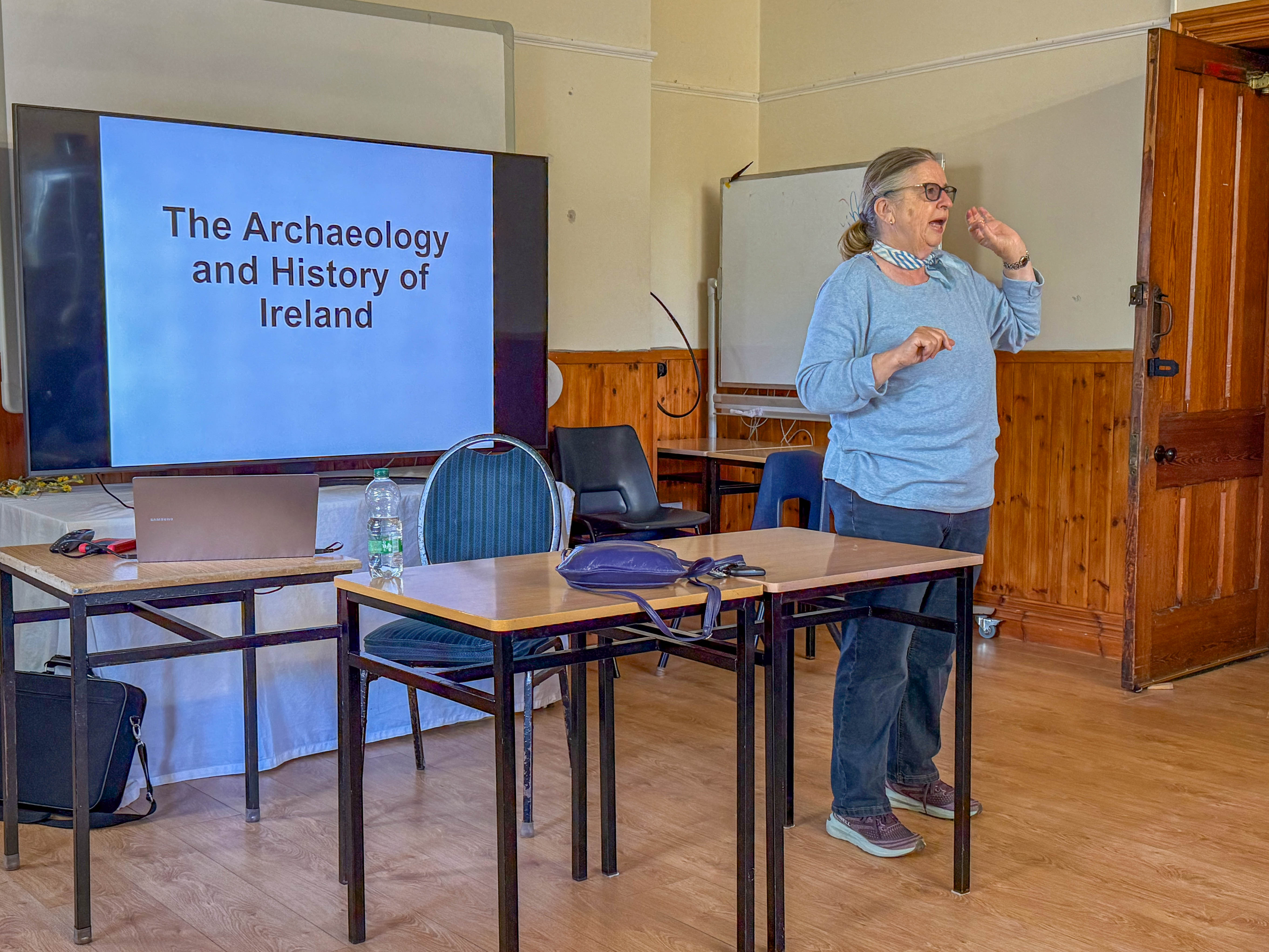
Afterwards, a lecture on Irish history was presented by a local expert.

When taken in full, the last couple hundred years was a sad time in the country’s history.

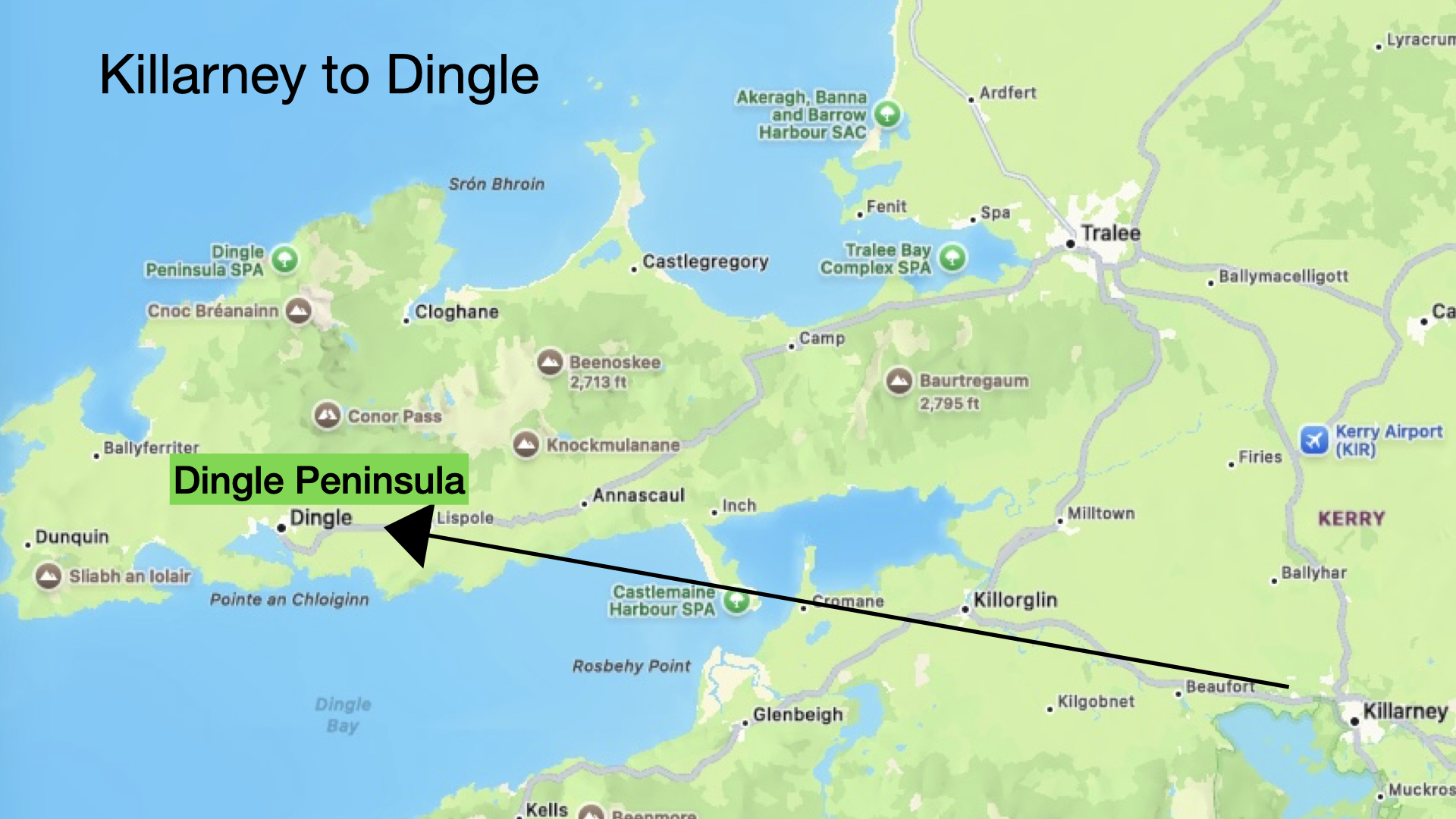
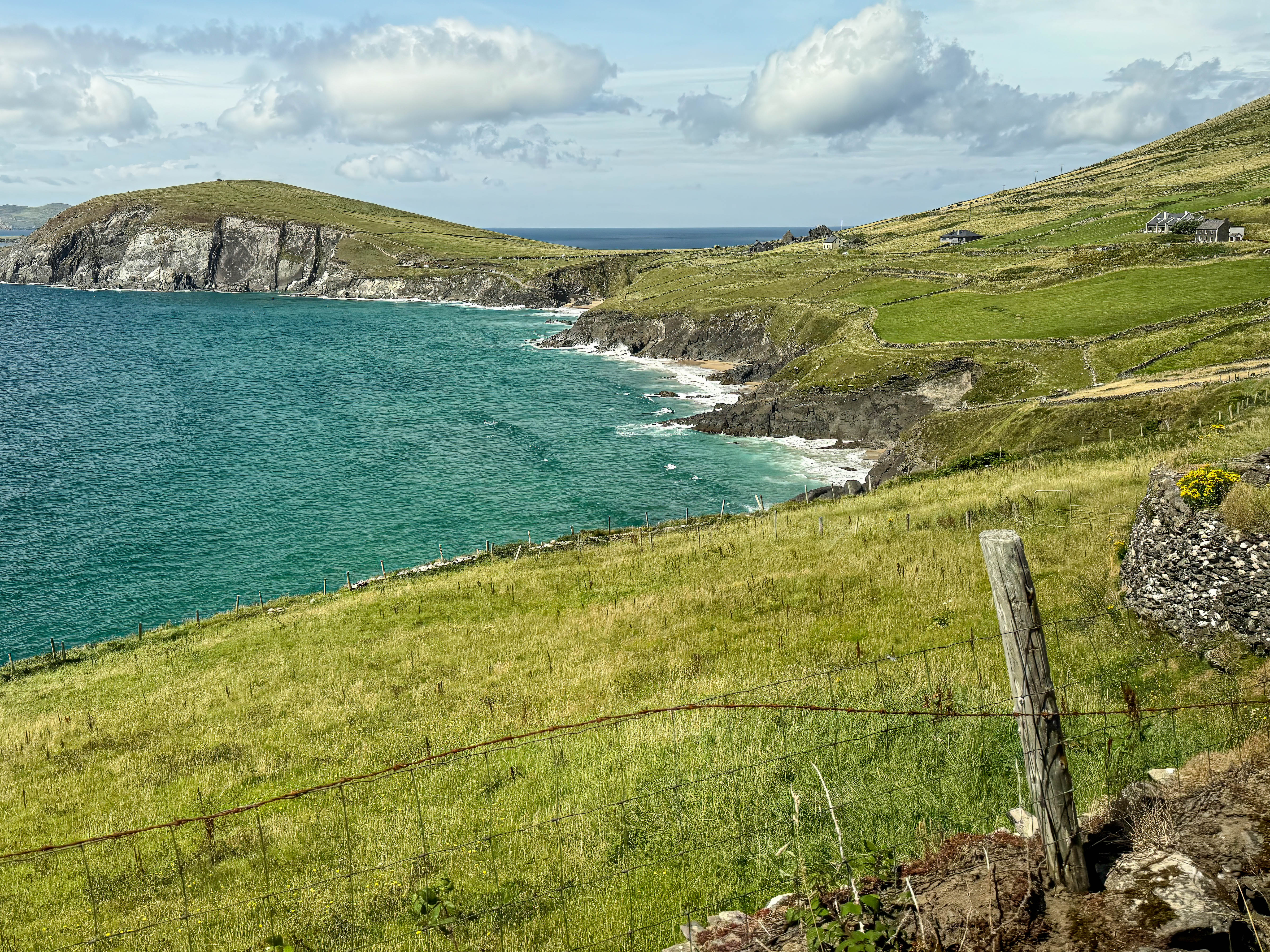
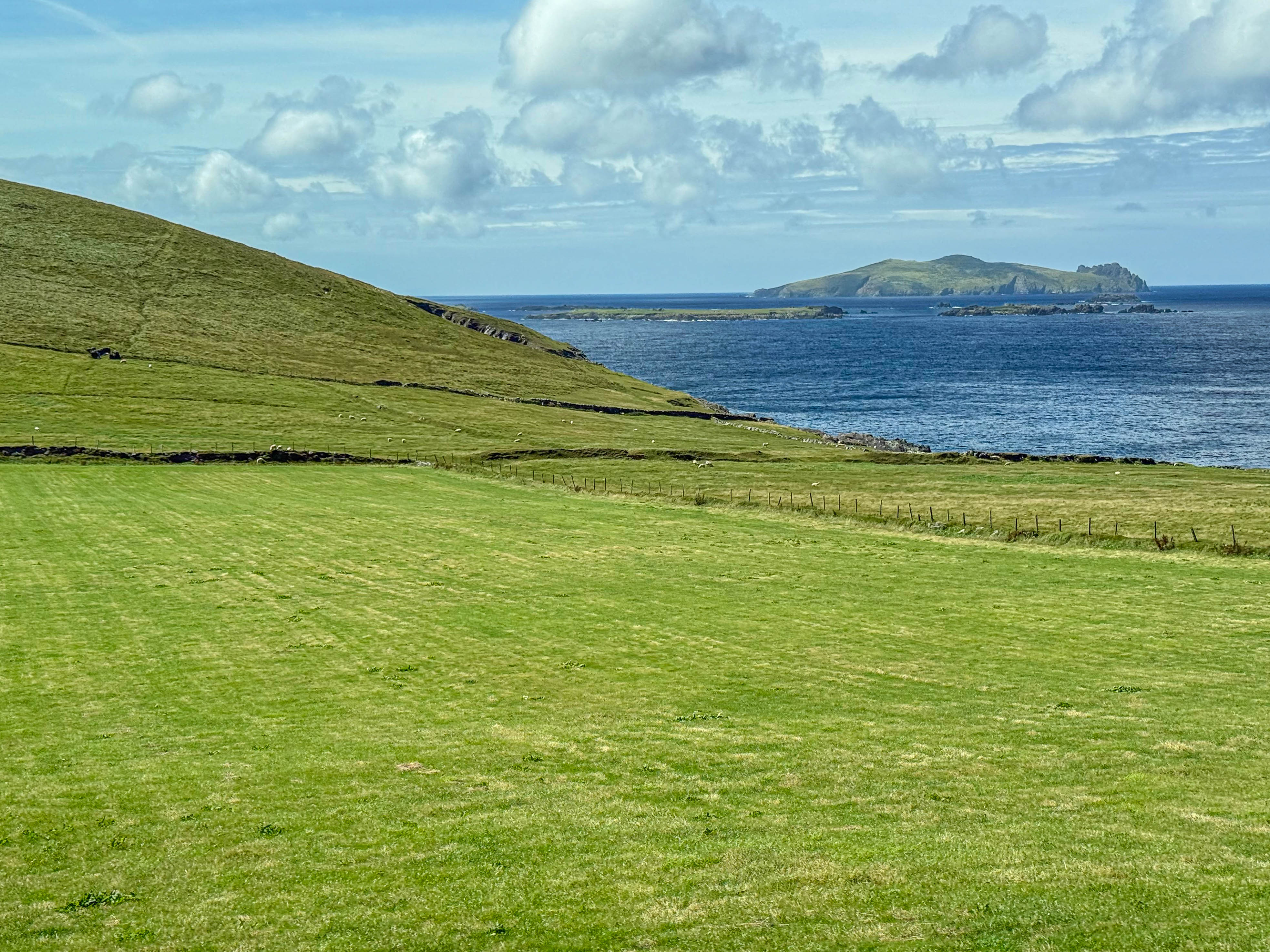
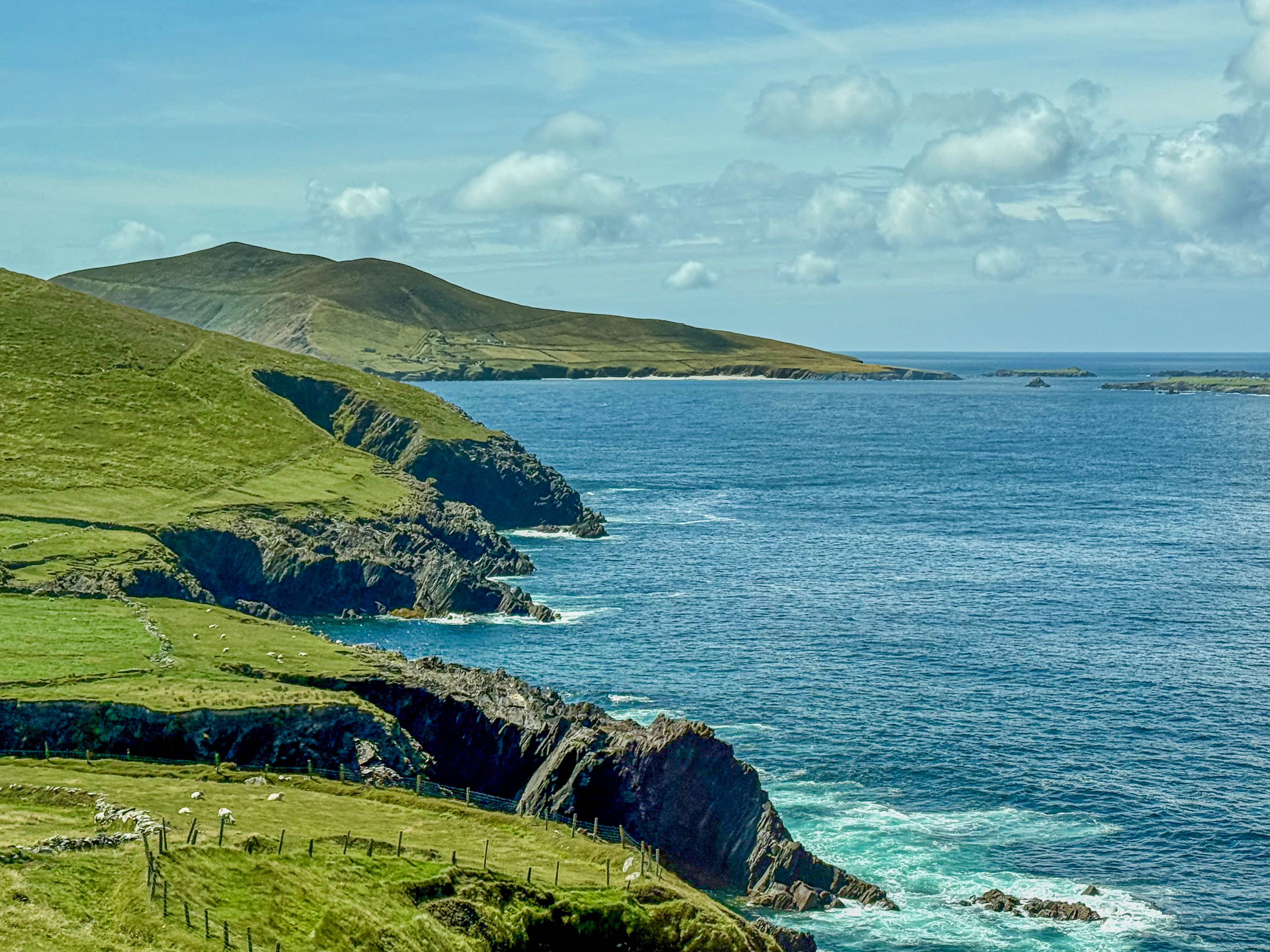
After a couple hours of “free time”, we were driven to the Dingle Peninsula via motorcoach to view “the most beautiful place on earth” as once cited by National Geographic magazine.

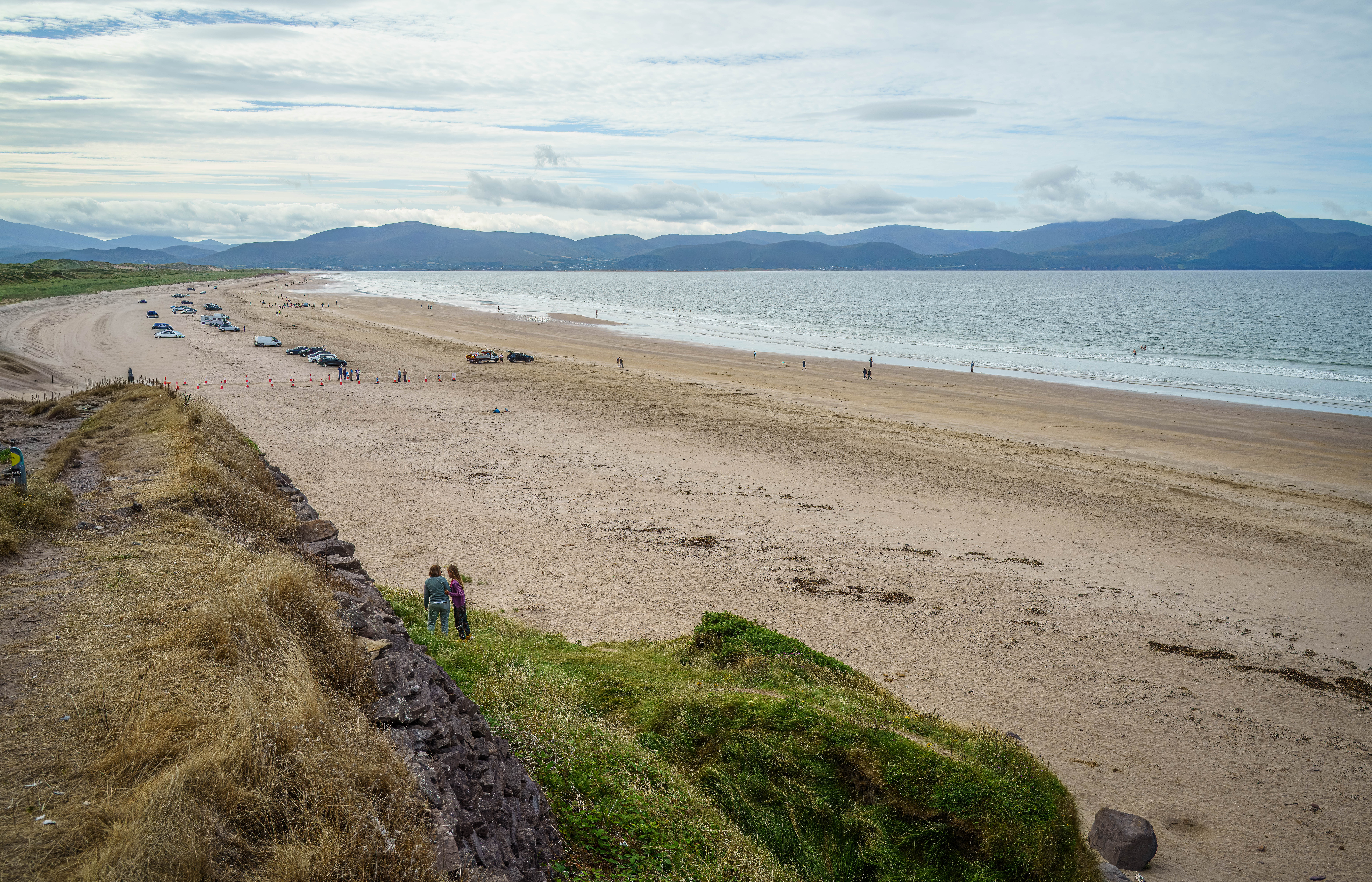
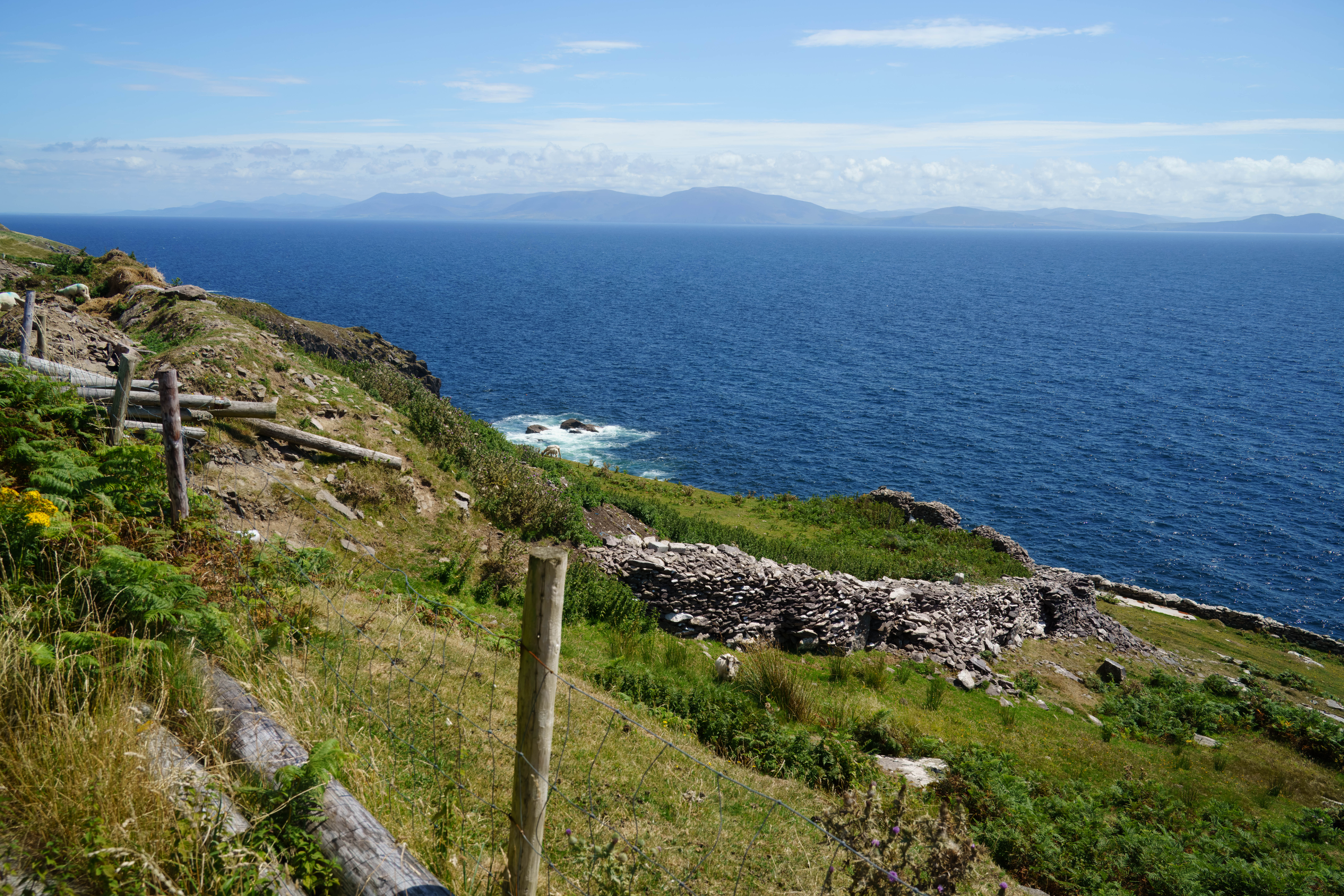
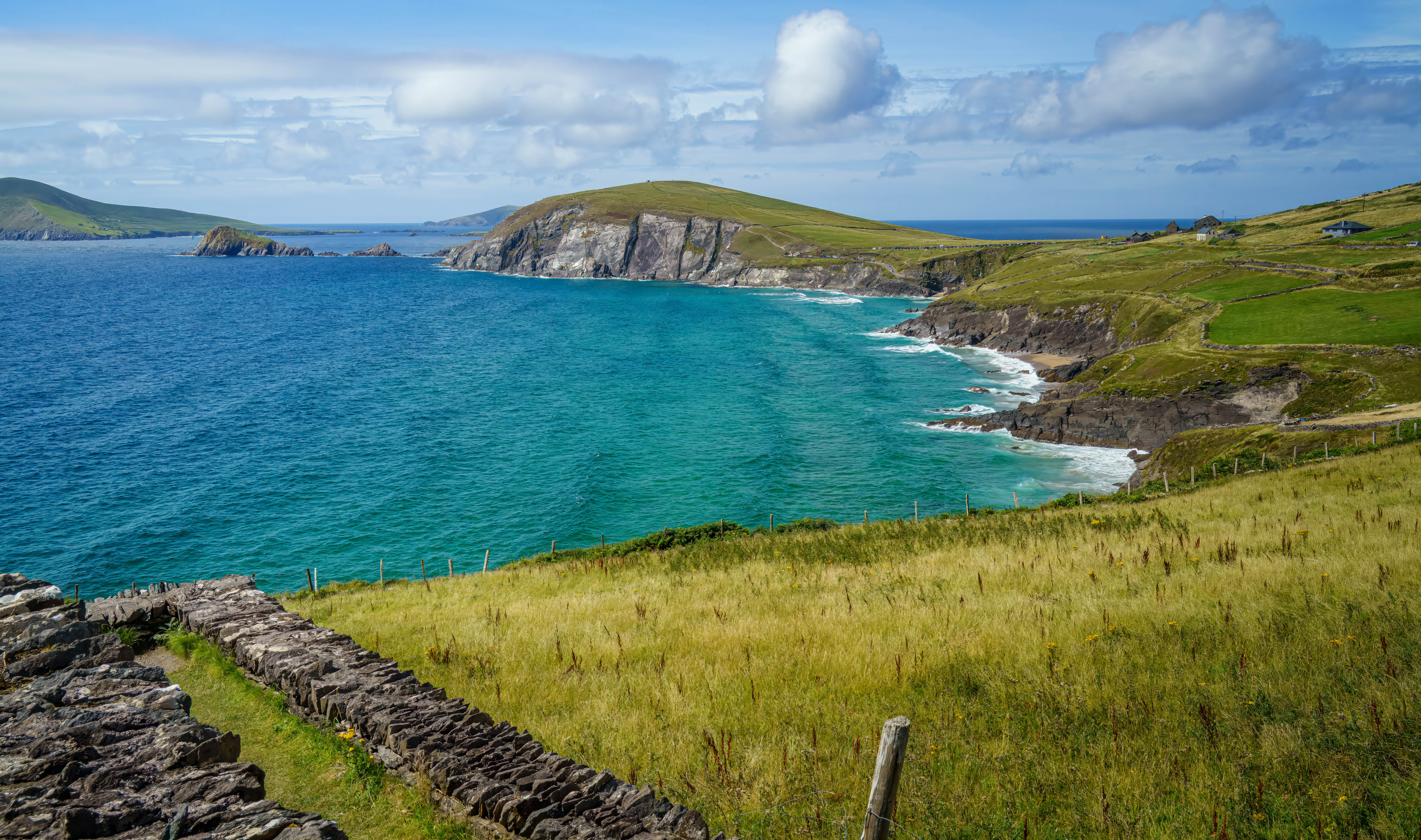
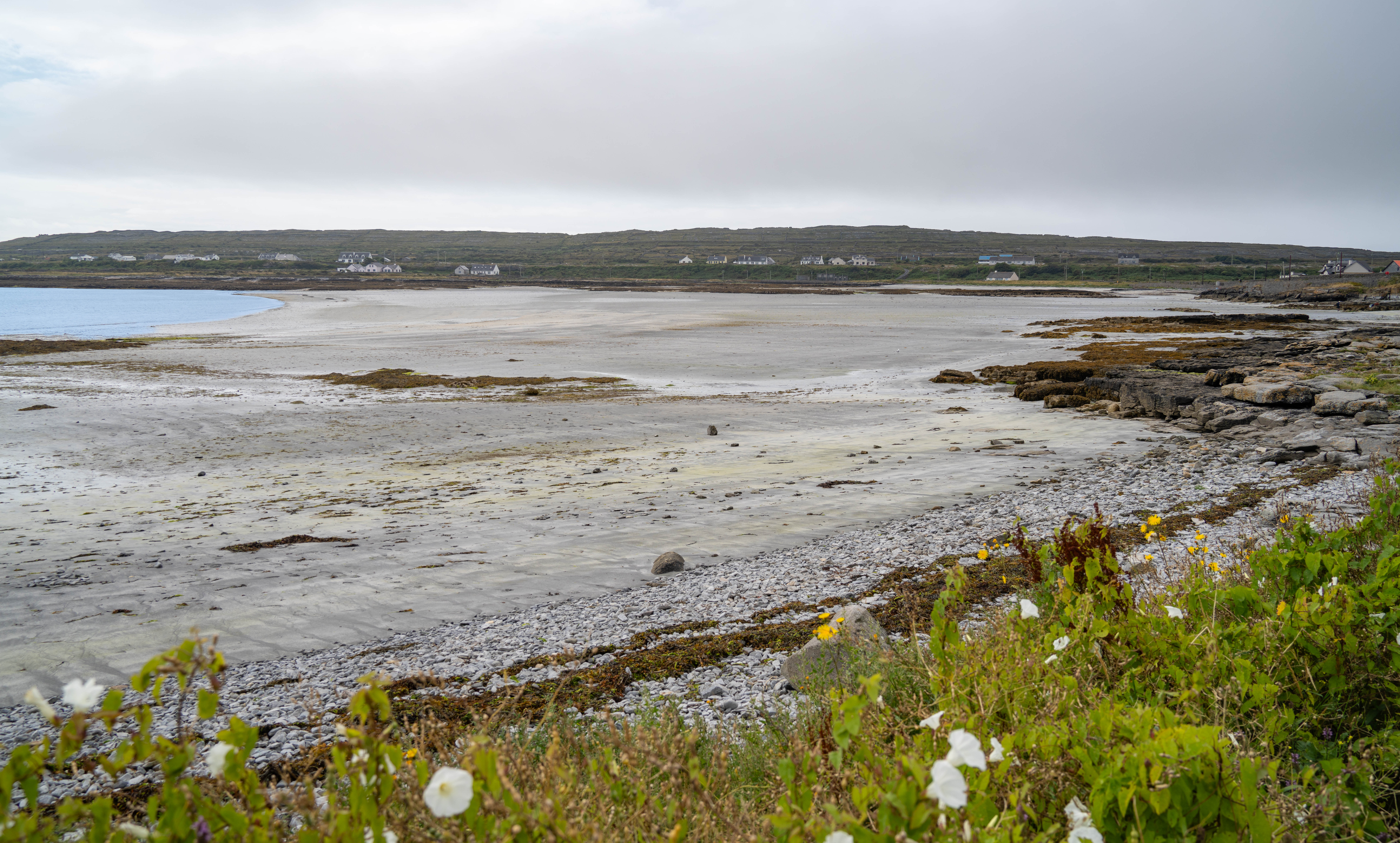
The narrow, winding roads exposed the pastoral countryside broken abruptly by rugged cliffs along the seaside intermixed with wide gently curving beaches. (Click on an image to enlarge.)

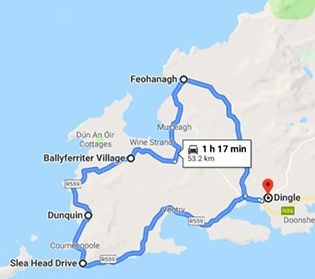
The resulting sea scape was incredibly beautiful. Slea Head Drive, a world-famous 24-mile circular drive located on the western tip of the Dingle Peninsula was breathtakingly beautiful.

Slea Head Drive

The local expert discussed the area’s rich archaeological heritage and unique culture, the latter owing to a Gaeltacht— an area where the Irish language is widely spoken at home, in the workplace, and at school. Our group leader, Shiela, explained the importance of the Irish Gaelic language and ways in which the local governments and communities have made efforts towards its preservation, particularly since the establishment of the Irish Free State in the 1920s.

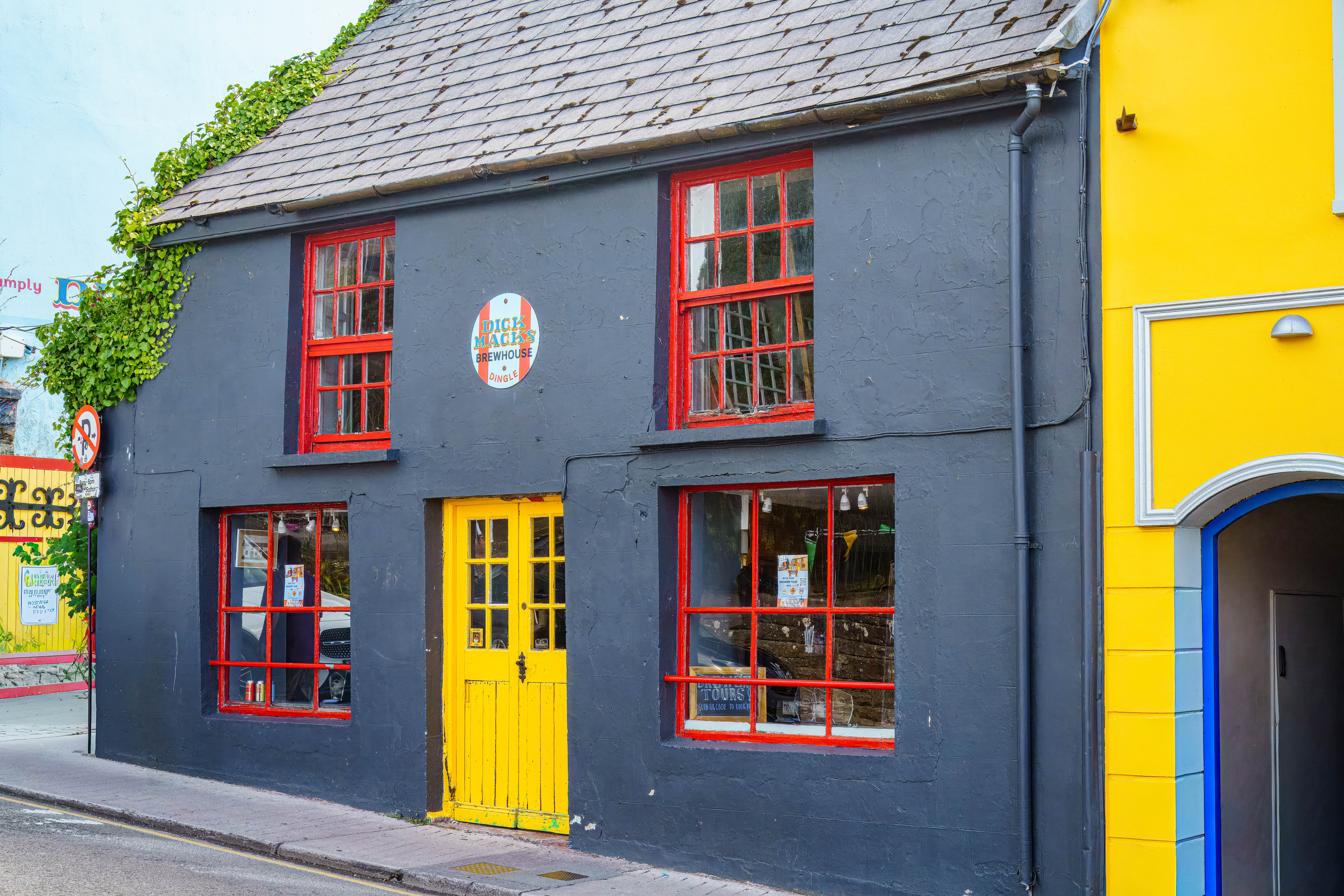
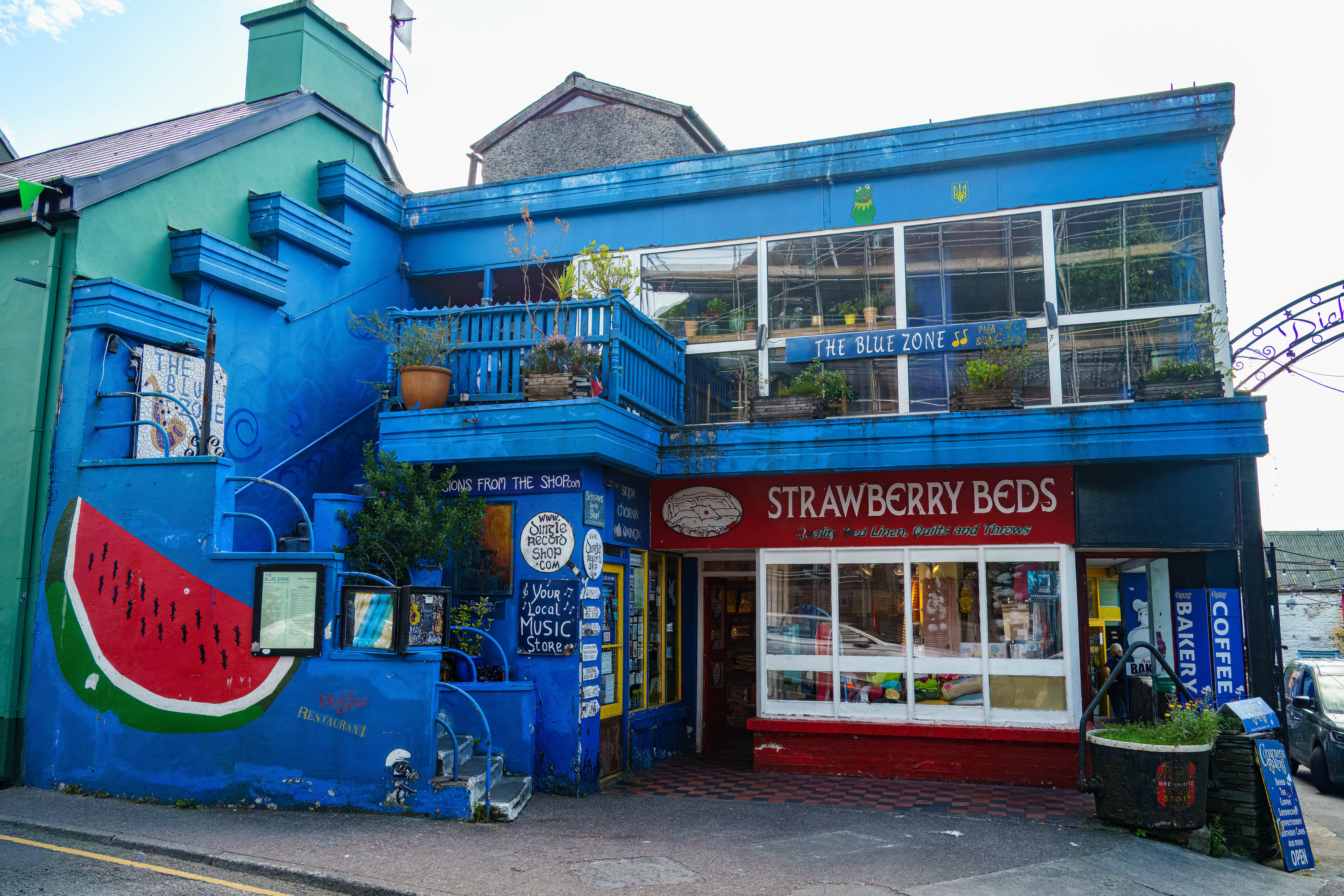
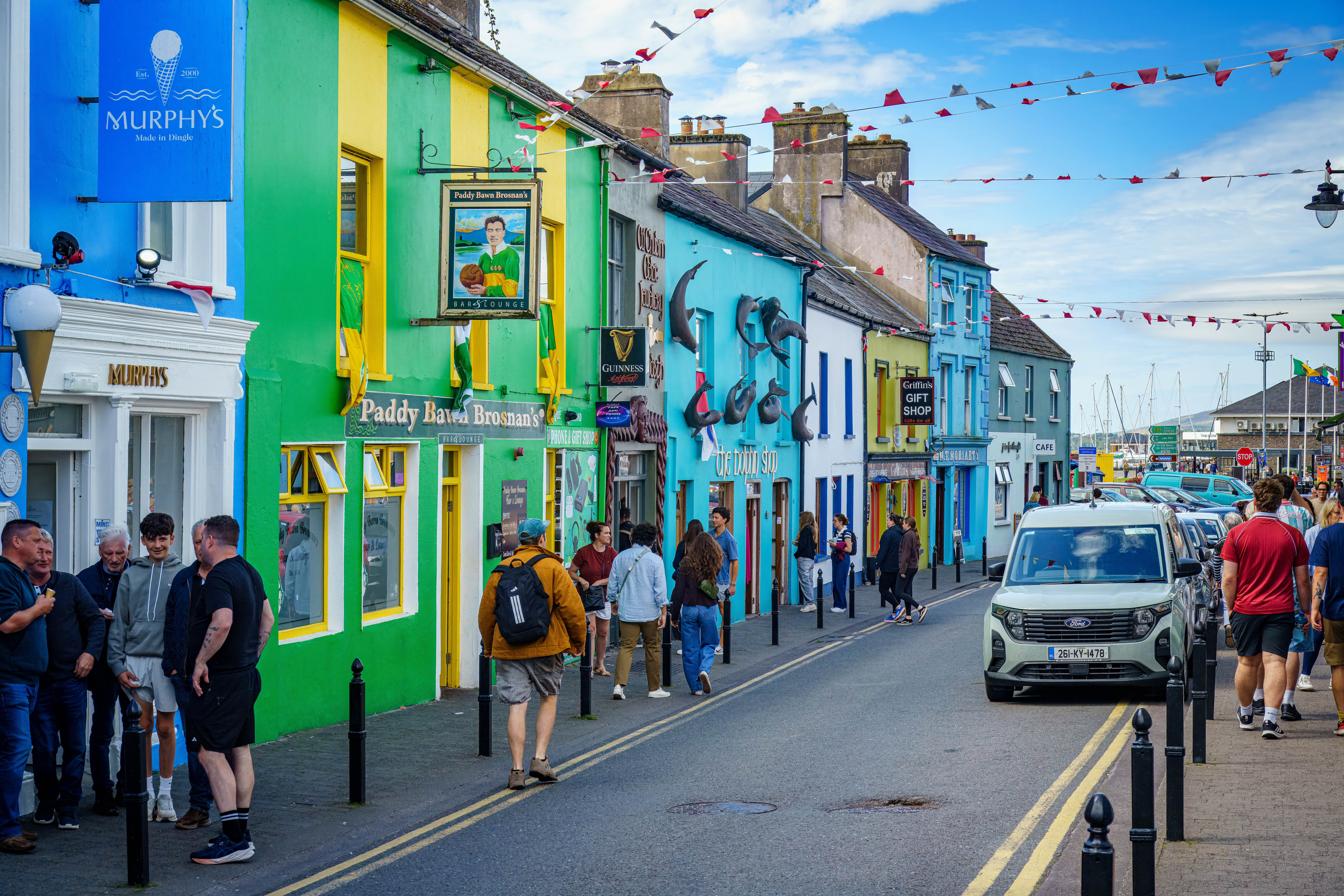
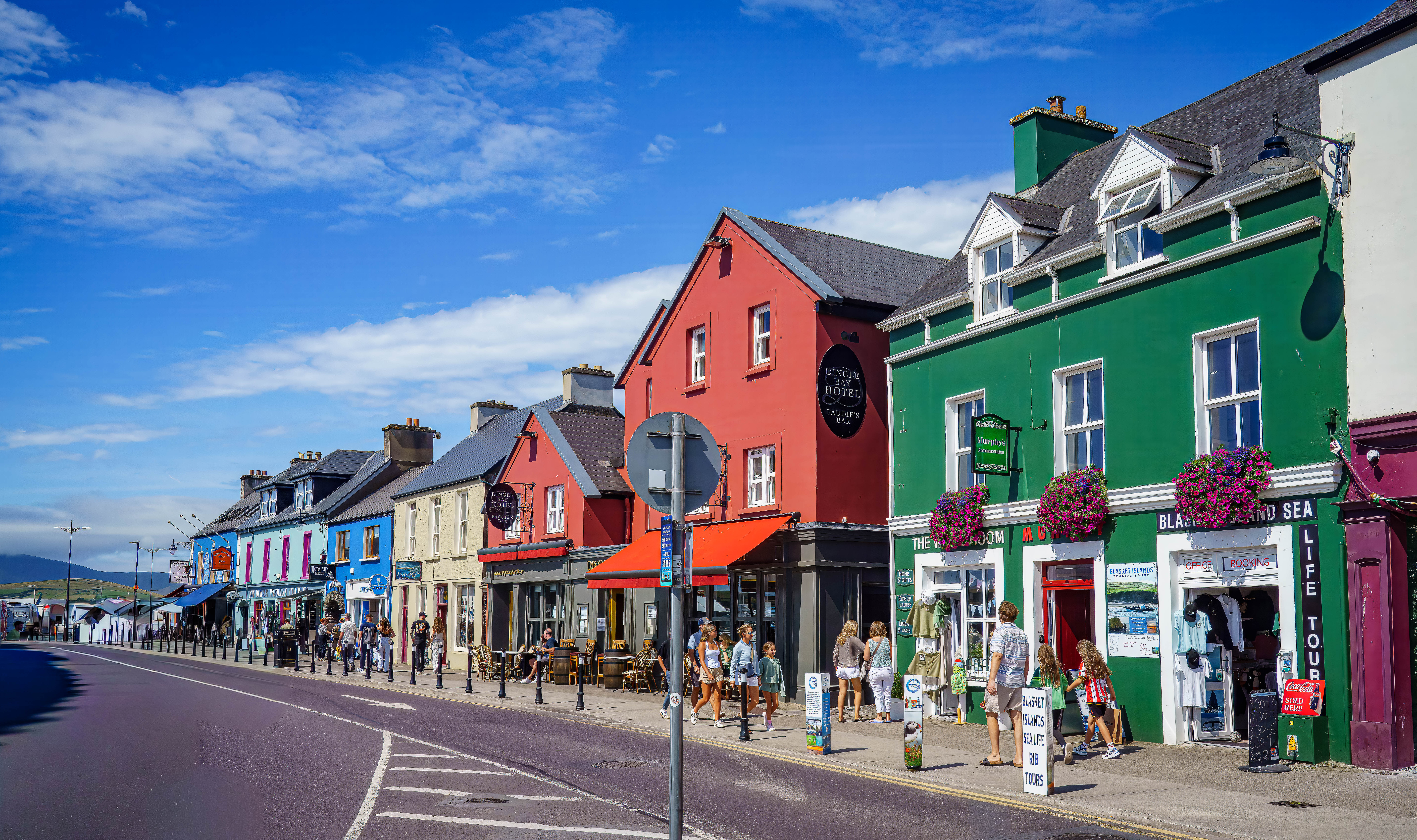
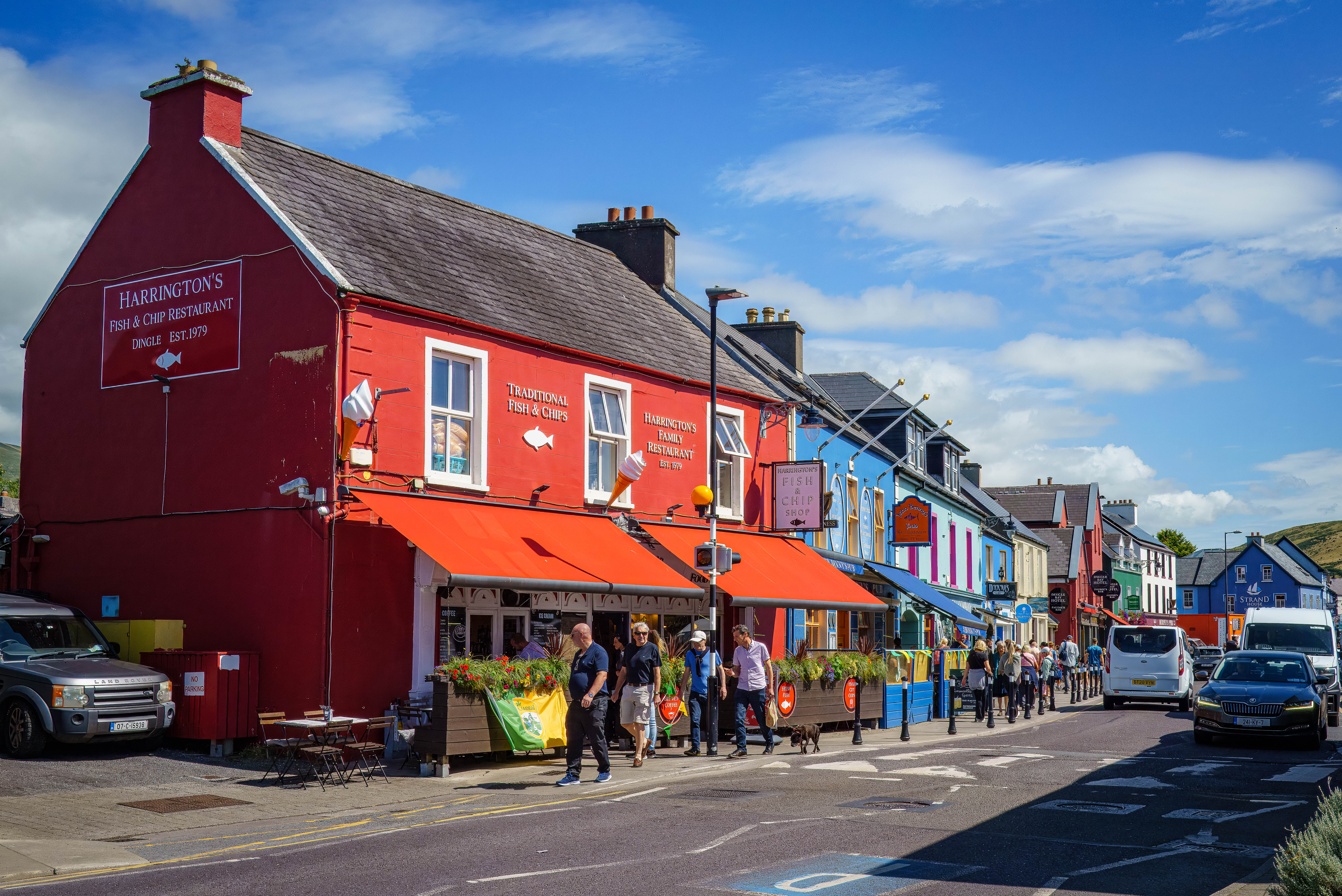
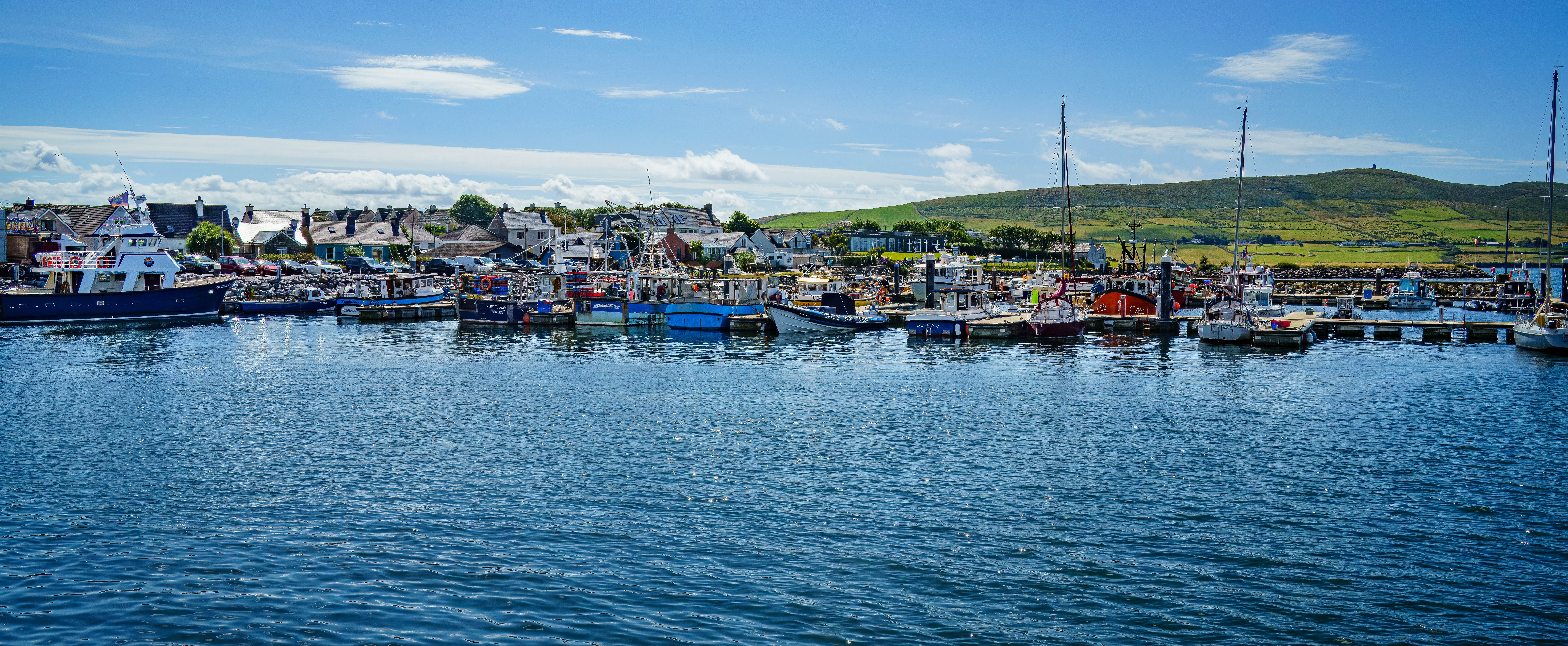
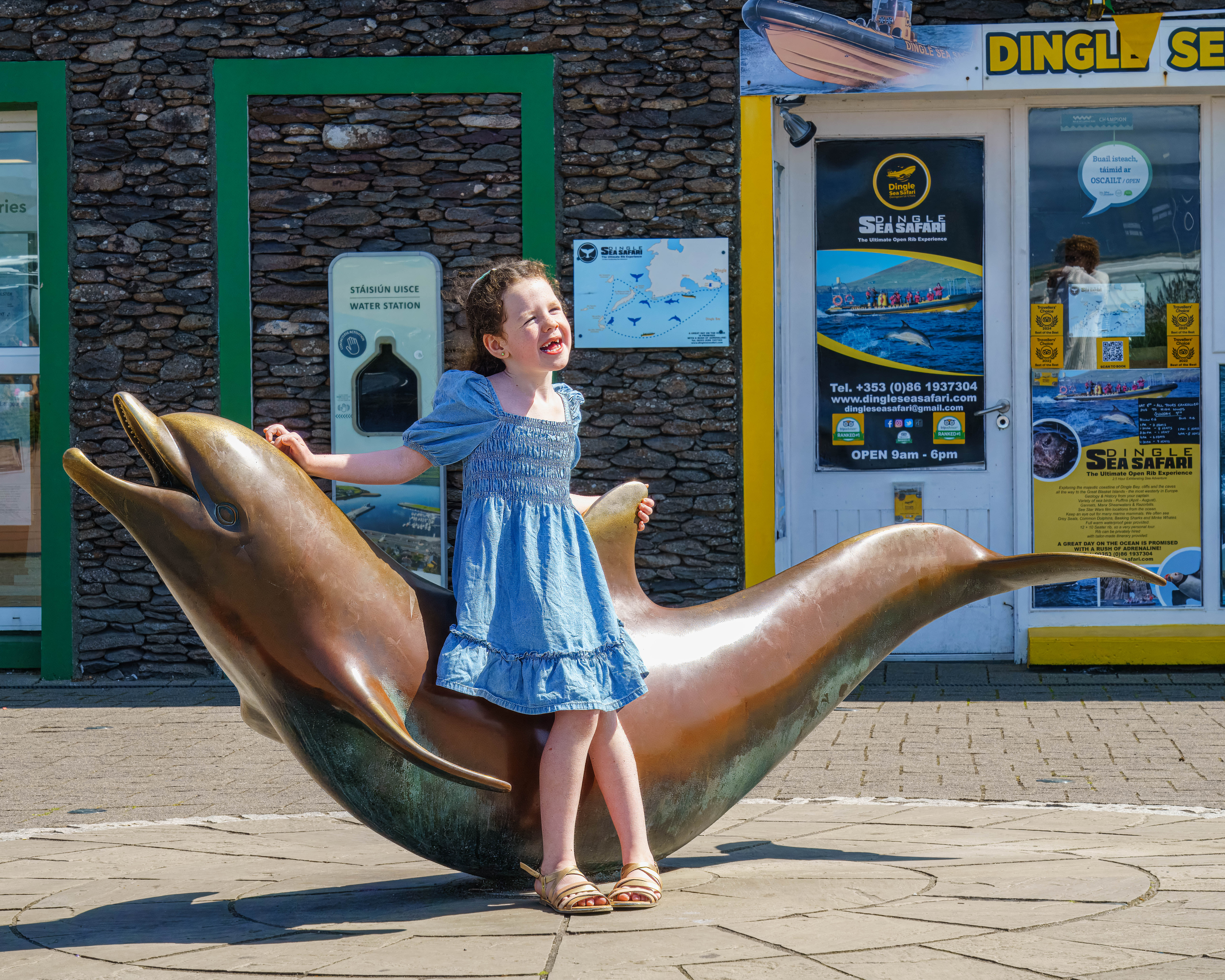
We had a stopover in Dingle Town—with its colorful, pastel building facades. Dingle is a fishing port and the only major town on the Dingle Peninsula. (Click on an image to enlarge.)

Following our free time in Dingle Town, the tour continued along the Slea Head Drive to view more sights along “Wild Atlantic Way”. (Click on an image to enlarge.)

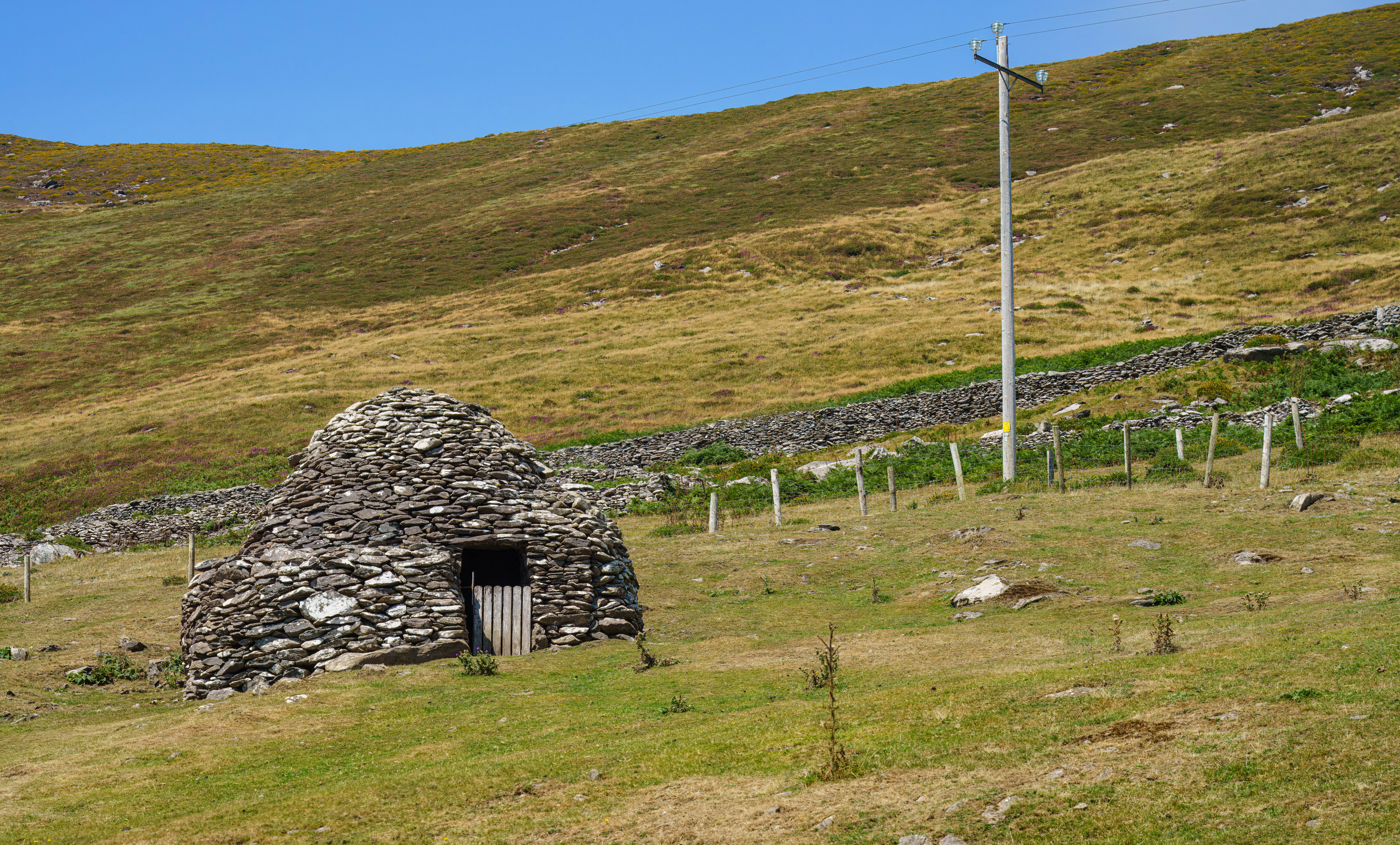
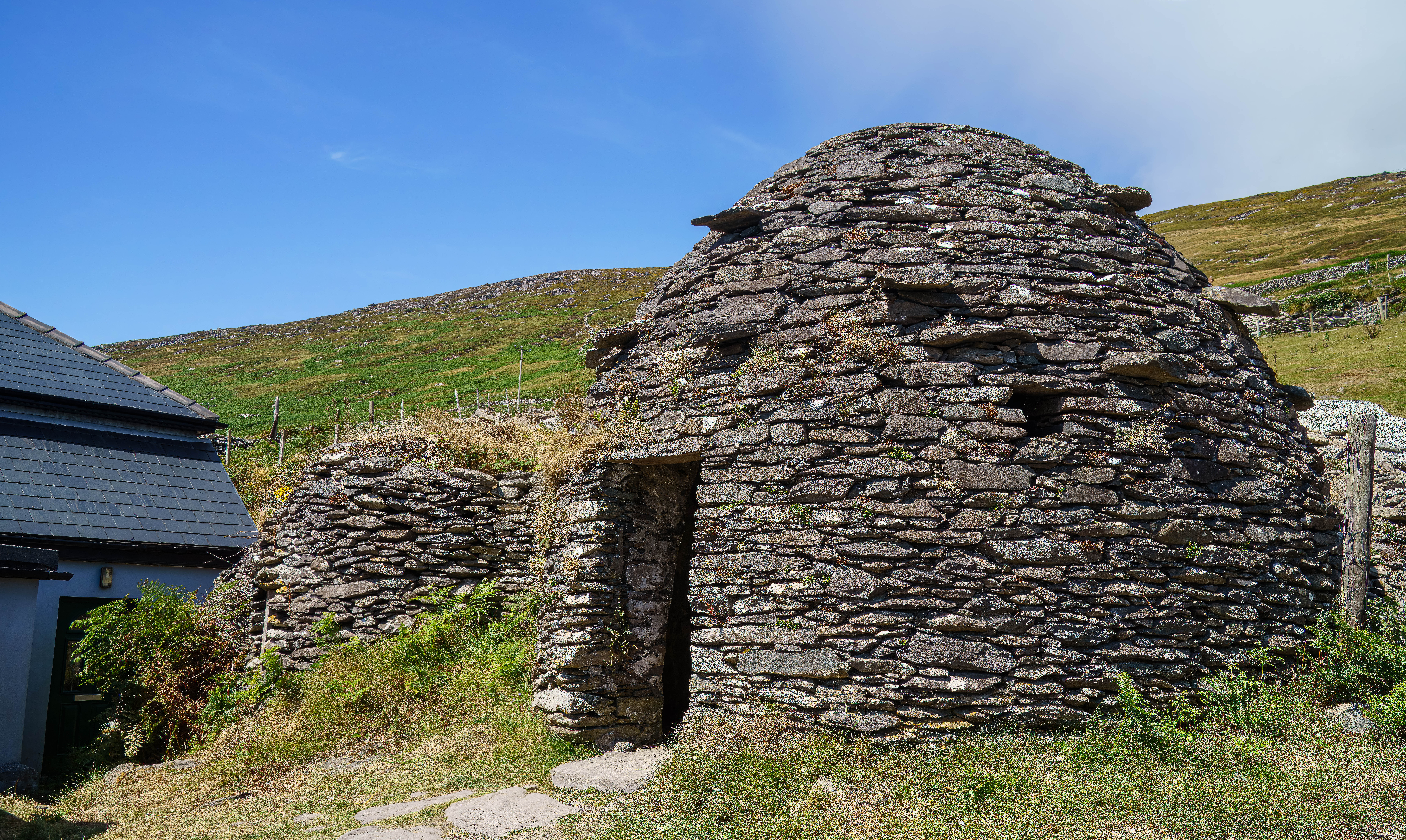
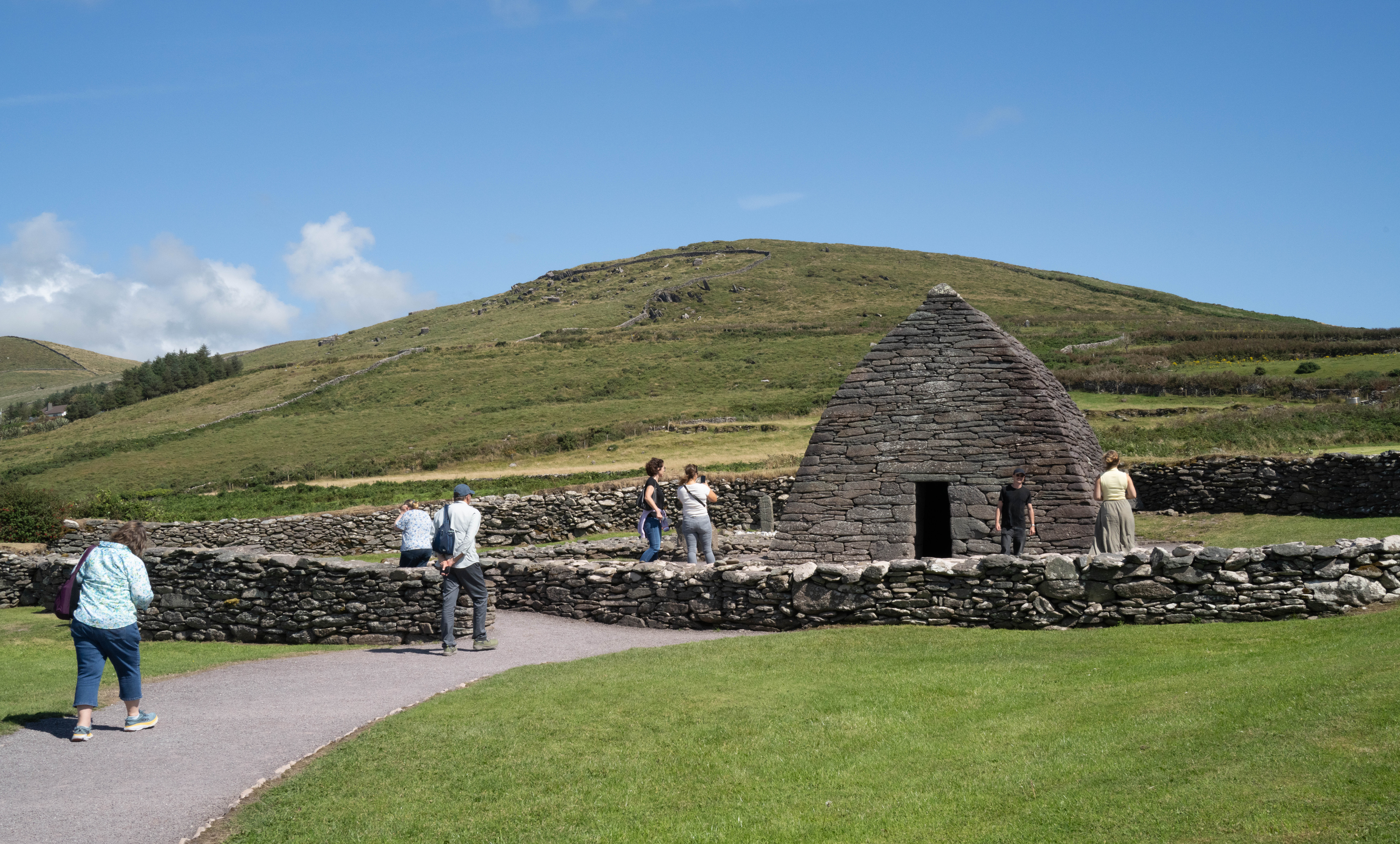
Many ancient stone structures were observed as the local guide discussed their prehistoric and medieval construction. Included were the beehive huts (clocháns) and the mysterious Gallarus Oratory.

The Beehive huts, or clochain, are ancient dry stacked stone dwellings with corralled roofs. These structures dated roughly fin the 7th to 12th centuries, serving as early Christian monastic hermitages or local shelters.

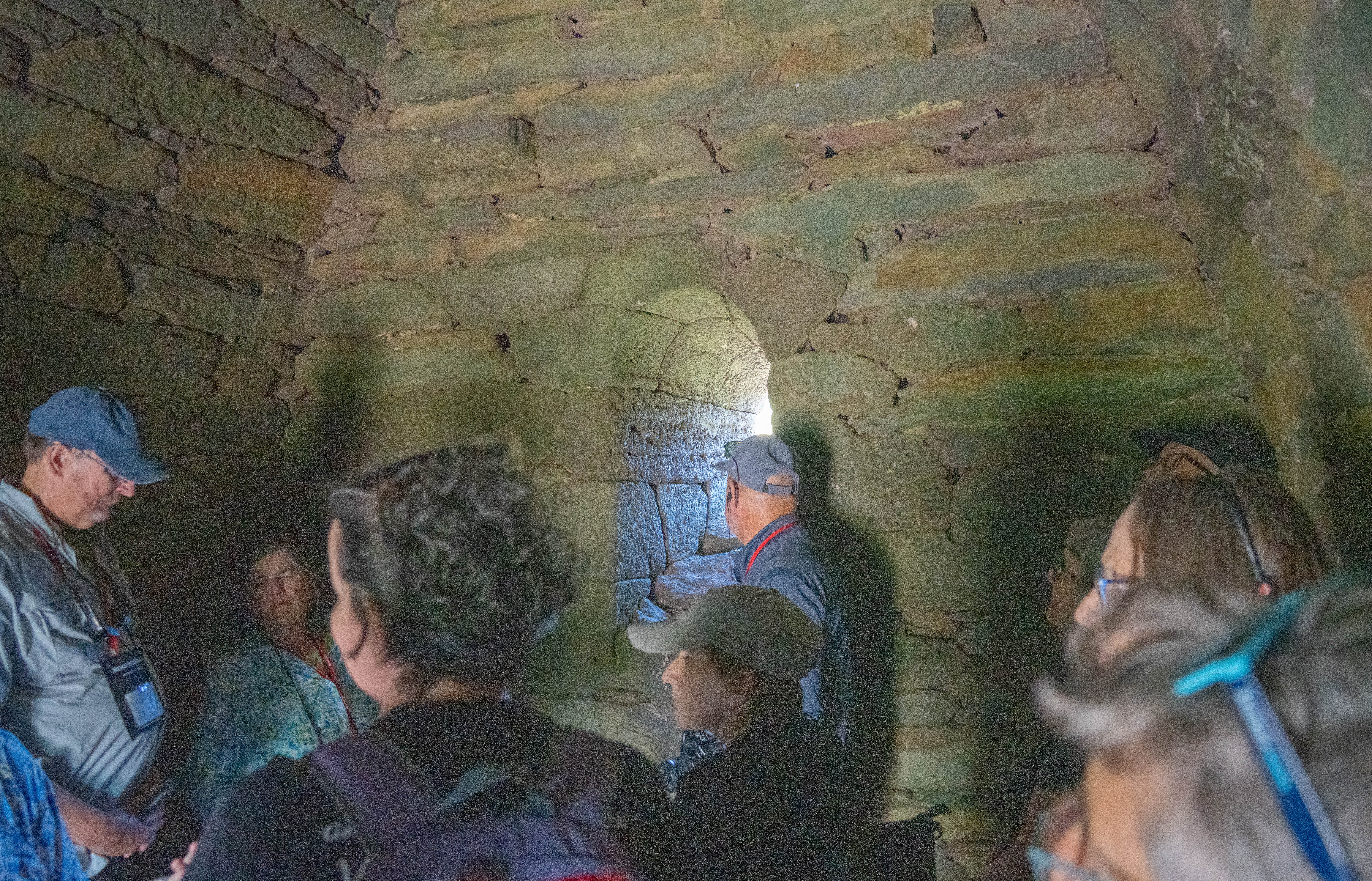
The Gallarus Oratory is an ancient stacked stone church on the Dingle Peninsula. It is shaped like an upturned boat, and features an ingenious corbelled stone roof built without mortar. It dates from the early Christian or medieval period (approx. 8th to 12th century) and remains completely waterproof (sort of).

Gallarus Oratory
Gallarus Oratory

We returned to the hotel a bit tired after our field trip (about 100 miles and 4 hours of motor coach riding, and three miles of walking). The remainder of the afternoon was free.

Thursday and Friday, August 6-7, 2026 (Days 1 and 2)— “The Best of Ireland: The Coast, the Countryside and Dublin”

We departed for the airport in Little Rock Thursday morning about 8 AM, stopped in Benton to drop off a return to Amazon, and made our way to long-term parking at the airport. Promptly picked up, we were delivered to the departure area for check-in and checking luggage. And then, we waited. The Road Scholar program, “The Best of Ireland: The Coast, the Countryside and Dublin” had officially begun.

Flight form Little Rock, AR to Chicago, IL

The United Airlines flight to Chicago was on time, delivering us to O’hare shortly after lunch.

O’Hare International Airport, Chicago

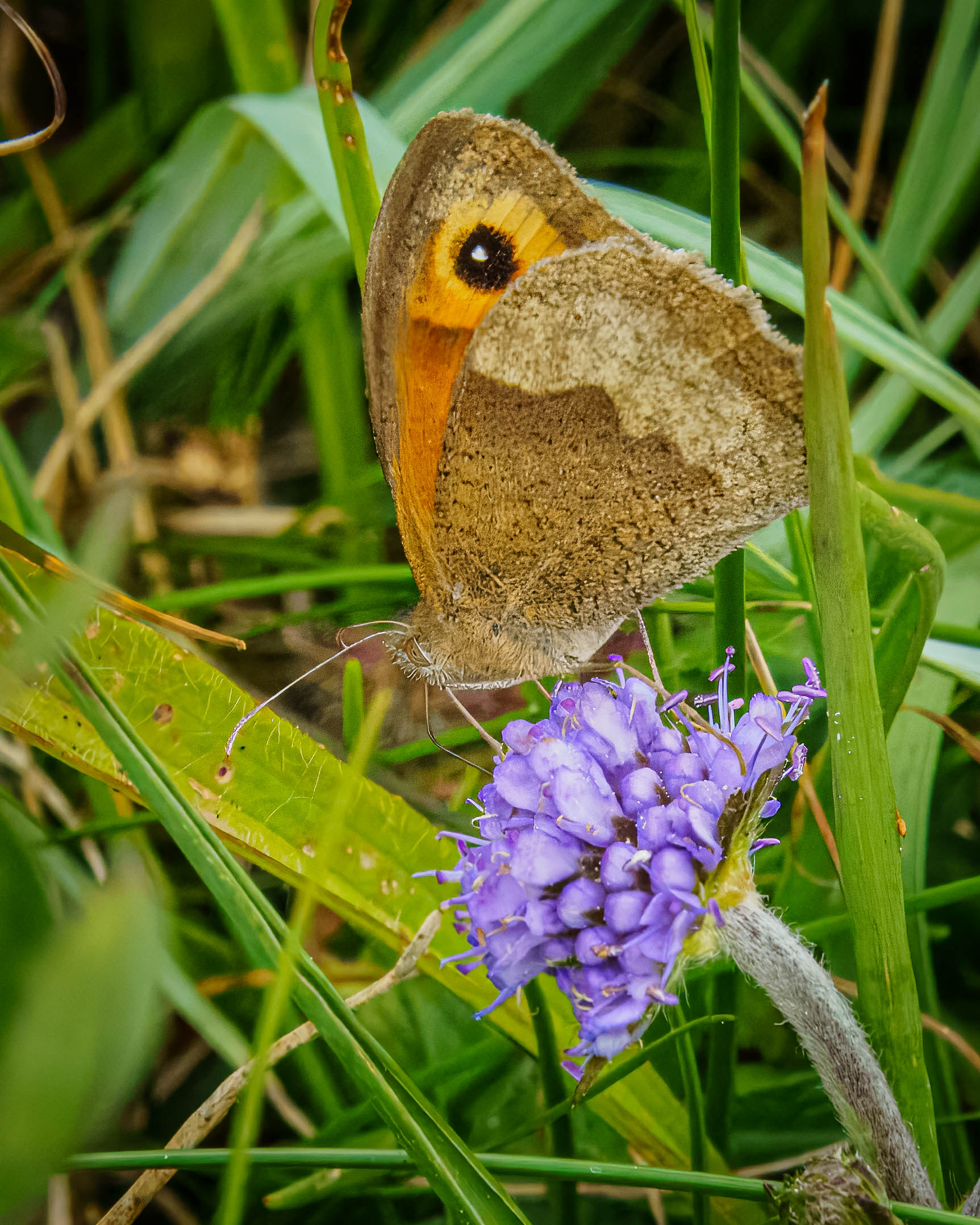
And then just after 6 PM, we boarded a small international jet bound to Shannon Airport in Ireland. We were assigned middle seats, and yes, they were small and cramped for the 7+ hour flight. Neither of us slept on the “overnight” flight. We arrived just after 7 AM, Ireland time Friday, August 7, collected luggage, and met other Road Scholar participants for a buffet breakfast. Of course, I stopped and photographed an Irish butterfly, Small Tortoiseshell, along the way.

Small Tortoiseshell butterfly

We were subsequently transferred to Earls Court House Hotel in Killarney with a “comfort” stop along the way. Check-in was efficient and the luggage was delivered to the room. 

Comfort Stop between Shannon and Killarney

We met with the other members of our Road Scholar tour group before dinner for a glass of wine and orientation. It became obvious at the beginning of this meeting that our group would be very compatible and fun-loving. 

It’s Going to be a Great Group

The Group Leader, Eileen Cameron, greeted everyone and lead introductions. And then she reviewed the up-to-date program schedule, discussed roles and responsibilities, logistics, safety guidelines, emergency procedures, and answered questions. She will accompany us throughout the program and deal with logistics, deliver informal talks, conduct some field trips, and serve as an information resource on program-related topics. 

Program Orientation

A buffet dinner followed, and then it was off to bed to catch up on sleep as we had to have our luggage outside the room for portage at 7:30 AM.

Monday through Monday, June 1-15, 2026—Busy Times for Kay

Kay began the month packing for a gambling junket to Beau Rivage in Biloxi, Mississippi. For a minimal amount, Beau Rivage flies “gamblers” from Arkansas to Biloxi, and then comps them a room for three nights. She and BFF Pam traveled there together. They left on Tuesday, June 2, and returned on Friday, June 5. Upon her return, she spent Saturday unpacking and doing her laundry. On Sunday, granddaughter came to visit for a few days. We were so delighted to host her, and she is growing up way too fast. She and Kay shopped, spent time at the Mid-America Museum, and rewatched her play at the beach and in Balboa Lake. On Friday, Kay’s longtime childhood friend, Sue, came to spend the weekend and on Saturday they attended their 61st high school reunion in Morrilton. Sue left on Sunday, and then on Monday, Kay flew to Richmond, Virginia, to spend a few days visiting her sister and brother-in-law. There were some snafus in her travel plans and Delta cancelled her flight from Atlanta to Richmond at the last minute. Fortunately, she was able to find another flight (for almost double the fare), arriving in Richmond late afternoon on Monday, June 15.

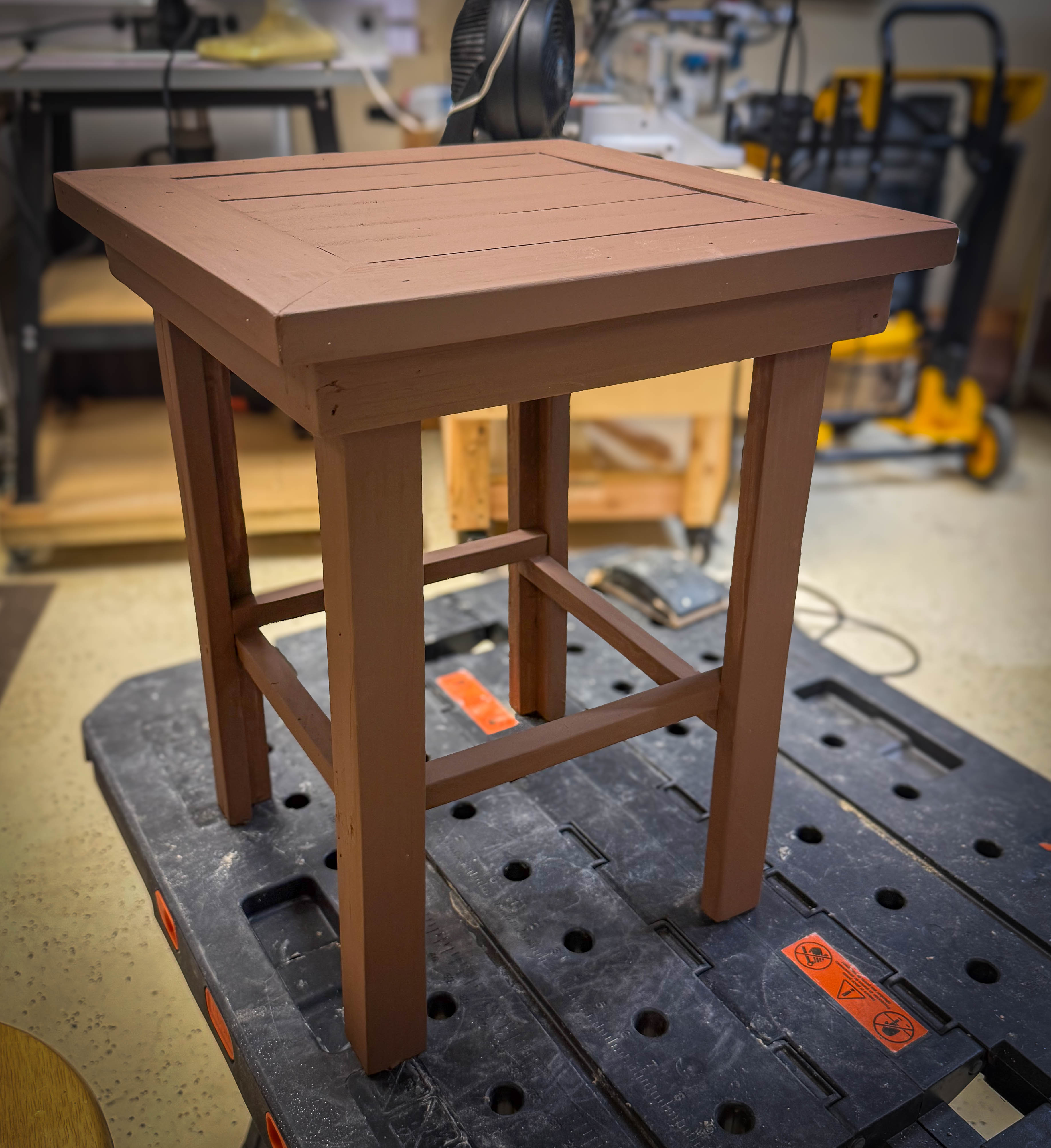
Meanwhile, still down and out with a pulled groin muscle, I hung around the house and enjoyed some yard work, and shop time. This is a photo of a prototype patio table I designed and built while Kay was away.

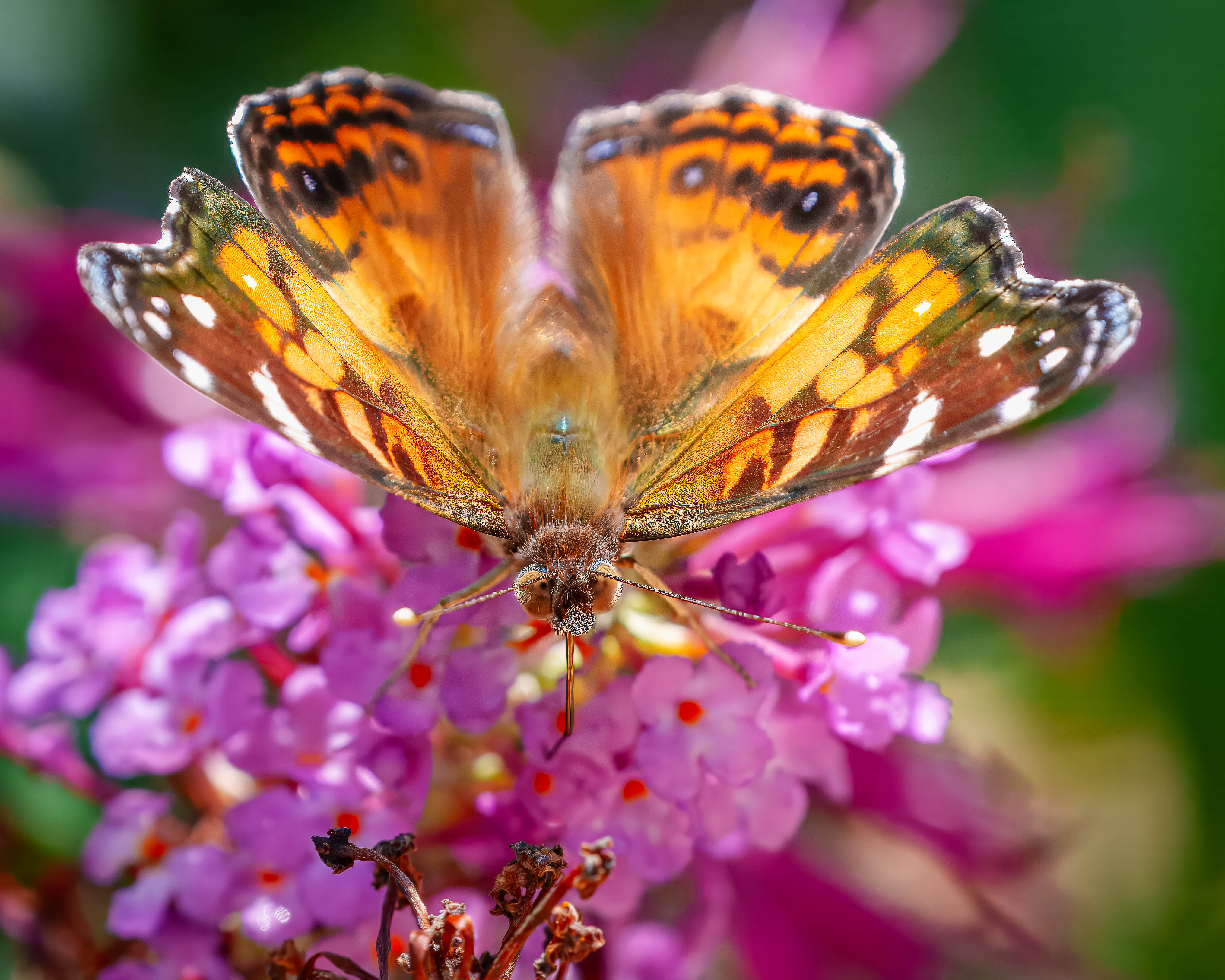
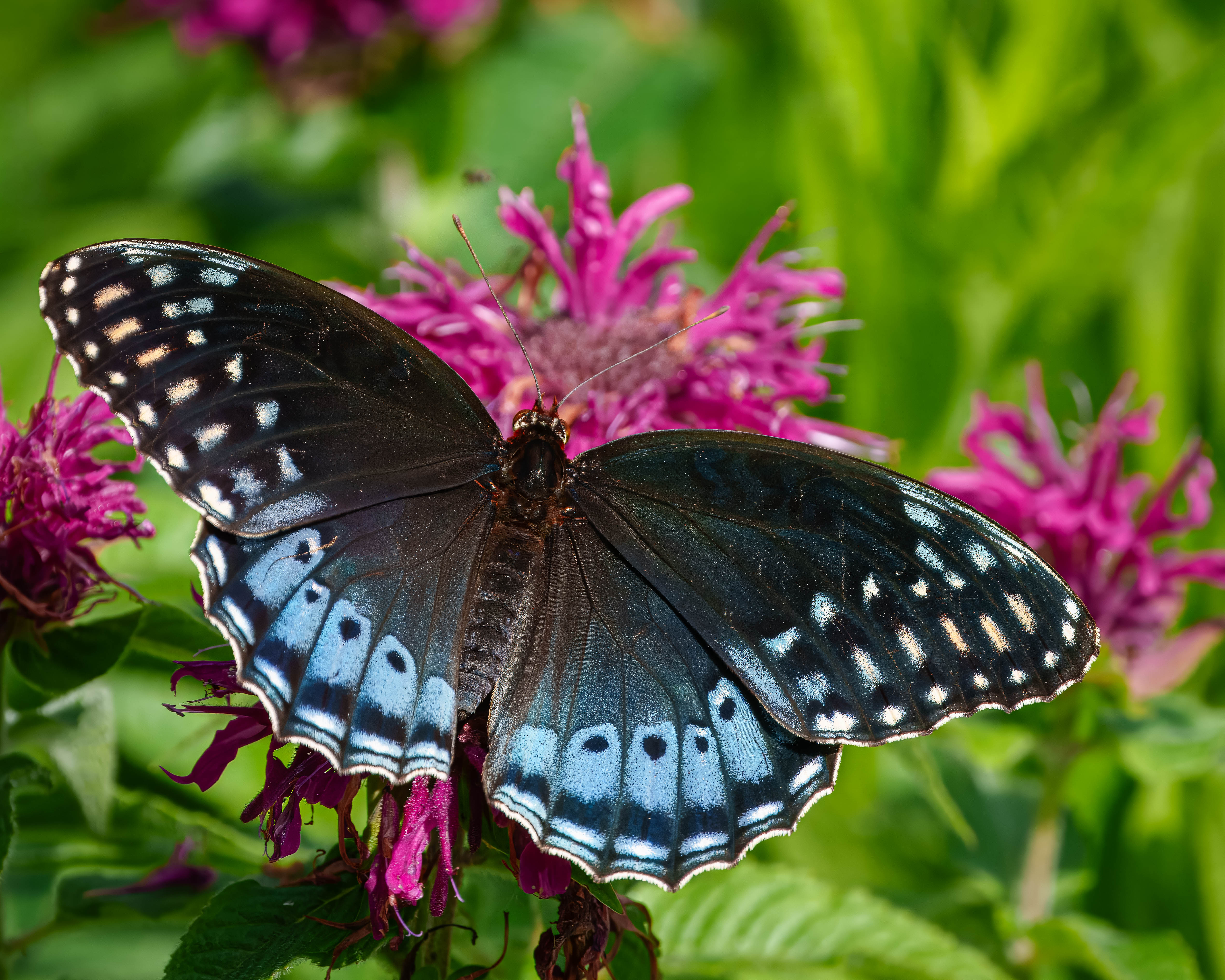
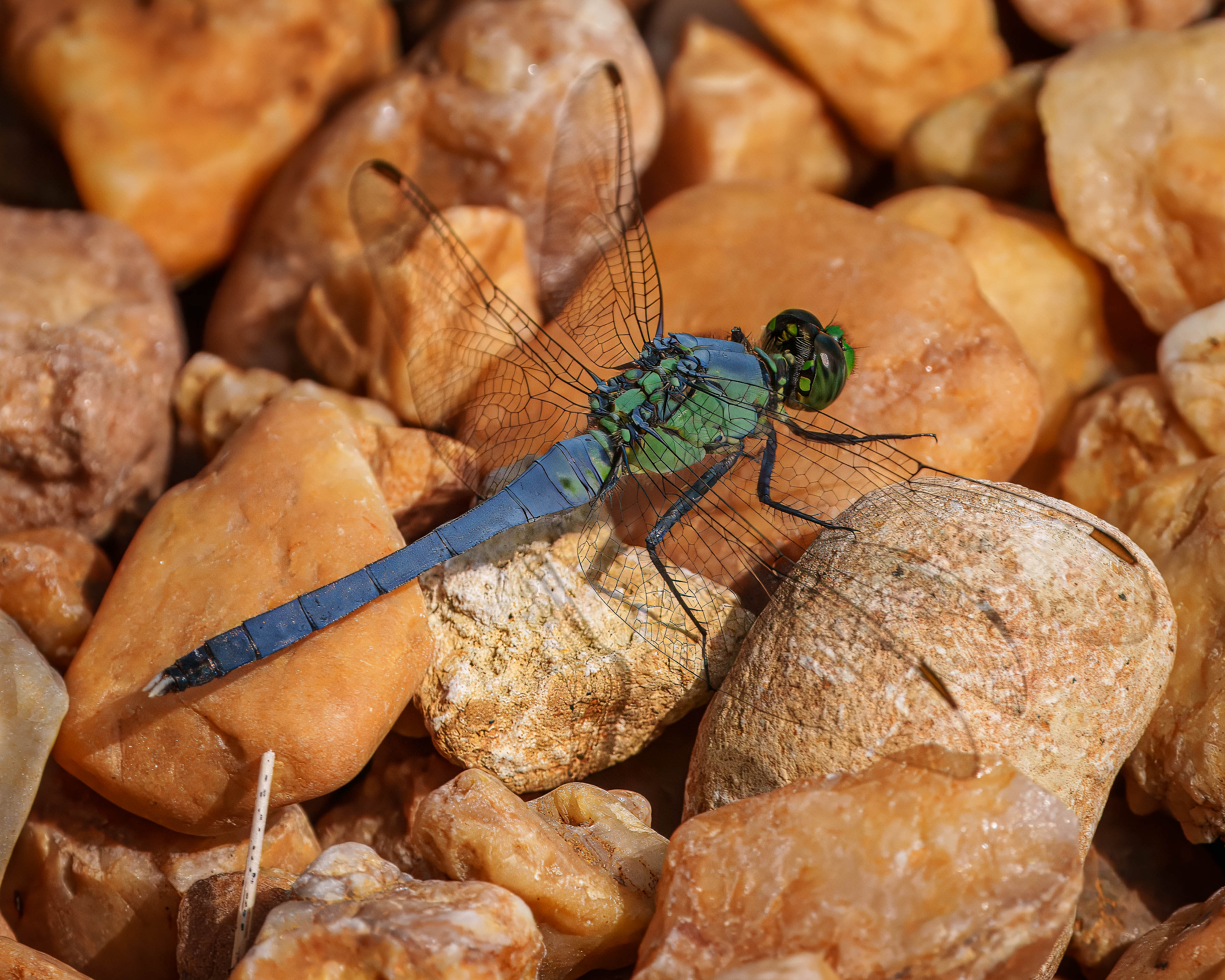
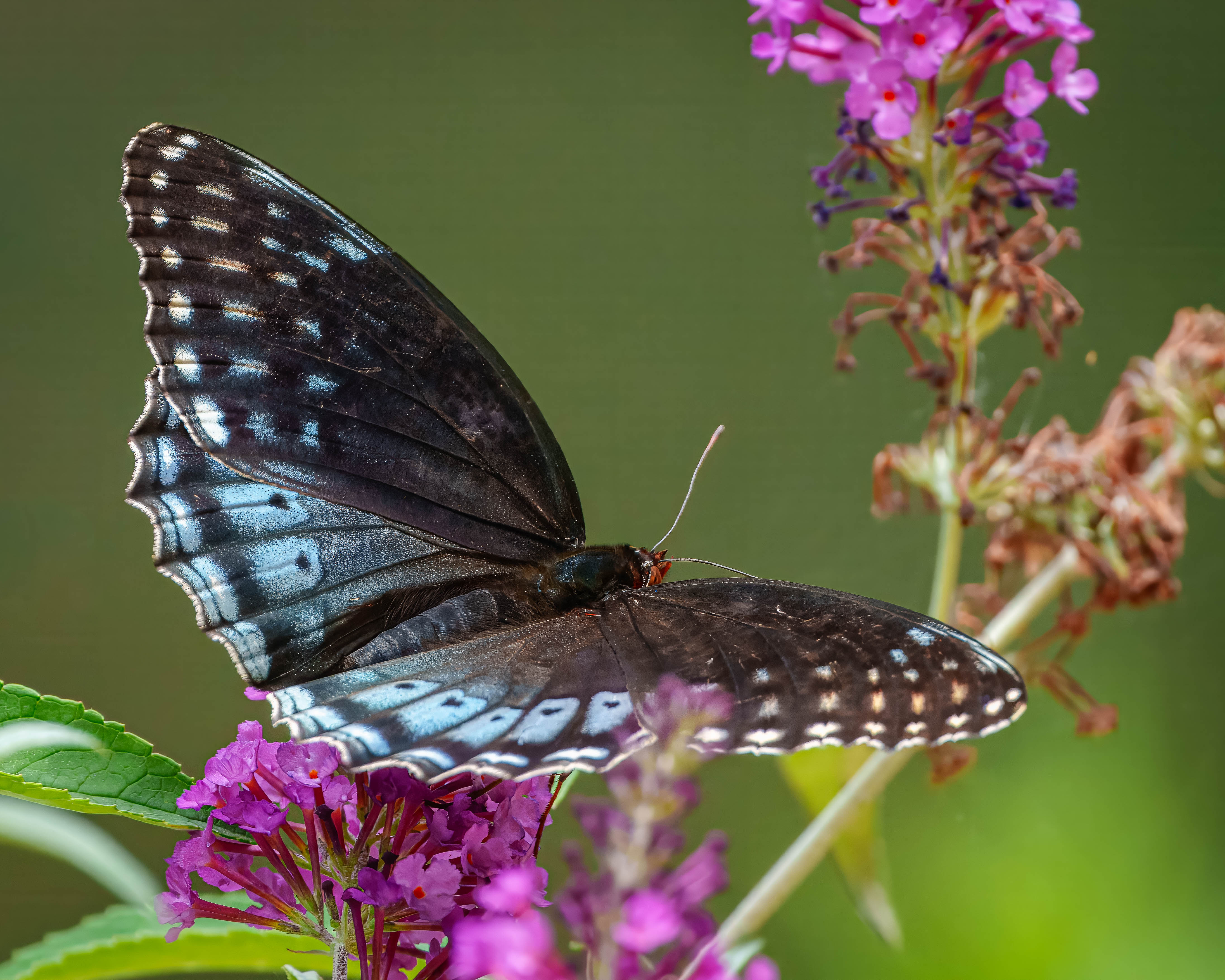
Of course, time was made almost daily for photographing butterflies and dragonflies in the pollinator garden, shooting photos 9 of the 15 days of this period.

The number of species of butterflies is really down this year. Generally, American Lady butterflies and Fiery Skippers can be observed every day, though the number of butterflies is small. However, the Diana Fritillary species is spending time nectaring daily which is a real thrill. And, a few dragonflies dart about in search of their next prey.

On Tuesday, June 2, an American Lady, a female Diana Fritillary, and a Juvenal’s Duskywing were seen; only the American Lady and Diana Fritillary were photographed. Additionally, a Common Green Darner dragonfly was photographed.

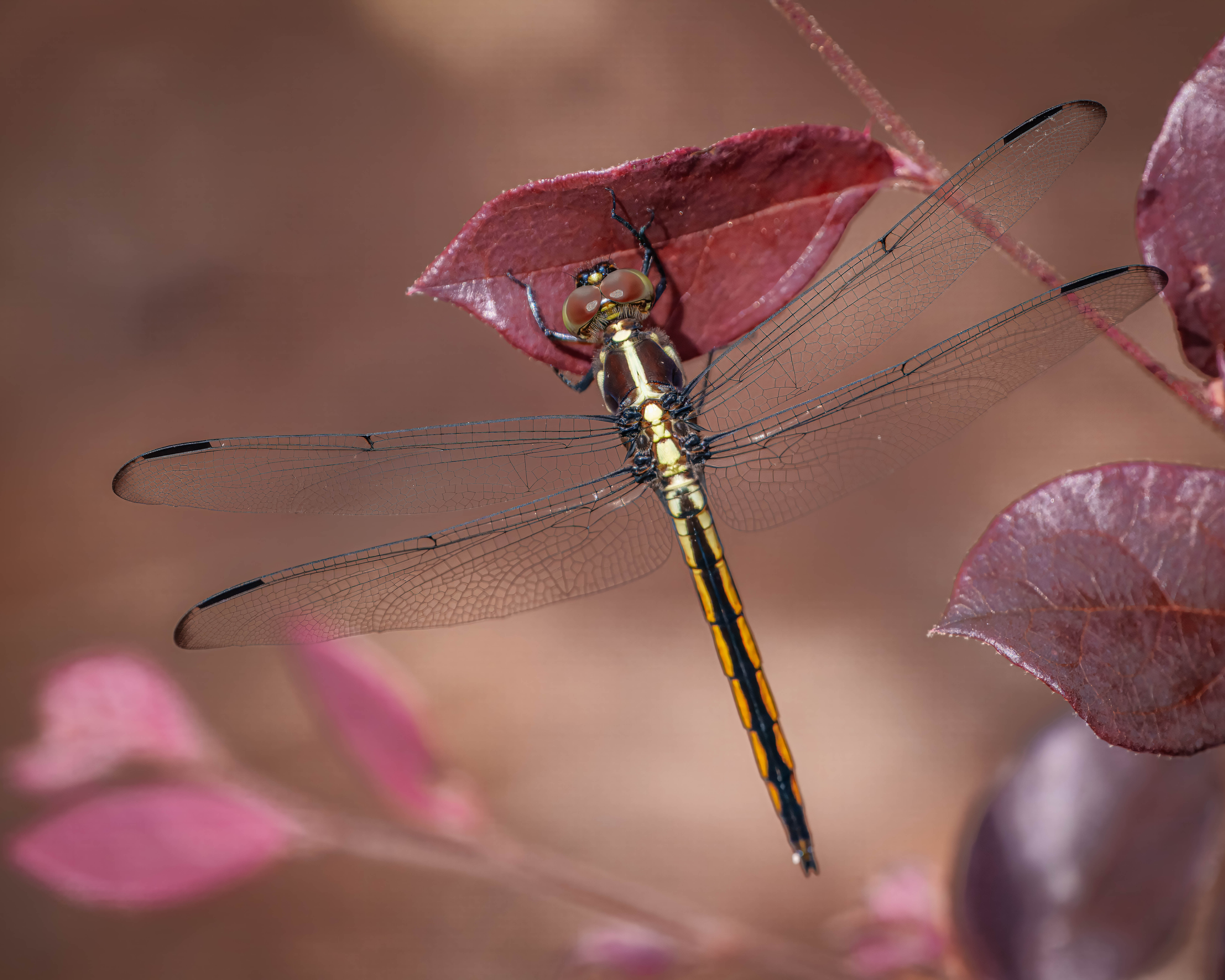
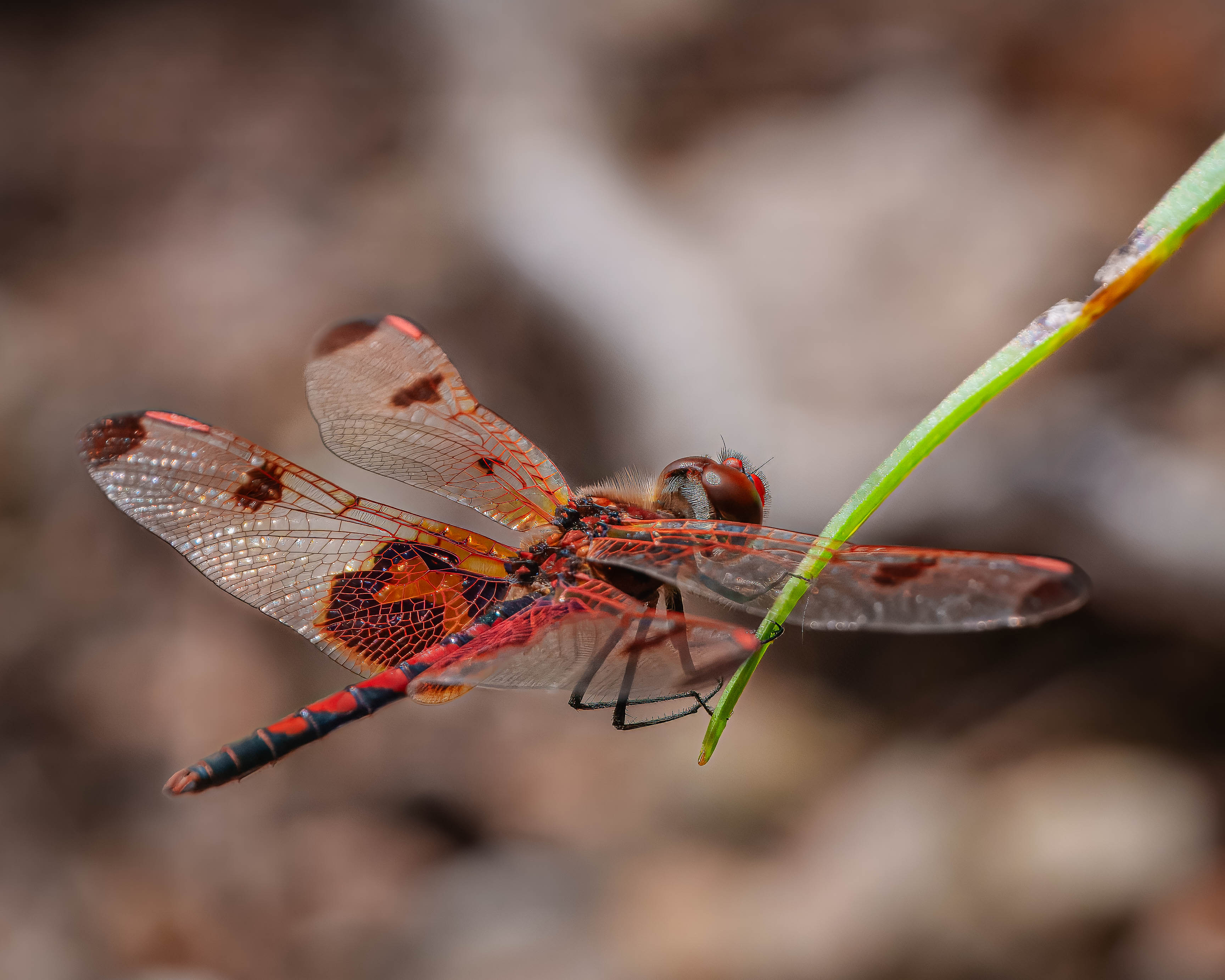
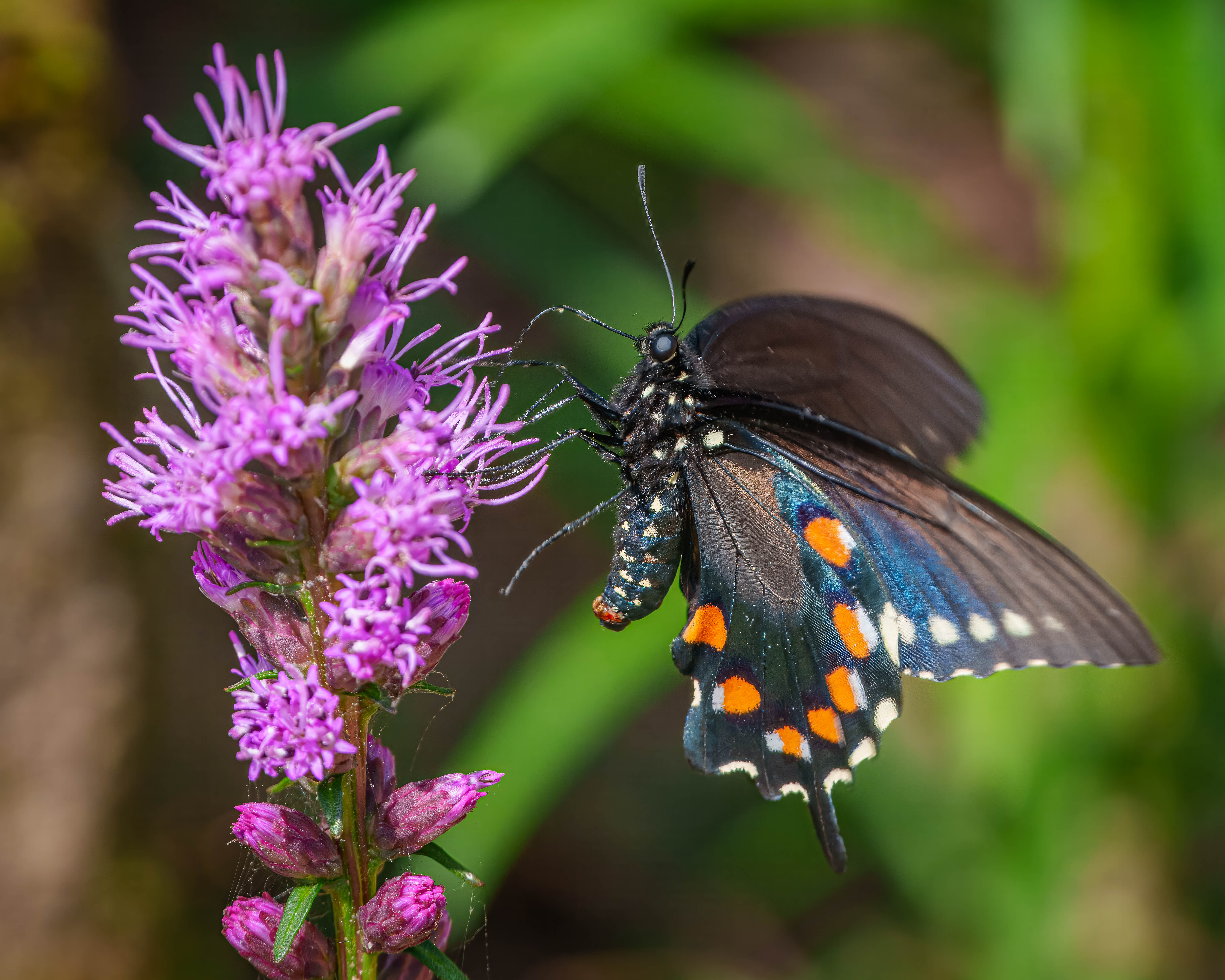
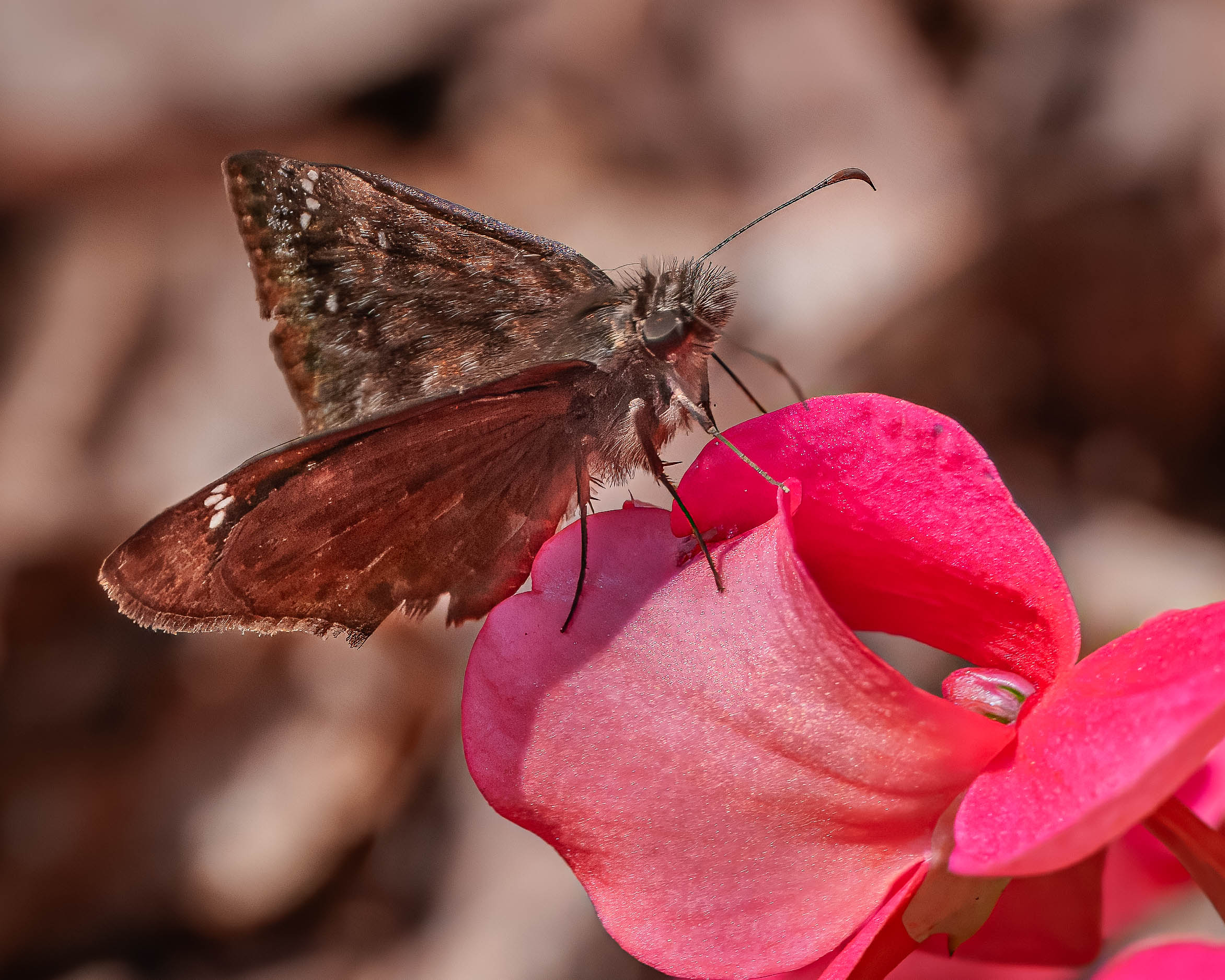
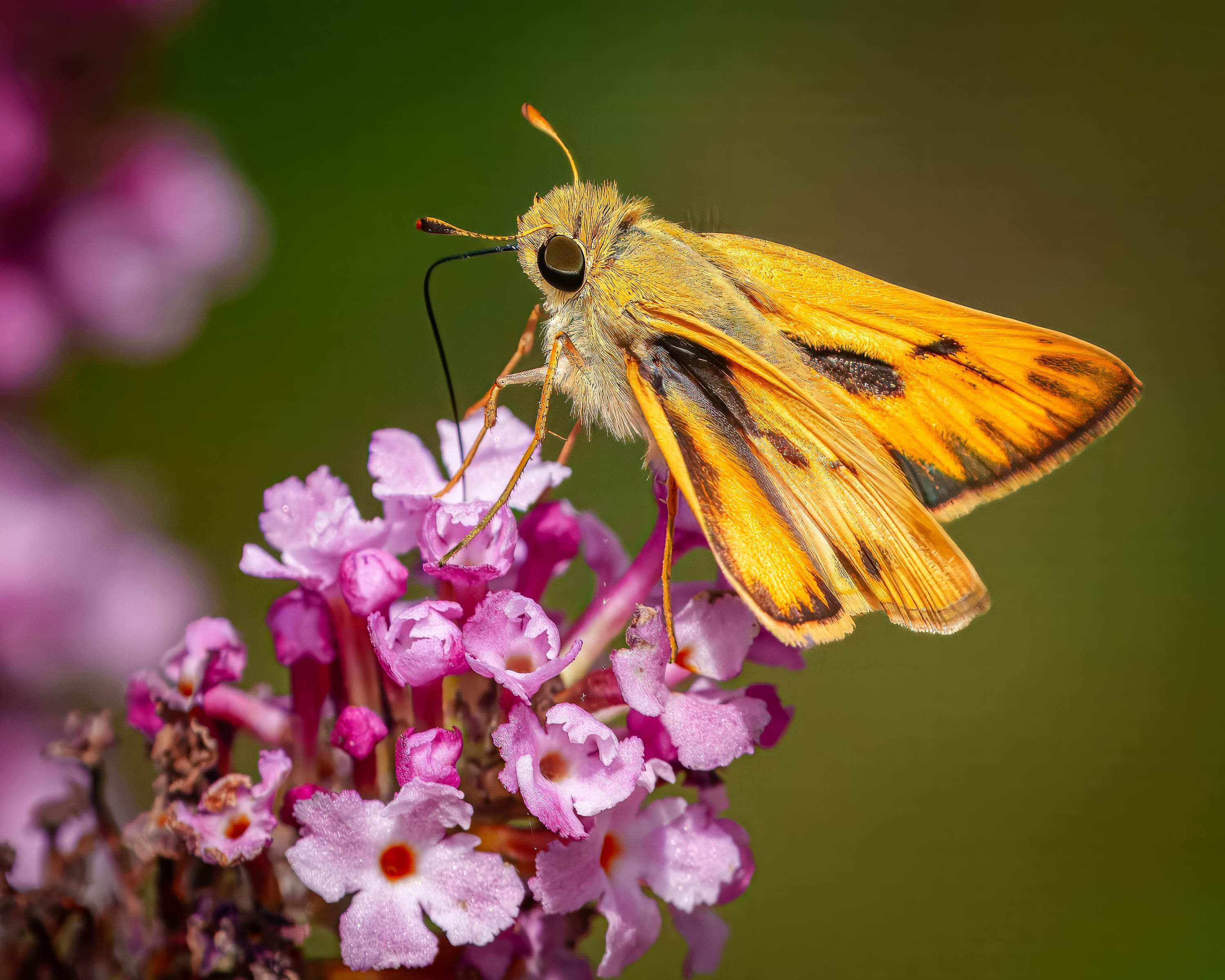
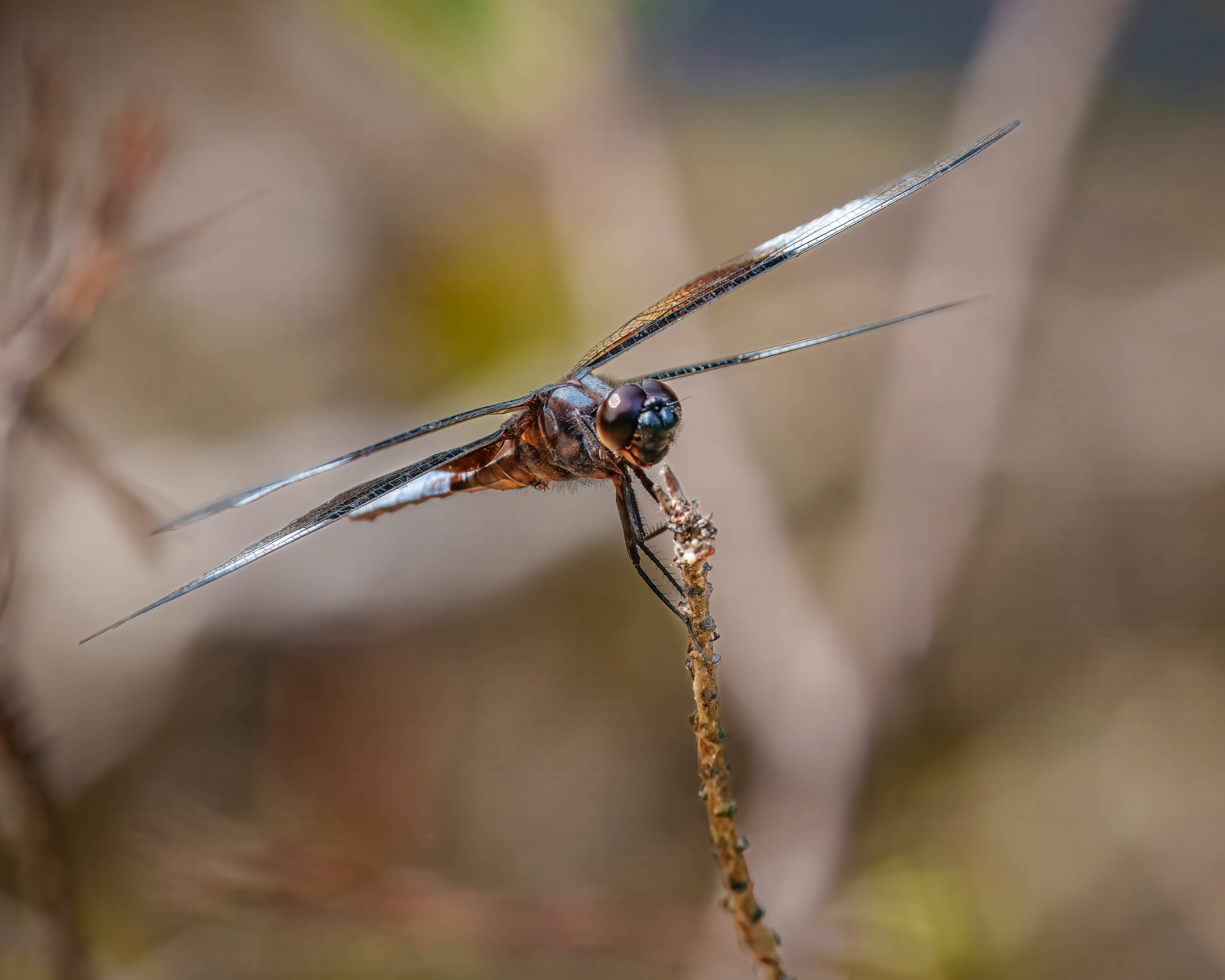
And then on Wednesday, both a Slaty Skimmer and a Calico Pennant (dragonflies) were photographed, as were a Pipevine Swallowtail butterfly and a Fiery Skipper. Juvenal’s Duskywing butterflies were again observed.

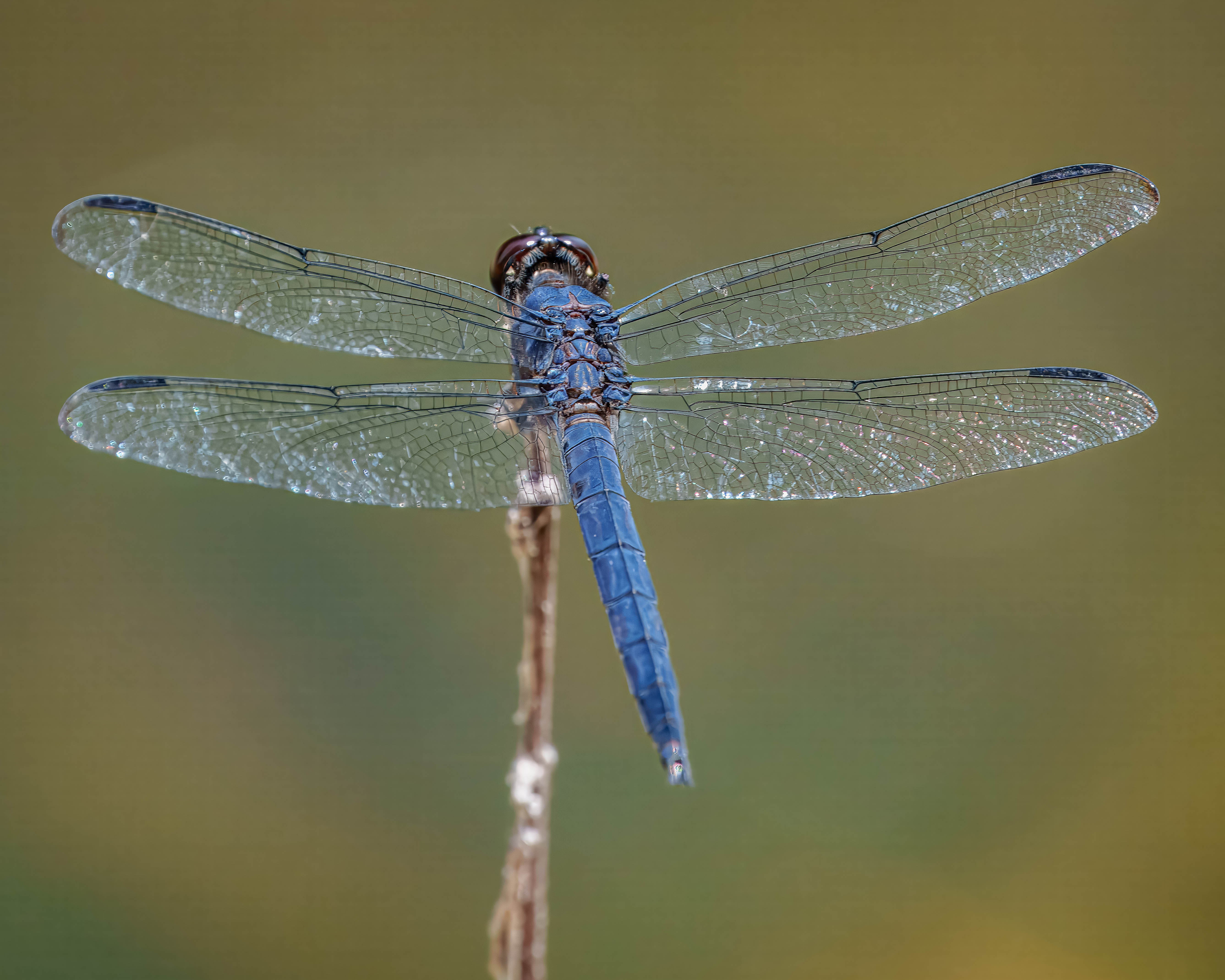
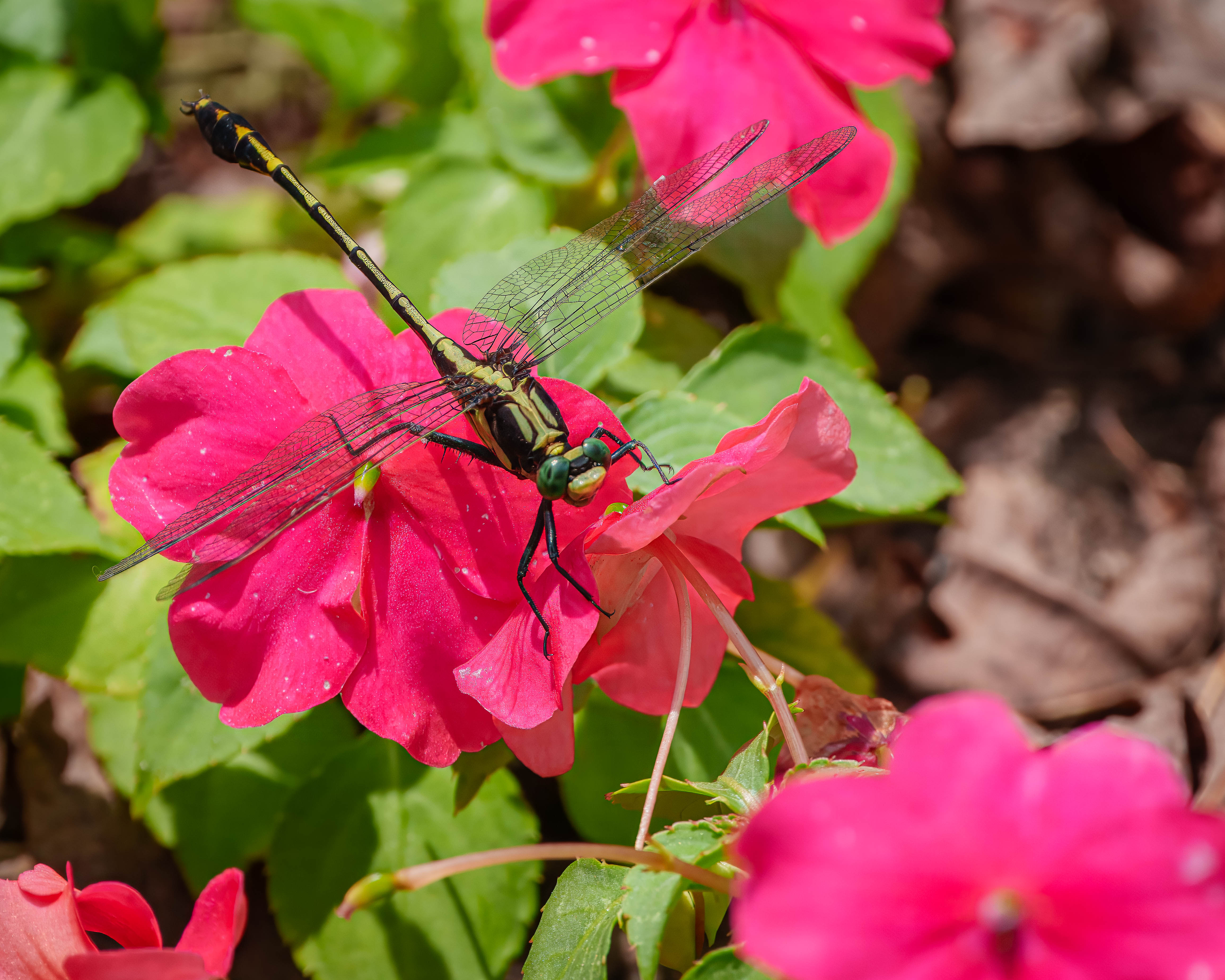
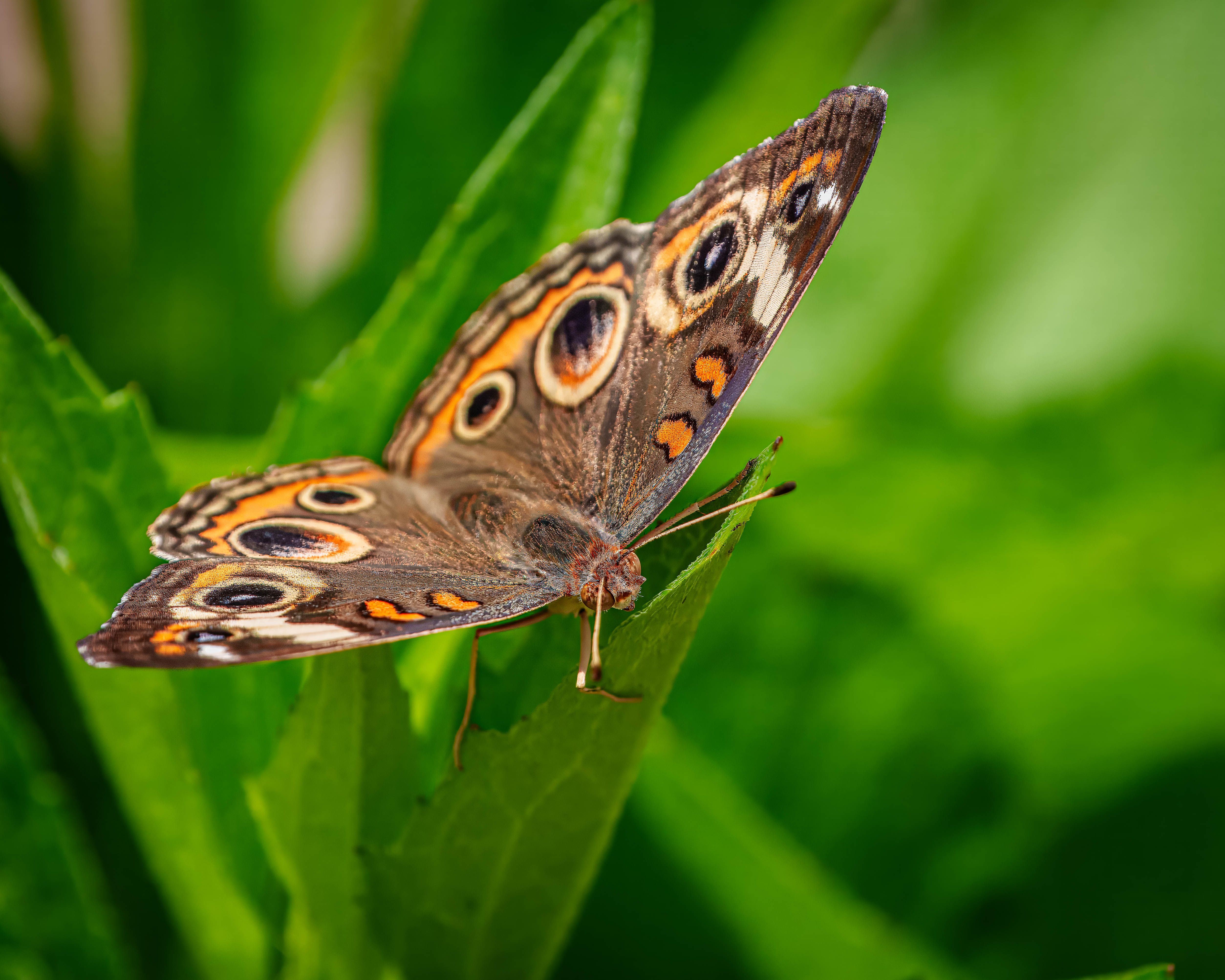
Another Slaty Skimmer (different color) and then a Black-shouldered Spinyleg were photographed on Friday, June 5. Additionally, a Common Buckeye and both female and male Diana Fritillaries were photographed. 

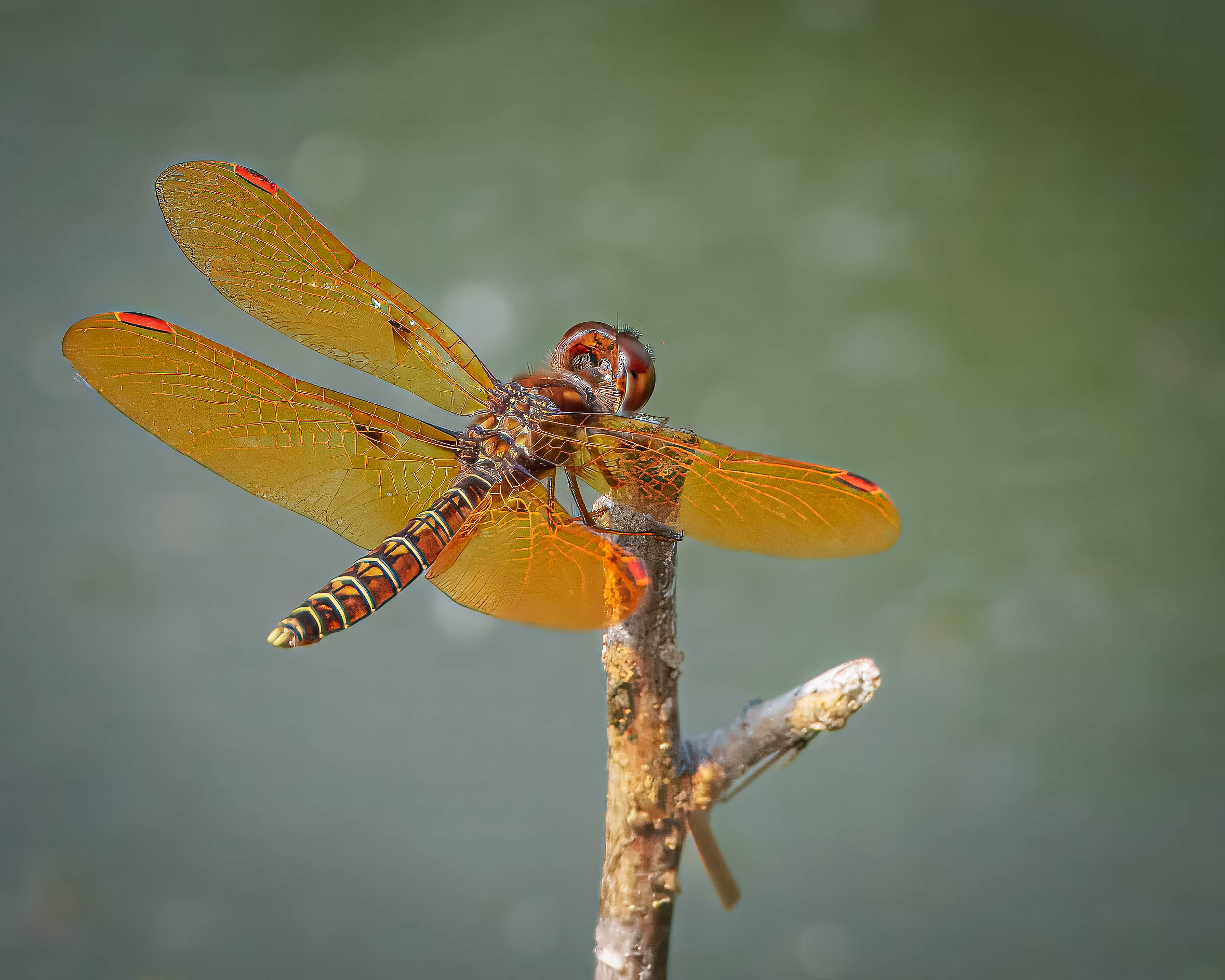
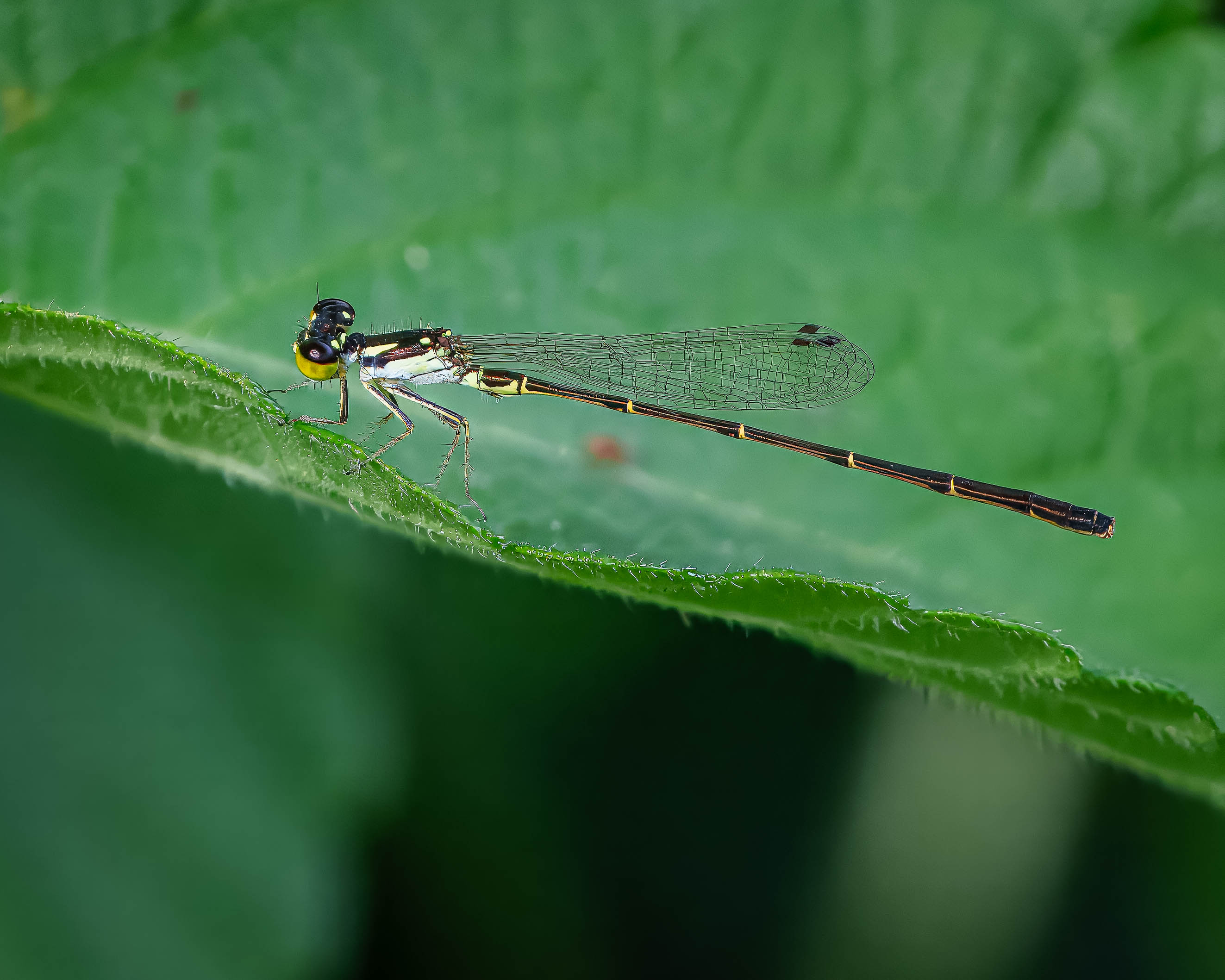
In the butterfly world, male and female Diana Fritillaries were again observed on Monday, June 8,  nectaring mainly on the butterfly bush blooms. A Widow Skimmer and an Eastern Amberwing (dragonflies) and an Orange Bluet damselfly were photographed and the photos are posted below.

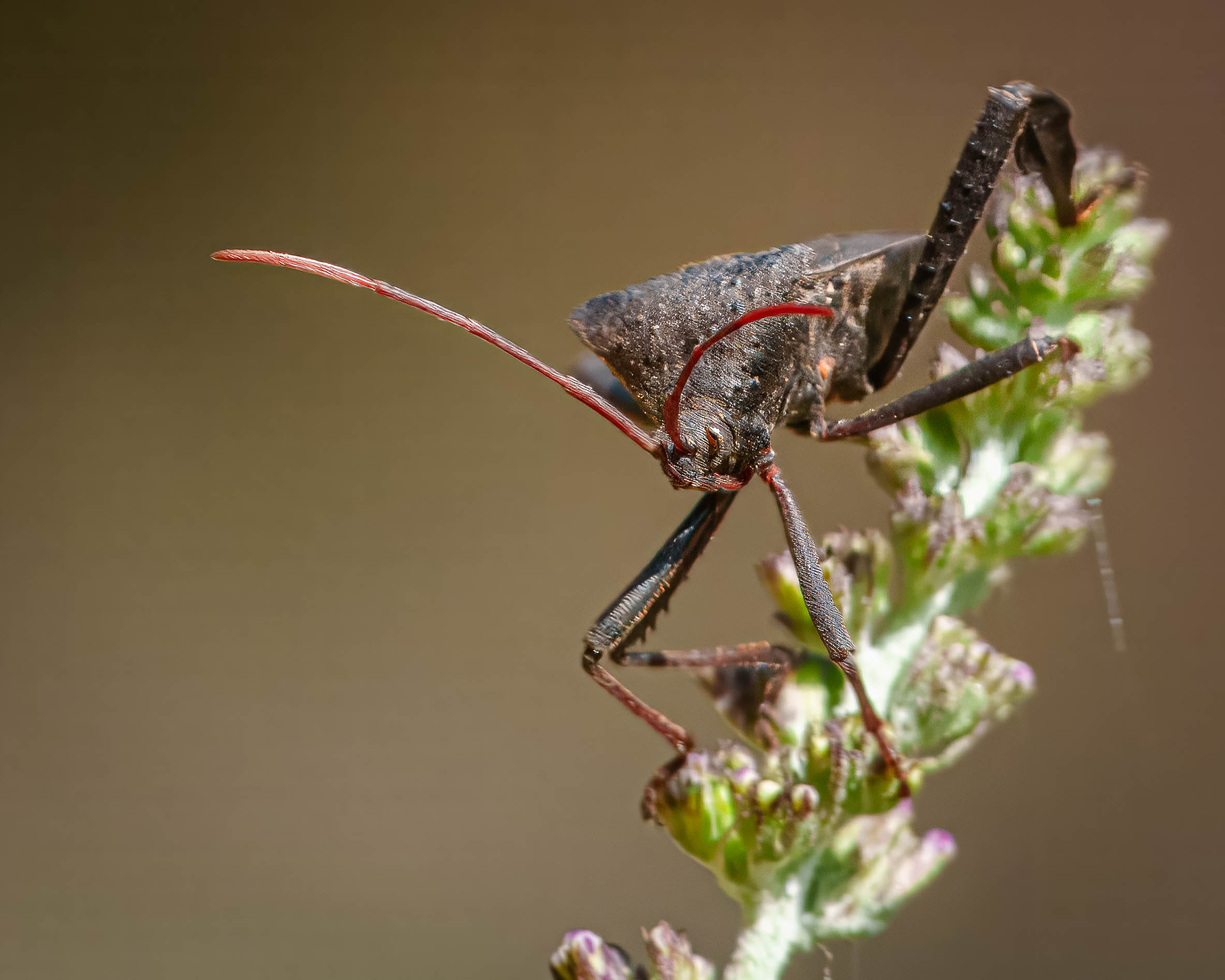
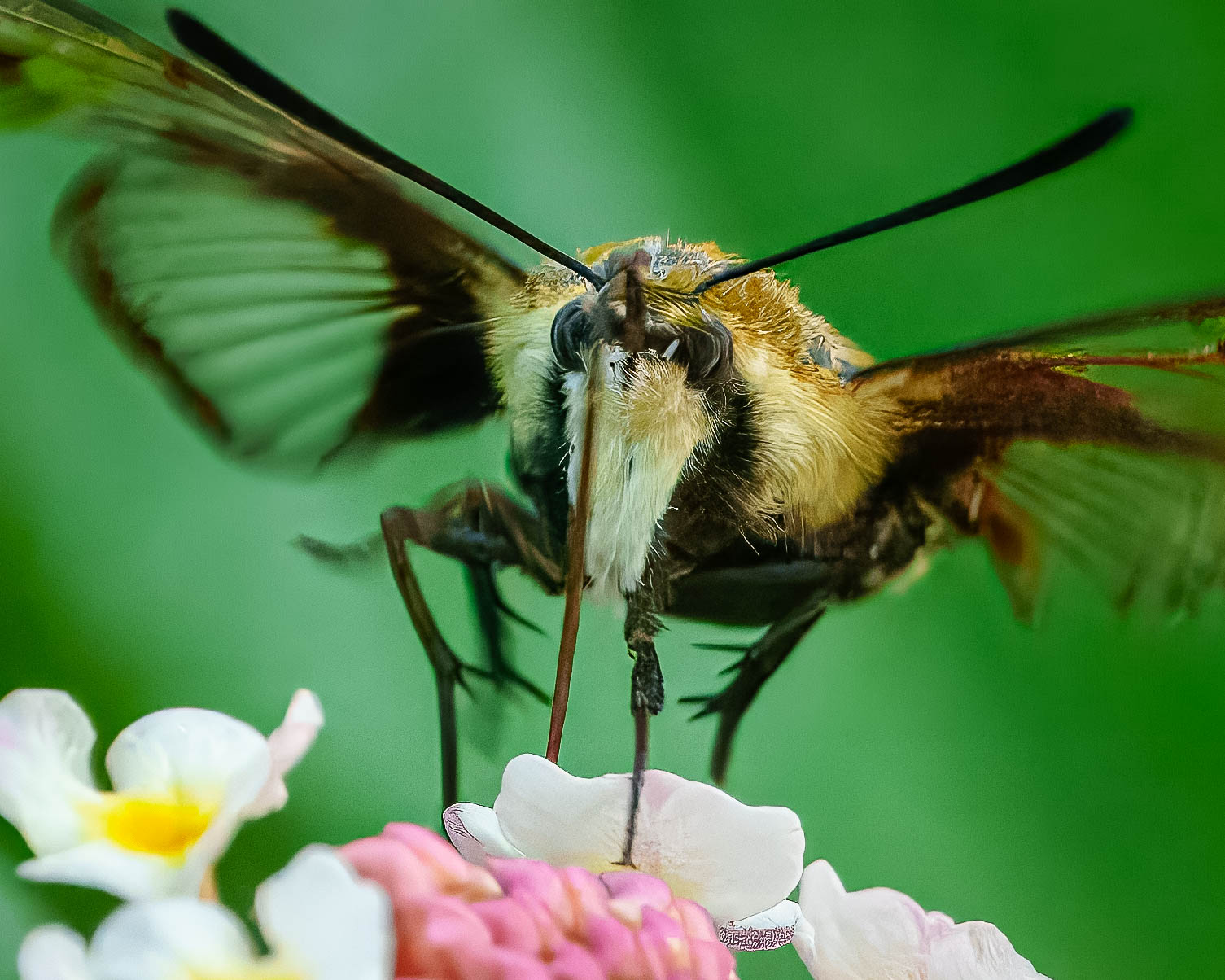
In addition to the regular butterflies, dragonflies, and damselflies, a Leaf-footed Bug, and Clearwing Moth were observed and both were photographed (see below). The Clearwing Moth is also known as a Strawberry Clearwing Moth and a Hummingbird moth.

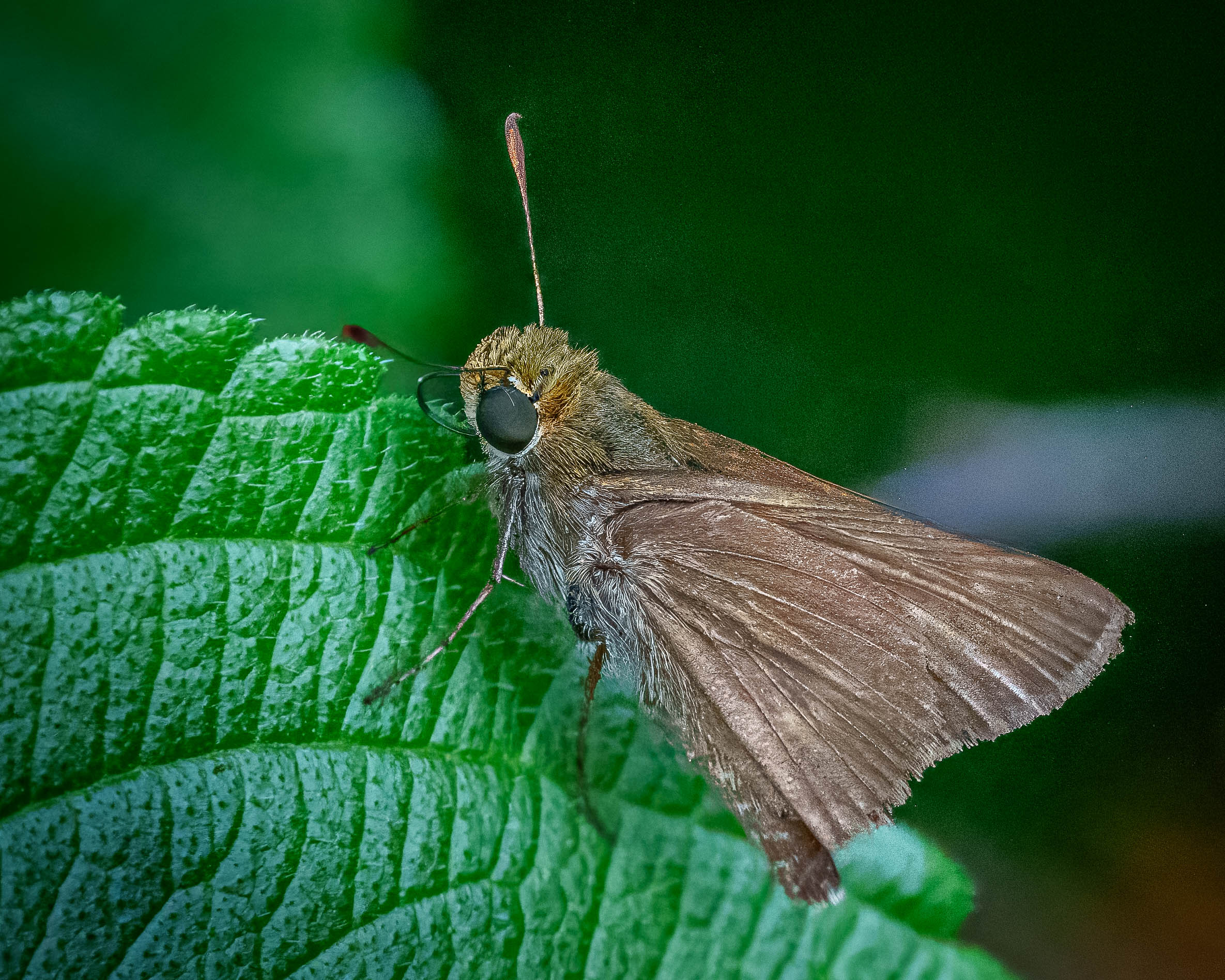
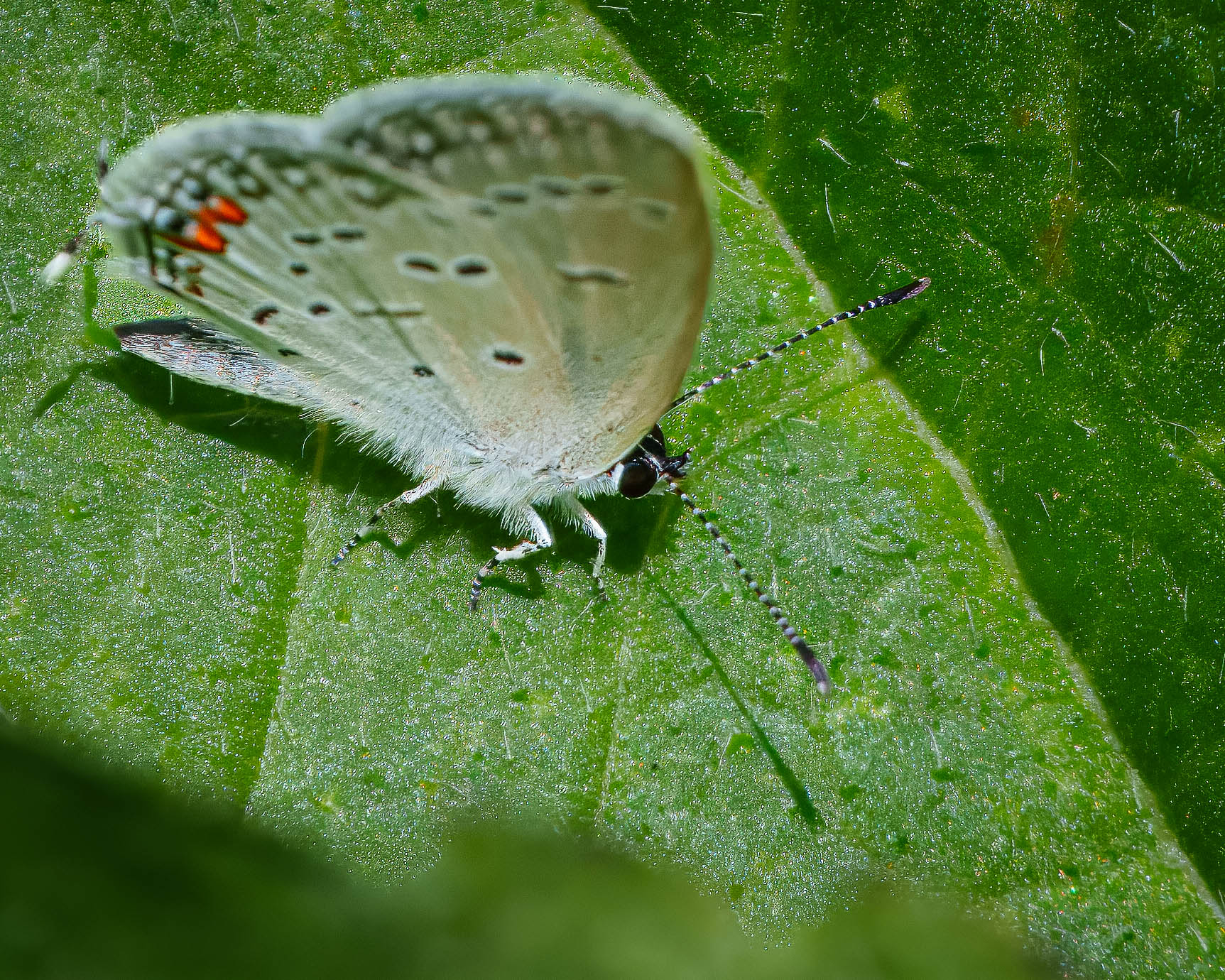
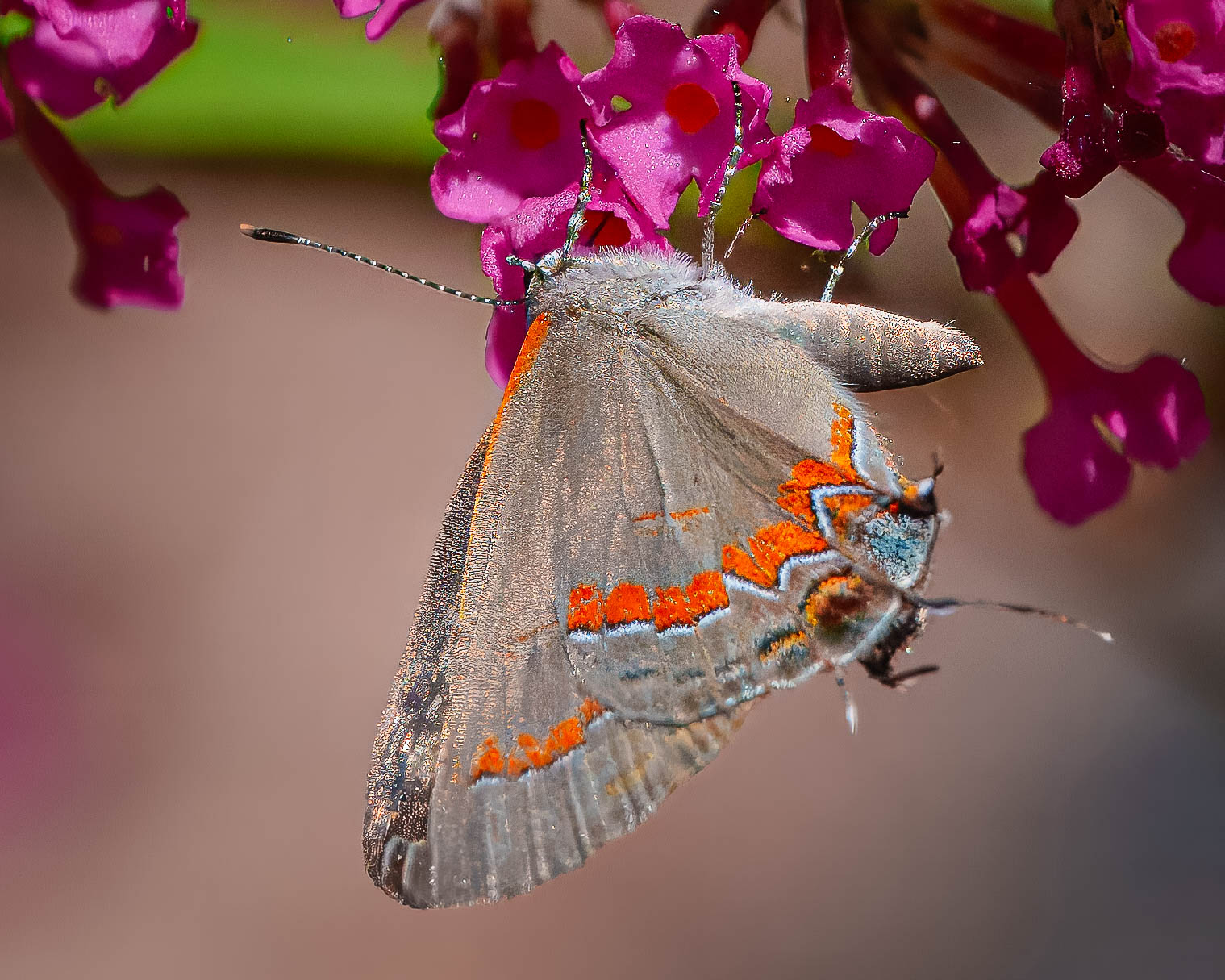
On Tuesday, June 10, three different species of butterflies were observed and photographed: a Dun Skipper, an Easter Tailed-blue, and a Red-banded Hairstreak.The Clearwing Moth was also nectaring.

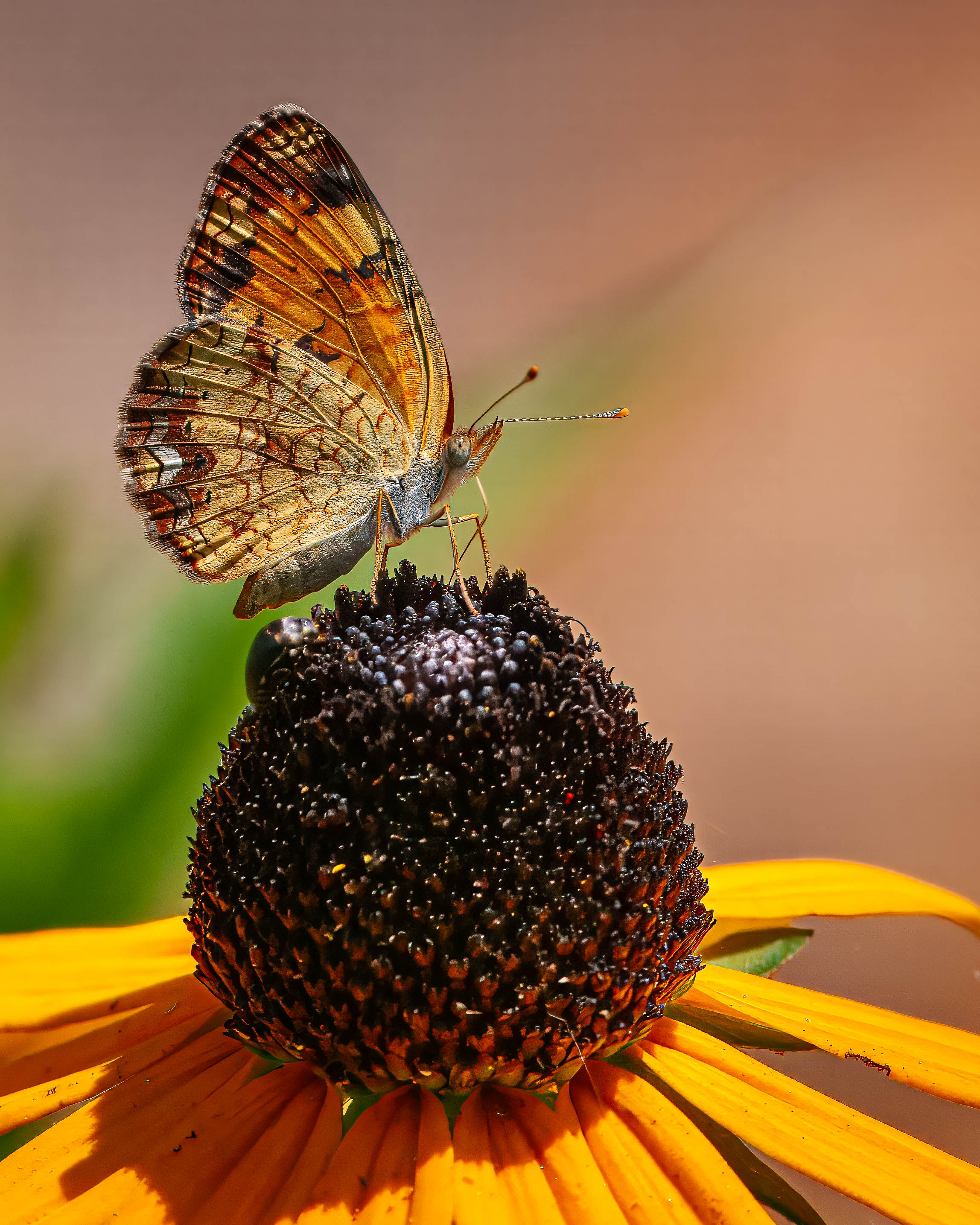
The usual butterflies and dragonflies were again present on Saturday, June 13. Only a Pearl Crescent butterfly photo is posted here.

The last couple of weeks before summer solstice were busy ones for Kay, while I really enjoyed some lazy days at home without adult supervision.

Thursday through Thursday, April 16-30, 2026—Finally Rain

Another couple of weeks of beautiful weather occurred during this reporting period, including a couple of days of slow, penetrating rain. Otherwise, great temperatures and mostly blue skies surrounded the area. The much needed rain did wonders for our plants, and for the golf courses in Hot Springs Village. However, we are still in a serious drought with no significant relief in sight.

Kay continues playing pickleball and golf at least a few days each week, and I have only ventured out when persistent injuries heal enough to allow. Interestingly, while watching our grandson play basketball on Sunday, April 25, 2026, I reached out to catch a player diving the sidelines for a basketball, and pulled a groin muscle. Though it didn’t pop, a jolt of fire was felt. And then as the month drew to an end, an upper respiratory cold began; 7-10 days of feeling miserable. Consequently, my activities were limited to taking a few photographs as both pickleball and golf were not in the “picture”; sorry for the pun.

Around the property, only a Western Fence Lizard (aka Blue-bellied Lizard) was photographed.

Western Fence Lizard

The highlight of the period, however, was a brief trip to Middle Fork Barrens Natural Area, my first of the year. And was it worth it—butterflies, dragonflies, and wildflower blooms. My target wildflowers were the Fire Pink, the Blue Star, and the Shooting Star, and I was not disappointed.

Blue Star
Shooting Star

Another of my favorites was the Carolina Larkspur.

Carolina Larkspur

There were many other wildflowers in bloom.(Remember you can click on the image, or click twice, to enlarge it for a much better view.)

Not to be overlooked, a few dragonflies landed long enough to be photographed.

Several butterflies were flitting about, mostly Little Wood-satyrs. Others seen were a Clouded Sulphur, Variegated Fritillary, Red-banded Hairstreak, and Common Buckeye.

Monday through Tuesday, March 16-31, 2026—Beginning of Spring

This was a truly uneventful period for us as nothing extraordinary happened; it was all about golf, pickleball, and normal day-to-day activities. This period was warm and very dry. Having planted almost 75 butterfly and hummingbird attracting plants, we’ve had to water almost daily as the irrigation system has not yet been activated.

While looking at photo files for including in this post, it was discovered that I only photographed two days this period—perhaps too much wind or too many conflicts. Regardless, I need to shoot more! Here are the results of the two days’ of shooting.

A hike on Cedar Creek Trail in Hot Springs Village on March 24 resulted in the best day of photography this year.

During the hike, at about 2 o’clock PM, butterflies began “coming up” and a few actually were still enough for photos. This “fresh” Gemmed Satyr was the first to be spotted. 

And then a male Falcate Orangetip fluttered by and landed a nearby Rue Anemone bloom.

An attractive Juvenal’s Duskywing was observed next.

And then, a Red-banded Hairstreak was settled just enough for one photograph.

Also, a Beautiful Stream Cruiser dragonfly perched for a picture.

And it was an exceptional day for wildflowers as well. 

The year’s first (as least for me) Dwarf Crested Iris was blooming seemingly everywhere on the forest floor.

And an occasional Mayapple bloom could be seen.

A first-of-season Watercress was photographed as was a first-of-season Dog Violet.

Other blooms included Buttercups, Blackberries, Lousewort, Woodland Phlox, Spring Beauties, and Trout Lilies.

On Tuesday, March 31, 2026, a photo safari was made to our backyard which yielded a nard-to-see Northern Watersnake.

Tiny Yellow Wood Sorrels were blooming in several clumps.

Blue Violets were also seen in one bed.

And, a beautiful bloom of Spring Beauties was photographed.

Not to be outdone, a few Dandelion “weeds” remained and made for a few decent photos.

Sunday through Saturday, February 16-28, 2026—Yet Another Cruise, Part II

Monday, February 16, 2026, was a “sea day”; thus, no ports of call.

After our early morning lattes, we climbed to the 15th floor to the three pickleball courts; they were packed so we just watched till mid-morning. Breakfast and lunch were at the 16th floor buffet and was what one would expect—just okay. Dinner was in the main dining room and was good. After dinner, we attended the first of several shows on the cruise, Voices, and it was entertaining.
The ship continued sailing southeast from Galveston on Tuesday. Continuing southeasterly between Cuba and Mexico, and then around the Cancun peninsula, the ship sailed towards the tiny Central American country of Guatemala. Up early, we enjoyed another latte before before actively beginning another sea day. And then it was off to the pickleball courts. Entertainment for the evening was Frankie and the Dreamers, a show paying tribute to Frankie Valli and the Four Seasons, but mainly featuring songs from the Four Seasons. The lead singer had been a star on Broadway, but age was taking its toll. This was the third tribute show relative to Frank Valli and the Four Seasons, and it would rank third out of three. Our dinners in the main dining room were very good, with exceptional waiters.

After a short sail during the night, the ship docked Wednesday morning at Roatan, an island in the Caribbean, about 40 miles off the northern coast of Honduras. It was our third time to Roatan, so we didn’t bother getting off the ship. We hung out at the pickleball courts, and then lounged about and read the rest of the day.

The line waiting to play pickleball

The night’s entertainment was an ice skating show, 1887: A Journey in Time Ice Spectacular. We really enjoyed it. Afterwards, Kay tried her luck at the casino and I attended The Love and Marriage Game Show, a standard on most cruises. It was just okay.

After making a U-turn and sailing north, the Harmony of the Seas attempted to dock at Costa Maya on Thursday, but heavy seas created an unsafe situation. Consequently, it was another slow “sea day”. Reading and lazing about were our main activities for the day, though we did attend The Fine Line Aqua Show featuring high-flying feats, mind blowing stunts, and physically demanding acrobatics, including several high dives. It reminded us of a Cirque du Soleil show we saw in Las Vegas almost 25 years ago. The aqua show was definitely worth attending.
Continuing northeast during the night, the ship docked at Cozumel on Friday morning. Cozumel is premier Mexican Caribbean island famous for world-class scuba diving, snorkeling, and pristine beaches, particularly around the Mesoamerican Barrier Reef. Kay disembarked briefly to buy some Mexican vanilla for a friend. Otherwise, it was another quiet day on board. The evening’s entertainment was Columbus, The Musical. The show featured an outstanding set, but the singing was just okay, perhaps because the show was a bit “silly”.
Saturday was another sea day, with no ports of call. Running out of things to occupy our time, we hung out at the pickleball courts for a few minutes, and then read most of the rest of the day. Having exhausted the ship’s entertainment (that we wanted to see), we attended another ice skating show, iSkate Ice Spectacular, a show allowing the skaters to showcase their best moves to their preferred music—awesome skaters!

Sunday was disembarkation day, and it was without incident as we only handled our two suitcases ourselves. We were in the car at about 8:00 AM and headed north, arriving home about 4:00 PM. The cruise was good, not great. 

Among our observations was that cruising has dramatically changed in recent years. Lots of children are cruising with their parents (homeschooling) as well as multi-generational families of 20 or more. Both the children and the multi-generational families totally overwhelm the dining facilities, shows, and recreation areas, including the pickleball courts. And, there were many preteen and teen children attending adult entertainment venues. This was likely our last cruise on Royal Caribbean, and we understand that Norwegian is similar. IF we cruise again, it will be on an adult only ship or one that favors adults.

Glad to be home, on Monday, February 23, 2026, we both played pickleball with our respective groups. Hot Springs Village is such a great place to live! 

On Tuesday, I dug out the camera and managed photographs of an American Goldfinch at the house, and a Hair Bittercress “weed”.

American Goldfinch near our house
Hairy Bittercress

And then, some Spring Beauty wildflowers along Cedar Creek Trail in Hot Springs Village were photographed.

Spring Beauty

More Spring Beauties were photographed on Thursday, February 26, 2026, along Cedar Creek Trail.

Spring Beauty
Spring Beauty
Spring Beauty

Kay’s half first cousin, once removed, visited and he and Kay enjoyed lunch and catching up of old times and family. He was so enjoyable with whom to visit, and Kay was definitely thrilled to spend time with him.

And then on Friday, I hiked the Beaver Dam Trail in the Village and photographed a Water Moccasin, and some Rue Anemone and Bloodroot wildflowers. 

Water Moccasin
Rue Anemone
Spring Beauty
Bloodroot
Bloodroot