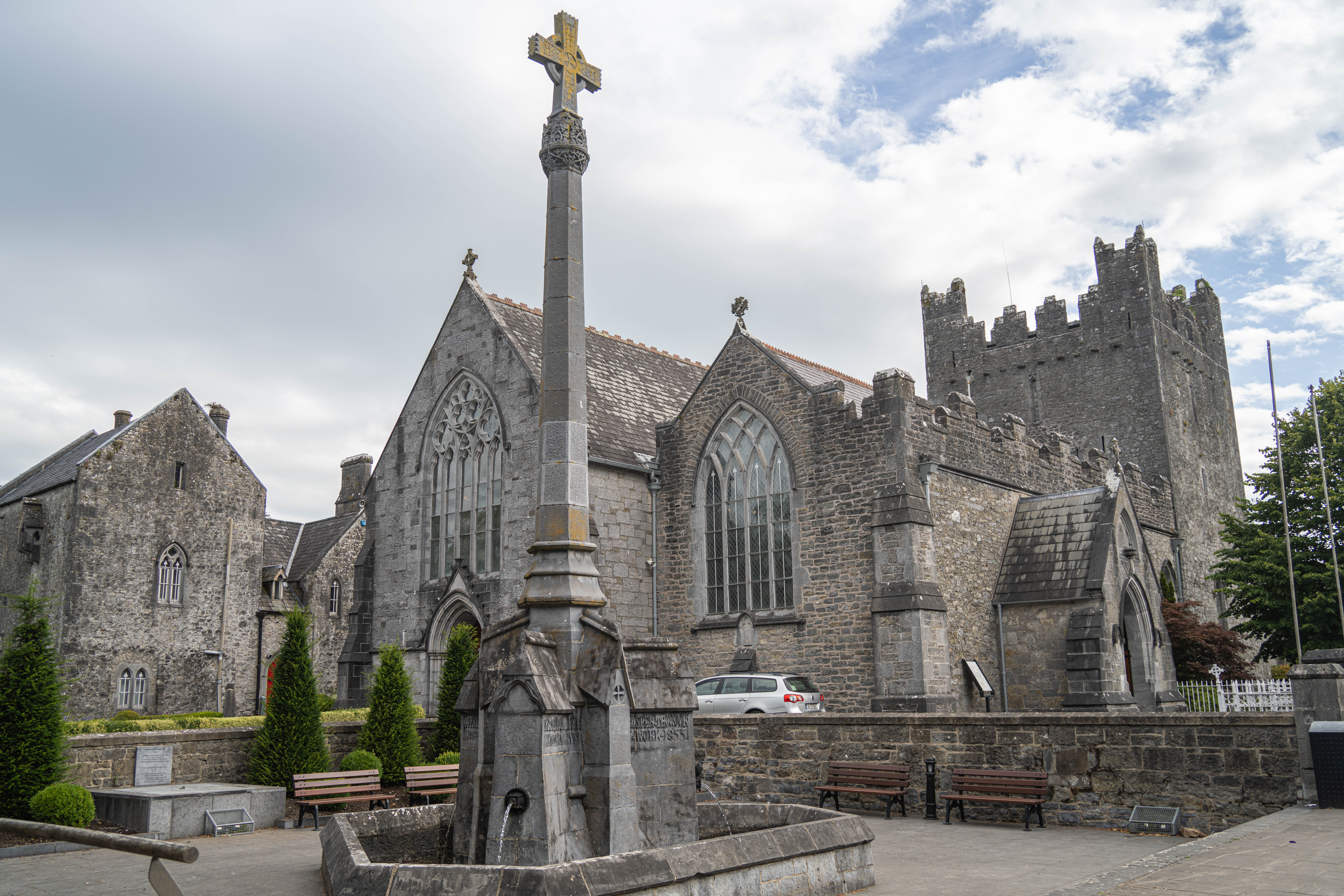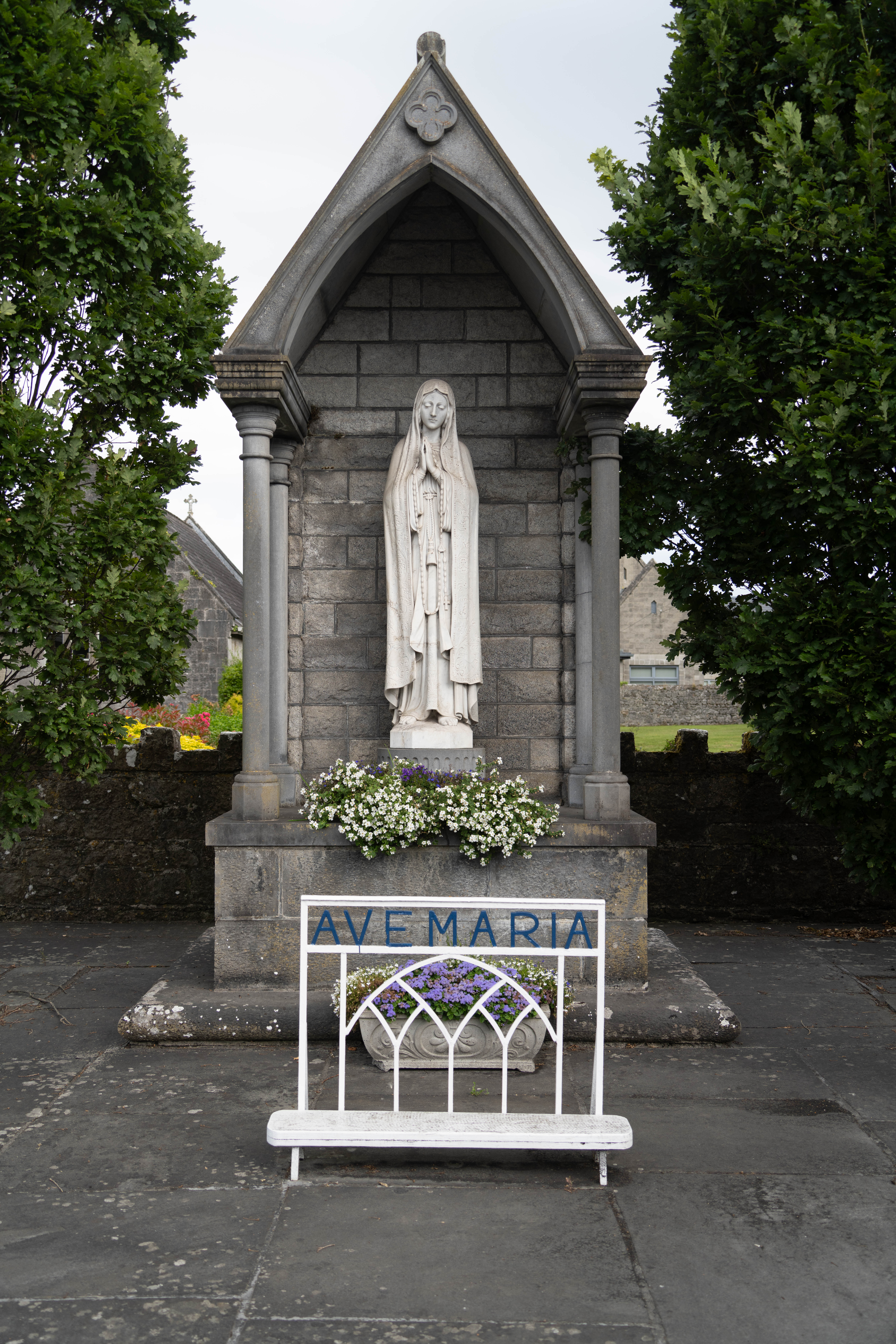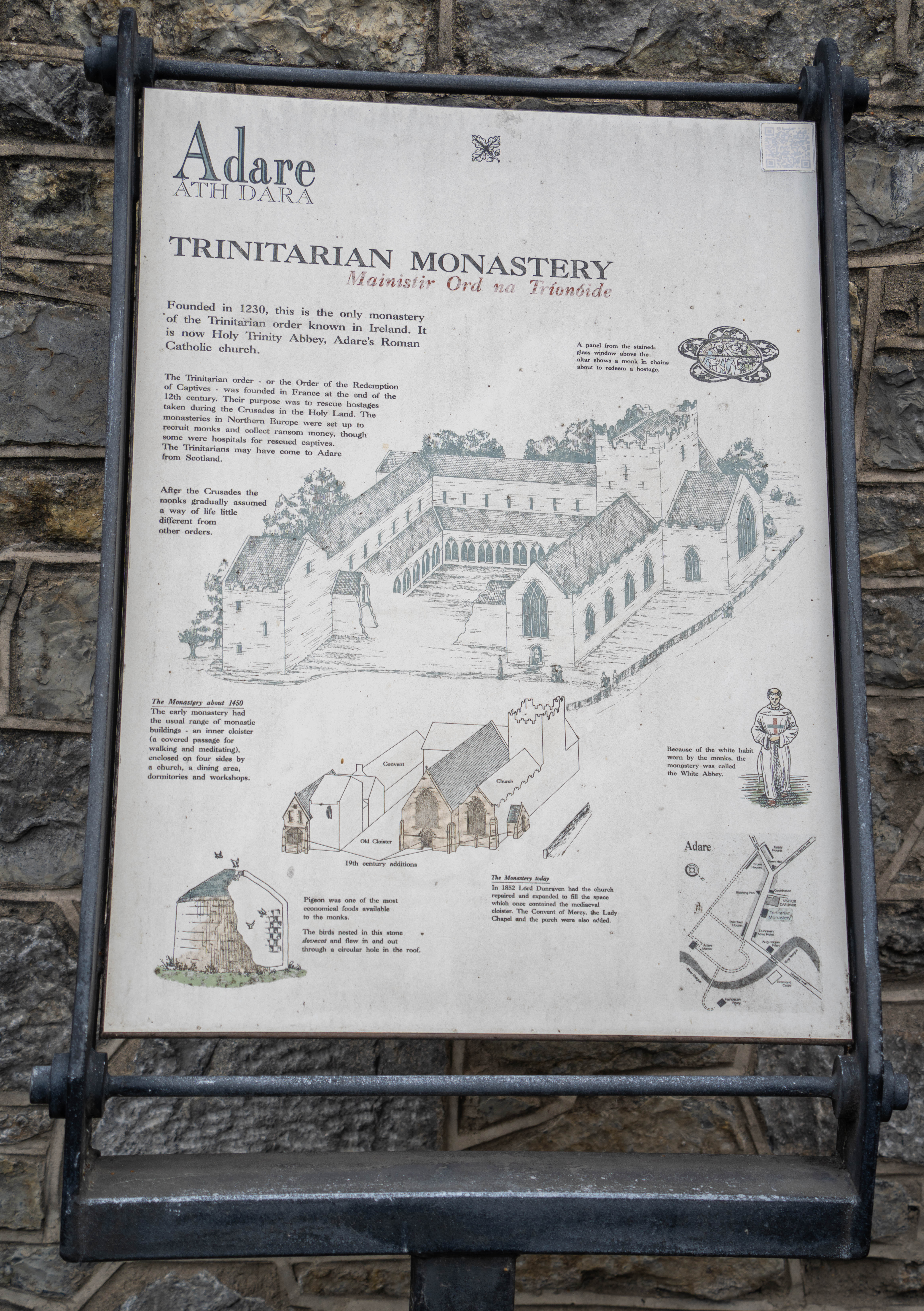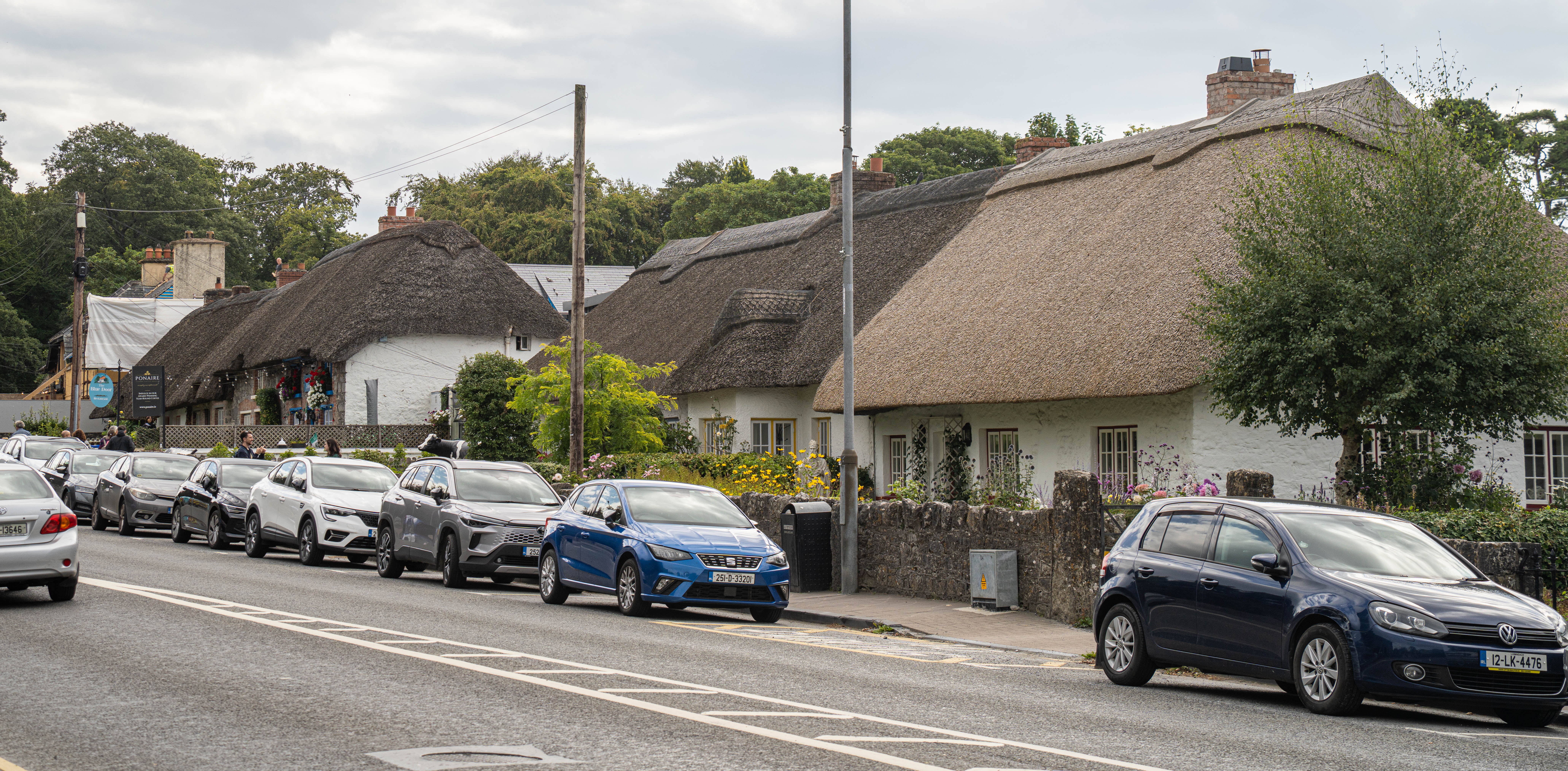
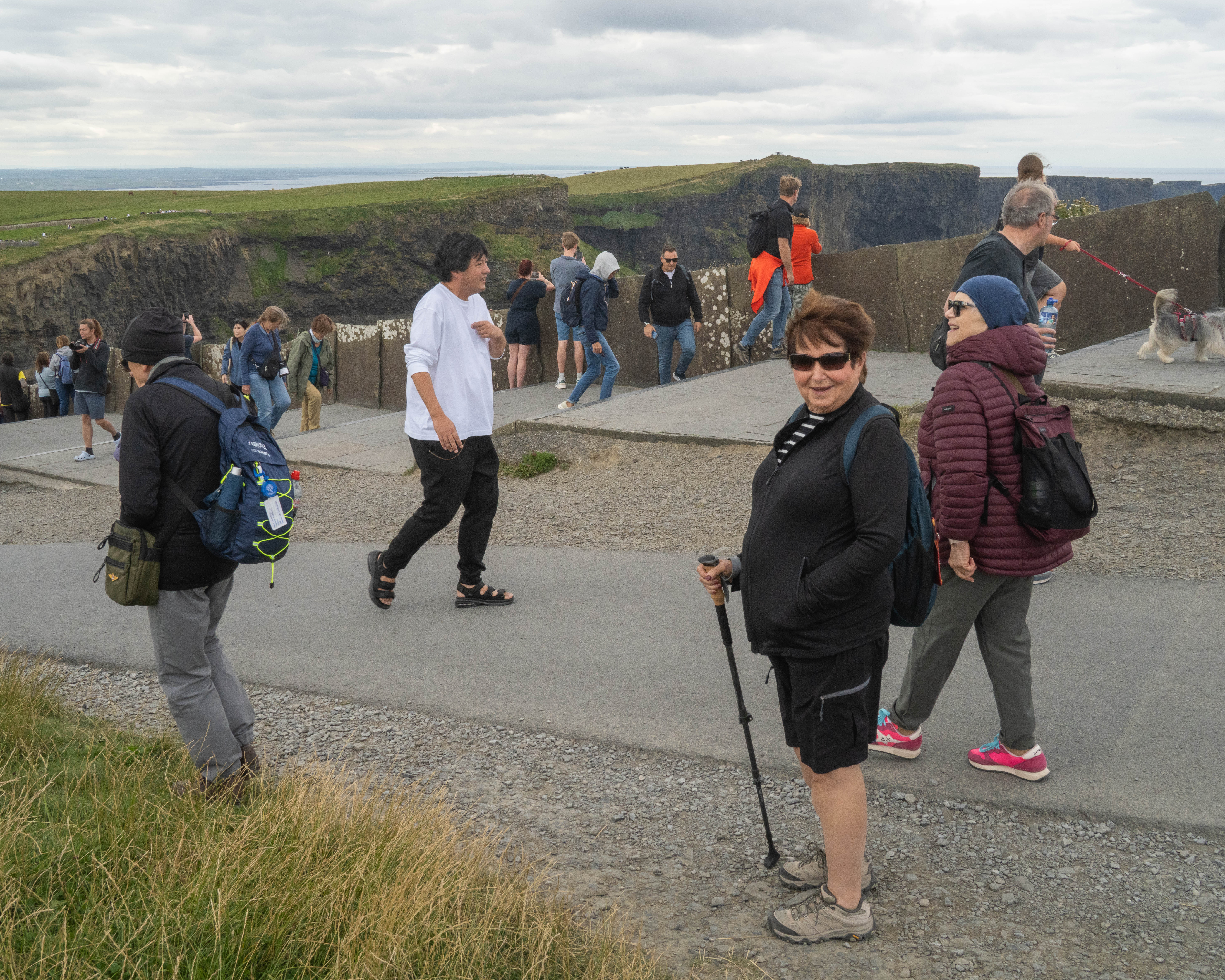
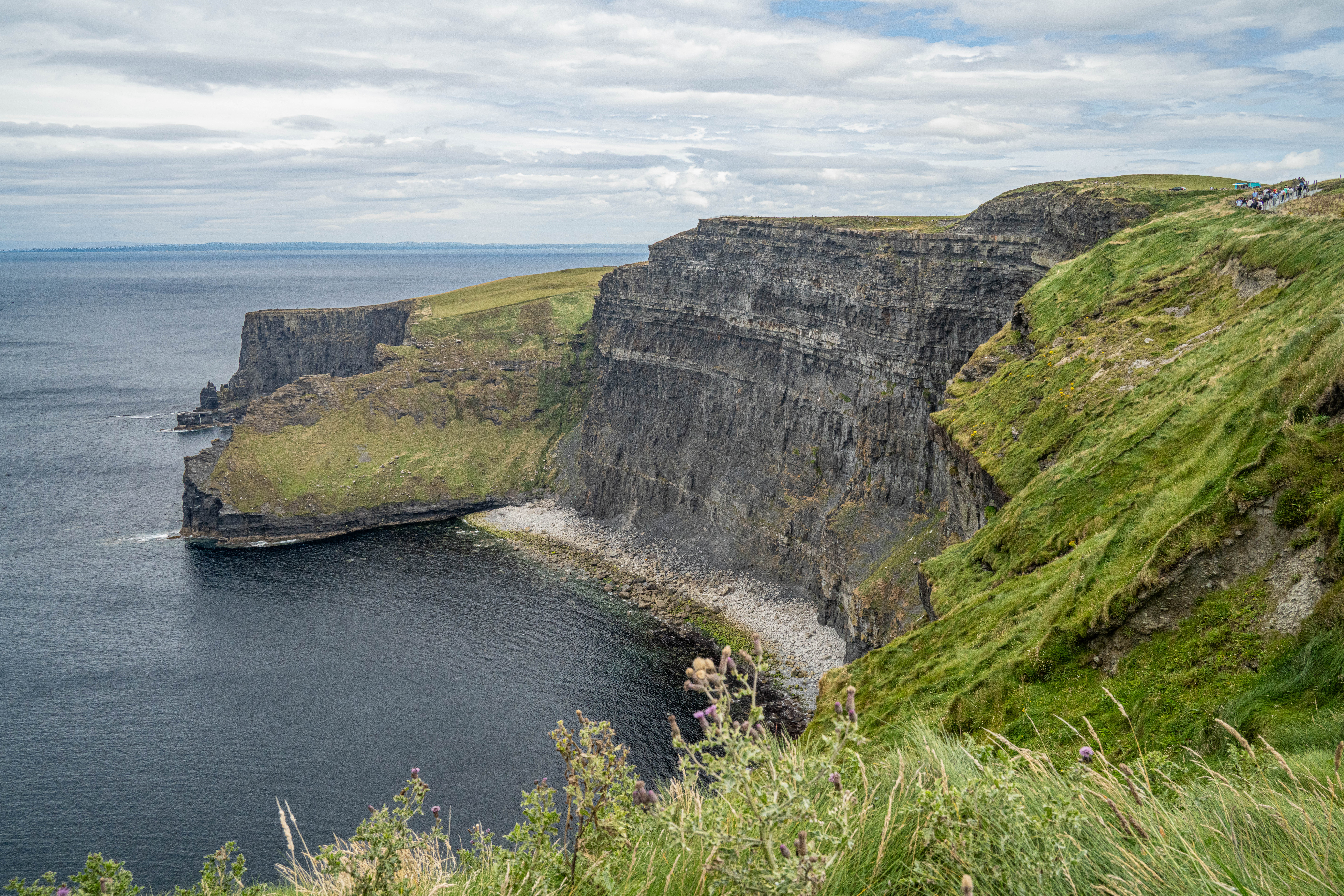
From Adare, we traveled to the famous Cliffs of Moher, perhaps Ireland’s most visited tourist attraction (after the Guiness Brewery).
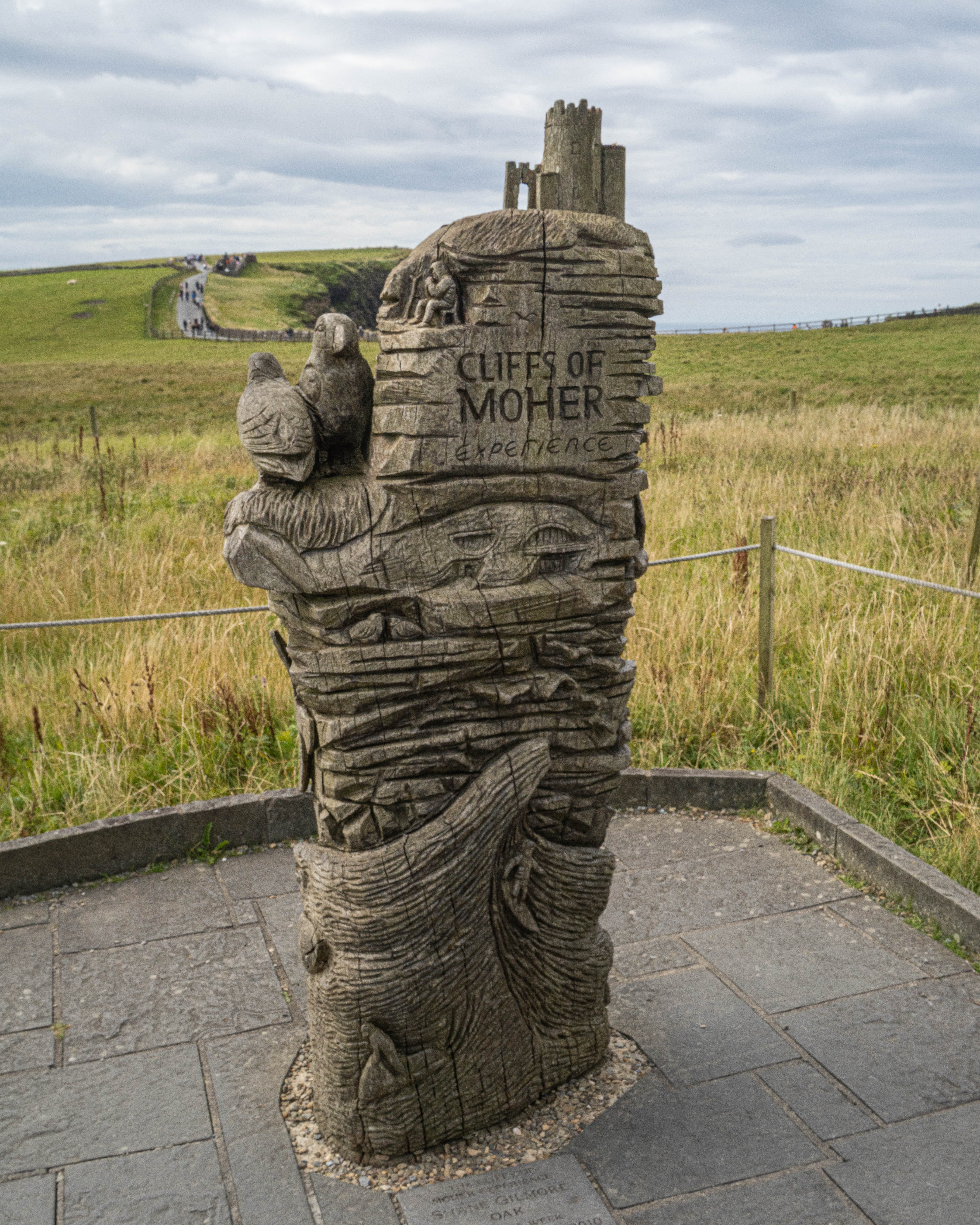
The Cliffs of Moher stretch for just over 8 miles along the wild Atlantic coast of County Clare. Rising up to 702 feet at their highest point, these dramatic shale and sandstone cliffs form part of a UNESCO Global Geopark where continuous, volatile force of coastal erosion reshapes the cliffside. We walked most of the half mile of 800 meters of protected, paved paths and viewing platforms, stopping often to take photos.
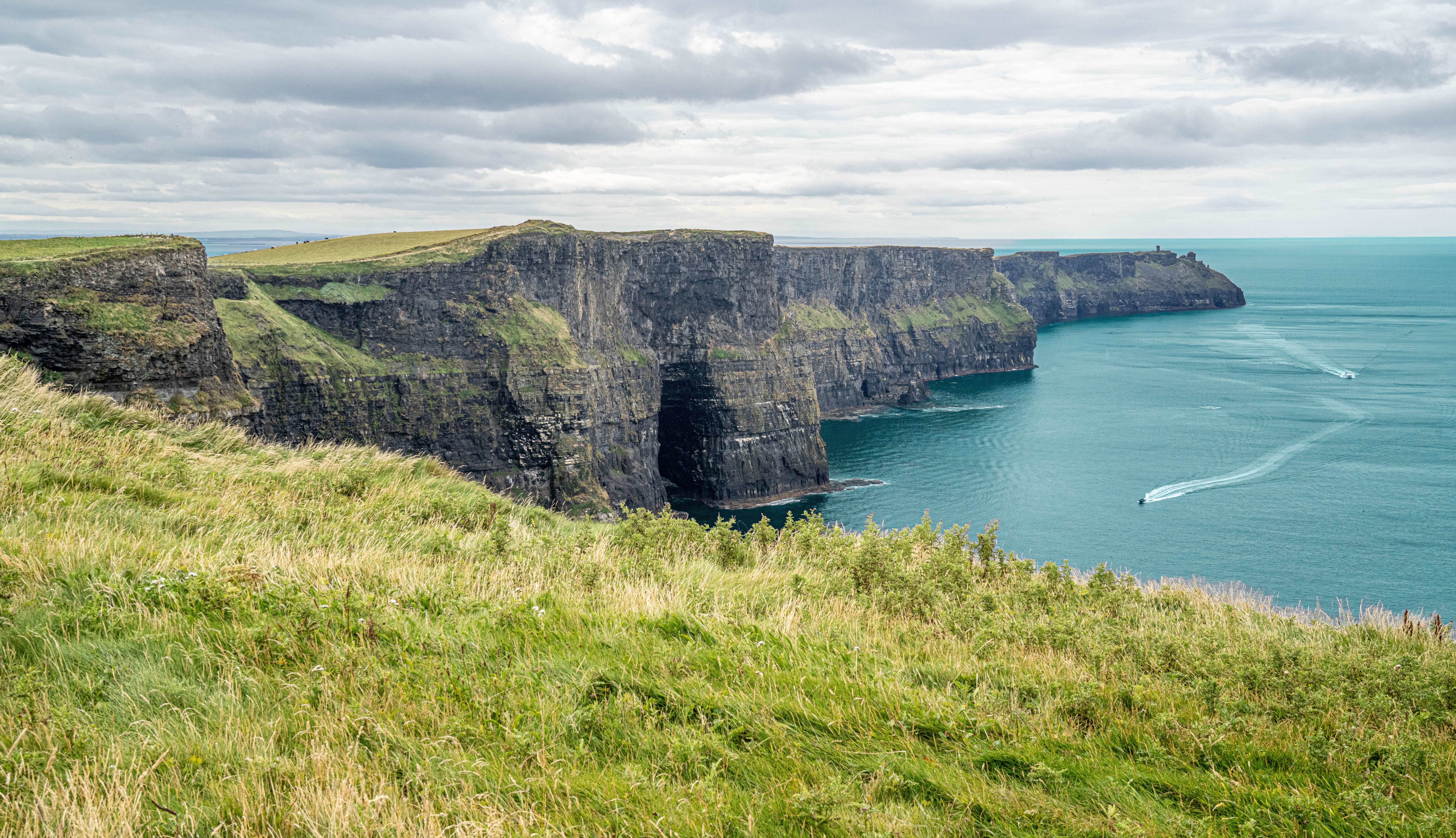
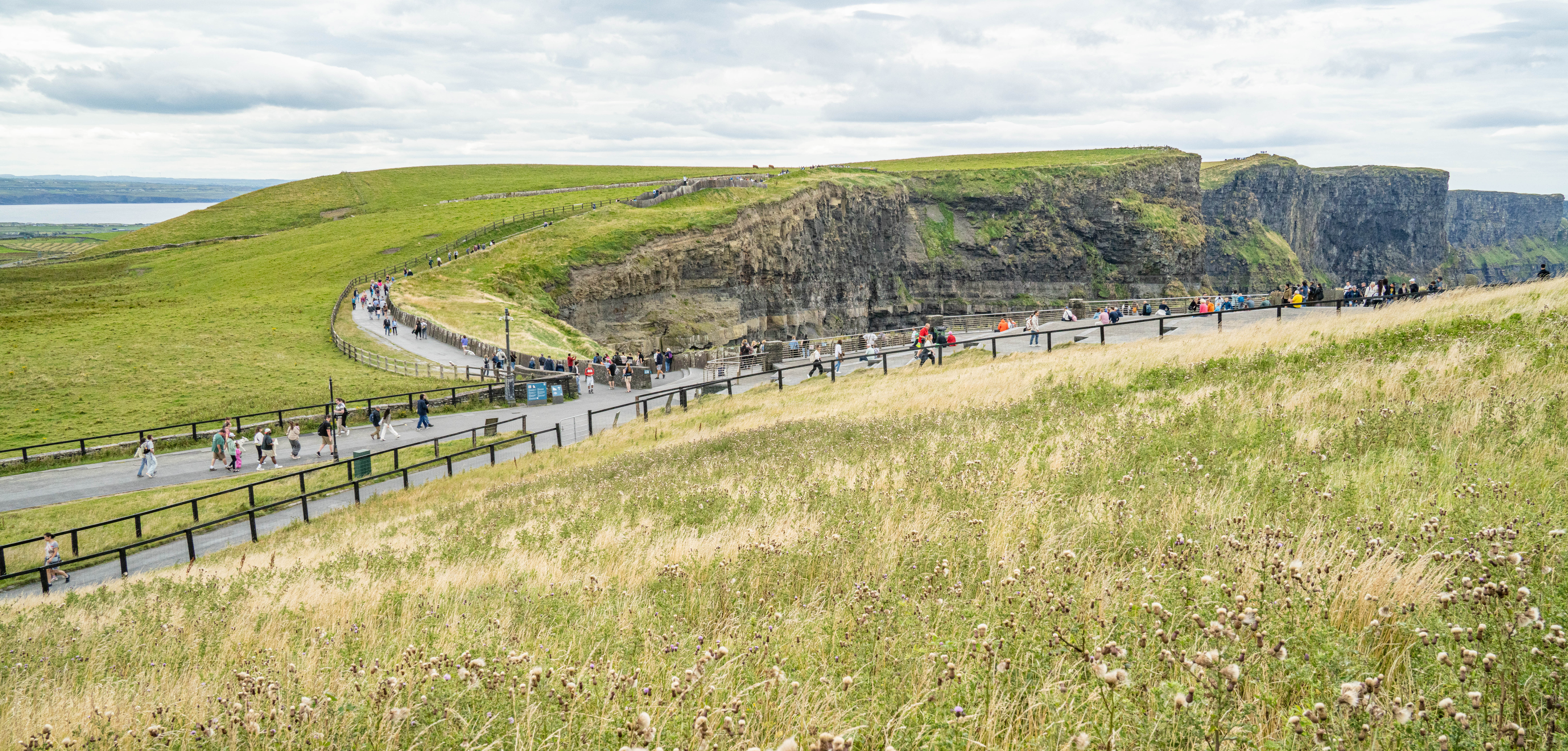
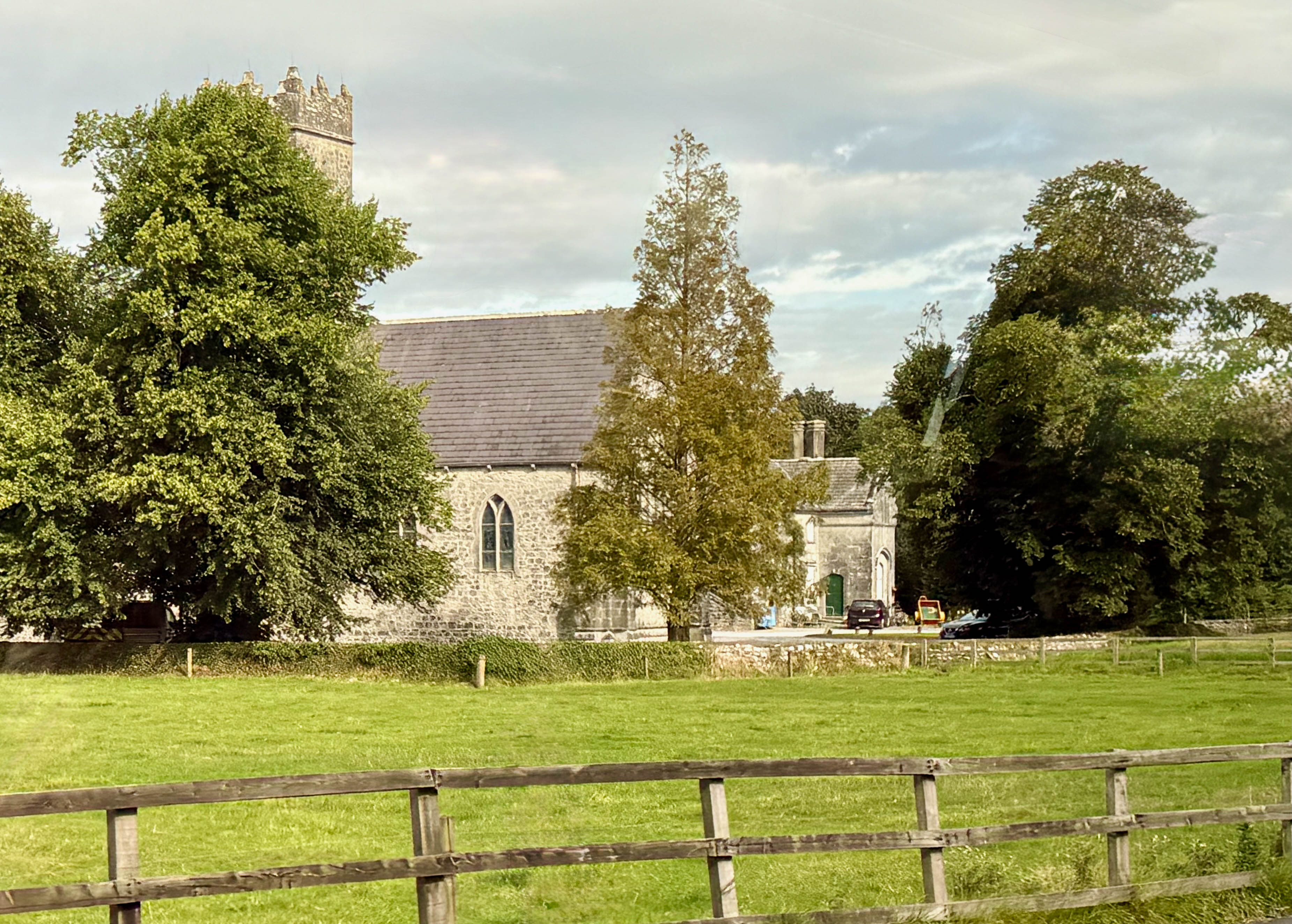
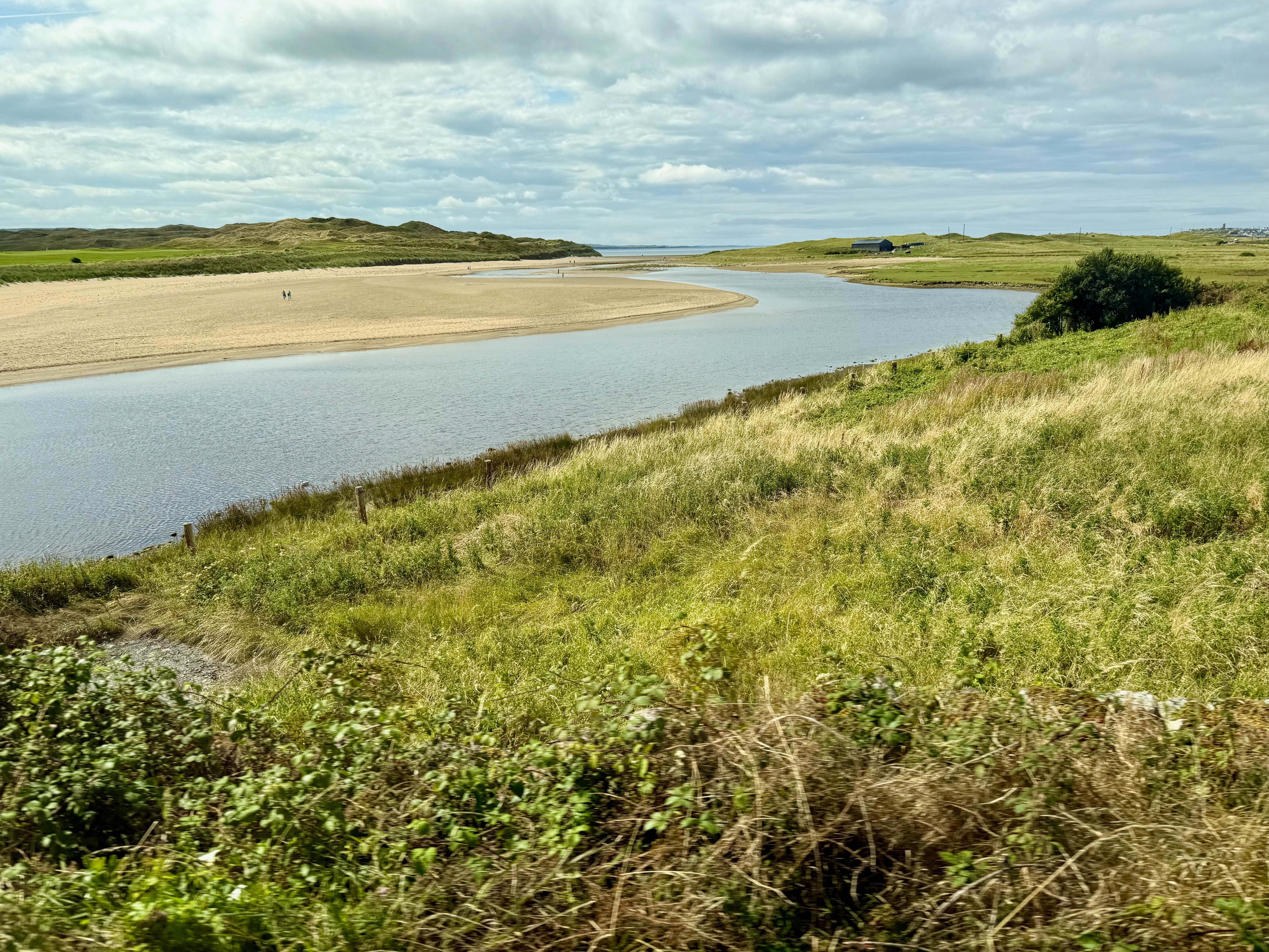
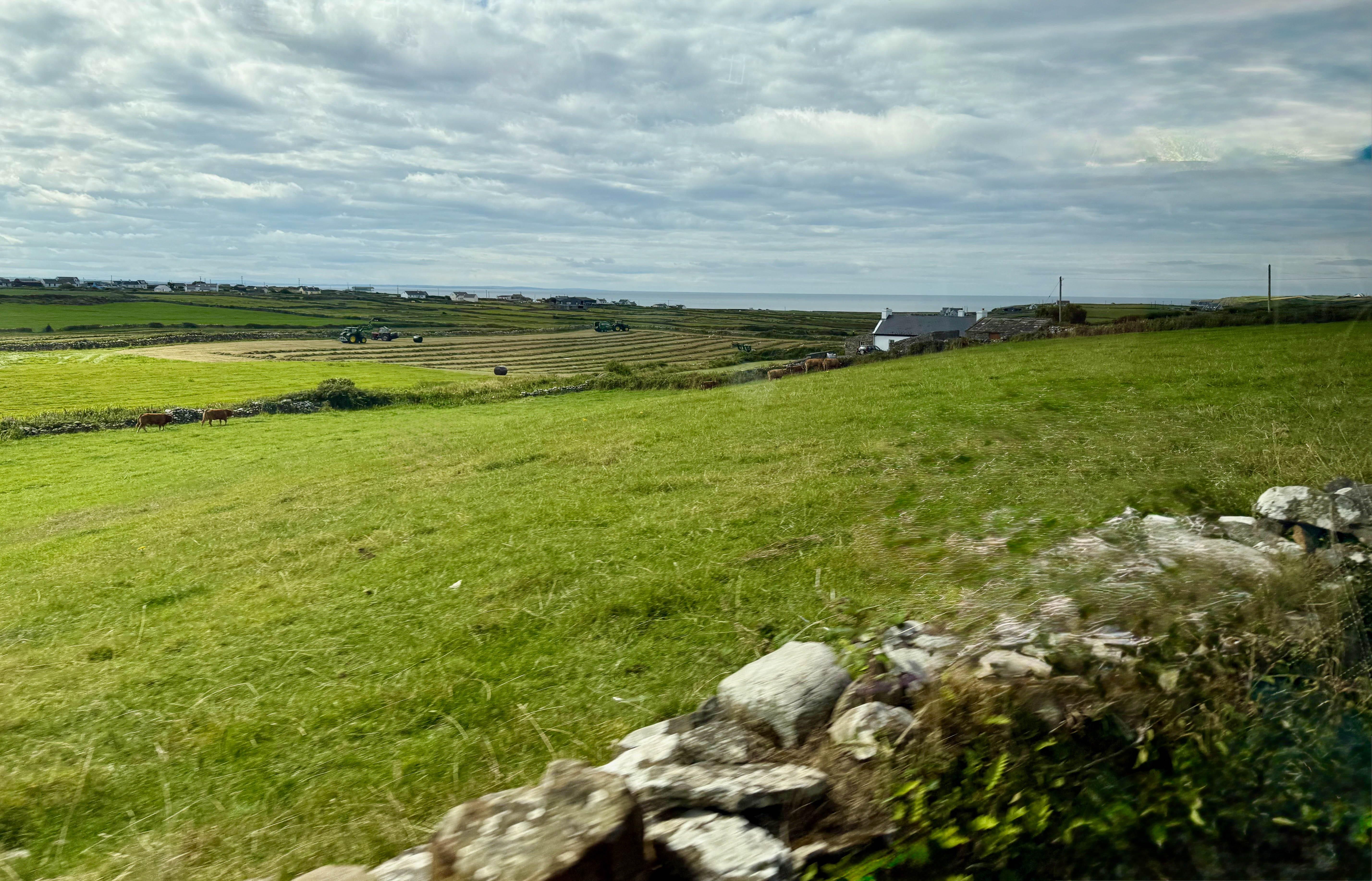
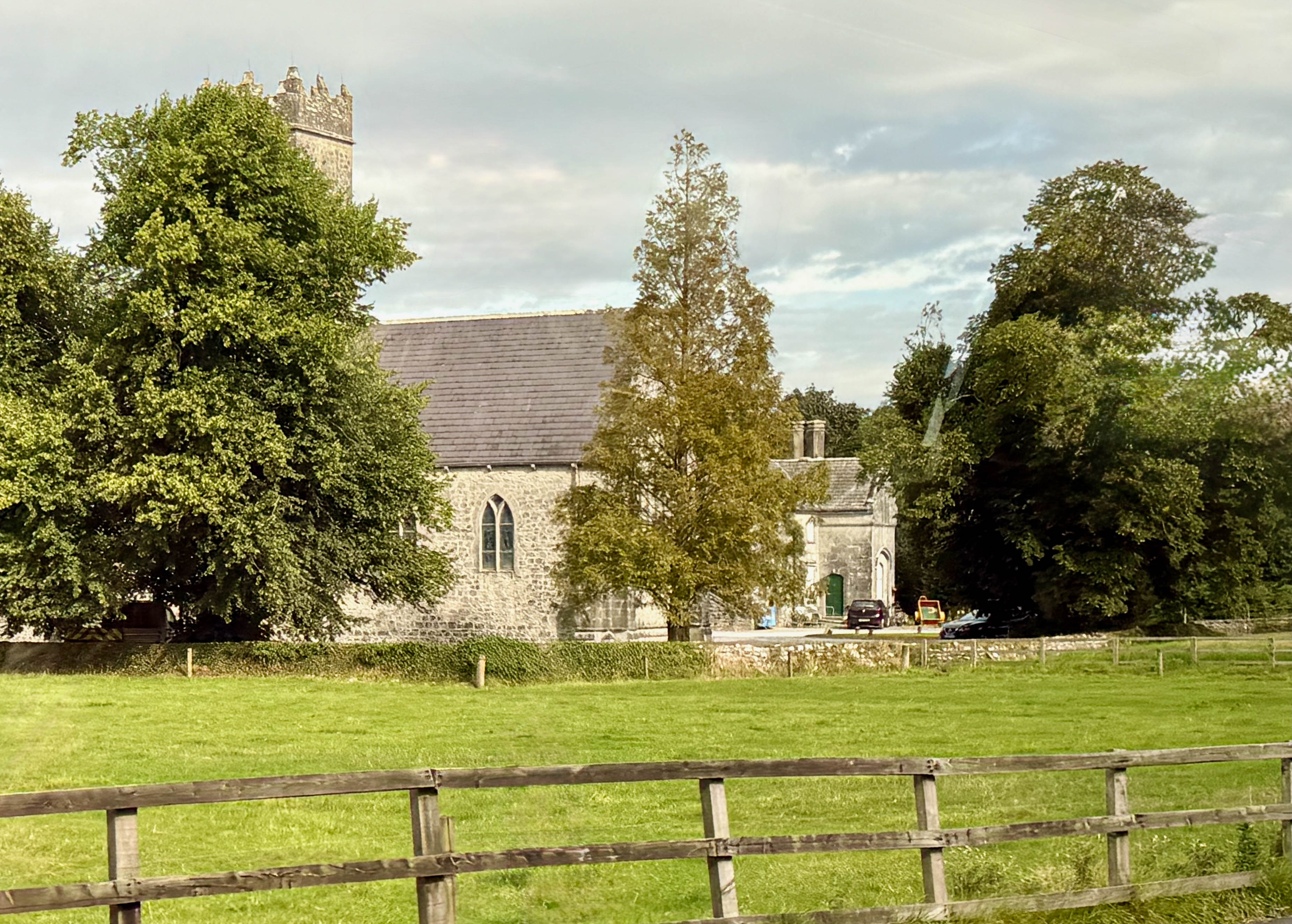
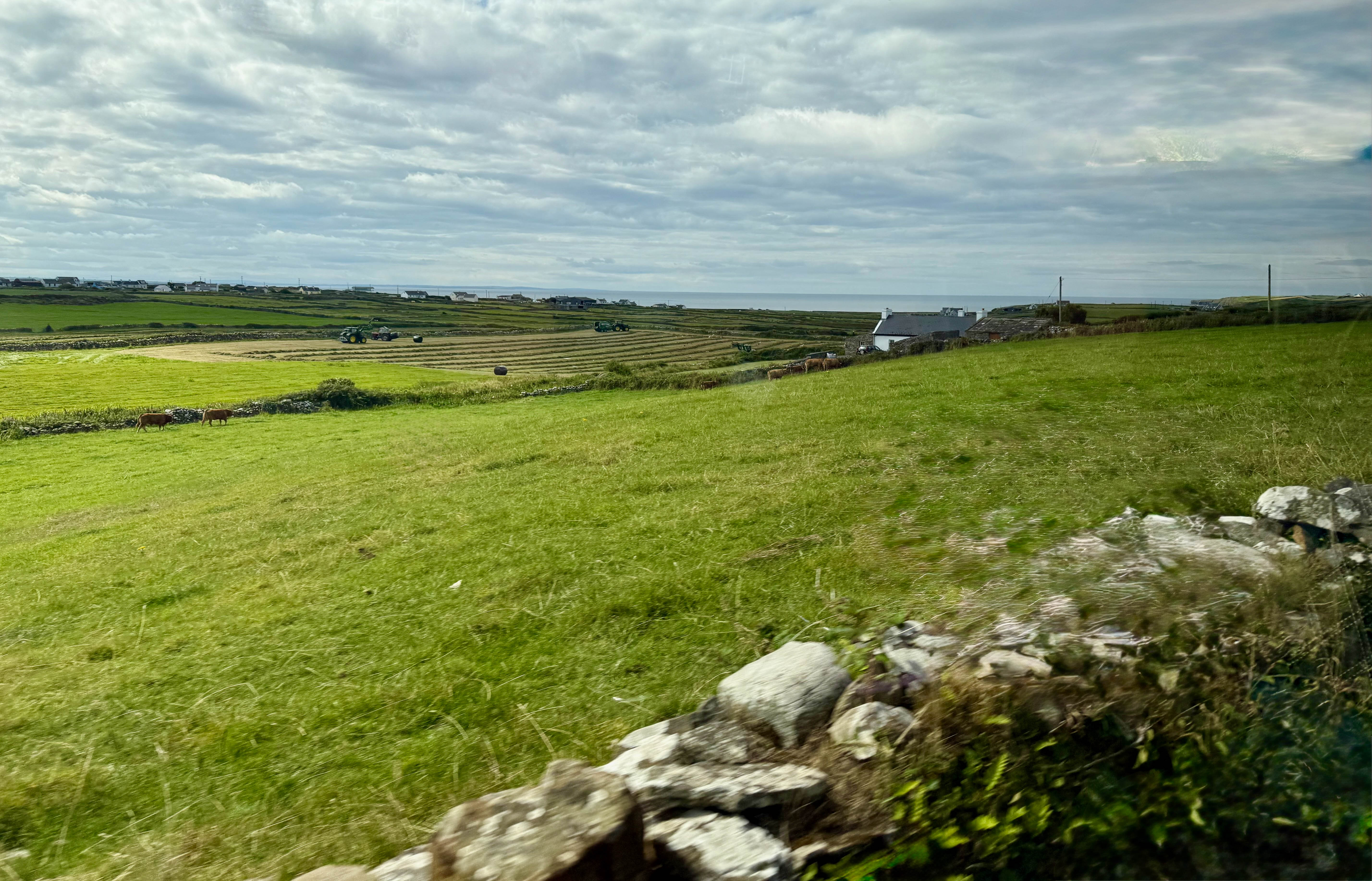
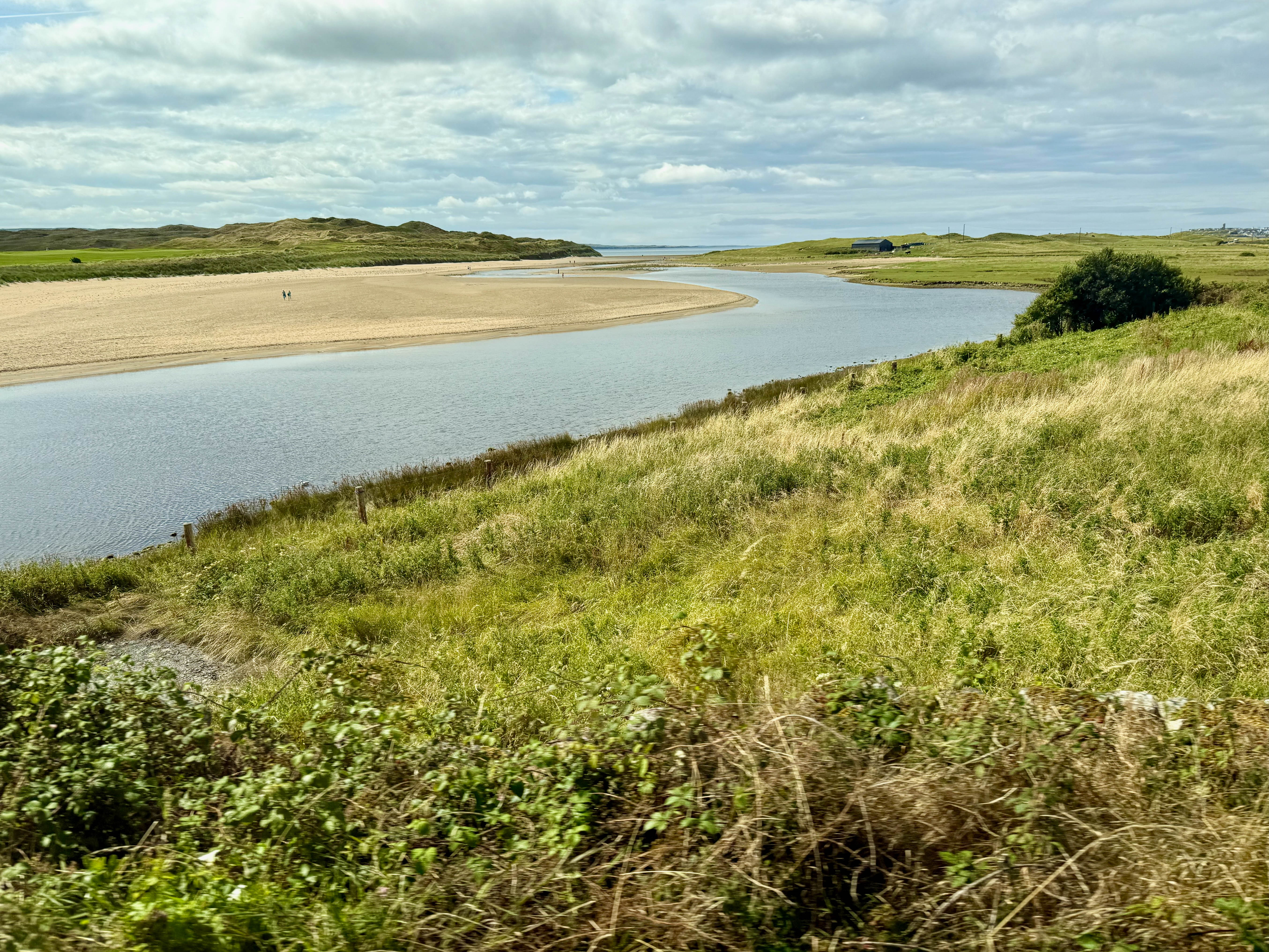
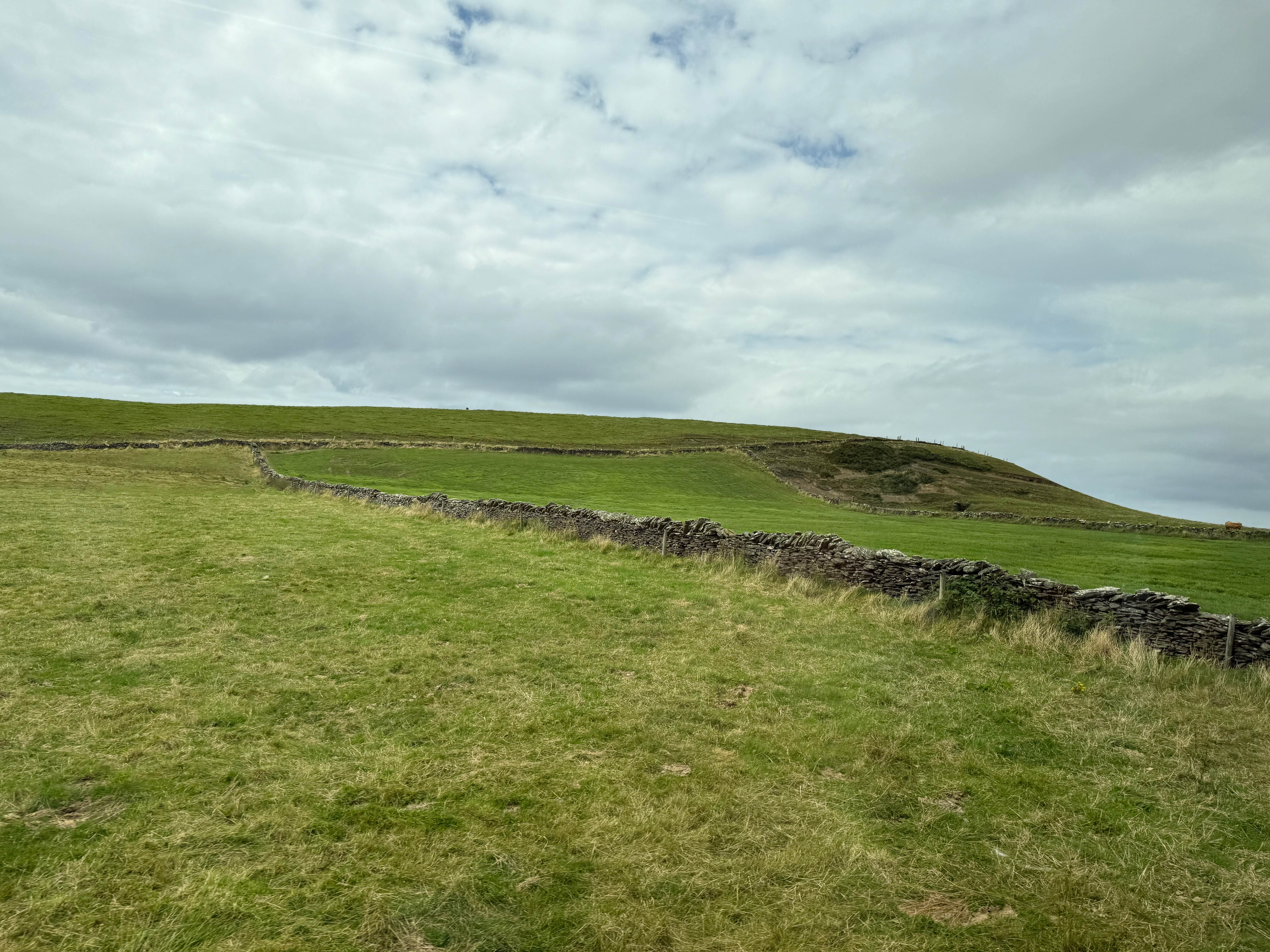
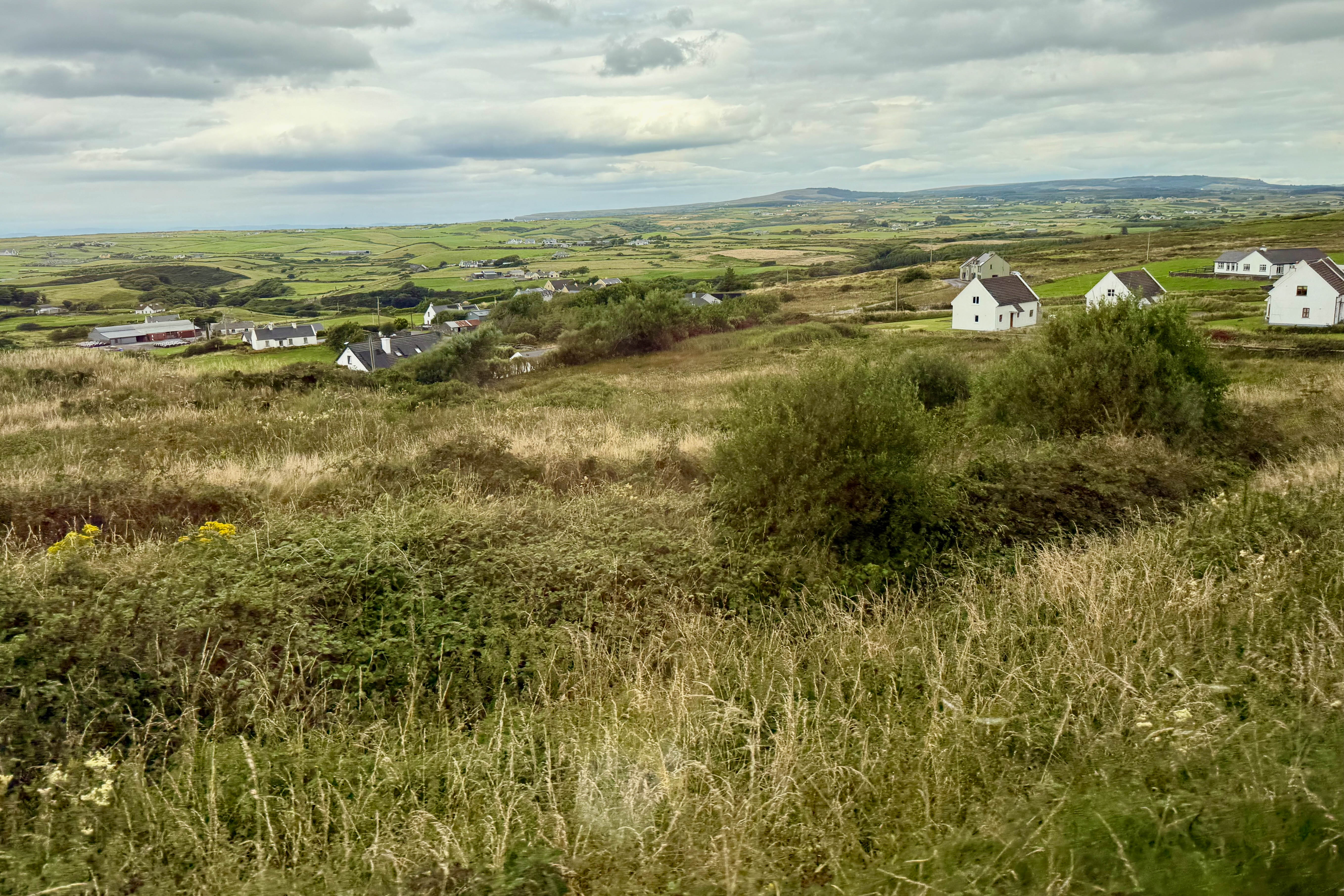
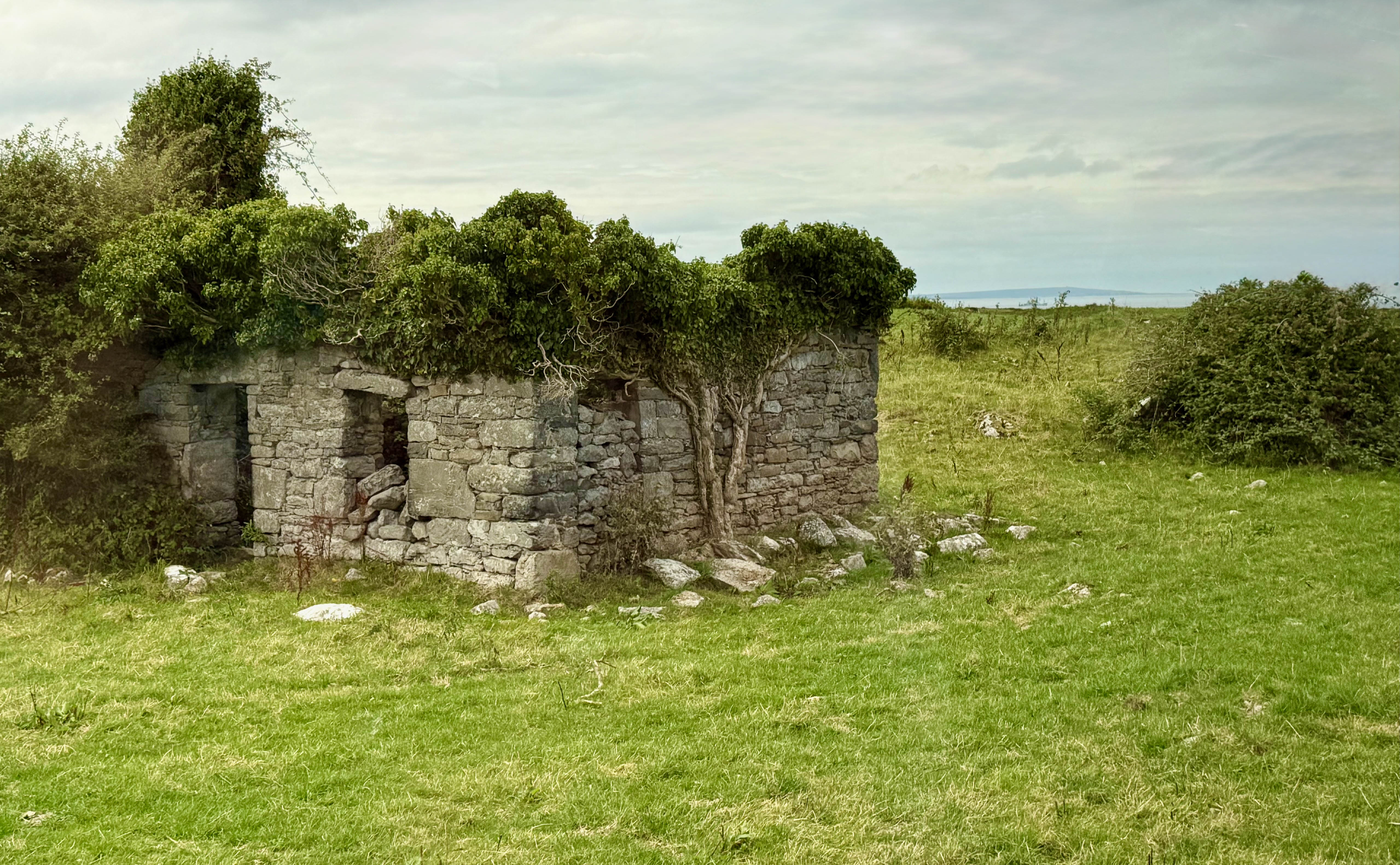
As we traveled along the Wild Atlantic coast, the narrow winding road offered unsurpassed scenery. Old churches, castle remains, long unused rock houses, and green pastures were seen. (Click on an image to enlarge it.)
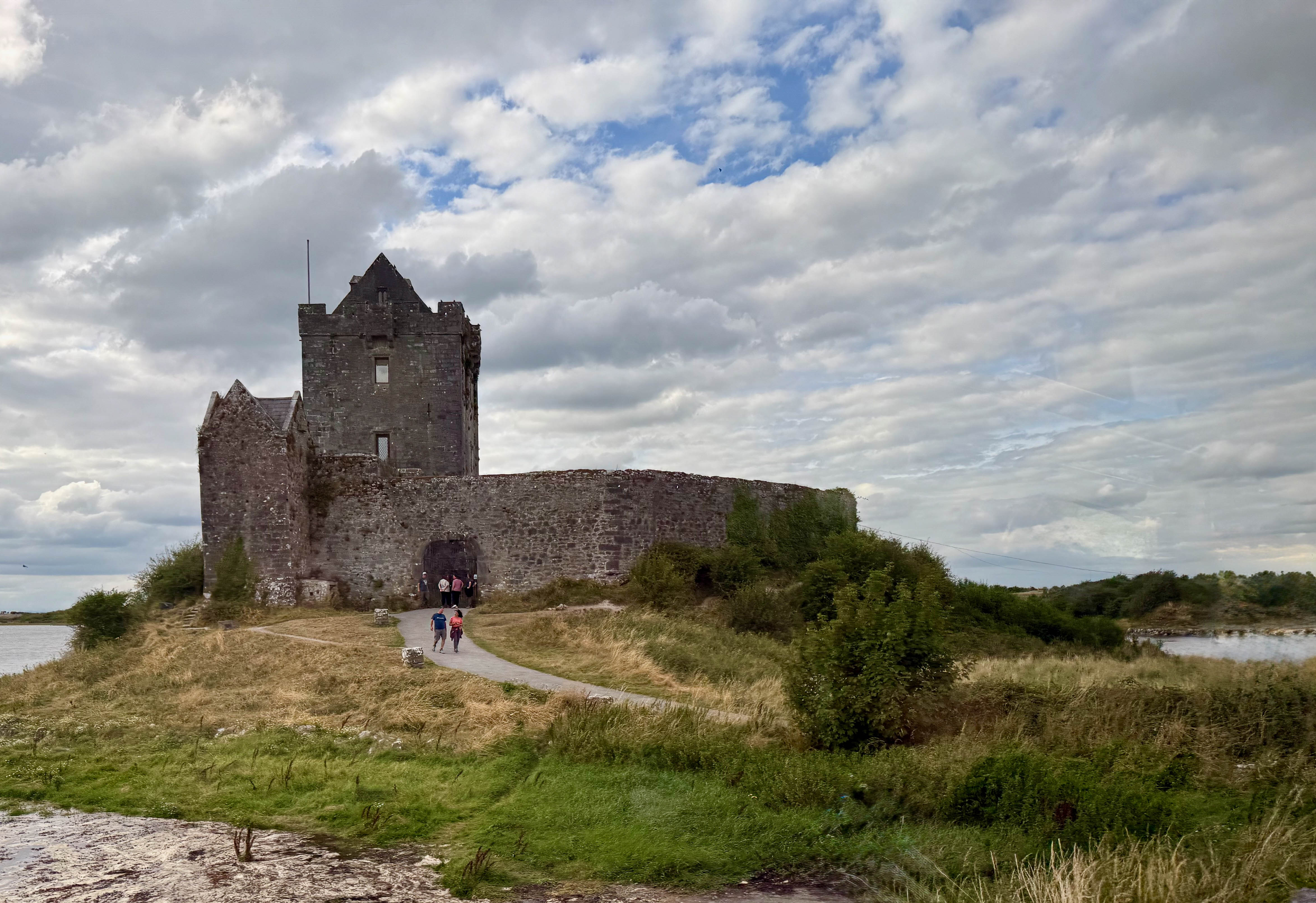
After the Cliffs of Moher, the motor coach took our tour group to the Burren National Park, and along with the Cliffs of Moher the area is recognized as the UNESCO Burren and Cliffs of Moher Global Geopark.
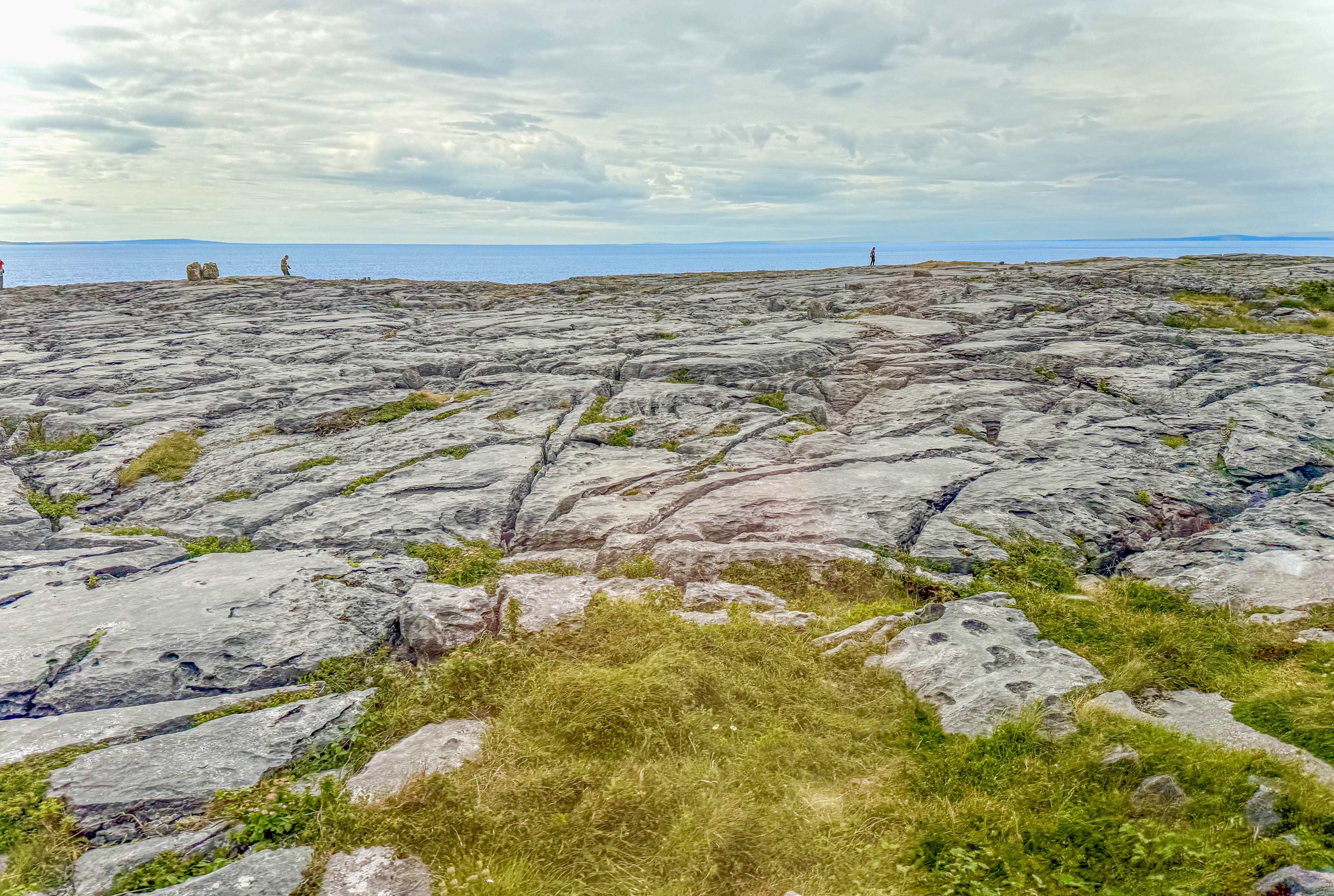
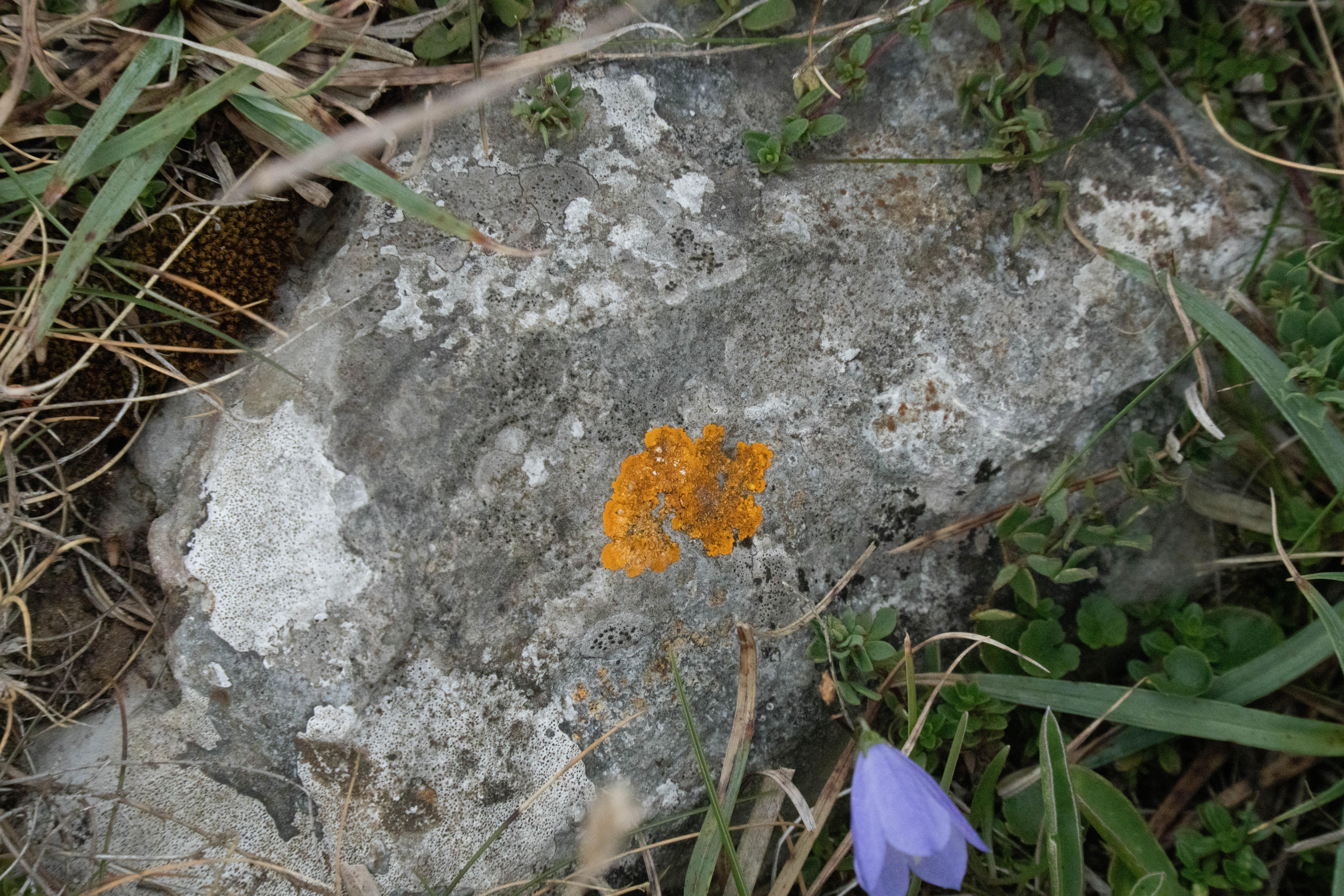
The Burren (from the Irish Boíreann, meaning “rocky place”) is a vast, out-of-this-world looking glaciated karst landscape located in northwest County Clare, Ireland. It covers roughly 200 square miles and is famous for its cracked limestone pavements, subterranean caves, unique biodiversity, and thousands of years of human history.
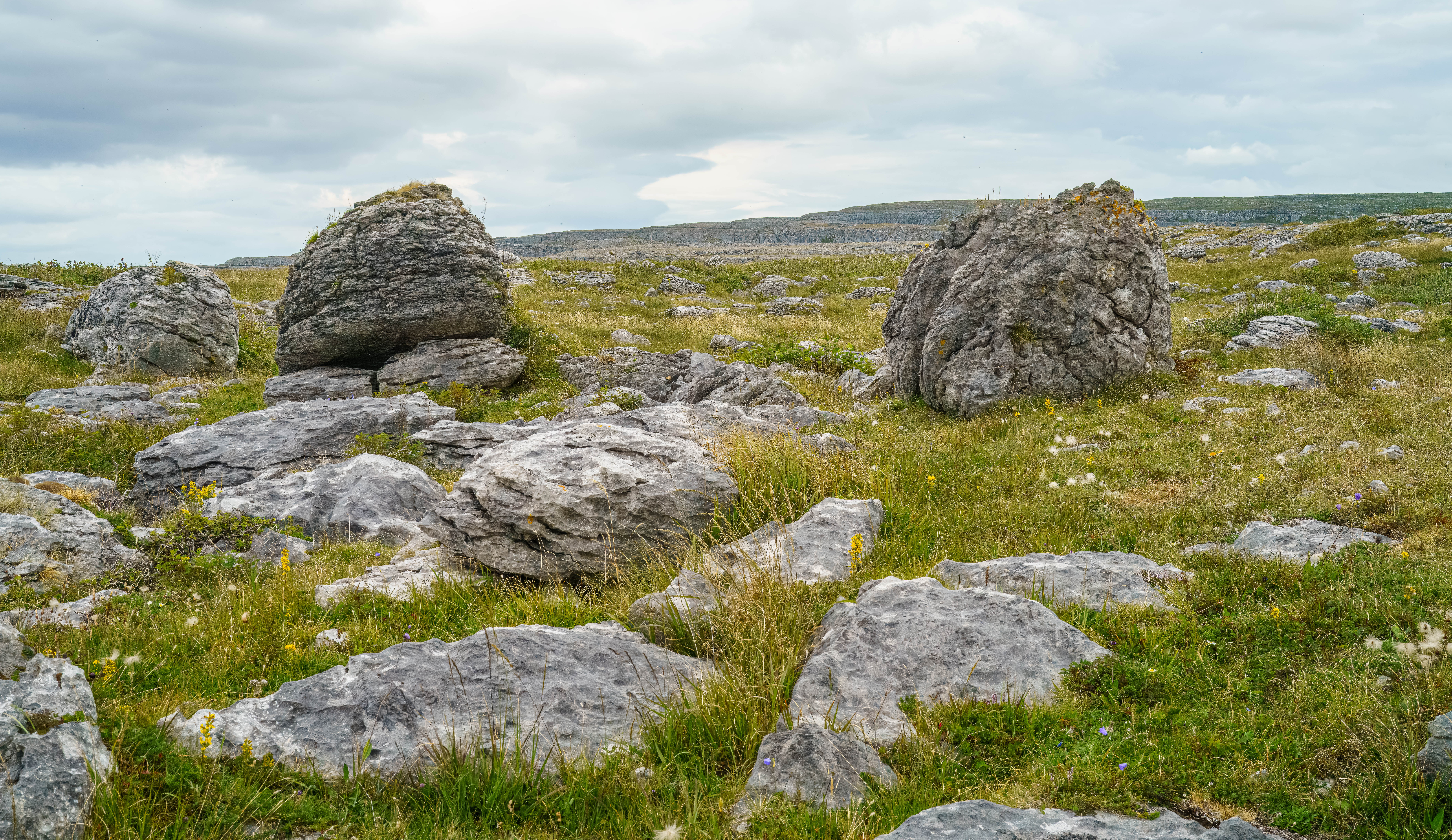
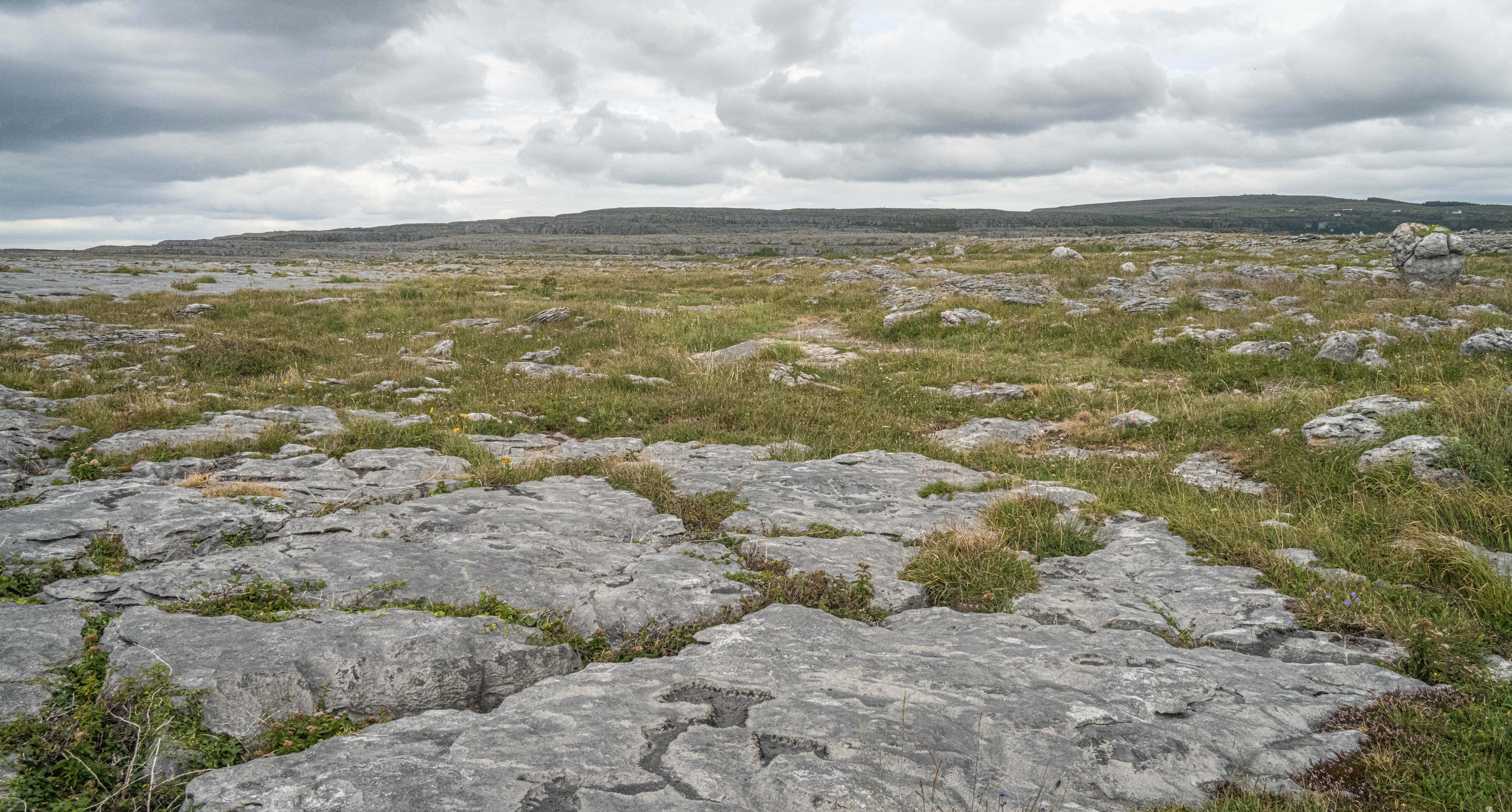
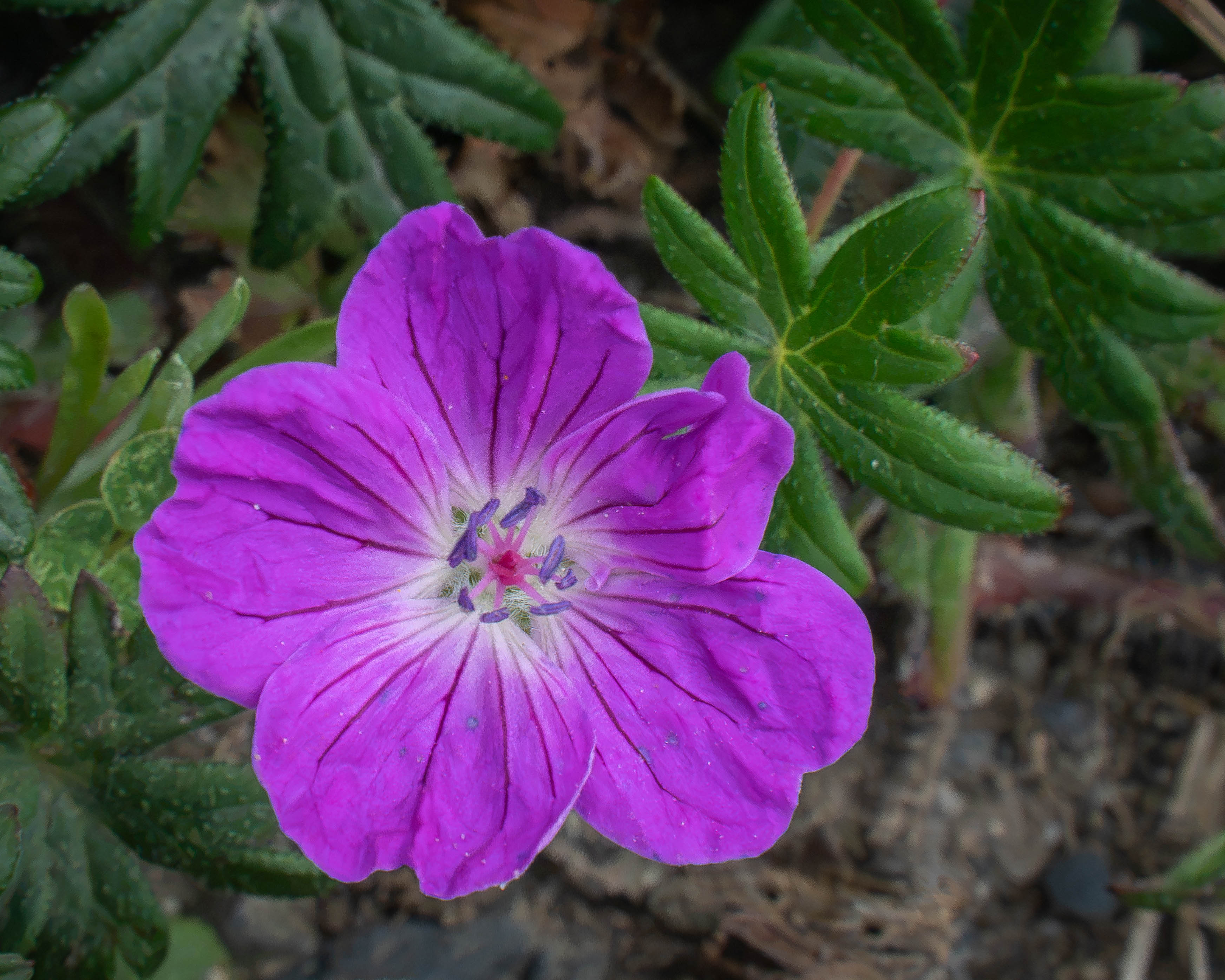
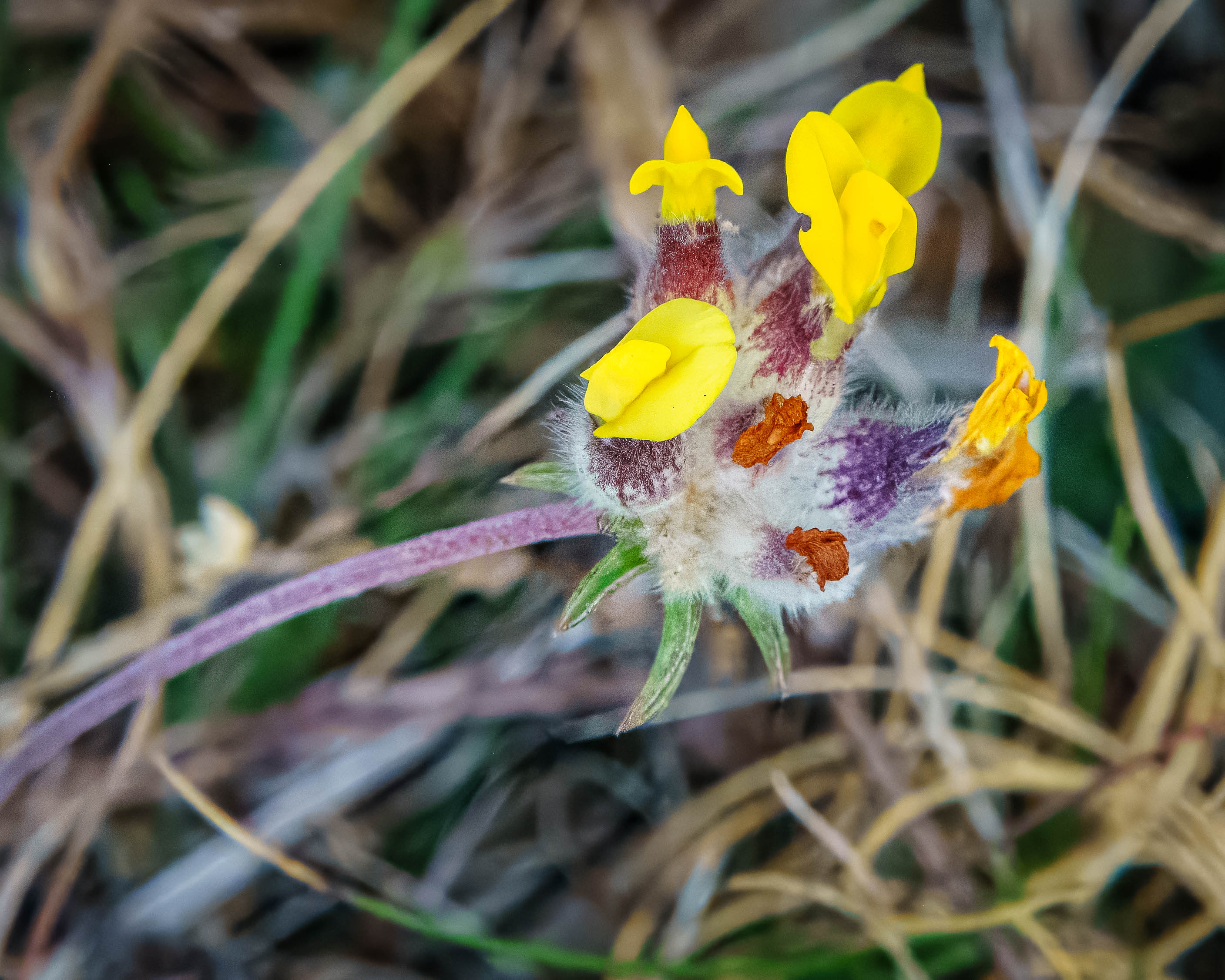
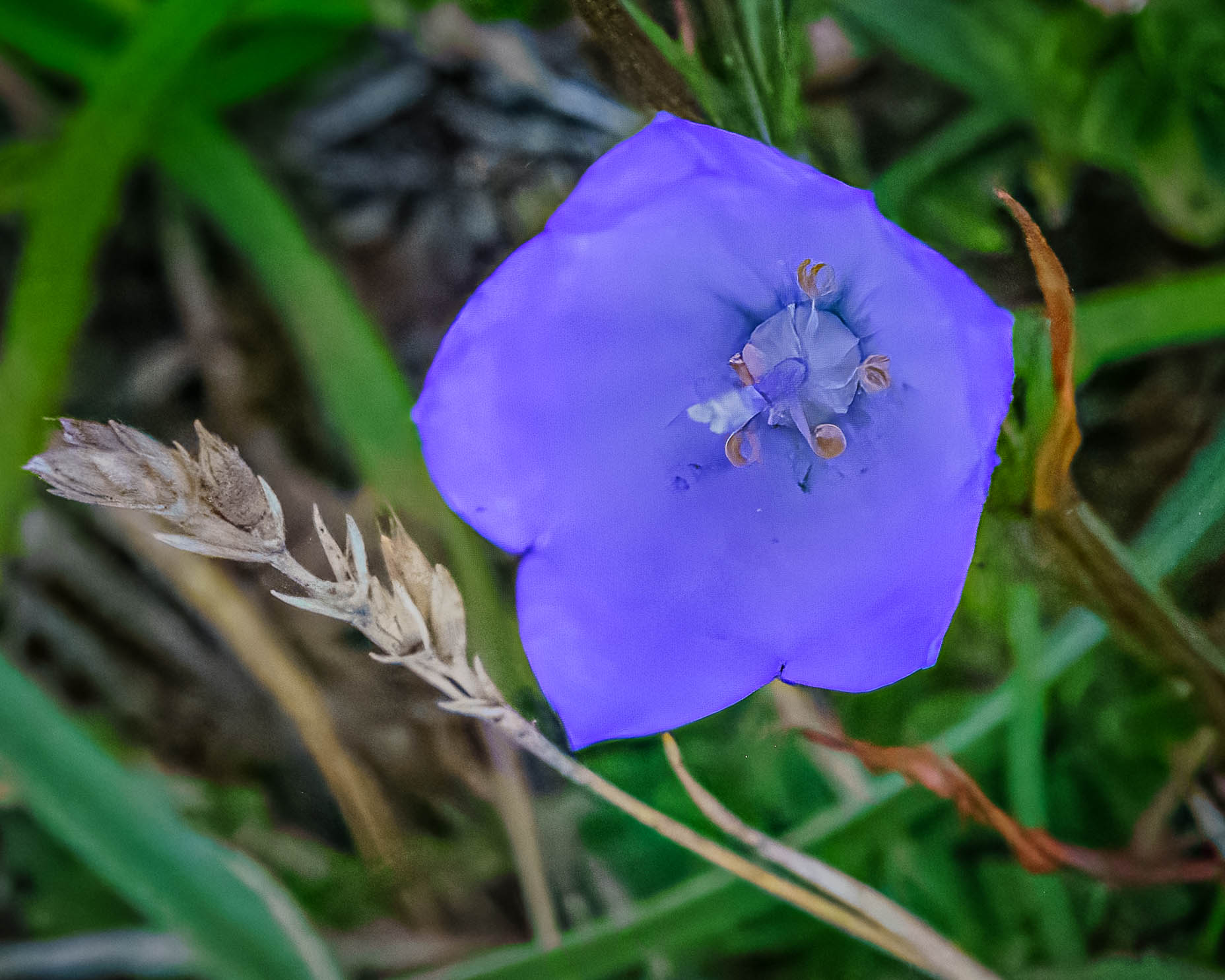
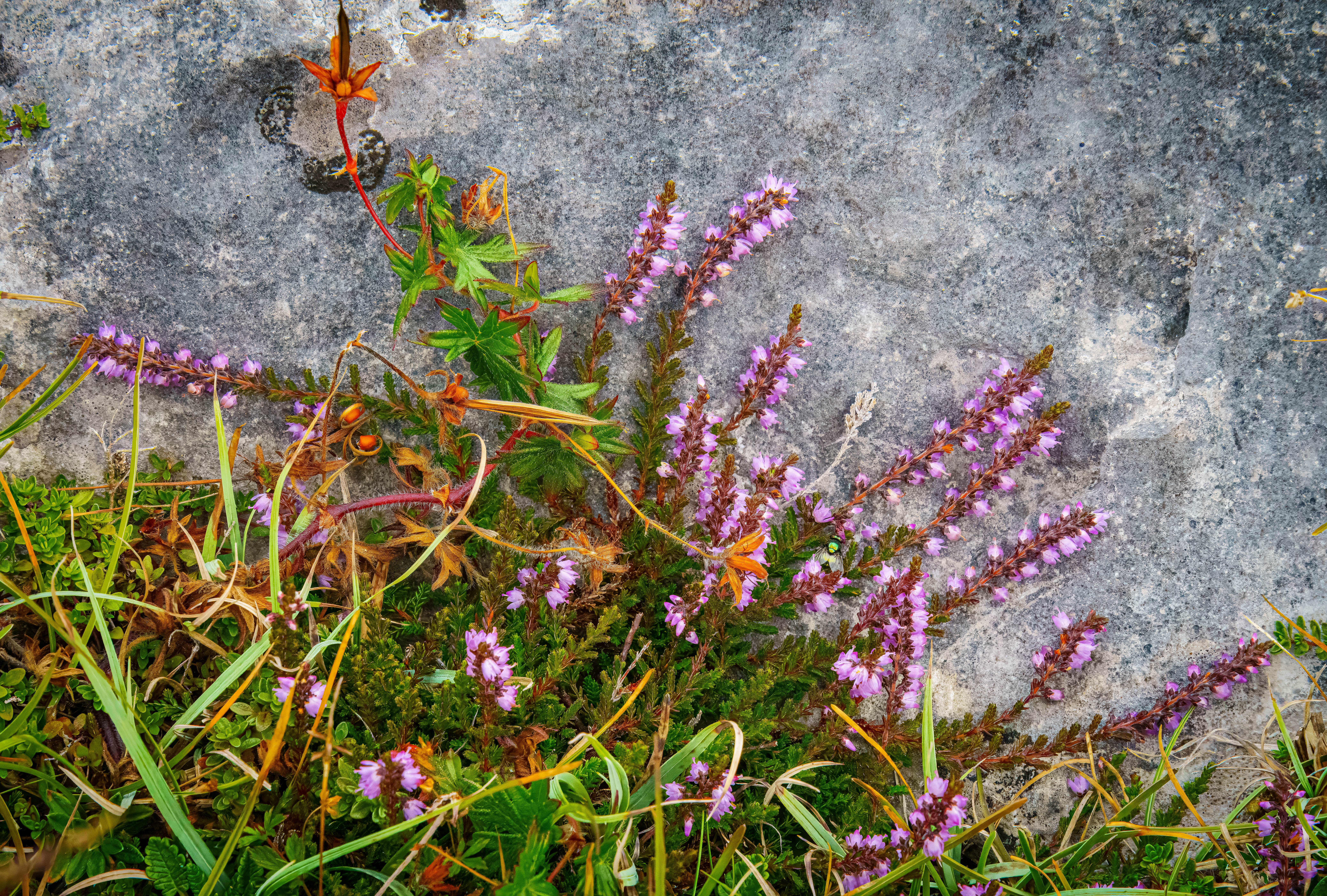
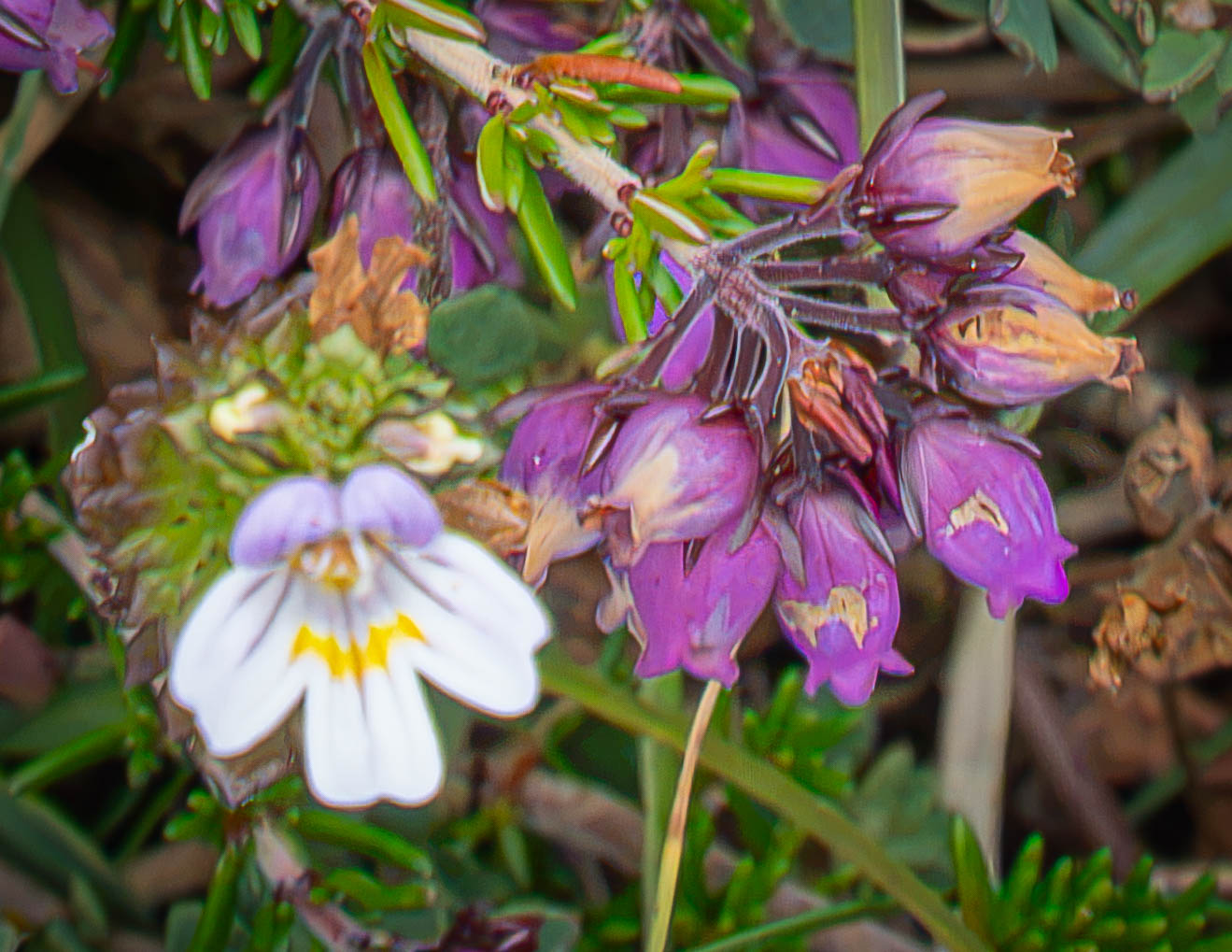
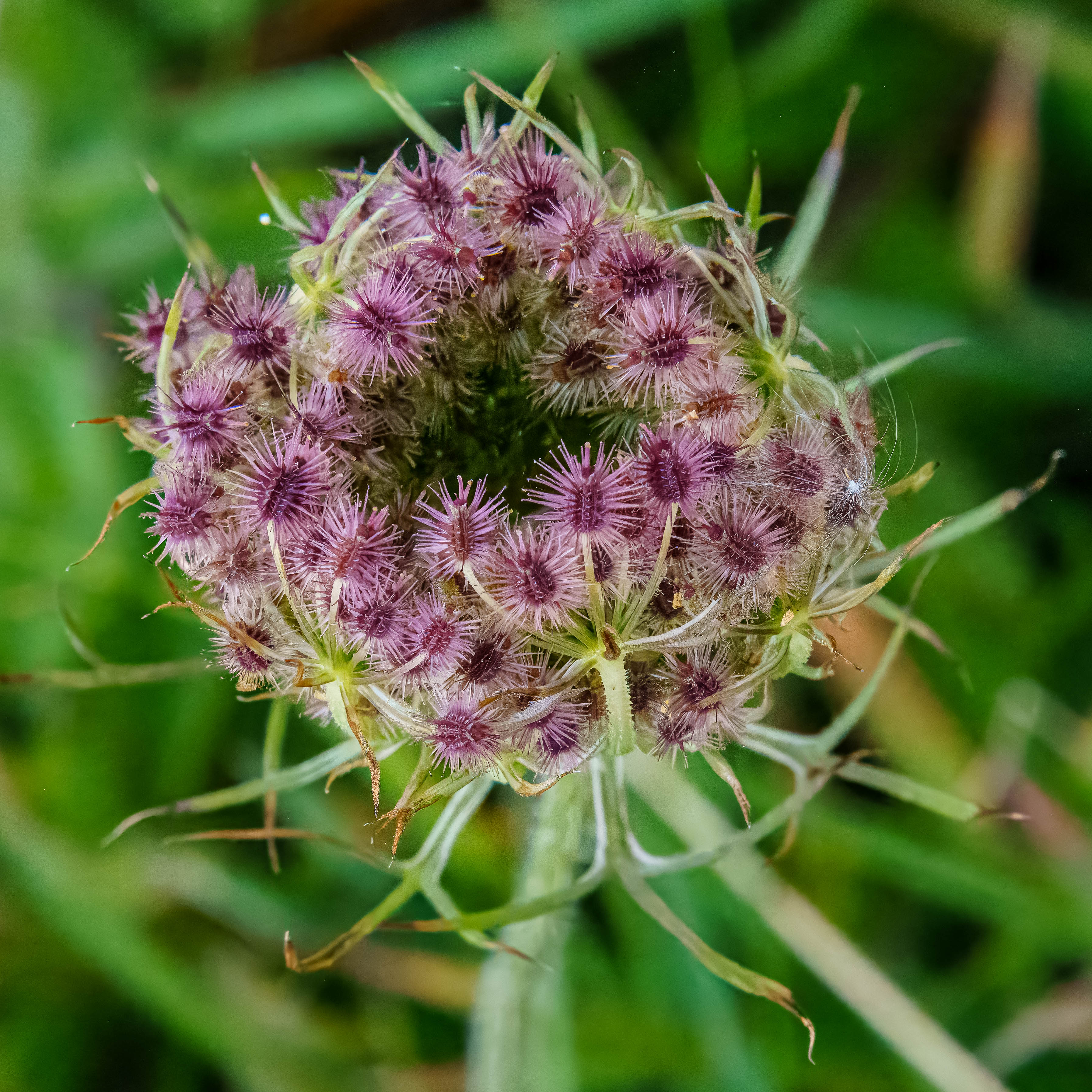
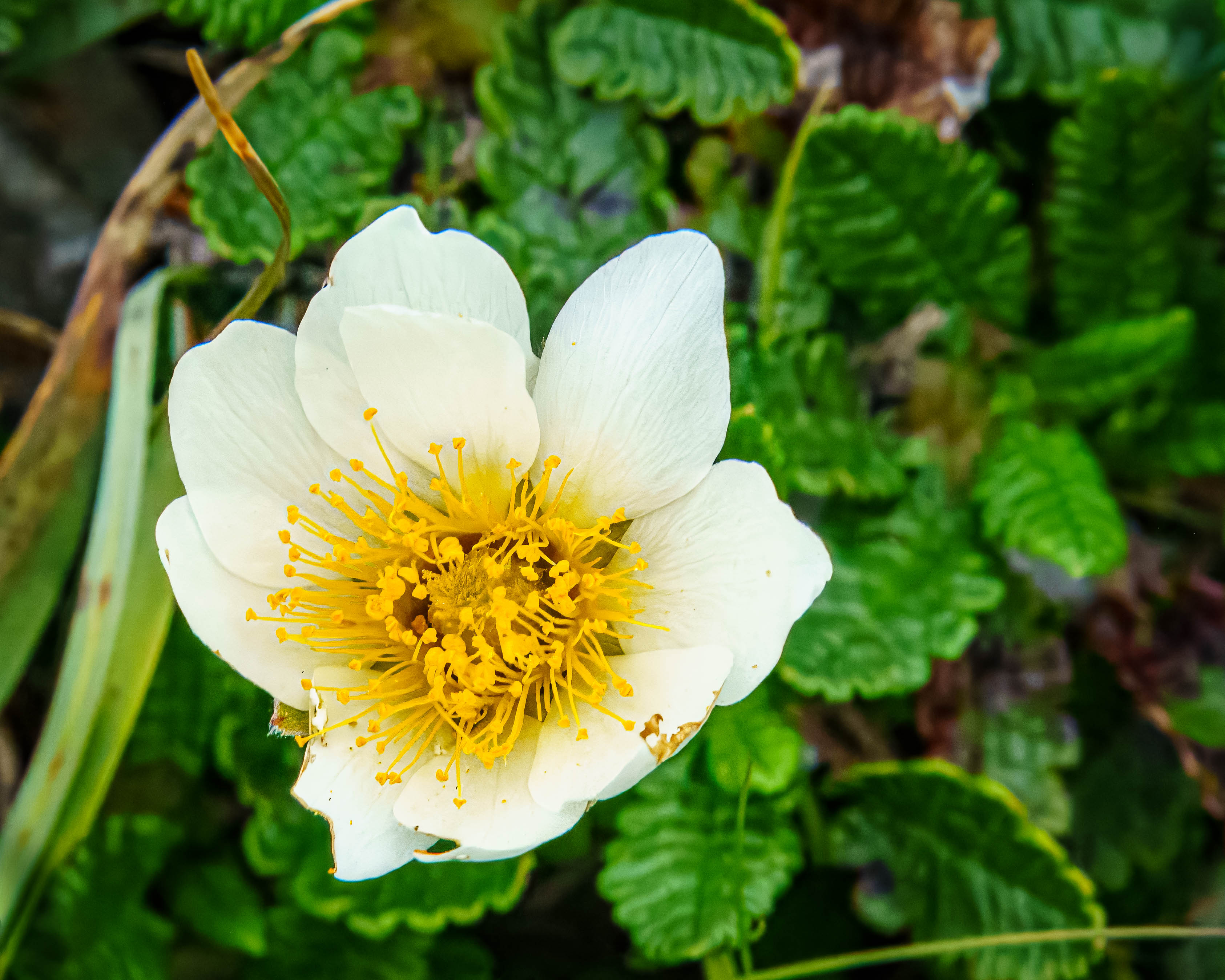
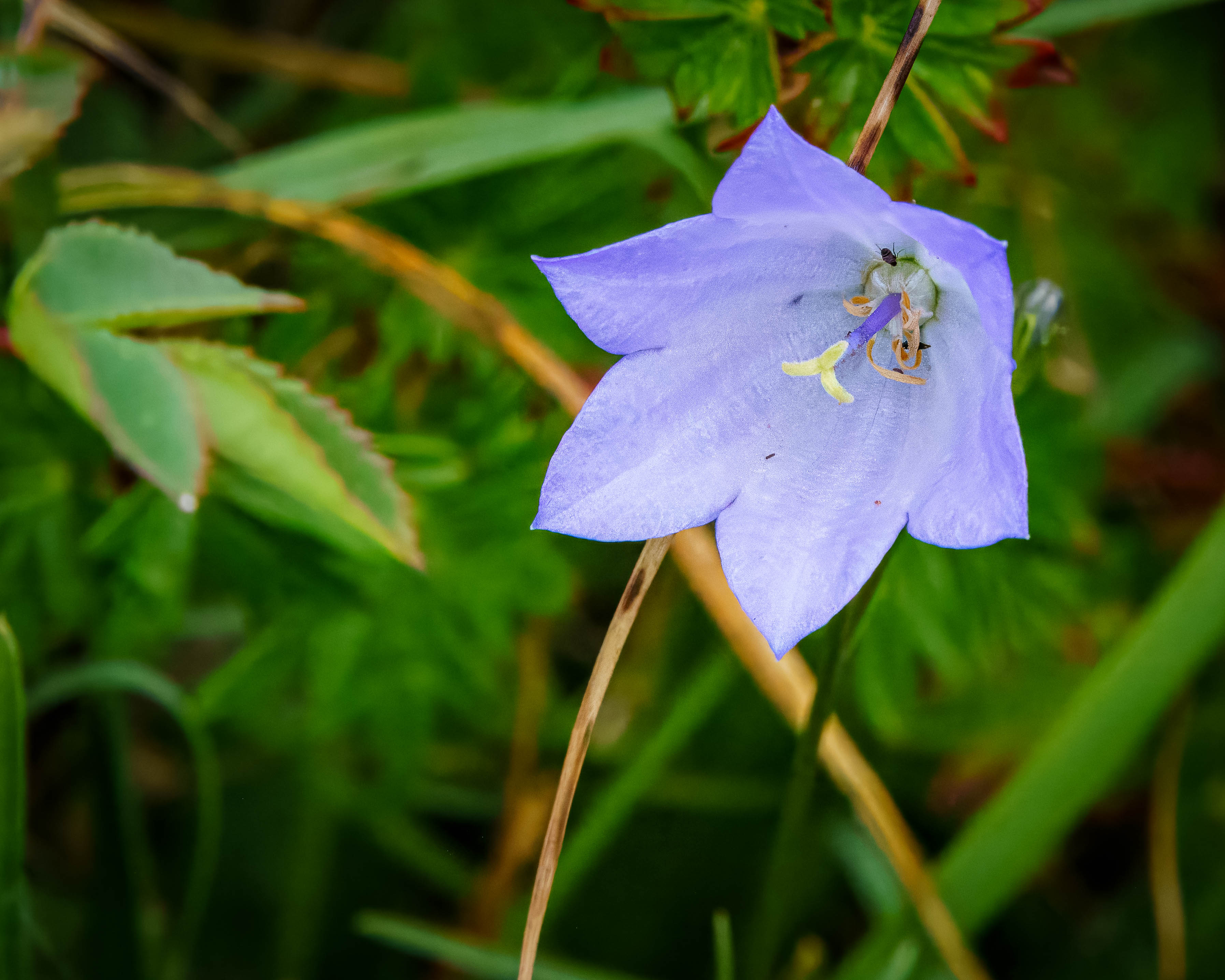
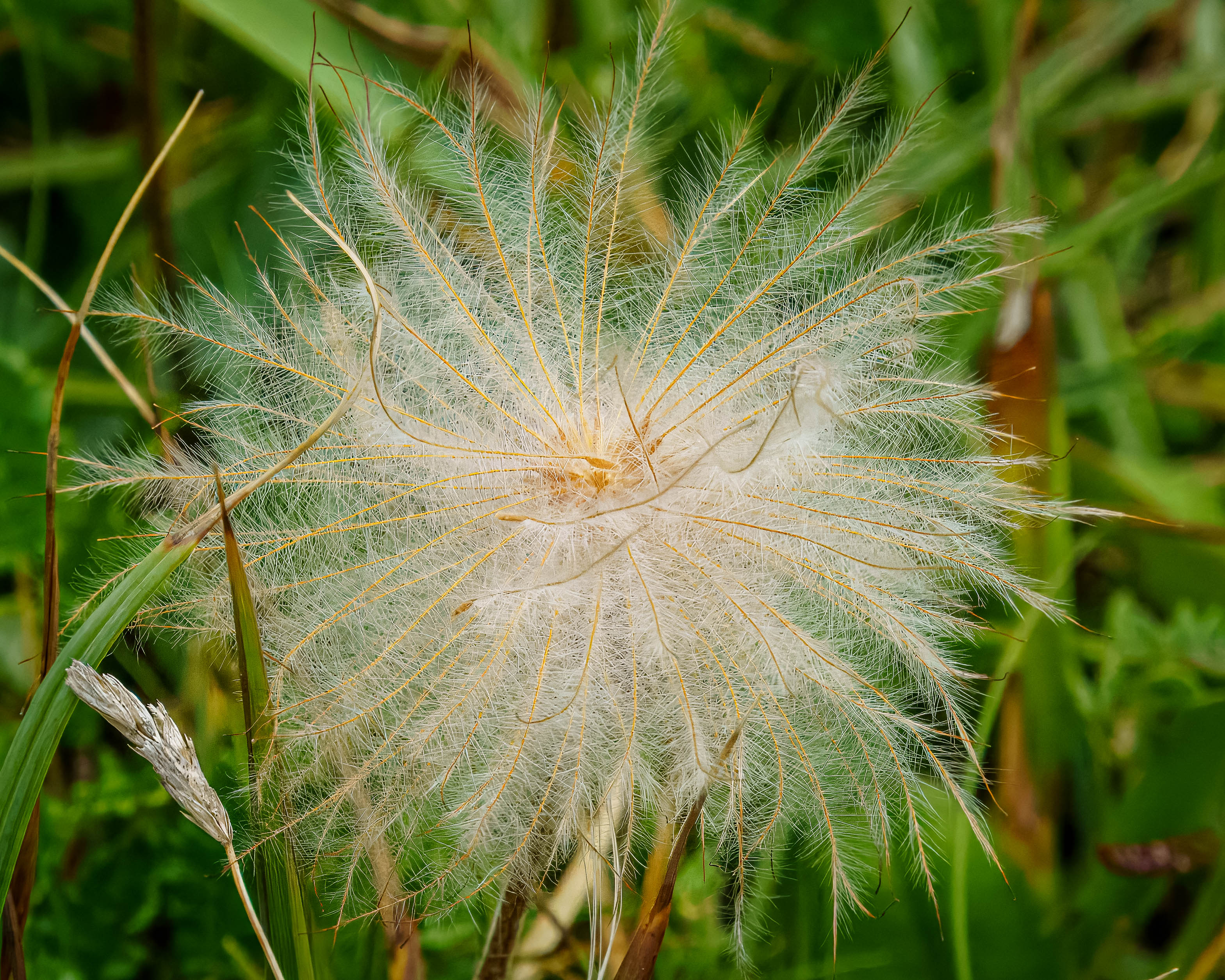
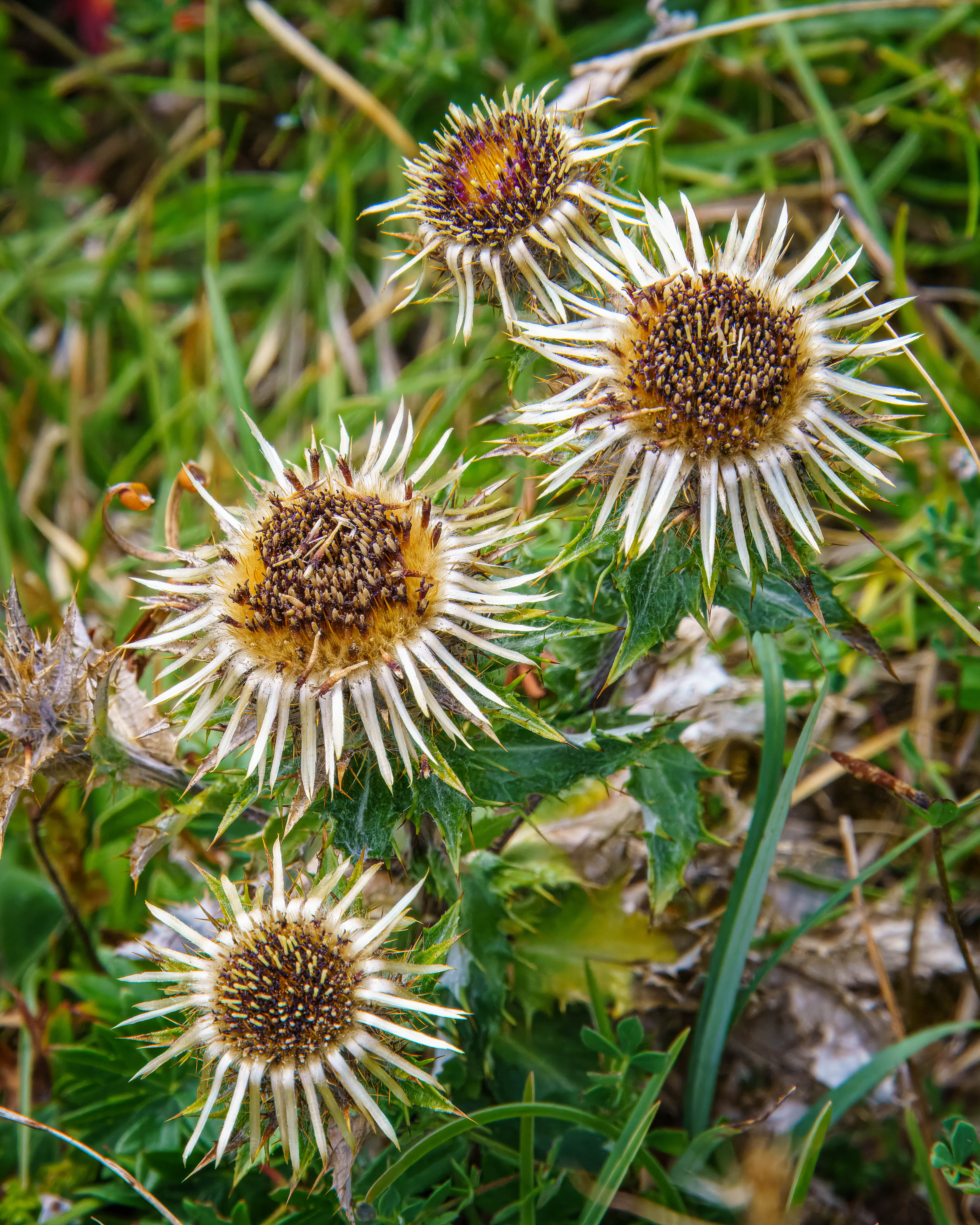
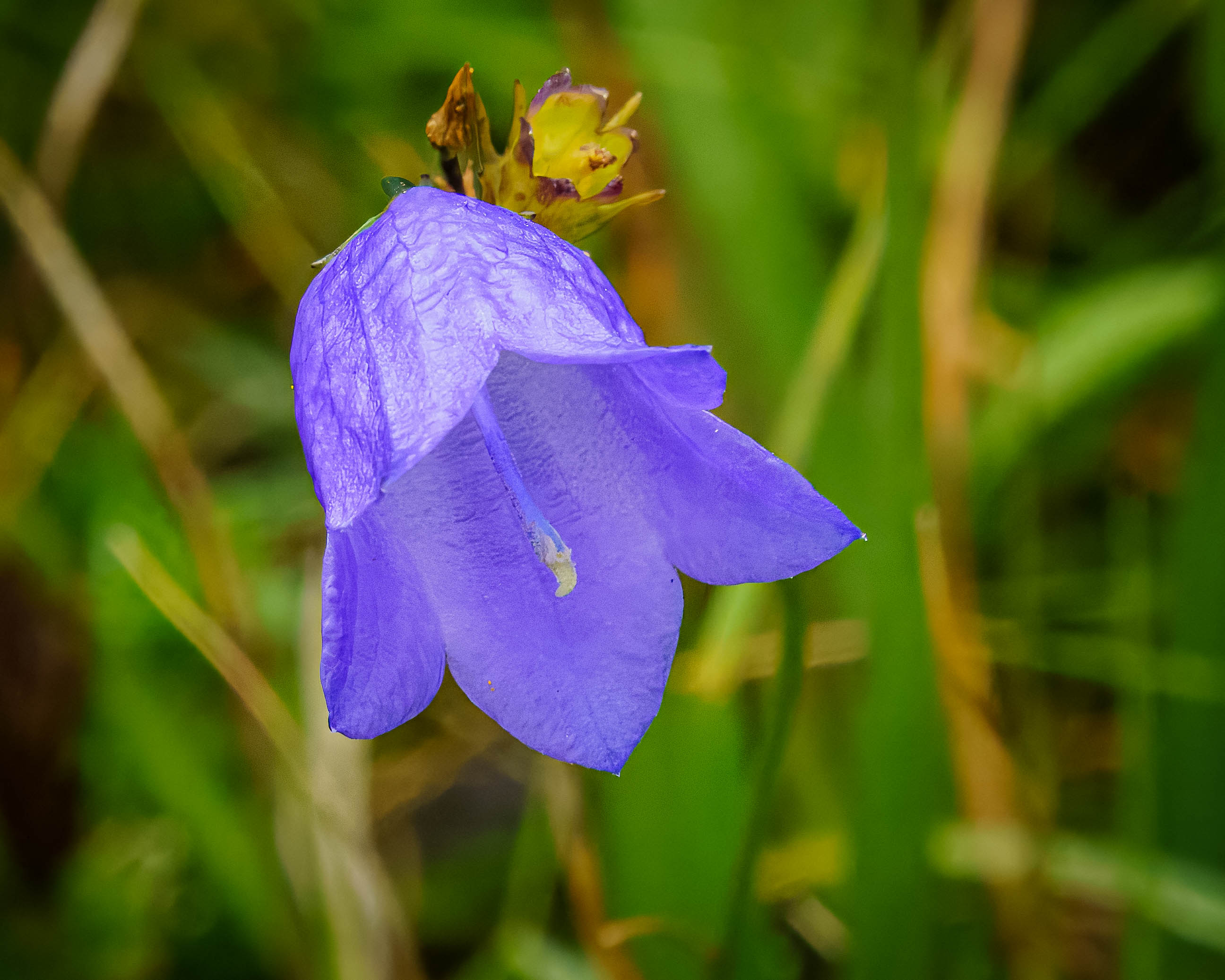
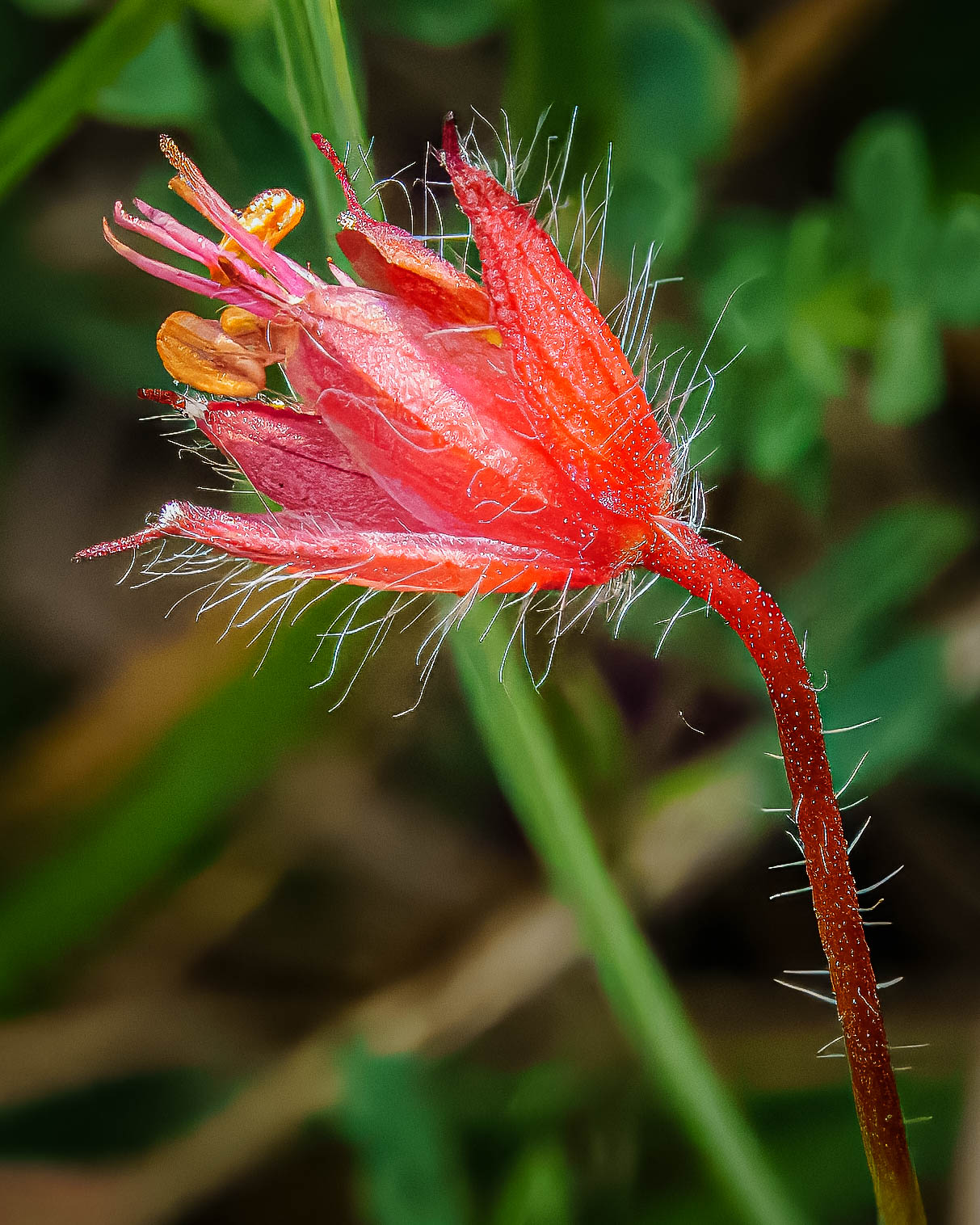
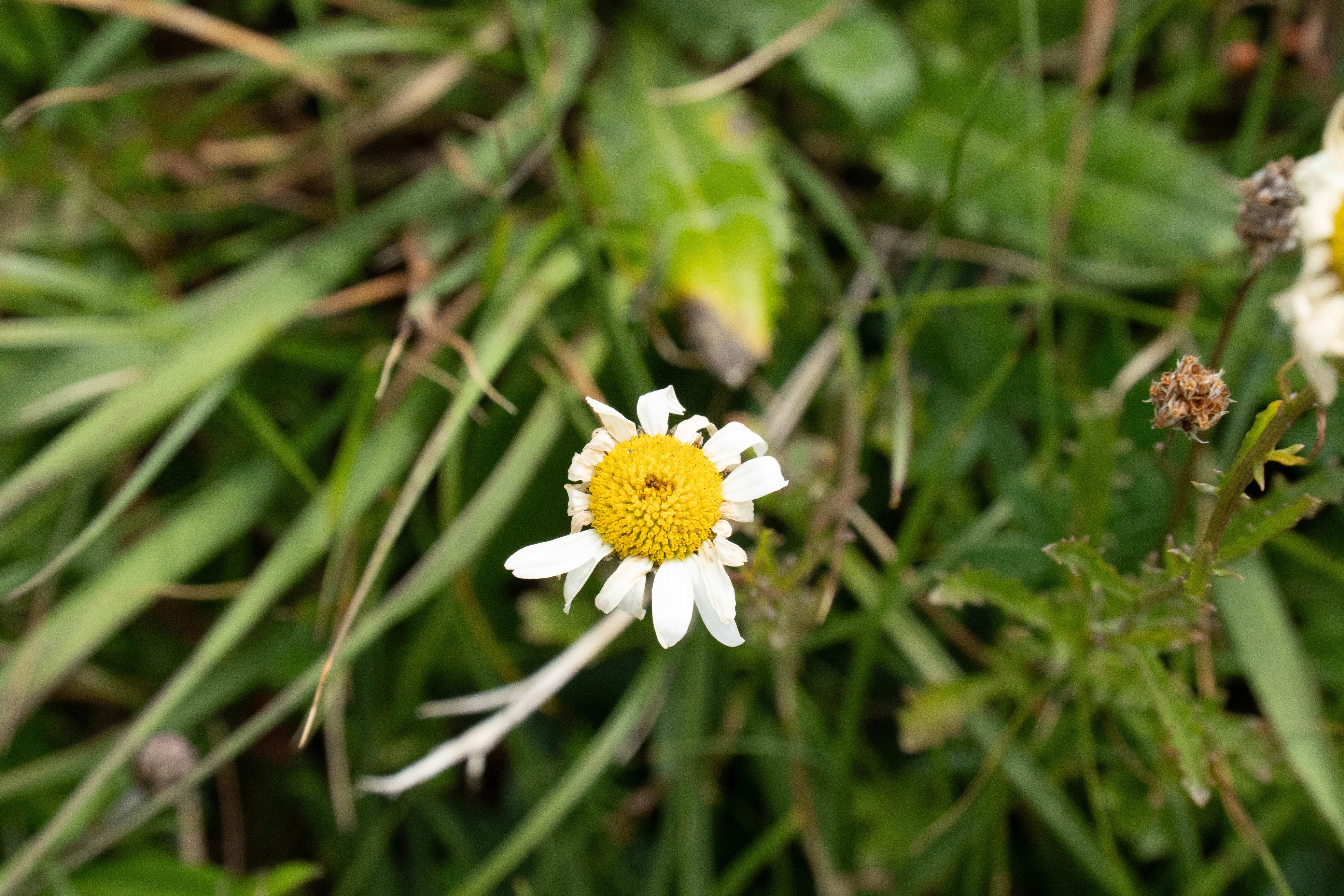
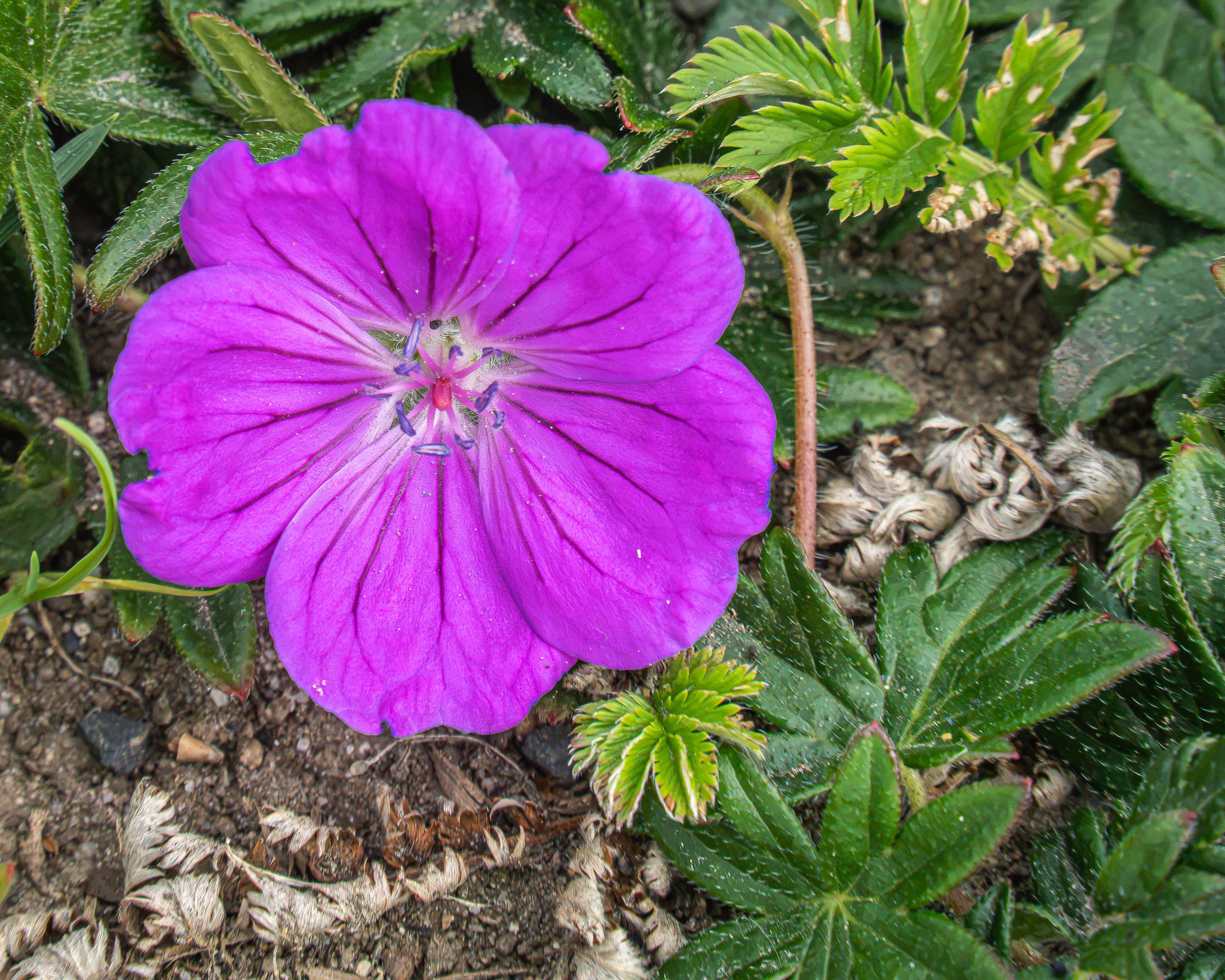
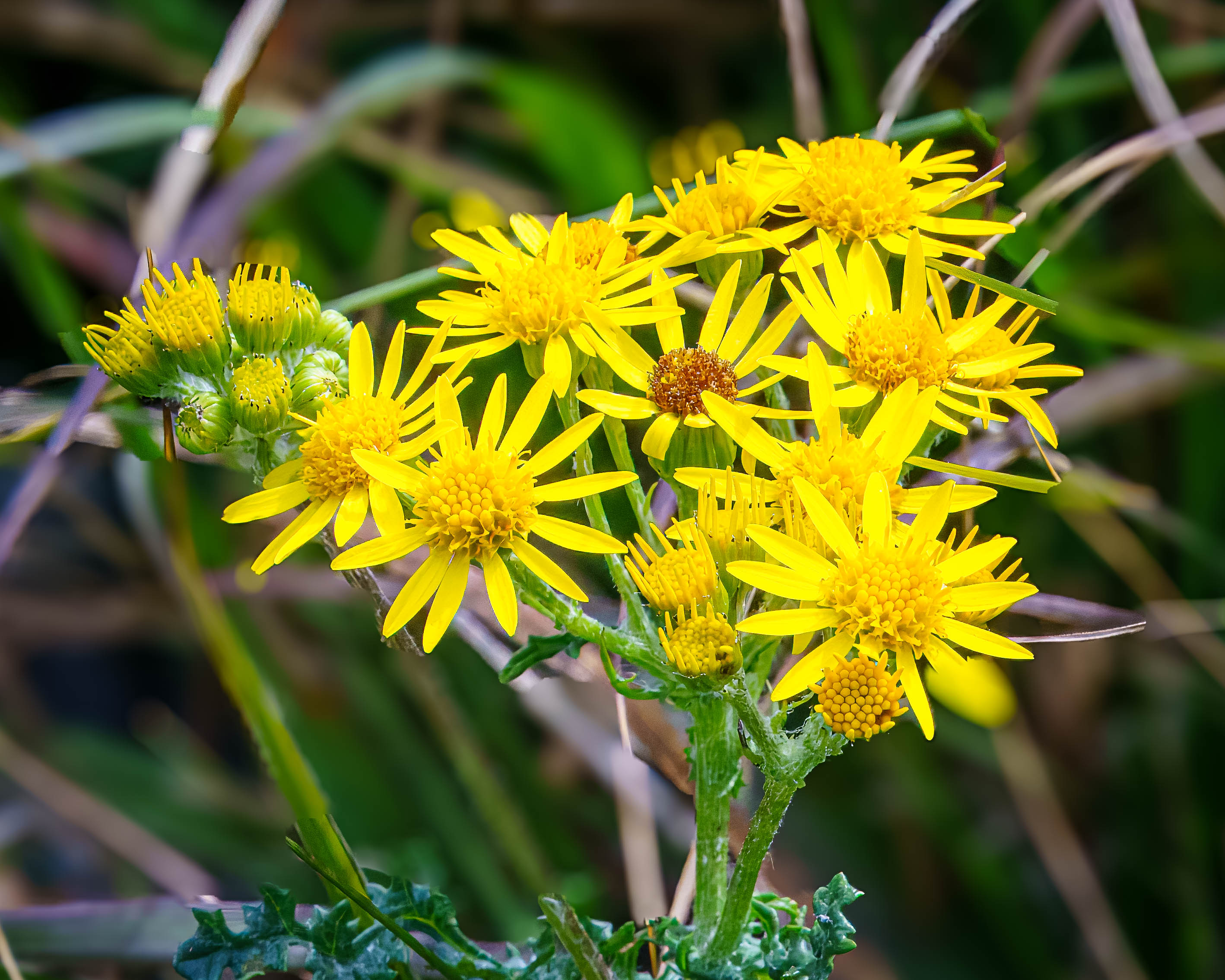
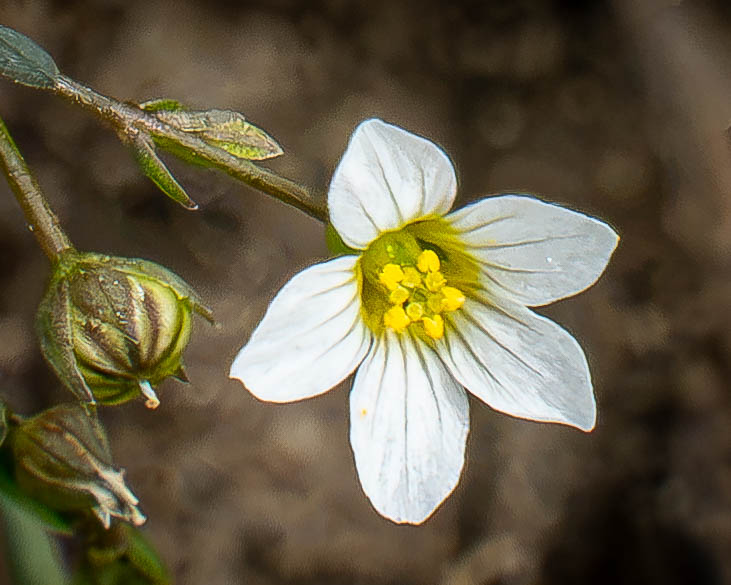
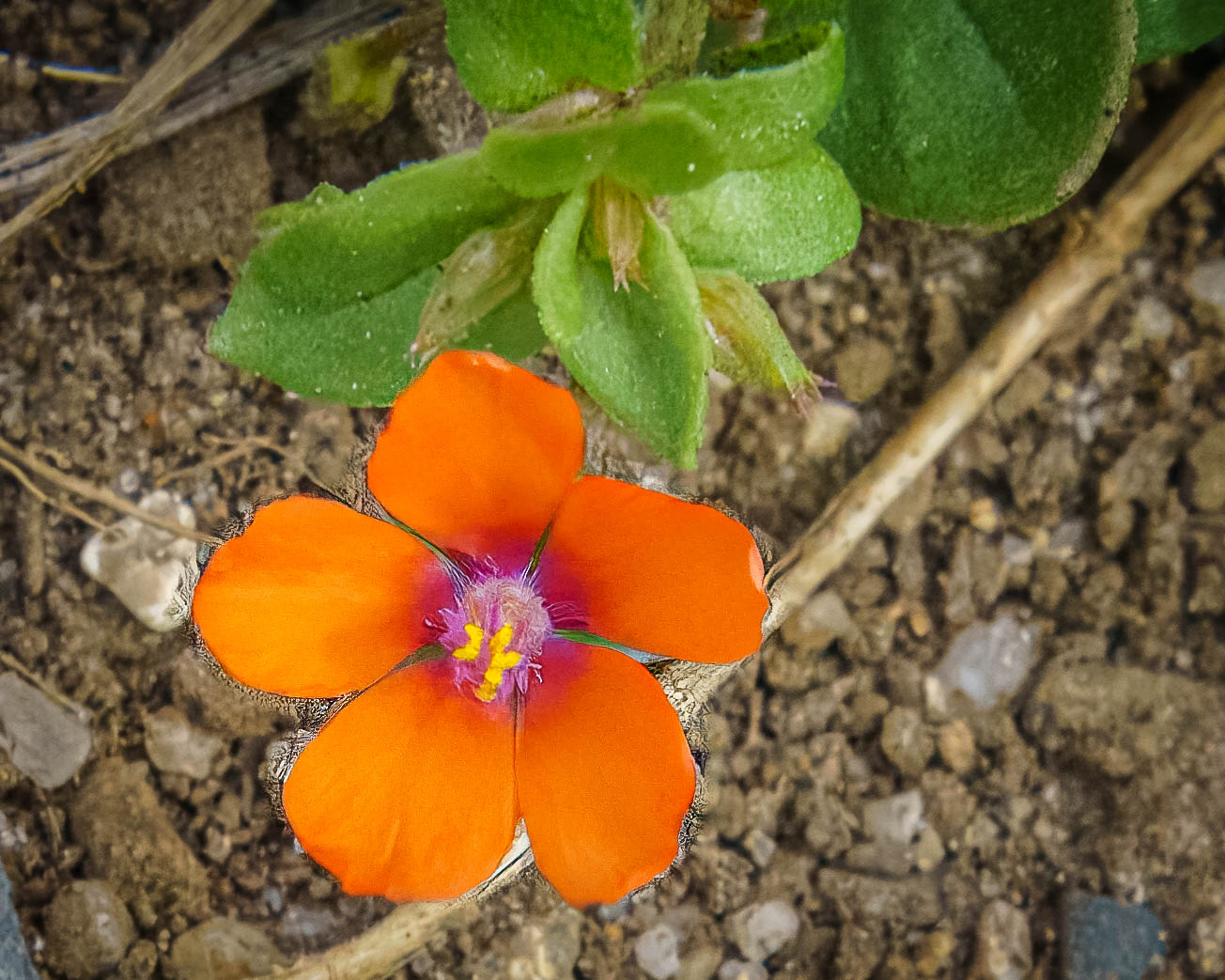
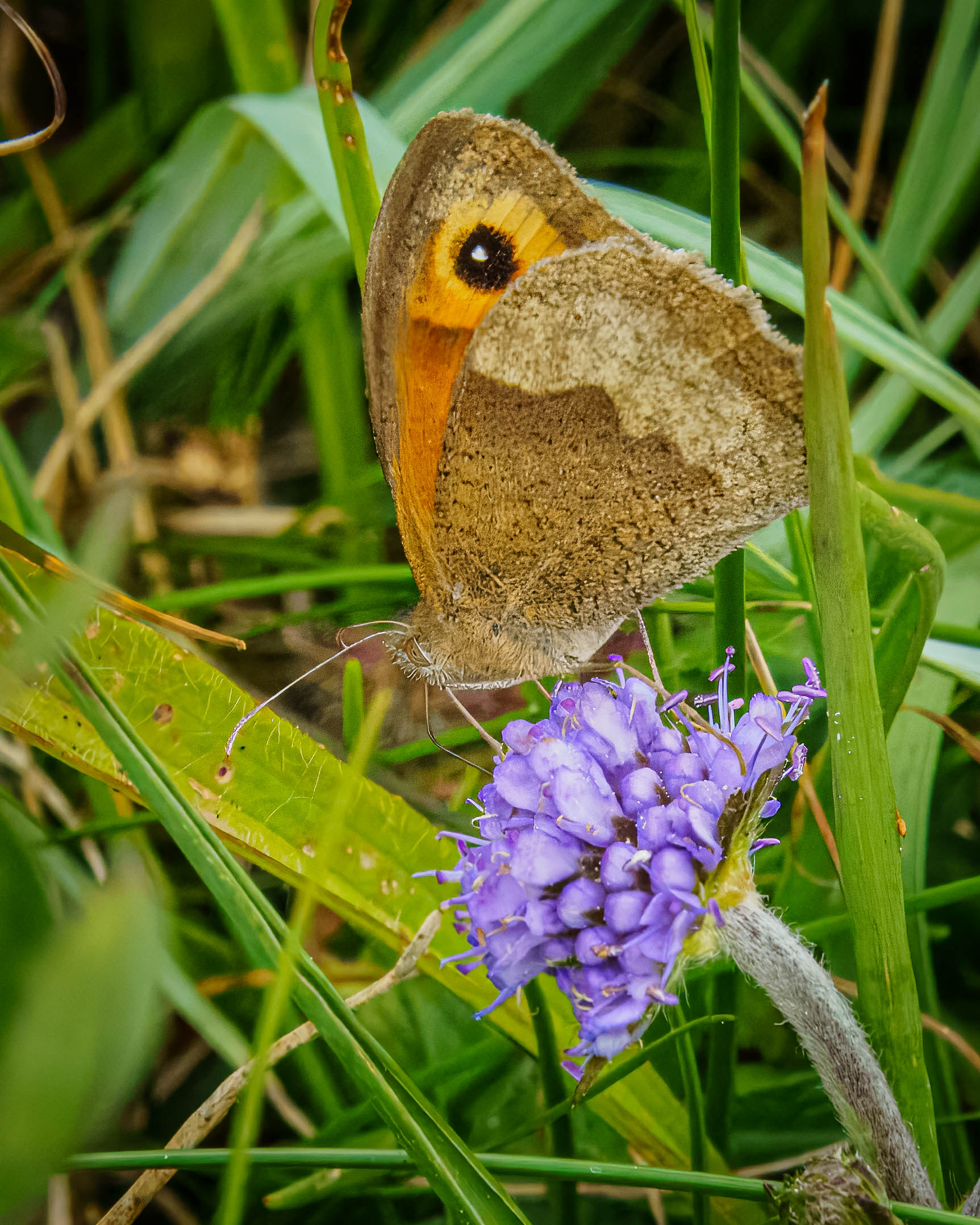
Our local guide focused on the area’s ecology, and particularly the flora (I was like a kid in a candy shop). Despite its barren appearance, the Burren is a thriving ecological hotspot. The deep grikes provide a sheltered, humid microclimate that allows contrasting plant species to grow side-by-side. It is the only place in the world where Arctic, Alpine, and Mediterranean flora share the same ecosystem. We saw several species comprising part of the vibrant population of blue gentians, mountain avens, and 23 varieties of native Irish orchids blooming directly out of the rock. (Click on an image to enlarge it.)
We completed our transfer to Galway by motor coach, checked in to the hotel, and enjoyed a late dinner before retiring for the evening.