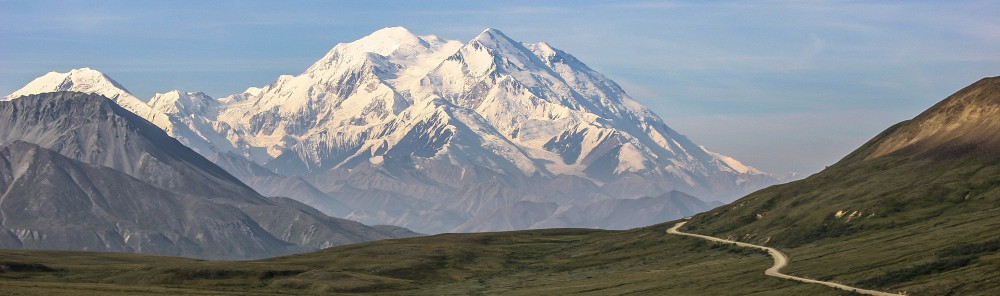
After breakfast, we walked a bit to near Killarney National Park, our tour destination for the day. There, we met our local expert guide.
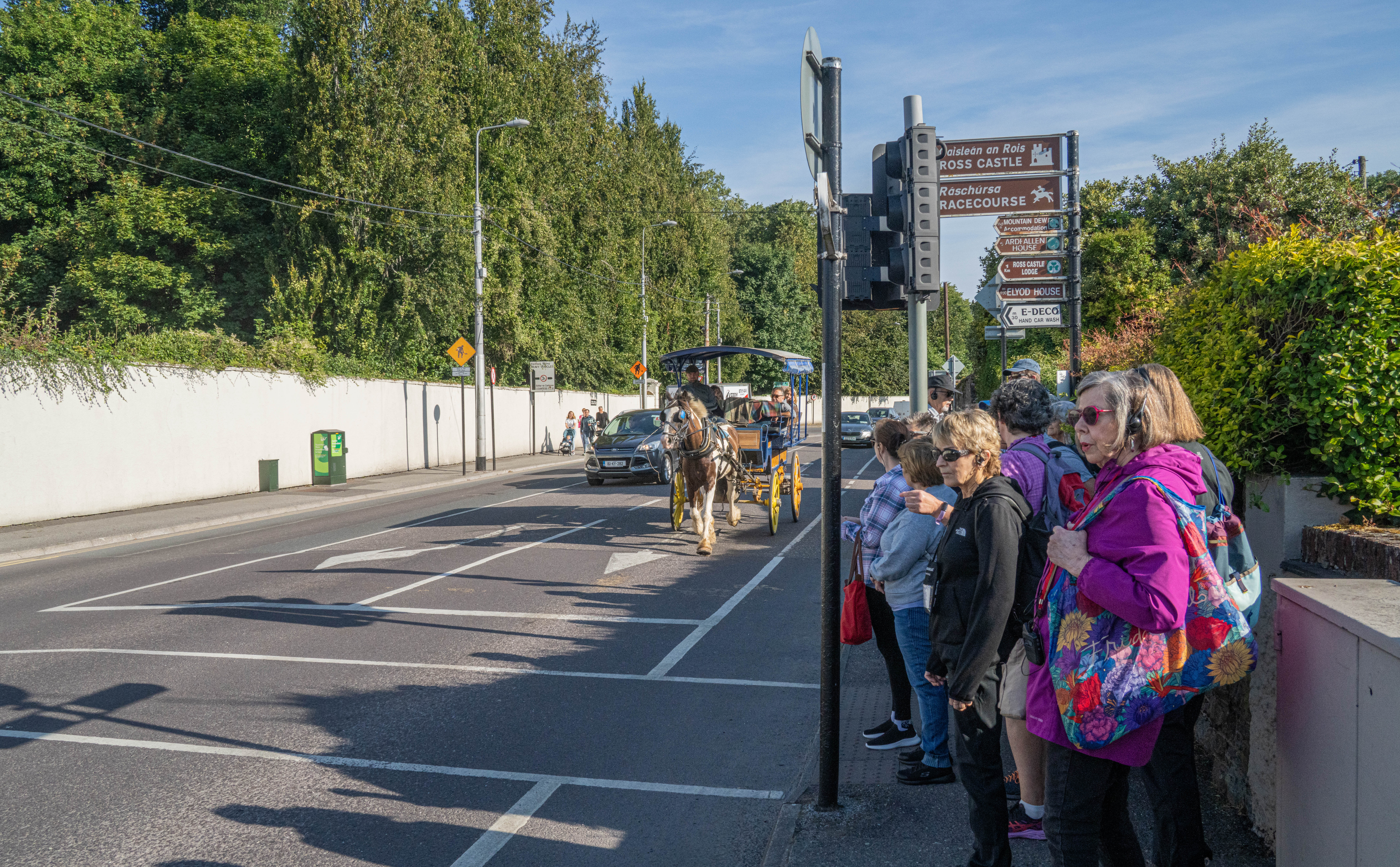
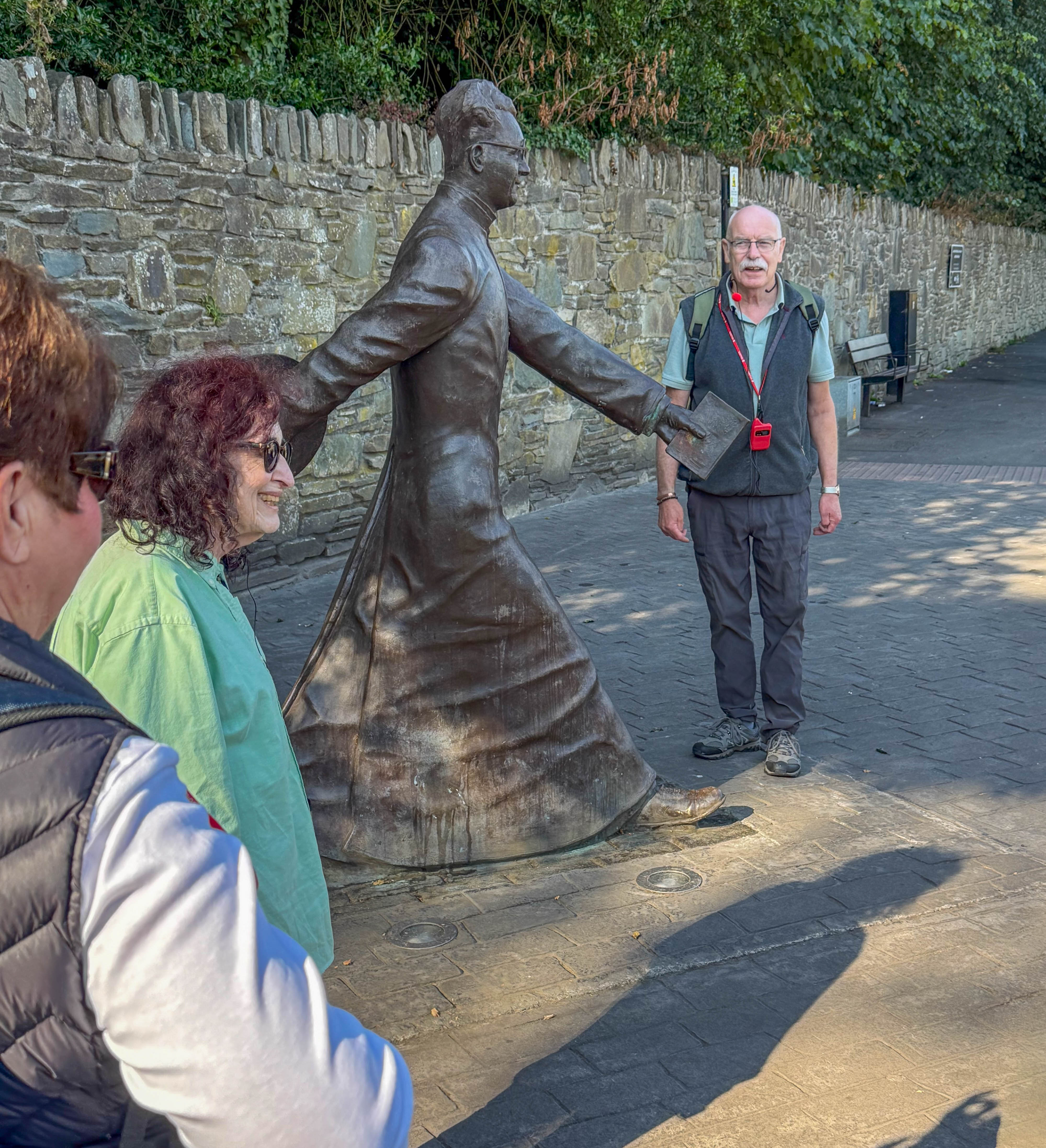
Killarney National Park sits adjacent to the city, and is a sprawling 26,000-acre UNESCO Biosphere Reserve. (NOTE: Twinned with Glacier National Park in Montana, USA, Killarney National Park has been designated as a Biosphere Reserve by the United Nations Educational, Scientific and Cultural Organization (UNESCO) for work in conservation and research.) As Ireland’s very first national park, it protects the country’s only wild herd of native red deer (which we didn’t see), its largest remaining stands of ancient oak woodland, and the world-famous Lakes of Killarney. Nestled at the foot of the Macgillycuddy’s Reeks—Ireland’s highest mountain range—the park seamlessly blends rugged natural landscapes with centuries of rich Irish heritage.
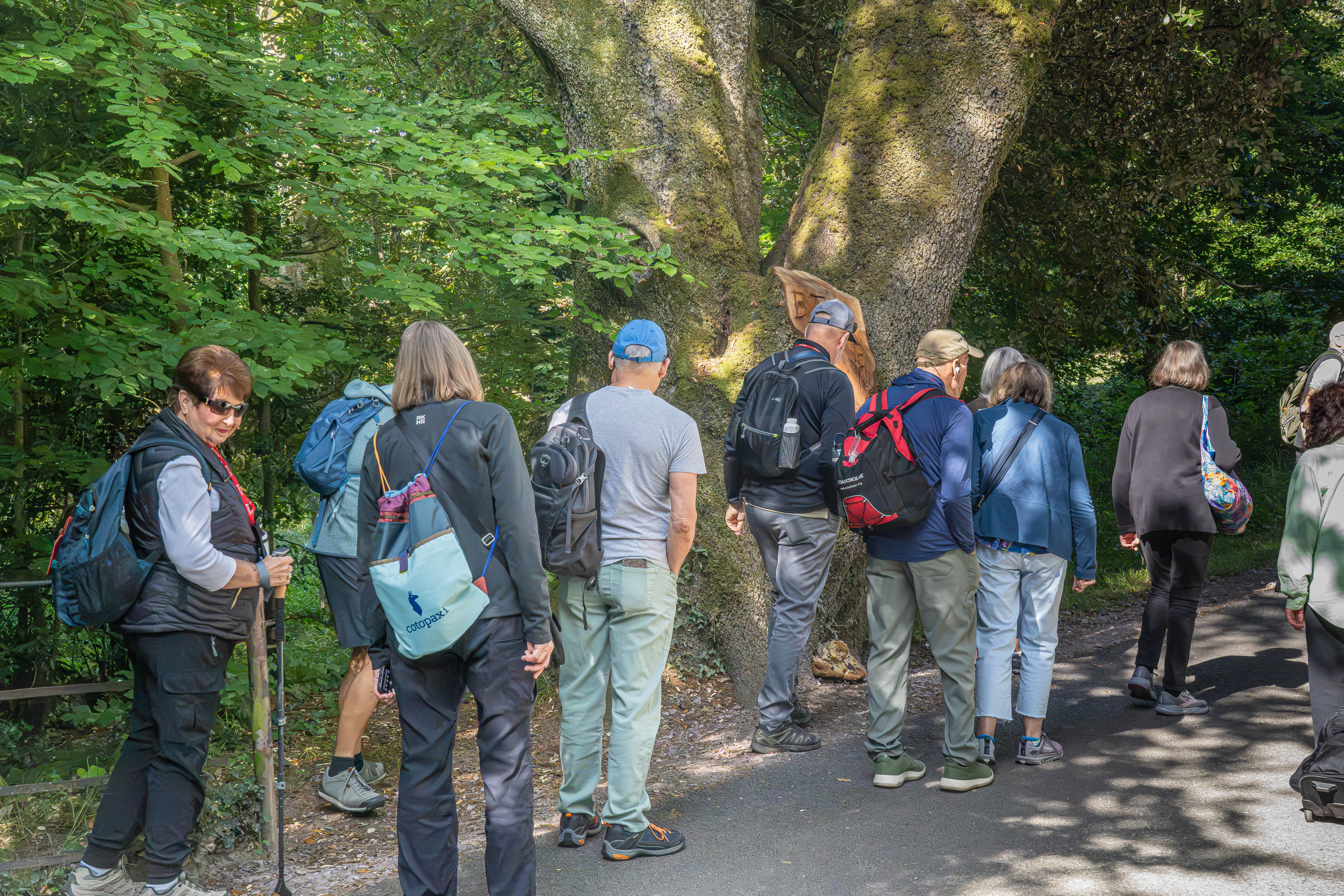
As we walked along the park’s perimeter, the guide pointed our the various flora and its importance to the ecosystem.As the group walked along the trail, the guide pointed out that Rhododendrons were nuisance plants inasmuch as they grow disproportionately large and tall, some becoming trees, shading out native trees and shrubs.
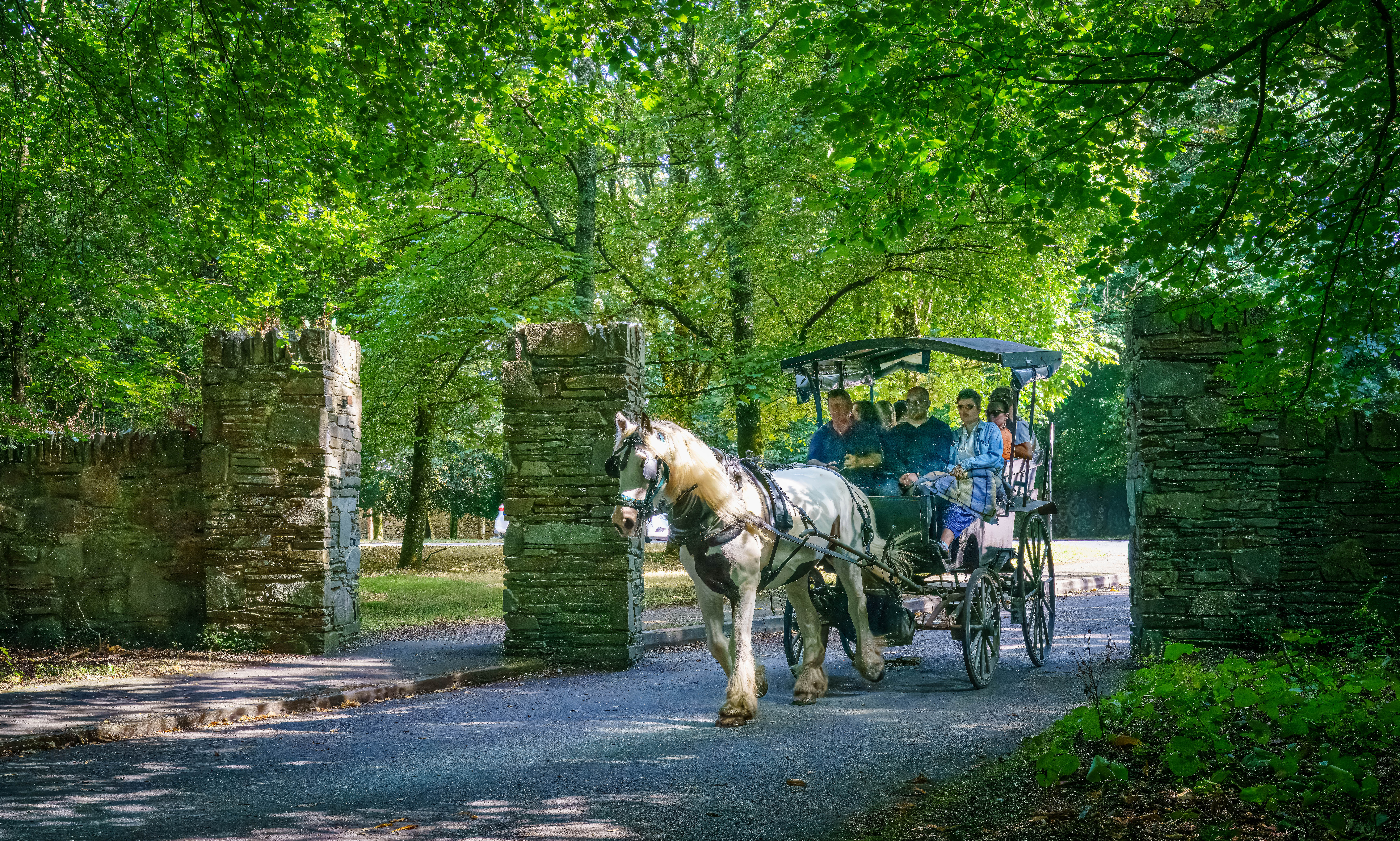
And, we had to make way for the numerous horse-drawn carriages, locally known as “jaunting cars”.
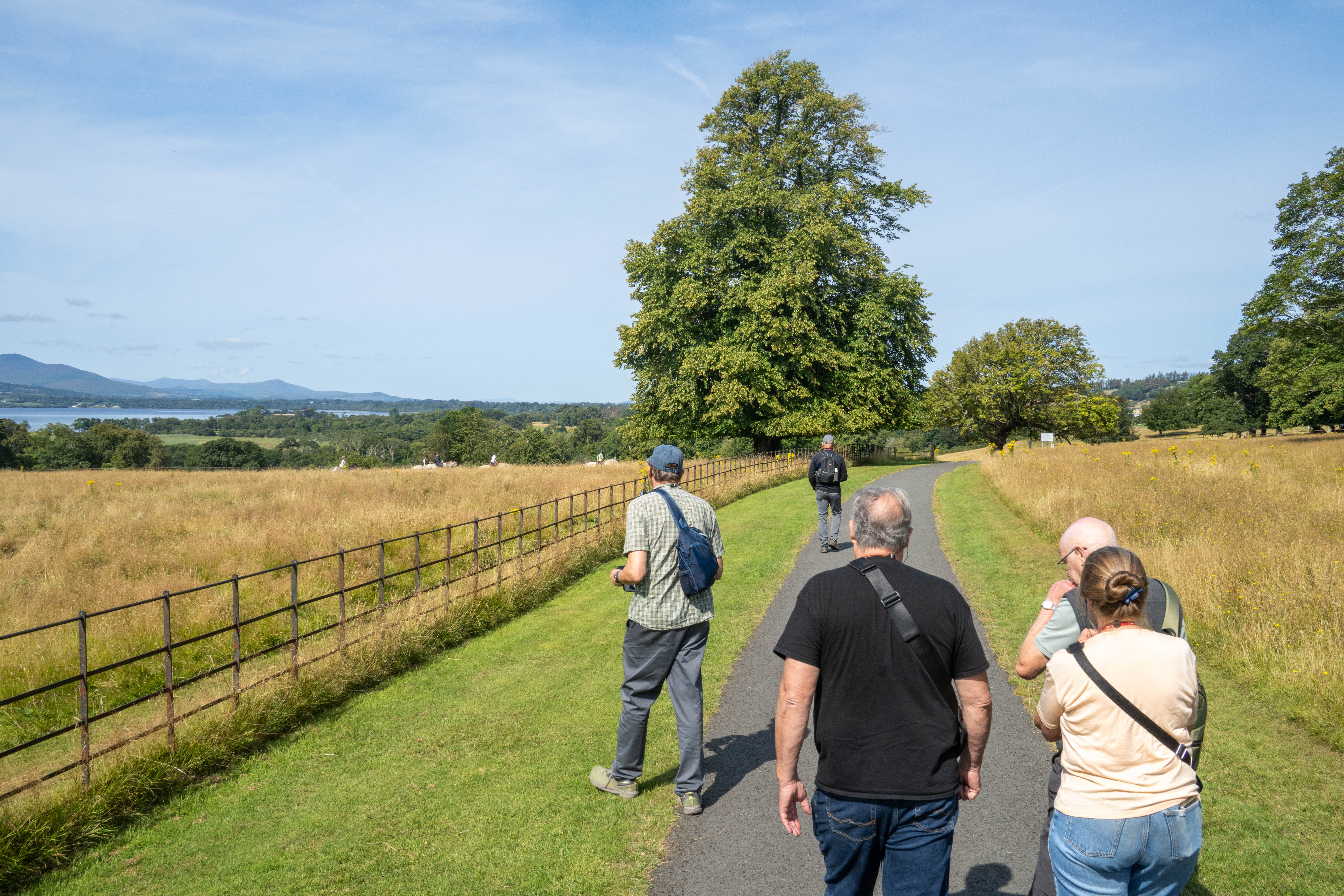
Much of the trail overlooked the beautiful lake(s) in the background.
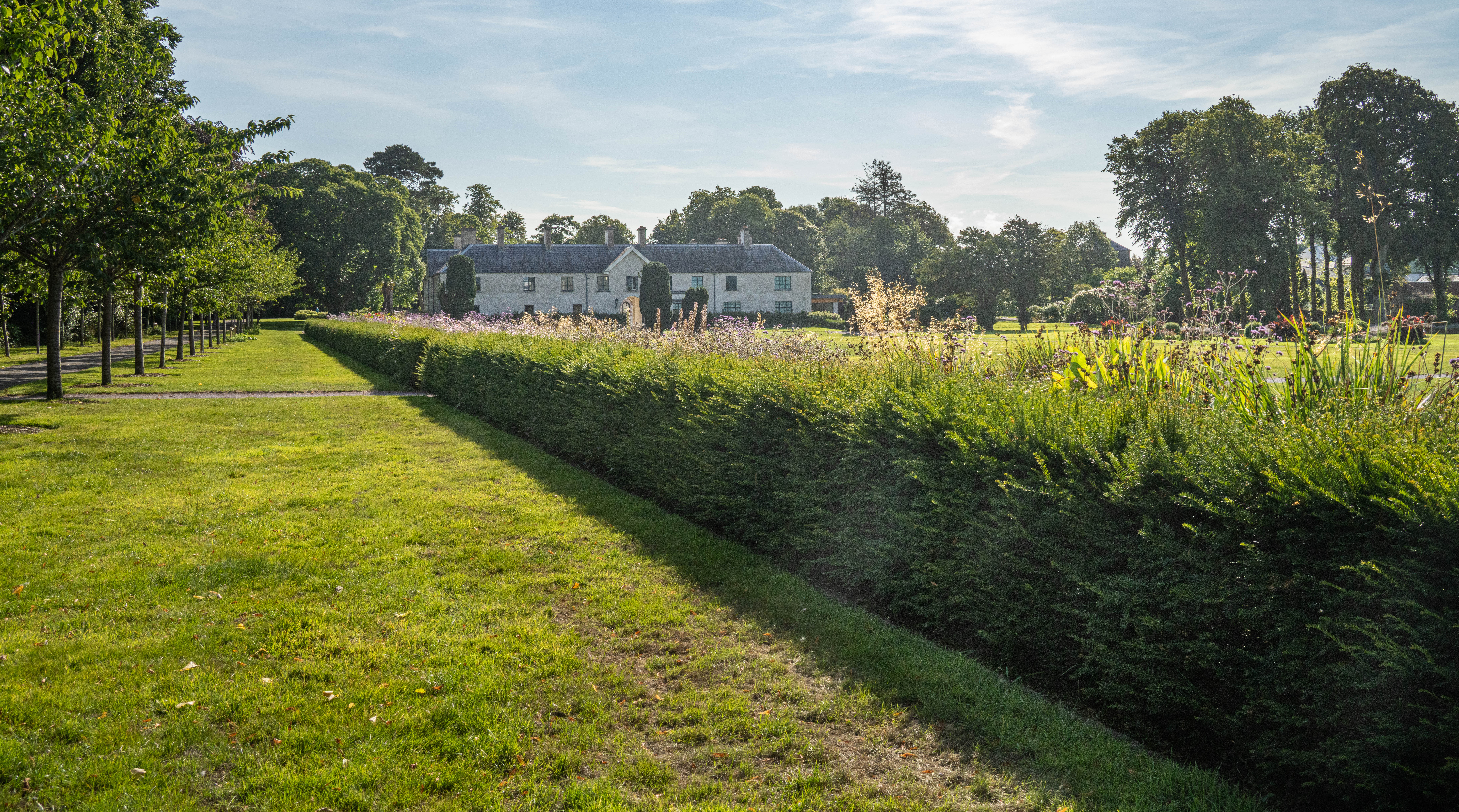
Killarney National Park has many heritage sites including Killarney House and Gardens, Muckross House and Gardens, Copper Mines, Innisfallen, Muckross Abbey, the Briceen and Old Weir Bridges.
Killarney House and Gardens serves as the primary visitor center for Killarney National Park. This beautifully restored 18th-century residence offers a mix of historical period rooms, a vast multimedia exhibition about the park’s biodiversity, and meticulously manicured formal gardens with stunning views of the MacGillycuddy’s Reeks mountain range.
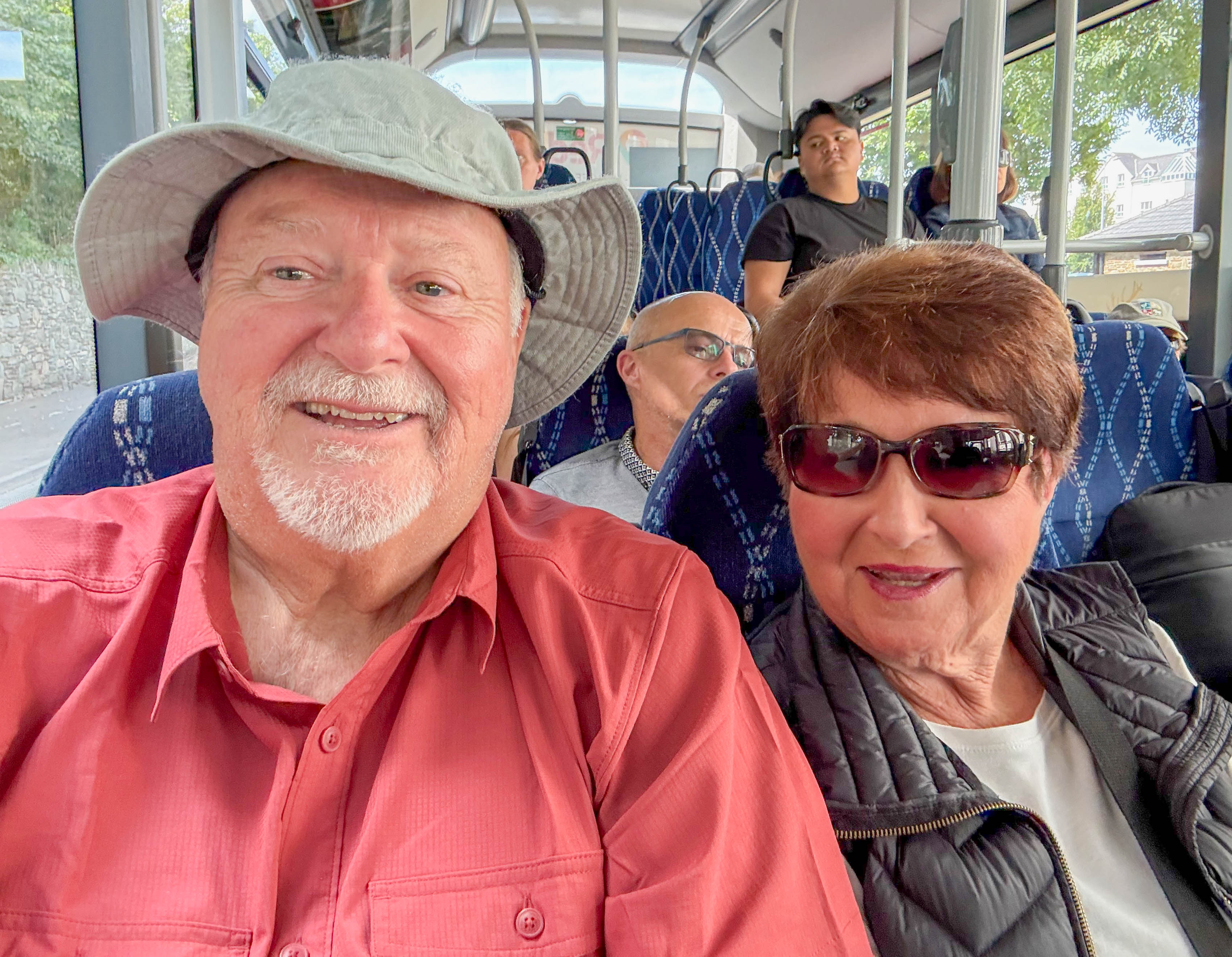
A “Red Bus” ride took us to Muckross House and Gardens.
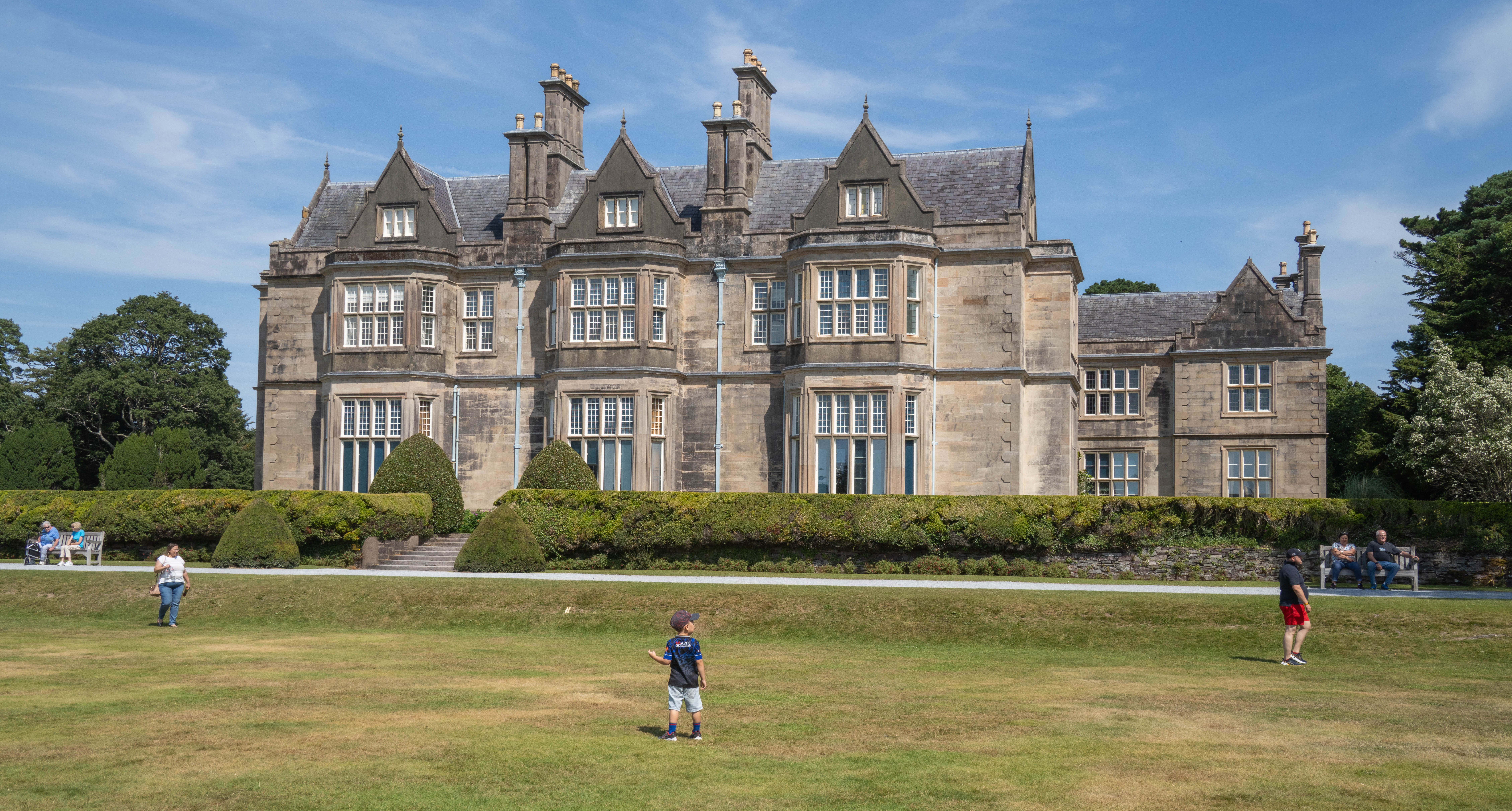
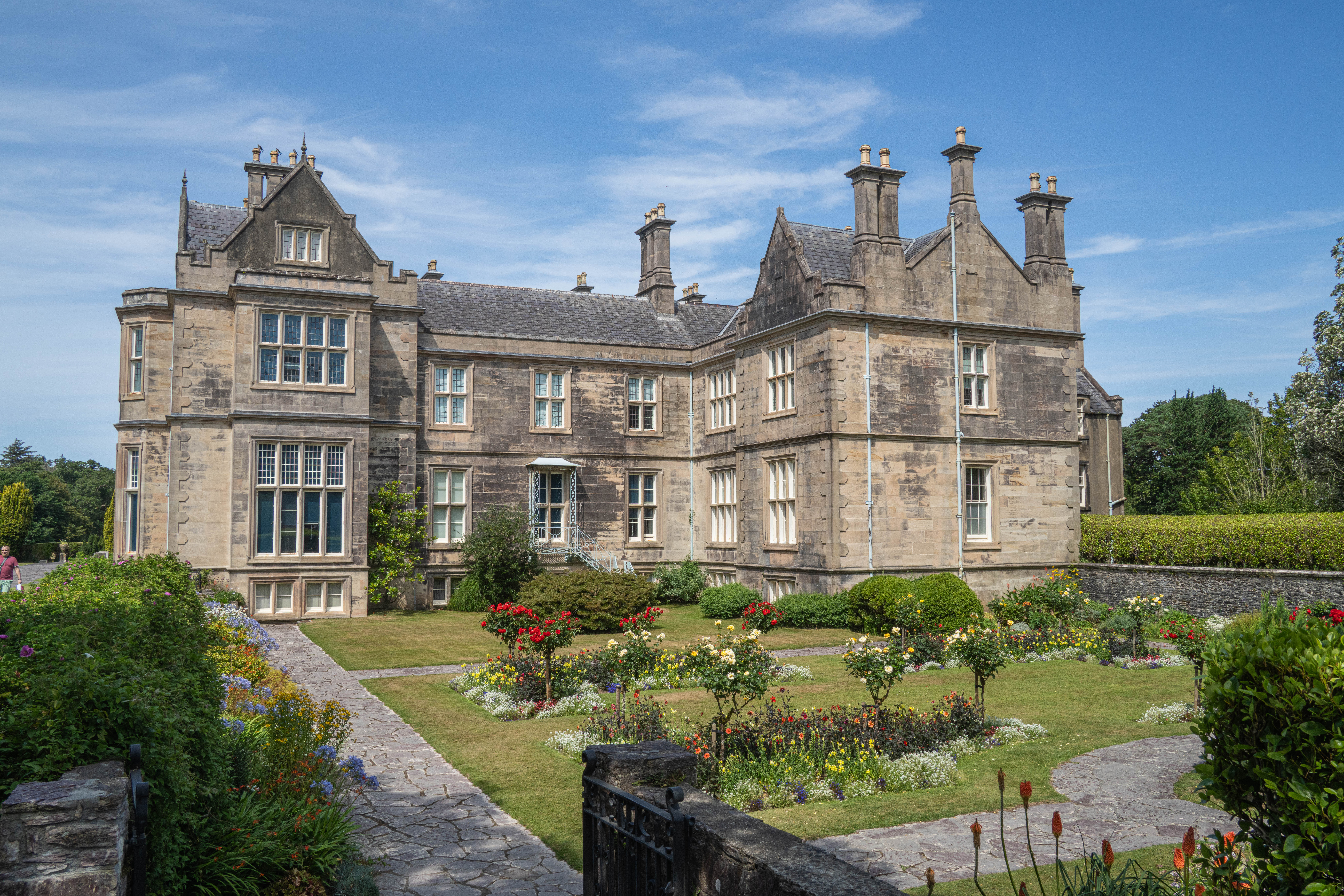
Muckross House is a magnificent 19th-century Victorian mansion located on the Muckross Peninsula within the spectacular Killarney National Park in County Kerry, Ireland. Built in 1843 in the Tudor architectural style, it features 65 rooms and is famous for its stunning lakeside views, extensive gardens, and its history—including a famous visit by Queen Victoria in 1861. In 1932, the estate was gifted to the Irish nation, and this is when Killarney National Park became the country’s very first National Park.
The formal garden at the rear of the mansion were spectacular.
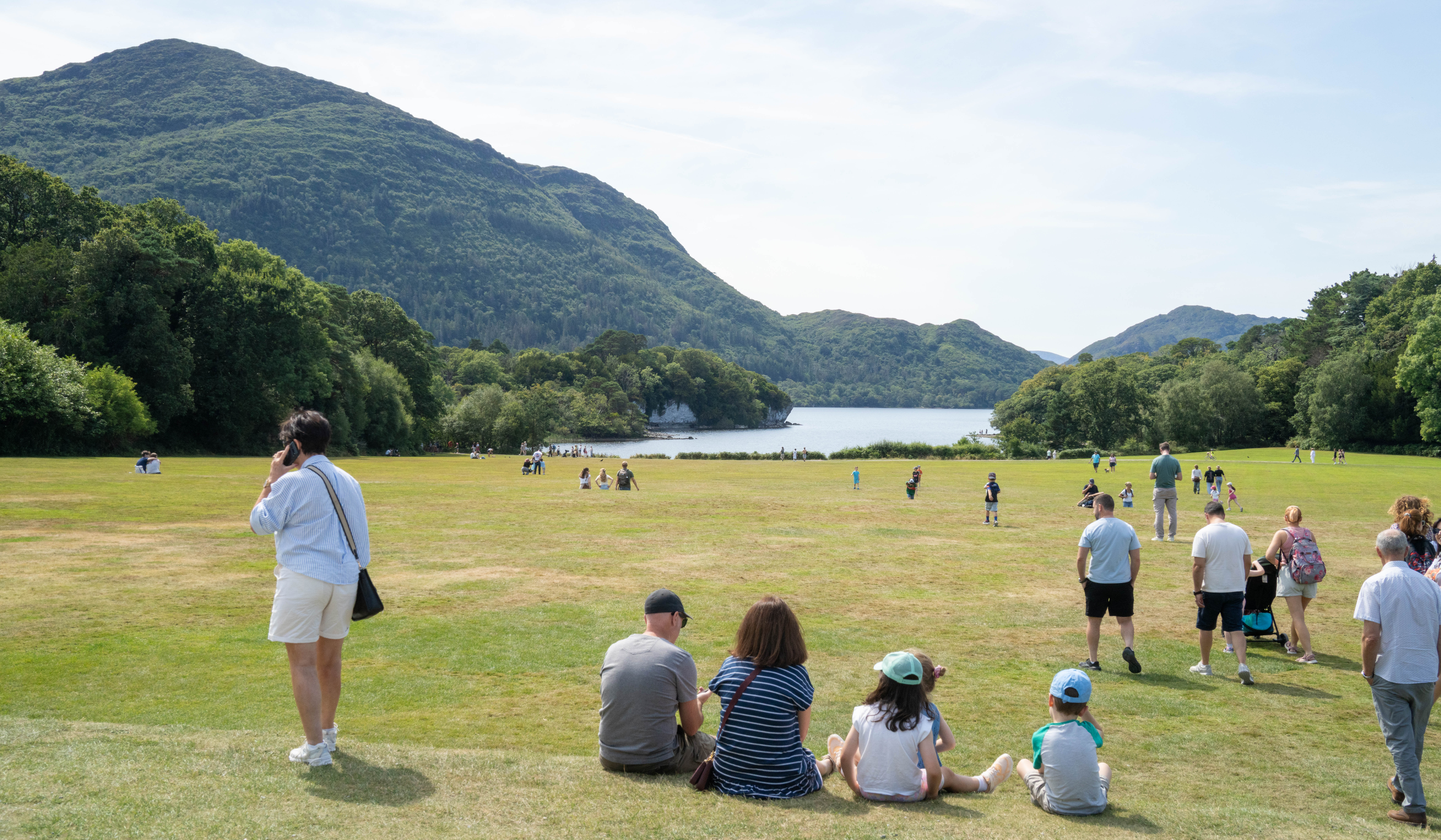
The manicured lawn (front yard in Arkansas talk) provided great green space for families to enjoy.
A half mile walk (hike) took us to Muckross Abbey.
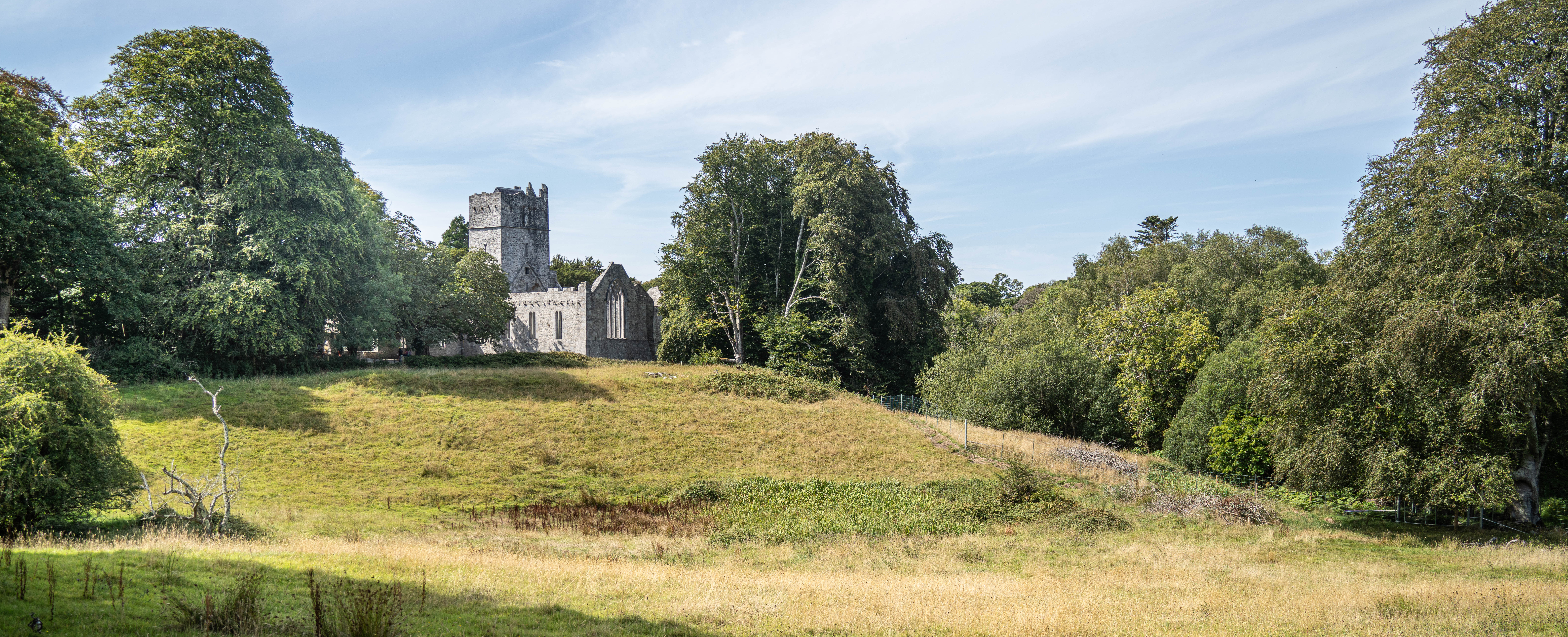
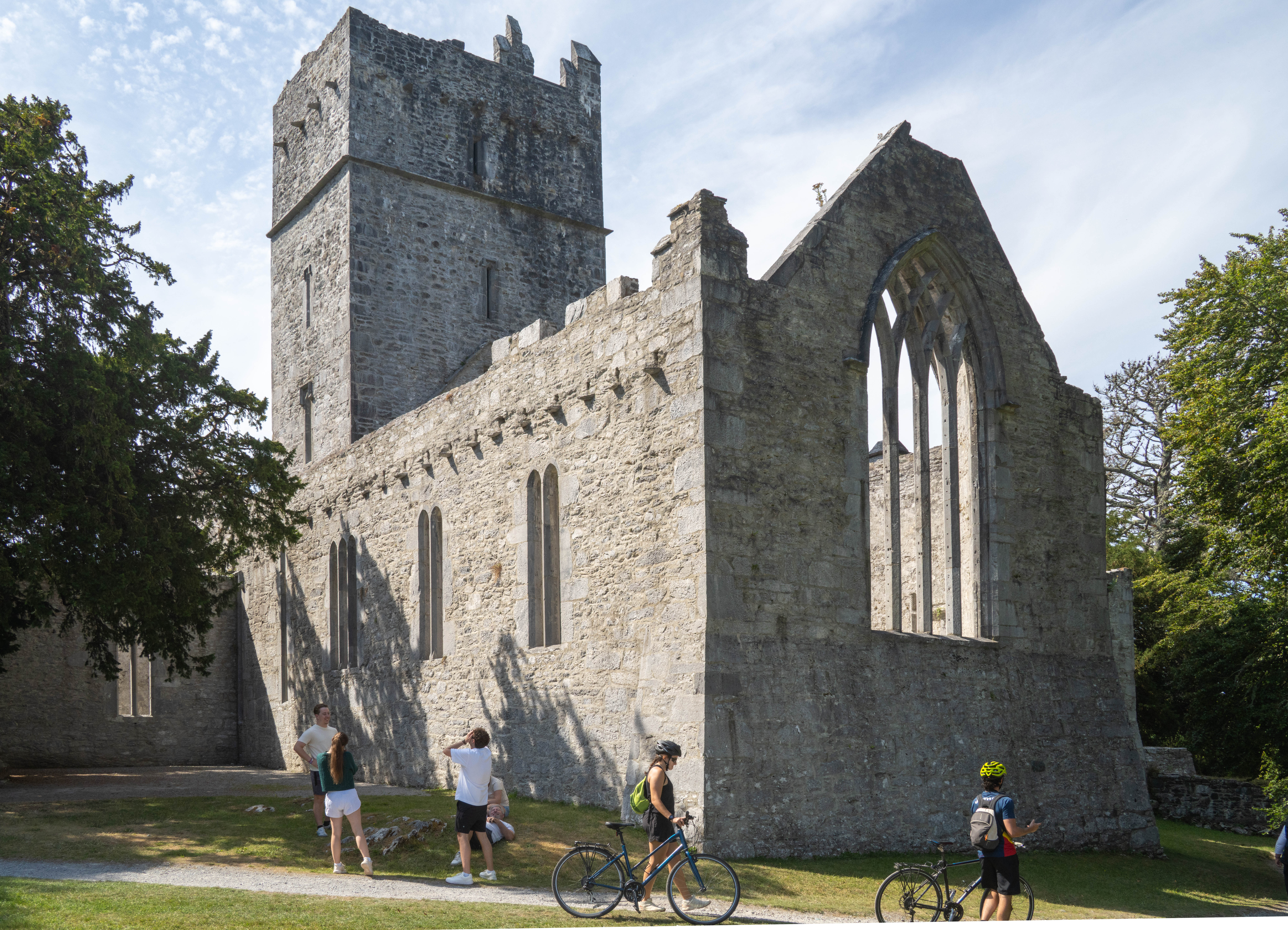
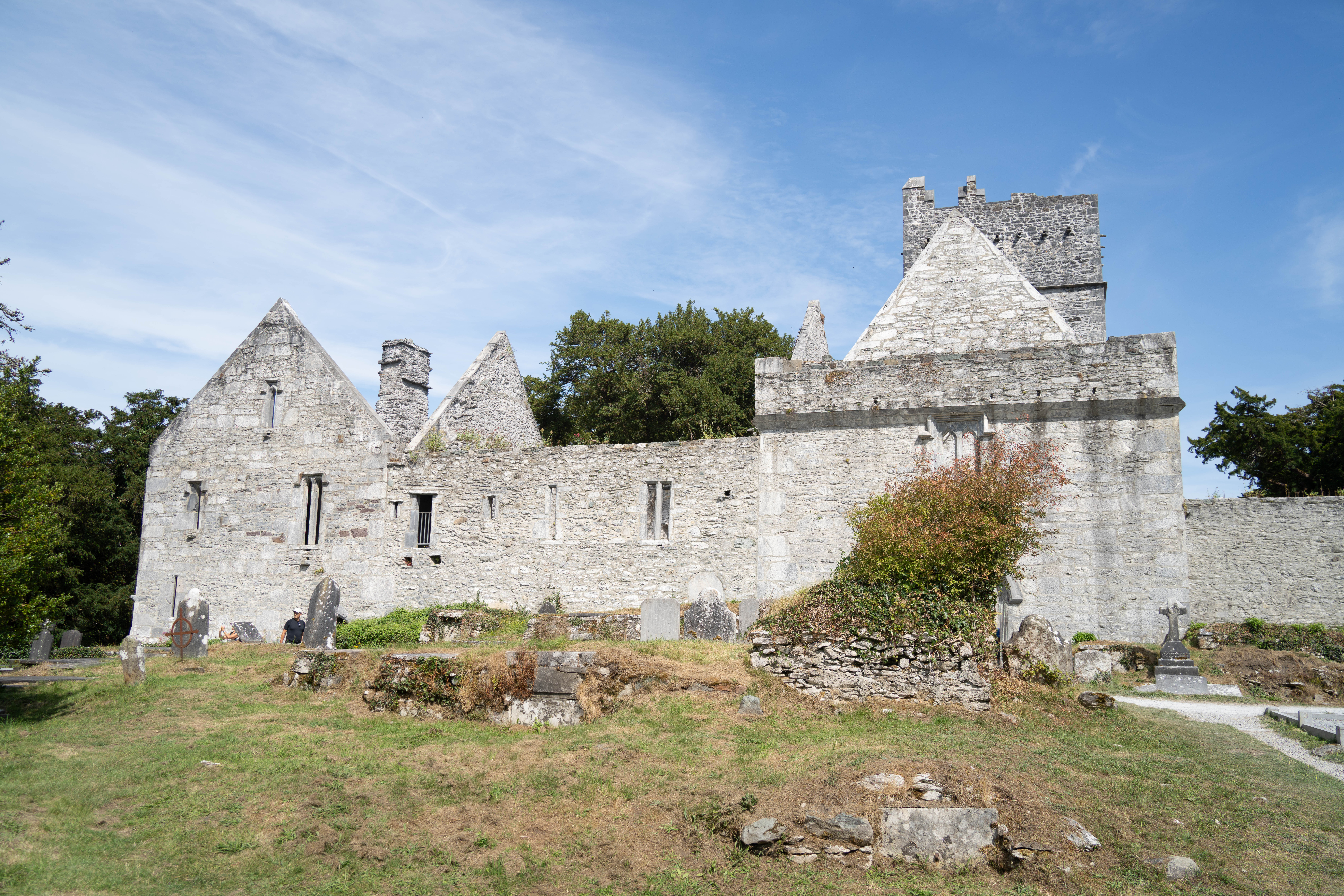
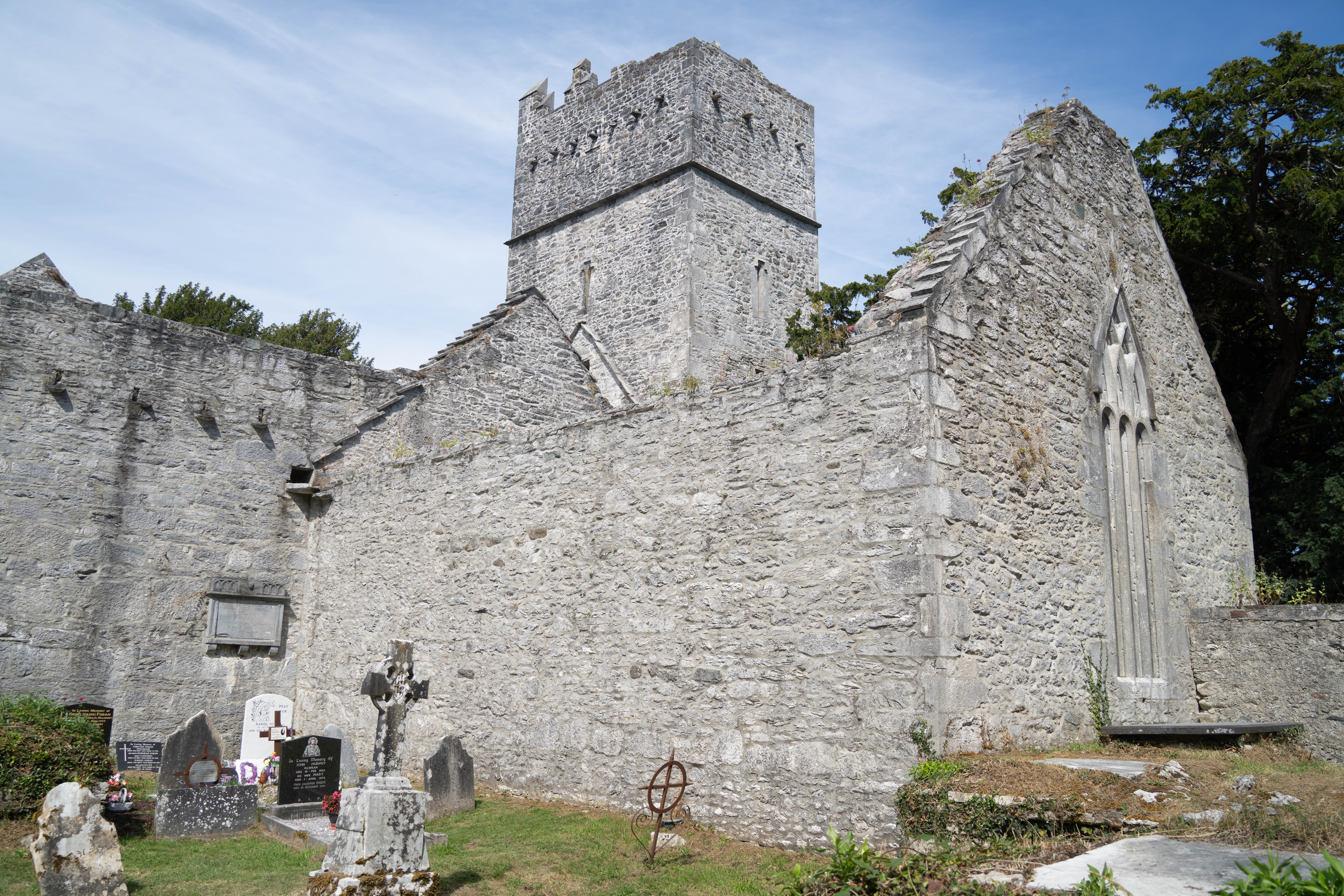
The Abbey is a remarkably well-preserved 15th-century ruined Franciscan friary located within the heart of the National Park. The current stone structure was built in 1448 for the Observantine Franciscans by the local chieftain Donal McCarthy Mor. The friary endured centuries of brutal raids. The monks were driven out, and parts of the structure were burned down, in 1652 by Oliver Cromwell’s forces.
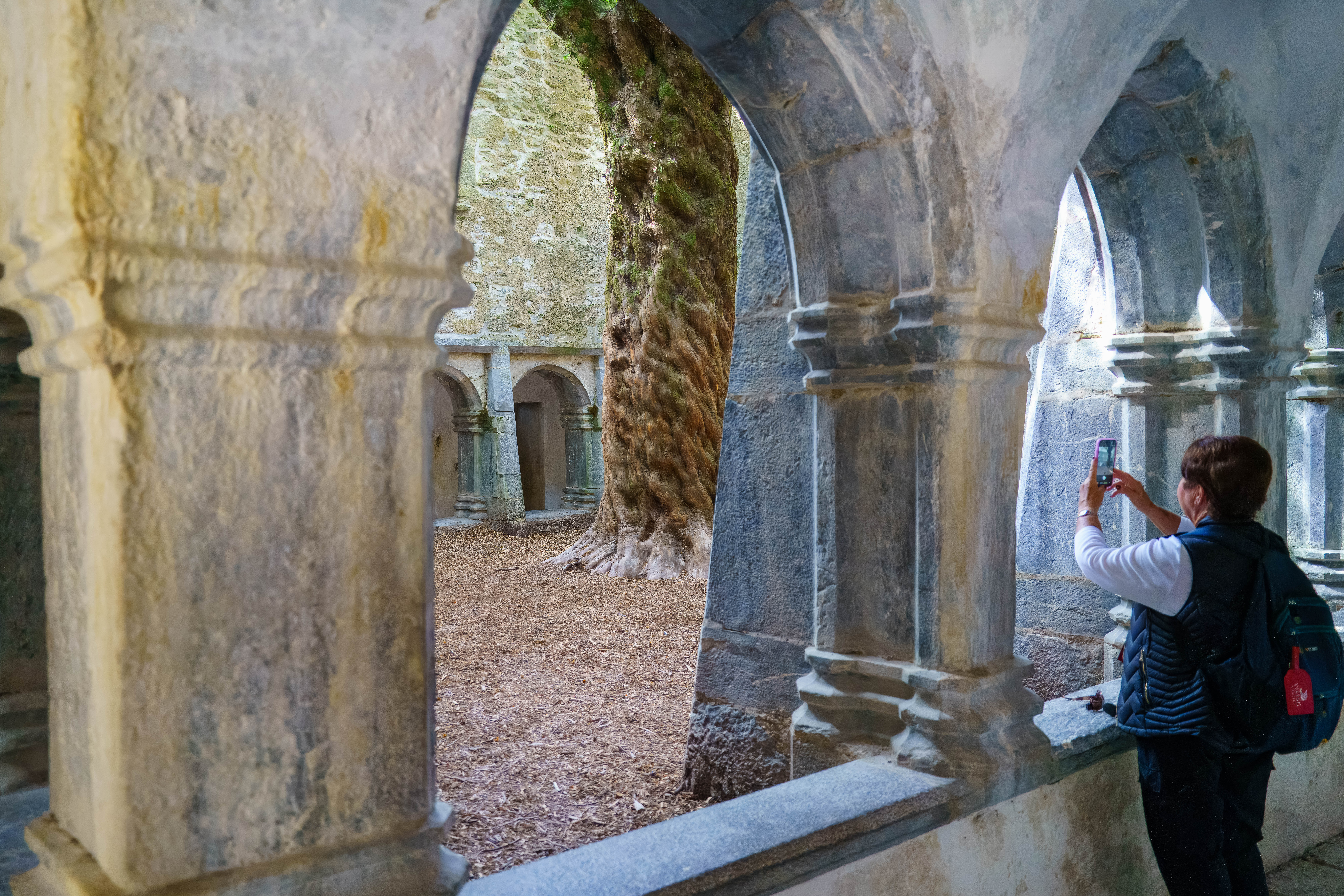
A massive, towering yew tree grows directly out of the center of the interior cloister courtyard. Local folklore estimates it is over 500 years old—making it nearly as old as the stone walls built around it.
Unlike many medieval ruins whose upper tiers are completely lost, visitors can safely climb narrow, winding stone staircases to explore the friars’ old living quarters, dormitory, and dining halls.
An Historic Graveyard borders the ruins. It serves as the final resting place for historic Gaelic clan chieftains (like the O’Donoghues) and several legendary 17th- and 18th-century Kerry poets.
Back at the hotel, we had dinner and and early bedtime.

