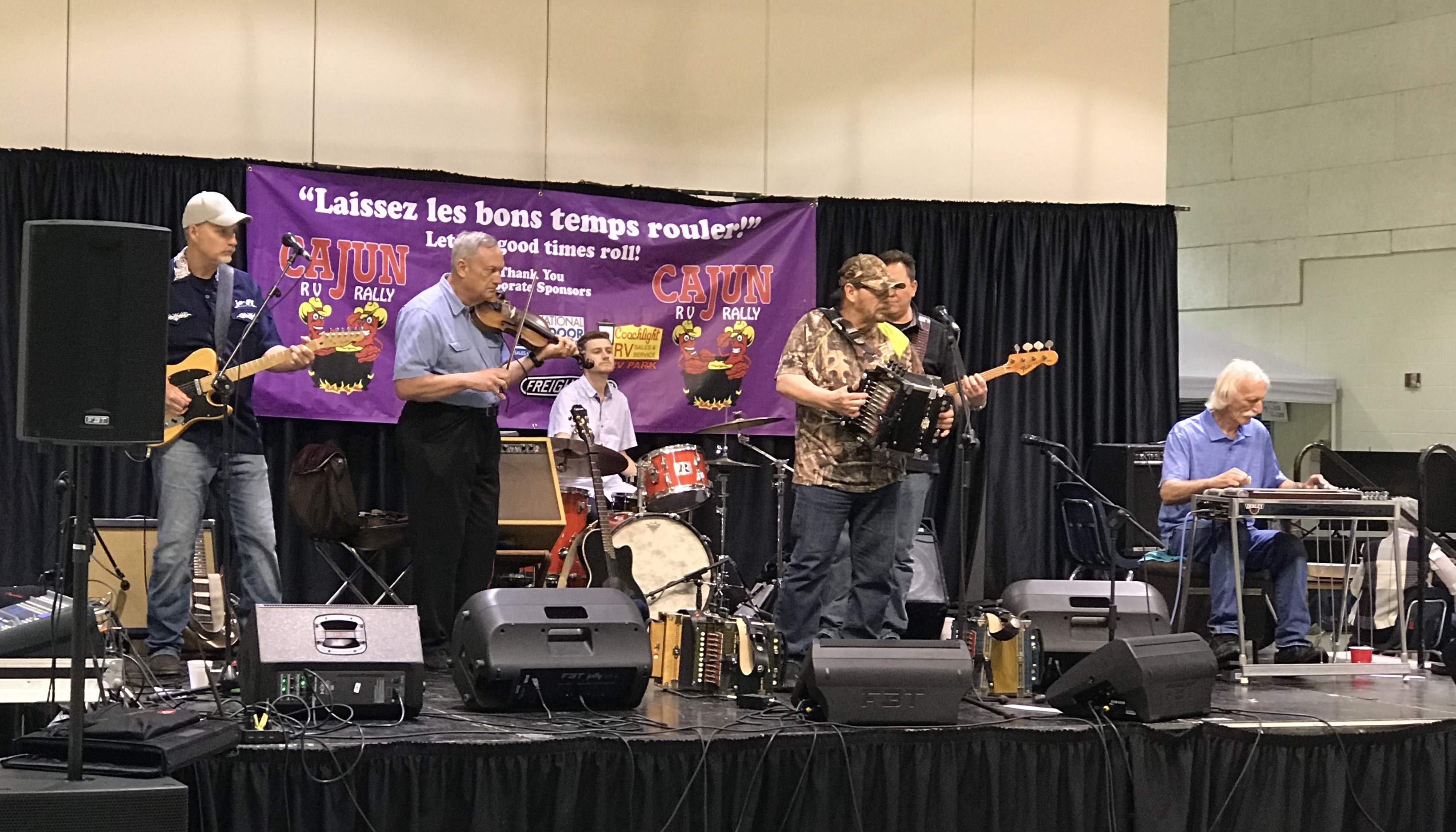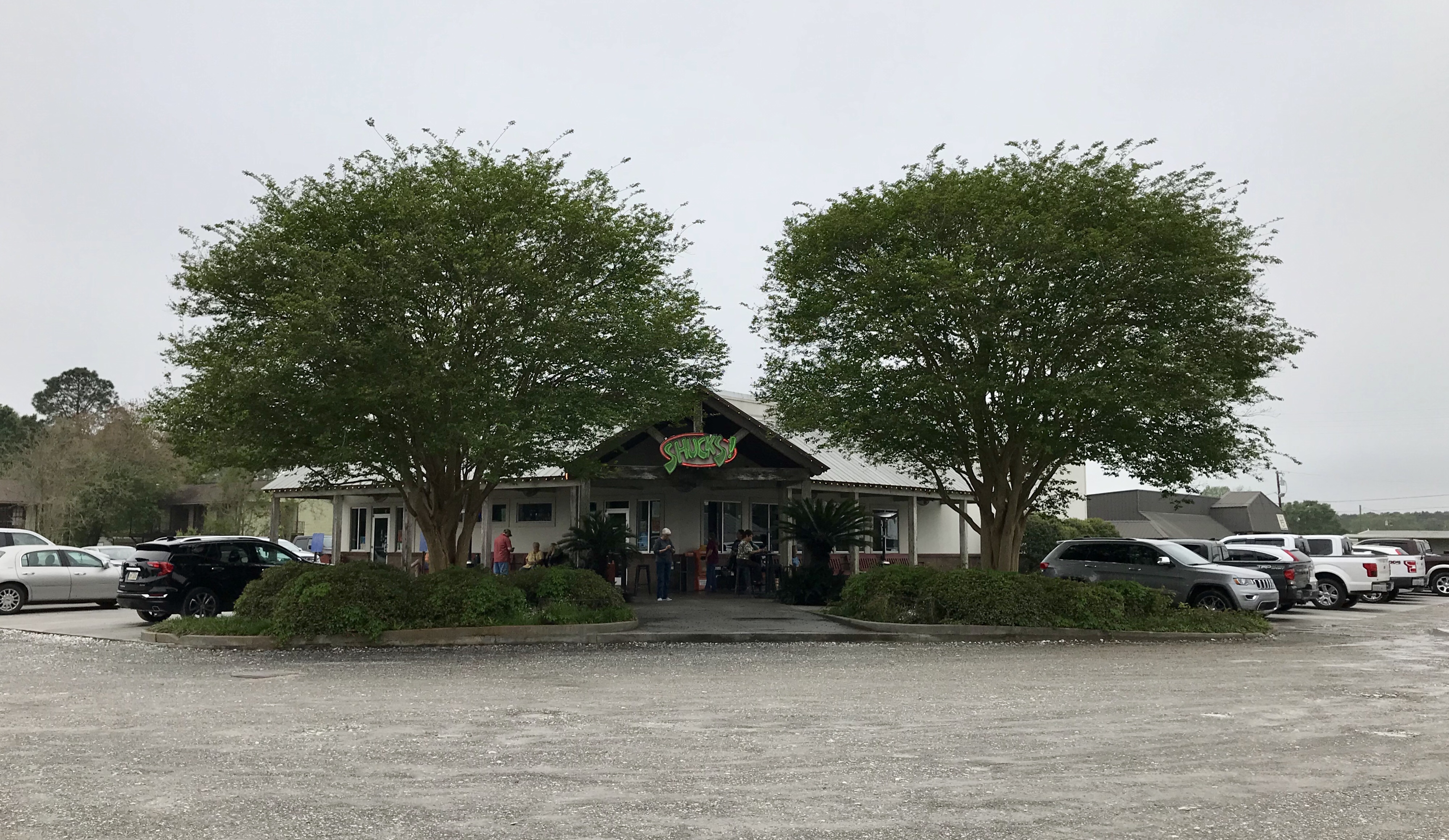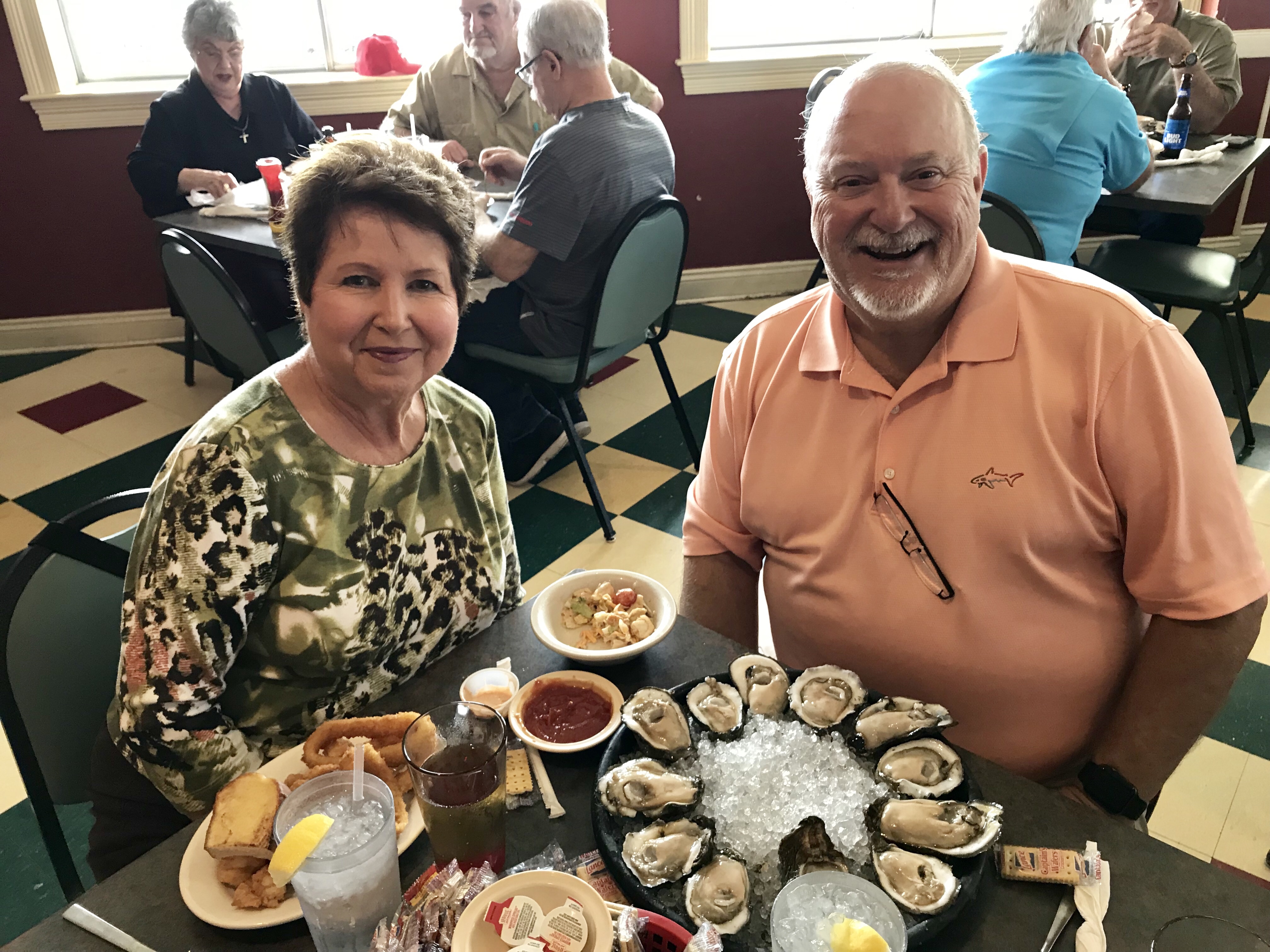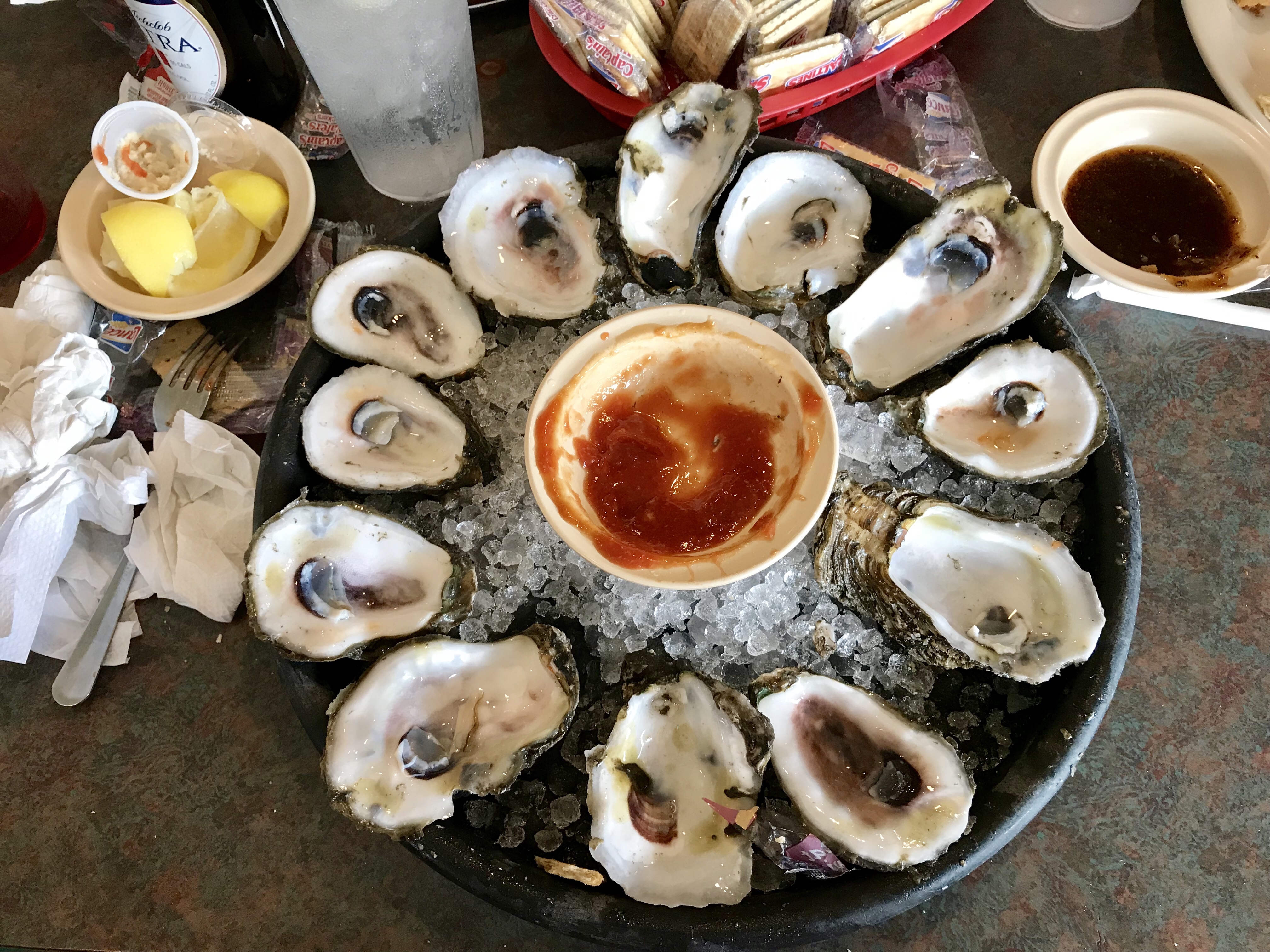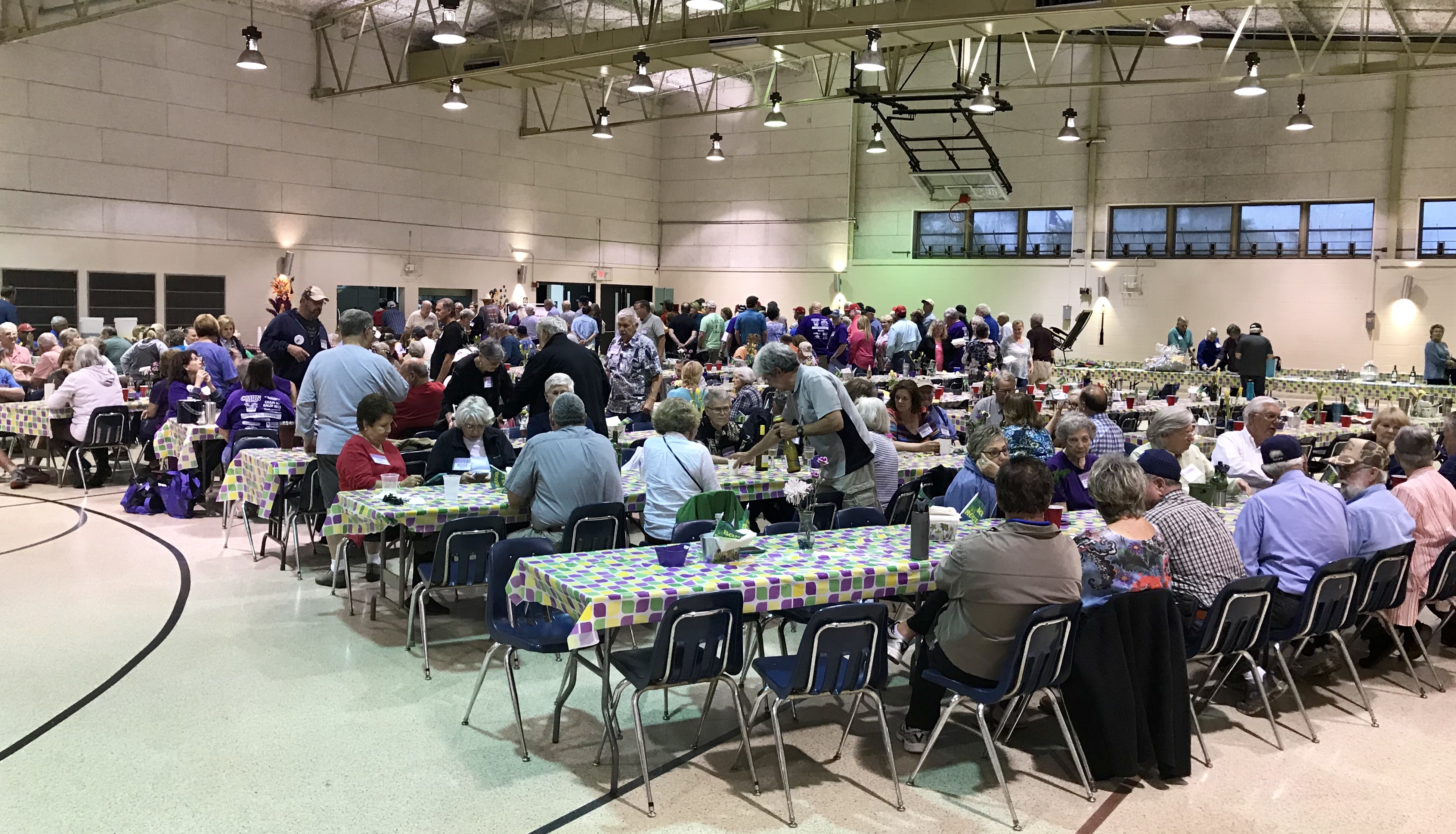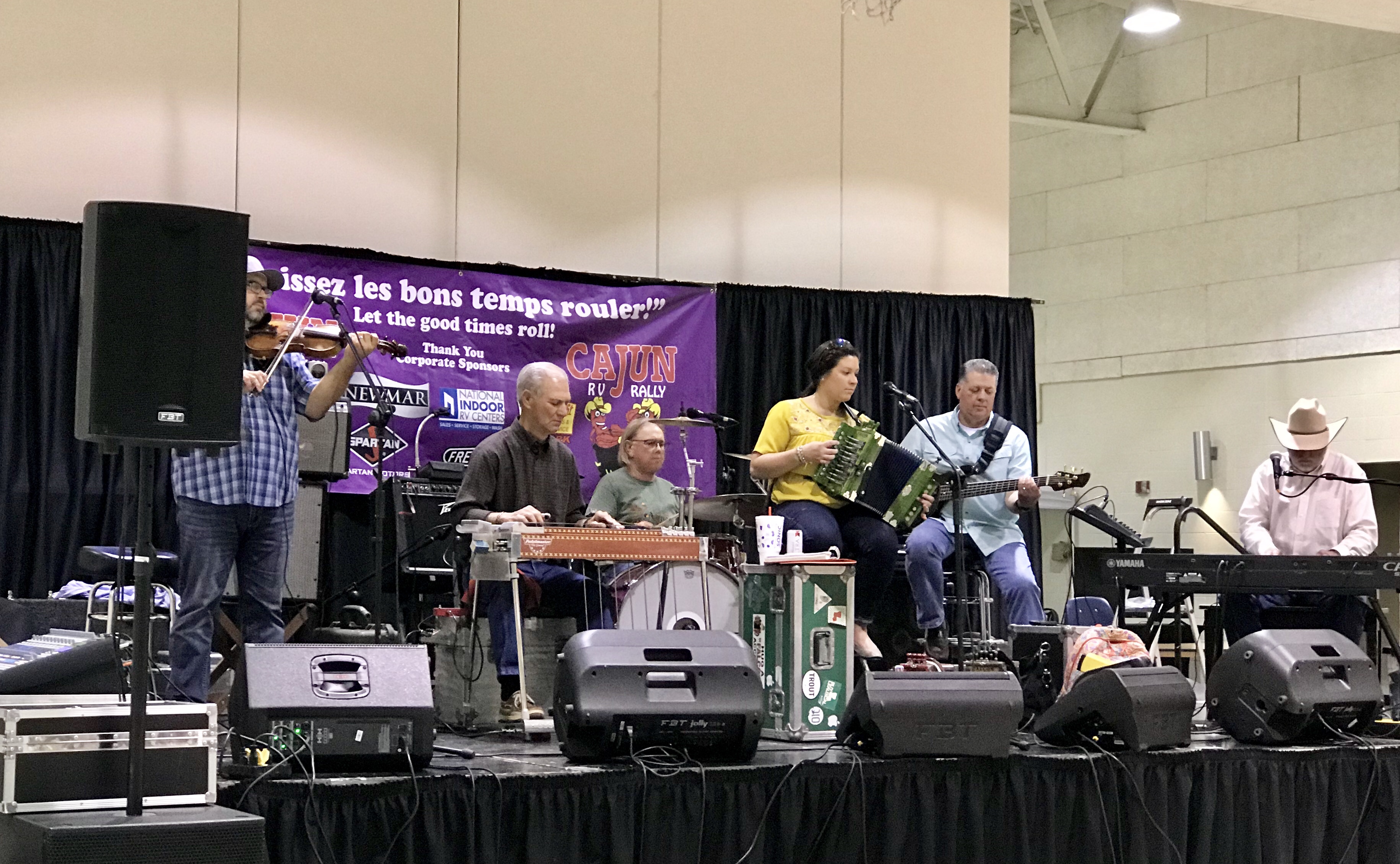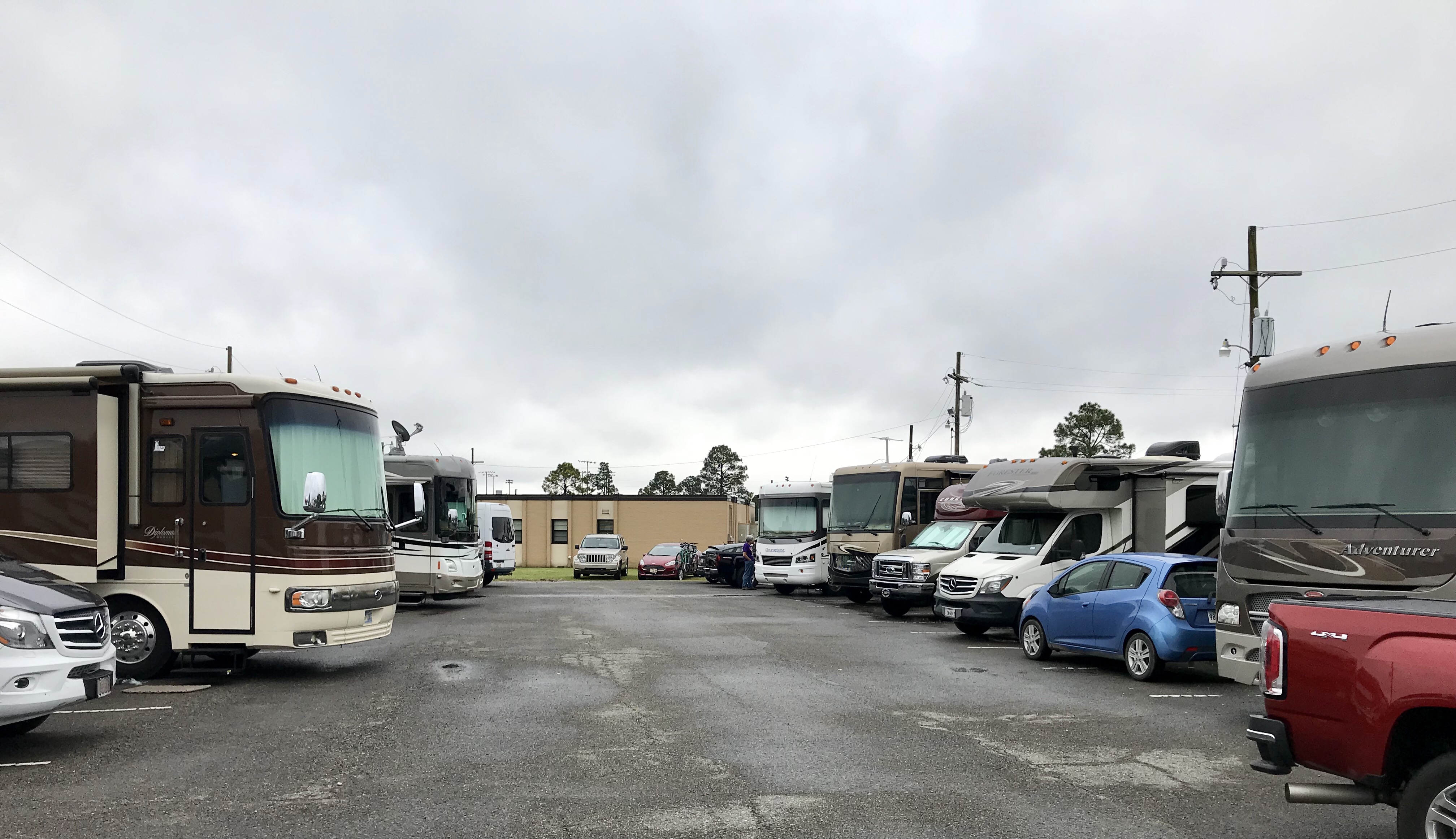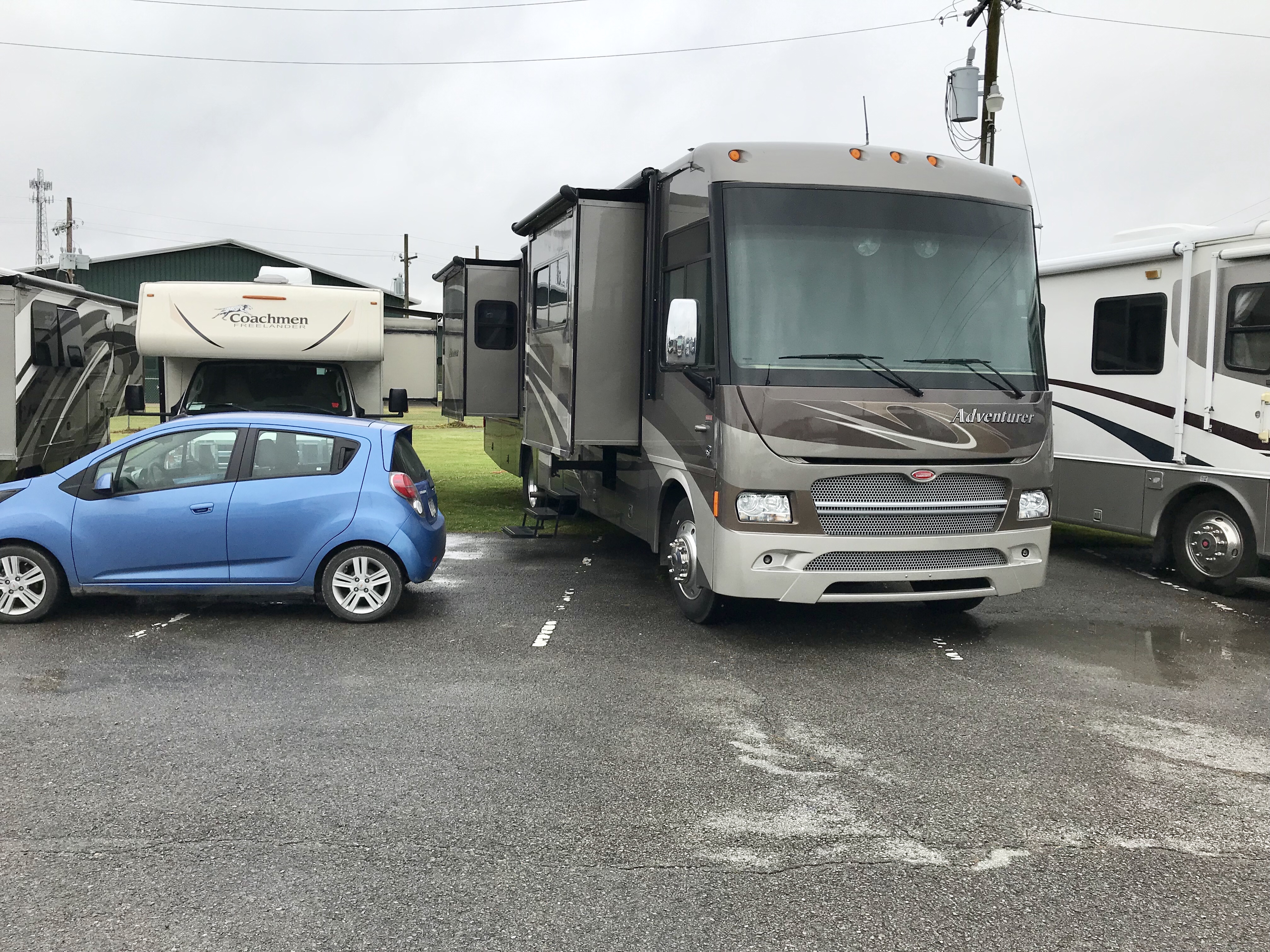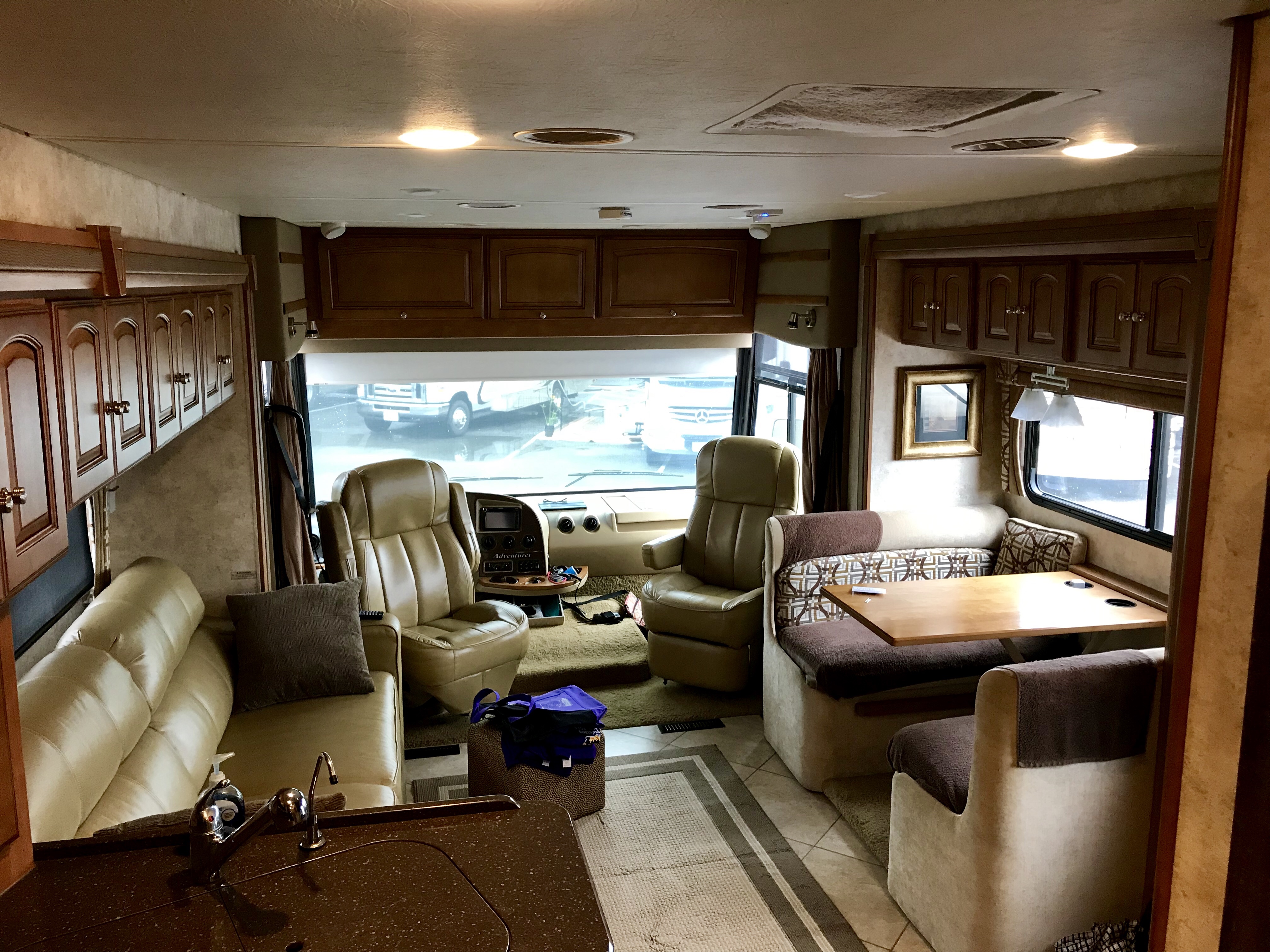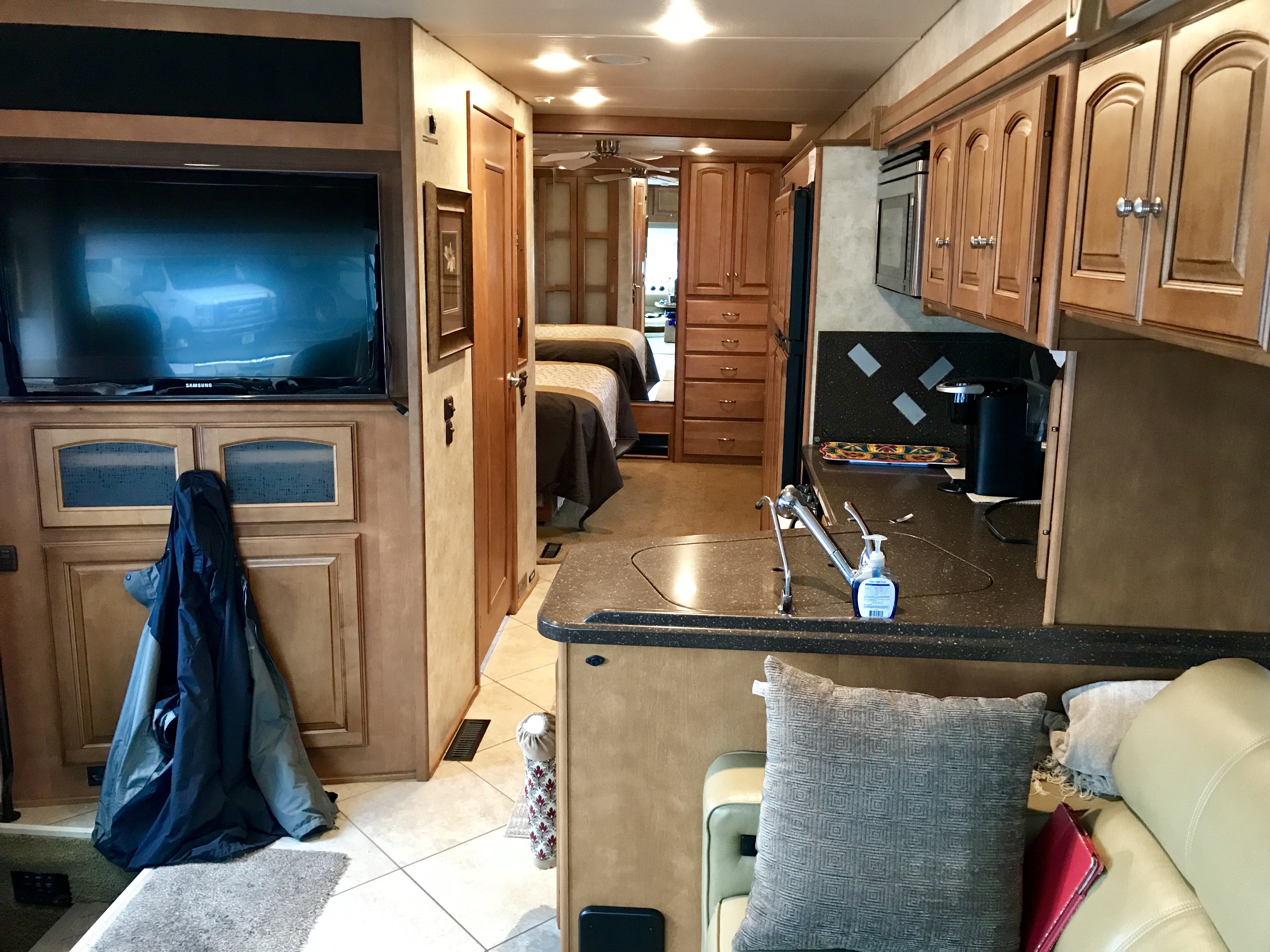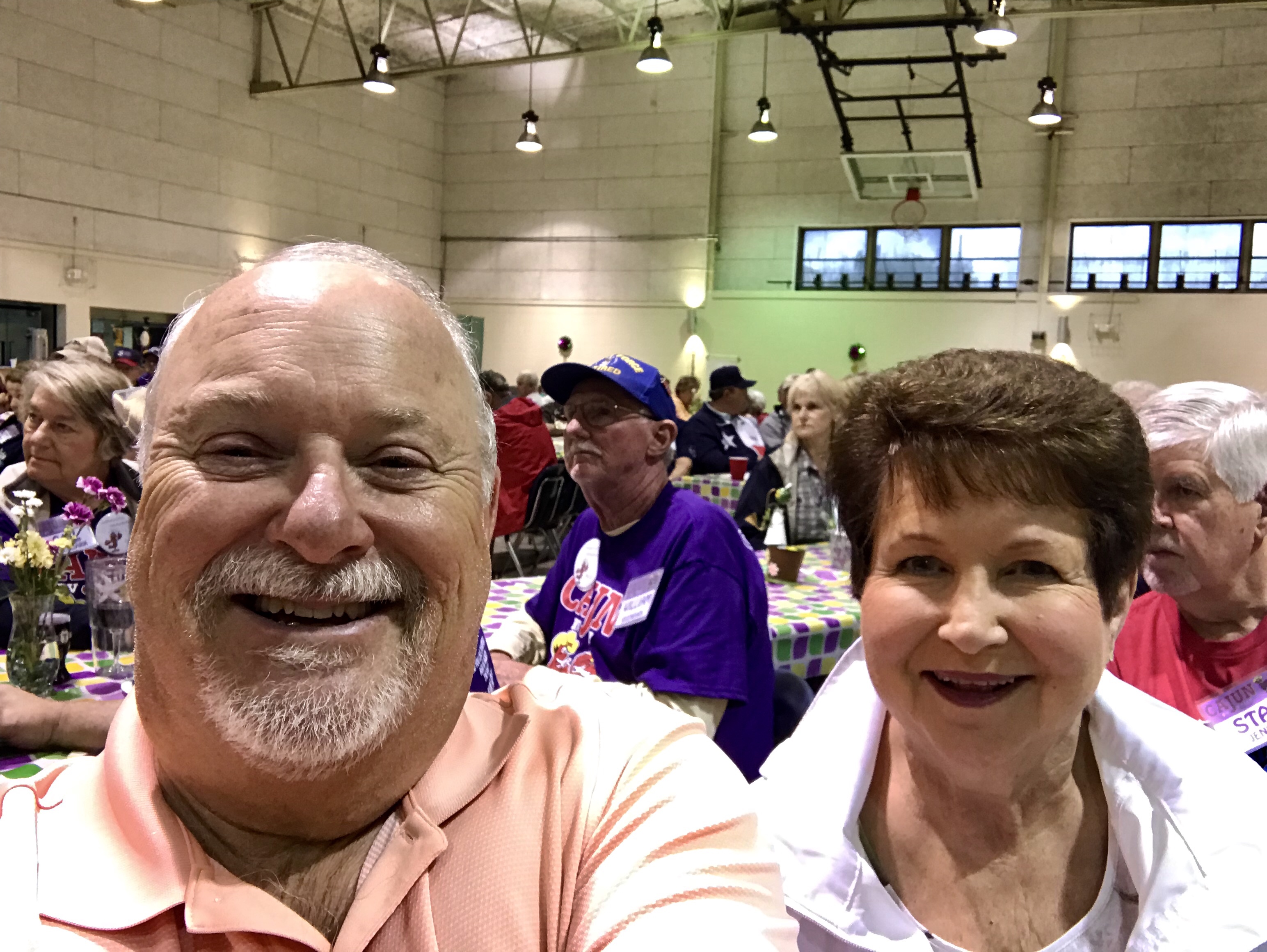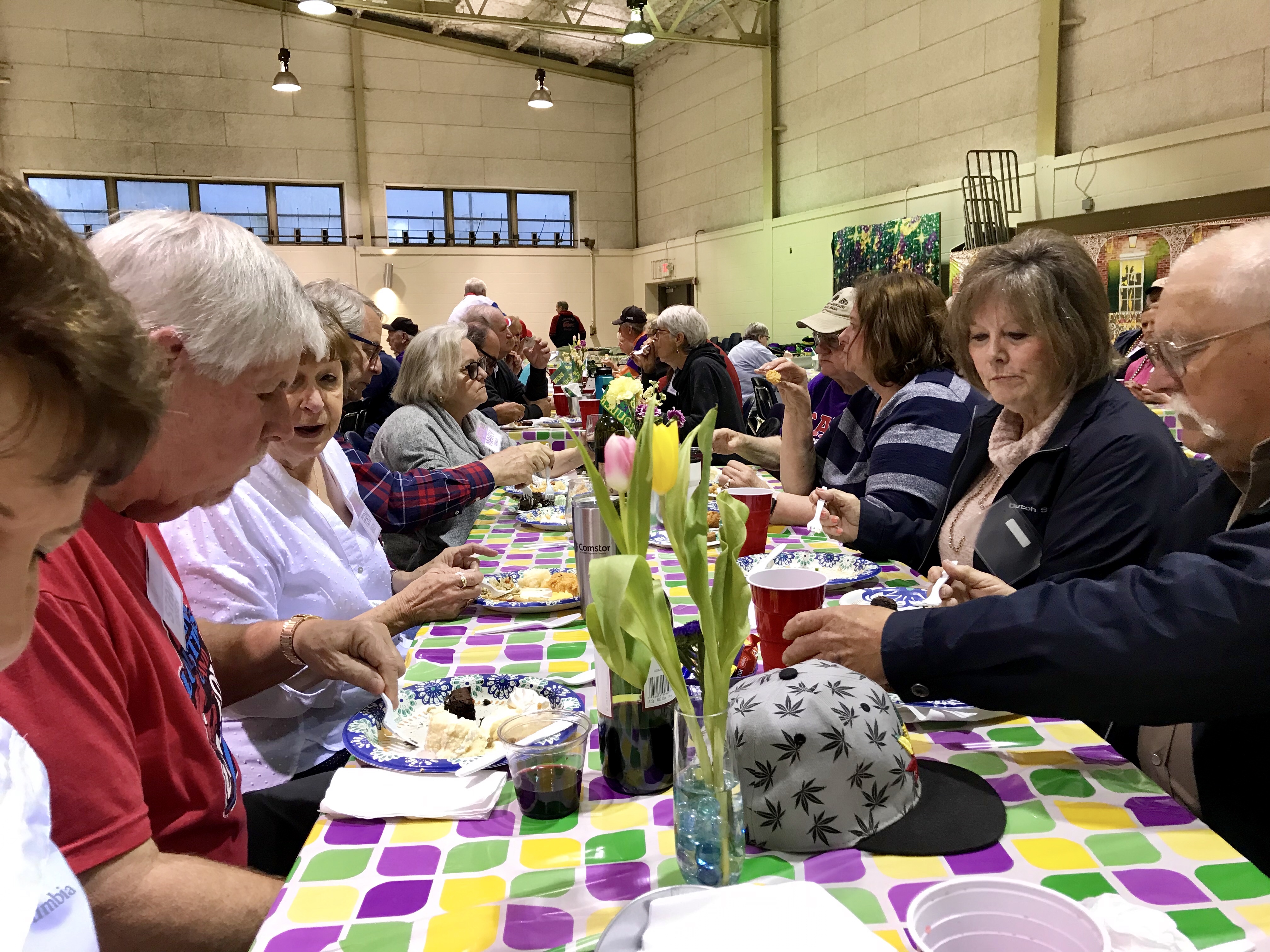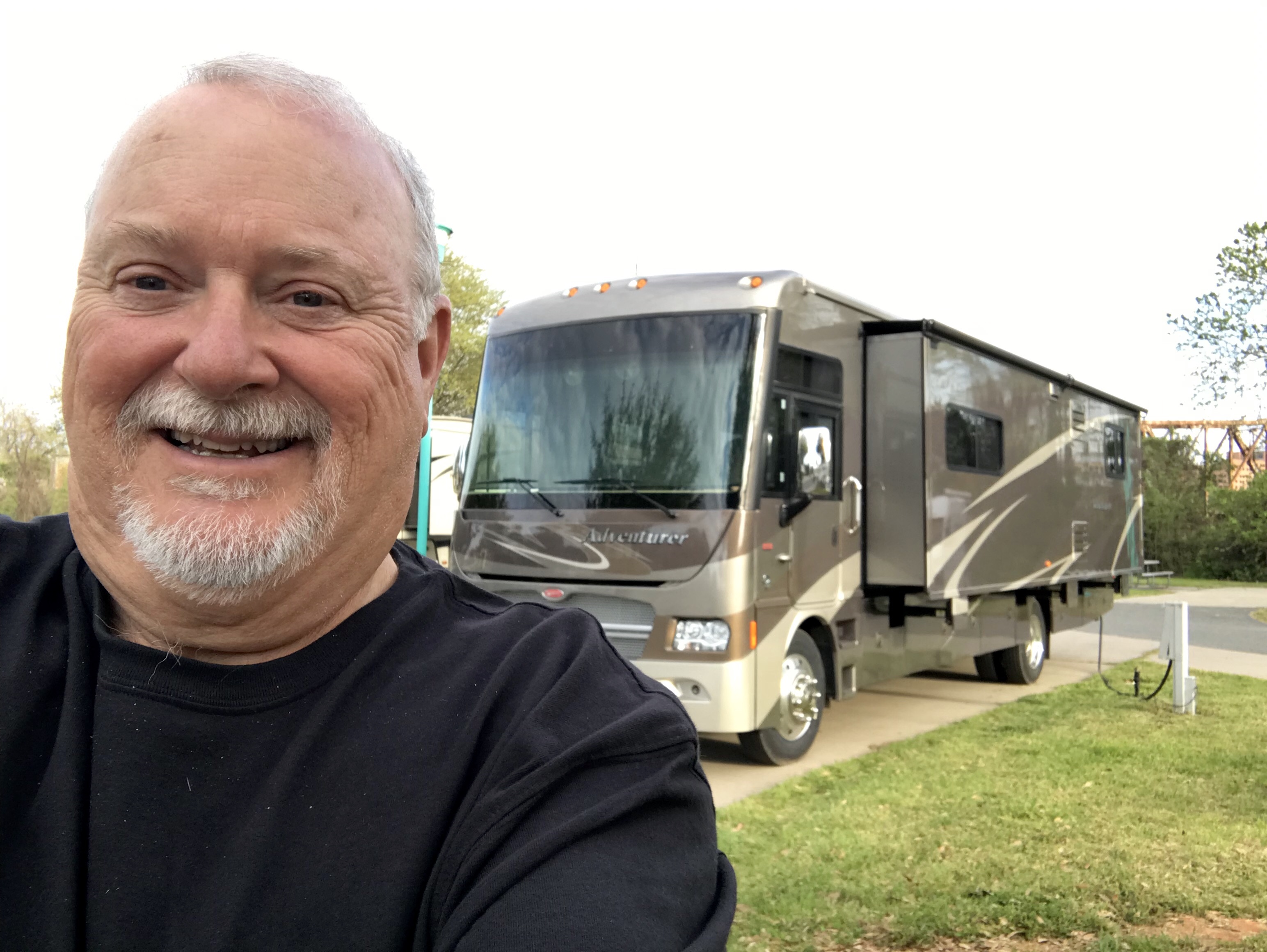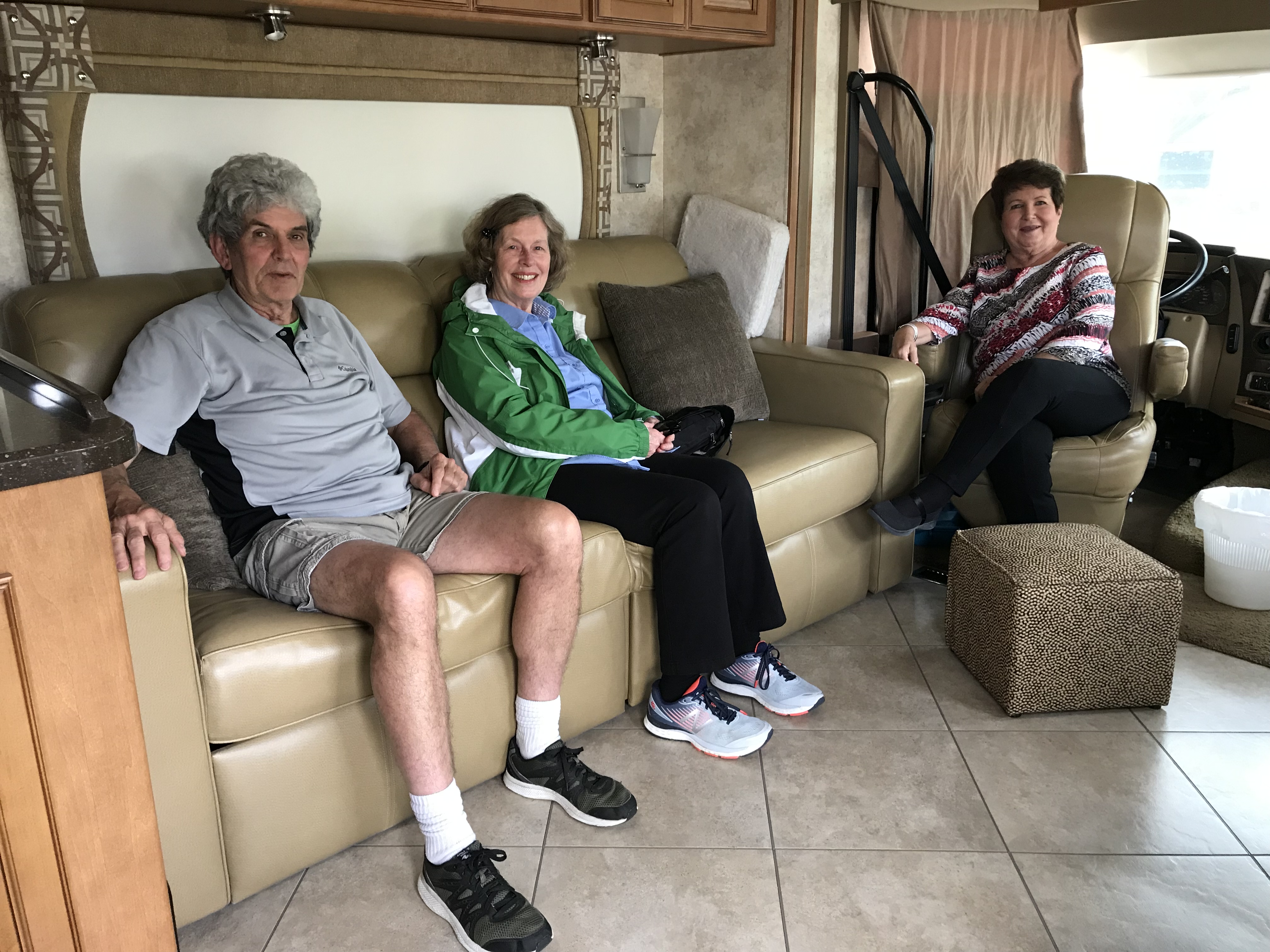
With last minute items in hand, we returned to the RV, connected the “old” Honda CR V, and drove south to Diamondjacks Casino in Bossier City, Louisiana. The 4-1/2 hour drive was uneventful except for the constant headwind the whole way. Check-in and setup was pretty quick, after which the inside of the motorhome was cleaned after being stored for 9 months.
We both were starving, and drove to Ralph and Kacoos. Kay really enjoyed the Catfish St. Ann’s while I had a below average Catfish Acadiana, a big disappointment from the restaurant chain I visited 40 years ago.
Back at Diamondjacks, we visited with fellow HSV Roadrunners Bob and Jane Nitchal. Kay made a donation to the outdated casino while I caught up on email, etc.
We were on the road again Thursday morning, driving south to Rayne, Louisiana, “Frog Capital of the World.” It misted, rained, or down-poured most of the 4+ hour drive.
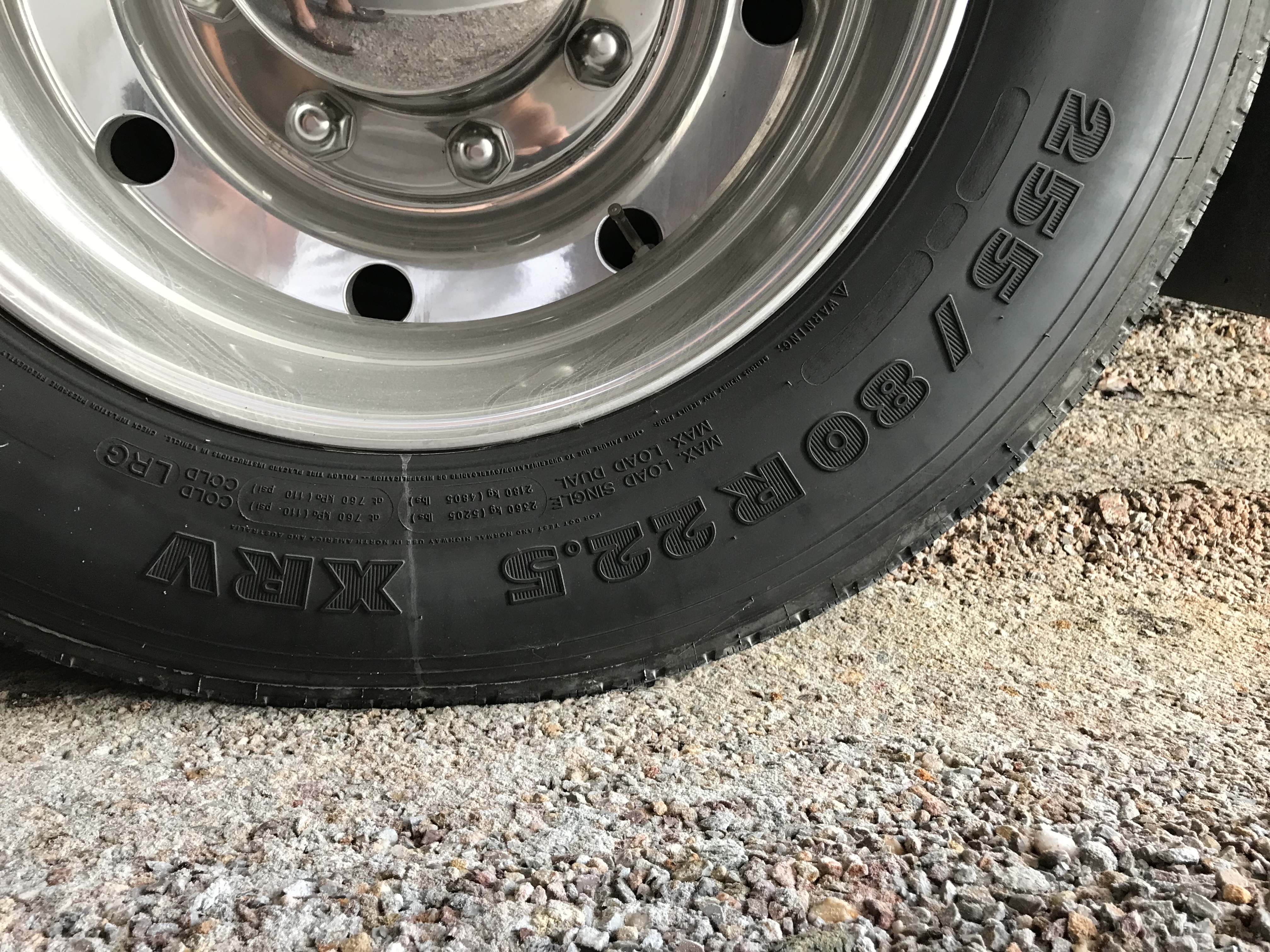
Monday through Tuesday, March 18-April 2—Readying the RV for a Louisiana Rally. On Monday it was driven to Purcell’s on Mabelvale Road for new tires (via the FMCA Michelin tire program) and servicing (oil and filter change and greasing). Tuesday it was back into storage where it stayed until Thursday, March 28.
Dewinterizing is relatively easy, in and of itself, but involves a lot of hurry up and wait. During the process, the RV was washed and dried, and pulled into storage while the tanks and lines were being sanitized. The chlorinated water was drained on Friday and the fresh water tank partially refilled to finish the job. Then, it was back into storage where the refrigerator was turned on. On Monday, a peck in the windshield was repaired. Now, all that remained was packing.
Clothes, groceries, and cameras were loaded Tuesday; we’re ready to go.
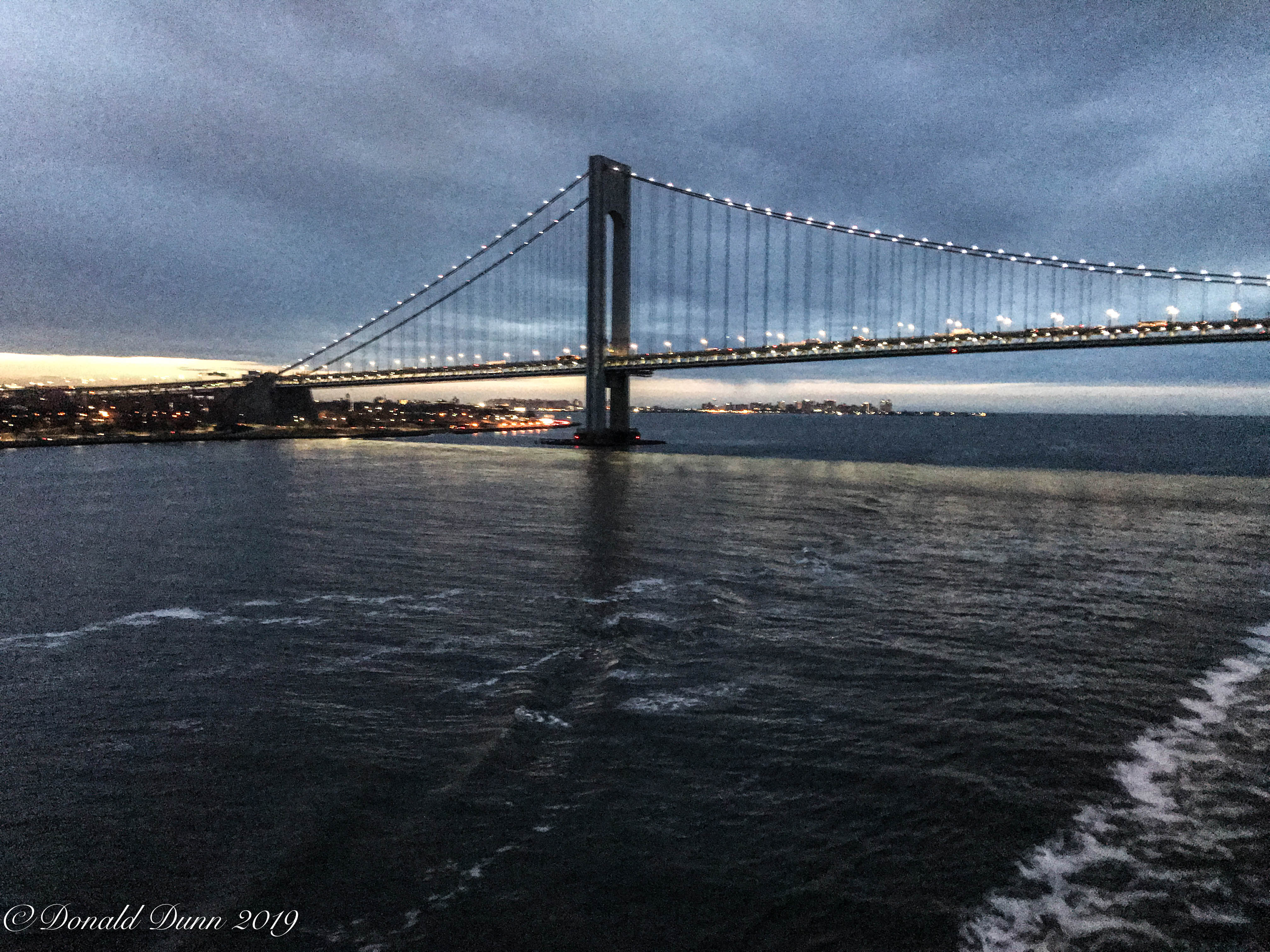
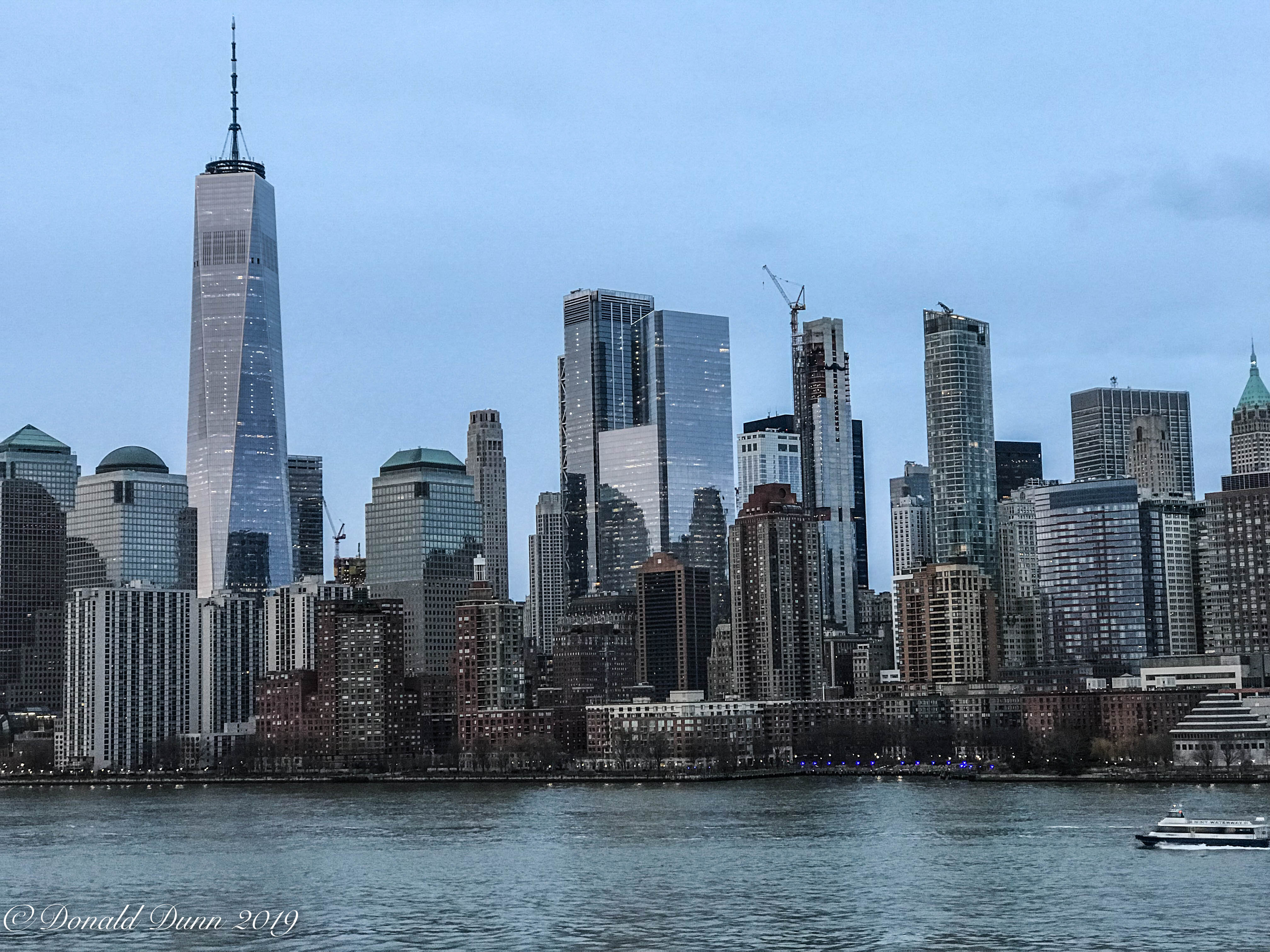
Late last night, we packed the suitcases, and set them outside the room to be picked up. And then, before dawn, we sailed into New York City harbor. It took a couple of hours to maneuver the ship through the harbor channel to our landing.
New York harborEarly morning New YorkNew York City
We were anxious to depart the Norwegian Gem and catch a flight home via Chicago. However, it was not to happen soon. It took a couple of hours to make it off the ship, pick up our luggage, and exit through customs. Another wait in a long line preceded loading onto the bus for the trip to the airport. Finally, we arrived at the airport, checked the luggage, and waited for the flight home. After two uneventful flights, we arrived at Little Rock, picked up the car, and drove to Hot Springs Village, arriving home shortly before midnight.
While the individual features of this trip could not be described as outstanding, it was a terrific getaway from the wet dreary weather, and would rank among our favorite cruises (of course they all do).
All ports-of-call were “successfully” visited and are now becoming pleasant memories. Continuing north on Tuesday, the Gem sailed between Haiti and Puerto Rico. Seas were rough with 11-foot waves generated by 35 mph winds, but the ship’s stabilizers made for a relatively smooth ride. As could be expected, the pool area was packed, and it was difficult finding a quiet place to read. The day at sea, and accompanying lack of activity, resulted in a long day.
Seas were calmer on Wednesday; I slept most of the morning while Kay read. The rest of the day passed without too much fanfare.
Thursday was the last full day at sea, and it was all “rock and roll”. A front fresh off the east coast hit us broadside. Temperature on the pool deck was 59 degrees.
The cruise has proved to be a learning adventure. For example, Europeans like to consume alcohol, lots of alcohol! Americans, as a general rule, are too nice and considerate. Calories burned in climbing stairs and walking from one end of the ship to the other do not come close to offsetting calories gained by eating on a cruise ship. The rate of speed of someone walking in front of you on a ship is inversely proportional to how big of a hurry you’re in! Also, narrow hallways and openings provide a great place for conversation and holding up foot traffic. Two piece swimsuits are not suited to everyone; nor are Speedos! And finally, there is a significant and obvious difference between flip flops and thongs, or so a friend told me.
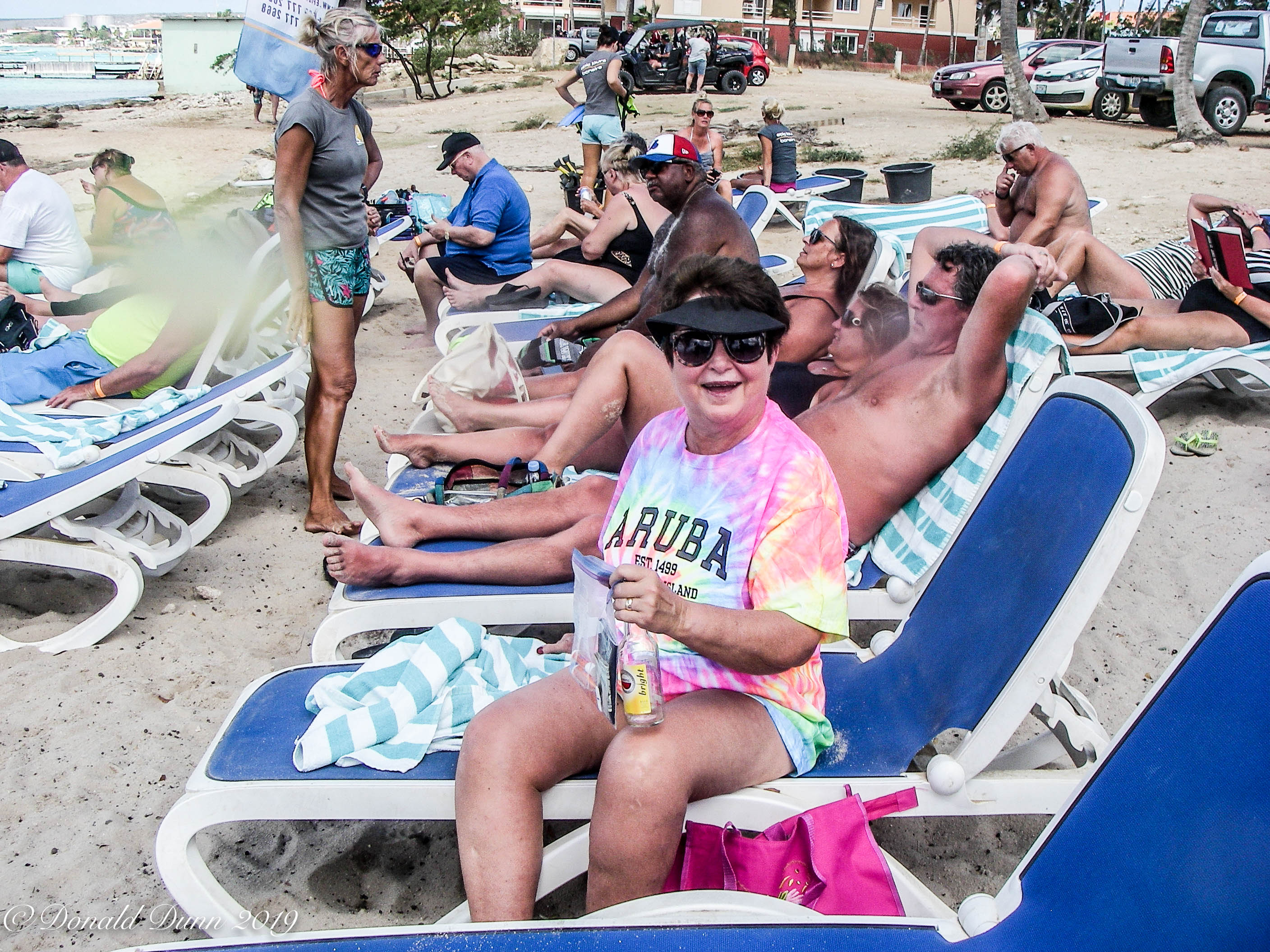
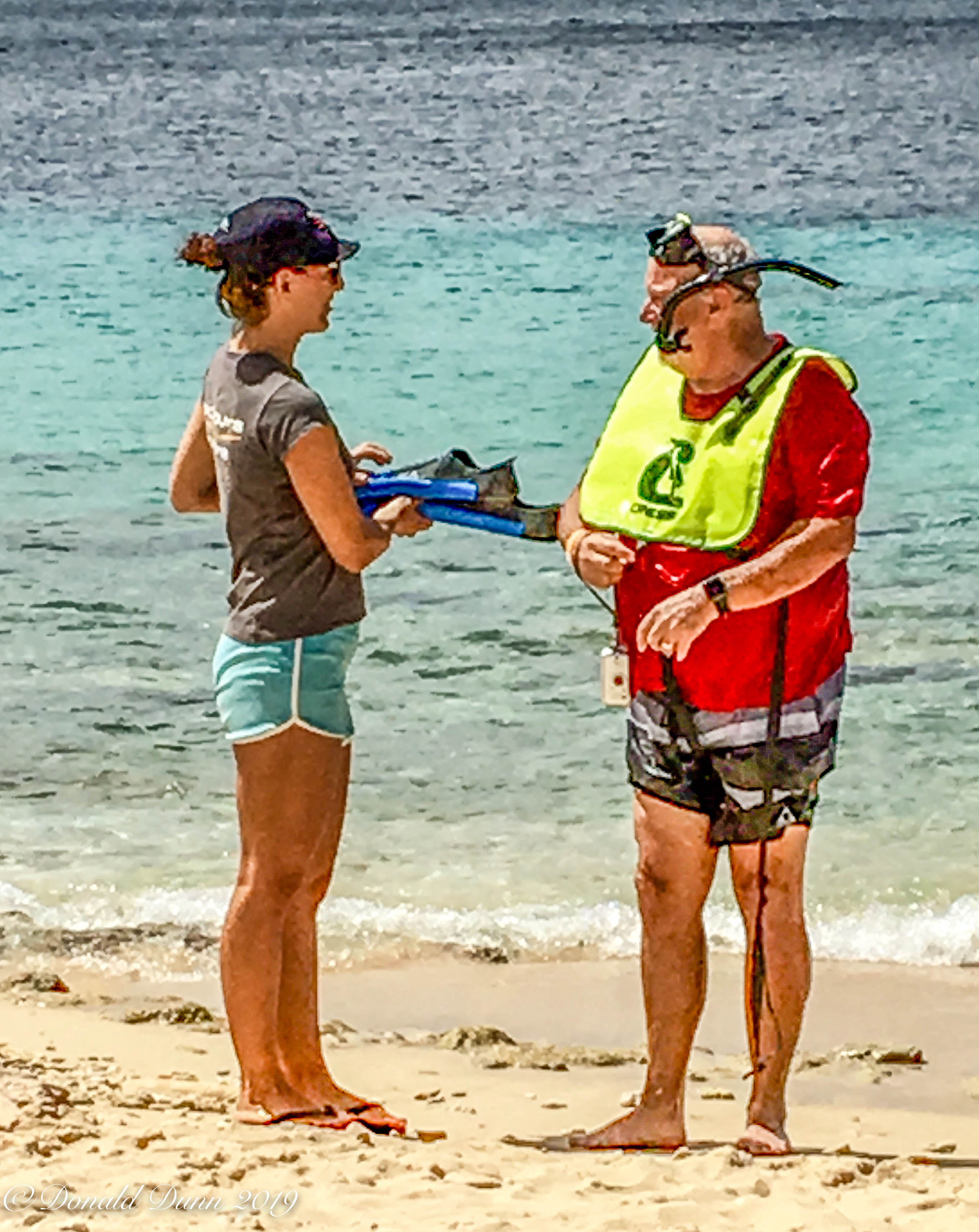
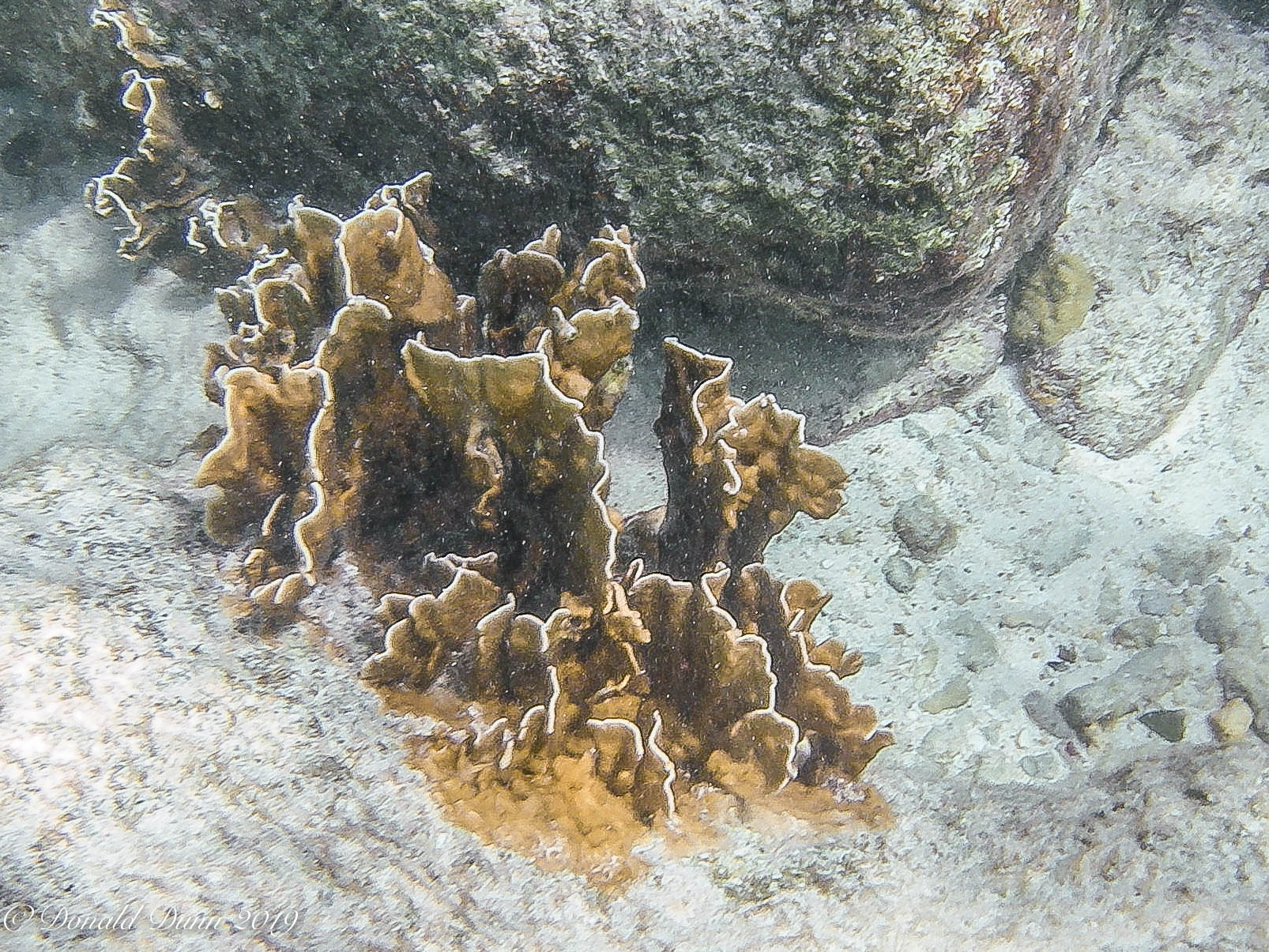
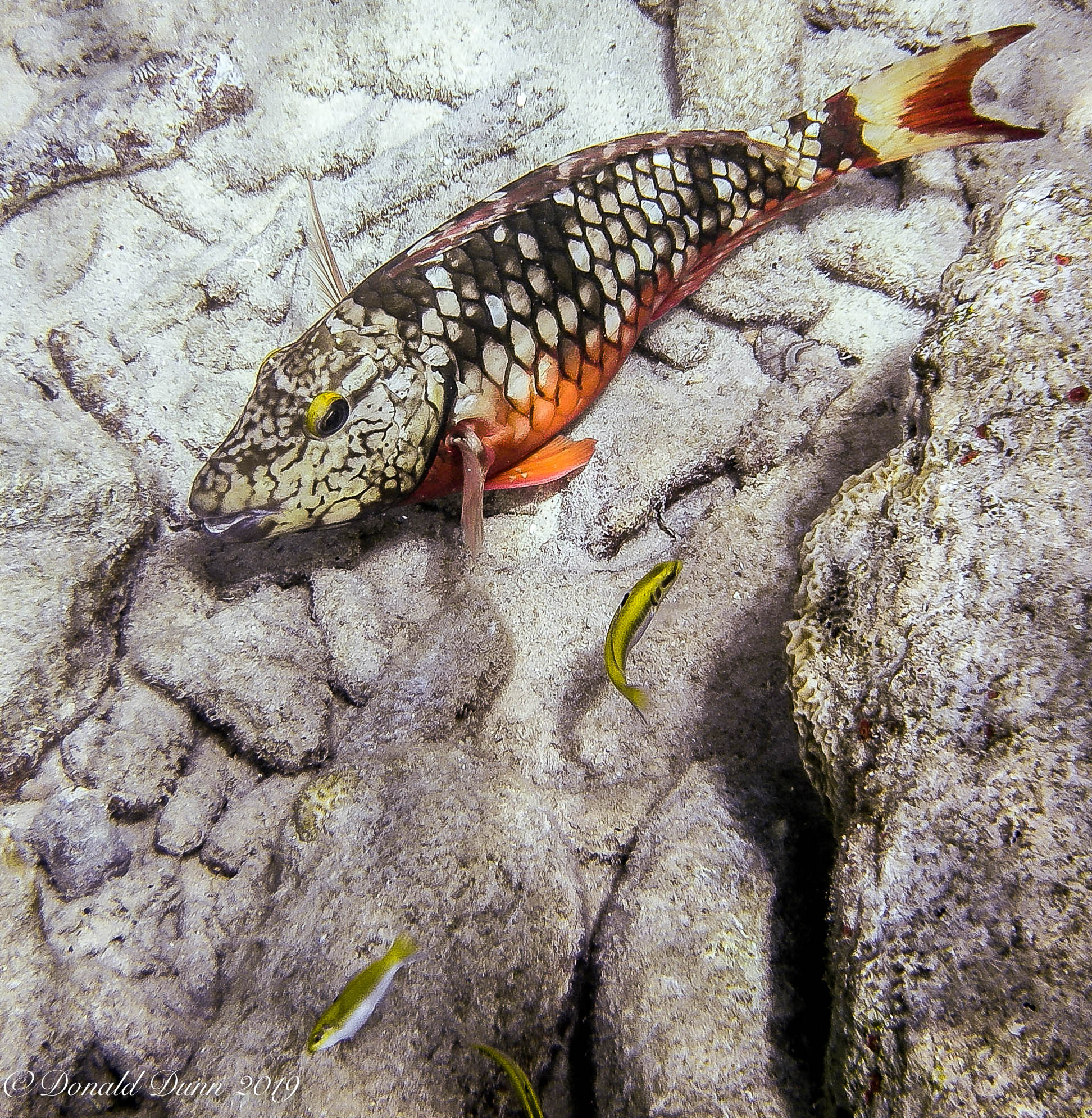
Today’s late morning excursion, Palm Beach Reef Snorkel, was only a short drive from the ship. As we arrived at a “resort beach” in Bonaire National Marine Park, the small size and large crowd of snorkelers and scuba divers took us aback. After unloading from the old school bus, a pair of lounges was selected, and a mandatory safety and equipment briefing was presented. Each person was issued a snorkeling vest, mask, and snorkel, and fins for those few of us choosing to use them. The protected reef teemed with colorful fish and coral. After approximately an hour, we rested and drank a complimentary Amstel beer (made in the Dutch Antilles with distilled water). I went back in the water for another half hour of photography, before exiting and drying. (Photos were taken with an almost ten-year old Pentax camera.) For me this was the best excursion of the cruise.
Kay relaxing at at Bonaire National Marine Park
Receiving snorkeling instructions
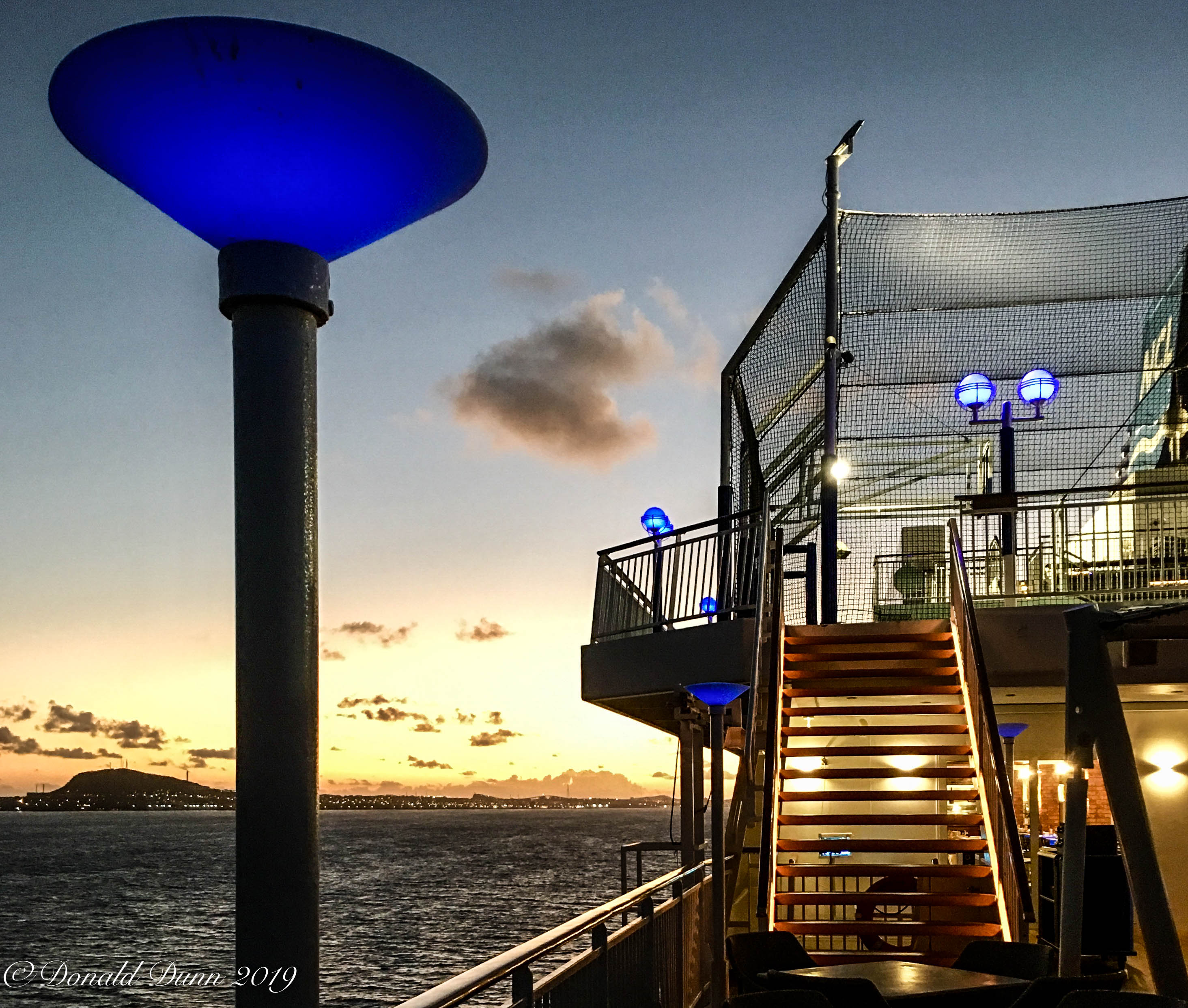
The Norwegian Gem departed Bonaire mid-afternoon, heading north northwest toward New York City with no stops in between. The next three sea days precede our arrival in New York City Friday morning. Consequently, we will be using our three days of “executive time” to doing a whole bunch of nothing.
Cruising along Venezuela’s Atlantic (Caribbean) shoreline, the ship sailed slowly from Aruba to Curaçao, arriving at Willemstad at 8 AM.
Sailing into Curacao, part of the Dutch Antilles
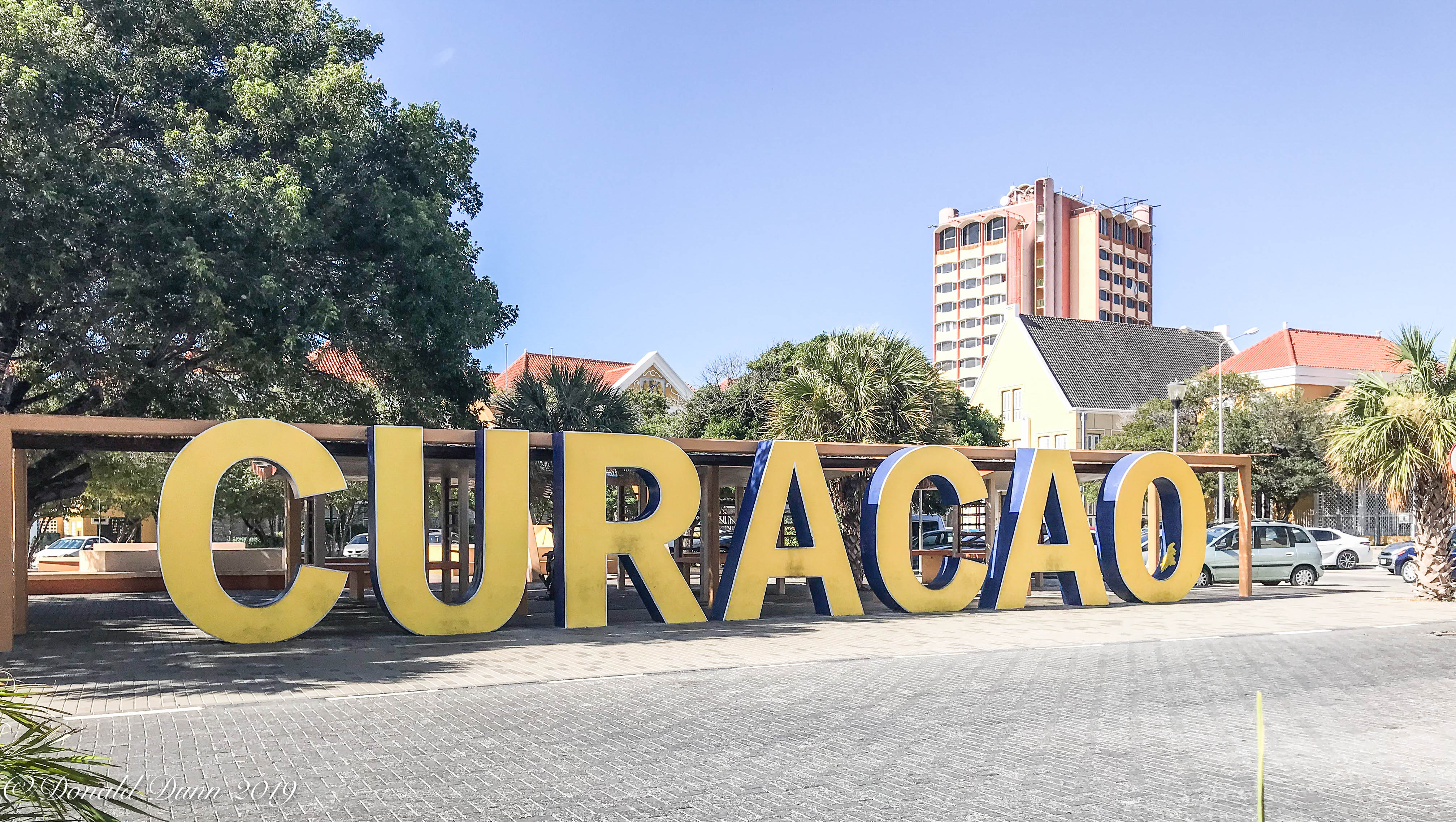
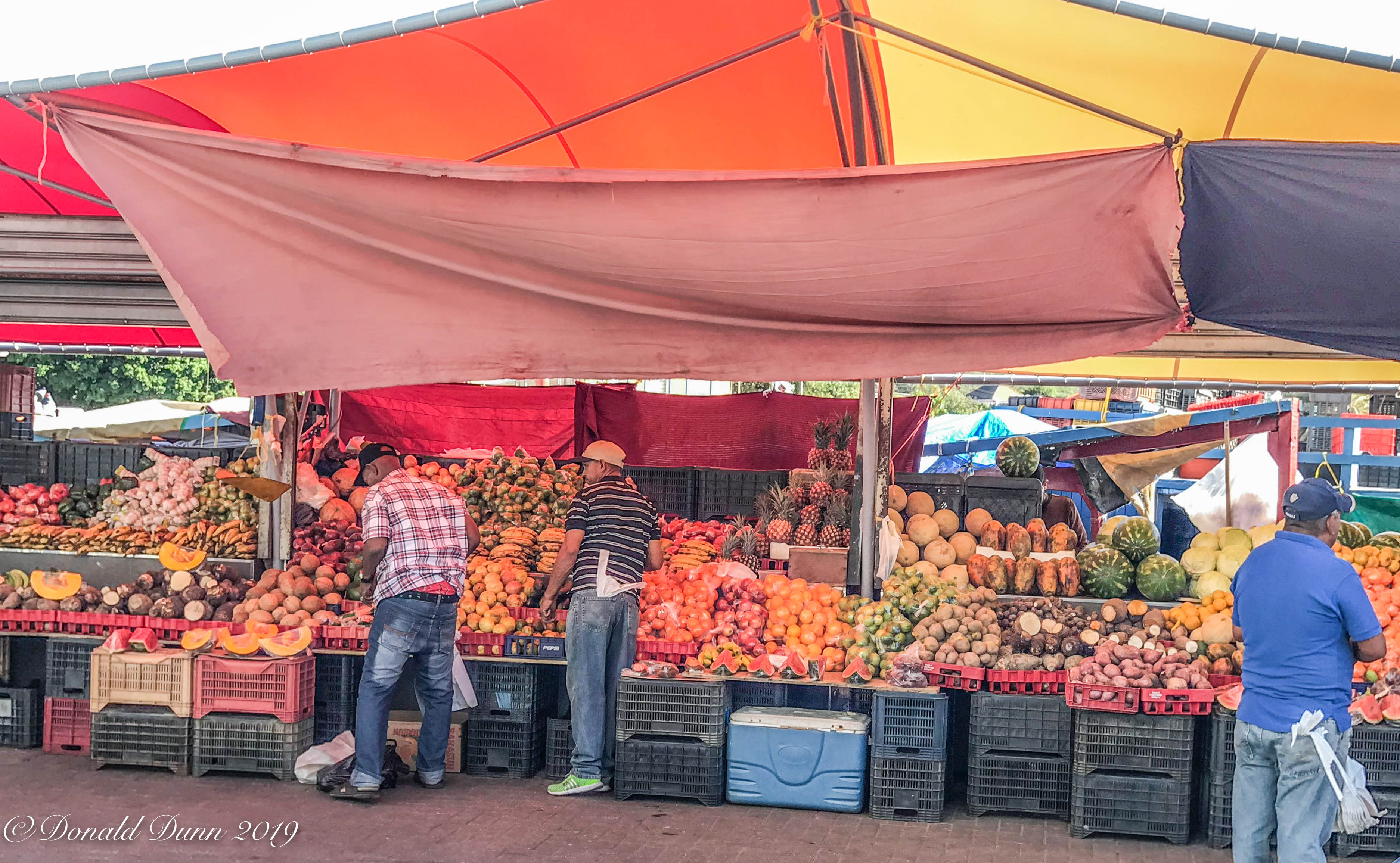
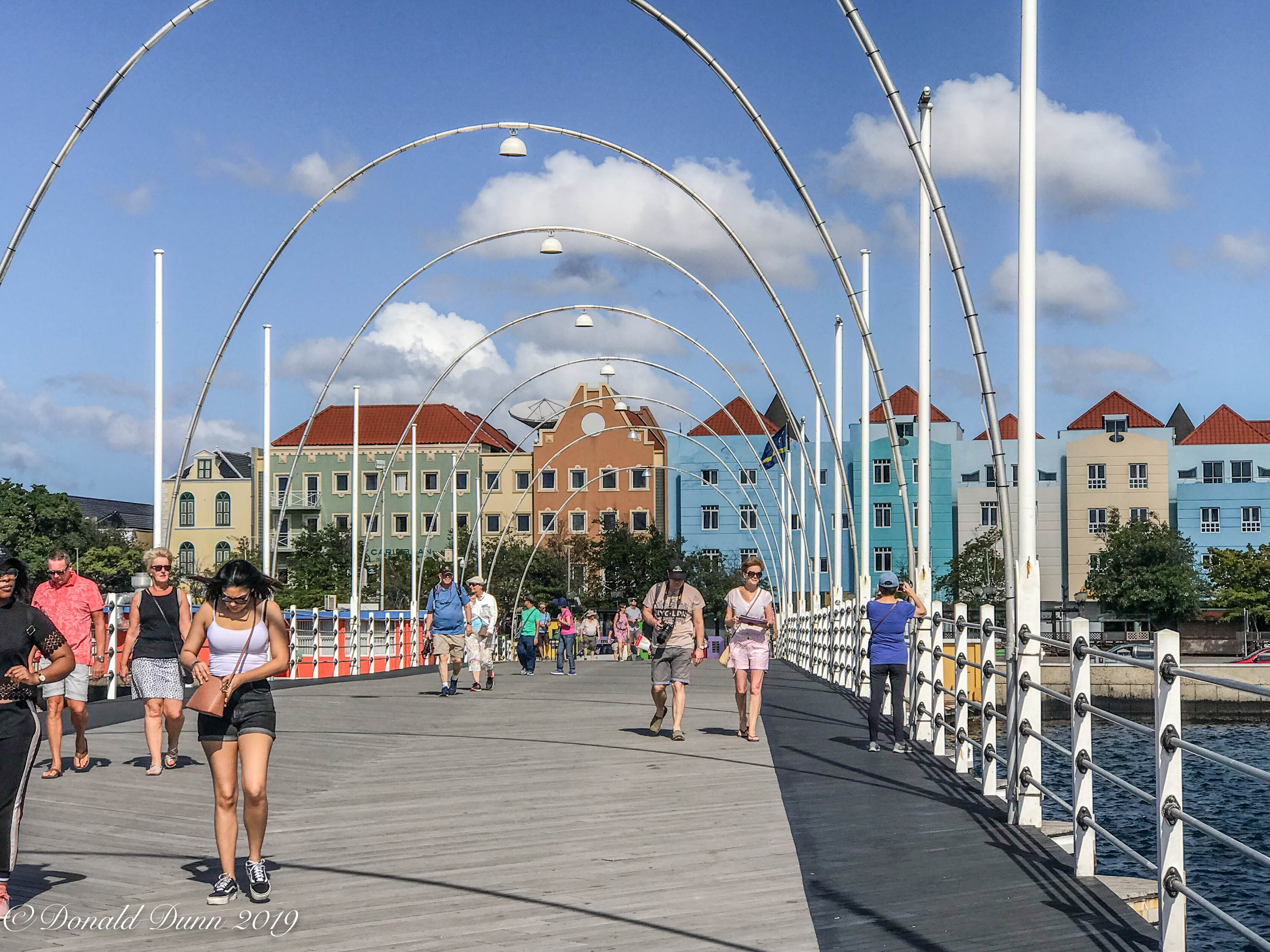
Kay had an early morning excursion while I walked through the downtown area, crossing the Queen Emma Bridge (famous as a floating bridge). The pastel colored buildings, reminiscent of Old Amsterdam, were a reminder of that the islands were, until recently, a Dutch colony. Many of the stores in this quaint harbor town were closed on this beautiful Sunday morning, including the sand-floored, 17th-century Mikve Israel-Emanuel Synagogue.
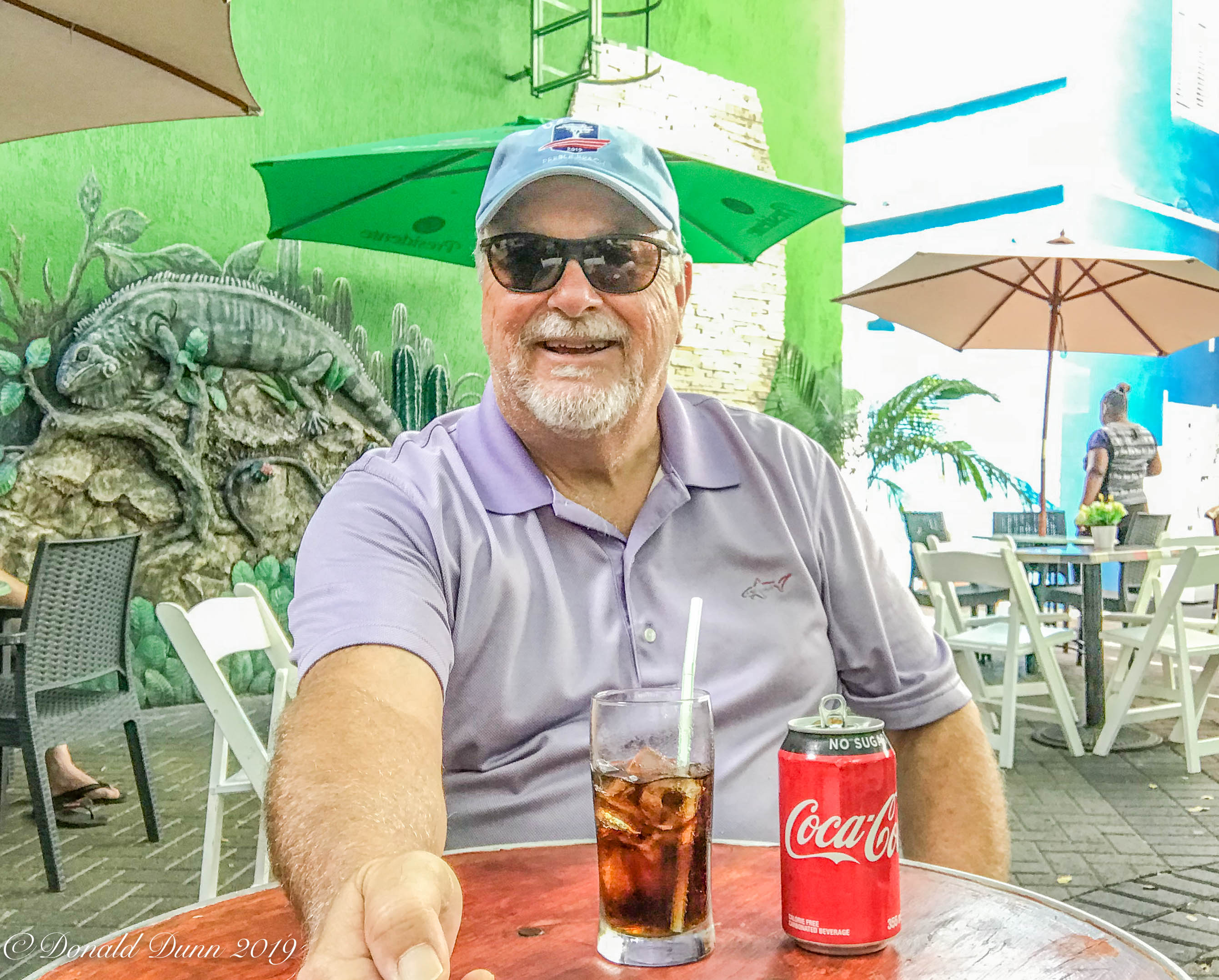
Curacao is known for it’s beautiful colored buildingsColorful Venezuelan vegetable and fruit standCuracao’s famous floating bridgeDrinking a Baptist beer
Kay’s Excursion
Kay took the Hato Caves and City Center Excursion today. The Hato Caves are the home of a colony of long nose fruit bats. The cave isn’t large compared to Blanchard Caverns in AR, but it is incredibly old and considering they are on a small island in the Caribbean with approx. 15-20 inches of rain a year, it’s amazing that stalactites and stalagmites have formed with 1/5 of an inch growth each year. There were 50 steps up to enter the caves and approximately 100 steps up and down within the cave system. There were several tourists in our group who weren’t in good enough shape to meet the requirements for this tour but they came any way and we were lucky no one was hurt.
One complication for our excursion was that 2/3’s of the tour were Chinese with an interpreter. The other 1/3 tourists were English speaking. Our tour guide was a Curaçao native with a strong accent who was barely adequate in English. So she would give information in English and then the Asian interpreter would translate to the Asian tourists. At least she had a remote microphone and they had ear sets to receive her translation. Either way, it doubled the time of our tour. We wandered about in the Old Town which is a UNESCO World Heritage Site. The buildings were painted different beautiful colors and were architecturally similar to Dutch designs. We crossed over the famous floating bridge and then we entered the pier area through the Rif Fort area which has been converted into shops of varies kinds to entice the tourists to explore and purchase items, food, etc.
I was very glad to get back to the cruise ship. A 2 hour tour became a 4 hour trial.
The Norwegian Gem docked in Oranjestad, Aruba, at approximately 8 AM. The island is one of three islands comprising the Dutch Antilles, aka ABCs of which Aruba is the “A”. I visited here in my former life in 1983; little has changed on this flat, arid island. Lacking a fresh water source, potable water is generated be a desalination plant.
Seen on a short walk in Aruba
Kay joined the Natural Wonders excursion, a guided tour of Oranjestad, Aruba, this morning while I walked along the pier-side shopping area; prices were generally much higher than in the US. A summary of her excursion follows.
“Our tour guide/bus driver, Fabio, was a native of Aruba and perhaps the best guide during this entire cruise. He told us about the socioeconomic aspects of island life; some things I found especially interesting were that their socialized medicine system was successful from their perspective, the economy is based 96 percent on tourism, the unemployment rate is 0.8 percent, potable water is from a desalination system, the island is incredibly clean (fines for littering are strongly enforced), and there are many historic Dutch architectural homes and buildings on the island.
The tour included a stop at an enclosed butterfly refuge. The second stop was on the northeast side of the island where it is always windy with large, crashing waves. There was a natural bridge and several ‘private coves with beaches’ on that part of the island. The last stop was at Aruba’s main aloe farm which included a processing plant and museum.
I had no idea before this trip that Aruba was only 13 miles from Venezuela. I asked if they had any trouble with asylum seekers or refugees. He said no; they were a closed island and accepted no refugees. Aruba is a desert climate island, naturally arid except for the months of October through December when 15-25 inches of rain can occur each year. There are several cacti varieties that are native plants and any trees look to be leaning southwest because of the prevailing northeast winds.”
As Kay continued her excursion, I returned to the ship for hot tub, lounge, and reading time.
The rest of the afternoon and evening was a repeat of that of previous days.
Rough seas last night (11+ feet waves) preceded landing in Santa Marta shortly after sunrise. Coffee in bed allowed a slow wake up!
After breakfast, we caught a shuttle to the end of the pier for a walk around the downtown area nearest the shoreline. Santa Marta is the oldest city in Colombia and the second oldest in South America; it is a relatively clean city. Street vendors were everywhere, and were quite aggressive. It worked as I bought two more Panama hats (2 for $11), a pair of Oakley sunglasses ($10, but likely knockoffs), and 3 bottles of beer. The shopping area was a beehive of activity with people everywhere. All the hustle and bustle was exciting.
Street vendors in Santa Marta, ColombiaMotorcycles are the main mode of transportation
Having a Colombian beer while watching the other tourists
This troupe of guys on bicycles were really, really goodSanta Marta’s beautiful beach and coastal inletA sucker for making an old boat photo
The rest of the day was set aside as “executive time.” Time advances forward again tonight.
The beautiful skyline of Cartagena, Colombia, came into view as the Norwegian Gem sailed into the cruise’s Day 12 port. On the country’s northern coast facing the Caribbean Sea, Cartagena is Columbia’s most visited city.
Cartagena, Columbia
Today’s excursion was a carriage ride to an old Spanish fortress, Castillo San Felipe de Barajas, and through the old 16th century walled city. Despite rubber surfaces on the carriage’s steel wheels, the narrow cobblestone streets provided a loud, bouncy ride. Both the old fortress and the Colonial city were crowded.
Castillo San Felipe de Barajas in Cartagena, ColumbiaCartagena’s colonial city
After the short “tour”, the carriages stopped at a shopping area where many vendors were aggressively hawking their wares. I purchased a Panama hat (most of which are made in Colombia) while Kay bought a necklace and bracelet after chasing after her in the carriage for an entire city block! Of course, the only respite from the vendors was a sidewalk bar for sampling Colombian beer—very cold, good, and a bit hoppy. We were impressed with Cartagena’s beauty and cleanliness.
One has to pay to play
A great Colombian beer
Tonight’s show featured a ventriloquist—good, but not our cup of tea.
Up early to witness transit into the first lock chamber, I found the usual breakfast deck already crowded, but did find an empty table with an aft view—numerous ships waiting to pass through the Canal.
Ships anchored, waiting to transit the Panama CanalPanama City, Panama
As we approached the initial lock chamber, I tried to find a place on the fore deck, but it was about a dozen deep, as were all decent viewing areas. I finally settled in an upper fore lounge, with a poor view but having air conditioning and comfortable chairs where Kay joined me.
Double lock gates on the original Panama CanalA large ship transiting the higher new canal
From there, a move to the Atrium allowed live viewing on the big screen, almost as good as the real thing but with fewer people. We continued to watch from various view points on the ship as the Norwegian Gem made her maiden passage through the 40-mile Panama Canal, exiting into the Atlantic Ocean about 4 PM. As one of the world’s greatest engineering feats, transiting the Panama Canal has been a near lifelong desire. It can now be checked off our life list!
Nearing the Panama Canal lock chamber exit
After another mediocre dinner, we attended the late evening show of Piano Man Stephen Kane.
This journal was begun several years ago, and reflects an accurate record of each day fished. Please enjoy it, and remember that fish are too valuable to be caught just once, and the places they live are too valuable to be mistreated.