Friday, May 19—Viking Homeland Cruise, Day 14, Stockholm, Sweden

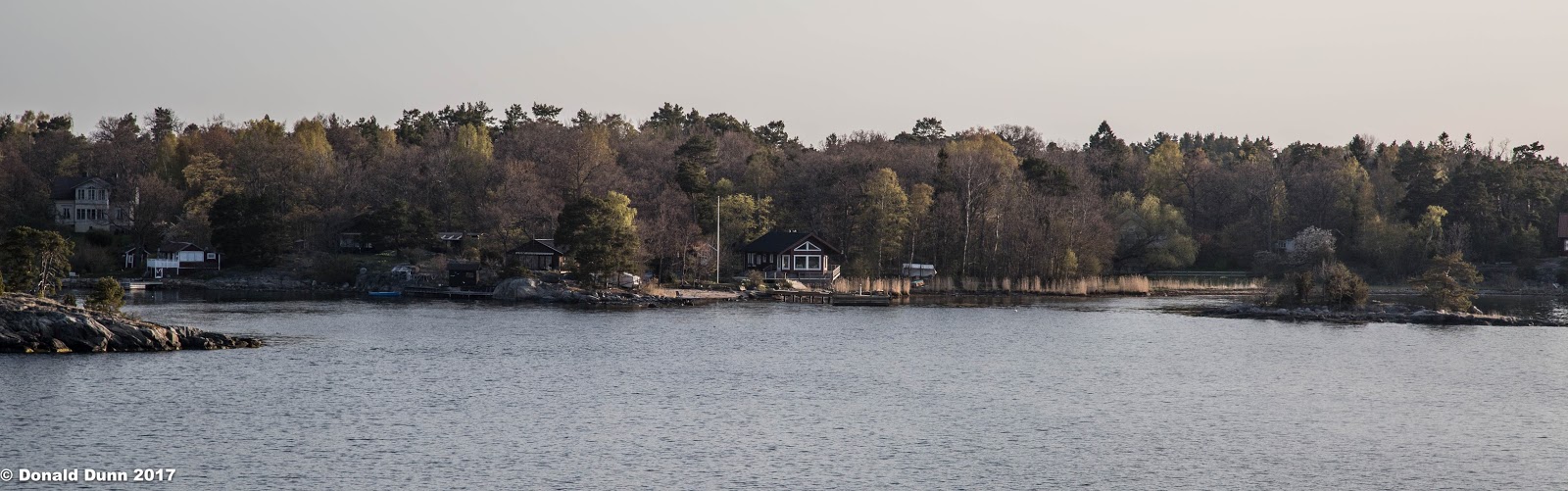
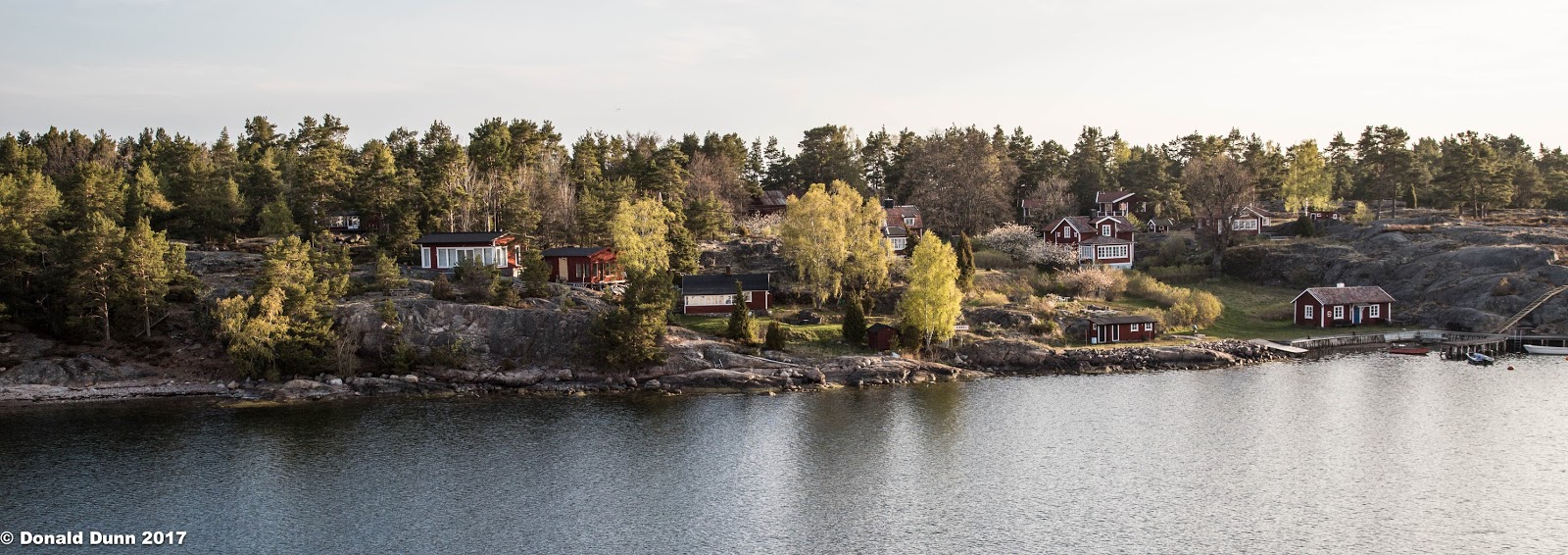
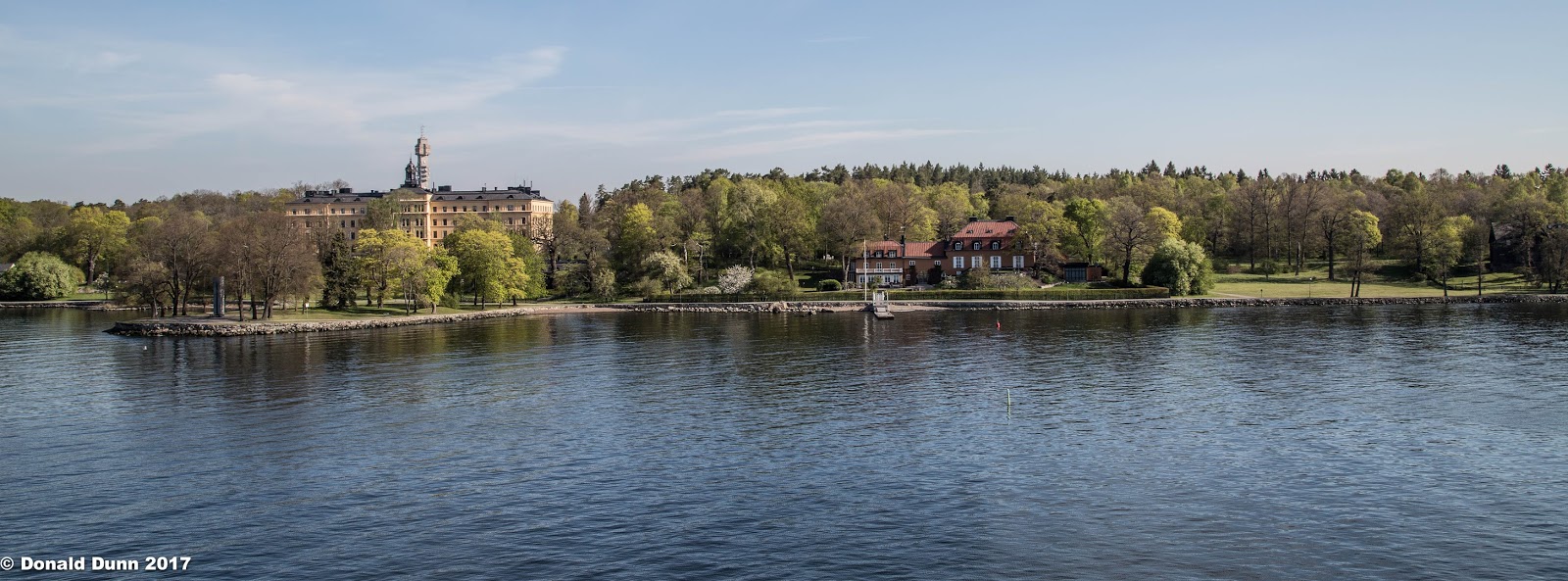
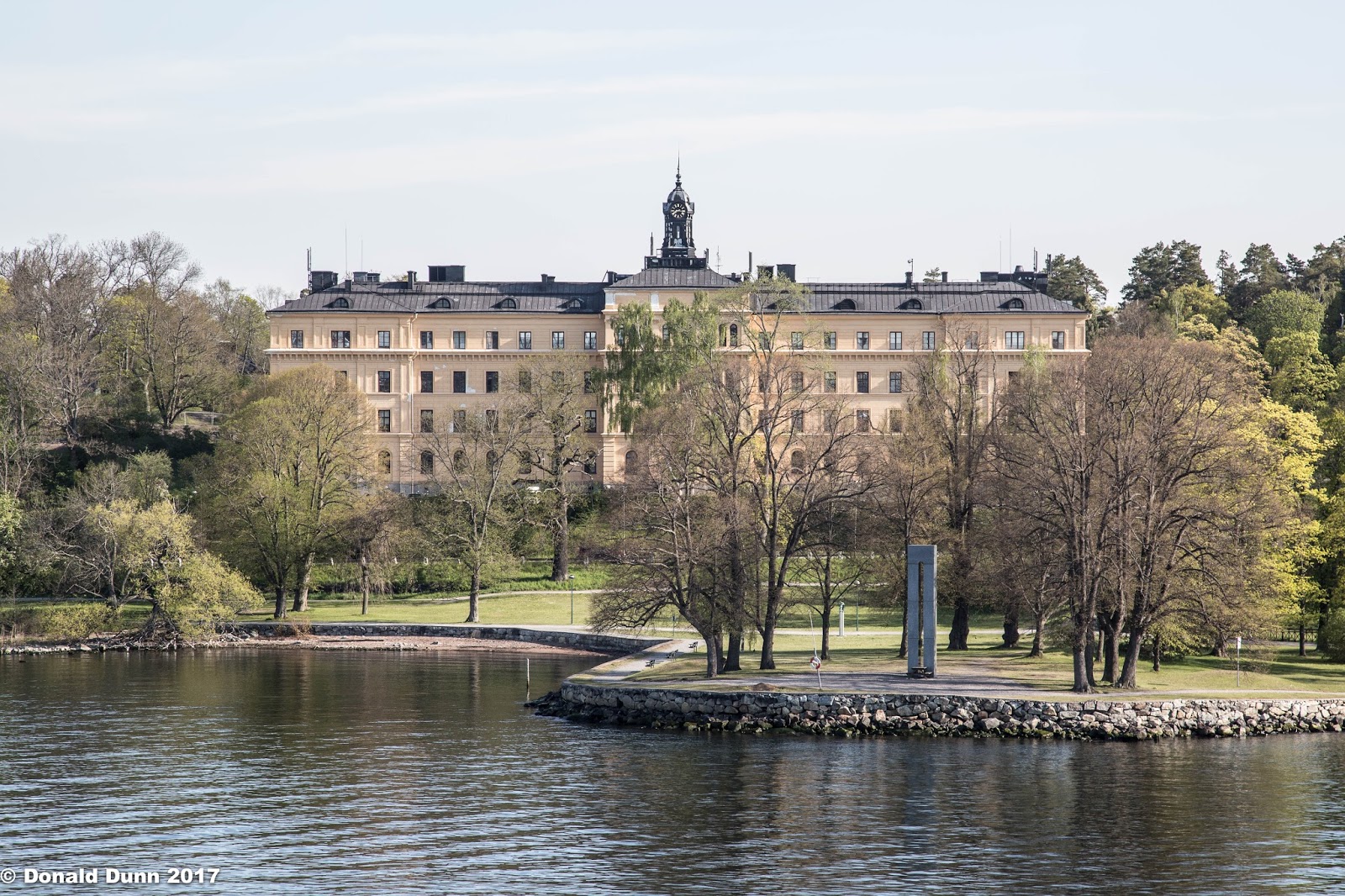
Cruising into Stockholm early Friday morning, we thought we were back in Quetico Wilderness in Ontario, Canada.  Small, wooded, sparsely inhabited islands surrounded us as we sailed slowly into the city.  Viewing these islands while enjoying coffee on the balcony in the cool air was a peaceful conclusion to the 14-day cruise.   In fact, Stockholm extends over 14 islands linked by 57 bridges. 
One of many islands comprising Stockholm

Small Stockholm island

The closer to City Center, the larger the houses.  Stockholm, Sweden

Private residence on island that is part of Stockholm

Yet another island.  Stockholm, Sweden

Another island near City Center.  Stockholm, Sweden
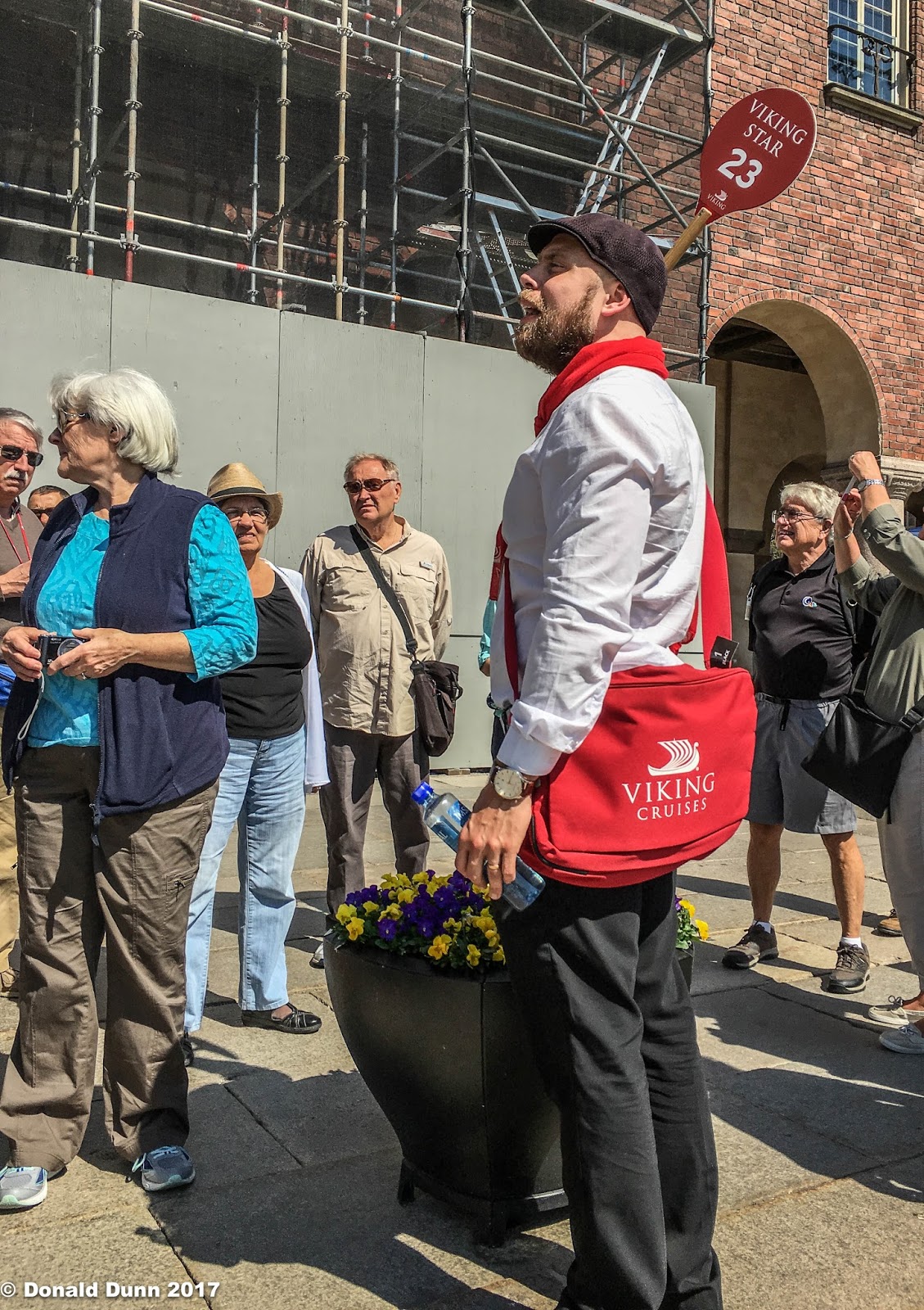
Our tour guide, Stockholm, Sweden
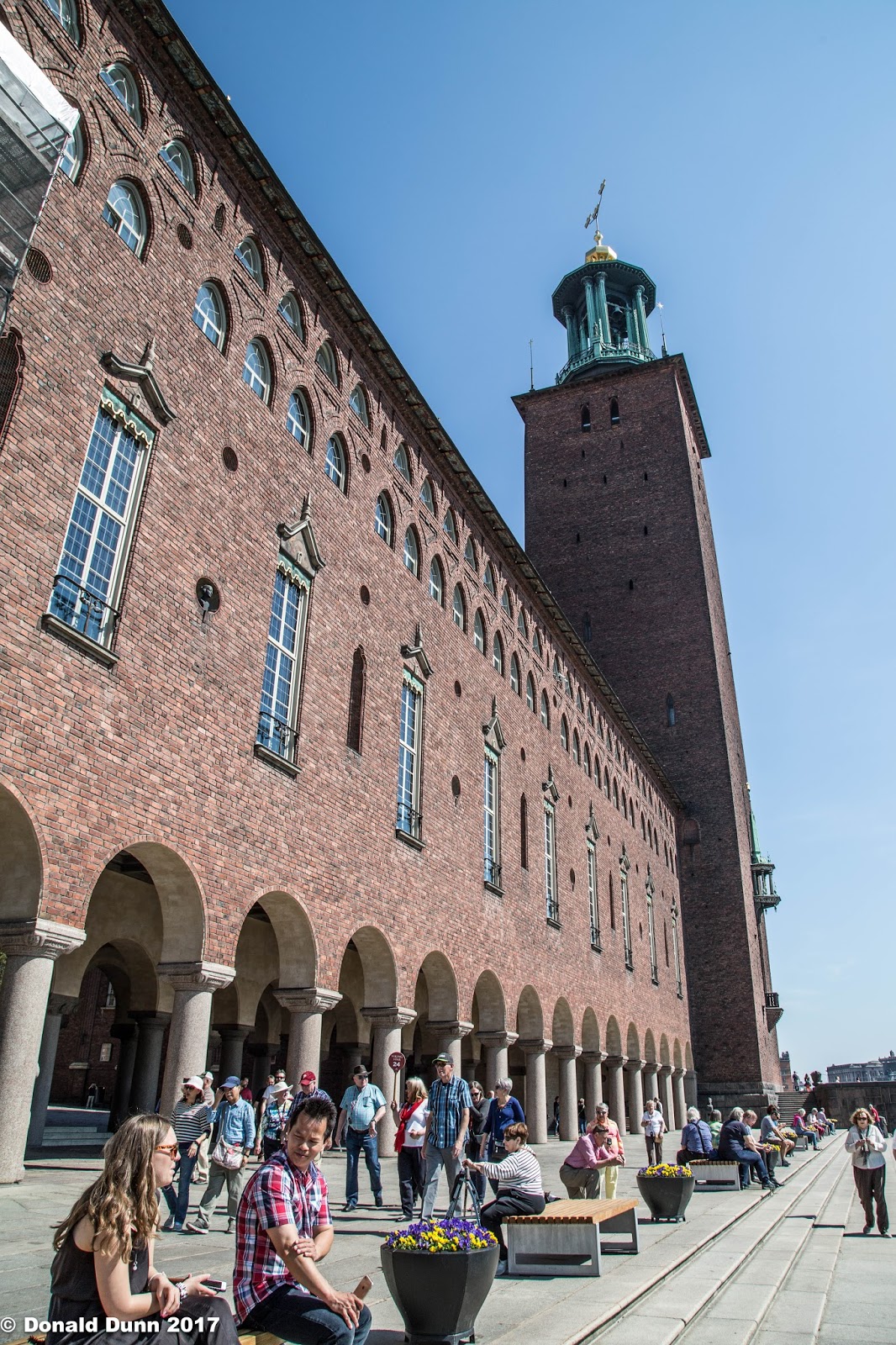
After docking in Stockholm, we took the included tour “Journey through the Streets of Stockholm”.  Mostly a bus tour, our guide was quite fluent in English, with no accent.  Asked how he learned to speak English, he said by watching television.  In Sweden, television does not subtitles, so viewers had to learn the language spoken on the television!  We saw City Hall, the Parliament, the Royal Palace, and the Royal Opera, stopping to photograph building where the Nobel prizes are awarded.  Much like other European capitals, the elegant and clean capital city Stockholm was crowded with young folks enjoying the relatively warm, sunny day.
Baltic Sea waterfront, Stockholm, Sweden
Amusement park, Stockholm, Sweden (note the swings on the largest tower)
City Hall, Stockholm, Sweden
One of three towers, City Hall, Stockholm, Sweden
Waterfront, Stockholm, Sweden
Yours truly, Stockholm, Sweden

Stockholm was the last stop on our Viking Homeland cruise.  We enjoyed a great dinner on this last evening in a small private dining room with Nan and George, Bernice and Jim, and Debra and Ralph.  Packing and putting luggage outside the door will be the order of the rest of the evening!

Weather today was sunny, with unusually warm with temperatures in the low 80s.

Thursday, May 18—Viking Homeland Cruise, Day 13, Helsinki, Finland

Ferry between Tallinn and Helsinki
Senate Square, Helsinki, Finland
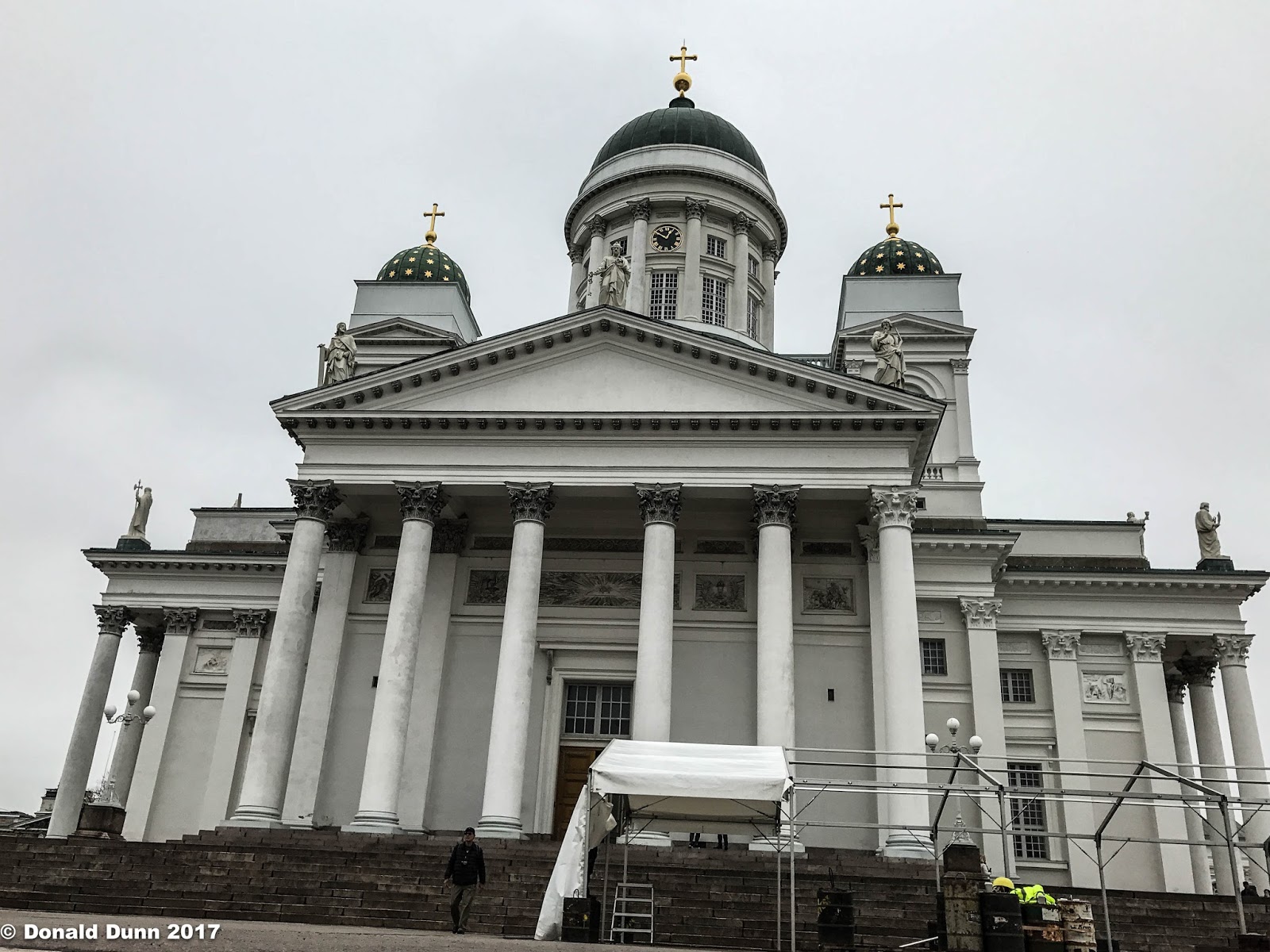
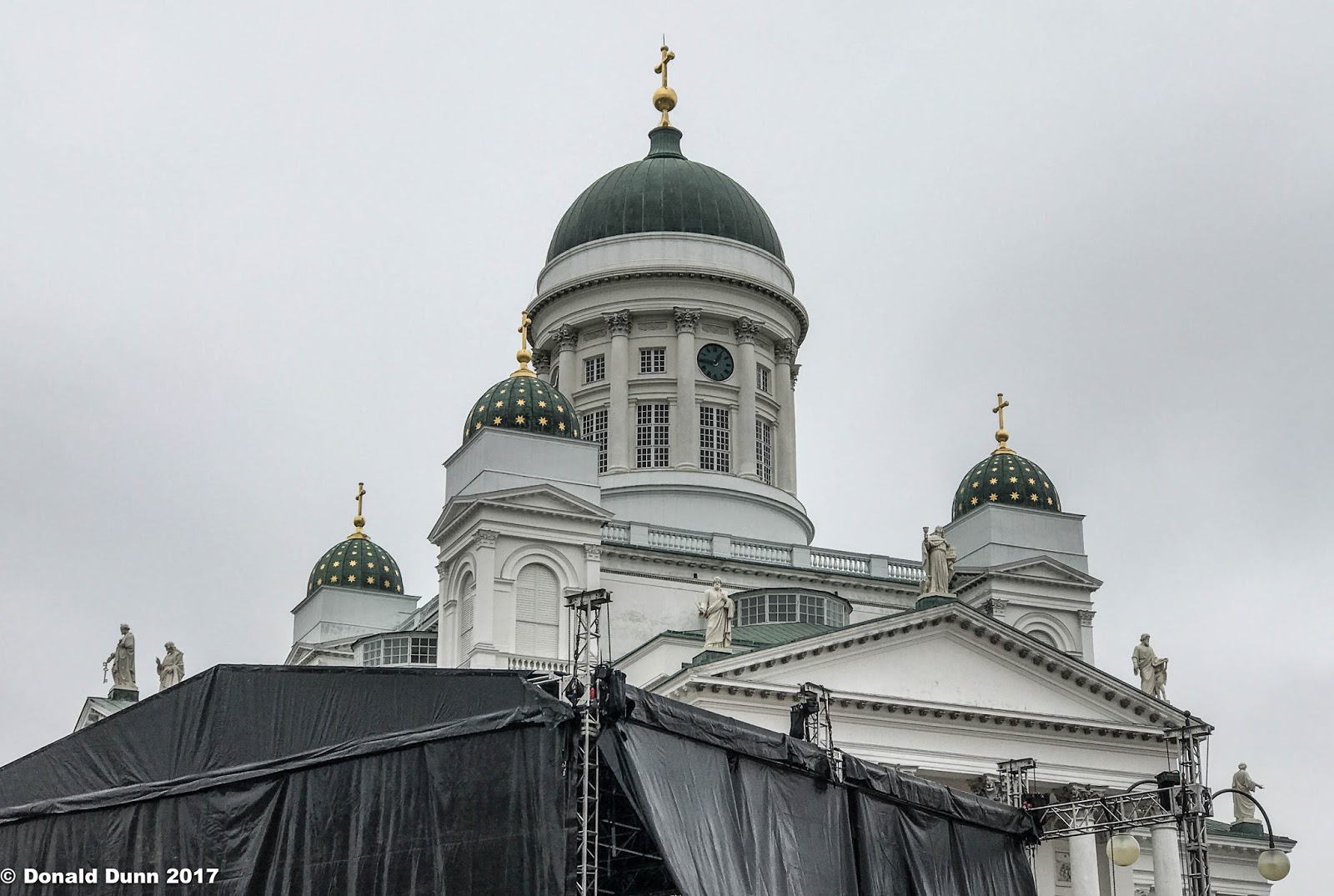
While Helsinki is a small European capital compared to other cities we’ve visited, it has an air of grace and sophistication—exhibited via its neoclassical beauty and Art Nouveau elegance.  The Senate Square, a wide open space is the heartbeat of the city with close proximity of the University of Helsinki, political and administrative buildings, art edifices—and an abundance of traffic!  While the Senate Square is the heartbeat of the city, Helsinki’s centerpiece is the Helsinki Cathedral, with influences of both Greek and old Russian architecture as evidences by its colonnaded entrances and green domes.
Helsinki Cathedral, Helsinki, Finland
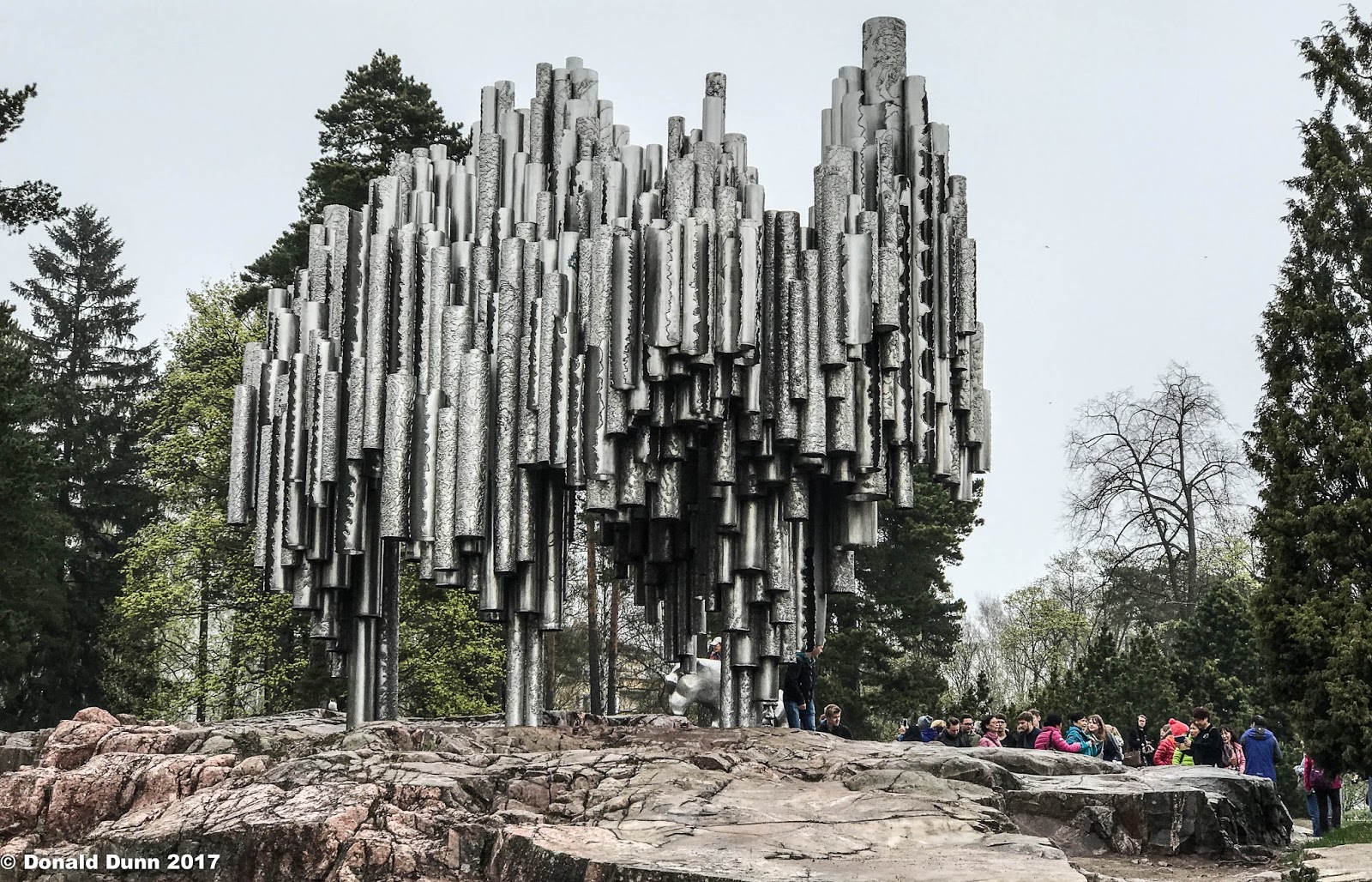
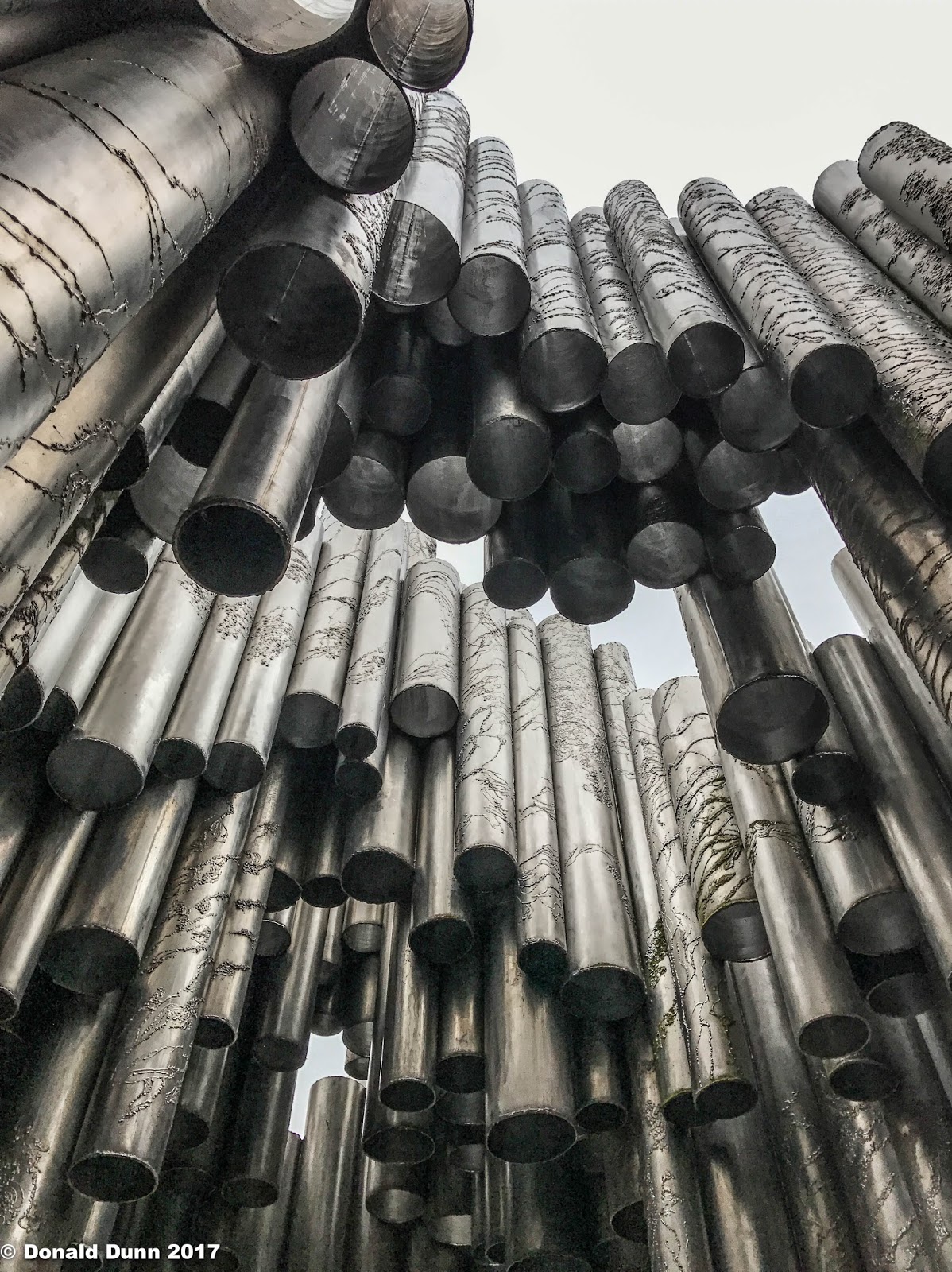
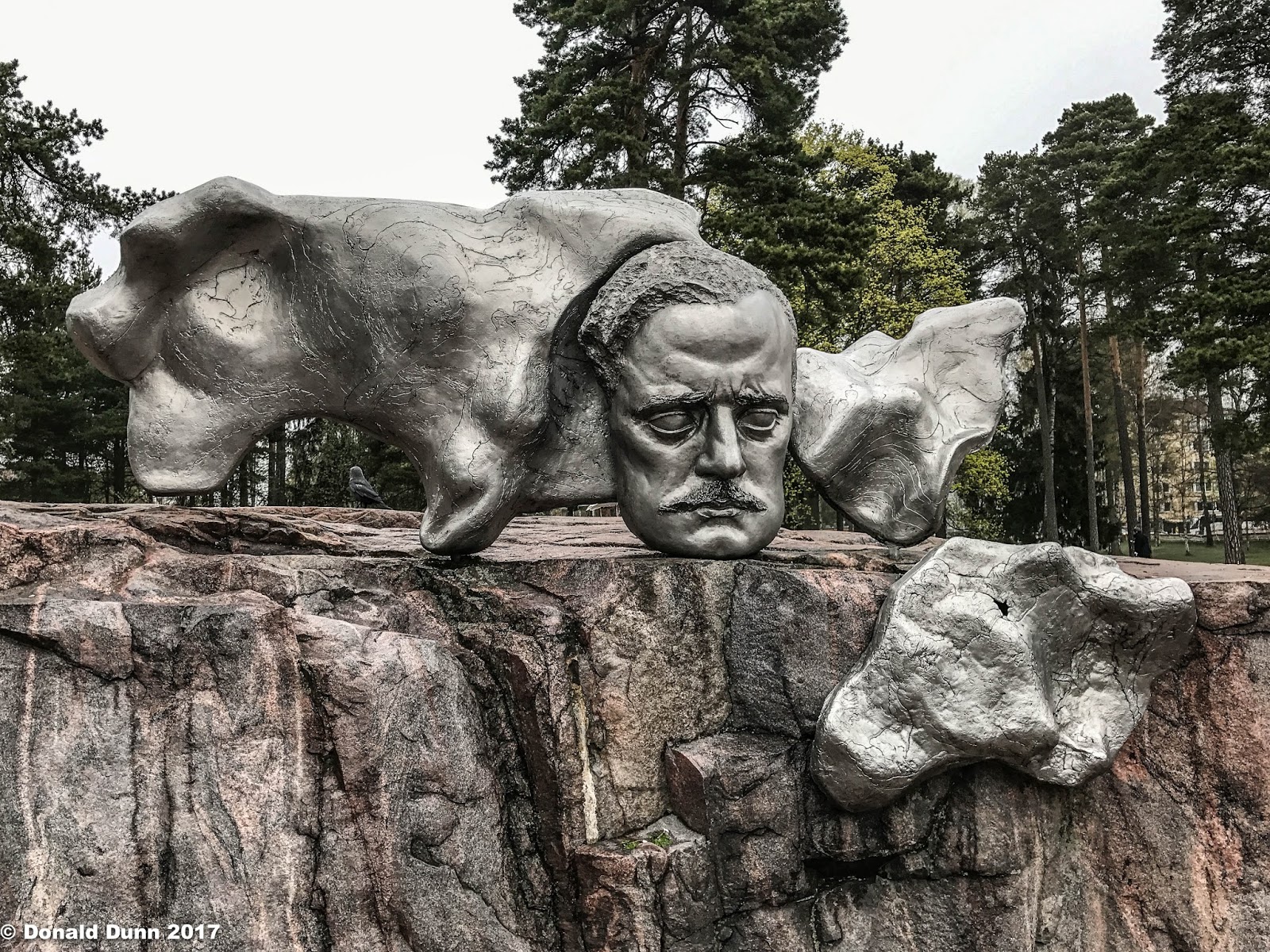
Our “included” tour incorporated a bus exploration of the city, viewing the places mentioned in the previous paragraph.  We drove by the 1952 Olympic Stadium, and stopped for a close-up examination of the Sibelius Monument consisting of some 600 stainless steel pipes dedicated to the composer.  Jean Sibelius was a Finnish Composer and Violinist, and through his music is often credited with having helped his country to develop a national identity during its struggle for independence from Russia.  He is best known for his seven symphonies, with other well known compositions such as Finlandia, the Karelia Suite, Valse trust, the Violin Concerto, the choral symphony Kullervo, and The Swan of Tuonela.
Sibelius Monument, Helsinki, Finland
Jean Sibelius
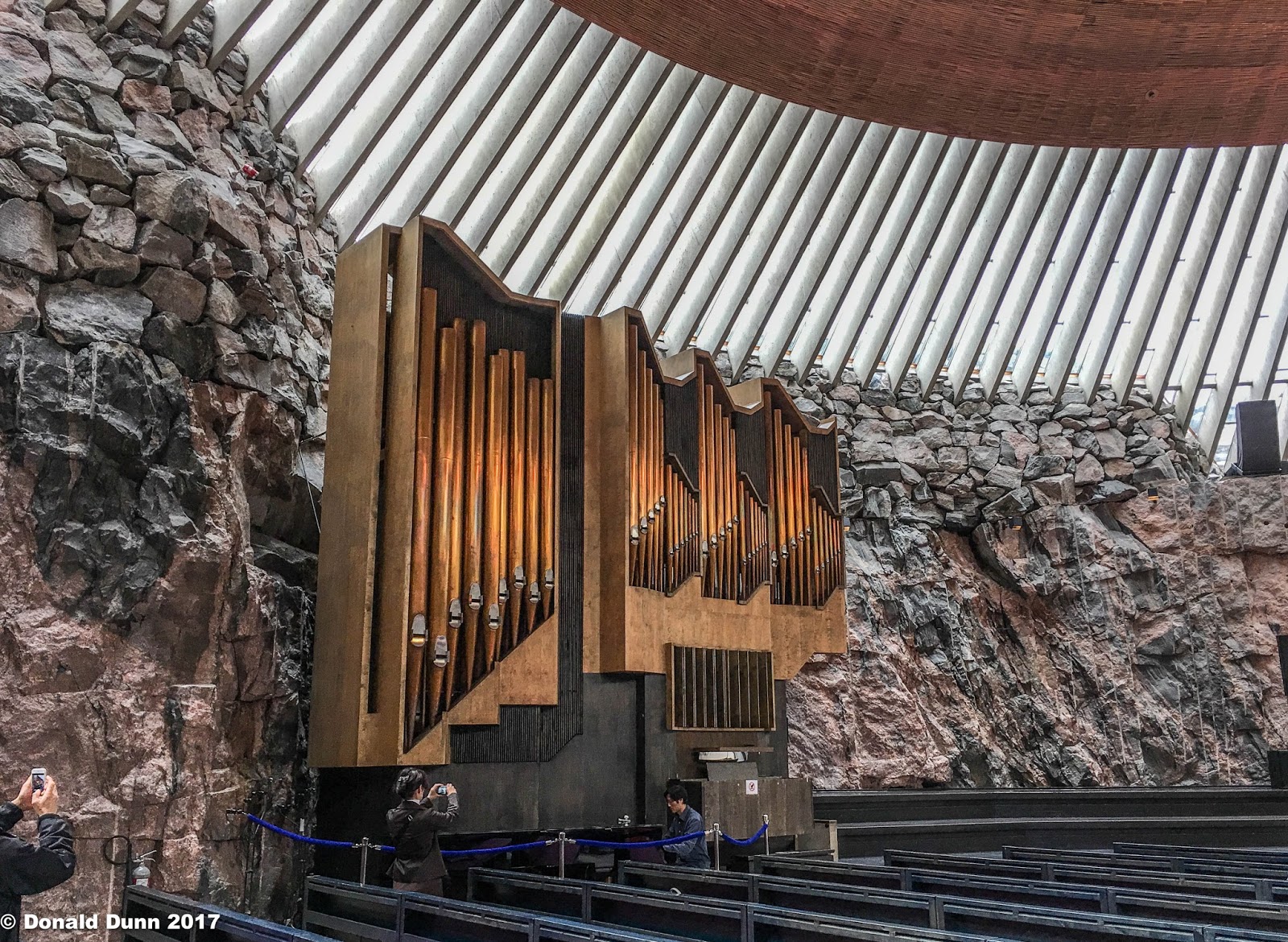
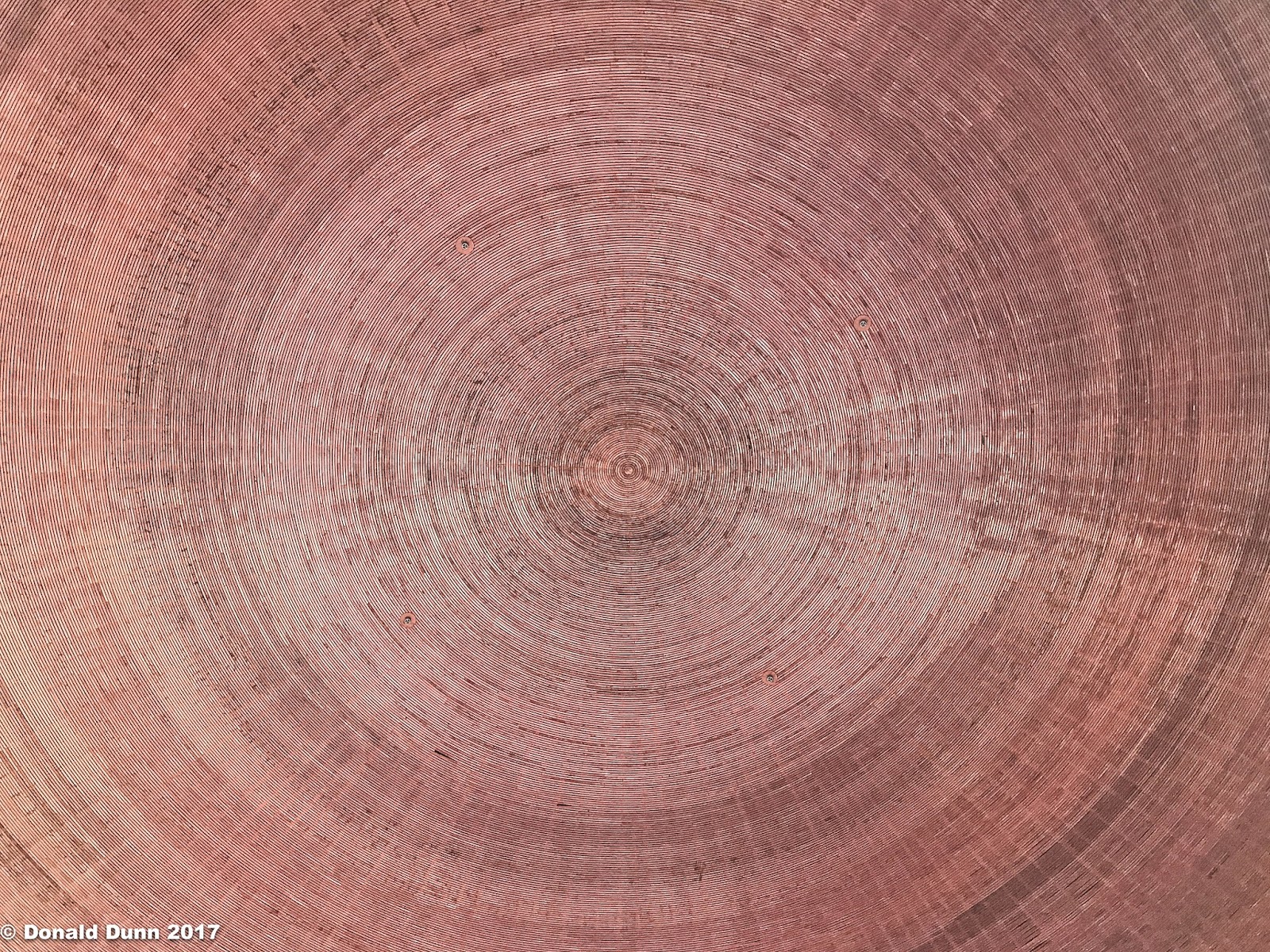
The tour also stopped to examine the copper filled and roofed Temppeliaukio Kirkko (aka Rock Church) carved into a block of underground granite.  We thoroughly enjoyed classical music being played by a concert pianist.
Concert pianist, the Rock Church, Helsinki, Finland
Copper-domed roof, Rock Church, Helsinki, Finland

Today it was cloudy and a cool 48°.  Helsinki was a neat city but one visit was enough.

Wednesday, May 17—Viking Homeland Cruise, Day 12, St. Petersburg, Russia, and the Hermitage and Winter Palace

Today marked our second day in St. Petersburg.  
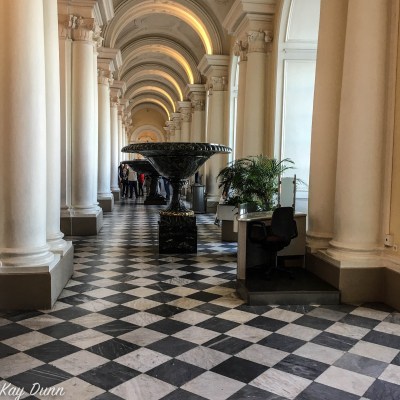
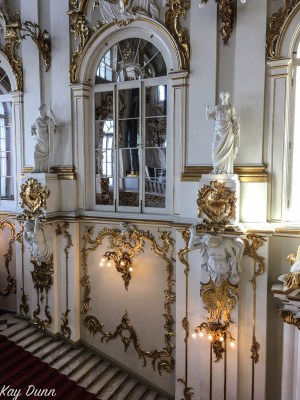
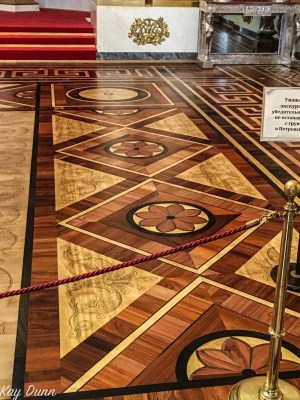
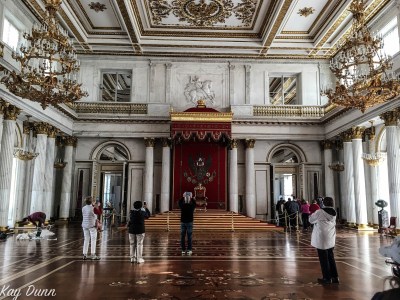
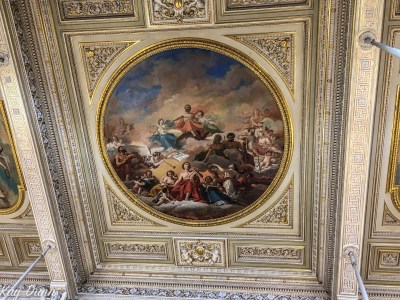
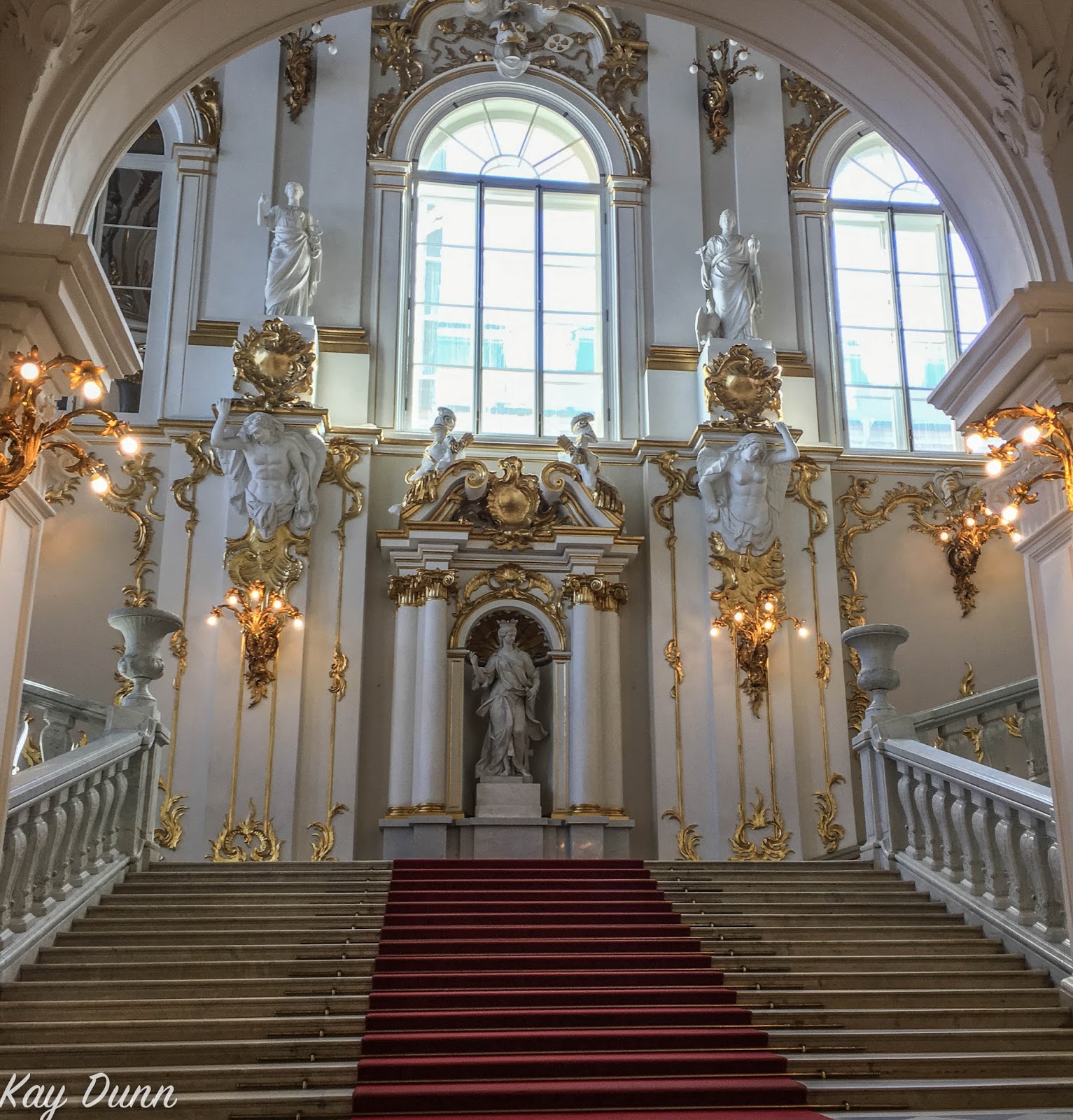
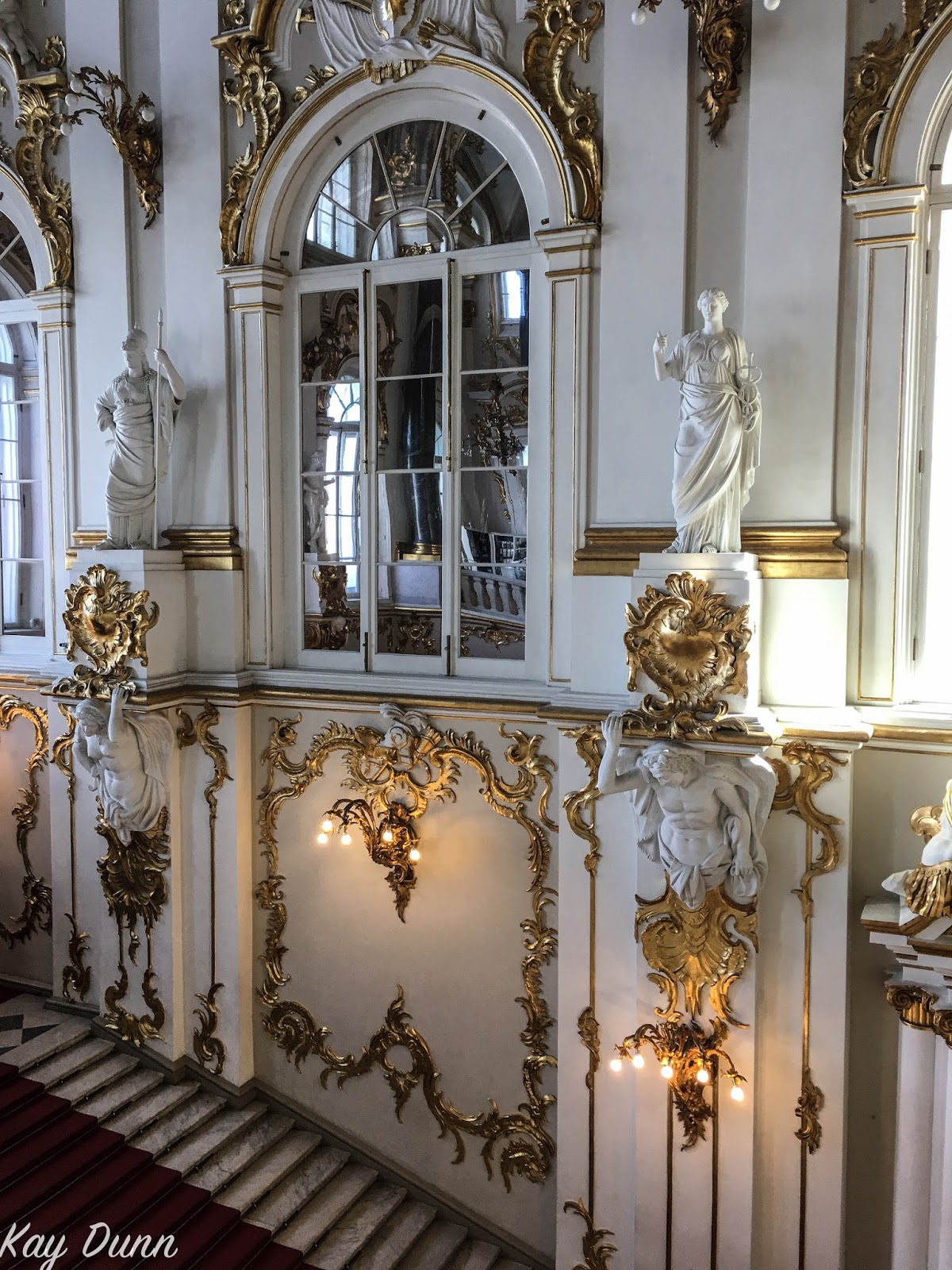
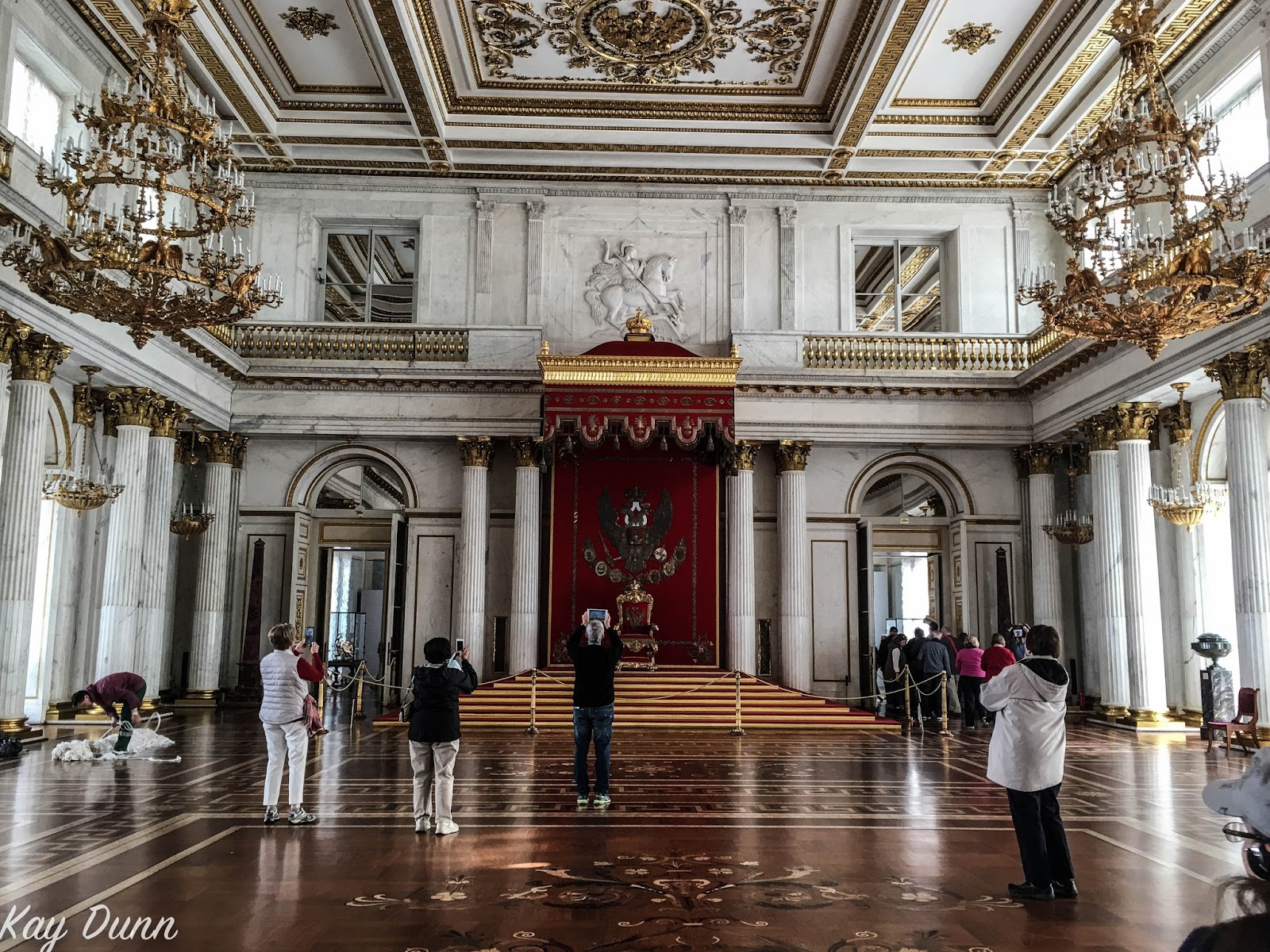
In St. Petersburg, several rivers are intertwined through the city creating islands connected to the mainland.  One such island houses the Hermitage Museum, one of the largest and oldest museums in the world.

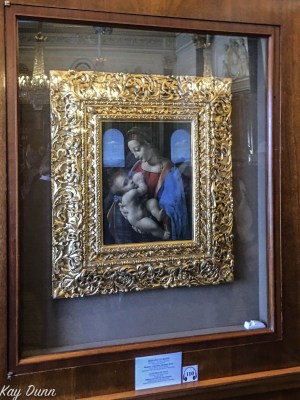
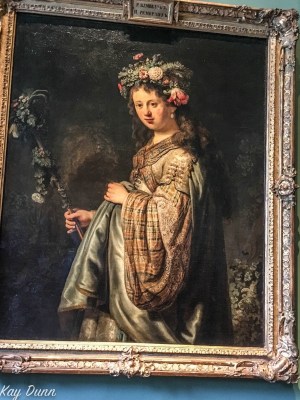
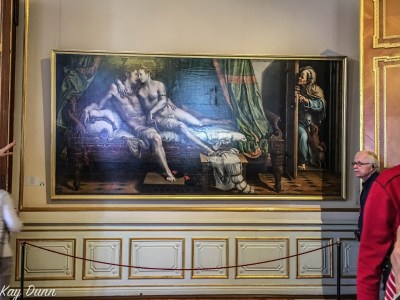
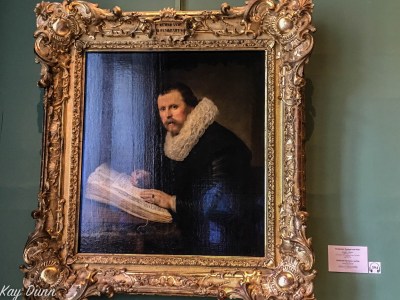
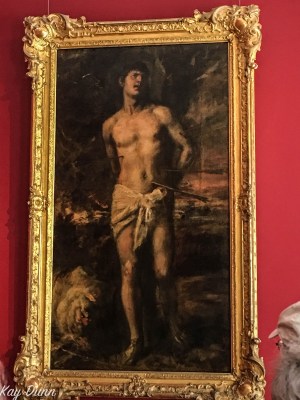
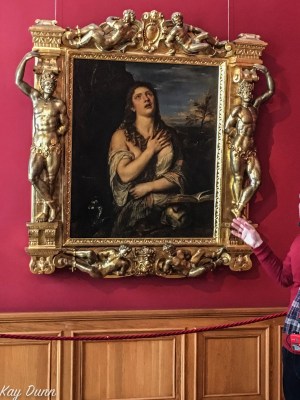
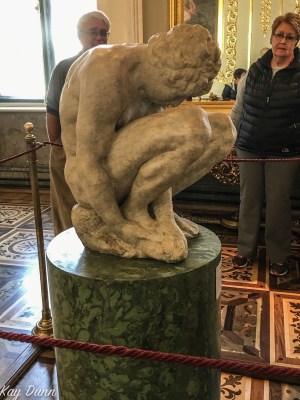
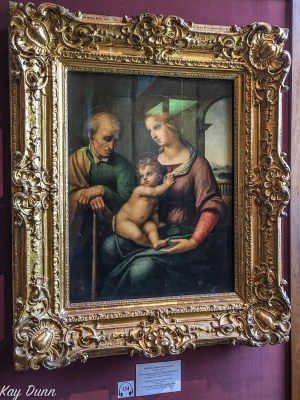
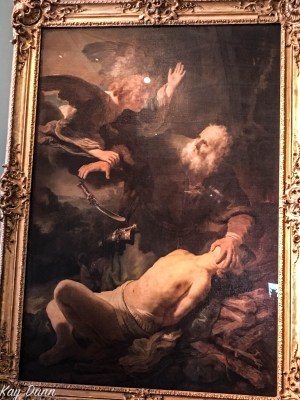
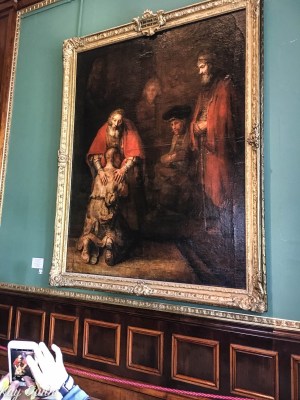
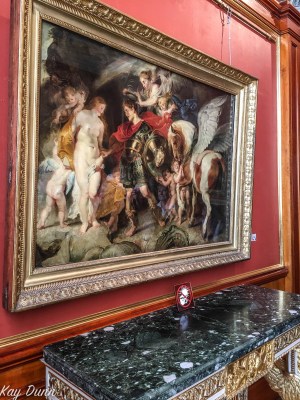
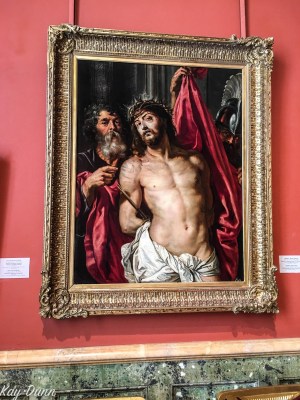
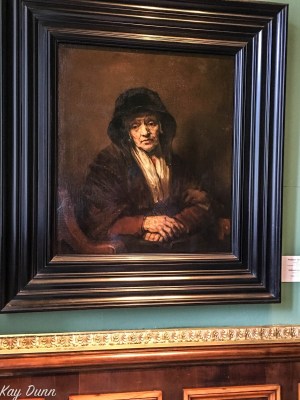
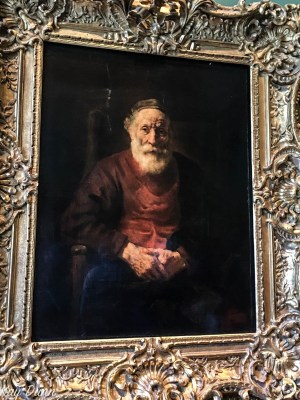
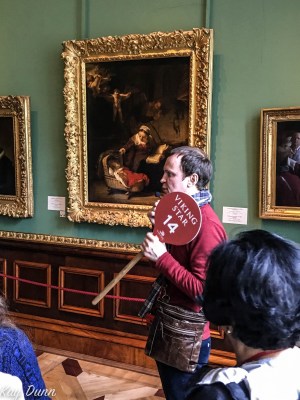
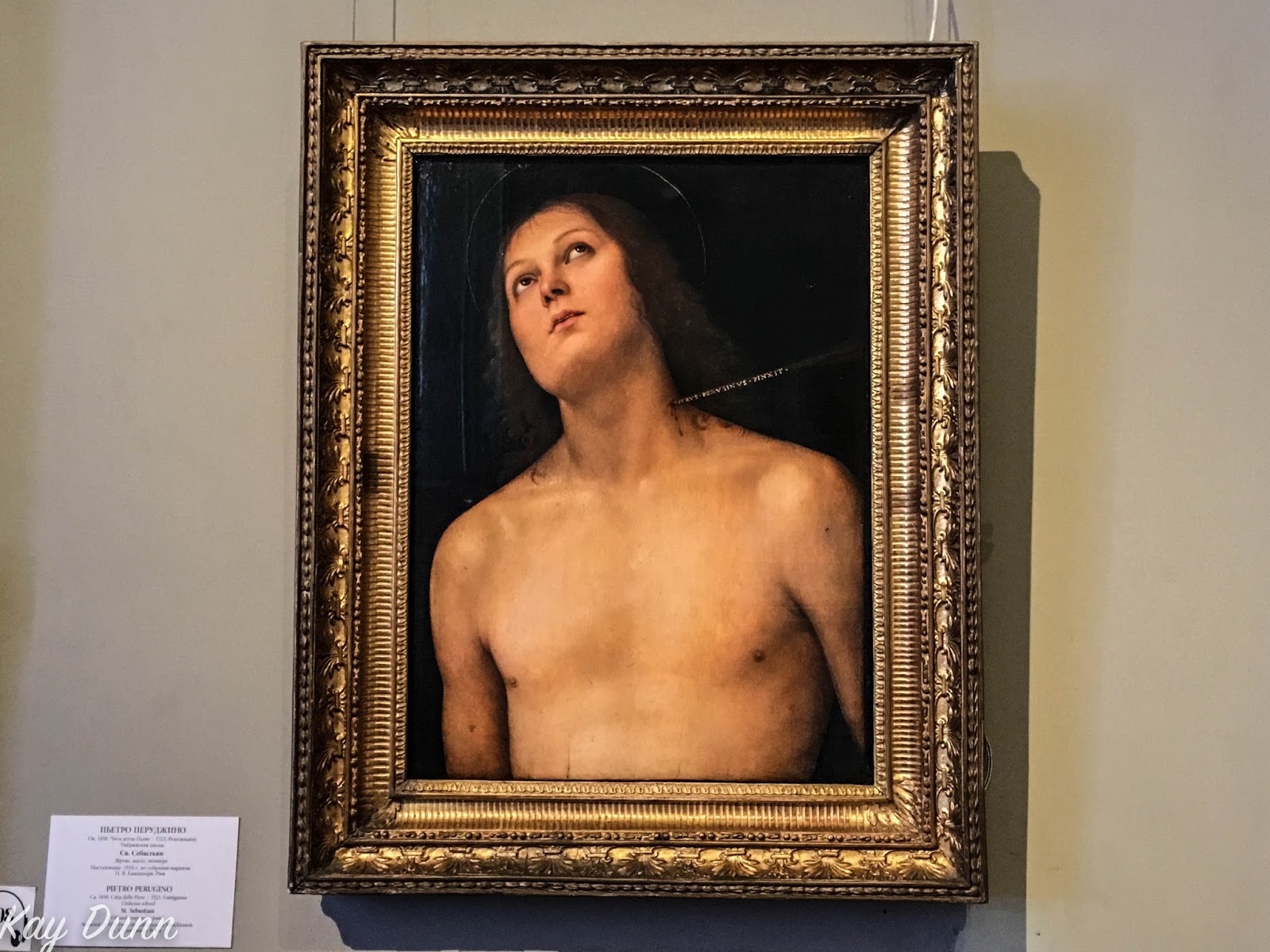
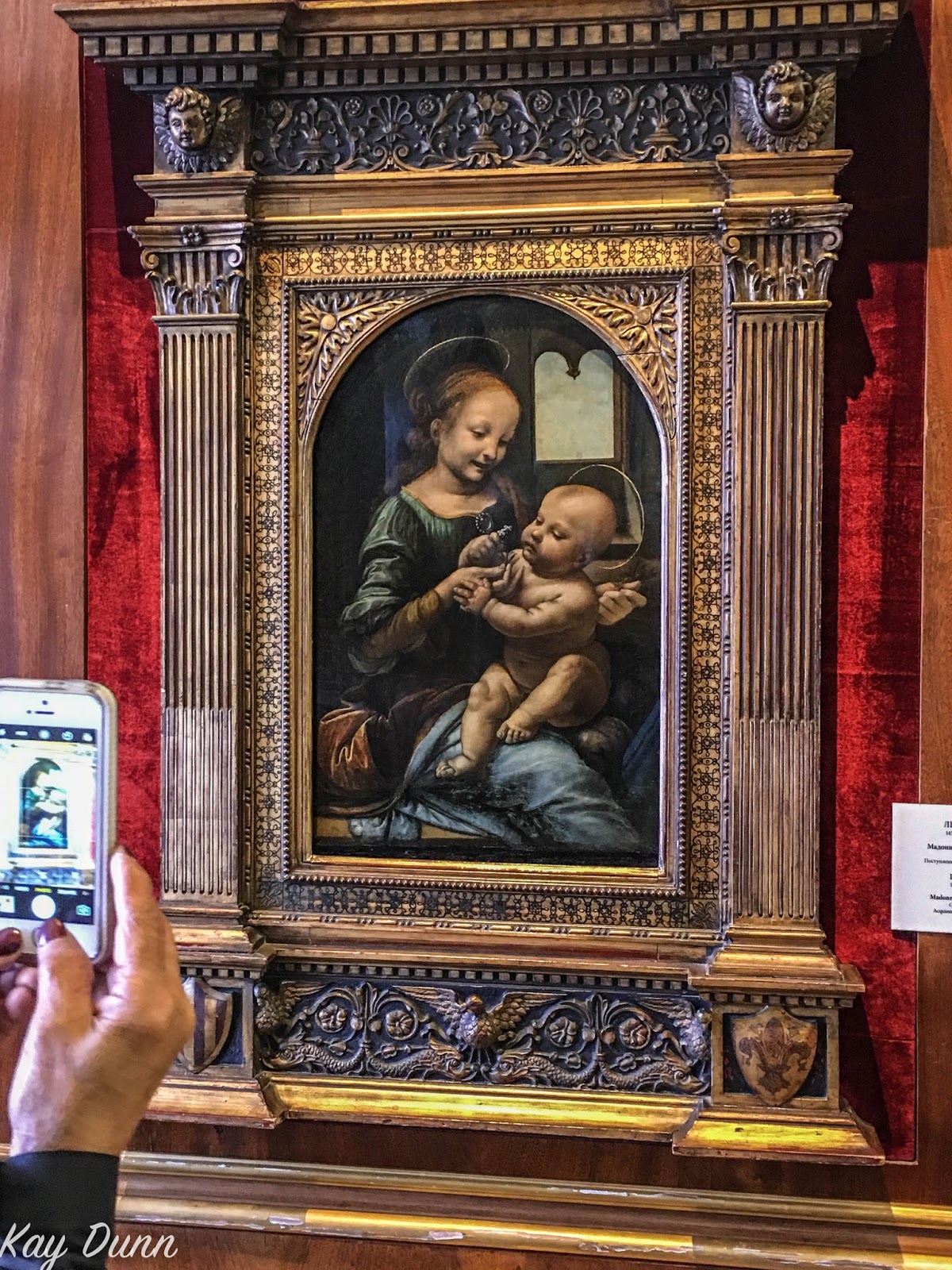
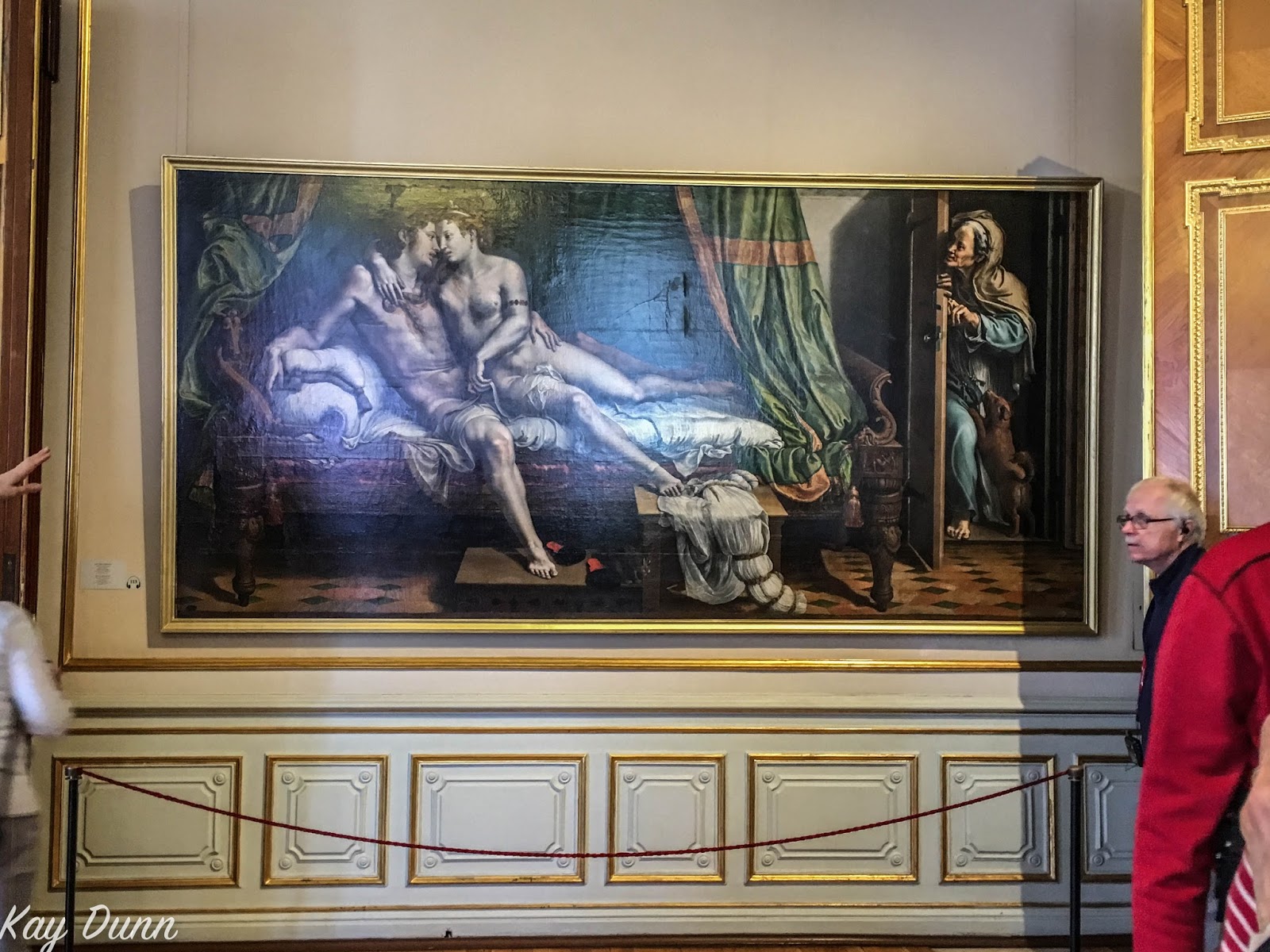
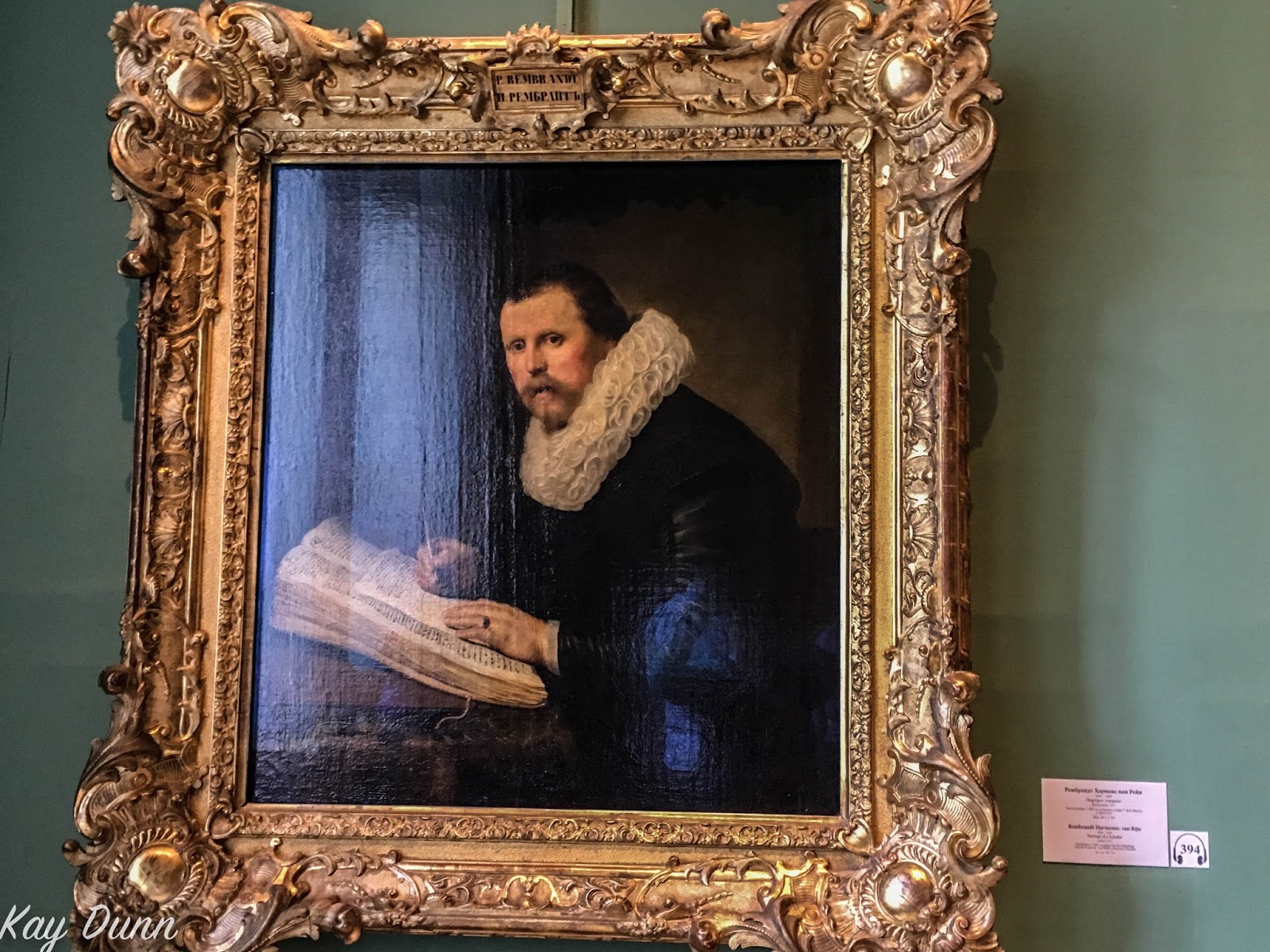
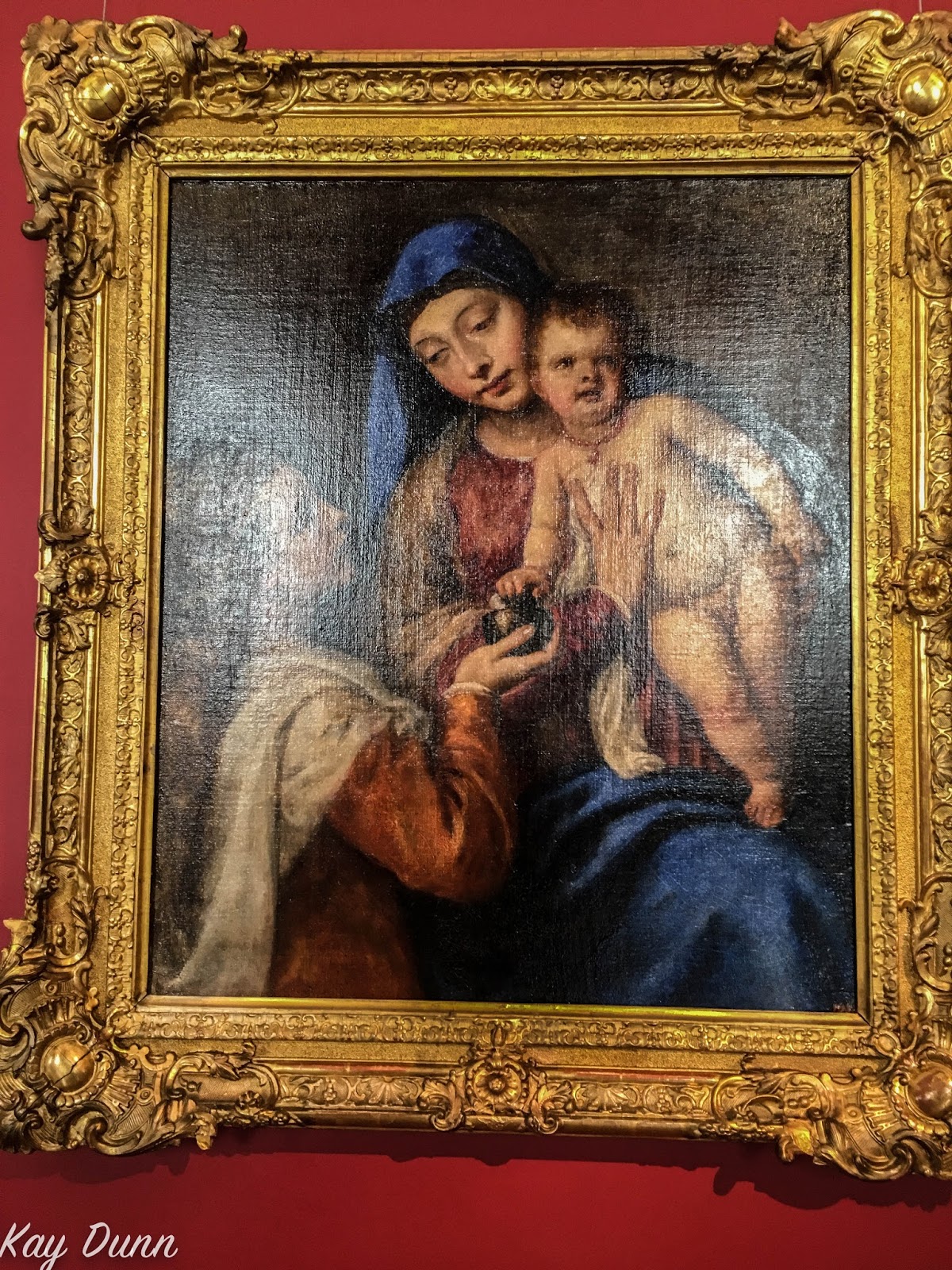
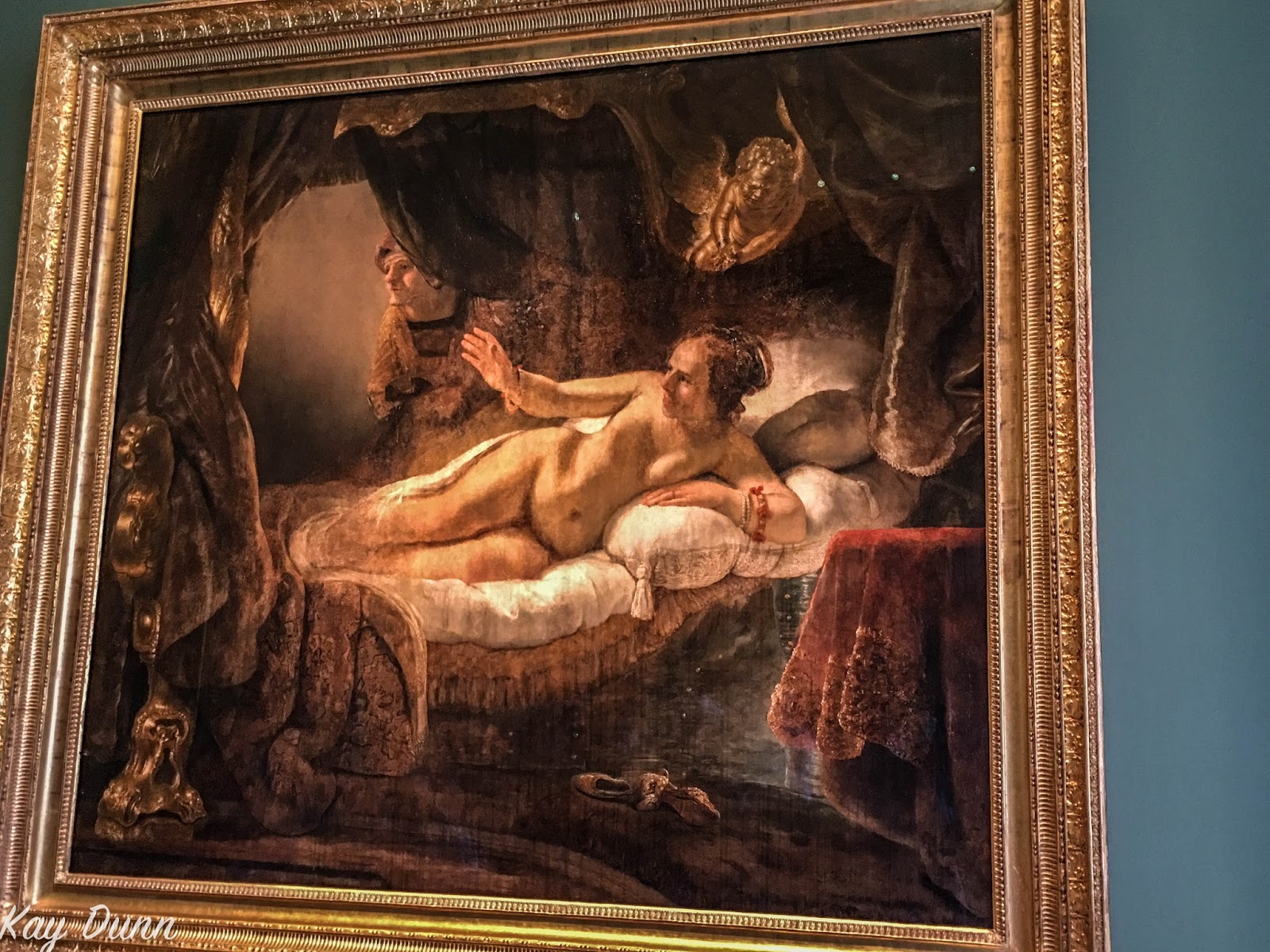
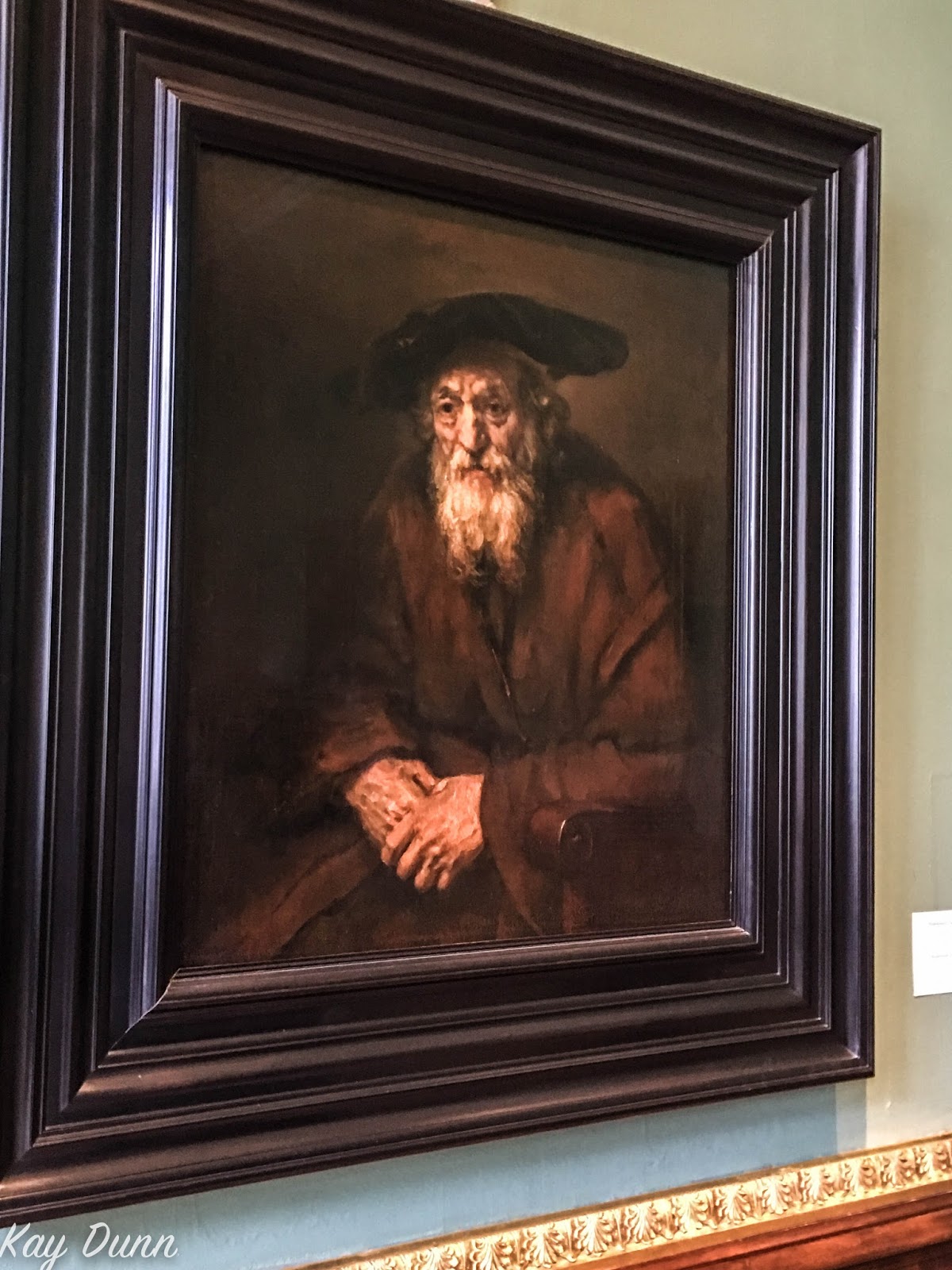
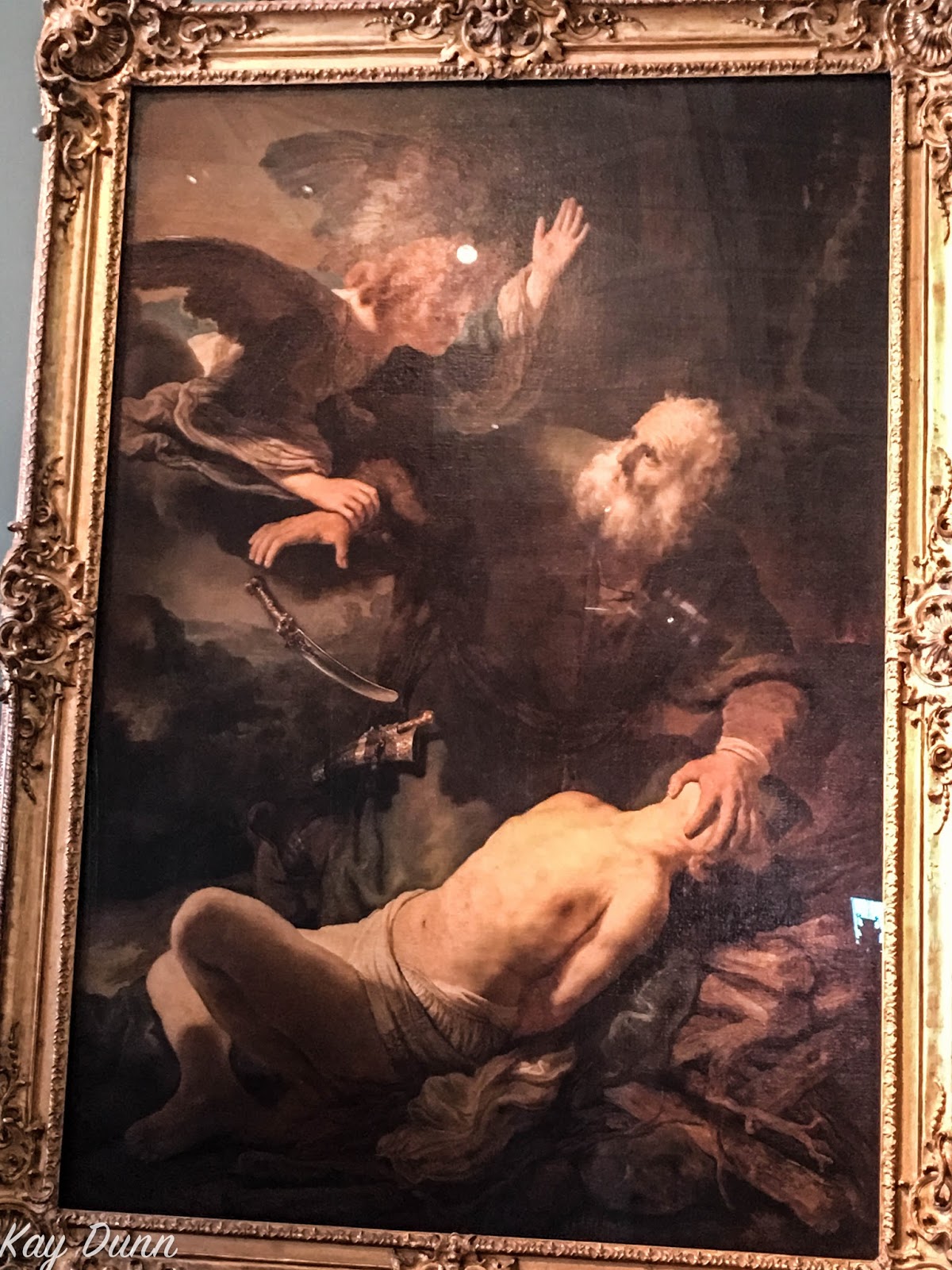
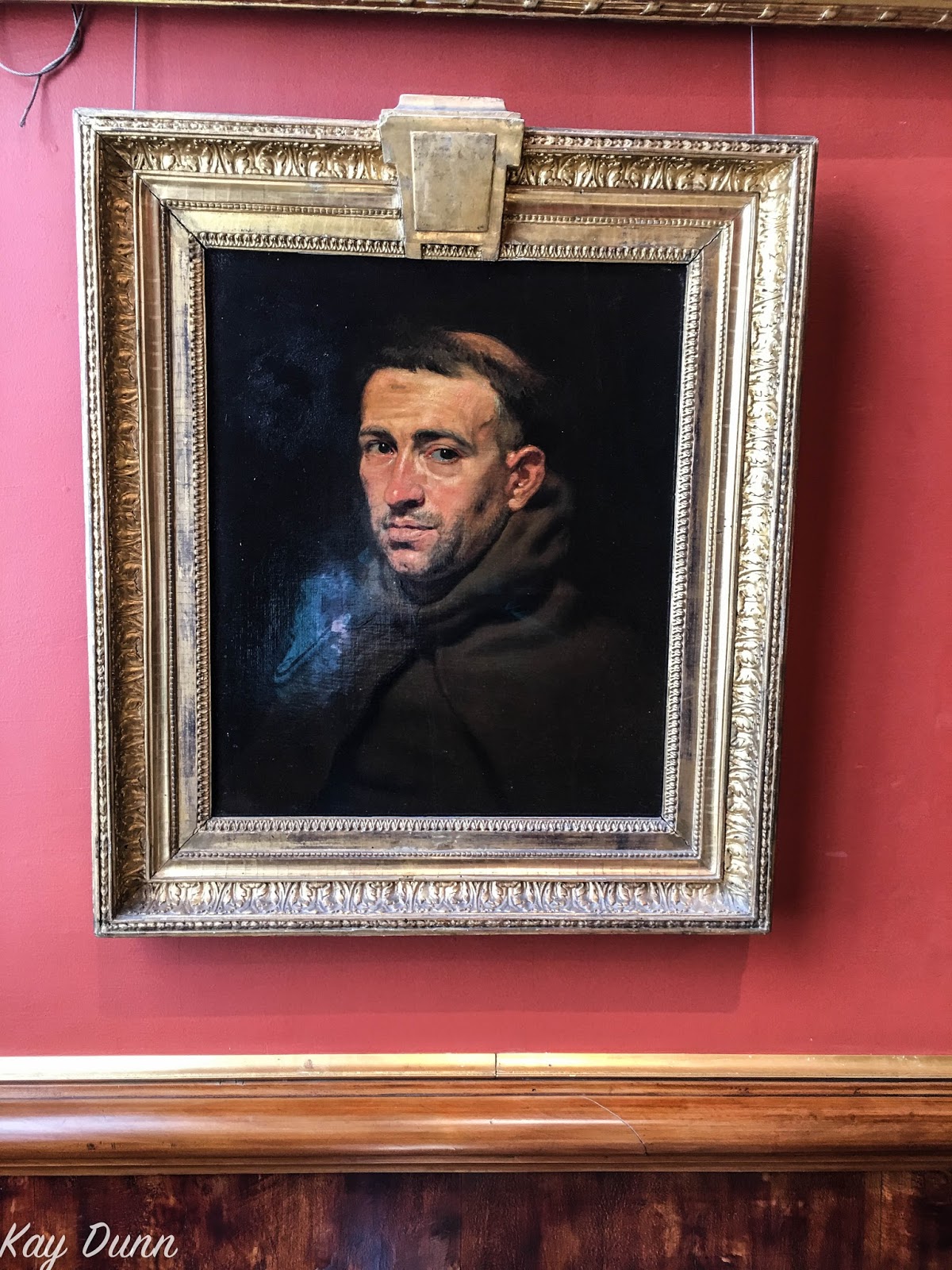
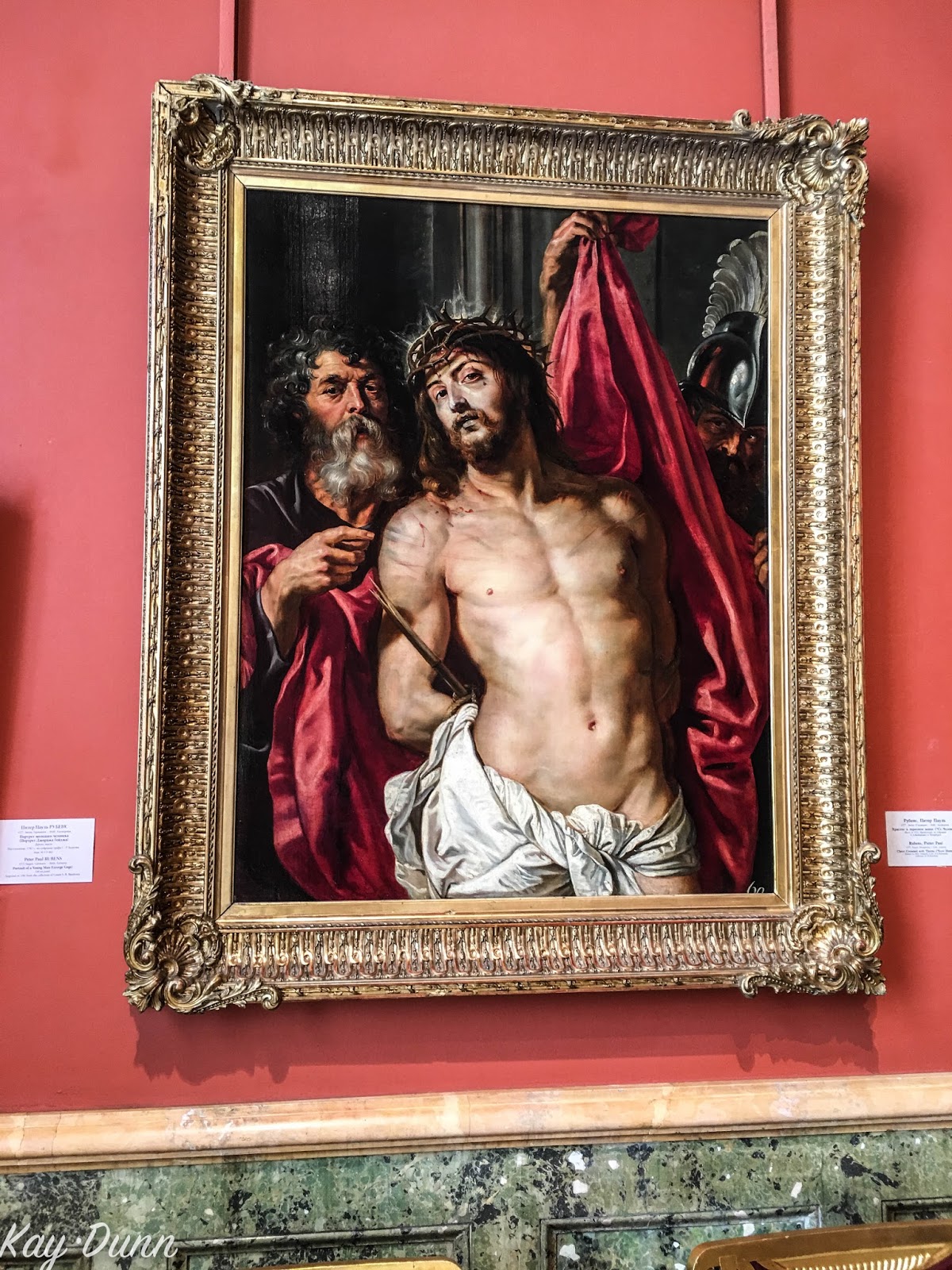
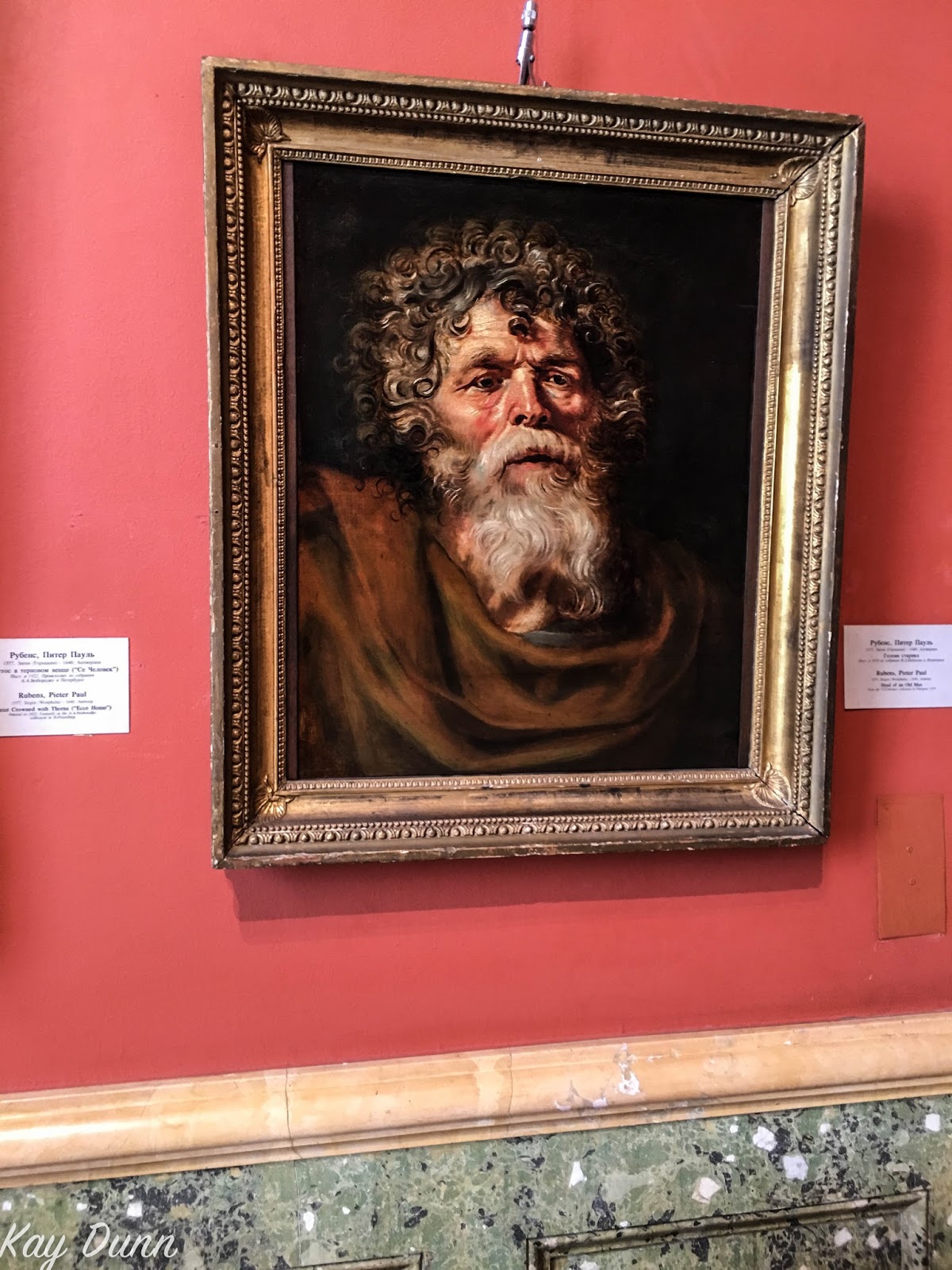
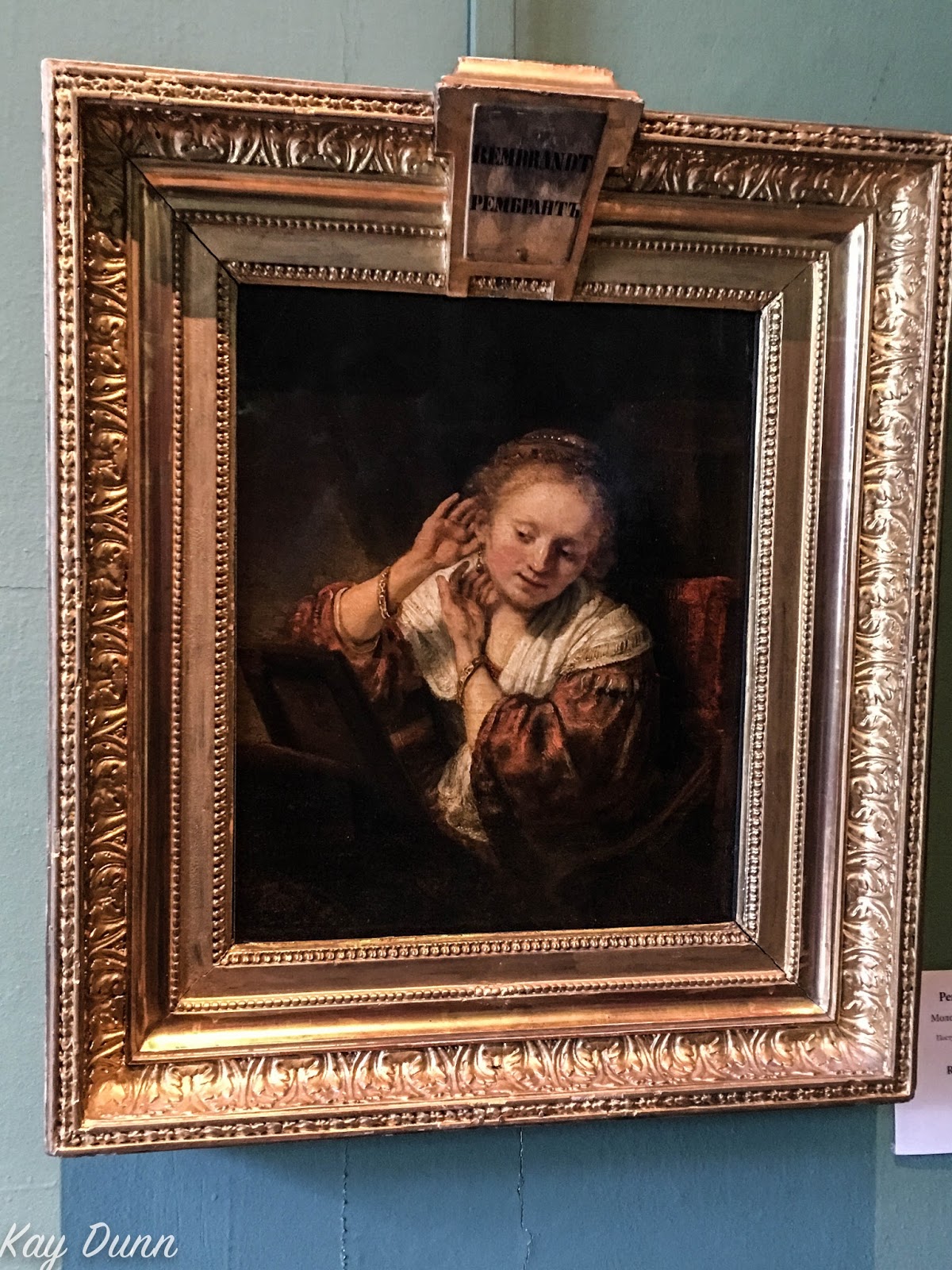
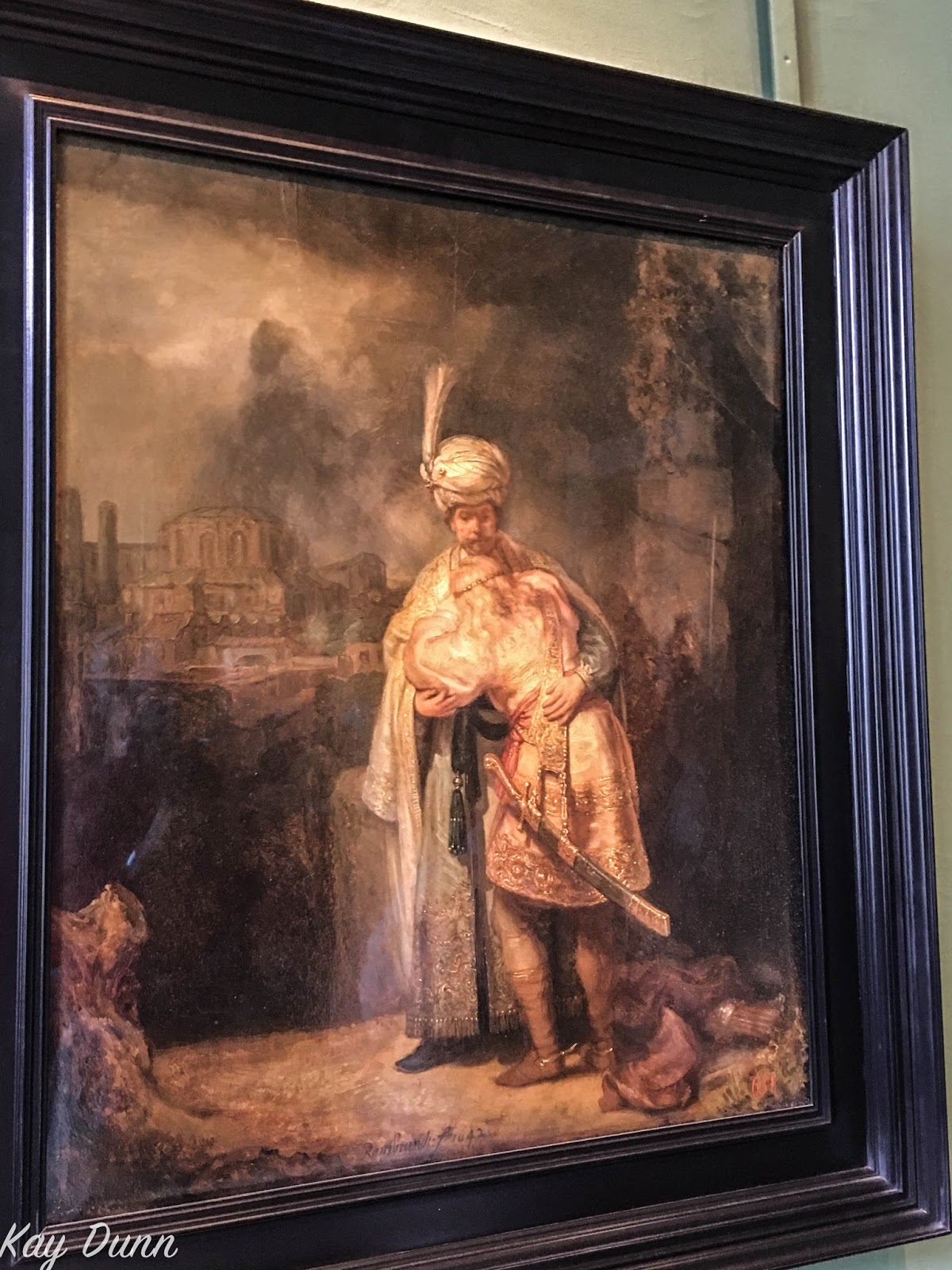
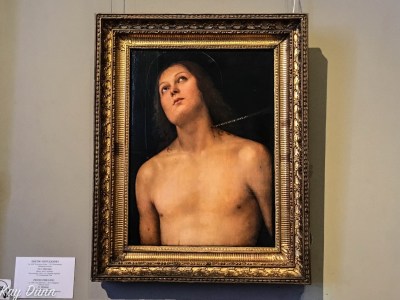
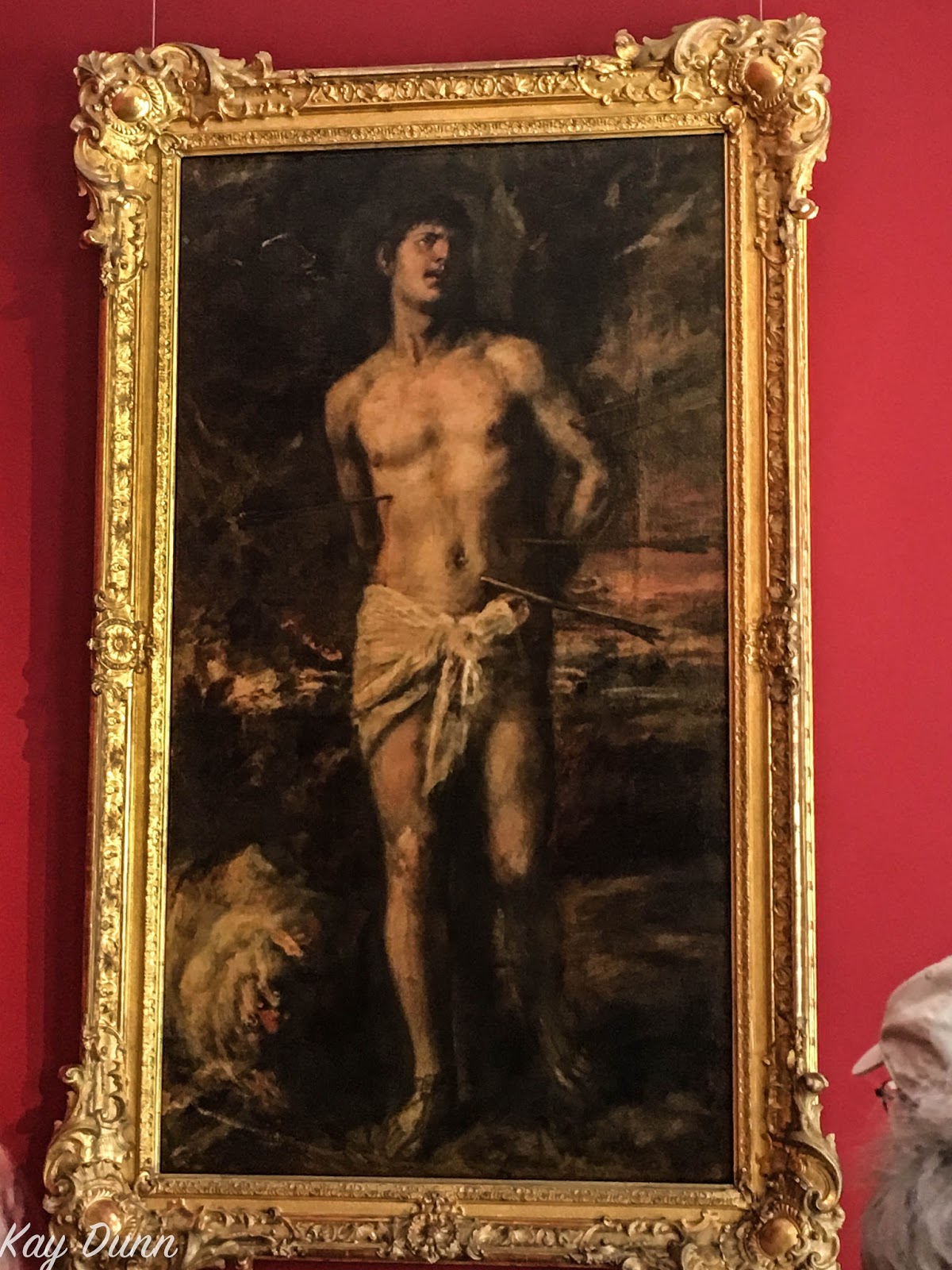
The myriad of artwork, numbered at over three million pieces, includes the largest collections of paintings in the world.  The collections occupy a large complex of six historic buildings including the Winter Palace which houses and displays an unbelievable collection of priceless art surpassing even the Louvre in quantity of famous art masterpieces.  Among the artists were ,Da Vinci (2 madonnas), Raphael (2 madonnas), Michelangelo (1 statue), Rembrandt—about 2 dozen paintings, Tizian, El Greco, Goya, Caravaggio, Canaletto, Impressionists – Monet, Renoir, Pisarro, Van Gogh, Matisse; Greek jewelry at the Golden treasury rooms; and Scythian jewelry at the Golden treasury rooms.  And then, the second tier of names:  Rubens, Van Dyck, Poussin, Fragonard, Canova, Sten, Metsu, de Hooch, ter Borch, and Hals. 

Feeling worse with continuing high temperature and after a second visit to the infirmary, I did not accompany Kay on the tour of the Hermitage—another of the places I really wanted to see—but stayed in bed all day. 

Weather today was partly cloudy and 55°.
Tuesday, May 16—Viking Homeland Cruise, Day 11, St. Petersburg, Russia

Make no mistake, St. Petersburg, Russia, is opulent, but solidly a Russian city with massive covert security and seemingly secretiveness.

Spectacular palace(s), St. Petersburg, Russia

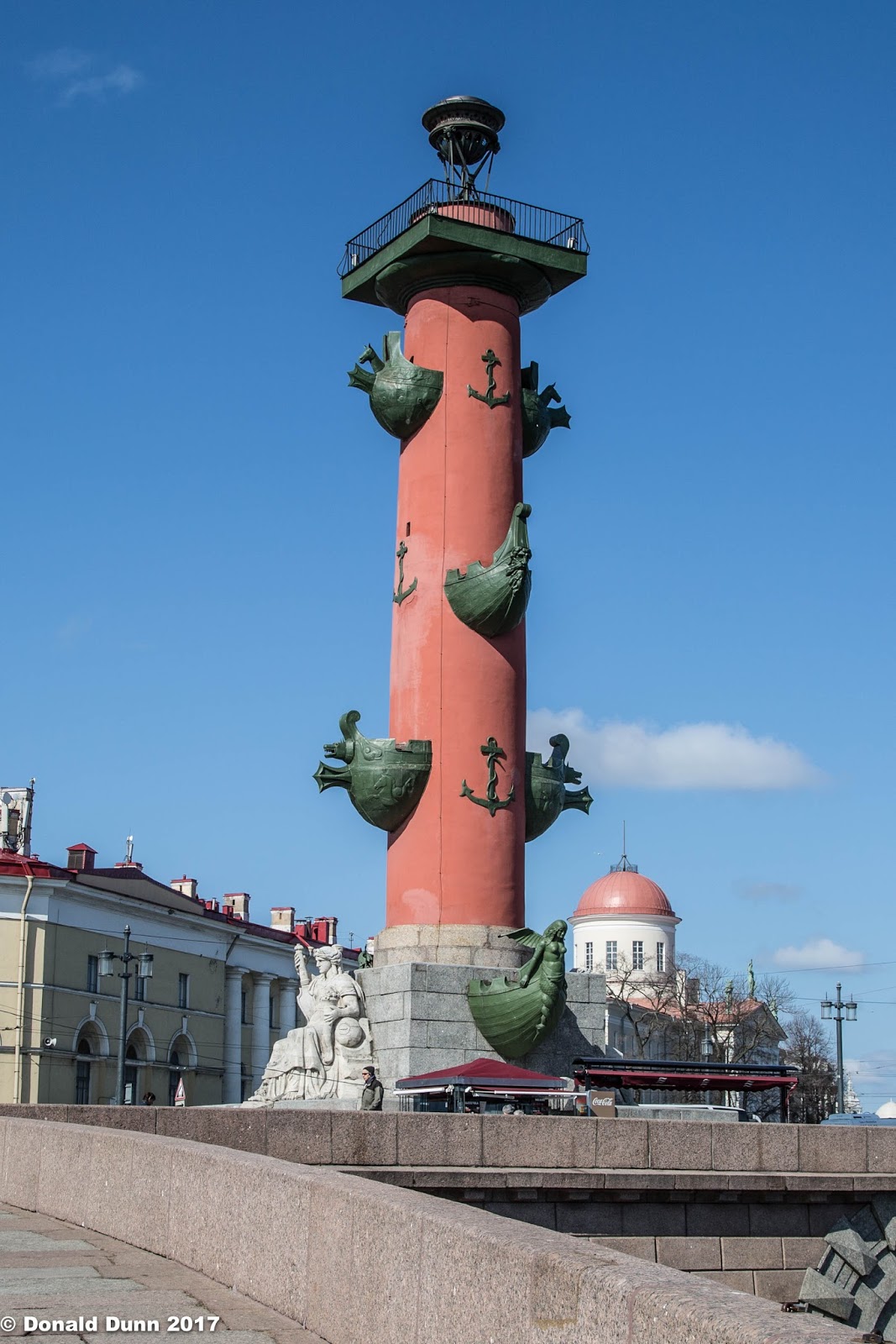
St. Petersburg, Russia
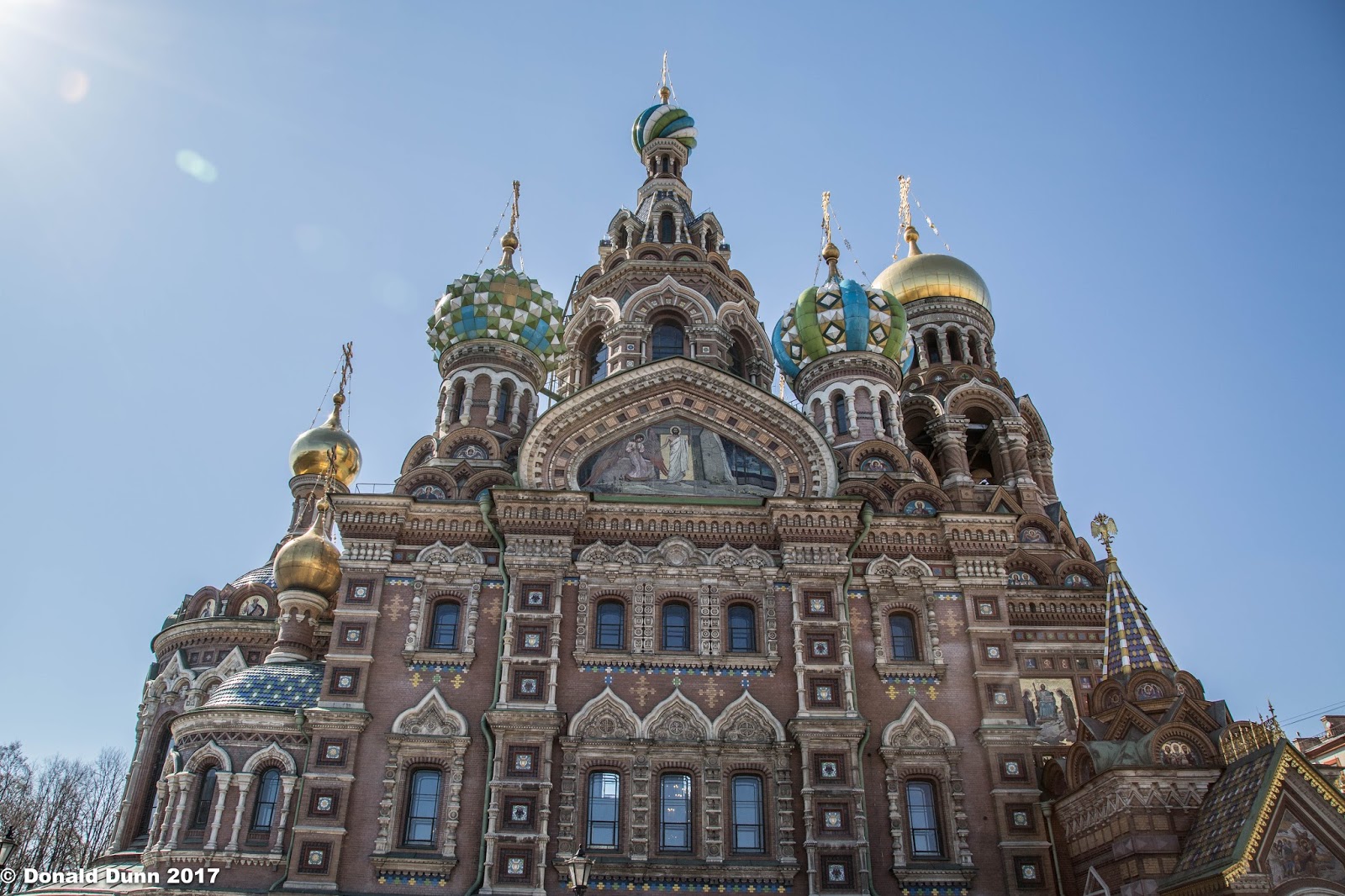
Made lavish by Tsar Peter the Great some 300 years ago, St. Petersburg is one of Europe’s most important cultural centers.  It abounds in grand boulevards, a network of canals, elegant baroque and classical buildings, seemingly innumerable palaces, and the picturesque onion-domed churches and cathedrals such as the extraordinary Church of Our Savior on Spilled Blood.  The onion-domed decorative memorial is dedicated to the assassinated emperor Alexander II, the last of the Czars of Russia.

Church of Our Savior on Spilled Blood, St. Petersburg, Russia

Church of Our Savior on Spilled Blood, St. Petersburg, Russia

Church of Our Savior on Spilled Blood, St. Petersburg, Russia

The city is a blend of old and new Russia.  Before the revolution there were over 600 aristocratic families with residences in this city and many of them have either been restored or repurposed.  Beside them are modern buildings housing colleges, government offices, museums, etc.  And yet, there seemed to be a coldness, aloofness, or reluctance to interact with the inhabitants.  Like any big city, traffic congestion and road construction were part of the every day life.

Waterfront Memorial, St. Petersburg, Russia

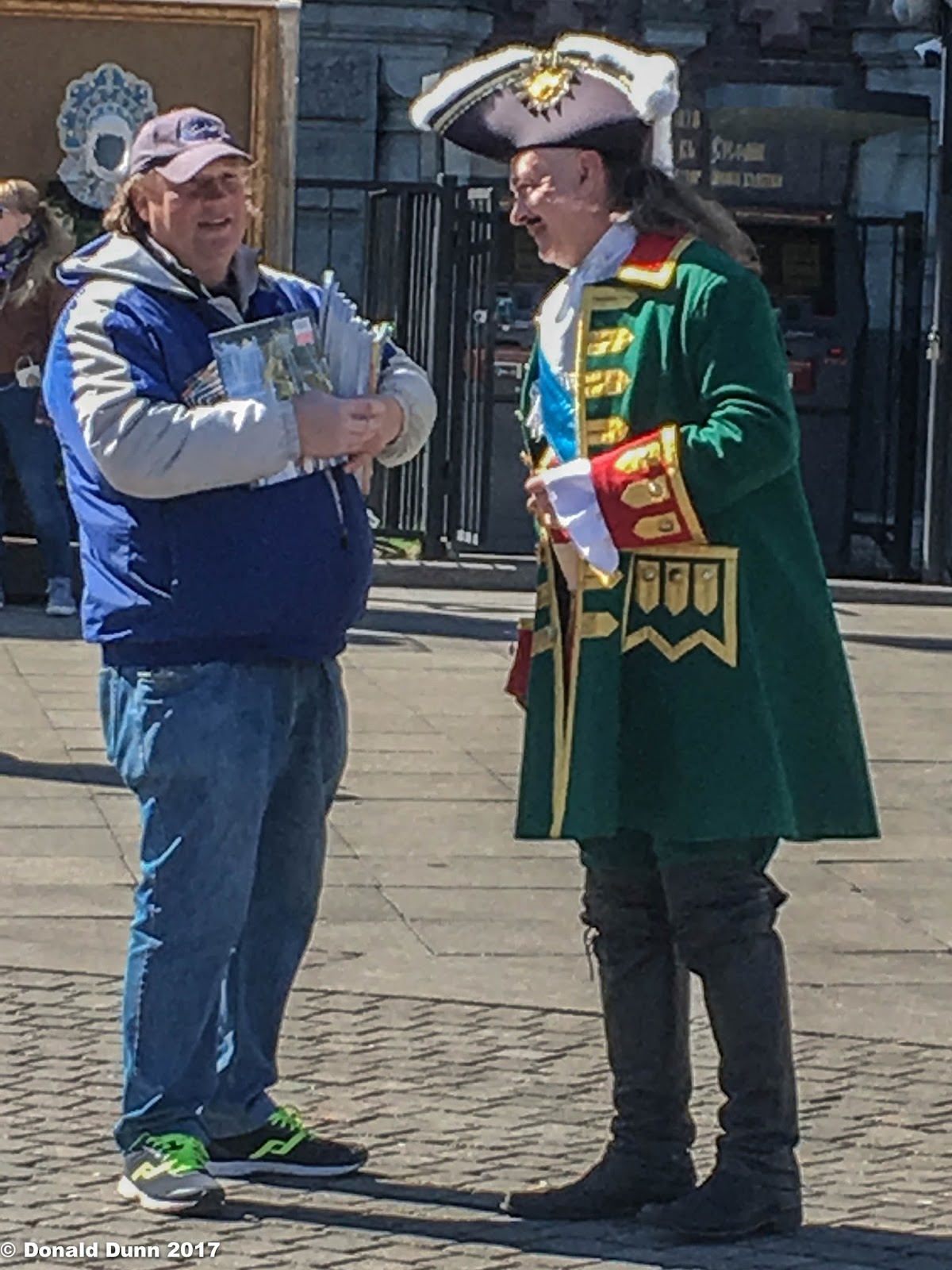
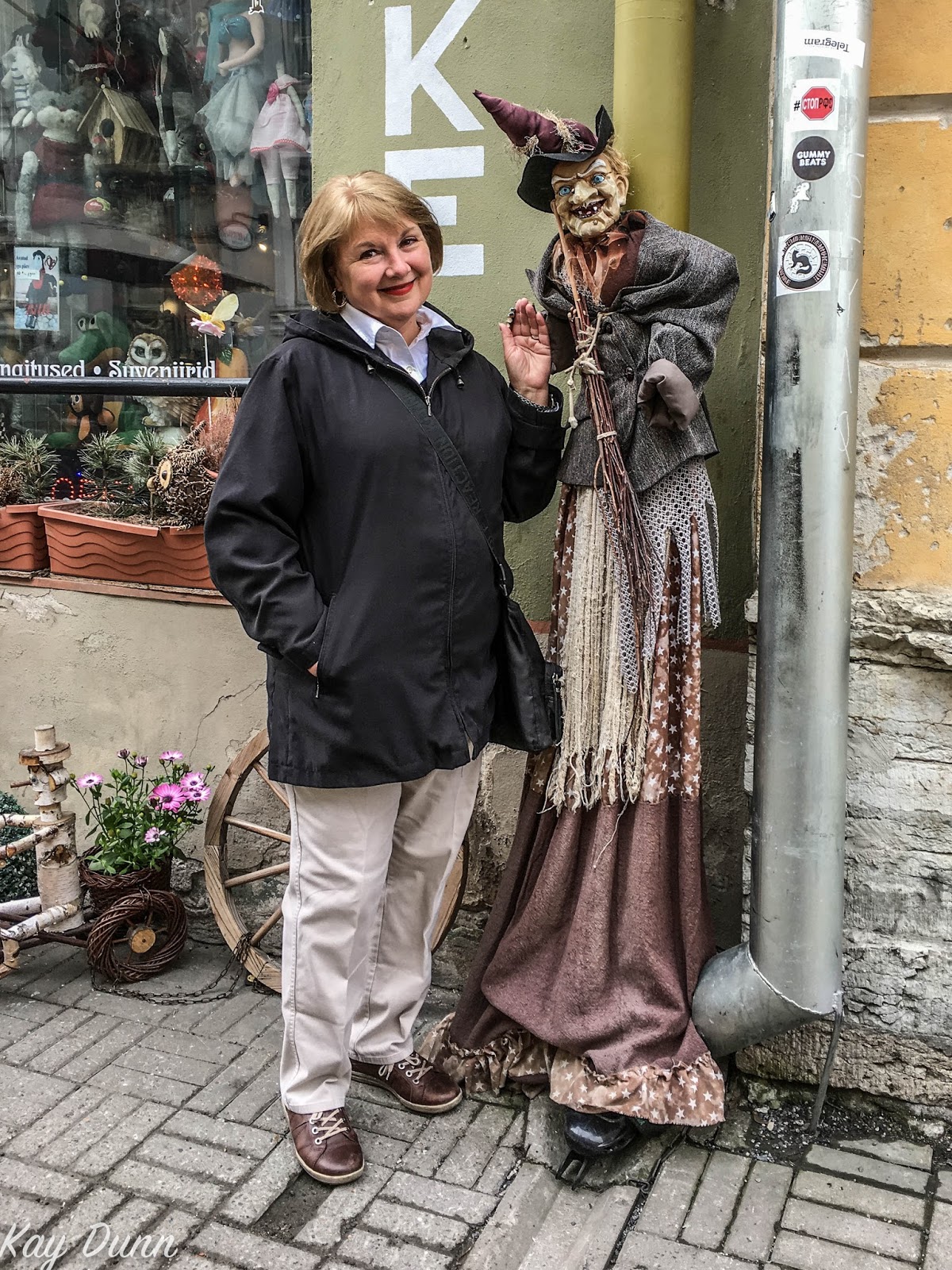
Costumed street “entertainer”, St. Petersburg, Russia

St. Petersburg, Russia, as seen across from the Church

Despite not feeling well, I made the included tour bus tour today, but returned to bed.  Weather was partly cloudy and 50°.
Monday, May 15—Viking Homeland Cruise, Day 10, Tallinn, Estonia

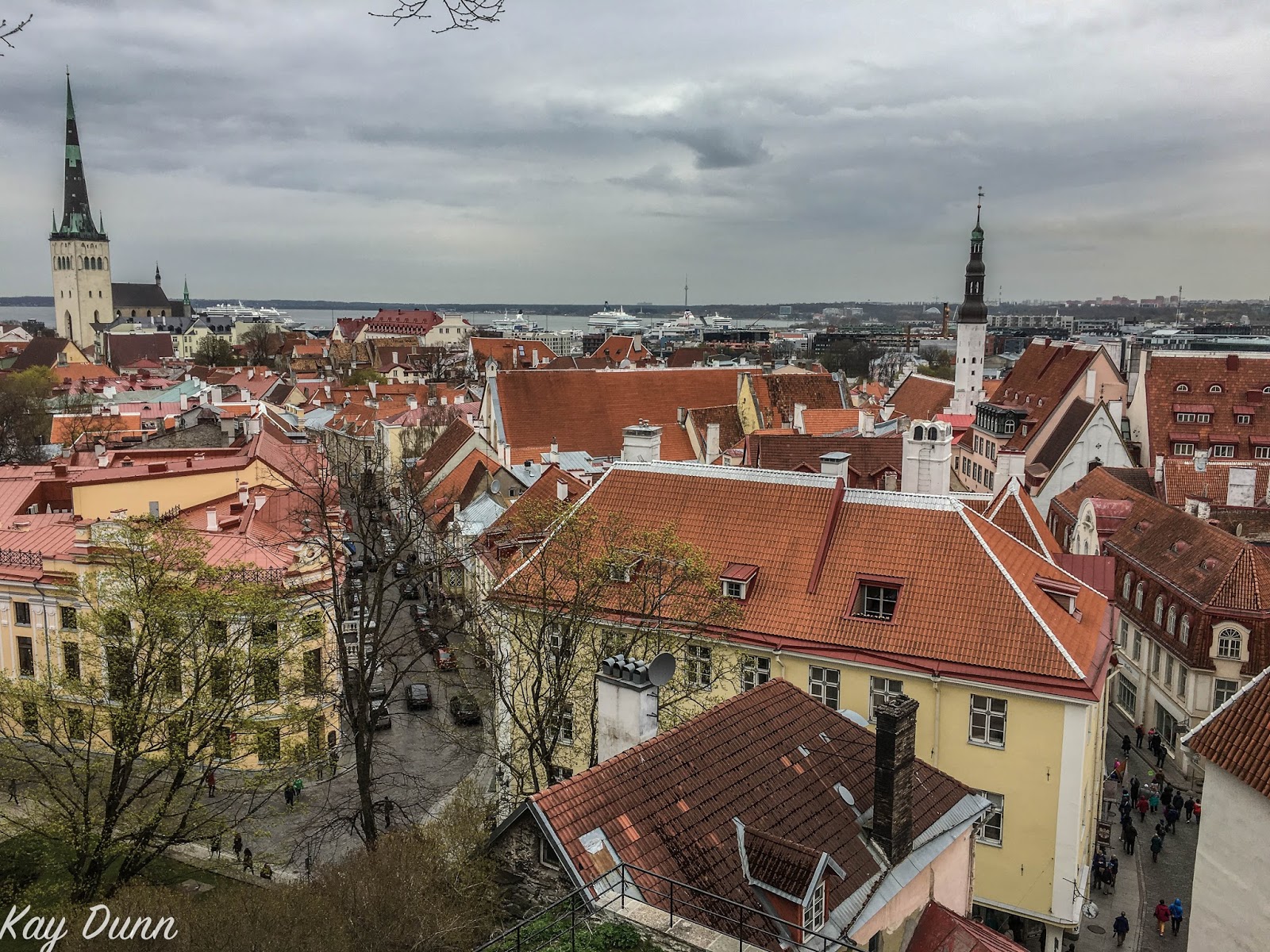
Red-roofed buildings in Tallinn, Estonia

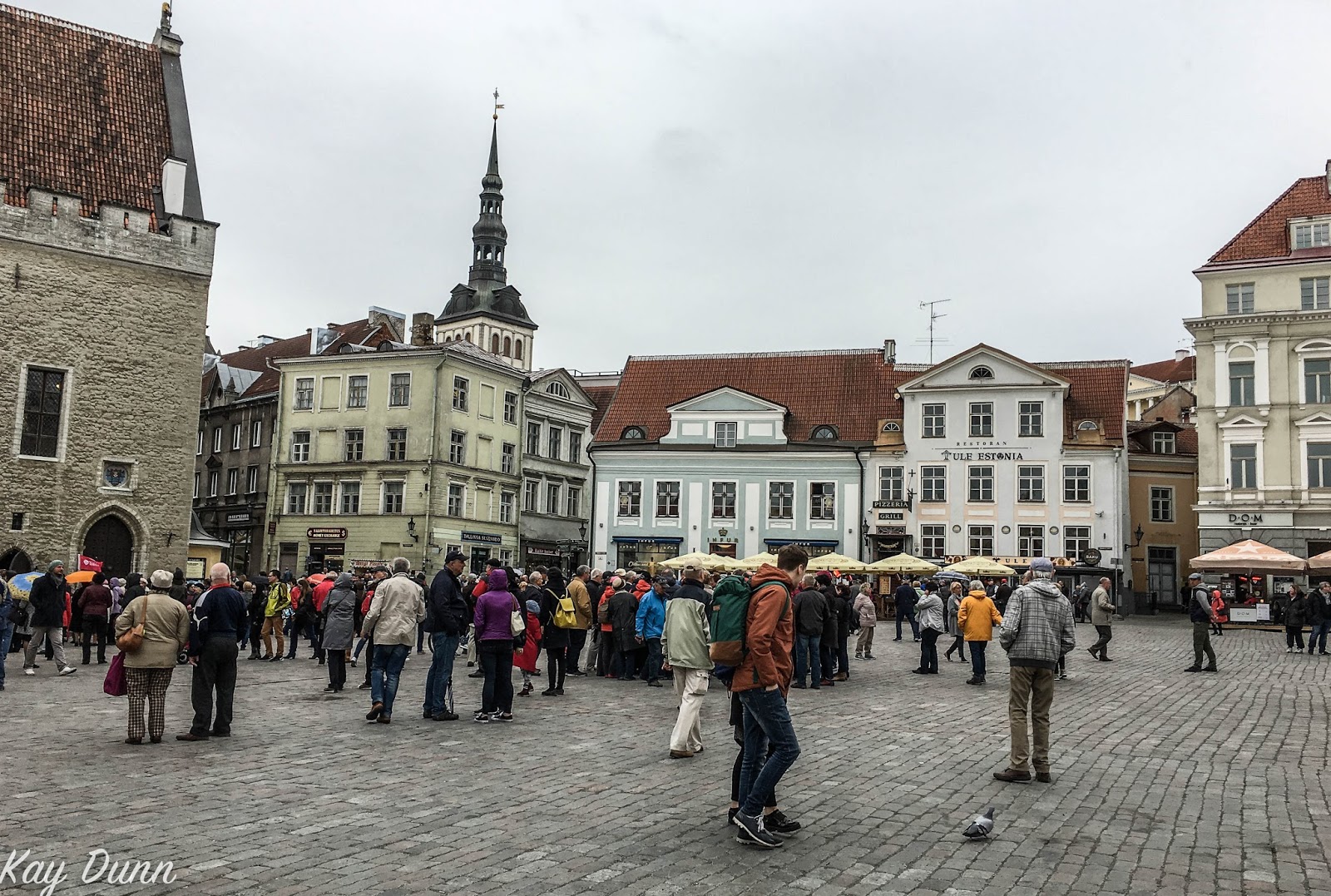
Cobble-stone streets in Tallinn, Estonia
Tallinn is one of Northern Europe’s best examples of a medieval village with cobbled streets and red-roofed buildings.  In the walled Upper Town on Dome Hill (Toompea), there are extraordinary government buildings and striking cathedrals, while the Lower Town is a network of 13th century streets, gabled houses, and churches, all encompassed in the 2-hour “included” tour accompanied by the aromas from the many confectioners’ shops filled with an almost infinite variety of marzipan.
Churches are everywhere in Europe, Tallinn, Estonia

Announcing a sale at one of the stores in Tallinn, Estonia

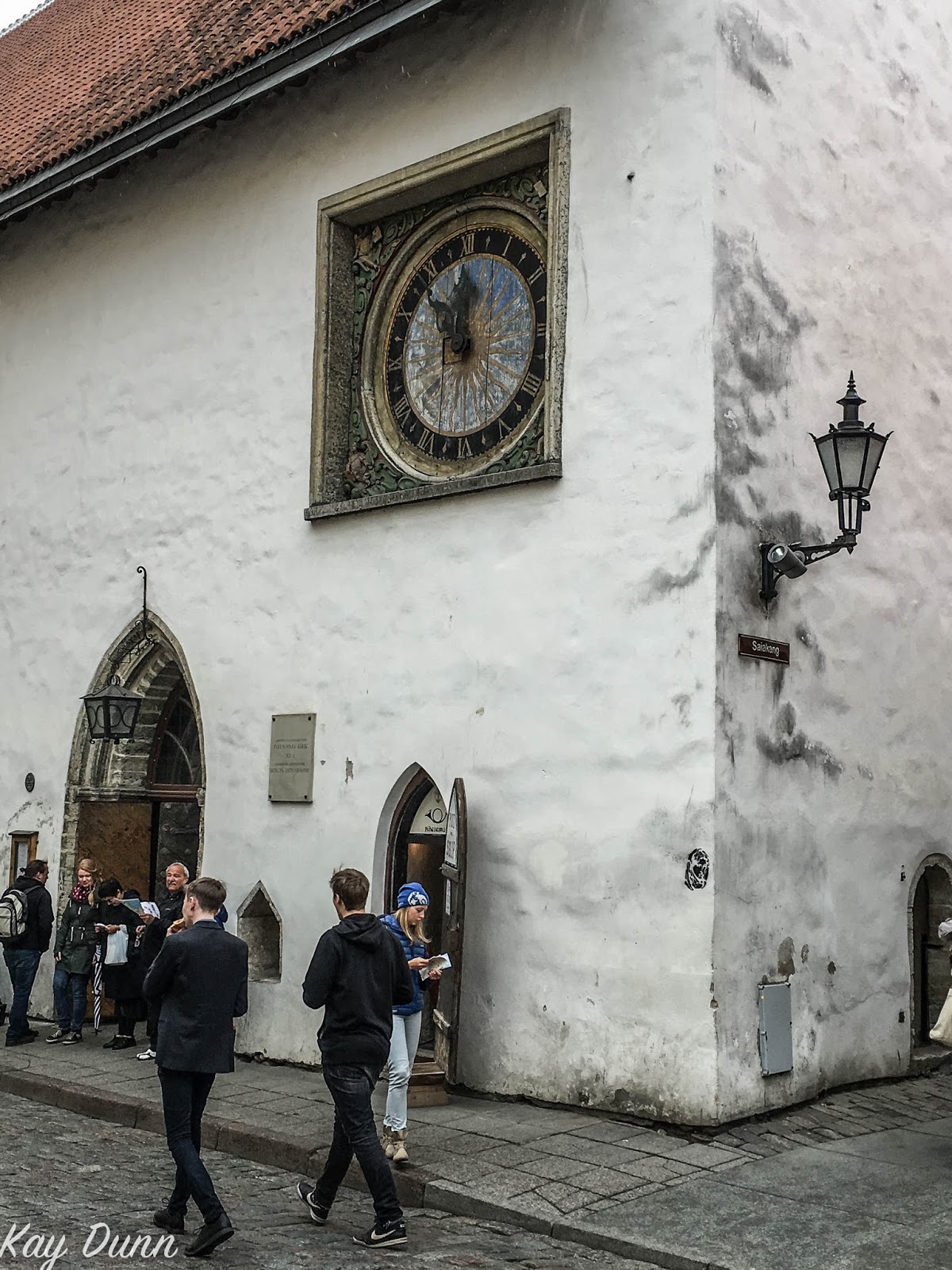
We adore the clocks in Europe—Tallinn, Estonia

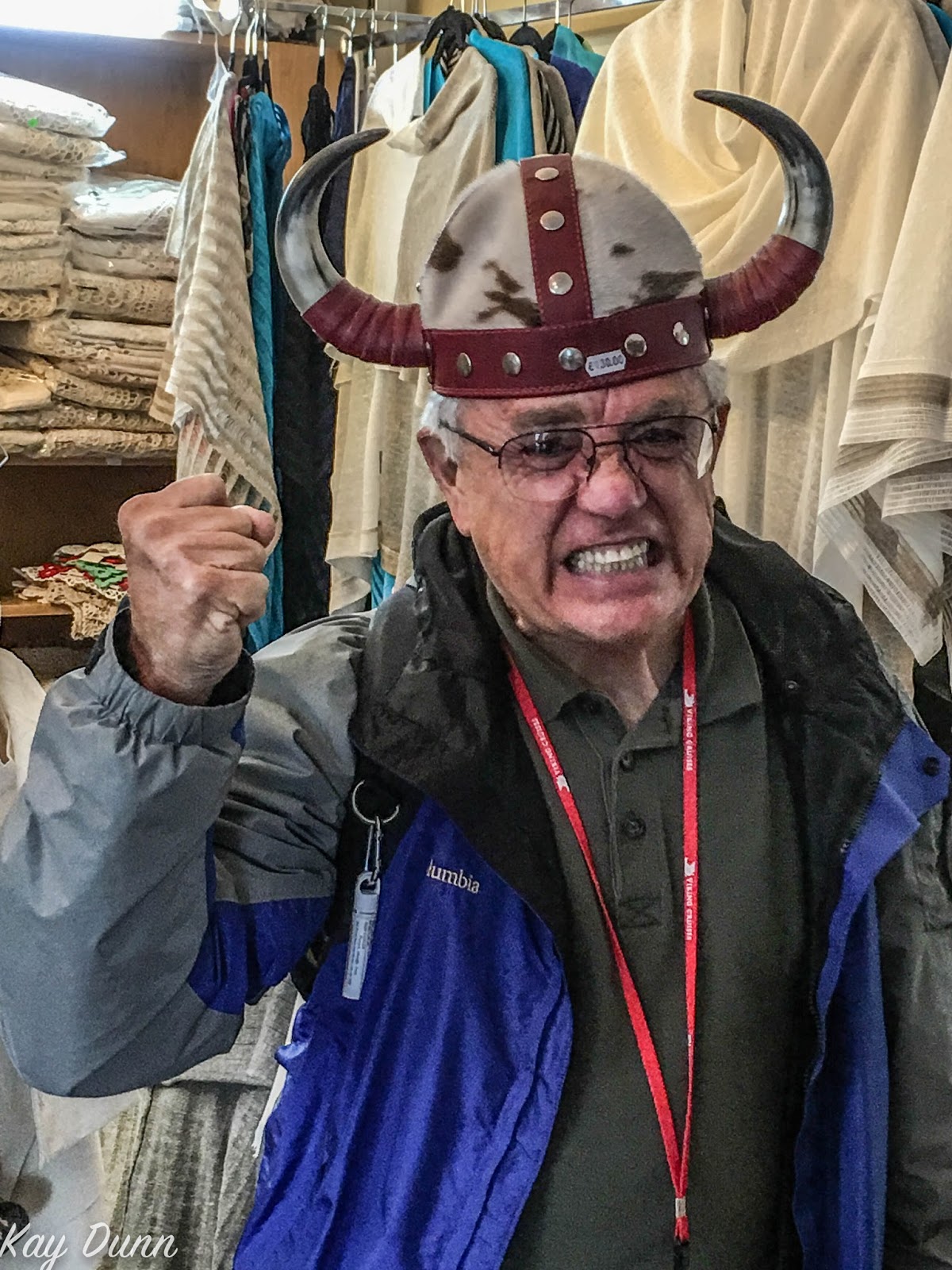
George, the Viking—talking about Viking ocean cruises

Sweet Nan (on the left), Kay’s sister in Tallinn, Estonia

Marsipan pot, Tallinn, Estonia

149 Euros for these shoes in Tallinn, Estonia

Local Estonian selling wares at a store in Tallinn, Estonia
Of note regarding Tallinn and Estonia, in 1988, some 300,000 citizens rose up and sang against Soviet rule, effectively ending its communist chokehold on the small country of Estonia; this “singing revolution” was won without spilling any blood.
A visit to the ship’s infirmary confirmed a wicked virus and 102° fever; consequently, Tallinn was not on my itinerary today—bed, instead—and it was one of the cities I so wanted to see!

Weather for those who braved the elements was drizzling rain, cloudy, and 50°.

Sunday, May 14—Viking Homeland Cruise, Day 9, At Sea

Today was spent at sea—no ports of call.  It provided a welcome chance to rest, relax, catch up on correspondence, reading, and enjoying the ship’s great spa and recreational facilities.  I attempted to take full advantage of these, but began coughing after the Berlin excursion a couple days ago, and now feel achy.  Neither the hot tub nor sauna helped, and relief from the cough, aches, and sore joints could not be found—a stay-in-bed kind of day.

Kay did enjoy the ship’s amenities and variety of food choices during this “off” day.  She went to the spa on board the ship.  There, she enjoyed the resistance pool (similar to a continuous wave pool), the hot tub, the wet sauna, the dry sauna, the ‘ice’ room, and the heated lounge chairs.  A terry cloth robe and shoes were provided for each spa user.  The ice room was a cool down after the saunas.  Kay stayed in the steam sauna for about 3 minutes and only one minute in the ice room.  Burr!!  Those Baltic folks are made of more sturdy stock.  

It was mostly cloudy today with a high of 59°.

Saturday, May 13—Viking Homeland Cruise, Day 8, Gdansk, Poland

We arrived in Gdansk on Saturday morning, docking to the sounds of a welcoming marching band.
Gdansk is a lovely, vibrant city.  Like many of the other European cities we’ve visited over the last couple of years, many of the old historic buildings were destroyed in World War II, but have been restored/rebuilt.  Interestingly, in Gdansk this was not done to beautify the city as much as to help cleanse the city of all traces of German influence, while enhancing Flemish/Dutch, Italian, and French influences.  Our tour, with a “coarse” Irish tour guide (he married a Polish doctor), included the famous Gate No. 2 of the Gdansk Lenin Shipyard, Long Market, the Green Gate (a former royal residence), the 15th century Artus Court, and the Gdansk treadwheel crane—much like a hamster wheel—a 14th century human-powered mechanism to assist the medieval port in loading and unloading cargo.  Along with Prague in the Czech Republic, Gdansk is now one of our favorite European cities.

Green Gate, Gdansk
Long Market, Gdansk
Golden Gate, leading into Old Town, Gdansk

Gdansk Treadwheel Crane

Young family posing for photos

Old Town, Gdansk
St. Mary’s Basilica, Gdansk
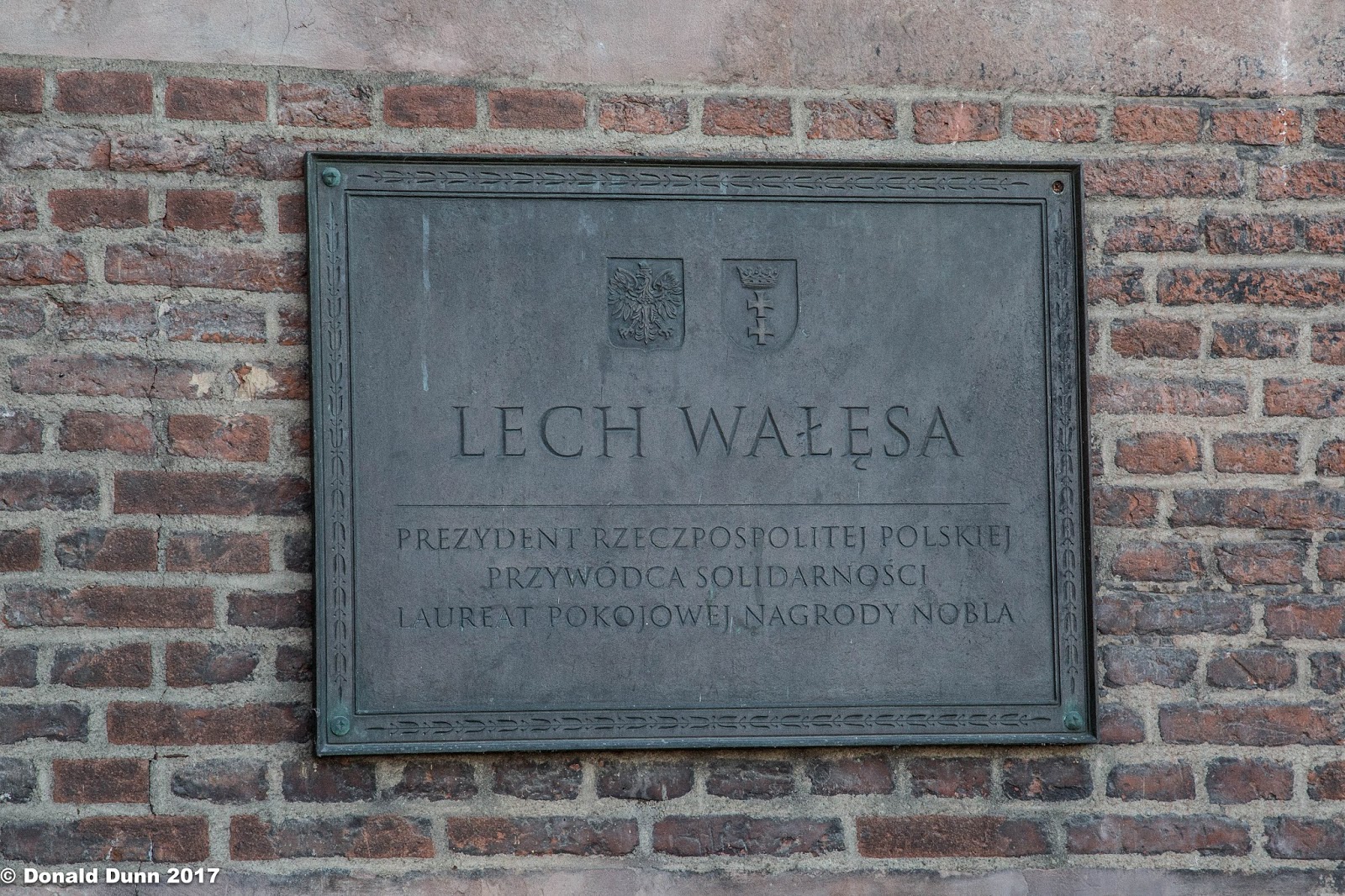
Most recently, Gdansk is best remembered as the birthplace of the Solidarity trade union movement whose opposition to the Communist regime led to the end of Communist rule in 1989, leading to the Solidarity’s leader, Lech Walesa, becoming president of Poland in 1990.

Marking site of Lech Walesa’s office, Gdansk
Weather today was sunny and mid-80s.

Friday, May 12—Viking Homeland Cruise, Day 7, Berlin, Germany

Berlin proved to be a more interesting city than we had imagined.  We expected to see remnants of the divided border city separating West Germany and East Germany—and we did see Checkpoint Charlie and a small section of the Berlin Wall.  However, the new Berlin is a modern, cosmopolitan city filled with young people and new construction.  Most residents downplay the division between West and East Germany, and the historical monuments mentioned above.
Our excursion included a 3 hour train ride each way from northern Germany coast, my first modern train ride.  During the tour we saw most of the highlights of Berlin including the aforementioned remnants of the divided Germany, Germany’s Parliament building, the Brandenburg Gate, Museum Island with some 170 museums, palaces, churches, etc.  Berlin was devastated by bombing raids during World War II, resulting in a relatively “new” city, though the facades reflect the historical architecture.


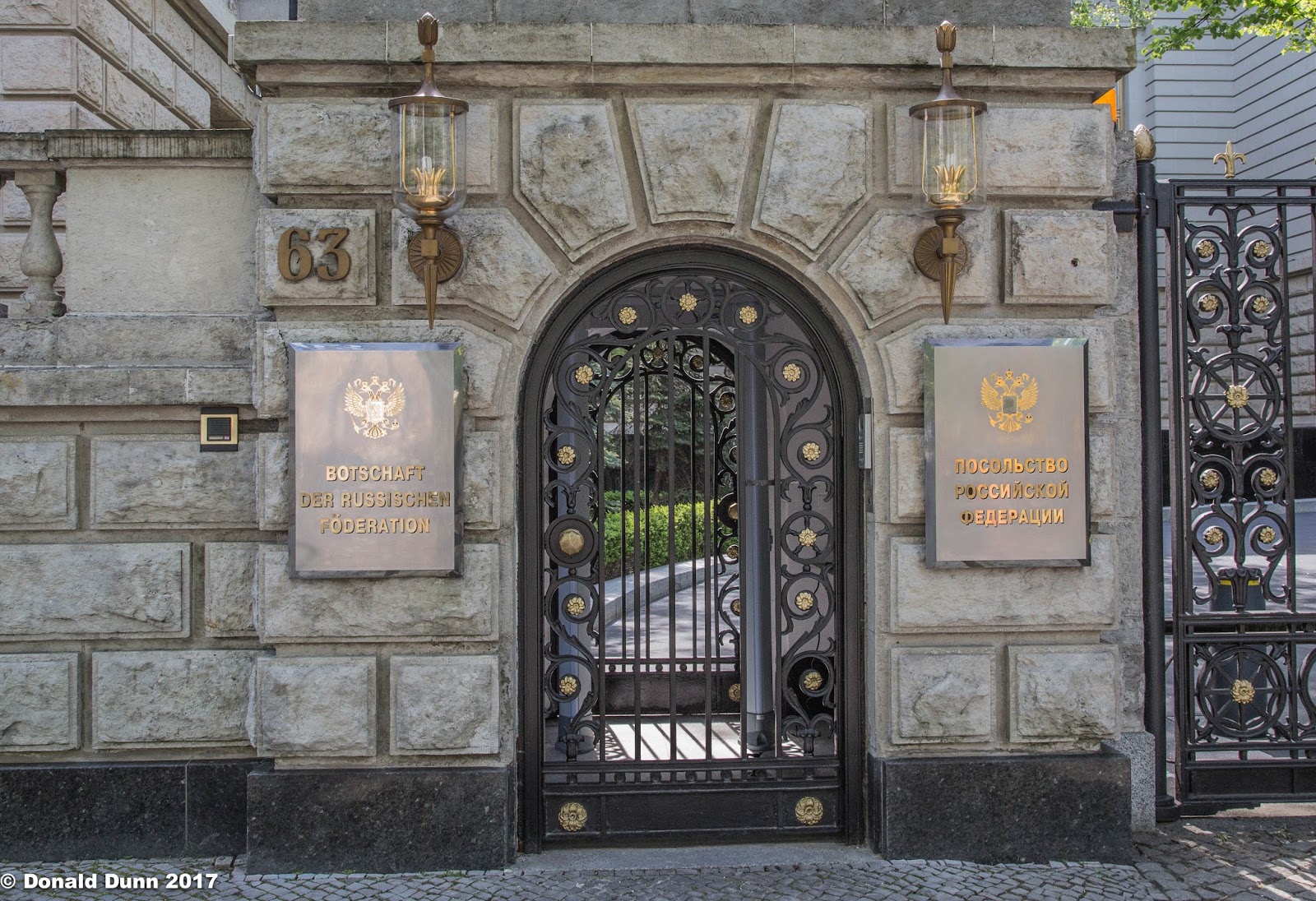
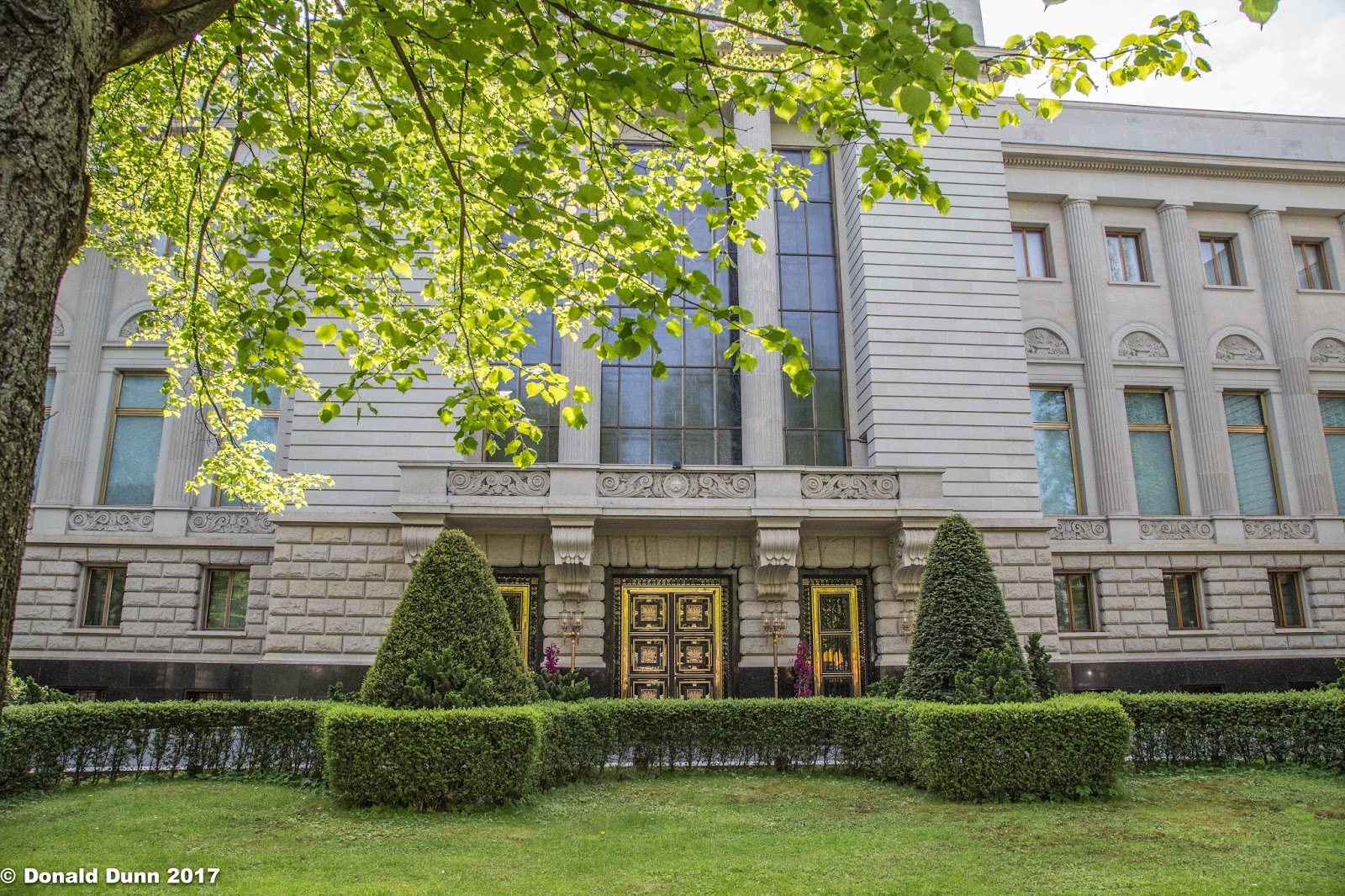
Russia Embassy

Russia Embassy

Brandenburg Gate

Kay at the Brandenburg Gate

US Embassy


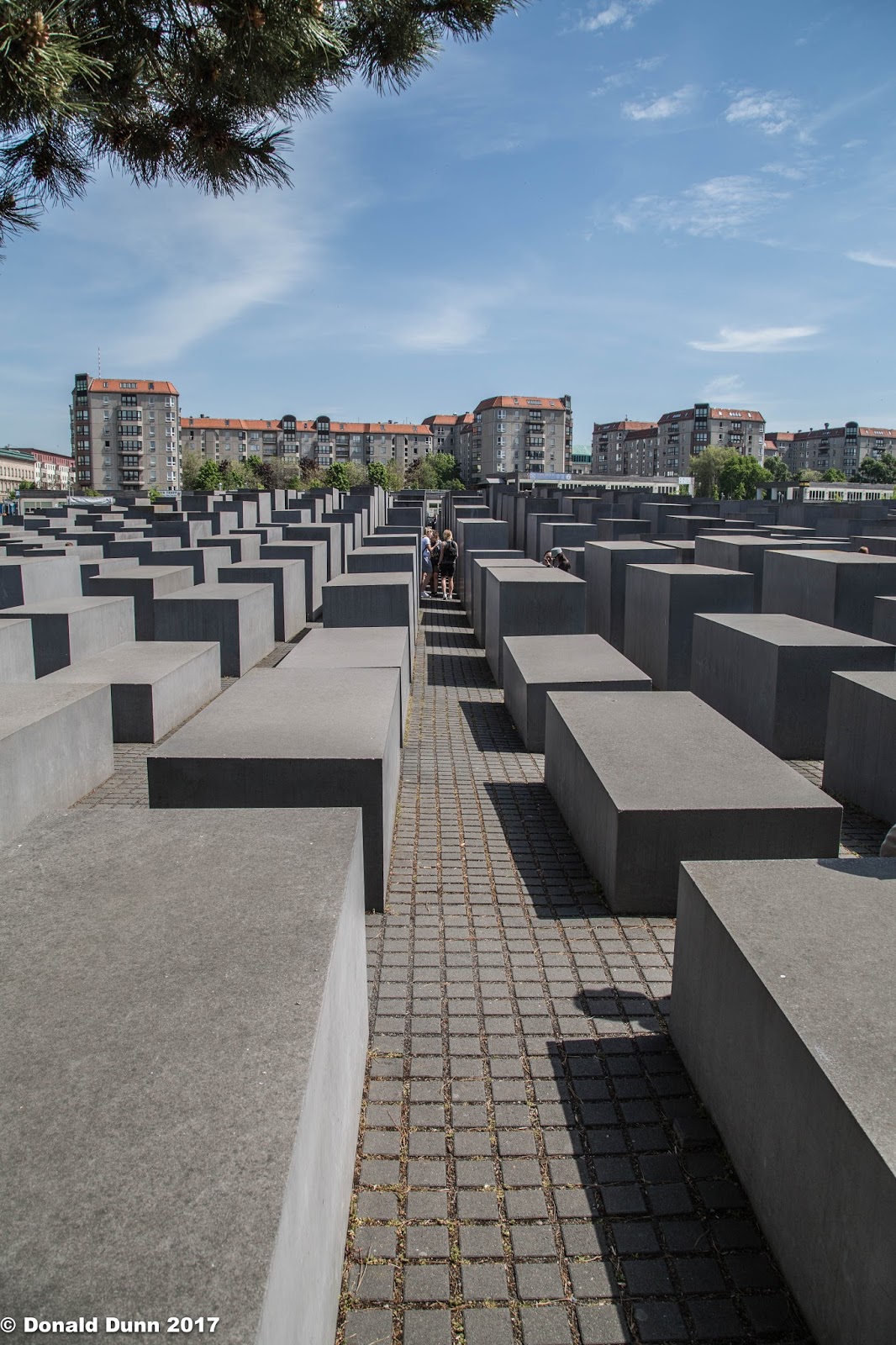
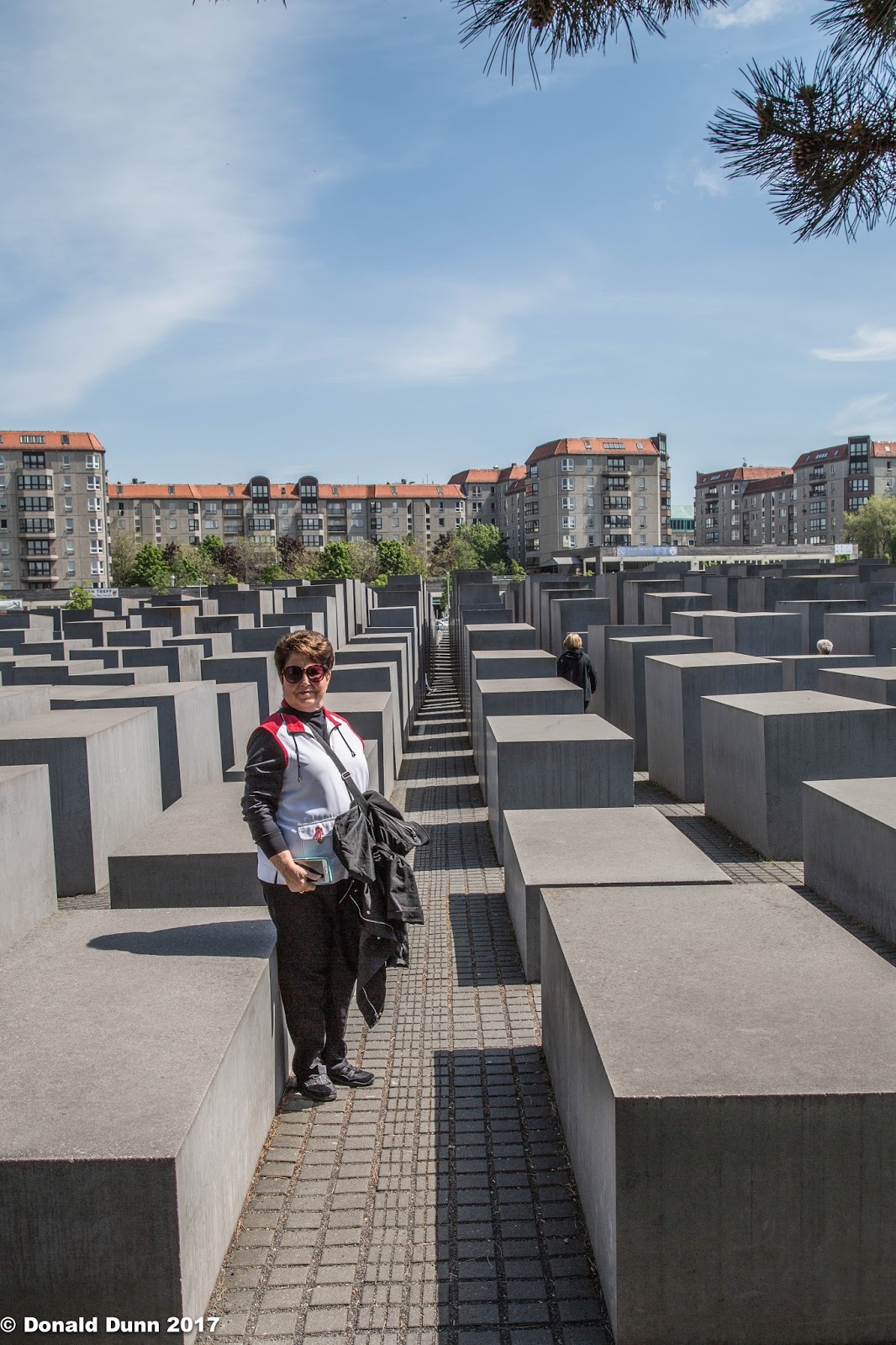
On a more somber note, we spent time at the Holocaust Memorial for the Murdered Jews of Europe across from the US Embassy.

Holocaust Memorial
Holocaust Memorial
Holocaust Memorial
Holocaust Memorial
Holocaust Memorial
Holocaust Memorial

Our weather today was partly cloudy and 62°—delightful.  We found Berlin to be a fun city, with lots of excitement around every corner.

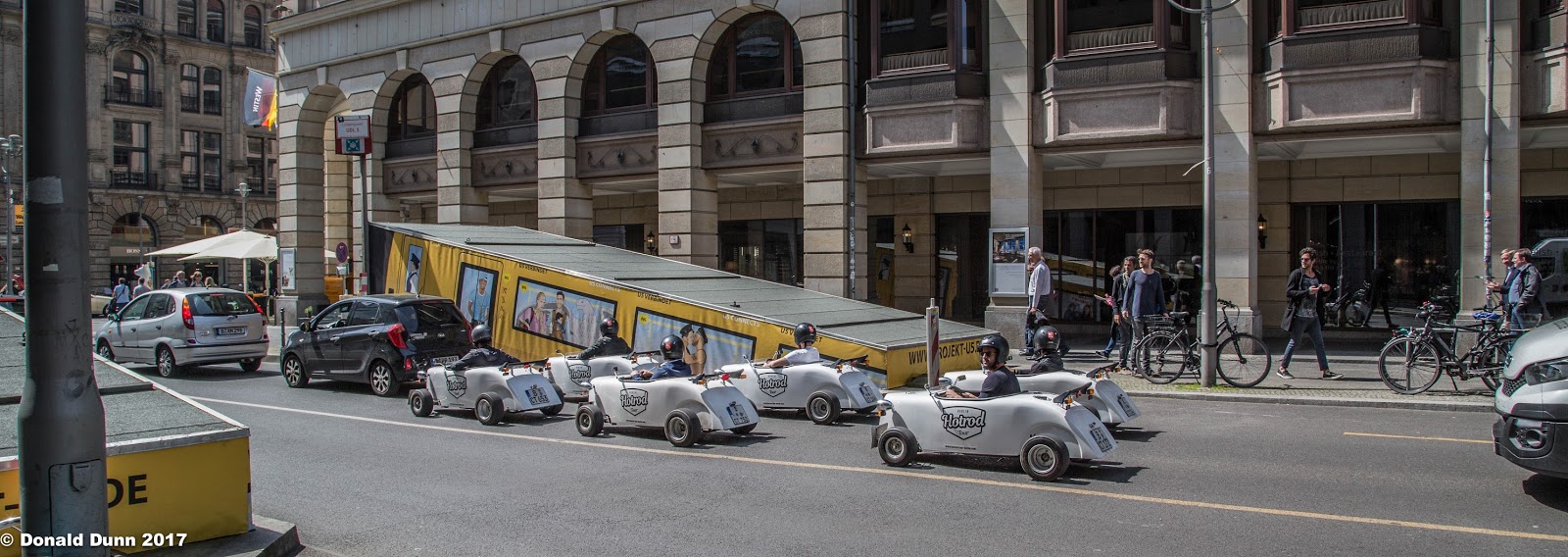
Loud mini cars were a hoot
Old-fashioned organ grinder
Pedal as you drink beer
Even a protest in front of the Brandenburg Gate
Multiple bicycle seats and pedals
Nan and Donald at the Brandenburg Gate
The bear is Berlin’s adopted symbol
Our favorite part of the city, enjoying George and Nan’s company

Thursday, May 11—Viking Homeland Cruise, Day 6, Copenhagen, Denmark

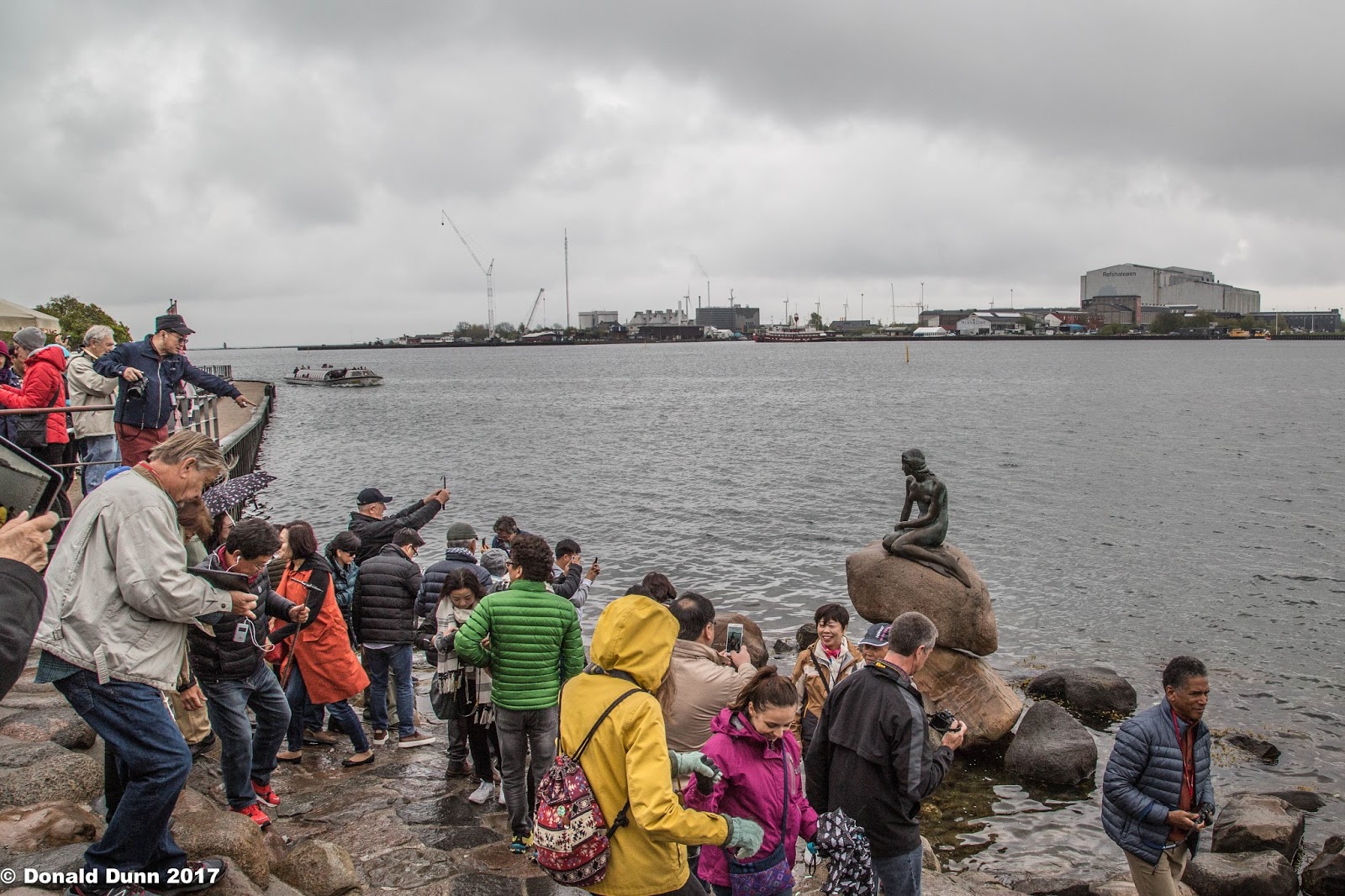
The Little Mermaid
A beautiful city indeed, the busy port city of Copenhagen dates back more than 850 years.  The world’s oldest amusement park, Tivoli Gardens, calls Copenhagen home, as does The Little Mermaid statue.
The Little Mermaid
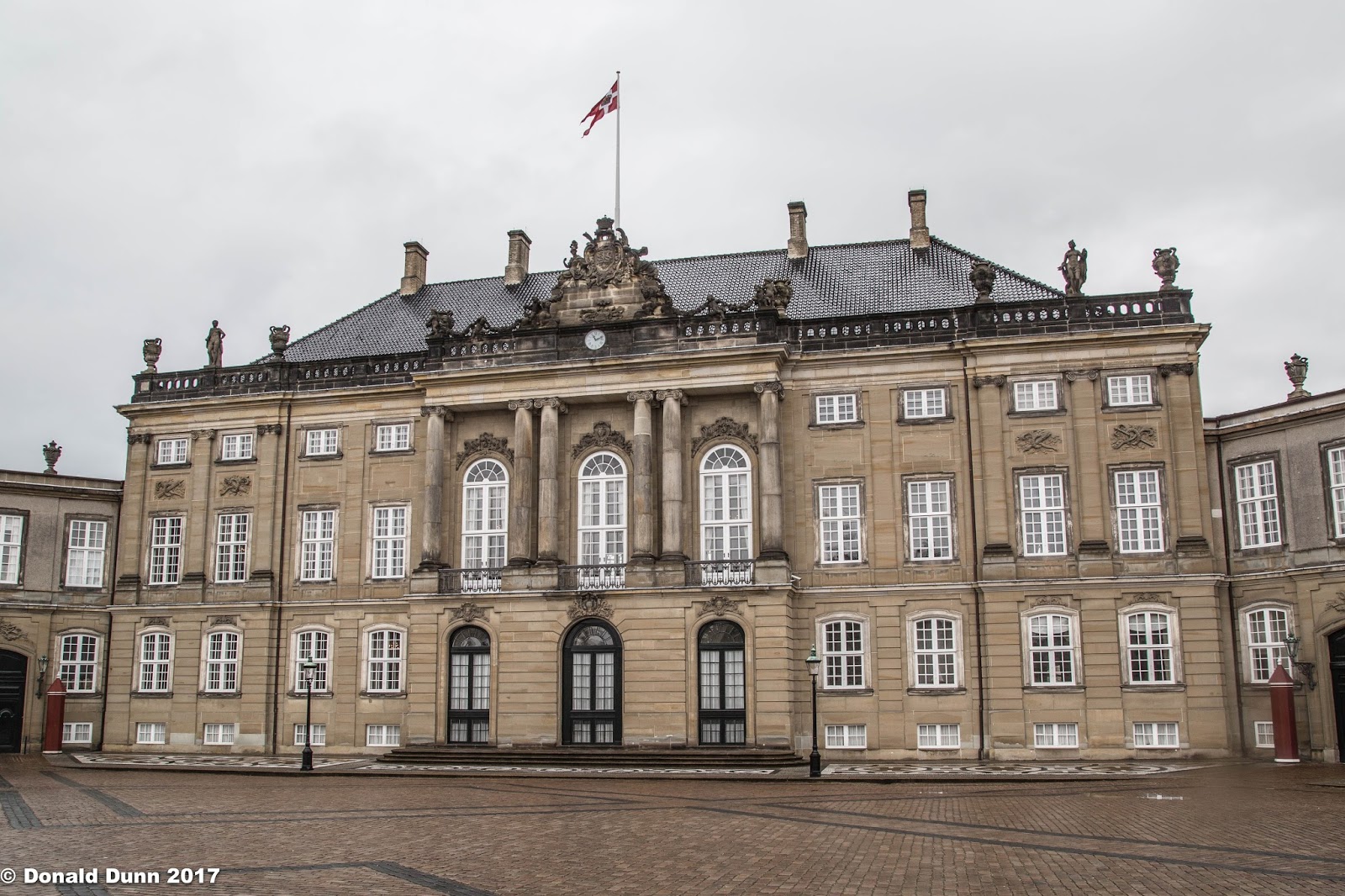
The city has grand palaces, including Amalienborg, the royal winter residence, and Rosenborg Castle, home of the Danish Crown Jewels.  While we were touring Amalienborg’s huge inner courtyard, two of the residences were being used by the royal family as evidenced by the flag flying on top of the “apartments”. 
Amalienborg, the royal winter residence

Amalienborg, the royal winter residence
Guard, Amalienborg, the royal winter residence
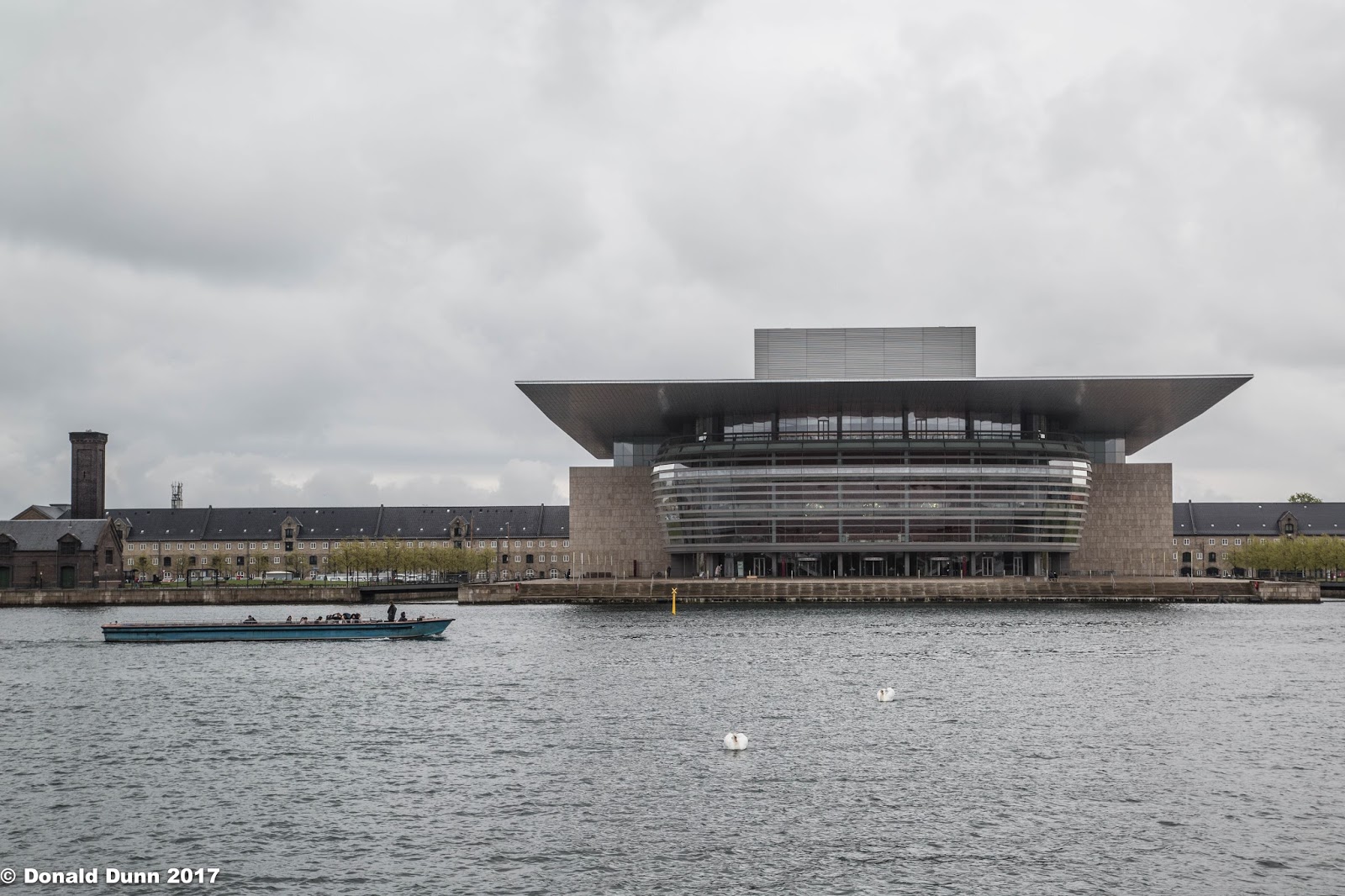
Copenhagen also has an ultra-modern opera house and separate theater overlooking the harbor. 
Copenhagen Opera House
Our included excursion included a 3 hour bus tour of the city.
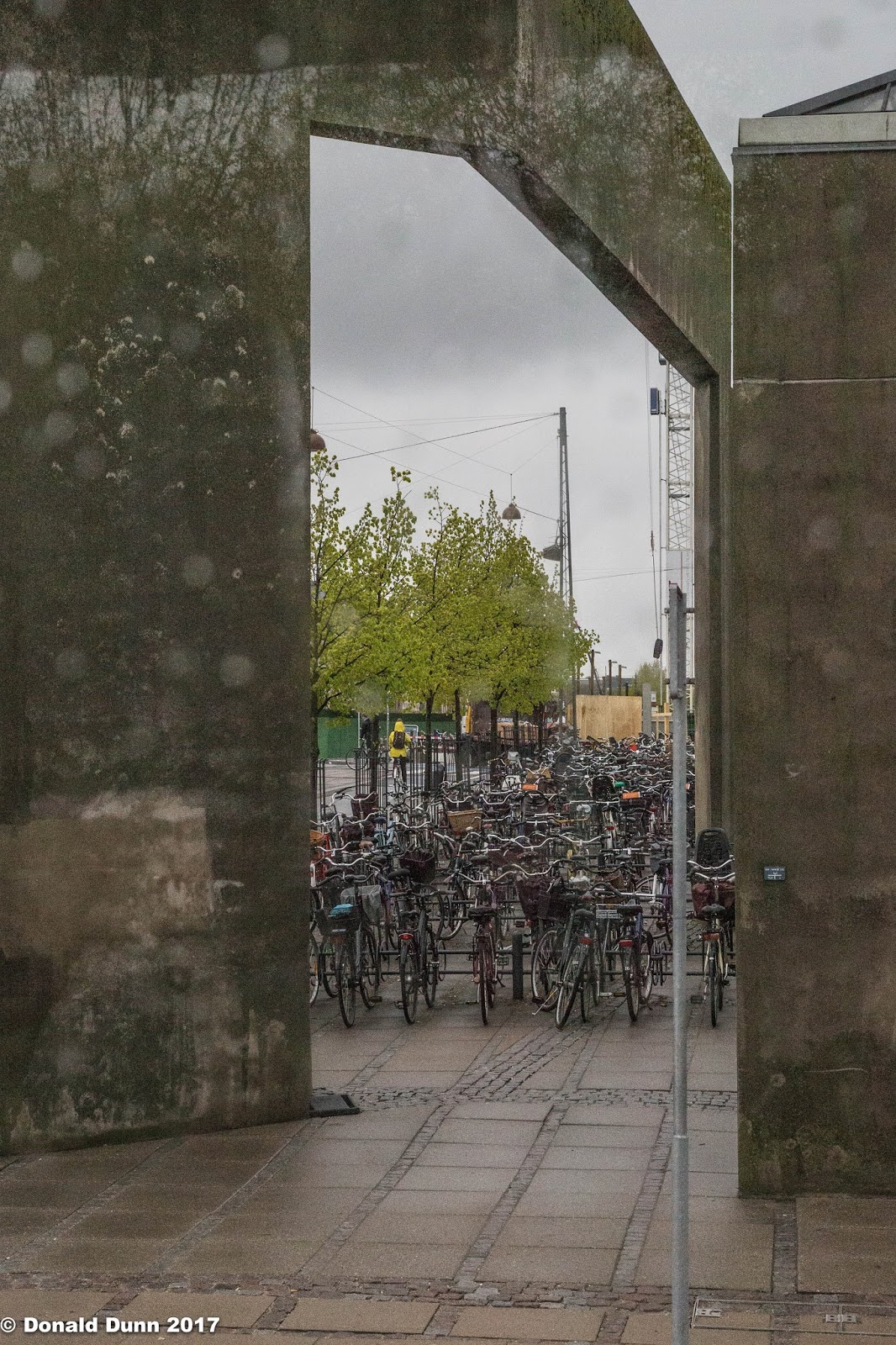
More bicycles

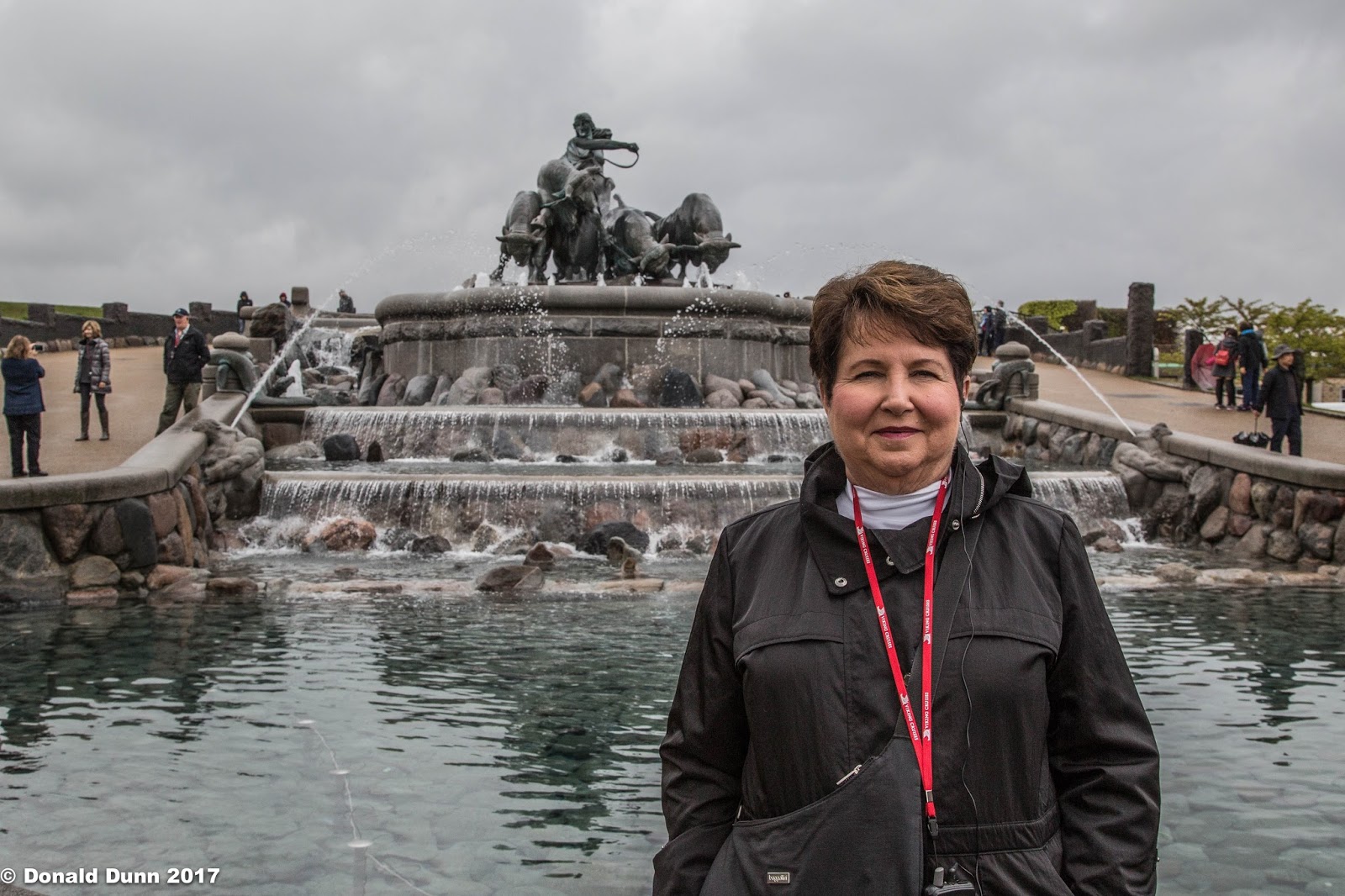
Kay at Gefion Fountain, circa 1900

Copenhagen’s weather today was cloudy and 48°.

Wednesday, May 10—Viking Homeland Cruise, Day 5, Aalborg, Denmark

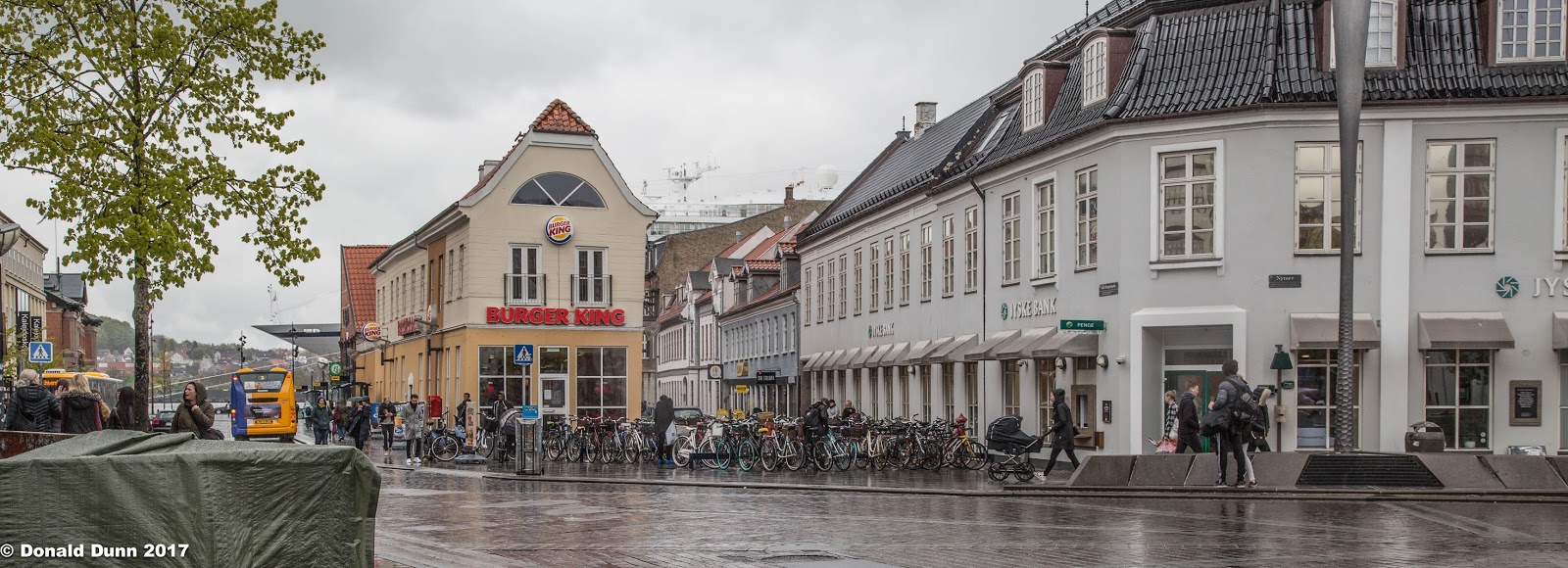
Bicycles everywhere

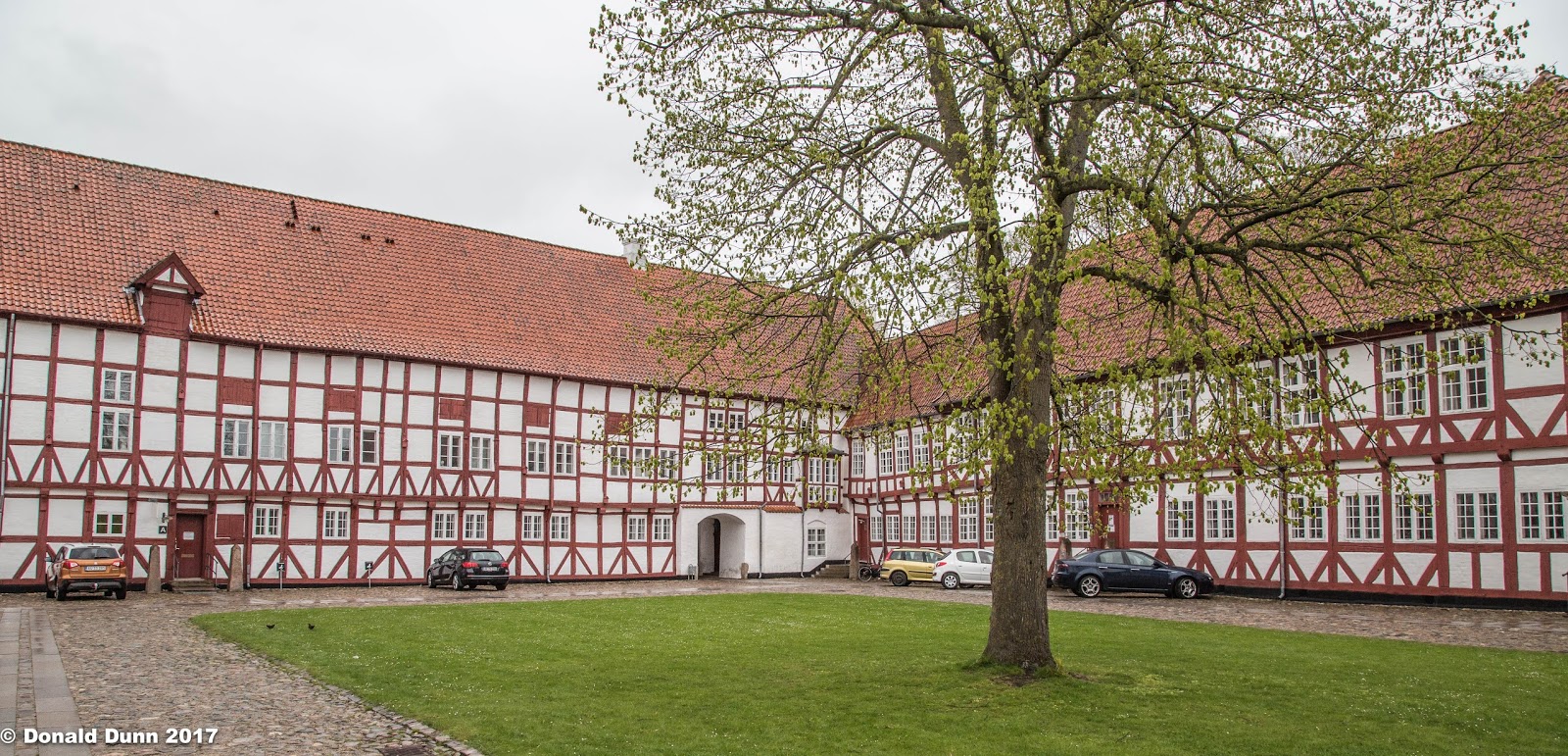
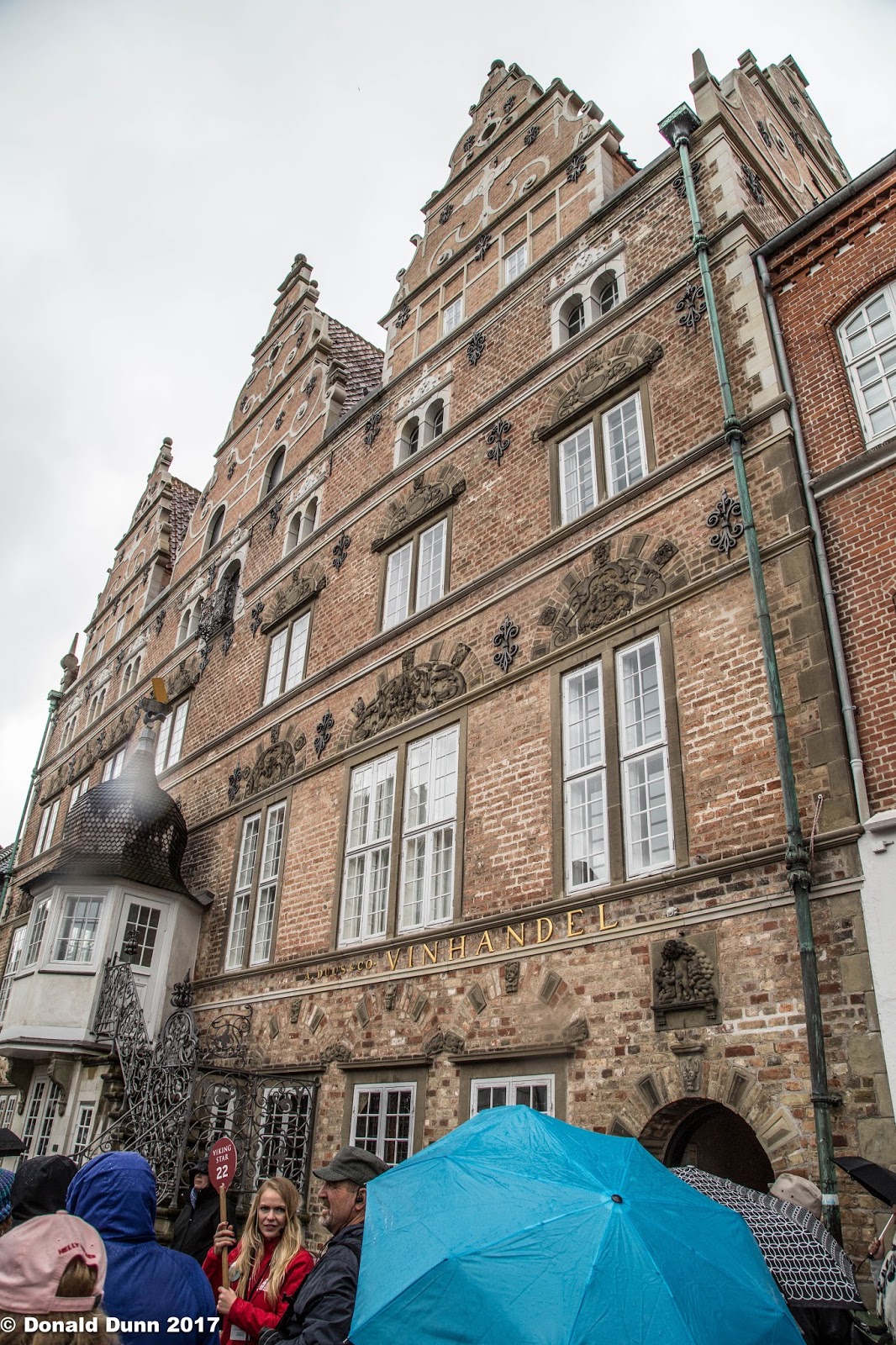
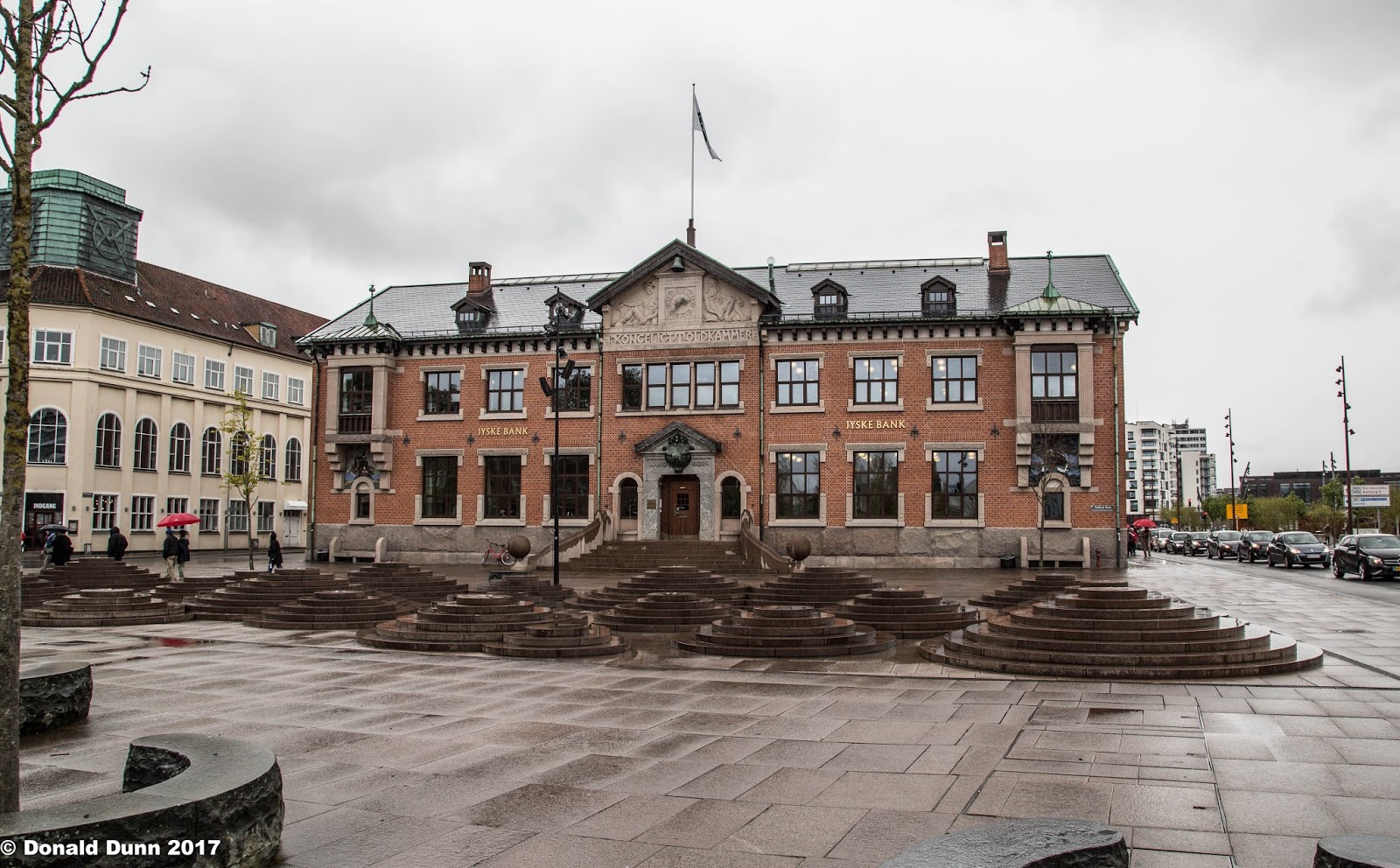
Arriving in Aalborg, Denmark, just after lunch, our included excursion was a 2 1/2 hour walking tour.  Aalborg was founded in the late 900s by Vikings.  The city has the best-preserved Renaissance architecture in Denmark, laying the foundation of Scandinavian design—clean lines, proportion, and symmetry we see in today’s Danish furniture sold in contemporary furniture stores.

Half-timbered Aalborghus Castle, Circa 1540
Jens Bang’s House, 1624

Aalborg is the city where aquavit, a strong liquor infused with herbs and/or spices; we did not sample any!

Weather:  Rain, 42°


Very old wooden building

Church Organ

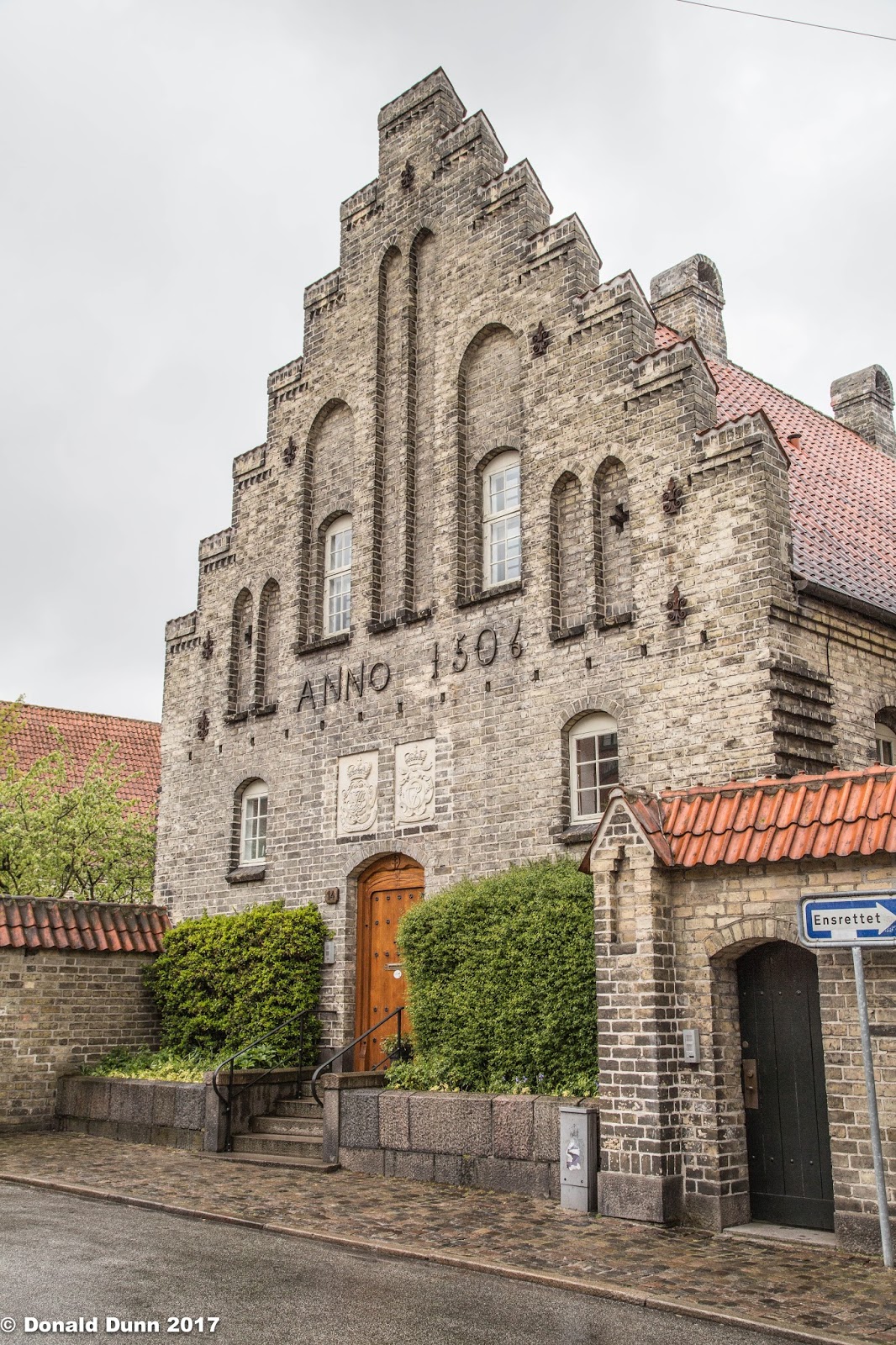
Built in 1306

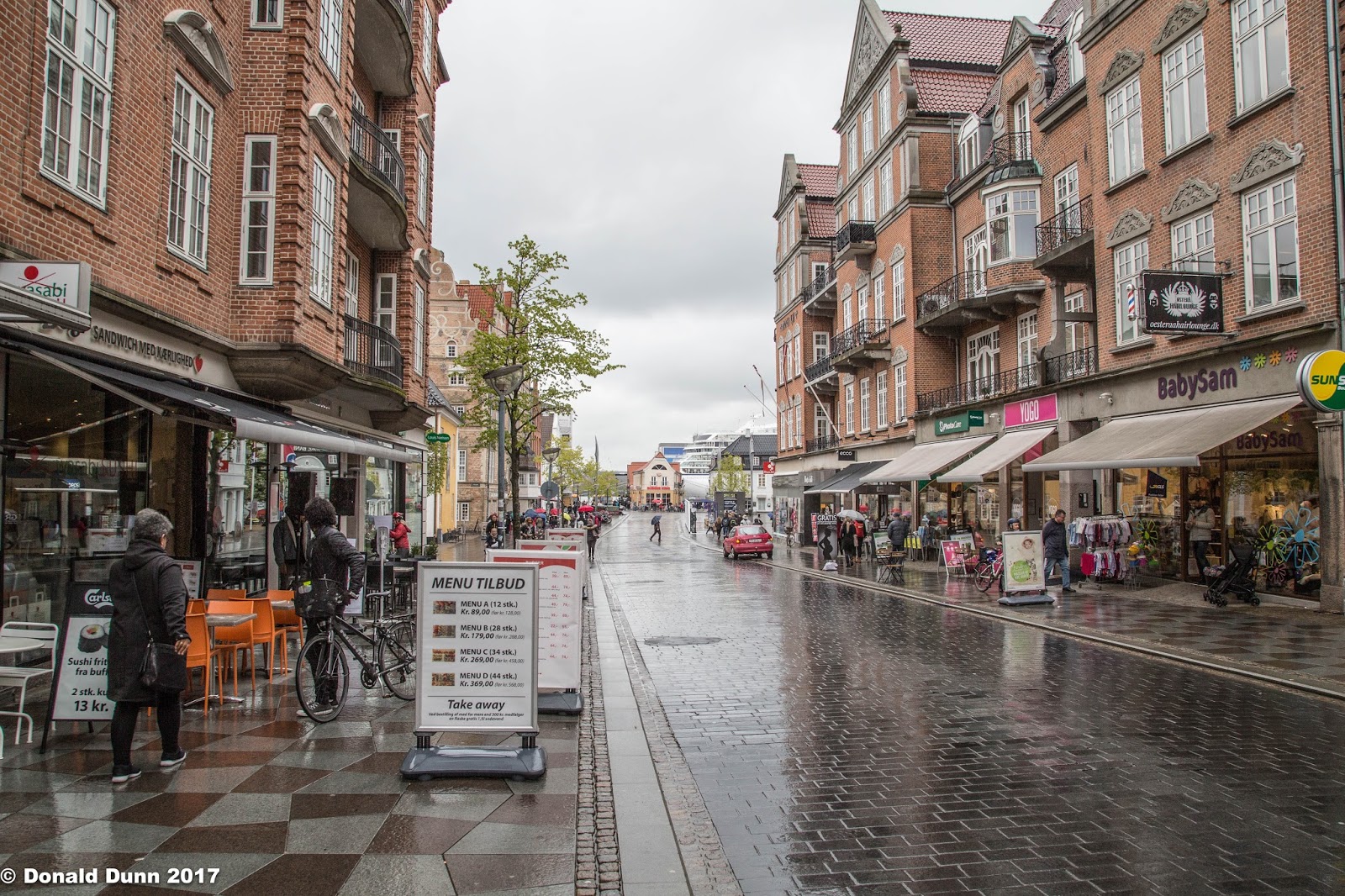
Relatively busy, despite the rain