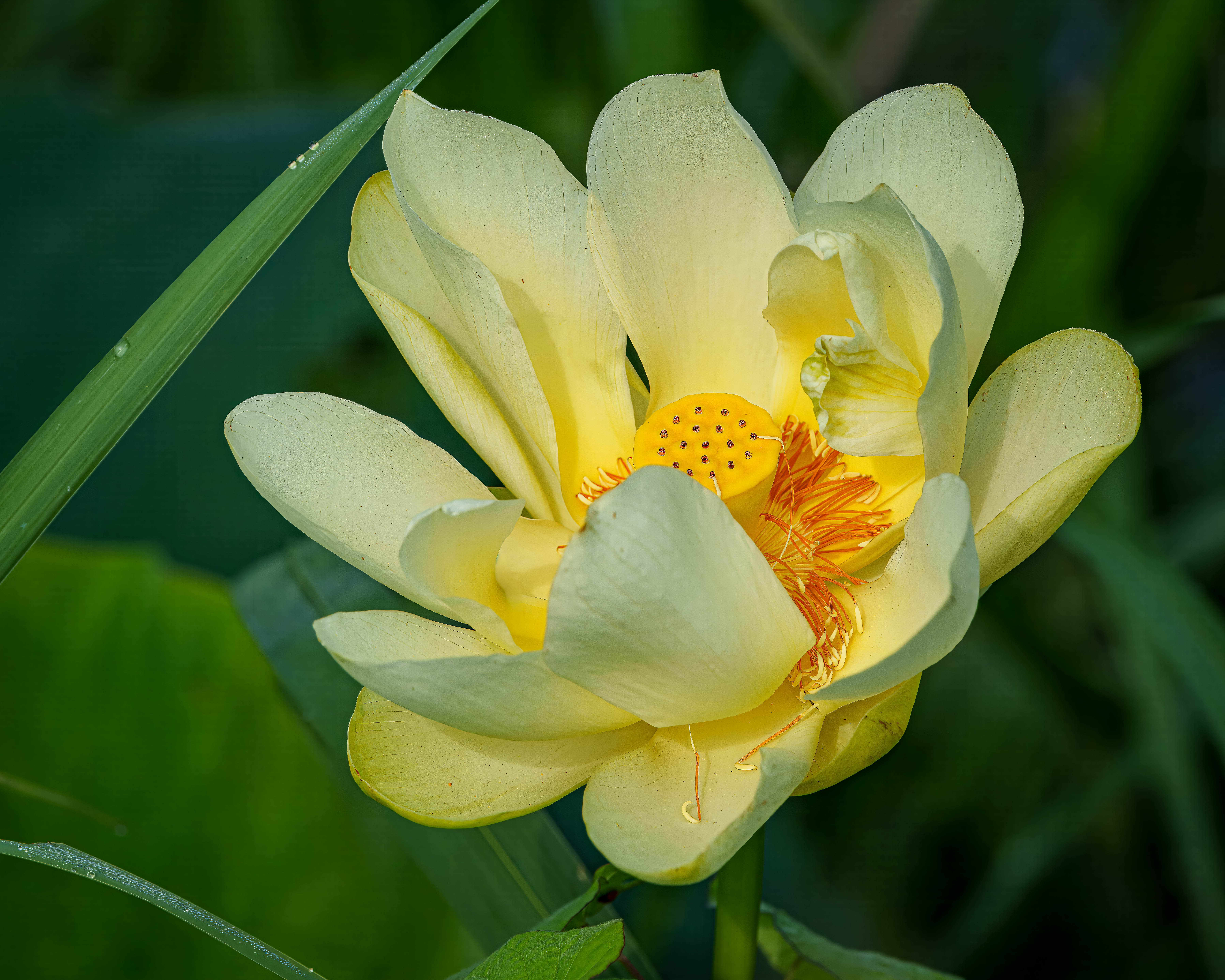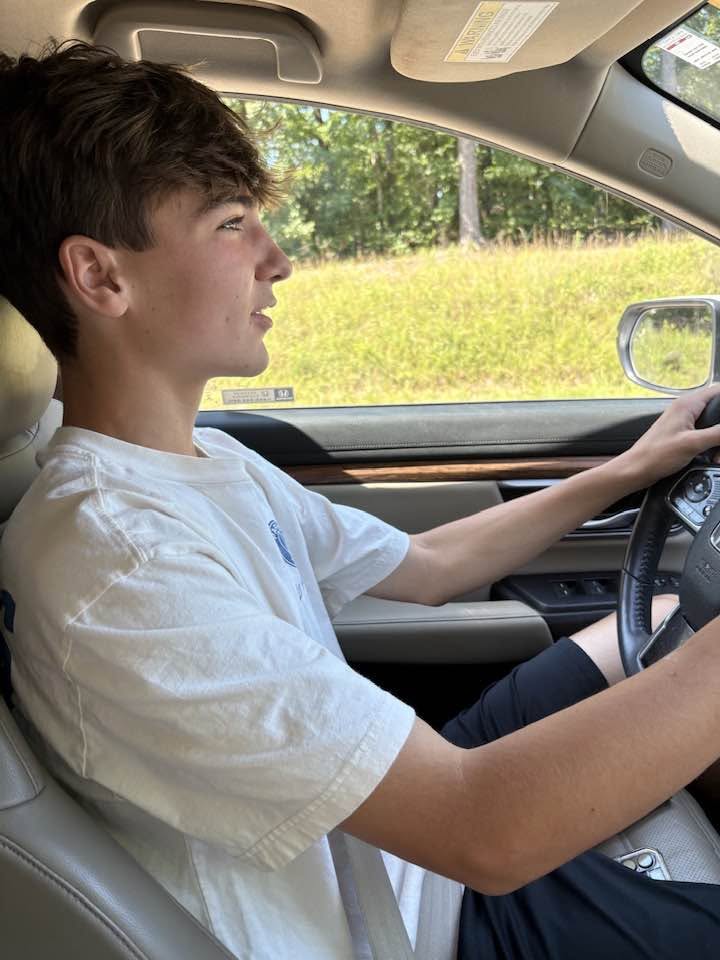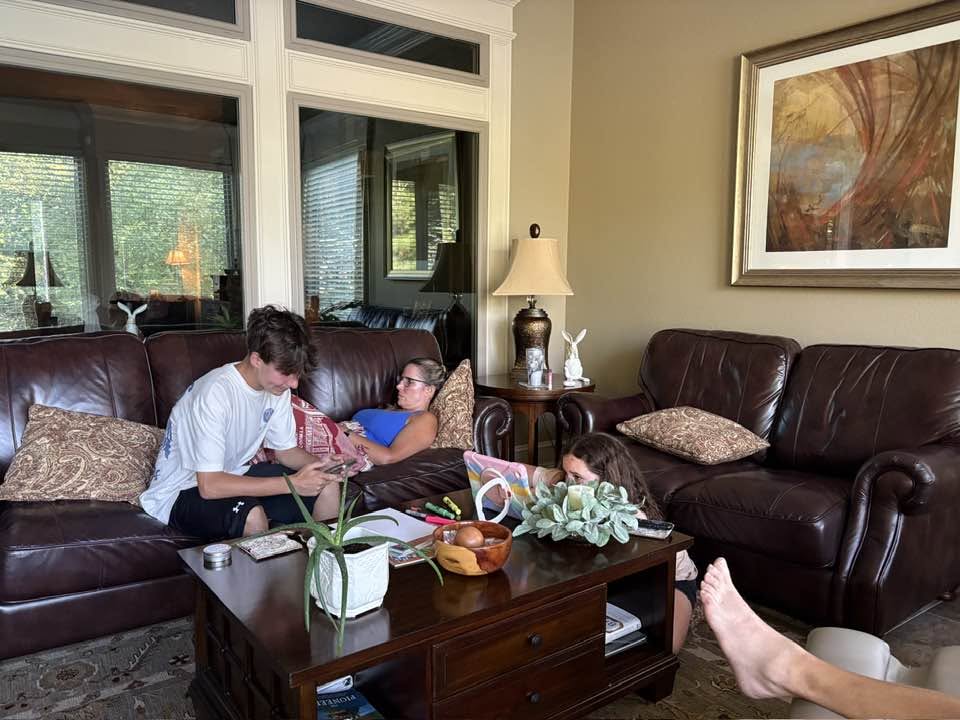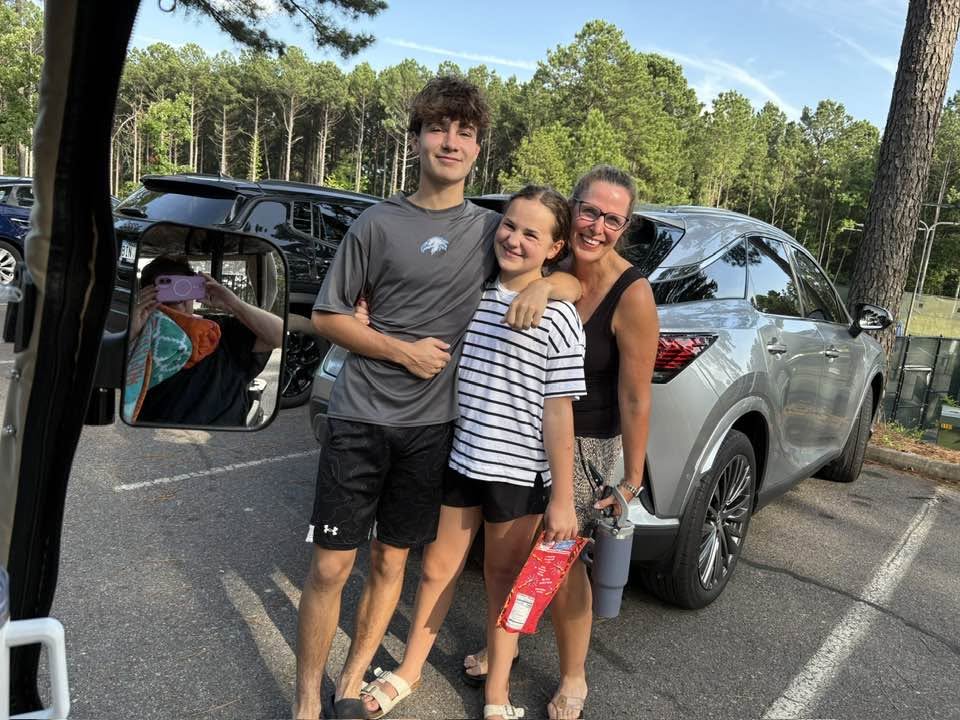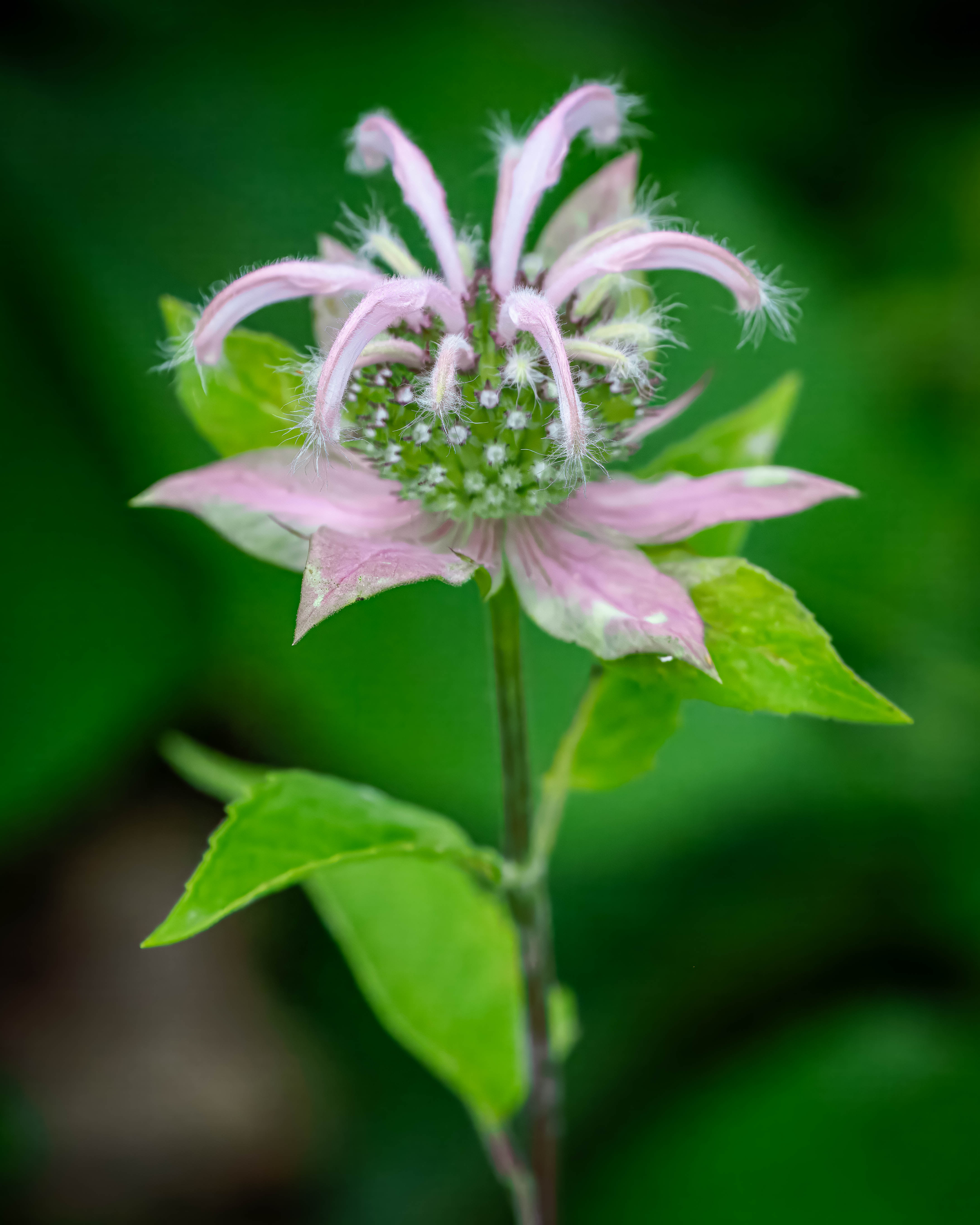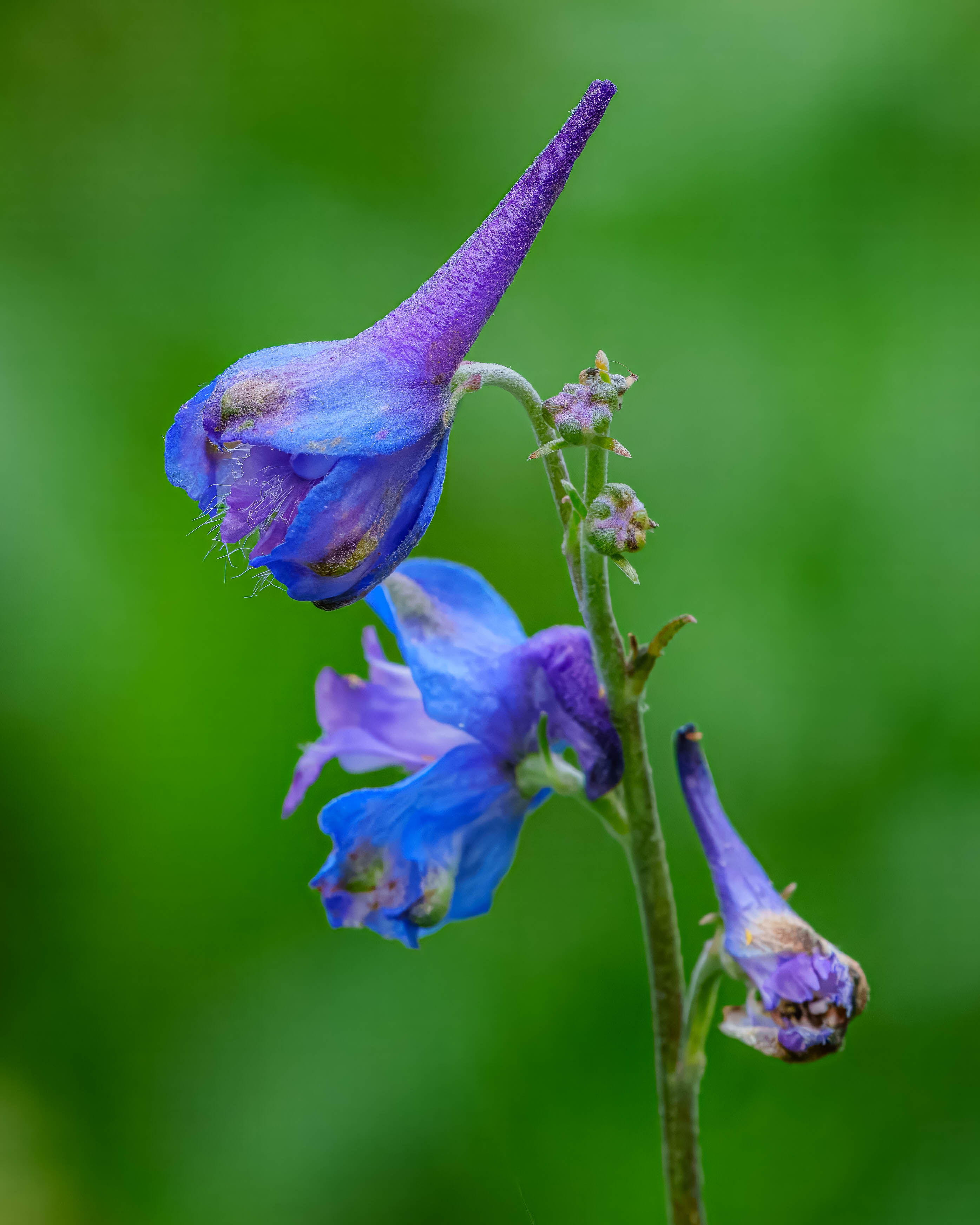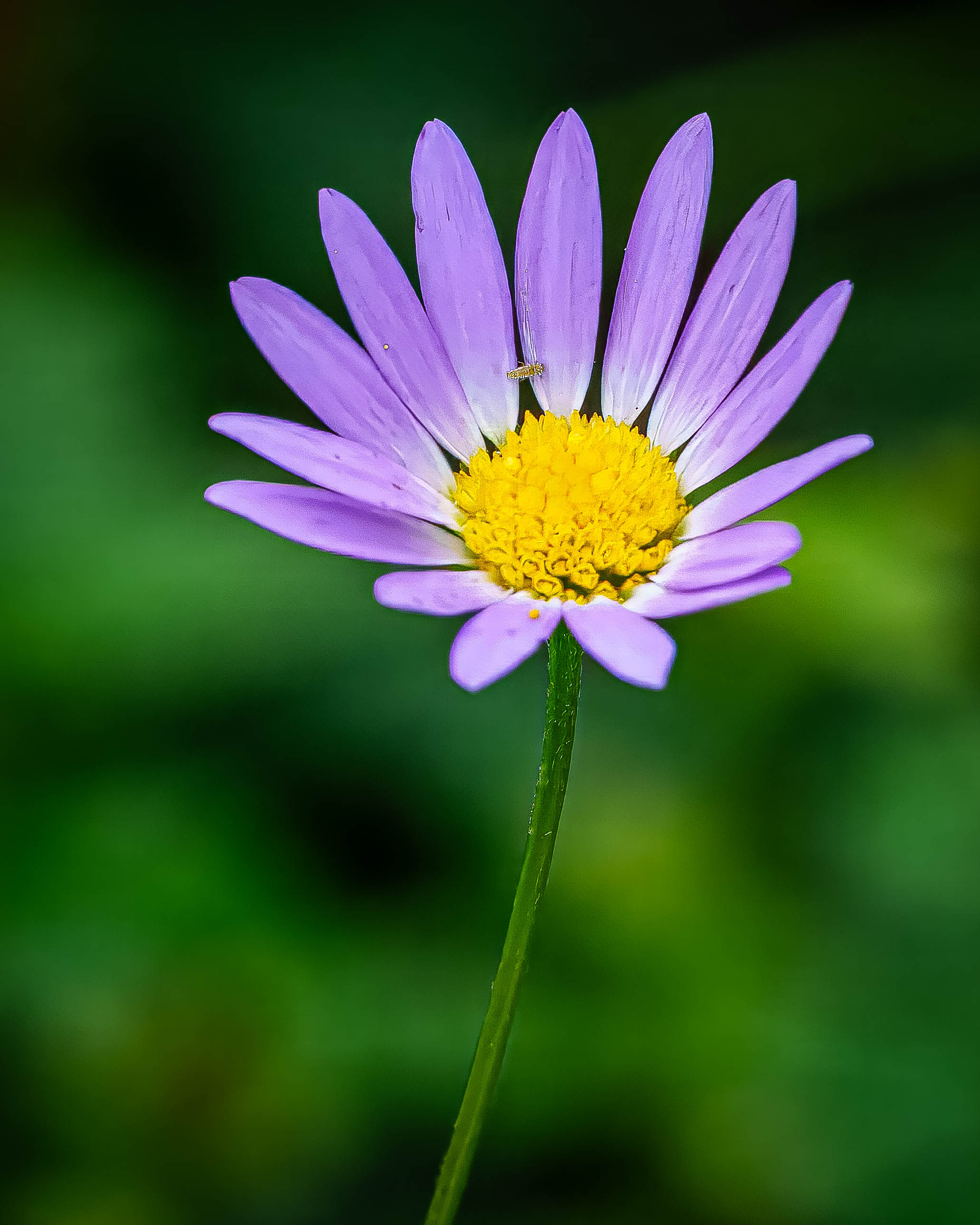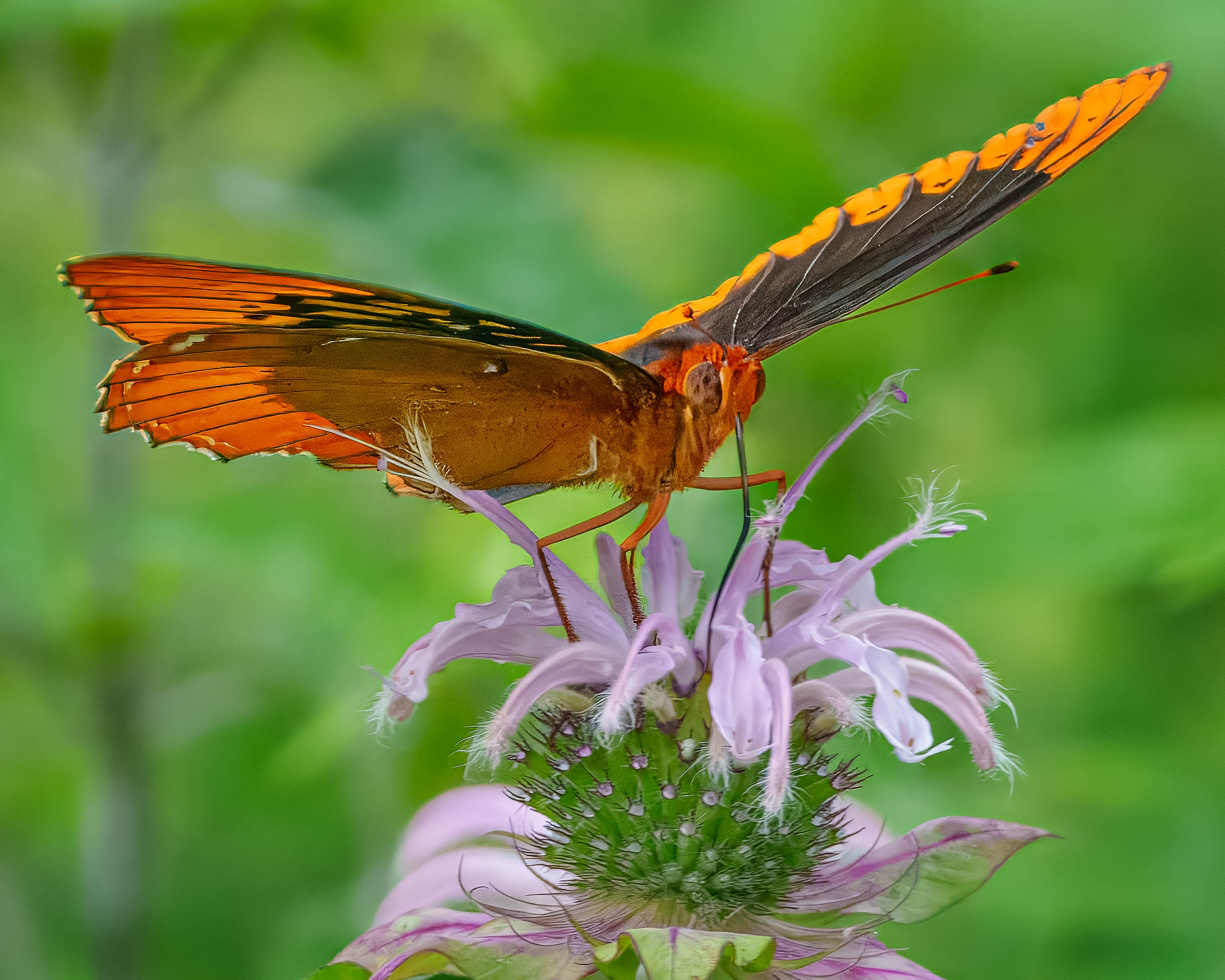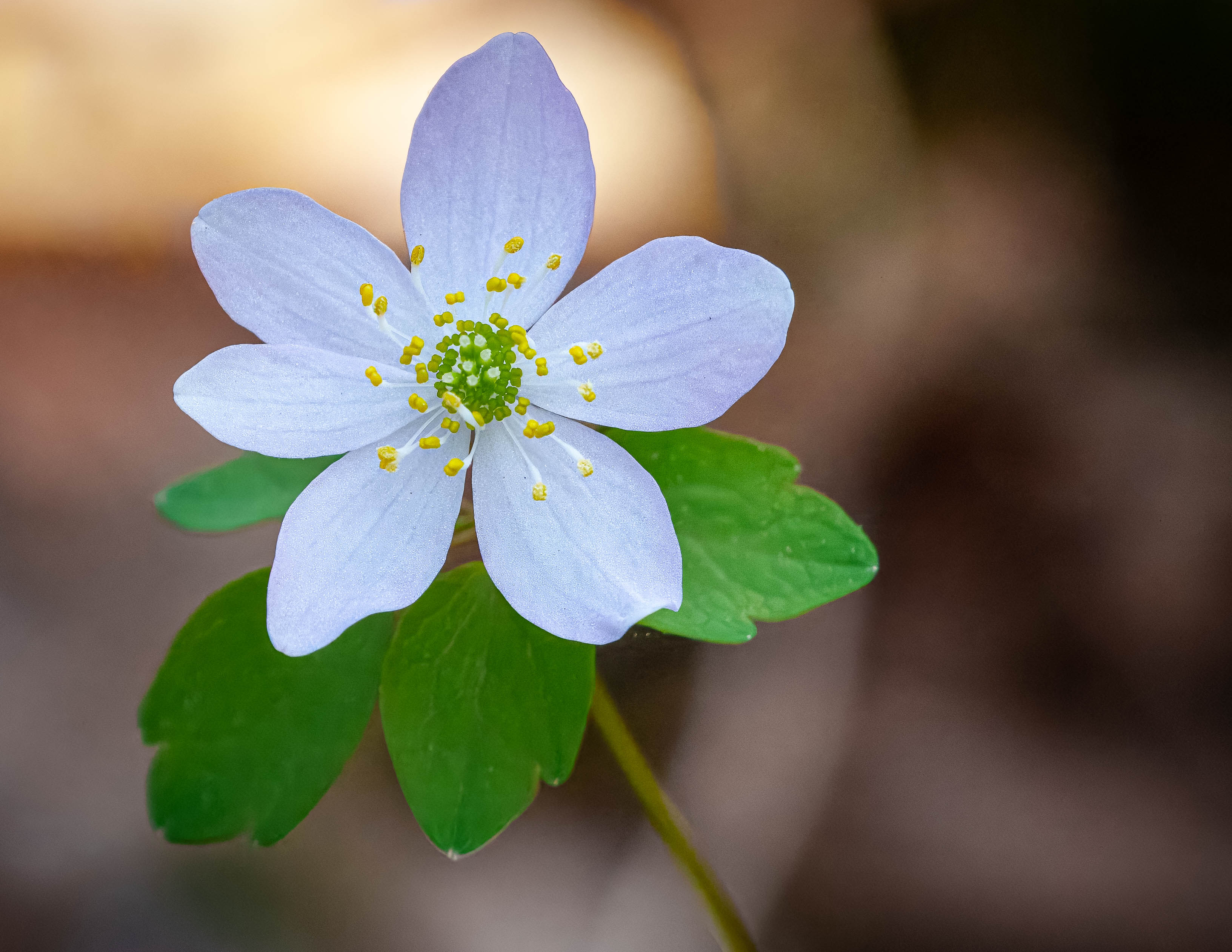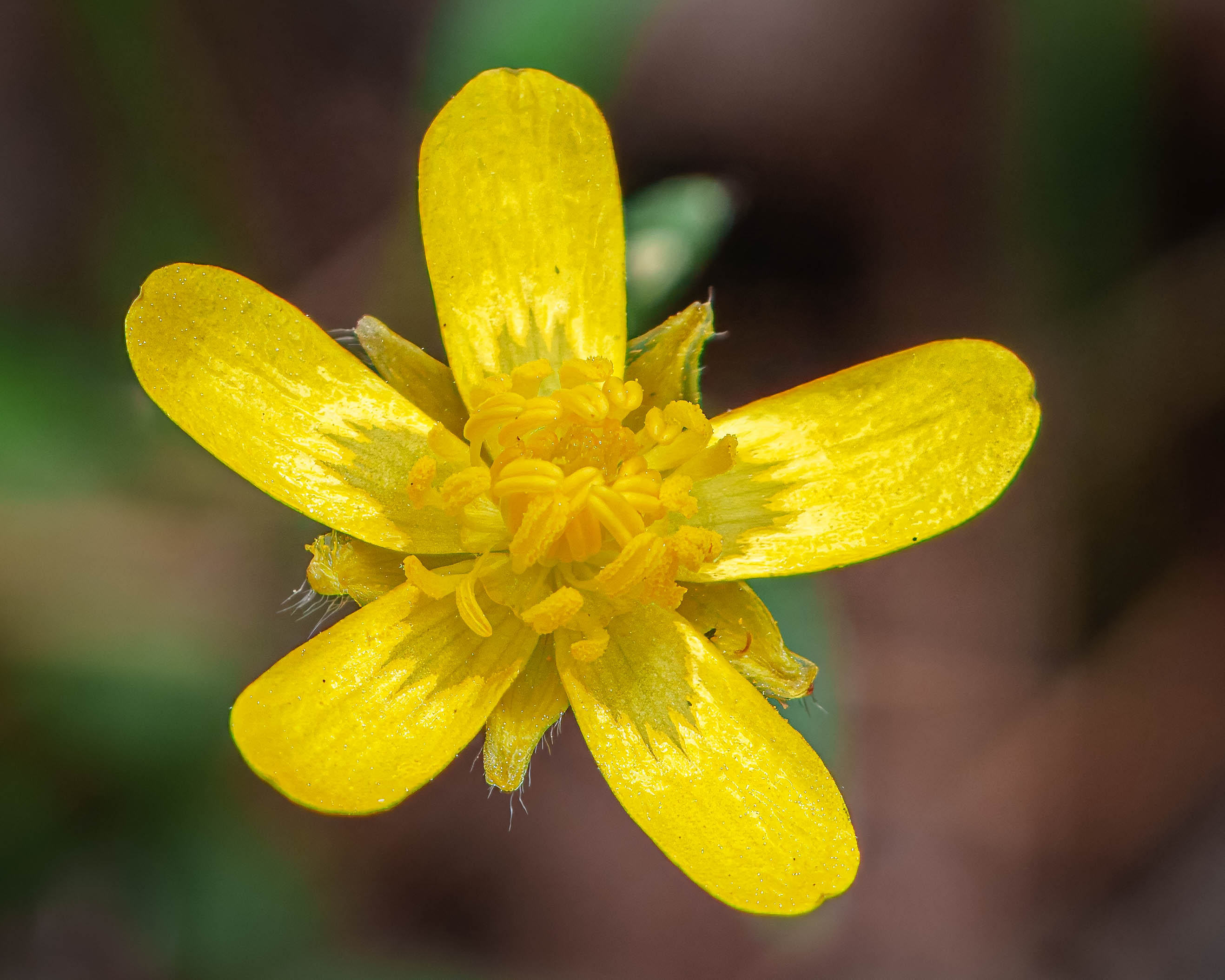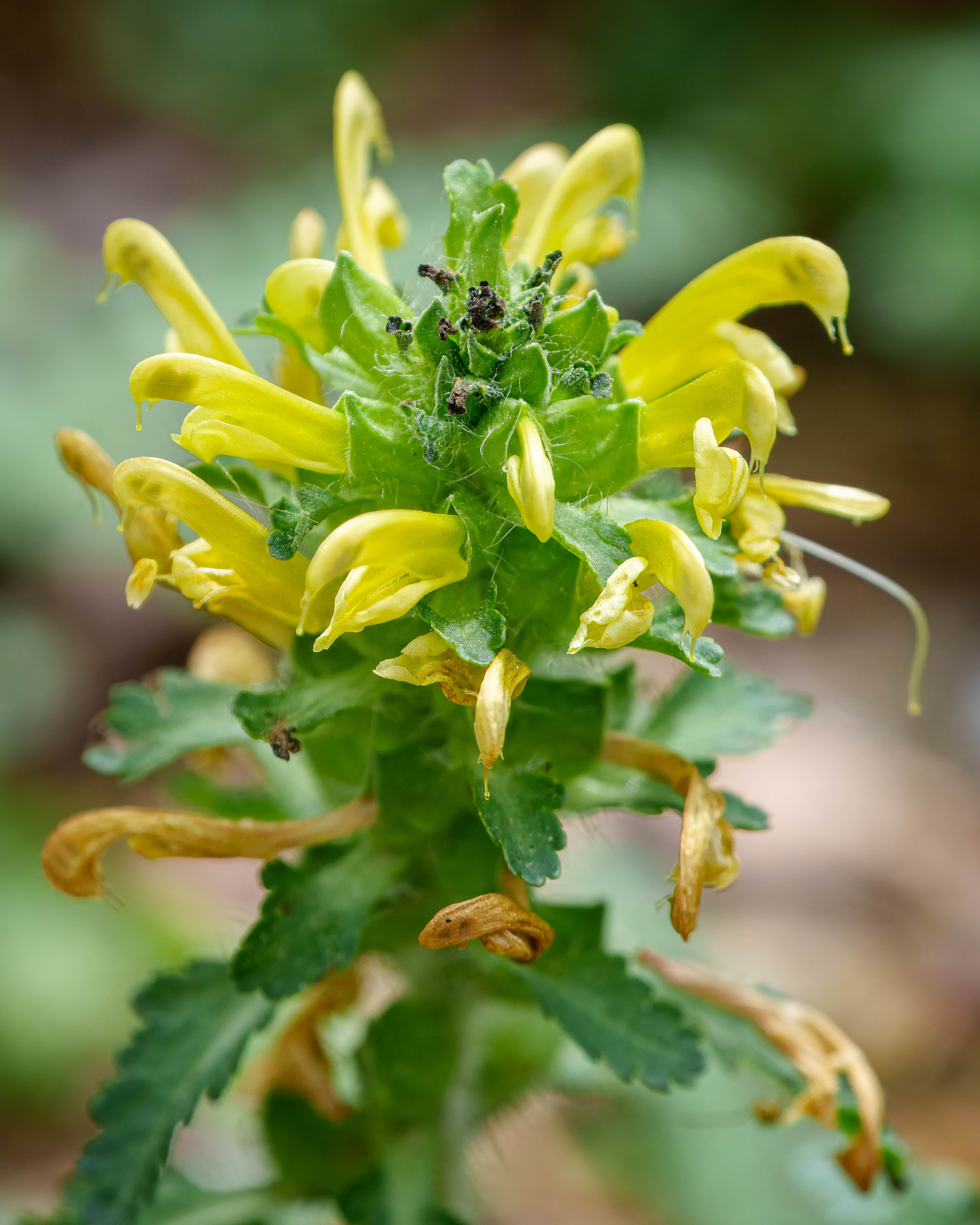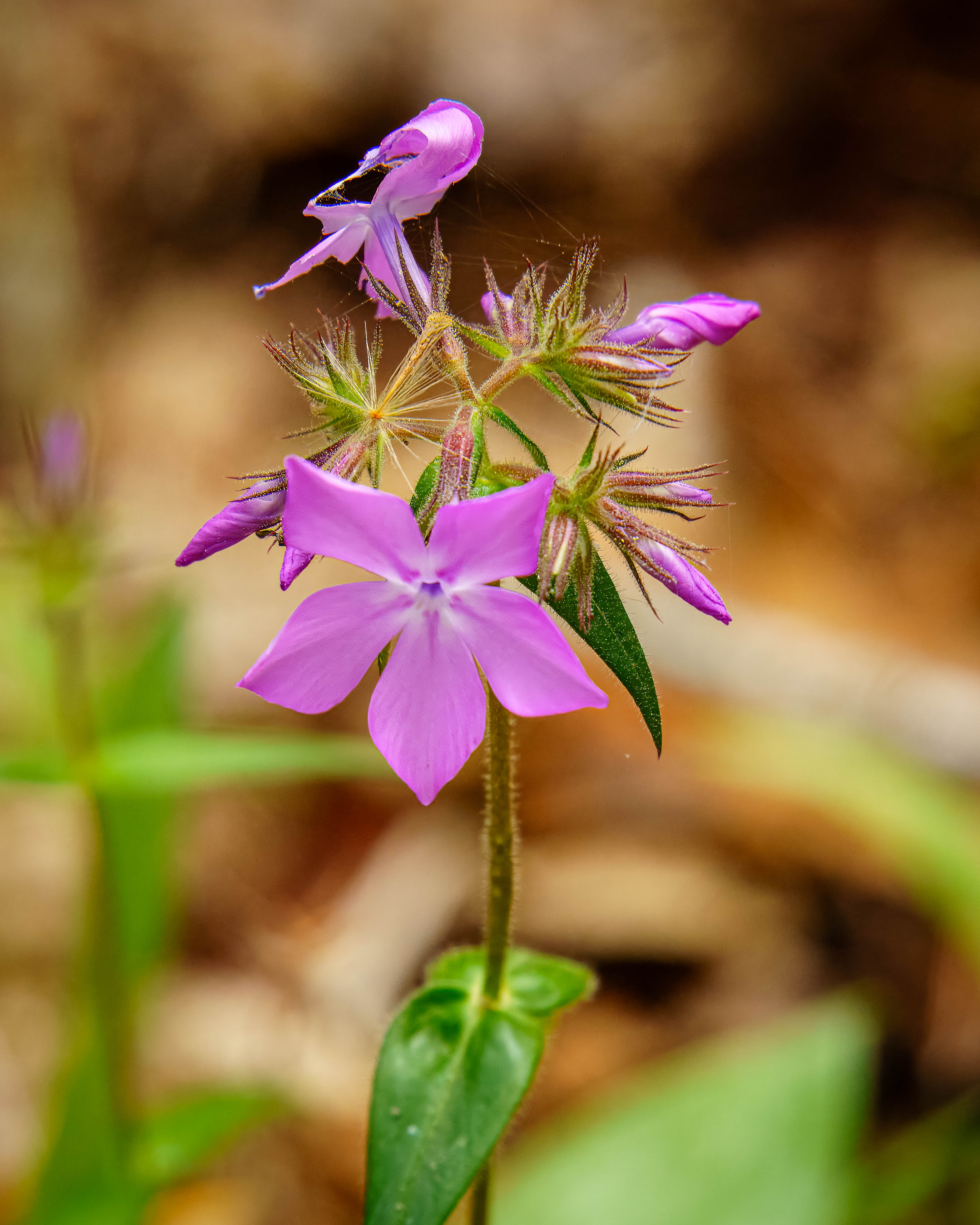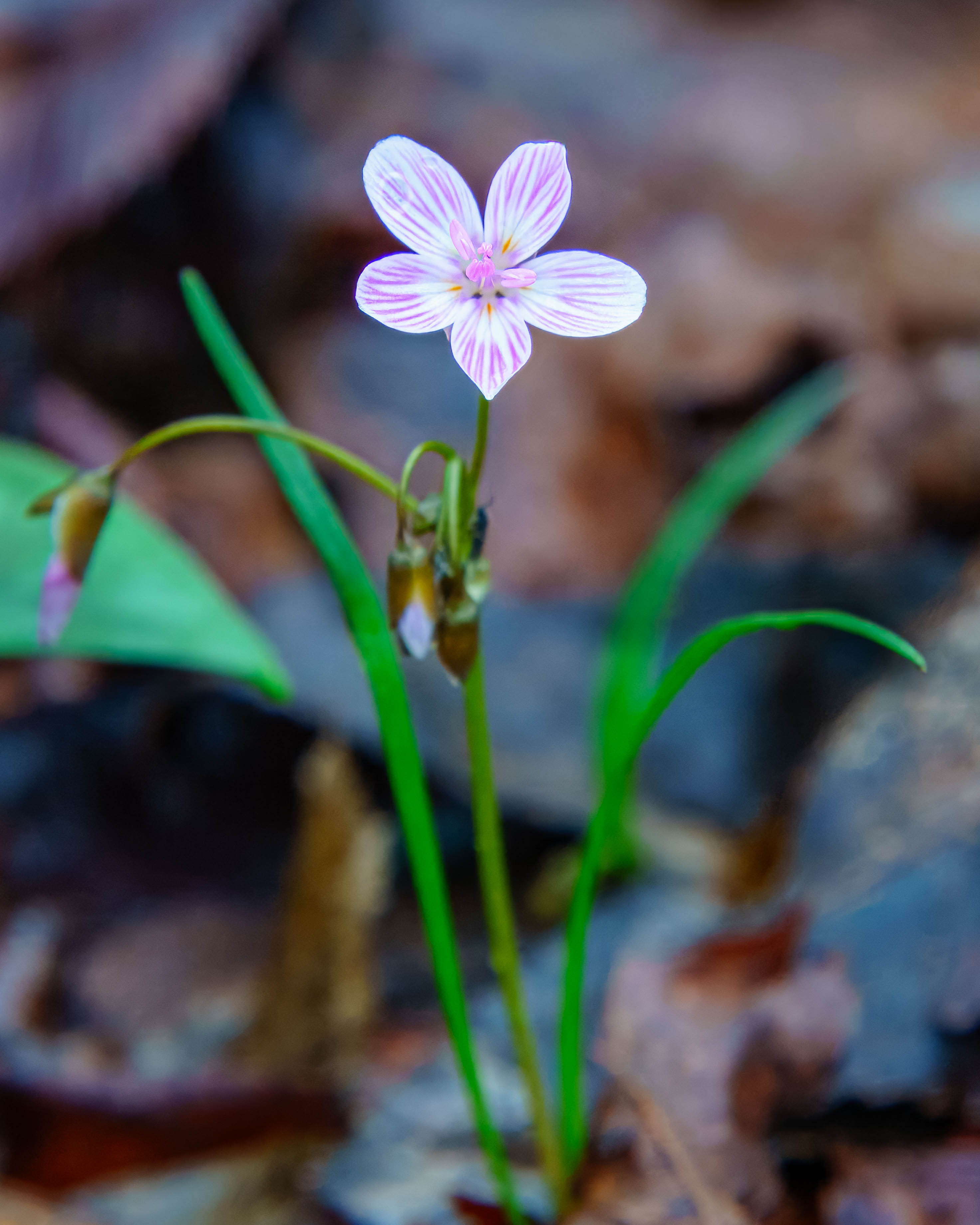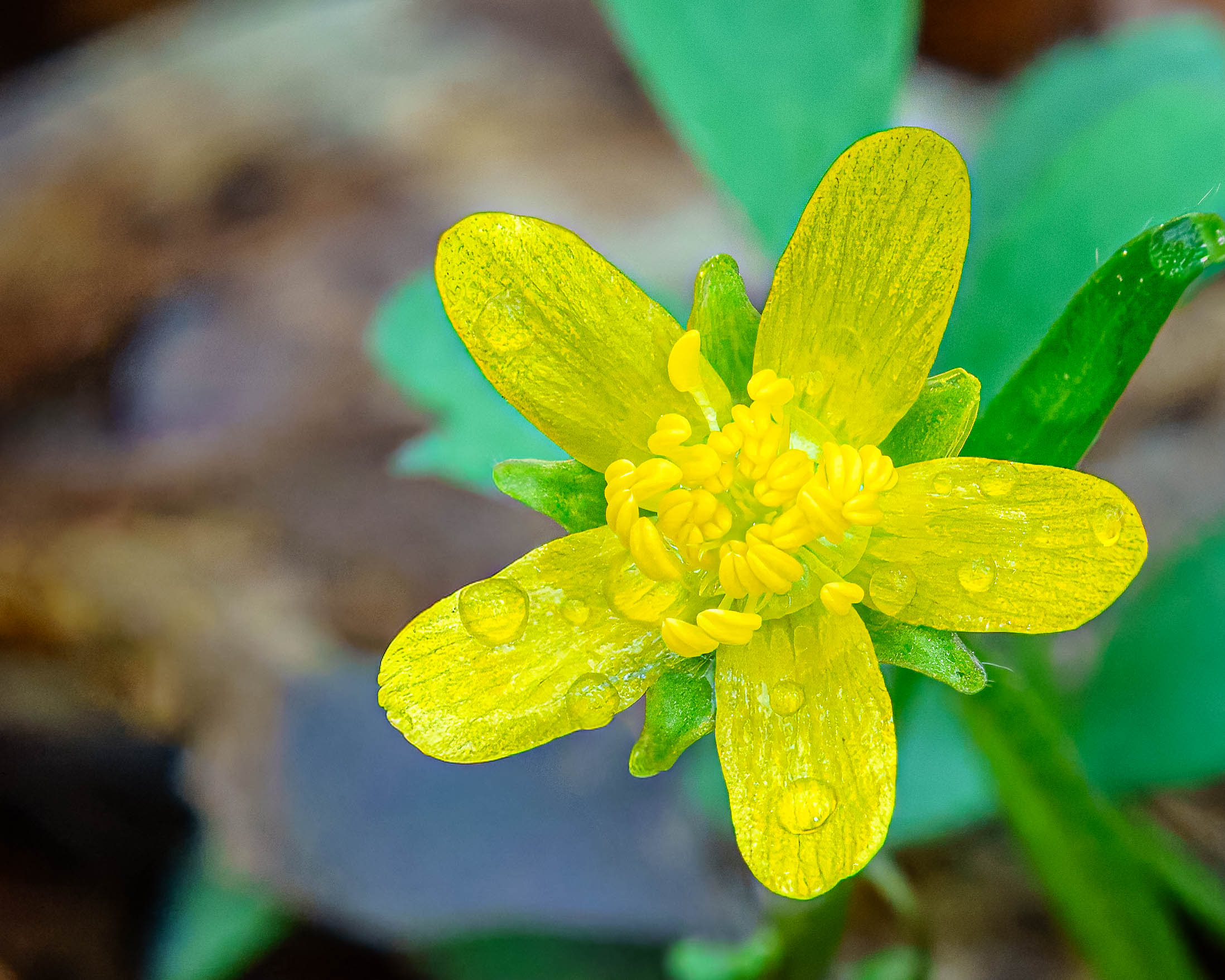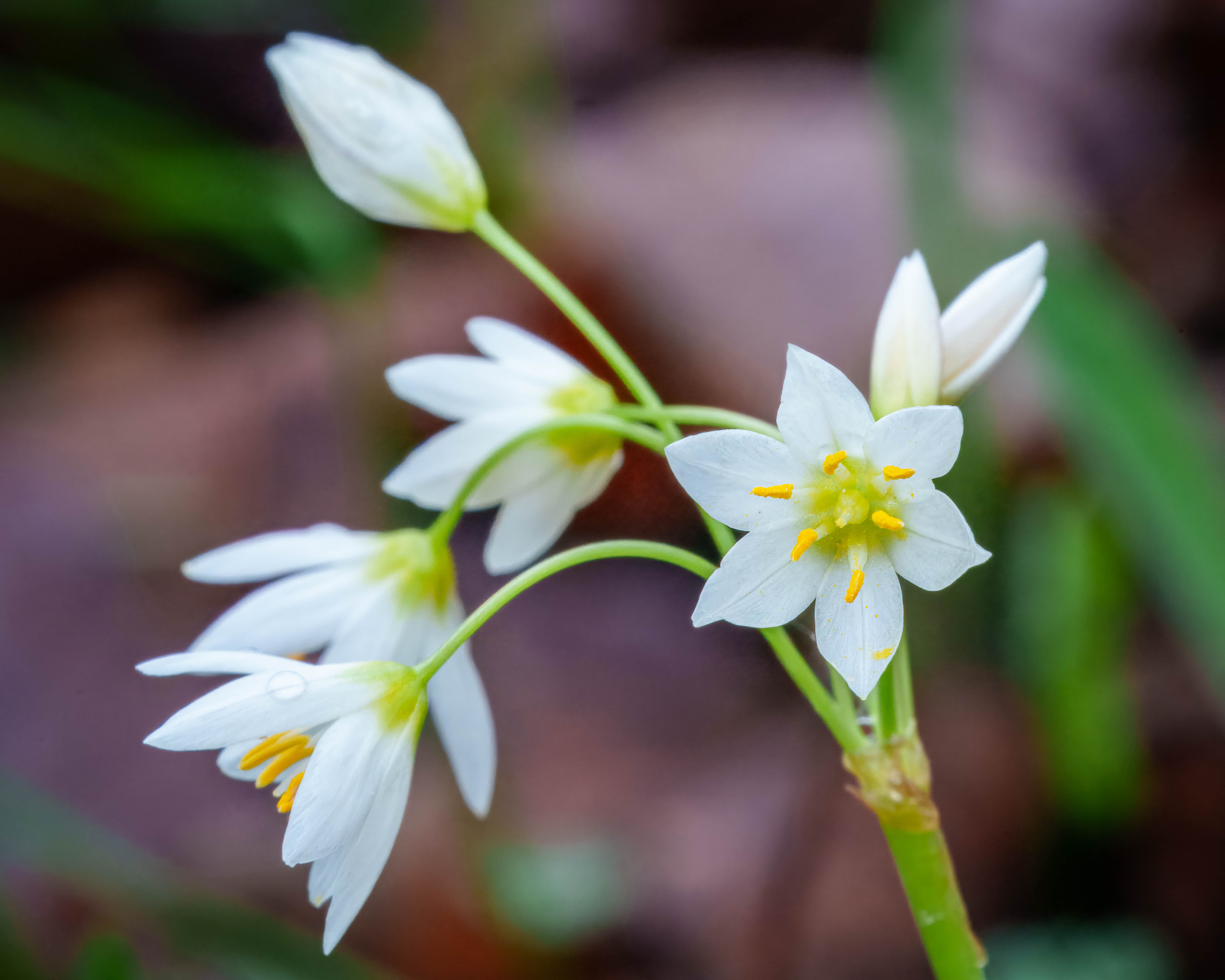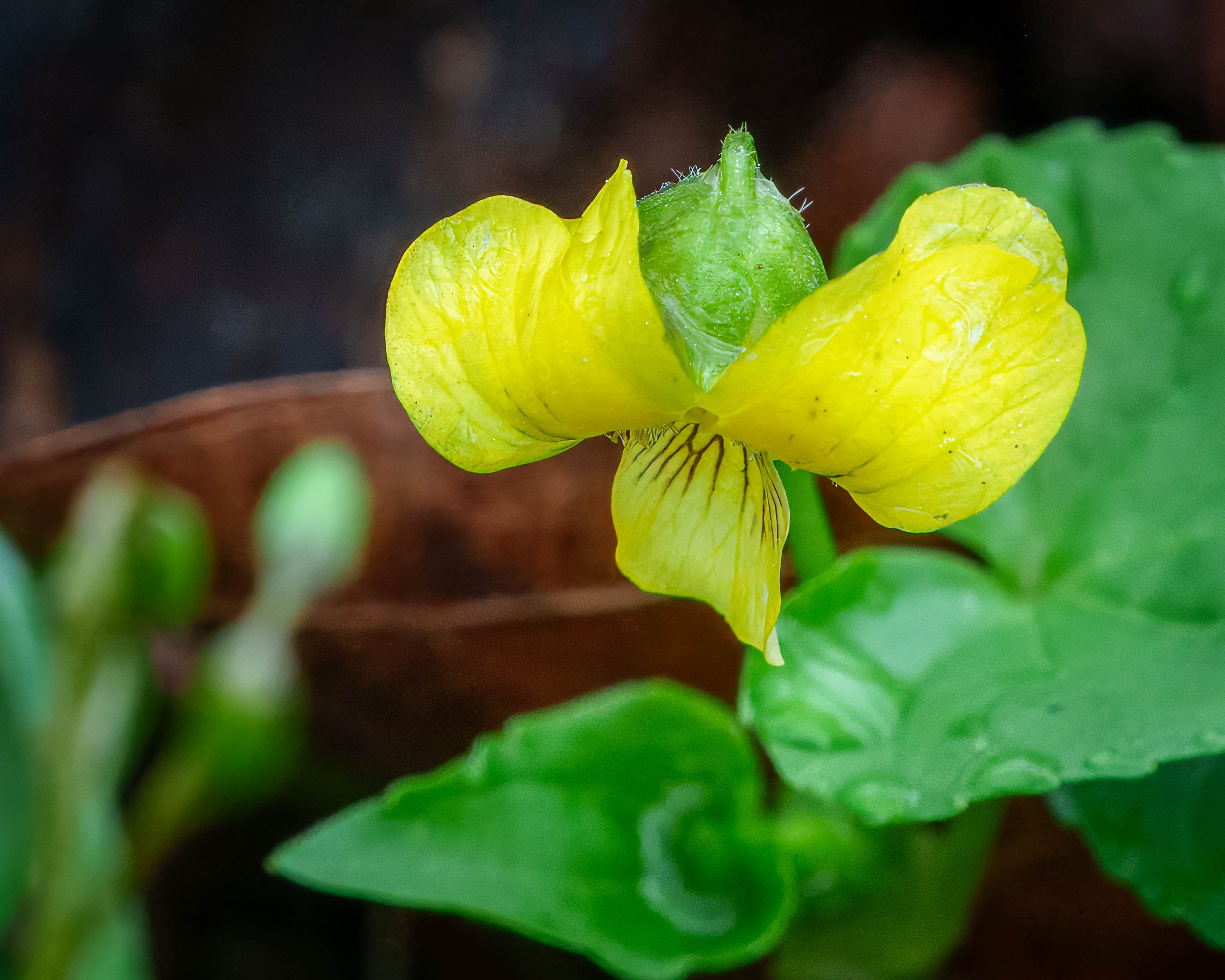
Tuesday through Tuesday, June 16-30, 2026—It’s Summer and It’s Hot

Hot weather, especially heat index temperatures, soared during this reporting period. Despite the oppressive heat, Kay continues playing pickleball and golf, while I remain on the “injured reserve” list. There were a couple of times where I could play pickleball and one 9-hole round of golf before suffering another injury—a rib fracture, #7 on the left side—caused by losing my balance making a short turn on the e-bike. This one is going to take 8-12 weeks to heal.

The highlights of the two weeks were a visit by Karyn, Matt, Ridge and Aker for a weekend, and a follow-up “working” visit by Ridge the last week of the month.

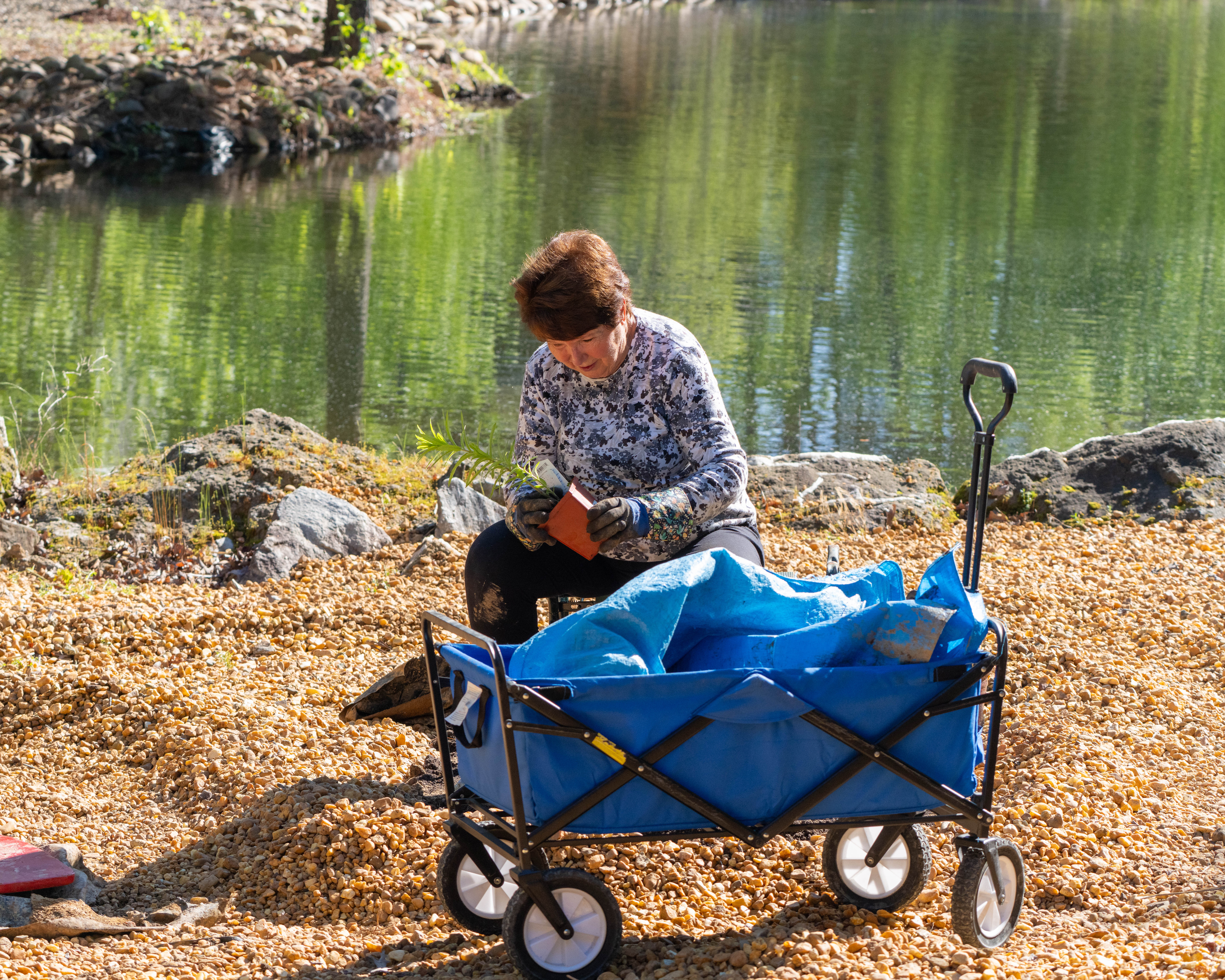
He really helped us out digging up an irrigation fitting, trimming a bunch of shrubs, assisting with repairing a loose door hinge, and power washing the deck and the front sidewalk. Regrettably because of the injury, I was not able to assist him much, but we did build him a soccer rebounder.
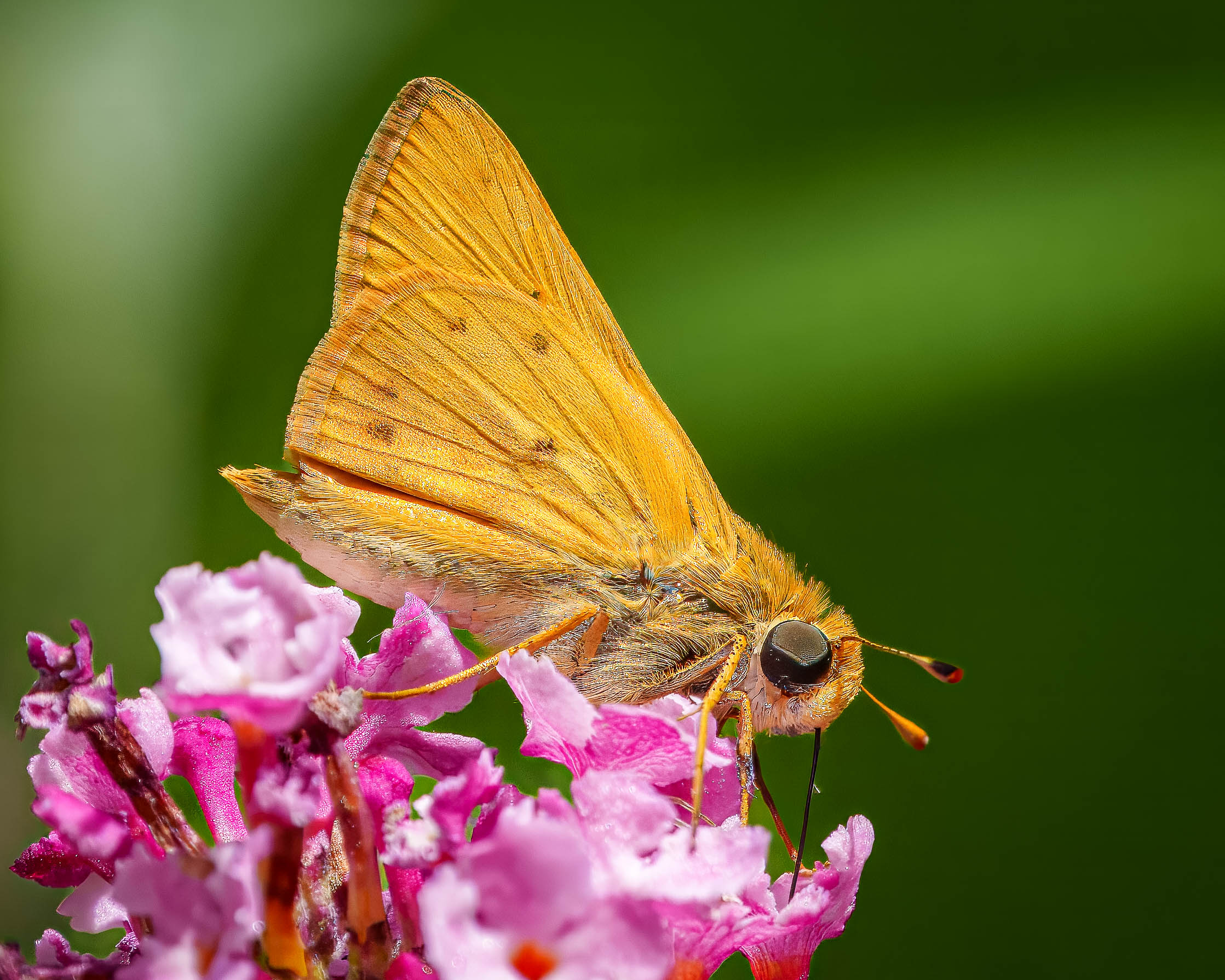
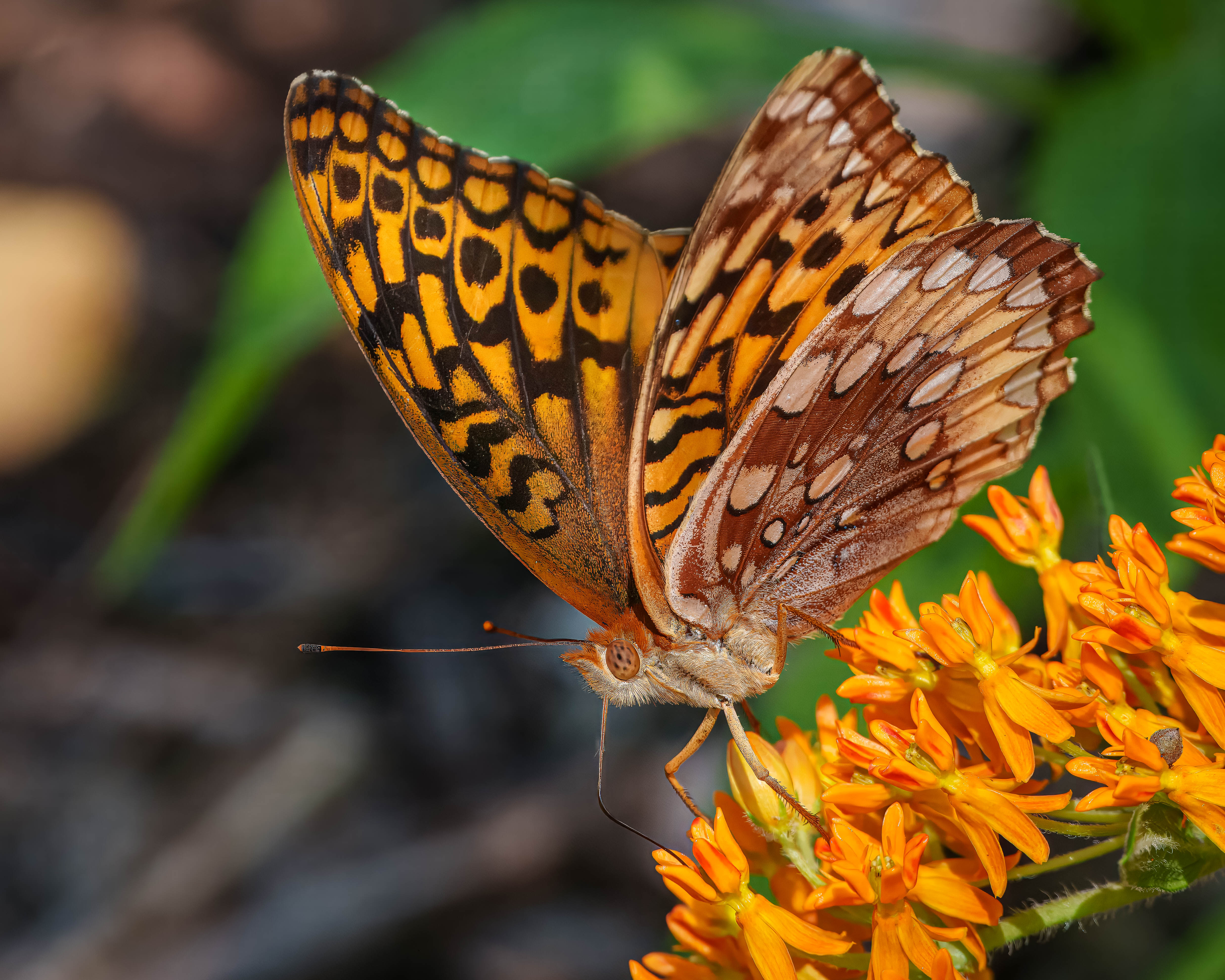
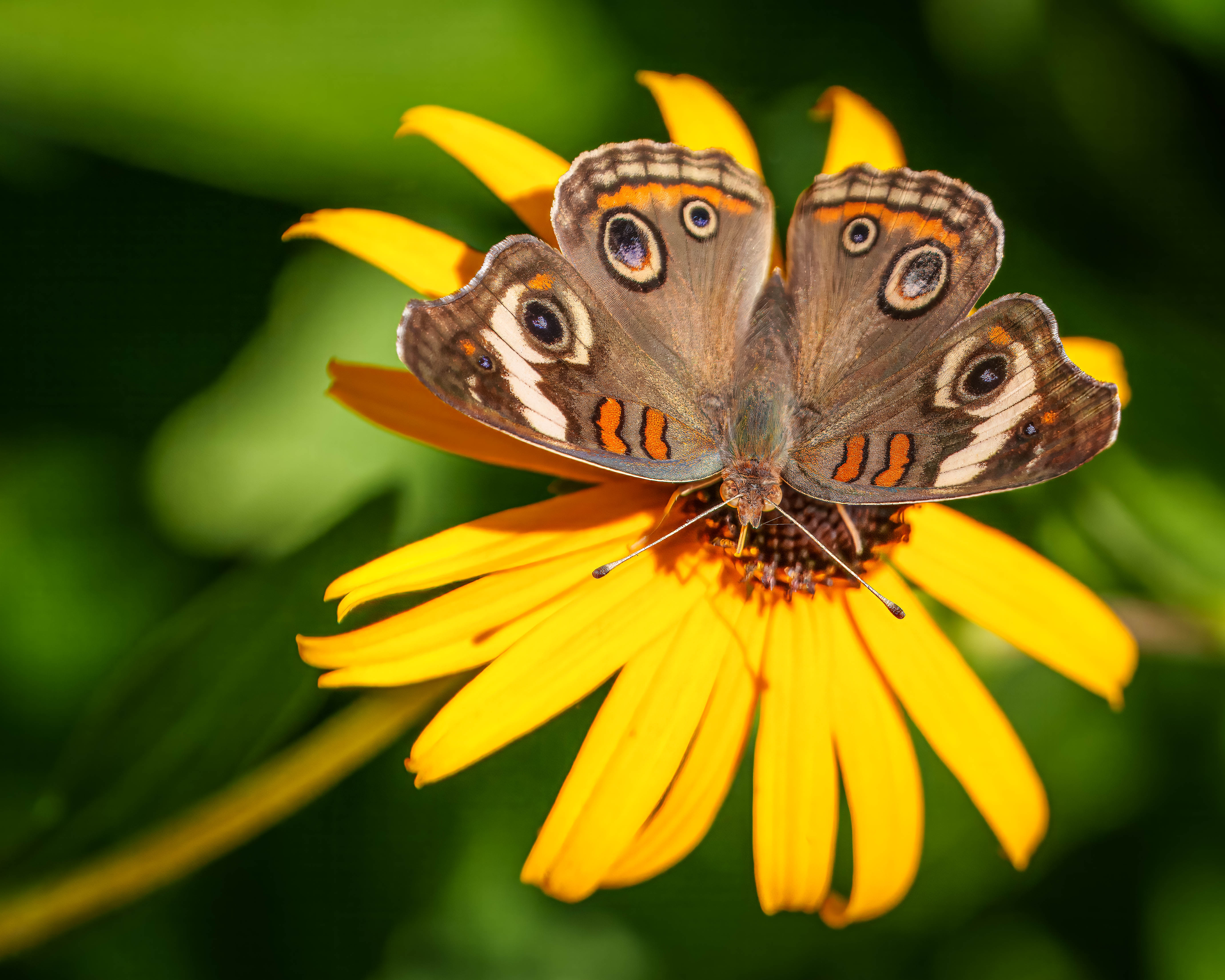
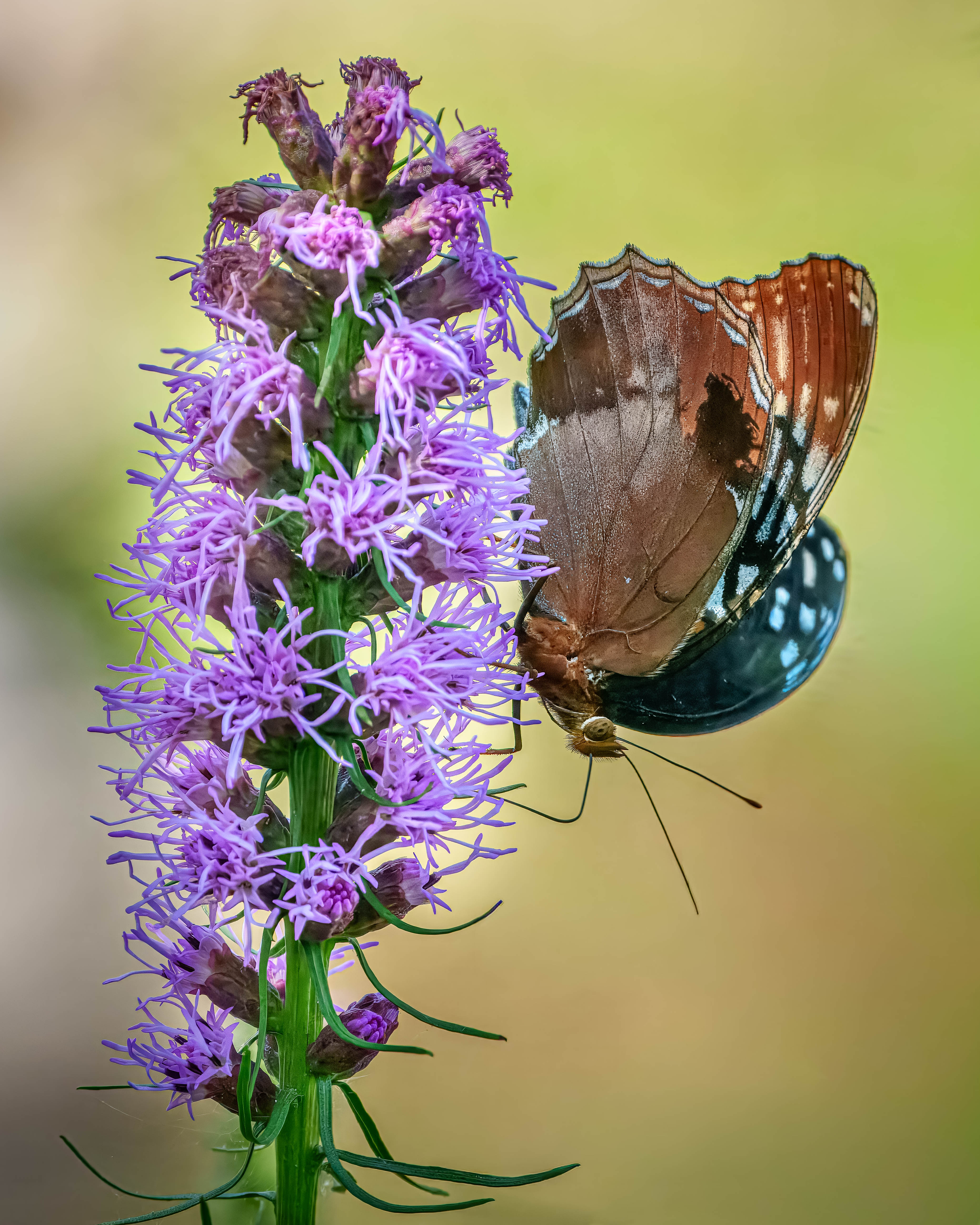
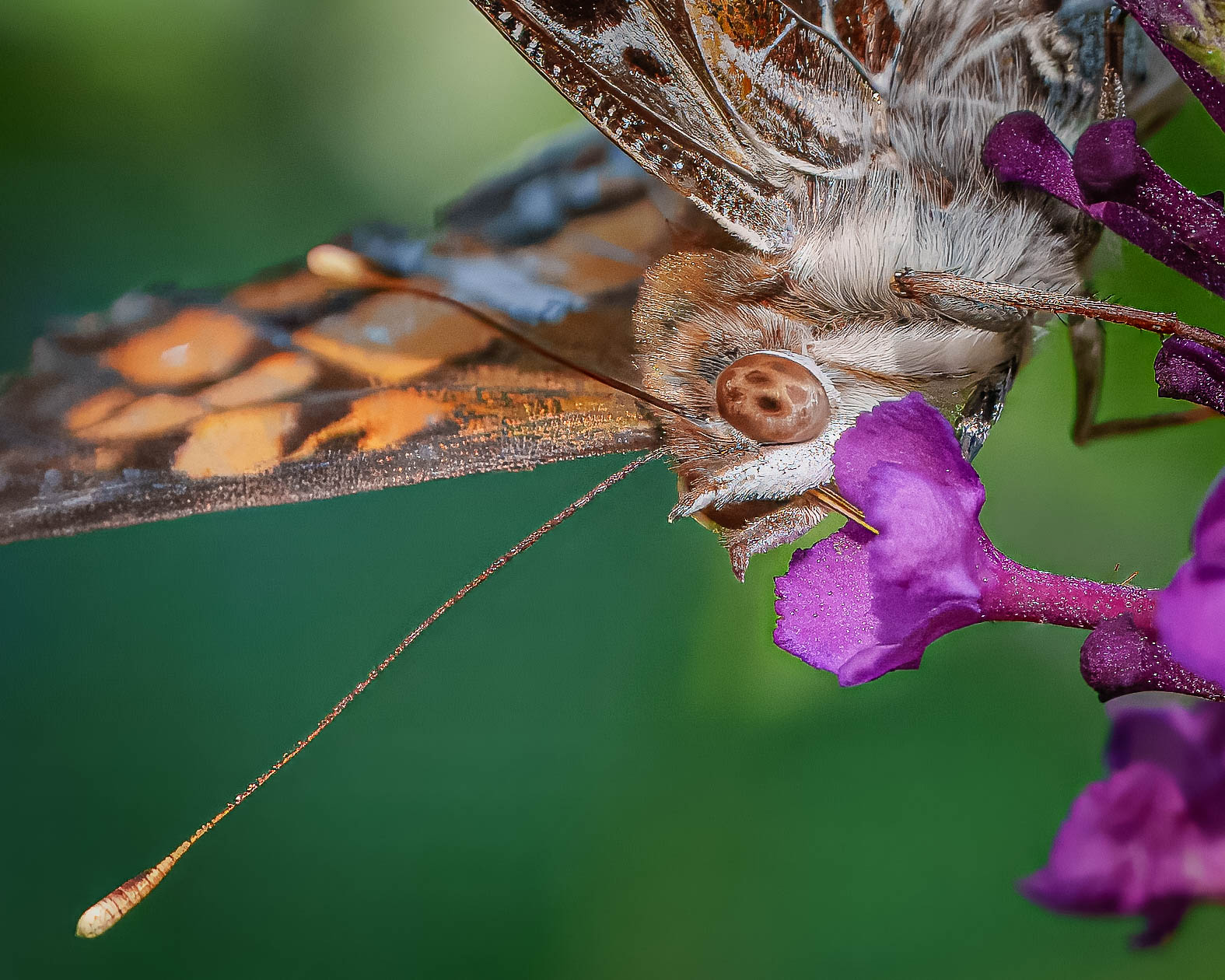
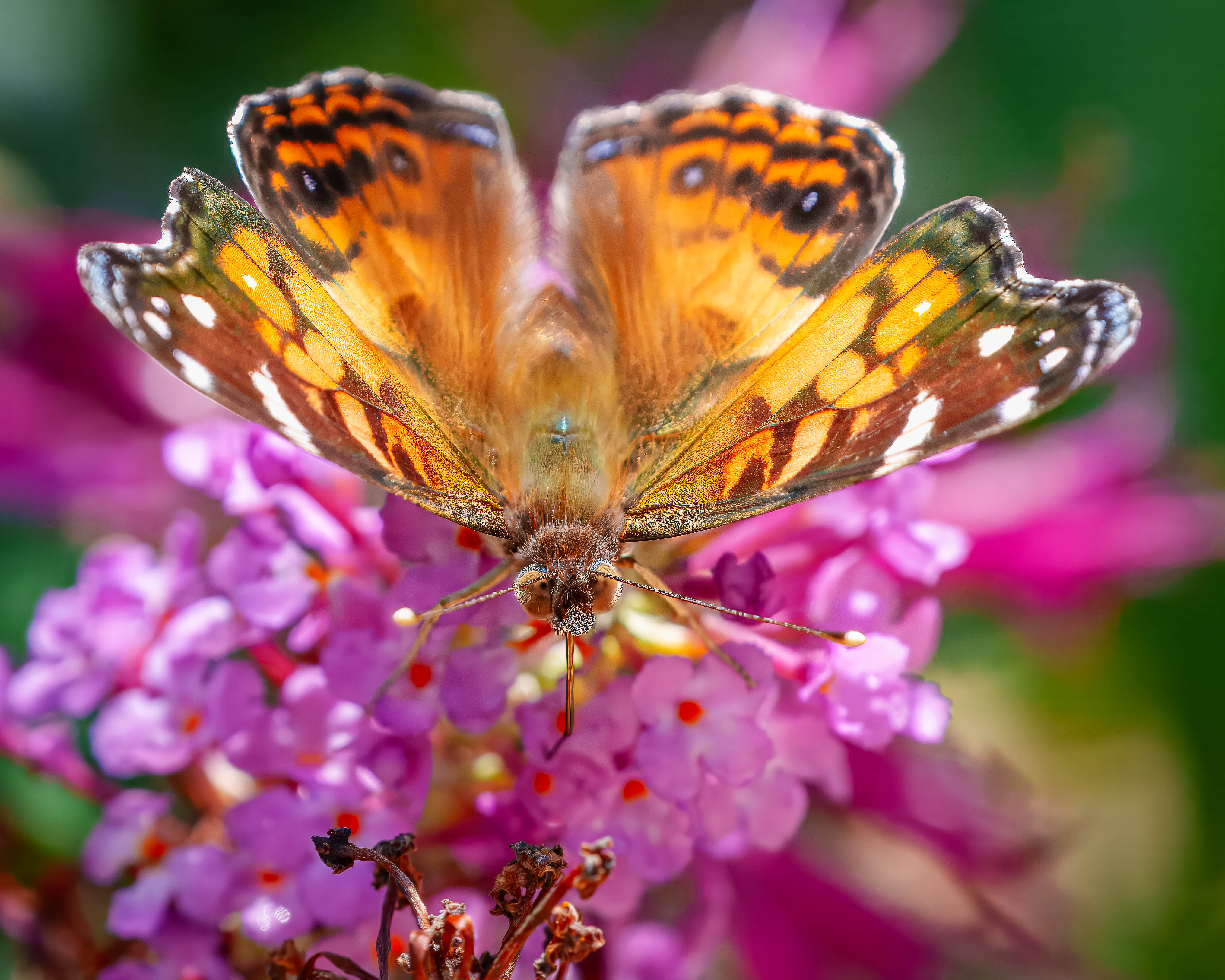
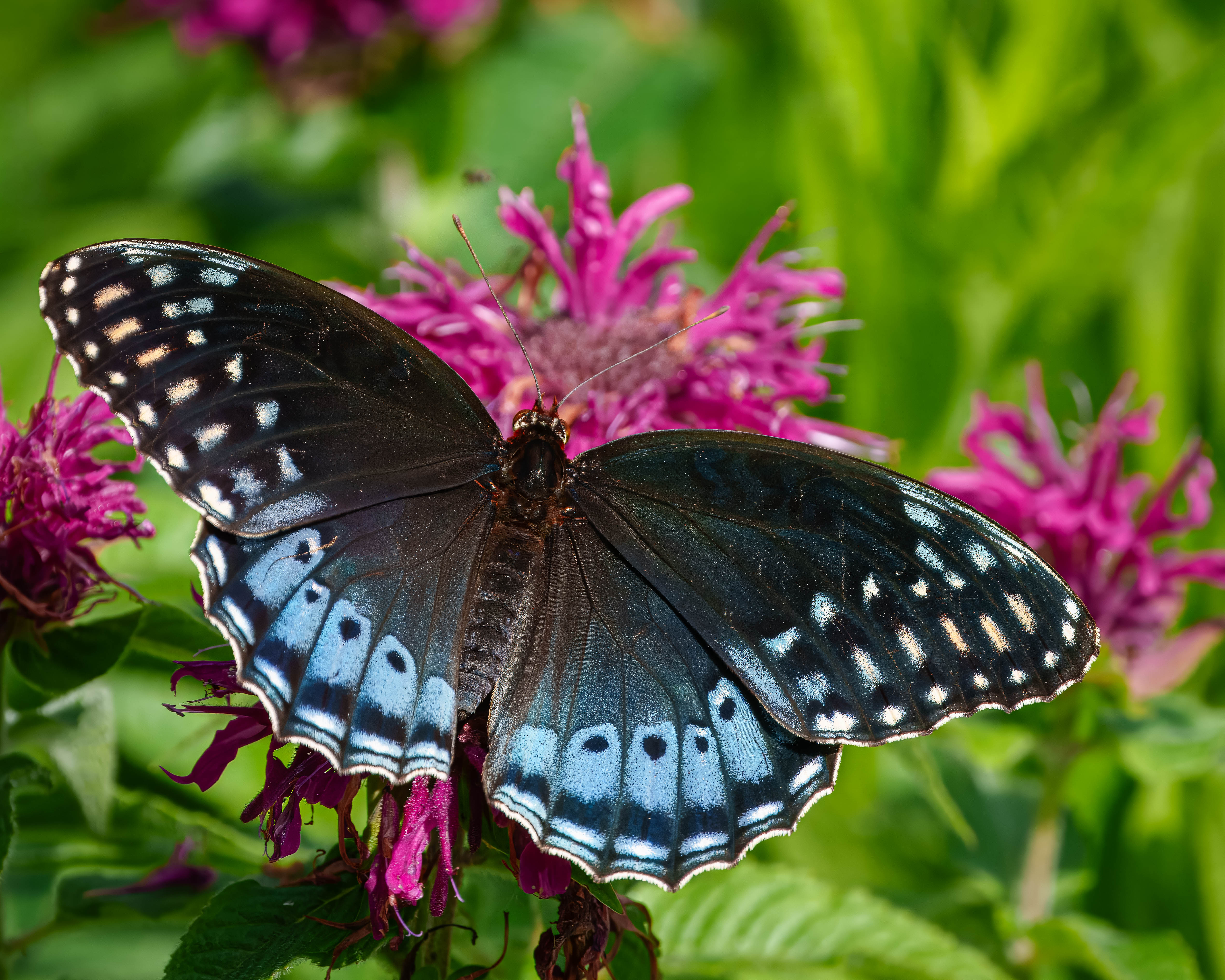
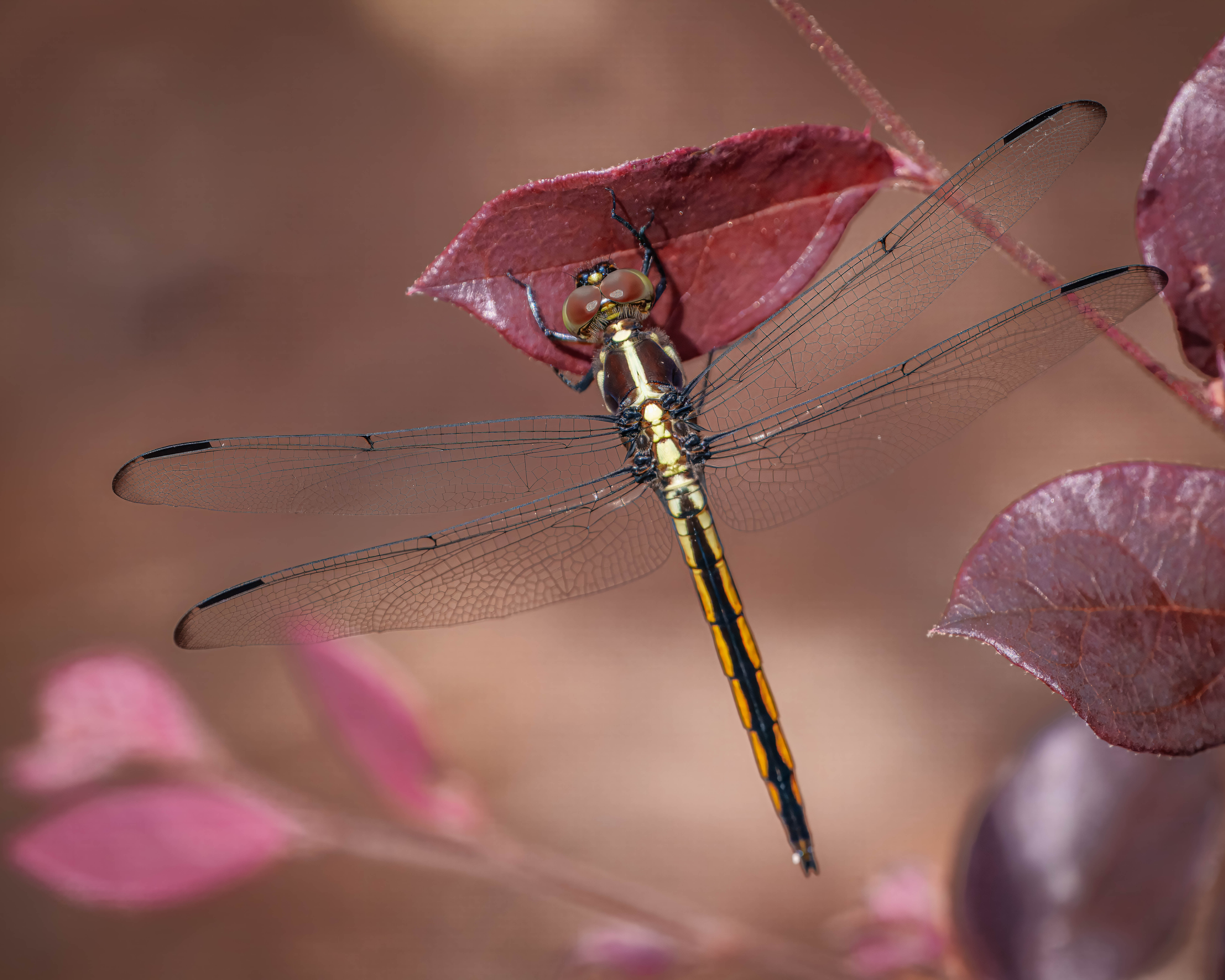
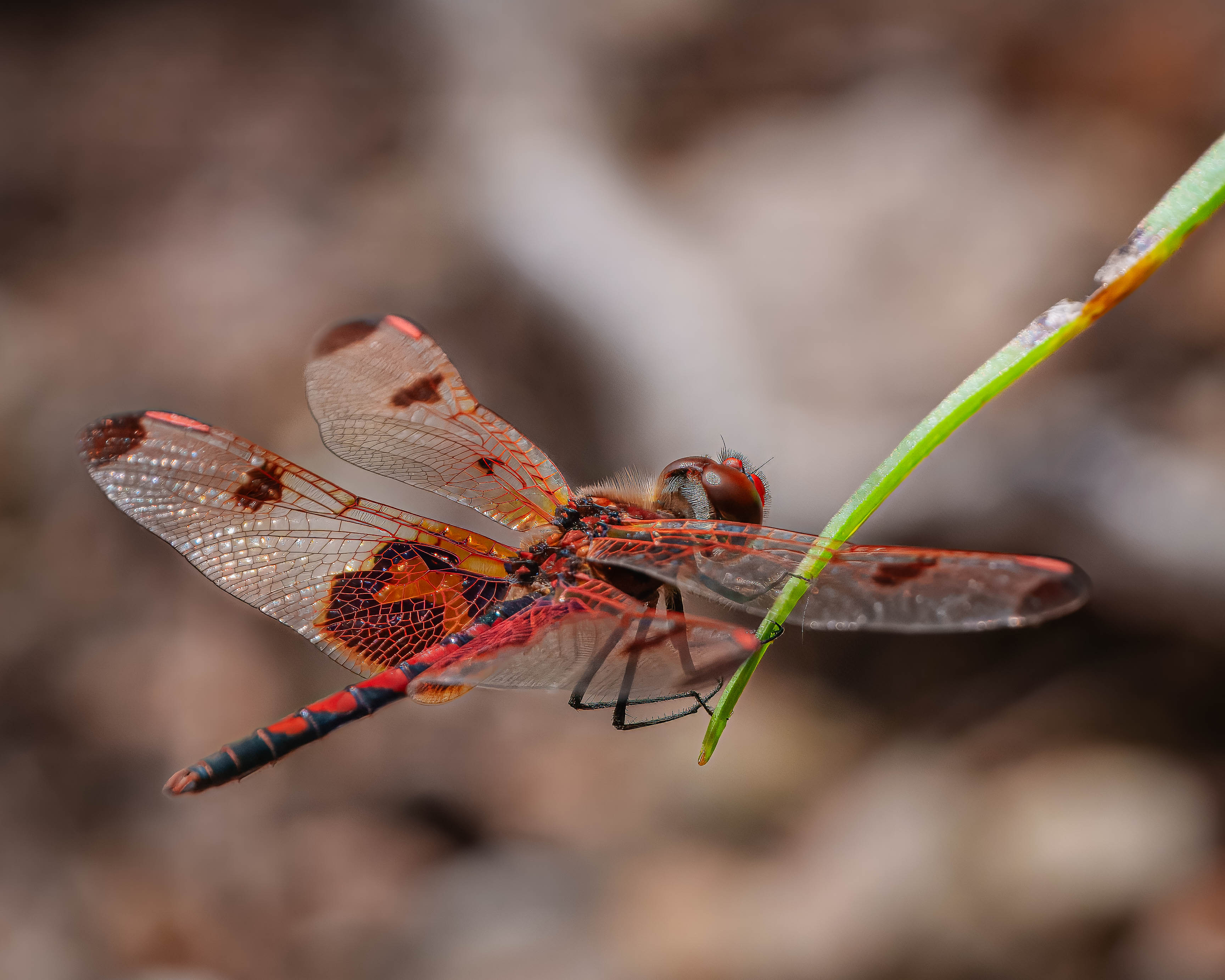
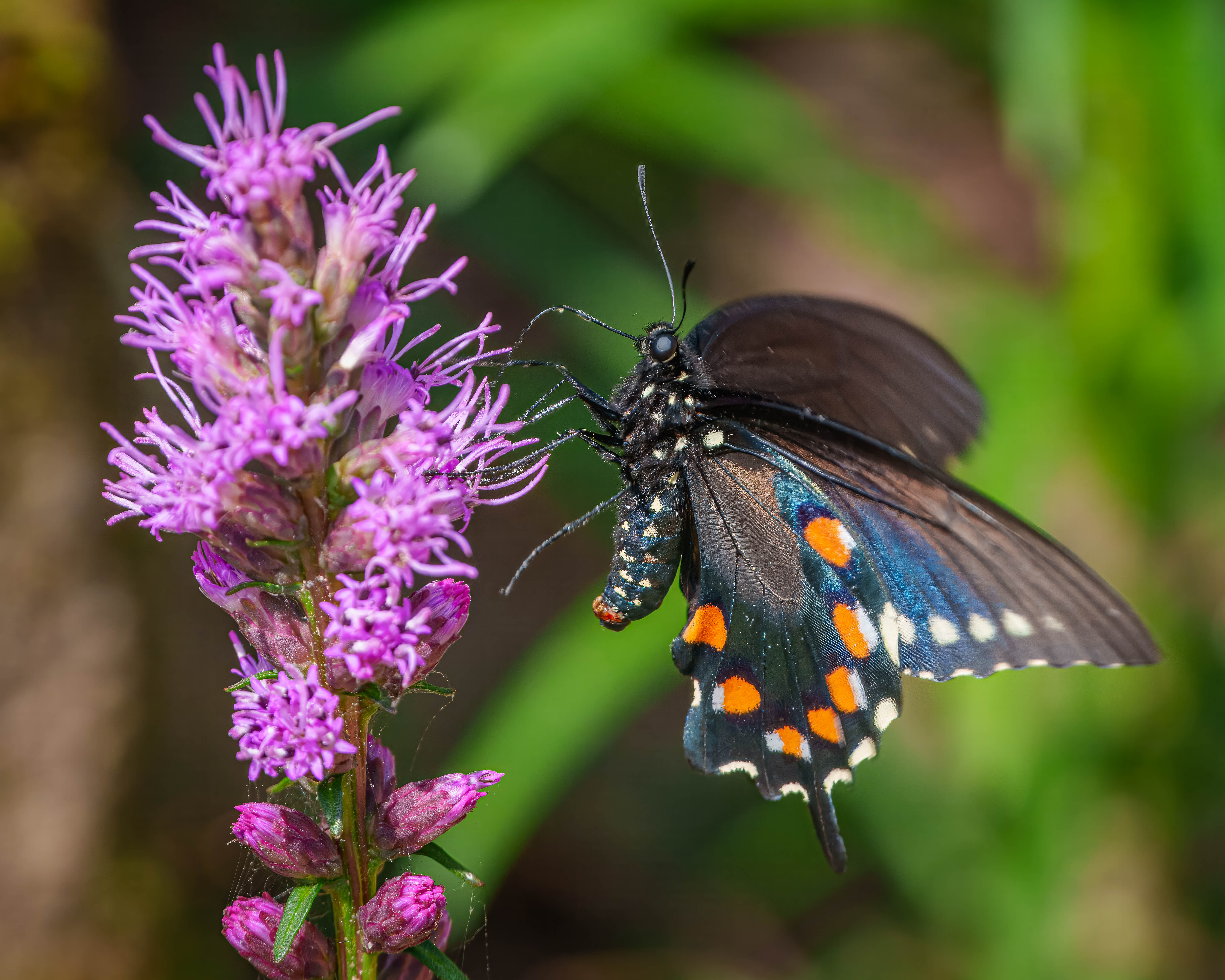
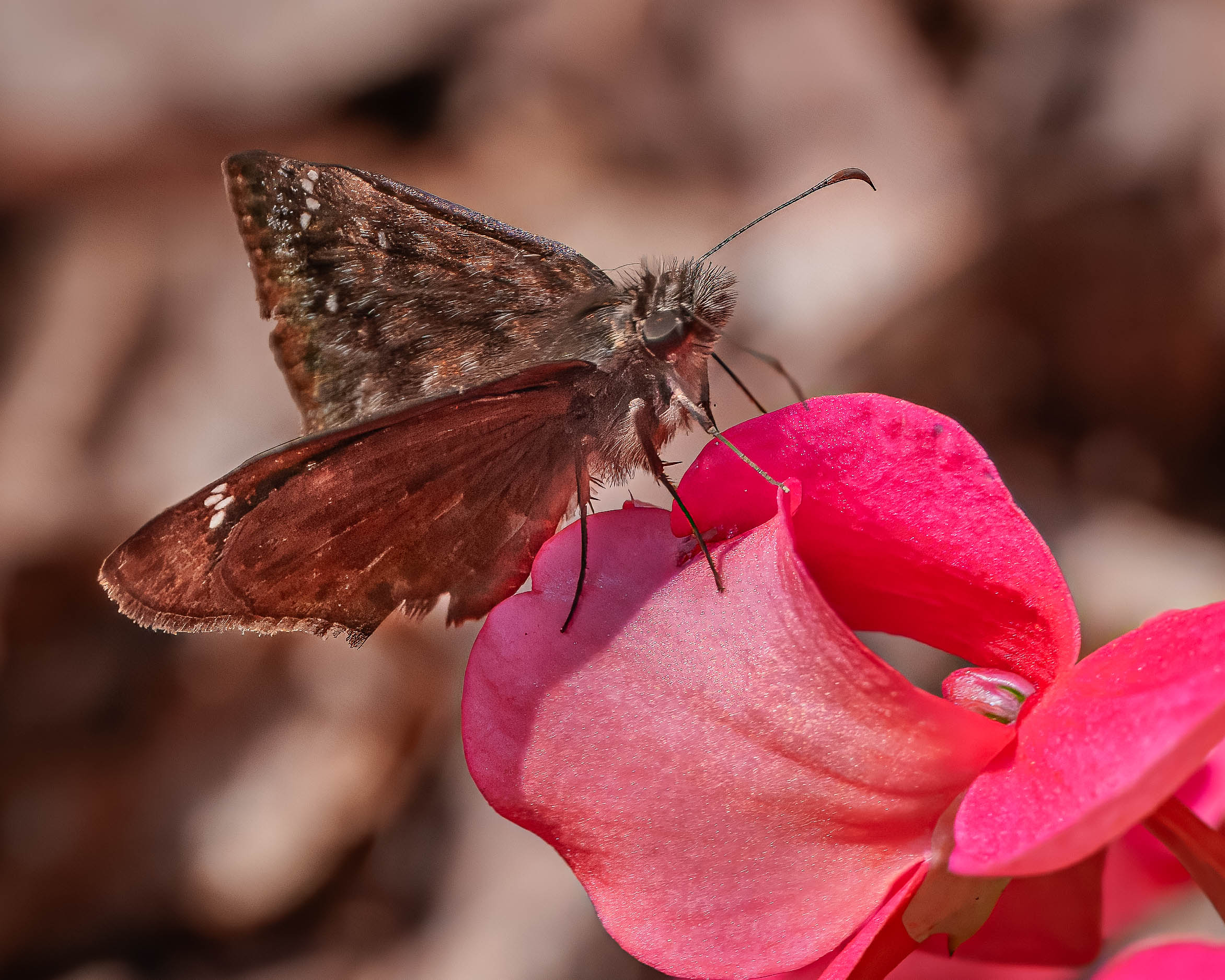
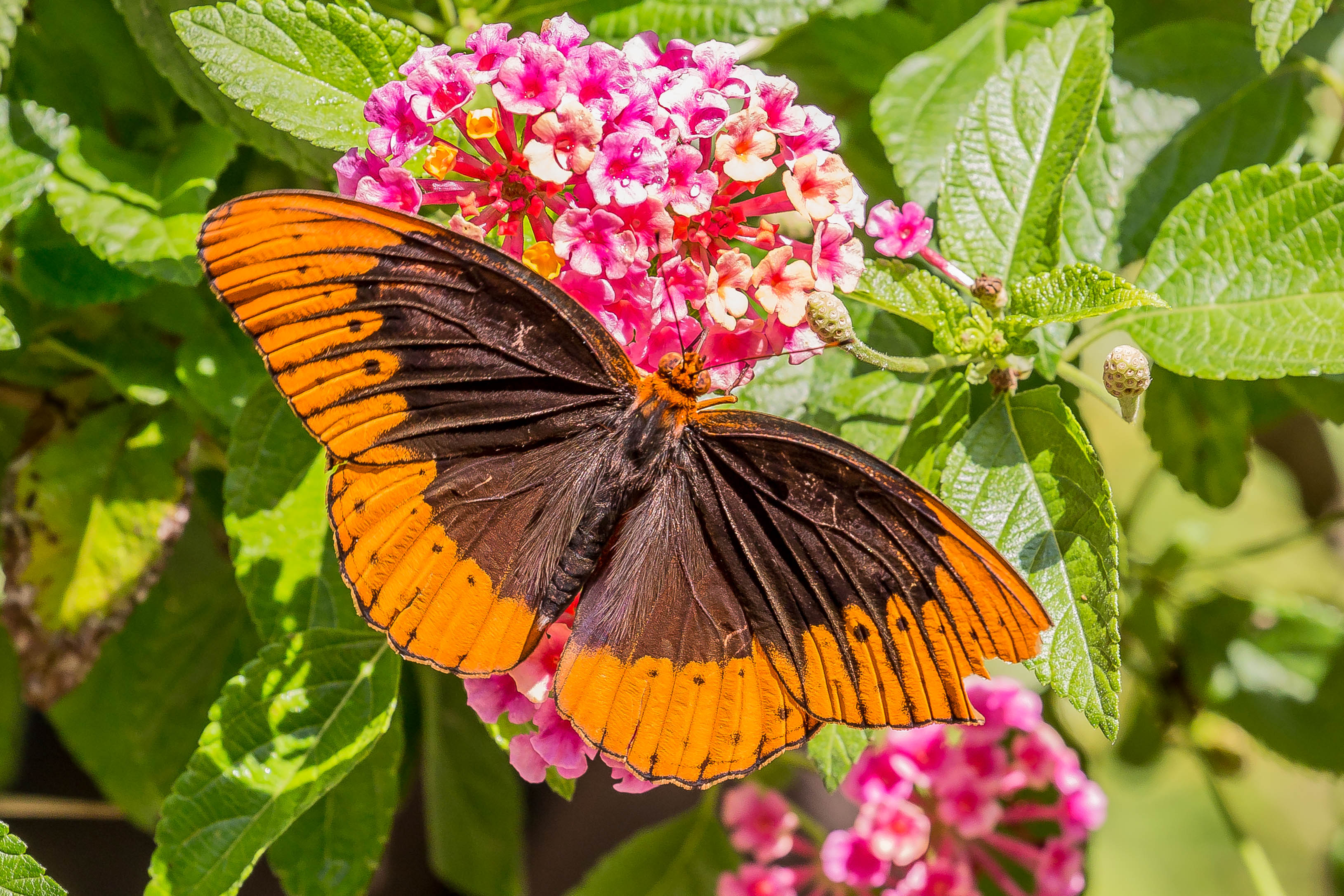
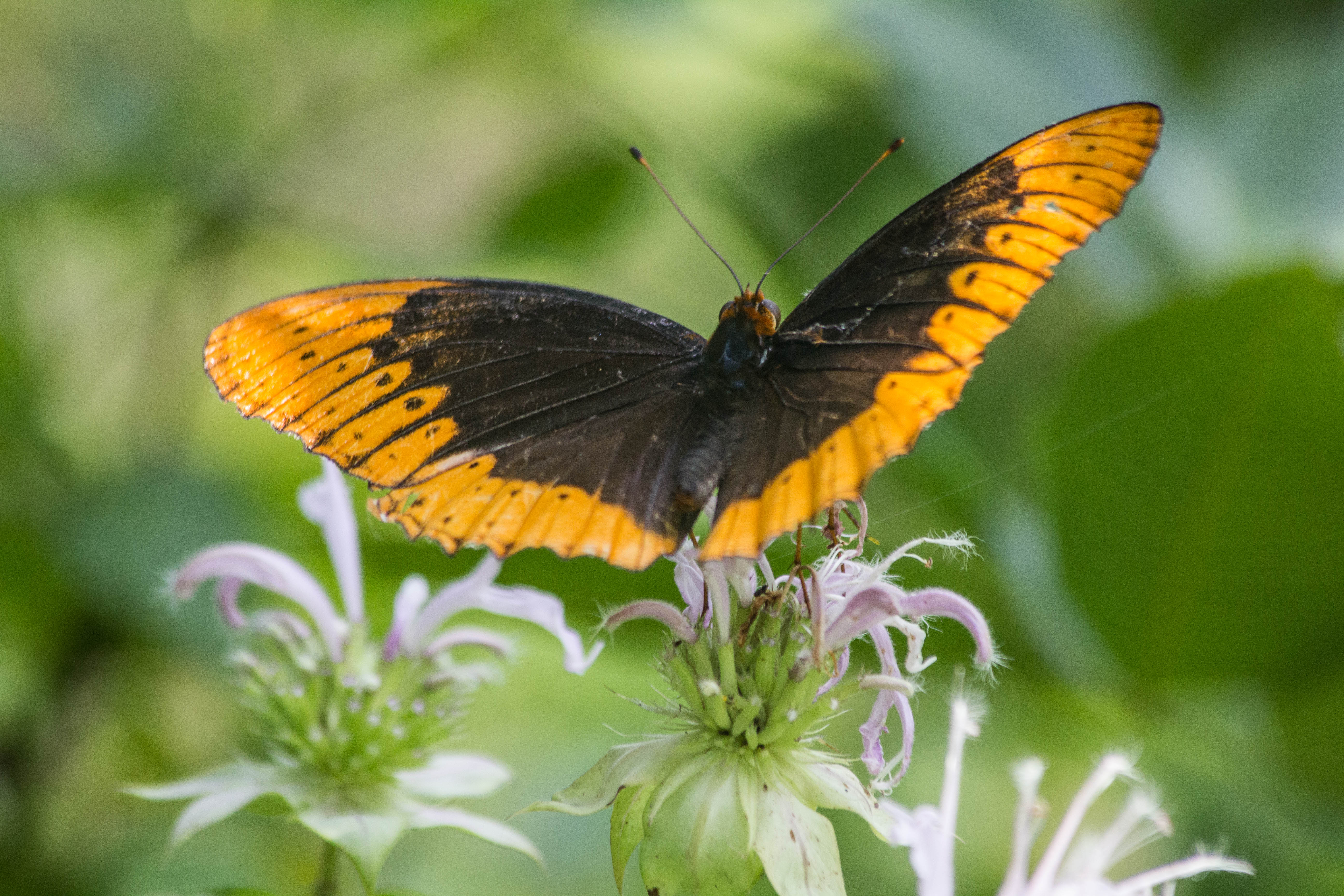
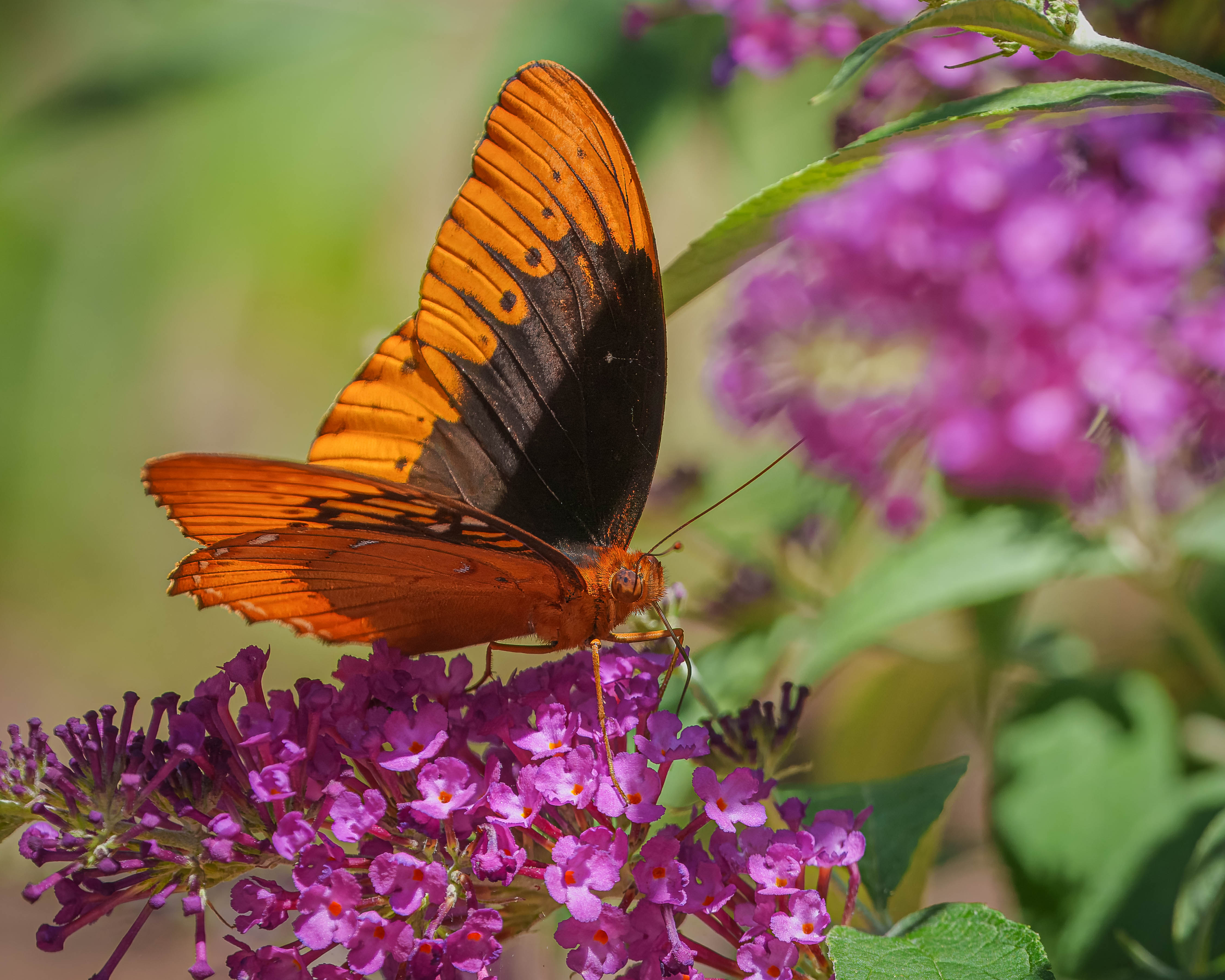
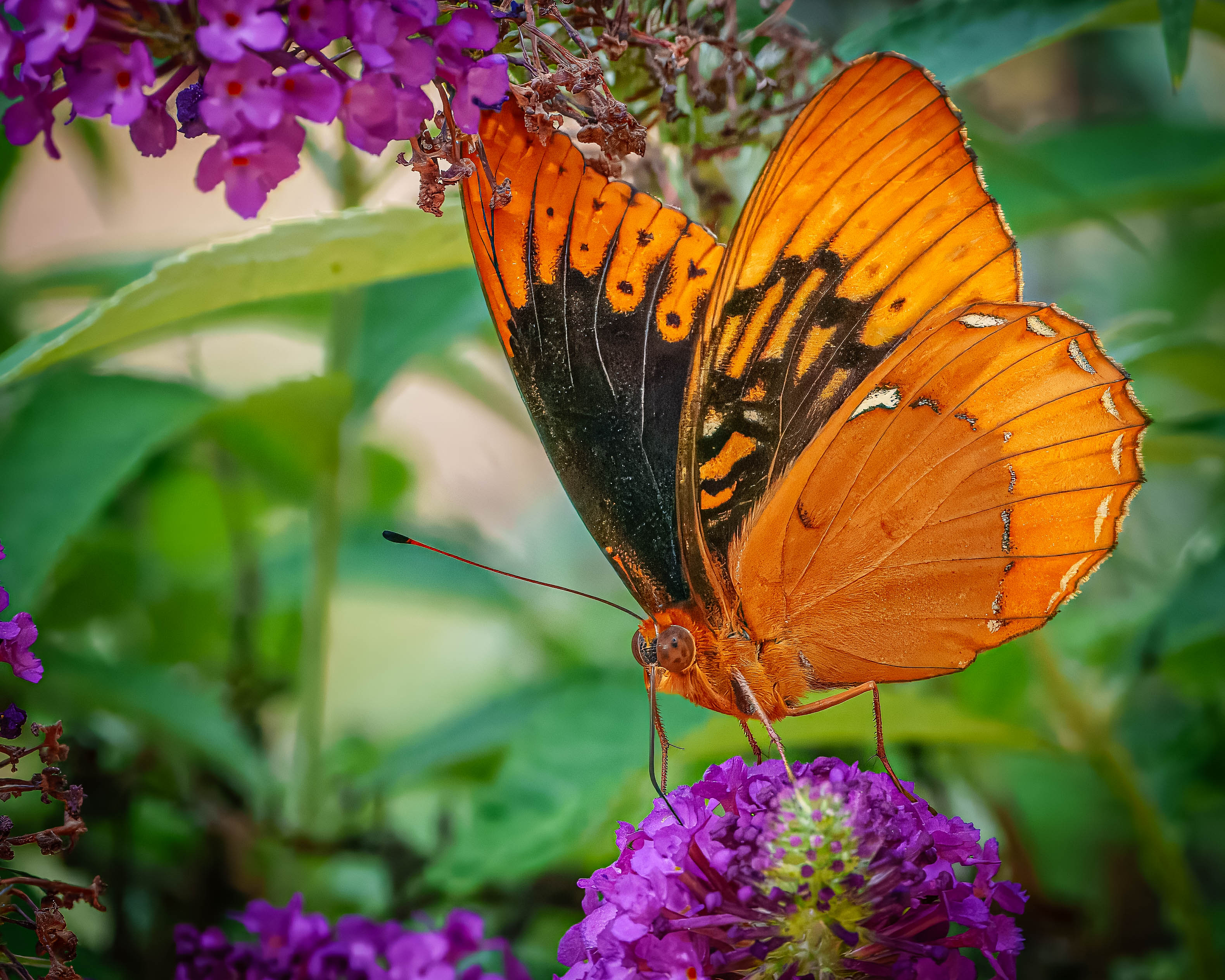
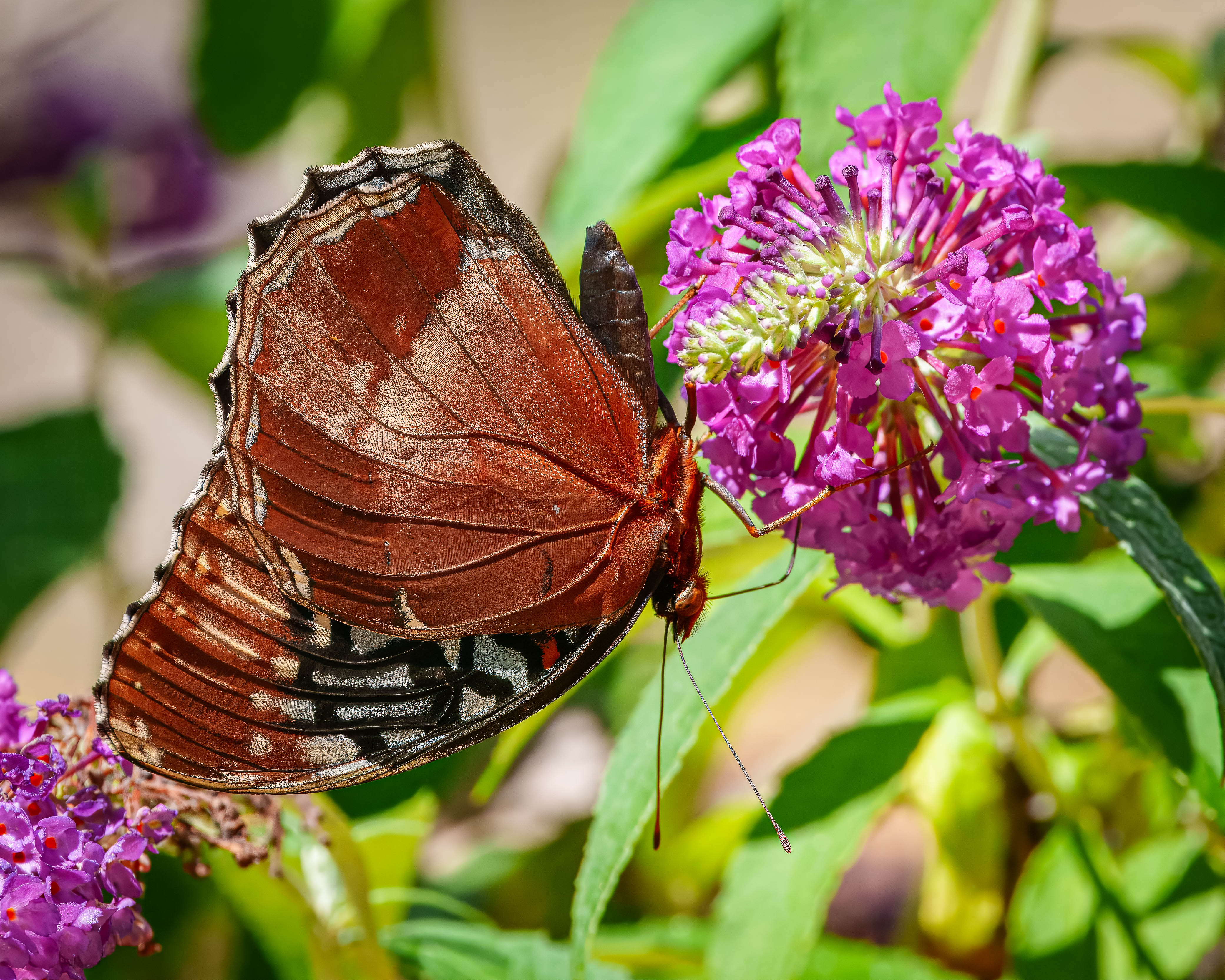
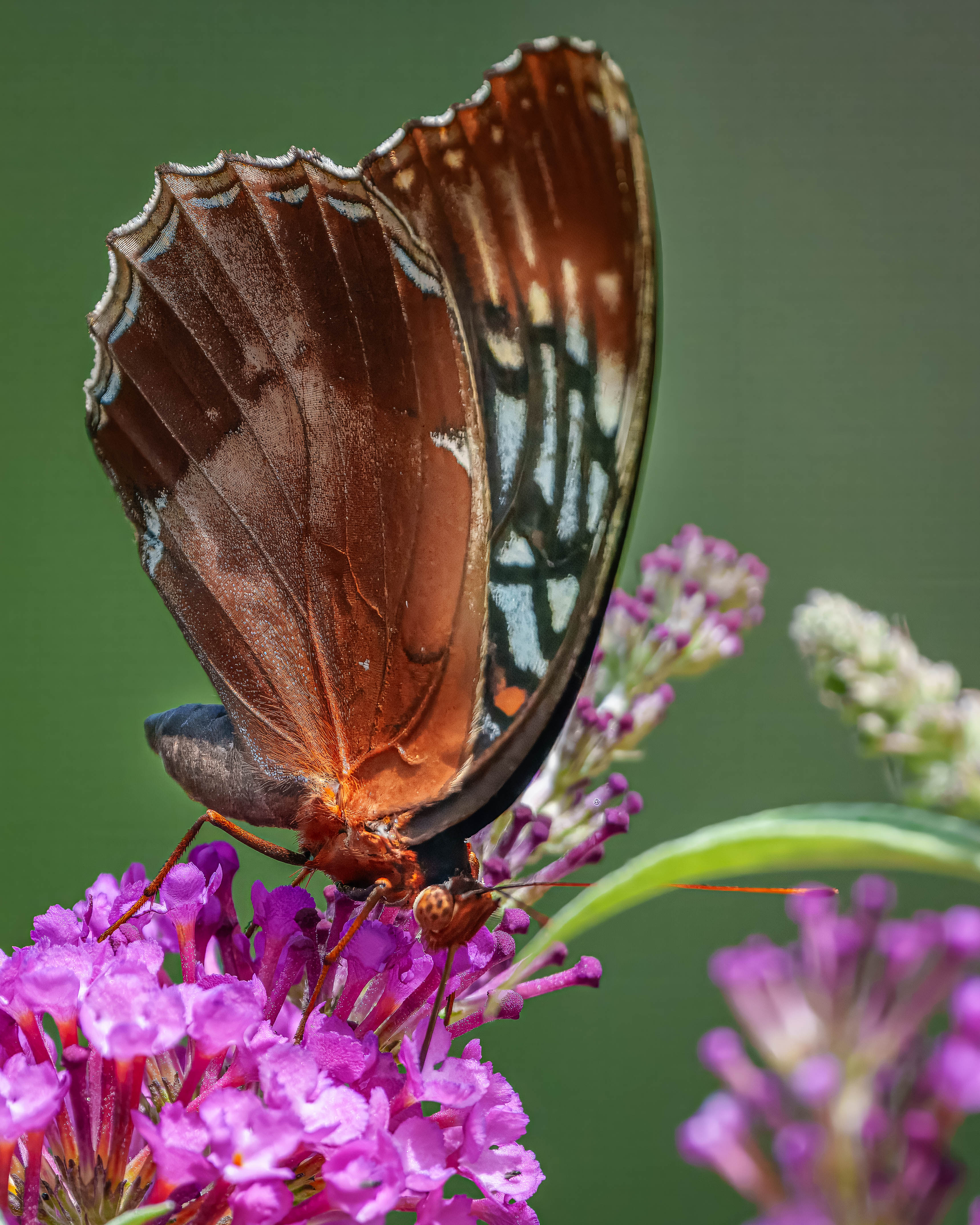
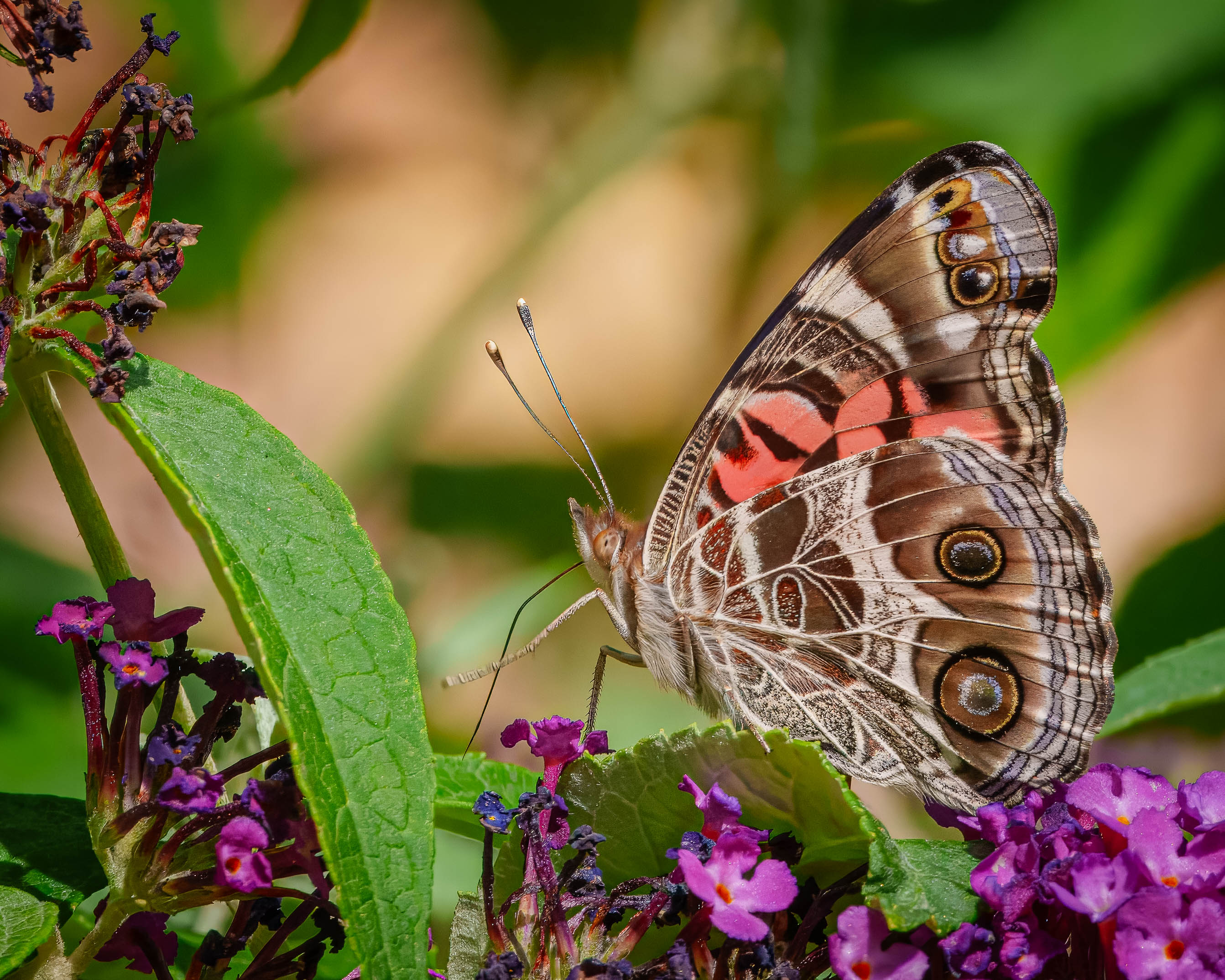
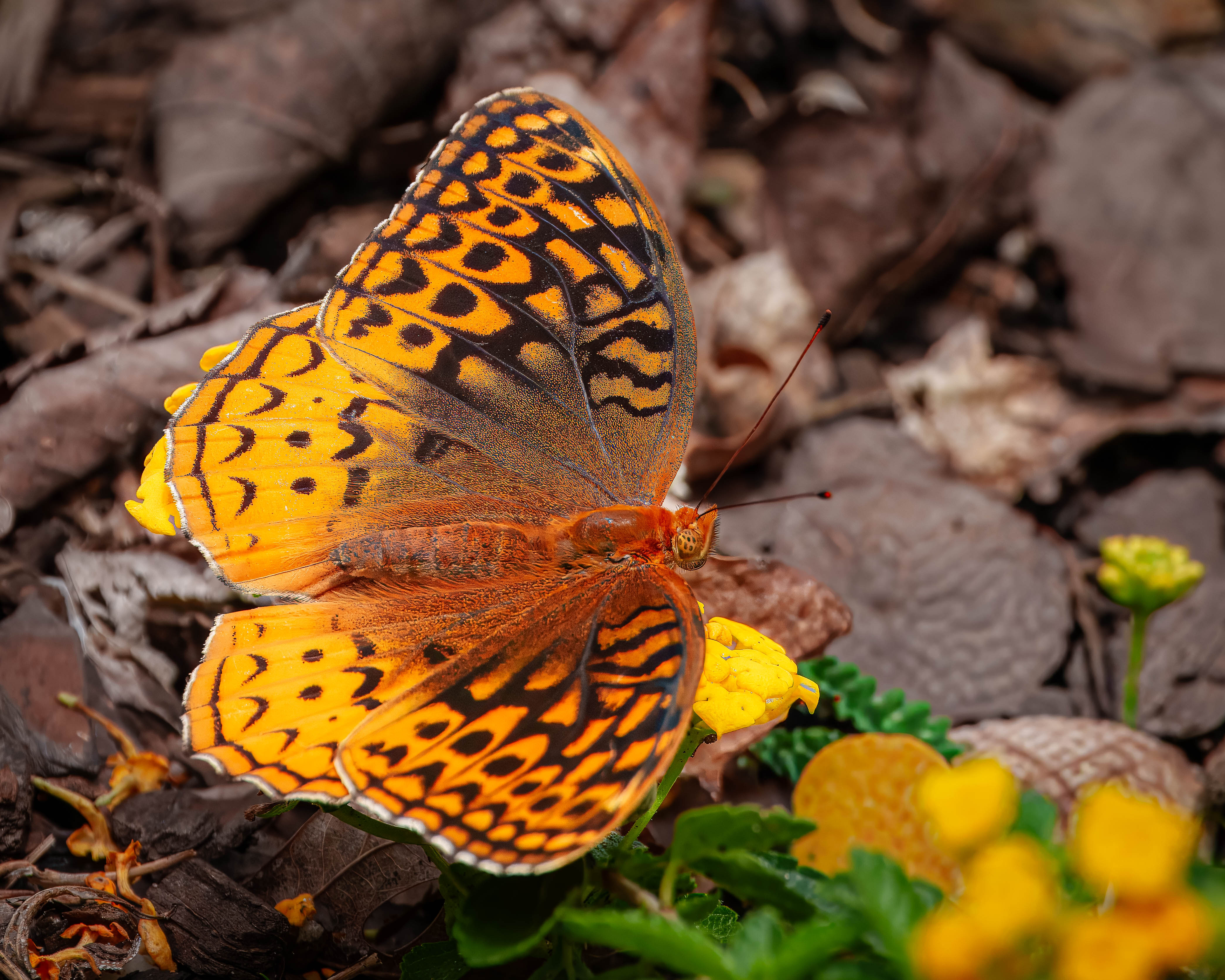
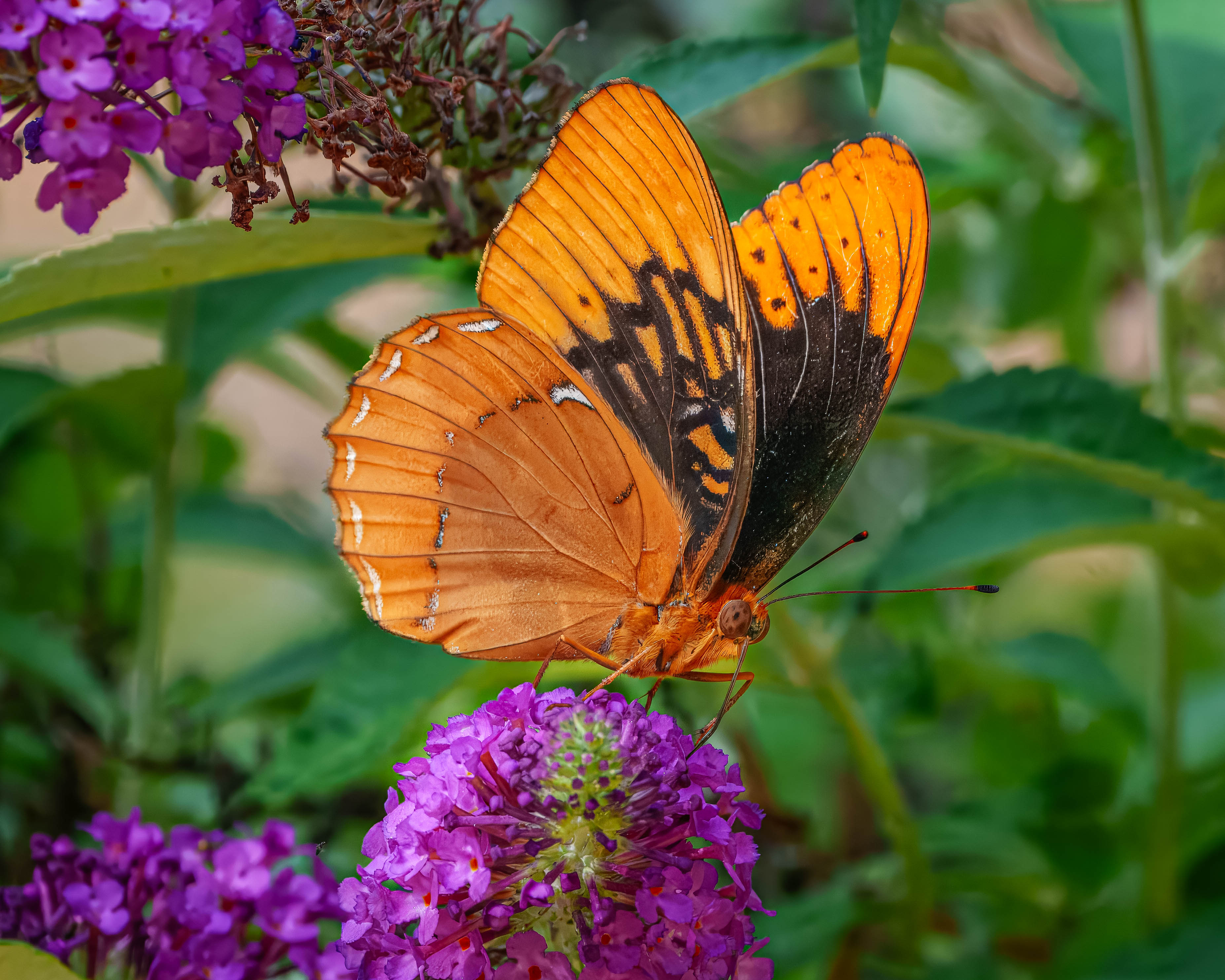
I did manage to get out a few times to chase butterflies and dragonflies. On Tuesday, June 16, a female Diana Fritillary and an American Lady were photographed.

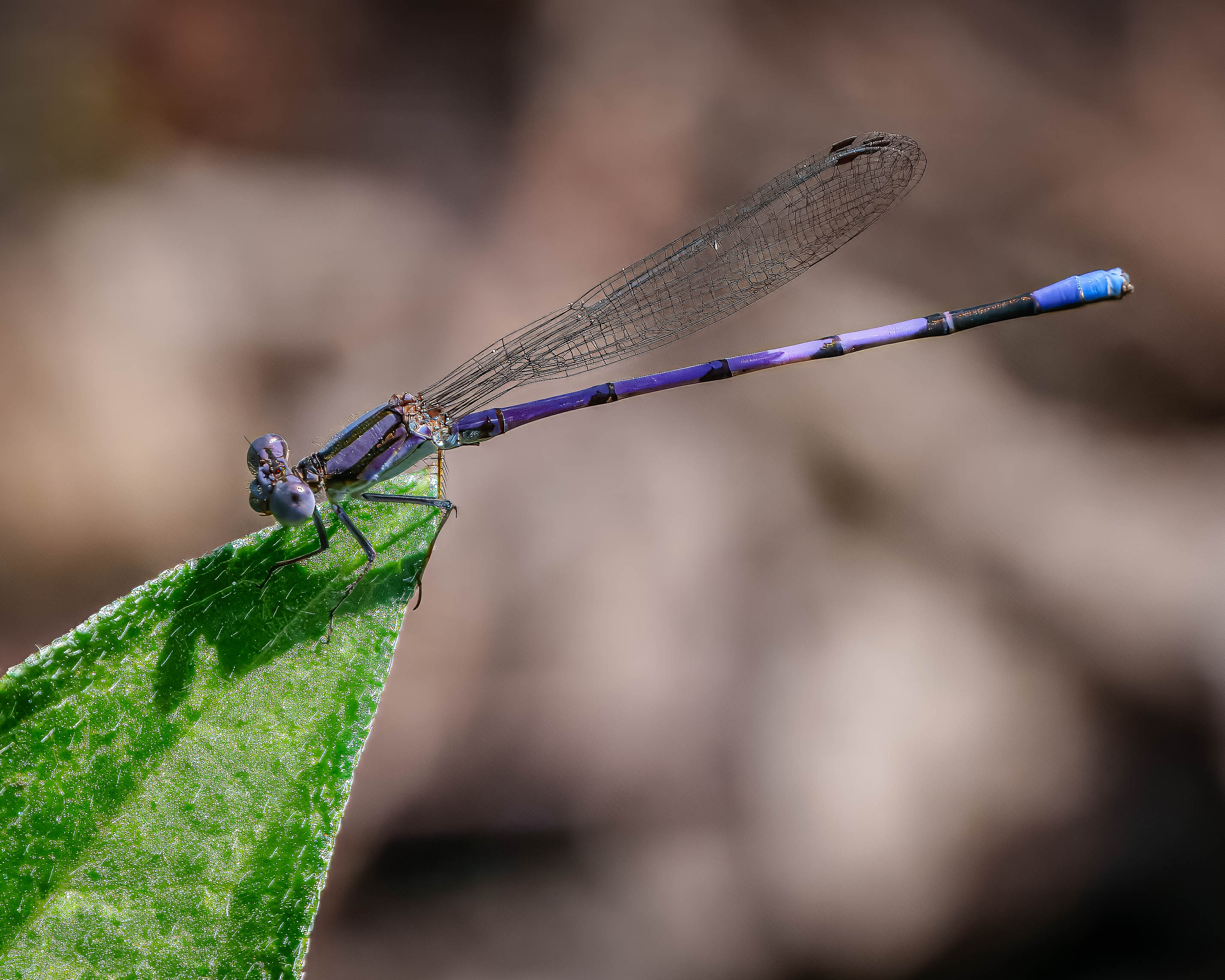
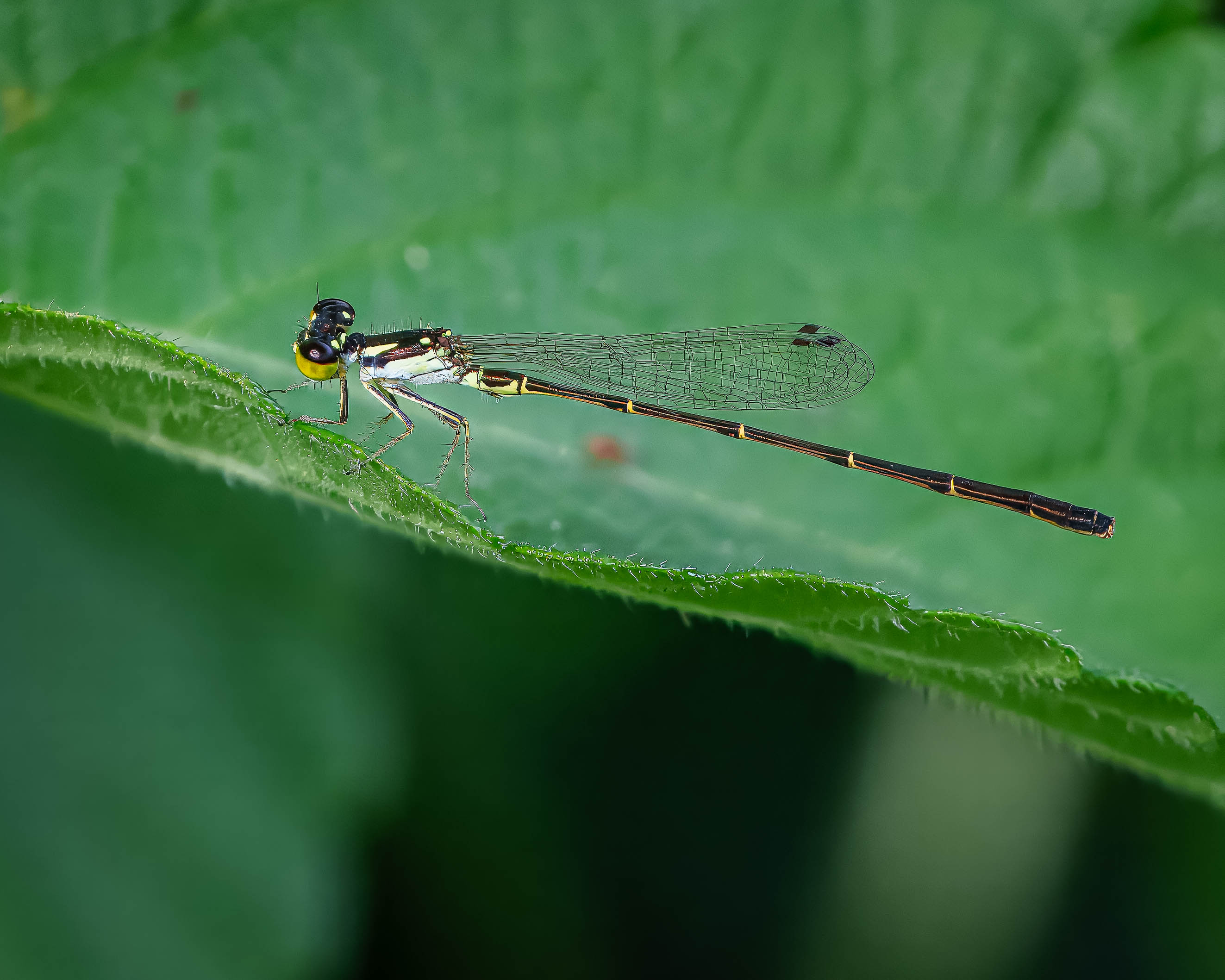
Additionally, a Variable Dance was present.

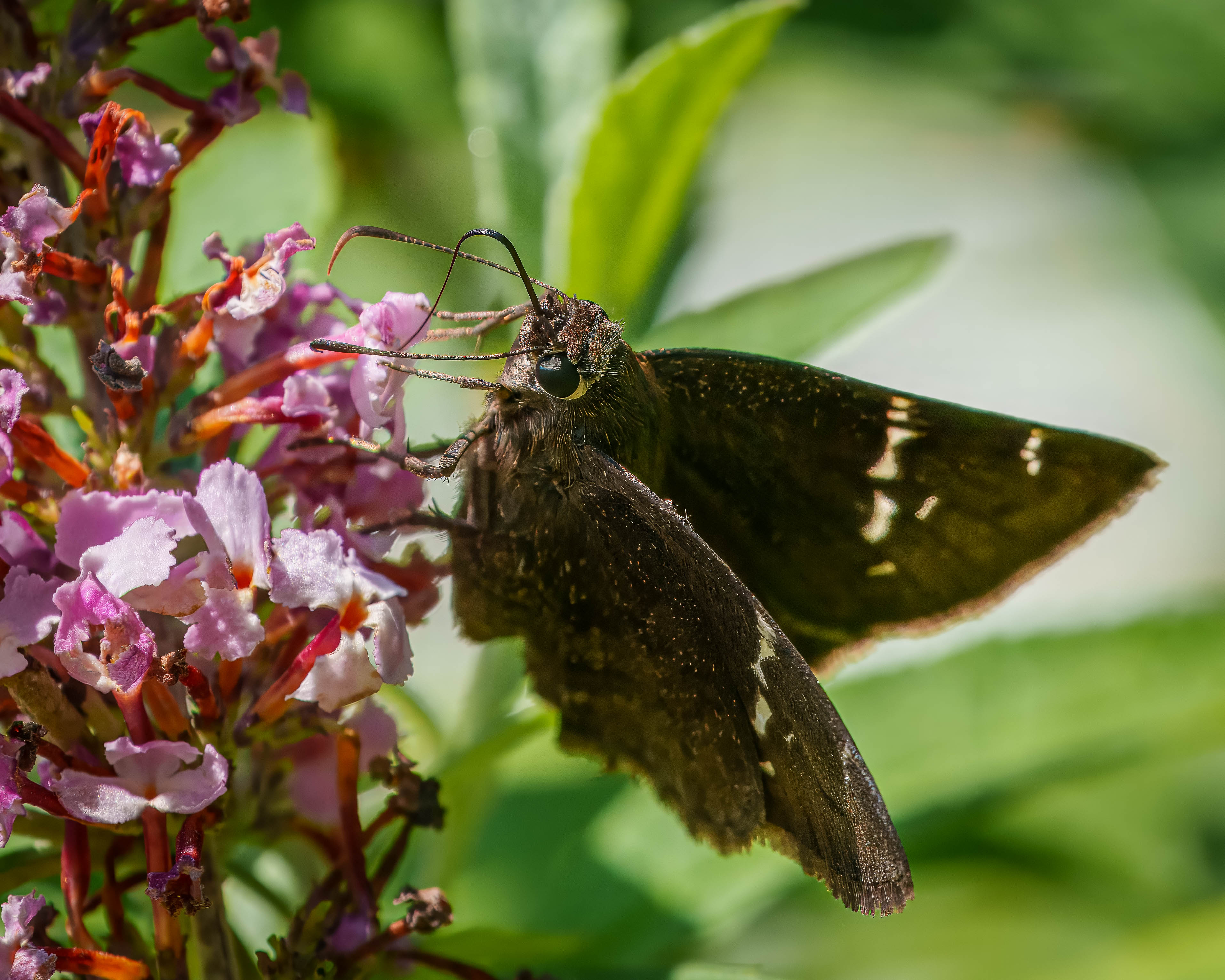
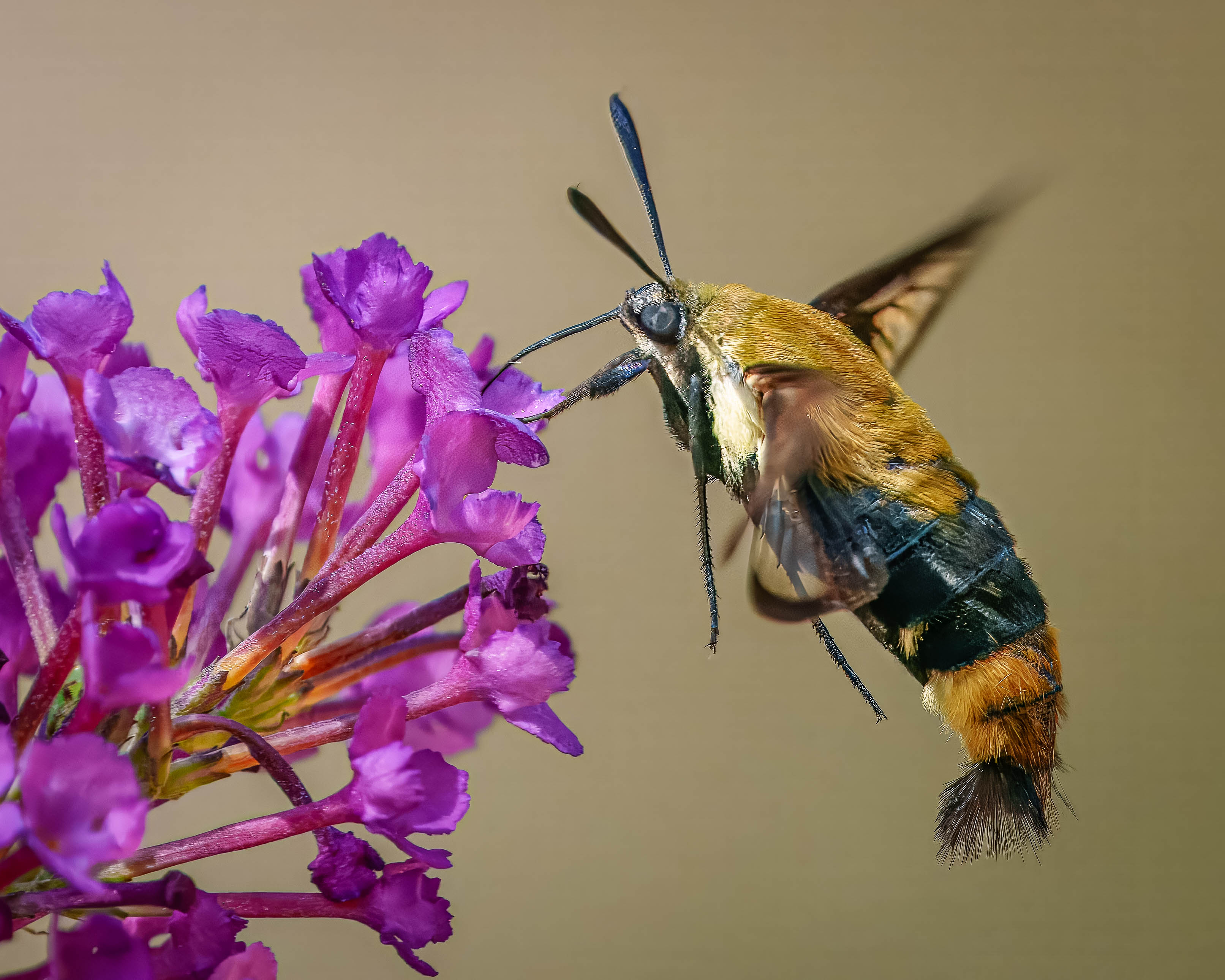
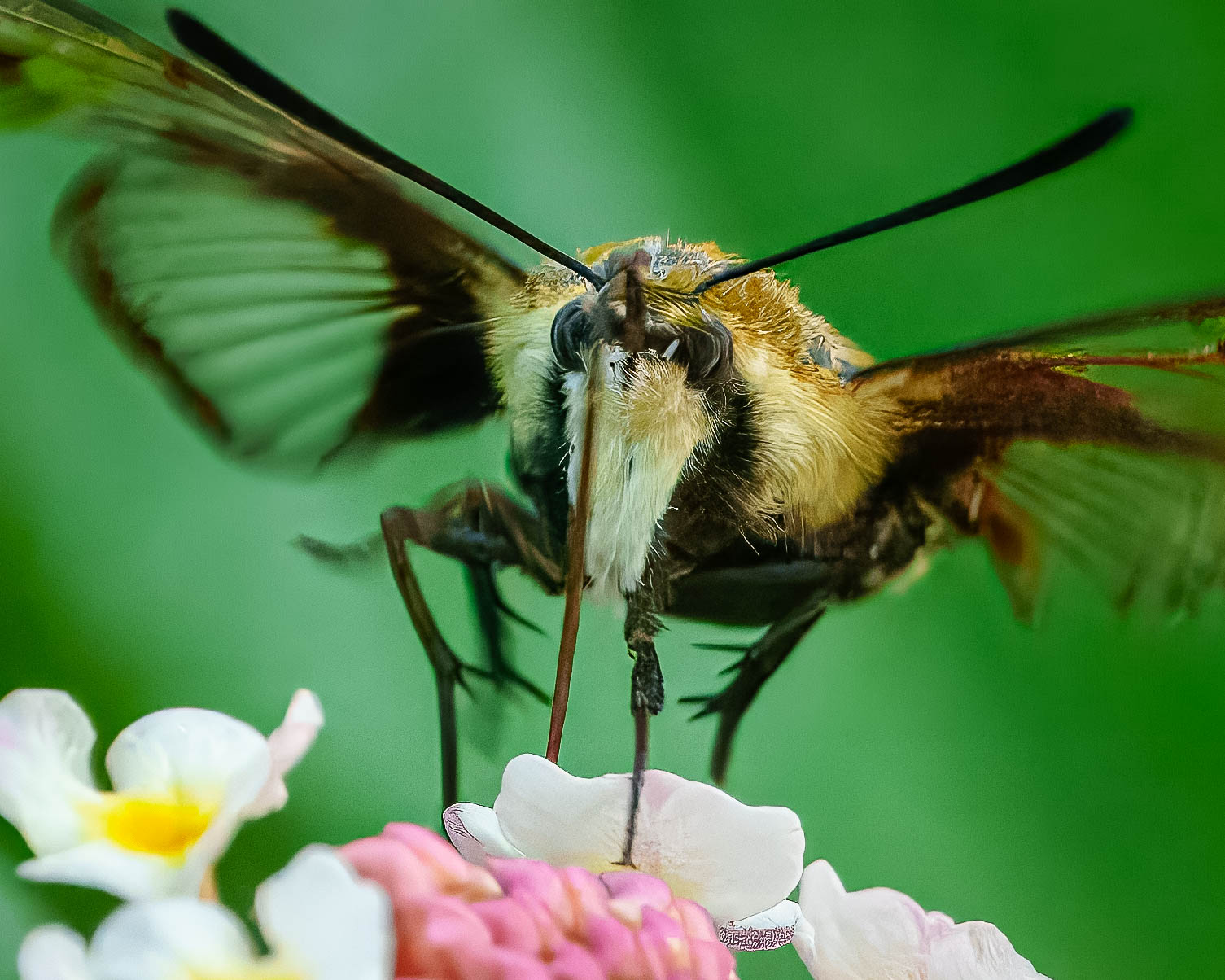
However, the star of the day was a nectaring Clearwing Moth, aka Hummingbird Moth.

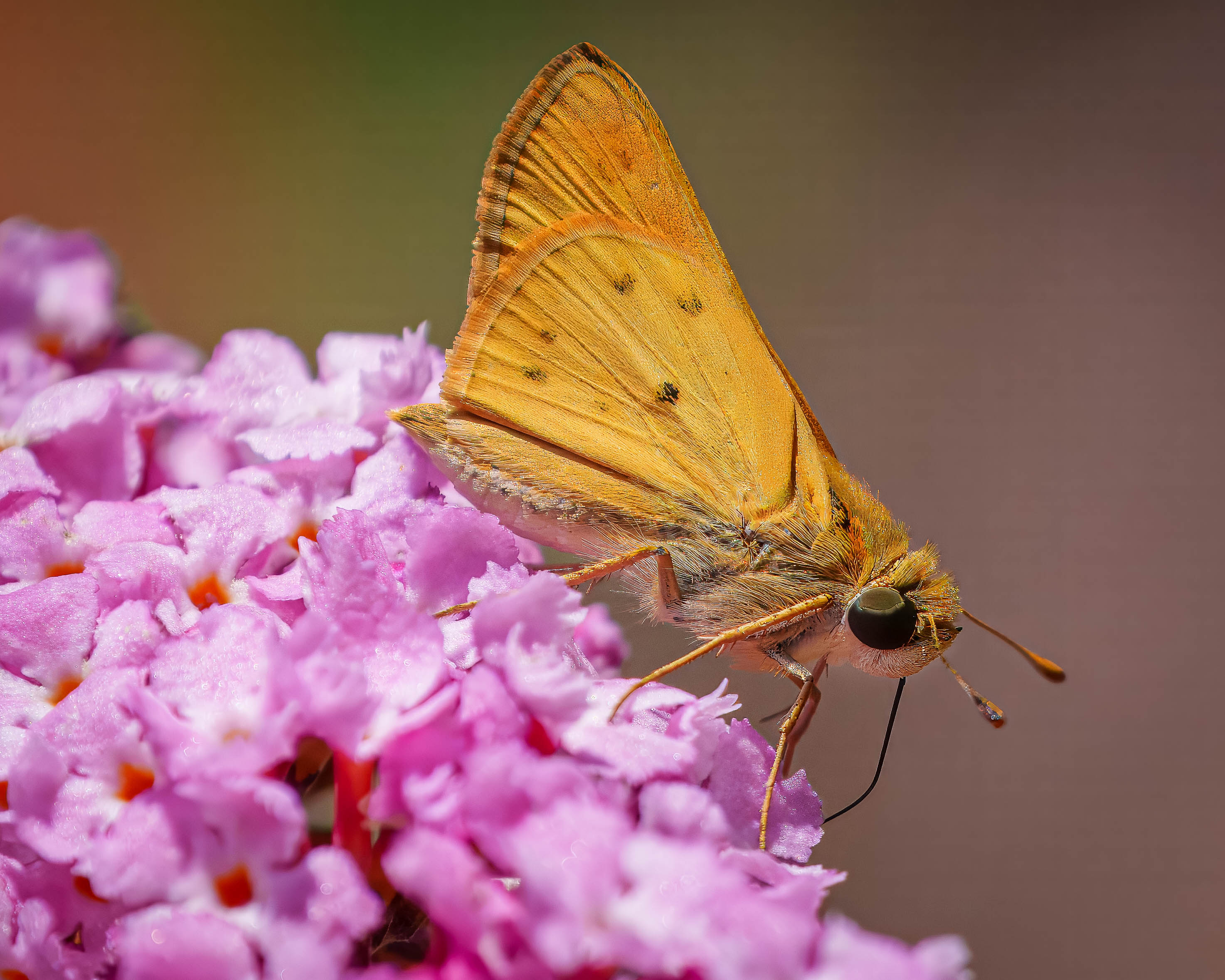
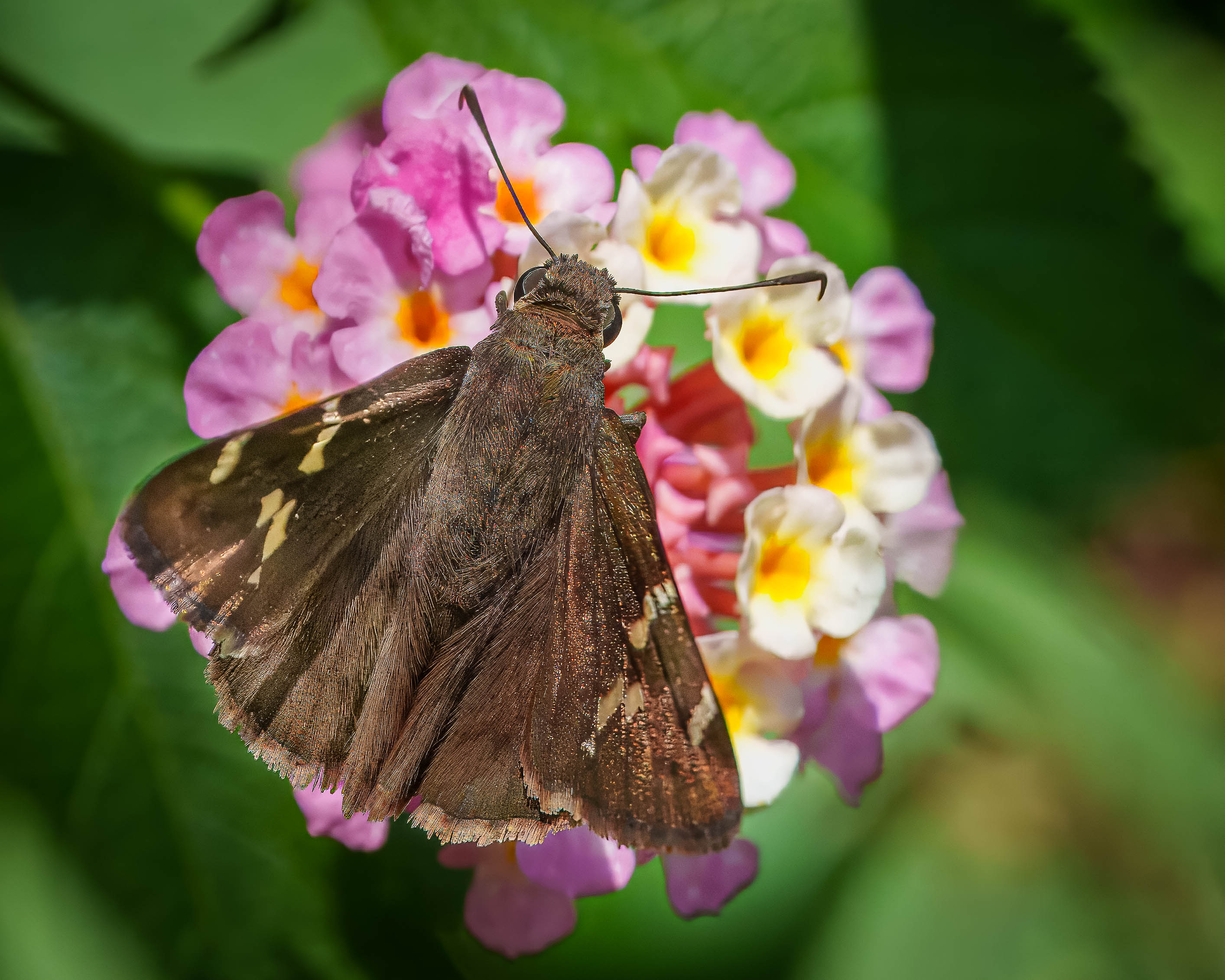
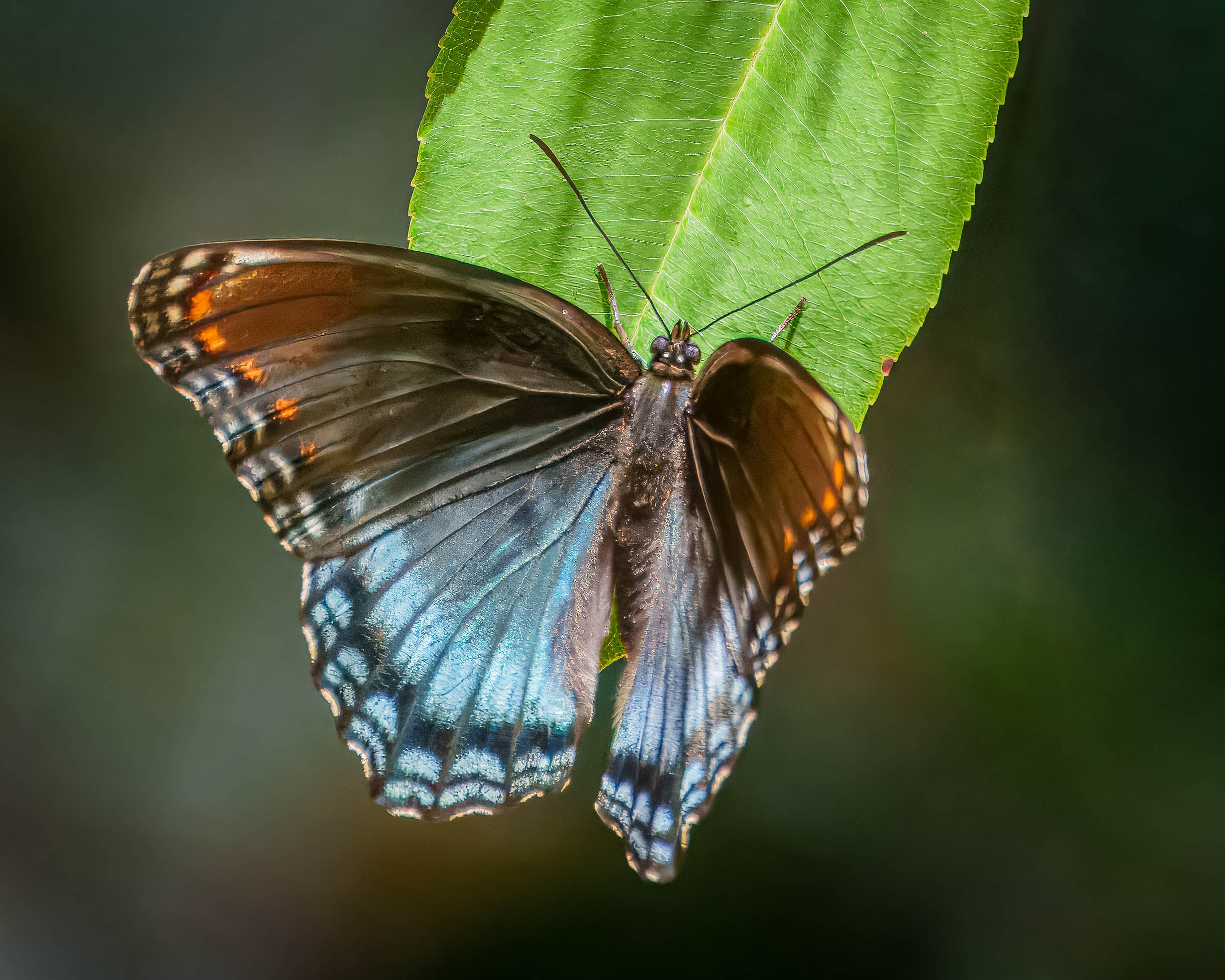
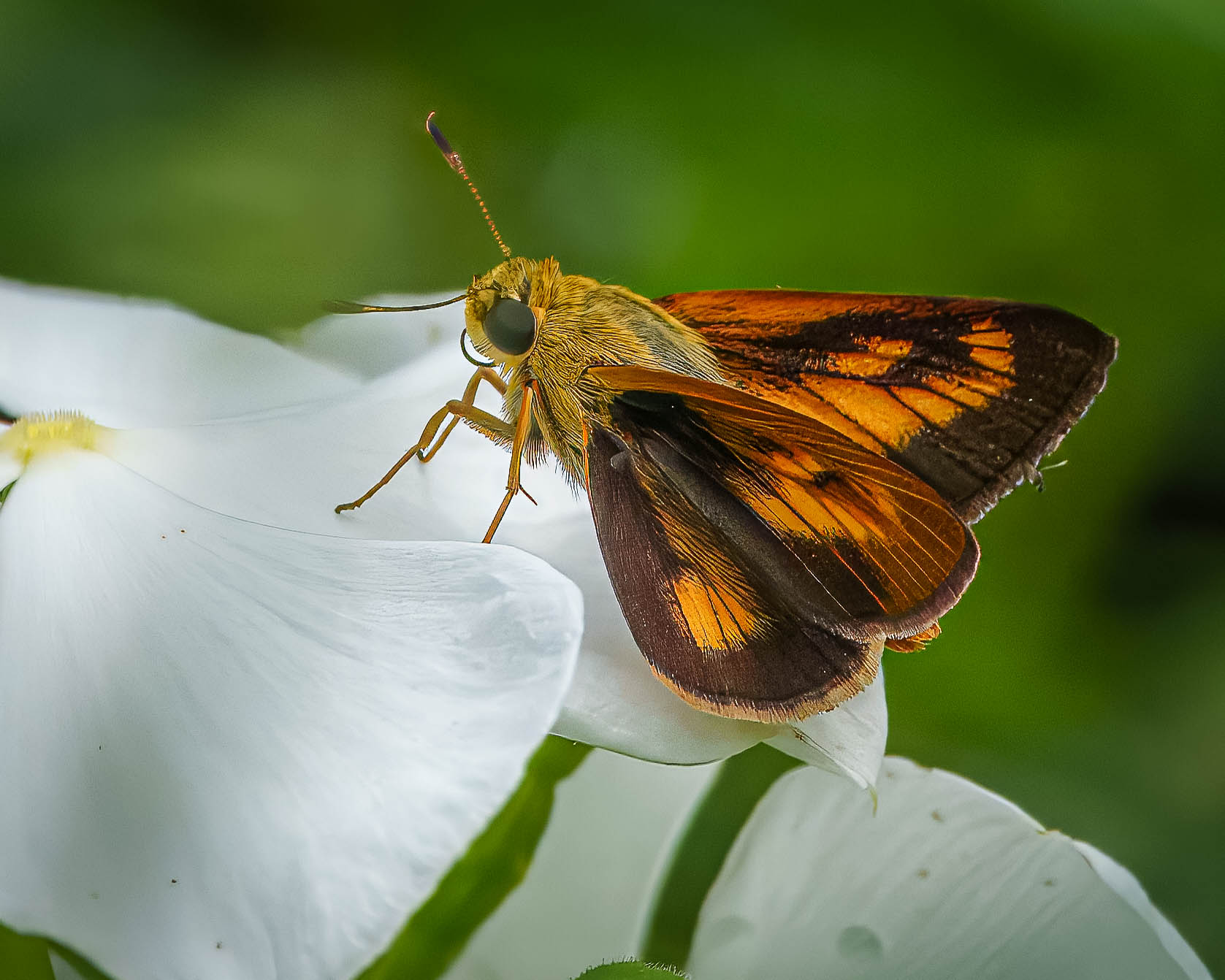
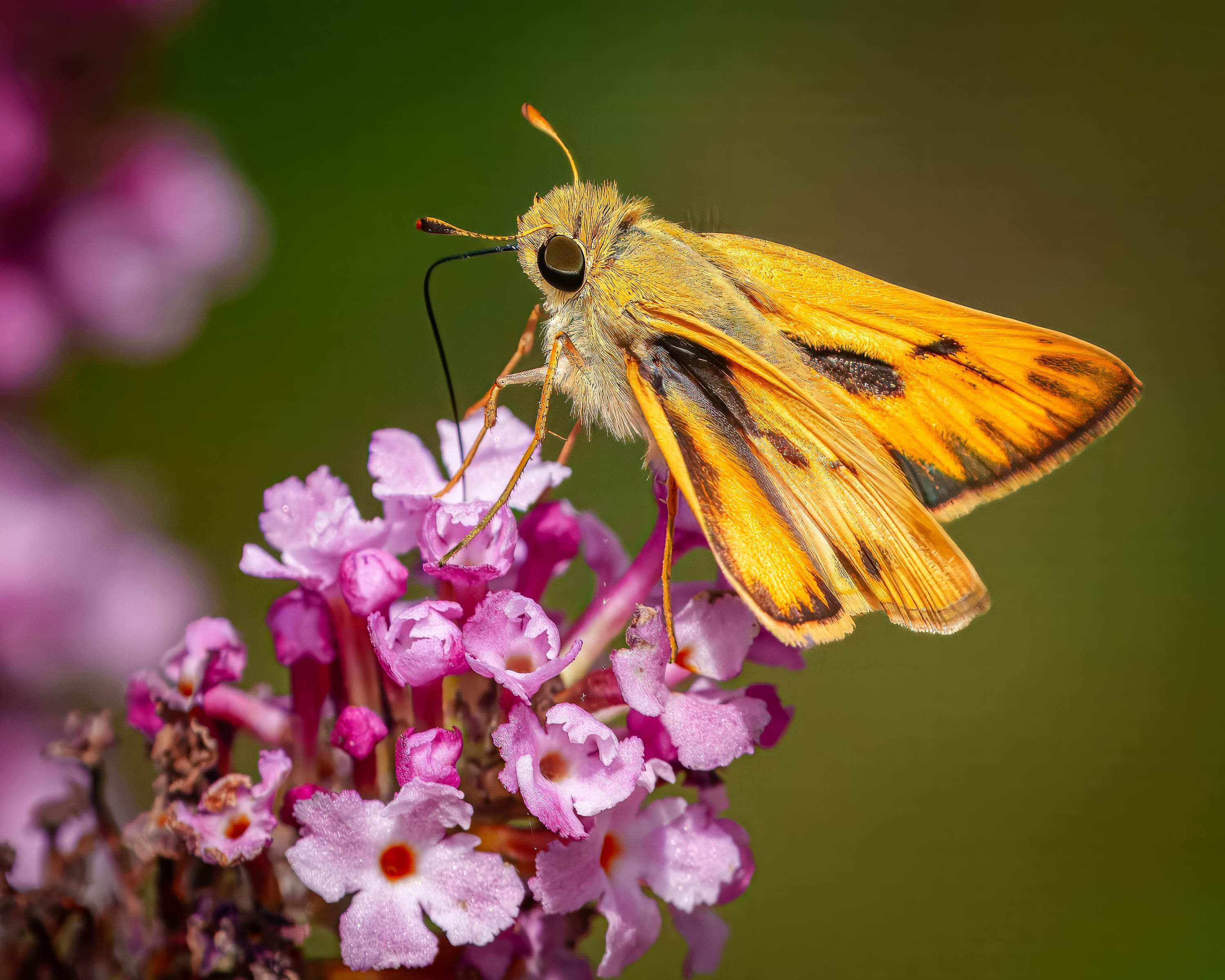
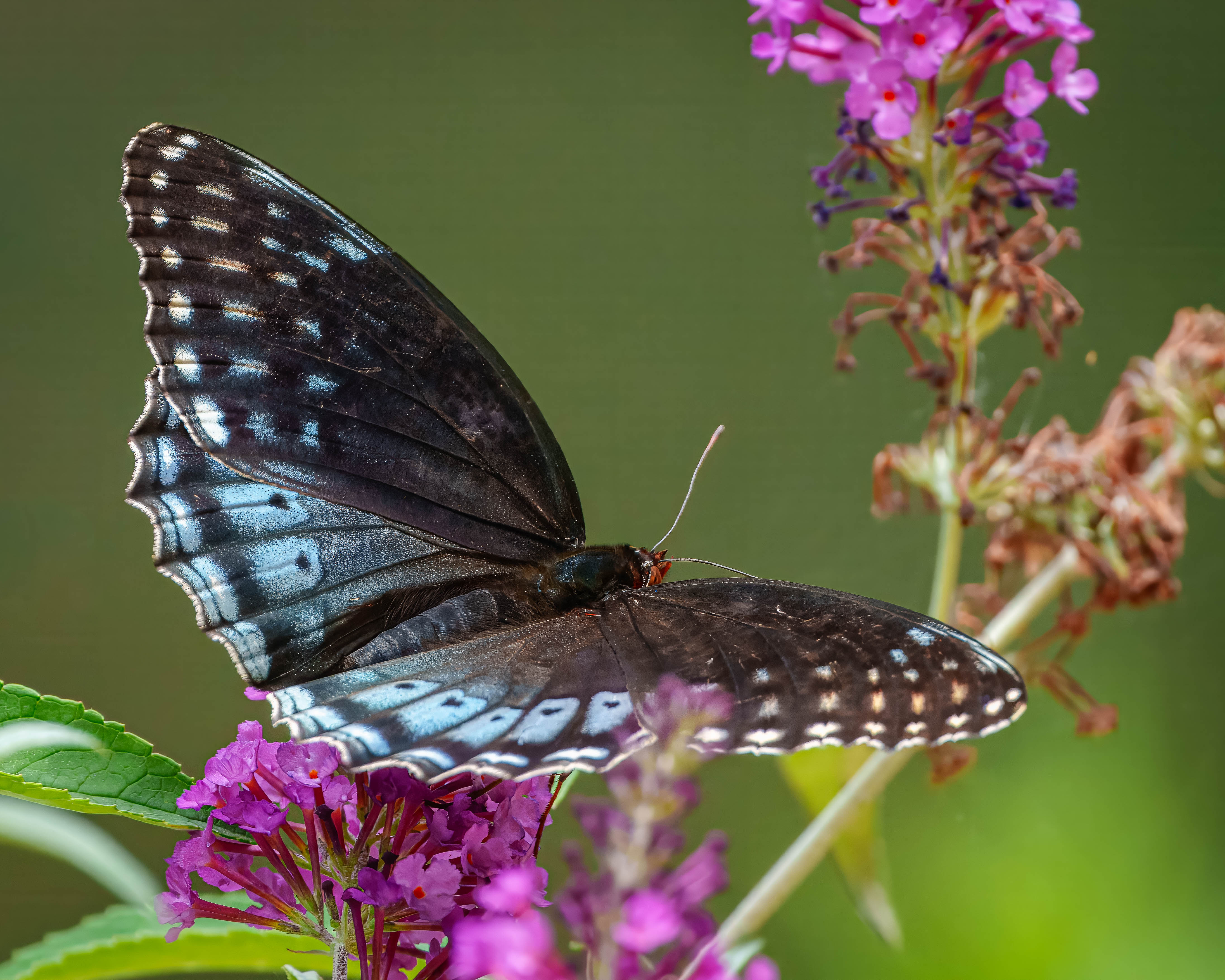
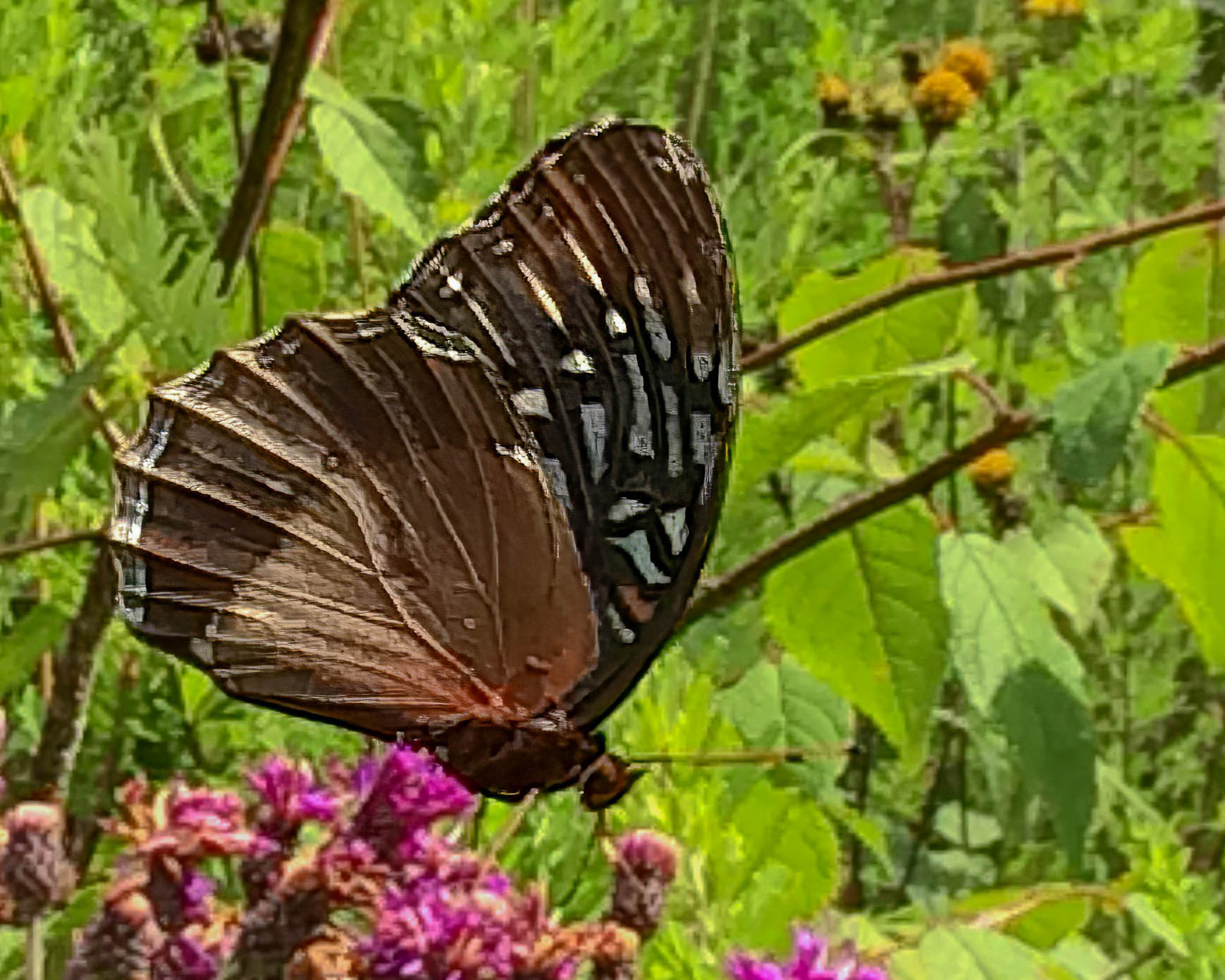
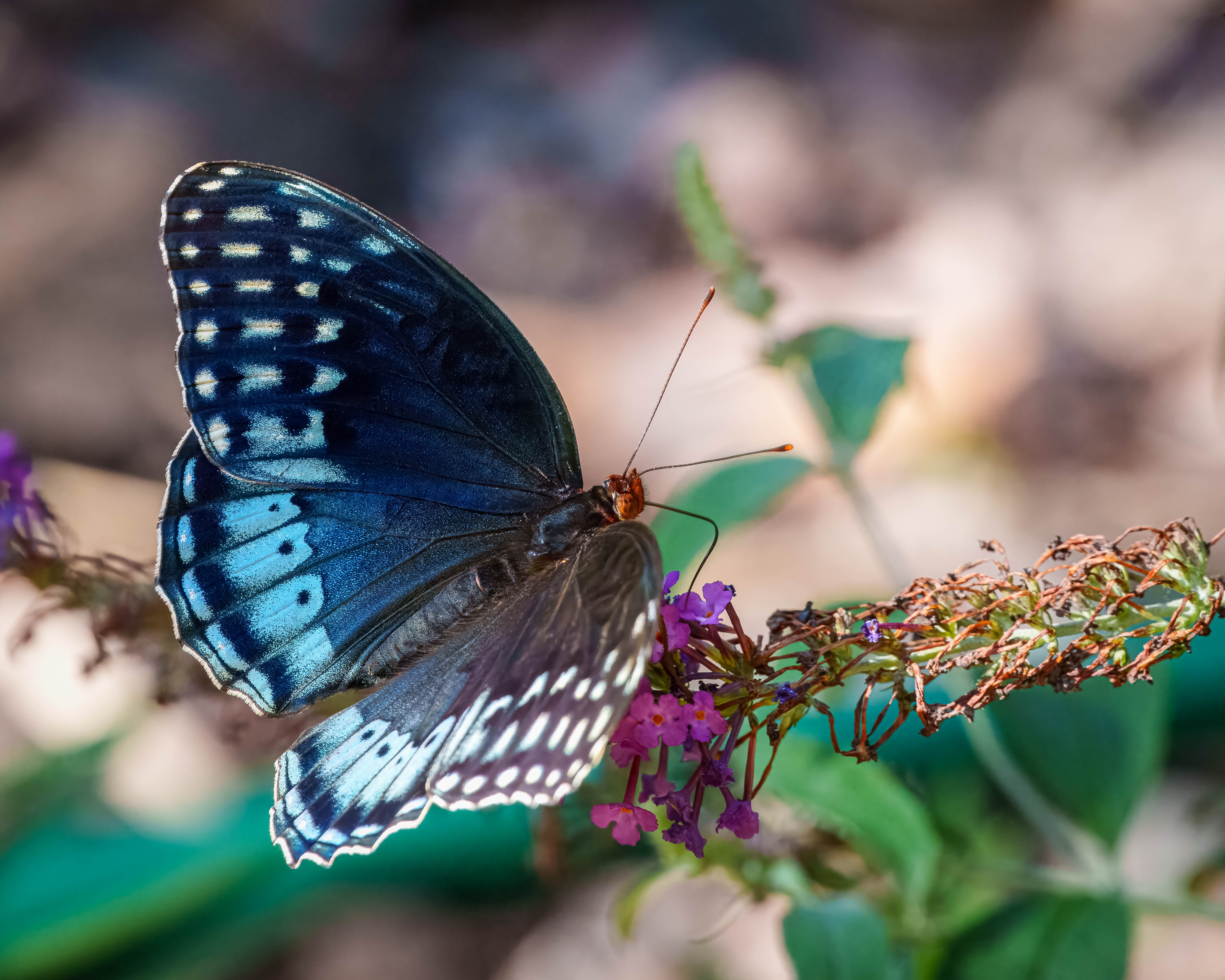
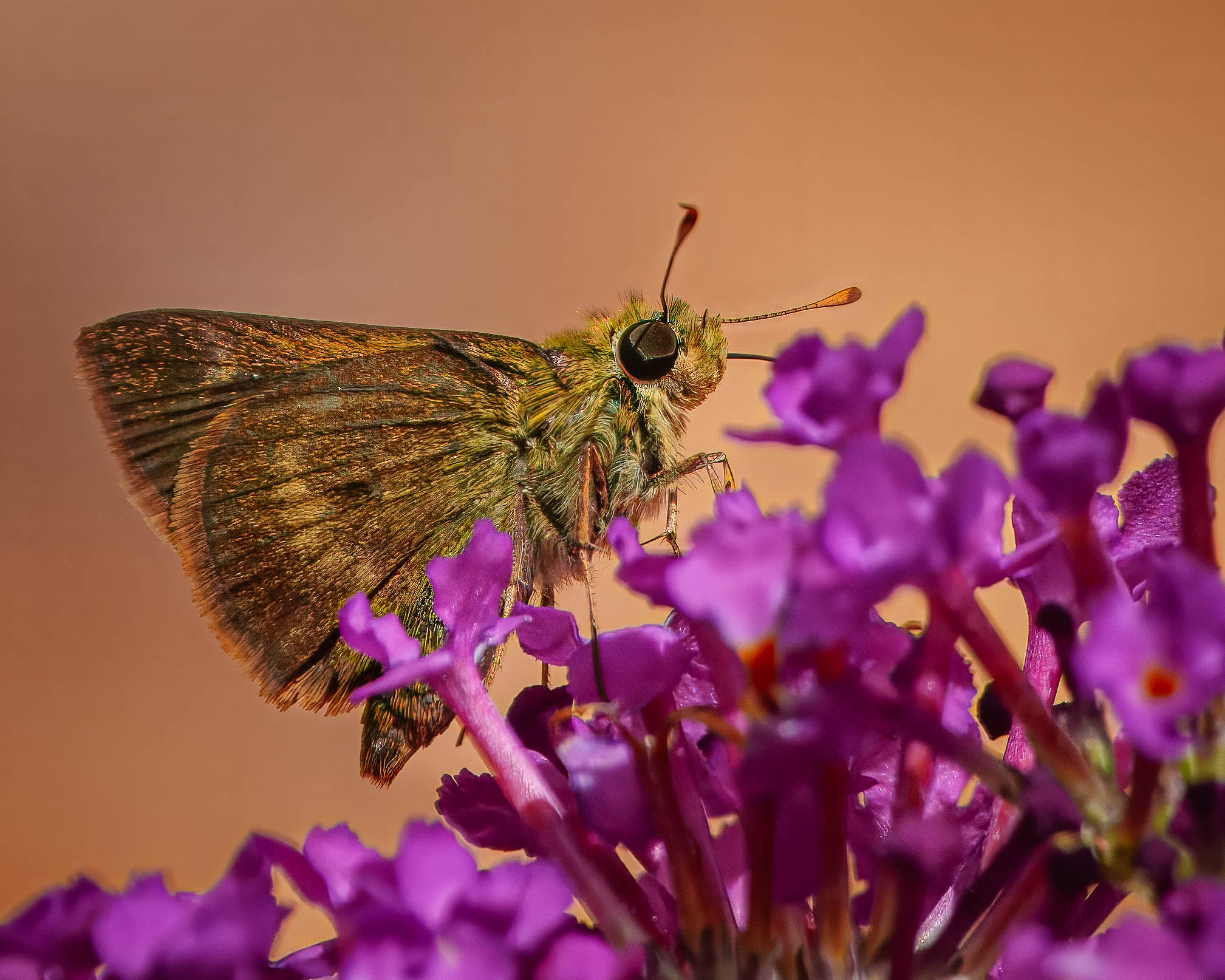
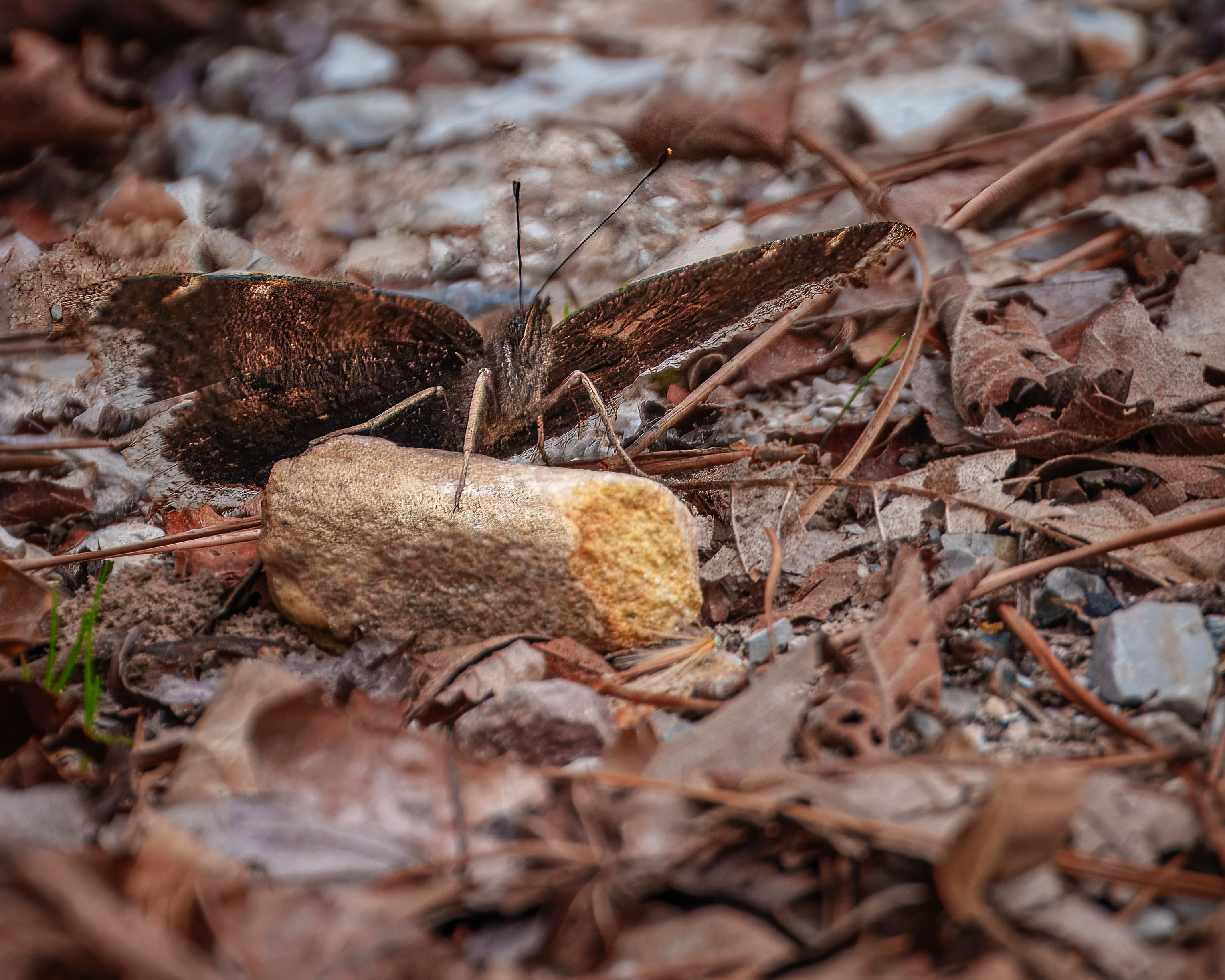
A few butterflies were flittering about on Saturday, June 20, including a Fiery Skipper, a Southern Cloudywing, and a Red-spotted Purple.

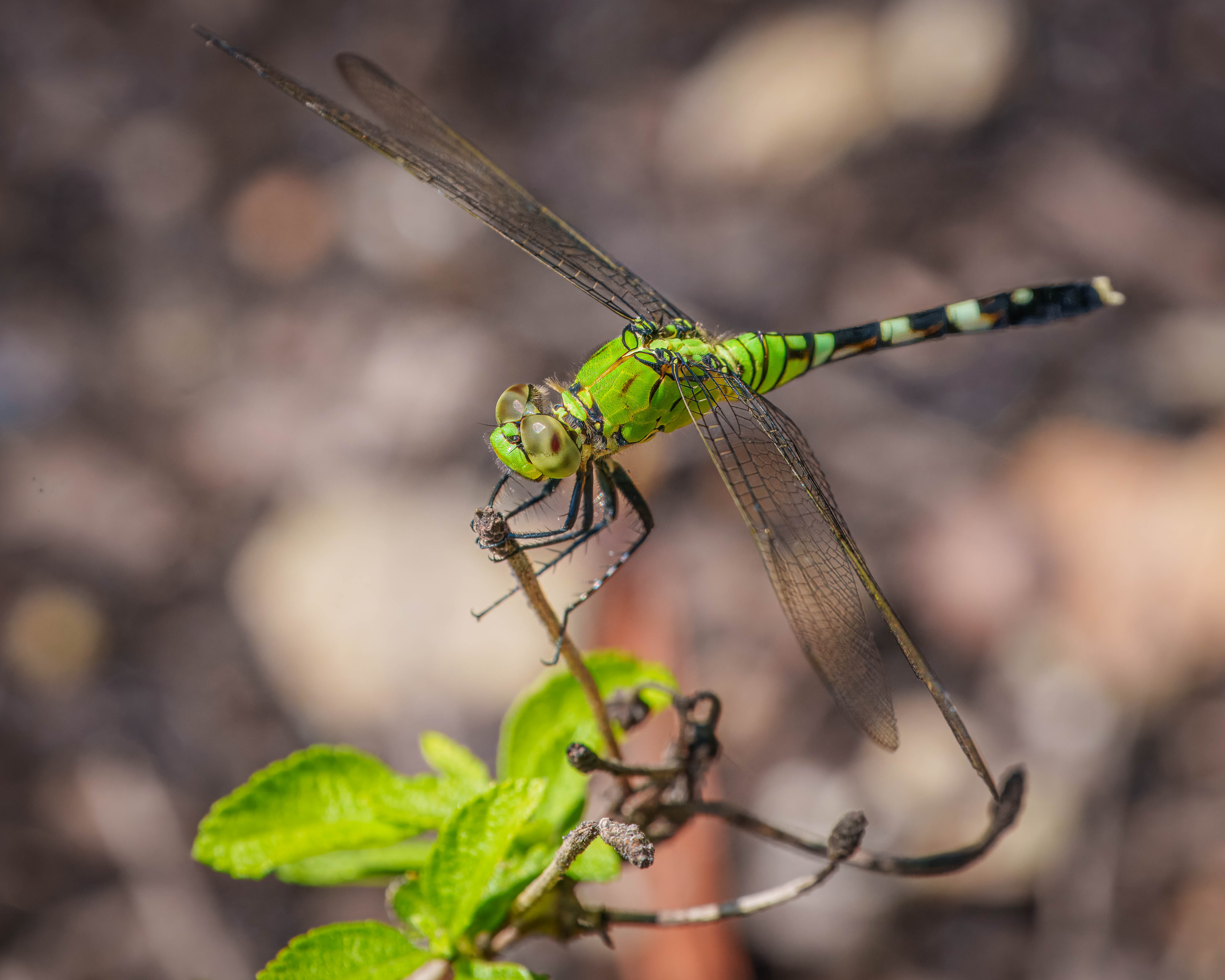
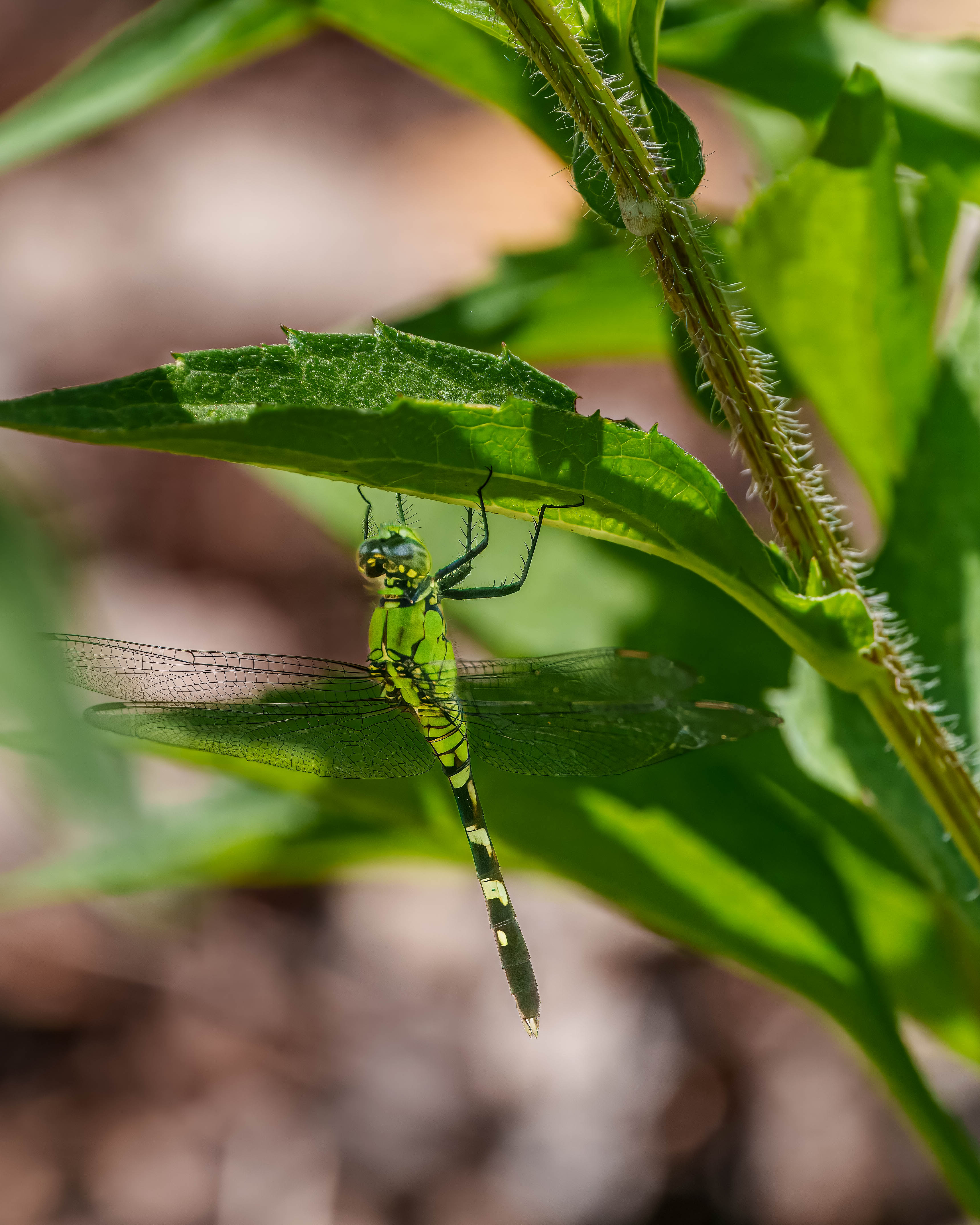
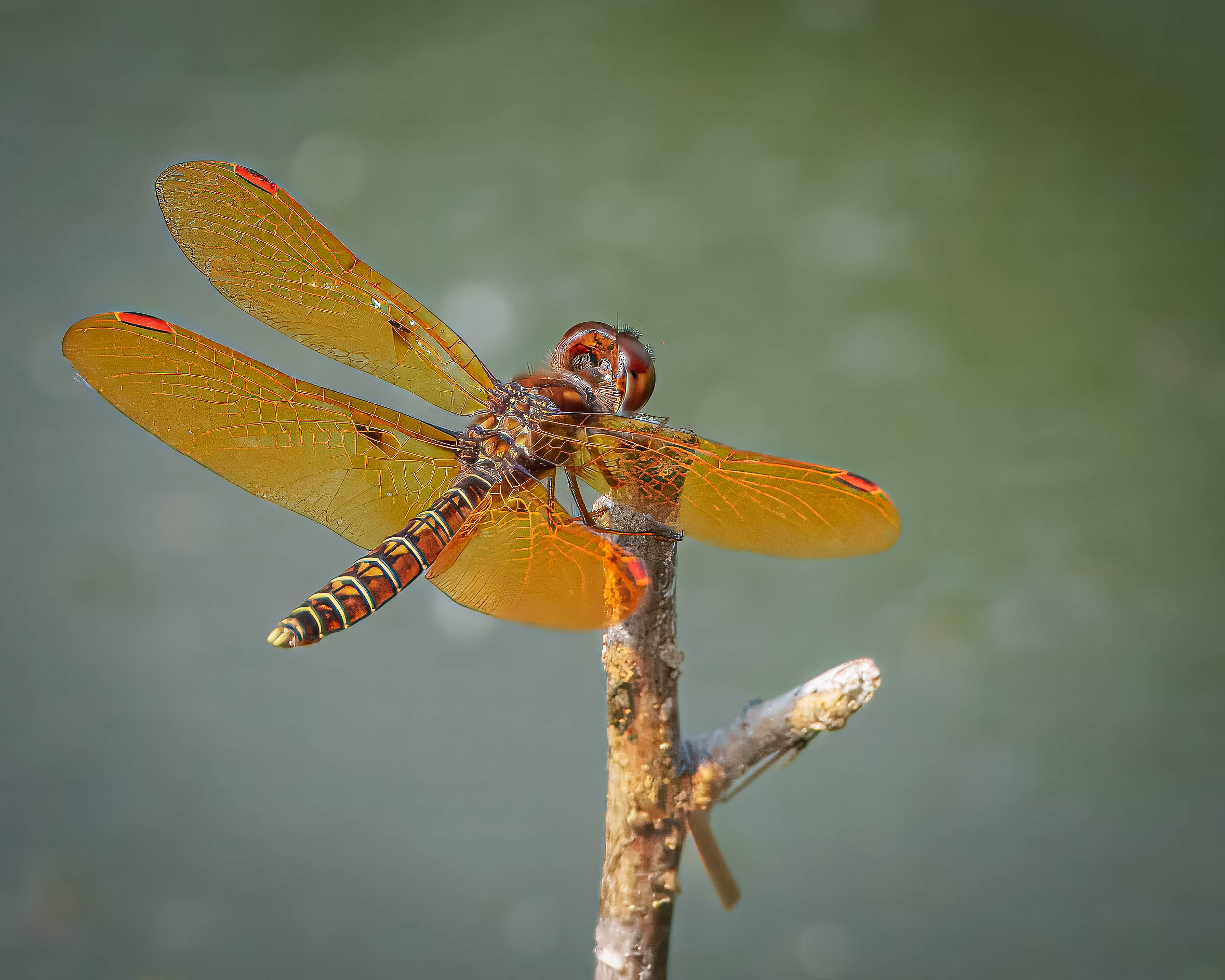
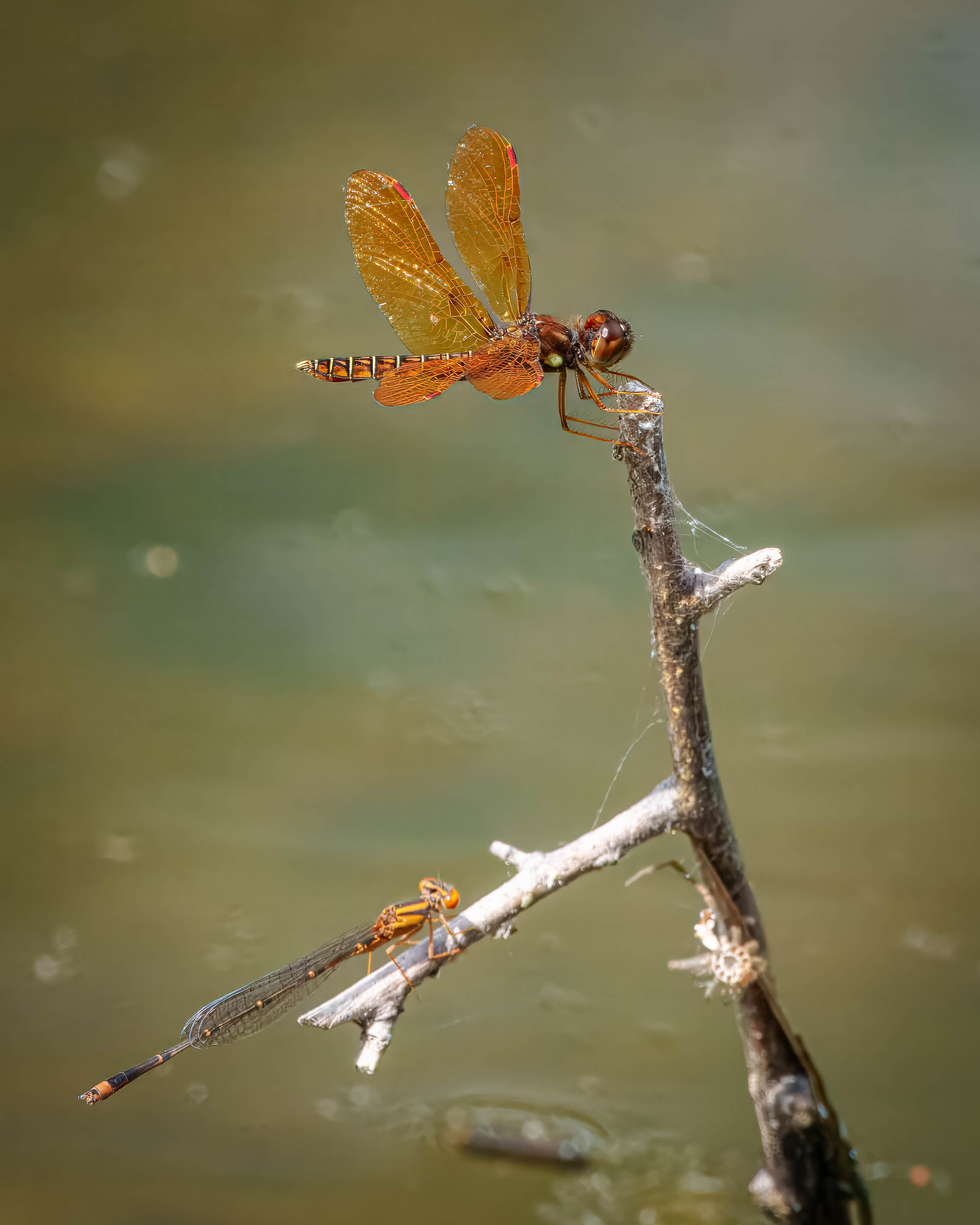
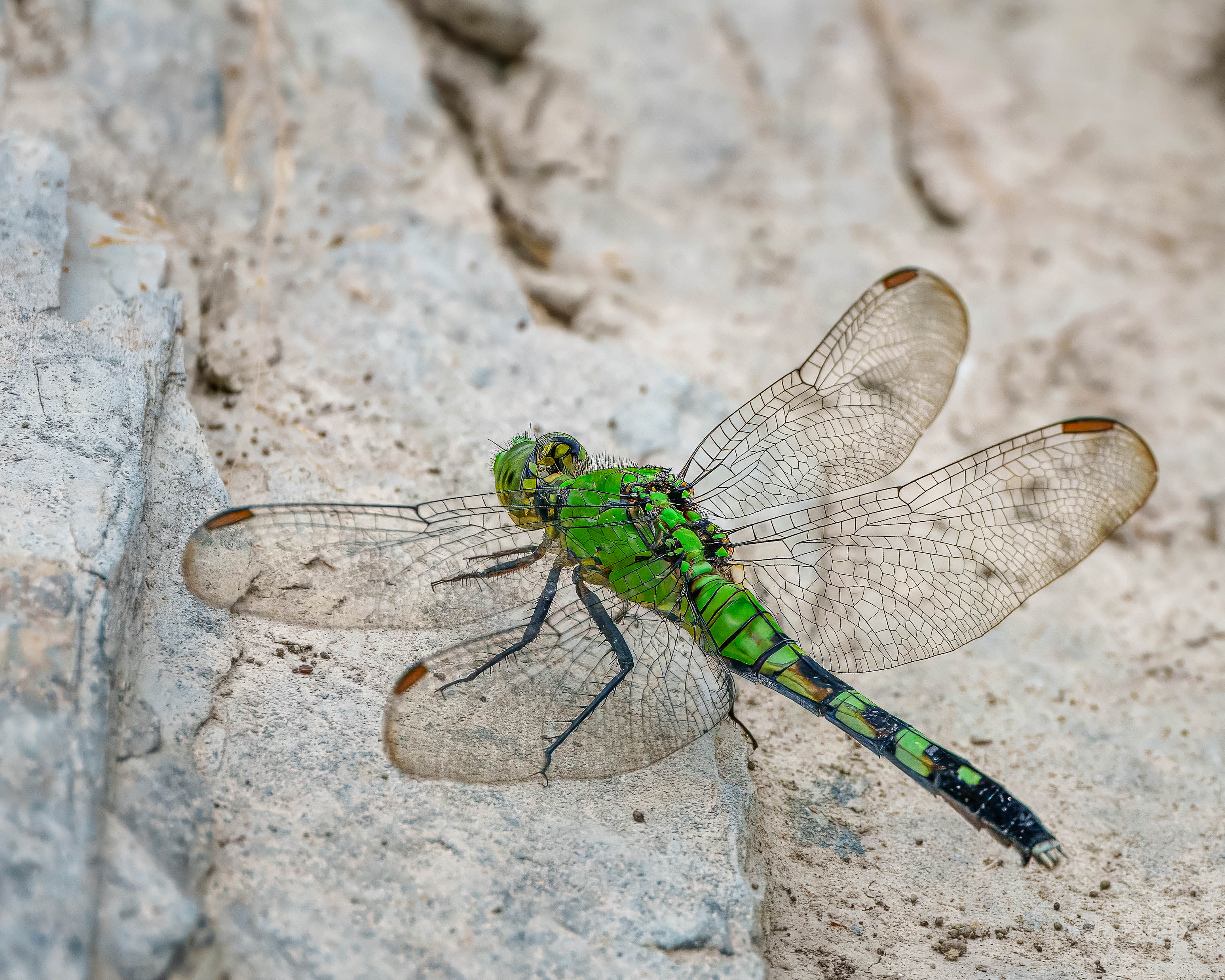
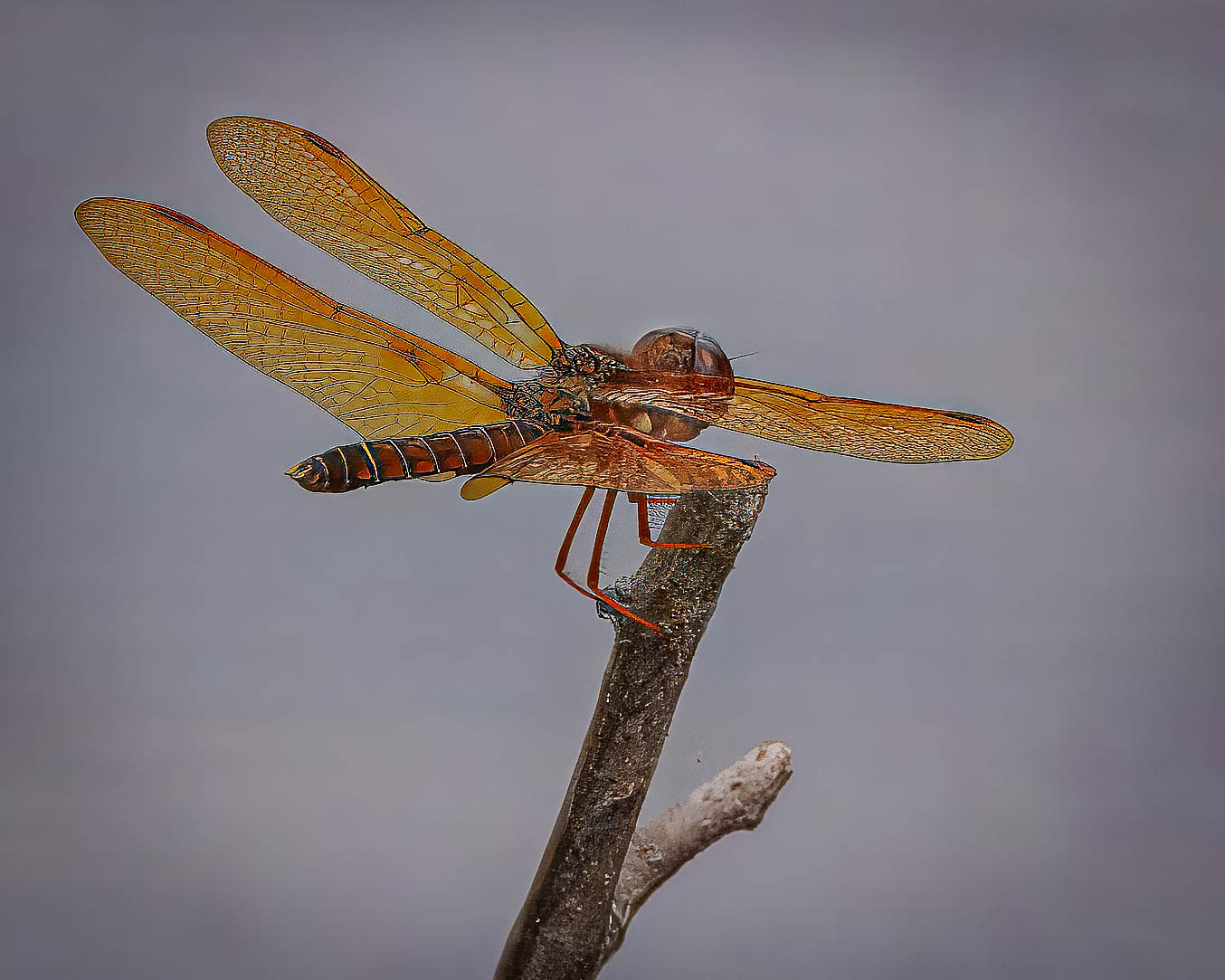
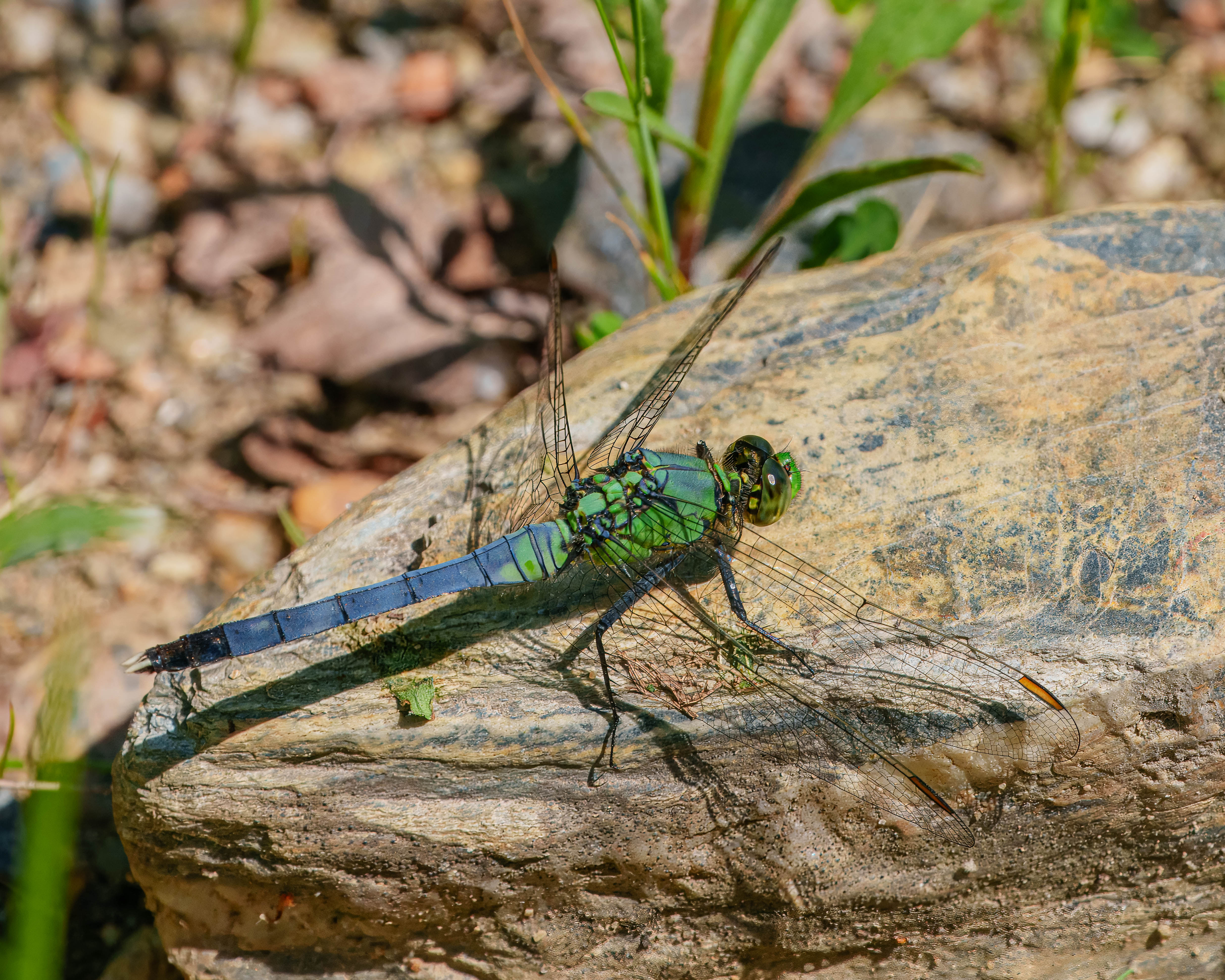
An Eastern Pondhawk was also seen.

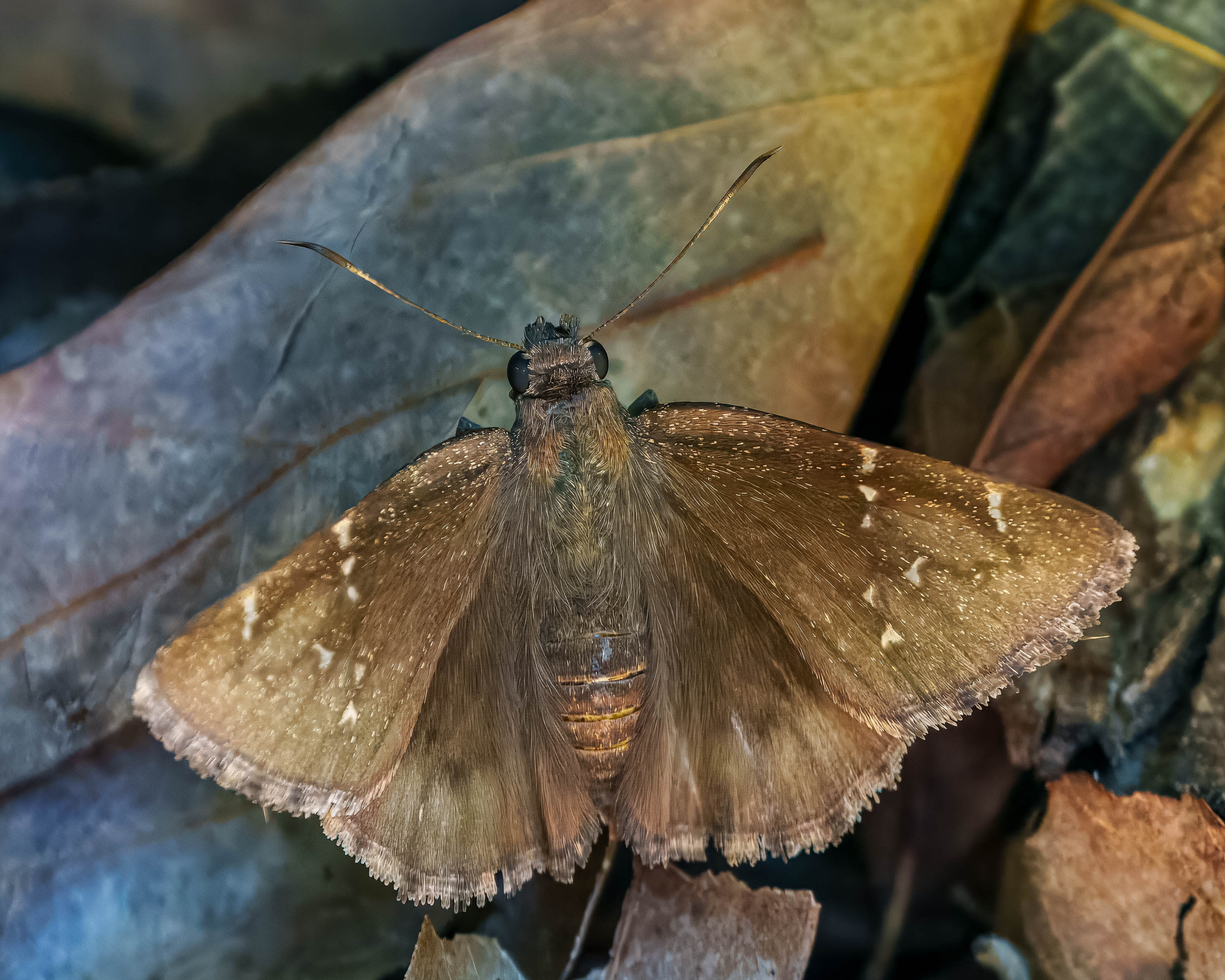
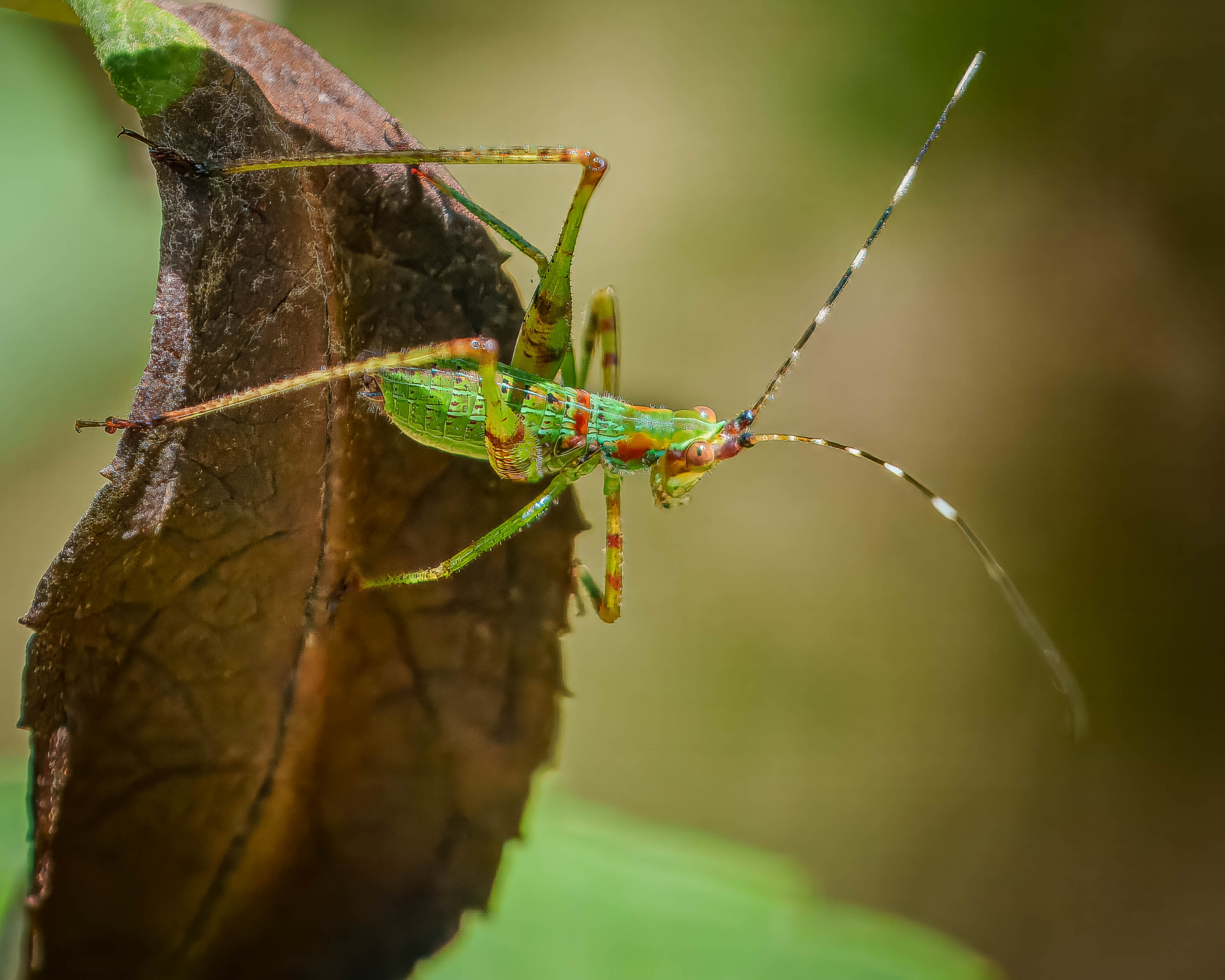
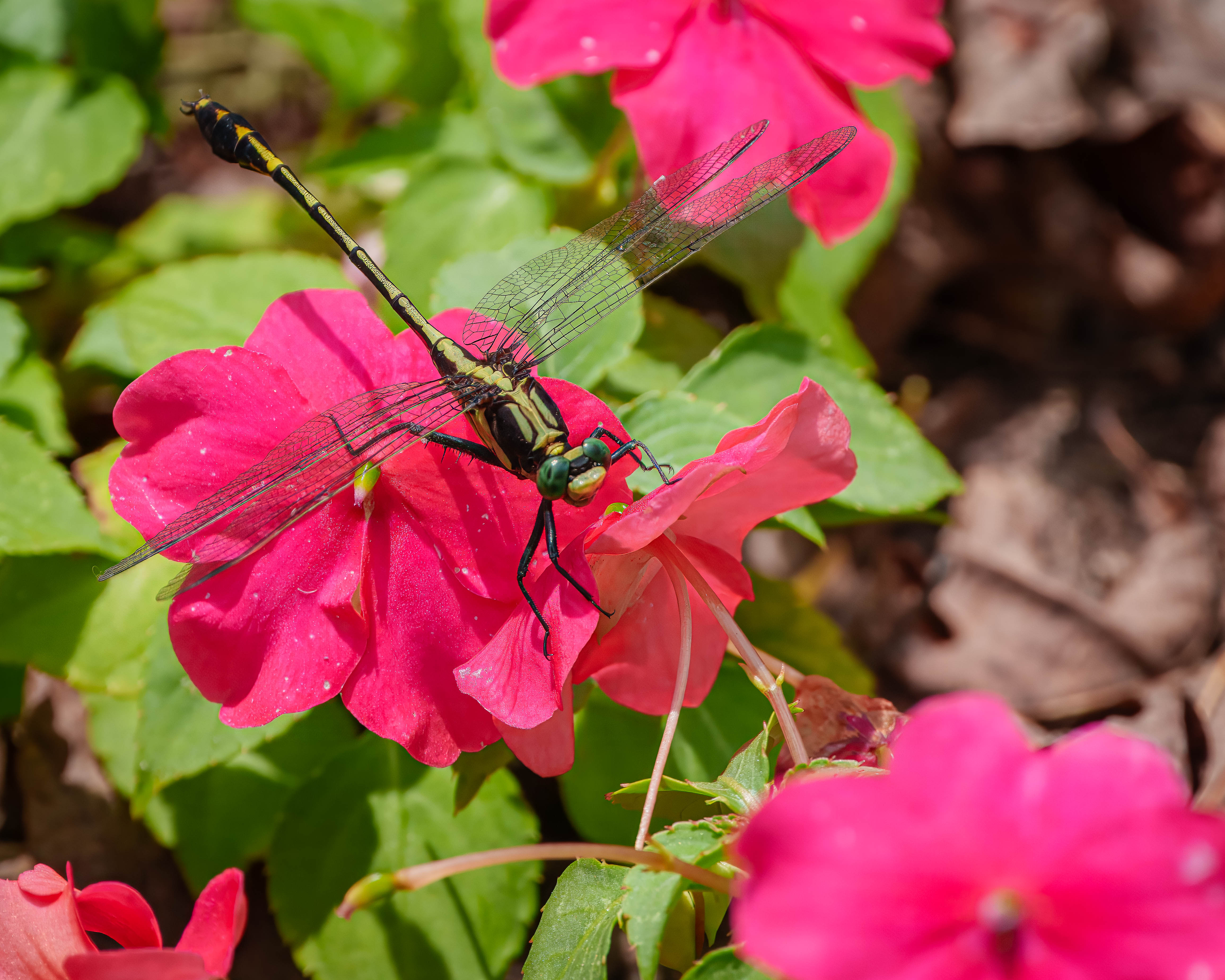
And perhaps most interesting was this unusual insect.

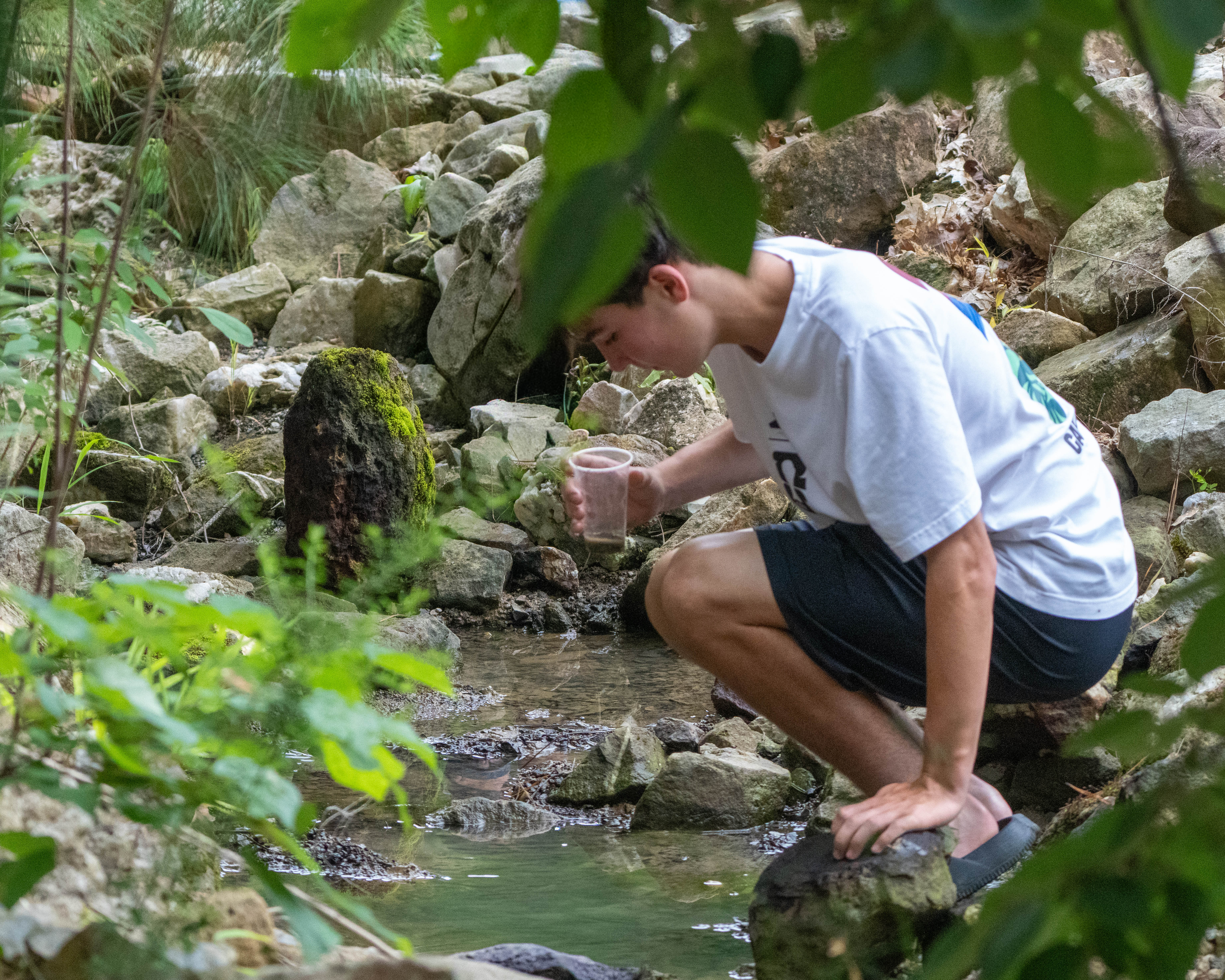
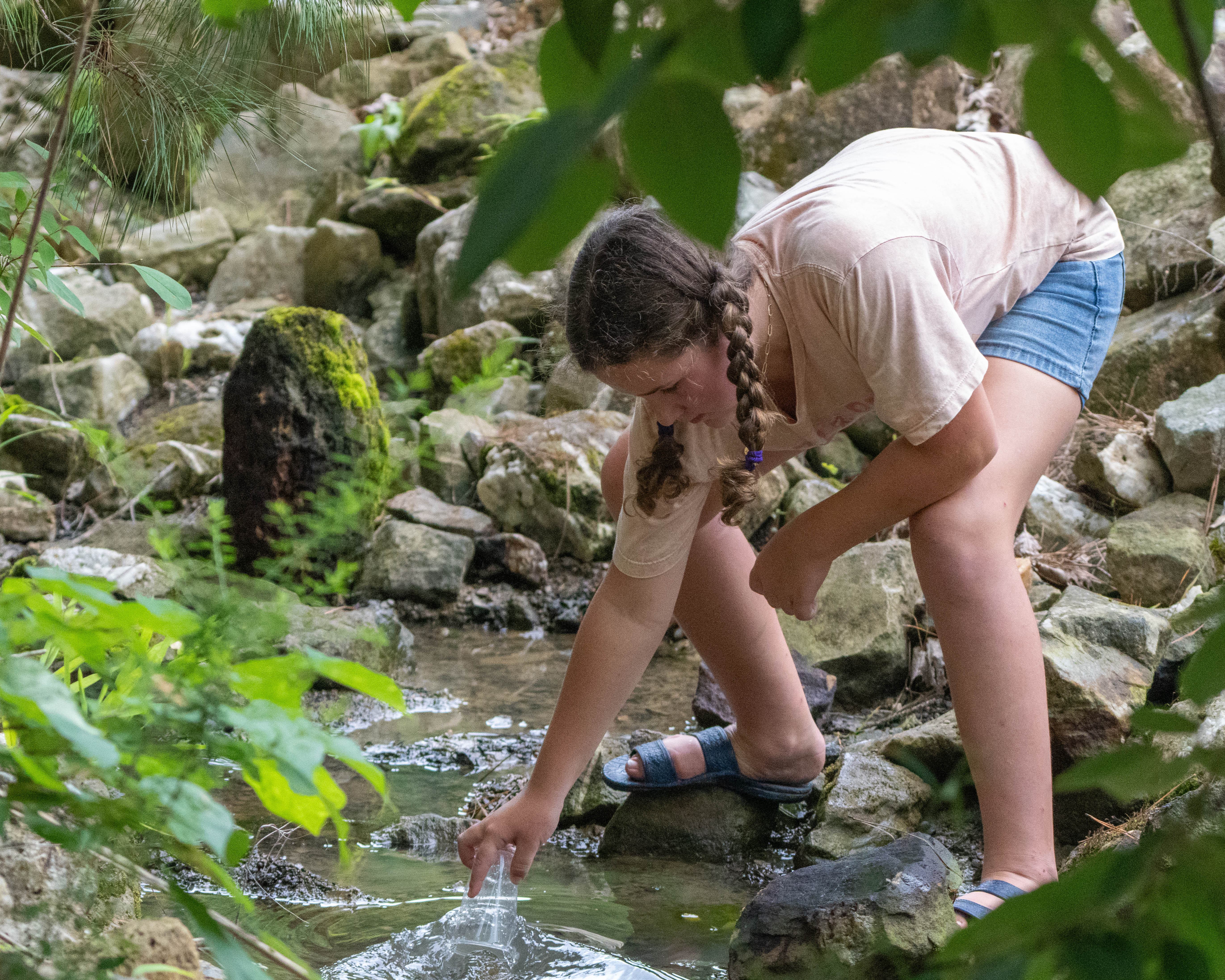
On Sunday, June 21, the grandkids were chasing crawfish and frogs in the ditch adjacent to the house,

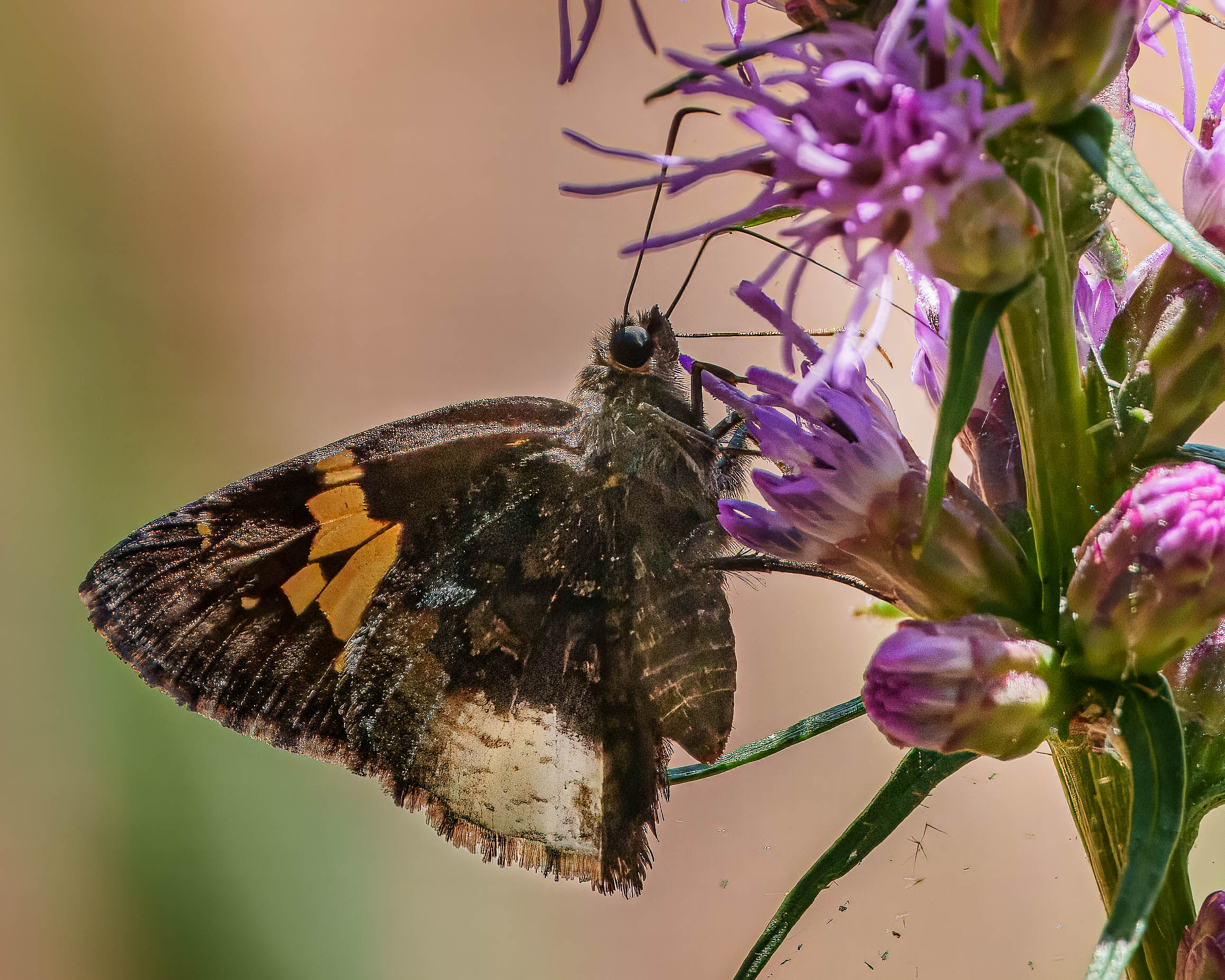
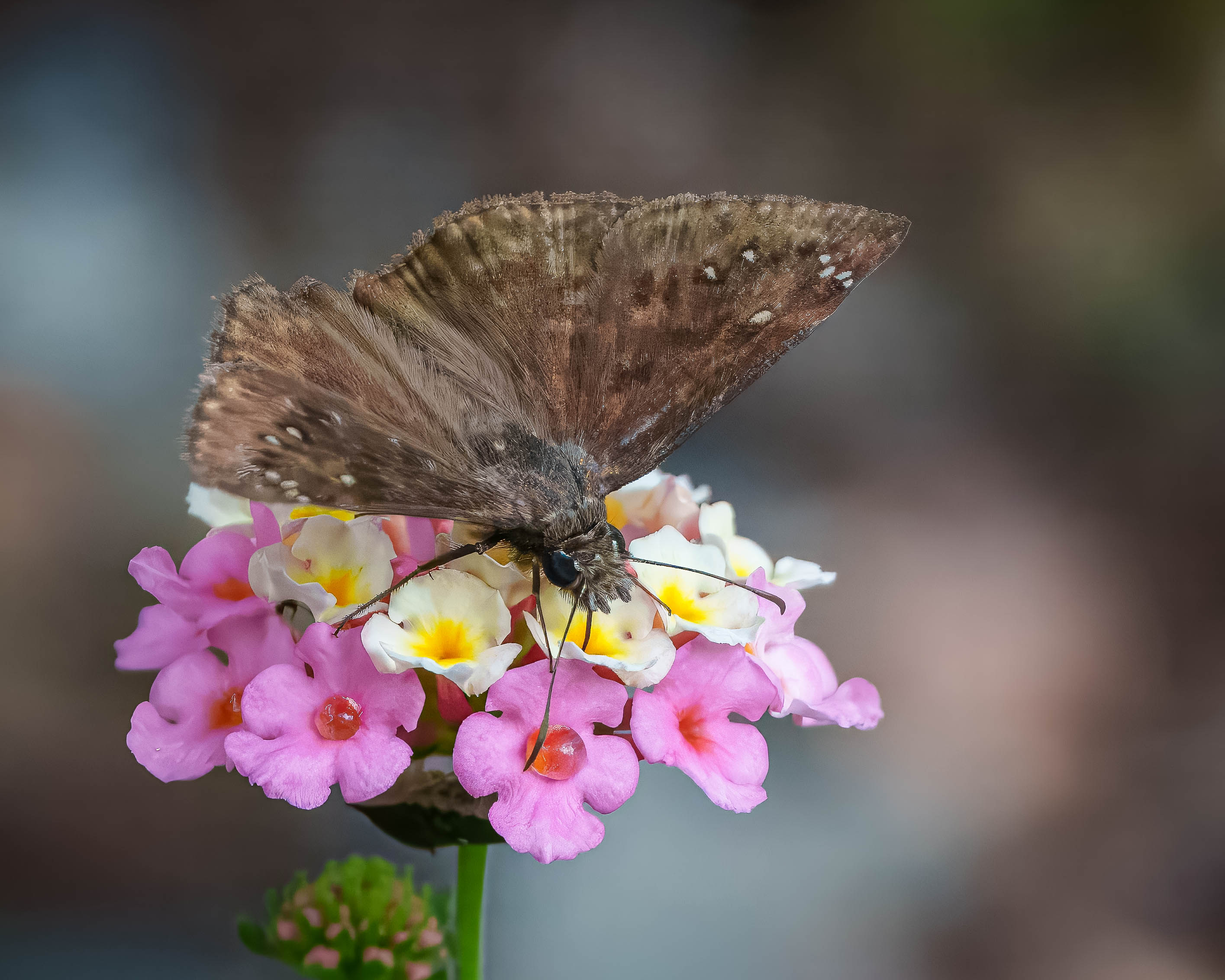
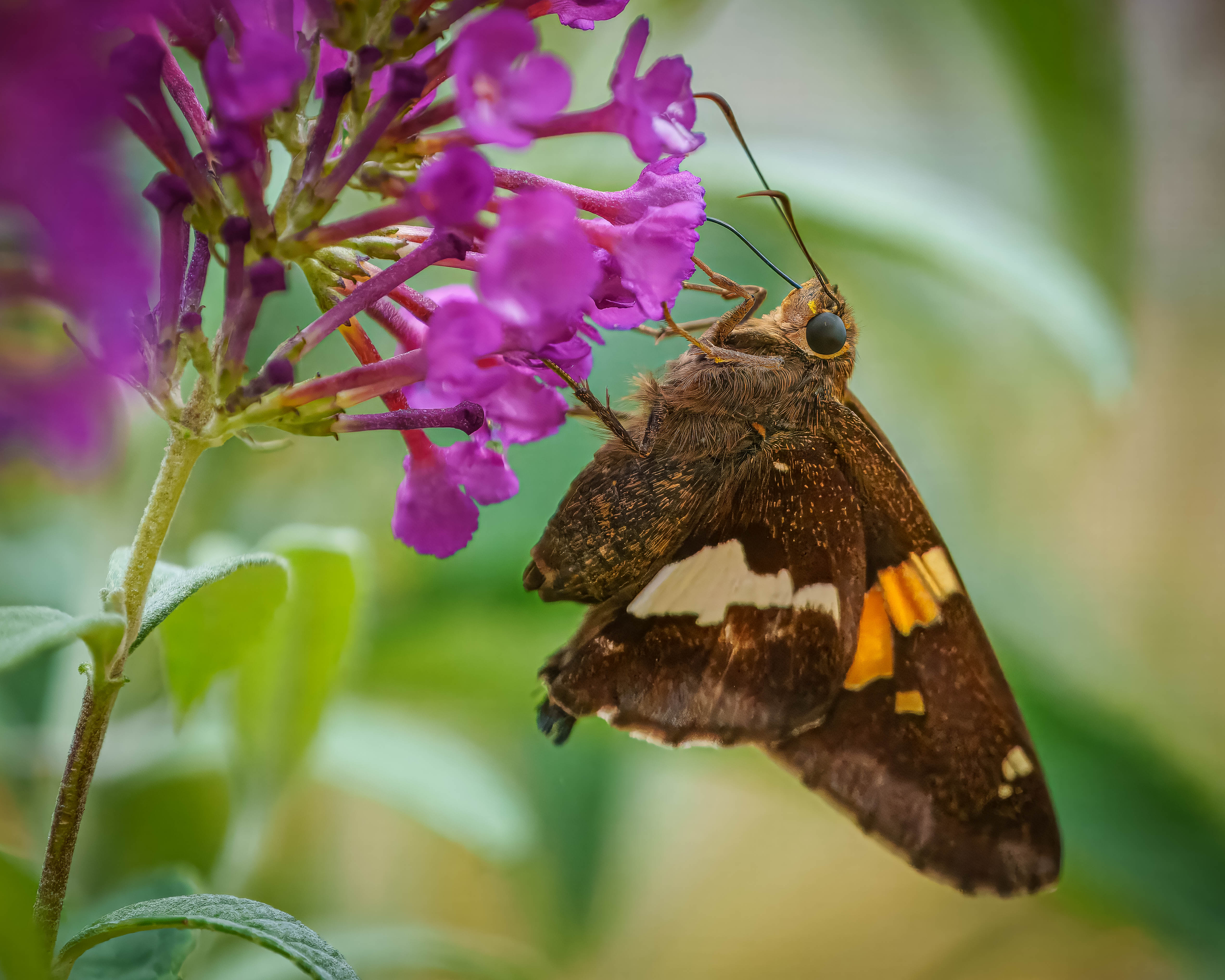
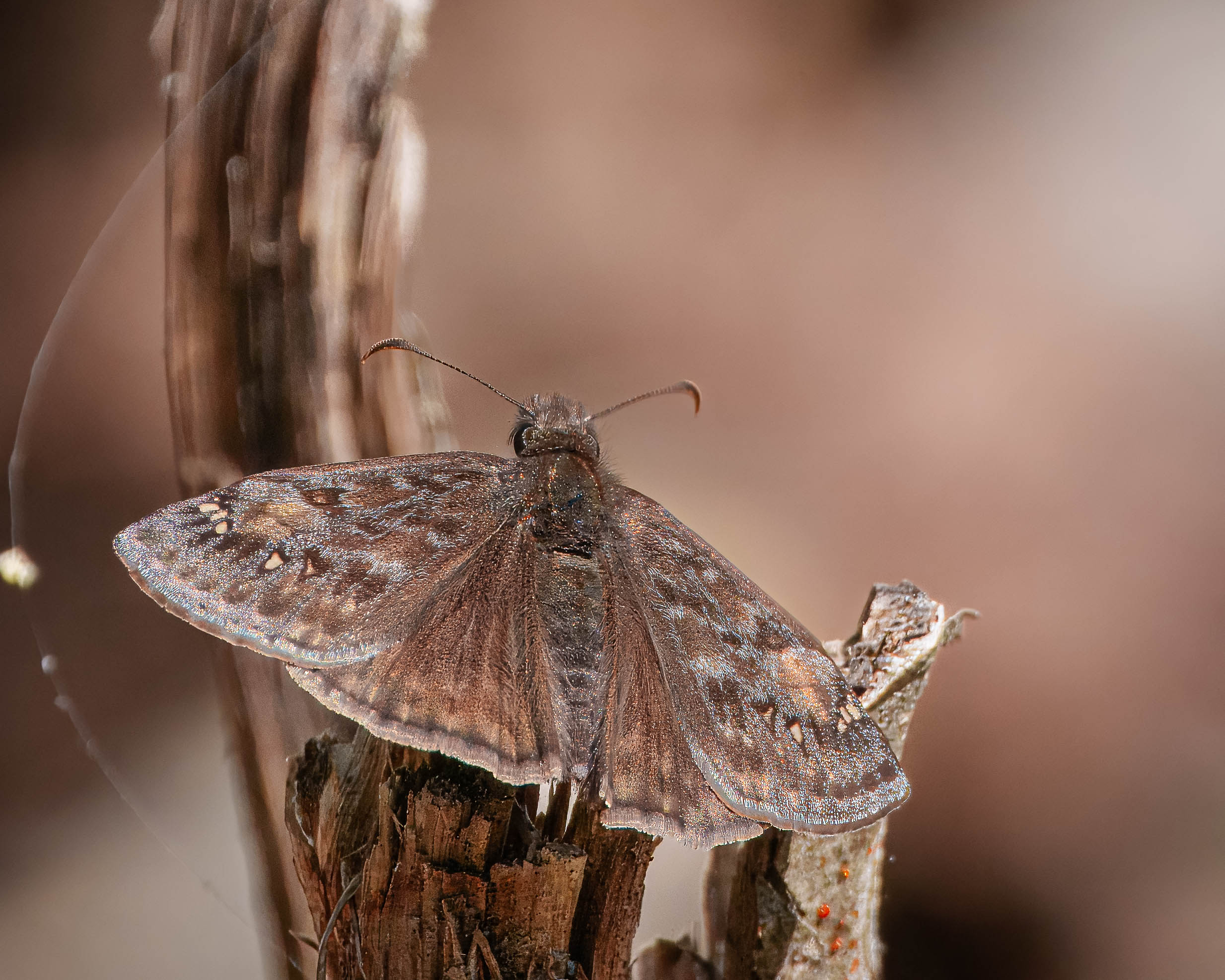
while I photographed a Horace’s Duskywing, a Byssus Skipper (a first time species visitor to the pollinator garden), and a Silver-spotted Skipper.
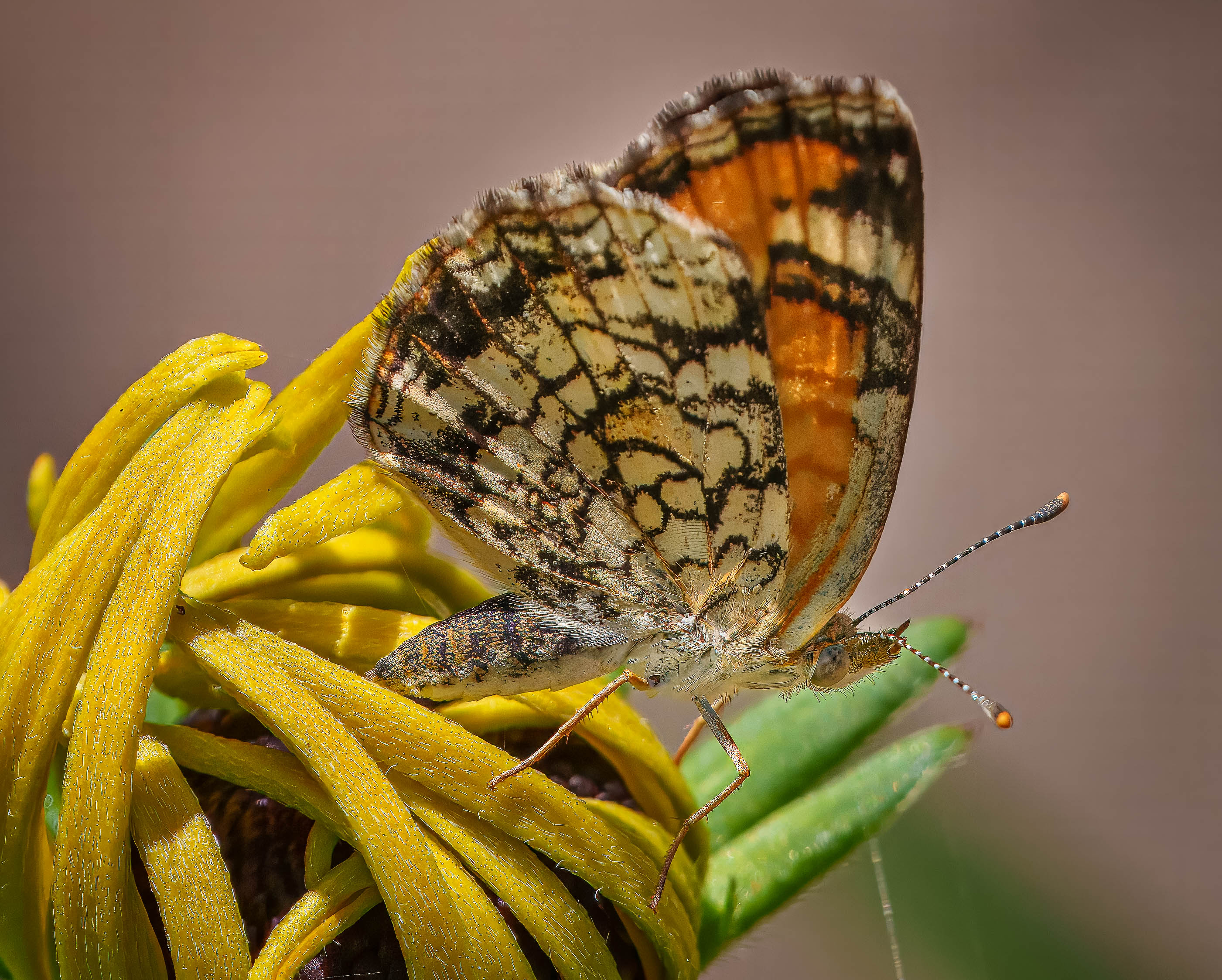
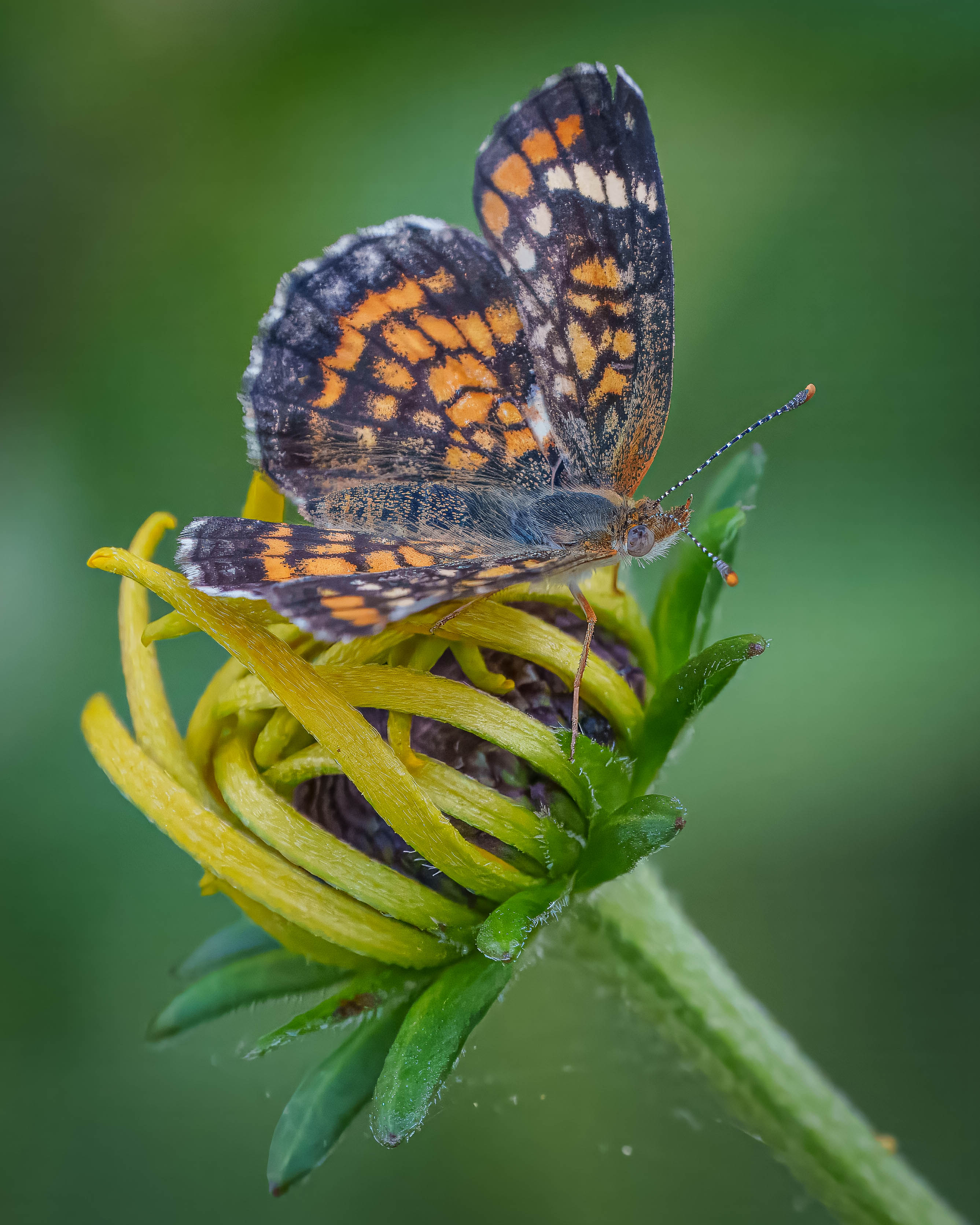
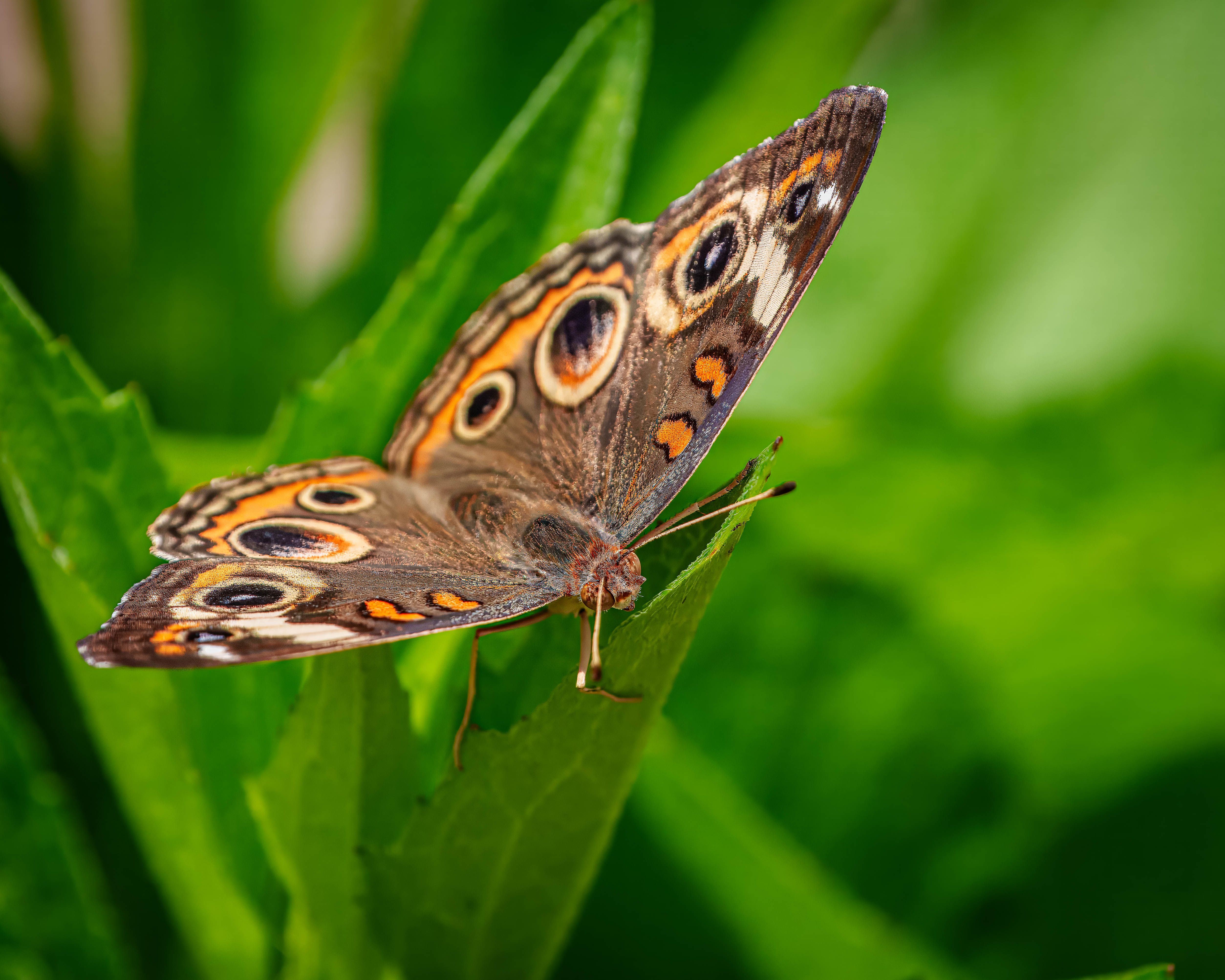
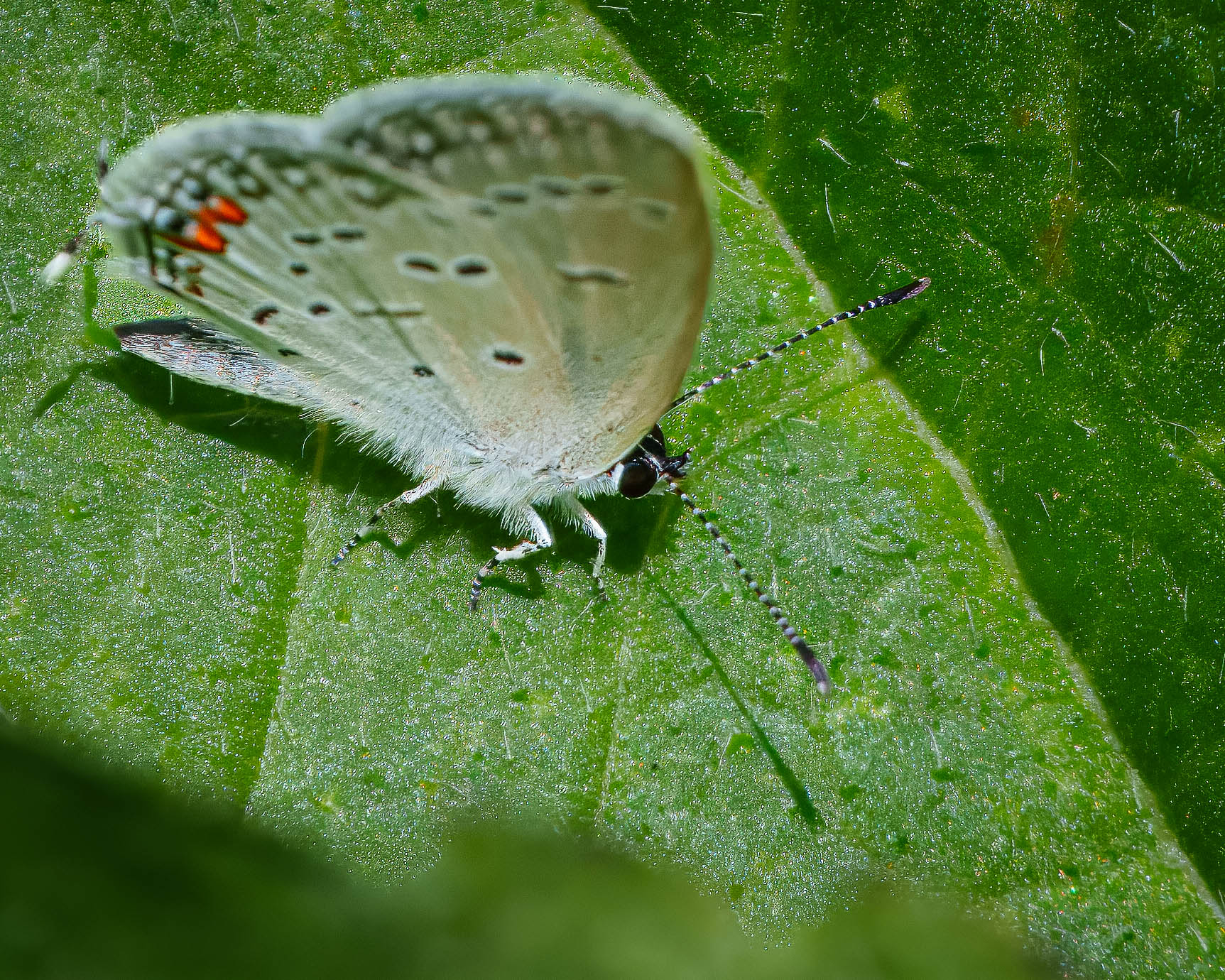
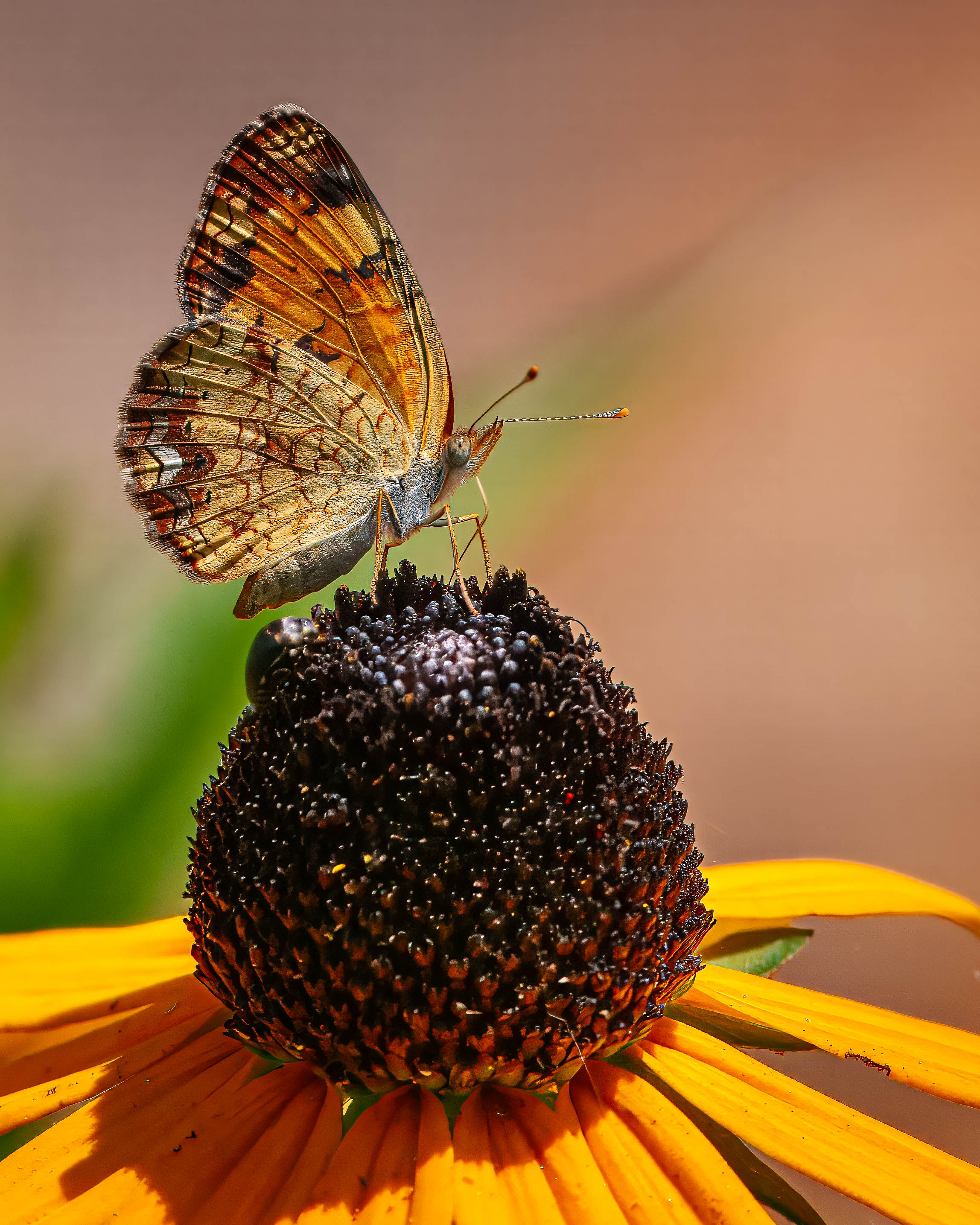
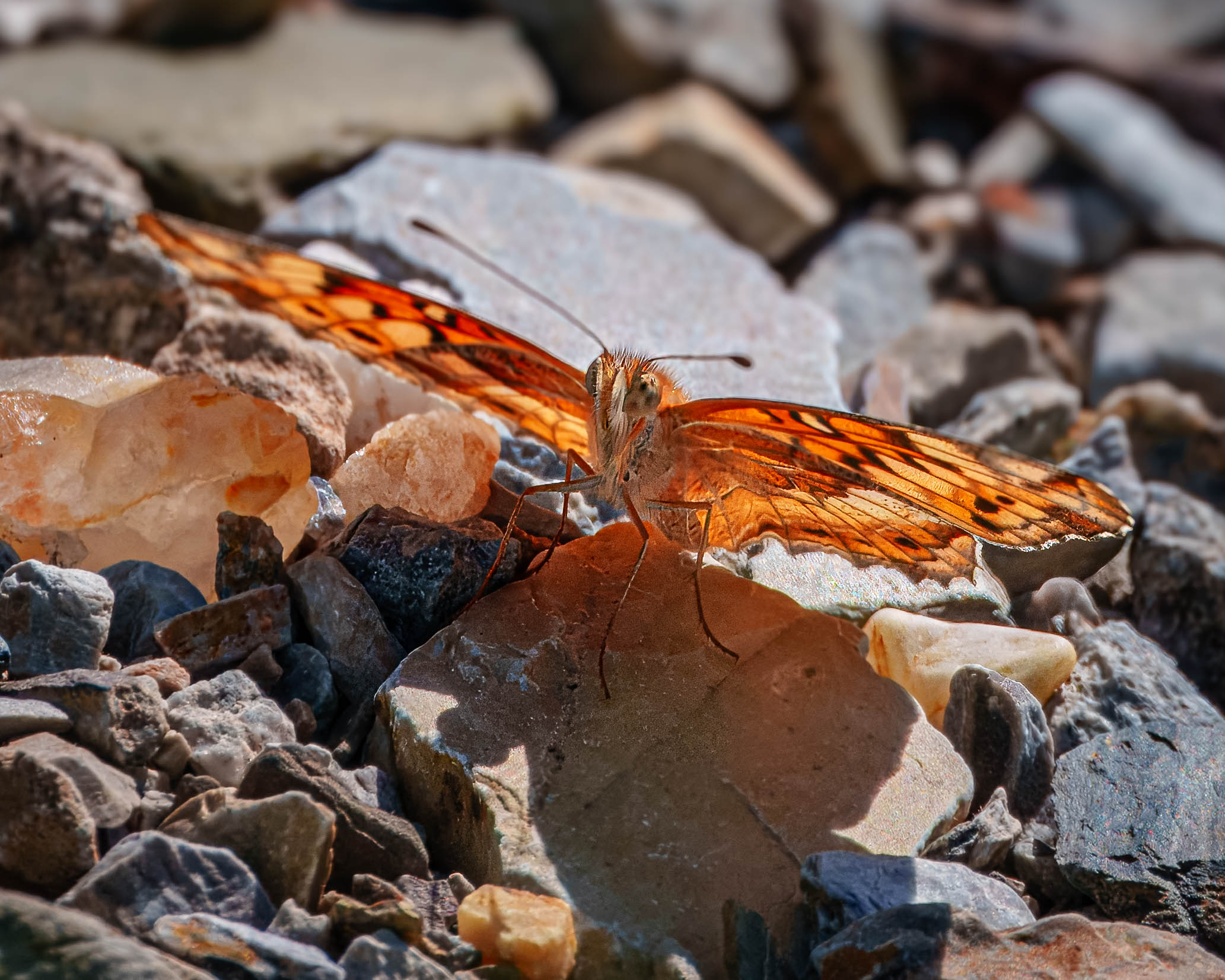
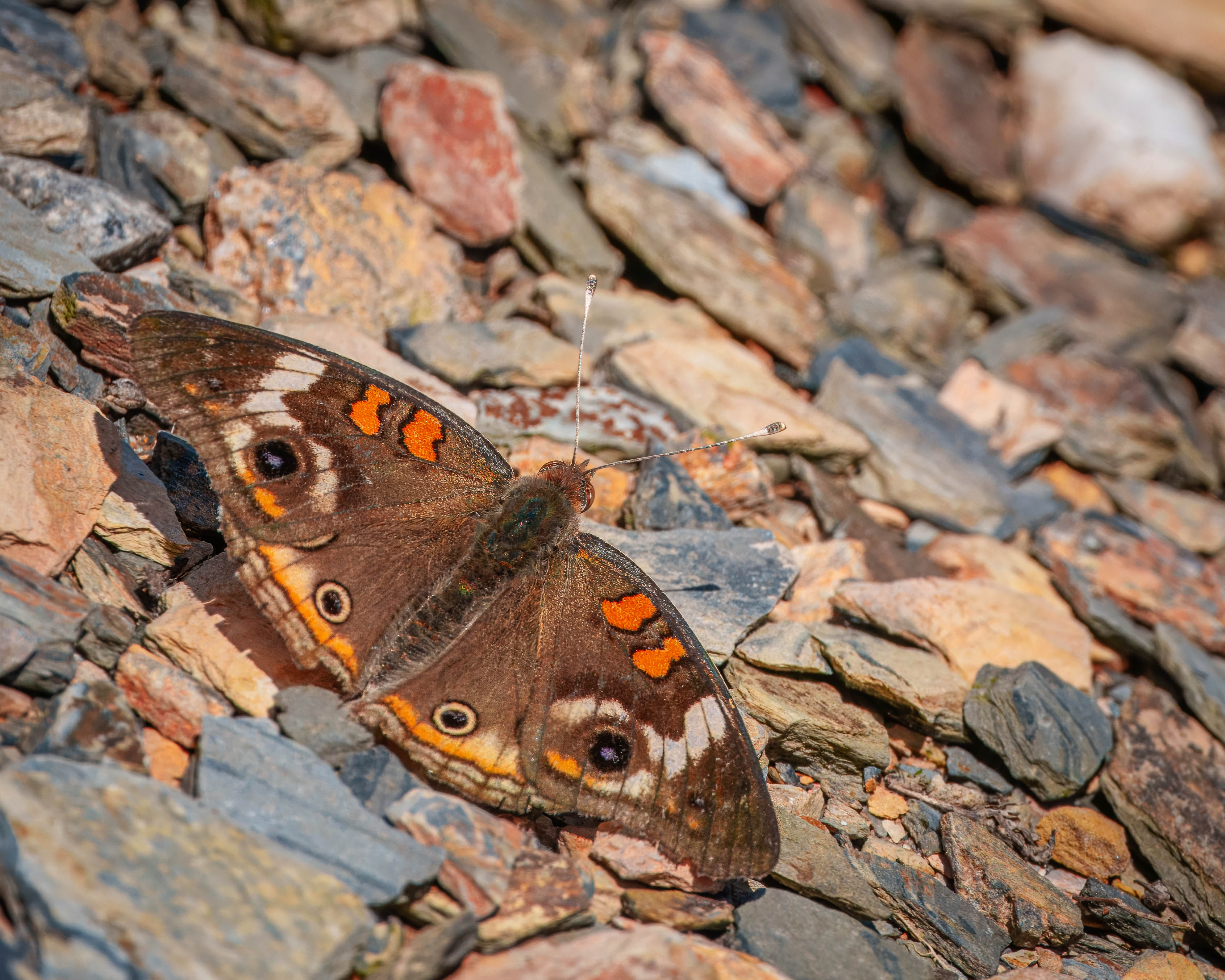
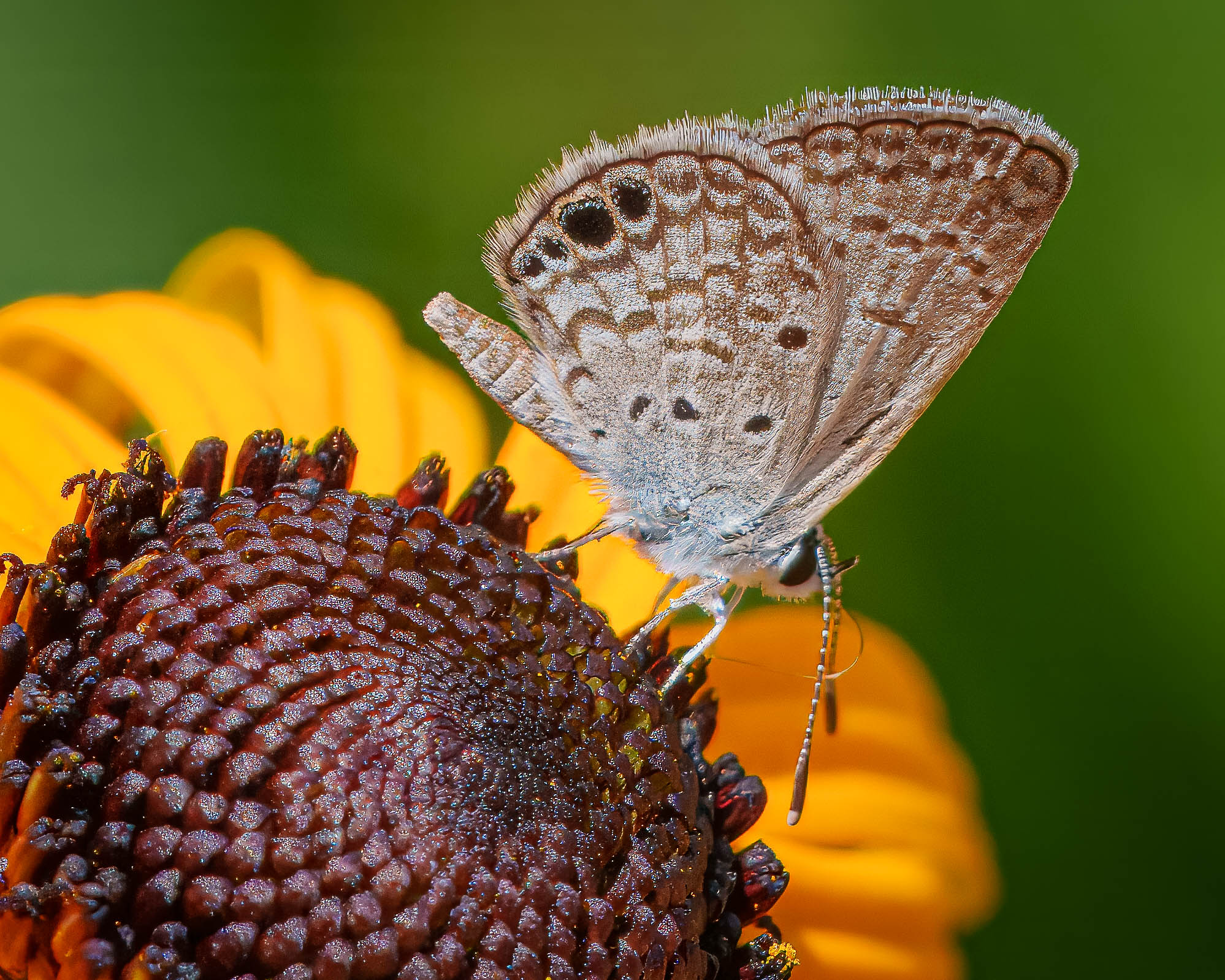
And lastly, on Sunday, June 28, a Checkerspot, Fiery Skipper,, a Pearl Crescent, and a Realkirt’s Blue were photographed.
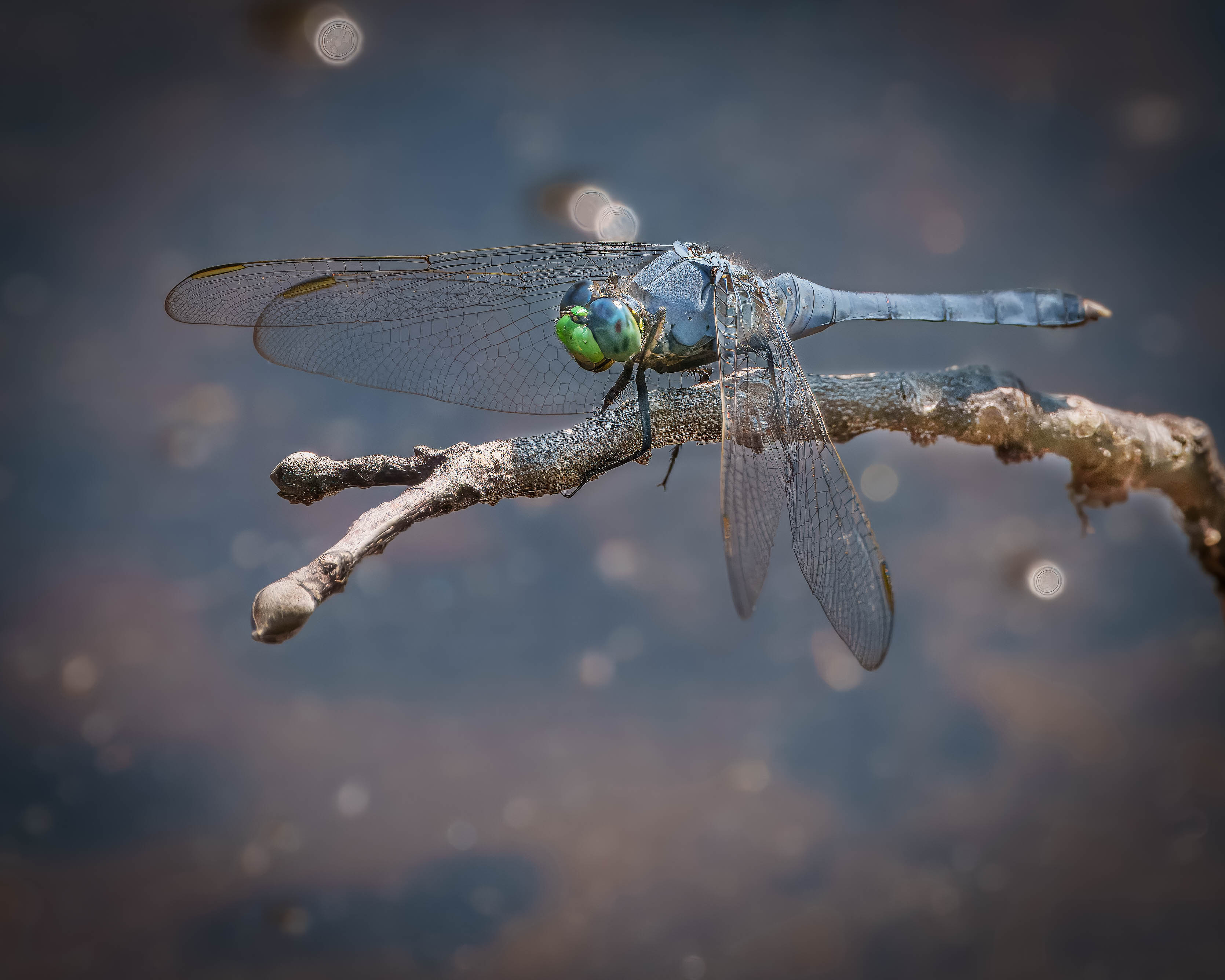
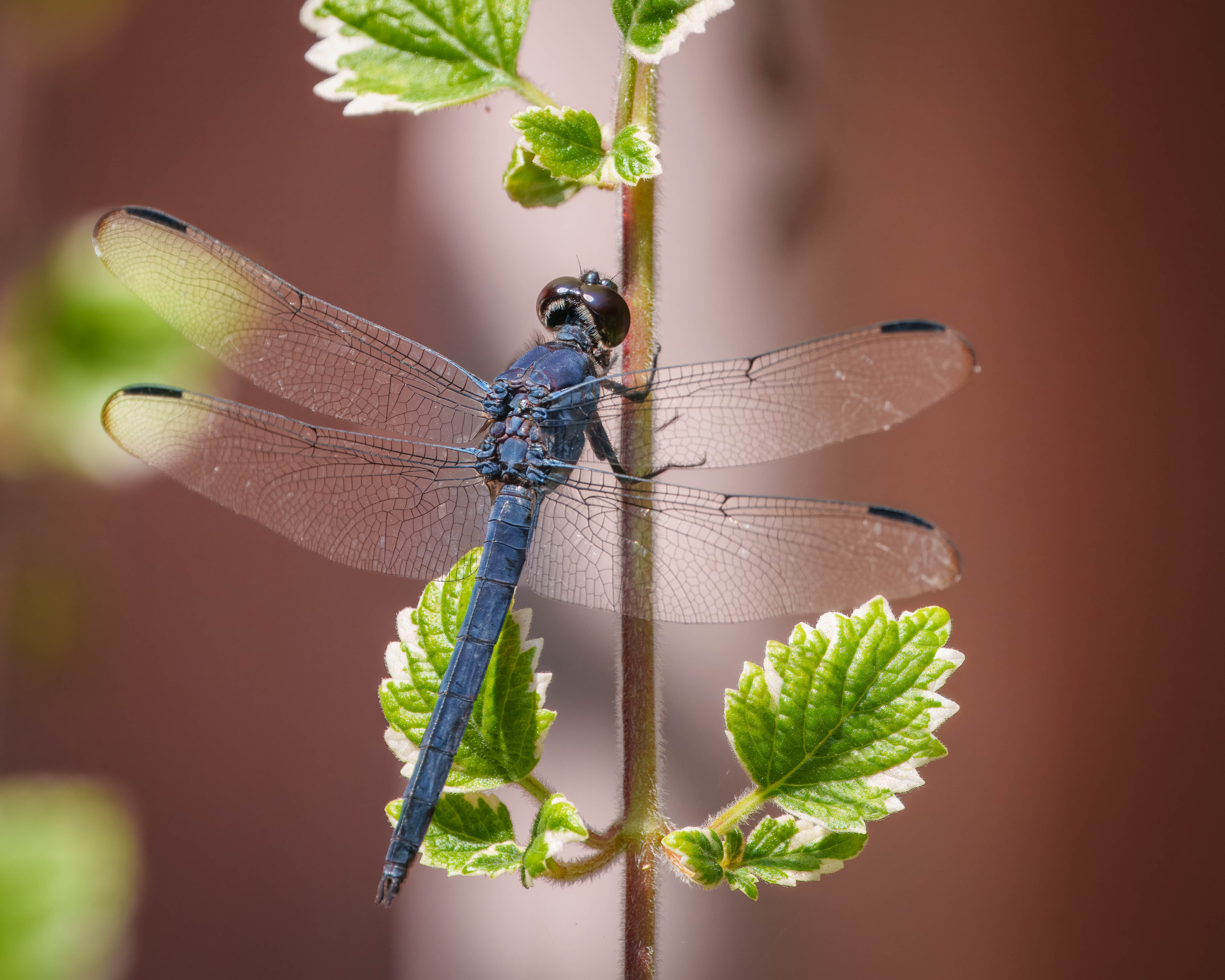
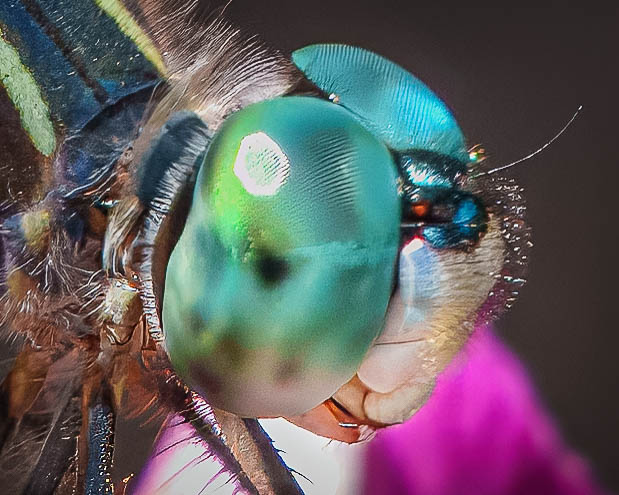
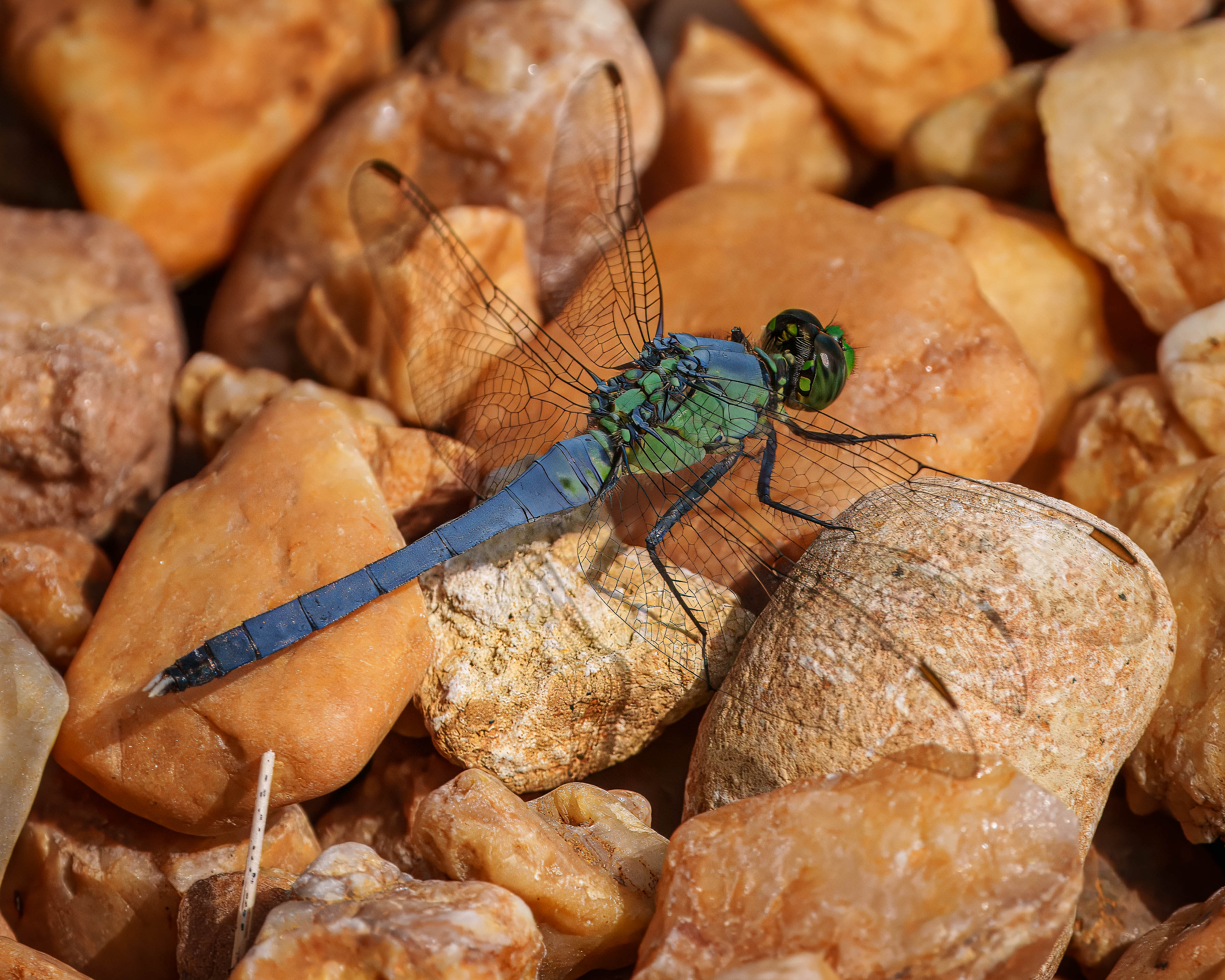
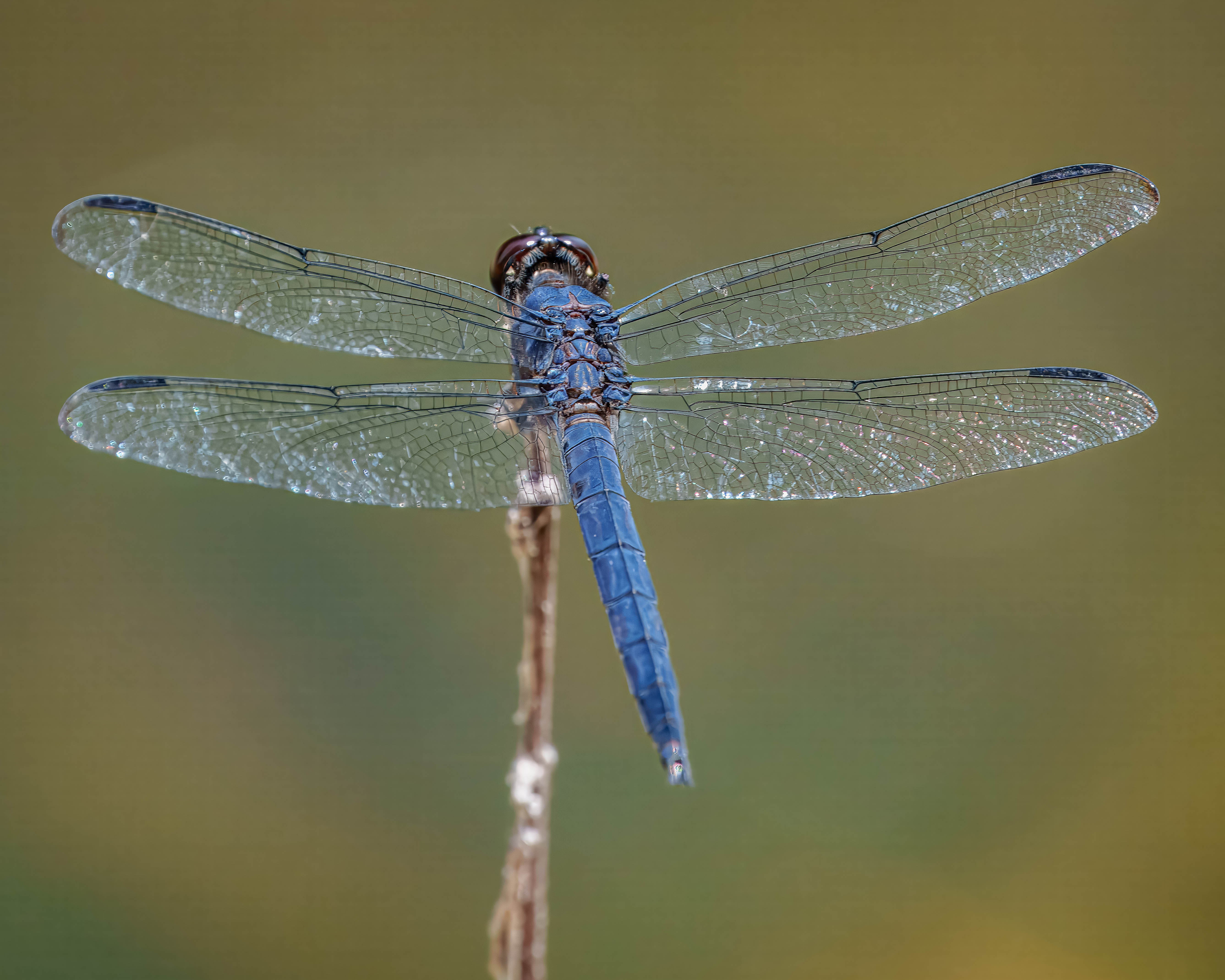
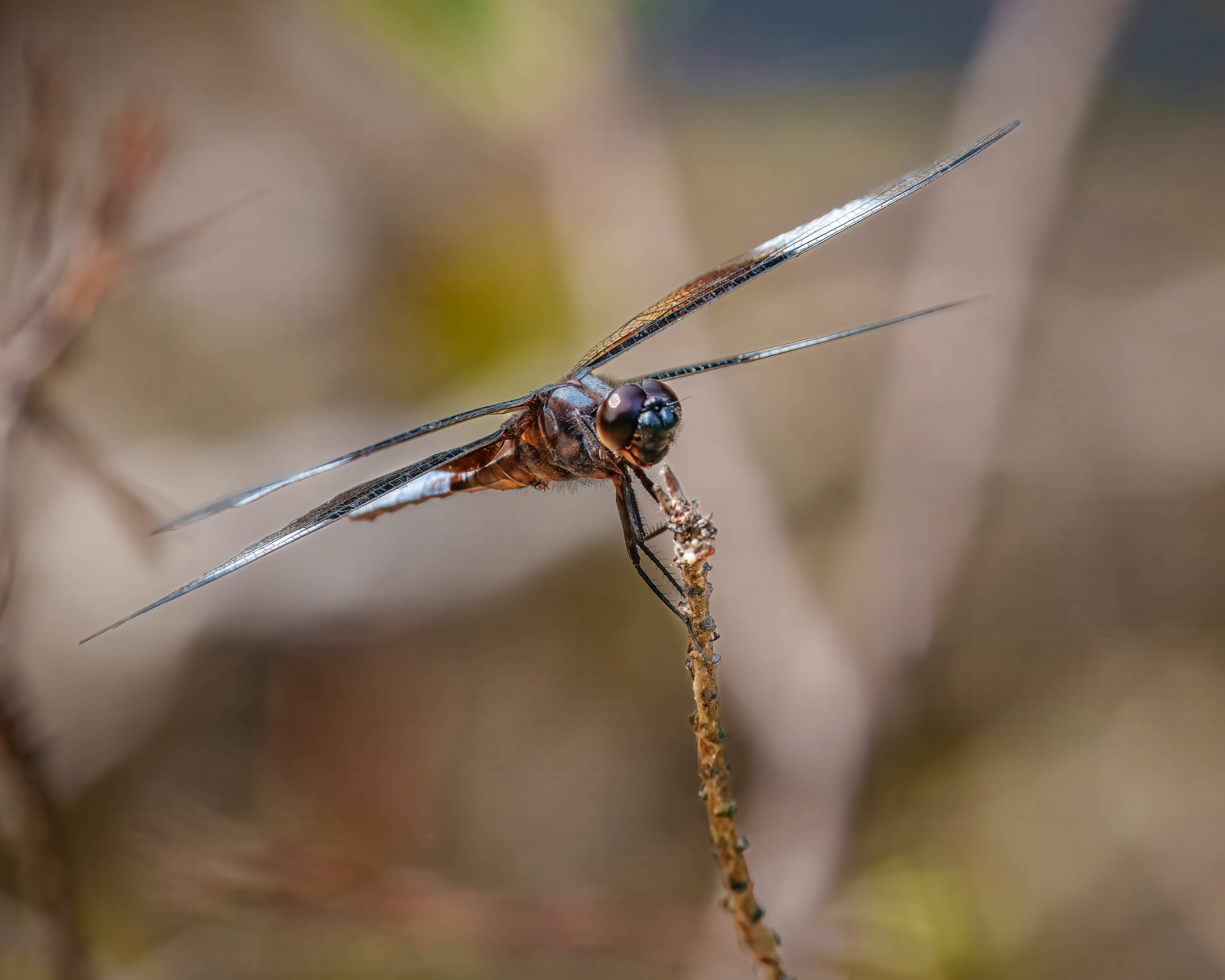
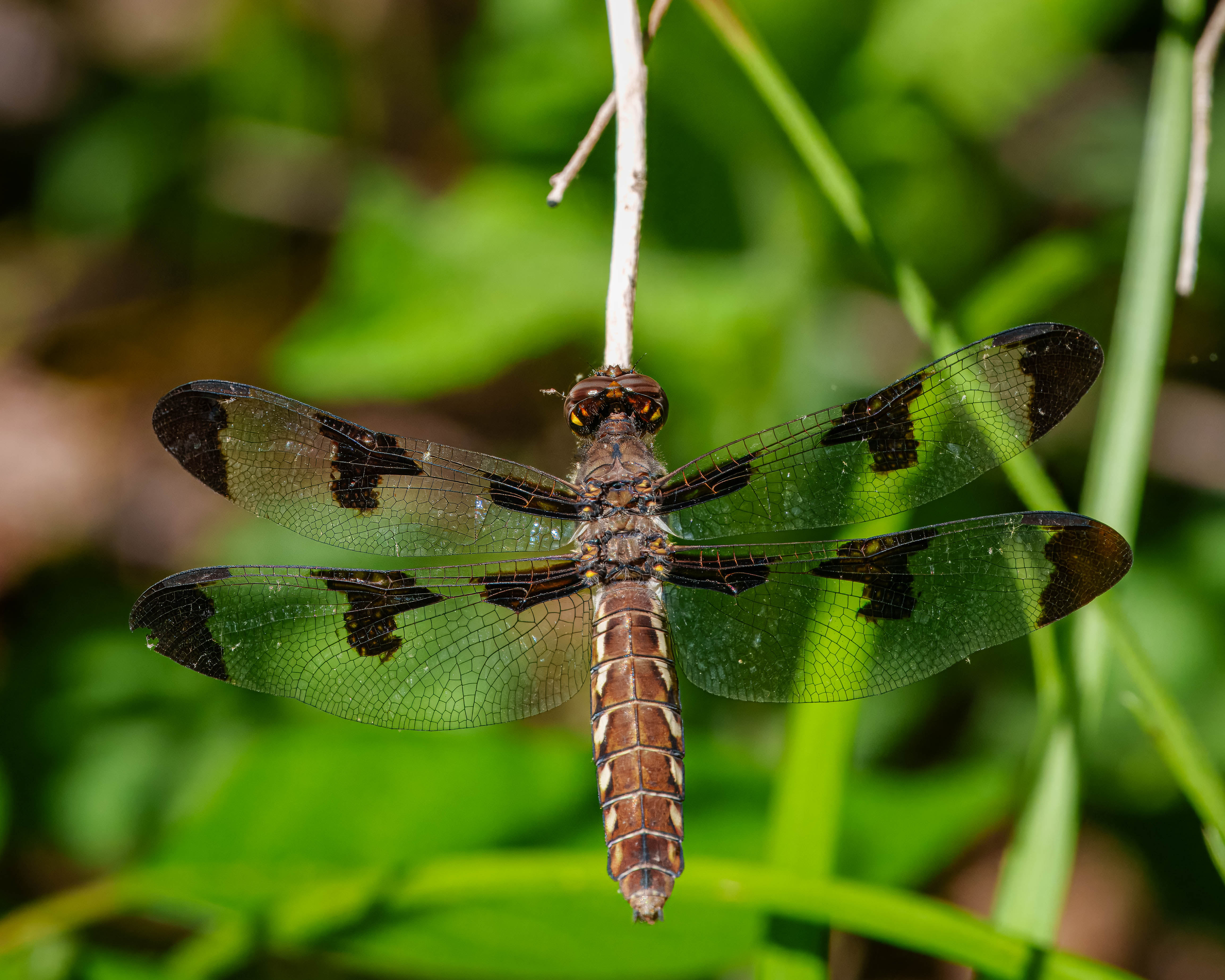
This Blue Dasher was all eyes while being photographed.

Monday through Monday, June 1-15, 2026—Busy Times for Kay

Kay began the month packing for a gambling junket to Beau Rivage in Biloxi, Mississippi. For a minimal amount, Beau Rivage flies “gamblers” from Arkansas to Biloxi, and then comps them a room for three nights. She and BFF Pam traveled there together. They left on Tuesday, June 2, and returned on Friday, June 5. Upon her return, she spent Saturday unpacking and doing her laundry. On Sunday, granddaughter came to visit for a few days. We were so delighted to host her, and she is growing up way too fast. She and Kay shopped, spent time at the Mid-America Museum, and rewatched her play at the beach and in Balboa Lake. On Friday, Kay’s longtime childhood friend, Sue, came to spend the weekend and on Saturday they attended their 61st high school reunion in Morrilton. Sue left on Sunday, and then on Monday, Kay flew to Richmond, Virginia, to spend a few days visiting her sister and brother-in-law. There were some snafus in her travel plans and Delta cancelled her flight from Atlanta to Richmond at the last minute. Fortunately, she was able to find another flight (for almost double the fare), arriving in Richmond late afternoon on Monday, June 15.
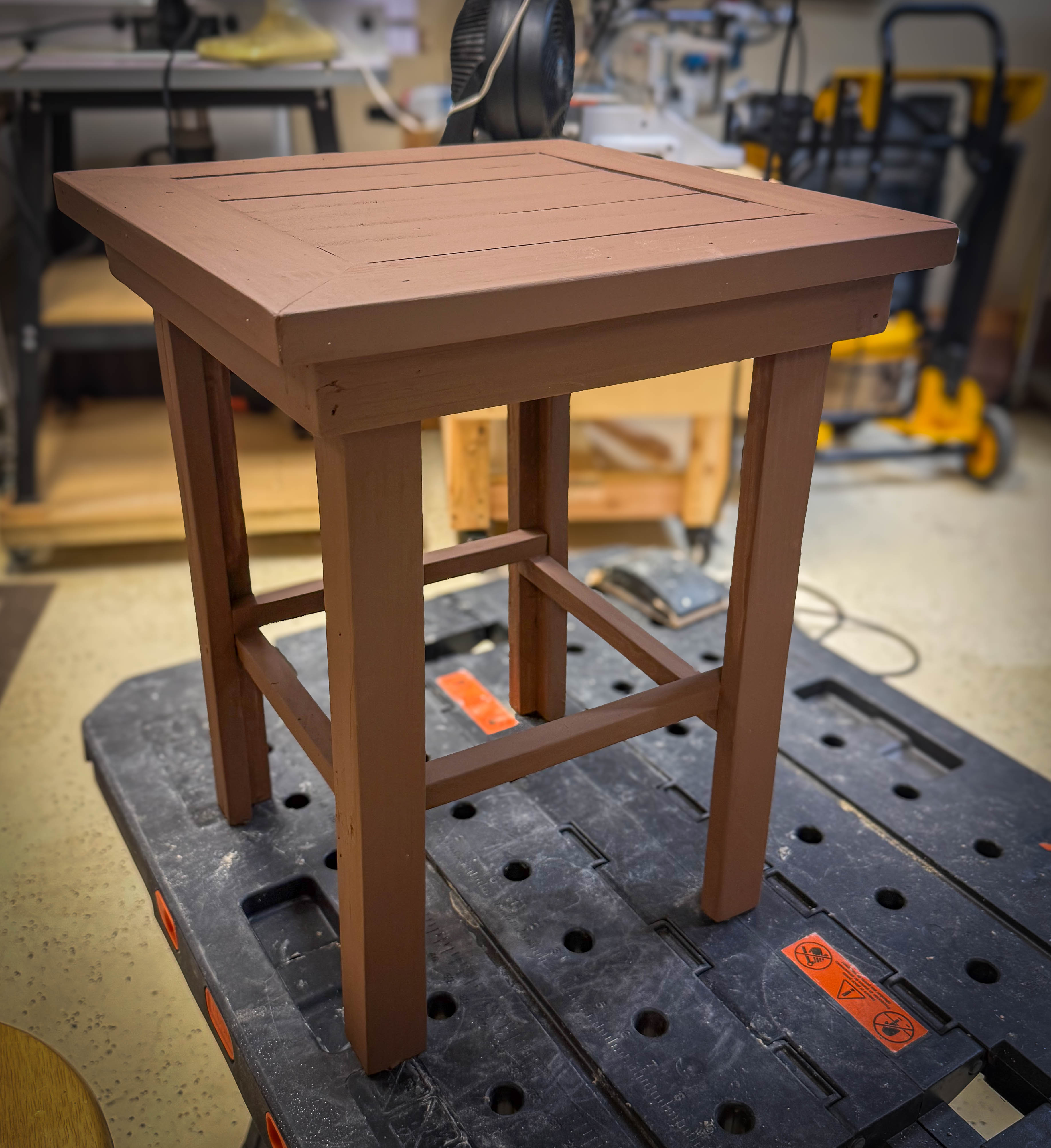
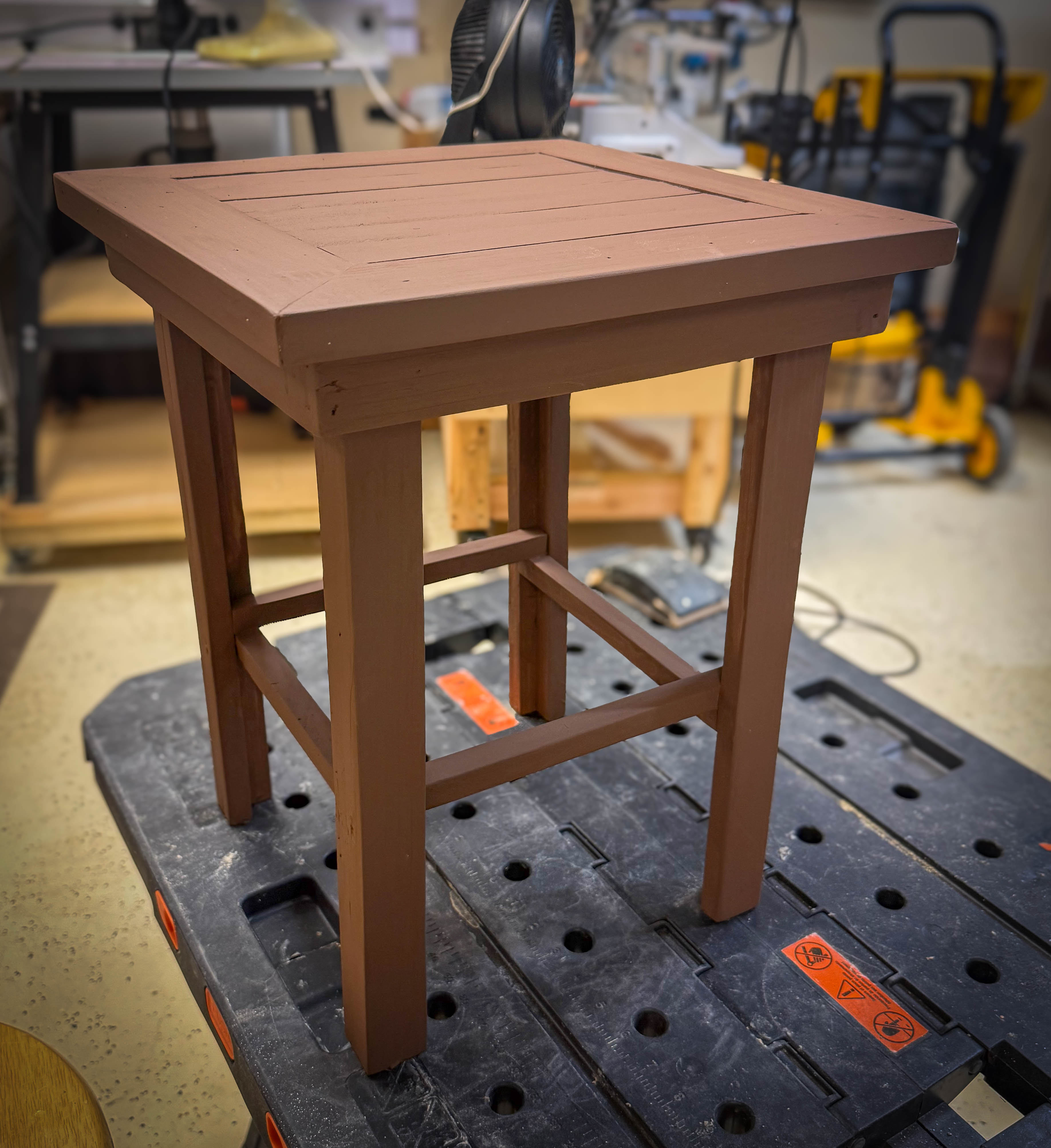
Meanwhile, still down and out with a pulled groin muscle, I hung around the house and enjoyed some yard work, and shop time. This is a photo of a prototype patio table I designed and built while Kay was away.

Of course, time was made almost daily for photographing butterflies and dragonflies in the pollinator garden, shooting photos 9 of the 15 days of this period.

The number of species of butterflies is really down this year. Generally, American Lady butterflies and Fiery Skippers can be observed every day, though the number of butterflies is small. However, the Diana Fritillary species is spending time nectaring daily which is a real thrill. And, a few dragonflies dart about in search of their next prey.
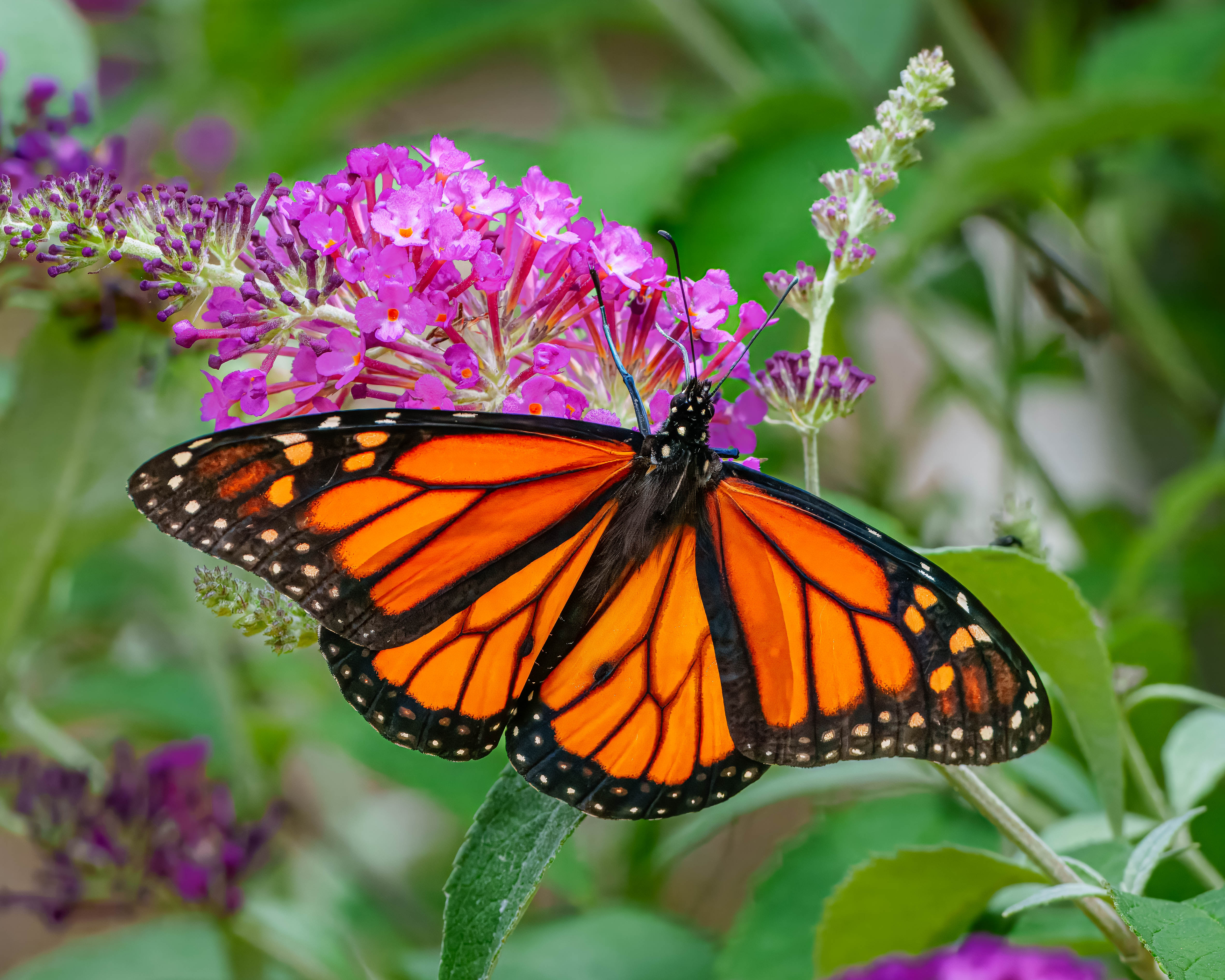
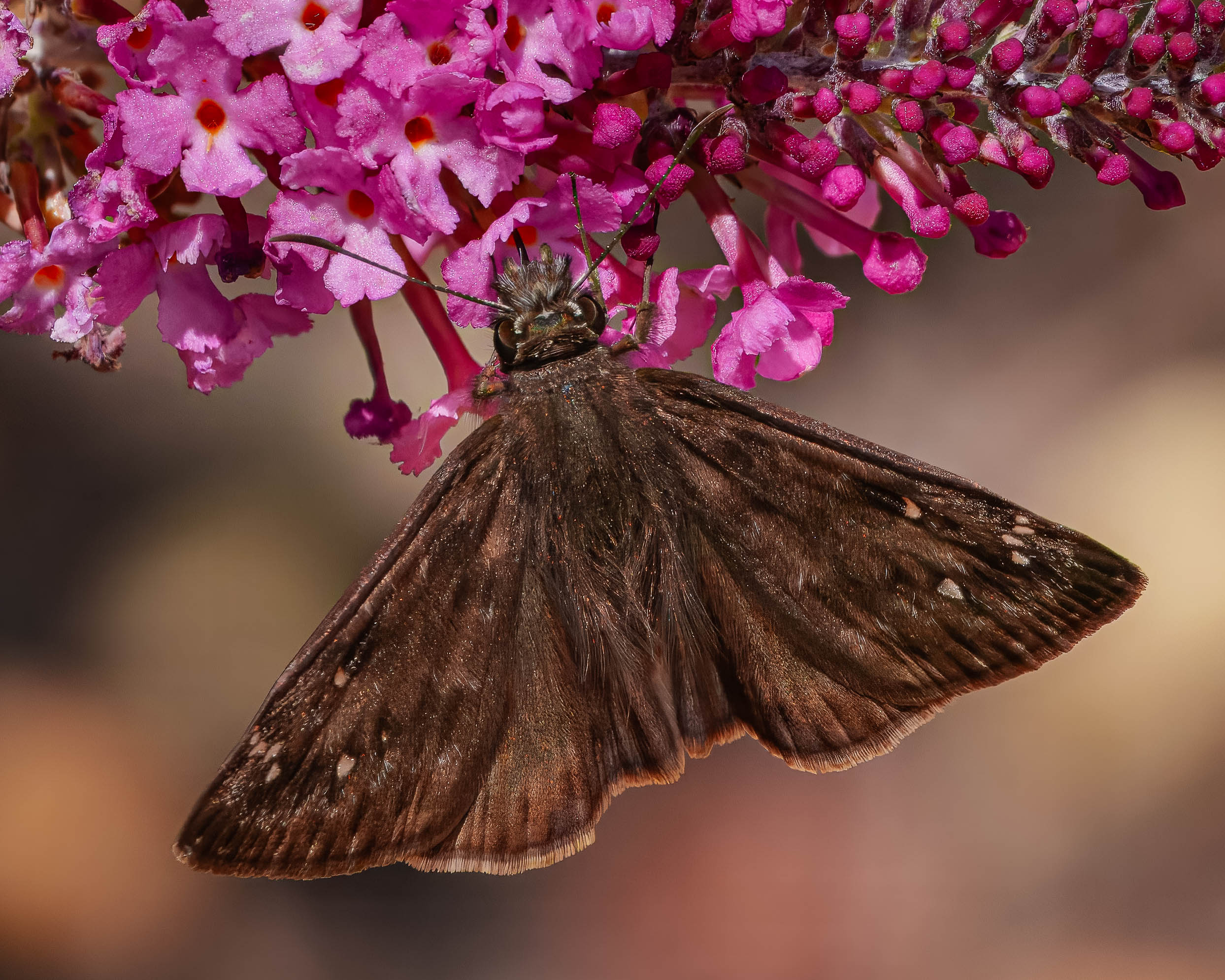
On Tuesday, June 2, an American Lady, a female Diana Fritillary, and a Juvenal’s Duskywing were seen; only the American Lady and Diana Fritillary were photographed. Additionally, a Common Green Darner dragonfly was photographed.

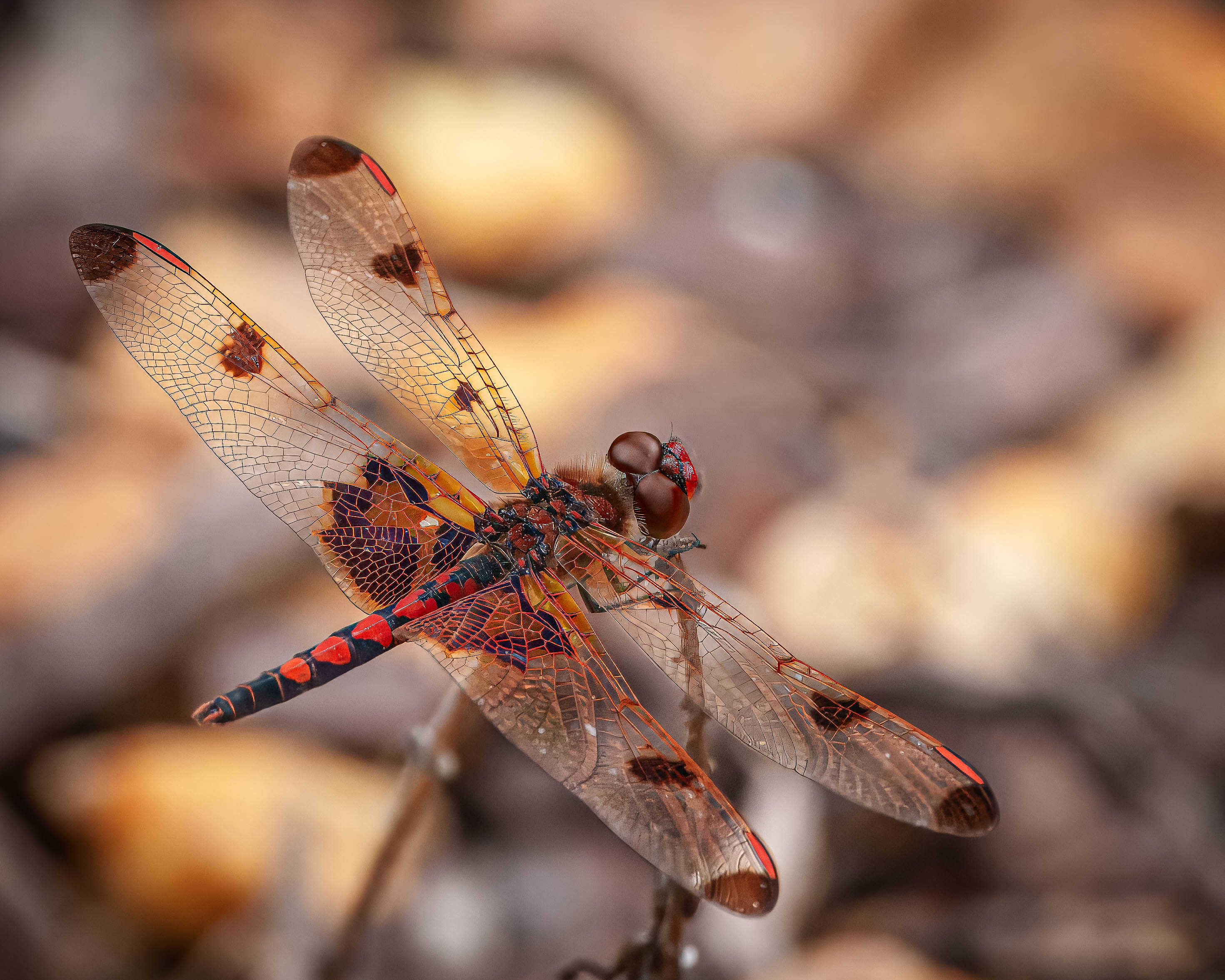
And then on Wednesday, both a Slaty Skimmer and a Calico Pennant (dragonflies) were photographed, as were a Pipevine Swallowtail butterfly and a Fiery Skipper. Juvenal’s Duskywing butterflies were again observed.

Another Slaty Skimmer (different color) and then a Black-shouldered Spinyleg were photographed on Friday, June 5. Additionally, a Common Buckeye and both female and male Diana Fritillaries were photographed. 

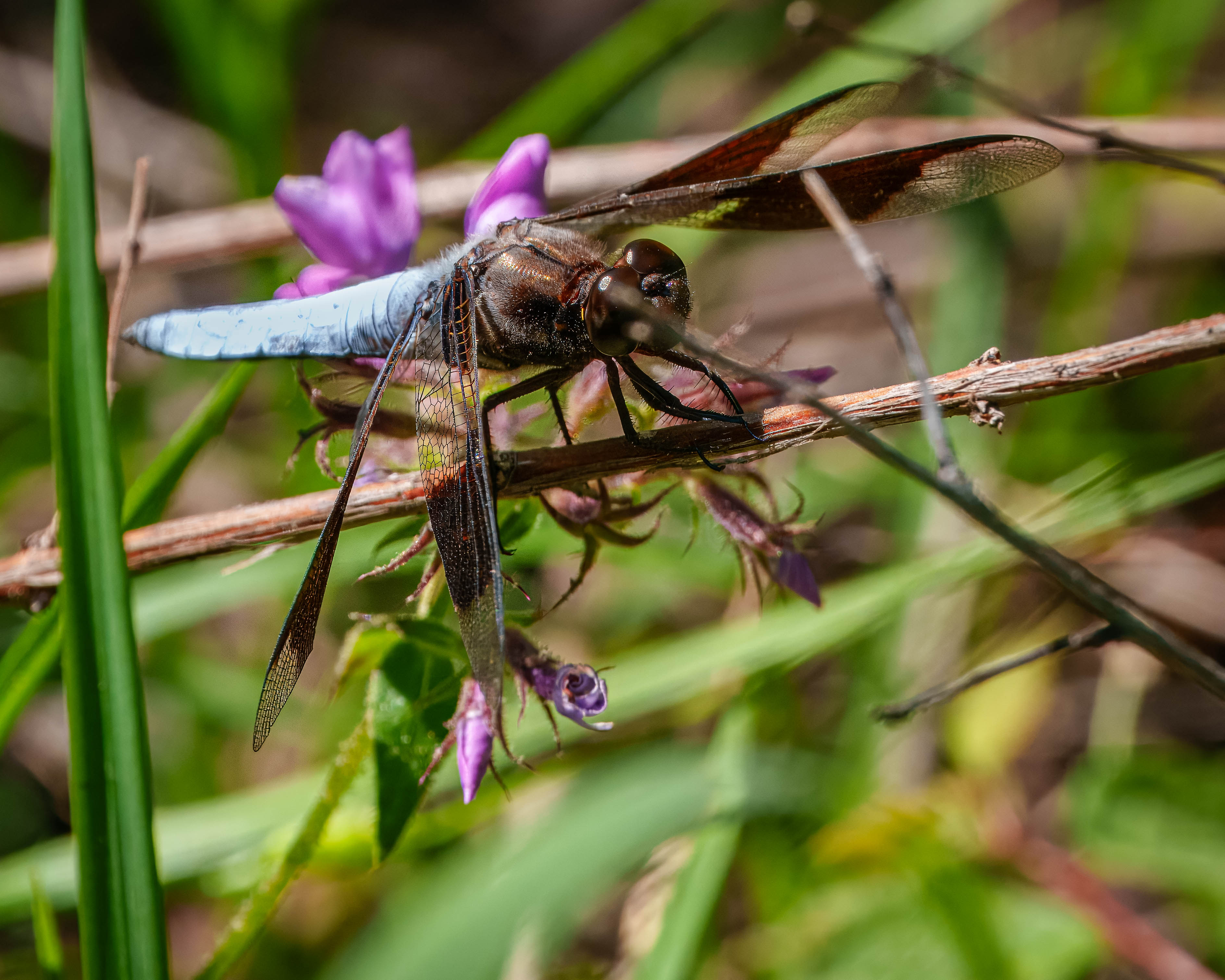
In the butterfly world, male and female Diana Fritillaries were again observed on Monday, June 8,  nectaring mainly on the butterfly bush blooms. A Widow Skimmer and an Eastern Amberwing (dragonflies) and an Orange Bluet damselfly were photographed and the photos are posted below.

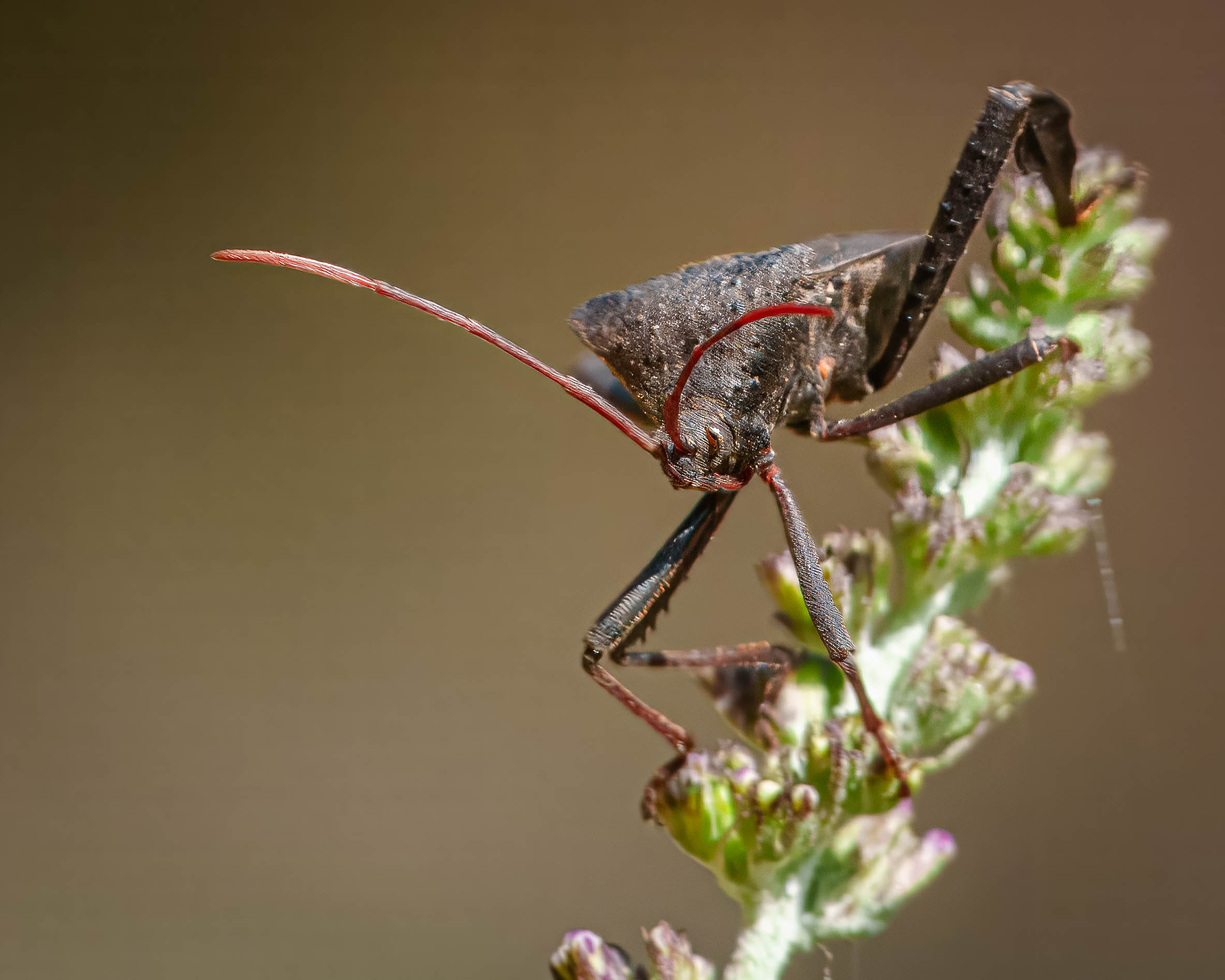
In addition to the regular butterflies, dragonflies, and damselflies, a Leaf-footed Bug, and Clearwing Moth were observed and both were photographed (see below). The Clearwing Moth is also known as a Strawberry Clearwing Moth and a Hummingbird moth.

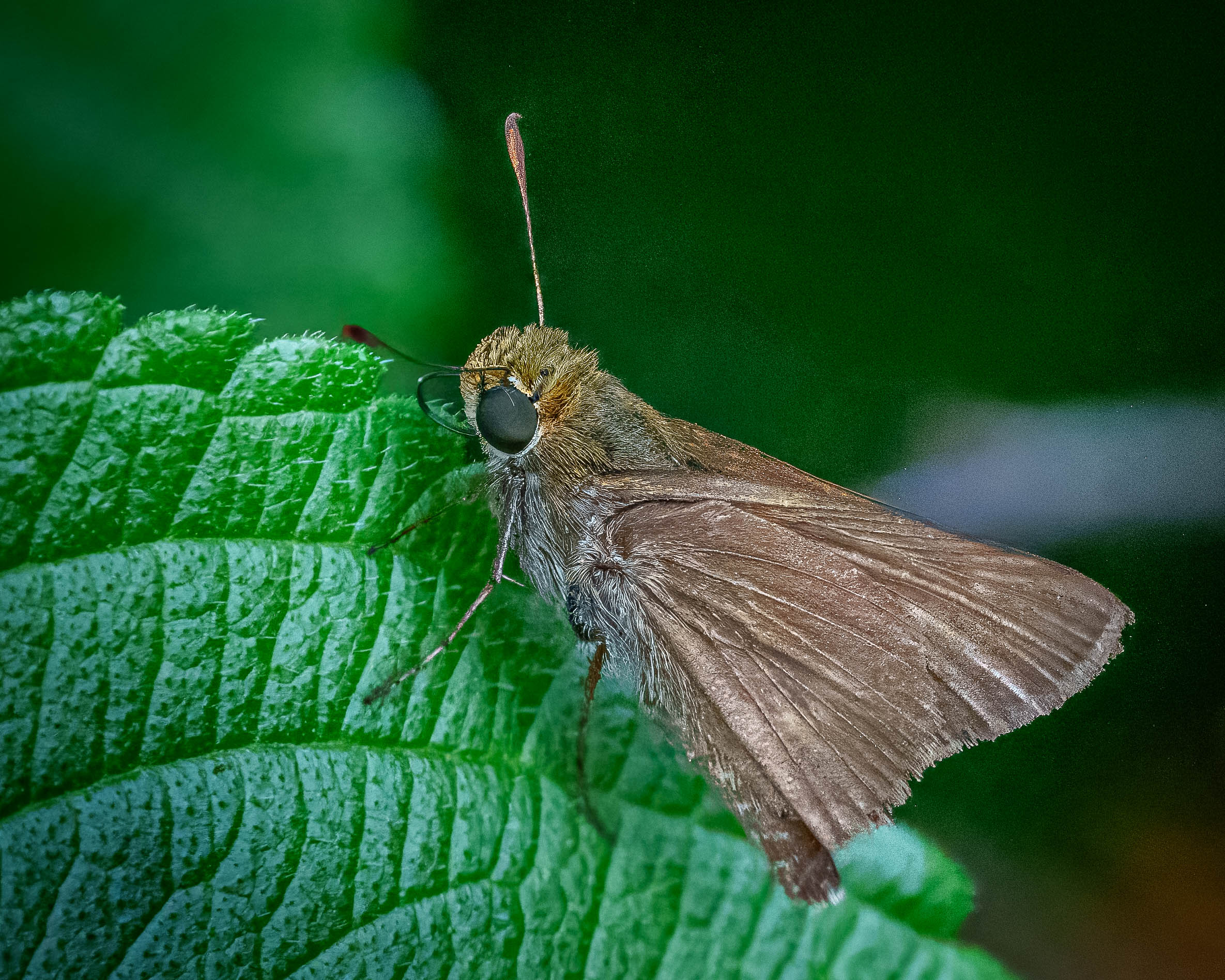
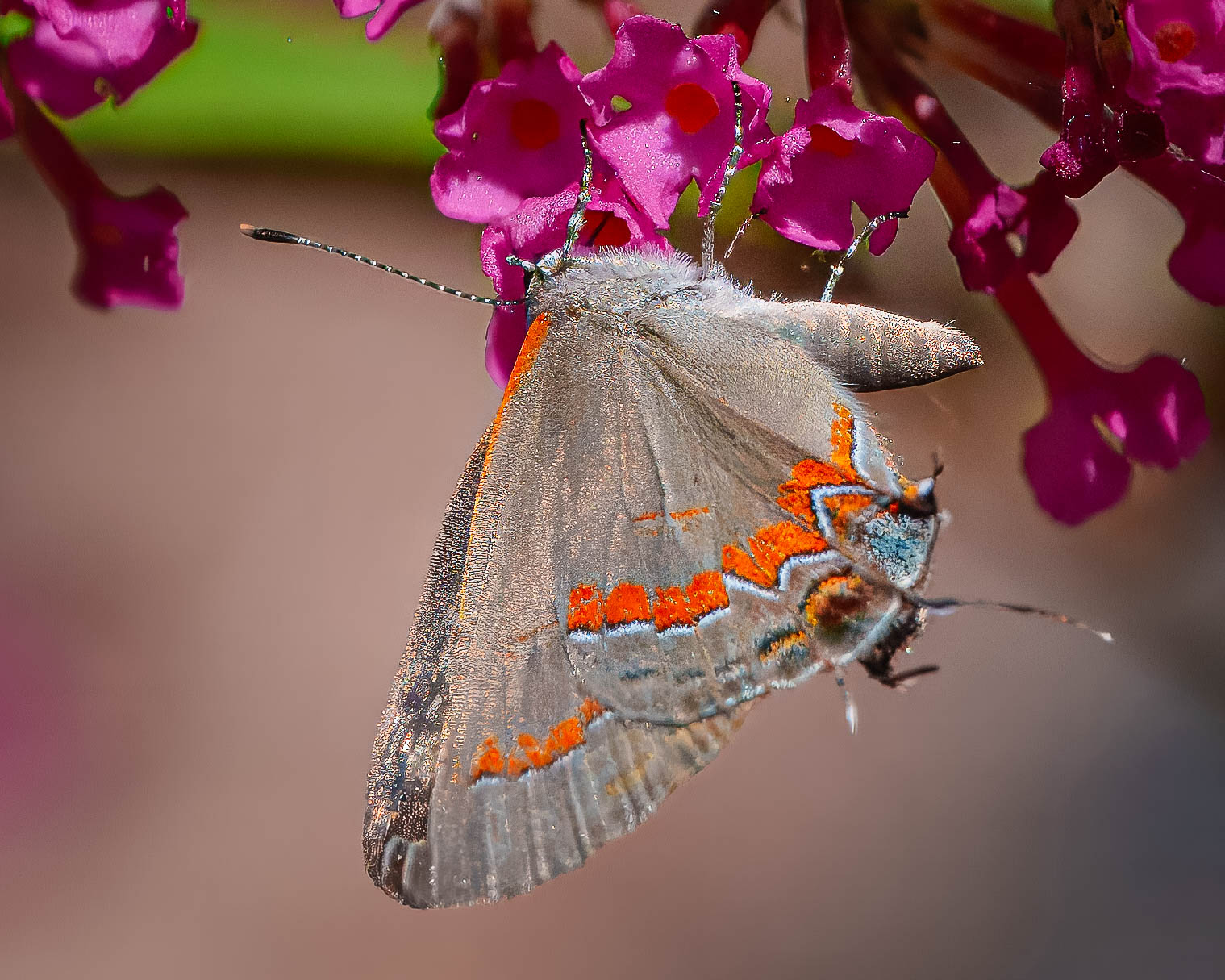
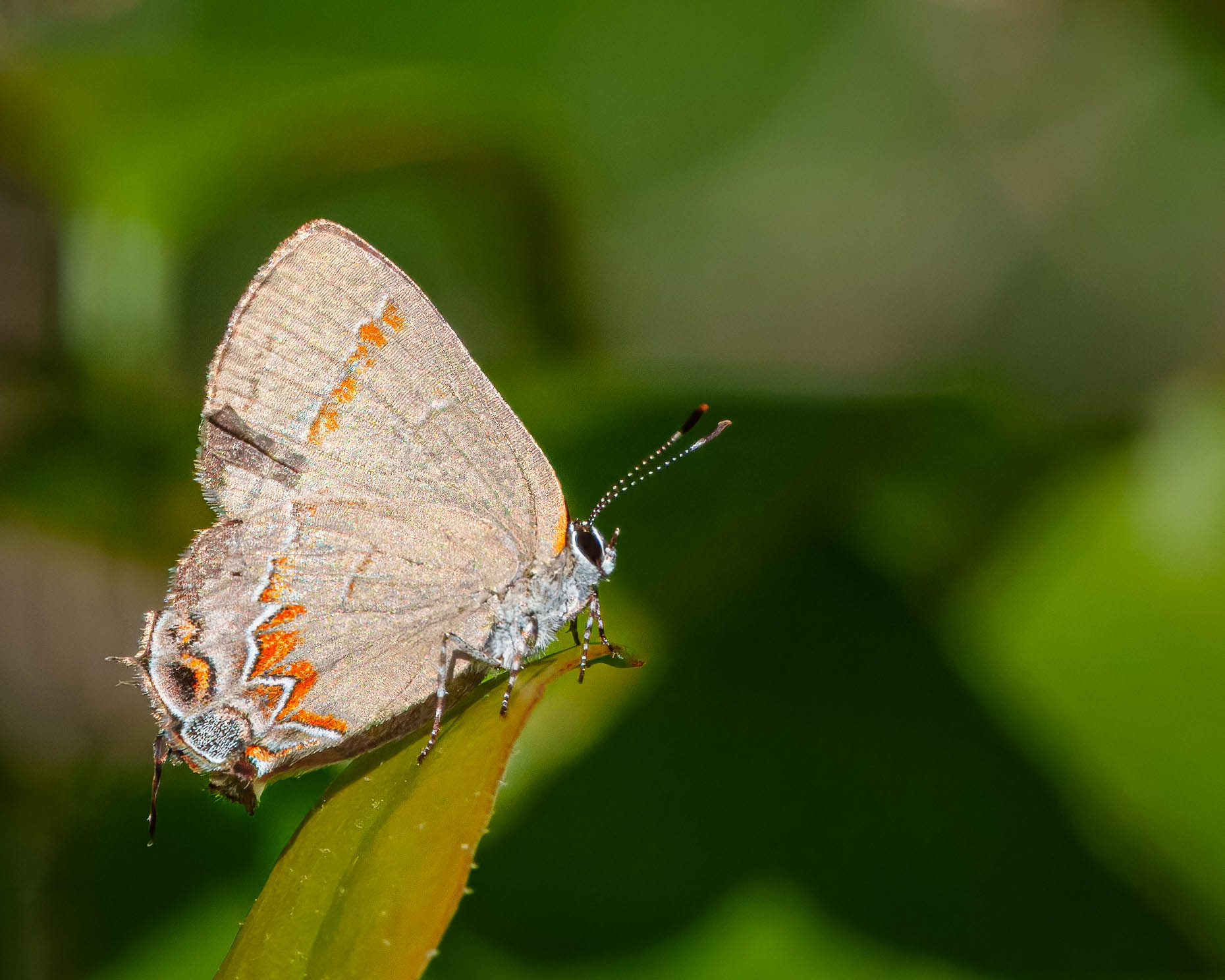
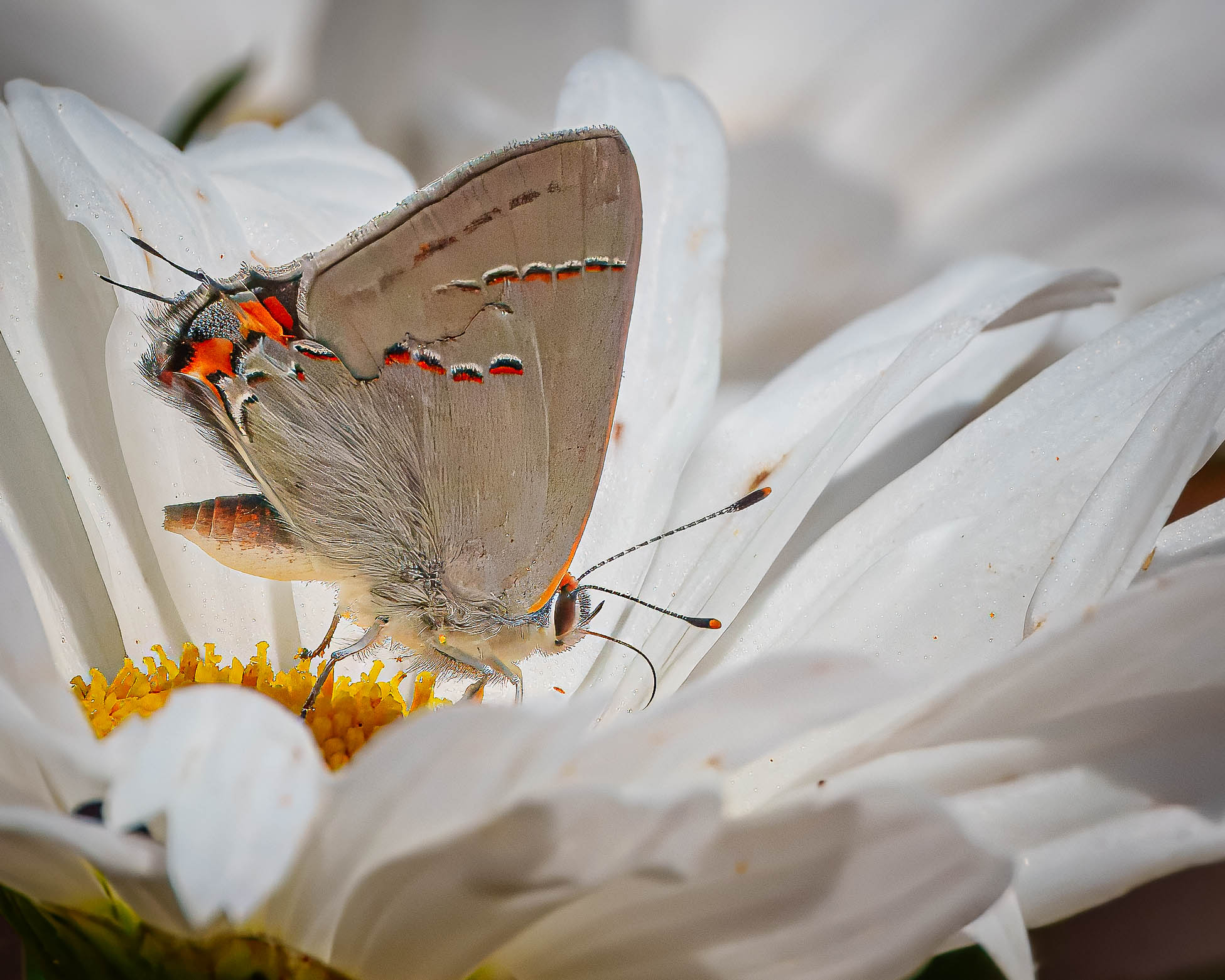
On Tuesday, June 10, three different species of butterflies were observed and photographed: a Dun Skipper, an Easter Tailed-blue, and a Red-banded Hairstreak.The Clearwing Moth was also nectaring.

The usual butterflies and dragonflies were again present on Saturday, June 13. Only a Pearl Crescent butterfly photo is posted here.

The last couple of weeks before summer solstice were busy ones for Kay, while I really enjoyed some lazy days at home without adult supervision.

Monday through Monday, June 1-15, 2026—Diana Fritillaries (Special Edition)

This special edition concerns the Diana Fritillary. The Diana Fritillary (Argynnis diana or Speyeria diana) is Arkansas’ state butterfly. The exclusive larval host plant for the Diana Fritillary is various species of violets, particularly woodland and forest-dwelling violets. (I didn’t know this; but will have a greater appreciation for violets in the future.) Female butterflies lay their eggs in the leaf litter near violets in late summer. (Don’t rake your leaves, please.) The caterpillars hatch, overwinter, and then feed on the fresh violet leaves and flowers in the spring. Thus, to support a breeding population, a moist, rich forest margin with an abundance of violets is required.

It is considered rare, uncommon, and a species of conservation concern. While it was historically common across much of the central and eastern United States, it has experienced a severe decline in population and range since the 1900s. From Google AI: 

Current Conservation Status

  • Global Ranking: NatureServe ranks the butterfly as G2G3 (Imperiled to Vulnerable).
  • Xerces Red List: Listed as Vulnerable, meaning it faces a moderate to high risk of extinction.
  • Habitat Projections: Recent studies warn that its available habitat could decline by up to 90% by the year 2050 due to climate change and human impact.

The Diana Fritillary is no longer found across its entire historical range. Instead, it survives only in isolated pockets within two main regions:

  • Southern Appalachians: Stretching from central Virginia and West Virginia down through the mountains of northern Georgia and Alabama.
  • Interior Highlands: Located in the Ozark and Ouachita mountains of Arkansas, Missouri, and eastern Oklahoma.

My first observation of a Diana Fritillary was of a male at Middle Fork Barrens on June 1, 2015, shortly after moving to Hot Springs Village (photos via i_hone 5 were unsatisfactory to publish). For the next few years, the Diana Fritillary photo fix was achieved by a visit to the natural area. For the next few years, it seemed like a single male would fly through the backyard each year during the season. The first photographed was a male, observed on June 5, 2018.

MALE Diana Fritillary observed on June 5, 2018.

However, the Middle Fork Barrens Natural Area, just a few minutes from Hot Springs Village, provided many opportunities to view both the males and females nectaring on Bee Balm blooms. 

FEMALE Diana Fritillary
MALE Diana Fritillary nectaring on Bee Balm

And then, the pollinator garden begun in late spring 2024 drew a bit longer stop for the single male Diana Fritillary. However, it was the only one.

Kay began planting in the pollinator garden

Things improved, though. On May 30, 2025, a single male appeared in the pollinator garden.

And then a week later, on June 6, 2025, a single female appeared.

Subsequently, through August, a few more would show up, one at a time. 

This season, 2026, has been quite productive in terms of observing Diana Fritillaries. The first male was seen on May 26, followed by a female on May 29.

On June 5, 2026, three female Diana Fritillaries and one male were observed in the garden at the same time; the females rejected any and all advances from the males, but we hope to have some eggs soon!

FEMALE observed on June 13, 2026

Saturday through Sunday, May 16-31, 2026—Piddlin’ Time

Kay continues being busy in retirement, playing pickleball and golf several times a week, and now playing bridge several times a month. Church and philanthropic organizations also keep her busy. 

We hosted the monthly Hand and Foot night on Wednesday, May 20, and wouldn’t you know it, Bev Graham and I came in last place, while Kay and her partner won $2 for 3rd place. We also attend the weekly Taco Tuesday when schedules allow, joining our “Palm Creek” friends at the Granada Grill, a Mexican restaurant just a couple minutes from the house (thanks Donald Baggett for taking care of the details). 

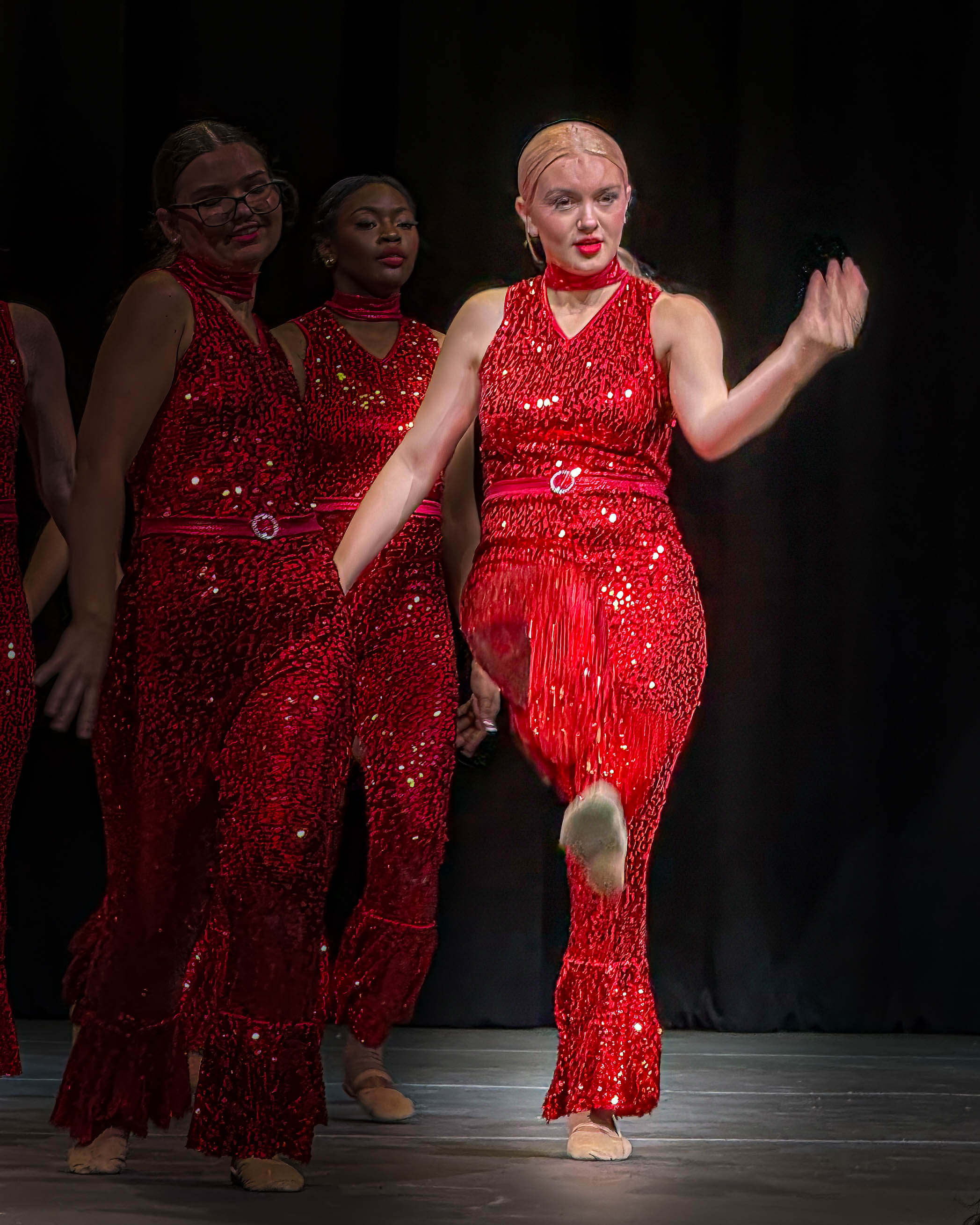
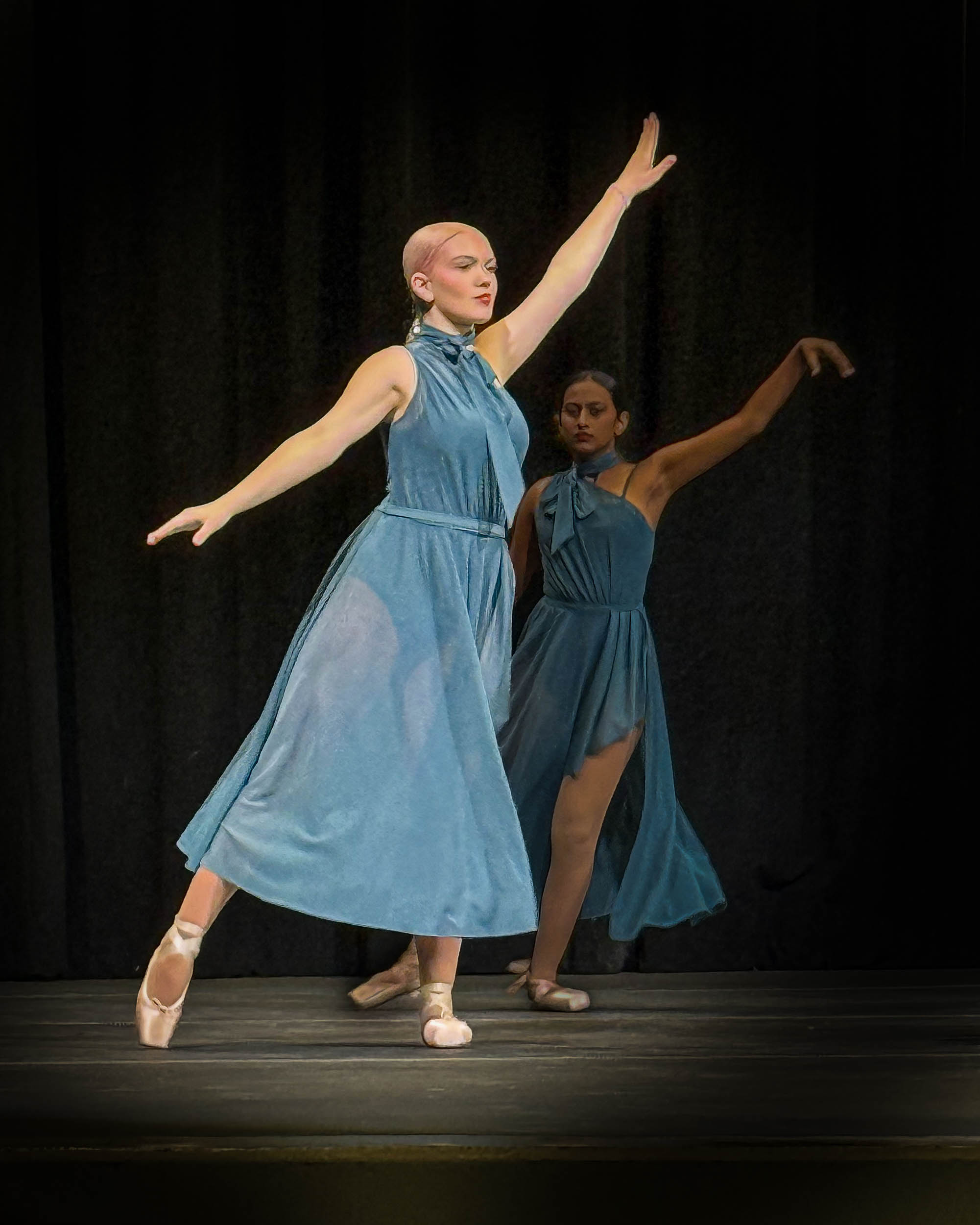
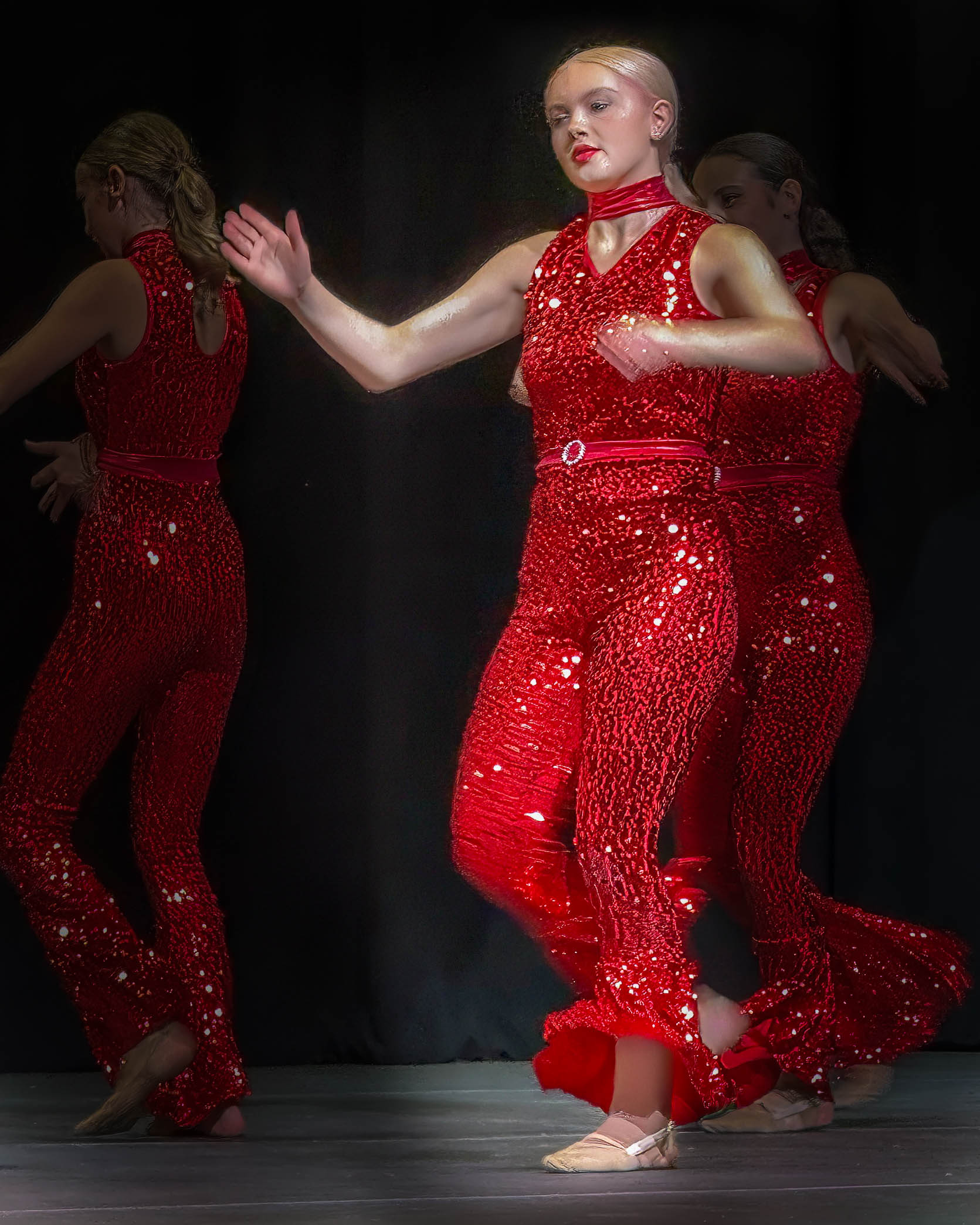
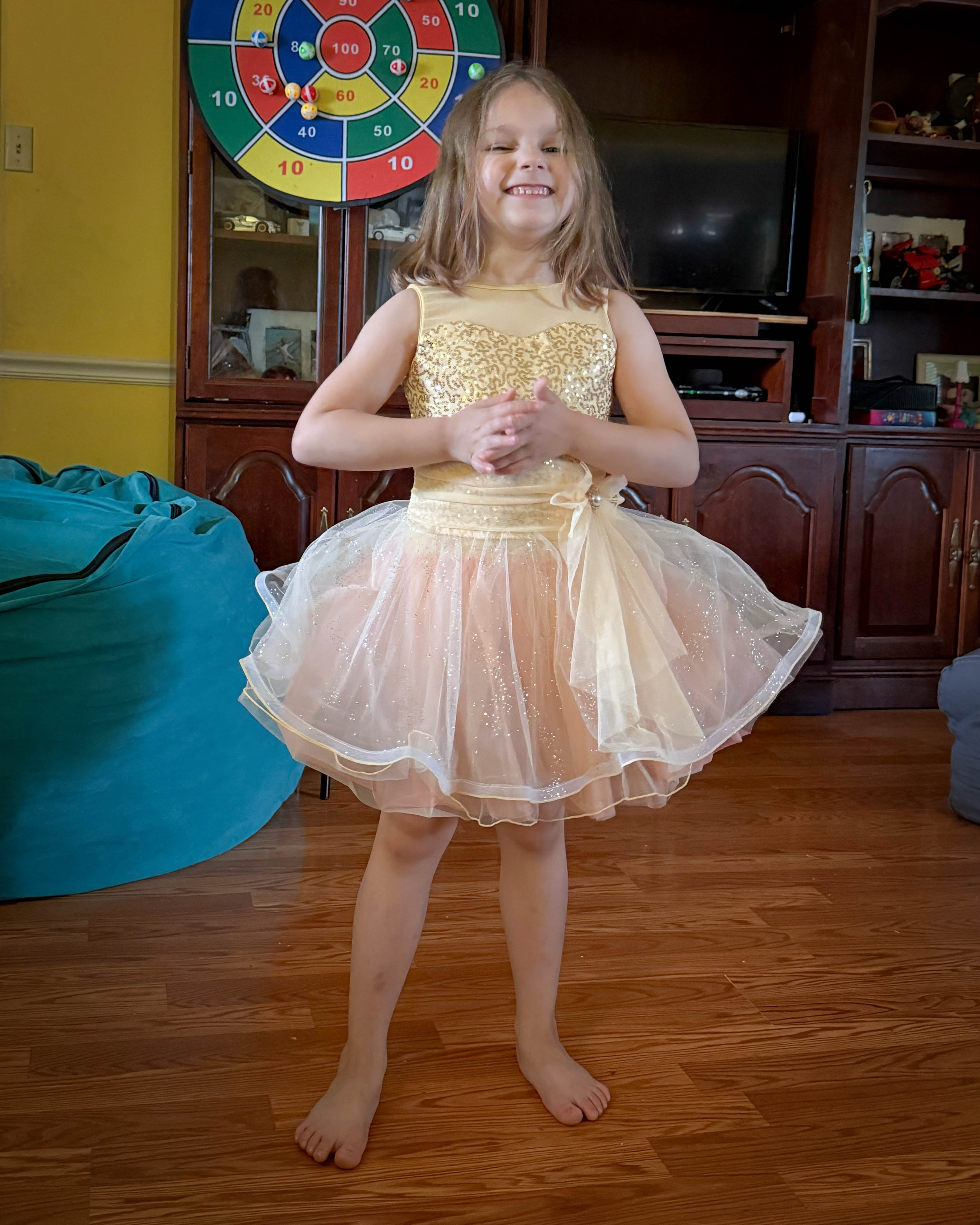
Family highlights of this reporting period were a day visit by Karyn, Ridge, and Aker (beach time at Balboa and pickleball) and a dance recital in Memphis for Sutton and Harper (we did enjoy a short visit beforehand with Jenny, Linc, and Sutton).

Being unable to play pickleball and golf because of this freak groin strain/tear has provided time to piddle around the house, doing limited yard and garden work, and spending some time in the shop, mainly organizing—or reorganizing—and constantly blowing away dust and sawdust. I did build a prototype patio side table, using mostly scrap lumber, and it turned out better than expected.

The pollinator garden continues to attract pollinators, and we continue planting pollinating flowers.

Two years ago Kay and I embarked on a quest to build a pollinator garden (actually intend an evergreen bed) to attract butterflies, bees, and hummingbirds. Thus, this is the third growing season for the garden. It has been a huge success as its first season attracted 44 species of butterflies. The season of 2025 yielded a cursory count of 27 species, though we were traveling most of June and half of July. Numbers for the 2026 season thus far (as of May 31, 2026) include 13 species.

Of course, there’s always time for photo shoots in the garden and lake side. On Saturday, May 16, only an American Lady butterfly and Calico Pennant dragonfly were photographed.

American Lady

And then on Tuesday, May 19, I hit the photo jackpot with a visit to nearby Middle Fork Barrens Natural Area. A number of beautiful wildflower blooms were photographed.

Also, a few butterflies were flitting about, including male Diana Fritillaries, a target species for the visit.

And a solitary dragonfly landed long enough to be photographed.

On Wednesday, May 20, a Great Spangled Fritillary and Northern Brokendash honored us with their presence.

Not to be outdone, a Calico Pennant and Eastern Amberwing, respectively, landed for photographs.

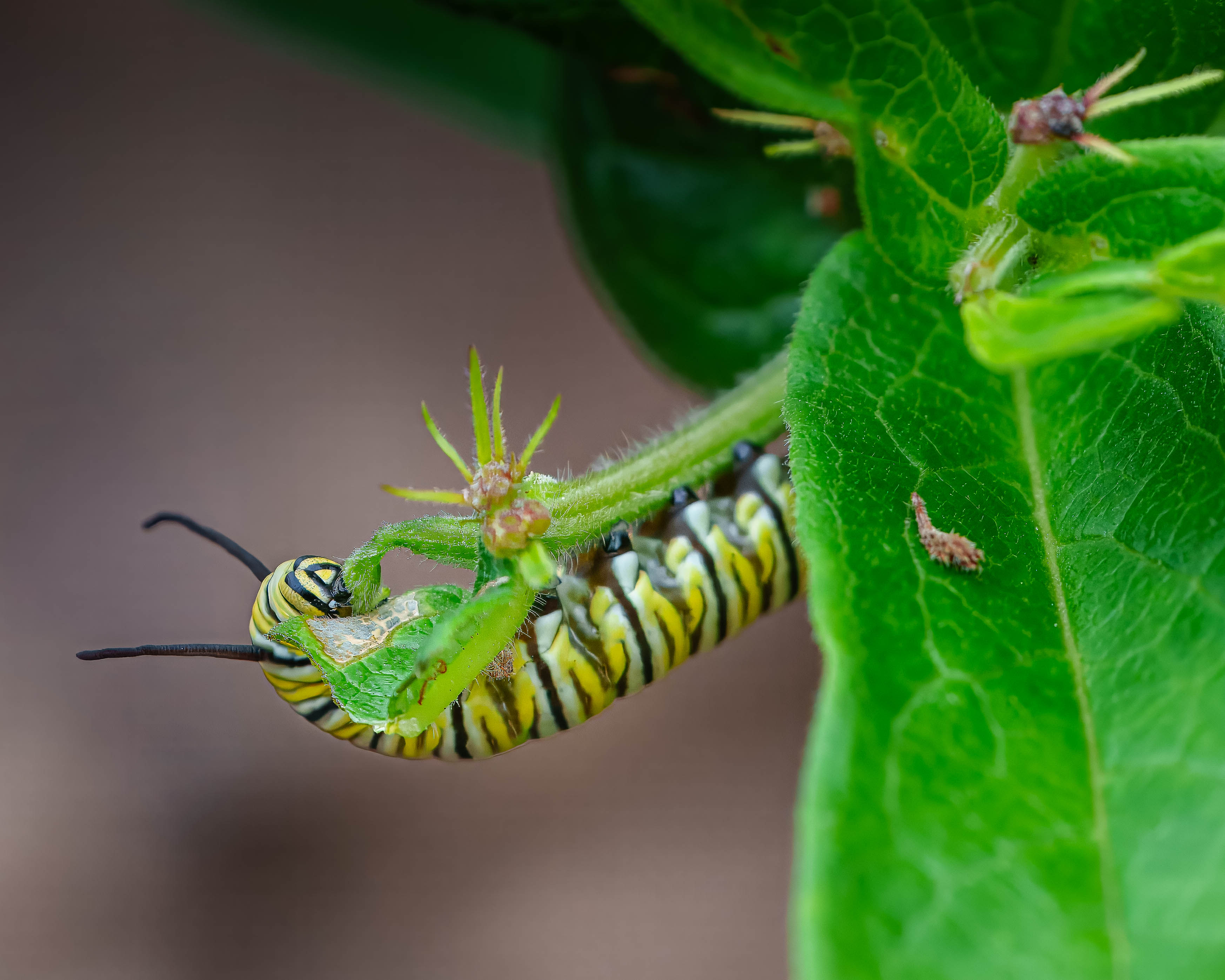
On the following day, a Monarch caterpillar was spotted munching on a butterfly weed leaf—it was our first Monarch caterpillar. And then, a Gray Hairstreak and an adult Monarch showed up.

And then to end the month of photos, a Northern Cloudywing and a male Diana Fritillary were observed nectaring on Tuesday, May 26.

Thursday through Thursday, April 16-30, 2026—Finally Rain

Another couple of weeks of beautiful weather occurred during this reporting period, including a couple of days of slow, penetrating rain. Otherwise, great temperatures and mostly blue skies surrounded the area. The much needed rain did wonders for our plants, and for the golf courses in Hot Springs Village. However, we are still in a serious drought with no significant relief in sight.

Kay continues playing pickleball and golf at least a few days each week, and I have only ventured out when persistent injuries heal enough to allow. Interestingly, while watching our grandson play basketball on Sunday, April 25, 2026, I reached out to catch a player diving the sidelines for a basketball, and pulled a groin muscle. Though it didn’t pop, a jolt of fire was felt. And then as the month drew to an end, an upper respiratory cold began; 7-10 days of feeling miserable. Consequently, my activities were limited to taking a few photographs as both pickleball and golf were not in the “picture”; sorry for the pun.

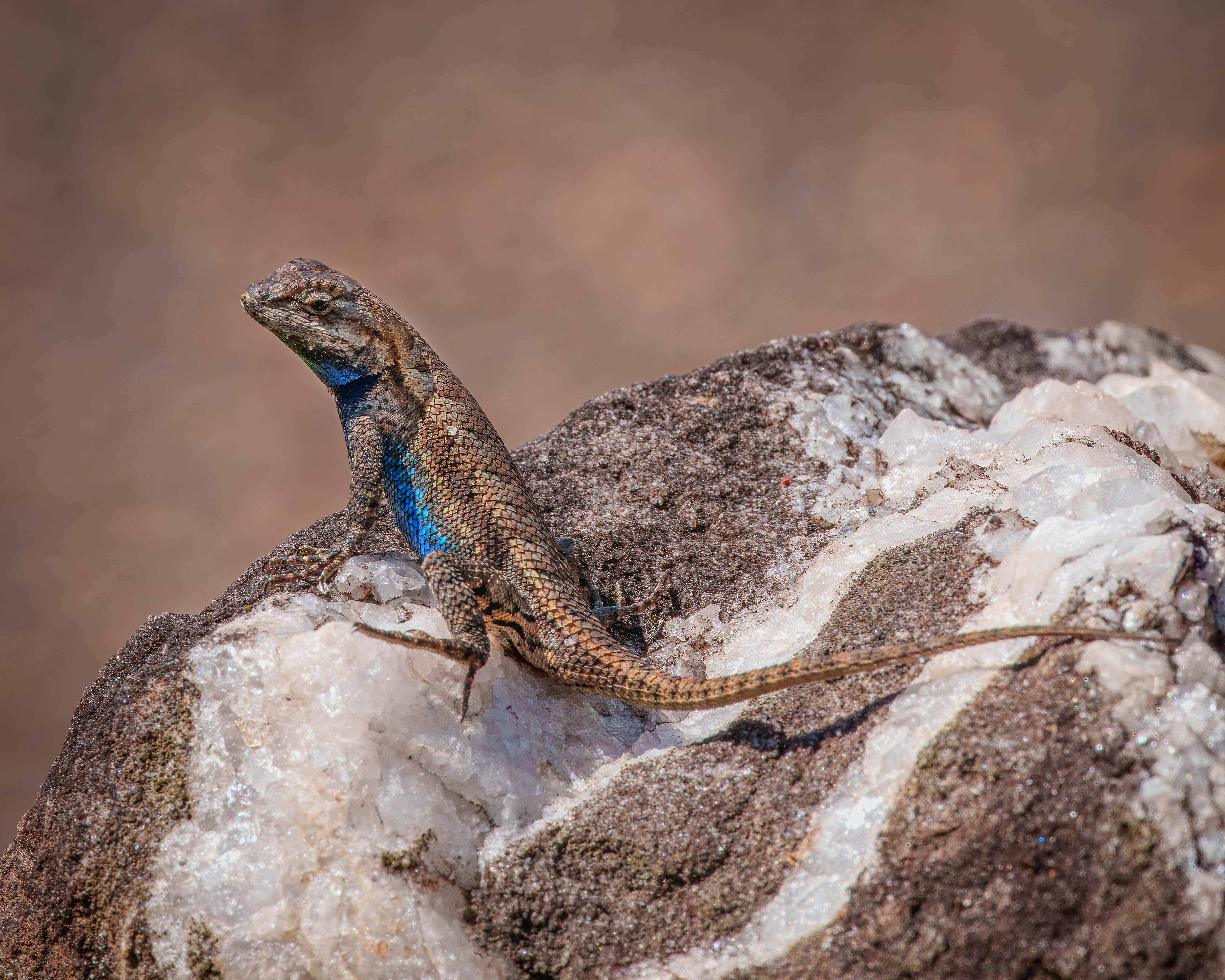
Around the property, only a Western Fence Lizard (aka Blue-bellied Lizard) was photographed.

Western Fence Lizard

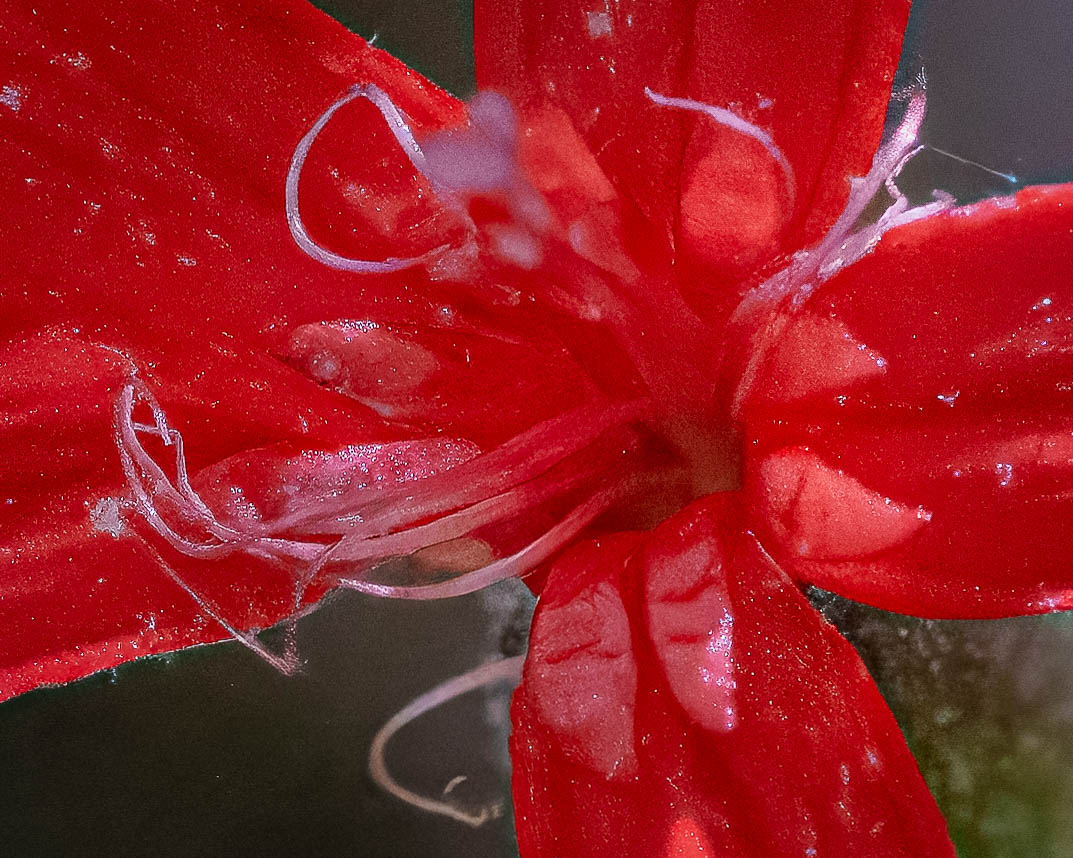
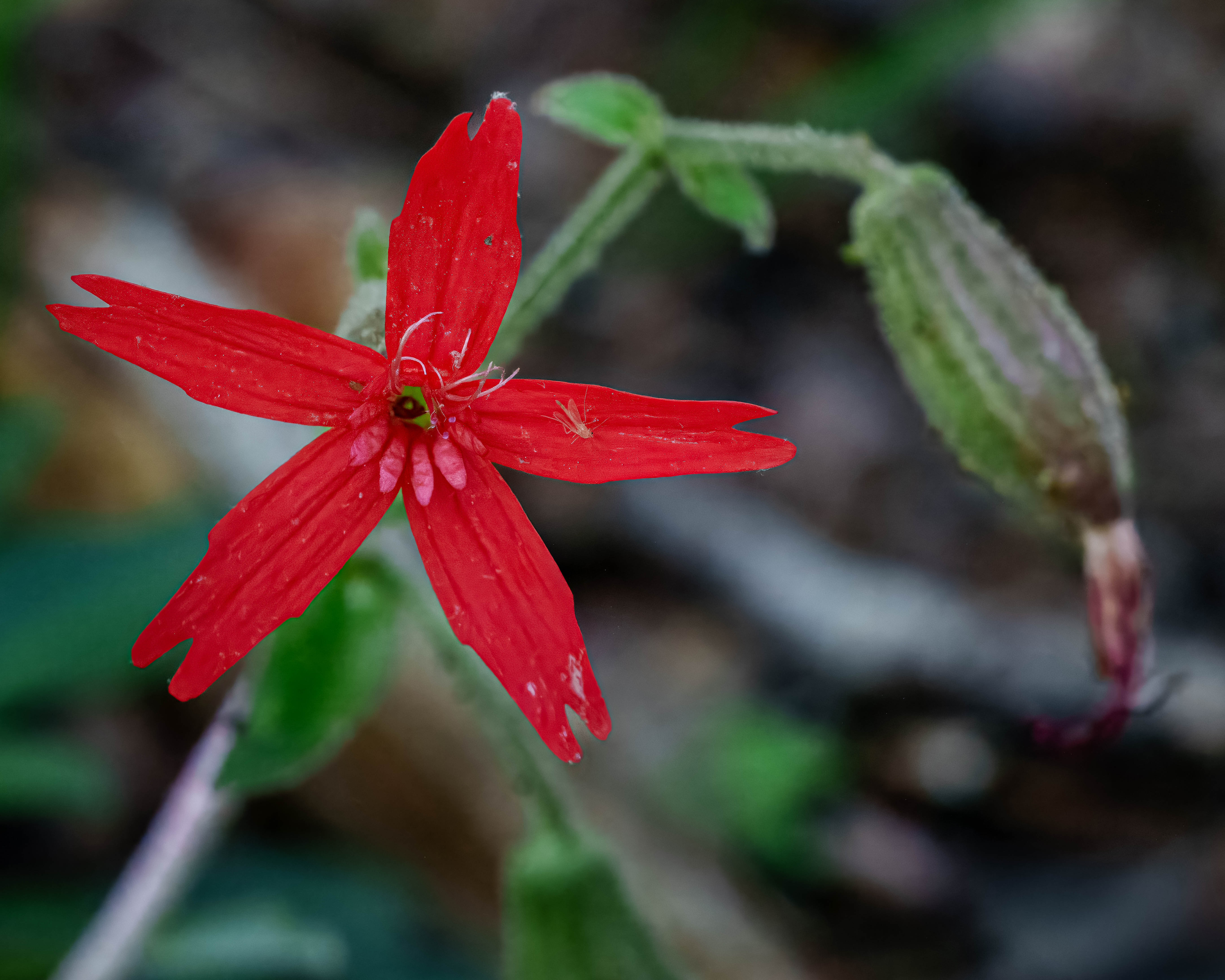
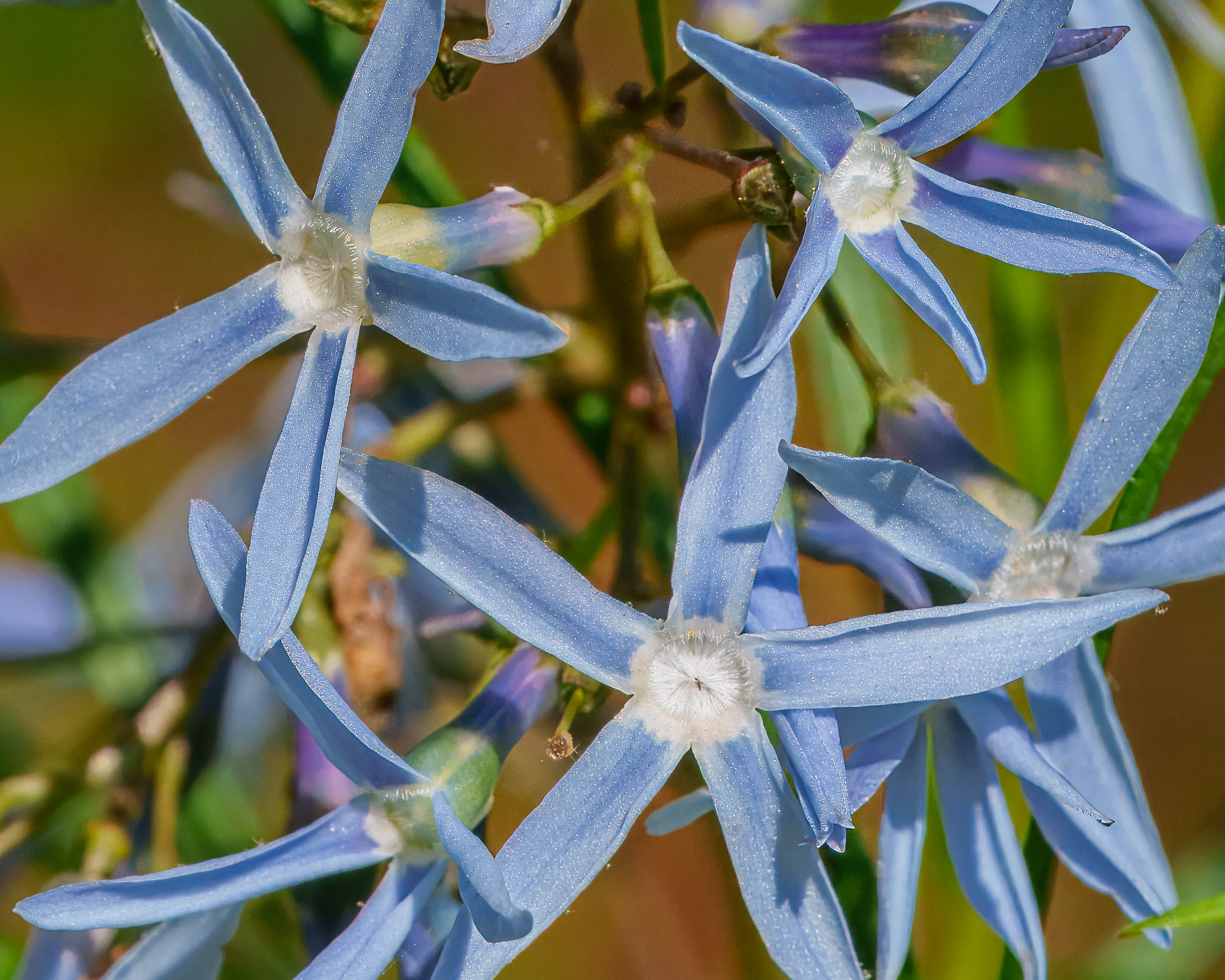
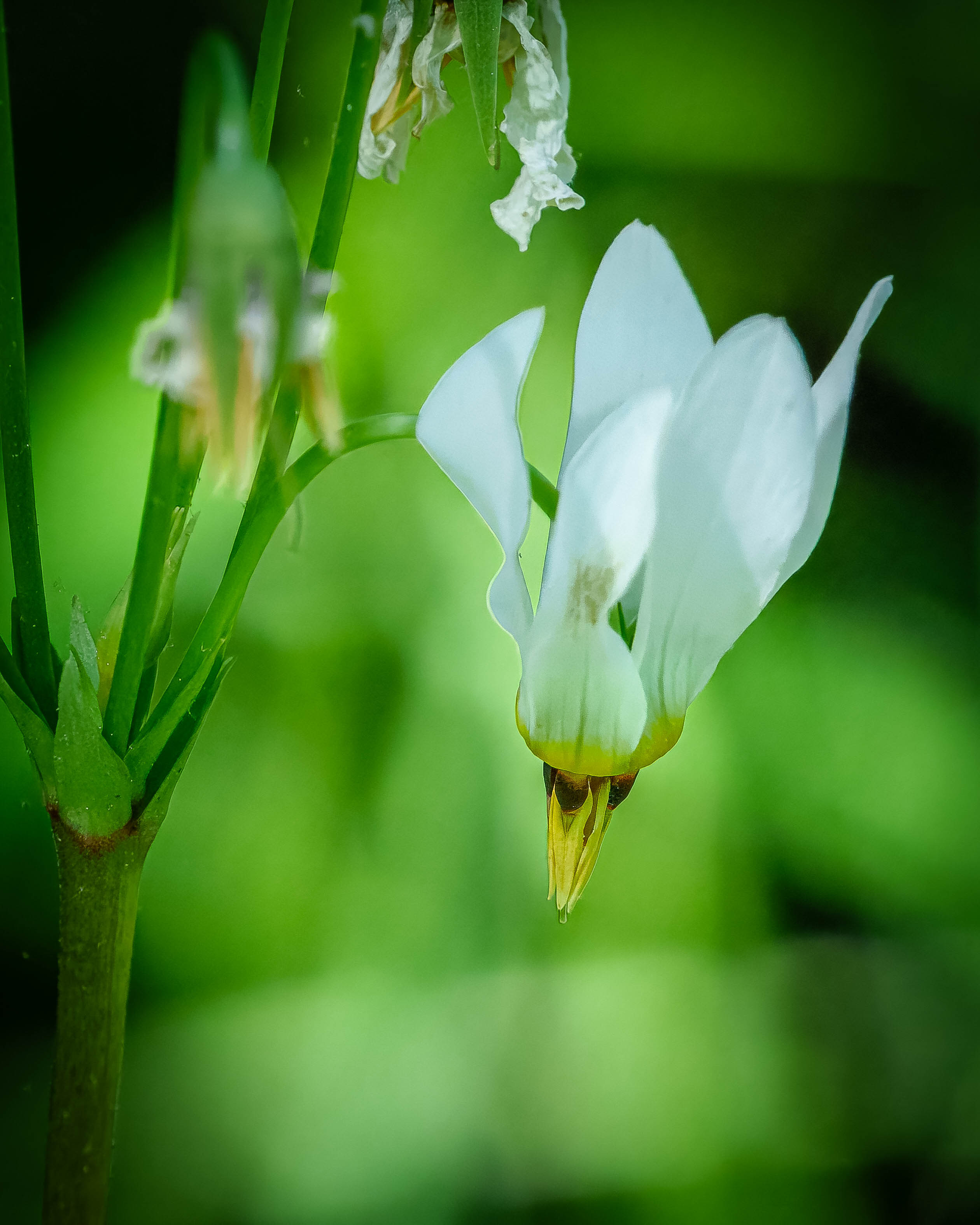
The highlight of the period, however, was a brief trip to Middle Fork Barrens Natural Area, my first of the year. And was it worth it—butterflies, dragonflies, and wildflower blooms. My target wildflowers were the Fire Pink, the Blue Star, and the Shooting Star, and I was not disappointed.

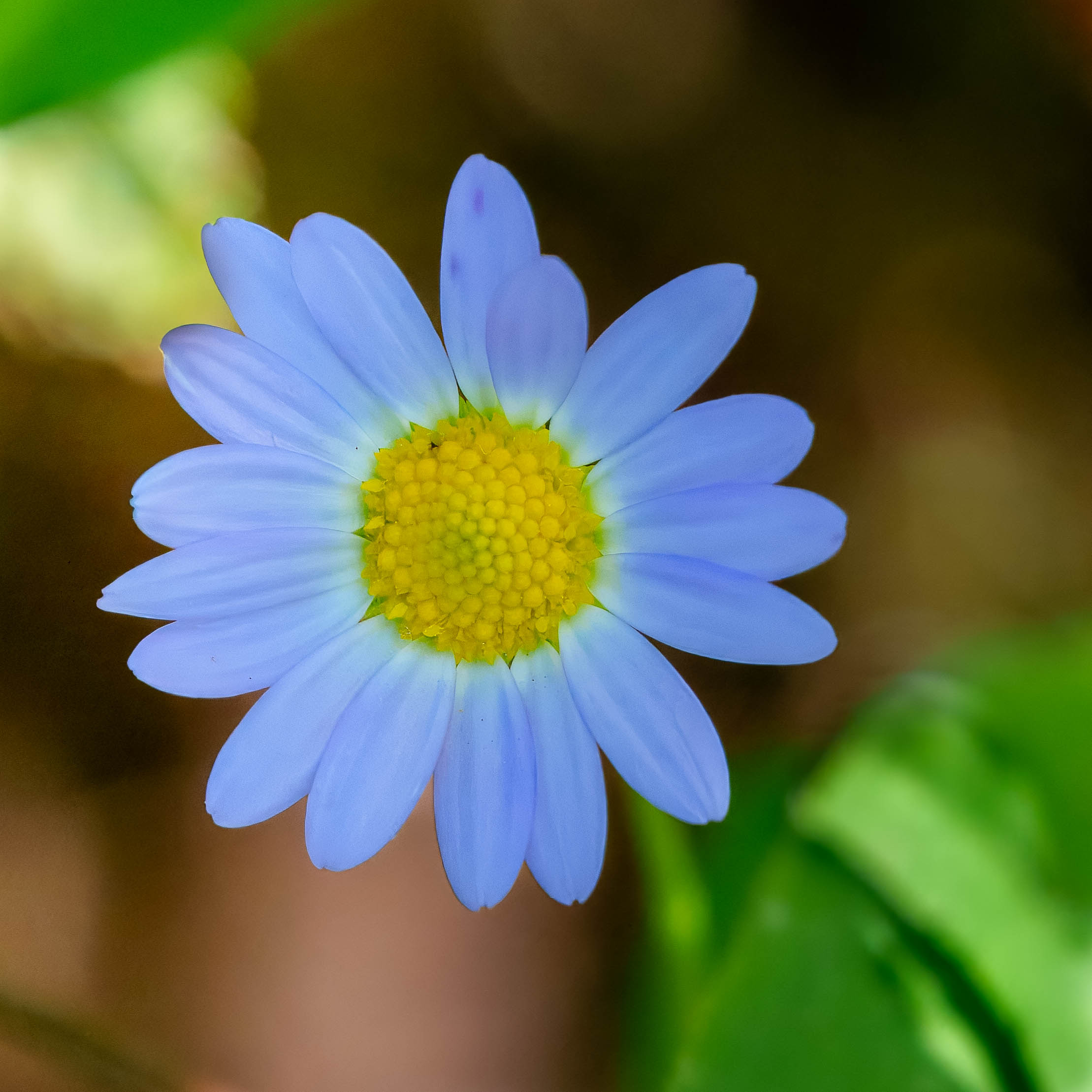
Blue Star
Shooting Star

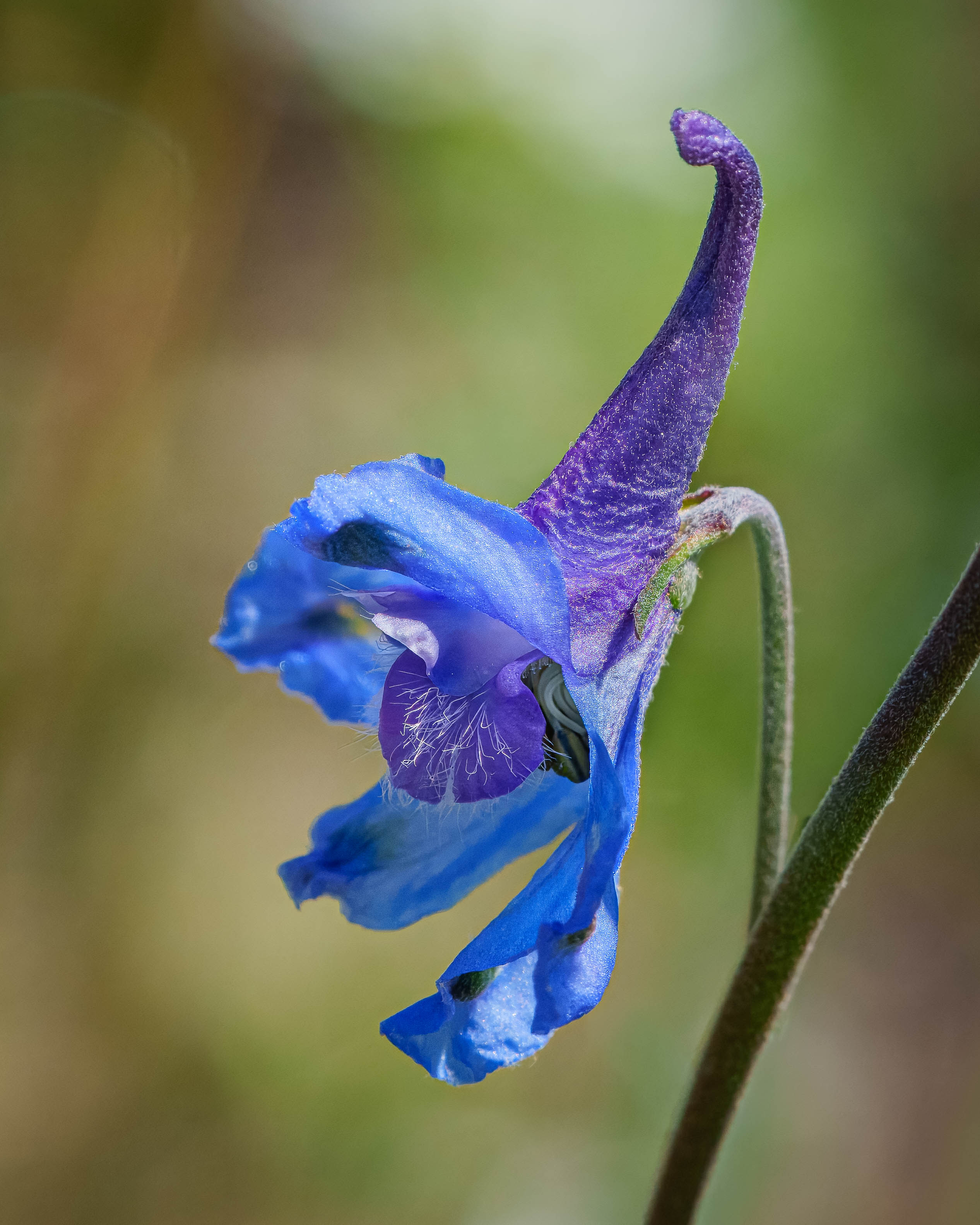
Another of my favorites was the Carolina Larkspur.

Carolina Larkspur

There were many other wildflowers in bloom.(Remember you can click on the image, or click twice, to enlarge it for a much better view.)

Not to be overlooked, a few dragonflies landed long enough to be photographed.

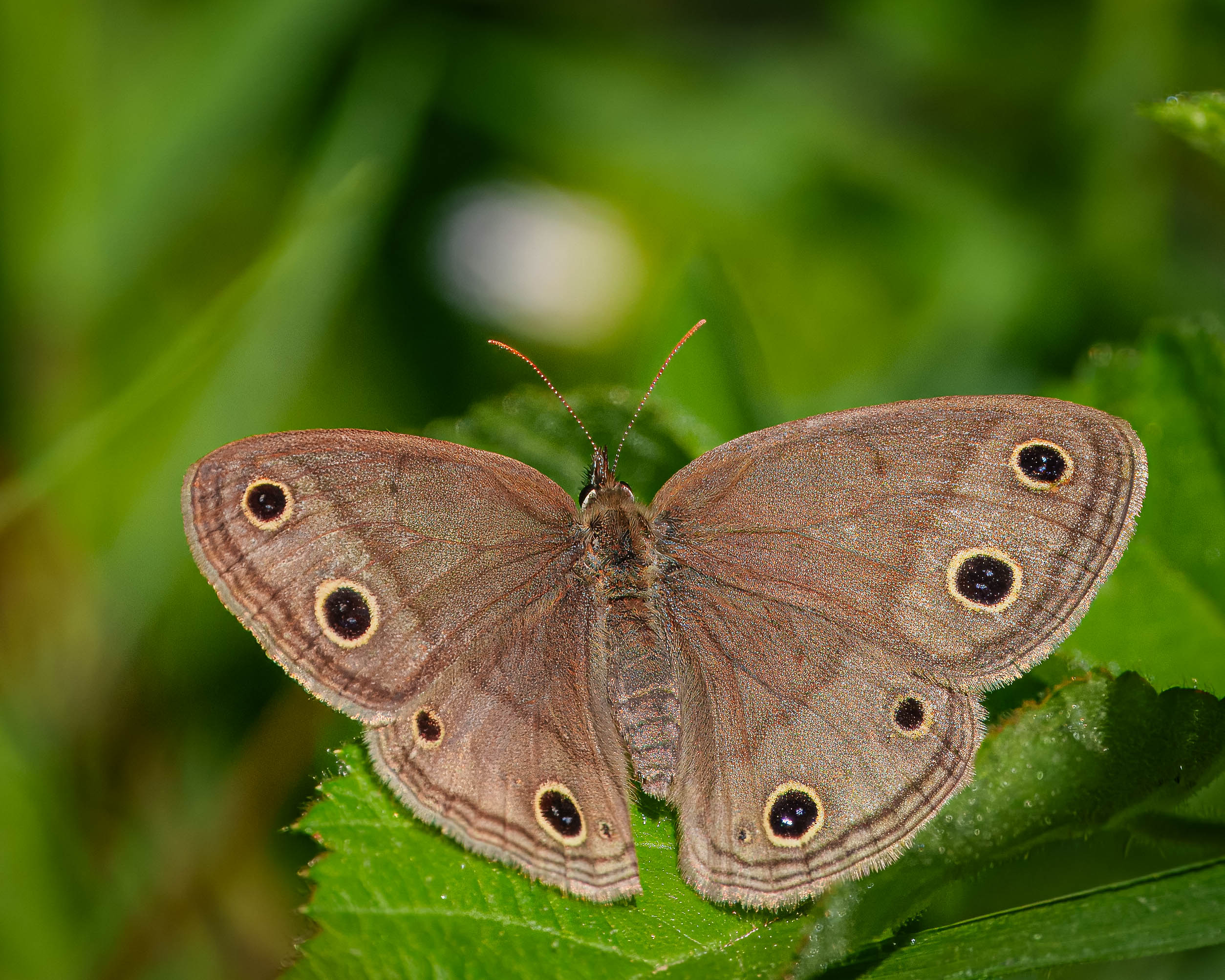
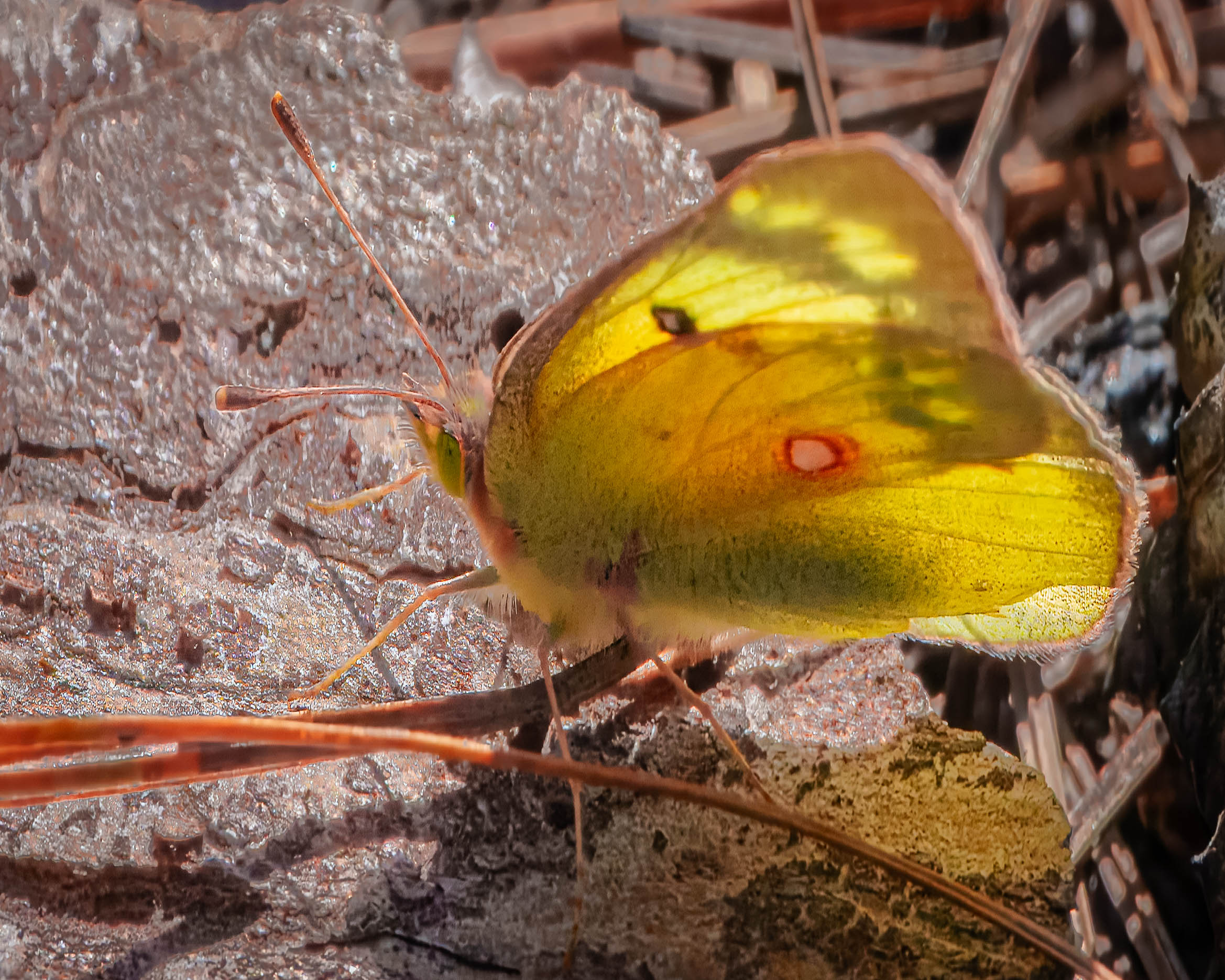
Several butterflies were flitting about, mostly Little Wood-satyrs. Others seen were a Clouded Sulphur, Variegated Fritillary, Red-banded Hairstreak, and Common Buckeye.

Monday through Tuesday, March 16-31, 2026—Beginning of Spring

This was a truly uneventful period for us as nothing extraordinary happened; it was all about golf, pickleball, and normal day-to-day activities. This period was warm and very dry. Having planted almost 75 butterfly and hummingbird attracting plants, we’ve had to water almost daily as the irrigation system has not yet been activated.

While looking at photo files for including in this post, it was discovered that I only photographed two days this period—perhaps too much wind or too many conflicts. Regardless, I need to shoot more! Here are the results of the two days’ of shooting.

A hike on Cedar Creek Trail in Hot Springs Village on March 24 resulted in the best day of photography this year.

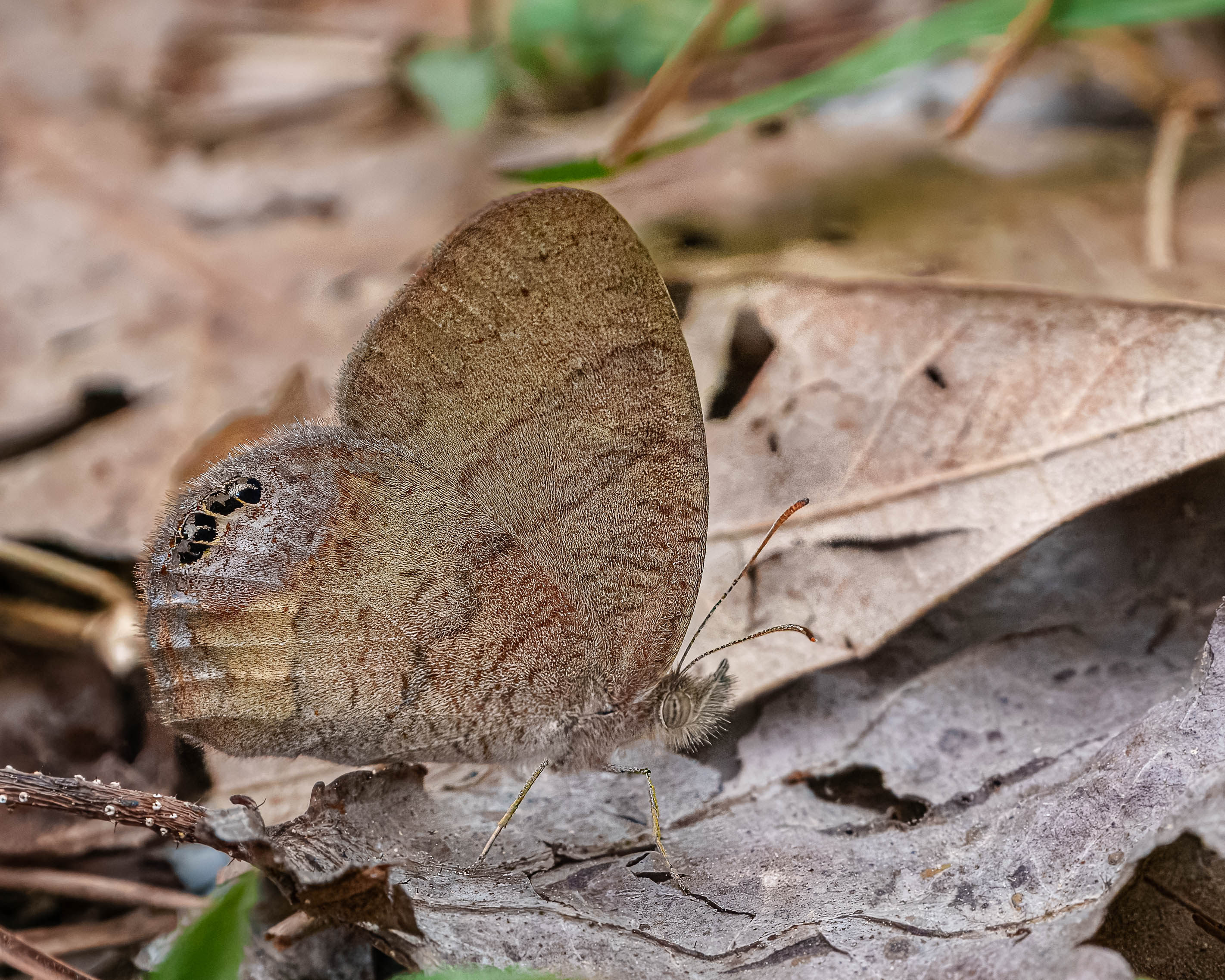
During the hike, at about 2 o’clock PM, butterflies began “coming up” and a few actually were still enough for photos. This “fresh” Gemmed Satyr was the first to be spotted. 

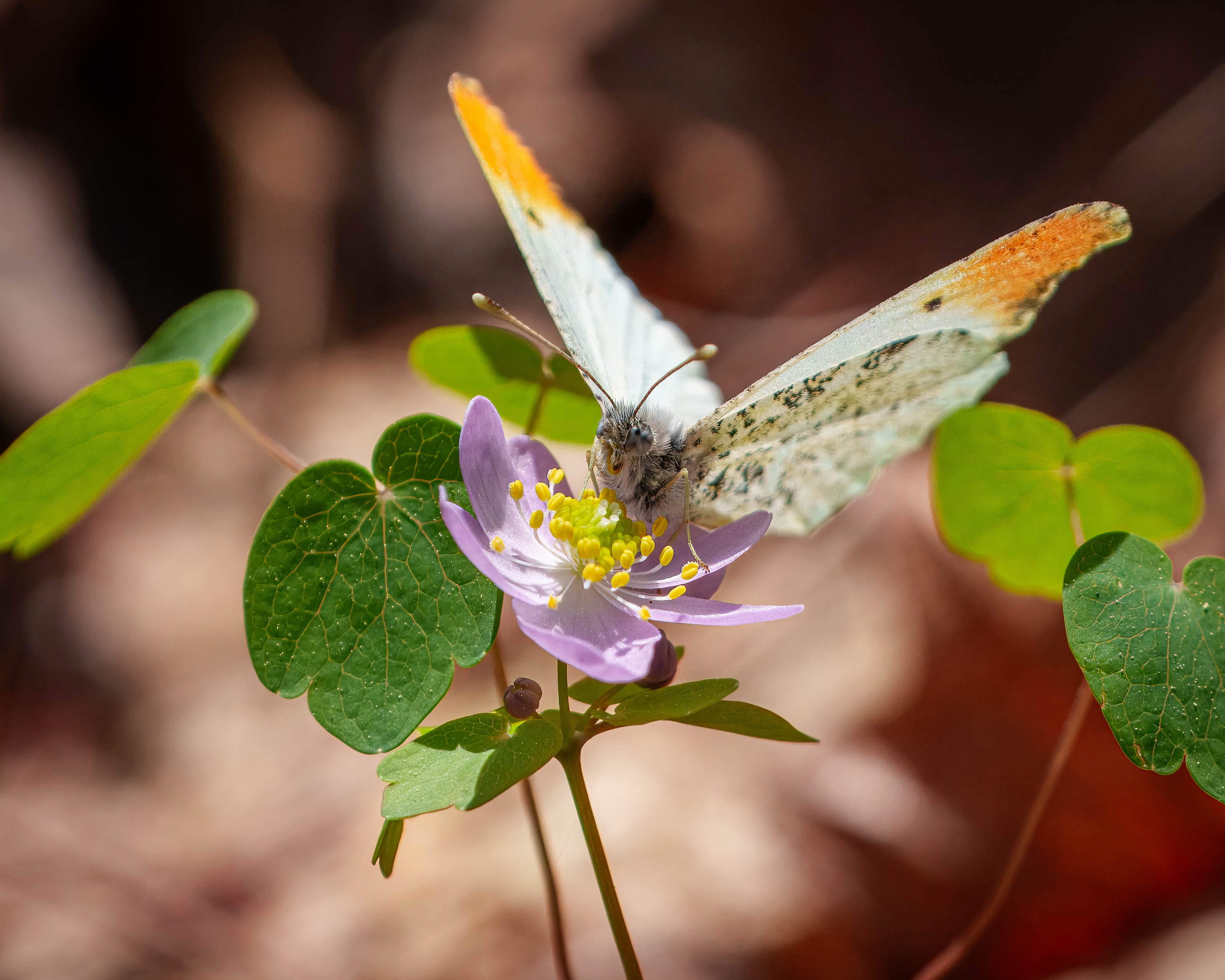
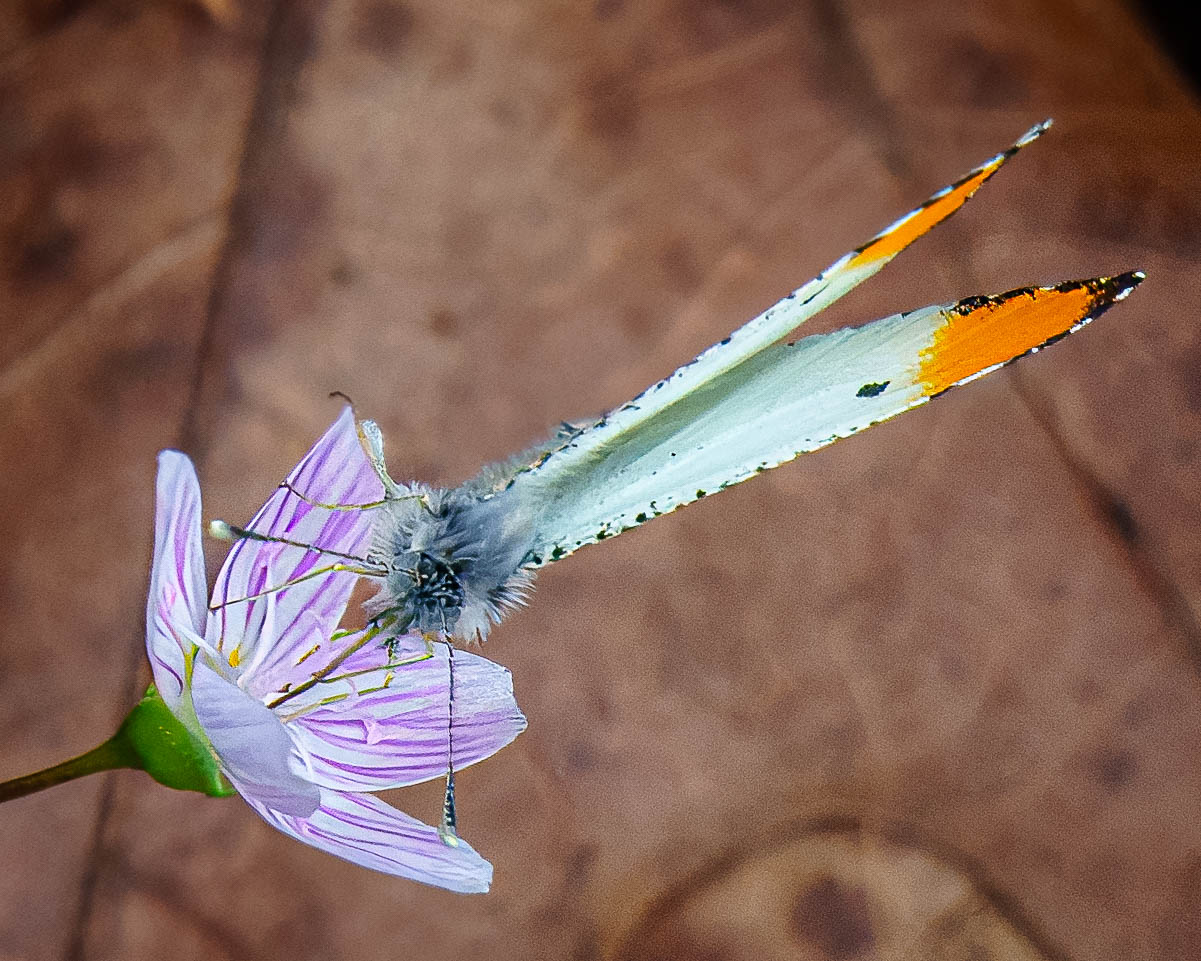
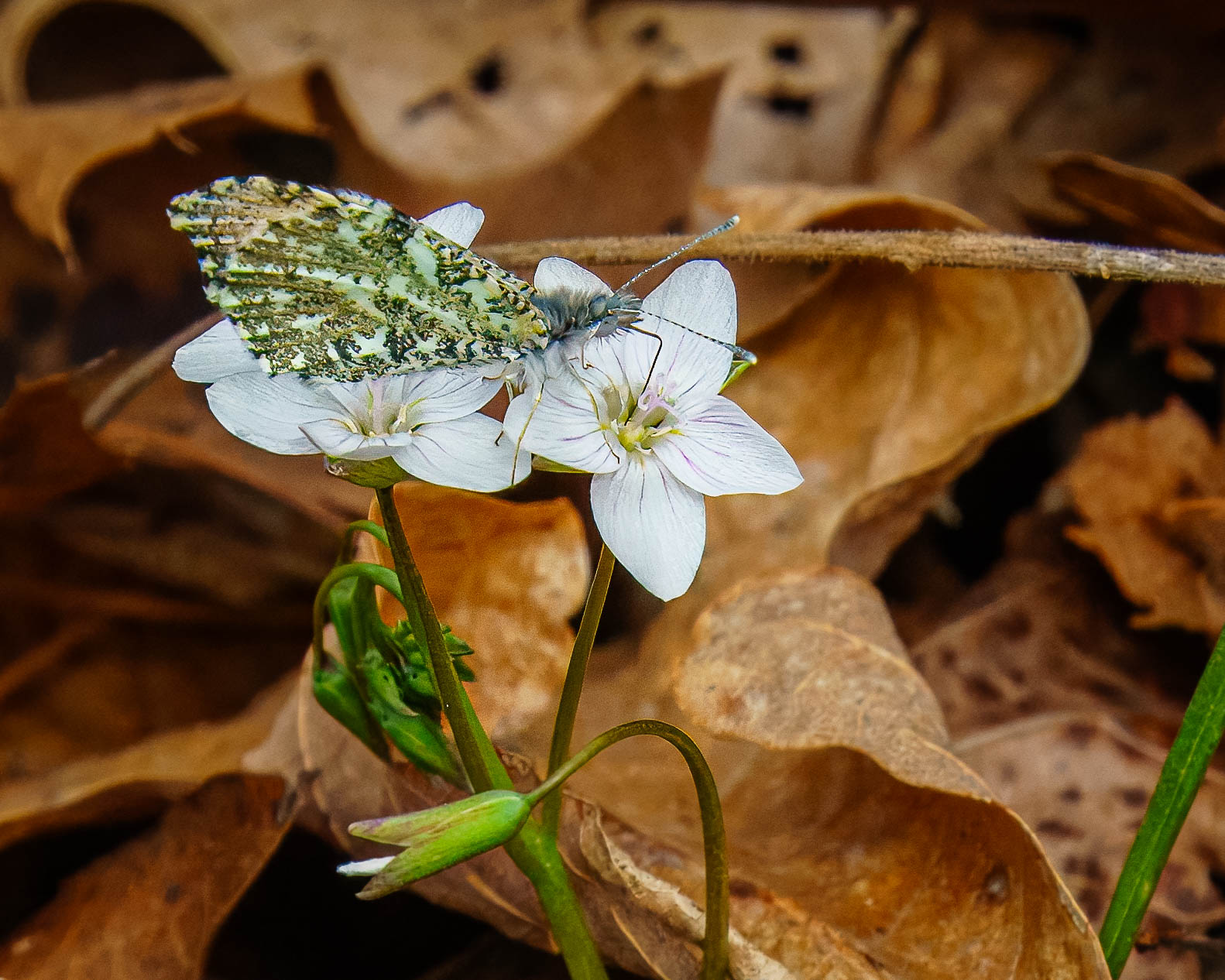
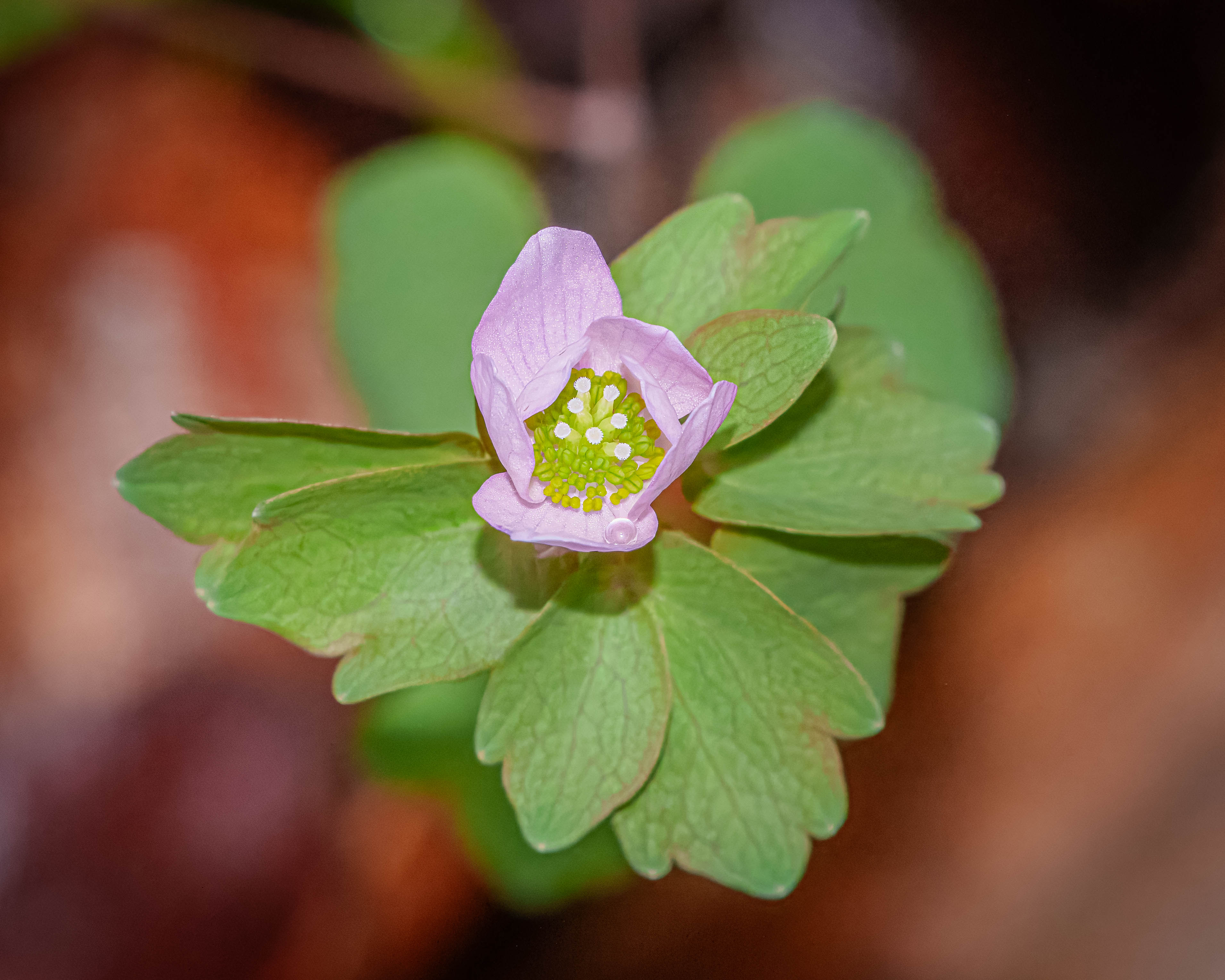
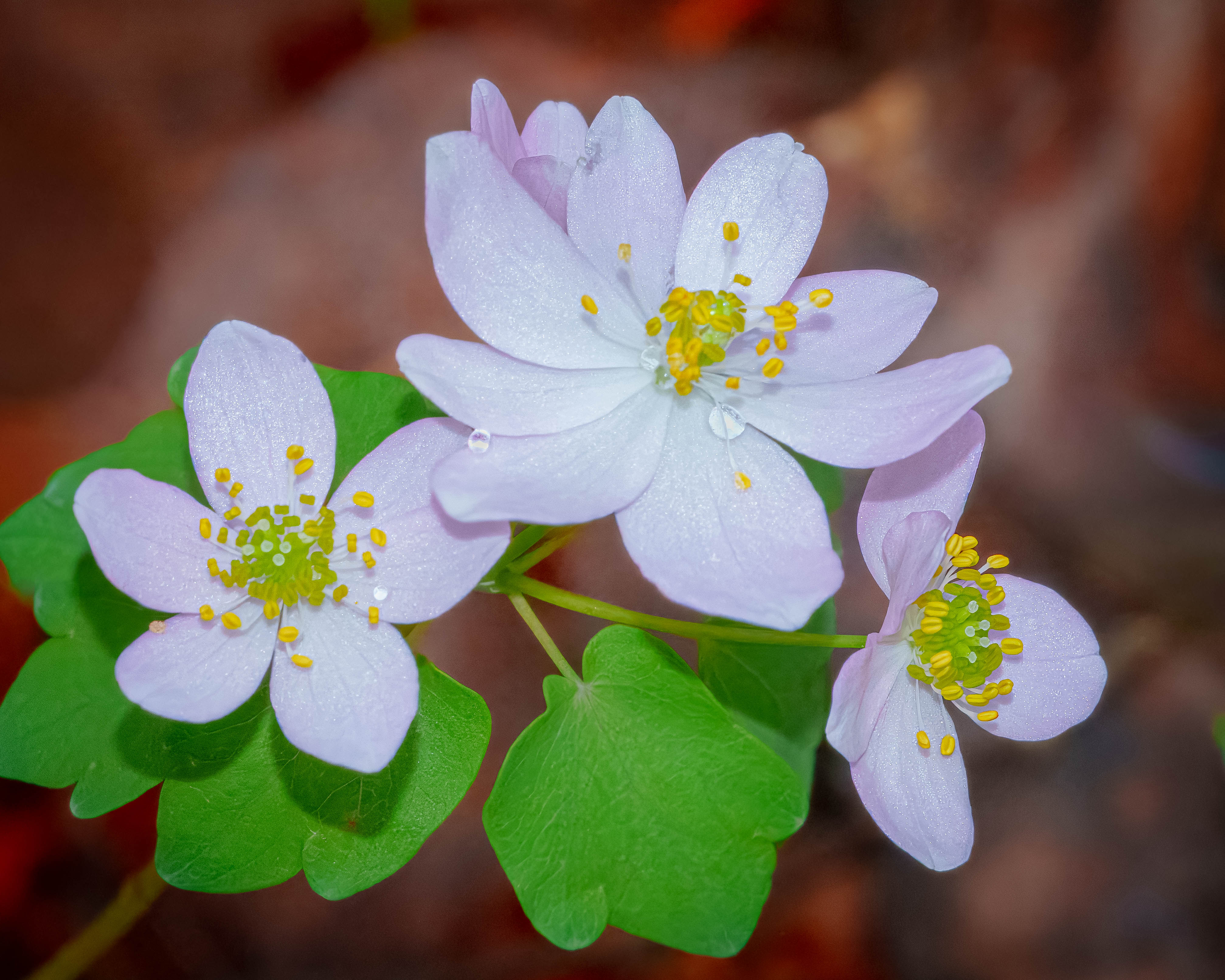
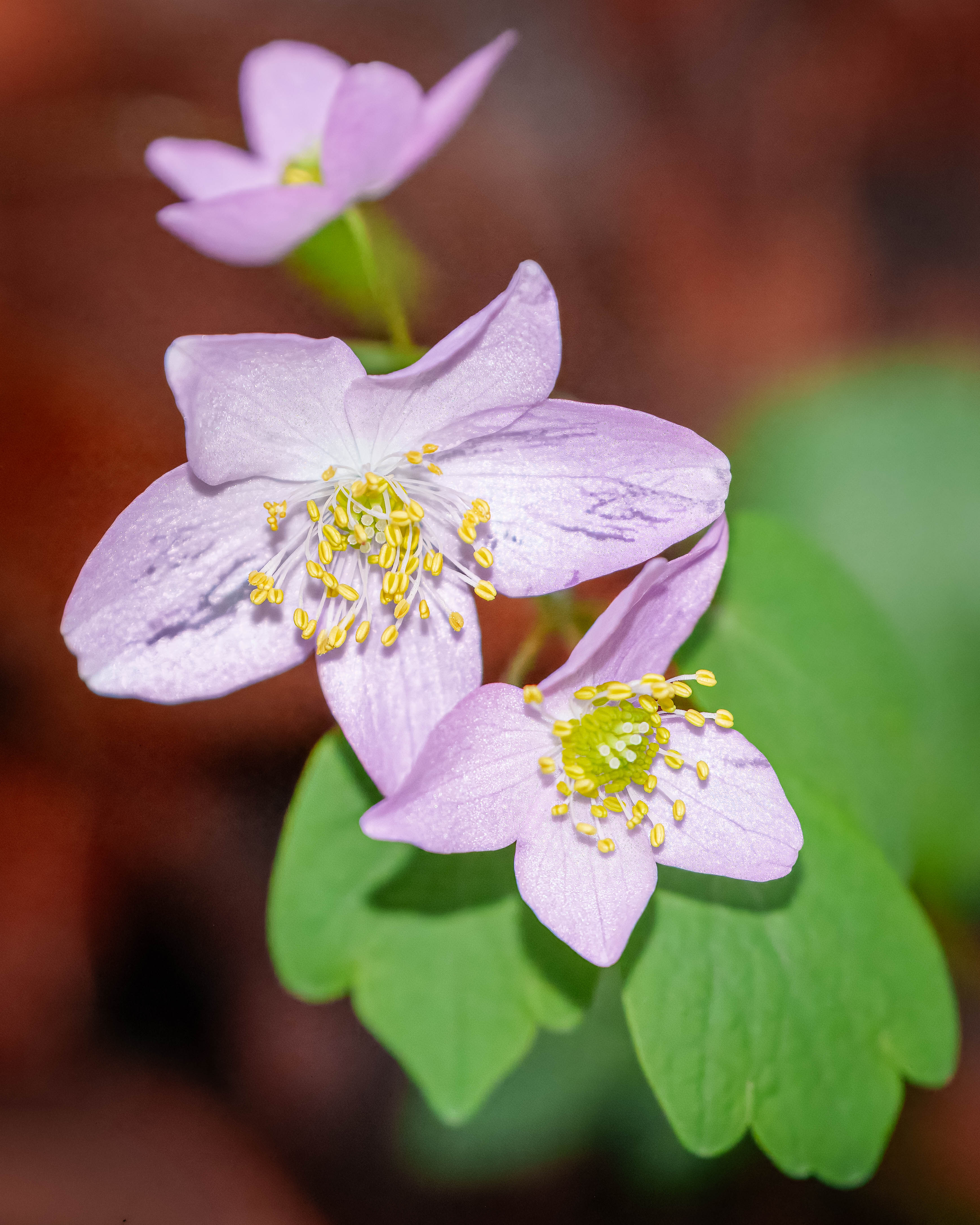
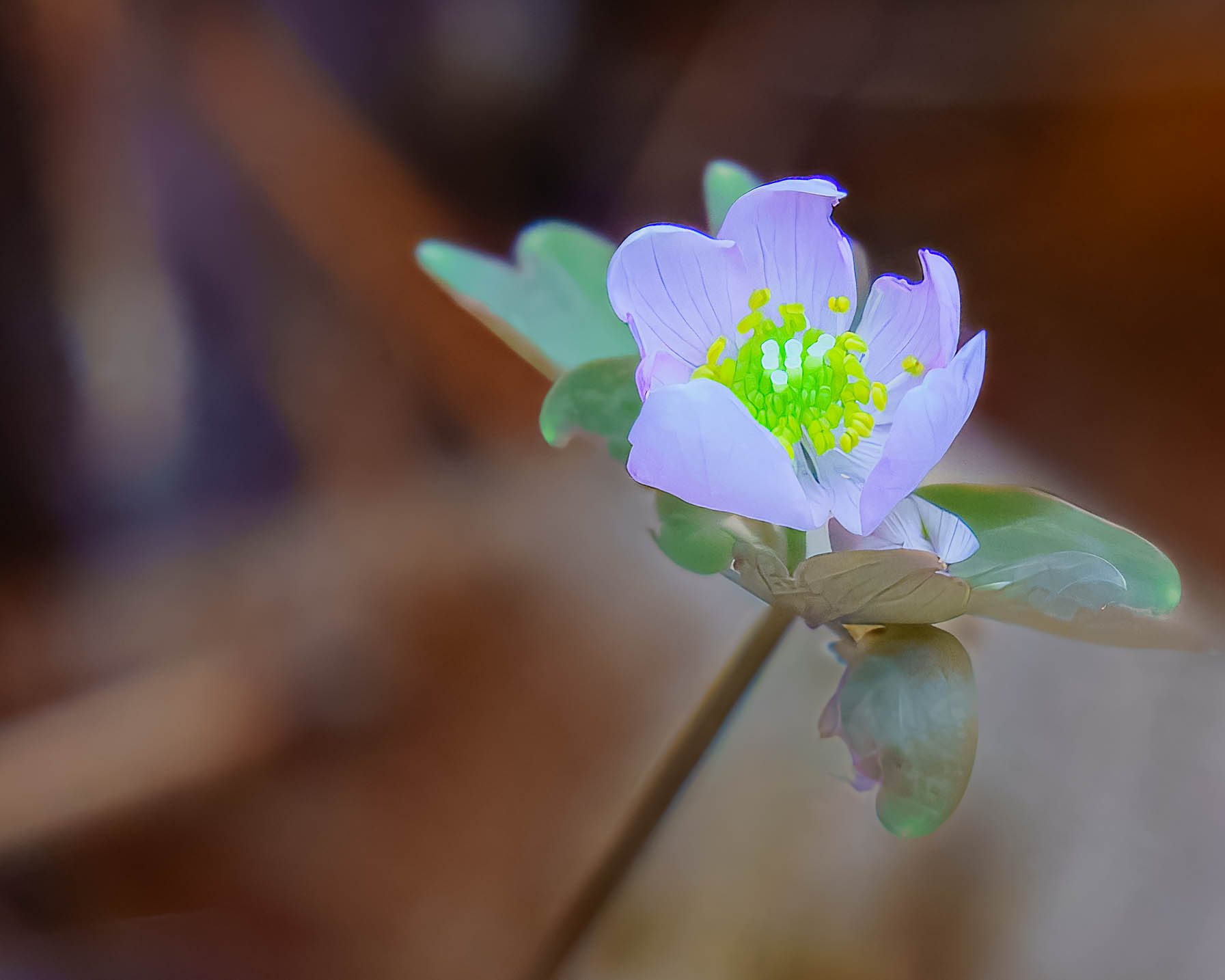
And then a male Falcate Orangetip fluttered by and landed a nearby Rue Anemone bloom.

An attractive Juvenal’s Duskywing was observed next.

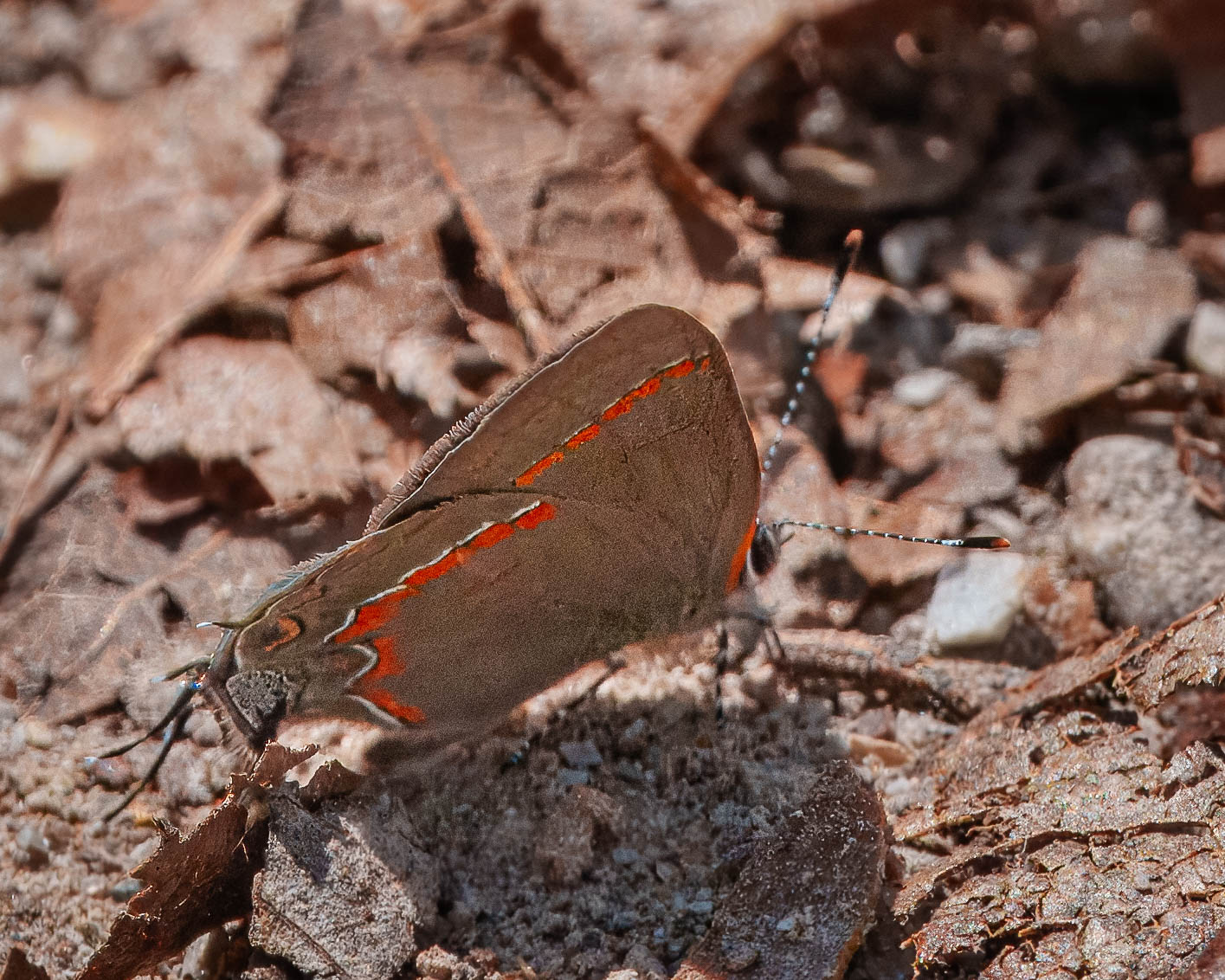
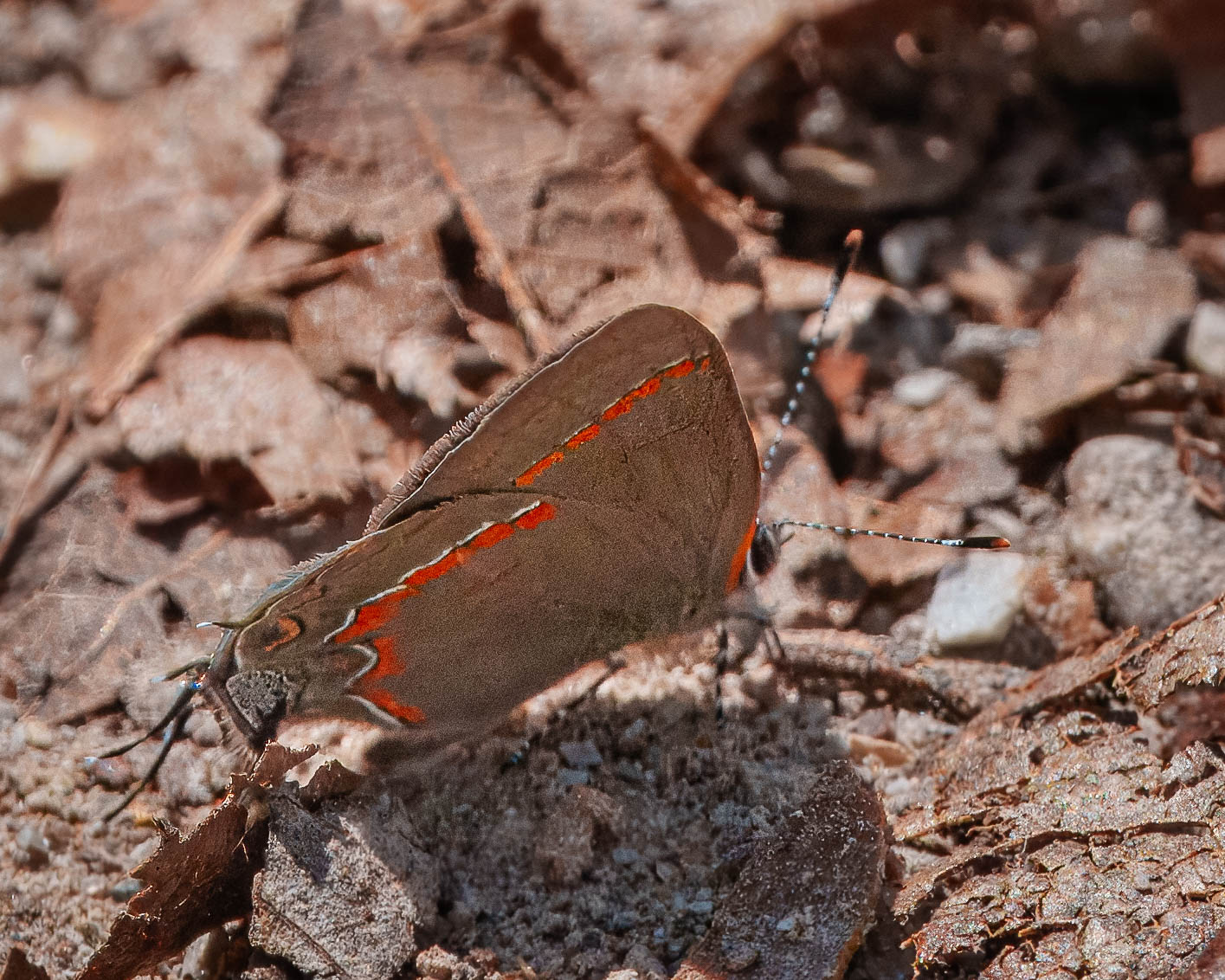
And then, a Red-banded Hairstreak was settled just enough for one photograph.

Also, a Beautiful Stream Cruiser dragonfly perched for a picture.

And it was an exceptional day for wildflowers as well. 

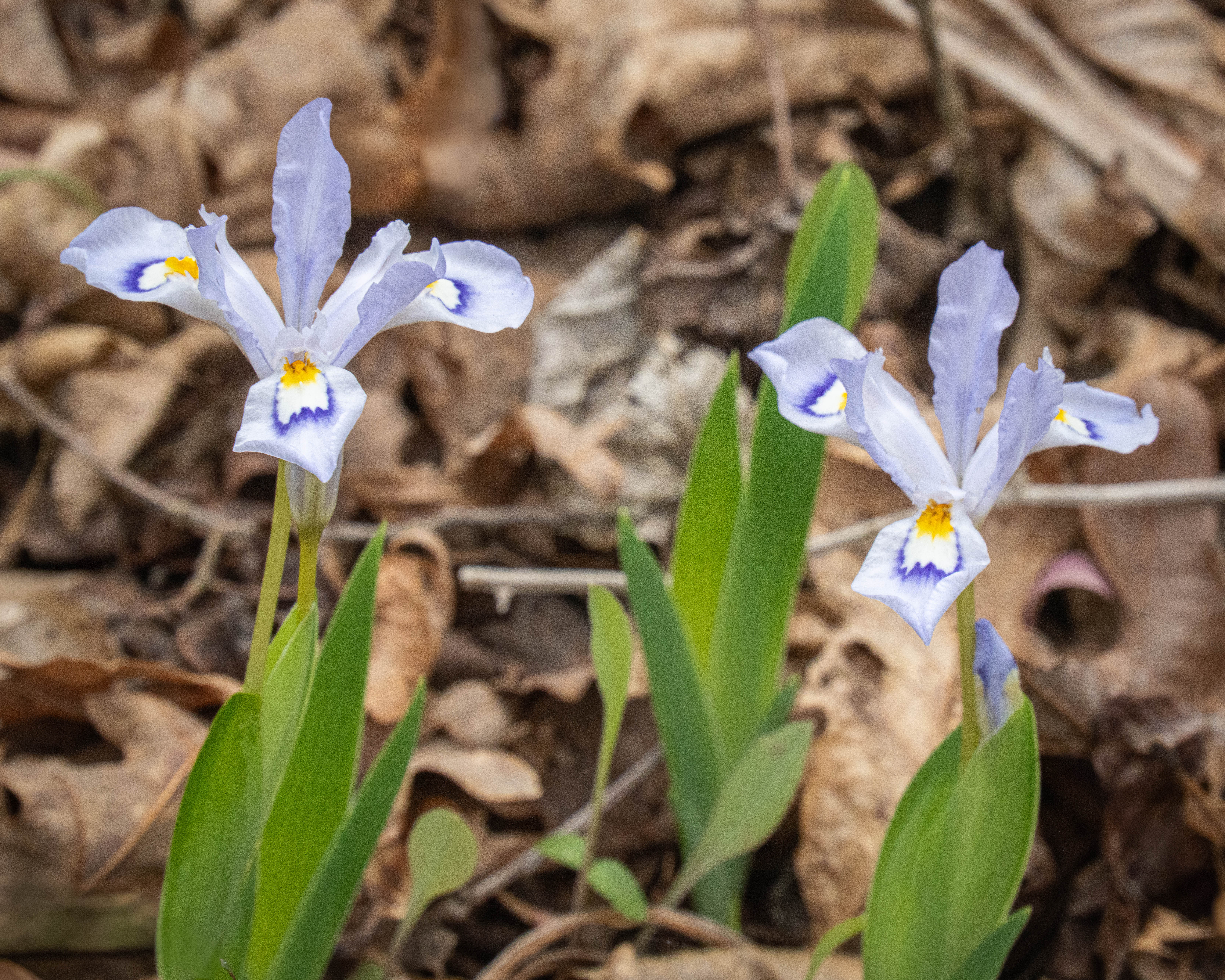
The year’s first (as least for me) Dwarf Crested Iris was blooming seemingly everywhere on the forest floor.

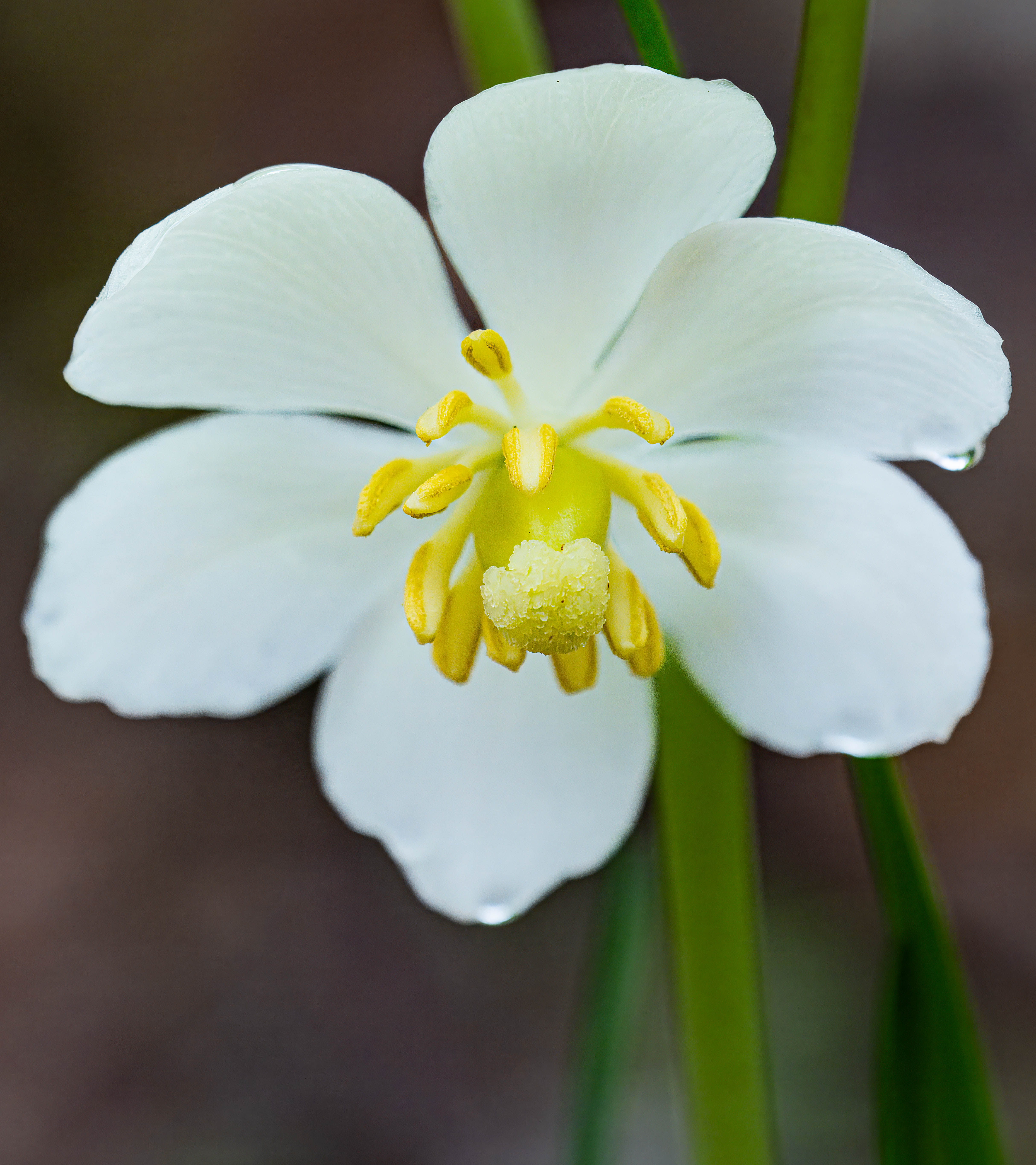
And an occasional Mayapple bloom could be seen.

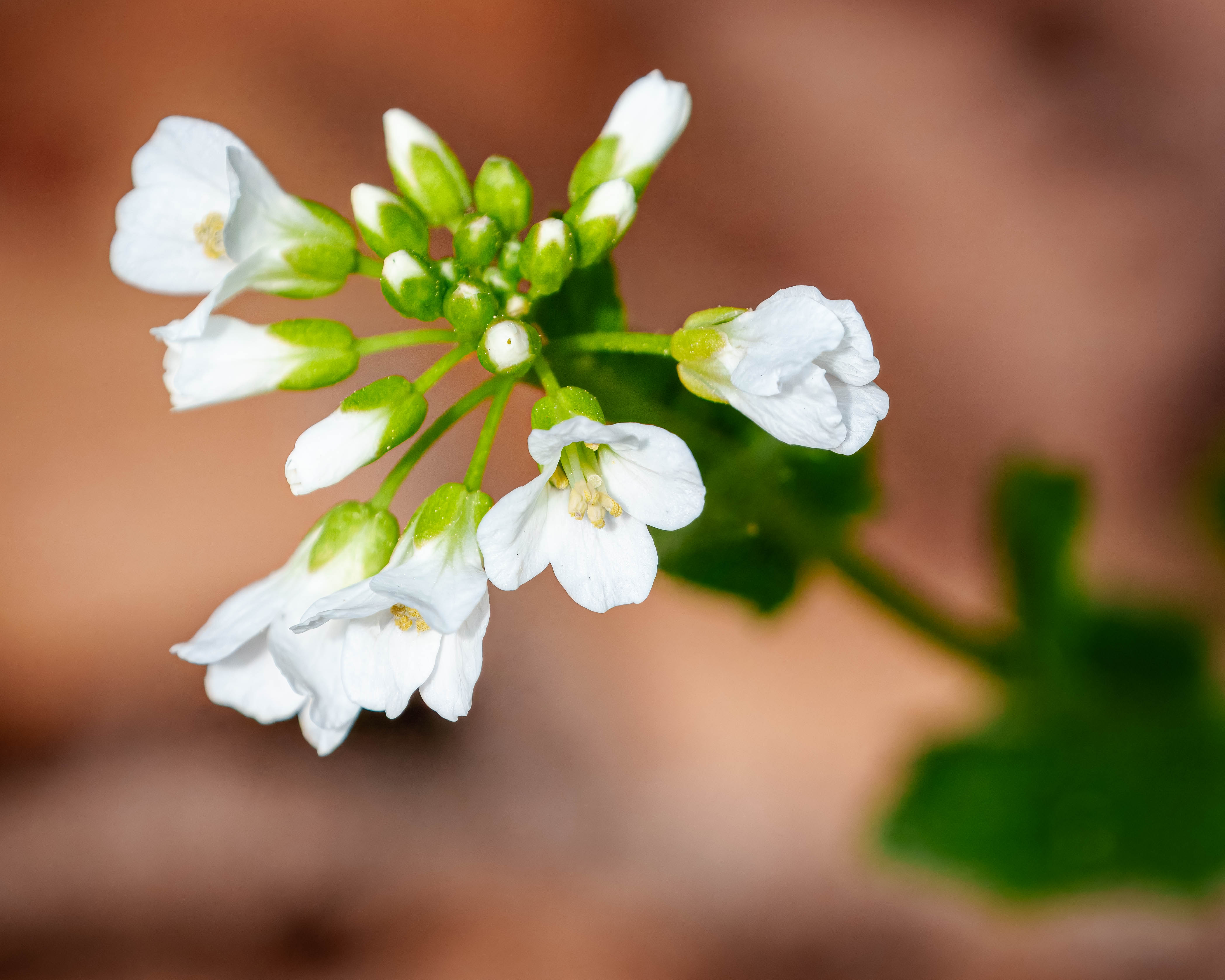
A first-of-season Watercress was photographed as was a first-of-season Dog Violet.

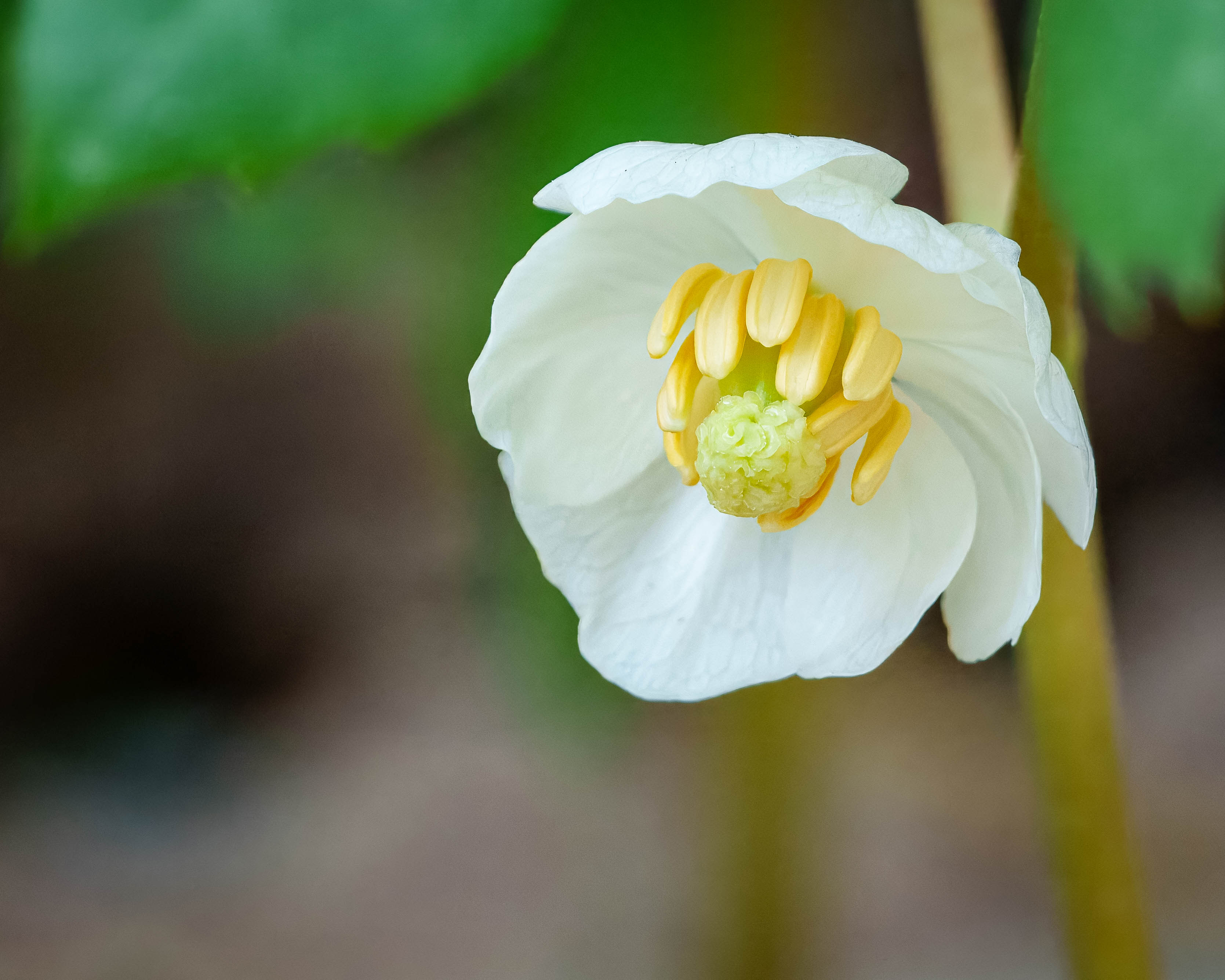
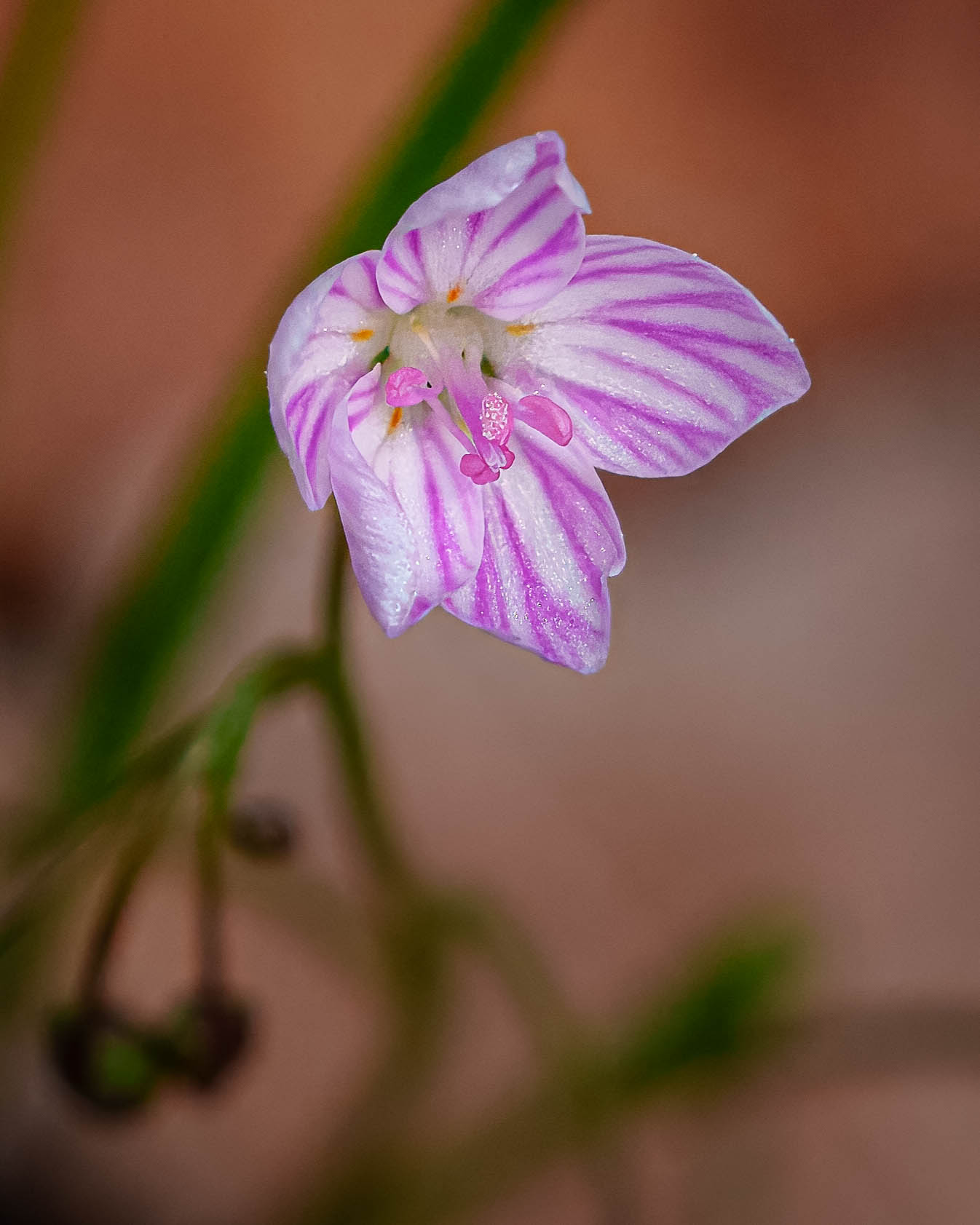
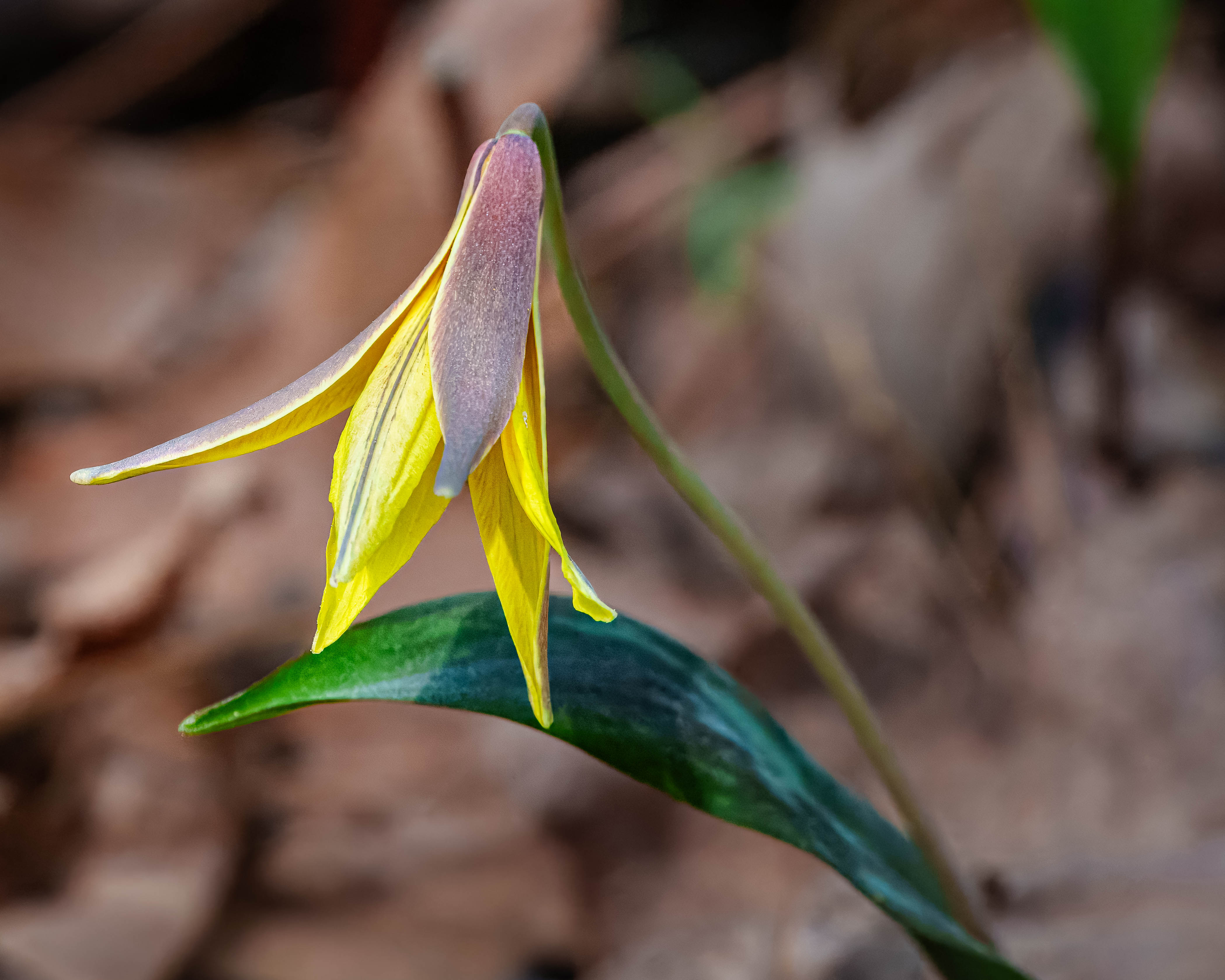
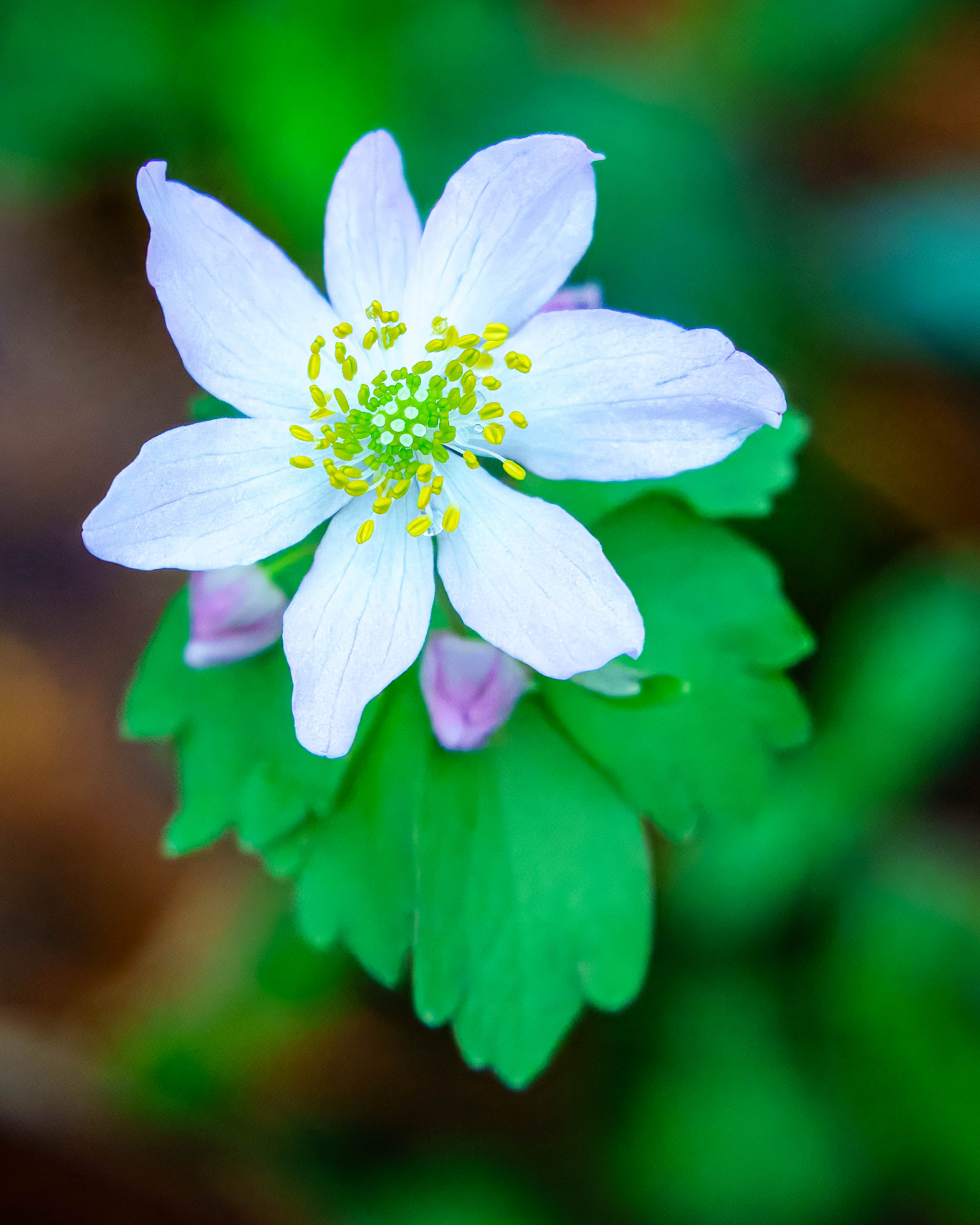
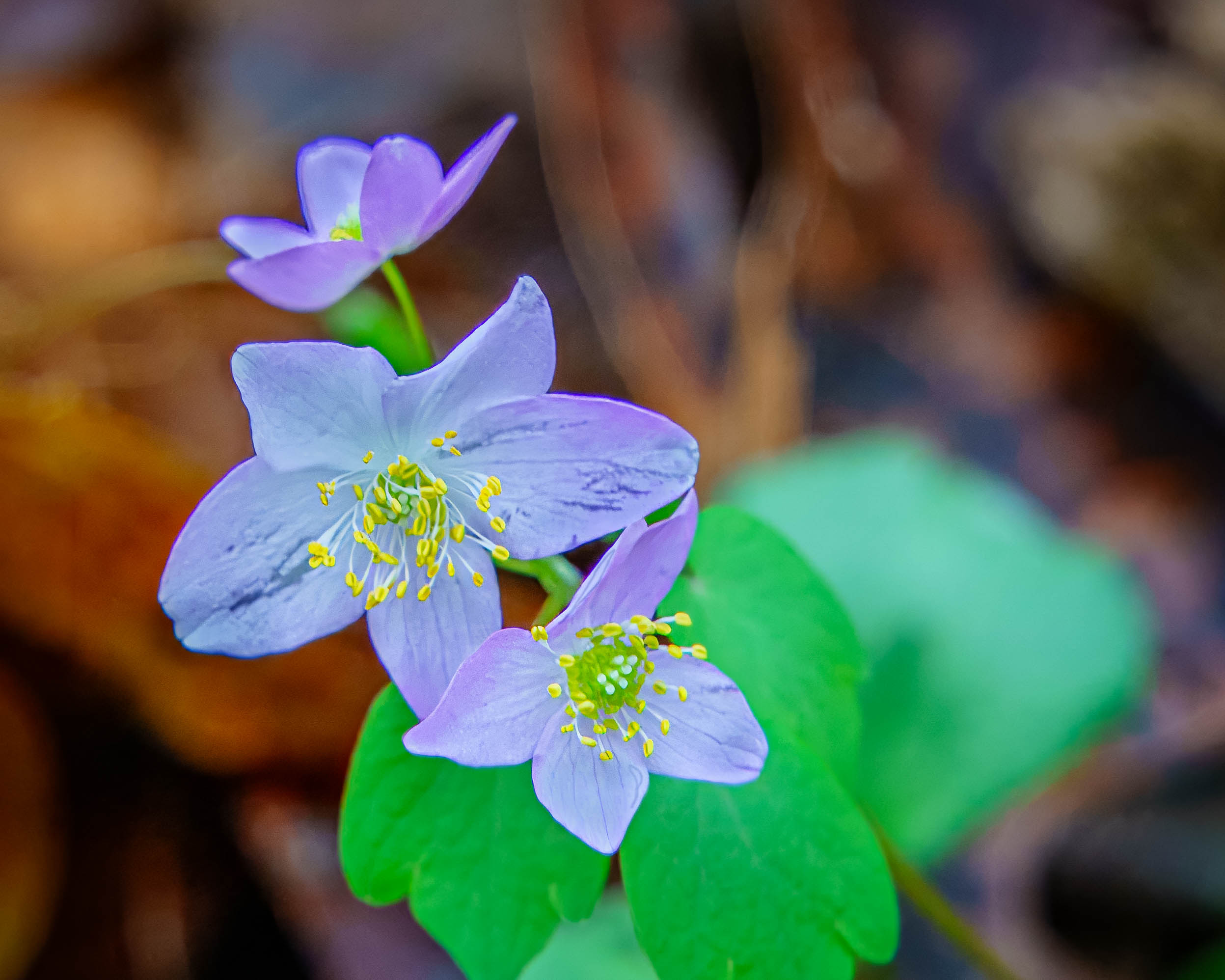
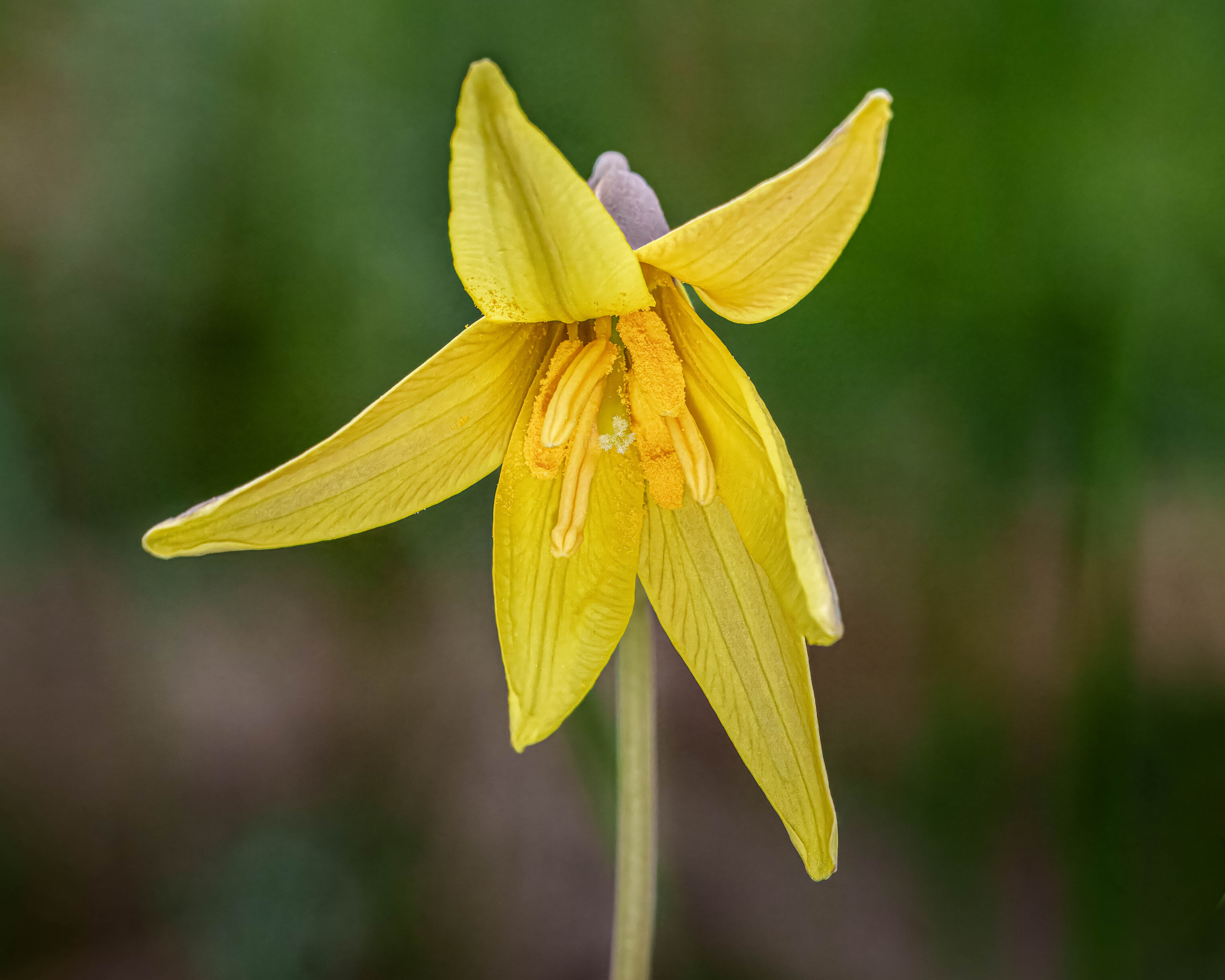
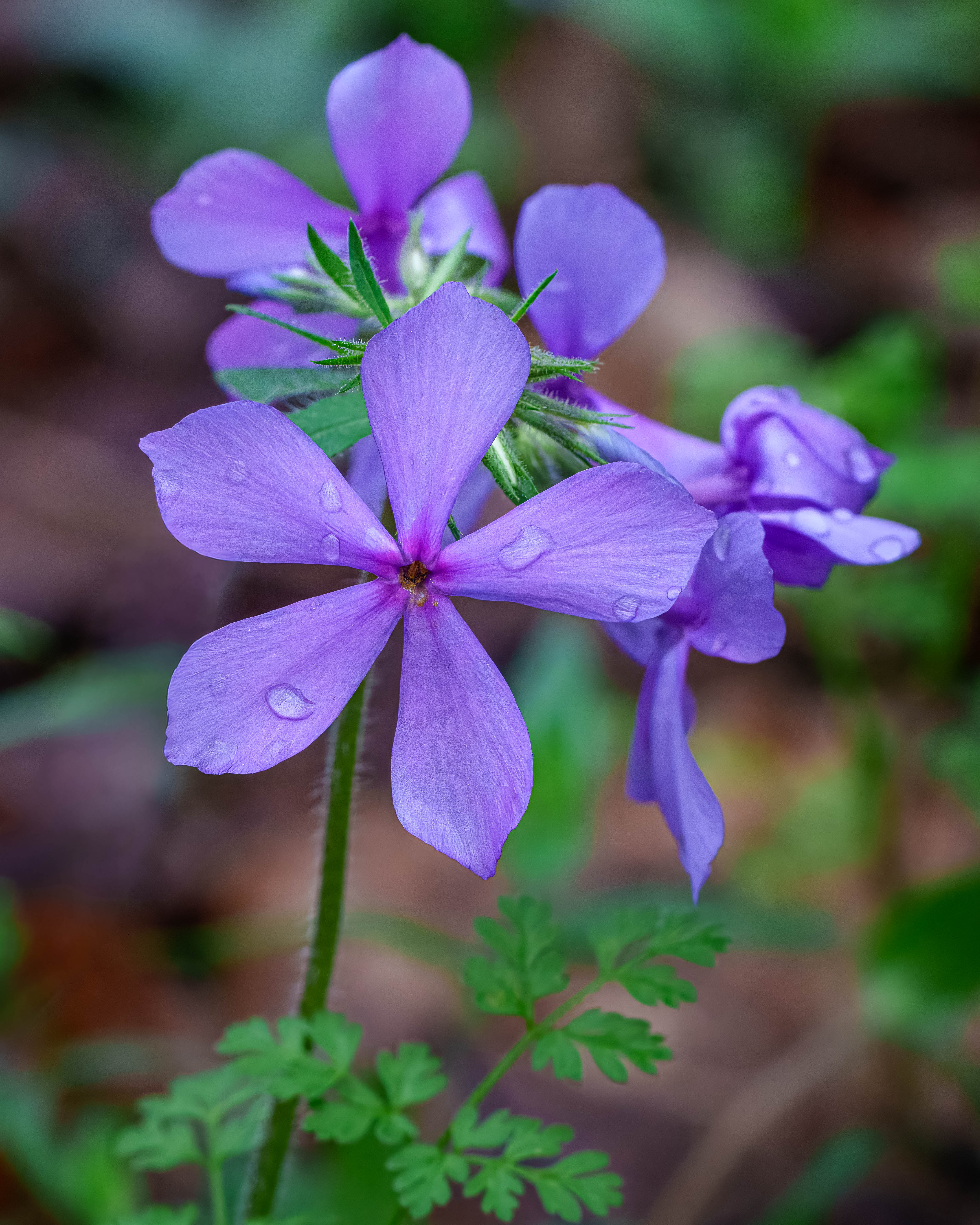
Other blooms included Buttercups, Blackberries, Lousewort, Woodland Phlox, Spring Beauties, and Trout Lilies.

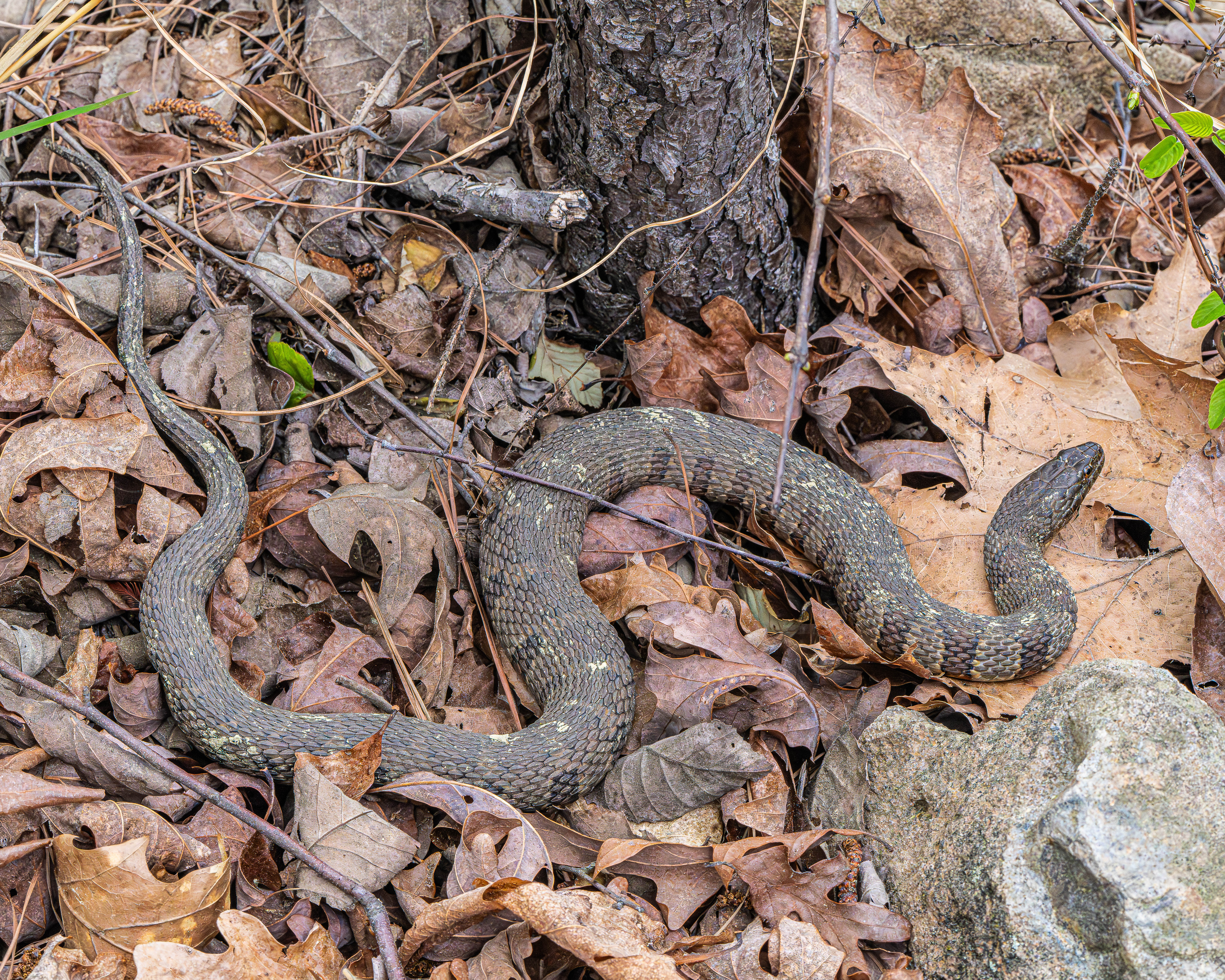
On Tuesday, March 31, 2026, a photo safari was made to our backyard which yielded a nard-to-see Northern Watersnake.

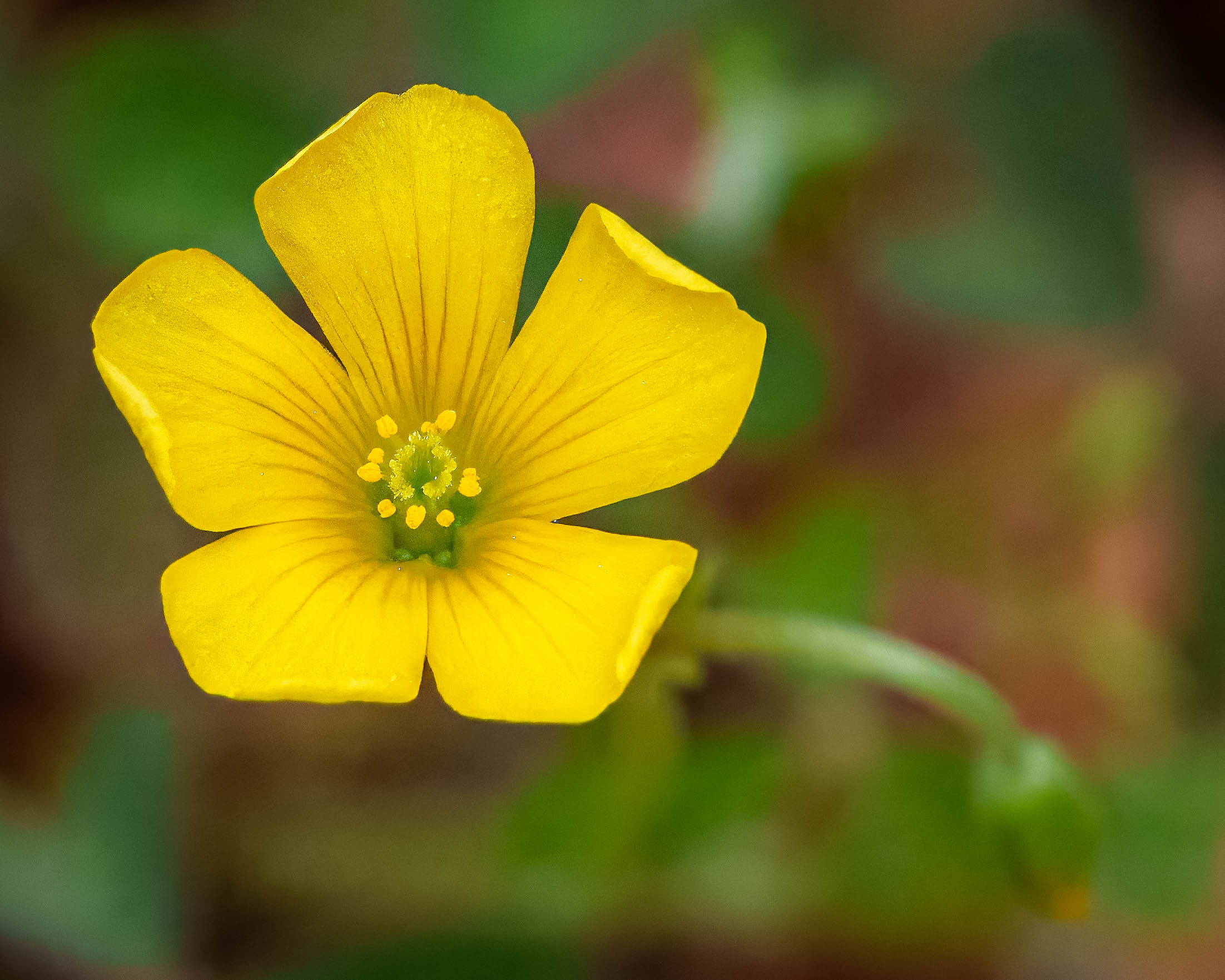
Tiny Yellow Wood Sorrels were blooming in several clumps.

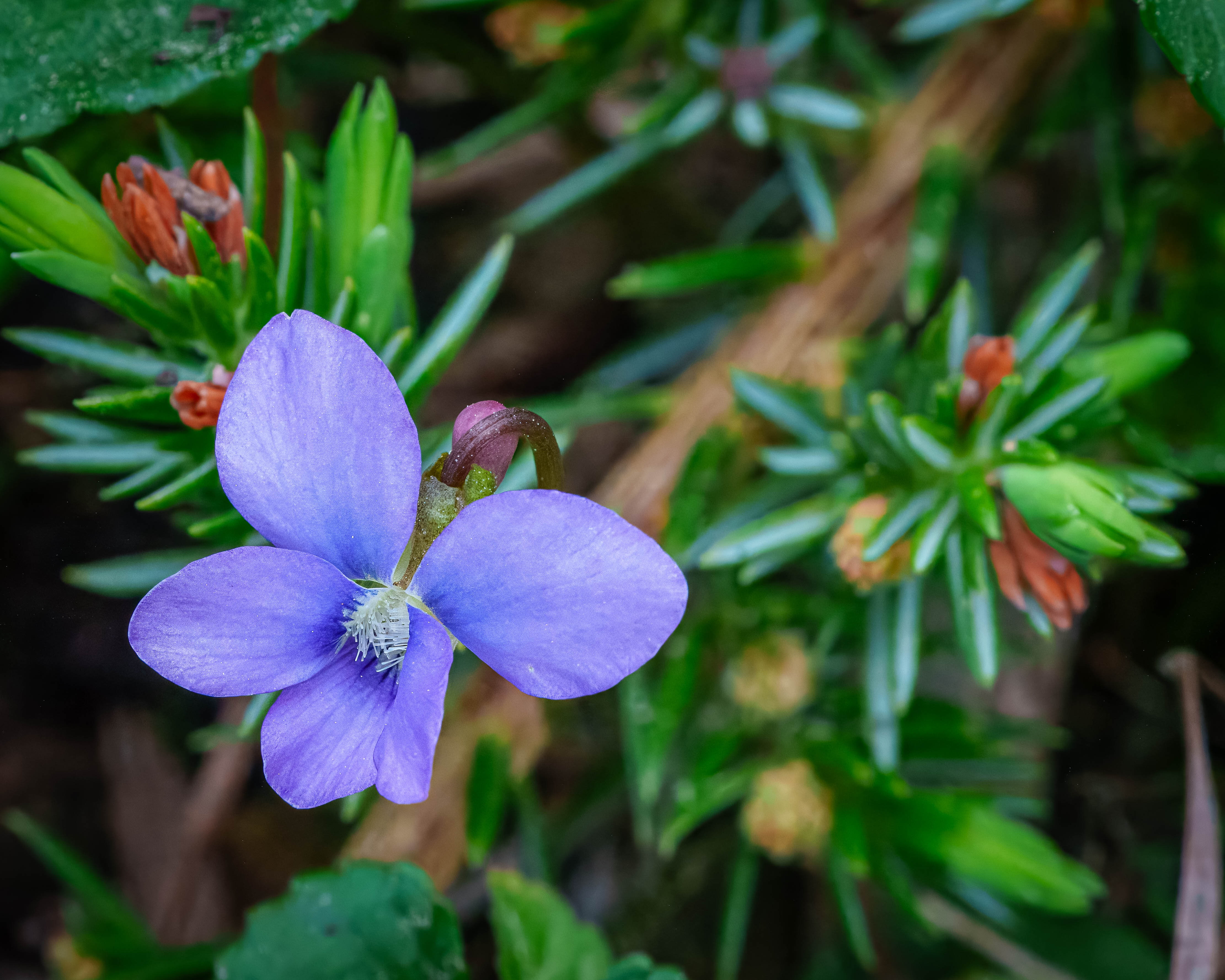
Blue Violets were also seen in one bed.

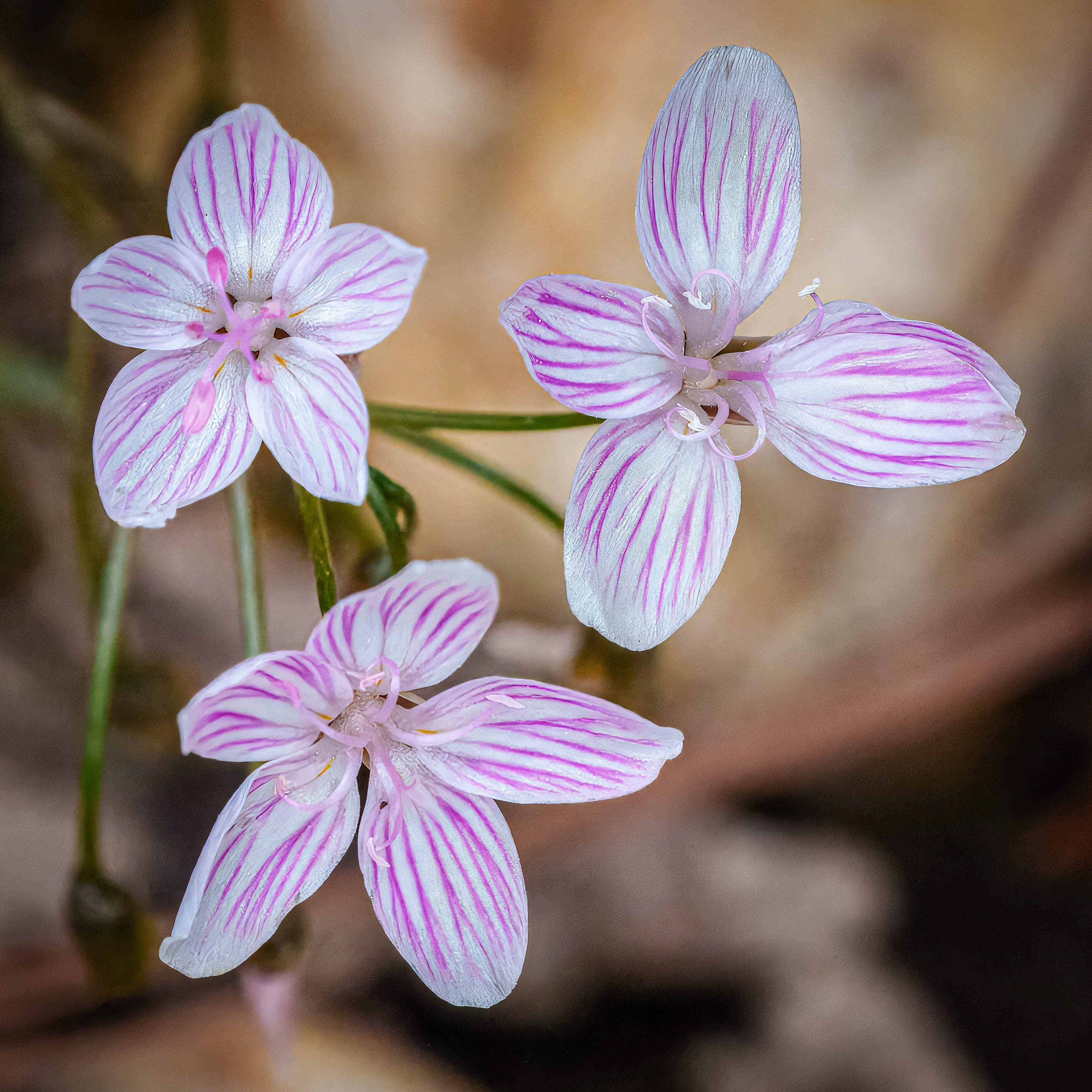
And, a beautiful bloom of Spring Beauties was photographed.

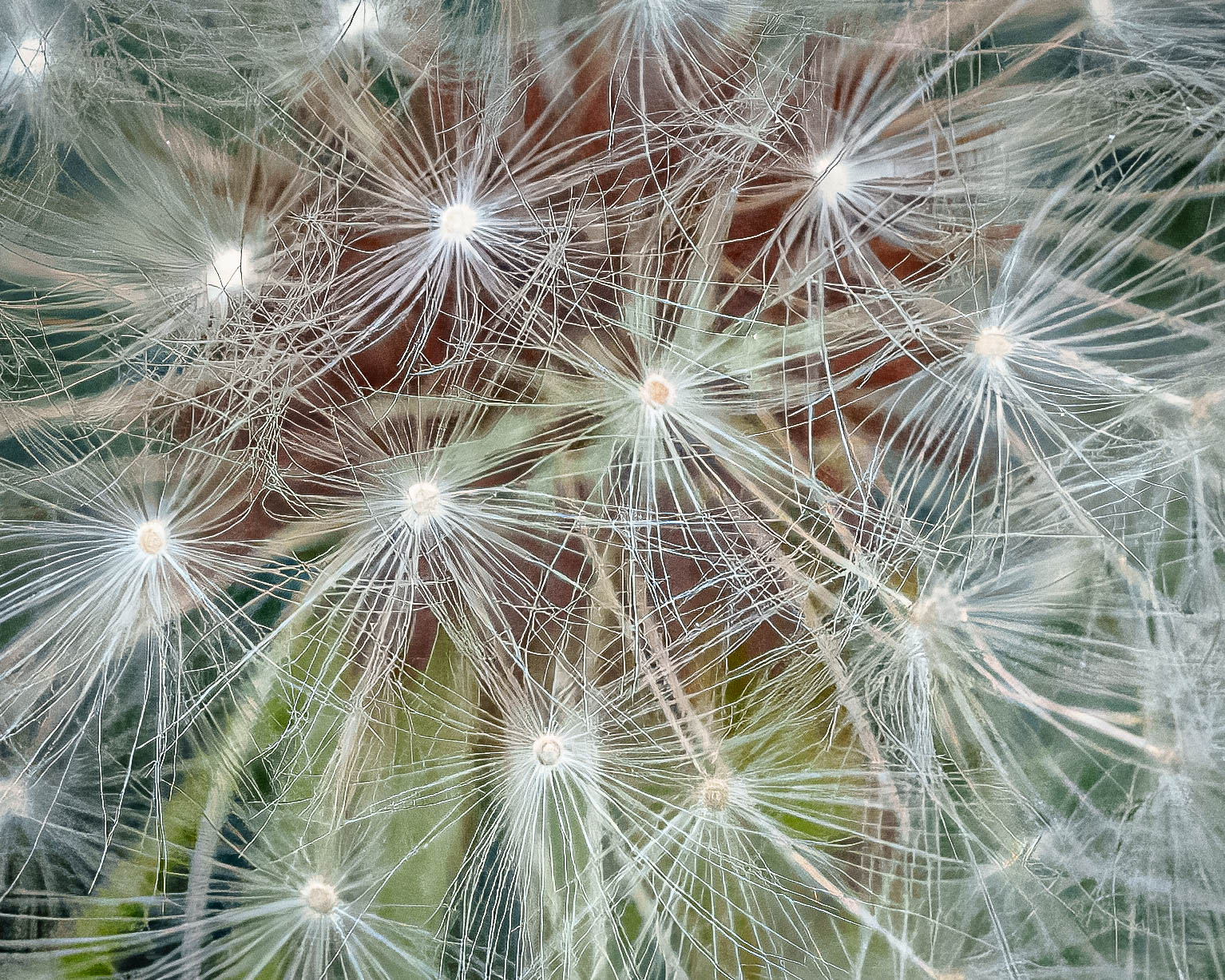
Not to be outdone, a few Dandelion “weeds” remained and made for a few decent photos.

Sunday through Sunday, March 1-15, 2026—An Early Spring

Nothing special or unusual occurred this reporting period; just life as usual. After so much travel the last 25 years, we are thoroughly enjoying being at home and experiencing the near-like spring weather, though we did have a couple of days of below freezing temperatures. Our usual activities of golf, pickleball, and social engagements transpired as usual, and because the temperature in the garage shop was moderated, some woodworking and “piddling” took place as well. Also, we were able to attend track, soccer, and basketball games in and around central Arkansas.

Kay stays really busy, doing something or going someplace virtually all the time, and lately she’s been attending two rehearsals a week for the upcoming Easter cantata at church. And this month she hosted The Book Club, a big thing!

Wildflowers have begun blooming extensively, and a few butterflies are pausing long enough for a photo or two. On Tuesday, March 3, I hiked our local Cedar Creek Trail and was rewarded right off with a couple of butterflies: a Falcate Orangetip and a Mourning Cloak. The Falcate Orangetip was nectaring on Spring Beauty blooms.


And then, a growth of mushrooms caught my eye.

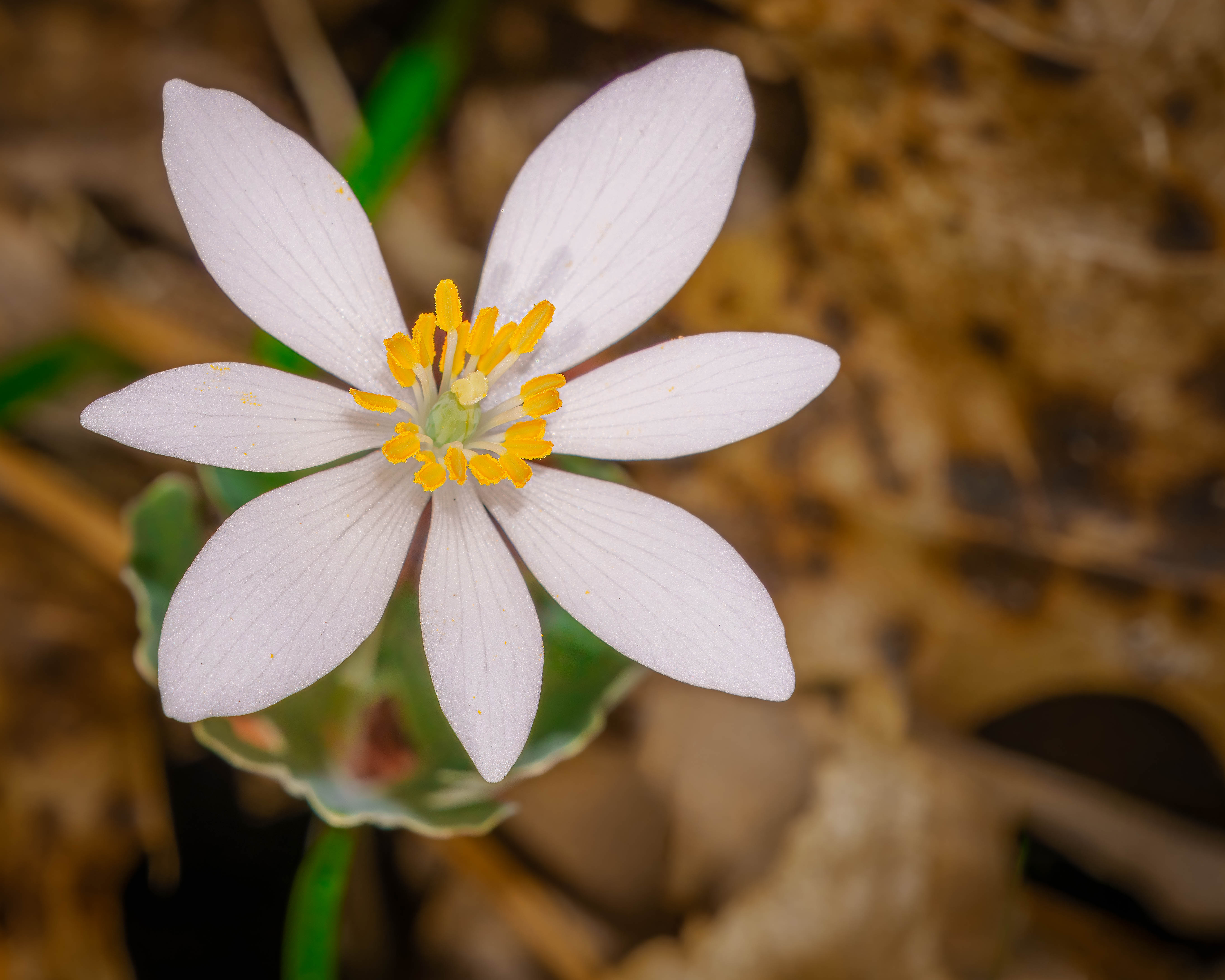
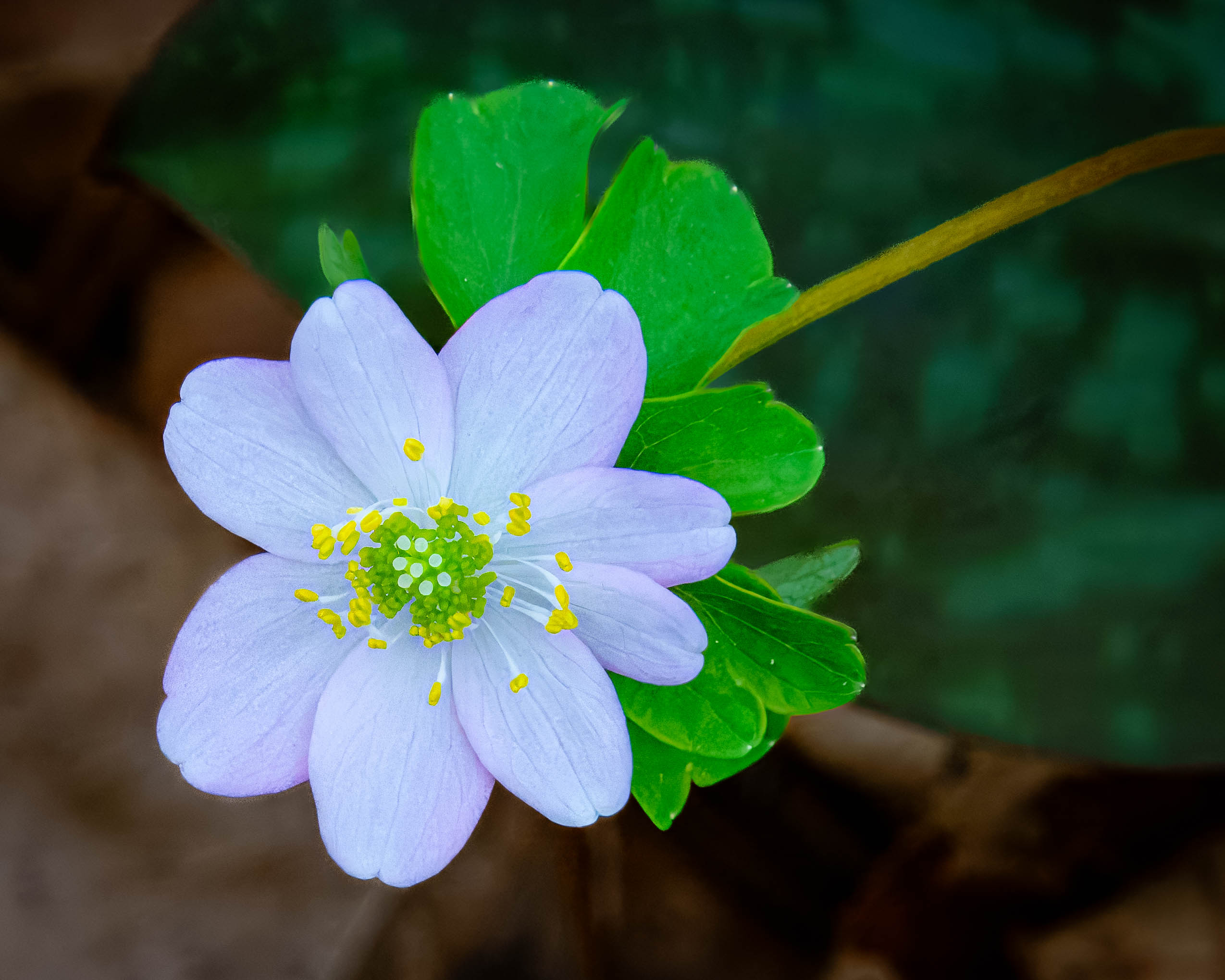
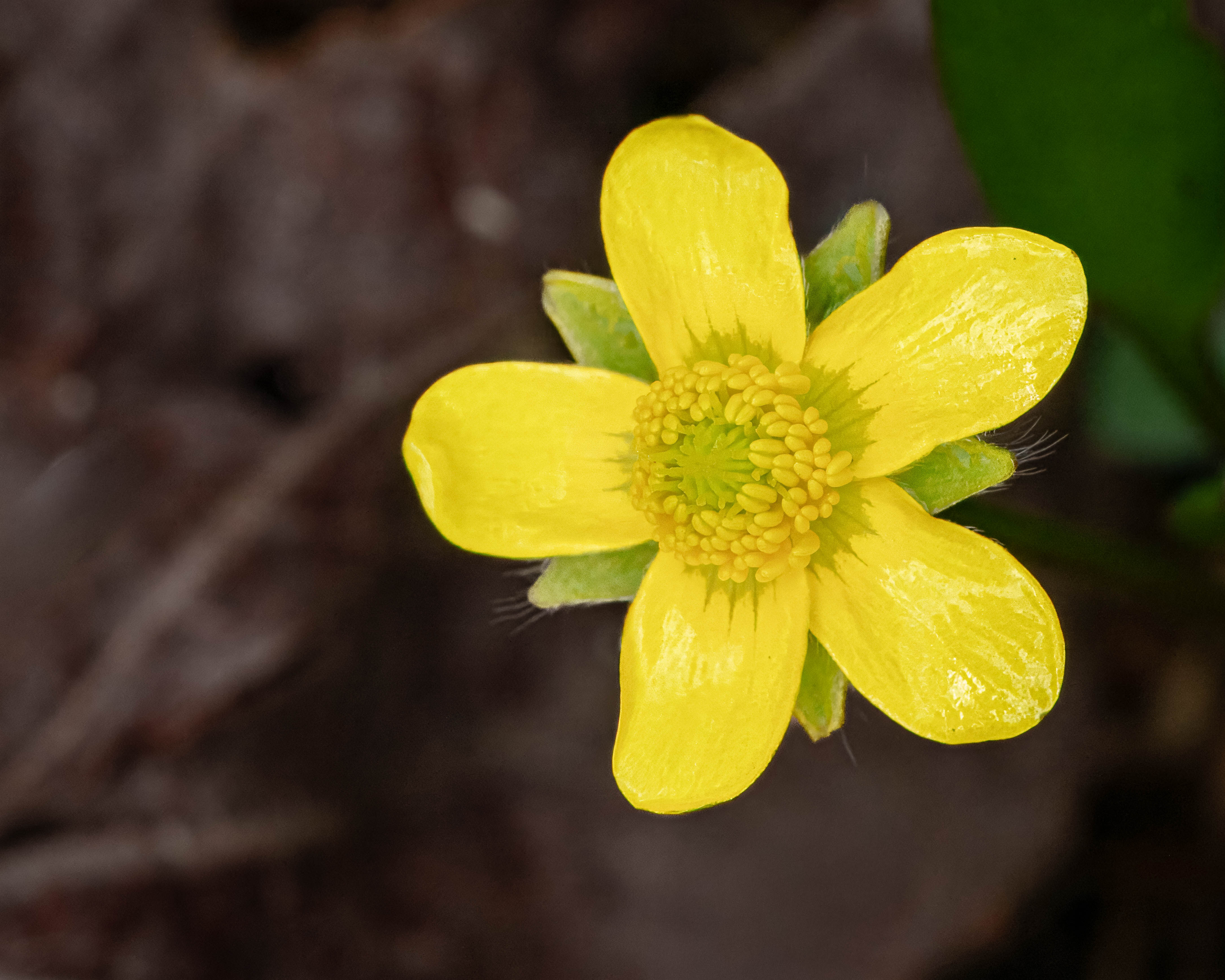
In addition to the Spring Beauties that were scattered along the trail, Rue Anemone and Buttercups were also present. It was a delightful walk for sure.

And then on Saturday, March 7, another foray along the trail produced similar results.

Two of my favorite wildflowers showcased their blooms on Tuesday, March 10. Both the Trout Lily and Mayapple proudly displayed their adornments.

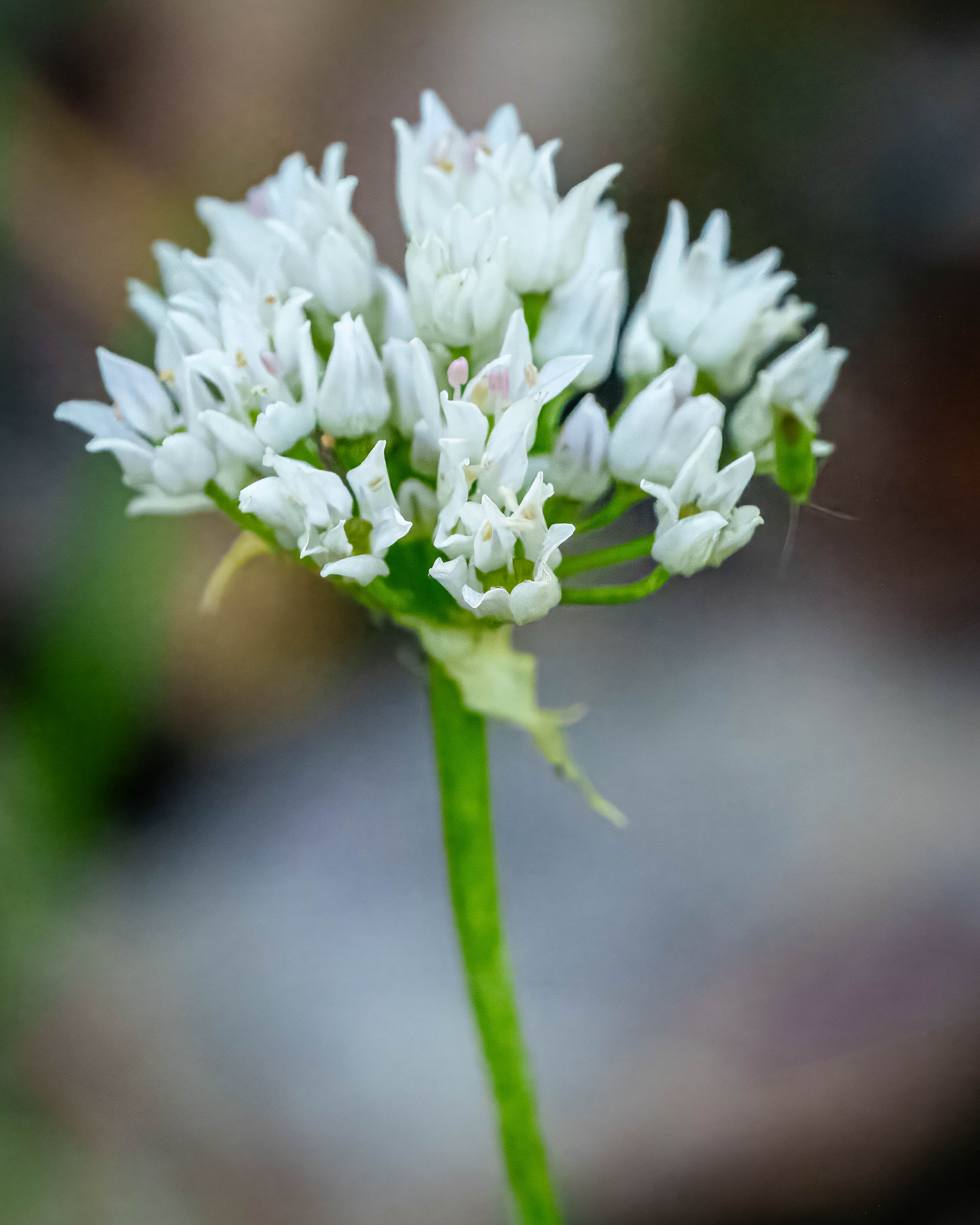
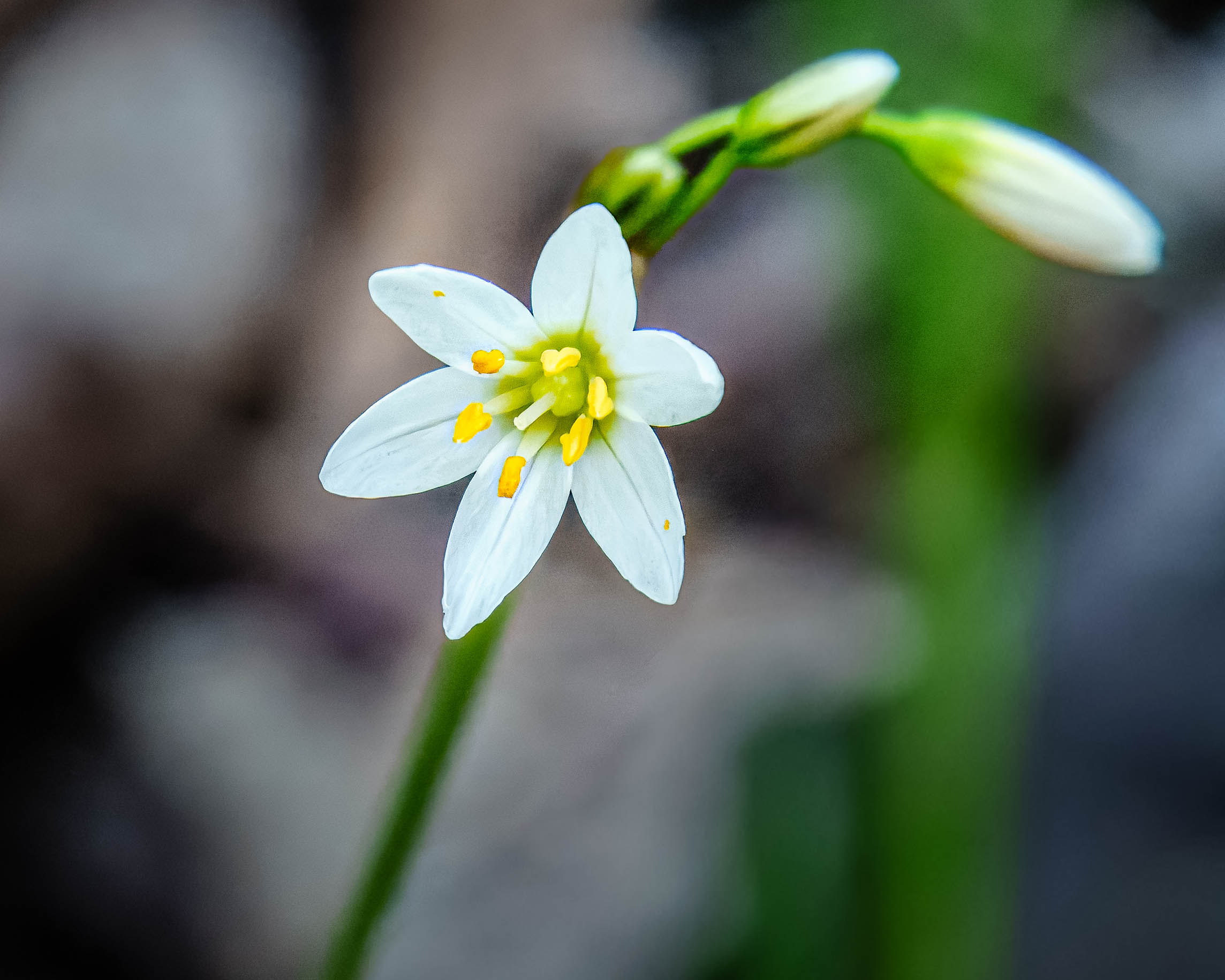
In addition, the False Garlic betrayed its name with its beautiful bloom and buds.

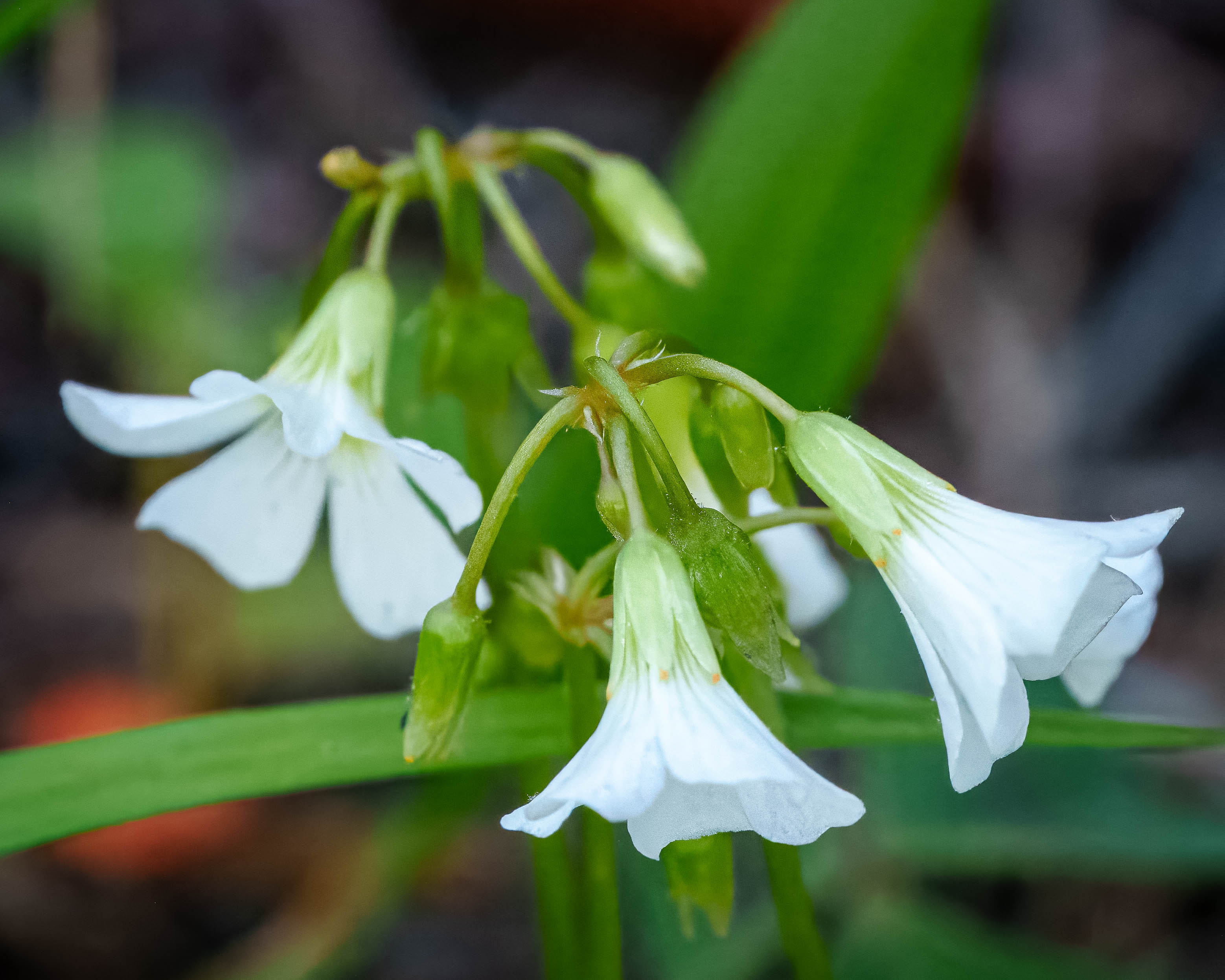
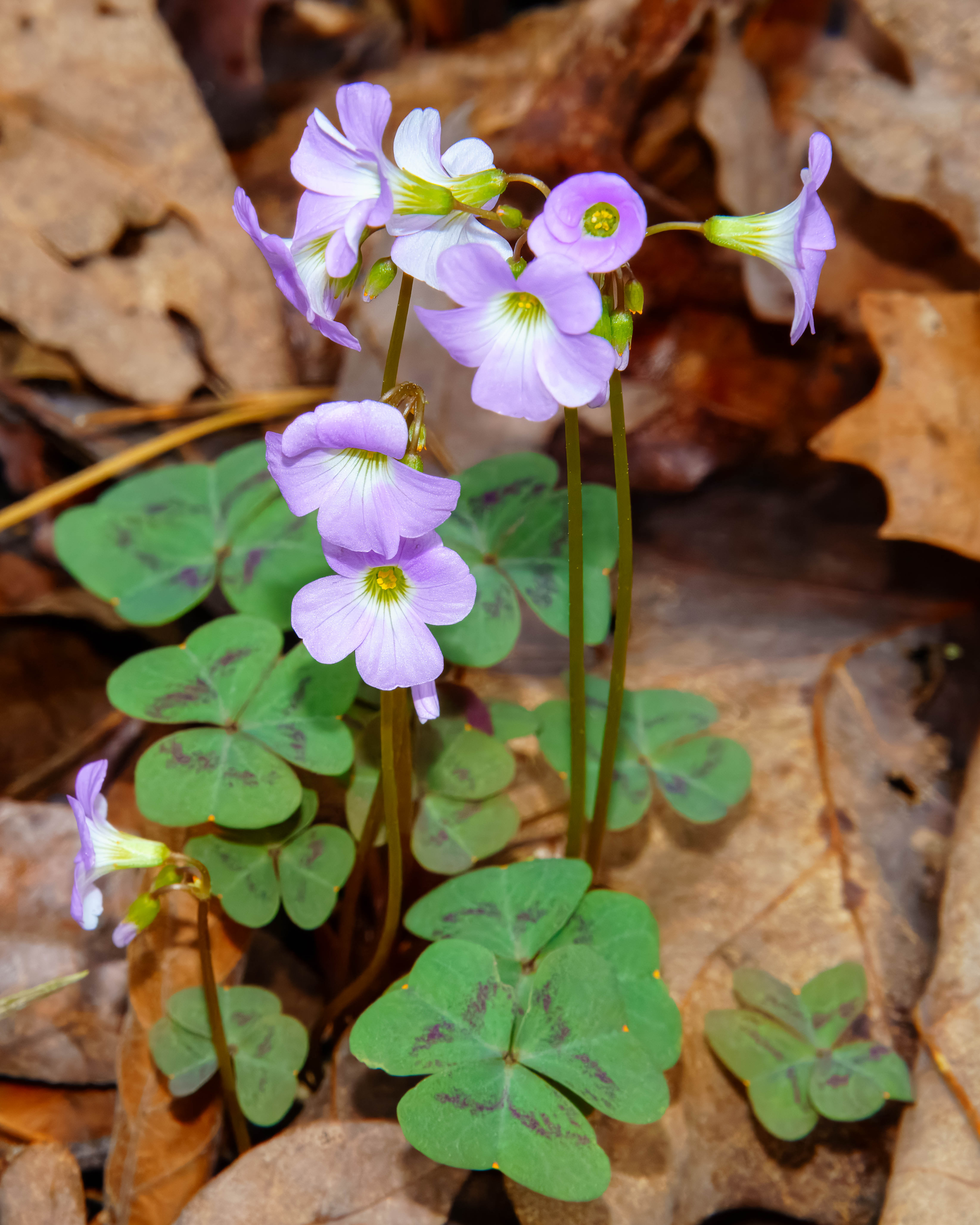
A Wood Sorrel also exhibited its pastel blooms above clover-like leaves.

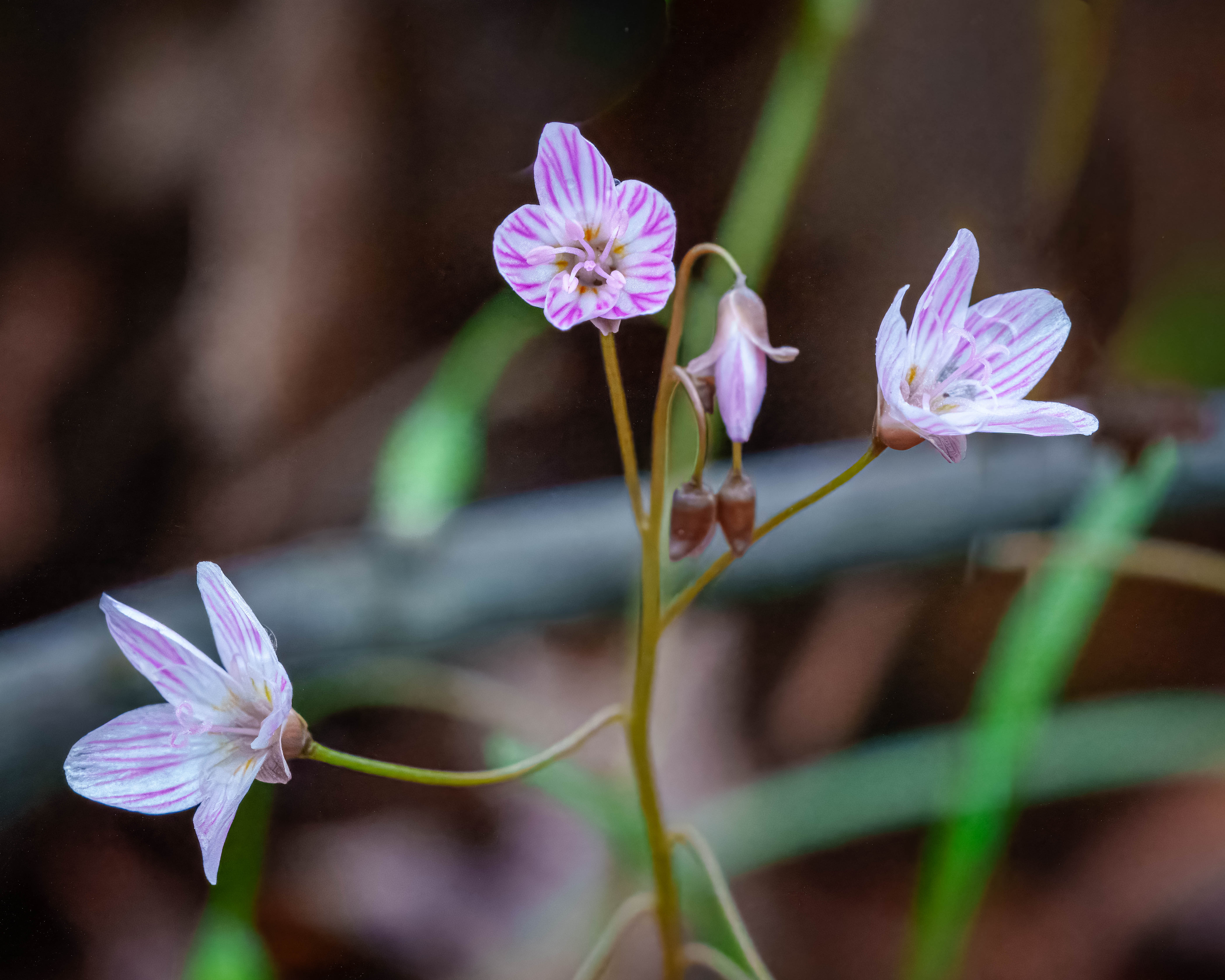
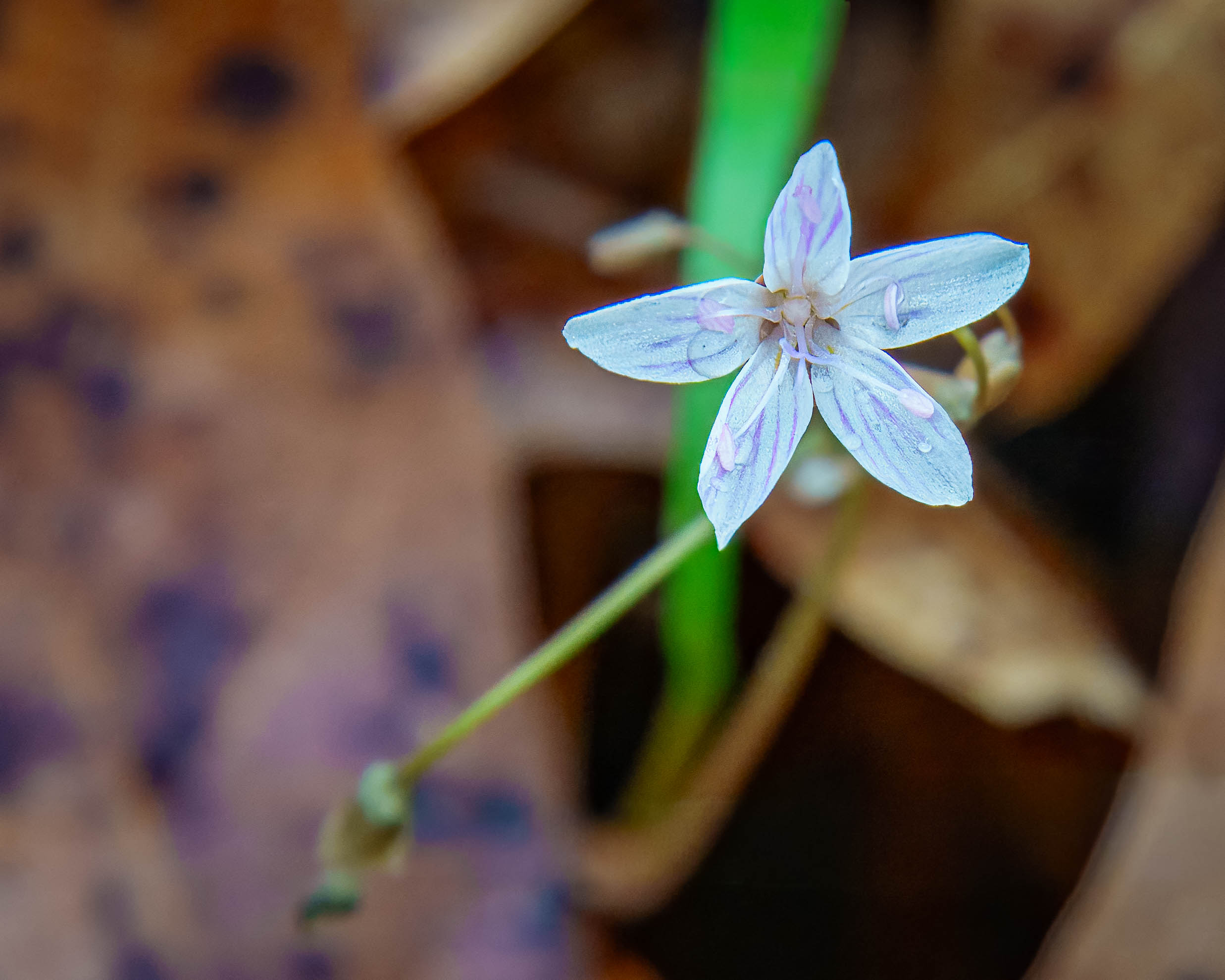
Switching to Beaver Dam Trail on Wednesday, Spring Beauties were in abundance and the occasional False Garlic and Buttercup were observed.

Some “new” blooms were also seen. First was the Wild Pansy.

And then, Woodland Phlox appeared.

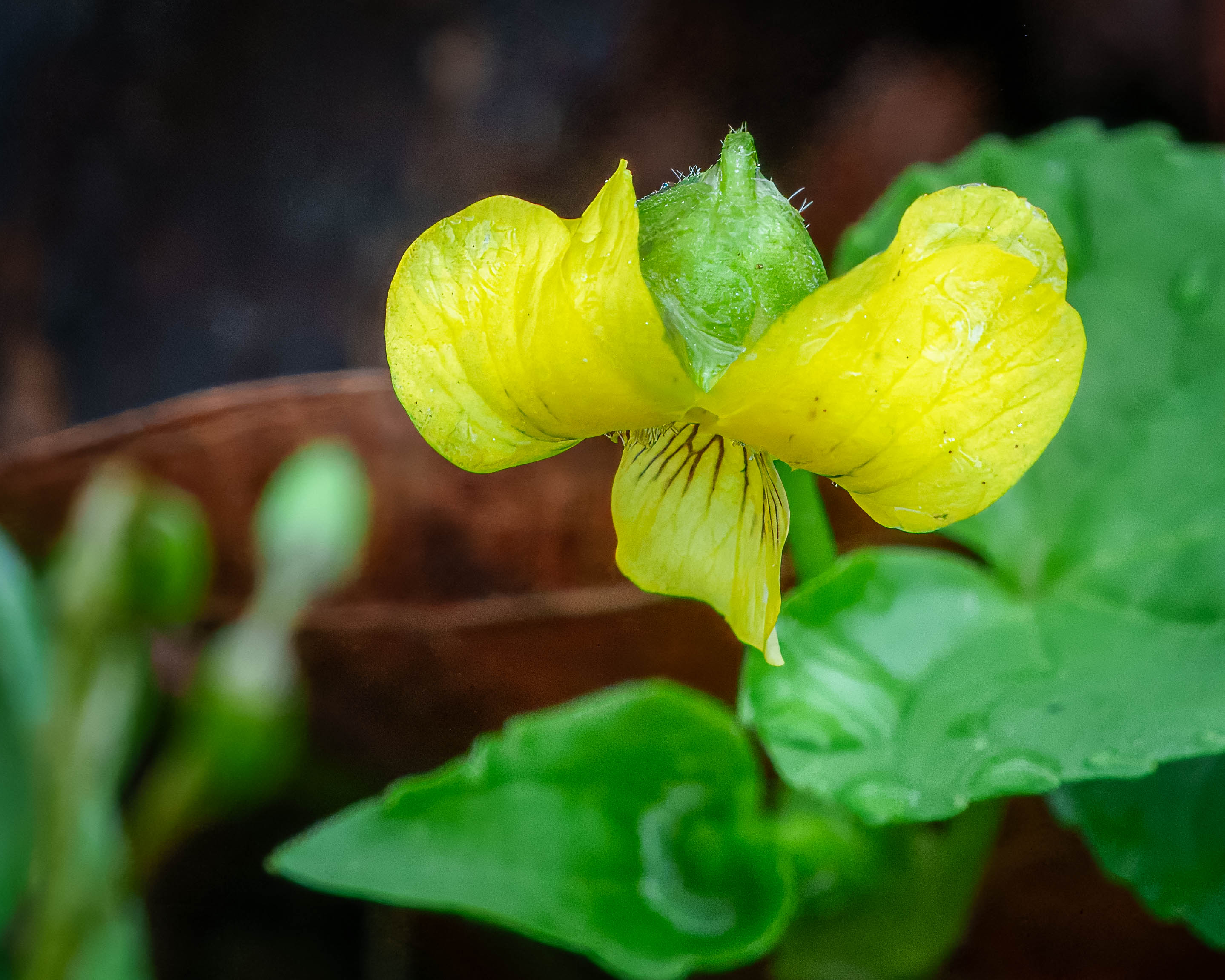
A delicate Downy Yellow Violet showed up out of nowhere…

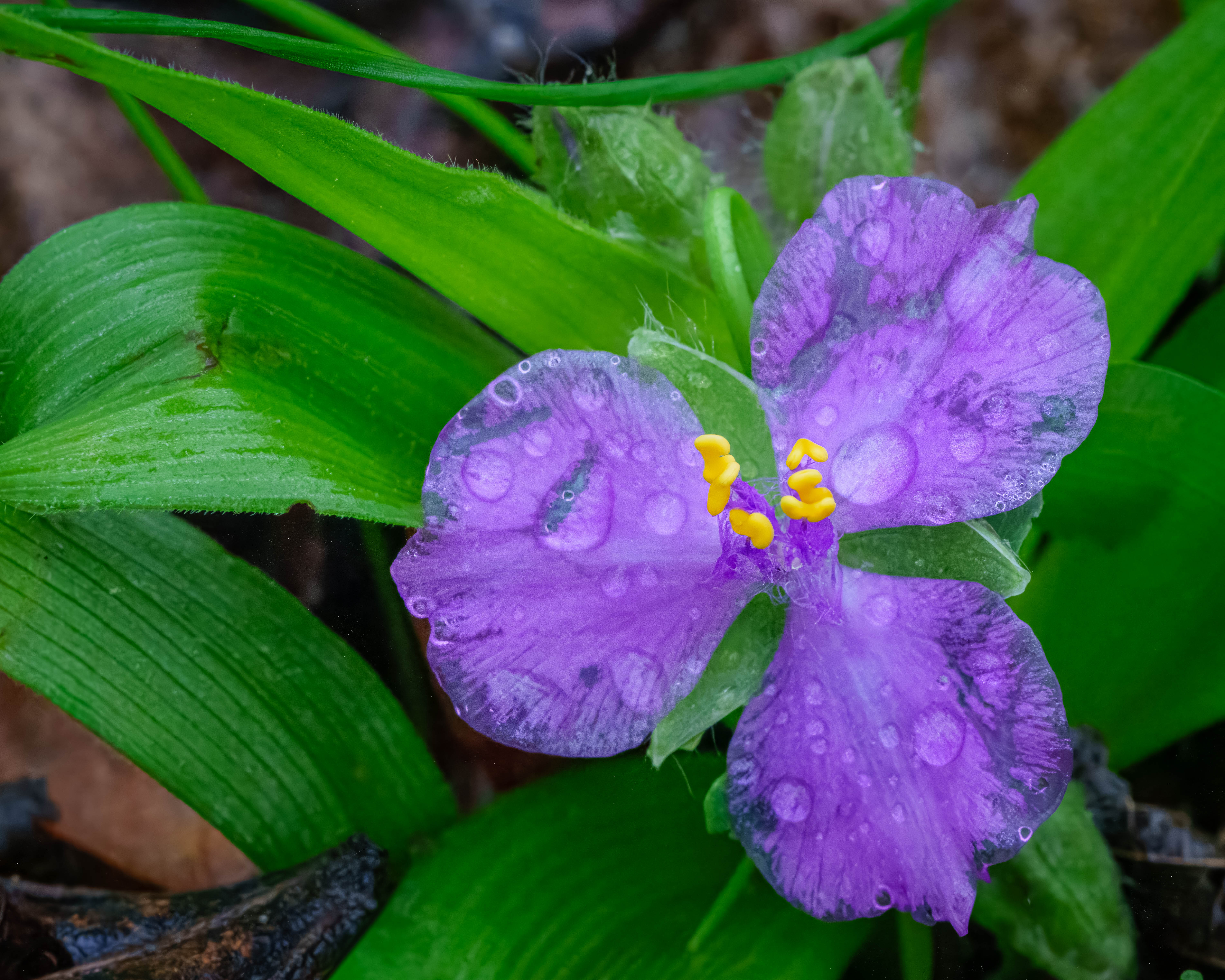
…as did an Earnest’s Spiderwort.

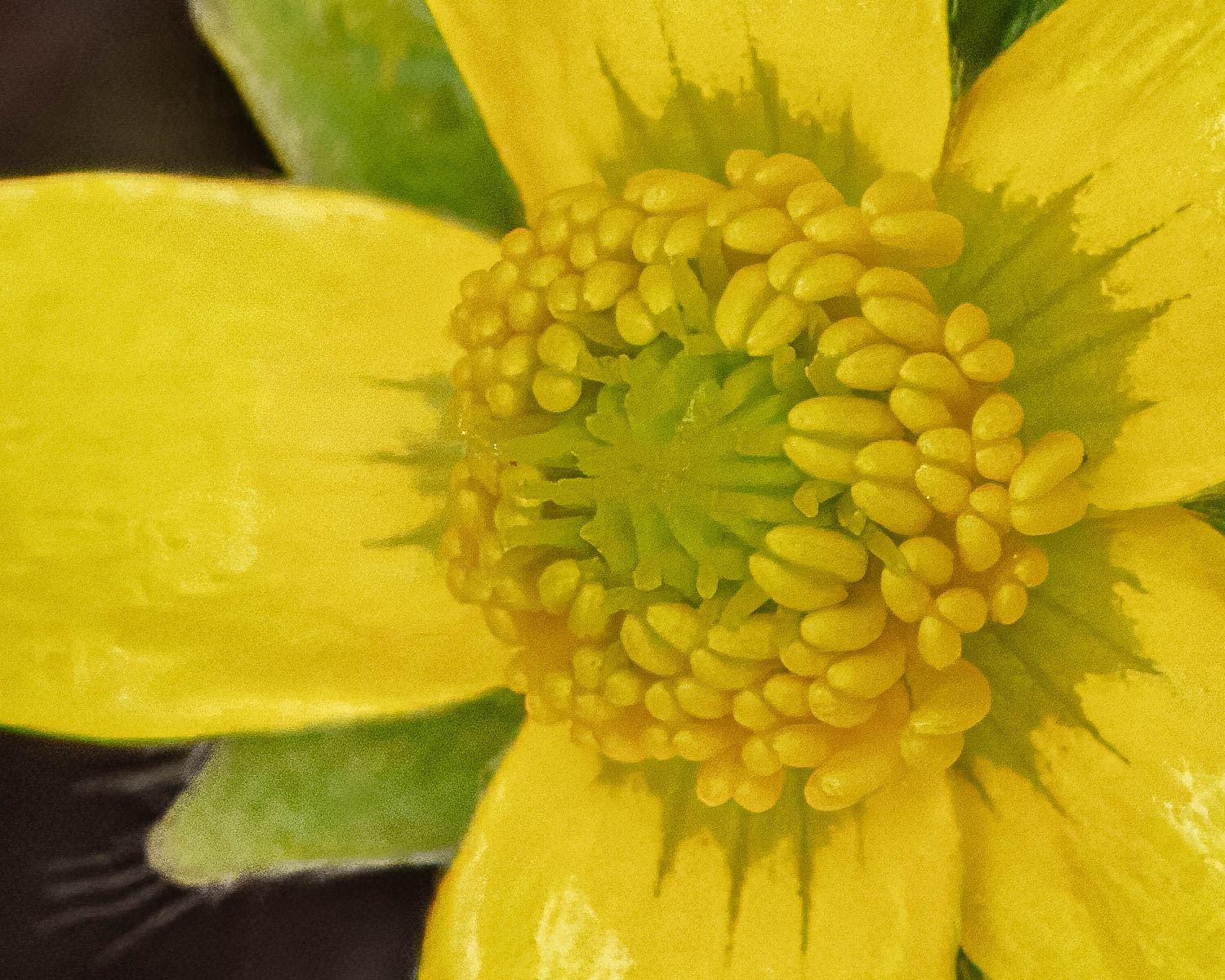
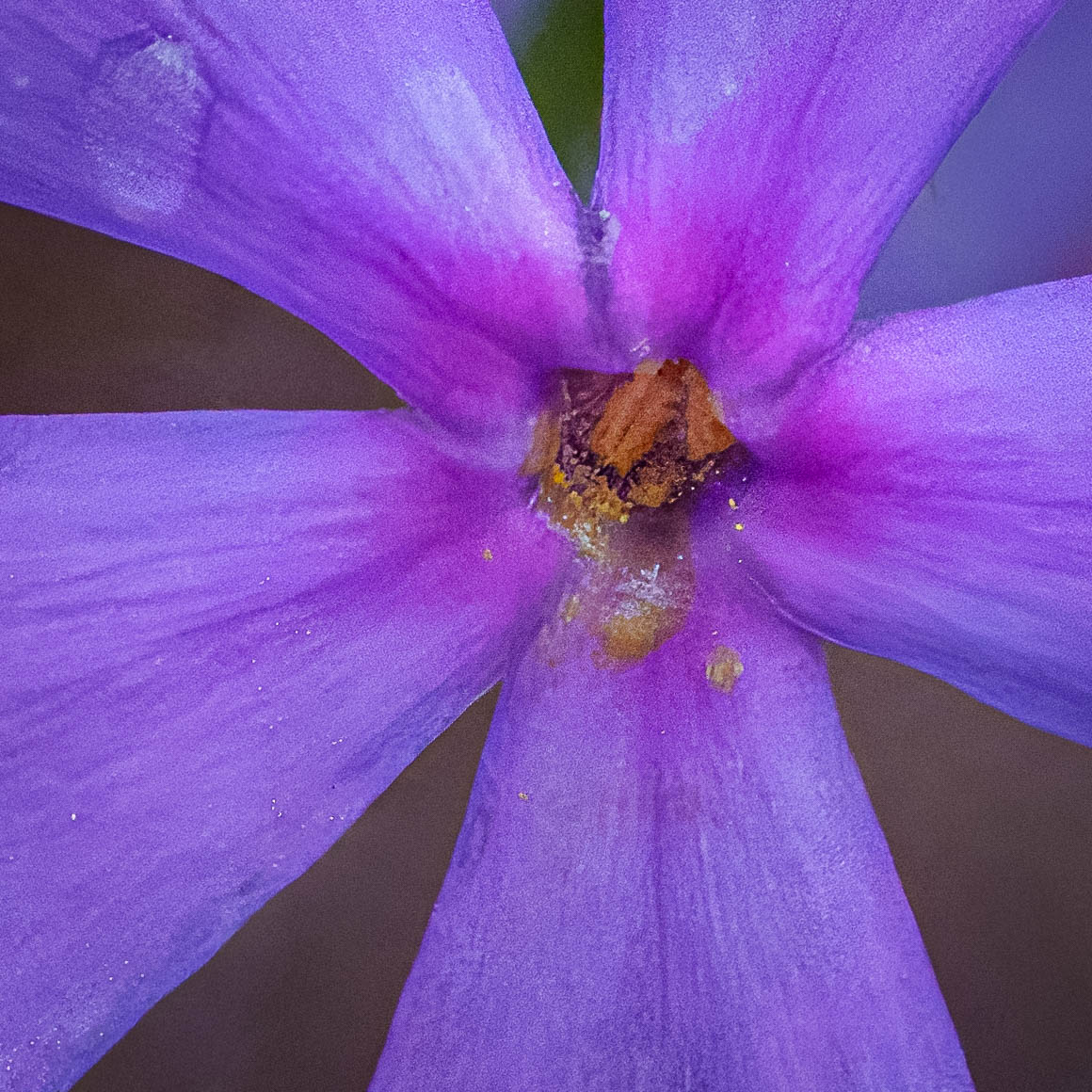
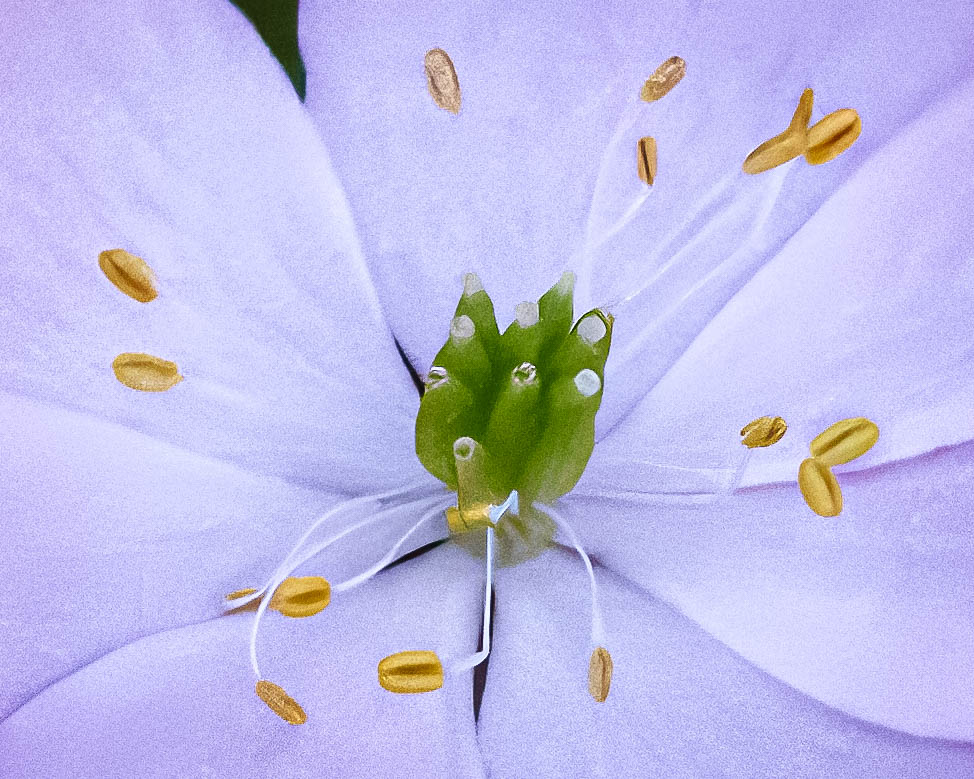
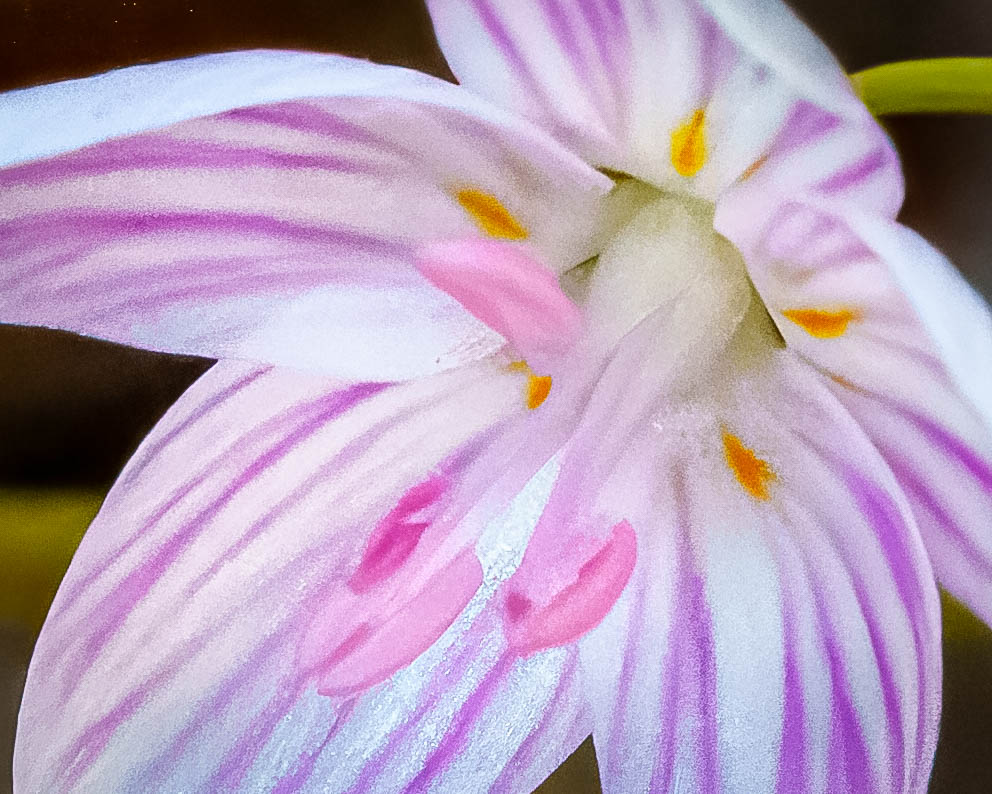
Finally, on Thursday—back on the Cedar Creek Trail—the previously observed wildflowers were photographed, with emphasis on really close-up macro shots. 

Friday through Saturday, January 16-31, 2026—Deep Freeze

We resumed normal activities after arriving home from the cruise. 

Since this is the first winter being home (except for a couple of short cruises), the “workshop” is drawing more and more attention— to keep hands and mind busy. And though there are several receptacles in the shop, there is only one electrical circuit, and it is not sufficient to power much more than one tool at a time. Consequently, another circuit with an additional 3 double outlets was added at a pretty low cost, allowing the dust filter, dust collector, and tool(s) to run simultaneously. Additionally, another repair on the whole house generator was required. These two “jobs” meant having to be available at home before, during, and after their appointment time.

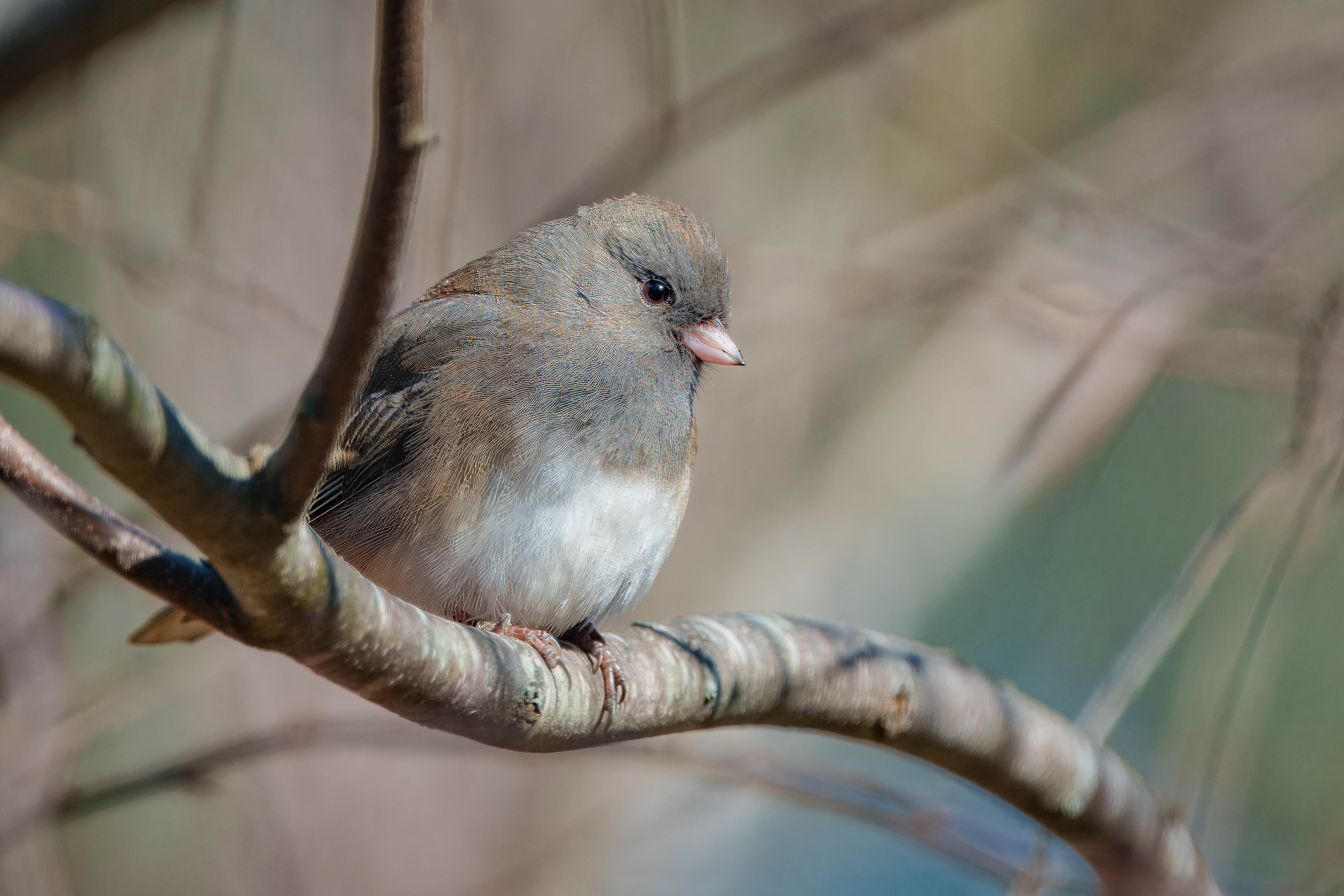
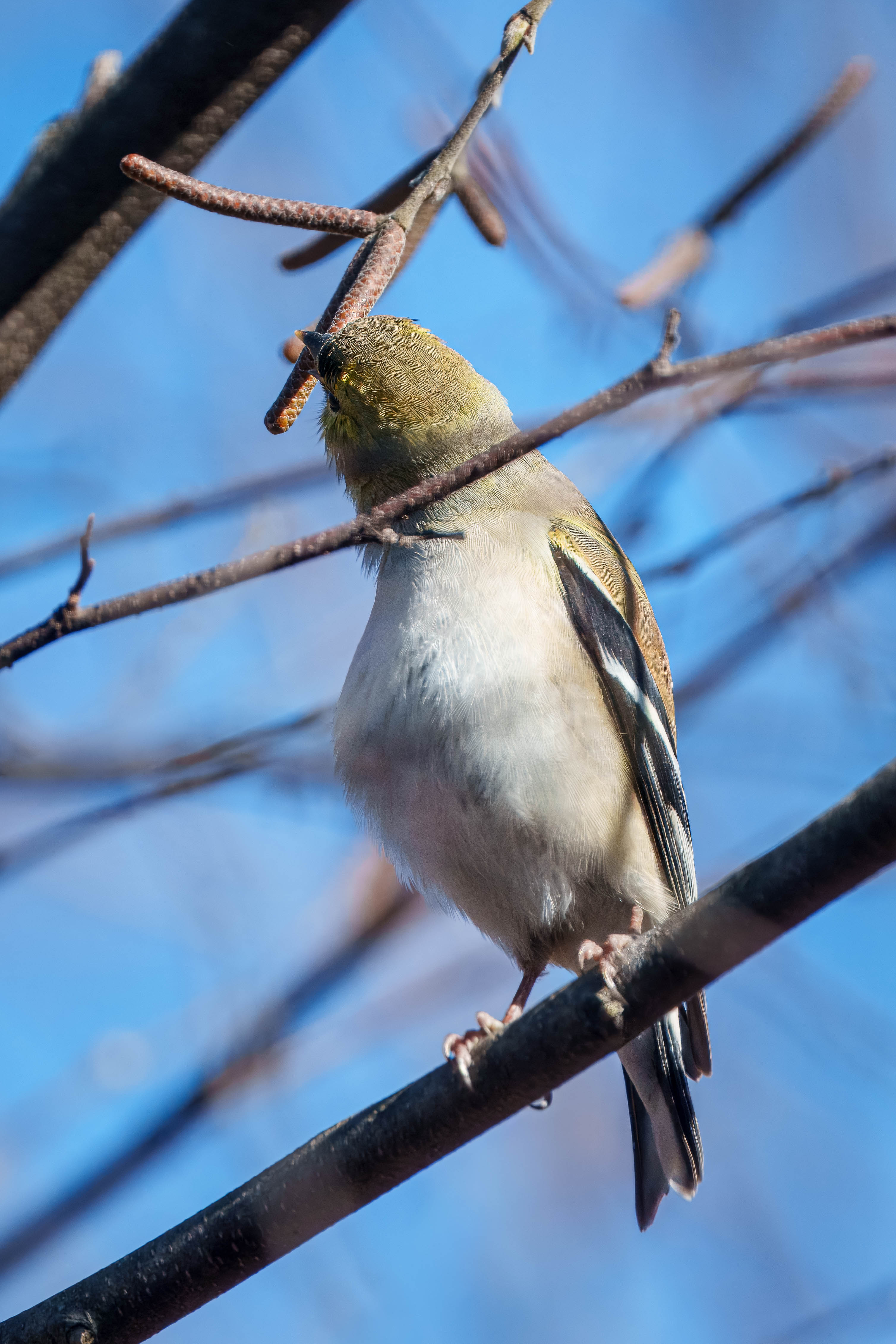
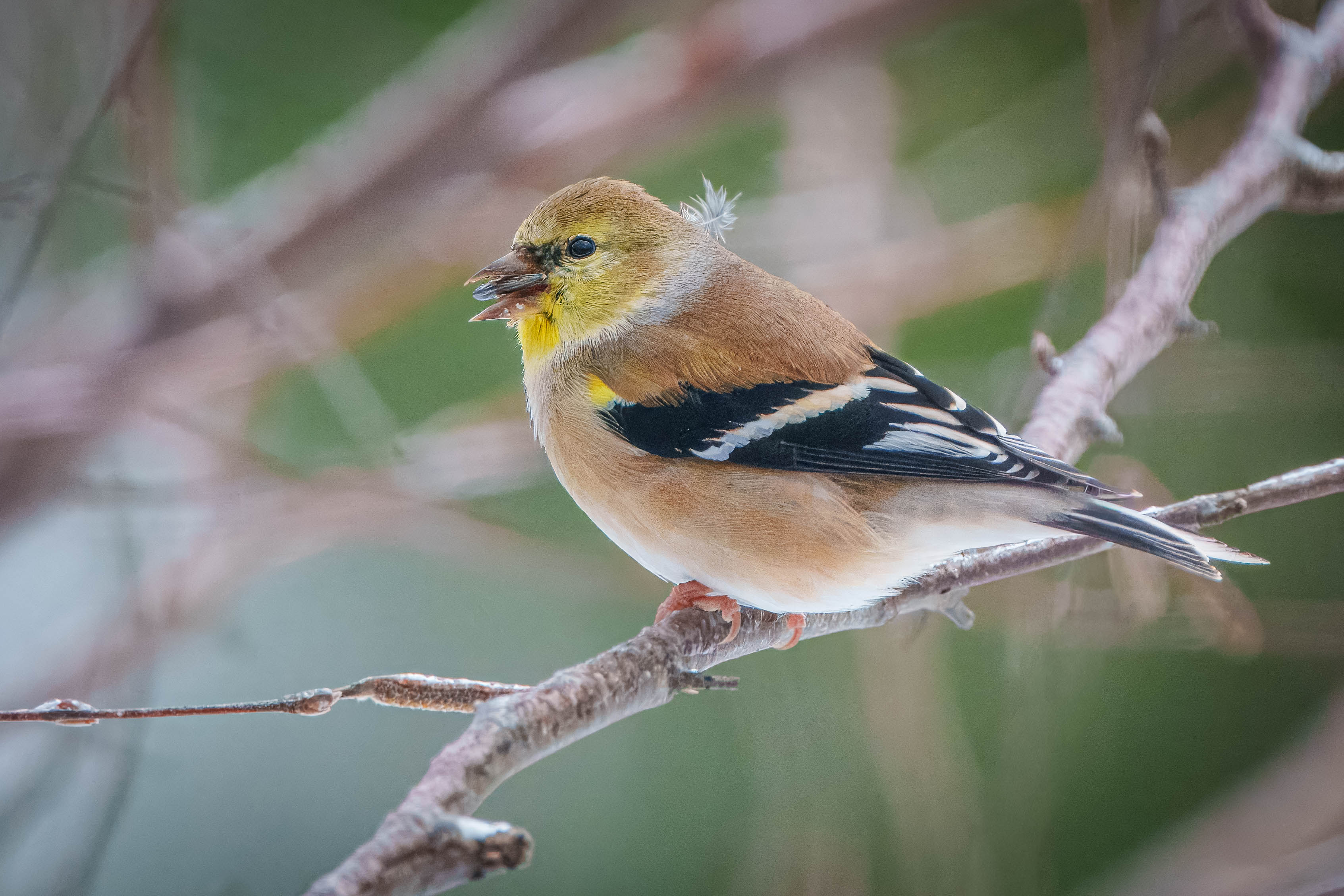
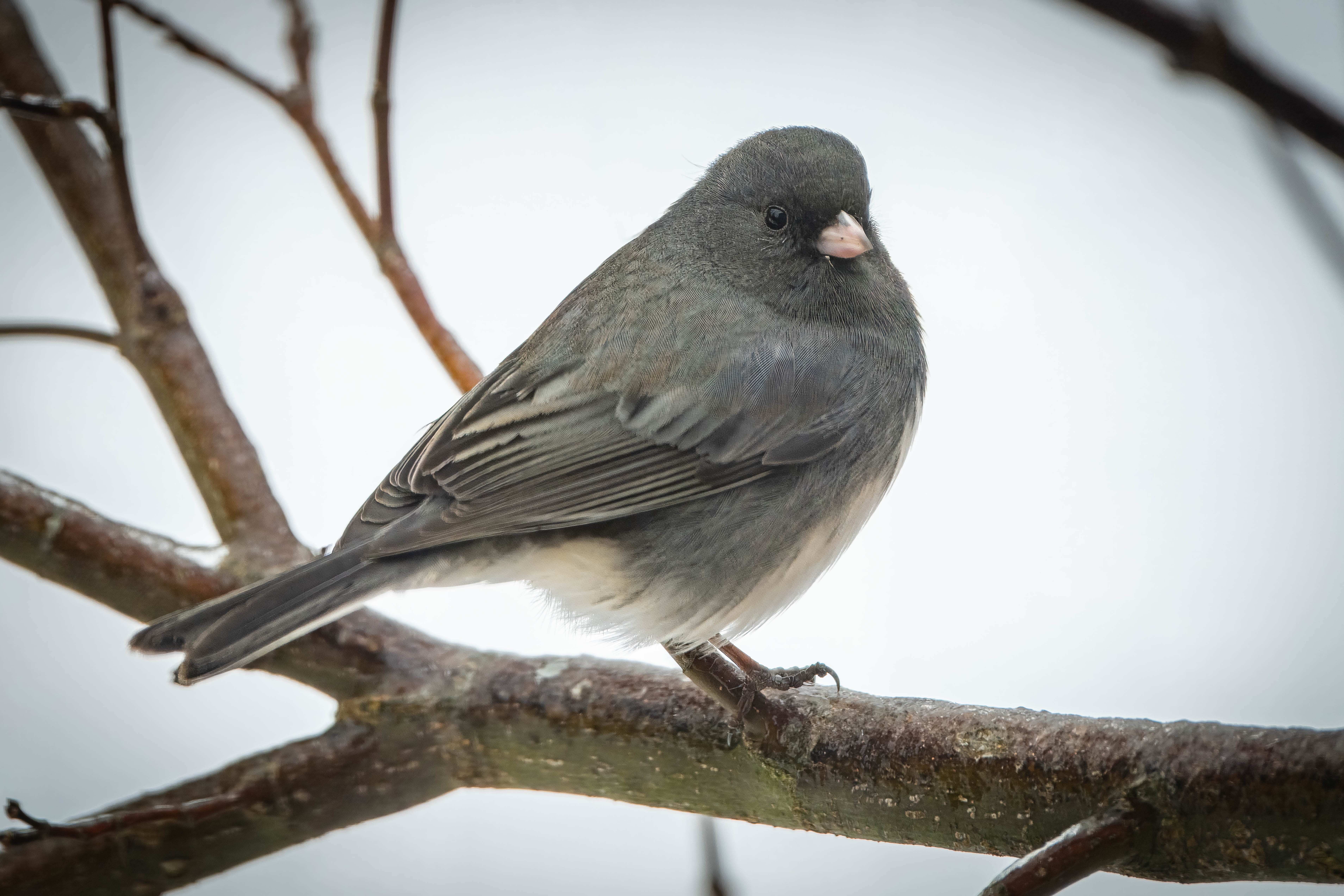
On Sunday, January 18, 2026, a Dark-eyed Junco and an American Goldfinch were photographed trying to find food.

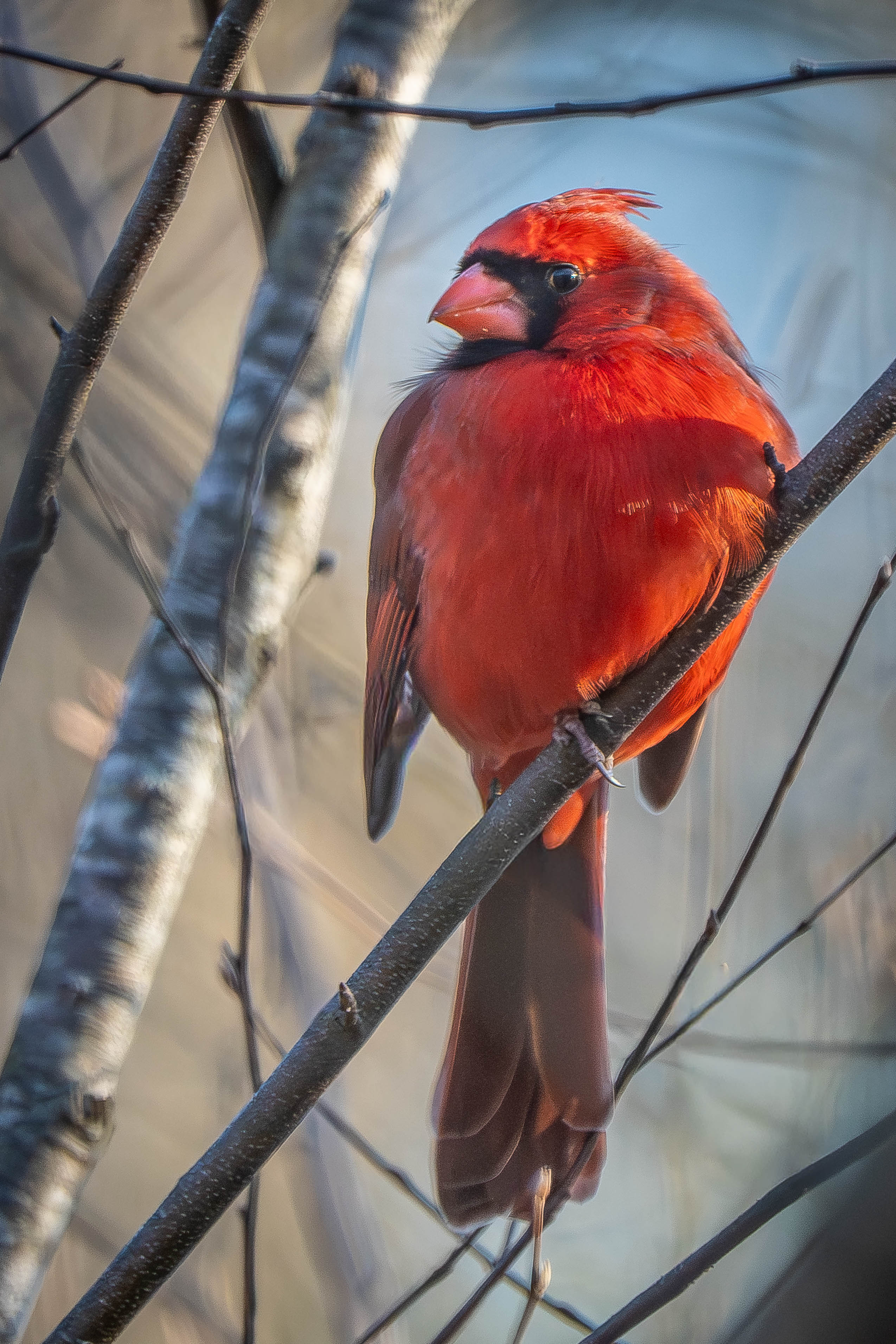
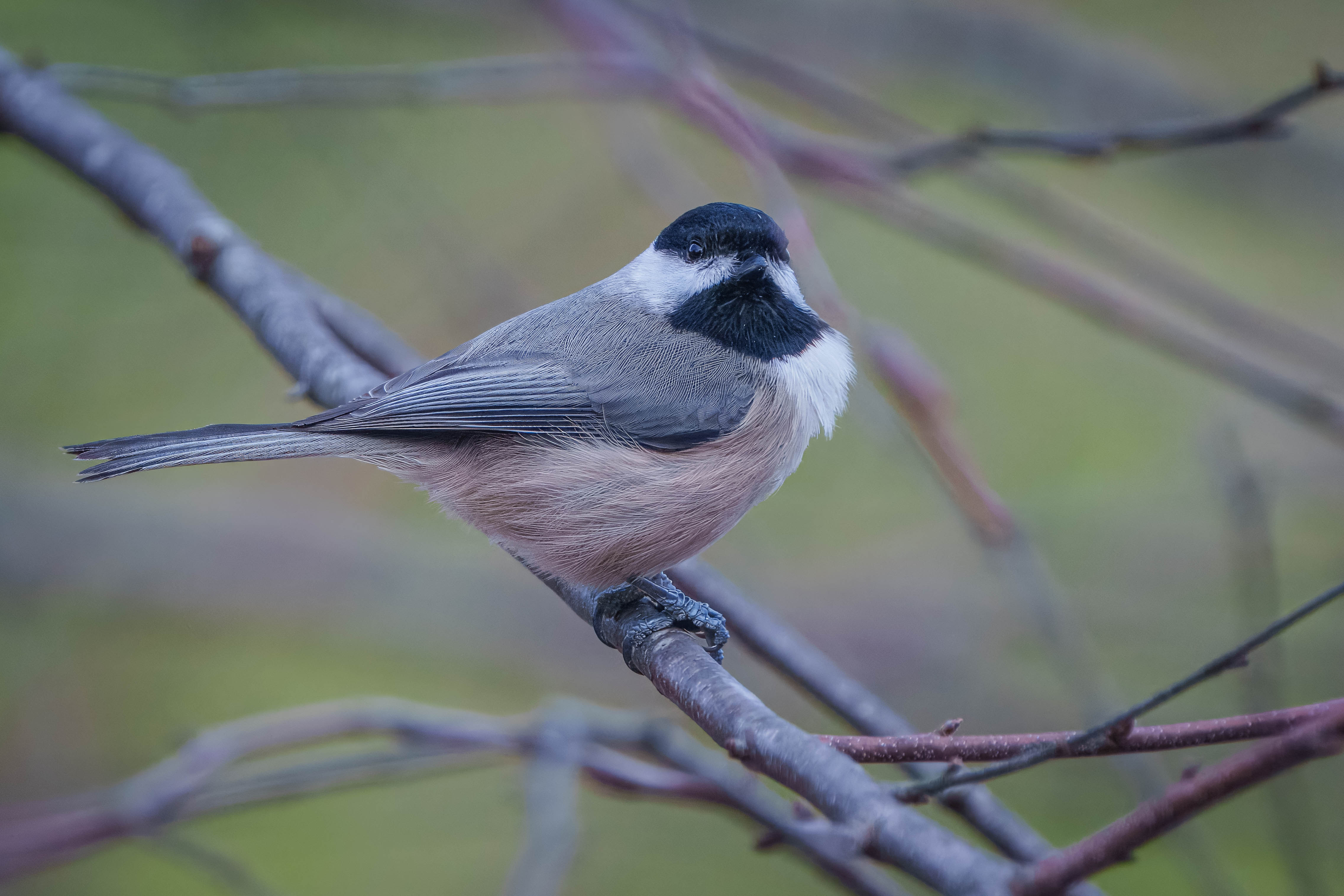
And then on the following Tuesday, a male Northern Cardinal posed several times for photographs. And on Thursday a Carolina Chickadee made its presence known.

On Friday, January 23, it hit—sleet and snow, followed by freezing rain and more snow with total accumulations of about 8 inches. In addition, a severe deep freeze occurred and lasted well over a week, leaving all the sleet, ice, and snow on the ground, houses, and streets. Obviously, we stayed in and read, baked, and watched YouTube and British television. 

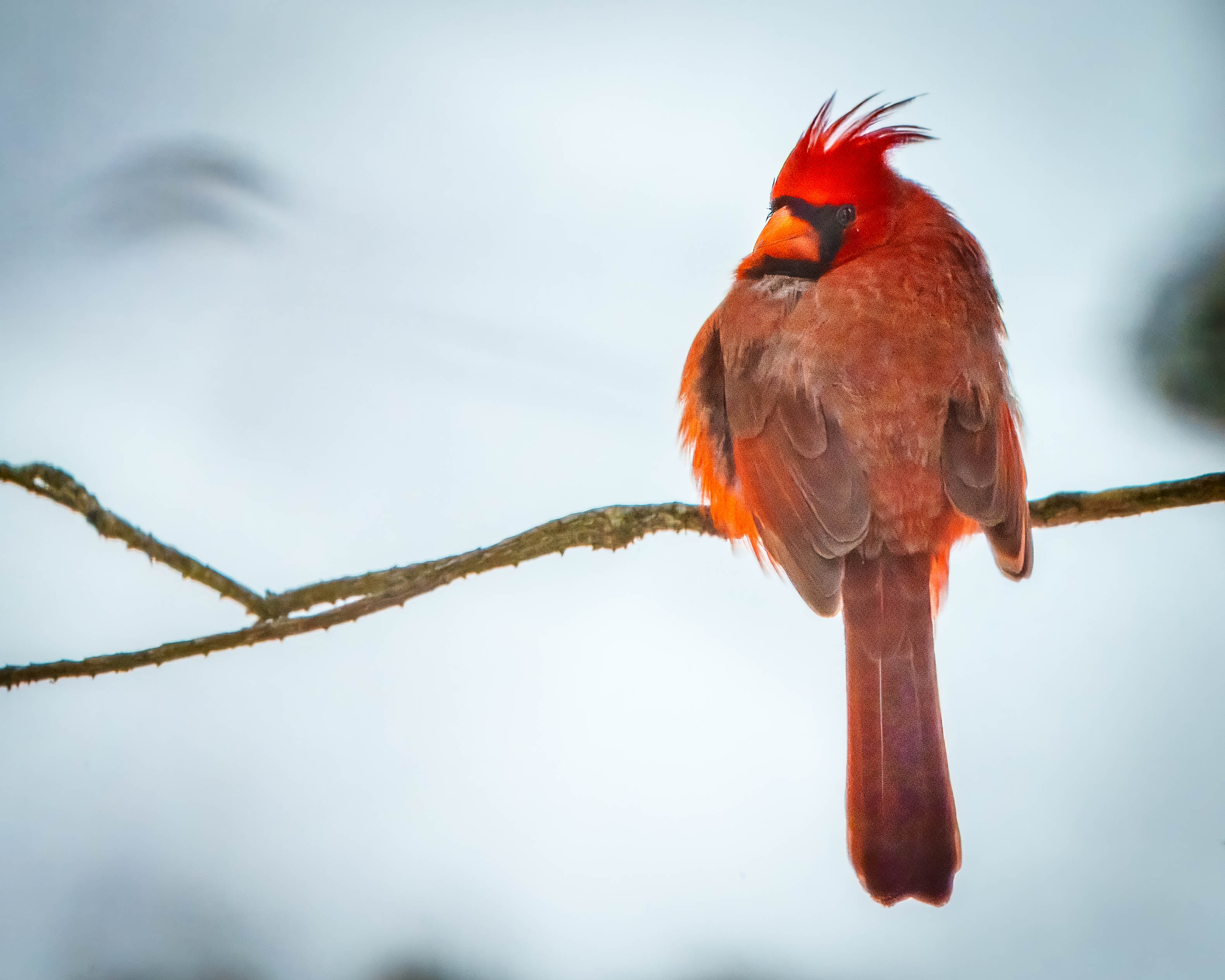
I raised the blinds in the sunroom, exposing nearby trees, setup the tripod and camera, and took pictures as birds came in to feed. As sleet and snow continued to fall, a disheveled Northern Cardinal, perhaps the same one from a couple days earlier, presented itself for a photo.

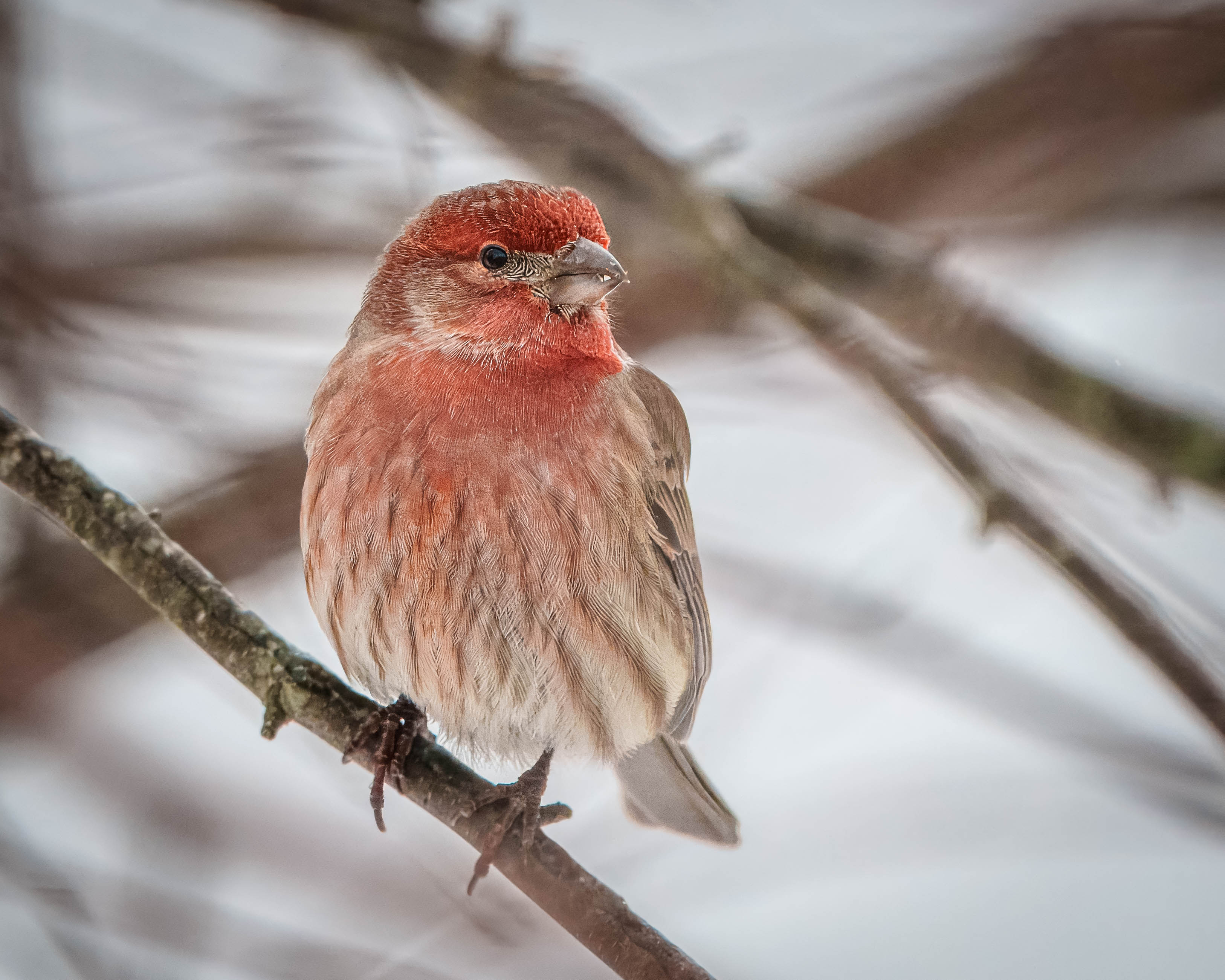
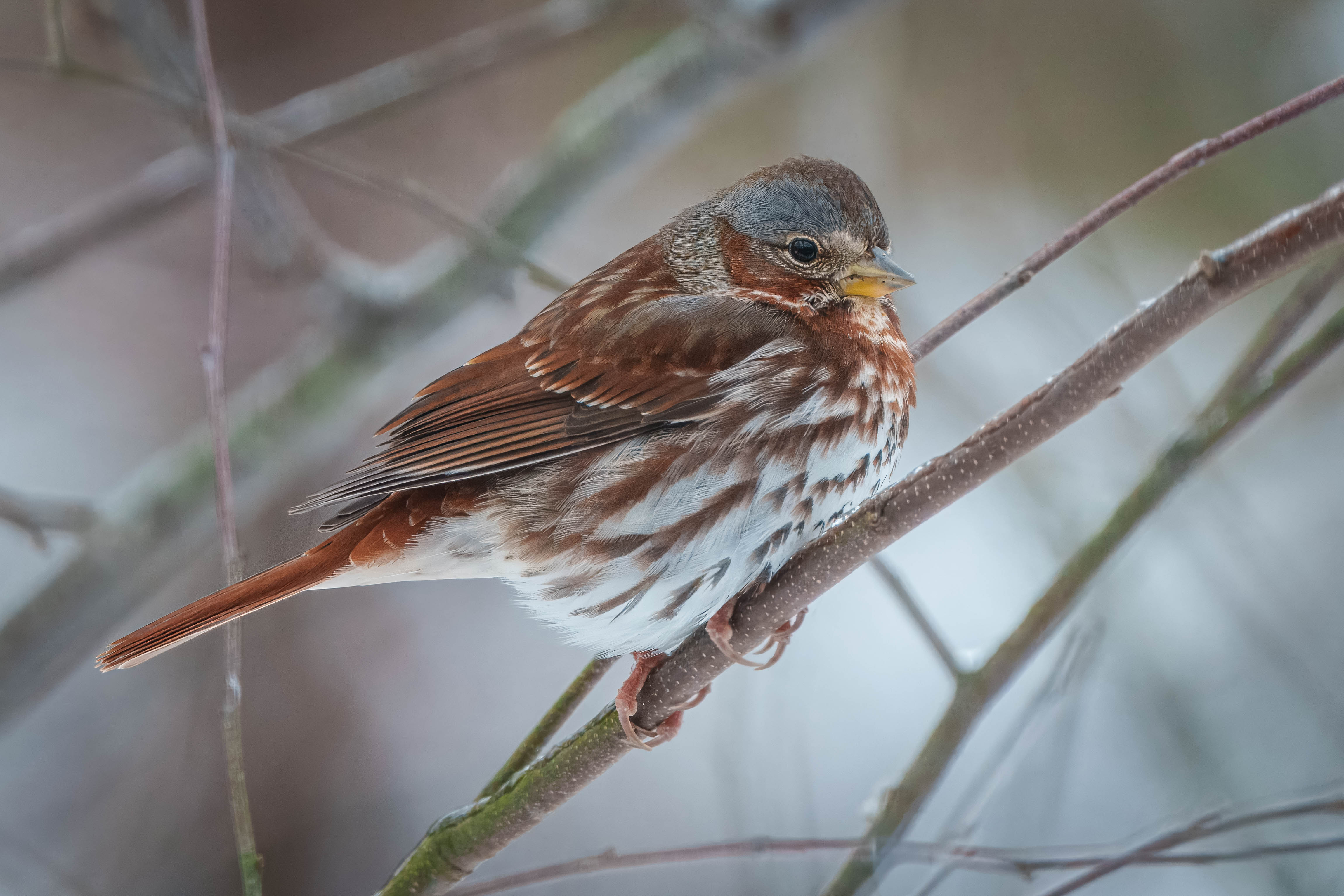
As the deep freeze set in and temperatures plummeted to single digits, four different species were photographed on Sunday, January 25, 2026: an American Goldfinch, a House Finch, a Dark-eyed Junco, and a Fox Sparrow. The Fox Sparrow was a “life bird”.

It began to thaw after five or six days, and we made an “emergency” run to friend Pam’s house to assist with water damage cleanup; apparently her refrigerator filter burst during the night and partially flooded her house.

As the month ended and temperatures rose, snow and ice still mostly covered streets and roads, AND PICKLEBALL COURTS, with some thawing beginning to occur. All in all, it was a pretty good time.

I spent considerable time organizing the cold garage/woodworking shop, and then building a few simple things to assist in organization and ease of working, striving to keep my mind and hands busy!

Sunday through Sunday, November 16-30, 2025—Kicking Off the Holiday Season

As Thanksgiving day approached, the holiday season, at least for us, slowly accelerates. As always, there will be good times with family and friends, and too much food.

I continue playing golf, as weather conditions permit—yes, I’m a “fair-weather” golfer—and the both of us play pickleball up to four times a week, again as weather conditions permit.

On the Thursday before Thanksgiving, we enjoyed an early Thanksgiving meal with Ron and Cheryl and their immediate family. The occasion was to celebrate Kaden (Ron’s son and KK’s oldest grandson) and Diane’s visit from San Antonio. And then, another feast was celebrated on Thanksgiving day, again at Ron’s, with KK’s family and Cheryl’s family. It’s always good to see family during the holidays, especially the grandkids.

Friday and Saturday after Thanksgiving was pickleball play for the both of us—a great way to unwind after all the food and celebration.

I spent a good portion of this reporting period making a YouTube video, “Sizing, Printing, Matting, and Framing a Photo”. This was the 23rd or 24th video created, and though they’re fun to create, they don’t get a lot of views.

Photography has slowed a bit during this transition between fall and winter, as the birds have a lot of natural food available, and don’t hang out in the nearby trees and shrubs. However, on Monday, November 17, a few birds showed up including a Golden-crowned Kinglet, Tufted Titmouse, and Carolina Chickadee.

But the real star of the “show” was a Turkey Vulture perched in an adjacent tree.

Turkey Vulture

A few more birds began appearing towards the end of the month. In addition to the regulars, species observed included a Downy Woodpecker, Pine Warbler, Golden-crowned Kinglet, and Dark-eyed Junco.

Downy Woodpecker
Pine Warbler
Golden-crowned Kinglet
Dark-eyed Junco

Monday through Tuesday, September 16-30, 2025—Time Marches On

It was a relatively quiet couple of weeks ending September. Most days found us either playing pickleball, golf, or both. Significant items were Kay’s birthday, her departure for a girls trip to Beau Rivage in Biloxi, Mississippi, and repair of the house deck.

Kay celebrated another birthday on September 23, yet she doesn’t look a day older. Her son took her out to Pancake House in Hot Springs and she immensely enjoyed it. And then on September 30 she and a girlfriend flew to Biloxi, Mississippi, on a gambling junket at Beau Rivage. Also on September 30, a father and adult son removed rotten wood from the rear deck and replaced it with new material. As best I can tell, they did an acceptable job, but he grossly misstated the hours worked (at $55/hour). There was little I could do except pay, but we’ll not recommend him nor use him again.

As temperatures cooled, butterflies and dragonflies were observed less and less often; consequently, I switched to photographing birds. 

On September 16, a Tufted Titmouse, Carolina Chickadee, and Ruby-throated Hummingbird were photographed.

A surprise visitor, a Northern Parula Warbler, showed up earning on the morning of September 18, and was photographed chasing, then losing a caterpillar. This is only the third Northern Parula Warbler I’ve seen.

Northern Parula Warbler

The following photos show the sequence of catching then losing a caterpillar.

A Blue-gray Gnatcatcher was observed and photographed on September 21, an unexpected visitor.

Blue-gray Gnatcatcher

Another unexpected visitor, a Chipping Sparrow, was observed and photographed on September 26.

Chipping Sparrow

On September 27, a solitary Ruby-throated Hummingbird was photographed.

Ruby-throated Hummingbird

An exciting birding day at our place was September 28. On that Sunday morning before church, a Nashville Warbler, Chipping Sparrow, Northern Cardinal, Ruby-crowned Kinglet, and Northern Flicker were observed and photographed. The Northern Warbler was a “LIFE BIRD” and the Northern Flicker was the first-time I had photographed that species.

Nashville Warbler
Chipping Sparrow
Northern Cardinal
Northern Flicker

Lastly, a Brown-headed Nuthatch was observed and photographed on September 29. Nuthatches are often seen going down trees head first, clinging to bark with their strong feet rather than leaning on their tails like a woodpecker.

Brown-headed Nuthatch