Monday through Monday, June 1-15, 2026—Busy Times for Kay

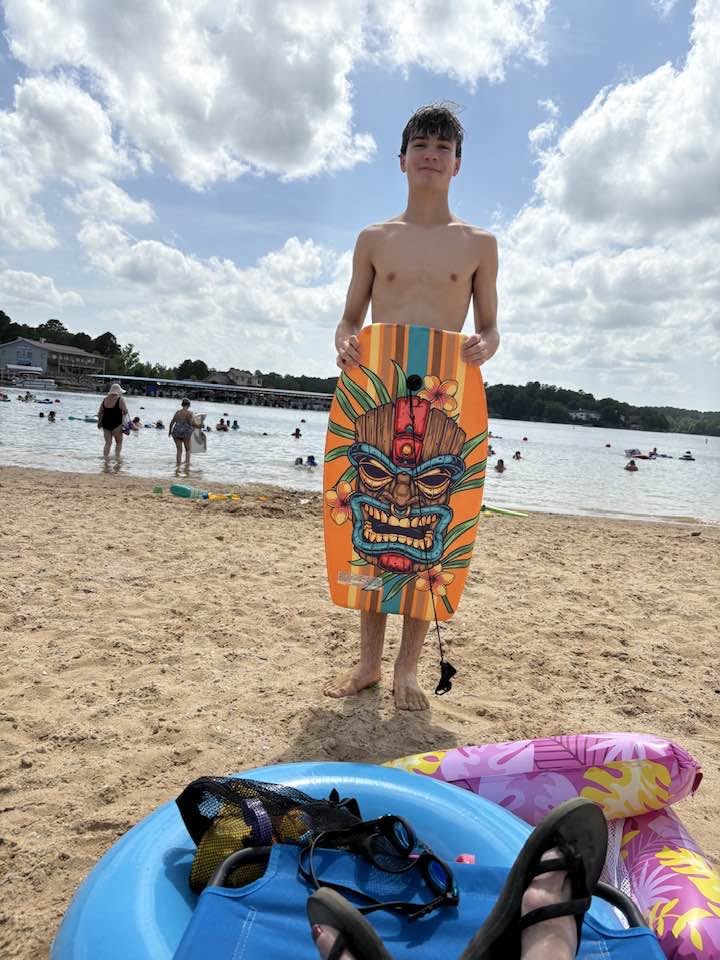
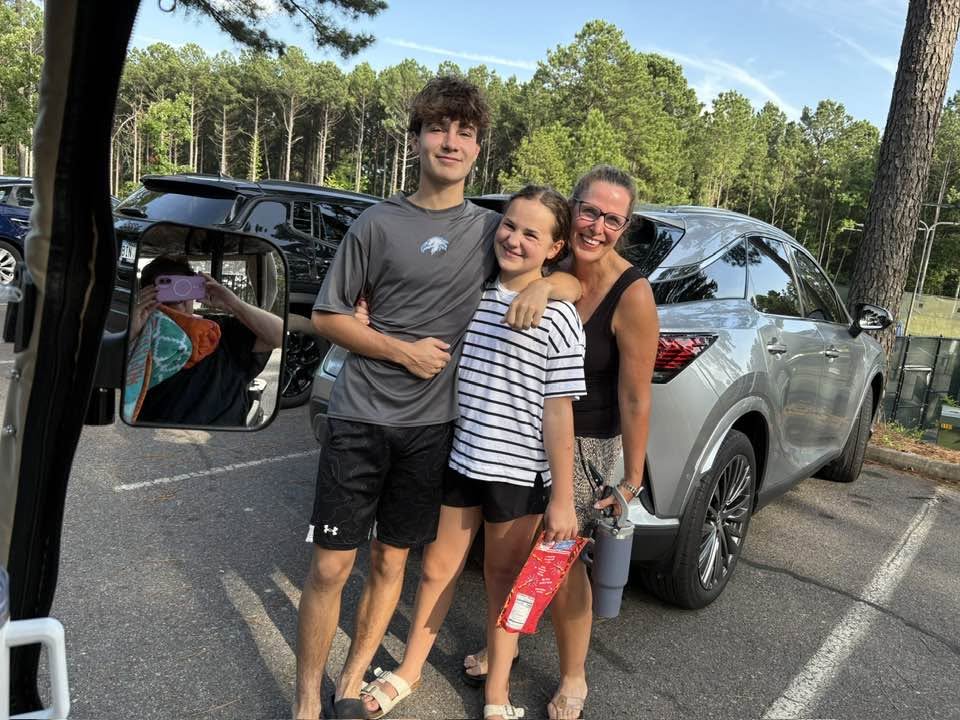
Kay began the month packing for a gambling junket to Beau Rivage in Biloxi, Mississippi. For a minimal amount, Beau Rivage flies “gamblers” from Arkansas to Biloxi, and then comps them a room for three nights. She and BFF Pam traveled there together. They left on Tuesday, June 2, and returned on Friday, June 5. Upon her return, she spent Saturday unpacking and doing her laundry. On Sunday, granddaughter came to visit for a few days. We were so delighted to host her, and she is growing up way too fast. She and Kay shopped, spent time at the Mid-America Museum, and rewatched her play at the beach and in Balboa Lake. On Friday, Kay’s longtime childhood friend, Sue, came to spend the weekend and on Saturday they attended their 61st high school reunion in Morrilton. Sue left on Sunday, and then on Monday, Kay flew to Richmond, Virginia, to spend a few days visiting her sister and brother-in-law. There were some snafus in her travel plans and Delta cancelled her flight from Atlanta to Richmond at the last minute. Fortunately, she was able to find another flight (for almost double the fare), arriving in Richmond late afternoon on Monday, June 15.

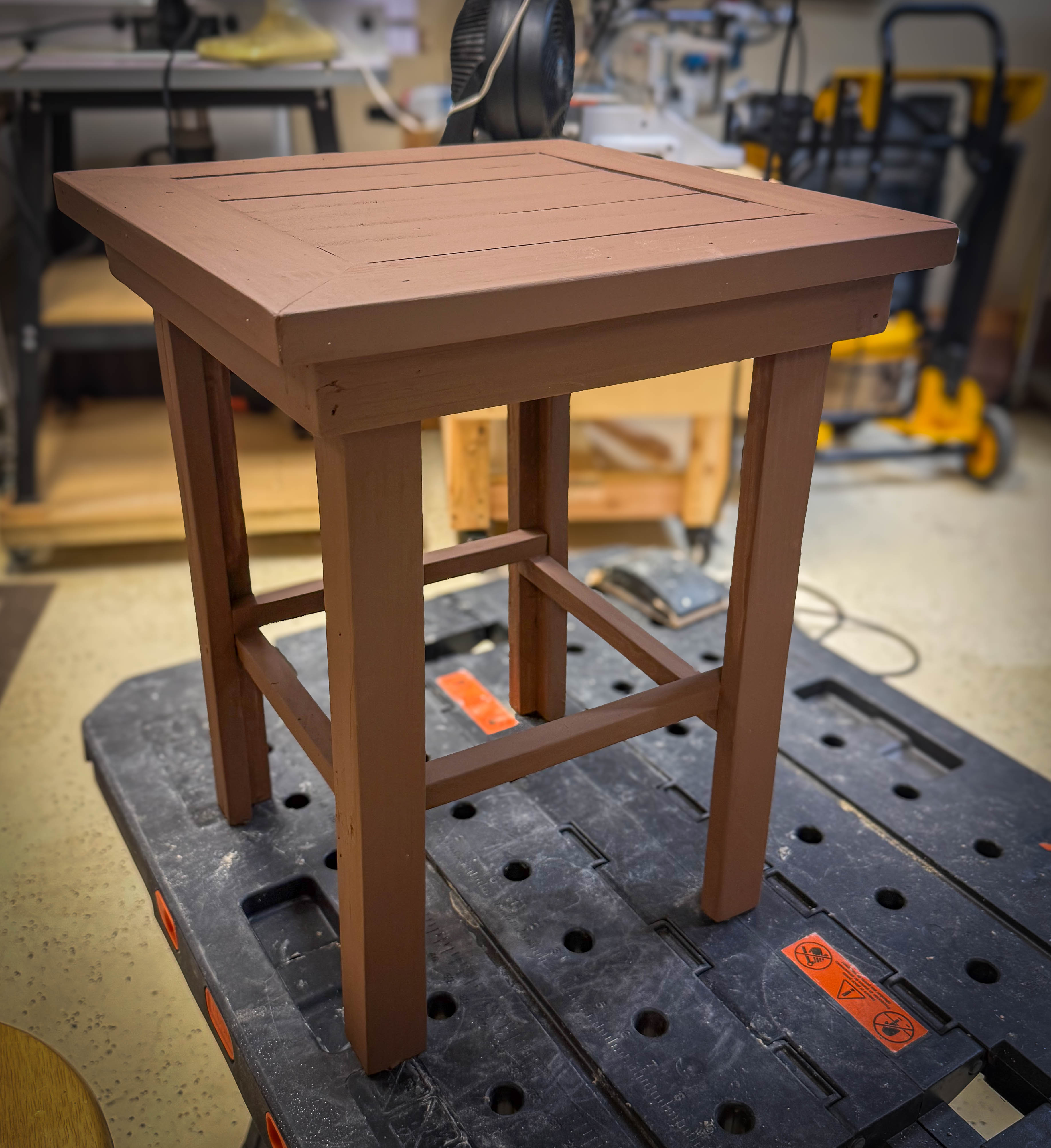
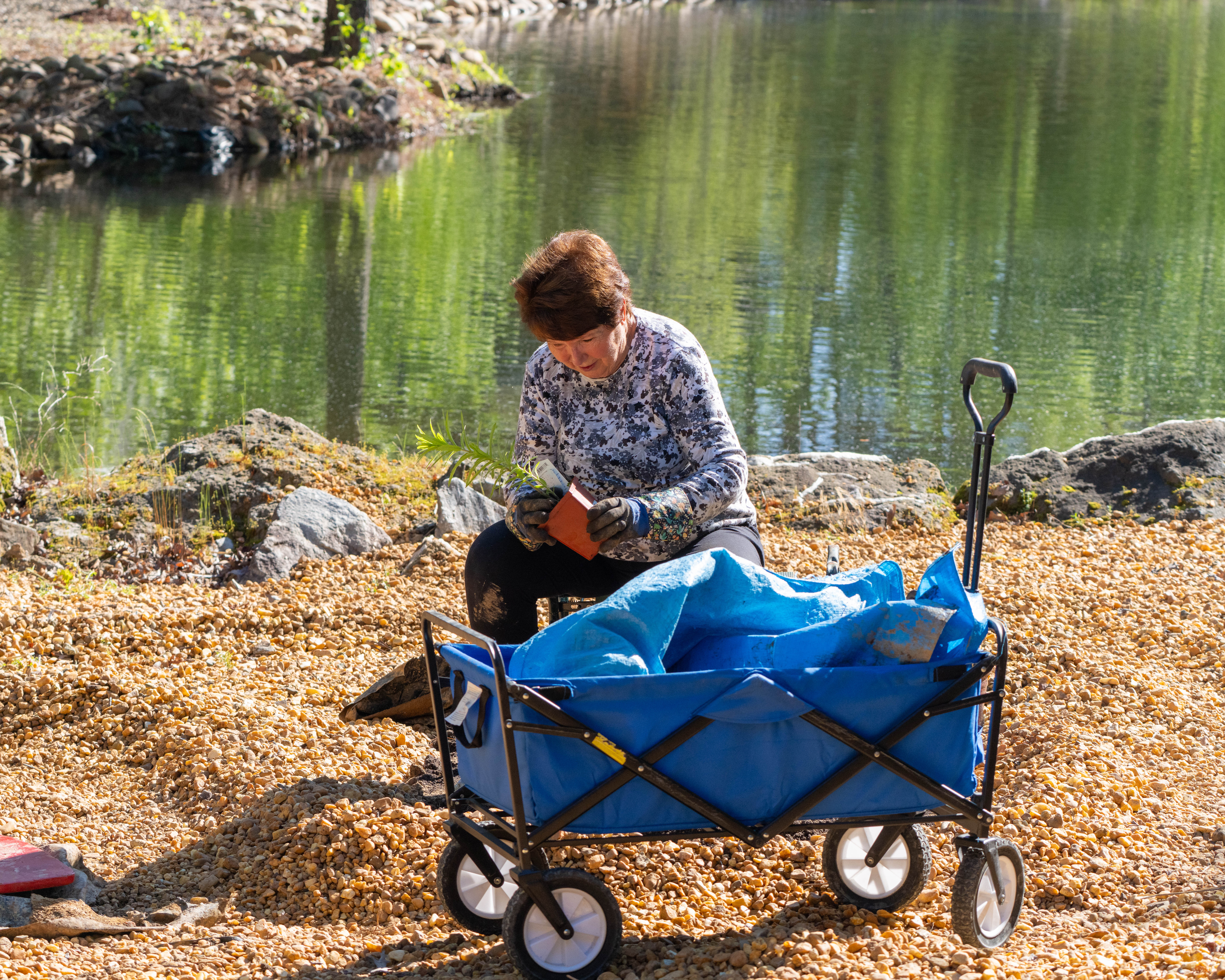
Meanwhile, still down and out with a pulled groin muscle, I hung around the house and enjoyed some yard work, and shop time. This is a photo of a prototype patio table I designed and built while Kay was away.

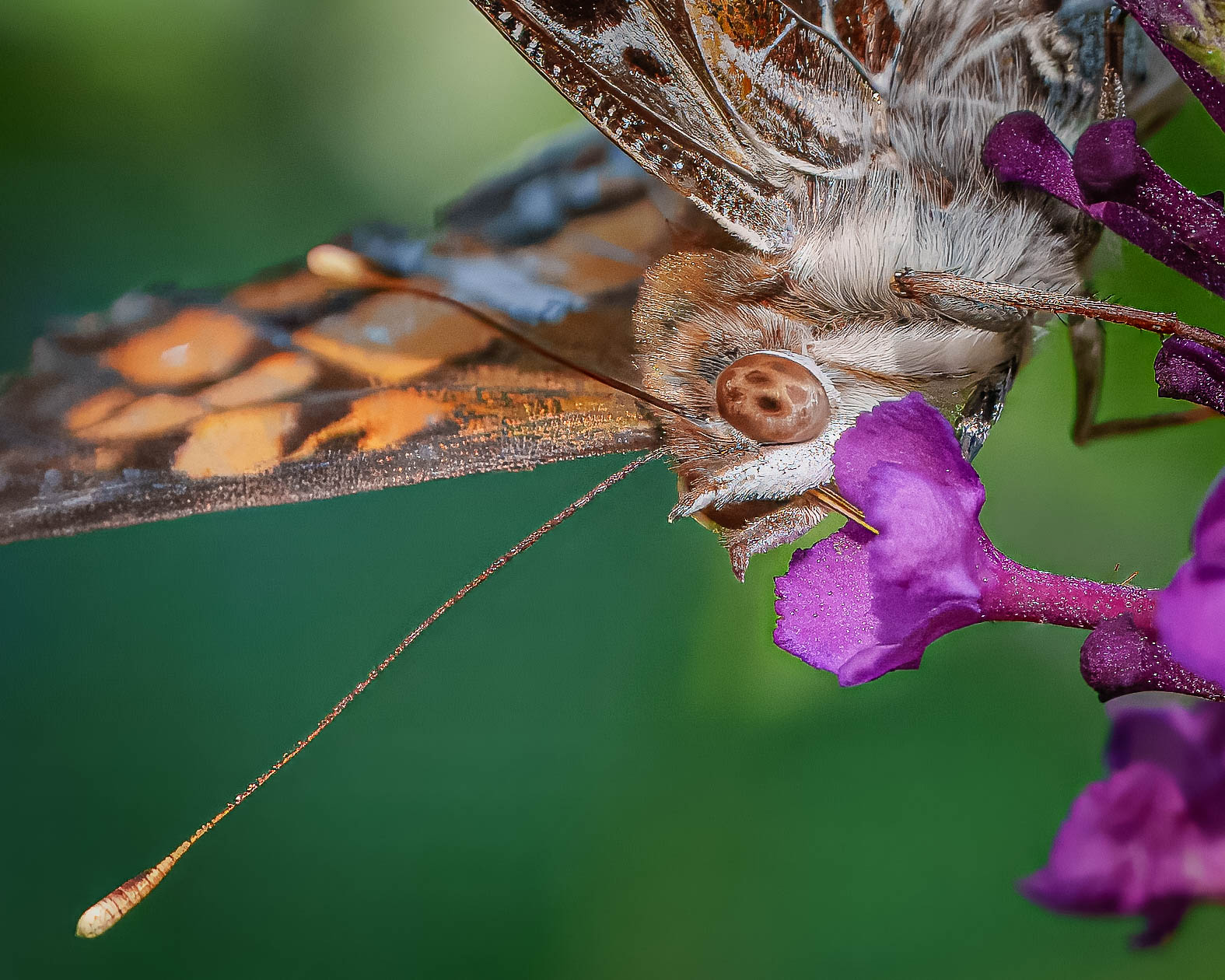
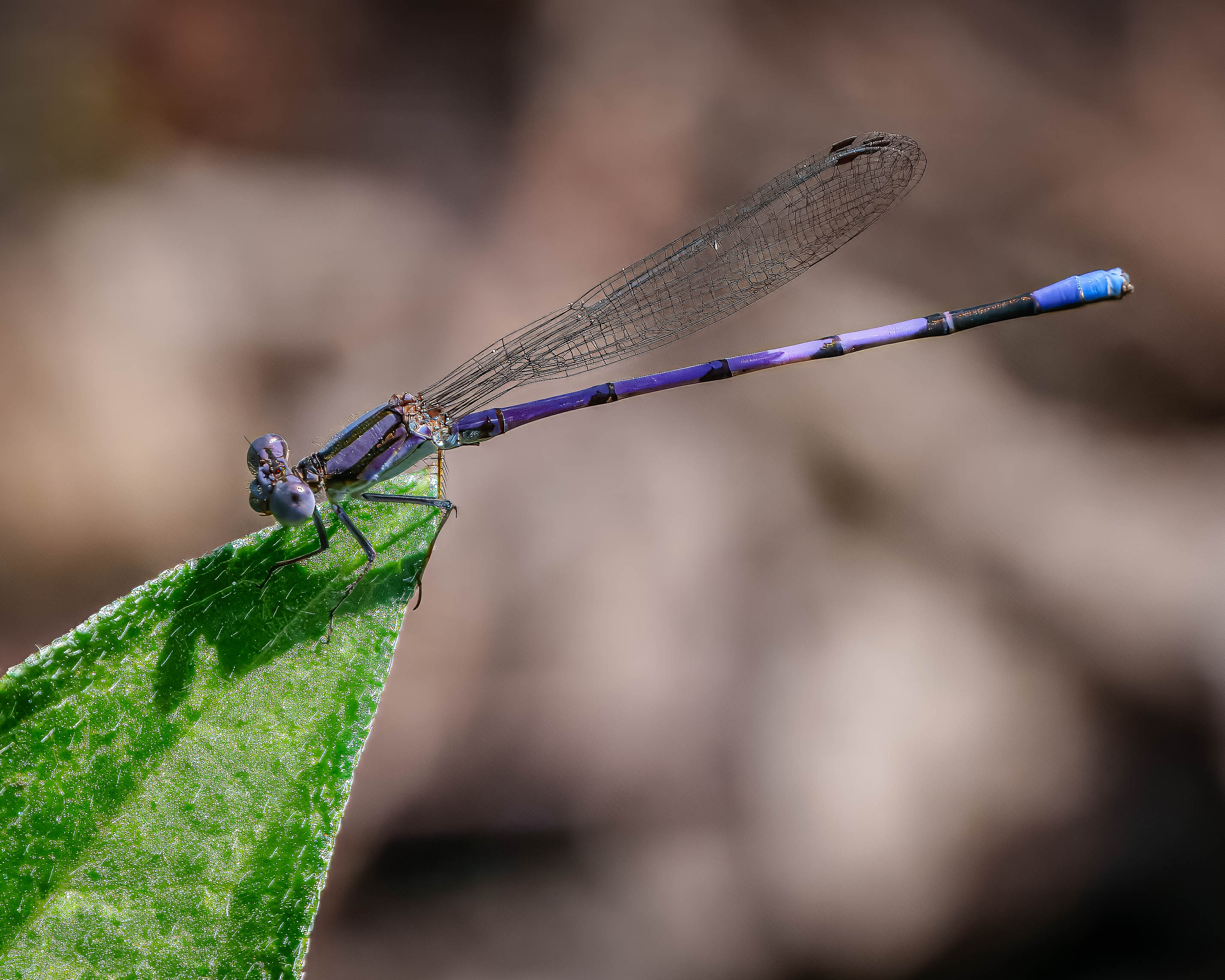
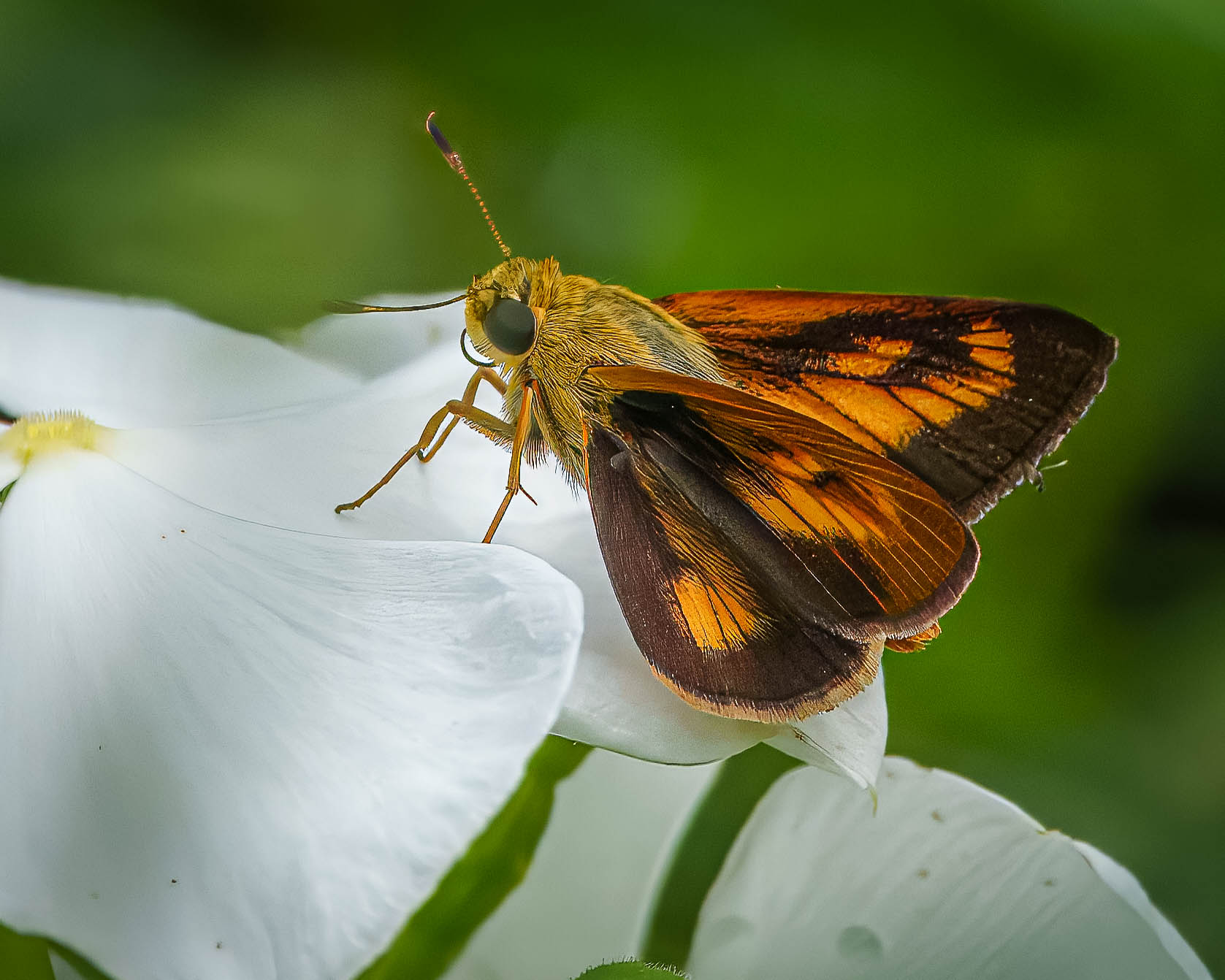
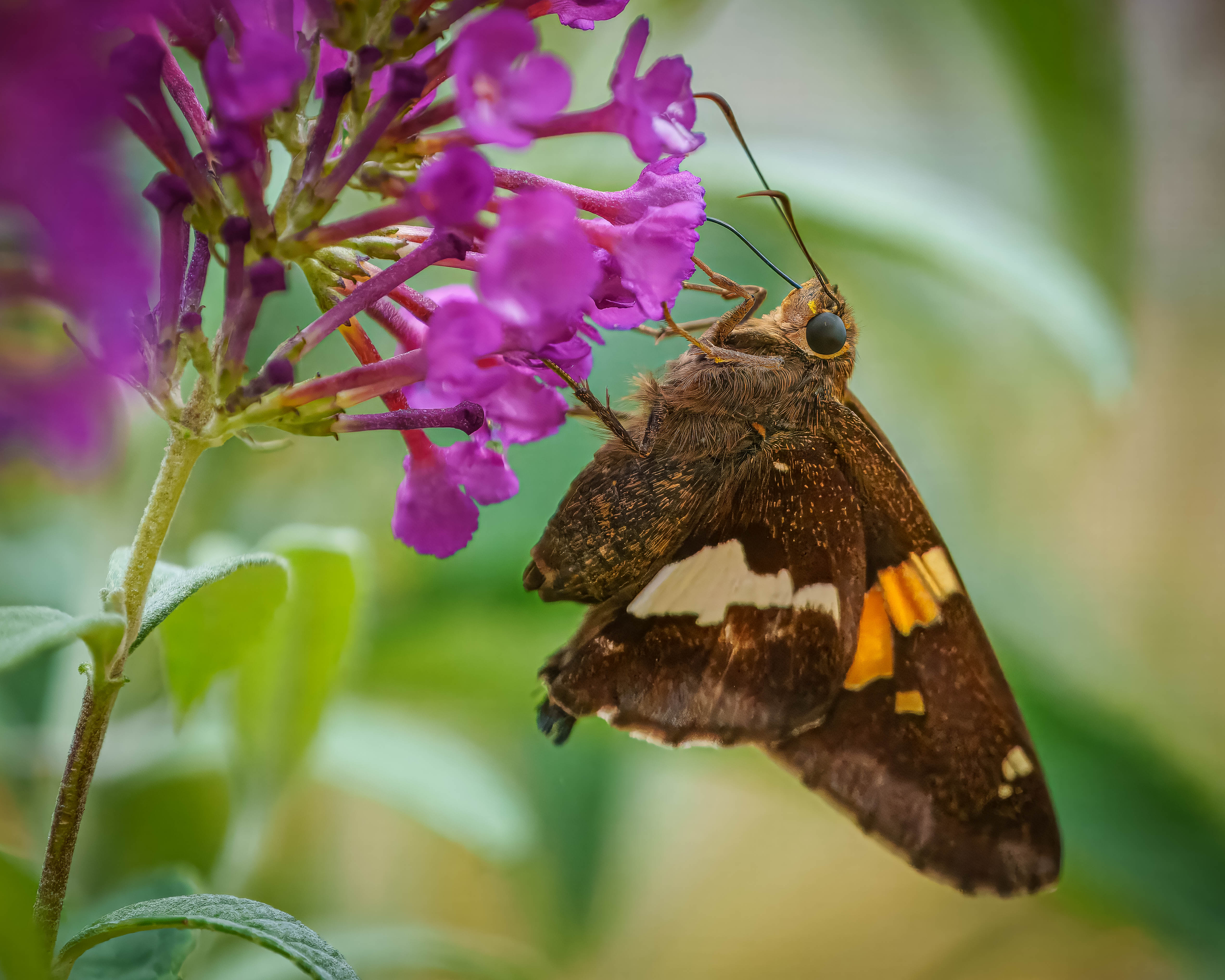
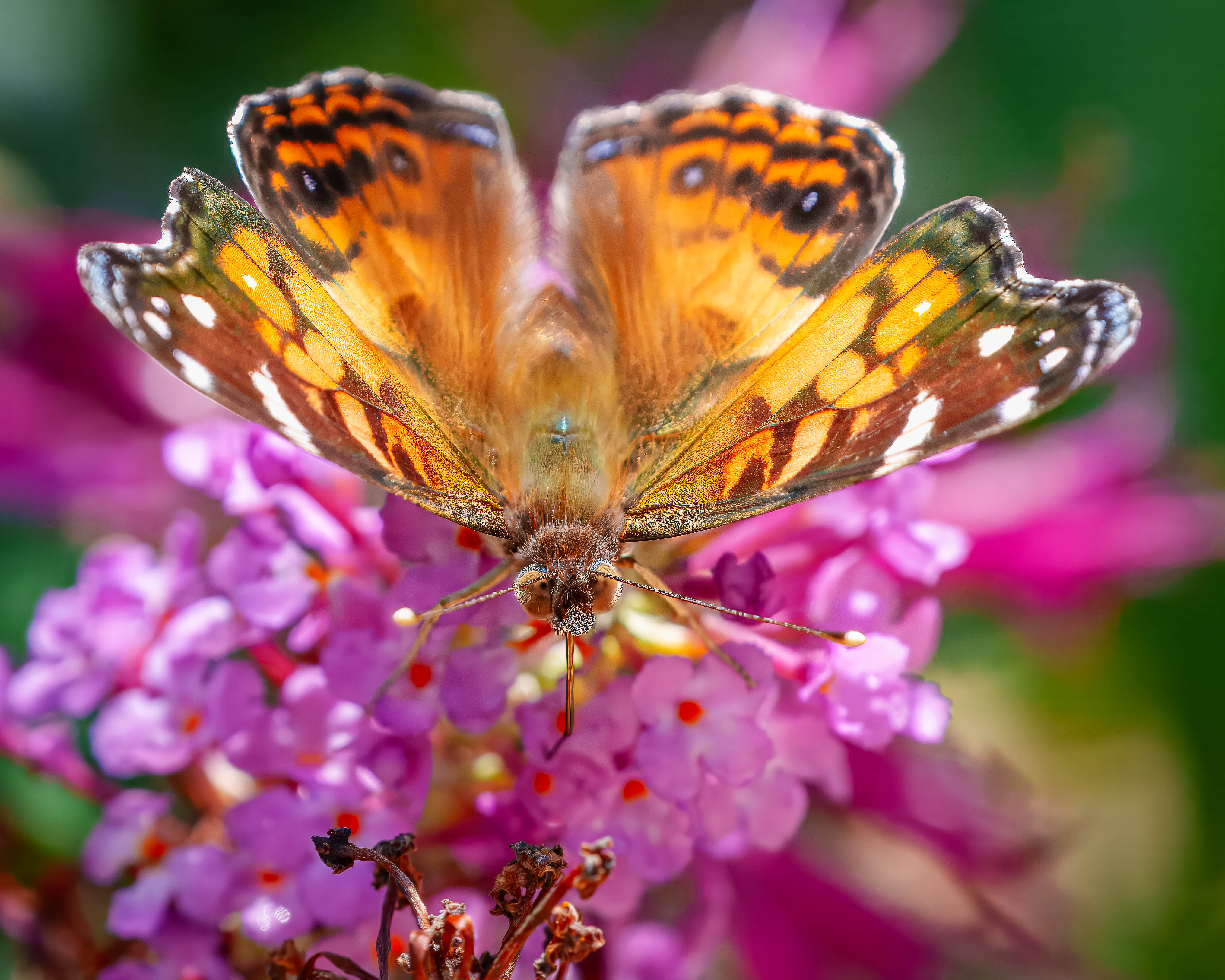
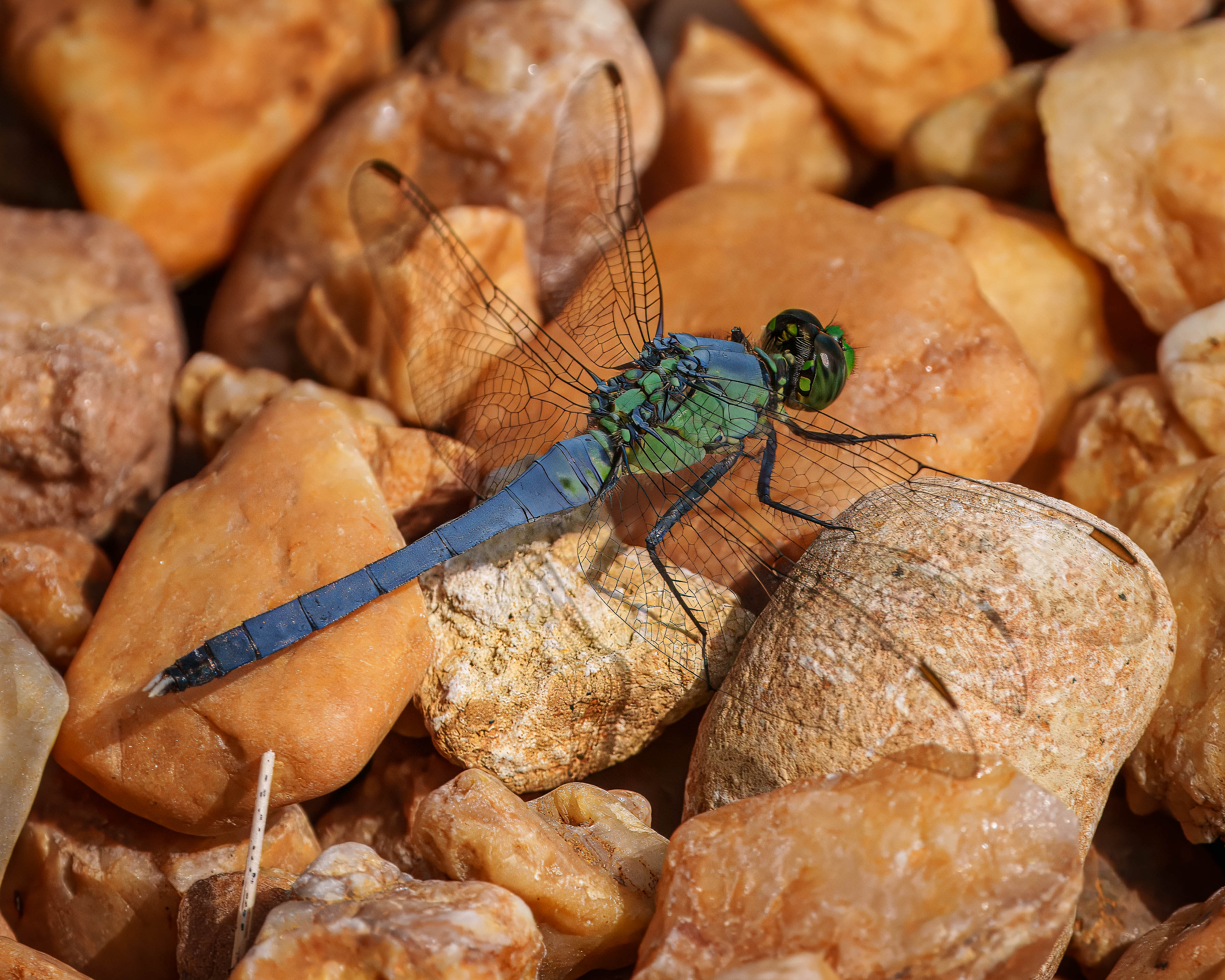
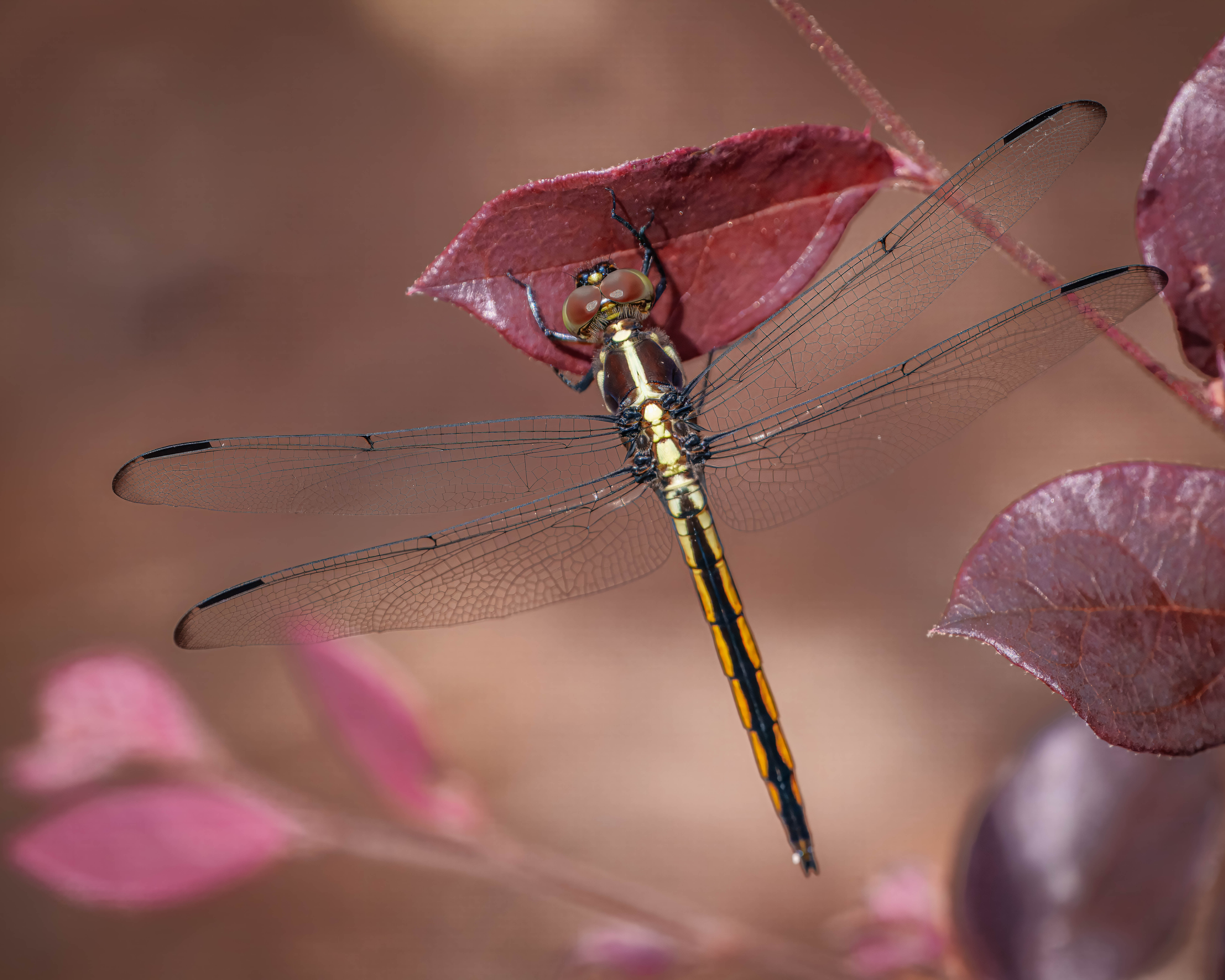
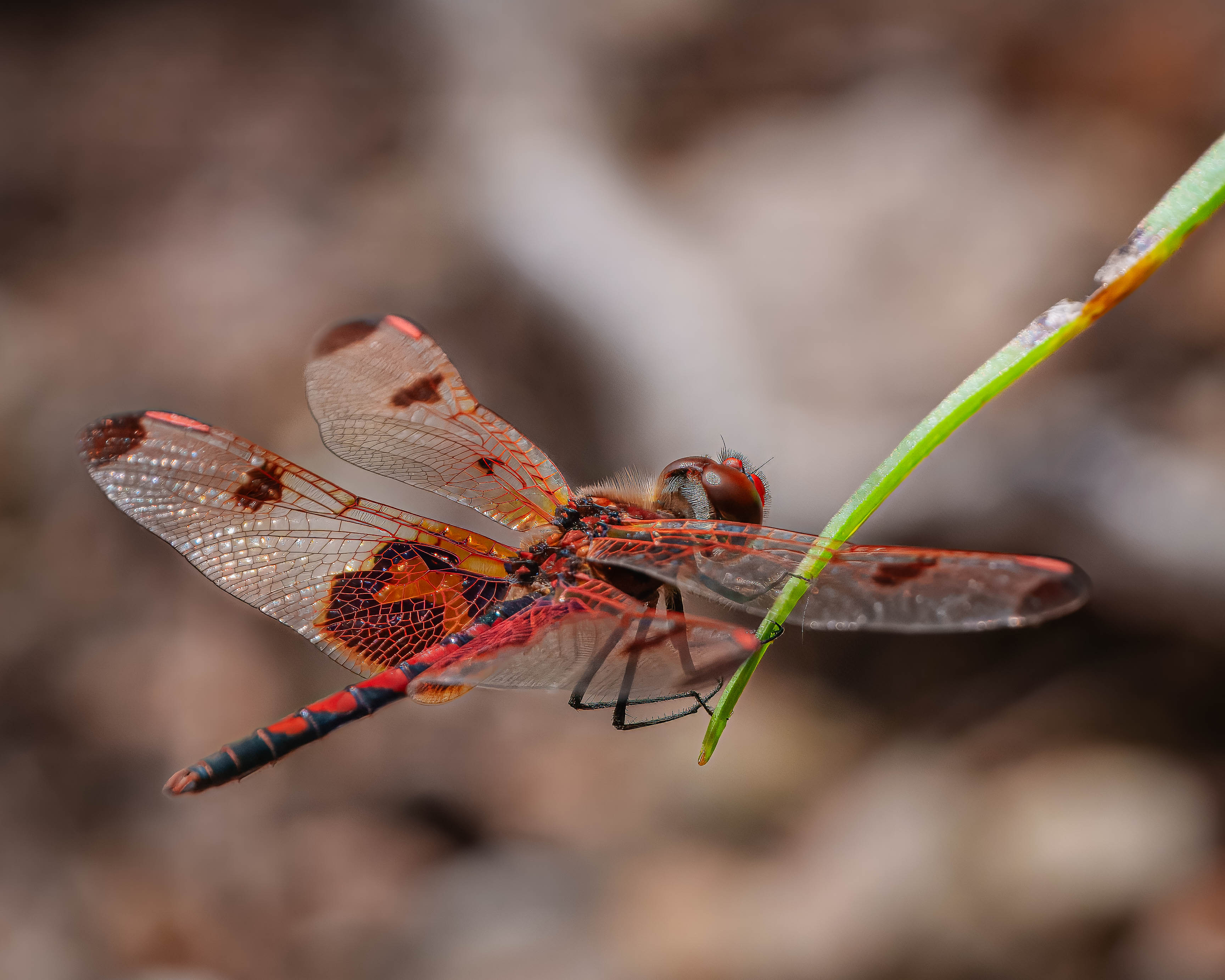
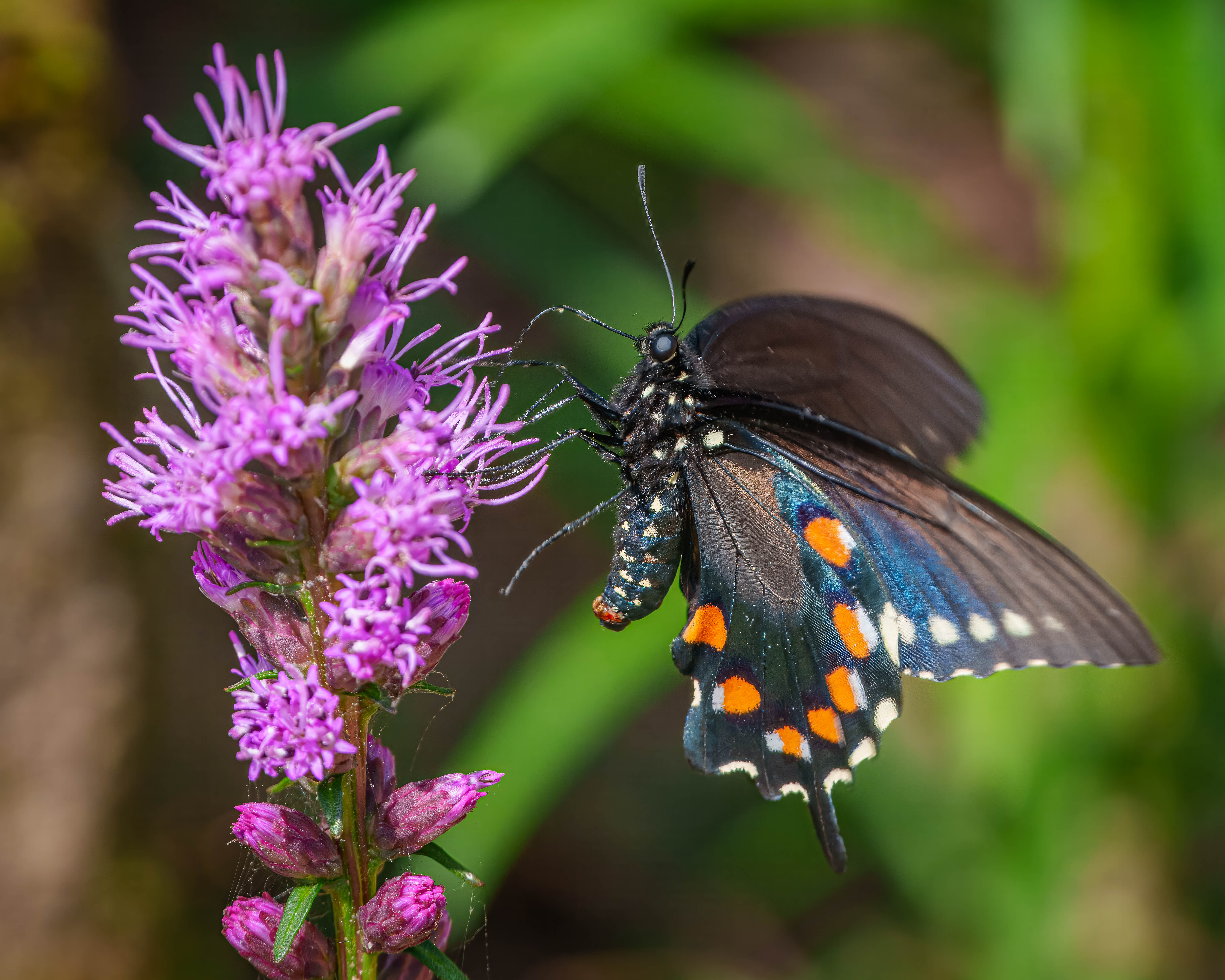
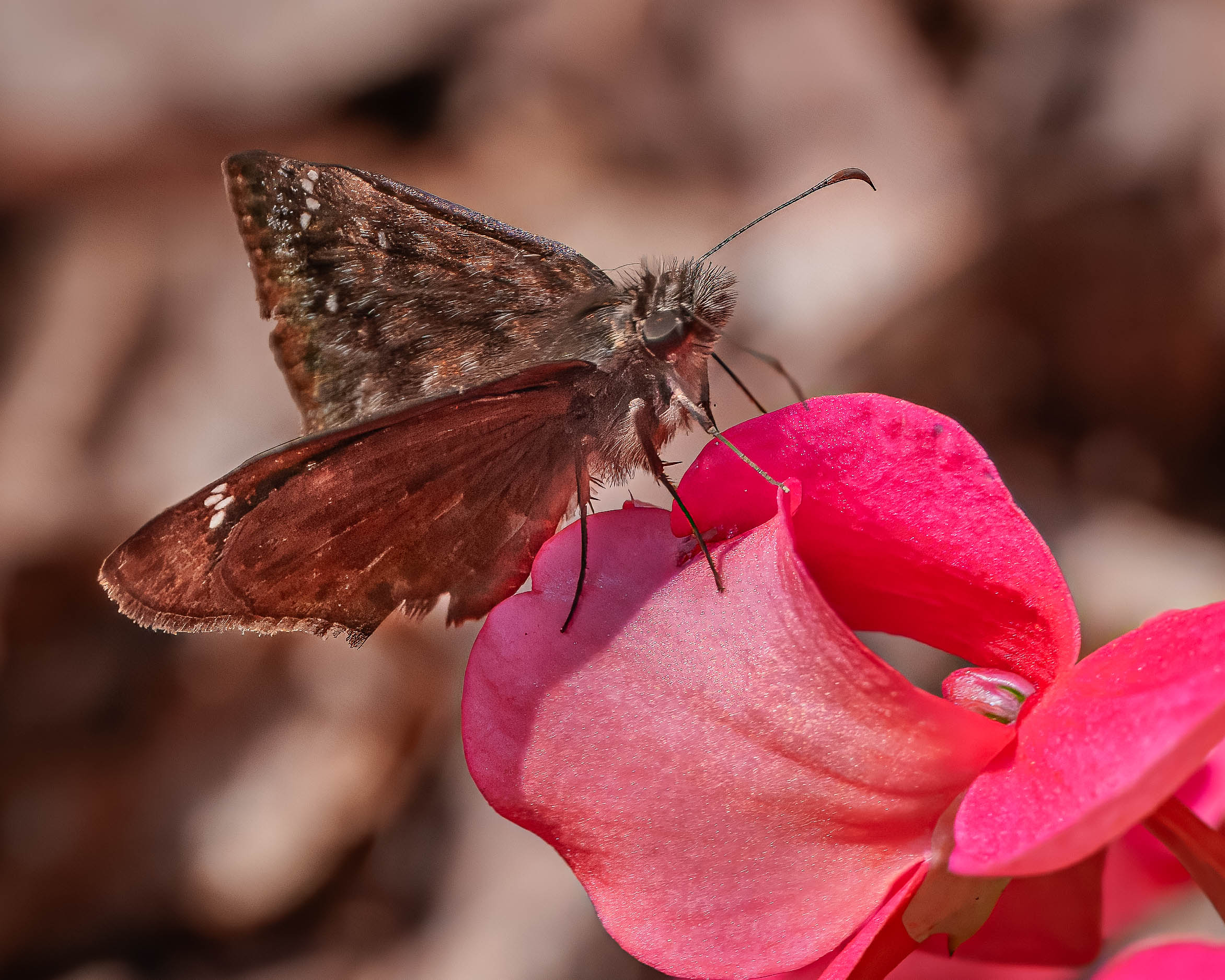
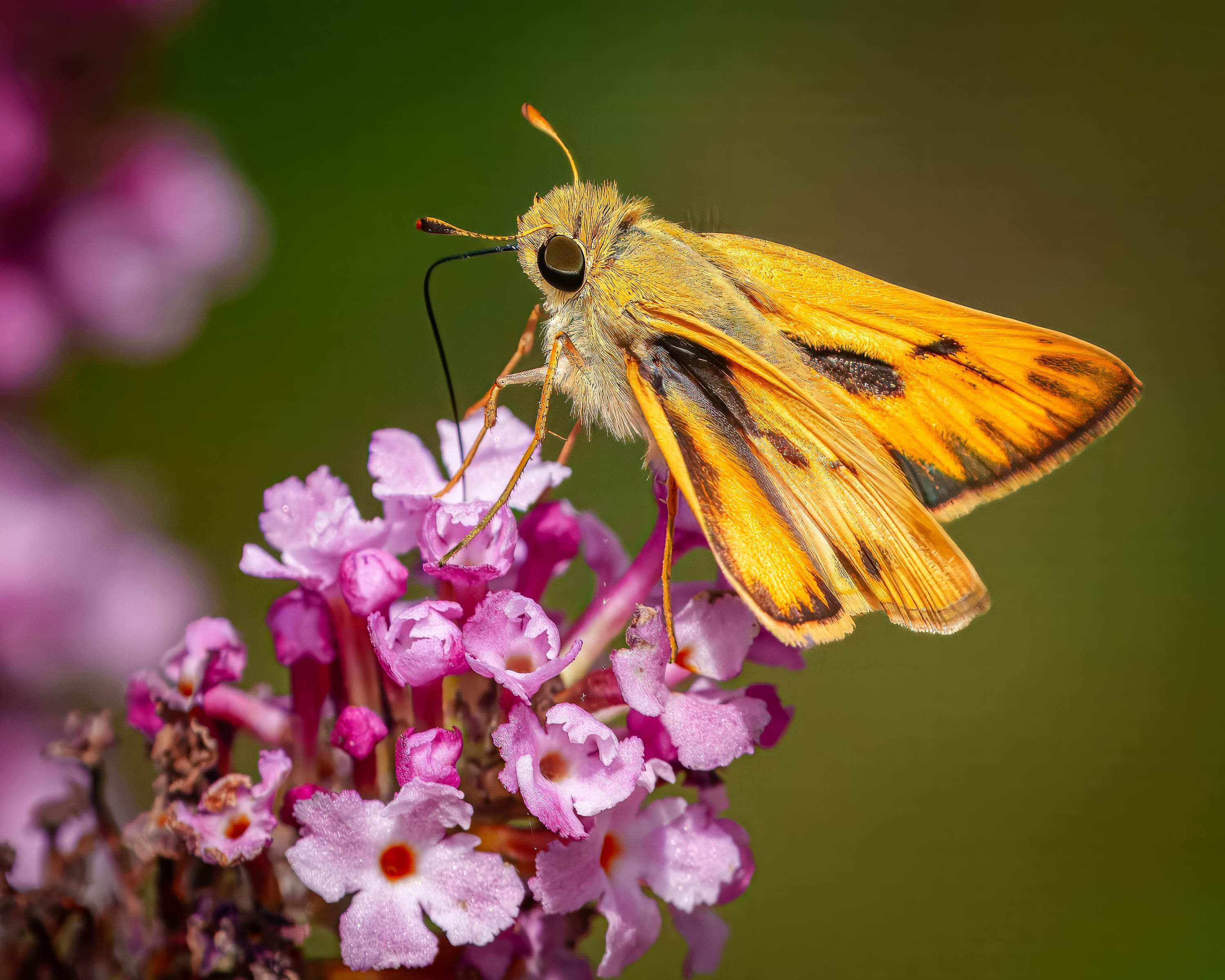
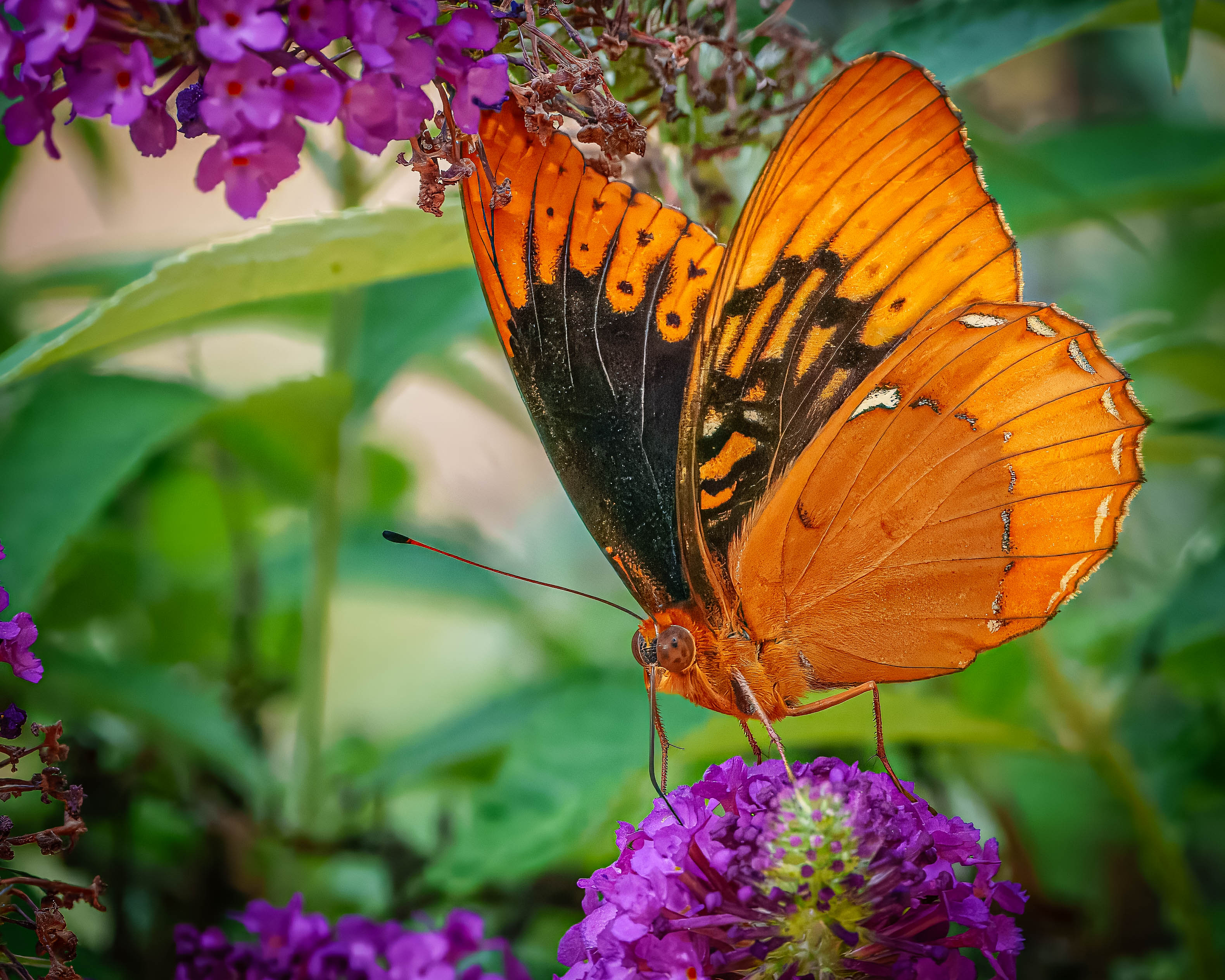
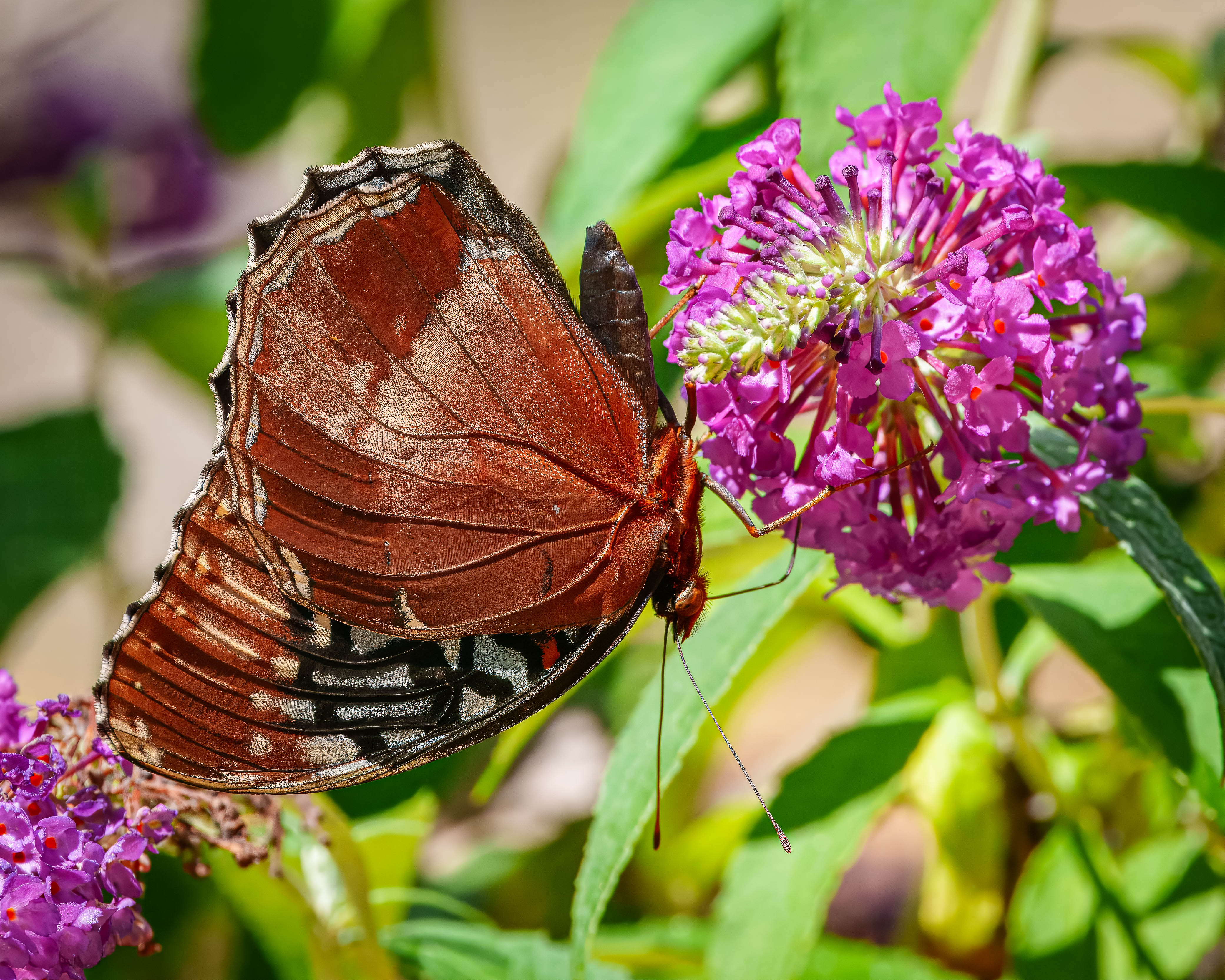
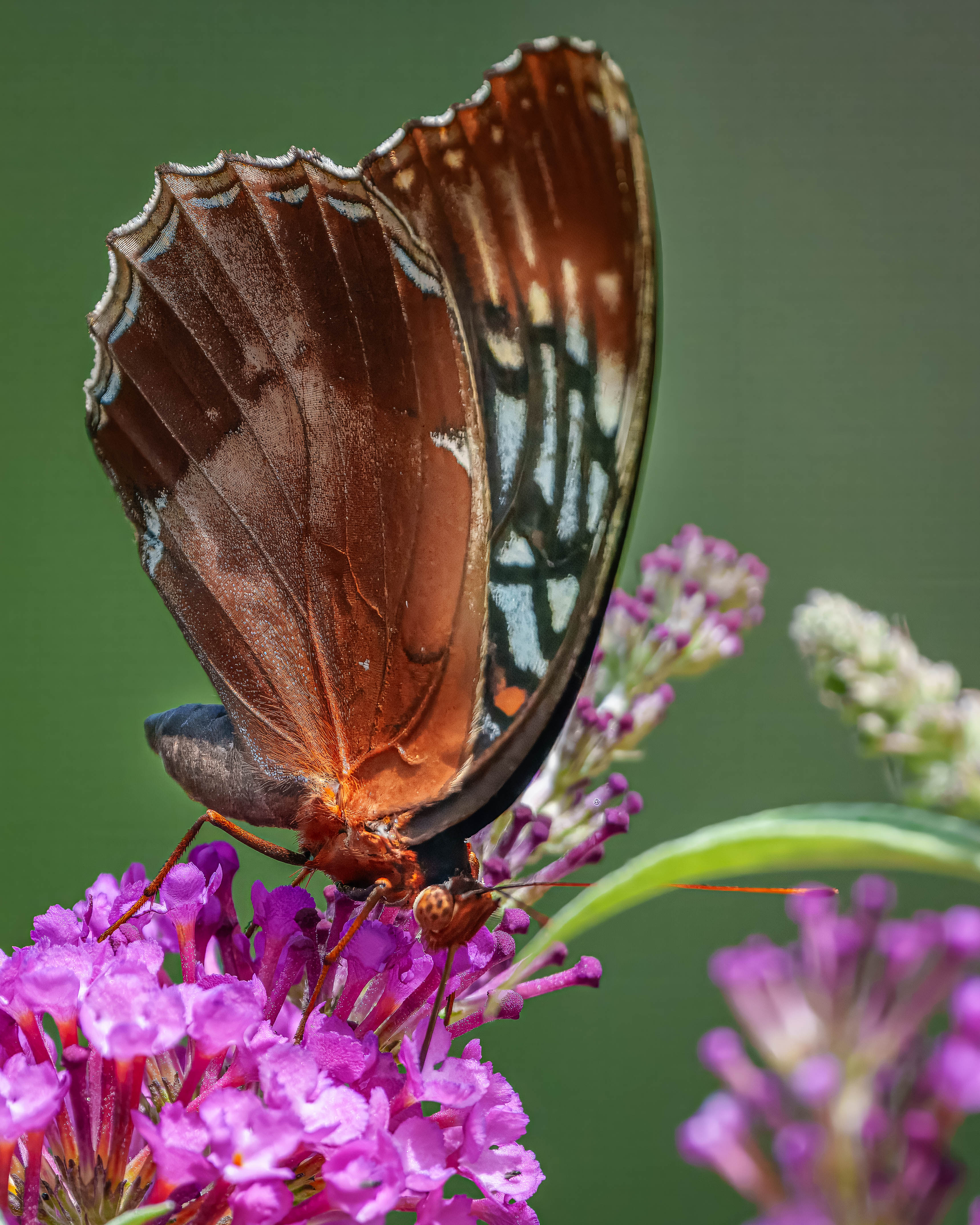
Of course, time was made almost daily for photographing butterflies and dragonflies in the pollinator garden, shooting photos 9 of the 15 days of this period.

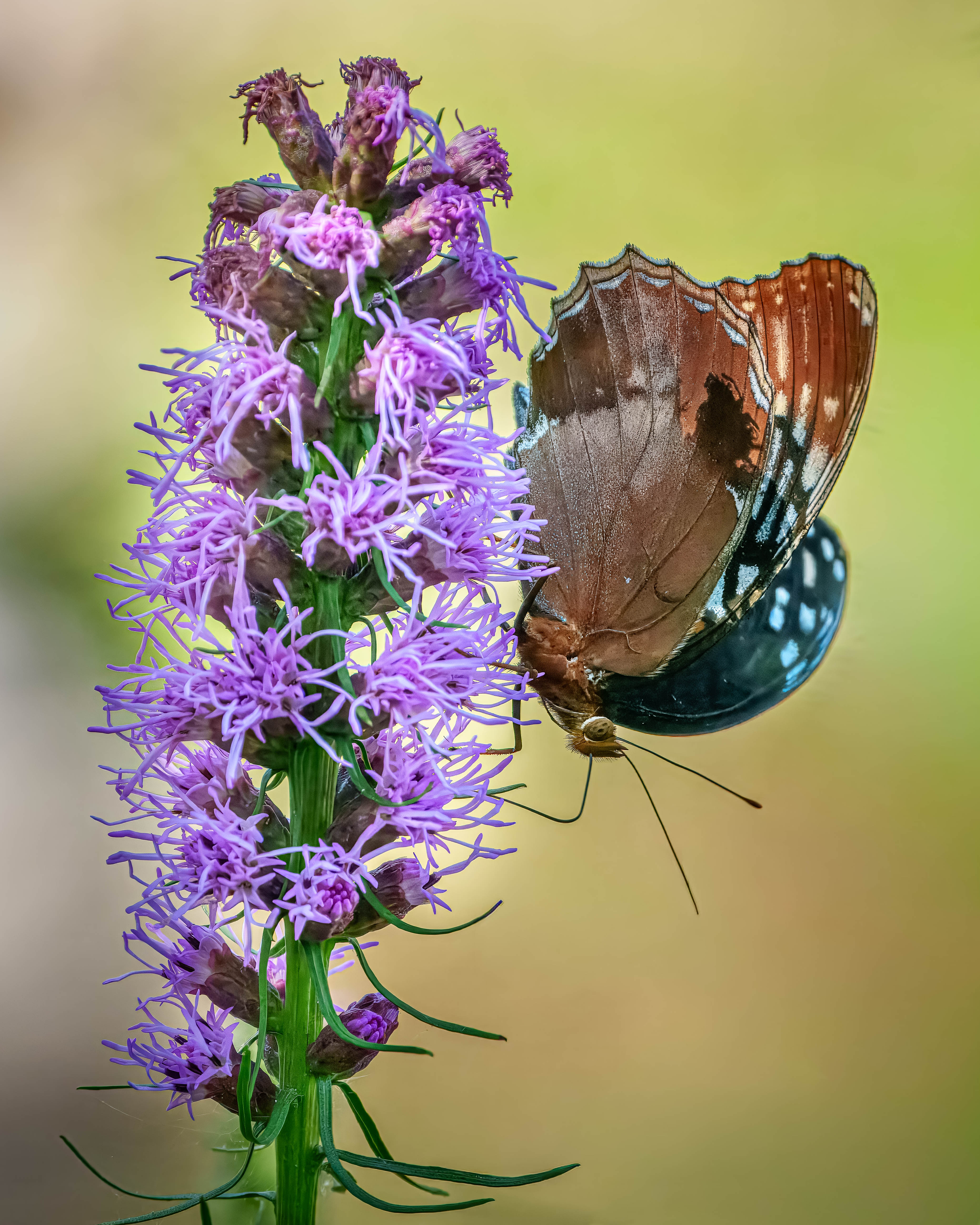
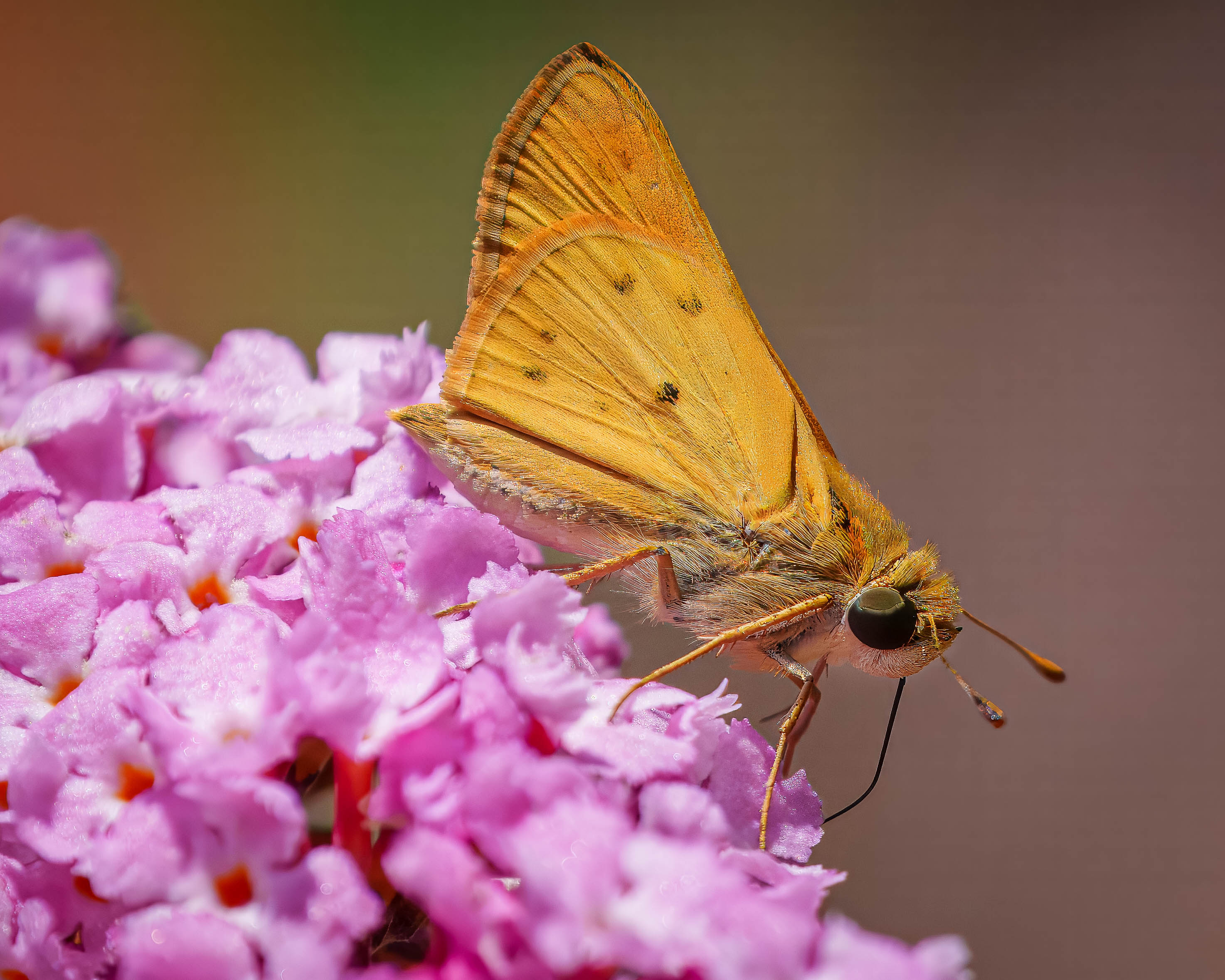
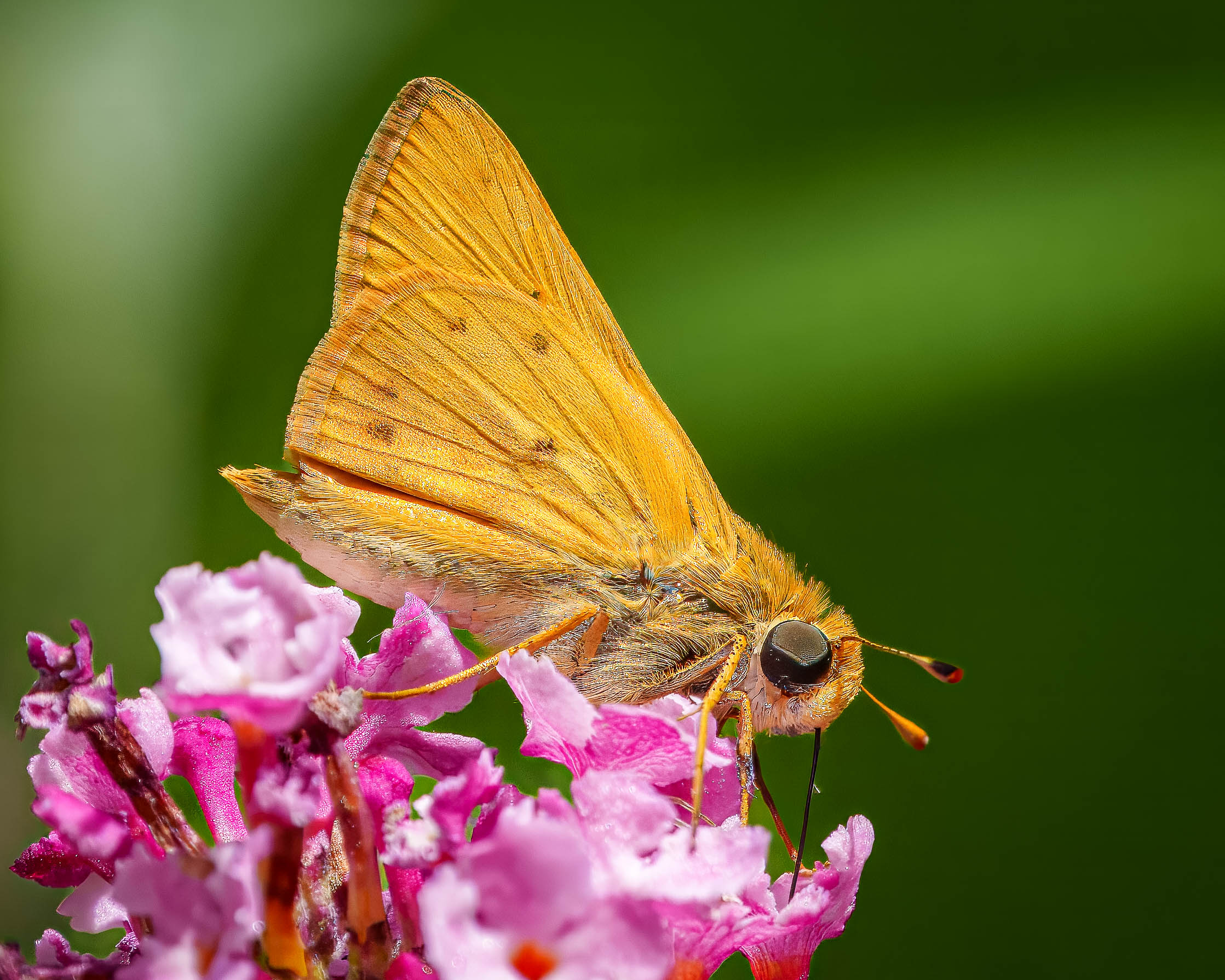
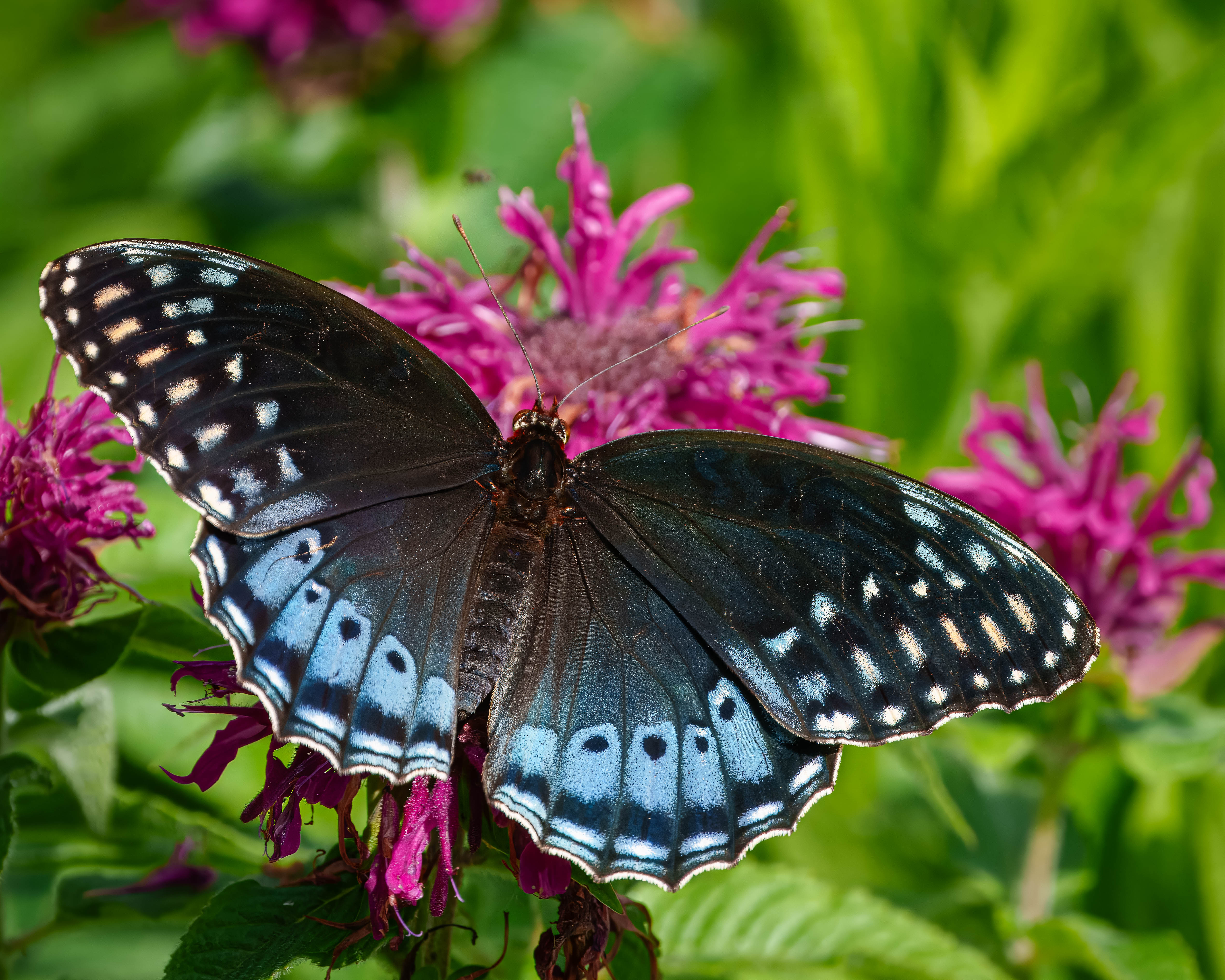
The number of species of butterflies is really down this year. Generally, American Lady butterflies and Fiery Skippers can be observed every day, though the number of butterflies is small. However, the Diana Fritillary species is spending time nectaring daily which is a real thrill. And, a few dragonflies dart about in search of their next prey.

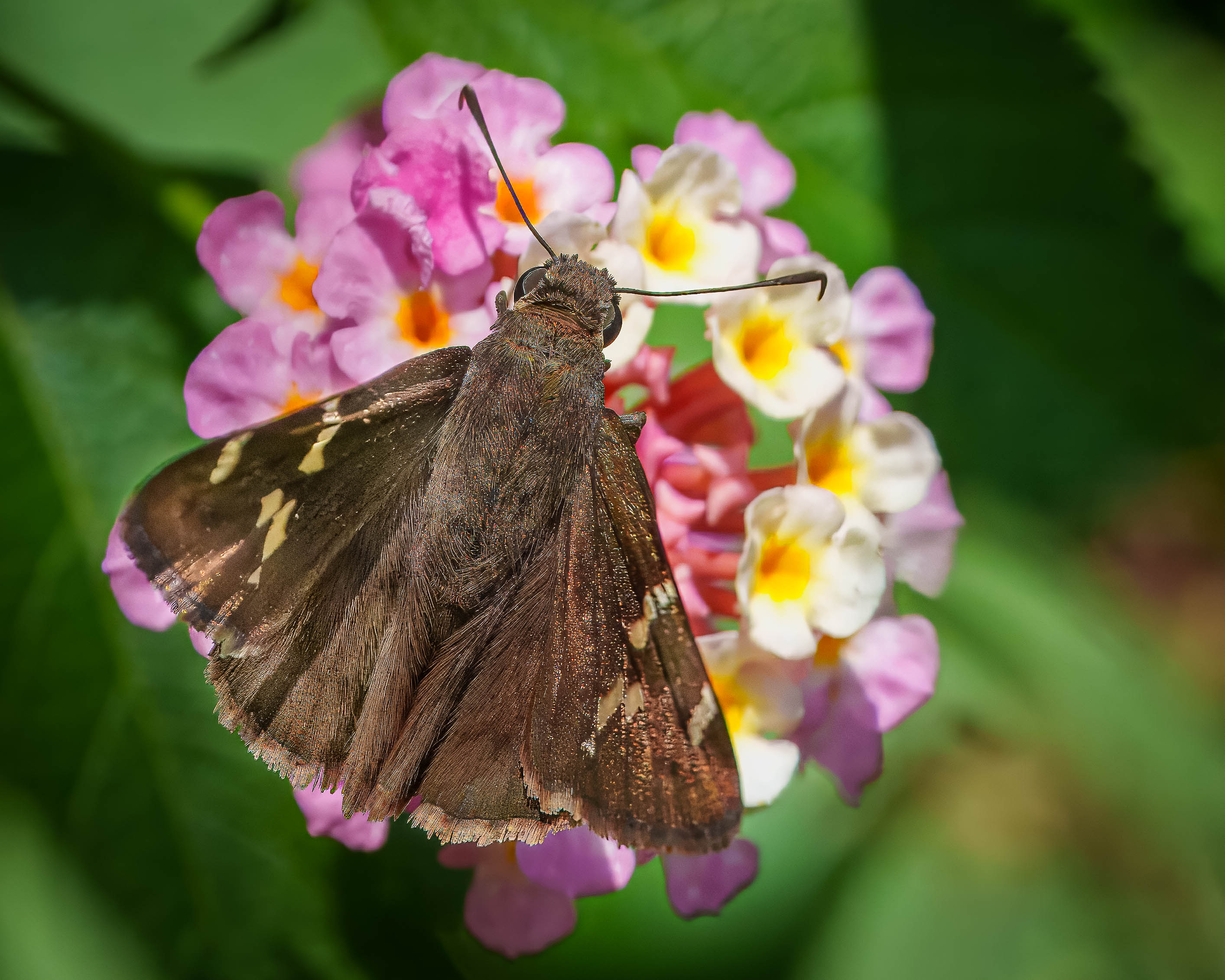
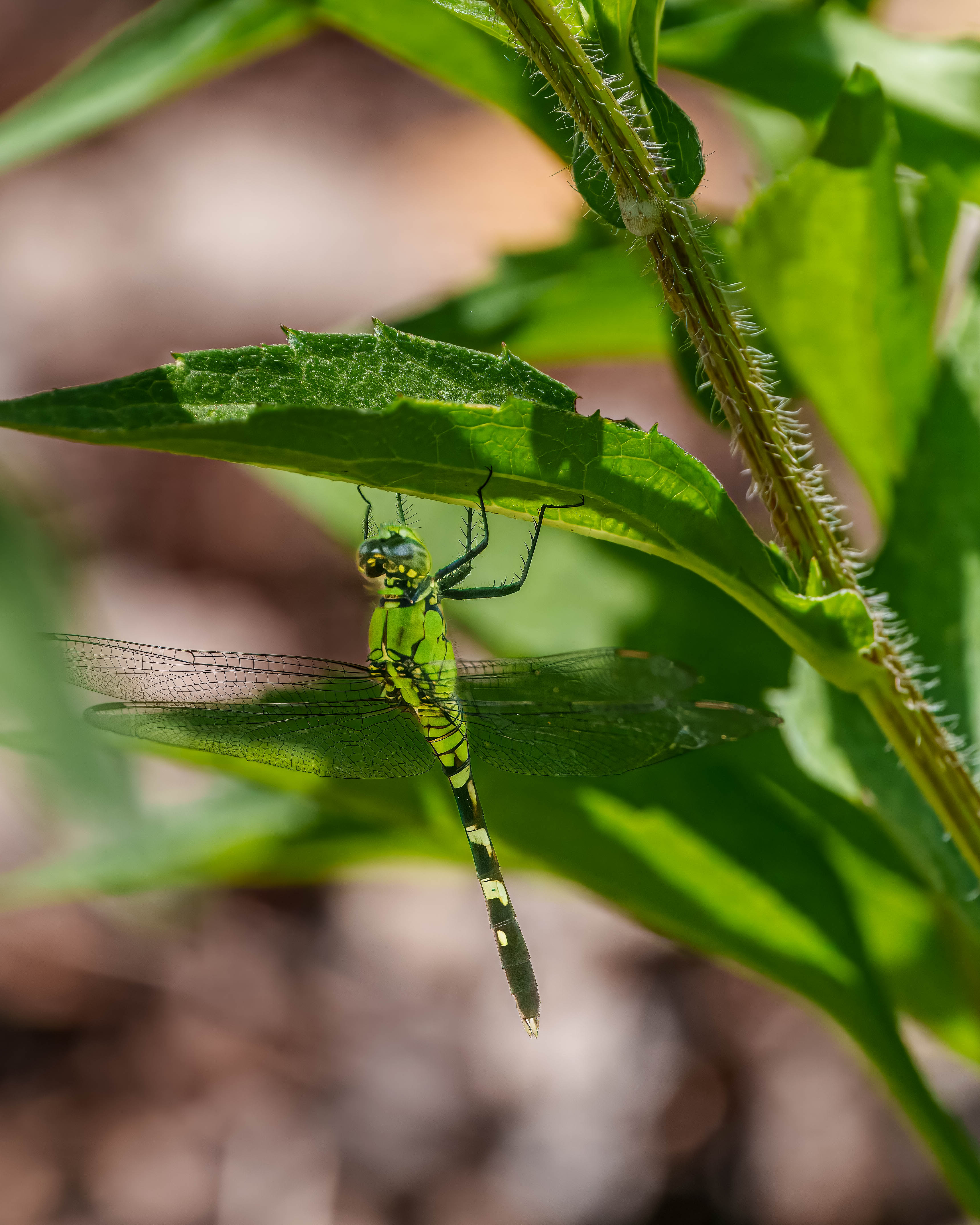
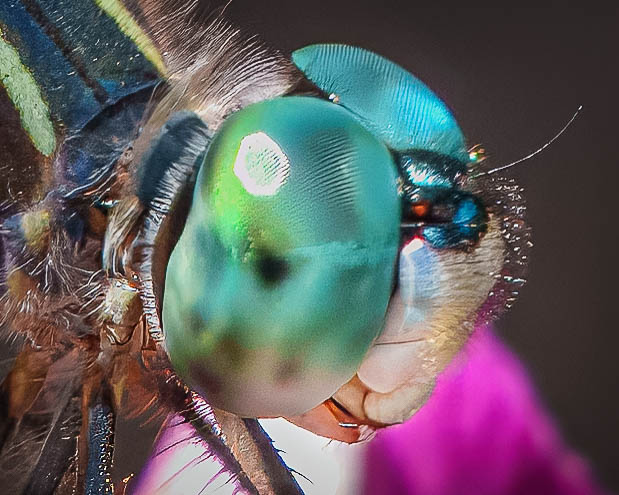
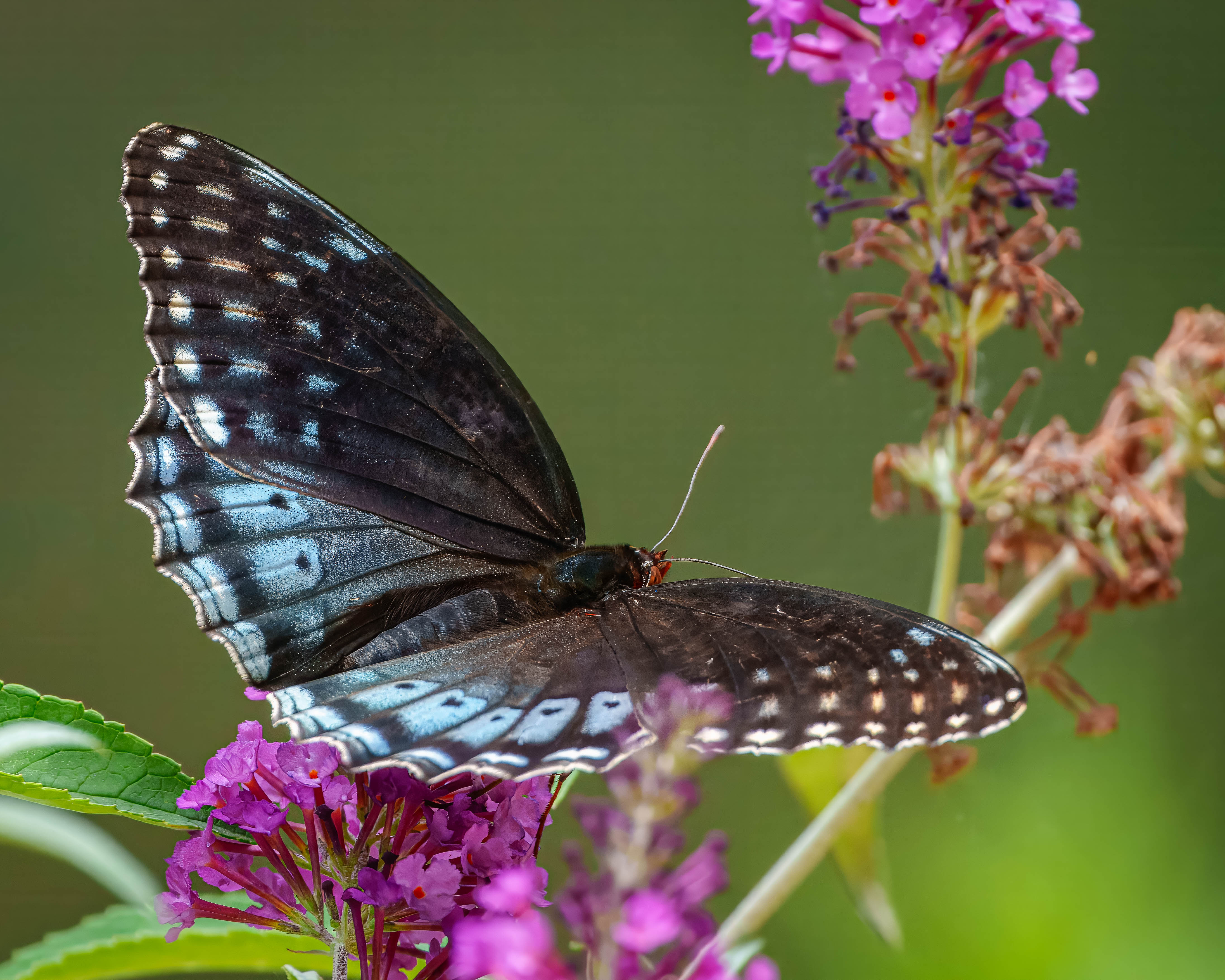
On Tuesday, June 2, an American Lady, a female Diana Fritillary, and a Juvenal’s Duskywing were seen; only the American Lady and Diana Fritillary were photographed. Additionally, a Common Green Darner dragonfly was photographed.
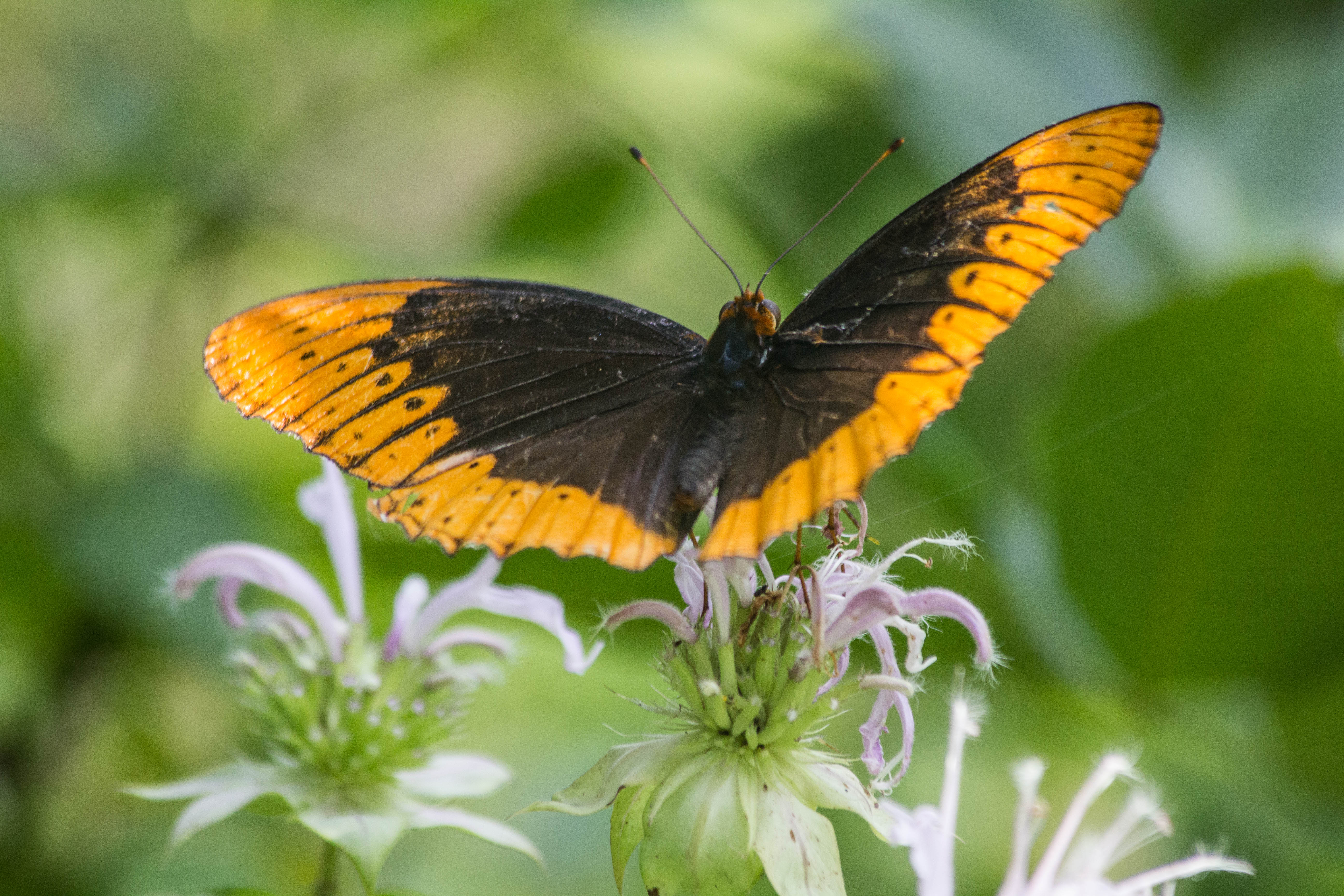
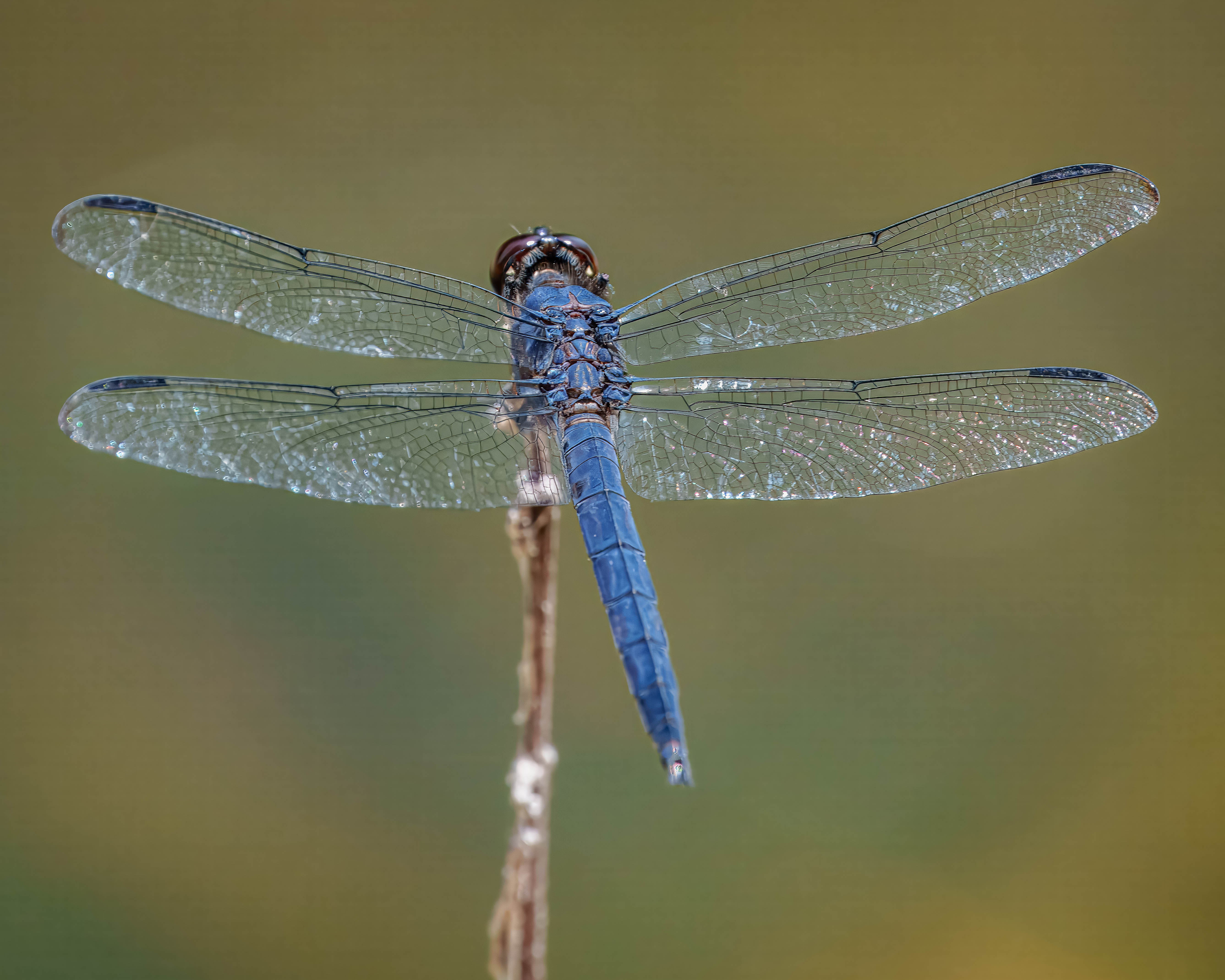
And then on Wednesday, both a Slaty Skimmer and a Calico Pennant (dragonflies) were photographed, as were a Pipevine Swallowtail butterfly and a Fiery Skipper. Juvenal’s Duskywing butterflies were again observed.

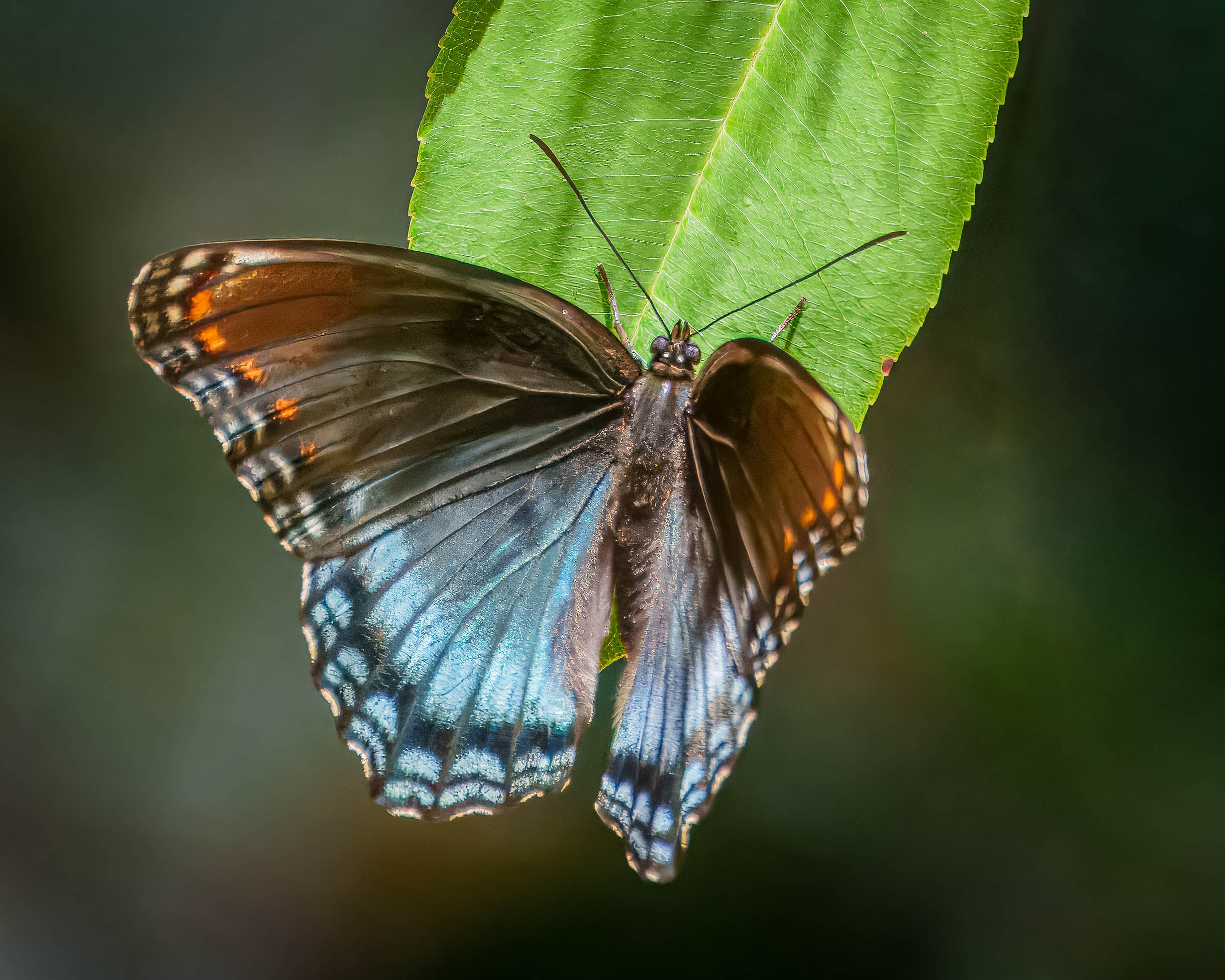
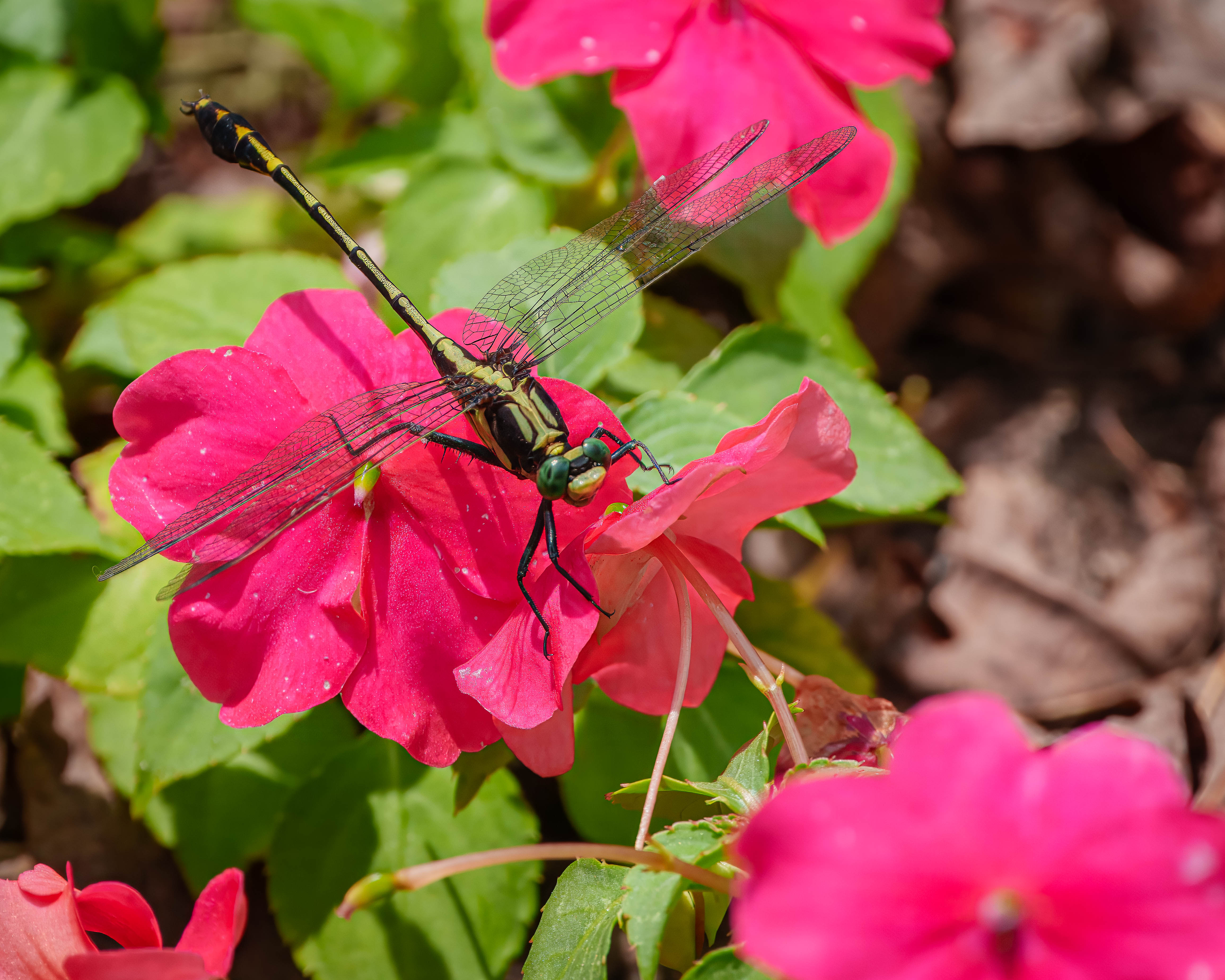
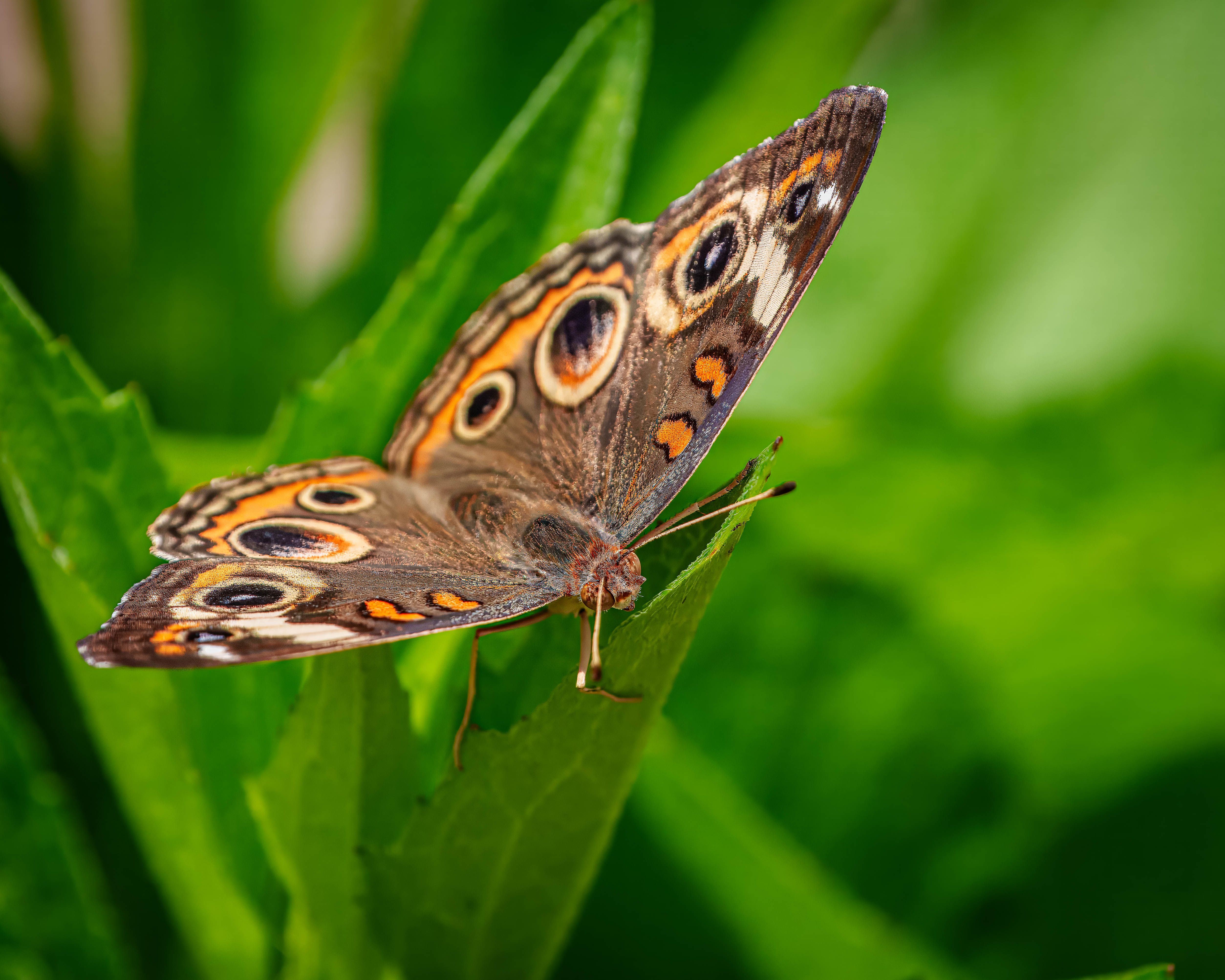
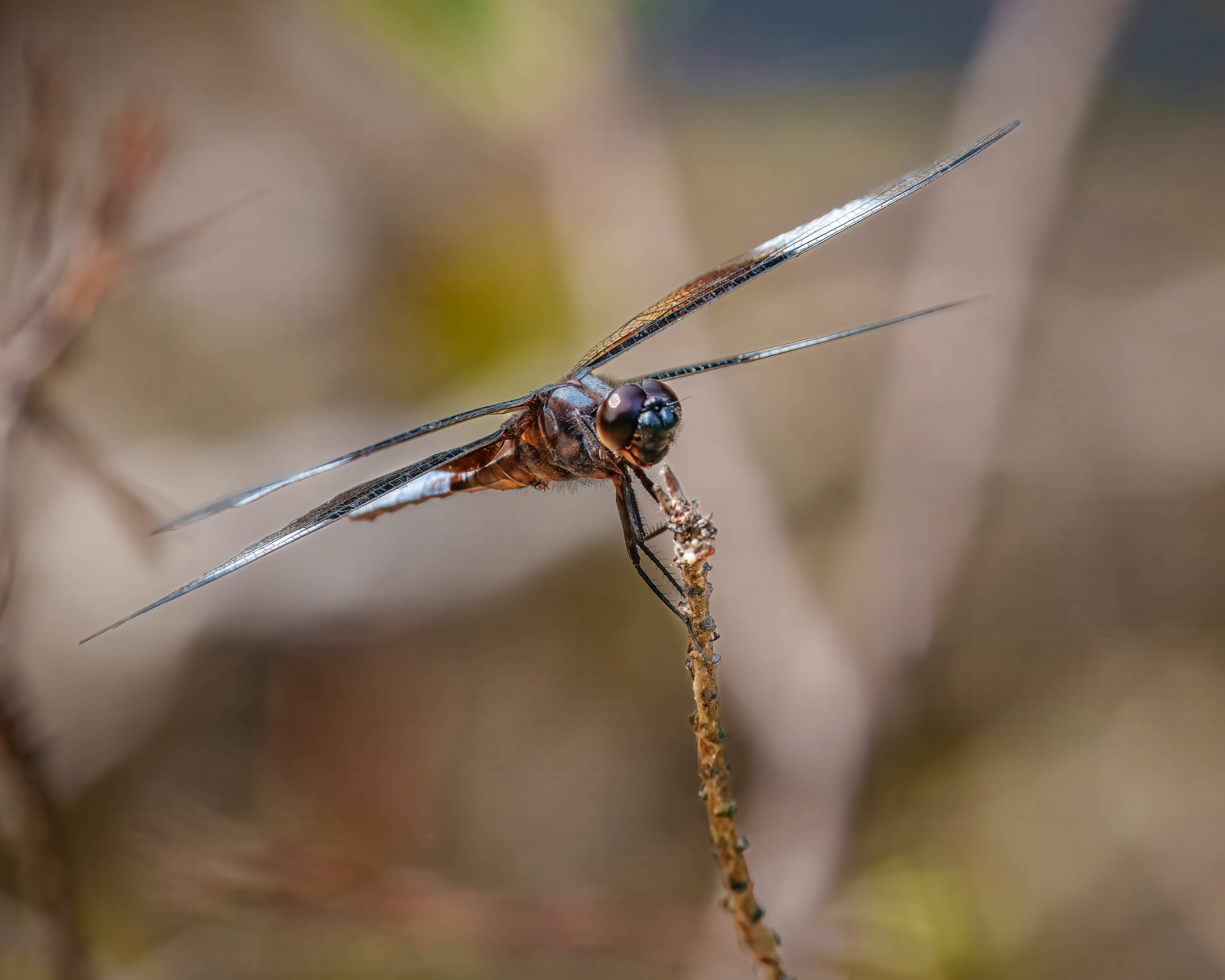
Another Slaty Skimmer (different color) and then a Black-shouldered Spinyleg were photographed on Friday, June 5. Additionally, a Common Buckeye and both female and male Diana Fritillaries were photographed. 
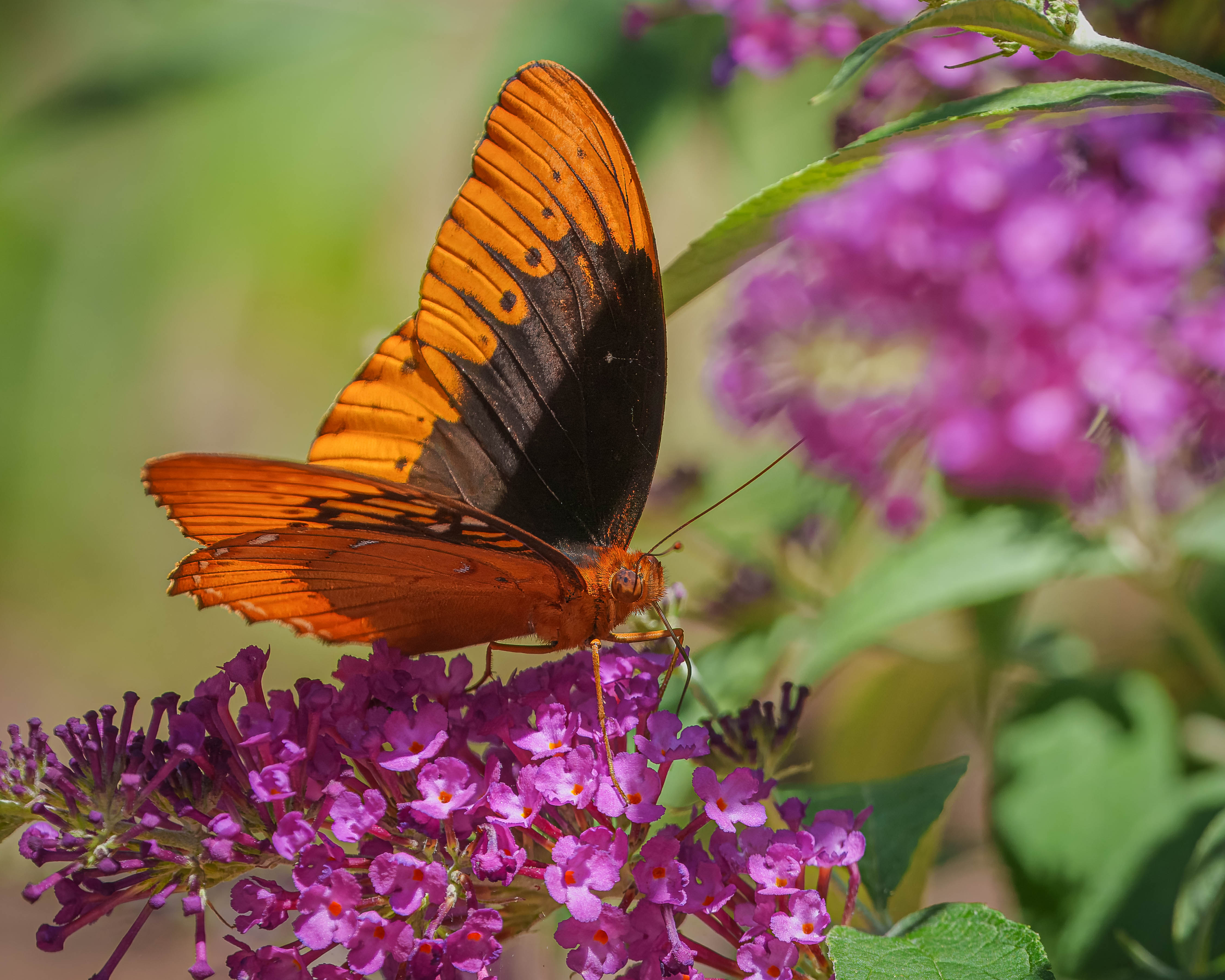
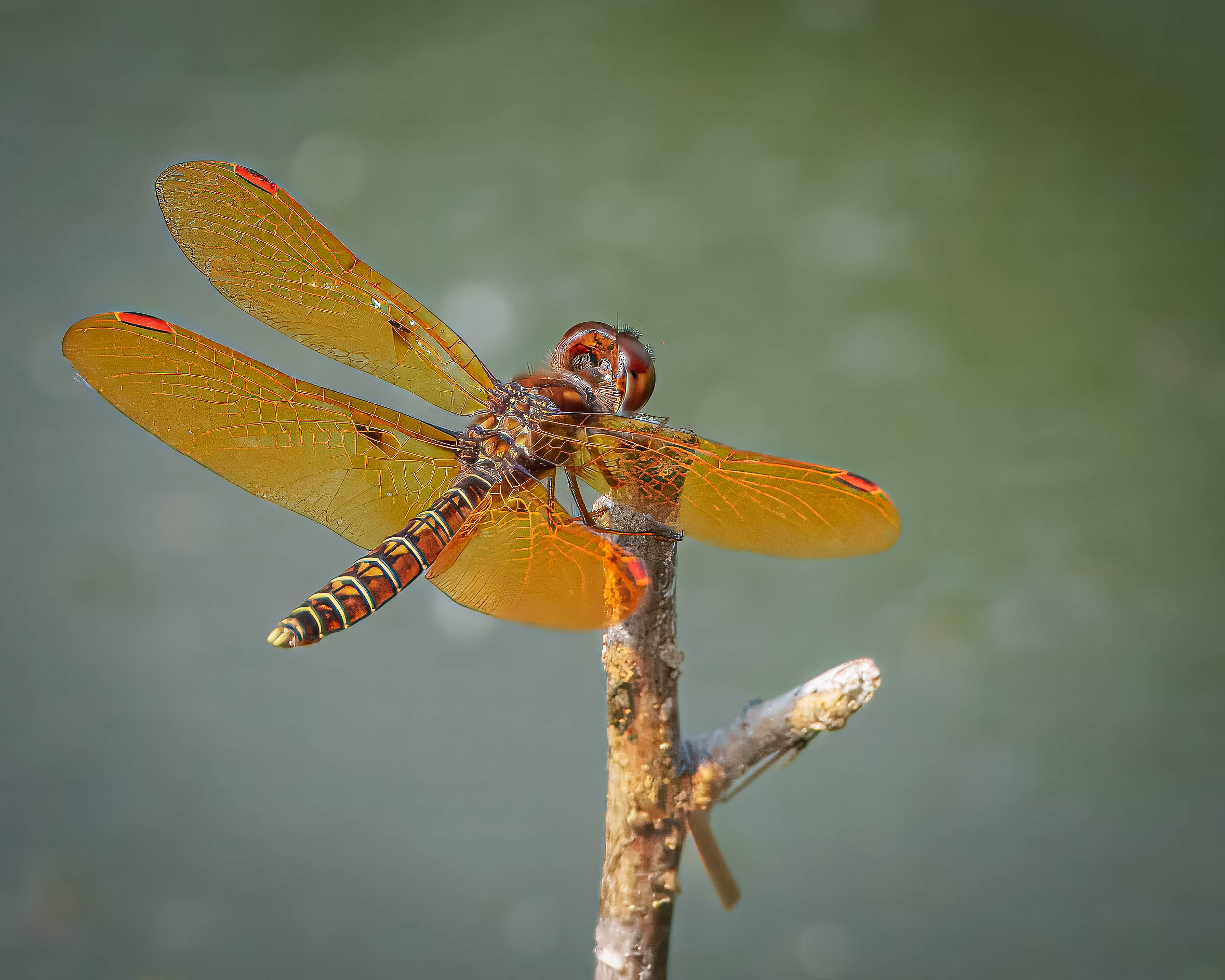
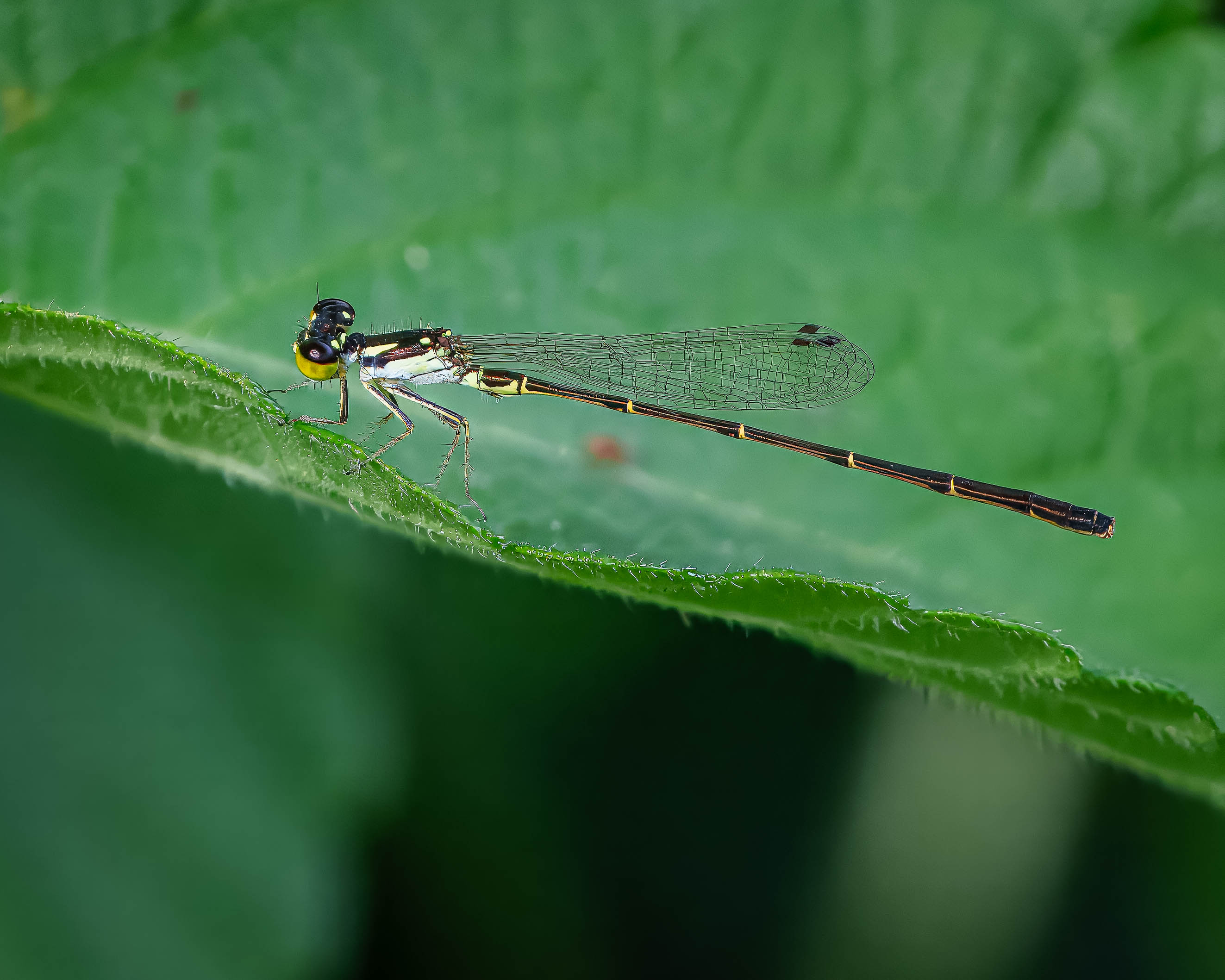
In the butterfly world, male and female Diana Fritillaries were again observed on Monday, June 8,  nectaring mainly on the butterfly bush blooms. A Widow Skimmer and an Eastern Amberwing (dragonflies) and an Orange Bluet damselfly were photographed and the photos are posted below.

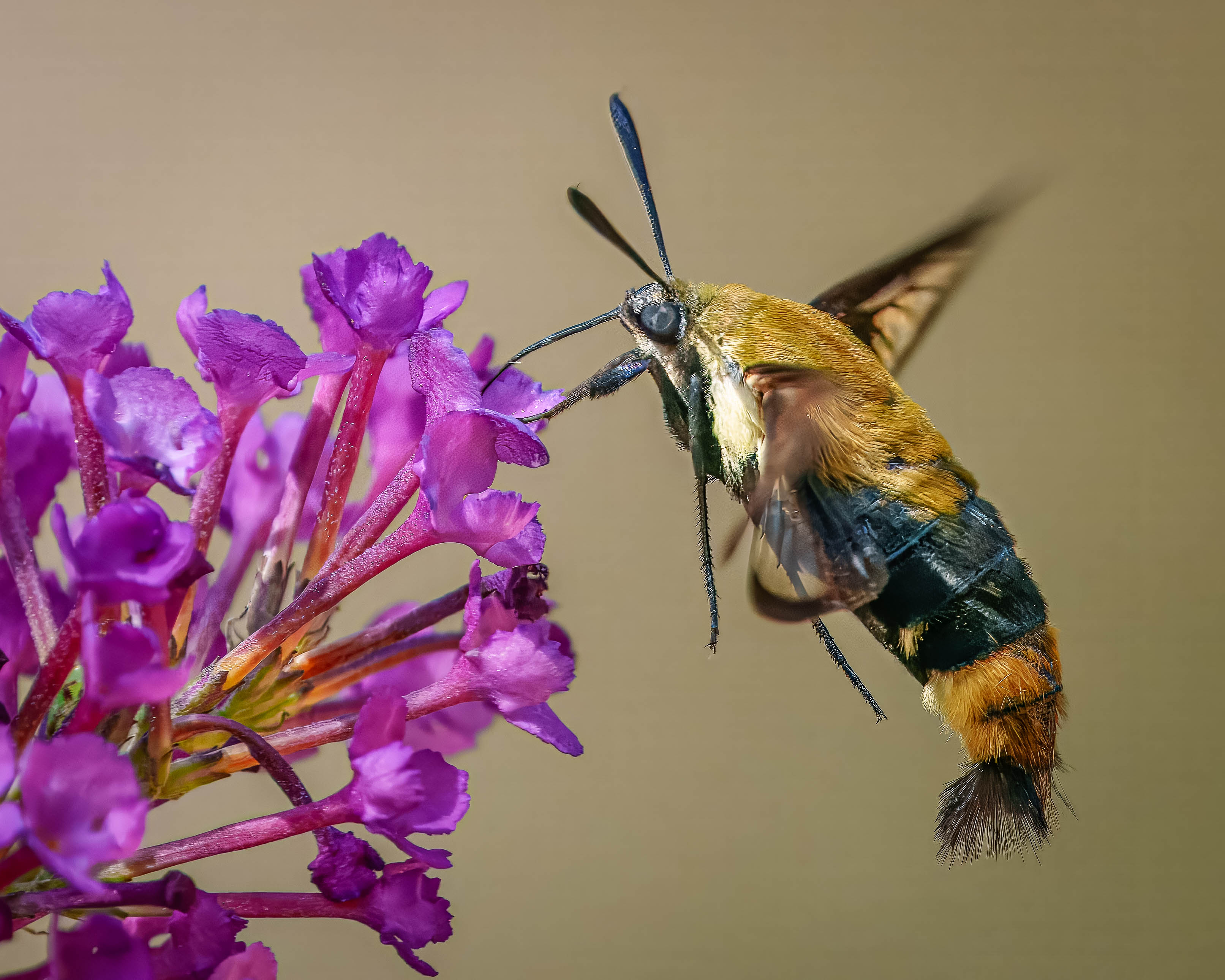
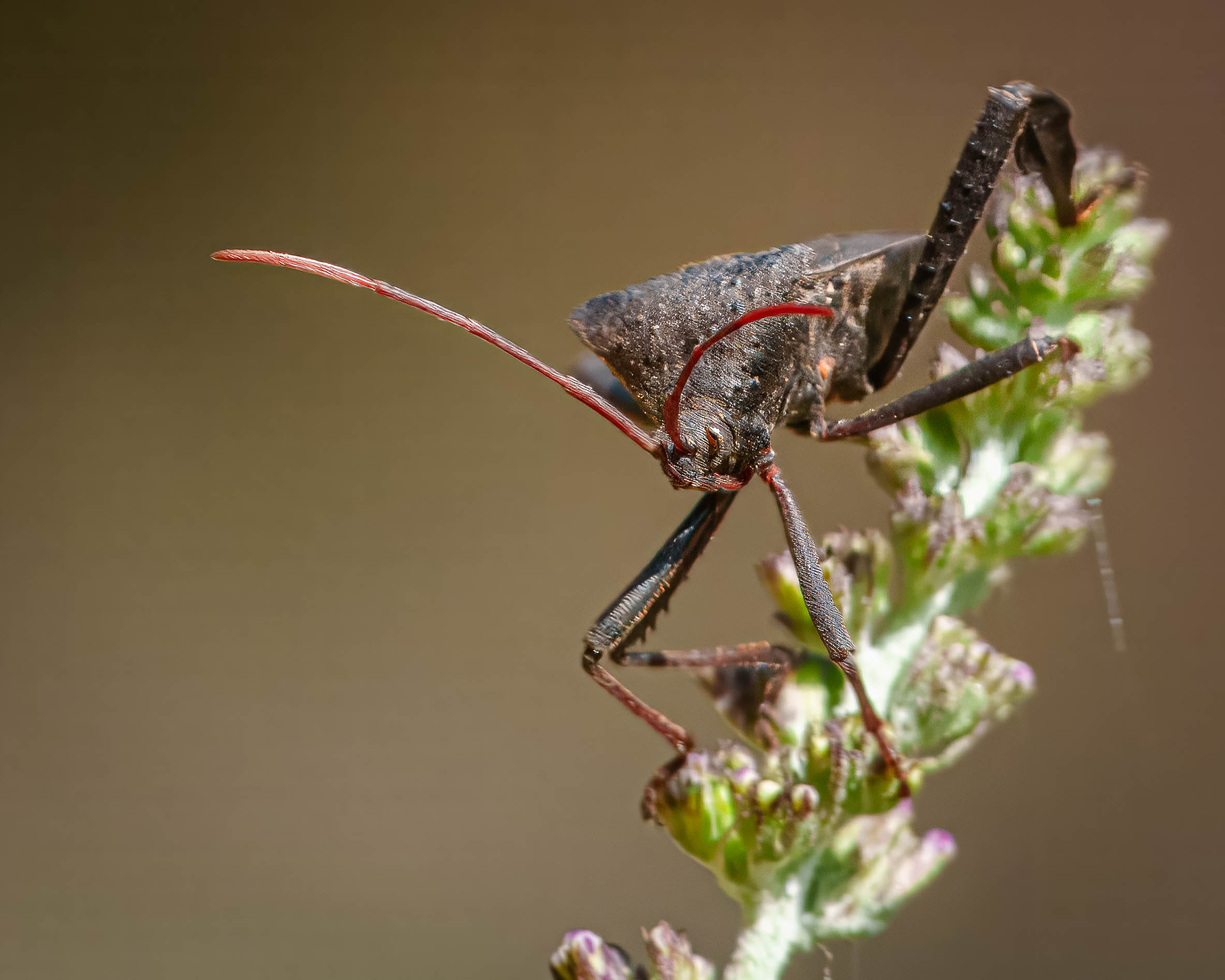
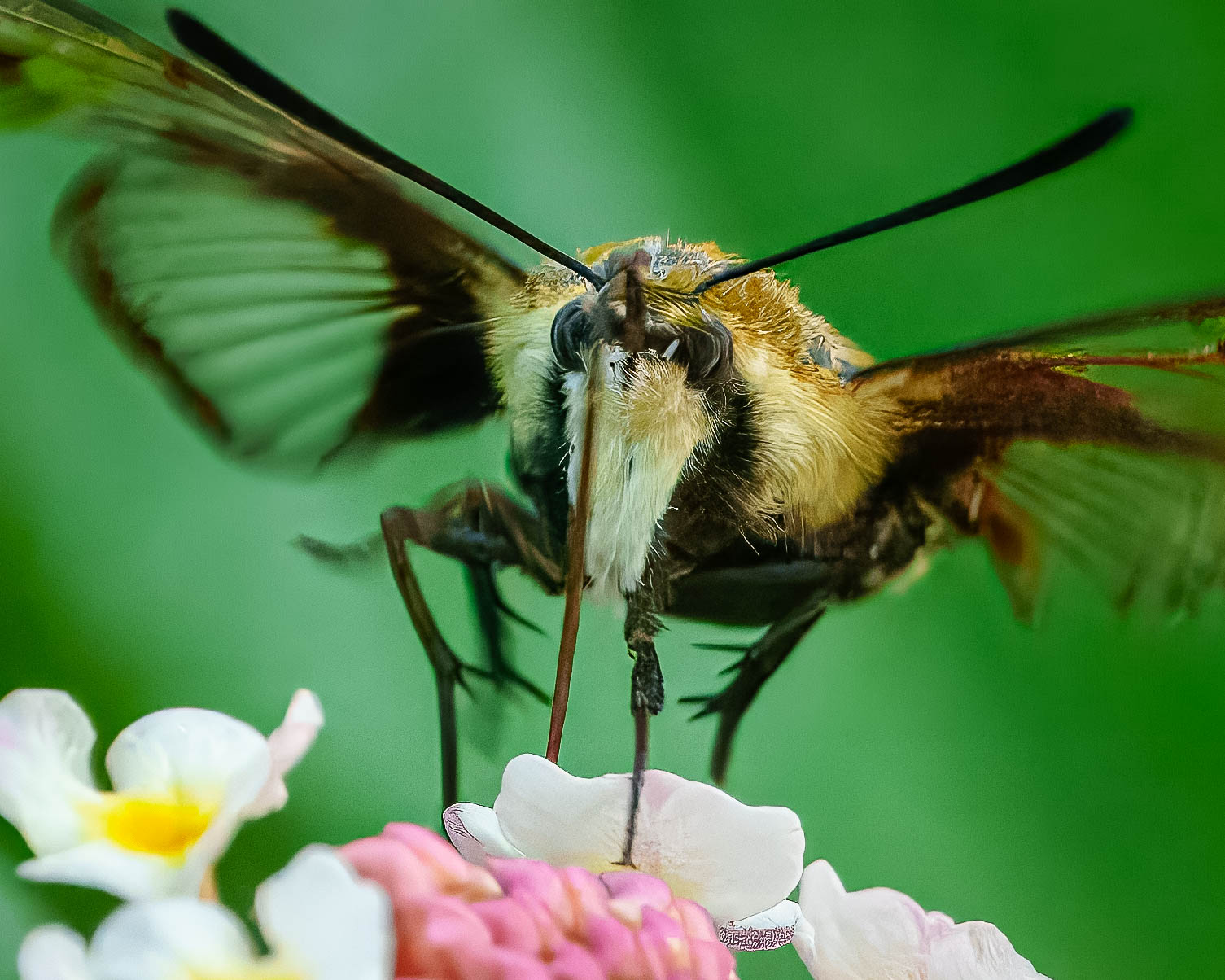
In addition to the regular butterflies, dragonflies, and damselflies, a Leaf-footed Bug, and Clearwing Moth were observed and both were photographed (see below). The Clearwing Moth is also known as a Strawberry Clearwing Moth and a Hummingbird moth.

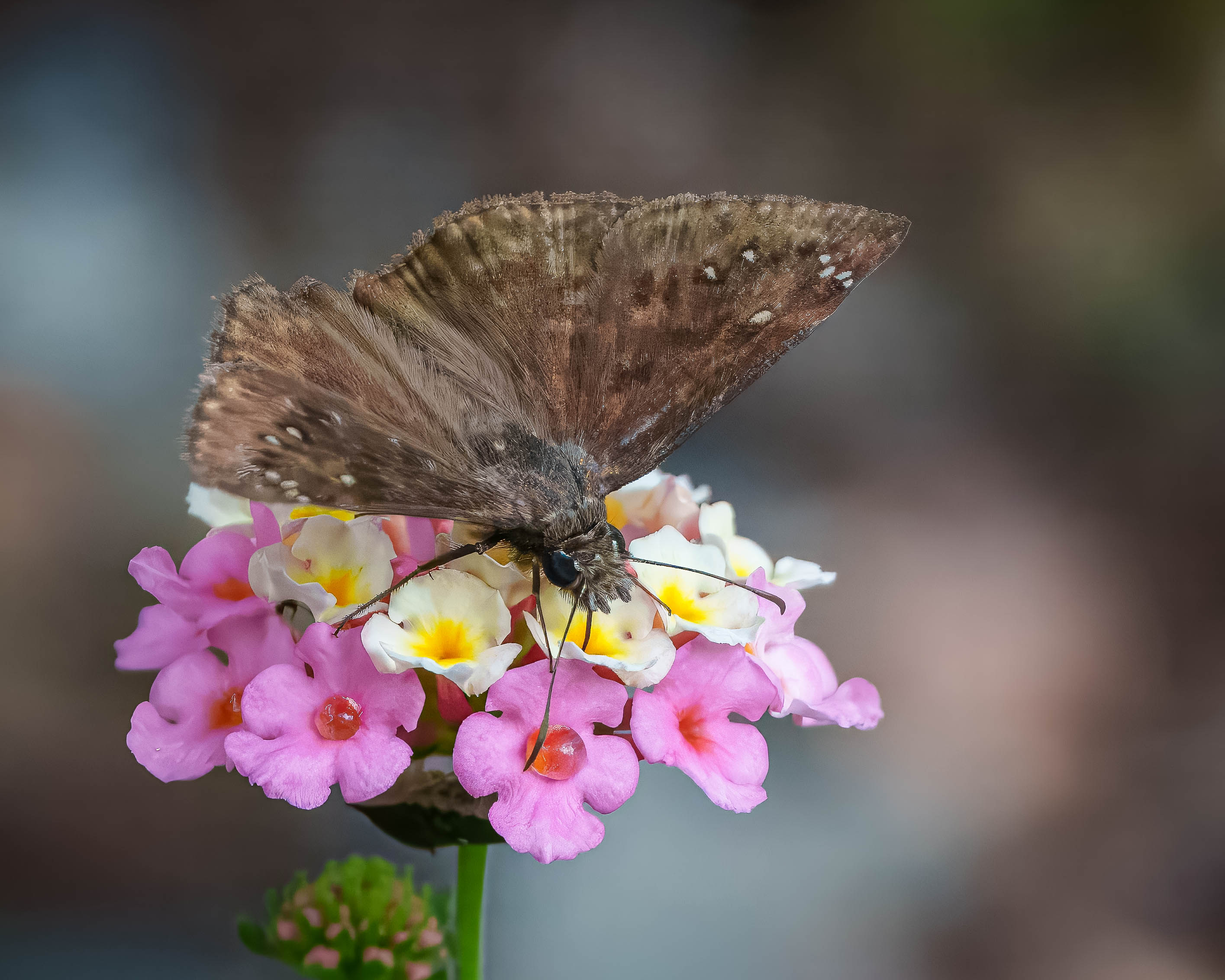
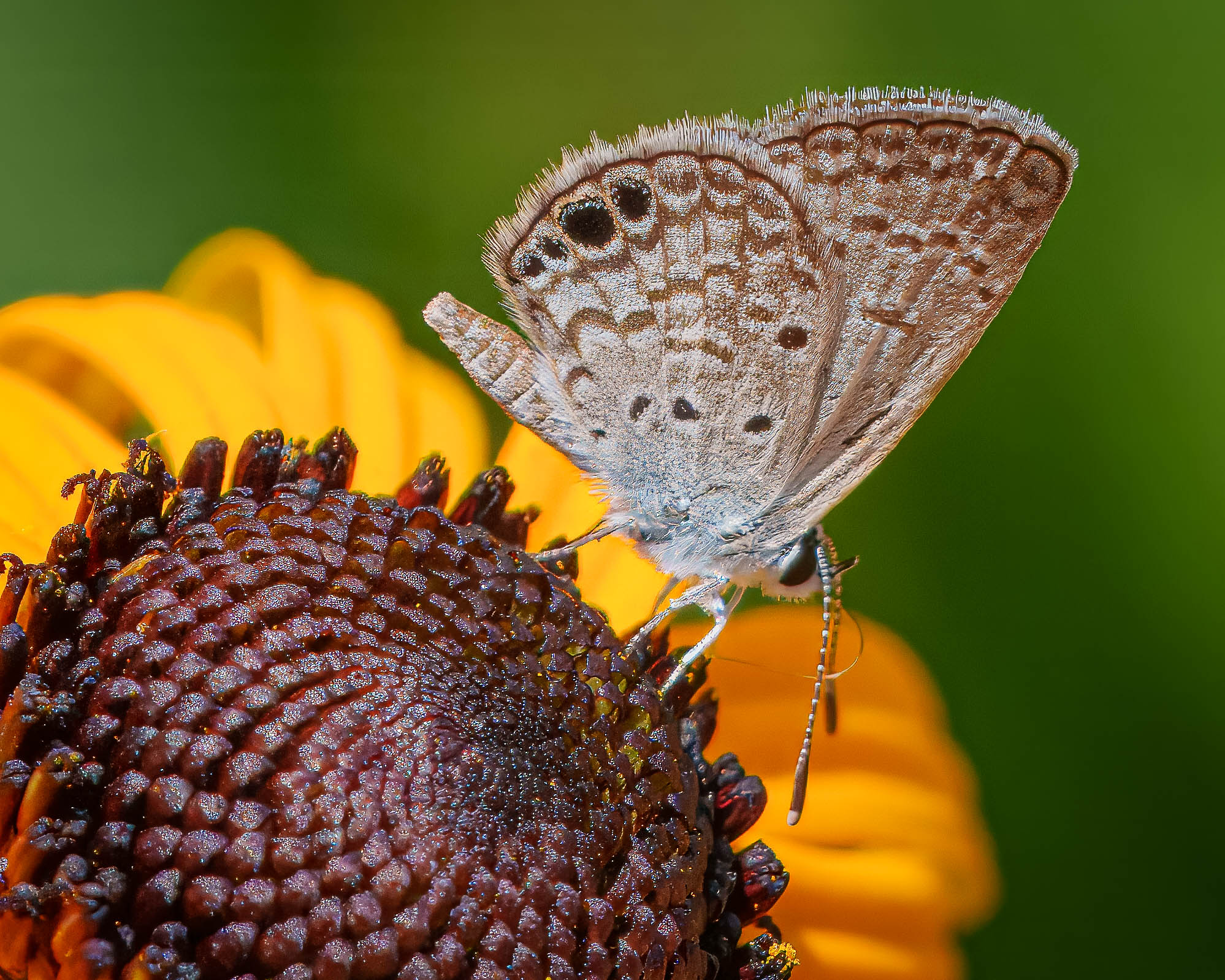
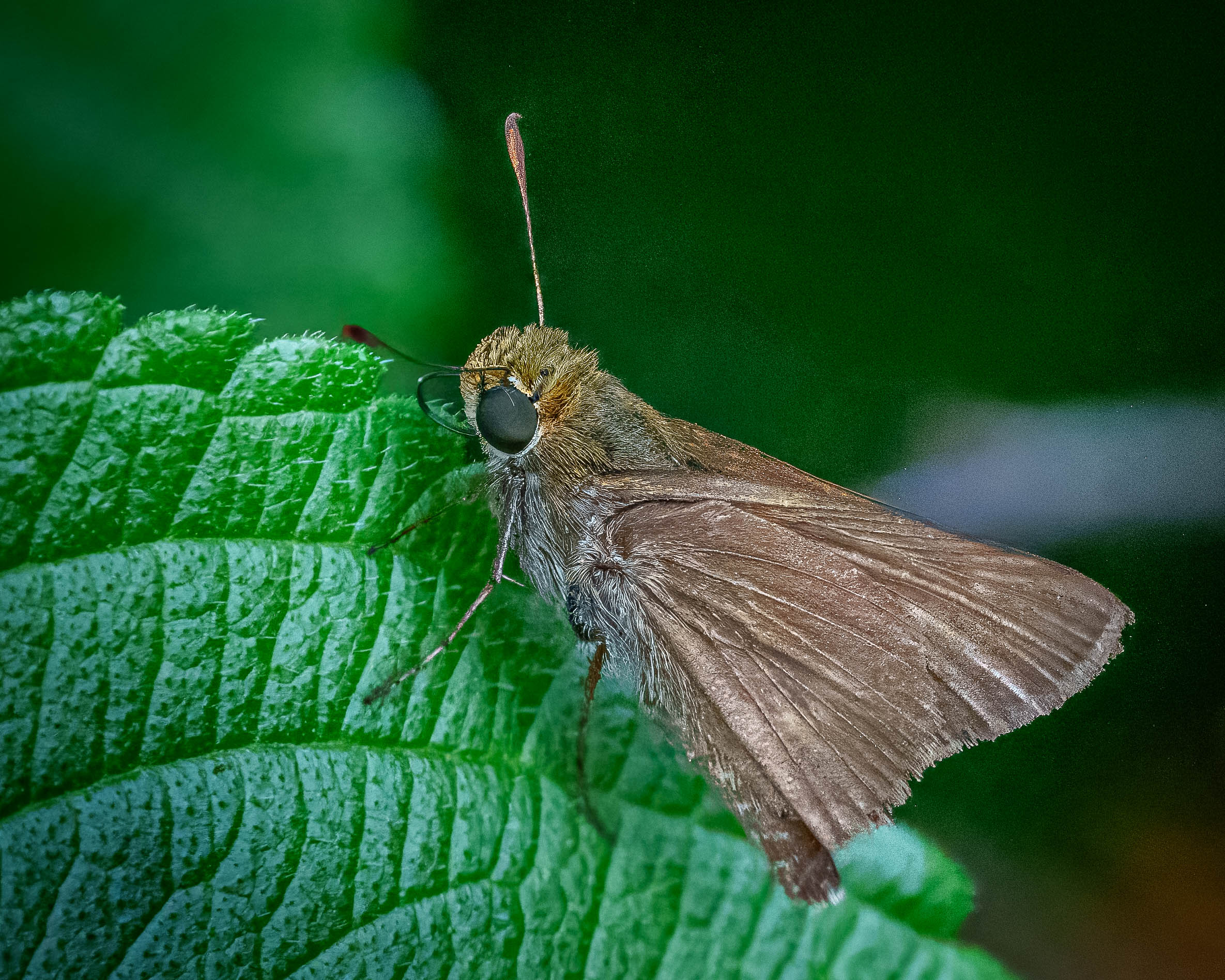
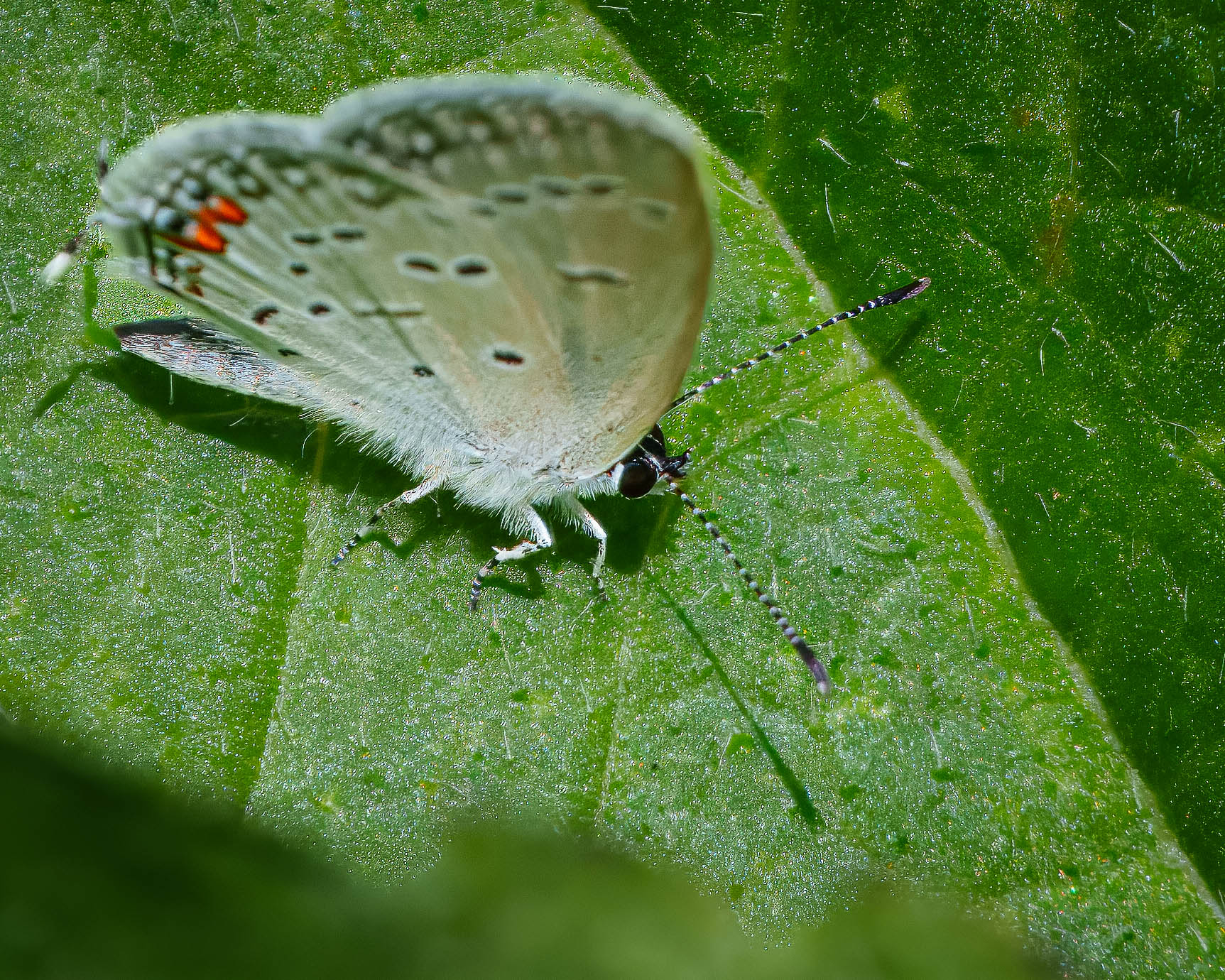
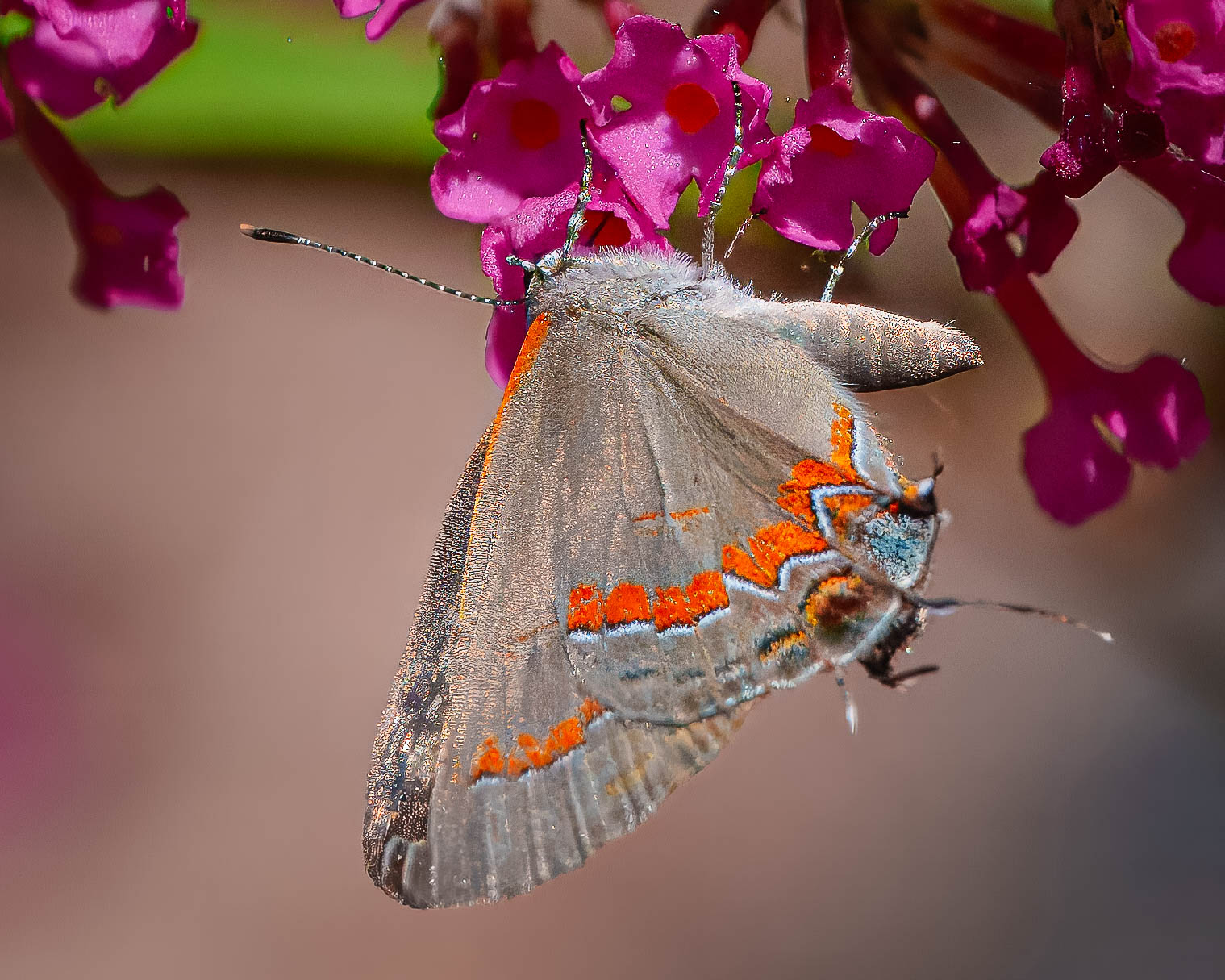
On Tuesday, June 10, three different species of butterflies were observed and photographed: a Dun Skipper, an Easter Tailed-blue, and a Red-banded Hairstreak.The Clearwing Moth was also nectaring.

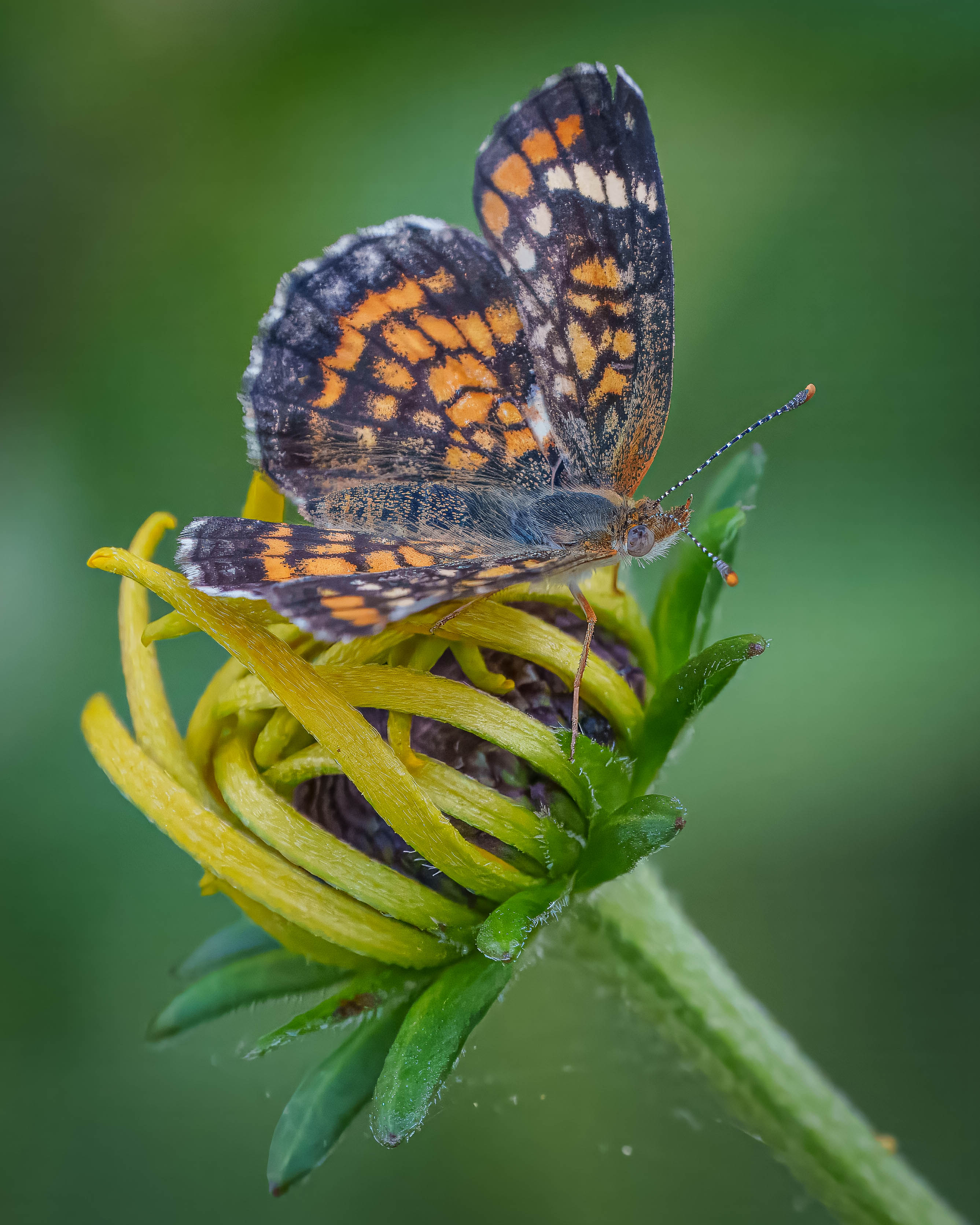
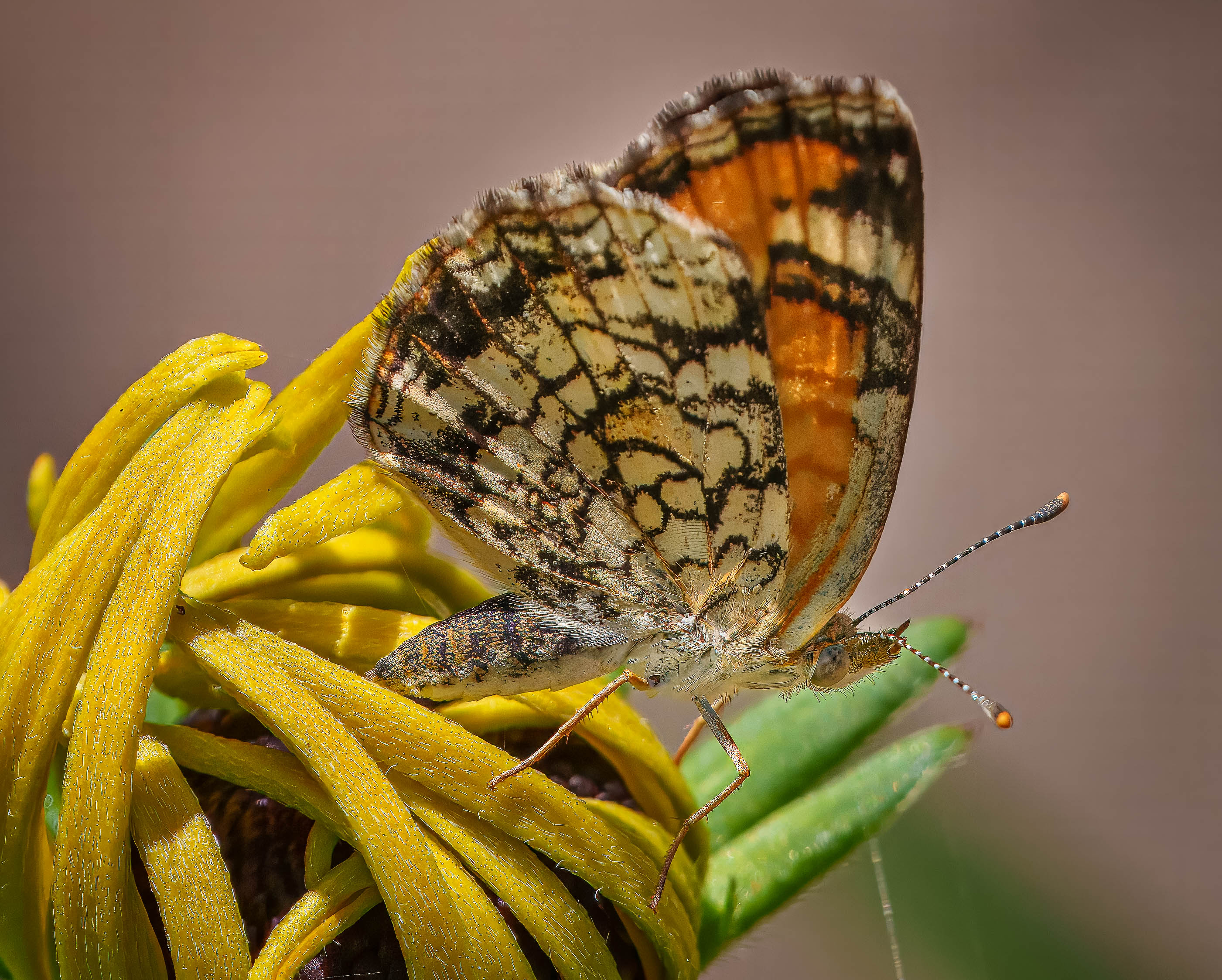
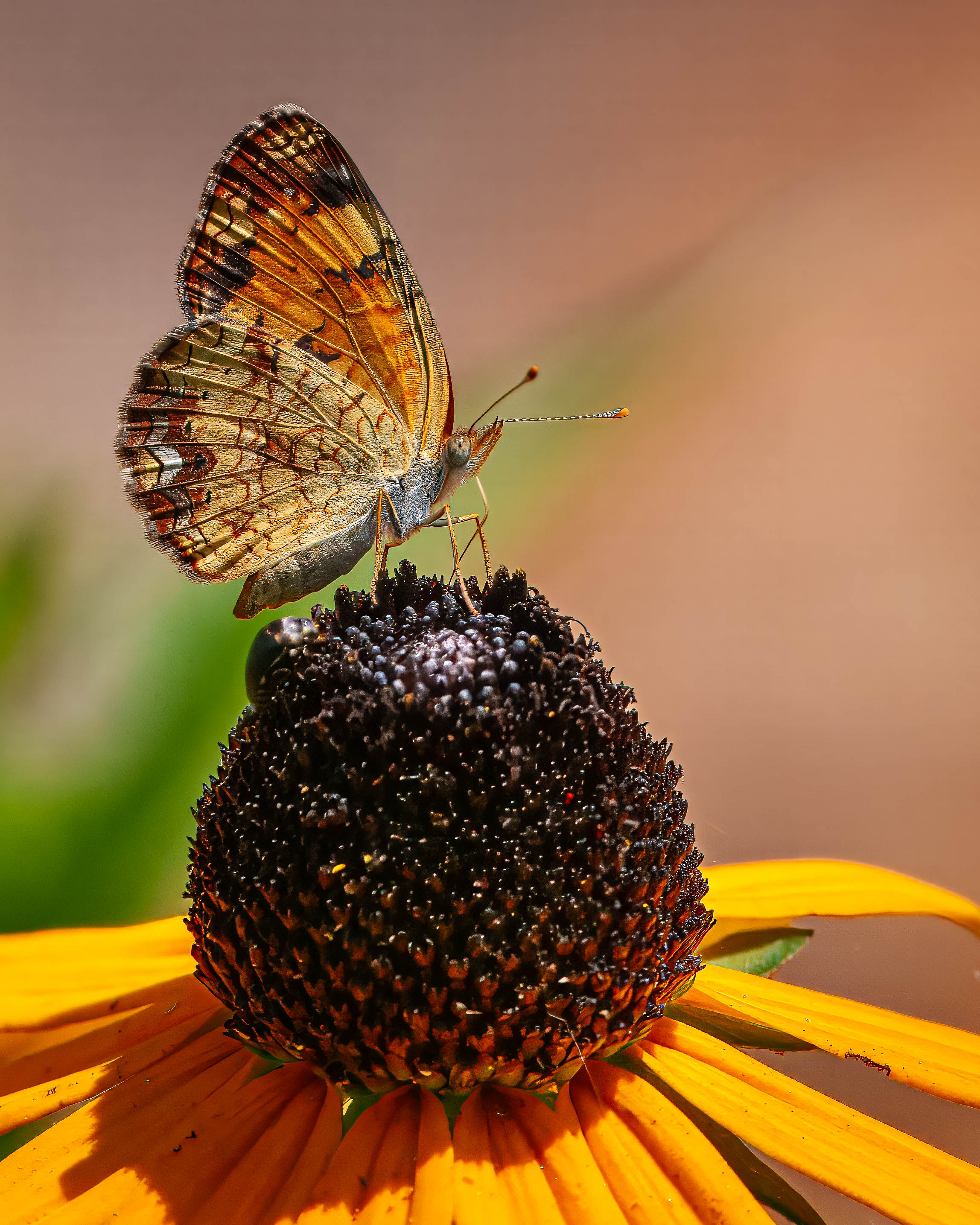
The usual butterflies and dragonflies were again present on Saturday, June 13. Only a Pearl Crescent butterfly photo is posted here.

The last couple of weeks before summer solstice were busy ones for Kay, while I really enjoyed some lazy days at home without adult supervision.

Monday through Monday, June 1-15, 2026—Diana Fritillaries (Special Edition)

This special edition concerns the Diana Fritillary. The Diana Fritillary (Argynnis diana or Speyeria diana) is Arkansas’ state butterfly. The exclusive larval host plant for the Diana Fritillary is various species of violets, particularly woodland and forest-dwelling violets. (I didn’t know this; but will have a greater appreciation for violets in the future.) Female butterflies lay their eggs in the leaf litter near violets in late summer. (Don’t rake your leaves, please.) The caterpillars hatch, overwinter, and then feed on the fresh violet leaves and flowers in the spring. Thus, to support a breeding population, a moist, rich forest margin with an abundance of violets is required.

It is considered rare, uncommon, and a species of conservation concern. While it was historically common across much of the central and eastern United States, it has experienced a severe decline in population and range since the 1900s. From Google AI: 

Current Conservation Status

  • Global Ranking: NatureServe ranks the butterfly as G2G3 (Imperiled to Vulnerable).
  • Xerces Red List: Listed as Vulnerable, meaning it faces a moderate to high risk of extinction.
  • Habitat Projections: Recent studies warn that its available habitat could decline by up to 90% by the year 2050 due to climate change and human impact.

The Diana Fritillary is no longer found across its entire historical range. Instead, it survives only in isolated pockets within two main regions:

  • Southern Appalachians: Stretching from central Virginia and West Virginia down through the mountains of northern Georgia and Alabama.
  • Interior Highlands: Located in the Ozark and Ouachita mountains of Arkansas, Missouri, and eastern Oklahoma.

My first observation of a Diana Fritillary was of a male at Middle Fork Barrens on June 1, 2015, shortly after moving to Hot Springs Village (photos via i_hone 5 were unsatisfactory to publish). For the next few years, the Diana Fritillary photo fix was achieved by a visit to the natural area. For the next few years, it seemed like a single male would fly through the backyard each year during the season. The first photographed was a male, observed on June 5, 2018.

MALE Diana Fritillary observed on June 5, 2018.

However, the Middle Fork Barrens Natural Area, just a few minutes from Hot Springs Village, provided many opportunities to view both the males and females nectaring on Bee Balm blooms. 

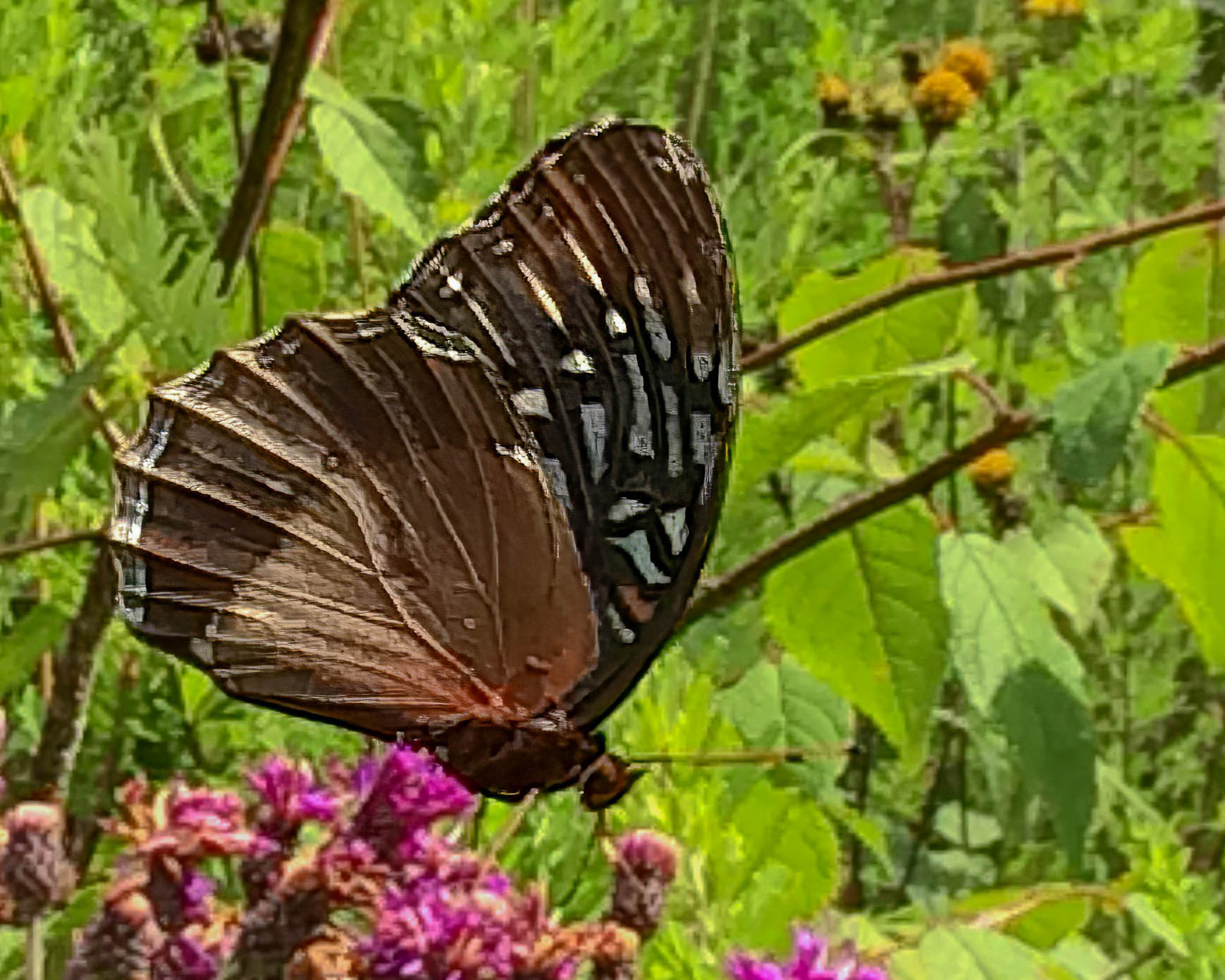
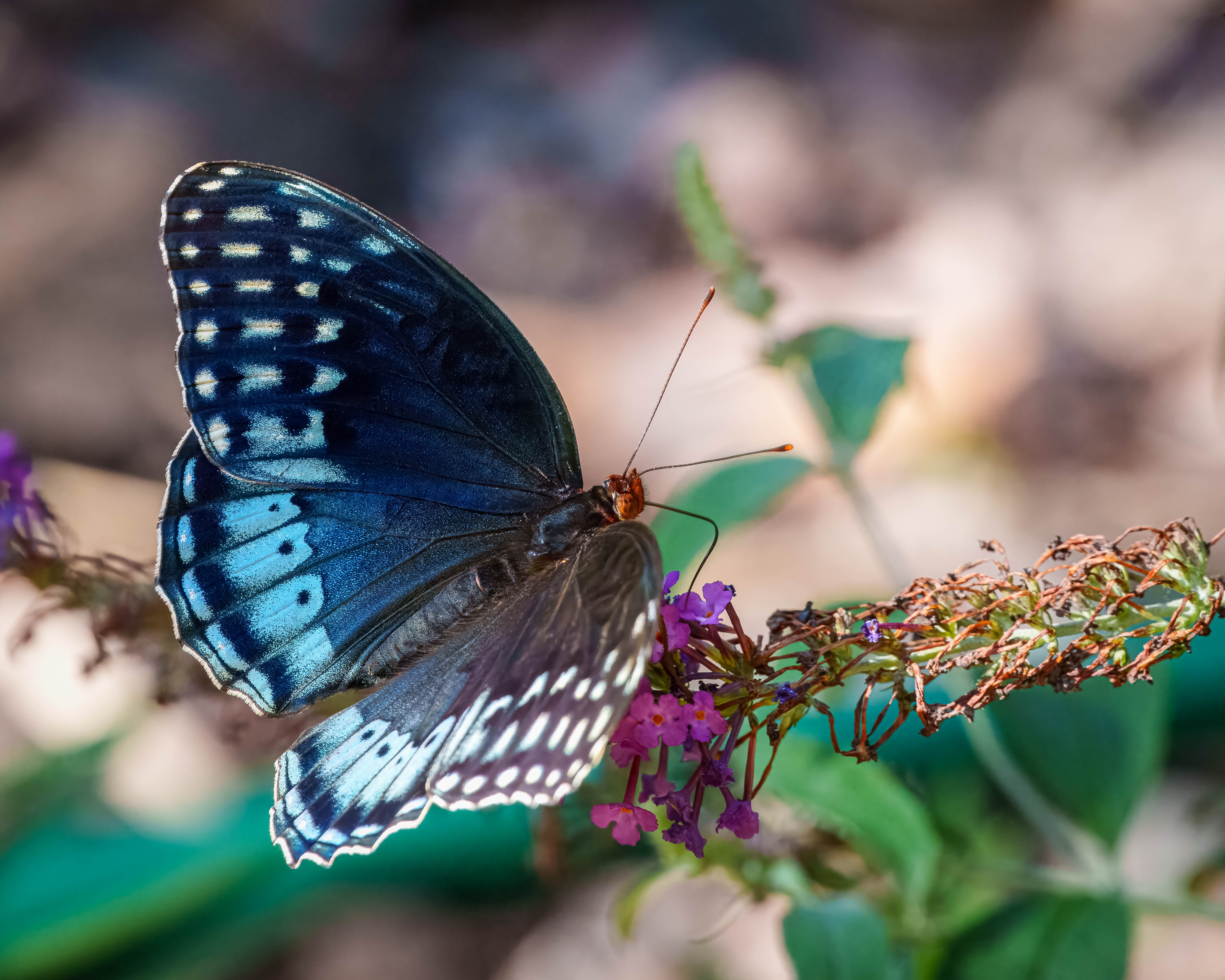
FEMALE Diana Fritillary
MALE Diana Fritillary nectaring on Bee Balm

And then, the pollinator garden begun in late spring 2024 drew a bit longer stop for the single male Diana Fritillary. However, it was the only one.

Kay began planting in the pollinator garden

Things improved, though. On May 30, 2025, a single male appeared in the pollinator garden.

And then a week later, on June 6, 2025, a single female appeared.

Subsequently, through August, a few more would show up, one at a time. 

This season, 2026, has been quite productive in terms of observing Diana Fritillaries. The first male was seen on May 26, followed by a female on May 29.

On June 5, 2026, three female Diana Fritillaries and one male were observed in the garden at the same time; the females rejected any and all advances from the males, but we hope to have some eggs soon!

FEMALE observed on June 13, 2026