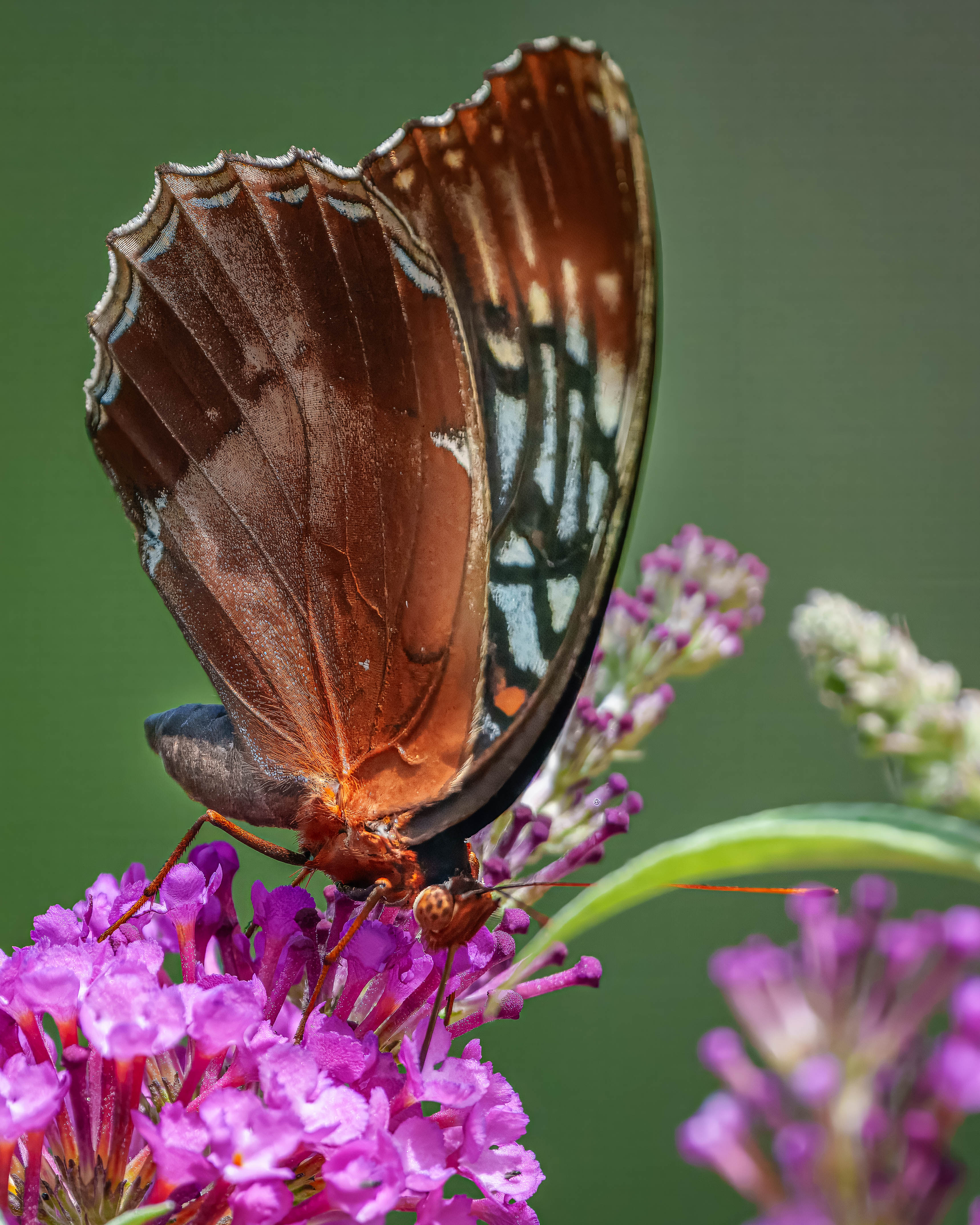
This special edition concerns the Diana Fritillary. The Diana Fritillary (Argynnis diana or Speyeria diana) is Arkansas’ state butterfly. The exclusive larval host plant for the Diana Fritillary is various species of violets, particularly woodland and forest-dwelling violets. (I didn’t know this; but will have a greater appreciation for violets in the future.) Female butterflies lay their eggs in the leaf litter near violets in late summer. (Don’t rake your leaves, please.) The caterpillars hatch, overwinter, and then feed on the fresh violet leaves and flowers in the spring. Thus, to support a breeding population, a moist, rich forest margin with an abundance of violets is required.
It is considered rare, uncommon, and a species of conservation concern. While it was historically common across much of the central and eastern United States, it has experienced a severe decline in population and range since the 1900s. From Google AI:
Current Conservation Status
- Global Ranking: NatureServe ranks the butterfly as G2G3 (Imperiled to Vulnerable).
- Xerces Red List: Listed as Vulnerable, meaning it faces a moderate to high risk of extinction.
- Habitat Projections: Recent studies warn that its available habitat could decline by up to 90% by the year 2050 due to climate change and human impact.
The Diana Fritillary is no longer found across its entire historical range. Instead, it survives only in isolated pockets within two main regions:
- Southern Appalachians: Stretching from central Virginia and West Virginia down through the mountains of northern Georgia and Alabama.
- Interior Highlands: Located in the Ozark and Ouachita mountains of Arkansas, Missouri, and eastern Oklahoma.
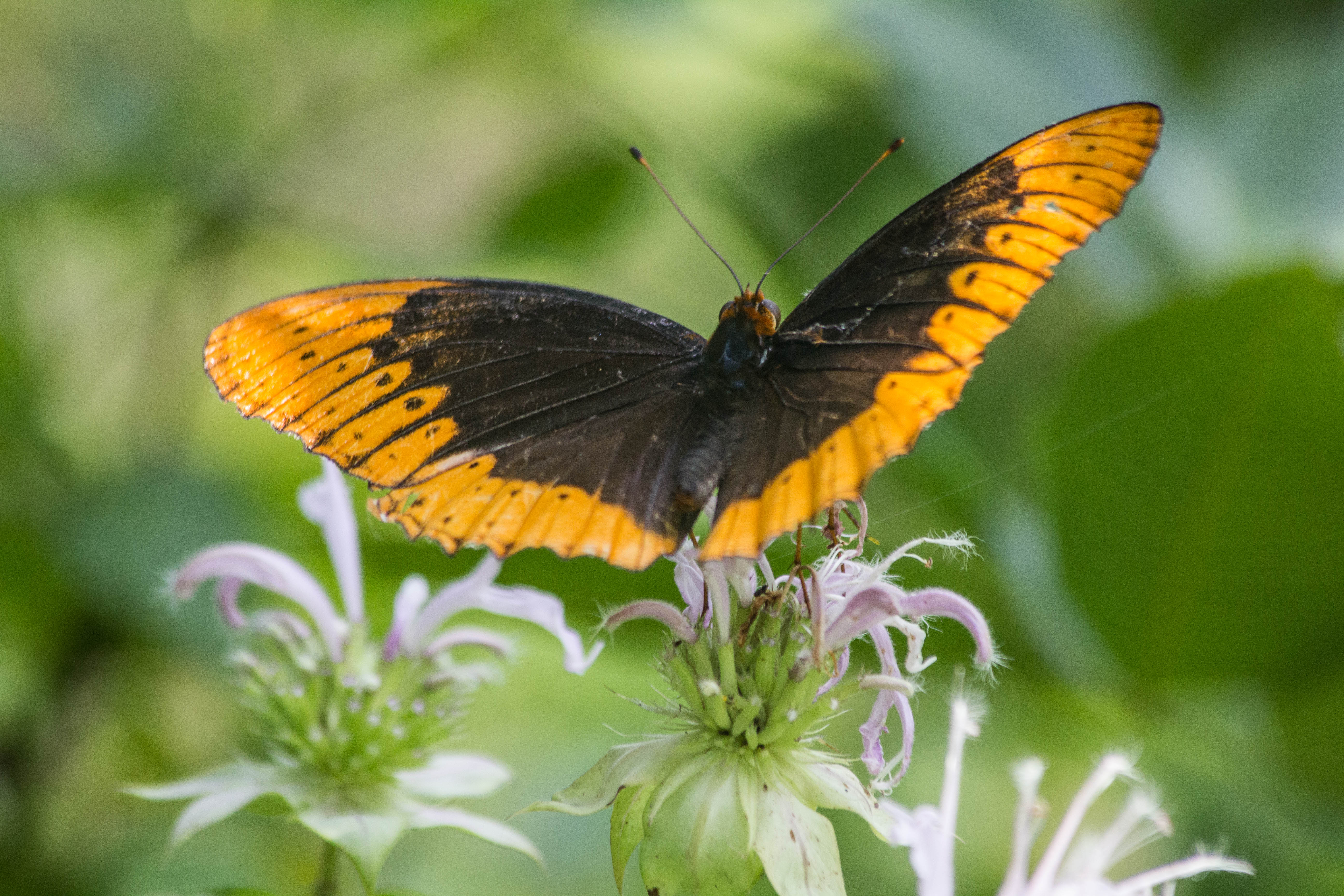
My first observation of a Diana Fritillary was of a male at Middle Fork Barrens on June 1, 2015, shortly after moving to Hot Springs Village (photos via i_hone 5 were unsatisfactory to publish). For the next few years, the Diana Fritillary photo fix was achieved by a visit to the natural area. For the next few years, it seemed like a single male would fly through the backyard each year during the season. The first photographed was a male, observed on June 5, 2018.
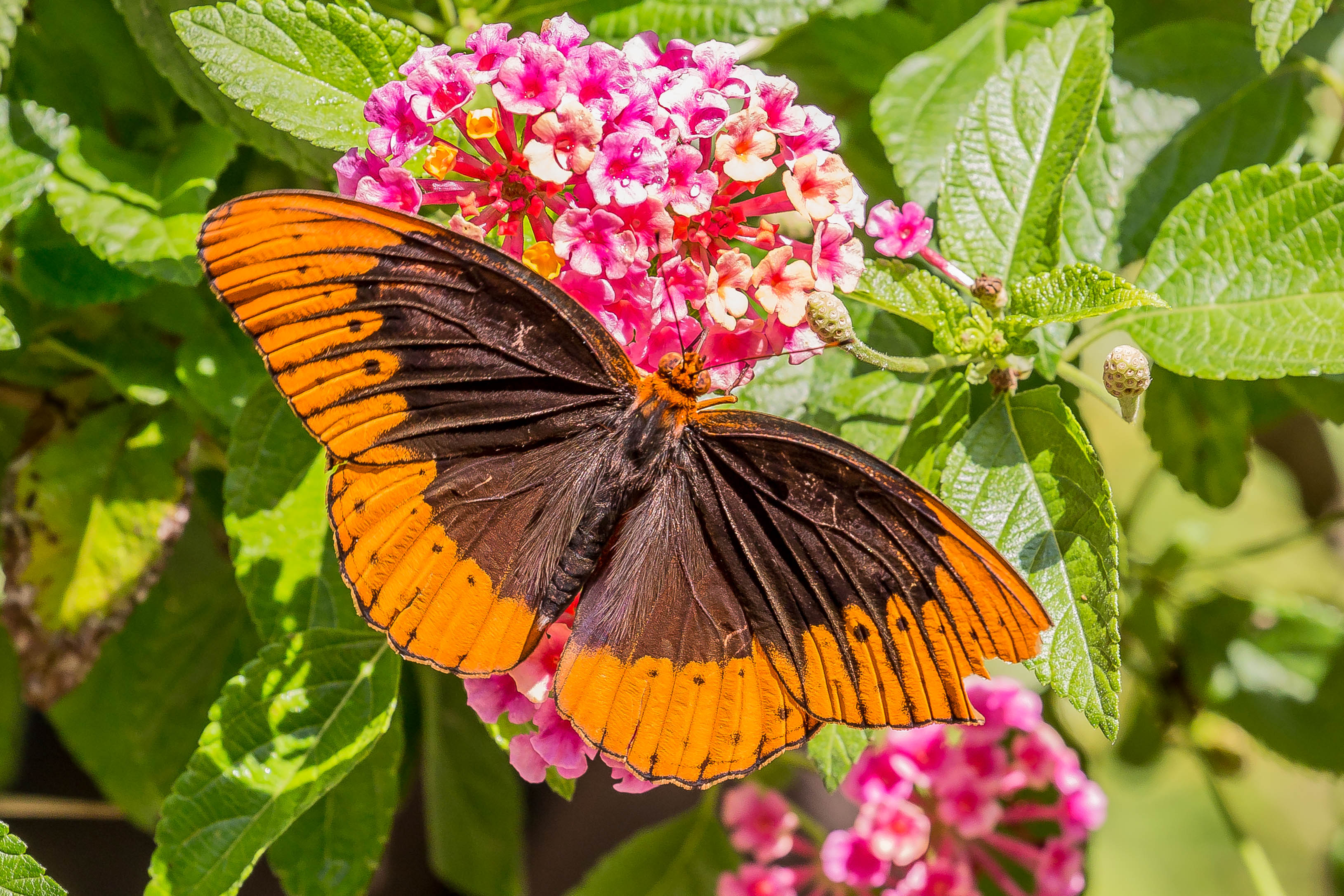
However, the Middle Fork Barrens Natural Area, just a few minutes from Hot Springs Village, provided many opportunities to view both the males and females nectaring on Bee Balm blooms.
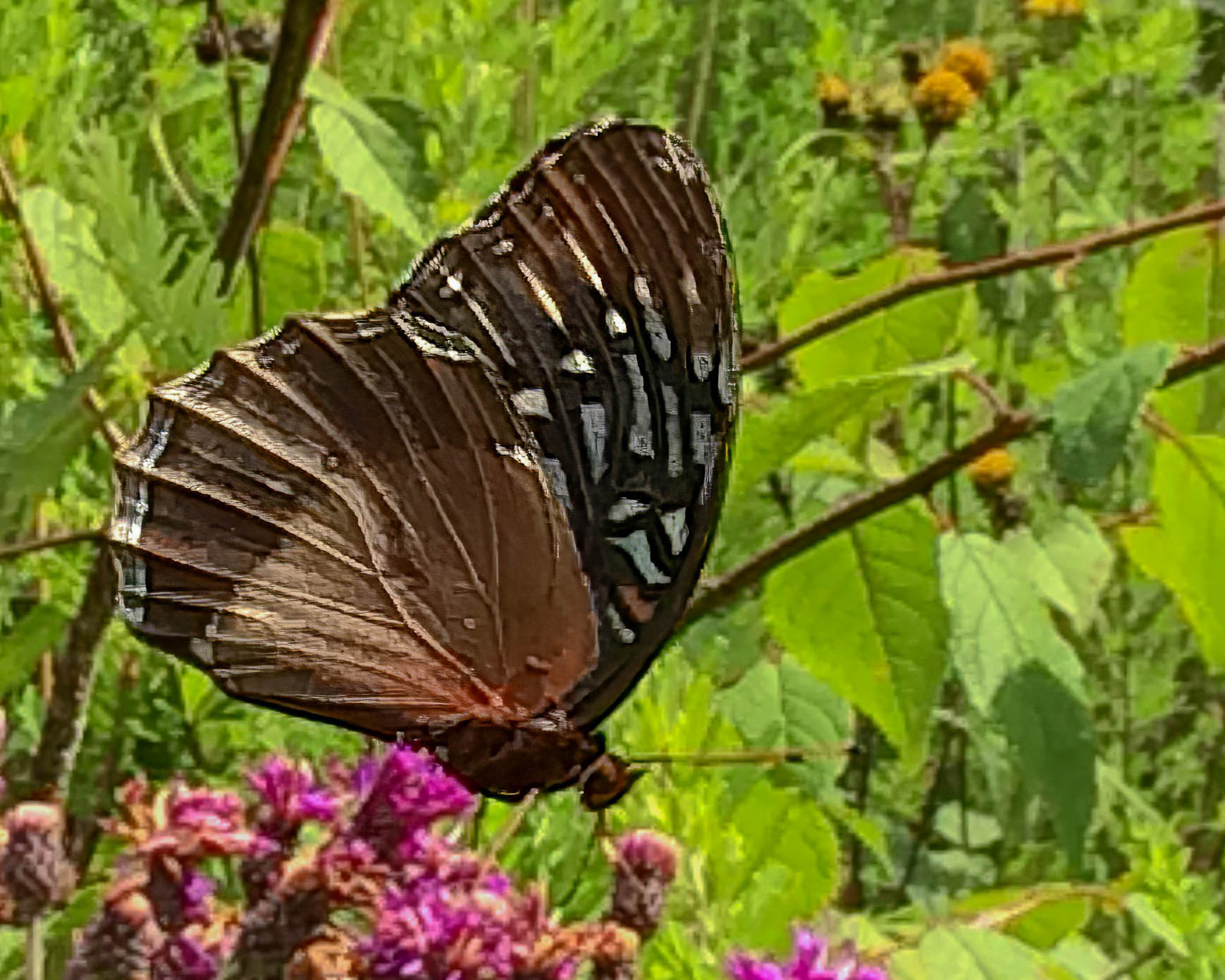
And then, the pollinator garden begun in late spring 2024 drew a bit longer stop for the single male Diana Fritillary. However, it was the only one.
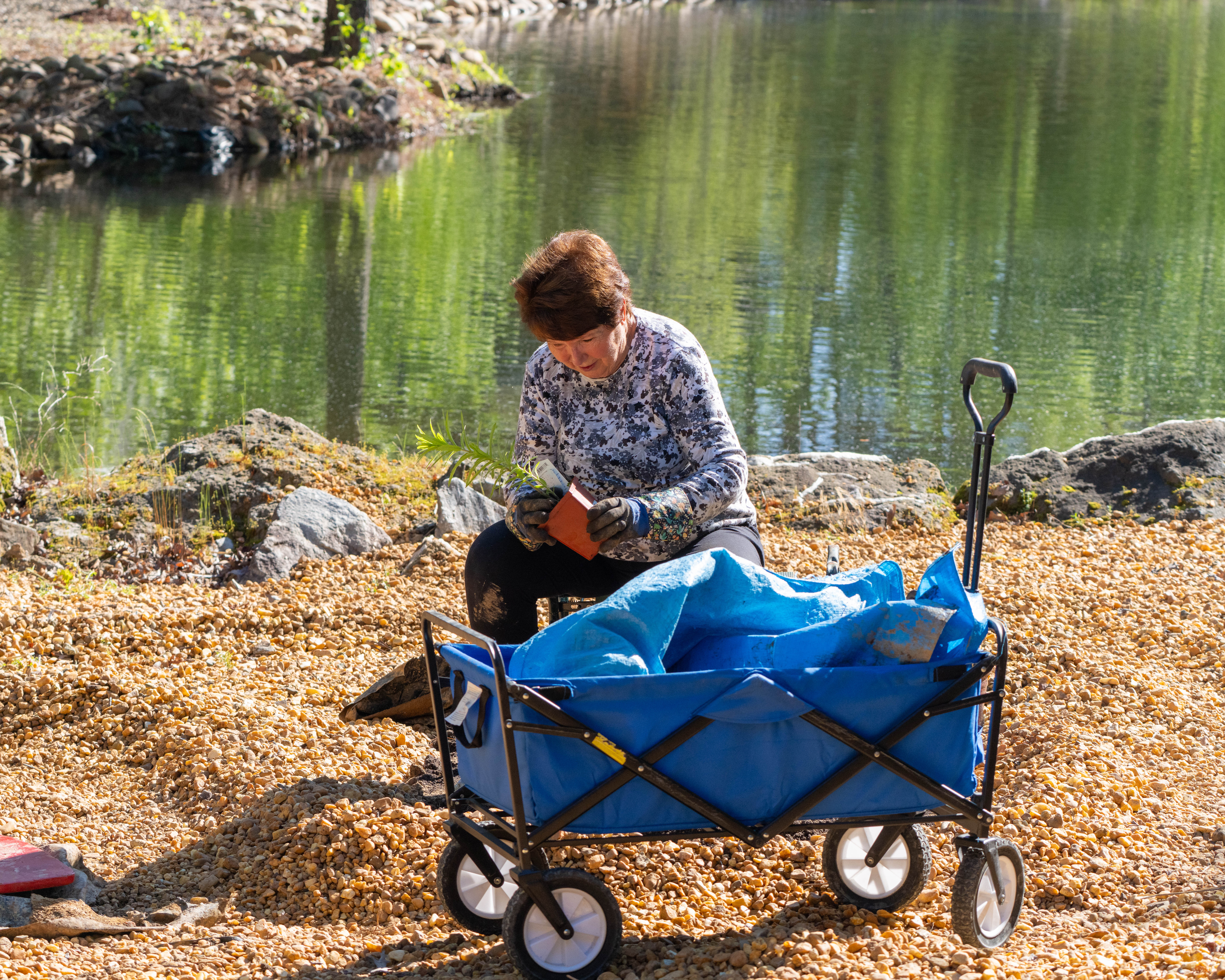
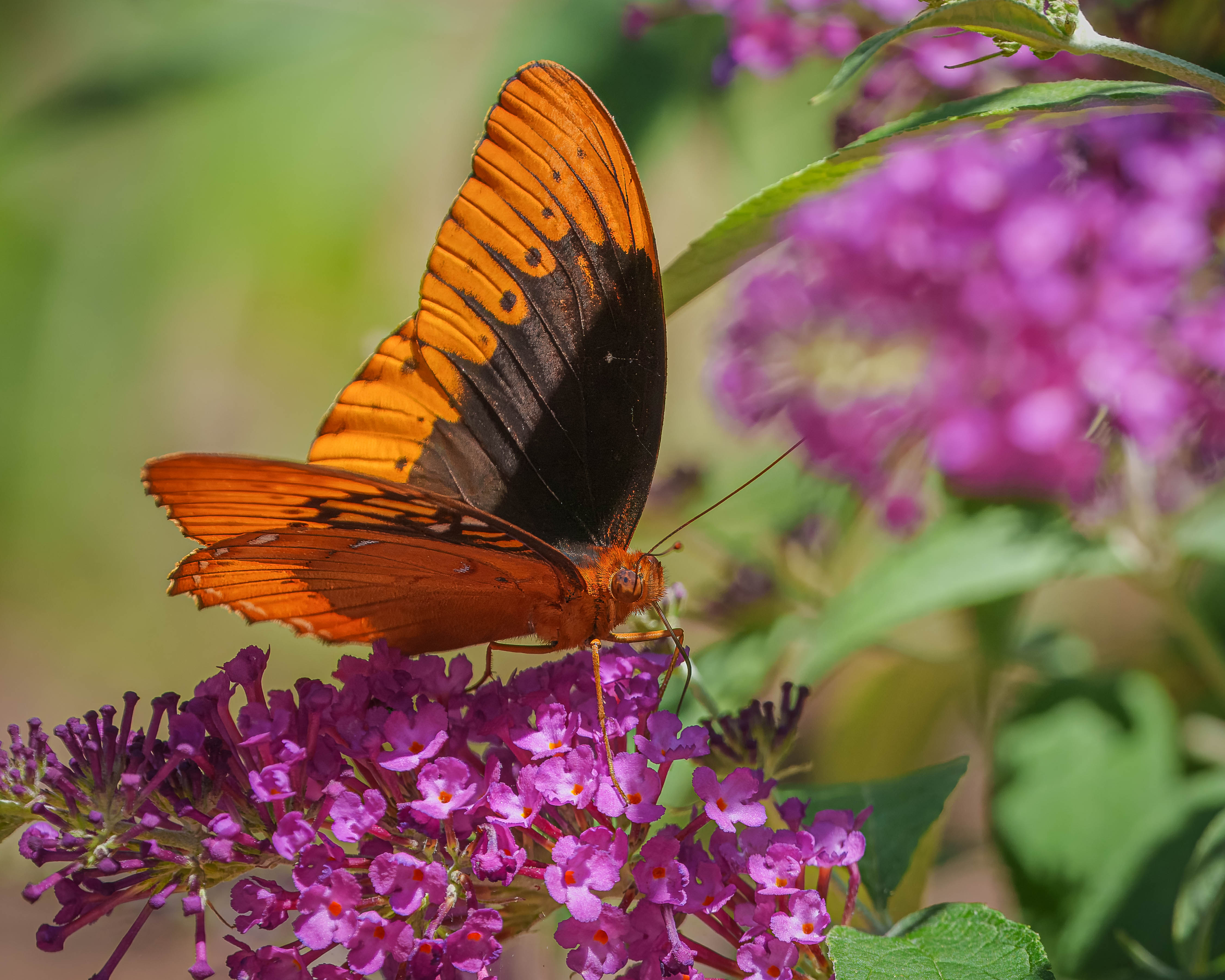
Things improved, though. On May 30, 2025, a single male appeared in the pollinator garden.
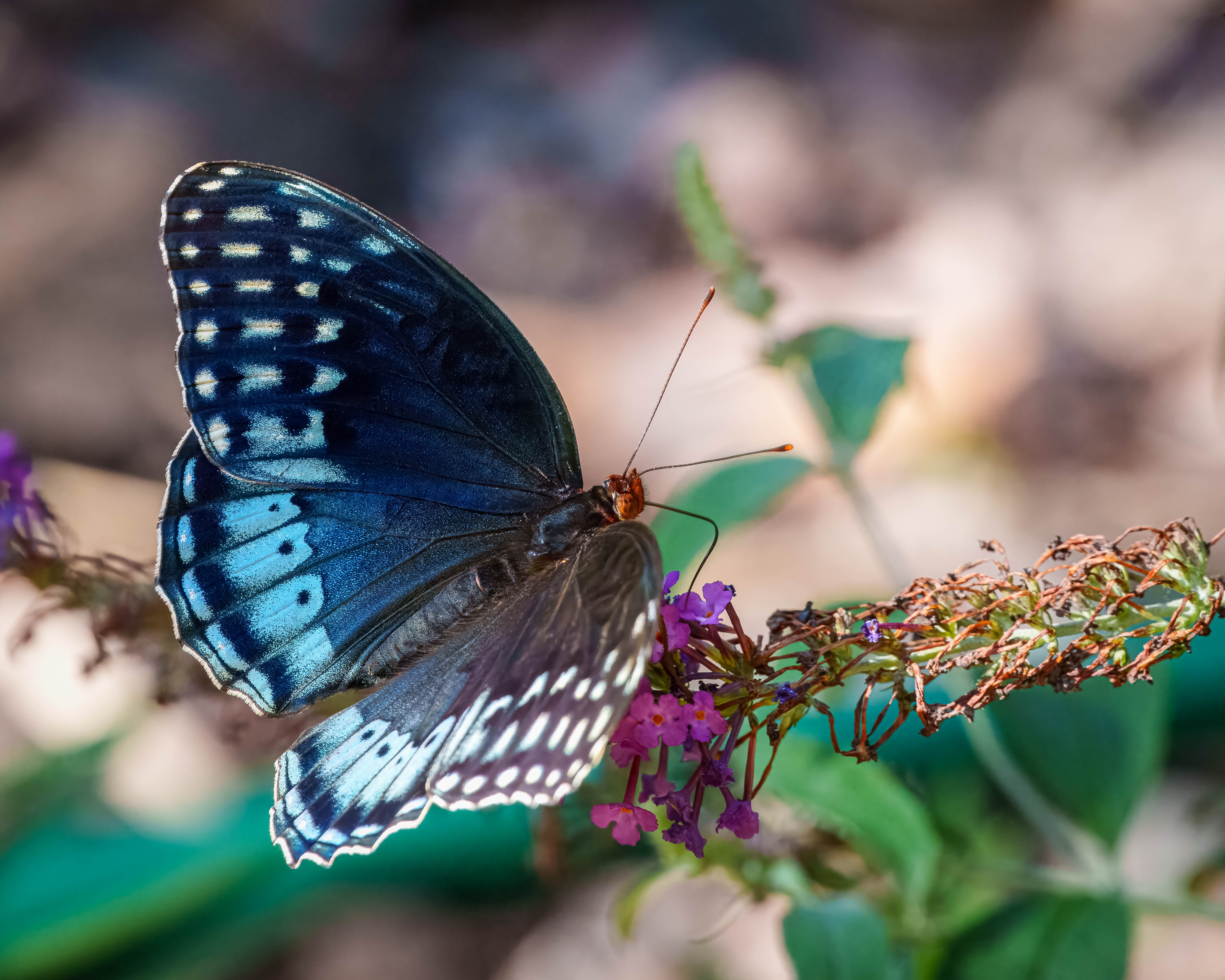
And then a week later, on June 6, 2025, a single female appeared.
Subsequently, through August, a few more would show up, one at a time.
This season, 2026, has been quite productive in terms of observing Diana Fritillaries. The first male was seen on May 26, followed by a female on May 29.
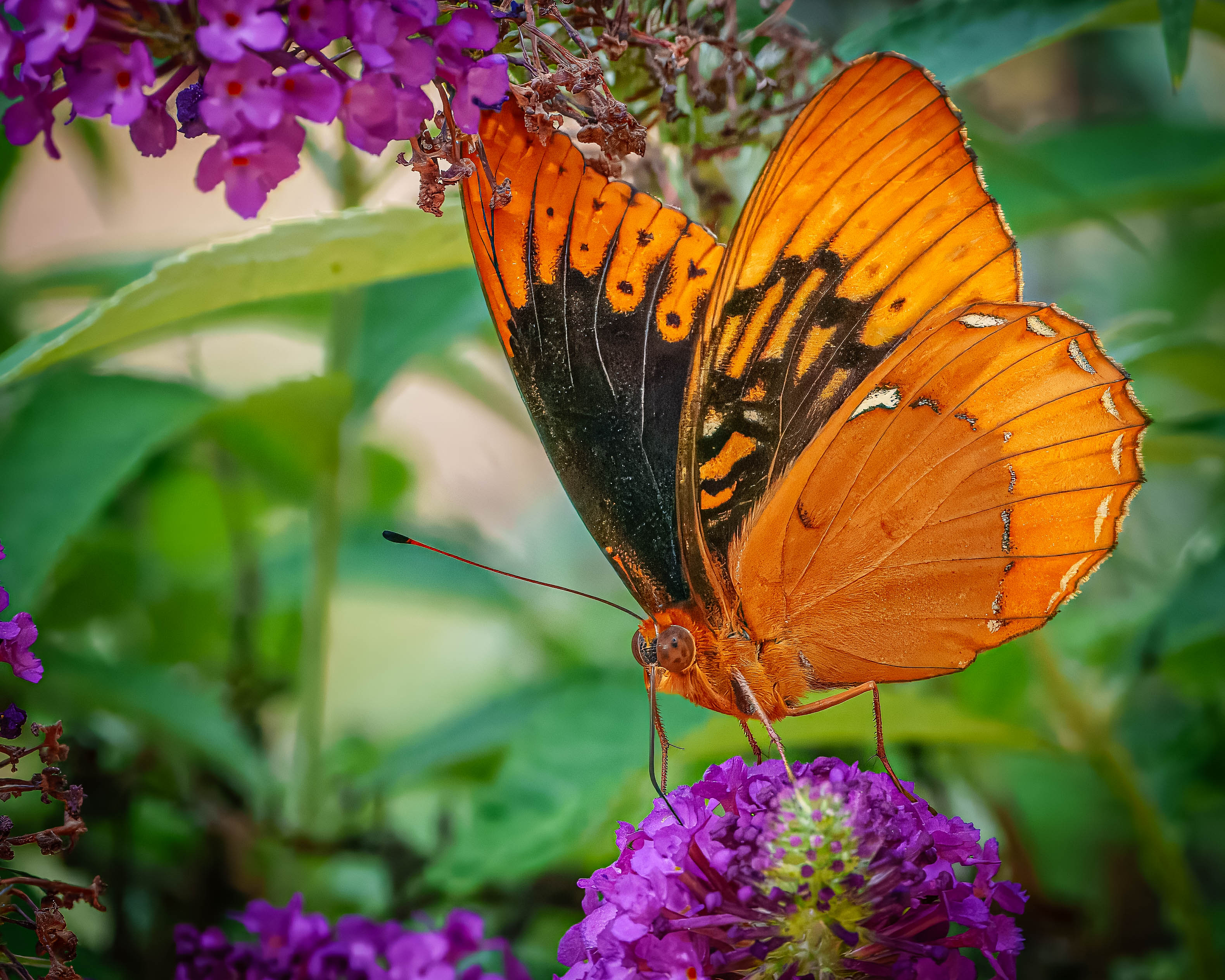
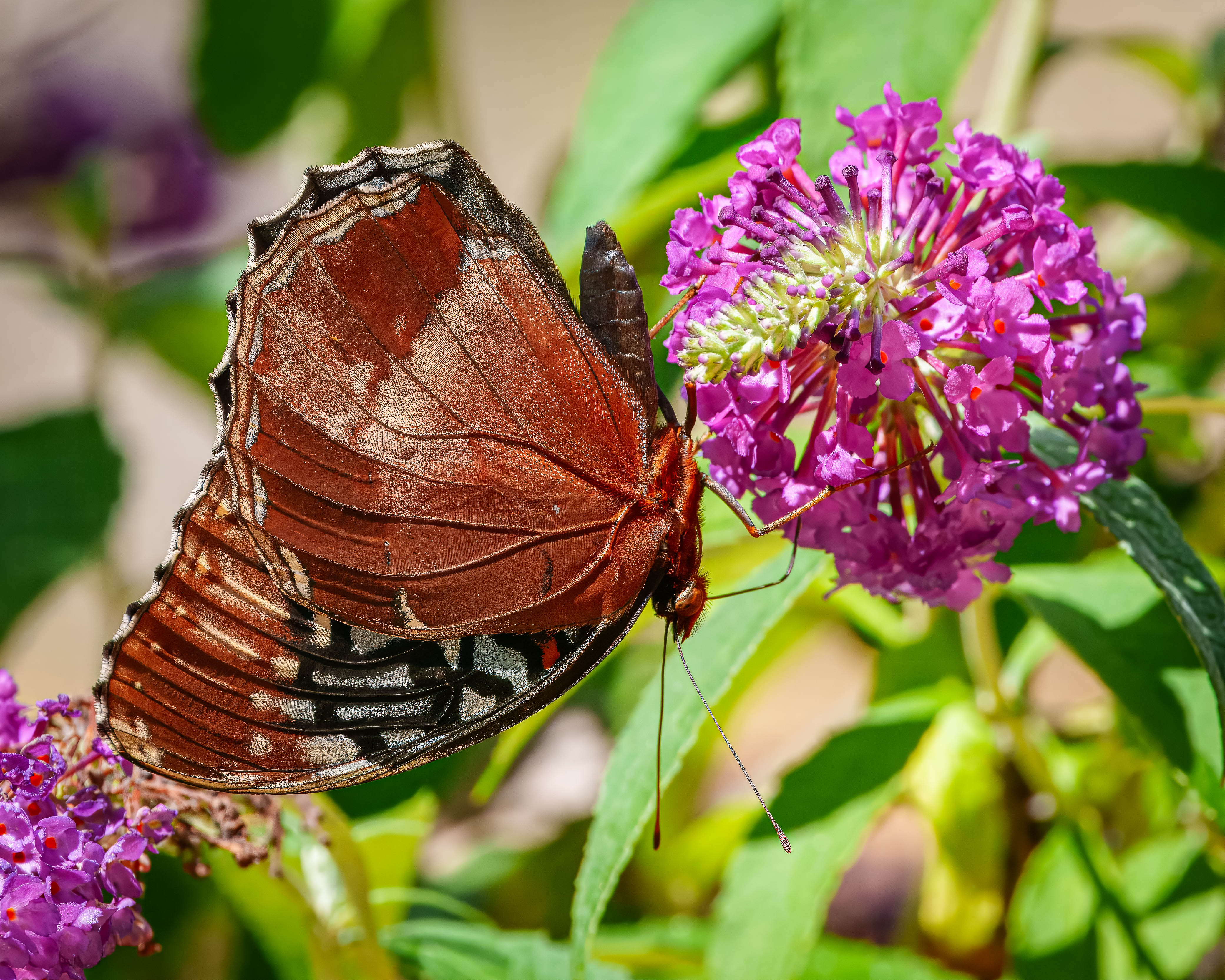
On June 5, 2026, three female Diana Fritillaries and one male were observed in the garden at the same time; the females rejected any and all advances from the males, but we hope to have some eggs soon!