Friday, August 21—Life Aboard the Viking Gefjon

We chose Viking because of the unanimous recommendations of friends, near unanimous 5 star ratings on Internet websites, and shore excursions are included in the cost.  We have not been disappointed.

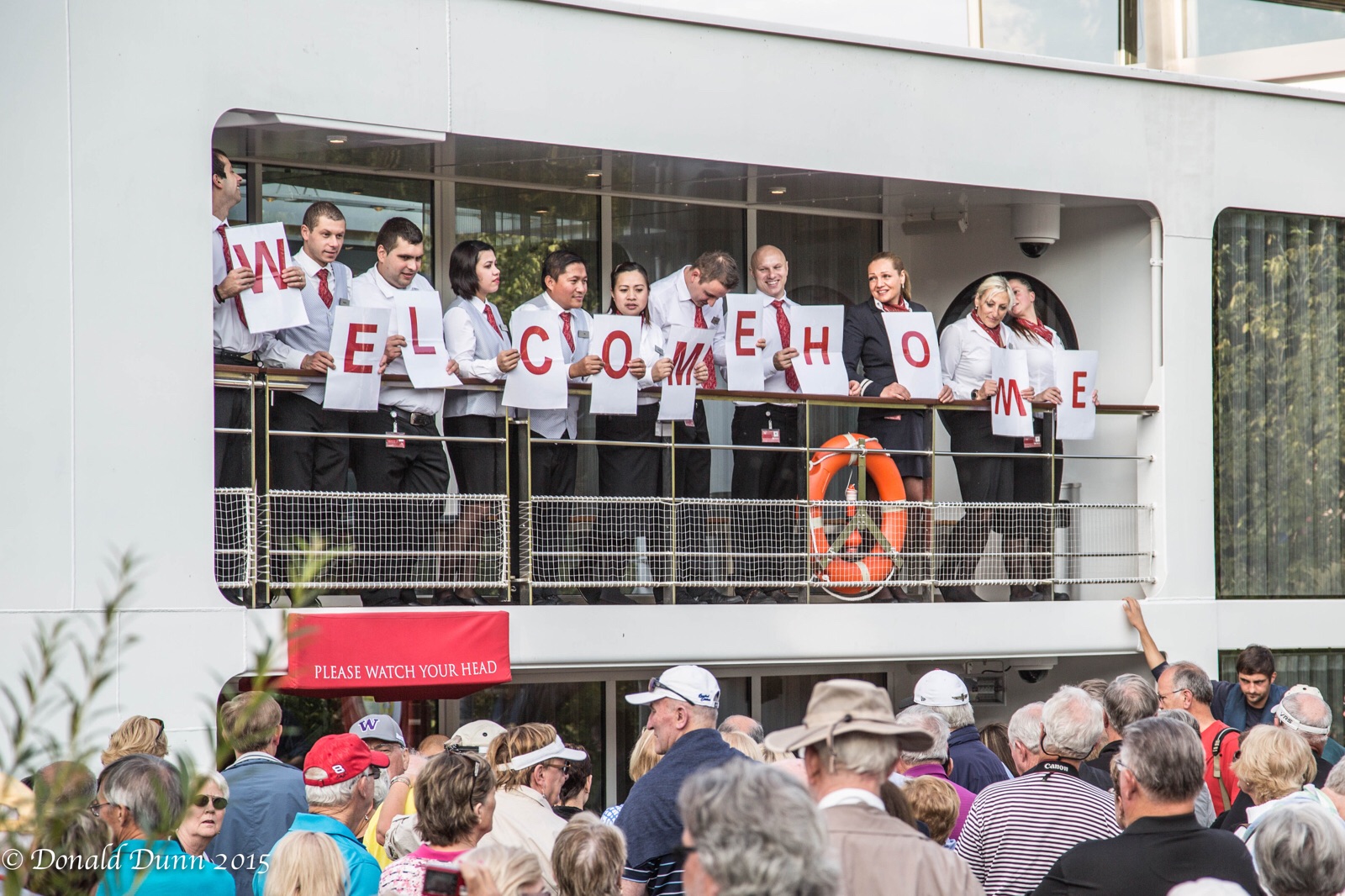
Thus far, we have been impressed with the quality and timeliness of service from the time we arrived in Amsterdam to the present—nothing one can put their finger on, but just the little things, like the captain assisting with initial boarding by carrying luggage, or the “Welcome Home” sign held by several of the staff when we arrived back from a shore excursion.

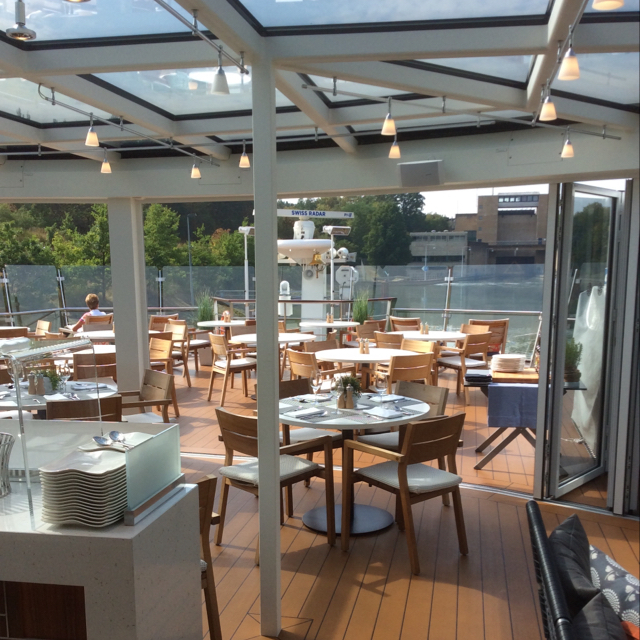
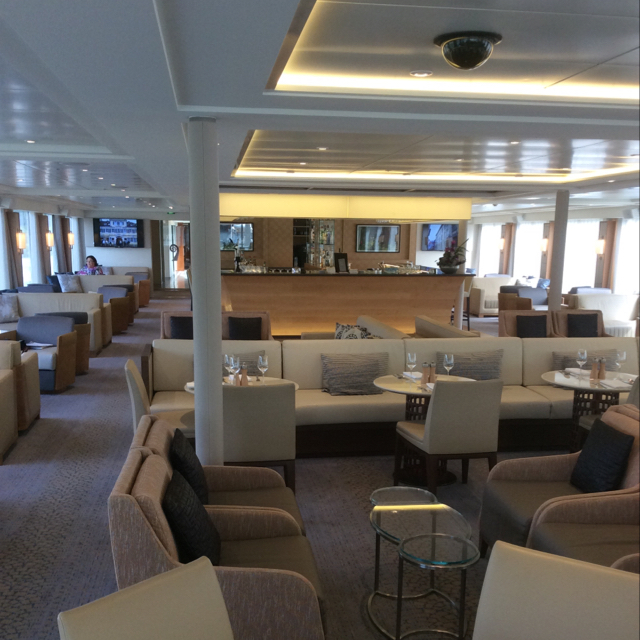
These little things happen all the time. The crew is well organized, and are as on time as queuing up for and locking through the lock system will allow. Onboard there is a very comfortable lounge where most people read, relax, and visit. There is an open area at the front of the boat for casual dining and enjoying the view. There is a large sundeck on top, but because of low bridge clearances, it has been unavailable a good portion of the time, thus far.
Our room is one of the least expensive ones, and located mostly below the waterline; this has not posed a problem as the boat is extremely quiet and smooth. Otherwise, the room is much like those of other ships we’ve sailed, in both size and amenities, except more technologically advanced; we especially like the 110V electrical outlets. The bed is very comfortable and I have slept better onboard than at home (maybe the free beer and wine with meals). Perhaps next time we will upgrade, though, for a balcony.

The food is good, but not great as some reviewers on internet websites have related. Meals featuring food from the locale visited that particular day or the next are served each night. An unending supply of beer, soda, or wine is available at each meal, including champagne at breakfast, at no extra charge, and is quite good. Coffee, cappuccino, lattes, chocolate, and tea are available 24/7.

The shore excursions started a bit slow, but keep getting better and better. The amount of time allocated for them is about right. The local guides have been very good to exceptional. Perhaps the shore excursions are a bit too large, and many of the folks participating on them have maladies or such that keep the pace painfully slow. And, of course, you have the loudmouths and the two or three folks who jump to the front of the line at each stop.  Had we had more information, we may have opted for some of the extended shore excursions at extra expense. However, If anything, we have kept too busy with little time to relax and enjoy the sights along the way.

English is spoken onboard, and is spoken by most locals as it is taught in almost all schools, unlike the single language standard in the US. It seems like the local guides go out of their way to talk positively about America, and most make it a point to explain the German population’s disenfranchisement with the Nazi regime of World War II.

All in all, the voyage with Viking has been very good so far, and we would certainly “sail” with them again, perhaps to China!

The weather has been cool and sometimes rainy. The only days it has been a nuisance were in Cologne with misting rain the entire time, and Bamberg where it drizzled and rained through the last half of the shore excursion, and I was without a rain coat or umbrella. However, the forecast calls for party sunny skies and temperatures in the mid to high-70s.
Friday, August 21—Life Aboard the Viking Gefjon

We chose Viking because of the unanimous recommendations of friends, near unanimous 5 star ratings on Internet websites, and shore excursions are included in the cost.  We have not been disappointed.

Thus far, we have been impressed with the quality and timeliness of service from the time we arrived in Amsterdam to the present—nothing one can put their finger on, but just the little things, like the captain assisting with initial boarding by carrying luggage, or the“Welcome Home” sign held by several of the staff when we arrived back from a shore excursion. These little things happen all the time. The crew is well organized, and are as on time as queuing up for and locking through the lock system will allow. Onboard there is a very comfortable lounge where most people read, relax, and visit. There is an open area at the front of the boat for casual dining and enjoying the view. There is a large sundeck on top, but because of low bridge clearances, it has been unavailable a good portion of the time, thus far.


Our room is one of the least expensive ones, and located mostly below the waterline; this has not posed a problem as the boat is extremely quiet and smooth. Otherwise, the room is much like those of other ships we’ve sailed, in both size and amenities, except more technologically advanced; we especially like the 110V electrical outlets. The bed is very comfortable and I have slept better onboard than at home (maybe the free beer and wine with meals). Perhaps next time we will upgrade, though, for a balcony.

The food is good, but not great as some reviewers on internet websites have related. Meals featuring food from the locale visited that particular day or the next are served each night. An unending supply of beer, soda, or wine is available at each meal, including champagne at breakfast, at no extra charge, and is quite good. Coffee, cappuccino, lattes, chocolate, and tea are available 24/7.

The shore excursions started a bit slow, but keep getting better and better. The amount of time allocated for them is about right. The local guides have been very good to exceptional. Perhaps the shore excursions are a bit too large, and many of the folks participating on them have maladies or such that keep the pace painfully slow. And, of course, you have the loudmouths and the two or three folks who jump to the front of the line at each stop.  Had we had more information, we may have opted for some of the extended shore excursions at extra expense. However, If anything, we have kept too busy with little time to relax and enjoy the sights along the way.

English is spoken onboard, and is spoken by most locals as it is taught in almost all schools, unlike the single language standard in the US. It seems like the local guides go out of their way to talk positively about America, and most make it a point to explain the German population’s disenfranchisement with the Nazi regime of World War II.

All in all, the voyage with Viking has been very good so far, and we would certainly “sail” with them again, perhaps to China!

The weather has been cool and sometimes rainy. The only days it has been a nuisance were in Cologne with misting rain the entire time, and Bamberg where it drizzled and rained through the last half of the shore excursion, and I was without a rain coat or umbrella. However, the forecast calls for party sunny skies and temperatures in the mid to high-70s.

– Posted using BlogPress from my iPad

Thursday, August 20—Bamberg, Germany (Day 7)

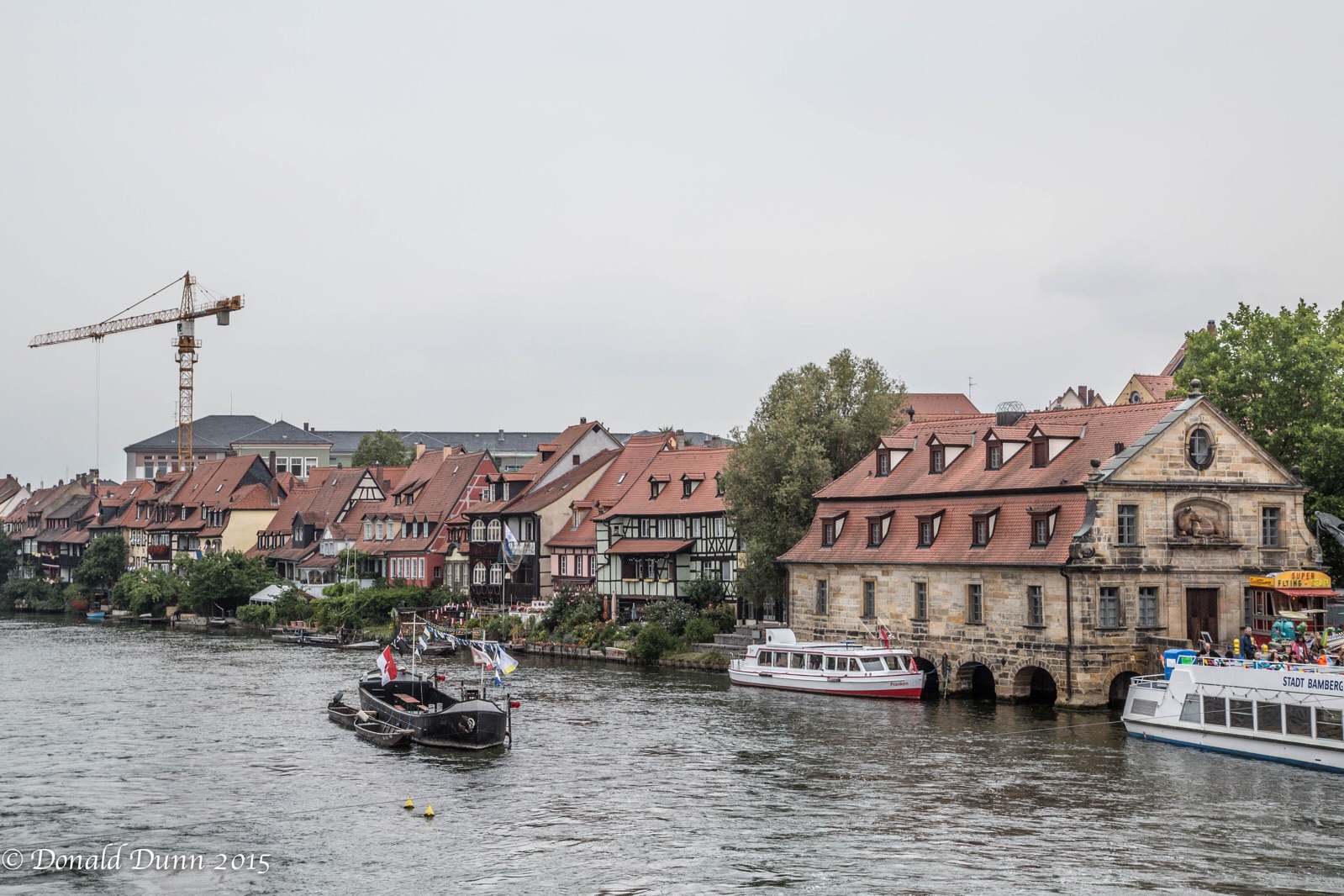
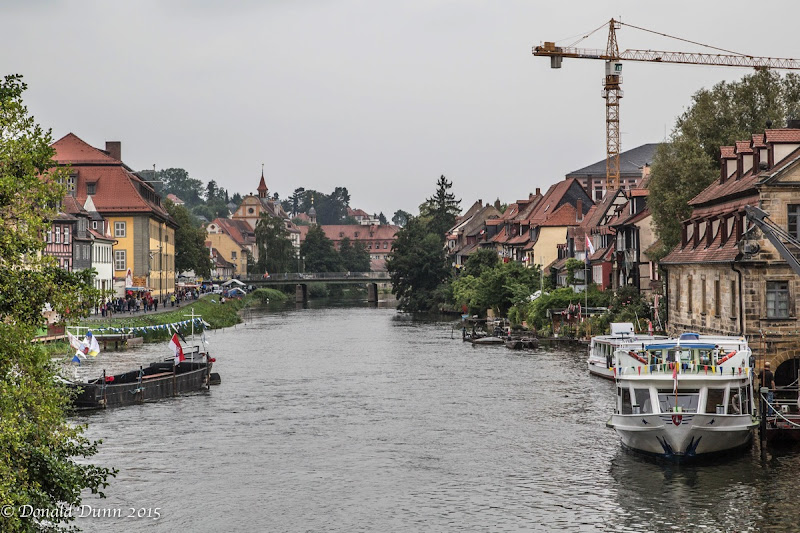
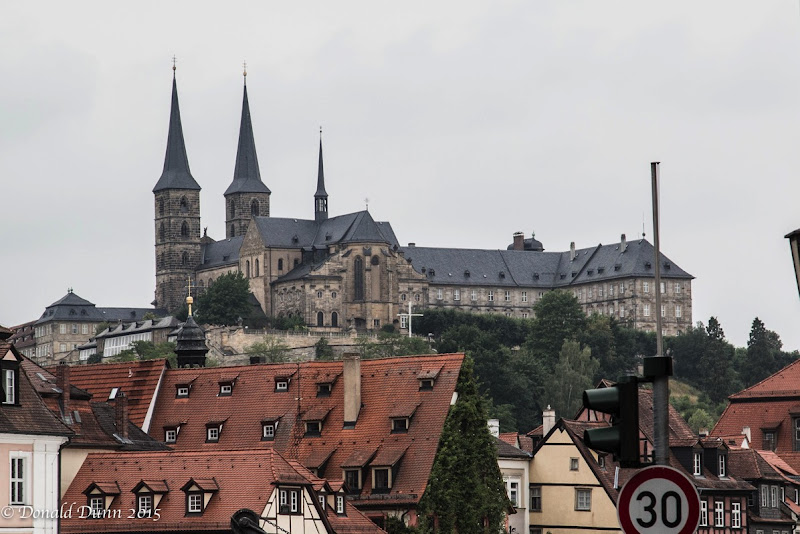
Continuing upstream the Viking Gefjon sailed the entire morning on the Main River, stopping only to pass through the several locks that are becoming more and more frequent as we sail upstream towards the continental divide. Still in the Franconia region of upper Bavaria, the longboat docked only long enough for passengers to de-board for one of several shore excursions in and around Bamberg.

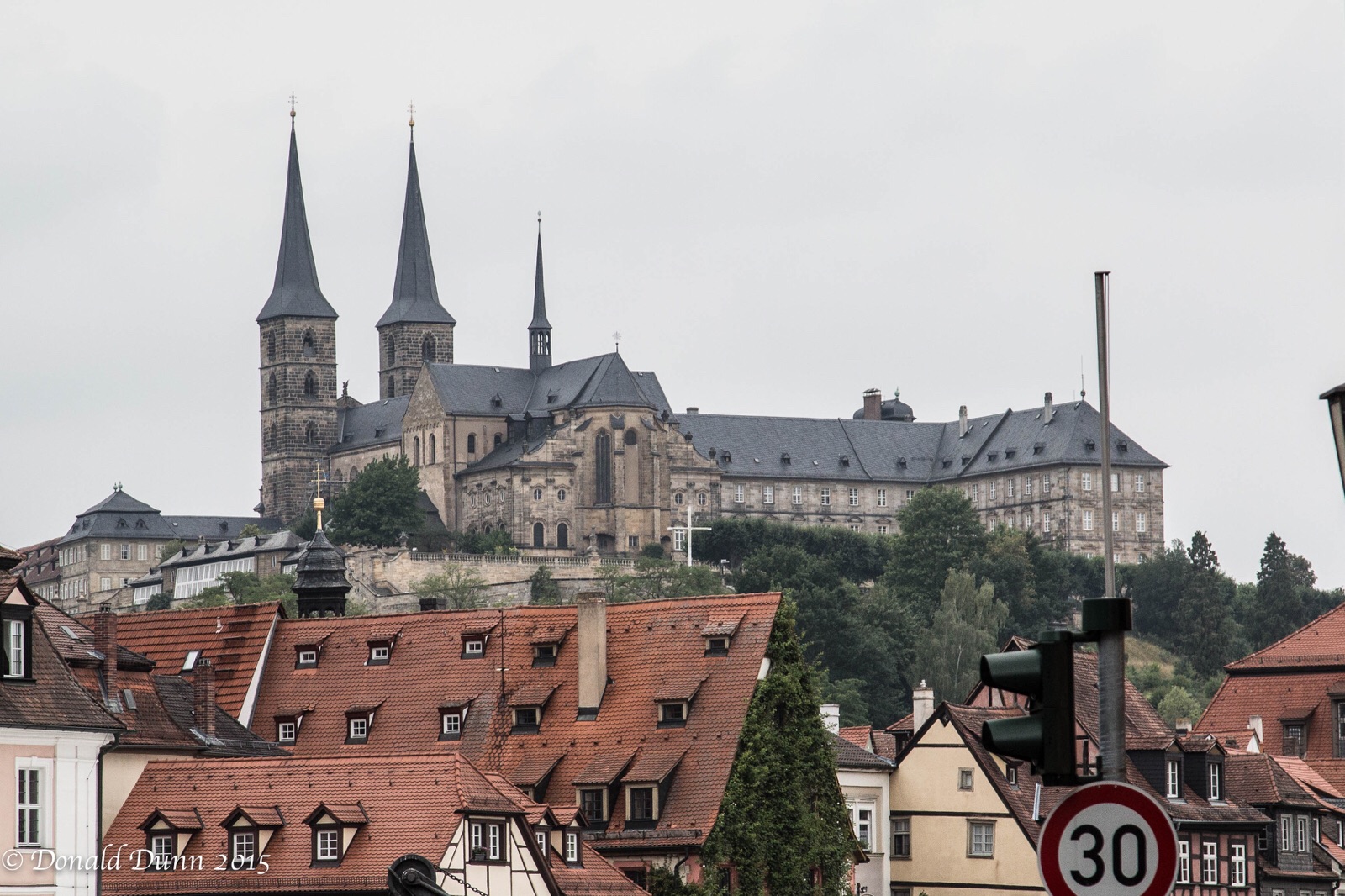
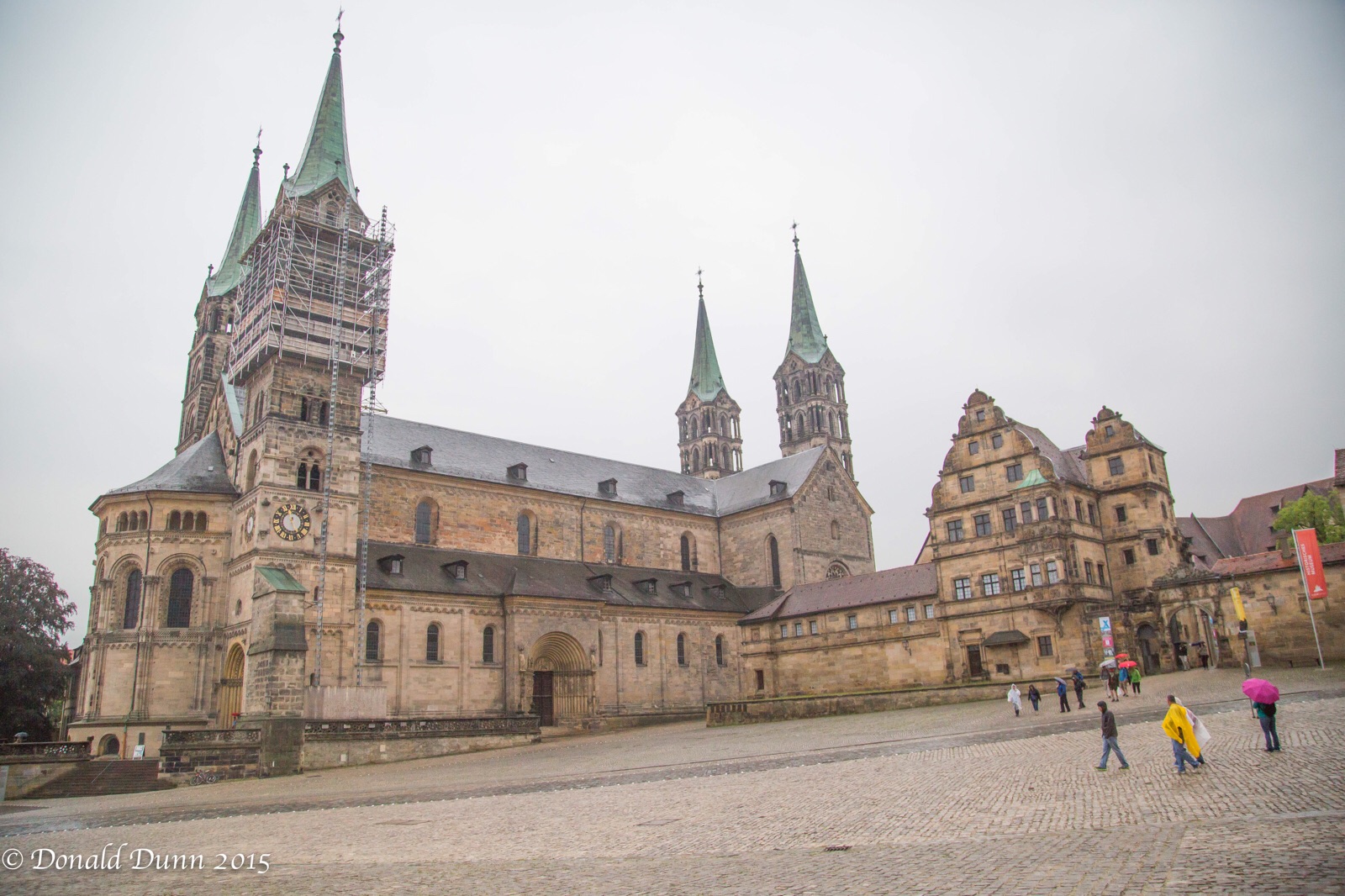
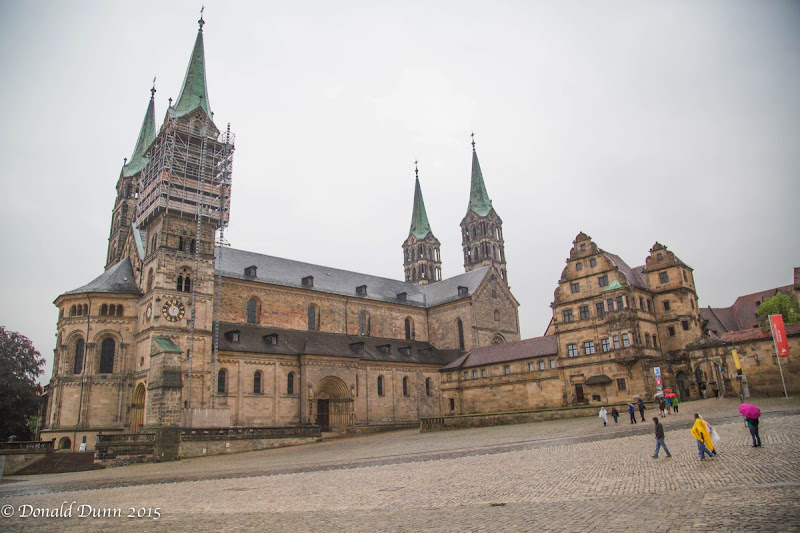
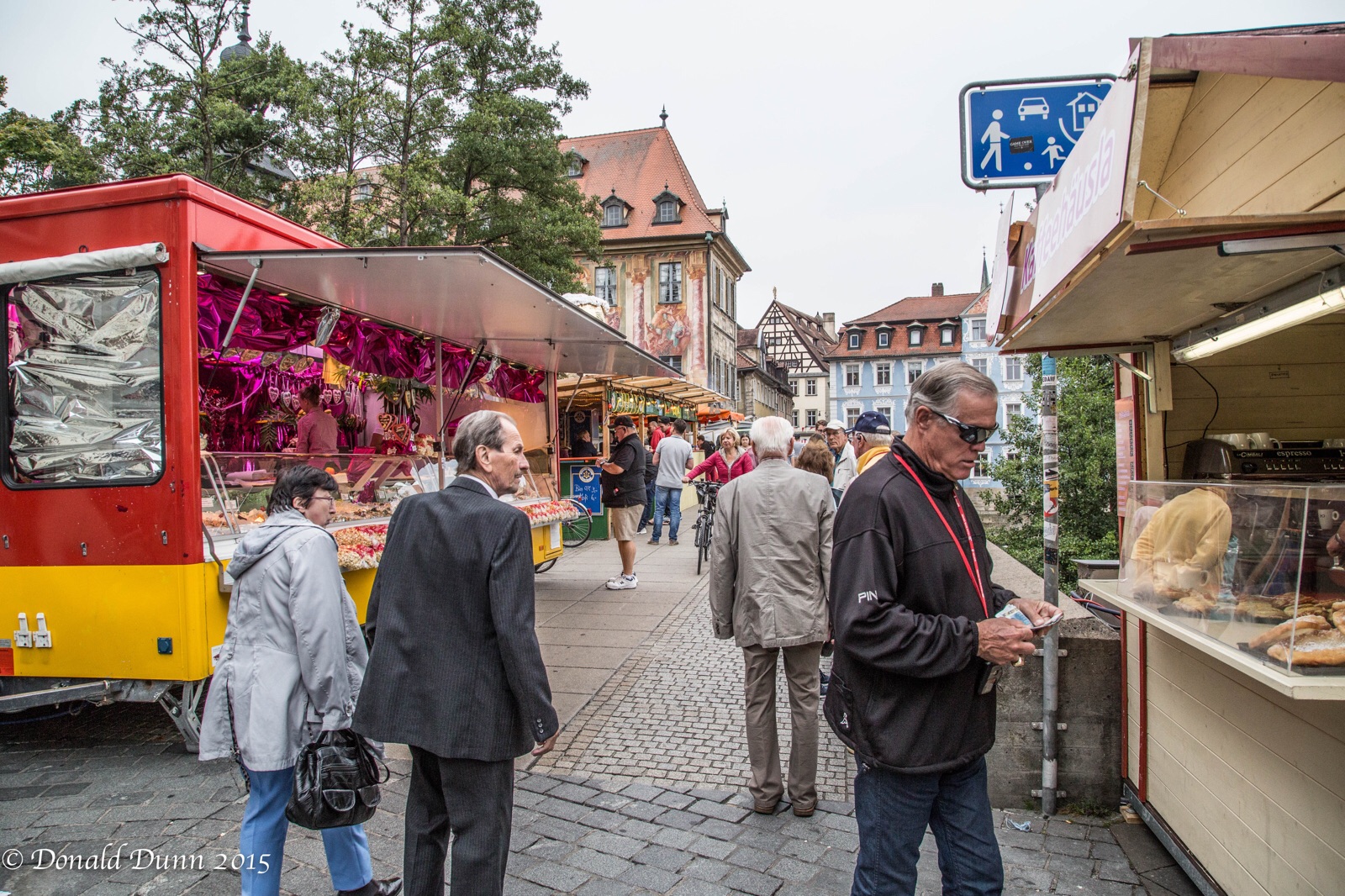
Bamberg was made the center of the Holy Roman Empire in 1007 by Emperor Henrich II during his reign. We opted for the guided walking tour of the center city and cathedral square. It was one of the few cities in Germany not destroyed by World War II bombing, and has retained its medieval structures. leading to it being named a UNESCO World Heritage Site in 1993. Notwithstanding its rich cultural heritage, Bamberg is also known for its smoke bear (we did not sample, but heard it was not very tasty) and 17th century witch trials during which 5 mayors were identified as accomplices to the witches and burned at the stake. Today, it is a vibrant university city where about 40 percent of the residents are university students.

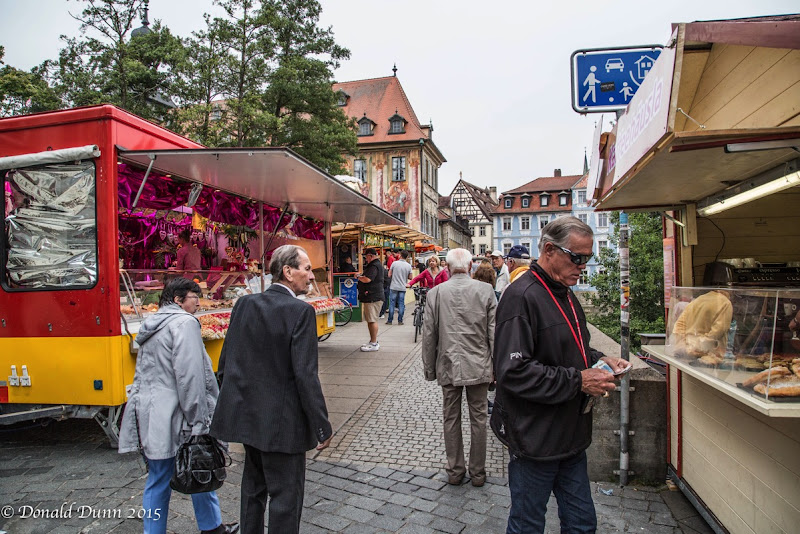
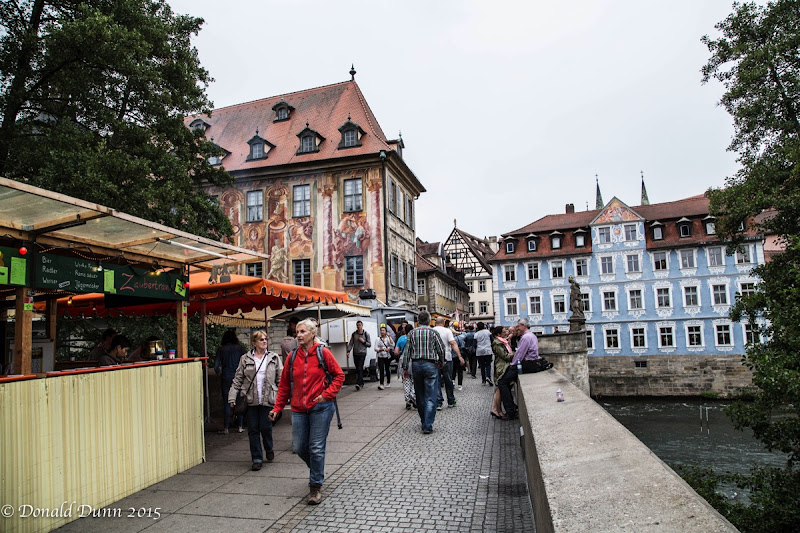
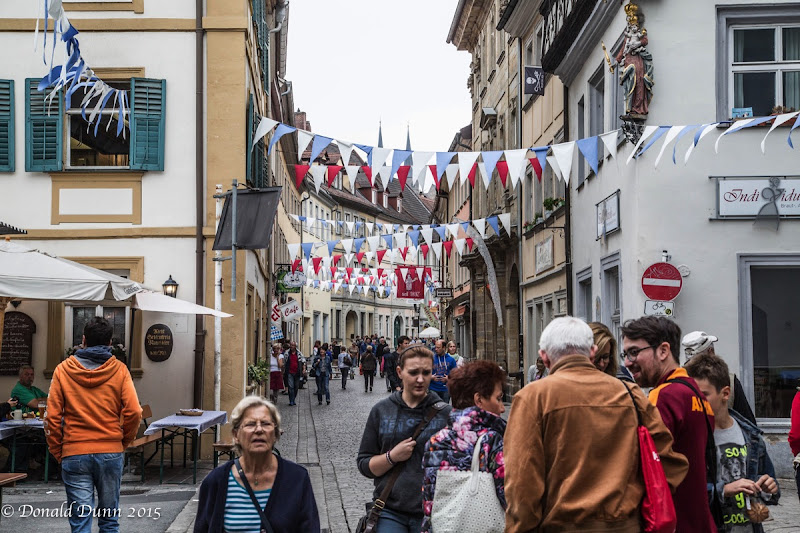
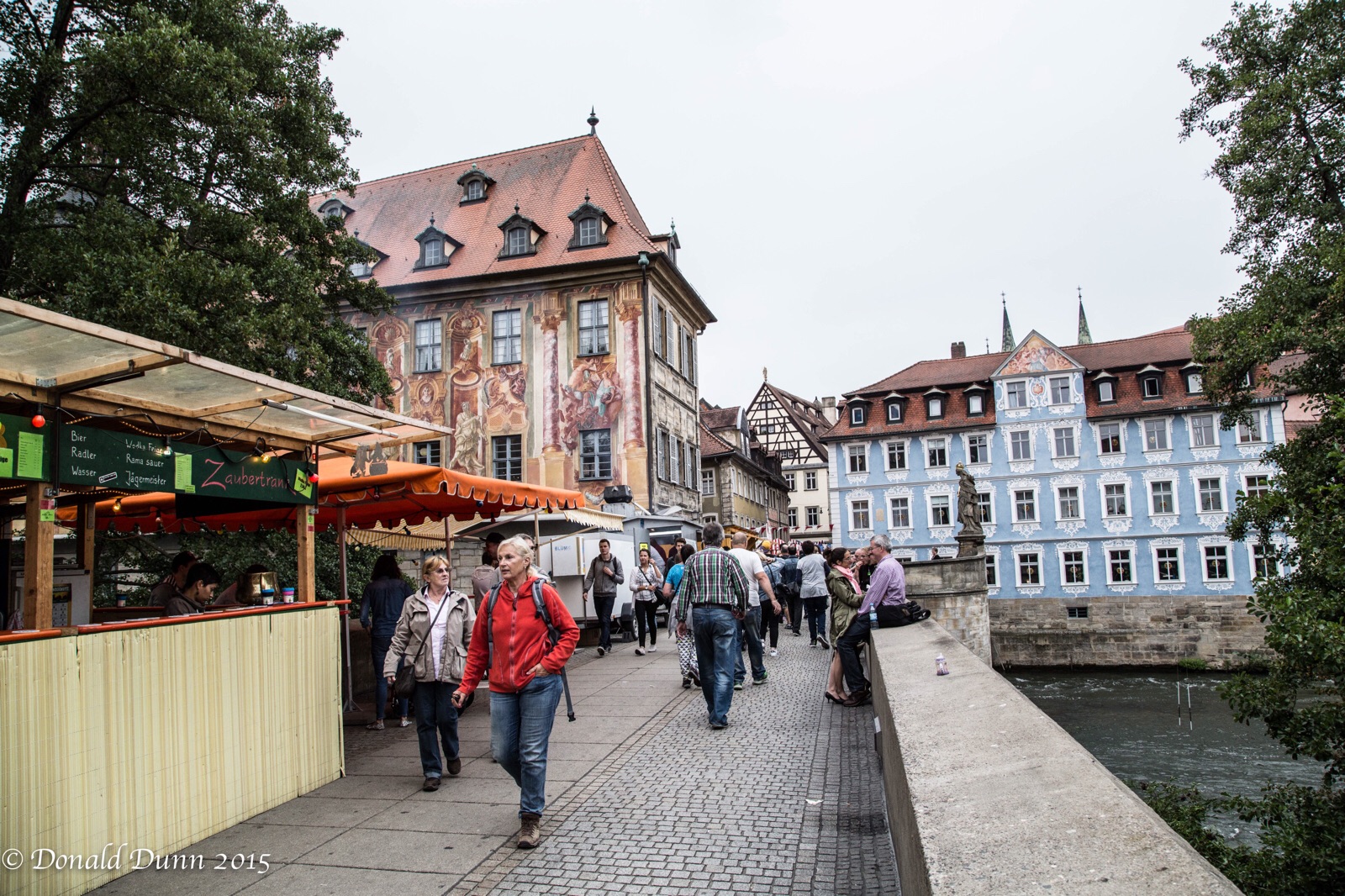
Luckily, a festival was beginning in the afternoon, filling the medieval streets with tents and vendors selling beer, sausages, pastry, and other assorted foodstuffs, and people of all ages, some of whom were dressed in Bavarian costume. Despite overcast conditions, it was exciting to walk through the streets, observing families and university students having great fun.


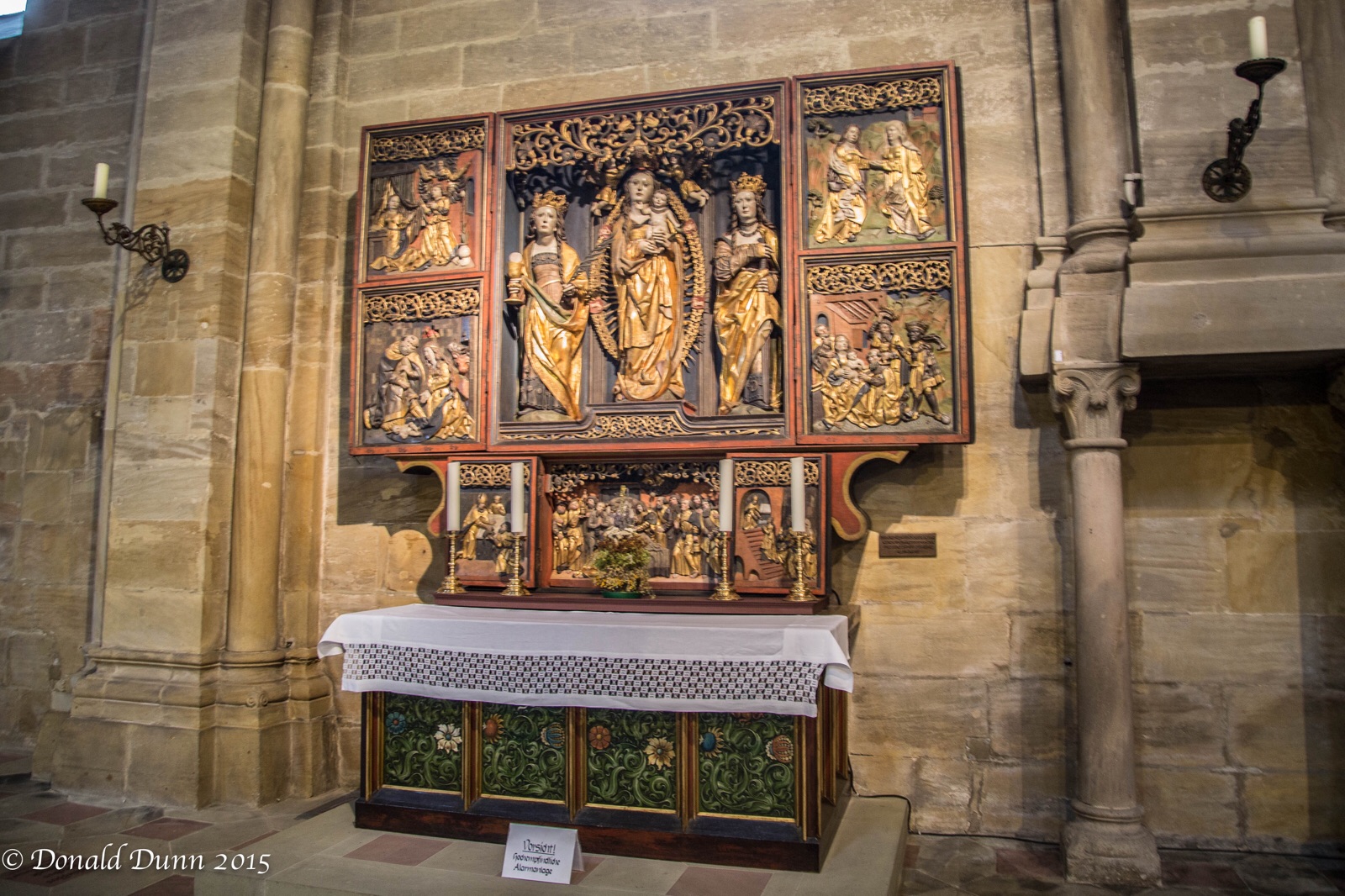
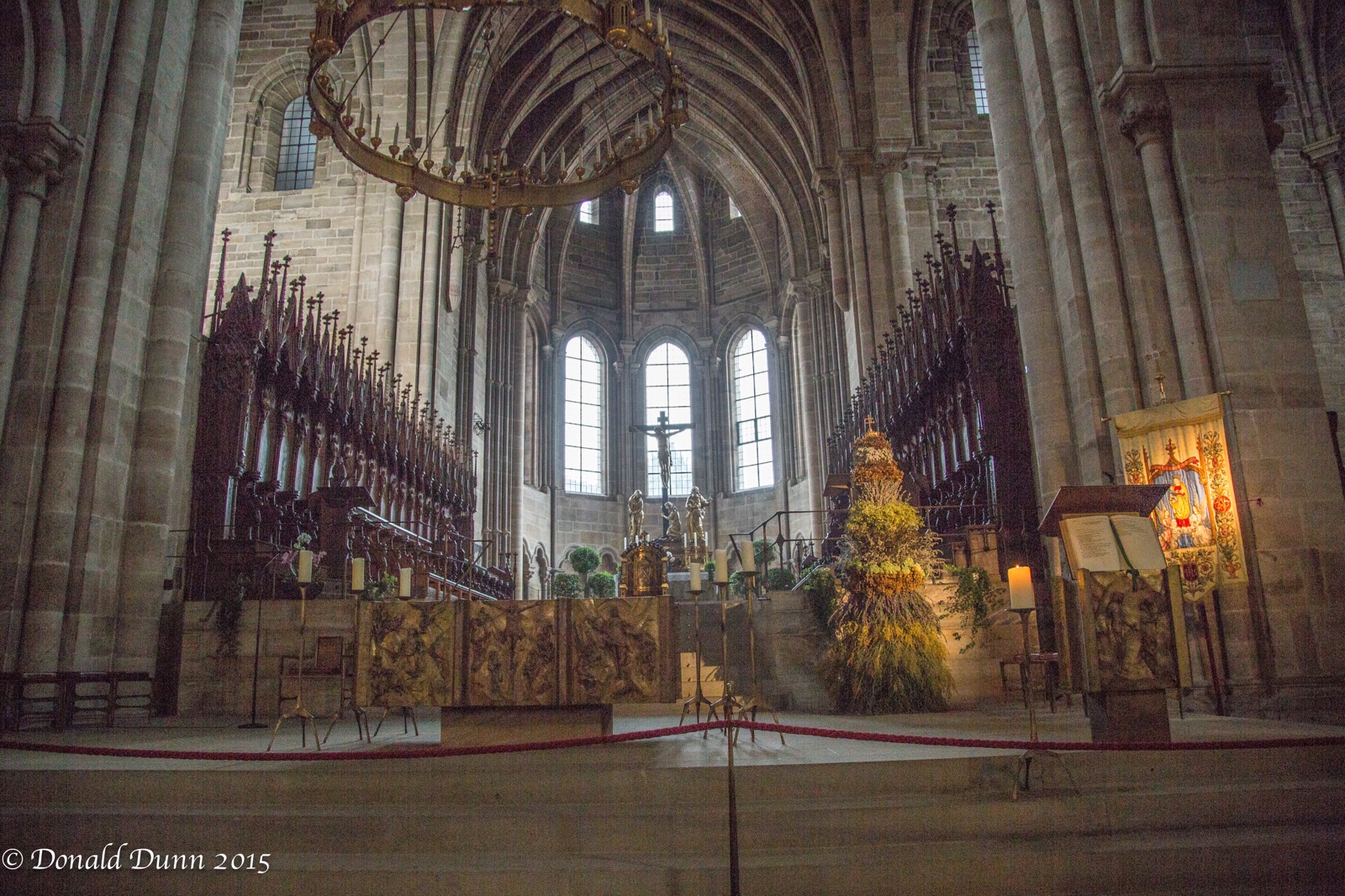
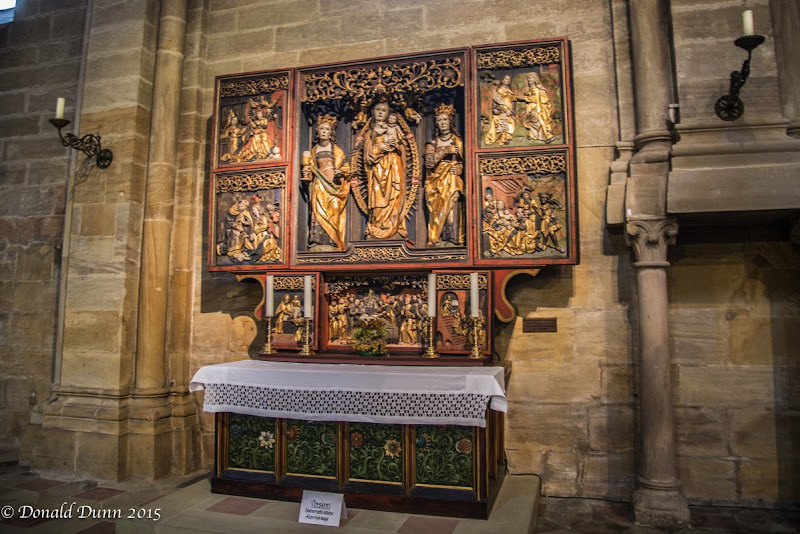
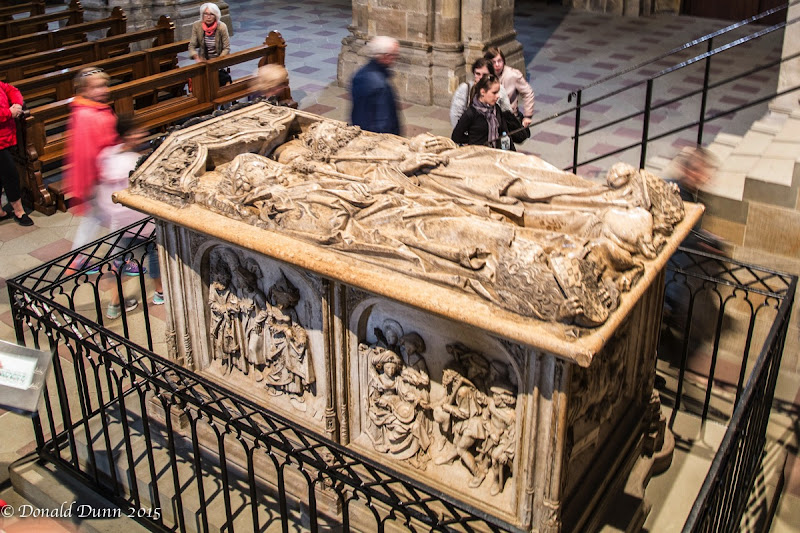
It began misting as we entered the gigantic, Romanesque cathedral, the building of which was directed by Emperor Henrich II. Dark inside, it was not as highly ornate as was the one in Cologne, though it did house the crypt of the former emperor and his wife, as well as Pope Clement II.


A light rain was coming down as we exited some 30 minutes later—Kay brought her raincoat, I did not reflecting poor planning on my part! We found shelter in a covered drive leading to the cathedral square’s rose garden, and I waited there about an hour until the rain abated somewhat.


The wait proved to be a fortuitous as I met a young family, the husband of which was from the South Island of New Zealand. He was quite friendly, and insisted on helping us plan a trip to the South Island. Fortunately, I remembered his email address, and will see if his assistance materializes.

As a light drizzle continued, I returned to the city center, meeting Kay along the way. We window shopped, and then met up with other tour participants as we waited on the bus to meet the longboat. As it was 30 minutes late because of lock queuing, Kay and I walked around the narrow streets enjoying the sights and sounds of the festival.

Upon returning to the Viking Gefjon, we enjoyed a three course dinner of smoked salmon, lamb shanks, and flan; lamb shanks is one of my favorite entrees.

– Posted using BlogPress from my iPad

Wednesday, August 19—Wurzburg, Germany (Day 6)


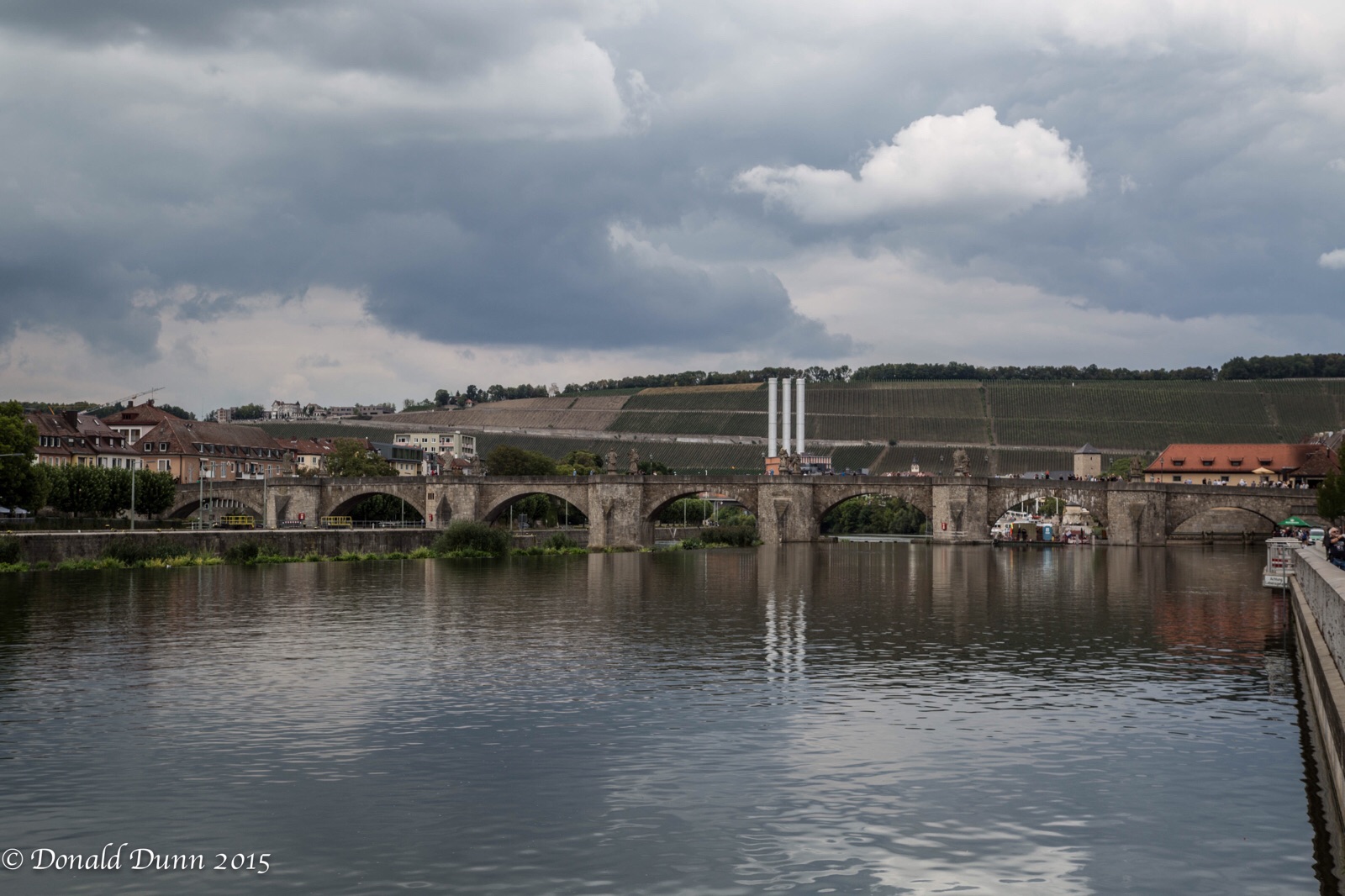
We left the Rhine, sailing upstream on its tributary, the Main River. From appearances, the Main does not appear to be a river capable of commercial navigation—it is slow and small, and meanders to the right and left—similar to the White River in Arkansas. However, with 34 locks and 33 hydropower stations, it carries ships with up to 1,500 tons of commodities.

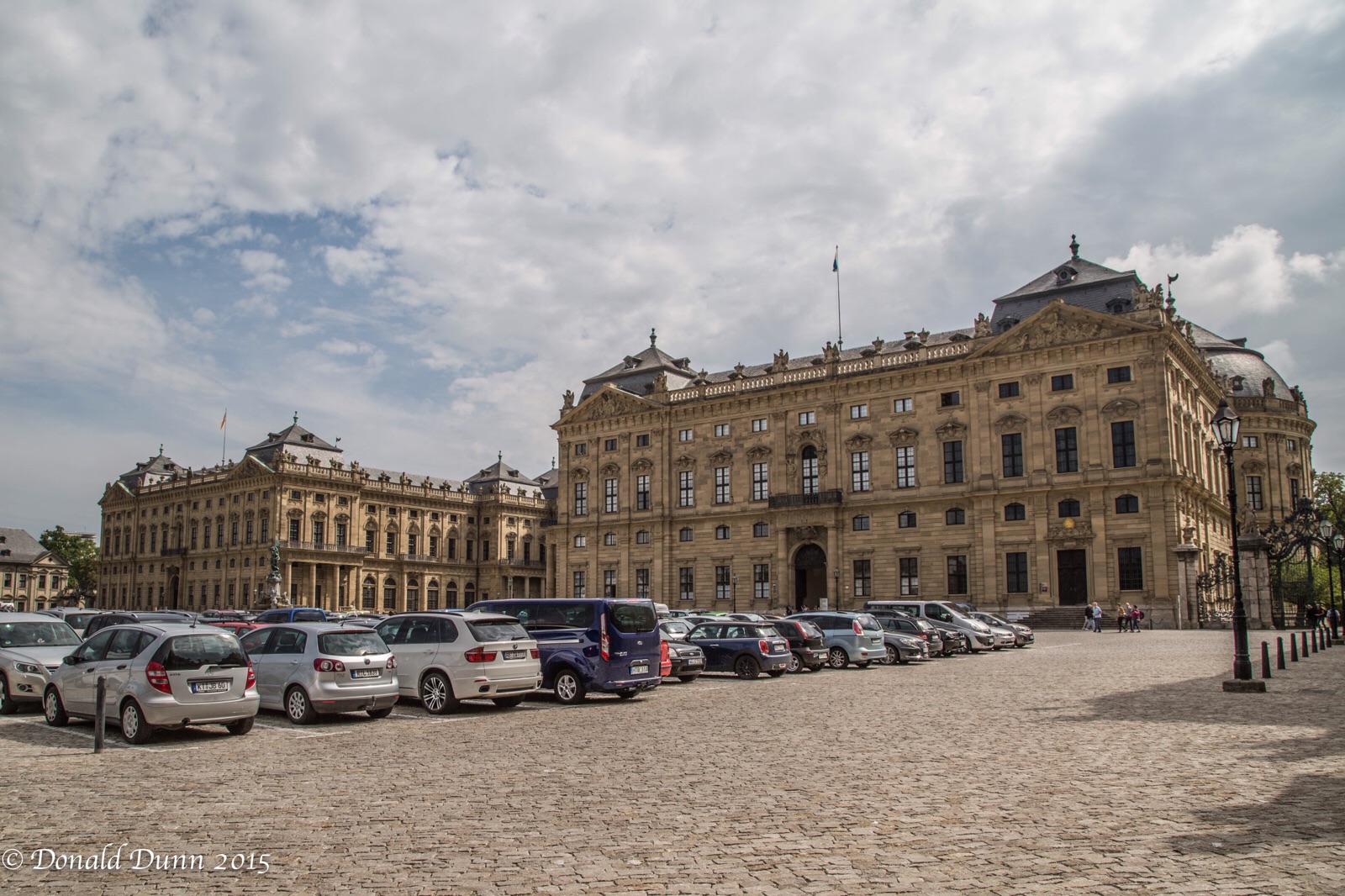
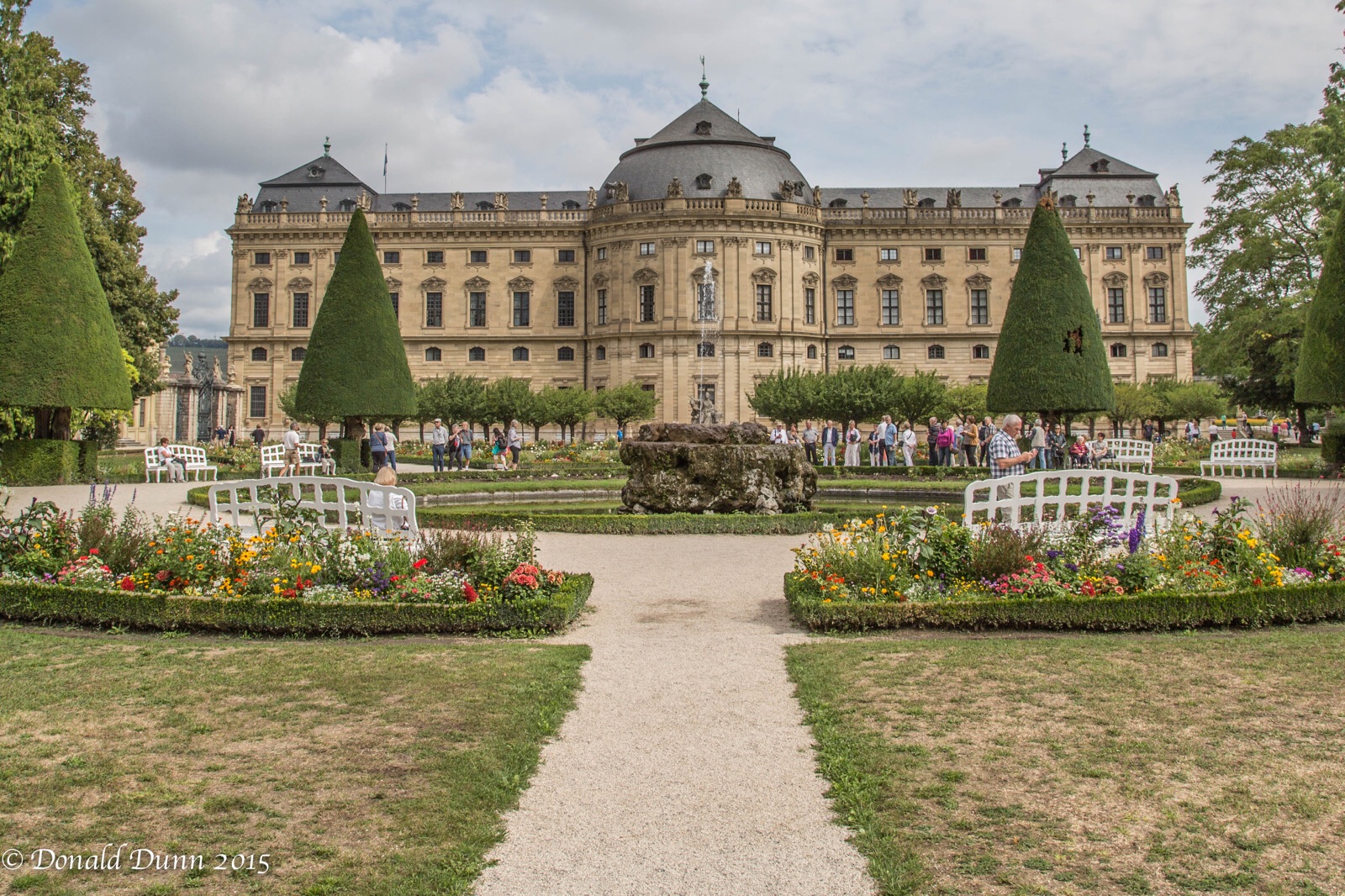
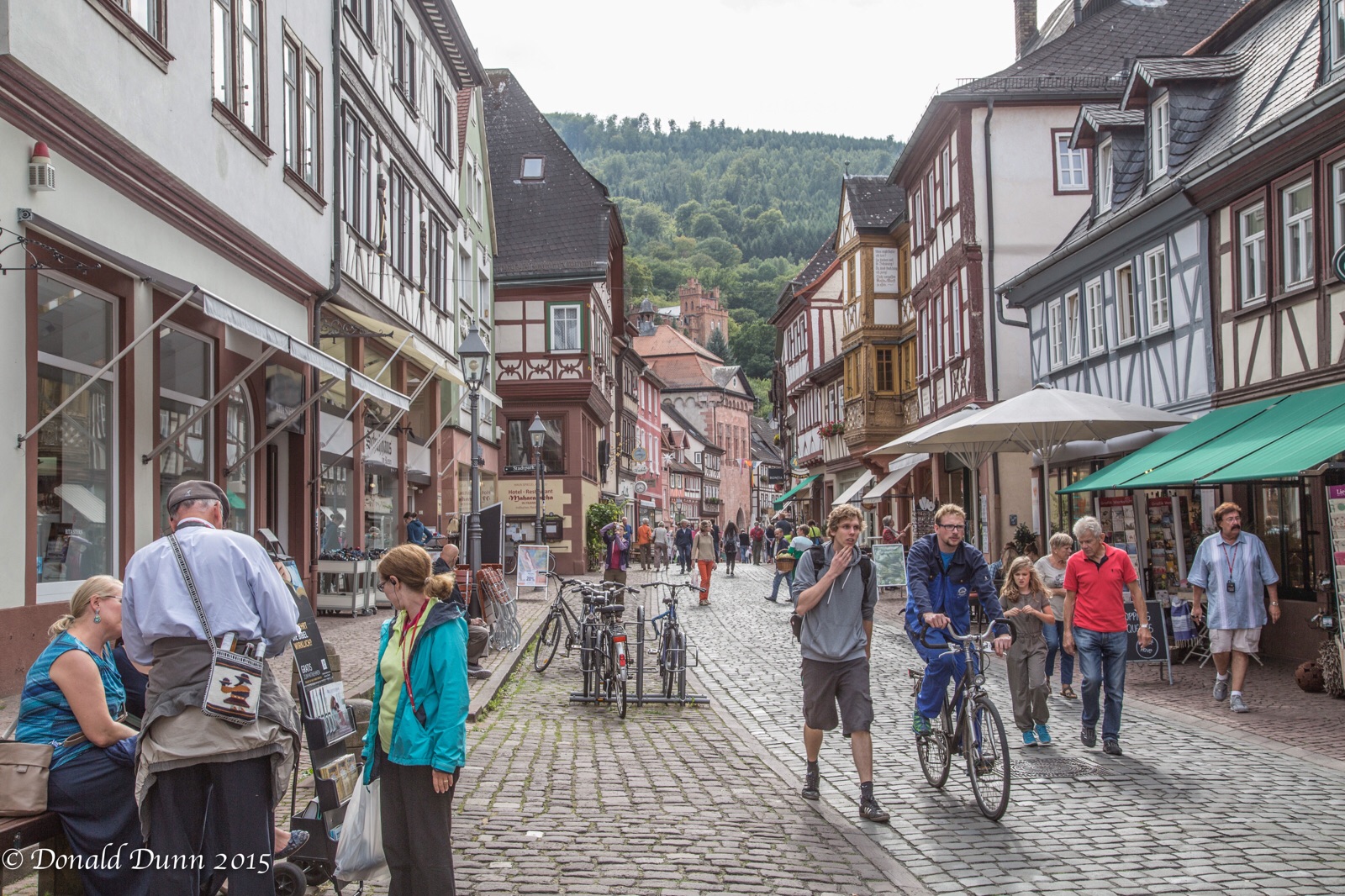
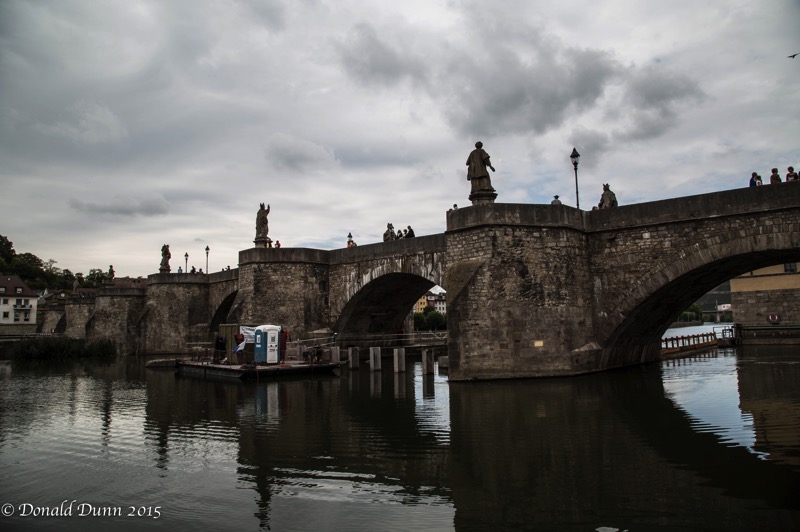
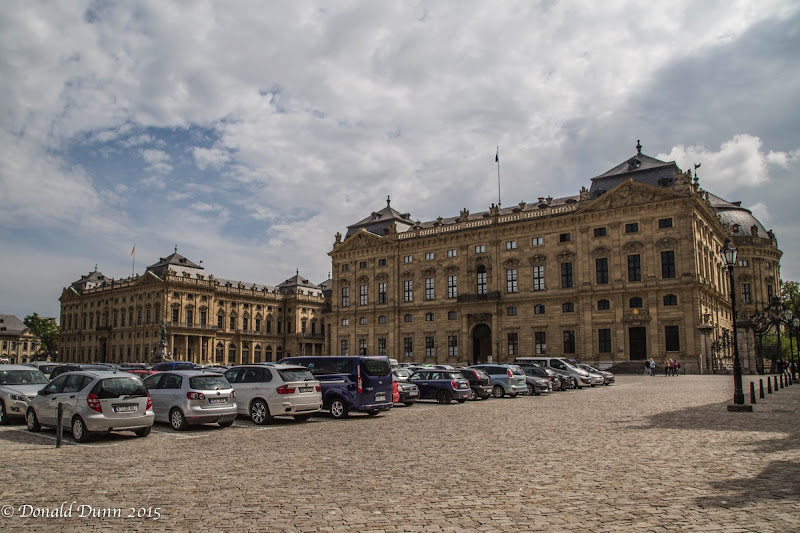
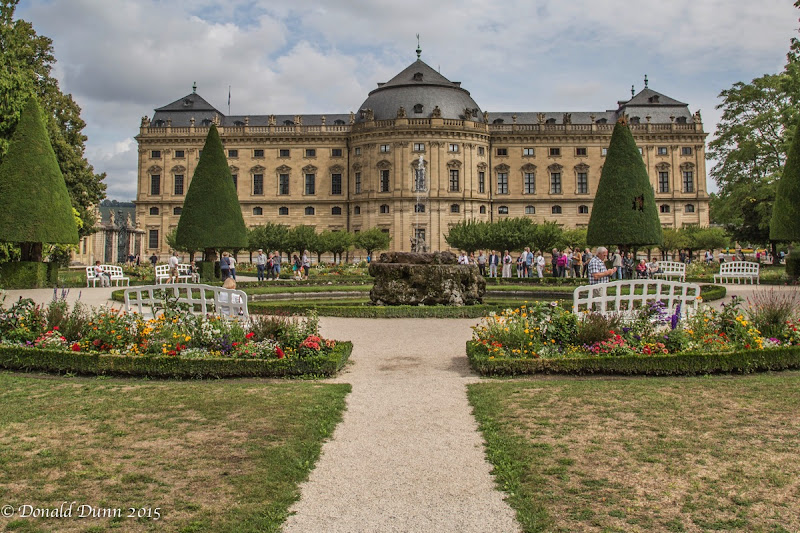
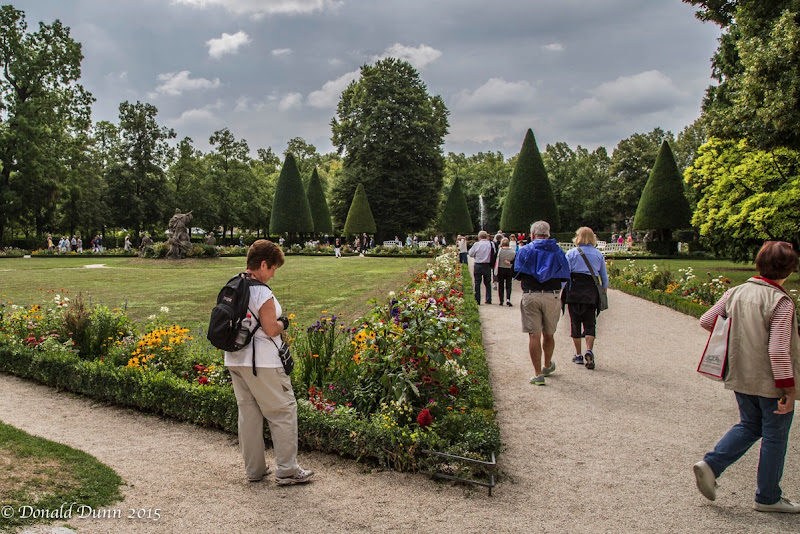
At 9 AM, we arrived at Wurzburg, another lively Franconia city in northern Bavaria, able to spend most of the entire day, except for a brief walking tour of the Wurzburg Residenz and city center. Wurzburg is best know as the home of the Wurzburg Residenz, former residence of the Wurzburg prince-bishops, combining the power and wealth of royalty and the church which, in turn, was passed on to the the city of Wurzburg. The Wurzburg Residenz—another UNESCO World Heritage Site—was modeled after Versailles, and neither words nor photos can describe the extraordinary baroque opulence of the interior. Regrettably, much of the Residenz palace, along with 90% of the city, was destroyed by 17 minutes of British bombing in World War II, but due to the quick action of the US “monuments men”, the destroyed roof over the most valuable rooms was protected, and many of the tapestries and other movable objects saved.


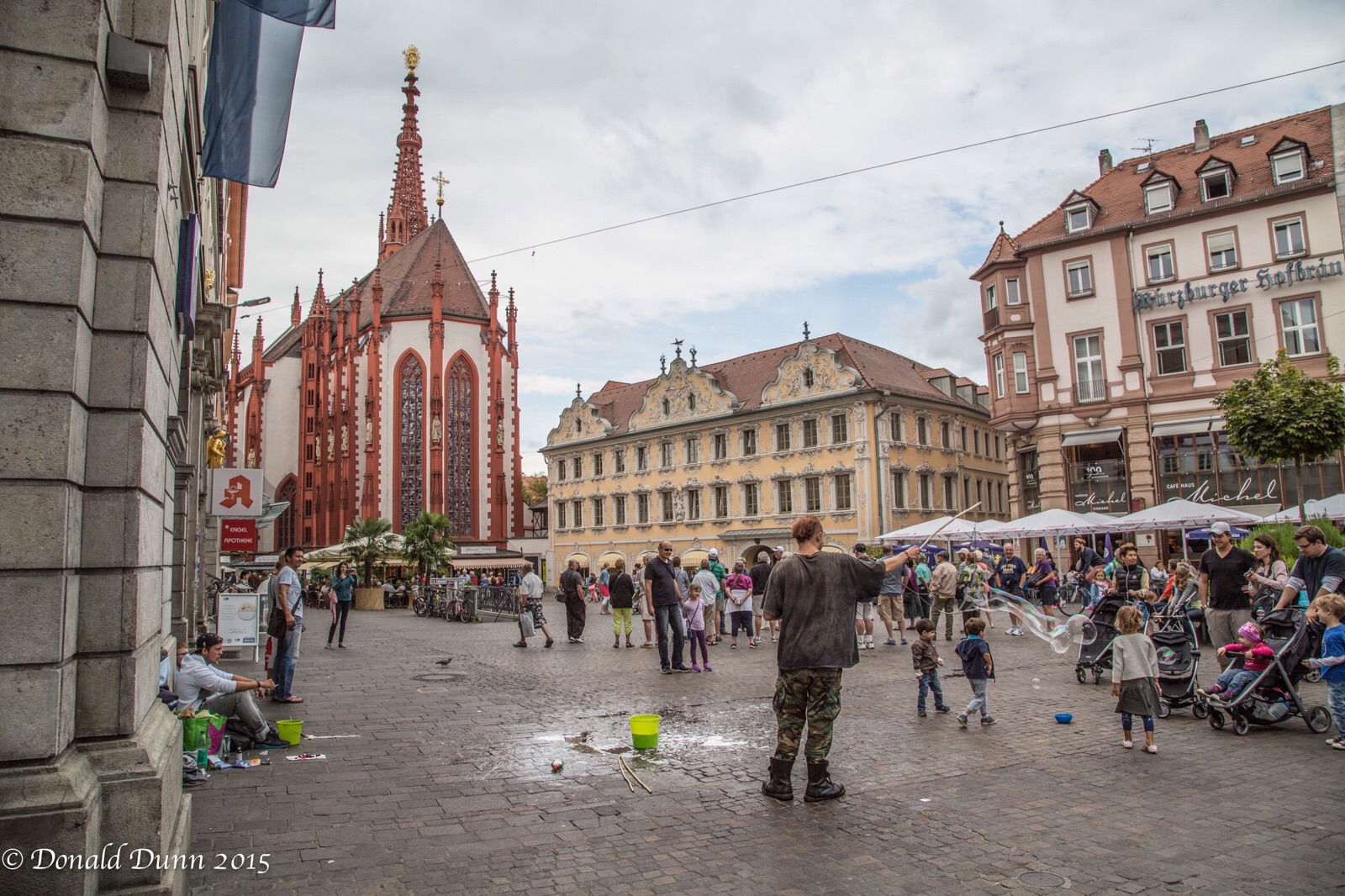
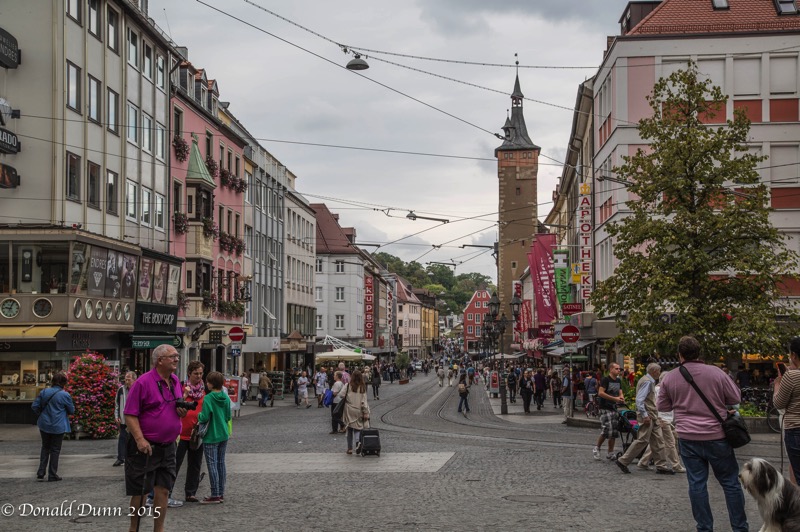
The city of Wurzburg combines the baroque and rococo architectural uniqueness of Bavarian architecture with modern stores and shops. A “large university” city, it has  some 30+ high-steepled cathedrals and churches, and was full of people, many enjoying wine, beer, and Bavarian sausages at local sidewalk cafes on a cool summer day.


As we returned to the “ship”, the noise and crowd was deafening, particularly with hearing aids.  With this many people in a small space on the Viking Gefjon, I finally tired of all the noise and chatter and I spent the evening in our cabin, foregoing dinner. And after editing photos and uploading a couple of blog entries, the blog software MarsEdit, crashed!

– Posted using BlogPress from my iPad

Tuesday, August 18—Miltenberg, Germany (Day 5)


Leaving the Rhine and now on the Main River in the Franconia region of Bavaria in Germany, we sailed through the morning, and the Viking Gefjon tied up in Miltenberg in early afternoon. Franconia is a region situated in the northwest of Bavaria known particularly for its quality white wine; it is the only wine region in the federal state of Bavaria.

Miltenberg is a small, lively, medieval, romantic, and pretty Bavarian city, reflecting architecture prominent in the 16th and 17th centuries. It was largely untouched in World War II because the Nazis were not allowed in the city. Seems like the young Nazis had a recruiting meeting in the town square, and a priest slipped into the bell tower locking all the doors behind him, and rang the excruciatingly loud bells while the speeches were being made. The young Nazis never returned.


Miltenberg is a wine drinking city where the local wine is bottled in containers similar to Mateus bottles we know in the U.S. The rounded and flattened bottle, bocksbeutel, is the typical and well known bottle originally used only for the best Franconian wines. Since 1989 the use of the Bocksbeutel is protected by European Union regulations, but some other regions beside Franconia are also allowed to use this bottle shape.


After the walking tour, we took advantage of our first opportunity of the river trip to explore on our own.While we have made several ocean-going cruises, this is our first river cruise aboard a longboat.

– Posted using BlogPress from my iPad

Thursday, August 20—Bamberg, Germany (Day 7)

Continuing upstream the Viking Gefjon sailed the entire morning on the Main River, stopping only to pass through the several locks that are becoming more and more frequent as we sail towards the continental divide. Still in the Franconia region of upper Bavaria, the longboat docked only long enough for passengers to de-board for one of several shore excursions in and around Bamberg.

150820 E 002

Bamberg was made the center of the Holy Roman Empire in 1007 by Emperor Henrich II during his reign. We opted for the guided walking tour of the center city and cathedral square. It was one of the few cities in Germany not destroyed by World War II bombing, and has retained its medieval structures. leading to it being named a UNESCO World Heritage Site in 1993. Notwithstanding its rich cultural heritage, Bamberg is also known for its smoke beer (we did not sample, but heard it was not very tasty) and 17th century witch trials during which 5 mayors were identified as accomplices to the witches and burned at the stake. Today, it is a vibrant university city where about 40 percent of the residents are university students.

Luckily, a festival was beginning in the afternoon, filling the medieval streets with tents and vendors selling beer, sausages, pastry, and other assorted foodstuffs, and people of all ages, some of whom were dressed in Bavarian costume. Despite overcast conditions, it was exciting to walk through the streets, observing families and university students having great fun.

150820 E 004

150820 E 003

150820 E 008

It began misting as we entered the gigantic, Romanesque cathedral, the building of which was directed by Emperor Henrich II. Dark inside, it was not as highly ornate as was the one in Cologne, though it did house the crypt of the former emperor and his wife, as well as Pope Clement II.

150820 E 001

150820 E 013

150820 E 012

150820 E 015

150820 E 016

A light rain was coming down as we exited some 30 minutes later—Kay brought her raincoat, I did not reflecting poor planning on my part! We found shelter in a covered drive leading to the cathedral square’s rose garden, and I waited there about an hour until the rain abated somewhat.

The wait proved to be a fortuitous as I met a young family, the husband of which was from the South Island of New Zealand. He was quite friendly, and insisted on helping us plan a trip to the South Island. Fortunately, I remembered his email address, and will see if his assistance materializes.

As a light drizzle continued, I returned to the city center, meeting Kay along the way. We window shopped, and then met up with other tour participants as we waited on the bus to meet the longboat. As it was 30 minutes late because of lock queuing, Kay and I walked around the narrow streets enjoying the sights and sounds of the festival.

Upon returning to the Viking Gefjon, we enjoyed a three course dinner of smoked salmon, lamb shanks, and flan; lamb shanks is one of my favorite entrees.

Wednesday, August 19—Wurzburg, Germany (Day 6)

150819 E 016

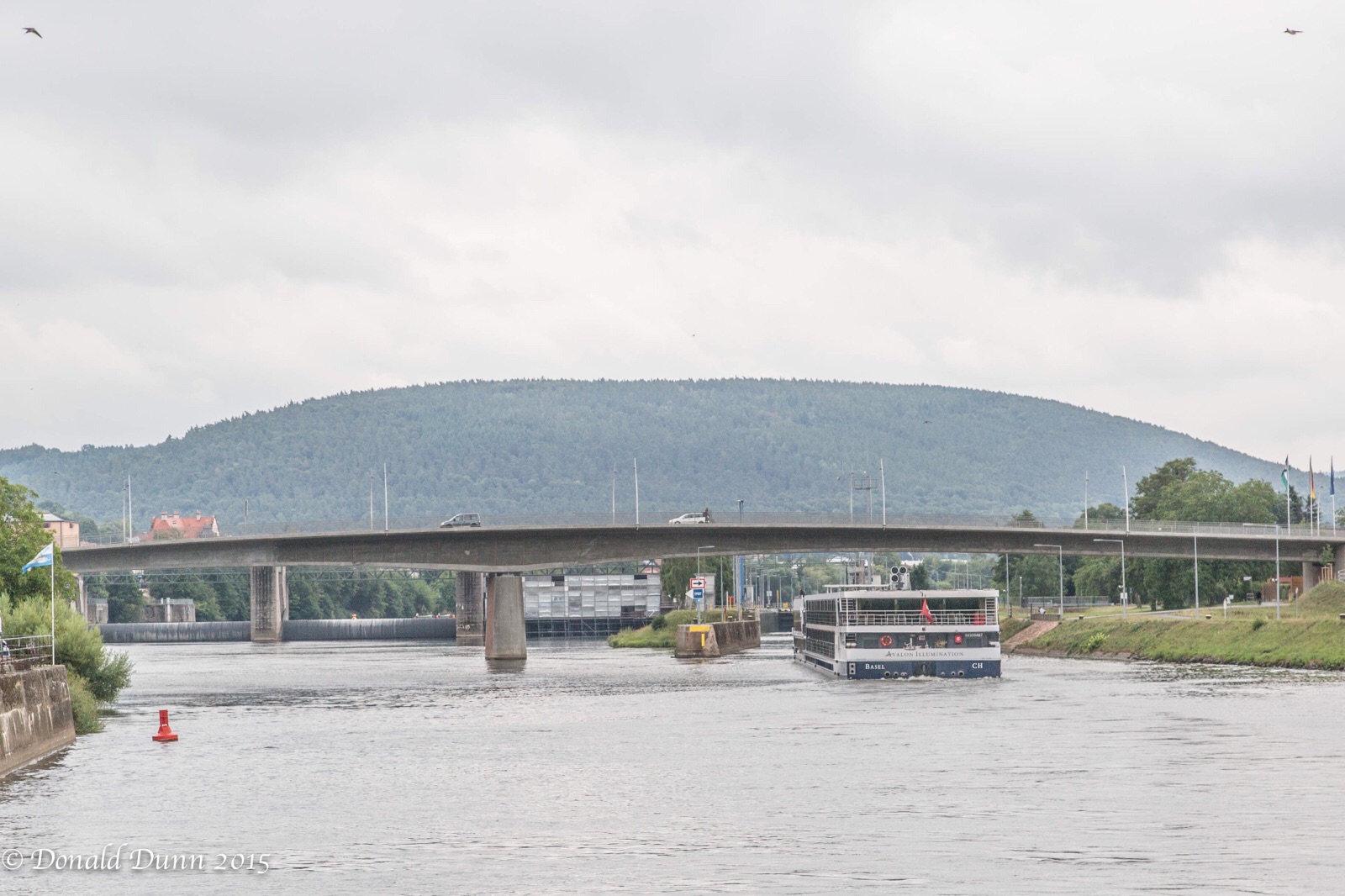
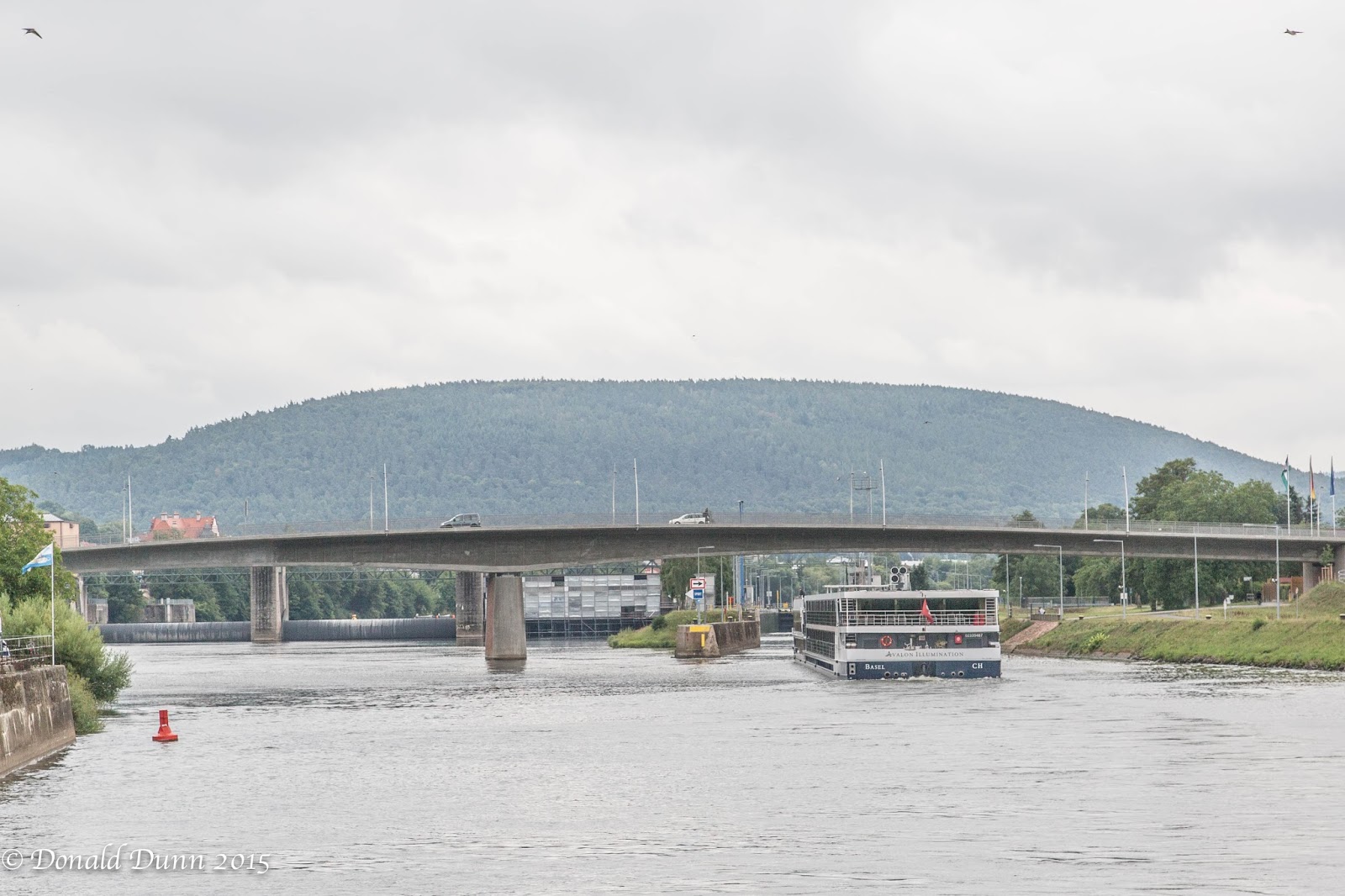
We left the Rhine, sailing upstream on its tributary, the Main River. From appearances, the Main does not appear to be a river capable of commercial navigation—it is slow and small, and meanders to the right and left—similar to the White River in Arkansas. However, with 34 locks and 33 hydropower stations, it carries ships with up to 1,500 tons of commodities.

150819 E 004

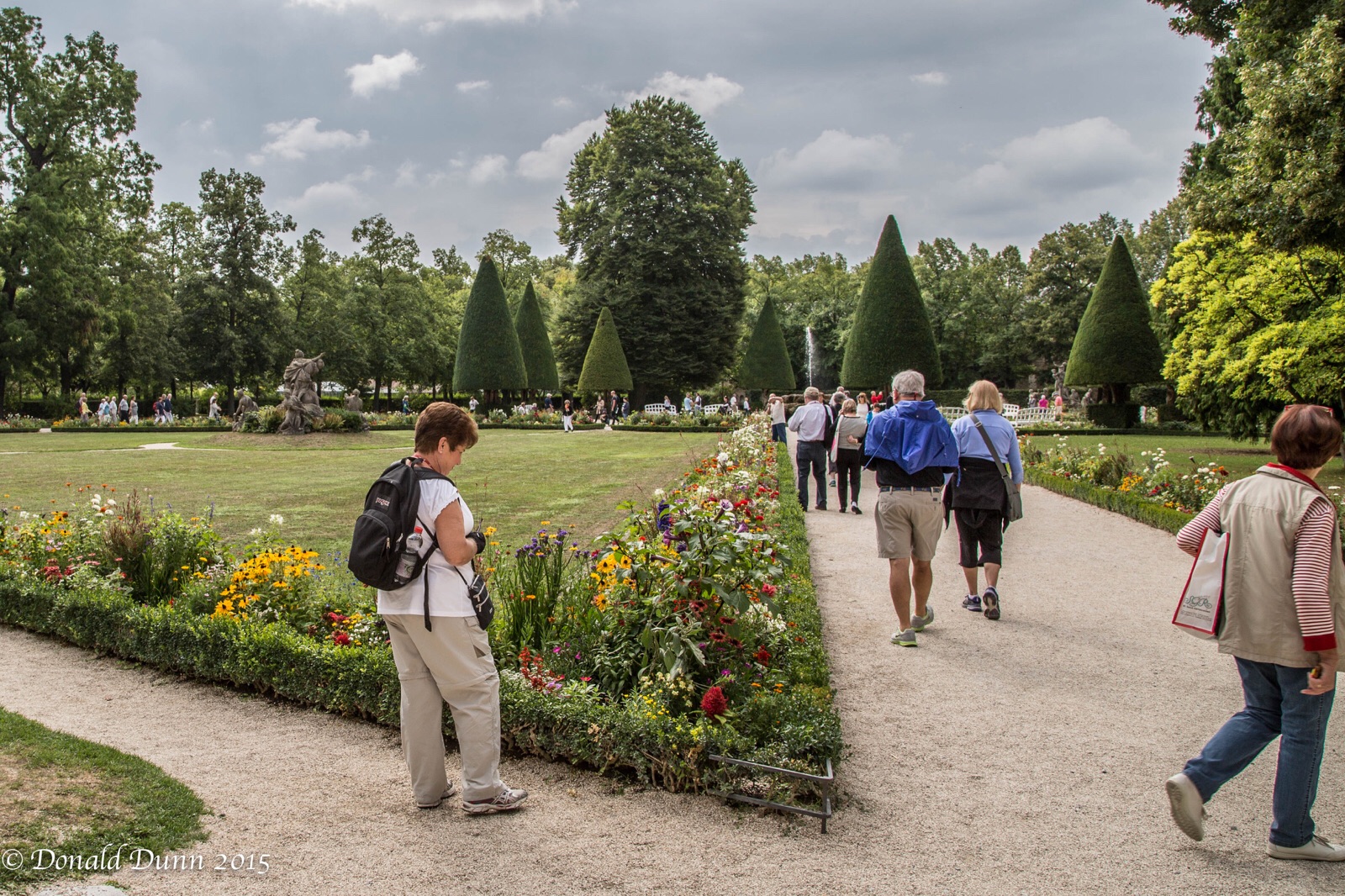
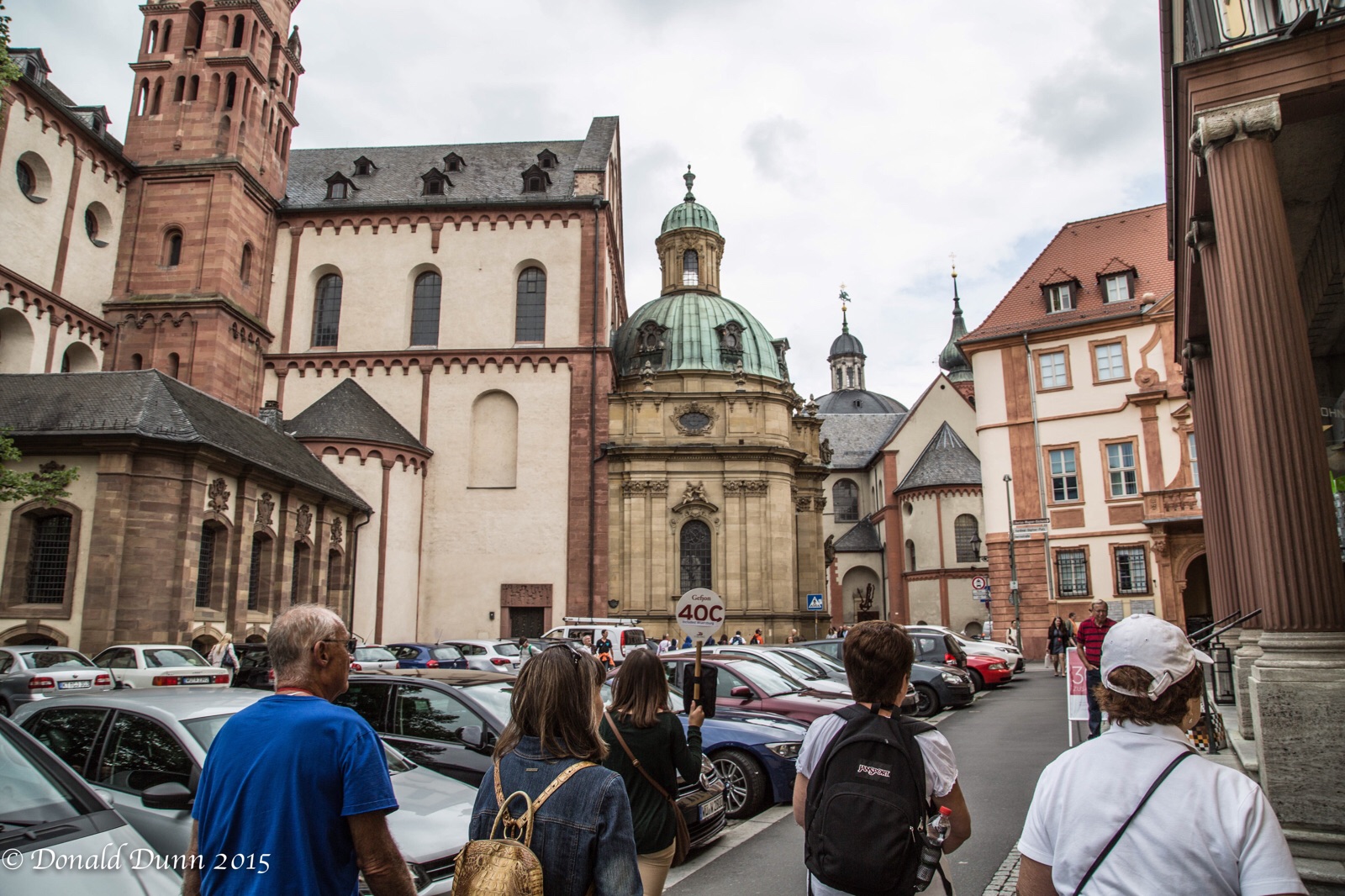
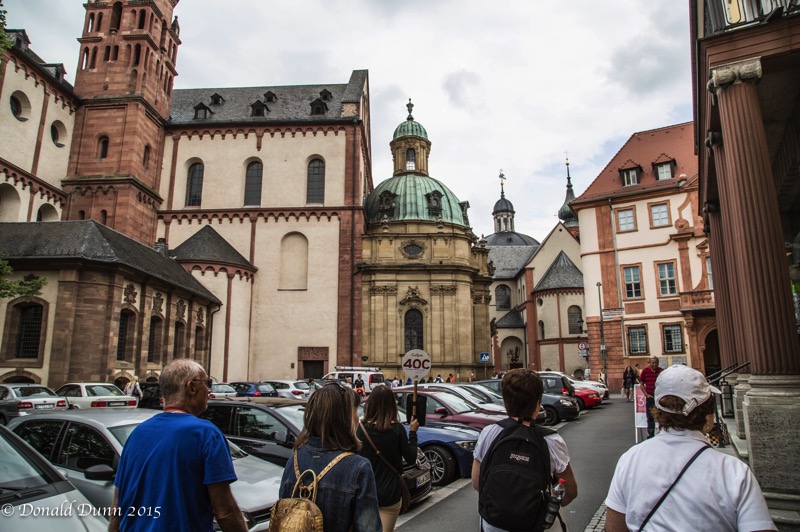
At 9 AM, we arrived at Wurzburg, another lively Franconia city in northern Bavaria, able to spend most of the entire day, except for a brief walking tour of the Wurzburg Residenz and city center. Wurzburg is best know as the home of the Wurzburg Residenz, former residence of the Wurzburg prince-bishops, combining the power and wealth of royalty and the church which, in turn, was passed on to the the city of Wurzburg. The Wurzburg Residenz—another UNESCO World Heritage Site—was modeled after Versailles, and neither words nor photos can describe the extraordinary baroque opulence of the interior. Regrettably, much of the Residenz palace, along with 90% of the city, was destroyed by 17 minutes of British bombing in World War II, but due to the quick action of the US “monuments men”, the destroyed roof over the most valuable rooms was protected, and many of the tapestries and other movable objects saved.

150819 E 003

150819 E 001

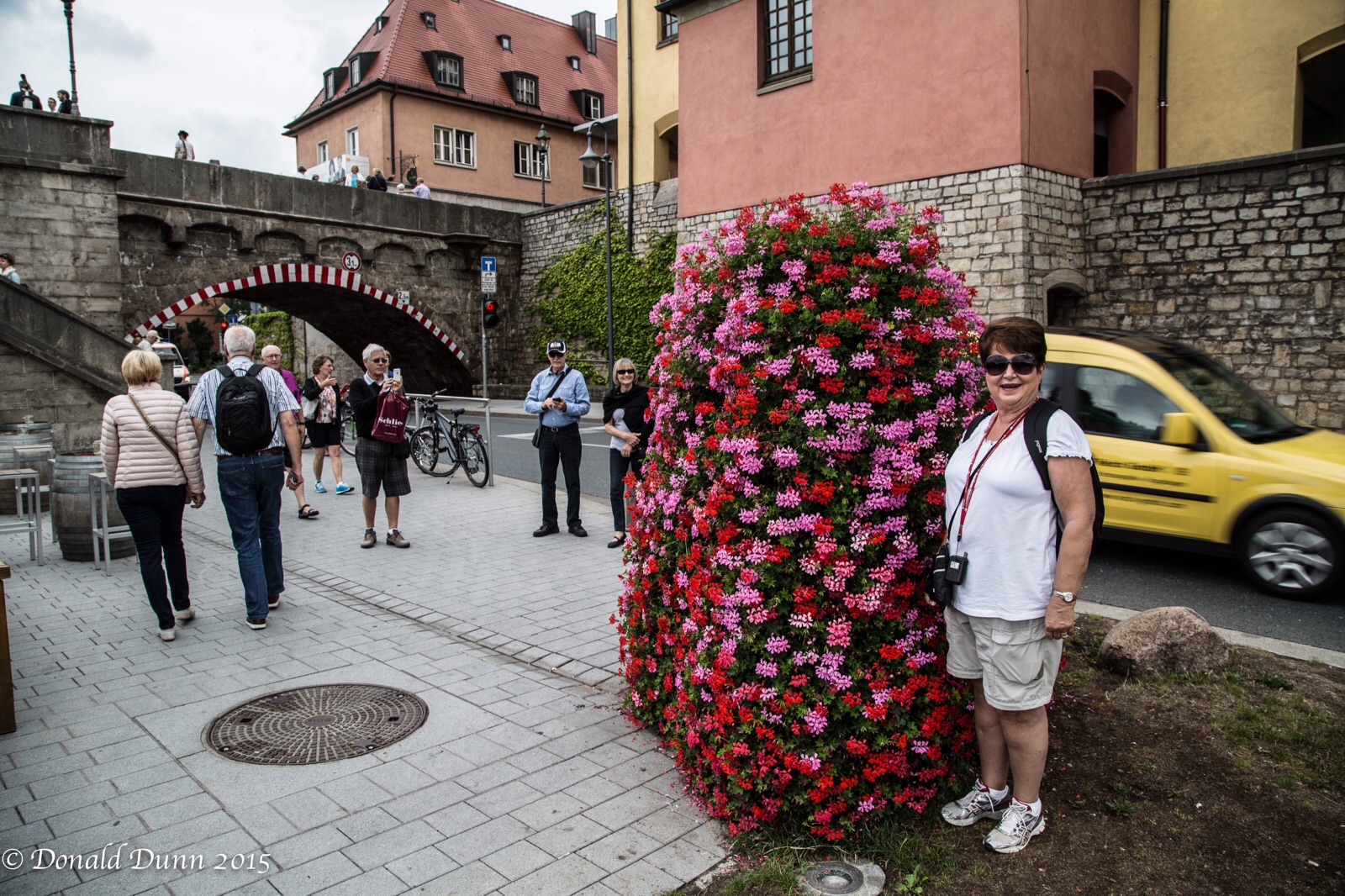
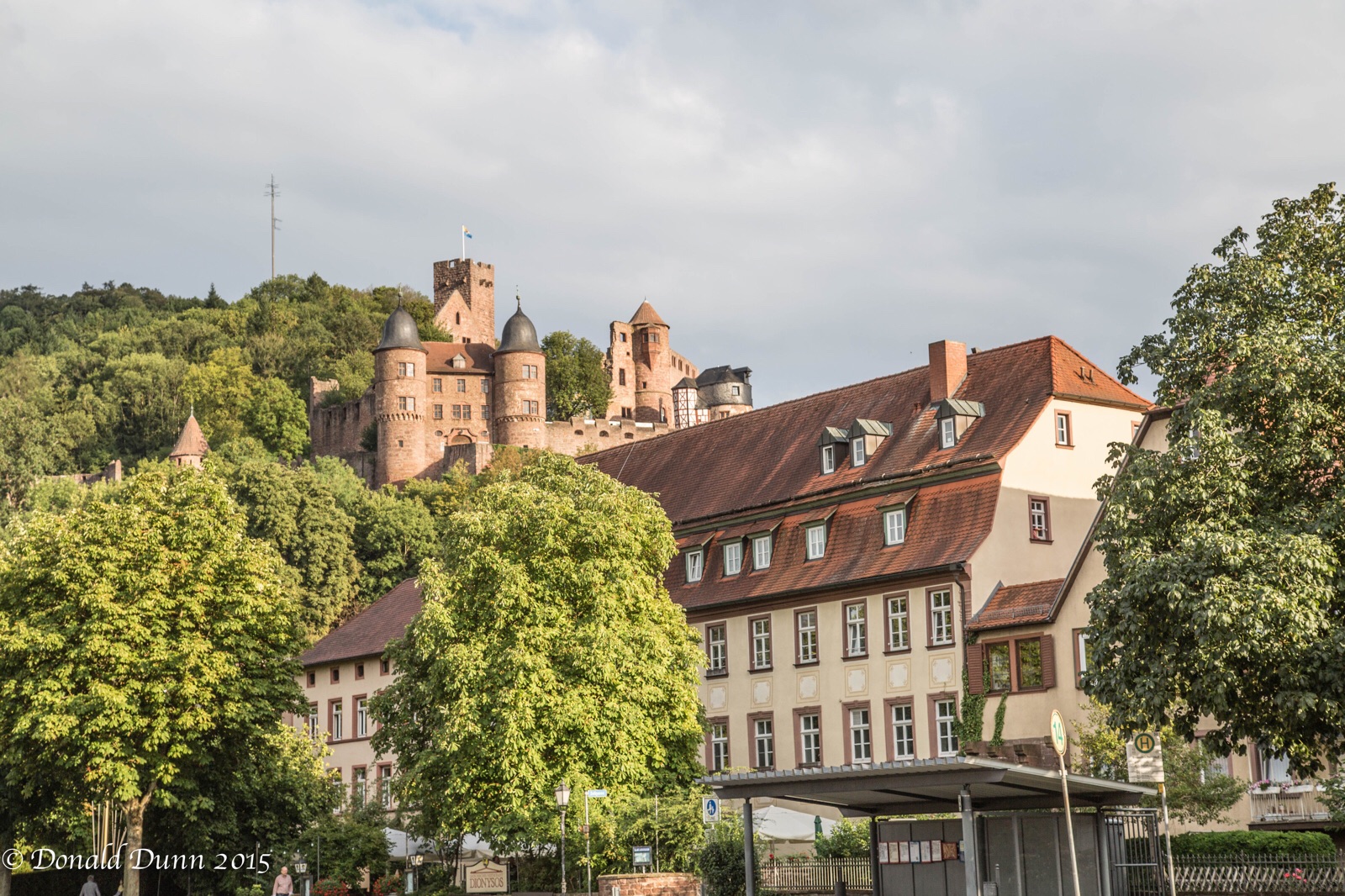
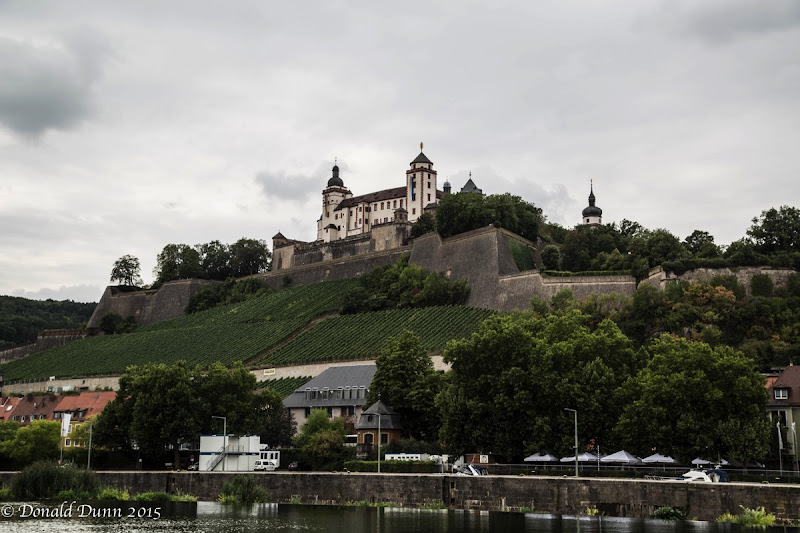
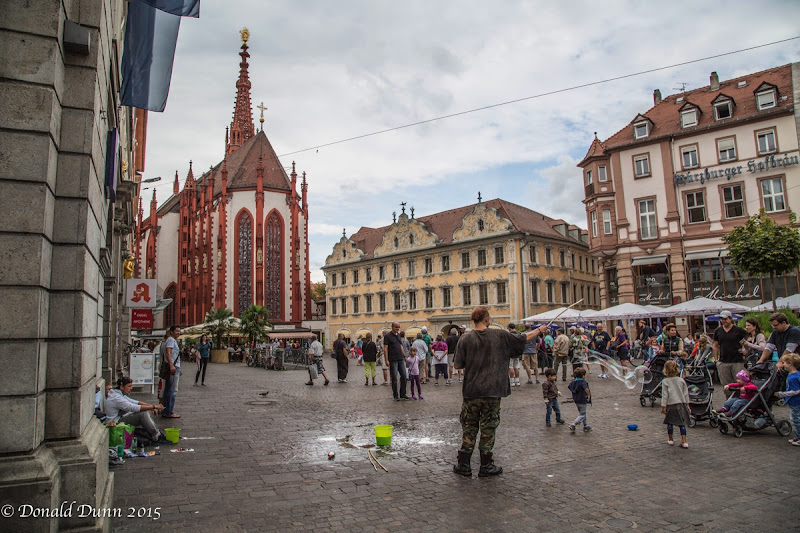
The city of Wurzburg combines the baroque and rococo architectural uniqueness of Bavarian architecture of most buildings and an old fortress with modern stores and shops. A “large university” city, it has  some 30+ high-steepled cathedrals and churches, and was full of people, many enjoying wine, beer, and Bavarian sausages at local sidewalk cafes on a cool summer day.

150819 E 014

150819 E 009

150819 E 007

150819 E 015

150819 E 010

As we returned to the “ship”, the noise and crowd was deafening, particularly with hearing aids.  With this many people in a small space on the Viking Gefjon, I finally tired of all the noise and chatter and spent the evening in our cabin, foregoing dinner. And after editing photos and uploading a couple of blog entries, the blog software MarsEdit, crashed!

Tuesday, August 18—Miltenberg, Germany (Day 5)

Leaving the Rhine and now on the Main River in the Franconia region of Bavaria in Germany, we sailed through the morning, and the Viking Gefjon tied up in Miltenberg in the early afternoon.  Franconia is a region situated in the northwest of Bavaria known particularly known for its quality white wine; it is the only wine region in the federal state of Bavaria.

Miltenberg is a small, lively, medieval, romantic, and pretty Bavarian city, reflecting architecture prominent in the 16th and 17th centuries.  It was largely untouched in World War II because the Nazis were not allowed in the city.  Seems like the young Nazis had a recruiting meeting in the town square, and a priest slipped into the bell tower locking all the doors behind him, and rang the excruciatingly loud bells while the speeches were being made.  The young Nazis never returned.

Miltenberg is a wine drinking city where the local wine is bottled in containers similar to Mateus bottles.  The rounded and flattened bottle, bocksbeutel, is the typical and well known bottle originally used only for the best Franconian wines. Since 1989 the use of the Bocksbeutel is protected by European Union regulations, but some other regions beside Franconia are also allowed to use this bottle shape.

After the walking tour, we took advantage of our first opportunity of the river trip to explore on our own.While we have made several ocean-going cruises, this is our first river cruise aboard a longboat.  We chose Viking because of unanimous positive comments from friends who have sailed with them, and because their shore excursions are included in the expensive, but complete price.

Monday, August 17—Koblenz and Braubach, Germany

150817 E 009

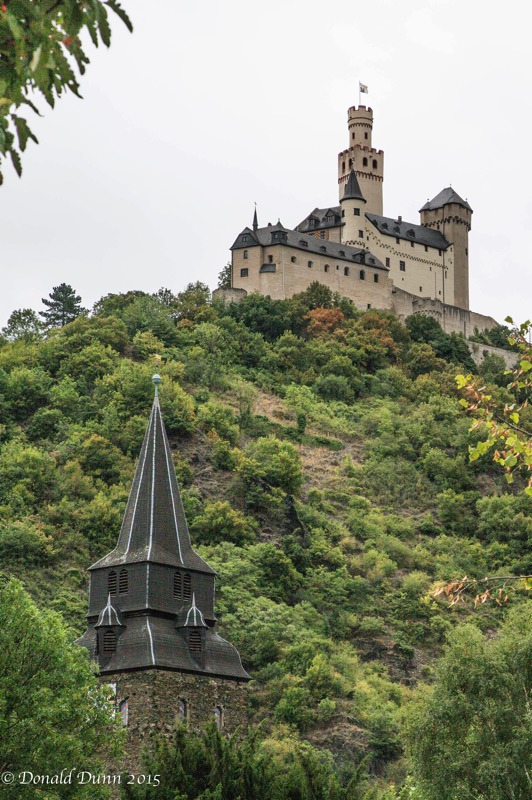
Continuing upstream on the Rhine River, we stopped briefly at Koblenz, where we were bussed to Braubach to view the Marksburg castle.  The Marksburg is a castle above the town of Braubach and is one of the principal sites of the UNESCO World Heritage Rhine Gorge.  It was begun in 1100 by the Epstein family and expanded into a castle around 1117 to protect the town of Braubach and to reinforce the customs facilities. It was first mentioned in documents in 1231.  150817 E 014The castle was constantly being rebuilt in the 14th and 15th centuries.  The male line of the royal family went extinct, and the territories went to the Count of Hesse, who expanded the castle to accommodate artillery and added the round towers of the outer curtain wall.  In seizing and then abolishing the Holy Roman Empire, Napoleon gave the Marksburg to his ally the Duke of Nassau for his service. He used the castle as a prison and as a home for disabled soldiers. After the Austro-Prussian War of 1866 the Duchy of Nassau became a territory of Prussia, which took ownership of the Marksburg.  Finally, it was sold in 1900 for a symbolic price of 1,000 Goldmark to the German Castle Association, which had been founded a year earlier as a private initiative to preserve castles in Germany.  In March 1945, the castle was damaged heavily by American artillery fired from the other side of the Rhine, though of the 40 hill castles in the Upper Middle Rhine Valley, Marksburg was the only one which was never destroyed.

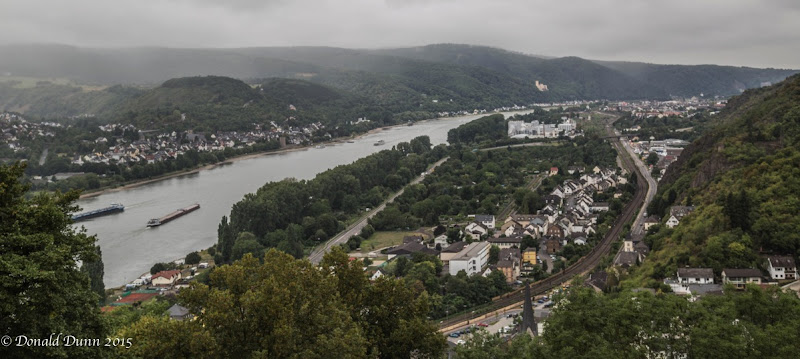
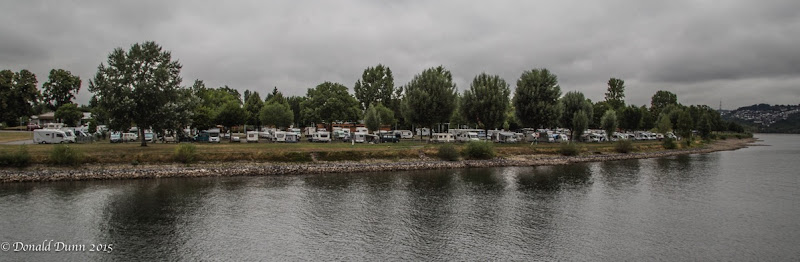
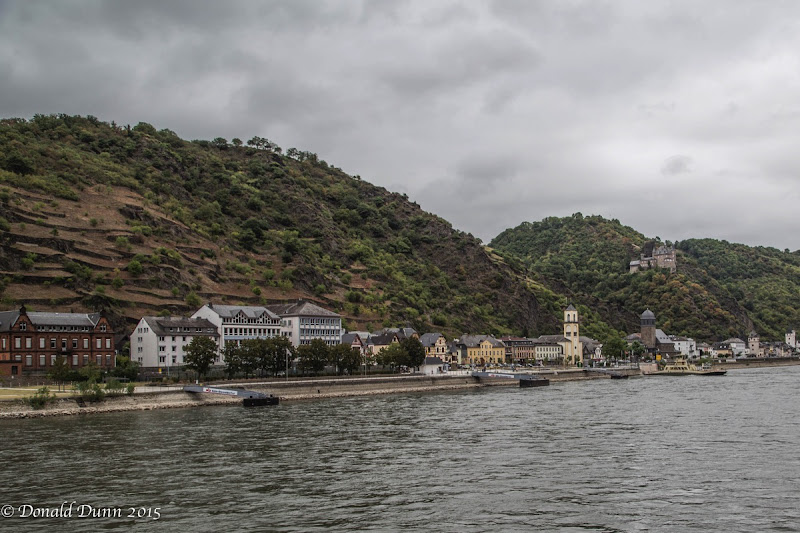
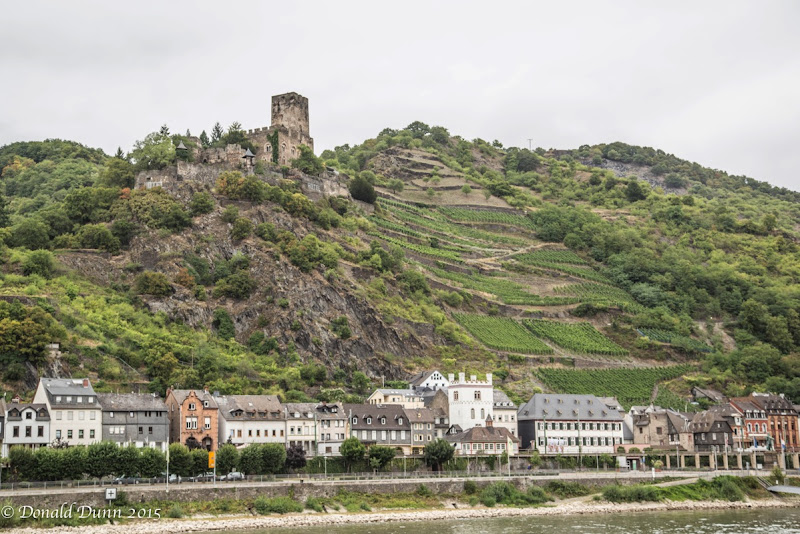
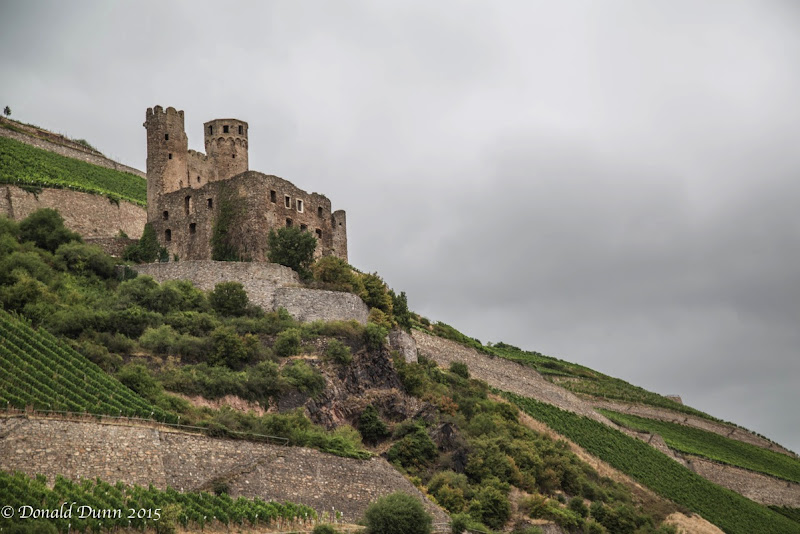
After touring the Marksburg castle, we re-boarded the Viking Gefjon in Braubach and sailed upstream through the Upper Middle Rhine Valley (UNESCO World Heritage Rhine Gorge mentioned above).  It is an approximately 40-mile section of the Rhine exhibiting a unique combination of geological, historical, cultural, and industrial attributes.  We were struck by the 40 ancient castles built on the banks of the river, and the many vineyards on one side or the other on the terraced, south-facing steep slopes; because of the steepness, grapes are harvested by hand.  As an historically significant trade route into central Europe, we were further amazed by the number of quiet electric trains running on both sides of the river, and the heavy commercial ship traffic.  While small, the ships transport a large quantity of commodities; many of the captains have their family traveling with them, and most have automobiles on the stern of the ship. Also, along this stretch of the Rhine, many villages and towns were present, and showcased the unique Rhine Valley architecture.  We also observed small ship-building yards, and many tightly packed RV parks (few RVs with slide-outs were seen). Thus far, this part of the “tour” has been the most scenic.

150817 E 003

150817 E 022

150817 E 029

150817 E 042

Sunday, August 16—Cologne, Germany (Day 3)

150815 E 003

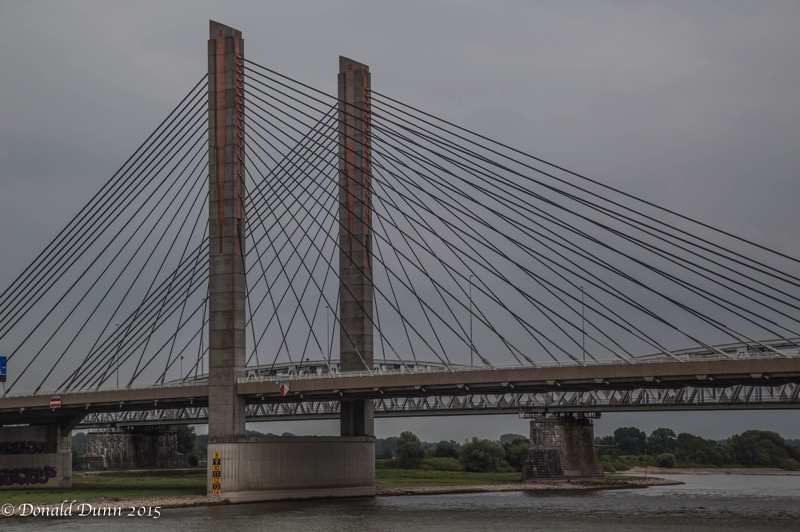
Sailing from Kinderdijk to Cologne provided a good perspective of the countryside despite the overcast, sometimes rainy weather.  Most impressive were the river works and navigation system, many large churches, and interesting cable-supported bridges.

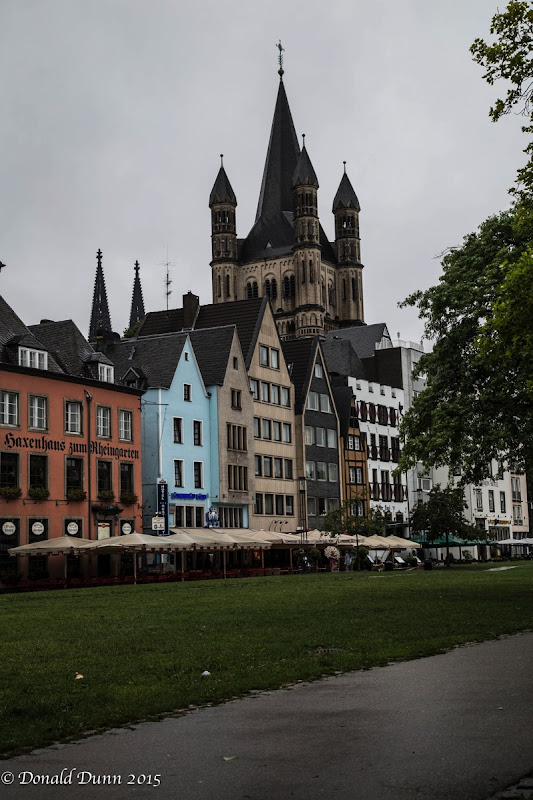
We both slept through the night, awakening to light rain as the long boat sailed the Rhine River the final few miles to Cologne.  After breakfast we joined our small tour group and explored the city center of Cologne.  The tour guide today was extraordinary, a native of Cologne, with a heavy English accent.  Cologne is Germany’s fourth largest city, and is located on both sides of the Rhine River less than 50 miles from Belgium.

150816 E 004

Cologne was founded and established in the first century AD as a Roman city. During the Middle Ages it flourished on one of the most important major trade routes between east and west in Europe. Because of its close proximity to Britain, it was one of the most heavily bombed cities in Germany during World War II.  The bombing reduced the population by 95%, mainly due to evacuation, and destroyed almost the entire city. With the intention of restoring as many historic buildings as possible, the successful postwar rebuilding has resulted in a very mixed and unique architecture, with some buildings dating to the 1600s.
150816 E 006


150816 E 007

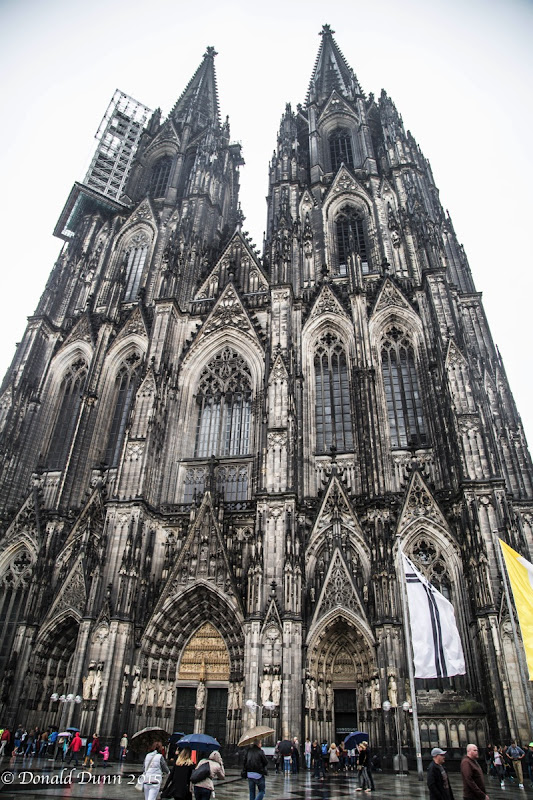
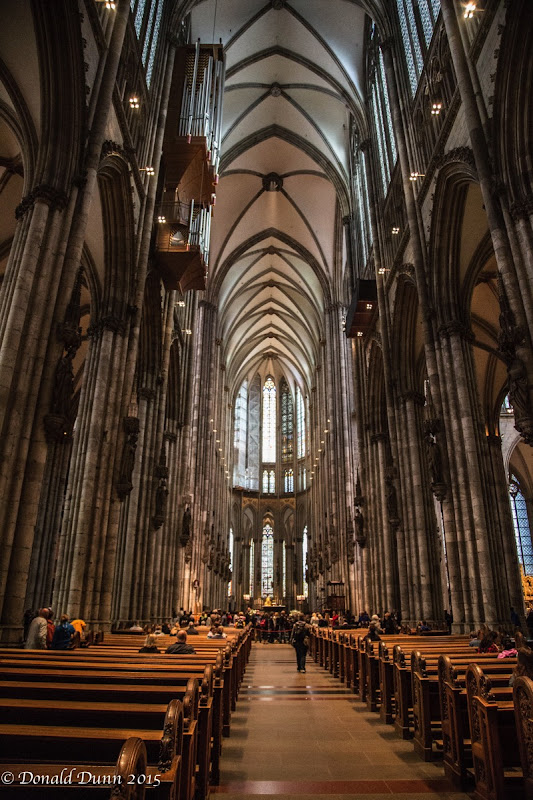
The primary tour item in Cologne is the city’s famous Cologne Cathedral, the seat of the Archbishop of Cologne, and a World Heritage Site, attracting an average of 20,000 people a day.  Construction of Cologne Cathedral started in 1248 and was stopped in 1473, leaving the cathedral largely unfinished. Work restarted in the 19th century and was completed, to the original plan, in 1880. It is 474 feet long, 283 feet wide, and its towers are approximately 515 feet tall. The cathedral is the largest Gothic church in Northern Europe and has the second tallest spires (after Ulm Minster, the spires of which are 14 feet taller). Its two huge spires give it the largest facade of any church in the world. The choir has the largest height to width ratio, 3.6:1, of any medieval church.
150816 E 024

150816 E 026