Sunday, February 10— Willemstad, Curaco

Cruising along Venezuela’s Atlantic (Caribbean) shoreline, the ship sailed slowly from Aruba to Curaçao, arriving at Willemstad at 8 AM.
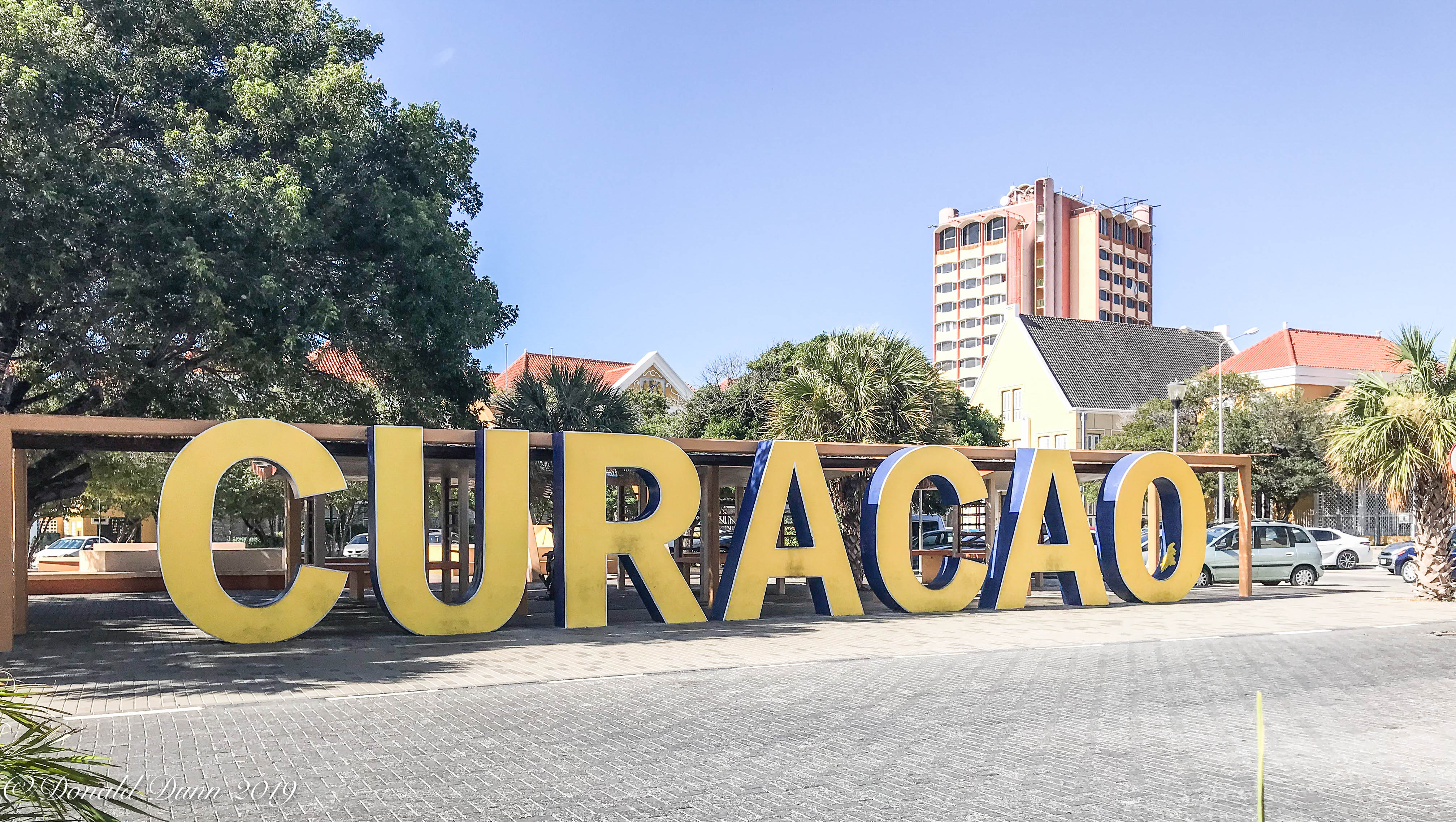
Sailing into Curacao, part of the Dutch Antilles

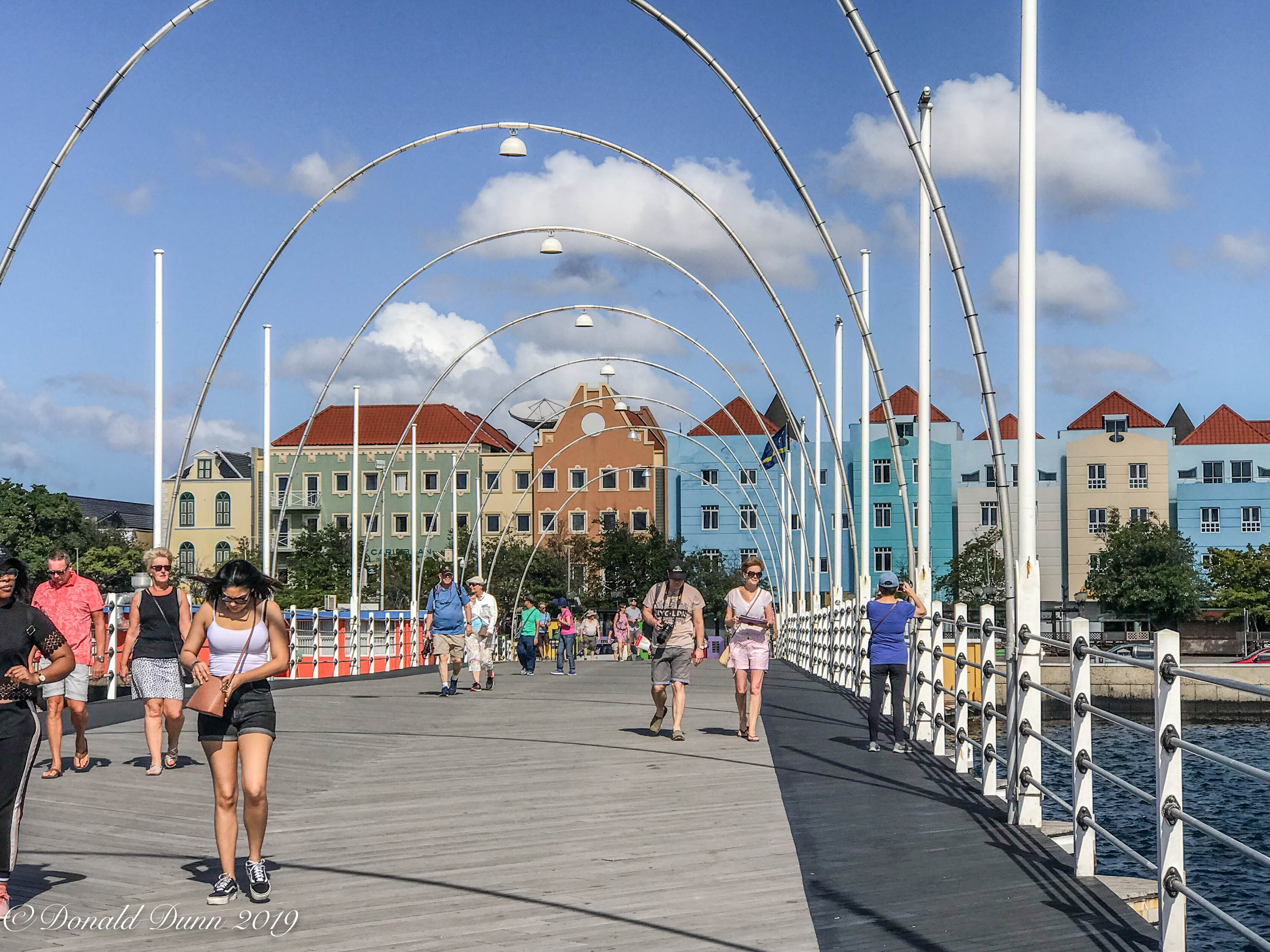
Kay had an early morning excursion while I walked through the downtown area, crossing the Queen Emma Bridge (famous as a floating bridge). The pastel colored buildings, reminiscent of Old Amsterdam, were a reminder of that  the islands were, until recently, a Dutch colony. Many of the stores in this quaint harbor town were closed on this beautiful Sunday morning, including the sand-floored, 17th-century Mikve Israel-Emanuel Synagogue.

Curacao is known for it’s beautiful colored buildings
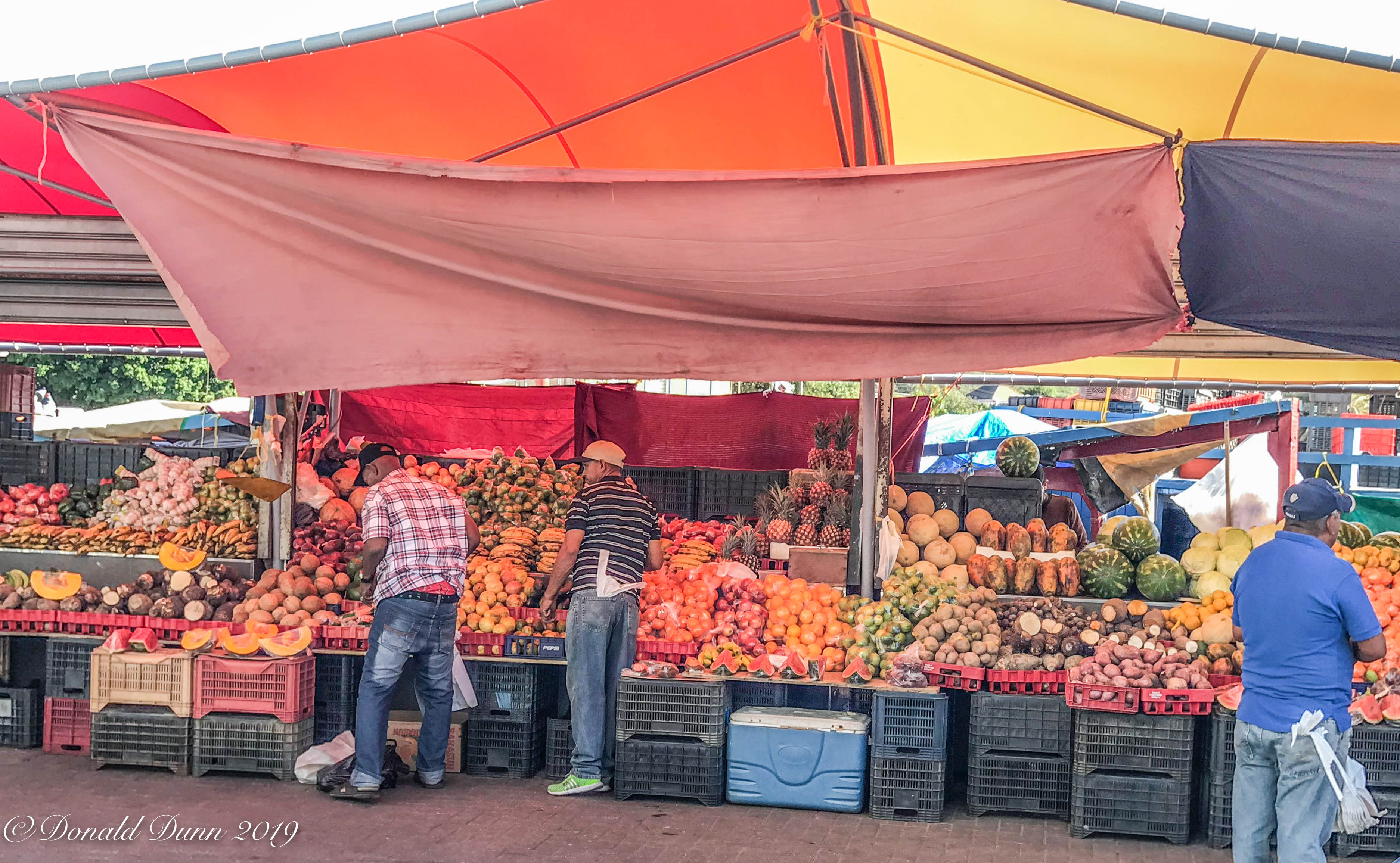
Colorful Venezuelan vegetable and fruit stand
Curacao’s famous floating bridge
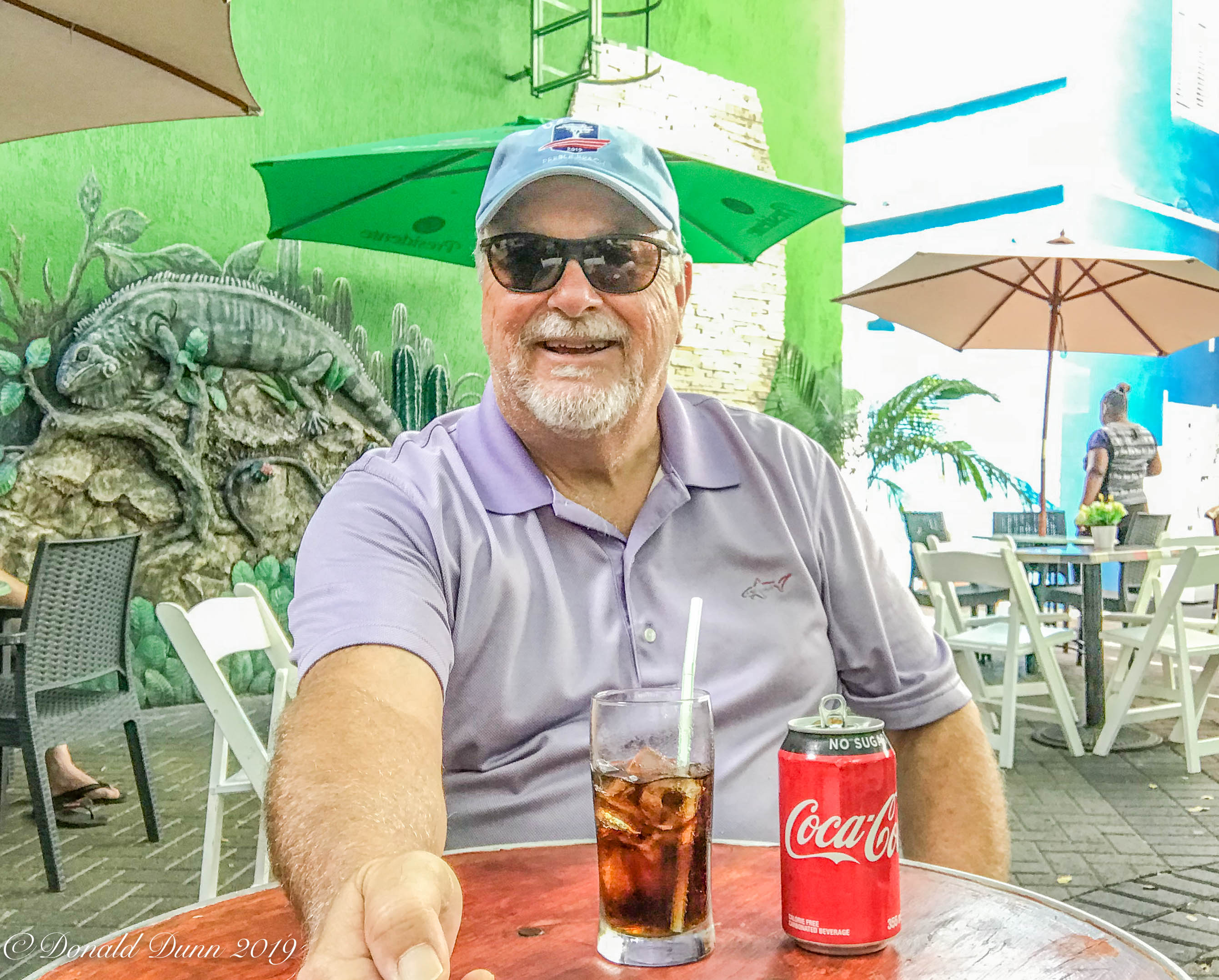
Drinking a Baptist beer

Kay’s Excursion

Kay took the Hato Caves and City Center Excursion today.  The Hato Caves are the home of a colony of long nose fruit bats.  The cave isn’t large compared to Blanchard Caverns in AR, but it is incredibly old and considering they are on a small island in the Caribbean with approx. 15-20 inches of rain a year, it’s amazing that stalactites and stalagmites have formed with 1/5 of an inch growth each year.  There were 50 steps up to enter the caves and approximately 100 steps up and down within the cave system.  There were several tourists in our group who weren’t in good enough shape to meet the requirements for this tour but they came any way and we were lucky no one was hurt.  

One complication for our excursion was that 2/3’s of the tour were Chinese with an interpreter.  The other 1/3 tourists were English speaking.  Our tour guide was a Curaçao native with a strong accent who was barely adequate in English.  So she would give information in English and then the Asian interpreter would translate to the Asian tourists.  At least she had a remote microphone and they had ear sets to receive her translation.  Either way, it doubled the time of our tour.  We wandered about in the Old Town which is a UNESCO World Heritage Site.  The buildings were painted different beautiful colors and were architecturally similar to Dutch designs.  We crossed over the famous floating bridge  and then we entered the pier area through the Rif Fort area which has been converted into shops of varies kinds to entice the tourists to explore and purchase items, food, etc.

I was very glad to get back to the cruise ship.  A 2 hour tour became a 4 hour trial.  
Saturday, February 9— Oranjestad, Aruba

The Norwegian Gem docked in Oranjestad, Aruba, at approximately 8 AM. The island is one of three islands comprising the Dutch Antilles, aka ABCs of which Aruba is the “A”. I visited here in my former life in 1983; little has changed on this flat, arid island. Lacking a fresh water source, potable water is generated be a desalination plant.

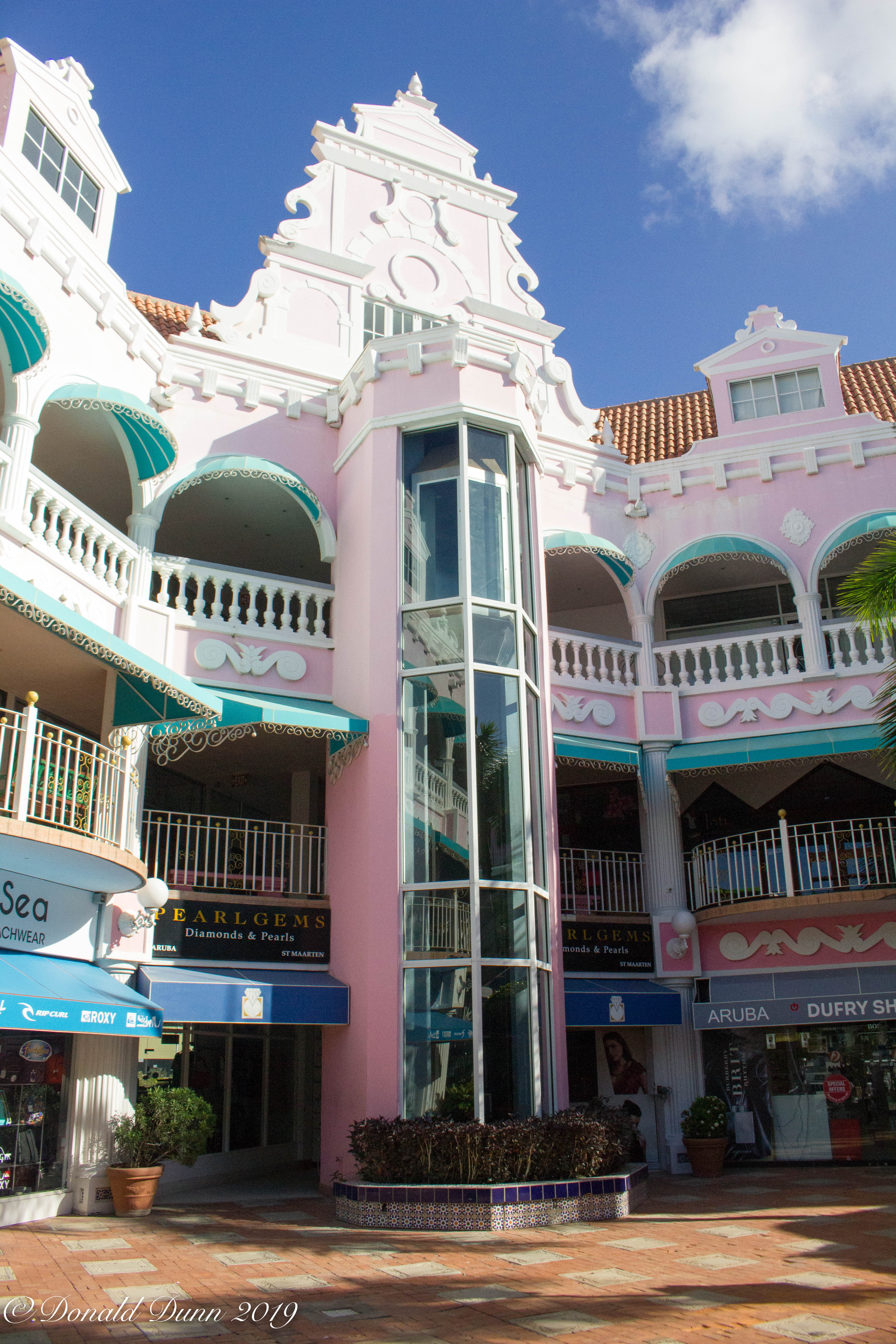
Seen on a short walk in Aruba

Kay joined the Natural Wonders excursion, a guided tour of Oranjestad, Aruba, this morning while I walked along the pier-side shopping area; prices were generally much higher than in the US. A summary of her excursion follows.

“Our tour guide/bus driver, Fabio, was a native of Aruba and perhaps the best guide during this entire cruise.  He told us about the socioeconomic aspects of island life; some things I found especially interesting were that their socialized medicine system was successful from their perspective, the economy is based 96 percent on tourism, the unemployment rate is 0.8 percent, potable water is from a desalination system, the island is incredibly clean (fines for littering are strongly enforced), and there are many historic Dutch architectural homes and buildings on the island.

The tour included a stop at an enclosed butterfly refuge. The second stop was on the northeast side of the island where it is always windy with large, crashing waves. There was a natural bridge and several ‘private coves with beaches’ on that part of the island. The last stop was at Aruba’s main aloe farm which included a processing plant and museum.

I had no idea before this trip that Aruba was only 13 miles from Venezuela.  I asked if they had any trouble with asylum seekers or refugees.  He said no; they were a closed island and accepted no refugees. Aruba is a desert climate island, naturally arid except for the months of October through December when 15-25 inches of rain can occur each year.  There are several cacti varieties that are native plants and any trees look to be leaning southwest because of the prevailing northeast winds.”

As Kay continued her excursion, I returned to the ship for hot tub, lounge, and reading time.

The rest of the afternoon and evening was a repeat of that of previous days.

Friday, February 8—Santa Marta, Colombia

Rough seas last night (11+ feet waves) preceded landing in Santa Marta shortly after sunrise. Coffee in bed allowed a slow wake up! 

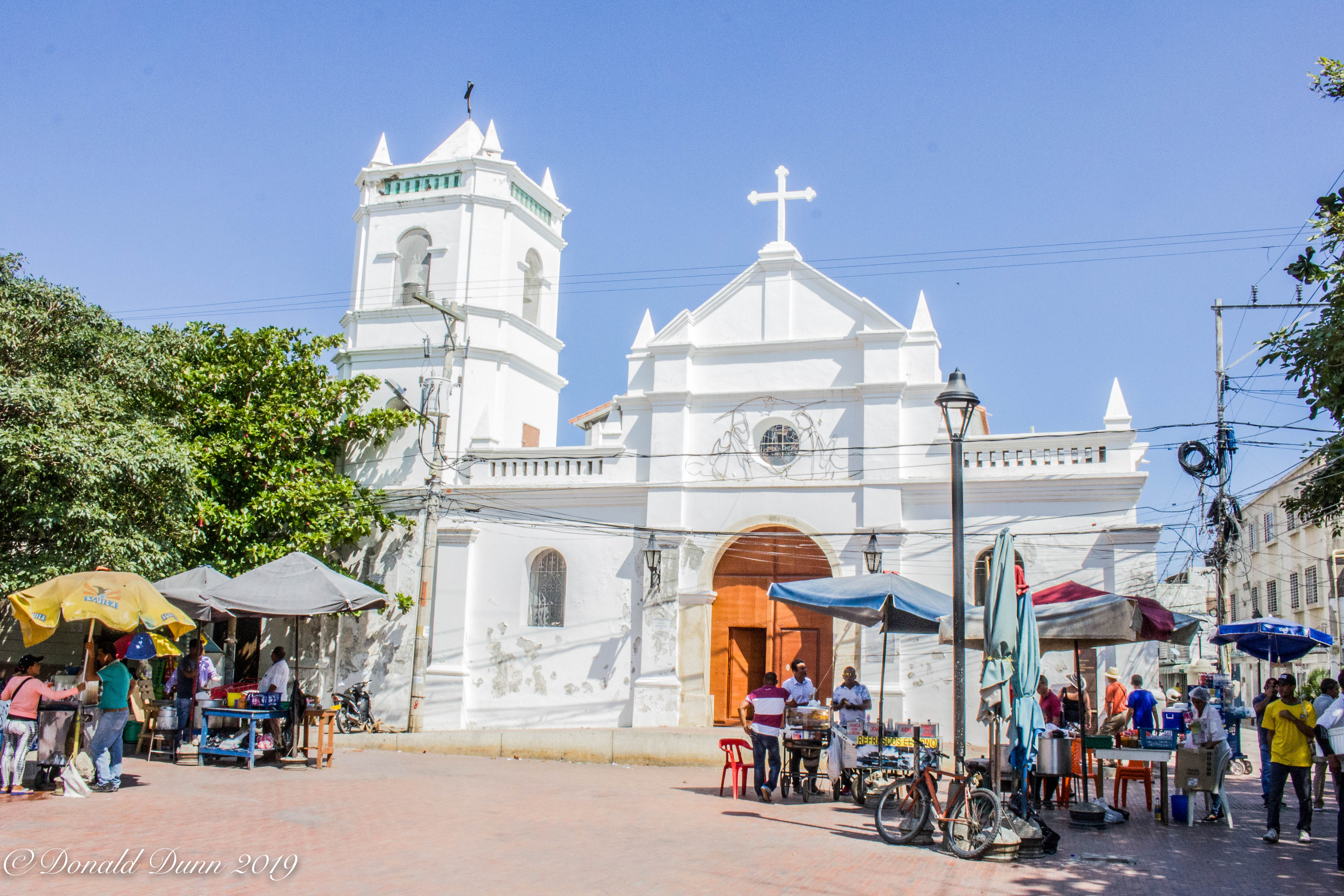
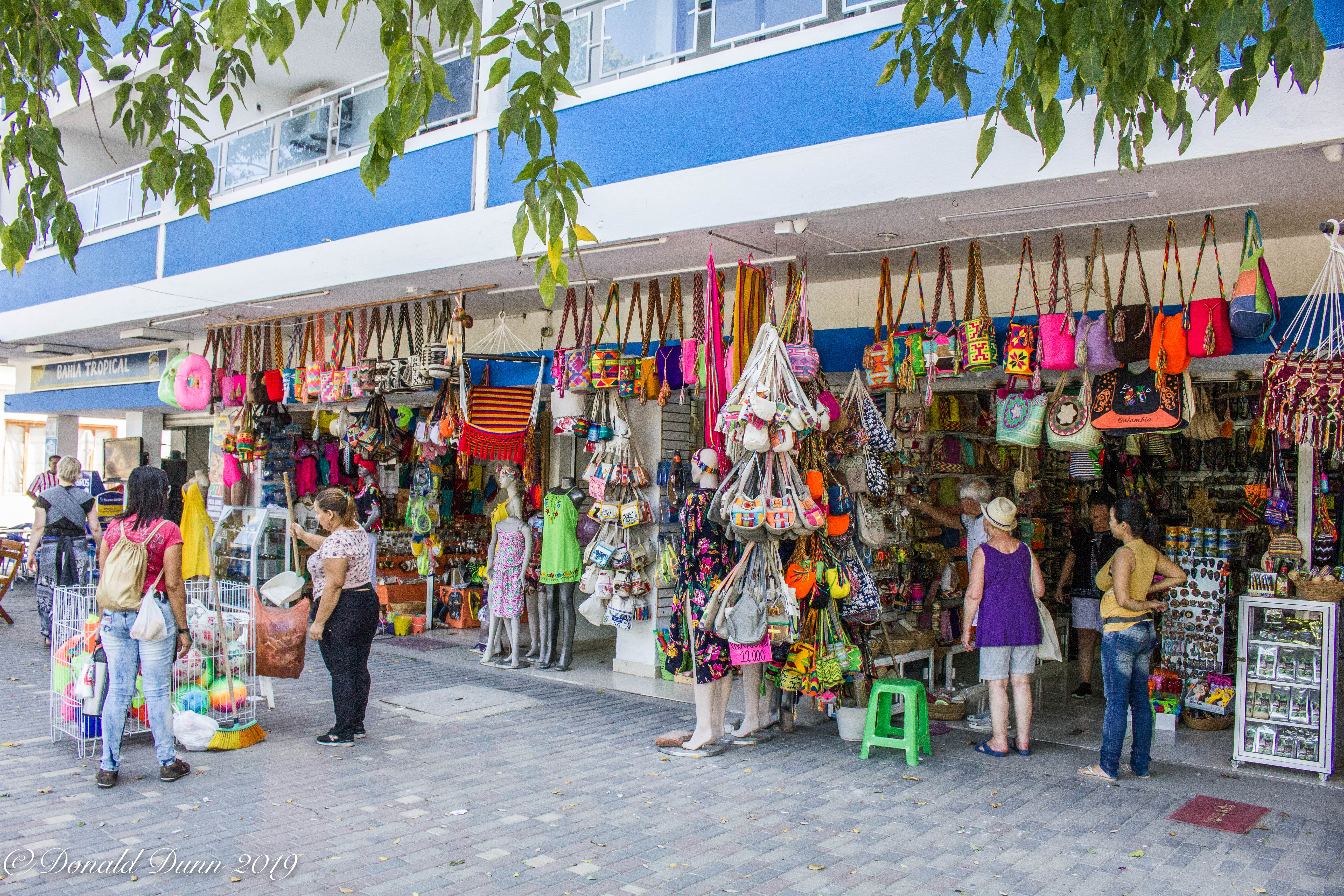
After breakfast, we caught a shuttle to the end of the pier for a walk around the downtown area nearest the shoreline. Santa Marta is the oldest city in Colombia and the second oldest in South America; it is a relatively clean city. Street vendors were everywhere, and were quite aggressive. It worked as I bought two more Panama hats (2 for $11), a pair of Oakley sunglasses ($10, but likely knockoffs), and 3 bottles of beer. The shopping area was a beehive of activity with people everywhere. All the hustle and bustle was exciting.

Street vendors in Santa Marta, Colombia
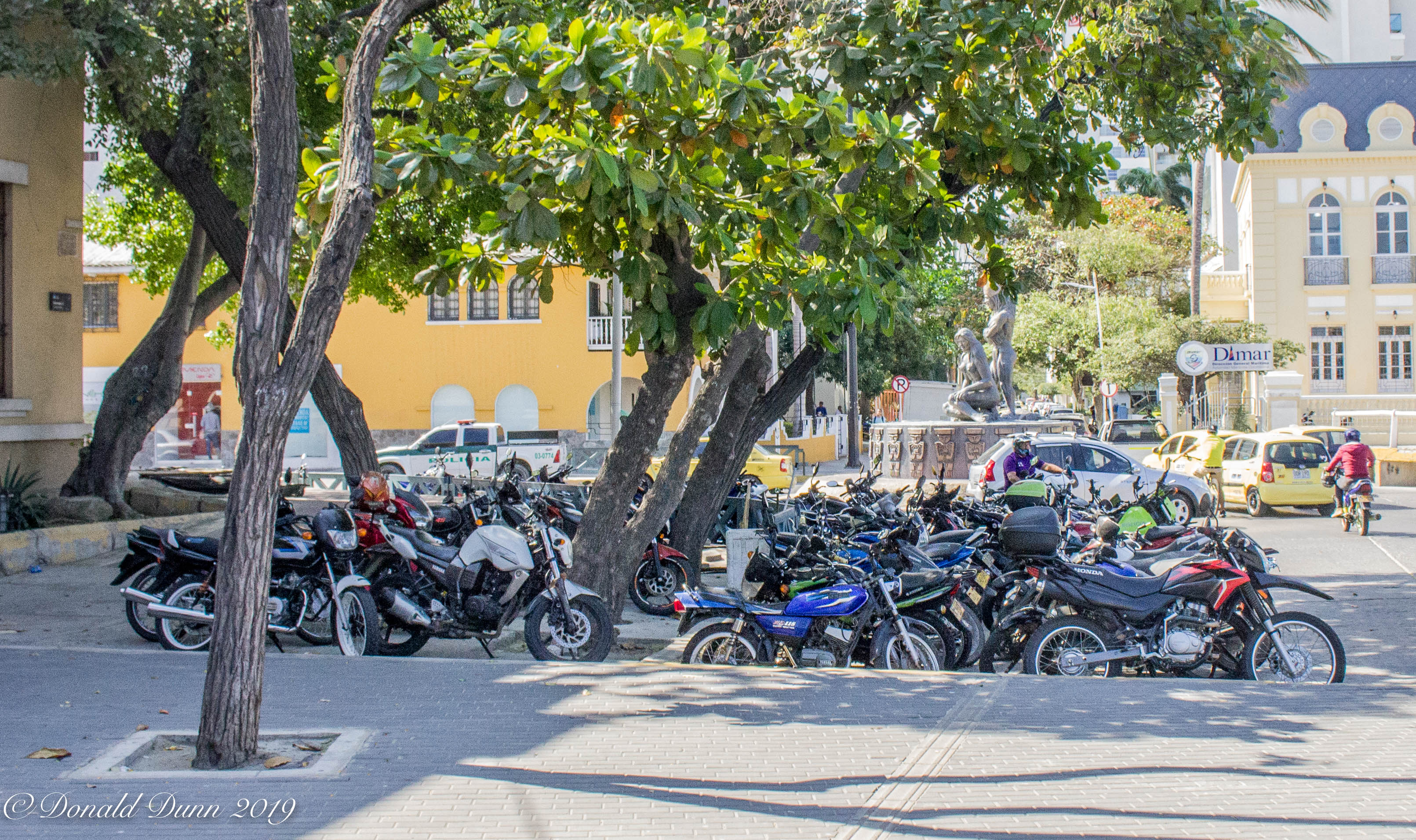
Motorcycles are the main mode of transportation
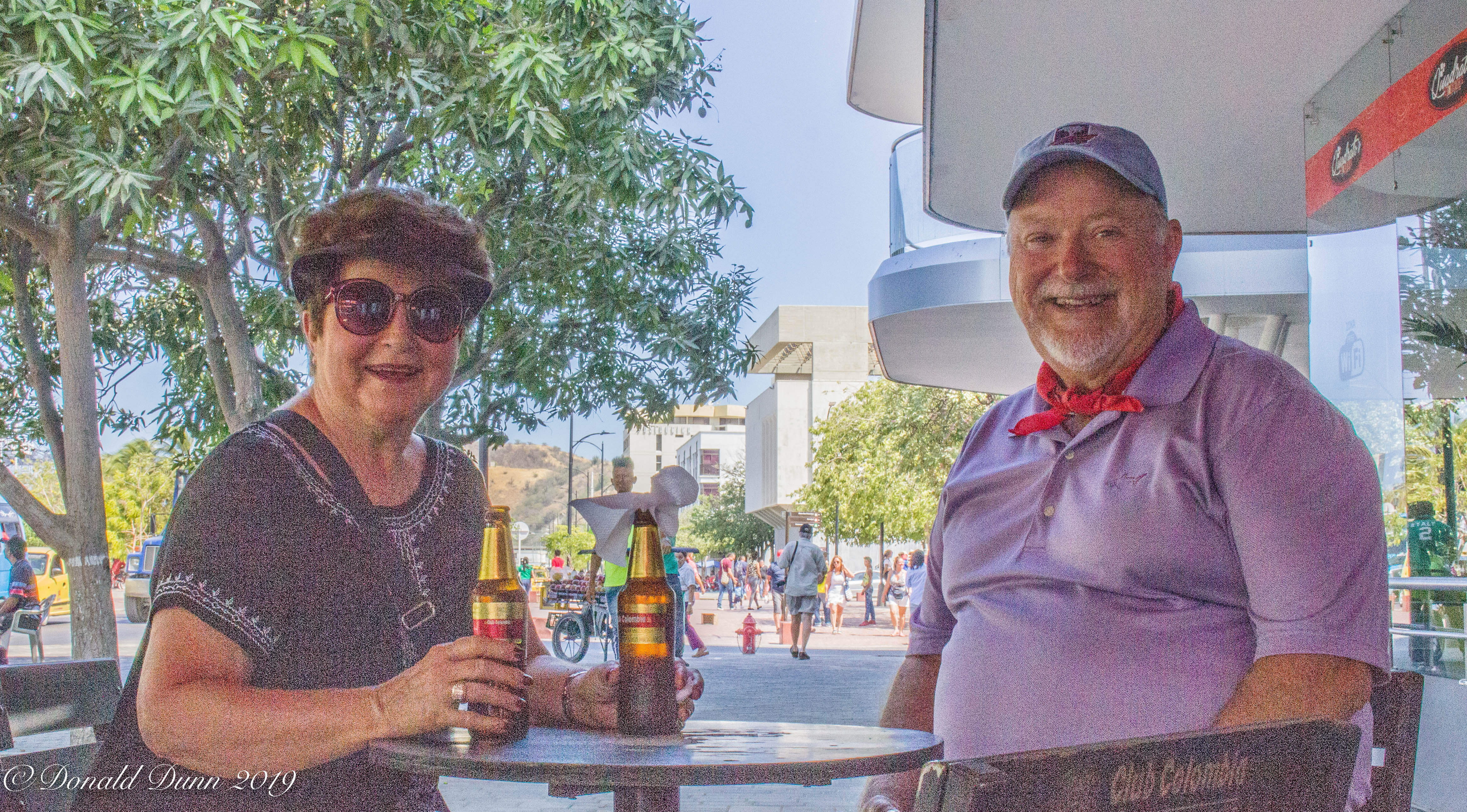
Having a Colombian beer while watching the other tourists
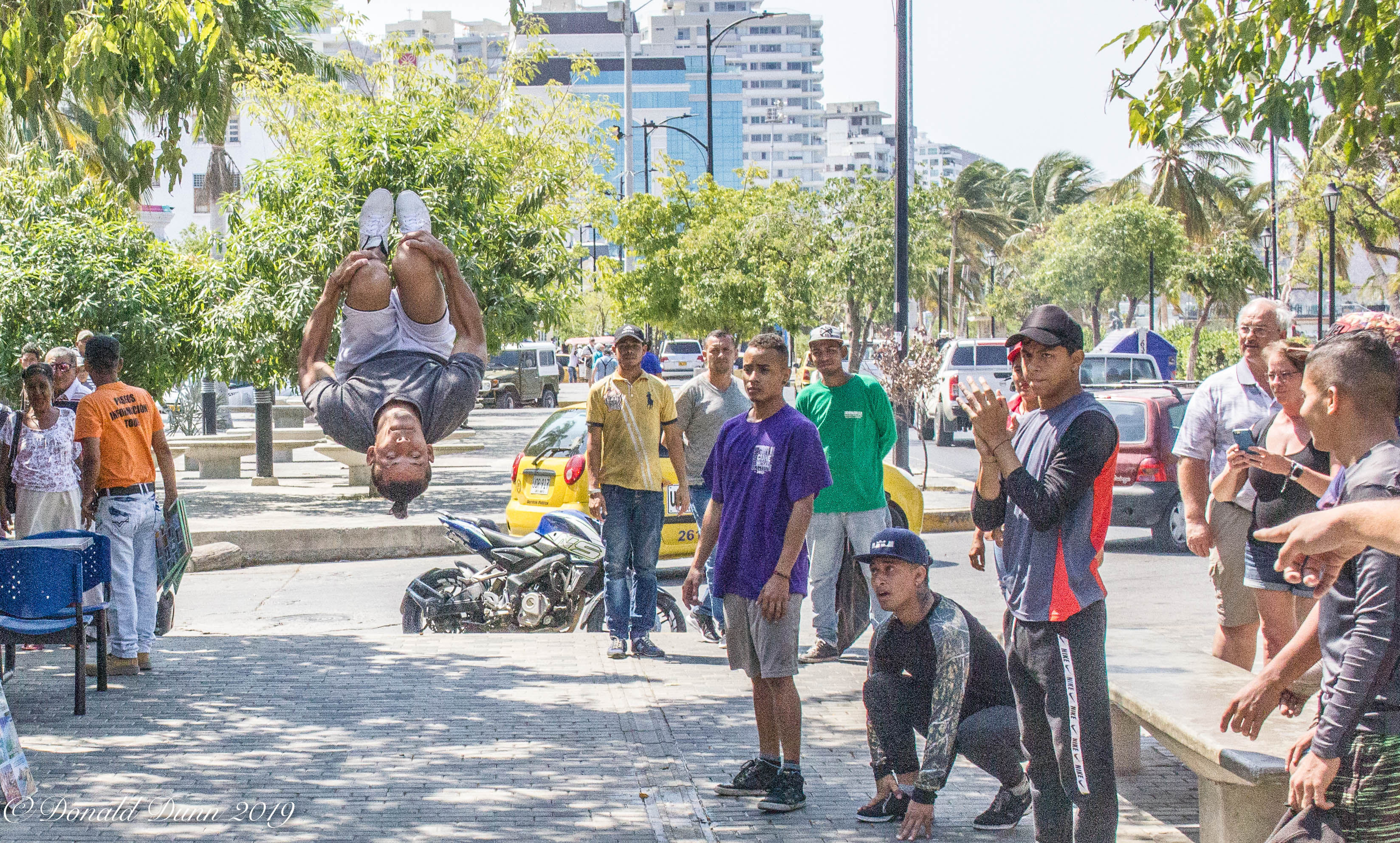
This troupe of guys on bicycles were really, really good
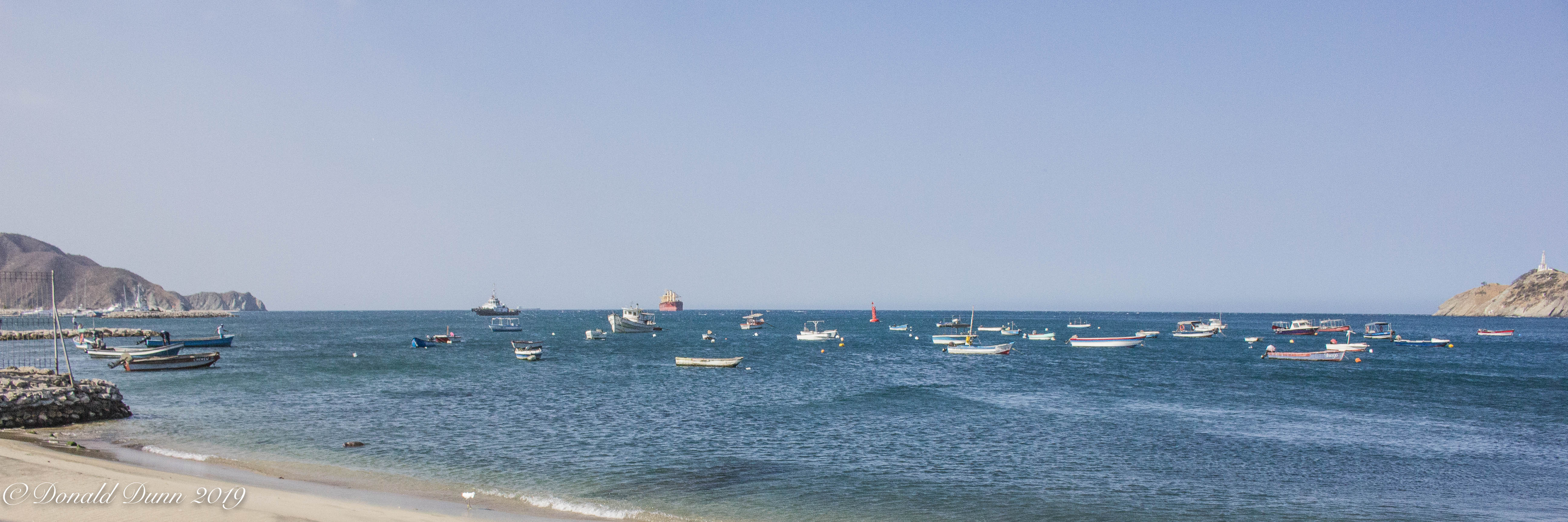
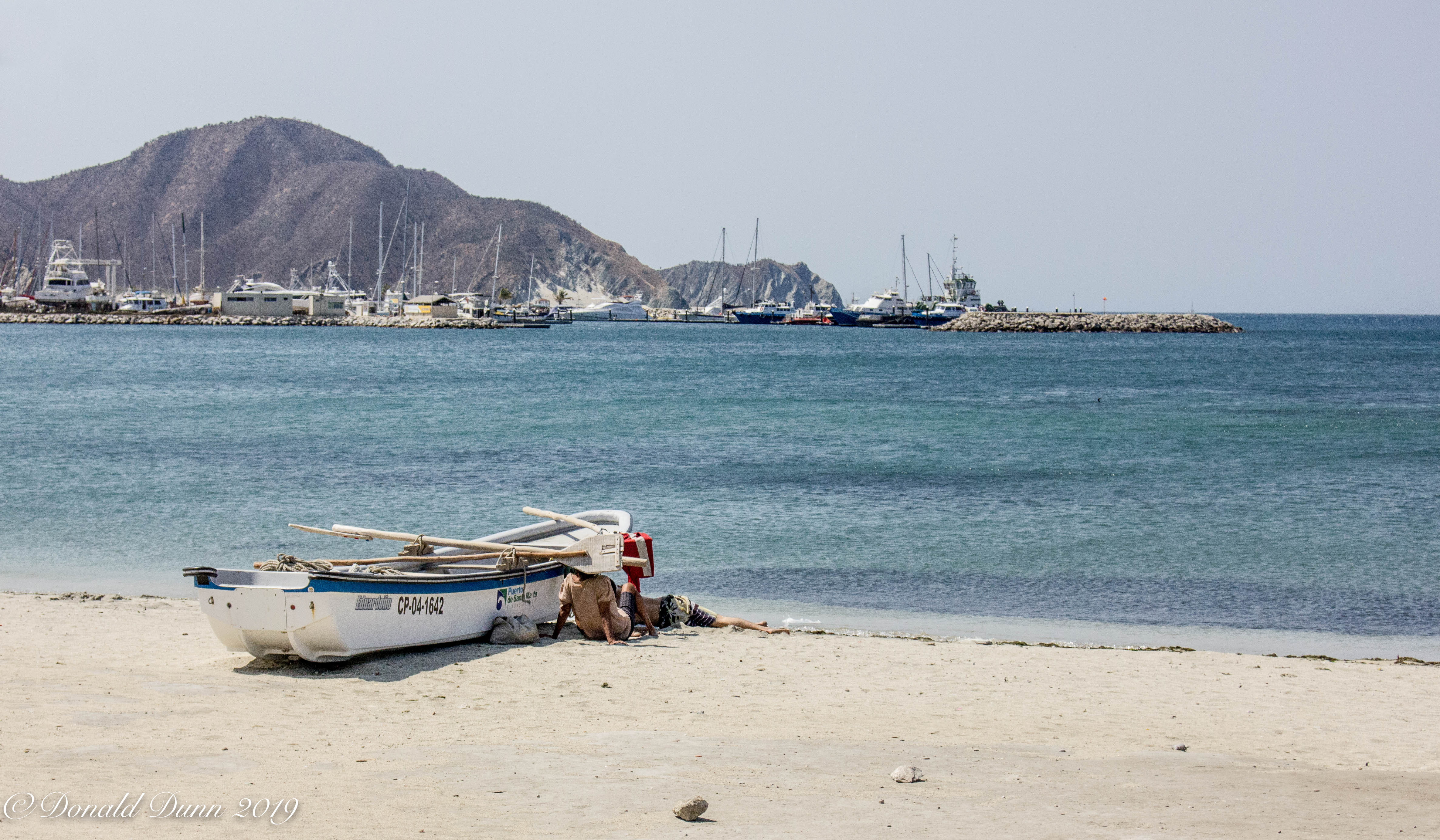
Santa Marta’s beautiful beach and coastal inlet
A sucker for making an old boat photo

The rest of the day was set aside as “executive time.” Time advances forward again tonight.

Thursday, February 7—Cartagena, Columbia

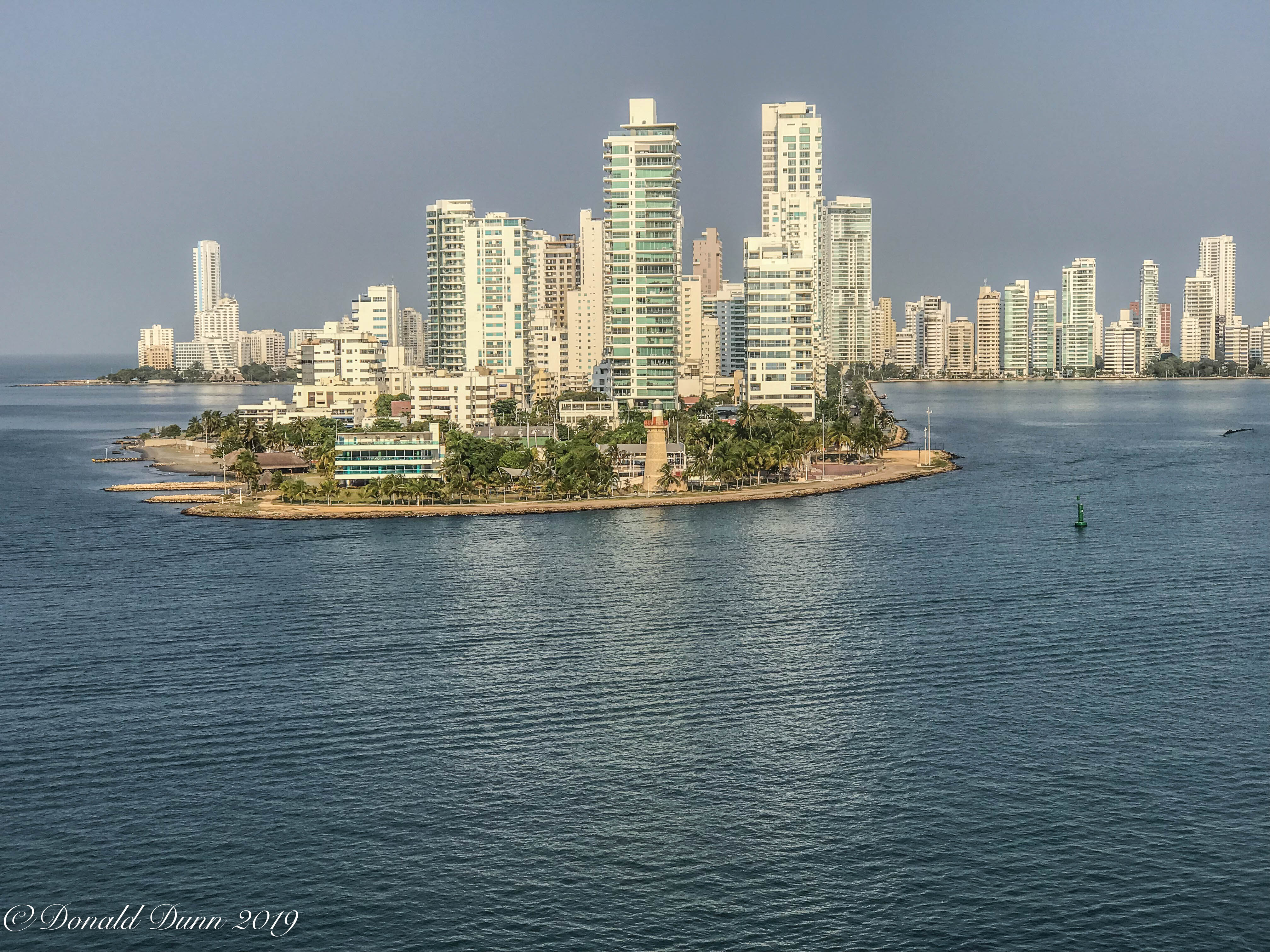
The beautiful skyline of Cartagena, Colombia, came into view as the Norwegian Gem sailed into the cruise’s Day 12 port. On the country’s northern coast facing the Caribbean Sea, Cartagena is Columbia’s most visited city. 

Cartagena, Columbia

Today’s excursion was a carriage ride to an old Spanish fortress, Castillo San Felipe de Barajas, and through the old 16th century walled city. Despite rubber surfaces on the carriage’s steel wheels, the narrow cobblestone streets provided a loud, bouncy ride. Both the old fortress and the Colonial city were crowded.

Castillo San Felipe de Barajas in Cartagena, Columbia
Cartagena’s colonial city

After the short “tour”, the carriages stopped at a shopping area where many vendors were aggressively hawking their wares. I purchased a Panama hat (most of which are made in Colombia) while Kay bought a necklace and bracelet after chasing after her in the carriage for an entire city block! Of course, the only respite from the vendors was a sidewalk bar for sampling Colombian beer—very cold, good, and a bit hoppy. We were impressed with Cartagena’s beauty and cleanliness. 

One has to pay to play
A great Colombian beer

Tonight’s show featured a ventriloquist—good, but not our cup of tea.

Wednesday, February 6—Panama Canal

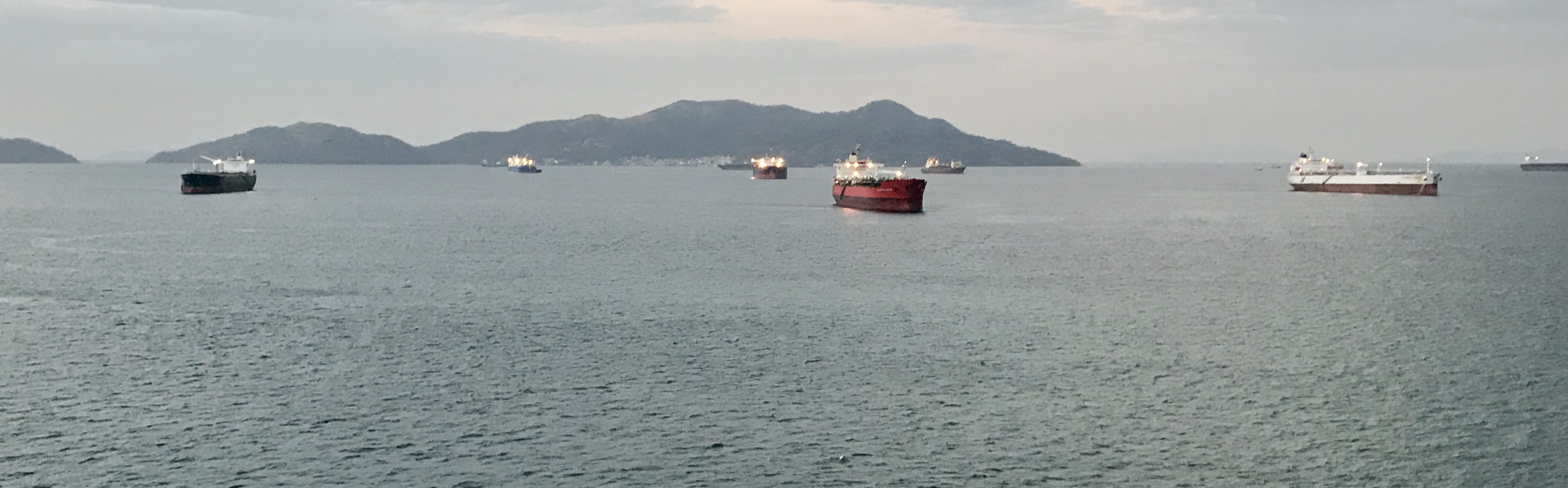
Up early to witness transit into the first lock chamber, I found the usual breakfast deck already crowded, but did find an empty table with an aft view—numerous ships waiting to pass through the Canal.
Ships anchored, waiting to transit the Panama Canal
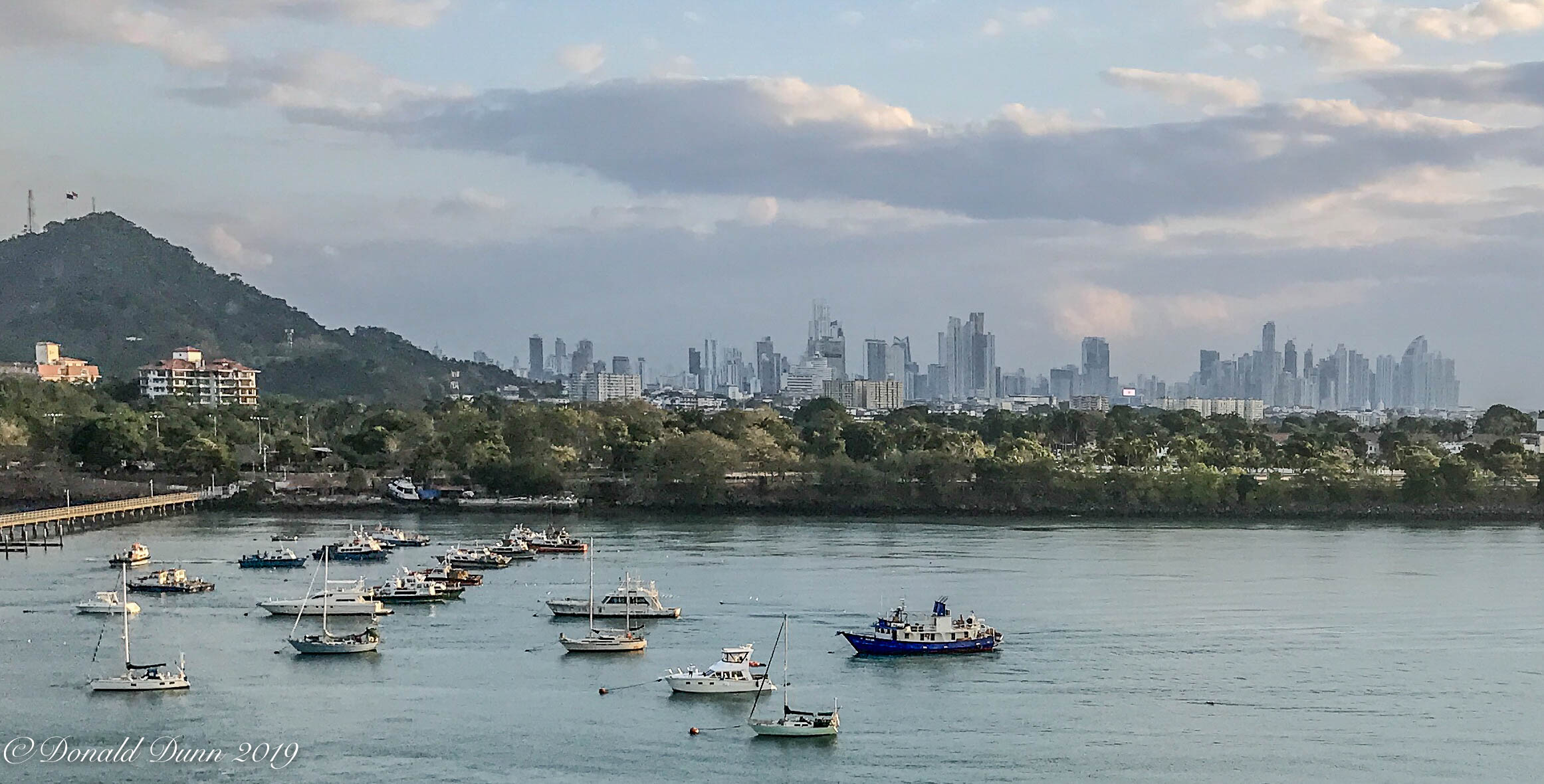
Panama City, Panama

As we approached the initial lock chamber, I tried to find a place on the fore deck, but it was about a dozen deep, as were all decent viewing areas. I finally settled in an upper fore lounge, with a poor view but having air conditioning and comfortable chairs where Kay joined me.

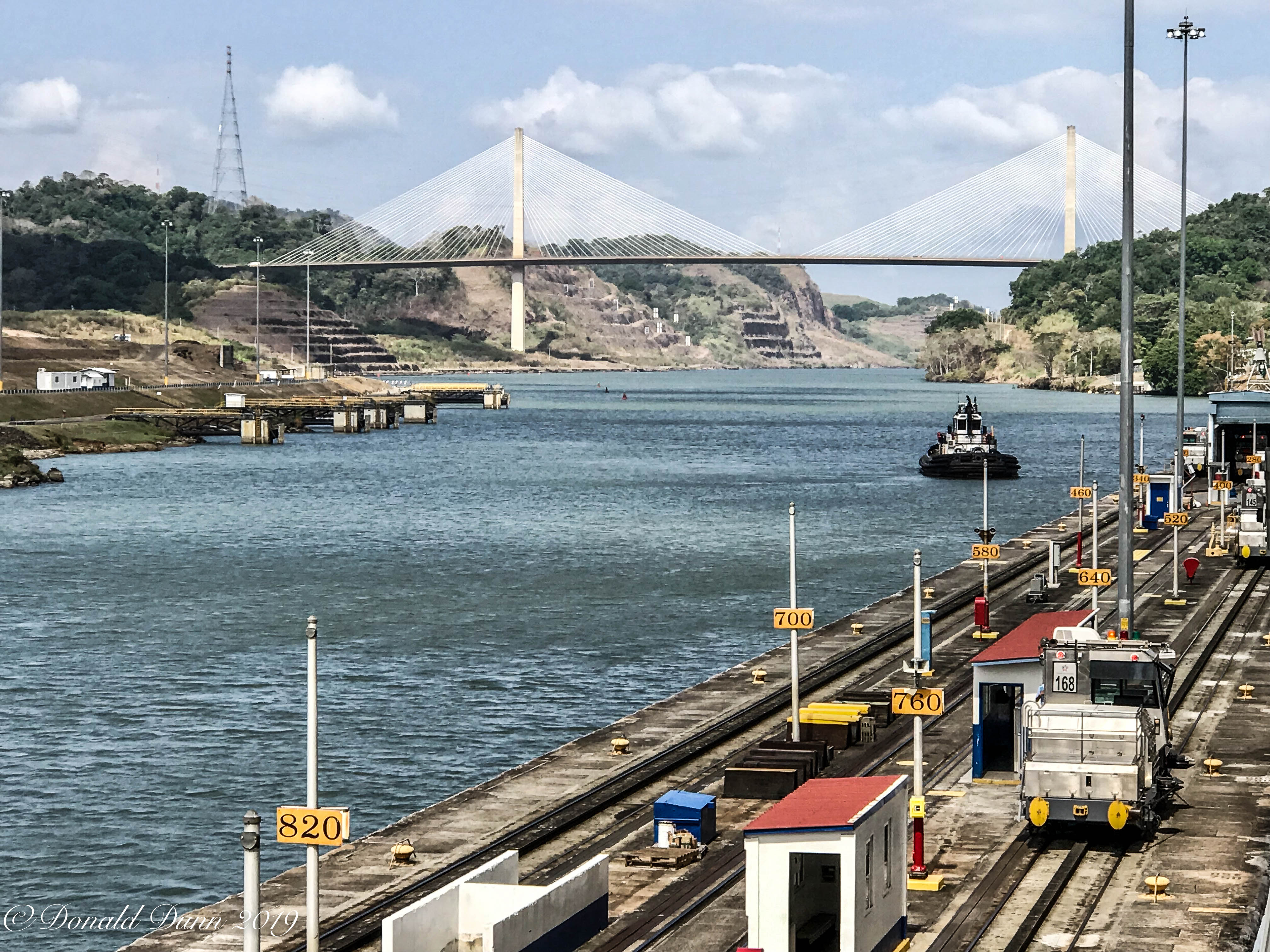
Double lock gates on the original Panama Canal
A large ship transiting the higher new canal

From there, a move to the Atrium allowed live viewing on the big screen, almost as good as the real thing but with fewer people. We continued to watch from various view points on the ship as the Norwegian Gem made her maiden passage through the 40-mile Panama Canal, exiting into the Atlantic Ocean about 4 PM. As one of the world’s greatest engineering feats, transiting the Panama Canal has been a near lifelong desire. It can now be checked off our life list!

Nearing the Panama Canal lock chamber exit

After another mediocre dinner, we attended the late evening show of Piano Man Stephen Kane.

Tuesday, February 5—Executive Time (aka Day at Sea)

Another time change, from Central Standard Time to Eastern Standard Time, accompanied our departure last night, marking the eighth time zone experienced on this trip.

We used another day at sea for “executive time”, i.e. we basically did very little except for reading email, talking with other cruisers, watching television, etc. while sailing from Costa Rica to the Panama Canal. As expected, the pool area was packed from daylight on. 

We again had dinner with birders Don and Marianne from Dallas, after which we watched the Broadway-style “Blazing Boots” show presented by the exceptional cast of Norwegian Gem singers and dancers, and liked it so well we watched it again later in the evening. 

As the ship anchored about 10 PM to take on fuel and get in queue for locking through the Canal, we retired for the night to get television feedback on the State of the Union speech and rebuttal.

Monday, February 4—Puntarenas, Costa Rica

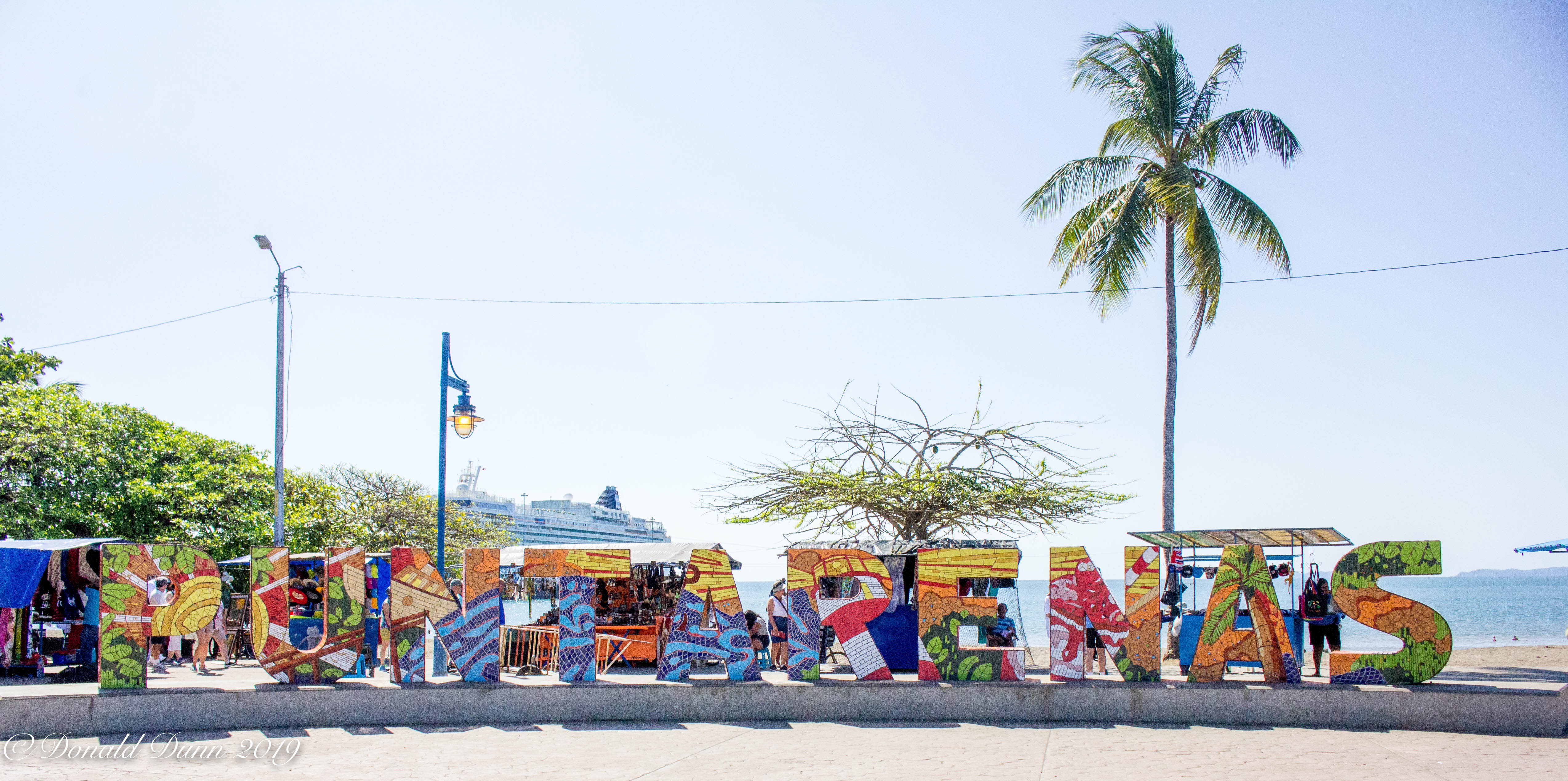
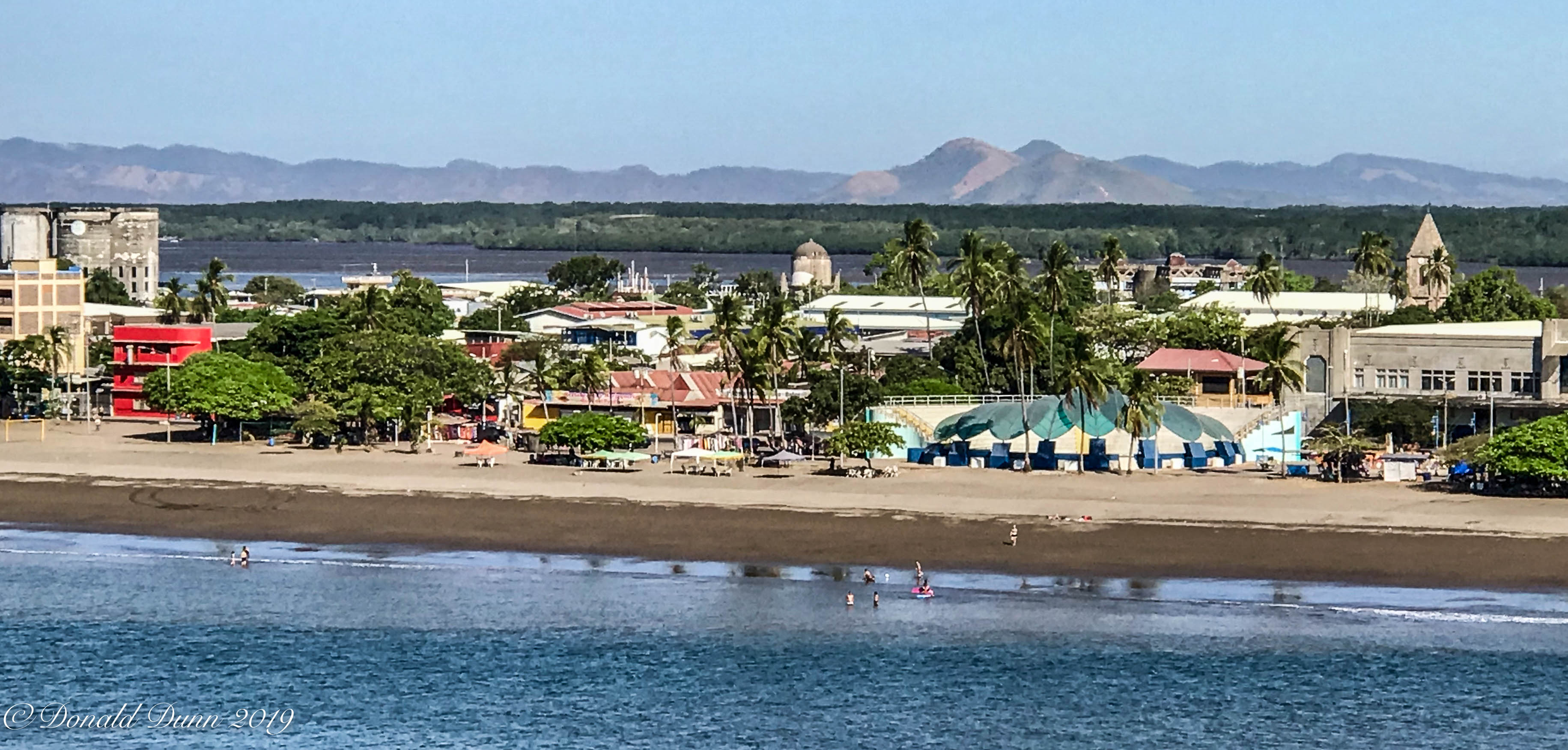
As the sun rose above the horizon, the Norwegian Gem sailed into the port city of Puntarenas, Costa Rica. The high, heavily forested coastal mountains were a bit of a surprise as a more lush environment was expected, like that seen on travel brochures highlighting the Caribbean side of the country, versus the relatively dry side of the country where we were.

Beautiful coastal mountains along Costa Rica’s Pacific coast

A quiet morning by the pool preceded the day’s afternoon shore excursion to Pura Vida Gardens and Waterfalls.

Another place to shop
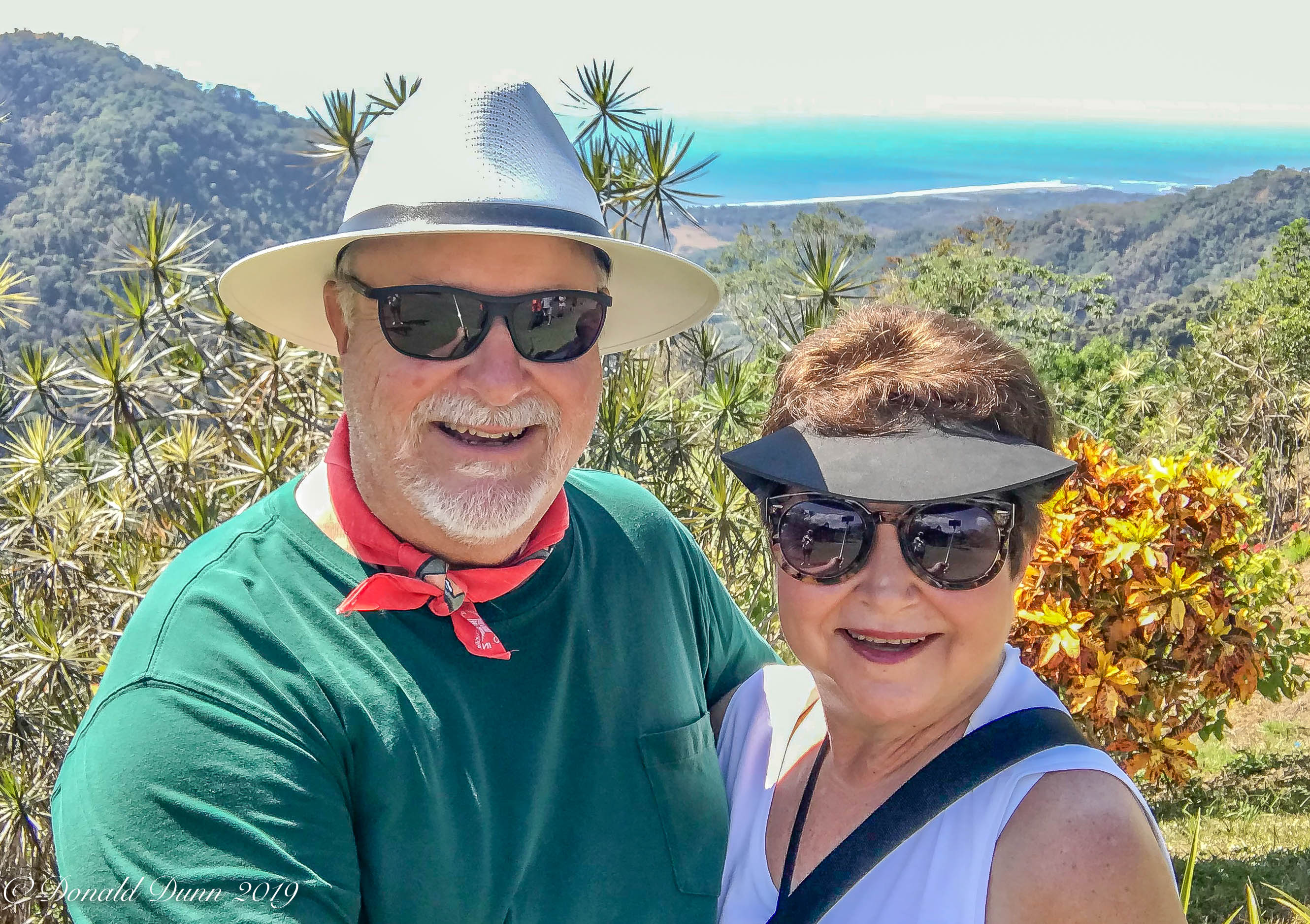
One of many selfies

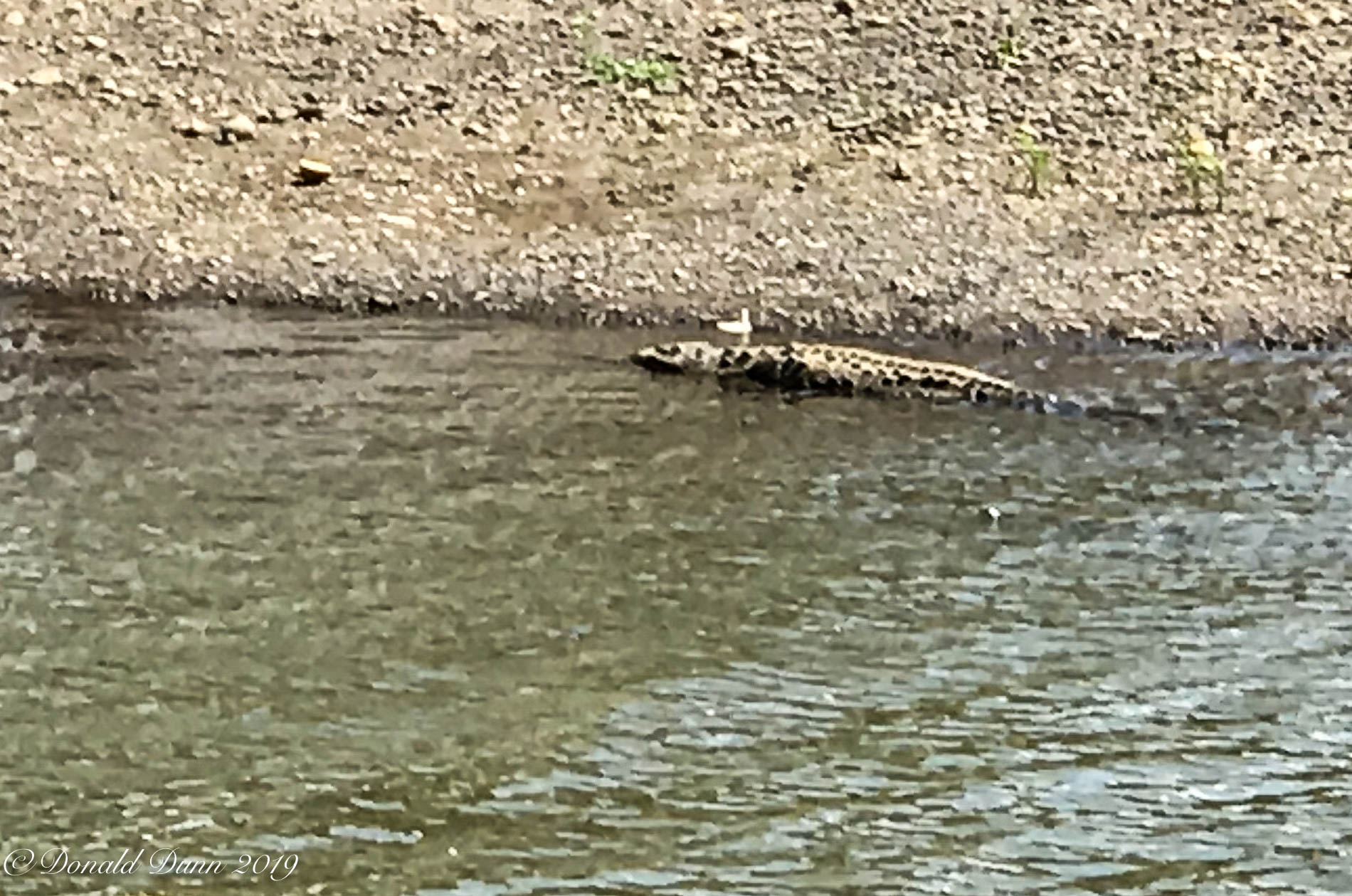
The long drive was broken up by a stop at a crocodile viewing area. These sometimes large reptiles, numbering about 4,000, are protected in Costa Rica and can be found in three rivers.

Lots of crocodiles in Costa Rica

From there, the tour bus followed numerous switchbacks upward for almost 3,000 feet. We arrived at the gardens to find the temperature to be in the low 90s, humidity at about 85%, and a breeze providing almost no relief. The abundant flowering plant life was offset by the lack of birds and butterflies, though Crimson Macaws and a few species of butterflies were observed.

Gorgeous landscape atop the mountain
Crimson Macaw

About halfway down the mountain, the tour bus stopped at a shopping area selling indigenous products. The return to the ship barely preceded its departure. Dinner, a stage show, and music closed out the evening.

Costa Rica is an educated country with a literacy rate of 98 percent; interestingly, English and “tourism” are mandatory courses of study from the beginning grades thru college. Also, energy in the country is surprisingly 100 percent green!

Sunday, February 3—Corinto, Nicaragua

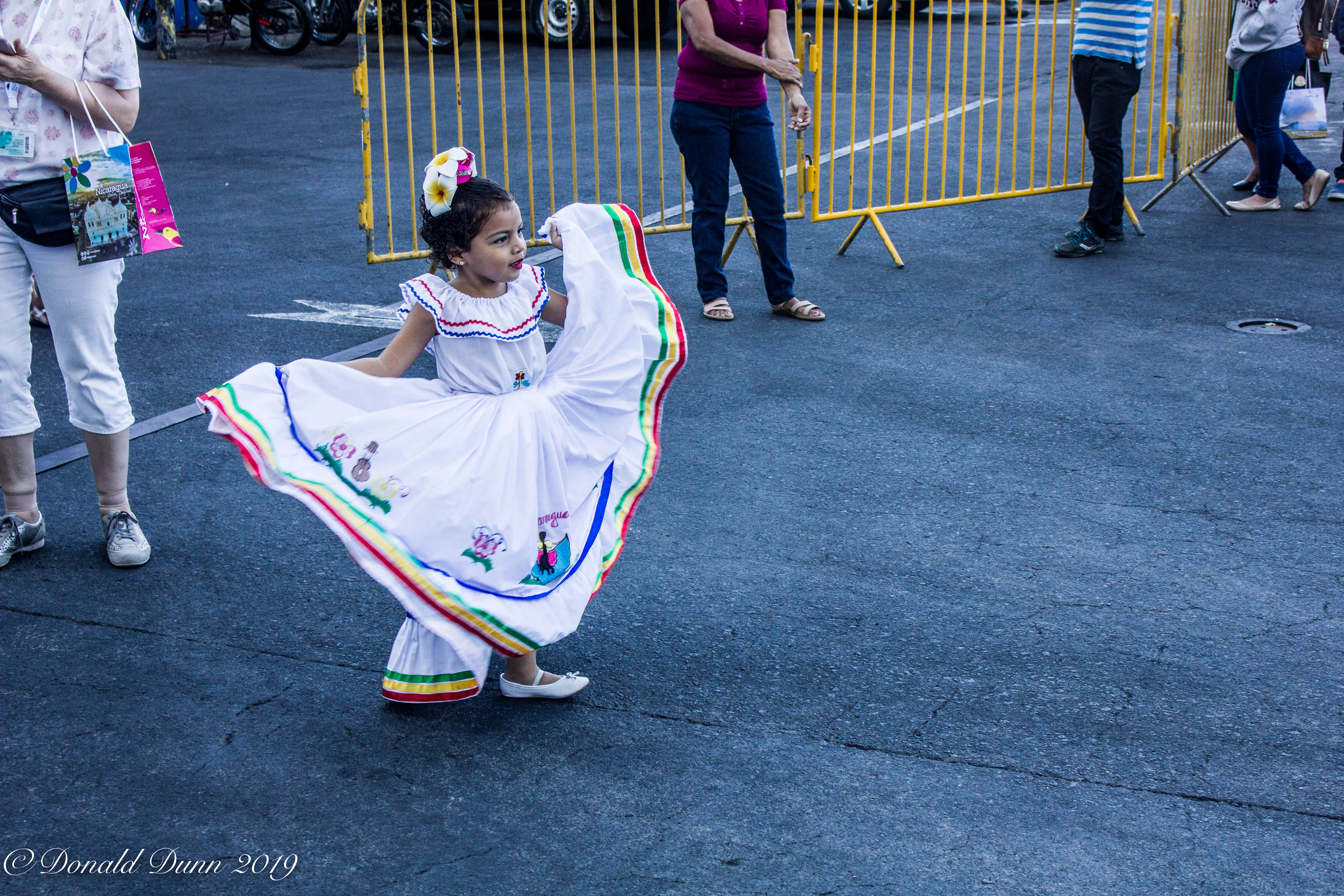
The ship landed in Corinto, Nicaragua, at 7 AM and an early morning shore excursion meant an early breakfast. The ship was met with a live band and much fanfare.

Youngest of the dancing girls, dressed in classic Nicaraguan clothing

The bus departed for colonial Leon and the oldest botanical garden in Central America. The 12 hectare garden hosts over 1200 plant species and 80 species of birds, all of which are representative of a tropical dry forest. The one hour tour allowed visitors to walk around the garden on their own, and while there were some birds and butterflies, the Pacific breeze and poor choice of camera lens resulted in a poor photo shoot. 

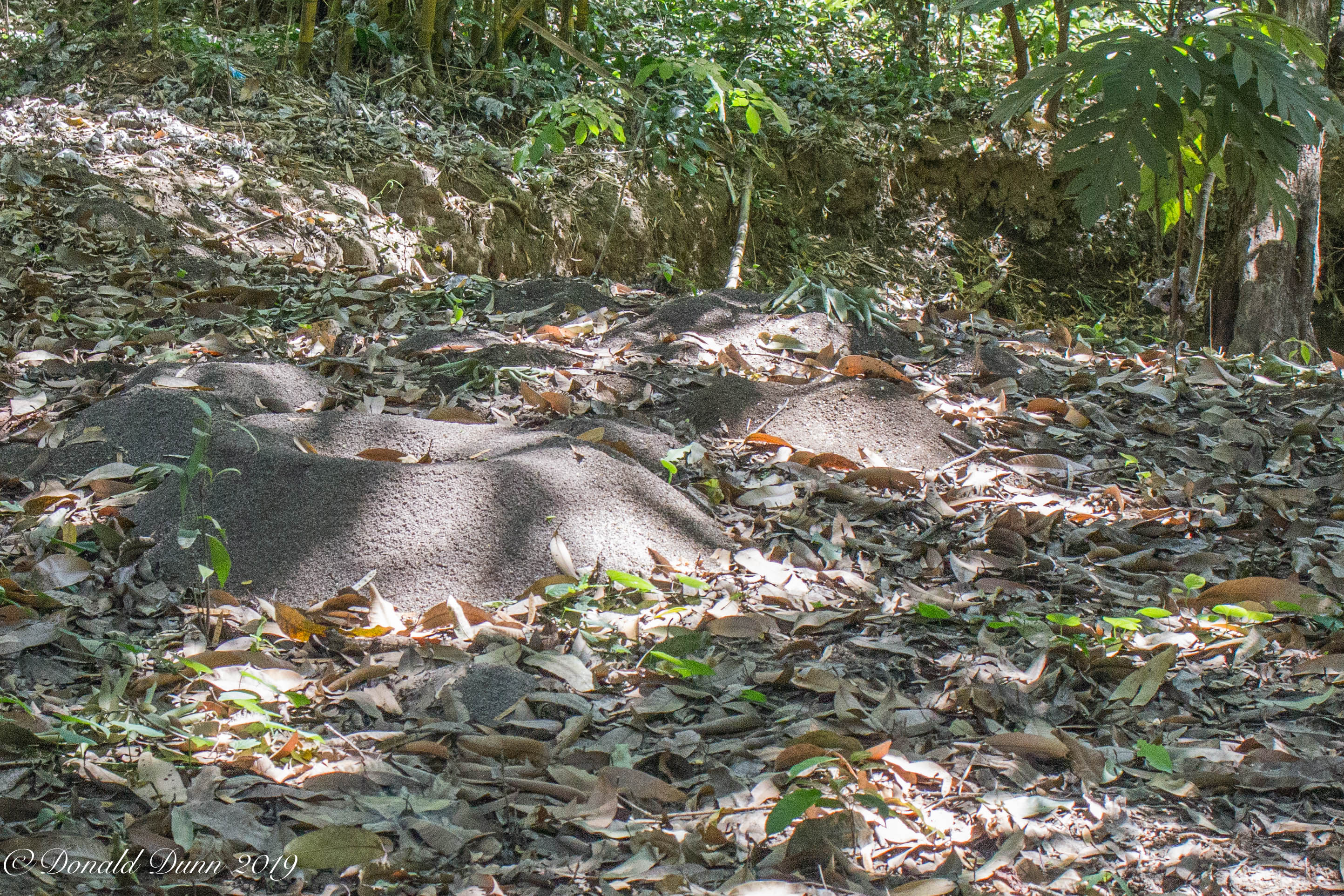
Termites
Ants

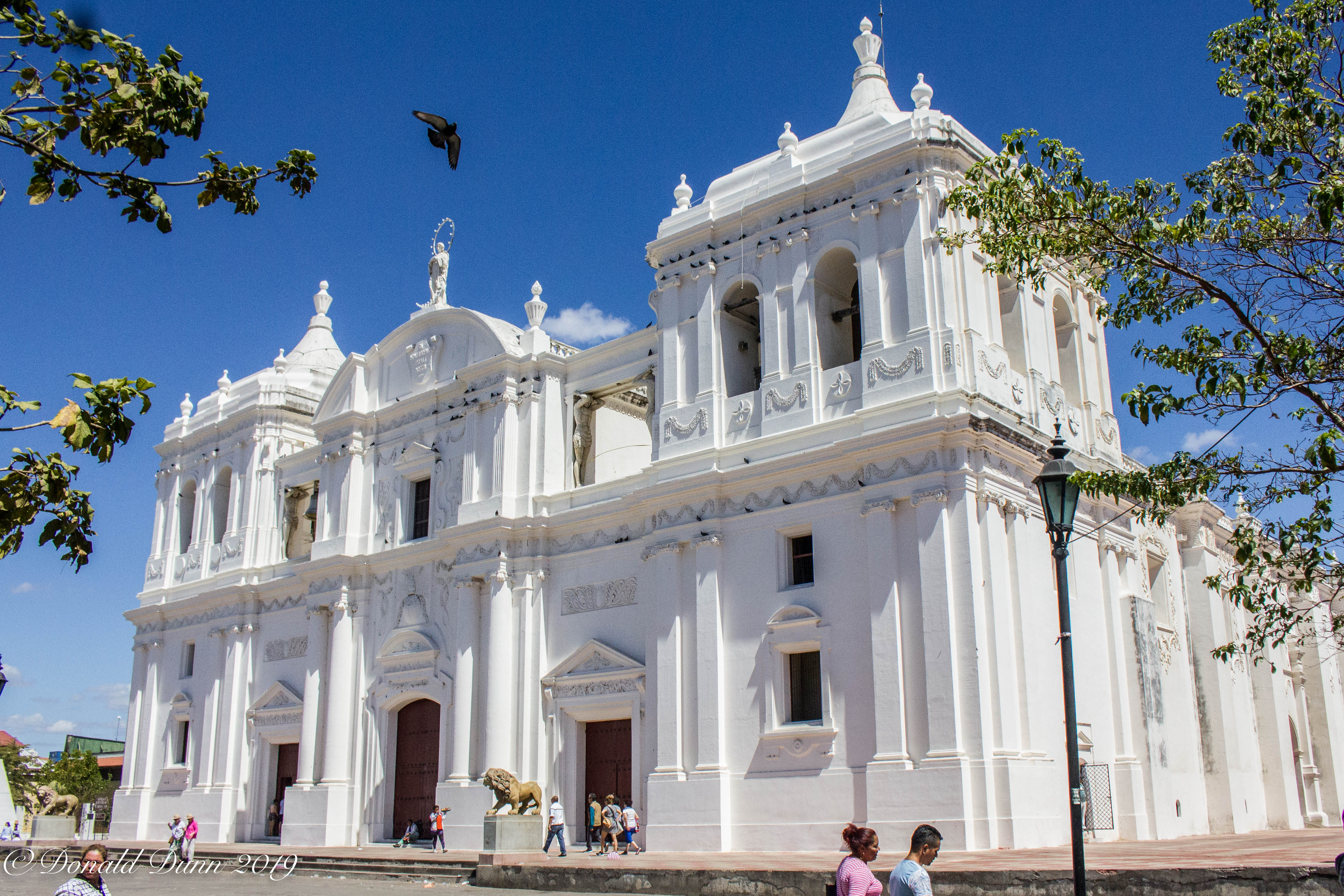
Old Leon has retained its colonial architecture of one-story houses with tile and wooden roofs. The tour included a visit to Leon’central Park, common to most Spanish colonial cities and towns, bordered by the La Asunción Basilica and Cathedral, a UNESCO World Heritage Site, and various markets. Icy cold Victoria beer, a Nicaraguan beer, was sold at one of the sidewalk cafes and beckoned me to taste.

Colonial architecture adjacent to the central plaza
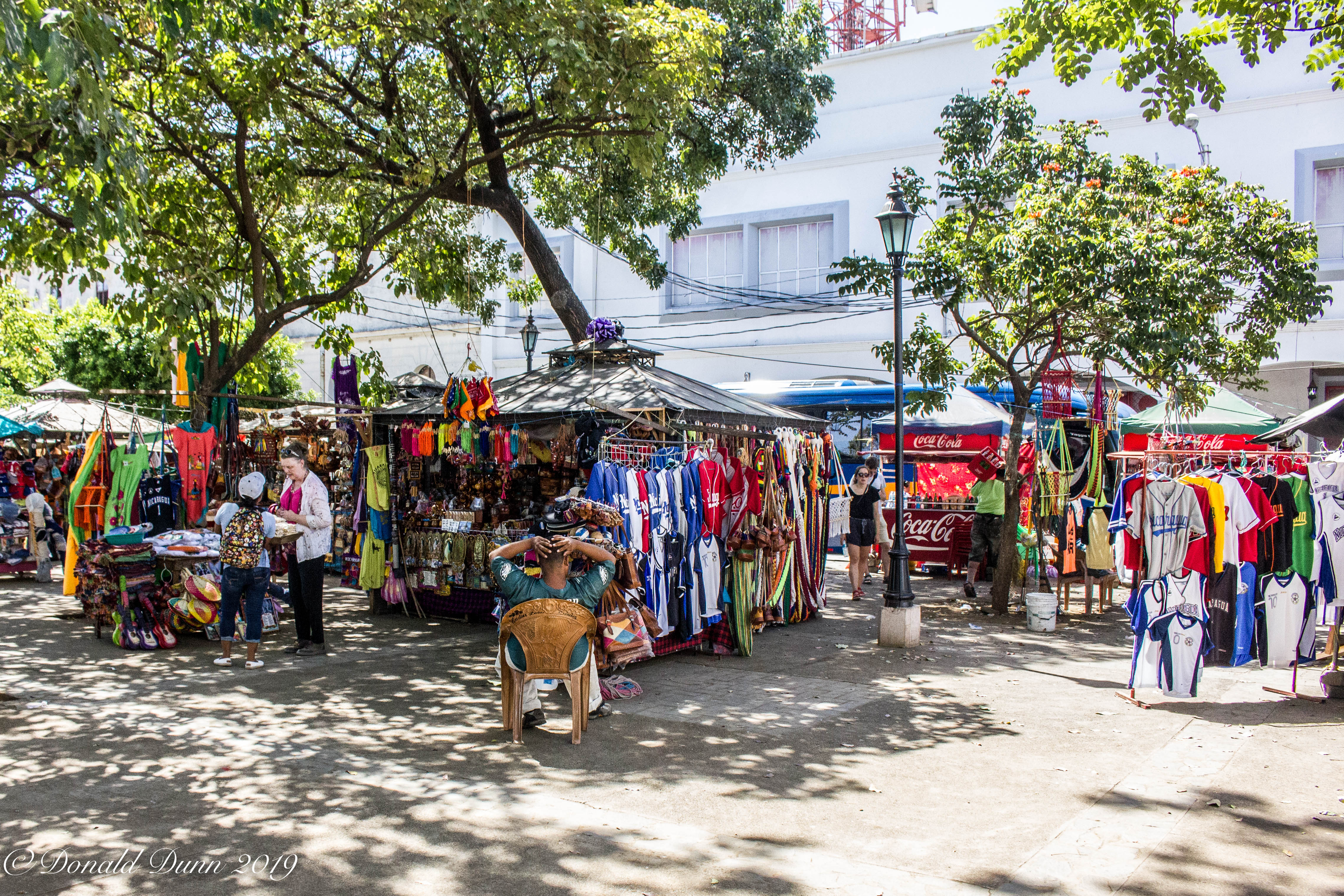
The plaza was filled with outdoor shops and people
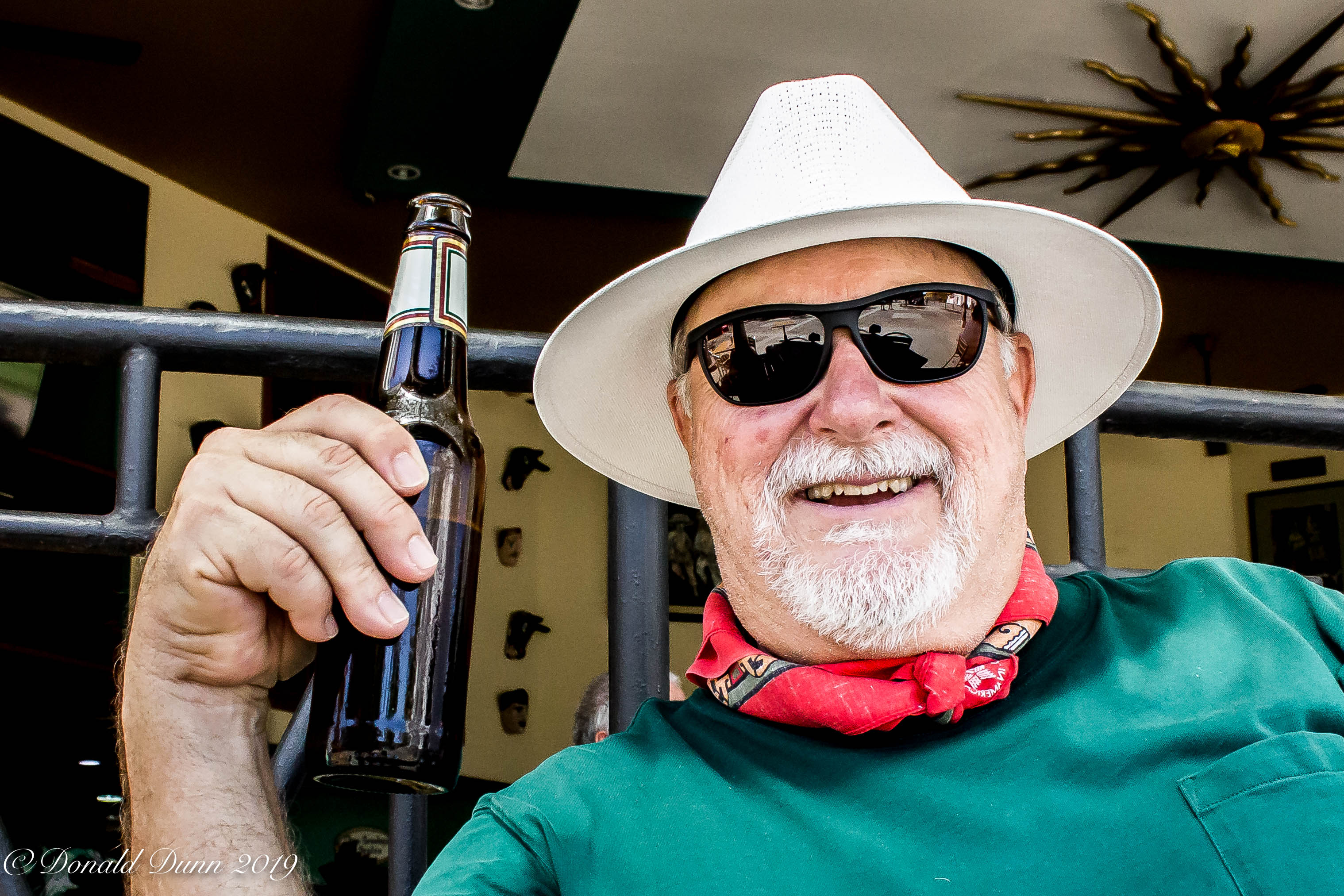
Couldn’t resist an ice cold Nicaraguan beer (quite tasty)

The return trip to the ship passed some of the 40-mile line of volcanoes along Nicaragua’s Pacific coast; two are currently active and gasses billowing from their tops were easily visible.

According to the guide, a former Sandinista rebel, Nicaragua has a very high literacy rate. There are some 100,00 autos, trucks, etc. in the country versus over 300,000 motorcycles. There were many small horse/pony drawn carts using the roadways. Nicaragua has a heavy dependency on Venezuela for its existence, but China is now investing very heavily in the country to take advantage of the country’s resources. A hybrid “democracy” is the current form of governance, though the country is now trying to emulate China with consolidation of power among all elements of government.

The ship was relatively quiet as many of the passengers were watching the Super Bowl, and no shows were being presented. We did listen to “Leo”, our favorite entertainer on the ship.

Saturday, February 2—Puerto Quetzal, Guatemala

Haze shrouded the landscape as the Norwegian Gem slowly sailed into the shallow port of Puerto Quetzal, Guatemala, this Central American country’s largest ocean port. Guatemala was the first country to produce chocolate, is the jade capital of the world, and the origin of the Mayan culture. There are many volcanoes in Guatemala, and were visible from the shoreline as we sailed into harbor. 

Our hangout on the ship

The smell of burning garbage slowly encapsulated the ship, common to all the third world countries In which I’ve been. The pier at which the ship docked was in an industrial port with no evidence of shops, stores, gardens, etc., only shipping related industry. We were bussed to a gated area just outside the port’s boundaries filled with shops selling hand-weaved goods, chocolate, and jade. I looked hard for birds and butterflies, but was rewarded only with a few lizards! Kay shopped, but only bought a handmade water bottle holder.

NOTE: We did not book any excursions in Guatemala because of safety and security concerns, especially for Americans. The more we travel abroad, the smaller the world becomes, a “global view” comes into focus, and the significance of other countries, particularly industrialized nations, comes into play compared to the relevance of the US related to world matters.

Friday, February 1–At Sea

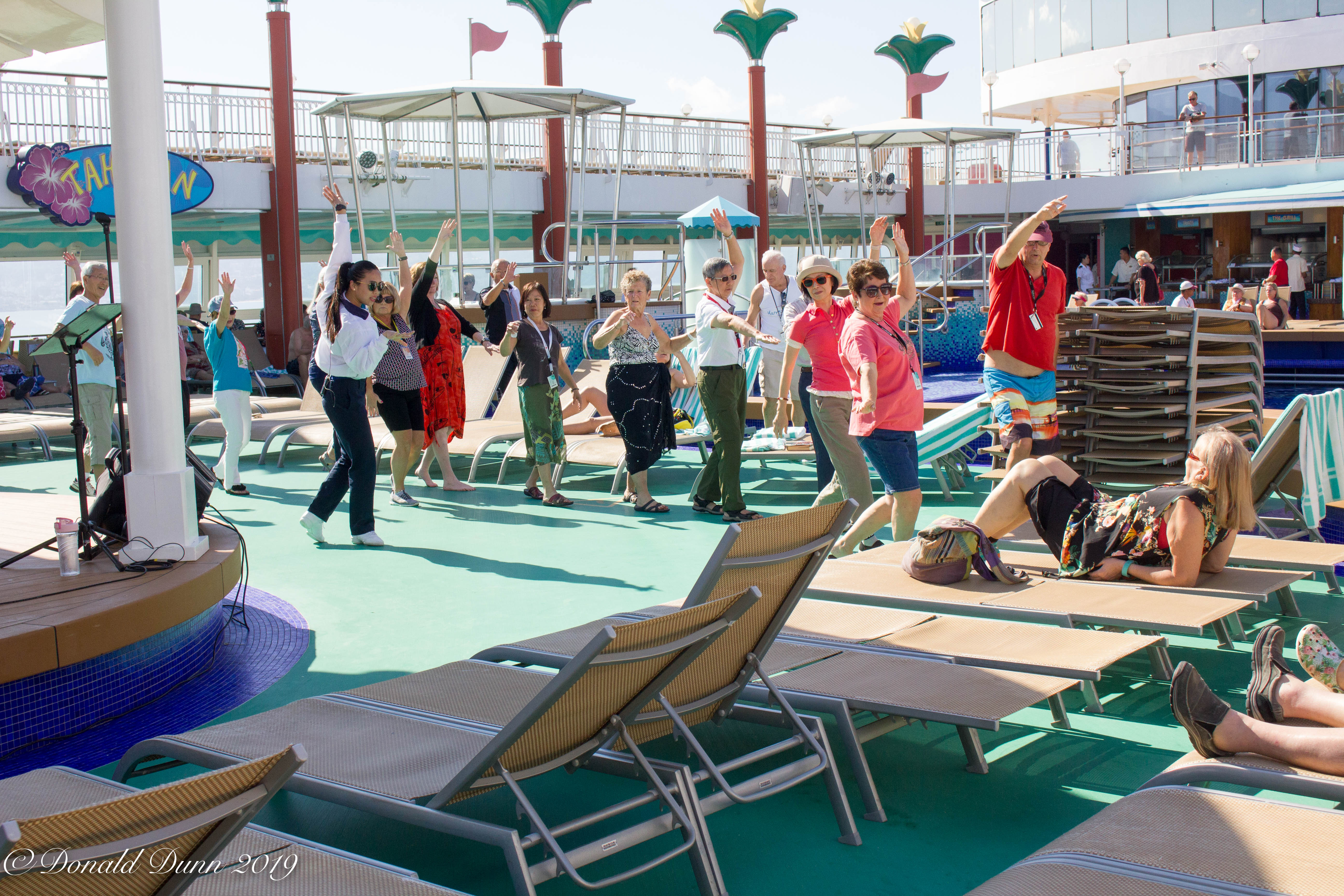
A day at sea provided a much needed break from shore activities. Kay was up early, dressed, and headed for the pool deck to “reserve “ a couple of lounges in the shade. She had had two cups of coffee and was eating breakfast on the aft deck where I joined her after filling an insulated cup with strong coffee, followed by a lite breakfast of mueslis and dried fruit. The warm breeze was refreshing—nothing like having coffee and breakfast outside.

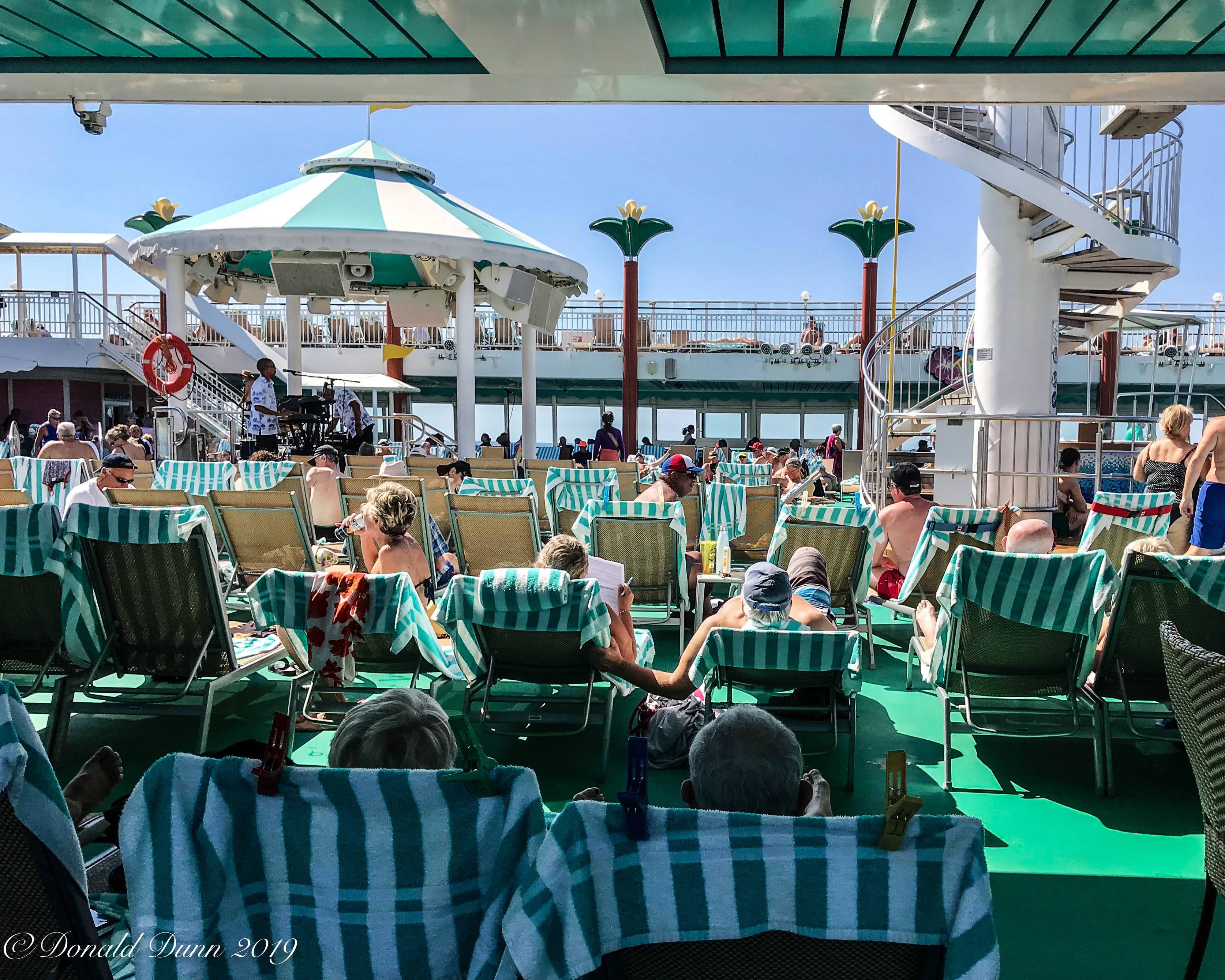
Changing into swimsuits and armed with beach towels, we found the two prime “reserved” chaise lounges in a shaded area close to poolside filled with Pacific breezes. Reading and soaking in the hot tub filled our morning before a lite lunch, and then, nap time!

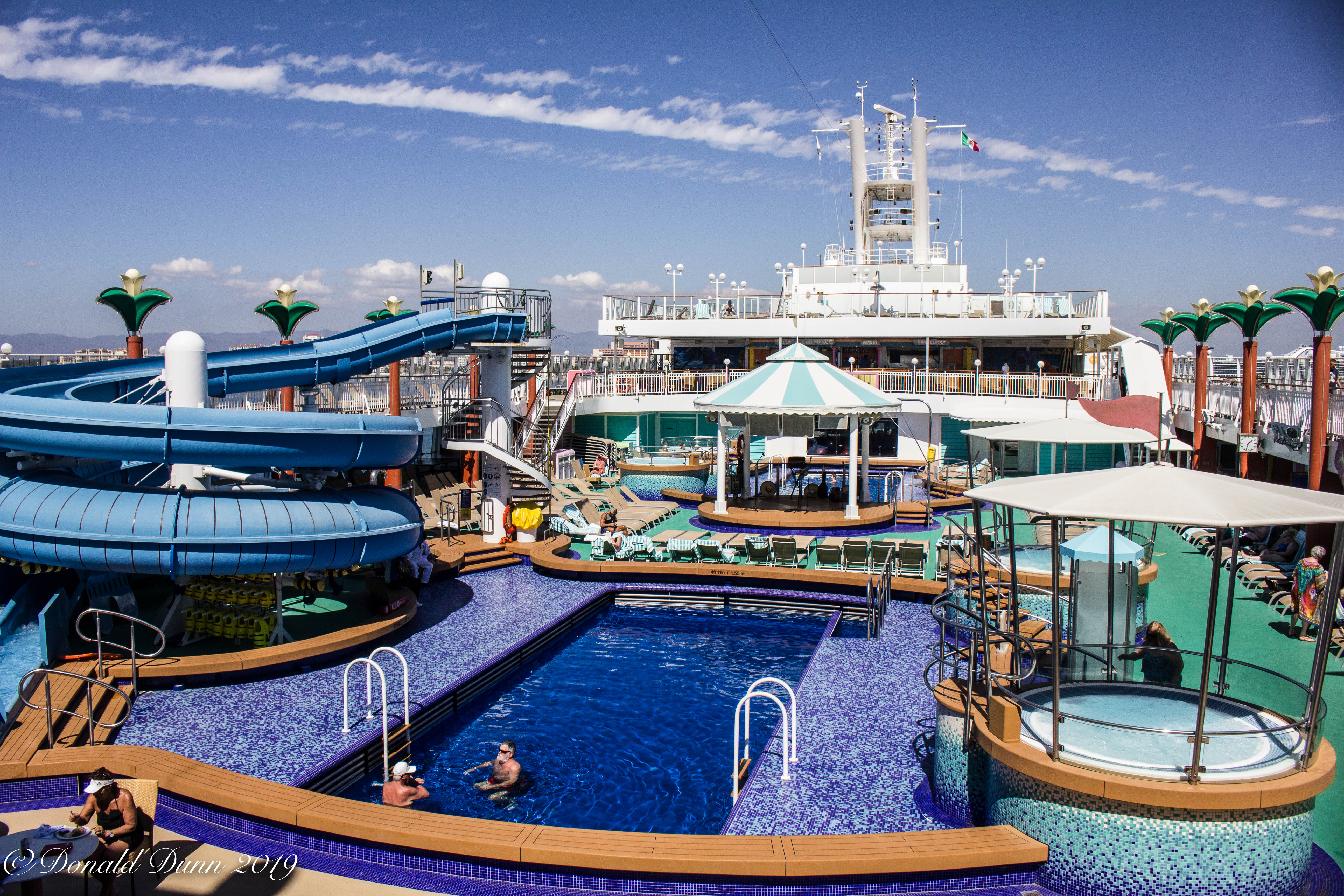
Kay at the hub of poolside activities
Where we spent most days on the ship

We joined a couple from Dallas, Don and Marianne, for dinner and visiting about trips, birds, butterflies, etc. The featured show tonight was Carole’s Kings, good but not up to their performance earlier in the week. Interestingly, each of the three young men had performed on Broadway. After dinner, we joined a crowded lounge for drinks and listening to Leo Jostol, a very talented singer and guitar player. He does everything from oldie goldies to jazz, and has attracted quite a following on this cruise.

We have met some very interesting people this past week. Americans are definitely in the minority, and there are few young people and even fewer children—the average age is reportedly 64 years. The largest segment of the cruise population is comprised of Asians, followed by Canadians, the US, UK, other Europeans, and Aussies.  The vast majority of passengers have beverage packages and can really consume the alcohol; we don’t hold a candle. One must be patient as there are lots of lines, sauntering in the food and beverage lines, stopping and talking in doorways, aisles, and stair landings, abruptly stopping in the dining areas, etc. Kay makes sure the filter between my brain and mouth is in place before coming into contact with people! And, it’s quite loud and noisy—old people can’t hear.