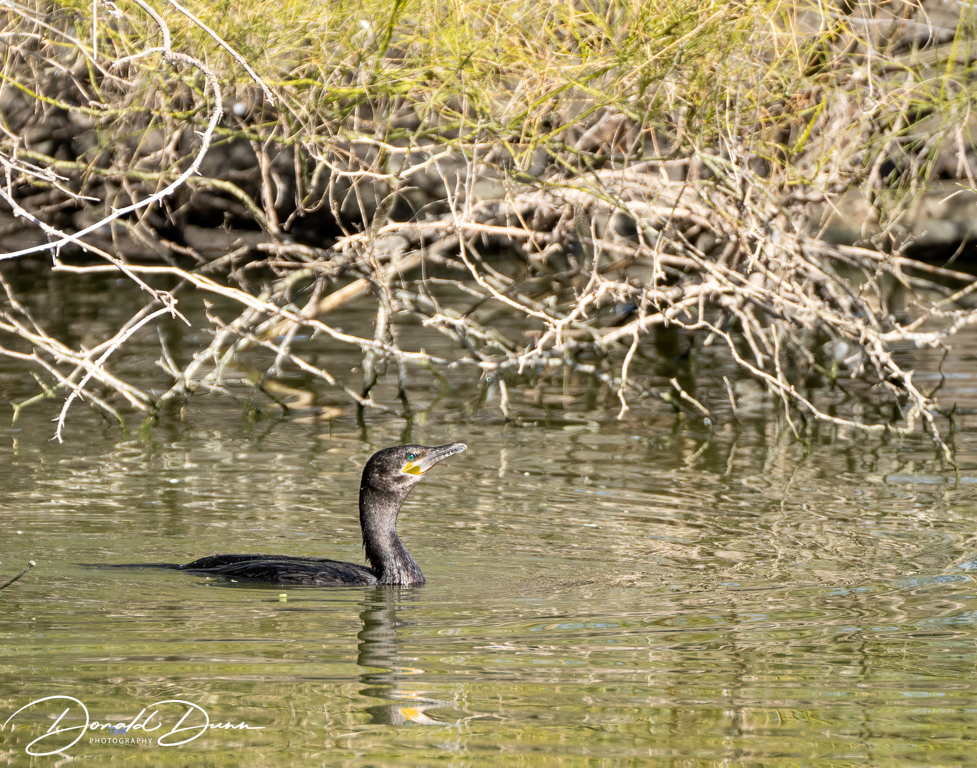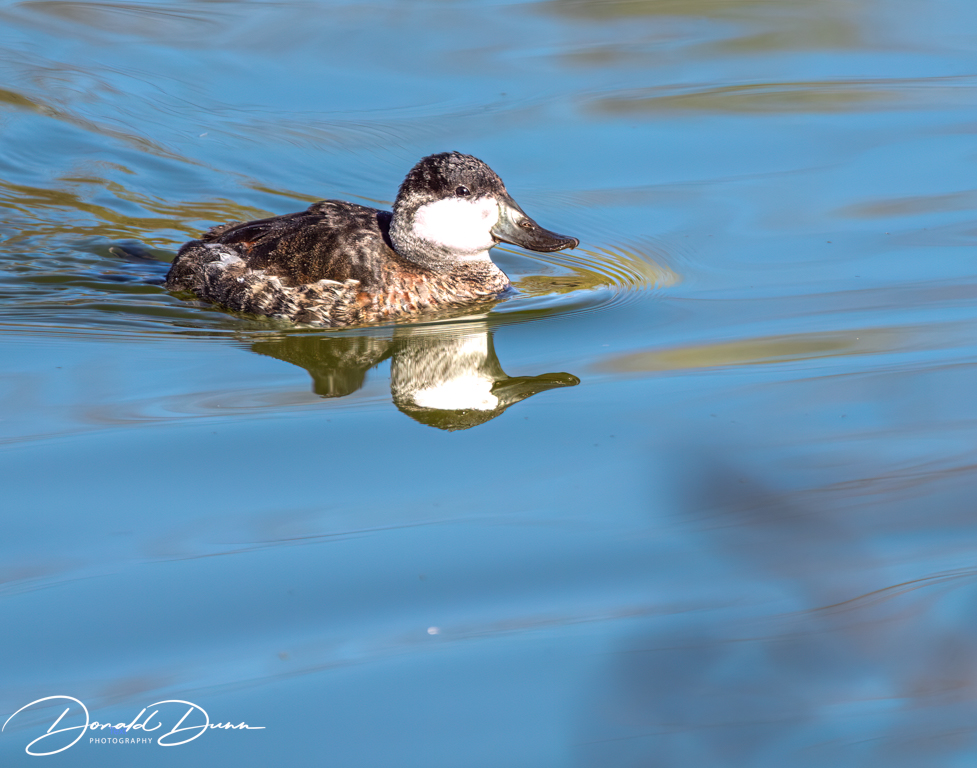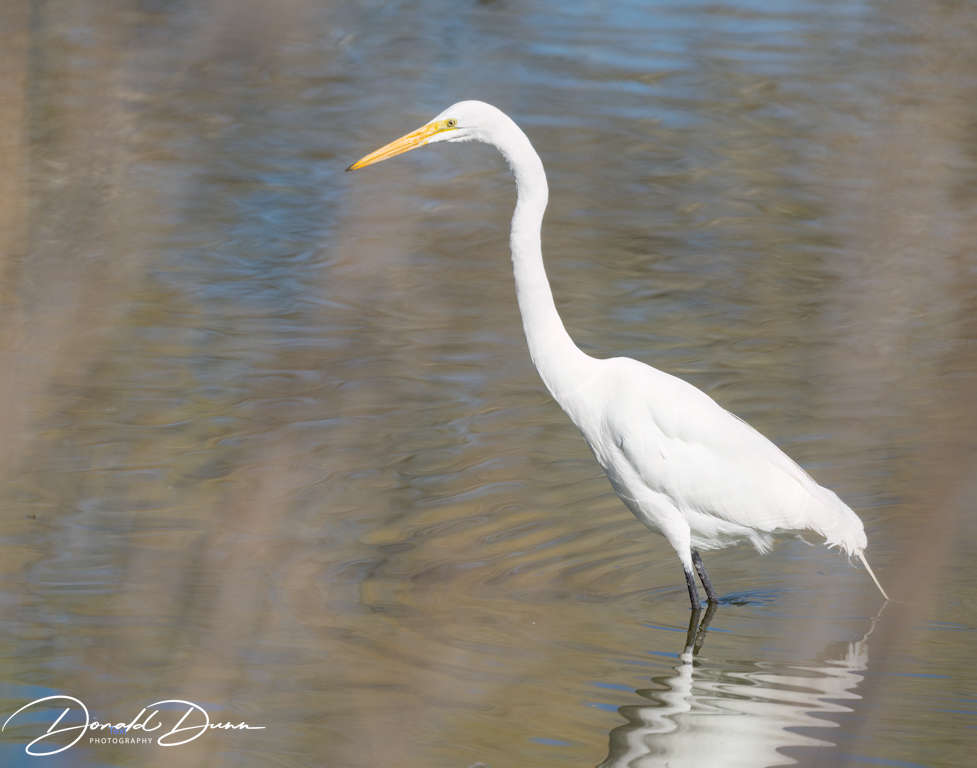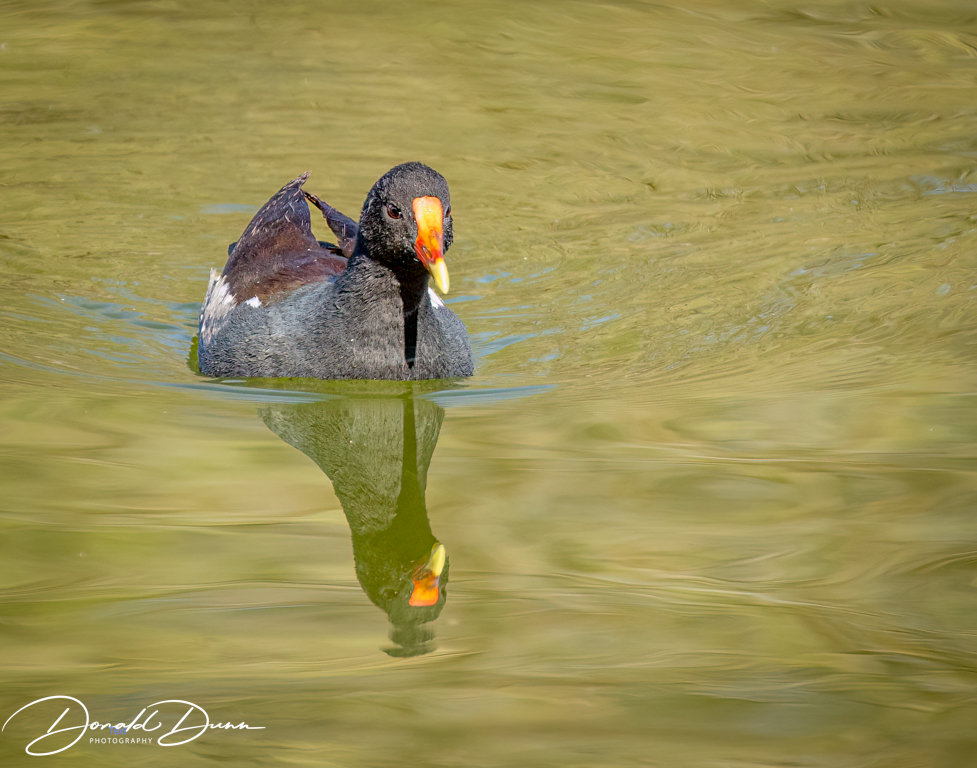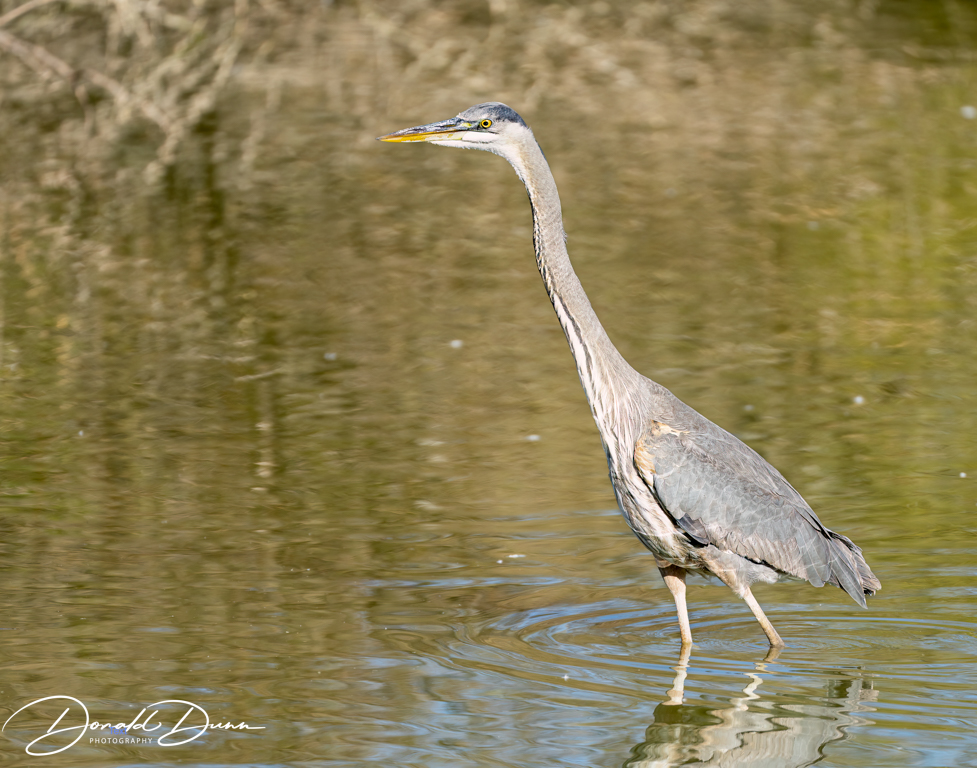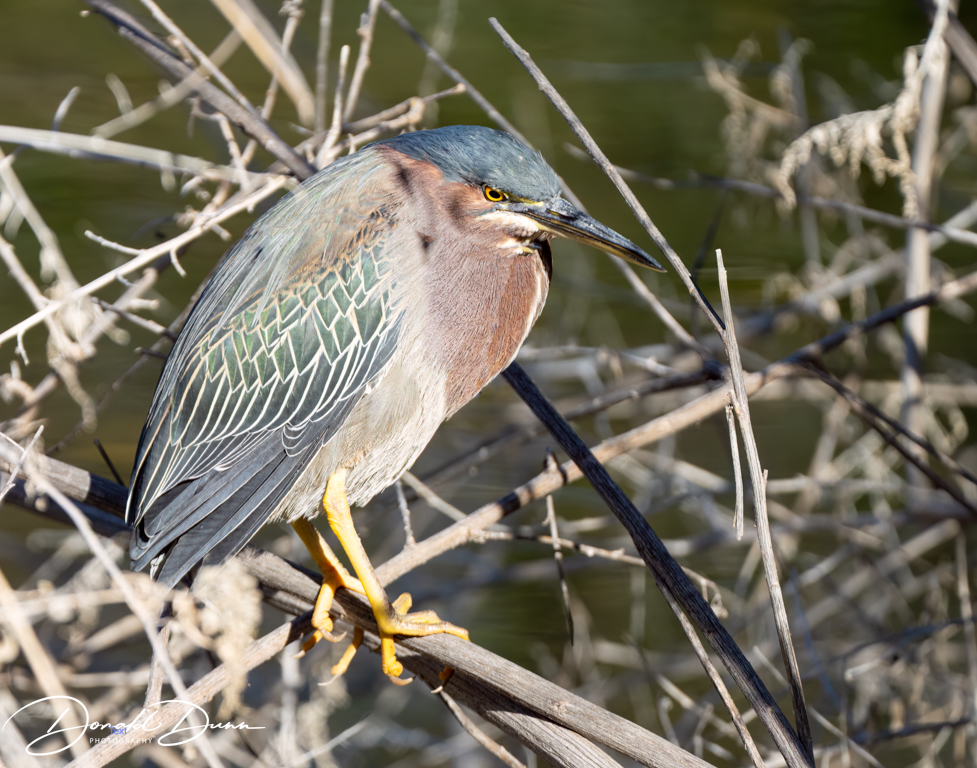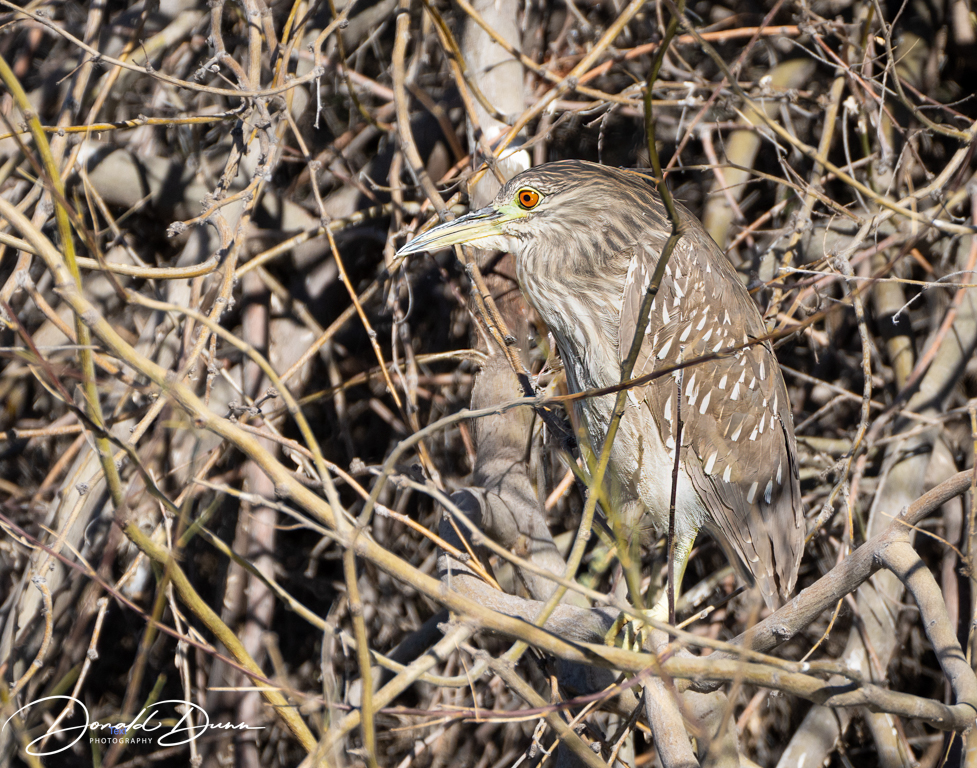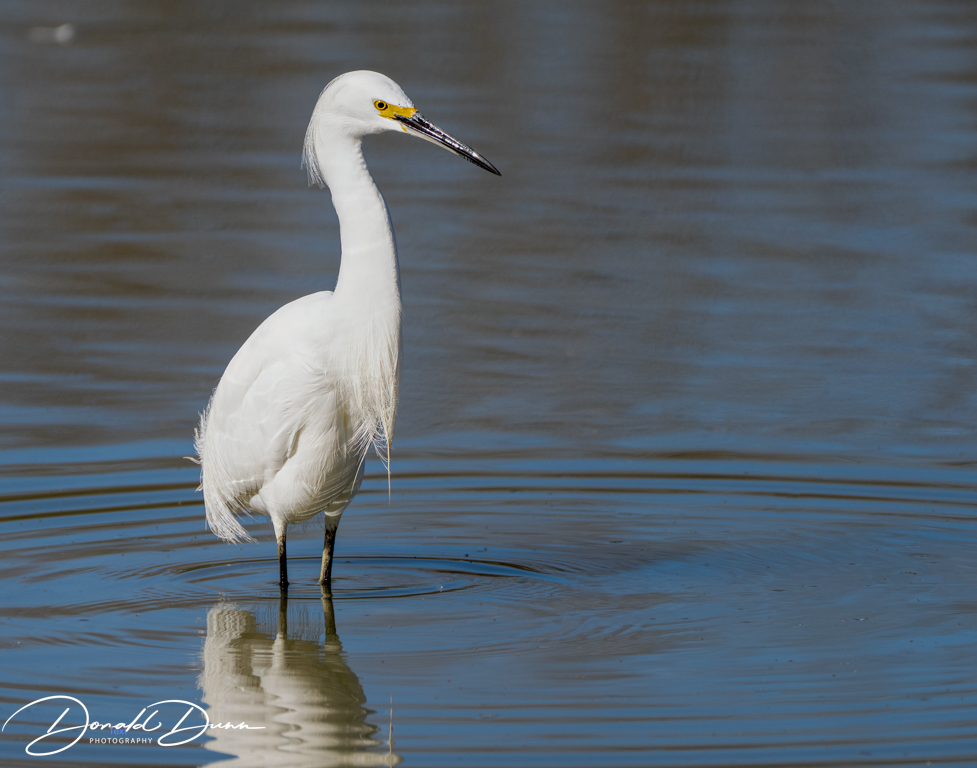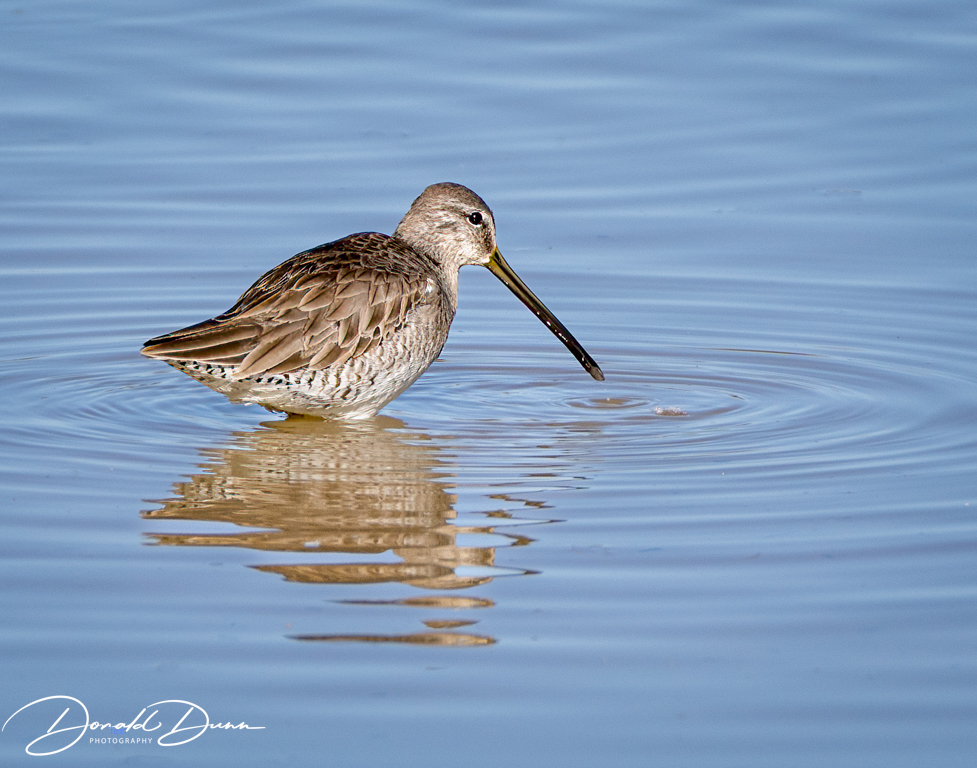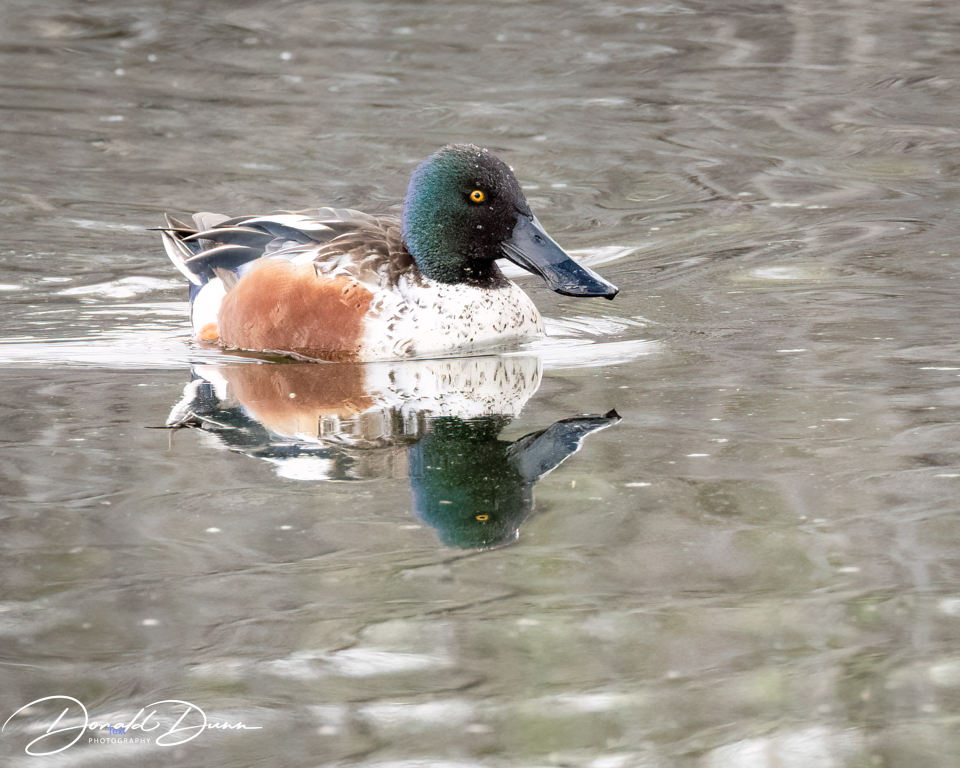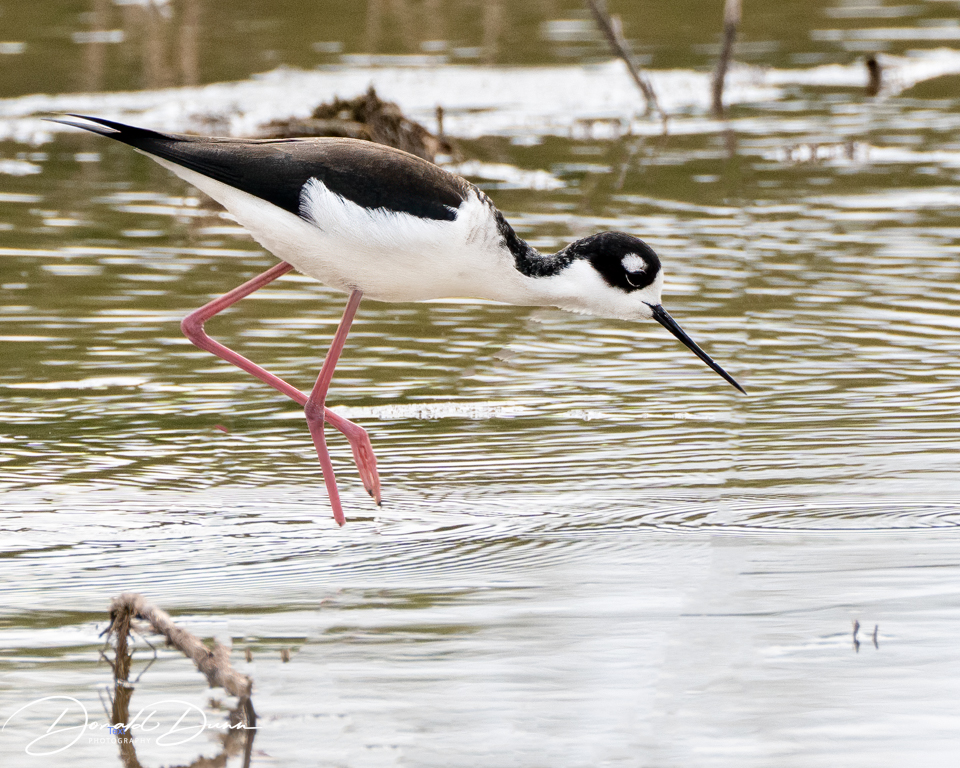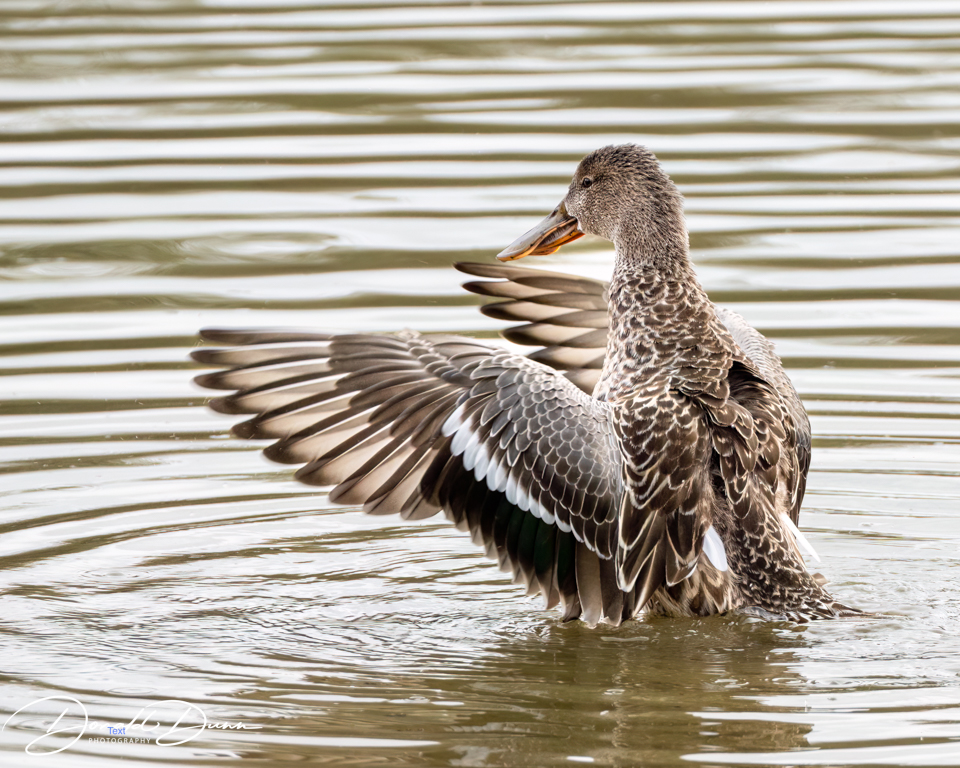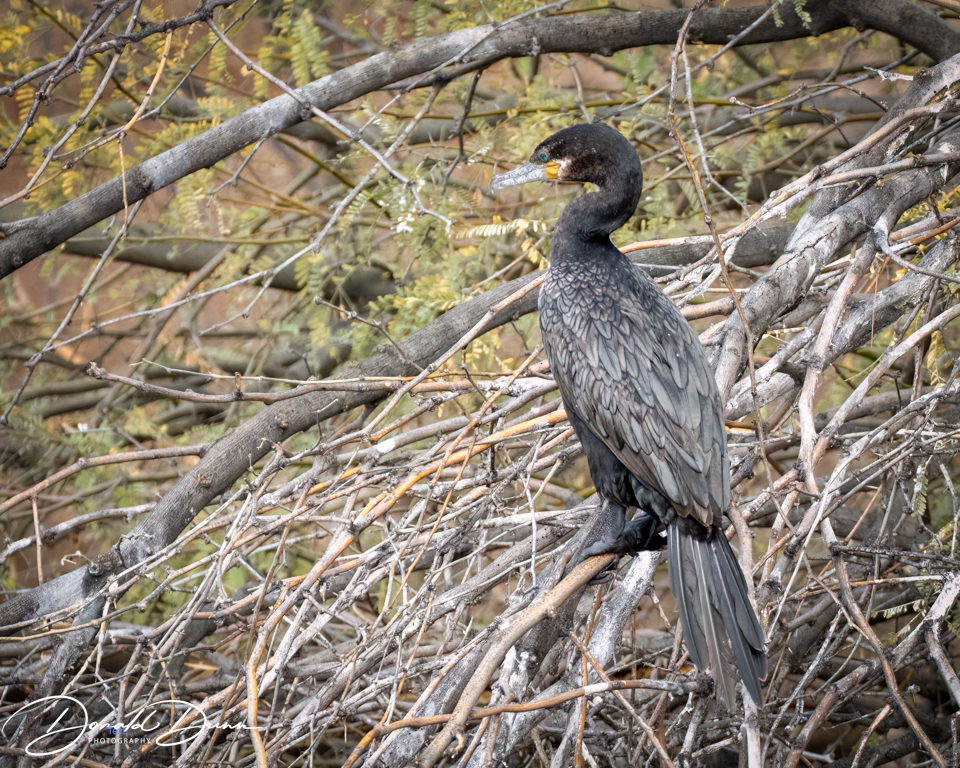
October issued in cooler temperatures, and the days and nights feel heavenly. Kay and I have enjoyed keeping busy (though sometimes it’s a bit too much) with pickleball, golf, grandkids’ soccer, and social activities with a few medical appointments thrown in for good measure. Consequently, there’s not much to report from the Dunns.
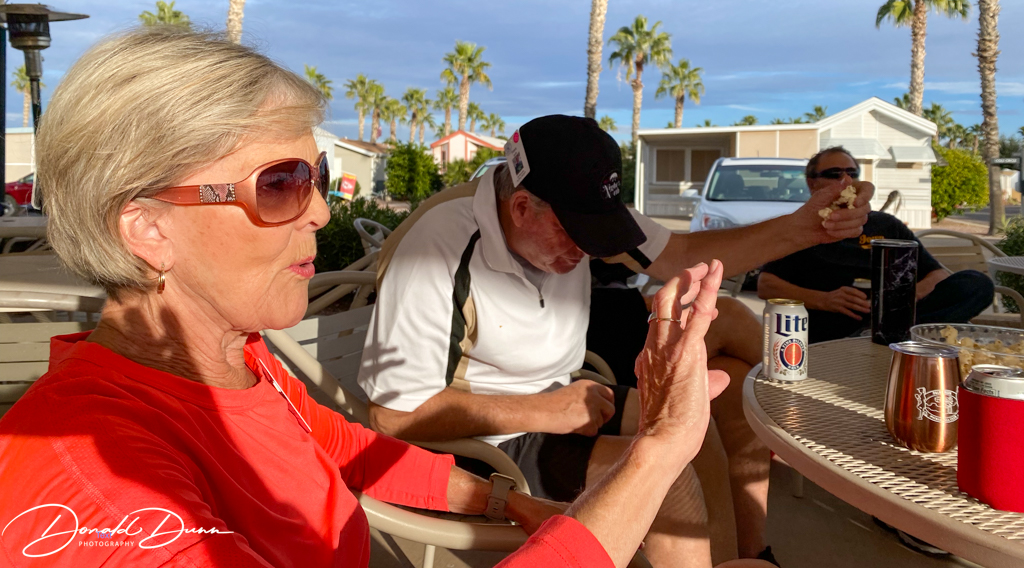
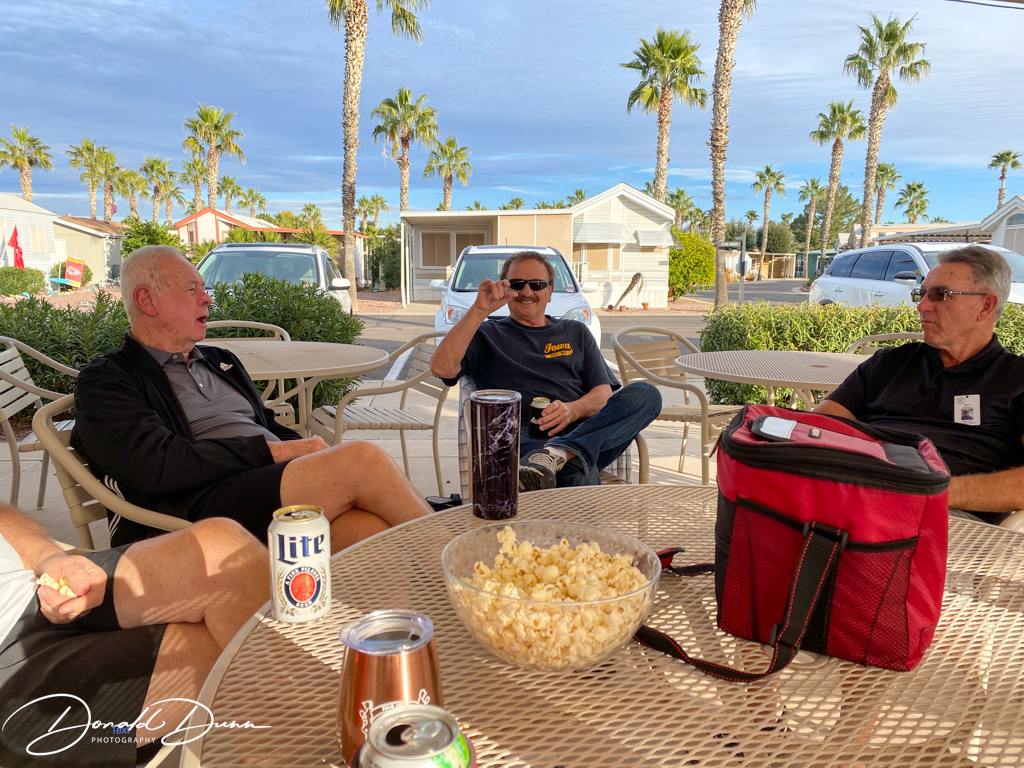
We did host a potluck for past and present Arizona snowbirds from Hot Springs Village on Sunday, October 2. With a couple dozen folks attending, we really enjoyed the food and fellowship. I smoked a couple Boston Butts for Memphis-style pulled pork, and everyone seemingly enjoyed it.
And, I finally matted and framed a photograph of an American Anoe to accompany the Tree Frog photograph in the master bathroom.
American AnoeTree FrogCutting matFinished mat
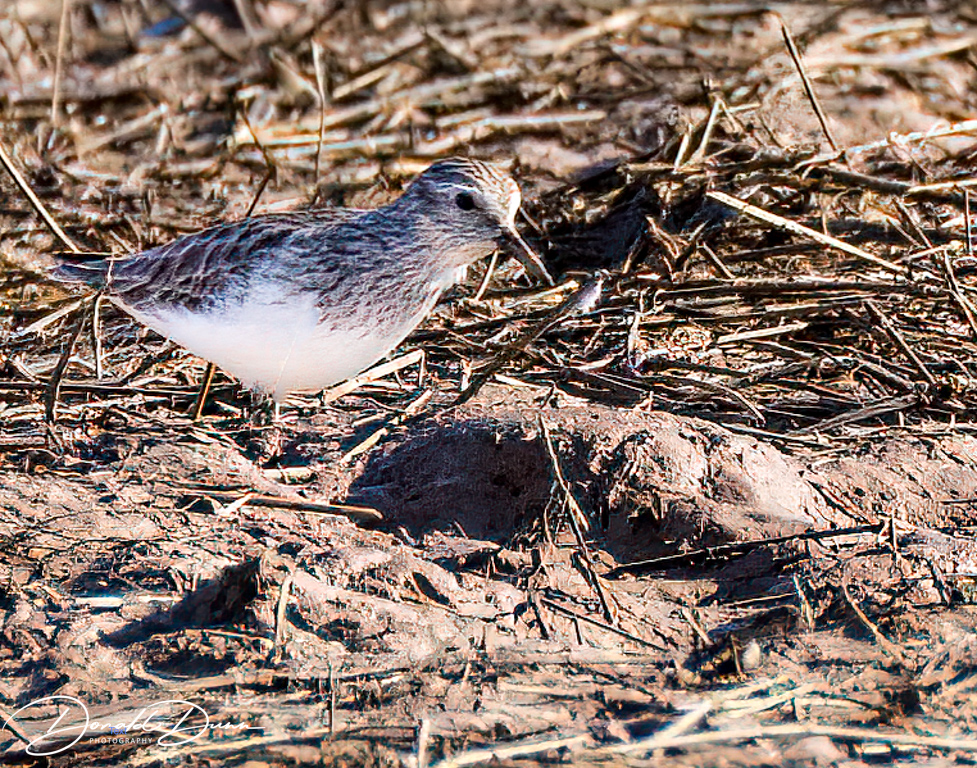
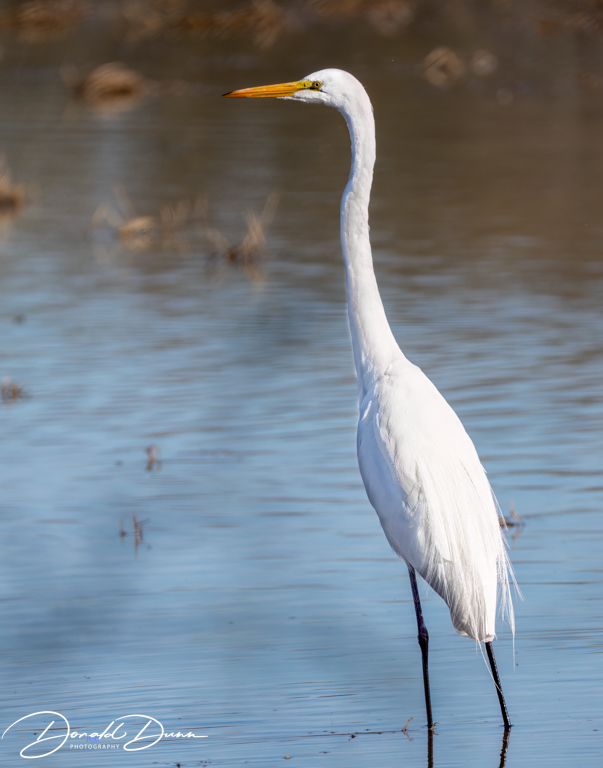
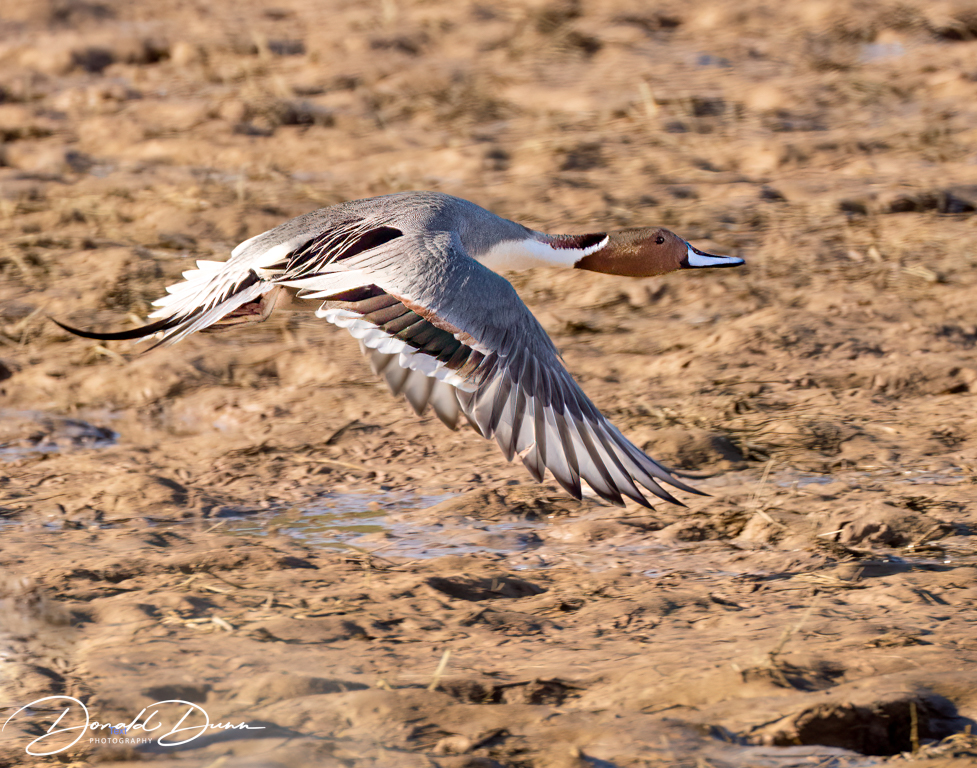
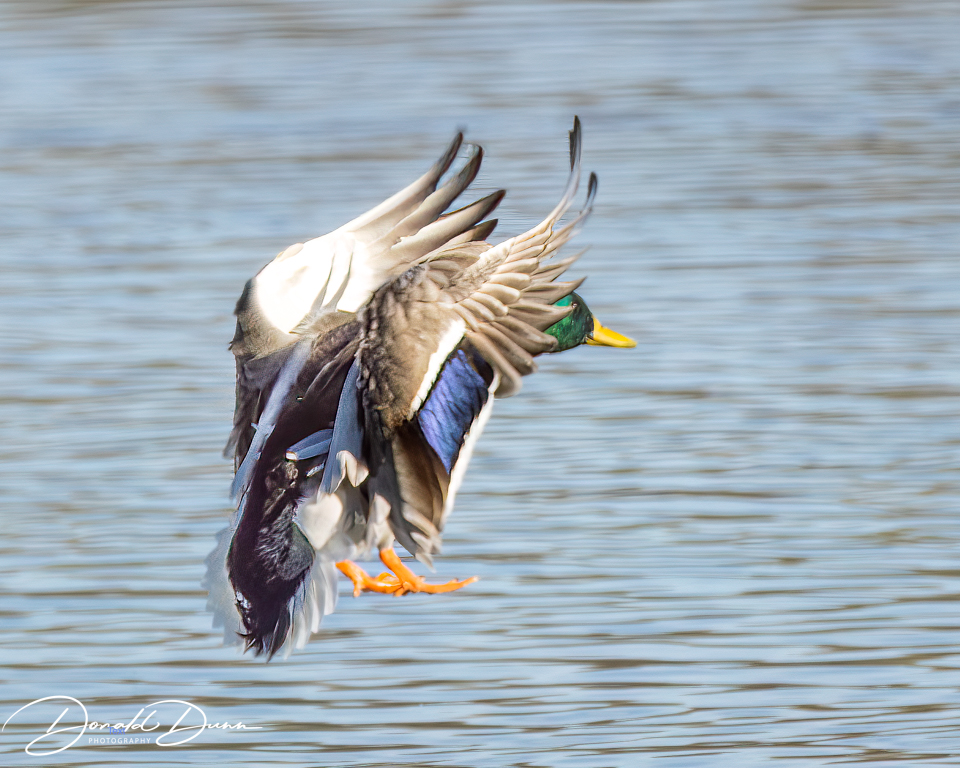
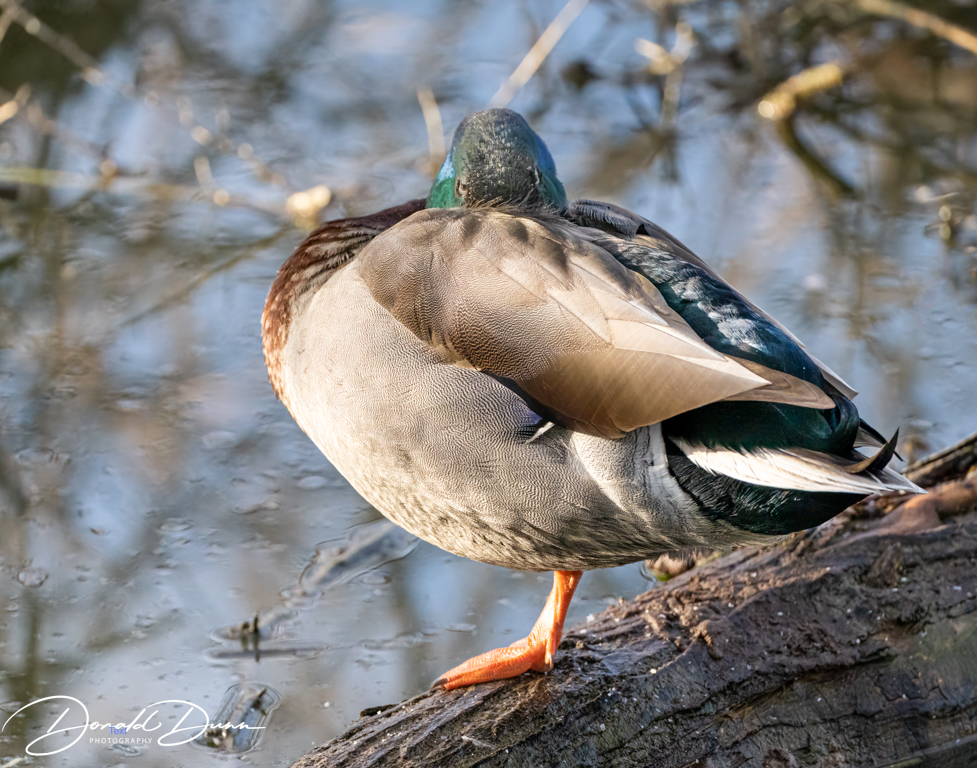
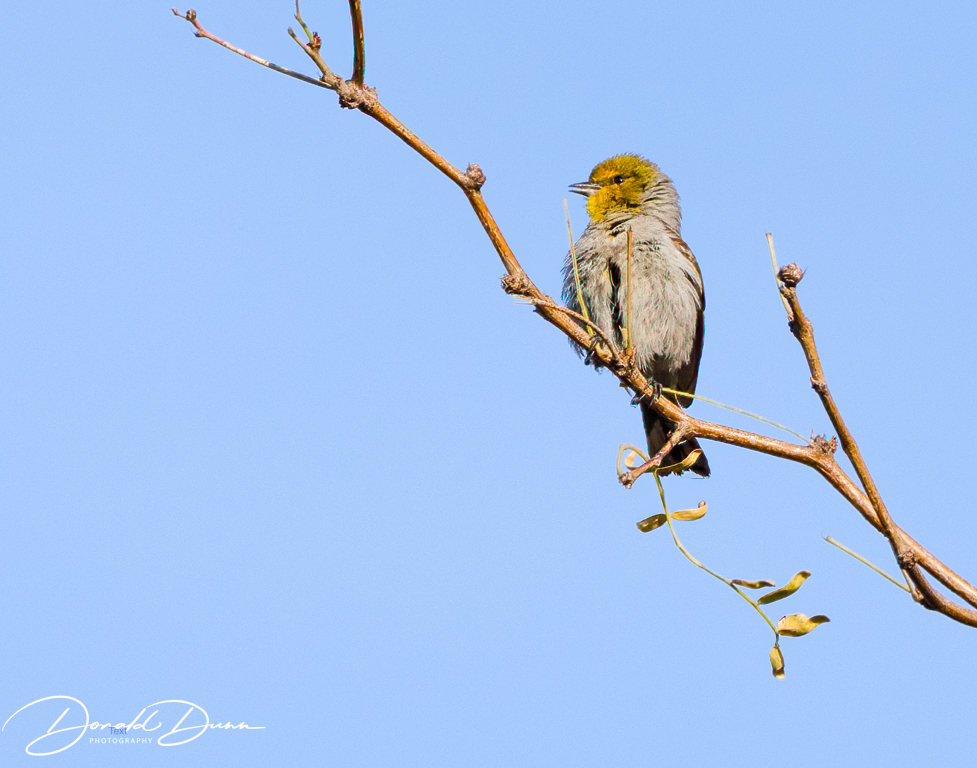
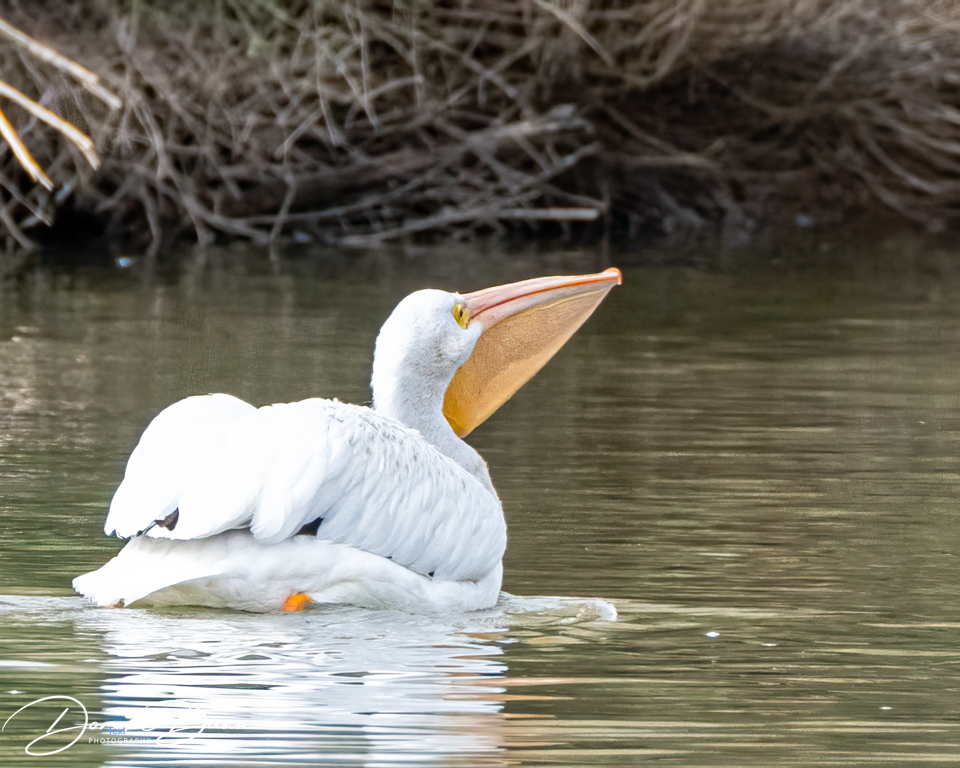
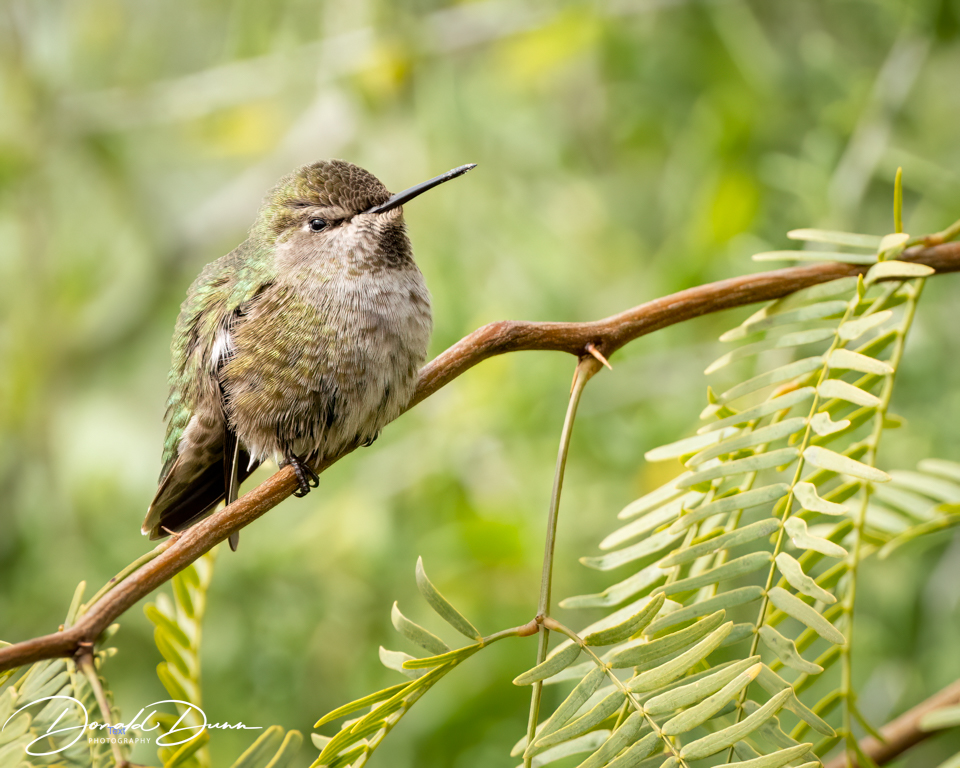
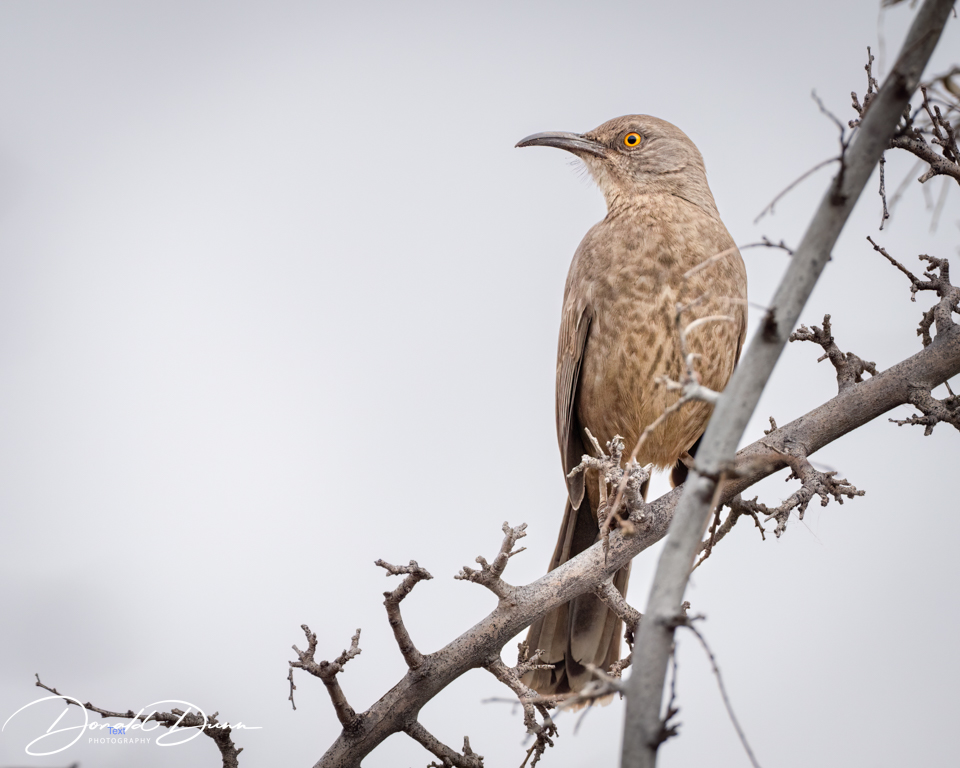
Perhaps it was the cooler temperatures, but we have had an abundance of butterflies and birds, though still significantly below past years’ numbers. One big surprise was the presence of a relatively rare Ocola Skipper. Still, they made for good photo subjects.
These were made Thursday, October 1. Note the relatively rare Ocola Skipper.
While looking for subjects to photograph out in the back yard, it became obvious that we had more butterflies, both in number of species and in shear numbers, pollinating than any other time this year—near heaven for a butterfly chaser.
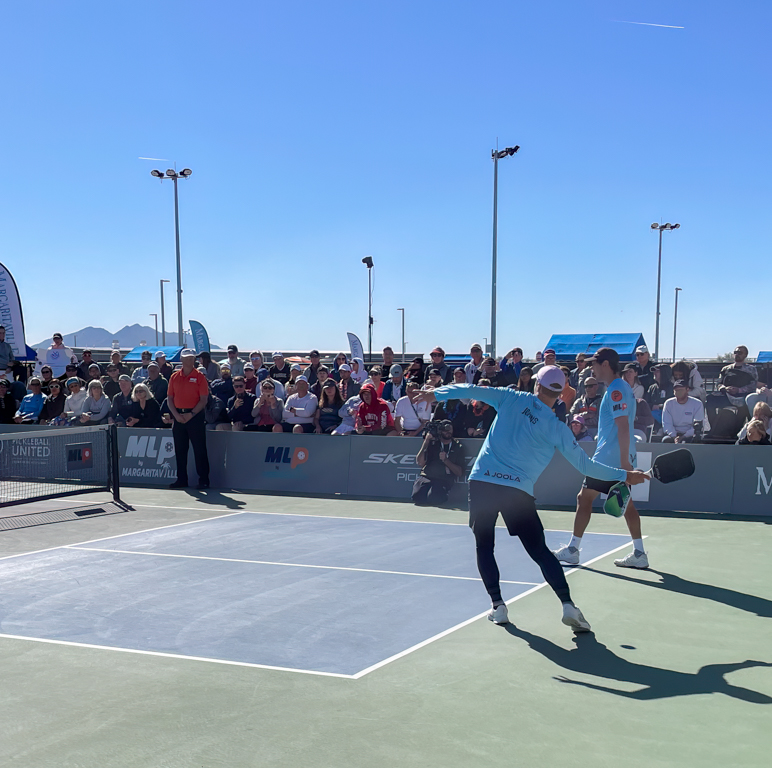
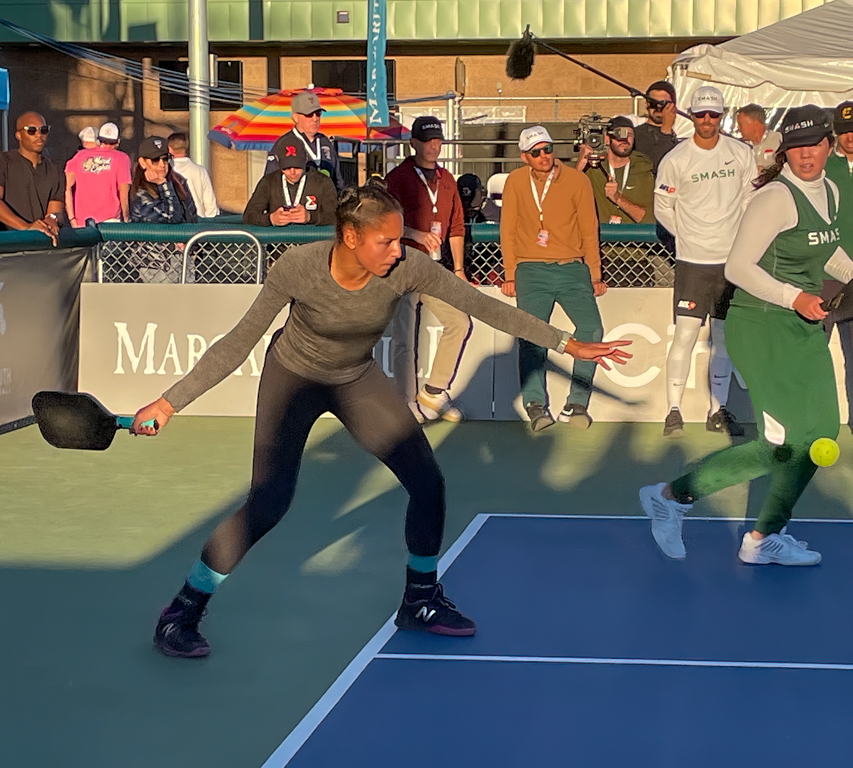
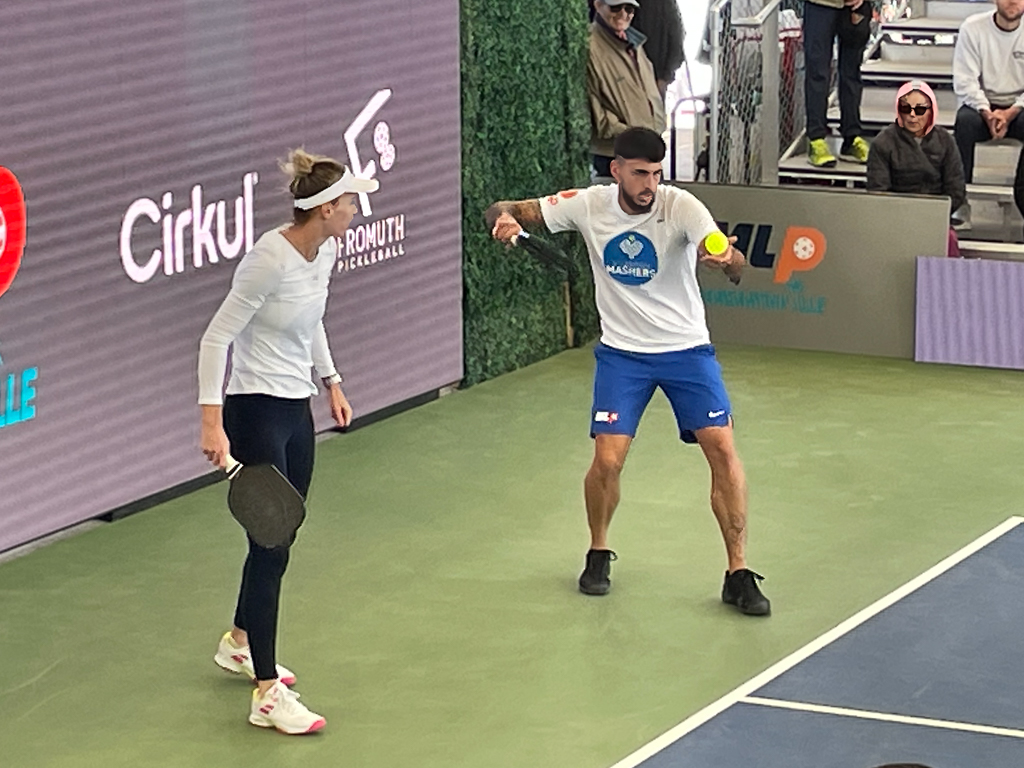
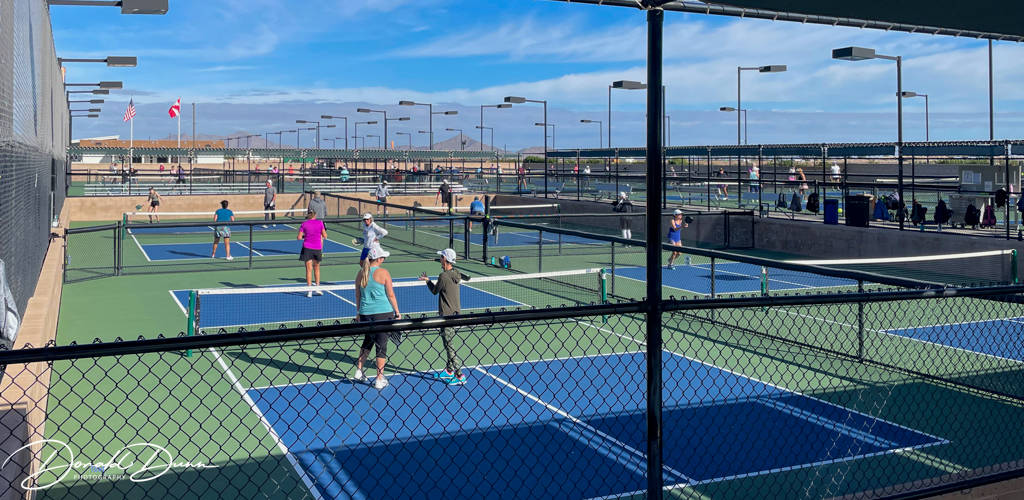
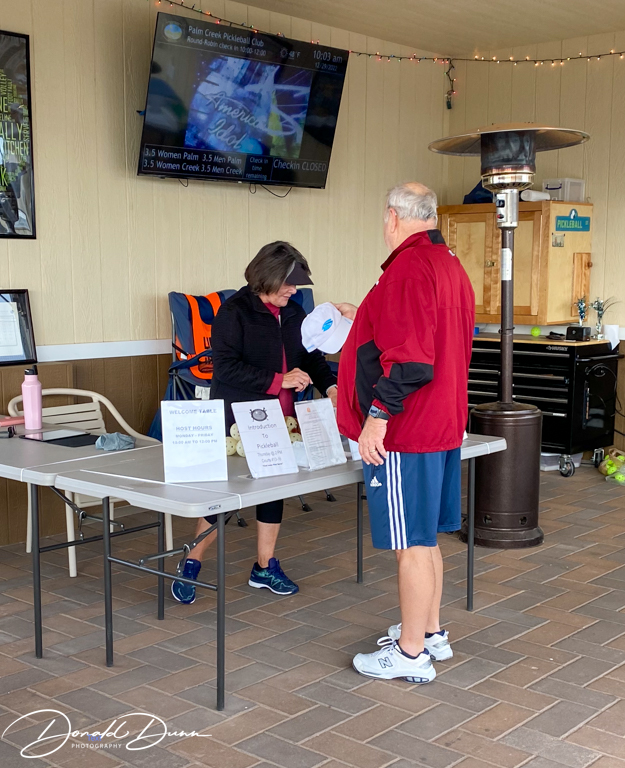
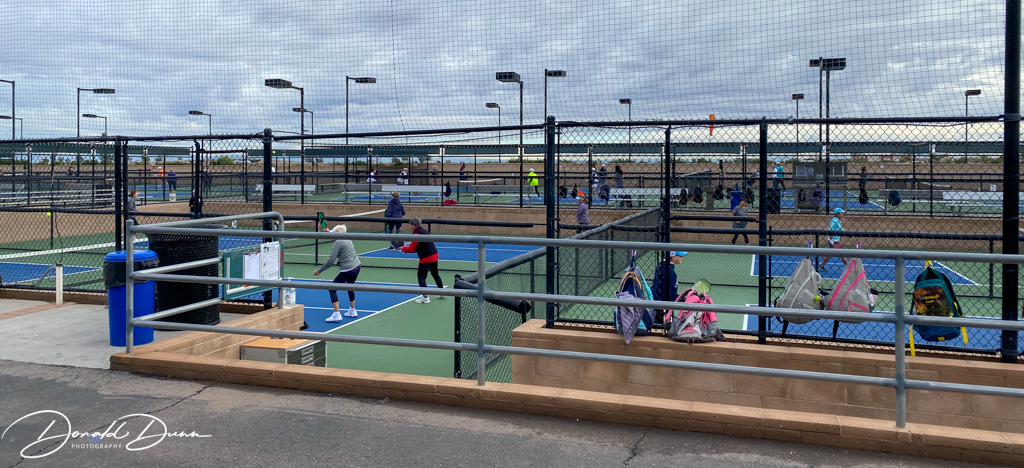
This entry is all about pickleball, or mostly all about pickleball. The first annual Diamante CC pickleball championship occurred on Monday and Wednesday. Monday was for preliminary matches to determine seeds for the championship matches on Wednesday. Both Kay and I played. There was a good crowd and some really good pickleball played.
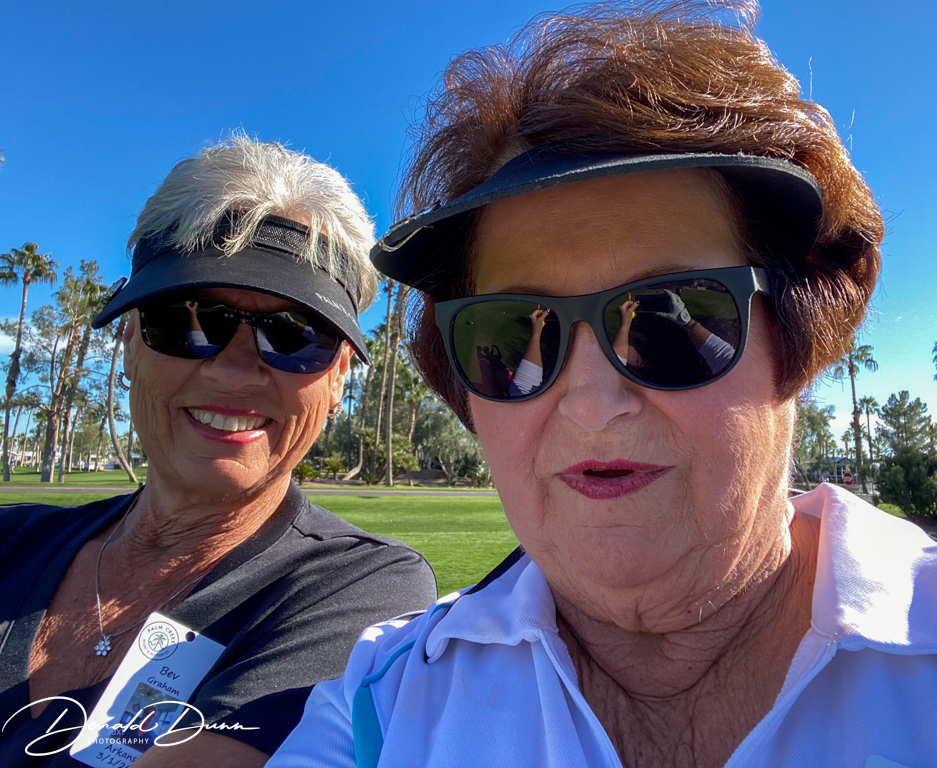
On Monday, Kay first played doubles with tournament co-organizer Paula Hibbs; they were a bit outgunned. In her mixed doubles match, she was paired with tennis great Chuck Hirsch, and while they competed well, could not overcome the excellent play of their competitors. I played mixed doubles paired with Bev Graham, and we managed to win all of our matches, gaining a No. 1 seed! Bev was, as usual, outstanding. Paired with Randy Bergfield in mens’ doubles, we could not match the near errorless games played by the competitors. Nevertheless, it was a grand time.
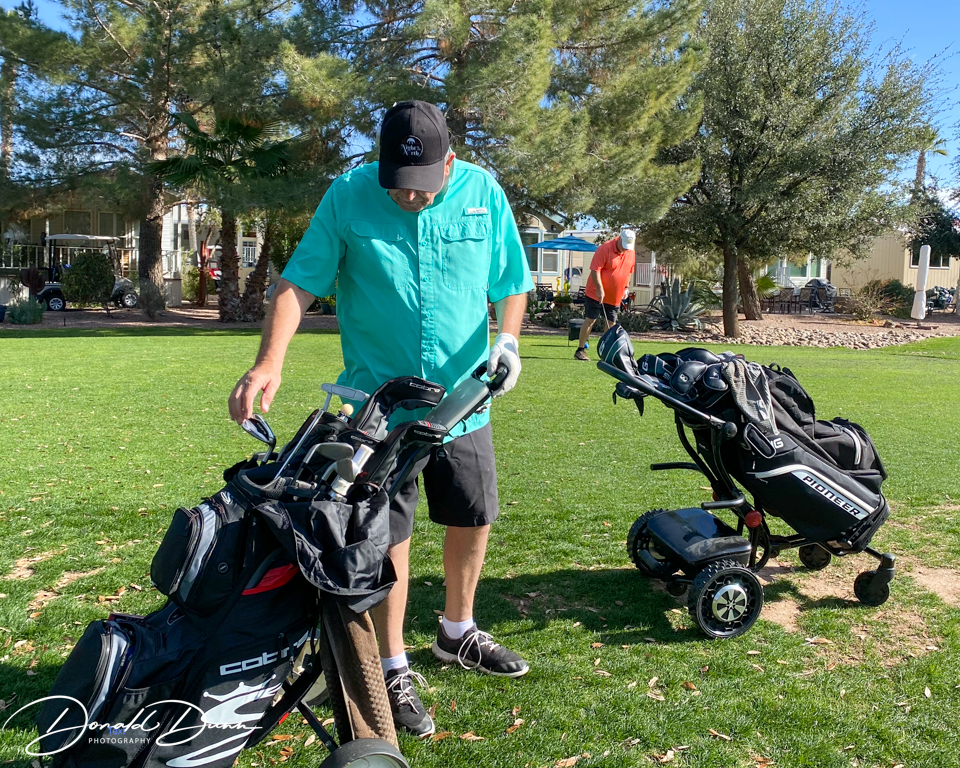
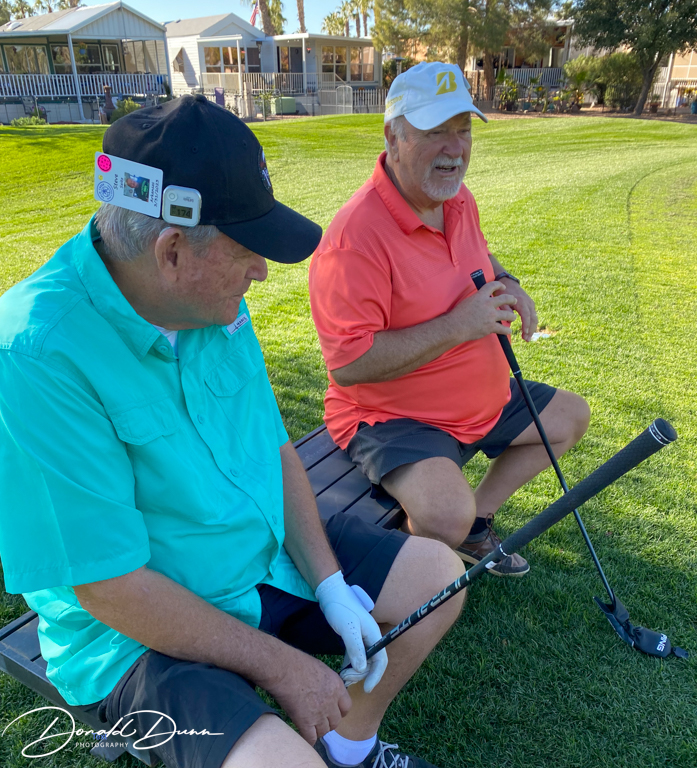
Kay , a glutton for punishment, played pickleball again on Tuesday with her women’s group, and I played golf with the church men’s group. Interestingly, our 4-person golf scramble team won with a 90-year old and a golfer who had never played before.
Wednesday was pickleball championship day at Diamante. Neither Kay nor I did well enough to win in our division.
Here is a list of the winners:
Champions:
Women’s Division: Bev Graham and Cindy Secora
Mixed Division: Clint Atchley and Jeannie Brandeberry
Men’s Division: Peter Julian and Johnny Hibbs
Runners Up:
Women’s Division: Renee Robinson and Stephanie Noblett
Mixed Division: Bev Graham and Donald Dunn
Men’s Division: Chuck Hirsch and Ron Graham
Overall Points Winners:
Women:
Bev Graham 167
Renee Robinson 115
Jen Stout 113
Men:
Peter Julian 130
Ron Graham 129
Donald Dunn 128
Kay played pickleball again on Thursday, and I played golf with our “Arizona” group.
We were without any scheduled events on Friday! With great weather, we played golf together, and had a great time. Both of us tired quickly, though.
The seasonal changes these days don’t represent the images with which we grew up, or at least the timing of seasonal changes. For example, Wednesday’s high temperature was 96°. There was some moderation on Thursday and Friday, but temps are expected to return to the mid-90s Saturday and Sunday.
Kay played golf on Wednesday morning while I played pickleball; we were both soaked from perspiration as a result of high temps and humidity.
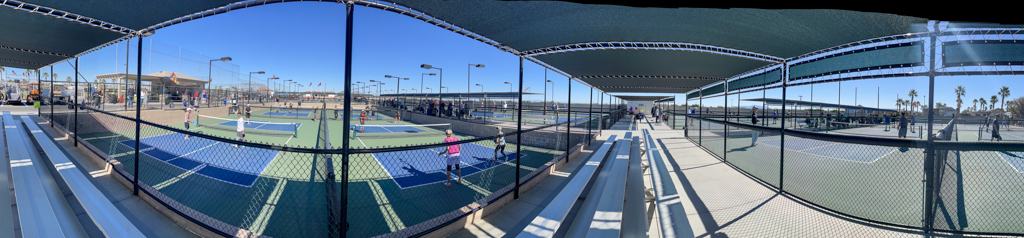
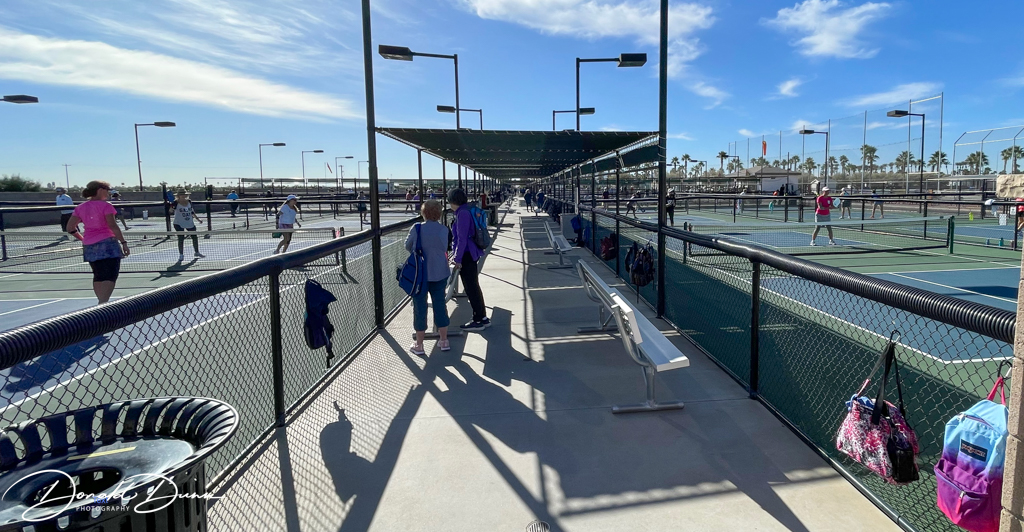
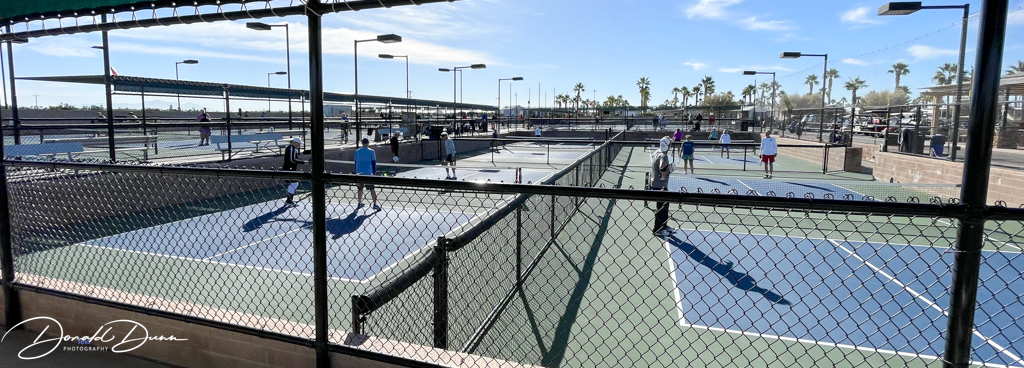
Pickleball at Diamante CC
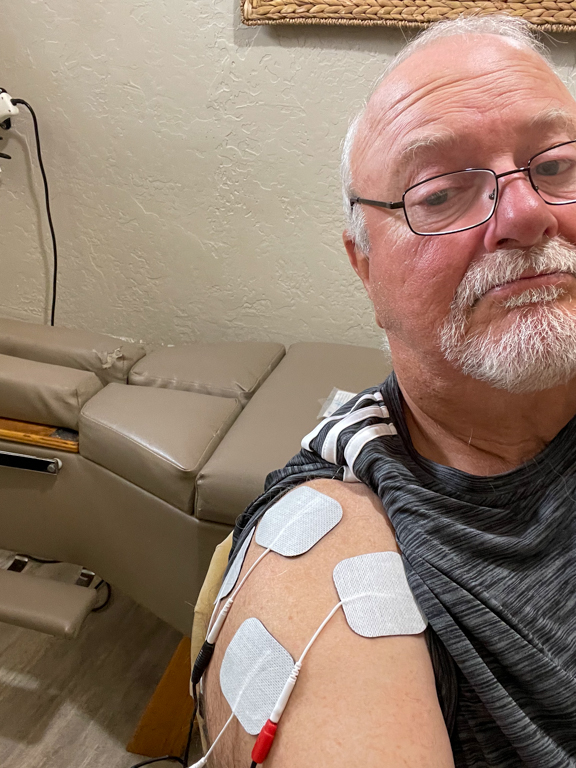
Our church offered flu shots and COVID boosters, and Kay and I took advantage of the service. Sure to form, a reaction to one or both injections began occurring just a few hours later..
Thursday was pretty much a bed/sleep day while experiencing the reaction to yesterday’s injections—fever, slight headache, and joint aches and pains. Fortunately, this time it was only a 24-hour reaction compared to the 48-hour reactions for the previous COVID shots. Kay played pickleball at Diamante; she is improving each day and now banging at the net against her opponents.
Friday, Kay celebrated a milestone birthday. She and Karyn spent most of the day together, shopping and having lunch with Ron and Cheryl. Afterward, we had dinner with Karyn, Matt, Ridge, and Aker at Texas Roadhouse in Benton. To celebrate her birthday, the server brought out a full size saddle, and Kay rode for the entire eight seconds! Yee Haw. (No photos of this milestone event were made!) I did manage to get a few shots in the yard.
Saturday, we worked on the sprinkler system, changing sprinkler heads and clearing debris from the lines. I also took a few photographs in the back yard. Interestingly, birds flocked to the sprinkler as we tried it out.
American GoldfinchAmerican Goldfinch “Singing in the Rain”American GoldfinchRuby-throated HummingbirdRuby-throated HummingbirdCarolina Chickadee
Most of Saturday afternoon was spent in Maumelle, attending Ridge’s soccer game. Because of lightning, it was called at halftime, to be continued in the future.
We both took it easy on Sunday. We did play pickleball in preparation for the upcoming Diamante CC championship. The seriousness of the game increased, and some good pickleball was played. We resumed Sunday night social bridge with Jim and Jackie, and of course, Kay came in first and I came in third, out of four!
We settled into a rhythm the last couple of weeks, not doing nor experiencing anything out of the ordinary, but continuing a busy Hot Springs Village lifestyle—same old, same old (SO, SO).
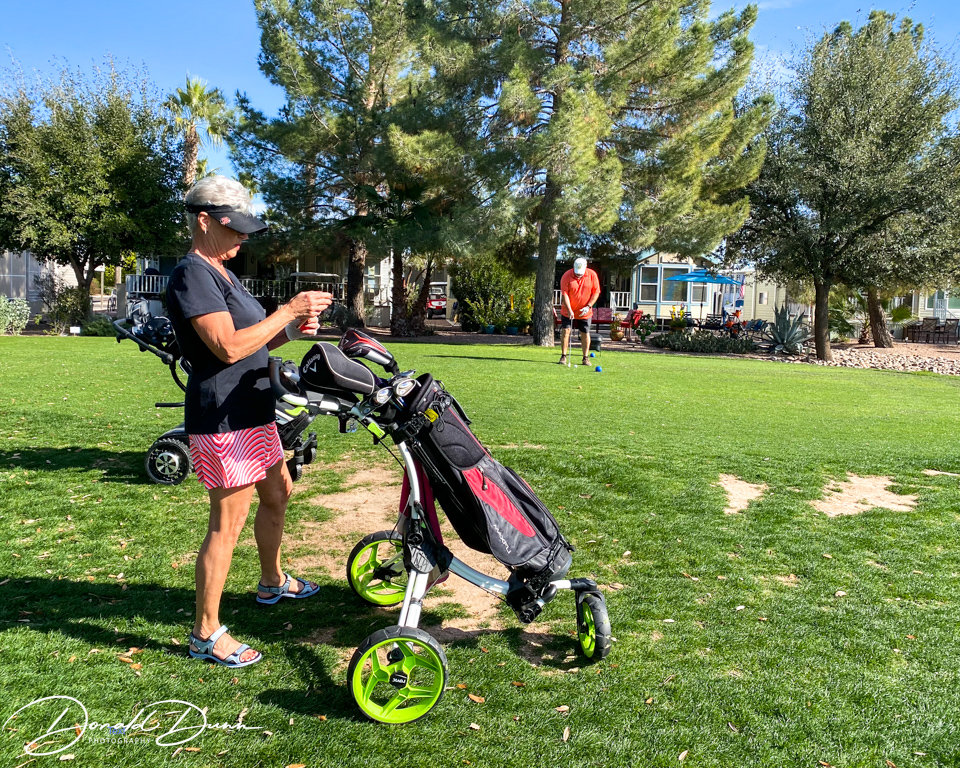
Our weekly schedule included church and pickleball on Sunday, pickleball and golf (for me) on Monday, pickleball and golf (again, for me) on Tuesday, pickleball (sometimes twice) and golf (for Kay) on Wednesday, pickleball and golf (for me) on Thursday, “gardening” on Friday, and grandkids’ soccer on Saturday. And of course, church and social board meetings occur nearly every week. Kay’s pickleball game is steadily improving, whereas my golf game is steadily declining!
Tuesday golf with COHUMC men
We are really enjoying pickleball at Diamante, despite the “awkward” courts; they have a bit of tilt, but play just fine. And, we have met the nicest folks there—a real blessing—though most are some 10+ years our junior. A special thanks goes to Jen Stout for organizing our Diamante pickleball play.
Wednesday morning pickleball at DiamanteWednesday morning pickleball at Diamante Wednesday morning pickleball at Diamante
I did get out to make a few photos in the back “yard” here in Hot Springs Village during a few walk arounds. Butterflies were in short supply, and have been all summer; it has been disappointing to say the least.
Least Skipper (about the size of a little finger fingernail)Red-spotted PurpleRed-spotted Purple
There are still a few dragonflies around, though it’s the same few species; they seem to be smaller as the season comes to an end.
Some wildflower blooms are appearing in wet areas adjacent to our place in Hot Springs Village. Arrowhead plant tubers were made into a decoction for treating indigestion, rheumatism, or as a diuretic for urinary and kidney ailments. The tubers were also used as a poultice for treating wounds and sores. Headaches, Alzheimer’s, tuberculosis, and blood sugar control are other reported uses.
Arrowhead plantMexican PrimroseMistflower
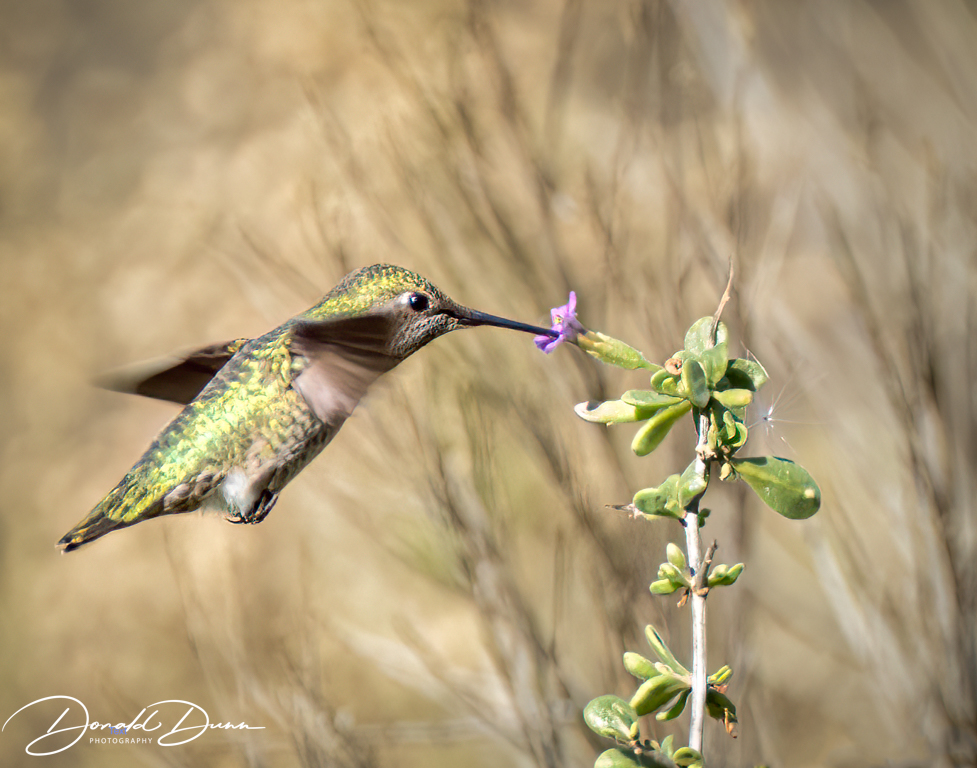
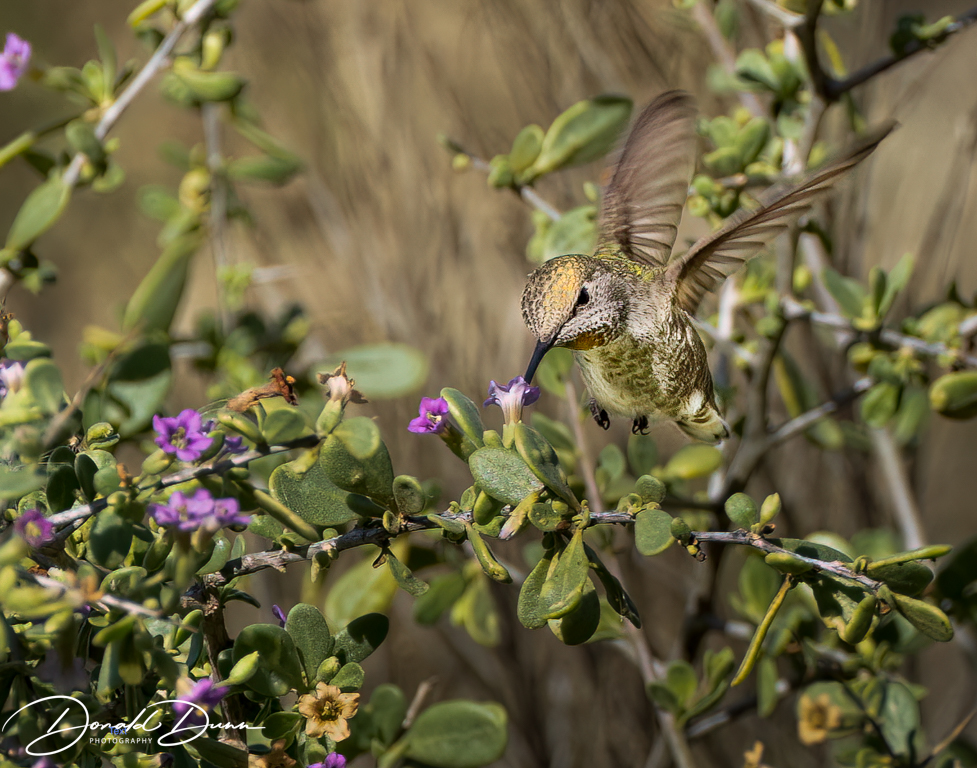
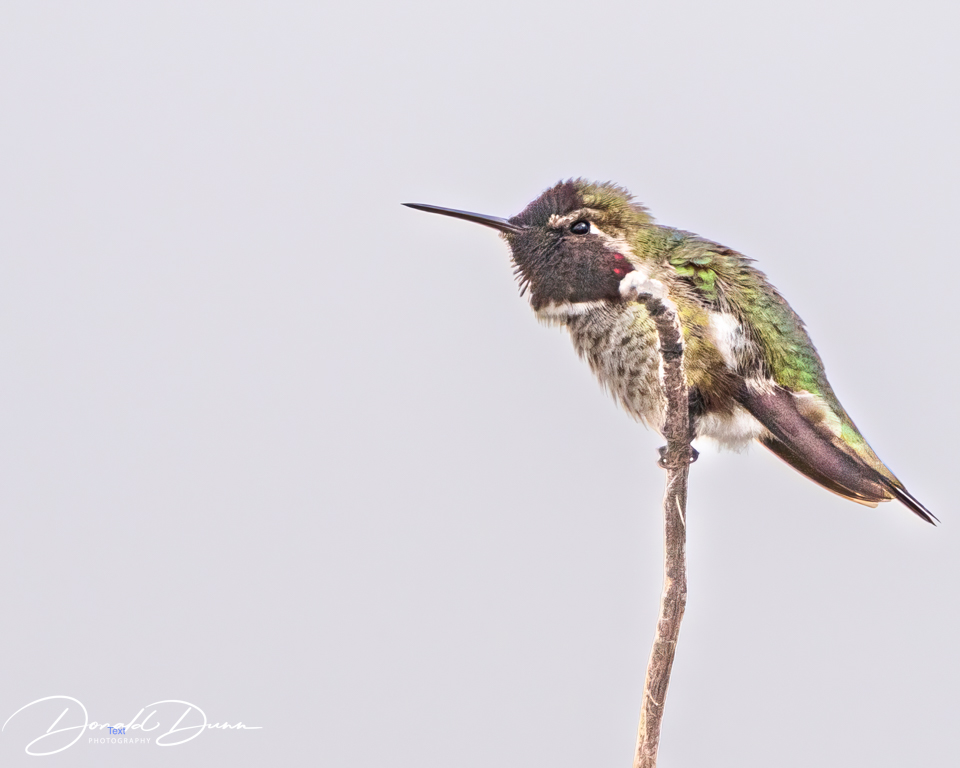
Even a few hummingbirds are nectaring at the feeders, though they are really skittish.
Immature male Ruby-throated Hummingbird Immature male Ruby-throated Hummingbird Male Ruby-throated Hummingbird
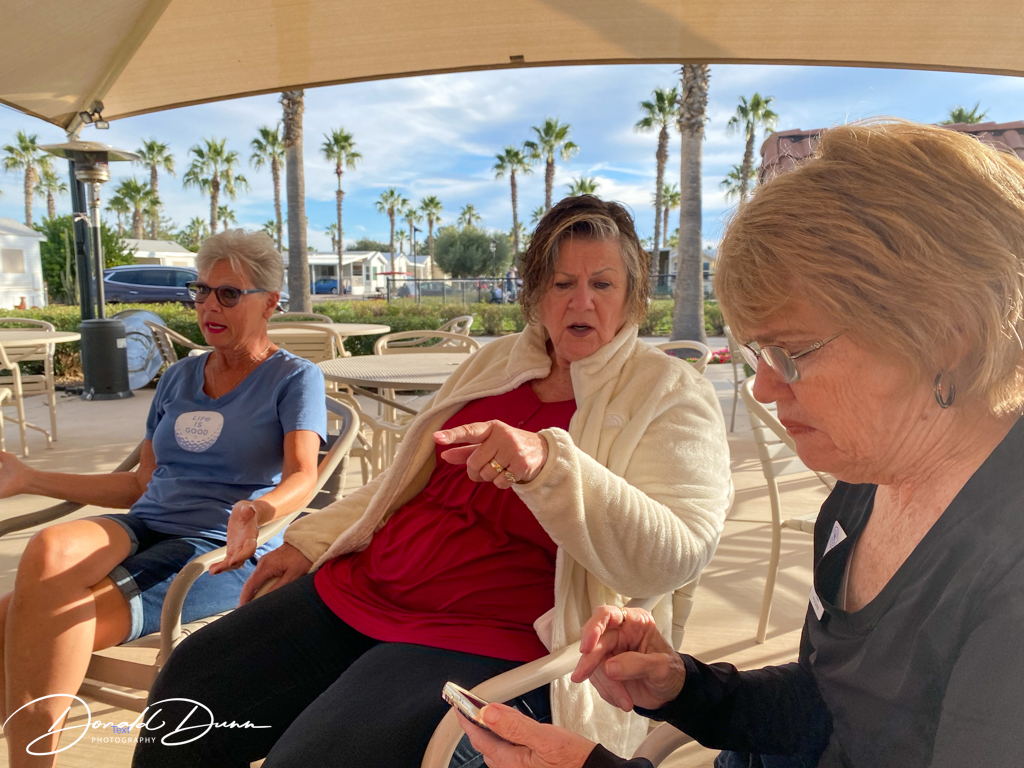
Kay and I celebrated our 22nd anniversary with drinks and dinner at the Diamante Country Club. It’s been a great run with lots of travel, fun, and a few heartaches during our 22 years; we “lost” all three of our remaining parents, “lost” one brother and sister, saw three kids’ marriages and two divorces, and had five grandkids born during this time. Yes, we are blessed.
Saturday was a down day, i.e. a day of rest. We did very little. There were no butterflies, only a few dragonflies, and the hummingbirds would not cooperate, thus no photos.
After church on Sunday, we met the Hartmans for brunch at Diamante, and the club has definitely upped their game food wise. The brunch was quite good. Kay and I had looked forward to pickleball Sunday afternoon, but most of the regulars participated in a golf tournament at Diamante. An afternoon nap and more rest was the order of the afternoon for me while Kay and Pam visited the casino until mid-evening.
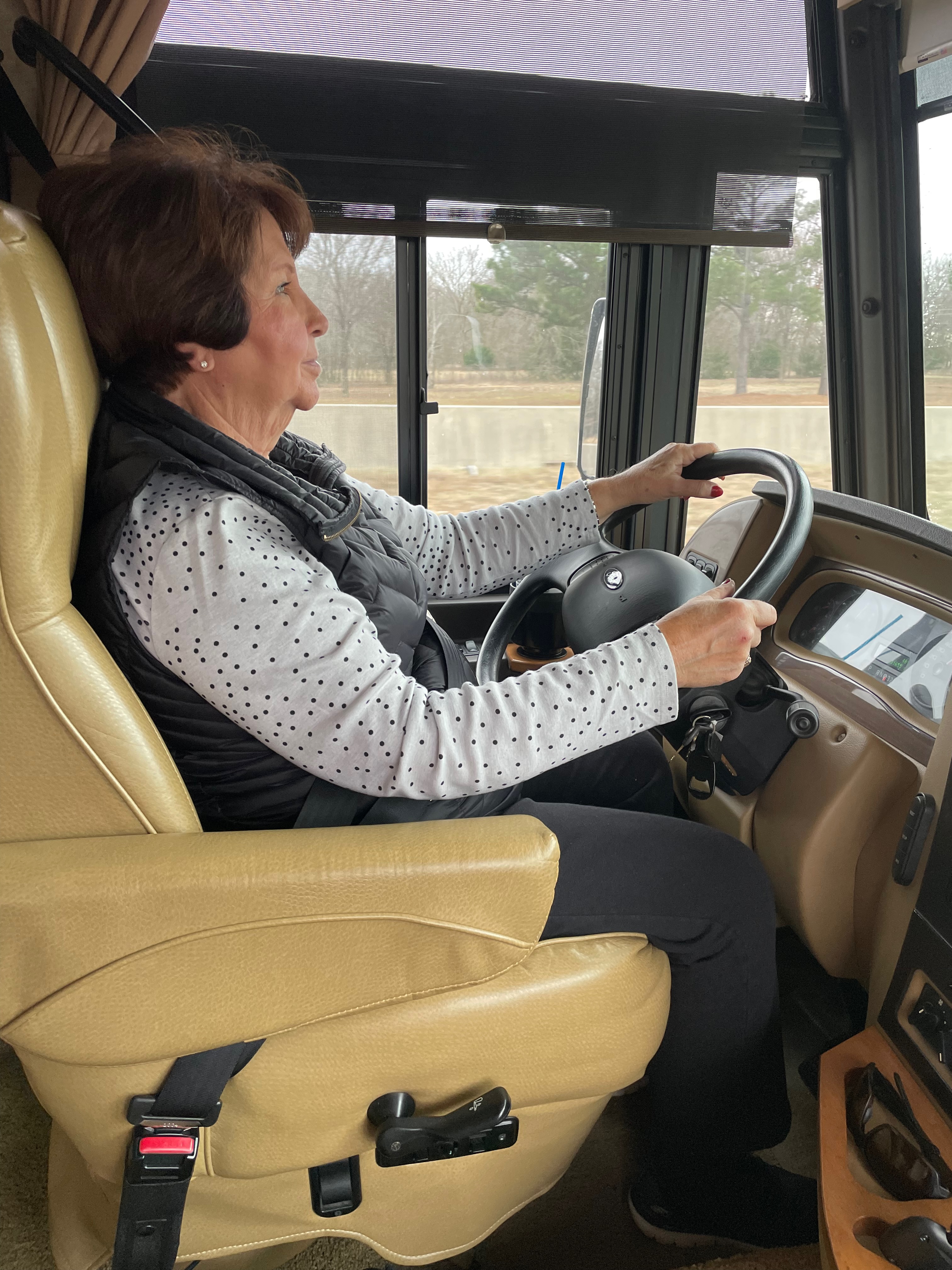
Creede, Colorado, was in our rearview mirror by 8 o’clock on Wednesday morning. A brief stop was made in Alamosa for a quick car wash to remove the dust and dried mud from the Creede roads. Another stop was made further east for gasoline, and after a 4-hour drive we arrived at Capulin National Monument.
Capulin Volcano National Monument is an extinct volcano in northeastern New Mexico about 25 miles southeast of Raton. It was established in 1916 as Capulin Mountain National Monument, its boundary changed in 1962, and it was renamed in 1987. The monument contains the cinder cone of Capulin Mountain. The volcano became active about 62,000 years ago and last erupted some 56,000 years ago. The symmetrical cinder cone reaches an elevation of 8,182 feet and rises more than 1,300 feet above the surrounding grass-covered plains; its base is surrounded by lava flows. The volcano’s rim is accessible by a spiral road, and there are hiking trails inside the rim.
Capulin Volcano Cinder ConeLooking into the Capulin Volcano caldera
From there we drove generally east to Shawnee, Oklahoma, where we overnighted. We were both tired and slept well.
On Thursday, we finished the drive home, arriving near noon. The car was unloaded, we unpacked, and I washed and semi “detailed” the car while Kay rearranged outside plants. All’s well, and we’re glad to be home.
Our last day in the Creede, Colorado, area was used to complete our list of “things to do.”
After partially filling up with gasoline, our first stop was at “The Clay Mine” just west of Creede. The Marshall Mine is a bentonite mine and has a brief but interesting history as a gold and silver mine during the Creede Gold Rush. From 1890 to roughly 1920, the bentonite clay in the mine was thought of to be nothing but a hinderance in punching into the hard rock. There were no significant reports of gold and silver from the mine at the time, but it was worked until it was abandoned in the early 1920s, leaving behind buildings and the current ore bin. In 1928, the mine was purchased and reopened as a clay mine. There is one entrance to the mine that has collapsed and the total workings of the mine are relatively unknown. The value in this claim lies in the established value of the bentonite ore, which can be mined commercially at a great profit. Additionally, the claim owner could re-open the old workings to discover what minerals were actually being mined and what the potential value of those minerals might be.
The Clay Mine
After a few photographs of “The Clay Mine,” the drive took us west to the Rio Grande Reservoir Road, also known as Forest Service Road 520. The road leads from the Silver Thread Byway (Colorado State Highway 149) toward Stony Pass.
Along Rio Grande Reservoir RoadRio Grande River
The first 19 miles are accessible by 2-wheel-drive vehicles. Beyond that first 22 miles, a four-wheel drive vehicle is needed to take the rest of the road through Timber Hill, over Stony Pass, and down into Silverton.
Rio Grande Reservoir Road
After many potholes, rutted lanes, and more than a few washboarded areas, we passed Road Canyon Reservoir (actually two reservoirs, one upstream of the other0. The Road Canyon Reservoir was built at 9,725 feet in elevation, damming the Rio Grande River. It is part of a three-lake system (along with the Rio Grande Reservoir) that was constructed to provide the San Luis Valley with water for irrigation.
Road Canyon ReservoirRoad Canyon Reservoir
The drive continued on the Rio Grande Reservoir Road to the Rio Grande Reservoir. The road was gnarly, with steep drop-offs several hundred feet above the reservoir and no guard rails. Built between 1910 and 1914 by the San Luis Valley Irrigation District Rio Grande Dam is an earth and rock fill dam 111 feet high and 550 feet long. Long and narrow, the Rio Grande Reservoir is the third-highest major reservoir in Colorado at an elevation of 9,400 feet and contains 51,110 acre-feet of water.
Kay’s aching knee kept her from sleeping soundly last night, but I slept great. We were up relatively early, read emails and the paper, and viewed a bit of social media. Today was our last pickleball day in Creede. There were almost twenty people signed up to play, including several newcomers. We played off and on for almost three hours before calling it quits.
Robben, far left, 97 years oldLou and Robben vs Joyce and Dixie
We took home a couple of “senior” meals from the Creede Recreation Center, aka the Virginia Christensen Multi Use Facility, the same place where we played pickleball. The senior meals consist of a meat and two vegetables, cost $3 each, and are quite good. The rest of the day was spent quietly enjoying the sunshine and cool temperatures.
Now, more about Creede, Colorado, from Wikipedia. Travelers to this area appeared in the early 19th century. Tom Boggs, a brother-in-law of Kit Carson farmed at Wagon Wheel Gap in the summer of 1840. The first silver discovery was made at the Alpha mine in 1869, but the silver could not be extracted at a profit from the complex ores. Ranchers and homesteaders moved in when stagecoach stations (linking the mining operations over the Divide with the east) were built in the 1870s, but the great “Boom Days” started with the discovery of rich minerals in Willow Creek Canyon in 1889.
Creede was the last silver boom town in Colorado in the 19th century. The town leapt from a population of 600 in 1889 to more than 10,000 people in December 1891. The Creede mines operated continuously from 1890 until 1985, and were served by the Denver & Rio Grande Railroad.
The original townsite of Creede was located on East Willow Creek just above its junction with West Willow Creek. Below Creede were Stringtown, Jimtown, and Amethyst. The Willow Creek site was soon renamed Creede after Nicholas C. Creede who discovered the Holy Moses Mine. Soon the entire town area from East Willow to Amethyst was called Creede.
Numerous owners of gambling houses in Denver relocated to Creede’s business district. One of these was confidence man Jefferson Randolph “Soapy” Smith. Soapy became the uncrowned king of Creede’s criminal underworld, and opened the Orleans Club. Other famous people in Creede were Robert Ford (the man who killed outlaw Jesse James), Bat Masterson, Frank James, Martha Cannary (“Calamity Jane”) and her pal Poker Alice, and William Sidney “Cap’ Light (the first deputy sheriff in Creede, and brother-in-law of Soapy Smith), all of whom gave the town its reputation as one of the wildest camps in the state.
On June 5, 1892 a fire destroyed most of the business district. Three days later, on June 8, Ed O’Kelley walked into Robert Ford’s makeshift tent-saloon and shot him dead. The town of Creede was incorporated on June 13, 1892. The anti-gambling movement in Denver had ceased, and the Denver businessmen moved back to their former areas of operation.
Creede’s boom lasted until 1893, when the Silver Panic hit the silver mining towns in Colorado. The price of silver plummeted, and most of the silver mines were closed. Creede never became a ghost town, although the boom was over and its population declined. After 1900, Creede stayed alive by relying increasingly on lead and zinc in the ores. Total production through 1966 was 58,000,000 troy ounces of silver, 150,000 ounces of gold, 112,000 metric tons of lead, 34,000 metric tons of zinc, and 2,000,000 metric tons of copper.
Today, Creede is best known for the Creede Repertory Theater, summer home to wealthy Texans, fly fishing, and jeep trails.
Today, we traveled south to South Fork, then west to near Wolf Creek Pass. The target destination was the Big Meadows Reservoir.
Our goal today was to hike the Big Meadows Reservoir Trail. The trail is a 2.8-mile loop trail around the alpine reservoir.
Big Meadows Reservoir Trail from Alltrails
This trail had it all. Beautiful lake views…
Wetlands and beaver dams…
And even a waterfall…
Kay easily out hiked me today, keeping a steady pace, despite a few downed trees crossing the trail—adding to its charm.
Kay on the Big Meadows Reservoir Trail
Wildflowers, wild berries, colorful mushrooms, and butterflies were plentiful. There were a few downed trees crossing the trail, but that added to its charm. These wildflowers were plentiful along the alpine lakeshore.
It’s awfully hard to resist photographing mushrooms, and there were many shapes and sizes along the trail.
Mushrooms along the trail
Even a few butterflies were puddling in wet areas, and one would occasionally remain still enough in the wind to photograph.
This squirrel watched us for several minutes.
About a half mile from the end, we got caught in a thunderstorm and light rain, and of course we didn’t bring rain jackets!
It rained hard on the way back to the cabin, with hail completely covering the ground in the Creede area. At the cabin, we doctored sore knees and rested weary bodies. Kay drove into Creede and picked up a couple small pizzas which we enjoyed while watching our favorite YouTube videos.
It rained lightly all day Friday, negating any outdoor activities or photography. Late Friday evening, we attended an Improv Comedy Show in Creede, part of the Creede Repertory Theater summer program. It was only “so so.”
After a late start Saturday morning, we drove the Silver Thread Scenic Byway west to Lake City, stopping on the way to photograph some interesting landscapes.
Among the landscapes was the Slumgullion Earthflow National Natural Landmark. It is a rare example of an earthflow, called mass wasting, was/is a slow moving landslide. About 700 years ago, an area of Mesa Seco, composed of partially decomposed volcanic rock, slid down the mountain and blocked the Lake Fork of the Gunnison River, creating Lake San Cristobal. A second earthflow has been moving continuously for about 300 years over older stable rock. It moves at a rate of about 23 feet per year.
Slumgullion Earth Flow
There were also a number of wildflowers blooming at the higher elevations, and even a butterfly was spotted.
The only butterfly photographed
Arriving in Lake City just after lunch, we stopped by the Southern Vittles where we had a delicious lunch last week. I had catfish and Kay had chicken strips. The catfish was not edible—too much dark flesh giving the fillet a bad taste. Kay’s chicken strips were really good. After lunch, Kay witnessed a shooting; actually, it was a reenactment of an old west gunfight.
And then, we wandered through the staging grounds (Lake City’s Town Park) for the finish of the Lake City Alpine 50. The Lake City Alpine 50 is an epic, 50-mile, alpine endurance bike race involving around 6,000 feet of climbing. The race includes cycling over both the 12,640 foot Cinnamon Pass and the 12,800 foot Engineer Pass, before making a nearly nineteen-mile fast descent along Henson Creek, and then back to Lake City to finish the race.
Finish line, Lake City Alpine 50
The Lake City National Historic District covers about 142 acres of land in more than 34 blocks and additions, making it one of the largest historic districts in Colorado. It is also one of the oldest, and best preserved, historic districts in the state. The Historic District contains commercial and residential buildings of various sizes and styles. Many commercial structures were built of wood, with front-facing gable and false-front façade. There are also a few masonry buildings located on the Hough, Bank and Finley “blocks.” Residences include chinked-log pioneer cabins, simple miners’ cottages, and the Queen Anne style homes of merchants and mine owners. Most homes have front porches and decorative features. Tall cottonwoods planted by early Lake City citizens are carefully tended today. Fences, boardwalks, and outbuildings are also features of the district.
Historic Lake City, ColoradoHistoric Lake City, Colorado
Kay discovered a hummingbird moth, common name “Whitelined Sphinx Moth,” nectaring on hanging baskets—a real treat for this photographer.
Whitelined Sphinx Moth Whitelined Sphinx Moth
After a busy day, we returned to the cabin to rest before attending a really, really good performance of Steel Magnolias. To top things off, the first producer of the first play of Steel Magnolias, Pamela Berlin, talked briefly before the performance, including the play’s early history. She is now a part time resident of Creede, and has a long history with the Creede Repertory Theater.
Collection of trails and greenway quotes, terms, acronyms, tools as well as trail publications and presentations and 100s of photos from my bicycle and hiking adventures. .
This journal was begun several years ago, and reflects an accurate record of each day fished. Please enjoy it, and remember that fish are too valuable to be caught just once, and the places they live are too valuable to be mistreated.