Friday, August 21—The Rhine-Main-Danube Canal

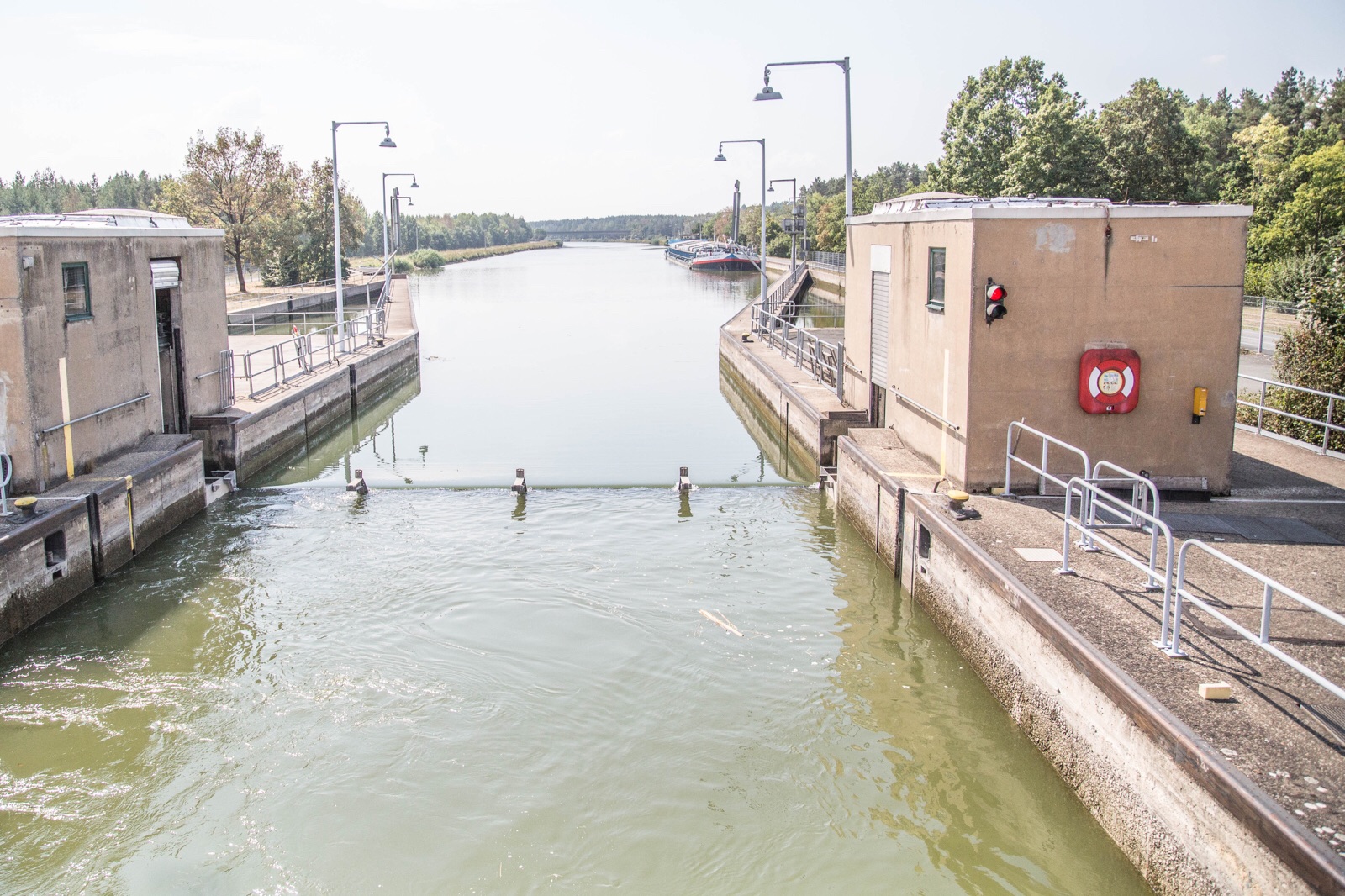
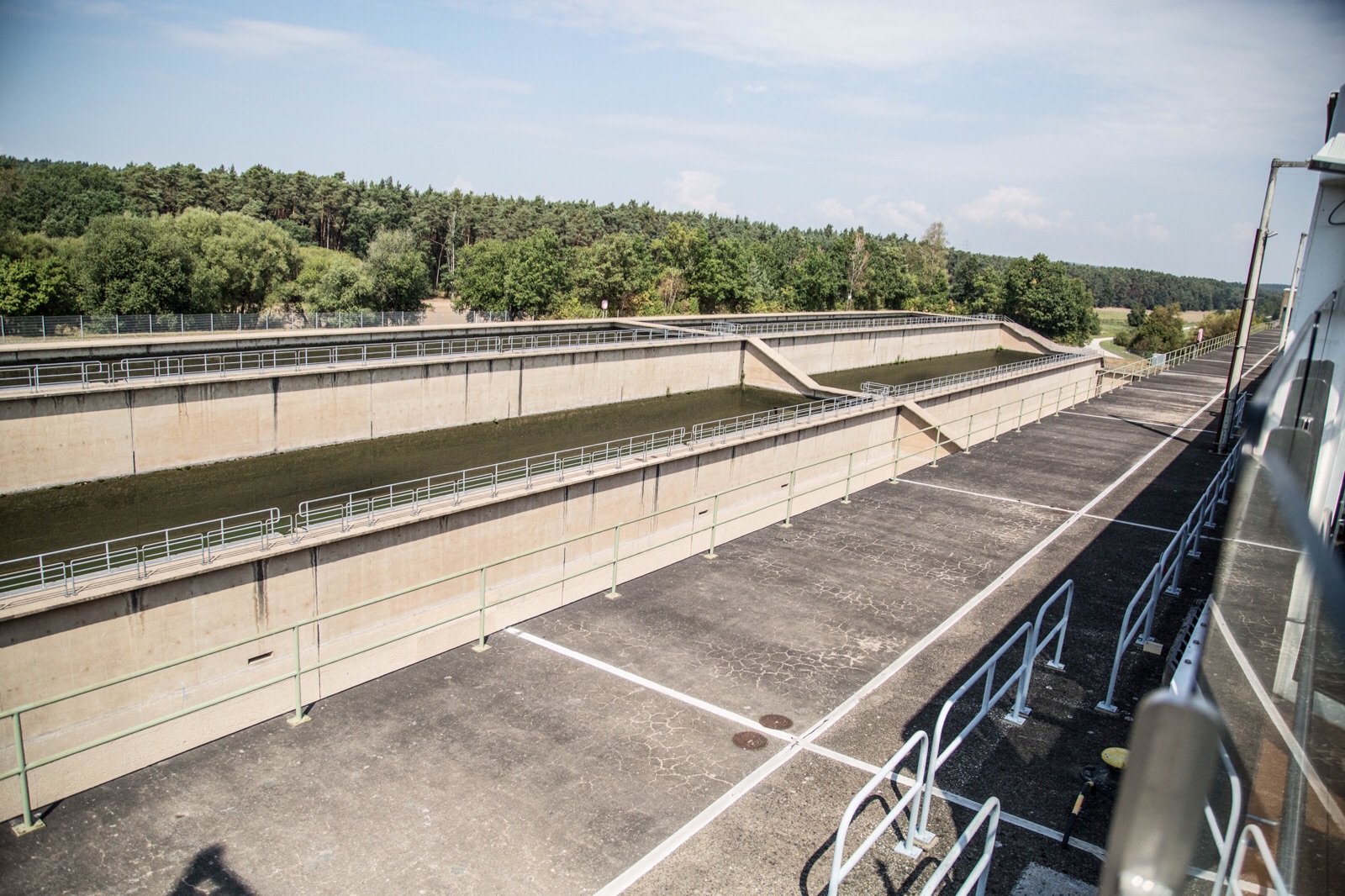
NOTE from Donald: Yesterday’s extensive weather and distance walking resulting in back soreness and sciatica; thus, I opted to remain on board with a few others also too feeble to execute the 5-hour walking tour and free time in Nuremberg. It proved to be fortuitous as I was able to transit the Rhine-Main-Danube Canal and witness firsthand the filling of these locks from concrete storage areas to minimize water loss in the canals.

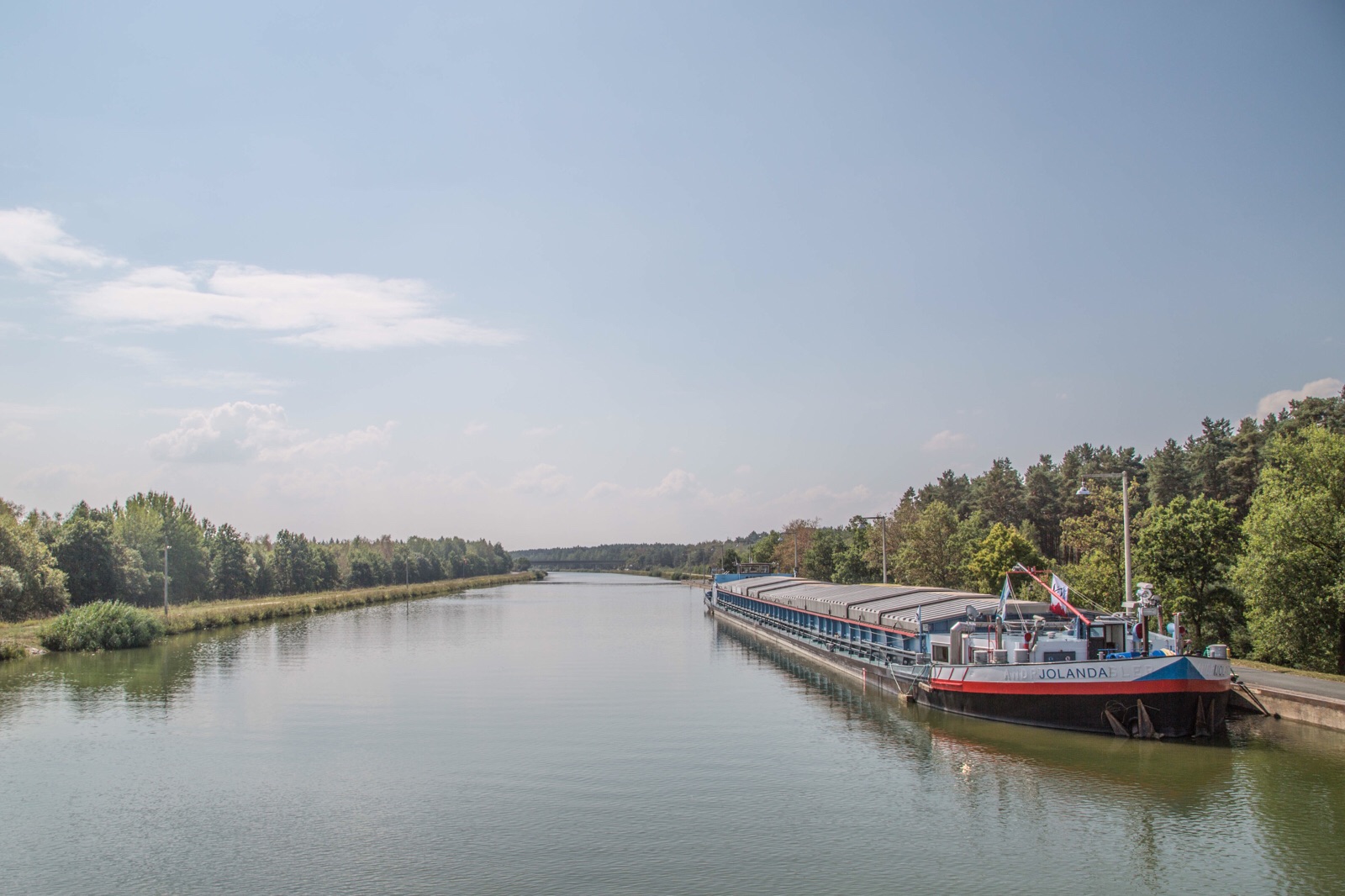
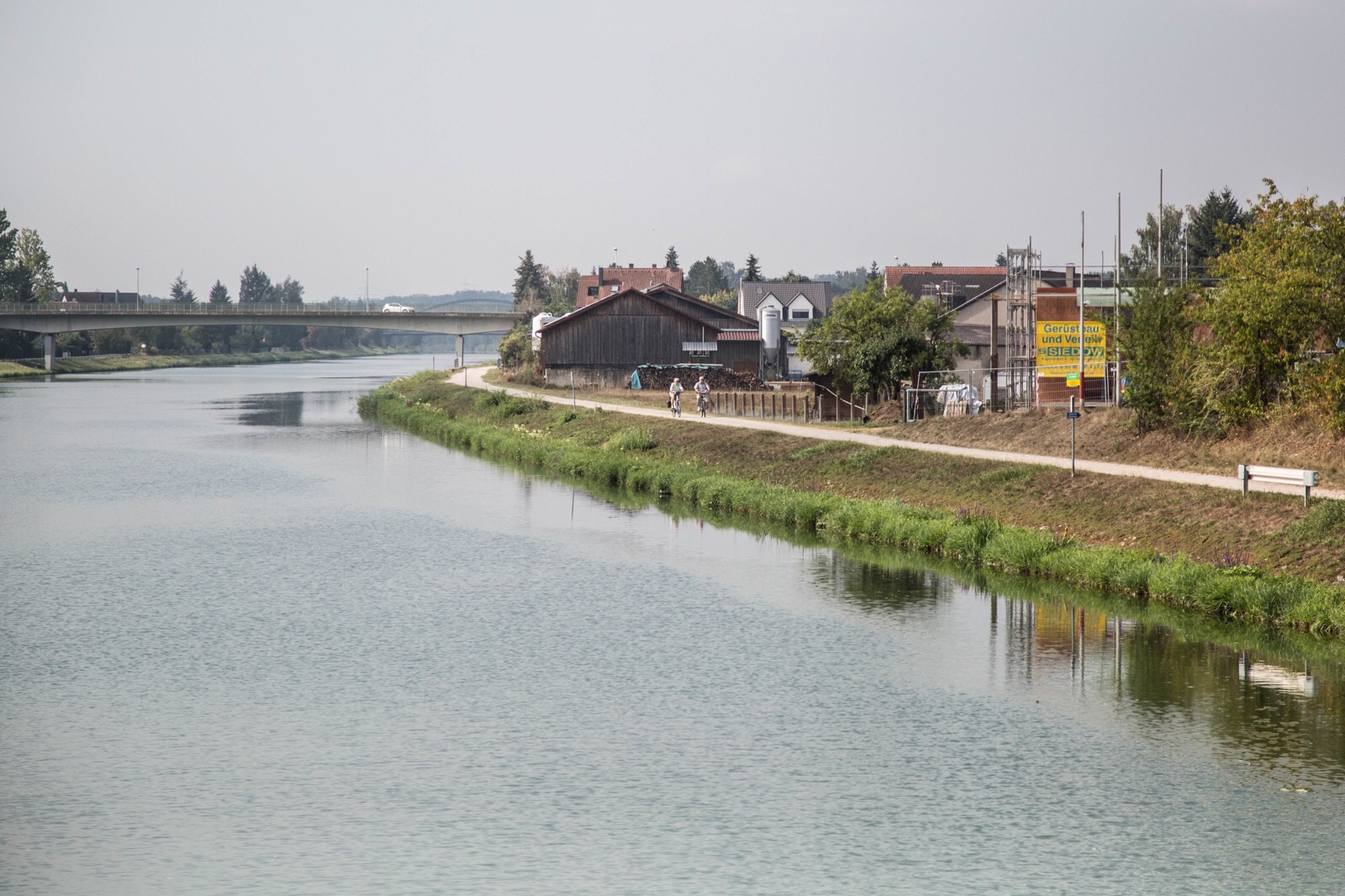
Last night, Thursday, we sailed from the Main River into the Rhine-Main-Danube Canal, a manmade navigable waterway essentially connecting the North Sea of Western Europe to the Black Sea of Eastern Europe and Asia. A canal of this type was conceived by Charlemagne in 793, but only about 10,000 feet were dug. A second, and successful, attempt to connect Europe via canal was undertaken in 1846, but the logistics of navigating through 100 locks and the advent of the railroad resulted in its abandonment. The current effort was completed in 1992 as one of the largest civil engineering projects ever undertaken. The canal has a total of 16 locks about 40 feet wide, 625 feet long, and up to 100 feet deep. It even passes over a couple of roads along the way, much as a highway overpass. To assist in maintaining water levels in the canal, there are concrete reservoirs adjacent to the locks for recycling and storage of water. The canal reaches a height of more than 1,300 feet south of Nuremberg over the Swabian Alps.


The area is mostly rural, and row crops, mainly corn, abound. A bike path adjoins the canal on either side, sometimes on both sides, and is quite popular with bicyclists and walkers.


– Posted using BlogPress from my iPad

Friday, August 21—Nuremberg, Germany, A City of Multiple Layers (Day 8)

KAY’S TAKE (written by Kay)

We loaded on a bus from the ship for a 30-minute drive into the city of Nuremberg, the second largest city in Bavaria. Bavaria is the largest federal state in Germany. The people here are Franconians. As we drove closer, it appeared to be a very modern city with many tall buildings.
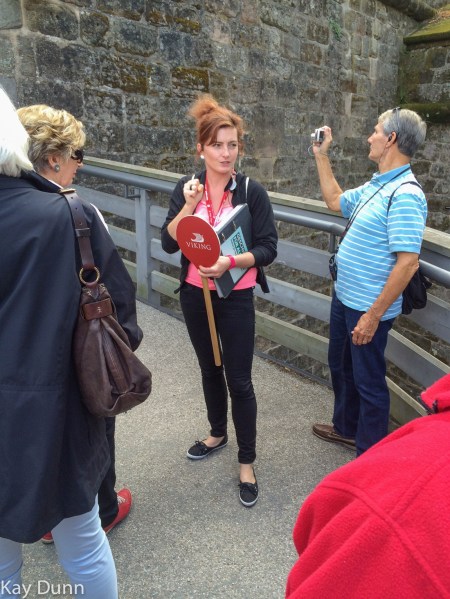

First, we arrived at the Documentation Center and the Nazi Rallying Grounds located on the edge of the city. The center was never completed; it was Hitler’s vision of a large building similar in size to the coliseum in Rome that would honor him. The outside shell was completed; the interior was not. It is located on the site where all Nazi Party rallies were held. Next to this building is the Zeppelin Field where many of the propaganda and grandiose parades and events were held extolling Germany’s return to glory under his leadership. For many years after the war, the history of the Third Reich and the horrors of this regime were quietly ignored. In the 1980’s an honest effort was made to document the propaganda and growth that led to the rise of Hitler and to document the terrible atrocities in order to educate the next generations of Germans so that it would not be forgotten or repeated. Also the German Resistance movement was documented. A museum was completed in part of the documentation center to reveal all that occurred.

On the way in to the walled Old Town, we saw the justice buildings that served as the site for the famous Nuremberg Trials. It was the first time in history that multiple countries—the US, Britain, France, and USSR—worked together to bring war criminals to justice. The three top Nazi leaders committed suicide.

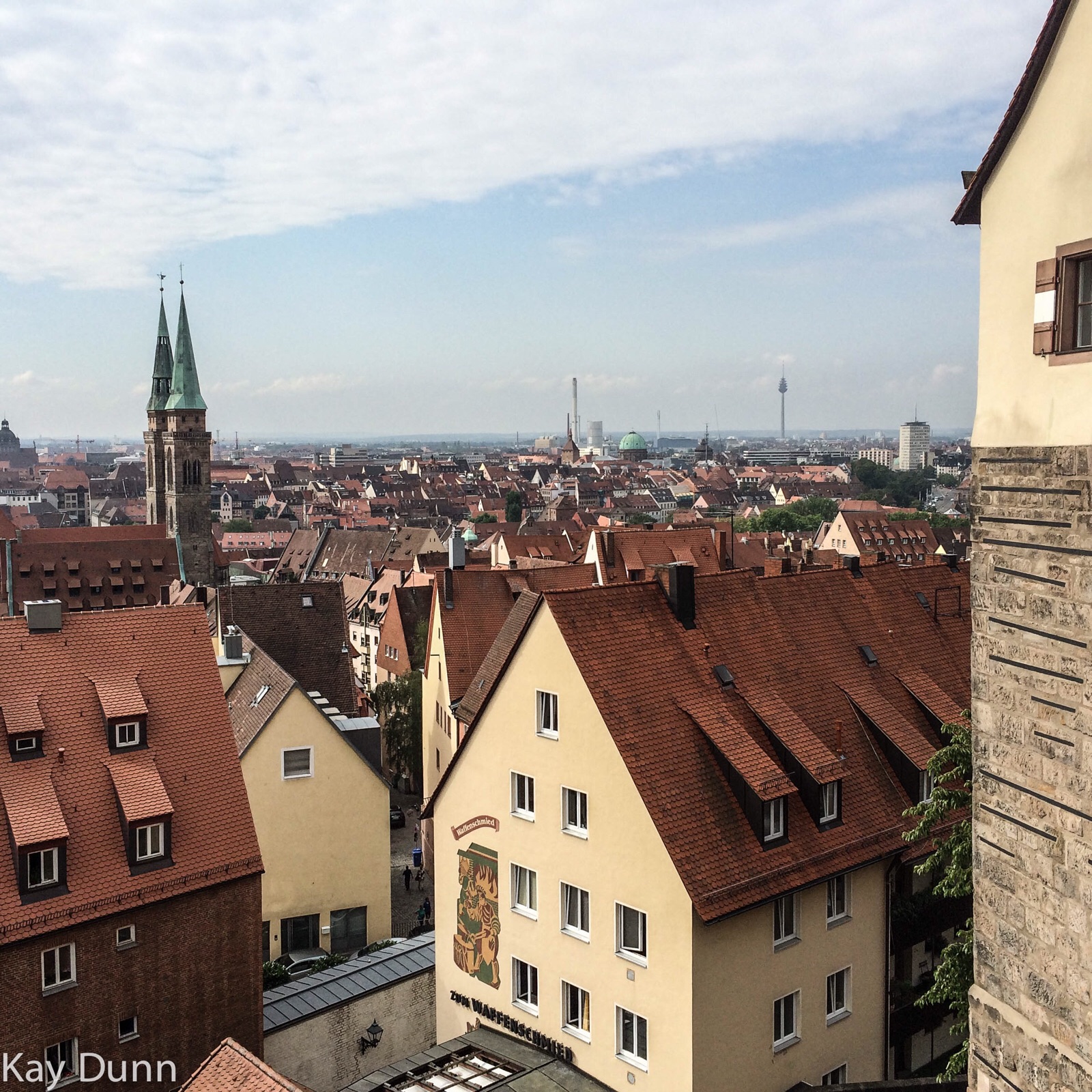
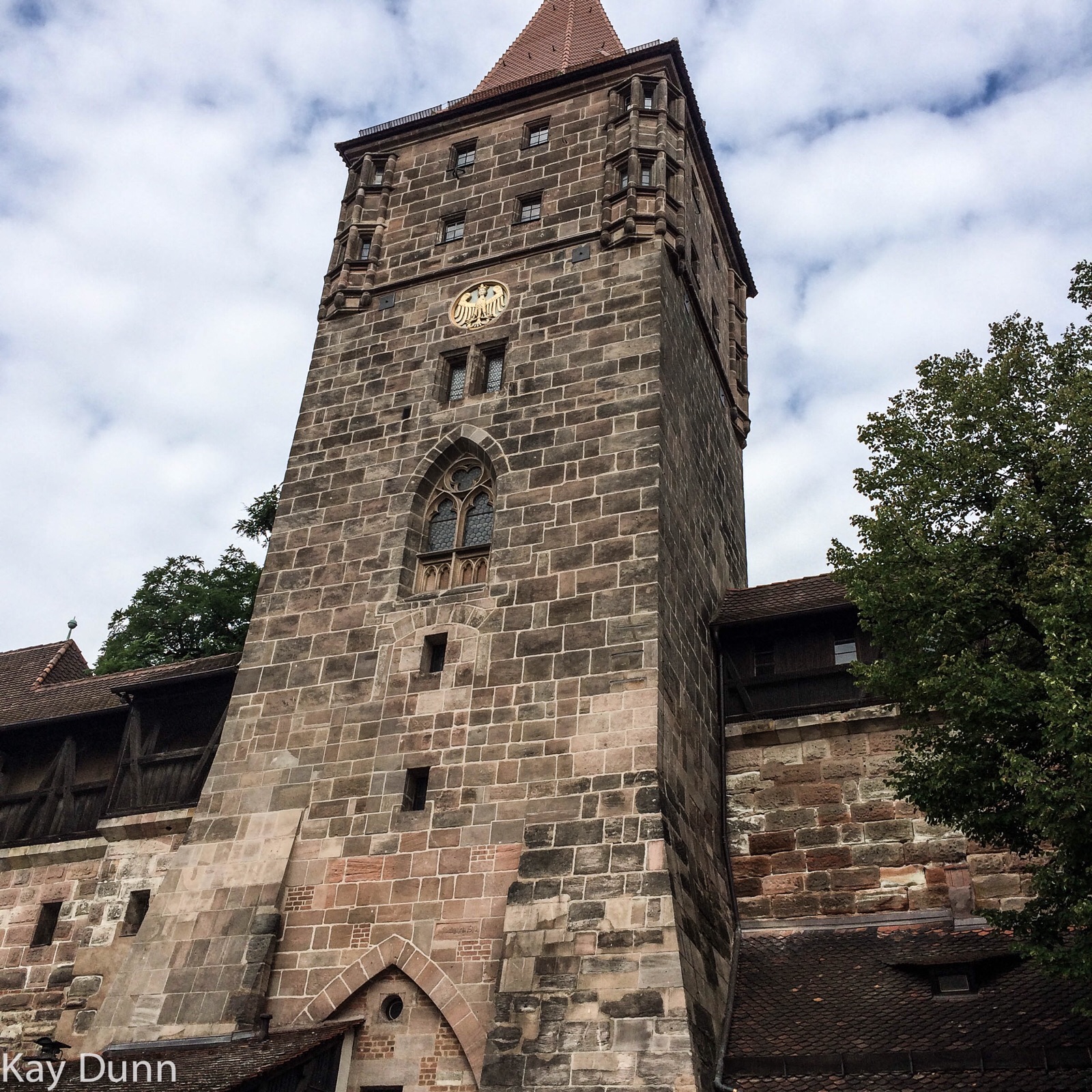
Next, we drove to the historic Old Town and the Imperial Castle which is surrounded by a wall, resulting in a walled city within the modern city. The castle was originally constructed in the 1100’s with multiple buildings added over the centuries up to the 1600’s. It is located on a large hill in the middle of the city with a magnificent view. Under the hill are many caves where beer and other things were stored. When Nuremberg was bombed by the Allies in 1945, approximately 95% of the city was destroyed. Only 50% of the Imperial Castle was damaged, and 50,000 of its residents were unharmed. How? The caves served as their bomb shelter. Roughly 30 years later the city had been rebuilt with help from the Marshal Plan.

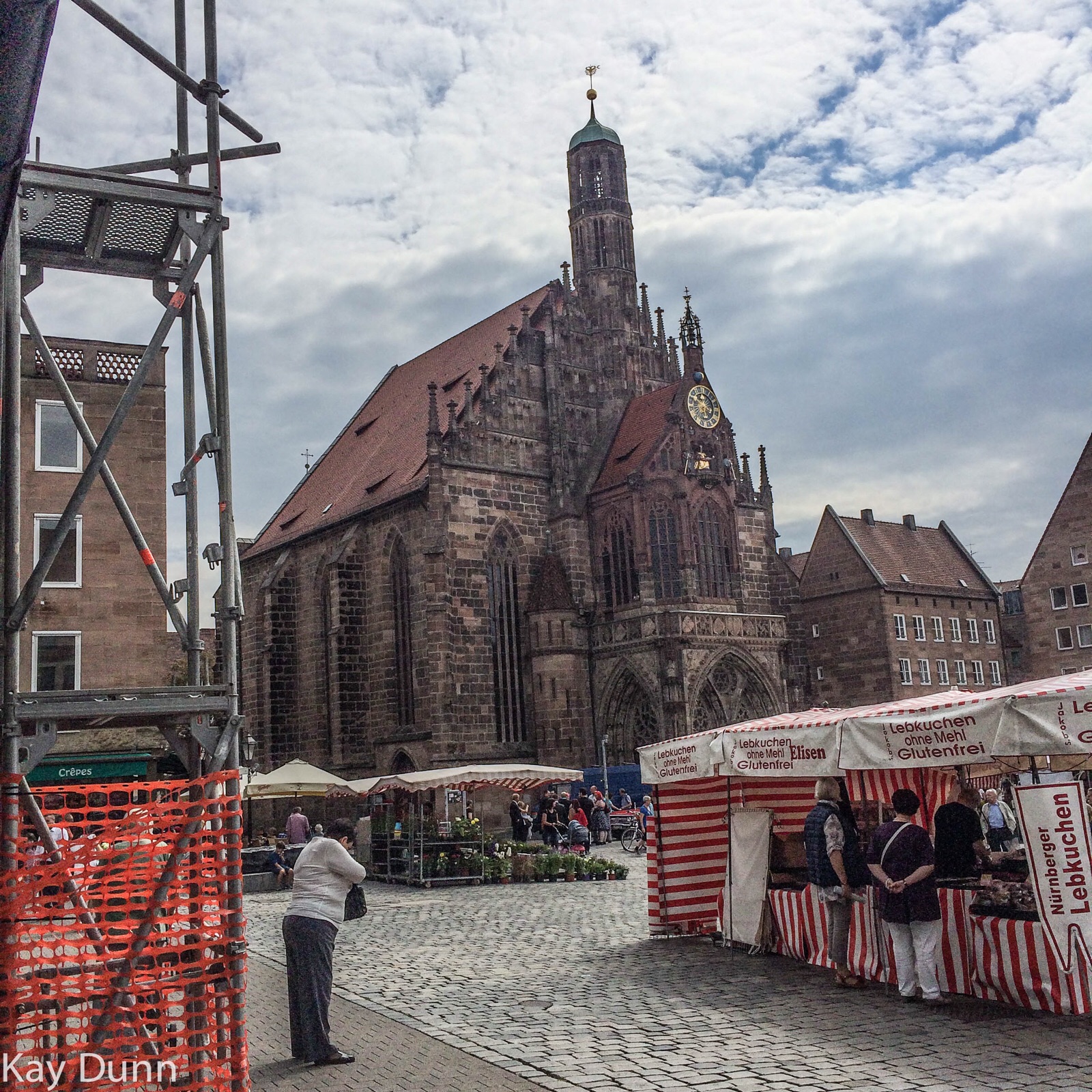
A specialty not to be missed is Lebkuchen. Some call it gingerbread—it’s not; there’s no ginger or flour in it. It is a beloved German Christmas cookie, made from many ground nuts. They are available from many market stalls in the market square and in many bakery or specialty shops. I bought ours from the Lebkuchen Schmidt because Schmidt is the name of some of my dear longtime friends.

Nuremberg today is a city of multiple layers—a railway hub, 80 Gothic towers in the visual profile, Mastersingers tradition with an impressive Opera House, many impressive buildings demonstrating the German Renaissance influence, and an active Market Square with many patio bistros lining the quiet lazy River Pegnitz which wanders quietly through the city.

NOTE from Donald: Yesterday’s extensive weather and distance walking resulting in back soreness and sciatica; thus, I opted to remain on board with a few others also too feeble to execute the 5-hour walking tour and free time in Nuremberg. It proved to be fortuitous as I was able to transit the Rhine-Main-Danube Canal and witness firsthand the filling of these locks from concrete storage areas to minimize water loss in the canals.

– Posted using BlogPress from my iPad
Saturday, August 22—Regensburg, Germany (Day 9)

150822 EiP 003

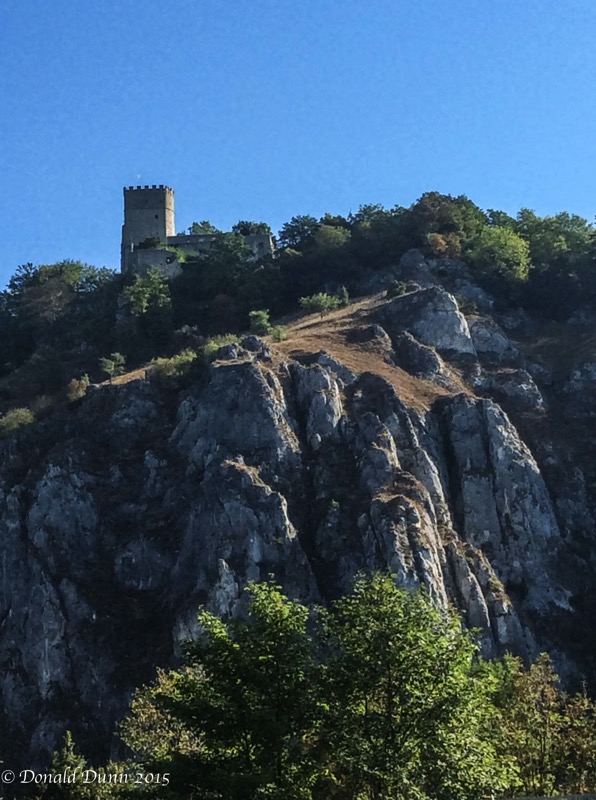
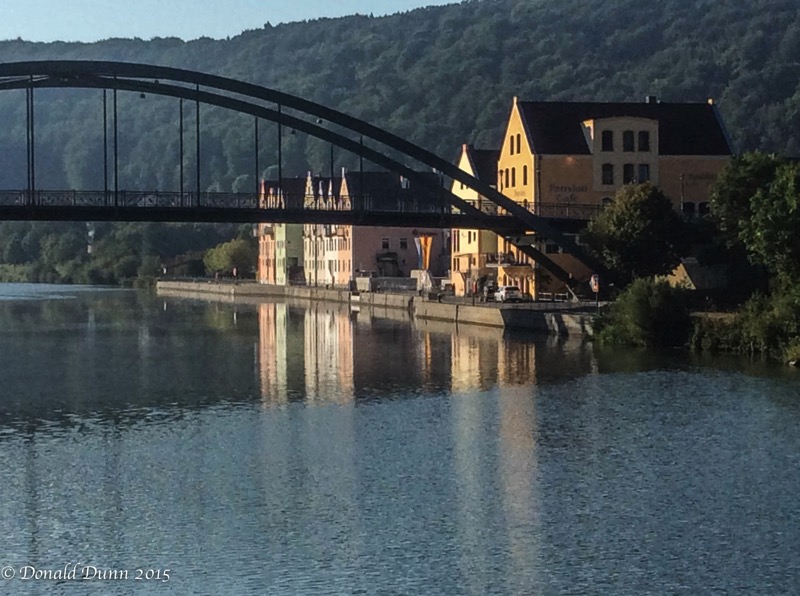
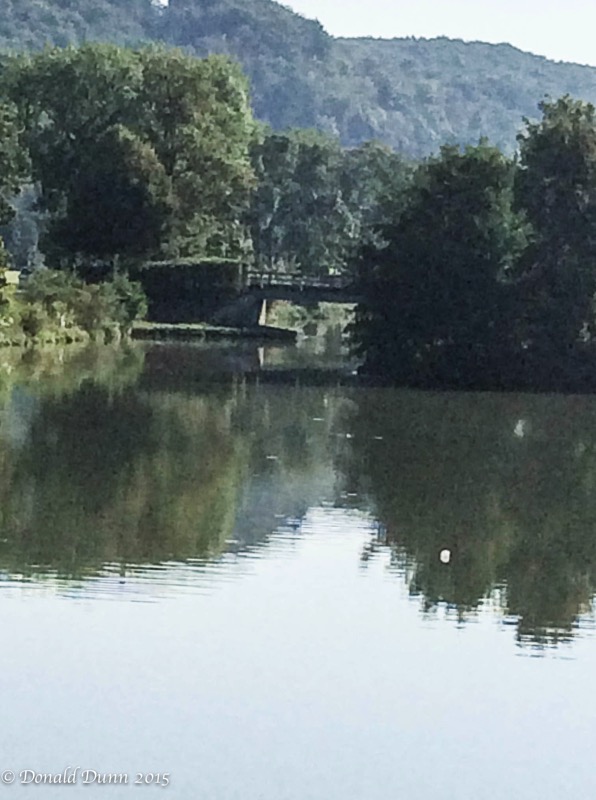
The Viking Gefjon continued sailing through the Rhine-Main-Danube Canal, passing through several more high lift locks (up to 80 feet), before crossing the continental divide early, early in the morning.  We sailed past several castles, picturesque villages, and remnants of the old canal and lock system built in the 1850s.

150822 EiP 002


150822 EiP 004

150822 E 001

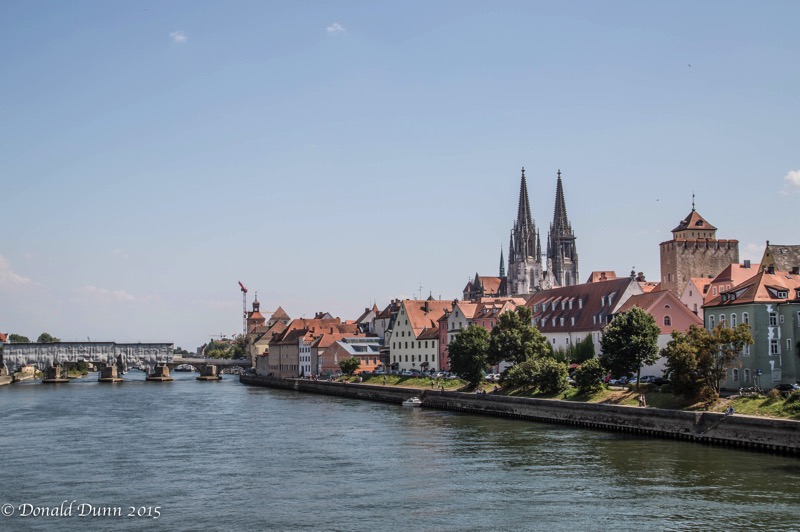
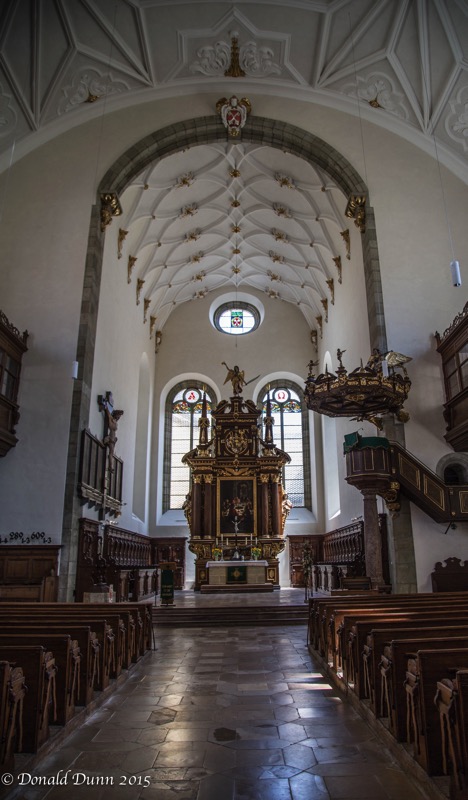
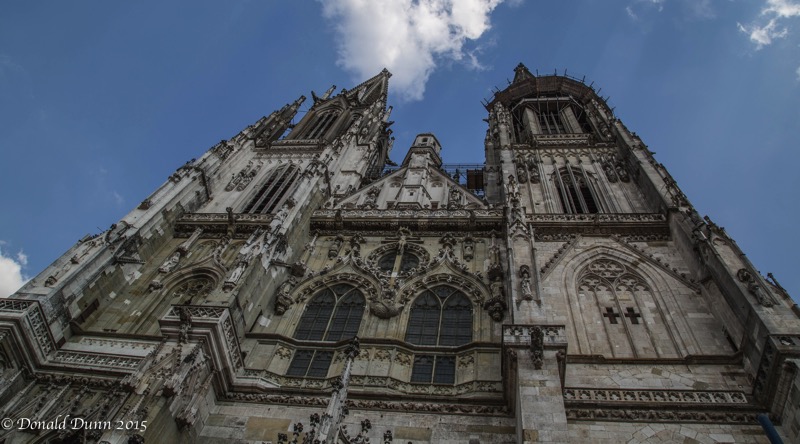
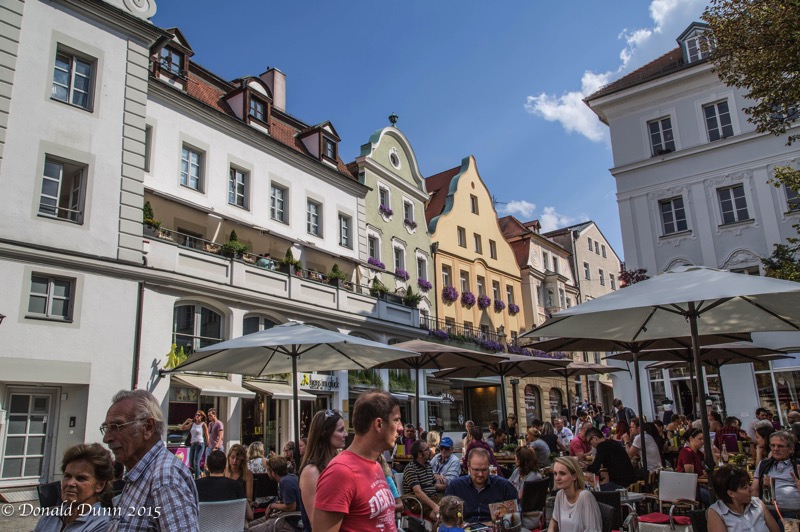
Just after lunch, we sailed out of the canal and into the Danube River, our fourth, near Regensburg.  The longboat stopped briefly to allow us to de-board for excursions into Regensburg, home of the former, but still living pope, Pope Benedict XVI.  A relatively large city, Regensburg is home to many churches, including St. Peter’s Cathedral dating back to 700 AD.  The current Gothic-style building was completed in 1320.  The “church” excursion took us to several churches in the city; however, either the guide was walking and talking too fast or masses were being held, prohibiting our seeing much of the insides of the churches (while most of the excursion guides have been good, this one was not).

150822 E 002

150822 E 009

150822 E 024

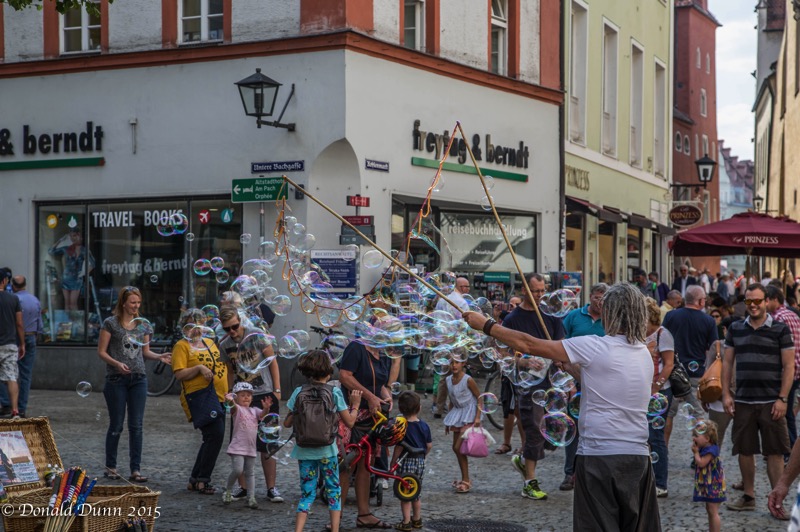
The city center was full of people enjoying beer, coffee, pastries, or ice cream, but not so much sausage as in the last few cities visited.  People watching proved to be far mor exciting than the tour.  A man was entertaining children, and adults too, creating bubbles in a cafe area.

150822 E 029

150822 E 028

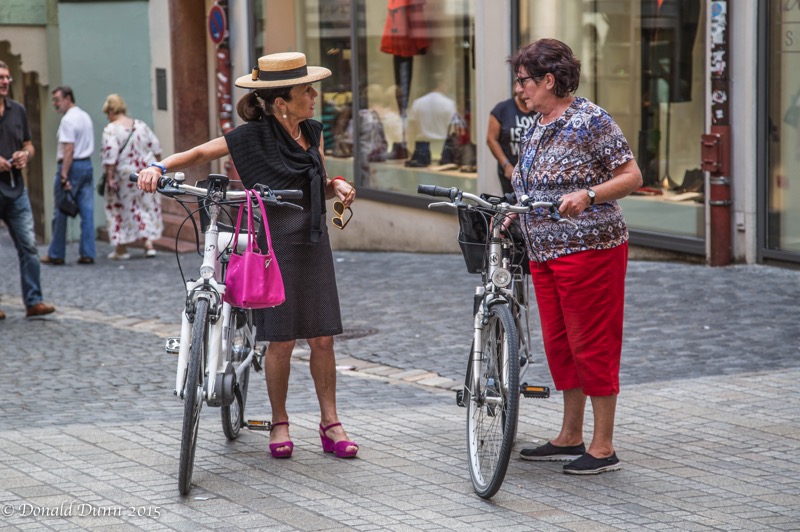
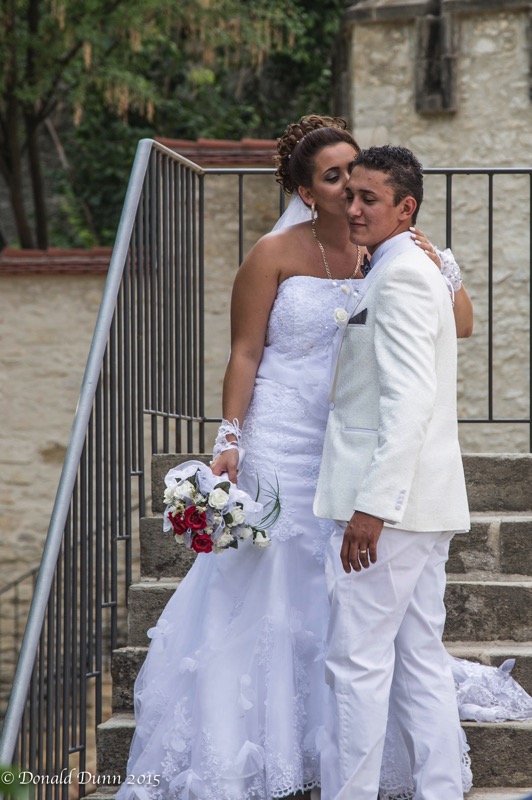
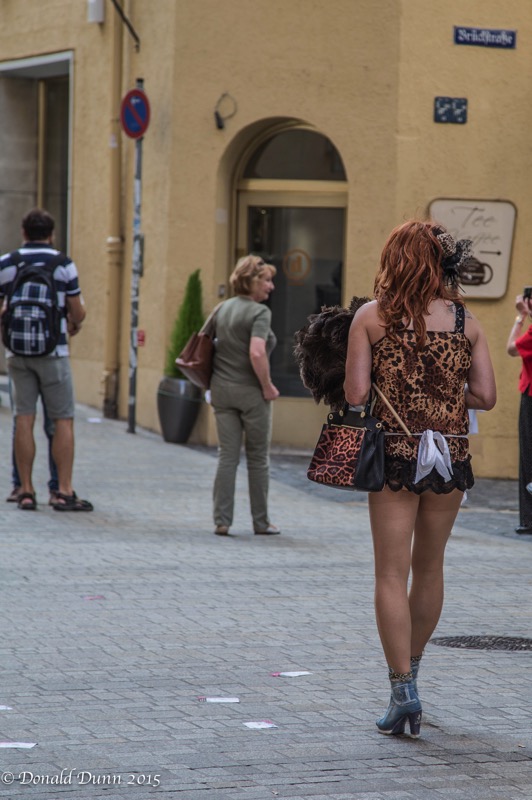
Bicyclists were everywhere. Several wedding parties were being photographed, with beautiful brides, most appearing to be of Italian heritage.  Even a “Bruce Jenner” type was observed.  

150822 E 026

150822 E 038

150822 E 037


150822 E 032

After the two hour walking tour, we walked back to the longboat, now docked near the city center.

Another very good dinner—meals seem to be getting better—was followed by singers entertaining us with excerpts from opera and the Sound of Music.  This provided an excellent conclusion to another good day.