Saturday, September 18, 2021—NW USA, Part 2

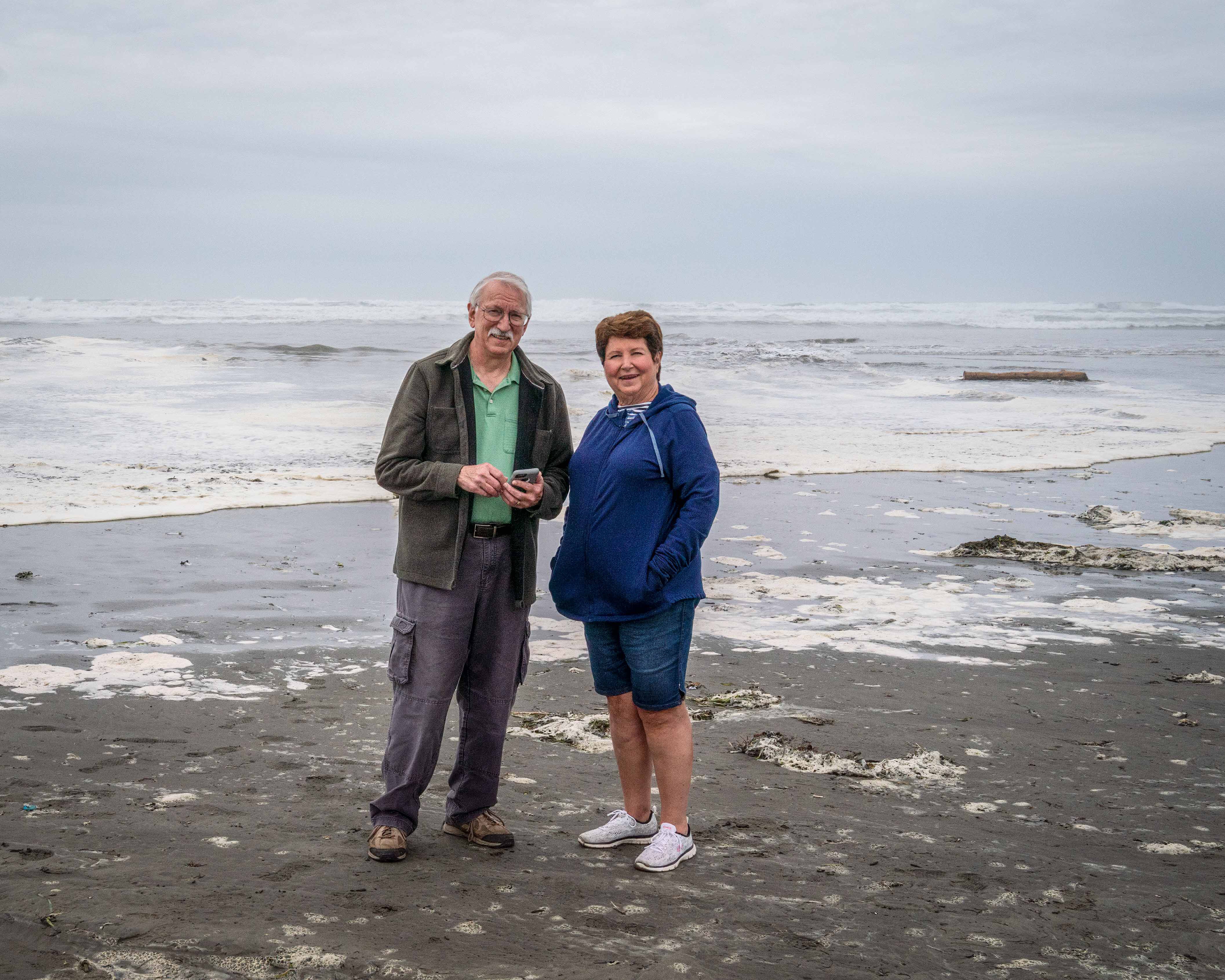
We had a blast visiting and touring with Debra and Ralph.

Our Washington and Oregon road trip with Debra and Ralph

While one never knows how compatible new friends will be, but we really hit it off with Debra and Ralph. We like many of the same things, including travel, hiking, gardening, and bridge, in which they both are Life Masters (and no, we’re not competitive, particularly at that level). We had such a great time at their place; in fact their back yard/garden is incredible, and among the best we’ve ever seen. We look forward to many more visits, including reciprocating when they visit Arkansas. Of course, it will be tough to beat this past week!

Today, we began the second part of our 2021 Northwest USA trip, an inland passage cruise to Alaska. (We last did a similar cruise in September 2004 to celebrate my retirement, both our birthdays, and our anniversary.)

September 2021 Inward Passage cruise

Warmed sourdough cinnamon roles and hot coffee got us up and going, and we left relatively early for the airport (SEATAC) to meet our shuttle to the ship. However, instead of going to the ship, were were taken to the Marriott Hotel near the ship for validation of our COVID vaccinations, and for COVID testing.
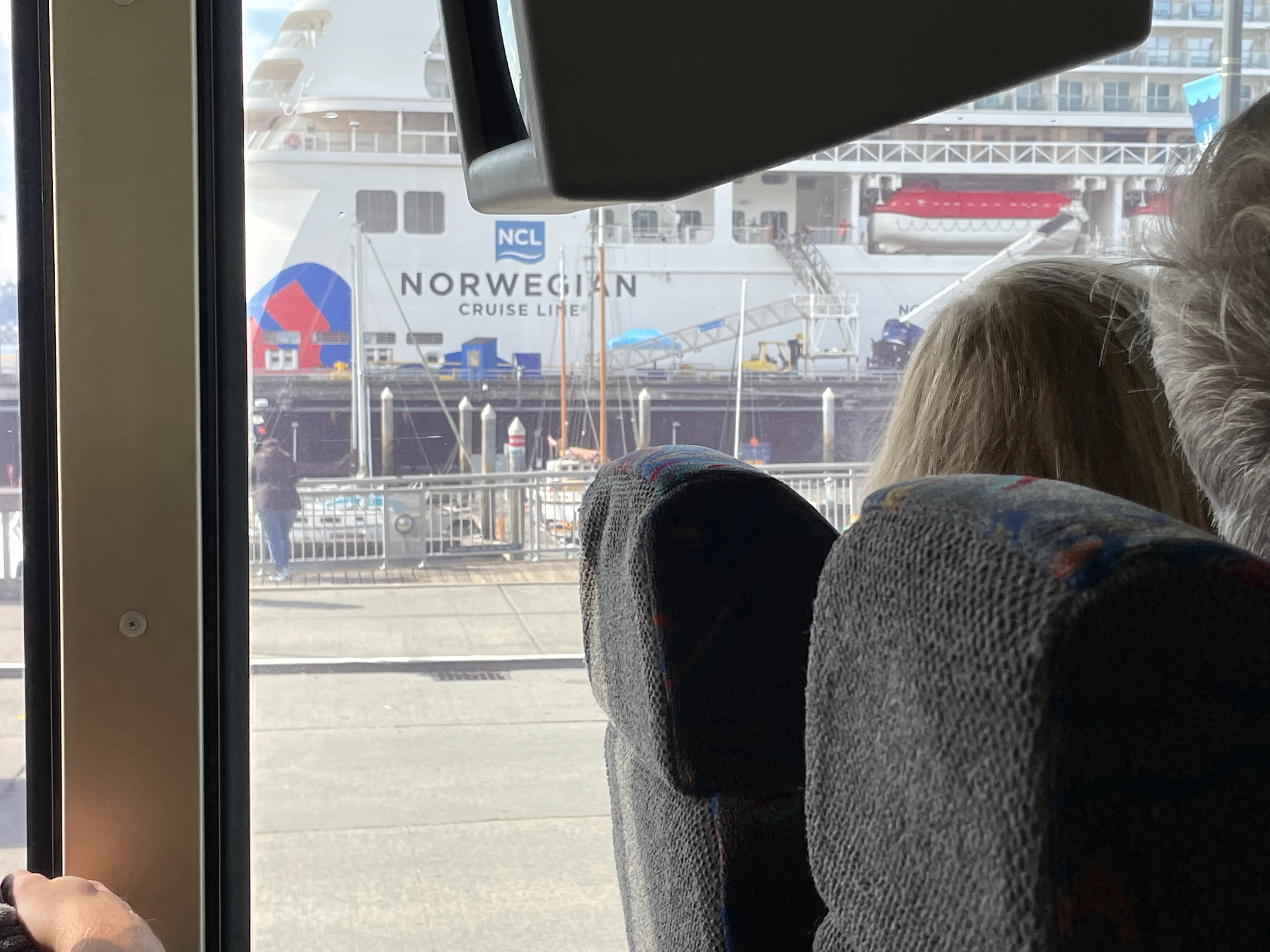
Norwegian was very efficient, and though we stood in several lines, the waiting time was never excessively long.

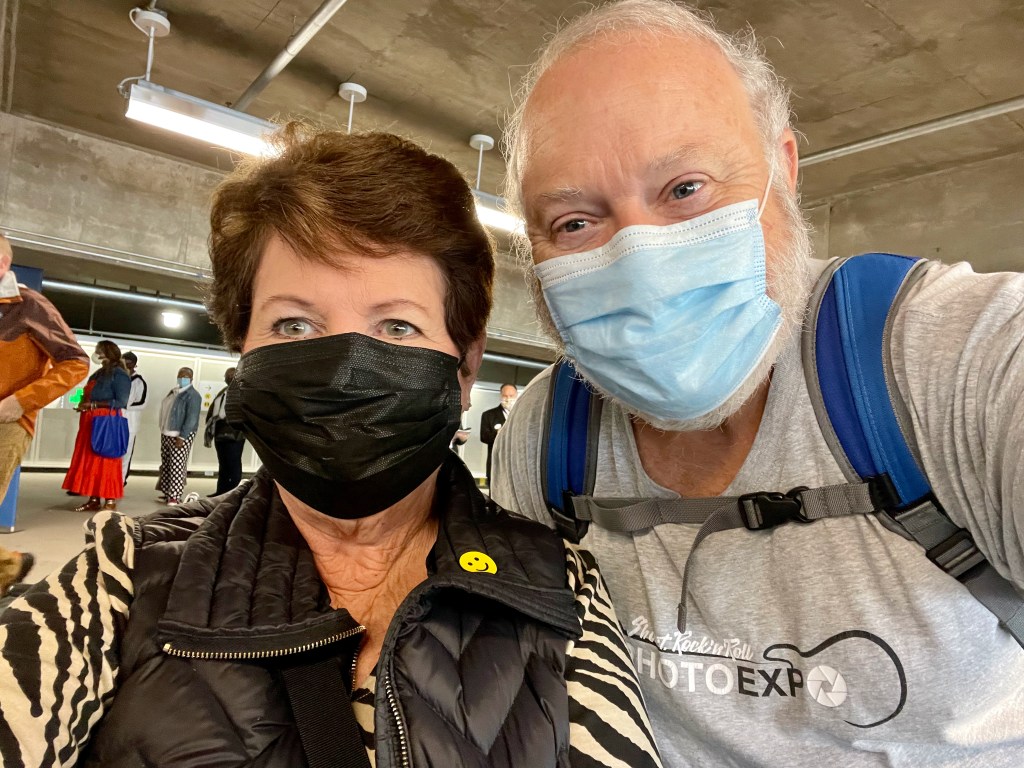
After being “bonafide” as COVID free, we checked-in, boarded the Norwegian Encore, ate lunch and unpacked. Many thanks to our travel agency, Dana, and Norwegian Cruise Lines for the wine, champaign, and chocolate covered strawberries.

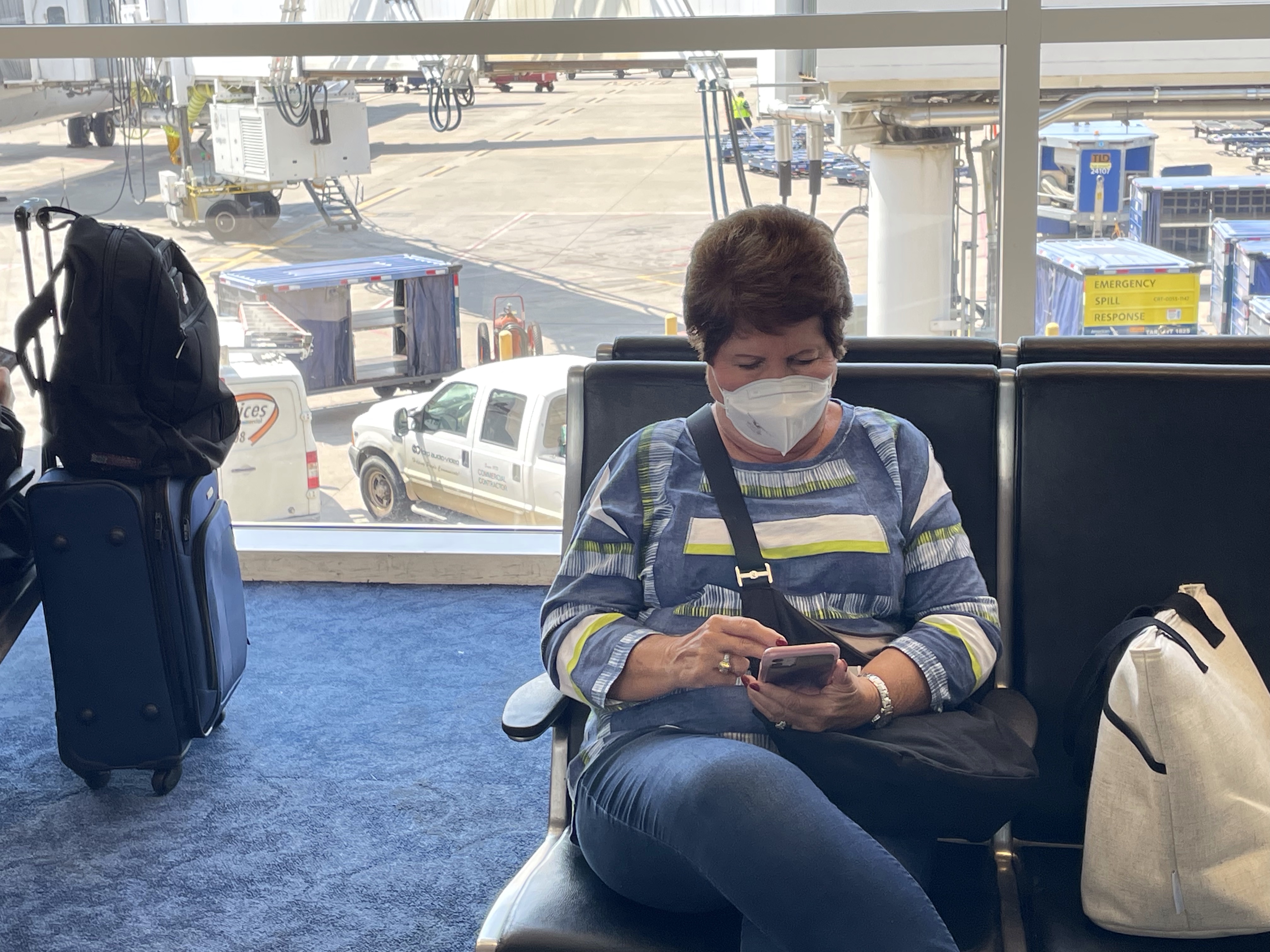
Kay knows how to enjoy life aboard a cruise ship

After unpacking we settled in for a quiet evening familiarizing ourselves with the Encore, eating again, photo editing, and journal writing.

Friday, September 17, 2021—Collapsing, Catching Our Breath and Reorganizing

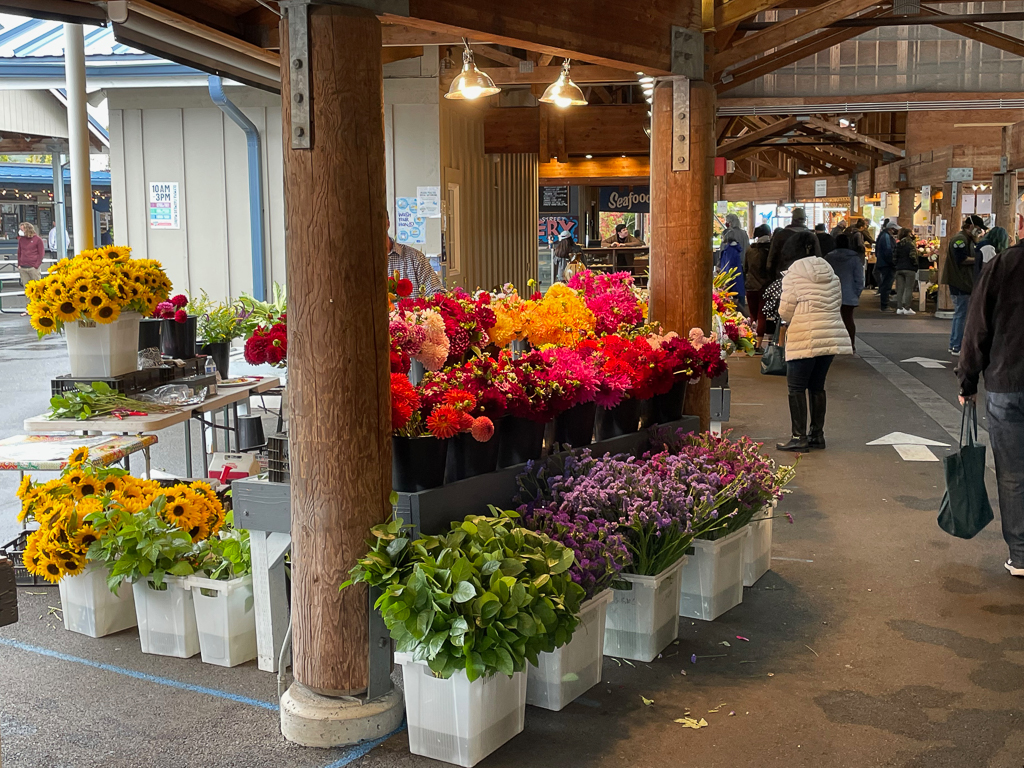
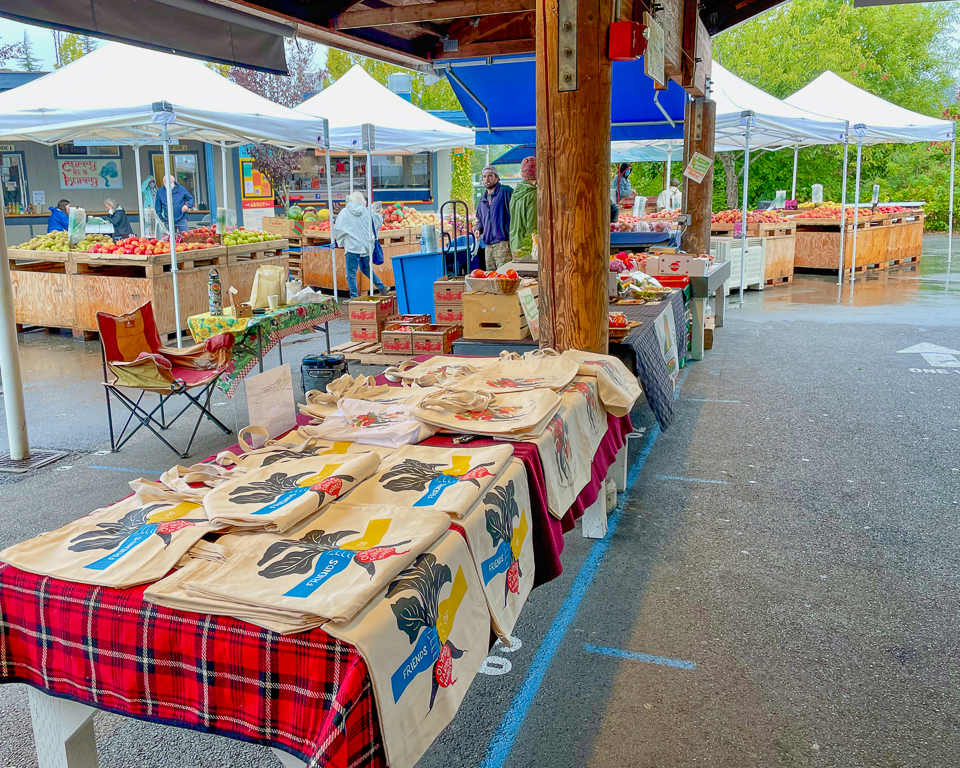
With one day left of the Washington and Oregon discovery part of this early fall trip, we spent the morning resting and reorganizing clothes, travel accessories, and “toys” for the Alaska Inward Passage cruise. Kay washed clothes, and we both repacked. Ralph and Debra took us on an auto tour of the Washington state capitol campus in Olympia; it is a large complex of many buildings, and kept very neat and clean. We then visited the Olympia Farmers Market where lots of vegetables, fruits, and assorted handmade items. 

From the Farmers Market it was off to the seafood market for dinner ingredients: oysters for eating raw and for frying, Dungeness crabs, mussels. 

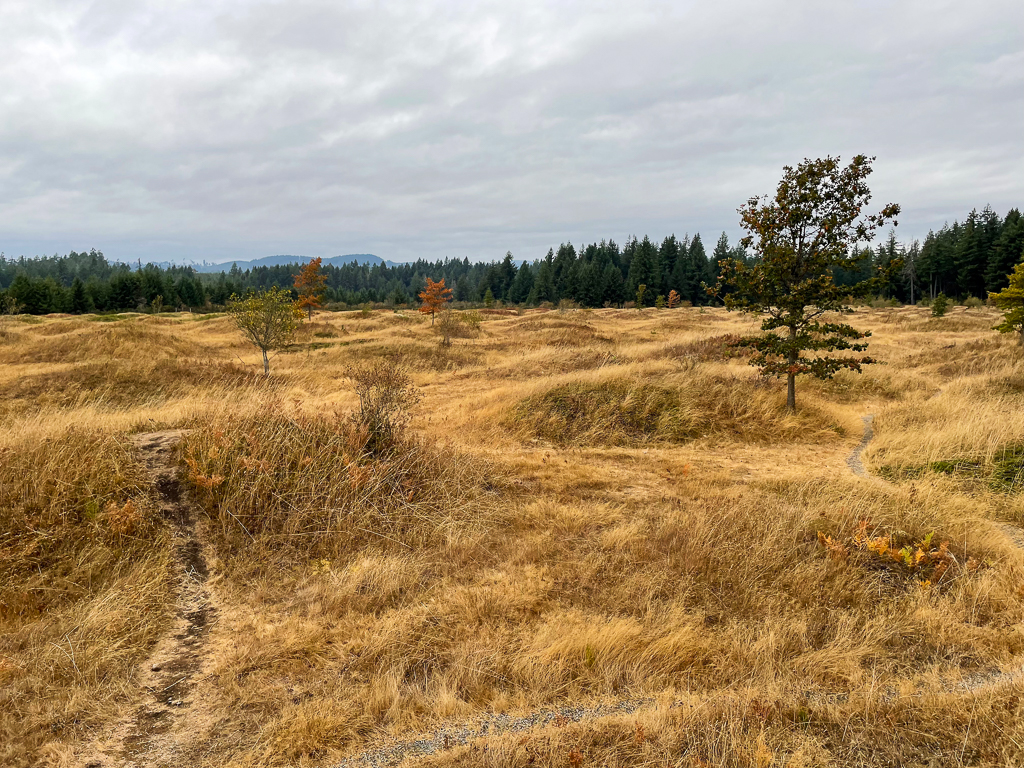
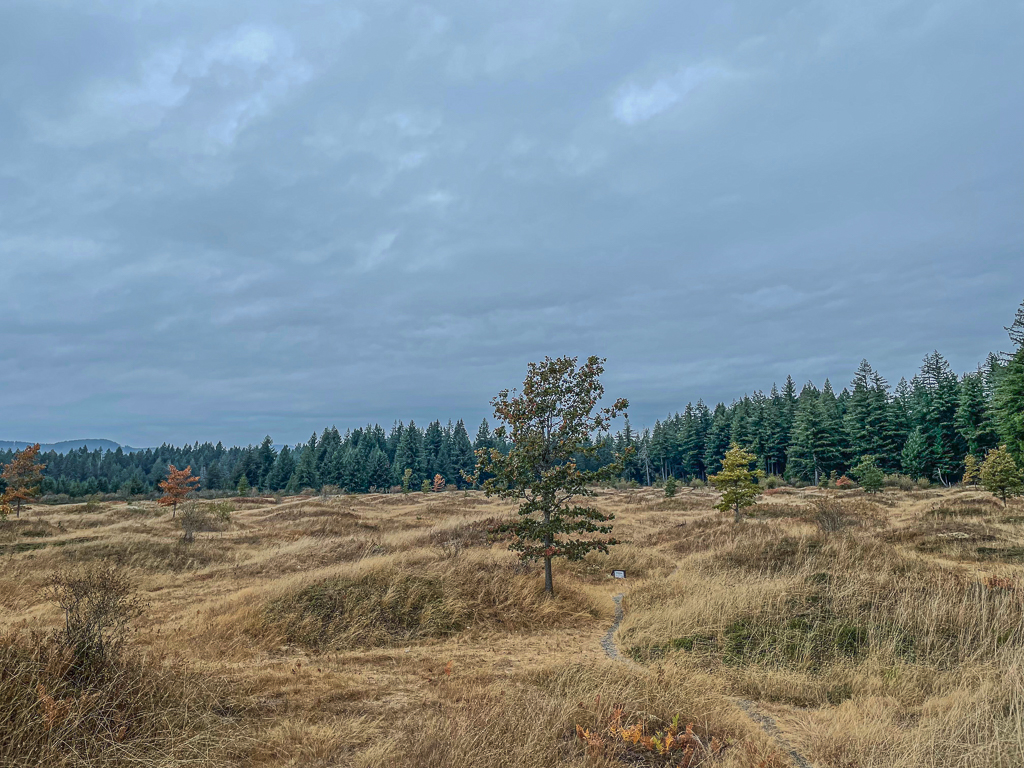
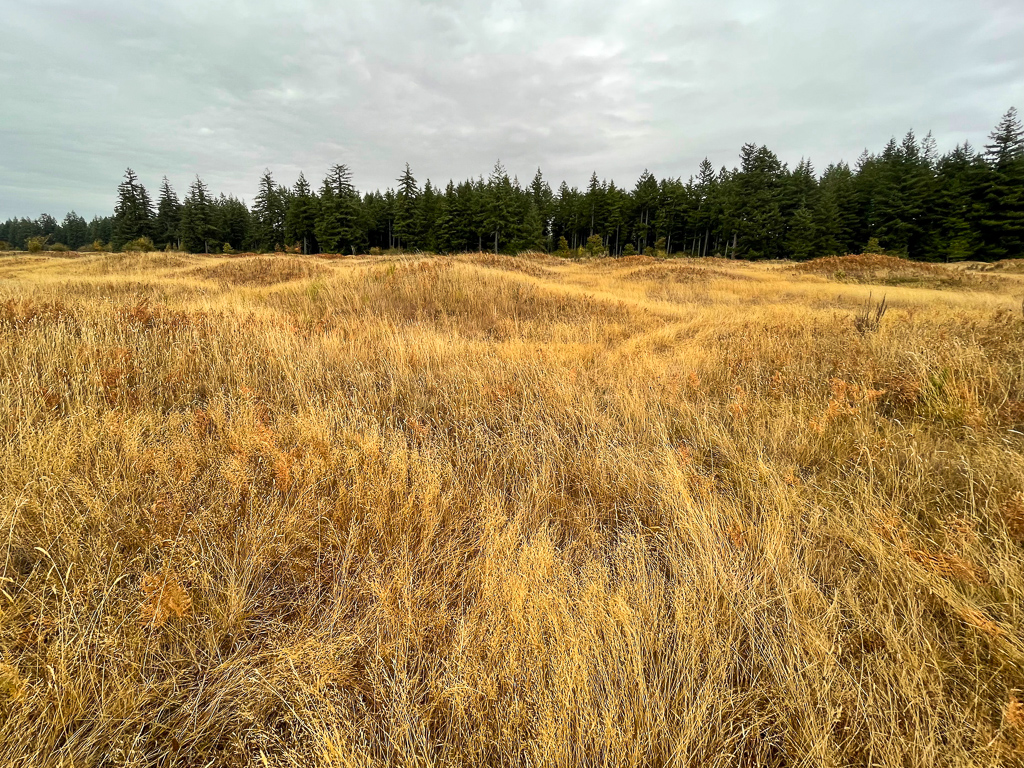
And then it was off to one last hike, Mima Mounds Natural Area Preserve in Thurston County, Washington, near Olympia. Mima mounds are low, flattened, circular to oval, domelike, natural mounds that are composed of loose, unstratified, often gravelly sediment that looks like a ski slope with lots of moguls. These mounds range in diameter from about 10 feet to more than 150 feet; in height about 1 foot to greater than 6 feet; and in density from several to greater than 16 mounds per acre. Theories for the origin of these mounds vary, but there is no consensus among scientists. Have any of you heard of Mima mounds?

Debra, with assistance from Kay and Ralph, prepared a fantastic seafood dinner and Ralph paired the perfect wines to accompany this feast. She also made incredibly good sourdough cinnamon rolls/sticky buns. Did I say they were tasty! Now, we know how kings ate. 

Thursday, September 16, 2021—Wrapping Up the Road Trip

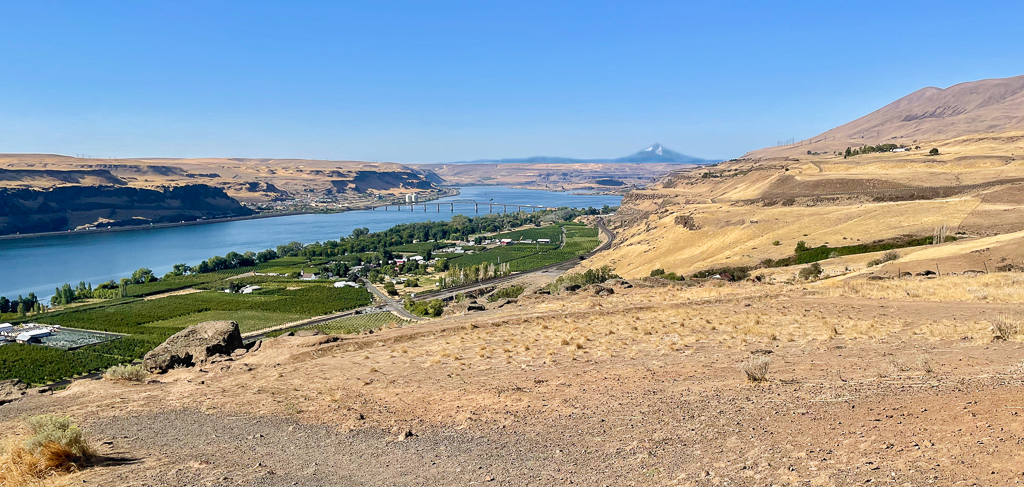
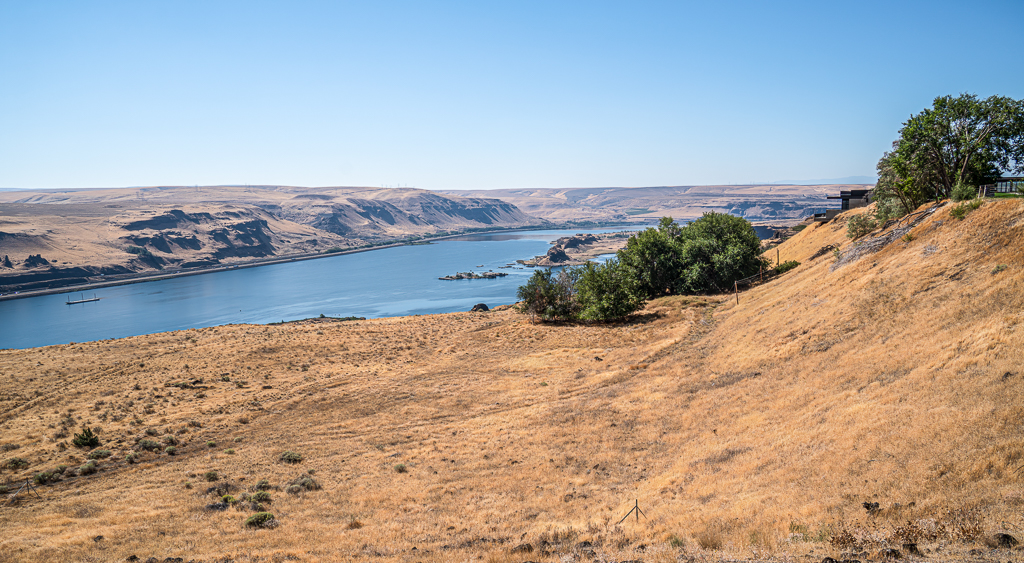
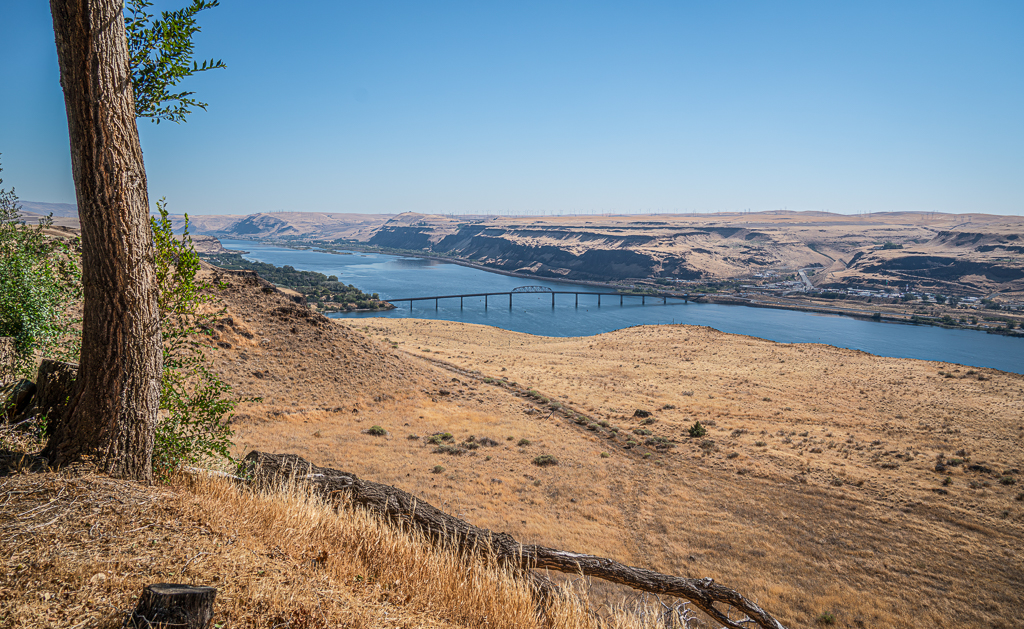
Hood River, Oregon, essentially marks the upstream terminus of the Columbia River Gorge.

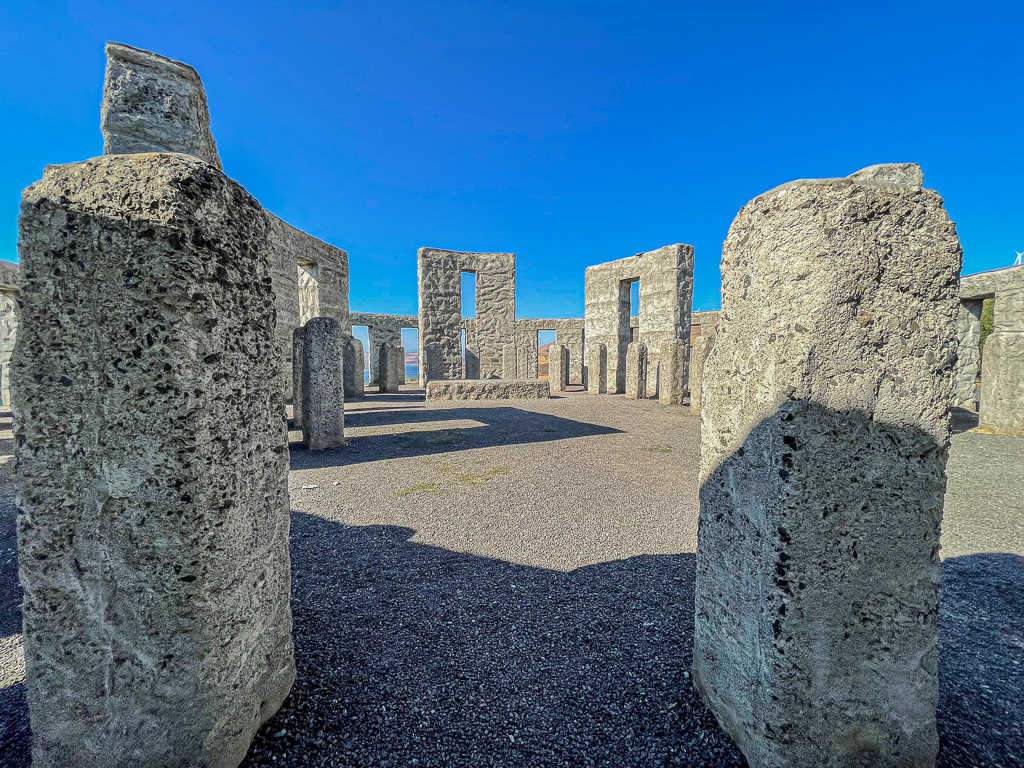
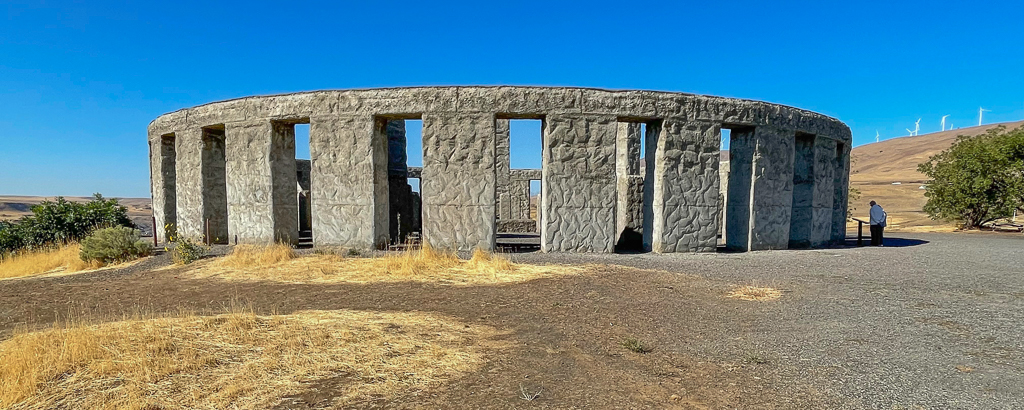
After breakfast, we crossed the Columbia River back into Washington, and traveled west before stopping at Washington’s Stonehenge. It was erected under the auspices of Sam Hill as the nation’s first WWI memorial and dedicated in 1918 to the servicemen of Klickitat County, Washington, who died in the service of their country during the Great War.

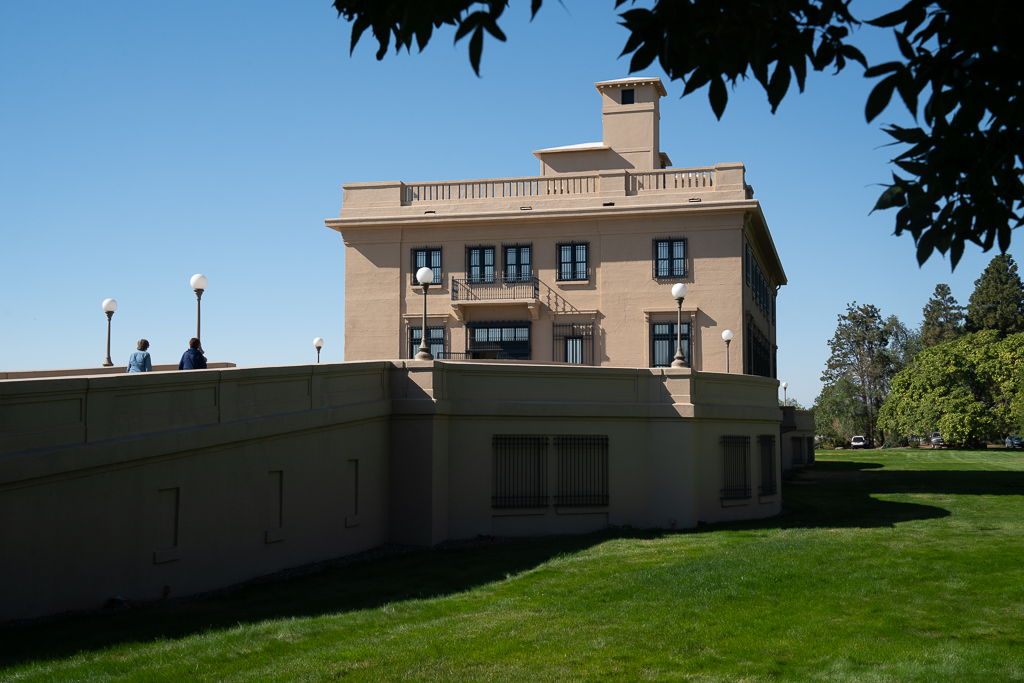
Nearby was the Maryhill Museum of Art is a small museum with an eclectic collection. The museum is situated on a bluff overlooking the eastern end of the Columbia River Gorge. The structure was originally intended as a mansion for entrepreneur Samuel Hill. It was named Maryhill for Hill’s wife, daughter of James J. Hill, a Great Northern Railroad baron, and was intended to be used as a home at which they could entertain Samuel Hill’s school friend King Albert I of Belgium. During a 1917 visit by his friend Loie Fuller, he decided to turn his unfinished home into “a museum for the public good, and for the betterment of French art in the far Northwest of America.” Hill’s contribution to the new museum included almost 90 American Indian baskets, more than 70 Rodin sculptures and watercolors, and many personal items.

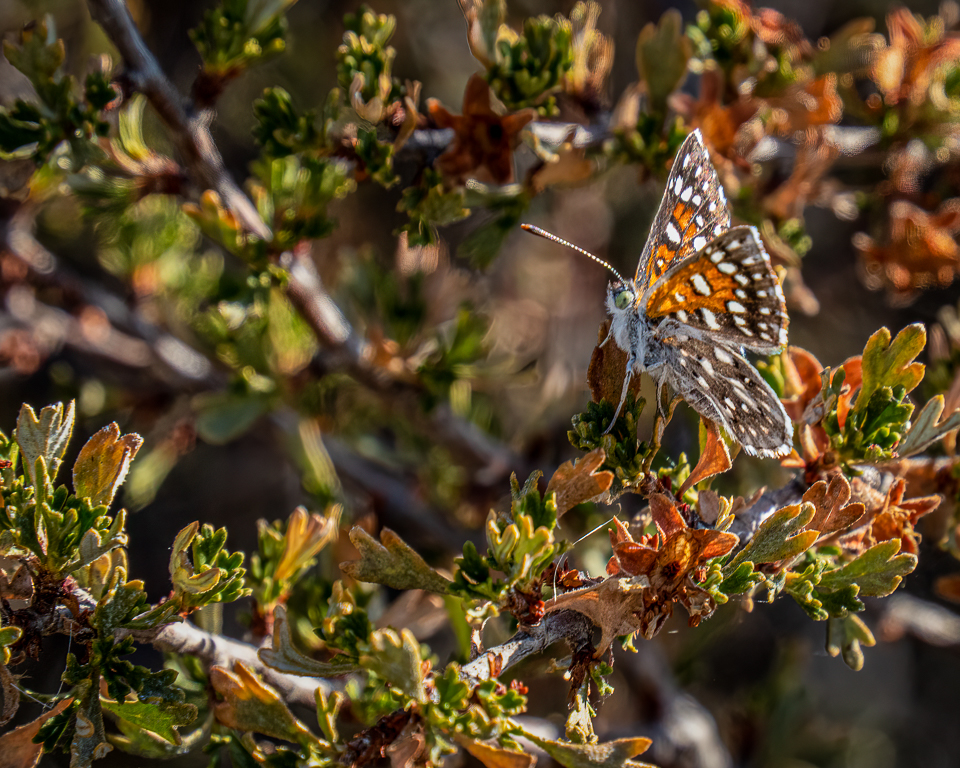
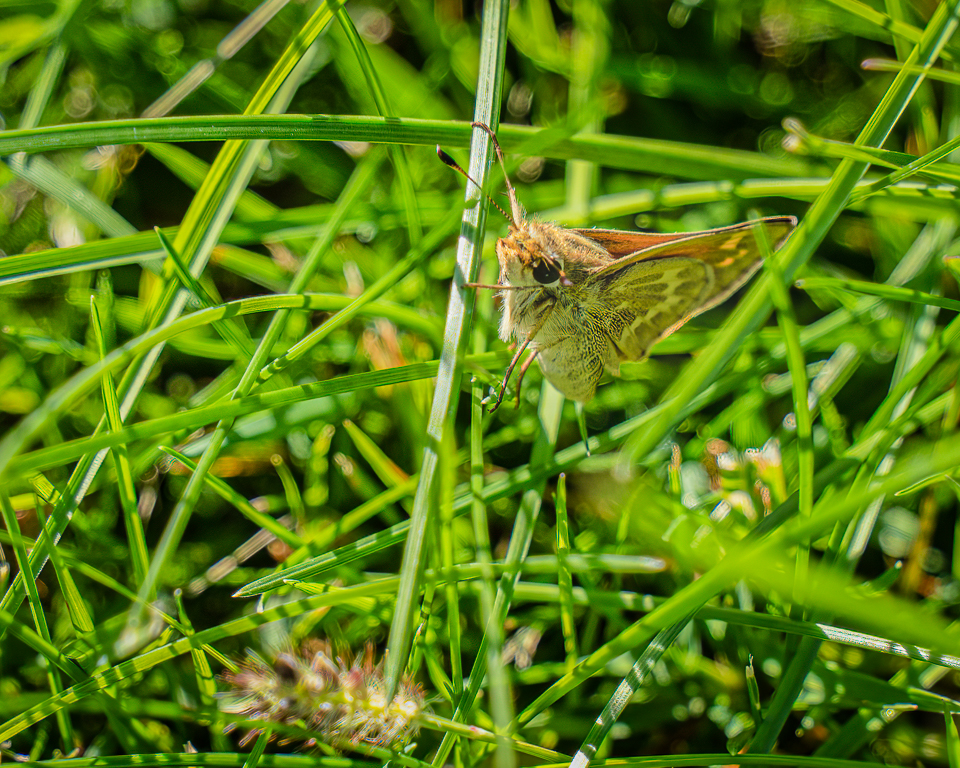
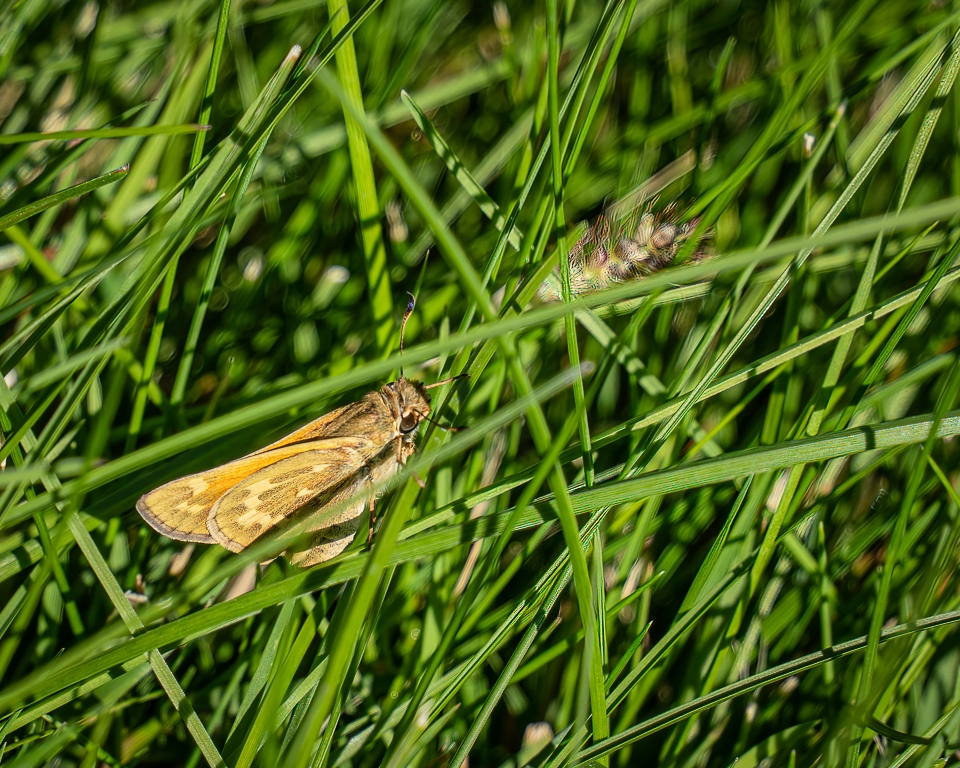
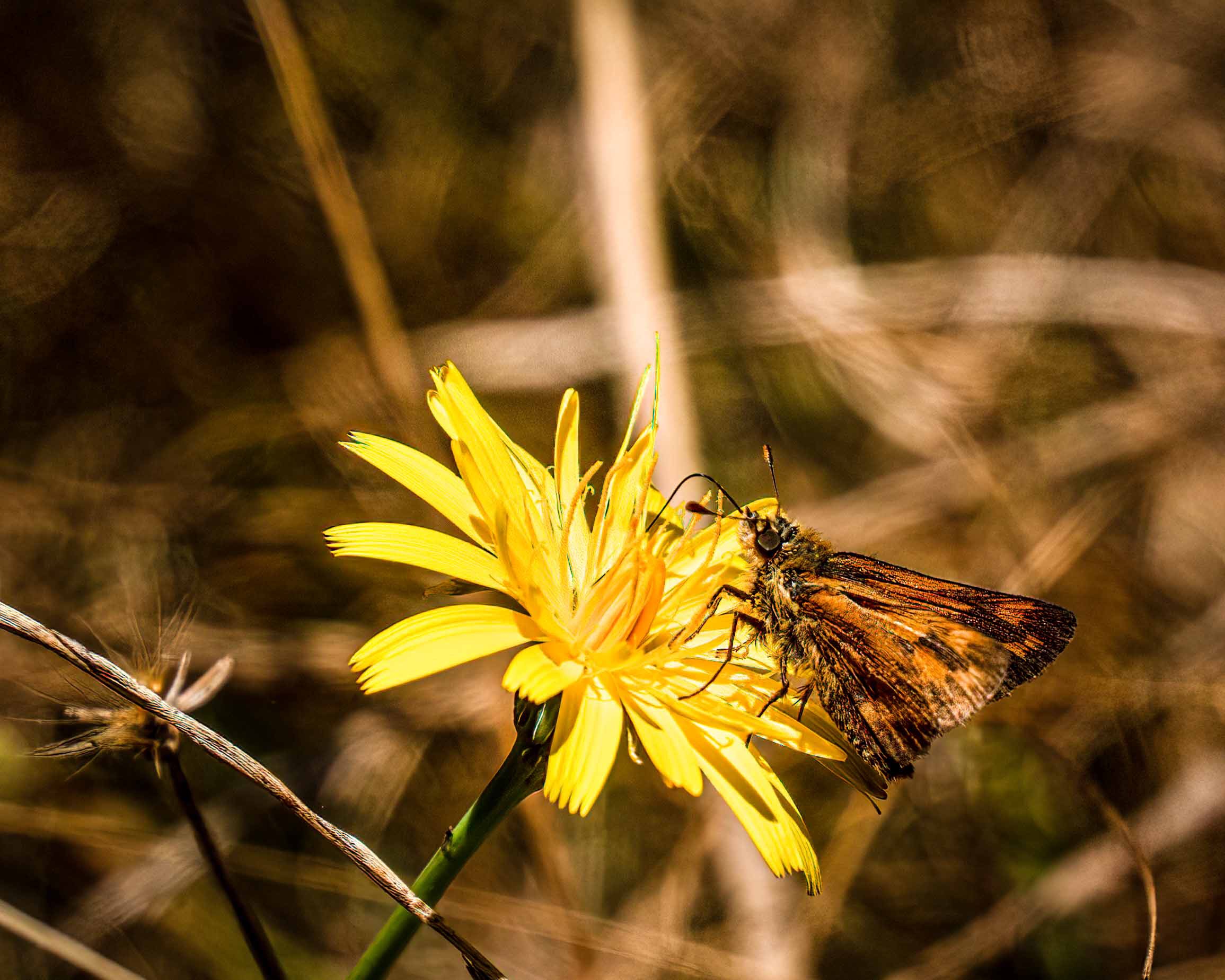
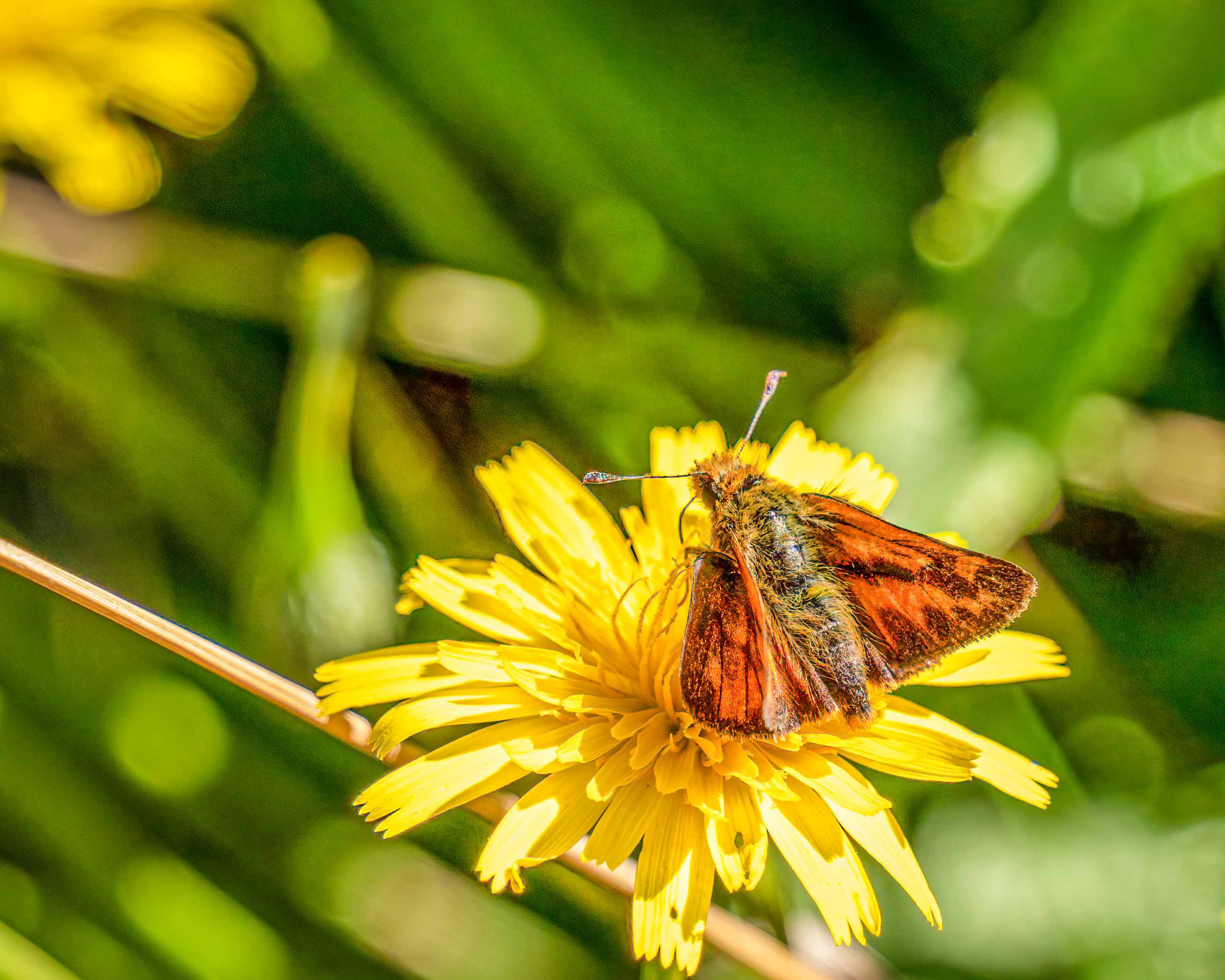
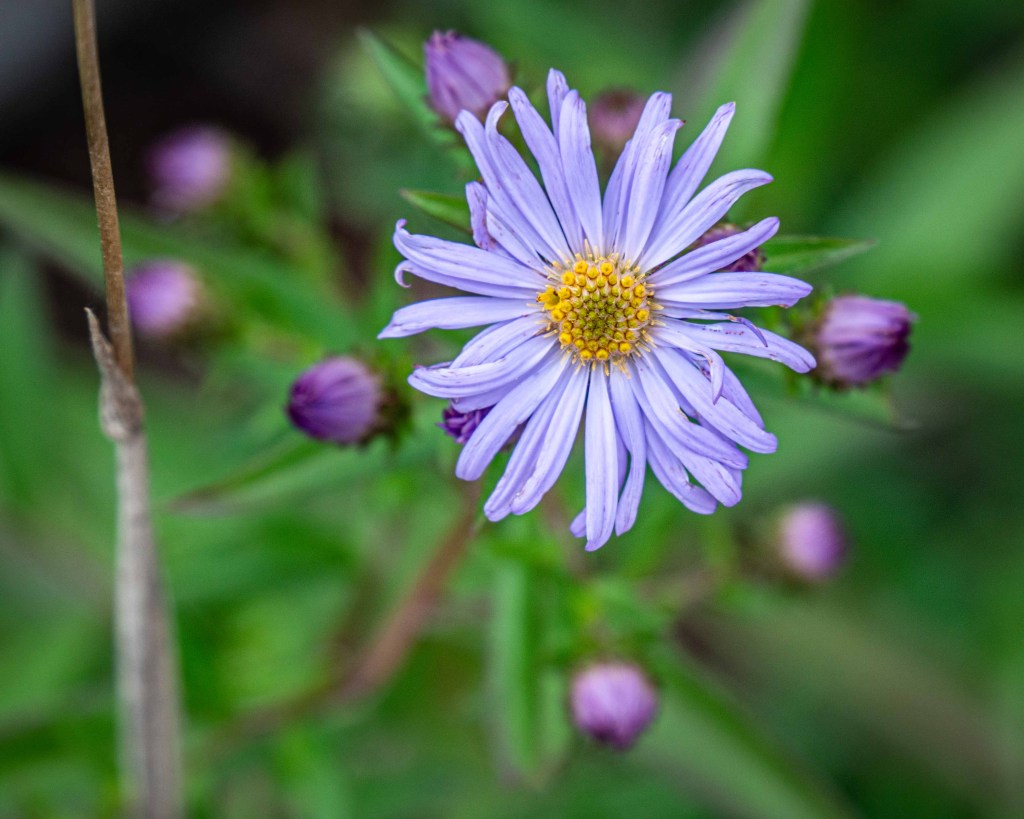
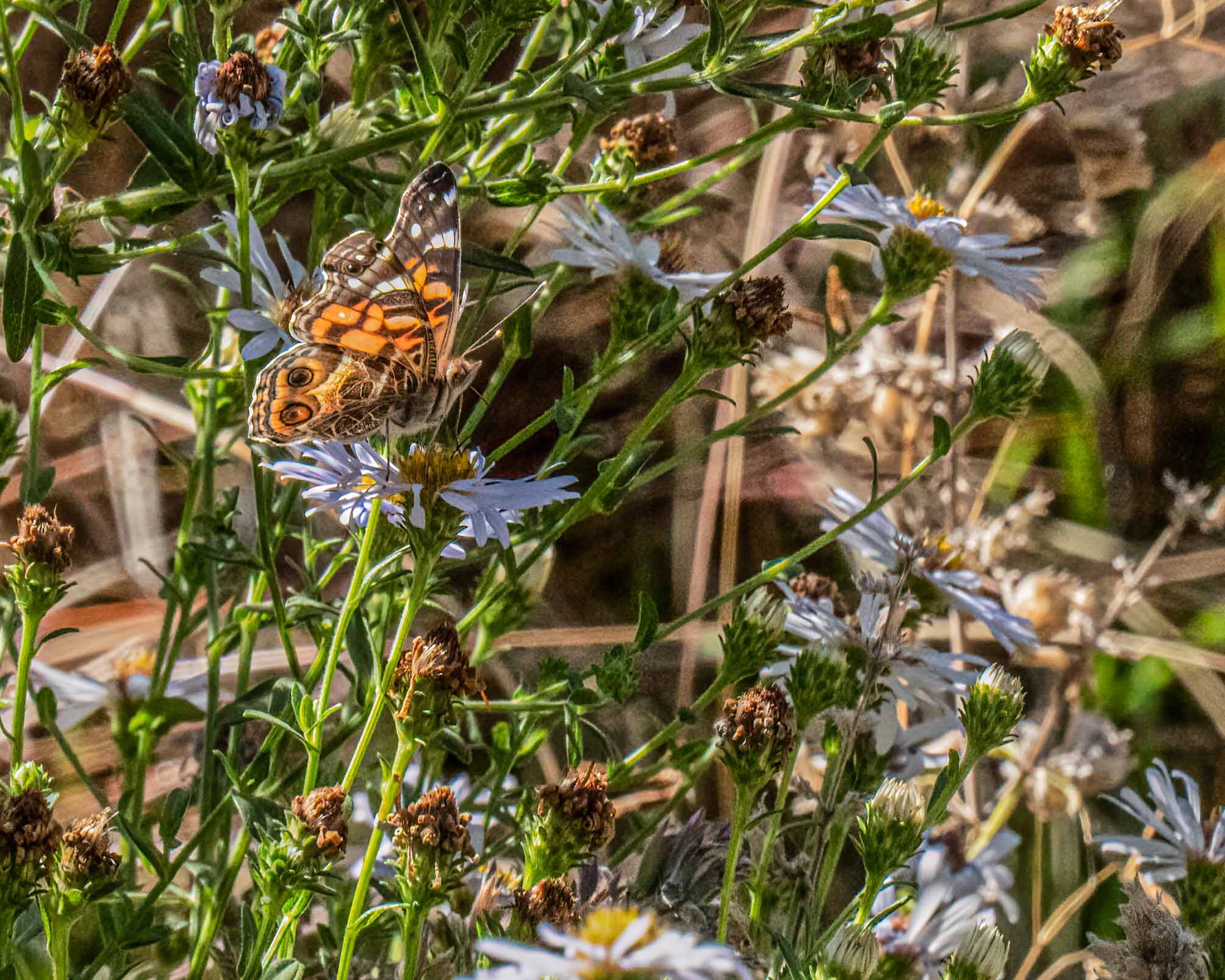
Also, a few butterflies remained still enough to photograph despite the wind. These both may be “lifers’ for me.

Next was nearby Maryhill Winery. Family-owned and operated since 1999, Maryhill Winery is one of the largest and most visited wineries in Washington, offering spectacular views and a tasting. We sampled a number if wines, while Kay sampled the vanilla bean ice cream.
Ralph and Debra ready for sampling

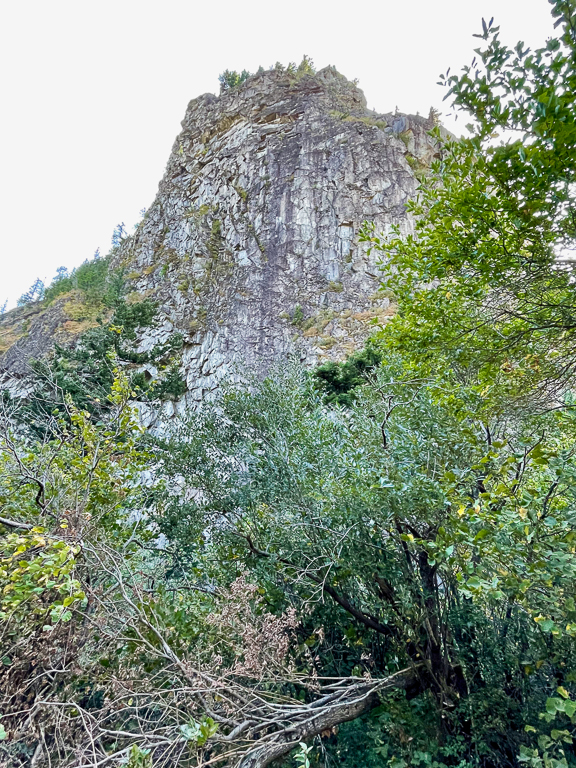
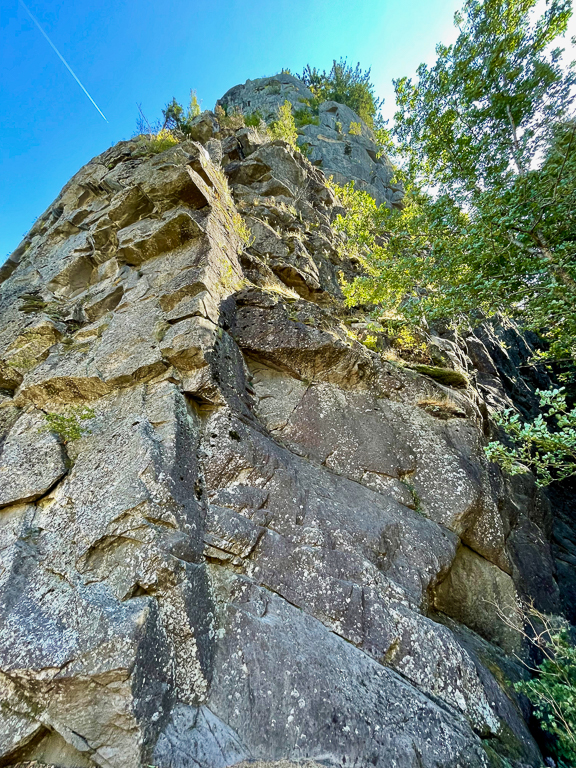
Our last stop of the day, and of the road trip, was Beacon Rock. Beacon Rock is an 848-foot-tall basalt monolith on the north bank of the Columbia River. It was named by Lewis and Clark in 1805; they noted that the rock marked the eastern extent of the tidal influence in the Columbia.

We returned to the Wilhelmi’s to spend the next couple of nights. Debra prepared razor clams and sides for our dinner, and Ralph paired the perfect wine from Maryhill Winery with the great dinner.

Wednesday, September 15, 2021—The Poor House

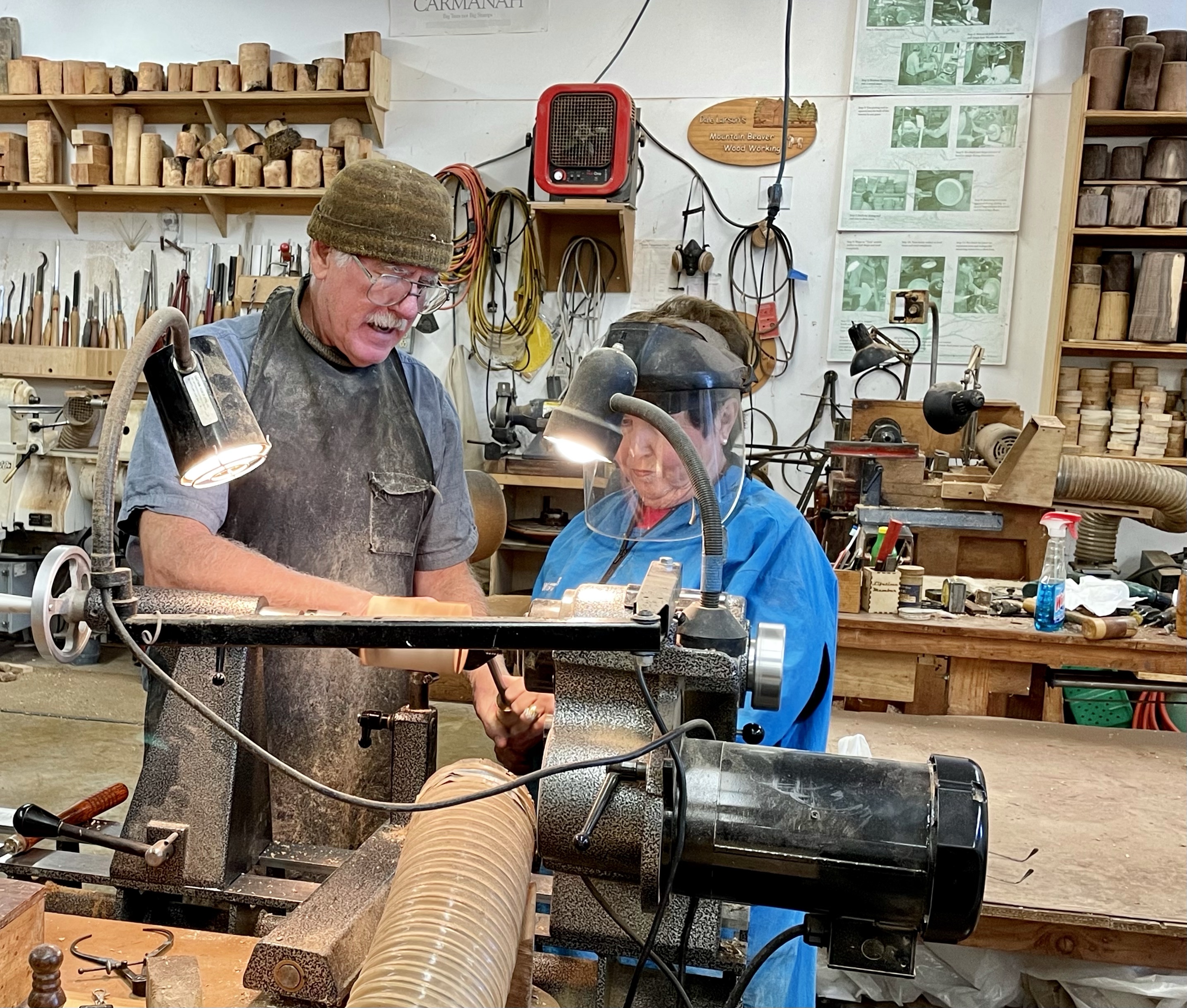
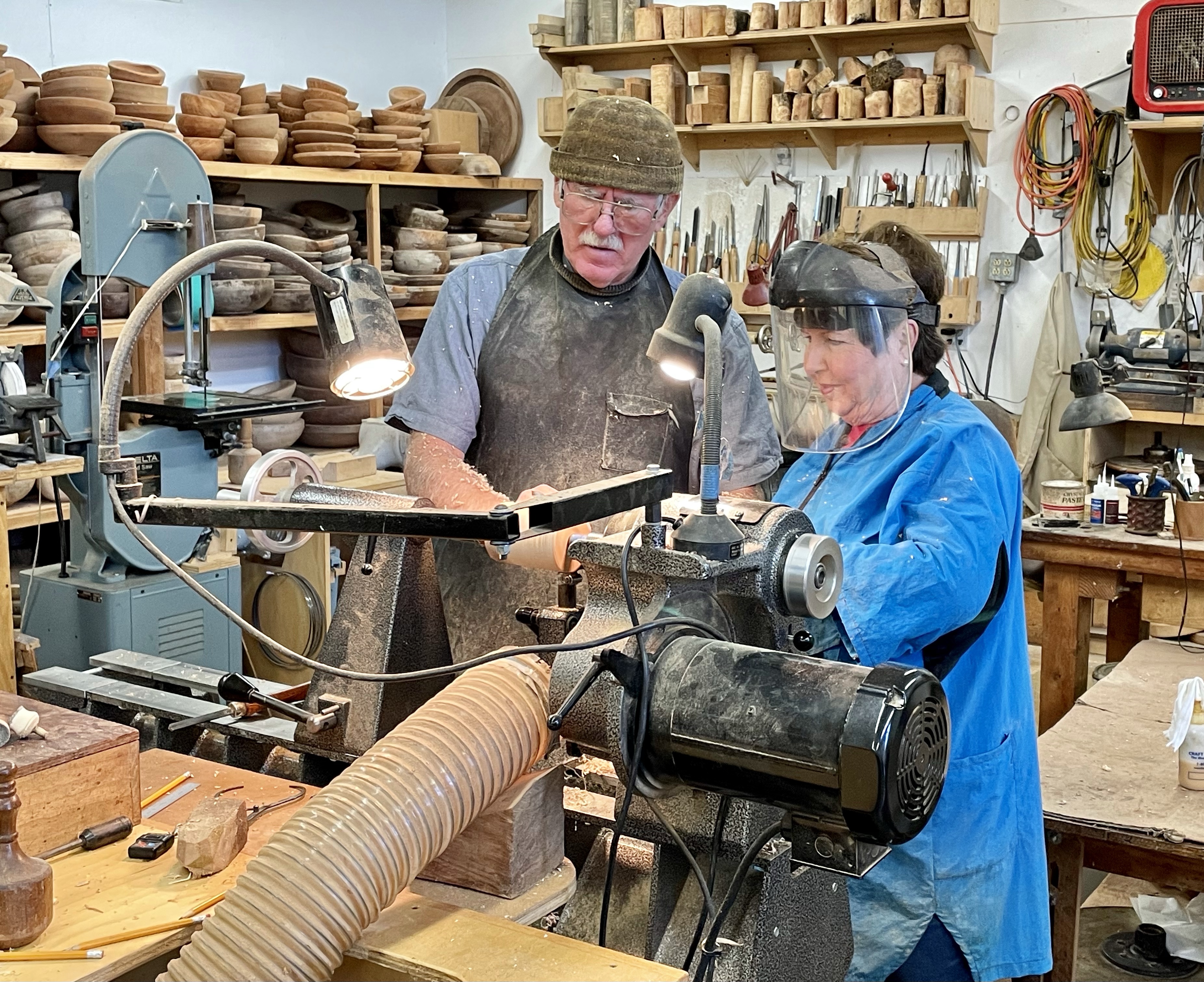
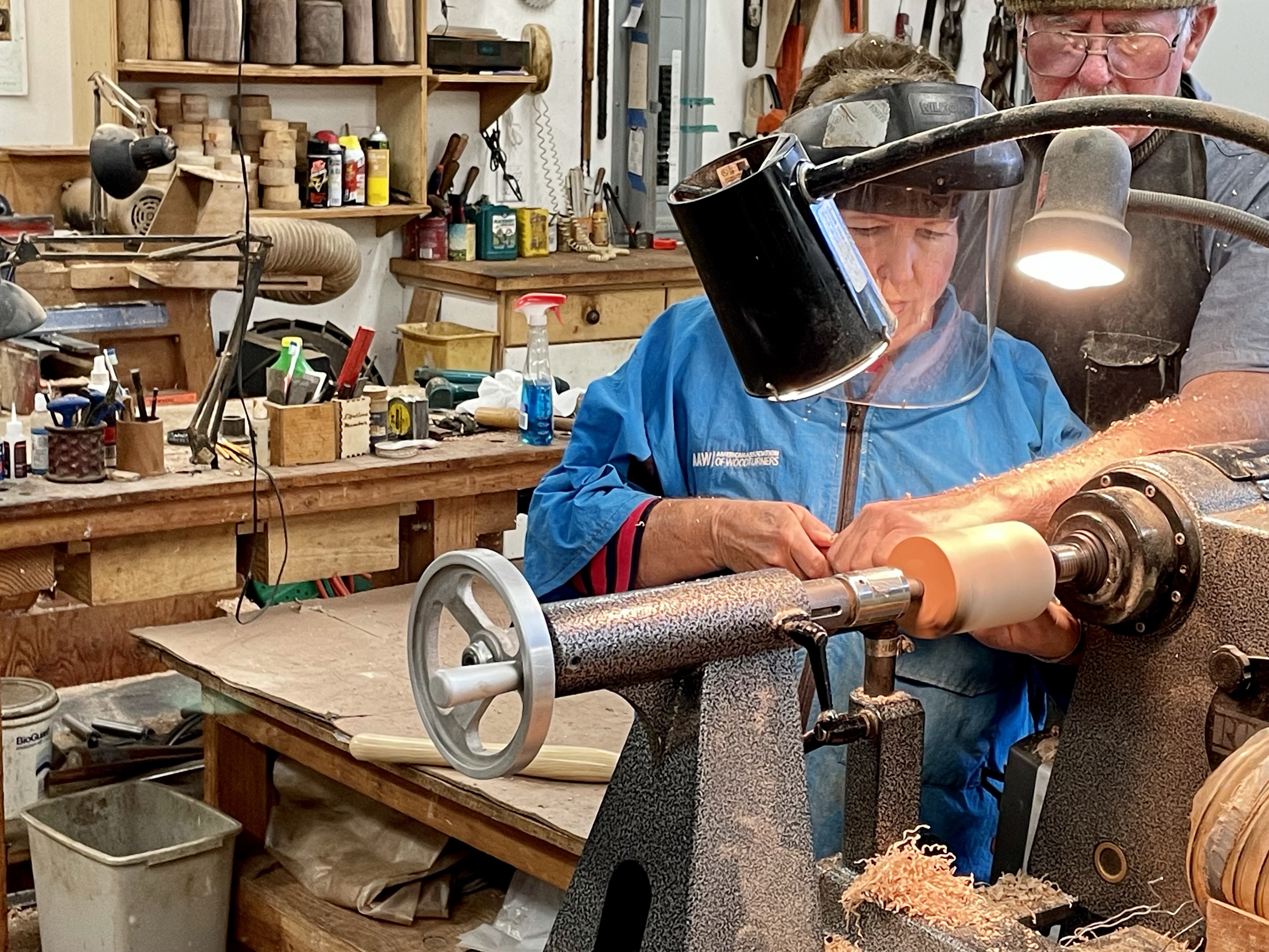
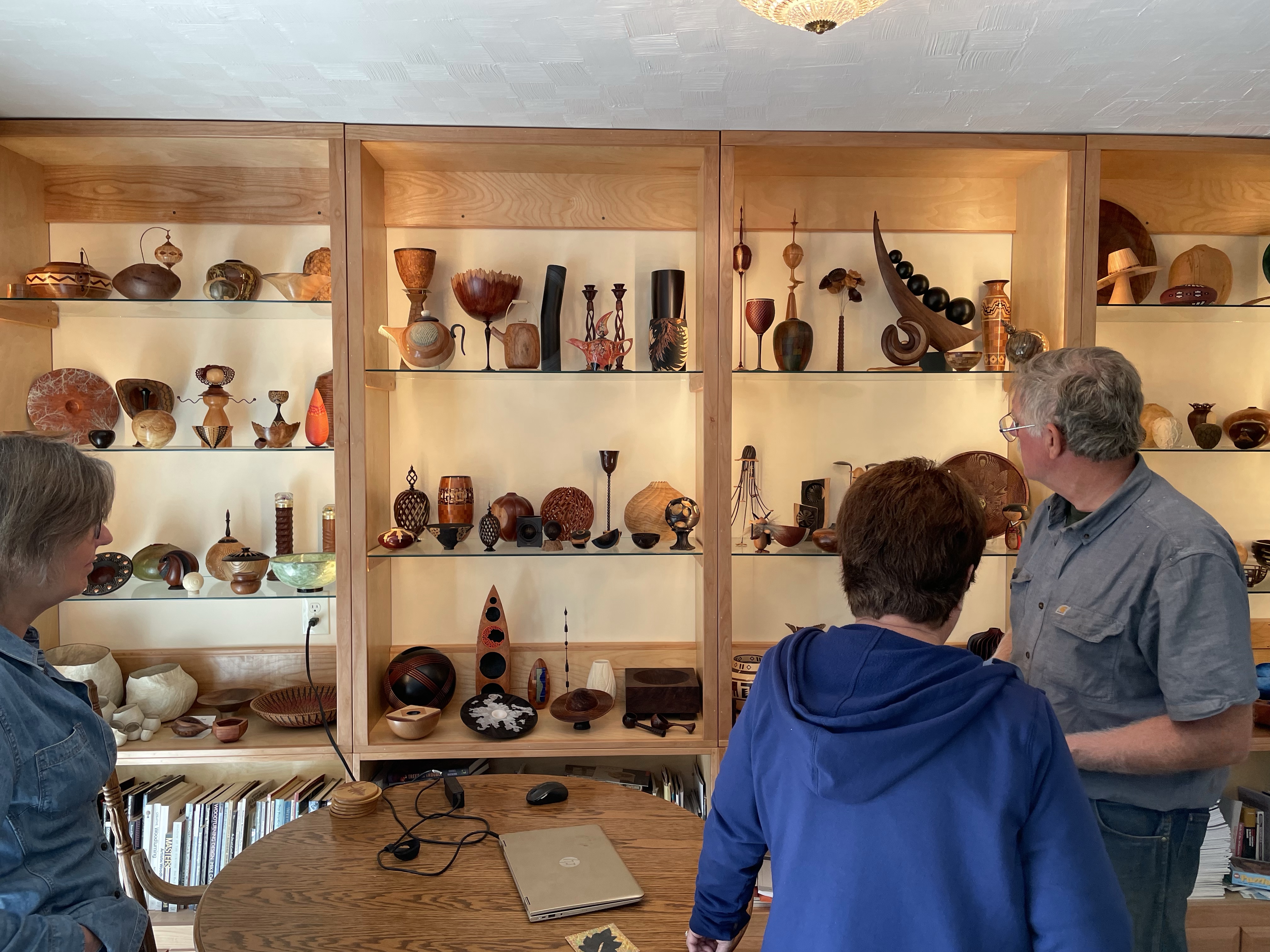
After breakfast we departed Oregon Garden Resort and drove south and east to near Troutdale, Oregon. Dale Larson, our host’s brother, lives there and is one of the world’s best, if not the best, wood turning artist. He was kind enough to give us a tour of his amazing shop, including the shop’s collection of wood turning art.

He graciously extended a wood turning lesson to Kay—making a wooden sphere. The resulting Madrone wood sphere was beautiful, and will be exhibited in the house with Kay’s other pieces of wood turning art.

After the “turning” experience, we viewed his collection of pieces from the other of world’s best turners, and the massive collection of his finest pieces.

Lunch was at the restaurant in the entertainment and lodging complex under the name McMenamins Edgefield. What was so unique about this complex was that it once was the Multnomah County Poor Farm. Established in 1911, the building and its surrounding grounds operated as a poor farm housing the ill and indigent populations in the Portland metropolitan area at the beginning of the twentieth century, before becoming abandoned in the 1980s. The property is listed on the National Register of Historic Places.

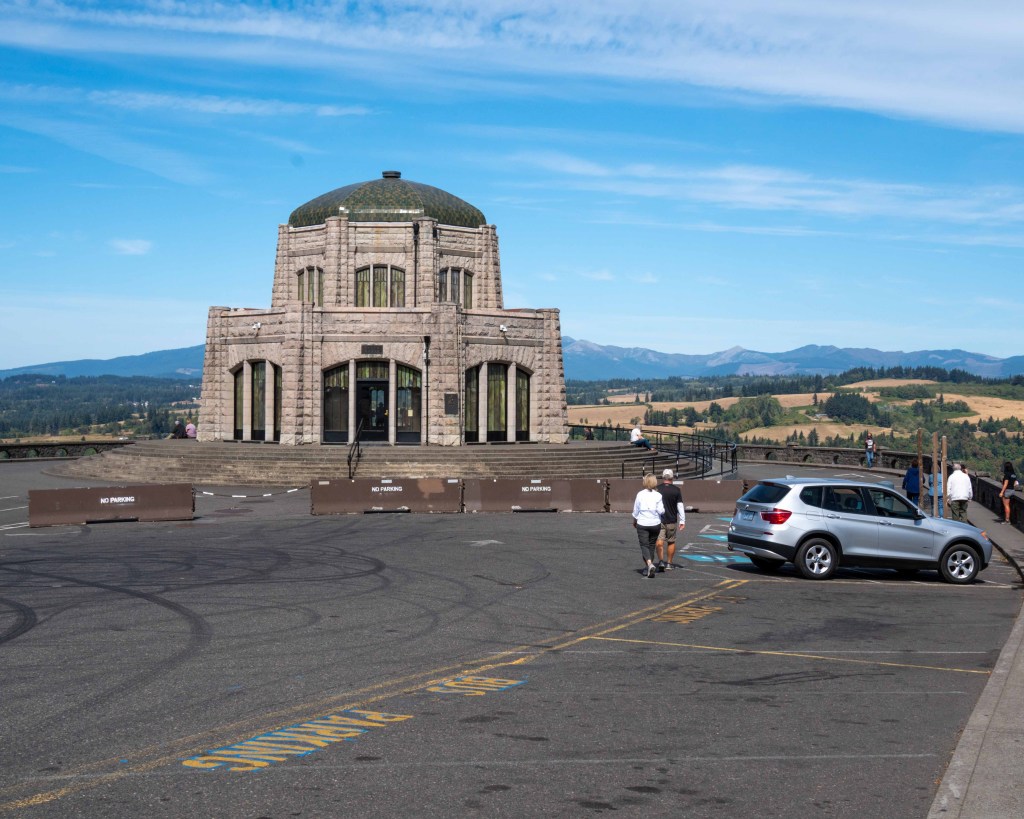
From the poor house, Ralph drove us to the Vista House, near the downstream terminus of the Columbia River Gorge. Vista House was built in 1917 on one of the most beautiful scenic points on the historic Columbia River Highway. It was constructed to provide travelers a place to rest and refresh themselves as they made their way down the magnificent Columbia River Gorge.

Our afternoon drive took us eastward on the historic Columbia River Gorge Parkway. The Columbia River Gorge is a canyon of the Columbia River in the Pacific Northwest of the United States. Up to 4,000 feet deep, the canyon stretches for over eighty miles as the river winds westward through the Cascade Range, forming the boundary between the state of Washington to the north and Oregon to the south.

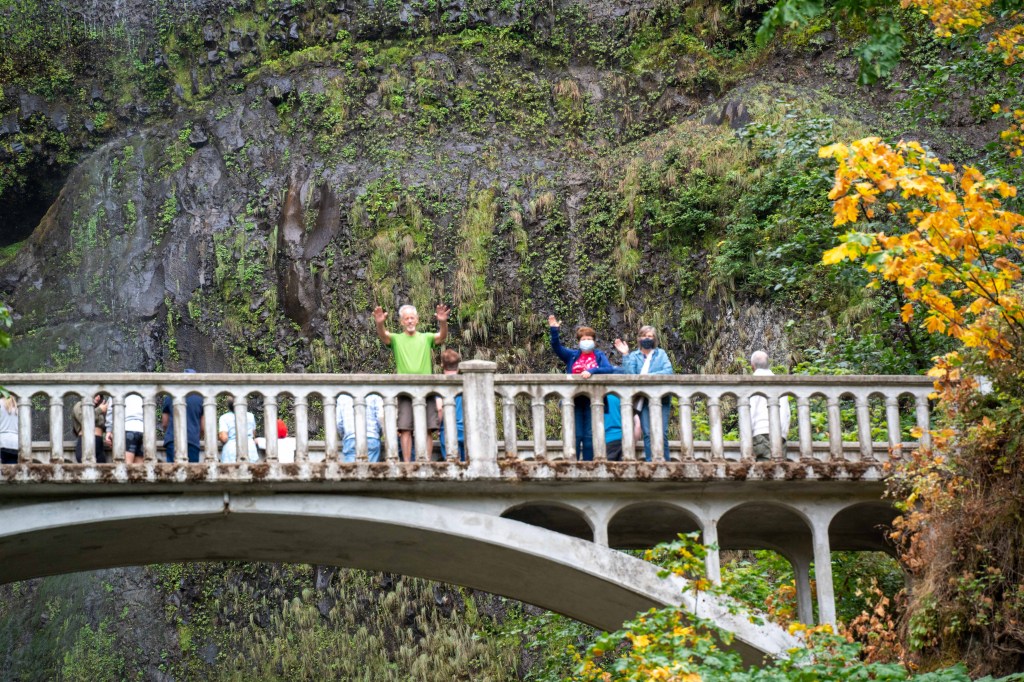
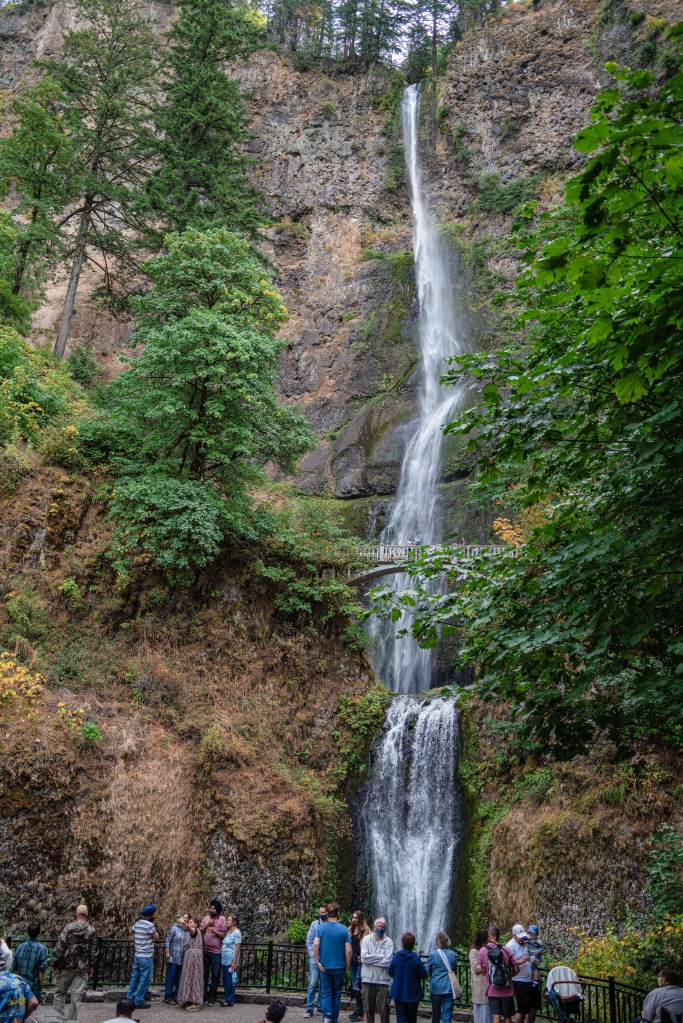
The next stop was at the iconic Multnomah Falls. Multnomah Falls is a 611-foot-tall roaring, awe-inspiring cascade of icy water, where the falls appears to be bisected by an arched pedestrian bridge. This was on my photography bucket list.

Kay and Debra on the bridge about 2/3 down the falls

We overnighted at Hood River, Oregon.

Tuesday, September 14, 2021—Oregon Garden

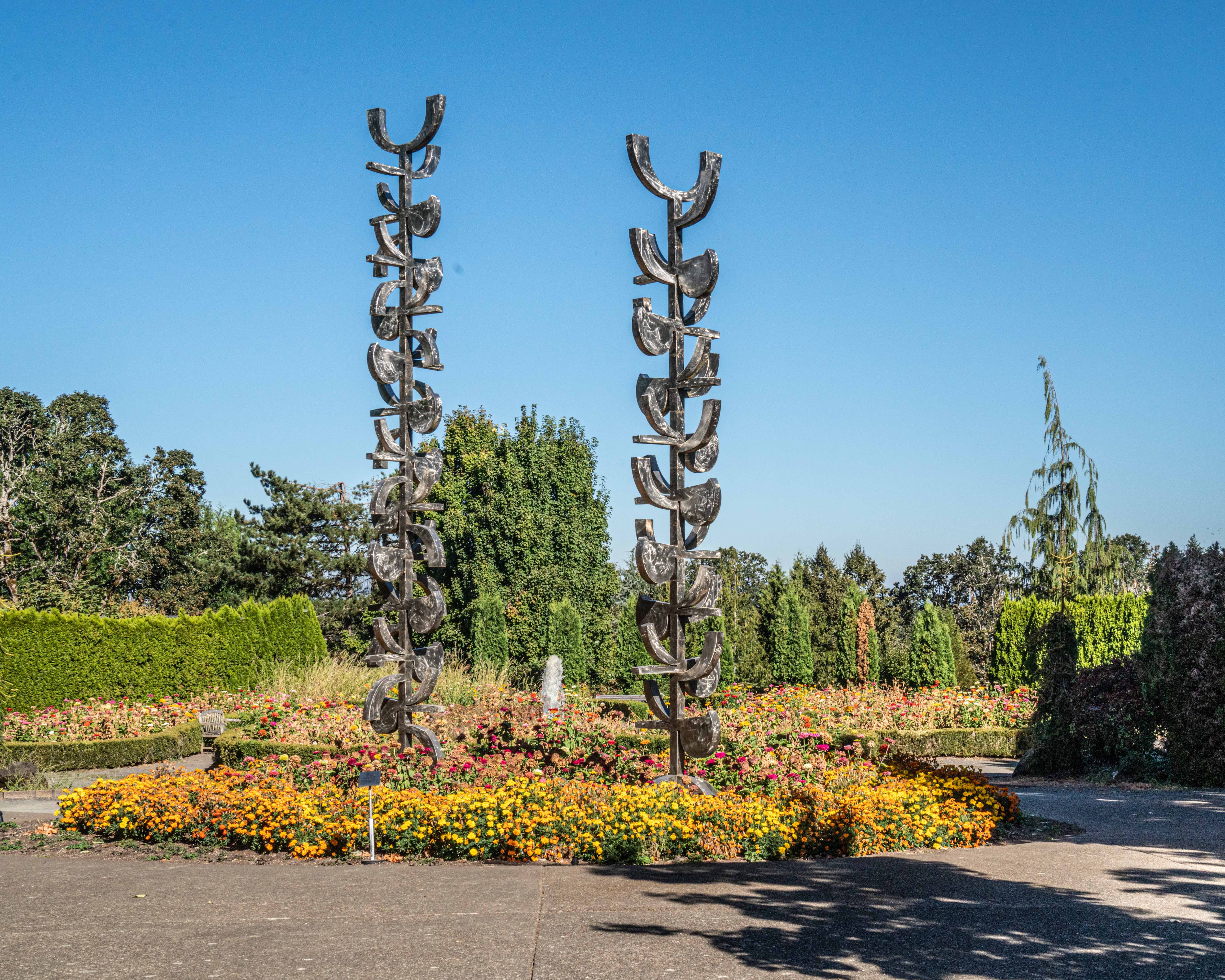
The Oregon Garden is a stunning botanical garden encompassing over 80 acres and featuring more than 20 specialty gardens showcasing the diverse botanical beauty of the Willamette Valley and the Pacific Northwest. Regretfully, the Oregon Garden has experienced the same staff shortage as is occurring most everywhere. Consequently, the beds had not been weeded, cultivated, or replanted. There were a few butterflies flitting about, but not settling down for photographs.

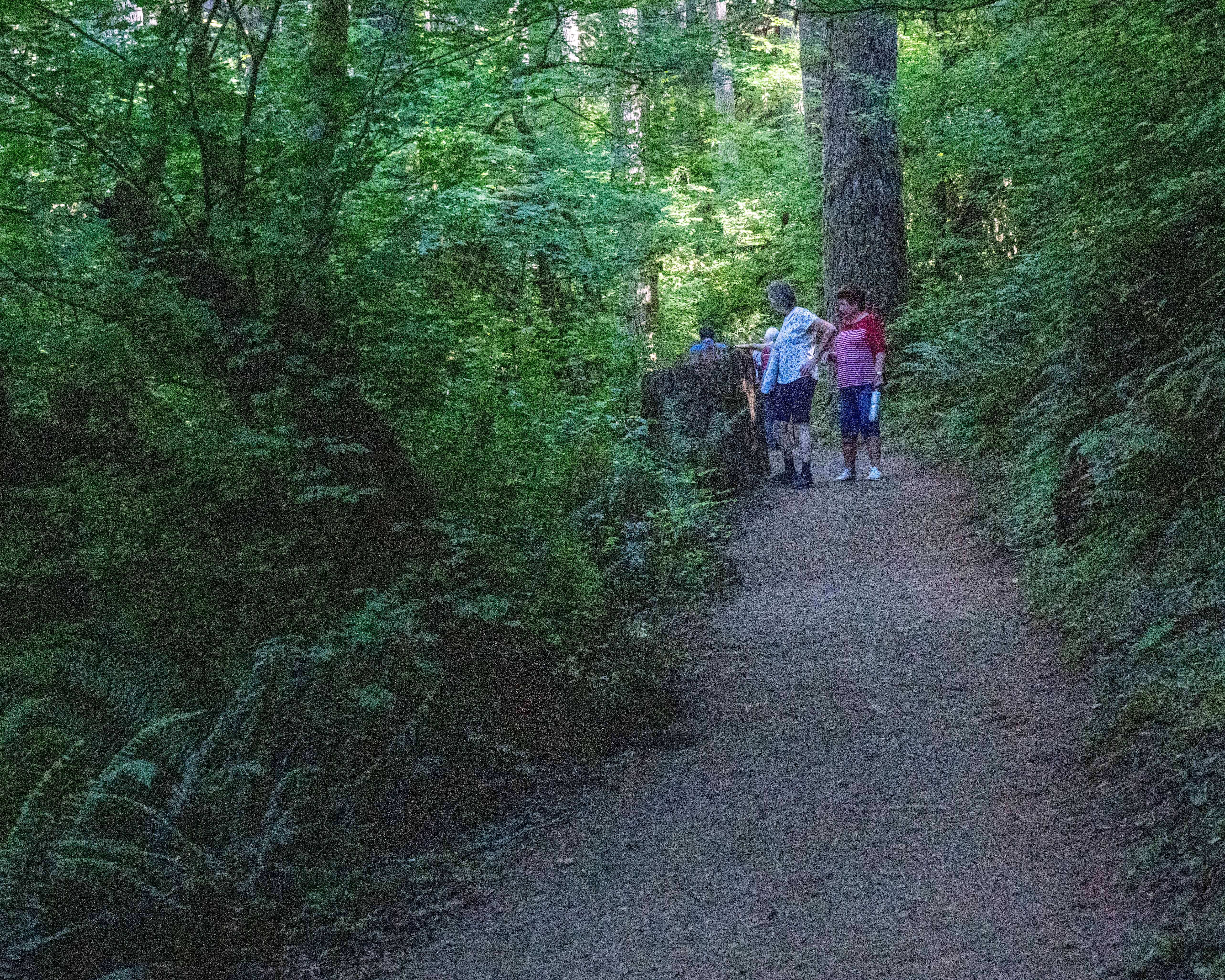
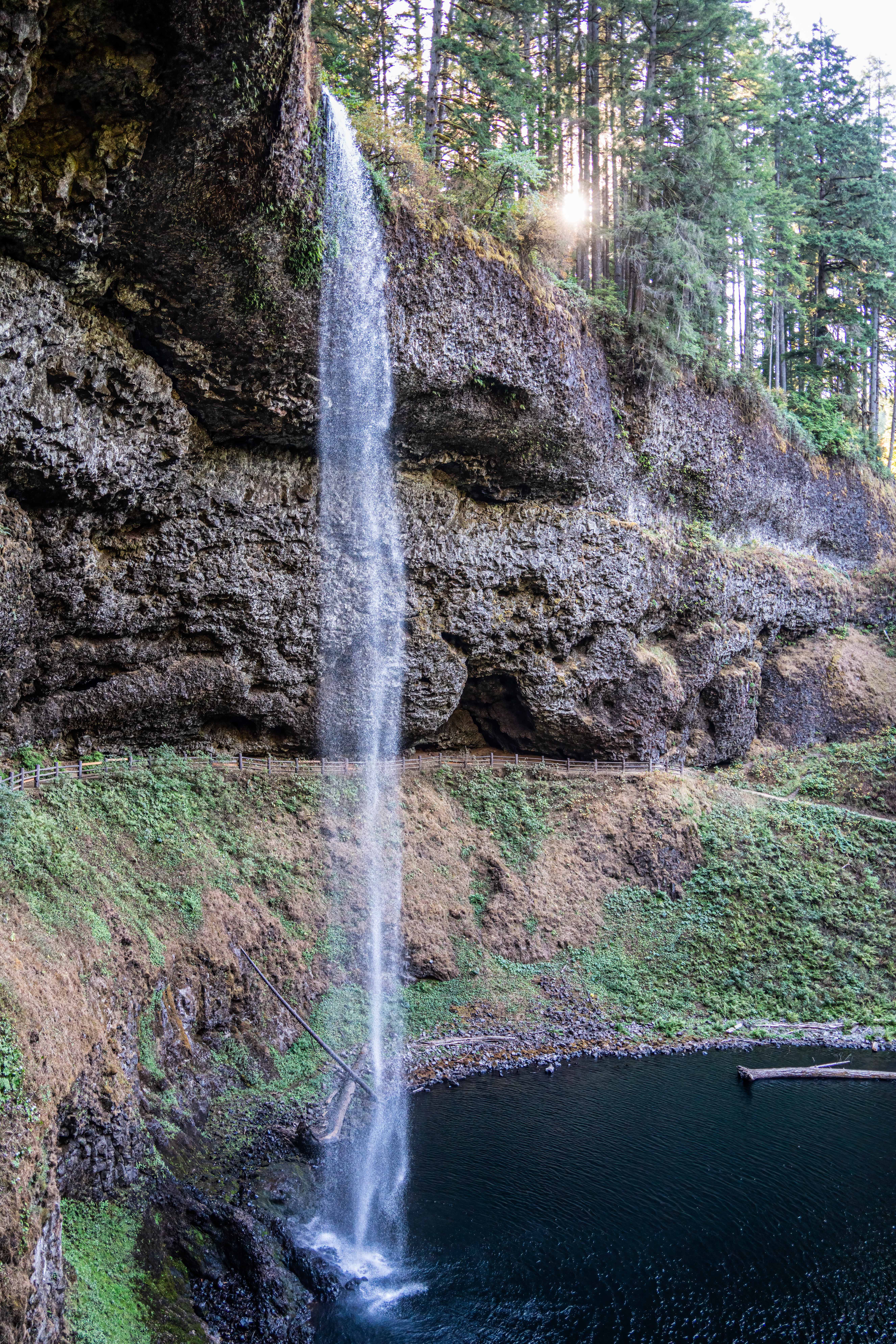
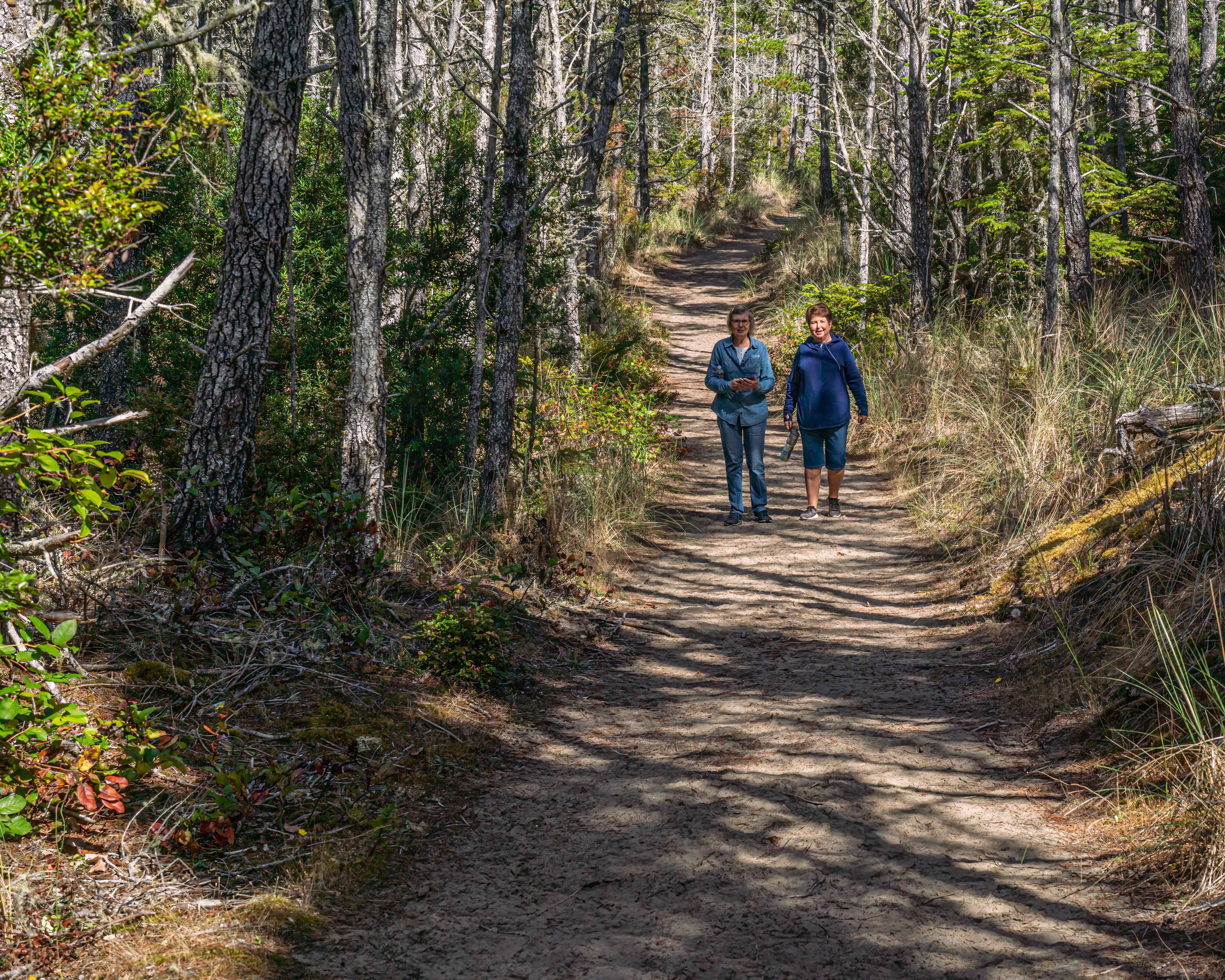
The next stop on today’s itinerary was Silver Falls State Park, Oregon’s largest at over 9,000 acres. We hike the South Falls and Maple Ridge Loop Trail, compiling a distance of 4.6 miles with 633 feet of elevation gain. The trail and surrounding environs were stunning as trees were well into their changing colors. Two waterfalls highlighted the hike: Lower South Falls and South Falls. The park’s most visited waterfall is South Falls, a 177-foot cascade. The trail behind both falls offered unique perspectives.

We returned to Oregon Garden Resort to overnight.

Monday, September 13, 2021—Northwest Coast of Oregon

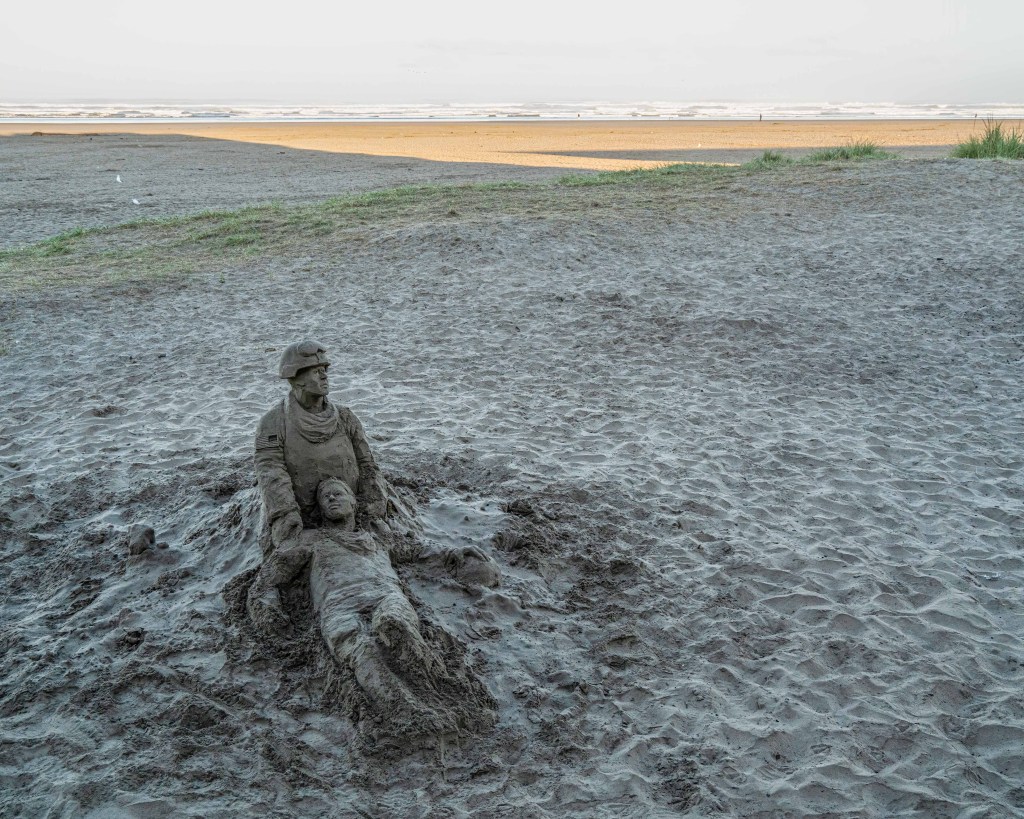
After overnighting at Seaside, Oregon, we walked the promenade, enjoying the cool ocean breezes and lightly crashing waves on the dark sandy beaches. A thought provoking sand sculpture on the beach greeted us as we stepped onto the promenade, with my thoughts immediately going to VietNam, though the sculpture could represent any modern war.

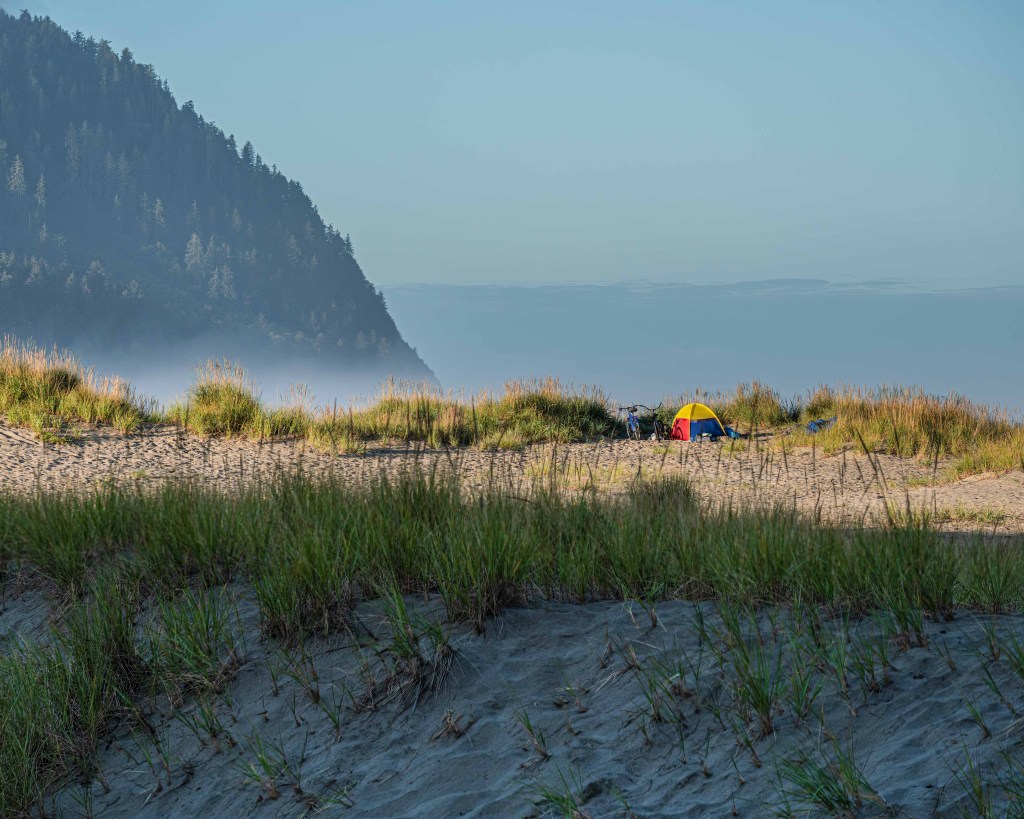
A single, colorful tent sat some distance away, in stark contrast. Before returning to the room, we enjoyed a latte and bacon and cheese biscuit.

From the hotel in Seaside, Oregon, our drive took us to Fort Clatsop, the site on the Netul River (since renamed Lewis and Clark River) where the 33-member Lewis and Clark Expedition wintered from December 7, 1805, until March 23, 1806. Lewis and Clark National Historical Park includes a Visitor Center and gift shop, trails, and an interpretive replica of the fort used by the Corps of Discovery for their living and working quarters.

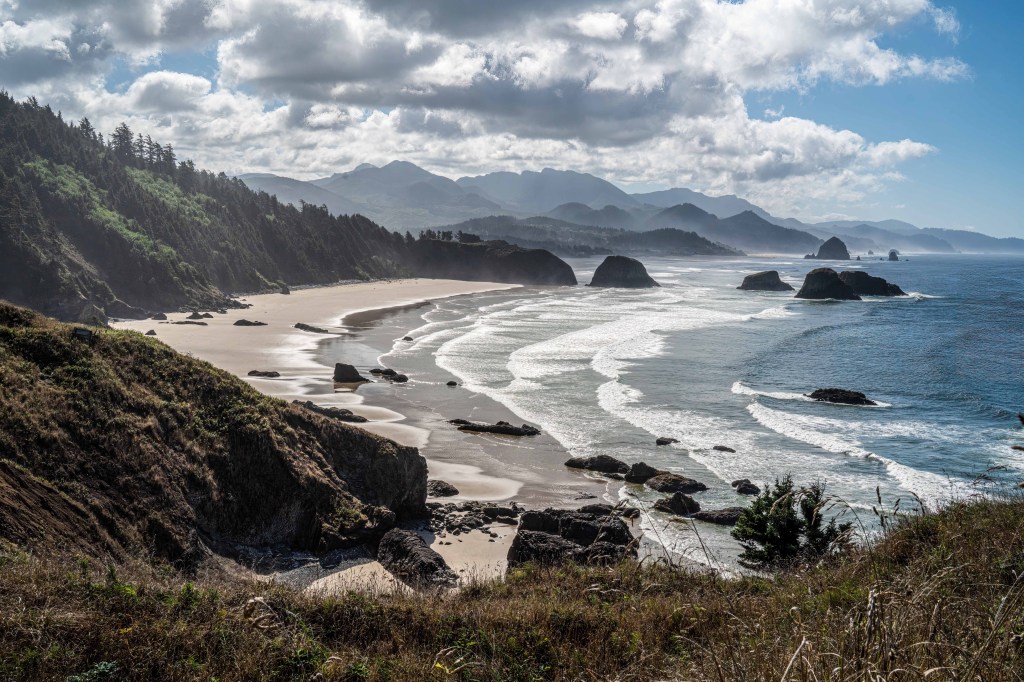
A long-awaited view of the near vertical shoreline with sea stacks greeted us on our stop at Ecola State Park. Sea stacks are huge rock monoliths jutting from the ocean, A short walk to one of two observation points offered cliff side viewpoints of secluded coves, forested promontories, and even a long abandoned lighthouse. Continuing the loop brought us to an almost breathtaking view of Haystack Rock. The low morning sun glowing off the Pacific Ocean cast a hazy glow on the shoreline, resulting in a subtle, but eerie feeling of tranquility. It was a view that one could enjoy all day.

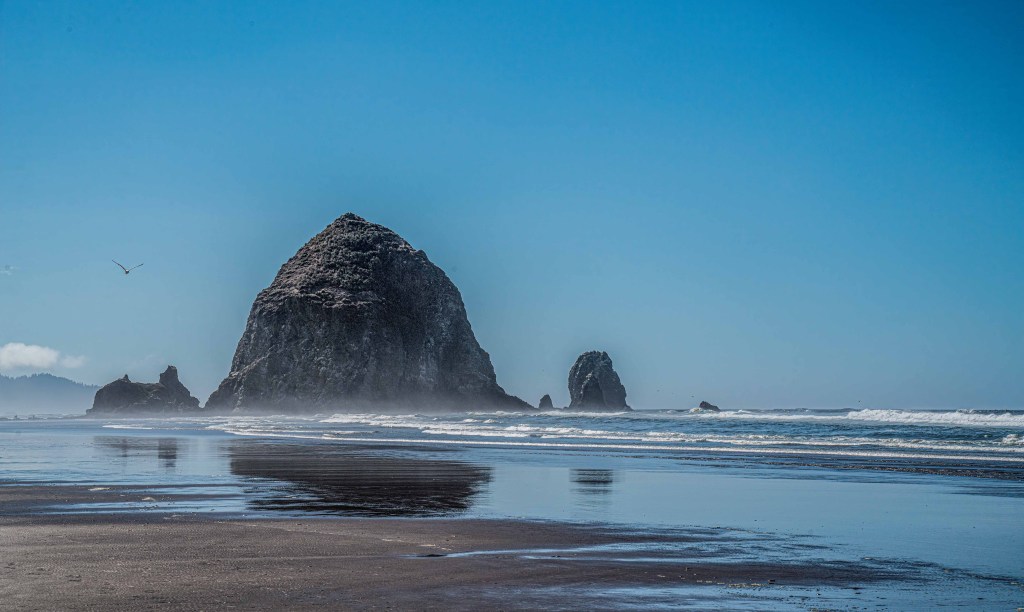
A drive further down the coast brought us to the small town of Cannon Beach. Parking near the ocean, we made the short walk down to and along the beach, inching closer to Haystack Rock with each step. The outstanding view from this beach location was another place where one could tirelessly while away the day. This was perhaps one of the most beautiful scenes I experienced.

An almost three hour drive east and south brought us to Silverton, Oregon, where we overnighted at the Oregon Garden Resort.

Sunday, September 12, 2021—Southwest Coast of Washington

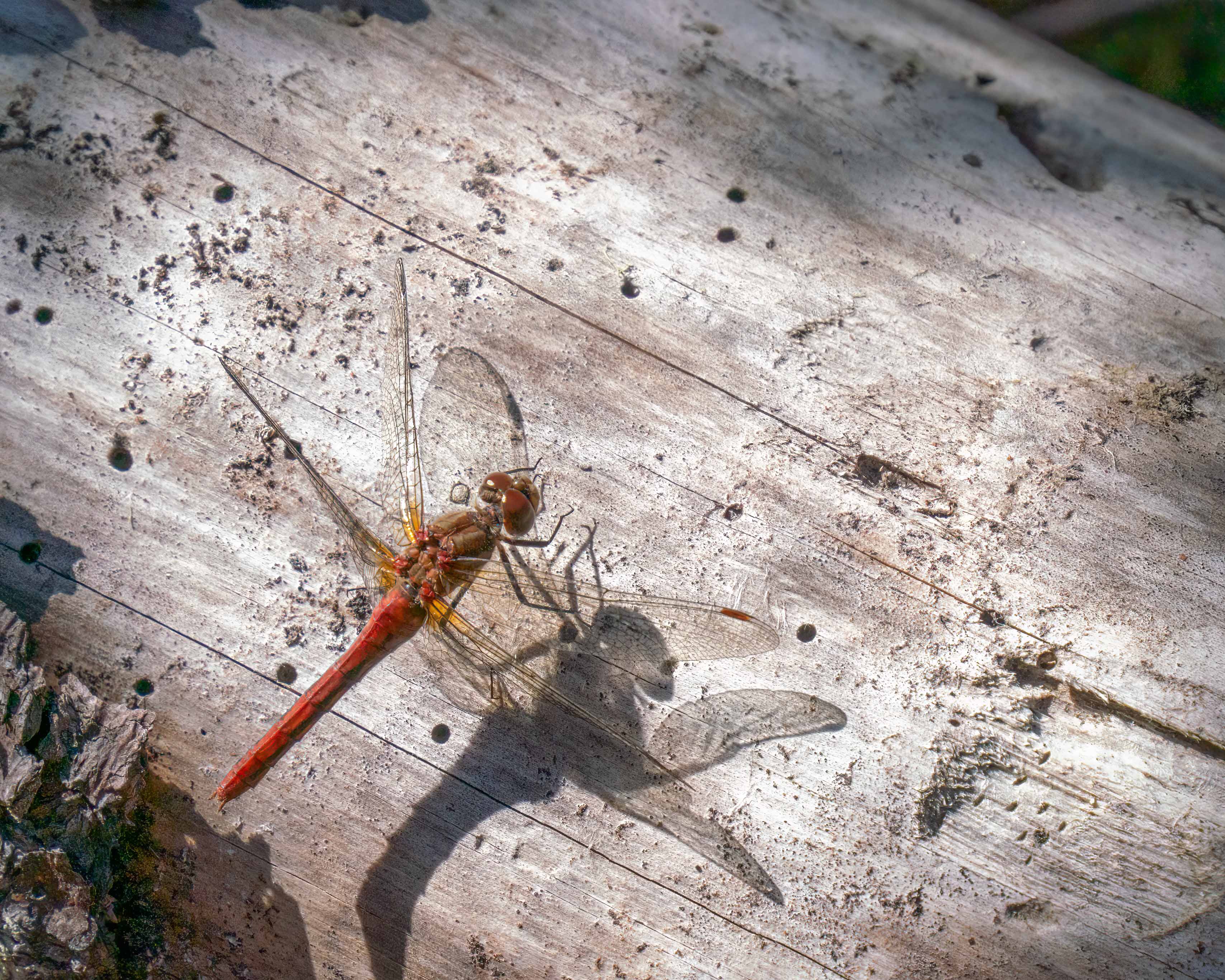
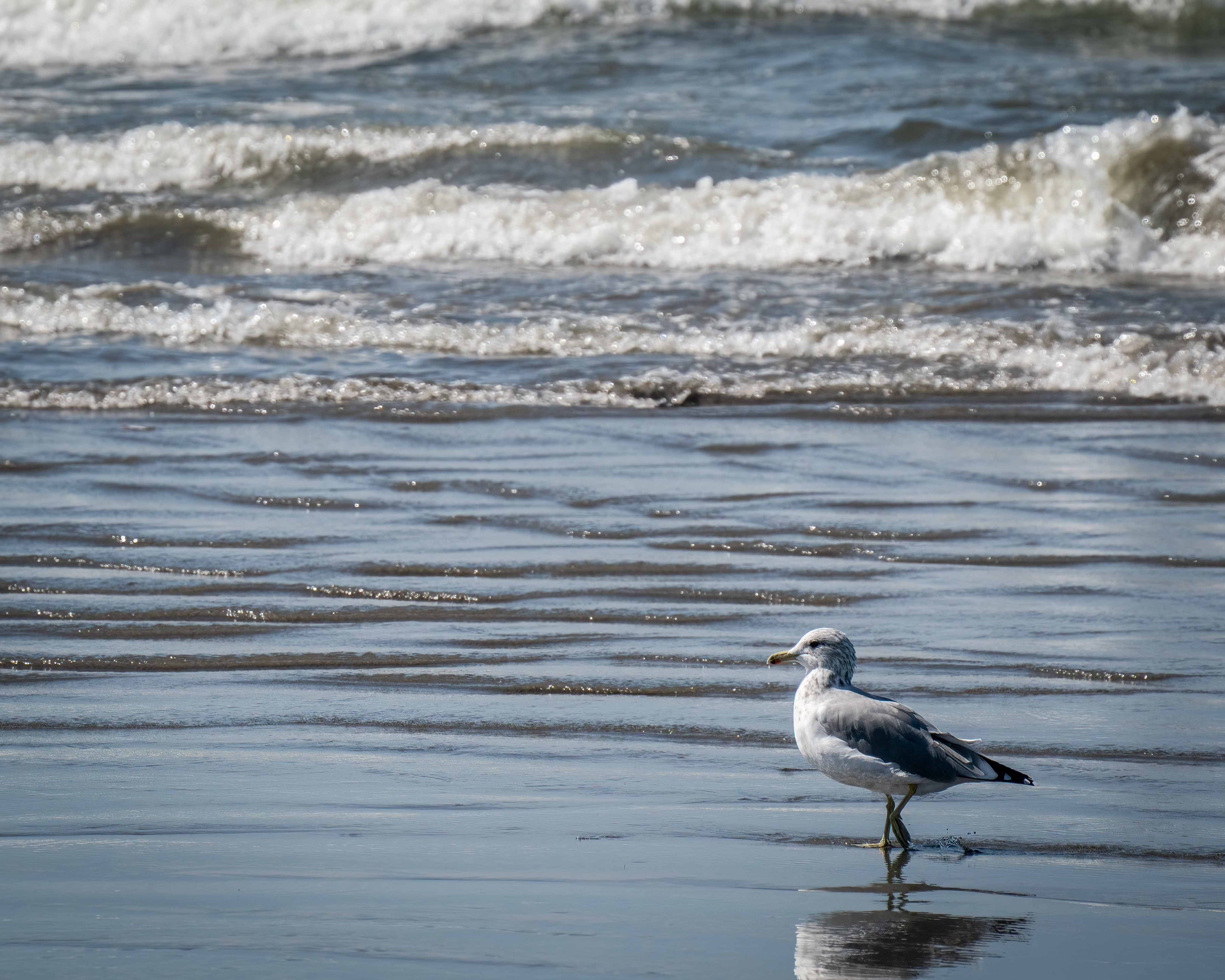
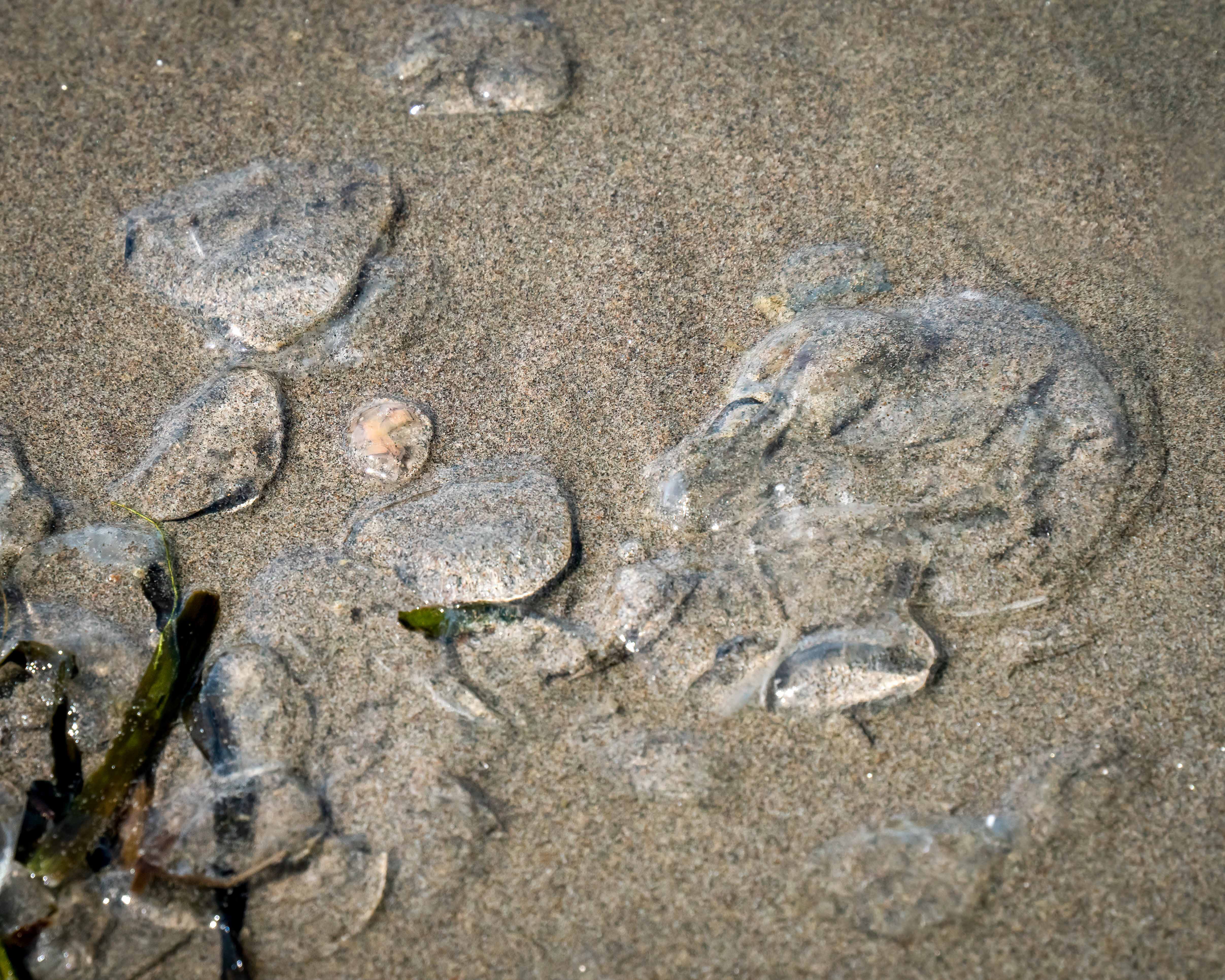
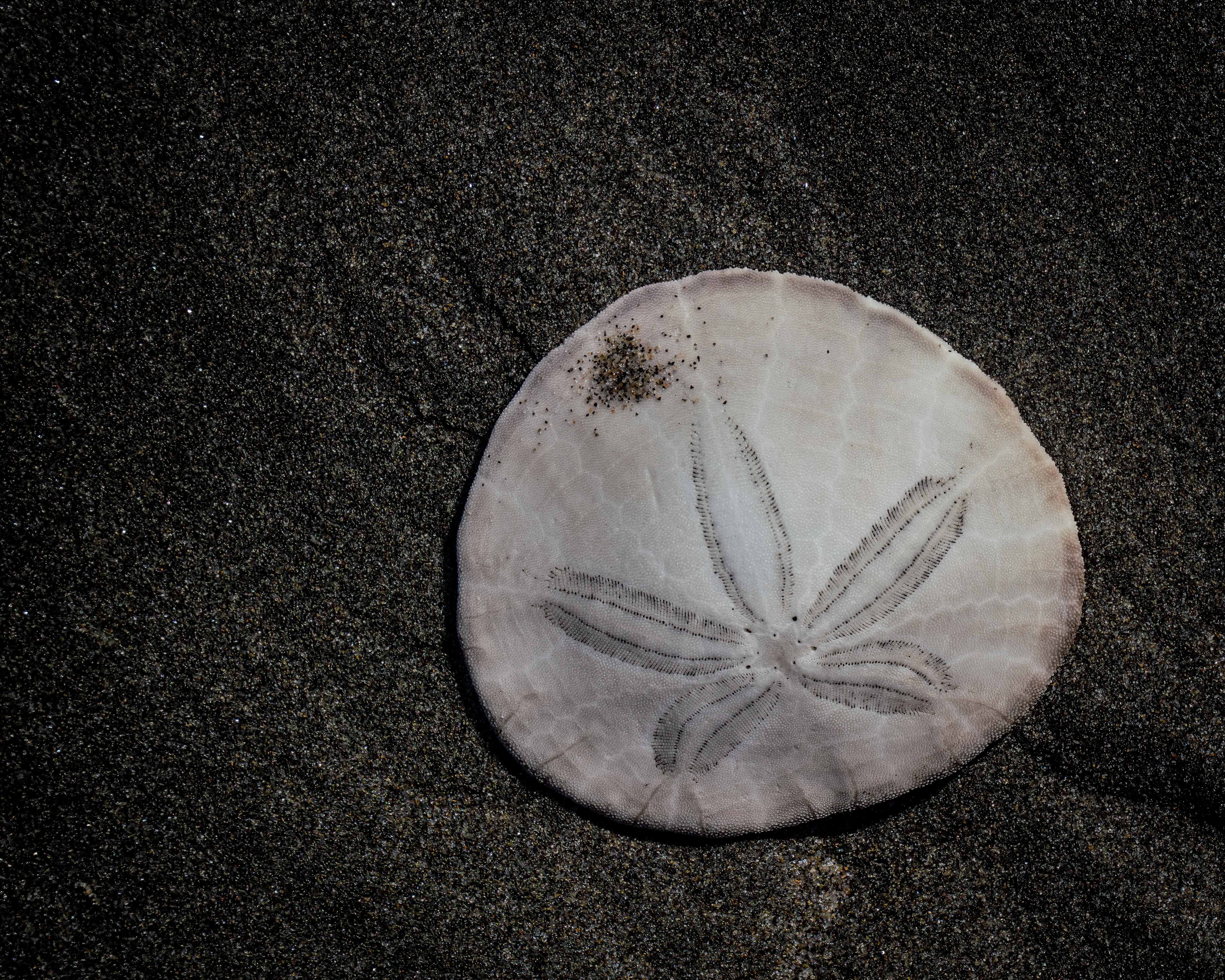
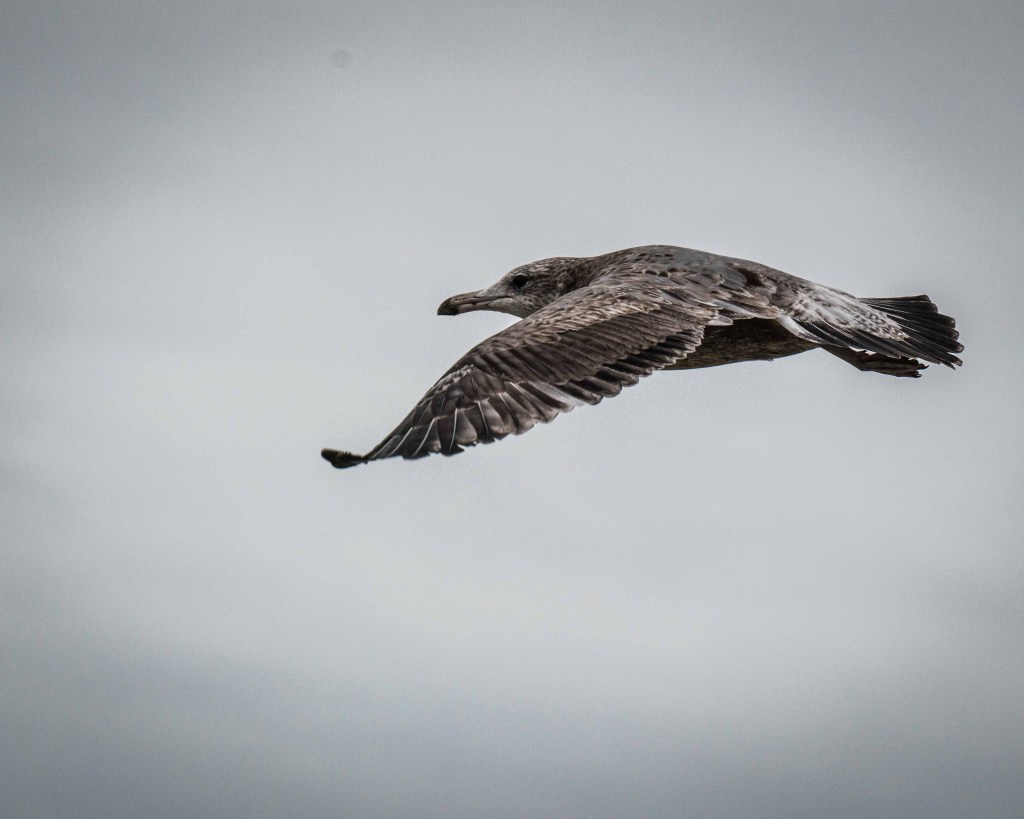
Situated just outside the town of Ilwaco where the Columbia River meets the Pacific Ocean, Cape Disappointment State Park offers a variety of recreational activities, breathtaking scenery, and year-round camping facilities. The beach offered up a few dragonflies, a number of gulls, lots of Jelly Fish, and an intact sand dollar.

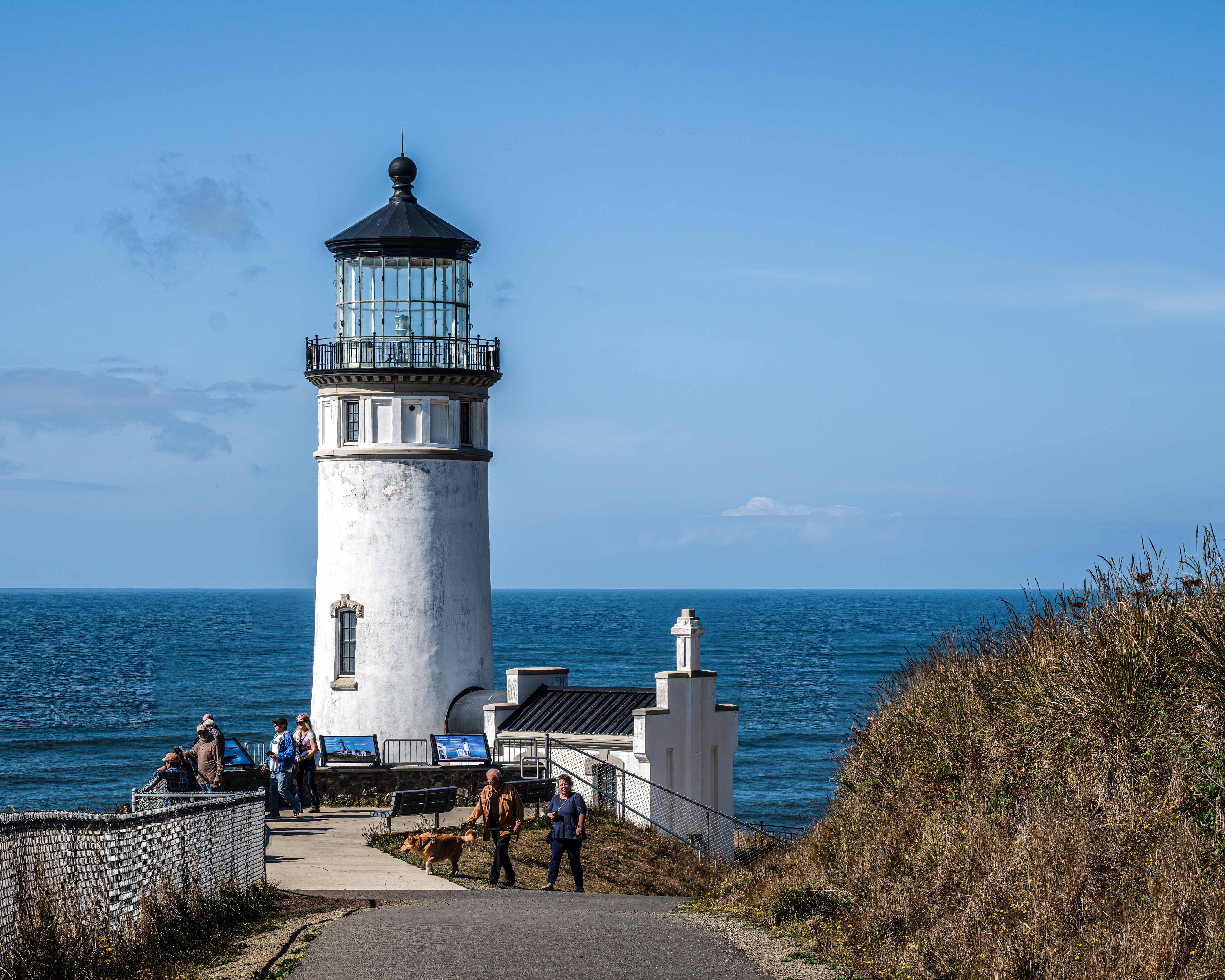
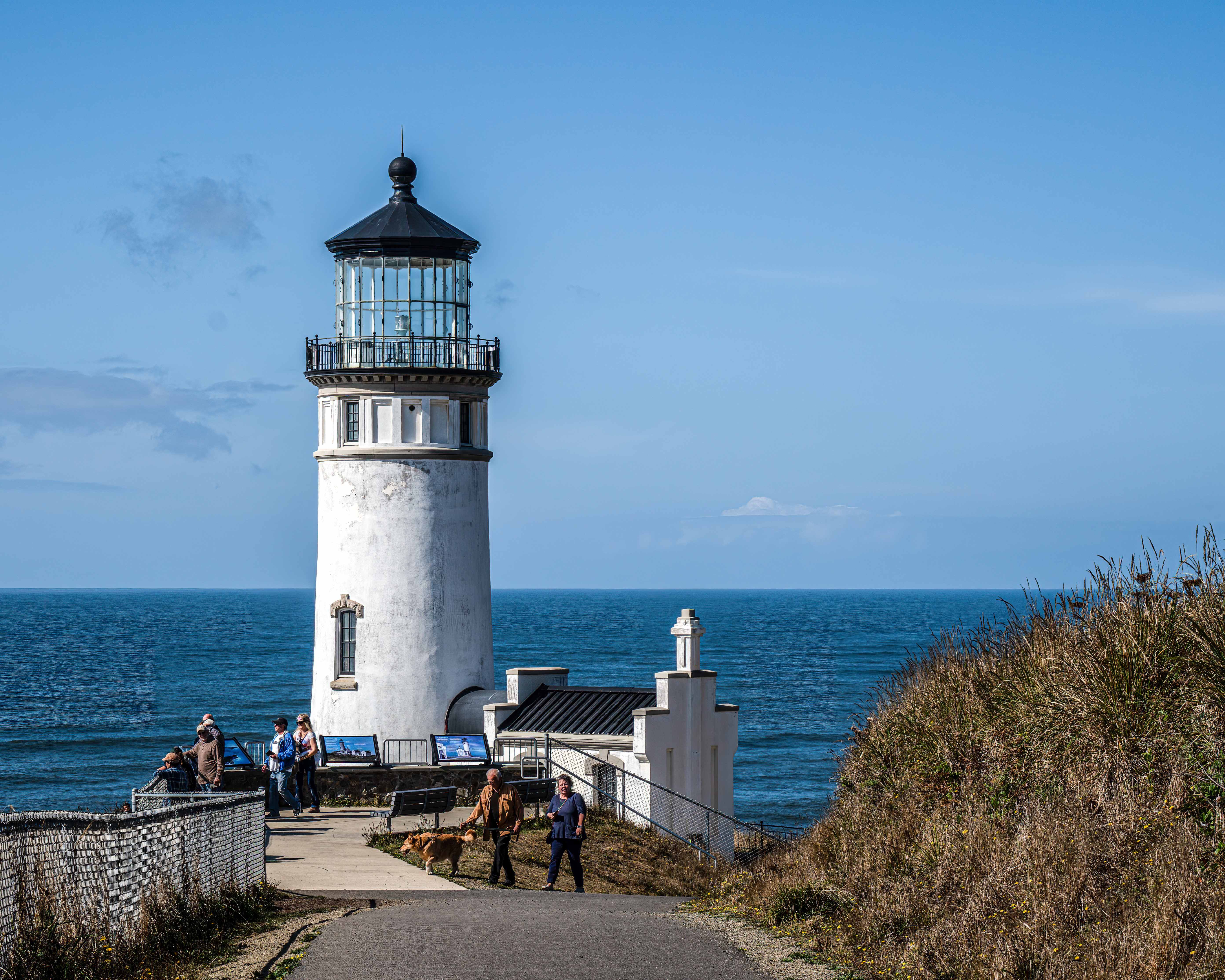
Of key interest to us at this location were the North Head Lighthouse and keepers’ dwellings houses. The lighthouse consists of brick masonry built atop a sandstone foundation and finished with a cement plaster overlay. Sixty-nine steps lead to the lantern room, which is sixty-five feet from the ground and 194 feet above sea level. North Head is the most intact light station in the Pacific Northwest. All of its original buildings remain standing, including the tower, two oil houses, two residences, barn, chicken coop, and garages. North Head is one of the windiest places in the United States, with wind velocities in excess of 100 mph frequently measured.

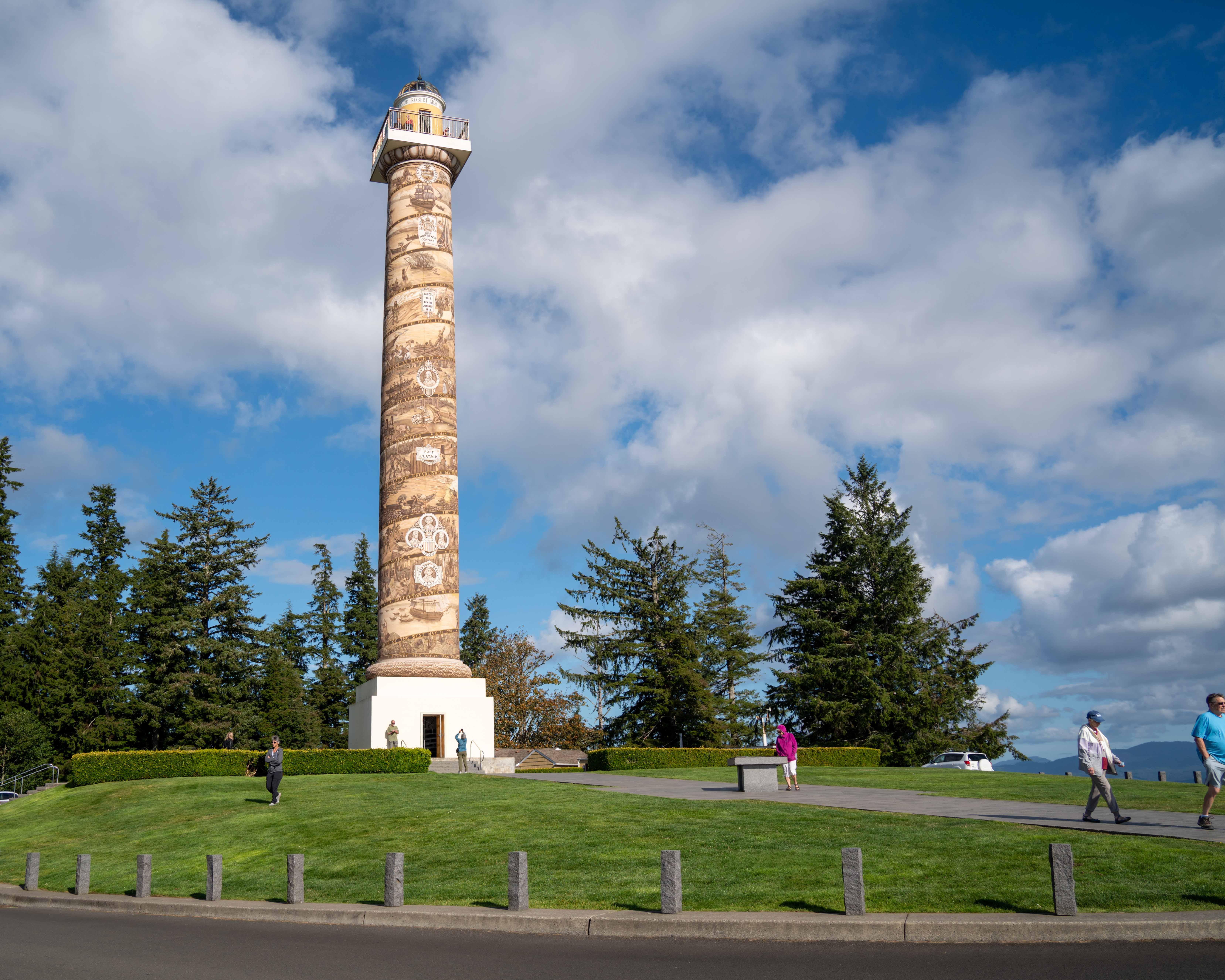
From southwest Washington, we crossed the Columbia River, entering Oregon. Our first stop was atop Coxcomb Hill at the Astoria Column. Located in Astoria, Oregon, the 125-foot-tall Astoria Column serves as a monument to the history Pacific Northwest. The Column is decorated with a sgraffito-style painted histogram recounting the region’s history spanning from the discovery of the Columbia River to the arrival of the railroad. Construction began in March of 1926, and the Astoria Column was officially dedicated on July 22, 1926.

We overnighted at Seaside, Oregon.

Saturday, September 11, 2021—Olympic National Park (cont’d)

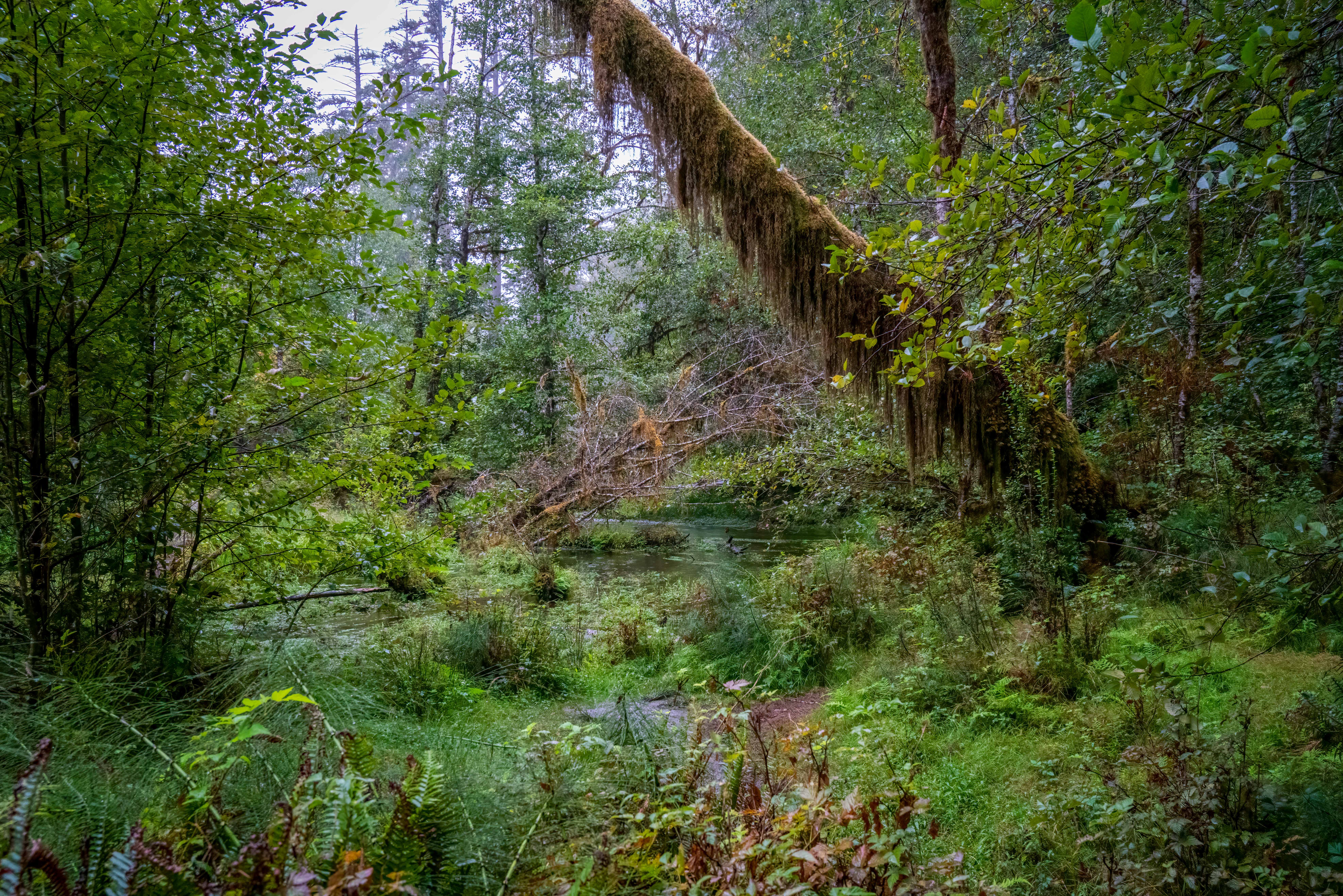
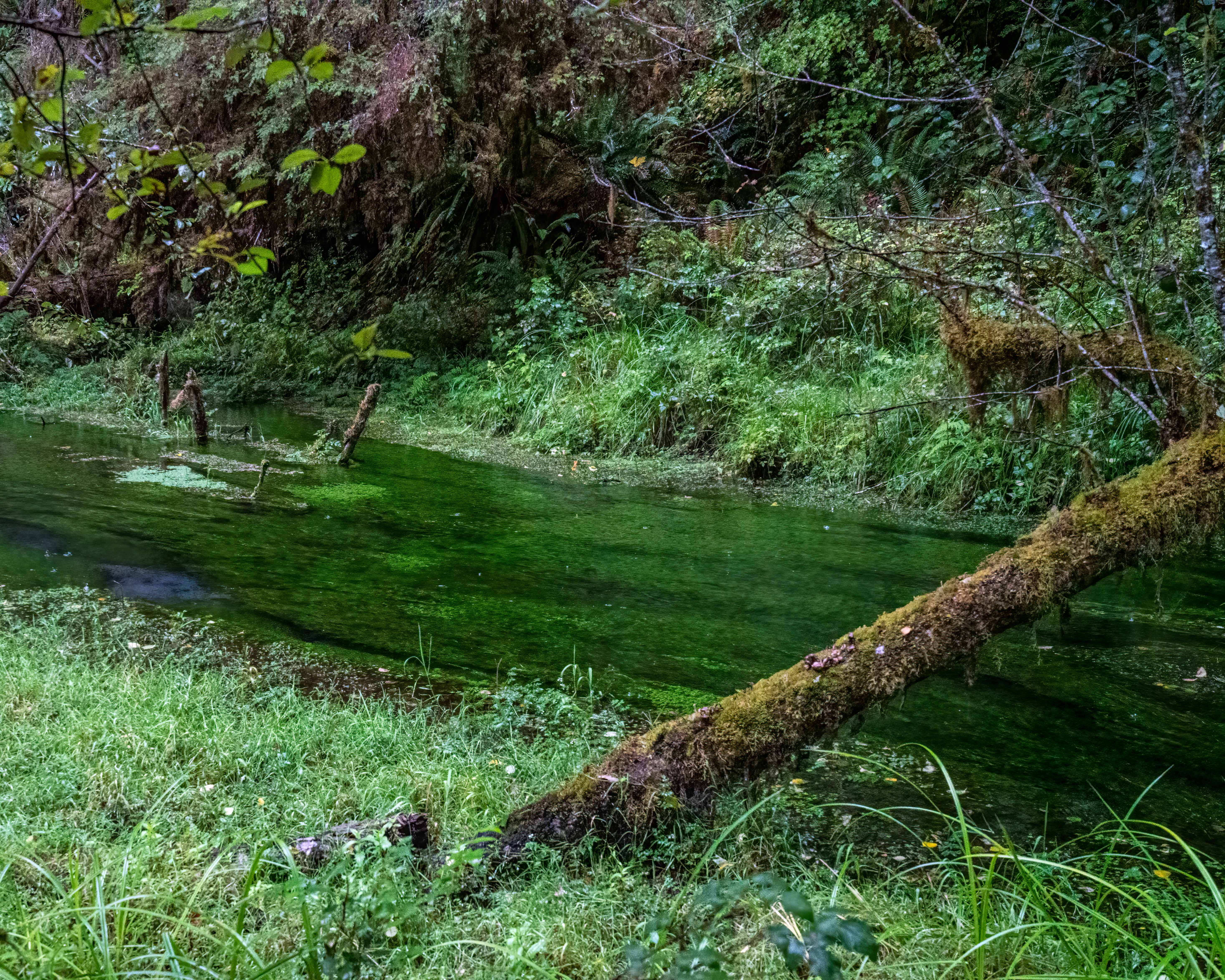
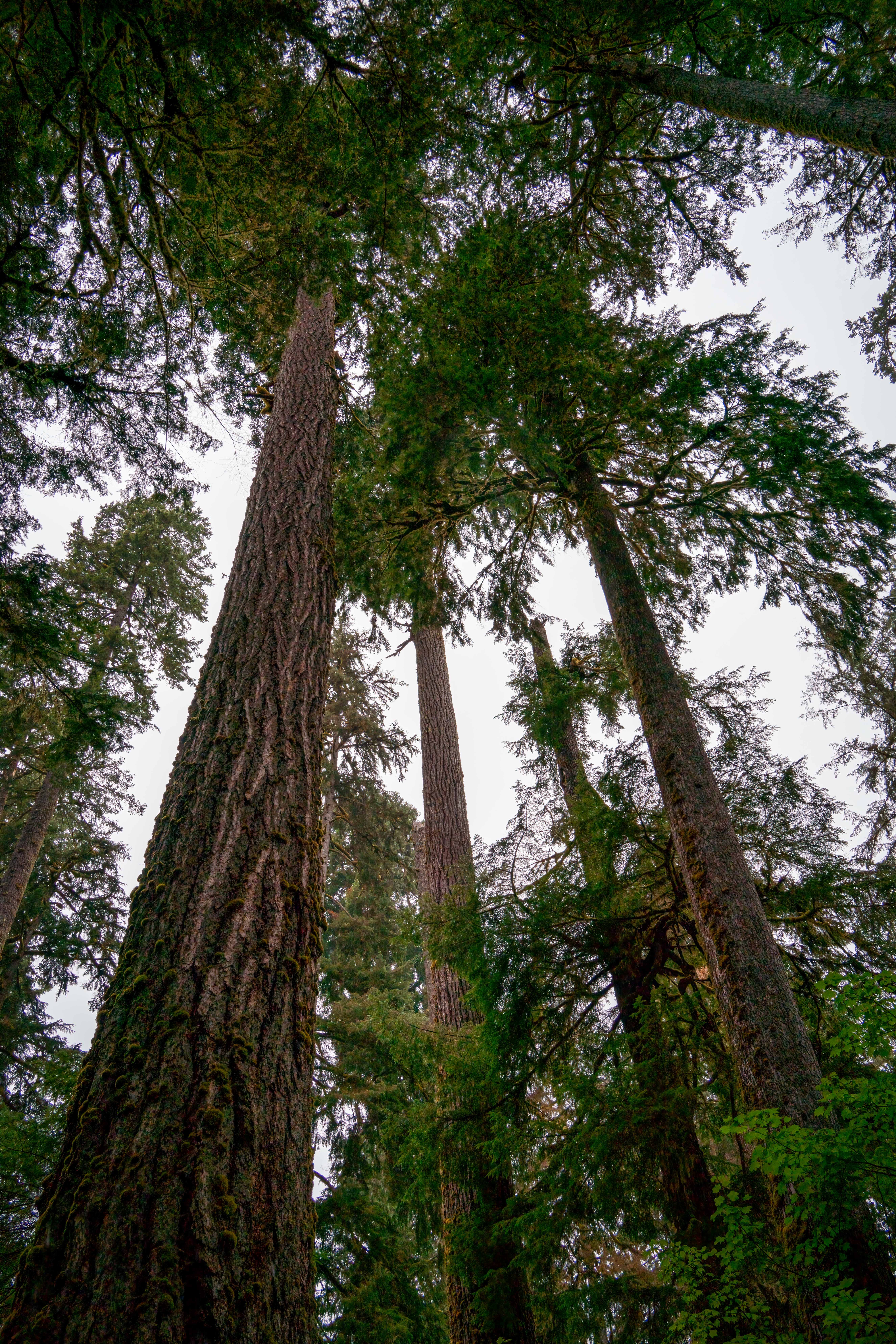
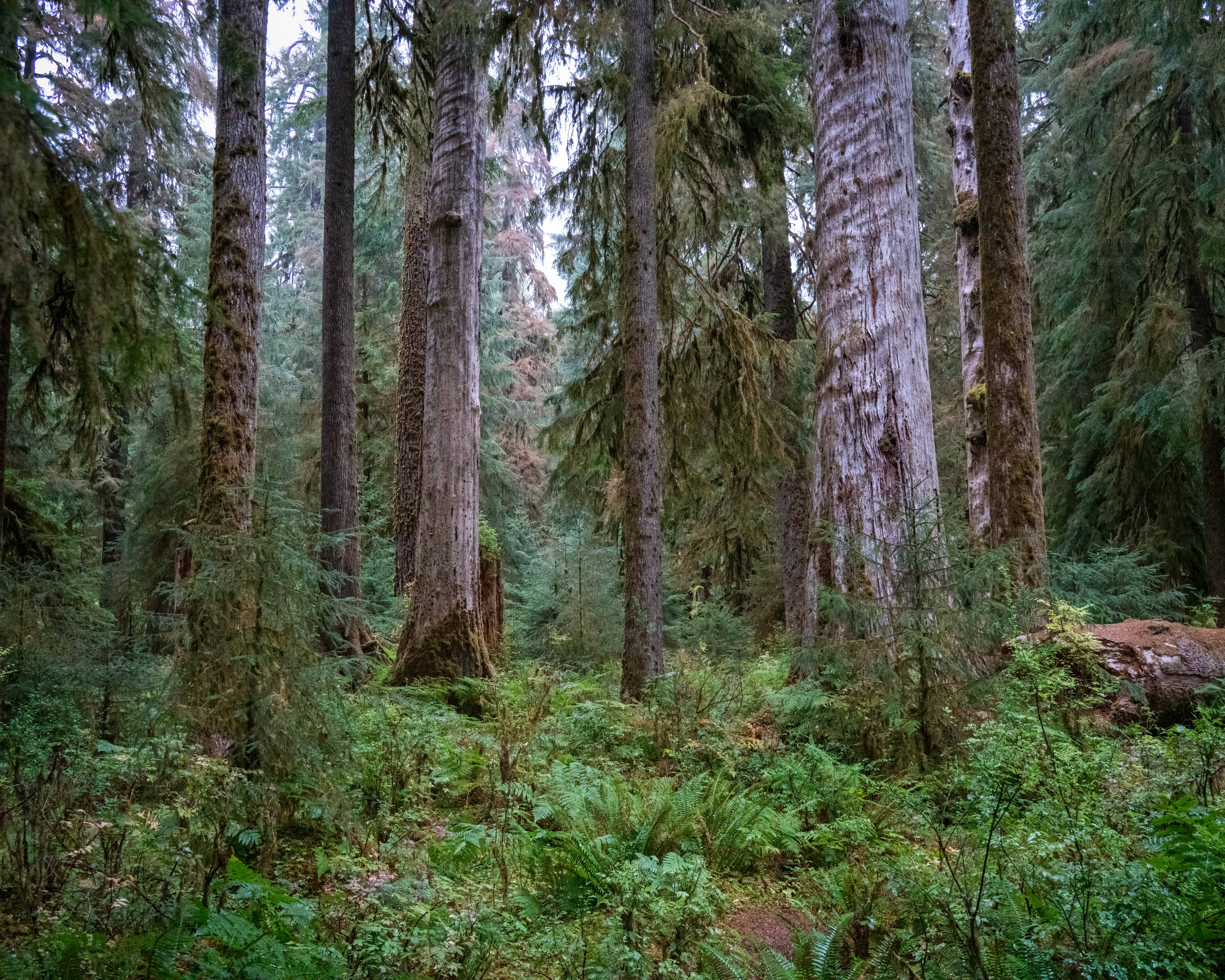

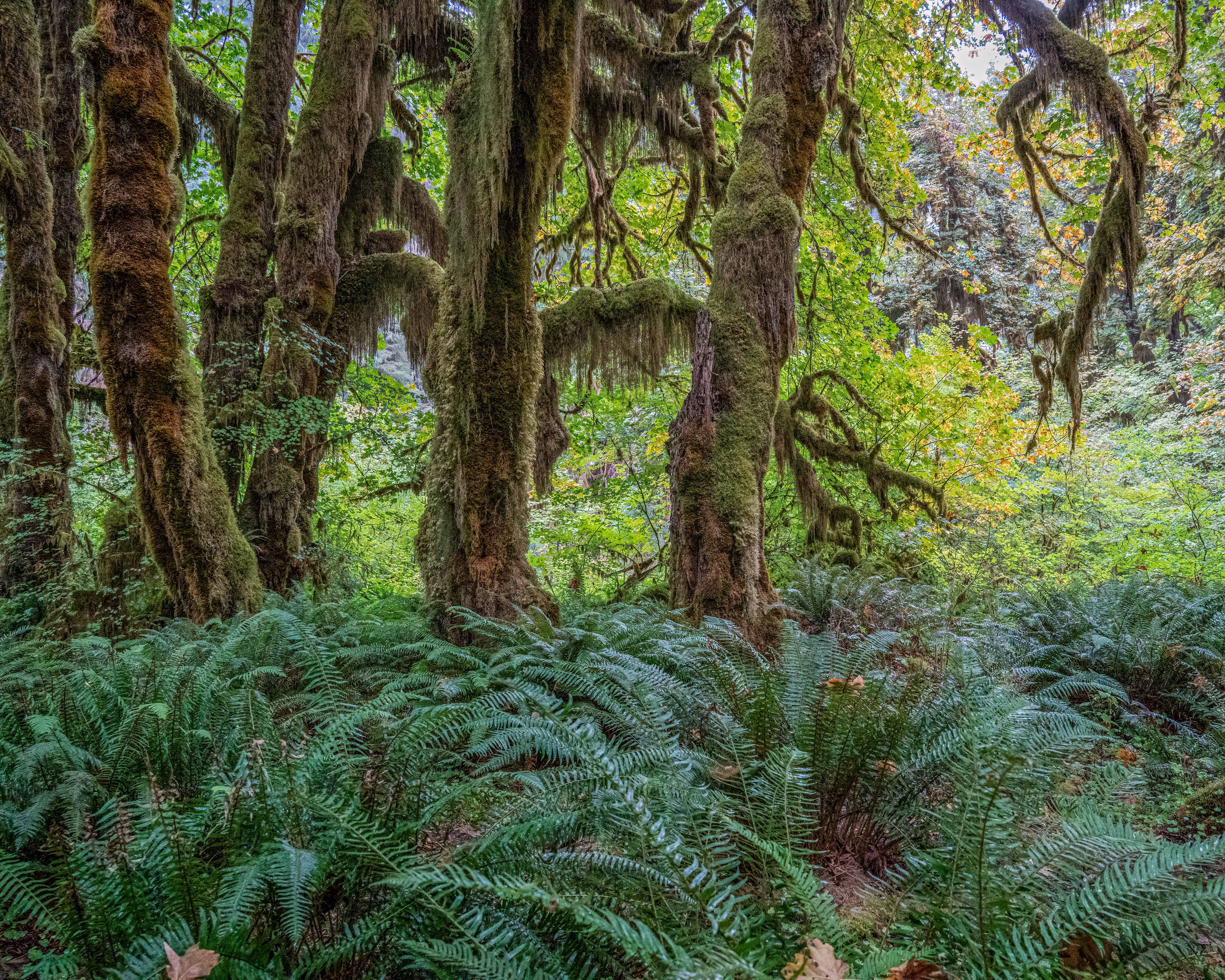
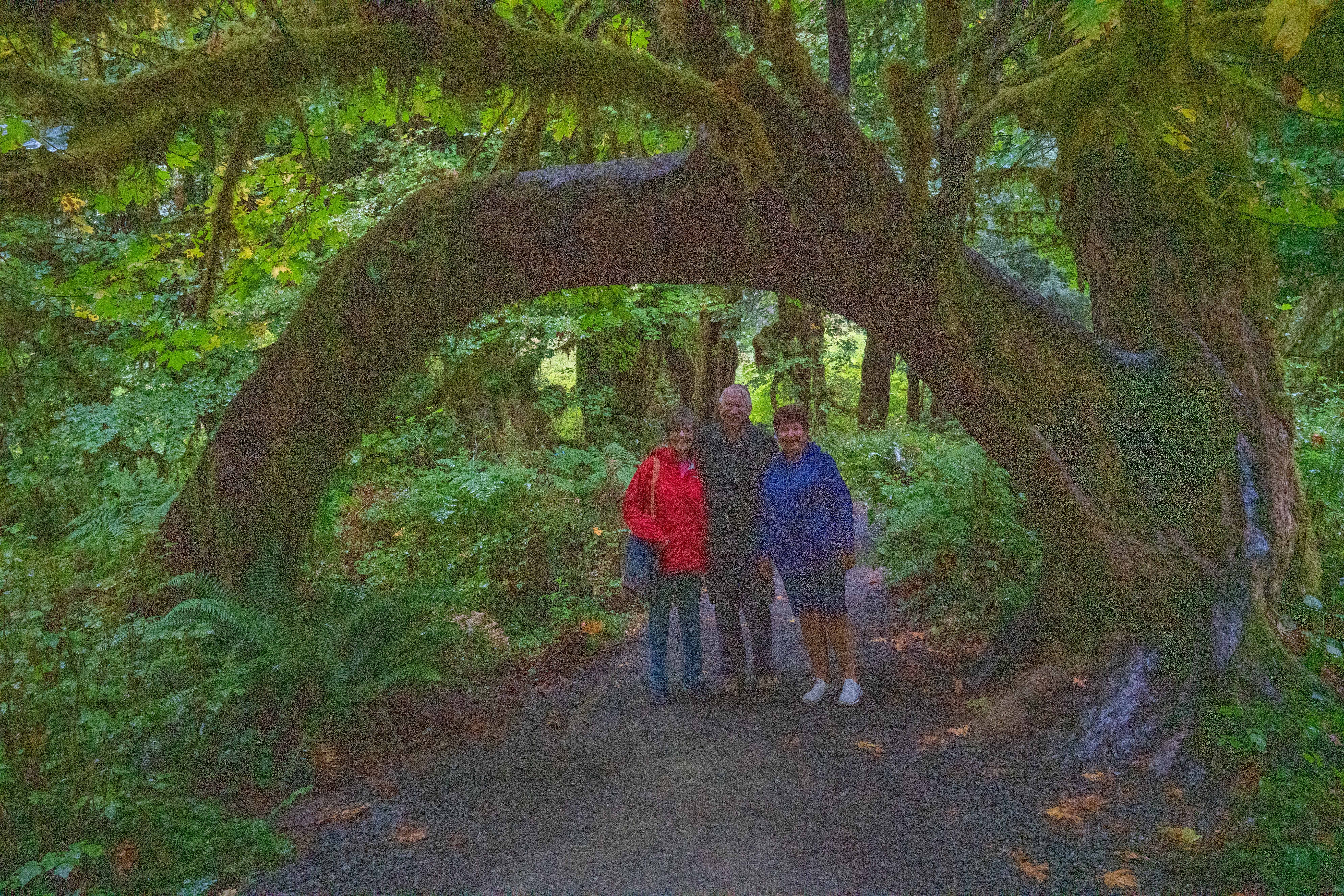
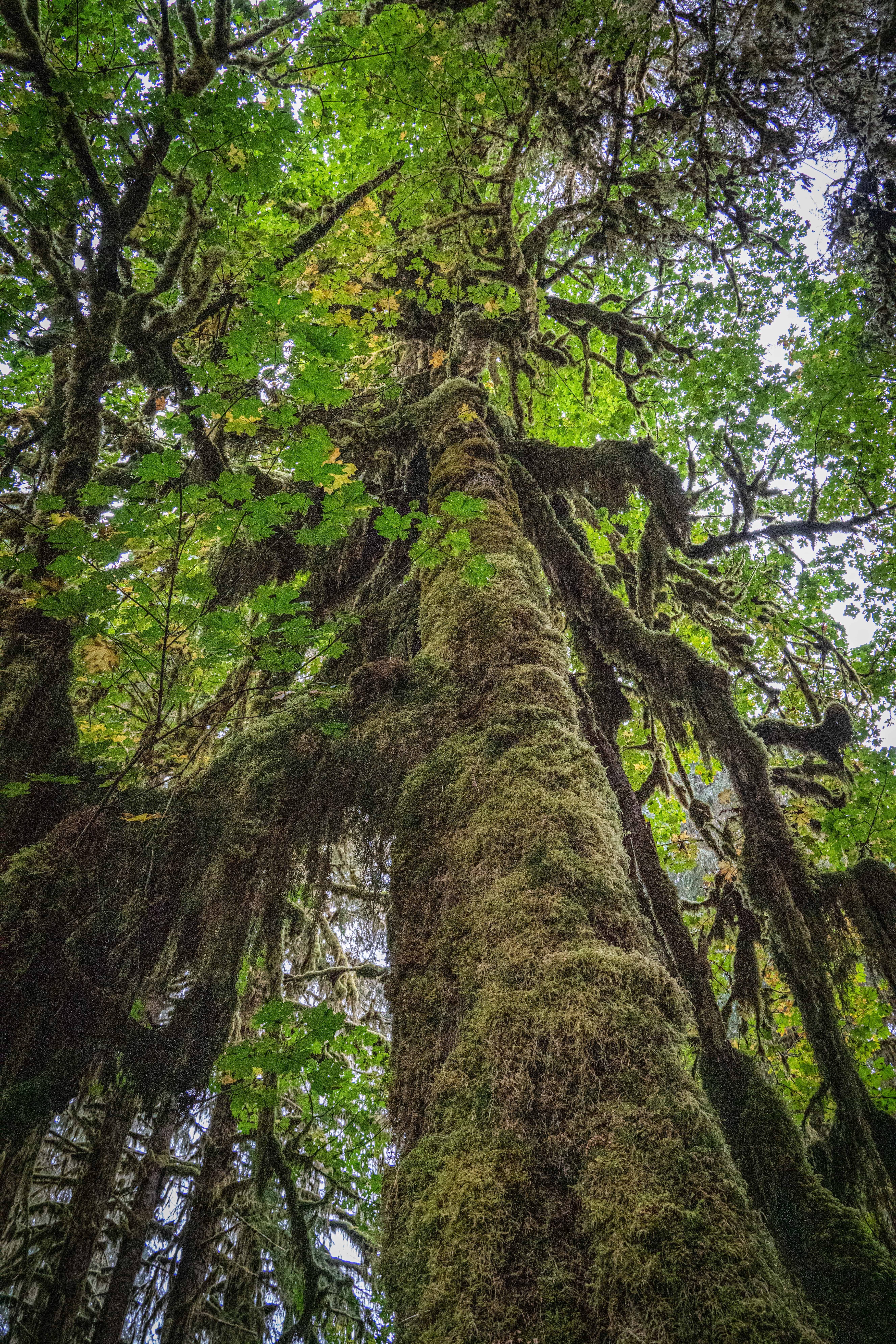
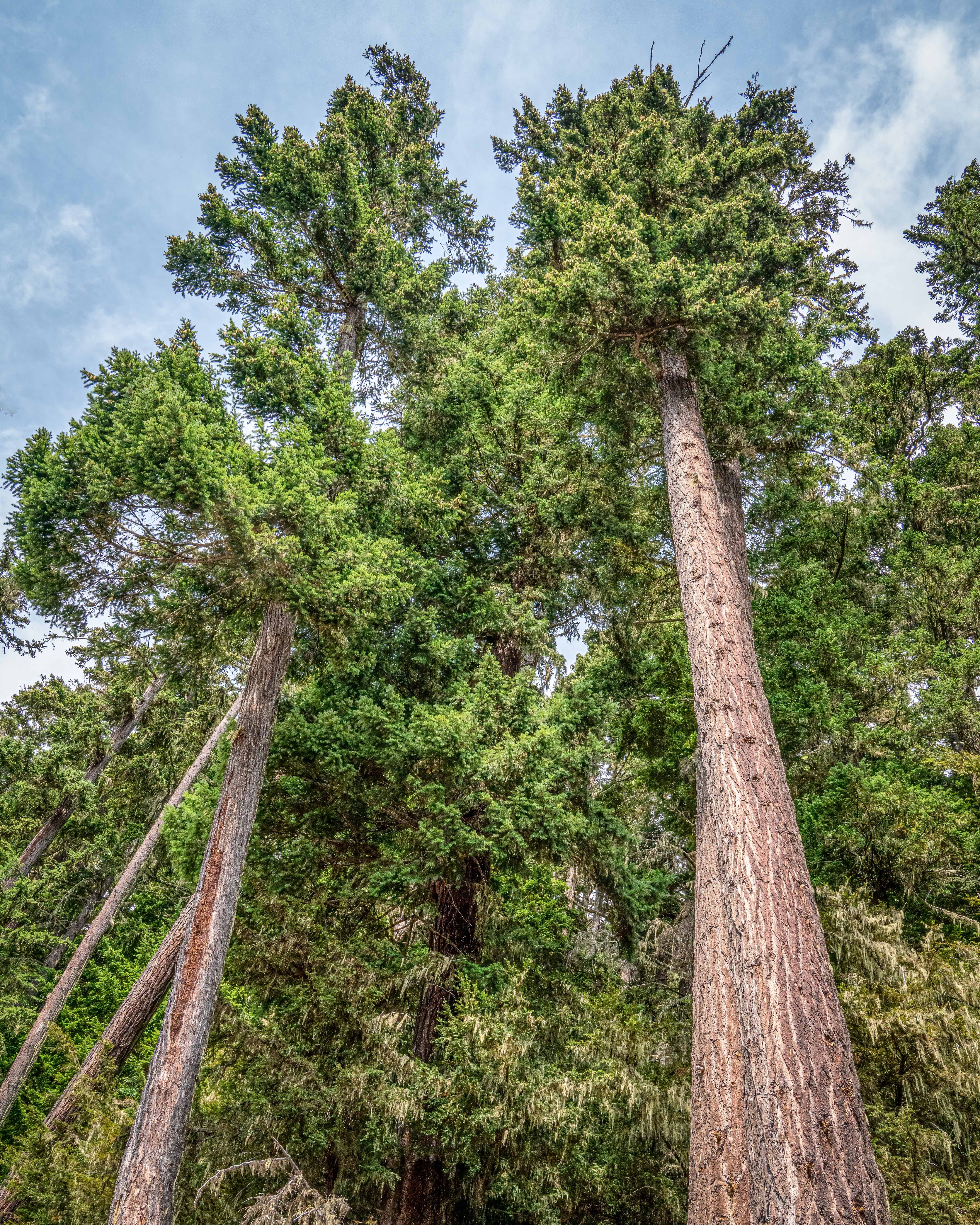
The Hoh Rain Forest is one of four rain forests on the Olympic Peninsula. However, it is the only one that has been awarded the distinction of being a World Heritage Site and a Biosphere Reserve by UNESCO. Its unique ecosystem has remained unchanged for thousands of years and it is now the most carefully preserved rain forest in the northern hemisphere. With about 14 feet of rainfall annually, it is the largest temperate rain forest in the US. We walked the Hall of Mosses trail, and it was like walking through a living, green cathedral.

Following a great walk/hike in the Hoh Rain Forest, the day’s itinerary took us to Leadbetter Point State Park. The state park is a 1,732-acre natural area open only for day use. It features beach frontage on the Pacific Ocean and Willapa Bay, and is adjacent to Willapa National Wildlife Refuge. Though it is a birding mecca, the birds, including the endangered Snowy Plover, were not to be today.

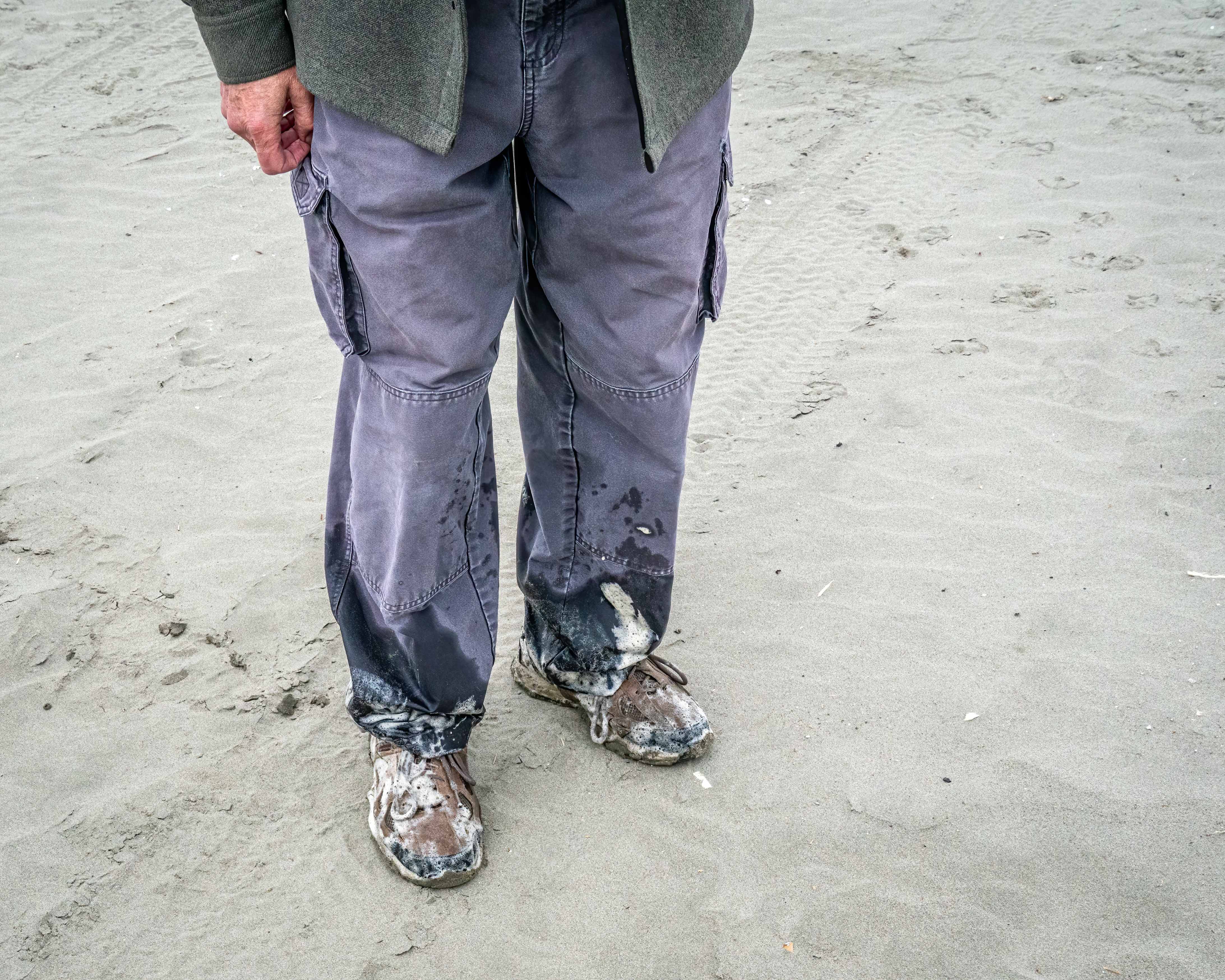
A rogue wave came in very fast, and it was impossible to outrun it. Both Kay and Ralph got wet feet! Shorebirds we’re abundant in the freshly wetted shoreline.

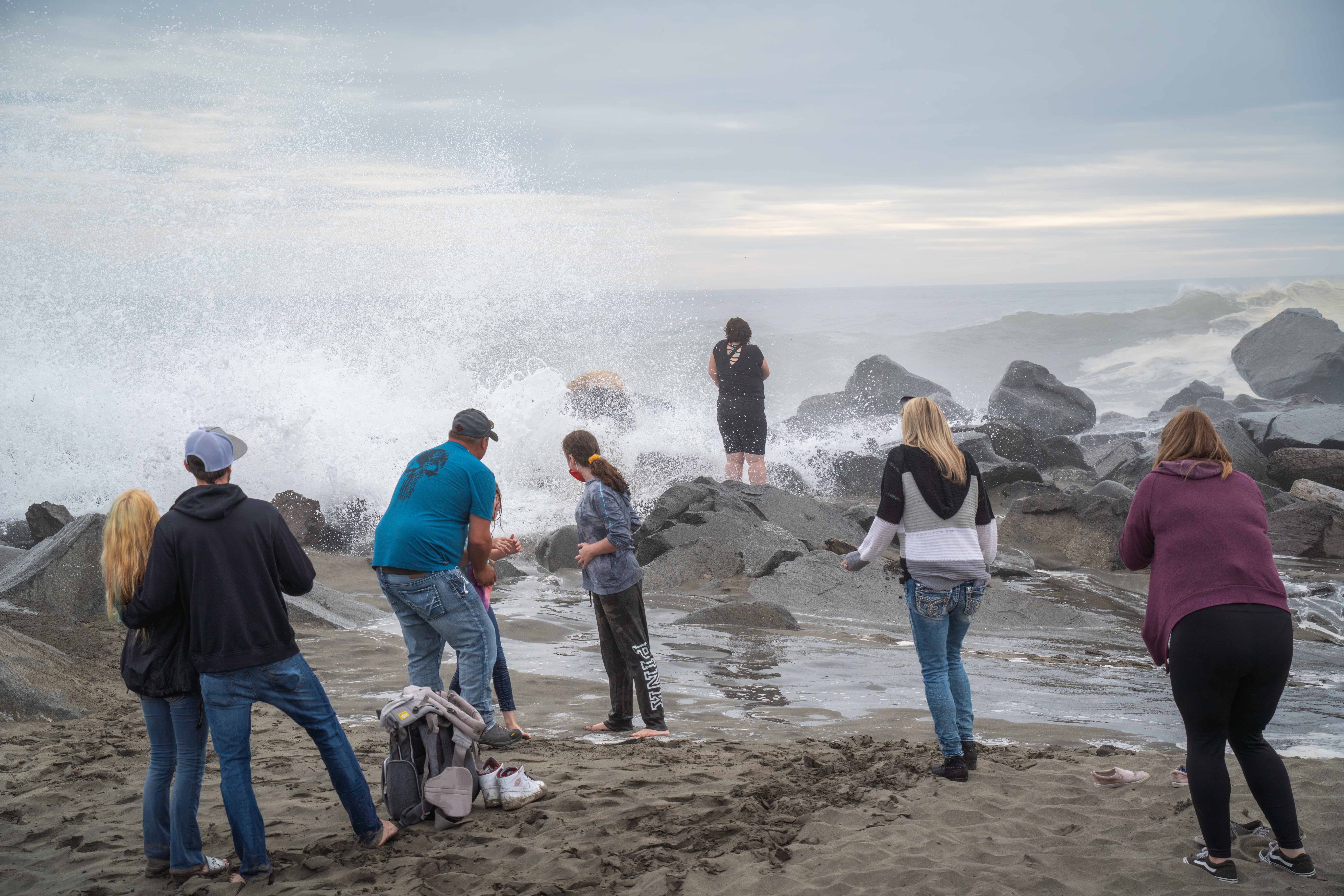
From Leadbetter Point, Ralph drove us to Ocean Shores, Washington, where we we were mesmerized by the large waves rolling in, unimpeded, from the Pacific Ocean. As the waves crashed into the big rocks comprising the jetty, spraying water flew high into the air. It was like watching a line of erupting geysers.

We overnighted at Ralph and Debra’s.

Friday, September 10, 2021—Olympic National Park

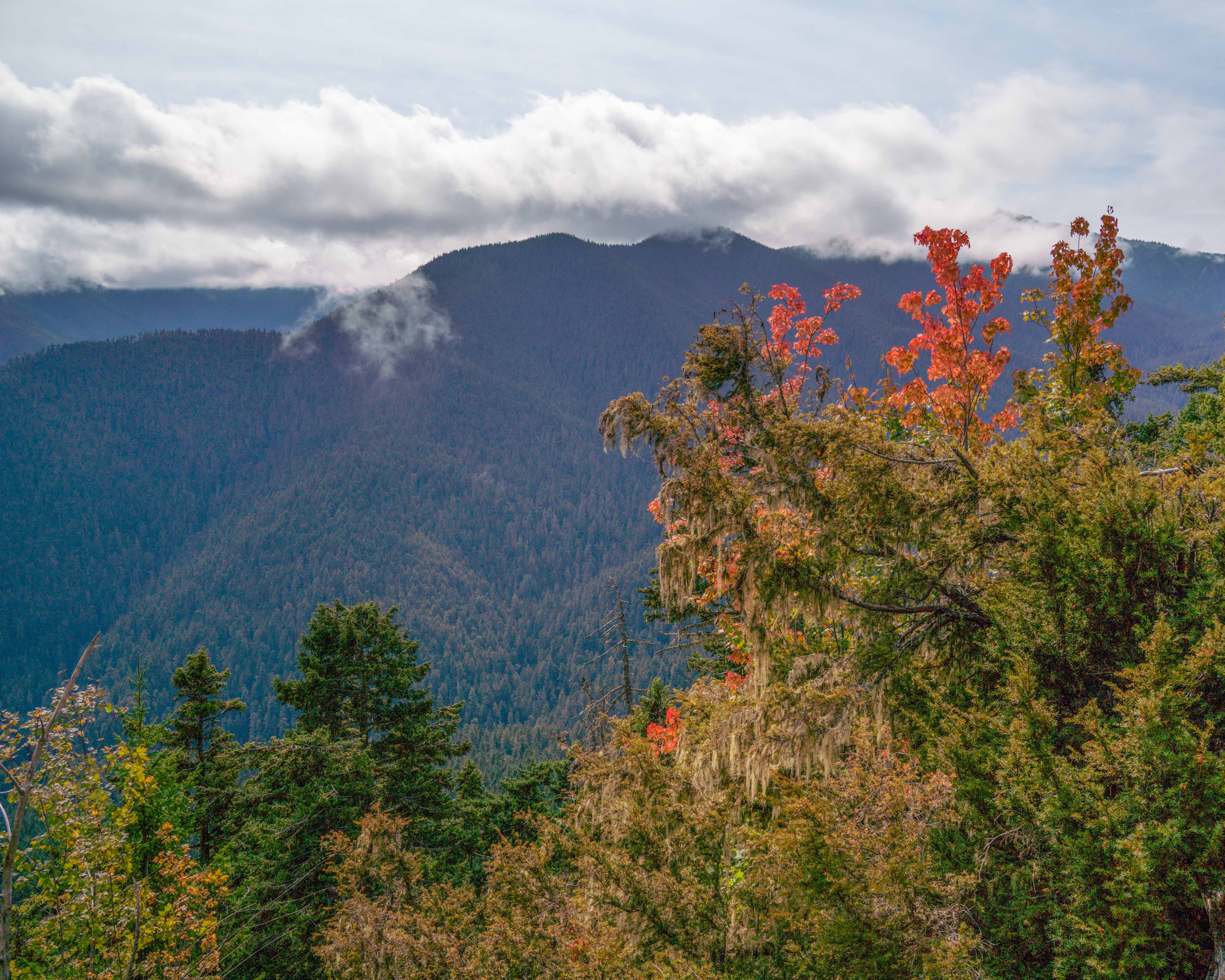
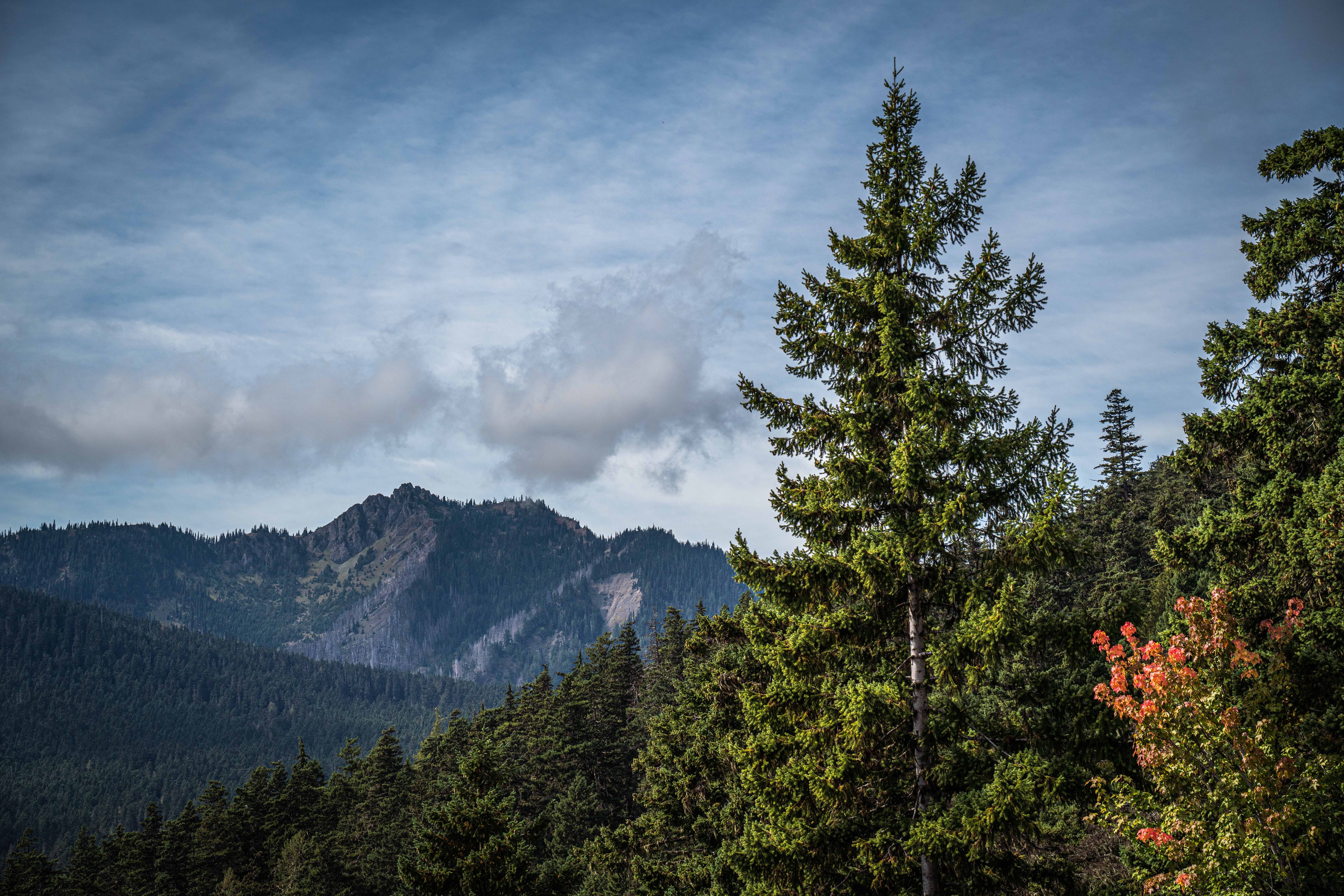
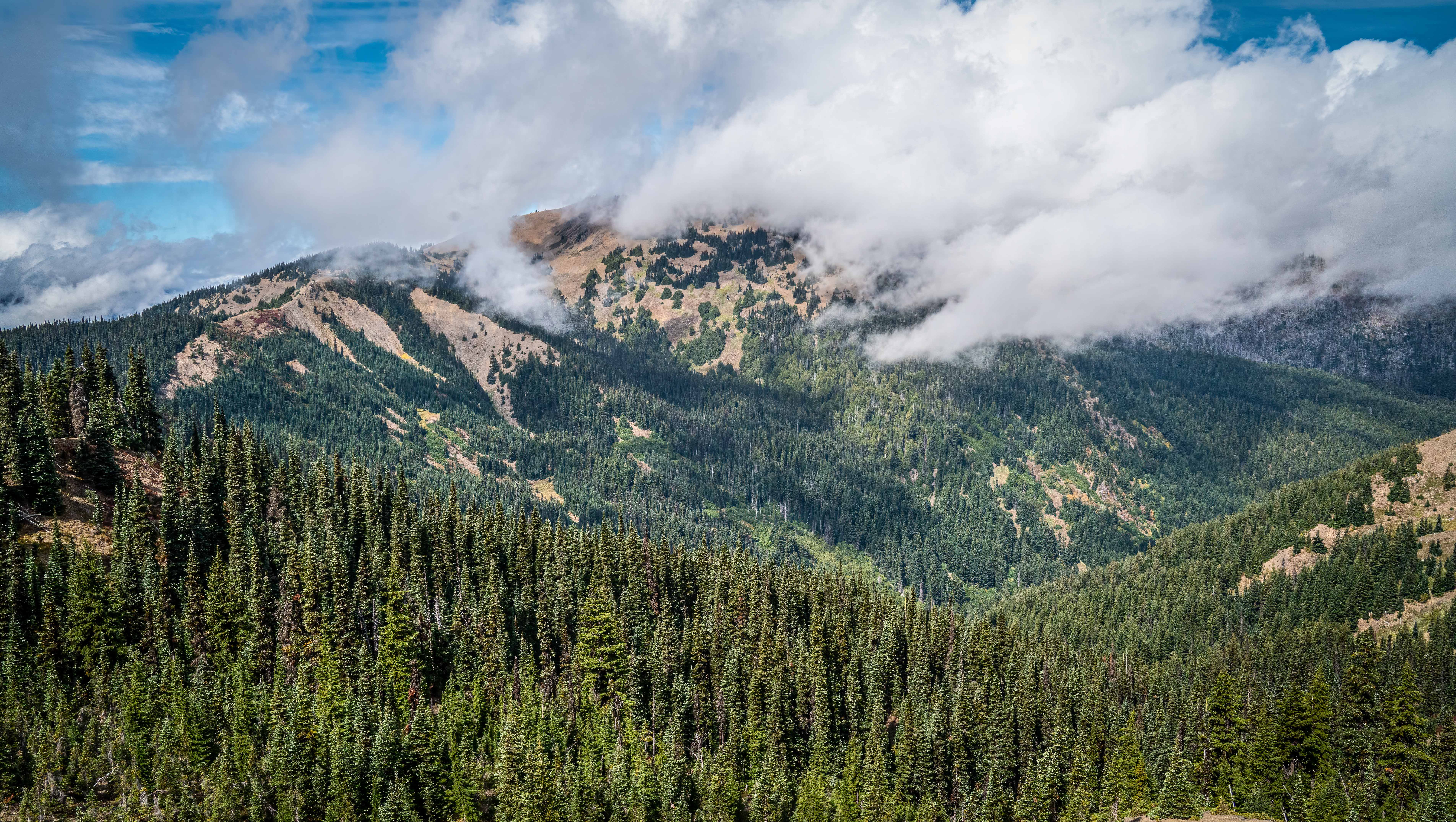
Hurricane Ridge is a mountainous area in Olympic NP, about 18 miles south of Port Angeles, Washington. Hurricane Ridge is named for its intense gales and winds. The weather in this part of the Olympic Mountains is unpredictable, with the possibility of snow at any time of year. The area receives 400 inches of snowfall annually.

Noting a group of people against the upper of the meadows, and hiked the Big Meadows Loop to see what was happening. A number of ptarmigans were resting on the ground near an area of shrubs.

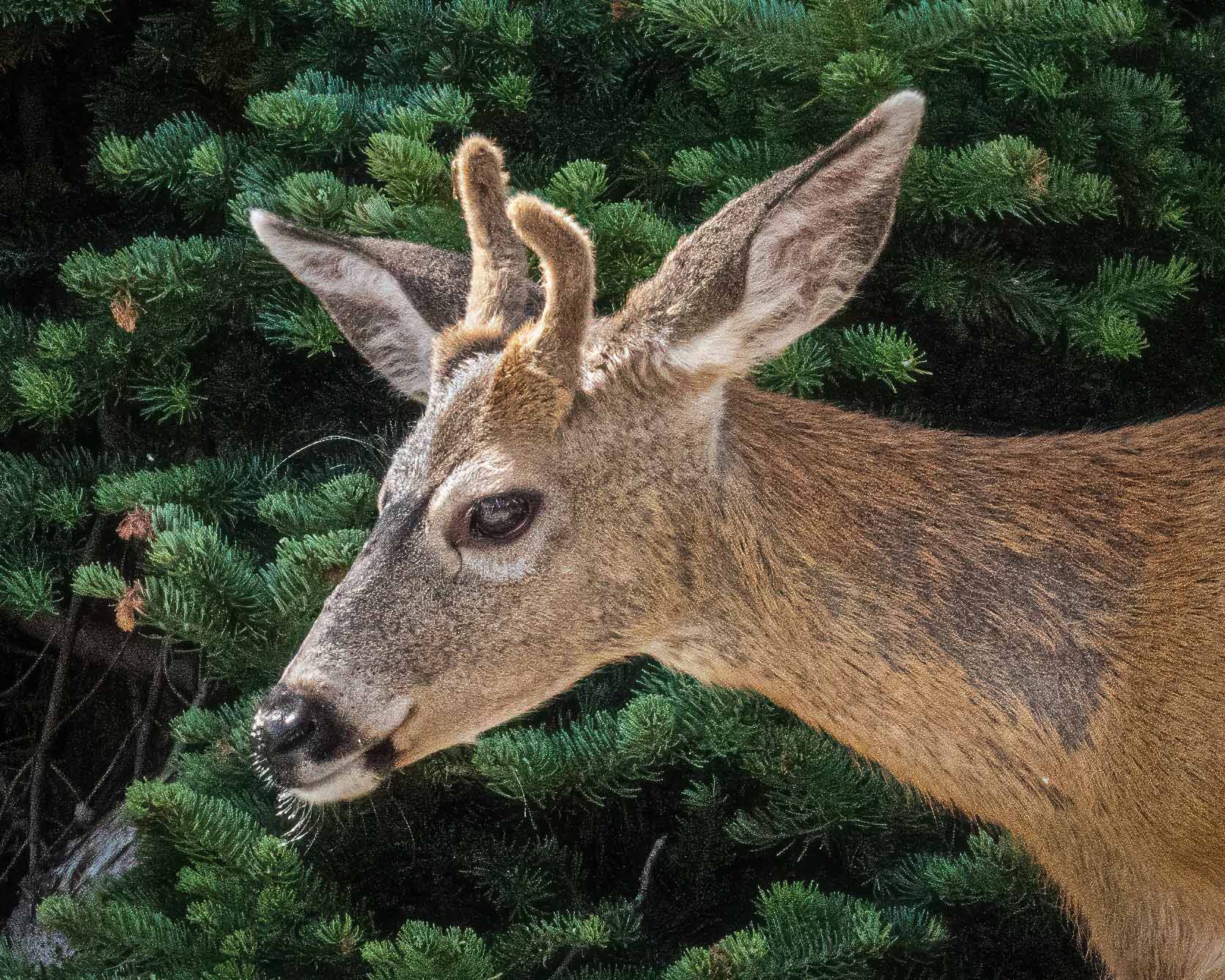
Further along the trail, a number of deer were casually browsing as the walked along the trail, too friendly for their own good.

Even a butterfly got into the action.

The drive from Hurricane Ridge westward took us past three sparkling glacial lakes: Sutherland, Crescent, and Pleasant. LakesSutherland and Crescent were at one time a single large like, however a massive landslide some 7,000 years ago isolated Lake Crescent from Lake Sutherland. Lake Crescent, the largest of the three, lies entirely within Olympia NP. It is over 600 feet deep, and provides significant recreational opportunities for people visiting the national park.

We arrived at our overnight accommodations in Forks, Washington, and were surprised to see a crowd lined up on one of the roadside sidewalks.. Forks, Washington, is where the movie Twilight was filmed; we apparently arrived on the weekend in which the “Forever Twilight in Forks” Festival is celebrated. (For many years, the city’s economy was fueled by the local timber industry. More recently it has drawn tourism related to the novel series of Twilight and films of the same name, set in Forks.)

After dinner we visited Rialto Beach, known for its rocky beaches, giant drift logs, pounding waves, and views of offshore islands known as “sea stacks”.

We overnighted in the two story, expensive, but average, Airbnb

Thursday, September 9, 2021—Travel Day

Arriving at the airport in Little Rock about three hours early, we were off on our next adventure. One of our longtime “life” last items was to tour the Pacific Northwest. We are fortunate that our friends Ralph and Debra offered to host us for a week and provide a local tour of the area. The flight to Dallas, and then to SeaTac between Seattle and Tacoma, was uneventful, and on time.

Ralph and Debra picked us up near the baggage claim area and we went to dinner at a great restaurant overlooking the sound. We arrived at their house after dinner, and Kay and I crashed!