Hot Springs Village foursome played golf today at Quarry Pines Golf Club (formerly known as The Pines Golf Club at Marana). It was a unique course offering a mix of dramatic elevation changes and stunning mountain views with 18 enjoyable holes. In 2000, following a decision to abandon the sand and gravel quarry adjacent to the original golf course, the Town of Marana and the quarry/golf course owner agreed on a plan that would reclaim the quarry. By relocating 10 golf holes into the old quarry and reconfiguring 8 of the existing holes one of Tucson’s most popular golf courses was transformed. Today the unique desert landscape is highlighted by dramatic elevation changes and the addition of thousands of trees. It was a difficult and challenging course.
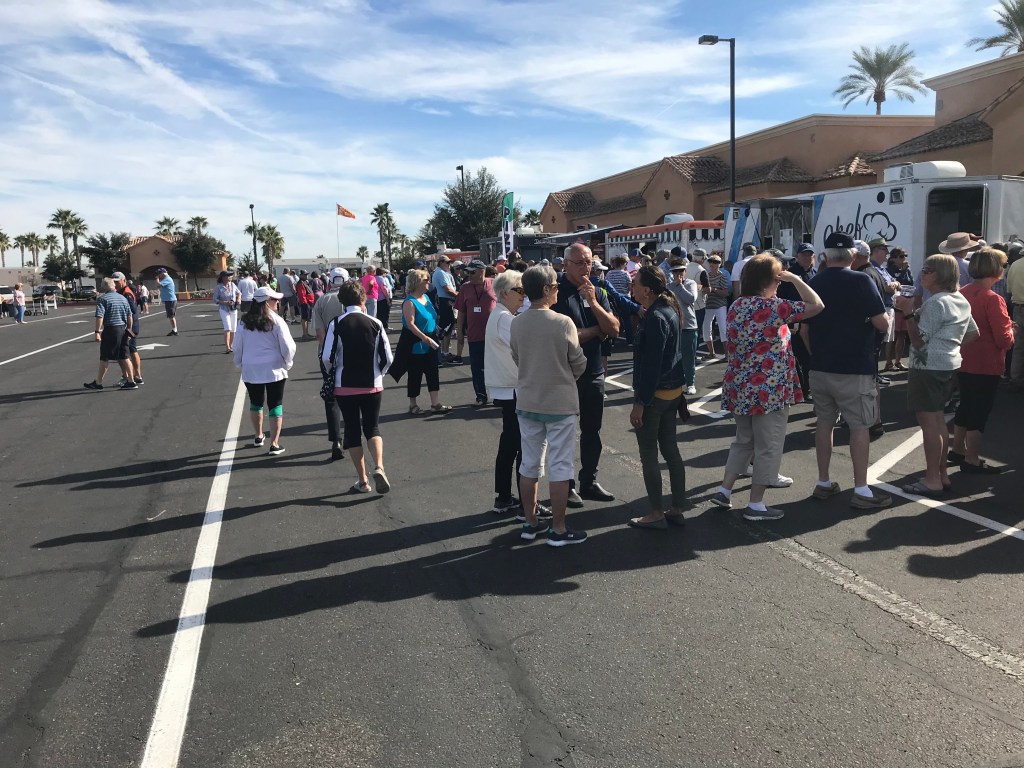
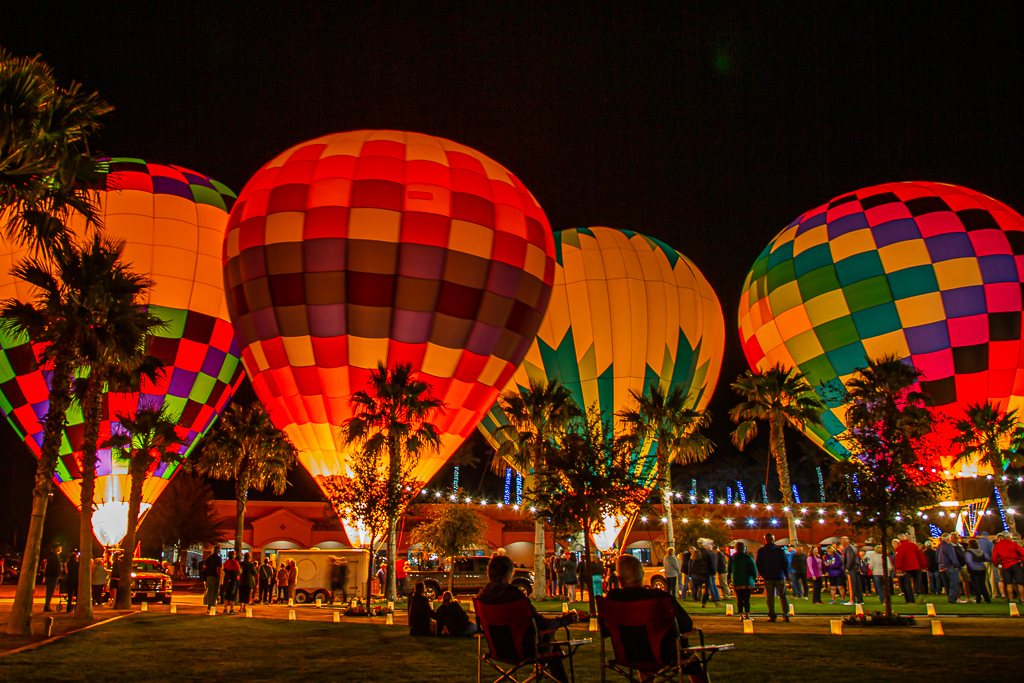
Music, food, balloons, and vendors; what else could one ask for. Cancer Awareness Weekend is a big deal at Palm Creek. Friday, the street was blocked off and food trucks occupied the otherwise busy “thoroughfare”. Table and chairs were set up in the plaza and a great band played on the bandstand. It was crowded, but not overly so. We ate lunch and listened to the band for awhile before returning to the RV. Since it was Friday, the Hot Springs Villagers gathered for pickle ball, after which we joined the crowd to observe the lighted hot air balloons. It was a sight to behold.
Listening to the bandPrimary street blocked for food trucksLighted hot air balloons
Noting bird locations on a popular Facebook site, Veterans Oasis Park in Chandler, AZ, was mentioned several times as hosting a Vermillion Flycatcher (of which I wanted to make a photograph). We made the relative short drive to Chandler, another suburb of Phoenix, to visit the park. Veterans Oasis Park and Environmental Education Center was opened as a mixed-use facility in April 2008. The center includes four classrooms for wildlife preservation and environmental awareness, exhibit areas, outdoor amphitheater, nature store and an urban fishing lake, all surrounded by more than four miles of trails. A primary purpose of the facility is to recharge reclaimed water into the ground for later use. Entrance to the Environmental Education Center is free and visitors are welcome to view the exhibits and walk the trails around the urban fishing lake. Though not as well known as the GWR, it is nevertheless a wonderful place to bird and make photographs, including hummingbirds in flight.
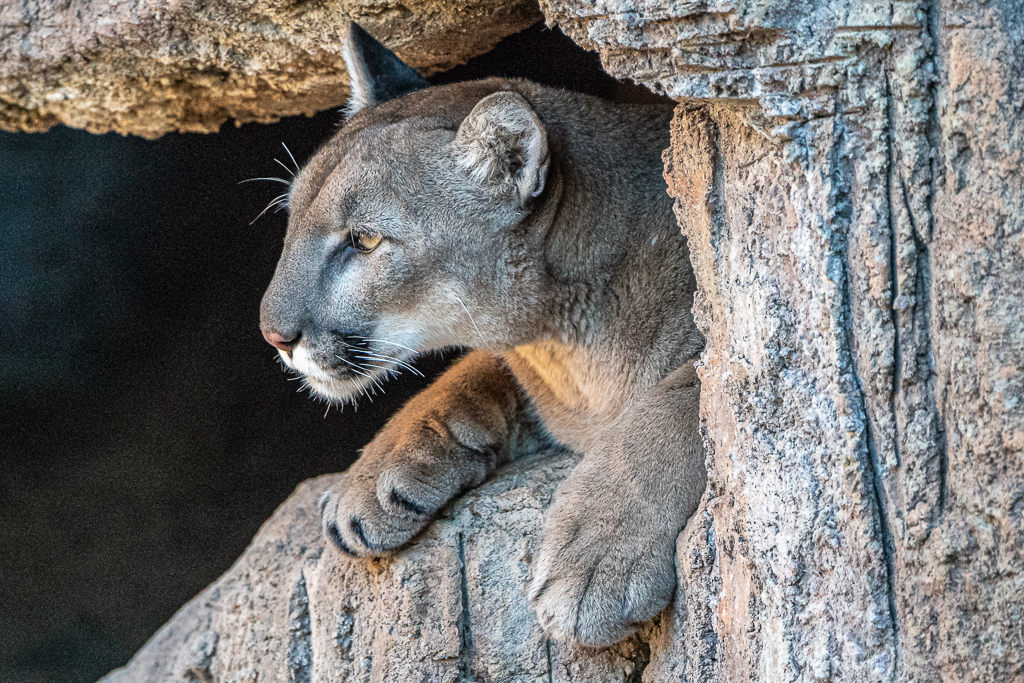
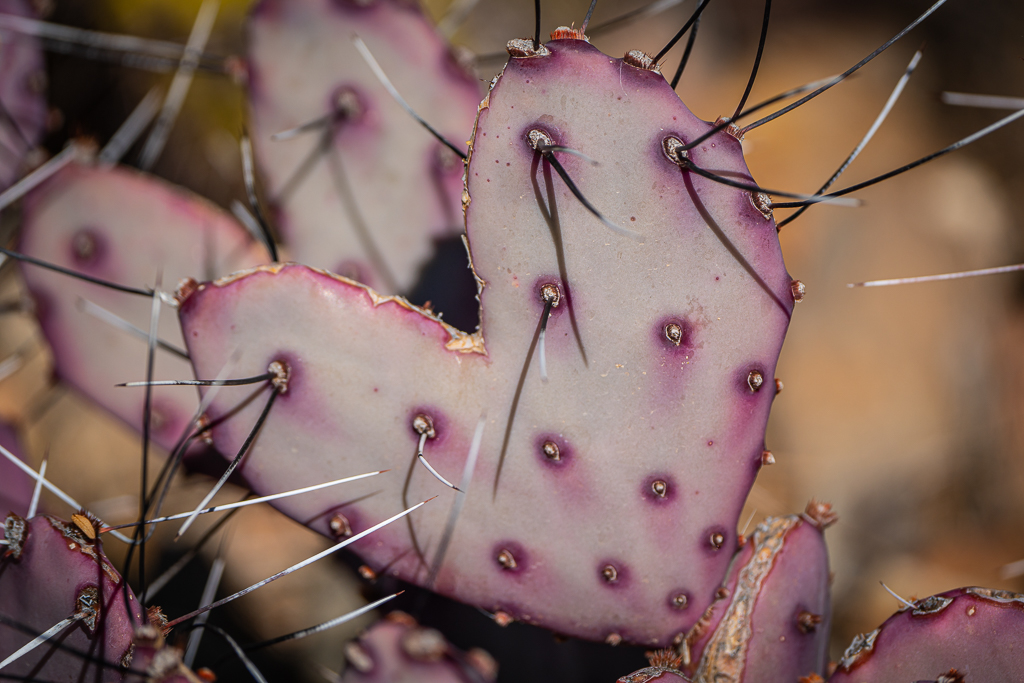
Our Sunday drive took us to the Arizona Sonora Desert Museum in Tucson. The Desert Museum is ranked on TripAdvisor.com as one of the Top 10 Museums in the country and the #1 Tucson attraction. Unlike most museums, about 85% of the experience is outdoors! The 98-acre Desert Museum is a fusion experience: zoo, botanical garden, art gallery, natural history museum, and aquarium.
21 interpreted acres with two miles of walking paths through various desert habits
242 animal species
Plants from 1,200 taxa — 56,000 individual specimens
One of the world’s most comprehensive regional mineral collections
The Museum is regularly listed as one of the top ten zoological parks in the world due to its unique approach in interpreting the complete natural history of a single region (in our case this is the Sonoran Desert and adjacent ecosystems). This represents a significant achievement, as the Museum’s collections and size are smaller than many of its counterparts. Not a “museum” in the usual sense, it is an unparalleled composite of plant, animal, and geologic collections with the goal of making the Sonoran Desert accessible, understandable, and valued. The Museum’s living animal collection contains 4,892 specimens of 242 species. Plants number 56,000 specimens of 1,200 taxa; mineral and fossil collections include 16,853 specimens. Represented in the living collections are 110 to 120 species considered to be of conservation concern.
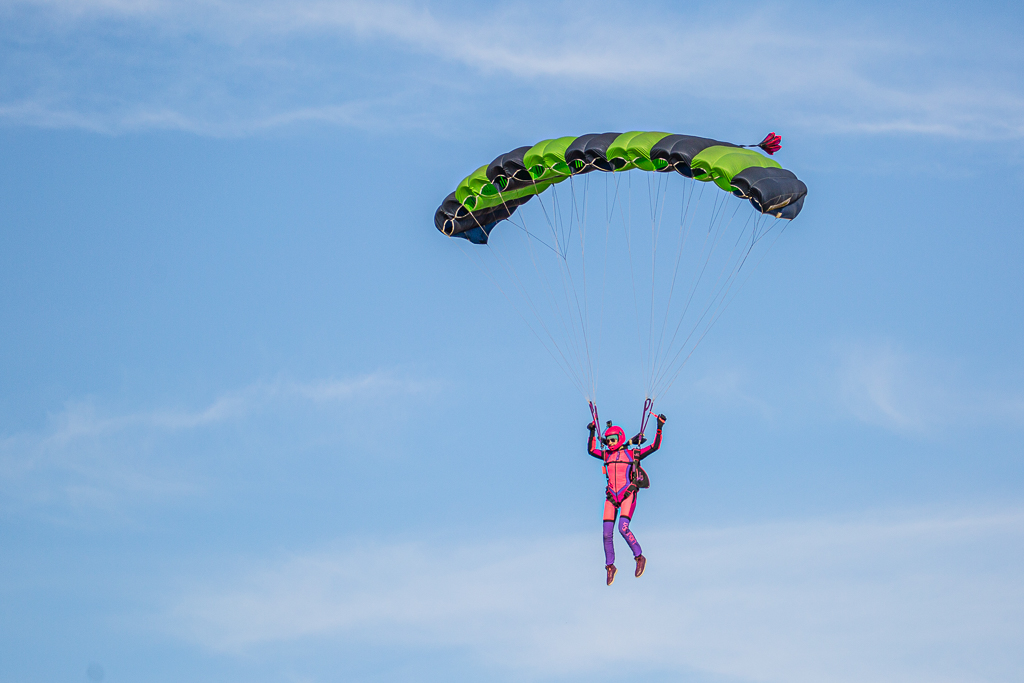
On the way back from Tucson, we stopped at Skydive Arizona. It is the largest skydiving operation in the world, sits near us in Florence, Arizona, halfway between Phoenix and Tucson. Although close to major highways, it is surrounded by flat, uninhabited land for miles in every direction. Visitors remark on the oasis like appearance of the center, which has plenty of grass, a swimming pool, and trees in the midst of an otherwise barren desert. Around the central building, which houses offices, aircraft manifesting, classrooms, and an indoor packing area, one can find everything a skydiver needs. Equipment sales, food, a shower and laundry facility, grassy camping area, recreation hall with bunks for overnight guests, and a basketball court are some of the many amenities. The fleet is led by 4 Super Otters and 7 Skyvans, each capable of taking 23 skydivers to 13,000 feet. A venerable DC-3, once the workhorse of the fleet, carries the occasional load of 43 jumpers. Rounding out the flightline is a Pilatus Porter. Altogether, these airplanes can put over 240 skydivers at a time in the air, or over 500 jumps an hour!
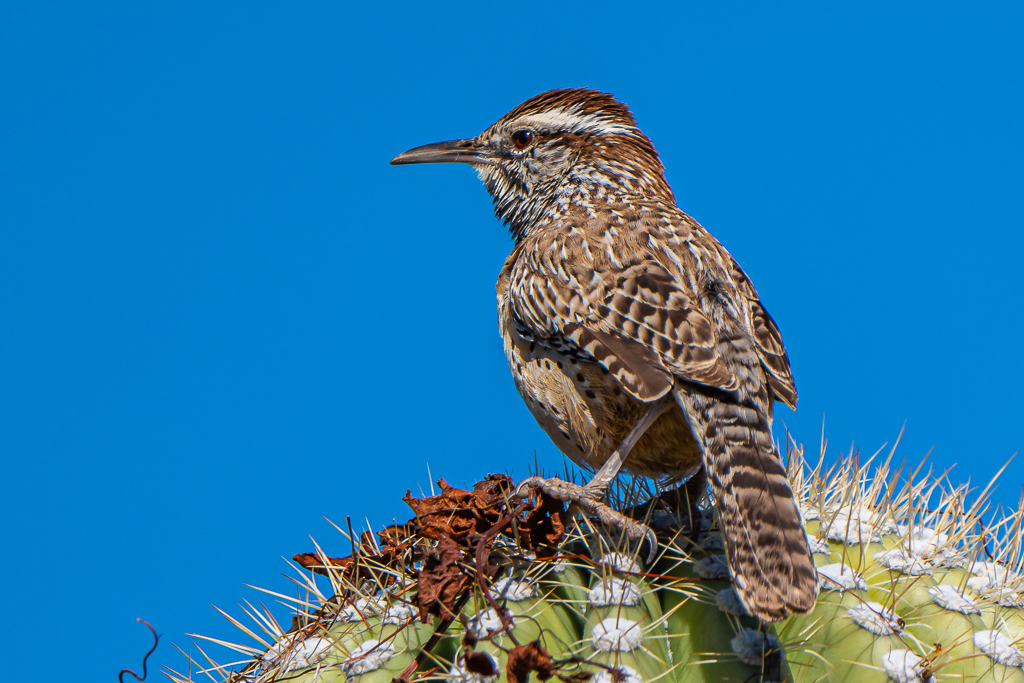
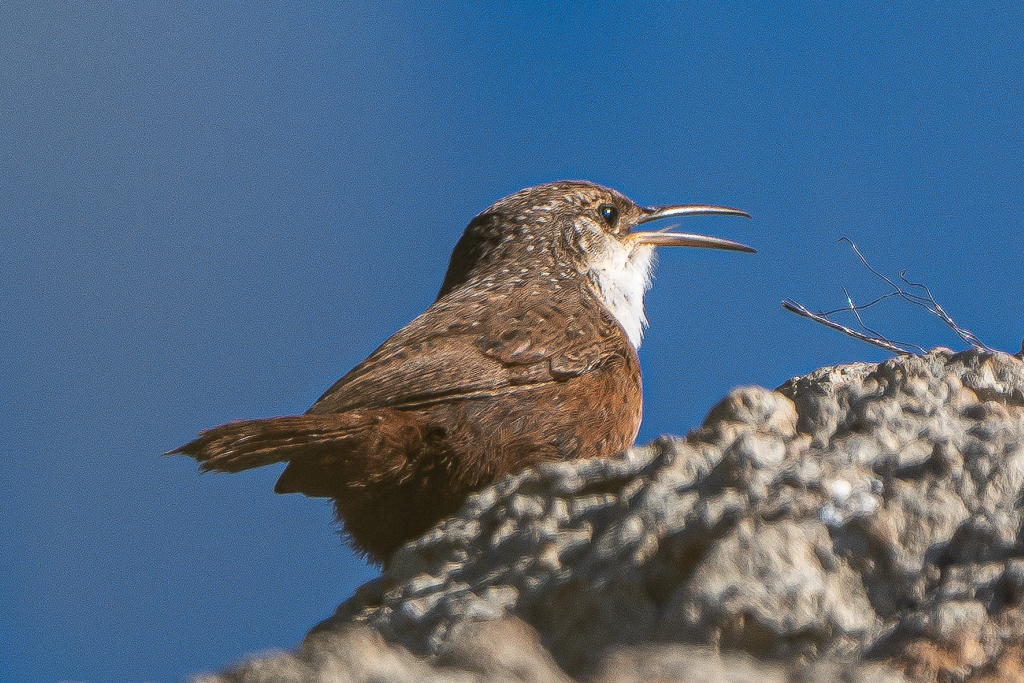
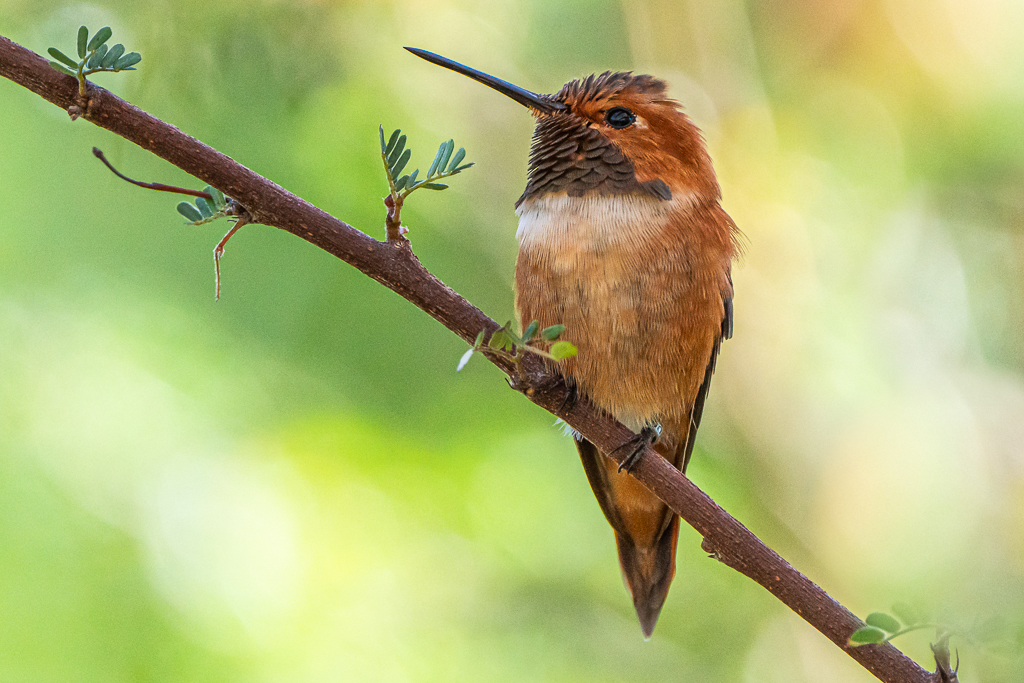
CougarHeart-shaped CactusCactus WrenCanyon WrenRufous HummingbirdSkydiver coming in for a landing
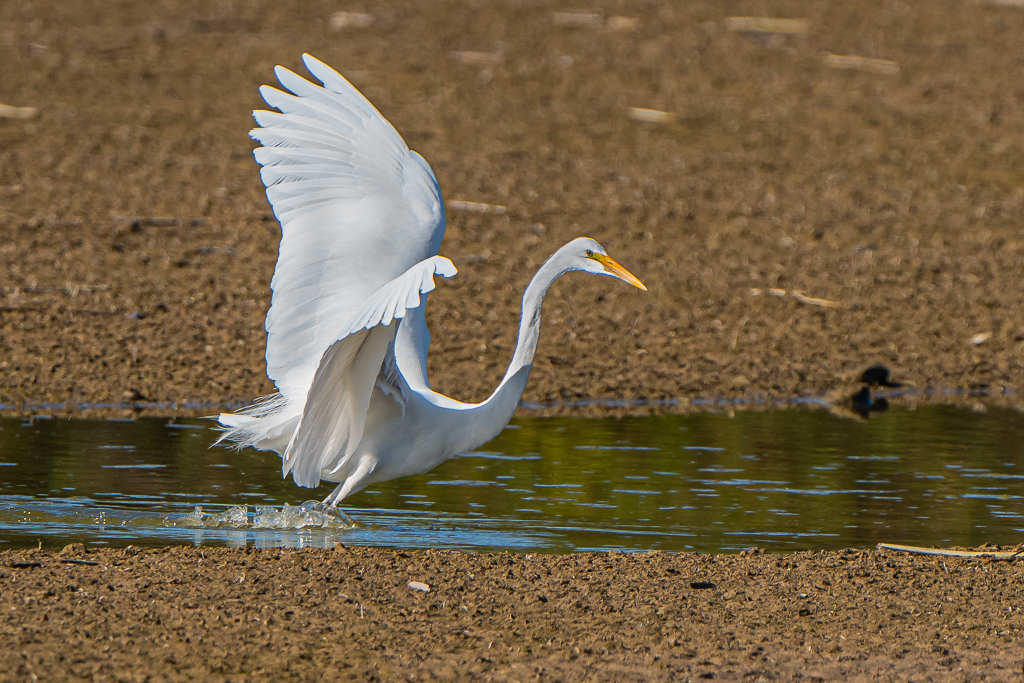
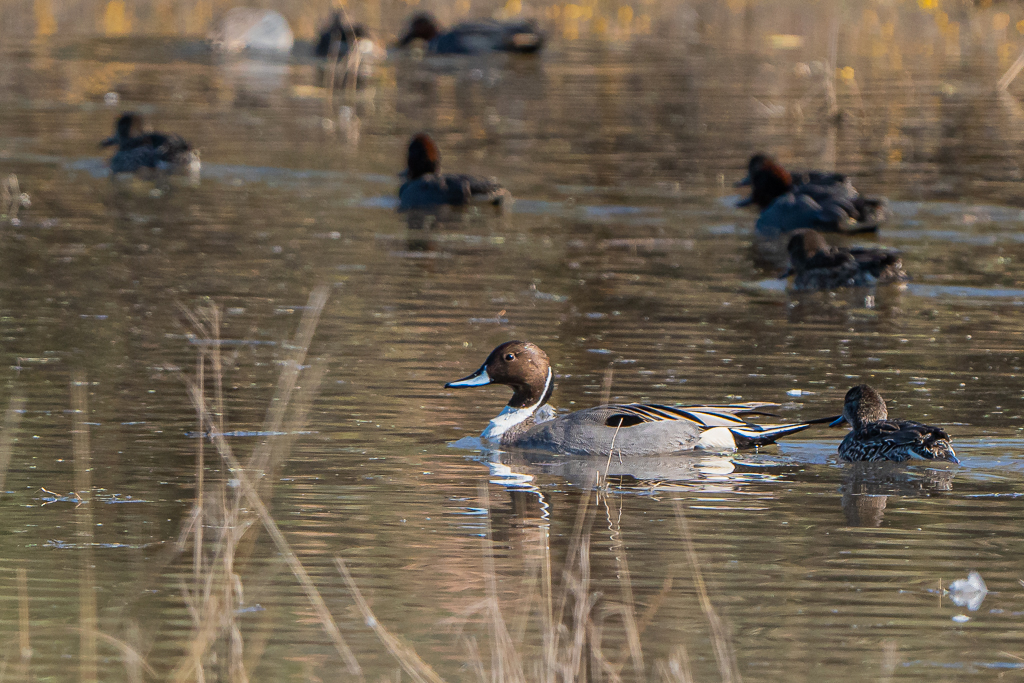
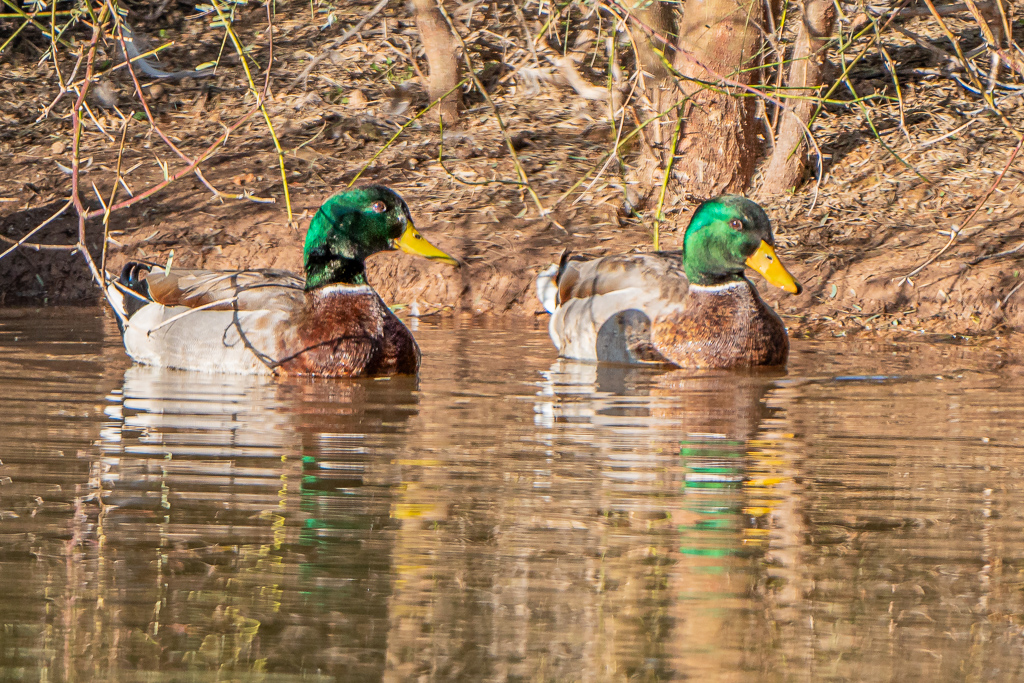
We made another trip to Gilbert Water Ranch; this place is addicting for bird photography! There are so many trails it’s hard to cover them all at one visit. And, the shorebirds and waterfowl are plentiful, and sometimes cooperated by remaining close enough to photograph. Even a few dragonflies were out today.
Nestled away about an hour south of Phoenix sits Casa Grande. Commonly thought of as the halfway point between Tucson and Phoenix, Casa Grande is a small city of just over 50,000 residents. While no professional baseball team currently resides in Casa Grande, during the spring or otherwise, the city of Casa Grande does lay claim to its own piece of baseball history. Tucked away in the western part of Casa Grande resides the Francisco Grande, a luxury golf resort with deep roots in Arizona’s Spring Training tradition. That was our golf destination today.
Constructed in 1959 by then San Francisco Giants owner Horace Stoneham, the Francisco Grande was the pinnacle of modern baseball experiences. Named after both the city of San Francisco and Casa Grande, the resort played host to the San Francisco Giants and was designed to offer both guests and players with a high-class experience. Everything about the amenities screamed baseball, from the baseball bat shaped swimming pool, to the baseball diamond shaped flowerbeds, to the overhang on the hotel tower designed to look like the brim of a baseball cap. Coaching platforms oversaw the practice fields and gave the coaches a bird’s eye view of practices. The amenities at the practice facilities were so unique that some called the fields more like a “baseball factory” than actual fields.
After the long day on Saturday, we lazed about on Sunday morning, playing golf with the Hot Springs Village contingent in the afternoon. On Monday and Tuesday, Kay continued pickleball lessons and games while I worked on photographs taken Saturday. As the curtains and shades were opened Wednesday morning, we noted a colorful hot air balloon being inflated just a couple blocks down street, and before too long, it was up, up, and away. Little did we know that hot air balloons are a near everyday occurrence in southern Arizona.
Today was a long day, even by our standards. Our goal was to visit Madera Canyon, 25 miles southeast of Tucson.
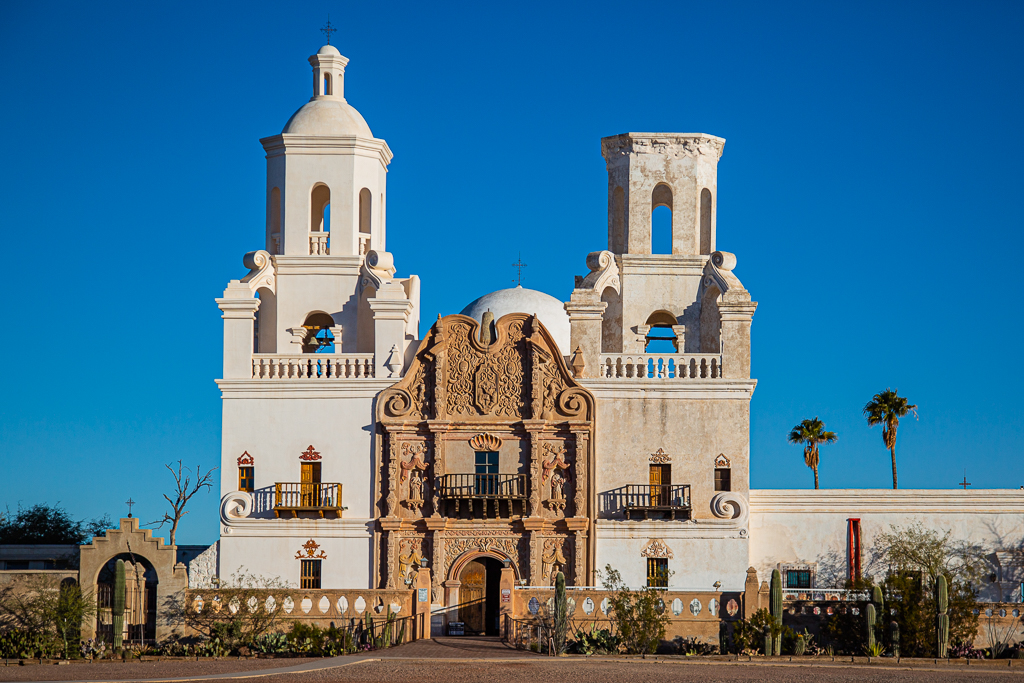
Just south of Tucson was the Mission San Xavier del Bac on the Tohono O’Odham San Xavier Indian Reservation. The mission was named in 1692 by Padre Eusebio Kino for a pioneering Christian missionary and co-founder of the Society of Jesus (Jesuit Order), Francis Xavier.
Completed in 1797, the church has Mexican, Spanish, and Tohono O’odham influences.
Dubbed the “white dove in the desert,” visitors come from near and far to see the ornate and detailed artwork, to learn about the history, and to admire the careful preservation. Because of time limitations, we did not go inside.
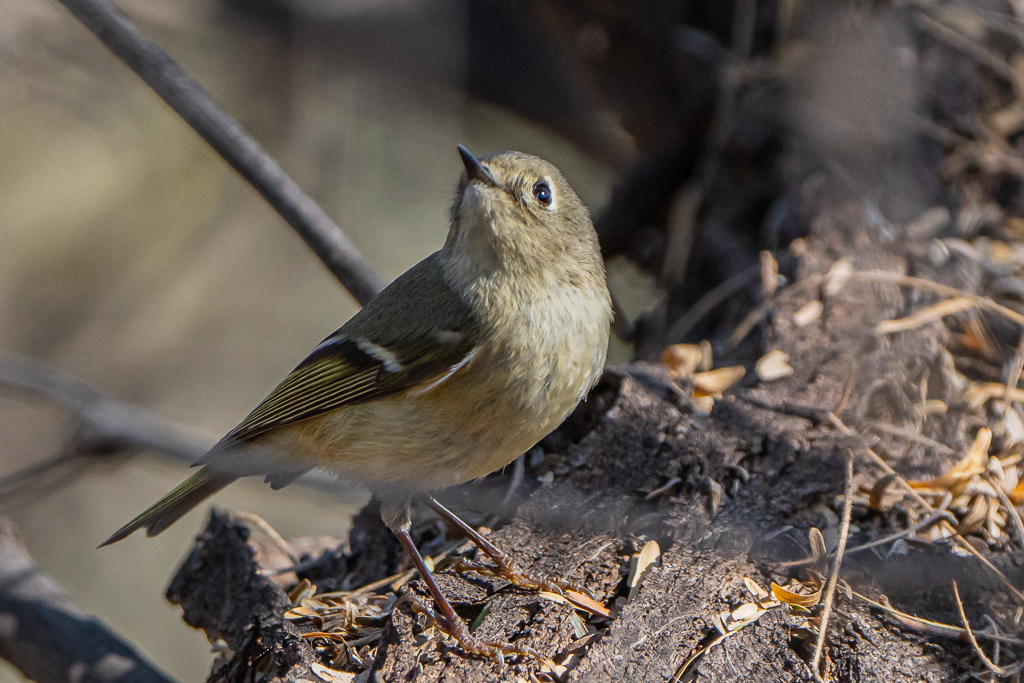
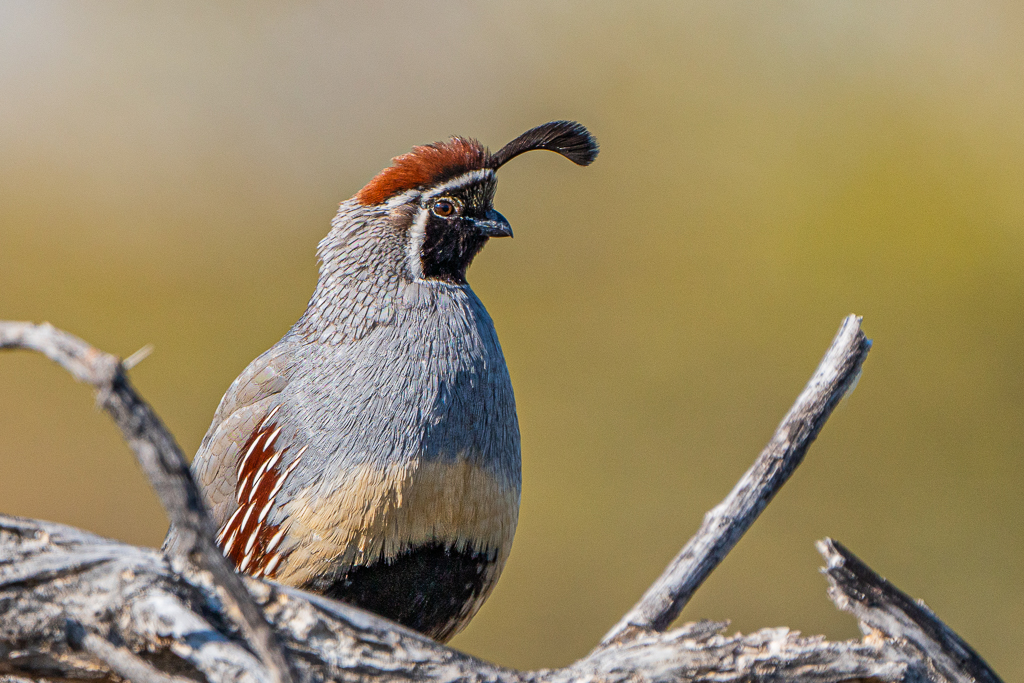
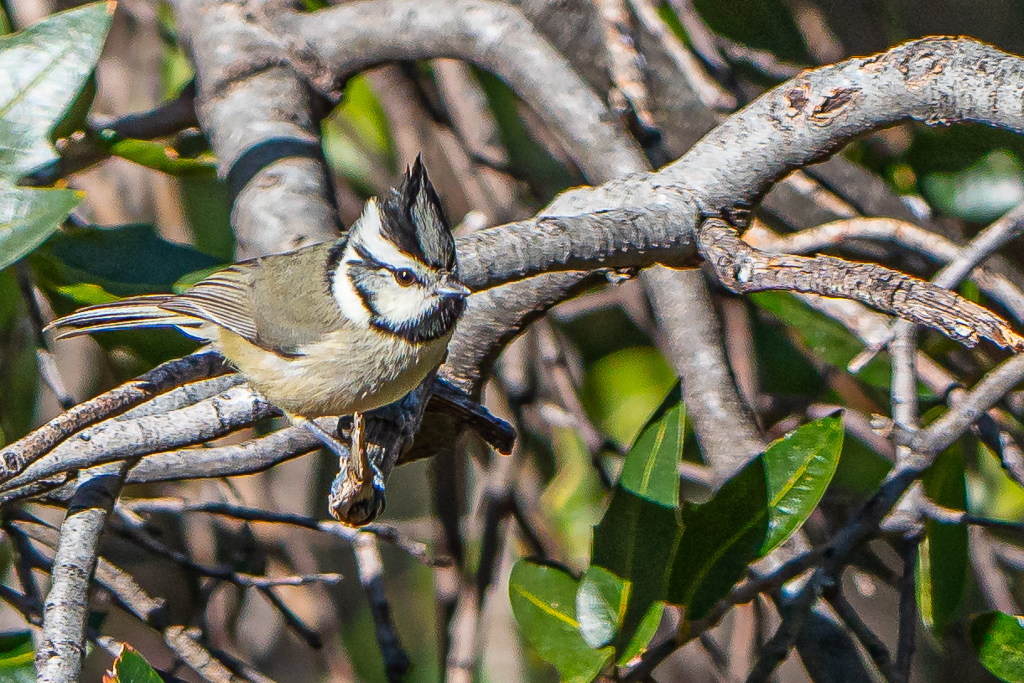
From the Mission, we drove mostly east to Madera Canyon located in the Santa Rita Mountains, one of the largest of the Mandrean Sky Islands. The canyon and its immediate surroundings are therefore home to wide variety of flora and fauna, ranging from cactus covered desert in the lower reaches of the canyon to aspen and pine on Mount Wrightson. With fifteen species of hummingbirds, elegant trogon, sulphur-bellied flycatcher, black-capped gnatcatcher, flame-colored tanager, thirty-six species of wood warblers, and 256 species of birds documented in total, Madera Canyon is rated the third best birding destination in the United States. Our first stop was the Santa Rita Lodge which provides lodging facilities in the canyon. The gift shop has a viewing area (free) frequented by both birdwatchers and photographers (amateur and professional). We were not disappointed. We drove further up the canyon to an elevation of almost 6,000 feet, and hiked a short distance to the snow line, hoping to see the Elegant Trogan—no such luck! However, the mountains are my happy place.
Rather than return to Palm Creek and despite the afternoon hour, we opted to drive further south and east towards the border with Mexico to Patagonia, AZ, home of the Paton Center for Hummingbirds. Renowned for its backyard birds and scenic location, the Paton Center was acquired by the Tucson Audubon Society with generous help from the American Bird Conservancy and Victor Emanuel Nature Tours early in 2014. It was established as an international birding destination several decades earlier by Wally and Marion Paton, homeowners with a heart for birds and birders alike. When the Patons passed away in 2001 and 2009, the birding community began pulling together to save this gem for future generations. Wally and Marion Paton first began inviting birders into their yard shortly after moving to Patagonia in 1973. They eventually put up a canopy and set out benches, bird books, and a chalkboard for people to record their sightings. The Patons had a special vision for supporting their backyard birds with an array of feeding stations—and supporting the wider birding community by sharing the riches of their yard. After Wally passed away in 2001 and Marion in 2009, the birding community was left with an inspiring legacy upon which to build. Many people and events conspired to bring the Patons’ home safely under the direction of Tucson Audubon. It began when 104 year-old Ann Cullen Smith contacted Victor Emanuel with news that the house was for sale. And, as they say, the rest is history. It was truly an amazing place.
To top off our day, we had a delightful drive north on scenic US Highway 83 through Coronado National Forest, surrounded by rolling grasslands turning into desert near I-10 east of Tucson. And then our real fun began. Two accidents on I-10 north of Tucson halted traffic for over 3 hours, and it didn’t matter what shortcut or detour was attempted, long, long lines of traffic awaited travelers driving north. Consequently, we reached Palm Creek well after 9 PM with takeout food from Taco Bell—Mexican food never tasted so good.
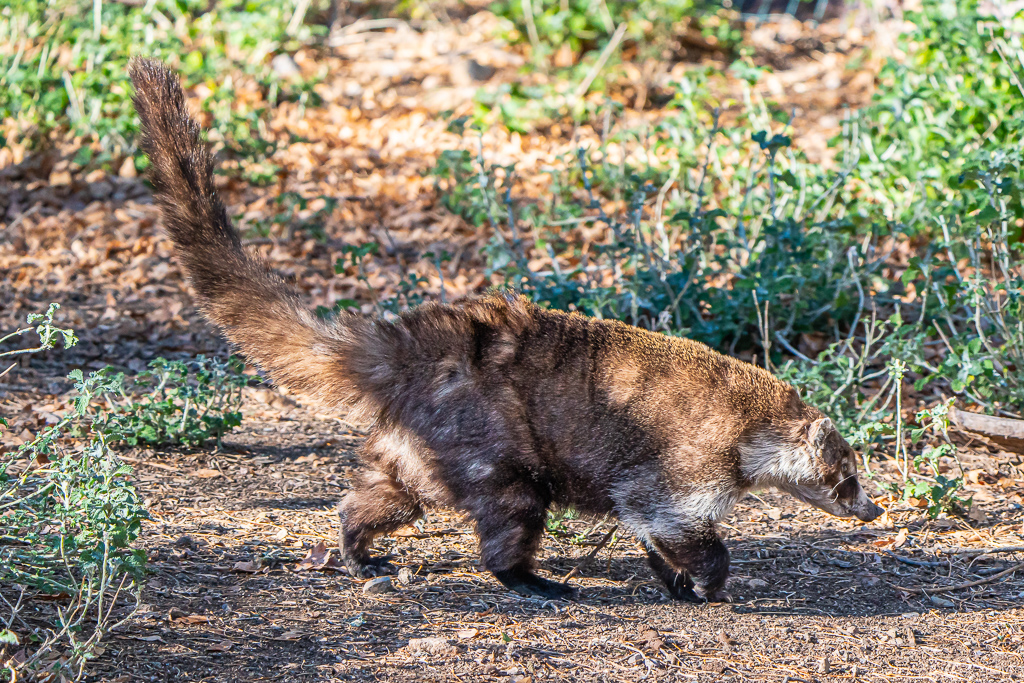
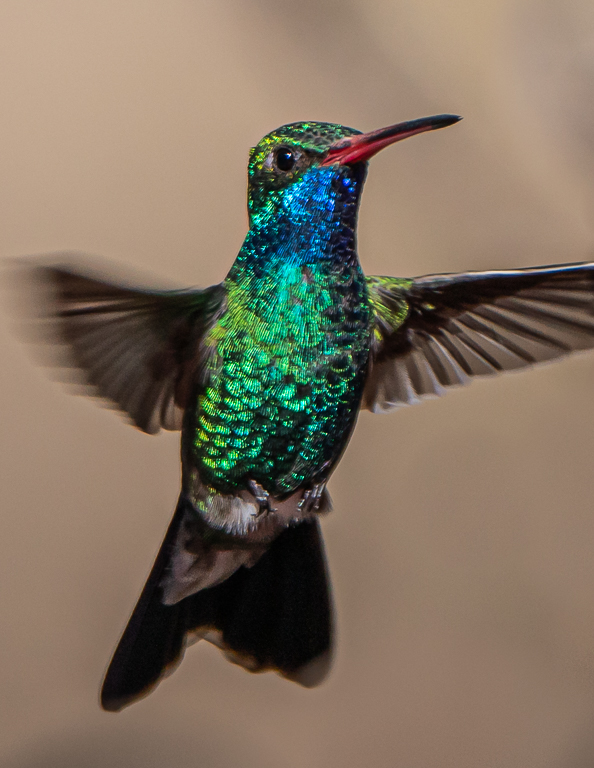
Mission San Xavier del BacBridled Titmouse, Santa Rita LodgeMexican Jay, Santa Rita LodgeWhite-nosed CoatiVoilet-crowned Hummingbird, Paton Center for HummingbirdsBroad-billed Hummingbird, Paton Center for Hummingbirds
We are really enjoying the Par 3 golf course here at Palm Creek; it is challenging, though. We particularly like walking, and the somewhat slower pace of the game. Though time is passing quickly, we are still trying to absorb all the resort and area has to offer.
Thursday, Kay has pickleball practice/game while I played golf day with our foursome of men from Hot Springs Village. Today, we played the Robson Ranch course near Florence, just south of Casa Grande. Robson Ranch is a group of private, gated, and very active 55+ upscale developments in Arizona and Texas. This particular development has golf, pickleball, swimming, tennis, softball, etc., and the facilities are very nice. The golf course is challenging what with lush fairways surrounded by desert; great place to play golf.
Kay played pickleball again on Friday, and I drove south to chase birds on the flats near Arizona City, a few miles south of Casa Grande. Apparently the place I visited was not the right one as birds were far and few between!
We made our first visit to the Riparian Preserve at Gilbert Water Ranch (GWR) on Tuesday. Friend and fellow photographer, Dan Olson of Hot Springs Village, was kind enough to provide us with the names of several great places to bird/photograph in southeast Arizona. This was the first he mentioned. The GWR is a 110-acre wetland and wildlife sanctuary having 7 ponds along hiking trails, one recreational urban fishing lake, and one floating boardwalk. It was dedicated on October 9, 1999. It is located in the City of Gilbert, a suburb of Phoenix. It is a birding and photographer’s paradise. Many species of birds either winter here or stop on their migration route. It was an awesome place!
Palm Creek RV and Golf Resort is different from other RV resorts in which we have stayed—more populated, way more activities, very clean—but for me somewhat removed from photo taking opportunities and cycling, having to drive significant distances to do either.
For the three days covered in this entry we attended a Club Expo, RV show, chapel in the resort; Kay played pickleball and line danced, and I attended a Photography Club meeting (about 50 people there). We played in a golf scramble among HSV couples wintering here, with pizza afterward, and attended a happy hour with HSV couples—quite busy if you ask me, leaving very little time for television (not a bad thing).
Collection of trails and greenway quotes, terms, acronyms, tools as well as trail publications and presentations and 100s of photos from my bicycle and hiking adventures. .
This journal was begun several years ago, and reflects an accurate record of each day fished. Please enjoy it, and remember that fish are too valuable to be caught just once, and the places they live are too valuable to be mistreated.












 Dunngone's Photos and Blog