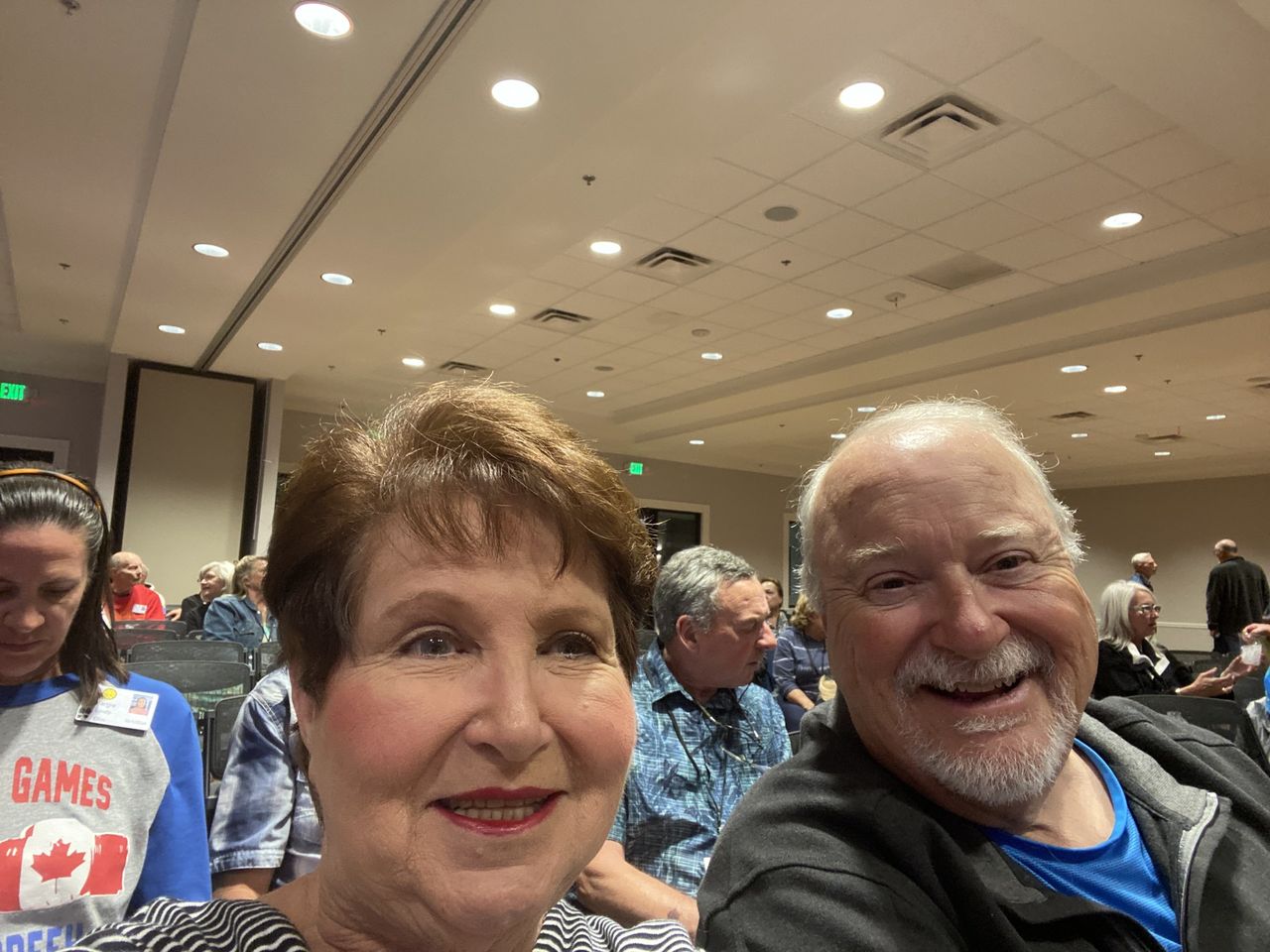
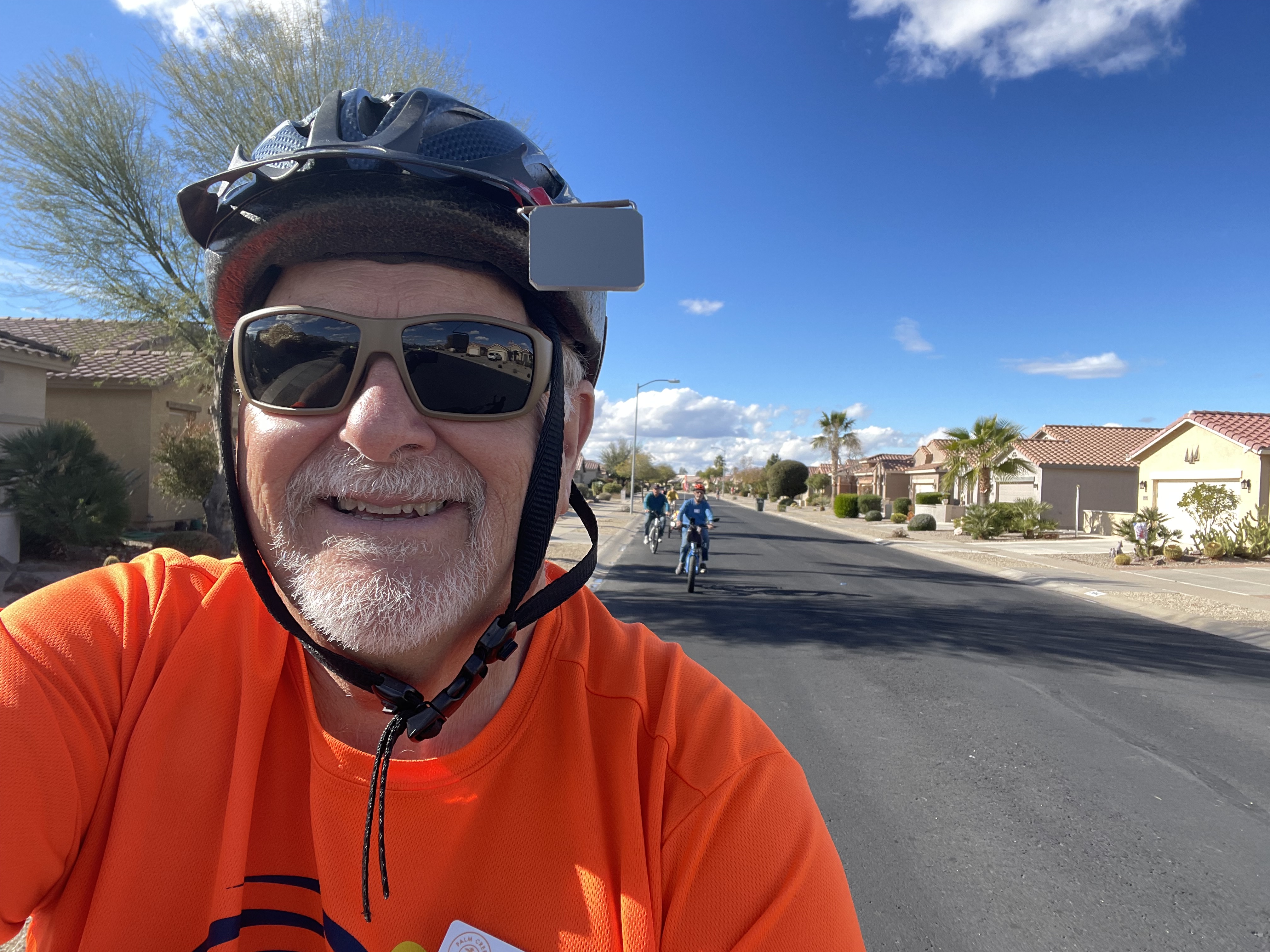
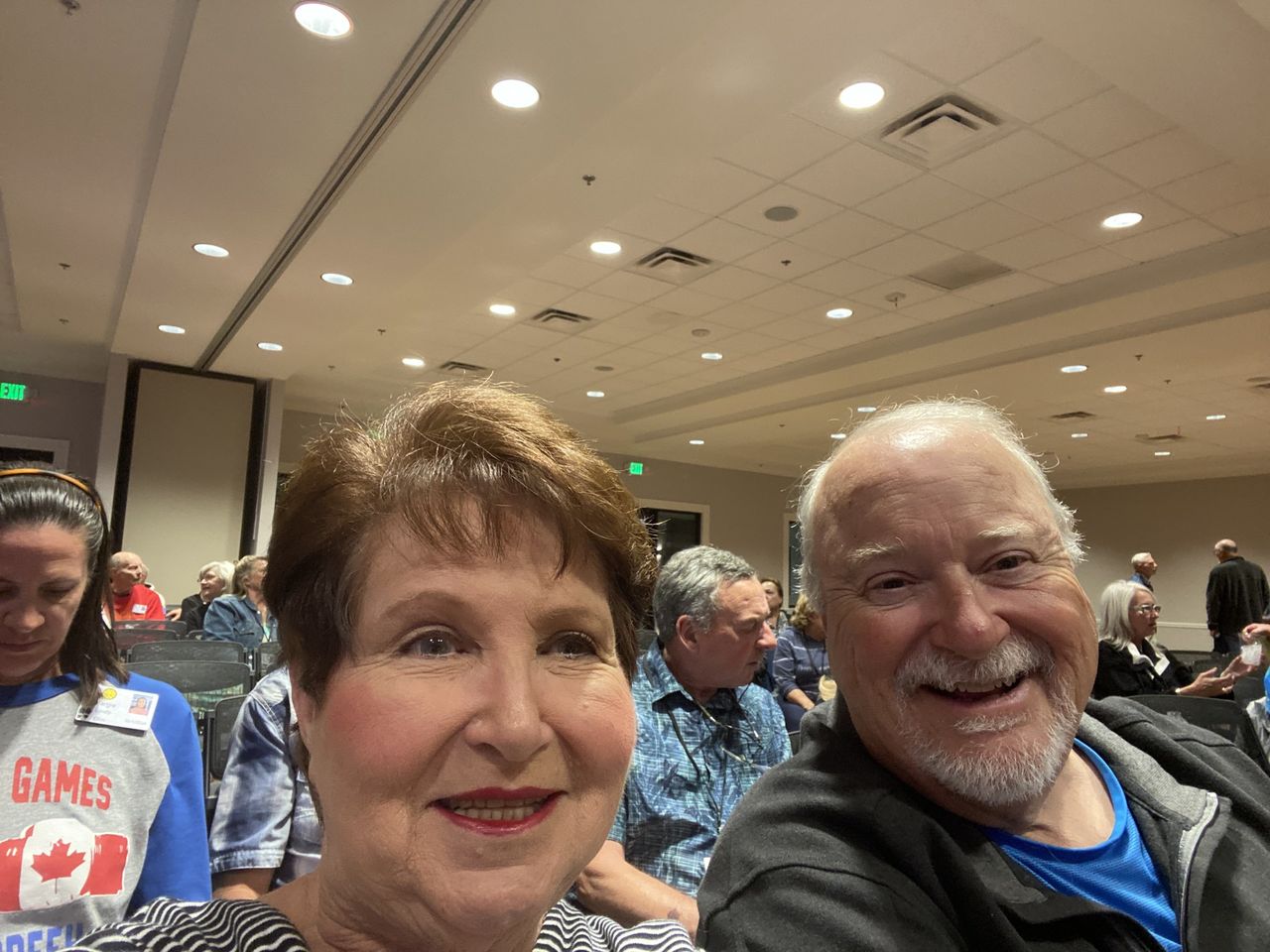
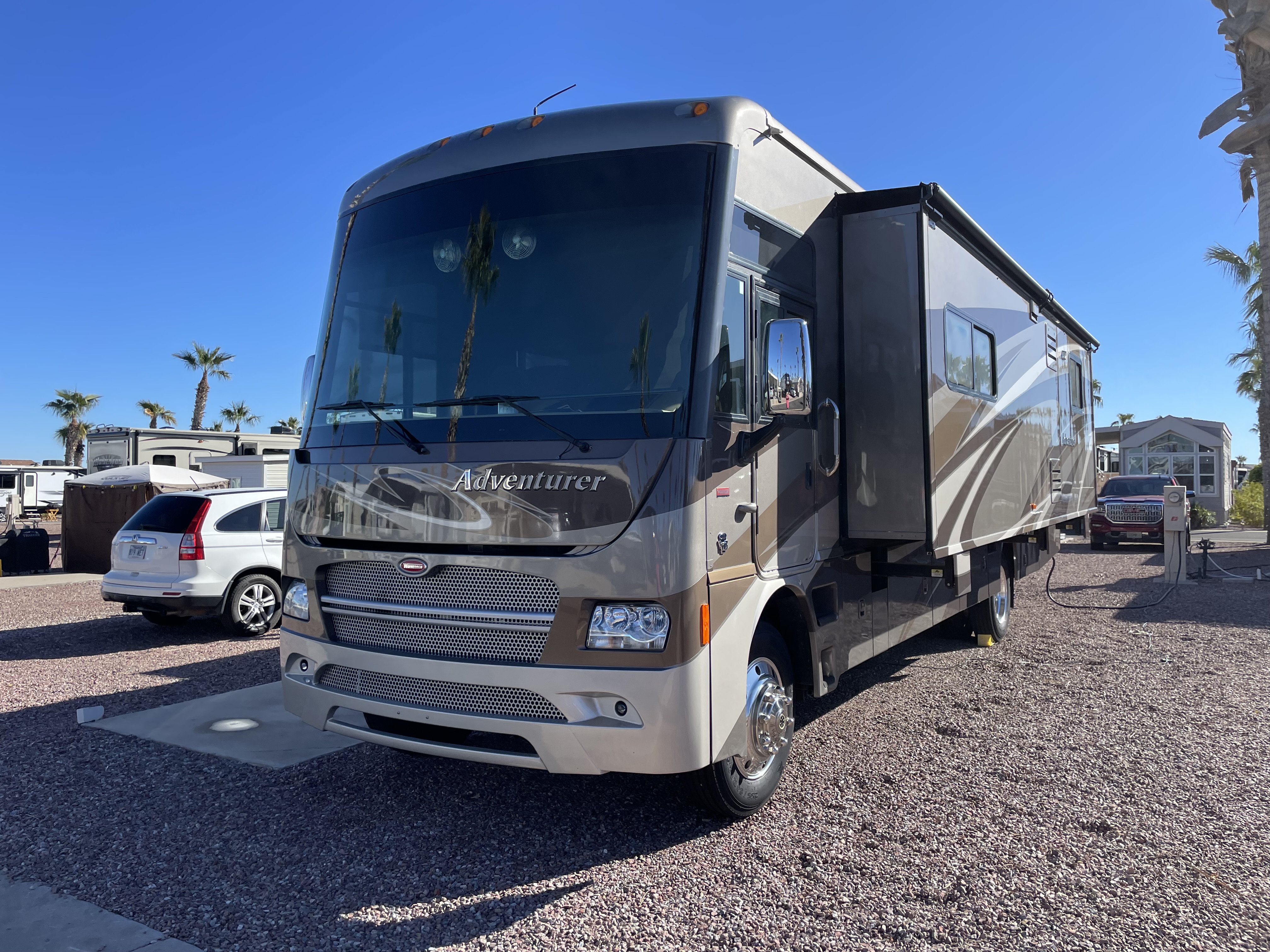
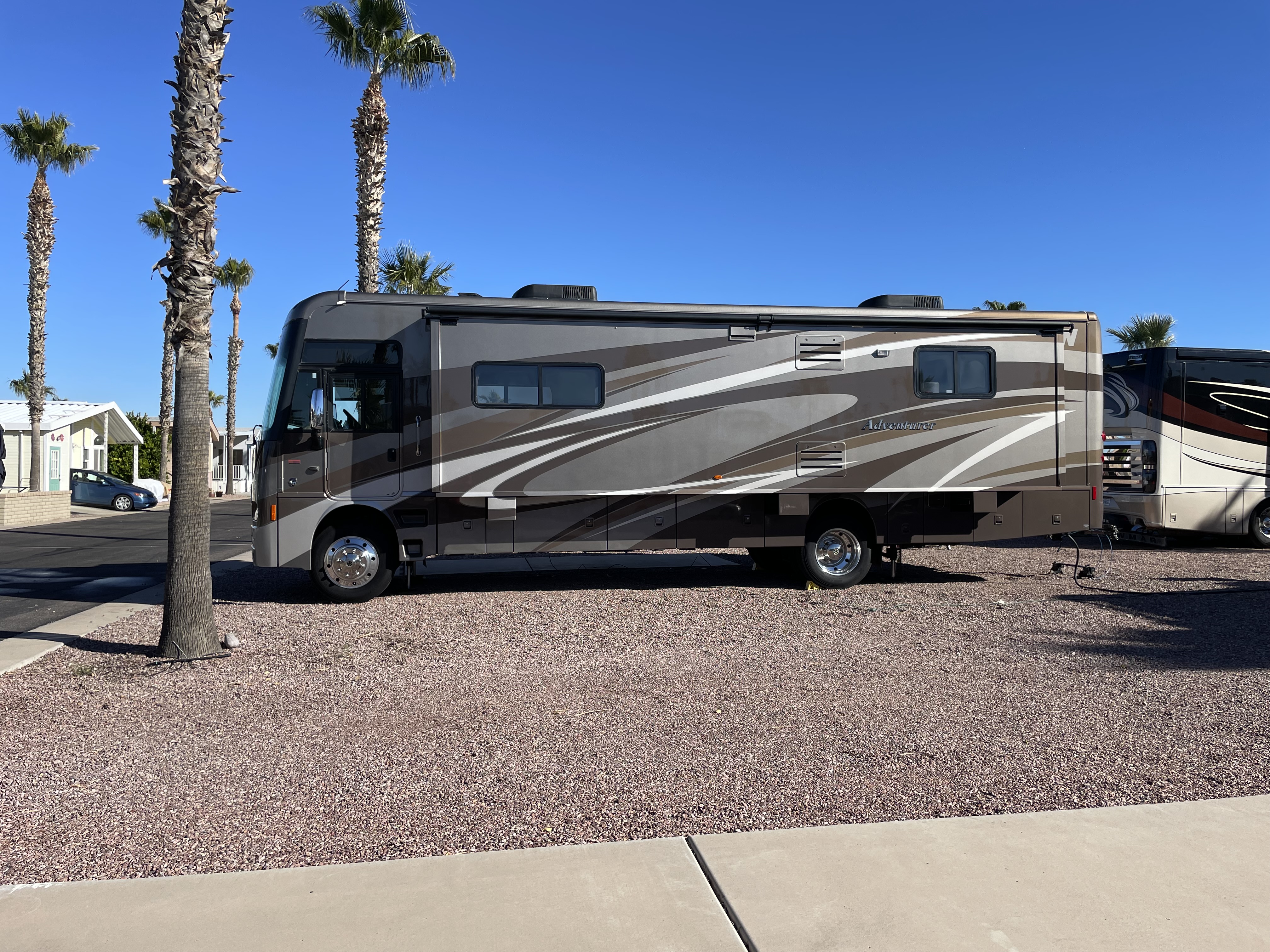
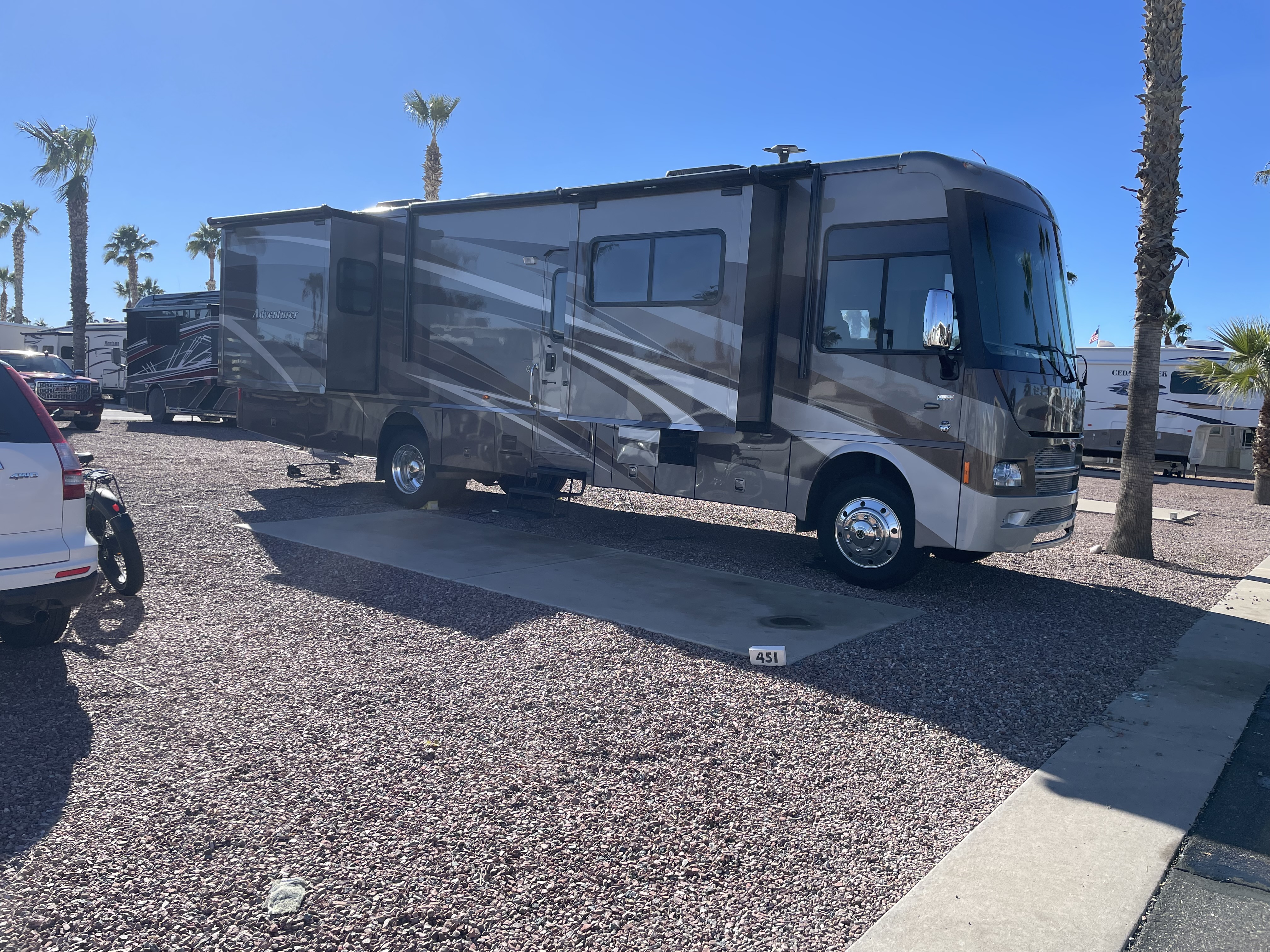
This past week was a fun, fun week with sports competitions between the Canadian residents and USA residents.
In a closely contested game, the US eked out a narrow win in volleyball (there were a number of semi-pros playing for both sides.)
Kay and I watched the Lawn Bowling competition on Tuesday, a sport with lots of participation here in the resort. Bowls, also known as lawn bowls or lawn bowling, is a sport in which the objective is to roll biased balls so that they stop close to a smaller ball called a “jack” or “kitty”. It is played on a bowling green which is close-cropped, neatly manicured grass surface (or sometimes artificial turf). It is hugely popular in the United Kingdom. The USA squeaked out a narrow victory.
Softball is also a “big-time” sport here at Palm Creek, with several teams being made-up of residents. Two games were played for the tournament. The Americans lost the first game, with “B” team members, in an error-plagued seven innings while the Canadians were near perfect. The second game with “A” players was outstanding with really good athletes—men and women—on both sides. Their throws and running was not hampered at all by age, and the women were just as good as the guys. The US won big.
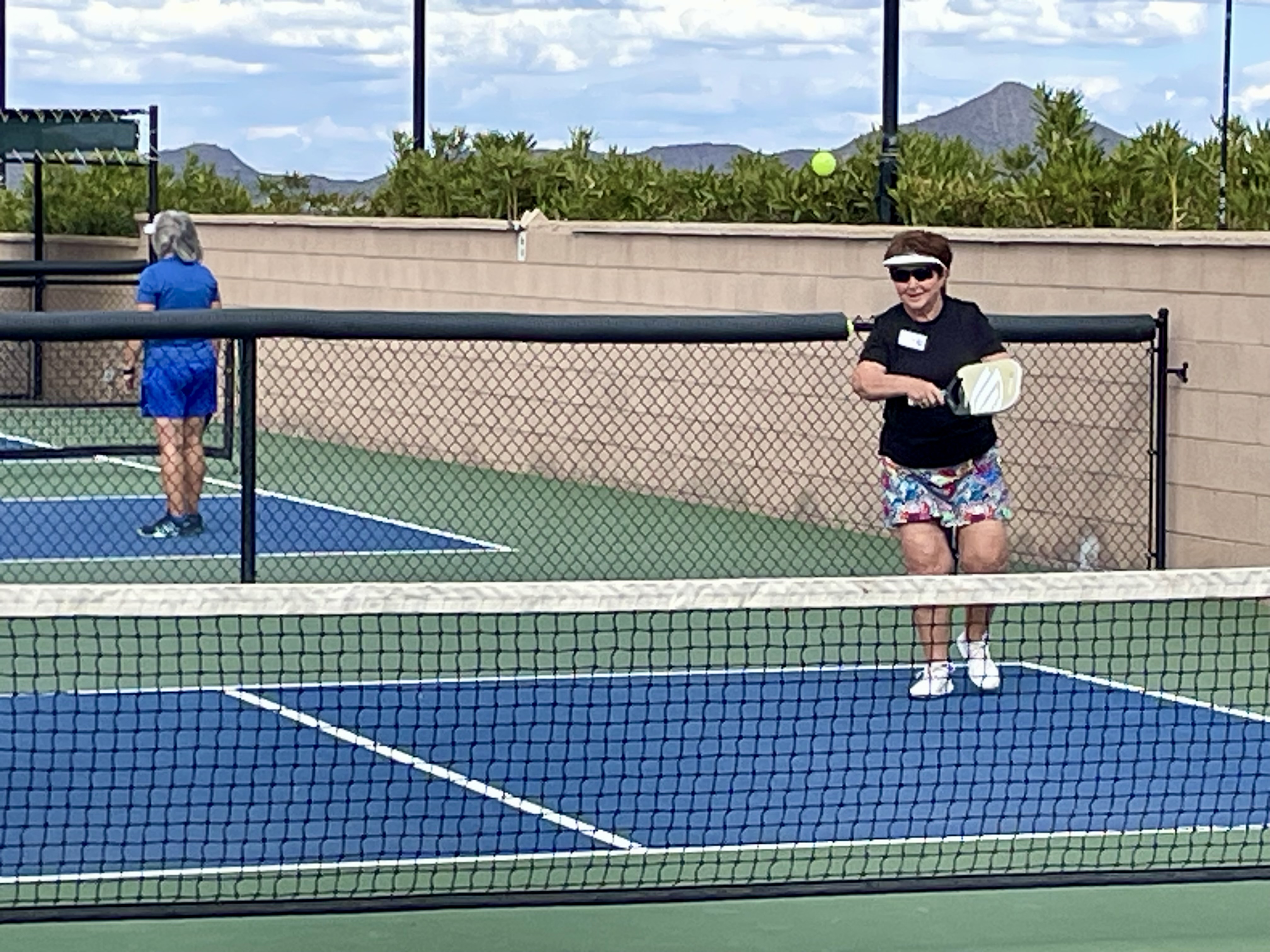
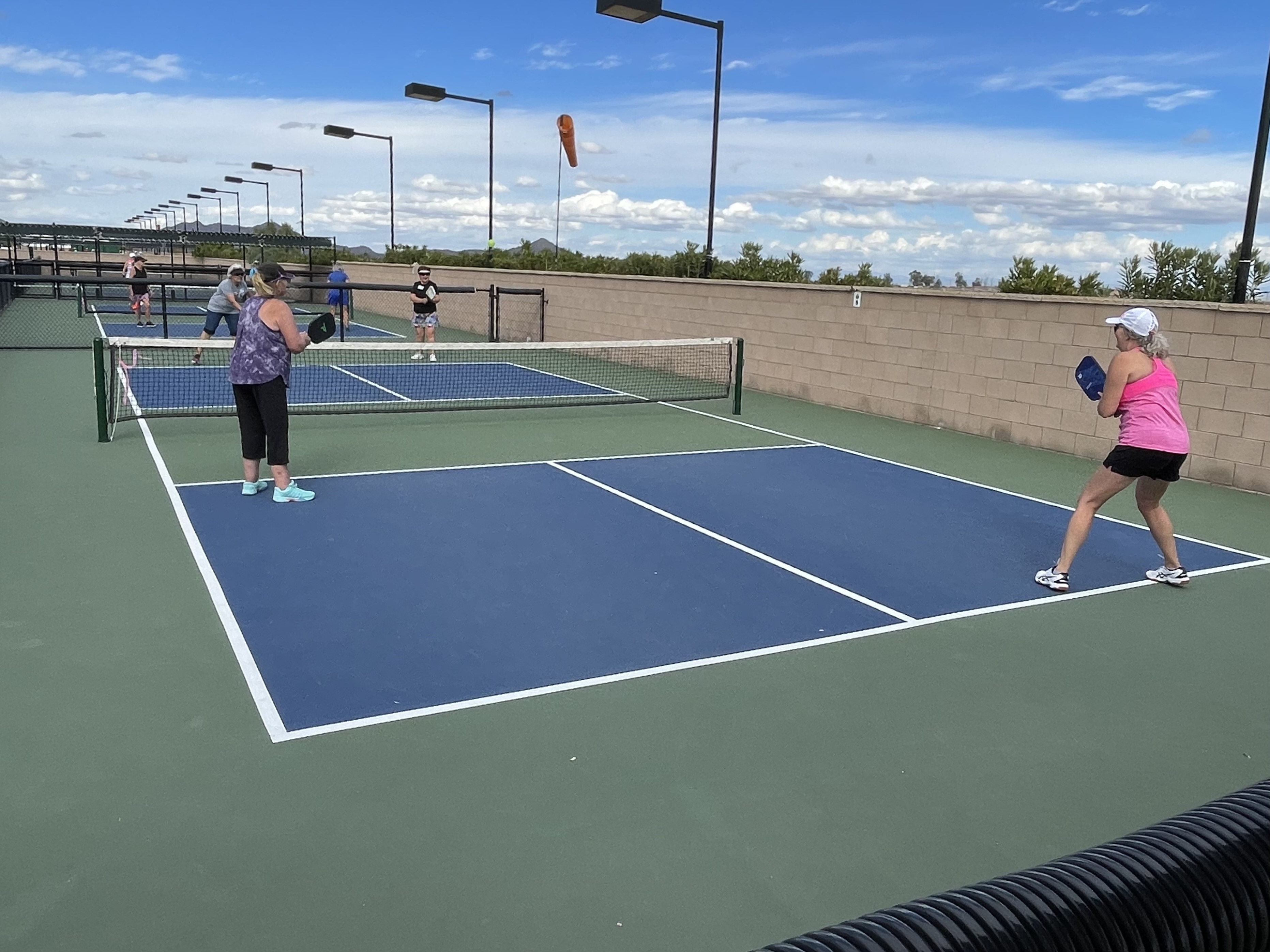
Pickleball was by far the most popular event. Played on Saturday afternoon to a standing room only crowd of several hundred, the 5.0 ranked women and men faced off in women’s, men’s, mixed doubles, and singles matches. It was incredible pickleball and after watching these folks play, it is easy to understand whey they are considered expert. There were a number of former pros—men and women—playing. The US barely won for the day, but the Canadians were very, very close in number of games won.
There were also contested matches in golf, tennis, pool, poker, shuffleboard, and horseshoes.
While the CanAm week was big, our resident pickleball tournament this next week will be even bigger with almost 500 entries.
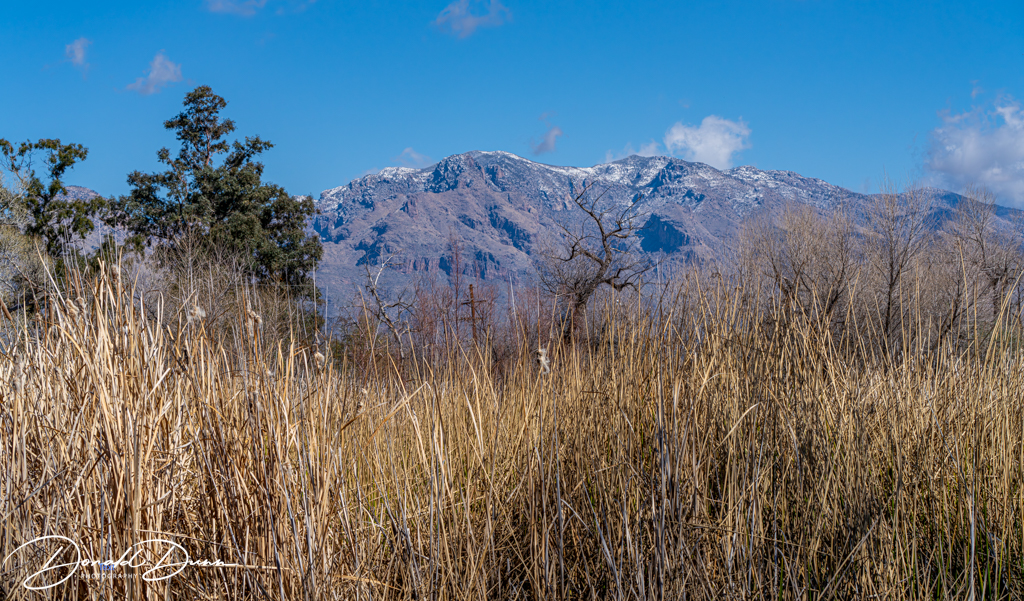
Kay and I got a late start Sunday, and traveled to Sweetwater Wetlands in Tucson.
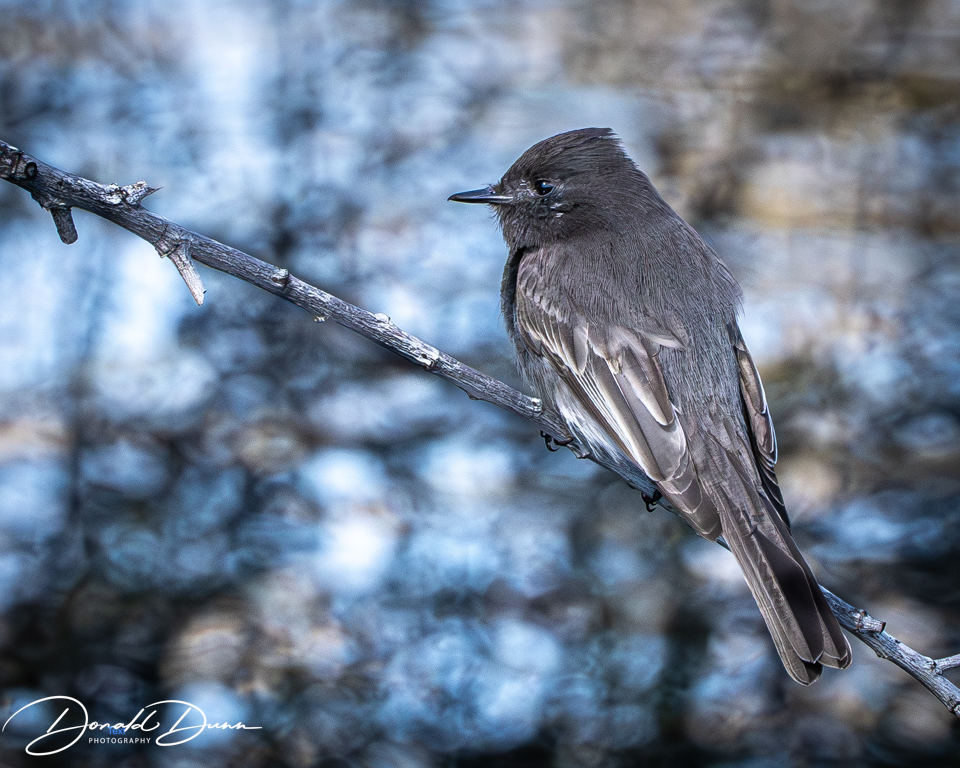
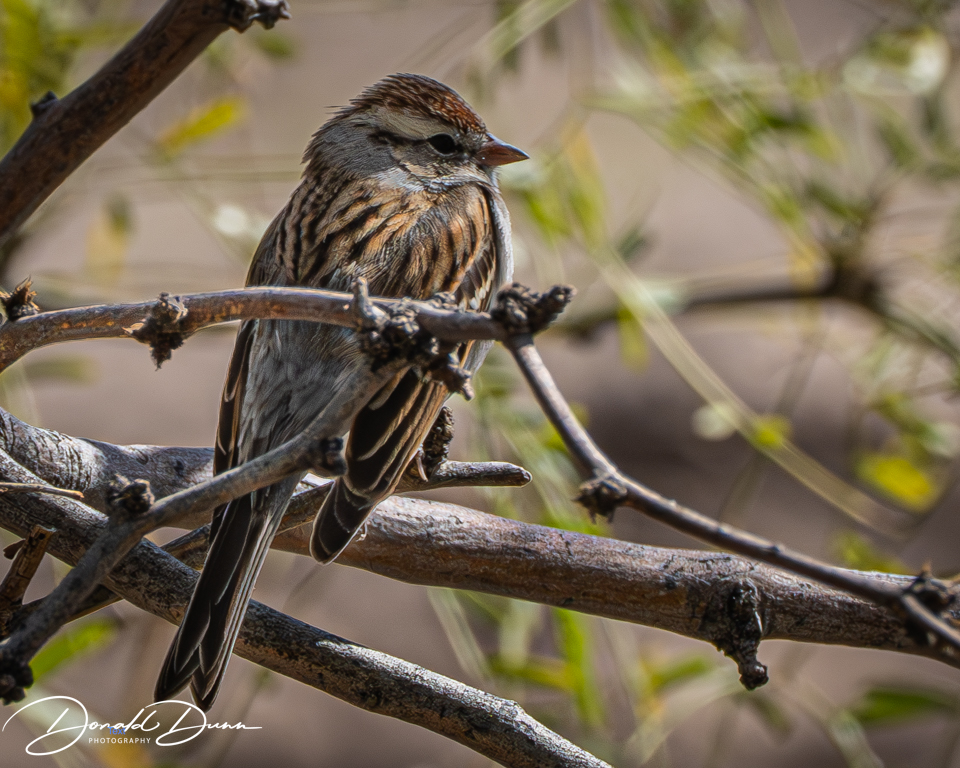
Our previous trips there did not yield many birds to photograph, and with the day’s late start—arriving after lunch—didn’t seem to be a formula for success. However, we were pleasantly surprised by the number of species and birds. We saw Black Phoebes, Chipping Sparrows, and White-crowned Sparrows.
Black PhoebeBlack PhoebeWhite-crowned SparrowChipping Sparrow
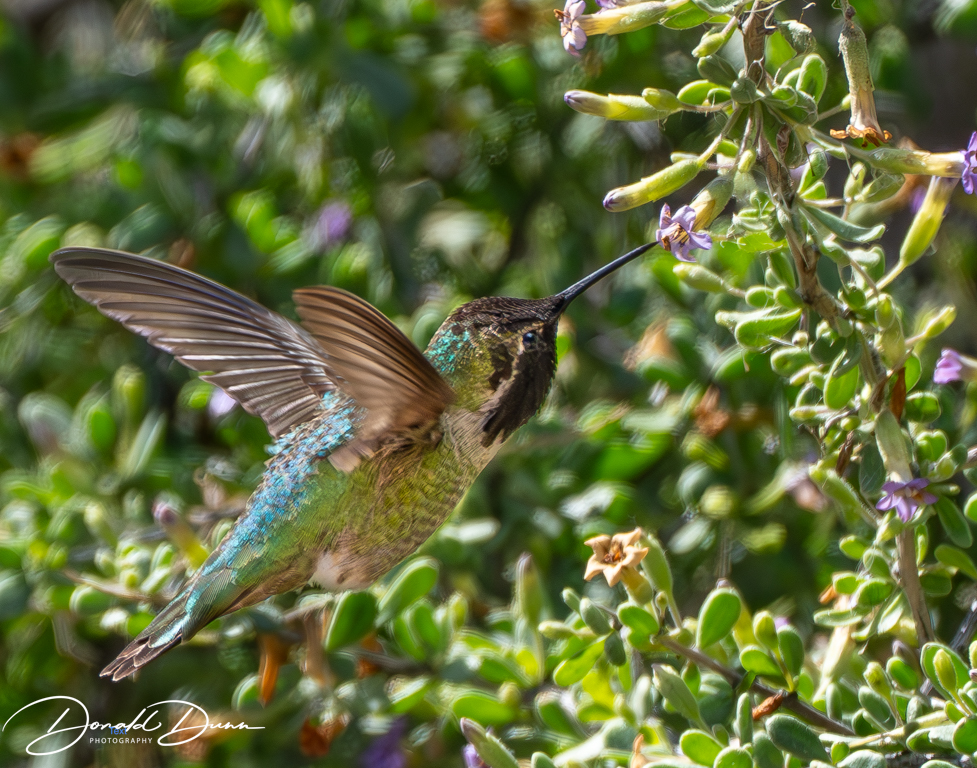
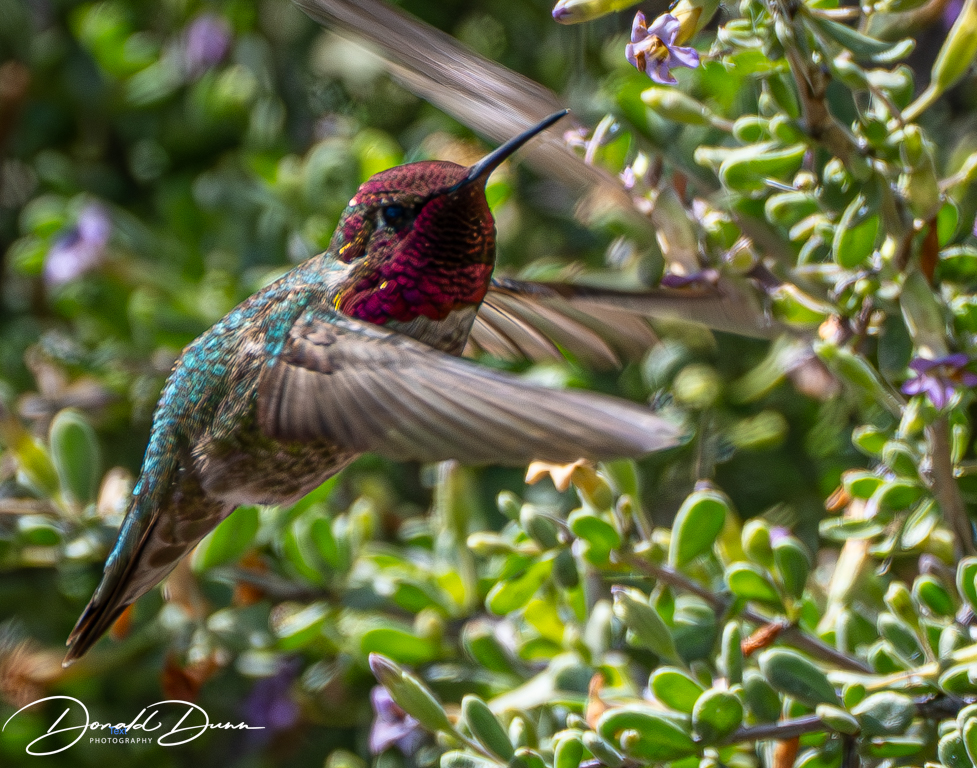
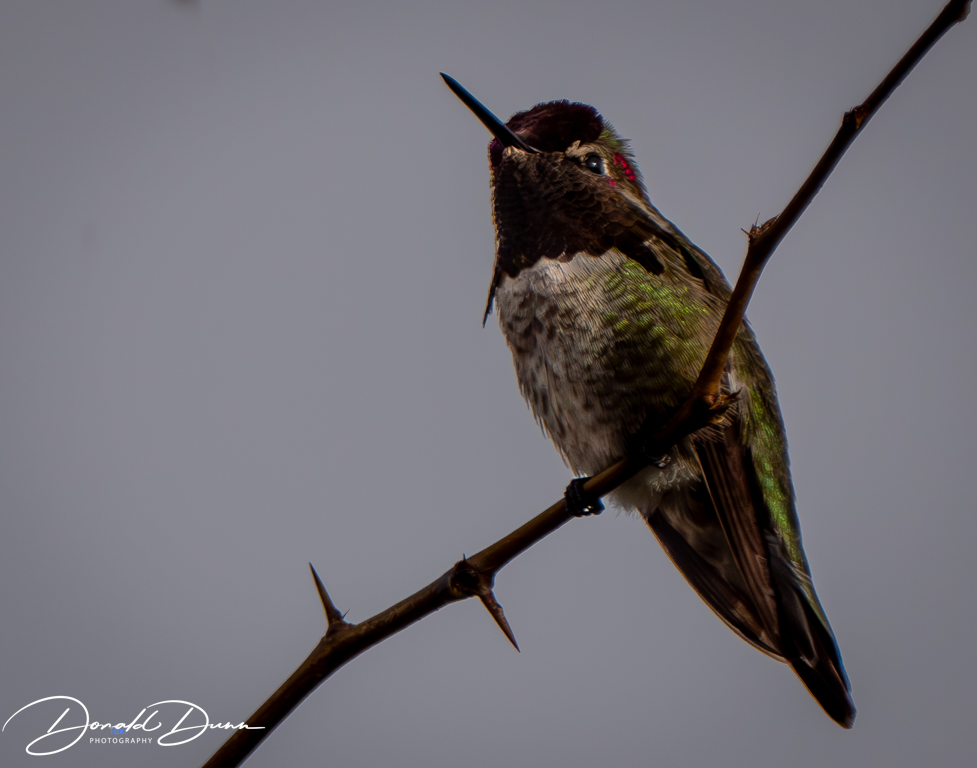
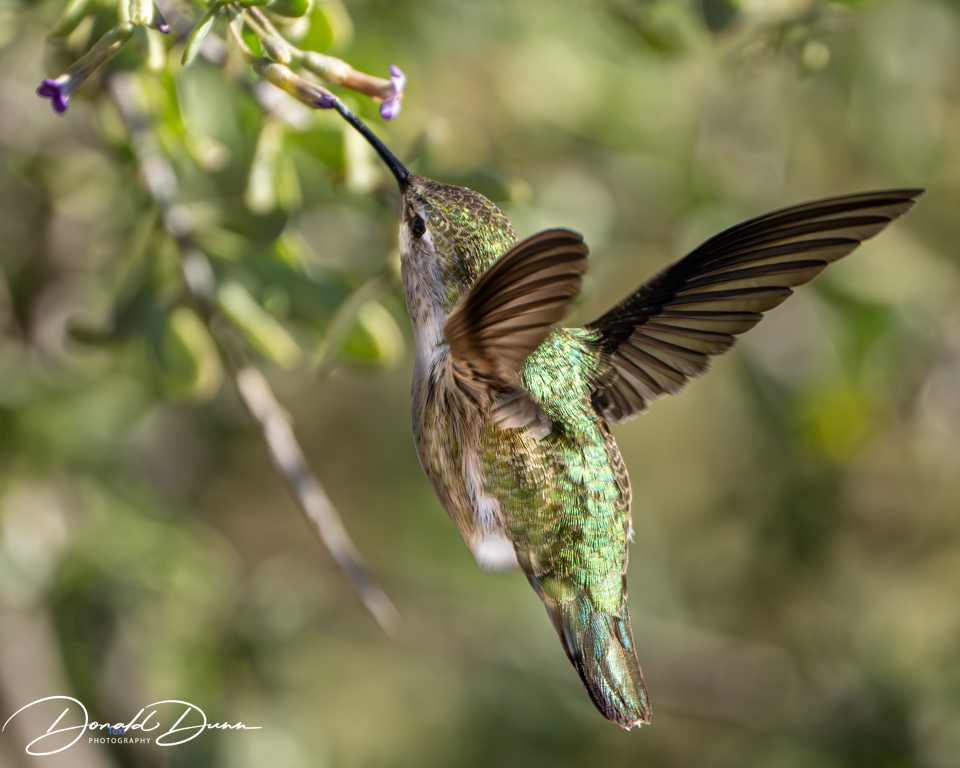
Also present were a number of Anna’s Hummingbirds.
Anna’s HummingbirdAnna’s Hummingbird
And then a Red-naped Sapsucker flew to a nearby tree.
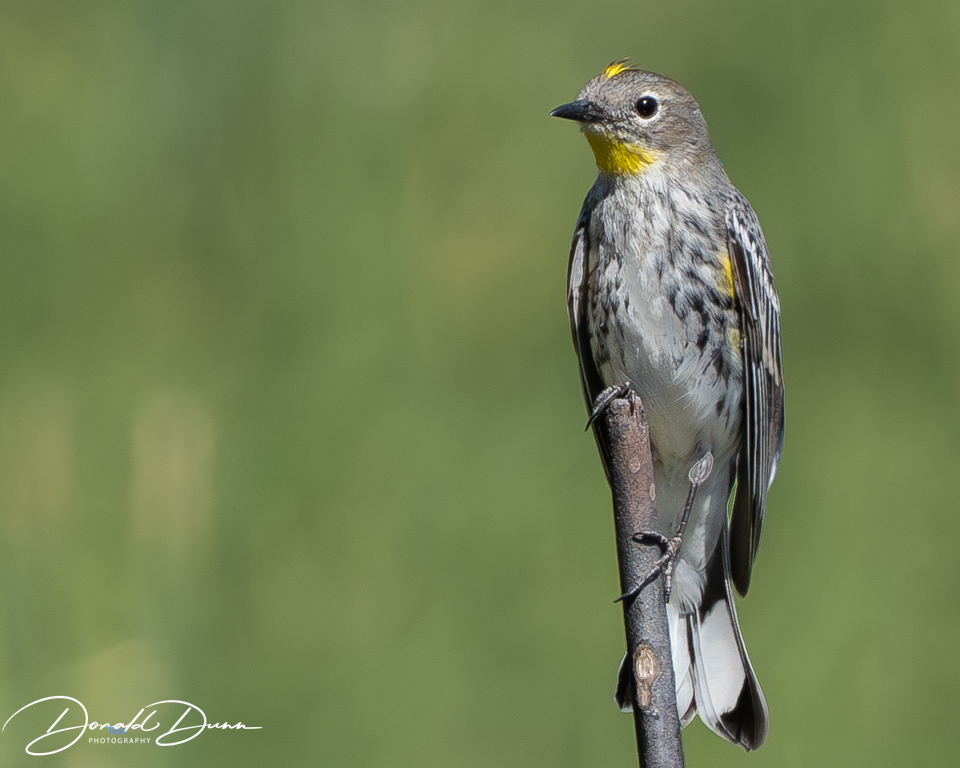
several Yellow-rumped Warblers were flitting around, and one even landed out in the open, a rare occurrence.
Yellow-rumped WarblerYellow-rumped Warbler
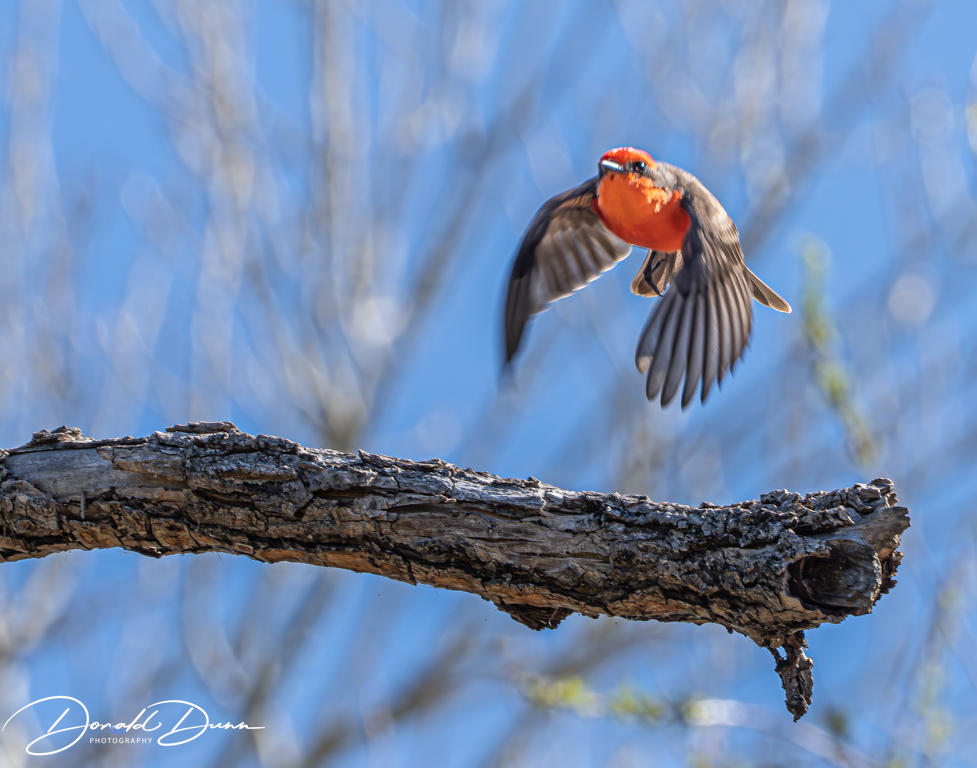
A beautiful Vermillion Flycatcher kept darting up to catch an insect.
Vermillion FlycatcherVermillion Flycatcher
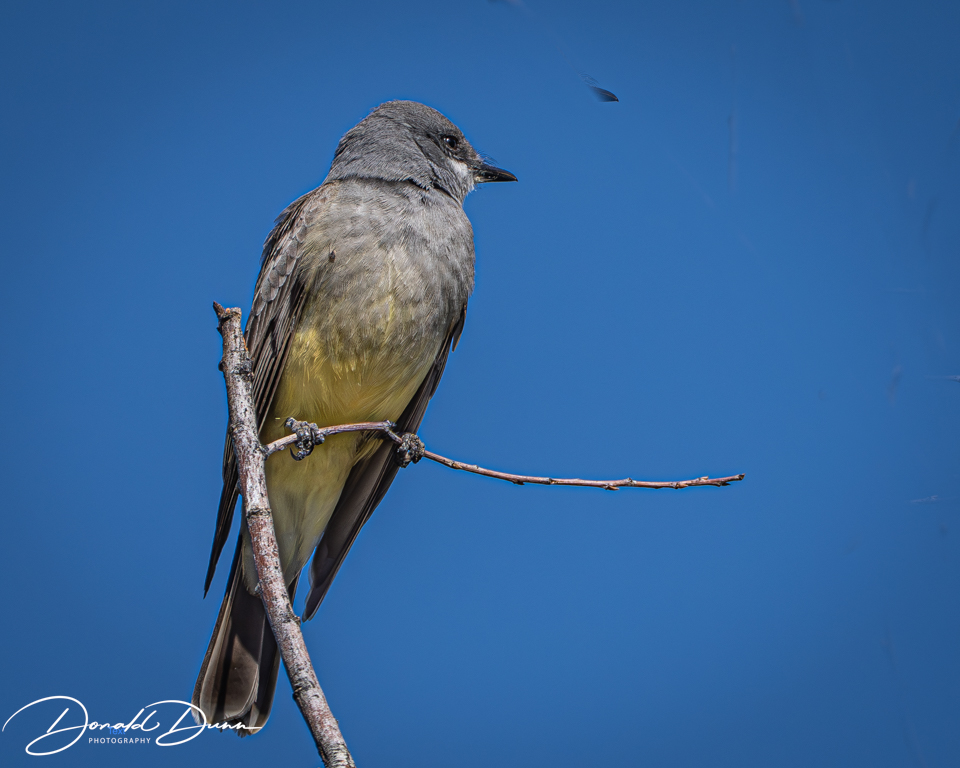
A Cassin’s Kingbird. only my second spotting of this species, posed nearby.
Cassin’s Kingbird
A family of raccoons also made an appearance. This one got “shot” (with a camera, of course.)
After a couple of hours at Sweetwater Wetlands, we shopped briefly at Costco’s, and then returned to the resort. Kay watched the Super Bowl Sunday evening and I read.
Monday, Tuesday, and Wednesday were filled with pickleball, and topped off with a Valentines Dinner and Dance. Monday’s pickleball included “4 + 1” training which was really good. It involved four players and 1 mentor/trainer. We worked on “No Volley Zone” or “Kitchen” tactics which was awesome.
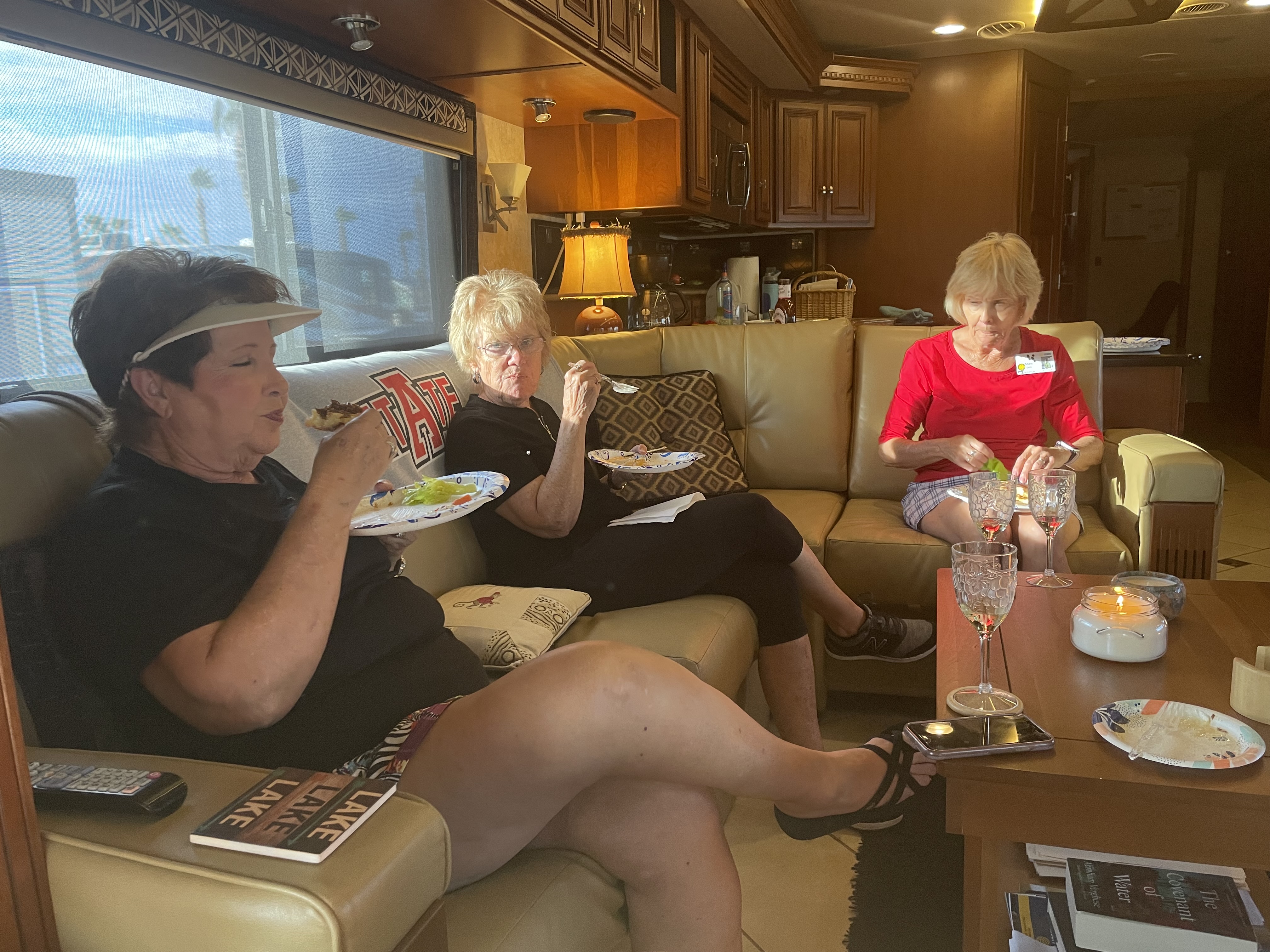
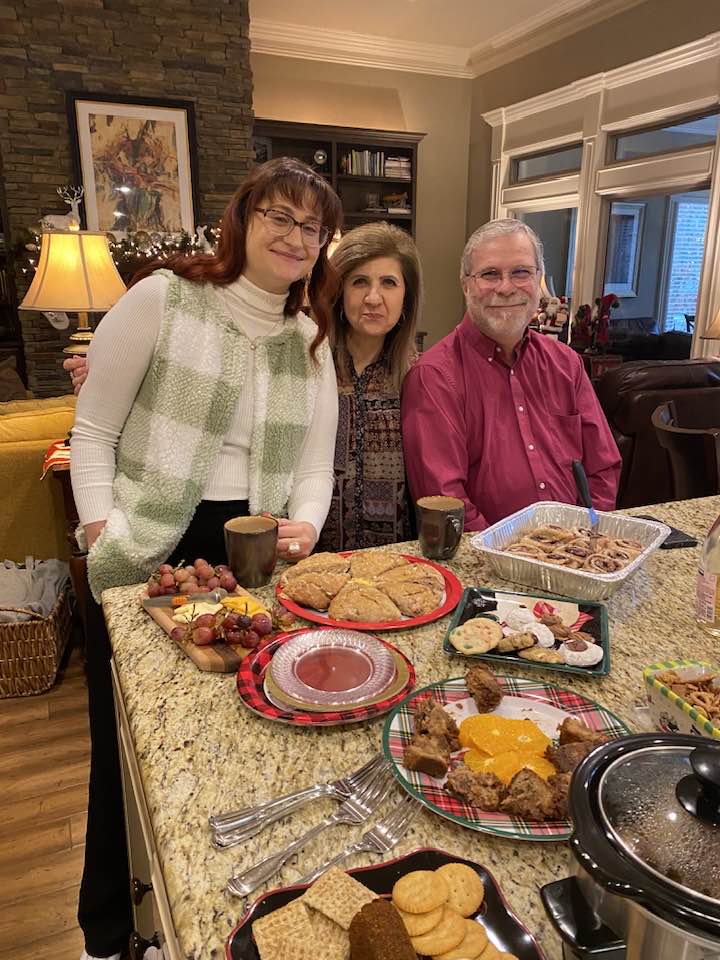
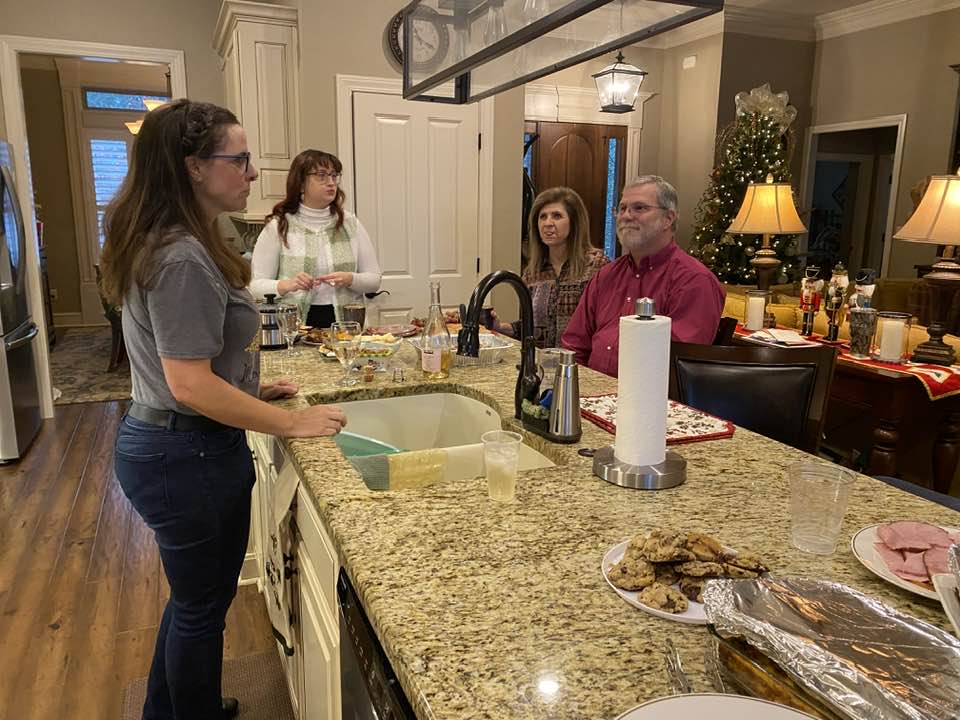
Kay and I hosted the HSV group happy hour on Thursday, serving brats and buns, while others brought sides and desserts. A great time was had by all. After a busy week, Friday was anticlimactic. Kay did go out for dinner with the HSV folks, while I remained at the motorhome watching YouTube VLOGS. Saturday featured a return to pickleball, followed by extensive laziness!
Our 3.75 mixed doubles began on Tuesday at noon with ominous skies. Six games were played before the first sprinkles and then the court got a bit wet; we ended the seventh game at a 3-3 tie. It continued to rain Tuesday afternoon and night, most of the day Wednesday, and Thursday bringing in much cooler weather. Our only “fun” activities were bridge on Tuesday evening and Hand and Foot on Wednesday evening. By the way, the men won at Hand and Foot, tying the series at two apiece. Admittedly, we got really good cards. Happy hour went off without a hitch on Thursday afternoon, but it was inside for the second Thursday in a row because of weather.
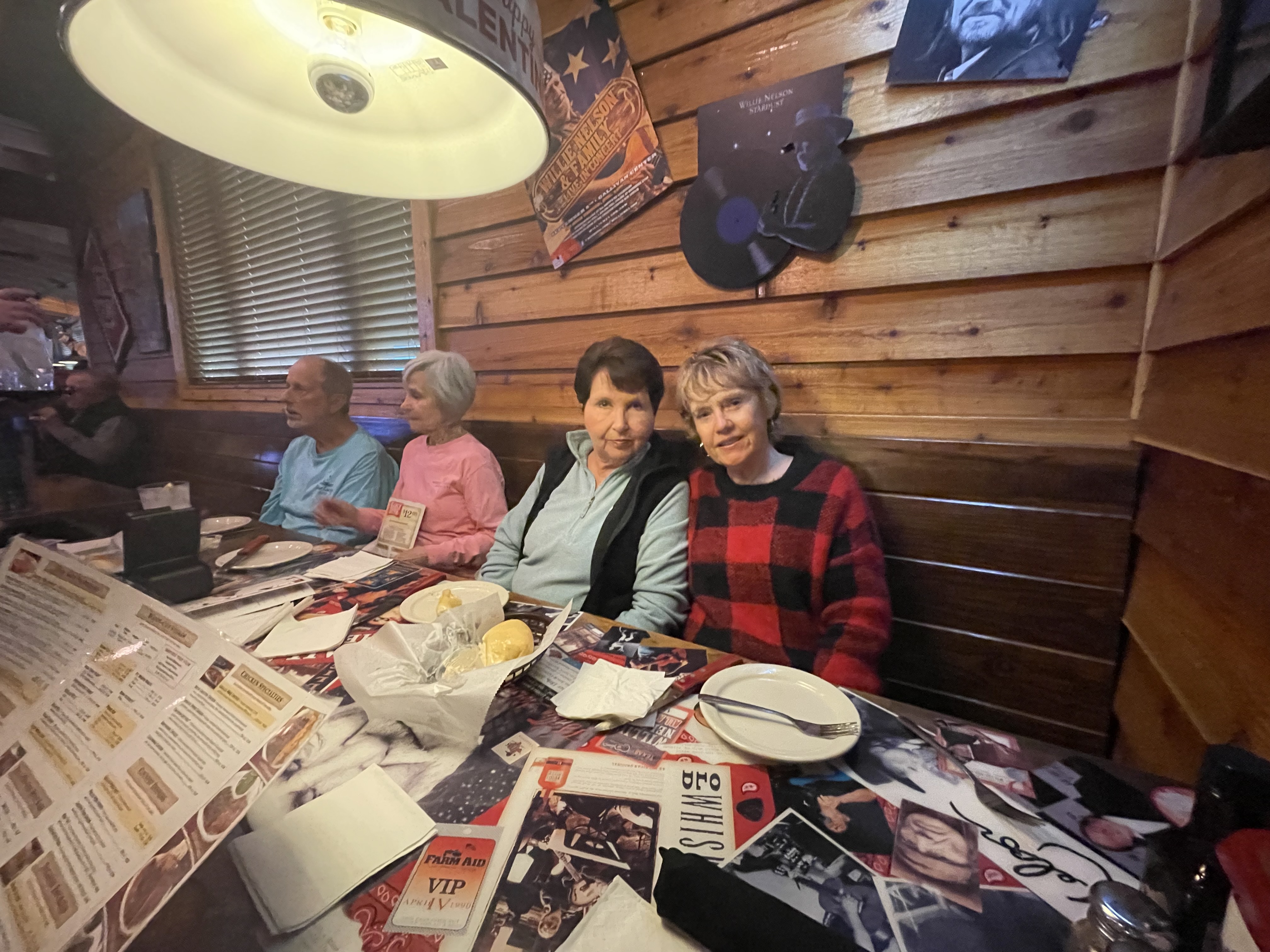
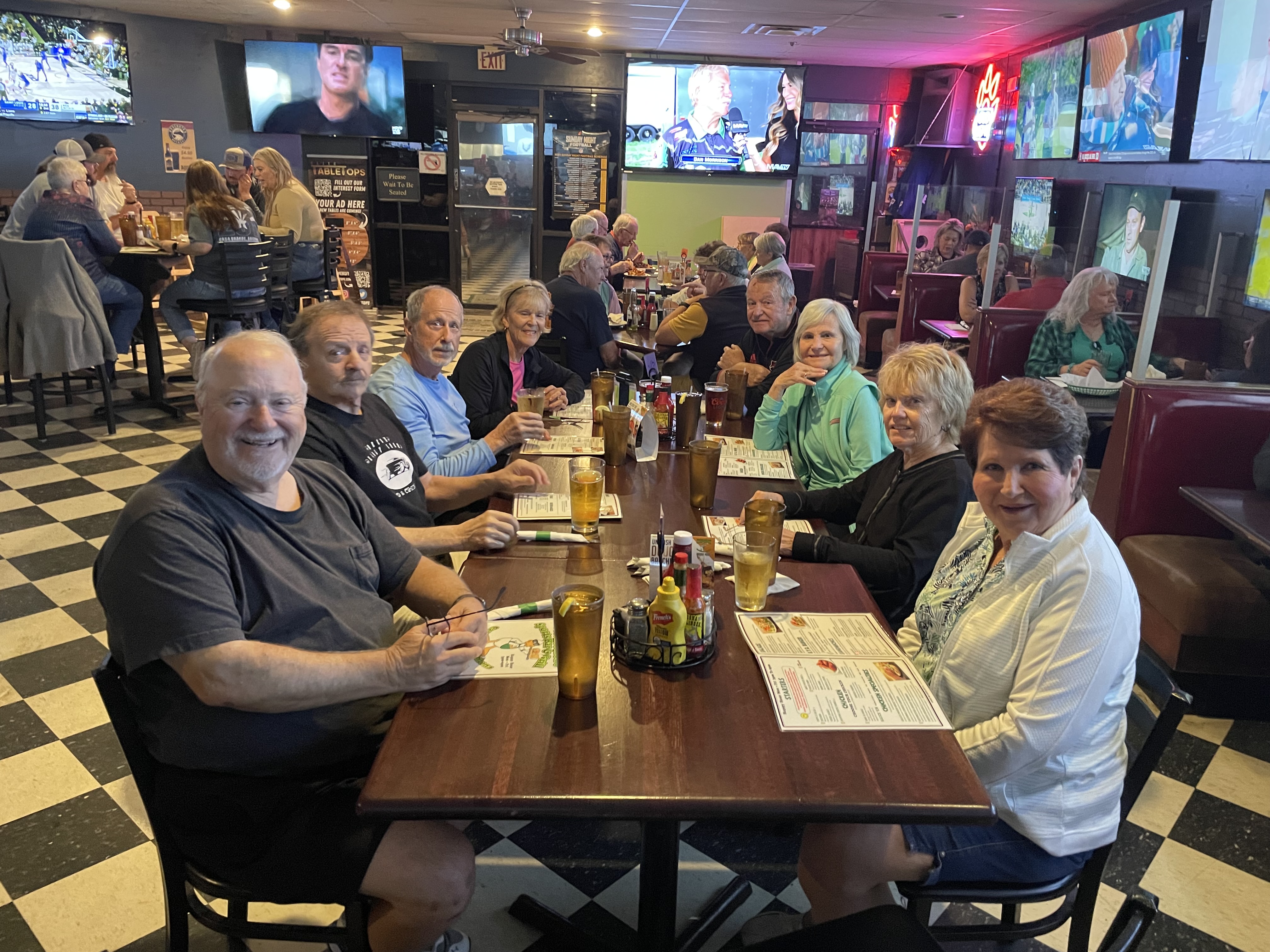
Pickleball courts were too wet to play Friday morning, but dry enough such that the HSV folks played at our usual Friday time, 4:00 pm. After pickleball, we all had dinner at Texas Roadhouse—really cold beer and great food! Texas Roadhouse is perhaps our favorite chain restaurant.
It rained from about 3:30 am to 7:30 am Saturday, negating pickleball and most other outside activities for the day. With everything wet, we stayed inside for the most part, and vegetated, watching a few YouTube VLOGs and a movie (Kay watched My All American which included footage of the 1969 Big Shootout between Arkansas and Texas; I was at that game!) It was cool all day, even with the sunny skies showing through by mid-afternoon. This winter season at Palm Creek Resort has had remarkably more rain than the previous four years we’ve been here.
The title about says it all. Kay played pickleball on Thursday morning.
Happy hour was at the Seitz’s and because of the wind we gathered inside their spacious motor coach. Steve and Mary served pulled pork with slaw and there were assundry food and snacks from which to choose.
Too windy for pickleball, Friday was a “wash” as far as outside activities were concerned. We did enjoy dinner with the HSV group at Airport Inn.
A break in the weather allowed for pickleball to be played on Saturday and golf on Sunday. My pickleball game is picking up a bit, but I still need to work on dinking and returning more to the center, and to being more deliberate in play. As a former pro and current 5.0 player said a couple weeks ago, you “have more time that you think.” Kay is playing really well and fits in with her 3.0 group just fine, holding her own in most games. And, golf is getting more comfortable, though there are a lot of mental and physical mistakes in both our respective games.
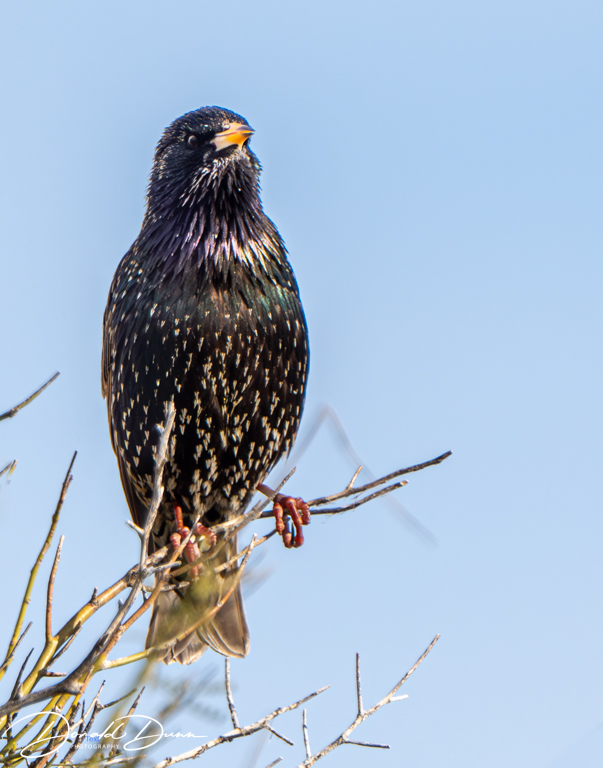
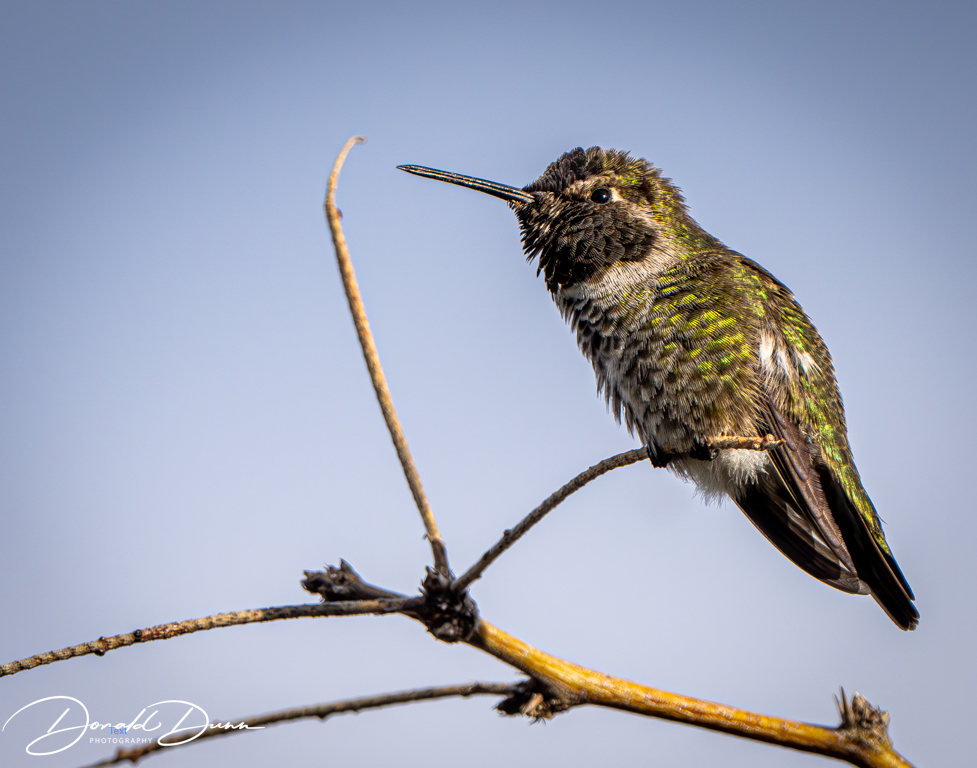
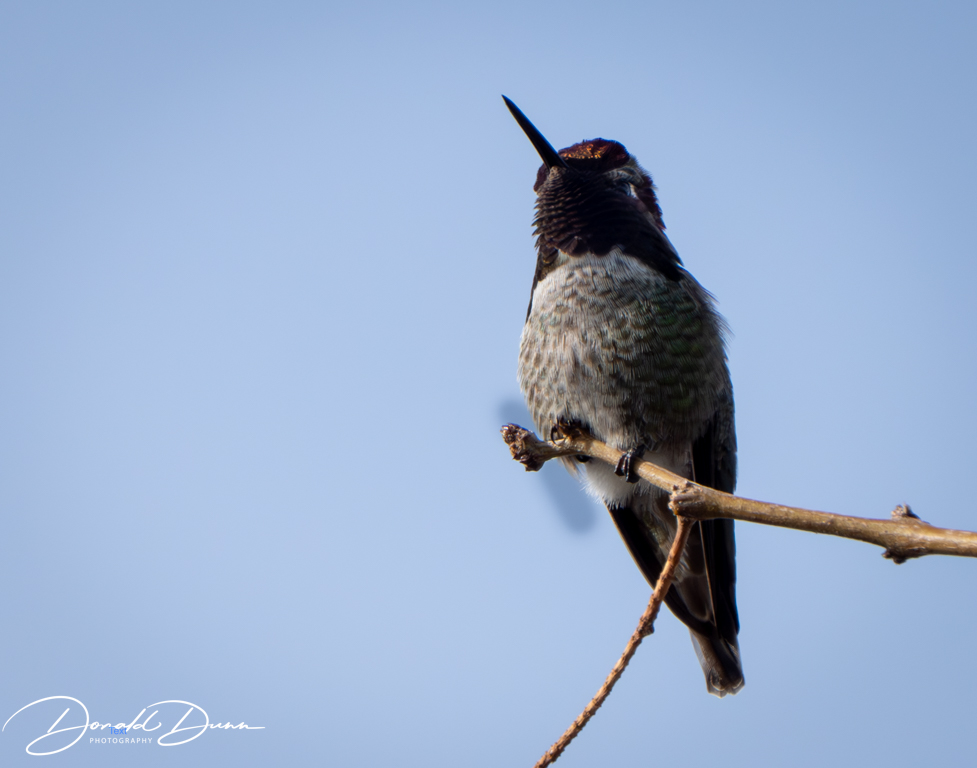
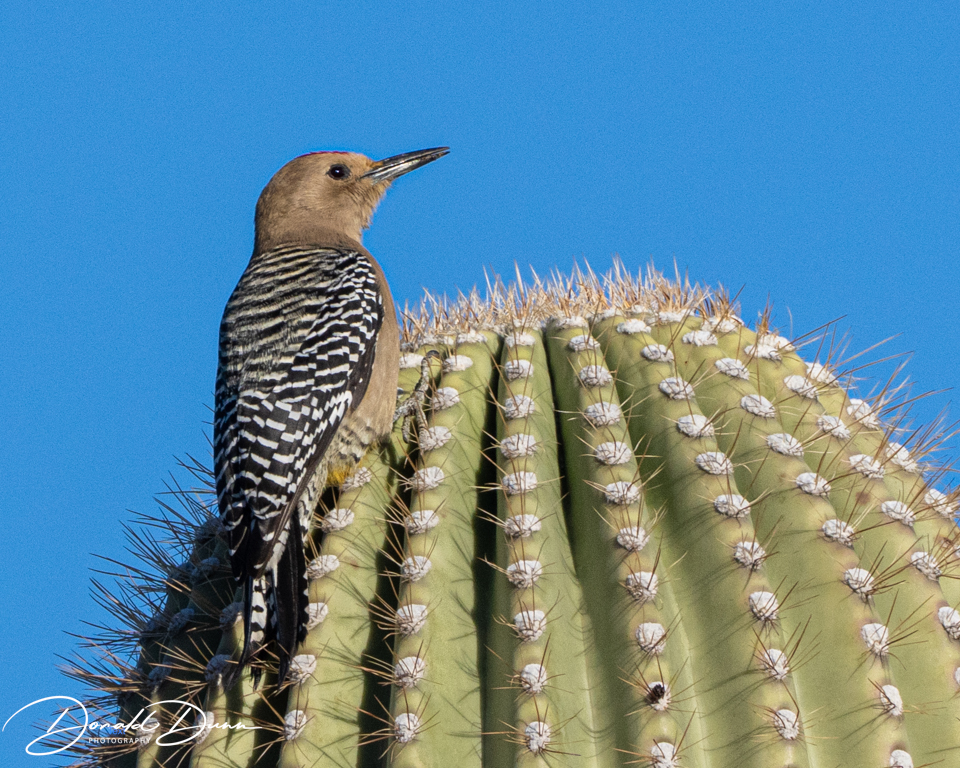
Monday was a fully scheduled and busy day: photography at Gilbert, cycling parts of the Indian Wash Bend Path, and shopping at COSTCO. We drove north fairly early Monday, arriving at the Gilbert Water Ranch (aka Riparian Preserve at Gilbert) south and east of Phoenix about 9:00 am. No woodpeckers were hanging out on the large Saguaro Cacti as we entered, but European Starlings, Anna’s Hummingbirds, and Curved-bill Thrashers were numerous.
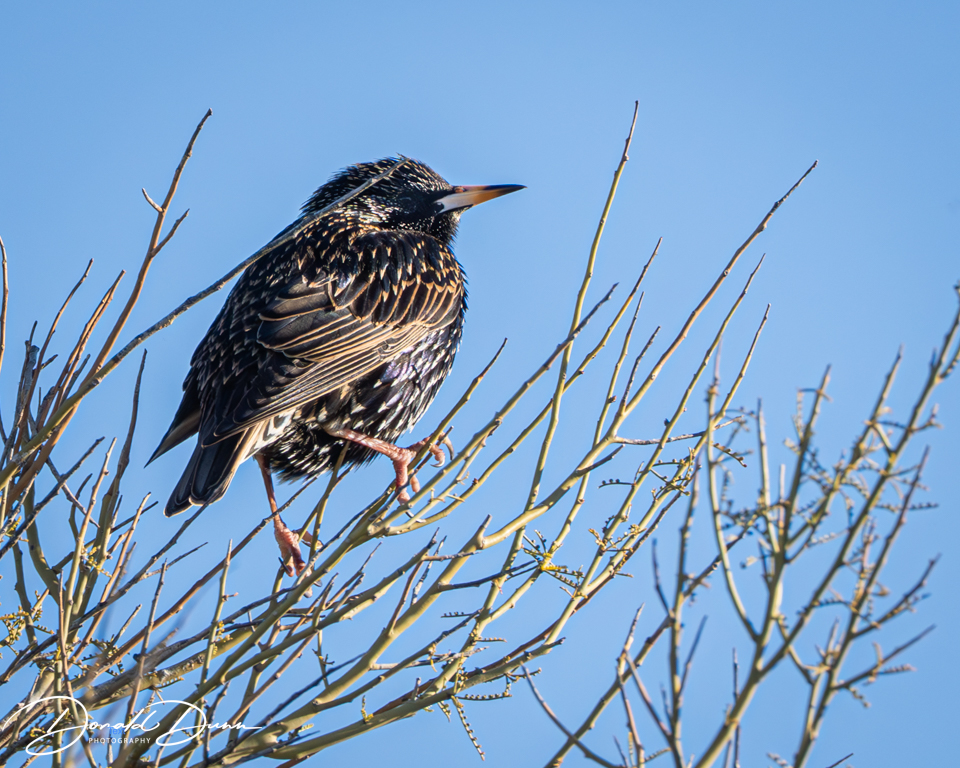
European StarlingAnna’s HummingbirdAnna’s HummingbirdAnna’s HummingbirdCurved-bill ThrasherCurved-bill ThrasherCurved-bill Thrasher
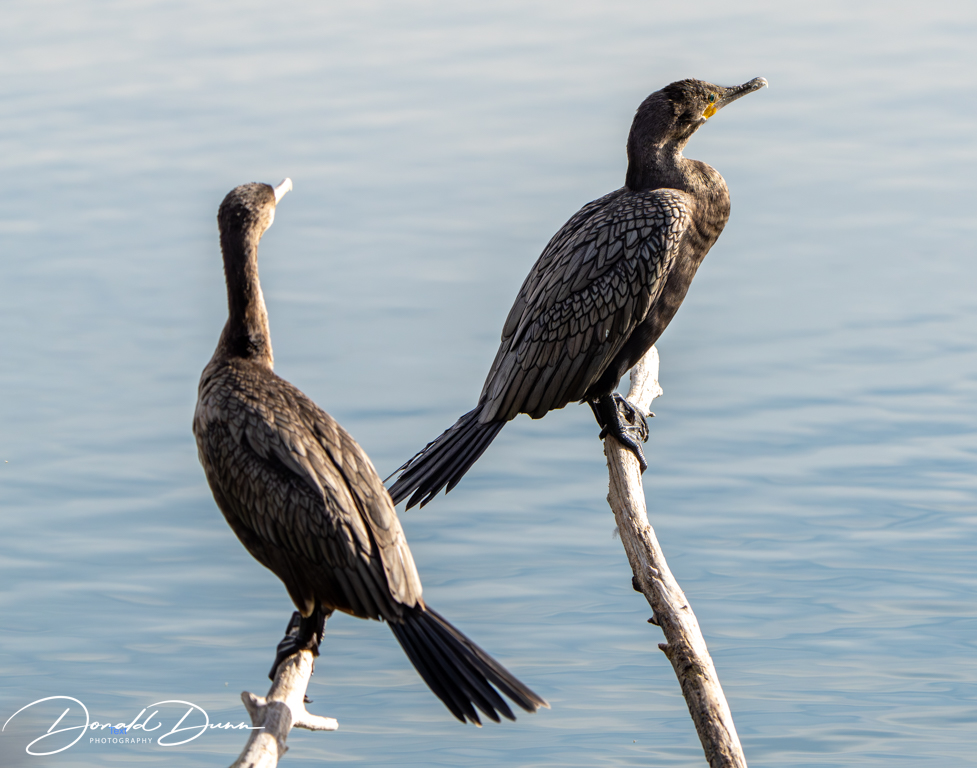
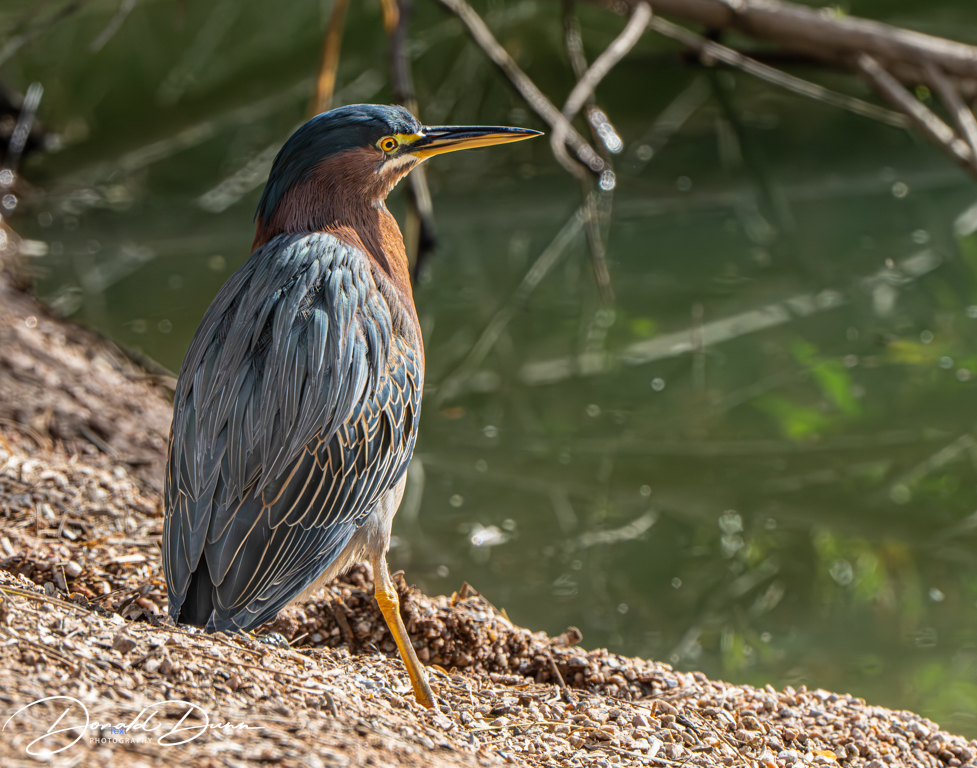
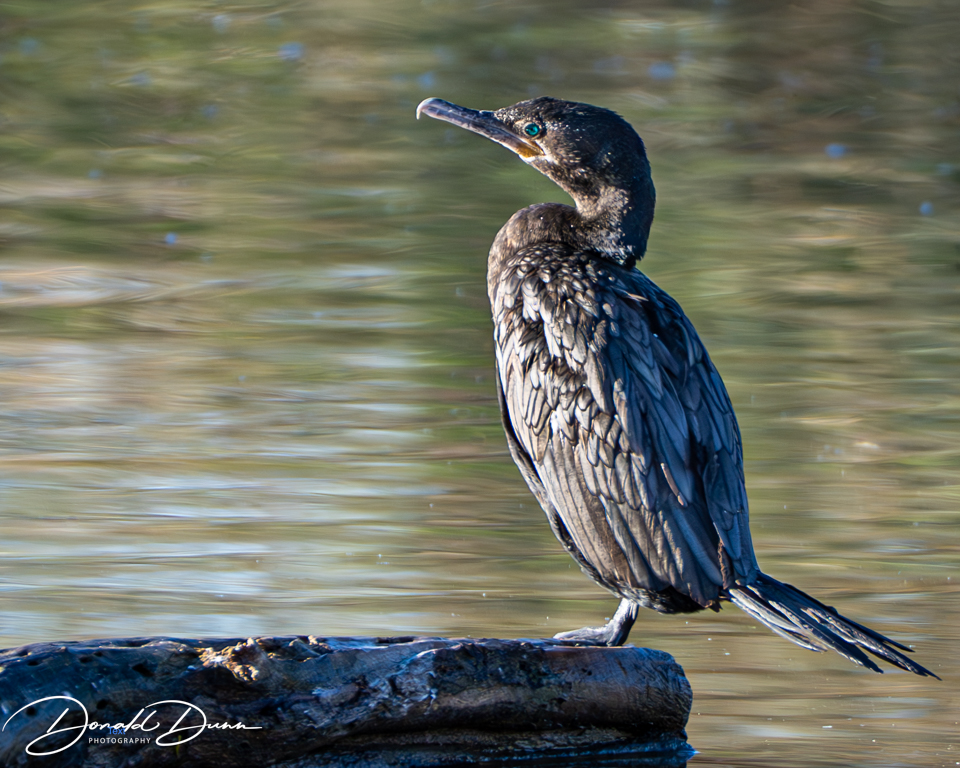
The “ponds” have been low this winter, so water birds were limited. A few Neotropic Cormorants were sunbathing, and a Green Heron was lounging on the pond bank. A Snowy Egret was wading nearby, but the Black-necked Stilt stayed far away. .
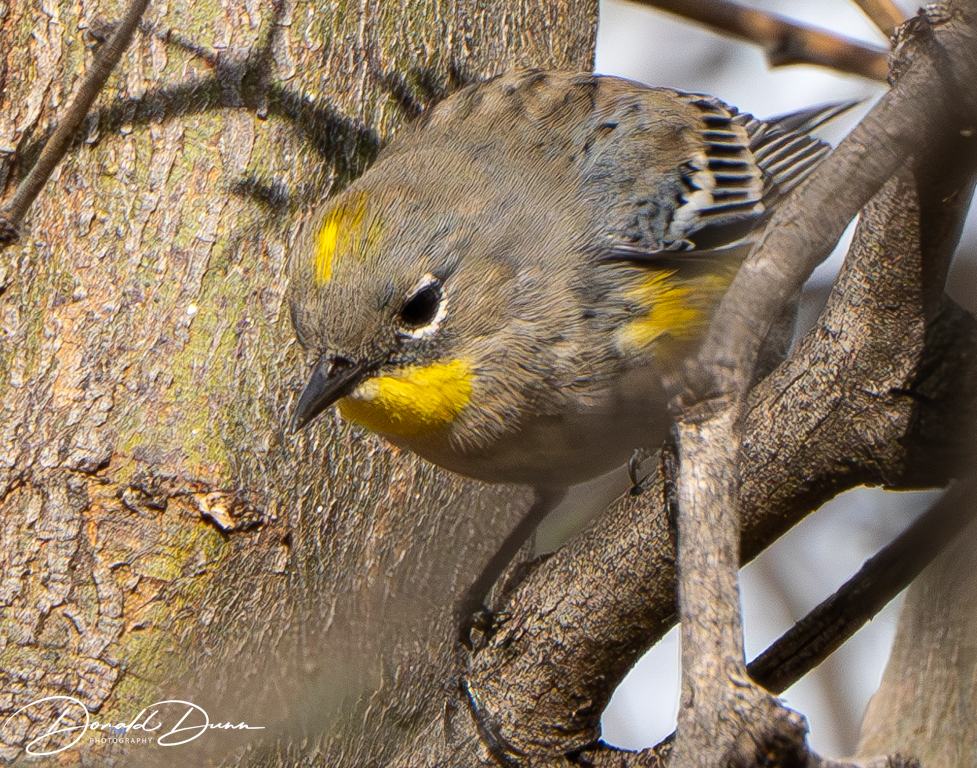
Flitting about among the small limbs of several trees, a Yellow-rumped Warbler (aka Butter Butt) paused for only a couple of seconds, but long enough to snap a photo.
Yellow-rumped Warbler
As we neared the bathroom facility situated near the center of the pond array, a brightly-colored bird appeared in the low branches of a nearby tree. Hoping it was a Streaked-back Oriole, I was happily surprised to learn that it was an immature male Vermillion Flycatcher. This is only the second one I’ve observed, having seen the first at Falcon Lake, Texas, in late January 2018.
Vermillion FlycatcherVermillion Flycatcher
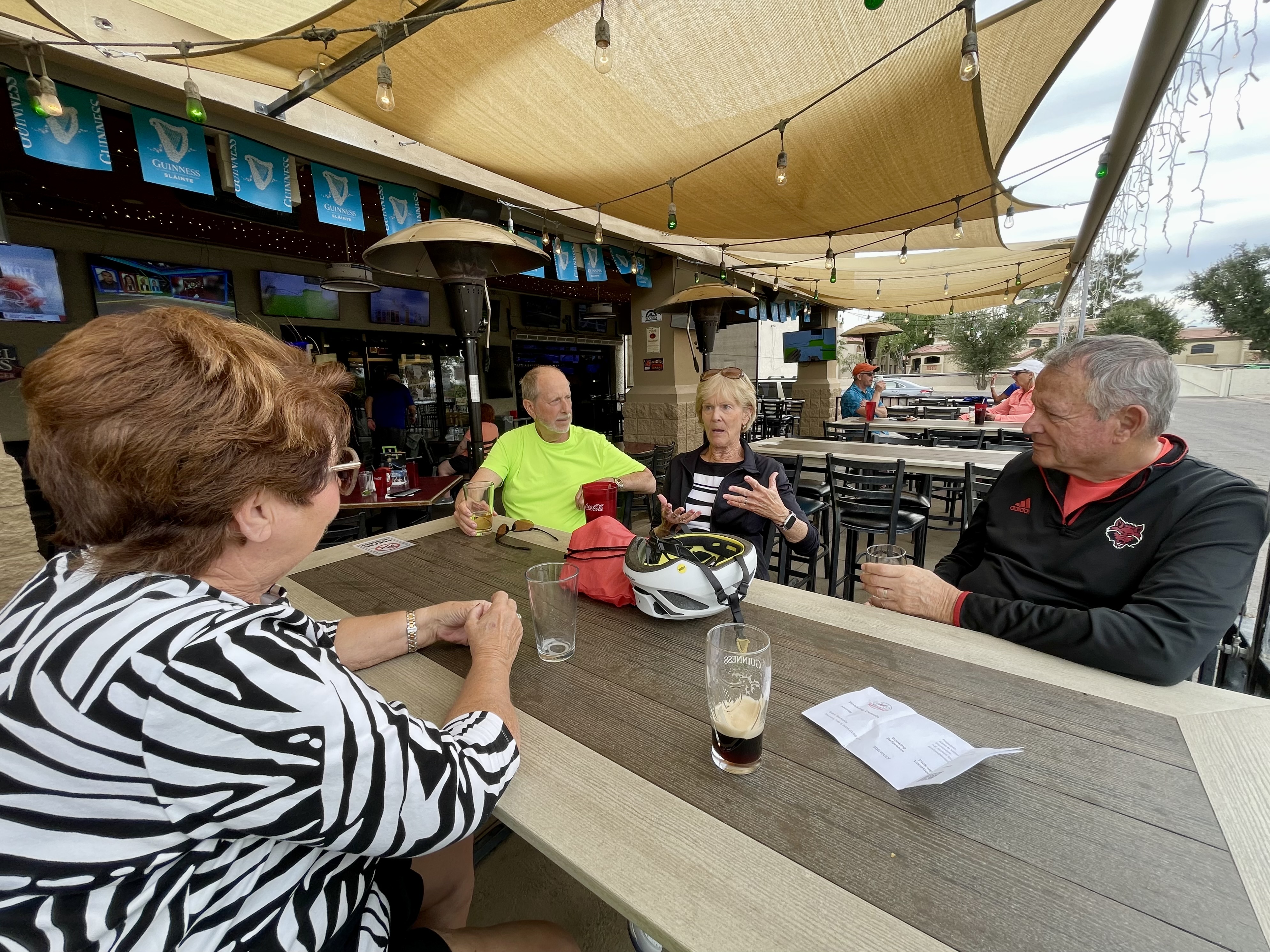
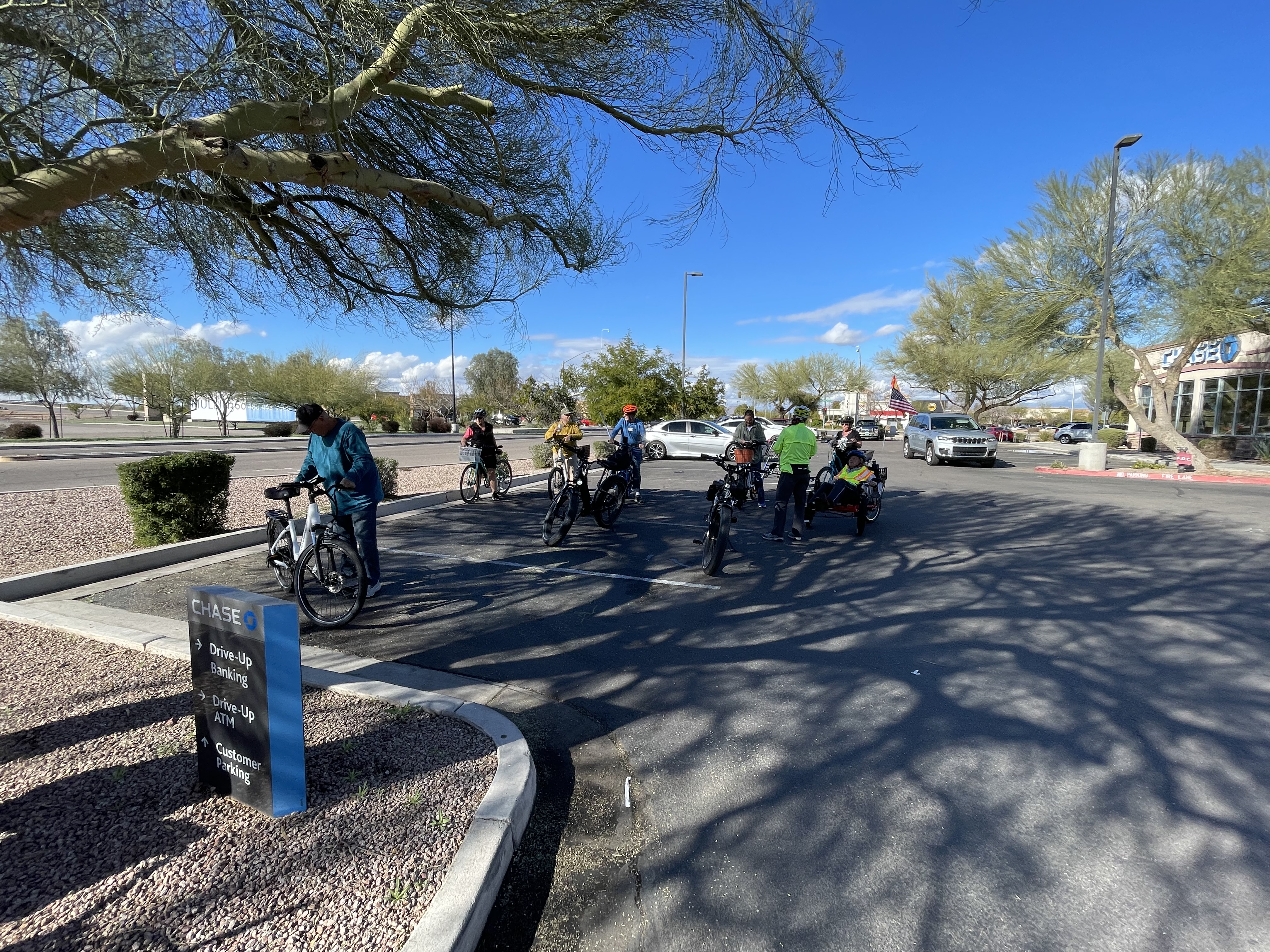
On a tight timeline, we departed just before 11 am, driving to meet up with other HSV folks for lunch before cycling in Scottsdale. Lunch was at Clancy’s and it was really good, and they had Guinness draught beer on tap, a rarity (at least for us) in the US. After lunch it was short walk to PedalJetz E-bikes. Steve, Mary, and Kay rented e-bikes and Norm and I used our own.
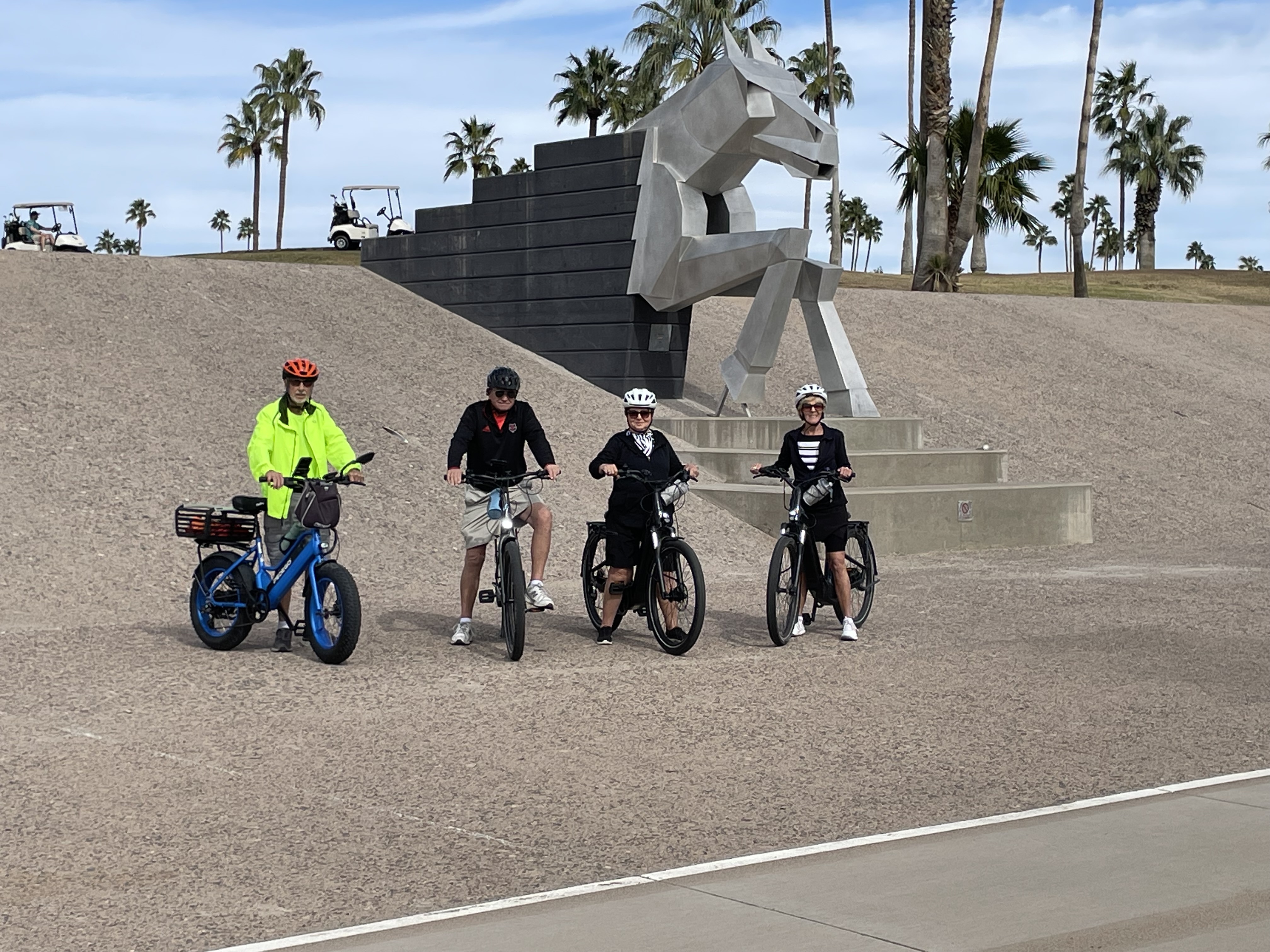
Steve, Kay, Norm, and Mary
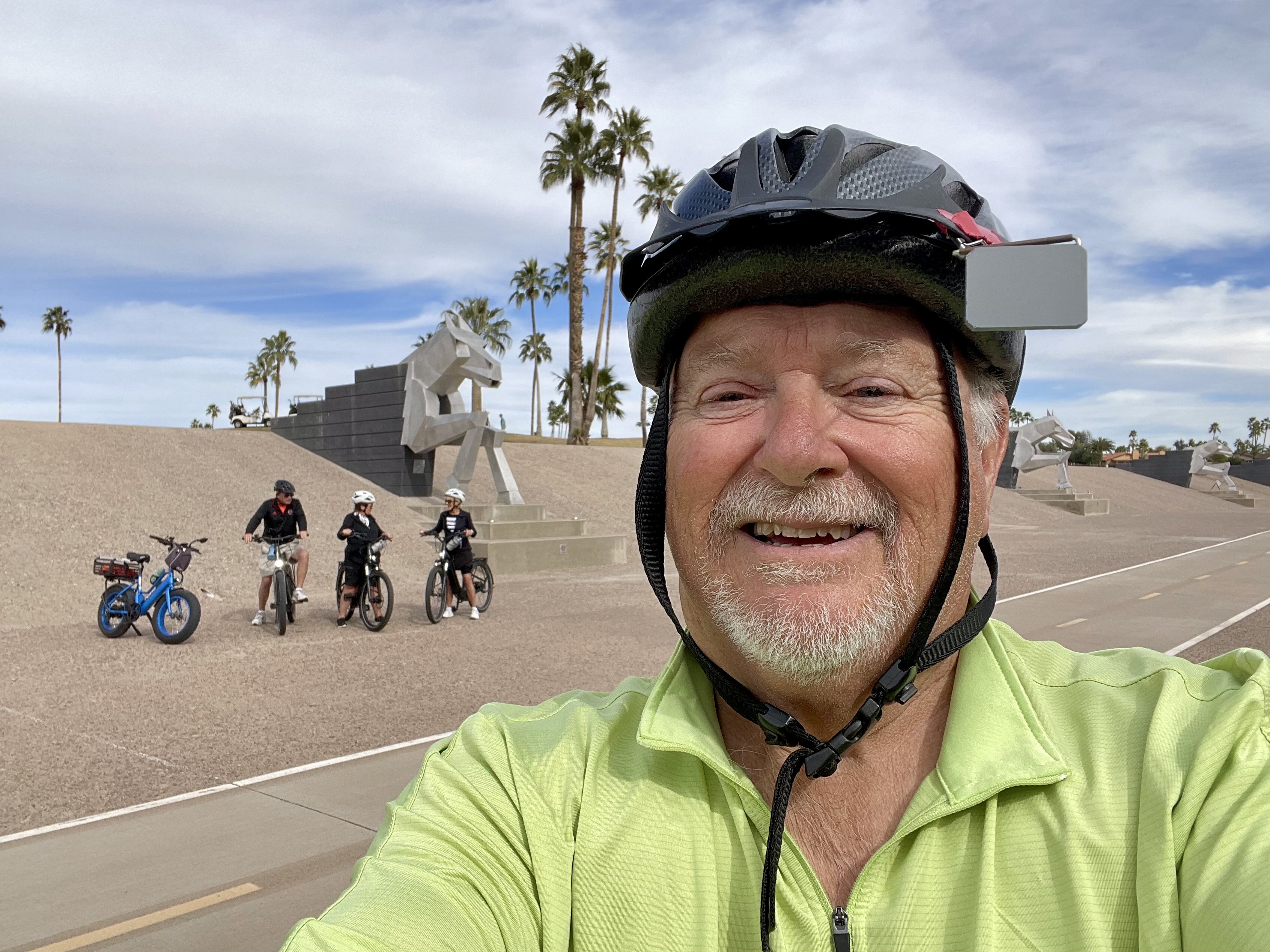
The ride took us to the Indian Wash Bend Path northward to the “horse heads.” These sculptures deserve a bit more explanation. Situated at its dramatic narrowing point, the horse heads sculpture titled Water Mark crowns the Indian Bend Wash and Scottsdale’s innovative flood control greenbelt. A series of five 14-foot high aluminum equine gargoyle sculptures spaced 125 feet apart graces the drop structure in the north basin atop stepped charcoal gray concrete plinths. Directed towards the passing traffic, each gargoyle strikes a different pose and stands sentinel, some with ears pricked back to hear impending flows, which can envelope but never overtake them. During dramatic flash flooding, water pours from the gargoyles’ mouths. Can you imagine something like this being recommended by the US Army Corps of Engineers?
Norm, Steve, Kay, and Mary
Turning around, we rode south along the edge of the Chaparral and Camelback Parks and a couple of golf courses. Just a couple miles south of PedalJetz, we stopped for an afternoon “suds” before pedaling north and returning the rented cycles.
Kay, Norm, Mary, and Steve
Kay and I left the group at this point and shopped briefly at Costco before driving to the resort in Casa Grande, ending a full and tiring day.
Rather that make a sight-seeing trek outside the resort on Sunday, we remained “at home”, and played golf with the Seitz’s and Starr’s. Too only have played 36 holes in the last 53 weeks, I was pretty happy with the game. We attended a Hall and Oates tribute concert Sunday evening. We rated it as just okay. Hall and Oates had such a distinctive sound that unless it is exactly emulated, it fails to captures their essence.
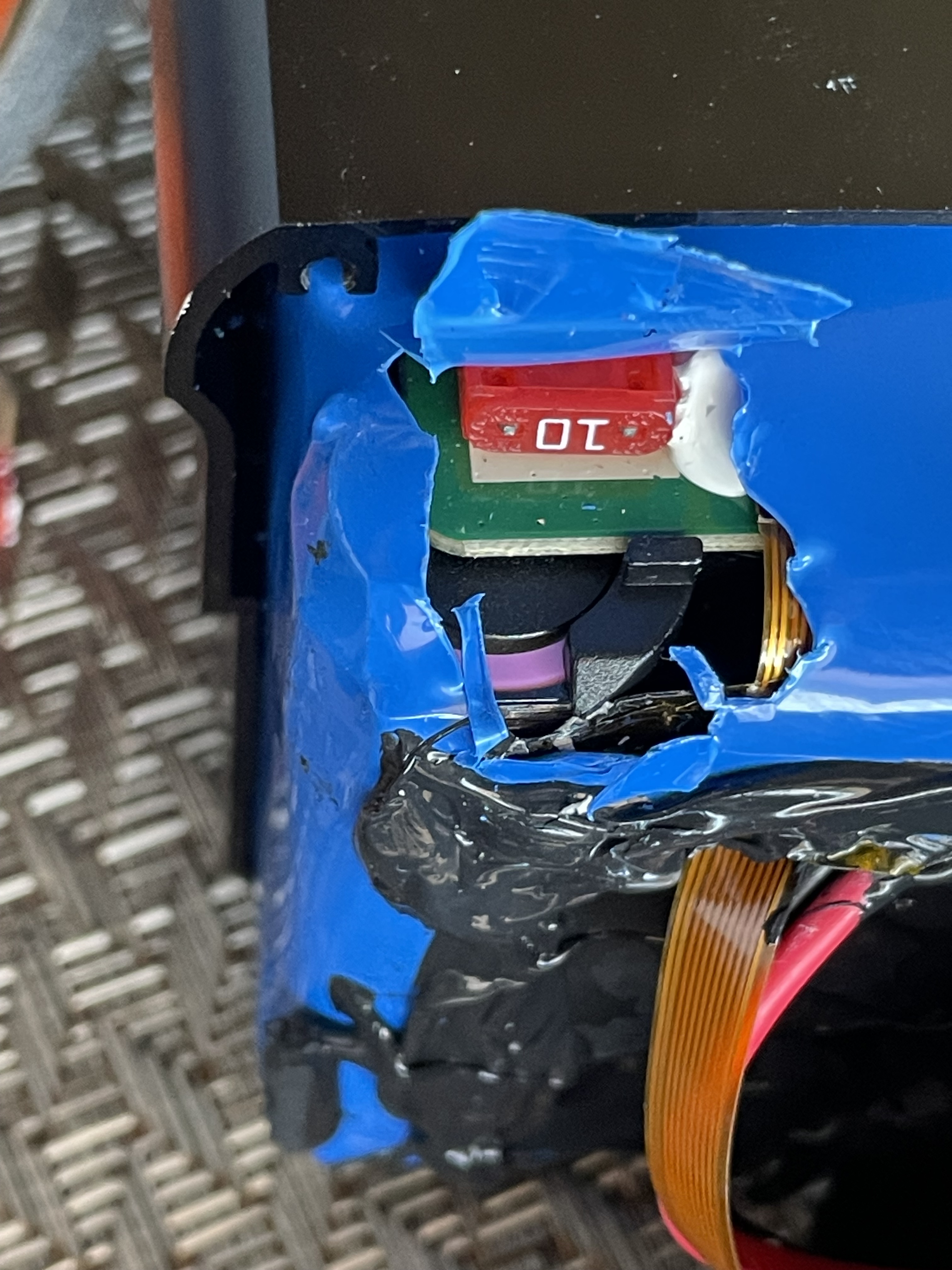
Monday was a return to normal, sort of. After the e-bike ride last Wednesday, the battery was not properly charging. The RadPower e-bike company does not repair batteries, but sells replacements for $550.00—OUCH! A review of the matter on the internet led to the high probability that a battery fuse had blown, and then several YouTube videos illustrated the process of replacing the fuse. It was not a difficult process except for opening up the battery, and in the process I slices open the top of my left hand middle finger. The fuse was replaced and the battery began charging again—SUCCESS. Both Kay and I played pickleball in our respective round robins; she is doing quite well in the higher skill level group. I so enjoy playing this game.
Another day of pickleball round robins was on the schedule for Tuesday, and we had our fifth “Defense Bridge” lesson from Steve. Mary was the recipient of good cards in the playing session. These sessions are really good, and hopefully we’ll be able to put them all together at some point. Both Kay and I need to play more bridge. Happy birthday to our granddaughter Aker who is celebrating her 9th birthday.
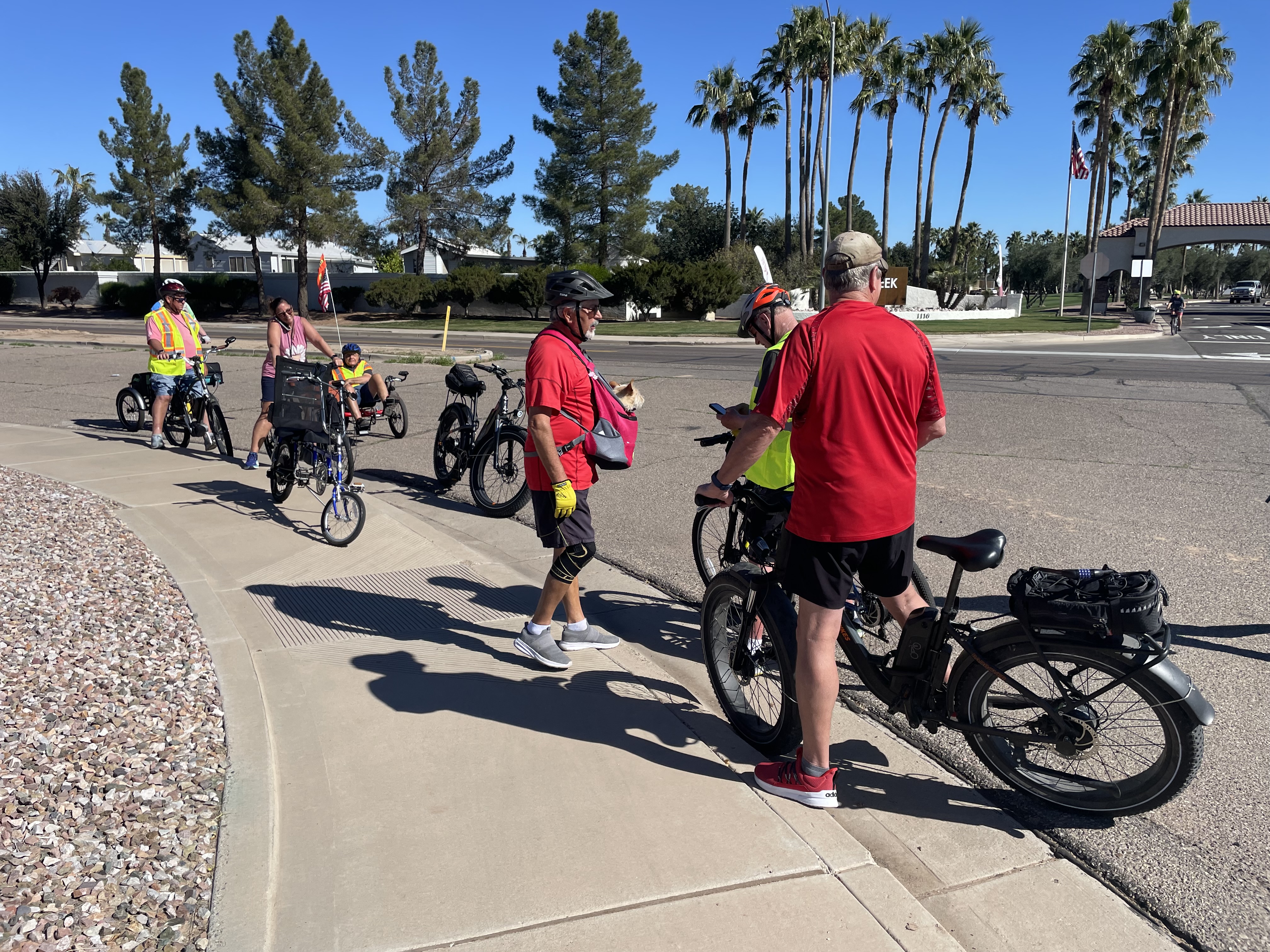
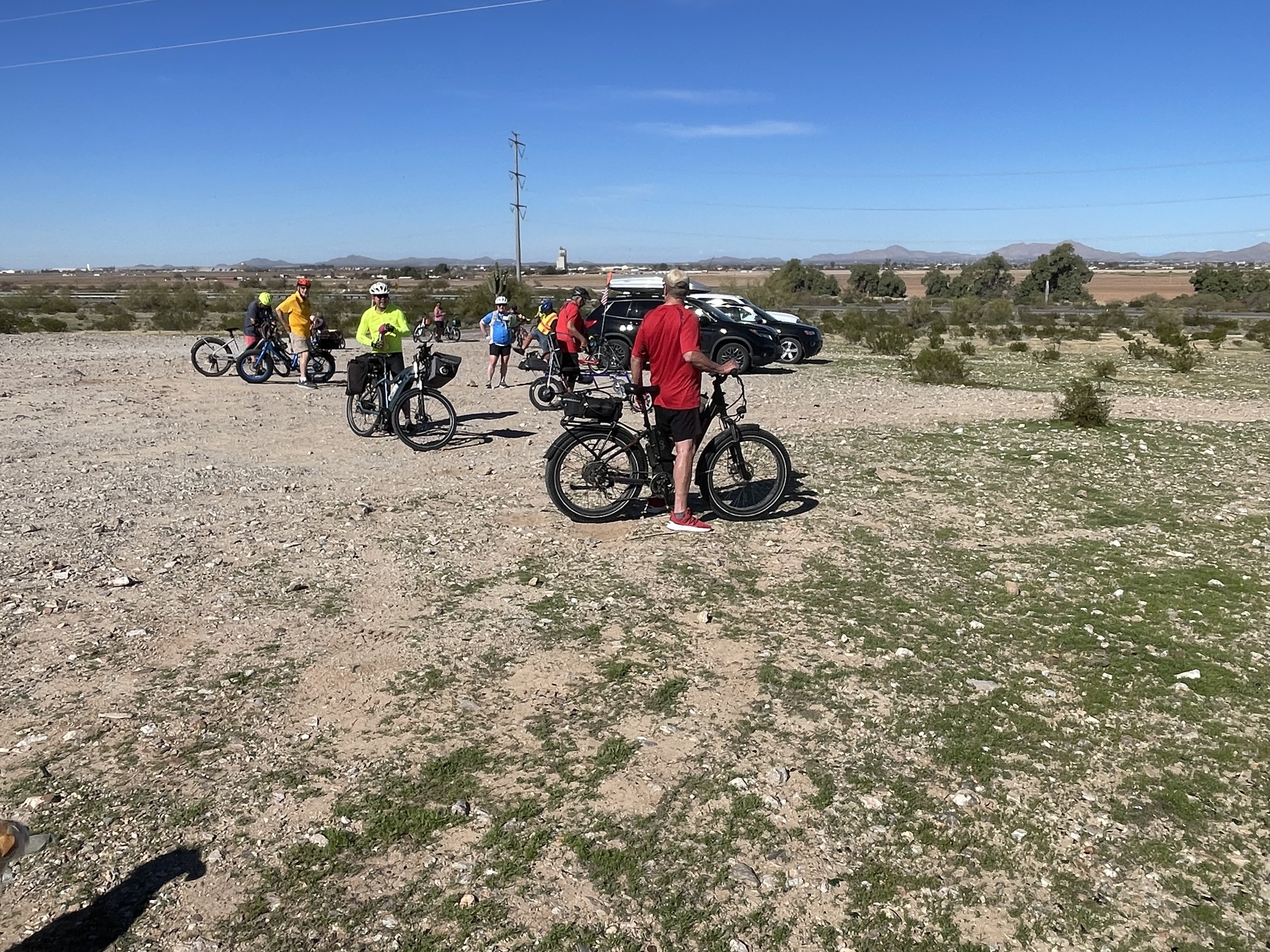
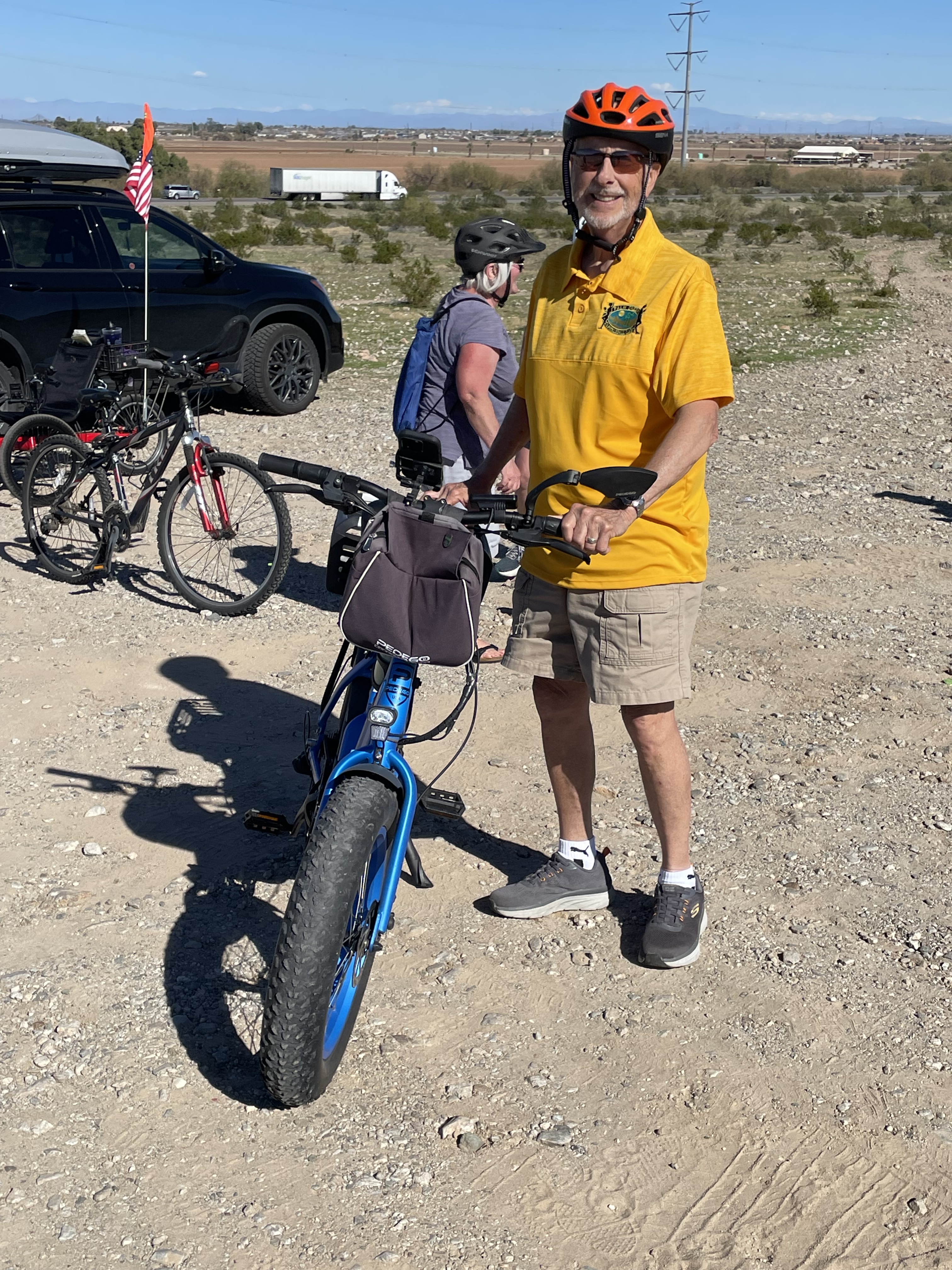
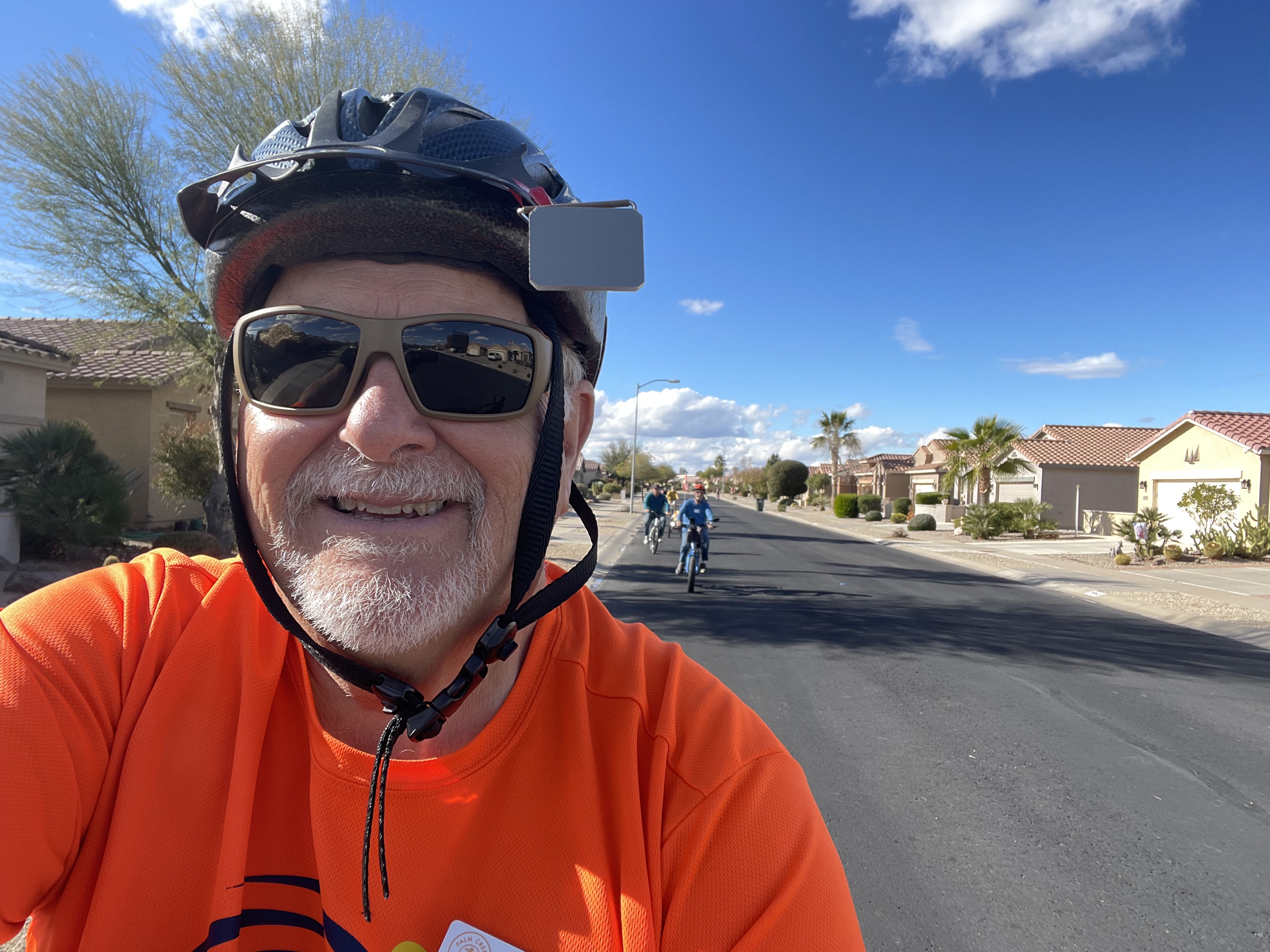
The verdict is still out on January 2024. It wasn’t necessarily a bad month, but it wasn’t a particularly conspicuous one either. On this last day of the month, Wednesday, Kay again played pickleball and I rode with the resort’s Easy Riders e-bike group. The 18.6 mile ride took the thirteen of us to both the east and west sides of Casa Grande Mountain. It was a really good ride and the e-bike battery did great, only using about 20% of its capacity; I did pedal the entire route with minimum pedal assist.
We played Hand and Foot again in the evening, and the guys got whammed again. Oh, you should hear the women boast! In our defense, I did not draw a single wild card all night, and I swear someone “stole” my one and only Joker!
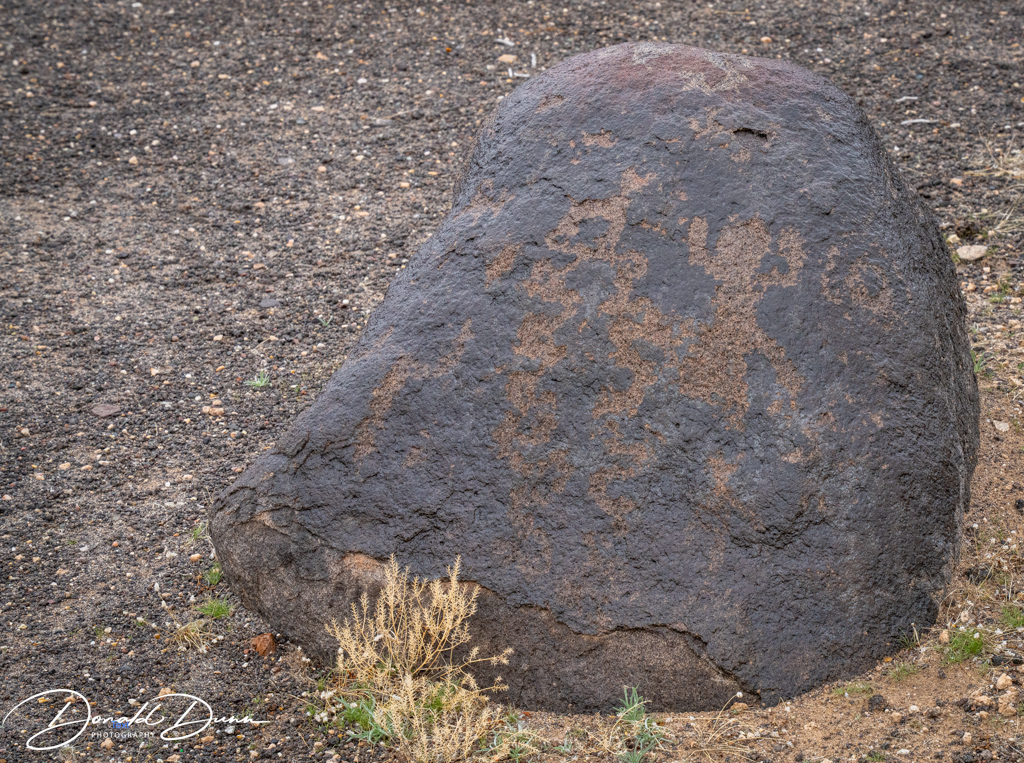
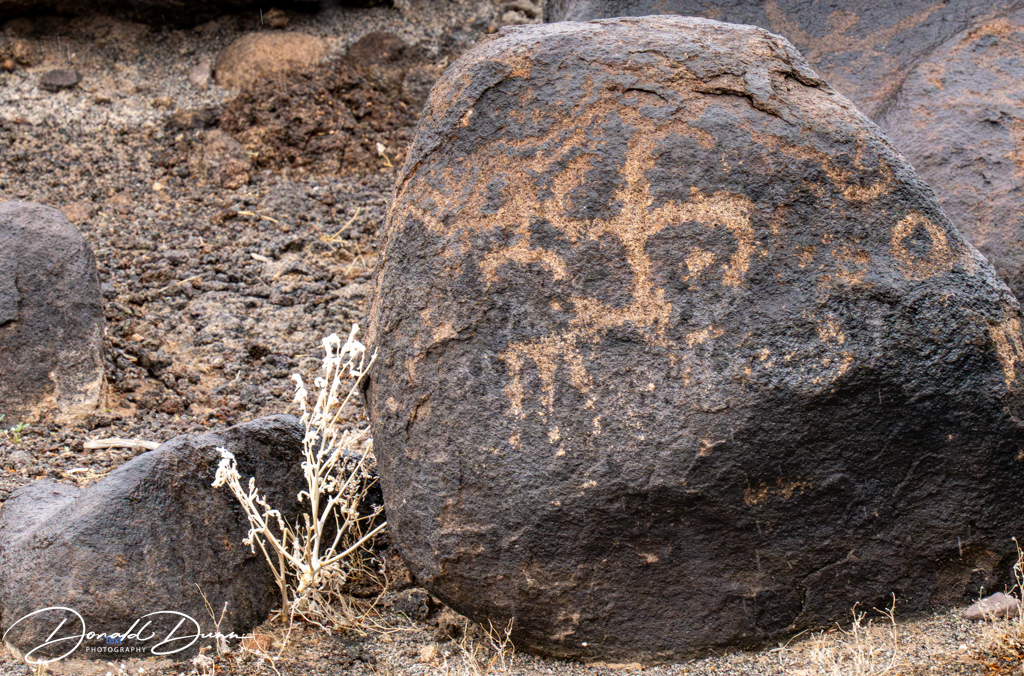
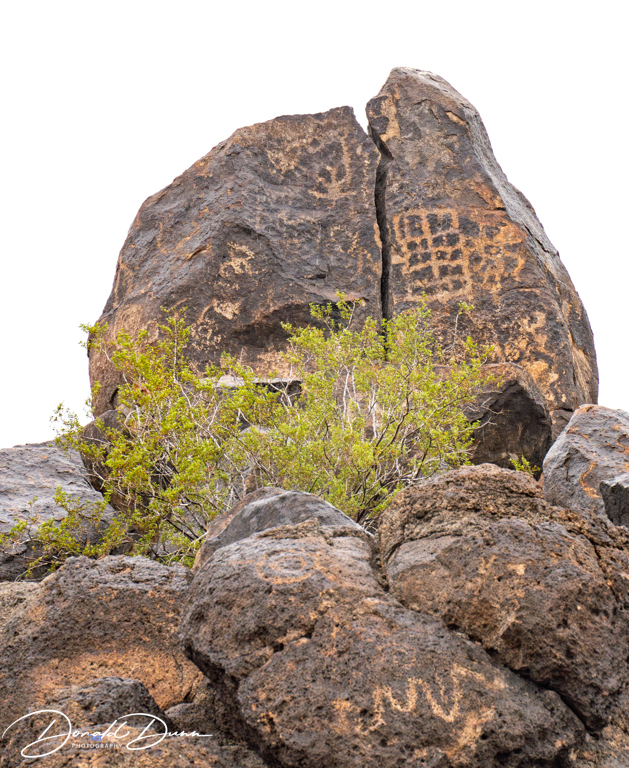
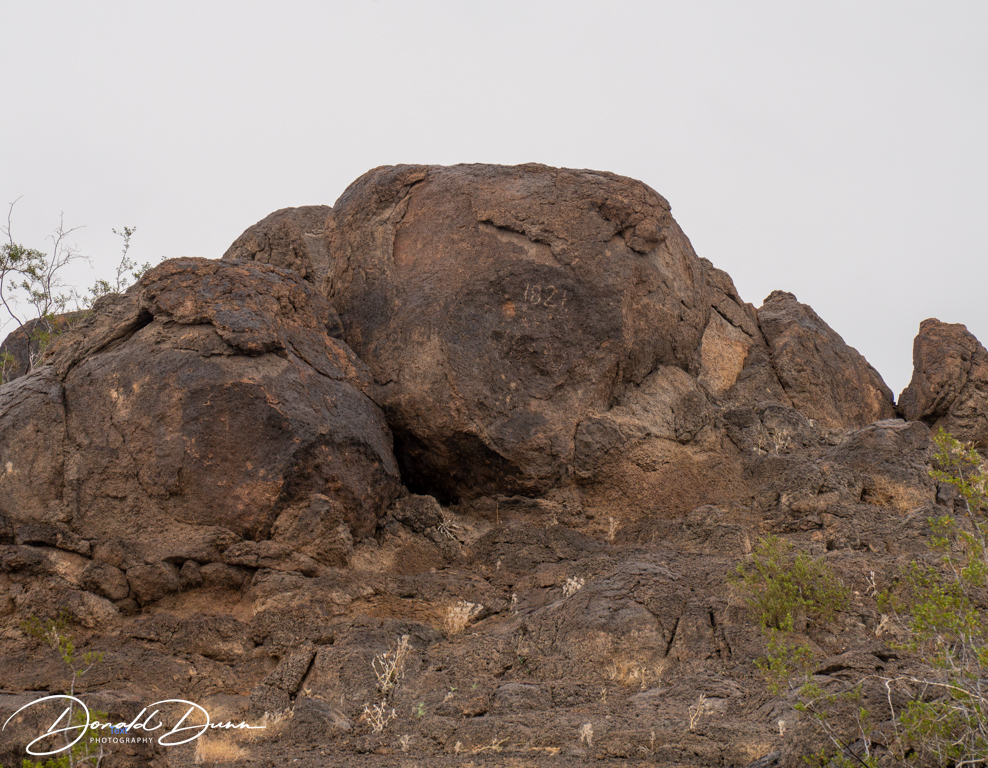
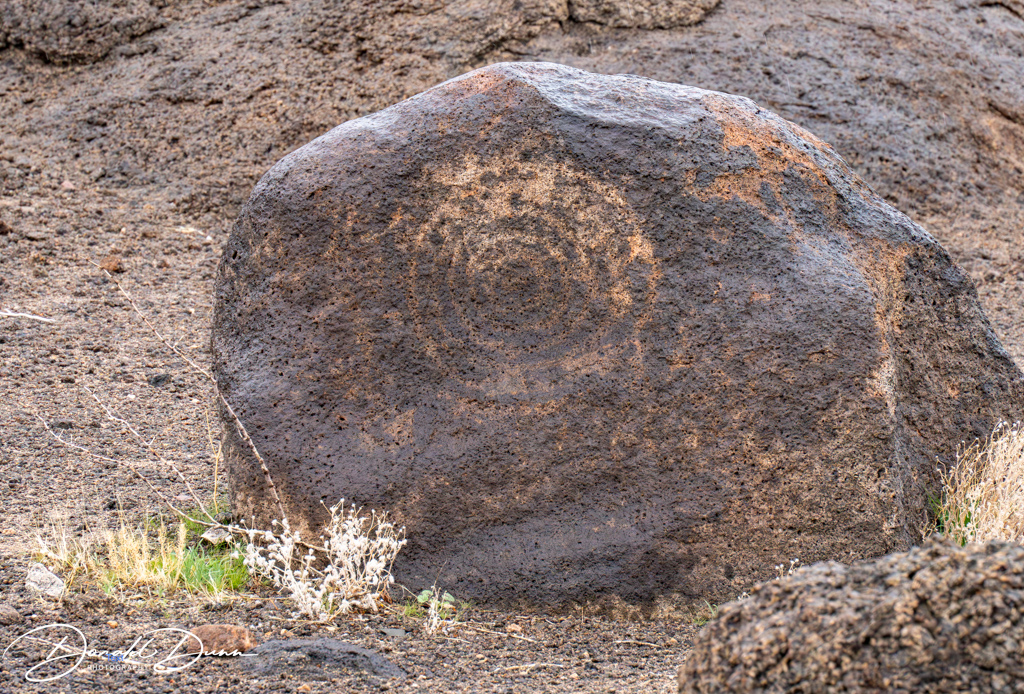
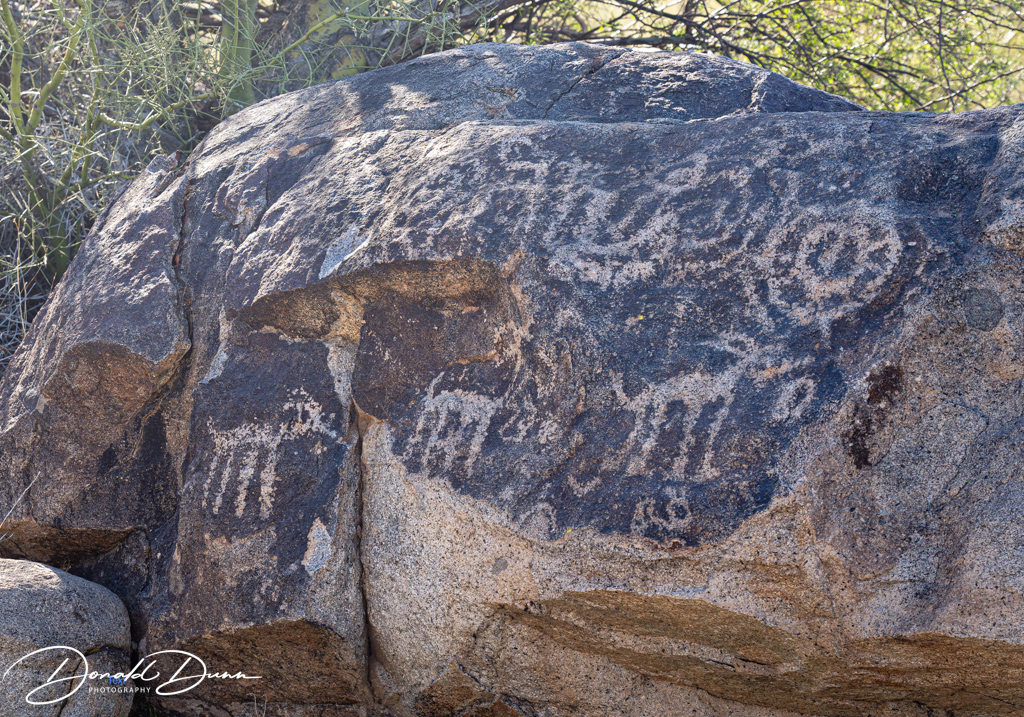
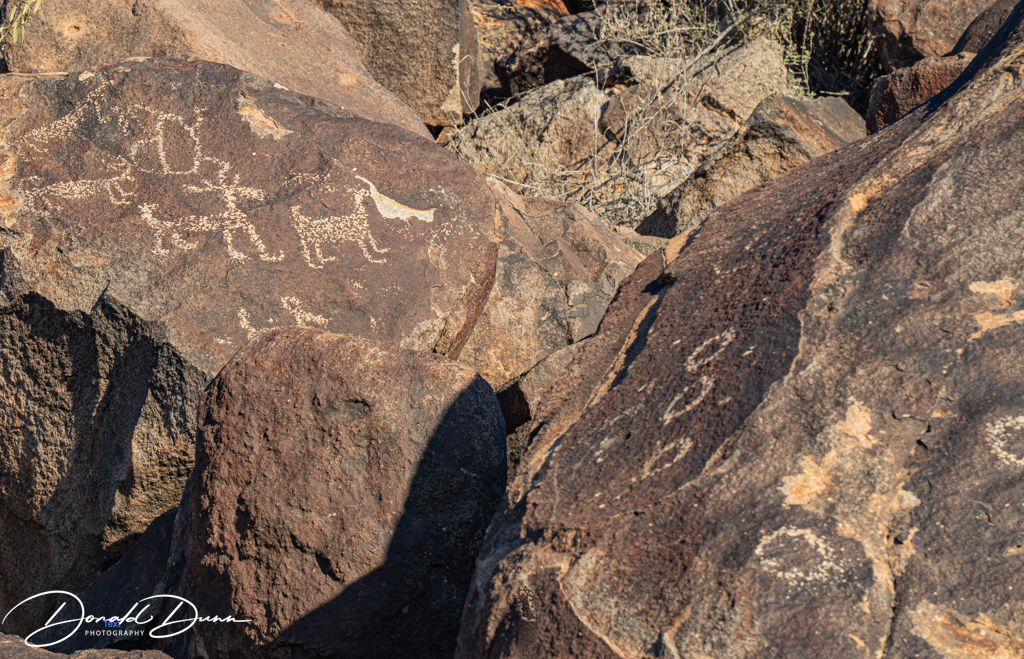
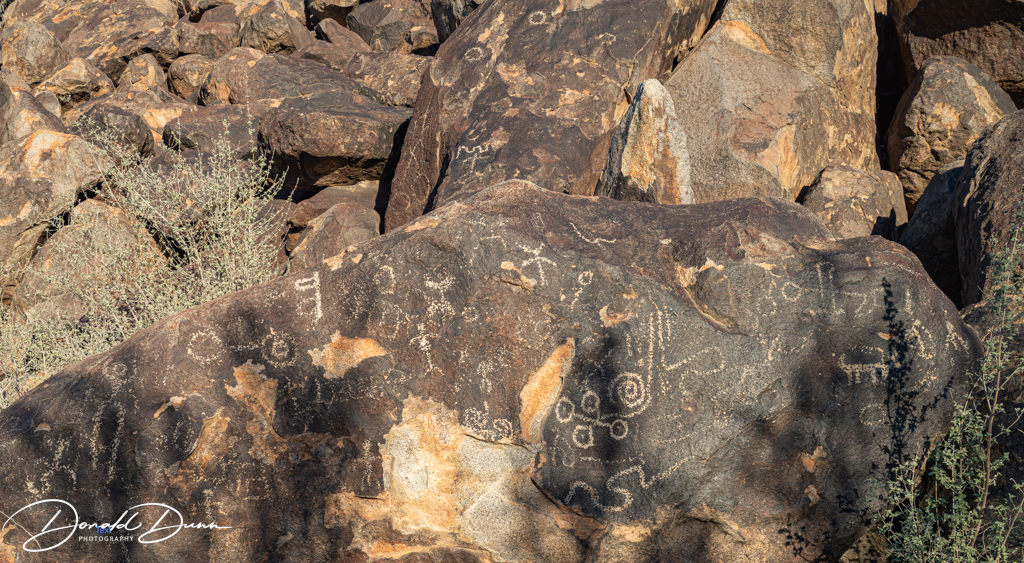
We continued our archeological foray on Sunday afternoon traveling to the northwest of Gila Bend to the Painted Rock Petroglyph Site in Maricopa County, Arizona. The site, which is managed by the BLM, has many hundreds of petroglyphs that have been attributed to the Western Archaic Style, 7500 B.C. to about A.D. 1, and the Gila Style of the Hohokam people, 300 BC to AD 1450. It sprinkled most of the drive there and continued through the night.
Rain on Monday and Tuesday kept things pretty quiet at the resort. Steve was kind enough to once again offer his weekly bridge lesson Tuesday evening
Kay got a well-deserved “promotion” in pickleball to the 3.0 skill level on Wednesday. This has been a goal of hers for some time. She will find the competition a bit faster, but should have no problems fitting in. Norm and I accompanied the resort’s Easy Riders, an e-bike cycling group, on an afternoon ride. The ride took us around the Promenade at Casa Grande (a large shopping mall) and Mission Royale, a distance of 15.4 miles. At 9.7 miles per hour the pace was a bit too slow.
We had a robust game of Hand and Foot with the Bushes and Starrs in the evening where the women eked out a narrow win (they actually smoked us in the final round.)
I returned to the pickleball court on Thursday, playing a couple of games on the challenge courts. Challenge Court Play is that in which team may “challenge” the winning players currently playing on a court by stating their intention to play on that court when the match currently in progress ends. At Palm Creek there is a two-game maximum at which time the team having played two games must leave the court. Kay worked the check-in desk, and participated in an advanced training session. The HSV crew had a great happy hour at the Bushees with lots of good food, negating the need for dinner.
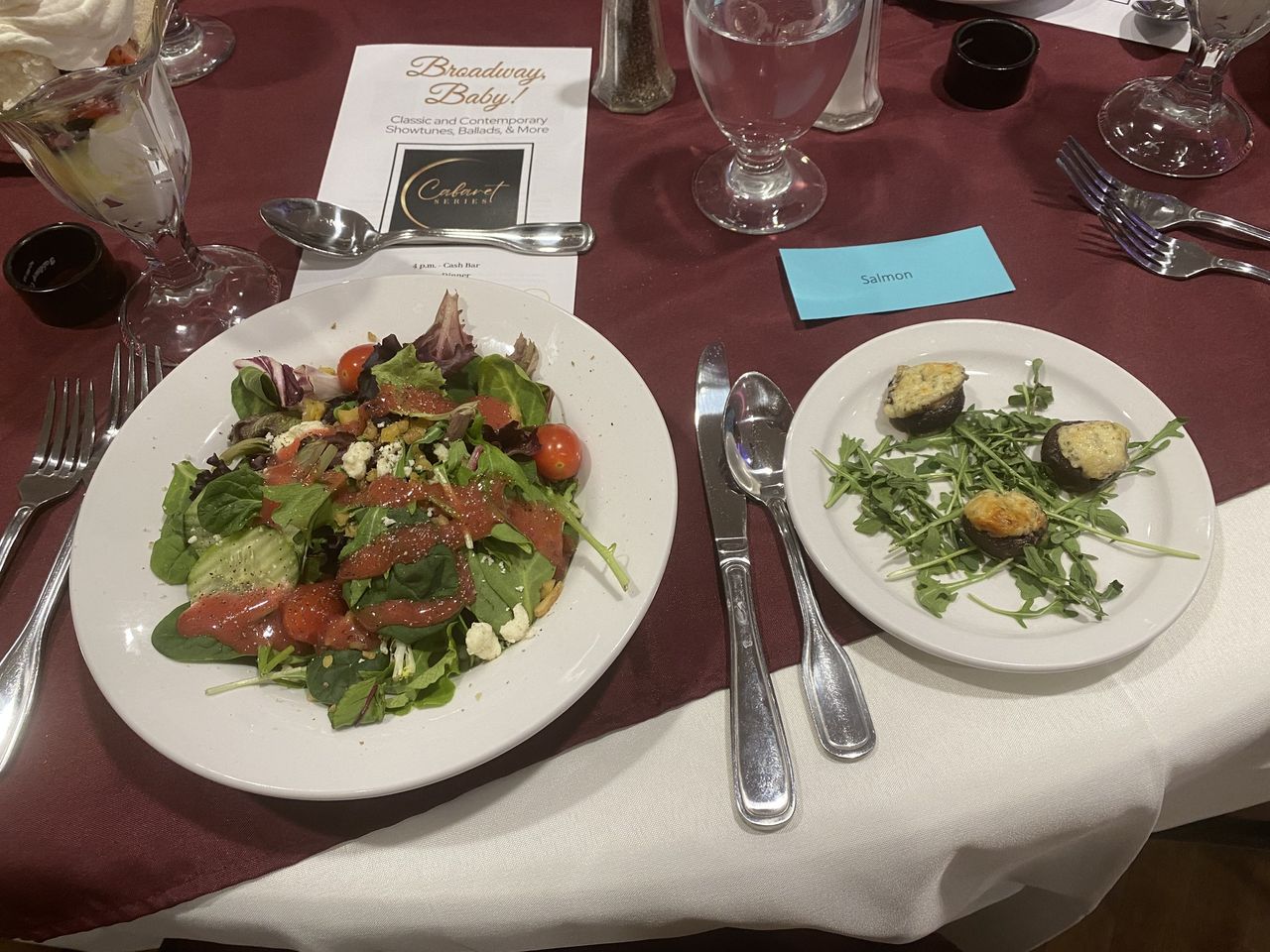
Friday was another full day with a couple games of pickleball on the challenge courts, dinner, and live music featuring broadway shows. Dinner was unexpectedly very good; stuffed mushrooms for appetizers, salad, and Kay had salmon and I had osso buco for our respective main courses. A beautiful parfait was dessert (I didn’t eat dessert).
To end the evening, the “Broadway” concert was really good, particularly if you like Broadway musicals.
Saturday was a day of rest and relaxation, and we took full advantage of it.
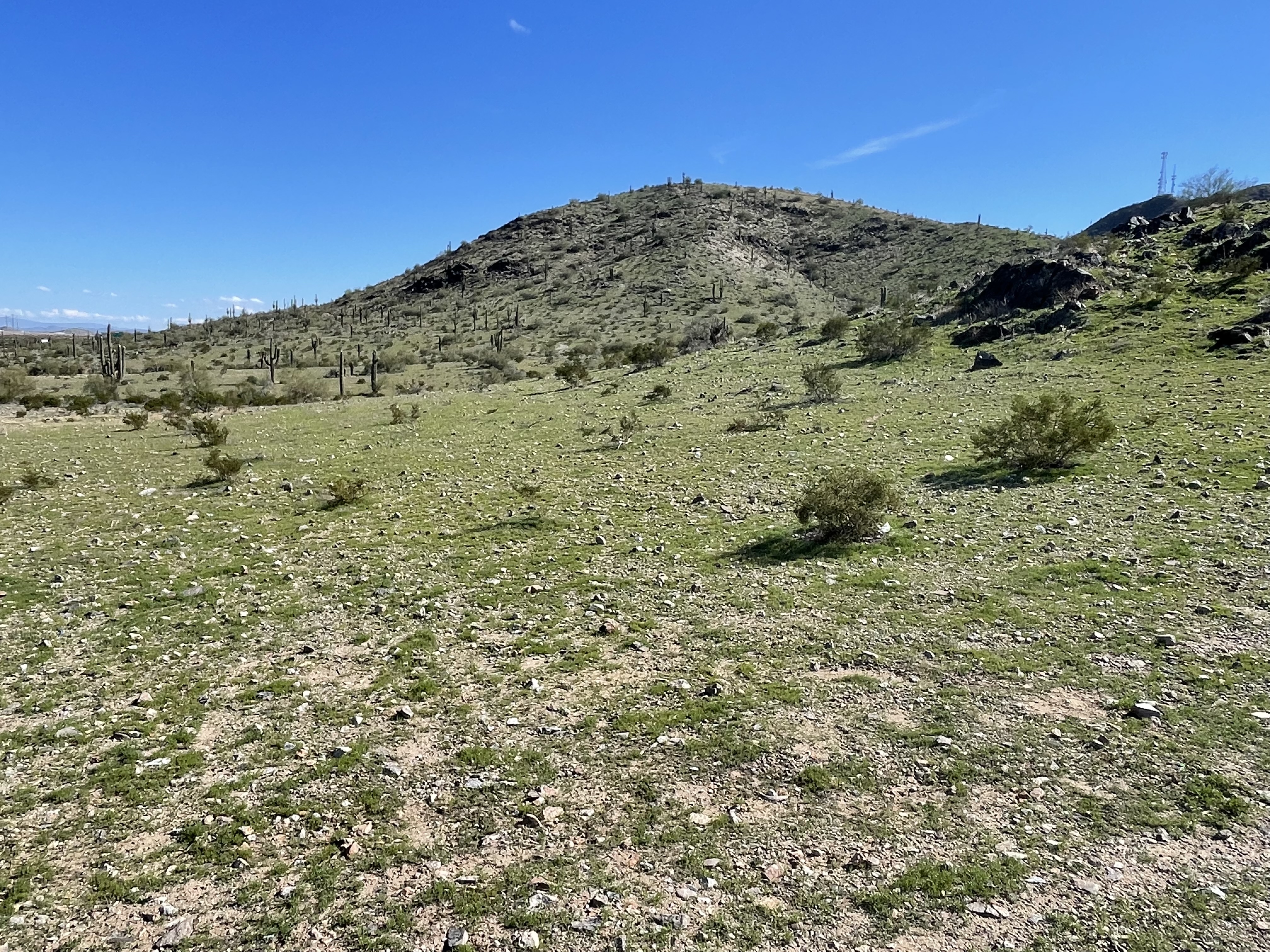
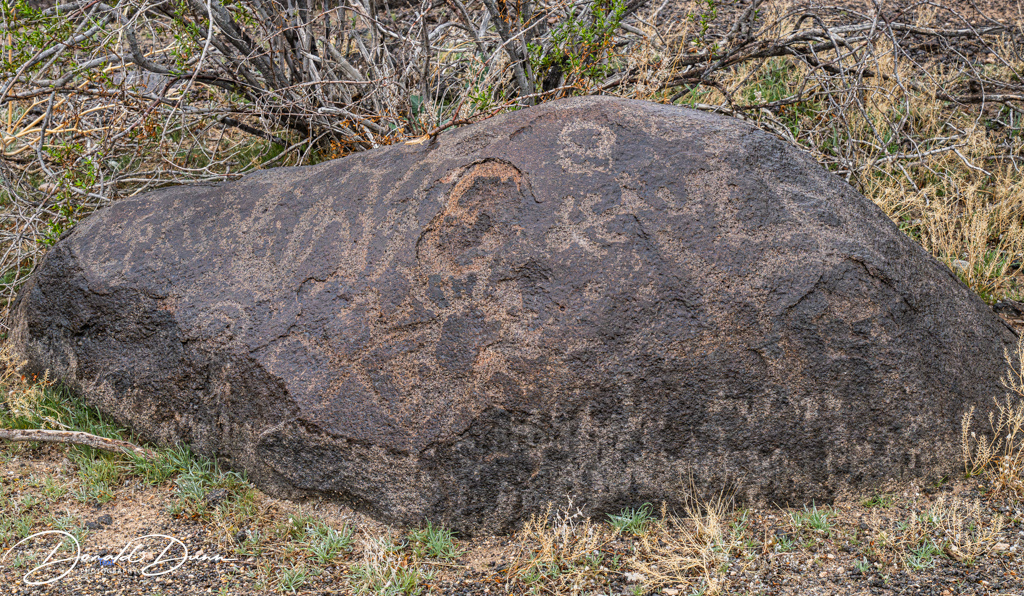
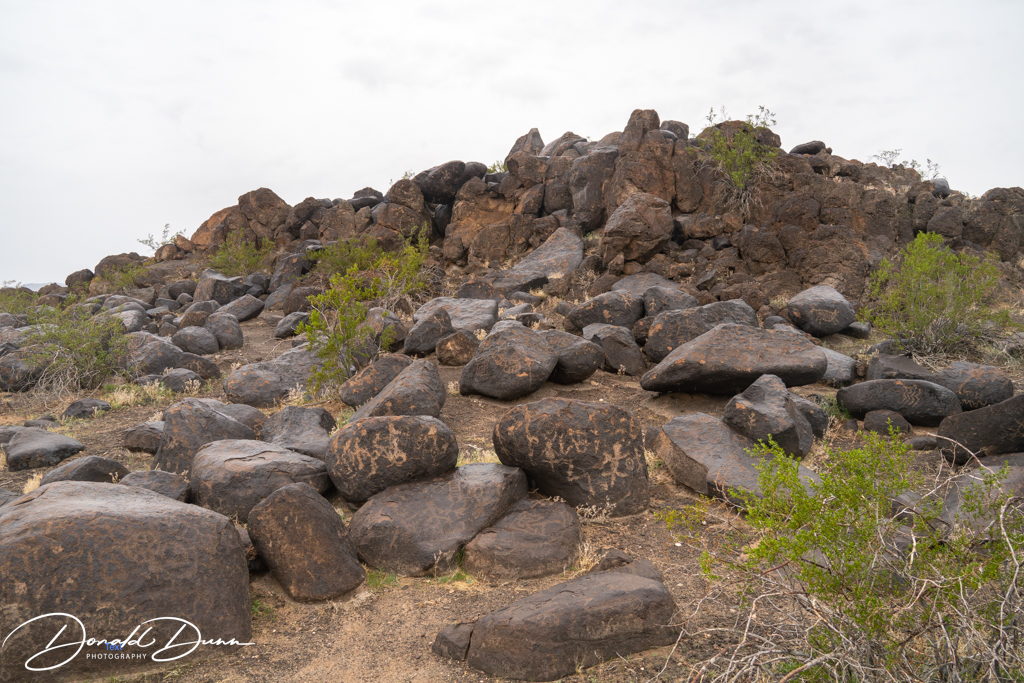
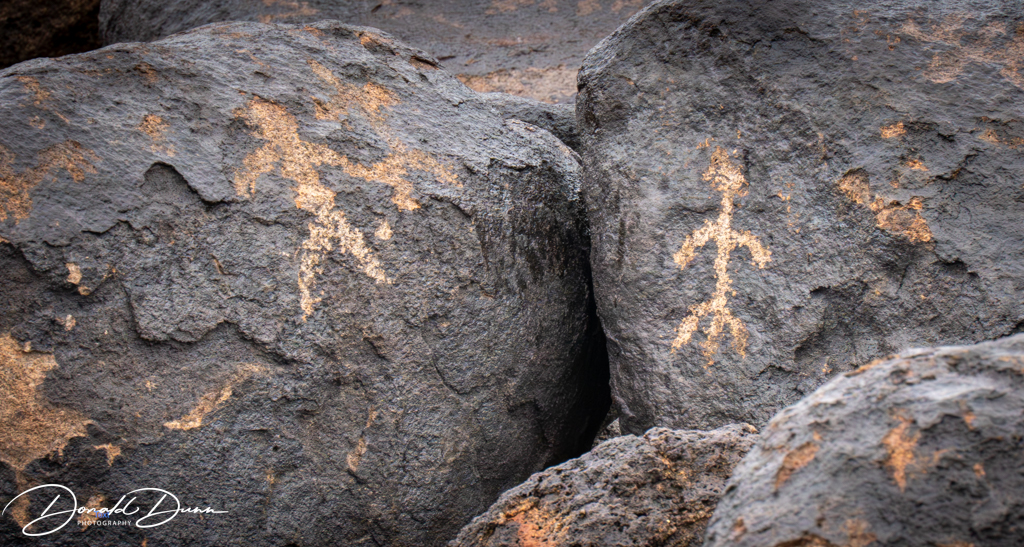
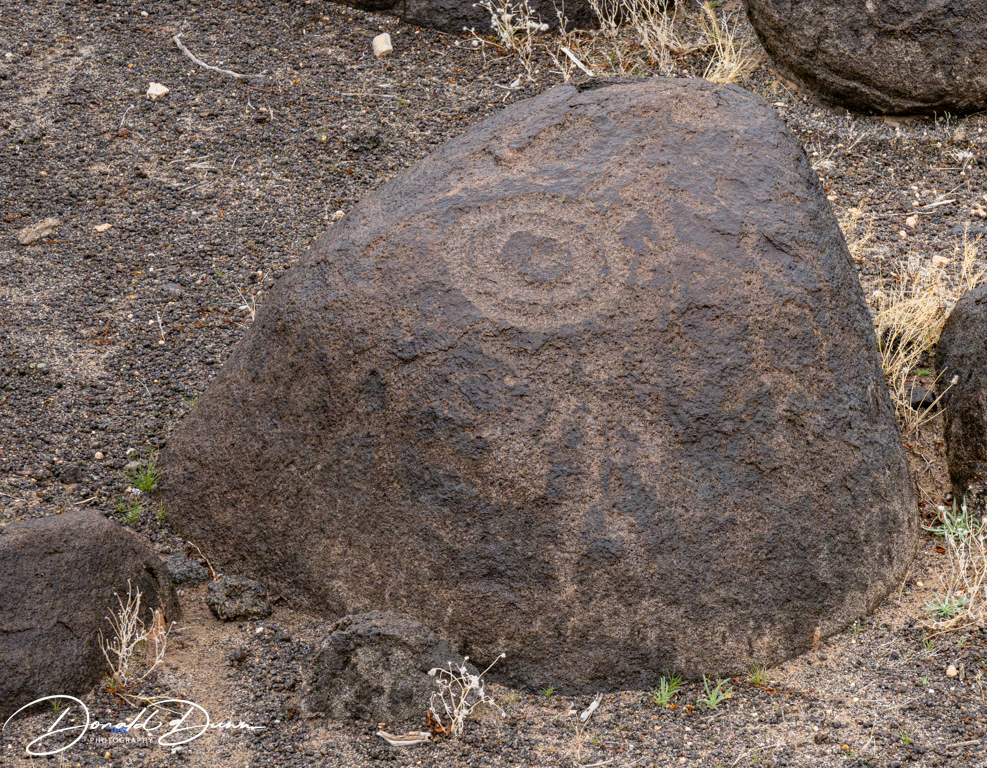
Sunday afternoon, Kay and I drove to near Eloy, Arizona, to hike a 3+ mile trail featuring a large number of petroglyphs. It was not an easy drive. The dirt road had many washouts and deep ruts, and deep desert sand filled many of the tire tracks. Bumpy would be too kind of a word to describe the ride. The 3+ mile circuitous trail followed the base of the “mountain” where the petroglyphs could be observed. The petroglyphs are attributed to three distinct time periods. Archaic peoples left their mark between 8,000 B.C. and 400 A.D. The vast majority of petroglyphs belong to the Hohokam people, dating from the 12th and 13th centuries. Pima Native Americans retraced many of these prehistoric rock art symbols prior to the arrival of the first Europeans.There are more than 4,000 individual petroglyphs at 19 different sites that are known to exist in the Picacho Mountains.
We were back to pickleball on Monday, as each of us played in our respective round robins. And then in the evening, I played with the neighborhood group. Going for a low shot, I fell and pulled a muscle in the lower left part of my back, and bloodied up the right knee, again, and right elbow—I made the point. My right knee is nothing but scar tissue after its taking the brunt of falls the last couple of years.
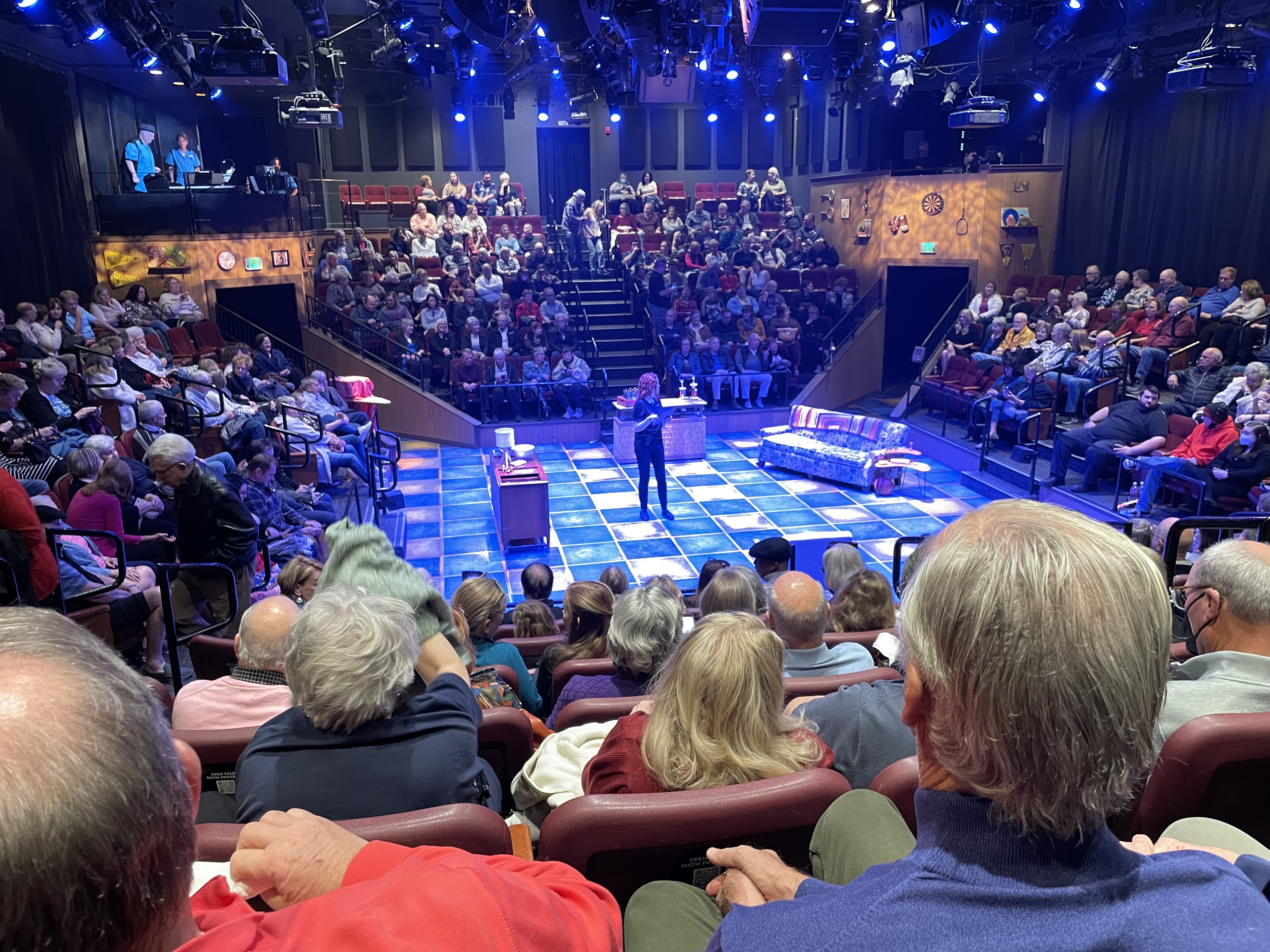
I played pickleball again on Tuesday, but had difficult twisting and turning because of the pulled back muscle. It looks like a week’s rest will be required. On Tuesday night, we traveled to Gilbert, Arizona, with Steve and Mary for dinner and then a show at the Hale Theater, a theater in the round. Both were good. The musical, Sh-Boom! Life Could Be a Dream,invites the audience to take a trip to Springfield High School and meet Denny and the Dreamers, a fledgling doo-wop group preparing to enter the Big Whopper Radio contest to realize their dreams of making it to the big time. Songs included “Fools Fall in Love,” “Tears on My Pillow,” “Runaround Sue,” “Earth Angel,” and many more.
Kay continued volunteering at the check-in desk and playing in her round robins Wednesday and Thursday; with a sore and achy back, I was out of commission for several days, though I did participate in the resort’s ebike ride Thursday afternoon. The ride took us over Interstate 10, around the mall shopping area, around Mission Royale golf course, a stop at Culver’s for ice cream, halfway back around Mission Royale golf course, and back to Palm Creek. It was a distance of 15.39 miles, taking about 1 hour and 50 minutes. Our average speed was a slow 8.4 mph.
We both played pickleball with the HSV group on Friday afternoon followed by dinner at McMaster’s Sports Bar.
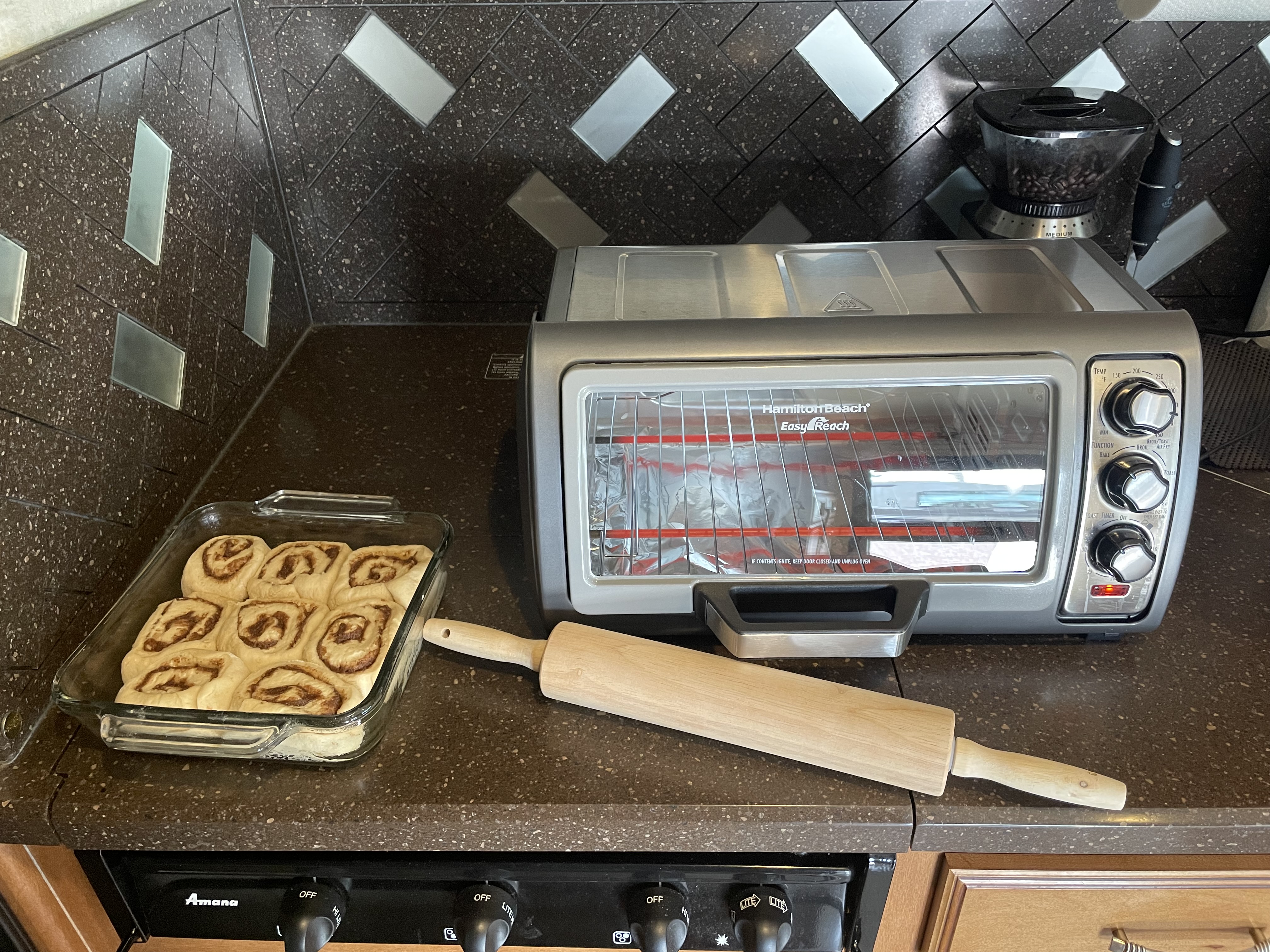
Saturday was a “rest” day, allowing more baking with sourdough.
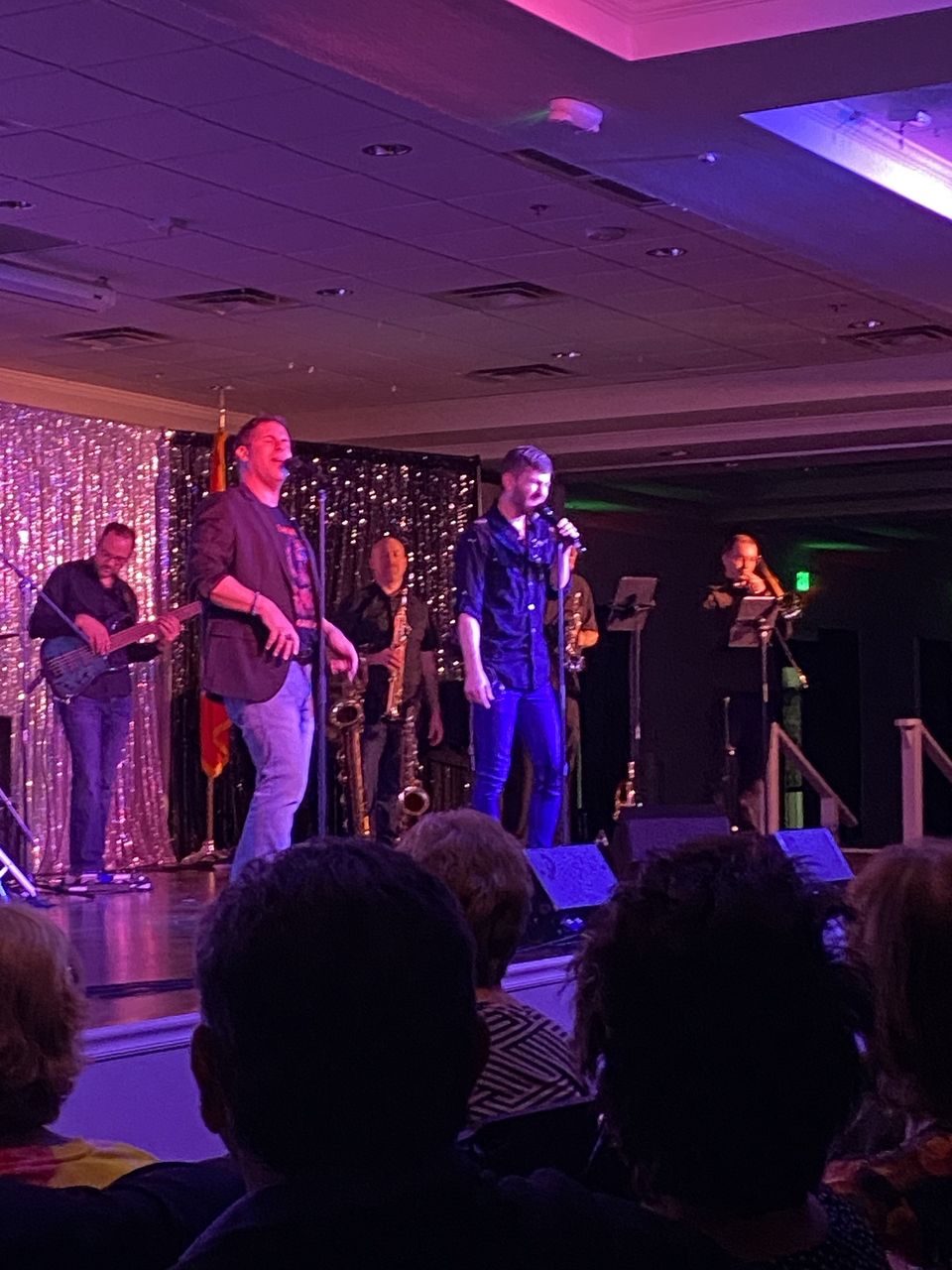
After arriving yesterday afternoon, we spent most of Sunday rearranging and organizing the outside storage compartments. We’ve done this so many times that it’s not much of an effort. I have to really work hard to keep the area surrounding the motorhome looking like a junk yard—part of a heritage of growing up with Depression era parents who never threw anything away. We did visit the pickleball courts to renew acquaintances and watch a few games. The first entertainment program featured Voyager on Sunday night. According to their website, VOYAGER is a spectacular tribute to the legendary rock band Journey. VOYAGER has continuously provided audiences with high energy performances of Journey’s timeless hits. VOYAGER captures the intricate musical details along with the distinctive vocal styling of Steve Perry. Featuring extraordinary musicians and vocalists who have toured nationally and internationally, VOYAGER provides today’s most entertaining and accurate Journey experience. They were quite good, and the music suited most of the crowd which is younger.
Early Monday the RV wash and wax guys showed up, and made quick time of washing and waxing the motor home.
Afterward, we both played pickleball in our respective round robins. My group, the 3.75 guys, were much faster and hit the ball harder than I remember. It’s going to take a few days to acclimate! Kay did well in her group of mostly younger players; her group’s play was a bit below her level of play so it’s a bit less challenging for her.NOTE: A “round robin” is a structured form of play organized by skill levels. In the time allocated to each round robin session (120 minutes) you will play six games, each with a different partner and against a different pair of opponents. It is designed so that all players are playing against people of roughly equal ability, which makes play the most fun and competitive for most players. When you check in you will be assigned a number. Your number remains yours throughout the session and dictates which court you play on, with whom you are playing as a partner, and against which opponents. By the end of six games you will have played with six different partners and against 12 different opponents! You may have a “bye” (where you sit out for one game) if there is an uneven number of players signed up. A seventh game consisting of the “bye” players enables everybody to play six games.
Kay volunteered at the pickleball check-in desk on Tuesday morning, and I played in the 3.75 mixed group round robin. My play is getting a bit more in line with others in this skill level group, though I’m still too slow.
We drove to the Riparian Preserve in Gilbert, Arizona, Wednesday morning fairly early to photograph birds. Despite the cool temperatures, hummingbirds were nectaring and provided a few birds-in-flight photo opportunities. It was a quick trip, allowing Kay to play in her round robin in the late afternoon.
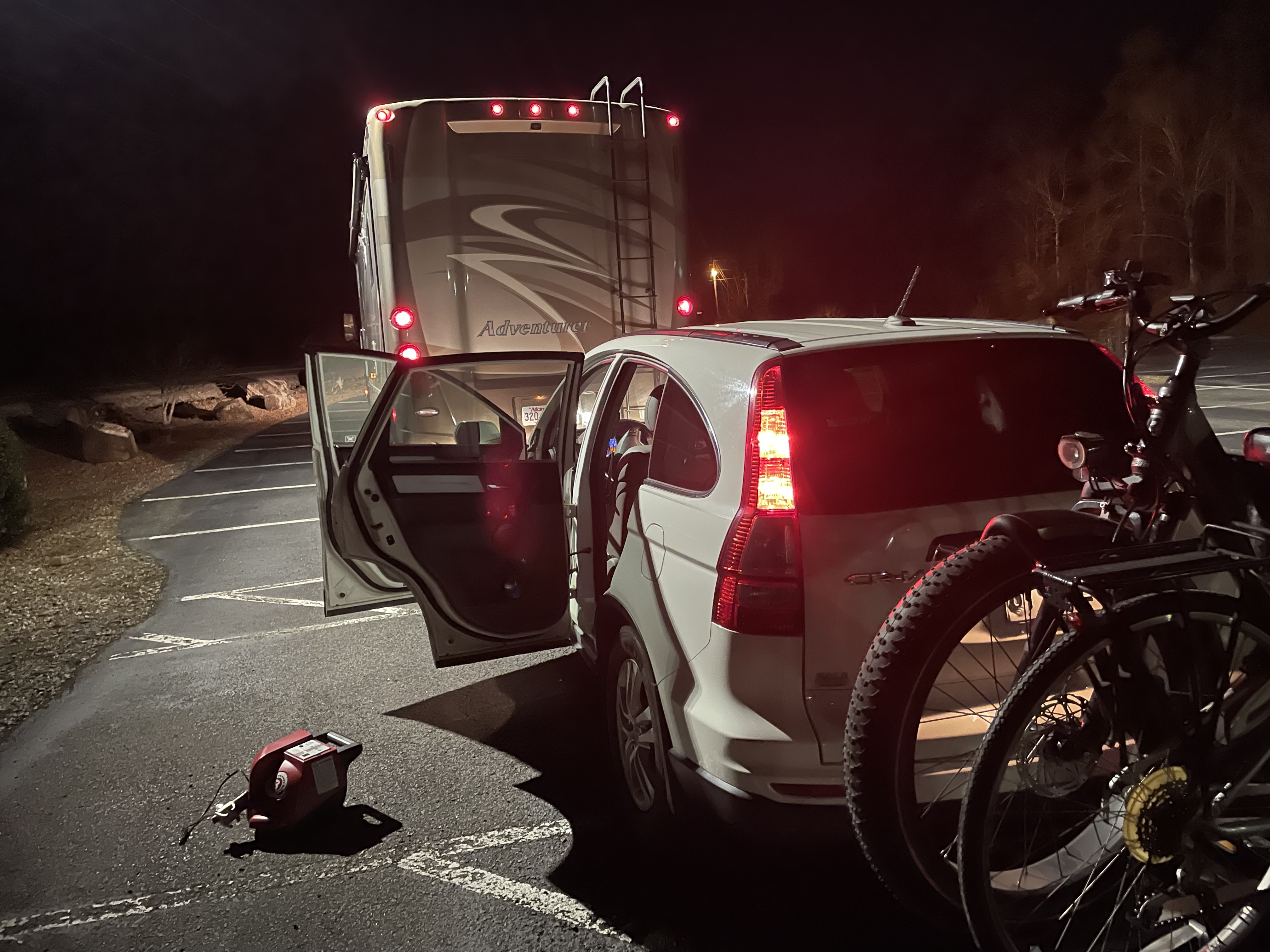
Jake, the RV repairman came Thursday to repair the hot water heater check valve. Rather than replace it, he just reamed it out. We now have hot water! Kay again volunteered at the check-checking in desk in the afternoon. Friday was HSV Group pickleball followed by pizza at Barro’s, our favorite pizza joint in the area. And, we both played in our respective round robins Saturday.
We celebrated Monday, New Year’s Day, by eating black-eyed peas, cabbage, cornbread, and ham, an Arkansas tradition, at least in our family. However, most of our day was spent packing for winter in Arizona.
On Tuesday, we finished packing for the winter, and had follow-up dental appointments; Kay had a final fitting for a bridge, and I had a crown installed. With empty pockets, we were finally ready to escape to warmer temperatures.
We departed from the motorhome storage bay early Wednesday morning, hooked up the tow car in the church parking lot, and drove southwest and west to the Coffee Creek RV Resort in Santo, Texas.
Along the way, Kay saw a notice on Facebook that my dearest and longest friend, Wayne Bodenhamer, had transitioned from this life into the next. He and I had been friends for 28 years, and fly fished together more days than can be remembered. We had coffee together almost every morning for 10 years while Kay and I were living across the road from he and Loretta. He was one of the smartest persons I have ever known, and could do just about anything. I sure hope Heaven is ready. To say that I’ll will miss him is a gross understatement.
We arrived at Coffee Creek after driving some 400 miles, set up quickly, and partially reorganized things in the motorhome. The drive was uneventful, and driving through Dallas-Fort Worth did not present any problems as traffic was light.
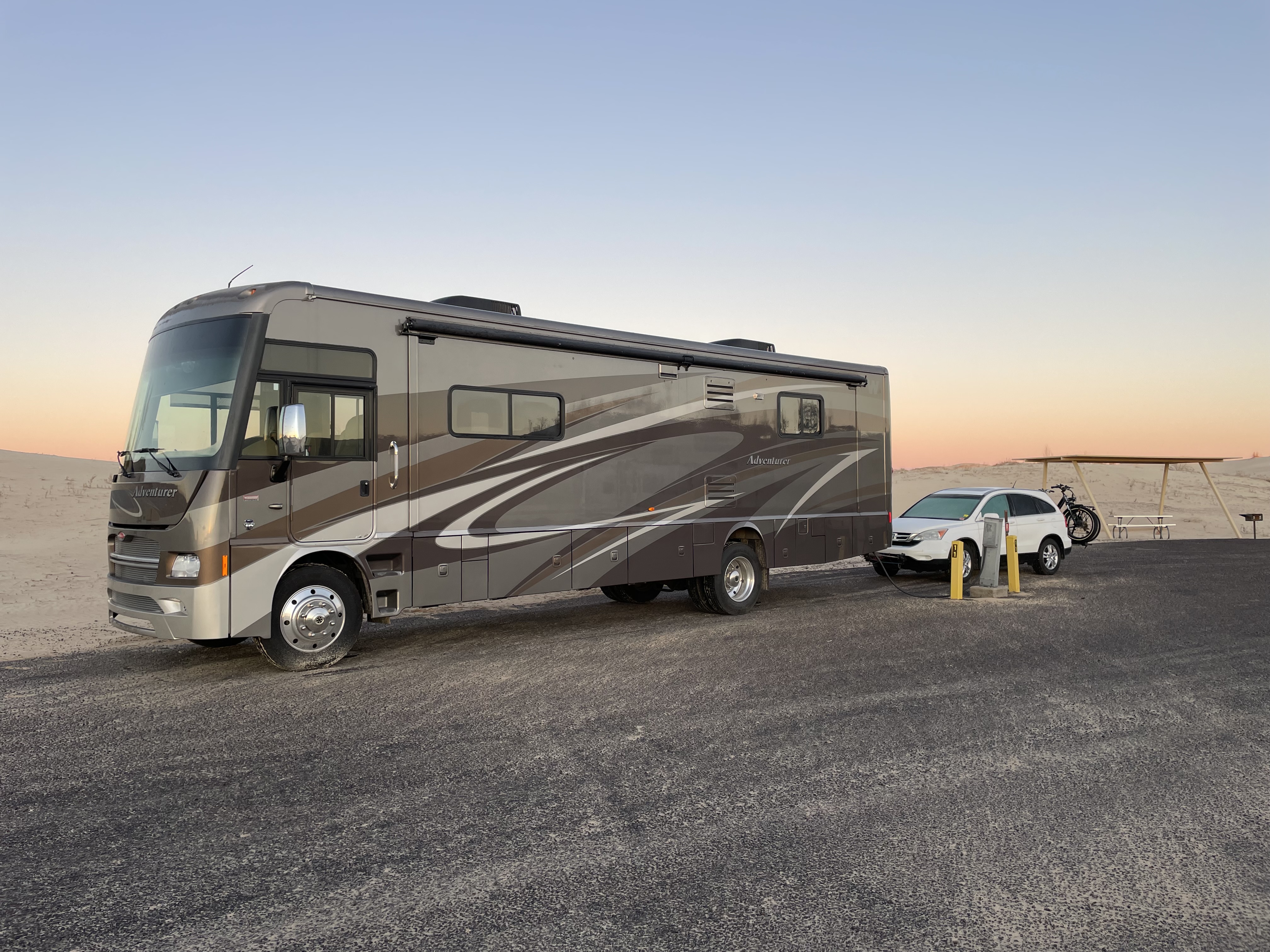
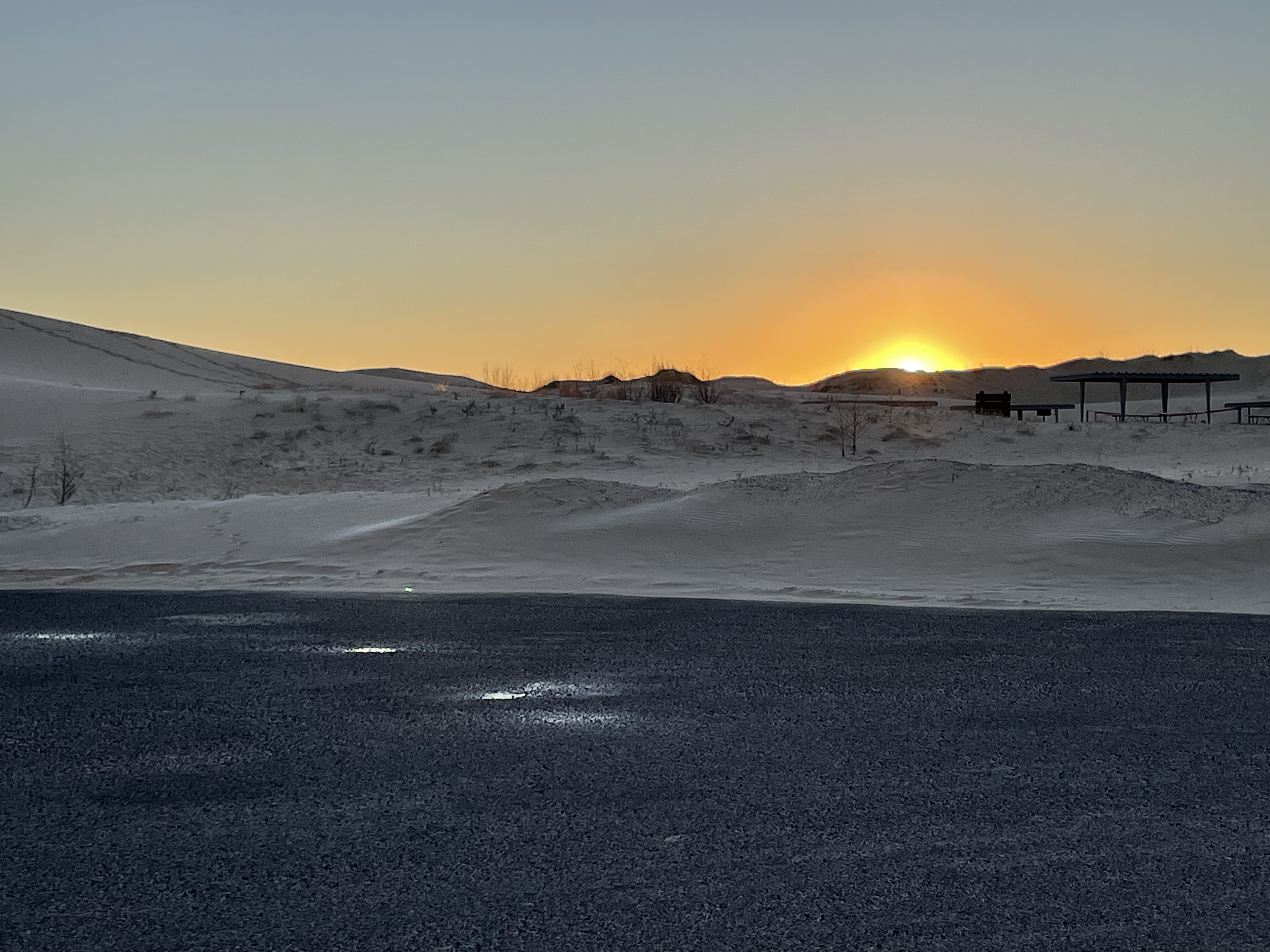
In no particular hurry, we departed Santo, Texas, Thursday morning at about 9 am and drove west some 300 miles to Monahans Sandhills State Park on the eastern edge of the Permian Basin. The motorhome was leveled and slide deployed, and we enjoyed peace and quiet; it was too cold and windy to go outside, there was no cell signal, and we were unable to play recorded TV shows.
Enjoying a relaxing morning before taking off was so nice on Thursday morning, we opted to follow the same routine Friday morning. We were up early after an early night the preceding evening, and departed the state park at about 8 am.
The day’s drive took us west on Interstate 20 through the oil and gas rich Permian Basin, then onto Interstate 10 into Mountain Standard Time, and then into New Mexico where we overnighted at Hacienda RV Resort in Las Cruces. And then disaster struck—not really. Kay showered and I was ready to shower but there was no hot water. Not only was there no hot water, there was no water coming out of the hot water side of any of the faucets at all. A quick internet search indicated that the water heater back flow preventer valve had failed. It was too much of a challenge for me to repair it (body contortions and all), so I used the shower at the RV resort. Hacienda RV Resort proved to be a really nice place to overnight, and the internet was adequate. We were able to catch up on some TV shows and YouTube videos.
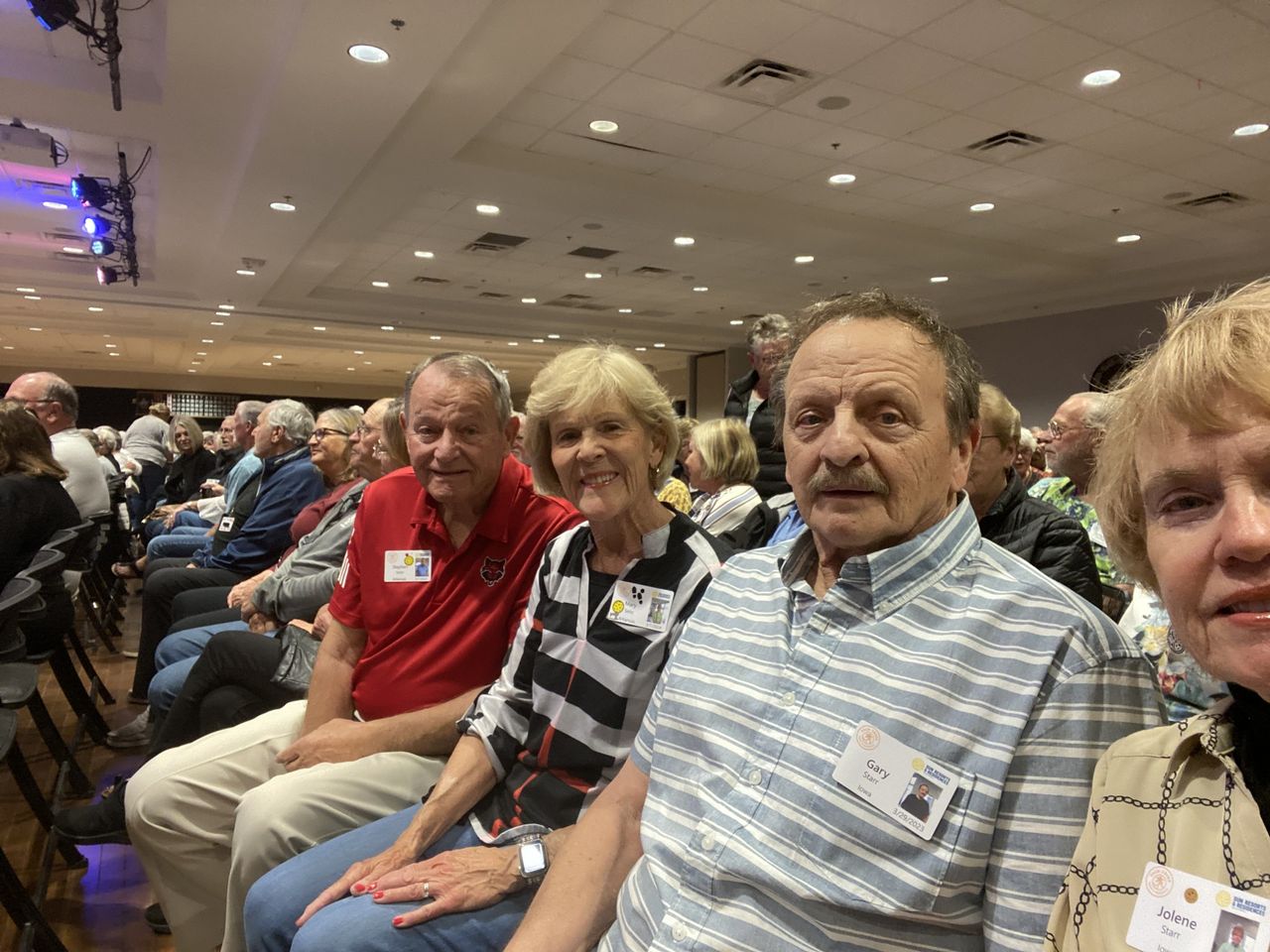
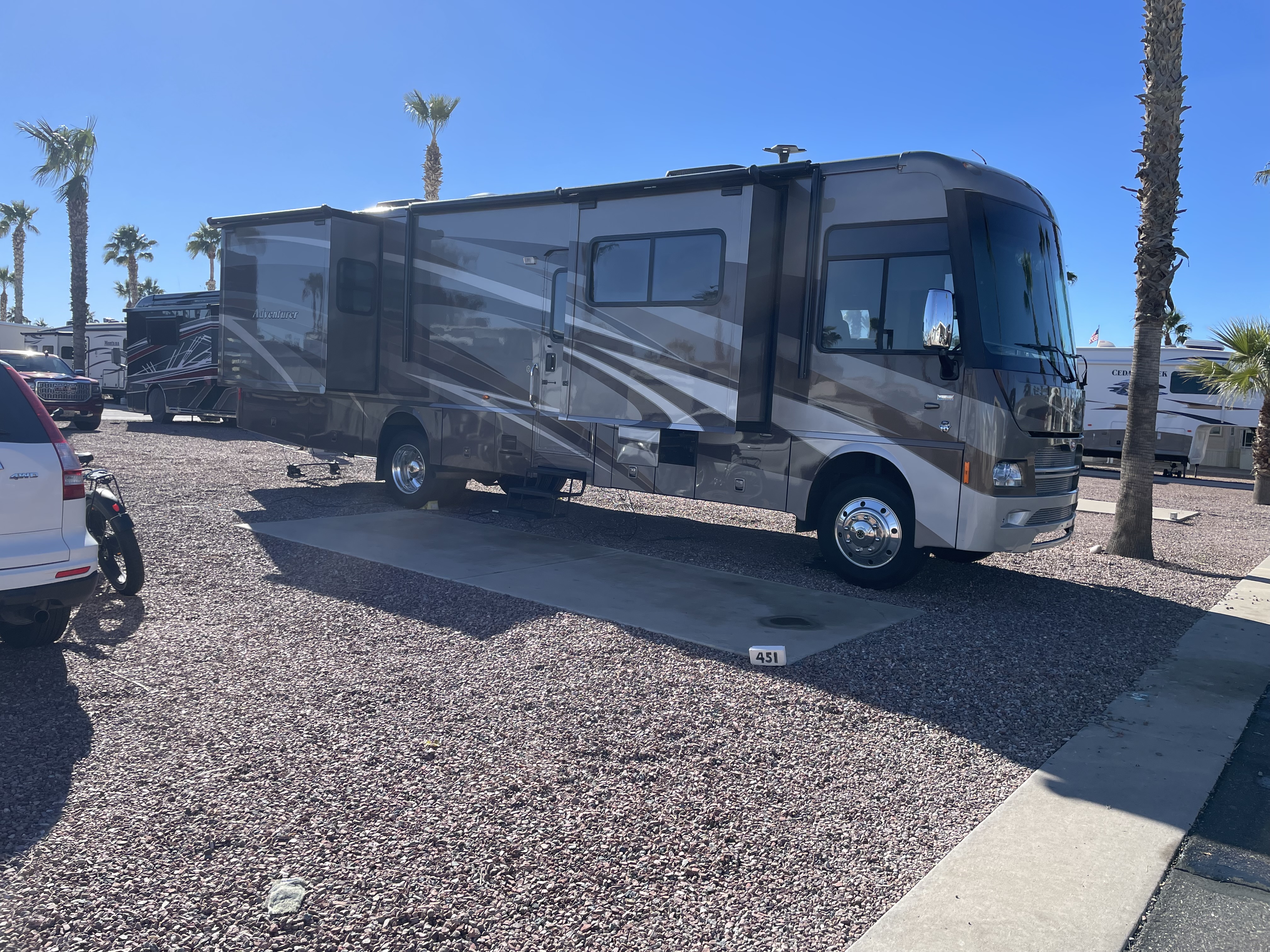
We were off to the west Saturday morning for our final 350+ mile drive of the trip. We drove west through New Mexico and southeast Arizona to Tucson, then followed Interstate 10 north to our final destination in Casa Grande, Arizona. We arrived at our place of winter residence about 1 pm, check in, and partially set up for the next three months. Joleen prepared dinner for us and it was great, though Gary claimed some pseudo credit. Thank you, Jolene.
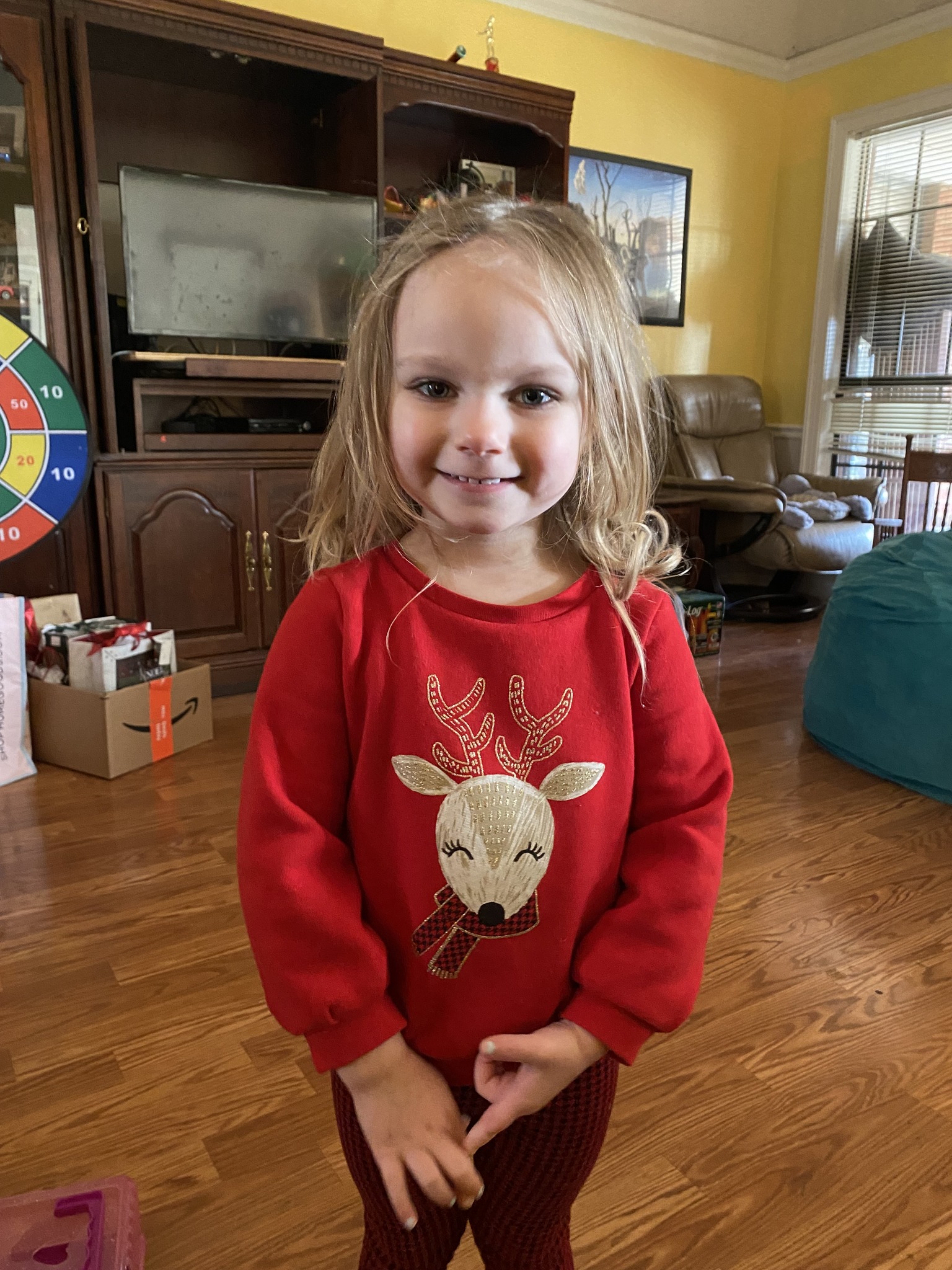
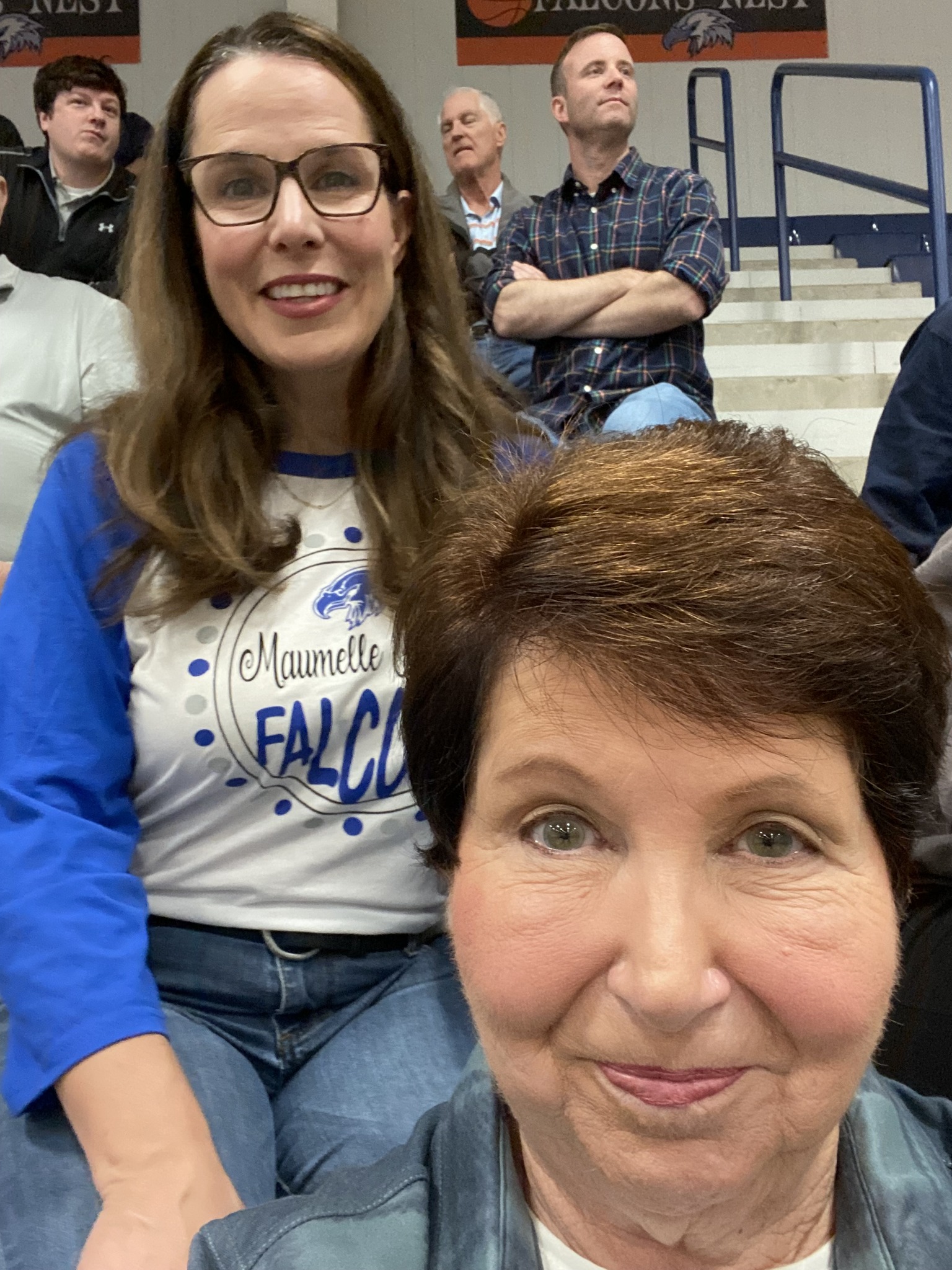
The last couple of weeks of December were all about family. Saturday, December 16, was basketball day for the Adams kids; Aker played in the morning in Maumelle and Ridge played at Bee Branch in the afternoon. We really enjoy watching them both play. Ridge is a really good player, and well advanced beyond his age group. He is a force to be reckoned with.
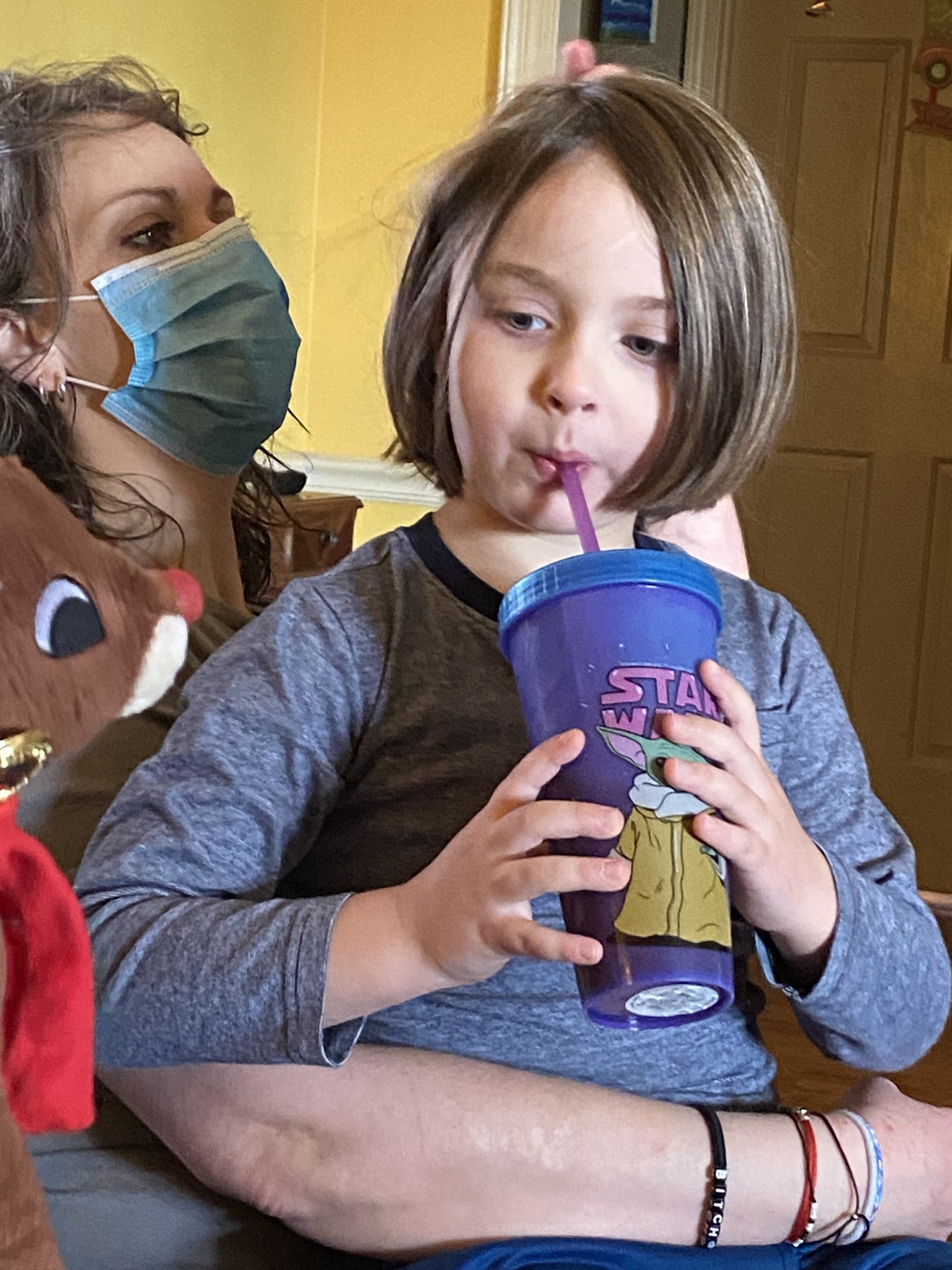
And then on Sunday, Kay and I traveled to the Memphis area to celebrate Christmas with Jenny, Harper, Lina, and Sutton. It was a subdued celebration as they all were recovering from strep throat. Kay and I masked up, and did not stay long. We sure would like to spend more time with them as this is only the second time we’ve seen them this year.
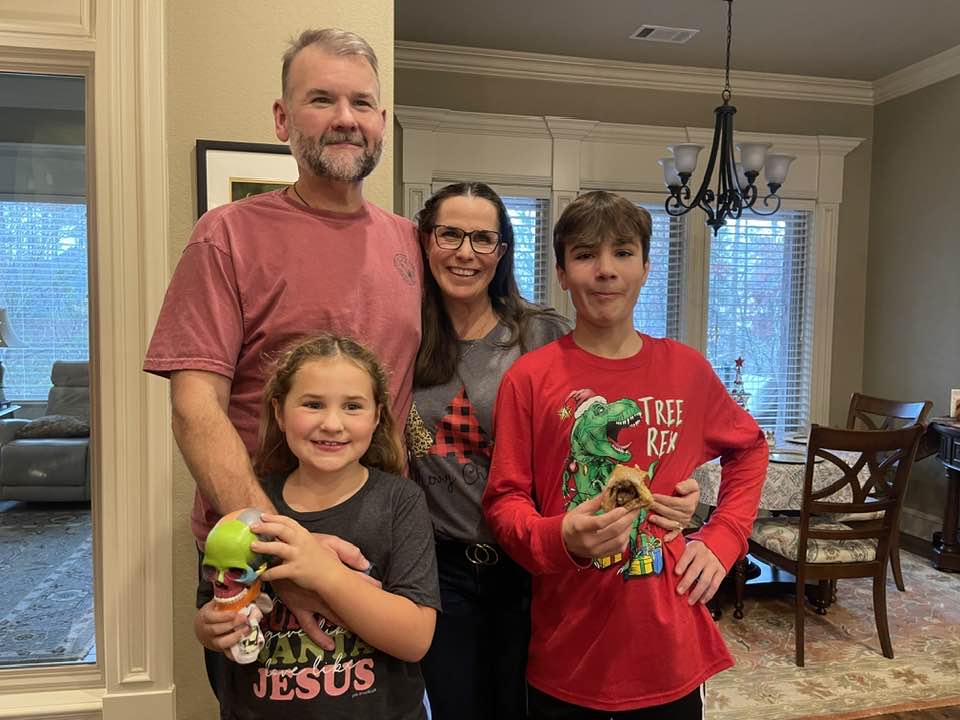
On Christmas Eve, Kay’s kids visited for brunch and gift exchange. The food was delicious and once again they outdid themselves in gift giving. This was more like the Christmases I used to experience many years ago, and it felt very comfortable.
We attended the Communion and Candlelight service at church, a tradition Kay and I began when we first started seeing one another. After the service we celebrated Christmas with Jim, Jackie, Pam, and Jackie’s sister and brother-in-law; this too has become a yearly tradition.
Kay and I have celebrated Christmas Day the last several years by deconstructing the Christmas decorations at the house; this year was no exception. And, by this time I was ready to be through with the holiday season as some of our decorations have been up since Thanksgiving, and Thanksgiving was early this year.
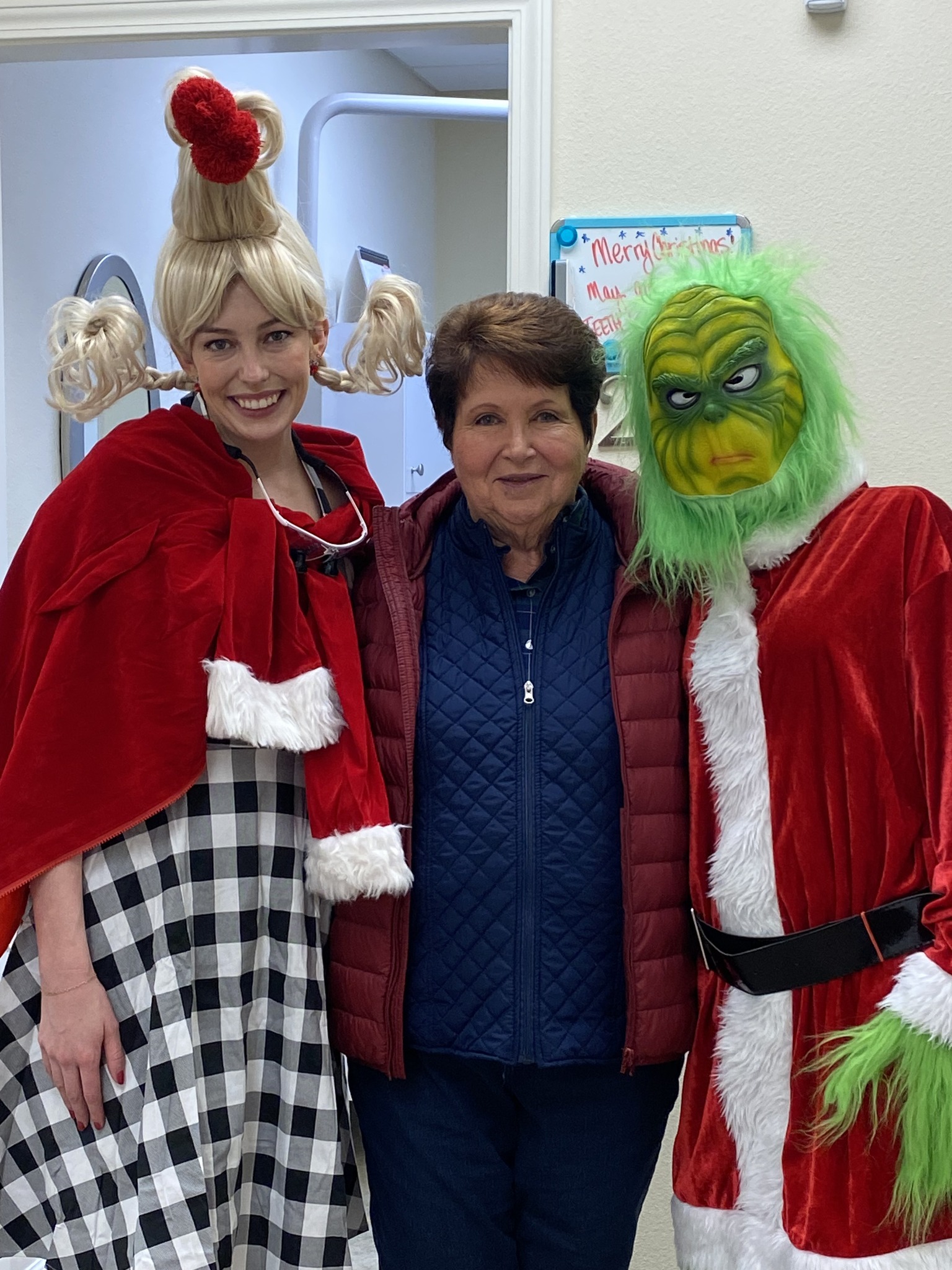
We also usually travel on or after Christmas but follow-up dental appointments this year have necessitated our remaining home for just over 10 additional days. The dental office staff were dressed for the holiday.
New Year’s Eve was uneventful and we were in bed by 10 p.m. to wrap up 2023.
This journal was begun several years ago, and reflects an accurate record of each day fished. Please enjoy it, and remember that fish are too valuable to be caught just once, and the places they live are too valuable to be mistreated.