Wednesday, December 7, 2022—Sleepless in Sarapiqui

It seems to happen every time I travel outside the US. Just after midnight last night, I woke with an upset tummy. Hoping it was just a 24-hour bug, I tried sleeping, to little avail. Whatever I had progressed to the point that it was the worst stomach virus ever, with intensive vomiting, diarrhea, and fever! Nevertheless, I made it out to breakfast and then traveled to a nature pavilion for bird photography. The driver offered to take me back to the lodge, and I quickly accepted. That pretty much ended my day as I missed a couple of lectures, lunch, and a guided nature walk. I proceeded to sleep 19 hours.
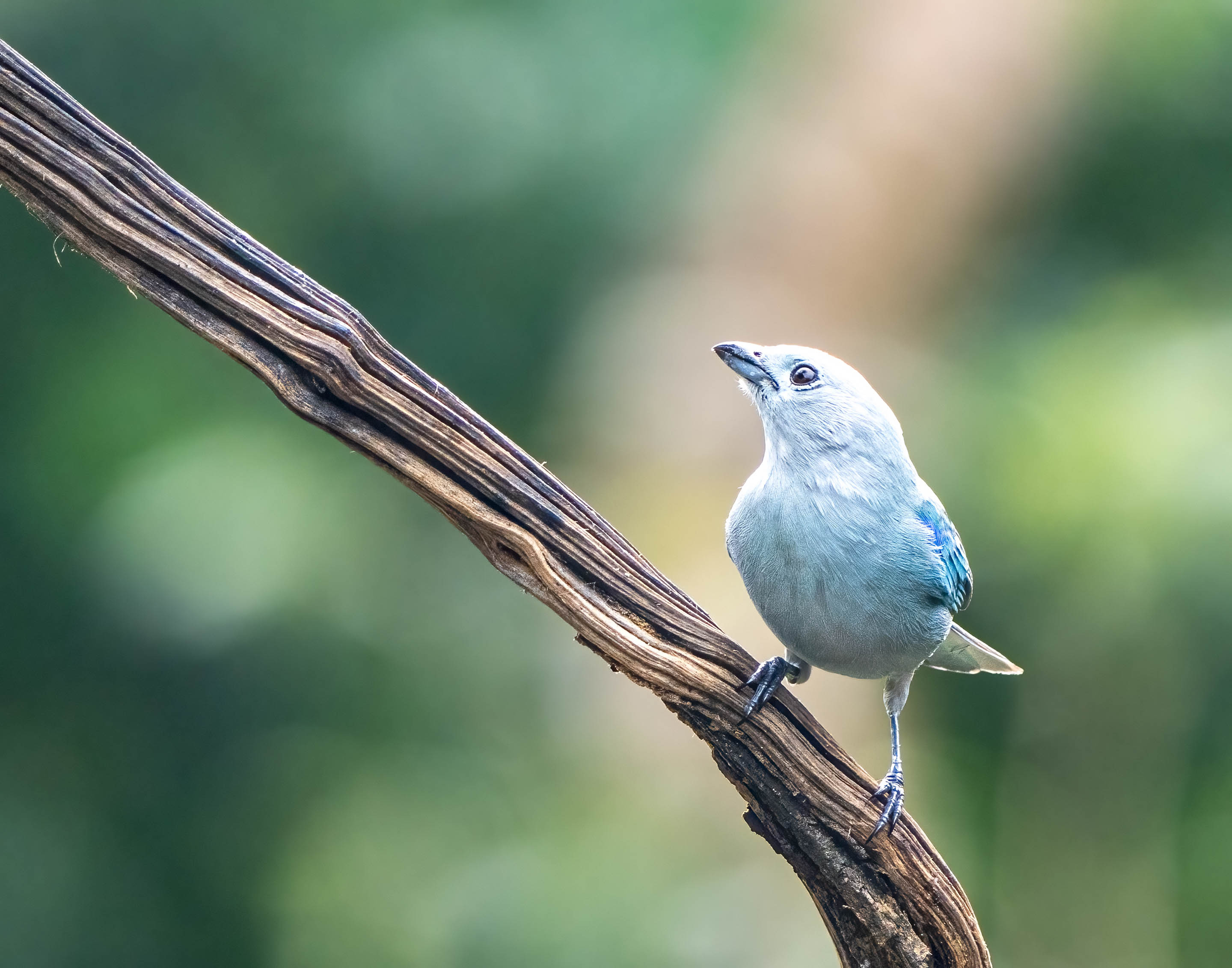
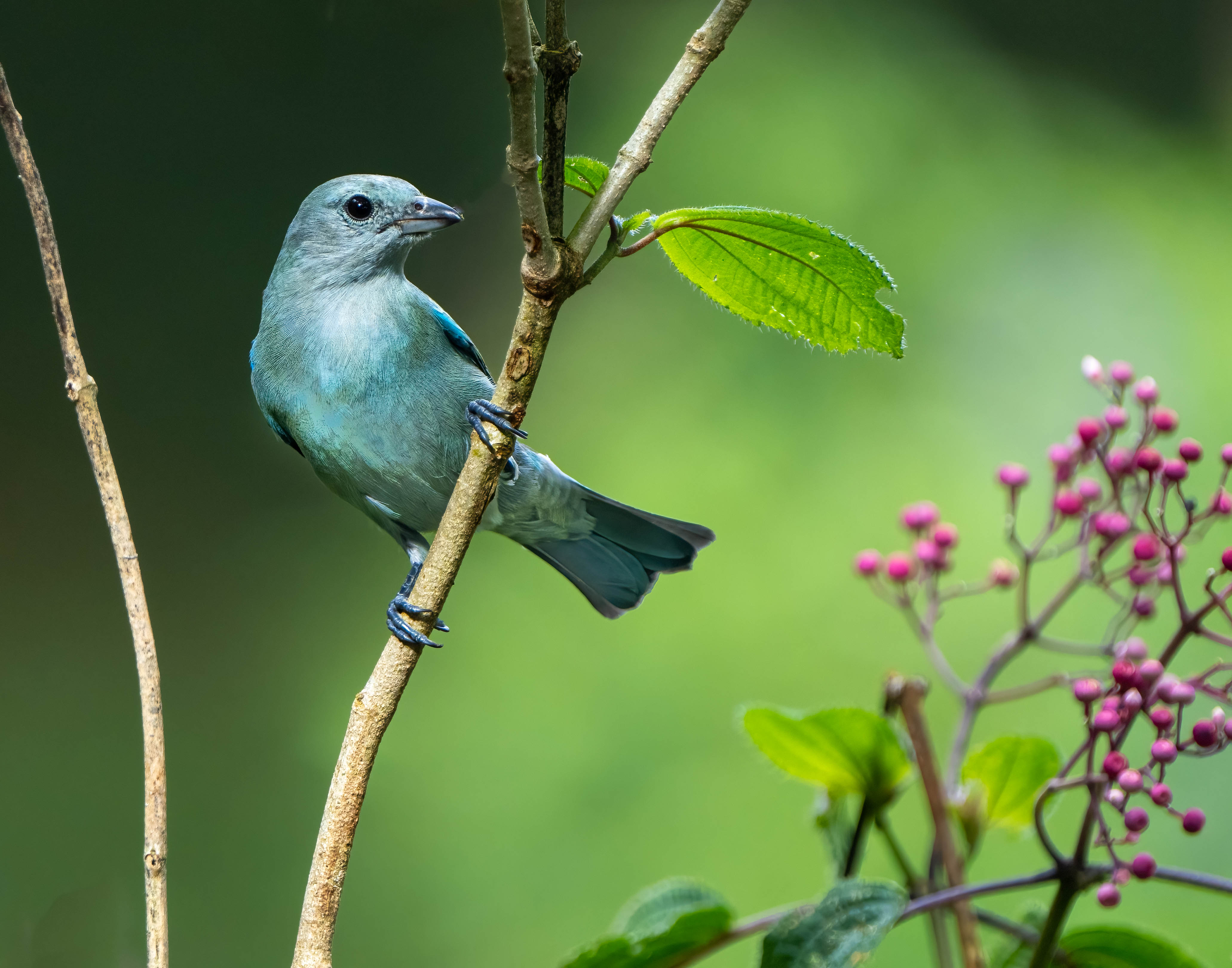
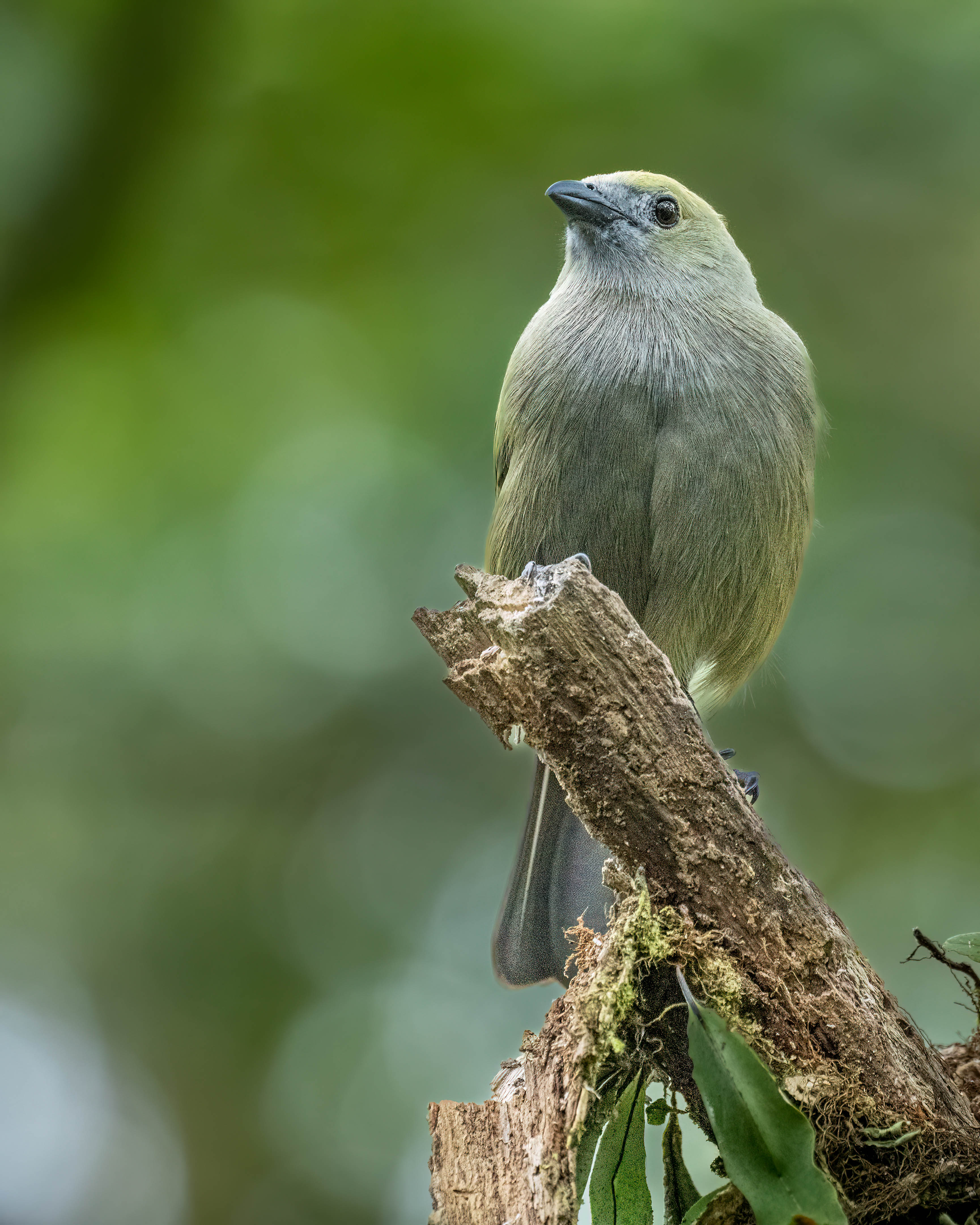
Subtle colors define this beautiful Blue-gray Tanager
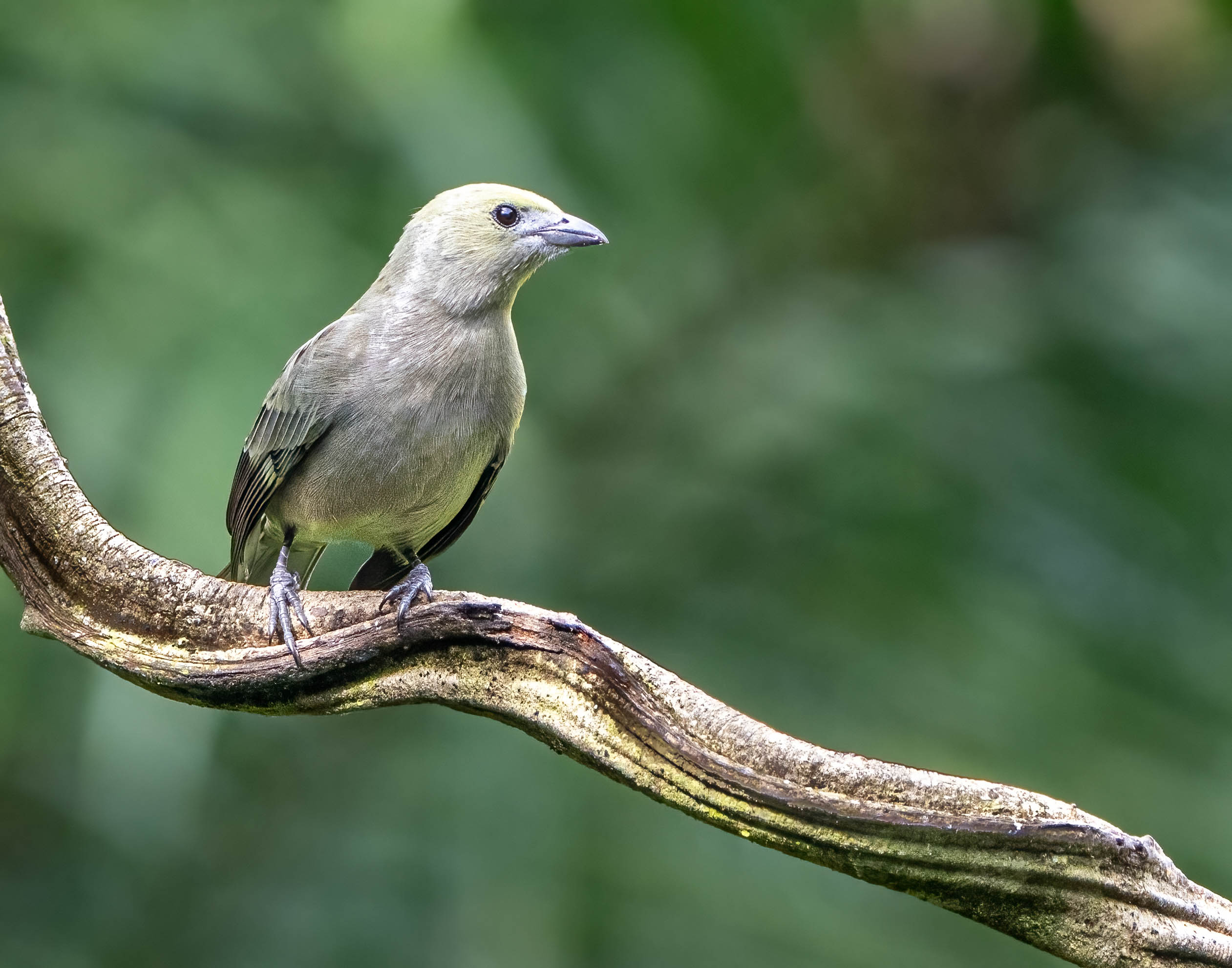
Clay-colored Thrush (aka Clay-colored Robin)
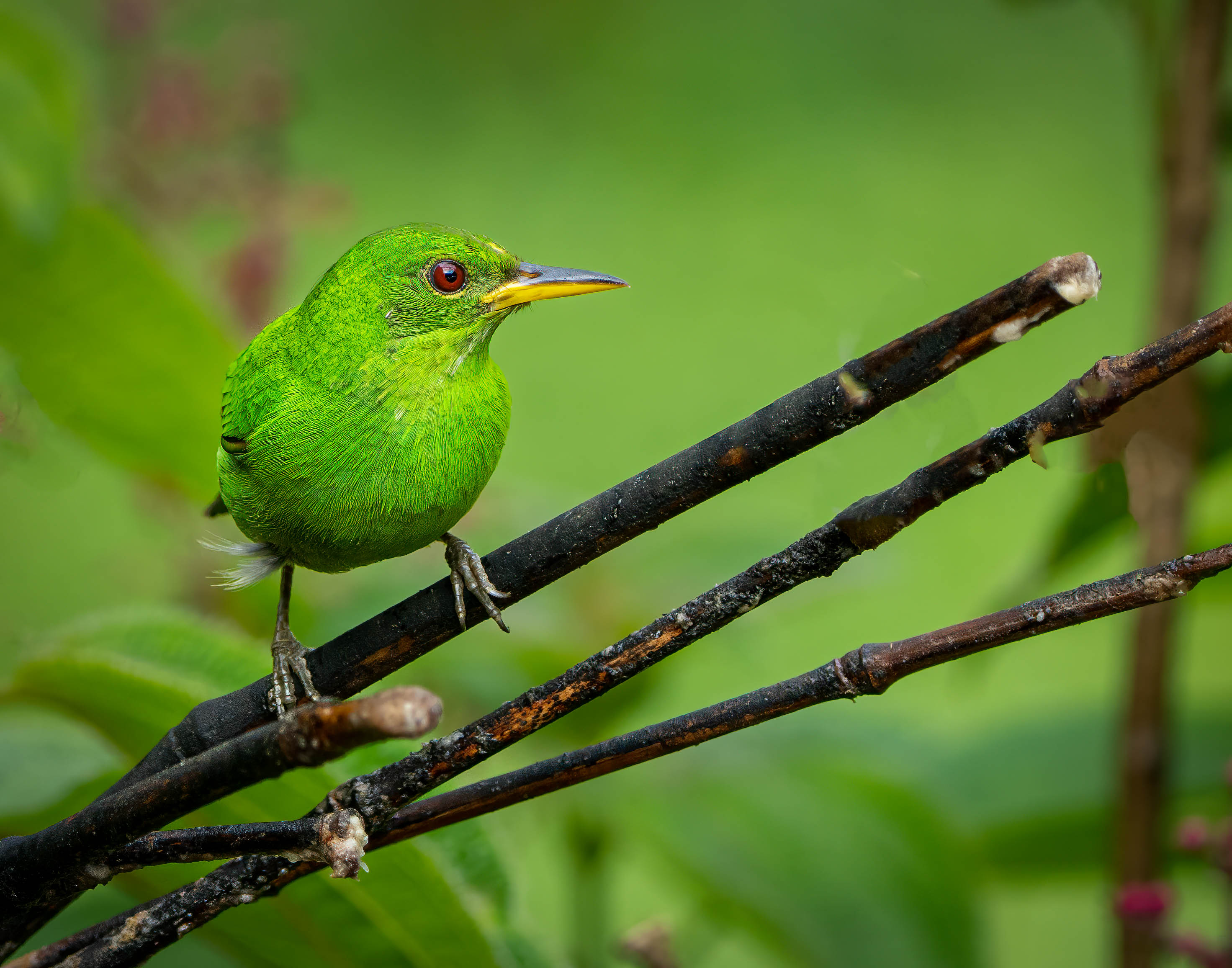
Green Honeycreeper
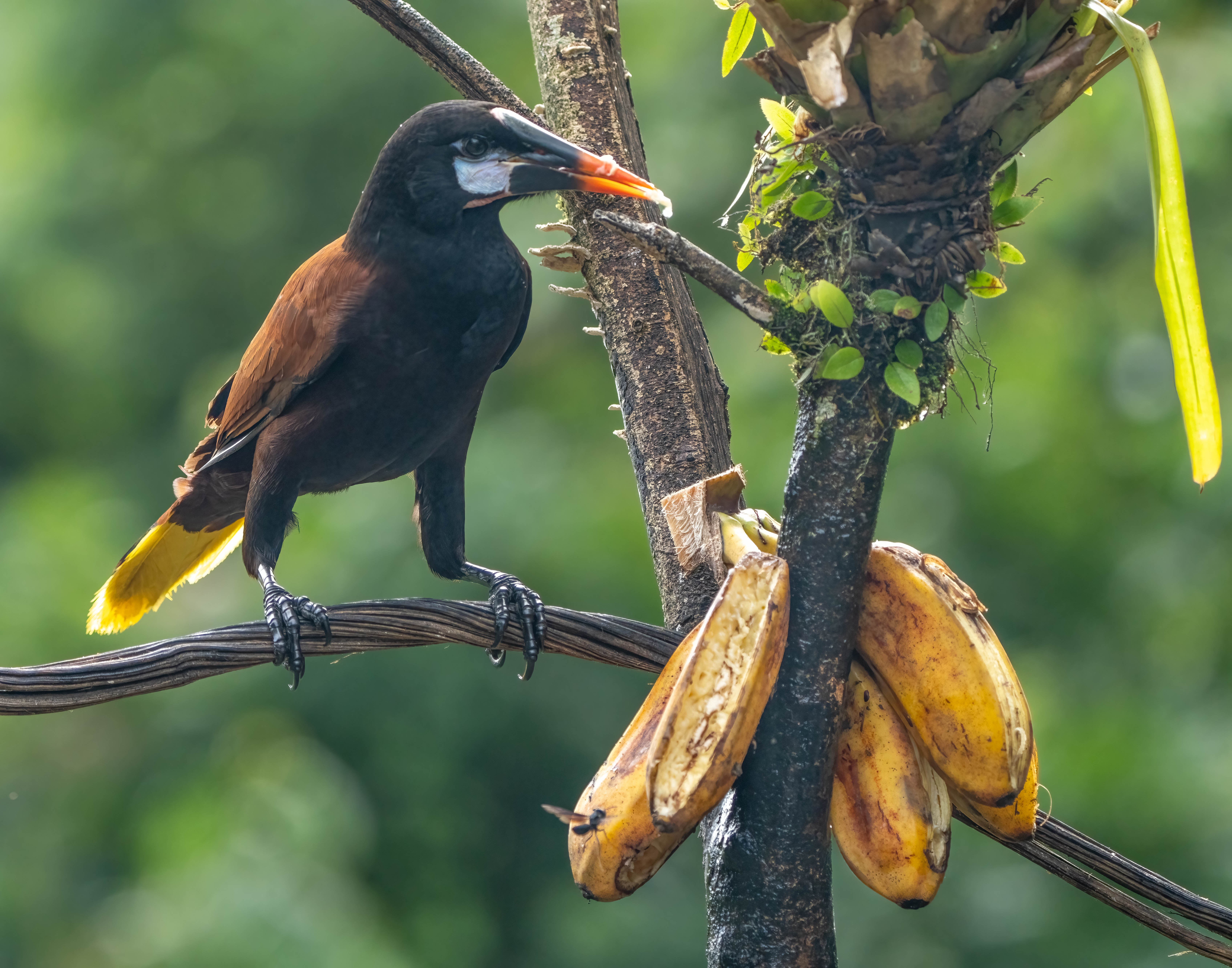
Montezuma Oropendulas
Keel-billed Toucan
Blue-gray Tanager

Sarapiquí is Costa Rica’s northern lowlands. Traditionally, the Sarapiqui region was a farming and ranching area. Still, large pineapple and banana plantations abound, as well as scattered strawberry fields. It is a region characterized by its vibrant rainforest and wildlife. It is home to several natural reserves, national parks, and protected areas. These lowlands have several rivers of great affluence and historical importance. Its biodiversity and ecosystem draw the attention of scientists and biologists around the world, who come to do their research at the study centers and biological stations in the area. Braulio Carrillo National Park, the La Selva Biological Station, and the La Tirimbina Rain Forest Center are all located in this region. Ecotourism is big here, in addition to adventures such as rafting and tropical rainforest exploration.

This region is very flat and characterized by several different rivers, both slow-moving and full of rapids. Birdwatchers love this area for the many birds that live and migrate here, including both Scarlet Macaws and Great Green Macaws. The Selva Biological Station boasts over 2,077 species of plants; 125 species of mammals, including 72 species of bats; 470 species of birds; 48 amphibian species; 87 species of reptiles; and 45 species of freshwater fish.

Children playing in the Sarapiqui River downstream of Puerto de Viejo Sarapiqui
Caiman sunning in the the Sarapiqui River

Tuesday, December 6, 2022—Waterfalls and the Sarapiqui River

A buffet breakfast was at 7 AM, followed by a presentation, Knowing Your Camera and It’s Capabilities. Luggage was loaded at 9 AM, and the bus was headed north for our first stop at the La Paz Waterfall high in the cloud forest jungle north of San Jose.

The 121 foot high waterfall was immediately adjacent to the highway.

La Paz Waterfall

Just a few kilometers further north on Costa Rica Highway 126, a stop was made for lunch at a local roadside restaurant. There, we observed the 229-foot high San Fernando Waterfall across a deep, wide valley.

San Fernando Waterfall

Also, many birds were nearby at feeding stations just off the deck of this wonderful restaurant in the cloud forest.

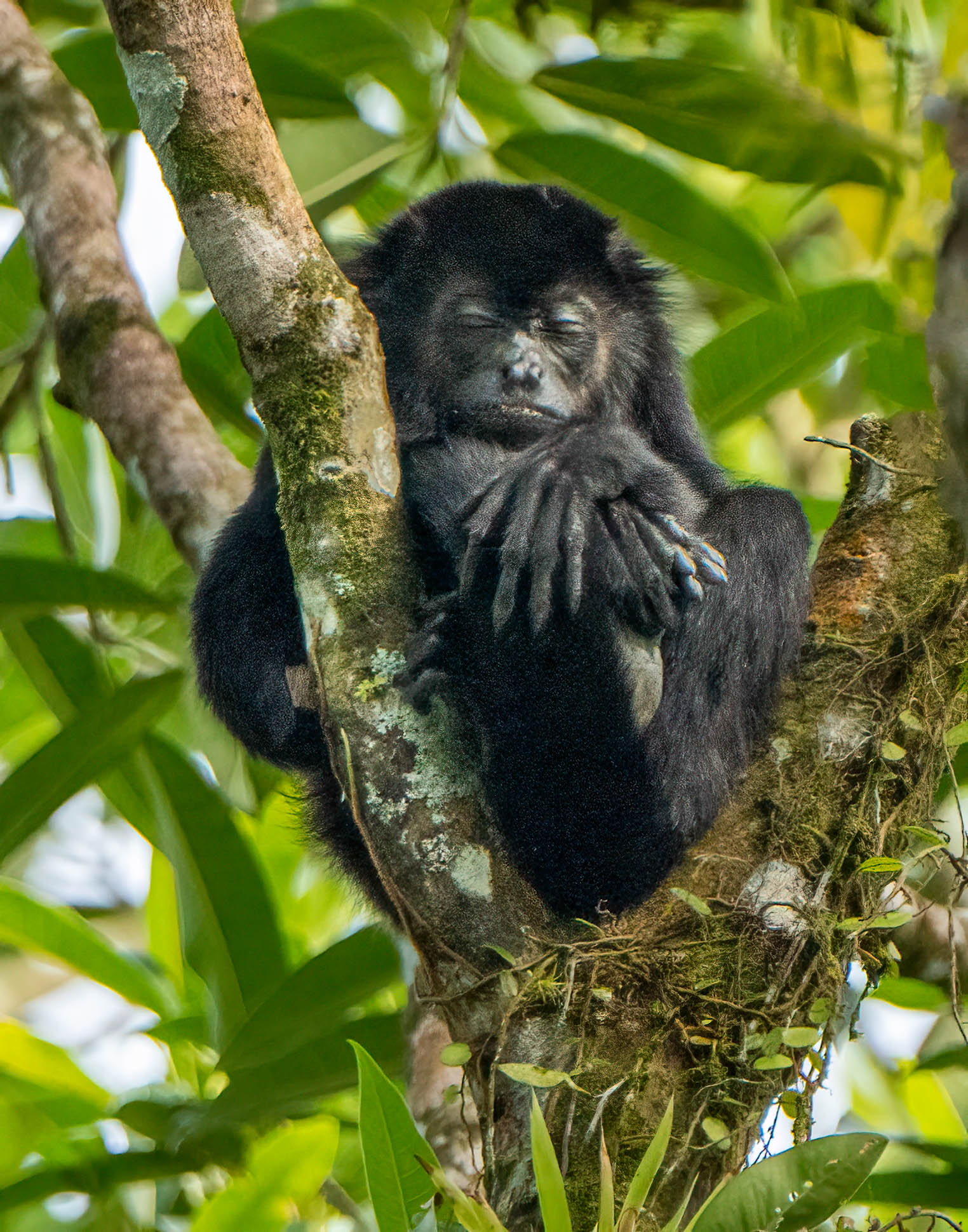
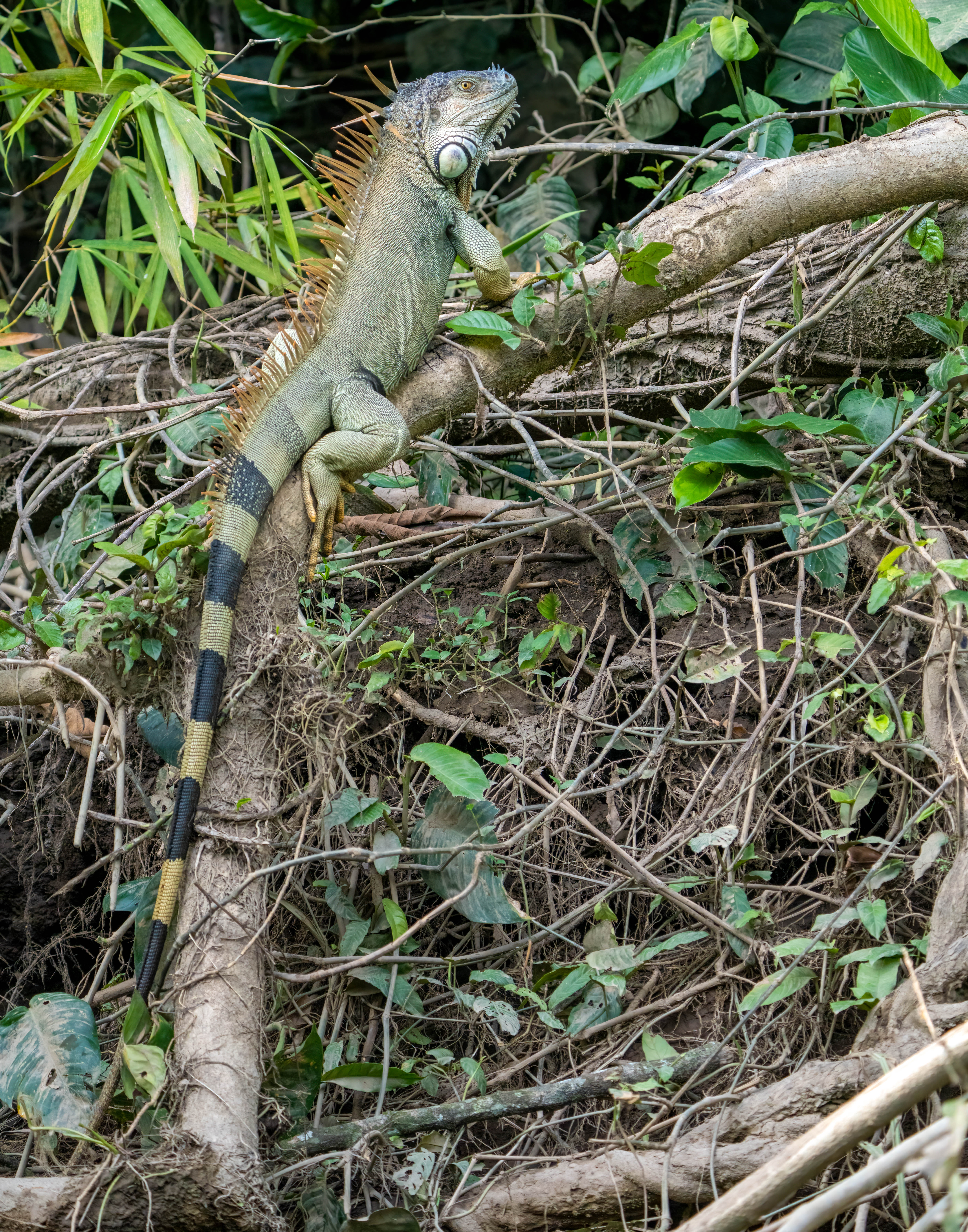
From the cloud forest jungle, the tour proceeded to Puerto Viejo de Sarapiqui for a river tour of a small section of the Sarapiqui River. Green Iguanas, a Caiman, Howler Monkeys, and Three-toed Sloths were seen as well as numerous bird life.

Green Iguana
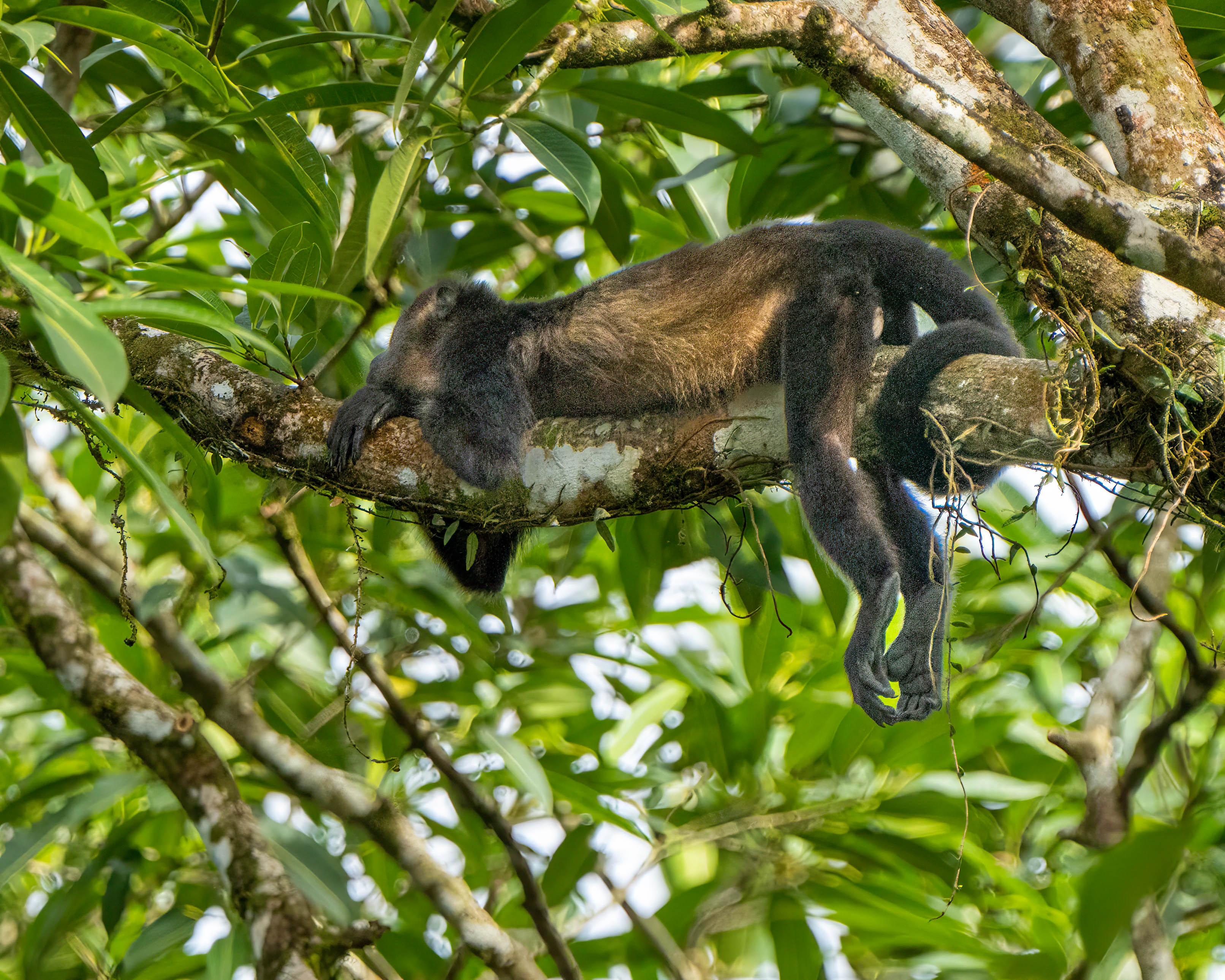
Howler Monkey
Common Basilisk
Howler Monkey
Green Iguana
Three-toed Sloths
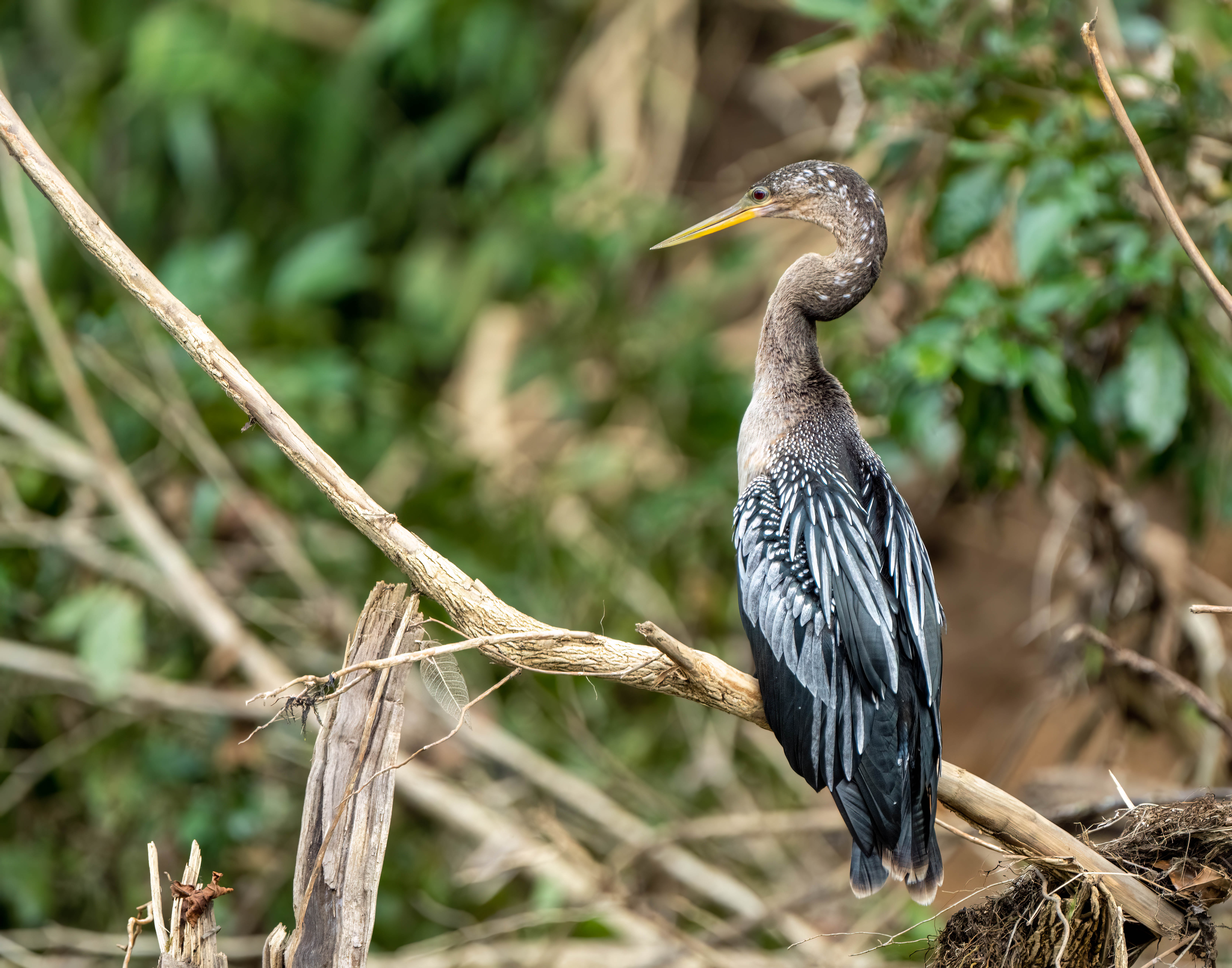
Anhinga
Green Kingfisher

And then, it was off to our lodging for the next three nights, the Rainforest Lodge, overlooking the boulder-strewn white water of the Sarapiqui River.

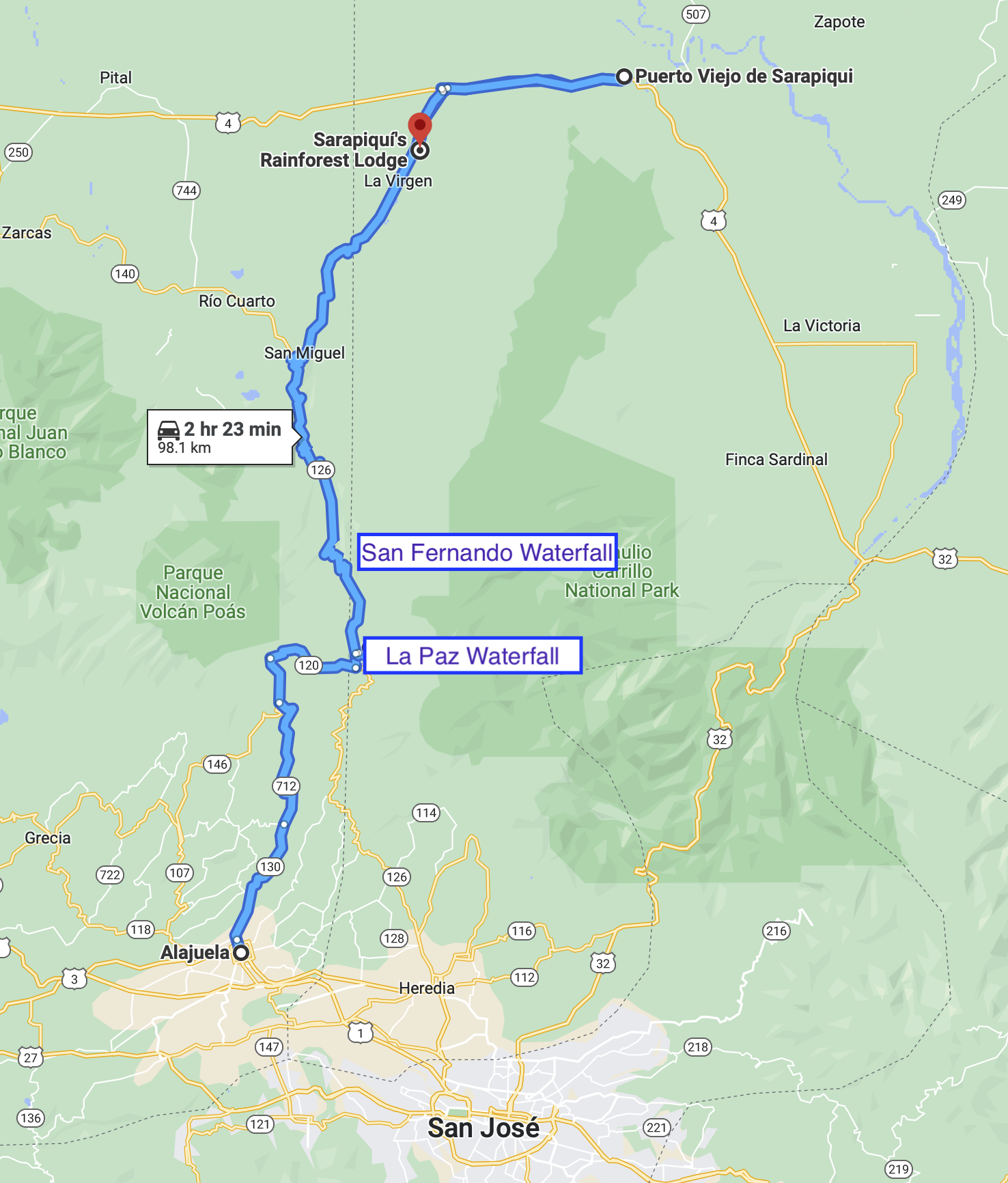
A map of the day’s travel follows.

Monday, December 5, 2022—Adventure of a Lifetime

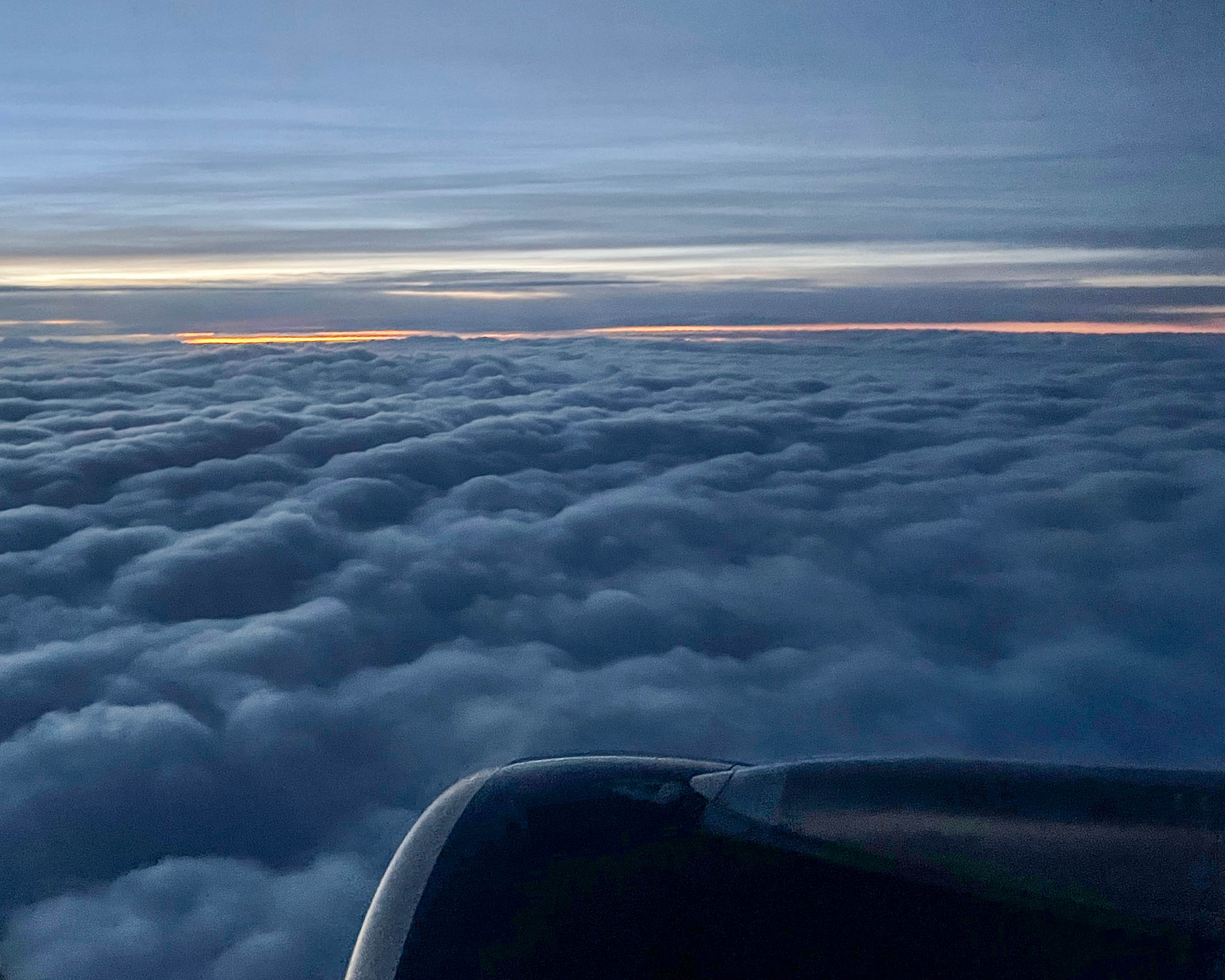
I was up early this morning—1:45 AM early! I picked photography friend Dan up at 2:30 AM, and we were off to the Bill and Hillary Clinton National Airport for a 5:30 AM flight to SanJose, Costa Rica, via Atlanta. Both legs of the Delta flight were uneventful, but the seat space was small and we were big—cramped quarters. I carried on all camera gear (about 50 pounds worth), CPAP machine, and carry-on suitcase with enough clothes for 9 days (little did I know).

We arrived in San Jose after lunch, and at our hotel about 3 PM. We came to Costa Rica for the Road Scholar (RS) program Digital Photography in Nature: Capturing the Best of Costa Rica. Road Scholar was very efficient in our transfer from the airport to the hotel, and hotel check-in. The RS program manager was at the hotel to meet and greet us. We had a late lunch at the hotel, and rested until our orientation meeting and dinner in the early evening.

Here’s what RS has to say in their brochure introducing Digital Photography in Nature: Capturing the Best of Costa Rica: “Learn to get the most out of your digital camera as you join experts to practice exposure, composition and wildlife and landscape techniques in the colorful landscapes of Costa Rica.” The program manager was Carlos Calvo. Carlos Calvo is a Costa Rican naturalist and a gifted wildlife photographer and photography instructor. He studied education (Modern Languages) at the University of Costa Rica (UCR) and earned his professional guide qualifications from the National Learning Institute (INA). In 2012, he added freelance photography to his credentials and before long was being asked to provide photography workshops and lectures as well as lead natural history groups. Carlos’s photos have been featured in magazines and natural history publications as well as gallery exhibits.

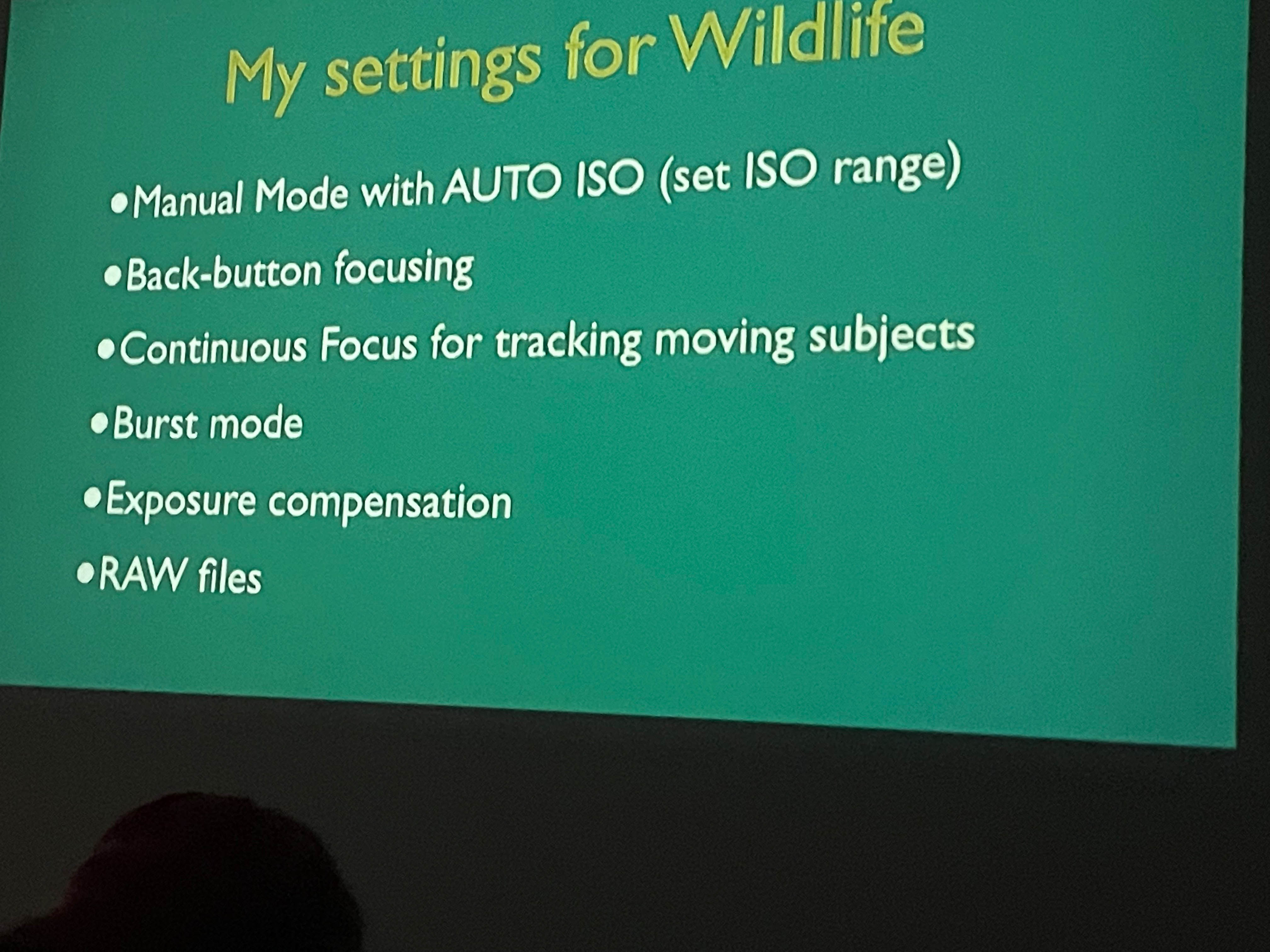
At the orientation meeting we met Carlos, introduced ourselves, and listened as he briefly talked about the trip itinerary and basic technical aspects of digital wildlife photography.

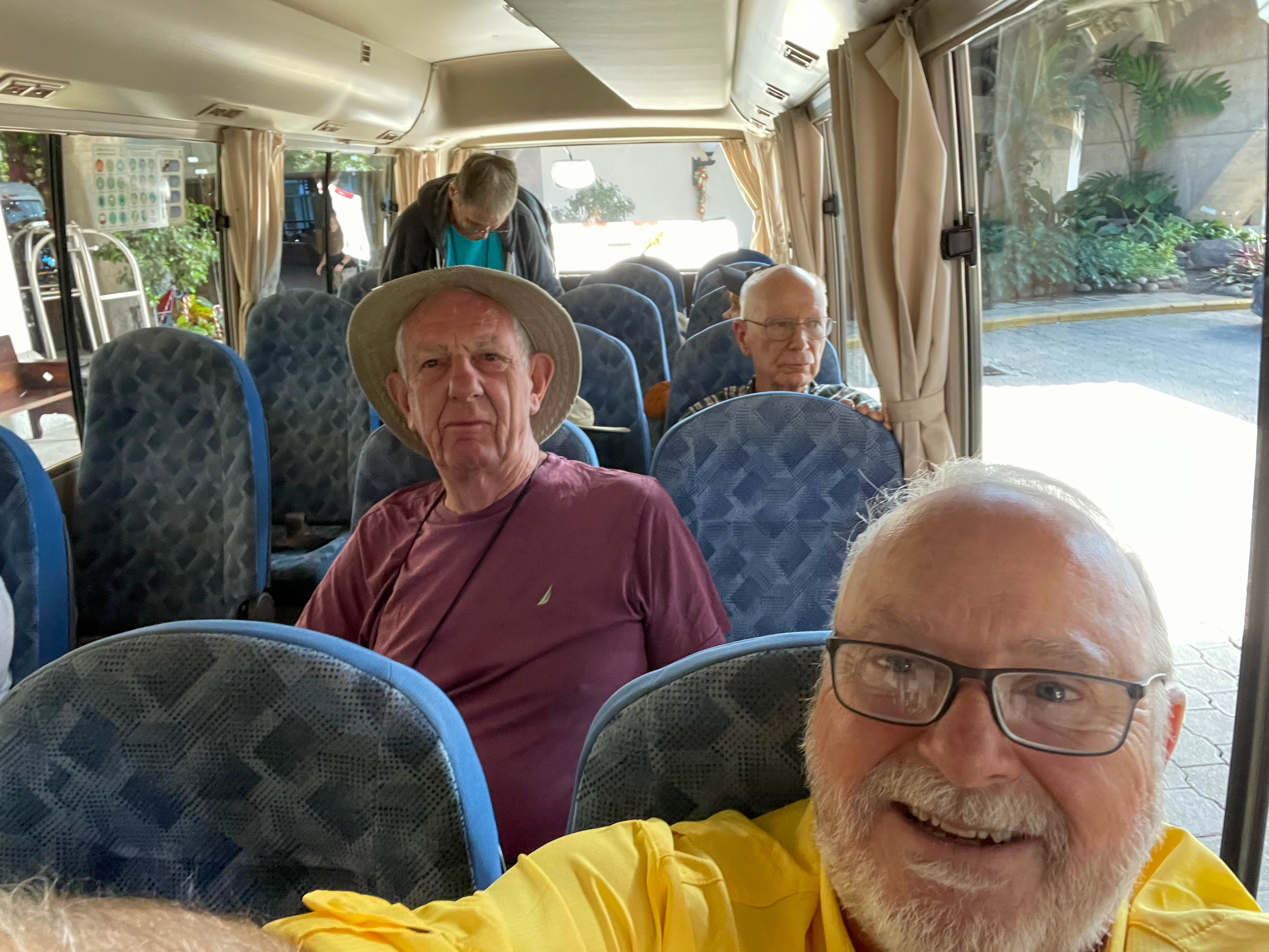
There were seven of us: four men and three women from Arkansas, New Mexico, Ontario, Pennsylvania, and Texas. After the lecture, we had dinner and retired to the rooms, respectively, for sleep before departing early the next morning.

Monday through Sunday, November 14-December 4, 2022—Taking a Break from Everyday Life

It’s been a while—about three weeks since a blog entry was posted. With changing weather patterns, golf, and pickleball, my back was becoming really sore, achy, and both the back and right leg were in near constant pain. Consequently, I took a break from sports for a while to let this old body heal—no golf, pickleball, or photography for a whole three weeks. During that time, a number of semi-annual medical appointments were kept, and I even prepared a few meals.

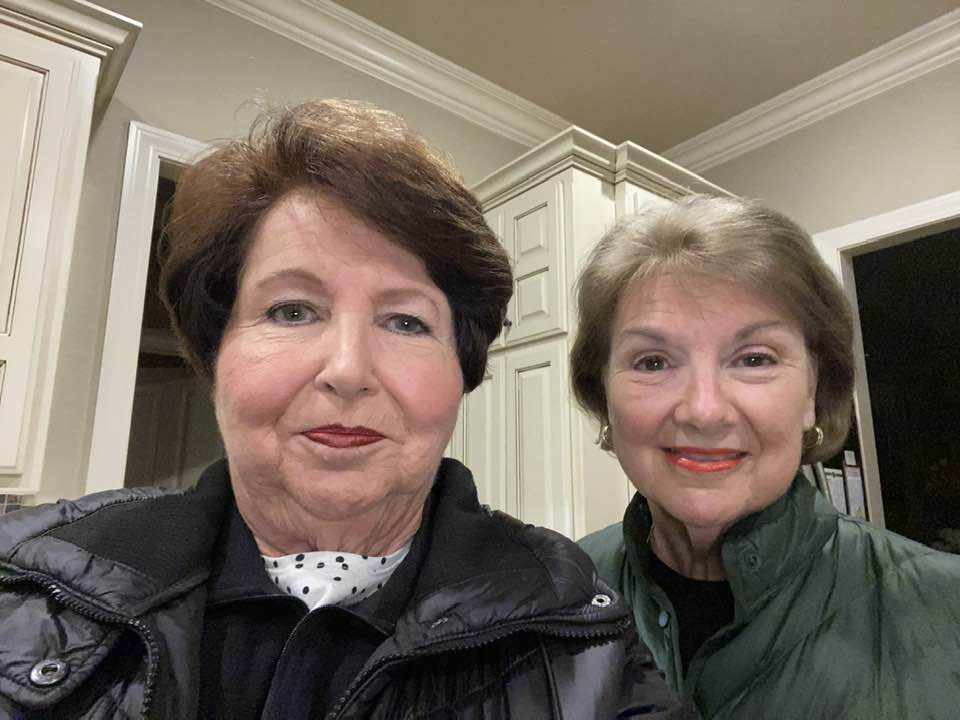
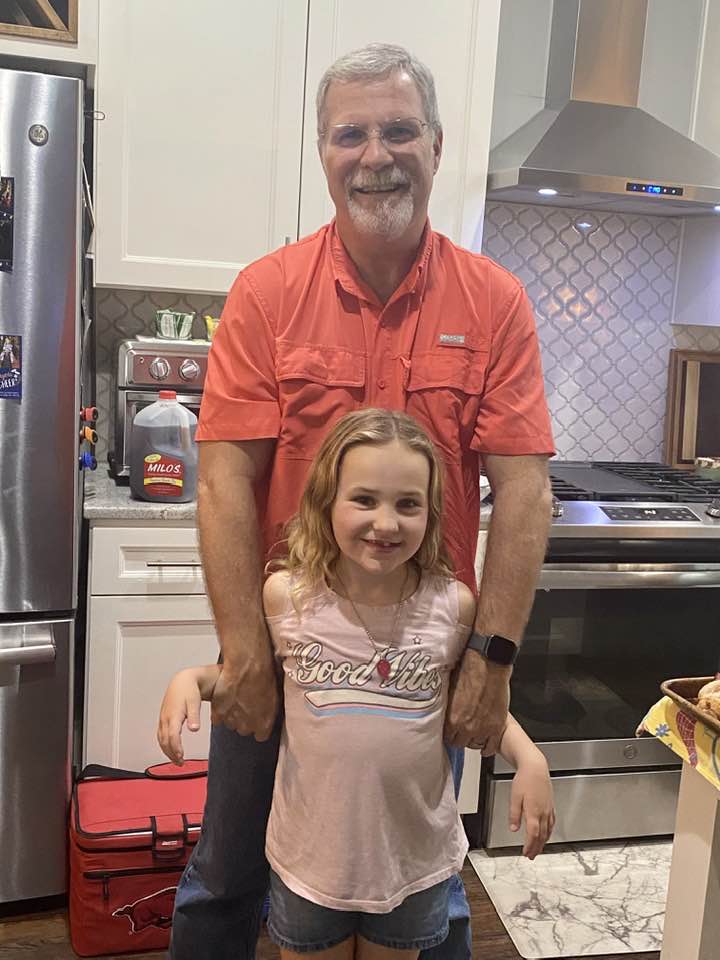
We enjoyed a visit from Nan (Kay’s sister) and George for a couple of days, even celebrating George’s birthday. 

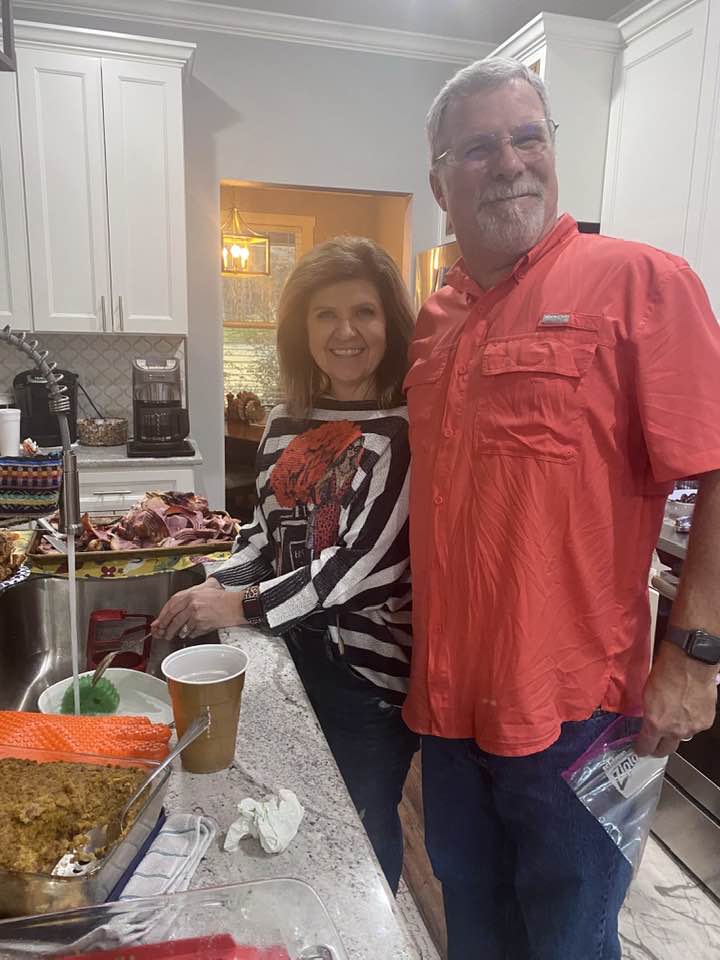
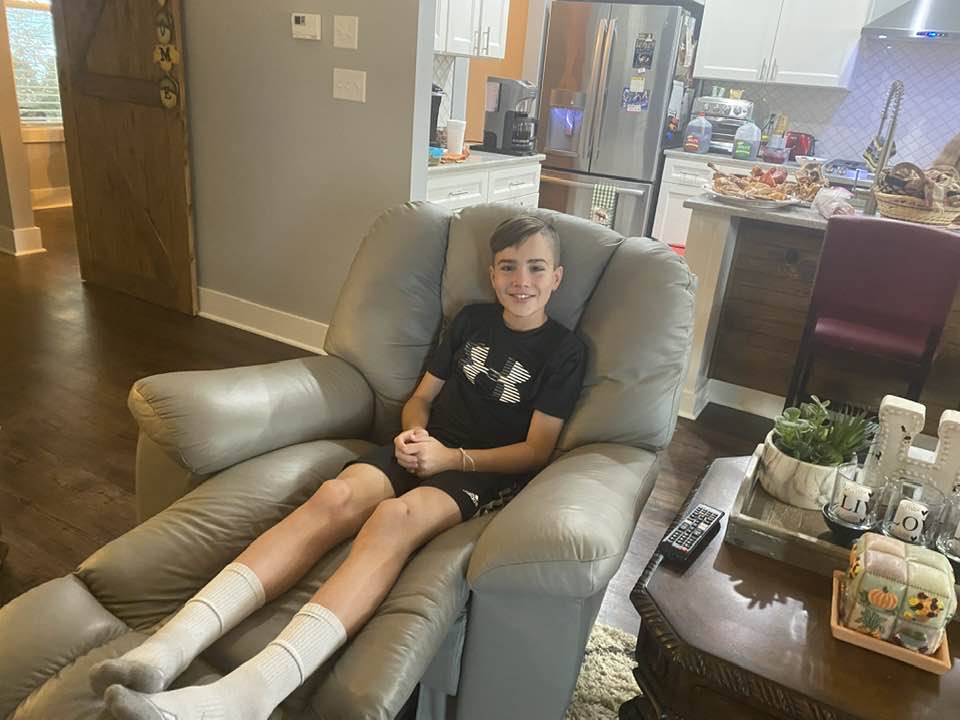
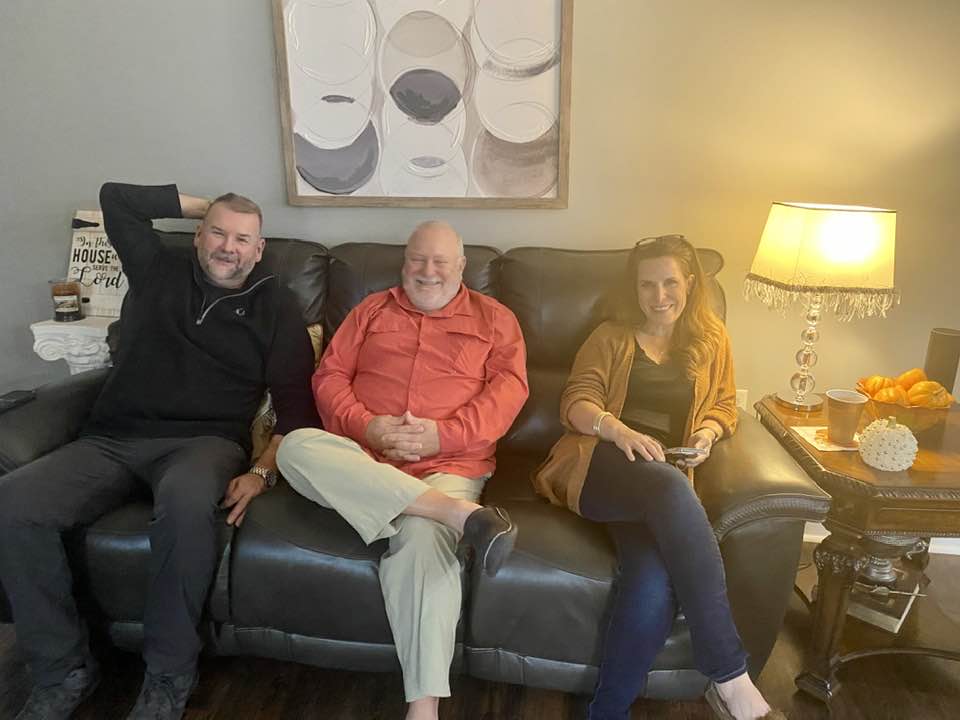
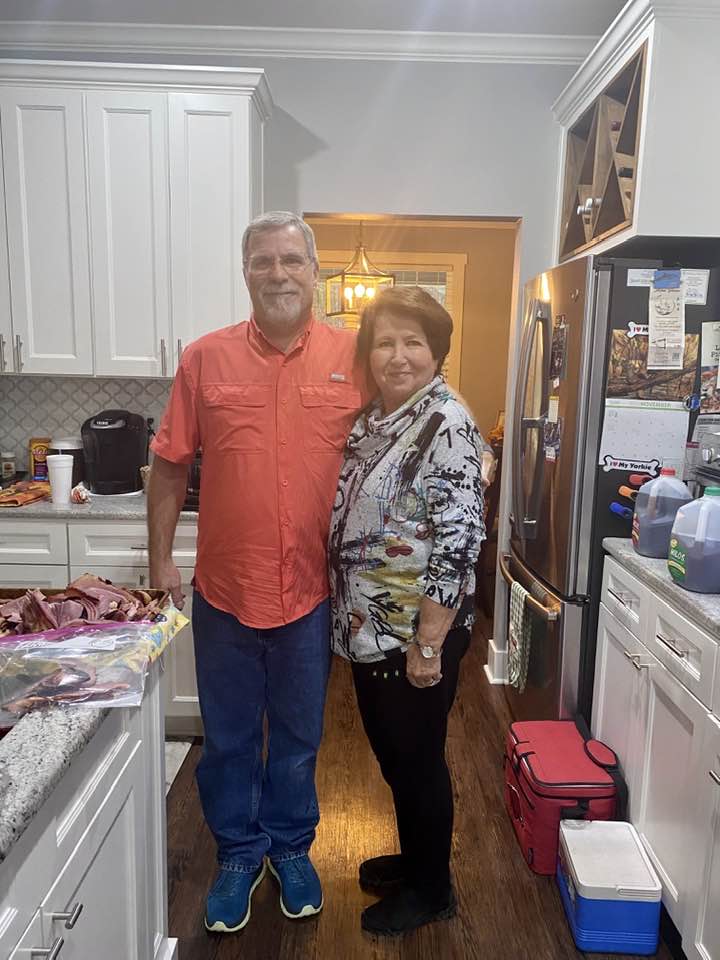
Thanksgiving dinner was at Ron’s (Kay’s son) and Cheryl’s house with most of Kay’s immediate family present. 

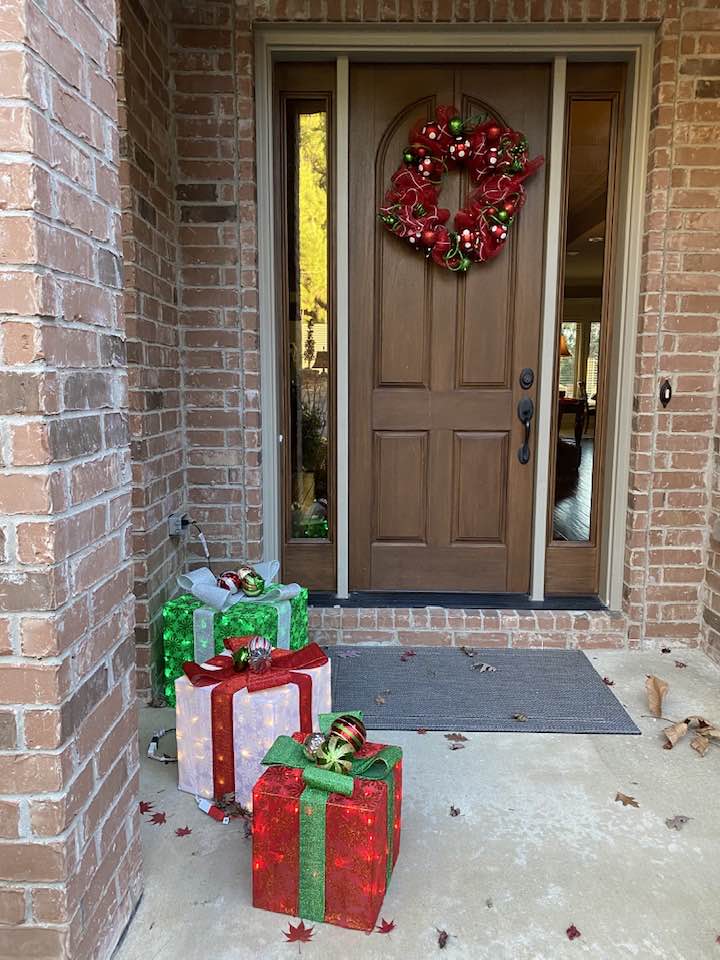
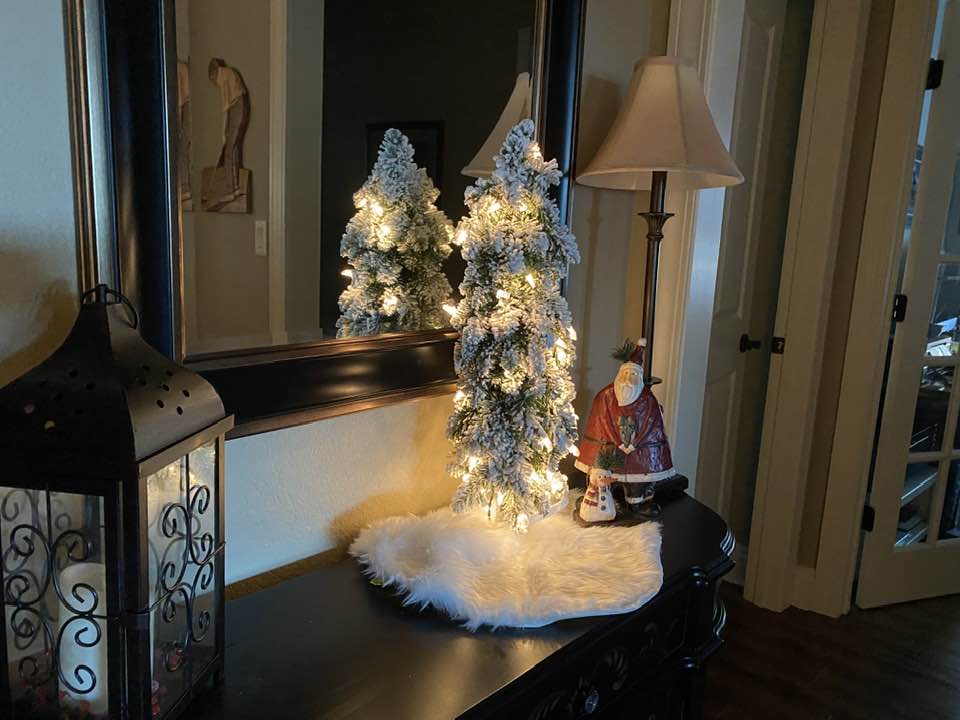
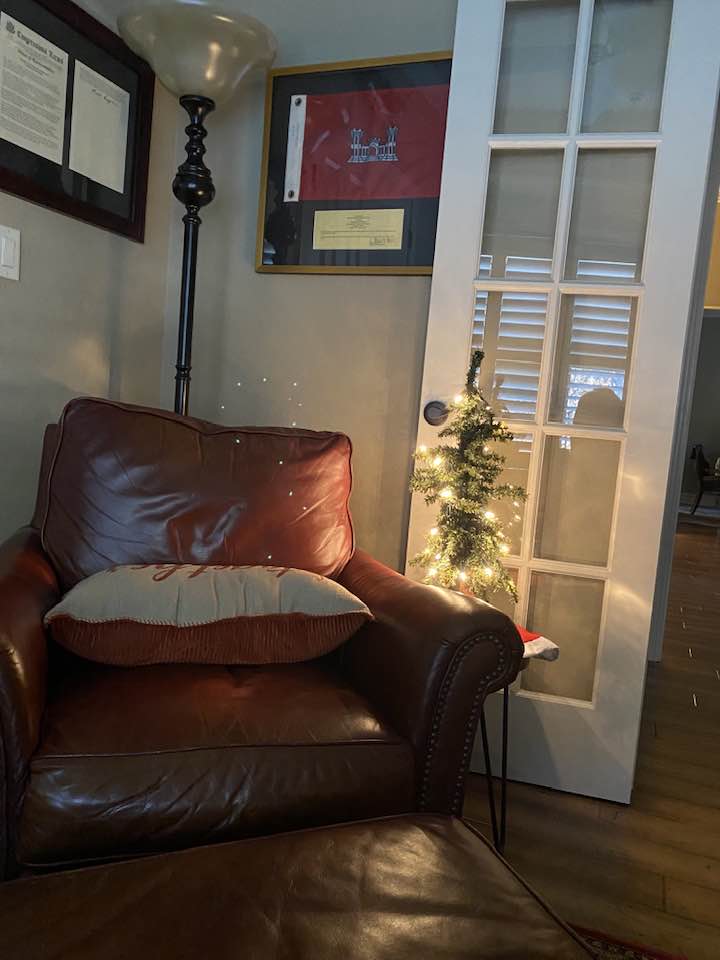
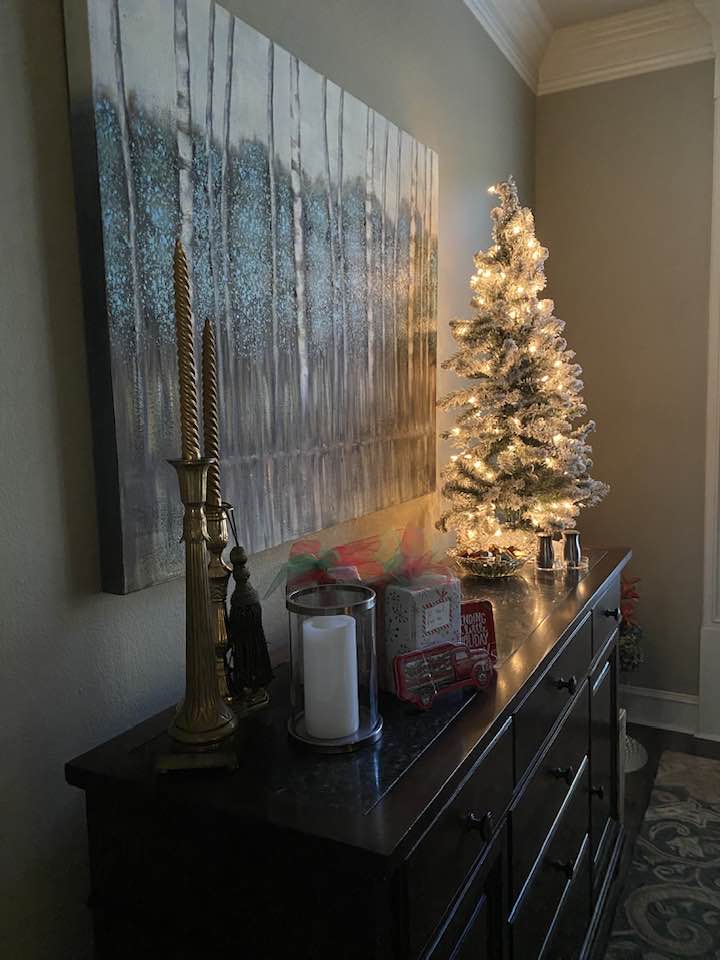
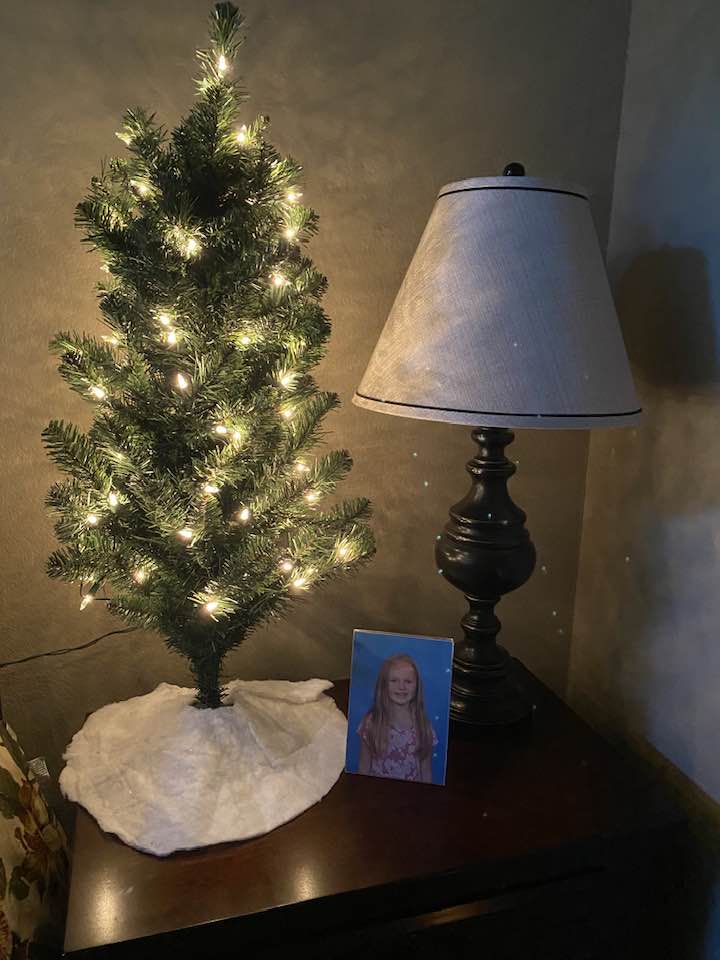
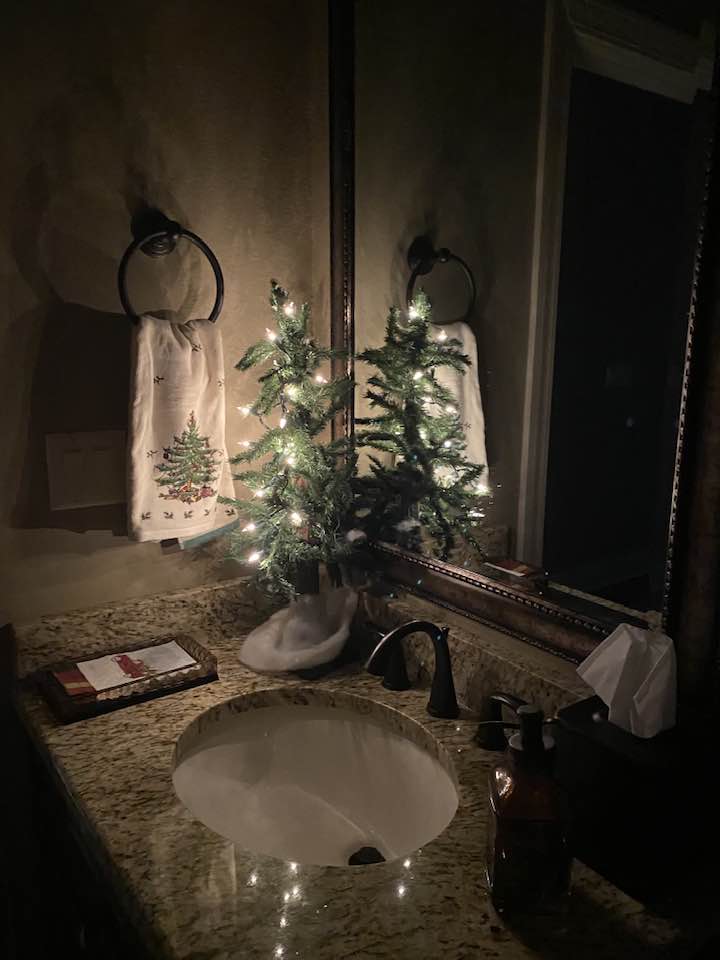
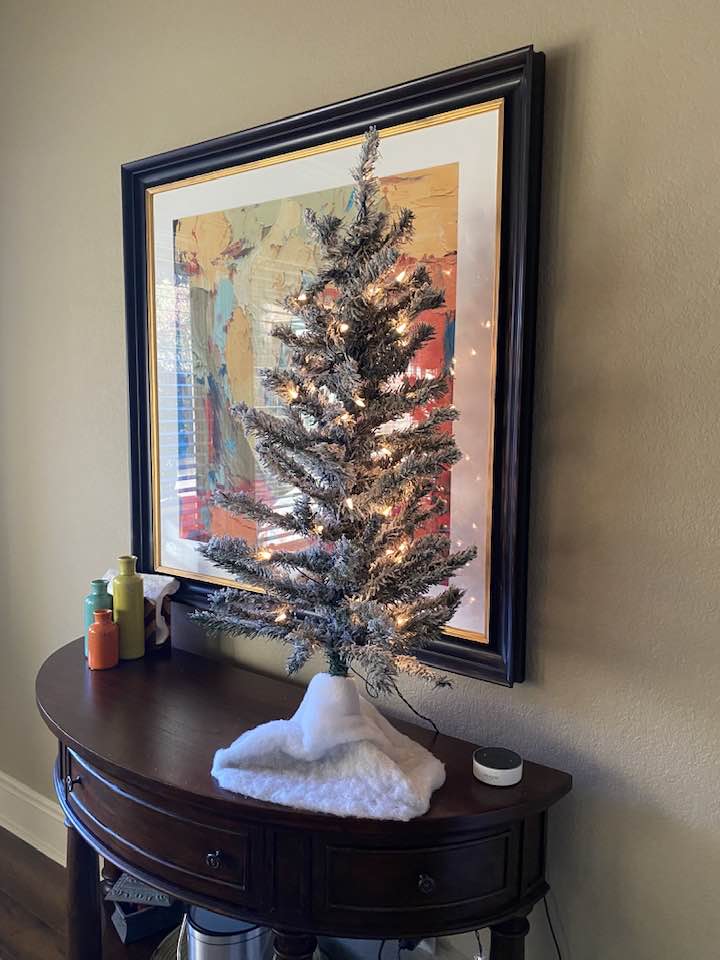
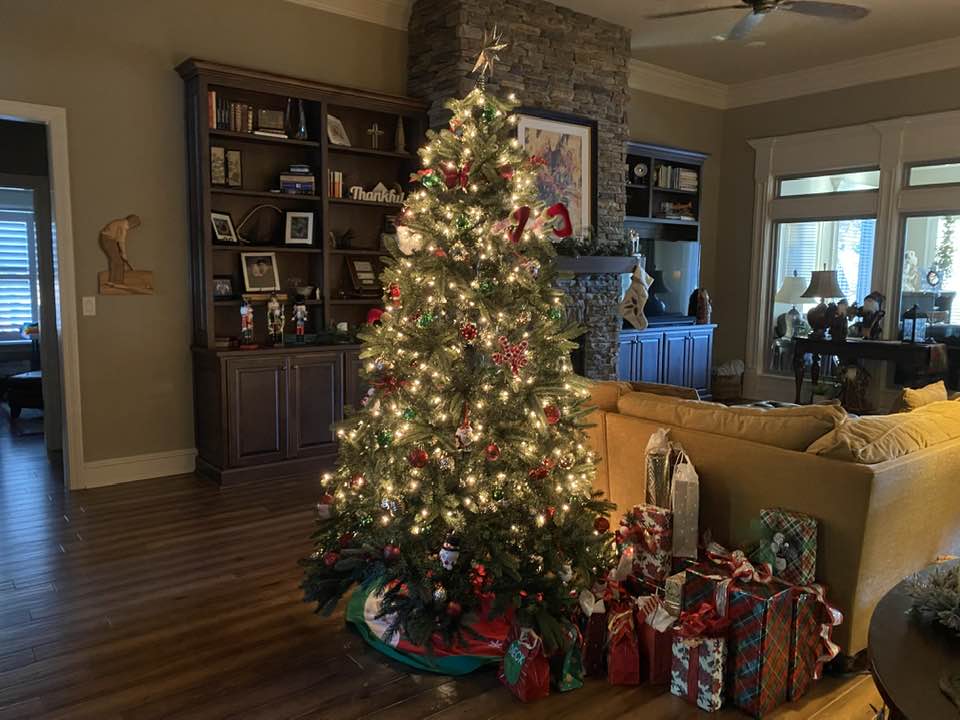
Kay put up Christmas decorations, more subdued than previously, though still very charming and attractive. 

In addition, she kept busy with a number of social activities. During this “sabbatical,” I reprocessed hundreds of old photographs only to note that the photography wasn’t very good, but it’s amazing what artificial intelligence post processing applications can do. And, in the first few days of December we attended a couple of great musical programs—big band and rock and roll.