After sleep, packing, and breakfast, we left the hotel and walked to the train station

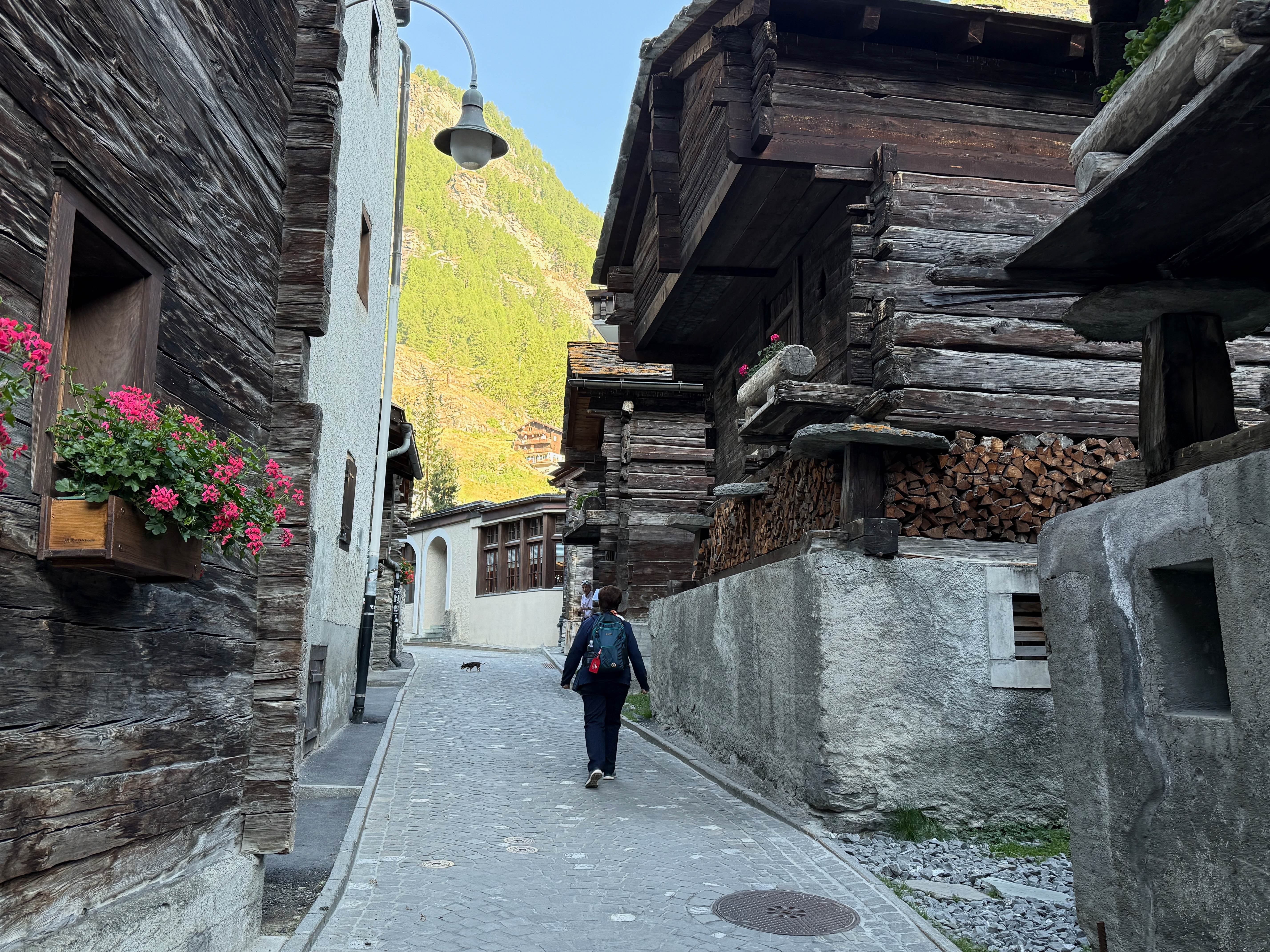
Along the way, we enjoyed the streets and old buildings of Zermatt.
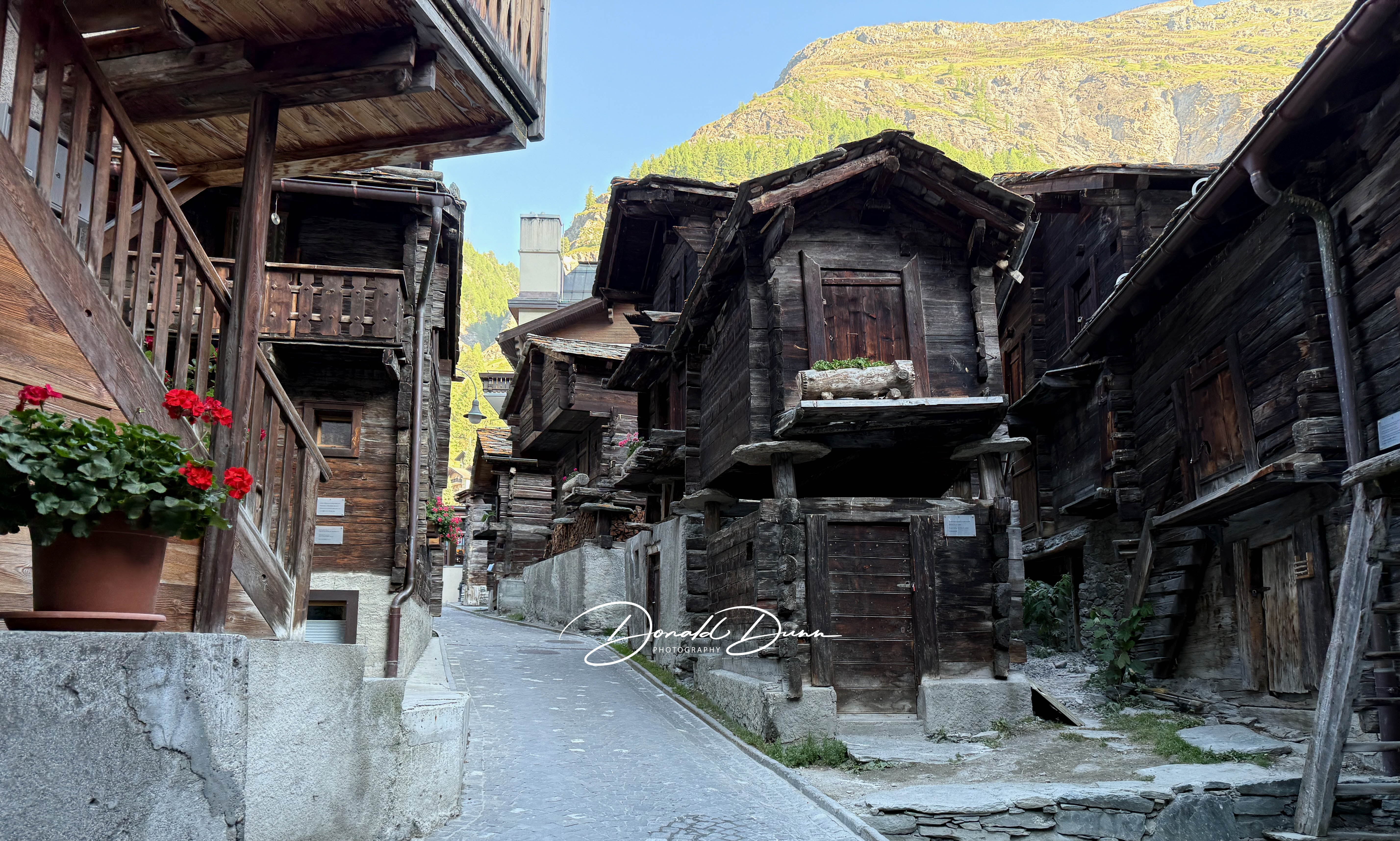
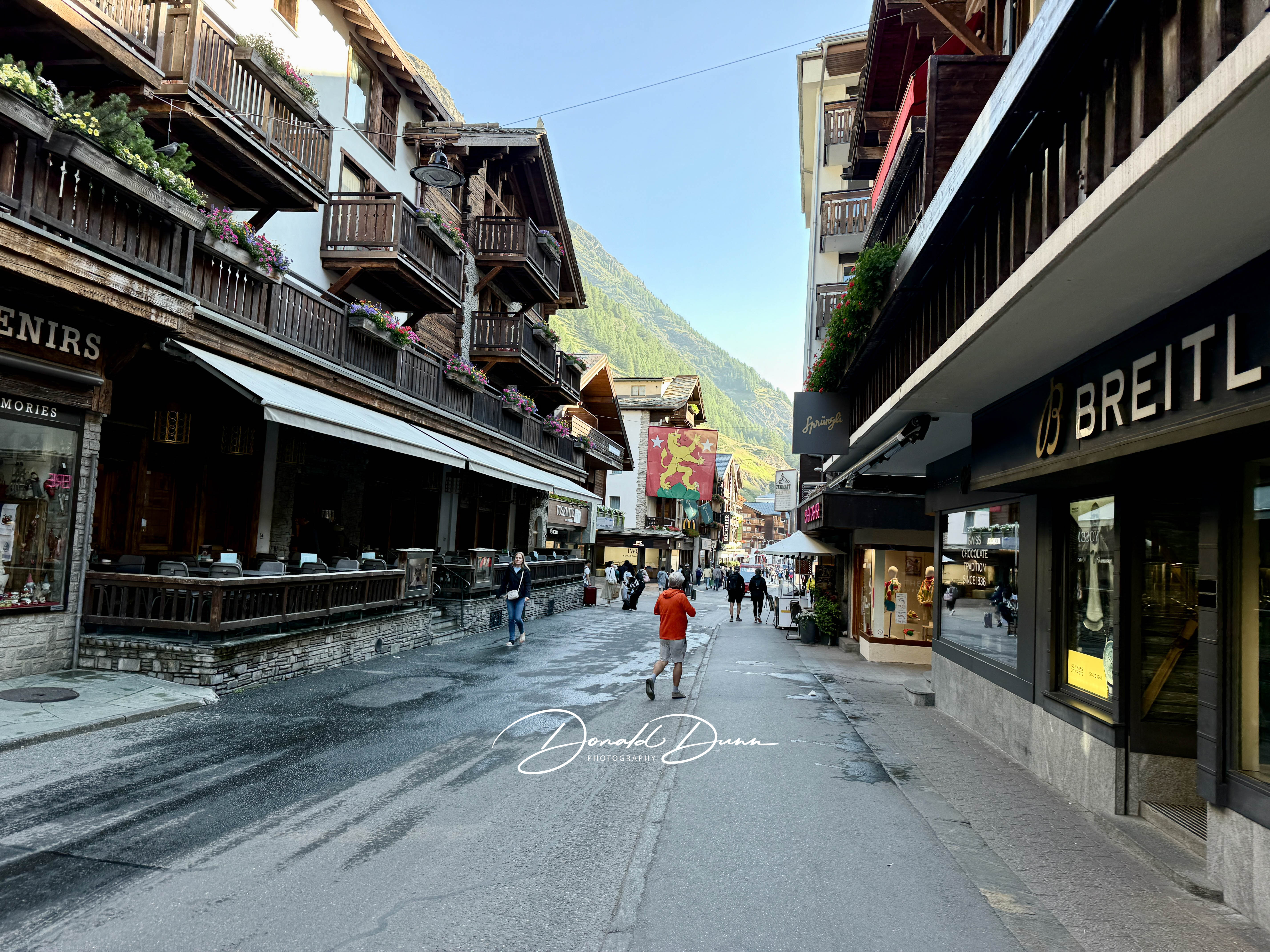


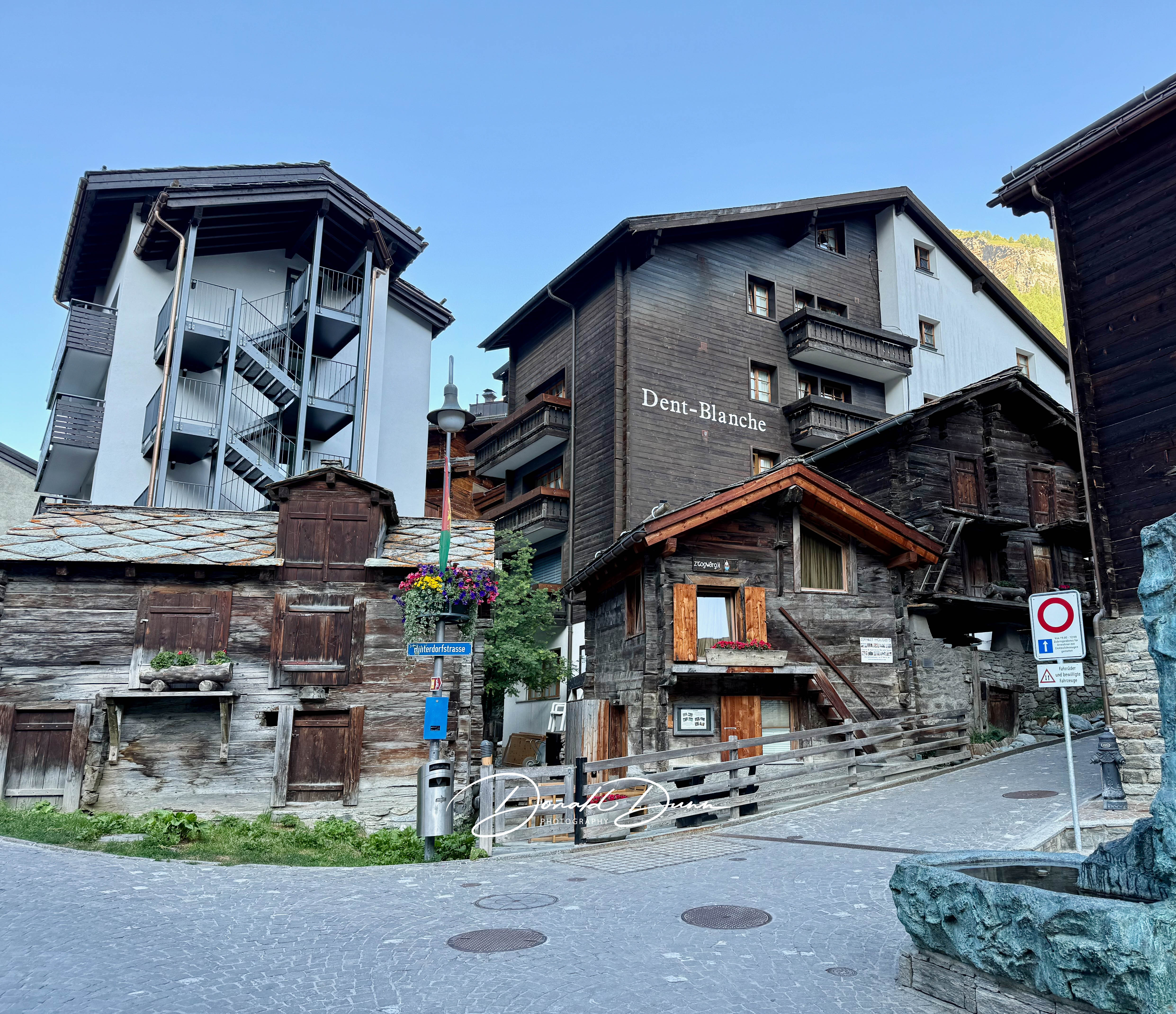
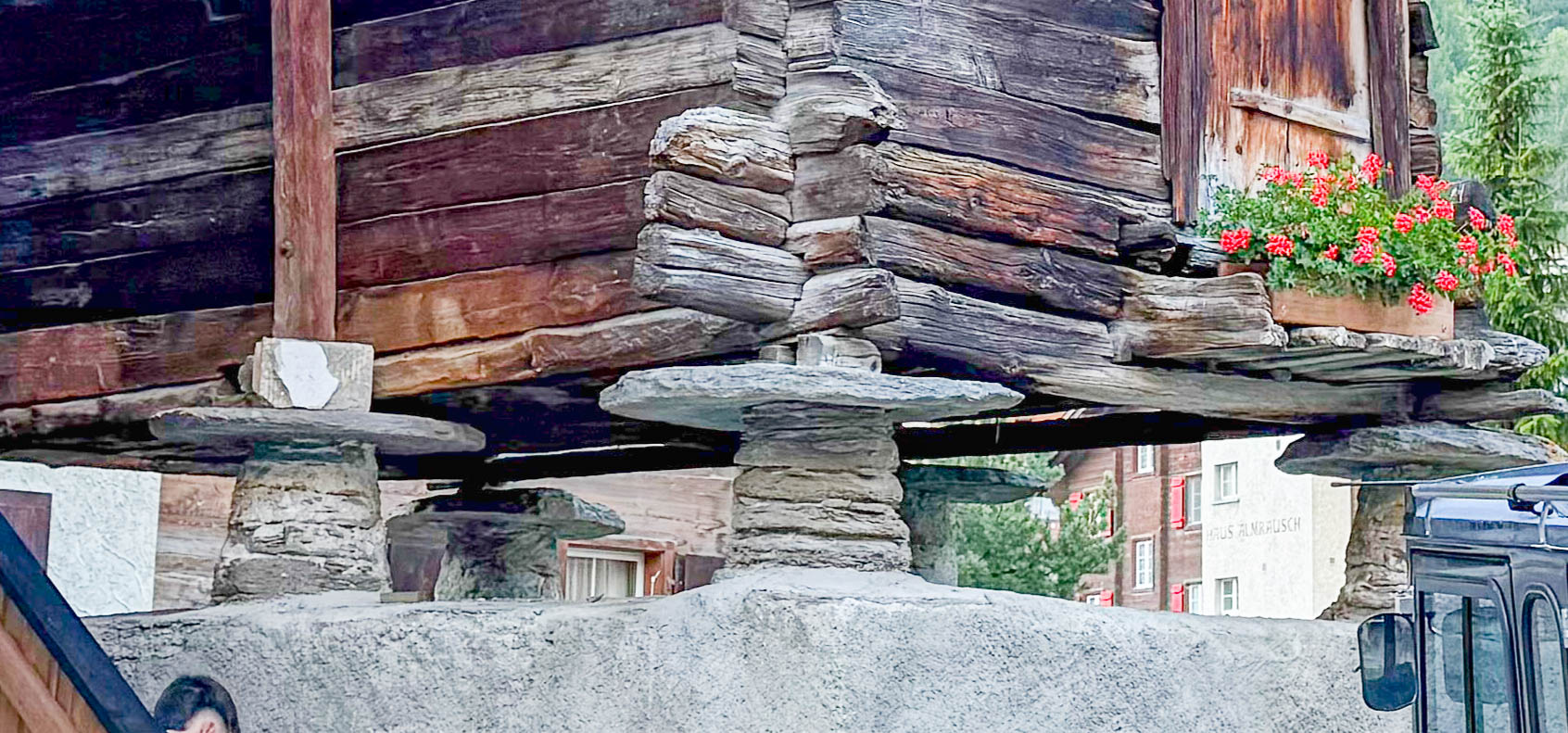
Two unique architectural features were stone tiled roofing and straddle stones for building foundations.
Stone tile roofs, particularly those made from slate or schist, are a traditional and characteristic feature of Swiss architecture, especially in the Swiss Alps. These roofs are known for their durability, ability to withstand heavy snowfall, and their integration with the surrounding landscape. The stones are typically sourced locally and cut into flat pieces, then laid in overlapping layers on wooden beams.

Foundation straddle stones or stone slabs were used historically for structures like granaries in areas like Switzerland as foundations. These mushroom-shaped or tapered stone pillars lifted the building above ground level, making it all but impossible for rodents to climb up and into the structure. This foundation stones were used particularly for Swiss granaries.


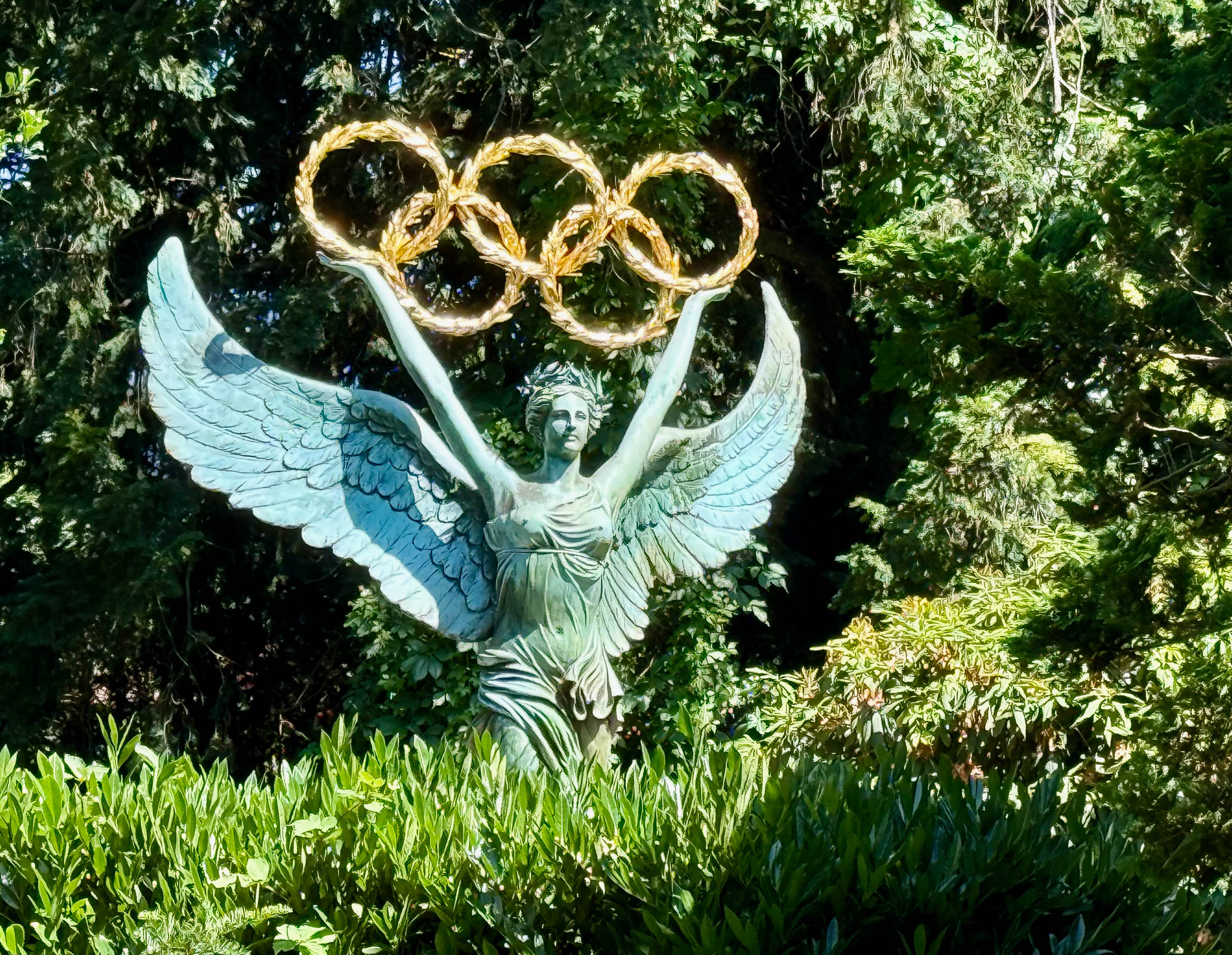
We took the train from Zermatt to Tsushima, then bussed to Lausanne, Switzerland, for visit to the International Olympic museum (Lausanne is headquarters for the International Olympics.

Our guide, Eva, was a torch bearer for the Salt Lake City Games, and her torch is on display in the museum.

Other notable relics of past Olympics are on display.


From the International Olympic museum, we traveled to the Lavaux Vineyards Terraces for wine tasting and lunch. The Lavaux Vineyard Terraces, stretching for about 18 miles along the south-facing northern shores of Lake Geneva from the Chateau de Chillon to the eastern outskirts of Lausanne in the Vaud region, cover the lower slopes of the mountainside between the villages and the lake.
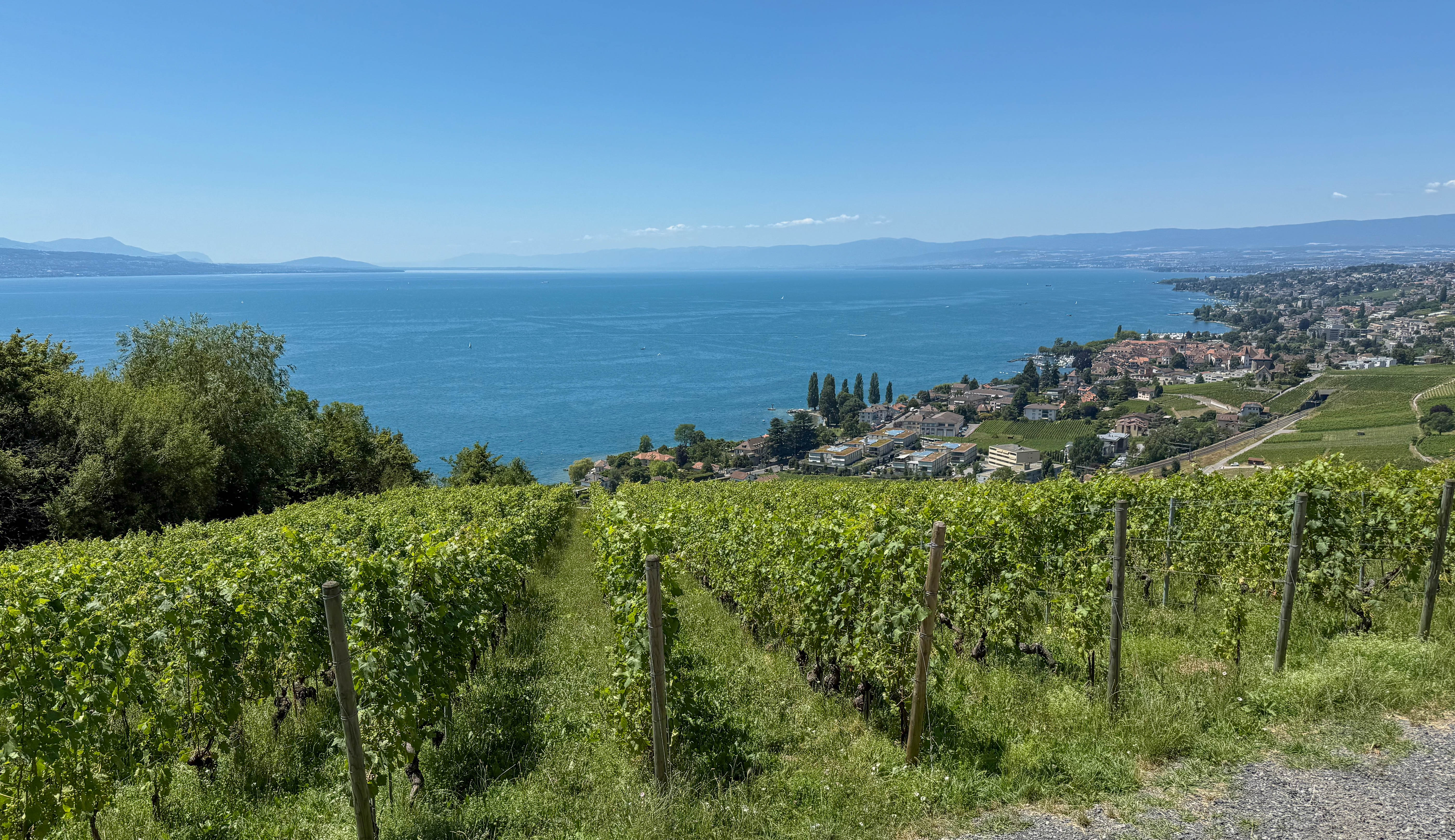
Although there is some evidence that vines were grown in the area in Roman times, the present vine terraces can be traced back to the 11th century, when Benedictine and Cistercian monasteries controlled the area. It is an outstanding example of a centuries-long interaction between people and their environment, developed to optimize local resources so as to produce a highly valued wine that has always been important to the economy. Since July 2007, Lavaux is a UNESCO World Heritage Site.


From Lavaux we bussed to Geneva for the final days of our trip.
Geneva is the second-most populous city in Switzerland. It is situated in the southwest of the country, where the Rhone River exits Lake Geneva. It is a center for international diplomacy, hosts the highest number of international organizations in the world, including the headquarters of many agencies of the United Nations and the IRC and IFRC of the Red Cross.

It has been referred to as the world’s most compact metropolis and the “Peace Capital”. In the aftermath of World War I, it hosted the League of Nations. It was where the Geneva Conventions on humanitarian treatment in war were signed, and symbolized by the “Broken Chair”.


It shares a unique distinction with New York City, Basel, and Strasbourg as a city which serves as the headquarters of at least one critical international organization without being the capital of a country..
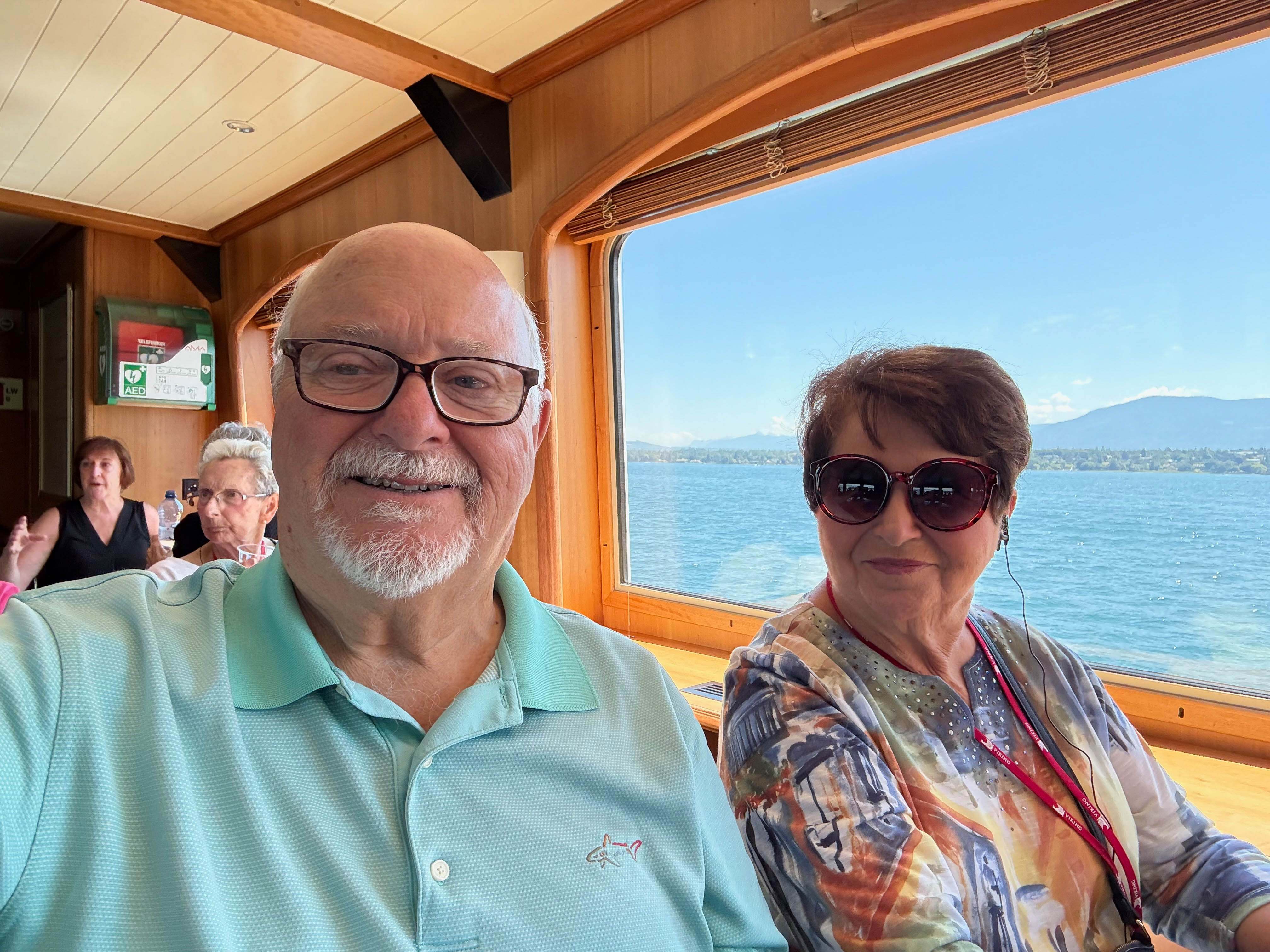
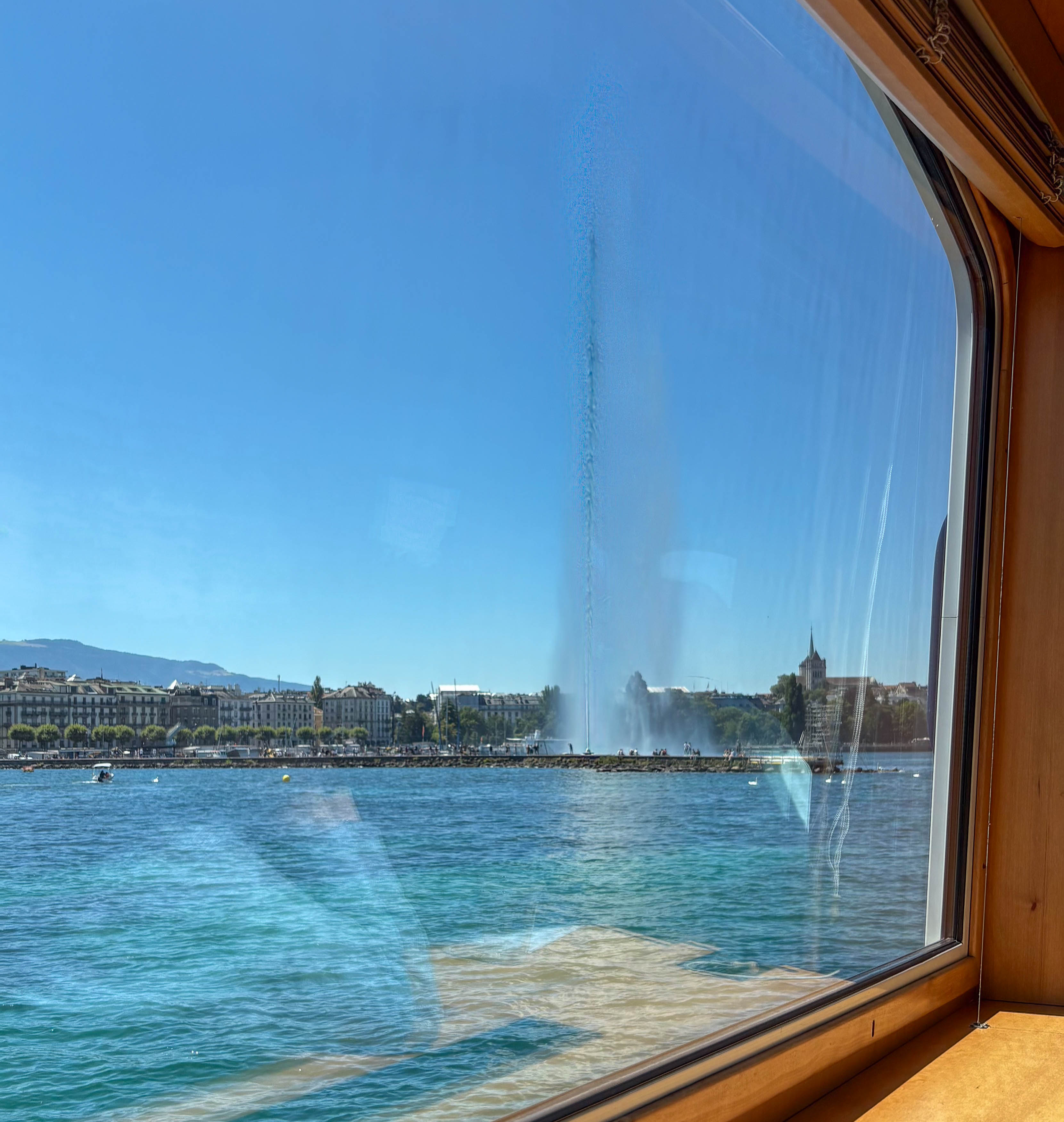
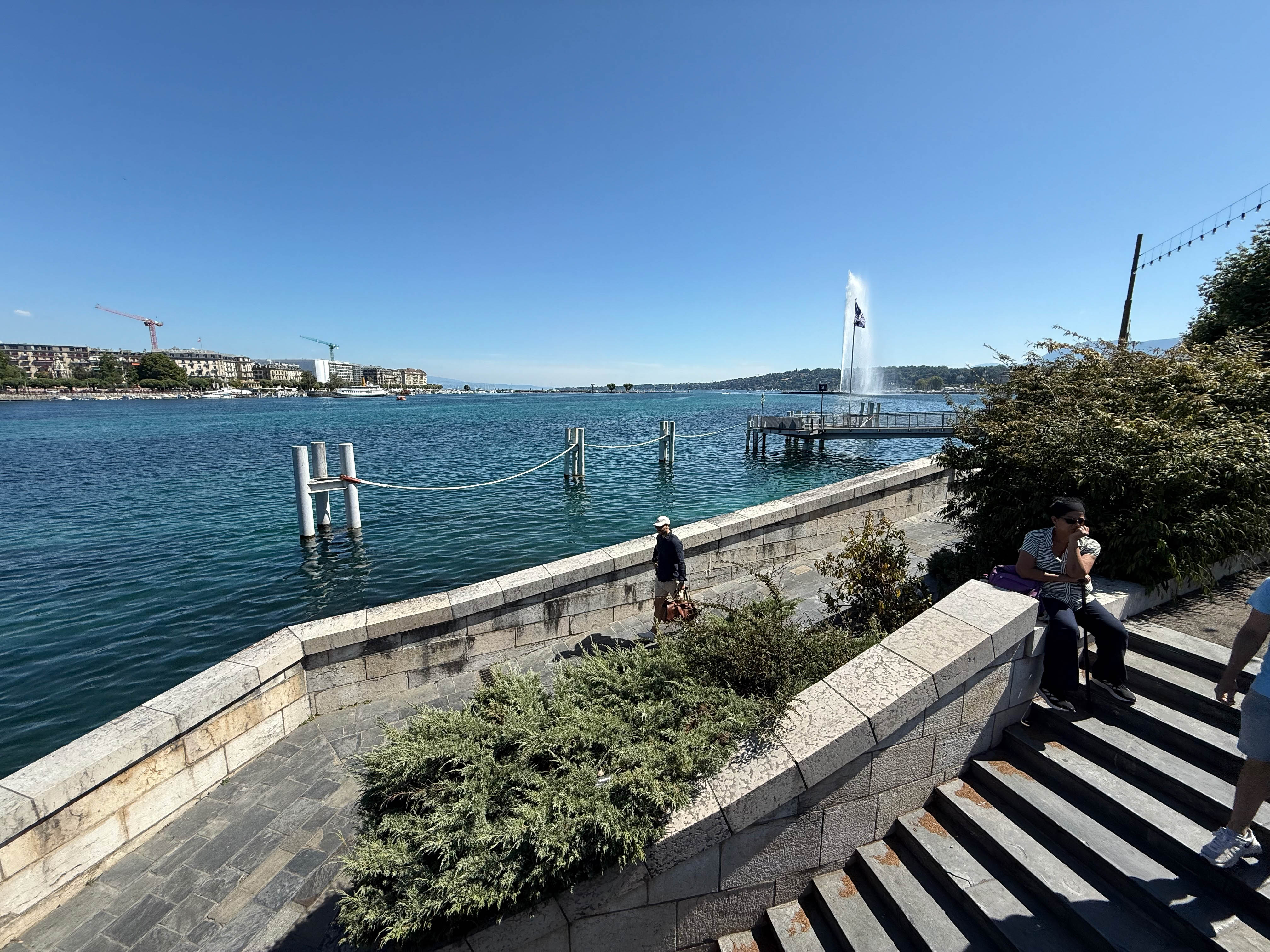
Our excursion included a bus tour of the diplomatic zone, a stop at the United Nations, drive-by of WHO and International Red Cross, a walking tour of old town and St. Peter Cathedral, and concluding with a boat ride in Lake Geneva.

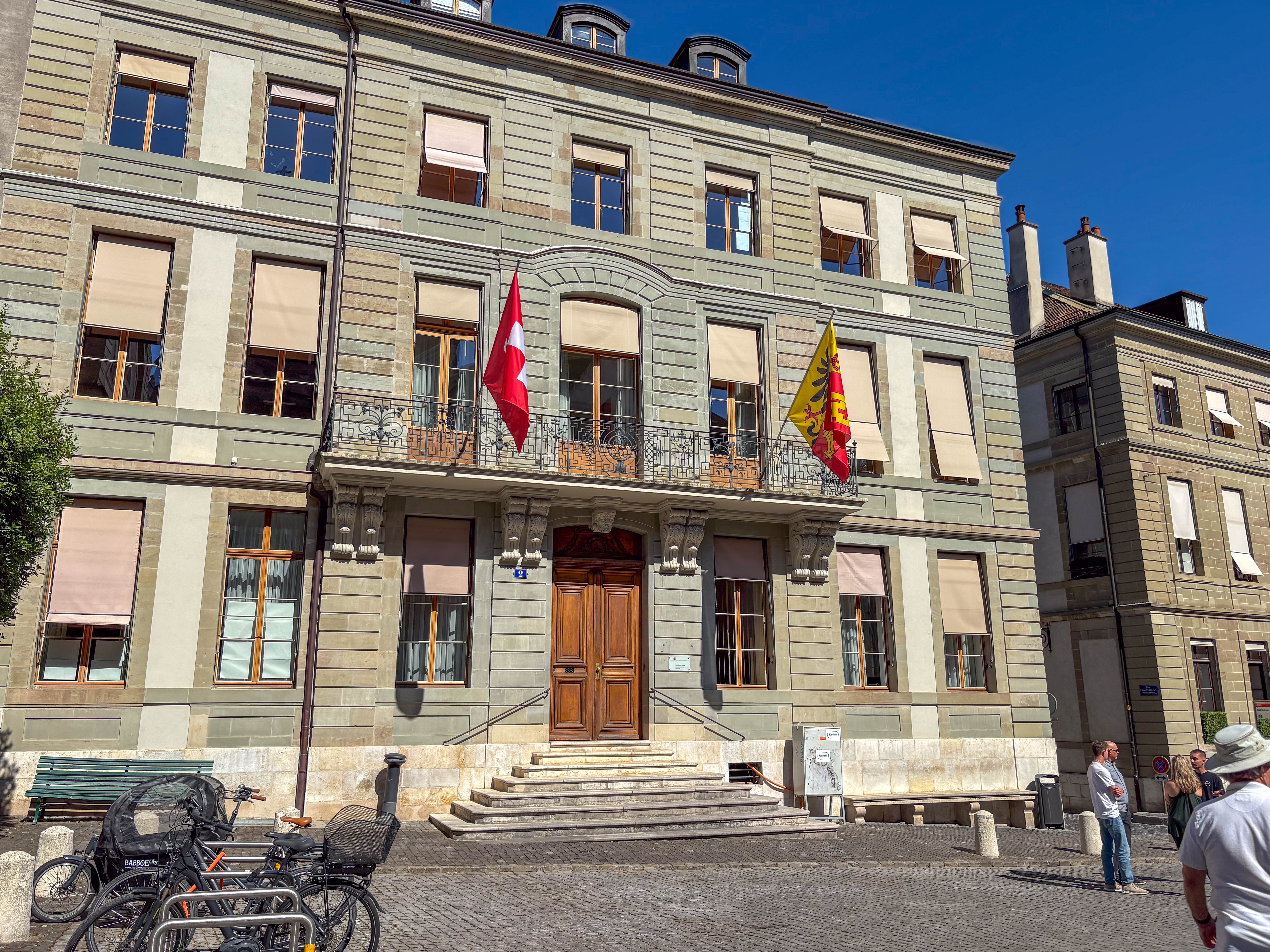
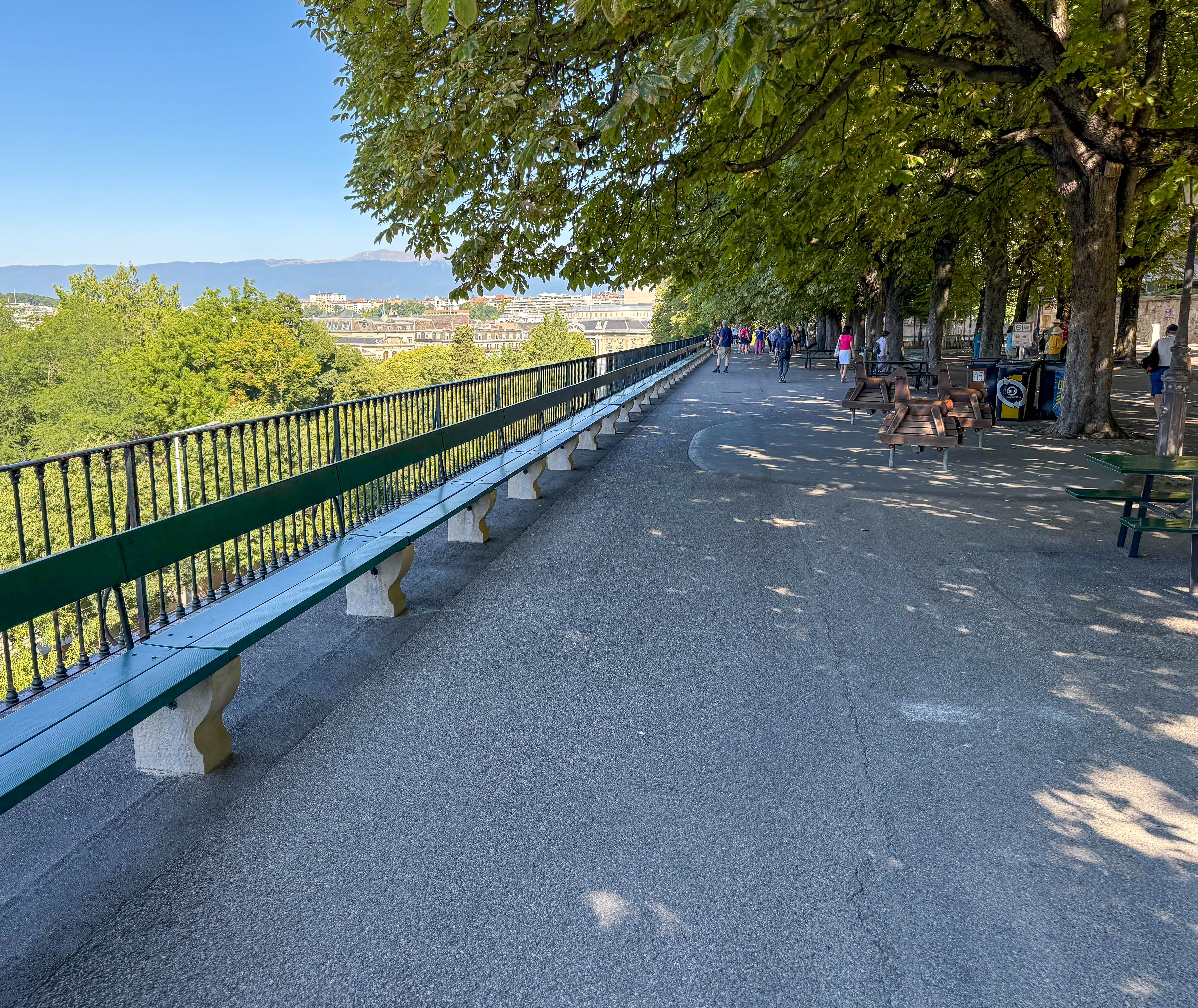
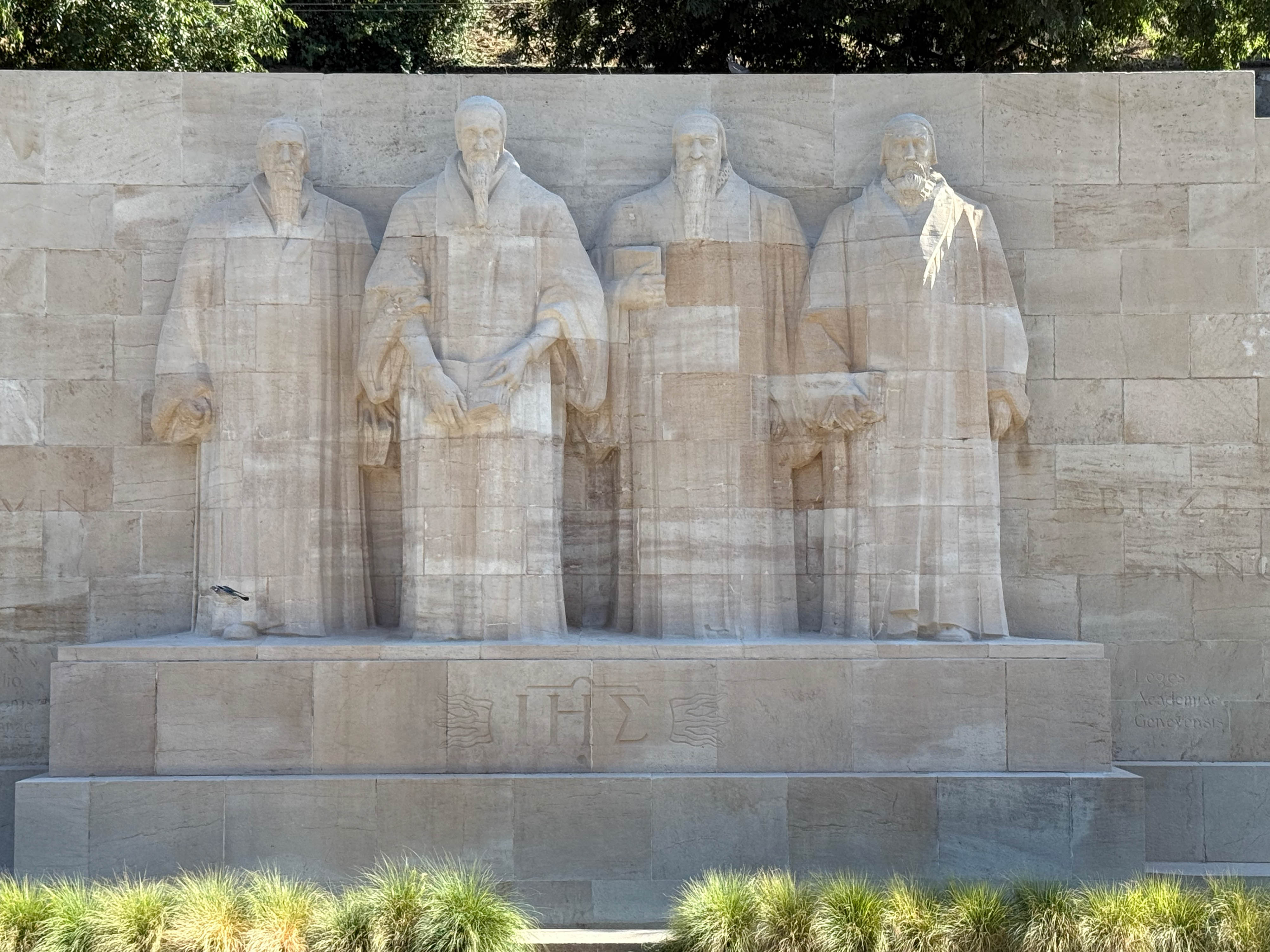
Saint Pierre Cathedral is a historic church in Geneva.

It was originally a Roman Catholic cathedral but became a Calvanist Church in 1535.


It is known as the adopted home church of John Calvin, one of the leaders of the Protestant Reformation. Inside the church is a wooden chair used by Calvin.

This excursion concluded the sight-seeing portion of our trip. It has been wonderful, despite a persistent head cold for over two weeks.















 Dunngone's Photos and Blog