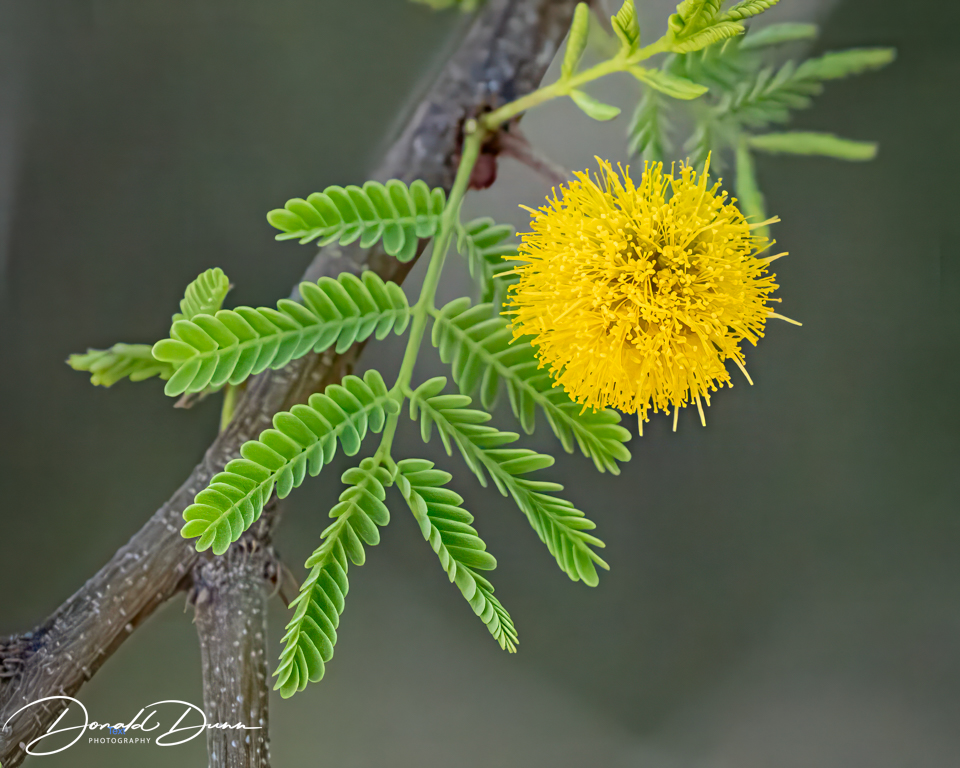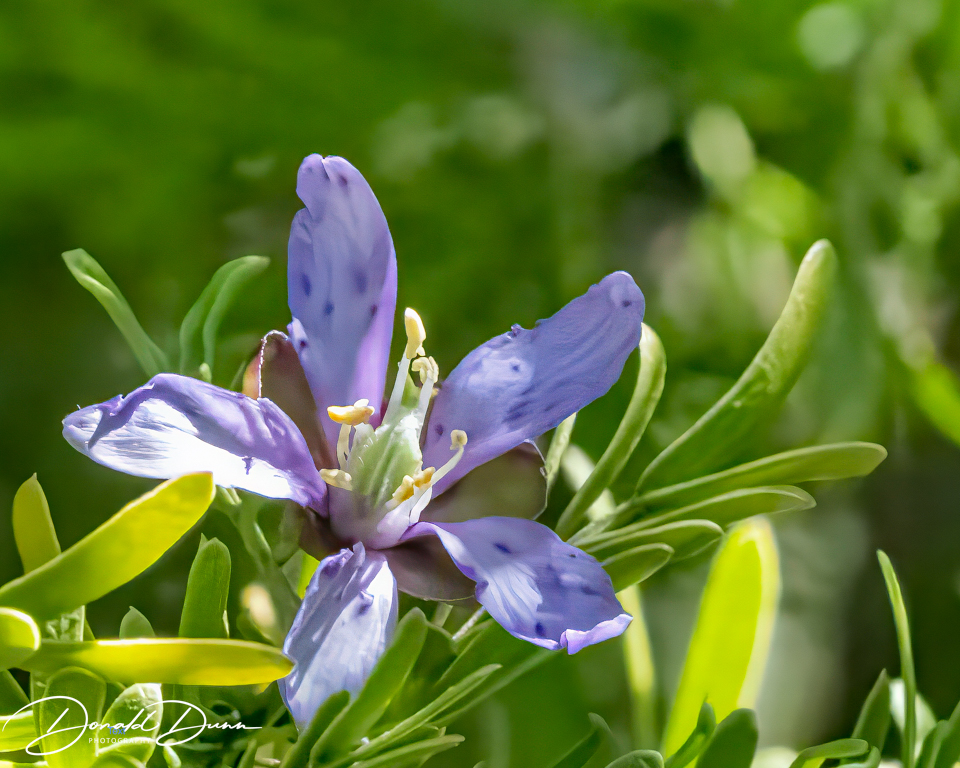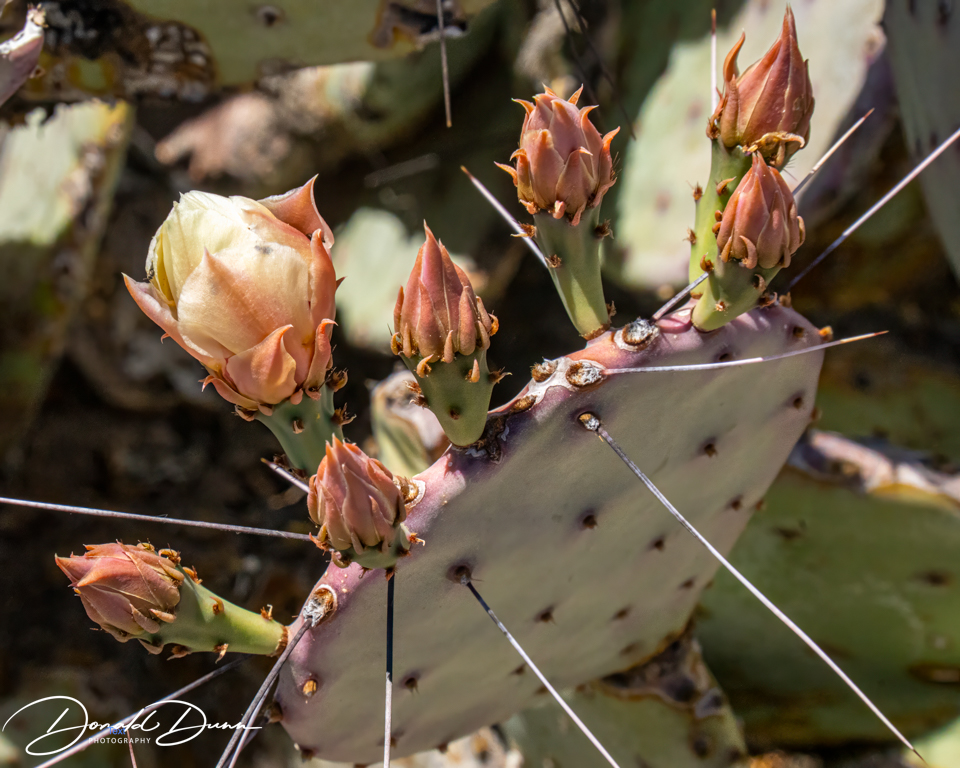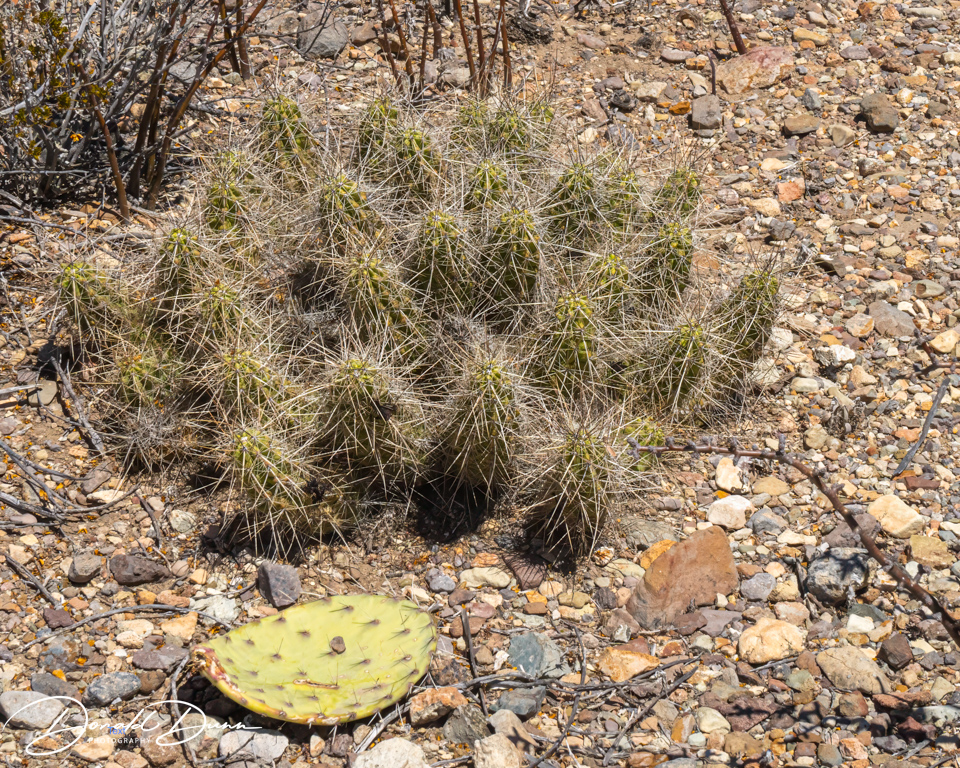
A fitful night’s sleep was enjoyed in our “sticks and bricks” house, waking up Monday morning to fast internet and a lake view. A quick trip to the RV storage bay was made to collect as many items as I could carry, particularly golf clubs and accoutrements and photographic and computer gear. I played pickleball in the morning at Diamante and golf with my old group at Magellan. And, the golf score wasn’t too bad considering it’s been almost a year since I’ve played 18 holes on a “big” course. It’s so good to be home!
I played pickleball again on Tuesday, Wednesday, Thursday, and Friday, while Kay attended to her social clubs and functions and personal care appointments. We were honored to host Kay’s sister, Nan, and brother-in-law George briefly Thursday afternoon and evening. It’s always good to see them and recollect memories. They left early Friday morning, even before we awoke, driving to Cincinnati and then Virginia.
We continued to unpack, wash clothes, and organize things over the course of the weekend. Saturday, though, was for watching Ridge play basketball with his AAU team. He is a really good, actually great, basketball player. He played soccer in the morning followed by two basketball games in the afternoon. He was exhausted! After getting our grandkids fix with the younger central Arkansas grandkids, we enjoyed a quiet evening and Sunday.
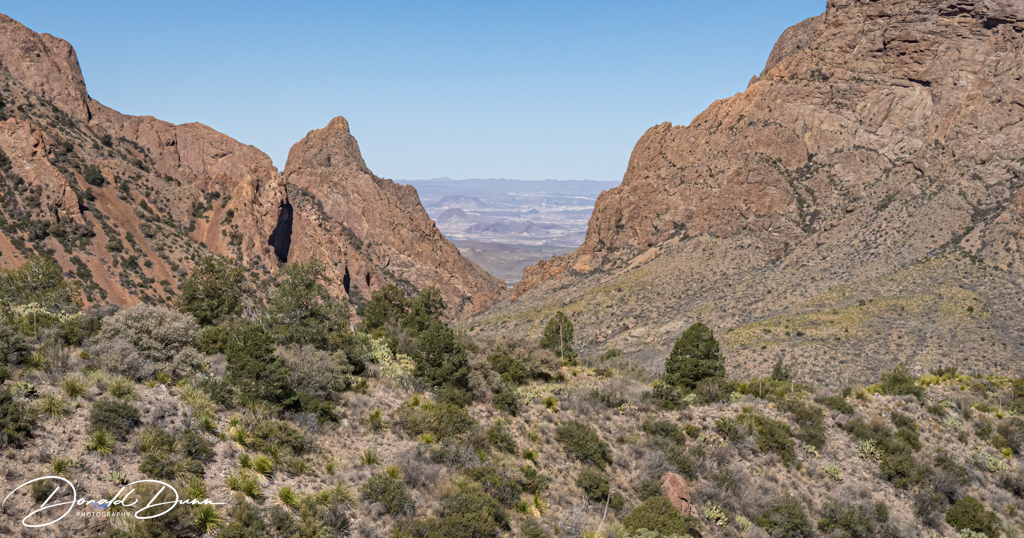
Big Bend NP was in our rearview mirror shortly after 8 AM Saturday morning as we headed north then northeast towards home. We were a bit underwhelmed by this national park, partly because expectations had been so high and we had spent the last five winters in a high desert/sky islands environment in Arizona.
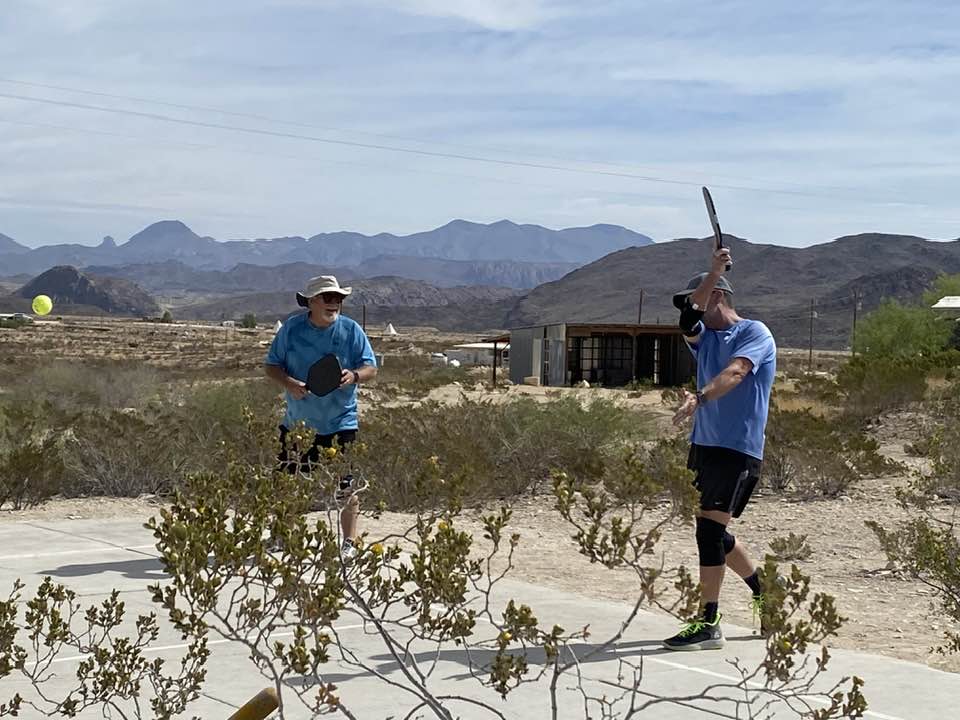
One of the highlights (I forgot to mention in the previous blog) was pickleball in Terlingua. The drive into Terlingua took us by an active pickleball court. After a quick tour of the ghost town, and on the way to the historic cemetery, we again noted the pickleball court across from the cemetery, but with only three players. Not one to pass up a chance to play pickleball, we stopped and asked if they could use a fourth. Each of us borrowed a paddle and played with them for about an hour. It was loads of fun, and as Kay said, “…just proves there are no strangers on Pickleball courts”. The other players were Jack from the Terlingua area and Kathleen and Kurt, full-time RVers from Northern Virginia.
Back to Saturday. With a 500+ mile drive ahead of us, we hunkered down and patiently drove towards Midland. There, interstate construction and an overturned semi caused a delay and U-turn on a construction site!
Here’s Kay’s take of events. “Stay away! I 20 closed! We were in a motorhome on I 20 at Midland traveling east today. We had been at a full stop with inches movement forward for over 2 hours this day before Easter. This jam up began for us at Exit 132. We still can’t see the ‘problem’ but some semis are backing up on entrance ramps to drive on an access road. We noticed a citizen directing traffic at a blocked off construction area that forced us to do a U-turn ( he said the interstate was closed) and get on the westbound 20 to then travel and exit, cross over the interstate and turn east on the access road. This backup could easily been avoided had traffic been diverted to begin with to the access road. Unfortunately the access road is fully clogged with traffic. As we drove the access road east we passed at least 6 miles of stopped traffic. We finally saw why. A semi was pulling a tanker trailer apparently filled with sand that had overturned blocking the entire I 20 eastbound lane/s. What a waste of time and money lost during this traffic screwup. We saw no state employees helping. We saw two Midland police cars sitting on a couple of side roads. Lack of information and warning exacerbated the entire situation. Who is in charge and were my tax dollars used in this kerfluffle? Shame on Texas Highway Dept. planners, supervisors and the construction company. What no disaster response team?”
After a two-hour plus delay, we were back on track, and arrived at our overnight stop at Coffee Creek RV Resort and Cabins, albeit a couple hours late.
Another long driving day on Easter Sunday got us to the RV storage site about 4 PM. We unloaded just the bare minimum of stuff and made it into our beautiful house about 5 PM. We were both so glad to be home.
Our intent on spending the last full day in the Big Bend NP area was to hike to the “Red Rocks” area near Homer Wilson Ranch in an attempt to see the Lucifer Hummingbird. This is one of the better bird watching places in the foothills habitat. However given our lack of success thus far in seeing birds, we opted to cancel that portion of our plans. Another goal for the day was to visit Big Bend Ranch State Park. Big Bend Ranch State Park is a 311,000-acre state park located on the Rio Grande in Brewster and Presidio counties, Texas. However, further research indicated that road conditions in the interior of the park were very rough with frequent washouts and loose gravel. It was highly recommended that if one is traveling to the interior, at least a 2WD high clearance vehicle is needed and that vehicles with low clearance should not attempt to travel to the interior district. Well, the “old” Honda CRV did not meet the high clearance requirements, so we opted out of this endeavor for the day.
The last item on our “last day list” was a visit to Terlingua. Terlingua was a mining town around the turn of the century and was the site of the first famous championship chili cook off in 1967, that today draws over 10,000 “chili heads” from all over the world on the first Saturday every November.
More than a century ago, Terlingua’s growth was spurred by the discovery of quicksilver, which brought miners to the area and helped them thrive for decades. But the Great Depression hit Terlingua hard, and as the demand for quicksilver dried up, so did the town. During the 1940s, Terlingua’s inhabitants packed up and moved on, leaving behind the crumbles of an eerily quiet ghost town.
Terlingua is quite vibrant with restaurants, lodging, and art galleries. Today, the remains of the town—which include homes, antique cars, a church, and a cemetery—are part of what draws people to visit.
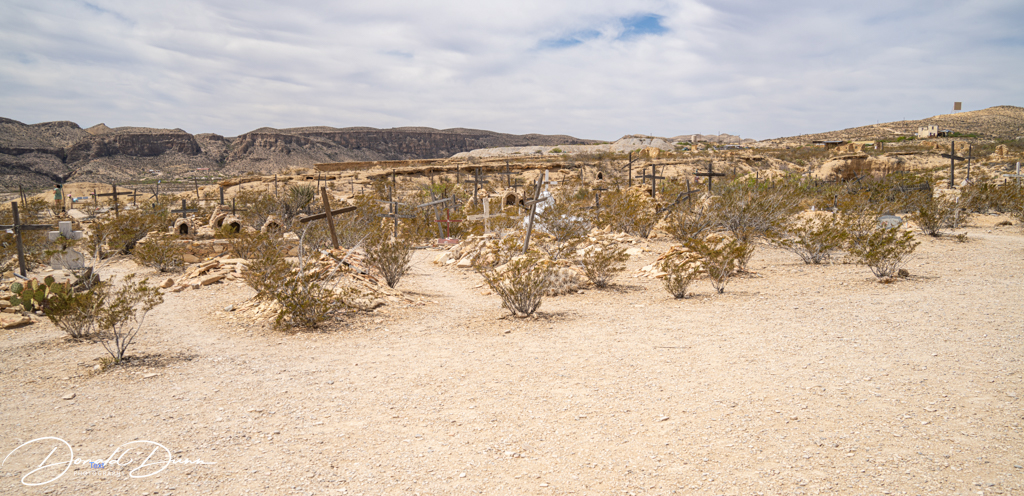
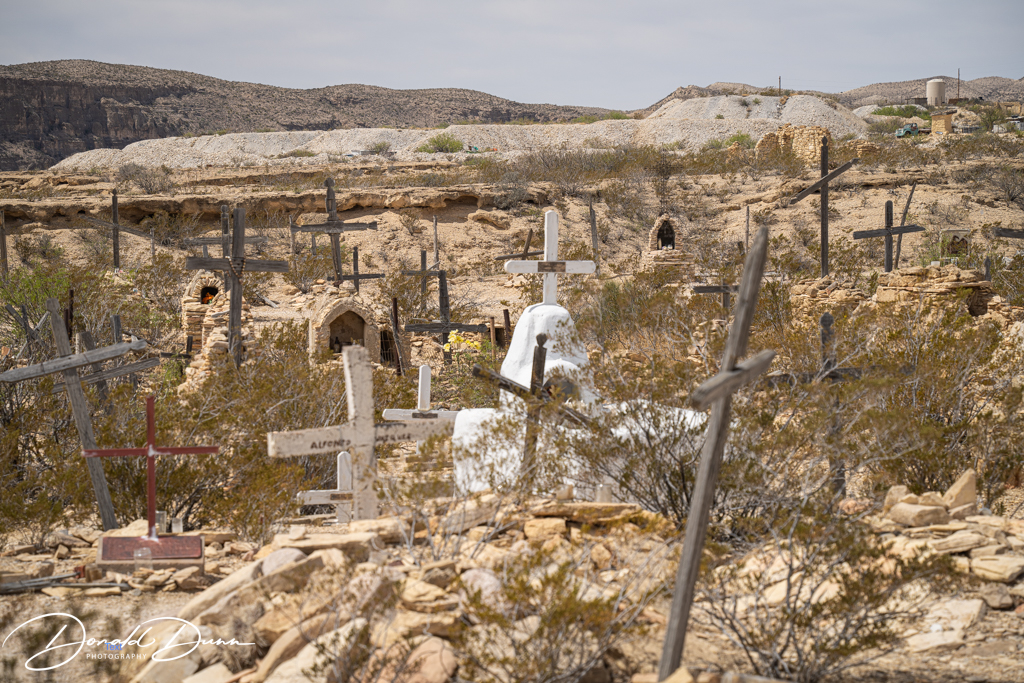
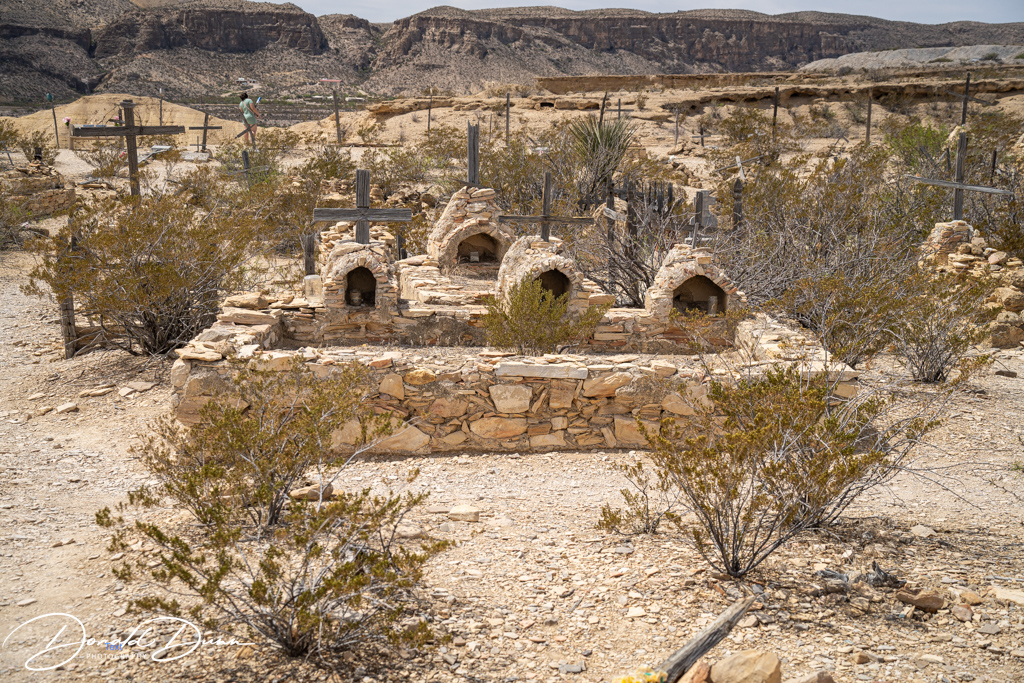
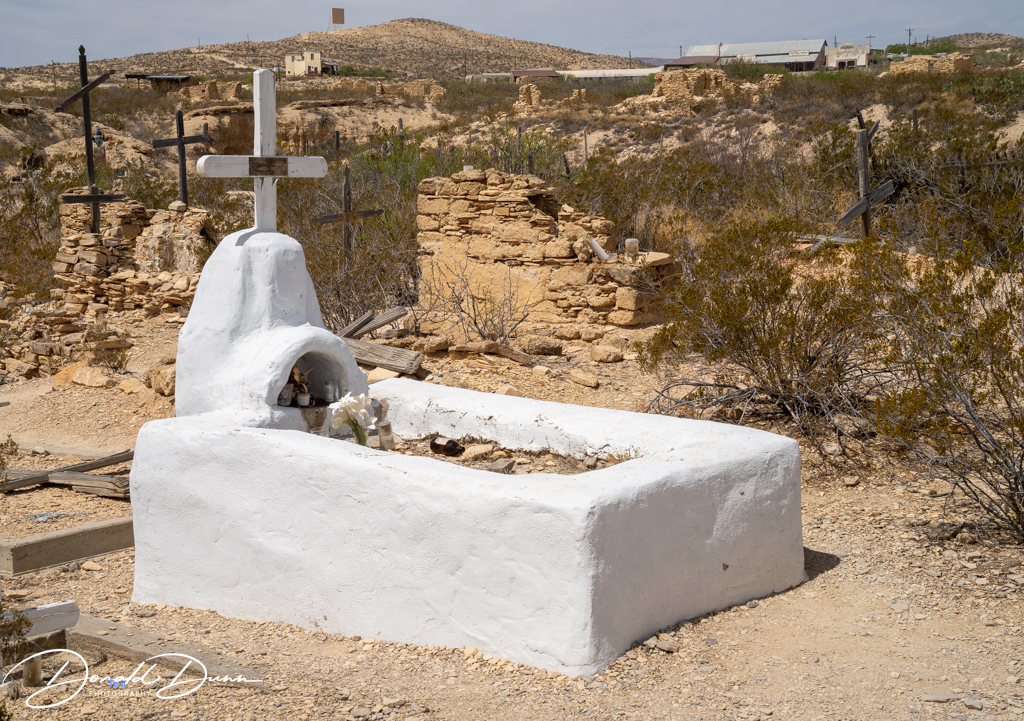
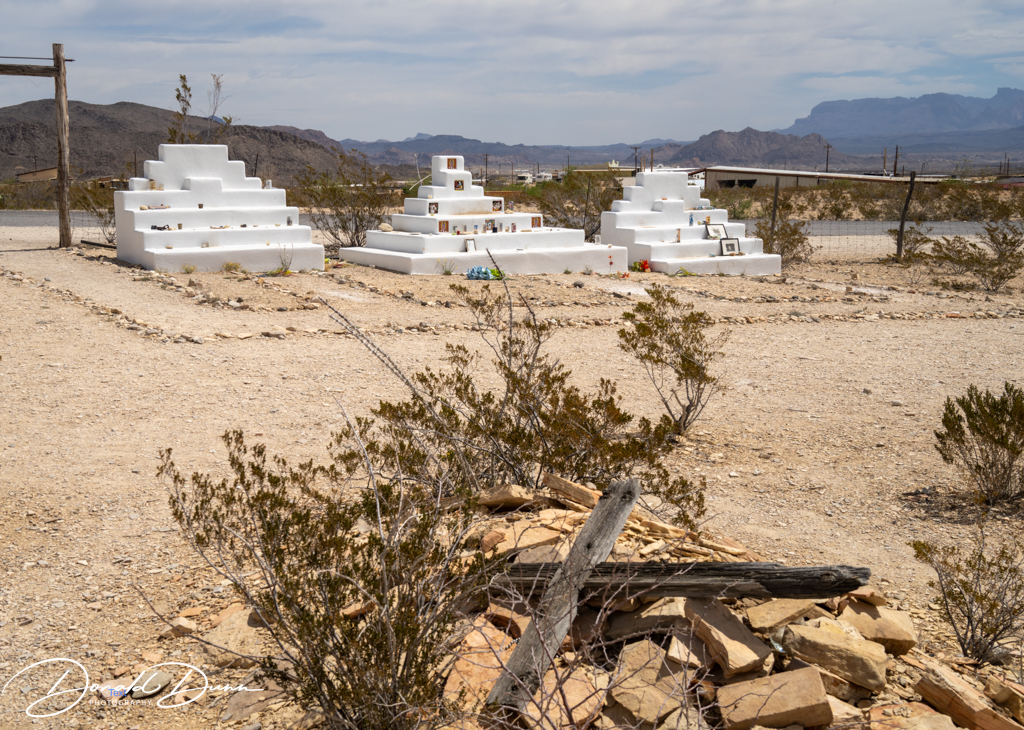
With graves dating back to 1903, the Terlingua Cemetery is one of the MOST photographed cemeteries in the US.
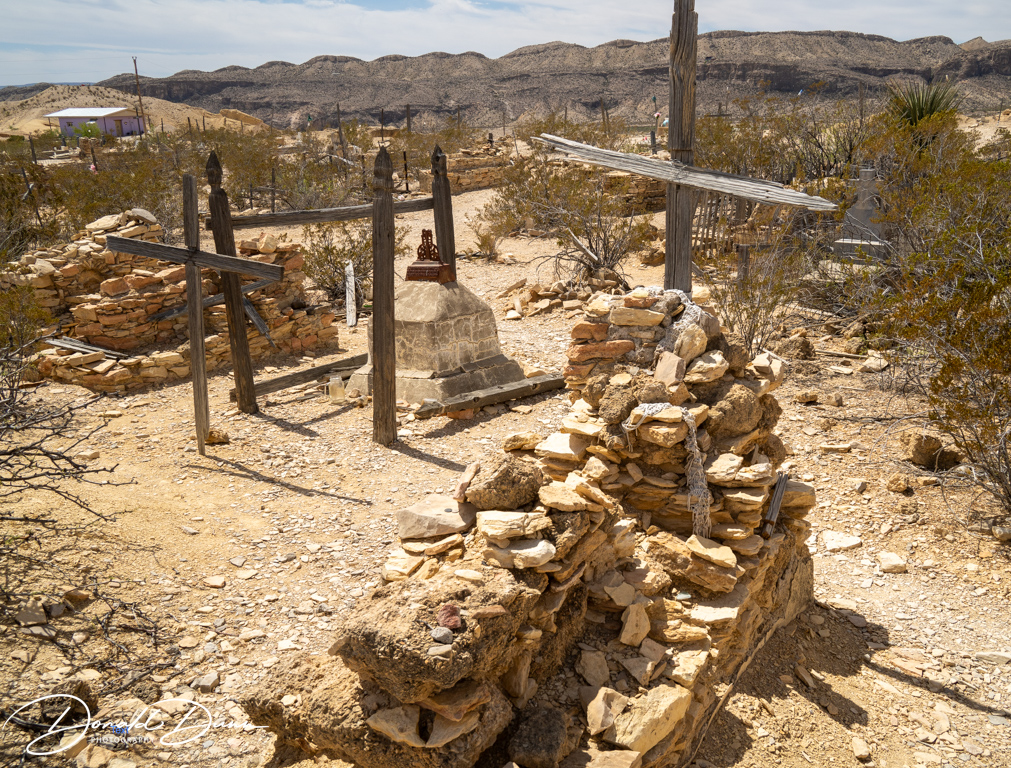
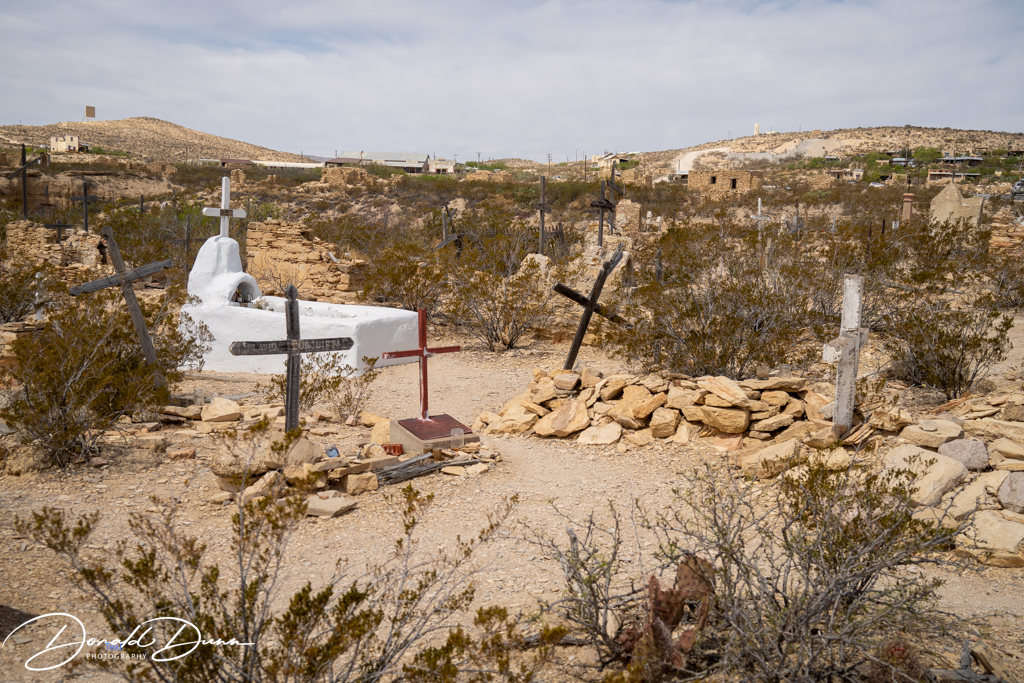
Many of the graves are covered with rocks giving the cemetery a creative landscape. There is no rhyme or reason or even a straight path along the plots.
Some of the graves in Terlingua Cemetery are barely marked with a simple cross, while others are elaborate and festive burial plots.
While there are about 400 graves in the Terlingua Cemetery, the majority date around 1918-19 when the town was hit by the deadly influenza outbreak. The Terlingua Cemetery is both quirky and fascinating.
The visit to Terlingua wrapped up our “life list” item of touring Big Bend National Park. On to the next adventure!
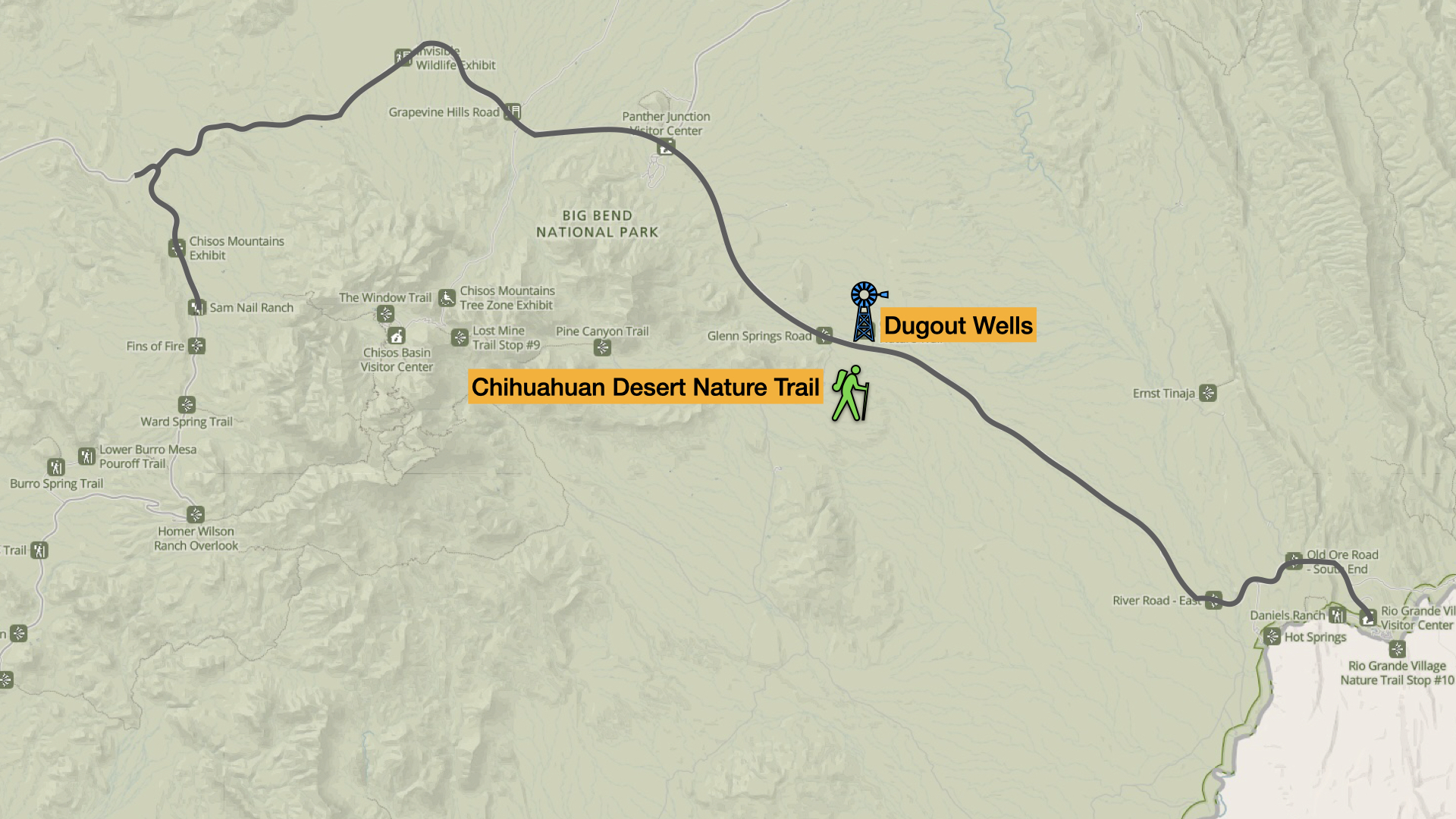
After lunch, I walked a short loop trail surrounding one of the few shaded areas in the Dugout Wells park as trees, shrubs, and wildflowers grow around water generated by the windmill (spring.)
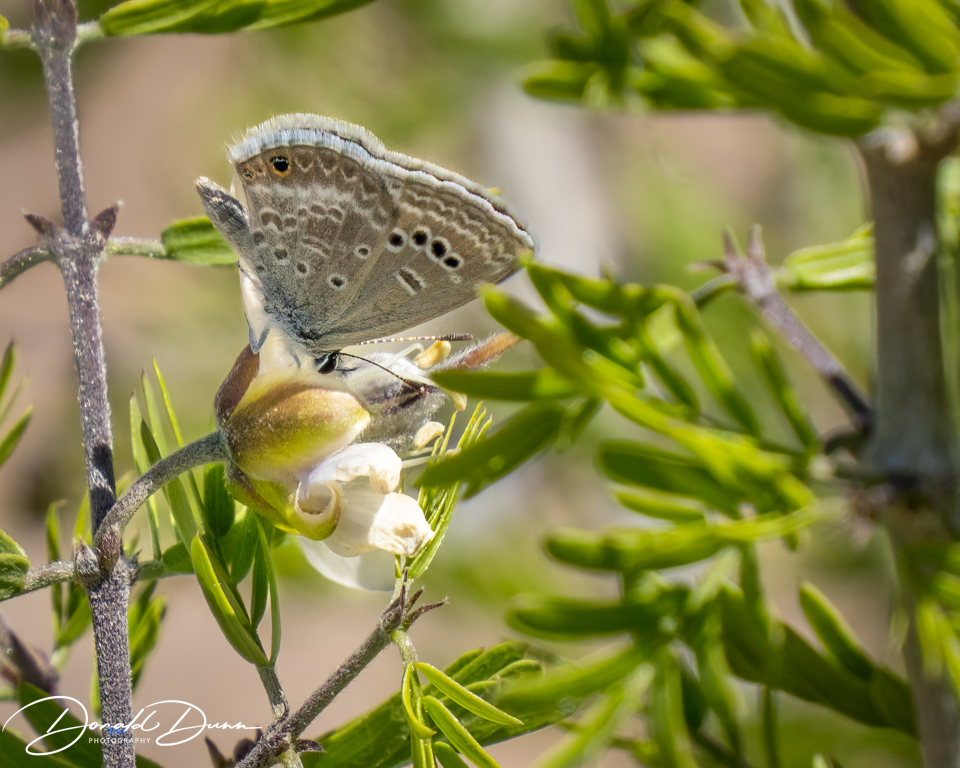
There were beautiful wildflowers and even butterflies available for photos.
Across the road was the short .5 easy trail, the Chihuahuan Desert Nature trail.
This short loop winds through vegetation typical of lower elevations in the park, and small metal signs along the way introduce plants commonly found in the Chihuahuan Desert. Cactus blooms and desert and mountain landscapes were quite beautiful.
Our final stop of the day was at the Rio Grande Village Visitor Center where we hiked the Rio Grande Village Nature Trail.
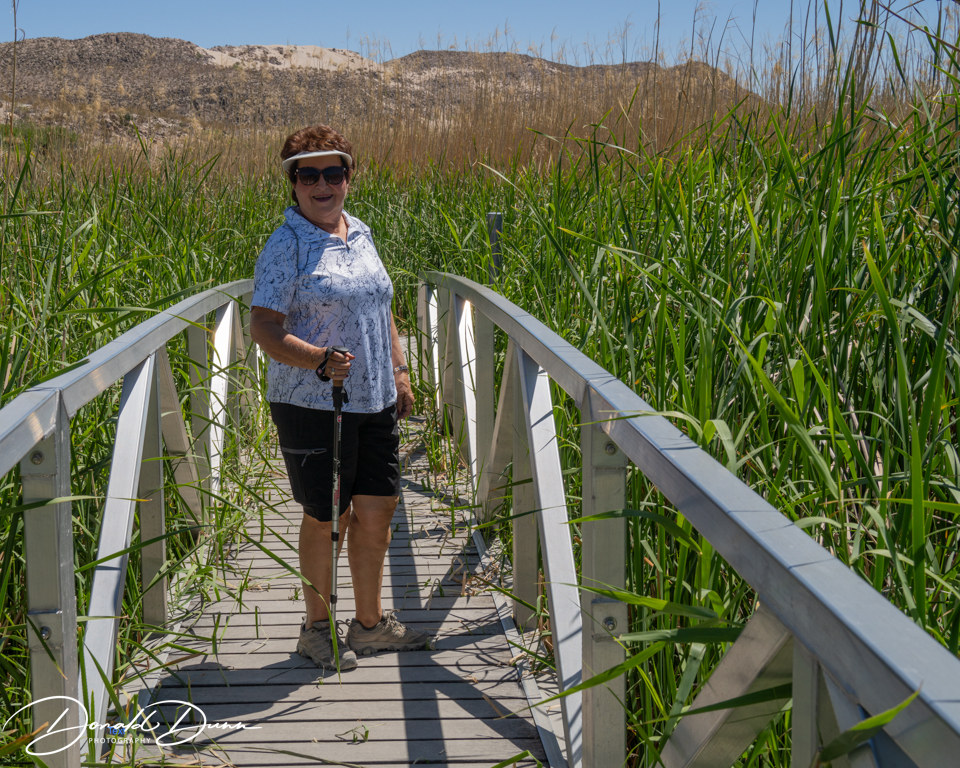
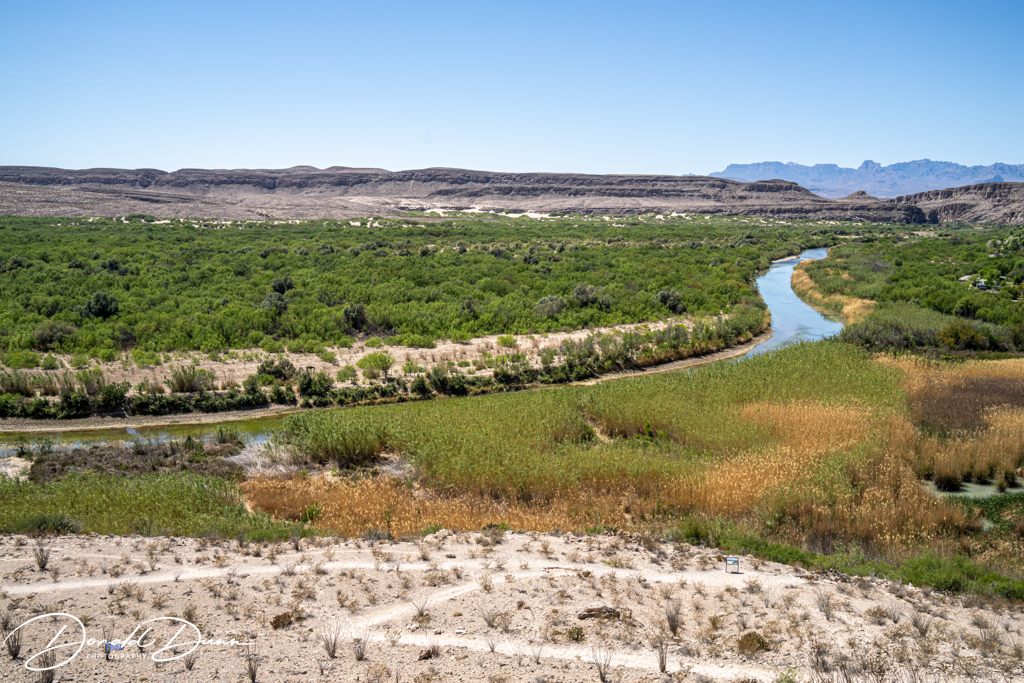
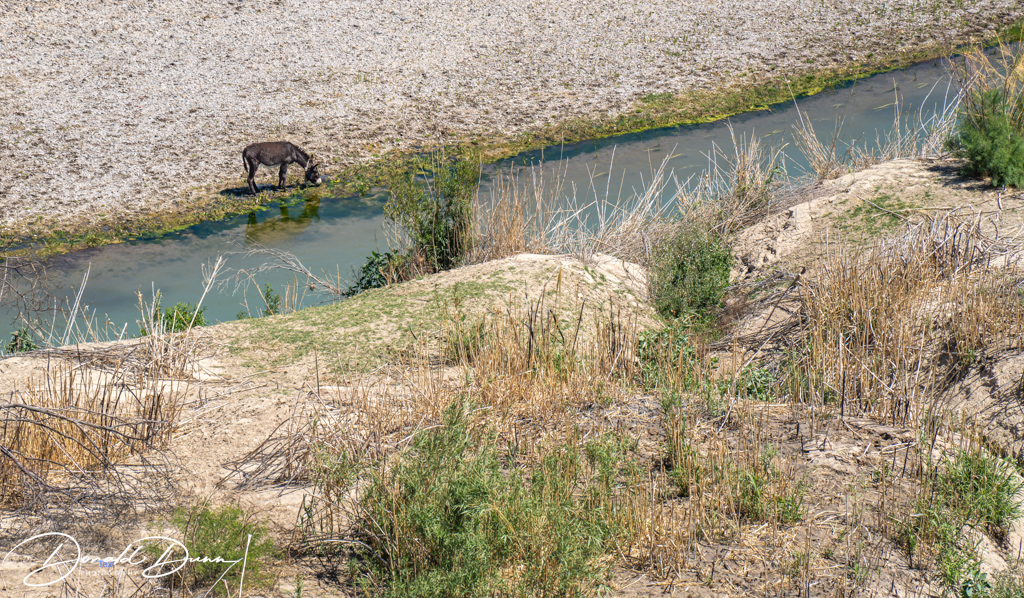
The trailhead was across the campground road, and parking for hikers was at least a quarter mile away! The first part of the trail is a boardwalk over a small pond that showcases riparian plants and animals. The trail proceeds up and around a small ridge that has a 360-degree view of the Rio Grande, the Sierra del Carmens in Mexico, and the Chisos Mountains in the park. It was a landscape photographer’s paradise.
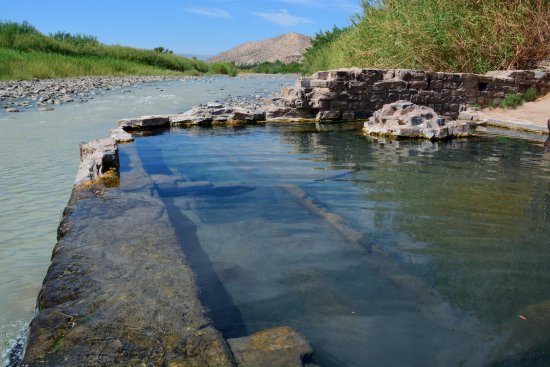
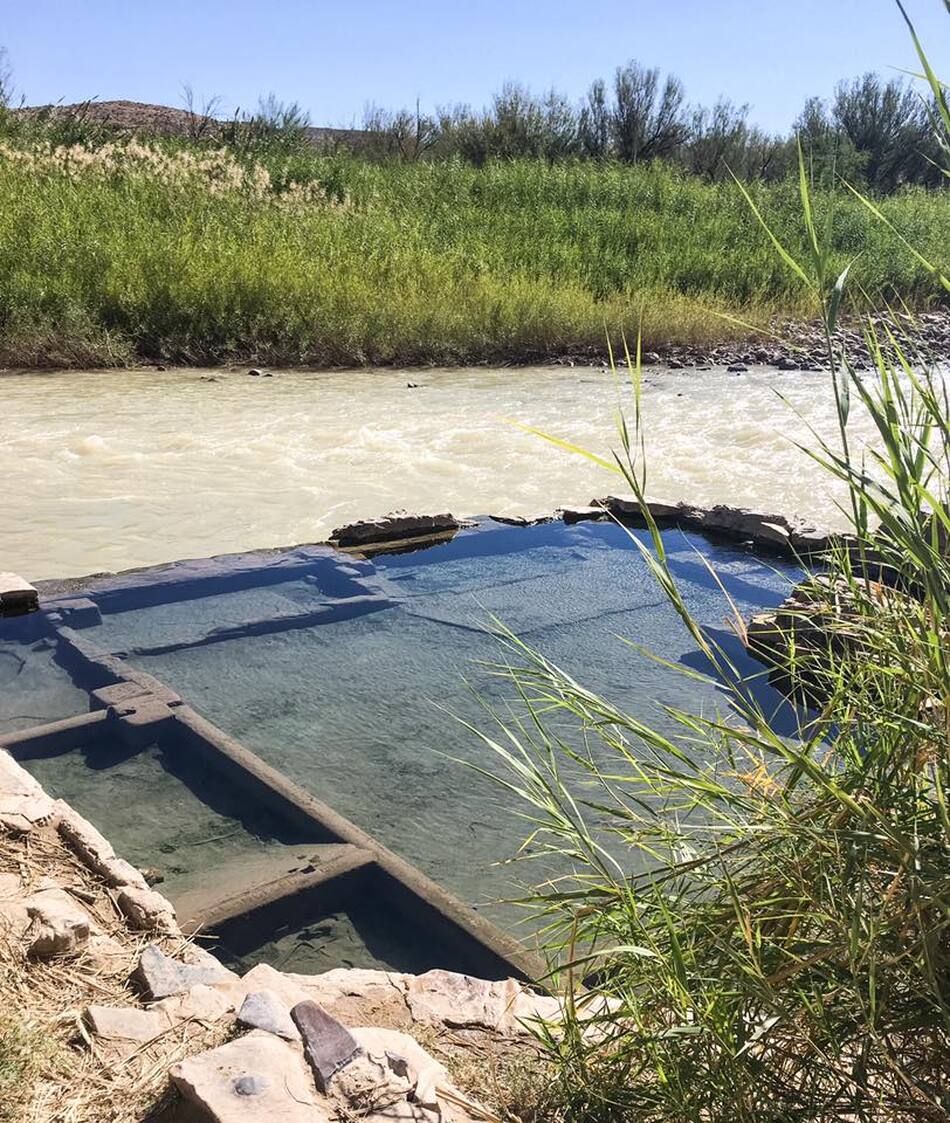
We finished up the day at a natural hot springs that was on the edge of the Rio Grande River.
The paved road turns off onto Hot Springs Road, a two-mile gravel road descending down a rough, narrow wash to the Hot Springs Historic District and trailhead area. This road was ROUGH! After parking at the the 0.25 mile trail to the hot spring. The spring is contained by the foundation remains of J.O. Langford’s bathhouse ruins, on the north bank of the Rio Grande The ruins structure could comfortably hold about a dozen people at a time. The water temperature was around 105°. Overflow from the structure fell into the river and the water there was probably in the 80°s. We didn’t take any photos at the spring as it was very crowded and sandy. These photos were borrowed from internet files.
We enjoy our morning routine, so our explorations today, once again, didn’t begin until mid-morning.
Our first stop was at Sam Nail Ranch.
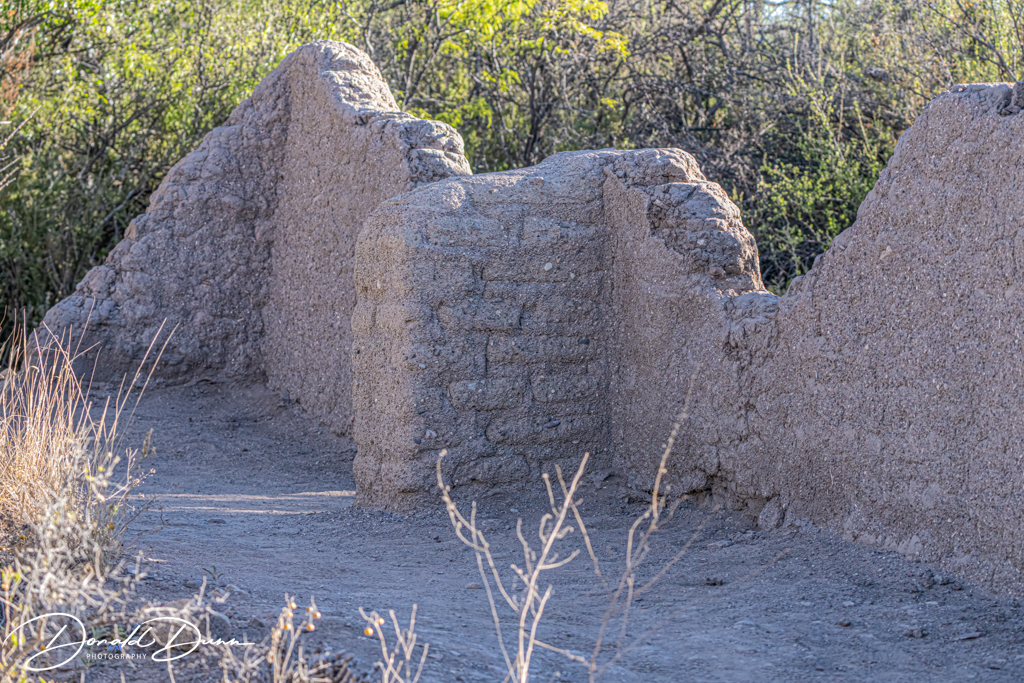
In 1916, Sam Nail built a two-room adobe house on the banks of Cottonwood Creek.
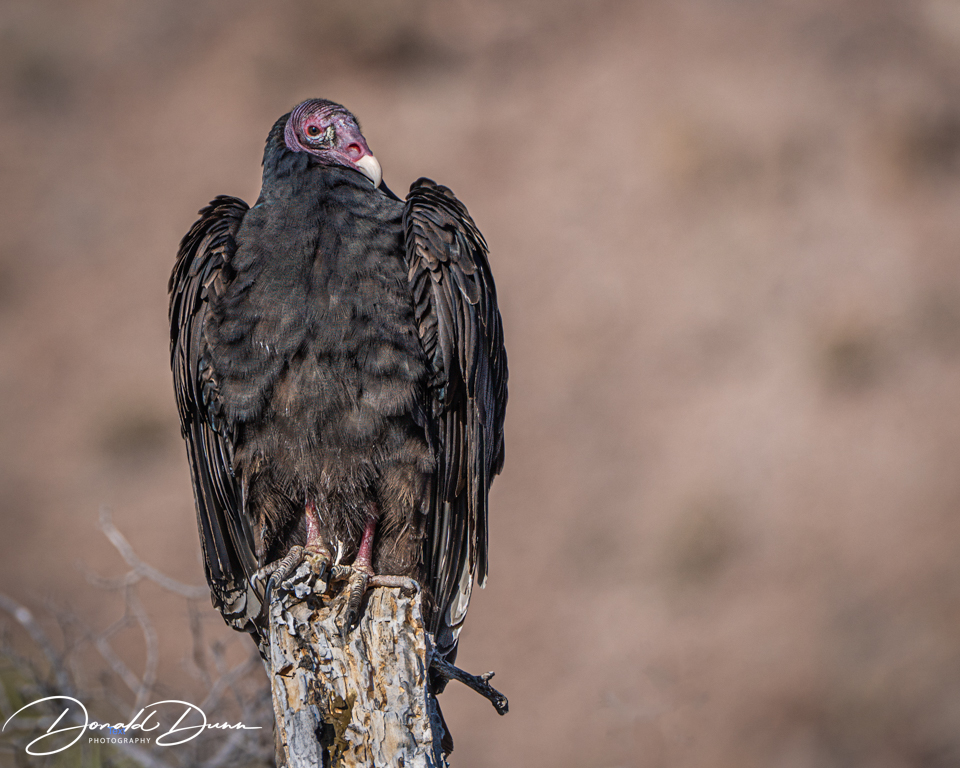
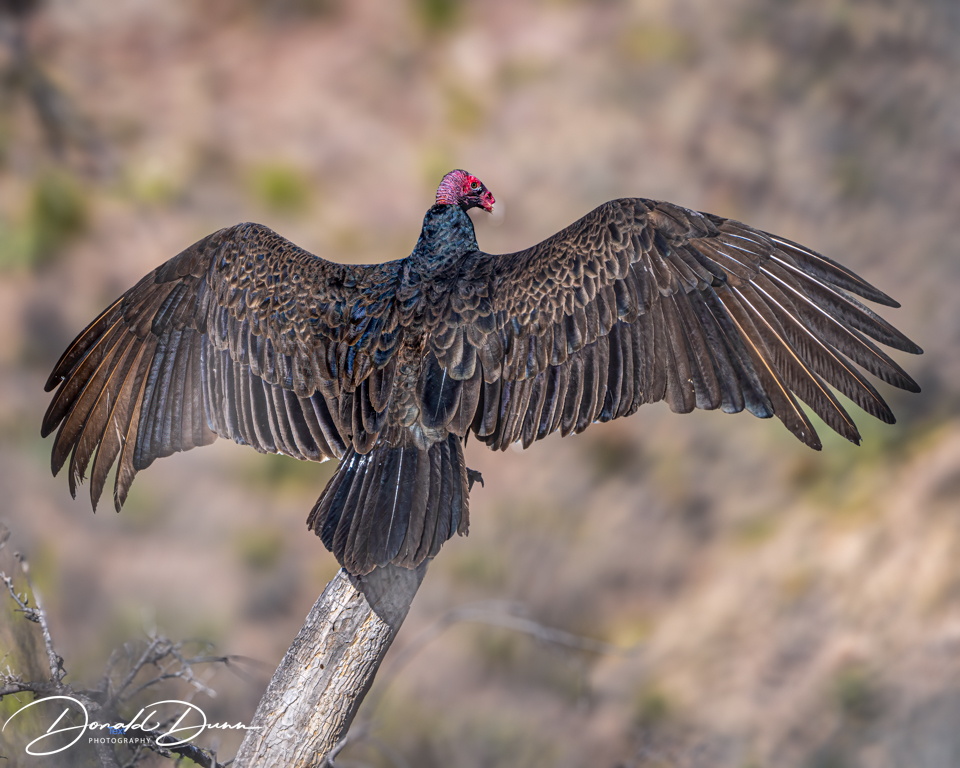
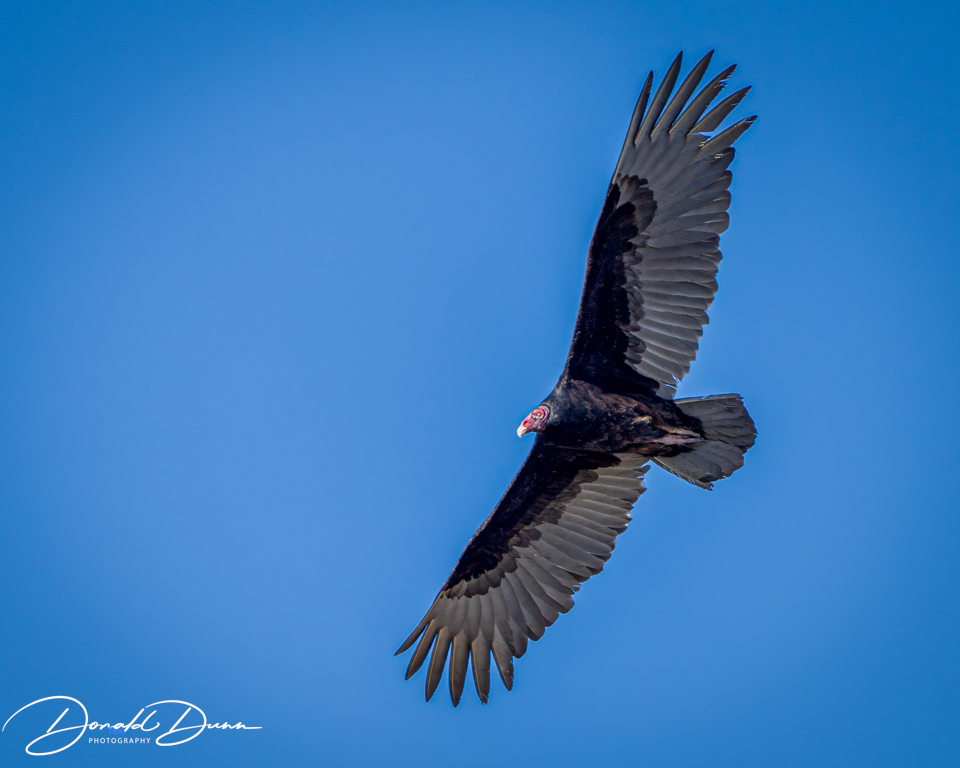
He soon married, and he and his wife raised a family there. We wandered through their homestead, observing remains of the original house, its adobe walls melting back into the desert. Soon, we were diverted to the sight of several Vultures sitting in a few trees on the homestead.
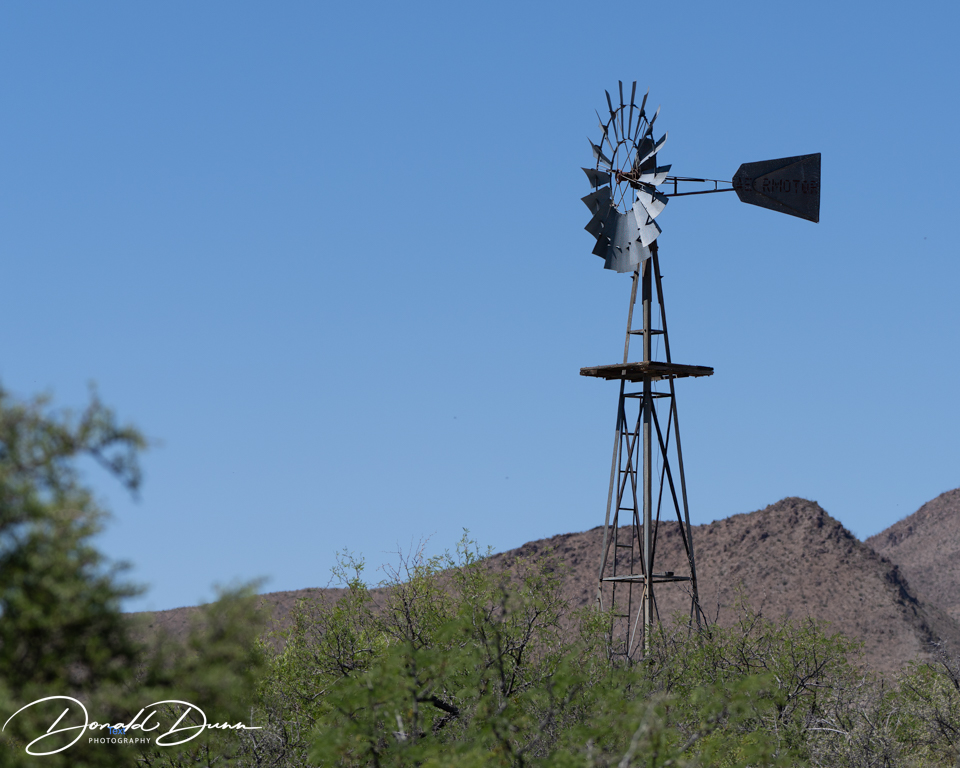
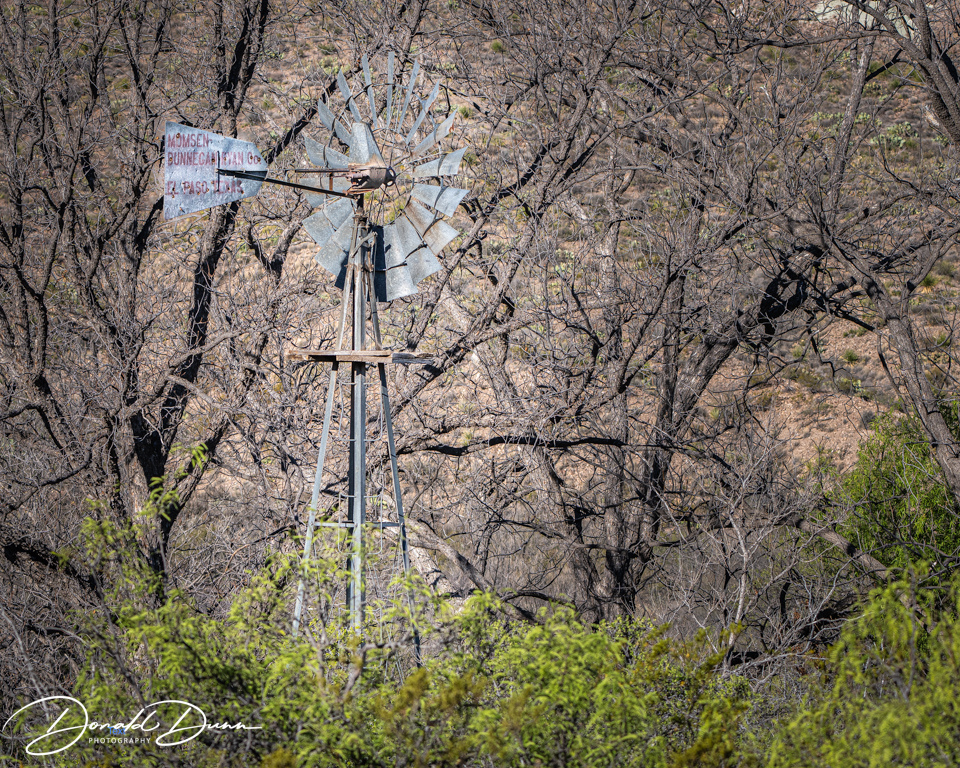
As we exited, the old, wooden windmill came into view and we imagined it pumping water up to a tank on the top of Burro Mesa for the Nail’s cattle.
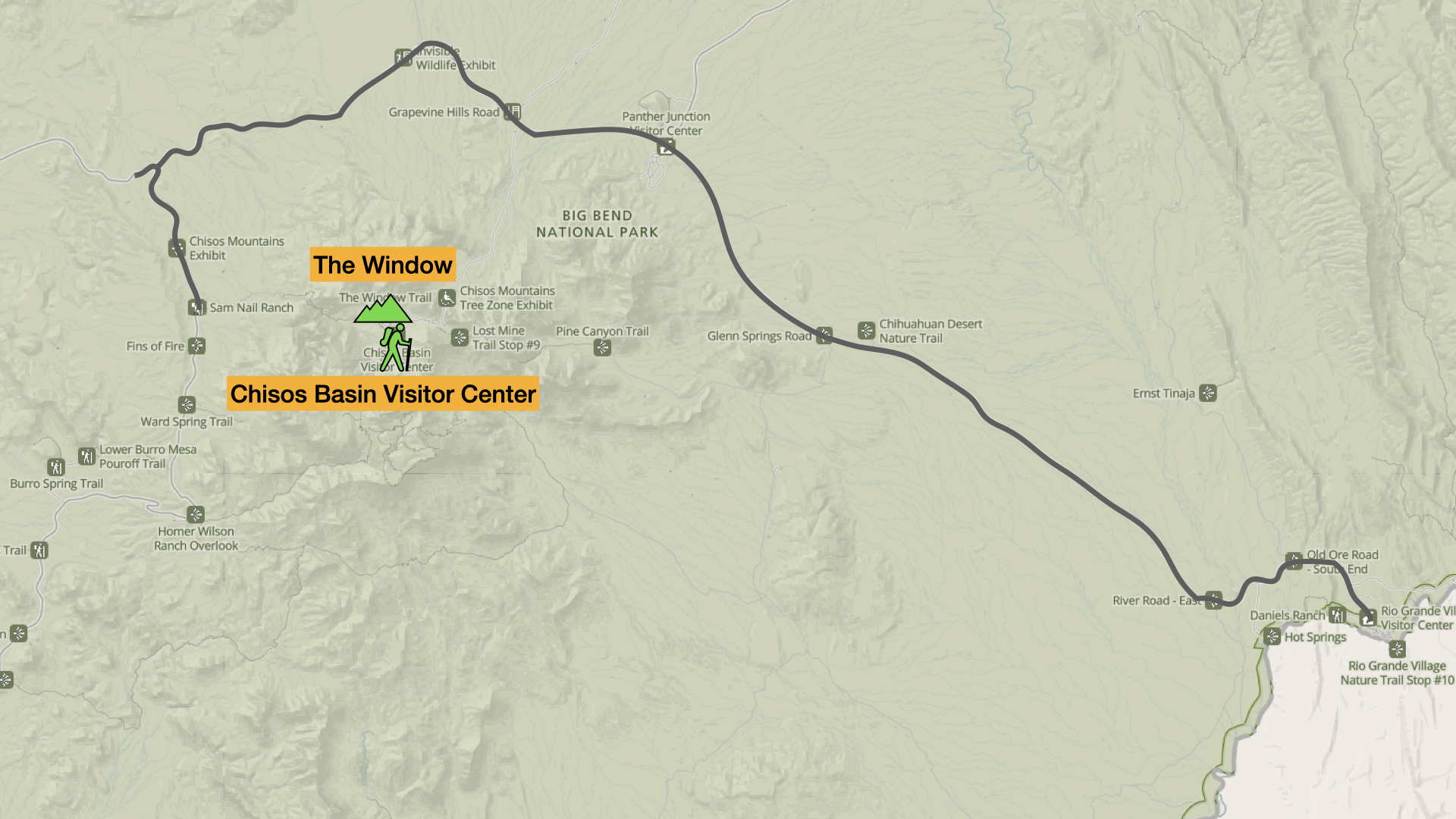
Next, we stopped at the Chesos Basin Visitor Center
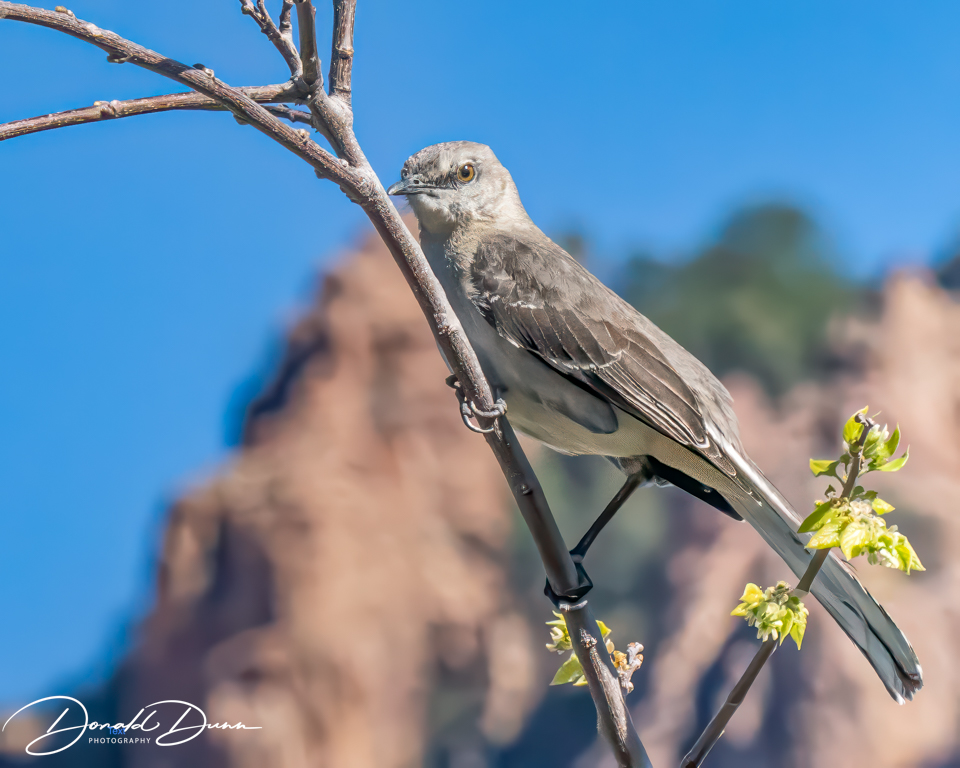
with plans to hike the Chisos Basin Loop Trail, but low blood sugar prohibited me from hiking the 2.0 mile trail. Instead, we hiked the short Window View Trail which offered a great view of The Window. Even a bird perched in a nearby tree.
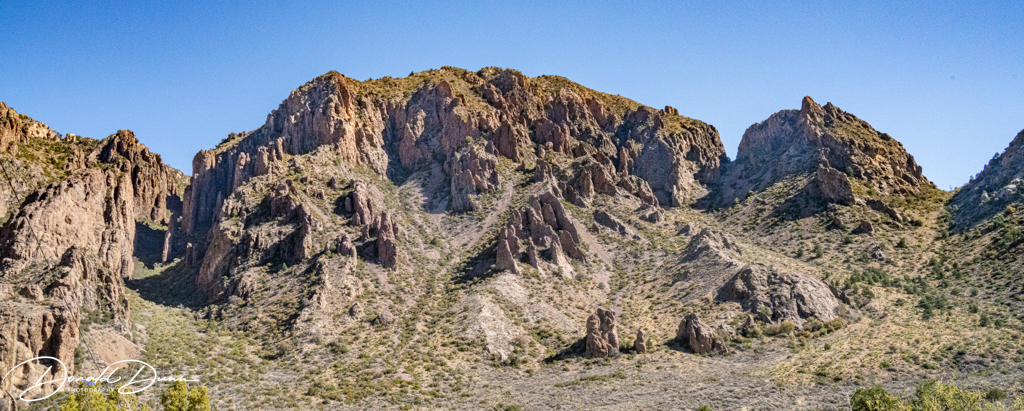
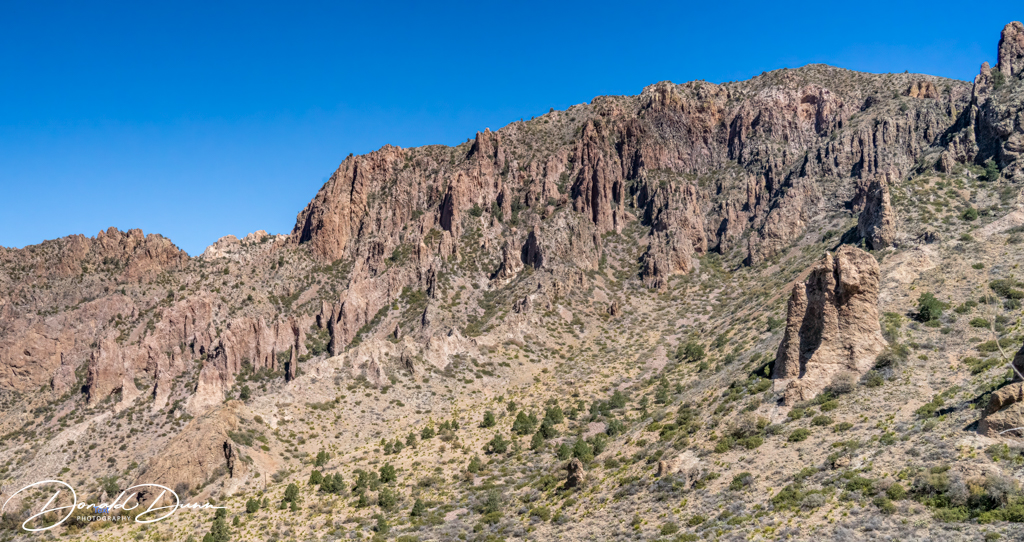
The Chesos Mountains provided spectacular landscape photo opportunities.
From the Chesos Basin Visitor Center, we drove to Dugout Wells for a picnic lunch.
Dugout Wells was once known as the “Cultural Center of the Big Bend.” The railroad reached Marathon in 1882, which drew people to the area with the hopes of making a life in West Texas. In the early 1900s, ranchers and farmers began to move into what is now Big Bend National Park. The Green family and their neighbors, the Averys, began to run livestock in the area around this spring. Community members built a schoolhouse which attracted children from the immediate area. This development made the area the social center for the surrounding families.
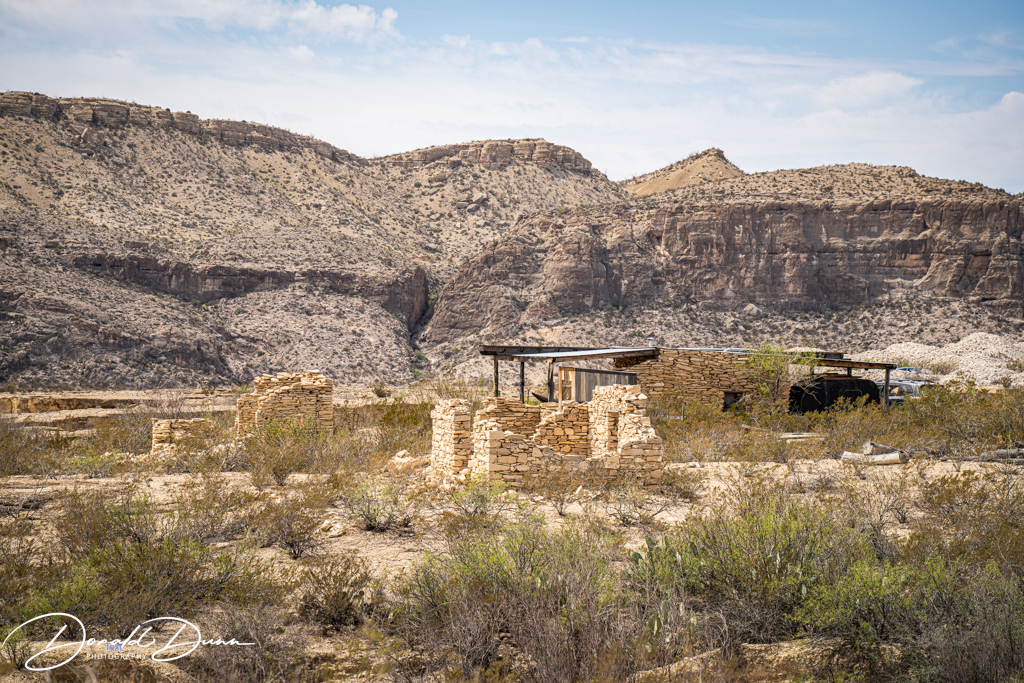
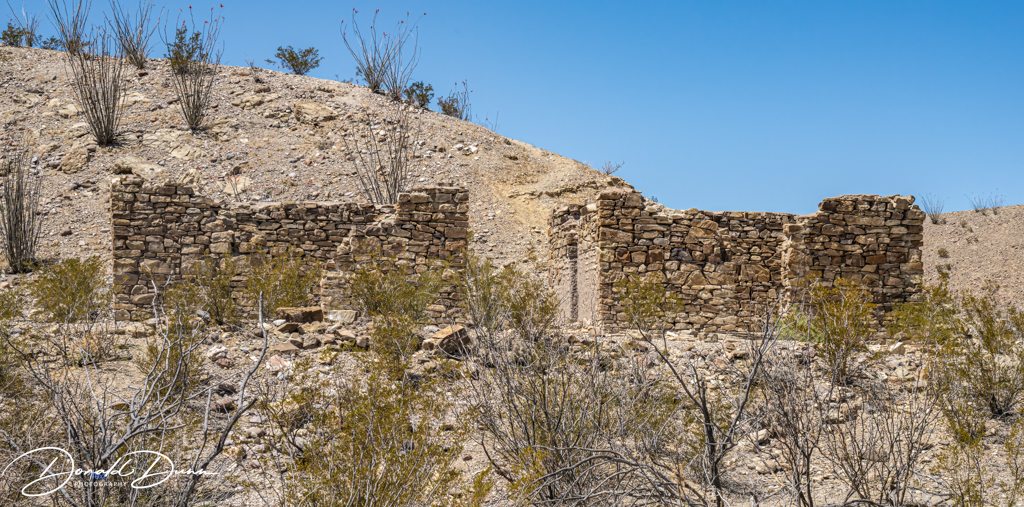
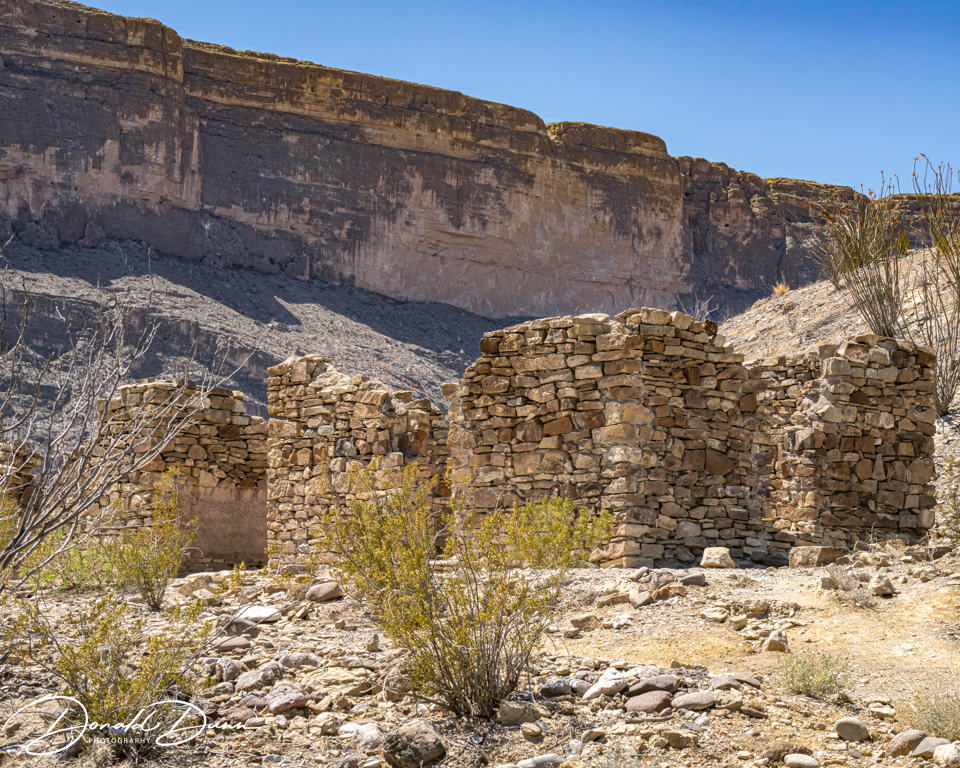
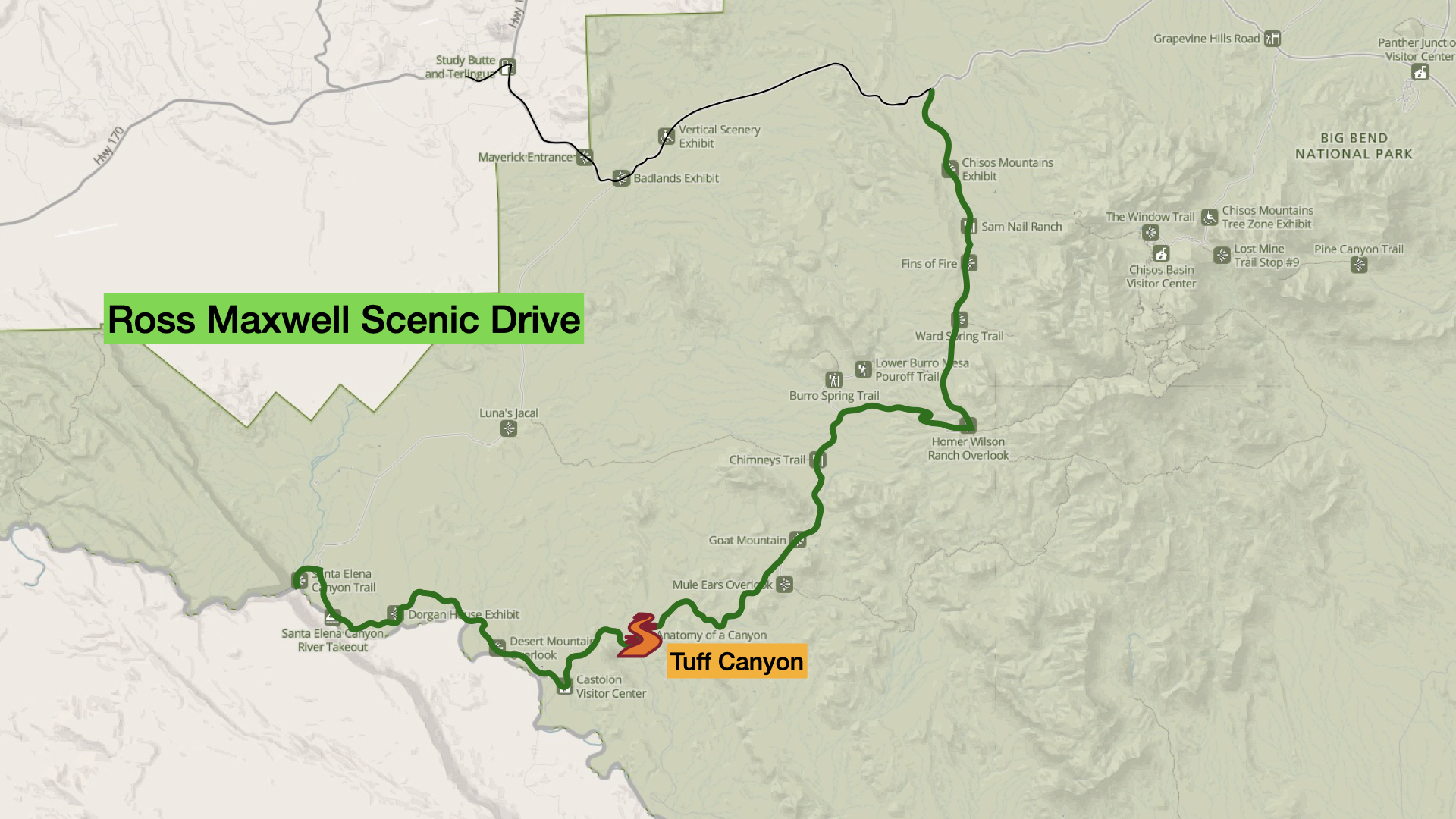
From Santa Elena Canyon, we followed the Ross Maxwell Scenic Drive to Castolon Visitor Center, stopping at the Dorgan-Sublett Trailhead to view the ruins of the Sublett house.
James and Melissa Belle Sublett arrived in the Castolon area in 1913. In 1918, Sublett purchased four sections of land at this location, and called his operation Grand Canyon Farms. Mr. Sublett was one of the first settlers in the Big Bend area to actively farm the Rio Grande floodplain on a large scale.
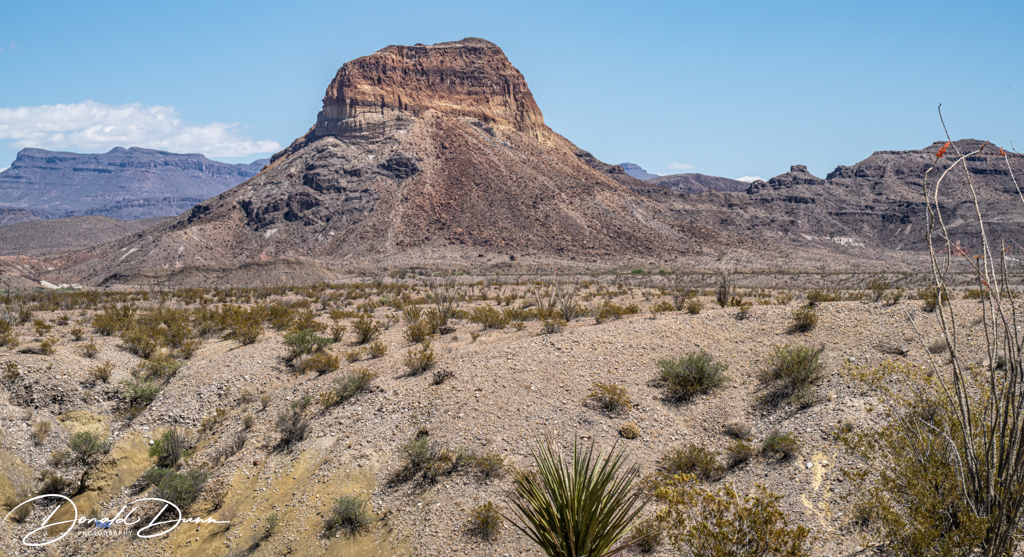
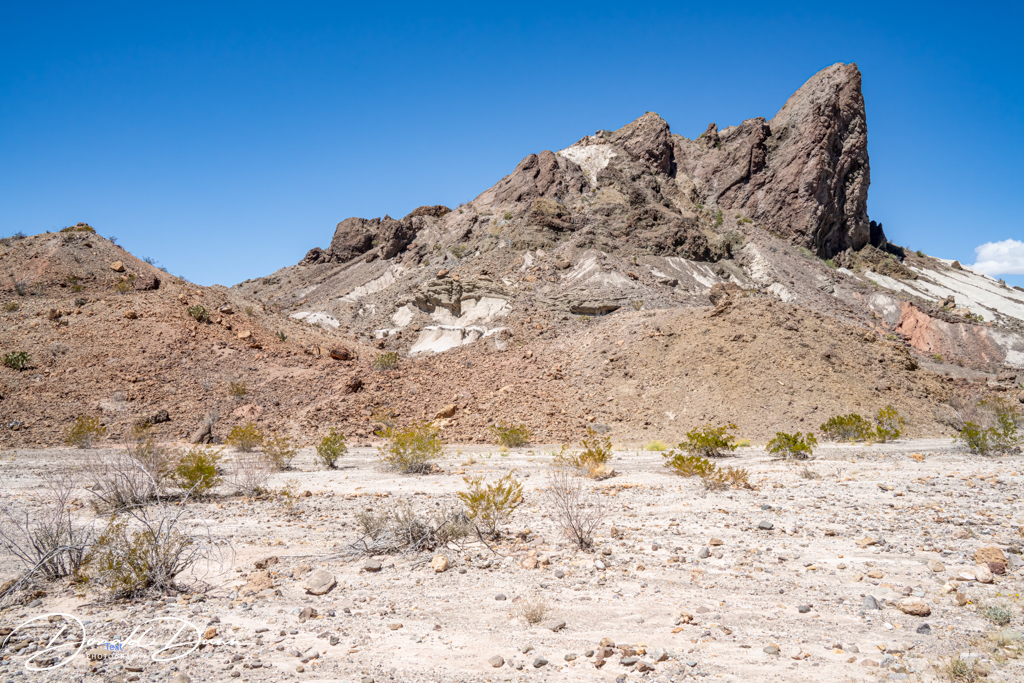
Next was a view of Cerro Castellan.
This is a stone butte rising 1,000 feet straight up from the desert floor, peaking at 3293 feet. Near Cerro Castellan was an interesting mountain formation.
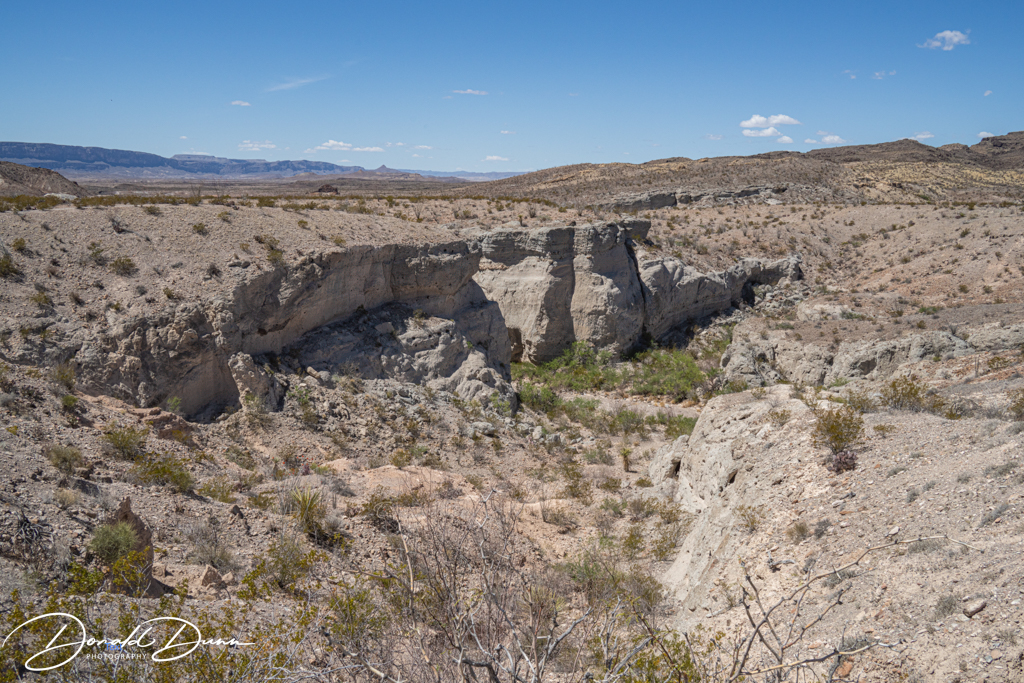
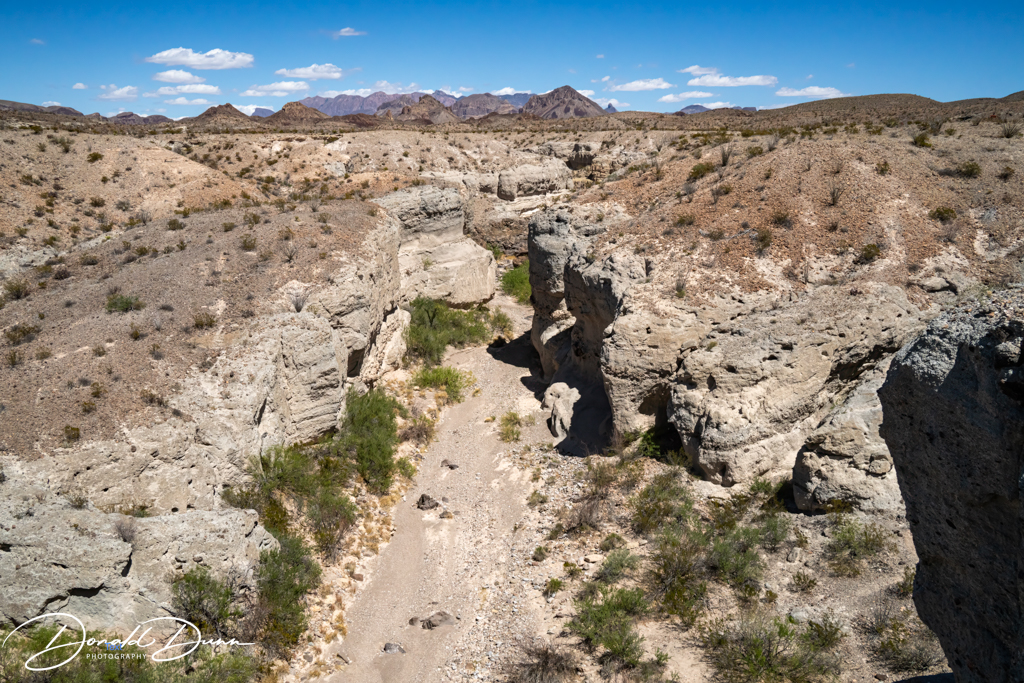
After Cerro Castellan, we hiked a short trail to view Tuff Canyon. Here, Blue Creek, fed by rains in the distant Chisos Mountains, has carved a spectacular canyon through layers of volcanic tuff and basalt.
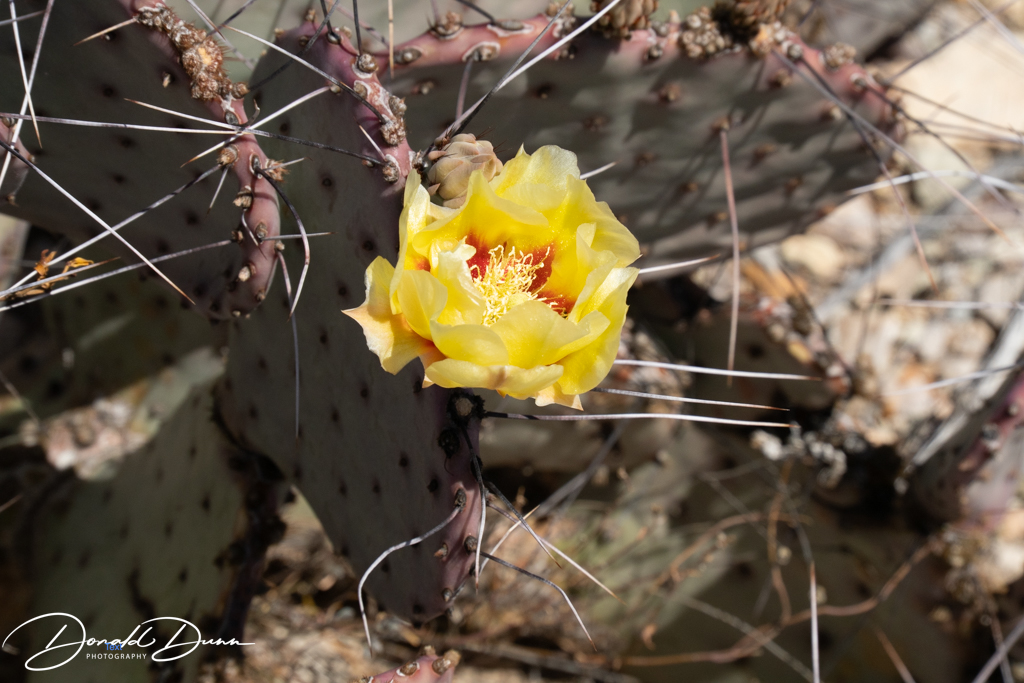
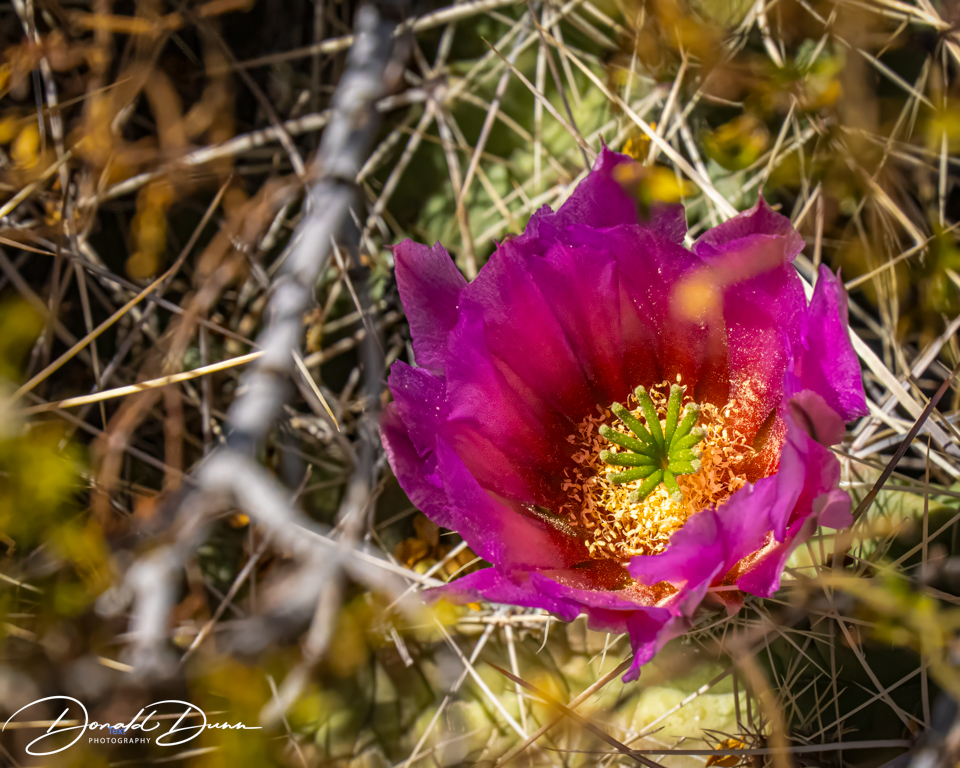
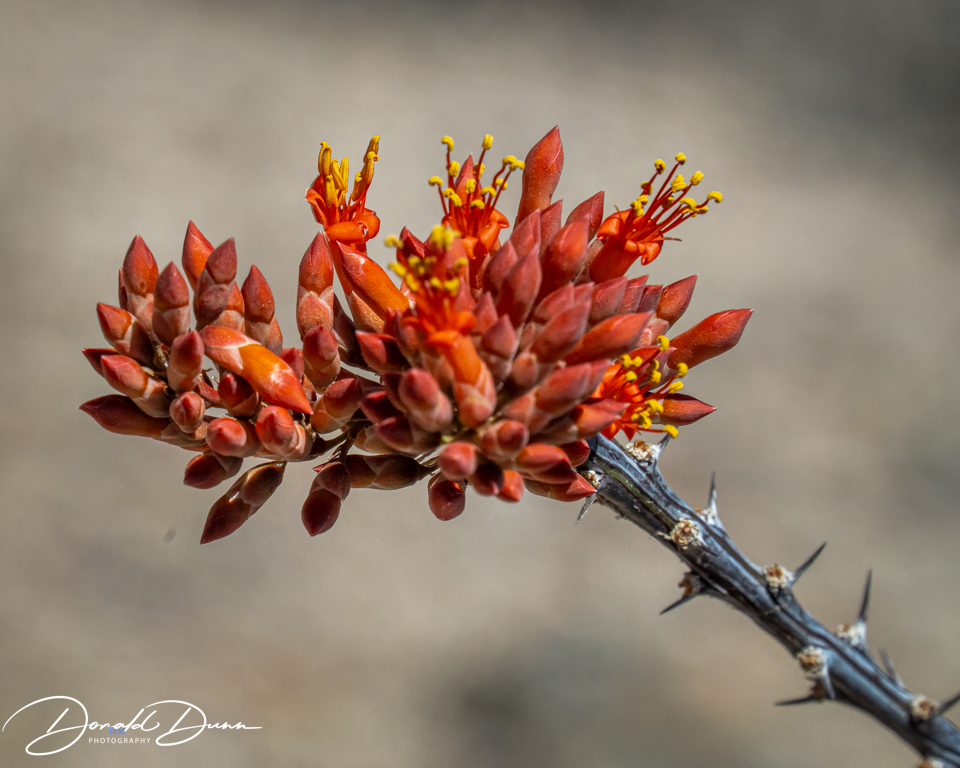
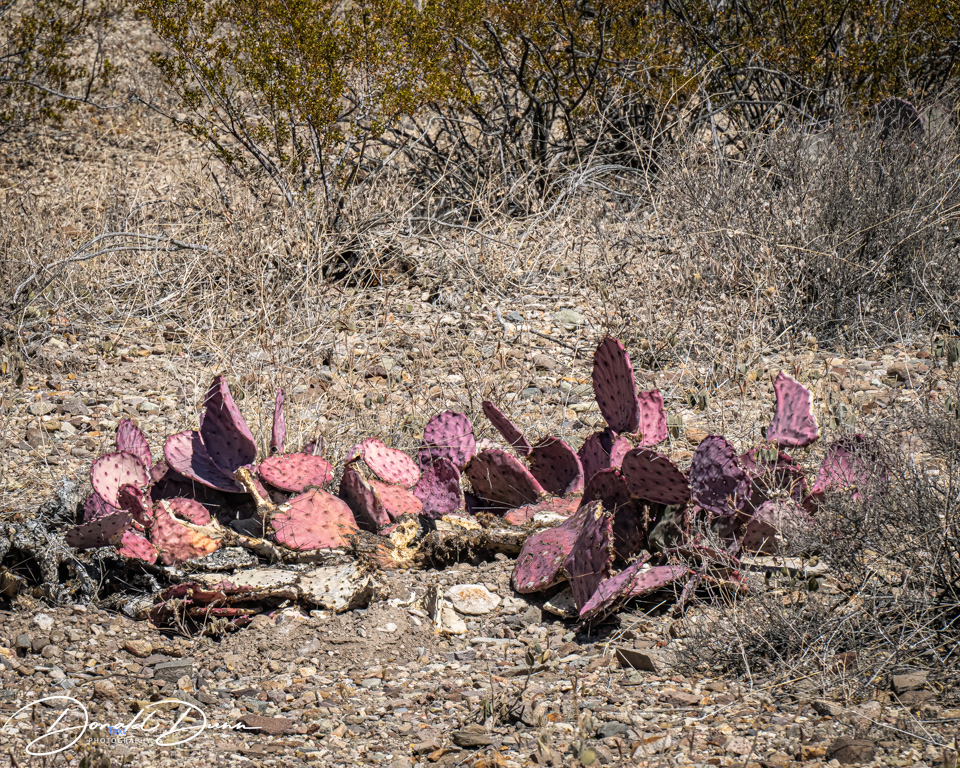
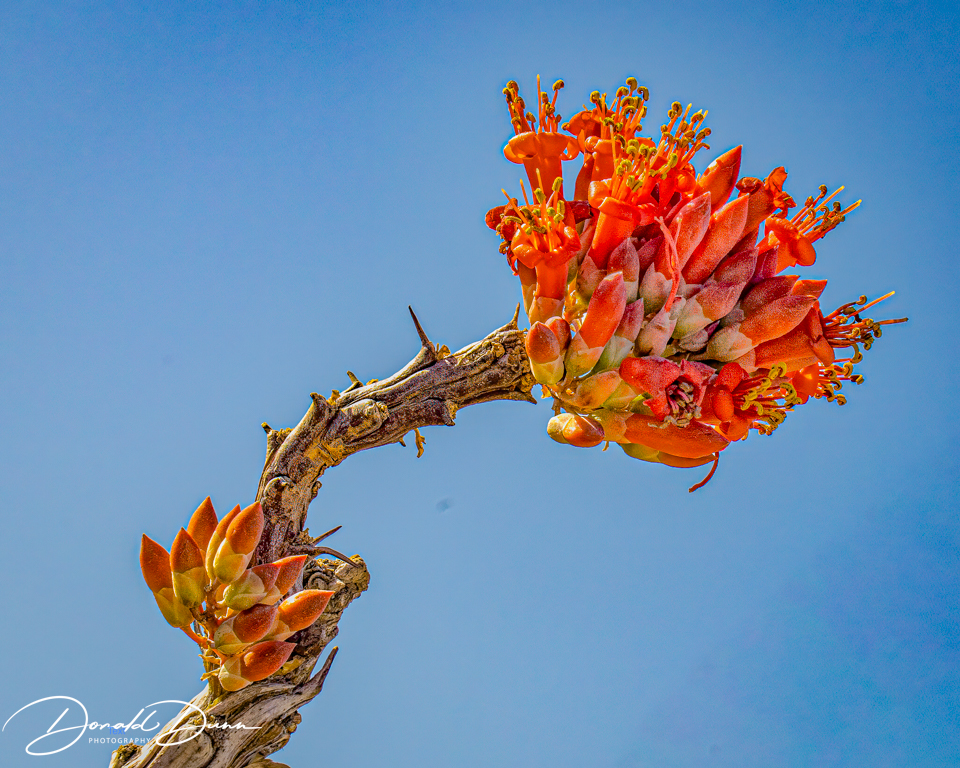
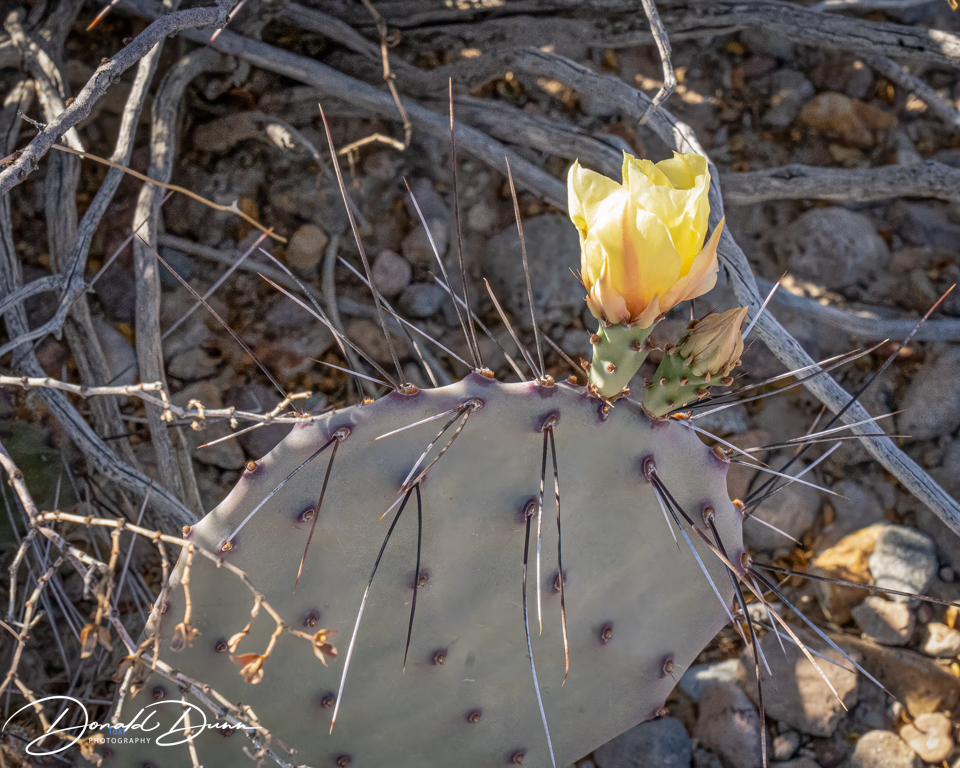
It was on one of the viewing platforms that I almost met my demise. Stepping high to a concrete platform, I tripped and fell, making a three-point landing: both knees and my CAMERA/LENS. While I as bloodied and skinned up, the camera received the brunt of the fall, receiving several deep scratches. Fortunately, it still worked after turning it off and removing and replacing the battery. The bad news is that it now has little resale value! The lens was no worse for wear. Nevertheless, the canyon was photographed and several Cacti were in full bloom. Who knew this spiny plants could offer such pretty flowers.
Another iconic image appeared in the distance as we continued the Ross Maxwell Scenic Drive.
The “Mules Ears” are two distinctive eroded rhyolite dikes known as Mule Ears Peaks. In the valley floor, deposits of white volcanic tuff erode from the slopes and hard lavas cap the mountains.
Our last stop of the day was the Lower Burro Mesa Pouroff.
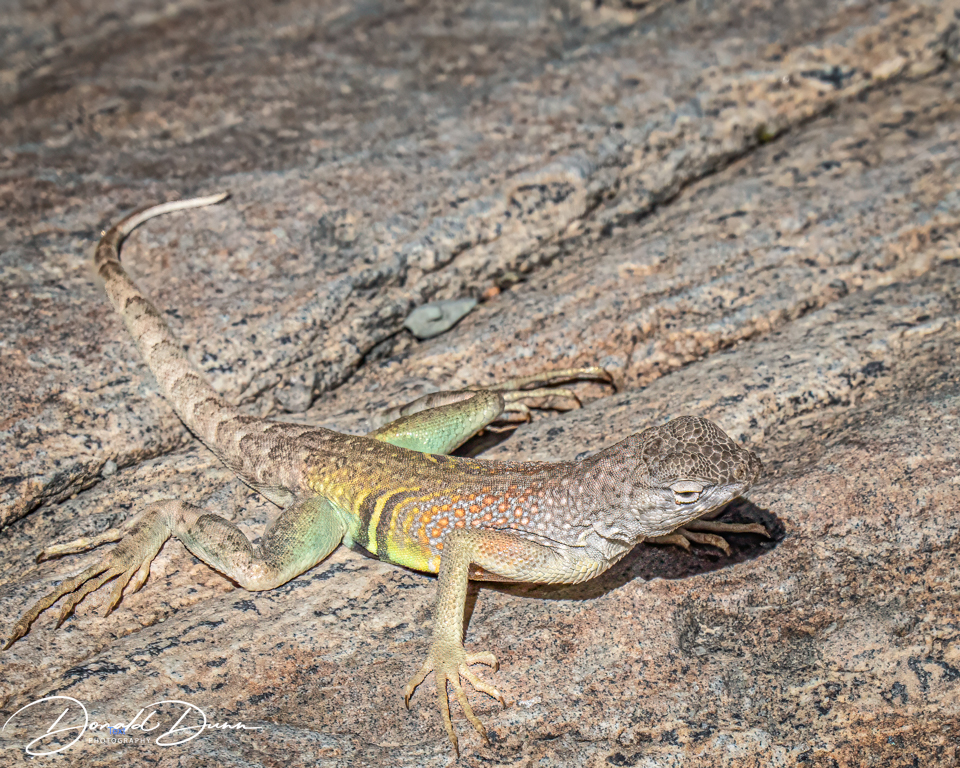
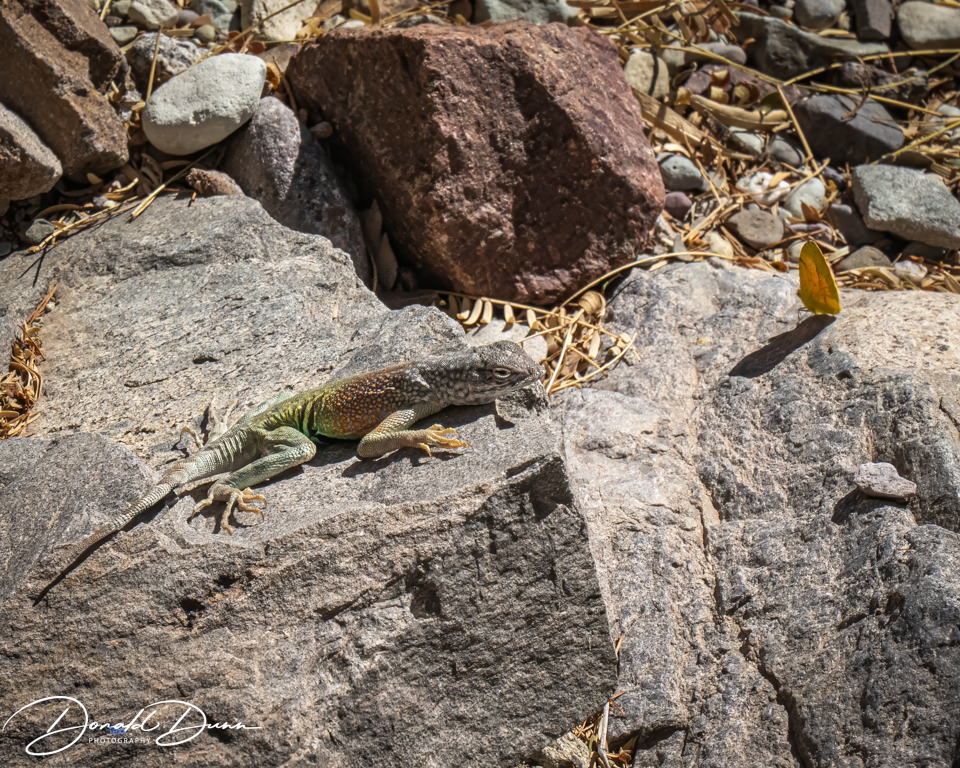
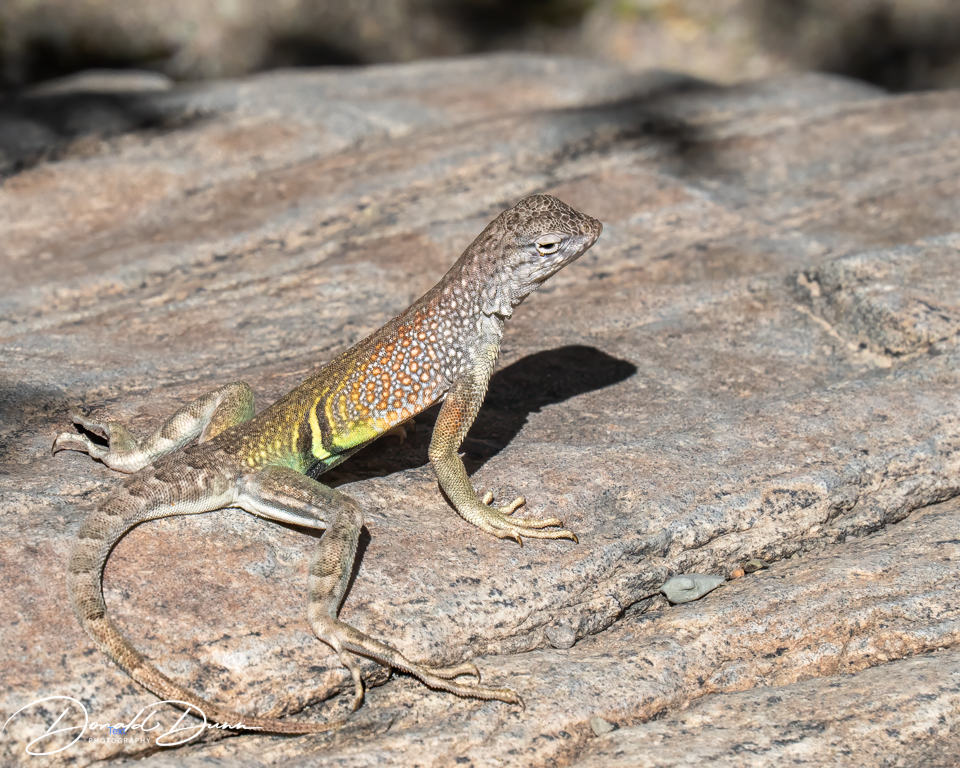
The Lower Burro Mesa Pouroff Trail was a relatively flat, easy hike to a pouroff that is dry most of the year. A good portion of the trail follows a gravel wash lined by Mexican persimmon, Mexican buckeye, and desert hackberry trees. The wash is bounded by volcanic hills with layers of yellow and orange ash-flow tuffs. Large congomerate boulders litter the valley bottom. Along the way were cacti blooms and lizards.
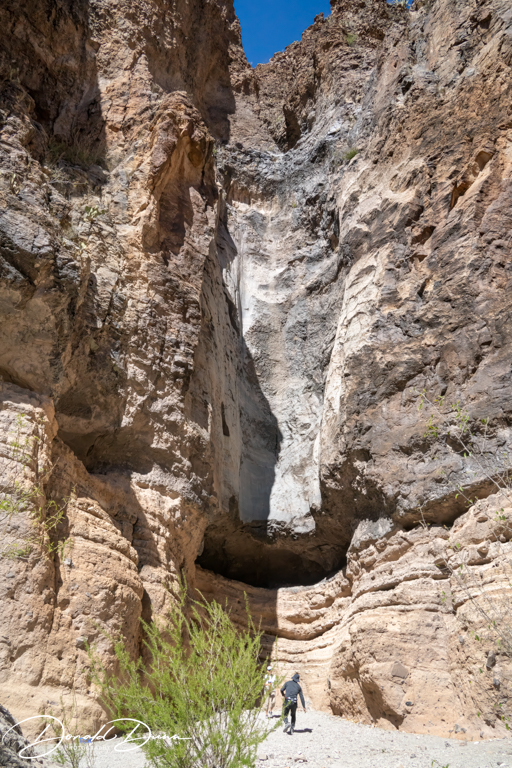
The trail ends at the pouroff—a 100-foot tall vertical channel carved into rock that funnels water from the mesa above.
Preceding retirement almost 20 years ago, Kay and I spent several hours over the course of a few weeks developing a “life list” of items we wanted to do in the years to come. (Our dear friend Ed Richmond coined the term “life list” long before the movie Bucket List came out.) Among the things on that original list—we’re now on our fourth revision—was a trip to Big Bend National Park in Texas. Today, Wednesday, March 27, 2024, we checked that item off our list. This entry and the next few that follow capture the essence of our visit.
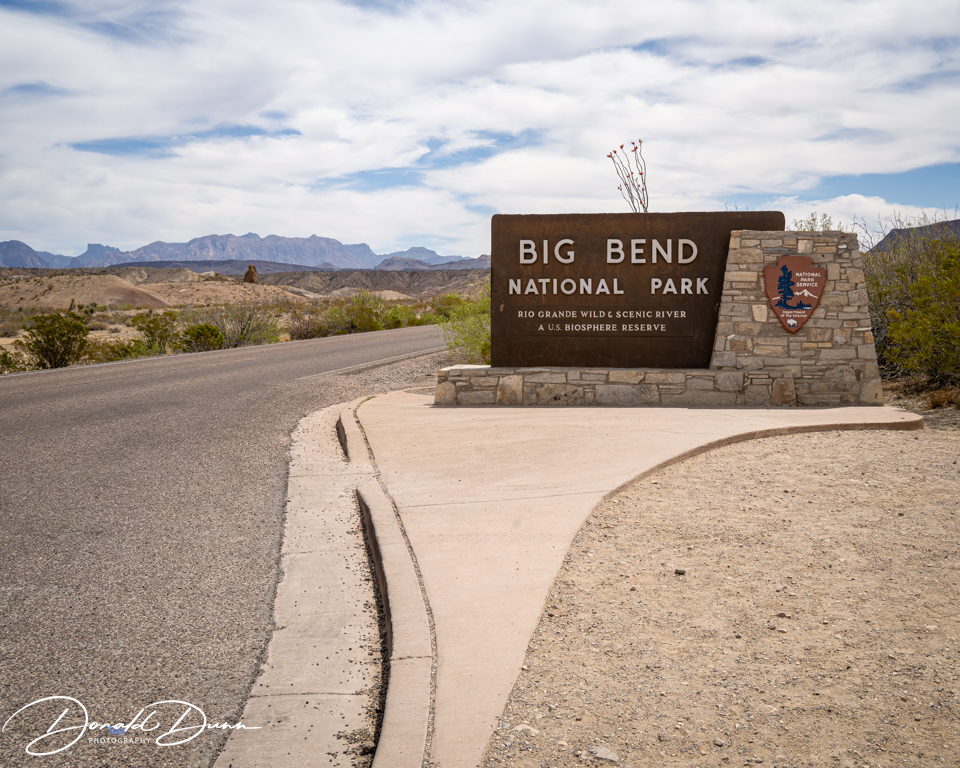
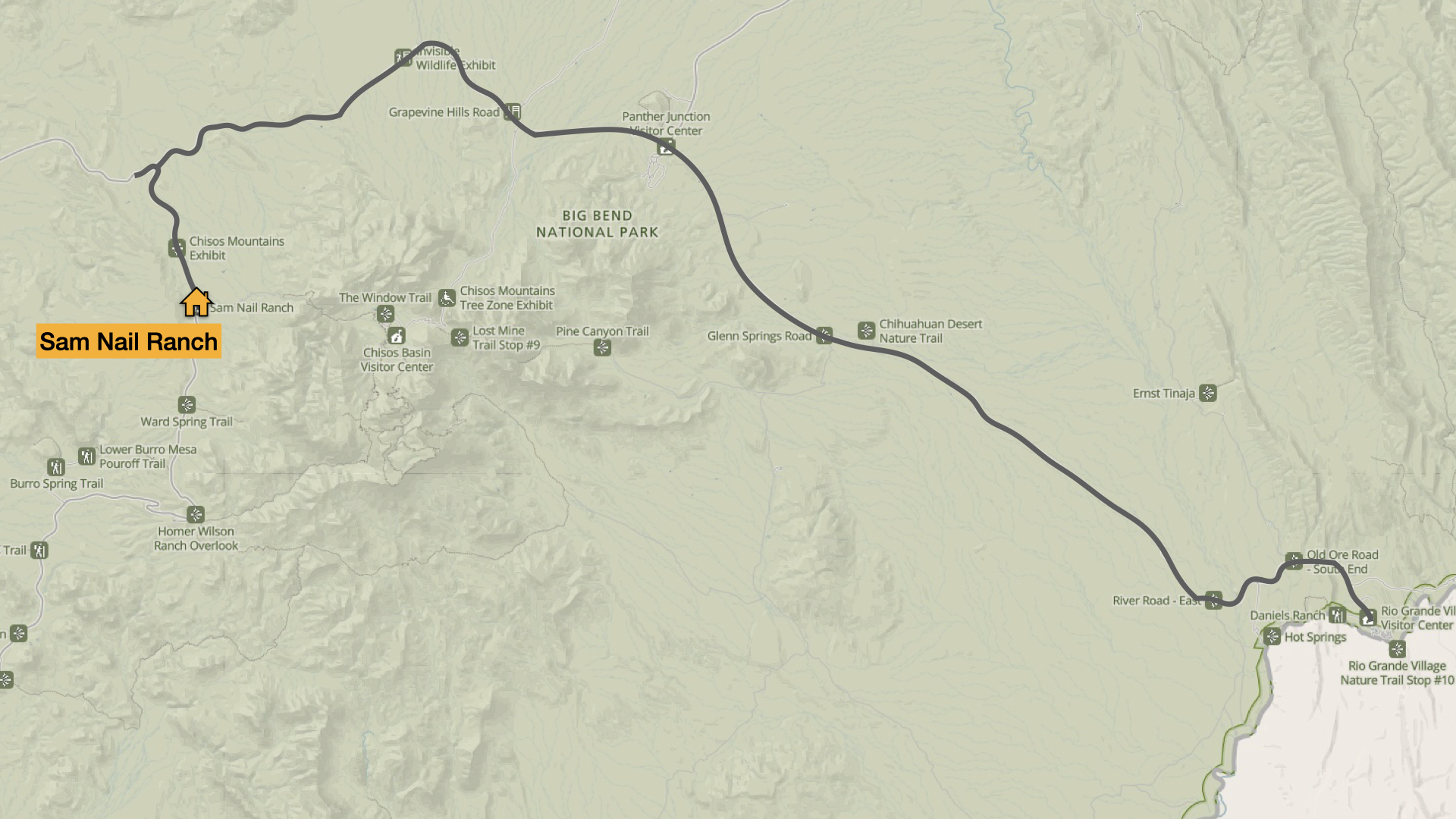
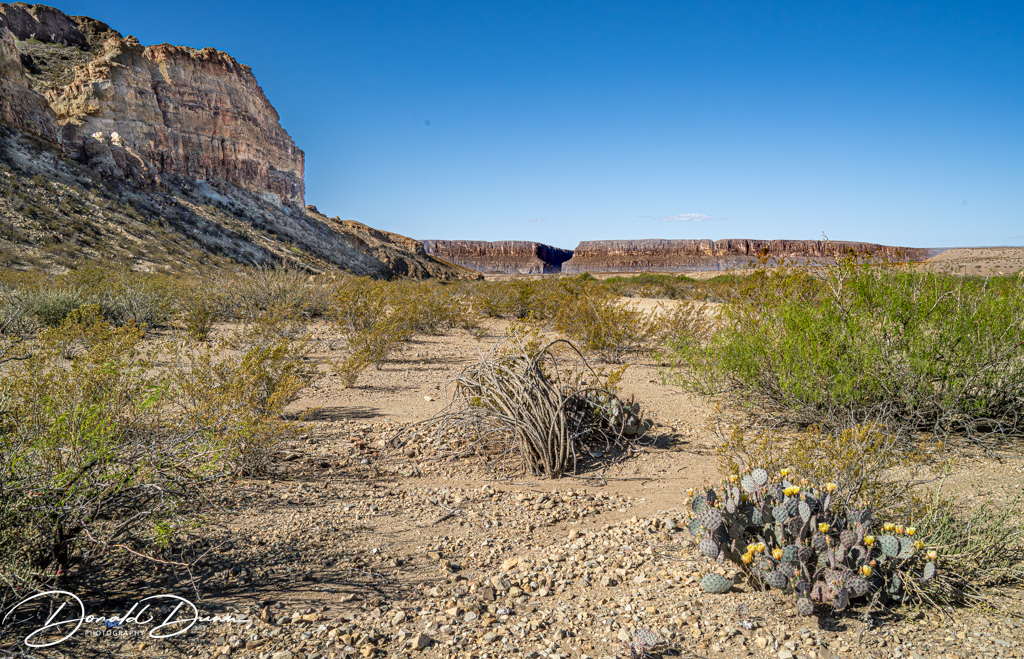
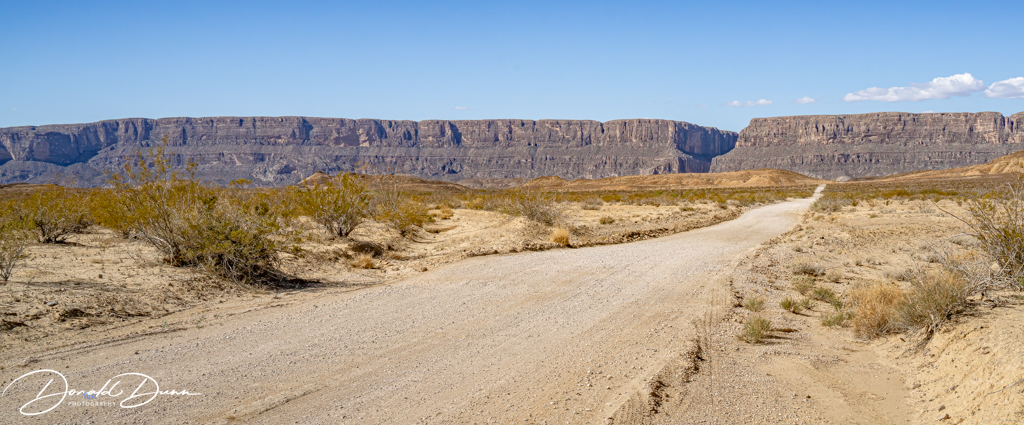
Leaving the RV park about 9 AM, we drove Texas Highway 118 south to the Big Bend National Park (NP) entrance station, showed our “old age” card, and immediately turned onto the rough graveled Old Maverick Road. The Old Maverick Road runs between Maverick Junction (park entrance) and Santa Elena Canyon. It is a 14-mile improved dirt road that passes along the Terlingua Creek badlands on the west side of the park. While usually passable for most vehicles, this road was rough and washboarded; the fourteen miles takes around an hour and a half to drive. Few opportunities to photograph presented themselves, though we did photograph a bird or two, a few cactus blooms, and some badlands panoramas.
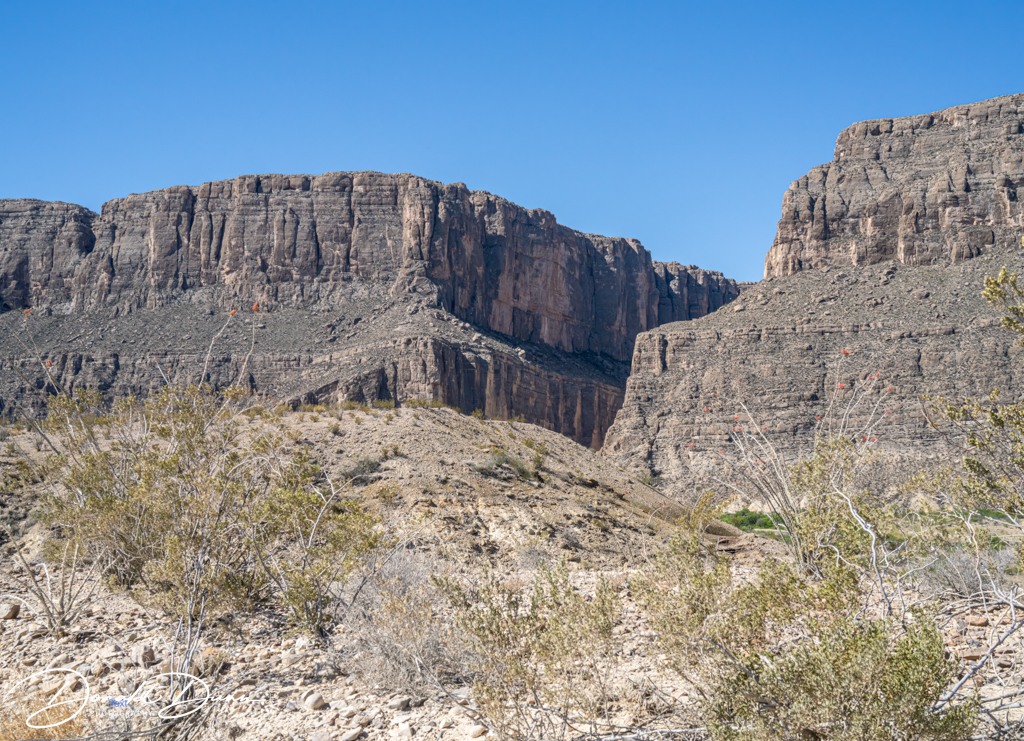
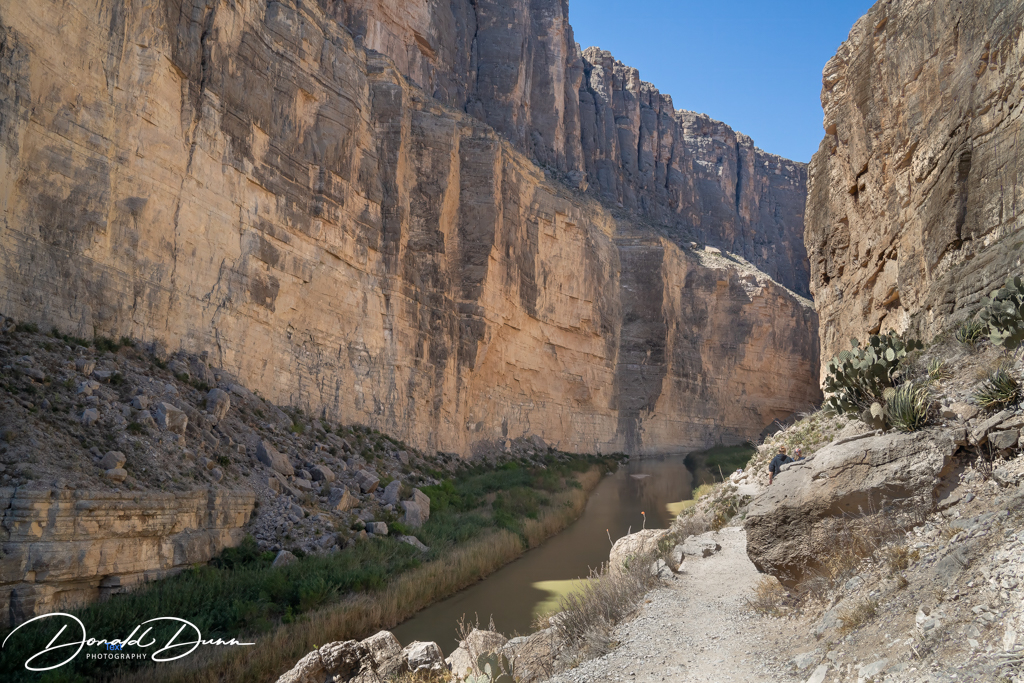
As the drive continued a narrow opening in the sheer mountain cliff appeared, and became more prominent as we neared the mountain.
The drive ended at the Rio Grande River, the border between Mexico and the United States, at the entrance of Santa Elena Canyon.
Santa Elena Canyon is an iconic natural feature in Big Bend National Park.
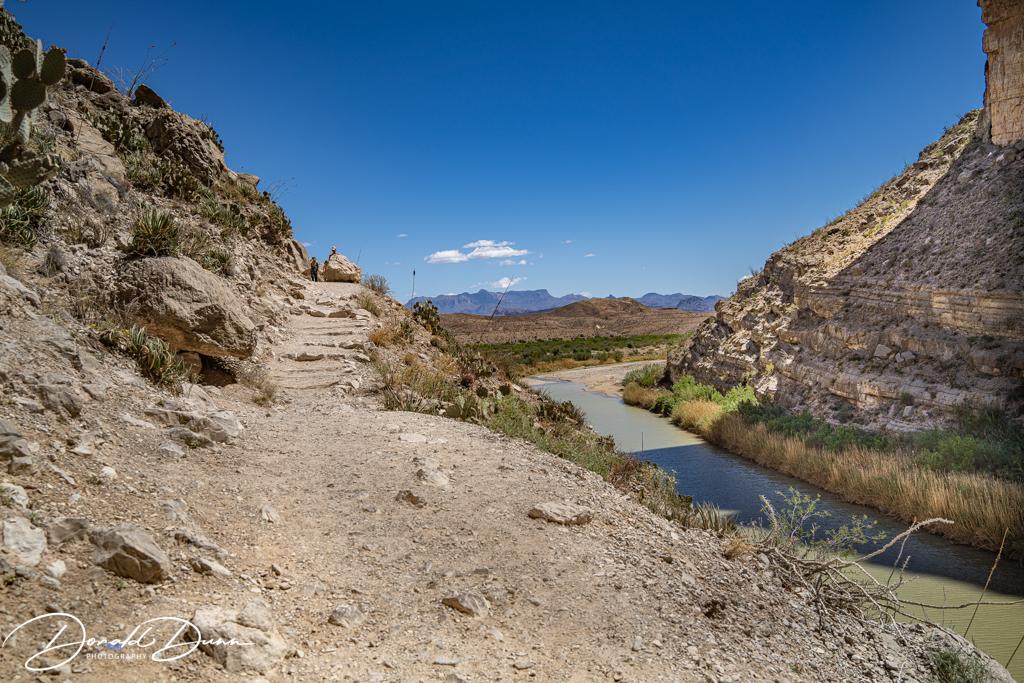
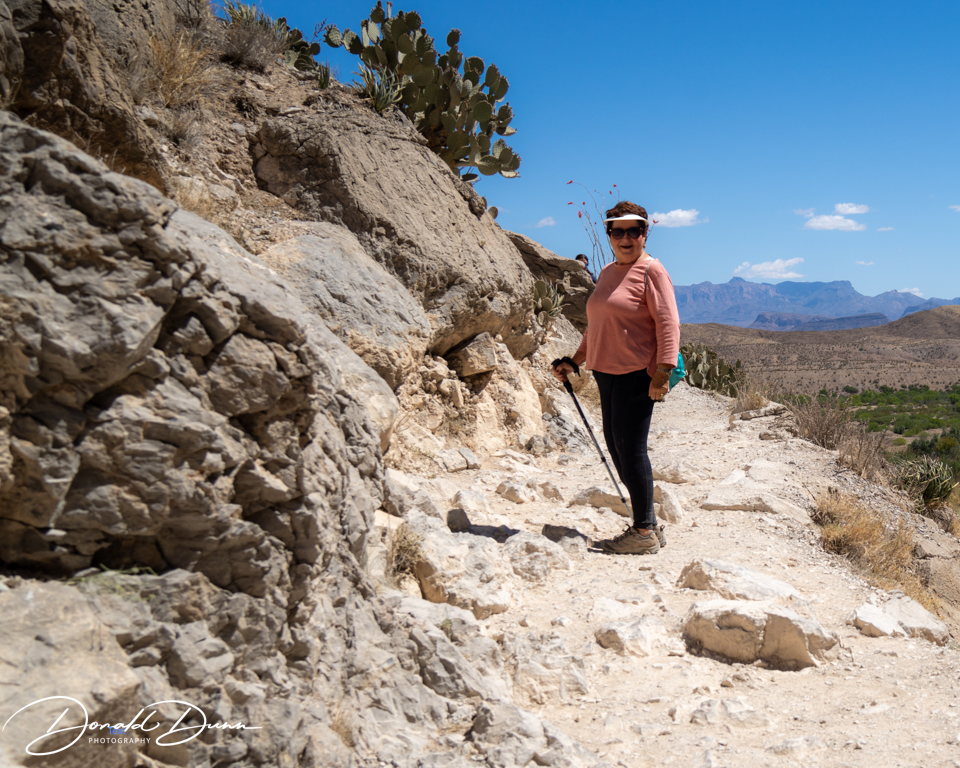
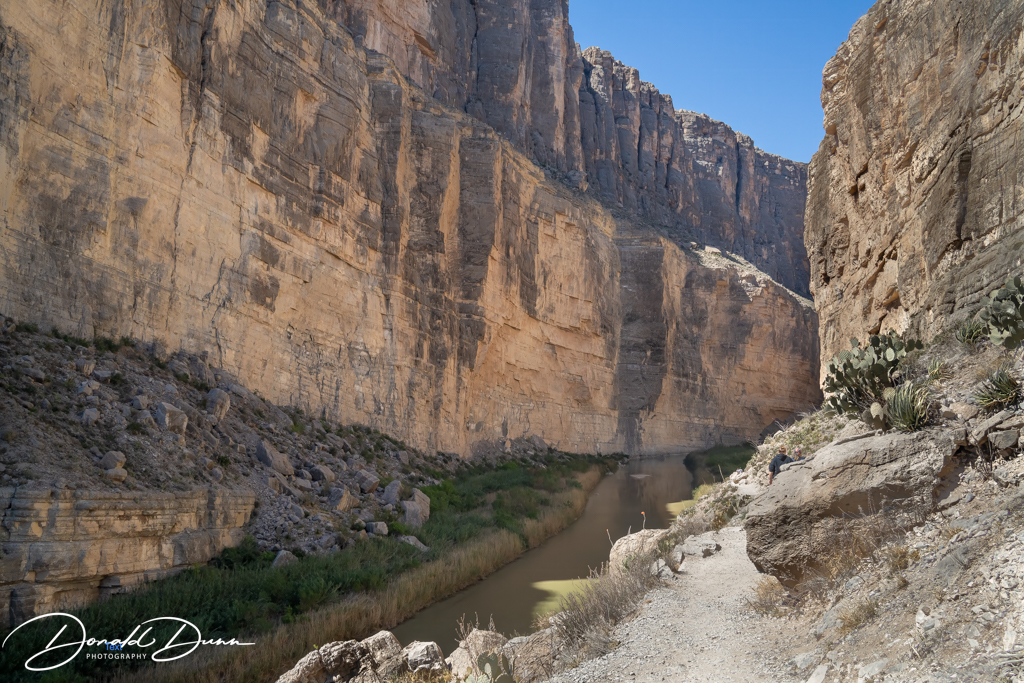
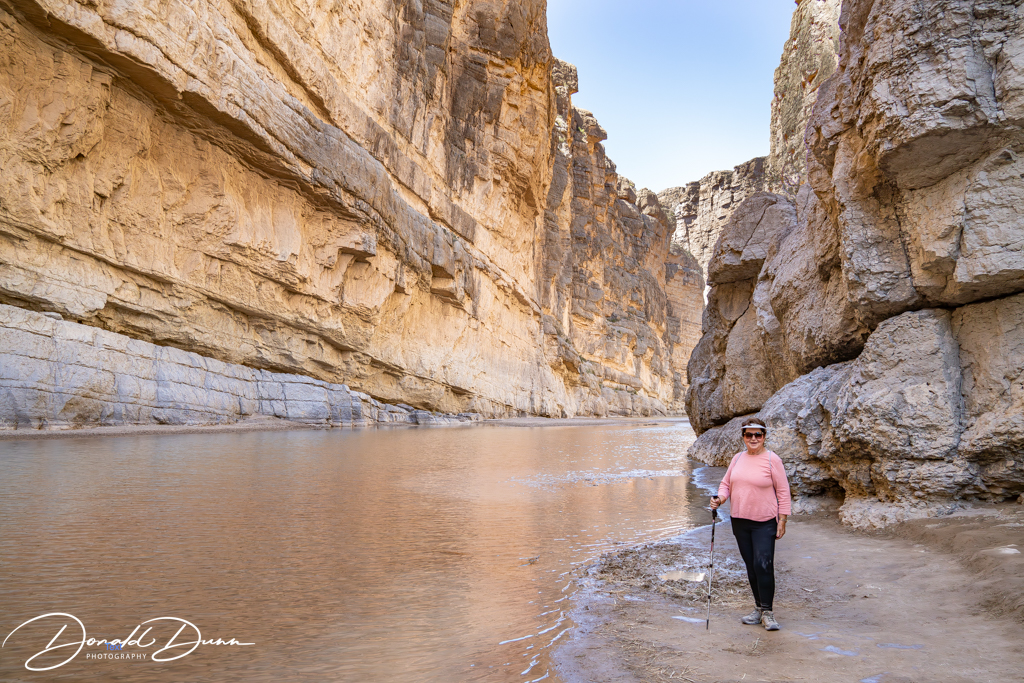
While the best way to see the canyon is by raft or canoe, we opted to hike the short but steep 0.8 mile nature trail. The nature trail crosses Terlingua Creek, climbs several flights of ramps, stairs and switchbacks before descending into the very narrow canyon along the Rio Grande River.
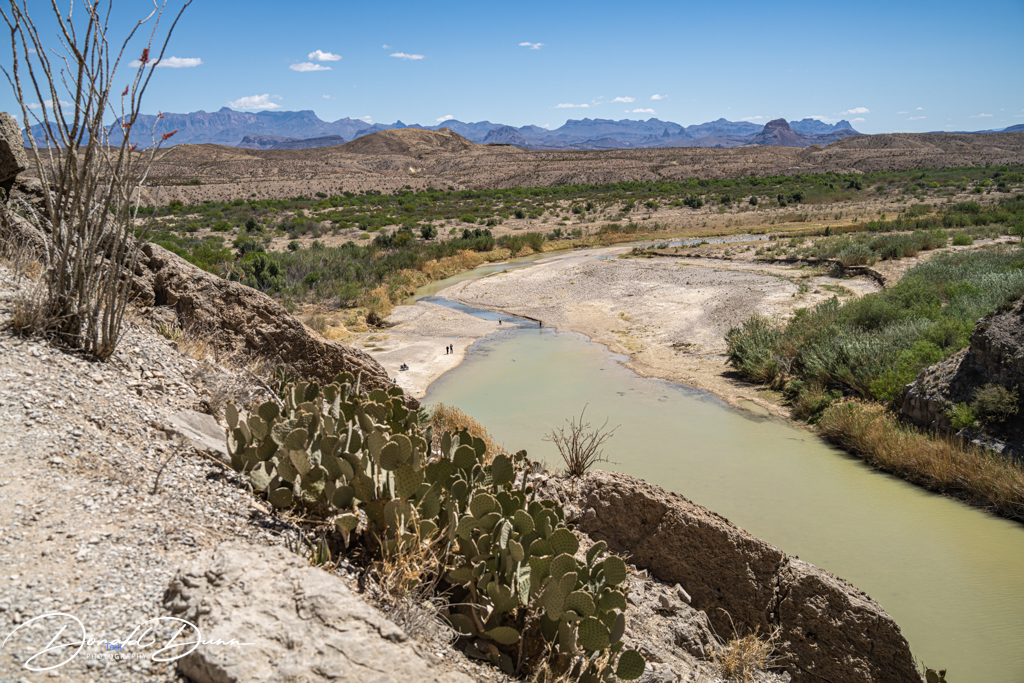
This trail overlooked the Rio Grande River in many places.
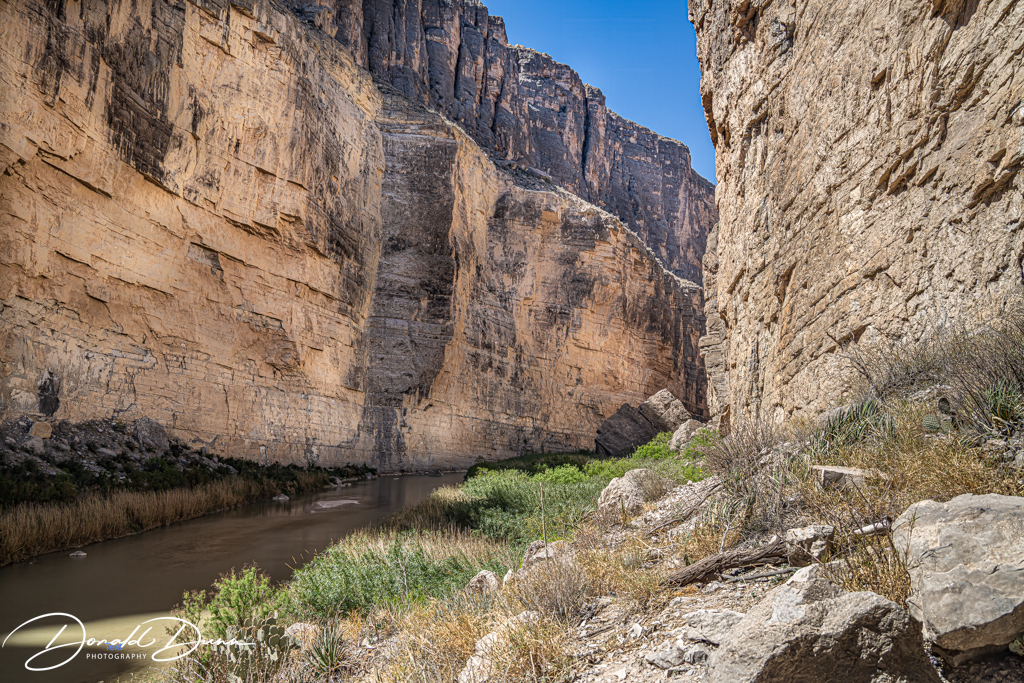
At this point the canyon walls loom over 1,500 feet above the nature trail adjacent to the river.
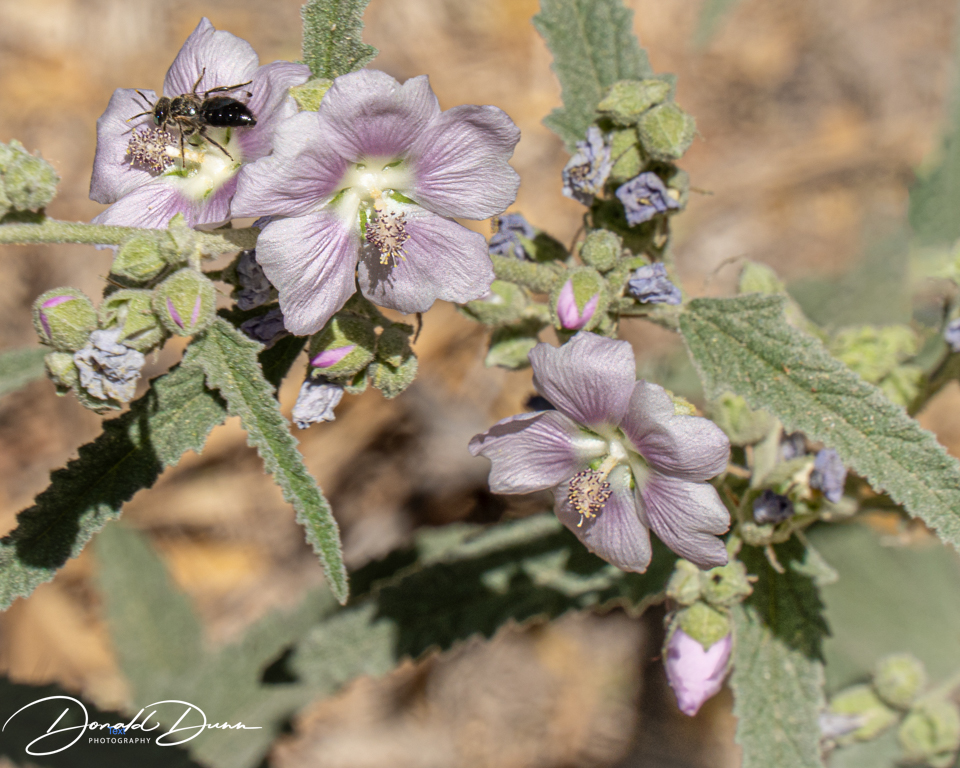
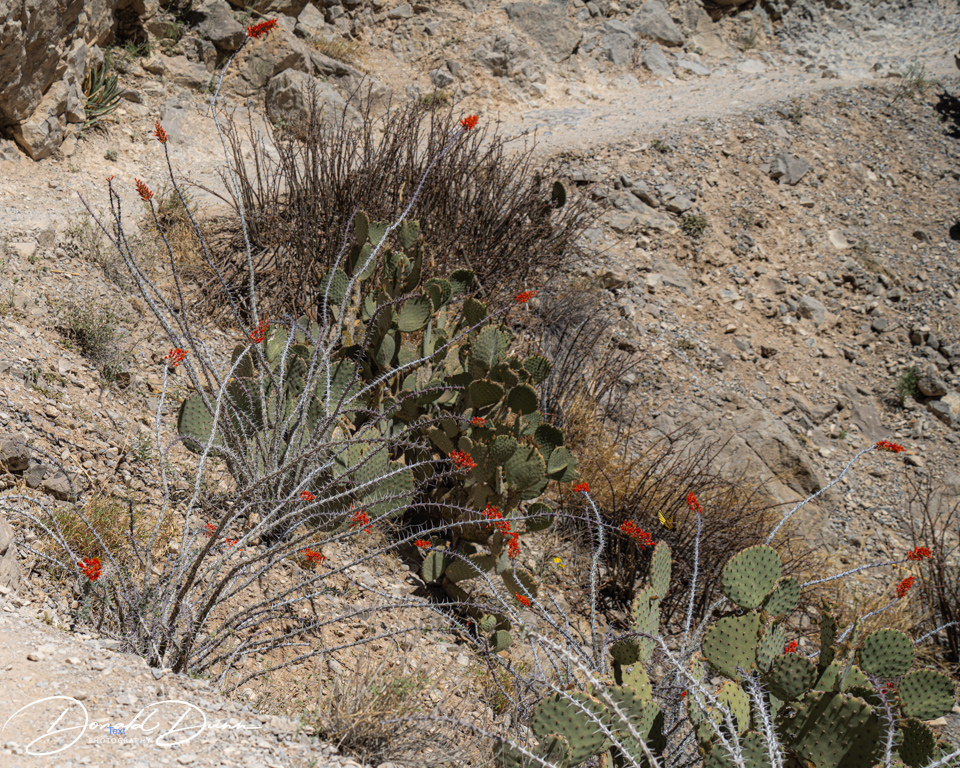
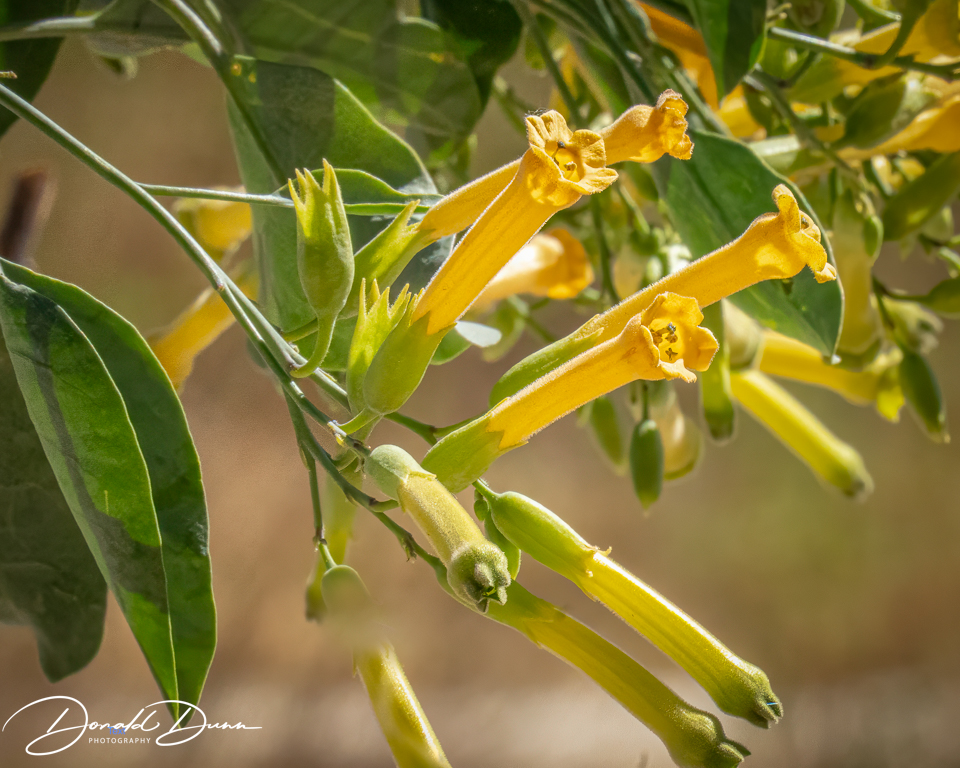
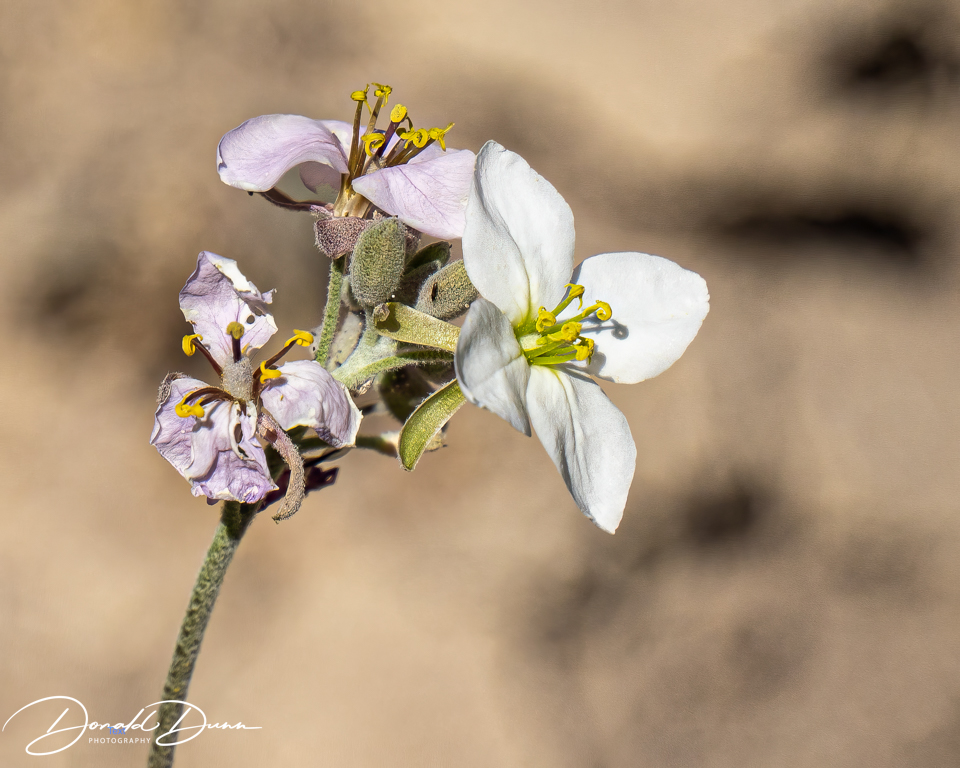
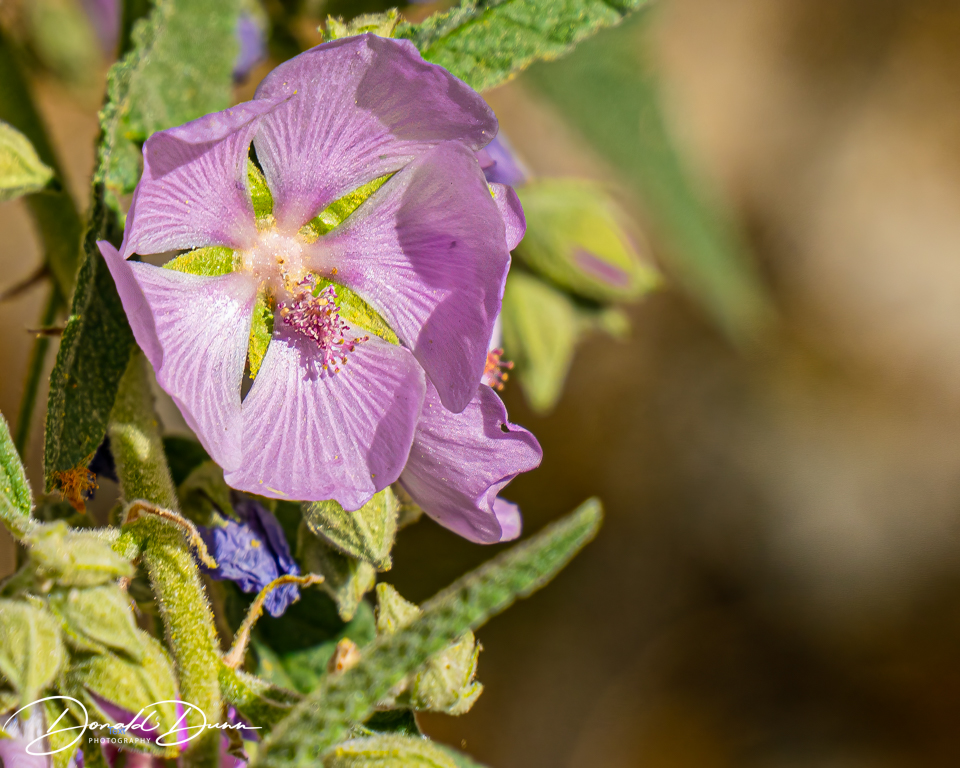
Along the trail, wildflowers were abundant.
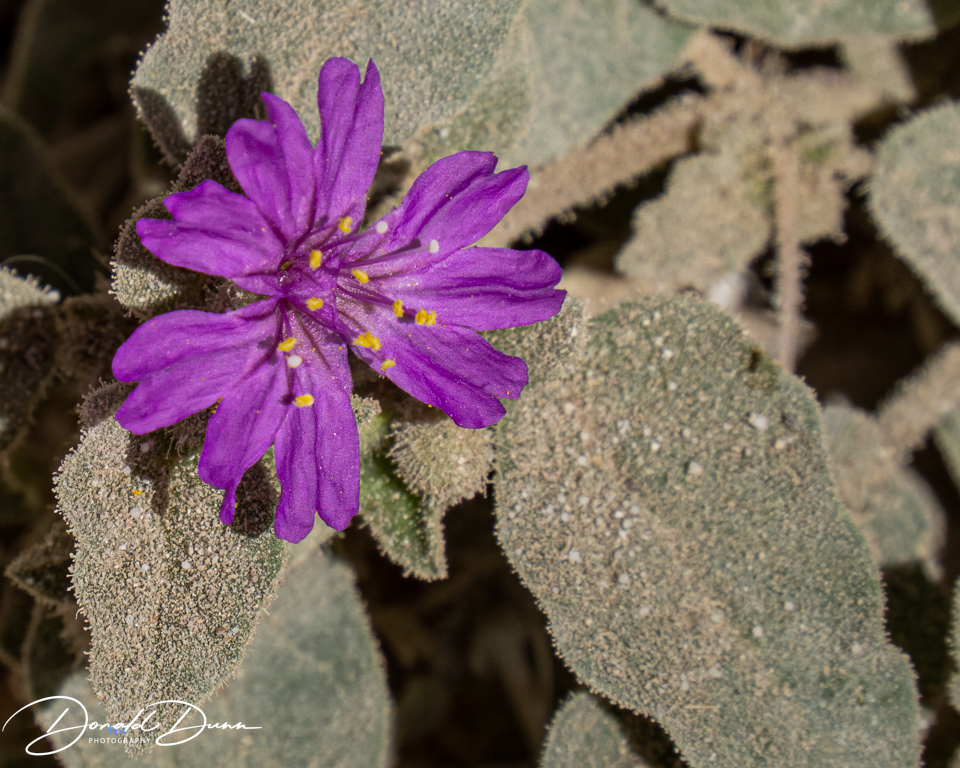
And, the cacti blooms were astonishingly beautiful; what a paradox.
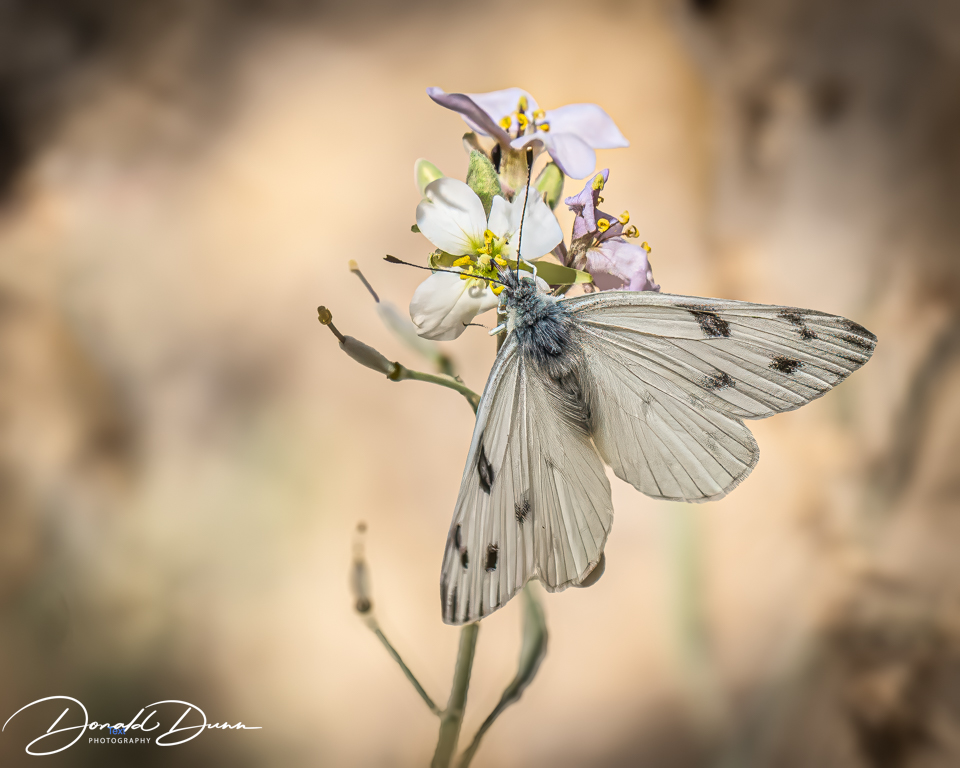
Even a Checkered White butterfly made its presence known.
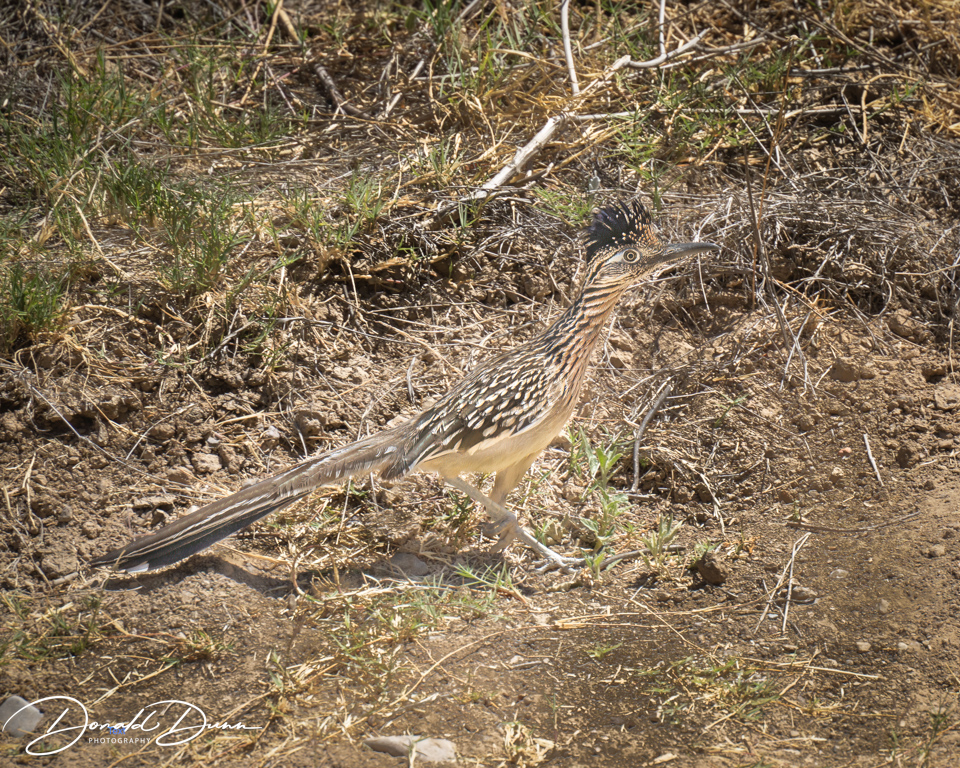
Let’s not forget about the well camouflaged Greater Roadrunner—beep, beep!
We kept loyal to our morning routine Monday morning, and then the internet cable was unhooked and stored, the slide outs were retracted, and the leveling/stabilizer jacks were stowed. In a large parking lot, the “old” Honda CR V was hooked up for towing and we were off, driving south on I-10 towards Tucson. A brief fuel stop was made at Picacho, and the drive continued south. At Tucson, I-10 turned east. It was a bit cool and windy, but the wind was at our backs. Interestingly, it rained, snowed, sleeted with a little sunshine thrown in every now and then. We overnighted in Las Cruces, New Mexico, at Hacienda RV Park, a very nice facility. Before turning in, we watched a couple of downloaded French detective shows.
On Tuesday, the RV park was in the review mirror shortly after 8 AM. We stopped a few miles east of Las Cruces for gasoline. It was overcast and windy, with the wind coming out of the west. As we entered Texas, traffic merged into one lane, and slowed to a stop and start pace as El Paso, Texas, came into view. Significant highway construction (or replacement) was the cause of the traffic snarl. Consequently, Kay suggested we take the mountain route north of El Paso to bypass the city, and it proved to be a relatively easy re-route. We continued south and east on I-10 to Van Horn, Texas, and then turned south on US Highway 90. This was new territory for us. South and east on US Highway 90 took us to Alpine, Texas, where we turned south on Texas Highway 118 to Study Butte. Along the way, we saw several Pronghorn just south of Alpine, and as we neared Study Butte, a couple of Aoudad were along side the highway. The Barbary sheep (actually more a goat-like mammal), also known as aoudad, is a species native to rocky mountains in North Africa. It has been introduced to Texas via escape from exotic game hunting ranches, and is not an uncommon sight in the Big Bend area. There were also dozens of “tiny” houses south of Alpine, and many were shaped like domes. The area is known as a “dark sky” area and many people visit with their telescopes for astronomy. At Study Butte, we turned west and drove a half mile on Ranch Road 170 to Travelers RV Park, our home for the next 4 nights.
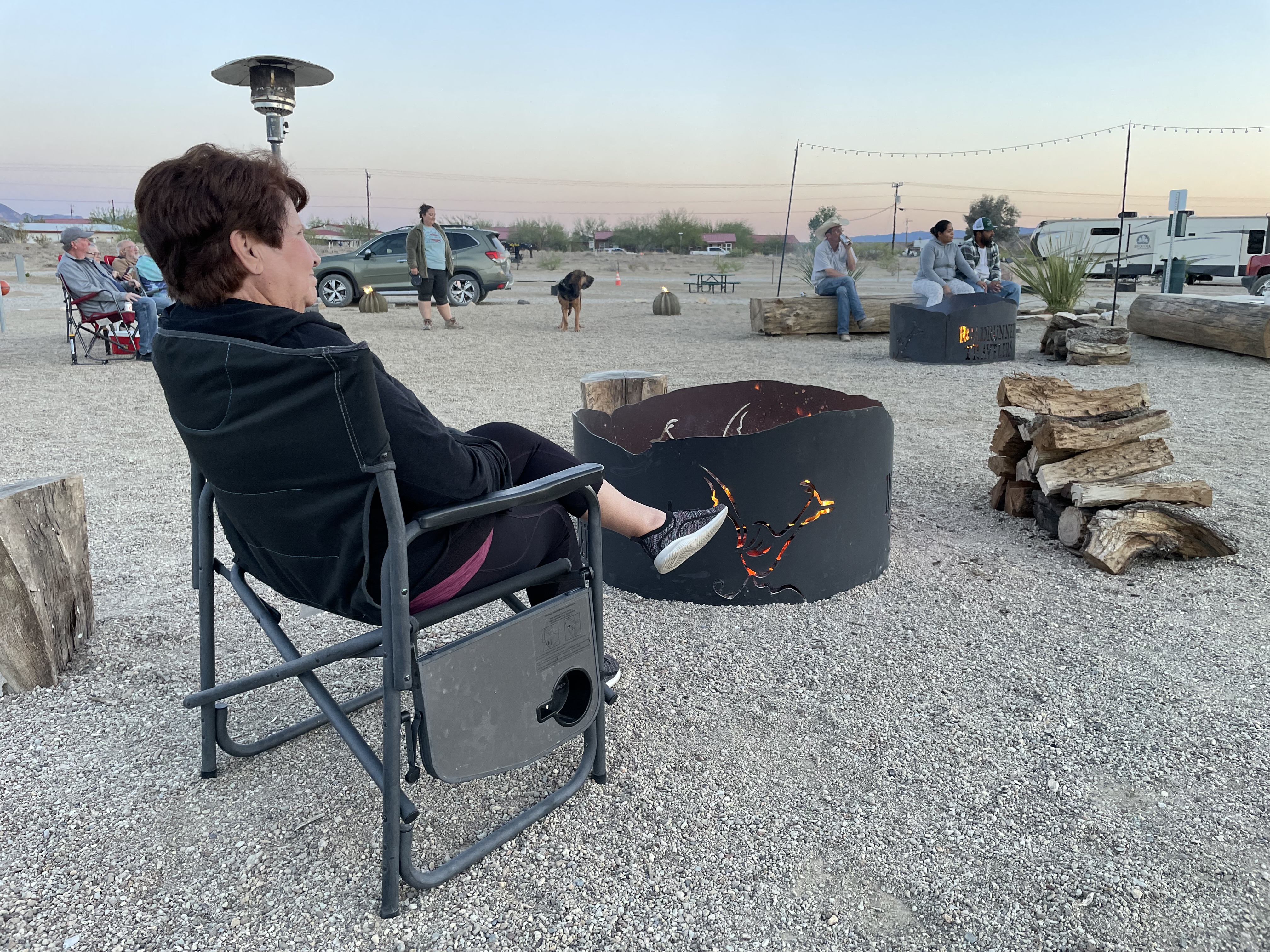
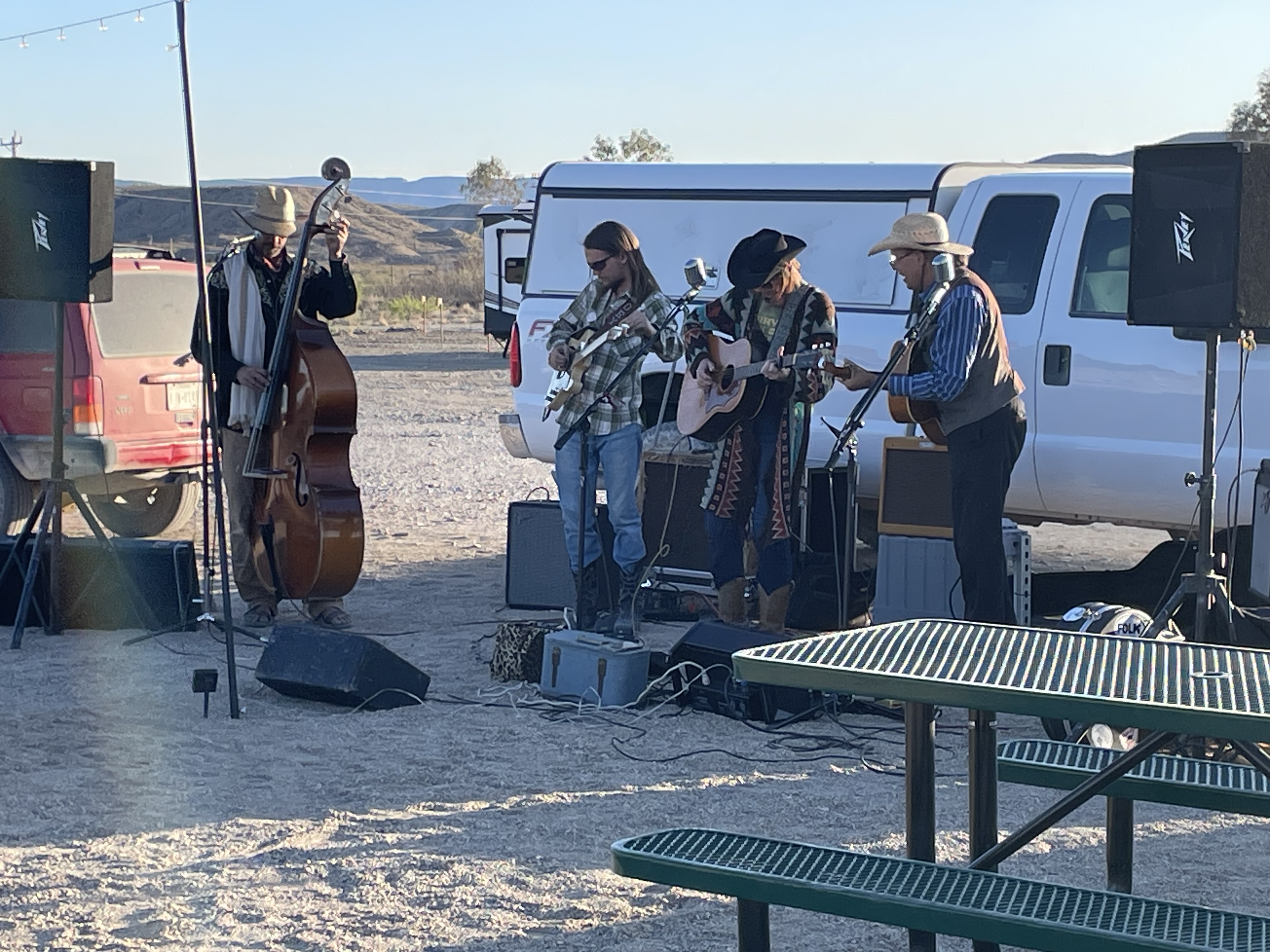
Using on their 50 amp electricity, setup was quick and easy. In the evening, we grabbled a quick bite of leftovers, and gathered with other “campers” around a couple of campfires and listened to a pretty good cowboy band until cigar smoke drove us away.
This “Snowbird” season got off on a wrong foot for several reasons. First, it was more difficult and aggravating packing and readying the motorhome for the trip. And then, each of us had dental work in early January, delaying our start. Consequently, it seems like our time in Arizona this season never quite caught up—something was missing. It’s hard to put a finger on it, but part of it may be that a good number of HSV folks who regularly spent the winter in Palm Creek have gone elsewhere or decided not to winter away from home. And for me, I feel that my pickleball game is not where it should be, and I can’t get motivated to work on it. Kay would agree that since it’s our last year here, I’ve sort of already checked out, even before the season began. We have two more weeks here at Palm Creek, and then it’s off towards home.
Kay played pickleball Monday, but I canceled lacking any interest in playing. I finally returned to the courts on Tuesday, playing a mixed-doubles round robin.
Kay played again on Wednesday, and we attended the “Shake, Rattle, and Roll” concert in the evening. The Elvis impersonator show was just okay, though the vocalist did have a good voice. He made way too many silly jokes during the songs.
Sweetwater Wetlands beckoned on Thursday, and I was able to photograph a number of birds during the trek. Highlights included this soon-to-be mama hummingbird sitting on her nest.
Another was this Song Sparrow.
And yet another was this Lesser Goldfinch.
And this Ladder-backed Woodpecker.
This Cooper’s Hawk was hidden high atop a nearby tree.
A Vermillion Flycatcher is always a sight to behold. This one was pretty far off.
And finally, this Pied-billed Grebe was swimming in an adjacent pond.
Other birds observed were Yellow-rumped Warblers, miscellaneous Sparrows, and Gambel’s Quail.
Following the Sweetwater Wetlands “shoot” I traveled to the US Forest Service Sabino Canyon Recreation Area. Little did I expect it to be so crowded, and the shuttles were booked solid for most of the afternoon. From there, the day’s trip took me north to Honey Bee Canyon Park. Honey Bee Canyon Park is a protected desert ecosystem in the middle of an urban area. Many species of cacti grow there, and there are petroglyphs and other cultural treasures along the 3.2 miles of trails. It proved to be a great stop as I hiked the “out and back” north trail to the petroglyph site.
Along the way, a few birds perched on rocks and cacti, but the 28-200mm Tamron lens was grossly under powered.
Pyrrhuloxia, aka Desert CardinalAmerican Kestrel
And, how about this Coyote?
Even a few wildflowers were blooming.
On Friday, I processed photos, Kay shopped, and we played pickleball with the Bushee’s followed by dinner at Barro’s Pizza. Saturday proved to be a “dead” day for the both of us.
We enjoyed an afternoon watching skydivers on Sunday at Skydiving Arizona at Eloy, Arizona, just a few miles south of Casa Grande. It is the largest skydiving facility in the United States. There were lots of “jumpers,” mostly young. We enjoyed their swooping inane sliding to a standing landing. The jump zone was probably the most crowded with both jumpers and spectators that we have seen in our 5 years here in the desert.
I am “pickleballed” out. So much effort went into preparation for and playing in the tournament, that I’m almost burned out with little desire to play and/or compete. Kay played on Monday, March 4. On Tuesday, March 5. I drove north to the Riparian Reserve at Gilbert Water Ranch in Gilbert, Arizona, Tuesday morning, and had a decent morning photographing birds. Species included Abert’s Towhee, American White Pelican, Anna’s Hummingbird, Black-necked Stilt, Curve-bill Thrasher, Great Egret, Green-winged Teal, House Finch, Northern Mockingbird, Northern Shoveler, Orange-crowned Warbler, Say’s Phoebe, Verdin, Veterans Oasis Park, and Yellow-rumped Warbler.
Even a Gray Hairstreak butterfly made an appearance.
Kay returned to the pickleball courts Wednesday while I processed photographs. In the late afternoon, we had a going away party for the Seitz’s who left Palm Creek a few days early to attend a wedding in Florida. It was a great party, and we’ll sure miss them until returning home in early April. Kay again played pickleball on Thursday. And we played hand and foot with the Barbara and Norm and Jolene and Gary. The guys lucked out with another blowout victory!
Kay and I drove to Picacho Peak State Park Friday morning in hopes of viewing a super bloom of California poppies. Regrettably, it was too cool for the poppies to open, and besides there was not a super bloom this year as opposed to last year’s exceptional bloom. After the wildflower failure, we drove to Rooster Cogburn Ostrich Ranch. Rooster Cogburn Ostrich Ranch is a three generation family owned and operated working ostrich ranch. Joining the ostrich were Miniature Sicilian Donkeys, Nigerian Dwarf Goats, Fallow Deer, Peking Ducks, the Goat Penthouse, the Hole in the Wall Gang featuring Boer Goats, the all-time favorite Rainbow Lorikeets, and last but not least Sting Rays. This visit had been on Kay’s Arizona list for some time.
Washington state friends, Ralph and Debra, visited Saturday, and after a great lunch at Texas Roadhouse (one of our favorites), we drove to St. Anthony’s Greek Orthodox Monastery.
St. Anthony Greek Orthodox Monastery is located in the Sonoran Desert of Arizona near Florence. It was established in the summer of 1995 in the name of Saint Anthony the Great. It is home for approximately 42 monks. Visitors must adhere to a strict dress code. Women must wear long-sleeved, loose-fitting shirts that fully cover the chest up to the neck; long skirts (or dresses) without deep slits; and scarves that cover the head and wrap under the chin and around the neck, so that the neck is also covered. Menare kindly asked to wear long pants and long-sleeved shirts. For both men and women, socks (at least ankle high) with shoes or sandals are to be worn at all times. Sheer stockings are prohibited. The Monastery buildings and grounds were immaculate, and a large number of other visitors were present. It was quite amazing to see this “oasis” in the middle of the desert.
Sunday was an uneventful day. In fact it was so uneventful that all we did was read and watch TV.
Collection of trails and greenway quotes, terms, acronyms, tools as well as trail publications and presentations and 100s of photos from my bicycle and hiking adventures. .
This journal was begun several years ago, and reflects an accurate record of each day fished. Please enjoy it, and remember that fish are too valuable to be caught just once, and the places they live are too valuable to be mistreated.