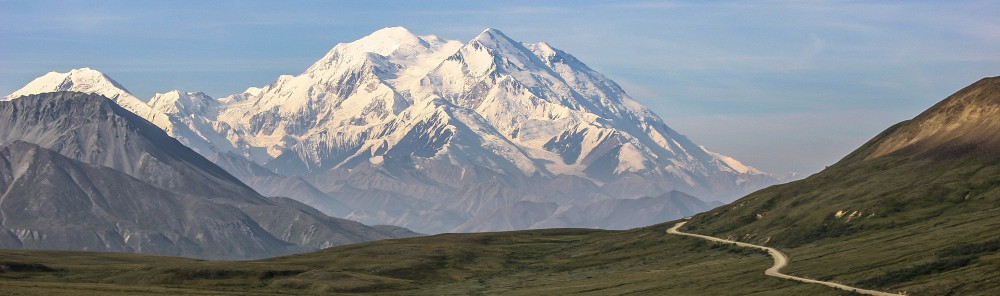
Today, we visited the Ancient City of Ephesus, had lunch at a rug-weaving school, observed the skill and artisanship of rug weaving, and shown a number of hand-woven rugs.
Ephesus is another of the Seven Churches of Revelation and was once a bustling port town graced with wide, colonnade-bordered streets and a population of 250,000. Despite attempts at recovery, much of Ancient Ephesus has been lost.
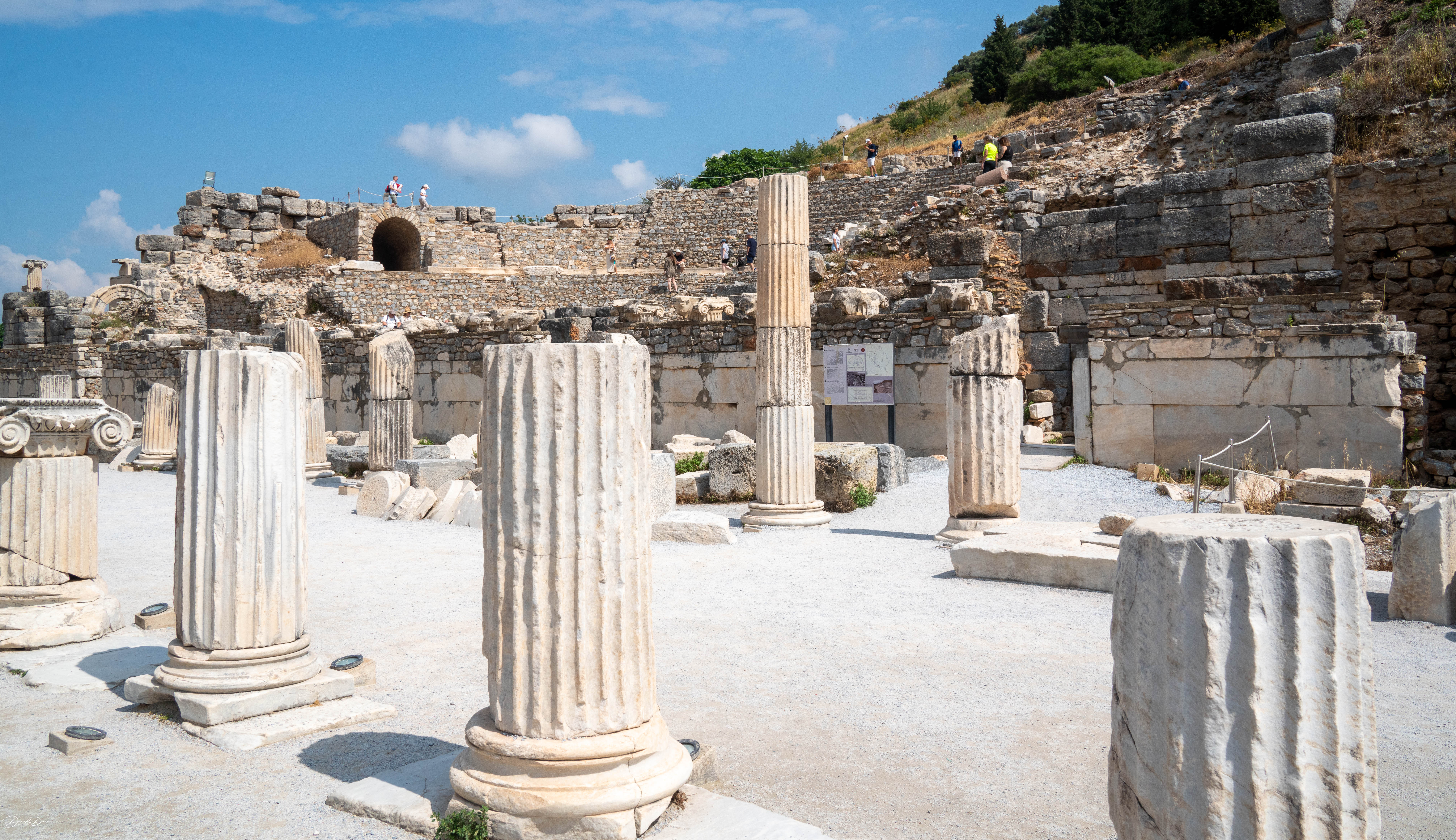
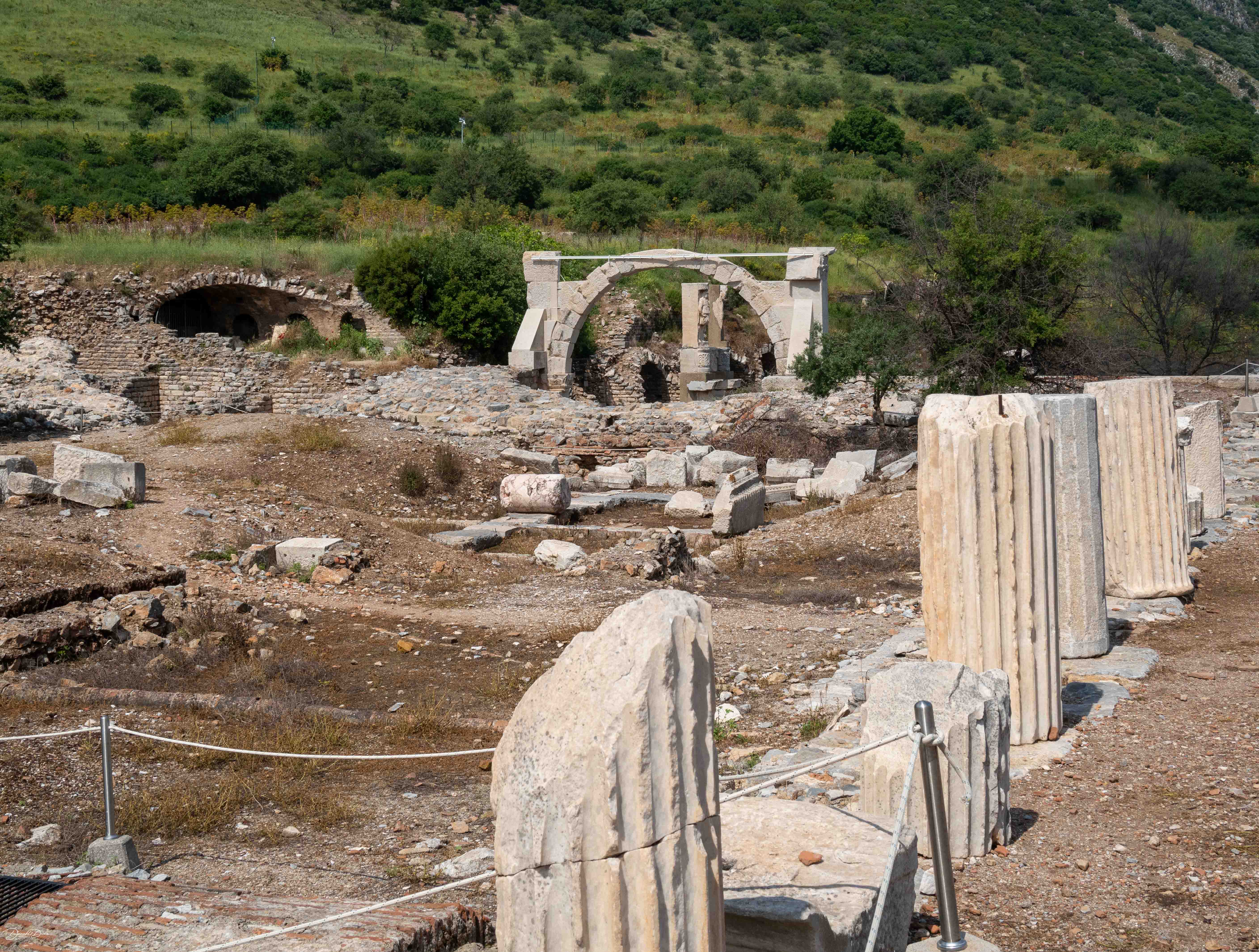

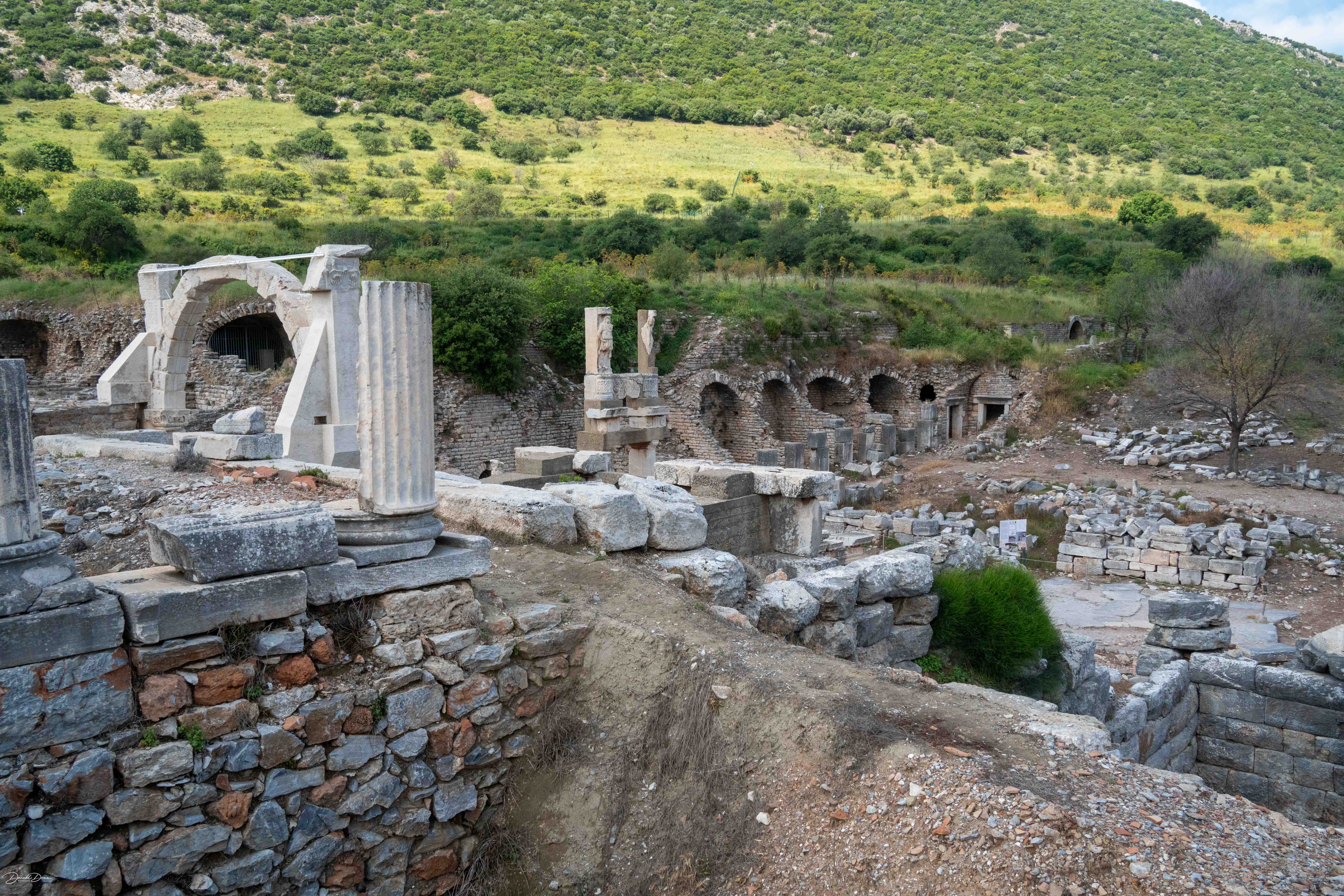
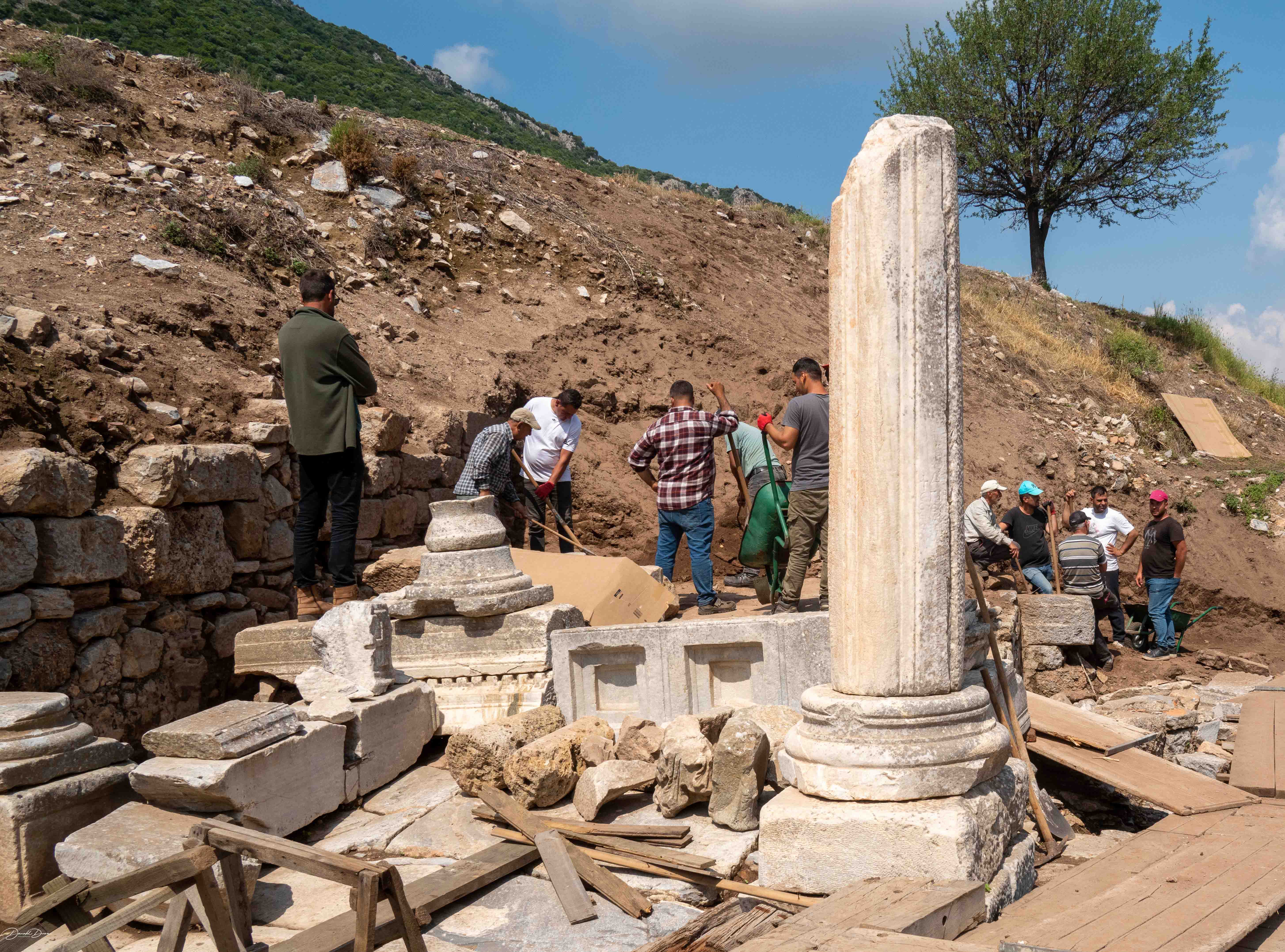
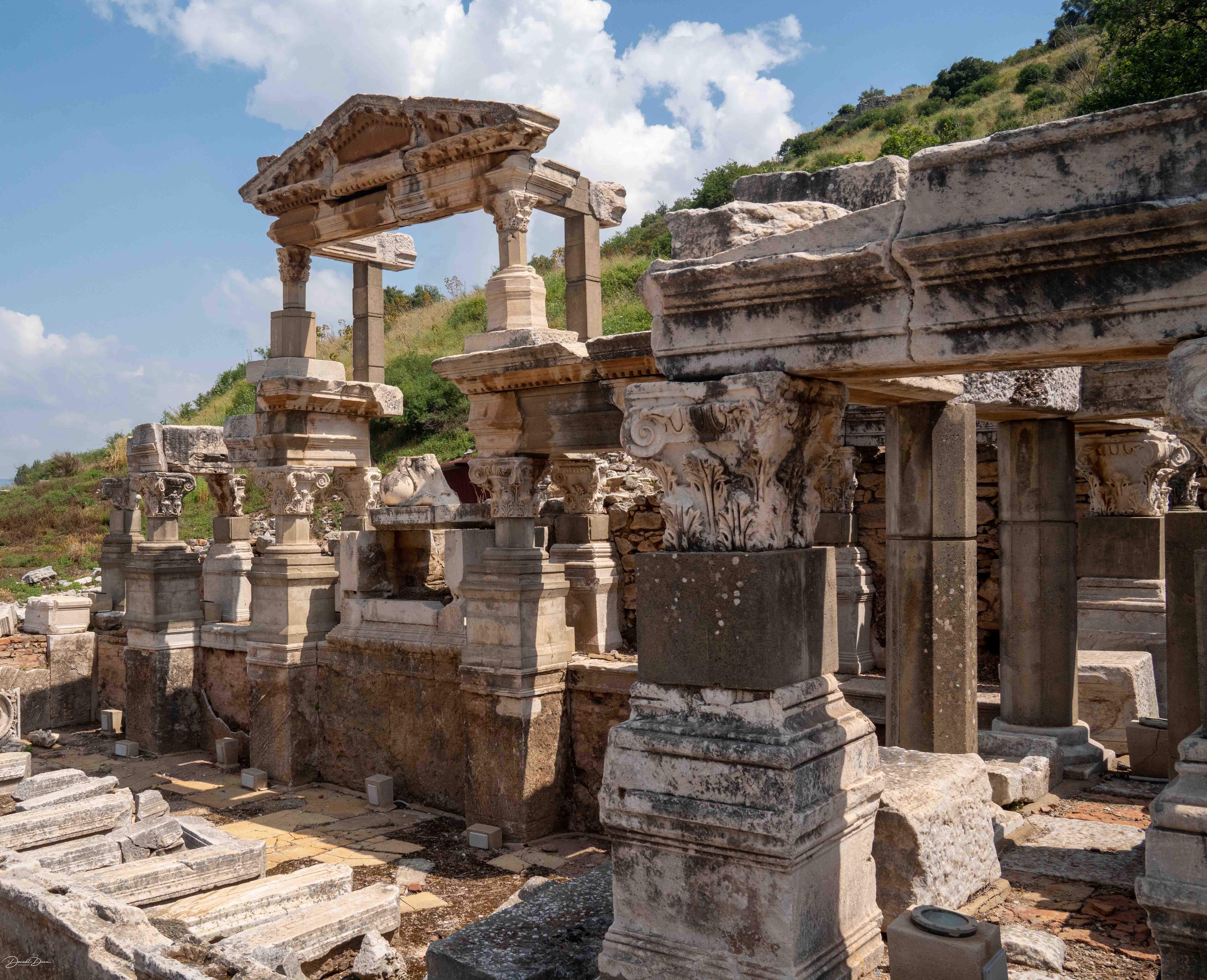
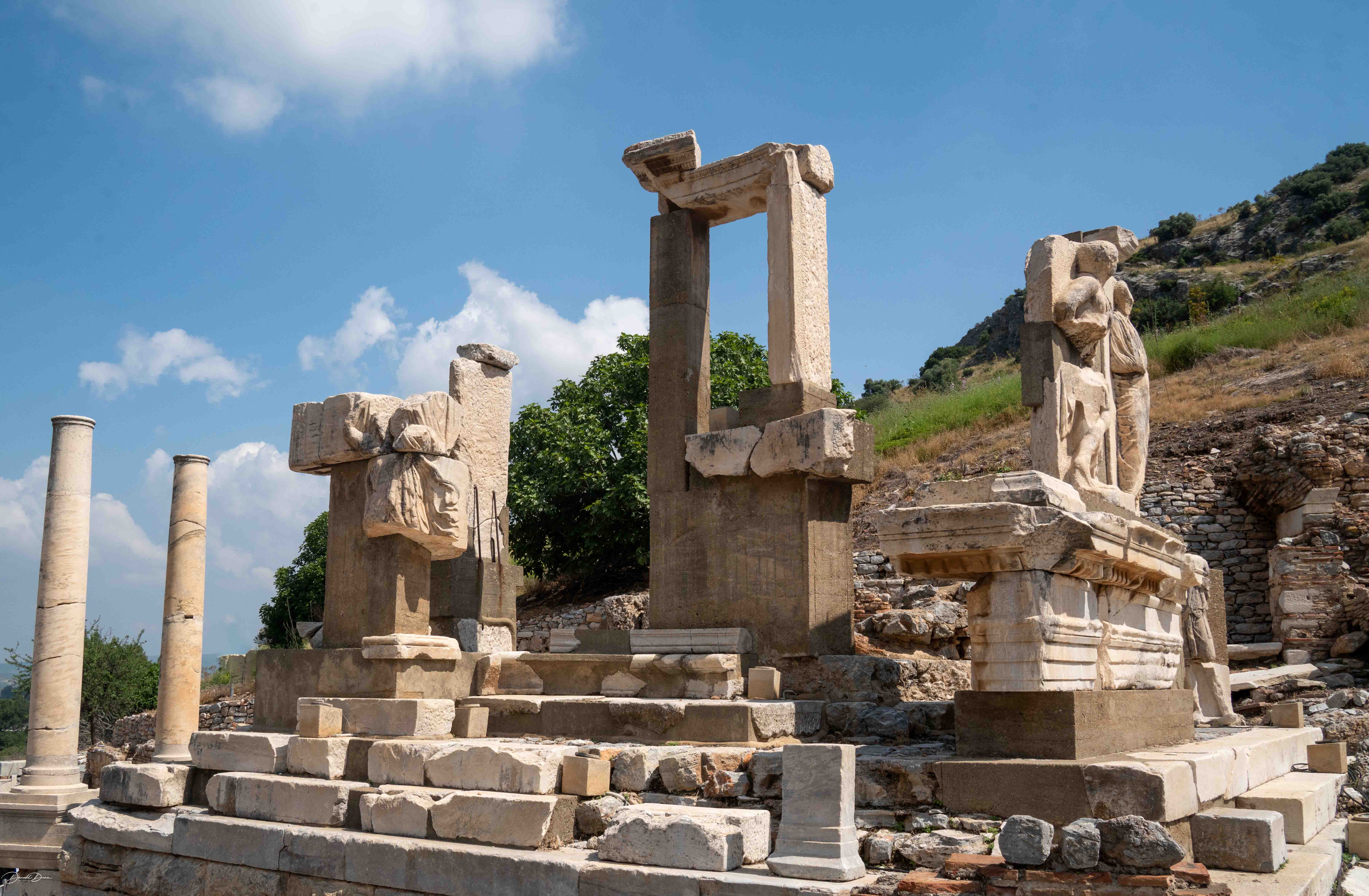
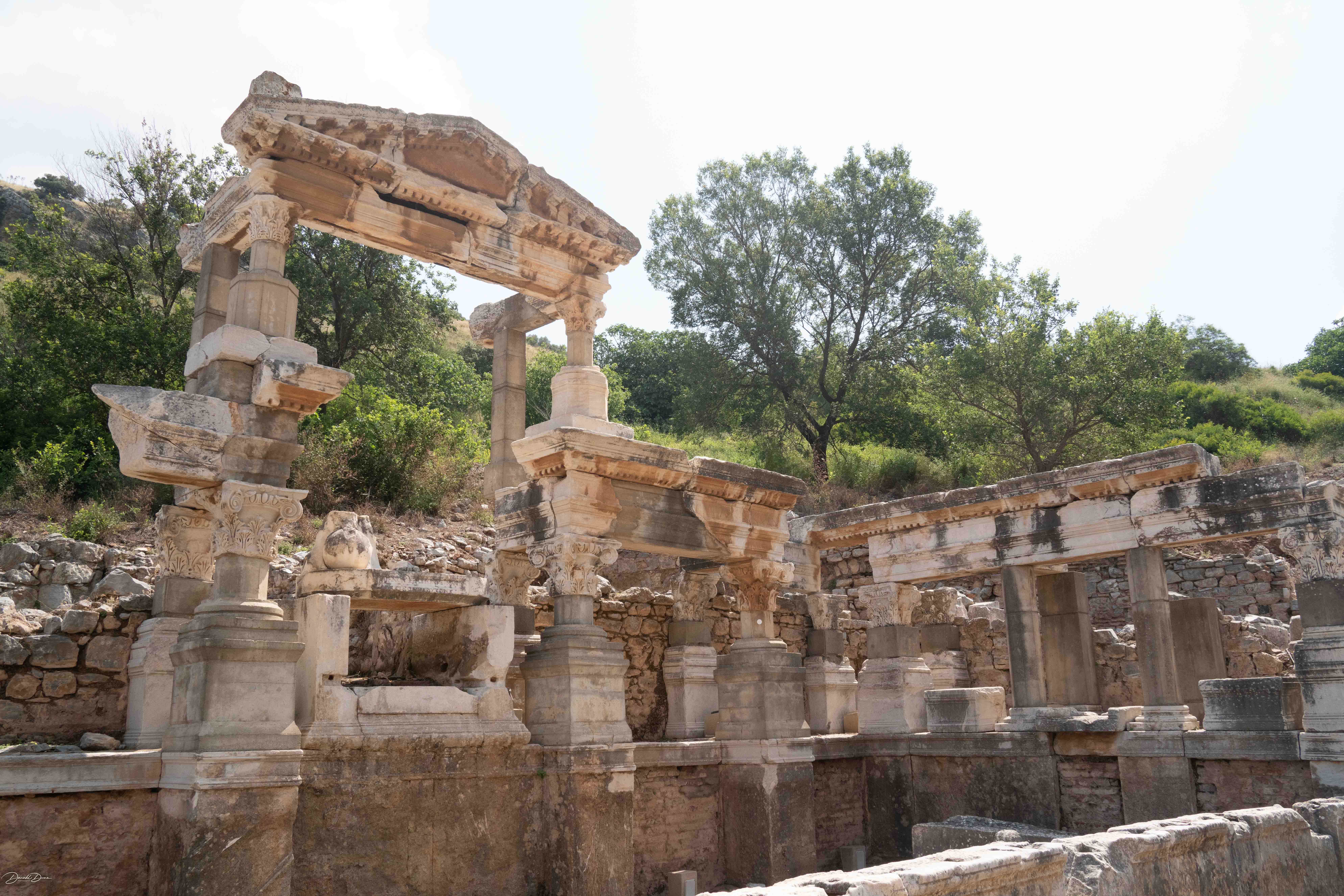
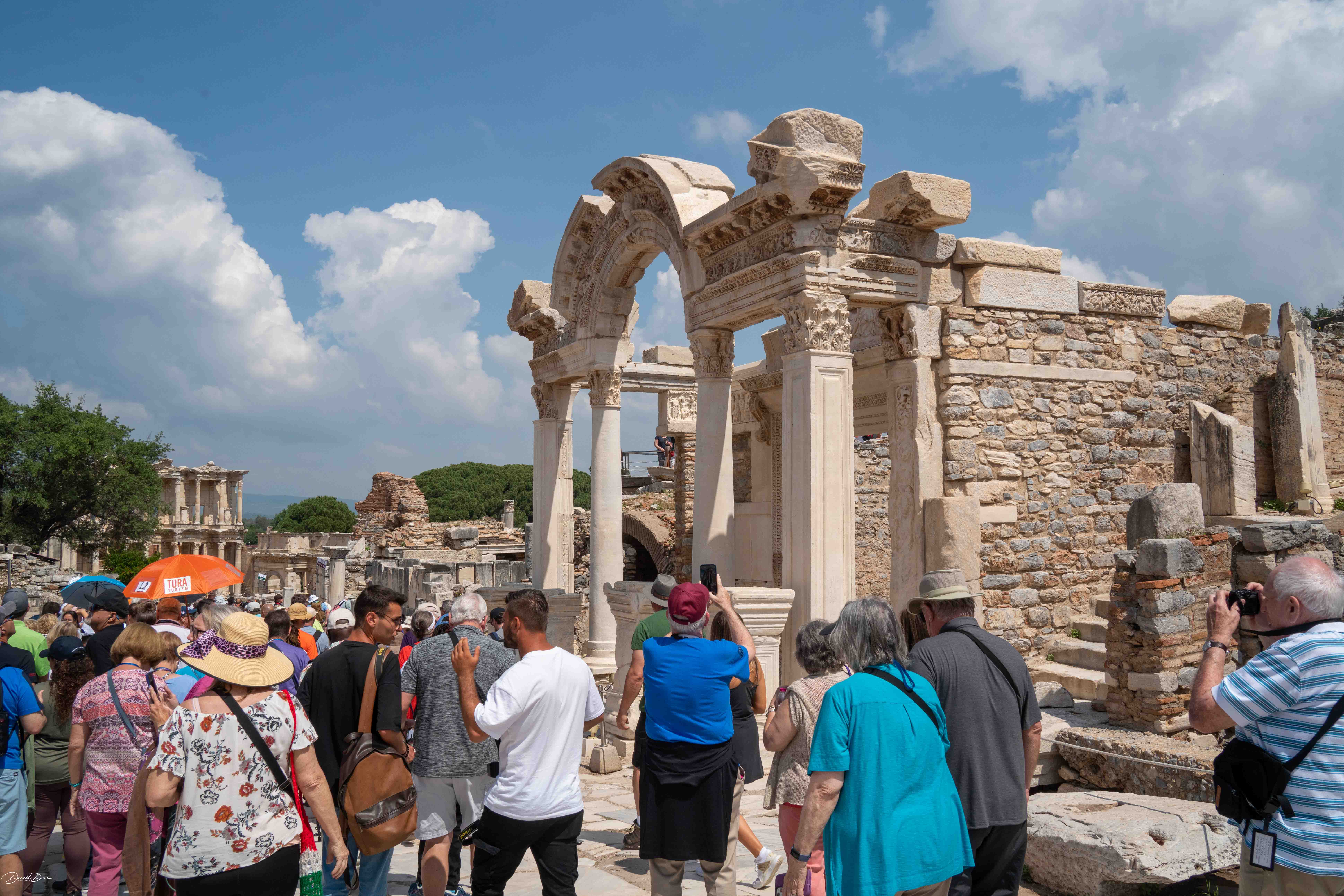
Remains of the huge Agora and Library reveal much of the glory of Ancient Ephesus.
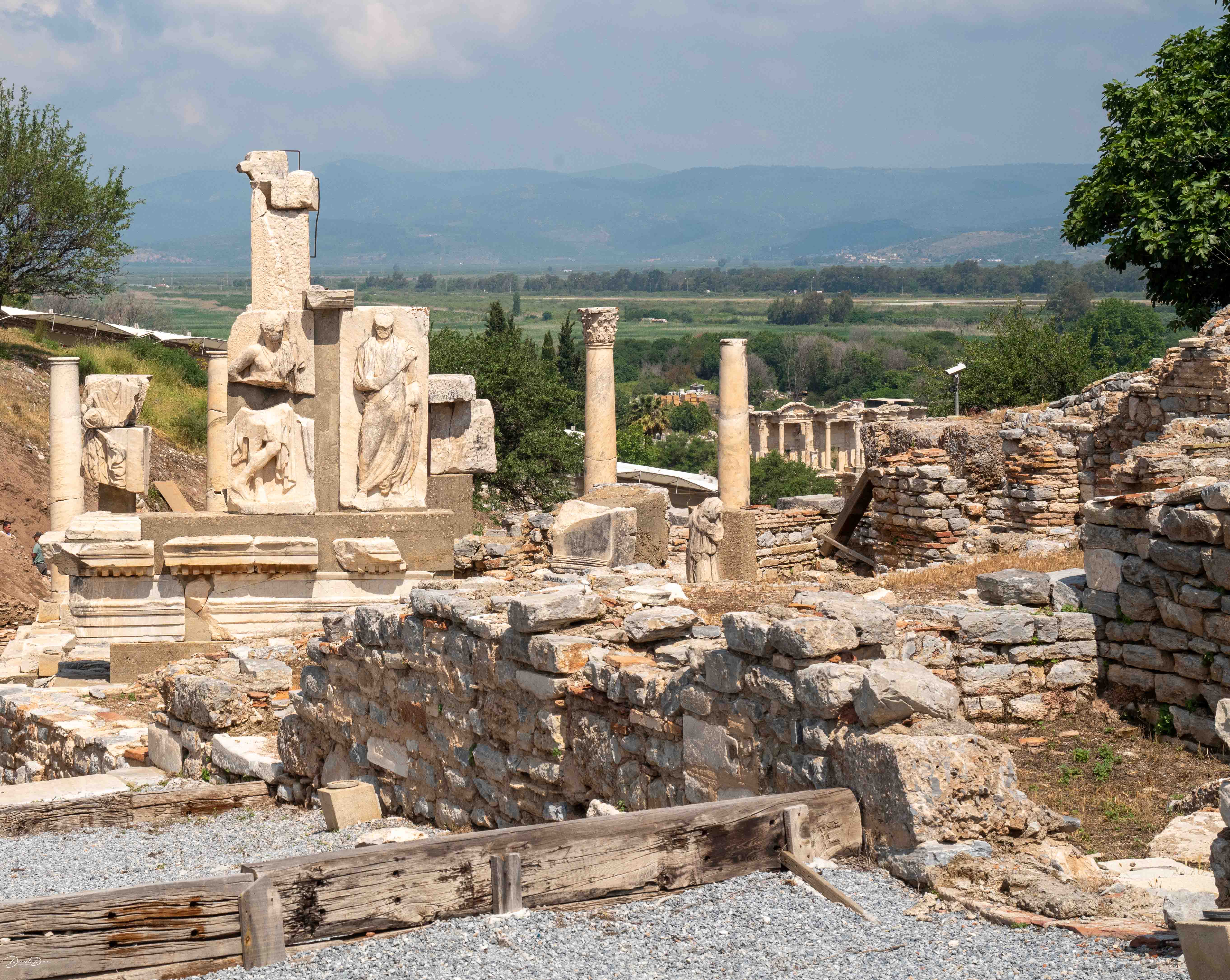
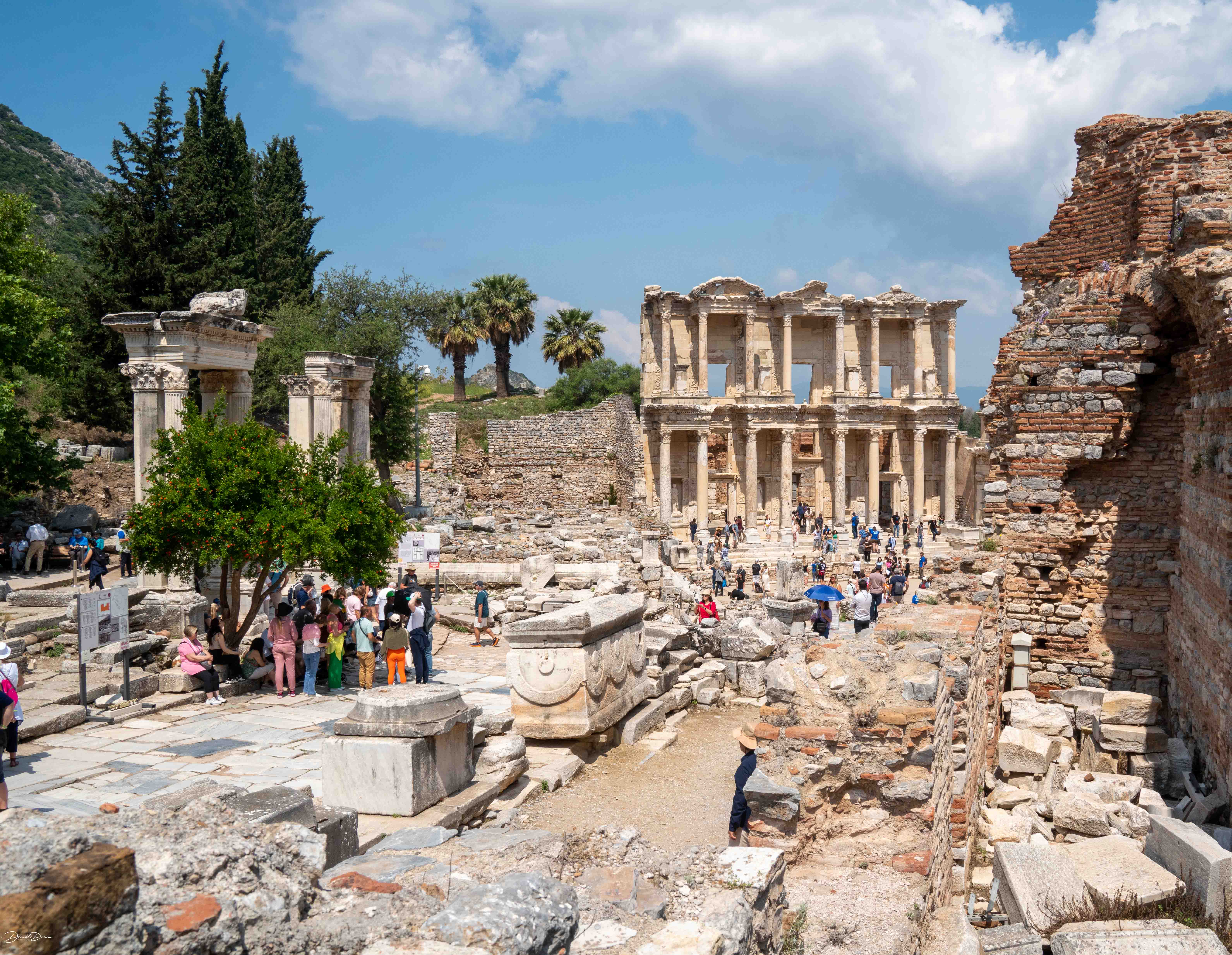
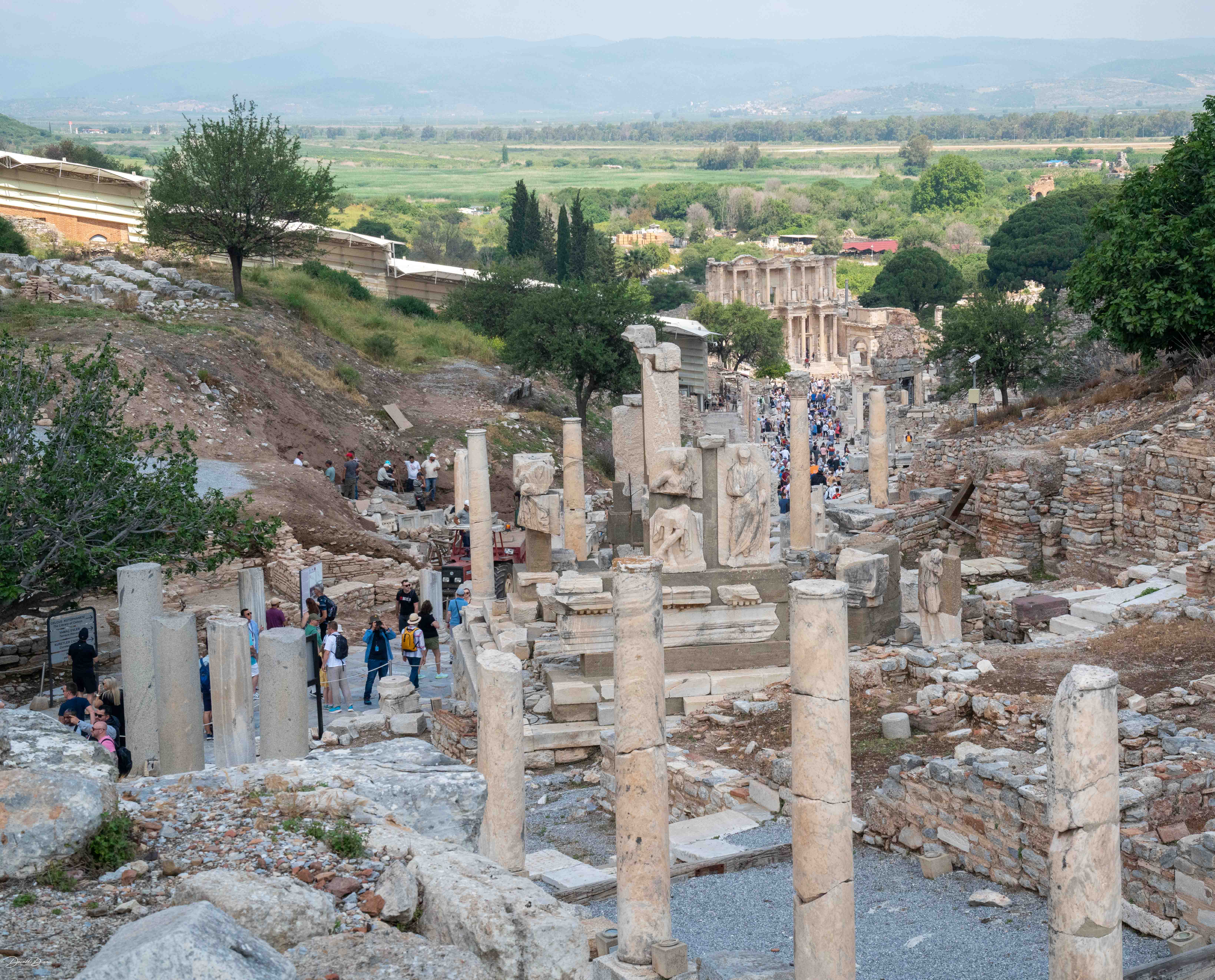
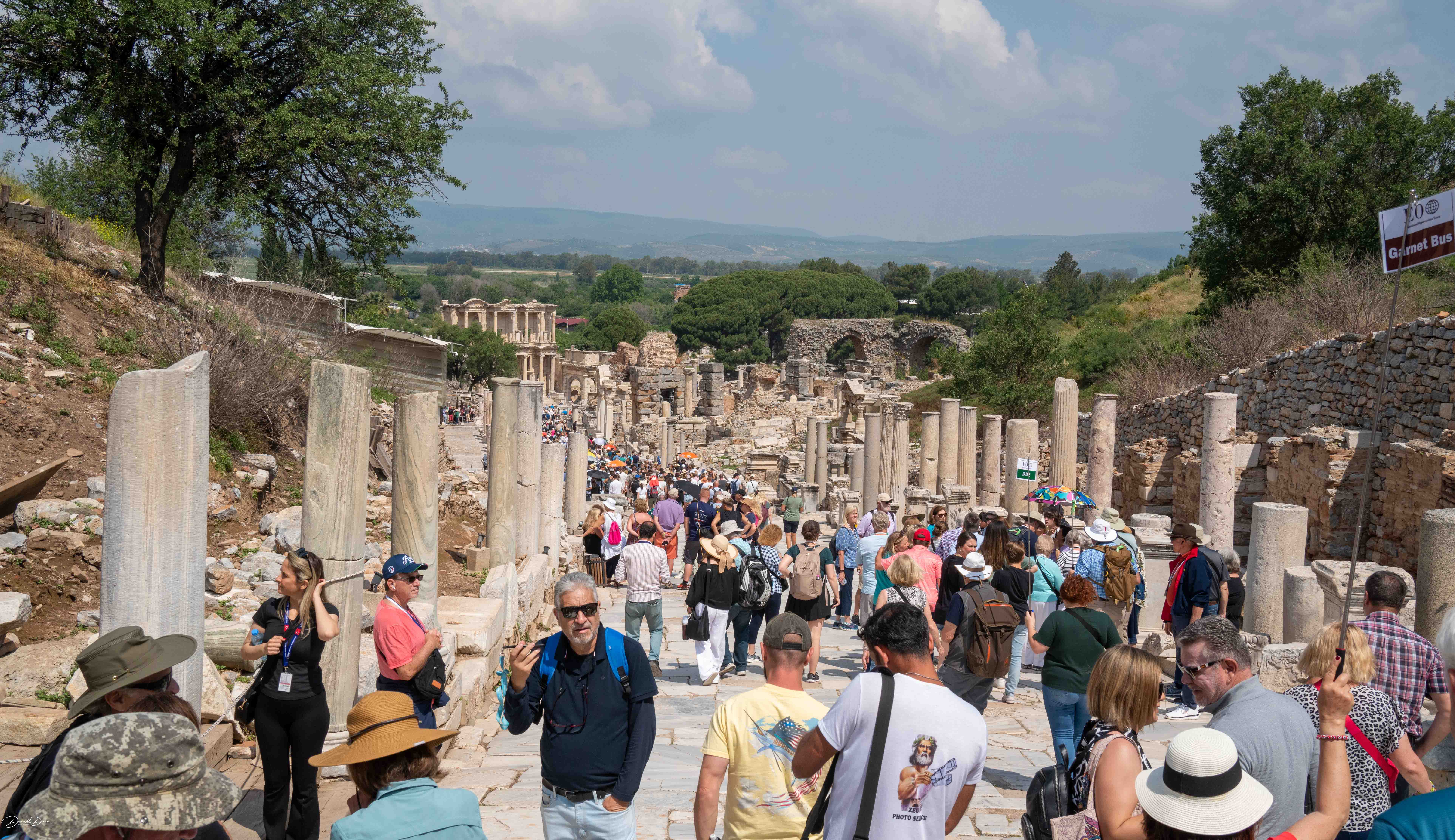
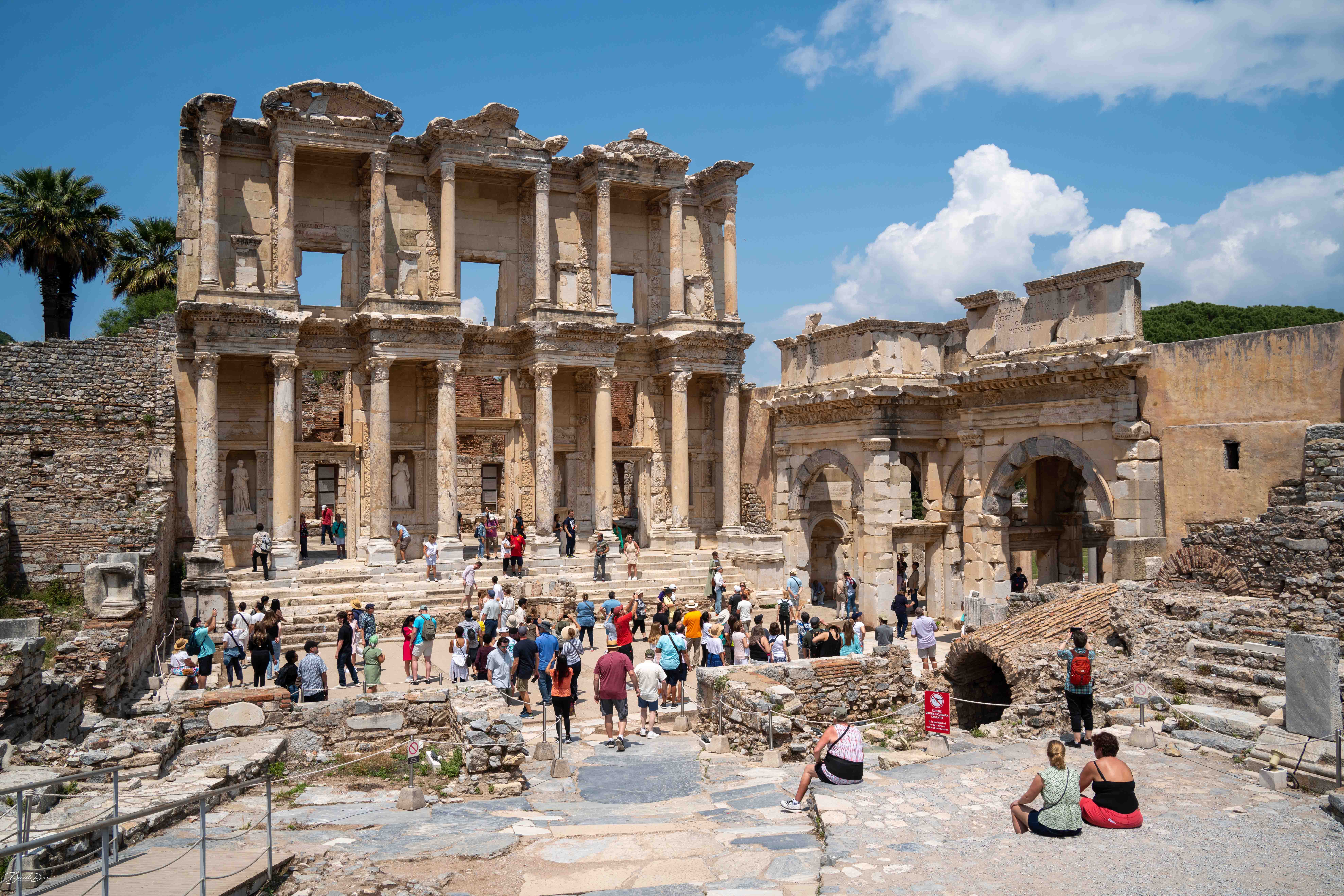
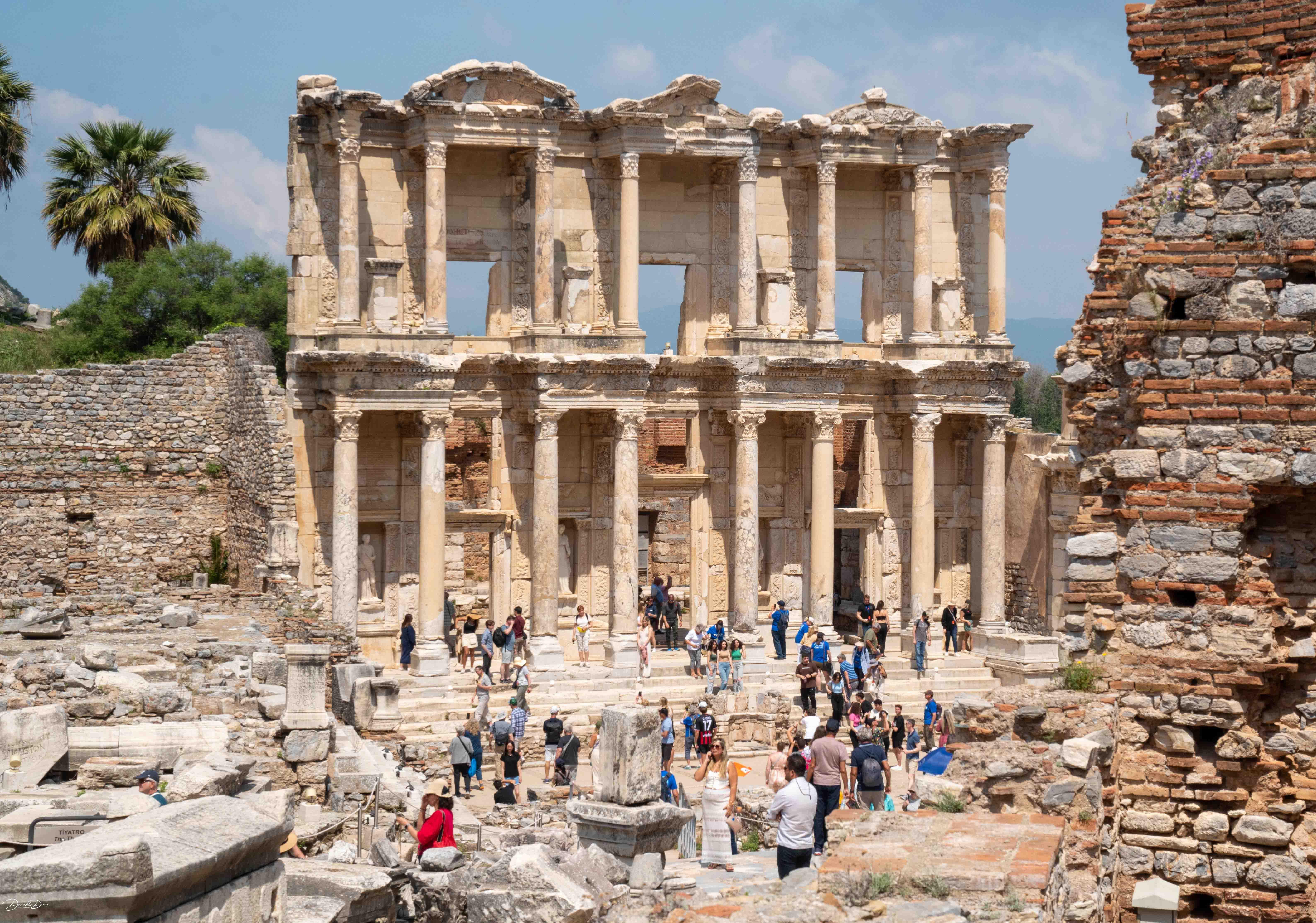
The ancient world once declared the Temple of Artemis to be one of the Seven Wonders of the World, but today only a single column remains to mark its site. We climbed step after step to view the terrace houses, also known as “the house of the rich,” which provided a true impression of ancient lifestyle, complete with private toilets where sewage was removed by running water.
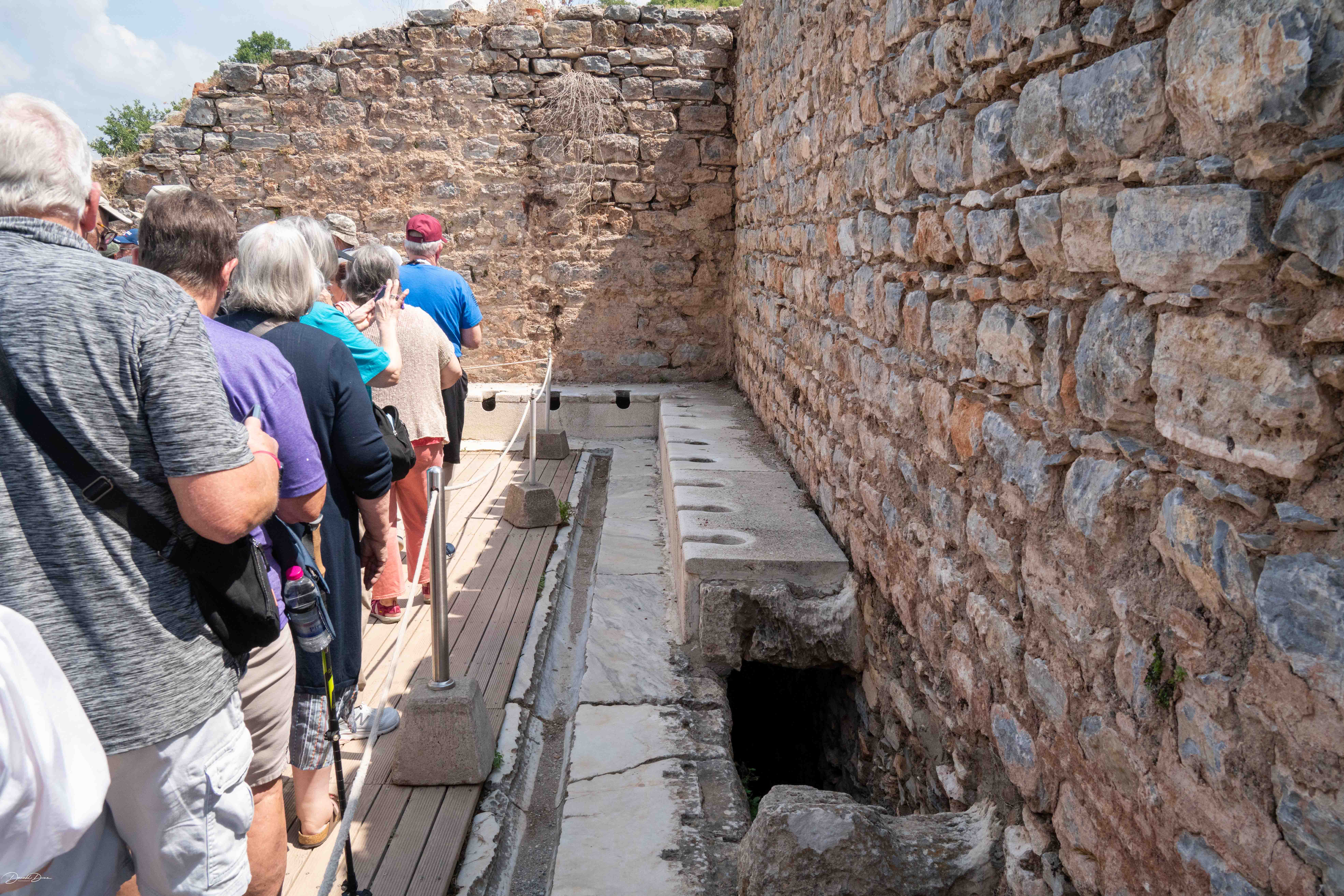

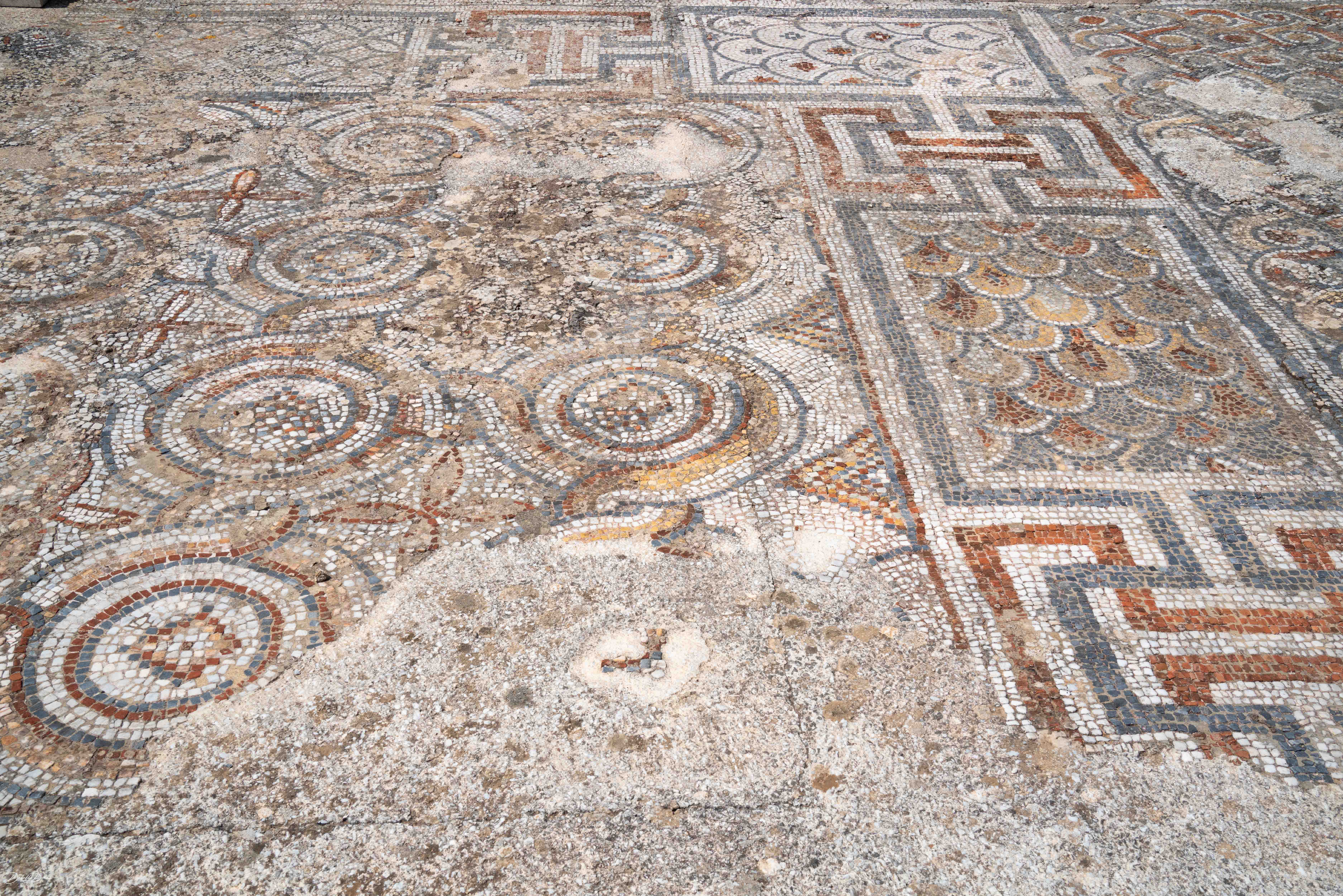

Interestingly, only about 15 percent of the ancient city has been excavated and catalogued.
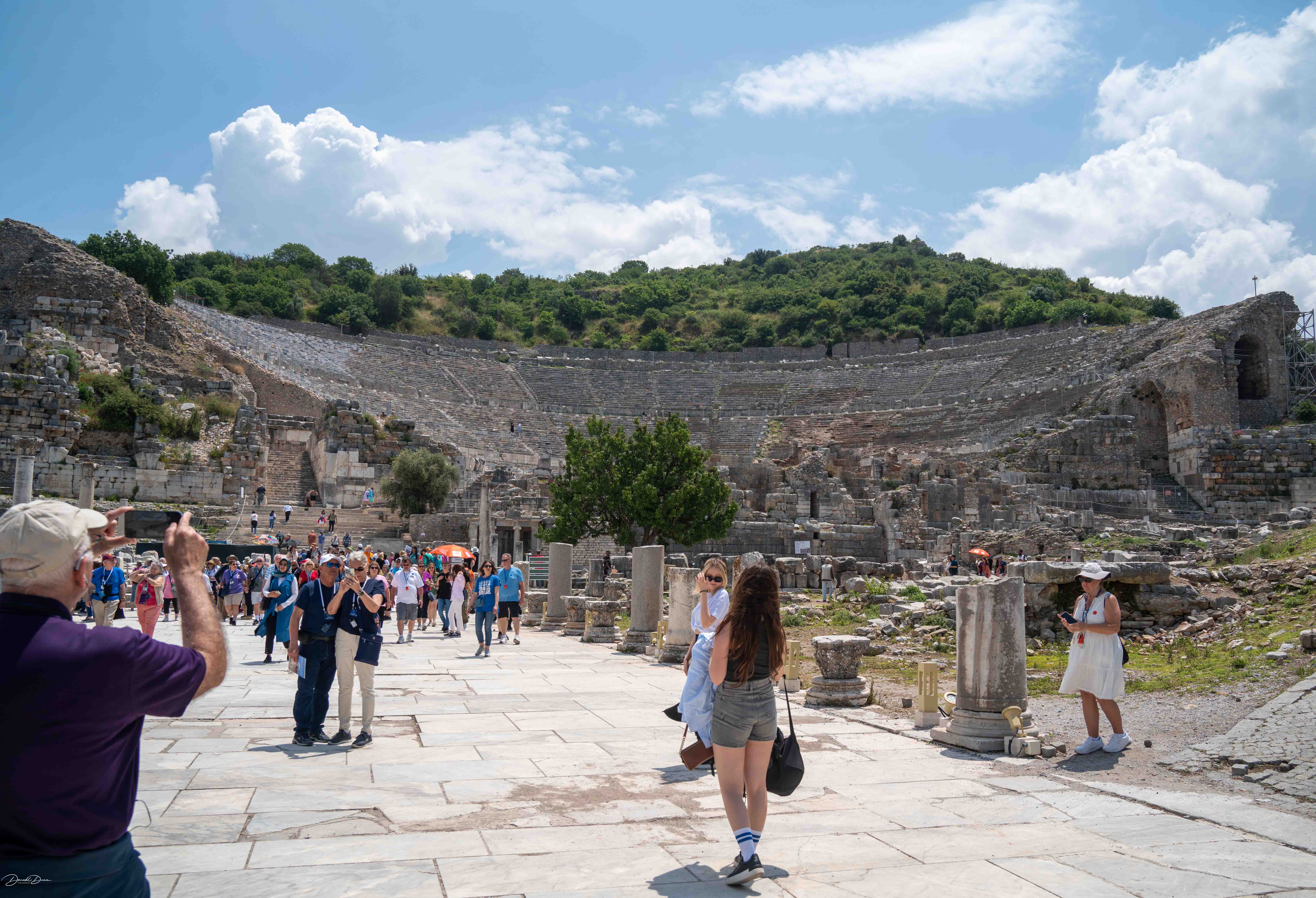
The Great Theater of Ephesus was constructed in the Hellenistic period (about 1st century AD) taking 60 years to complete. It is the largest theater in Asia Minor with accommodation for 25.000 people; 24.000 seats and 1000 standing places. It served not only for dramatic performances, but also for demonstrations of a social, political, economic, religious nature and for gladiator games. The theater is often mentioned in the context of St. Paul’s visit to Ephesus (Acts 19.)

unch was at a Turkish rug-weaving school. The craft of rug weaving was demonstrated, and we were shown a number of professional weavers’ wares. Hand-woven rugs were also for sale, and we are the proud owners of one to be shipped to Hot Springs Village. After rug weaving, we briefly explored the Museum of Ephesus for an up-close look at some of Ephesus’ antiquities and ancient artifacts. It was hard, yet amazing to grasp the reality of civilization some 2,000 years ago—the art, architecture, and extravagance.
 Dunngone's Photos and Blog