
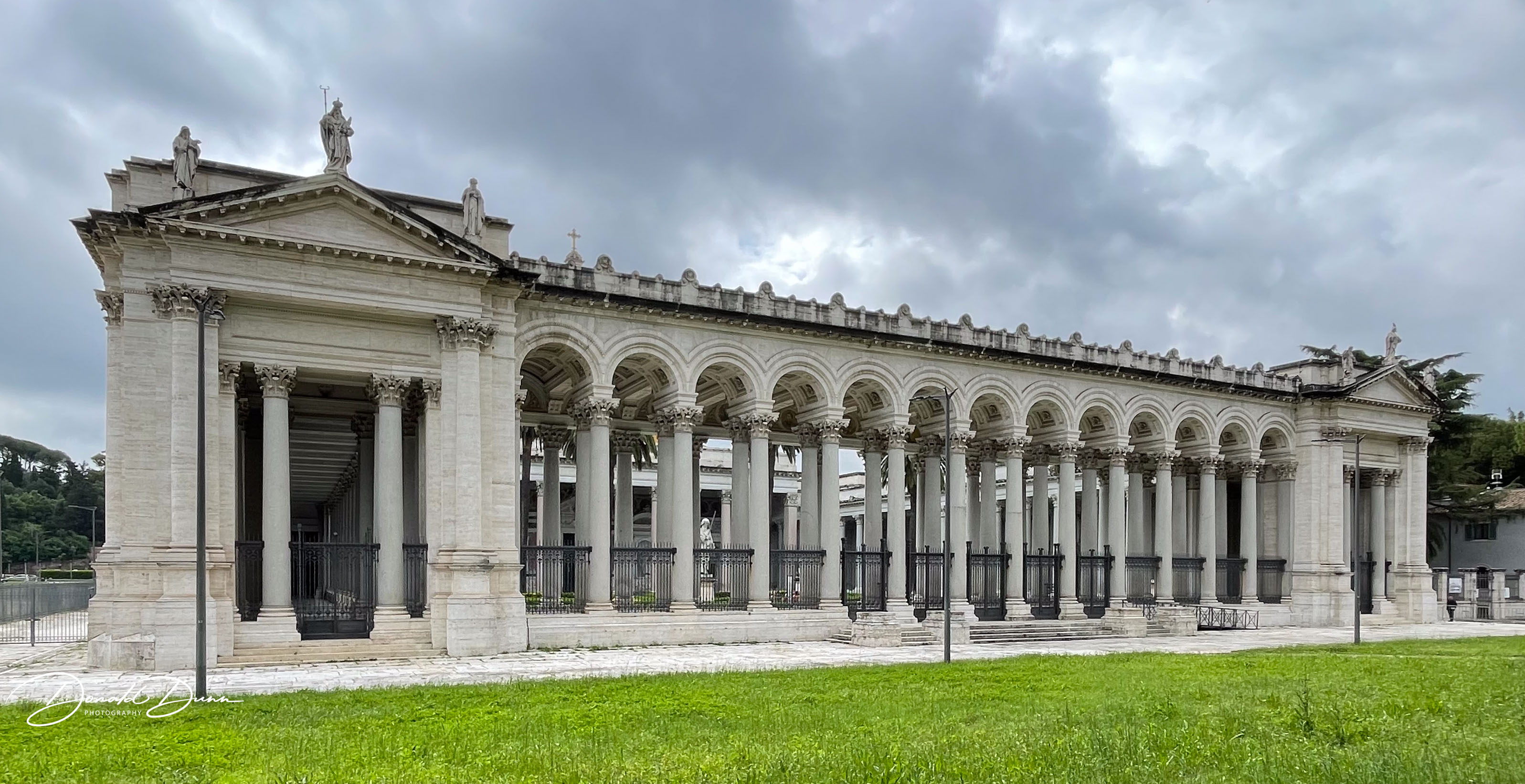
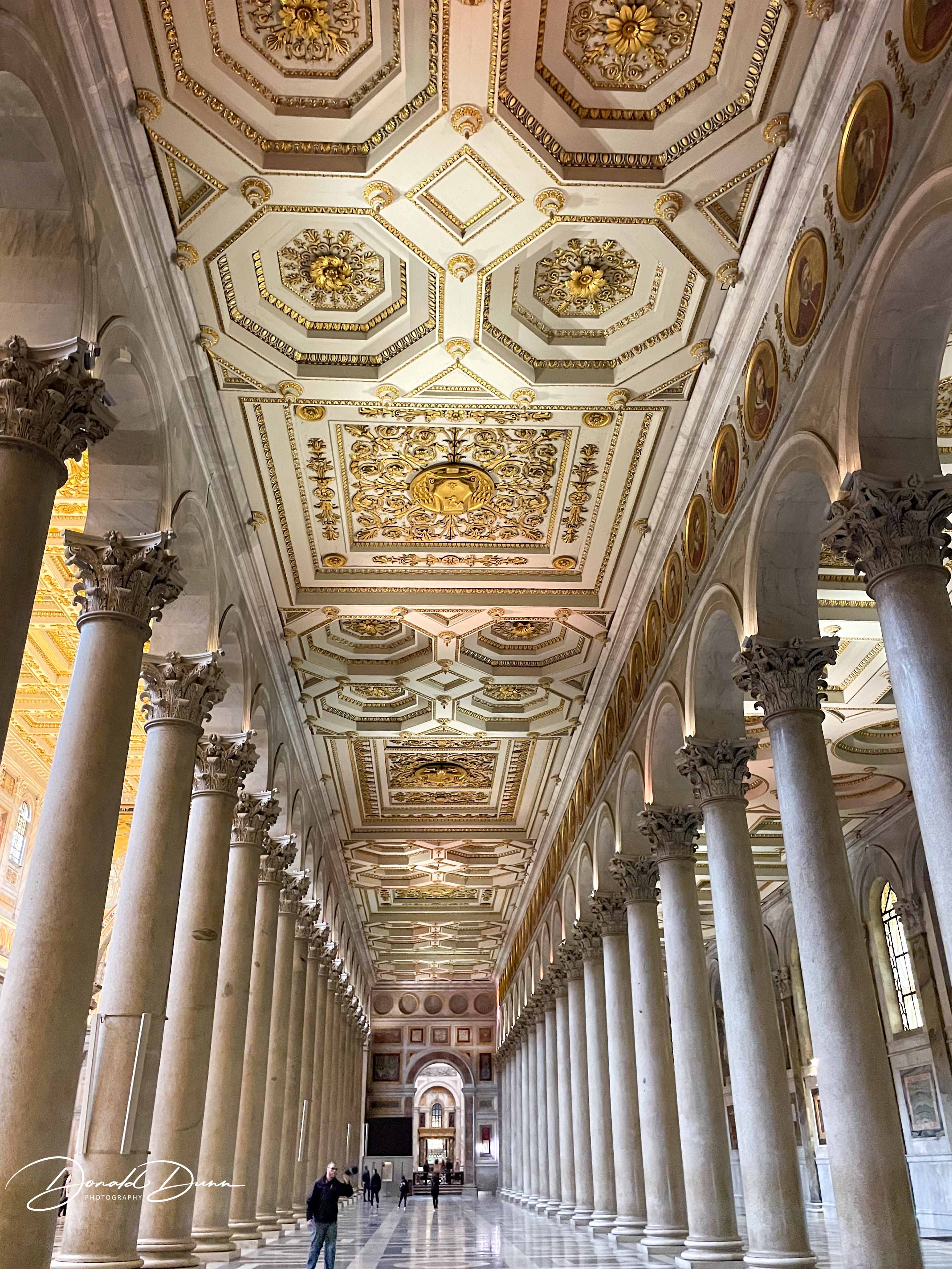
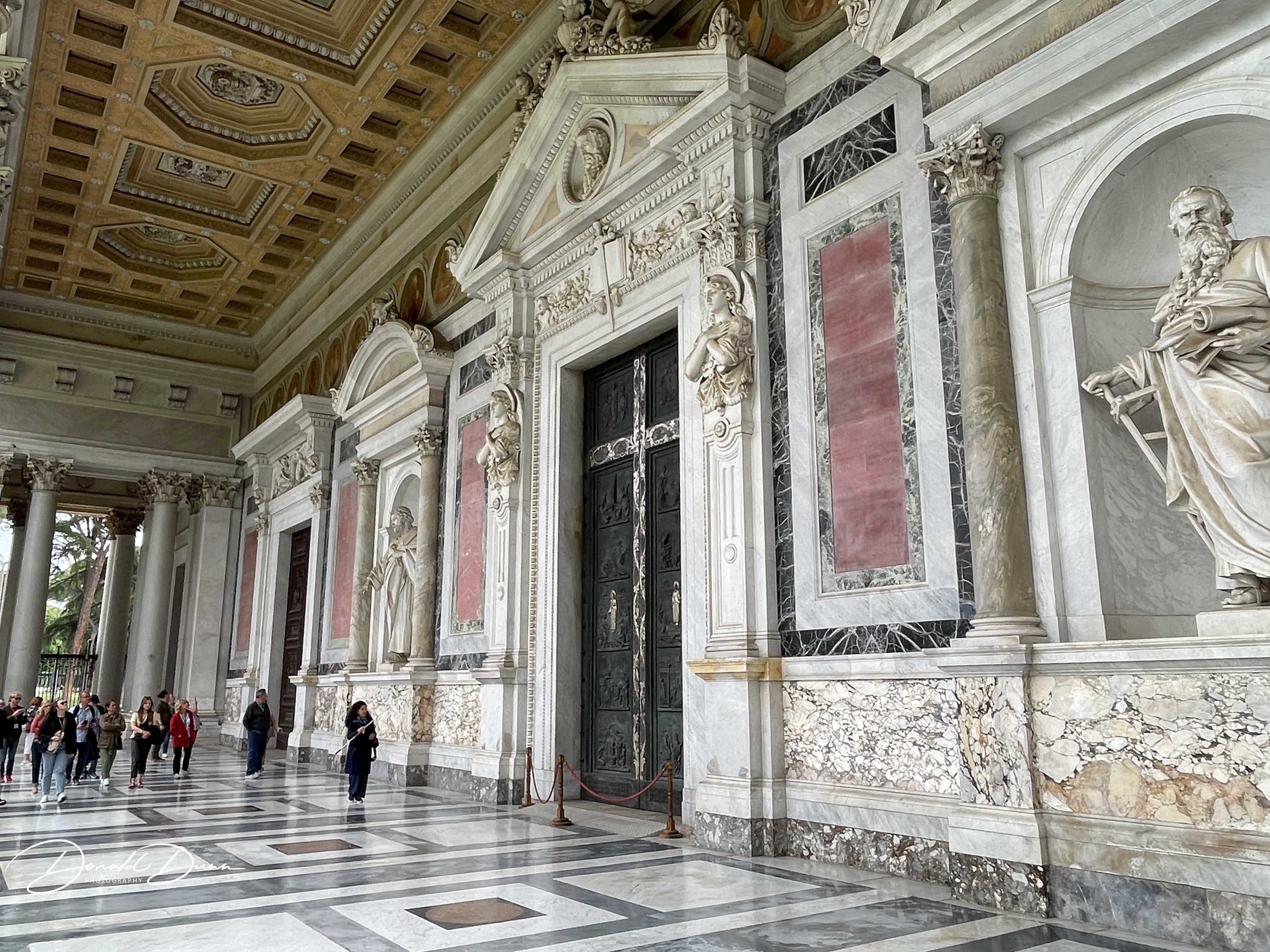
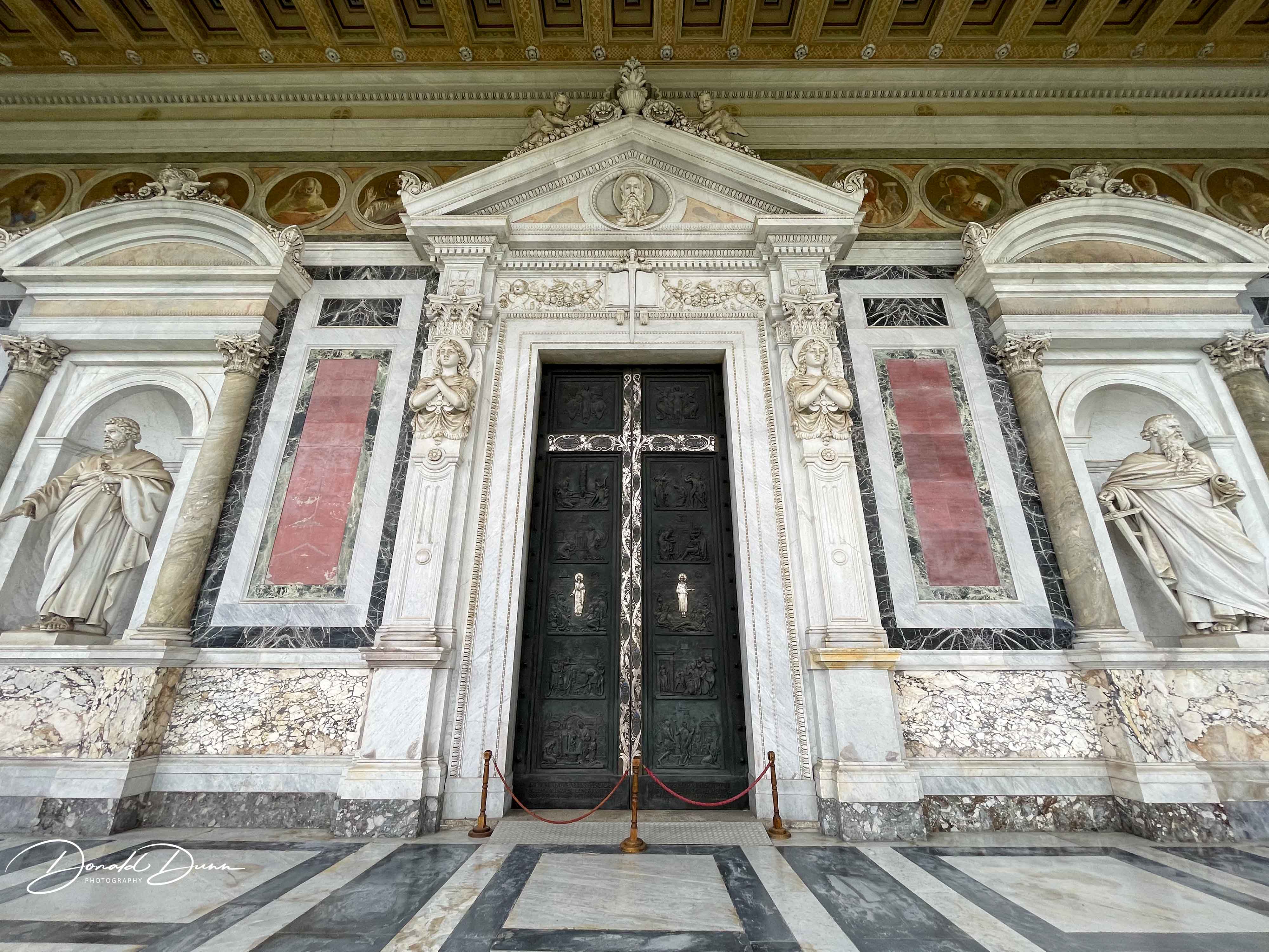
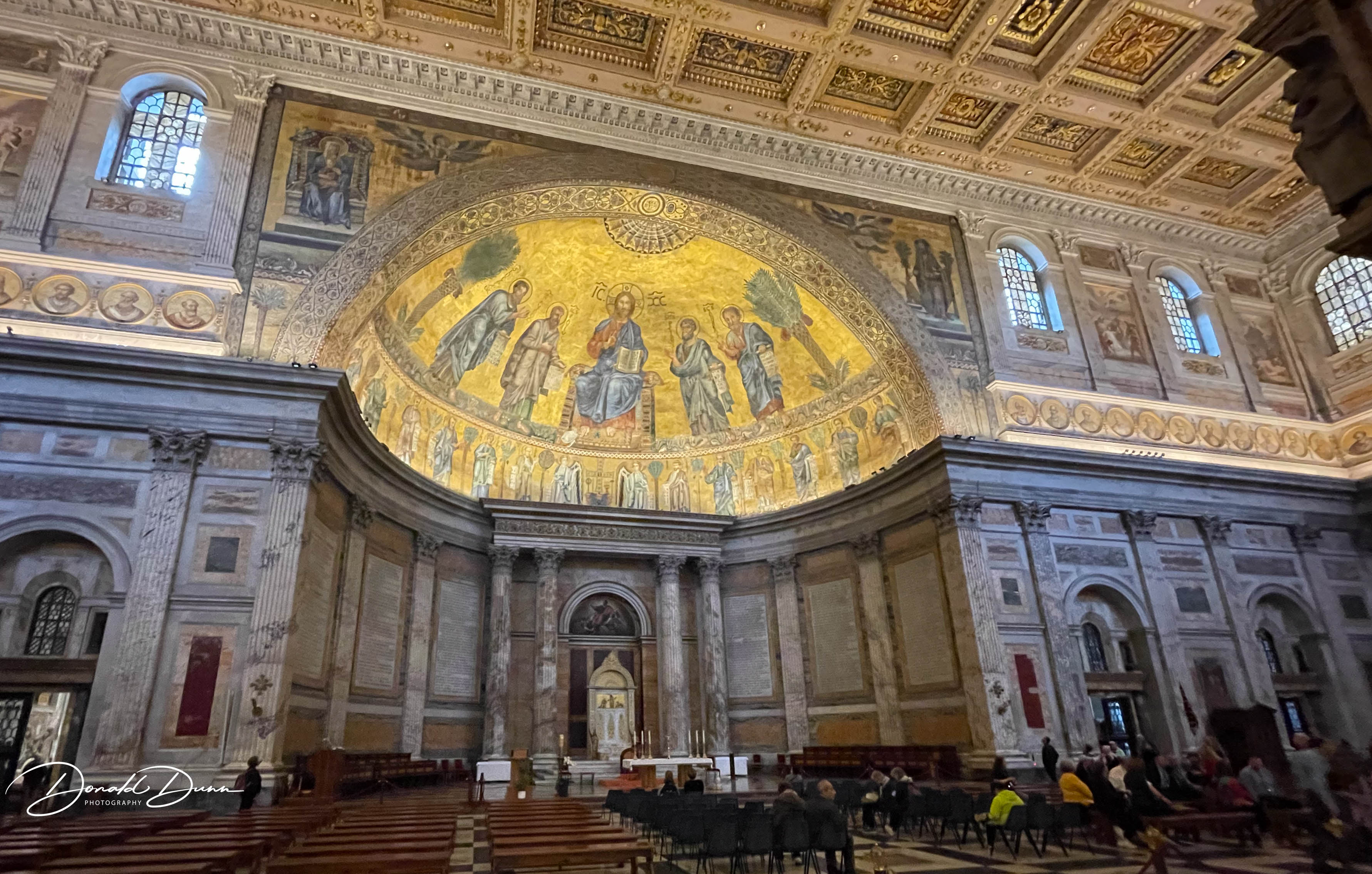
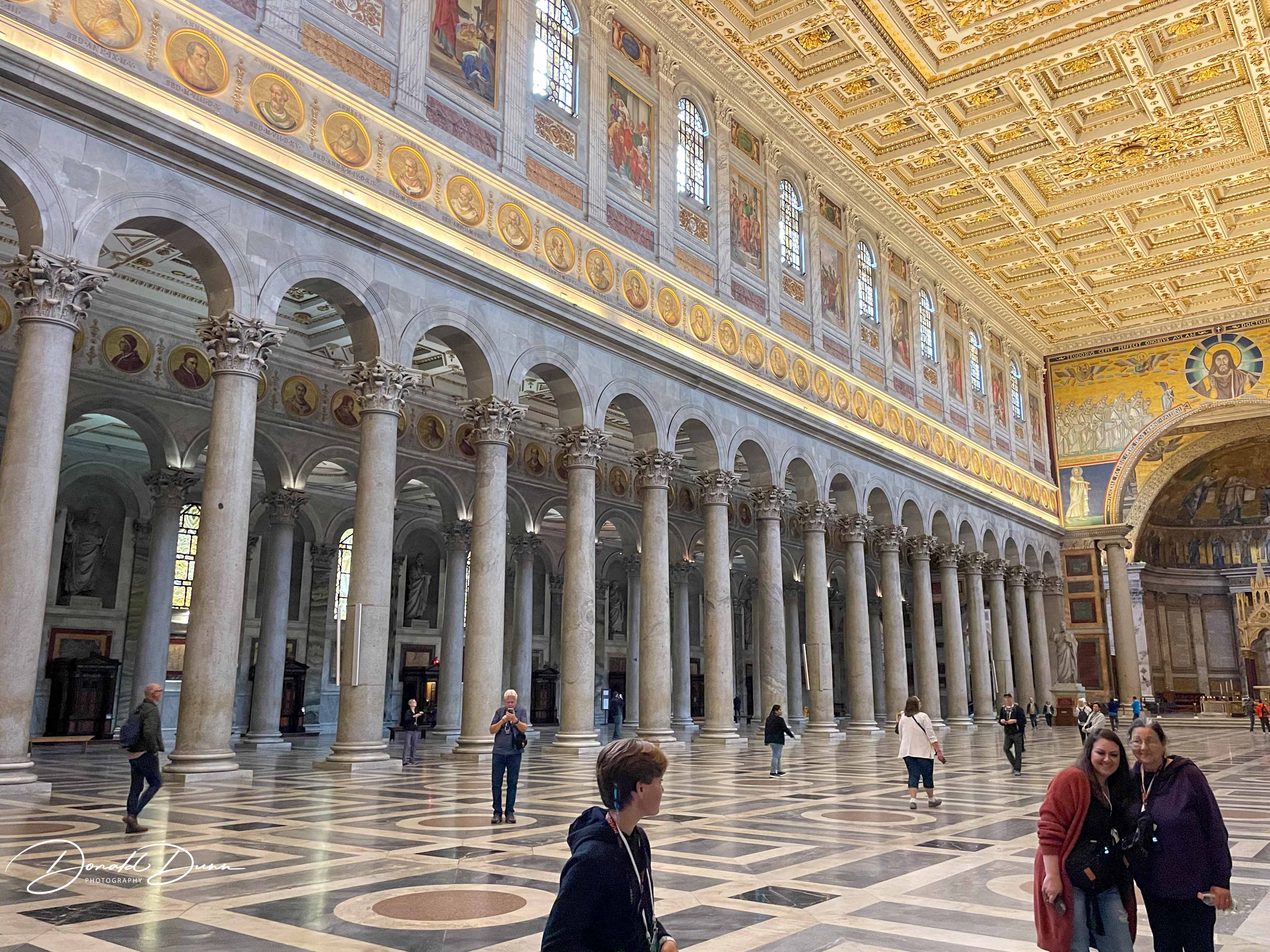
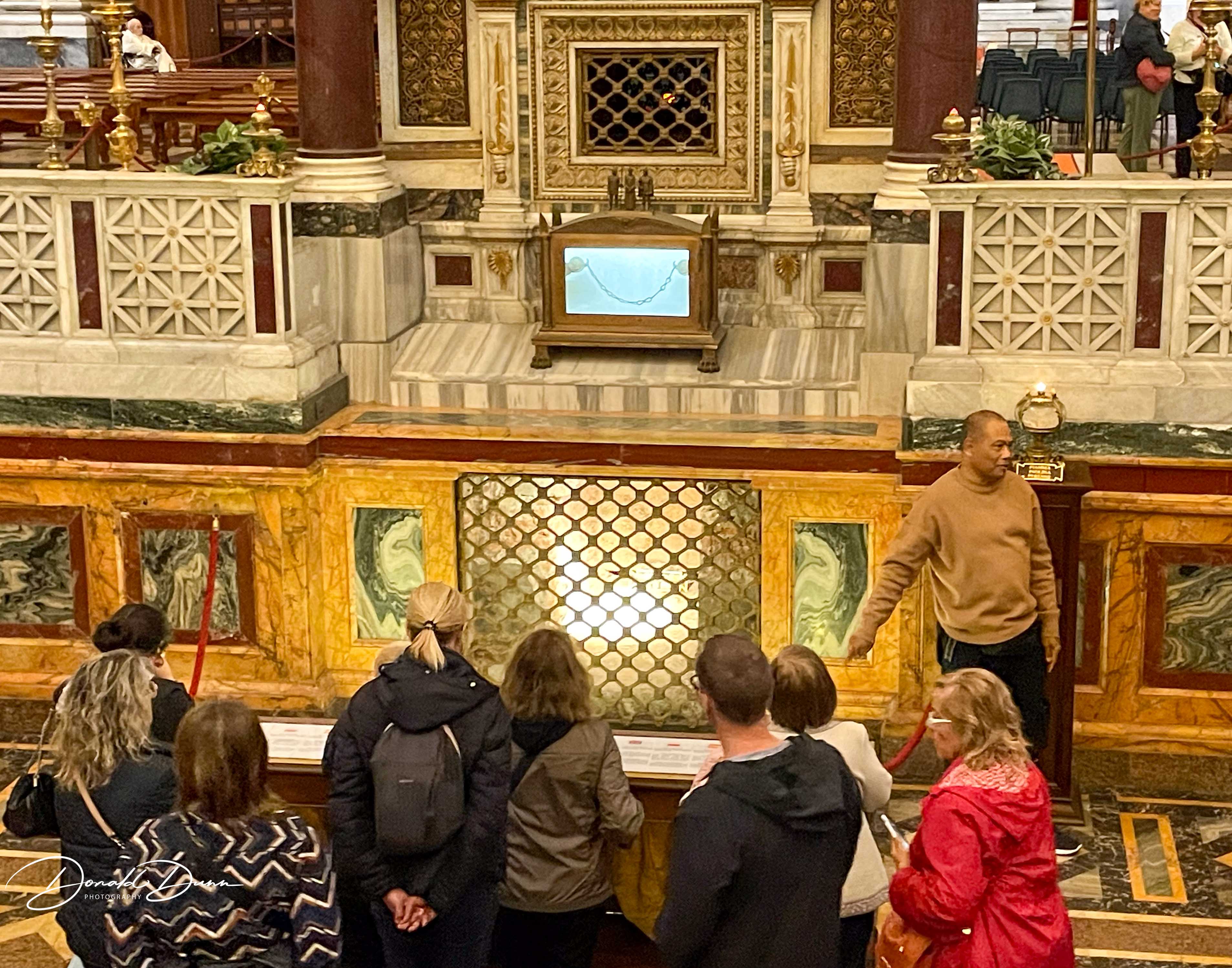
After breakfast, we toured the Basilica of St. Paul Outside-the-Walls. The present structure stands over the place where Constantine built the first church over Saint Paul’s grave. The church features a portrait of every Pope that has served the church. Next, we entered the Catacombs of Callixtus, built along the Appian Way. Here, 16 Popes from the 2nd through 4th Centuries were interred, though they have been removed to various churches over the centuries.

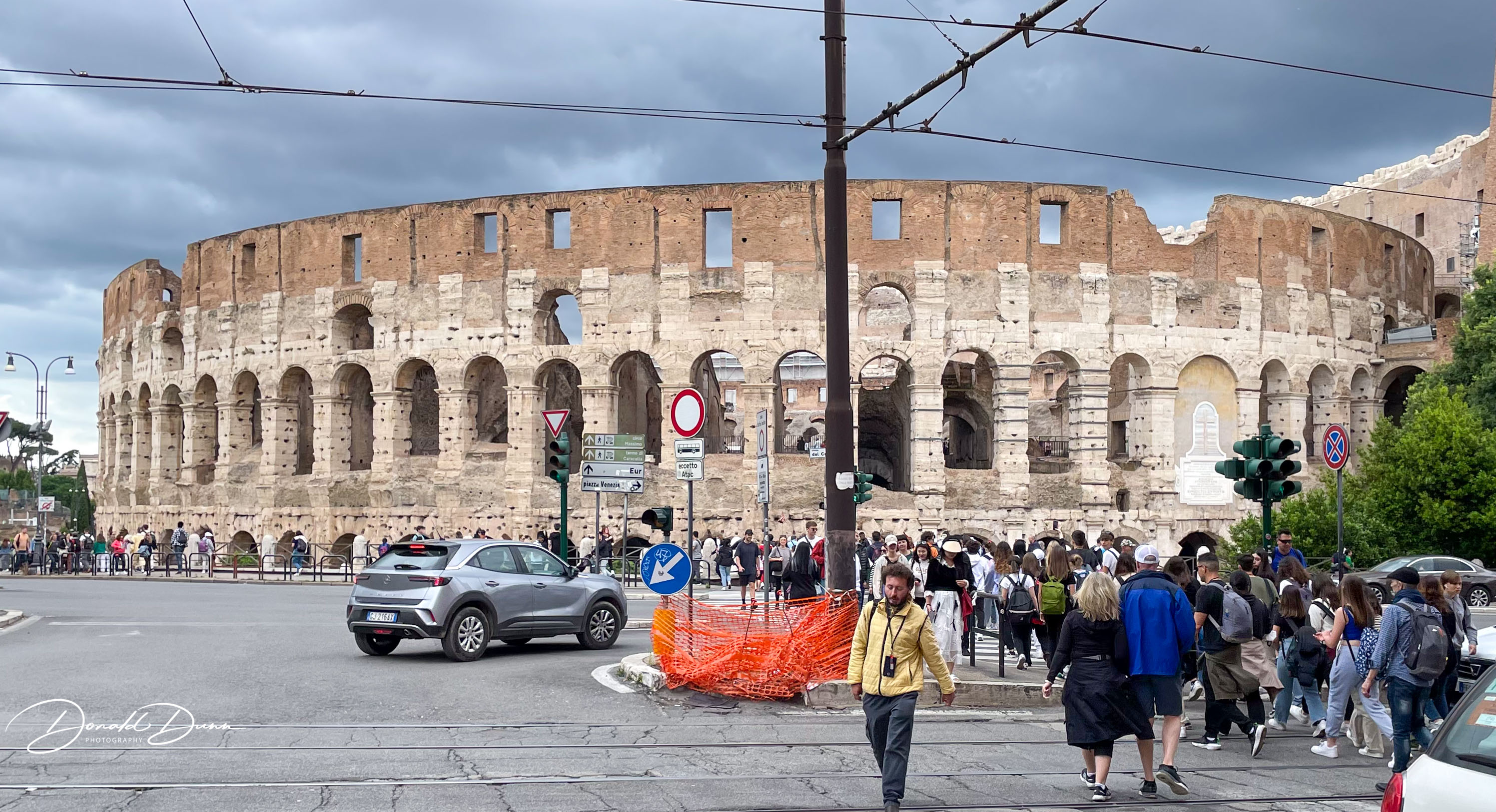
And then, we were off to tour the Colosseum. The Colosseum is an elliptical amphitheater in the center of Rome. It is the largest ancient amphitheater ever built, and is still the largest standing amphitheater in the world, despite its age. Construction began in 72 AD and was completed in 80 AD. The three emperors (Vespian, Titus, and Domitian) who were patrons of the work are known as the Flavian dynasty.

The Colosseum is built of travertine limestone, tuff or volcanic rock, and brick-faced concrete. It could hold an estimated 50,000 to 80,000 spectators at various points in its history, having an average audience of some 65,000; it was used for gladiatorial contests and public spectacles including animal hunts, executions, re-enactments of famous battles, dramas based on Roman mythology, and briefly mock sea battles. Although substantially ruined by earthquakes and stone robbers, the Colosseum is still a renowned symbol of Imperial Rome and was listed as one of the New 7 Wonders of the World. It has links to the Roman Catholic Church, as each Good Friday, the Pope leads a torchlit “Way of the Cross” procession that starts in the area around the Colosseum.

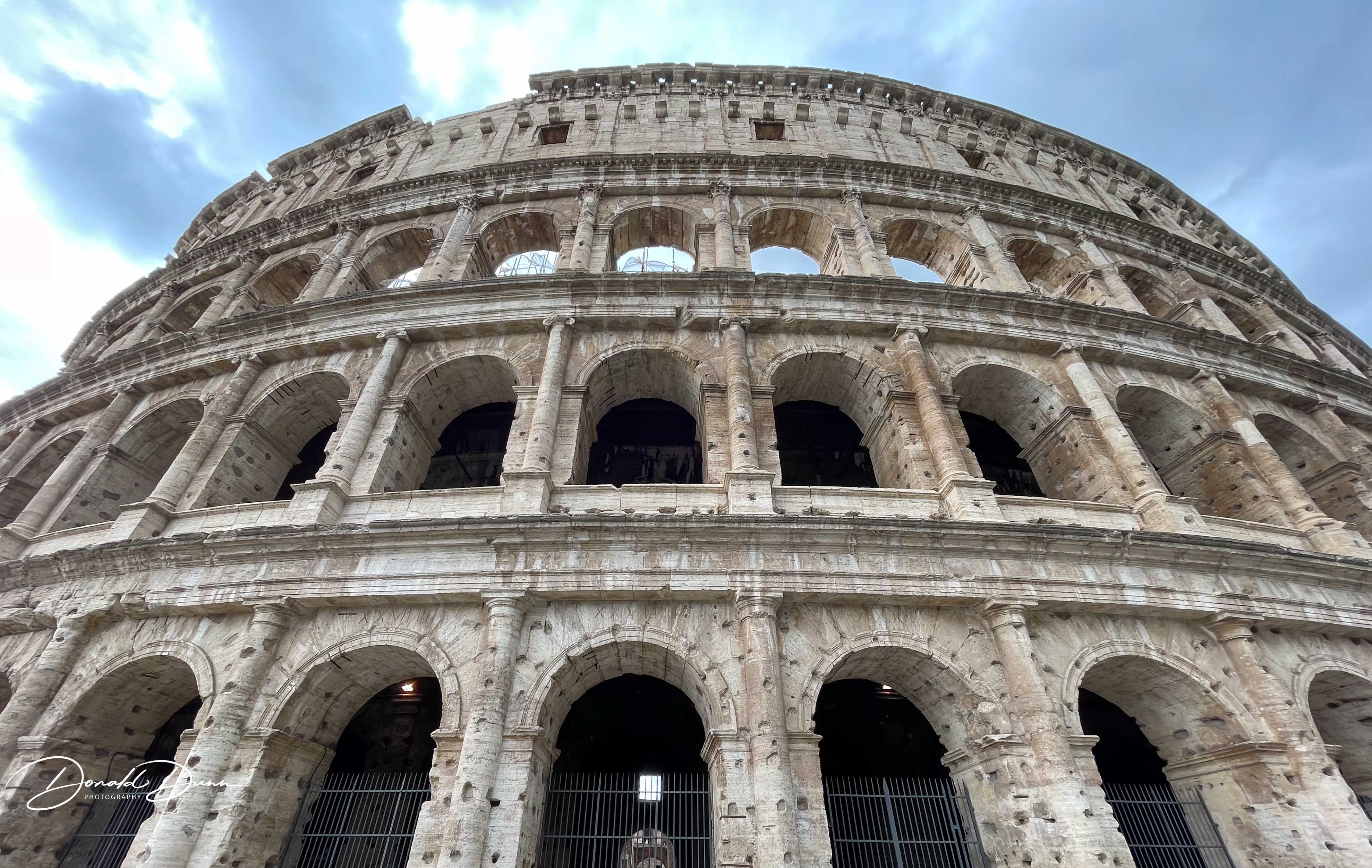

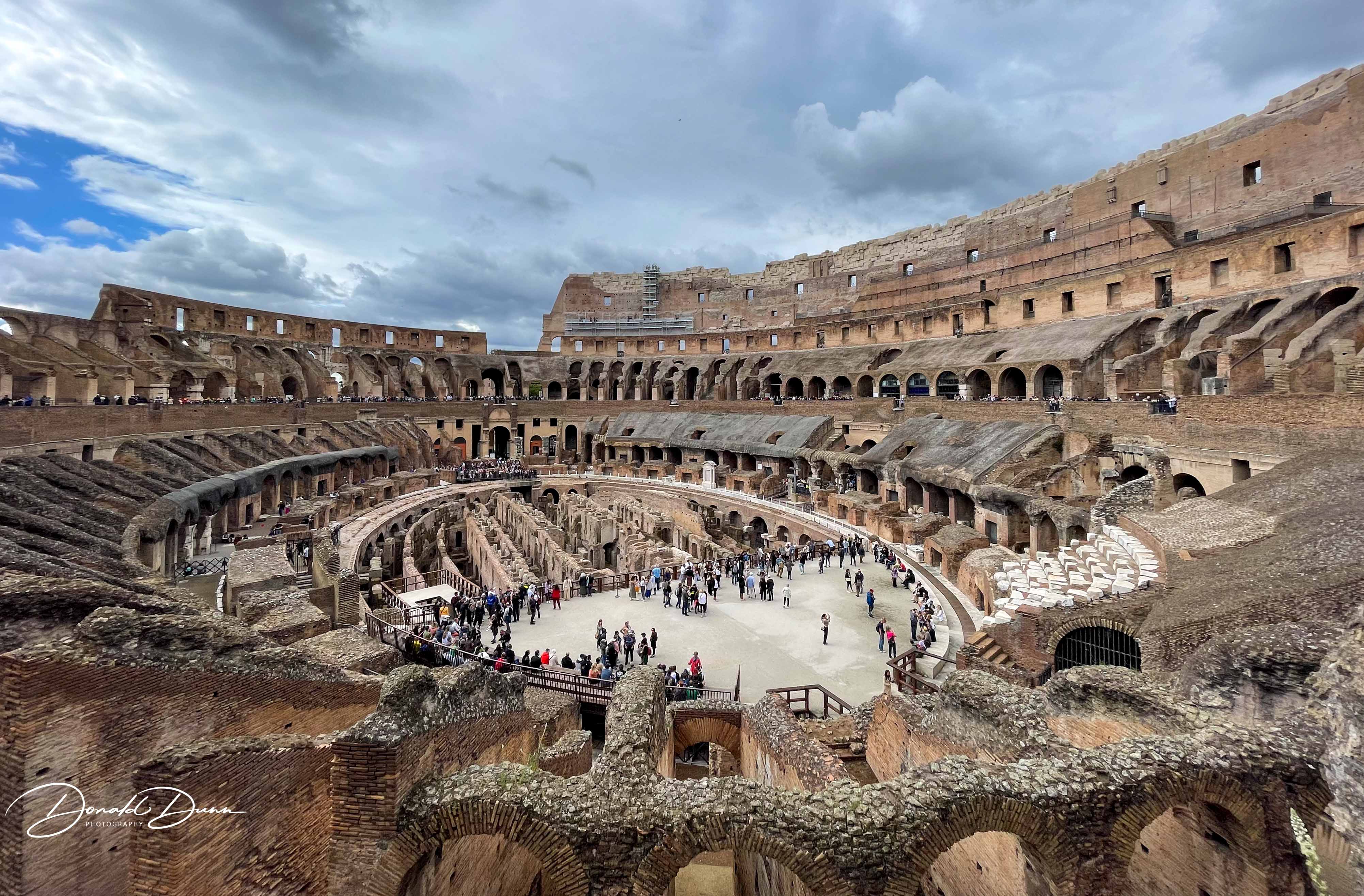
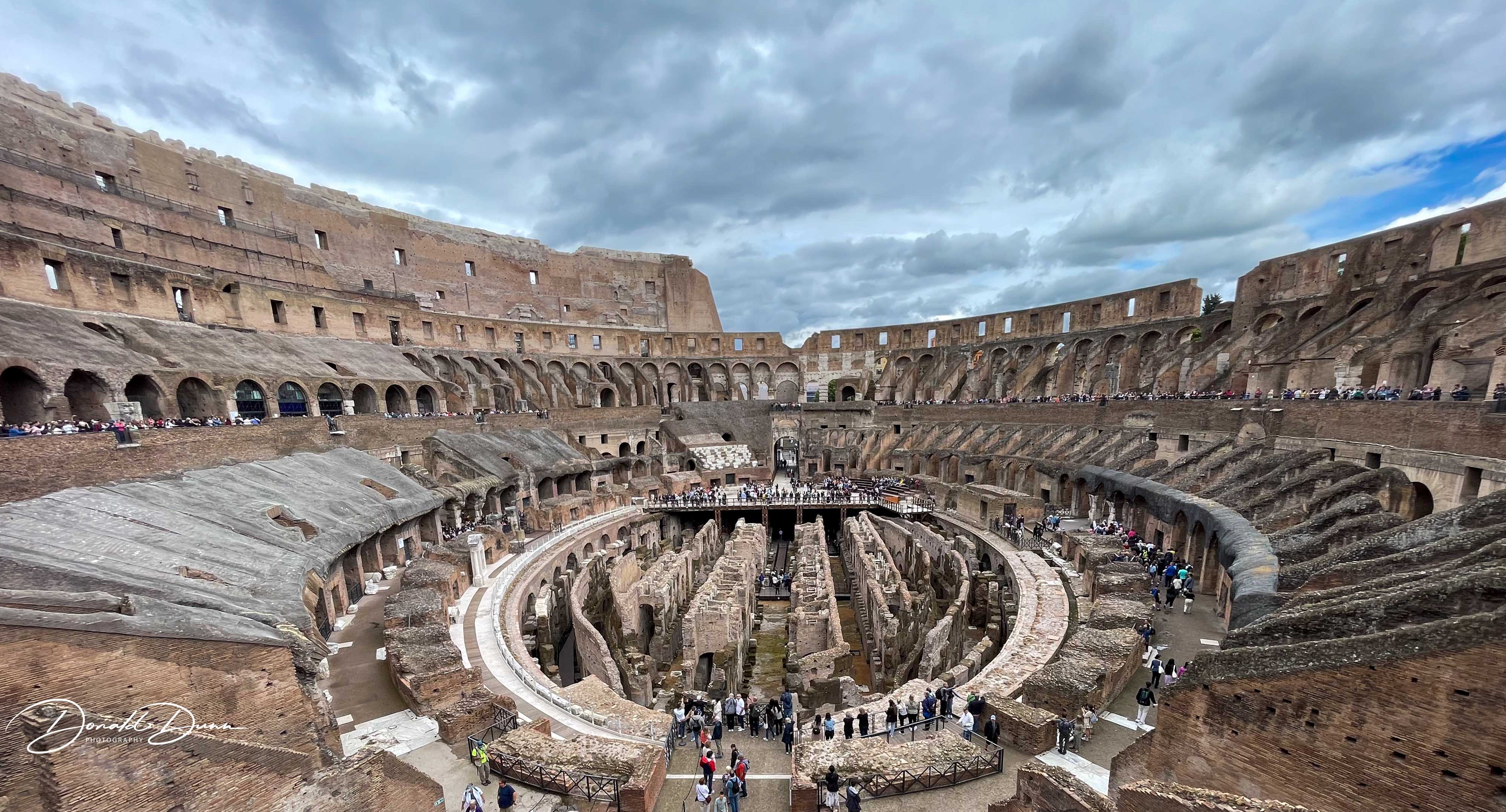
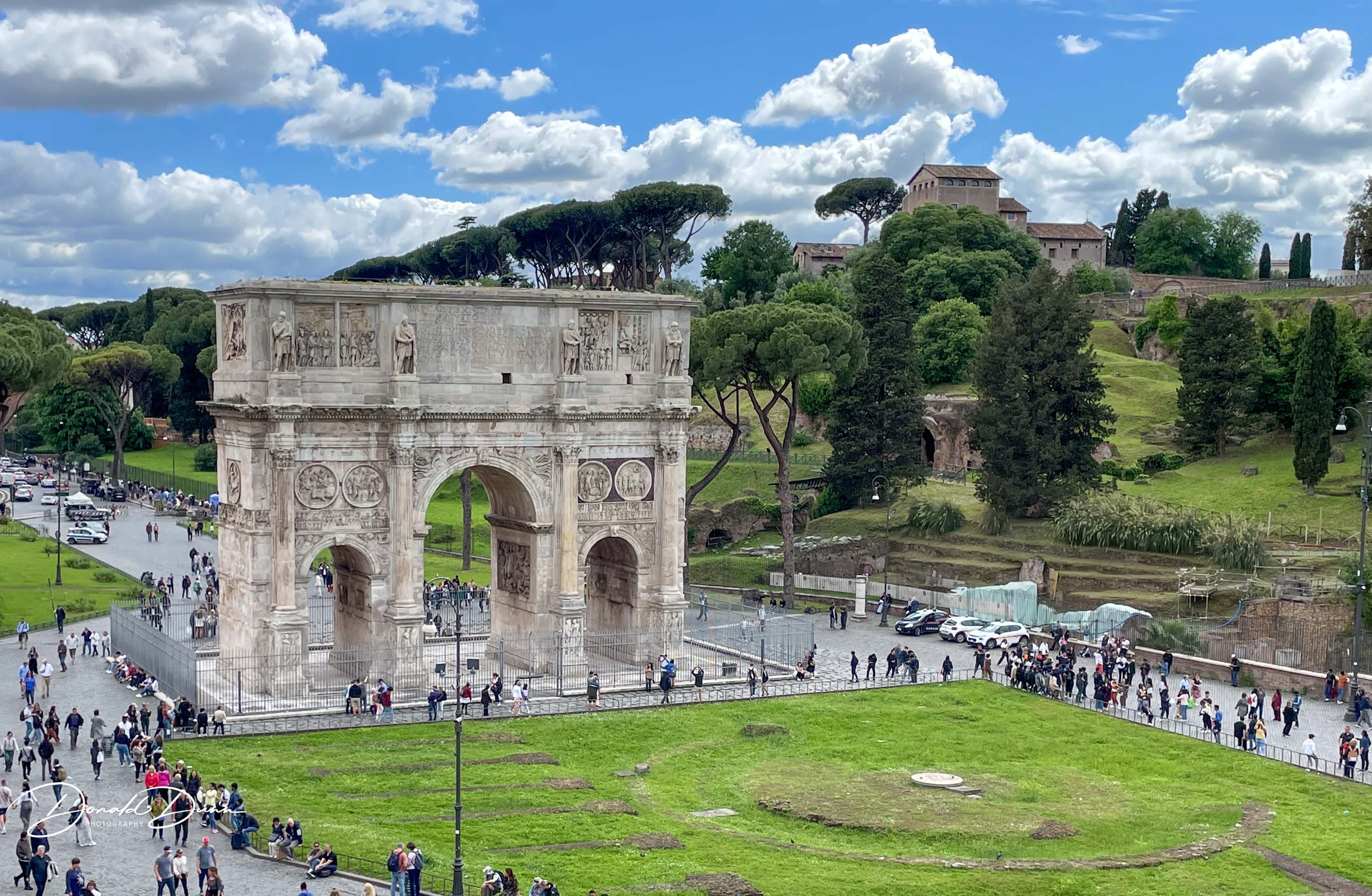
From atop the Colosseum, we saw the the Arch of Constantine and the Forum.The Arch of Constantine is a triumphal arch in Rome dedicated to the emperor Constantine the Great. The arch was commissioned by the Roman Senate to commemorate Constantine’s victory over Maxentius at the Battle of Melvin Bridge in AD 312. Situated between the Colosseum and the Palatine Hill, the arch spans the Via Triumphalis, the route taken by victorious military leaders when they entered the city in a triumphal procession. Dedicated in 315, it is the largest Roman triumphal arch; the arch is constructed of brick-faced concrete covered in marble.

And then was back to the hotel for dinner and packing for our Thursday departure from Rome.
 Dunngone's Photos and Blog