Thursday through Sunday, January 28-31—Ending the Month on a Good Note

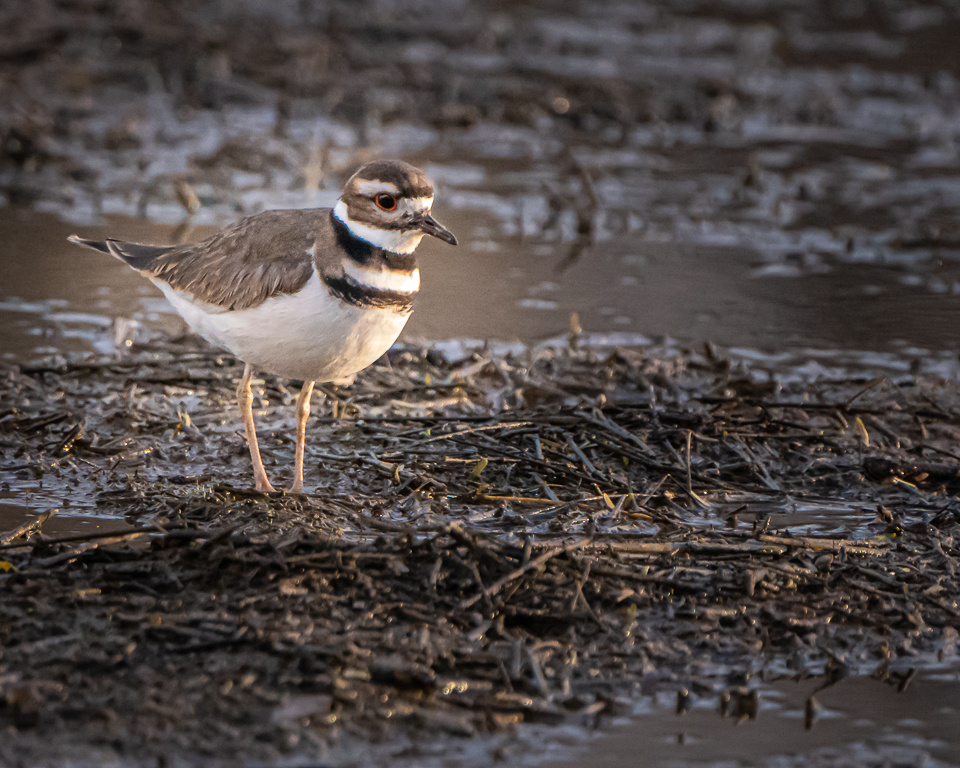
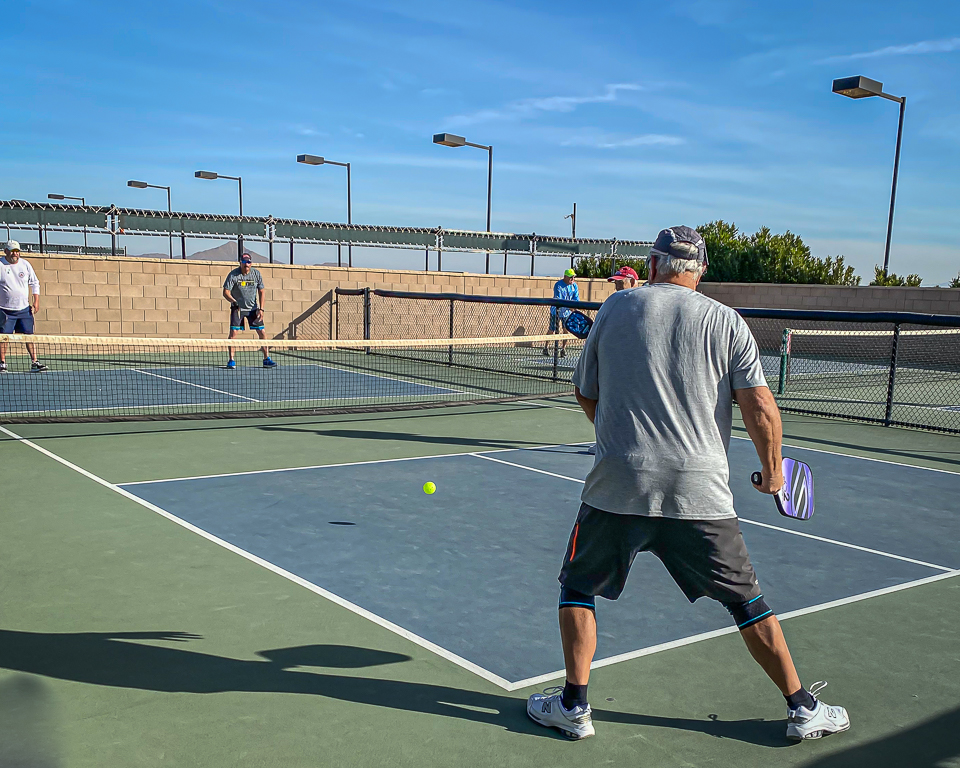
Light winds and warming temperatures were the order of the day on Thursday. After a round of pickleball (7 games), we made our way to the Riparian Preserve at Gilbert for more photo making opportunities. Several birds cooperated, but when I began processing, most photos were not as sharp as desired. When looking at the metadata, it was noted that the shutter speed had returned to one previously memorized after changing to capture some pelicans in flight. It’s lack of attention to details that cause me the most issues in photography. Regardless, a few photos made the cut.
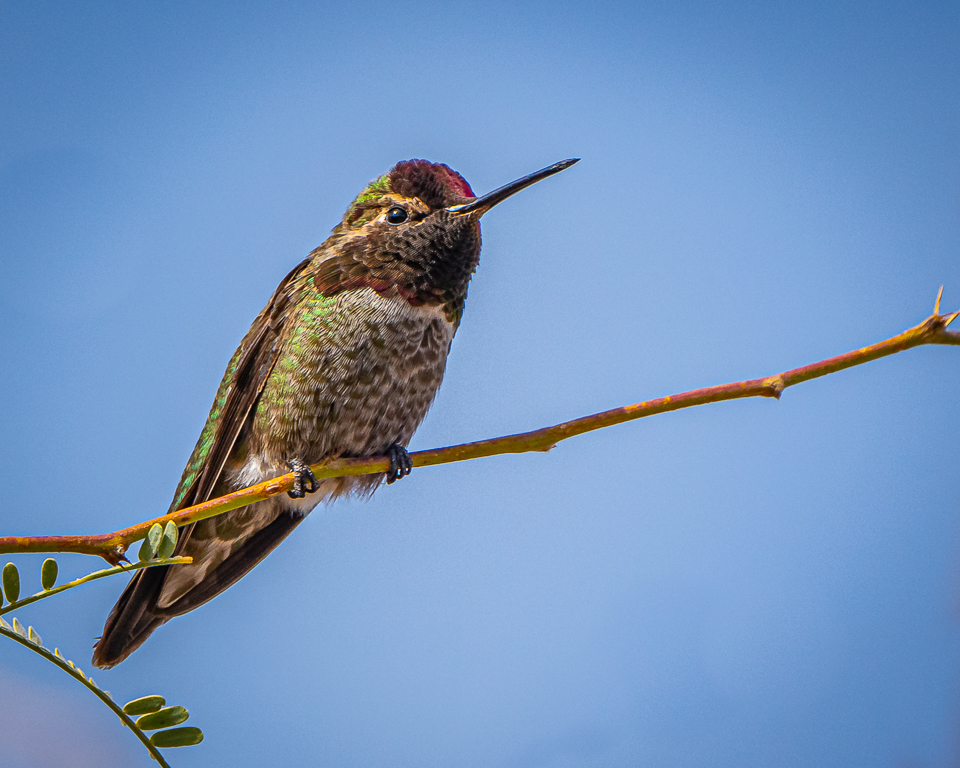
Anna’s Hummingbird
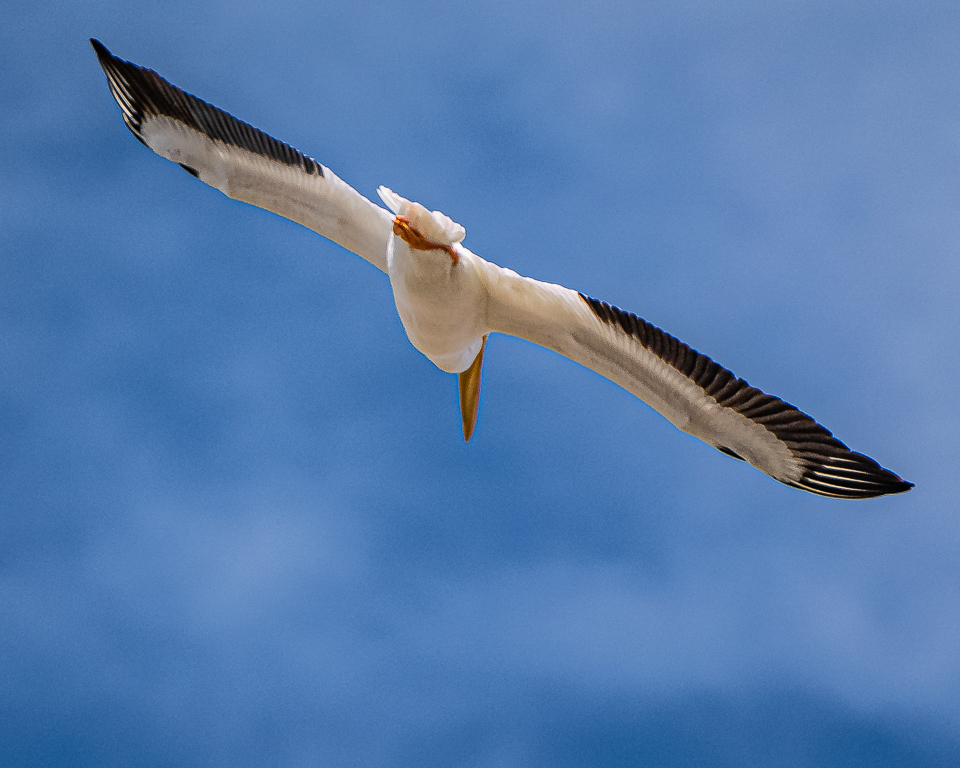
American White Pelican
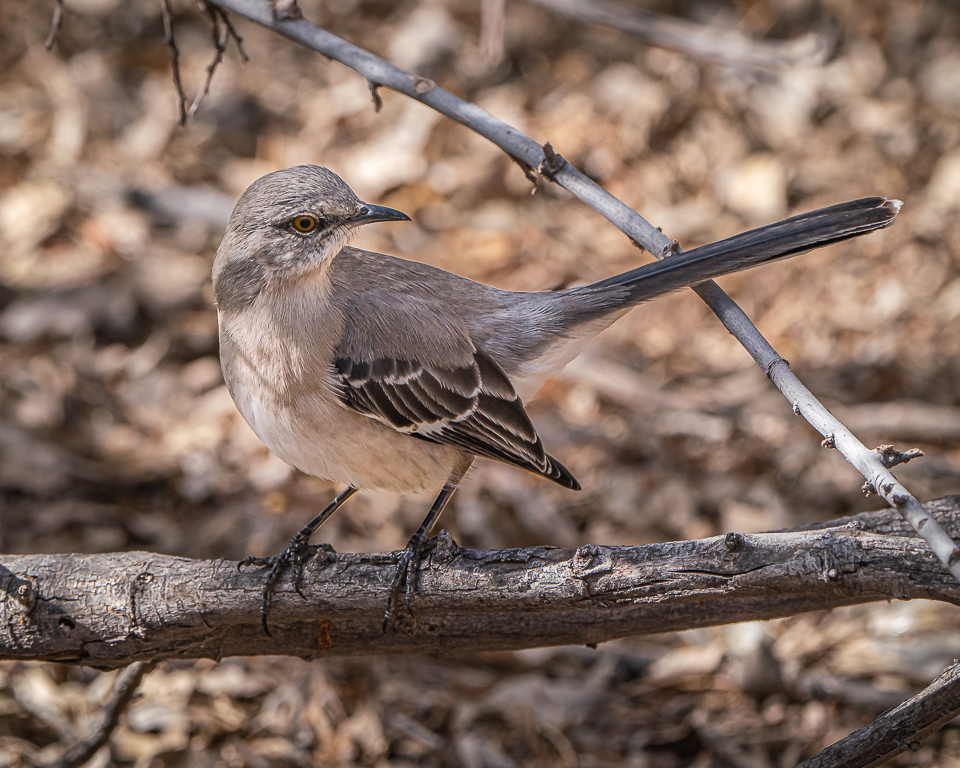
Northern Mockingbird
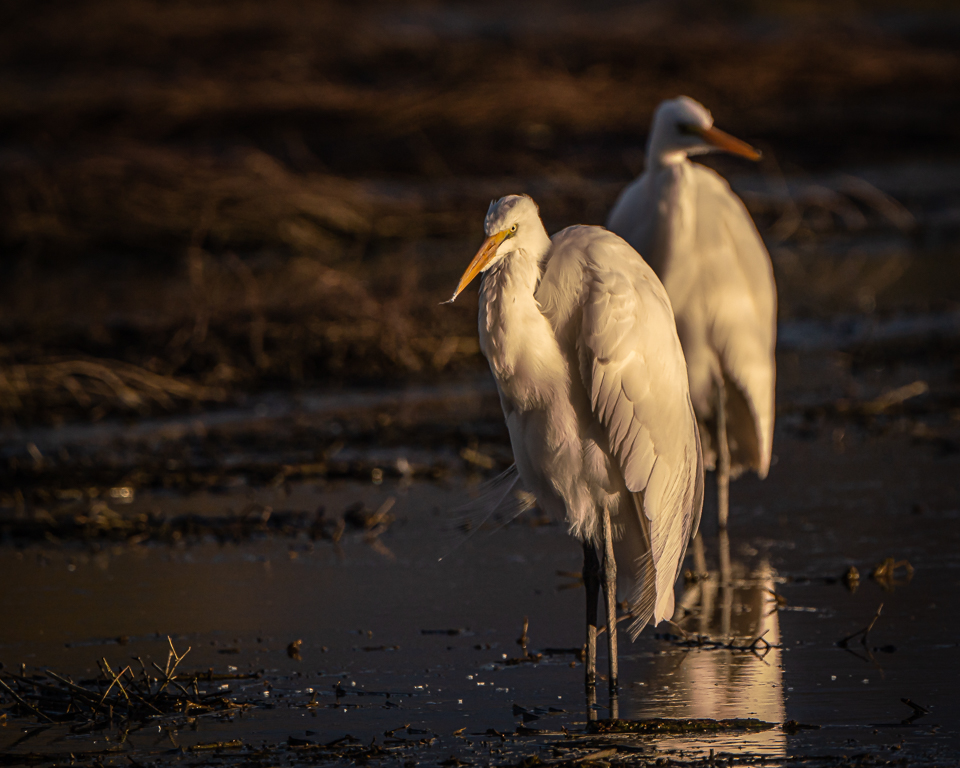
Great Egret
Roseate Spoonbill
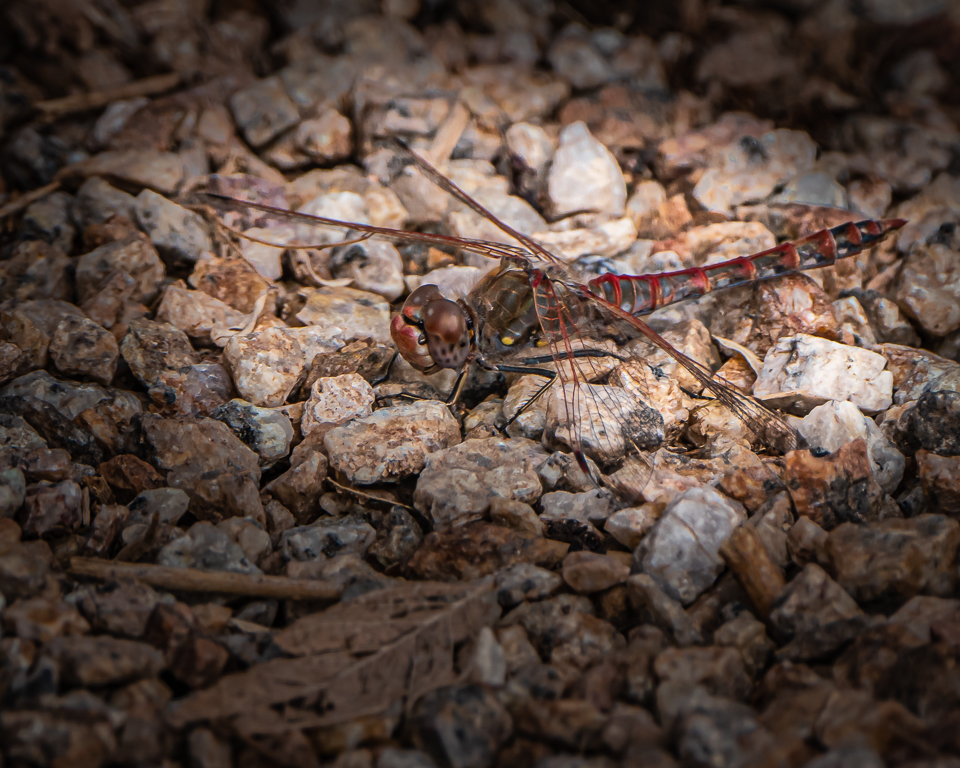
Variegated Meadowhawk
House Finch
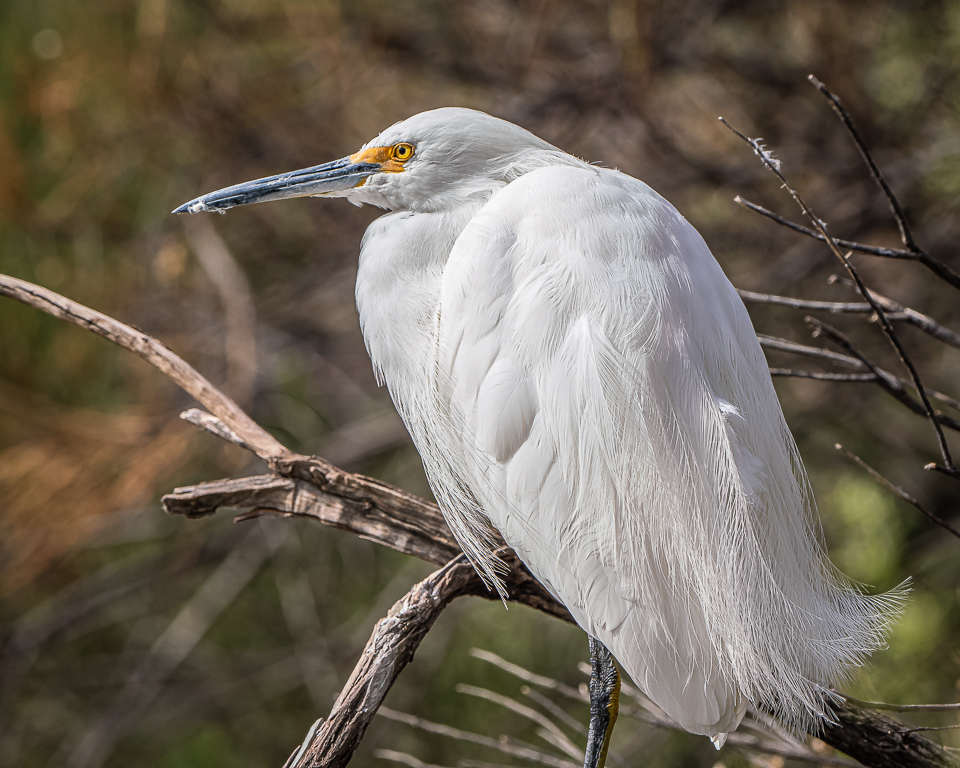
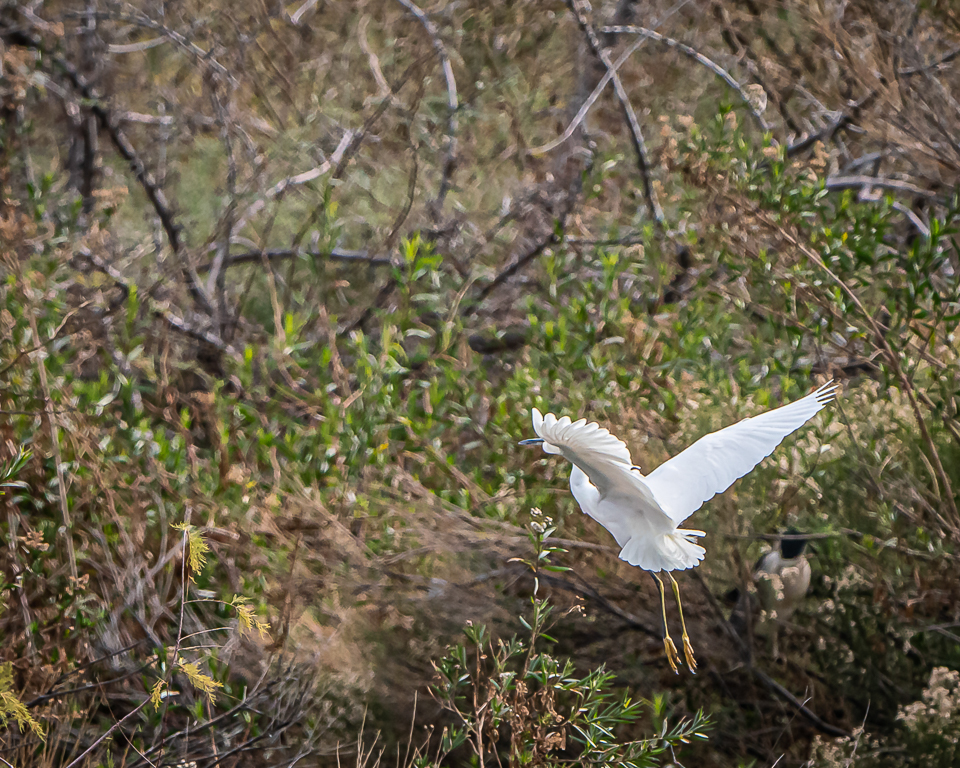
Snowy Egret
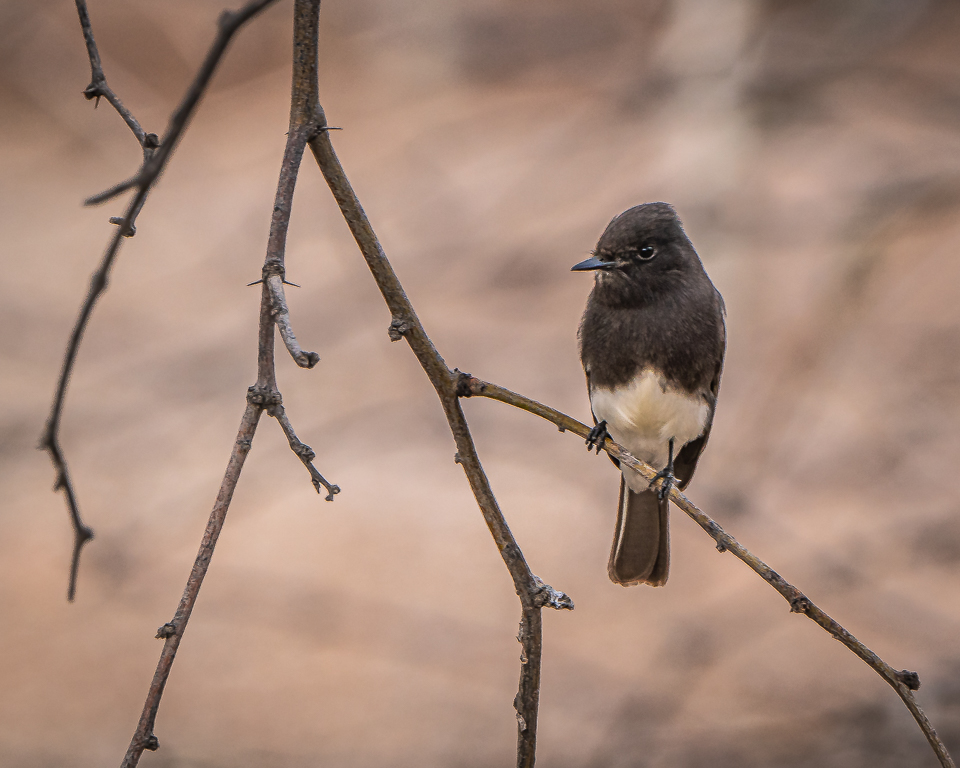
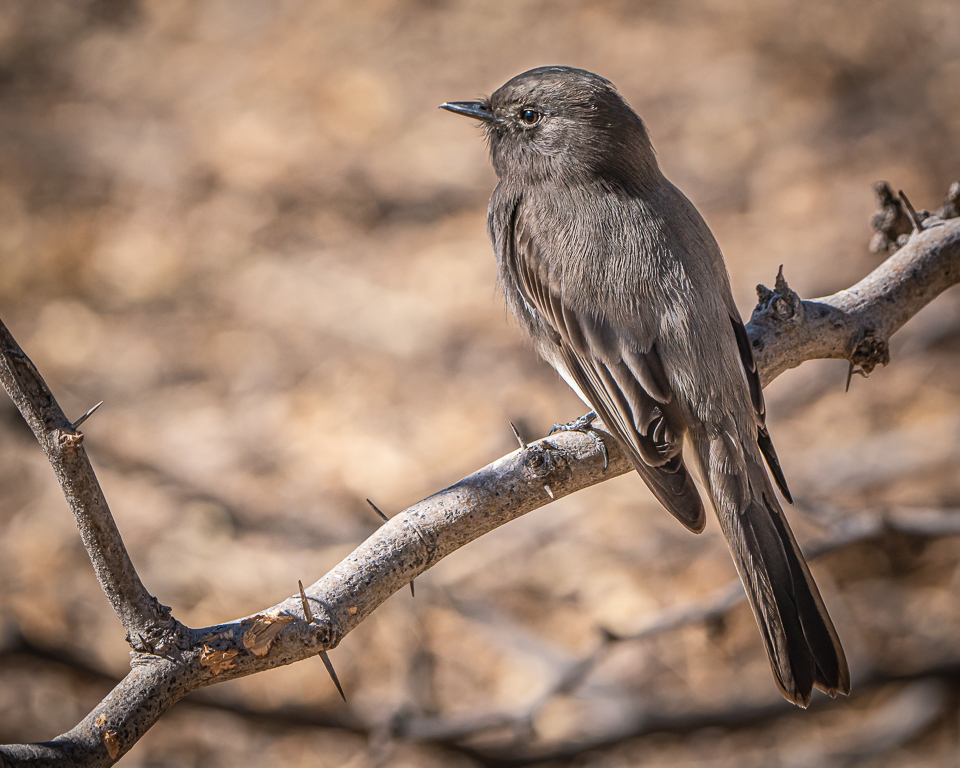
Black Phoebe

Friday was extremely windy, so neither Kay nor I played pickleball. We opted to play golf instead, and both had a pretty good game, playing only the back nine. Our Friday evening fish fry was canceled because of kitchen worker(s) testing positive for COVID.

A return to normal on Saturday brought pickleball back into the picture, but not much else. So, we enjoyed two relatively quiet days in a row.

We played golf Sunday with current and former Hot Springs Village folks here at Palm Creek. Both Kay and I played a bit on the rough side, with not enough good shots to feel positive about the game—not even “that shot” that brings one back to the course. However, the happy hour and BBQ dinner hosted by the Grahams at the Baggetts made up for the poor golf. 

January was a strange month, but certainly not a bad one; COVID has stripped us of any sense of normality. However, we are blessed to be able to spend winters in Arizona while maintaining a house in Hot Springs Village, both complete with lots of good friends.

Sunday through Wednesday, January 24-27—Empty Shelves, Rain, and Wind

After “3.0-3.5 Partners Pickleball”, we drove to Chandler to shop at the PGA Superstore and REI. Both were big disappointments, perhaps because of COVID. The PGA Superstore was set up nicely for golfers, but entirely too busy for any sales staff to provide assistance. The tennis, and thus pickleball, section was severely lacking in merchandise. There were few clothes, and that’s the main thing for which we were shopping. The check-out person said they compromised on tennis/pickleball merchandise in order to install a practice tennis facility! REI, my favorite all time store, was an even bigger disappointment as there seemed to be a significant void in inventory. It’s apparent to this buyer why online stores are so popular.

With a couple hours of daylight left, we made our way to the Riparian Preserve at Gilbert with a goal of getting better photographs of the Roseate Spoonbill—no such luck as she was deep in sleep. Several other birds availed themselves to photographs.

Northern Shoveler
Anna’s Hummingbird
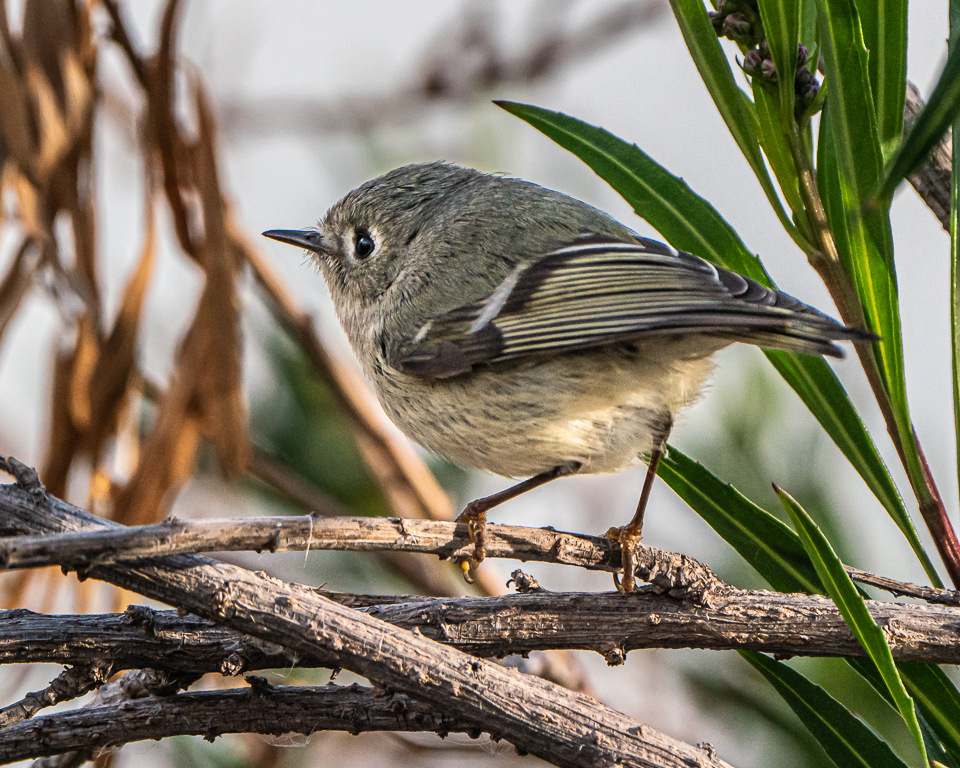
Ruby-crowned Kinglet
Roseate Spoonbill
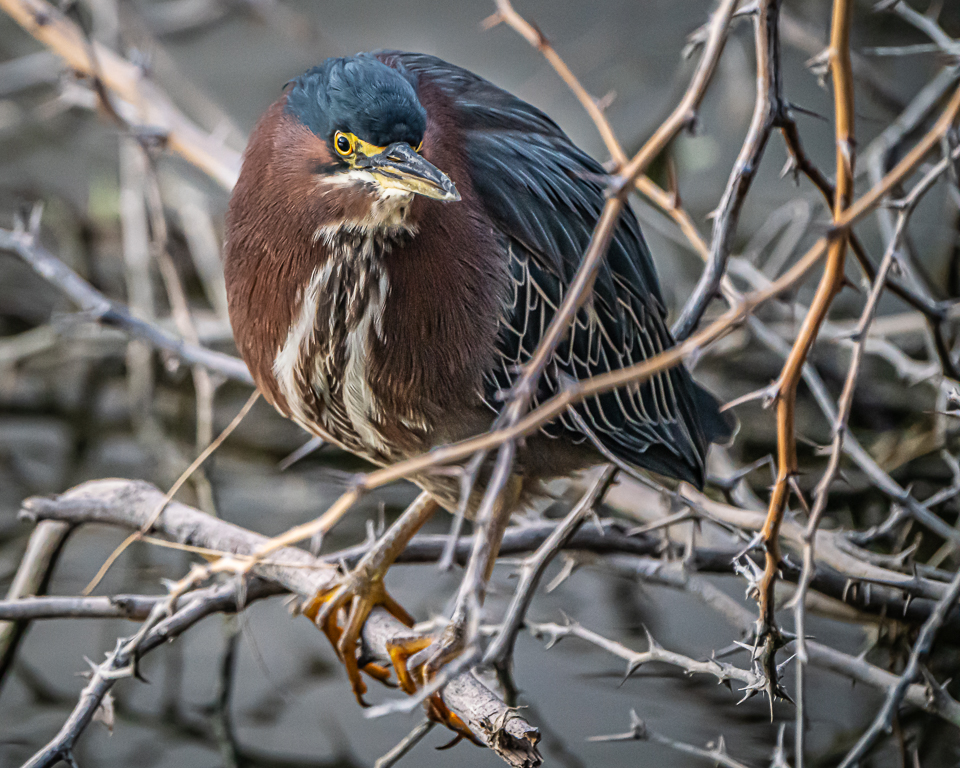
Green Heron
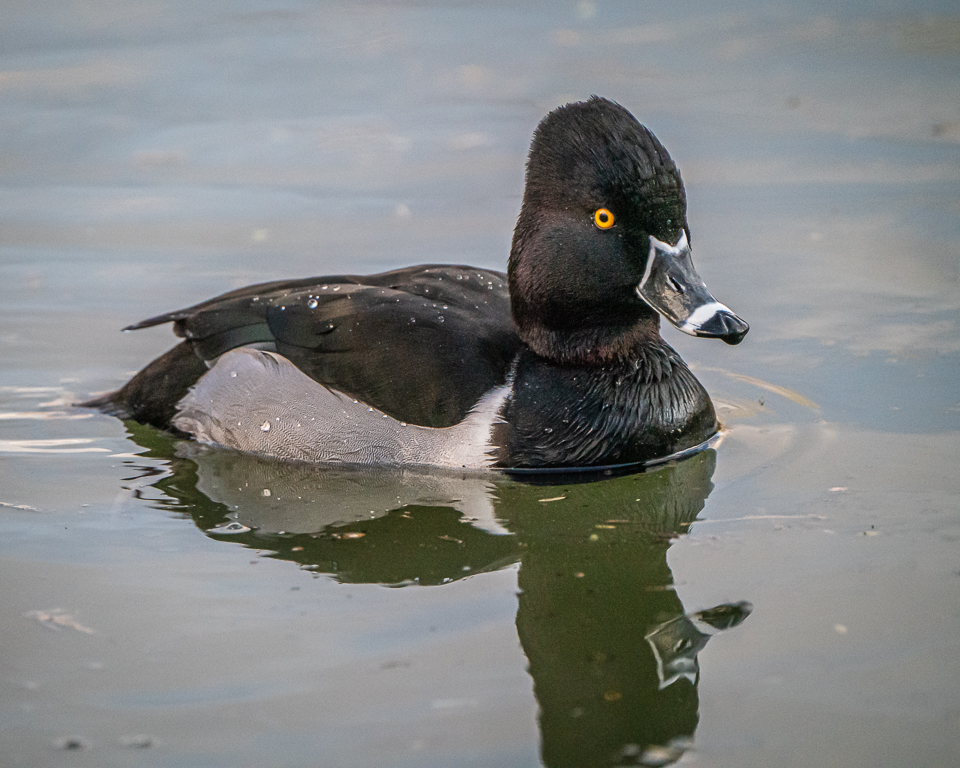
Ringed-neck Duck
Great Egret at sunset
European Starling in cactus

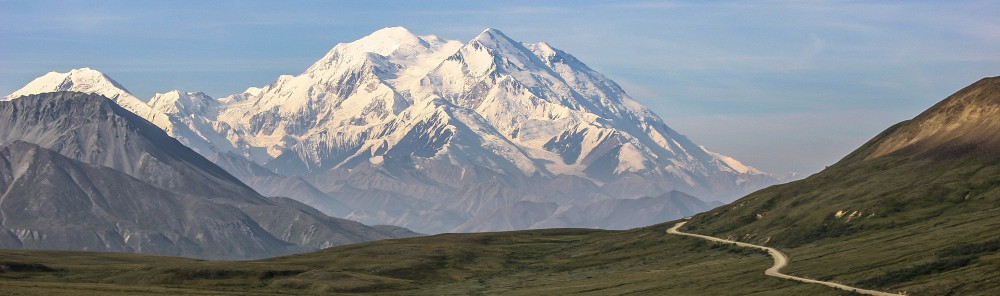
A major cold front made its way through the area on Monday with heavy rain (at least for this area) and high winds (gusting to about 35 mph). Temperatures plunged into the low 5os during the day and high 30s at night. The resulting day of few activities was a welcome relief and allowed catching up on journal writing and photo editing. Snow-capped mountains, the Four Peaks, about 40 miles northeast of Phoenix and part of the Mazatzal Mountain range, were highly visible to our north and east.

Winds moderated a bit on Tuesday, but still made playing pickleball dicey—one could hit as hard as desired into the wind, but had to barely touch the ball when hitting with the wind. Further moderation of wind speed occurred Wednesday morning but increased as the afternoon wore on; temperatures remained unseasonably cool.

Monday through Saturday, January 18-23—All About Birds, and Pickleball, and Golf, and Tennis, and …

We try really hard to stay busy, and this week was no exception—pickleball almost everyday, golf on Monday, and a try at tennis (after 43 years) on Tuesday—bedtime could not come early enough most evenings. The weather in southern Arizona has been spectacular this week, though more winds were present than we observed last year. Playing pickleball into or against the wind is comical, as the ball may go several different directions, seemingly at once!

Kay’s golf game is ascending to new heights with every game she plays. Fortunately, we don’t compete because she is hitting one great shot after another, and outscoring this poor duffer. In a scramble last Sunday, we used her drive 7 out of 9 holes, and she carried us in a scramble this Saturday, starting with a birdie on Hole #1! It is a delight to the both of us as she improves her golf game.

With pickleball finishing early on Wednesday, the Riparian Preserve at Gilbert beckoned. In terms of birding and photography, it was even better than remembered. However this photographer discovered how absence from making photos takes a big toll on quality of photographs. Several birds were kind enough to stay put and pose, including the much photographed Roseate Spoonbill. Though I spent just over two hours walking the trails, it was a refreshing break from our otherwise “groundhog day” existence; and, getting back to making pictures provided a welcome change of pace.

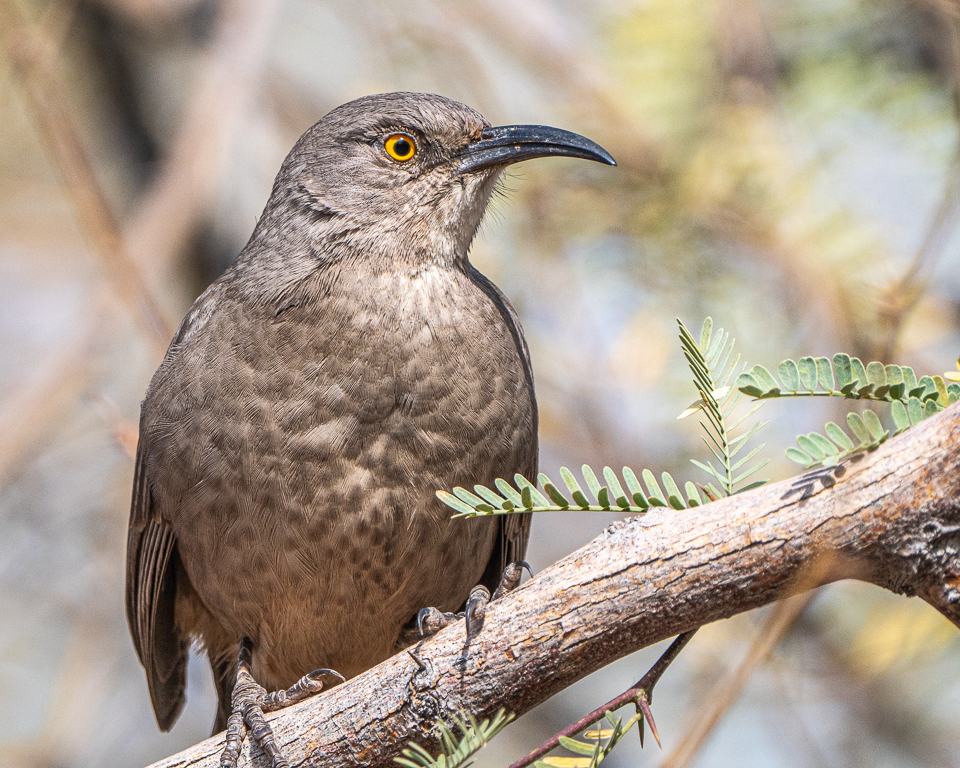
Curve-billed Thrasher
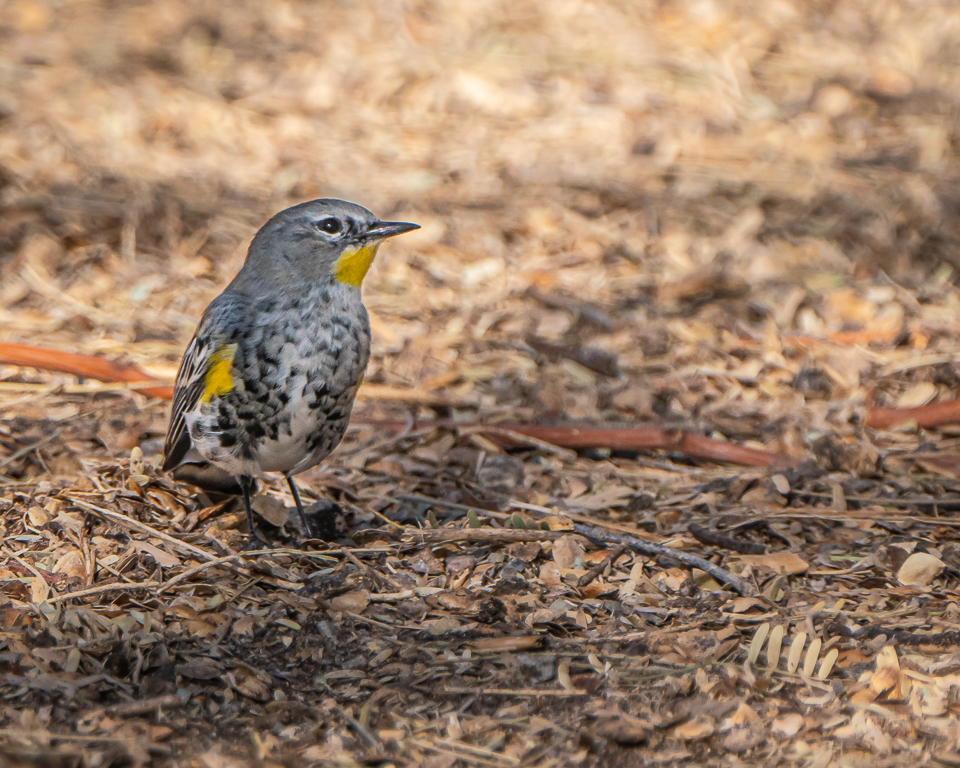
Yellow-rumped (Audubon’s) Warbler
Black Phoebe
Roseate Spoonbill
Green-tailed Towhee

Monday through Sunday, January 11-17—Mount Lemmon, Arizona

Fortunately, there are many activities in Palm Creek RV Resort somewhat compatible with COVID 19 restrictions. Neither of us attend any club meetings, and “Eat-in” dining is prohibited. All of the activities in which we participate are outside, including pickleball and golf. I play pickleball at least once six days a week, and Kay plays every other day.—we look like the walking wounded with elbow and knee compression sleeves, body bruises from pickleball hits, and miscellaneous cuts and scratches—it is a contact sport!

Wish the rest of my body was toned as well as the legs

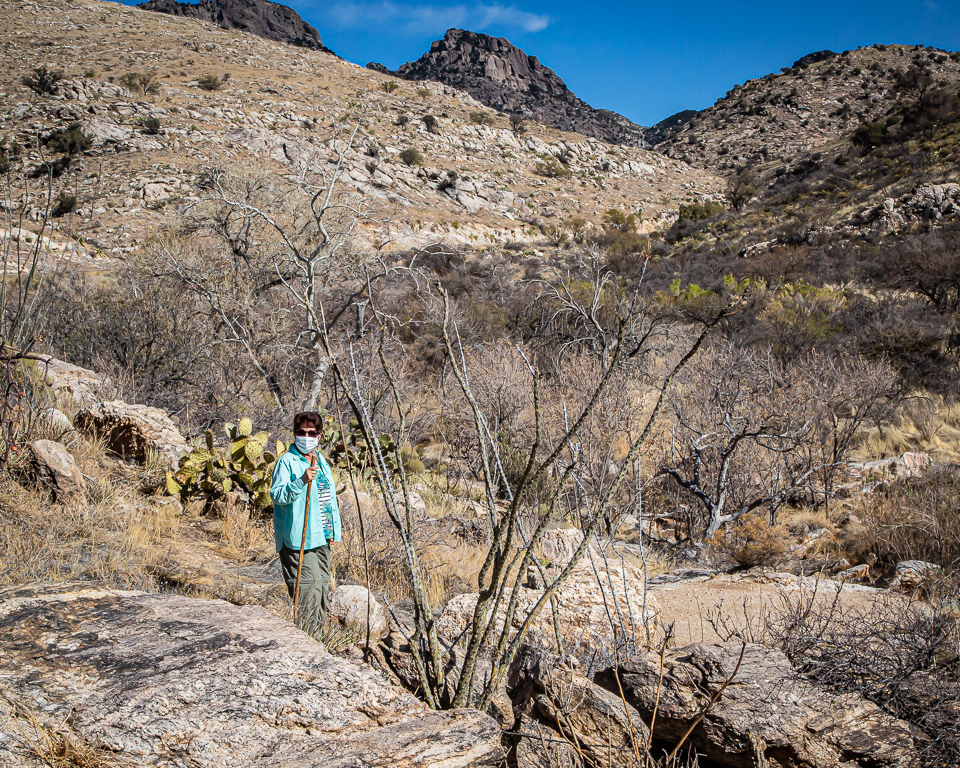
We have tried to venture about the area at least one day a week, depending on what other things are scheduled. This past Saturday, June 16, we drove south to Tucson, then east to Mount Lemmon. With a summit elevation of 9,159 feet, Mount Lemmon is the highest point in the Santa Catalina Mountains. It is located in the Coronado National Forest. The summit of the mountain is approximately twenty degrees cooler than the base. Therefore, large amounts of snow fall during the winter months, making it a cool escape and popular tourist attraction for Tucson and Phoenix inhabitants. It is reported that Mount Lemmon Ski Valley, on the mountain’s northeastern side, receives 200 inches of snow annually, though we saw very little snow during our visit.

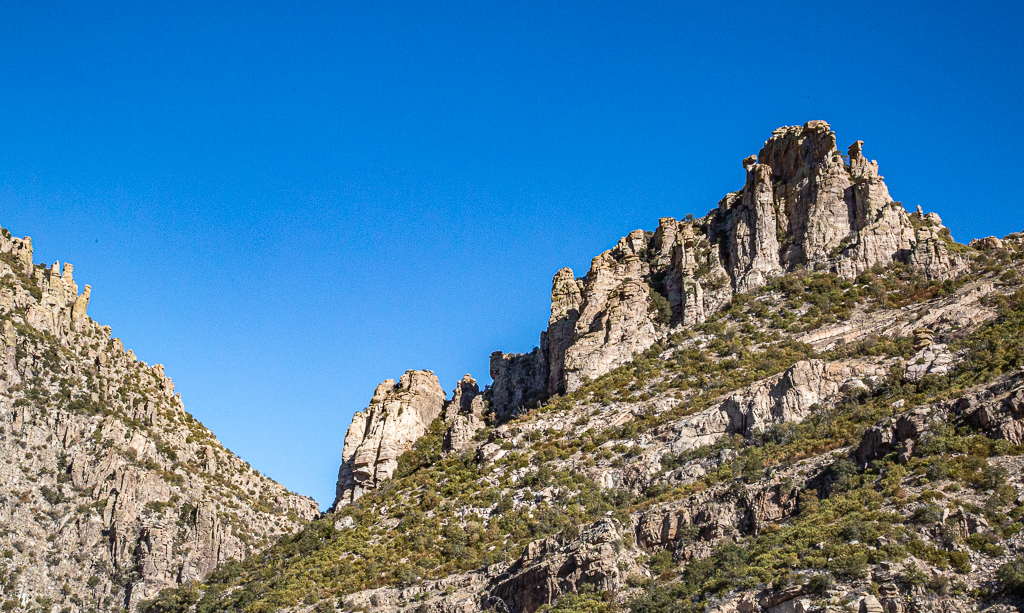
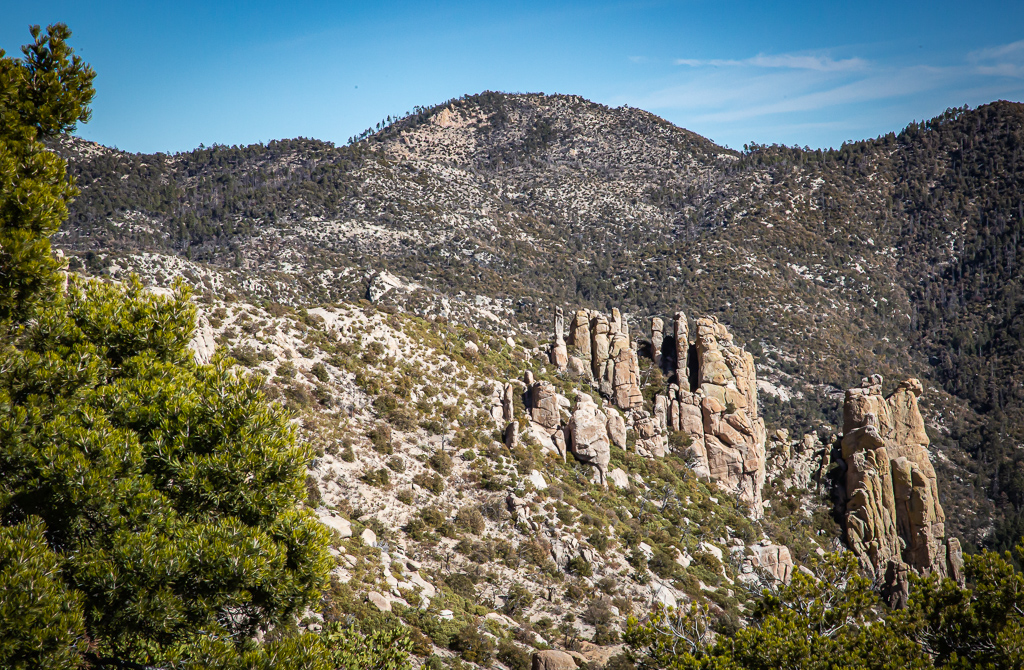
Hoodoos in the making
Hoodoos near where the desert meets the alpine forest at Mount Lemmon

Beginning in the high desert filled with various species of cacti at about 2,500 feet in elevation, the Catalina Highway, also called the Mount Lemmon Highway, as well as the Hitchcock Highway runs up the Santa Catalina Mountains from the east side of Tucson up to Summerhaven, at the top of Mt. Lemmon, in an alpine, evergreen filled forest. The beautiful, curving road is a favorite drive for tourists, for locals escaping summer’s heat and especially for cyclists who make the long, difficult ascent jut to ride down at unthinkable speeds. We saw hundreds of cyclists making this grueling ascent.

Kay hiking a short trail in the high desert
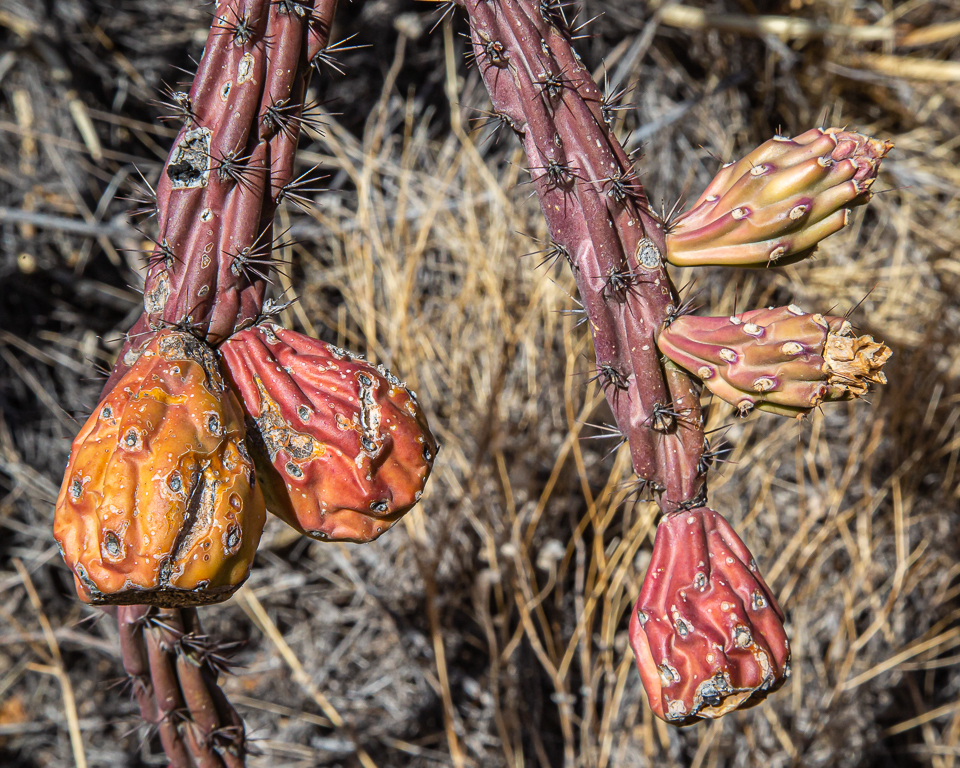
Many varieties of cacti were present in the high desert

The long drive to and from Mount Lemmon was uneventful, except that having forgotten our lunch (my bad), we stopped at Summerhaven for lunch snacks, being careful to socially distance from the crowds.

Friday through Sunday, January 1-10, 2021—More of the Same?

Regrettably, the new year, 2021, began much the same as 2020 ended, maybe even worse! The pandemic is raging in the US and the world, vaccinations are being delivered ever so slowly, and our grand country is more divided than ever. The unprecedented debacle of the United States capitol building being overrun is perhaps one of the saddest and angriest occurrences in our lives. Conversations among family and friends are ever so delicate, with words being measured very carefully. Individual opinions and beliefs, particularly among the more silent folks, are no longer respected. God help us all.

With the pandemic accelerating to extraordinary levels, particularly in the Phoenix metropolitan area, and in the state of Arkansas, life is far from normal, though I suspect our historic normal will never return. It’s even too scary to consider making photographic trips to the greater Phoenix and Tucson areas. Our lives here at Palm Creek RV Resort in Casa Grande, AZ, now consist of pickleball, golf, and eating meager meals (we’re both trying to lose weight). One bright spot is that I was quickly elevated to level 3.0, and have asked to be observed for level 3.5. 

While Kay and I talk about traveling, we are acutely aware that trips will not happen soon—there are still deposits/funds “invested” in two international trips, and at least three round trip airline flights have been paid for. 

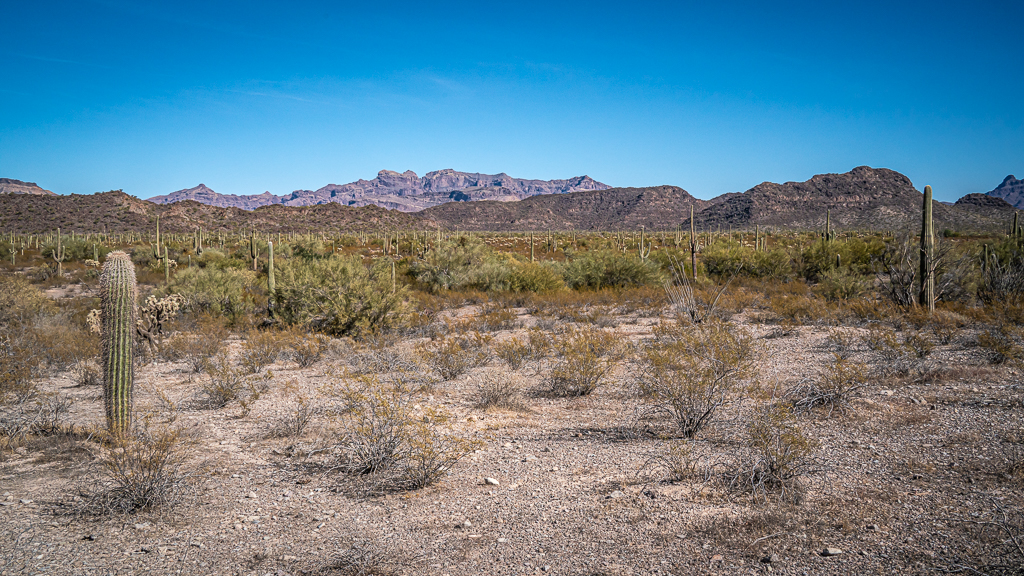
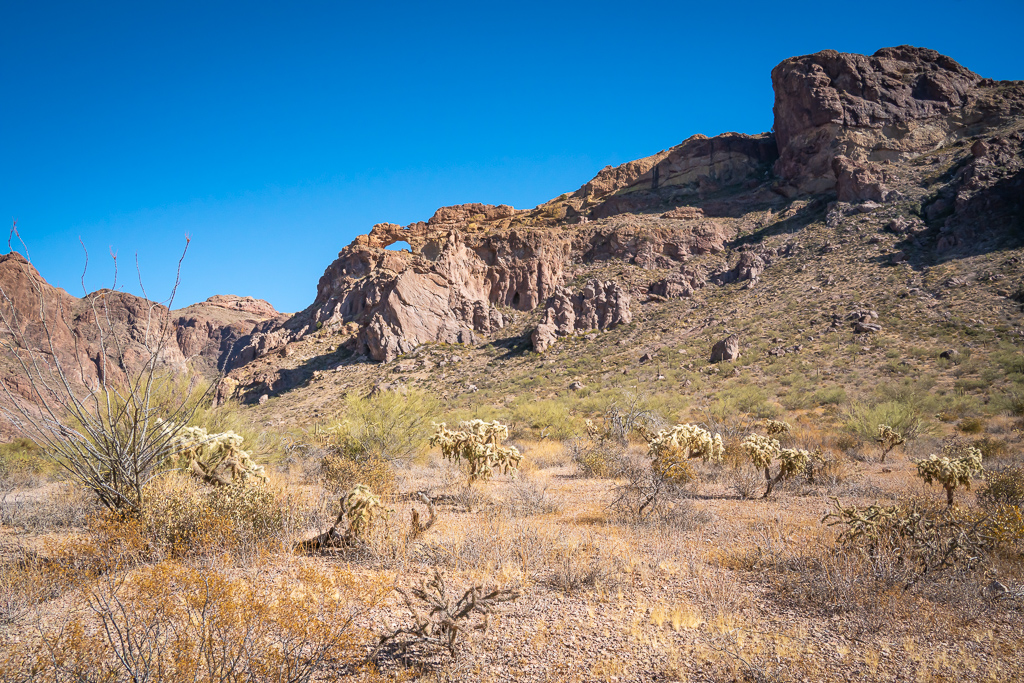
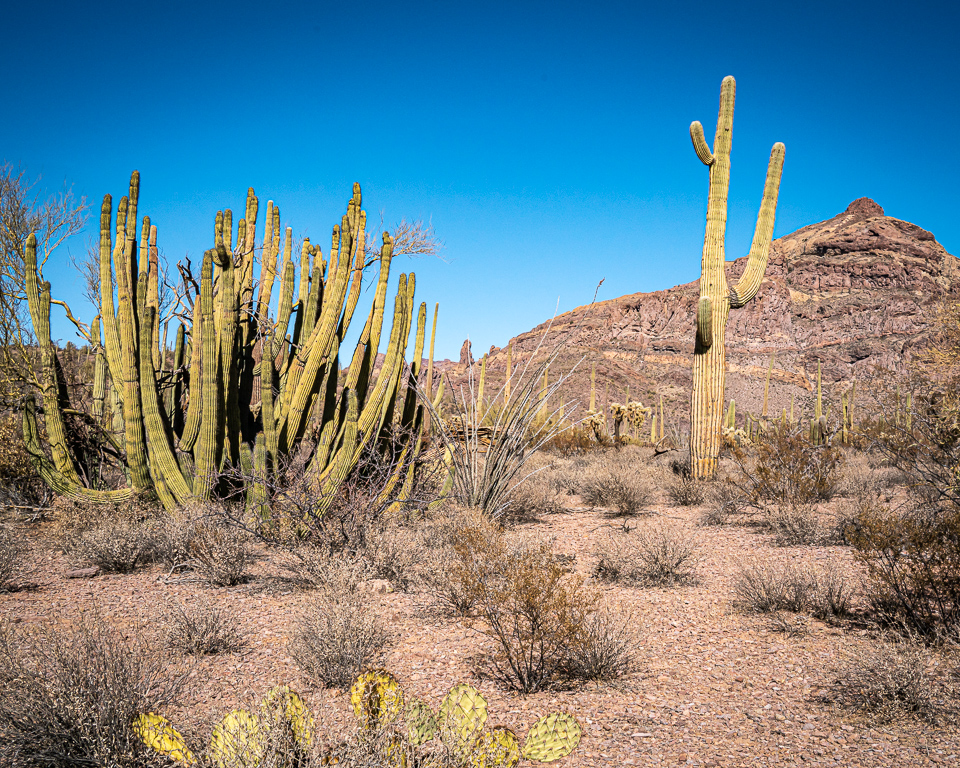
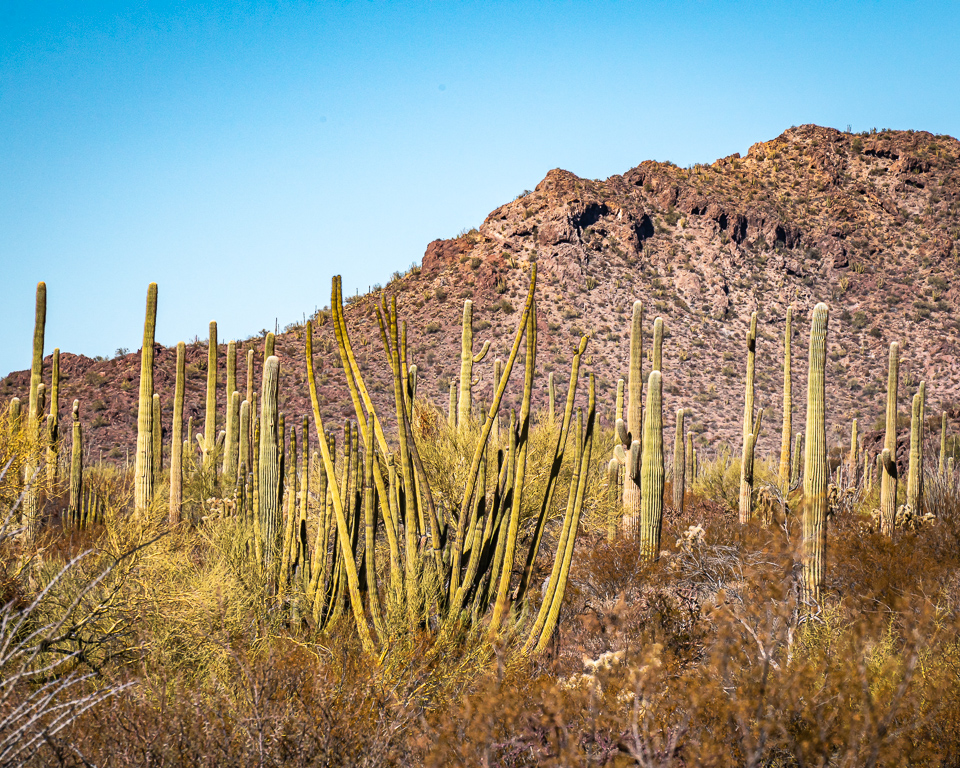
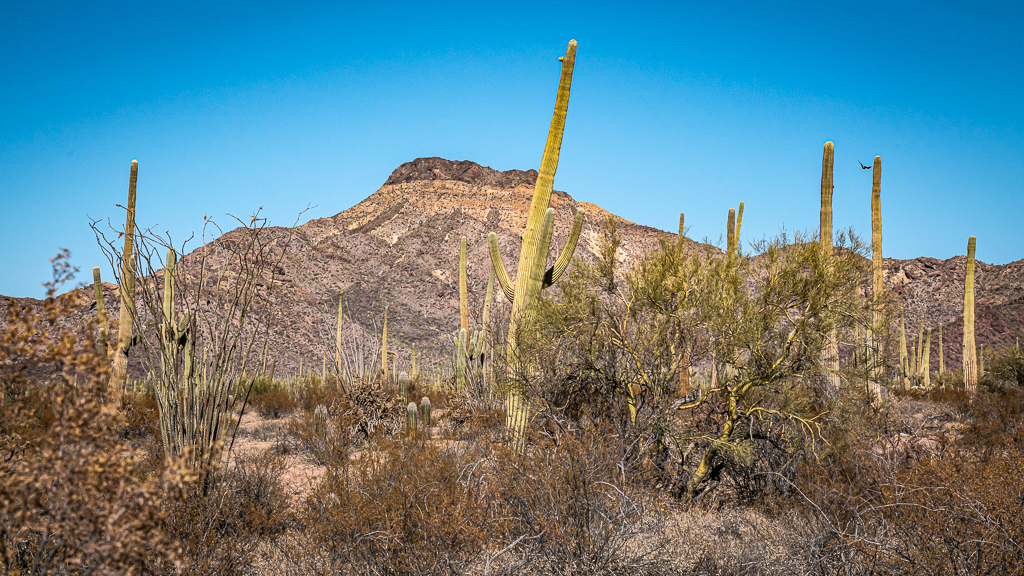
We did venture out on Saturday, January 9 to Organ Pipe Cactus National Monument; it was a spur-of-the-moment trip! The just over two hour drive through the desert was relaxing, with little traffic. Most roads on Indian reservations are closed due to the pandemic, so there are only a few ways in and out. Organ Pipe Cactus National Monument is a US national monument and UNESCO biosphere reserve located in extreme southern Arizona that shares a border with the Mexican state of Sonora. The park is the only place in the US where the organ pipe cactus grows wild. Along with organ pipe, many other types of cacti and other desert flora native to theYuma Desert section of the Sonoran Desert region grow in the park. In 1976 the monument was declared a Biosphere Reserve by UNESCO, and in 1977 95% of Organ Pipe Cactus was declared a wilderness area. Regrettably, little information was provided by the Visitors Center, other than traditional National Park Service handouts about the monument. We did the 21-mile Ago Mountain Drive, stopping afterwards back at the Visitors Center for a picnic lunch. Though the monument was not crowded, we opted not to hike any of the trails.

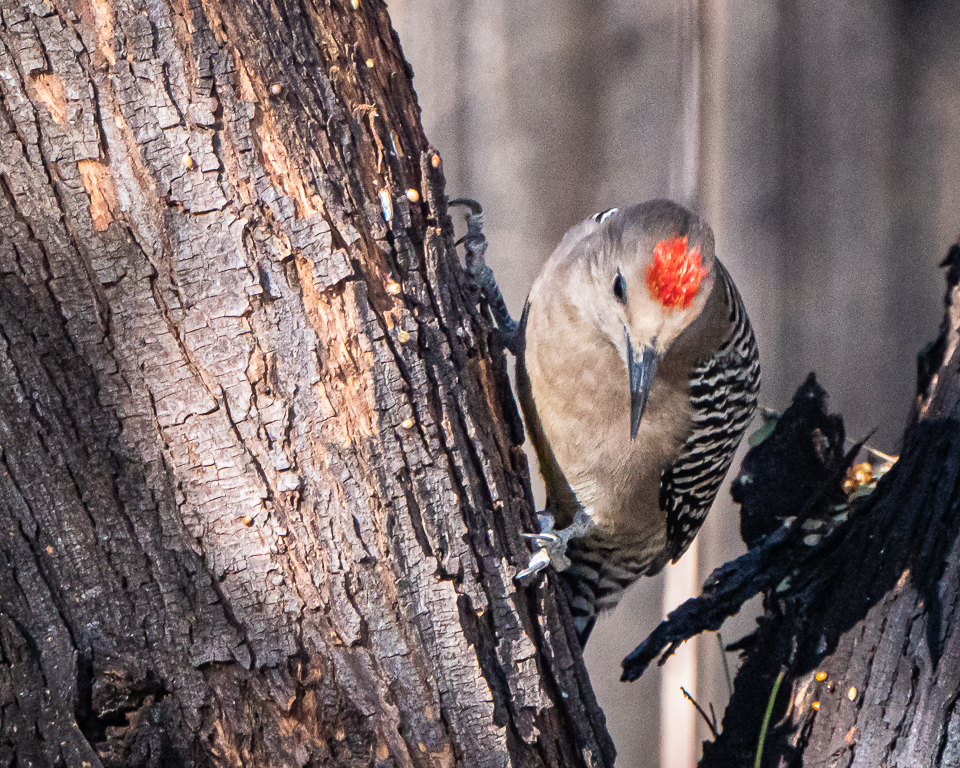
These birds were photographed near the Visitors Center.